User login
Unprecedented Study Gathers Data on Adolescent Development
An “unparalleled dataset” is providing high-quality information on the many factors that influence brain, cognitive, social, and emotional development in children.
The Adolescent Brain Cognitive Development (ABCD) study, involving > 7,500 children aged between 9 and 10 years and their families, is the largest long-term study of brain development and child health in the US. Interim results on about 30 terabytes of data (3 times the size of the Library of Congress collection) obtained from the first 4,500 participants will allow scientists to begin analyzing and publishing novel research, according to Nora Volkow, MD, director of the National Institute on Drug Abuse.
Researchers will be able to examine many aspects of growth and development, such as the impact of sports injuries on developmental outcomes, the relationship between screen time and brain and social development, and which brain pathways are associated with the onset and progression of mental health disorders.
The study aims to enroll 11,500 children by the end of 2018. Participants will be followed for 10 years, with data collected every 6 months through interviews and behavioral testing. Neuroimaging data, including high resolution MRI, are collected every 2 years.
An “unparalleled dataset” is providing high-quality information on the many factors that influence brain, cognitive, social, and emotional development in children.
The Adolescent Brain Cognitive Development (ABCD) study, involving > 7,500 children aged between 9 and 10 years and their families, is the largest long-term study of brain development and child health in the US. Interim results on about 30 terabytes of data (3 times the size of the Library of Congress collection) obtained from the first 4,500 participants will allow scientists to begin analyzing and publishing novel research, according to Nora Volkow, MD, director of the National Institute on Drug Abuse.
Researchers will be able to examine many aspects of growth and development, such as the impact of sports injuries on developmental outcomes, the relationship between screen time and brain and social development, and which brain pathways are associated with the onset and progression of mental health disorders.
The study aims to enroll 11,500 children by the end of 2018. Participants will be followed for 10 years, with data collected every 6 months through interviews and behavioral testing. Neuroimaging data, including high resolution MRI, are collected every 2 years.
An “unparalleled dataset” is providing high-quality information on the many factors that influence brain, cognitive, social, and emotional development in children.
The Adolescent Brain Cognitive Development (ABCD) study, involving > 7,500 children aged between 9 and 10 years and their families, is the largest long-term study of brain development and child health in the US. Interim results on about 30 terabytes of data (3 times the size of the Library of Congress collection) obtained from the first 4,500 participants will allow scientists to begin analyzing and publishing novel research, according to Nora Volkow, MD, director of the National Institute on Drug Abuse.
Researchers will be able to examine many aspects of growth and development, such as the impact of sports injuries on developmental outcomes, the relationship between screen time and brain and social development, and which brain pathways are associated with the onset and progression of mental health disorders.
The study aims to enroll 11,500 children by the end of 2018. Participants will be followed for 10 years, with data collected every 6 months through interviews and behavioral testing. Neuroimaging data, including high resolution MRI, are collected every 2 years.
Novel oral immunotherapy increased peanut tolerance in children, adults
ORLANDO – compared with those receiving placebo, according to research results.
Stacie M. Jones, MD, of the University of Arkansas and Arkansas Children’s Hospital, Little Rock, presented the late-breaking results from the pivotal PALISADE trial at the joint congress of the American Academy of Allergy, Asthma, and Immunology and the World Asthma Organization, in which Dr. Jones and her colleagues sought to examine the safety and efficacy of the novel oral immunotherapy AR101 for patients with peanut allergy.
At 12 months, 67% of patients who received AR101 tolerated 600 mg or more of peanut protein, compared with 4% of control patients (P less than .00001). The tolerance benefit for AR101 appeared to continue when the researchers evaluated 1,000 mg of peanut protein. A dose of 1,000 mg or more was tolerated by 50% of patients in the AR101 group, compared with 2.4% of patients in the control group (P less than .00001).
“Tolerance at 600 mg should indicate, not prove, but indicate that this therapy should be able to provide protection for the vast majority of individuals treated,” Dr. Jones said in an interview.
The majority of patients in the study experienced an adverse event; however, those who received AR101 experienced more events, and more events that were considered serious, she said. Patients in the treatment arm also experienced more treatment-related hypersensitivity, compared with patients in the placebo arm (14.5% vs. 3.2%), nearly all of which were mild to moderate.
It is important to note two key safety outcomes regarding AR101, Dr. Jones said. First, that one patient was diagnosed with eosinophilic esophagitis (EoE) during the study. “EoE has been a recurring theme with oral immunotherapy. Previous data showed EoE diagnoses in as many as 2%-5% of patients, and although one is certainly less than that, it is still important.”
Secondly, she pointed out that 6.7% of patients in the treatment group withdrew as a result of gastrointestinal adverse events. “This is a lower percentage than previously published data, but I don’t think you can understate this safety concern,” Dr. Jones said.
The efficacy of AR101 has prompted energy and hope for children with a peanut allergy. In the weeks following her presentation at AAAAI/WAO, Dr. Jones said she has been inundated with emails and calls from allergists asking for these data. However, she called for caution and patience, saying that it is important for the therapy to clear the appropriate steps in the process.
“This should not change clinical care that much in the next 12-18 months,” Dr. Jones said. “But it is very hopeful that this will be a new therapy on the market.”
The PALISADE trial was funded by Aimmune Therapeutics, and Dr. Jones reported holding an advisory board position for Aimmune Therapeutics, as well as having received other forms of support from biotech, pharmaceutical, and governmental organizations.
SOURCE: Jones SM et al. AAAAI/WAO Joint Congress, Abstract L6.
ORLANDO – compared with those receiving placebo, according to research results.
Stacie M. Jones, MD, of the University of Arkansas and Arkansas Children’s Hospital, Little Rock, presented the late-breaking results from the pivotal PALISADE trial at the joint congress of the American Academy of Allergy, Asthma, and Immunology and the World Asthma Organization, in which Dr. Jones and her colleagues sought to examine the safety and efficacy of the novel oral immunotherapy AR101 for patients with peanut allergy.
At 12 months, 67% of patients who received AR101 tolerated 600 mg or more of peanut protein, compared with 4% of control patients (P less than .00001). The tolerance benefit for AR101 appeared to continue when the researchers evaluated 1,000 mg of peanut protein. A dose of 1,000 mg or more was tolerated by 50% of patients in the AR101 group, compared with 2.4% of patients in the control group (P less than .00001).
“Tolerance at 600 mg should indicate, not prove, but indicate that this therapy should be able to provide protection for the vast majority of individuals treated,” Dr. Jones said in an interview.
The majority of patients in the study experienced an adverse event; however, those who received AR101 experienced more events, and more events that were considered serious, she said. Patients in the treatment arm also experienced more treatment-related hypersensitivity, compared with patients in the placebo arm (14.5% vs. 3.2%), nearly all of which were mild to moderate.
It is important to note two key safety outcomes regarding AR101, Dr. Jones said. First, that one patient was diagnosed with eosinophilic esophagitis (EoE) during the study. “EoE has been a recurring theme with oral immunotherapy. Previous data showed EoE diagnoses in as many as 2%-5% of patients, and although one is certainly less than that, it is still important.”
Secondly, she pointed out that 6.7% of patients in the treatment group withdrew as a result of gastrointestinal adverse events. “This is a lower percentage than previously published data, but I don’t think you can understate this safety concern,” Dr. Jones said.
The efficacy of AR101 has prompted energy and hope for children with a peanut allergy. In the weeks following her presentation at AAAAI/WAO, Dr. Jones said she has been inundated with emails and calls from allergists asking for these data. However, she called for caution and patience, saying that it is important for the therapy to clear the appropriate steps in the process.
“This should not change clinical care that much in the next 12-18 months,” Dr. Jones said. “But it is very hopeful that this will be a new therapy on the market.”
The PALISADE trial was funded by Aimmune Therapeutics, and Dr. Jones reported holding an advisory board position for Aimmune Therapeutics, as well as having received other forms of support from biotech, pharmaceutical, and governmental organizations.
SOURCE: Jones SM et al. AAAAI/WAO Joint Congress, Abstract L6.
ORLANDO – compared with those receiving placebo, according to research results.
Stacie M. Jones, MD, of the University of Arkansas and Arkansas Children’s Hospital, Little Rock, presented the late-breaking results from the pivotal PALISADE trial at the joint congress of the American Academy of Allergy, Asthma, and Immunology and the World Asthma Organization, in which Dr. Jones and her colleagues sought to examine the safety and efficacy of the novel oral immunotherapy AR101 for patients with peanut allergy.
At 12 months, 67% of patients who received AR101 tolerated 600 mg or more of peanut protein, compared with 4% of control patients (P less than .00001). The tolerance benefit for AR101 appeared to continue when the researchers evaluated 1,000 mg of peanut protein. A dose of 1,000 mg or more was tolerated by 50% of patients in the AR101 group, compared with 2.4% of patients in the control group (P less than .00001).
“Tolerance at 600 mg should indicate, not prove, but indicate that this therapy should be able to provide protection for the vast majority of individuals treated,” Dr. Jones said in an interview.
The majority of patients in the study experienced an adverse event; however, those who received AR101 experienced more events, and more events that were considered serious, she said. Patients in the treatment arm also experienced more treatment-related hypersensitivity, compared with patients in the placebo arm (14.5% vs. 3.2%), nearly all of which were mild to moderate.
It is important to note two key safety outcomes regarding AR101, Dr. Jones said. First, that one patient was diagnosed with eosinophilic esophagitis (EoE) during the study. “EoE has been a recurring theme with oral immunotherapy. Previous data showed EoE diagnoses in as many as 2%-5% of patients, and although one is certainly less than that, it is still important.”
Secondly, she pointed out that 6.7% of patients in the treatment group withdrew as a result of gastrointestinal adverse events. “This is a lower percentage than previously published data, but I don’t think you can understate this safety concern,” Dr. Jones said.
The efficacy of AR101 has prompted energy and hope for children with a peanut allergy. In the weeks following her presentation at AAAAI/WAO, Dr. Jones said she has been inundated with emails and calls from allergists asking for these data. However, she called for caution and patience, saying that it is important for the therapy to clear the appropriate steps in the process.
“This should not change clinical care that much in the next 12-18 months,” Dr. Jones said. “But it is very hopeful that this will be a new therapy on the market.”
The PALISADE trial was funded by Aimmune Therapeutics, and Dr. Jones reported holding an advisory board position for Aimmune Therapeutics, as well as having received other forms of support from biotech, pharmaceutical, and governmental organizations.
SOURCE: Jones SM et al. AAAAI/WAO Joint Congress, Abstract L6.
FROM AAAAI/WAO JOINT CONGRESS 2018
Key clinical point: A novel oral immunotherapy significantly improved peanut tolerance in children and adults with peanut allergy.
Major finding: Two-thirds of patients who received AR101 tolerated 600 mg or more of peanut protein, compared with 4% of patients who did not receive the novel oral immunotherapy.
Data source: The randomized, phase 3, double-blind, placebo-controlled PALISADE trial.
Disclosures: The study was funded by Aimmune Therapeutics. Dr. Jones reported holding an advisory board position with Aimmune Therapeutics.
Source: Jones SM et al. AAAAI/WAO Joint Congress, Abstract L6.
FDA wants data on role of flavored tobacco products in youth initiation
The Food and Drug Administration is seeking data on the role that flavors, including menthol, in tobacco products play in the initiation, use, and cessation of tobacco products, with an emphasis on how flavoring impacts young people.
“In the spirit of our commitment to preventing kids from using tobacco, we are taking a closer look at flavors in tobacco products to better understand their level of impact on youth initiation,” FDA Commissioner Scott Gottlieb, MD, said in statement. It is important “that we also explore how flavors, under a properly regulated framework that protects youth, may also be helping some currently addicted adult cigarette smokers switch to certain noncombustible forms of tobacco products.”
“Youth consistently report product flavoring as a leading reason for using tobacco products,” Dr. Gottlieb noted. “In fact, there is evidence indicating that youth tobacco users who reported their first tobacco was flavored had a higher prevalence of current tobacco product use, compared to youth whose product was not flavored.”
The advance notice calls for information across a number of areas, including the role of flavors other than tobacco in tobacco products; flavors and initiation and patterns of tobacco product use, particularly among youths and young adults; and flavors and cessation, dual-use, and relapse among current and former tobacco product users.
It also is seeking comment on whether standards should be set on tobacco flavoring, including whether there should a prohibition or restriction on flavors and to which types of products these standards should apply. The notice specifically asks about menthol and its role in cigarette initiation and whether limitations on menthol could lead to use of other tobacco products.
“Because almost 90% of adult smokers started smoking by the age of 18, it’s imperative we look at new ways we can ensure that kids don’t progress from experimentation to regular use,” Commissioner Gottlieb said.
The American Heart Association called the action “long overdue.”
“We encourage the FDA to quickly move beyond information gathering and develop a strong flavoring product standard,” CEO Nancy Brown said in a statement. “There is already clear evidence that flavored tobacco products, including menthol, harm the public health. To make it worse, fruit- and candy-flavored e-cigarettes, cigars, and other tobacco products are highly attractive to kids and make it more likely that they will take up this addiction.”
The action comes less than a week after FDA published an advance notice seeking information comments on reducing nicotine levels in cigarettes to help combat nicotine addiction.
The advance notice will be published March 21 in the Federal Register; comments will be accepted at www.regulations.gov for 90 days.
The Food and Drug Administration is seeking data on the role that flavors, including menthol, in tobacco products play in the initiation, use, and cessation of tobacco products, with an emphasis on how flavoring impacts young people.
“In the spirit of our commitment to preventing kids from using tobacco, we are taking a closer look at flavors in tobacco products to better understand their level of impact on youth initiation,” FDA Commissioner Scott Gottlieb, MD, said in statement. It is important “that we also explore how flavors, under a properly regulated framework that protects youth, may also be helping some currently addicted adult cigarette smokers switch to certain noncombustible forms of tobacco products.”
“Youth consistently report product flavoring as a leading reason for using tobacco products,” Dr. Gottlieb noted. “In fact, there is evidence indicating that youth tobacco users who reported their first tobacco was flavored had a higher prevalence of current tobacco product use, compared to youth whose product was not flavored.”
The advance notice calls for information across a number of areas, including the role of flavors other than tobacco in tobacco products; flavors and initiation and patterns of tobacco product use, particularly among youths and young adults; and flavors and cessation, dual-use, and relapse among current and former tobacco product users.
It also is seeking comment on whether standards should be set on tobacco flavoring, including whether there should a prohibition or restriction on flavors and to which types of products these standards should apply. The notice specifically asks about menthol and its role in cigarette initiation and whether limitations on menthol could lead to use of other tobacco products.
“Because almost 90% of adult smokers started smoking by the age of 18, it’s imperative we look at new ways we can ensure that kids don’t progress from experimentation to regular use,” Commissioner Gottlieb said.
The American Heart Association called the action “long overdue.”
“We encourage the FDA to quickly move beyond information gathering and develop a strong flavoring product standard,” CEO Nancy Brown said in a statement. “There is already clear evidence that flavored tobacco products, including menthol, harm the public health. To make it worse, fruit- and candy-flavored e-cigarettes, cigars, and other tobacco products are highly attractive to kids and make it more likely that they will take up this addiction.”
The action comes less than a week after FDA published an advance notice seeking information comments on reducing nicotine levels in cigarettes to help combat nicotine addiction.
The advance notice will be published March 21 in the Federal Register; comments will be accepted at www.regulations.gov for 90 days.
The Food and Drug Administration is seeking data on the role that flavors, including menthol, in tobacco products play in the initiation, use, and cessation of tobacco products, with an emphasis on how flavoring impacts young people.
“In the spirit of our commitment to preventing kids from using tobacco, we are taking a closer look at flavors in tobacco products to better understand their level of impact on youth initiation,” FDA Commissioner Scott Gottlieb, MD, said in statement. It is important “that we also explore how flavors, under a properly regulated framework that protects youth, may also be helping some currently addicted adult cigarette smokers switch to certain noncombustible forms of tobacco products.”
“Youth consistently report product flavoring as a leading reason for using tobacco products,” Dr. Gottlieb noted. “In fact, there is evidence indicating that youth tobacco users who reported their first tobacco was flavored had a higher prevalence of current tobacco product use, compared to youth whose product was not flavored.”
The advance notice calls for information across a number of areas, including the role of flavors other than tobacco in tobacco products; flavors and initiation and patterns of tobacco product use, particularly among youths and young adults; and flavors and cessation, dual-use, and relapse among current and former tobacco product users.
It also is seeking comment on whether standards should be set on tobacco flavoring, including whether there should a prohibition or restriction on flavors and to which types of products these standards should apply. The notice specifically asks about menthol and its role in cigarette initiation and whether limitations on menthol could lead to use of other tobacco products.
“Because almost 90% of adult smokers started smoking by the age of 18, it’s imperative we look at new ways we can ensure that kids don’t progress from experimentation to regular use,” Commissioner Gottlieb said.
The American Heart Association called the action “long overdue.”
“We encourage the FDA to quickly move beyond information gathering and develop a strong flavoring product standard,” CEO Nancy Brown said in a statement. “There is already clear evidence that flavored tobacco products, including menthol, harm the public health. To make it worse, fruit- and candy-flavored e-cigarettes, cigars, and other tobacco products are highly attractive to kids and make it more likely that they will take up this addiction.”
The action comes less than a week after FDA published an advance notice seeking information comments on reducing nicotine levels in cigarettes to help combat nicotine addiction.
The advance notice will be published March 21 in the Federal Register; comments will be accepted at www.regulations.gov for 90 days.
More Children Than Estimated Have Fetal Alcohol Problems
A study of first graders showed that a significant number of subjects had fetal alcohol spectrum disorders (FASD)—“conservative” rates, National Institute on Alcohol Abuse and Alcoholism (NIAAA) researchers say, ranging from 1% - 5%.
Fetal alcohol spectrum disorders cover a range of health effects that are caused by prenatal alcohol exposure, including growth deficiencies, facial abnormalities, and organ damage, as well as neurobiological deficits that contribute to challenges throughout the life of those affected.
Prenatal alcohol exposure is a “leading preventable cause of developmental disabilities worldwide,” said George Koob, PhD, director of the NIAAA. But determining the prevalence in the US is complex, he notes, because of difficulties in identifying children who have been exposed before birth and also because previous FASD estimates were based on smaller studies.
The study conducted by the Collaboration on Fetal Alcohol Spectrum Disorders Prevalence consortium, collected data between 2010 -2016 on 6,639 children in 4 communities located in the Midwest, Rocky Mountain, Southeast, and Pacific Southwest communities. These sites were selected to be more reflective of US community populations than in previous studies.
Their findings suggest that many children are undiagnosed or misdiagnosed, the researchers say. Of 222 children diagnosed with FASD in the study, for example, only 2 had been previously diagnosed with FASD, although many parents and guardians were aware of the children’s learning and behavioral challenges.
The study’s comprehensive approach may give a truer picture of the prevalence of FASD in the U.S. And, says Christina Chambers, PhD, a co-leader of the investigation, it further highlights the “public health burden of FASD.”
A study of first graders showed that a significant number of subjects had fetal alcohol spectrum disorders (FASD)—“conservative” rates, National Institute on Alcohol Abuse and Alcoholism (NIAAA) researchers say, ranging from 1% - 5%.
Fetal alcohol spectrum disorders cover a range of health effects that are caused by prenatal alcohol exposure, including growth deficiencies, facial abnormalities, and organ damage, as well as neurobiological deficits that contribute to challenges throughout the life of those affected.
Prenatal alcohol exposure is a “leading preventable cause of developmental disabilities worldwide,” said George Koob, PhD, director of the NIAAA. But determining the prevalence in the US is complex, he notes, because of difficulties in identifying children who have been exposed before birth and also because previous FASD estimates were based on smaller studies.
The study conducted by the Collaboration on Fetal Alcohol Spectrum Disorders Prevalence consortium, collected data between 2010 -2016 on 6,639 children in 4 communities located in the Midwest, Rocky Mountain, Southeast, and Pacific Southwest communities. These sites were selected to be more reflective of US community populations than in previous studies.
Their findings suggest that many children are undiagnosed or misdiagnosed, the researchers say. Of 222 children diagnosed with FASD in the study, for example, only 2 had been previously diagnosed with FASD, although many parents and guardians were aware of the children’s learning and behavioral challenges.
The study’s comprehensive approach may give a truer picture of the prevalence of FASD in the U.S. And, says Christina Chambers, PhD, a co-leader of the investigation, it further highlights the “public health burden of FASD.”
A study of first graders showed that a significant number of subjects had fetal alcohol spectrum disorders (FASD)—“conservative” rates, National Institute on Alcohol Abuse and Alcoholism (NIAAA) researchers say, ranging from 1% - 5%.
Fetal alcohol spectrum disorders cover a range of health effects that are caused by prenatal alcohol exposure, including growth deficiencies, facial abnormalities, and organ damage, as well as neurobiological deficits that contribute to challenges throughout the life of those affected.
Prenatal alcohol exposure is a “leading preventable cause of developmental disabilities worldwide,” said George Koob, PhD, director of the NIAAA. But determining the prevalence in the US is complex, he notes, because of difficulties in identifying children who have been exposed before birth and also because previous FASD estimates were based on smaller studies.
The study conducted by the Collaboration on Fetal Alcohol Spectrum Disorders Prevalence consortium, collected data between 2010 -2016 on 6,639 children in 4 communities located in the Midwest, Rocky Mountain, Southeast, and Pacific Southwest communities. These sites were selected to be more reflective of US community populations than in previous studies.
Their findings suggest that many children are undiagnosed or misdiagnosed, the researchers say. Of 222 children diagnosed with FASD in the study, for example, only 2 had been previously diagnosed with FASD, although many parents and guardians were aware of the children’s learning and behavioral challenges.
The study’s comprehensive approach may give a truer picture of the prevalence of FASD in the U.S. And, says Christina Chambers, PhD, a co-leader of the investigation, it further highlights the “public health burden of FASD.”
Stroke Patients May Have a Wider Window of Treatment Opportunity
Thrombectomy is currently approved for use up to 6 hours after symptom onset; the researchers from the Endovascular Therapy Following Imaging Evaluation for the Ischemic Stroke (DEFUSE 3) trial discovered that even 16 hours after symptom onset, the procedure could improve outcomes compared with those of standard medical therapy.
Using automated software to analyze perfusion magnetic resonance imaging or computer tomography scans, the researchers identified patients thought to have salvageable tissue. The patients were randomly assigned to receive endovascular thrombectomy plus standard medical therapy or medical therapy alone.
In the thrombectomy group, 45% of patients achieved functional independence compared with 17% of the control group. Thrombectomy also was associated with improved survival: 14% of the treated group died within 90 days of the study compared with 26% of the control group.
The DEFUSE 3 trial is a large study supported by StrokeNet, a network of hospitals providing research infrastructure for multisite clinical trials, in this case, at 38 centers. The study was ended early because of “overwhelming” evidence of benefit from the clot removal procedure.
“These striking results will have an immediate impact and save people from lifelong disability or death,” said Walter Korshetz, MD, director of the National Institute of Neurological Disorders and Stroke. “I really cannot overstate the size of this effect.” He adds that 1 of 3 stroke patients with at-risk brain tissue improves, and some may walk out of the hospital “saved from what would otherwise have been a devastating brain injury.”
Thrombectomy is currently approved for use up to 6 hours after symptom onset; the researchers from the Endovascular Therapy Following Imaging Evaluation for the Ischemic Stroke (DEFUSE 3) trial discovered that even 16 hours after symptom onset, the procedure could improve outcomes compared with those of standard medical therapy.
Using automated software to analyze perfusion magnetic resonance imaging or computer tomography scans, the researchers identified patients thought to have salvageable tissue. The patients were randomly assigned to receive endovascular thrombectomy plus standard medical therapy or medical therapy alone.
In the thrombectomy group, 45% of patients achieved functional independence compared with 17% of the control group. Thrombectomy also was associated with improved survival: 14% of the treated group died within 90 days of the study compared with 26% of the control group.
The DEFUSE 3 trial is a large study supported by StrokeNet, a network of hospitals providing research infrastructure for multisite clinical trials, in this case, at 38 centers. The study was ended early because of “overwhelming” evidence of benefit from the clot removal procedure.
“These striking results will have an immediate impact and save people from lifelong disability or death,” said Walter Korshetz, MD, director of the National Institute of Neurological Disorders and Stroke. “I really cannot overstate the size of this effect.” He adds that 1 of 3 stroke patients with at-risk brain tissue improves, and some may walk out of the hospital “saved from what would otherwise have been a devastating brain injury.”
Thrombectomy is currently approved for use up to 6 hours after symptom onset; the researchers from the Endovascular Therapy Following Imaging Evaluation for the Ischemic Stroke (DEFUSE 3) trial discovered that even 16 hours after symptom onset, the procedure could improve outcomes compared with those of standard medical therapy.
Using automated software to analyze perfusion magnetic resonance imaging or computer tomography scans, the researchers identified patients thought to have salvageable tissue. The patients were randomly assigned to receive endovascular thrombectomy plus standard medical therapy or medical therapy alone.
In the thrombectomy group, 45% of patients achieved functional independence compared with 17% of the control group. Thrombectomy also was associated with improved survival: 14% of the treated group died within 90 days of the study compared with 26% of the control group.
The DEFUSE 3 trial is a large study supported by StrokeNet, a network of hospitals providing research infrastructure for multisite clinical trials, in this case, at 38 centers. The study was ended early because of “overwhelming” evidence of benefit from the clot removal procedure.
“These striking results will have an immediate impact and save people from lifelong disability or death,” said Walter Korshetz, MD, director of the National Institute of Neurological Disorders and Stroke. “I really cannot overstate the size of this effect.” He adds that 1 of 3 stroke patients with at-risk brain tissue improves, and some may walk out of the hospital “saved from what would otherwise have been a devastating brain injury.”
Effectiveness, adherence similar for nasal pillows and standard masks
according to results of a study.
In a retrospective observational study of 144 patients with obstructive sleep apnea, respiratory measures including apnea-hypopnea index (AHI), oxygen desaturation index, mean oxygen saturation, and Epworth Sleepiness scale scores did not differ between the two treatment groups at baseline and during a 12-month follow-up appointment. Treatment adherence was also similar between the two groups, reported Andrea Lanza of the Sleep Medicine Center at Niguarda Hospital in Milan, Italy, and coauthors in Sleep Medicine.
Patients received continuous positive airway pressure (CPAP) treatment between May 2012 and September 2014, and were assigned to one of two groups based on their choice of treatment. Initially, 102 opted for nasal pillows (Group P), and 42 chose the standard nasal mask (Group N). Patients who either changed masks or added a new one during titration or follow-up were assigned to a third group, Group C.
AHI did not differ significantly between groups at baseline or follow-up. In Group P, mean AHI at titration was 1.2 events per hour, compared with 1.8 in Group N and 1.9 in Group C (P = .109). At follow-up, AHI was 0.7 in Group P, 1.1 in Group N, and 0.9 in Group C (P = .172). Oxygen desaturation index and oxygen saturation also remained similar between the groups at baseline and follow-up, the investigators reported.
Additionally, long-term adherence did not differ significantly between the groups, with mean daily CPAP usage of 5.5 hours per night in Group P, 5.3 in Group N, and 5.6 in Group C. Mean usage was less than 4 hours per night for 11.6% in group P, 18.5% in group N, and 13.9% in group C, the authors added.
The frequency of side effects occurring in patients in two of the groups were similar (49% in Group P, vs. 61% in Group N; P = .212), though the nature of the side effects differed. Nostril pain or burning was reported only by patients in the nasal pillows group, and skin breakdown was reported only in the nasal mask group.
Though nasal pillows have typically been reserved for patients who do not tolerate the standard mask, the results of this study suggest that “nasal pillows could be safely prescribed as first-line interfaces,” the authors wrote. “They seem to be efficacious for CPAP titration and long-term treatment, ensuring a good rate of adherence.”
All of the authors reported having no disclosures.
SOURCE: Lanza A et al. Sleep Med. 2018 Jan;41:94-9
These results add to the body of evidence about the efficacy of nasal pillows and nasal masks. Future research should address the need for retitration when changing mask type, said Matthew R. Ebben, PhD, associate clinical professor at Cornell University, New York, in an editorial published with the study in Sleep Medicine.
“Many working in the field of sleep medicine continue to be unaware that differences in efficacy exist between mask styles, particularly in cases of moderate to severe obstructive sleep apnea,” he wrote.
“New clinical practice guidelines are needed to promote the necessity for PAP [positive airway pressure] retitration when changes in mask style are required,” he added. “Ensuring that PAP therapy is as effective as possible will reduce the need for patients and clinicians to investigate other treatment options for obstructive sleep apnea, which may be both less effective and have an inferior side effect profile compared to PAP treatment.”
These results add to the body of evidence about the efficacy of nasal pillows and nasal masks. Future research should address the need for retitration when changing mask type, said Matthew R. Ebben, PhD, associate clinical professor at Cornell University, New York, in an editorial published with the study in Sleep Medicine.
“Many working in the field of sleep medicine continue to be unaware that differences in efficacy exist between mask styles, particularly in cases of moderate to severe obstructive sleep apnea,” he wrote.
“New clinical practice guidelines are needed to promote the necessity for PAP [positive airway pressure] retitration when changes in mask style are required,” he added. “Ensuring that PAP therapy is as effective as possible will reduce the need for patients and clinicians to investigate other treatment options for obstructive sleep apnea, which may be both less effective and have an inferior side effect profile compared to PAP treatment.”
These results add to the body of evidence about the efficacy of nasal pillows and nasal masks. Future research should address the need for retitration when changing mask type, said Matthew R. Ebben, PhD, associate clinical professor at Cornell University, New York, in an editorial published with the study in Sleep Medicine.
“Many working in the field of sleep medicine continue to be unaware that differences in efficacy exist between mask styles, particularly in cases of moderate to severe obstructive sleep apnea,” he wrote.
“New clinical practice guidelines are needed to promote the necessity for PAP [positive airway pressure] retitration when changes in mask style are required,” he added. “Ensuring that PAP therapy is as effective as possible will reduce the need for patients and clinicians to investigate other treatment options for obstructive sleep apnea, which may be both less effective and have an inferior side effect profile compared to PAP treatment.”
according to results of a study.
In a retrospective observational study of 144 patients with obstructive sleep apnea, respiratory measures including apnea-hypopnea index (AHI), oxygen desaturation index, mean oxygen saturation, and Epworth Sleepiness scale scores did not differ between the two treatment groups at baseline and during a 12-month follow-up appointment. Treatment adherence was also similar between the two groups, reported Andrea Lanza of the Sleep Medicine Center at Niguarda Hospital in Milan, Italy, and coauthors in Sleep Medicine.
Patients received continuous positive airway pressure (CPAP) treatment between May 2012 and September 2014, and were assigned to one of two groups based on their choice of treatment. Initially, 102 opted for nasal pillows (Group P), and 42 chose the standard nasal mask (Group N). Patients who either changed masks or added a new one during titration or follow-up were assigned to a third group, Group C.
AHI did not differ significantly between groups at baseline or follow-up. In Group P, mean AHI at titration was 1.2 events per hour, compared with 1.8 in Group N and 1.9 in Group C (P = .109). At follow-up, AHI was 0.7 in Group P, 1.1 in Group N, and 0.9 in Group C (P = .172). Oxygen desaturation index and oxygen saturation also remained similar between the groups at baseline and follow-up, the investigators reported.
Additionally, long-term adherence did not differ significantly between the groups, with mean daily CPAP usage of 5.5 hours per night in Group P, 5.3 in Group N, and 5.6 in Group C. Mean usage was less than 4 hours per night for 11.6% in group P, 18.5% in group N, and 13.9% in group C, the authors added.
The frequency of side effects occurring in patients in two of the groups were similar (49% in Group P, vs. 61% in Group N; P = .212), though the nature of the side effects differed. Nostril pain or burning was reported only by patients in the nasal pillows group, and skin breakdown was reported only in the nasal mask group.
Though nasal pillows have typically been reserved for patients who do not tolerate the standard mask, the results of this study suggest that “nasal pillows could be safely prescribed as first-line interfaces,” the authors wrote. “They seem to be efficacious for CPAP titration and long-term treatment, ensuring a good rate of adherence.”
All of the authors reported having no disclosures.
SOURCE: Lanza A et al. Sleep Med. 2018 Jan;41:94-9
according to results of a study.
In a retrospective observational study of 144 patients with obstructive sleep apnea, respiratory measures including apnea-hypopnea index (AHI), oxygen desaturation index, mean oxygen saturation, and Epworth Sleepiness scale scores did not differ between the two treatment groups at baseline and during a 12-month follow-up appointment. Treatment adherence was also similar between the two groups, reported Andrea Lanza of the Sleep Medicine Center at Niguarda Hospital in Milan, Italy, and coauthors in Sleep Medicine.
Patients received continuous positive airway pressure (CPAP) treatment between May 2012 and September 2014, and were assigned to one of two groups based on their choice of treatment. Initially, 102 opted for nasal pillows (Group P), and 42 chose the standard nasal mask (Group N). Patients who either changed masks or added a new one during titration or follow-up were assigned to a third group, Group C.
AHI did not differ significantly between groups at baseline or follow-up. In Group P, mean AHI at titration was 1.2 events per hour, compared with 1.8 in Group N and 1.9 in Group C (P = .109). At follow-up, AHI was 0.7 in Group P, 1.1 in Group N, and 0.9 in Group C (P = .172). Oxygen desaturation index and oxygen saturation also remained similar between the groups at baseline and follow-up, the investigators reported.
Additionally, long-term adherence did not differ significantly between the groups, with mean daily CPAP usage of 5.5 hours per night in Group P, 5.3 in Group N, and 5.6 in Group C. Mean usage was less than 4 hours per night for 11.6% in group P, 18.5% in group N, and 13.9% in group C, the authors added.
The frequency of side effects occurring in patients in two of the groups were similar (49% in Group P, vs. 61% in Group N; P = .212), though the nature of the side effects differed. Nostril pain or burning was reported only by patients in the nasal pillows group, and skin breakdown was reported only in the nasal mask group.
Though nasal pillows have typically been reserved for patients who do not tolerate the standard mask, the results of this study suggest that “nasal pillows could be safely prescribed as first-line interfaces,” the authors wrote. “They seem to be efficacious for CPAP titration and long-term treatment, ensuring a good rate of adherence.”
All of the authors reported having no disclosures.
SOURCE: Lanza A et al. Sleep Med. 2018 Jan;41:94-9
FROM SLEEP MEDICINE
Key clinical point: Nasal pillows showed equal long-term efficacy as standard nasal masks in obstructive sleep apnea patients treated with continuous positive airway pressure.
Major finding: Long-term adherence did not differ significantly between the groups, with mean daily CPAP usage of 5.5 hours per night with nasal pillows and 5.3 hours per night with standard nasal masks; respiratory measures including AHI, oxygen desaturation index, and oxygen saturation also remained similar between the groups at baseline and follow-up.
Data source: A retrospective observational study of 144 OSA patients treated with nasal pillows or standard nasal masks.
Disclosures: All of the authors reported having no disclosures.
Source: Lanza A et al. Sleep Med. 2018 Jan. doi: 10.1016/j.sleep.2017/.08.024.
When Your Neighborhood Is a CVD Risk Factor
Living in a neighborhood with poor access to food and poor walkability puts people at risk for cardiovascular disease (CVD)—and according to researchers from Morehouse School of Medicine in Atlanta, Georgia, African Americans seemed to have the highest risk.
In a CDC-funded study, the researchers examined the relationship between neighborhood-level food access and walkability on premature CVD mortality rates in Atlanta, using census tracts to map neighborhoods. Atlanta is in Fulton County, which has a food insecurity rating of nearly 20%. Food access was defined as the percentage of no-vehicle households living beyond a 0.9-mile radius of a food outlet in 2012. Walkability was measured in relationship to amenities, population density, and road metrics.
The researchers found no significant difference in walkability scores between high-poverty and low-poverty census tracts. However, they found significant racial differences: Census tracts with high concentrations of minority populations had higher levels of poor food access, poor walkability, and premature CVD mortality.
Of 124 census tracts, 87 contained 73% of the city’s population aged 35 to 64 years and accounted for 1,225 deaths between 2010-2014, with a premature CVD mortality rate of 11 per 1,000. Black premature CVD deaths accounted for nearly 85% of the premature CVD deaths in all census tracts—a “disproportionate number,” the researchers say, because blacks make up only 52% of the city’s total population aged 35 to 64 years.
The findings can be used to “calibrate” neighborhood interventions, based on racial/ethnic or other demographic characteristics, the researchers suggest. They add that the results highlight the need to examine racially stratified health outcomes.
Living in a neighborhood with poor access to food and poor walkability puts people at risk for cardiovascular disease (CVD)—and according to researchers from Morehouse School of Medicine in Atlanta, Georgia, African Americans seemed to have the highest risk.
In a CDC-funded study, the researchers examined the relationship between neighborhood-level food access and walkability on premature CVD mortality rates in Atlanta, using census tracts to map neighborhoods. Atlanta is in Fulton County, which has a food insecurity rating of nearly 20%. Food access was defined as the percentage of no-vehicle households living beyond a 0.9-mile radius of a food outlet in 2012. Walkability was measured in relationship to amenities, population density, and road metrics.
The researchers found no significant difference in walkability scores between high-poverty and low-poverty census tracts. However, they found significant racial differences: Census tracts with high concentrations of minority populations had higher levels of poor food access, poor walkability, and premature CVD mortality.
Of 124 census tracts, 87 contained 73% of the city’s population aged 35 to 64 years and accounted for 1,225 deaths between 2010-2014, with a premature CVD mortality rate of 11 per 1,000. Black premature CVD deaths accounted for nearly 85% of the premature CVD deaths in all census tracts—a “disproportionate number,” the researchers say, because blacks make up only 52% of the city’s total population aged 35 to 64 years.
The findings can be used to “calibrate” neighborhood interventions, based on racial/ethnic or other demographic characteristics, the researchers suggest. They add that the results highlight the need to examine racially stratified health outcomes.
Living in a neighborhood with poor access to food and poor walkability puts people at risk for cardiovascular disease (CVD)—and according to researchers from Morehouse School of Medicine in Atlanta, Georgia, African Americans seemed to have the highest risk.
In a CDC-funded study, the researchers examined the relationship between neighborhood-level food access and walkability on premature CVD mortality rates in Atlanta, using census tracts to map neighborhoods. Atlanta is in Fulton County, which has a food insecurity rating of nearly 20%. Food access was defined as the percentage of no-vehicle households living beyond a 0.9-mile radius of a food outlet in 2012. Walkability was measured in relationship to amenities, population density, and road metrics.
The researchers found no significant difference in walkability scores between high-poverty and low-poverty census tracts. However, they found significant racial differences: Census tracts with high concentrations of minority populations had higher levels of poor food access, poor walkability, and premature CVD mortality.
Of 124 census tracts, 87 contained 73% of the city’s population aged 35 to 64 years and accounted for 1,225 deaths between 2010-2014, with a premature CVD mortality rate of 11 per 1,000. Black premature CVD deaths accounted for nearly 85% of the premature CVD deaths in all census tracts—a “disproportionate number,” the researchers say, because blacks make up only 52% of the city’s total population aged 35 to 64 years.
The findings can be used to “calibrate” neighborhood interventions, based on racial/ethnic or other demographic characteristics, the researchers suggest. They add that the results highlight the need to examine racially stratified health outcomes.
Time to rethink MCL treatment, trial design
Classic mantle cell lymphoma (cMCL) has long been treated as a uniformly aggressive disease in need of similarly aggressive treatment, but that approach may be leading to overtreatment, according to one expert.
“The cMCL encompasses a broad category of lymphomas with highly variable clinical behaviors. A contemporary categorization of cMCL as a predominantly aggressive entity is misleading, as only an estimated 20% to 25% of patients with cMCL present with a symptomatic or aggressively behaving disease,” Leonid L. Yavorkovsky, MD, PhD, of the Kaiser Permanente San Jose Medical Center (Calif.), wrote in a commentary in JAMA Oncology.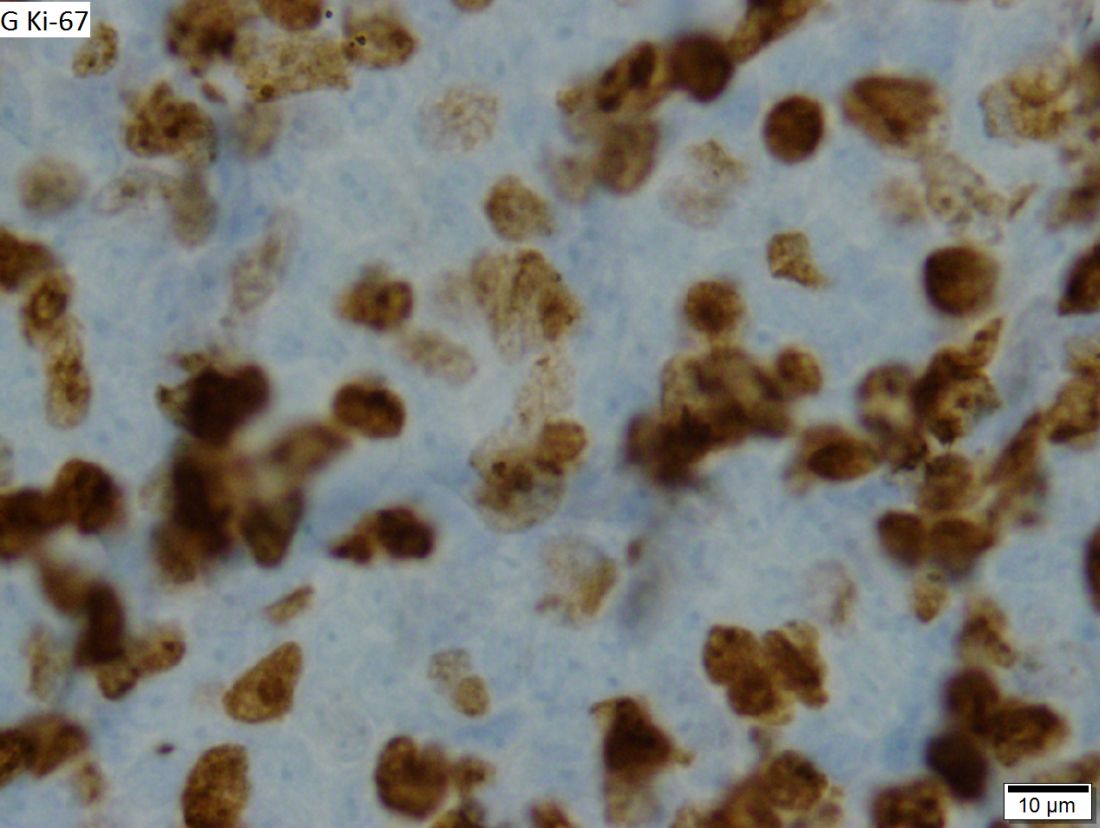
While groups like the National Comprehensive Cancer Network and the European Society for Medical Oncology recommend that only older patients and those with significant comorbidities should be exempted from intensive therapy, Dr. Yavorkovsky said to identify asymptomatic patients who might be able to safely delay aggressive treatment. He also called for more risk-adapted patient assignment to cMCL clinical trials.
“The failure to recognize the erratic nature of cMCL in clinical studies may confound the outcome gains and, ultimately, undermine the ensuing treatment recommendations,” Dr. Yavorkovsky wrote.
Read his full commentary in JAMA Oncology.
mschneider@frontlinemedcom.com
SOURCE: Yavorkovsky L, JAMA Oncology. 2018 Mar 1. doi: 10.1001/jamaoncol.2017.5685.
Classic mantle cell lymphoma (cMCL) has long been treated as a uniformly aggressive disease in need of similarly aggressive treatment, but that approach may be leading to overtreatment, according to one expert.
“The cMCL encompasses a broad category of lymphomas with highly variable clinical behaviors. A contemporary categorization of cMCL as a predominantly aggressive entity is misleading, as only an estimated 20% to 25% of patients with cMCL present with a symptomatic or aggressively behaving disease,” Leonid L. Yavorkovsky, MD, PhD, of the Kaiser Permanente San Jose Medical Center (Calif.), wrote in a commentary in JAMA Oncology.
While groups like the National Comprehensive Cancer Network and the European Society for Medical Oncology recommend that only older patients and those with significant comorbidities should be exempted from intensive therapy, Dr. Yavorkovsky said to identify asymptomatic patients who might be able to safely delay aggressive treatment. He also called for more risk-adapted patient assignment to cMCL clinical trials.
“The failure to recognize the erratic nature of cMCL in clinical studies may confound the outcome gains and, ultimately, undermine the ensuing treatment recommendations,” Dr. Yavorkovsky wrote.
Read his full commentary in JAMA Oncology.
mschneider@frontlinemedcom.com
SOURCE: Yavorkovsky L, JAMA Oncology. 2018 Mar 1. doi: 10.1001/jamaoncol.2017.5685.
Classic mantle cell lymphoma (cMCL) has long been treated as a uniformly aggressive disease in need of similarly aggressive treatment, but that approach may be leading to overtreatment, according to one expert.
“The cMCL encompasses a broad category of lymphomas with highly variable clinical behaviors. A contemporary categorization of cMCL as a predominantly aggressive entity is misleading, as only an estimated 20% to 25% of patients with cMCL present with a symptomatic or aggressively behaving disease,” Leonid L. Yavorkovsky, MD, PhD, of the Kaiser Permanente San Jose Medical Center (Calif.), wrote in a commentary in JAMA Oncology.
While groups like the National Comprehensive Cancer Network and the European Society for Medical Oncology recommend that only older patients and those with significant comorbidities should be exempted from intensive therapy, Dr. Yavorkovsky said to identify asymptomatic patients who might be able to safely delay aggressive treatment. He also called for more risk-adapted patient assignment to cMCL clinical trials.
“The failure to recognize the erratic nature of cMCL in clinical studies may confound the outcome gains and, ultimately, undermine the ensuing treatment recommendations,” Dr. Yavorkovsky wrote.
Read his full commentary in JAMA Oncology.
mschneider@frontlinemedcom.com
SOURCE: Yavorkovsky L, JAMA Oncology. 2018 Mar 1. doi: 10.1001/jamaoncol.2017.5685.
FROM JAMA ONCOLOGY
CAR T before transplant yields durable remission in B-cell malignancies
SALT LAKE CITY – Chimeric antigen receptor (CAR) T-cell therapy may be an effective bridge to hematopoietic cell transplant (HCT) for high-risk B-cell malignancies, according to a systematic analysis of patient data from the National Cancer Institute.
Additionally, patients who have received CAR T-cell therapy are likely to enter HCT with a minimal residual disease (MRD)–negative complete response, which raises the possibility of a significantly less intense conditioning regimen that could omit total body irradiation (TBI), Haneen Shalabi, DO, said at the combined annual meetings of the Center for International Blood & Marrow Transplant Research and the American Society for Blood and Marrow Transplantation.
“Patients who underwent HCT post–CAR T therapy did not have increased transplant-related morbidity or mortality,” said Dr. Shalabi, a pediatric oncologist in the hematologic diseases division of the National Cancer Institute’s pediatric oncology branch.
The combined approach also overcomes the frequent relapses seen after CAR T-cell therapy in this population. Of the 45 patients who received CAR T-cell therapy and achieved MRD-negative complete response as measured by flow cytometry, 20 did not go on to receive HCT. Of the 20 who didn’t receive HCT, 16 (80%) relapsed; 19 of the 20 (95%) had received prior HCT, said Dr. Shalabi.
However, of the 25 patients who proceeded on to receive HCT, 15 (60%) were in ongoing remission, with a median duration of 35 months (range, 11-55 months). Six patients (24%) experienced transplant-related mortality; four of these patients had no prior HCT. Ten patients (40%) experienced acute graft-versus-host disease (GVHD); two of these patients experienced grade 4 GVHD, and one experienced grade 3 GVHD.
Of the 25 patients who went on to HCT, 19 were receiving their first transplant, with a median time to transplant after CAR T-cell therapy of 57 days. Five patients (20%) had primary refractory disease. Most patients (n = 18; 72%) had TBI-based conditioning prior to their post–CAR T-cell therapy HCT. The median patient age was 15 (range, 5-30) years.
The systematic review included patients from two phase 1 studies; one was of CD19-28z CAR T-cell therapy for children and young adults with B-cell leukemia or lymphoma, and the other was of CD22-41BB CAR T-cell therapy for children and young adults with recurrent or refractory B-cell malignancies expressing CD22.
To weigh the benefit of the combined CAR T-cell therapy/HCT approach, Dr. Shalabi and her colleagues used a competing risk analysis to determine the risk of relapse post-HCT versus the risk of transplant-related mortality. Among patients undergoing their first HCT, the researchers found a 12-month cumulative incidence of relapse of 5.3% with the combined CAR T-cell therapy/HCT approach (95% confidence interval, 0.3%-22.1%). The 24-month cumulative incidence of relapse was 11.3% (95% CI, 1.7%-31.1%).
The analysis also showed the value of next-generation sequencing (NGS). “As we think about utilizing CAR T therapy as a bridge to transplant, we wanted to study the depth of CAR T–induced remission by next-gen sequencing,” Dr. Shalabi said.
Eight patients on the CD22 CAR trial had MRD analyses based on both flow cytometry and NGS. According to flow cytometry, all eight were MRD negative by 1 month; however, according to NGS, two did have detectable disease, which decreased with time. “Next-gen sequencing can identify earlier time points for relapse or ongoing remission” than flow cytometry can, she said.
An additional finding was that two-thirds of the patients who received the CD19/CD28z CAR T cells had no detectable CAR T cells when the pre-HCT conditioning regimen was initiated, said Dr. Shalabi. “CAR persistence – or lack thereof – didn’t impact post-HCT outcomes,” she said, adding that shorter-acting CAR T cells may actually be preferable when HCT is readily available as an option.
“The impact of CAR persistence peritransplant requires further analysis,” Dr. Shalabi said. It’s possible, though, that “consolidative HCT following CAR may synergistically improve event-free and overall survival for this high-risk population.”
Looking forward, Dr. Shalabi and her team are asking bigger questions: “For future directions – and this is a very big question that those in the room would probably like to know – by inducing NGS-negativity, can CAR T therapy allow for HCT conditioning deintensification, potentially reducing the risk of TRM [transplant-related mortality] and long term comorbidities?”
A future trial will explore outcomes for a conditioning regimen that omits TBI for patients who are MRD-negative by NGS, said Dr. Shalabi.
Another direction for her team’s research is to see whether introducing CAR T-cell therapy earlier in a very-high-risk population may improve outcomes; the current study population was heavily pretreated, Dr. Shalabi said.
Dr. Shalabi is employed by the National Cancer Institute. She reported no conflicts of interest.
SOURCE: Shalabi H et al. 2018 BMT Tandem Meetings, Abstract 6.
SALT LAKE CITY – Chimeric antigen receptor (CAR) T-cell therapy may be an effective bridge to hematopoietic cell transplant (HCT) for high-risk B-cell malignancies, according to a systematic analysis of patient data from the National Cancer Institute.
Additionally, patients who have received CAR T-cell therapy are likely to enter HCT with a minimal residual disease (MRD)–negative complete response, which raises the possibility of a significantly less intense conditioning regimen that could omit total body irradiation (TBI), Haneen Shalabi, DO, said at the combined annual meetings of the Center for International Blood & Marrow Transplant Research and the American Society for Blood and Marrow Transplantation.
“Patients who underwent HCT post–CAR T therapy did not have increased transplant-related morbidity or mortality,” said Dr. Shalabi, a pediatric oncologist in the hematologic diseases division of the National Cancer Institute’s pediatric oncology branch.
The combined approach also overcomes the frequent relapses seen after CAR T-cell therapy in this population. Of the 45 patients who received CAR T-cell therapy and achieved MRD-negative complete response as measured by flow cytometry, 20 did not go on to receive HCT. Of the 20 who didn’t receive HCT, 16 (80%) relapsed; 19 of the 20 (95%) had received prior HCT, said Dr. Shalabi.
However, of the 25 patients who proceeded on to receive HCT, 15 (60%) were in ongoing remission, with a median duration of 35 months (range, 11-55 months). Six patients (24%) experienced transplant-related mortality; four of these patients had no prior HCT. Ten patients (40%) experienced acute graft-versus-host disease (GVHD); two of these patients experienced grade 4 GVHD, and one experienced grade 3 GVHD.
Of the 25 patients who went on to HCT, 19 were receiving their first transplant, with a median time to transplant after CAR T-cell therapy of 57 days. Five patients (20%) had primary refractory disease. Most patients (n = 18; 72%) had TBI-based conditioning prior to their post–CAR T-cell therapy HCT. The median patient age was 15 (range, 5-30) years.
The systematic review included patients from two phase 1 studies; one was of CD19-28z CAR T-cell therapy for children and young adults with B-cell leukemia or lymphoma, and the other was of CD22-41BB CAR T-cell therapy for children and young adults with recurrent or refractory B-cell malignancies expressing CD22.
To weigh the benefit of the combined CAR T-cell therapy/HCT approach, Dr. Shalabi and her colleagues used a competing risk analysis to determine the risk of relapse post-HCT versus the risk of transplant-related mortality. Among patients undergoing their first HCT, the researchers found a 12-month cumulative incidence of relapse of 5.3% with the combined CAR T-cell therapy/HCT approach (95% confidence interval, 0.3%-22.1%). The 24-month cumulative incidence of relapse was 11.3% (95% CI, 1.7%-31.1%).
The analysis also showed the value of next-generation sequencing (NGS). “As we think about utilizing CAR T therapy as a bridge to transplant, we wanted to study the depth of CAR T–induced remission by next-gen sequencing,” Dr. Shalabi said.
Eight patients on the CD22 CAR trial had MRD analyses based on both flow cytometry and NGS. According to flow cytometry, all eight were MRD negative by 1 month; however, according to NGS, two did have detectable disease, which decreased with time. “Next-gen sequencing can identify earlier time points for relapse or ongoing remission” than flow cytometry can, she said.
An additional finding was that two-thirds of the patients who received the CD19/CD28z CAR T cells had no detectable CAR T cells when the pre-HCT conditioning regimen was initiated, said Dr. Shalabi. “CAR persistence – or lack thereof – didn’t impact post-HCT outcomes,” she said, adding that shorter-acting CAR T cells may actually be preferable when HCT is readily available as an option.
“The impact of CAR persistence peritransplant requires further analysis,” Dr. Shalabi said. It’s possible, though, that “consolidative HCT following CAR may synergistically improve event-free and overall survival for this high-risk population.”
Looking forward, Dr. Shalabi and her team are asking bigger questions: “For future directions – and this is a very big question that those in the room would probably like to know – by inducing NGS-negativity, can CAR T therapy allow for HCT conditioning deintensification, potentially reducing the risk of TRM [transplant-related mortality] and long term comorbidities?”
A future trial will explore outcomes for a conditioning regimen that omits TBI for patients who are MRD-negative by NGS, said Dr. Shalabi.
Another direction for her team’s research is to see whether introducing CAR T-cell therapy earlier in a very-high-risk population may improve outcomes; the current study population was heavily pretreated, Dr. Shalabi said.
Dr. Shalabi is employed by the National Cancer Institute. She reported no conflicts of interest.
SOURCE: Shalabi H et al. 2018 BMT Tandem Meetings, Abstract 6.
SALT LAKE CITY – Chimeric antigen receptor (CAR) T-cell therapy may be an effective bridge to hematopoietic cell transplant (HCT) for high-risk B-cell malignancies, according to a systematic analysis of patient data from the National Cancer Institute.
Additionally, patients who have received CAR T-cell therapy are likely to enter HCT with a minimal residual disease (MRD)–negative complete response, which raises the possibility of a significantly less intense conditioning regimen that could omit total body irradiation (TBI), Haneen Shalabi, DO, said at the combined annual meetings of the Center for International Blood & Marrow Transplant Research and the American Society for Blood and Marrow Transplantation.
“Patients who underwent HCT post–CAR T therapy did not have increased transplant-related morbidity or mortality,” said Dr. Shalabi, a pediatric oncologist in the hematologic diseases division of the National Cancer Institute’s pediatric oncology branch.
The combined approach also overcomes the frequent relapses seen after CAR T-cell therapy in this population. Of the 45 patients who received CAR T-cell therapy and achieved MRD-negative complete response as measured by flow cytometry, 20 did not go on to receive HCT. Of the 20 who didn’t receive HCT, 16 (80%) relapsed; 19 of the 20 (95%) had received prior HCT, said Dr. Shalabi.
However, of the 25 patients who proceeded on to receive HCT, 15 (60%) were in ongoing remission, with a median duration of 35 months (range, 11-55 months). Six patients (24%) experienced transplant-related mortality; four of these patients had no prior HCT. Ten patients (40%) experienced acute graft-versus-host disease (GVHD); two of these patients experienced grade 4 GVHD, and one experienced grade 3 GVHD.
Of the 25 patients who went on to HCT, 19 were receiving their first transplant, with a median time to transplant after CAR T-cell therapy of 57 days. Five patients (20%) had primary refractory disease. Most patients (n = 18; 72%) had TBI-based conditioning prior to their post–CAR T-cell therapy HCT. The median patient age was 15 (range, 5-30) years.
The systematic review included patients from two phase 1 studies; one was of CD19-28z CAR T-cell therapy for children and young adults with B-cell leukemia or lymphoma, and the other was of CD22-41BB CAR T-cell therapy for children and young adults with recurrent or refractory B-cell malignancies expressing CD22.
To weigh the benefit of the combined CAR T-cell therapy/HCT approach, Dr. Shalabi and her colleagues used a competing risk analysis to determine the risk of relapse post-HCT versus the risk of transplant-related mortality. Among patients undergoing their first HCT, the researchers found a 12-month cumulative incidence of relapse of 5.3% with the combined CAR T-cell therapy/HCT approach (95% confidence interval, 0.3%-22.1%). The 24-month cumulative incidence of relapse was 11.3% (95% CI, 1.7%-31.1%).
The analysis also showed the value of next-generation sequencing (NGS). “As we think about utilizing CAR T therapy as a bridge to transplant, we wanted to study the depth of CAR T–induced remission by next-gen sequencing,” Dr. Shalabi said.
Eight patients on the CD22 CAR trial had MRD analyses based on both flow cytometry and NGS. According to flow cytometry, all eight were MRD negative by 1 month; however, according to NGS, two did have detectable disease, which decreased with time. “Next-gen sequencing can identify earlier time points for relapse or ongoing remission” than flow cytometry can, she said.
An additional finding was that two-thirds of the patients who received the CD19/CD28z CAR T cells had no detectable CAR T cells when the pre-HCT conditioning regimen was initiated, said Dr. Shalabi. “CAR persistence – or lack thereof – didn’t impact post-HCT outcomes,” she said, adding that shorter-acting CAR T cells may actually be preferable when HCT is readily available as an option.
“The impact of CAR persistence peritransplant requires further analysis,” Dr. Shalabi said. It’s possible, though, that “consolidative HCT following CAR may synergistically improve event-free and overall survival for this high-risk population.”
Looking forward, Dr. Shalabi and her team are asking bigger questions: “For future directions – and this is a very big question that those in the room would probably like to know – by inducing NGS-negativity, can CAR T therapy allow for HCT conditioning deintensification, potentially reducing the risk of TRM [transplant-related mortality] and long term comorbidities?”
A future trial will explore outcomes for a conditioning regimen that omits TBI for patients who are MRD-negative by NGS, said Dr. Shalabi.
Another direction for her team’s research is to see whether introducing CAR T-cell therapy earlier in a very-high-risk population may improve outcomes; the current study population was heavily pretreated, Dr. Shalabi said.
Dr. Shalabi is employed by the National Cancer Institute. She reported no conflicts of interest.
SOURCE: Shalabi H et al. 2018 BMT Tandem Meetings, Abstract 6.
REPORTING FROM THE 2018 BMT TANDEM MEETINGS
Key clinical point:
Major finding: Of 20 patients receiving CAR T before HCT, 15 (60%) were in ongoing remission of a median 35 months.
Study details: Systematic analysis of 42 patients with B-cell malignancies receiving CAR T-cell therapy at the National Cancer Institute.
Disclosures: The study was conducted at the National Cancer Institute, where Dr. Shalabi is employed.
Source: Shalabi H et al. 2018 BMT Tandem Meetings, Abstract 6.
Good definitions, research lacking for COPD-asthma overlap
ORLANDO – to give clinicians data they can actually use.
The topic is even more pressing given the growing interest and research into biological treatments for asthma and consideration of their possible use in COPD, experts said at the joint congress of the American Academy of Allergy, Asthma, and Immunology and the World Asthma Organization. Their remarks came in what was ostensibly a “debate” on whether ACOS is a distinct entity requiring special treatment but largely turned into a discussion about gaps in knowledge on the topic.
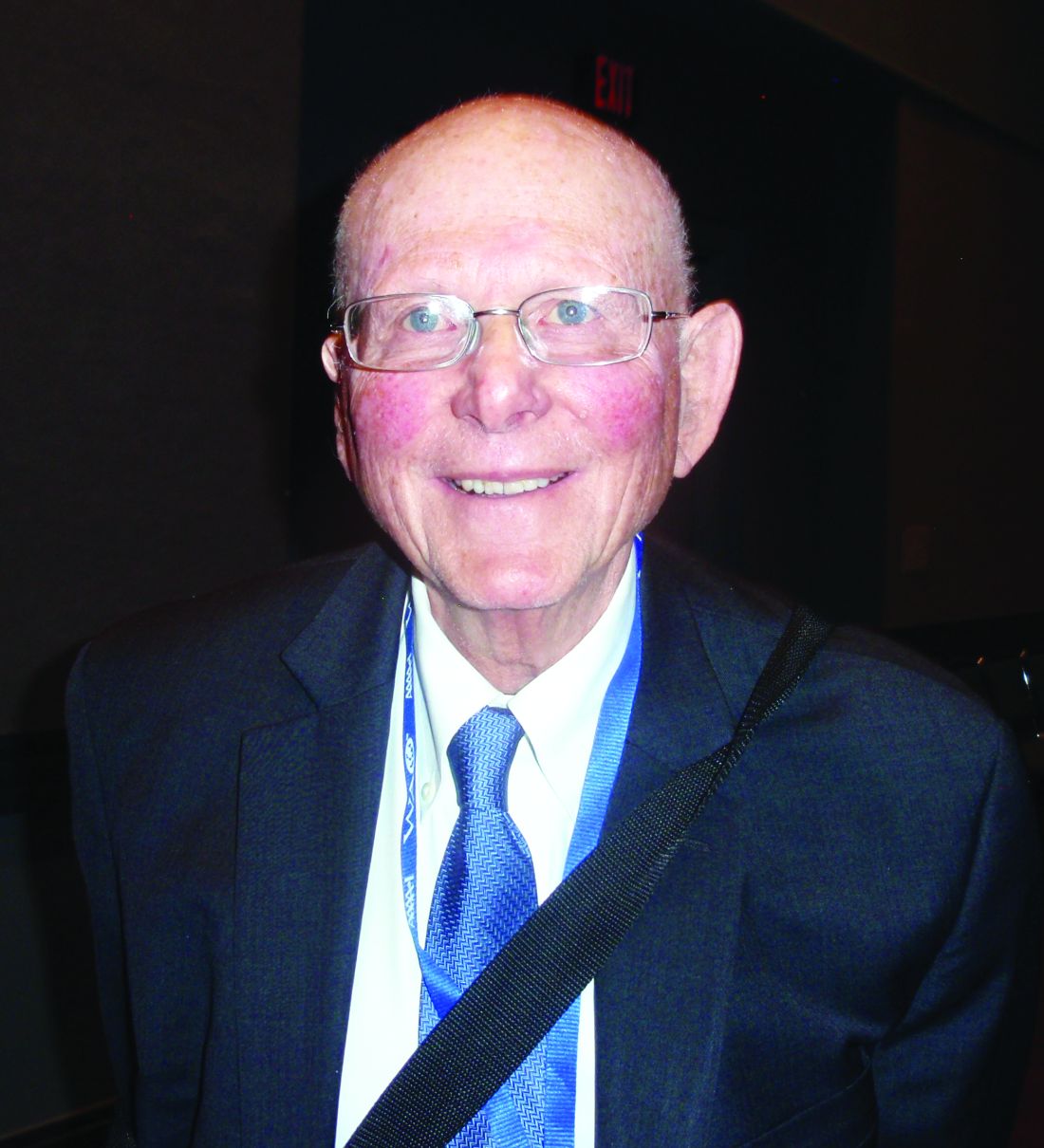
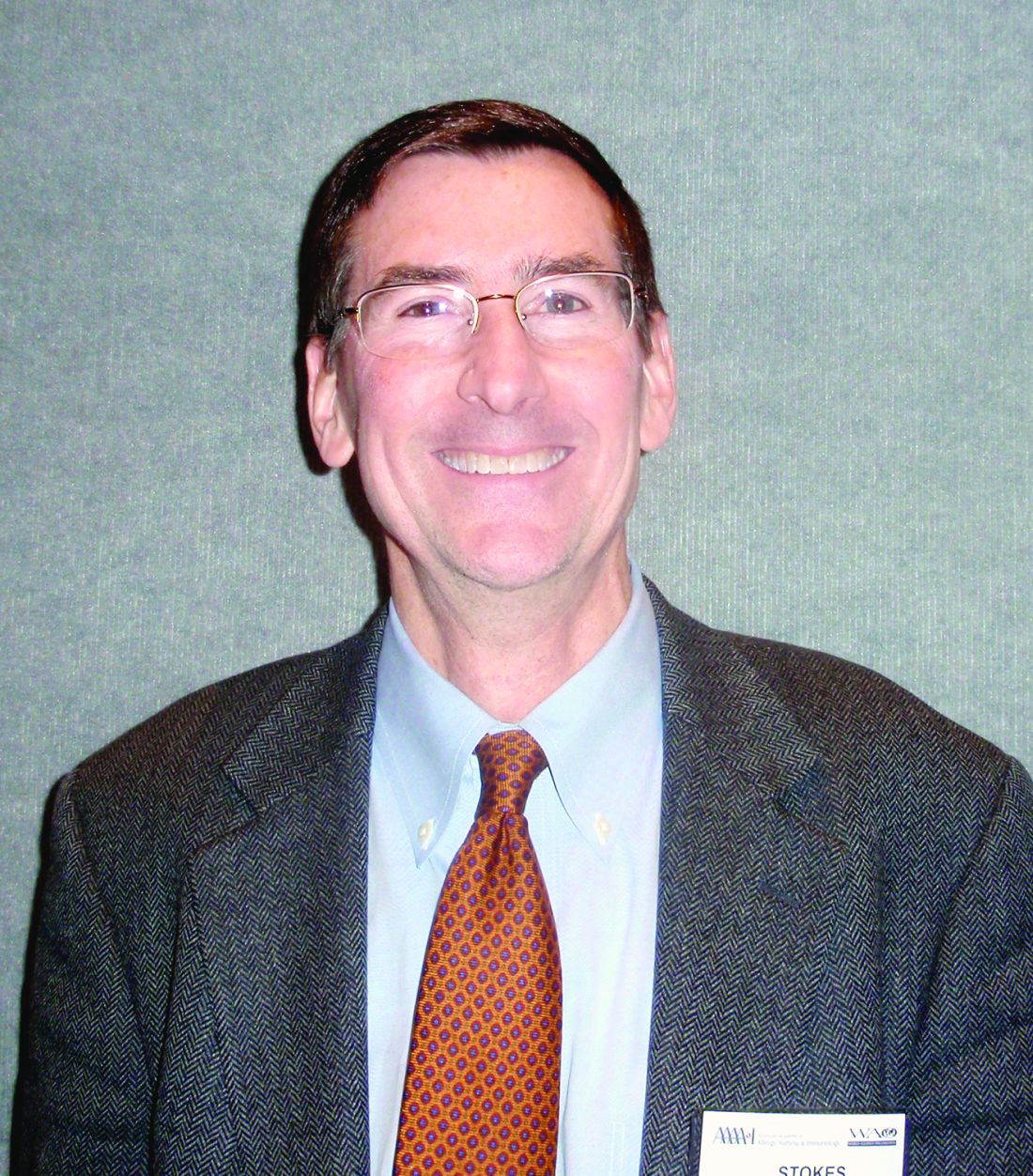
“The problem here is that it has not been defined in a way that everyone agrees on – that does create a problem because, if there’s no consensus on the diagnostic criteria, then it may be difficult to study this overlap,” said Donald Tashkin, MD, director of the pulmonary function laboratories at the University of California, Los Angeles. “Because there is no agreement on how to diagnose ACOS, it hasn’t been studied with respect to its responsiveness to different treatment options.”R. Stokes Peebles Jr., MD, professor of allergy, pulmonary, and critical care medicine at Vanderbilt University Medical Center, Nashville, Tenn., said that, although the number of published articles on ACOS has skyrocketed over the last several years, review articles have outnumbered original research articles.
There is disagreement in published definitions: One set of definitions includes a criterion of fractional exhaled nitric oxide not seen in any other definitions, whereas some other definitions require a history of smoking while others don’t, he said.
“How does one manage a disease without a definition and without clinical studies? It’s impossible for me to know,” Dr. Peebles said.
Jeffrey Drazen, MD, the Distinguished Parker B. Francis Professor of Medicine at Harvard Medical School, Boston, and the editor of the New England Journal of Medicine, also lamented the polar nature of the research.
“We all treat patients in the middle, everybody does, all the time – and we would love more guidance,” he said. “One of the reasons the number of articles has gone up is that there have been lots of case definitions. But we can’t get consensus. So who do we have to bring to the table to get a consensus definition so we can get the funding we need from the drug companies or governmental bodies to do the research that we all want?”
Dr. Tashkin said the way forward could be to draw on the points of consensus that do exist on certain criteria.
Dr. Peebles said an international panel is needed to draw up a consensus guideline, with the panel including both pulmonologists and allergists – “people experienced with clinical trials, who take care of a lot of patients.”
ORLANDO – to give clinicians data they can actually use.
The topic is even more pressing given the growing interest and research into biological treatments for asthma and consideration of their possible use in COPD, experts said at the joint congress of the American Academy of Allergy, Asthma, and Immunology and the World Asthma Organization. Their remarks came in what was ostensibly a “debate” on whether ACOS is a distinct entity requiring special treatment but largely turned into a discussion about gaps in knowledge on the topic.
“The problem here is that it has not been defined in a way that everyone agrees on – that does create a problem because, if there’s no consensus on the diagnostic criteria, then it may be difficult to study this overlap,” said Donald Tashkin, MD, director of the pulmonary function laboratories at the University of California, Los Angeles. “Because there is no agreement on how to diagnose ACOS, it hasn’t been studied with respect to its responsiveness to different treatment options.”R. Stokes Peebles Jr., MD, professor of allergy, pulmonary, and critical care medicine at Vanderbilt University Medical Center, Nashville, Tenn., said that, although the number of published articles on ACOS has skyrocketed over the last several years, review articles have outnumbered original research articles.
There is disagreement in published definitions: One set of definitions includes a criterion of fractional exhaled nitric oxide not seen in any other definitions, whereas some other definitions require a history of smoking while others don’t, he said.
“How does one manage a disease without a definition and without clinical studies? It’s impossible for me to know,” Dr. Peebles said.
Jeffrey Drazen, MD, the Distinguished Parker B. Francis Professor of Medicine at Harvard Medical School, Boston, and the editor of the New England Journal of Medicine, also lamented the polar nature of the research.
“We all treat patients in the middle, everybody does, all the time – and we would love more guidance,” he said. “One of the reasons the number of articles has gone up is that there have been lots of case definitions. But we can’t get consensus. So who do we have to bring to the table to get a consensus definition so we can get the funding we need from the drug companies or governmental bodies to do the research that we all want?”
Dr. Tashkin said the way forward could be to draw on the points of consensus that do exist on certain criteria.
Dr. Peebles said an international panel is needed to draw up a consensus guideline, with the panel including both pulmonologists and allergists – “people experienced with clinical trials, who take care of a lot of patients.”
ORLANDO – to give clinicians data they can actually use.
The topic is even more pressing given the growing interest and research into biological treatments for asthma and consideration of their possible use in COPD, experts said at the joint congress of the American Academy of Allergy, Asthma, and Immunology and the World Asthma Organization. Their remarks came in what was ostensibly a “debate” on whether ACOS is a distinct entity requiring special treatment but largely turned into a discussion about gaps in knowledge on the topic.
“The problem here is that it has not been defined in a way that everyone agrees on – that does create a problem because, if there’s no consensus on the diagnostic criteria, then it may be difficult to study this overlap,” said Donald Tashkin, MD, director of the pulmonary function laboratories at the University of California, Los Angeles. “Because there is no agreement on how to diagnose ACOS, it hasn’t been studied with respect to its responsiveness to different treatment options.”R. Stokes Peebles Jr., MD, professor of allergy, pulmonary, and critical care medicine at Vanderbilt University Medical Center, Nashville, Tenn., said that, although the number of published articles on ACOS has skyrocketed over the last several years, review articles have outnumbered original research articles.
There is disagreement in published definitions: One set of definitions includes a criterion of fractional exhaled nitric oxide not seen in any other definitions, whereas some other definitions require a history of smoking while others don’t, he said.
“How does one manage a disease without a definition and without clinical studies? It’s impossible for me to know,” Dr. Peebles said.
Jeffrey Drazen, MD, the Distinguished Parker B. Francis Professor of Medicine at Harvard Medical School, Boston, and the editor of the New England Journal of Medicine, also lamented the polar nature of the research.
“We all treat patients in the middle, everybody does, all the time – and we would love more guidance,” he said. “One of the reasons the number of articles has gone up is that there have been lots of case definitions. But we can’t get consensus. So who do we have to bring to the table to get a consensus definition so we can get the funding we need from the drug companies or governmental bodies to do the research that we all want?”
Dr. Tashkin said the way forward could be to draw on the points of consensus that do exist on certain criteria.
Dr. Peebles said an international panel is needed to draw up a consensus guideline, with the panel including both pulmonologists and allergists – “people experienced with clinical trials, who take care of a lot of patients.”
EXPERT ANALYSIS FROM AAAAI/WAO JOINT CONGRESS