User login
MDedge conference coverage features onsite reporting of the latest study results and expert perspectives from leading researchers.
Latest NCCN Melanoma Guidelines Capture Dynamic of Constantly Evolving Best Practice
SAN DIEGO — that extend a slow divergence from the last set of detailed recommendations released by the American Academy of Dermatology (AAD) in 2019.
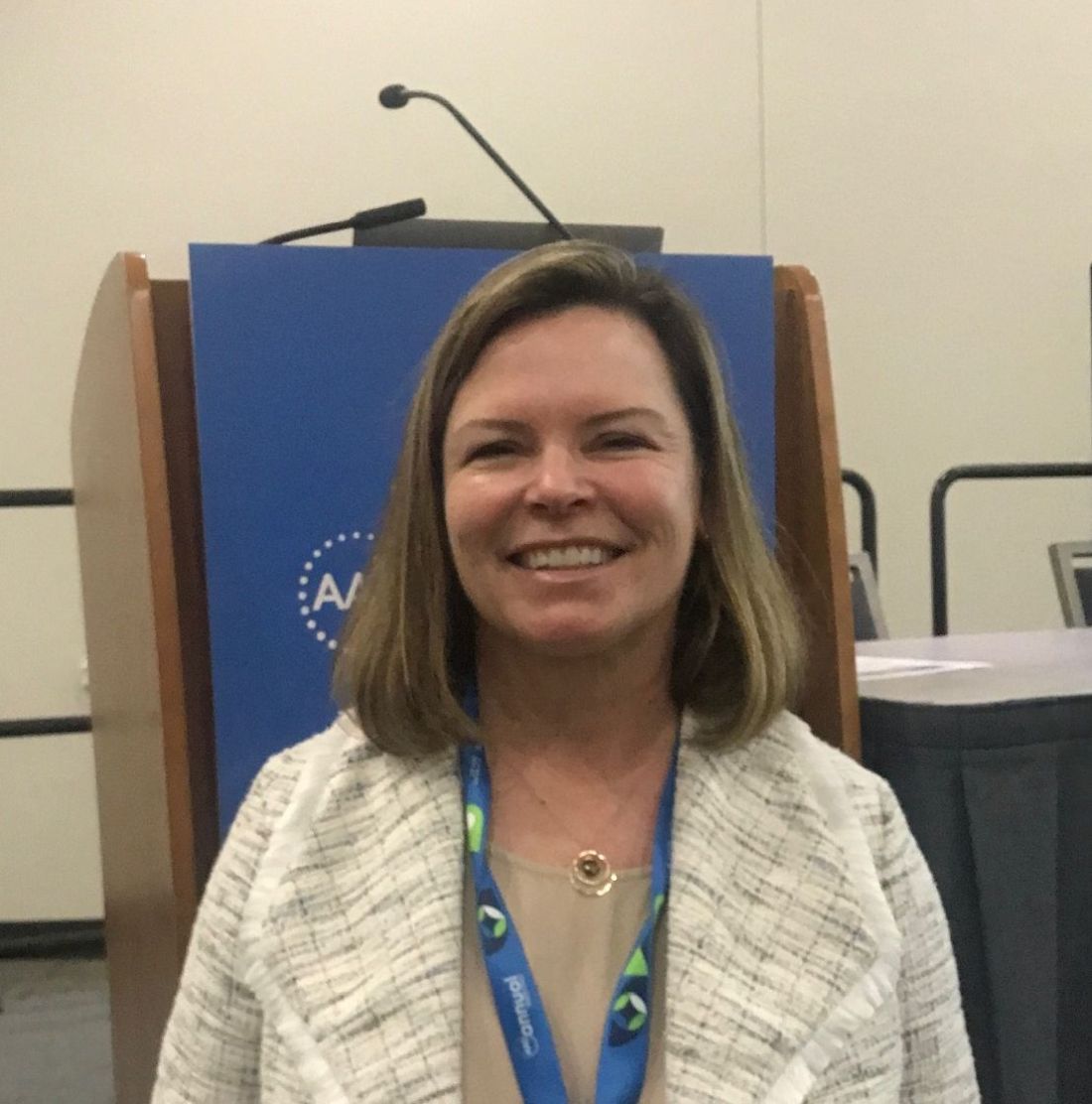
Based on the constantly evolving science that drives guidelines, the new set of NCCN recommendations reflects the latest iteration of a consensus effort to define best practice, according to Susan M. Swetter, MD, professor of dermatology and director of the Pigmented Lesion and Melanoma Program at Stanford University in California.
Dr. Swetter chaired the committee that developed the most recent NCCN guidelines, released February 12. She also chaired the work group that developed the AAD recommendations, released in 2019. Differences between the two primarily reflect evolving evidence and expert opinion over time.
Next AAD Guidelines More Than 1 Year Away
The AAD guidelines are developed infrequently and in a process that can take years. The next AAD cutaneous melanoma guidelines are not likely to be released until the end of 2025 or in 2026, Dr. Swetter said at the annual meeting of the American Academy of Dermatology on March 8. In contrast, the NCCN guidelines for cutaneous melanoma are revisited frequently. The last iteration was published only 1 year ago.
Many of the changes in the 2024 NCCN guidelines capture incremental advances rather than a radical departure from previous practice. One example involves shave biopsies. According to a new recommendation, residual pigment or tumor found at the base of a shave procedure, whether for tumor removal or biopsy, should prompt a deeper punch or elliptical biopsy.
The additional biopsy “should be performed immediately and submitted in a separate container to the pathologist,” Dr. Swetter said.
Further, the biopsy should be accompanied with a note to the pathologist that the shave specimen was transected. She added that the Breslow thickness (the measurement of the depth of the melanoma from the top of the granular layer down to the deepest point of the tumor) can accompany each of the two tissue specimens submitted to the pathologist.
This update — like most of the NCCN guidelines — is a category 2A recommendation. Category 1 recommendations signal a high level of evidence, such as a multicenter randomized trial. A 2A recommendation is based on nondefinitive evidence, but it does represent near uniform (≥ 85% agreement) expert consensus.
More Than 50% Consensus Generally Required
The NCCN committee that issues periodic guidelines on cutaneous melanoma is formed by a rotating group of interdisciplinary melanoma specialists. More than 30 academic institutions nationwide are generally represented, and the group includes patient advocates. Typically, no comment or recommendation is provided if the committee cannot generate at least a majority endorsement (≥ 50%) on a given topic.
Overall, the majority of guidelines, including those issued by the NCCN and the AAD, are aligned, except to the degree of the time lag that provides different sets of evidence to consider. The rationale for keeping abreast of the NCCN recommendations is that updates are more frequent, according to Dr. Swetter, who noted that these are available for free once a user has registered on the NCCN website.
Importantly, guidelines not only identify what further steps can be taken to improve diagnostic accuracy or outcomes but what practices can be abandoned to improve the benefit-to-risk ratio. As an example, surgical margins for primary melanomas have been becoming progressively smaller on the basis of evidence that larger margins increase morbidity without improving outcomes.
Although Dr. Swetter acknowledged that “we still haven’t identified the narrowest, most efficacious margins for cutaneous melanoma,” she cited studies now suggesting that margins of 2 cm appear to be sufficient even for advanced T3 and T4 tumors. Prior to the 1970s, margins of 5 cm or greater were common.
There are still many unanswered questions about optimal margins, but the 2023 NCCN guidelines already called for surgical margins of at least 1 cm and no more than 2 cm for large invasive melanomas when clinically measured around the primary tumor. Dr. Swetter said that even smaller margins can be considered “to accommodate function and/or the anatomic location.”
Best Margins for MIS Undefined
So far, there are no randomized trials yet to guide surgical margins or depth for many melanoma subtypes, including melanoma in situ (MIS). These are the types of data, when they become available, that change guidelines.
The list of procedures often performed, but for which there is no specific guidance from NCCN or other organizations, is long. Numerous examples were provided during the AAD symposium on guidelines, during which Dr. Swetter spoke. The bedside diagnosis of cutaneous melanoma with noninvasive testing was one.
Describing the 2-gene molecular assay for the evaluation of a suspected melanoma, Caroline C. Kim, MD, director of the Melanoma and Pigmented Lesion Program at Tufts University in Boston, explained that this tool, which is based on the presence of the LINC00158 gene and the preferentially expressed antigen in melanoma (PRAME), has limited utility as a tool for establishing a diagnosis of melanoma. But, she said, it has reasonably good reliability for ruling out melanoma, thereby providing a basis to avoid or delay further diagnostic steps, such as biopsy.
Skin biopsy, as established in the guidelines, “is still the gold standard,” but there are numerous studies indicating that patients negative for both LINC00158 and PRAME have a low risk for melanoma, she said.
“A double negative result is not 100% effective, but it is high,” said Dr. Kim, who provided several examples whereby she employed the test to follow the patient rather than do invasive testing.
This test is gaining popularity, according to Dr. Kim, who cited several surveys suggesting growing use among clinicians, but she characterized it as an adjunctive approach that should be considered in the context of guidelines. It is an example of an approach that is not yet standard practice but can be helpful if used appropriately, she noted.
Dr. Swetter and Dr. Kim report no relevant financial relationships.
A version of this article appeared on Medscape.com.
SAN DIEGO — that extend a slow divergence from the last set of detailed recommendations released by the American Academy of Dermatology (AAD) in 2019.
Based on the constantly evolving science that drives guidelines, the new set of NCCN recommendations reflects the latest iteration of a consensus effort to define best practice, according to Susan M. Swetter, MD, professor of dermatology and director of the Pigmented Lesion and Melanoma Program at Stanford University in California.
Dr. Swetter chaired the committee that developed the most recent NCCN guidelines, released February 12. She also chaired the work group that developed the AAD recommendations, released in 2019. Differences between the two primarily reflect evolving evidence and expert opinion over time.
Next AAD Guidelines More Than 1 Year Away
The AAD guidelines are developed infrequently and in a process that can take years. The next AAD cutaneous melanoma guidelines are not likely to be released until the end of 2025 or in 2026, Dr. Swetter said at the annual meeting of the American Academy of Dermatology on March 8. In contrast, the NCCN guidelines for cutaneous melanoma are revisited frequently. The last iteration was published only 1 year ago.
Many of the changes in the 2024 NCCN guidelines capture incremental advances rather than a radical departure from previous practice. One example involves shave biopsies. According to a new recommendation, residual pigment or tumor found at the base of a shave procedure, whether for tumor removal or biopsy, should prompt a deeper punch or elliptical biopsy.
The additional biopsy “should be performed immediately and submitted in a separate container to the pathologist,” Dr. Swetter said.
Further, the biopsy should be accompanied with a note to the pathologist that the shave specimen was transected. She added that the Breslow thickness (the measurement of the depth of the melanoma from the top of the granular layer down to the deepest point of the tumor) can accompany each of the two tissue specimens submitted to the pathologist.
This update — like most of the NCCN guidelines — is a category 2A recommendation. Category 1 recommendations signal a high level of evidence, such as a multicenter randomized trial. A 2A recommendation is based on nondefinitive evidence, but it does represent near uniform (≥ 85% agreement) expert consensus.
More Than 50% Consensus Generally Required
The NCCN committee that issues periodic guidelines on cutaneous melanoma is formed by a rotating group of interdisciplinary melanoma specialists. More than 30 academic institutions nationwide are generally represented, and the group includes patient advocates. Typically, no comment or recommendation is provided if the committee cannot generate at least a majority endorsement (≥ 50%) on a given topic.
Overall, the majority of guidelines, including those issued by the NCCN and the AAD, are aligned, except to the degree of the time lag that provides different sets of evidence to consider. The rationale for keeping abreast of the NCCN recommendations is that updates are more frequent, according to Dr. Swetter, who noted that these are available for free once a user has registered on the NCCN website.
Importantly, guidelines not only identify what further steps can be taken to improve diagnostic accuracy or outcomes but what practices can be abandoned to improve the benefit-to-risk ratio. As an example, surgical margins for primary melanomas have been becoming progressively smaller on the basis of evidence that larger margins increase morbidity without improving outcomes.
Although Dr. Swetter acknowledged that “we still haven’t identified the narrowest, most efficacious margins for cutaneous melanoma,” she cited studies now suggesting that margins of 2 cm appear to be sufficient even for advanced T3 and T4 tumors. Prior to the 1970s, margins of 5 cm or greater were common.
There are still many unanswered questions about optimal margins, but the 2023 NCCN guidelines already called for surgical margins of at least 1 cm and no more than 2 cm for large invasive melanomas when clinically measured around the primary tumor. Dr. Swetter said that even smaller margins can be considered “to accommodate function and/or the anatomic location.”
Best Margins for MIS Undefined
So far, there are no randomized trials yet to guide surgical margins or depth for many melanoma subtypes, including melanoma in situ (MIS). These are the types of data, when they become available, that change guidelines.
The list of procedures often performed, but for which there is no specific guidance from NCCN or other organizations, is long. Numerous examples were provided during the AAD symposium on guidelines, during which Dr. Swetter spoke. The bedside diagnosis of cutaneous melanoma with noninvasive testing was one.
Describing the 2-gene molecular assay for the evaluation of a suspected melanoma, Caroline C. Kim, MD, director of the Melanoma and Pigmented Lesion Program at Tufts University in Boston, explained that this tool, which is based on the presence of the LINC00158 gene and the preferentially expressed antigen in melanoma (PRAME), has limited utility as a tool for establishing a diagnosis of melanoma. But, she said, it has reasonably good reliability for ruling out melanoma, thereby providing a basis to avoid or delay further diagnostic steps, such as biopsy.
Skin biopsy, as established in the guidelines, “is still the gold standard,” but there are numerous studies indicating that patients negative for both LINC00158 and PRAME have a low risk for melanoma, she said.
“A double negative result is not 100% effective, but it is high,” said Dr. Kim, who provided several examples whereby she employed the test to follow the patient rather than do invasive testing.
This test is gaining popularity, according to Dr. Kim, who cited several surveys suggesting growing use among clinicians, but she characterized it as an adjunctive approach that should be considered in the context of guidelines. It is an example of an approach that is not yet standard practice but can be helpful if used appropriately, she noted.
Dr. Swetter and Dr. Kim report no relevant financial relationships.
A version of this article appeared on Medscape.com.
SAN DIEGO — that extend a slow divergence from the last set of detailed recommendations released by the American Academy of Dermatology (AAD) in 2019.
Based on the constantly evolving science that drives guidelines, the new set of NCCN recommendations reflects the latest iteration of a consensus effort to define best practice, according to Susan M. Swetter, MD, professor of dermatology and director of the Pigmented Lesion and Melanoma Program at Stanford University in California.
Dr. Swetter chaired the committee that developed the most recent NCCN guidelines, released February 12. She also chaired the work group that developed the AAD recommendations, released in 2019. Differences between the two primarily reflect evolving evidence and expert opinion over time.
Next AAD Guidelines More Than 1 Year Away
The AAD guidelines are developed infrequently and in a process that can take years. The next AAD cutaneous melanoma guidelines are not likely to be released until the end of 2025 or in 2026, Dr. Swetter said at the annual meeting of the American Academy of Dermatology on March 8. In contrast, the NCCN guidelines for cutaneous melanoma are revisited frequently. The last iteration was published only 1 year ago.
Many of the changes in the 2024 NCCN guidelines capture incremental advances rather than a radical departure from previous practice. One example involves shave biopsies. According to a new recommendation, residual pigment or tumor found at the base of a shave procedure, whether for tumor removal or biopsy, should prompt a deeper punch or elliptical biopsy.
The additional biopsy “should be performed immediately and submitted in a separate container to the pathologist,” Dr. Swetter said.
Further, the biopsy should be accompanied with a note to the pathologist that the shave specimen was transected. She added that the Breslow thickness (the measurement of the depth of the melanoma from the top of the granular layer down to the deepest point of the tumor) can accompany each of the two tissue specimens submitted to the pathologist.
This update — like most of the NCCN guidelines — is a category 2A recommendation. Category 1 recommendations signal a high level of evidence, such as a multicenter randomized trial. A 2A recommendation is based on nondefinitive evidence, but it does represent near uniform (≥ 85% agreement) expert consensus.
More Than 50% Consensus Generally Required
The NCCN committee that issues periodic guidelines on cutaneous melanoma is formed by a rotating group of interdisciplinary melanoma specialists. More than 30 academic institutions nationwide are generally represented, and the group includes patient advocates. Typically, no comment or recommendation is provided if the committee cannot generate at least a majority endorsement (≥ 50%) on a given topic.
Overall, the majority of guidelines, including those issued by the NCCN and the AAD, are aligned, except to the degree of the time lag that provides different sets of evidence to consider. The rationale for keeping abreast of the NCCN recommendations is that updates are more frequent, according to Dr. Swetter, who noted that these are available for free once a user has registered on the NCCN website.
Importantly, guidelines not only identify what further steps can be taken to improve diagnostic accuracy or outcomes but what practices can be abandoned to improve the benefit-to-risk ratio. As an example, surgical margins for primary melanomas have been becoming progressively smaller on the basis of evidence that larger margins increase morbidity without improving outcomes.
Although Dr. Swetter acknowledged that “we still haven’t identified the narrowest, most efficacious margins for cutaneous melanoma,” she cited studies now suggesting that margins of 2 cm appear to be sufficient even for advanced T3 and T4 tumors. Prior to the 1970s, margins of 5 cm or greater were common.
There are still many unanswered questions about optimal margins, but the 2023 NCCN guidelines already called for surgical margins of at least 1 cm and no more than 2 cm for large invasive melanomas when clinically measured around the primary tumor. Dr. Swetter said that even smaller margins can be considered “to accommodate function and/or the anatomic location.”
Best Margins for MIS Undefined
So far, there are no randomized trials yet to guide surgical margins or depth for many melanoma subtypes, including melanoma in situ (MIS). These are the types of data, when they become available, that change guidelines.
The list of procedures often performed, but for which there is no specific guidance from NCCN or other organizations, is long. Numerous examples were provided during the AAD symposium on guidelines, during which Dr. Swetter spoke. The bedside diagnosis of cutaneous melanoma with noninvasive testing was one.
Describing the 2-gene molecular assay for the evaluation of a suspected melanoma, Caroline C. Kim, MD, director of the Melanoma and Pigmented Lesion Program at Tufts University in Boston, explained that this tool, which is based on the presence of the LINC00158 gene and the preferentially expressed antigen in melanoma (PRAME), has limited utility as a tool for establishing a diagnosis of melanoma. But, she said, it has reasonably good reliability for ruling out melanoma, thereby providing a basis to avoid or delay further diagnostic steps, such as biopsy.
Skin biopsy, as established in the guidelines, “is still the gold standard,” but there are numerous studies indicating that patients negative for both LINC00158 and PRAME have a low risk for melanoma, she said.
“A double negative result is not 100% effective, but it is high,” said Dr. Kim, who provided several examples whereby she employed the test to follow the patient rather than do invasive testing.
This test is gaining popularity, according to Dr. Kim, who cited several surveys suggesting growing use among clinicians, but she characterized it as an adjunctive approach that should be considered in the context of guidelines. It is an example of an approach that is not yet standard practice but can be helpful if used appropriately, she noted.
Dr. Swetter and Dr. Kim report no relevant financial relationships.
A version of this article appeared on Medscape.com.
FROM AAD 2024
Sulfites Selected as ACDS Allergen of the Year
by the American Contact Dermatitis Society (ACDS).
Sulfites are currently not found in most screening patch test series, so may be missed as a relevant contact allergen, Donald V. Belsito, MD, emeritus professor in the Department of Dermatology at Columbia University, New York City, said in his presentation on the Allergen of the Year on March 7 at the annual meeting of the American Contact Dermatitis Society in San Diego. Sulfites, he noted, are distinct from sulfates, and the groups do not cross-react with each other.
Sodium disulfite, an inorganic compound, belongs to a group of sulfiting agents, which contain the sulfite ion SO32− and include ammonium sulfite, potassium sulfite, and sodium sulfite, Dr. Belsito said. Sulfites function as antioxidants and preservatives in a range of products including food and beverages, personal care products, and pharmaceuticals.
The type of sulfite allergy diagnosed by patch testing is type IV hypersensitivity or delayed-type hypersensitivity, where patients present with pruritic, red, scaling macules, papulovesicles, and patches, Dr. Belsito told this news organization. “It is not the type I, immediate hypersensitivity that causes hives and, in some cases, anaphylaxis,” he said. Sulfites also can cause these side effects, so correct labeling of food and beverages is important, he noted.
Some common nonoccupational sulfite sources include hair coloring and bleach products, hairspray, tanning lotions, makeup, sunscreens, and deodorants, Dr. Belsito said in his presentation. Medications including topical antifungals, topical corticosteroids, and nasal solutions can be culprits, as can water in swimming pools, he noted.
In occupational settings, sulfites may be present not only in food and drink products but also can be used in production of products, such as those used for sterilization during beer and wine fermentation, Dr. Belsito said. Other potential occupational sources of sulfite exposure include healthcare settings and textile, chemical, rubber, and pharmaceutical manufacturing.
High-sulfite food products (> 100 ppm) to be aware of include dried fruit (raisins and prunes are exceptions), bottled lemon or lime juice (but not frozen products), wine, molasses, grape juice (white, or white, pink, and red sparkling), and pickled cocktail onions, Dr. Belsito said.
“Like other contact allergens, the clinical presentation correlates with exposure,” he added. A study by the North American Contact Dermatitis Group (NACDG) found that 28.8% of patients positive for sulfite allergy on patch testing presented with facial dermatitis, which was not only related to cosmetics and medications used on the face but also from products, such as shampoo, used on the scalp that dripped onto the face. “The scalp is relatively resistant to the expression of contact allergy and may not be involved at all,” he said.
According to the NACDG study, the hands were the second most common site of dermatitis associated with sulfites (20.5%) followed by generalized distribution (13.6%). These sites are to be expected, given the sources of food and beverage, personal care products, and occupational materials, Dr. Belsito said.
“Eczematous dermatitis of the lips is also common in patients with ingested food sources of sulfites,” he said.
Systemic contact dermatitis to sulfites has been documented following oral, rectal, and parental exposure, Dr. Belsito told this news organization. “Systemic dermatitis may present as a scattered/generalized dermatitis, symmetrical drug-related intertriginous and flexural exanthema (also referred to as baboon syndrome), or erythroderma,” he said.
How to Spot Sulfite Allergies
The exclusion of sulfites from most patch test series means that sulfite allergy diagnoses are often missed, despite the wide range of potential exposures, Dr. Belsito said.
“Most cases of allergic contact dermatitis occur at the site of application of the allergen,” he noted. Depending on the location of the dermatitis, a detailed history of exposures that includes cosmetics and topical medications, work-related materials, and foods and beverages might suggest a sulfite allergy, he said.
Given the range of potential clinical presentations and the many and varied exposures to sulfites, Dr. Belsito’s best tip for clinicians is to routinely screen for them and evaluate the many avenues of exposure if a patch test is positive, he said.
For now, he said he does not think additional research is needed on sulfites as allergens; instead, sulfites, such as sodium metabisulfite/sodium disulfite, should be included in all clinicians’ baseline screening series, he said.
The Allergen of the Year was also recently announced in the journal Dermatitis. Authors Samuel F. Ekstein, MS, and Erin M. Warshaw, MD, from the Department of Dermatology, Park Nicollet Health Services, Minneapolis, Minnesota, noted that the ACDS hoped to raise awareness of sulfites as a “significant allergen” and called for their increased inclusion in screening patch test series.
Patients identified with sulfite allergies can find alternative products on the ACDS CAMP (Contact Allergen Management Program) website, Dr. Warshaw said in an interview.
She also highlighted some examples of sulfites as allergens in healthcare settings in particular. She described one patient who presented with dermatitis at the site of three previous hand orthopedic procedures.
“Although surgical cleansers were suspected, the patient reacted to sodium metabisulfite. Review of the operating room contactants confirmed sulfites as preservatives in an injectable anesthetic and antibiotic used for wound irrigation,” she said. Another patient who had been treated for recurrent otitis externa and seborrheic dermatitis was found to be allergic to sulfites in an otic antibiotic suspension as well as in a ketoconazole cream product, she added.
In the paper, Dr. Warshaw and Mr. Ekstein called for the addition of sulfites to the test series. Although the NACDG added sodium metabisulfite to the series in 2017, sulfites are not part of the American Contact Dermatitis Core Series, they wrote. Sodium metabisulfite, they said, was added to the European baseline standard series after review of the 2019-2020 patch test reactivity and clinical relevance data.
The ACDS meeting is held every year the day before the annual meeting of the American Academy of Dermatology.
Dr. Belsito and Dr. Warshaw had no financial conflicts to disclose.
A version of this article appeared on Medscape.com.
by the American Contact Dermatitis Society (ACDS).
Sulfites are currently not found in most screening patch test series, so may be missed as a relevant contact allergen, Donald V. Belsito, MD, emeritus professor in the Department of Dermatology at Columbia University, New York City, said in his presentation on the Allergen of the Year on March 7 at the annual meeting of the American Contact Dermatitis Society in San Diego. Sulfites, he noted, are distinct from sulfates, and the groups do not cross-react with each other.
Sodium disulfite, an inorganic compound, belongs to a group of sulfiting agents, which contain the sulfite ion SO32− and include ammonium sulfite, potassium sulfite, and sodium sulfite, Dr. Belsito said. Sulfites function as antioxidants and preservatives in a range of products including food and beverages, personal care products, and pharmaceuticals.
The type of sulfite allergy diagnosed by patch testing is type IV hypersensitivity or delayed-type hypersensitivity, where patients present with pruritic, red, scaling macules, papulovesicles, and patches, Dr. Belsito told this news organization. “It is not the type I, immediate hypersensitivity that causes hives and, in some cases, anaphylaxis,” he said. Sulfites also can cause these side effects, so correct labeling of food and beverages is important, he noted.
Some common nonoccupational sulfite sources include hair coloring and bleach products, hairspray, tanning lotions, makeup, sunscreens, and deodorants, Dr. Belsito said in his presentation. Medications including topical antifungals, topical corticosteroids, and nasal solutions can be culprits, as can water in swimming pools, he noted.
In occupational settings, sulfites may be present not only in food and drink products but also can be used in production of products, such as those used for sterilization during beer and wine fermentation, Dr. Belsito said. Other potential occupational sources of sulfite exposure include healthcare settings and textile, chemical, rubber, and pharmaceutical manufacturing.
High-sulfite food products (> 100 ppm) to be aware of include dried fruit (raisins and prunes are exceptions), bottled lemon or lime juice (but not frozen products), wine, molasses, grape juice (white, or white, pink, and red sparkling), and pickled cocktail onions, Dr. Belsito said.
“Like other contact allergens, the clinical presentation correlates with exposure,” he added. A study by the North American Contact Dermatitis Group (NACDG) found that 28.8% of patients positive for sulfite allergy on patch testing presented with facial dermatitis, which was not only related to cosmetics and medications used on the face but also from products, such as shampoo, used on the scalp that dripped onto the face. “The scalp is relatively resistant to the expression of contact allergy and may not be involved at all,” he said.
According to the NACDG study, the hands were the second most common site of dermatitis associated with sulfites (20.5%) followed by generalized distribution (13.6%). These sites are to be expected, given the sources of food and beverage, personal care products, and occupational materials, Dr. Belsito said.
“Eczematous dermatitis of the lips is also common in patients with ingested food sources of sulfites,” he said.
Systemic contact dermatitis to sulfites has been documented following oral, rectal, and parental exposure, Dr. Belsito told this news organization. “Systemic dermatitis may present as a scattered/generalized dermatitis, symmetrical drug-related intertriginous and flexural exanthema (also referred to as baboon syndrome), or erythroderma,” he said.
How to Spot Sulfite Allergies
The exclusion of sulfites from most patch test series means that sulfite allergy diagnoses are often missed, despite the wide range of potential exposures, Dr. Belsito said.
“Most cases of allergic contact dermatitis occur at the site of application of the allergen,” he noted. Depending on the location of the dermatitis, a detailed history of exposures that includes cosmetics and topical medications, work-related materials, and foods and beverages might suggest a sulfite allergy, he said.
Given the range of potential clinical presentations and the many and varied exposures to sulfites, Dr. Belsito’s best tip for clinicians is to routinely screen for them and evaluate the many avenues of exposure if a patch test is positive, he said.
For now, he said he does not think additional research is needed on sulfites as allergens; instead, sulfites, such as sodium metabisulfite/sodium disulfite, should be included in all clinicians’ baseline screening series, he said.
The Allergen of the Year was also recently announced in the journal Dermatitis. Authors Samuel F. Ekstein, MS, and Erin M. Warshaw, MD, from the Department of Dermatology, Park Nicollet Health Services, Minneapolis, Minnesota, noted that the ACDS hoped to raise awareness of sulfites as a “significant allergen” and called for their increased inclusion in screening patch test series.
Patients identified with sulfite allergies can find alternative products on the ACDS CAMP (Contact Allergen Management Program) website, Dr. Warshaw said in an interview.
She also highlighted some examples of sulfites as allergens in healthcare settings in particular. She described one patient who presented with dermatitis at the site of three previous hand orthopedic procedures.
“Although surgical cleansers were suspected, the patient reacted to sodium metabisulfite. Review of the operating room contactants confirmed sulfites as preservatives in an injectable anesthetic and antibiotic used for wound irrigation,” she said. Another patient who had been treated for recurrent otitis externa and seborrheic dermatitis was found to be allergic to sulfites in an otic antibiotic suspension as well as in a ketoconazole cream product, she added.
In the paper, Dr. Warshaw and Mr. Ekstein called for the addition of sulfites to the test series. Although the NACDG added sodium metabisulfite to the series in 2017, sulfites are not part of the American Contact Dermatitis Core Series, they wrote. Sodium metabisulfite, they said, was added to the European baseline standard series after review of the 2019-2020 patch test reactivity and clinical relevance data.
The ACDS meeting is held every year the day before the annual meeting of the American Academy of Dermatology.
Dr. Belsito and Dr. Warshaw had no financial conflicts to disclose.
A version of this article appeared on Medscape.com.
by the American Contact Dermatitis Society (ACDS).
Sulfites are currently not found in most screening patch test series, so may be missed as a relevant contact allergen, Donald V. Belsito, MD, emeritus professor in the Department of Dermatology at Columbia University, New York City, said in his presentation on the Allergen of the Year on March 7 at the annual meeting of the American Contact Dermatitis Society in San Diego. Sulfites, he noted, are distinct from sulfates, and the groups do not cross-react with each other.
Sodium disulfite, an inorganic compound, belongs to a group of sulfiting agents, which contain the sulfite ion SO32− and include ammonium sulfite, potassium sulfite, and sodium sulfite, Dr. Belsito said. Sulfites function as antioxidants and preservatives in a range of products including food and beverages, personal care products, and pharmaceuticals.
The type of sulfite allergy diagnosed by patch testing is type IV hypersensitivity or delayed-type hypersensitivity, where patients present with pruritic, red, scaling macules, papulovesicles, and patches, Dr. Belsito told this news organization. “It is not the type I, immediate hypersensitivity that causes hives and, in some cases, anaphylaxis,” he said. Sulfites also can cause these side effects, so correct labeling of food and beverages is important, he noted.
Some common nonoccupational sulfite sources include hair coloring and bleach products, hairspray, tanning lotions, makeup, sunscreens, and deodorants, Dr. Belsito said in his presentation. Medications including topical antifungals, topical corticosteroids, and nasal solutions can be culprits, as can water in swimming pools, he noted.
In occupational settings, sulfites may be present not only in food and drink products but also can be used in production of products, such as those used for sterilization during beer and wine fermentation, Dr. Belsito said. Other potential occupational sources of sulfite exposure include healthcare settings and textile, chemical, rubber, and pharmaceutical manufacturing.
High-sulfite food products (> 100 ppm) to be aware of include dried fruit (raisins and prunes are exceptions), bottled lemon or lime juice (but not frozen products), wine, molasses, grape juice (white, or white, pink, and red sparkling), and pickled cocktail onions, Dr. Belsito said.
“Like other contact allergens, the clinical presentation correlates with exposure,” he added. A study by the North American Contact Dermatitis Group (NACDG) found that 28.8% of patients positive for sulfite allergy on patch testing presented with facial dermatitis, which was not only related to cosmetics and medications used on the face but also from products, such as shampoo, used on the scalp that dripped onto the face. “The scalp is relatively resistant to the expression of contact allergy and may not be involved at all,” he said.
According to the NACDG study, the hands were the second most common site of dermatitis associated with sulfites (20.5%) followed by generalized distribution (13.6%). These sites are to be expected, given the sources of food and beverage, personal care products, and occupational materials, Dr. Belsito said.
“Eczematous dermatitis of the lips is also common in patients with ingested food sources of sulfites,” he said.
Systemic contact dermatitis to sulfites has been documented following oral, rectal, and parental exposure, Dr. Belsito told this news organization. “Systemic dermatitis may present as a scattered/generalized dermatitis, symmetrical drug-related intertriginous and flexural exanthema (also referred to as baboon syndrome), or erythroderma,” he said.
How to Spot Sulfite Allergies
The exclusion of sulfites from most patch test series means that sulfite allergy diagnoses are often missed, despite the wide range of potential exposures, Dr. Belsito said.
“Most cases of allergic contact dermatitis occur at the site of application of the allergen,” he noted. Depending on the location of the dermatitis, a detailed history of exposures that includes cosmetics and topical medications, work-related materials, and foods and beverages might suggest a sulfite allergy, he said.
Given the range of potential clinical presentations and the many and varied exposures to sulfites, Dr. Belsito’s best tip for clinicians is to routinely screen for them and evaluate the many avenues of exposure if a patch test is positive, he said.
For now, he said he does not think additional research is needed on sulfites as allergens; instead, sulfites, such as sodium metabisulfite/sodium disulfite, should be included in all clinicians’ baseline screening series, he said.
The Allergen of the Year was also recently announced in the journal Dermatitis. Authors Samuel F. Ekstein, MS, and Erin M. Warshaw, MD, from the Department of Dermatology, Park Nicollet Health Services, Minneapolis, Minnesota, noted that the ACDS hoped to raise awareness of sulfites as a “significant allergen” and called for their increased inclusion in screening patch test series.
Patients identified with sulfite allergies can find alternative products on the ACDS CAMP (Contact Allergen Management Program) website, Dr. Warshaw said in an interview.
She also highlighted some examples of sulfites as allergens in healthcare settings in particular. She described one patient who presented with dermatitis at the site of three previous hand orthopedic procedures.
“Although surgical cleansers were suspected, the patient reacted to sodium metabisulfite. Review of the operating room contactants confirmed sulfites as preservatives in an injectable anesthetic and antibiotic used for wound irrigation,” she said. Another patient who had been treated for recurrent otitis externa and seborrheic dermatitis was found to be allergic to sulfites in an otic antibiotic suspension as well as in a ketoconazole cream product, she added.
In the paper, Dr. Warshaw and Mr. Ekstein called for the addition of sulfites to the test series. Although the NACDG added sodium metabisulfite to the series in 2017, sulfites are not part of the American Contact Dermatitis Core Series, they wrote. Sodium metabisulfite, they said, was added to the European baseline standard series after review of the 2019-2020 patch test reactivity and clinical relevance data.
The ACDS meeting is held every year the day before the annual meeting of the American Academy of Dermatology.
Dr. Belsito and Dr. Warshaw had no financial conflicts to disclose.
A version of this article appeared on Medscape.com.
FROM ACDS 2024
Leflunomide: A Fresh Look at an Old Drug
The Food and Drug Administration’s approval of leflunomide in September 1998 as a treatment for rheumatoid arthritis was sandwiched between the debuts of infliximab (Remicade and biosimilars) and etanercept (Enbrel) in August and November of that year, the latter of which was so exciting that “within 2 months you couldn’t get [it],” recalled Eric M. Ruderman, MD. And “like every middle child, [leflunomide] was underloved, underappreciated, and largely dismissed.”
Yet should it have been? Is it worth another look today?
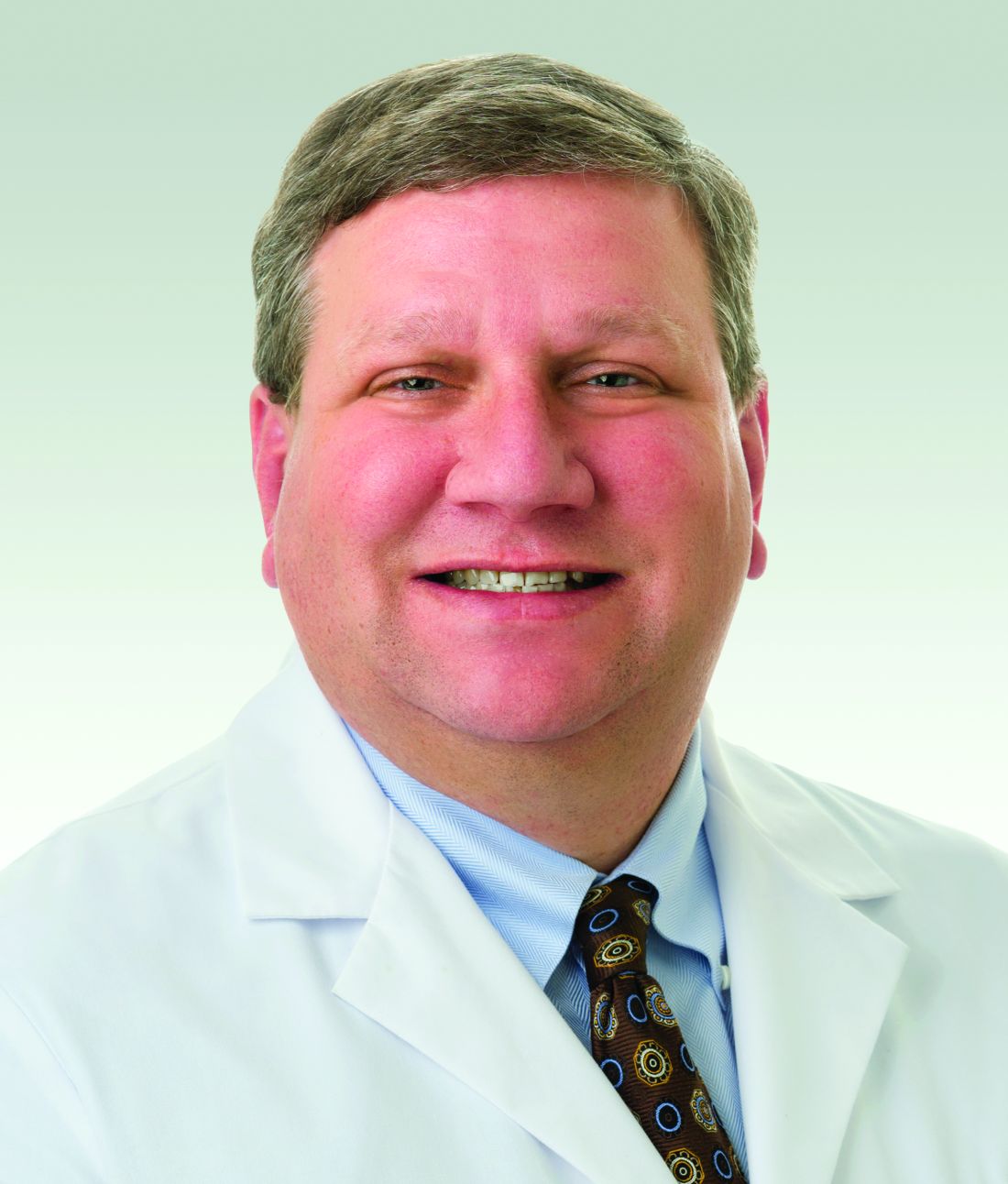
At the 2024 Rheumatology Winter Clinical Symposium, Dr. Ruderman reflected on some of the clinical trial data published after leflunomide’s approval that “got lost in the shuffle” of the rightful embrace of biologics in United States practice, and urged reconsideration of the loading strategy still advised in the drug’s labeling.
“I’m not telling you that you should be using [leflunomide] in place of biologics, instead of biologics, or before biologics … but it should be in your toolkit,” said Dr. Ruderman, professor of medicine and associate chief of clinical affairs in the division of rheumatology at Northwestern University Feinberg School of Medicine, Chicago. The drug “still has a role in RA, including in combination with methotrexate, and a potential role in other rheumatic diseases.”
“In our PsA clinic,” he noted, “we’ve actually not infrequently added leflunomide to some of the other agents we’ve been using.”
Key Findings Over the Years in RA
Leflunomide showed efficacy similar to that of sulfasalazine in a randomized trial published in 1999 that used primary endpoints of tender/swollen joints and physician and patient global scores. Then, against methotrexate, it proved just as efficacious in achieving at least 20% improvement in American College of Rheumatology composite response criteria (ACR20) over 52 weeks, and in meeting endpoints similar to those of the sulfasalazine trial, in two trials, one published in 1999 and another in 2000.
“So here were two big trials [comparing it with methotrexate] that suggested the drug was just as good as what had become our standard of care by that point,” Dr. Ruderman said.
Each of these three trials used a loading dose of 100 mg leflunomide for 3 days, followed by 20 mg daily. Sulfasalazine was initiated at 2 g and escalated over 4 weeks. Methotrexate was initiated in one of the trials at a dose of 7.5 mg, then increased to 15 mg in almost two-thirds of patients; in the other methotrexate trial the initial dose was 15 mg escalated over 3 months.
Side effects of leflunomide — GI issues, rash, alopecia (reversible), and elevated liver function tests — were similar across the trials, and represented “about the same toxicities as methotrexate,” he said.
Researchers then tested leflunomide as an add-on to methotrexate in patients who had inadequate response, which “was a little bit daunting since we were still concerned about the toxicity of methotrexate at this point,” Dr. Ruderman said. “The idea that we’d take another drug with similar toxicities and add it on to the methotrexate was a little scary.”
But it worked. Patients on a mean background dose of 16.5 mg methotrexate were randomized to placebo or to a 2-day leflunomide loading dose followed by 10 mg/day that could be escalated at 8 weeks to 20 mg if needed. At 6 months, 19.5% and 46.2%, respectively, met ACR20 (P < .001), and “interestingly,” he said, “adverse events were pretty similar” between combination therapy and methotrexate monotherapy.
“This was very much like all the studies we’ve seen over the years with new biologics — they were all added to background methotrexate,” he said. “And the truth is, the [46%] response seen when adding leflunomide to background methotrexate wasn’t very different from the 50% [ACR20] response you tend to see when you add a biologic.”
However, despite the study’s conclusion that combination therapy provided significant benefit to patients with inadequate response to methotrexate alone, “the drug got lost, because everyone was prescribing the biologics,” Dr. Ruderman said.
He said he found only one study comparing leflunomide with a biologic. In a notably small but well-designed study from Sri Lanka published in 2017, 40 patients with an inadequate response to methotrexate were randomized to low-dose rituximab (500 mg x 2) or 20 mg/day leflunomide (no loading dose). At week 24, ACR20 was nearly identical (85% vs 84%), with a similar rate of adverse events.
The researchers pointed out “that there’s a potential cost benefit in developing countries where biologics aren’t as accessible,” he said, agreeing that “the big opportunity for a drug like leflunomide is outside the US, where you don’t have access to the drugs we take advantage of all the time.”
A meeting participant from Canada pointed out that rheumatologists there are “mandated to use it for PsA in combination with methotrexate before we can get a biologic, and for RA we can use it with Plaquenil [hydroxychloroquine] and methotrexate before we get a biologic, so we’re using it all the time.”
Asked about efficacy, the physician said the combination with methotrexate is “absolutely” efficacious. “It works really well” he said. “The problem is, you really have to watch the white cell count and liver function … and the half-life is long.”
Indeed, Dr. Ruderman said during his talk, the plasma half-life of teriflunomide, its active metabolite, is 15.5 days, which is challenging when adverse events occur. “And it’s a terrible drug in young women thinking about pregnancy because it’s teratogenic and stays around,” he said.
Leflunomide, which, notably, was “developed specifically for RA from the get-go” and not borrowed from another specialty, works by blocking de novo pyrimidine synthesis, Dr. Ruderman said. T-cell activation requires the upregulation of pyrimidine production (salvage pathways are insufficient); the “drug prevents that” by inhibiting an enzyme that catalyzes conversion of dihydroorotate to orotate, which, in turn, is converted to pyrimidine ribonucleotides, he explained.
Other potential mechanisms of action have been proposed — mainly, inhibition of tumor necrosis factor signaling and inhibition of kinase activity, including the JAK/STAT pathway — but “there’s not great data for any of them,” he said.
Loading vs Not Loading, and Its Role in PsA and Other Diseases
“We stopped loading years ago because at 100 mg for 3 days in a row, everyone has GI issues,” Dr. Ruderman said. “It may have made sense from a pharmacokinetic standpoint because [based on the long half-life] you could get to a higher drug level quicker, but not a practical standpoint, because patients would stop the drug — they couldn’t take it.” The first study to examine the necessity of loading leflunomide in a “prospective, careful way” was published in 2013. It randomized 120 patients to 100 mg or 20 mg for 3 days, followed by a 3-month open-label period of 20 mg, and found no clinical benefit with loading but more diarrhea and elevated liver enzymes.
“It tells us something about how we need to think about half-lives,” he said. “Maybe [loading is] not necessary because the biological effects are different than the drug levels.”
In the PsA space, in 2004, researchers reported a double-blind randomized trial in which 190 patients with active PsA and cutaneous psoriasis with at least 3% body surface area involvement were randomized to receive leflunomide (a loading dose followed by 20 mg/day) or placebo for 24 weeks. Almost 60% of leflunomide-treated patients, compared with 30% of placebo-treated patients, were classified as responders by the Psoriatic Arthritis Response criteria (P < .0001), “which is a soft endpoint” but was utilized at the time, Dr. Ruderman said. The researchers noted improvements in ACR20 and skin responses as well, and toxicity was similar to that reported in the RA studies.
However, approval was never sought, and the drug was infrequently prescribed, “because etanercept came out for this disease, and then adalimumab … and then the world changed,” he said.
More recently, a single-center, double-blind, randomized trial that included 78 Dutch patients with PsA tested leflunomide plus methotrexate vs methotrexate monotherapy and was published in The Lancet Rheumatology. After 16 weeks, mean Psoriatic Arthritis Disease Activity Score (PASDAS) had improved for patients in the combination therapy group in comparison with the monotherapy group (3.1 [standard deviation (SD), 1.4] vs 3.7 [SD, 1.3]; treatment difference, -0.6; 90% CI, -1.0 to -0.1; P = .025). The combination therapy group also achieved PASDAS low disease activity at a higher rate (59%) than that of the monotherapy group (34%; P = .019). Three patients in the combination therapy group experienced serious adverse events, two of which were deemed unrelated to leflunomide. The most frequently occurring adverse events were nausea or vomiting, tiredness, and elevated alanine aminotransferase. Mild adverse events were more common in the methotrexate plus leflunomide group.
In an interview after the meeting, Dr. Ruderman explained that in his practice, about 15 years ago, leflunomide was sometimes prescribed as an alternative to a biologic change for patients whose skin disease improved significantly with ustekinumab (Stelara) but who “suddenly had more joint symptoms that they didn’t have before.”
And “we’ve found ourselves a bit recently with the same sort of story, where patients are prescribed IL-23 inhibitors like Skyrizi [risankizumab] and Tremfya [guselkumab] and their skin does really well but now they’re having more joint symptoms than previously,” he said. “Our choices are to switch to a whole different biologic, or to think about adding something as an adjunct — and maybe leflunomide is a reasonable option.”
In the last 5 years, Dr. Ruderman noted, randomized trial data has been published on leflunomide in lupus nephritis induction, and in lupus nephritis maintenance, as well as in IgG4-related disease.
Dr. Ruderman disclosed consulting and/or drug safety monitoring board work for AbbVie, Amgen, Bristol-Myers Squibb, Janssen, Lilly, Merck, Novartis, NS Pharma, and UCB.
The Food and Drug Administration’s approval of leflunomide in September 1998 as a treatment for rheumatoid arthritis was sandwiched between the debuts of infliximab (Remicade and biosimilars) and etanercept (Enbrel) in August and November of that year, the latter of which was so exciting that “within 2 months you couldn’t get [it],” recalled Eric M. Ruderman, MD. And “like every middle child, [leflunomide] was underloved, underappreciated, and largely dismissed.”
Yet should it have been? Is it worth another look today?
At the 2024 Rheumatology Winter Clinical Symposium, Dr. Ruderman reflected on some of the clinical trial data published after leflunomide’s approval that “got lost in the shuffle” of the rightful embrace of biologics in United States practice, and urged reconsideration of the loading strategy still advised in the drug’s labeling.
“I’m not telling you that you should be using [leflunomide] in place of biologics, instead of biologics, or before biologics … but it should be in your toolkit,” said Dr. Ruderman, professor of medicine and associate chief of clinical affairs in the division of rheumatology at Northwestern University Feinberg School of Medicine, Chicago. The drug “still has a role in RA, including in combination with methotrexate, and a potential role in other rheumatic diseases.”
“In our PsA clinic,” he noted, “we’ve actually not infrequently added leflunomide to some of the other agents we’ve been using.”
Key Findings Over the Years in RA
Leflunomide showed efficacy similar to that of sulfasalazine in a randomized trial published in 1999 that used primary endpoints of tender/swollen joints and physician and patient global scores. Then, against methotrexate, it proved just as efficacious in achieving at least 20% improvement in American College of Rheumatology composite response criteria (ACR20) over 52 weeks, and in meeting endpoints similar to those of the sulfasalazine trial, in two trials, one published in 1999 and another in 2000.
“So here were two big trials [comparing it with methotrexate] that suggested the drug was just as good as what had become our standard of care by that point,” Dr. Ruderman said.
Each of these three trials used a loading dose of 100 mg leflunomide for 3 days, followed by 20 mg daily. Sulfasalazine was initiated at 2 g and escalated over 4 weeks. Methotrexate was initiated in one of the trials at a dose of 7.5 mg, then increased to 15 mg in almost two-thirds of patients; in the other methotrexate trial the initial dose was 15 mg escalated over 3 months.
Side effects of leflunomide — GI issues, rash, alopecia (reversible), and elevated liver function tests — were similar across the trials, and represented “about the same toxicities as methotrexate,” he said.
Researchers then tested leflunomide as an add-on to methotrexate in patients who had inadequate response, which “was a little bit daunting since we were still concerned about the toxicity of methotrexate at this point,” Dr. Ruderman said. “The idea that we’d take another drug with similar toxicities and add it on to the methotrexate was a little scary.”
But it worked. Patients on a mean background dose of 16.5 mg methotrexate were randomized to placebo or to a 2-day leflunomide loading dose followed by 10 mg/day that could be escalated at 8 weeks to 20 mg if needed. At 6 months, 19.5% and 46.2%, respectively, met ACR20 (P < .001), and “interestingly,” he said, “adverse events were pretty similar” between combination therapy and methotrexate monotherapy.
“This was very much like all the studies we’ve seen over the years with new biologics — they were all added to background methotrexate,” he said. “And the truth is, the [46%] response seen when adding leflunomide to background methotrexate wasn’t very different from the 50% [ACR20] response you tend to see when you add a biologic.”
However, despite the study’s conclusion that combination therapy provided significant benefit to patients with inadequate response to methotrexate alone, “the drug got lost, because everyone was prescribing the biologics,” Dr. Ruderman said.
He said he found only one study comparing leflunomide with a biologic. In a notably small but well-designed study from Sri Lanka published in 2017, 40 patients with an inadequate response to methotrexate were randomized to low-dose rituximab (500 mg x 2) or 20 mg/day leflunomide (no loading dose). At week 24, ACR20 was nearly identical (85% vs 84%), with a similar rate of adverse events.
The researchers pointed out “that there’s a potential cost benefit in developing countries where biologics aren’t as accessible,” he said, agreeing that “the big opportunity for a drug like leflunomide is outside the US, where you don’t have access to the drugs we take advantage of all the time.”
A meeting participant from Canada pointed out that rheumatologists there are “mandated to use it for PsA in combination with methotrexate before we can get a biologic, and for RA we can use it with Plaquenil [hydroxychloroquine] and methotrexate before we get a biologic, so we’re using it all the time.”
Asked about efficacy, the physician said the combination with methotrexate is “absolutely” efficacious. “It works really well” he said. “The problem is, you really have to watch the white cell count and liver function … and the half-life is long.”
Indeed, Dr. Ruderman said during his talk, the plasma half-life of teriflunomide, its active metabolite, is 15.5 days, which is challenging when adverse events occur. “And it’s a terrible drug in young women thinking about pregnancy because it’s teratogenic and stays around,” he said.
Leflunomide, which, notably, was “developed specifically for RA from the get-go” and not borrowed from another specialty, works by blocking de novo pyrimidine synthesis, Dr. Ruderman said. T-cell activation requires the upregulation of pyrimidine production (salvage pathways are insufficient); the “drug prevents that” by inhibiting an enzyme that catalyzes conversion of dihydroorotate to orotate, which, in turn, is converted to pyrimidine ribonucleotides, he explained.
Other potential mechanisms of action have been proposed — mainly, inhibition of tumor necrosis factor signaling and inhibition of kinase activity, including the JAK/STAT pathway — but “there’s not great data for any of them,” he said.
Loading vs Not Loading, and Its Role in PsA and Other Diseases
“We stopped loading years ago because at 100 mg for 3 days in a row, everyone has GI issues,” Dr. Ruderman said. “It may have made sense from a pharmacokinetic standpoint because [based on the long half-life] you could get to a higher drug level quicker, but not a practical standpoint, because patients would stop the drug — they couldn’t take it.” The first study to examine the necessity of loading leflunomide in a “prospective, careful way” was published in 2013. It randomized 120 patients to 100 mg or 20 mg for 3 days, followed by a 3-month open-label period of 20 mg, and found no clinical benefit with loading but more diarrhea and elevated liver enzymes.
“It tells us something about how we need to think about half-lives,” he said. “Maybe [loading is] not necessary because the biological effects are different than the drug levels.”
In the PsA space, in 2004, researchers reported a double-blind randomized trial in which 190 patients with active PsA and cutaneous psoriasis with at least 3% body surface area involvement were randomized to receive leflunomide (a loading dose followed by 20 mg/day) or placebo for 24 weeks. Almost 60% of leflunomide-treated patients, compared with 30% of placebo-treated patients, were classified as responders by the Psoriatic Arthritis Response criteria (P < .0001), “which is a soft endpoint” but was utilized at the time, Dr. Ruderman said. The researchers noted improvements in ACR20 and skin responses as well, and toxicity was similar to that reported in the RA studies.
However, approval was never sought, and the drug was infrequently prescribed, “because etanercept came out for this disease, and then adalimumab … and then the world changed,” he said.
More recently, a single-center, double-blind, randomized trial that included 78 Dutch patients with PsA tested leflunomide plus methotrexate vs methotrexate monotherapy and was published in The Lancet Rheumatology. After 16 weeks, mean Psoriatic Arthritis Disease Activity Score (PASDAS) had improved for patients in the combination therapy group in comparison with the monotherapy group (3.1 [standard deviation (SD), 1.4] vs 3.7 [SD, 1.3]; treatment difference, -0.6; 90% CI, -1.0 to -0.1; P = .025). The combination therapy group also achieved PASDAS low disease activity at a higher rate (59%) than that of the monotherapy group (34%; P = .019). Three patients in the combination therapy group experienced serious adverse events, two of which were deemed unrelated to leflunomide. The most frequently occurring adverse events were nausea or vomiting, tiredness, and elevated alanine aminotransferase. Mild adverse events were more common in the methotrexate plus leflunomide group.
In an interview after the meeting, Dr. Ruderman explained that in his practice, about 15 years ago, leflunomide was sometimes prescribed as an alternative to a biologic change for patients whose skin disease improved significantly with ustekinumab (Stelara) but who “suddenly had more joint symptoms that they didn’t have before.”
And “we’ve found ourselves a bit recently with the same sort of story, where patients are prescribed IL-23 inhibitors like Skyrizi [risankizumab] and Tremfya [guselkumab] and their skin does really well but now they’re having more joint symptoms than previously,” he said. “Our choices are to switch to a whole different biologic, or to think about adding something as an adjunct — and maybe leflunomide is a reasonable option.”
In the last 5 years, Dr. Ruderman noted, randomized trial data has been published on leflunomide in lupus nephritis induction, and in lupus nephritis maintenance, as well as in IgG4-related disease.
Dr. Ruderman disclosed consulting and/or drug safety monitoring board work for AbbVie, Amgen, Bristol-Myers Squibb, Janssen, Lilly, Merck, Novartis, NS Pharma, and UCB.
The Food and Drug Administration’s approval of leflunomide in September 1998 as a treatment for rheumatoid arthritis was sandwiched between the debuts of infliximab (Remicade and biosimilars) and etanercept (Enbrel) in August and November of that year, the latter of which was so exciting that “within 2 months you couldn’t get [it],” recalled Eric M. Ruderman, MD. And “like every middle child, [leflunomide] was underloved, underappreciated, and largely dismissed.”
Yet should it have been? Is it worth another look today?
At the 2024 Rheumatology Winter Clinical Symposium, Dr. Ruderman reflected on some of the clinical trial data published after leflunomide’s approval that “got lost in the shuffle” of the rightful embrace of biologics in United States practice, and urged reconsideration of the loading strategy still advised in the drug’s labeling.
“I’m not telling you that you should be using [leflunomide] in place of biologics, instead of biologics, or before biologics … but it should be in your toolkit,” said Dr. Ruderman, professor of medicine and associate chief of clinical affairs in the division of rheumatology at Northwestern University Feinberg School of Medicine, Chicago. The drug “still has a role in RA, including in combination with methotrexate, and a potential role in other rheumatic diseases.”
“In our PsA clinic,” he noted, “we’ve actually not infrequently added leflunomide to some of the other agents we’ve been using.”
Key Findings Over the Years in RA
Leflunomide showed efficacy similar to that of sulfasalazine in a randomized trial published in 1999 that used primary endpoints of tender/swollen joints and physician and patient global scores. Then, against methotrexate, it proved just as efficacious in achieving at least 20% improvement in American College of Rheumatology composite response criteria (ACR20) over 52 weeks, and in meeting endpoints similar to those of the sulfasalazine trial, in two trials, one published in 1999 and another in 2000.
“So here were two big trials [comparing it with methotrexate] that suggested the drug was just as good as what had become our standard of care by that point,” Dr. Ruderman said.
Each of these three trials used a loading dose of 100 mg leflunomide for 3 days, followed by 20 mg daily. Sulfasalazine was initiated at 2 g and escalated over 4 weeks. Methotrexate was initiated in one of the trials at a dose of 7.5 mg, then increased to 15 mg in almost two-thirds of patients; in the other methotrexate trial the initial dose was 15 mg escalated over 3 months.
Side effects of leflunomide — GI issues, rash, alopecia (reversible), and elevated liver function tests — were similar across the trials, and represented “about the same toxicities as methotrexate,” he said.
Researchers then tested leflunomide as an add-on to methotrexate in patients who had inadequate response, which “was a little bit daunting since we were still concerned about the toxicity of methotrexate at this point,” Dr. Ruderman said. “The idea that we’d take another drug with similar toxicities and add it on to the methotrexate was a little scary.”
But it worked. Patients on a mean background dose of 16.5 mg methotrexate were randomized to placebo or to a 2-day leflunomide loading dose followed by 10 mg/day that could be escalated at 8 weeks to 20 mg if needed. At 6 months, 19.5% and 46.2%, respectively, met ACR20 (P < .001), and “interestingly,” he said, “adverse events were pretty similar” between combination therapy and methotrexate monotherapy.
“This was very much like all the studies we’ve seen over the years with new biologics — they were all added to background methotrexate,” he said. “And the truth is, the [46%] response seen when adding leflunomide to background methotrexate wasn’t very different from the 50% [ACR20] response you tend to see when you add a biologic.”
However, despite the study’s conclusion that combination therapy provided significant benefit to patients with inadequate response to methotrexate alone, “the drug got lost, because everyone was prescribing the biologics,” Dr. Ruderman said.
He said he found only one study comparing leflunomide with a biologic. In a notably small but well-designed study from Sri Lanka published in 2017, 40 patients with an inadequate response to methotrexate were randomized to low-dose rituximab (500 mg x 2) or 20 mg/day leflunomide (no loading dose). At week 24, ACR20 was nearly identical (85% vs 84%), with a similar rate of adverse events.
The researchers pointed out “that there’s a potential cost benefit in developing countries where biologics aren’t as accessible,” he said, agreeing that “the big opportunity for a drug like leflunomide is outside the US, where you don’t have access to the drugs we take advantage of all the time.”
A meeting participant from Canada pointed out that rheumatologists there are “mandated to use it for PsA in combination with methotrexate before we can get a biologic, and for RA we can use it with Plaquenil [hydroxychloroquine] and methotrexate before we get a biologic, so we’re using it all the time.”
Asked about efficacy, the physician said the combination with methotrexate is “absolutely” efficacious. “It works really well” he said. “The problem is, you really have to watch the white cell count and liver function … and the half-life is long.”
Indeed, Dr. Ruderman said during his talk, the plasma half-life of teriflunomide, its active metabolite, is 15.5 days, which is challenging when adverse events occur. “And it’s a terrible drug in young women thinking about pregnancy because it’s teratogenic and stays around,” he said.
Leflunomide, which, notably, was “developed specifically for RA from the get-go” and not borrowed from another specialty, works by blocking de novo pyrimidine synthesis, Dr. Ruderman said. T-cell activation requires the upregulation of pyrimidine production (salvage pathways are insufficient); the “drug prevents that” by inhibiting an enzyme that catalyzes conversion of dihydroorotate to orotate, which, in turn, is converted to pyrimidine ribonucleotides, he explained.
Other potential mechanisms of action have been proposed — mainly, inhibition of tumor necrosis factor signaling and inhibition of kinase activity, including the JAK/STAT pathway — but “there’s not great data for any of them,” he said.
Loading vs Not Loading, and Its Role in PsA and Other Diseases
“We stopped loading years ago because at 100 mg for 3 days in a row, everyone has GI issues,” Dr. Ruderman said. “It may have made sense from a pharmacokinetic standpoint because [based on the long half-life] you could get to a higher drug level quicker, but not a practical standpoint, because patients would stop the drug — they couldn’t take it.” The first study to examine the necessity of loading leflunomide in a “prospective, careful way” was published in 2013. It randomized 120 patients to 100 mg or 20 mg for 3 days, followed by a 3-month open-label period of 20 mg, and found no clinical benefit with loading but more diarrhea and elevated liver enzymes.
“It tells us something about how we need to think about half-lives,” he said. “Maybe [loading is] not necessary because the biological effects are different than the drug levels.”
In the PsA space, in 2004, researchers reported a double-blind randomized trial in which 190 patients with active PsA and cutaneous psoriasis with at least 3% body surface area involvement were randomized to receive leflunomide (a loading dose followed by 20 mg/day) or placebo for 24 weeks. Almost 60% of leflunomide-treated patients, compared with 30% of placebo-treated patients, were classified as responders by the Psoriatic Arthritis Response criteria (P < .0001), “which is a soft endpoint” but was utilized at the time, Dr. Ruderman said. The researchers noted improvements in ACR20 and skin responses as well, and toxicity was similar to that reported in the RA studies.
However, approval was never sought, and the drug was infrequently prescribed, “because etanercept came out for this disease, and then adalimumab … and then the world changed,” he said.
More recently, a single-center, double-blind, randomized trial that included 78 Dutch patients with PsA tested leflunomide plus methotrexate vs methotrexate monotherapy and was published in The Lancet Rheumatology. After 16 weeks, mean Psoriatic Arthritis Disease Activity Score (PASDAS) had improved for patients in the combination therapy group in comparison with the monotherapy group (3.1 [standard deviation (SD), 1.4] vs 3.7 [SD, 1.3]; treatment difference, -0.6; 90% CI, -1.0 to -0.1; P = .025). The combination therapy group also achieved PASDAS low disease activity at a higher rate (59%) than that of the monotherapy group (34%; P = .019). Three patients in the combination therapy group experienced serious adverse events, two of which were deemed unrelated to leflunomide. The most frequently occurring adverse events were nausea or vomiting, tiredness, and elevated alanine aminotransferase. Mild adverse events were more common in the methotrexate plus leflunomide group.
In an interview after the meeting, Dr. Ruderman explained that in his practice, about 15 years ago, leflunomide was sometimes prescribed as an alternative to a biologic change for patients whose skin disease improved significantly with ustekinumab (Stelara) but who “suddenly had more joint symptoms that they didn’t have before.”
And “we’ve found ourselves a bit recently with the same sort of story, where patients are prescribed IL-23 inhibitors like Skyrizi [risankizumab] and Tremfya [guselkumab] and their skin does really well but now they’re having more joint symptoms than previously,” he said. “Our choices are to switch to a whole different biologic, or to think about adding something as an adjunct — and maybe leflunomide is a reasonable option.”
In the last 5 years, Dr. Ruderman noted, randomized trial data has been published on leflunomide in lupus nephritis induction, and in lupus nephritis maintenance, as well as in IgG4-related disease.
Dr. Ruderman disclosed consulting and/or drug safety monitoring board work for AbbVie, Amgen, Bristol-Myers Squibb, Janssen, Lilly, Merck, Novartis, NS Pharma, and UCB.
FROM RWCS 2024
No Increase in Autoimmune Risk Seen With GLP-1 Receptor Agonists and SGLT2 Inhibitors
TOPLINE:
In patients with type 2 diabetes, there was no difference in risk of developing autoimmune disease if prescribed glucagon-like peptide 1 receptor agonists (GLP-1-RAs), sodium-glucose cotransporter-2 (SGLT2) inhibitors, or dipeptidyl peptidase-4 (DPP-4) inhibitors.
METHODOLOGY:
- The effect of GLP-1-RAs and SGLT2 inhibitors on autoimmune rheumatic disease (ARD) is understudied, though previous case reports and one study have hinted at increased risk.
- Researchers used administrative health data from 2014 to 2021 to identify 34,400 patients prescribed GLP-1-RAs and 83,500 patients prescribed SGLT2 inhibitors.
- They compared patients prescribed GLP-1-RAs or SGLT2 inhibitors with 68,400 patients prescribed DPP-4 inhibitors, which previous studies suggest do not increase ARD risk.
- Primary outcome was ARD incidence, defined by diagnostic codes.
TAKEAWAY:
- There were no significant differences in incident ARDs between the three groups.
- Mean follow-up time was 0.88-1.53 years.
- The hazard ratio (HR) for developing ARDs with GLP-1-RAs exposure was 0.93 (95% CI, 0.66-1.30) compared with DPP-4 inhibitors.
- The HR for developing ARDs with SGLT2 inhibitor exposure was 0.97 (95% CI, 0.76-1.24).
IN PRACTICE:
“Extended longitudinal data are needed to assess risk and benefit with longer-term exposure,” the authors wrote.
SOURCE:
First author Derin Karacabeyli, MD, of the University of British Columbia, Vancouver, Canada, presented the study in abstract form at the Canadian Rheumatology Association (CRA) 2024 Annual Meeting in Winnipeg on February 29.
LIMITATIONS:
The study was observational, which could have some residual or unmeasured confounding of data. The researchers relied on diagnostic codes and the average follow-up time was short.
DISCLOSURES:
The study was funded by the Canadian Institutes of Health Research. The authors had no disclosures.
A version of this article appeared on Medscape.com.
TOPLINE:
In patients with type 2 diabetes, there was no difference in risk of developing autoimmune disease if prescribed glucagon-like peptide 1 receptor agonists (GLP-1-RAs), sodium-glucose cotransporter-2 (SGLT2) inhibitors, or dipeptidyl peptidase-4 (DPP-4) inhibitors.
METHODOLOGY:
- The effect of GLP-1-RAs and SGLT2 inhibitors on autoimmune rheumatic disease (ARD) is understudied, though previous case reports and one study have hinted at increased risk.
- Researchers used administrative health data from 2014 to 2021 to identify 34,400 patients prescribed GLP-1-RAs and 83,500 patients prescribed SGLT2 inhibitors.
- They compared patients prescribed GLP-1-RAs or SGLT2 inhibitors with 68,400 patients prescribed DPP-4 inhibitors, which previous studies suggest do not increase ARD risk.
- Primary outcome was ARD incidence, defined by diagnostic codes.
TAKEAWAY:
- There were no significant differences in incident ARDs between the three groups.
- Mean follow-up time was 0.88-1.53 years.
- The hazard ratio (HR) for developing ARDs with GLP-1-RAs exposure was 0.93 (95% CI, 0.66-1.30) compared with DPP-4 inhibitors.
- The HR for developing ARDs with SGLT2 inhibitor exposure was 0.97 (95% CI, 0.76-1.24).
IN PRACTICE:
“Extended longitudinal data are needed to assess risk and benefit with longer-term exposure,” the authors wrote.
SOURCE:
First author Derin Karacabeyli, MD, of the University of British Columbia, Vancouver, Canada, presented the study in abstract form at the Canadian Rheumatology Association (CRA) 2024 Annual Meeting in Winnipeg on February 29.
LIMITATIONS:
The study was observational, which could have some residual or unmeasured confounding of data. The researchers relied on diagnostic codes and the average follow-up time was short.
DISCLOSURES:
The study was funded by the Canadian Institutes of Health Research. The authors had no disclosures.
A version of this article appeared on Medscape.com.
TOPLINE:
In patients with type 2 diabetes, there was no difference in risk of developing autoimmune disease if prescribed glucagon-like peptide 1 receptor agonists (GLP-1-RAs), sodium-glucose cotransporter-2 (SGLT2) inhibitors, or dipeptidyl peptidase-4 (DPP-4) inhibitors.
METHODOLOGY:
- The effect of GLP-1-RAs and SGLT2 inhibitors on autoimmune rheumatic disease (ARD) is understudied, though previous case reports and one study have hinted at increased risk.
- Researchers used administrative health data from 2014 to 2021 to identify 34,400 patients prescribed GLP-1-RAs and 83,500 patients prescribed SGLT2 inhibitors.
- They compared patients prescribed GLP-1-RAs or SGLT2 inhibitors with 68,400 patients prescribed DPP-4 inhibitors, which previous studies suggest do not increase ARD risk.
- Primary outcome was ARD incidence, defined by diagnostic codes.
TAKEAWAY:
- There were no significant differences in incident ARDs between the three groups.
- Mean follow-up time was 0.88-1.53 years.
- The hazard ratio (HR) for developing ARDs with GLP-1-RAs exposure was 0.93 (95% CI, 0.66-1.30) compared with DPP-4 inhibitors.
- The HR for developing ARDs with SGLT2 inhibitor exposure was 0.97 (95% CI, 0.76-1.24).
IN PRACTICE:
“Extended longitudinal data are needed to assess risk and benefit with longer-term exposure,” the authors wrote.
SOURCE:
First author Derin Karacabeyli, MD, of the University of British Columbia, Vancouver, Canada, presented the study in abstract form at the Canadian Rheumatology Association (CRA) 2024 Annual Meeting in Winnipeg on February 29.
LIMITATIONS:
The study was observational, which could have some residual or unmeasured confounding of data. The researchers relied on diagnostic codes and the average follow-up time was short.
DISCLOSURES:
The study was funded by the Canadian Institutes of Health Research. The authors had no disclosures.
A version of this article appeared on Medscape.com.
AI-Identified Vascular Healing Can Predict Clinical Relapse in Ulcerative Colitis
STOCKHOLM — , according to data from the study of a novel investigational tool.
Clinical relapse was predicted in 3% of patients identified as having vascular healing in all segments compared with 23.9% in those with vascular activity (ie, one or more segments were active), reported Yasuharu Maeda, MD, gastroenterologist from Showa University Northern Yokohama Hospital, Digestive Disease Center, Yokohama, Japan.
In patients with a Mayo Endoscopic Score (MES) ≤ 1, the clinical relapse rate was 3% and 18.6% in the vascular healing and vascular active groups, respectively, he said.
Endoscopic remission is a crucial treat-to-target goal in patients with UC, and image-enhanced endoscopy is spreading in routine practice as a way to detect inflammation and to predict outcomes, Dr. Maeda said.
“Image-enhanced vascular findings lead to a stronger correlation with histological activities and long-term prognosis compared with white light endoscopy assessment,” he explained. “It also means that assessment can be done on-site without biopsy, pathologist effort, and associated costs; however, specialist training is required to achieve a high accuracy in outputs.”
Dr. Maeda presented the data (Abstract OP16) at the annual congress of the European Crohn’s and Colitis Organisation.
Stratifying the Relapse Risk
Dr. Maeda and colleagues developed a novel AI-based narrow-band imaging system, training it by using 8853 images from 167 patients with UC.
The AI system, EndoBRAIN-UC (Cybernet System Corp, Tokyo), is in use and currently adapted for only one endoscope, the Endocyto CFH290EC (Olympus EMEA, Tokyo), but for the purpose of this study, it was trained on images from five different scopes.
“By combining narrow-band imaging and AI, we developed a system where we can differentiate between vascular activity and vascular healing. This allows us to predict relapse,” Dr. Maeda said.
In an open-label, prospective cohort study, they tested the system with the aim of assessing the efficacy of AI-identified vascular healing to stratify the relapse risk in 100 patients showing clinical remission of UC (ie, partial MES ≤ 1).
Patient characteristics were similar between both groups with an average disease duration of 10 years.
In the vascular healing group (n = 33), the average age was 52 years, 20% were men, 58% had extensive colitis, and 52% had a MES score of 0.
In the vascular active group (n = 67), the average age was 56 years, 32% were men, 61% had extensive colitis, and 25% had a MES score of 0.
Colonoscopy was performed using the AI system to identify mucosa as healing or active for six colorectal segments of each patient. The MES and histologic assessment for these segments were also recorded. Patients were then followed for up to 12 months and assessed for clinical relapse.
The clinical relapse rate was higher in the vascular active group than in the vascular healing group as identified by AI.
“We only evaluated the diagnostic output of the AI but obtained white light endoscopies and biopsies for contrast studies,” Dr. Maeda noted.
They also looked at whether the endoscopist’s level of experience (ie, trainee or expert) was important but found that clinical relapse predictive values were independent of the endoscopist’s experience.
Still in the Early Stages
AI-assisted colonoscopy work is still at an early stage , said session co-moderator, Monika Ferlitsch, MD, head of Internal Medicine Department II, gastroenterology and hepatology, Evangelical Hospital, in Vienna, Austria.
We now have initial results, but “I suspect it will take 10-20 years for implementation into routine clinical practice,” she said.
The best outcome for our patients is to be able to predict response to therapy and recurrence rates, “and we see this is possible now with AI. But of course, we need more clinical data to support it,” Dr. Ferlitsch said.
Dr. Maeda and Dr. Ferlitsch have declared no financial disclosures.
A version of this article appeared on Medscape.com.
STOCKHOLM — , according to data from the study of a novel investigational tool.
Clinical relapse was predicted in 3% of patients identified as having vascular healing in all segments compared with 23.9% in those with vascular activity (ie, one or more segments were active), reported Yasuharu Maeda, MD, gastroenterologist from Showa University Northern Yokohama Hospital, Digestive Disease Center, Yokohama, Japan.
In patients with a Mayo Endoscopic Score (MES) ≤ 1, the clinical relapse rate was 3% and 18.6% in the vascular healing and vascular active groups, respectively, he said.
Endoscopic remission is a crucial treat-to-target goal in patients with UC, and image-enhanced endoscopy is spreading in routine practice as a way to detect inflammation and to predict outcomes, Dr. Maeda said.
“Image-enhanced vascular findings lead to a stronger correlation with histological activities and long-term prognosis compared with white light endoscopy assessment,” he explained. “It also means that assessment can be done on-site without biopsy, pathologist effort, and associated costs; however, specialist training is required to achieve a high accuracy in outputs.”
Dr. Maeda presented the data (Abstract OP16) at the annual congress of the European Crohn’s and Colitis Organisation.
Stratifying the Relapse Risk
Dr. Maeda and colleagues developed a novel AI-based narrow-band imaging system, training it by using 8853 images from 167 patients with UC.
The AI system, EndoBRAIN-UC (Cybernet System Corp, Tokyo), is in use and currently adapted for only one endoscope, the Endocyto CFH290EC (Olympus EMEA, Tokyo), but for the purpose of this study, it was trained on images from five different scopes.
“By combining narrow-band imaging and AI, we developed a system where we can differentiate between vascular activity and vascular healing. This allows us to predict relapse,” Dr. Maeda said.
In an open-label, prospective cohort study, they tested the system with the aim of assessing the efficacy of AI-identified vascular healing to stratify the relapse risk in 100 patients showing clinical remission of UC (ie, partial MES ≤ 1).
Patient characteristics were similar between both groups with an average disease duration of 10 years.
In the vascular healing group (n = 33), the average age was 52 years, 20% were men, 58% had extensive colitis, and 52% had a MES score of 0.
In the vascular active group (n = 67), the average age was 56 years, 32% were men, 61% had extensive colitis, and 25% had a MES score of 0.
Colonoscopy was performed using the AI system to identify mucosa as healing or active for six colorectal segments of each patient. The MES and histologic assessment for these segments were also recorded. Patients were then followed for up to 12 months and assessed for clinical relapse.
The clinical relapse rate was higher in the vascular active group than in the vascular healing group as identified by AI.
“We only evaluated the diagnostic output of the AI but obtained white light endoscopies and biopsies for contrast studies,” Dr. Maeda noted.
They also looked at whether the endoscopist’s level of experience (ie, trainee or expert) was important but found that clinical relapse predictive values were independent of the endoscopist’s experience.
Still in the Early Stages
AI-assisted colonoscopy work is still at an early stage , said session co-moderator, Monika Ferlitsch, MD, head of Internal Medicine Department II, gastroenterology and hepatology, Evangelical Hospital, in Vienna, Austria.
We now have initial results, but “I suspect it will take 10-20 years for implementation into routine clinical practice,” she said.
The best outcome for our patients is to be able to predict response to therapy and recurrence rates, “and we see this is possible now with AI. But of course, we need more clinical data to support it,” Dr. Ferlitsch said.
Dr. Maeda and Dr. Ferlitsch have declared no financial disclosures.
A version of this article appeared on Medscape.com.
STOCKHOLM — , according to data from the study of a novel investigational tool.
Clinical relapse was predicted in 3% of patients identified as having vascular healing in all segments compared with 23.9% in those with vascular activity (ie, one or more segments were active), reported Yasuharu Maeda, MD, gastroenterologist from Showa University Northern Yokohama Hospital, Digestive Disease Center, Yokohama, Japan.
In patients with a Mayo Endoscopic Score (MES) ≤ 1, the clinical relapse rate was 3% and 18.6% in the vascular healing and vascular active groups, respectively, he said.
Endoscopic remission is a crucial treat-to-target goal in patients with UC, and image-enhanced endoscopy is spreading in routine practice as a way to detect inflammation and to predict outcomes, Dr. Maeda said.
“Image-enhanced vascular findings lead to a stronger correlation with histological activities and long-term prognosis compared with white light endoscopy assessment,” he explained. “It also means that assessment can be done on-site without biopsy, pathologist effort, and associated costs; however, specialist training is required to achieve a high accuracy in outputs.”
Dr. Maeda presented the data (Abstract OP16) at the annual congress of the European Crohn’s and Colitis Organisation.
Stratifying the Relapse Risk
Dr. Maeda and colleagues developed a novel AI-based narrow-band imaging system, training it by using 8853 images from 167 patients with UC.
The AI system, EndoBRAIN-UC (Cybernet System Corp, Tokyo), is in use and currently adapted for only one endoscope, the Endocyto CFH290EC (Olympus EMEA, Tokyo), but for the purpose of this study, it was trained on images from five different scopes.
“By combining narrow-band imaging and AI, we developed a system where we can differentiate between vascular activity and vascular healing. This allows us to predict relapse,” Dr. Maeda said.
In an open-label, prospective cohort study, they tested the system with the aim of assessing the efficacy of AI-identified vascular healing to stratify the relapse risk in 100 patients showing clinical remission of UC (ie, partial MES ≤ 1).
Patient characteristics were similar between both groups with an average disease duration of 10 years.
In the vascular healing group (n = 33), the average age was 52 years, 20% were men, 58% had extensive colitis, and 52% had a MES score of 0.
In the vascular active group (n = 67), the average age was 56 years, 32% were men, 61% had extensive colitis, and 25% had a MES score of 0.
Colonoscopy was performed using the AI system to identify mucosa as healing or active for six colorectal segments of each patient. The MES and histologic assessment for these segments were also recorded. Patients were then followed for up to 12 months and assessed for clinical relapse.
The clinical relapse rate was higher in the vascular active group than in the vascular healing group as identified by AI.
“We only evaluated the diagnostic output of the AI but obtained white light endoscopies and biopsies for contrast studies,” Dr. Maeda noted.
They also looked at whether the endoscopist’s level of experience (ie, trainee or expert) was important but found that clinical relapse predictive values were independent of the endoscopist’s experience.
Still in the Early Stages
AI-assisted colonoscopy work is still at an early stage , said session co-moderator, Monika Ferlitsch, MD, head of Internal Medicine Department II, gastroenterology and hepatology, Evangelical Hospital, in Vienna, Austria.
We now have initial results, but “I suspect it will take 10-20 years for implementation into routine clinical practice,” she said.
The best outcome for our patients is to be able to predict response to therapy and recurrence rates, “and we see this is possible now with AI. But of course, we need more clinical data to support it,” Dr. Ferlitsch said.
Dr. Maeda and Dr. Ferlitsch have declared no financial disclosures.
A version of this article appeared on Medscape.com.
FROM ECCO 2024
Novel Biotherapeutic to Be Tested in Ulcerative Colitis
STOCKHOLM —
The eight-strain live biotherapeutic product (MB310, Microbiotica) is due to enter its first clinical trial later this year.
In patients with UC who showed clinical benefit after fecal microbiota transplantation (FMT), these eight specific bacterial strains were shown to be consistently elevated, reported Ron Carter, MD, chief medical officer at Microbiotica, Cambridge, UK, the company developing the product.
In addition, “in lab studies, we’ve found they exhibit anti-inflammatory effects when incubated with different cells of the immune system,” he explained. With the biotherapeutic product, “we want to prompt the immune system to realign the gut inflammation” in UC.
On February 23, at the annual congress of the European Crohn’s and Colitis Organisation, Dr. Carter presented the work-to-date and the near-term plans for a phase 1b randomized, placebo-controlled, double-blind trial to be conducted across roughly 20 sites in Europe (Abstract DOP 67). The trial, COMPOSER-1, will investigate the engraftment and initial signs of clinical activity of MB310 in 30 patients with active, mild to moderate UC (modified Mayo score 4-7; endoscopic subscore ≥ 2).
Calming Inflammation With Specific Bacteria
To date, the researchers have focused on identifying bacterial species that correlate with clinical outcomes in individual patients with UC after treatment with FMT. Dr. Carter and colleagues worked in collaboration with Sam Costello, MBBS, gastroenterologist at The Queen Elizabeth Hospital in Adelaide, Australia.
The initial research involved analyzing stool samples from a round 70 patients diagnosed with mild to moderate UC, who were randomly assigned to receive either pooled, anaerobically prepared, healthy donor FMT, or their own autologous FMT as a comparative control. FMT was delivered via colonoscopy and two enemas over 7 days. The primary endpoint of the study was achieving steroid-free remission of UC on the basis of specific Mayo scores, at the end of week 8.
“Results indicated that the group receiving the pooled donor FMT showed a 32% success rate with respect to the primary outcome compared with only 9% of the control group,” said Dr. Carter. “This suggested a promising therapeutic strategy.”
Based on these outcomes, Microbiotica then decided to conduct a local study in which they analyzed fecal samples from FMT donors and from pre-FMT and post-FMT recipients in order to precisely identify which bacterial species were associated with clinical response.
“With our precision microbiome analysis platform, we determined eight bacterial species that were consistently elevated in FMT responders, but absent or not elevated in non-responders,” reported Dr. Carter.
Next, they carried out subspecies-level bioinformatic analysis and identified one bacterial strain from each of the eight species, which were then cultured individually, freeze-dried, and combined into a custom delayed-release capsule.
The researchers tested the resulting live biotherapeutic product in cellular assays using human cell lines to confirm that they effectively modulated immune functions.
The cellular assays showed that in epithelial cell monolayer tests, MB310 not only enhanced barrier integrity but also protected the cellular barrier from inflammation.
The eight bacterial strain combination also exhibited anti-inflammatory effects when incubated with different primary innate immune cells, dendritic cells, and M1 macrophages.
And, Dr. Carter emphasized, the specific MB310 bacterial strains were found to regulate T-cells directly or via metabolites.
Moving in the Right Direction
Julien Kirchgesner, MD, Saint-Antoine Hospital and Sorbonne University, Paris, France, who co-moderated the session where the research was presented, welcomed the work.
“Many more trials need to be done before we see this enter the clinic, but this is moving in the right direction,” Dr. Kirchgesner noted.
“We need to find only the functionally active bacterial strains, rather than just take the fecal transplant alone [as is done with FMT],” he said. That is what is being done here.
“The researchers want to identify which bacterial strains will impact the effectiveness in patients, and to select for these strains before industrializing the process and producing them at the optimal strength, at scale,” Dr. Kirchgesner said.
Dr. Carter is chief medical officer at Microbiotica and Dr Kirshgensner has no financial disclosures.
A version of this article appeared on Medscape.com.
STOCKHOLM —
The eight-strain live biotherapeutic product (MB310, Microbiotica) is due to enter its first clinical trial later this year.
In patients with UC who showed clinical benefit after fecal microbiota transplantation (FMT), these eight specific bacterial strains were shown to be consistently elevated, reported Ron Carter, MD, chief medical officer at Microbiotica, Cambridge, UK, the company developing the product.
In addition, “in lab studies, we’ve found they exhibit anti-inflammatory effects when incubated with different cells of the immune system,” he explained. With the biotherapeutic product, “we want to prompt the immune system to realign the gut inflammation” in UC.
On February 23, at the annual congress of the European Crohn’s and Colitis Organisation, Dr. Carter presented the work-to-date and the near-term plans for a phase 1b randomized, placebo-controlled, double-blind trial to be conducted across roughly 20 sites in Europe (Abstract DOP 67). The trial, COMPOSER-1, will investigate the engraftment and initial signs of clinical activity of MB310 in 30 patients with active, mild to moderate UC (modified Mayo score 4-7; endoscopic subscore ≥ 2).
Calming Inflammation With Specific Bacteria
To date, the researchers have focused on identifying bacterial species that correlate with clinical outcomes in individual patients with UC after treatment with FMT. Dr. Carter and colleagues worked in collaboration with Sam Costello, MBBS, gastroenterologist at The Queen Elizabeth Hospital in Adelaide, Australia.
The initial research involved analyzing stool samples from a round 70 patients diagnosed with mild to moderate UC, who were randomly assigned to receive either pooled, anaerobically prepared, healthy donor FMT, or their own autologous FMT as a comparative control. FMT was delivered via colonoscopy and two enemas over 7 days. The primary endpoint of the study was achieving steroid-free remission of UC on the basis of specific Mayo scores, at the end of week 8.
“Results indicated that the group receiving the pooled donor FMT showed a 32% success rate with respect to the primary outcome compared with only 9% of the control group,” said Dr. Carter. “This suggested a promising therapeutic strategy.”
Based on these outcomes, Microbiotica then decided to conduct a local study in which they analyzed fecal samples from FMT donors and from pre-FMT and post-FMT recipients in order to precisely identify which bacterial species were associated with clinical response.
“With our precision microbiome analysis platform, we determined eight bacterial species that were consistently elevated in FMT responders, but absent or not elevated in non-responders,” reported Dr. Carter.
Next, they carried out subspecies-level bioinformatic analysis and identified one bacterial strain from each of the eight species, which were then cultured individually, freeze-dried, and combined into a custom delayed-release capsule.
The researchers tested the resulting live biotherapeutic product in cellular assays using human cell lines to confirm that they effectively modulated immune functions.
The cellular assays showed that in epithelial cell monolayer tests, MB310 not only enhanced barrier integrity but also protected the cellular barrier from inflammation.
The eight bacterial strain combination also exhibited anti-inflammatory effects when incubated with different primary innate immune cells, dendritic cells, and M1 macrophages.
And, Dr. Carter emphasized, the specific MB310 bacterial strains were found to regulate T-cells directly or via metabolites.
Moving in the Right Direction
Julien Kirchgesner, MD, Saint-Antoine Hospital and Sorbonne University, Paris, France, who co-moderated the session where the research was presented, welcomed the work.
“Many more trials need to be done before we see this enter the clinic, but this is moving in the right direction,” Dr. Kirchgesner noted.
“We need to find only the functionally active bacterial strains, rather than just take the fecal transplant alone [as is done with FMT],” he said. That is what is being done here.
“The researchers want to identify which bacterial strains will impact the effectiveness in patients, and to select for these strains before industrializing the process and producing them at the optimal strength, at scale,” Dr. Kirchgesner said.
Dr. Carter is chief medical officer at Microbiotica and Dr Kirshgensner has no financial disclosures.
A version of this article appeared on Medscape.com.
STOCKHOLM —
The eight-strain live biotherapeutic product (MB310, Microbiotica) is due to enter its first clinical trial later this year.
In patients with UC who showed clinical benefit after fecal microbiota transplantation (FMT), these eight specific bacterial strains were shown to be consistently elevated, reported Ron Carter, MD, chief medical officer at Microbiotica, Cambridge, UK, the company developing the product.
In addition, “in lab studies, we’ve found they exhibit anti-inflammatory effects when incubated with different cells of the immune system,” he explained. With the biotherapeutic product, “we want to prompt the immune system to realign the gut inflammation” in UC.
On February 23, at the annual congress of the European Crohn’s and Colitis Organisation, Dr. Carter presented the work-to-date and the near-term plans for a phase 1b randomized, placebo-controlled, double-blind trial to be conducted across roughly 20 sites in Europe (Abstract DOP 67). The trial, COMPOSER-1, will investigate the engraftment and initial signs of clinical activity of MB310 in 30 patients with active, mild to moderate UC (modified Mayo score 4-7; endoscopic subscore ≥ 2).
Calming Inflammation With Specific Bacteria
To date, the researchers have focused on identifying bacterial species that correlate with clinical outcomes in individual patients with UC after treatment with FMT. Dr. Carter and colleagues worked in collaboration with Sam Costello, MBBS, gastroenterologist at The Queen Elizabeth Hospital in Adelaide, Australia.
The initial research involved analyzing stool samples from a round 70 patients diagnosed with mild to moderate UC, who were randomly assigned to receive either pooled, anaerobically prepared, healthy donor FMT, or their own autologous FMT as a comparative control. FMT was delivered via colonoscopy and two enemas over 7 days. The primary endpoint of the study was achieving steroid-free remission of UC on the basis of specific Mayo scores, at the end of week 8.
“Results indicated that the group receiving the pooled donor FMT showed a 32% success rate with respect to the primary outcome compared with only 9% of the control group,” said Dr. Carter. “This suggested a promising therapeutic strategy.”
Based on these outcomes, Microbiotica then decided to conduct a local study in which they analyzed fecal samples from FMT donors and from pre-FMT and post-FMT recipients in order to precisely identify which bacterial species were associated with clinical response.
“With our precision microbiome analysis platform, we determined eight bacterial species that were consistently elevated in FMT responders, but absent or not elevated in non-responders,” reported Dr. Carter.
Next, they carried out subspecies-level bioinformatic analysis and identified one bacterial strain from each of the eight species, which were then cultured individually, freeze-dried, and combined into a custom delayed-release capsule.
The researchers tested the resulting live biotherapeutic product in cellular assays using human cell lines to confirm that they effectively modulated immune functions.
The cellular assays showed that in epithelial cell monolayer tests, MB310 not only enhanced barrier integrity but also protected the cellular barrier from inflammation.
The eight bacterial strain combination also exhibited anti-inflammatory effects when incubated with different primary innate immune cells, dendritic cells, and M1 macrophages.
And, Dr. Carter emphasized, the specific MB310 bacterial strains were found to regulate T-cells directly or via metabolites.
Moving in the Right Direction
Julien Kirchgesner, MD, Saint-Antoine Hospital and Sorbonne University, Paris, France, who co-moderated the session where the research was presented, welcomed the work.
“Many more trials need to be done before we see this enter the clinic, but this is moving in the right direction,” Dr. Kirchgesner noted.
“We need to find only the functionally active bacterial strains, rather than just take the fecal transplant alone [as is done with FMT],” he said. That is what is being done here.
“The researchers want to identify which bacterial strains will impact the effectiveness in patients, and to select for these strains before industrializing the process and producing them at the optimal strength, at scale,” Dr. Kirchgesner said.
Dr. Carter is chief medical officer at Microbiotica and Dr Kirshgensner has no financial disclosures.
A version of this article appeared on Medscape.com.
FROM ECCO 2024
Is Migraine a Forerunner of Multiple Sclerosis?
WEST PALM BEACH, FLORIDA — new research suggested. Investigators found that patients with MS were more likely than controls to develop migraine shortly before disease diagnosis, suggesting the headache type is not a forerunner of MS.
“The risk [of migraine] was concentrated in the year of their first [MS] symptom, or the year prior, instead of many years before,” said lead investigator Vinicius A. Schoeps, MD, MPH, postdoctoral fellow at the University of California San Francisco.
The findings were presented at the annual meeting held by the Americas Committee for Treatment and Research in Multiple Sclerosis (ACTRIMS).
Is MS a Migraine Trigger?
Worldwide up to 43% of patients with MS report migraine. Recent data point to a 3- to 5-year clinically symptomatic prodromal phase of MS and suggest migraine may be one of its potential constituents. However, the relationship between the two disorders remains unclear.
The investigators wanted to determine whether migraine is part of the MS prodrome because if this is the case, it could provide a potential opportunity for early intervention to delay or prevent the disease.
The team analyzed incidence cases of MS and matched controls in the Kaiser Permanente Southern California health system from 2011 to 2014. Participants took part in structured in-person interviews that included questions about migraine.
The 591 MS cases had an average age of onset at 36 years, with a similar index date for controls. Among the cases, 71% were women, 42% were White, 32% Hispanic, and 21% Black. Almost 40% of cases had obesity. These demographic data were similar in the control group.
In those with MS, 13% had a history of mononucleosis compared with 6% of controls. Epstein-Barr virus, which causes conditions such as mononucleosis, was considered a likely cause of MS.
Migraine was diagnosed before MS onset in 27% of cases and before the index date in 21% of controls (adjusted odds ratio [aOR], 1.36; P = .03). Migraine onset occurred later in cases versus controls (mean, 21 years vs 17 years; P = .008).
Migraine was also more likely to occur at the same time or 1 year prior to MS symptoms or the index date in cases versus controls (4.3% vs 1.3%; aOR, 3.54; P = .002).
“These findings suggest that migraine can be triggered by MS rather than part of the constellation of nonspecific symptoms that constitute the 3- to 5-year-long MS prodrome,” the investigators reported.
“The inflammatory setting of the first MS relapse might be actually triggering the migraine,” Dr. Shoeps said. He added that patients with MS developed migraines later in life.
“There could be a different pathological process in people who have traditional migraine at the most common age where people get their diagnosis of migraine — and have them throughout their lifetime — versus having a migraine at older age and a diagnosis of MS close to that period of time,” he said. However, he noted, the study design does not allow for this type of analysis.
Commenting on the findings, Anibal Chertcoff, MD, PhD, an assistant professor in the Multiple Sclerosis Research Centre at the University of Manitoba, Winnipeg, Manitoba, Canada, noted the study’s large population and well-balanced case and control groups are strengths of the study.
However, Dr. Chertcoff, who was not involved in the research, cautioned that the study is cross-sectional noting that he is “not convinced this is the best type of study design to provide insights into cause-and-effect relationships.”
Dr. Chertcoff added the findings are limited by their reliance on data from a single health system.
Disclosures were not provided. A grant from the National Institute of Neurologic Disorders and Stroke to an author helped support the study. Dr. Chertcoff received funding from MS Canada and the Michael Smith Foundation for Health Research and support from Novartis to attend a scientific meeting.
A version of this article appeared on Medscape.com.
WEST PALM BEACH, FLORIDA — new research suggested. Investigators found that patients with MS were more likely than controls to develop migraine shortly before disease diagnosis, suggesting the headache type is not a forerunner of MS.
“The risk [of migraine] was concentrated in the year of their first [MS] symptom, or the year prior, instead of many years before,” said lead investigator Vinicius A. Schoeps, MD, MPH, postdoctoral fellow at the University of California San Francisco.
The findings were presented at the annual meeting held by the Americas Committee for Treatment and Research in Multiple Sclerosis (ACTRIMS).
Is MS a Migraine Trigger?
Worldwide up to 43% of patients with MS report migraine. Recent data point to a 3- to 5-year clinically symptomatic prodromal phase of MS and suggest migraine may be one of its potential constituents. However, the relationship between the two disorders remains unclear.
The investigators wanted to determine whether migraine is part of the MS prodrome because if this is the case, it could provide a potential opportunity for early intervention to delay or prevent the disease.
The team analyzed incidence cases of MS and matched controls in the Kaiser Permanente Southern California health system from 2011 to 2014. Participants took part in structured in-person interviews that included questions about migraine.
The 591 MS cases had an average age of onset at 36 years, with a similar index date for controls. Among the cases, 71% were women, 42% were White, 32% Hispanic, and 21% Black. Almost 40% of cases had obesity. These demographic data were similar in the control group.
In those with MS, 13% had a history of mononucleosis compared with 6% of controls. Epstein-Barr virus, which causes conditions such as mononucleosis, was considered a likely cause of MS.
Migraine was diagnosed before MS onset in 27% of cases and before the index date in 21% of controls (adjusted odds ratio [aOR], 1.36; P = .03). Migraine onset occurred later in cases versus controls (mean, 21 years vs 17 years; P = .008).
Migraine was also more likely to occur at the same time or 1 year prior to MS symptoms or the index date in cases versus controls (4.3% vs 1.3%; aOR, 3.54; P = .002).
“These findings suggest that migraine can be triggered by MS rather than part of the constellation of nonspecific symptoms that constitute the 3- to 5-year-long MS prodrome,” the investigators reported.
“The inflammatory setting of the first MS relapse might be actually triggering the migraine,” Dr. Shoeps said. He added that patients with MS developed migraines later in life.
“There could be a different pathological process in people who have traditional migraine at the most common age where people get their diagnosis of migraine — and have them throughout their lifetime — versus having a migraine at older age and a diagnosis of MS close to that period of time,” he said. However, he noted, the study design does not allow for this type of analysis.
Commenting on the findings, Anibal Chertcoff, MD, PhD, an assistant professor in the Multiple Sclerosis Research Centre at the University of Manitoba, Winnipeg, Manitoba, Canada, noted the study’s large population and well-balanced case and control groups are strengths of the study.
However, Dr. Chertcoff, who was not involved in the research, cautioned that the study is cross-sectional noting that he is “not convinced this is the best type of study design to provide insights into cause-and-effect relationships.”
Dr. Chertcoff added the findings are limited by their reliance on data from a single health system.
Disclosures were not provided. A grant from the National Institute of Neurologic Disorders and Stroke to an author helped support the study. Dr. Chertcoff received funding from MS Canada and the Michael Smith Foundation for Health Research and support from Novartis to attend a scientific meeting.
A version of this article appeared on Medscape.com.
WEST PALM BEACH, FLORIDA — new research suggested. Investigators found that patients with MS were more likely than controls to develop migraine shortly before disease diagnosis, suggesting the headache type is not a forerunner of MS.
“The risk [of migraine] was concentrated in the year of their first [MS] symptom, or the year prior, instead of many years before,” said lead investigator Vinicius A. Schoeps, MD, MPH, postdoctoral fellow at the University of California San Francisco.
The findings were presented at the annual meeting held by the Americas Committee for Treatment and Research in Multiple Sclerosis (ACTRIMS).
Is MS a Migraine Trigger?
Worldwide up to 43% of patients with MS report migraine. Recent data point to a 3- to 5-year clinically symptomatic prodromal phase of MS and suggest migraine may be one of its potential constituents. However, the relationship between the two disorders remains unclear.
The investigators wanted to determine whether migraine is part of the MS prodrome because if this is the case, it could provide a potential opportunity for early intervention to delay or prevent the disease.
The team analyzed incidence cases of MS and matched controls in the Kaiser Permanente Southern California health system from 2011 to 2014. Participants took part in structured in-person interviews that included questions about migraine.
The 591 MS cases had an average age of onset at 36 years, with a similar index date for controls. Among the cases, 71% were women, 42% were White, 32% Hispanic, and 21% Black. Almost 40% of cases had obesity. These demographic data were similar in the control group.
In those with MS, 13% had a history of mononucleosis compared with 6% of controls. Epstein-Barr virus, which causes conditions such as mononucleosis, was considered a likely cause of MS.
Migraine was diagnosed before MS onset in 27% of cases and before the index date in 21% of controls (adjusted odds ratio [aOR], 1.36; P = .03). Migraine onset occurred later in cases versus controls (mean, 21 years vs 17 years; P = .008).
Migraine was also more likely to occur at the same time or 1 year prior to MS symptoms or the index date in cases versus controls (4.3% vs 1.3%; aOR, 3.54; P = .002).
“These findings suggest that migraine can be triggered by MS rather than part of the constellation of nonspecific symptoms that constitute the 3- to 5-year-long MS prodrome,” the investigators reported.
“The inflammatory setting of the first MS relapse might be actually triggering the migraine,” Dr. Shoeps said. He added that patients with MS developed migraines later in life.
“There could be a different pathological process in people who have traditional migraine at the most common age where people get their diagnosis of migraine — and have them throughout their lifetime — versus having a migraine at older age and a diagnosis of MS close to that period of time,” he said. However, he noted, the study design does not allow for this type of analysis.
Commenting on the findings, Anibal Chertcoff, MD, PhD, an assistant professor in the Multiple Sclerosis Research Centre at the University of Manitoba, Winnipeg, Manitoba, Canada, noted the study’s large population and well-balanced case and control groups are strengths of the study.
However, Dr. Chertcoff, who was not involved in the research, cautioned that the study is cross-sectional noting that he is “not convinced this is the best type of study design to provide insights into cause-and-effect relationships.”
Dr. Chertcoff added the findings are limited by their reliance on data from a single health system.
Disclosures were not provided. A grant from the National Institute of Neurologic Disorders and Stroke to an author helped support the study. Dr. Chertcoff received funding from MS Canada and the Michael Smith Foundation for Health Research and support from Novartis to attend a scientific meeting.
A version of this article appeared on Medscape.com.
FROM ACTRIMS FORUM 2024
Top Spondyloarthritis Studies of 2023 Include Underdiagnosis and Treatment in IBD
A Danish study showing that about half of patients with newly diagnosed inflammatory bowel disease (IBD) had findings consistent with spondyloarthritis (SpA) was highlighted as one of last year’s more actionable studies on SpA and axial SpA (axSpa) at the 2024 Rheumatology Winter Clinical Symposium (RWCS).
“There’s a lesson here,” said Eric M. Ruderman, MD, professor of medicine and associate chief of clinical affairs in the division of rheumatology at Northwestern University Feinberg School of Medicine, Chicago, Illinois. “We’ve spent a lot of time working with the dermatologists in the last 10 years to try to coordinate what we’re doing [for psoriatic disease]. It’s time to start working with the gastroenterologists more.”

The findings offer “more evidence” for an increasingly documented overlap of IBD with SpA — whether axial or peripheral — and suggest there is underdiagnosis of SpA among patients with IBD. “It’s important,” he said at the meeting, “because if there are meaningful joint symptoms, this should be considered when making treatment choices [for IBD],” just as rheumatologists must be aware of the potential for IBD in choosing therapies.
Dr. Ruderman also urged rheumatologists making treatment decisions for axSpA to more carefully consider the role of central pain in driving residual symptoms in patients on biologic disease-modifying antirheumatic drugs (bDMARDs). He pointed to a 2023 study of patients with radiographic axSpA (r-axSpA) receiving bDMARDs that showed significant associations between high central pain and a greater odds of having higher disease activity, independent of elevated C-reactive protein (CRP) levels.
“I’ve come to the conclusion that there’s a huge amount of central pain in our patients — that it [affects] 20%-30% of our patients, no matter what rheumatologic disease they have,” he said, “and if you don’t acknowledge and consider that, you’ll keep churning through medications that aren’t going to work because you’re not addressing a fundamental issue.”
Among other key studies of 2023 highlighted by Dr. Ruderman was a large retrospective cohort study showing a similar incidence of ankylosing spondylitis (AS) in US military men and women screened for chronic back pain and the GO-BACK withdrawal and retreatment trial of golimumab suggesting that dosing can be extended.
Meanwhile, last year brought more bad news for interleukin (IL)-23 inhibition in axSpA, with the termination of a phase 2 study of tildrakizumab (Ilumya). Good news came with the US Food and Drug Administration approval in 2023 of an intravenous formulation of the IL-17 inhibitor secukinumab (Cosentyx), which will be helpful for some Medicare patients. And moving forward, the biologic pipeline is SpA is “almost all about new pathways in the IL-17 arena,” Dr. Ruderman said.
Making Good Drug Choices for the Gut and the Joints
In the study of SpA among patients with IBD, reported at the EULAR 2023 meeting in Milan, Italy, rheumatologists assessed 110 consecutive patients — 34% of whom were diagnosed with Crohn’s disease and 59% of whom had ulcerative colitis — from a Danish IBD inception cohort. The patients, about 40% of whom were male, had a mean age of 42.
At the time of IBD diagnosis, 49% had arthralgias/musculoskeletal symptoms, 52% fulfilled Assessment of SpondyloArthritis International Society (ASAS) classification criteria for peripheral SpA, and 49% had synovitis and/or enthesitis verified by ultrasound, Dr. Ruderman said.
Gastroenterologists like the integrin antagonist vedolizumab (Entyvio) for some patients with IBD because “it’s a very gut-specific drug and doesn’t have as much impact on the systemic immune system as other drugs, but because it’s gut specific, it does nothing for peripheral or axial joint symptoms,” Dr. Ruderman said in an interview after the meeting. “We’ve seen patients switched to this drug from Humira [or other biologics] and suddenly they have joint pains they never had before.”
The IL-12/23 inhibitor ustekinumab (Stelara) and the IL-23 inhibitor risankizumab (Skyrizi) are also sometimes selected for IBD, but “neither work well for patients with confirmed axSpA or inflammatory axial spine pain and arthritis,” he said. “Maybe these patients belong on a TNF [tumor necrosis factor] inhibitor or a JAK [Janus kinase] inhibitor, which will manage both the joints and the gut.”
“It’s not that we don’t talk to one another, but as we get more and more drugs in this space — both us and the gastroenterologists — it behooves us to communicate better to make sure we’re making the right choices for patients,” Dr. Ruderman said in the interview.
On the flip side, there’s a clear link between patients with axSpA who have or later develop IBD, as was further documented in 2023 by a multicenter Spanish study that evaluated patients with SpA (including both radiographic and nonradiographic axSpA) for the prevalence of undiagnosed IBD, Dr. Ruderman said at the RWCS.
The study, reported at the American College of Rheumatology (ACR) 2023 annual meeting, included only patients who were bDAMRD-naive and off of steroids for at least 30 days. The researchers used elevated fecal calprotectin levels (≥ 80 mcg/g) followed by colonoscopy — and an endoscopic capsule study or MRI if colonoscopy was normal — to confirm a diagnosis of IBD. Of 559 patients, 4.4% had such a confirmed diagnosis (95% with Crohn’s disease), and interestingly, only 30% of these patients had clinical IBD symptoms.
“These are people who had no suspicion,” Dr. Ruderman said at the meeting. “You could say that maybe not having symptoms is not a big deal, but over time, maybe there will be consequences.”
The IL-17 inhibitors ixekizumab (Taltz), secukinumab, and bimekizumab (Bimzelx) are generally felt to be contraindicated in patients who have confirmed IBD, Dr. Ruderman noted in the interview. “While we don’t want to necessarily avoid those drugs, we need to be aware of the potential [for IBD],” he said, “and we need to have a low threshold of suspicion if our patients develop any GI symptoms.”
Considering Noninflammatory Residual Pain
The 2023 central pain study that caught Dr. Ruderman’s attention — research reported at the EULAR 2023 meeting — looked at 70 patients with r-axSpA receiving bDMARD treatment (mostly TNF inhibitors) who were being followed in an extension of the German Spondyloarthritis Inception Cohort. Investigators used the Widespread Pain Index (WPI) to help quantify central pain/central sensitization and the Ankylosing Spondylitis Disease Activity Score using C-reactive protein (ASDAS-CRP) to measure disease activity.
“Central pain was actually associated with having residual symptoms,” Dr. Ruderman said at the RWCS. Higher WPI scores were significantly associated with higher ASDAS-CRP scores, and a high WPI was also associated with higher odds of having high or very high disease activity (ASDAS > 2.1), independent of other factors including elevated CRP, the investigators reported in their abstract.
Arthur Kavanaugh, MD, professor of medicine at the University of California, San Diego, commented that “we don’t have great [non-opioid] treatments for pain,” prompting Dr. Ruderman to emphasize the importance of “resisting the urge to [automatically] switch to another biologic” without trying to discern whether residual pain is inflammatory or noninflammatory in nature.
“I’m really comfortable with this,” Dr. Ruderman said, noting that he prescribes drugs like duloxetine or pregabalin for suspected central pain. “For the statin (for cardiovascular disease prevention), I’m more likely to turn back to the primary care physician and work with them, but here it’s part of what we’re treating — it becomes part of our tool kits.”
The central pain issue, Dr. Ruderman said after the meeting, is one of recognition and nomenclature. In the last few years, “there’s been a tendency to get away from secondary fibromyalgia as a label. There’s a lot of baggage with the diagnosis, unfortunately,” he said in the interview. “And it’s all connected. … It’s very likely that the [central] pain signaling is triggered by the inflammatory pain in the first place.”
A New Look at Sex-Specific Incidence of AS
The study on AS in a retrospective cohort of 729,000 working-age US military service members “flew under the radar,” but its finding of a similar incidence in men and women who underwent screening for chronic back pain is “fascinating,” Dr. Ruderman said. Compared with females, men were not significantly more likely to have a diagnosis of AS (adjusted odds ratio [OR], 0.79; 95% CI, 0.61-1.02; P = .072), the researchers reported.
“We’ve always assumed that AS is a male disease, and that, as we got into nonradiographic axSpA, we would see more women. This study calls that into question,” he said.
More Light on bDMARD Dosage Extension and Withdrawal
The GO-BACK study of the TNF inhibitor golimumab (Simponi) randomized 188 patients with inactive nonradiographic axSpA after 6 months of 50 mg golimumab monthly to treatment withdrawal/monthly placebo, continued monthly treatment, or treatment every 2 months. The take-home message, Dr. Ruderman said, is that “withdrawal, but not reduction in dose, led to a higher risk of flare.”
Also notable in this study published in 2023 is that “almost 100% of those who flared were recaptured with the reinitiation of monthly dosing,” he said. “So you don’t lose if you try to stop … [although] I don’t think that will ever be a successful strategy.” (The proportion of patients without a disease flare over 12 months was 34% in the withdrawal group, 68% in the extended dosing group, and 84% in the continued monthly treatment group.)
Dosing extensions have been shown to be potentially viable with other biologics, “but with this one, it looks like you can spread it out almost with impunity because it doesn’t look like there’s much difference” between continuing monthly and extending, Dr. Kavanaugh commented.
Another study from 2023 of the IL-17A inhibitor ixekizumab in axSpA similarly showed a high recapture rate for patients who withdrew from therapy and then flared. In this phase 3 extension study in which 155 patients with inactive or low-level disease were randomized at week 24 to continued ixekizumab or placebo, 53% of placebo patients flared by 2 years, compared with 13% in the ixekizumab arm. Of those who flared, 96% recaptured low disease activity with re-initiation of therapy.
“It’s the same story. You might get away with [stopping the therapy] because it’s not 100% who flared. But is it worth it?” Dr. Ruderman said.
IL-23 Inhibition in Axial Disease and the Pipeline
Is the chapter on IL-23 inhibitors closed for axSpA? Aside from a possible role for axial disease in psoriatic arthritis (PsA), it likely is, Dr. Ruderman said, pointing to the phase 2 randomized, double-blind, placebo-controlled study of tildrakizumab in patients with AS that was terminated at week 24 after the drug showed no difference in efficacy from placebo.
Dr. Kavanaugh agreed. “This adds to the data on risankizumab and ustekinumab in studies done properly in AS,” he said. “There’s no benefit.”
The “real issue” still to be determined, said Dr. Ruderman, “is what is the role of IL-23 inhibitors in patients with axial PsA?”
A post-hoc analysis of data from the SELECT PsA 1 and 2 trials, published in 2023, showed greater improvement in the overall Bath Ankylosing Spondylitis Disease Activity Index (BASDAI) score in patients with axial disease who received 15 mg upadacitinib (Rinvoq), compared with placebo.
“It suggests there’s improvement in the patients with axial PsA as defined [by a high BASDAI score], but they didn’t compare this with patients without axial disease … it’s muddy,” Dr. Ruderman said. Other research that’s underway should provide clarity, Dr. Kavanaugh said.
The pipeline for new treatments for SpA, including axSpA, is focused on new biologics targeting the IL-17 pathways, as well as a fair number of targeted synthetics, Dr. Ruderman said. “What will be interesting to me is what happens with the TYK2 inhibitors … because one of the postulated mechanisms is that the IL-23 signals through TYK-2,” he said. “So if that’s the mechanism, will they really help our patients with axial disease? We need the trials to find out.”
The intravenous formulation of secukinumab, approved in 2023 for AS, nr-axSpA, and PsA, is a “nice addition to our armamentarium, Dr. Ruderman noted in his 2023 review. “For years, a patient doing well on an IL-17 inhibitor for their axial disease or their psoriatic disease would hit Medicare age and suddenly couldn’t afford subcutaneous administration, and we had to switch them over to an IV-TNF inhibitor,” he said. “Now we have an IV IL-17 inhibitor.”
A Danish study showing that about half of patients with newly diagnosed inflammatory bowel disease (IBD) had findings consistent with spondyloarthritis (SpA) was highlighted as one of last year’s more actionable studies on SpA and axial SpA (axSpa) at the 2024 Rheumatology Winter Clinical Symposium (RWCS).
“There’s a lesson here,” said Eric M. Ruderman, MD, professor of medicine and associate chief of clinical affairs in the division of rheumatology at Northwestern University Feinberg School of Medicine, Chicago, Illinois. “We’ve spent a lot of time working with the dermatologists in the last 10 years to try to coordinate what we’re doing [for psoriatic disease]. It’s time to start working with the gastroenterologists more.”
The findings offer “more evidence” for an increasingly documented overlap of IBD with SpA — whether axial or peripheral — and suggest there is underdiagnosis of SpA among patients with IBD. “It’s important,” he said at the meeting, “because if there are meaningful joint symptoms, this should be considered when making treatment choices [for IBD],” just as rheumatologists must be aware of the potential for IBD in choosing therapies.
Dr. Ruderman also urged rheumatologists making treatment decisions for axSpA to more carefully consider the role of central pain in driving residual symptoms in patients on biologic disease-modifying antirheumatic drugs (bDMARDs). He pointed to a 2023 study of patients with radiographic axSpA (r-axSpA) receiving bDMARDs that showed significant associations between high central pain and a greater odds of having higher disease activity, independent of elevated C-reactive protein (CRP) levels.
“I’ve come to the conclusion that there’s a huge amount of central pain in our patients — that it [affects] 20%-30% of our patients, no matter what rheumatologic disease they have,” he said, “and if you don’t acknowledge and consider that, you’ll keep churning through medications that aren’t going to work because you’re not addressing a fundamental issue.”
Among other key studies of 2023 highlighted by Dr. Ruderman was a large retrospective cohort study showing a similar incidence of ankylosing spondylitis (AS) in US military men and women screened for chronic back pain and the GO-BACK withdrawal and retreatment trial of golimumab suggesting that dosing can be extended.
Meanwhile, last year brought more bad news for interleukin (IL)-23 inhibition in axSpA, with the termination of a phase 2 study of tildrakizumab (Ilumya). Good news came with the US Food and Drug Administration approval in 2023 of an intravenous formulation of the IL-17 inhibitor secukinumab (Cosentyx), which will be helpful for some Medicare patients. And moving forward, the biologic pipeline is SpA is “almost all about new pathways in the IL-17 arena,” Dr. Ruderman said.
Making Good Drug Choices for the Gut and the Joints
In the study of SpA among patients with IBD, reported at the EULAR 2023 meeting in Milan, Italy, rheumatologists assessed 110 consecutive patients — 34% of whom were diagnosed with Crohn’s disease and 59% of whom had ulcerative colitis — from a Danish IBD inception cohort. The patients, about 40% of whom were male, had a mean age of 42.
At the time of IBD diagnosis, 49% had arthralgias/musculoskeletal symptoms, 52% fulfilled Assessment of SpondyloArthritis International Society (ASAS) classification criteria for peripheral SpA, and 49% had synovitis and/or enthesitis verified by ultrasound, Dr. Ruderman said.
Gastroenterologists like the integrin antagonist vedolizumab (Entyvio) for some patients with IBD because “it’s a very gut-specific drug and doesn’t have as much impact on the systemic immune system as other drugs, but because it’s gut specific, it does nothing for peripheral or axial joint symptoms,” Dr. Ruderman said in an interview after the meeting. “We’ve seen patients switched to this drug from Humira [or other biologics] and suddenly they have joint pains they never had before.”
The IL-12/23 inhibitor ustekinumab (Stelara) and the IL-23 inhibitor risankizumab (Skyrizi) are also sometimes selected for IBD, but “neither work well for patients with confirmed axSpA or inflammatory axial spine pain and arthritis,” he said. “Maybe these patients belong on a TNF [tumor necrosis factor] inhibitor or a JAK [Janus kinase] inhibitor, which will manage both the joints and the gut.”
“It’s not that we don’t talk to one another, but as we get more and more drugs in this space — both us and the gastroenterologists — it behooves us to communicate better to make sure we’re making the right choices for patients,” Dr. Ruderman said in the interview.
On the flip side, there’s a clear link between patients with axSpA who have or later develop IBD, as was further documented in 2023 by a multicenter Spanish study that evaluated patients with SpA (including both radiographic and nonradiographic axSpA) for the prevalence of undiagnosed IBD, Dr. Ruderman said at the RWCS.
The study, reported at the American College of Rheumatology (ACR) 2023 annual meeting, included only patients who were bDAMRD-naive and off of steroids for at least 30 days. The researchers used elevated fecal calprotectin levels (≥ 80 mcg/g) followed by colonoscopy — and an endoscopic capsule study or MRI if colonoscopy was normal — to confirm a diagnosis of IBD. Of 559 patients, 4.4% had such a confirmed diagnosis (95% with Crohn’s disease), and interestingly, only 30% of these patients had clinical IBD symptoms.
“These are people who had no suspicion,” Dr. Ruderman said at the meeting. “You could say that maybe not having symptoms is not a big deal, but over time, maybe there will be consequences.”
The IL-17 inhibitors ixekizumab (Taltz), secukinumab, and bimekizumab (Bimzelx) are generally felt to be contraindicated in patients who have confirmed IBD, Dr. Ruderman noted in the interview. “While we don’t want to necessarily avoid those drugs, we need to be aware of the potential [for IBD],” he said, “and we need to have a low threshold of suspicion if our patients develop any GI symptoms.”
Considering Noninflammatory Residual Pain
The 2023 central pain study that caught Dr. Ruderman’s attention — research reported at the EULAR 2023 meeting — looked at 70 patients with r-axSpA receiving bDMARD treatment (mostly TNF inhibitors) who were being followed in an extension of the German Spondyloarthritis Inception Cohort. Investigators used the Widespread Pain Index (WPI) to help quantify central pain/central sensitization and the Ankylosing Spondylitis Disease Activity Score using C-reactive protein (ASDAS-CRP) to measure disease activity.
“Central pain was actually associated with having residual symptoms,” Dr. Ruderman said at the RWCS. Higher WPI scores were significantly associated with higher ASDAS-CRP scores, and a high WPI was also associated with higher odds of having high or very high disease activity (ASDAS > 2.1), independent of other factors including elevated CRP, the investigators reported in their abstract.
Arthur Kavanaugh, MD, professor of medicine at the University of California, San Diego, commented that “we don’t have great [non-opioid] treatments for pain,” prompting Dr. Ruderman to emphasize the importance of “resisting the urge to [automatically] switch to another biologic” without trying to discern whether residual pain is inflammatory or noninflammatory in nature.
“I’m really comfortable with this,” Dr. Ruderman said, noting that he prescribes drugs like duloxetine or pregabalin for suspected central pain. “For the statin (for cardiovascular disease prevention), I’m more likely to turn back to the primary care physician and work with them, but here it’s part of what we’re treating — it becomes part of our tool kits.”
The central pain issue, Dr. Ruderman said after the meeting, is one of recognition and nomenclature. In the last few years, “there’s been a tendency to get away from secondary fibromyalgia as a label. There’s a lot of baggage with the diagnosis, unfortunately,” he said in the interview. “And it’s all connected. … It’s very likely that the [central] pain signaling is triggered by the inflammatory pain in the first place.”
A New Look at Sex-Specific Incidence of AS
The study on AS in a retrospective cohort of 729,000 working-age US military service members “flew under the radar,” but its finding of a similar incidence in men and women who underwent screening for chronic back pain is “fascinating,” Dr. Ruderman said. Compared with females, men were not significantly more likely to have a diagnosis of AS (adjusted odds ratio [OR], 0.79; 95% CI, 0.61-1.02; P = .072), the researchers reported.
“We’ve always assumed that AS is a male disease, and that, as we got into nonradiographic axSpA, we would see more women. This study calls that into question,” he said.
More Light on bDMARD Dosage Extension and Withdrawal
The GO-BACK study of the TNF inhibitor golimumab (Simponi) randomized 188 patients with inactive nonradiographic axSpA after 6 months of 50 mg golimumab monthly to treatment withdrawal/monthly placebo, continued monthly treatment, or treatment every 2 months. The take-home message, Dr. Ruderman said, is that “withdrawal, but not reduction in dose, led to a higher risk of flare.”
Also notable in this study published in 2023 is that “almost 100% of those who flared were recaptured with the reinitiation of monthly dosing,” he said. “So you don’t lose if you try to stop … [although] I don’t think that will ever be a successful strategy.” (The proportion of patients without a disease flare over 12 months was 34% in the withdrawal group, 68% in the extended dosing group, and 84% in the continued monthly treatment group.)
Dosing extensions have been shown to be potentially viable with other biologics, “but with this one, it looks like you can spread it out almost with impunity because it doesn’t look like there’s much difference” between continuing monthly and extending, Dr. Kavanaugh commented.
Another study from 2023 of the IL-17A inhibitor ixekizumab in axSpA similarly showed a high recapture rate for patients who withdrew from therapy and then flared. In this phase 3 extension study in which 155 patients with inactive or low-level disease were randomized at week 24 to continued ixekizumab or placebo, 53% of placebo patients flared by 2 years, compared with 13% in the ixekizumab arm. Of those who flared, 96% recaptured low disease activity with re-initiation of therapy.
“It’s the same story. You might get away with [stopping the therapy] because it’s not 100% who flared. But is it worth it?” Dr. Ruderman said.
IL-23 Inhibition in Axial Disease and the Pipeline
Is the chapter on IL-23 inhibitors closed for axSpA? Aside from a possible role for axial disease in psoriatic arthritis (PsA), it likely is, Dr. Ruderman said, pointing to the phase 2 randomized, double-blind, placebo-controlled study of tildrakizumab in patients with AS that was terminated at week 24 after the drug showed no difference in efficacy from placebo.
Dr. Kavanaugh agreed. “This adds to the data on risankizumab and ustekinumab in studies done properly in AS,” he said. “There’s no benefit.”
The “real issue” still to be determined, said Dr. Ruderman, “is what is the role of IL-23 inhibitors in patients with axial PsA?”
A post-hoc analysis of data from the SELECT PsA 1 and 2 trials, published in 2023, showed greater improvement in the overall Bath Ankylosing Spondylitis Disease Activity Index (BASDAI) score in patients with axial disease who received 15 mg upadacitinib (Rinvoq), compared with placebo.
“It suggests there’s improvement in the patients with axial PsA as defined [by a high BASDAI score], but they didn’t compare this with patients without axial disease … it’s muddy,” Dr. Ruderman said. Other research that’s underway should provide clarity, Dr. Kavanaugh said.
The pipeline for new treatments for SpA, including axSpA, is focused on new biologics targeting the IL-17 pathways, as well as a fair number of targeted synthetics, Dr. Ruderman said. “What will be interesting to me is what happens with the TYK2 inhibitors … because one of the postulated mechanisms is that the IL-23 signals through TYK-2,” he said. “So if that’s the mechanism, will they really help our patients with axial disease? We need the trials to find out.”
The intravenous formulation of secukinumab, approved in 2023 for AS, nr-axSpA, and PsA, is a “nice addition to our armamentarium, Dr. Ruderman noted in his 2023 review. “For years, a patient doing well on an IL-17 inhibitor for their axial disease or their psoriatic disease would hit Medicare age and suddenly couldn’t afford subcutaneous administration, and we had to switch them over to an IV-TNF inhibitor,” he said. “Now we have an IV IL-17 inhibitor.”
A Danish study showing that about half of patients with newly diagnosed inflammatory bowel disease (IBD) had findings consistent with spondyloarthritis (SpA) was highlighted as one of last year’s more actionable studies on SpA and axial SpA (axSpa) at the 2024 Rheumatology Winter Clinical Symposium (RWCS).
“There’s a lesson here,” said Eric M. Ruderman, MD, professor of medicine and associate chief of clinical affairs in the division of rheumatology at Northwestern University Feinberg School of Medicine, Chicago, Illinois. “We’ve spent a lot of time working with the dermatologists in the last 10 years to try to coordinate what we’re doing [for psoriatic disease]. It’s time to start working with the gastroenterologists more.”
The findings offer “more evidence” for an increasingly documented overlap of IBD with SpA — whether axial or peripheral — and suggest there is underdiagnosis of SpA among patients with IBD. “It’s important,” he said at the meeting, “because if there are meaningful joint symptoms, this should be considered when making treatment choices [for IBD],” just as rheumatologists must be aware of the potential for IBD in choosing therapies.
Dr. Ruderman also urged rheumatologists making treatment decisions for axSpA to more carefully consider the role of central pain in driving residual symptoms in patients on biologic disease-modifying antirheumatic drugs (bDMARDs). He pointed to a 2023 study of patients with radiographic axSpA (r-axSpA) receiving bDMARDs that showed significant associations between high central pain and a greater odds of having higher disease activity, independent of elevated C-reactive protein (CRP) levels.
“I’ve come to the conclusion that there’s a huge amount of central pain in our patients — that it [affects] 20%-30% of our patients, no matter what rheumatologic disease they have,” he said, “and if you don’t acknowledge and consider that, you’ll keep churning through medications that aren’t going to work because you’re not addressing a fundamental issue.”
Among other key studies of 2023 highlighted by Dr. Ruderman was a large retrospective cohort study showing a similar incidence of ankylosing spondylitis (AS) in US military men and women screened for chronic back pain and the GO-BACK withdrawal and retreatment trial of golimumab suggesting that dosing can be extended.
Meanwhile, last year brought more bad news for interleukin (IL)-23 inhibition in axSpA, with the termination of a phase 2 study of tildrakizumab (Ilumya). Good news came with the US Food and Drug Administration approval in 2023 of an intravenous formulation of the IL-17 inhibitor secukinumab (Cosentyx), which will be helpful for some Medicare patients. And moving forward, the biologic pipeline is SpA is “almost all about new pathways in the IL-17 arena,” Dr. Ruderman said.
Making Good Drug Choices for the Gut and the Joints
In the study of SpA among patients with IBD, reported at the EULAR 2023 meeting in Milan, Italy, rheumatologists assessed 110 consecutive patients — 34% of whom were diagnosed with Crohn’s disease and 59% of whom had ulcerative colitis — from a Danish IBD inception cohort. The patients, about 40% of whom were male, had a mean age of 42.
At the time of IBD diagnosis, 49% had arthralgias/musculoskeletal symptoms, 52% fulfilled Assessment of SpondyloArthritis International Society (ASAS) classification criteria for peripheral SpA, and 49% had synovitis and/or enthesitis verified by ultrasound, Dr. Ruderman said.
Gastroenterologists like the integrin antagonist vedolizumab (Entyvio) for some patients with IBD because “it’s a very gut-specific drug and doesn’t have as much impact on the systemic immune system as other drugs, but because it’s gut specific, it does nothing for peripheral or axial joint symptoms,” Dr. Ruderman said in an interview after the meeting. “We’ve seen patients switched to this drug from Humira [or other biologics] and suddenly they have joint pains they never had before.”
The IL-12/23 inhibitor ustekinumab (Stelara) and the IL-23 inhibitor risankizumab (Skyrizi) are also sometimes selected for IBD, but “neither work well for patients with confirmed axSpA or inflammatory axial spine pain and arthritis,” he said. “Maybe these patients belong on a TNF [tumor necrosis factor] inhibitor or a JAK [Janus kinase] inhibitor, which will manage both the joints and the gut.”
“It’s not that we don’t talk to one another, but as we get more and more drugs in this space — both us and the gastroenterologists — it behooves us to communicate better to make sure we’re making the right choices for patients,” Dr. Ruderman said in the interview.
On the flip side, there’s a clear link between patients with axSpA who have or later develop IBD, as was further documented in 2023 by a multicenter Spanish study that evaluated patients with SpA (including both radiographic and nonradiographic axSpA) for the prevalence of undiagnosed IBD, Dr. Ruderman said at the RWCS.
The study, reported at the American College of Rheumatology (ACR) 2023 annual meeting, included only patients who were bDAMRD-naive and off of steroids for at least 30 days. The researchers used elevated fecal calprotectin levels (≥ 80 mcg/g) followed by colonoscopy — and an endoscopic capsule study or MRI if colonoscopy was normal — to confirm a diagnosis of IBD. Of 559 patients, 4.4% had such a confirmed diagnosis (95% with Crohn’s disease), and interestingly, only 30% of these patients had clinical IBD symptoms.
“These are people who had no suspicion,” Dr. Ruderman said at the meeting. “You could say that maybe not having symptoms is not a big deal, but over time, maybe there will be consequences.”
The IL-17 inhibitors ixekizumab (Taltz), secukinumab, and bimekizumab (Bimzelx) are generally felt to be contraindicated in patients who have confirmed IBD, Dr. Ruderman noted in the interview. “While we don’t want to necessarily avoid those drugs, we need to be aware of the potential [for IBD],” he said, “and we need to have a low threshold of suspicion if our patients develop any GI symptoms.”
Considering Noninflammatory Residual Pain
The 2023 central pain study that caught Dr. Ruderman’s attention — research reported at the EULAR 2023 meeting — looked at 70 patients with r-axSpA receiving bDMARD treatment (mostly TNF inhibitors) who were being followed in an extension of the German Spondyloarthritis Inception Cohort. Investigators used the Widespread Pain Index (WPI) to help quantify central pain/central sensitization and the Ankylosing Spondylitis Disease Activity Score using C-reactive protein (ASDAS-CRP) to measure disease activity.
“Central pain was actually associated with having residual symptoms,” Dr. Ruderman said at the RWCS. Higher WPI scores were significantly associated with higher ASDAS-CRP scores, and a high WPI was also associated with higher odds of having high or very high disease activity (ASDAS > 2.1), independent of other factors including elevated CRP, the investigators reported in their abstract.
Arthur Kavanaugh, MD, professor of medicine at the University of California, San Diego, commented that “we don’t have great [non-opioid] treatments for pain,” prompting Dr. Ruderman to emphasize the importance of “resisting the urge to [automatically] switch to another biologic” without trying to discern whether residual pain is inflammatory or noninflammatory in nature.
“I’m really comfortable with this,” Dr. Ruderman said, noting that he prescribes drugs like duloxetine or pregabalin for suspected central pain. “For the statin (for cardiovascular disease prevention), I’m more likely to turn back to the primary care physician and work with them, but here it’s part of what we’re treating — it becomes part of our tool kits.”
The central pain issue, Dr. Ruderman said after the meeting, is one of recognition and nomenclature. In the last few years, “there’s been a tendency to get away from secondary fibromyalgia as a label. There’s a lot of baggage with the diagnosis, unfortunately,” he said in the interview. “And it’s all connected. … It’s very likely that the [central] pain signaling is triggered by the inflammatory pain in the first place.”
A New Look at Sex-Specific Incidence of AS
The study on AS in a retrospective cohort of 729,000 working-age US military service members “flew under the radar,” but its finding of a similar incidence in men and women who underwent screening for chronic back pain is “fascinating,” Dr. Ruderman said. Compared with females, men were not significantly more likely to have a diagnosis of AS (adjusted odds ratio [OR], 0.79; 95% CI, 0.61-1.02; P = .072), the researchers reported.
“We’ve always assumed that AS is a male disease, and that, as we got into nonradiographic axSpA, we would see more women. This study calls that into question,” he said.
More Light on bDMARD Dosage Extension and Withdrawal
The GO-BACK study of the TNF inhibitor golimumab (Simponi) randomized 188 patients with inactive nonradiographic axSpA after 6 months of 50 mg golimumab monthly to treatment withdrawal/monthly placebo, continued monthly treatment, or treatment every 2 months. The take-home message, Dr. Ruderman said, is that “withdrawal, but not reduction in dose, led to a higher risk of flare.”
Also notable in this study published in 2023 is that “almost 100% of those who flared were recaptured with the reinitiation of monthly dosing,” he said. “So you don’t lose if you try to stop … [although] I don’t think that will ever be a successful strategy.” (The proportion of patients without a disease flare over 12 months was 34% in the withdrawal group, 68% in the extended dosing group, and 84% in the continued monthly treatment group.)
Dosing extensions have been shown to be potentially viable with other biologics, “but with this one, it looks like you can spread it out almost with impunity because it doesn’t look like there’s much difference” between continuing monthly and extending, Dr. Kavanaugh commented.
Another study from 2023 of the IL-17A inhibitor ixekizumab in axSpA similarly showed a high recapture rate for patients who withdrew from therapy and then flared. In this phase 3 extension study in which 155 patients with inactive or low-level disease were randomized at week 24 to continued ixekizumab or placebo, 53% of placebo patients flared by 2 years, compared with 13% in the ixekizumab arm. Of those who flared, 96% recaptured low disease activity with re-initiation of therapy.
“It’s the same story. You might get away with [stopping the therapy] because it’s not 100% who flared. But is it worth it?” Dr. Ruderman said.
IL-23 Inhibition in Axial Disease and the Pipeline
Is the chapter on IL-23 inhibitors closed for axSpA? Aside from a possible role for axial disease in psoriatic arthritis (PsA), it likely is, Dr. Ruderman said, pointing to the phase 2 randomized, double-blind, placebo-controlled study of tildrakizumab in patients with AS that was terminated at week 24 after the drug showed no difference in efficacy from placebo.
Dr. Kavanaugh agreed. “This adds to the data on risankizumab and ustekinumab in studies done properly in AS,” he said. “There’s no benefit.”
The “real issue” still to be determined, said Dr. Ruderman, “is what is the role of IL-23 inhibitors in patients with axial PsA?”
A post-hoc analysis of data from the SELECT PsA 1 and 2 trials, published in 2023, showed greater improvement in the overall Bath Ankylosing Spondylitis Disease Activity Index (BASDAI) score in patients with axial disease who received 15 mg upadacitinib (Rinvoq), compared with placebo.
“It suggests there’s improvement in the patients with axial PsA as defined [by a high BASDAI score], but they didn’t compare this with patients without axial disease … it’s muddy,” Dr. Ruderman said. Other research that’s underway should provide clarity, Dr. Kavanaugh said.
The pipeline for new treatments for SpA, including axSpA, is focused on new biologics targeting the IL-17 pathways, as well as a fair number of targeted synthetics, Dr. Ruderman said. “What will be interesting to me is what happens with the TYK2 inhibitors … because one of the postulated mechanisms is that the IL-23 signals through TYK-2,” he said. “So if that’s the mechanism, will they really help our patients with axial disease? We need the trials to find out.”
The intravenous formulation of secukinumab, approved in 2023 for AS, nr-axSpA, and PsA, is a “nice addition to our armamentarium, Dr. Ruderman noted in his 2023 review. “For years, a patient doing well on an IL-17 inhibitor for their axial disease or their psoriatic disease would hit Medicare age and suddenly couldn’t afford subcutaneous administration, and we had to switch them over to an IV-TNF inhibitor,” he said. “Now we have an IV IL-17 inhibitor.”
FROM RWCS 2024
Paramagnetic Rim Lesions Gain Traction as Prognostic Biomarker in MS
WEST PALM BEACH, FLORIDA — , according to one of numerous PRL studies at the annual meeting held by the Americas Committee for Treatment and Research in Multiple Sclerosis (ACTRIMS).
“We think this supports other evidence that PRLs are going to be a useful biomarker for MS,” reported Susan Gauthier, DO, an associate professor of neurology and radiology at Weill Cornell University in New York City.
In a simple study, patients with PRLs at baseline were compared with patients without PRLs over a 4-year period, showing that baseline PRLs correlated with worse cognitive function over time.
Of the study cohort, with a median age of 42 years, 5 patients had clinically isolated syndrome (CIS), 81 had relapsing-remitting MS, and 5 had secondary progressive MS. On baseline MRI, 41% of patients had PRLs.
Cognitive function was tracked over time with the Brief International Cognitive Assessment for MS (BICAMS). The components include the Symbol Digit Modalities Test (SDMT), the California Verbal Learning Test (CVLT), and the Brief Visuospatial Memory Test (BVMT).
Univariate linear model relationships were used to look for a relationship between baseline PRLs and cognitive function. Multiple linear models were performed “with all possible iterations” to further explore the most significant variables. At baseline, no differences were seen in any cognitive test between those with or without PRLs.
Cognitive Function Changes at 4 Years
Those with at least one PRL had significantly lower SDMT (P = 0.046) and BVLT (P = 0.0292) at 4 years. There was no significant difference for CVLT scores.
The findings are consistent with the potential for PRLs to serve “as an imaging marker to identify MS patients at risk for cognitive decline,” said Hannah Schwartz, BA, a mentee of Dr. Gauthier and senior clinical research coordinator in the Department of Neurology at Weill Cornell. Ms. Schwartz presented the data at ACTRIMS Forum Cutting Edge symposium.
Over the past 10 years, there has been a growing body of evidence that the presence of PRLs, which are generally described as a spot of demyelination in the central nervous system surrounded by a rim of iron-laden immune cells such as microglia and macrophages, are prognostically important. The sizable number of studies at the ACTRIMS meeting on PRLs, which so far appear to be unique to MS, suggests the field is maturing.
Routine Measurement of PRLs Is Feasible
One set of data from the CAVS-MS study suggest that routine measurement of this biomarker can be integrated into routine imaging. CAVS-MS is a 2-year international multicenter evaluation of MS biomarkers with 11 participating sites that has collected PRL data on 420 patients.
Overall, PRLs were identified in 39% of these patients. However, patients were divided by typical versus atypical presentation, defined by such factors as an uncharacteristic pattern of attacks, accelerated progression, or radiologically isolated lesions. Among the 201 patients with a typical presentation, at least 1 PRL was found in 53%. Among the 219 with atypical presentations, PRLs were seen in only 26%.
The greater rate of PRLs and the greater number of PRLs per positive patient in the typical presentation group (median 3 vs 2) were highly significant (both P < .0001), reported Brian Renner, MD, a research associate in the neuroimaging program, Department of Neurology, Cedars-Sinai Hospital, Los Angeles.
In this analysis, the PRLs were identified by a single experienced rater with T2- and T1-weighted imaging using 2024 North American Imaging in Multiple Sclerosis (NAIMS) criteria for PRL. These criteria were published earlier this year in Brain.
One message from this study is that “PRL measurement in a large multicenter cohort is feasible,” according to Dr. Renner. This is not only important based on the potential role of PRLs as a prognostic biomarker but also for diagnosis, given the fact that PRLs when present appear to confirm a diagnosis of MS.
Misdiagnosis of MS continues to be a problem, and Dr. Renner said that these appear “to be capable of differentiating MS lesions from non-MS disease mimics.” However, he stated that further validation studies are needed.
Can PRLs Be Prevented or Reversed?
The data on PRLs have generated interest in whether they can be prevented or reversed once they appear. This might be dependent on first determining who is at risk. Another study presented at ACTRIMS suggested that it might not be complex. Lesion size might be critical.
In this study, 233 images were evaluated in 64 patients participating in an observational study at the UMass Memorial Medical Center, Worcester, Massachusetts.
In a univariable analysis, a long list of patient factors, disease characteristics, and imaging characteristics correlated with an increased risk of develop PRLs. These included patient age, disease duration, lesion volume, enhancement pattern (ring vs nodular), and use of disease modifying therapies.
When a regression analysis of these factors was performed, “none of the predictive factors on the univariable analyses were significant after including lesion size in the model,” reported Mustafa Al Gburi, MD, a fellow in neuroimaging at UMass.
While his data did show that exposure to steroids did not appear to reduce risk of developing PRLs, he is now running follow-up to see if specific disease-modifying therapies are more or less preventive for the development of PRL. Because of the limited number of patients and follow-up, it is now too early to tell.
Overall, the risk of PRLs appears to grow substantially at a lesion size of greater than 11 mm, Dr. Al Gburi reported. He believes that this might be “a simple bedside marker to determine patients at future risk of chronic active lesions.”
PRLs might not just be a diagnostic and prognostic tool. Dr. Gauthier said that PRLs are at least a theoretical treatment target. While their immediate promise is in monitoring disease, she thinks the evidence would predict a benefit if PRLs could be prevented or reversed.
Dr. Gauthier reports financial relationships with Genentech, Sanofi-Genzyme, and Mallinckrodt. Dr. Renner and Dr. Al Gburi report no potential conflicts of interest.
WEST PALM BEACH, FLORIDA — , according to one of numerous PRL studies at the annual meeting held by the Americas Committee for Treatment and Research in Multiple Sclerosis (ACTRIMS).
“We think this supports other evidence that PRLs are going to be a useful biomarker for MS,” reported Susan Gauthier, DO, an associate professor of neurology and radiology at Weill Cornell University in New York City.
In a simple study, patients with PRLs at baseline were compared with patients without PRLs over a 4-year period, showing that baseline PRLs correlated with worse cognitive function over time.
Of the study cohort, with a median age of 42 years, 5 patients had clinically isolated syndrome (CIS), 81 had relapsing-remitting MS, and 5 had secondary progressive MS. On baseline MRI, 41% of patients had PRLs.
Cognitive function was tracked over time with the Brief International Cognitive Assessment for MS (BICAMS). The components include the Symbol Digit Modalities Test (SDMT), the California Verbal Learning Test (CVLT), and the Brief Visuospatial Memory Test (BVMT).
Univariate linear model relationships were used to look for a relationship between baseline PRLs and cognitive function. Multiple linear models were performed “with all possible iterations” to further explore the most significant variables. At baseline, no differences were seen in any cognitive test between those with or without PRLs.
Cognitive Function Changes at 4 Years
Those with at least one PRL had significantly lower SDMT (P = 0.046) and BVLT (P = 0.0292) at 4 years. There was no significant difference for CVLT scores.
The findings are consistent with the potential for PRLs to serve “as an imaging marker to identify MS patients at risk for cognitive decline,” said Hannah Schwartz, BA, a mentee of Dr. Gauthier and senior clinical research coordinator in the Department of Neurology at Weill Cornell. Ms. Schwartz presented the data at ACTRIMS Forum Cutting Edge symposium.
Over the past 10 years, there has been a growing body of evidence that the presence of PRLs, which are generally described as a spot of demyelination in the central nervous system surrounded by a rim of iron-laden immune cells such as microglia and macrophages, are prognostically important. The sizable number of studies at the ACTRIMS meeting on PRLs, which so far appear to be unique to MS, suggests the field is maturing.
Routine Measurement of PRLs Is Feasible
One set of data from the CAVS-MS study suggest that routine measurement of this biomarker can be integrated into routine imaging. CAVS-MS is a 2-year international multicenter evaluation of MS biomarkers with 11 participating sites that has collected PRL data on 420 patients.
Overall, PRLs were identified in 39% of these patients. However, patients were divided by typical versus atypical presentation, defined by such factors as an uncharacteristic pattern of attacks, accelerated progression, or radiologically isolated lesions. Among the 201 patients with a typical presentation, at least 1 PRL was found in 53%. Among the 219 with atypical presentations, PRLs were seen in only 26%.
The greater rate of PRLs and the greater number of PRLs per positive patient in the typical presentation group (median 3 vs 2) were highly significant (both P < .0001), reported Brian Renner, MD, a research associate in the neuroimaging program, Department of Neurology, Cedars-Sinai Hospital, Los Angeles.
In this analysis, the PRLs were identified by a single experienced rater with T2- and T1-weighted imaging using 2024 North American Imaging in Multiple Sclerosis (NAIMS) criteria for PRL. These criteria were published earlier this year in Brain.
One message from this study is that “PRL measurement in a large multicenter cohort is feasible,” according to Dr. Renner. This is not only important based on the potential role of PRLs as a prognostic biomarker but also for diagnosis, given the fact that PRLs when present appear to confirm a diagnosis of MS.
Misdiagnosis of MS continues to be a problem, and Dr. Renner said that these appear “to be capable of differentiating MS lesions from non-MS disease mimics.” However, he stated that further validation studies are needed.
Can PRLs Be Prevented or Reversed?
The data on PRLs have generated interest in whether they can be prevented or reversed once they appear. This might be dependent on first determining who is at risk. Another study presented at ACTRIMS suggested that it might not be complex. Lesion size might be critical.
In this study, 233 images were evaluated in 64 patients participating in an observational study at the UMass Memorial Medical Center, Worcester, Massachusetts.
In a univariable analysis, a long list of patient factors, disease characteristics, and imaging characteristics correlated with an increased risk of develop PRLs. These included patient age, disease duration, lesion volume, enhancement pattern (ring vs nodular), and use of disease modifying therapies.
When a regression analysis of these factors was performed, “none of the predictive factors on the univariable analyses were significant after including lesion size in the model,” reported Mustafa Al Gburi, MD, a fellow in neuroimaging at UMass.
While his data did show that exposure to steroids did not appear to reduce risk of developing PRLs, he is now running follow-up to see if specific disease-modifying therapies are more or less preventive for the development of PRL. Because of the limited number of patients and follow-up, it is now too early to tell.
Overall, the risk of PRLs appears to grow substantially at a lesion size of greater than 11 mm, Dr. Al Gburi reported. He believes that this might be “a simple bedside marker to determine patients at future risk of chronic active lesions.”
PRLs might not just be a diagnostic and prognostic tool. Dr. Gauthier said that PRLs are at least a theoretical treatment target. While their immediate promise is in monitoring disease, she thinks the evidence would predict a benefit if PRLs could be prevented or reversed.
Dr. Gauthier reports financial relationships with Genentech, Sanofi-Genzyme, and Mallinckrodt. Dr. Renner and Dr. Al Gburi report no potential conflicts of interest.
WEST PALM BEACH, FLORIDA — , according to one of numerous PRL studies at the annual meeting held by the Americas Committee for Treatment and Research in Multiple Sclerosis (ACTRIMS).
“We think this supports other evidence that PRLs are going to be a useful biomarker for MS,” reported Susan Gauthier, DO, an associate professor of neurology and radiology at Weill Cornell University in New York City.
In a simple study, patients with PRLs at baseline were compared with patients without PRLs over a 4-year period, showing that baseline PRLs correlated with worse cognitive function over time.
Of the study cohort, with a median age of 42 years, 5 patients had clinically isolated syndrome (CIS), 81 had relapsing-remitting MS, and 5 had secondary progressive MS. On baseline MRI, 41% of patients had PRLs.
Cognitive function was tracked over time with the Brief International Cognitive Assessment for MS (BICAMS). The components include the Symbol Digit Modalities Test (SDMT), the California Verbal Learning Test (CVLT), and the Brief Visuospatial Memory Test (BVMT).
Univariate linear model relationships were used to look for a relationship between baseline PRLs and cognitive function. Multiple linear models were performed “with all possible iterations” to further explore the most significant variables. At baseline, no differences were seen in any cognitive test between those with or without PRLs.
Cognitive Function Changes at 4 Years
Those with at least one PRL had significantly lower SDMT (P = 0.046) and BVLT (P = 0.0292) at 4 years. There was no significant difference for CVLT scores.
The findings are consistent with the potential for PRLs to serve “as an imaging marker to identify MS patients at risk for cognitive decline,” said Hannah Schwartz, BA, a mentee of Dr. Gauthier and senior clinical research coordinator in the Department of Neurology at Weill Cornell. Ms. Schwartz presented the data at ACTRIMS Forum Cutting Edge symposium.
Over the past 10 years, there has been a growing body of evidence that the presence of PRLs, which are generally described as a spot of demyelination in the central nervous system surrounded by a rim of iron-laden immune cells such as microglia and macrophages, are prognostically important. The sizable number of studies at the ACTRIMS meeting on PRLs, which so far appear to be unique to MS, suggests the field is maturing.
Routine Measurement of PRLs Is Feasible
One set of data from the CAVS-MS study suggest that routine measurement of this biomarker can be integrated into routine imaging. CAVS-MS is a 2-year international multicenter evaluation of MS biomarkers with 11 participating sites that has collected PRL data on 420 patients.
Overall, PRLs were identified in 39% of these patients. However, patients were divided by typical versus atypical presentation, defined by such factors as an uncharacteristic pattern of attacks, accelerated progression, or radiologically isolated lesions. Among the 201 patients with a typical presentation, at least 1 PRL was found in 53%. Among the 219 with atypical presentations, PRLs were seen in only 26%.
The greater rate of PRLs and the greater number of PRLs per positive patient in the typical presentation group (median 3 vs 2) were highly significant (both P < .0001), reported Brian Renner, MD, a research associate in the neuroimaging program, Department of Neurology, Cedars-Sinai Hospital, Los Angeles.
In this analysis, the PRLs were identified by a single experienced rater with T2- and T1-weighted imaging using 2024 North American Imaging in Multiple Sclerosis (NAIMS) criteria for PRL. These criteria were published earlier this year in Brain.
One message from this study is that “PRL measurement in a large multicenter cohort is feasible,” according to Dr. Renner. This is not only important based on the potential role of PRLs as a prognostic biomarker but also for diagnosis, given the fact that PRLs when present appear to confirm a diagnosis of MS.
Misdiagnosis of MS continues to be a problem, and Dr. Renner said that these appear “to be capable of differentiating MS lesions from non-MS disease mimics.” However, he stated that further validation studies are needed.
Can PRLs Be Prevented or Reversed?
The data on PRLs have generated interest in whether they can be prevented or reversed once they appear. This might be dependent on first determining who is at risk. Another study presented at ACTRIMS suggested that it might not be complex. Lesion size might be critical.
In this study, 233 images were evaluated in 64 patients participating in an observational study at the UMass Memorial Medical Center, Worcester, Massachusetts.
In a univariable analysis, a long list of patient factors, disease characteristics, and imaging characteristics correlated with an increased risk of develop PRLs. These included patient age, disease duration, lesion volume, enhancement pattern (ring vs nodular), and use of disease modifying therapies.
When a regression analysis of these factors was performed, “none of the predictive factors on the univariable analyses were significant after including lesion size in the model,” reported Mustafa Al Gburi, MD, a fellow in neuroimaging at UMass.
While his data did show that exposure to steroids did not appear to reduce risk of developing PRLs, he is now running follow-up to see if specific disease-modifying therapies are more or less preventive for the development of PRL. Because of the limited number of patients and follow-up, it is now too early to tell.
Overall, the risk of PRLs appears to grow substantially at a lesion size of greater than 11 mm, Dr. Al Gburi reported. He believes that this might be “a simple bedside marker to determine patients at future risk of chronic active lesions.”
PRLs might not just be a diagnostic and prognostic tool. Dr. Gauthier said that PRLs are at least a theoretical treatment target. While their immediate promise is in monitoring disease, she thinks the evidence would predict a benefit if PRLs could be prevented or reversed.
Dr. Gauthier reports financial relationships with Genentech, Sanofi-Genzyme, and Mallinckrodt. Dr. Renner and Dr. Al Gburi report no potential conflicts of interest.
FROM ACRIMS FORUM 2024
B-ALL: CAR-T Outperforms Novel Therapies
“This is the first time there is a real-world comparison of CAR-T cell therapy versus other treatments in the era of other novel therapies such as inotuzumab or tyrosine kinase inhibitors (TKIs),” said first author Alexandros Rampotas, MD, of the University College London Hospital NHS Foundation Trust. “The study was looking retrospectively at patients treated in the UK, but the results should be applicable to most countries where similar treatments are available.”
Dr. Rampotas presented the research at the 6th European CAR T-cell Meeting jointly sponsored by the Society for Blood and Marrow Transplantation and the European Hematology Association.
Outcomes when patients with B-ALL relapse after allo-HCT treatment are generally very poor, and while the advent of CAR T-cell therapy has provided significant improvements, additional novel targeted therapies have also joined the field to further improve outcomes.
With no prior studies directly comparing outcomes between the various treatment options in a real-world setting, Dr. Rampotas and colleagues conducted a retrospective analysis of posttransplant relapsed B-ALL cases at six major transplant centers in the United Kingdom between 2010 and 2022.
Of 93 patients with sufficient data for the analysis, 17 had been treated with CAR T-cell therapy: 4 with UCART19, 1 with CD22 CAR T-cell, and 12 with the CD19-directed CAR T-cell products tisagenlecleucel (Kymriah) or obecabtagene autoleucel (obe-cel).
Among the remaining 75 patients who received non-CAR T-cell therapies, 24 received TKIs, 11 received blinatumumab, 12 received inotuzumab, 10 received intensive chemotherapy, 3 received intensive chemotherapy and TKI therapy, 14 received palliative/supportive regimens and 1 had a second allo-HCT following relapse from the first.
The median time from relapse to treatment was 2.8 months in the CAR T-cell therapy group, and 0.32 months for those receiving non-CAR T-cell therapies.
“The 2.8-month time-to-treat is quite expected as CAR T-cells can take a while to manufacture and be infused,” Dr. Rampotas noted. “This also comes with the bias that the patients who did receive them were likely fitter and could wait for that long.”
Patients receiving CAR T-cell therapy were also younger (median age 26 versus 47 in the non-CAR T-cell group) but the CAR T-cell group had higher risk disease and had a median of 2 prior lines of therapy versus 1 in the non-CAR T-cell group.
With a median follow-up of 24.8 months, patients receiving CAR T-cell therapy had significantly better rates of overall survival (OS), with 31 months compared with the non-CAR T-cell therapy OS of just 6.4 months (P = .0147).
The patients treated with CAR T-cell therapy also had improved progression-free survival (PFS) over the non-CAR T-cell patients (16.7 vs 3.7 months; P = .0001).
The superior outcomes in the CAR T-cell group remained consistent after exclusion of patients who received palliative approaches.
“In the realm of numerous innovative therapies for B-ALL, CAR Ts have now, for the first time, exhibited superior outcomes over alternative approaches in posttransplant relapsed B-ALL in the real world,” the authors reported. “The clear superior PFS and OS should encourage the use of more CAR T-cell therapies for this challenging cohort, while further improvements are imperative to enhance outcomes.”
In the meantime, “patients who relapse post transplant with B-ALL should be referred for CAR-T cell therapy as it is a superior treatment to other available options,” Dr. Rampotas said.
Dr. Rampotas discloses receiving conference fees from Gilead.
“This is the first time there is a real-world comparison of CAR-T cell therapy versus other treatments in the era of other novel therapies such as inotuzumab or tyrosine kinase inhibitors (TKIs),” said first author Alexandros Rampotas, MD, of the University College London Hospital NHS Foundation Trust. “The study was looking retrospectively at patients treated in the UK, but the results should be applicable to most countries where similar treatments are available.”
Dr. Rampotas presented the research at the 6th European CAR T-cell Meeting jointly sponsored by the Society for Blood and Marrow Transplantation and the European Hematology Association.
Outcomes when patients with B-ALL relapse after allo-HCT treatment are generally very poor, and while the advent of CAR T-cell therapy has provided significant improvements, additional novel targeted therapies have also joined the field to further improve outcomes.
With no prior studies directly comparing outcomes between the various treatment options in a real-world setting, Dr. Rampotas and colleagues conducted a retrospective analysis of posttransplant relapsed B-ALL cases at six major transplant centers in the United Kingdom between 2010 and 2022.
Of 93 patients with sufficient data for the analysis, 17 had been treated with CAR T-cell therapy: 4 with UCART19, 1 with CD22 CAR T-cell, and 12 with the CD19-directed CAR T-cell products tisagenlecleucel (Kymriah) or obecabtagene autoleucel (obe-cel).
Among the remaining 75 patients who received non-CAR T-cell therapies, 24 received TKIs, 11 received blinatumumab, 12 received inotuzumab, 10 received intensive chemotherapy, 3 received intensive chemotherapy and TKI therapy, 14 received palliative/supportive regimens and 1 had a second allo-HCT following relapse from the first.
The median time from relapse to treatment was 2.8 months in the CAR T-cell therapy group, and 0.32 months for those receiving non-CAR T-cell therapies.
“The 2.8-month time-to-treat is quite expected as CAR T-cells can take a while to manufacture and be infused,” Dr. Rampotas noted. “This also comes with the bias that the patients who did receive them were likely fitter and could wait for that long.”
Patients receiving CAR T-cell therapy were also younger (median age 26 versus 47 in the non-CAR T-cell group) but the CAR T-cell group had higher risk disease and had a median of 2 prior lines of therapy versus 1 in the non-CAR T-cell group.
With a median follow-up of 24.8 months, patients receiving CAR T-cell therapy had significantly better rates of overall survival (OS), with 31 months compared with the non-CAR T-cell therapy OS of just 6.4 months (P = .0147).
The patients treated with CAR T-cell therapy also had improved progression-free survival (PFS) over the non-CAR T-cell patients (16.7 vs 3.7 months; P = .0001).
The superior outcomes in the CAR T-cell group remained consistent after exclusion of patients who received palliative approaches.
“In the realm of numerous innovative therapies for B-ALL, CAR Ts have now, for the first time, exhibited superior outcomes over alternative approaches in posttransplant relapsed B-ALL in the real world,” the authors reported. “The clear superior PFS and OS should encourage the use of more CAR T-cell therapies for this challenging cohort, while further improvements are imperative to enhance outcomes.”
In the meantime, “patients who relapse post transplant with B-ALL should be referred for CAR-T cell therapy as it is a superior treatment to other available options,” Dr. Rampotas said.
Dr. Rampotas discloses receiving conference fees from Gilead.
“This is the first time there is a real-world comparison of CAR-T cell therapy versus other treatments in the era of other novel therapies such as inotuzumab or tyrosine kinase inhibitors (TKIs),” said first author Alexandros Rampotas, MD, of the University College London Hospital NHS Foundation Trust. “The study was looking retrospectively at patients treated in the UK, but the results should be applicable to most countries where similar treatments are available.”
Dr. Rampotas presented the research at the 6th European CAR T-cell Meeting jointly sponsored by the Society for Blood and Marrow Transplantation and the European Hematology Association.
Outcomes when patients with B-ALL relapse after allo-HCT treatment are generally very poor, and while the advent of CAR T-cell therapy has provided significant improvements, additional novel targeted therapies have also joined the field to further improve outcomes.
With no prior studies directly comparing outcomes between the various treatment options in a real-world setting, Dr. Rampotas and colleagues conducted a retrospective analysis of posttransplant relapsed B-ALL cases at six major transplant centers in the United Kingdom between 2010 and 2022.
Of 93 patients with sufficient data for the analysis, 17 had been treated with CAR T-cell therapy: 4 with UCART19, 1 with CD22 CAR T-cell, and 12 with the CD19-directed CAR T-cell products tisagenlecleucel (Kymriah) or obecabtagene autoleucel (obe-cel).
Among the remaining 75 patients who received non-CAR T-cell therapies, 24 received TKIs, 11 received blinatumumab, 12 received inotuzumab, 10 received intensive chemotherapy, 3 received intensive chemotherapy and TKI therapy, 14 received palliative/supportive regimens and 1 had a second allo-HCT following relapse from the first.
The median time from relapse to treatment was 2.8 months in the CAR T-cell therapy group, and 0.32 months for those receiving non-CAR T-cell therapies.
“The 2.8-month time-to-treat is quite expected as CAR T-cells can take a while to manufacture and be infused,” Dr. Rampotas noted. “This also comes with the bias that the patients who did receive them were likely fitter and could wait for that long.”
Patients receiving CAR T-cell therapy were also younger (median age 26 versus 47 in the non-CAR T-cell group) but the CAR T-cell group had higher risk disease and had a median of 2 prior lines of therapy versus 1 in the non-CAR T-cell group.
With a median follow-up of 24.8 months, patients receiving CAR T-cell therapy had significantly better rates of overall survival (OS), with 31 months compared with the non-CAR T-cell therapy OS of just 6.4 months (P = .0147).
The patients treated with CAR T-cell therapy also had improved progression-free survival (PFS) over the non-CAR T-cell patients (16.7 vs 3.7 months; P = .0001).
The superior outcomes in the CAR T-cell group remained consistent after exclusion of patients who received palliative approaches.
“In the realm of numerous innovative therapies for B-ALL, CAR Ts have now, for the first time, exhibited superior outcomes over alternative approaches in posttransplant relapsed B-ALL in the real world,” the authors reported. “The clear superior PFS and OS should encourage the use of more CAR T-cell therapies for this challenging cohort, while further improvements are imperative to enhance outcomes.”
In the meantime, “patients who relapse post transplant with B-ALL should be referred for CAR-T cell therapy as it is a superior treatment to other available options,” Dr. Rampotas said.
Dr. Rampotas discloses receiving conference fees from Gilead.
FROM THE 6TH EUROPEAN CAR T-CELL MEETING