User login
MDedge conference coverage features onsite reporting of the latest study results and expert perspectives from leading researchers.
Studies Reinforce JAK Inhibitor Efficacy for Most Challenging Alopecia Types
FROM AAD 2024
SAN DIEGO — , according to late-breaking data presented at the annual meeting of the American Academy of Dermatology.
In one study of brepocitinib, the target was cicatricial alopecia (CA), a form of hair loss for which there are no approved therapies. In the other, a subanalysis from phase 3 trials of ritlecitinib for alopecia areata (AA), hair regrowth was shown in the subset of patients who entered the study with alopecia totalis or alopecia universalis (AT/AU).
Reflecting comments from several experts, including one of the late-breaking session moderators, April W. Armstrong, MD, MPH, professor and chief of dermatology, University of California, Los Angeles, said that the CA study, which matched clinical response to changes in CA biomarkers, suggested that the results are a potential breakthrough.
“This is the first placebo-controlled study with an oral JAK inhibitor that not only shows that scarring alopecia can be reversible but also gives insights to the mechanism of action and which patients might respond best,” Emma Guttman-Yassky, MD, PhD, said in an interview. Dr. Guttman-Yassky, professor of Dermatology and Immunology, and director of the Laboratory of Inflammatory Skin Diseases, Icahn School of Medicine at Mount Sinai, New York City, was the study’s senior investigator.
Scarring Alopecia and Brepocitinib
For the study of scarring alopecia, 49 patients with CA were randomized in a 3:1 ratio to brepocitinib, a first-in-class inhibitor that targets both JAK1 and TYK2, or placebo. Because of the small size of the study, the primary endpoint was the change in CA biomarkers. The secondary outcome was clinical response, but because of a correlation between the two, these were mutually reinforcing.
Of the subtypes, nine patients enrolled in the study had frontal fibrosing alopecia (FFA), 16 had lichen planopilaris (LPP) alopecia, and 24 had central centrifugal cicatricial alopecia (CCCA). All of the forms of CA are more common in women overall and women of color specifically, particularly CCCA. For this analysis, the FFA and LPP subtypes were considered similar for assessing response and were combined.
The data included a comparison of response and safety during the 24-week randomization phase, as well as an additional follow-up conducted after another 24 weeks of open-label treatment. During the second phase, all patients on placebo were switched to active treatment.
Overall, there was a reduction in all four of the key scalp inflammatory biomarkers measured among those in the combined FFA/LLP group. In the placebo group, each of these markers — interferon gamma (IFN-gamma), CCLS, CXCL10, and STAT1 — increased over the same time period. In almost all cases, the differences were statistically significant.
In the CCCA subgroup, the same pattern (an increase among those on placebo but a decrease among those on brepocitinib) was observed for CCLS and CXCL10. For IFN-gamma and STAT1, a rise was observed among those on placebo and those on active treatment, although the rise was greater for placebo.
For clinical response, improvement on brepocitinib was observed on disease activity indexes, particularly among those in the FFA/LLP group, according to Marguerite Meariman, MD, a dermatology resident at Mount Sinai, who presented the results. She called the improvement in clinical activity scores at 48 weeks “dramatic.” Moreover, improvement was apparent within 4 weeks of starting therapy.
For CCCA, a more challenging condition to treat, Dr. Meariman said that no further progression might represent an acceptable response for many patients, but there were also cases of hair regrowth in this subset. Although improvement was not generally on the order seen among those with FFA/LLP, she suggested that there is promise even in these more difficult patients.
Further studies are planned, but Dr. Meariman said that it might be important to focus on early treatment regardless of CA subtype. She noted that patients with less than 5 years disease duration typically did better than those with longer durations.
Ritlecitinib for AT/AU
The analysis of patients with AT/AU was based on a subset analysis from the ALLEGRO phase 2b/3 study of ritlecitinib, which targets JAK3 and TEC kinases. The full results of the ALLEGRO trial were published last year in The Lancet. In the new late-breaker analysis, Severity of Alopecia Tool (SALT) scores were evaluated on an observed or last-observation-carried-forward basis. Generally, responses in the subgroup of patients with AT/AU, who had a median SALT score of 80.3 (signifying 80.3% hair loss) at baseline, were only modestly lower than those in the overall trial.
At 24 months, about 50% of patients achieved a SALT score of 20, according to Melissa Piliang, MD, chair of Dermatology at the Cleveland Clinic, Cleveland, Ohio, who presented the data. In this group, as in the non-AT/AU population, responses climbed over time, and these responses have been maintained for as long as patients have remained on therapy.
At the more rigorous threshold of SALT < 10, the proportion of responders was only slightly lower, meaning a substantial proportion of patients with AT/AU “are achieving 90% or more of hair regrowth, so really an excellent response,” Dr. Piliang said.
For the subgroup with AU, specifically, regrowth of eyebrows and eyelashes was also observed in a substantial proportion, according to Dr. Piliang. Attributed to the often-devastating psychological burden of hair loss, patient-reported assessments of these responses global were generally “even better” than those reported by the investigators.
However, Dr. Piliang advised clinicians to treat AA as early as possible. Despite the benefits seen in the AT/AU subgroup, she pointed out that starting treatment before total hair loss is associated with a higher likelihood of complete or nearly complete hair regrowth.
There are no data from the ALLEGRO trial to determine how long hair regrowth persists after discontinuation of ritlecitinib, which has been approved for the treatment of AA, but Dr. Piliang said that patients should be told that lifelong therapy should be expected in the vast majority of individuals, whether or not AA has advanced to AT/AU.
“In my experience with JAK inhibitors, you lose response when you come off these drugs,” she said.
Dr. Meariman reported a financial relationship with AbbVie. Dr. Piliang reported financial relationships with Eli Lilly, Pfizer, and Proctor & Gamble. Dr. Armstrong reported financial relationships with more than 30 pharmaceutical companies, including those that manufacture JAK inhibitors. Dr. Guttman-Yassky reported financial relationships with more than 30 companies, including those that manufacture JAK inhibitors.
A version of this article appeared on Medscape.com.
FROM AAD 2024
SAN DIEGO — , according to late-breaking data presented at the annual meeting of the American Academy of Dermatology.
In one study of brepocitinib, the target was cicatricial alopecia (CA), a form of hair loss for which there are no approved therapies. In the other, a subanalysis from phase 3 trials of ritlecitinib for alopecia areata (AA), hair regrowth was shown in the subset of patients who entered the study with alopecia totalis or alopecia universalis (AT/AU).
Reflecting comments from several experts, including one of the late-breaking session moderators, April W. Armstrong, MD, MPH, professor and chief of dermatology, University of California, Los Angeles, said that the CA study, which matched clinical response to changes in CA biomarkers, suggested that the results are a potential breakthrough.
“This is the first placebo-controlled study with an oral JAK inhibitor that not only shows that scarring alopecia can be reversible but also gives insights to the mechanism of action and which patients might respond best,” Emma Guttman-Yassky, MD, PhD, said in an interview. Dr. Guttman-Yassky, professor of Dermatology and Immunology, and director of the Laboratory of Inflammatory Skin Diseases, Icahn School of Medicine at Mount Sinai, New York City, was the study’s senior investigator.
Scarring Alopecia and Brepocitinib
For the study of scarring alopecia, 49 patients with CA were randomized in a 3:1 ratio to brepocitinib, a first-in-class inhibitor that targets both JAK1 and TYK2, or placebo. Because of the small size of the study, the primary endpoint was the change in CA biomarkers. The secondary outcome was clinical response, but because of a correlation between the two, these were mutually reinforcing.
Of the subtypes, nine patients enrolled in the study had frontal fibrosing alopecia (FFA), 16 had lichen planopilaris (LPP) alopecia, and 24 had central centrifugal cicatricial alopecia (CCCA). All of the forms of CA are more common in women overall and women of color specifically, particularly CCCA. For this analysis, the FFA and LPP subtypes were considered similar for assessing response and were combined.
The data included a comparison of response and safety during the 24-week randomization phase, as well as an additional follow-up conducted after another 24 weeks of open-label treatment. During the second phase, all patients on placebo were switched to active treatment.
Overall, there was a reduction in all four of the key scalp inflammatory biomarkers measured among those in the combined FFA/LLP group. In the placebo group, each of these markers — interferon gamma (IFN-gamma), CCLS, CXCL10, and STAT1 — increased over the same time period. In almost all cases, the differences were statistically significant.
In the CCCA subgroup, the same pattern (an increase among those on placebo but a decrease among those on brepocitinib) was observed for CCLS and CXCL10. For IFN-gamma and STAT1, a rise was observed among those on placebo and those on active treatment, although the rise was greater for placebo.
For clinical response, improvement on brepocitinib was observed on disease activity indexes, particularly among those in the FFA/LLP group, according to Marguerite Meariman, MD, a dermatology resident at Mount Sinai, who presented the results. She called the improvement in clinical activity scores at 48 weeks “dramatic.” Moreover, improvement was apparent within 4 weeks of starting therapy.
For CCCA, a more challenging condition to treat, Dr. Meariman said that no further progression might represent an acceptable response for many patients, but there were also cases of hair regrowth in this subset. Although improvement was not generally on the order seen among those with FFA/LLP, she suggested that there is promise even in these more difficult patients.
Further studies are planned, but Dr. Meariman said that it might be important to focus on early treatment regardless of CA subtype. She noted that patients with less than 5 years disease duration typically did better than those with longer durations.
Ritlecitinib for AT/AU
The analysis of patients with AT/AU was based on a subset analysis from the ALLEGRO phase 2b/3 study of ritlecitinib, which targets JAK3 and TEC kinases. The full results of the ALLEGRO trial were published last year in The Lancet. In the new late-breaker analysis, Severity of Alopecia Tool (SALT) scores were evaluated on an observed or last-observation-carried-forward basis. Generally, responses in the subgroup of patients with AT/AU, who had a median SALT score of 80.3 (signifying 80.3% hair loss) at baseline, were only modestly lower than those in the overall trial.
At 24 months, about 50% of patients achieved a SALT score of 20, according to Melissa Piliang, MD, chair of Dermatology at the Cleveland Clinic, Cleveland, Ohio, who presented the data. In this group, as in the non-AT/AU population, responses climbed over time, and these responses have been maintained for as long as patients have remained on therapy.
At the more rigorous threshold of SALT < 10, the proportion of responders was only slightly lower, meaning a substantial proportion of patients with AT/AU “are achieving 90% or more of hair regrowth, so really an excellent response,” Dr. Piliang said.
For the subgroup with AU, specifically, regrowth of eyebrows and eyelashes was also observed in a substantial proportion, according to Dr. Piliang. Attributed to the often-devastating psychological burden of hair loss, patient-reported assessments of these responses global were generally “even better” than those reported by the investigators.
However, Dr. Piliang advised clinicians to treat AA as early as possible. Despite the benefits seen in the AT/AU subgroup, she pointed out that starting treatment before total hair loss is associated with a higher likelihood of complete or nearly complete hair regrowth.
There are no data from the ALLEGRO trial to determine how long hair regrowth persists after discontinuation of ritlecitinib, which has been approved for the treatment of AA, but Dr. Piliang said that patients should be told that lifelong therapy should be expected in the vast majority of individuals, whether or not AA has advanced to AT/AU.
“In my experience with JAK inhibitors, you lose response when you come off these drugs,” she said.
Dr. Meariman reported a financial relationship with AbbVie. Dr. Piliang reported financial relationships with Eli Lilly, Pfizer, and Proctor & Gamble. Dr. Armstrong reported financial relationships with more than 30 pharmaceutical companies, including those that manufacture JAK inhibitors. Dr. Guttman-Yassky reported financial relationships with more than 30 companies, including those that manufacture JAK inhibitors.
A version of this article appeared on Medscape.com.
FROM AAD 2024
SAN DIEGO — , according to late-breaking data presented at the annual meeting of the American Academy of Dermatology.
In one study of brepocitinib, the target was cicatricial alopecia (CA), a form of hair loss for which there are no approved therapies. In the other, a subanalysis from phase 3 trials of ritlecitinib for alopecia areata (AA), hair regrowth was shown in the subset of patients who entered the study with alopecia totalis or alopecia universalis (AT/AU).
Reflecting comments from several experts, including one of the late-breaking session moderators, April W. Armstrong, MD, MPH, professor and chief of dermatology, University of California, Los Angeles, said that the CA study, which matched clinical response to changes in CA biomarkers, suggested that the results are a potential breakthrough.
“This is the first placebo-controlled study with an oral JAK inhibitor that not only shows that scarring alopecia can be reversible but also gives insights to the mechanism of action and which patients might respond best,” Emma Guttman-Yassky, MD, PhD, said in an interview. Dr. Guttman-Yassky, professor of Dermatology and Immunology, and director of the Laboratory of Inflammatory Skin Diseases, Icahn School of Medicine at Mount Sinai, New York City, was the study’s senior investigator.
Scarring Alopecia and Brepocitinib
For the study of scarring alopecia, 49 patients with CA were randomized in a 3:1 ratio to brepocitinib, a first-in-class inhibitor that targets both JAK1 and TYK2, or placebo. Because of the small size of the study, the primary endpoint was the change in CA biomarkers. The secondary outcome was clinical response, but because of a correlation between the two, these were mutually reinforcing.
Of the subtypes, nine patients enrolled in the study had frontal fibrosing alopecia (FFA), 16 had lichen planopilaris (LPP) alopecia, and 24 had central centrifugal cicatricial alopecia (CCCA). All of the forms of CA are more common in women overall and women of color specifically, particularly CCCA. For this analysis, the FFA and LPP subtypes were considered similar for assessing response and were combined.
The data included a comparison of response and safety during the 24-week randomization phase, as well as an additional follow-up conducted after another 24 weeks of open-label treatment. During the second phase, all patients on placebo were switched to active treatment.
Overall, there was a reduction in all four of the key scalp inflammatory biomarkers measured among those in the combined FFA/LLP group. In the placebo group, each of these markers — interferon gamma (IFN-gamma), CCLS, CXCL10, and STAT1 — increased over the same time period. In almost all cases, the differences were statistically significant.
In the CCCA subgroup, the same pattern (an increase among those on placebo but a decrease among those on brepocitinib) was observed for CCLS and CXCL10. For IFN-gamma and STAT1, a rise was observed among those on placebo and those on active treatment, although the rise was greater for placebo.
For clinical response, improvement on brepocitinib was observed on disease activity indexes, particularly among those in the FFA/LLP group, according to Marguerite Meariman, MD, a dermatology resident at Mount Sinai, who presented the results. She called the improvement in clinical activity scores at 48 weeks “dramatic.” Moreover, improvement was apparent within 4 weeks of starting therapy.
For CCCA, a more challenging condition to treat, Dr. Meariman said that no further progression might represent an acceptable response for many patients, but there were also cases of hair regrowth in this subset. Although improvement was not generally on the order seen among those with FFA/LLP, she suggested that there is promise even in these more difficult patients.
Further studies are planned, but Dr. Meariman said that it might be important to focus on early treatment regardless of CA subtype. She noted that patients with less than 5 years disease duration typically did better than those with longer durations.
Ritlecitinib for AT/AU
The analysis of patients with AT/AU was based on a subset analysis from the ALLEGRO phase 2b/3 study of ritlecitinib, which targets JAK3 and TEC kinases. The full results of the ALLEGRO trial were published last year in The Lancet. In the new late-breaker analysis, Severity of Alopecia Tool (SALT) scores were evaluated on an observed or last-observation-carried-forward basis. Generally, responses in the subgroup of patients with AT/AU, who had a median SALT score of 80.3 (signifying 80.3% hair loss) at baseline, were only modestly lower than those in the overall trial.
At 24 months, about 50% of patients achieved a SALT score of 20, according to Melissa Piliang, MD, chair of Dermatology at the Cleveland Clinic, Cleveland, Ohio, who presented the data. In this group, as in the non-AT/AU population, responses climbed over time, and these responses have been maintained for as long as patients have remained on therapy.
At the more rigorous threshold of SALT < 10, the proportion of responders was only slightly lower, meaning a substantial proportion of patients with AT/AU “are achieving 90% or more of hair regrowth, so really an excellent response,” Dr. Piliang said.
For the subgroup with AU, specifically, regrowth of eyebrows and eyelashes was also observed in a substantial proportion, according to Dr. Piliang. Attributed to the often-devastating psychological burden of hair loss, patient-reported assessments of these responses global were generally “even better” than those reported by the investigators.
However, Dr. Piliang advised clinicians to treat AA as early as possible. Despite the benefits seen in the AT/AU subgroup, she pointed out that starting treatment before total hair loss is associated with a higher likelihood of complete or nearly complete hair regrowth.
There are no data from the ALLEGRO trial to determine how long hair regrowth persists after discontinuation of ritlecitinib, which has been approved for the treatment of AA, but Dr. Piliang said that patients should be told that lifelong therapy should be expected in the vast majority of individuals, whether or not AA has advanced to AT/AU.
“In my experience with JAK inhibitors, you lose response when you come off these drugs,” she said.
Dr. Meariman reported a financial relationship with AbbVie. Dr. Piliang reported financial relationships with Eli Lilly, Pfizer, and Proctor & Gamble. Dr. Armstrong reported financial relationships with more than 30 pharmaceutical companies, including those that manufacture JAK inhibitors. Dr. Guttman-Yassky reported financial relationships with more than 30 companies, including those that manufacture JAK inhibitors.
A version of this article appeared on Medscape.com.
Essential Tremor Tied to a Threefold Increased Risk for Dementia
, new research showed.
In a prospective, longitudinal study, incidence of dementia was nearly 20% among older adults with ET. However, the rates were lower than those in adults with Parkinson’s disease.
The study is “the most complete exposition of the longitudinal trajectory of cognitive impairment in an ET cohort,” said the authors, led by Elan D. Louis, MD, MSc, from University of Texas Southwestern Medical Center in Dallas, Texas.
The findings were released ahead of the study’s scheduled presentation at the annual meeting of the American Academy of Neurology.
Mild Cognitive Impairment Prevalence Nearly Double
For the study, 222 adults with ET with an average age of 79 years at baseline underwent detailed cognitive assessments and were followed for an average of 5 years.
At baseline, 168 people had normal cognitive skills, 35 had mild cognitive impairment (MCI), and 19 had dementia. During the follow-up, 59 individuals developed MCI and 41 developed dementia.
During the follow-up, the cumulative prevalence of dementia was 18.5%, and the average annual conversion rate of MCI to dementia was 12.2% — nearly threefold higher than rates in the general population and roughly one-half the magnitude of those reported for adults with Parkinson’s disease.
The cumulative prevalence of MCI (26.6%) was nearly double that of the general population but less than that in patients with Parkinson’s disease.
“Our data indicate that the prevalence of and conversion rates to dementia in ET fall between those associated with the natural course of aging and the more pronounced rates observed in individuals with Parkinson’s disease,” the researchers wrote in their conference abstract.
Far From Trivial
Reached for comment, Shaheen Lakhan, MD, a neurologist and researcher based in Miami, Florida, said, “The days of viewing ET as just a ‘nuisance tremor’ are over. This study shatters the notion that essential tremor is a trivial condition.”
“Moving forward, the research agenda must further elucidate the link between ET and dementia and develop neuroprotective strategies. But this study represents a seismic shift in how we understand essential tremor,” Dr. Lakhan said.
“The benign label no longer applies given the cognitive risks ET patients face. Our clinical practice and communication with patients must adapt accordingly,” he added.
The study was supported by the National Institutes of Health. Drs. Louis and Lakhan had no relevant disclosures.
A version of this article appeared on Medscape.com.
, new research showed.
In a prospective, longitudinal study, incidence of dementia was nearly 20% among older adults with ET. However, the rates were lower than those in adults with Parkinson’s disease.
The study is “the most complete exposition of the longitudinal trajectory of cognitive impairment in an ET cohort,” said the authors, led by Elan D. Louis, MD, MSc, from University of Texas Southwestern Medical Center in Dallas, Texas.
The findings were released ahead of the study’s scheduled presentation at the annual meeting of the American Academy of Neurology.
Mild Cognitive Impairment Prevalence Nearly Double
For the study, 222 adults with ET with an average age of 79 years at baseline underwent detailed cognitive assessments and were followed for an average of 5 years.
At baseline, 168 people had normal cognitive skills, 35 had mild cognitive impairment (MCI), and 19 had dementia. During the follow-up, 59 individuals developed MCI and 41 developed dementia.
During the follow-up, the cumulative prevalence of dementia was 18.5%, and the average annual conversion rate of MCI to dementia was 12.2% — nearly threefold higher than rates in the general population and roughly one-half the magnitude of those reported for adults with Parkinson’s disease.
The cumulative prevalence of MCI (26.6%) was nearly double that of the general population but less than that in patients with Parkinson’s disease.
“Our data indicate that the prevalence of and conversion rates to dementia in ET fall between those associated with the natural course of aging and the more pronounced rates observed in individuals with Parkinson’s disease,” the researchers wrote in their conference abstract.
Far From Trivial
Reached for comment, Shaheen Lakhan, MD, a neurologist and researcher based in Miami, Florida, said, “The days of viewing ET as just a ‘nuisance tremor’ are over. This study shatters the notion that essential tremor is a trivial condition.”
“Moving forward, the research agenda must further elucidate the link between ET and dementia and develop neuroprotective strategies. But this study represents a seismic shift in how we understand essential tremor,” Dr. Lakhan said.
“The benign label no longer applies given the cognitive risks ET patients face. Our clinical practice and communication with patients must adapt accordingly,” he added.
The study was supported by the National Institutes of Health. Drs. Louis and Lakhan had no relevant disclosures.
A version of this article appeared on Medscape.com.
, new research showed.
In a prospective, longitudinal study, incidence of dementia was nearly 20% among older adults with ET. However, the rates were lower than those in adults with Parkinson’s disease.
The study is “the most complete exposition of the longitudinal trajectory of cognitive impairment in an ET cohort,” said the authors, led by Elan D. Louis, MD, MSc, from University of Texas Southwestern Medical Center in Dallas, Texas.
The findings were released ahead of the study’s scheduled presentation at the annual meeting of the American Academy of Neurology.
Mild Cognitive Impairment Prevalence Nearly Double
For the study, 222 adults with ET with an average age of 79 years at baseline underwent detailed cognitive assessments and were followed for an average of 5 years.
At baseline, 168 people had normal cognitive skills, 35 had mild cognitive impairment (MCI), and 19 had dementia. During the follow-up, 59 individuals developed MCI and 41 developed dementia.
During the follow-up, the cumulative prevalence of dementia was 18.5%, and the average annual conversion rate of MCI to dementia was 12.2% — nearly threefold higher than rates in the general population and roughly one-half the magnitude of those reported for adults with Parkinson’s disease.
The cumulative prevalence of MCI (26.6%) was nearly double that of the general population but less than that in patients with Parkinson’s disease.
“Our data indicate that the prevalence of and conversion rates to dementia in ET fall between those associated with the natural course of aging and the more pronounced rates observed in individuals with Parkinson’s disease,” the researchers wrote in their conference abstract.
Far From Trivial
Reached for comment, Shaheen Lakhan, MD, a neurologist and researcher based in Miami, Florida, said, “The days of viewing ET as just a ‘nuisance tremor’ are over. This study shatters the notion that essential tremor is a trivial condition.”
“Moving forward, the research agenda must further elucidate the link between ET and dementia and develop neuroprotective strategies. But this study represents a seismic shift in how we understand essential tremor,” Dr. Lakhan said.
“The benign label no longer applies given the cognitive risks ET patients face. Our clinical practice and communication with patients must adapt accordingly,” he added.
The study was supported by the National Institutes of Health. Drs. Louis and Lakhan had no relevant disclosures.
A version of this article appeared on Medscape.com.
FROM AAN 2024
AI’s Future and Current Role in Rheumatology
The rheumatologist of the future will see patients who have been assessed and triaged with artificial intelligence utilizing data from remote kiosk-placed ultrasound scanners and physician-directed algorithms. Practices will be broadly fueled by AI, which will screen charts, produce notes, handle prior authorizations and insurance issues, aid in earlier diagnoses, find patients for clinical trials, and maybe even suggest the next best therapy for individual patients.
Such is the future envisioned by Alvin F. Wells, MD, PhD, and John J. Cush, MD, who discussed the current and forthcoming reach of AI — and their own uses of it — at the 2024 Rheumatology Winter Clinical Symposium.
“We’re not at the stage where ChatGPT and AI can tell us what the next best therapy is, but we’re getting there,” said Dr. Cush, a rheumatologist based in Dallas and executive director of RheumNow.com. For now, he said, “AI affords us a truly big-time increase in efficiency. It helps you deal with your time constraints in managing information overload and task overload.”

At a time when “PubMed doubles every 73 days ... and it’s getting harder and harder to stay abreast,” for example, new applications such as Scite, SciSpace, and Consensus can help curate, focus, and analyze the literature to match one’s own clinical interests. Such review tools are “just now getting into play and are evolving,” Dr. Cush said, noting that many but not all of them are based on ChatGPT, OpenAI’s chatbot that had a over 100 million users by January 2023 — just over a month after its version 3.5 was released.
For Dr. Wells, a rheumatologist and Midwest Region director in the department of rheumatology for the Advocate Health Medical Group in Franklin, Wisconsin, clinician-developed algorithms are helping his group assess patients — often remotely — and triage them to be seen fairly immediately by a rheumatologist versus in 4-6 weeks or in several months. “You can use AI to guide your access,” he said.
A patient “with a family history of RA, sed rate above 50, and osteopenia on x-rays” would be seen within a week, for example, while “another patient who’s had a [positive] ANA with no other symptoms, and maybe a family history, might be seen in 4-6 weeks,” said Dr. Wells, sharing his belief that “there is not a shortage of rheumatologists, [but a] shortage of using rheumatologists efficiently.”

AI for Improving Workflow
Current and future advances will enrich the intersection of AI and virtual medicine and improve outcomes and the rheumatologist-patient interaction, Dr. Wells said, pointing to research presented at the American College of Rheumatology (ACR) 2023 annual meeting on the use of computer vision technology for remotely assessing disease activity in rheumatoid arthritis (RA).
In the proof-of-concept “MeFisto” study, 28 patients with RA used an app that enabled computer vision inference of hand motion data. Upon recording, an algorithm tracked the mean degree change of joint angle on flexion and the mean time to maximal flexion for each joint.
The researchers found a strong correlation between flexion of the distal interphalangeal (DIP) joint and the Disease Activity Score in 28 joints, the Swollen Hand Joint Count, and the Tender Hand Joint Count. DIP flexion was found to be a significant predictor of low disease activity/remission and high disease activity, the researchers reported in their abstract.
“This blows you away — that a single camera on [one’s] smartphone can look at the manipulation of a hand … and that AI can tell me, there’s a chance this might be an inflammatory arthritis,” said Dr. Wells, noting that researchers are also developing ways to detect joint swelling in RA by AI.
AI can also be used for remote ultrasound scanning in RA, as evidenced by use of the ARTHUR system in Europe, he said. Developed by the Danish company ROPCA, the ARTHUR technology (Rheumatoid Arthritis Ultrasound Robot) interacts directly with the patient who has new joint pain or established RA to capture ultrasound images in grayscale and color flow of 11 joints per hand. AI analyzes the images and creates a report for the specialist.
“They’re trying to get a foothold in the US,” Dr. Wells said, sharing his prediction that similar technology will someday be seen not only in pharmacies but also — in support of equitable access — in locations such as grocery stores. “Again,” he said, “nothing will replace us. I’m taking all [such] information and saying, who needs to be seen in 7 days and who can wait.”
AI for Writing, for Improving Practice and Patient Care
To manage his “task overload,” Dr. Cush uses ChatGPT for jobs such as first drafts of articles and making PowerPoint slides. It must be used cautiously for medical writing, however, as inaccuracies and false data/fabricated information — some of which has been coined AI “hallucinations” — are not uncommon.
“It’s very good at manuscript drafts, at generating bibliographies … it can do systematic reviews, it can do network meta-analyses, and it can find trends and patterns that can very helpful when it comes to writing. But you have to know how it’s a tool, and how it can hurt you,” he said.
Researchers recently reported asking ChatGPT to write an editorial about “how AI may replace the rheumatologist in editorial writing,” Dr. Cush noted. ChatGPT was “very politically correct,” he quipped, because it wrote that AI is “a tool to help the rheumatologist, but not replace him.”
Publishers want to preserve human intelligence — critical thinking and the ability to interpret, for instance — and most of the top medical journals (those most often cited) have issued guidance on the use of generative AI. “One said AI can’t be attributed as an author because being an author carries with it accountability of the work, and AI can’t take responsibility,” Dr. Cush said. Journals also “are saying you can use AI but you have to be totally transparent about it … [how it’s used] has to be very well spelled out.”
In practice, chatbots can be used for summarizing medical records, drafting post-visit summaries, collecting patient feedback, reminding about vaccinations, and performing administrative functions. “It’s really limitless as to what chatbots can do,” Dr. Cush said. “The question is, [what is] really going to help you?”
Much of the research submitted for presentation at major rheumatology meetings over the years has had questionable real-world utility and value, he said. But in the future this will likely change. “Take the PsA [psoriatic arthritis] patient who hasn’t responded to methotrexate or apremilast [Otezla]. There are [so many] choices, and there really isn’t a clear one. Shouldn’t data guide us on whether an IL-23 is better than a JAK, or maybe a JAK preferred over a TNF for some reason?” Dr. Cush said. “That’s what we’re hoping will happen down the line.”
More realistic AI-guided clinical scenarios for now include the following: AI screens the chart of a 68-year-old with RA on methotrexate and etanercept who is following up, and retrieves pieces of history — an elevated C-reactive protein 3 months ago, for instance, and diverticulosis 5 years ago. “AI tells you, based on this, he may have active disease, and here are three medications covered by his insurance,” Dr. Wells said.
Or, in the case of a 58-year-old patient with RA who has scheduled a virtual follow-up visit after having been on methotrexate and hydroxychloroquine for 12 weeks, AI detects a low platelet count in her previsit labs and also sees that she received an MMR booster 5 weeks ago at a local CVS Minute Clinic. AI retrieves for the rheumatologist a review article about thrombocytopenic purpura after MMR vaccination.
AI for Drug Development, Clinical Trials
Dr. Cush is following with keen interest the integration of AI into the process of drug development, from drug discovery and biomarker evaluation to clinical trial efficiency and patient recruitment, as well as marketing. “A lot hasn’t been ‘rolled out’ or shown to us, but there’s a lot going on … everyone is investing,” he said. “The number one challenge is regulatory: How will the [Food and Drug Administration] handle AI-generated data sets or AI-generated or monitored trials?”
The FDA is working to ensure quality and utility of data and is rapidly “approving AI algorithms for use in medicine and healthcare,” he said.
AI’s ability to identify patients in populations can not only facilitate earlier diagnoses but can accelerate patient recruitment for clinical trials, Dr. Cush emphasized. He pointed to research presented at the ACR 2021 annual meeting in which a machine-learning algorithm was used with electronic health records in the United Kingdom to estimate the probability of a patient’s being diagnosed with axial spondyloarthritis (axSpA).
AI identified 89 best clinical predictors (out of 820 analyzed). When applying these predictors to the population, AI was able to differentiate patients with axSpA from healthy controls with a sensitivity of 75%, a specificity of 96%, and a positive predictive value of 81%. Such an application of AI “is ideal … It would make clinical trials more streamlined and productive,” he said.
The extent to which AI will lead to cost savings — in the pharmacology arena, for instance, or for Well’s medical group — is unknown, Dr. Cush and Dr. Wells said. And, of course, there are concerns about potential bias and abuse of AI. “The worry,” Dr. Cush said, “is, who’s watching?”
Dr. Wells disclosed that he has research support and has served as a member of advisory boards and/or speaker bureaus for 17 different pharmaceutical or medical technology companies. Dr. Cush disclosed relationships with AbbVie, Amgen, Bristol-Myers Squibb, Novartis, Sanofi, and UCB.
The rheumatologist of the future will see patients who have been assessed and triaged with artificial intelligence utilizing data from remote kiosk-placed ultrasound scanners and physician-directed algorithms. Practices will be broadly fueled by AI, which will screen charts, produce notes, handle prior authorizations and insurance issues, aid in earlier diagnoses, find patients for clinical trials, and maybe even suggest the next best therapy for individual patients.
Such is the future envisioned by Alvin F. Wells, MD, PhD, and John J. Cush, MD, who discussed the current and forthcoming reach of AI — and their own uses of it — at the 2024 Rheumatology Winter Clinical Symposium.
“We’re not at the stage where ChatGPT and AI can tell us what the next best therapy is, but we’re getting there,” said Dr. Cush, a rheumatologist based in Dallas and executive director of RheumNow.com. For now, he said, “AI affords us a truly big-time increase in efficiency. It helps you deal with your time constraints in managing information overload and task overload.”
At a time when “PubMed doubles every 73 days ... and it’s getting harder and harder to stay abreast,” for example, new applications such as Scite, SciSpace, and Consensus can help curate, focus, and analyze the literature to match one’s own clinical interests. Such review tools are “just now getting into play and are evolving,” Dr. Cush said, noting that many but not all of them are based on ChatGPT, OpenAI’s chatbot that had a over 100 million users by January 2023 — just over a month after its version 3.5 was released.
For Dr. Wells, a rheumatologist and Midwest Region director in the department of rheumatology for the Advocate Health Medical Group in Franklin, Wisconsin, clinician-developed algorithms are helping his group assess patients — often remotely — and triage them to be seen fairly immediately by a rheumatologist versus in 4-6 weeks or in several months. “You can use AI to guide your access,” he said.
A patient “with a family history of RA, sed rate above 50, and osteopenia on x-rays” would be seen within a week, for example, while “another patient who’s had a [positive] ANA with no other symptoms, and maybe a family history, might be seen in 4-6 weeks,” said Dr. Wells, sharing his belief that “there is not a shortage of rheumatologists, [but a] shortage of using rheumatologists efficiently.”
AI for Improving Workflow
Current and future advances will enrich the intersection of AI and virtual medicine and improve outcomes and the rheumatologist-patient interaction, Dr. Wells said, pointing to research presented at the American College of Rheumatology (ACR) 2023 annual meeting on the use of computer vision technology for remotely assessing disease activity in rheumatoid arthritis (RA).
In the proof-of-concept “MeFisto” study, 28 patients with RA used an app that enabled computer vision inference of hand motion data. Upon recording, an algorithm tracked the mean degree change of joint angle on flexion and the mean time to maximal flexion for each joint.
The researchers found a strong correlation between flexion of the distal interphalangeal (DIP) joint and the Disease Activity Score in 28 joints, the Swollen Hand Joint Count, and the Tender Hand Joint Count. DIP flexion was found to be a significant predictor of low disease activity/remission and high disease activity, the researchers reported in their abstract.
“This blows you away — that a single camera on [one’s] smartphone can look at the manipulation of a hand … and that AI can tell me, there’s a chance this might be an inflammatory arthritis,” said Dr. Wells, noting that researchers are also developing ways to detect joint swelling in RA by AI.
AI can also be used for remote ultrasound scanning in RA, as evidenced by use of the ARTHUR system in Europe, he said. Developed by the Danish company ROPCA, the ARTHUR technology (Rheumatoid Arthritis Ultrasound Robot) interacts directly with the patient who has new joint pain or established RA to capture ultrasound images in grayscale and color flow of 11 joints per hand. AI analyzes the images and creates a report for the specialist.
“They’re trying to get a foothold in the US,” Dr. Wells said, sharing his prediction that similar technology will someday be seen not only in pharmacies but also — in support of equitable access — in locations such as grocery stores. “Again,” he said, “nothing will replace us. I’m taking all [such] information and saying, who needs to be seen in 7 days and who can wait.”
AI for Writing, for Improving Practice and Patient Care
To manage his “task overload,” Dr. Cush uses ChatGPT for jobs such as first drafts of articles and making PowerPoint slides. It must be used cautiously for medical writing, however, as inaccuracies and false data/fabricated information — some of which has been coined AI “hallucinations” — are not uncommon.
“It’s very good at manuscript drafts, at generating bibliographies … it can do systematic reviews, it can do network meta-analyses, and it can find trends and patterns that can very helpful when it comes to writing. But you have to know how it’s a tool, and how it can hurt you,” he said.
Researchers recently reported asking ChatGPT to write an editorial about “how AI may replace the rheumatologist in editorial writing,” Dr. Cush noted. ChatGPT was “very politically correct,” he quipped, because it wrote that AI is “a tool to help the rheumatologist, but not replace him.”
Publishers want to preserve human intelligence — critical thinking and the ability to interpret, for instance — and most of the top medical journals (those most often cited) have issued guidance on the use of generative AI. “One said AI can’t be attributed as an author because being an author carries with it accountability of the work, and AI can’t take responsibility,” Dr. Cush said. Journals also “are saying you can use AI but you have to be totally transparent about it … [how it’s used] has to be very well spelled out.”
In practice, chatbots can be used for summarizing medical records, drafting post-visit summaries, collecting patient feedback, reminding about vaccinations, and performing administrative functions. “It’s really limitless as to what chatbots can do,” Dr. Cush said. “The question is, [what is] really going to help you?”
Much of the research submitted for presentation at major rheumatology meetings over the years has had questionable real-world utility and value, he said. But in the future this will likely change. “Take the PsA [psoriatic arthritis] patient who hasn’t responded to methotrexate or apremilast [Otezla]. There are [so many] choices, and there really isn’t a clear one. Shouldn’t data guide us on whether an IL-23 is better than a JAK, or maybe a JAK preferred over a TNF for some reason?” Dr. Cush said. “That’s what we’re hoping will happen down the line.”
More realistic AI-guided clinical scenarios for now include the following: AI screens the chart of a 68-year-old with RA on methotrexate and etanercept who is following up, and retrieves pieces of history — an elevated C-reactive protein 3 months ago, for instance, and diverticulosis 5 years ago. “AI tells you, based on this, he may have active disease, and here are three medications covered by his insurance,” Dr. Wells said.
Or, in the case of a 58-year-old patient with RA who has scheduled a virtual follow-up visit after having been on methotrexate and hydroxychloroquine for 12 weeks, AI detects a low platelet count in her previsit labs and also sees that she received an MMR booster 5 weeks ago at a local CVS Minute Clinic. AI retrieves for the rheumatologist a review article about thrombocytopenic purpura after MMR vaccination.
AI for Drug Development, Clinical Trials
Dr. Cush is following with keen interest the integration of AI into the process of drug development, from drug discovery and biomarker evaluation to clinical trial efficiency and patient recruitment, as well as marketing. “A lot hasn’t been ‘rolled out’ or shown to us, but there’s a lot going on … everyone is investing,” he said. “The number one challenge is regulatory: How will the [Food and Drug Administration] handle AI-generated data sets or AI-generated or monitored trials?”
The FDA is working to ensure quality and utility of data and is rapidly “approving AI algorithms for use in medicine and healthcare,” he said.
AI’s ability to identify patients in populations can not only facilitate earlier diagnoses but can accelerate patient recruitment for clinical trials, Dr. Cush emphasized. He pointed to research presented at the ACR 2021 annual meeting in which a machine-learning algorithm was used with electronic health records in the United Kingdom to estimate the probability of a patient’s being diagnosed with axial spondyloarthritis (axSpA).
AI identified 89 best clinical predictors (out of 820 analyzed). When applying these predictors to the population, AI was able to differentiate patients with axSpA from healthy controls with a sensitivity of 75%, a specificity of 96%, and a positive predictive value of 81%. Such an application of AI “is ideal … It would make clinical trials more streamlined and productive,” he said.
The extent to which AI will lead to cost savings — in the pharmacology arena, for instance, or for Well’s medical group — is unknown, Dr. Cush and Dr. Wells said. And, of course, there are concerns about potential bias and abuse of AI. “The worry,” Dr. Cush said, “is, who’s watching?”
Dr. Wells disclosed that he has research support and has served as a member of advisory boards and/or speaker bureaus for 17 different pharmaceutical or medical technology companies. Dr. Cush disclosed relationships with AbbVie, Amgen, Bristol-Myers Squibb, Novartis, Sanofi, and UCB.
The rheumatologist of the future will see patients who have been assessed and triaged with artificial intelligence utilizing data from remote kiosk-placed ultrasound scanners and physician-directed algorithms. Practices will be broadly fueled by AI, which will screen charts, produce notes, handle prior authorizations and insurance issues, aid in earlier diagnoses, find patients for clinical trials, and maybe even suggest the next best therapy for individual patients.
Such is the future envisioned by Alvin F. Wells, MD, PhD, and John J. Cush, MD, who discussed the current and forthcoming reach of AI — and their own uses of it — at the 2024 Rheumatology Winter Clinical Symposium.
“We’re not at the stage where ChatGPT and AI can tell us what the next best therapy is, but we’re getting there,” said Dr. Cush, a rheumatologist based in Dallas and executive director of RheumNow.com. For now, he said, “AI affords us a truly big-time increase in efficiency. It helps you deal with your time constraints in managing information overload and task overload.”
At a time when “PubMed doubles every 73 days ... and it’s getting harder and harder to stay abreast,” for example, new applications such as Scite, SciSpace, and Consensus can help curate, focus, and analyze the literature to match one’s own clinical interests. Such review tools are “just now getting into play and are evolving,” Dr. Cush said, noting that many but not all of them are based on ChatGPT, OpenAI’s chatbot that had a over 100 million users by January 2023 — just over a month after its version 3.5 was released.
For Dr. Wells, a rheumatologist and Midwest Region director in the department of rheumatology for the Advocate Health Medical Group in Franklin, Wisconsin, clinician-developed algorithms are helping his group assess patients — often remotely — and triage them to be seen fairly immediately by a rheumatologist versus in 4-6 weeks or in several months. “You can use AI to guide your access,” he said.
A patient “with a family history of RA, sed rate above 50, and osteopenia on x-rays” would be seen within a week, for example, while “another patient who’s had a [positive] ANA with no other symptoms, and maybe a family history, might be seen in 4-6 weeks,” said Dr. Wells, sharing his belief that “there is not a shortage of rheumatologists, [but a] shortage of using rheumatologists efficiently.”
AI for Improving Workflow
Current and future advances will enrich the intersection of AI and virtual medicine and improve outcomes and the rheumatologist-patient interaction, Dr. Wells said, pointing to research presented at the American College of Rheumatology (ACR) 2023 annual meeting on the use of computer vision technology for remotely assessing disease activity in rheumatoid arthritis (RA).
In the proof-of-concept “MeFisto” study, 28 patients with RA used an app that enabled computer vision inference of hand motion data. Upon recording, an algorithm tracked the mean degree change of joint angle on flexion and the mean time to maximal flexion for each joint.
The researchers found a strong correlation between flexion of the distal interphalangeal (DIP) joint and the Disease Activity Score in 28 joints, the Swollen Hand Joint Count, and the Tender Hand Joint Count. DIP flexion was found to be a significant predictor of low disease activity/remission and high disease activity, the researchers reported in their abstract.
“This blows you away — that a single camera on [one’s] smartphone can look at the manipulation of a hand … and that AI can tell me, there’s a chance this might be an inflammatory arthritis,” said Dr. Wells, noting that researchers are also developing ways to detect joint swelling in RA by AI.
AI can also be used for remote ultrasound scanning in RA, as evidenced by use of the ARTHUR system in Europe, he said. Developed by the Danish company ROPCA, the ARTHUR technology (Rheumatoid Arthritis Ultrasound Robot) interacts directly with the patient who has new joint pain or established RA to capture ultrasound images in grayscale and color flow of 11 joints per hand. AI analyzes the images and creates a report for the specialist.
“They’re trying to get a foothold in the US,” Dr. Wells said, sharing his prediction that similar technology will someday be seen not only in pharmacies but also — in support of equitable access — in locations such as grocery stores. “Again,” he said, “nothing will replace us. I’m taking all [such] information and saying, who needs to be seen in 7 days and who can wait.”
AI for Writing, for Improving Practice and Patient Care
To manage his “task overload,” Dr. Cush uses ChatGPT for jobs such as first drafts of articles and making PowerPoint slides. It must be used cautiously for medical writing, however, as inaccuracies and false data/fabricated information — some of which has been coined AI “hallucinations” — are not uncommon.
“It’s very good at manuscript drafts, at generating bibliographies … it can do systematic reviews, it can do network meta-analyses, and it can find trends and patterns that can very helpful when it comes to writing. But you have to know how it’s a tool, and how it can hurt you,” he said.
Researchers recently reported asking ChatGPT to write an editorial about “how AI may replace the rheumatologist in editorial writing,” Dr. Cush noted. ChatGPT was “very politically correct,” he quipped, because it wrote that AI is “a tool to help the rheumatologist, but not replace him.”
Publishers want to preserve human intelligence — critical thinking and the ability to interpret, for instance — and most of the top medical journals (those most often cited) have issued guidance on the use of generative AI. “One said AI can’t be attributed as an author because being an author carries with it accountability of the work, and AI can’t take responsibility,” Dr. Cush said. Journals also “are saying you can use AI but you have to be totally transparent about it … [how it’s used] has to be very well spelled out.”
In practice, chatbots can be used for summarizing medical records, drafting post-visit summaries, collecting patient feedback, reminding about vaccinations, and performing administrative functions. “It’s really limitless as to what chatbots can do,” Dr. Cush said. “The question is, [what is] really going to help you?”
Much of the research submitted for presentation at major rheumatology meetings over the years has had questionable real-world utility and value, he said. But in the future this will likely change. “Take the PsA [psoriatic arthritis] patient who hasn’t responded to methotrexate or apremilast [Otezla]. There are [so many] choices, and there really isn’t a clear one. Shouldn’t data guide us on whether an IL-23 is better than a JAK, or maybe a JAK preferred over a TNF for some reason?” Dr. Cush said. “That’s what we’re hoping will happen down the line.”
More realistic AI-guided clinical scenarios for now include the following: AI screens the chart of a 68-year-old with RA on methotrexate and etanercept who is following up, and retrieves pieces of history — an elevated C-reactive protein 3 months ago, for instance, and diverticulosis 5 years ago. “AI tells you, based on this, he may have active disease, and here are three medications covered by his insurance,” Dr. Wells said.
Or, in the case of a 58-year-old patient with RA who has scheduled a virtual follow-up visit after having been on methotrexate and hydroxychloroquine for 12 weeks, AI detects a low platelet count in her previsit labs and also sees that she received an MMR booster 5 weeks ago at a local CVS Minute Clinic. AI retrieves for the rheumatologist a review article about thrombocytopenic purpura after MMR vaccination.
AI for Drug Development, Clinical Trials
Dr. Cush is following with keen interest the integration of AI into the process of drug development, from drug discovery and biomarker evaluation to clinical trial efficiency and patient recruitment, as well as marketing. “A lot hasn’t been ‘rolled out’ or shown to us, but there’s a lot going on … everyone is investing,” he said. “The number one challenge is regulatory: How will the [Food and Drug Administration] handle AI-generated data sets or AI-generated or monitored trials?”
The FDA is working to ensure quality and utility of data and is rapidly “approving AI algorithms for use in medicine and healthcare,” he said.
AI’s ability to identify patients in populations can not only facilitate earlier diagnoses but can accelerate patient recruitment for clinical trials, Dr. Cush emphasized. He pointed to research presented at the ACR 2021 annual meeting in which a machine-learning algorithm was used with electronic health records in the United Kingdom to estimate the probability of a patient’s being diagnosed with axial spondyloarthritis (axSpA).
AI identified 89 best clinical predictors (out of 820 analyzed). When applying these predictors to the population, AI was able to differentiate patients with axSpA from healthy controls with a sensitivity of 75%, a specificity of 96%, and a positive predictive value of 81%. Such an application of AI “is ideal … It would make clinical trials more streamlined and productive,” he said.
The extent to which AI will lead to cost savings — in the pharmacology arena, for instance, or for Well’s medical group — is unknown, Dr. Cush and Dr. Wells said. And, of course, there are concerns about potential bias and abuse of AI. “The worry,” Dr. Cush said, “is, who’s watching?”
Dr. Wells disclosed that he has research support and has served as a member of advisory boards and/or speaker bureaus for 17 different pharmaceutical or medical technology companies. Dr. Cush disclosed relationships with AbbVie, Amgen, Bristol-Myers Squibb, Novartis, Sanofi, and UCB.
FROM RWCS 2024
RA Outcomes Worsened by Depression and Anxiety, Signaling Need for Multidisciplinary Action
Patients diagnosed with rheumatoid arthritis (RA) and co-occurring anxiety or depression are less likely to achieve low disease activity (LDA) and better symptom control after 3 months of treatment, according to new research presented at the at the annual meeting of the Canadian Rheumatology Association.
The findings emphasized the importance of taking a multidisciplinary approach to RA treatment, said presenter Susan Bartlett, PhD, a professor in the Divisions of Clinical Epidemiology, Rheumatology, and Respiratory Epidemiology at McGill University in Montreal, Quebec, Canada.

“In the absence of directly addressing anxiety and depression, people are not going to improve to the same extent we hope that they will,” she told this news organization.
Symptom Clusters in RA
In her research, presented on February 29, Dr. Bartlett explored how certain symptom clusters in RA predicted prognosis.
Symptom clusters are related symptoms that occur together and can be associated with worse outcomes than one symptom alone. Symptom science has been a growing interest in precision medicine, particularly for cancer, Dr. Bartlett noted, and this same approach could help pinpoint RA subtypes, disease trajectories, and personalized treatment.
In the study, Dr. Bartlett and colleagues used data from the Canadian Early Arthritis Cohort (CATCH), a multisite prospective research study following individuals with new-onset RA. They identified patients starting methotrexate (MTX) therapy who also had clinical and patient-reported outcome measures available. Individuals included in the analysis may have also been taking additional disease-modifying antirheumatic drugs beyond MTX.
Across the 310 selected individuals, researchers identified four key symptoms: Pain, fatigue, anxiety, and depression. Pain and fatigue were defined as physical symptoms, while anxiety and depression were classified as emotional symptoms. Results showed that the patients could be sorted into four distinct symptom clusters: Minimal symptoms (12%), mild physical and emotional symptoms (11%), moderate to severe pain and fatigue (40%), and moderate to severe physical and emotional symptoms (37%).
Researchers then followed patients during the first 6 months of treatment to evaluate if patients’ symptoms improved.
Symptom improvement mostly occurred during the first 3 months of treatment and remained consistent at 6 months. Overall, patients with moderate to severe emotional symptoms had a worse prognosis and were less likely to achieve milder symptoms than those who had only pain and fatigue or mild emotional symptoms. While 64% of patients in the moderate to severe physical symptoms group achieved minimal symptoms after 3 months of treatment, only 13% of patients with moderate to severe physical and emotional systems reported minimal symptoms during this same time frame.
The study builds on previous work that “suggests that there are different factors that we can identify around the time of diagnosis that point to how well a person is likely to respond,” Dr. Bartlett added. “What our work is showing pretty clearly [is that] the presence of anxiety and depression is one of those important markers.”
Patients With Depression Report Worse Disease Activity
In a related study, researchers from the University of Ottawa explored how depression in RA affected subjective and objective disease measures.
The study included patients from the Ottawa Rheumatology Comprehensive Treatment and Assessment (ORCHESTRA) clinic at The Ottawa Hospital, Ottawa, Ontario, Canada, which sees patients with inflammatory arthritis who are starting biologic therapy or switching to another biologic. The clinic is designed to take a more comprehensive approach to managing inflammatory arthritis, including addressing comorbidities such as cardiac disease, depression, and cancer. Patients seen at the clinic can opt to be included in the ORCHESTRA cohort to be a part of ongoing research.
From this cohort, researchers identified 98 patients with RA. At enrollment, patients were screened for depression using patient health questionnaire scores and asked about duration of morning stiffness and tender joint counts. Swollen joint counts, ultrasound, and clinical scores were used to evaluate disease activity.
In the study group, 47 patients had no depression, 21 patients had mild depression, and 30 patients had moderate to severe depression. Researchers found that subjective disease measures, including visual analog pain scale, health assessment questionnaire, and disease activity score in 28 joints were all higher in patients with depression; however, depression did not appear to affect objective disease measures, such as the Global OMERACT-EULAR Synovitis Score or Doppler scores.
While there is a known link between inflammation and depression, these findings suggest that depression is “a concomitant comorbidity just like cardiovascular disease, just like fibromyalgia, just like some other comorbidity that also needs to be addressed in its own right to improve the outcomes,” noted Elliot Hepworth, MD, a rheumatologist and ORCHESTRA clinic lead at The Ottawa Hospital, in an interview.
Dr. Hepworth presented the findings on March 1.
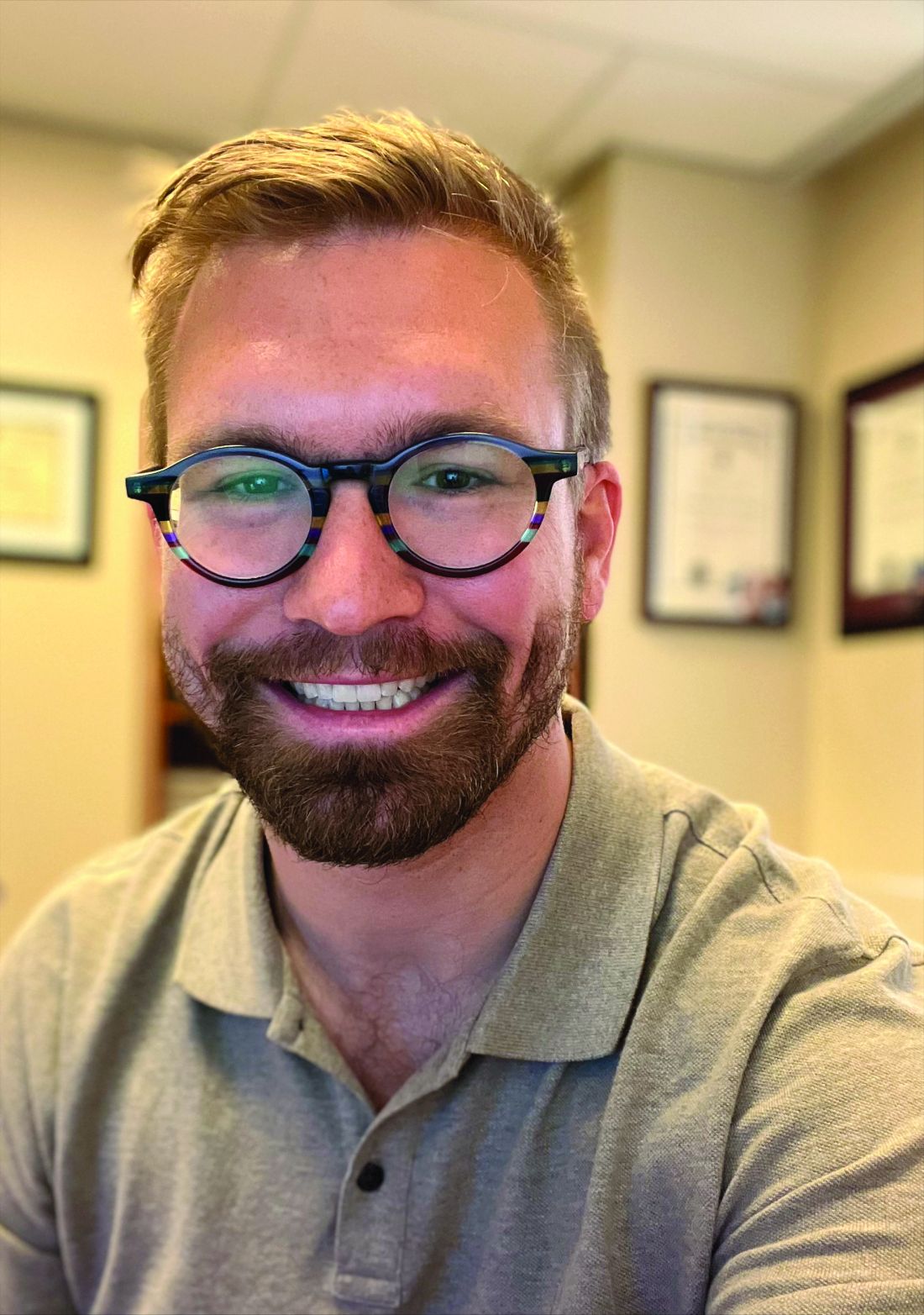
The data also suggested that patients with depression had poorer outcomes. For the 79 patients who had 3-month follow-up visit data, 43.9% of patients with no or mild depression achieved LDA and remission compared with 21.7% of patients with moderate to severe depression, though this difference was not statistically significant (P = .064). There was a similar trend for the 39 patients with 6-month follow-up data: Only 20% of patients with moderate to severe depression had reached LDA and remission compared with 37.9% of patients with no or mild depression (P = .445). The researchers noted this could be an issue with a smaller sample size.
“Every time more patients get added we approach closer to significance,” Dr. Hepworth added.
Some Disagreement, Same Takeaway
Commenting on the Ottawa study, Dr. Bartlett was skeptical of the conclusion that depression may not directly influence disease activity. “There’s just too much good evidence these days that [depression] very much coexists with worse disease activity,” she said. “It is not in the person’s head.”
Dr. Hepworth added that patient-reported outcomes are important for clinicians to address during treatment.
“There’s the tender joints, there’s the pain, there’s the fatigue, there’s the patient global assessment, which are subjective,” he said, “but that does not mean that they are not important. Those are important to the patient: That is how they’re living their life, and that is how they’re experiencing their disease.”
This is why efforts to treat depression in patients with RA such as cognitive behavioral therapy are so important, he said, to which Dr. Bartlett agreed.
“A comprehensive approach is required, which includes addressing depression,” she said. Otherwise, data show “that people just never make it to remission.”
The studies looked at different patient populations but ultimately complement each other, added Sibel Aydin, MD, a professor of medicine in the Division of Rheumatology at the University of Ottawa, Ottawa, Ontario, Canada, and senior author of the Ottawa study.

“Two different cohorts with different patient populations still reached the same result,” she said. “If you don’t address the emotional aspect, you are not going to achieve the good outcomes.”
“It’s remarkable when you have two independent researchers coming to the same conclusion without ever talking to each other,” added Dr. Hepworth. “That really shows that this is something that’s pervasive, and it’s not just within our patient population.”
CATCH is funded by unrestricted research grants from programs with Pfizer, AbbVie, Roche, Sandoz, Fresenius Kabi, Organon, Viatris, JAMP, and Celltrion. Dr. Bartlett is president of the PROMIS Health Organization. She is a member of speakers bureaus or has consulted for Pfizer, Sandoz, Merck, Janssen, and Organon. Dr. Hepworth and Dr. Aydin declared no conflicts of interest.
A version of this article appeared on Medscape.com .
Patients diagnosed with rheumatoid arthritis (RA) and co-occurring anxiety or depression are less likely to achieve low disease activity (LDA) and better symptom control after 3 months of treatment, according to new research presented at the at the annual meeting of the Canadian Rheumatology Association.
The findings emphasized the importance of taking a multidisciplinary approach to RA treatment, said presenter Susan Bartlett, PhD, a professor in the Divisions of Clinical Epidemiology, Rheumatology, and Respiratory Epidemiology at McGill University in Montreal, Quebec, Canada.
“In the absence of directly addressing anxiety and depression, people are not going to improve to the same extent we hope that they will,” she told this news organization.
Symptom Clusters in RA
In her research, presented on February 29, Dr. Bartlett explored how certain symptom clusters in RA predicted prognosis.
Symptom clusters are related symptoms that occur together and can be associated with worse outcomes than one symptom alone. Symptom science has been a growing interest in precision medicine, particularly for cancer, Dr. Bartlett noted, and this same approach could help pinpoint RA subtypes, disease trajectories, and personalized treatment.
In the study, Dr. Bartlett and colleagues used data from the Canadian Early Arthritis Cohort (CATCH), a multisite prospective research study following individuals with new-onset RA. They identified patients starting methotrexate (MTX) therapy who also had clinical and patient-reported outcome measures available. Individuals included in the analysis may have also been taking additional disease-modifying antirheumatic drugs beyond MTX.
Across the 310 selected individuals, researchers identified four key symptoms: Pain, fatigue, anxiety, and depression. Pain and fatigue were defined as physical symptoms, while anxiety and depression were classified as emotional symptoms. Results showed that the patients could be sorted into four distinct symptom clusters: Minimal symptoms (12%), mild physical and emotional symptoms (11%), moderate to severe pain and fatigue (40%), and moderate to severe physical and emotional symptoms (37%).
Researchers then followed patients during the first 6 months of treatment to evaluate if patients’ symptoms improved.
Symptom improvement mostly occurred during the first 3 months of treatment and remained consistent at 6 months. Overall, patients with moderate to severe emotional symptoms had a worse prognosis and were less likely to achieve milder symptoms than those who had only pain and fatigue or mild emotional symptoms. While 64% of patients in the moderate to severe physical symptoms group achieved minimal symptoms after 3 months of treatment, only 13% of patients with moderate to severe physical and emotional systems reported minimal symptoms during this same time frame.
The study builds on previous work that “suggests that there are different factors that we can identify around the time of diagnosis that point to how well a person is likely to respond,” Dr. Bartlett added. “What our work is showing pretty clearly [is that] the presence of anxiety and depression is one of those important markers.”
Patients With Depression Report Worse Disease Activity
In a related study, researchers from the University of Ottawa explored how depression in RA affected subjective and objective disease measures.
The study included patients from the Ottawa Rheumatology Comprehensive Treatment and Assessment (ORCHESTRA) clinic at The Ottawa Hospital, Ottawa, Ontario, Canada, which sees patients with inflammatory arthritis who are starting biologic therapy or switching to another biologic. The clinic is designed to take a more comprehensive approach to managing inflammatory arthritis, including addressing comorbidities such as cardiac disease, depression, and cancer. Patients seen at the clinic can opt to be included in the ORCHESTRA cohort to be a part of ongoing research.
From this cohort, researchers identified 98 patients with RA. At enrollment, patients were screened for depression using patient health questionnaire scores and asked about duration of morning stiffness and tender joint counts. Swollen joint counts, ultrasound, and clinical scores were used to evaluate disease activity.
In the study group, 47 patients had no depression, 21 patients had mild depression, and 30 patients had moderate to severe depression. Researchers found that subjective disease measures, including visual analog pain scale, health assessment questionnaire, and disease activity score in 28 joints were all higher in patients with depression; however, depression did not appear to affect objective disease measures, such as the Global OMERACT-EULAR Synovitis Score or Doppler scores.
While there is a known link between inflammation and depression, these findings suggest that depression is “a concomitant comorbidity just like cardiovascular disease, just like fibromyalgia, just like some other comorbidity that also needs to be addressed in its own right to improve the outcomes,” noted Elliot Hepworth, MD, a rheumatologist and ORCHESTRA clinic lead at The Ottawa Hospital, in an interview.
Dr. Hepworth presented the findings on March 1.
The data also suggested that patients with depression had poorer outcomes. For the 79 patients who had 3-month follow-up visit data, 43.9% of patients with no or mild depression achieved LDA and remission compared with 21.7% of patients with moderate to severe depression, though this difference was not statistically significant (P = .064). There was a similar trend for the 39 patients with 6-month follow-up data: Only 20% of patients with moderate to severe depression had reached LDA and remission compared with 37.9% of patients with no or mild depression (P = .445). The researchers noted this could be an issue with a smaller sample size.
“Every time more patients get added we approach closer to significance,” Dr. Hepworth added.
Some Disagreement, Same Takeaway
Commenting on the Ottawa study, Dr. Bartlett was skeptical of the conclusion that depression may not directly influence disease activity. “There’s just too much good evidence these days that [depression] very much coexists with worse disease activity,” she said. “It is not in the person’s head.”
Dr. Hepworth added that patient-reported outcomes are important for clinicians to address during treatment.
“There’s the tender joints, there’s the pain, there’s the fatigue, there’s the patient global assessment, which are subjective,” he said, “but that does not mean that they are not important. Those are important to the patient: That is how they’re living their life, and that is how they’re experiencing their disease.”
This is why efforts to treat depression in patients with RA such as cognitive behavioral therapy are so important, he said, to which Dr. Bartlett agreed.
“A comprehensive approach is required, which includes addressing depression,” she said. Otherwise, data show “that people just never make it to remission.”
The studies looked at different patient populations but ultimately complement each other, added Sibel Aydin, MD, a professor of medicine in the Division of Rheumatology at the University of Ottawa, Ottawa, Ontario, Canada, and senior author of the Ottawa study.
“Two different cohorts with different patient populations still reached the same result,” she said. “If you don’t address the emotional aspect, you are not going to achieve the good outcomes.”
“It’s remarkable when you have two independent researchers coming to the same conclusion without ever talking to each other,” added Dr. Hepworth. “That really shows that this is something that’s pervasive, and it’s not just within our patient population.”
CATCH is funded by unrestricted research grants from programs with Pfizer, AbbVie, Roche, Sandoz, Fresenius Kabi, Organon, Viatris, JAMP, and Celltrion. Dr. Bartlett is president of the PROMIS Health Organization. She is a member of speakers bureaus or has consulted for Pfizer, Sandoz, Merck, Janssen, and Organon. Dr. Hepworth and Dr. Aydin declared no conflicts of interest.
A version of this article appeared on Medscape.com .
Patients diagnosed with rheumatoid arthritis (RA) and co-occurring anxiety or depression are less likely to achieve low disease activity (LDA) and better symptom control after 3 months of treatment, according to new research presented at the at the annual meeting of the Canadian Rheumatology Association.
The findings emphasized the importance of taking a multidisciplinary approach to RA treatment, said presenter Susan Bartlett, PhD, a professor in the Divisions of Clinical Epidemiology, Rheumatology, and Respiratory Epidemiology at McGill University in Montreal, Quebec, Canada.
“In the absence of directly addressing anxiety and depression, people are not going to improve to the same extent we hope that they will,” she told this news organization.
Symptom Clusters in RA
In her research, presented on February 29, Dr. Bartlett explored how certain symptom clusters in RA predicted prognosis.
Symptom clusters are related symptoms that occur together and can be associated with worse outcomes than one symptom alone. Symptom science has been a growing interest in precision medicine, particularly for cancer, Dr. Bartlett noted, and this same approach could help pinpoint RA subtypes, disease trajectories, and personalized treatment.
In the study, Dr. Bartlett and colleagues used data from the Canadian Early Arthritis Cohort (CATCH), a multisite prospective research study following individuals with new-onset RA. They identified patients starting methotrexate (MTX) therapy who also had clinical and patient-reported outcome measures available. Individuals included in the analysis may have also been taking additional disease-modifying antirheumatic drugs beyond MTX.
Across the 310 selected individuals, researchers identified four key symptoms: Pain, fatigue, anxiety, and depression. Pain and fatigue were defined as physical symptoms, while anxiety and depression were classified as emotional symptoms. Results showed that the patients could be sorted into four distinct symptom clusters: Minimal symptoms (12%), mild physical and emotional symptoms (11%), moderate to severe pain and fatigue (40%), and moderate to severe physical and emotional symptoms (37%).
Researchers then followed patients during the first 6 months of treatment to evaluate if patients’ symptoms improved.
Symptom improvement mostly occurred during the first 3 months of treatment and remained consistent at 6 months. Overall, patients with moderate to severe emotional symptoms had a worse prognosis and were less likely to achieve milder symptoms than those who had only pain and fatigue or mild emotional symptoms. While 64% of patients in the moderate to severe physical symptoms group achieved minimal symptoms after 3 months of treatment, only 13% of patients with moderate to severe physical and emotional systems reported minimal symptoms during this same time frame.
The study builds on previous work that “suggests that there are different factors that we can identify around the time of diagnosis that point to how well a person is likely to respond,” Dr. Bartlett added. “What our work is showing pretty clearly [is that] the presence of anxiety and depression is one of those important markers.”
Patients With Depression Report Worse Disease Activity
In a related study, researchers from the University of Ottawa explored how depression in RA affected subjective and objective disease measures.
The study included patients from the Ottawa Rheumatology Comprehensive Treatment and Assessment (ORCHESTRA) clinic at The Ottawa Hospital, Ottawa, Ontario, Canada, which sees patients with inflammatory arthritis who are starting biologic therapy or switching to another biologic. The clinic is designed to take a more comprehensive approach to managing inflammatory arthritis, including addressing comorbidities such as cardiac disease, depression, and cancer. Patients seen at the clinic can opt to be included in the ORCHESTRA cohort to be a part of ongoing research.
From this cohort, researchers identified 98 patients with RA. At enrollment, patients were screened for depression using patient health questionnaire scores and asked about duration of morning stiffness and tender joint counts. Swollen joint counts, ultrasound, and clinical scores were used to evaluate disease activity.
In the study group, 47 patients had no depression, 21 patients had mild depression, and 30 patients had moderate to severe depression. Researchers found that subjective disease measures, including visual analog pain scale, health assessment questionnaire, and disease activity score in 28 joints were all higher in patients with depression; however, depression did not appear to affect objective disease measures, such as the Global OMERACT-EULAR Synovitis Score or Doppler scores.
While there is a known link between inflammation and depression, these findings suggest that depression is “a concomitant comorbidity just like cardiovascular disease, just like fibromyalgia, just like some other comorbidity that also needs to be addressed in its own right to improve the outcomes,” noted Elliot Hepworth, MD, a rheumatologist and ORCHESTRA clinic lead at The Ottawa Hospital, in an interview.
Dr. Hepworth presented the findings on March 1.
The data also suggested that patients with depression had poorer outcomes. For the 79 patients who had 3-month follow-up visit data, 43.9% of patients with no or mild depression achieved LDA and remission compared with 21.7% of patients with moderate to severe depression, though this difference was not statistically significant (P = .064). There was a similar trend for the 39 patients with 6-month follow-up data: Only 20% of patients with moderate to severe depression had reached LDA and remission compared with 37.9% of patients with no or mild depression (P = .445). The researchers noted this could be an issue with a smaller sample size.
“Every time more patients get added we approach closer to significance,” Dr. Hepworth added.
Some Disagreement, Same Takeaway
Commenting on the Ottawa study, Dr. Bartlett was skeptical of the conclusion that depression may not directly influence disease activity. “There’s just too much good evidence these days that [depression] very much coexists with worse disease activity,” she said. “It is not in the person’s head.”
Dr. Hepworth added that patient-reported outcomes are important for clinicians to address during treatment.
“There’s the tender joints, there’s the pain, there’s the fatigue, there’s the patient global assessment, which are subjective,” he said, “but that does not mean that they are not important. Those are important to the patient: That is how they’re living their life, and that is how they’re experiencing their disease.”
This is why efforts to treat depression in patients with RA such as cognitive behavioral therapy are so important, he said, to which Dr. Bartlett agreed.
“A comprehensive approach is required, which includes addressing depression,” she said. Otherwise, data show “that people just never make it to remission.”
The studies looked at different patient populations but ultimately complement each other, added Sibel Aydin, MD, a professor of medicine in the Division of Rheumatology at the University of Ottawa, Ottawa, Ontario, Canada, and senior author of the Ottawa study.
“Two different cohorts with different patient populations still reached the same result,” she said. “If you don’t address the emotional aspect, you are not going to achieve the good outcomes.”
“It’s remarkable when you have two independent researchers coming to the same conclusion without ever talking to each other,” added Dr. Hepworth. “That really shows that this is something that’s pervasive, and it’s not just within our patient population.”
CATCH is funded by unrestricted research grants from programs with Pfizer, AbbVie, Roche, Sandoz, Fresenius Kabi, Organon, Viatris, JAMP, and Celltrion. Dr. Bartlett is president of the PROMIS Health Organization. She is a member of speakers bureaus or has consulted for Pfizer, Sandoz, Merck, Janssen, and Organon. Dr. Hepworth and Dr. Aydin declared no conflicts of interest.
A version of this article appeared on Medscape.com .
FROM CRA 2024
Semaglutide Curbs MASLD Severity in People Living With HIV
Semaglutide improved metabolic dysfunction–associated steatotic liver disease (MASLD) among people living with HIV, and in some cases resolved it completely, according to results from the SLIM LIVER study presented by the AIDS Clinical Trials Group (ACTG) at this year’s Conference on Retroviruses and Opportunistic Infections (CROI) 2024 Annual Meeting in Denver.
Furthermore, although muscle volume decreased with weight loss, participants did not experience significant changes in muscle quality or physical function.
‘A First’
SLIM LIVER is the first study evaluating semaglutide as a treatment of MASLD among people living with HIV.
The phase 2b, single-arm pilot study enrolled adults living with HIV who were virally suppressed and had central adiposity, insulin resistance or prediabetes, and steatotic liver disease.
Participants self-injected semaglutide weekly at increasing doses until they reached a 1-mg dose at week 4. At 24 weeks, the study team assessed changes in participants’ intra-hepatic triglyceride content using magnetic resonance imaging-proton density fat fraction.
The primary analysis results from SLIM LIVER were reported in an oral presentation, “Semaglutide Reduces Metabolic-Associated Steatotic Liver Disease in People With HIV: The SLIM LIVER Study,” on March 5 by Jordan E. Lake, MD, MSc, of UTHealth Houston.
A subgroup analysis of the study was provided in a poster, “Effects of Semaglutide on Muscle Structure and Function in the SLIM LIVER Study,” presented on March 4 by Grace L. Ditzenberger, PT, DPT, of the University of Colorado Anschutz Medical Campus in Aurora.
In the primary analysis, the median age of the 49 participants was 52 years, 43% were women (cisgender and transgender), the mean body mass index was 35, 39% were Hispanic and 33% were Black/African American, and 82% were taking antiretroviral therapy that included an integrase inhibitor.
Liver fat was reduced by an average of 31%, with 29% of participants experiencing a complete resolution (5% or less liver fat) of MASLD. They also experienced weight loss, reduced fasting blood glucose, and reduced fasting triglycerides, consistent with effects observed in studies of semaglutide in people without HIV.
The sub-analysis of the 46 participants for whom muscle measurements were available showed that muscle volume (measured in the psoas) decreased but with no significant change in physical function.
Semaglutide was generally well tolerated, with an adverse event profile similar to that seen in individuals without HIV.
The most common adverse events were gastrointestinal (ie, nausea, diarrhea, vomiting, and abdominal pain). Two participants experienced more significant adverse events possibly related to semaglutide but were able to continue in the study.
All participants completed the full 24 weeks of therapy at the originally prescribed dose.
Potential Impact
“Even at the low dose of 1 mg every week, most participants lost significant weight, and weight loss was closely associated with improvements in MASLD,” Dr. Lake said. “Additional research will assess the secondary effects of semaglutide on systemic inflammation and metabolism and determine whether semaglutide may have unique risks or benefits for people living with HIV.”
“These findings have the potential to have a significant impact on the health and quality of life of people living with HIV,” added ACTG Chair Judith Currier, MD, MSc, University of California Los Angeles.
The SLIM LIVER study was sponsored by the US National Institute of Allergy and Infectious Diseases (NIAID), with additional funding from UTHealth Houston McGovern School of Medicine. ACTG is a clinical trials network focused on HIV and other infectious diseases, funded by NIAID and collaborating institutes of the US National Institutes of Health.
No conflicts of interest were reported.
A version of this article appeared on Medscape.com.
Semaglutide improved metabolic dysfunction–associated steatotic liver disease (MASLD) among people living with HIV, and in some cases resolved it completely, according to results from the SLIM LIVER study presented by the AIDS Clinical Trials Group (ACTG) at this year’s Conference on Retroviruses and Opportunistic Infections (CROI) 2024 Annual Meeting in Denver.
Furthermore, although muscle volume decreased with weight loss, participants did not experience significant changes in muscle quality or physical function.
‘A First’
SLIM LIVER is the first study evaluating semaglutide as a treatment of MASLD among people living with HIV.
The phase 2b, single-arm pilot study enrolled adults living with HIV who were virally suppressed and had central adiposity, insulin resistance or prediabetes, and steatotic liver disease.
Participants self-injected semaglutide weekly at increasing doses until they reached a 1-mg dose at week 4. At 24 weeks, the study team assessed changes in participants’ intra-hepatic triglyceride content using magnetic resonance imaging-proton density fat fraction.
The primary analysis results from SLIM LIVER were reported in an oral presentation, “Semaglutide Reduces Metabolic-Associated Steatotic Liver Disease in People With HIV: The SLIM LIVER Study,” on March 5 by Jordan E. Lake, MD, MSc, of UTHealth Houston.
A subgroup analysis of the study was provided in a poster, “Effects of Semaglutide on Muscle Structure and Function in the SLIM LIVER Study,” presented on March 4 by Grace L. Ditzenberger, PT, DPT, of the University of Colorado Anschutz Medical Campus in Aurora.
In the primary analysis, the median age of the 49 participants was 52 years, 43% were women (cisgender and transgender), the mean body mass index was 35, 39% were Hispanic and 33% were Black/African American, and 82% were taking antiretroviral therapy that included an integrase inhibitor.
Liver fat was reduced by an average of 31%, with 29% of participants experiencing a complete resolution (5% or less liver fat) of MASLD. They also experienced weight loss, reduced fasting blood glucose, and reduced fasting triglycerides, consistent with effects observed in studies of semaglutide in people without HIV.
The sub-analysis of the 46 participants for whom muscle measurements were available showed that muscle volume (measured in the psoas) decreased but with no significant change in physical function.
Semaglutide was generally well tolerated, with an adverse event profile similar to that seen in individuals without HIV.
The most common adverse events were gastrointestinal (ie, nausea, diarrhea, vomiting, and abdominal pain). Two participants experienced more significant adverse events possibly related to semaglutide but were able to continue in the study.
All participants completed the full 24 weeks of therapy at the originally prescribed dose.
Potential Impact
“Even at the low dose of 1 mg every week, most participants lost significant weight, and weight loss was closely associated with improvements in MASLD,” Dr. Lake said. “Additional research will assess the secondary effects of semaglutide on systemic inflammation and metabolism and determine whether semaglutide may have unique risks or benefits for people living with HIV.”
“These findings have the potential to have a significant impact on the health and quality of life of people living with HIV,” added ACTG Chair Judith Currier, MD, MSc, University of California Los Angeles.
The SLIM LIVER study was sponsored by the US National Institute of Allergy and Infectious Diseases (NIAID), with additional funding from UTHealth Houston McGovern School of Medicine. ACTG is a clinical trials network focused on HIV and other infectious diseases, funded by NIAID and collaborating institutes of the US National Institutes of Health.
No conflicts of interest were reported.
A version of this article appeared on Medscape.com.
Semaglutide improved metabolic dysfunction–associated steatotic liver disease (MASLD) among people living with HIV, and in some cases resolved it completely, according to results from the SLIM LIVER study presented by the AIDS Clinical Trials Group (ACTG) at this year’s Conference on Retroviruses and Opportunistic Infections (CROI) 2024 Annual Meeting in Denver.
Furthermore, although muscle volume decreased with weight loss, participants did not experience significant changes in muscle quality or physical function.
‘A First’
SLIM LIVER is the first study evaluating semaglutide as a treatment of MASLD among people living with HIV.
The phase 2b, single-arm pilot study enrolled adults living with HIV who were virally suppressed and had central adiposity, insulin resistance or prediabetes, and steatotic liver disease.
Participants self-injected semaglutide weekly at increasing doses until they reached a 1-mg dose at week 4. At 24 weeks, the study team assessed changes in participants’ intra-hepatic triglyceride content using magnetic resonance imaging-proton density fat fraction.
The primary analysis results from SLIM LIVER were reported in an oral presentation, “Semaglutide Reduces Metabolic-Associated Steatotic Liver Disease in People With HIV: The SLIM LIVER Study,” on March 5 by Jordan E. Lake, MD, MSc, of UTHealth Houston.
A subgroup analysis of the study was provided in a poster, “Effects of Semaglutide on Muscle Structure and Function in the SLIM LIVER Study,” presented on March 4 by Grace L. Ditzenberger, PT, DPT, of the University of Colorado Anschutz Medical Campus in Aurora.
In the primary analysis, the median age of the 49 participants was 52 years, 43% were women (cisgender and transgender), the mean body mass index was 35, 39% were Hispanic and 33% were Black/African American, and 82% were taking antiretroviral therapy that included an integrase inhibitor.
Liver fat was reduced by an average of 31%, with 29% of participants experiencing a complete resolution (5% or less liver fat) of MASLD. They also experienced weight loss, reduced fasting blood glucose, and reduced fasting triglycerides, consistent with effects observed in studies of semaglutide in people without HIV.
The sub-analysis of the 46 participants for whom muscle measurements were available showed that muscle volume (measured in the psoas) decreased but with no significant change in physical function.
Semaglutide was generally well tolerated, with an adverse event profile similar to that seen in individuals without HIV.
The most common adverse events were gastrointestinal (ie, nausea, diarrhea, vomiting, and abdominal pain). Two participants experienced more significant adverse events possibly related to semaglutide but were able to continue in the study.
All participants completed the full 24 weeks of therapy at the originally prescribed dose.
Potential Impact
“Even at the low dose of 1 mg every week, most participants lost significant weight, and weight loss was closely associated with improvements in MASLD,” Dr. Lake said. “Additional research will assess the secondary effects of semaglutide on systemic inflammation and metabolism and determine whether semaglutide may have unique risks or benefits for people living with HIV.”
“These findings have the potential to have a significant impact on the health and quality of life of people living with HIV,” added ACTG Chair Judith Currier, MD, MSc, University of California Los Angeles.
The SLIM LIVER study was sponsored by the US National Institute of Allergy and Infectious Diseases (NIAID), with additional funding from UTHealth Houston McGovern School of Medicine. ACTG is a clinical trials network focused on HIV and other infectious diseases, funded by NIAID and collaborating institutes of the US National Institutes of Health.
No conflicts of interest were reported.
A version of this article appeared on Medscape.com.
FROM CROI 2024
Skin Infections in Pregnant Women: Many Drugs Safe, but Not All
SAN DIEGO — . However, several drugs should be avoided or used with caution because of potential risks during pregnancy.
When treating bacterial infections in pregnant women, there are many options, “especially for the sort of short-term antibiotic use that we tend to use for treating infections,” said Jenny Murase, MD, of the Palo Alto Foundation Medical Group and the University of California San Francisco.
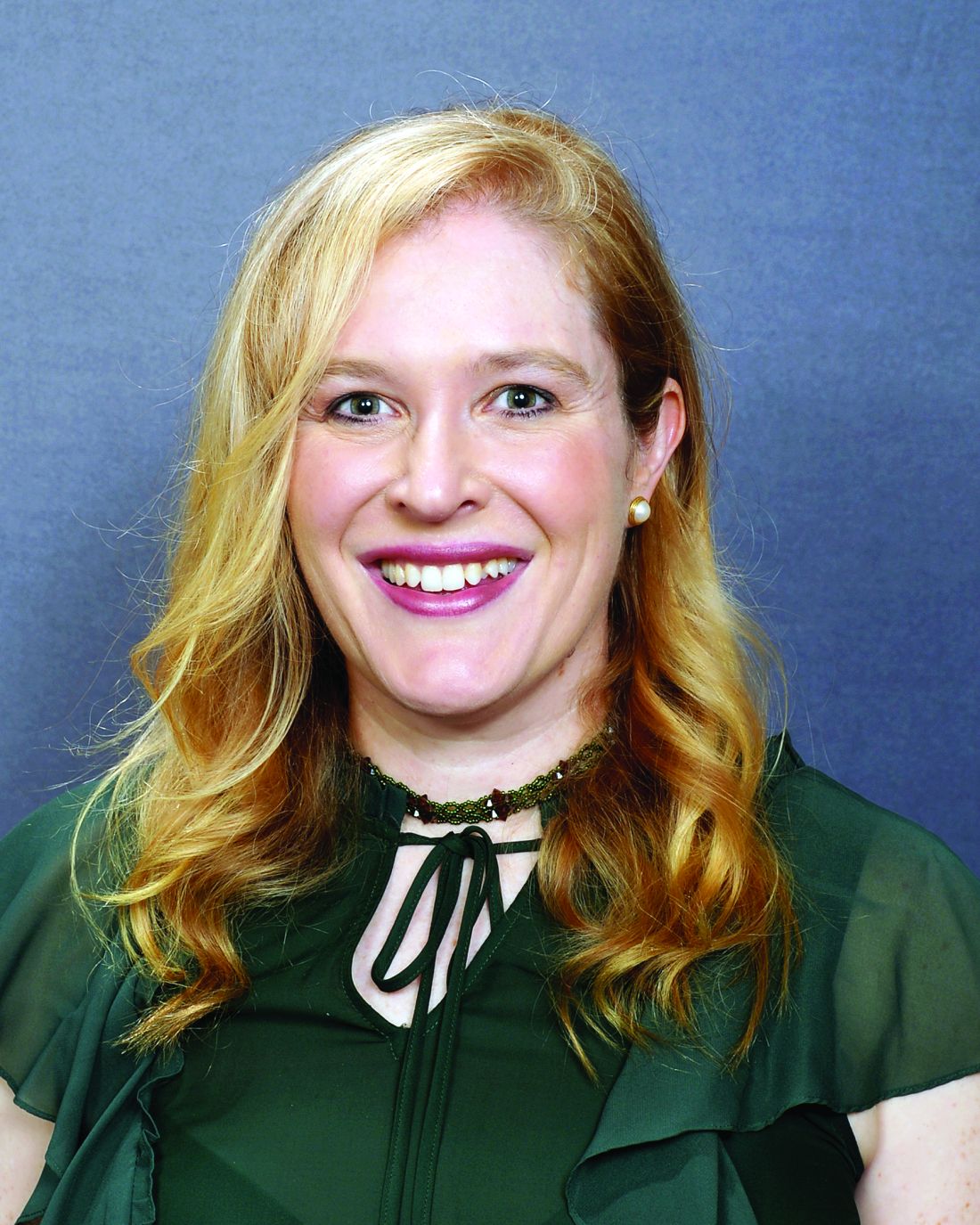
During a presentation on treating infections in pregnant patients, she made the following recommendations for treating pyogenic infections:
- Impetigo: First-line treatments are topical mupirocin, oral first-generation cephalosporins, and oral dicloxacillin.
- Cellulitis: Recommended treatments are oral or intravenous penicillin, oral first-generation cephalosporins, and oral dicloxacillin.
- Methicillin-resistant Staphylococcus aureus (MRSA): “Clindamycin is first-line, dependent on bacteria culture and sensitivities,” and because of its safety, “it’s a really good choice for a pregnant woman.” Dr. Murase said. However, be aware of potential inducible resistance and test for the erm gene, she said.
- Abscesses: Incision and drainage are recommended. “Whenever we’re managing a patient with a condition during pregnancy, we want to try to use nonmedications when possible,” Dr. Murase said. “No antibiotic is necessary unless the abscess is greater than 5 cm or if it’s greater than 2 cm with erythema around the abscess.”
- Tuberculosis: The best strategy is rifampin, but peripartum vitamin K prophylaxis for mother and fetus should be used, she said.
General Infections
With regard to antibiotics to treat general infections — for instance, if a patient with atopic dermatitis has a secondary skin infection — Dr. Murase recommended first-line oral antibiotic therapy with penicillin, first-generation cephalosporins, or dicloxacillin. For second-line therapy, erythromycin is the preferred macrolide over azithromycin and clarithromycin, she said.
She noted that there is an increased risk for atrial/ventricular septal defects and pyloric stenosis associated with the use of erythromycin when used during the first trimester of pregnancy. In addition, erythromycin estolate increases the risk of liver toxicity, while erythromycin base and erythromycin ethylsuccinate do not.
Sulfonamides are a second-line line choice up until the third trimester. If given to a patient in the first trimester, she said, “make sure that they are supplementing with folic acid efficiently, at least 0.5 mg a day.” During the peripartum period they are contraindicated, as they pose a risk for hemolytic anemia, hyperbilirubinemia, and kernicterus.
The combination drug trimethoprim/sulfamethoxazole is a second-line choice for complicated infections because of the associated risk for low birth weight and prematurity, Dr. Murase said.
Quinolones are also a second-line option during pregnancy she said, and ciprofloxacin and norfloxacin have been studied the most. “If you have to choose a quinolone for a complicated infection in pregnancy, those would be the quinolones of choice,” Dr. Murase said.
Considering the bad reputation of tetracyclines in pregnancy, dermatologists may be surprised to learn that they are considered a second-line therapy up to 14 weeks’ gestation, she said. After that time, however, they’re contraindicated because of bone growth inhibition, teeth discoloration, and maternal hepatitis.
Fungal Infections
As for fungal infections, clotrimazole is the first choice for topical treatment of tinea corporis, followed by miconazole and then ketoconazole, according to Dr. Murase. There are limited data for topical terbinafine, naftifine, and ciclopirox during pregnancy she noted, but they are likely safe.
There is also limited data about these drugs when used for topical treatment of candidiasis during pregnancy. Nystatin is safe, but less effective than other options, Dr. Murase said. Other options include clotrimazole, miconazole, and ketoconazole, which, in animals exposed to high doses, have not been associated with defects, and topical gentian violet (0.5%-1% solution), she noted.
For topical treatment of tinea versicolor during pregnancy, limited application of clotrimazole or miconazole is considered safe, and zinc pyrithione soap or topical benzoyl peroxide soap can be used for more widespread areas.
Dr. Murase recommended caution when using selenium sulfide since poisoning has been linked to miscarriages, she said. Limited application appears to be safe, “so make sure that the patient is using it on smaller body surface areas.”
As for systemic antifungal treatments, fluconazole, ketoconazole, and itraconazole should be avoided in pregnancy because of the risks of craniosynostosis, congenital heart defects, and skeletal anomalies, Dr. Murase said. However, she referred to a study that found no increased risk of congenital malformations with fluconazole during the first trimester, and a patient could be reassured if, for example, she was treated for a yeast infection before she knew she was pregnant, she said.
Griseofulvin is not recommended during pregnancy, but a 2020 study suggests that terbinafine is safe, she said. In that study, oral or topical terbinafine did not appear to be associated with an increased risk for spontaneous abortion or major malformations. “Certainly, we can wait until after the pregnancy to treat onychomycosis. But I have had situations that even in spite of regular topical therapy, pregnant patients needed to take some kind of oral agent” because of severe itching.
Viral Infections
For herpes simplex, acyclovir is the top choice, and famciclovir and valacyclovir (Valtrex) are likely safe, but daily prophylaxis is not recommended during pregnancy, Dr. Murase said.
Because of a lack of data, podofilox, cantharidin, and imiquimod for treating human papillomavirus (HPV) should be avoided, she said. Podophyllin is extremely dangerous in pregnancy and has been linked to maternal and fetal deaths, and malformations, and is contraindicated in pregnancy, she added.
Instead, liquid nitrogen is the treatment of choice for HPV in pregnant patients, she said.
Trichloracetic acid is the treatment of choice for condylomata acuminata, and squaric acid or intralesional Candida antigen injection for periungual verrucas can be used, she said, and limited applications of salicylic acid are considered safe.
Dr. Murase highlighted a 2014 paper that she coauthored on the safety of dermatologic medications during pregnancy, noting that an updated report will be published later this year.
Dr. Murase disclosed relationships with Regeneron and UCB (speaker), Sanofi/Regeneron and Bristol-Myers Squibb (advisory board), and UCB, AbbVie, and UpToDate (consulting).
A version of this article appeared on Medscape.com.
SAN DIEGO — . However, several drugs should be avoided or used with caution because of potential risks during pregnancy.
When treating bacterial infections in pregnant women, there are many options, “especially for the sort of short-term antibiotic use that we tend to use for treating infections,” said Jenny Murase, MD, of the Palo Alto Foundation Medical Group and the University of California San Francisco.
During a presentation on treating infections in pregnant patients, she made the following recommendations for treating pyogenic infections:
- Impetigo: First-line treatments are topical mupirocin, oral first-generation cephalosporins, and oral dicloxacillin.
- Cellulitis: Recommended treatments are oral or intravenous penicillin, oral first-generation cephalosporins, and oral dicloxacillin.
- Methicillin-resistant Staphylococcus aureus (MRSA): “Clindamycin is first-line, dependent on bacteria culture and sensitivities,” and because of its safety, “it’s a really good choice for a pregnant woman.” Dr. Murase said. However, be aware of potential inducible resistance and test for the erm gene, she said.
- Abscesses: Incision and drainage are recommended. “Whenever we’re managing a patient with a condition during pregnancy, we want to try to use nonmedications when possible,” Dr. Murase said. “No antibiotic is necessary unless the abscess is greater than 5 cm or if it’s greater than 2 cm with erythema around the abscess.”
- Tuberculosis: The best strategy is rifampin, but peripartum vitamin K prophylaxis for mother and fetus should be used, she said.
General Infections
With regard to antibiotics to treat general infections — for instance, if a patient with atopic dermatitis has a secondary skin infection — Dr. Murase recommended first-line oral antibiotic therapy with penicillin, first-generation cephalosporins, or dicloxacillin. For second-line therapy, erythromycin is the preferred macrolide over azithromycin and clarithromycin, she said.
She noted that there is an increased risk for atrial/ventricular septal defects and pyloric stenosis associated with the use of erythromycin when used during the first trimester of pregnancy. In addition, erythromycin estolate increases the risk of liver toxicity, while erythromycin base and erythromycin ethylsuccinate do not.
Sulfonamides are a second-line line choice up until the third trimester. If given to a patient in the first trimester, she said, “make sure that they are supplementing with folic acid efficiently, at least 0.5 mg a day.” During the peripartum period they are contraindicated, as they pose a risk for hemolytic anemia, hyperbilirubinemia, and kernicterus.
The combination drug trimethoprim/sulfamethoxazole is a second-line choice for complicated infections because of the associated risk for low birth weight and prematurity, Dr. Murase said.
Quinolones are also a second-line option during pregnancy she said, and ciprofloxacin and norfloxacin have been studied the most. “If you have to choose a quinolone for a complicated infection in pregnancy, those would be the quinolones of choice,” Dr. Murase said.
Considering the bad reputation of tetracyclines in pregnancy, dermatologists may be surprised to learn that they are considered a second-line therapy up to 14 weeks’ gestation, she said. After that time, however, they’re contraindicated because of bone growth inhibition, teeth discoloration, and maternal hepatitis.
Fungal Infections
As for fungal infections, clotrimazole is the first choice for topical treatment of tinea corporis, followed by miconazole and then ketoconazole, according to Dr. Murase. There are limited data for topical terbinafine, naftifine, and ciclopirox during pregnancy she noted, but they are likely safe.
There is also limited data about these drugs when used for topical treatment of candidiasis during pregnancy. Nystatin is safe, but less effective than other options, Dr. Murase said. Other options include clotrimazole, miconazole, and ketoconazole, which, in animals exposed to high doses, have not been associated with defects, and topical gentian violet (0.5%-1% solution), she noted.
For topical treatment of tinea versicolor during pregnancy, limited application of clotrimazole or miconazole is considered safe, and zinc pyrithione soap or topical benzoyl peroxide soap can be used for more widespread areas.
Dr. Murase recommended caution when using selenium sulfide since poisoning has been linked to miscarriages, she said. Limited application appears to be safe, “so make sure that the patient is using it on smaller body surface areas.”
As for systemic antifungal treatments, fluconazole, ketoconazole, and itraconazole should be avoided in pregnancy because of the risks of craniosynostosis, congenital heart defects, and skeletal anomalies, Dr. Murase said. However, she referred to a study that found no increased risk of congenital malformations with fluconazole during the first trimester, and a patient could be reassured if, for example, she was treated for a yeast infection before she knew she was pregnant, she said.
Griseofulvin is not recommended during pregnancy, but a 2020 study suggests that terbinafine is safe, she said. In that study, oral or topical terbinafine did not appear to be associated with an increased risk for spontaneous abortion or major malformations. “Certainly, we can wait until after the pregnancy to treat onychomycosis. But I have had situations that even in spite of regular topical therapy, pregnant patients needed to take some kind of oral agent” because of severe itching.
Viral Infections
For herpes simplex, acyclovir is the top choice, and famciclovir and valacyclovir (Valtrex) are likely safe, but daily prophylaxis is not recommended during pregnancy, Dr. Murase said.
Because of a lack of data, podofilox, cantharidin, and imiquimod for treating human papillomavirus (HPV) should be avoided, she said. Podophyllin is extremely dangerous in pregnancy and has been linked to maternal and fetal deaths, and malformations, and is contraindicated in pregnancy, she added.
Instead, liquid nitrogen is the treatment of choice for HPV in pregnant patients, she said.
Trichloracetic acid is the treatment of choice for condylomata acuminata, and squaric acid or intralesional Candida antigen injection for periungual verrucas can be used, she said, and limited applications of salicylic acid are considered safe.
Dr. Murase highlighted a 2014 paper that she coauthored on the safety of dermatologic medications during pregnancy, noting that an updated report will be published later this year.
Dr. Murase disclosed relationships with Regeneron and UCB (speaker), Sanofi/Regeneron and Bristol-Myers Squibb (advisory board), and UCB, AbbVie, and UpToDate (consulting).
A version of this article appeared on Medscape.com.
SAN DIEGO — . However, several drugs should be avoided or used with caution because of potential risks during pregnancy.
When treating bacterial infections in pregnant women, there are many options, “especially for the sort of short-term antibiotic use that we tend to use for treating infections,” said Jenny Murase, MD, of the Palo Alto Foundation Medical Group and the University of California San Francisco.
During a presentation on treating infections in pregnant patients, she made the following recommendations for treating pyogenic infections:
- Impetigo: First-line treatments are topical mupirocin, oral first-generation cephalosporins, and oral dicloxacillin.
- Cellulitis: Recommended treatments are oral or intravenous penicillin, oral first-generation cephalosporins, and oral dicloxacillin.
- Methicillin-resistant Staphylococcus aureus (MRSA): “Clindamycin is first-line, dependent on bacteria culture and sensitivities,” and because of its safety, “it’s a really good choice for a pregnant woman.” Dr. Murase said. However, be aware of potential inducible resistance and test for the erm gene, she said.
- Abscesses: Incision and drainage are recommended. “Whenever we’re managing a patient with a condition during pregnancy, we want to try to use nonmedications when possible,” Dr. Murase said. “No antibiotic is necessary unless the abscess is greater than 5 cm or if it’s greater than 2 cm with erythema around the abscess.”
- Tuberculosis: The best strategy is rifampin, but peripartum vitamin K prophylaxis for mother and fetus should be used, she said.
General Infections
With regard to antibiotics to treat general infections — for instance, if a patient with atopic dermatitis has a secondary skin infection — Dr. Murase recommended first-line oral antibiotic therapy with penicillin, first-generation cephalosporins, or dicloxacillin. For second-line therapy, erythromycin is the preferred macrolide over azithromycin and clarithromycin, she said.
She noted that there is an increased risk for atrial/ventricular septal defects and pyloric stenosis associated with the use of erythromycin when used during the first trimester of pregnancy. In addition, erythromycin estolate increases the risk of liver toxicity, while erythromycin base and erythromycin ethylsuccinate do not.
Sulfonamides are a second-line line choice up until the third trimester. If given to a patient in the first trimester, she said, “make sure that they are supplementing with folic acid efficiently, at least 0.5 mg a day.” During the peripartum period they are contraindicated, as they pose a risk for hemolytic anemia, hyperbilirubinemia, and kernicterus.
The combination drug trimethoprim/sulfamethoxazole is a second-line choice for complicated infections because of the associated risk for low birth weight and prematurity, Dr. Murase said.
Quinolones are also a second-line option during pregnancy she said, and ciprofloxacin and norfloxacin have been studied the most. “If you have to choose a quinolone for a complicated infection in pregnancy, those would be the quinolones of choice,” Dr. Murase said.
Considering the bad reputation of tetracyclines in pregnancy, dermatologists may be surprised to learn that they are considered a second-line therapy up to 14 weeks’ gestation, she said. After that time, however, they’re contraindicated because of bone growth inhibition, teeth discoloration, and maternal hepatitis.
Fungal Infections
As for fungal infections, clotrimazole is the first choice for topical treatment of tinea corporis, followed by miconazole and then ketoconazole, according to Dr. Murase. There are limited data for topical terbinafine, naftifine, and ciclopirox during pregnancy she noted, but they are likely safe.
There is also limited data about these drugs when used for topical treatment of candidiasis during pregnancy. Nystatin is safe, but less effective than other options, Dr. Murase said. Other options include clotrimazole, miconazole, and ketoconazole, which, in animals exposed to high doses, have not been associated with defects, and topical gentian violet (0.5%-1% solution), she noted.
For topical treatment of tinea versicolor during pregnancy, limited application of clotrimazole or miconazole is considered safe, and zinc pyrithione soap or topical benzoyl peroxide soap can be used for more widespread areas.
Dr. Murase recommended caution when using selenium sulfide since poisoning has been linked to miscarriages, she said. Limited application appears to be safe, “so make sure that the patient is using it on smaller body surface areas.”
As for systemic antifungal treatments, fluconazole, ketoconazole, and itraconazole should be avoided in pregnancy because of the risks of craniosynostosis, congenital heart defects, and skeletal anomalies, Dr. Murase said. However, she referred to a study that found no increased risk of congenital malformations with fluconazole during the first trimester, and a patient could be reassured if, for example, she was treated for a yeast infection before she knew she was pregnant, she said.
Griseofulvin is not recommended during pregnancy, but a 2020 study suggests that terbinafine is safe, she said. In that study, oral or topical terbinafine did not appear to be associated with an increased risk for spontaneous abortion or major malformations. “Certainly, we can wait until after the pregnancy to treat onychomycosis. But I have had situations that even in spite of regular topical therapy, pregnant patients needed to take some kind of oral agent” because of severe itching.
Viral Infections
For herpes simplex, acyclovir is the top choice, and famciclovir and valacyclovir (Valtrex) are likely safe, but daily prophylaxis is not recommended during pregnancy, Dr. Murase said.
Because of a lack of data, podofilox, cantharidin, and imiquimod for treating human papillomavirus (HPV) should be avoided, she said. Podophyllin is extremely dangerous in pregnancy and has been linked to maternal and fetal deaths, and malformations, and is contraindicated in pregnancy, she added.
Instead, liquid nitrogen is the treatment of choice for HPV in pregnant patients, she said.
Trichloracetic acid is the treatment of choice for condylomata acuminata, and squaric acid or intralesional Candida antigen injection for periungual verrucas can be used, she said, and limited applications of salicylic acid are considered safe.
Dr. Murase highlighted a 2014 paper that she coauthored on the safety of dermatologic medications during pregnancy, noting that an updated report will be published later this year.
Dr. Murase disclosed relationships with Regeneron and UCB (speaker), Sanofi/Regeneron and Bristol-Myers Squibb (advisory board), and UCB, AbbVie, and UpToDate (consulting).
A version of this article appeared on Medscape.com.
FROM AAD 2024
The Power of Patient-Reported Outcomes Is Inhibited by Multiple Barriers
WEST PALM BEACH, FLORIDA — , according to experts participating in a symposium at the annual meeting held by the Americas Committee for Treatment and Research in Multiple Sclerosis (ACTRIMS).
These barriers include a lack of consensus on how and which PROs to collect, lack of a systematic method of interpreting the meaning of PRO changes, and lack of reimbursement for the time to collect PRO data and enter it into the medical record, according to Robert McBurney, PhD, president of the nonprofit Accelerated Cure Project for Multiple Sclerosis, Washington.
Potentially Useful Clinical Information
PROs can identify hidden symptoms of MS as well as provide information on the relative importance of the standard measures of disease progression, such as disability, but at the current time “these are rarely captured or used in shared decision-making to guide treatment,” Dr. McBurney said.

A reasonable analogy can be made between MS and musculoskeletal diseases, such as arthritis, according to Dr. McBurney. In both, not all patients experience the burden of disease in the same way, whether measured with traditional laboratory or imaging evidence of disease activity or by PROs that capture anxiety, depression, and specific impairments affecting activities of daily living.
Yet, the Centers for Medicare and Medicaid Services (CMS) is now mandating the entry of PRO data for the reimbursement of some forms of orthopedic surgery, while MS is lagging behind, according to Dr. McBurney.
The difference between orthopedics and MS is evidence submitted to CMS showing that improvement in PROs matter for patient outcome and well-being. Dr. McBurney argued that the same type of data is lacking for MS.
More well-designed clinical trials are needed to confirm that beneficial effects on PROs can improve patient outcomes, but Dr. McBurney suggested that PRO data from the many MS patient registries might be an easier first step. He reported that 24 of 43 MS registries around the globe are now capturing PRO data.
Unfortunately, the AXON registry, which is managed by the American Academy of Neurology, is not one of them, Dr. McBurney said. This is not an oversight. Dr. McBurney explained that the first effort to add PROs to data collected by AXON was initiated more than 5 years ago, but several complications thwarted the process. A new effort has been recently scheduled.
By developing data showing that PROs matter, AAN “might lead the charge” for establishing the collection of PRO data as a standard of care and eliciting reimbursement from third-party payers for doing so, Dr. McBurney said. Nevertheless, he cautioned that validated methodology for collecting PRO data and identifying clinically meaningful changes in scores will be fundamental to PRO utility.
A Path Forward
In the best circumstance, PRO data captured at a patient visit would be analogous to a lab test. Just as blood tests generate data in the context of normative ranges for a dozen or more parameters, the PRO data could be displayed with the same type of context, allowing physicians and patients to see a specific PRO measure displayed against a normative range so results are easily interpreted, according to Dr. McBurney.
But, again, there are barriers. Numerous validated sets of PROs are available with no consensus on which might serve as a standard. While Dr. McBurney singled out the SymptoMScreen tool as one that is already recommended by the MS Data Alliance, a nonprofit organization supported by the European Charcot Foundation to transform real-world MS data into evidence suitable for MS care, he acknowledged it is just one of many options.
“The SymptoMScreen has been used in several clinical studies and it is relatively simple to use,” Dr. McBurney said. Even if there is no single “best” instrument for measuring PROs, a standard might move the process forward.
The president of the European Charcot Foundation, Giancarlo Comi, MD, agreed that PROs are almost certainly coming to the routine management of MS as each of the current barriers described by Dr. McBurney are addressed. He said that PROs are particularly important in managing progressive MS, for which he thinks that traditional biomarkers, such as brain images, are particularly poor at capturing the burden of disease.
“The EMA [European Medicines Agency] and the FDA [Food and Drug Administration] are both very interested in using PROs to evaluate treatments in MS,” he said.
PROs might be incorporated into routine care by clinicians convinced that they help in guiding treatment choices, but Dr. McBurney and Dr. Comi agreed that some approach, including financial incentives, to encourage clinicians to capture and record PROs is probably needed before they are used routinely.
Dr. McBurney reports no potential conflicts of interest. Dr. Comi reports financial relationships with Almirall, Celgene, Genzyme, Hoffman-LaRoche, Janssen, Merck, Novartis, and Sanofi.
WEST PALM BEACH, FLORIDA — , according to experts participating in a symposium at the annual meeting held by the Americas Committee for Treatment and Research in Multiple Sclerosis (ACTRIMS).
These barriers include a lack of consensus on how and which PROs to collect, lack of a systematic method of interpreting the meaning of PRO changes, and lack of reimbursement for the time to collect PRO data and enter it into the medical record, according to Robert McBurney, PhD, president of the nonprofit Accelerated Cure Project for Multiple Sclerosis, Washington.
Potentially Useful Clinical Information
PROs can identify hidden symptoms of MS as well as provide information on the relative importance of the standard measures of disease progression, such as disability, but at the current time “these are rarely captured or used in shared decision-making to guide treatment,” Dr. McBurney said.
A reasonable analogy can be made between MS and musculoskeletal diseases, such as arthritis, according to Dr. McBurney. In both, not all patients experience the burden of disease in the same way, whether measured with traditional laboratory or imaging evidence of disease activity or by PROs that capture anxiety, depression, and specific impairments affecting activities of daily living.
Yet, the Centers for Medicare and Medicaid Services (CMS) is now mandating the entry of PRO data for the reimbursement of some forms of orthopedic surgery, while MS is lagging behind, according to Dr. McBurney.
The difference between orthopedics and MS is evidence submitted to CMS showing that improvement in PROs matter for patient outcome and well-being. Dr. McBurney argued that the same type of data is lacking for MS.
More well-designed clinical trials are needed to confirm that beneficial effects on PROs can improve patient outcomes, but Dr. McBurney suggested that PRO data from the many MS patient registries might be an easier first step. He reported that 24 of 43 MS registries around the globe are now capturing PRO data.
Unfortunately, the AXON registry, which is managed by the American Academy of Neurology, is not one of them, Dr. McBurney said. This is not an oversight. Dr. McBurney explained that the first effort to add PROs to data collected by AXON was initiated more than 5 years ago, but several complications thwarted the process. A new effort has been recently scheduled.
By developing data showing that PROs matter, AAN “might lead the charge” for establishing the collection of PRO data as a standard of care and eliciting reimbursement from third-party payers for doing so, Dr. McBurney said. Nevertheless, he cautioned that validated methodology for collecting PRO data and identifying clinically meaningful changes in scores will be fundamental to PRO utility.
A Path Forward
In the best circumstance, PRO data captured at a patient visit would be analogous to a lab test. Just as blood tests generate data in the context of normative ranges for a dozen or more parameters, the PRO data could be displayed with the same type of context, allowing physicians and patients to see a specific PRO measure displayed against a normative range so results are easily interpreted, according to Dr. McBurney.
But, again, there are barriers. Numerous validated sets of PROs are available with no consensus on which might serve as a standard. While Dr. McBurney singled out the SymptoMScreen tool as one that is already recommended by the MS Data Alliance, a nonprofit organization supported by the European Charcot Foundation to transform real-world MS data into evidence suitable for MS care, he acknowledged it is just one of many options.
“The SymptoMScreen has been used in several clinical studies and it is relatively simple to use,” Dr. McBurney said. Even if there is no single “best” instrument for measuring PROs, a standard might move the process forward.
The president of the European Charcot Foundation, Giancarlo Comi, MD, agreed that PROs are almost certainly coming to the routine management of MS as each of the current barriers described by Dr. McBurney are addressed. He said that PROs are particularly important in managing progressive MS, for which he thinks that traditional biomarkers, such as brain images, are particularly poor at capturing the burden of disease.
“The EMA [European Medicines Agency] and the FDA [Food and Drug Administration] are both very interested in using PROs to evaluate treatments in MS,” he said.
PROs might be incorporated into routine care by clinicians convinced that they help in guiding treatment choices, but Dr. McBurney and Dr. Comi agreed that some approach, including financial incentives, to encourage clinicians to capture and record PROs is probably needed before they are used routinely.
Dr. McBurney reports no potential conflicts of interest. Dr. Comi reports financial relationships with Almirall, Celgene, Genzyme, Hoffman-LaRoche, Janssen, Merck, Novartis, and Sanofi.
WEST PALM BEACH, FLORIDA — , according to experts participating in a symposium at the annual meeting held by the Americas Committee for Treatment and Research in Multiple Sclerosis (ACTRIMS).
These barriers include a lack of consensus on how and which PROs to collect, lack of a systematic method of interpreting the meaning of PRO changes, and lack of reimbursement for the time to collect PRO data and enter it into the medical record, according to Robert McBurney, PhD, president of the nonprofit Accelerated Cure Project for Multiple Sclerosis, Washington.
Potentially Useful Clinical Information
PROs can identify hidden symptoms of MS as well as provide information on the relative importance of the standard measures of disease progression, such as disability, but at the current time “these are rarely captured or used in shared decision-making to guide treatment,” Dr. McBurney said.
A reasonable analogy can be made between MS and musculoskeletal diseases, such as arthritis, according to Dr. McBurney. In both, not all patients experience the burden of disease in the same way, whether measured with traditional laboratory or imaging evidence of disease activity or by PROs that capture anxiety, depression, and specific impairments affecting activities of daily living.
Yet, the Centers for Medicare and Medicaid Services (CMS) is now mandating the entry of PRO data for the reimbursement of some forms of orthopedic surgery, while MS is lagging behind, according to Dr. McBurney.
The difference between orthopedics and MS is evidence submitted to CMS showing that improvement in PROs matter for patient outcome and well-being. Dr. McBurney argued that the same type of data is lacking for MS.
More well-designed clinical trials are needed to confirm that beneficial effects on PROs can improve patient outcomes, but Dr. McBurney suggested that PRO data from the many MS patient registries might be an easier first step. He reported that 24 of 43 MS registries around the globe are now capturing PRO data.
Unfortunately, the AXON registry, which is managed by the American Academy of Neurology, is not one of them, Dr. McBurney said. This is not an oversight. Dr. McBurney explained that the first effort to add PROs to data collected by AXON was initiated more than 5 years ago, but several complications thwarted the process. A new effort has been recently scheduled.
By developing data showing that PROs matter, AAN “might lead the charge” for establishing the collection of PRO data as a standard of care and eliciting reimbursement from third-party payers for doing so, Dr. McBurney said. Nevertheless, he cautioned that validated methodology for collecting PRO data and identifying clinically meaningful changes in scores will be fundamental to PRO utility.
A Path Forward
In the best circumstance, PRO data captured at a patient visit would be analogous to a lab test. Just as blood tests generate data in the context of normative ranges for a dozen or more parameters, the PRO data could be displayed with the same type of context, allowing physicians and patients to see a specific PRO measure displayed against a normative range so results are easily interpreted, according to Dr. McBurney.
But, again, there are barriers. Numerous validated sets of PROs are available with no consensus on which might serve as a standard. While Dr. McBurney singled out the SymptoMScreen tool as one that is already recommended by the MS Data Alliance, a nonprofit organization supported by the European Charcot Foundation to transform real-world MS data into evidence suitable for MS care, he acknowledged it is just one of many options.
“The SymptoMScreen has been used in several clinical studies and it is relatively simple to use,” Dr. McBurney said. Even if there is no single “best” instrument for measuring PROs, a standard might move the process forward.
The president of the European Charcot Foundation, Giancarlo Comi, MD, agreed that PROs are almost certainly coming to the routine management of MS as each of the current barriers described by Dr. McBurney are addressed. He said that PROs are particularly important in managing progressive MS, for which he thinks that traditional biomarkers, such as brain images, are particularly poor at capturing the burden of disease.
“The EMA [European Medicines Agency] and the FDA [Food and Drug Administration] are both very interested in using PROs to evaluate treatments in MS,” he said.
PROs might be incorporated into routine care by clinicians convinced that they help in guiding treatment choices, but Dr. McBurney and Dr. Comi agreed that some approach, including financial incentives, to encourage clinicians to capture and record PROs is probably needed before they are used routinely.
Dr. McBurney reports no potential conflicts of interest. Dr. Comi reports financial relationships with Almirall, Celgene, Genzyme, Hoffman-LaRoche, Janssen, Merck, Novartis, and Sanofi.
FROM ACTRIMS FORUM 2024
Randomized Trial Confirms Prognostic Value of Neurofilament Light Chains in MS
WEST PALM BEACH, FLORIDA — regardless of treatment assignment, according to new substudy data from the ASCLEPIOS I/II trials presented at the annual meeting held by the Americas Committee for Treatment and Research in Multiple Sclerosis (ACTRIMS).
There are numerous studies supporting sNfL as a prognostic biomarker in MS, but a series of preplanned ASCLEPIOS substudies provided an opportunity to evaluate its predictive value across different therapies, according to Thomas P. Leist, MD, PhD, division chief, Multiple Sclerosis/Neuroimmunology, Thomas Jefferson University, Philadelphia, Pennsylvania.
These data “support the use of a single sNfL threshold to prognosticate disease activity in patients with relapsing-remitting MS on a disease-modifying therapy,” Dr. Leist reported.
When those with elevated sNfL levels, defined as being above the median (≥ 9.3 pg/mL), at 3 months were compared with those with lower sNfL levels (< 9.3 pg/mL), the on-treatment annualized rate of new or enlarging T2 lesions was 2.2-fold (P < .001) greater. When measured at 12 months, the annualized rate was 3.6-fold greater (P < .001).
These differences in annualized rates for higher sNfL levels at 3 months (3.67 vs 1.69) and 12 months (4.90 vs 1.37) were independent of assigned therapy.
The ASCLEPIOS I/II trials compared the injectable anti-CD20 monoclonal antibody ofatumumab to teriflunomide, an oral inhibitor of pyrimidine synthesis, using a double-dummy, double-blind protocol. In the two trials that were published together (N Engl J Med. 2020 Aug 6;383[6]:546-557. doi: 10.1056/NEJMoa1917246), the annualized relapse rate was about 50% lower for ofatumumab (P < .001 in both trials). Other markers of activity, such as new lesions on T1- and T2-weighted imaging as well as sNfL levels, all favored ofatumumab numerically even if not all the secondary measures reached statistical significance.
Is sNfL Relevant Independent of Treatment?
In this preplanned substudy, the question was whether sNfL levels over the course of early follow-up were prognostic regardless of treatment assignment. This was not only shown for the study population overall but for several important subpopulations, such as those defined by race and ethnicity and body mass index (BMI). Of the 1892 patients enrolled in the two ASCLEPIOS trials, baseline sNfL data collection, which was part of the study protocol, was available for 1746 (92.8%).
Nearly 90% of the patients enrolled in the ASCLEPIOS trials were White with the remainder nearly evenly split between Black, Asian, and other, a category that included unknown race. In all groups, the annualized mean rate of new or enlarging T2 lesions was more than double among those with a sNfL above the mean versus those below the mean.
While these results were based on an above-or-below mean sNfL threshold, “future work should evaluate how this single sNfL threshold could be optimized with a specific target and population in mind,” according to the lead investigator on this analysis, Silvia R. Delgado, MD, a professor in the Department of Neurology, Miller School of Medicine, University of Miami, Miami, Florida.
The BMI analysis also supported the same idea. Anne H. Cross, MD, Washington University School of Medicine, St. Louis, Missouri, who led this work, concluded that a single sNfL threshold was prognostic for all groups studied, “including those defined by BMI and age.”
Optimal sNfL Threshold May Not Be Defined
Like Dr. Leist, Dr. Cross emphasized that while these data suggest that sNfL is a useful prognostic indicator in patients on treatment regardless of the treatment they are receiving, these subanalyses “support further work on the optimization of sNfL.” The potential for a more clinically useful threshold to define elevated sNfL has not been ruled out.
Although Daniel Ontaneda, MD, PhD, an associate professor of neurology, Cleveland Clinic, Cleveland, Ohio, did not review these data in detail, he agreed that evidence showing sNfL levels to be consistently prognostic regardless of background therapy is potentially important new information. Dr. Ontaneda, the chair of this year’s ACTRIMS conference, said that progress in defining new biomarkers for RRMS, such as sNfL, is needed and potentially clinically meaningful.
However, asked if evaluating sNfL after a specific time on therapy, such as 3 months, would be helpful to clinicians guiding therapy, Dr. Ontaneda said, “This is a different question.” He said a separate set of studies will be needed to confirm that acting on sNfL levels can improve outcomes.
Dr. Leist reported financial relationships with Biogen, Bristol-Myers Squibb, EMD Serono, Genentech/Roche, Janssen, Sanofi, and Novartis, which was the sponsor of the ASCLEPIOS trials. Dr. Salvado has financial relationships with EMD Serono and Novartis. Dr. Cross has financial relationships with Biogen, Bristol-Myers Squibb, EMD Serono, Genentech/Roche, Horizon, Novartis, Octave, and TG Therapeutics. Dr. Ontaneda reports no potential conflicts of interest.
WEST PALM BEACH, FLORIDA — regardless of treatment assignment, according to new substudy data from the ASCLEPIOS I/II trials presented at the annual meeting held by the Americas Committee for Treatment and Research in Multiple Sclerosis (ACTRIMS).
There are numerous studies supporting sNfL as a prognostic biomarker in MS, but a series of preplanned ASCLEPIOS substudies provided an opportunity to evaluate its predictive value across different therapies, according to Thomas P. Leist, MD, PhD, division chief, Multiple Sclerosis/Neuroimmunology, Thomas Jefferson University, Philadelphia, Pennsylvania.
These data “support the use of a single sNfL threshold to prognosticate disease activity in patients with relapsing-remitting MS on a disease-modifying therapy,” Dr. Leist reported.
When those with elevated sNfL levels, defined as being above the median (≥ 9.3 pg/mL), at 3 months were compared with those with lower sNfL levels (< 9.3 pg/mL), the on-treatment annualized rate of new or enlarging T2 lesions was 2.2-fold (P < .001) greater. When measured at 12 months, the annualized rate was 3.6-fold greater (P < .001).
These differences in annualized rates for higher sNfL levels at 3 months (3.67 vs 1.69) and 12 months (4.90 vs 1.37) were independent of assigned therapy.
The ASCLEPIOS I/II trials compared the injectable anti-CD20 monoclonal antibody ofatumumab to teriflunomide, an oral inhibitor of pyrimidine synthesis, using a double-dummy, double-blind protocol. In the two trials that were published together (N Engl J Med. 2020 Aug 6;383[6]:546-557. doi: 10.1056/NEJMoa1917246), the annualized relapse rate was about 50% lower for ofatumumab (P < .001 in both trials). Other markers of activity, such as new lesions on T1- and T2-weighted imaging as well as sNfL levels, all favored ofatumumab numerically even if not all the secondary measures reached statistical significance.
Is sNfL Relevant Independent of Treatment?
In this preplanned substudy, the question was whether sNfL levels over the course of early follow-up were prognostic regardless of treatment assignment. This was not only shown for the study population overall but for several important subpopulations, such as those defined by race and ethnicity and body mass index (BMI). Of the 1892 patients enrolled in the two ASCLEPIOS trials, baseline sNfL data collection, which was part of the study protocol, was available for 1746 (92.8%).
Nearly 90% of the patients enrolled in the ASCLEPIOS trials were White with the remainder nearly evenly split between Black, Asian, and other, a category that included unknown race. In all groups, the annualized mean rate of new or enlarging T2 lesions was more than double among those with a sNfL above the mean versus those below the mean.
While these results were based on an above-or-below mean sNfL threshold, “future work should evaluate how this single sNfL threshold could be optimized with a specific target and population in mind,” according to the lead investigator on this analysis, Silvia R. Delgado, MD, a professor in the Department of Neurology, Miller School of Medicine, University of Miami, Miami, Florida.
The BMI analysis also supported the same idea. Anne H. Cross, MD, Washington University School of Medicine, St. Louis, Missouri, who led this work, concluded that a single sNfL threshold was prognostic for all groups studied, “including those defined by BMI and age.”
Optimal sNfL Threshold May Not Be Defined
Like Dr. Leist, Dr. Cross emphasized that while these data suggest that sNfL is a useful prognostic indicator in patients on treatment regardless of the treatment they are receiving, these subanalyses “support further work on the optimization of sNfL.” The potential for a more clinically useful threshold to define elevated sNfL has not been ruled out.
Although Daniel Ontaneda, MD, PhD, an associate professor of neurology, Cleveland Clinic, Cleveland, Ohio, did not review these data in detail, he agreed that evidence showing sNfL levels to be consistently prognostic regardless of background therapy is potentially important new information. Dr. Ontaneda, the chair of this year’s ACTRIMS conference, said that progress in defining new biomarkers for RRMS, such as sNfL, is needed and potentially clinically meaningful.
However, asked if evaluating sNfL after a specific time on therapy, such as 3 months, would be helpful to clinicians guiding therapy, Dr. Ontaneda said, “This is a different question.” He said a separate set of studies will be needed to confirm that acting on sNfL levels can improve outcomes.
Dr. Leist reported financial relationships with Biogen, Bristol-Myers Squibb, EMD Serono, Genentech/Roche, Janssen, Sanofi, and Novartis, which was the sponsor of the ASCLEPIOS trials. Dr. Salvado has financial relationships with EMD Serono and Novartis. Dr. Cross has financial relationships with Biogen, Bristol-Myers Squibb, EMD Serono, Genentech/Roche, Horizon, Novartis, Octave, and TG Therapeutics. Dr. Ontaneda reports no potential conflicts of interest.
WEST PALM BEACH, FLORIDA — regardless of treatment assignment, according to new substudy data from the ASCLEPIOS I/II trials presented at the annual meeting held by the Americas Committee for Treatment and Research in Multiple Sclerosis (ACTRIMS).
There are numerous studies supporting sNfL as a prognostic biomarker in MS, but a series of preplanned ASCLEPIOS substudies provided an opportunity to evaluate its predictive value across different therapies, according to Thomas P. Leist, MD, PhD, division chief, Multiple Sclerosis/Neuroimmunology, Thomas Jefferson University, Philadelphia, Pennsylvania.
These data “support the use of a single sNfL threshold to prognosticate disease activity in patients with relapsing-remitting MS on a disease-modifying therapy,” Dr. Leist reported.
When those with elevated sNfL levels, defined as being above the median (≥ 9.3 pg/mL), at 3 months were compared with those with lower sNfL levels (< 9.3 pg/mL), the on-treatment annualized rate of new or enlarging T2 lesions was 2.2-fold (P < .001) greater. When measured at 12 months, the annualized rate was 3.6-fold greater (P < .001).
These differences in annualized rates for higher sNfL levels at 3 months (3.67 vs 1.69) and 12 months (4.90 vs 1.37) were independent of assigned therapy.
The ASCLEPIOS I/II trials compared the injectable anti-CD20 monoclonal antibody ofatumumab to teriflunomide, an oral inhibitor of pyrimidine synthesis, using a double-dummy, double-blind protocol. In the two trials that were published together (N Engl J Med. 2020 Aug 6;383[6]:546-557. doi: 10.1056/NEJMoa1917246), the annualized relapse rate was about 50% lower for ofatumumab (P < .001 in both trials). Other markers of activity, such as new lesions on T1- and T2-weighted imaging as well as sNfL levels, all favored ofatumumab numerically even if not all the secondary measures reached statistical significance.
Is sNfL Relevant Independent of Treatment?
In this preplanned substudy, the question was whether sNfL levels over the course of early follow-up were prognostic regardless of treatment assignment. This was not only shown for the study population overall but for several important subpopulations, such as those defined by race and ethnicity and body mass index (BMI). Of the 1892 patients enrolled in the two ASCLEPIOS trials, baseline sNfL data collection, which was part of the study protocol, was available for 1746 (92.8%).
Nearly 90% of the patients enrolled in the ASCLEPIOS trials were White with the remainder nearly evenly split between Black, Asian, and other, a category that included unknown race. In all groups, the annualized mean rate of new or enlarging T2 lesions was more than double among those with a sNfL above the mean versus those below the mean.
While these results were based on an above-or-below mean sNfL threshold, “future work should evaluate how this single sNfL threshold could be optimized with a specific target and population in mind,” according to the lead investigator on this analysis, Silvia R. Delgado, MD, a professor in the Department of Neurology, Miller School of Medicine, University of Miami, Miami, Florida.
The BMI analysis also supported the same idea. Anne H. Cross, MD, Washington University School of Medicine, St. Louis, Missouri, who led this work, concluded that a single sNfL threshold was prognostic for all groups studied, “including those defined by BMI and age.”
Optimal sNfL Threshold May Not Be Defined
Like Dr. Leist, Dr. Cross emphasized that while these data suggest that sNfL is a useful prognostic indicator in patients on treatment regardless of the treatment they are receiving, these subanalyses “support further work on the optimization of sNfL.” The potential for a more clinically useful threshold to define elevated sNfL has not been ruled out.
Although Daniel Ontaneda, MD, PhD, an associate professor of neurology, Cleveland Clinic, Cleveland, Ohio, did not review these data in detail, he agreed that evidence showing sNfL levels to be consistently prognostic regardless of background therapy is potentially important new information. Dr. Ontaneda, the chair of this year’s ACTRIMS conference, said that progress in defining new biomarkers for RRMS, such as sNfL, is needed and potentially clinically meaningful.
However, asked if evaluating sNfL after a specific time on therapy, such as 3 months, would be helpful to clinicians guiding therapy, Dr. Ontaneda said, “This is a different question.” He said a separate set of studies will be needed to confirm that acting on sNfL levels can improve outcomes.
Dr. Leist reported financial relationships with Biogen, Bristol-Myers Squibb, EMD Serono, Genentech/Roche, Janssen, Sanofi, and Novartis, which was the sponsor of the ASCLEPIOS trials. Dr. Salvado has financial relationships with EMD Serono and Novartis. Dr. Cross has financial relationships with Biogen, Bristol-Myers Squibb, EMD Serono, Genentech/Roche, Horizon, Novartis, Octave, and TG Therapeutics. Dr. Ontaneda reports no potential conflicts of interest.
FROM ACTRIMS FORUM 2024
Barriers to Remyelinating Drugs in MS Are Falling as Science Advances
WEST PALM BEACH, FLORIDA — , according to a summary of the science as well as a late-breaker study presented at the annual meeting held by the Americas Committee for Treatment and Research in Multiple Sclerosis (ACTRIMS).
In an outline of barriers to remyelinating drugs, including the challenge of delivering well-tolerated therapies into the central nervous system (CNS), Ari J. Green, MD, Chief of the Division of Neuroimmunology and Glial Biology, University of California, San Francisco, spoke specifically about recent progress in drug development.

“The important thing is that once we understand the biology, we can turn barriers into opportunities,” he said as he outlined advances over the 6 years since he led the ReBUILD trial.
“We are thinking of remyelination therapies as something off in the horizon,” said Dr. Green, but “the horizon might be closer than we might imagine.”
The double-blind ReBUILD trial provided the first evidence of activity from a remyelinating drug. In this study, 50 patients with chronic demyelinating optic neuropathy and relapsing-remitting MS were randomized to twice daily doses (5-36 mg) of clemastine fumarate for 90 days followed by placebo for 60 days or to placebo for 60 days followed by active drug for 90 days.
Remyelinating Effect Documented at Multiple Sites
The improvement on the primary endpoint of visual evoked potentials was interpreted as evidence that the therapy had a positive remyelinating effect, and Dr. Green said that the result has been reproduced by more than a dozen other centers.
The theoretical benefit is from a favorable effect on myelin-producing stem cells, but Dr. Green emphasized that theoretical benefits are not enough for moving the field forward. Negative trials with a theoretical potential to generate remyelination both preceded and followed ReBUILD. Examples include the RENEW study with the anti-lingo monoclonal antibody opicinumab and the CCMR One study with the non-selective retinoid X receptor agonist bexarotene.
Whether there is benefit or failure, “we need to be able to tell what is going on,” Dr. Green said. The reason is that a negative result is not necessarily due to the absence of a meaningful remyelination. Rather, other variables, such as an insufficient number of axons to remyelinate, might explain a lack of effect.
Citing evidence that remyelination and demyelination are often concurrent events, Dr. Green said that there is an urgent need for tools to objectively quantify myelination in order to document that drugs purported to favorably influence myelin repair are doing so. Surrogate markers are potentially unreliable.
“There is an unfortunate tendency in our field to overinterpret atrophy and neurodegeneration and to use those terms too loosely,” Dr. Green said. He said these terms are not interchangeable.
One basis for excitement is the growing support for the theory that oligodendrocyte progenitor cell (OPC) recruitment is critical to the remyelination process. By activating these cells or blocking inhibitors of their activity, experimental evidence suggests new myelin formation can occur. However, a clinically meaningful benefit might still be dependent on multiple additional factors, including the timing of OPC recruitment, Dr. Green explained.
“We might need to provide drugs with a remyelinating effect very early in the process,” he said.
The progress in understanding the interacting factors that define the biology of remyelination is the basis for new enthusiasm about this field, agreed Véronique Miron, PhD, Chair of the Multiple Sclerosis Research, Barlo MS Center, Toronto. Dr. Miron, professor in the Department of Immunology at the University of Toronto, identified the session on remyelination in which Dr. Green spoke as one of the highlights of this year’s ACTRIMS conference.
Late-breaker: Two Remyelinating Drugs with Promise
Consistent with this progress, a late-breaker presentation on two drugs that promote oligodendrocyte formation and remyelination in the experimental setting reinforced the growing array of potential therapeutic targets to generate remyelination. The two drugs, CVL-1001 and CVL-2001, act by inhibiting the cholesterol biosynthesis enzymes sterol 14-demethylase (CYP51) and an emopamil binding protein (EBP).
Multiple studies have suggested that CYP51 and EBP are “key therapeutic targets to promote oligodendrocyte formation,” thereby promoting remyelination, reported Brad T. Lang, PhD, vice president of research for Convelo Therapeutics, Cleveland.
The drugs performed as predicted in animal models, where remyelination was documented, and in promoting human oligodendrocyte formation in human brain organoids. The development of these agents has been accompanied by strategy to measure their activity.
“We established a mechanistic biomarker to assess target engagement in the CNS and periphery to guide the next steps in preclinical and clinical development,” Dr. Lang said.
He called these drugs “first-in-class potential therapies in the field of remyelination.” While he acknowledged that no clinical studies have yet been performed, his late-breaker presentation indicated that many of the criteria identified by Dr. Green, including an ability to penetrate the CNS and a plausible, measurable mechanism of action have been fulfilled.
Dr. Green reported financial relationships with Biogen, Mylan, and Novartis. Dr. Miron reported no potential conflicts of interest.
WEST PALM BEACH, FLORIDA — , according to a summary of the science as well as a late-breaker study presented at the annual meeting held by the Americas Committee for Treatment and Research in Multiple Sclerosis (ACTRIMS).
In an outline of barriers to remyelinating drugs, including the challenge of delivering well-tolerated therapies into the central nervous system (CNS), Ari J. Green, MD, Chief of the Division of Neuroimmunology and Glial Biology, University of California, San Francisco, spoke specifically about recent progress in drug development.
“The important thing is that once we understand the biology, we can turn barriers into opportunities,” he said as he outlined advances over the 6 years since he led the ReBUILD trial.
“We are thinking of remyelination therapies as something off in the horizon,” said Dr. Green, but “the horizon might be closer than we might imagine.”
The double-blind ReBUILD trial provided the first evidence of activity from a remyelinating drug. In this study, 50 patients with chronic demyelinating optic neuropathy and relapsing-remitting MS were randomized to twice daily doses (5-36 mg) of clemastine fumarate for 90 days followed by placebo for 60 days or to placebo for 60 days followed by active drug for 90 days.
Remyelinating Effect Documented at Multiple Sites
The improvement on the primary endpoint of visual evoked potentials was interpreted as evidence that the therapy had a positive remyelinating effect, and Dr. Green said that the result has been reproduced by more than a dozen other centers.
The theoretical benefit is from a favorable effect on myelin-producing stem cells, but Dr. Green emphasized that theoretical benefits are not enough for moving the field forward. Negative trials with a theoretical potential to generate remyelination both preceded and followed ReBUILD. Examples include the RENEW study with the anti-lingo monoclonal antibody opicinumab and the CCMR One study with the non-selective retinoid X receptor agonist bexarotene.
Whether there is benefit or failure, “we need to be able to tell what is going on,” Dr. Green said. The reason is that a negative result is not necessarily due to the absence of a meaningful remyelination. Rather, other variables, such as an insufficient number of axons to remyelinate, might explain a lack of effect.
Citing evidence that remyelination and demyelination are often concurrent events, Dr. Green said that there is an urgent need for tools to objectively quantify myelination in order to document that drugs purported to favorably influence myelin repair are doing so. Surrogate markers are potentially unreliable.
“There is an unfortunate tendency in our field to overinterpret atrophy and neurodegeneration and to use those terms too loosely,” Dr. Green said. He said these terms are not interchangeable.
One basis for excitement is the growing support for the theory that oligodendrocyte progenitor cell (OPC) recruitment is critical to the remyelination process. By activating these cells or blocking inhibitors of their activity, experimental evidence suggests new myelin formation can occur. However, a clinically meaningful benefit might still be dependent on multiple additional factors, including the timing of OPC recruitment, Dr. Green explained.
“We might need to provide drugs with a remyelinating effect very early in the process,” he said.
The progress in understanding the interacting factors that define the biology of remyelination is the basis for new enthusiasm about this field, agreed Véronique Miron, PhD, Chair of the Multiple Sclerosis Research, Barlo MS Center, Toronto. Dr. Miron, professor in the Department of Immunology at the University of Toronto, identified the session on remyelination in which Dr. Green spoke as one of the highlights of this year’s ACTRIMS conference.
Late-breaker: Two Remyelinating Drugs with Promise
Consistent with this progress, a late-breaker presentation on two drugs that promote oligodendrocyte formation and remyelination in the experimental setting reinforced the growing array of potential therapeutic targets to generate remyelination. The two drugs, CVL-1001 and CVL-2001, act by inhibiting the cholesterol biosynthesis enzymes sterol 14-demethylase (CYP51) and an emopamil binding protein (EBP).
Multiple studies have suggested that CYP51 and EBP are “key therapeutic targets to promote oligodendrocyte formation,” thereby promoting remyelination, reported Brad T. Lang, PhD, vice president of research for Convelo Therapeutics, Cleveland.
The drugs performed as predicted in animal models, where remyelination was documented, and in promoting human oligodendrocyte formation in human brain organoids. The development of these agents has been accompanied by strategy to measure their activity.
“We established a mechanistic biomarker to assess target engagement in the CNS and periphery to guide the next steps in preclinical and clinical development,” Dr. Lang said.
He called these drugs “first-in-class potential therapies in the field of remyelination.” While he acknowledged that no clinical studies have yet been performed, his late-breaker presentation indicated that many of the criteria identified by Dr. Green, including an ability to penetrate the CNS and a plausible, measurable mechanism of action have been fulfilled.
Dr. Green reported financial relationships with Biogen, Mylan, and Novartis. Dr. Miron reported no potential conflicts of interest.
WEST PALM BEACH, FLORIDA — , according to a summary of the science as well as a late-breaker study presented at the annual meeting held by the Americas Committee for Treatment and Research in Multiple Sclerosis (ACTRIMS).
In an outline of barriers to remyelinating drugs, including the challenge of delivering well-tolerated therapies into the central nervous system (CNS), Ari J. Green, MD, Chief of the Division of Neuroimmunology and Glial Biology, University of California, San Francisco, spoke specifically about recent progress in drug development.
“The important thing is that once we understand the biology, we can turn barriers into opportunities,” he said as he outlined advances over the 6 years since he led the ReBUILD trial.
“We are thinking of remyelination therapies as something off in the horizon,” said Dr. Green, but “the horizon might be closer than we might imagine.”
The double-blind ReBUILD trial provided the first evidence of activity from a remyelinating drug. In this study, 50 patients with chronic demyelinating optic neuropathy and relapsing-remitting MS were randomized to twice daily doses (5-36 mg) of clemastine fumarate for 90 days followed by placebo for 60 days or to placebo for 60 days followed by active drug for 90 days.
Remyelinating Effect Documented at Multiple Sites
The improvement on the primary endpoint of visual evoked potentials was interpreted as evidence that the therapy had a positive remyelinating effect, and Dr. Green said that the result has been reproduced by more than a dozen other centers.
The theoretical benefit is from a favorable effect on myelin-producing stem cells, but Dr. Green emphasized that theoretical benefits are not enough for moving the field forward. Negative trials with a theoretical potential to generate remyelination both preceded and followed ReBUILD. Examples include the RENEW study with the anti-lingo monoclonal antibody opicinumab and the CCMR One study with the non-selective retinoid X receptor agonist bexarotene.
Whether there is benefit or failure, “we need to be able to tell what is going on,” Dr. Green said. The reason is that a negative result is not necessarily due to the absence of a meaningful remyelination. Rather, other variables, such as an insufficient number of axons to remyelinate, might explain a lack of effect.
Citing evidence that remyelination and demyelination are often concurrent events, Dr. Green said that there is an urgent need for tools to objectively quantify myelination in order to document that drugs purported to favorably influence myelin repair are doing so. Surrogate markers are potentially unreliable.
“There is an unfortunate tendency in our field to overinterpret atrophy and neurodegeneration and to use those terms too loosely,” Dr. Green said. He said these terms are not interchangeable.
One basis for excitement is the growing support for the theory that oligodendrocyte progenitor cell (OPC) recruitment is critical to the remyelination process. By activating these cells or blocking inhibitors of their activity, experimental evidence suggests new myelin formation can occur. However, a clinically meaningful benefit might still be dependent on multiple additional factors, including the timing of OPC recruitment, Dr. Green explained.
“We might need to provide drugs with a remyelinating effect very early in the process,” he said.
The progress in understanding the interacting factors that define the biology of remyelination is the basis for new enthusiasm about this field, agreed Véronique Miron, PhD, Chair of the Multiple Sclerosis Research, Barlo MS Center, Toronto. Dr. Miron, professor in the Department of Immunology at the University of Toronto, identified the session on remyelination in which Dr. Green spoke as one of the highlights of this year’s ACTRIMS conference.
Late-breaker: Two Remyelinating Drugs with Promise
Consistent with this progress, a late-breaker presentation on two drugs that promote oligodendrocyte formation and remyelination in the experimental setting reinforced the growing array of potential therapeutic targets to generate remyelination. The two drugs, CVL-1001 and CVL-2001, act by inhibiting the cholesterol biosynthesis enzymes sterol 14-demethylase (CYP51) and an emopamil binding protein (EBP).
Multiple studies have suggested that CYP51 and EBP are “key therapeutic targets to promote oligodendrocyte formation,” thereby promoting remyelination, reported Brad T. Lang, PhD, vice president of research for Convelo Therapeutics, Cleveland.
The drugs performed as predicted in animal models, where remyelination was documented, and in promoting human oligodendrocyte formation in human brain organoids. The development of these agents has been accompanied by strategy to measure their activity.
“We established a mechanistic biomarker to assess target engagement in the CNS and periphery to guide the next steps in preclinical and clinical development,” Dr. Lang said.
He called these drugs “first-in-class potential therapies in the field of remyelination.” While he acknowledged that no clinical studies have yet been performed, his late-breaker presentation indicated that many of the criteria identified by Dr. Green, including an ability to penetrate the CNS and a plausible, measurable mechanism of action have been fulfilled.
Dr. Green reported financial relationships with Biogen, Mylan, and Novartis. Dr. Miron reported no potential conflicts of interest.
FROM ACTRIMS FORUM 2024
High Marks for New CAR T Toxicity Grading Tool
“Hematotoxicity after CAR T is common and clinically relevant, but it also remains poorly understood [with] a high degree of heterogeneity in terms of grading its clinical management,” said first author Kai Rejeski, MD, in presenting on the findings at the 6th European CAR T-cell Meeting, held in Spain and jointly sponsored by the European Society for Blood and Marrow Transplantation (EBMT) and the European Hematology Association (EHA).
“We hope that this novel grading system helps with this by enabling harmonized reporting using the same nomenclature and allowing the comparison of the expected incidence rates of grade 3 or higher [hematological toxicities] across several disease entities and CAR T products,” said Dr. Rejeski, of the Adult BMT (Blood Marrow Transplant) and Cellular Therapy Service, Memorial Sloan Kettering Cancer Center, New York City.
ICAHT Grading System
In a recent meta-analysis, Dr. Rejeski and his team found that infections are the cause of as many as 49% of non–relapse related deaths after CAR T-cell therapy, representing the most common cause of death and numbering significantly more than the more prominent causes of cytokine release syndrome (CRS) or immune effector cell–associated neurotoxicity (ICANS), which paradoxically have been the focus of significantly more research. In addition, the authors have reported substantial inconsistency among CAR T centers in the grading and management of the post–CAR T cytopenias that can cause those infections, underscoring the need for better guidelines.
“The narrative around CAR T toxicity has long centered on CRS and ICANS as novel and prototypical side effects with distinct management protocols,” Dr. Rejeski said in an interview. “However, it is cytopenias and the associated infections that drive nonrelapse mortality after CAR T.”
To address the need, the EHA and EBMT established the grading system for Immune Effector Cell–Associated HematoToxicity (ICAHT) that is applicable across disease types, indications, and treatment settings.
The details of the grading system were published in September 2023 in the journal Blood. The new system, which specifically focuses on neutrophil count and timing, importantly addresses the biphasic nature of ICAHT by distinguishing “early” ICAHT, occurring within 30 days of the CAR T administration, and “late” ICAHT, occurring more that 30 days following the treatment.
By contrast, conventional grading scales for CAR T–related cytopenias, such as the Common Terminology Criteria for Adverse Events (CTCAE) scale, “neither reflect the unique quality of post–CAR T neutrophil recovery, nor do they reflect the inherent risk of infections due to protracted neutropenia,” the authors report in the study.
Real-World Evaluation
To assess the ICAHT grading system’s relevance in a real-world clinical setting of CAR T-cell therapy recipients, Dr. Rejeski and colleagues conducted a multicenter observational study, published in January 2024 in Blood Advances.
The study involved 549 patients at 12 international CAR T centers treated with BCMA- or CD19- directed CAR T therapy for relapsed/refractory B-cell malignancies.
Of the patients, 112 were treated for multiple myeloma (MM), 334 for large B cell lymphoma (LBCL), and 103 for mantle cell lymphoma (MCL).
Using the grading system, grade 3 (severe) or 4 (life-threatening) ICAHT (n = 125), was found to be strongly associated with key factors including a cumulative duration of severe neutropenia (P < .0001), the presence of multilineage cytopenias, such as severe thrombocytopenia (90%, compared with 46% in nonsevere ICAHT) and severe anemia (92% vs 49%; both P < .001), as well as the use of platelet and red blood cell transfusions.
Grade 3 or higher ICAHT was more common in patients with MCL (28%), compared with LBCL (23%) and MM (15%).
Key factors at baseline that were independently associated with severe ICAHT after multivariate adjustment included the presence of bone marrow infiltration, increased serum LDH levels, elevated CAR-HEMATOTOX scores (all P < .001), and receipt of CD28z costimulatory domain products, including axi-cel or brexu-cel (P = .01).
Those with grade 3 or higher ICAHT scores had a significantly higher rate of severe infections, compared with lower ICAHT scores (49% vs 13%; P < .0001), as well as increased nonrelapse mortality (14% vs 4.5%; P < .0001), primarily attributable to fatal infections.
Survival outcomes were also worse with grade 3 or higher ICAHT, including significantly lower rates of 1-year progression-free survival (35% vs 51%) and 1-year overall survival (52% vs 73%; both P < .0001).
Grade 3 or higher ICAHT was also significantly associated with prolonged hospital stays (median 21 vs 16 days; P < .0001).
However, contrary to findings from some previous studies, the current study showed no association between ICAHT severity and the prior administration of autologous stem cell transplant.
The number of prior treatment lines was not associated with grade 3 or higher ICAHT. However, grade 3 or higher CRS was more common as a cotoxicity (15% vs 5% without severe ICAHT), as was severe ICANS (26% vs 13%; both P < .001).
Notably, ICAHT grading showed superiority in the prediction of severe infections, compared with CTCAE grading (c-index 0.73 vs 0.55, P < .0001 vs nonsignificant).
While mild to moderate toxicity after CAR T-cell therapy has been associated with more favorable outcomes, the poor survival rates associated with severe ICAHT “underscore that high-grade toxicity and inferior treatment outcomes often go hand-in-hand,” the authors write.
Conversely, “the patients with grade 1 or 2 ICAHT exhibited excellent treatment outcomes in our study,” they point out.
Recommendations in Clinical Practice
For clinical guidance, the ICAHT grading system provides best practice recommendations based on severity for diagnostic work-up and management, such as measures including use of granulocyte-colony stimulating factor (G-CSF), anti-infective prophylaxis and stem cell boosts.
The authors add that preinfusion scoring systems, including the CAR-HEMATOTOX prognostic score, may be optimized by ICAHT grading in terms of modeling for severe or life-threatening ICAHT as an important endpoint.
“We have had an absence of the standardized severity-based guidelines that we know very well for CRS and ICANS, both in terms of the diagnostic work-up and the grading but also the management,” Dr. Rejeski said at the meeting.
“We hope that the new ICAHT grading focuses future research efforts to not only understand this important side effect better, but also develop specific management strategies that mitigate the risk of infections in high-risk patients,” Dr. Rejeski added.
“The multiply validated CAR-HEMATOTOX score, assessed at time of lymphodepletion, may be helpful in this regard,” he added.
An accompanying editorial published with the guidelines underscored that “this is the first such guideline by a major organization and is a much-needed development for the management of this important CAR T-cell–associated toxicity.”
The improved standardized reporting of ICAHT “could also inform hematotoxicity management protocols,” said the editorial authors, David Qualls, MD, of the Memorial Sloan Kettering Cancer Center in New York City and Caron Jacobson, MD, of the Dana-Farber Cancer Institute, in Boston, Massachusetts.
“While providing comprehensive recommendations for ICAHT, the EHA/EBMT guidelines also highlight important gaps in our current knowledge of ICAHT, which are significant,” the editorial authors add.
Further commenting, Ulrich Jaeger, MD, a professor of hematology at the Medical University of Vienna, Vienna, Austria, agreed that the research fills an important need in post–CAR T-cell therapy management.
“Dr. Rejeski´s work is really seminal in the field and confirmed by validation cohorts in other centers,” he said in an interview. “I think the story is absolutely clear. It will be of increasing importance, with more patients surviving. [The system] will have to be adapted to novel indications as well.”
Dr. Rejeski disclosed ties with Kite/Gilead, Novartis, GMS/Celgene, and Pierre-Fabre. Jaeger reports relationships with Novartis, Gilead Sciences, Celgene/BMS, Janssen, Roche, Miltenyi Biotec, and Innovative Medicines Initiative.
“Hematotoxicity after CAR T is common and clinically relevant, but it also remains poorly understood [with] a high degree of heterogeneity in terms of grading its clinical management,” said first author Kai Rejeski, MD, in presenting on the findings at the 6th European CAR T-cell Meeting, held in Spain and jointly sponsored by the European Society for Blood and Marrow Transplantation (EBMT) and the European Hematology Association (EHA).
“We hope that this novel grading system helps with this by enabling harmonized reporting using the same nomenclature and allowing the comparison of the expected incidence rates of grade 3 or higher [hematological toxicities] across several disease entities and CAR T products,” said Dr. Rejeski, of the Adult BMT (Blood Marrow Transplant) and Cellular Therapy Service, Memorial Sloan Kettering Cancer Center, New York City.
ICAHT Grading System
In a recent meta-analysis, Dr. Rejeski and his team found that infections are the cause of as many as 49% of non–relapse related deaths after CAR T-cell therapy, representing the most common cause of death and numbering significantly more than the more prominent causes of cytokine release syndrome (CRS) or immune effector cell–associated neurotoxicity (ICANS), which paradoxically have been the focus of significantly more research. In addition, the authors have reported substantial inconsistency among CAR T centers in the grading and management of the post–CAR T cytopenias that can cause those infections, underscoring the need for better guidelines.
“The narrative around CAR T toxicity has long centered on CRS and ICANS as novel and prototypical side effects with distinct management protocols,” Dr. Rejeski said in an interview. “However, it is cytopenias and the associated infections that drive nonrelapse mortality after CAR T.”
To address the need, the EHA and EBMT established the grading system for Immune Effector Cell–Associated HematoToxicity (ICAHT) that is applicable across disease types, indications, and treatment settings.
The details of the grading system were published in September 2023 in the journal Blood. The new system, which specifically focuses on neutrophil count and timing, importantly addresses the biphasic nature of ICAHT by distinguishing “early” ICAHT, occurring within 30 days of the CAR T administration, and “late” ICAHT, occurring more that 30 days following the treatment.
By contrast, conventional grading scales for CAR T–related cytopenias, such as the Common Terminology Criteria for Adverse Events (CTCAE) scale, “neither reflect the unique quality of post–CAR T neutrophil recovery, nor do they reflect the inherent risk of infections due to protracted neutropenia,” the authors report in the study.
Real-World Evaluation
To assess the ICAHT grading system’s relevance in a real-world clinical setting of CAR T-cell therapy recipients, Dr. Rejeski and colleagues conducted a multicenter observational study, published in January 2024 in Blood Advances.
The study involved 549 patients at 12 international CAR T centers treated with BCMA- or CD19- directed CAR T therapy for relapsed/refractory B-cell malignancies.
Of the patients, 112 were treated for multiple myeloma (MM), 334 for large B cell lymphoma (LBCL), and 103 for mantle cell lymphoma (MCL).
Using the grading system, grade 3 (severe) or 4 (life-threatening) ICAHT (n = 125), was found to be strongly associated with key factors including a cumulative duration of severe neutropenia (P < .0001), the presence of multilineage cytopenias, such as severe thrombocytopenia (90%, compared with 46% in nonsevere ICAHT) and severe anemia (92% vs 49%; both P < .001), as well as the use of platelet and red blood cell transfusions.
Grade 3 or higher ICAHT was more common in patients with MCL (28%), compared with LBCL (23%) and MM (15%).
Key factors at baseline that were independently associated with severe ICAHT after multivariate adjustment included the presence of bone marrow infiltration, increased serum LDH levels, elevated CAR-HEMATOTOX scores (all P < .001), and receipt of CD28z costimulatory domain products, including axi-cel or brexu-cel (P = .01).
Those with grade 3 or higher ICAHT scores had a significantly higher rate of severe infections, compared with lower ICAHT scores (49% vs 13%; P < .0001), as well as increased nonrelapse mortality (14% vs 4.5%; P < .0001), primarily attributable to fatal infections.
Survival outcomes were also worse with grade 3 or higher ICAHT, including significantly lower rates of 1-year progression-free survival (35% vs 51%) and 1-year overall survival (52% vs 73%; both P < .0001).
Grade 3 or higher ICAHT was also significantly associated with prolonged hospital stays (median 21 vs 16 days; P < .0001).
However, contrary to findings from some previous studies, the current study showed no association between ICAHT severity and the prior administration of autologous stem cell transplant.
The number of prior treatment lines was not associated with grade 3 or higher ICAHT. However, grade 3 or higher CRS was more common as a cotoxicity (15% vs 5% without severe ICAHT), as was severe ICANS (26% vs 13%; both P < .001).
Notably, ICAHT grading showed superiority in the prediction of severe infections, compared with CTCAE grading (c-index 0.73 vs 0.55, P < .0001 vs nonsignificant).
While mild to moderate toxicity after CAR T-cell therapy has been associated with more favorable outcomes, the poor survival rates associated with severe ICAHT “underscore that high-grade toxicity and inferior treatment outcomes often go hand-in-hand,” the authors write.
Conversely, “the patients with grade 1 or 2 ICAHT exhibited excellent treatment outcomes in our study,” they point out.
Recommendations in Clinical Practice
For clinical guidance, the ICAHT grading system provides best practice recommendations based on severity for diagnostic work-up and management, such as measures including use of granulocyte-colony stimulating factor (G-CSF), anti-infective prophylaxis and stem cell boosts.
The authors add that preinfusion scoring systems, including the CAR-HEMATOTOX prognostic score, may be optimized by ICAHT grading in terms of modeling for severe or life-threatening ICAHT as an important endpoint.
“We have had an absence of the standardized severity-based guidelines that we know very well for CRS and ICANS, both in terms of the diagnostic work-up and the grading but also the management,” Dr. Rejeski said at the meeting.
“We hope that the new ICAHT grading focuses future research efforts to not only understand this important side effect better, but also develop specific management strategies that mitigate the risk of infections in high-risk patients,” Dr. Rejeski added.
“The multiply validated CAR-HEMATOTOX score, assessed at time of lymphodepletion, may be helpful in this regard,” he added.
An accompanying editorial published with the guidelines underscored that “this is the first such guideline by a major organization and is a much-needed development for the management of this important CAR T-cell–associated toxicity.”
The improved standardized reporting of ICAHT “could also inform hematotoxicity management protocols,” said the editorial authors, David Qualls, MD, of the Memorial Sloan Kettering Cancer Center in New York City and Caron Jacobson, MD, of the Dana-Farber Cancer Institute, in Boston, Massachusetts.
“While providing comprehensive recommendations for ICAHT, the EHA/EBMT guidelines also highlight important gaps in our current knowledge of ICAHT, which are significant,” the editorial authors add.
Further commenting, Ulrich Jaeger, MD, a professor of hematology at the Medical University of Vienna, Vienna, Austria, agreed that the research fills an important need in post–CAR T-cell therapy management.
“Dr. Rejeski´s work is really seminal in the field and confirmed by validation cohorts in other centers,” he said in an interview. “I think the story is absolutely clear. It will be of increasing importance, with more patients surviving. [The system] will have to be adapted to novel indications as well.”
Dr. Rejeski disclosed ties with Kite/Gilead, Novartis, GMS/Celgene, and Pierre-Fabre. Jaeger reports relationships with Novartis, Gilead Sciences, Celgene/BMS, Janssen, Roche, Miltenyi Biotec, and Innovative Medicines Initiative.
“Hematotoxicity after CAR T is common and clinically relevant, but it also remains poorly understood [with] a high degree of heterogeneity in terms of grading its clinical management,” said first author Kai Rejeski, MD, in presenting on the findings at the 6th European CAR T-cell Meeting, held in Spain and jointly sponsored by the European Society for Blood and Marrow Transplantation (EBMT) and the European Hematology Association (EHA).
“We hope that this novel grading system helps with this by enabling harmonized reporting using the same nomenclature and allowing the comparison of the expected incidence rates of grade 3 or higher [hematological toxicities] across several disease entities and CAR T products,” said Dr. Rejeski, of the Adult BMT (Blood Marrow Transplant) and Cellular Therapy Service, Memorial Sloan Kettering Cancer Center, New York City.
ICAHT Grading System
In a recent meta-analysis, Dr. Rejeski and his team found that infections are the cause of as many as 49% of non–relapse related deaths after CAR T-cell therapy, representing the most common cause of death and numbering significantly more than the more prominent causes of cytokine release syndrome (CRS) or immune effector cell–associated neurotoxicity (ICANS), which paradoxically have been the focus of significantly more research. In addition, the authors have reported substantial inconsistency among CAR T centers in the grading and management of the post–CAR T cytopenias that can cause those infections, underscoring the need for better guidelines.
“The narrative around CAR T toxicity has long centered on CRS and ICANS as novel and prototypical side effects with distinct management protocols,” Dr. Rejeski said in an interview. “However, it is cytopenias and the associated infections that drive nonrelapse mortality after CAR T.”
To address the need, the EHA and EBMT established the grading system for Immune Effector Cell–Associated HematoToxicity (ICAHT) that is applicable across disease types, indications, and treatment settings.
The details of the grading system were published in September 2023 in the journal Blood. The new system, which specifically focuses on neutrophil count and timing, importantly addresses the biphasic nature of ICAHT by distinguishing “early” ICAHT, occurring within 30 days of the CAR T administration, and “late” ICAHT, occurring more that 30 days following the treatment.
By contrast, conventional grading scales for CAR T–related cytopenias, such as the Common Terminology Criteria for Adverse Events (CTCAE) scale, “neither reflect the unique quality of post–CAR T neutrophil recovery, nor do they reflect the inherent risk of infections due to protracted neutropenia,” the authors report in the study.
Real-World Evaluation
To assess the ICAHT grading system’s relevance in a real-world clinical setting of CAR T-cell therapy recipients, Dr. Rejeski and colleagues conducted a multicenter observational study, published in January 2024 in Blood Advances.
The study involved 549 patients at 12 international CAR T centers treated with BCMA- or CD19- directed CAR T therapy for relapsed/refractory B-cell malignancies.
Of the patients, 112 were treated for multiple myeloma (MM), 334 for large B cell lymphoma (LBCL), and 103 for mantle cell lymphoma (MCL).
Using the grading system, grade 3 (severe) or 4 (life-threatening) ICAHT (n = 125), was found to be strongly associated with key factors including a cumulative duration of severe neutropenia (P < .0001), the presence of multilineage cytopenias, such as severe thrombocytopenia (90%, compared with 46% in nonsevere ICAHT) and severe anemia (92% vs 49%; both P < .001), as well as the use of platelet and red blood cell transfusions.
Grade 3 or higher ICAHT was more common in patients with MCL (28%), compared with LBCL (23%) and MM (15%).
Key factors at baseline that were independently associated with severe ICAHT after multivariate adjustment included the presence of bone marrow infiltration, increased serum LDH levels, elevated CAR-HEMATOTOX scores (all P < .001), and receipt of CD28z costimulatory domain products, including axi-cel or brexu-cel (P = .01).
Those with grade 3 or higher ICAHT scores had a significantly higher rate of severe infections, compared with lower ICAHT scores (49% vs 13%; P < .0001), as well as increased nonrelapse mortality (14% vs 4.5%; P < .0001), primarily attributable to fatal infections.
Survival outcomes were also worse with grade 3 or higher ICAHT, including significantly lower rates of 1-year progression-free survival (35% vs 51%) and 1-year overall survival (52% vs 73%; both P < .0001).
Grade 3 or higher ICAHT was also significantly associated with prolonged hospital stays (median 21 vs 16 days; P < .0001).
However, contrary to findings from some previous studies, the current study showed no association between ICAHT severity and the prior administration of autologous stem cell transplant.
The number of prior treatment lines was not associated with grade 3 or higher ICAHT. However, grade 3 or higher CRS was more common as a cotoxicity (15% vs 5% without severe ICAHT), as was severe ICANS (26% vs 13%; both P < .001).
Notably, ICAHT grading showed superiority in the prediction of severe infections, compared with CTCAE grading (c-index 0.73 vs 0.55, P < .0001 vs nonsignificant).
While mild to moderate toxicity after CAR T-cell therapy has been associated with more favorable outcomes, the poor survival rates associated with severe ICAHT “underscore that high-grade toxicity and inferior treatment outcomes often go hand-in-hand,” the authors write.
Conversely, “the patients with grade 1 or 2 ICAHT exhibited excellent treatment outcomes in our study,” they point out.
Recommendations in Clinical Practice
For clinical guidance, the ICAHT grading system provides best practice recommendations based on severity for diagnostic work-up and management, such as measures including use of granulocyte-colony stimulating factor (G-CSF), anti-infective prophylaxis and stem cell boosts.
The authors add that preinfusion scoring systems, including the CAR-HEMATOTOX prognostic score, may be optimized by ICAHT grading in terms of modeling for severe or life-threatening ICAHT as an important endpoint.
“We have had an absence of the standardized severity-based guidelines that we know very well for CRS and ICANS, both in terms of the diagnostic work-up and the grading but also the management,” Dr. Rejeski said at the meeting.
“We hope that the new ICAHT grading focuses future research efforts to not only understand this important side effect better, but also develop specific management strategies that mitigate the risk of infections in high-risk patients,” Dr. Rejeski added.
“The multiply validated CAR-HEMATOTOX score, assessed at time of lymphodepletion, may be helpful in this regard,” he added.
An accompanying editorial published with the guidelines underscored that “this is the first such guideline by a major organization and is a much-needed development for the management of this important CAR T-cell–associated toxicity.”
The improved standardized reporting of ICAHT “could also inform hematotoxicity management protocols,” said the editorial authors, David Qualls, MD, of the Memorial Sloan Kettering Cancer Center in New York City and Caron Jacobson, MD, of the Dana-Farber Cancer Institute, in Boston, Massachusetts.
“While providing comprehensive recommendations for ICAHT, the EHA/EBMT guidelines also highlight important gaps in our current knowledge of ICAHT, which are significant,” the editorial authors add.
Further commenting, Ulrich Jaeger, MD, a professor of hematology at the Medical University of Vienna, Vienna, Austria, agreed that the research fills an important need in post–CAR T-cell therapy management.
“Dr. Rejeski´s work is really seminal in the field and confirmed by validation cohorts in other centers,” he said in an interview. “I think the story is absolutely clear. It will be of increasing importance, with more patients surviving. [The system] will have to be adapted to novel indications as well.”
Dr. Rejeski disclosed ties with Kite/Gilead, Novartis, GMS/Celgene, and Pierre-Fabre. Jaeger reports relationships with Novartis, Gilead Sciences, Celgene/BMS, Janssen, Roche, Miltenyi Biotec, and Innovative Medicines Initiative.
FROM THE 6TH EUROPEAN CAR T-CELL MEETING