User login
Bringing you the latest news, research and reviews, exclusive interviews, podcasts, quizzes, and more.
Powered by CHEST Physician, Clinician Reviews, MDedge Family Medicine, Internal Medicine News, and The Journal of Clinical Outcomes Management.
Sleep-Disordered Breathing in Early Childhood Linked With Behavioral Outcomes
Sleep-disordered breathing in infancy and early childhood increases the likelihood of problematic behavior in later childhood, findings from a large, population-based, longitudinal study suggest.
The findings, based on an analysis of data from more than 11,000 participants in the Avon Longitudinal Study of Parents and Children, underscore the importance of addressing sleep-disordered breathing symptoms as early as the first year of life, Karen Bonuck, Ph.D., of the Albert Einstein College of Medicine, N.Y., and her colleagues reported online in the March 5 issue of Pediatrics.
Parental reports on children’s snoring, mouth breathing, and observed apnea identified five early and five late symptom trajectories, or clusters, among the children in the study. The early clusters included those with symptoms arising between 6 and 42 months of age, and the later clusters included those with symptoms between 6 and 69 months of age. The later clusters represented extensions of early clusters.

After researchers controlled for 15 possible confounders, including factors such as fish intake, Family Adversity index, mother and home score, smoking and alcohol use during pregnancy, and race, these clusters predicted approximately 20%-60% increased odds of problematic behaviors at age 4 years, and approximately 40%-100% increased odds of problematic behaviors at age 7 years, as measured using the Strength and Difficulties Questionnaire (SDQ). Behavioral problems assessed included hyperactivity, conduct problems, peer difficulties, and emotional difficulties (Pediatrics 2012 March 5 [doi: 10.1542/peds.2011-1402]).
The strongest and most persistent associations were for a "worst case" cluster of patients in the early symptoms cluster, whose symptoms peaked at 30 months and persisted. The associations between symptoms and SDQ scores in this group were comparable at 4 and 7 years (odds ratios, 1.49 and 1.72, respectively).
However, a "worst case" cluster in the later symptom group, which had peak symptoms at 30 months that abated thereafter, also had increased odds of hyperactivity (OR, 1.85), conduct problems (OR, 1.60), and peer difficulties at age 7 years (OR, 1.37), according to SDQ subscale analyses.
Also, a "late symptom" cluster, with symptoms that increased after 30 months was associated with increased odds of emotional difficulties at 7 years (OR, 1.65) and hyperactivity at age 7 years (OR, 1.88).
"Even very early symptom peaks at 6 and 18 months are associated with [approximately] 40% and 50%, respectively, increased behavioral morbidity at 7 years of age," the investigators said, noting that this may be because of the "increased vulnerability to sleep-disordered breathing effects during this early critical period of brain development, when there is the greatest need for sleep."
Of note, the effects of sleep disordered breathing exceeded those of maternal smoking, maternal education, and paternal employment in multivariate analysis, and only male gender and not being the second or later-born child had greater adverse effects, they said.
Additionally, greater family adversity was associated with poorer behavioral outcomes, and higher home environment scores were associated with improved outcomes.
Sleep-disordered breathing, which can range from mouth breathing to snoring to obstructive sleep apnea, typically peaks between ages 2 and 6 years, but also can occur in younger children. It also is known to be associated with neurobehavioral morbidity, and although understanding how and when symptom patterns in early life affect neurobehavioral outcomes has important clinical implications, existing studies are primarily cross-sectional and generally of insufficient quality, the investigators said.
The findings are important because, depending on how you define sleep-disordered breathing, levels of snoring can range from 5% to 10%-20%, while apnea levels are about 1%-2%, Dr. Bonuck said in an interview.
"What prompted this study was a desire to examine sleep-disordered breathing in a population, rather than selected samples of, let’s say, children who had adenotonsillectomy or who had a sleep study, and to do so over time. Certainly there are a spate of studies examining associations between sleep-disordered breathing, but few followed this many children for as long a period of time," she said.
By pinpointing the sleep-disordered breathing profile of those with the worst emotional/behavioral problems, this can inform clinicians about the urgency to intervene or not, she added.
Although the study is limited by the fact that data were based on parent reports rather than objective testing, the findings nonetheless provide epidemiologic evidence to support attention to symptoms as early as the first year of life.
"This study strengthens evidence that snoring, observed apneas at home, and mouth breathing – along with any underlying obstructive sleep apnea that these symptoms suggest – can cause or promote future emergence of hyperactivity and other problematic behavior in childhood. The study adds unique data on the first 1-2 years of life and suggests that sleep apnea symptoms this early in life can predict behavioral problems at ages 4 and 7," Dr. Ronald D. Chervin, a coauthor of the study and director of the Sleep Disorders Center at the University of Michigan, Ann Arbor, said in an interview.
Pediatricians and families should be aware that symptoms of sleep apnea at any age should not be ignored, and merit, in some cases, investigation to diagnose sleep apnea, he added, noting that "treatment in the form of adenotonsillectomy or other measures when necessary could help to reverse, prevent, or reduce behavioral consequences of obstructive sleep apnea, at present and in the future."
The authors said they had no relevant financial disclosures to report. This study was supported by grants from the National Heart, Lung, and Blood Institute and funded by the National Institutes of Health.
Sleep-disordered breathing in infancy and early childhood increases the likelihood of problematic behavior in later childhood, findings from a large, population-based, longitudinal study suggest.
The findings, based on an analysis of data from more than 11,000 participants in the Avon Longitudinal Study of Parents and Children, underscore the importance of addressing sleep-disordered breathing symptoms as early as the first year of life, Karen Bonuck, Ph.D., of the Albert Einstein College of Medicine, N.Y., and her colleagues reported online in the March 5 issue of Pediatrics.
Parental reports on children’s snoring, mouth breathing, and observed apnea identified five early and five late symptom trajectories, or clusters, among the children in the study. The early clusters included those with symptoms arising between 6 and 42 months of age, and the later clusters included those with symptoms between 6 and 69 months of age. The later clusters represented extensions of early clusters.
After researchers controlled for 15 possible confounders, including factors such as fish intake, Family Adversity index, mother and home score, smoking and alcohol use during pregnancy, and race, these clusters predicted approximately 20%-60% increased odds of problematic behaviors at age 4 years, and approximately 40%-100% increased odds of problematic behaviors at age 7 years, as measured using the Strength and Difficulties Questionnaire (SDQ). Behavioral problems assessed included hyperactivity, conduct problems, peer difficulties, and emotional difficulties (Pediatrics 2012 March 5 [doi: 10.1542/peds.2011-1402]).
The strongest and most persistent associations were for a "worst case" cluster of patients in the early symptoms cluster, whose symptoms peaked at 30 months and persisted. The associations between symptoms and SDQ scores in this group were comparable at 4 and 7 years (odds ratios, 1.49 and 1.72, respectively).
However, a "worst case" cluster in the later symptom group, which had peak symptoms at 30 months that abated thereafter, also had increased odds of hyperactivity (OR, 1.85), conduct problems (OR, 1.60), and peer difficulties at age 7 years (OR, 1.37), according to SDQ subscale analyses.
Also, a "late symptom" cluster, with symptoms that increased after 30 months was associated with increased odds of emotional difficulties at 7 years (OR, 1.65) and hyperactivity at age 7 years (OR, 1.88).
"Even very early symptom peaks at 6 and 18 months are associated with [approximately] 40% and 50%, respectively, increased behavioral morbidity at 7 years of age," the investigators said, noting that this may be because of the "increased vulnerability to sleep-disordered breathing effects during this early critical period of brain development, when there is the greatest need for sleep."
Of note, the effects of sleep disordered breathing exceeded those of maternal smoking, maternal education, and paternal employment in multivariate analysis, and only male gender and not being the second or later-born child had greater adverse effects, they said.
Additionally, greater family adversity was associated with poorer behavioral outcomes, and higher home environment scores were associated with improved outcomes.
Sleep-disordered breathing, which can range from mouth breathing to snoring to obstructive sleep apnea, typically peaks between ages 2 and 6 years, but also can occur in younger children. It also is known to be associated with neurobehavioral morbidity, and although understanding how and when symptom patterns in early life affect neurobehavioral outcomes has important clinical implications, existing studies are primarily cross-sectional and generally of insufficient quality, the investigators said.
The findings are important because, depending on how you define sleep-disordered breathing, levels of snoring can range from 5% to 10%-20%, while apnea levels are about 1%-2%, Dr. Bonuck said in an interview.
"What prompted this study was a desire to examine sleep-disordered breathing in a population, rather than selected samples of, let’s say, children who had adenotonsillectomy or who had a sleep study, and to do so over time. Certainly there are a spate of studies examining associations between sleep-disordered breathing, but few followed this many children for as long a period of time," she said.
By pinpointing the sleep-disordered breathing profile of those with the worst emotional/behavioral problems, this can inform clinicians about the urgency to intervene or not, she added.
Although the study is limited by the fact that data were based on parent reports rather than objective testing, the findings nonetheless provide epidemiologic evidence to support attention to symptoms as early as the first year of life.
"This study strengthens evidence that snoring, observed apneas at home, and mouth breathing – along with any underlying obstructive sleep apnea that these symptoms suggest – can cause or promote future emergence of hyperactivity and other problematic behavior in childhood. The study adds unique data on the first 1-2 years of life and suggests that sleep apnea symptoms this early in life can predict behavioral problems at ages 4 and 7," Dr. Ronald D. Chervin, a coauthor of the study and director of the Sleep Disorders Center at the University of Michigan, Ann Arbor, said in an interview.
Pediatricians and families should be aware that symptoms of sleep apnea at any age should not be ignored, and merit, in some cases, investigation to diagnose sleep apnea, he added, noting that "treatment in the form of adenotonsillectomy or other measures when necessary could help to reverse, prevent, or reduce behavioral consequences of obstructive sleep apnea, at present and in the future."
The authors said they had no relevant financial disclosures to report. This study was supported by grants from the National Heart, Lung, and Blood Institute and funded by the National Institutes of Health.
Sleep-disordered breathing in infancy and early childhood increases the likelihood of problematic behavior in later childhood, findings from a large, population-based, longitudinal study suggest.
The findings, based on an analysis of data from more than 11,000 participants in the Avon Longitudinal Study of Parents and Children, underscore the importance of addressing sleep-disordered breathing symptoms as early as the first year of life, Karen Bonuck, Ph.D., of the Albert Einstein College of Medicine, N.Y., and her colleagues reported online in the March 5 issue of Pediatrics.
Parental reports on children’s snoring, mouth breathing, and observed apnea identified five early and five late symptom trajectories, or clusters, among the children in the study. The early clusters included those with symptoms arising between 6 and 42 months of age, and the later clusters included those with symptoms between 6 and 69 months of age. The later clusters represented extensions of early clusters.
After researchers controlled for 15 possible confounders, including factors such as fish intake, Family Adversity index, mother and home score, smoking and alcohol use during pregnancy, and race, these clusters predicted approximately 20%-60% increased odds of problematic behaviors at age 4 years, and approximately 40%-100% increased odds of problematic behaviors at age 7 years, as measured using the Strength and Difficulties Questionnaire (SDQ). Behavioral problems assessed included hyperactivity, conduct problems, peer difficulties, and emotional difficulties (Pediatrics 2012 March 5 [doi: 10.1542/peds.2011-1402]).
The strongest and most persistent associations were for a "worst case" cluster of patients in the early symptoms cluster, whose symptoms peaked at 30 months and persisted. The associations between symptoms and SDQ scores in this group were comparable at 4 and 7 years (odds ratios, 1.49 and 1.72, respectively).
However, a "worst case" cluster in the later symptom group, which had peak symptoms at 30 months that abated thereafter, also had increased odds of hyperactivity (OR, 1.85), conduct problems (OR, 1.60), and peer difficulties at age 7 years (OR, 1.37), according to SDQ subscale analyses.
Also, a "late symptom" cluster, with symptoms that increased after 30 months was associated with increased odds of emotional difficulties at 7 years (OR, 1.65) and hyperactivity at age 7 years (OR, 1.88).
"Even very early symptom peaks at 6 and 18 months are associated with [approximately] 40% and 50%, respectively, increased behavioral morbidity at 7 years of age," the investigators said, noting that this may be because of the "increased vulnerability to sleep-disordered breathing effects during this early critical period of brain development, when there is the greatest need for sleep."
Of note, the effects of sleep disordered breathing exceeded those of maternal smoking, maternal education, and paternal employment in multivariate analysis, and only male gender and not being the second or later-born child had greater adverse effects, they said.
Additionally, greater family adversity was associated with poorer behavioral outcomes, and higher home environment scores were associated with improved outcomes.
Sleep-disordered breathing, which can range from mouth breathing to snoring to obstructive sleep apnea, typically peaks between ages 2 and 6 years, but also can occur in younger children. It also is known to be associated with neurobehavioral morbidity, and although understanding how and when symptom patterns in early life affect neurobehavioral outcomes has important clinical implications, existing studies are primarily cross-sectional and generally of insufficient quality, the investigators said.
The findings are important because, depending on how you define sleep-disordered breathing, levels of snoring can range from 5% to 10%-20%, while apnea levels are about 1%-2%, Dr. Bonuck said in an interview.
"What prompted this study was a desire to examine sleep-disordered breathing in a population, rather than selected samples of, let’s say, children who had adenotonsillectomy or who had a sleep study, and to do so over time. Certainly there are a spate of studies examining associations between sleep-disordered breathing, but few followed this many children for as long a period of time," she said.
By pinpointing the sleep-disordered breathing profile of those with the worst emotional/behavioral problems, this can inform clinicians about the urgency to intervene or not, she added.
Although the study is limited by the fact that data were based on parent reports rather than objective testing, the findings nonetheless provide epidemiologic evidence to support attention to symptoms as early as the first year of life.
"This study strengthens evidence that snoring, observed apneas at home, and mouth breathing – along with any underlying obstructive sleep apnea that these symptoms suggest – can cause or promote future emergence of hyperactivity and other problematic behavior in childhood. The study adds unique data on the first 1-2 years of life and suggests that sleep apnea symptoms this early in life can predict behavioral problems at ages 4 and 7," Dr. Ronald D. Chervin, a coauthor of the study and director of the Sleep Disorders Center at the University of Michigan, Ann Arbor, said in an interview.
Pediatricians and families should be aware that symptoms of sleep apnea at any age should not be ignored, and merit, in some cases, investigation to diagnose sleep apnea, he added, noting that "treatment in the form of adenotonsillectomy or other measures when necessary could help to reverse, prevent, or reduce behavioral consequences of obstructive sleep apnea, at present and in the future."
The authors said they had no relevant financial disclosures to report. This study was supported by grants from the National Heart, Lung, and Blood Institute and funded by the National Institutes of Health.
FROM PEDIATRICS
Major Finding: After adjustment for 15 possible confounders, sleep-disordered breathing symptom clusters predicted approximately 20%-60% increased odds of problematic behaviors at age 4 years, and approximately 40%-100% increased odds of problematic behaviors at age 7 years, as measured using the Strengths and Difficulties Questionnaire (SDQ).
Data Source: This was a population-based longitudinal study.
Disclosures: The authors said they had no relevant financial disclosures to report. This study was supported by grants from the National Heart, Lung, and Blood Institute and was funded by the National Institutes of Health.
Judge Calls Cigarette Warnings Unconstitutional
The federal regulation requiring tobacco companies to display graphic antismoking images on cigarette packs is unconstitutional, a district judge in Washington, D.C., ruled on Feb. 29.
"For corporations as for individuals, the choice to speak includes within it the choice of what not to say," Judge Richard J. Leon, district judge for the District of Columbia, wrote in the court memorandum. "The Government may engage in advocacy using its own voice ... [but] it may not force others, such as Plaintiffs, to serve as its unwilling mouthpiece."
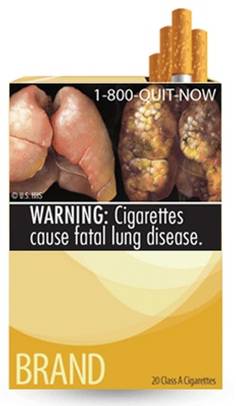
Five tobacco companies – R.J. Reynolds Tobacco Company, Lorillard, Commonwealth Brands, Liggett Group, and Sante Fe Natural Tobacco Company – brought suit against the regulations in August 2011.
The Food and Drug Administration unveiled the nine graphic labels in June 2011, after proposed labels and associated regulations were available during a public comment period. In addition to the contrasting lungs, other graphic images included a man breathing through an oxygen mask, a bare-chested male cadaver, a woman weeping uncontrollably, a diseased mouth with what appears to be cancerous lesions, and a cartoon of a premature baby in an incubator.
Under the regulation, cigarette manufacturers would be required to display one of nine textual warnings on all cigarette packages distributed. Warnings include: "Smoking can kill you" and "Cigarettes are addictive."
While the court recognized the government’s right to require certain disclosures for clarity, Judge Leon ruled that "purely factual and uncontroversial information may still violate the First Amendment if they are unjustified and unduly burdensome."
Reactions to the judge’s ruling spurred vehement reaction from traditional tobacco opponents.
The ruling ignores the science and puts children at risk, according to a statement from the American Academy of Pediatrics.
"Judge Leon’s dangerous ruling blatantly ignores significant scientific evidence supporting the effectiveness of larger, graphic warning labels in communicating the health dangers of tobacco use," the AAP statement said. "If allowed to stand, this ruling would make it impossible to implement any effective warning labels and will therefore harm the health and well-being of millions of children."
The Obama administration vowed to continue pursuit of the warnings.
"This administration is determined to do everything we can to warn young people about the dangers of smoking, which remains the leading cause of preventable death in America," the Health and Human Services department said in a statement. "This public health initiative will be an effective tool in our efforts to stop teenagers from starting in the first place and taking up this deadly habit. We are confident that efforts to stop these important warnings from going forward will ultimately fail."
Rep. Henry Waxman (D-Calif.) also criticized the decision.
"These provisions were informed by scientific evidence showing that current warning labels have run their course and that labels with graphic warnings would be more effective in protecting the public’s health from tobacco’s addictive and toxic qualities," Rep. Waxman said in a statement. "Congress did, in fact, carefully consider the First Amendment issues involved and carefully tailored the legislation to ensure the FDA could act as it has proposed with graphic warning labels for tobacco products."
Rep. Waxman said he expects the ruling to be appealed and its constitutionality affirmed.
The federal regulation requiring tobacco companies to display graphic antismoking images on cigarette packs is unconstitutional, a district judge in Washington, D.C., ruled on Feb. 29.
"For corporations as for individuals, the choice to speak includes within it the choice of what not to say," Judge Richard J. Leon, district judge for the District of Columbia, wrote in the court memorandum. "The Government may engage in advocacy using its own voice ... [but] it may not force others, such as Plaintiffs, to serve as its unwilling mouthpiece."
Five tobacco companies – R.J. Reynolds Tobacco Company, Lorillard, Commonwealth Brands, Liggett Group, and Sante Fe Natural Tobacco Company – brought suit against the regulations in August 2011.
The Food and Drug Administration unveiled the nine graphic labels in June 2011, after proposed labels and associated regulations were available during a public comment period. In addition to the contrasting lungs, other graphic images included a man breathing through an oxygen mask, a bare-chested male cadaver, a woman weeping uncontrollably, a diseased mouth with what appears to be cancerous lesions, and a cartoon of a premature baby in an incubator.
Under the regulation, cigarette manufacturers would be required to display one of nine textual warnings on all cigarette packages distributed. Warnings include: "Smoking can kill you" and "Cigarettes are addictive."
While the court recognized the government’s right to require certain disclosures for clarity, Judge Leon ruled that "purely factual and uncontroversial information may still violate the First Amendment if they are unjustified and unduly burdensome."
Reactions to the judge’s ruling spurred vehement reaction from traditional tobacco opponents.
The ruling ignores the science and puts children at risk, according to a statement from the American Academy of Pediatrics.
"Judge Leon’s dangerous ruling blatantly ignores significant scientific evidence supporting the effectiveness of larger, graphic warning labels in communicating the health dangers of tobacco use," the AAP statement said. "If allowed to stand, this ruling would make it impossible to implement any effective warning labels and will therefore harm the health and well-being of millions of children."
The Obama administration vowed to continue pursuit of the warnings.
"This administration is determined to do everything we can to warn young people about the dangers of smoking, which remains the leading cause of preventable death in America," the Health and Human Services department said in a statement. "This public health initiative will be an effective tool in our efforts to stop teenagers from starting in the first place and taking up this deadly habit. We are confident that efforts to stop these important warnings from going forward will ultimately fail."
Rep. Henry Waxman (D-Calif.) also criticized the decision.
"These provisions were informed by scientific evidence showing that current warning labels have run their course and that labels with graphic warnings would be more effective in protecting the public’s health from tobacco’s addictive and toxic qualities," Rep. Waxman said in a statement. "Congress did, in fact, carefully consider the First Amendment issues involved and carefully tailored the legislation to ensure the FDA could act as it has proposed with graphic warning labels for tobacco products."
Rep. Waxman said he expects the ruling to be appealed and its constitutionality affirmed.
The federal regulation requiring tobacco companies to display graphic antismoking images on cigarette packs is unconstitutional, a district judge in Washington, D.C., ruled on Feb. 29.
"For corporations as for individuals, the choice to speak includes within it the choice of what not to say," Judge Richard J. Leon, district judge for the District of Columbia, wrote in the court memorandum. "The Government may engage in advocacy using its own voice ... [but] it may not force others, such as Plaintiffs, to serve as its unwilling mouthpiece."
Five tobacco companies – R.J. Reynolds Tobacco Company, Lorillard, Commonwealth Brands, Liggett Group, and Sante Fe Natural Tobacco Company – brought suit against the regulations in August 2011.
The Food and Drug Administration unveiled the nine graphic labels in June 2011, after proposed labels and associated regulations were available during a public comment period. In addition to the contrasting lungs, other graphic images included a man breathing through an oxygen mask, a bare-chested male cadaver, a woman weeping uncontrollably, a diseased mouth with what appears to be cancerous lesions, and a cartoon of a premature baby in an incubator.
Under the regulation, cigarette manufacturers would be required to display one of nine textual warnings on all cigarette packages distributed. Warnings include: "Smoking can kill you" and "Cigarettes are addictive."
While the court recognized the government’s right to require certain disclosures for clarity, Judge Leon ruled that "purely factual and uncontroversial information may still violate the First Amendment if they are unjustified and unduly burdensome."
Reactions to the judge’s ruling spurred vehement reaction from traditional tobacco opponents.
The ruling ignores the science and puts children at risk, according to a statement from the American Academy of Pediatrics.
"Judge Leon’s dangerous ruling blatantly ignores significant scientific evidence supporting the effectiveness of larger, graphic warning labels in communicating the health dangers of tobacco use," the AAP statement said. "If allowed to stand, this ruling would make it impossible to implement any effective warning labels and will therefore harm the health and well-being of millions of children."
The Obama administration vowed to continue pursuit of the warnings.
"This administration is determined to do everything we can to warn young people about the dangers of smoking, which remains the leading cause of preventable death in America," the Health and Human Services department said in a statement. "This public health initiative will be an effective tool in our efforts to stop teenagers from starting in the first place and taking up this deadly habit. We are confident that efforts to stop these important warnings from going forward will ultimately fail."
Rep. Henry Waxman (D-Calif.) also criticized the decision.
"These provisions were informed by scientific evidence showing that current warning labels have run their course and that labels with graphic warnings would be more effective in protecting the public’s health from tobacco’s addictive and toxic qualities," Rep. Waxman said in a statement. "Congress did, in fact, carefully consider the First Amendment issues involved and carefully tailored the legislation to ensure the FDA could act as it has proposed with graphic warning labels for tobacco products."
Rep. Waxman said he expects the ruling to be appealed and its constitutionality affirmed.
FDA Approves First Quadrivalent Seasonal Flu Vaccine
The first influenza vaccine that contains a second influenza B strain, in addition to two influenza A strains and one influenza B strain, has been approved for people aged 2 through 49 years, the Food and Drug Administration announced on Feb. 29.
The quadrivalent vaccine is an intranasal vaccine, similar to FluMist, the trivalent influenza vaccine licensed as a seasonal influenza vaccine for individuals aged 2 through 49 years. The quadrivalent vaccine contains two strains of type A influenza (A/H1N1 and A/H3N2) and two type B lineage strains, "which increases the likelihood of adequate protection against circulating influenza B strains," the FDA statement announcing the approval said.

"A vaccine containing the four virus strains most likely to spread and cause illness during the influenza season offers an additional option to aid in influenza prevention efforts," Dr. Karen Midthun, director of the FDA’s Center for Biologics Evaluation and Research, said in the statement. She pointed out that influenza B-related illness "affects children, particularly young and school-aged, more than any other population."
The new vaccine will be marketed as "FluMist Quadrivalent" by MedImmune LLC, which also markets FluMist, the trivalent intranasal influenza vaccine.
The safety and effectiveness of the Flu Mist quadrivalent vaccine is supported by studies of the trivalent formulation conducted in the past, as well as three new studies of the quadrivalent vaccine in about 4,000 children and adults in the United States, which "demonstrated that the immune responses were similar between FluMist Quadrivalent and FluMist," the FDA statement said. Adverse reactions associated with both vaccines were similar. A runny or stuffy nose in children and adults and headache and sore throat in adults were the most common adverse reactions reported, according to the FDA.
The other seasonal influenza vaccines that are licensed by the FDA contain the three strains only. At a meeting of the FDA’s vaccines advisory panel, held the day before the FDA announced the FluMist Quadrivalent approval, representatives of several manufacturers said that they had completed trials of quadrivalent formulations of their trivalent vaccines and had either filed or planned to file for approval with the FDA and anticipated approval in time for the 2012-2013 influenza season.
At that meeting, held annually to recommend the two influenza A and one influenza B strains to be included in the vaccine in the United States for the upcoming season, panelists pointed out how challenging it is every year to choose which B strain to recommend, based on the different B strains that are circulating worldwide, and described choosing the B component as a "gamble" and a "crapshoot."
"Flu B has been a dilemma, and I do look forward to having a quadrivalent so that our crapshoot is not so poor," one of the panel members, Dr. Pedro Piedra, professor in the department of molecular virology and microbiology, Baylor College of Medicine, Houston, said at the meeting.
"I’m really gratified to hear of all the progress that’s been made by the manufacturers in developing the quadrivalent product and I look forward to the end of this annual conversation about which B [strain] should go into the vaccine," said another panelist, Dr. Melinda Wharton, deputy director of the Centers for Disease Control and Prevention’s National Center for Immunization and Respiratory Diseases. "I always feel like we’re having to make a decision that has a pretty high probability of being wrong on these B strains," she added. (FDA panelists are cleared of potential conflicts related to the topic of the meeting.)
At that meeting, the panel recommended that the influenza B strain be replaced with a B/Yamagata lineage strain, a switch from a Victoria lineage B strain that has been in the vaccine for several years. But they were less confident about this recommendation than they were with their recommendations for the two influenza A strains.
During this flu season in the United States, which has started later than usual and with less activity than previous years, there is evidence that influenza B viruses from both lineages have been circulating. At the panel meeting, Dr. Lisa Grohskopf of the CDC’s influenza division, said that of the 397 influenza viruses tested at the CDC this season, 48 (12%) have been influenza B strains. About half of those have been a B/Victoria lineage strains and most of those match the strain in the current influenza vaccine, but the rest have been a Yamagata lineage strain, not included in the current vaccine. But Dr. Grohskopf, who was not a panelist, added that there have not been many B viruses available for testing in the United States.
Click here for prescribing information for FluMist Quadrivalent.
The first influenza vaccine that contains a second influenza B strain, in addition to two influenza A strains and one influenza B strain, has been approved for people aged 2 through 49 years, the Food and Drug Administration announced on Feb. 29.
The quadrivalent vaccine is an intranasal vaccine, similar to FluMist, the trivalent influenza vaccine licensed as a seasonal influenza vaccine for individuals aged 2 through 49 years. The quadrivalent vaccine contains two strains of type A influenza (A/H1N1 and A/H3N2) and two type B lineage strains, "which increases the likelihood of adequate protection against circulating influenza B strains," the FDA statement announcing the approval said.
"A vaccine containing the four virus strains most likely to spread and cause illness during the influenza season offers an additional option to aid in influenza prevention efforts," Dr. Karen Midthun, director of the FDA’s Center for Biologics Evaluation and Research, said in the statement. She pointed out that influenza B-related illness "affects children, particularly young and school-aged, more than any other population."
The new vaccine will be marketed as "FluMist Quadrivalent" by MedImmune LLC, which also markets FluMist, the trivalent intranasal influenza vaccine.
The safety and effectiveness of the Flu Mist quadrivalent vaccine is supported by studies of the trivalent formulation conducted in the past, as well as three new studies of the quadrivalent vaccine in about 4,000 children and adults in the United States, which "demonstrated that the immune responses were similar between FluMist Quadrivalent and FluMist," the FDA statement said. Adverse reactions associated with both vaccines were similar. A runny or stuffy nose in children and adults and headache and sore throat in adults were the most common adverse reactions reported, according to the FDA.
The other seasonal influenza vaccines that are licensed by the FDA contain the three strains only. At a meeting of the FDA’s vaccines advisory panel, held the day before the FDA announced the FluMist Quadrivalent approval, representatives of several manufacturers said that they had completed trials of quadrivalent formulations of their trivalent vaccines and had either filed or planned to file for approval with the FDA and anticipated approval in time for the 2012-2013 influenza season.
At that meeting, held annually to recommend the two influenza A and one influenza B strains to be included in the vaccine in the United States for the upcoming season, panelists pointed out how challenging it is every year to choose which B strain to recommend, based on the different B strains that are circulating worldwide, and described choosing the B component as a "gamble" and a "crapshoot."
"Flu B has been a dilemma, and I do look forward to having a quadrivalent so that our crapshoot is not so poor," one of the panel members, Dr. Pedro Piedra, professor in the department of molecular virology and microbiology, Baylor College of Medicine, Houston, said at the meeting.
"I’m really gratified to hear of all the progress that’s been made by the manufacturers in developing the quadrivalent product and I look forward to the end of this annual conversation about which B [strain] should go into the vaccine," said another panelist, Dr. Melinda Wharton, deputy director of the Centers for Disease Control and Prevention’s National Center for Immunization and Respiratory Diseases. "I always feel like we’re having to make a decision that has a pretty high probability of being wrong on these B strains," she added. (FDA panelists are cleared of potential conflicts related to the topic of the meeting.)
At that meeting, the panel recommended that the influenza B strain be replaced with a B/Yamagata lineage strain, a switch from a Victoria lineage B strain that has been in the vaccine for several years. But they were less confident about this recommendation than they were with their recommendations for the two influenza A strains.
During this flu season in the United States, which has started later than usual and with less activity than previous years, there is evidence that influenza B viruses from both lineages have been circulating. At the panel meeting, Dr. Lisa Grohskopf of the CDC’s influenza division, said that of the 397 influenza viruses tested at the CDC this season, 48 (12%) have been influenza B strains. About half of those have been a B/Victoria lineage strains and most of those match the strain in the current influenza vaccine, but the rest have been a Yamagata lineage strain, not included in the current vaccine. But Dr. Grohskopf, who was not a panelist, added that there have not been many B viruses available for testing in the United States.
Click here for prescribing information for FluMist Quadrivalent.
The first influenza vaccine that contains a second influenza B strain, in addition to two influenza A strains and one influenza B strain, has been approved for people aged 2 through 49 years, the Food and Drug Administration announced on Feb. 29.
The quadrivalent vaccine is an intranasal vaccine, similar to FluMist, the trivalent influenza vaccine licensed as a seasonal influenza vaccine for individuals aged 2 through 49 years. The quadrivalent vaccine contains two strains of type A influenza (A/H1N1 and A/H3N2) and two type B lineage strains, "which increases the likelihood of adequate protection against circulating influenza B strains," the FDA statement announcing the approval said.
"A vaccine containing the four virus strains most likely to spread and cause illness during the influenza season offers an additional option to aid in influenza prevention efforts," Dr. Karen Midthun, director of the FDA’s Center for Biologics Evaluation and Research, said in the statement. She pointed out that influenza B-related illness "affects children, particularly young and school-aged, more than any other population."
The new vaccine will be marketed as "FluMist Quadrivalent" by MedImmune LLC, which also markets FluMist, the trivalent intranasal influenza vaccine.
The safety and effectiveness of the Flu Mist quadrivalent vaccine is supported by studies of the trivalent formulation conducted in the past, as well as three new studies of the quadrivalent vaccine in about 4,000 children and adults in the United States, which "demonstrated that the immune responses were similar between FluMist Quadrivalent and FluMist," the FDA statement said. Adverse reactions associated with both vaccines were similar. A runny or stuffy nose in children and adults and headache and sore throat in adults were the most common adverse reactions reported, according to the FDA.
The other seasonal influenza vaccines that are licensed by the FDA contain the three strains only. At a meeting of the FDA’s vaccines advisory panel, held the day before the FDA announced the FluMist Quadrivalent approval, representatives of several manufacturers said that they had completed trials of quadrivalent formulations of their trivalent vaccines and had either filed or planned to file for approval with the FDA and anticipated approval in time for the 2012-2013 influenza season.
At that meeting, held annually to recommend the two influenza A and one influenza B strains to be included in the vaccine in the United States for the upcoming season, panelists pointed out how challenging it is every year to choose which B strain to recommend, based on the different B strains that are circulating worldwide, and described choosing the B component as a "gamble" and a "crapshoot."
"Flu B has been a dilemma, and I do look forward to having a quadrivalent so that our crapshoot is not so poor," one of the panel members, Dr. Pedro Piedra, professor in the department of molecular virology and microbiology, Baylor College of Medicine, Houston, said at the meeting.
"I’m really gratified to hear of all the progress that’s been made by the manufacturers in developing the quadrivalent product and I look forward to the end of this annual conversation about which B [strain] should go into the vaccine," said another panelist, Dr. Melinda Wharton, deputy director of the Centers for Disease Control and Prevention’s National Center for Immunization and Respiratory Diseases. "I always feel like we’re having to make a decision that has a pretty high probability of being wrong on these B strains," she added. (FDA panelists are cleared of potential conflicts related to the topic of the meeting.)
At that meeting, the panel recommended that the influenza B strain be replaced with a B/Yamagata lineage strain, a switch from a Victoria lineage B strain that has been in the vaccine for several years. But they were less confident about this recommendation than they were with their recommendations for the two influenza A strains.
During this flu season in the United States, which has started later than usual and with less activity than previous years, there is evidence that influenza B viruses from both lineages have been circulating. At the panel meeting, Dr. Lisa Grohskopf of the CDC’s influenza division, said that of the 397 influenza viruses tested at the CDC this season, 48 (12%) have been influenza B strains. About half of those have been a B/Victoria lineage strains and most of those match the strain in the current influenza vaccine, but the rest have been a Yamagata lineage strain, not included in the current vaccine. But Dr. Grohskopf, who was not a panelist, added that there have not been many B viruses available for testing in the United States.
Click here for prescribing information for FluMist Quadrivalent.
Counseling is a must with this smoking cessation aid
Inform patients who are interested in taking varenicline (Chantix) that there is a small cardiovascular (CV) risk associated with it, as well as neuropsychiatric risks—and consider recommending that smokers with a history of cardiovascular disease (CVD) use nicotine replacement therapy (NRT) or bupropion instead.1
STRENGTH OF RECOMMENDATION
A: Based on a meta-analysis.
Singh S, Loke YK, Spangler JG, et al. Risk of serious adverse cardiovascular events associated with varenicline: a systematic review and meta-analysis. CMAJ. 2011;183:1359-1366.
ILLUSTRATIVE CASE
A 53-year-old man asks you to prescribe Chantix to help him stop smoking. He has made several attempts to quit in the past, but never managed to stop for more than 6 months— and has smoked a pack a day for 30 years. The patient does not have a history of heart disease, but he is on statin therapy for hyperlipidemia. What should you tell him about varenicline’s potential benefits and risks?
Tobacco use remains the largest preventable contributor to death and disease in the United States.2 In smokers with coronary heart disease, smoking cessation is associated with a 36% reduction in all-cause mortality (relative risk [RR], 0.64; 95% confidence interval [CI], 0.58-0.71)—a risk reduction greater than that of statins (29%), aspirin (15%), beta-blockers (23%), or ACE inhibitors (23%).3
Varenicline now has 2 black box warnings
In its 2009 update on recommendations for smoking cessation, the United States Preventive Services Task Force cited NRT and controlled-release bupropion, as well as varenicline, as effective smoking cessation aids.4 Varenicline received US Food and Drug Administration (FDA) approval in 2006. In 2009, the FDA added a black box warning based on evidence of its adverse neuropsychiatric effects, including suicidality.5
In July 2011, the FDA required another label change,6 based on a double-blind RCT published in 2010 showing that for patients with CVD, varenicline is associated with an increased risk.7 As a partial nicotine agonist, varenicline could confer some of the CV risk associated with nicotine abuse.8 The FDA has asked its manufacturer, Pfizer Inc, to conduct further studies.6 The meta-analysis reviewed below—which was not associated with Pfizer or the FDA—was published in September 2011, just a couple of months after the label change.1
STUDY SUMMARY: Risk of ischemic or arrhythmic event is small but significant
Singh et al searched for double-blind RCTs that tested varenicline against a control in tobacco users.1 All included studies had to have reported adverse CV events. The primary outcome was any ischemic or arrhythmic CV event.
The researchers found 15 such studies (n=8216), which ranged in duration from 7 to 52 weeks. Most used a placebo control, but some included bupropion or NRT. The researchers used a Peto odds ratio (OR) for the meta-analysis, useful when combining uncommon events and including studies with no events.9
Compared with placebo, varenicline significantly increased the risk of CV events (odds ratio [OR], 1.72; 95% CI, 1.09-2.71). The incidence of CV events was 1.06% (52 of 4908) among varenicline users vs 0.82% (27 of 3308) in the controls (number needed to harm [NNH]=417).
The limited number of deaths (1.4% among patients taking varenicline vs 2.1% in the placebo groups) prevented analysis of mortality risk. The study with the most statistical power, which accounted for 57% of the overall effect, was the only one that included patients with known stable CV disease. (None included patients with unstable CV disease, whose risk may be greater.) Even when this study was removed, however, the outcome (OR, 2.54; 95% CI, 1.26-5.12) was consistent with the primary result for CV events. A sensitivity analysis comparing the risk associated with varenicline with that of either NRT or bupropion yielded similar results (OR, 1.67; 95% CI, 1.07-26.2). For a higher risk population with stable CVD (5.6% annual risk at baseline), the authors estimated an overall NNH of 28 per year (95% CI, 13-213).
WHAT’S NEW: Evidence of CV risk is cause for concern
This meta-analysis provides evidence that varenicline is associated with a small but significant harmful effect on CV outcomes. The methods Singh et al used for review and article selection appear to be sound, and analysis of the included studies reveals little likelihood of publication bias.
CAVEATS: For many, benefits of quitting outweigh the risks
The absolute risk of a CV event found in this meta-analysis was small—just 0.24%. What’s more, the primary outcome was a composite of a diverse group of outcomes, some more serious than others. And, when compared with the highly positive effects of smoking cessation, the benefit-harm analysis still appears to favor varenicline for most patients. The estimated number needed to treat to get one person to stop smoking for ≥24 weeks is about 10 (95% CI, 8-13).8
CHALLENGES TO IMPLEMENTATION: Finding time to educate patients
The additional time needed to discuss the CV and neuropsychiatric risks of varenicline will be a challenge to physicians working in busy outpatient settings. Proper documentation of this discussion is prudent, however, given the increase in risk with this medication.
Acknowledgement
The Purls Surveillance System is supported in part by Grant Number UL1RR024999 from the National Center for Research Resources, a Clinical Translational Science Award to the University of Chicago. The content is solely the responsibility of the authors and does not necessarily represent the official views of the National Center for Research Resources or the National Institutes of Health.
Click here to view PURL METHODOLOGY
1. Singh S, Loke YK, Spangler JG, et al. Risk of serious adverse cardiovascular events associated with varenicline: a systematic review and meta-analysis. CMAJ. 2011;183:1359-1366.
2. Centers for Disease Control and Prevention. Smoking-attributable mortality, years of potential life lost, and productivity Losses-United States, 2000-2004. MMWR Morbidity and Mortality Weekly Report. 2008;57:1226-1228.
3. Critchley JA, Capewell S. Mortality risk reduction associated with smoking cessation in patients with coronary heart disease. JAMA. 2003;290:86-97.
4. US Preventive Services Task Force. Counseling and interventions to prevent tobacco use and tobacco-caused disease in adults and pregnant women. Ann Intern Med. 2009;150:551-555.
5. US Food and Drug Administration. Boxed warning on serious mental health events to be required for Chantix and Zyban [press release]. July 1, 2009. Available at: http://www.fda.gov/NewsEvents/Newsroom/PressAnnouncements/ucm170100.htm#.Ttab-ZCbYtE. Accessed January 21, 2012.
6. US Food and Drug Administration. Chantix (varenicline): label change - risk of certain cardiovascular adverse events. 2011. Available at: http://www.fda.gov/Safety/MedWatch/SafetyInformation/SafetyAlertsforHumanMedicalProducts/ucm259469.htm. Accessed January 21, 2012.
7. Rigotti NA, Pipe AL, Benowitz NL, et al. Efficacy and safety of varenicline for smoking cessation in patients with cardiovascular disease: a randomized trial. Circulation. 2010;121:221-229.
8. Cahill K, Stead LF, Lancaster T. Nicotine receptor partial agonists for smoking cessation. Cochrane Database Syst Rev. 2011;(2):CD006103.
9. Singh S, Loke YK, Spangler JG, et al. Authors’ response. CMAJ. 2011;183:1405, 1407.
Inform patients who are interested in taking varenicline (Chantix) that there is a small cardiovascular (CV) risk associated with it, as well as neuropsychiatric risks—and consider recommending that smokers with a history of cardiovascular disease (CVD) use nicotine replacement therapy (NRT) or bupropion instead.1
STRENGTH OF RECOMMENDATION
A: Based on a meta-analysis.
Singh S, Loke YK, Spangler JG, et al. Risk of serious adverse cardiovascular events associated with varenicline: a systematic review and meta-analysis. CMAJ. 2011;183:1359-1366.
ILLUSTRATIVE CASE
A 53-year-old man asks you to prescribe Chantix to help him stop smoking. He has made several attempts to quit in the past, but never managed to stop for more than 6 months— and has smoked a pack a day for 30 years. The patient does not have a history of heart disease, but he is on statin therapy for hyperlipidemia. What should you tell him about varenicline’s potential benefits and risks?
Tobacco use remains the largest preventable contributor to death and disease in the United States.2 In smokers with coronary heart disease, smoking cessation is associated with a 36% reduction in all-cause mortality (relative risk [RR], 0.64; 95% confidence interval [CI], 0.58-0.71)—a risk reduction greater than that of statins (29%), aspirin (15%), beta-blockers (23%), or ACE inhibitors (23%).3
Varenicline now has 2 black box warnings
In its 2009 update on recommendations for smoking cessation, the United States Preventive Services Task Force cited NRT and controlled-release bupropion, as well as varenicline, as effective smoking cessation aids.4 Varenicline received US Food and Drug Administration (FDA) approval in 2006. In 2009, the FDA added a black box warning based on evidence of its adverse neuropsychiatric effects, including suicidality.5
In July 2011, the FDA required another label change,6 based on a double-blind RCT published in 2010 showing that for patients with CVD, varenicline is associated with an increased risk.7 As a partial nicotine agonist, varenicline could confer some of the CV risk associated with nicotine abuse.8 The FDA has asked its manufacturer, Pfizer Inc, to conduct further studies.6 The meta-analysis reviewed below—which was not associated with Pfizer or the FDA—was published in September 2011, just a couple of months after the label change.1
STUDY SUMMARY: Risk of ischemic or arrhythmic event is small but significant
Singh et al searched for double-blind RCTs that tested varenicline against a control in tobacco users.1 All included studies had to have reported adverse CV events. The primary outcome was any ischemic or arrhythmic CV event.
The researchers found 15 such studies (n=8216), which ranged in duration from 7 to 52 weeks. Most used a placebo control, but some included bupropion or NRT. The researchers used a Peto odds ratio (OR) for the meta-analysis, useful when combining uncommon events and including studies with no events.9
Compared with placebo, varenicline significantly increased the risk of CV events (odds ratio [OR], 1.72; 95% CI, 1.09-2.71). The incidence of CV events was 1.06% (52 of 4908) among varenicline users vs 0.82% (27 of 3308) in the controls (number needed to harm [NNH]=417).
The limited number of deaths (1.4% among patients taking varenicline vs 2.1% in the placebo groups) prevented analysis of mortality risk. The study with the most statistical power, which accounted for 57% of the overall effect, was the only one that included patients with known stable CV disease. (None included patients with unstable CV disease, whose risk may be greater.) Even when this study was removed, however, the outcome (OR, 2.54; 95% CI, 1.26-5.12) was consistent with the primary result for CV events. A sensitivity analysis comparing the risk associated with varenicline with that of either NRT or bupropion yielded similar results (OR, 1.67; 95% CI, 1.07-26.2). For a higher risk population with stable CVD (5.6% annual risk at baseline), the authors estimated an overall NNH of 28 per year (95% CI, 13-213).
WHAT’S NEW: Evidence of CV risk is cause for concern
This meta-analysis provides evidence that varenicline is associated with a small but significant harmful effect on CV outcomes. The methods Singh et al used for review and article selection appear to be sound, and analysis of the included studies reveals little likelihood of publication bias.
CAVEATS: For many, benefits of quitting outweigh the risks
The absolute risk of a CV event found in this meta-analysis was small—just 0.24%. What’s more, the primary outcome was a composite of a diverse group of outcomes, some more serious than others. And, when compared with the highly positive effects of smoking cessation, the benefit-harm analysis still appears to favor varenicline for most patients. The estimated number needed to treat to get one person to stop smoking for ≥24 weeks is about 10 (95% CI, 8-13).8
CHALLENGES TO IMPLEMENTATION: Finding time to educate patients
The additional time needed to discuss the CV and neuropsychiatric risks of varenicline will be a challenge to physicians working in busy outpatient settings. Proper documentation of this discussion is prudent, however, given the increase in risk with this medication.
Acknowledgement
The Purls Surveillance System is supported in part by Grant Number UL1RR024999 from the National Center for Research Resources, a Clinical Translational Science Award to the University of Chicago. The content is solely the responsibility of the authors and does not necessarily represent the official views of the National Center for Research Resources or the National Institutes of Health.
Click here to view PURL METHODOLOGY
Inform patients who are interested in taking varenicline (Chantix) that there is a small cardiovascular (CV) risk associated with it, as well as neuropsychiatric risks—and consider recommending that smokers with a history of cardiovascular disease (CVD) use nicotine replacement therapy (NRT) or bupropion instead.1
STRENGTH OF RECOMMENDATION
A: Based on a meta-analysis.
Singh S, Loke YK, Spangler JG, et al. Risk of serious adverse cardiovascular events associated with varenicline: a systematic review and meta-analysis. CMAJ. 2011;183:1359-1366.
ILLUSTRATIVE CASE
A 53-year-old man asks you to prescribe Chantix to help him stop smoking. He has made several attempts to quit in the past, but never managed to stop for more than 6 months— and has smoked a pack a day for 30 years. The patient does not have a history of heart disease, but he is on statin therapy for hyperlipidemia. What should you tell him about varenicline’s potential benefits and risks?
Tobacco use remains the largest preventable contributor to death and disease in the United States.2 In smokers with coronary heart disease, smoking cessation is associated with a 36% reduction in all-cause mortality (relative risk [RR], 0.64; 95% confidence interval [CI], 0.58-0.71)—a risk reduction greater than that of statins (29%), aspirin (15%), beta-blockers (23%), or ACE inhibitors (23%).3
Varenicline now has 2 black box warnings
In its 2009 update on recommendations for smoking cessation, the United States Preventive Services Task Force cited NRT and controlled-release bupropion, as well as varenicline, as effective smoking cessation aids.4 Varenicline received US Food and Drug Administration (FDA) approval in 2006. In 2009, the FDA added a black box warning based on evidence of its adverse neuropsychiatric effects, including suicidality.5
In July 2011, the FDA required another label change,6 based on a double-blind RCT published in 2010 showing that for patients with CVD, varenicline is associated with an increased risk.7 As a partial nicotine agonist, varenicline could confer some of the CV risk associated with nicotine abuse.8 The FDA has asked its manufacturer, Pfizer Inc, to conduct further studies.6 The meta-analysis reviewed below—which was not associated with Pfizer or the FDA—was published in September 2011, just a couple of months after the label change.1
STUDY SUMMARY: Risk of ischemic or arrhythmic event is small but significant
Singh et al searched for double-blind RCTs that tested varenicline against a control in tobacco users.1 All included studies had to have reported adverse CV events. The primary outcome was any ischemic or arrhythmic CV event.
The researchers found 15 such studies (n=8216), which ranged in duration from 7 to 52 weeks. Most used a placebo control, but some included bupropion or NRT. The researchers used a Peto odds ratio (OR) for the meta-analysis, useful when combining uncommon events and including studies with no events.9
Compared with placebo, varenicline significantly increased the risk of CV events (odds ratio [OR], 1.72; 95% CI, 1.09-2.71). The incidence of CV events was 1.06% (52 of 4908) among varenicline users vs 0.82% (27 of 3308) in the controls (number needed to harm [NNH]=417).
The limited number of deaths (1.4% among patients taking varenicline vs 2.1% in the placebo groups) prevented analysis of mortality risk. The study with the most statistical power, which accounted for 57% of the overall effect, was the only one that included patients with known stable CV disease. (None included patients with unstable CV disease, whose risk may be greater.) Even when this study was removed, however, the outcome (OR, 2.54; 95% CI, 1.26-5.12) was consistent with the primary result for CV events. A sensitivity analysis comparing the risk associated with varenicline with that of either NRT or bupropion yielded similar results (OR, 1.67; 95% CI, 1.07-26.2). For a higher risk population with stable CVD (5.6% annual risk at baseline), the authors estimated an overall NNH of 28 per year (95% CI, 13-213).
WHAT’S NEW: Evidence of CV risk is cause for concern
This meta-analysis provides evidence that varenicline is associated with a small but significant harmful effect on CV outcomes. The methods Singh et al used for review and article selection appear to be sound, and analysis of the included studies reveals little likelihood of publication bias.
CAVEATS: For many, benefits of quitting outweigh the risks
The absolute risk of a CV event found in this meta-analysis was small—just 0.24%. What’s more, the primary outcome was a composite of a diverse group of outcomes, some more serious than others. And, when compared with the highly positive effects of smoking cessation, the benefit-harm analysis still appears to favor varenicline for most patients. The estimated number needed to treat to get one person to stop smoking for ≥24 weeks is about 10 (95% CI, 8-13).8
CHALLENGES TO IMPLEMENTATION: Finding time to educate patients
The additional time needed to discuss the CV and neuropsychiatric risks of varenicline will be a challenge to physicians working in busy outpatient settings. Proper documentation of this discussion is prudent, however, given the increase in risk with this medication.
Acknowledgement
The Purls Surveillance System is supported in part by Grant Number UL1RR024999 from the National Center for Research Resources, a Clinical Translational Science Award to the University of Chicago. The content is solely the responsibility of the authors and does not necessarily represent the official views of the National Center for Research Resources or the National Institutes of Health.
Click here to view PURL METHODOLOGY
1. Singh S, Loke YK, Spangler JG, et al. Risk of serious adverse cardiovascular events associated with varenicline: a systematic review and meta-analysis. CMAJ. 2011;183:1359-1366.
2. Centers for Disease Control and Prevention. Smoking-attributable mortality, years of potential life lost, and productivity Losses-United States, 2000-2004. MMWR Morbidity and Mortality Weekly Report. 2008;57:1226-1228.
3. Critchley JA, Capewell S. Mortality risk reduction associated with smoking cessation in patients with coronary heart disease. JAMA. 2003;290:86-97.
4. US Preventive Services Task Force. Counseling and interventions to prevent tobacco use and tobacco-caused disease in adults and pregnant women. Ann Intern Med. 2009;150:551-555.
5. US Food and Drug Administration. Boxed warning on serious mental health events to be required for Chantix and Zyban [press release]. July 1, 2009. Available at: http://www.fda.gov/NewsEvents/Newsroom/PressAnnouncements/ucm170100.htm#.Ttab-ZCbYtE. Accessed January 21, 2012.
6. US Food and Drug Administration. Chantix (varenicline): label change - risk of certain cardiovascular adverse events. 2011. Available at: http://www.fda.gov/Safety/MedWatch/SafetyInformation/SafetyAlertsforHumanMedicalProducts/ucm259469.htm. Accessed January 21, 2012.
7. Rigotti NA, Pipe AL, Benowitz NL, et al. Efficacy and safety of varenicline for smoking cessation in patients with cardiovascular disease: a randomized trial. Circulation. 2010;121:221-229.
8. Cahill K, Stead LF, Lancaster T. Nicotine receptor partial agonists for smoking cessation. Cochrane Database Syst Rev. 2011;(2):CD006103.
9. Singh S, Loke YK, Spangler JG, et al. Authors’ response. CMAJ. 2011;183:1405, 1407.
1. Singh S, Loke YK, Spangler JG, et al. Risk of serious adverse cardiovascular events associated with varenicline: a systematic review and meta-analysis. CMAJ. 2011;183:1359-1366.
2. Centers for Disease Control and Prevention. Smoking-attributable mortality, years of potential life lost, and productivity Losses-United States, 2000-2004. MMWR Morbidity and Mortality Weekly Report. 2008;57:1226-1228.
3. Critchley JA, Capewell S. Mortality risk reduction associated with smoking cessation in patients with coronary heart disease. JAMA. 2003;290:86-97.
4. US Preventive Services Task Force. Counseling and interventions to prevent tobacco use and tobacco-caused disease in adults and pregnant women. Ann Intern Med. 2009;150:551-555.
5. US Food and Drug Administration. Boxed warning on serious mental health events to be required for Chantix and Zyban [press release]. July 1, 2009. Available at: http://www.fda.gov/NewsEvents/Newsroom/PressAnnouncements/ucm170100.htm#.Ttab-ZCbYtE. Accessed January 21, 2012.
6. US Food and Drug Administration. Chantix (varenicline): label change - risk of certain cardiovascular adverse events. 2011. Available at: http://www.fda.gov/Safety/MedWatch/SafetyInformation/SafetyAlertsforHumanMedicalProducts/ucm259469.htm. Accessed January 21, 2012.
7. Rigotti NA, Pipe AL, Benowitz NL, et al. Efficacy and safety of varenicline for smoking cessation in patients with cardiovascular disease: a randomized trial. Circulation. 2010;121:221-229.
8. Cahill K, Stead LF, Lancaster T. Nicotine receptor partial agonists for smoking cessation. Cochrane Database Syst Rev. 2011;(2):CD006103.
9. Singh S, Loke YK, Spangler JG, et al. Authors’ response. CMAJ. 2011;183:1405, 1407.
Copyright © 2012 The Family Physicians Inquiries Network.
All rights reserved.
Inhaler use: Tell patients to purse their lips
I would like to add another major error to those cited in “Inhalation therapy: Help patients avoid these mistakes” (J Fam Pract. 2011;60:714-720): Patients often shove the mouthpiece into their mouths, which prevents them from getting a good inhalation.
I demonstrate to patients that just pursing your lips loosely around the mouthpiece and inhaling allows air from around the mouthpiece to enter, increases the airflow, and moves the medication farther into the lungs.
The Food and Drug Administration should mandate that all metered-dose inhalers (MDIs) come with a built-in spacer. This would greatly improve compliance—especially among elderly patients, who often have difficulty using MDIs properly. For a few cents each, thousands of dollars could be saved by a reduction in patient visits to emergency rooms.
David Lubin, MD
Tampa, Fla
I would like to add another major error to those cited in “Inhalation therapy: Help patients avoid these mistakes” (J Fam Pract. 2011;60:714-720): Patients often shove the mouthpiece into their mouths, which prevents them from getting a good inhalation.
I demonstrate to patients that just pursing your lips loosely around the mouthpiece and inhaling allows air from around the mouthpiece to enter, increases the airflow, and moves the medication farther into the lungs.
The Food and Drug Administration should mandate that all metered-dose inhalers (MDIs) come with a built-in spacer. This would greatly improve compliance—especially among elderly patients, who often have difficulty using MDIs properly. For a few cents each, thousands of dollars could be saved by a reduction in patient visits to emergency rooms.
David Lubin, MD
Tampa, Fla
I would like to add another major error to those cited in “Inhalation therapy: Help patients avoid these mistakes” (J Fam Pract. 2011;60:714-720): Patients often shove the mouthpiece into their mouths, which prevents them from getting a good inhalation.
I demonstrate to patients that just pursing your lips loosely around the mouthpiece and inhaling allows air from around the mouthpiece to enter, increases the airflow, and moves the medication farther into the lungs.
The Food and Drug Administration should mandate that all metered-dose inhalers (MDIs) come with a built-in spacer. This would greatly improve compliance—especially among elderly patients, who often have difficulty using MDIs properly. For a few cents each, thousands of dollars could be saved by a reduction in patient visits to emergency rooms.
David Lubin, MD
Tampa, Fla
IOM Report: Long-term Drug Safety Data Needed in Children
Federal legislation has improved the safety and design of drug studies in children, but there is room for improvement, particularly in conducting long-term follow-up studies of approved products, and in studies of newborns.
That was the finding of an Institute of Medicine review committee that examined studies of drugs and biologic products in children that have be conducted since the 1997 enactment of the Best Pharmaceuticals for Children Act (BPCA) and the Pediatric Research Equity Act (PREA).
The BPCA provides economic incentives for drug companies to respond to Food and Drug Administration requests for studies in children, while the PREA allows the FDA to require pediatric studies in certain situations. Both laws are scheduled to be reauthorized this year.

Since the two laws went into effect, the FDA has approved 400 labeling changes for drugs related to their use in children, according to the report. The report did not address the impact of BPCA and PREA on clinical practice or on the off-label use of medication in children.
Planning, initiating, and completing studies in a timelier manner would increase the benefits for children, the report authors noted. But they added that not all studies under BPCA and PREA succeed for many reasons, including insufficient numbers, weak study designs, and reluctance of doctors and parents to enroll children in clinical trials of approved adult drugs.
Although public access to information from pediatric drug studies has greatly improved under the two laws, such studies remain limited in several key areas, namely the lack of long-term safety data on drugs that children take for chronic conditions and on the long-term side effects on growth and development in children who take medications for short periods during infancy and early childhood.
In addition, there remains a lack of data on the use of drugs in infants aged 28 days and younger, and in premature or sick newborns, according to the report.
In 2010, Congress extended BPCA incentives to include biologics; therefore, it is too soon to evaluate any impact in this area, the authors noted.
The IOM review committee made suggestions for further improvements to pediatric drug studies, including:
• Improved public access to study findings.
• Improved timeliness of pediatric studies.
• Added emphasis on areas with insufficient research, including drug studies in newborns and long-term safety studies of children using medication for short-term and chronic conditions.
• Improved design and execution of pediatric studies.
• Added encouragement for the study of biologics in children.
• Improved clarity and understanding of the expected health benefits of pediatric studies requested under BPCA.
Federal legislation has improved the safety and design of drug studies in children, but there is room for improvement, particularly in conducting long-term follow-up studies of approved products, and in studies of newborns.
That was the finding of an Institute of Medicine review committee that examined studies of drugs and biologic products in children that have be conducted since the 1997 enactment of the Best Pharmaceuticals for Children Act (BPCA) and the Pediatric Research Equity Act (PREA).
The BPCA provides economic incentives for drug companies to respond to Food and Drug Administration requests for studies in children, while the PREA allows the FDA to require pediatric studies in certain situations. Both laws are scheduled to be reauthorized this year.
Since the two laws went into effect, the FDA has approved 400 labeling changes for drugs related to their use in children, according to the report. The report did not address the impact of BPCA and PREA on clinical practice or on the off-label use of medication in children.
Planning, initiating, and completing studies in a timelier manner would increase the benefits for children, the report authors noted. But they added that not all studies under BPCA and PREA succeed for many reasons, including insufficient numbers, weak study designs, and reluctance of doctors and parents to enroll children in clinical trials of approved adult drugs.
Although public access to information from pediatric drug studies has greatly improved under the two laws, such studies remain limited in several key areas, namely the lack of long-term safety data on drugs that children take for chronic conditions and on the long-term side effects on growth and development in children who take medications for short periods during infancy and early childhood.
In addition, there remains a lack of data on the use of drugs in infants aged 28 days and younger, and in premature or sick newborns, according to the report.
In 2010, Congress extended BPCA incentives to include biologics; therefore, it is too soon to evaluate any impact in this area, the authors noted.
The IOM review committee made suggestions for further improvements to pediatric drug studies, including:
• Improved public access to study findings.
• Improved timeliness of pediatric studies.
• Added emphasis on areas with insufficient research, including drug studies in newborns and long-term safety studies of children using medication for short-term and chronic conditions.
• Improved design and execution of pediatric studies.
• Added encouragement for the study of biologics in children.
• Improved clarity and understanding of the expected health benefits of pediatric studies requested under BPCA.
Federal legislation has improved the safety and design of drug studies in children, but there is room for improvement, particularly in conducting long-term follow-up studies of approved products, and in studies of newborns.
That was the finding of an Institute of Medicine review committee that examined studies of drugs and biologic products in children that have be conducted since the 1997 enactment of the Best Pharmaceuticals for Children Act (BPCA) and the Pediatric Research Equity Act (PREA).
The BPCA provides economic incentives for drug companies to respond to Food and Drug Administration requests for studies in children, while the PREA allows the FDA to require pediatric studies in certain situations. Both laws are scheduled to be reauthorized this year.
Since the two laws went into effect, the FDA has approved 400 labeling changes for drugs related to their use in children, according to the report. The report did not address the impact of BPCA and PREA on clinical practice or on the off-label use of medication in children.
Planning, initiating, and completing studies in a timelier manner would increase the benefits for children, the report authors noted. But they added that not all studies under BPCA and PREA succeed for many reasons, including insufficient numbers, weak study designs, and reluctance of doctors and parents to enroll children in clinical trials of approved adult drugs.
Although public access to information from pediatric drug studies has greatly improved under the two laws, such studies remain limited in several key areas, namely the lack of long-term safety data on drugs that children take for chronic conditions and on the long-term side effects on growth and development in children who take medications for short periods during infancy and early childhood.
In addition, there remains a lack of data on the use of drugs in infants aged 28 days and younger, and in premature or sick newborns, according to the report.
In 2010, Congress extended BPCA incentives to include biologics; therefore, it is too soon to evaluate any impact in this area, the authors noted.
The IOM review committee made suggestions for further improvements to pediatric drug studies, including:
• Improved public access to study findings.
• Improved timeliness of pediatric studies.
• Added emphasis on areas with insufficient research, including drug studies in newborns and long-term safety studies of children using medication for short-term and chronic conditions.
• Improved design and execution of pediatric studies.
• Added encouragement for the study of biologics in children.
• Improved clarity and understanding of the expected health benefits of pediatric studies requested under BPCA.
FROM A REPORT FROM THE INSTITUTE OF MEDICINE
Hypnotics Linked With Increased Mortality, Cancer
Hypnotic drugs are associated with a more than threefold increase in the risk of death, even when prescribed in limited quantities, according to findings from a large matched cohort study.
The risk was increased more than fivefold among those receiving the highest quantities, Dr. Daniel F. Kripke of the Scripps Clinic Viterbi Family Sleep Center in La Jolla, Calif., and his colleagues reported in BMJ Open.

In addition, the use of hypnotic drugs was associated with an increased incidence of cancer among those receiving higher quantities.
The hazard ratios for death in 10,529 patients from a large health system who received hypnotic prescriptions for poor sleep, compared with 23,676 matched controls with no hypnotic prescription, were 3.60 for those prescribed 0.4-18 doses per year, 4.43 for those prescribed 18-132 doses per year, and 5.32 for those prescribed more than 132 doses per year, the investigators reported (BMJ Open 2012 [doi:10.1136/bmjopen-2012-000850]).
The “modestly increased statistically significant” elevations of incident cancer were seen in those in the middle and highest tertiles of prescribed doses (hazard ratios, 1.20 and 1.35, respectively), and the hazard ratio for lymphomas and for lung, colon, and prostate cancers were even greater than those for current smoking, they added.
The associations held in separate analyses of several different hypnotics, including new short-acting hypnotics and older hypnotics, and after poor health was controlled for. Analyses were performed for zolpidem, temazepam, eszopiclone, zaleplon, other benzodiazepines, barbiturates, and sedative antihistamines. The highest mortality risk was with eszopiclone.
The data also were adjusted for age, sex, smoking, body mass index, ethnicity, marital status, alcohol use, and prior cancer.
Even after different classes of comorbidities and each patient’s overall burden of comorbidities were considered, the results remained robust in each comorbidity group.
“Whereas the raw death rate of the user cohort was 4.86 times that of non-user controls, adjustment for all covariates … with stratification by comorbidities only reduced the overall HR to 4.56,” the investigators wrote.
Subjects in this study were members of a large U.S. health system, and had a mean age of 54 years. All were followed for an average of 2.5 years between 2002 and 2007. Patient data were derived from longitudinal electronic medical records, and hypnotic users and nonusers were well matched with respect to age, sex, period of observation, and BMI. They did not differ in ethnicity, marital status, or smoking status, the investigators said.
The findings, which support those of numerous prior studies that also suggested a link between hypnotics and increased mortality and between hypnotics and cancer, are important given that hypnotic drugs are among the most widely used treatments in medicine; an estimated 6%-10% of adults in the United States used hypnotics in 2010, the investigators reported.
Of note, the top third of hypnotic users in this study were prescribed nearly 93% of all the prescription doses of hypnotics.
“Perhaps the most striking finding was that an increased hazard for death was present even in the lowest tertile of hypnotic use, such that hypnotic drugs were associated with a 3.6-fold increased risk of dying for patients using less than 18 hypnotic pills per year,” they wrote. The minimal impact of the major confounders that were controlled for in this study suggest it is unlikely that confounding of other inadequately assessed confounders could explain the high mortality rate seen with hypnotics.
As for why the association exists, multiple causal pathways have been demonstrated, the researchers noted.
These include, but are not limited to, mixed-drug overdoses and increased incidences of depression, impaired motor and cognitive skills, sleep apnea, gastroesophageal conditions, and infections. All of these, the authors pointed out, could contribute to mortality, such as by automobile accidents with impaired motor and cognitive skills or by cancer with gastroesophageal conditions and infections.
The findings are limited by the fact that the electronic health records used in this study provide information on medication orders only, and not on dispensing or ingestion of the medications. The investigators also were unable to control for depression, anxiety, and other emotional factors. Still, they asserted that the findings raise concerns about the use of hypnotics.
Rough order-of-magnitude estimates suggest that in 2010, hypnotics may have been associated with 320,000-507,000 excess deaths in the United States alone, the investigators reported.
Although this study cannot define what portion of the mortality associated with hypnotics was directly attributable to the drugs, the consistency of the estimates suggests that the effect of hypnotics was substantial.
“Even 10,000 yearly excess deaths caused by hypnotics would be too many,” they said, concluding that it is prudent to weigh the evidence of mortality risks, as shown in this and 24 prior studies, against the meager benefits of hypnotics, in order to reconsider whether even short-term use is sufficiently safe.
Dr. Kripke reported a family interest in an investment corporation, which has a small percentage of its assets in stock of Sanofi-Aventis and Johnson & Johnson. The other authors reported having no relevant financial disclosures.
Hypnotic drugs are associated with a more than threefold increase in the risk of death, even when prescribed in limited quantities, according to findings from a large matched cohort study.
The risk was increased more than fivefold among those receiving the highest quantities, Dr. Daniel F. Kripke of the Scripps Clinic Viterbi Family Sleep Center in La Jolla, Calif., and his colleagues reported in BMJ Open.
In addition, the use of hypnotic drugs was associated with an increased incidence of cancer among those receiving higher quantities.
The hazard ratios for death in 10,529 patients from a large health system who received hypnotic prescriptions for poor sleep, compared with 23,676 matched controls with no hypnotic prescription, were 3.60 for those prescribed 0.4-18 doses per year, 4.43 for those prescribed 18-132 doses per year, and 5.32 for those prescribed more than 132 doses per year, the investigators reported (BMJ Open 2012 [doi:10.1136/bmjopen-2012-000850]).
The “modestly increased statistically significant” elevations of incident cancer were seen in those in the middle and highest tertiles of prescribed doses (hazard ratios, 1.20 and 1.35, respectively), and the hazard ratio for lymphomas and for lung, colon, and prostate cancers were even greater than those for current smoking, they added.
The associations held in separate analyses of several different hypnotics, including new short-acting hypnotics and older hypnotics, and after poor health was controlled for. Analyses were performed for zolpidem, temazepam, eszopiclone, zaleplon, other benzodiazepines, barbiturates, and sedative antihistamines. The highest mortality risk was with eszopiclone.
The data also were adjusted for age, sex, smoking, body mass index, ethnicity, marital status, alcohol use, and prior cancer.
Even after different classes of comorbidities and each patient’s overall burden of comorbidities were considered, the results remained robust in each comorbidity group.
“Whereas the raw death rate of the user cohort was 4.86 times that of non-user controls, adjustment for all covariates … with stratification by comorbidities only reduced the overall HR to 4.56,” the investigators wrote.
Subjects in this study were members of a large U.S. health system, and had a mean age of 54 years. All were followed for an average of 2.5 years between 2002 and 2007. Patient data were derived from longitudinal electronic medical records, and hypnotic users and nonusers were well matched with respect to age, sex, period of observation, and BMI. They did not differ in ethnicity, marital status, or smoking status, the investigators said.
The findings, which support those of numerous prior studies that also suggested a link between hypnotics and increased mortality and between hypnotics and cancer, are important given that hypnotic drugs are among the most widely used treatments in medicine; an estimated 6%-10% of adults in the United States used hypnotics in 2010, the investigators reported.
Of note, the top third of hypnotic users in this study were prescribed nearly 93% of all the prescription doses of hypnotics.
“Perhaps the most striking finding was that an increased hazard for death was present even in the lowest tertile of hypnotic use, such that hypnotic drugs were associated with a 3.6-fold increased risk of dying for patients using less than 18 hypnotic pills per year,” they wrote. The minimal impact of the major confounders that were controlled for in this study suggest it is unlikely that confounding of other inadequately assessed confounders could explain the high mortality rate seen with hypnotics.
As for why the association exists, multiple causal pathways have been demonstrated, the researchers noted.
These include, but are not limited to, mixed-drug overdoses and increased incidences of depression, impaired motor and cognitive skills, sleep apnea, gastroesophageal conditions, and infections. All of these, the authors pointed out, could contribute to mortality, such as by automobile accidents with impaired motor and cognitive skills or by cancer with gastroesophageal conditions and infections.
The findings are limited by the fact that the electronic health records used in this study provide information on medication orders only, and not on dispensing or ingestion of the medications. The investigators also were unable to control for depression, anxiety, and other emotional factors. Still, they asserted that the findings raise concerns about the use of hypnotics.
Rough order-of-magnitude estimates suggest that in 2010, hypnotics may have been associated with 320,000-507,000 excess deaths in the United States alone, the investigators reported.
Although this study cannot define what portion of the mortality associated with hypnotics was directly attributable to the drugs, the consistency of the estimates suggests that the effect of hypnotics was substantial.
“Even 10,000 yearly excess deaths caused by hypnotics would be too many,” they said, concluding that it is prudent to weigh the evidence of mortality risks, as shown in this and 24 prior studies, against the meager benefits of hypnotics, in order to reconsider whether even short-term use is sufficiently safe.
Dr. Kripke reported a family interest in an investment corporation, which has a small percentage of its assets in stock of Sanofi-Aventis and Johnson & Johnson. The other authors reported having no relevant financial disclosures.
Hypnotic drugs are associated with a more than threefold increase in the risk of death, even when prescribed in limited quantities, according to findings from a large matched cohort study.
The risk was increased more than fivefold among those receiving the highest quantities, Dr. Daniel F. Kripke of the Scripps Clinic Viterbi Family Sleep Center in La Jolla, Calif., and his colleagues reported in BMJ Open.
In addition, the use of hypnotic drugs was associated with an increased incidence of cancer among those receiving higher quantities.
The hazard ratios for death in 10,529 patients from a large health system who received hypnotic prescriptions for poor sleep, compared with 23,676 matched controls with no hypnotic prescription, were 3.60 for those prescribed 0.4-18 doses per year, 4.43 for those prescribed 18-132 doses per year, and 5.32 for those prescribed more than 132 doses per year, the investigators reported (BMJ Open 2012 [doi:10.1136/bmjopen-2012-000850]).
The “modestly increased statistically significant” elevations of incident cancer were seen in those in the middle and highest tertiles of prescribed doses (hazard ratios, 1.20 and 1.35, respectively), and the hazard ratio for lymphomas and for lung, colon, and prostate cancers were even greater than those for current smoking, they added.
The associations held in separate analyses of several different hypnotics, including new short-acting hypnotics and older hypnotics, and after poor health was controlled for. Analyses were performed for zolpidem, temazepam, eszopiclone, zaleplon, other benzodiazepines, barbiturates, and sedative antihistamines. The highest mortality risk was with eszopiclone.
The data also were adjusted for age, sex, smoking, body mass index, ethnicity, marital status, alcohol use, and prior cancer.
Even after different classes of comorbidities and each patient’s overall burden of comorbidities were considered, the results remained robust in each comorbidity group.
“Whereas the raw death rate of the user cohort was 4.86 times that of non-user controls, adjustment for all covariates … with stratification by comorbidities only reduced the overall HR to 4.56,” the investigators wrote.
Subjects in this study were members of a large U.S. health system, and had a mean age of 54 years. All were followed for an average of 2.5 years between 2002 and 2007. Patient data were derived from longitudinal electronic medical records, and hypnotic users and nonusers were well matched with respect to age, sex, period of observation, and BMI. They did not differ in ethnicity, marital status, or smoking status, the investigators said.
The findings, which support those of numerous prior studies that also suggested a link between hypnotics and increased mortality and between hypnotics and cancer, are important given that hypnotic drugs are among the most widely used treatments in medicine; an estimated 6%-10% of adults in the United States used hypnotics in 2010, the investigators reported.
Of note, the top third of hypnotic users in this study were prescribed nearly 93% of all the prescription doses of hypnotics.
“Perhaps the most striking finding was that an increased hazard for death was present even in the lowest tertile of hypnotic use, such that hypnotic drugs were associated with a 3.6-fold increased risk of dying for patients using less than 18 hypnotic pills per year,” they wrote. The minimal impact of the major confounders that were controlled for in this study suggest it is unlikely that confounding of other inadequately assessed confounders could explain the high mortality rate seen with hypnotics.
As for why the association exists, multiple causal pathways have been demonstrated, the researchers noted.
These include, but are not limited to, mixed-drug overdoses and increased incidences of depression, impaired motor and cognitive skills, sleep apnea, gastroesophageal conditions, and infections. All of these, the authors pointed out, could contribute to mortality, such as by automobile accidents with impaired motor and cognitive skills or by cancer with gastroesophageal conditions and infections.
The findings are limited by the fact that the electronic health records used in this study provide information on medication orders only, and not on dispensing or ingestion of the medications. The investigators also were unable to control for depression, anxiety, and other emotional factors. Still, they asserted that the findings raise concerns about the use of hypnotics.
Rough order-of-magnitude estimates suggest that in 2010, hypnotics may have been associated with 320,000-507,000 excess deaths in the United States alone, the investigators reported.
Although this study cannot define what portion of the mortality associated with hypnotics was directly attributable to the drugs, the consistency of the estimates suggests that the effect of hypnotics was substantial.
“Even 10,000 yearly excess deaths caused by hypnotics would be too many,” they said, concluding that it is prudent to weigh the evidence of mortality risks, as shown in this and 24 prior studies, against the meager benefits of hypnotics, in order to reconsider whether even short-term use is sufficiently safe.
Dr. Kripke reported a family interest in an investment corporation, which has a small percentage of its assets in stock of Sanofi-Aventis and Johnson & Johnson. The other authors reported having no relevant financial disclosures.
Major Finding: The hazard ratios for death in 10,529 patients who received hypnotic prescriptions for poor sleep, compared with 23,676 matched controls with no hypnotic prescription were 3.60 for those prescribed 0.4-18 doses per year, 4.43 for those prescribed 18-132 doses per year, and 5.32 for those prescribed more than 132 doses per year. Elevations of incident cancer were seen in those in the middle and highest tertiles of prescribed doses (hazard ratios, 1.20 and 1.35, respectively).
Data Source: A matched cohort study was conducted.
Disclosures: Dr. Kripke reported a family interest in an investment corporation, which has a small percentage of its assets in stock of Sanofi-Aventis and Johnson & Johnson. The other authors reported having no relevant financial disclosures.
Meta-Analyses Support Influenza Antivirals, Diagnostic Tests
The two most commonly used antiviral drugs for treating influenza infections, oseltamivir and zanamivir, each provide a net benefit to patients compared with no treatment, concluded the authors of a meta-analysis of 74 influenza antiviral observational studies published online Feb. 27 in Annals of Internal Medicine.
And in a separate report published in the same journal, another group of researchers found in a meta-analysis of 159 studies that evaluated rapid influenza diagnostic tests (RIDTs) that these tests have high specificity for positively identifying a patient infected with influenza but low sensitivity, which means that a negative test result cannot reliably rule out influenza infection (Ann. Intern. Med. 2012;156 [Epub ahead of print Feb. 28).
Both findings support existing U.S. recommendations from the Centers for Disease Control and Prevention (CDC) for the use of neuraminidase-inhibitor anti-influenza drugs and the use of RIDTs.
The antivirals meta-analysis, which was commissioned by the World Health Organization, included 51 observational studies that compared treatment with oral oseltamivir to no antiviral therapy. However, not every study looked at the same types of patients or the same outcomes, or had similar methods. For example, three studies assessed mortality rates in hospitalized patients and adjusted for age and comorbidities. This pooled analysis showed a statistically significant, 77% reduction in mortality compared with no antiviral therapy, suggesting that oral oseltamivir may reduce deaths, although the overall grade for the quality of the evidence was deemed low (Ann. Intern. Med. 2012;156 [Epub ahead of print Feb. 28, 2012]).
A second analysis included nine studies that also looked at the effect of oseltamivir on mortality in hospitalized patients, but these studies did not make any adjustments for possible confounders. The meta-analysis showed a more modest, 49% reduction in mortality.
Other parts of the oseltamivir analysis showed that its use reduced the rate of hospitalization among outpatients by 25%, and the duration of fever by approximately 33 hours. Oseltamivir use also reduced the incidence of neuropsychiatric events, as well as other signs and symptoms of influenza infection.
"Our findings indicate that the use of oral oseltamivir for treatment of influenza may provide net benefit by reducing mortality, the duration of symptoms, and complications of influenza. We observed a large, precise effect of oseltamivir on hospitalization" that was "compatible with the imprecise estimate from randomized controlled trials," wrote Dr. Holger J. Schünemann, chairman of the department of clinical epidemiology and biostatistics at McMaster University, Hamilton, Ont., and his associates.
The meta-analysis also included five observational studies and two surveys that compared the second marketed neuraminidase inhibitor, inhaled zanamivir, with no antiviral therapy in patients treated as outpatients. Two studies addressed hospitalization, and showed that patients with confirmed influenza or influenza-like illness who received zanamivir may be less likely to be hospitalized than patients who received no antiviral, a 34% reduction that was not statistically significant. Pooled results from three studies that reported on symptom duration showed an approximately 23-hour reduced duration of symptoms with zanamivir.
"Inhaled zanamivir reduces signs and symptoms, but we judged the overall confidence in the estimates of effect as very low, owing to imprecise and possibly biased data on mortality and hospitalization," the authors said. "A direct comparison between oral oseltamivir and inhaled zanamivir in eight studies showed that zanamivir may have a slight advantage in shortening the duration of signs and symptoms."
The meta-analysis also found that the evidence on the use of oral amantadine is "sparse, but may suggest a benefit from using this agent for treatment of drug-sensitive influenza A infection."
The analysis also suggested that earlier treatment with antivirals, within 48 hours, "may be of greater benefit" than later treatment.
"The potential positive effect of earlier rather than later administration of oseltamivir on death in hospitalized patients, and suggestions that pregnant women, children, and patients who are immunocompromised may also benefit from treatment, are among the key contributions of our study," the authors concluded. In addition, "we found moderate-quality evidence for the reduction in signs and symptoms from treatment with inhaled zanamivir compared with no treatment. The data suggest that oral oseltamivir could provide a net benefit in the treatment of patients with influenza, including a sizable reduction in hospitalized patients, although our confidence in these effects is low."
"Evidence that treatment with a neuraminidase inhibitor offers significant benefit in people with influenza is growing," commented Dr. Timothy R. Peters, a pediatric infectious diseases physician at Wake Forest University, Winston-Salem, N.C. As expected, those benefits are likely greatest in patients at highest risk for severe influenza disease, including pregnant women, young children, and immunocompromised patients. The findings of the meta-analysis generally support the recommendations of the CDC that encourage clinicians to aggressively protect influenza-infected patients at high risk for severe disease by using a neuraminidase inhibitor (MMWR 2011;60:1-24). Once the 2009 H1N1 pandemic ended, "it may be that clinicians do not prescribe neuraminidase inhibitors as aggressively as the CDC recommendations would support," he said.
The meta-analysis of RIDTs included 159 studies that assessed the accuracy of 26 commercially marketed RIDTs; 119 of the studies compared one or more RIDTs against either of the two reference standards for influenza infection, viral culture, or reverse transcriptase-polymerase chain reaction. The analysis showed that specificity rates ranged from 51% to 100%, and that sensitivity rates ranged from 4% to 100%. The pooled sensitivity was 62%, and the pooled specificity was 98%, reported Dr. Caroline Chartrand, a pediatrician at CHU Sainte-Justine in Montreal, and her associates.
"Overall, RIDTs have high specificity, with modest and highly variable sensitivity," the authors concluded. "This means that a positive test is unlikely to be a false positive result." In the presence of a positive RIDT result, "a clinician can confidently make the diagnosis of influenza and begin appropriate infection-control measures and antiviral therapy, if indicated, while forgoing unnecessary additional diagnostic testing and antibiotic prescription. However, a negative RIDT result has a reasonable likelihood of being a false negative and should be confirmed by other laboratory diagnostic tests if the result is likely to affect patient management."
The analysis also showed that RIDTs performed better in children than in adults, with approximately 13% higher sensitivity in children. "This is plausible because young children have higher viral loads and longer viral shedding than adults," the authors said. RIDTs also showed higher sensitivity for detecting influenza A compared with influenza B.
"Overall, no commercial brand of RIDT seemed to perform markedly better or worse than the others, but this finding should be interpreted cautiously because head-to-head comparisons were not done in most studies. Administration of the RIDT by personnel other than a trained laboratory technician does not seem to adversely influence the performance of these tests," they added.
"The most important advantage of RIDTs is their rapid turnaround time. RIDTs fill a void at the point of care that no other test is likely to fill in the near future. As long as clinicians understand the limitations of RIDTs, namely that a negative result is unreliable and should be confirmed by using culture or RT-PCR, RIDTs could enable clinicians to institute prompt infection-control measures, begin antiviral treatment in high-risk populations, and make informed decisions about further diagnostic interventions," the authors concluded.
The meta-analysis results "support the notion that a positive rapid test result is much more helpful to the clinician than a negative result," commented Dr. Peters. "Positive test results can prompt early, appropriate initiation of neuraminidase inhibitor therapy. A negative result may occur in an influenza-infected patient at high risk for severe disease, especially in adults who shed less virus [than children] when infected. Clinicians should be especially suspicious of negative test results at times when they are seeing a lot of influenza disease, and they should be prepared to initiate early neuraminidase inhibitor therapy when their clinical suspicion for influenza is high despite a negative test result," Dr. Peters said.
Dr. Schünemann and his associates, Dr. Chartrand and her associates, and Dr. Peters said that they had no disclosures.
The meta-analysis on the efficacy of oseltamivir and zanamivir for treating influenza, especially in severely infected or high-risk patients, is very important. The controlled clinical trials for these drugs excluded hospitalized patients, pregnant women, and patients at very high risk for complications. But these are precisely the patients who face the greatest risk from influenza and need effective therapy. Because it is unlikely that placebo-controlled, randomized trials of these drugs will ever be done in these populations, our only recourse is to use observational studies for guidance on whether these drugs work in these critical settings.
The observational studies reviewed in this report show the consistent finding that antiviral treatment of influenza infections in patients who need hospitalization or are pregnant prevented death and ICU admissions. The results of these studies, individually, had already led to recommendations for using antivirals in these patients from the Centers for Disease Control and Prevention and from the Infectious Diseases Society of America (Clin. Infect. Dis. 2009;48:1003-32). The new meta-analysis highlights these benefits in a more detailed way. More importantly, the new analysis provides evidence that treating high-risk patients infected with influenza with one of these drugs prevents the outcomes that we care about the most: death, hospitalization, and complications.
Observational studies are always subject to more limitations than properly controlled randomized trials, but the consistency of the evidence and the attempts to control for bias in the meta-analysis improve the quality of the evidence.
I believe that most clinicians are already aware of the CDC recommendations on antiviral use for influenza. In recent years we have seen improved rates of treatment of high-risk patients with an antiviral, but too many patients remain untreated. I worry that some clinicians have only heard the message that the results from randomized trials showed only modest benefits in otherwise healthy influenza patients. These new meta-analysis results should reassure them that there is solid evidence for benefit in high-risk patients.
The meta-analysis of RIDTs involved data that, I think, were generally better known to flu experts. The meta-analysis deals with a wide range of test types and flu seasons, and that is both a strength and weakness of the analysis.
The results show that the relatively low sensitivity of the RIDTs is a consistent finding from year to year and in study to study, and that this produces a low negative predictive value. An important message from this new analysis is that RIDT sensitivity is consistently lower among adult patients. During the 2009 H1N1 pandemic, we saw that many clinicians did not appreciate that a negative test did not rule out influenza. Since then, the CDC has issued statements on how to best use RIDTs in practice, but I’m not sure how much of this misuse has changed.
It is reassuring to see that the positive predictive value of RIDTs is consistently high according to the meta-analysis. RIDTs can be very useful when positive for limiting additional testing and avoiding the use of antibiotics. Results from several studies showed that clinicians change their behavior when they get a positive RIDT result. The low negative predictive value of these tests means that a negative RIDT result should not be the reason to not use antiviral treatment. That is a major shortcoming of RIDTs. The role of RIDT on management of patients with suspected influenza would be greater if and when a more sensitive, point-of-care test becomes available.
ANDREW T. PAVIA, M.D., is a professor and chief of the division of pediatric infectious diseases at the University of Utah in Salt Lake City. He said that he has no disclosures. He made these comments in an interview.
The meta-analysis on the efficacy of oseltamivir and zanamivir for treating influenza, especially in severely infected or high-risk patients, is very important. The controlled clinical trials for these drugs excluded hospitalized patients, pregnant women, and patients at very high risk for complications. But these are precisely the patients who face the greatest risk from influenza and need effective therapy. Because it is unlikely that placebo-controlled, randomized trials of these drugs will ever be done in these populations, our only recourse is to use observational studies for guidance on whether these drugs work in these critical settings.
The observational studies reviewed in this report show the consistent finding that antiviral treatment of influenza infections in patients who need hospitalization or are pregnant prevented death and ICU admissions. The results of these studies, individually, had already led to recommendations for using antivirals in these patients from the Centers for Disease Control and Prevention and from the Infectious Diseases Society of America (Clin. Infect. Dis. 2009;48:1003-32). The new meta-analysis highlights these benefits in a more detailed way. More importantly, the new analysis provides evidence that treating high-risk patients infected with influenza with one of these drugs prevents the outcomes that we care about the most: death, hospitalization, and complications.
Observational studies are always subject to more limitations than properly controlled randomized trials, but the consistency of the evidence and the attempts to control for bias in the meta-analysis improve the quality of the evidence.
I believe that most clinicians are already aware of the CDC recommendations on antiviral use for influenza. In recent years we have seen improved rates of treatment of high-risk patients with an antiviral, but too many patients remain untreated. I worry that some clinicians have only heard the message that the results from randomized trials showed only modest benefits in otherwise healthy influenza patients. These new meta-analysis results should reassure them that there is solid evidence for benefit in high-risk patients.
The meta-analysis of RIDTs involved data that, I think, were generally better known to flu experts. The meta-analysis deals with a wide range of test types and flu seasons, and that is both a strength and weakness of the analysis.
The results show that the relatively low sensitivity of the RIDTs is a consistent finding from year to year and in study to study, and that this produces a low negative predictive value. An important message from this new analysis is that RIDT sensitivity is consistently lower among adult patients. During the 2009 H1N1 pandemic, we saw that many clinicians did not appreciate that a negative test did not rule out influenza. Since then, the CDC has issued statements on how to best use RIDTs in practice, but I’m not sure how much of this misuse has changed.
It is reassuring to see that the positive predictive value of RIDTs is consistently high according to the meta-analysis. RIDTs can be very useful when positive for limiting additional testing and avoiding the use of antibiotics. Results from several studies showed that clinicians change their behavior when they get a positive RIDT result. The low negative predictive value of these tests means that a negative RIDT result should not be the reason to not use antiviral treatment. That is a major shortcoming of RIDTs. The role of RIDT on management of patients with suspected influenza would be greater if and when a more sensitive, point-of-care test becomes available.
ANDREW T. PAVIA, M.D., is a professor and chief of the division of pediatric infectious diseases at the University of Utah in Salt Lake City. He said that he has no disclosures. He made these comments in an interview.
The meta-analysis on the efficacy of oseltamivir and zanamivir for treating influenza, especially in severely infected or high-risk patients, is very important. The controlled clinical trials for these drugs excluded hospitalized patients, pregnant women, and patients at very high risk for complications. But these are precisely the patients who face the greatest risk from influenza and need effective therapy. Because it is unlikely that placebo-controlled, randomized trials of these drugs will ever be done in these populations, our only recourse is to use observational studies for guidance on whether these drugs work in these critical settings.
The observational studies reviewed in this report show the consistent finding that antiviral treatment of influenza infections in patients who need hospitalization or are pregnant prevented death and ICU admissions. The results of these studies, individually, had already led to recommendations for using antivirals in these patients from the Centers for Disease Control and Prevention and from the Infectious Diseases Society of America (Clin. Infect. Dis. 2009;48:1003-32). The new meta-analysis highlights these benefits in a more detailed way. More importantly, the new analysis provides evidence that treating high-risk patients infected with influenza with one of these drugs prevents the outcomes that we care about the most: death, hospitalization, and complications.
Observational studies are always subject to more limitations than properly controlled randomized trials, but the consistency of the evidence and the attempts to control for bias in the meta-analysis improve the quality of the evidence.
I believe that most clinicians are already aware of the CDC recommendations on antiviral use for influenza. In recent years we have seen improved rates of treatment of high-risk patients with an antiviral, but too many patients remain untreated. I worry that some clinicians have only heard the message that the results from randomized trials showed only modest benefits in otherwise healthy influenza patients. These new meta-analysis results should reassure them that there is solid evidence for benefit in high-risk patients.
The meta-analysis of RIDTs involved data that, I think, were generally better known to flu experts. The meta-analysis deals with a wide range of test types and flu seasons, and that is both a strength and weakness of the analysis.
The results show that the relatively low sensitivity of the RIDTs is a consistent finding from year to year and in study to study, and that this produces a low negative predictive value. An important message from this new analysis is that RIDT sensitivity is consistently lower among adult patients. During the 2009 H1N1 pandemic, we saw that many clinicians did not appreciate that a negative test did not rule out influenza. Since then, the CDC has issued statements on how to best use RIDTs in practice, but I’m not sure how much of this misuse has changed.
It is reassuring to see that the positive predictive value of RIDTs is consistently high according to the meta-analysis. RIDTs can be very useful when positive for limiting additional testing and avoiding the use of antibiotics. Results from several studies showed that clinicians change their behavior when they get a positive RIDT result. The low negative predictive value of these tests means that a negative RIDT result should not be the reason to not use antiviral treatment. That is a major shortcoming of RIDTs. The role of RIDT on management of patients with suspected influenza would be greater if and when a more sensitive, point-of-care test becomes available.
ANDREW T. PAVIA, M.D., is a professor and chief of the division of pediatric infectious diseases at the University of Utah in Salt Lake City. He said that he has no disclosures. He made these comments in an interview.
The two most commonly used antiviral drugs for treating influenza infections, oseltamivir and zanamivir, each provide a net benefit to patients compared with no treatment, concluded the authors of a meta-analysis of 74 influenza antiviral observational studies published online Feb. 27 in Annals of Internal Medicine.
And in a separate report published in the same journal, another group of researchers found in a meta-analysis of 159 studies that evaluated rapid influenza diagnostic tests (RIDTs) that these tests have high specificity for positively identifying a patient infected with influenza but low sensitivity, which means that a negative test result cannot reliably rule out influenza infection (Ann. Intern. Med. 2012;156 [Epub ahead of print Feb. 28).
Both findings support existing U.S. recommendations from the Centers for Disease Control and Prevention (CDC) for the use of neuraminidase-inhibitor anti-influenza drugs and the use of RIDTs.
The antivirals meta-analysis, which was commissioned by the World Health Organization, included 51 observational studies that compared treatment with oral oseltamivir to no antiviral therapy. However, not every study looked at the same types of patients or the same outcomes, or had similar methods. For example, three studies assessed mortality rates in hospitalized patients and adjusted for age and comorbidities. This pooled analysis showed a statistically significant, 77% reduction in mortality compared with no antiviral therapy, suggesting that oral oseltamivir may reduce deaths, although the overall grade for the quality of the evidence was deemed low (Ann. Intern. Med. 2012;156 [Epub ahead of print Feb. 28, 2012]).
A second analysis included nine studies that also looked at the effect of oseltamivir on mortality in hospitalized patients, but these studies did not make any adjustments for possible confounders. The meta-analysis showed a more modest, 49% reduction in mortality.
Other parts of the oseltamivir analysis showed that its use reduced the rate of hospitalization among outpatients by 25%, and the duration of fever by approximately 33 hours. Oseltamivir use also reduced the incidence of neuropsychiatric events, as well as other signs and symptoms of influenza infection.
"Our findings indicate that the use of oral oseltamivir for treatment of influenza may provide net benefit by reducing mortality, the duration of symptoms, and complications of influenza. We observed a large, precise effect of oseltamivir on hospitalization" that was "compatible with the imprecise estimate from randomized controlled trials," wrote Dr. Holger J. Schünemann, chairman of the department of clinical epidemiology and biostatistics at McMaster University, Hamilton, Ont., and his associates.
The meta-analysis also included five observational studies and two surveys that compared the second marketed neuraminidase inhibitor, inhaled zanamivir, with no antiviral therapy in patients treated as outpatients. Two studies addressed hospitalization, and showed that patients with confirmed influenza or influenza-like illness who received zanamivir may be less likely to be hospitalized than patients who received no antiviral, a 34% reduction that was not statistically significant. Pooled results from three studies that reported on symptom duration showed an approximately 23-hour reduced duration of symptoms with zanamivir.
"Inhaled zanamivir reduces signs and symptoms, but we judged the overall confidence in the estimates of effect as very low, owing to imprecise and possibly biased data on mortality and hospitalization," the authors said. "A direct comparison between oral oseltamivir and inhaled zanamivir in eight studies showed that zanamivir may have a slight advantage in shortening the duration of signs and symptoms."
The meta-analysis also found that the evidence on the use of oral amantadine is "sparse, but may suggest a benefit from using this agent for treatment of drug-sensitive influenza A infection."
The analysis also suggested that earlier treatment with antivirals, within 48 hours, "may be of greater benefit" than later treatment.
"The potential positive effect of earlier rather than later administration of oseltamivir on death in hospitalized patients, and suggestions that pregnant women, children, and patients who are immunocompromised may also benefit from treatment, are among the key contributions of our study," the authors concluded. In addition, "we found moderate-quality evidence for the reduction in signs and symptoms from treatment with inhaled zanamivir compared with no treatment. The data suggest that oral oseltamivir could provide a net benefit in the treatment of patients with influenza, including a sizable reduction in hospitalized patients, although our confidence in these effects is low."
"Evidence that treatment with a neuraminidase inhibitor offers significant benefit in people with influenza is growing," commented Dr. Timothy R. Peters, a pediatric infectious diseases physician at Wake Forest University, Winston-Salem, N.C. As expected, those benefits are likely greatest in patients at highest risk for severe influenza disease, including pregnant women, young children, and immunocompromised patients. The findings of the meta-analysis generally support the recommendations of the CDC that encourage clinicians to aggressively protect influenza-infected patients at high risk for severe disease by using a neuraminidase inhibitor (MMWR 2011;60:1-24). Once the 2009 H1N1 pandemic ended, "it may be that clinicians do not prescribe neuraminidase inhibitors as aggressively as the CDC recommendations would support," he said.
The meta-analysis of RIDTs included 159 studies that assessed the accuracy of 26 commercially marketed RIDTs; 119 of the studies compared one or more RIDTs against either of the two reference standards for influenza infection, viral culture, or reverse transcriptase-polymerase chain reaction. The analysis showed that specificity rates ranged from 51% to 100%, and that sensitivity rates ranged from 4% to 100%. The pooled sensitivity was 62%, and the pooled specificity was 98%, reported Dr. Caroline Chartrand, a pediatrician at CHU Sainte-Justine in Montreal, and her associates.
"Overall, RIDTs have high specificity, with modest and highly variable sensitivity," the authors concluded. "This means that a positive test is unlikely to be a false positive result." In the presence of a positive RIDT result, "a clinician can confidently make the diagnosis of influenza and begin appropriate infection-control measures and antiviral therapy, if indicated, while forgoing unnecessary additional diagnostic testing and antibiotic prescription. However, a negative RIDT result has a reasonable likelihood of being a false negative and should be confirmed by other laboratory diagnostic tests if the result is likely to affect patient management."
The analysis also showed that RIDTs performed better in children than in adults, with approximately 13% higher sensitivity in children. "This is plausible because young children have higher viral loads and longer viral shedding than adults," the authors said. RIDTs also showed higher sensitivity for detecting influenza A compared with influenza B.
"Overall, no commercial brand of RIDT seemed to perform markedly better or worse than the others, but this finding should be interpreted cautiously because head-to-head comparisons were not done in most studies. Administration of the RIDT by personnel other than a trained laboratory technician does not seem to adversely influence the performance of these tests," they added.
"The most important advantage of RIDTs is their rapid turnaround time. RIDTs fill a void at the point of care that no other test is likely to fill in the near future. As long as clinicians understand the limitations of RIDTs, namely that a negative result is unreliable and should be confirmed by using culture or RT-PCR, RIDTs could enable clinicians to institute prompt infection-control measures, begin antiviral treatment in high-risk populations, and make informed decisions about further diagnostic interventions," the authors concluded.
The meta-analysis results "support the notion that a positive rapid test result is much more helpful to the clinician than a negative result," commented Dr. Peters. "Positive test results can prompt early, appropriate initiation of neuraminidase inhibitor therapy. A negative result may occur in an influenza-infected patient at high risk for severe disease, especially in adults who shed less virus [than children] when infected. Clinicians should be especially suspicious of negative test results at times when they are seeing a lot of influenza disease, and they should be prepared to initiate early neuraminidase inhibitor therapy when their clinical suspicion for influenza is high despite a negative test result," Dr. Peters said.
Dr. Schünemann and his associates, Dr. Chartrand and her associates, and Dr. Peters said that they had no disclosures.
The two most commonly used antiviral drugs for treating influenza infections, oseltamivir and zanamivir, each provide a net benefit to patients compared with no treatment, concluded the authors of a meta-analysis of 74 influenza antiviral observational studies published online Feb. 27 in Annals of Internal Medicine.
And in a separate report published in the same journal, another group of researchers found in a meta-analysis of 159 studies that evaluated rapid influenza diagnostic tests (RIDTs) that these tests have high specificity for positively identifying a patient infected with influenza but low sensitivity, which means that a negative test result cannot reliably rule out influenza infection (Ann. Intern. Med. 2012;156 [Epub ahead of print Feb. 28).
Both findings support existing U.S. recommendations from the Centers for Disease Control and Prevention (CDC) for the use of neuraminidase-inhibitor anti-influenza drugs and the use of RIDTs.
The antivirals meta-analysis, which was commissioned by the World Health Organization, included 51 observational studies that compared treatment with oral oseltamivir to no antiviral therapy. However, not every study looked at the same types of patients or the same outcomes, or had similar methods. For example, three studies assessed mortality rates in hospitalized patients and adjusted for age and comorbidities. This pooled analysis showed a statistically significant, 77% reduction in mortality compared with no antiviral therapy, suggesting that oral oseltamivir may reduce deaths, although the overall grade for the quality of the evidence was deemed low (Ann. Intern. Med. 2012;156 [Epub ahead of print Feb. 28, 2012]).
A second analysis included nine studies that also looked at the effect of oseltamivir on mortality in hospitalized patients, but these studies did not make any adjustments for possible confounders. The meta-analysis showed a more modest, 49% reduction in mortality.
Other parts of the oseltamivir analysis showed that its use reduced the rate of hospitalization among outpatients by 25%, and the duration of fever by approximately 33 hours. Oseltamivir use also reduced the incidence of neuropsychiatric events, as well as other signs and symptoms of influenza infection.
"Our findings indicate that the use of oral oseltamivir for treatment of influenza may provide net benefit by reducing mortality, the duration of symptoms, and complications of influenza. We observed a large, precise effect of oseltamivir on hospitalization" that was "compatible with the imprecise estimate from randomized controlled trials," wrote Dr. Holger J. Schünemann, chairman of the department of clinical epidemiology and biostatistics at McMaster University, Hamilton, Ont., and his associates.
The meta-analysis also included five observational studies and two surveys that compared the second marketed neuraminidase inhibitor, inhaled zanamivir, with no antiviral therapy in patients treated as outpatients. Two studies addressed hospitalization, and showed that patients with confirmed influenza or influenza-like illness who received zanamivir may be less likely to be hospitalized than patients who received no antiviral, a 34% reduction that was not statistically significant. Pooled results from three studies that reported on symptom duration showed an approximately 23-hour reduced duration of symptoms with zanamivir.
"Inhaled zanamivir reduces signs and symptoms, but we judged the overall confidence in the estimates of effect as very low, owing to imprecise and possibly biased data on mortality and hospitalization," the authors said. "A direct comparison between oral oseltamivir and inhaled zanamivir in eight studies showed that zanamivir may have a slight advantage in shortening the duration of signs and symptoms."
The meta-analysis also found that the evidence on the use of oral amantadine is "sparse, but may suggest a benefit from using this agent for treatment of drug-sensitive influenza A infection."
The analysis also suggested that earlier treatment with antivirals, within 48 hours, "may be of greater benefit" than later treatment.
"The potential positive effect of earlier rather than later administration of oseltamivir on death in hospitalized patients, and suggestions that pregnant women, children, and patients who are immunocompromised may also benefit from treatment, are among the key contributions of our study," the authors concluded. In addition, "we found moderate-quality evidence for the reduction in signs and symptoms from treatment with inhaled zanamivir compared with no treatment. The data suggest that oral oseltamivir could provide a net benefit in the treatment of patients with influenza, including a sizable reduction in hospitalized patients, although our confidence in these effects is low."
"Evidence that treatment with a neuraminidase inhibitor offers significant benefit in people with influenza is growing," commented Dr. Timothy R. Peters, a pediatric infectious diseases physician at Wake Forest University, Winston-Salem, N.C. As expected, those benefits are likely greatest in patients at highest risk for severe influenza disease, including pregnant women, young children, and immunocompromised patients. The findings of the meta-analysis generally support the recommendations of the CDC that encourage clinicians to aggressively protect influenza-infected patients at high risk for severe disease by using a neuraminidase inhibitor (MMWR 2011;60:1-24). Once the 2009 H1N1 pandemic ended, "it may be that clinicians do not prescribe neuraminidase inhibitors as aggressively as the CDC recommendations would support," he said.
The meta-analysis of RIDTs included 159 studies that assessed the accuracy of 26 commercially marketed RIDTs; 119 of the studies compared one or more RIDTs against either of the two reference standards for influenza infection, viral culture, or reverse transcriptase-polymerase chain reaction. The analysis showed that specificity rates ranged from 51% to 100%, and that sensitivity rates ranged from 4% to 100%. The pooled sensitivity was 62%, and the pooled specificity was 98%, reported Dr. Caroline Chartrand, a pediatrician at CHU Sainte-Justine in Montreal, and her associates.
"Overall, RIDTs have high specificity, with modest and highly variable sensitivity," the authors concluded. "This means that a positive test is unlikely to be a false positive result." In the presence of a positive RIDT result, "a clinician can confidently make the diagnosis of influenza and begin appropriate infection-control measures and antiviral therapy, if indicated, while forgoing unnecessary additional diagnostic testing and antibiotic prescription. However, a negative RIDT result has a reasonable likelihood of being a false negative and should be confirmed by other laboratory diagnostic tests if the result is likely to affect patient management."
The analysis also showed that RIDTs performed better in children than in adults, with approximately 13% higher sensitivity in children. "This is plausible because young children have higher viral loads and longer viral shedding than adults," the authors said. RIDTs also showed higher sensitivity for detecting influenza A compared with influenza B.
"Overall, no commercial brand of RIDT seemed to perform markedly better or worse than the others, but this finding should be interpreted cautiously because head-to-head comparisons were not done in most studies. Administration of the RIDT by personnel other than a trained laboratory technician does not seem to adversely influence the performance of these tests," they added.
"The most important advantage of RIDTs is their rapid turnaround time. RIDTs fill a void at the point of care that no other test is likely to fill in the near future. As long as clinicians understand the limitations of RIDTs, namely that a negative result is unreliable and should be confirmed by using culture or RT-PCR, RIDTs could enable clinicians to institute prompt infection-control measures, begin antiviral treatment in high-risk populations, and make informed decisions about further diagnostic interventions," the authors concluded.
The meta-analysis results "support the notion that a positive rapid test result is much more helpful to the clinician than a negative result," commented Dr. Peters. "Positive test results can prompt early, appropriate initiation of neuraminidase inhibitor therapy. A negative result may occur in an influenza-infected patient at high risk for severe disease, especially in adults who shed less virus [than children] when infected. Clinicians should be especially suspicious of negative test results at times when they are seeing a lot of influenza disease, and they should be prepared to initiate early neuraminidase inhibitor therapy when their clinical suspicion for influenza is high despite a negative test result," Dr. Peters said.
Dr. Schünemann and his associates, Dr. Chartrand and her associates, and Dr. Peters said that they had no disclosures.
FROM ANNALS OF INTERNAL MEDICINE
Several First-Line Options Available for Insomnia
PHOENIX – It’s a good idea to remind insomnia patients not to mix benzodiazepine receptor agonists – zaleplon, zolpidem, and eszopiclone – with antihistamines, antinausea drugs such as promethazine, or alcohol.
Mixing the so-called Z-drugs with those or other sedating agents can trigger sleepwalking, sleep driving, or sleep eating, among other problems, in approximately 1 in 1,000 people. Those affected might "get up in the morning and find the kitchen is a mess and all the food is pulled out of the refrigerator. They’ll have no memory of it," said Dr. James Parish, medical director of the center for sleep medicine at the Mayo Clinic in Scottsdale, Ariz.
When Dr. Parish prescribes a Z-drug, "I warn people about this effect and [that] if this happens, they should stop [the drug] immediately and not use it again," he said.
Otherwise, the Z-drugs have a good safety profile. Sublingual zolpidem (Intermezzo), the most recent entry in the class, has a 2.5-hour half-life and can be used for middle-of-the-night insomnia if patients have at least 4 hours left in bed. Zaleplon (Sonata) has a 1-hour half-life and can also be used in the middle of night, Dr. Parish said at a meeting on sleep medicine sponsored by the American College of Chest Physicians.
The Z-drugs, along with short- to intermediate-acting benzodiazepines and ramelteon (Rozerem), are first-line options for insomnia, according to American Academy of Sleep Medicine guidelines (J. Clin. Sleep Med. 2008;4:487-504).
Benzodiazepines with longer half-lives and active metabolites should be avoided for insomnia, Dr. Parish said. These agents can cause daytime sleepiness and cognitive impairment, among other problems, especially in elderly people less able to metabolize them.
After months or years of long-acting benzodiazepine use, rebound insomnia is an issue, as well. Patients stop the medication and "boom, their sleep is worse than ever for a week or two" before normalizing. The problem can keep "patients taking these drugs for years and years," Dr. Parish said.
So it’s important to let patients know beforehand about the rebound potential, and tell them "that it’s going to be bad for a while, but don’t panic. Things will [get] better," he said.
Ramelteon, a melatonin receptor agonist, "is another useful drug." With no affinity for benzodiazepine receptors, it should not cause daytime drowsiness, he said.
Ramelteon metabolizes in the liver, so it can’t be used in patients with liver disease. It also increases concentrations of alcohol, azole antifungal drugs, and fluvoxamine, and decreases rifampin levels.
"You have to think about how it’s going to affect other drugs. Given that, I think it’s a reasonably effective, reasonably safe drug," Dr. Parish said.
Because they have anticholinergic and antihistaminic effects, some antidepressants are insomnia options, too, but not as first-line agents and at doses lower than those used for depression.
The tricyclic antidepressant doxepin (Silenor) was approved for insomnia in 2010 at 3-mg and 6-mg doses, but it cannot be used with monoamine oxidase inhibitors.
Follow-up is important with all insomnia agents to assess effect and safety and to monitor for dose escalation. Concomitant cognitive-behavioral therapies – stimulus control and sleep restriction, for example – are helpful as well, with the goal of tapering patients off sleeping pills as behavior therapy takes effect.
Dr. Parish said he had no relevant financial disclosures.
PHOENIX – It’s a good idea to remind insomnia patients not to mix benzodiazepine receptor agonists – zaleplon, zolpidem, and eszopiclone – with antihistamines, antinausea drugs such as promethazine, or alcohol.
Mixing the so-called Z-drugs with those or other sedating agents can trigger sleepwalking, sleep driving, or sleep eating, among other problems, in approximately 1 in 1,000 people. Those affected might "get up in the morning and find the kitchen is a mess and all the food is pulled out of the refrigerator. They’ll have no memory of it," said Dr. James Parish, medical director of the center for sleep medicine at the Mayo Clinic in Scottsdale, Ariz.
When Dr. Parish prescribes a Z-drug, "I warn people about this effect and [that] if this happens, they should stop [the drug] immediately and not use it again," he said.
Otherwise, the Z-drugs have a good safety profile. Sublingual zolpidem (Intermezzo), the most recent entry in the class, has a 2.5-hour half-life and can be used for middle-of-the-night insomnia if patients have at least 4 hours left in bed. Zaleplon (Sonata) has a 1-hour half-life and can also be used in the middle of night, Dr. Parish said at a meeting on sleep medicine sponsored by the American College of Chest Physicians.
The Z-drugs, along with short- to intermediate-acting benzodiazepines and ramelteon (Rozerem), are first-line options for insomnia, according to American Academy of Sleep Medicine guidelines (J. Clin. Sleep Med. 2008;4:487-504).
Benzodiazepines with longer half-lives and active metabolites should be avoided for insomnia, Dr. Parish said. These agents can cause daytime sleepiness and cognitive impairment, among other problems, especially in elderly people less able to metabolize them.
After months or years of long-acting benzodiazepine use, rebound insomnia is an issue, as well. Patients stop the medication and "boom, their sleep is worse than ever for a week or two" before normalizing. The problem can keep "patients taking these drugs for years and years," Dr. Parish said.
So it’s important to let patients know beforehand about the rebound potential, and tell them "that it’s going to be bad for a while, but don’t panic. Things will [get] better," he said.
Ramelteon, a melatonin receptor agonist, "is another useful drug." With no affinity for benzodiazepine receptors, it should not cause daytime drowsiness, he said.
Ramelteon metabolizes in the liver, so it can’t be used in patients with liver disease. It also increases concentrations of alcohol, azole antifungal drugs, and fluvoxamine, and decreases rifampin levels.
"You have to think about how it’s going to affect other drugs. Given that, I think it’s a reasonably effective, reasonably safe drug," Dr. Parish said.
Because they have anticholinergic and antihistaminic effects, some antidepressants are insomnia options, too, but not as first-line agents and at doses lower than those used for depression.
The tricyclic antidepressant doxepin (Silenor) was approved for insomnia in 2010 at 3-mg and 6-mg doses, but it cannot be used with monoamine oxidase inhibitors.
Follow-up is important with all insomnia agents to assess effect and safety and to monitor for dose escalation. Concomitant cognitive-behavioral therapies – stimulus control and sleep restriction, for example – are helpful as well, with the goal of tapering patients off sleeping pills as behavior therapy takes effect.
Dr. Parish said he had no relevant financial disclosures.
PHOENIX – It’s a good idea to remind insomnia patients not to mix benzodiazepine receptor agonists – zaleplon, zolpidem, and eszopiclone – with antihistamines, antinausea drugs such as promethazine, or alcohol.
Mixing the so-called Z-drugs with those or other sedating agents can trigger sleepwalking, sleep driving, or sleep eating, among other problems, in approximately 1 in 1,000 people. Those affected might "get up in the morning and find the kitchen is a mess and all the food is pulled out of the refrigerator. They’ll have no memory of it," said Dr. James Parish, medical director of the center for sleep medicine at the Mayo Clinic in Scottsdale, Ariz.
When Dr. Parish prescribes a Z-drug, "I warn people about this effect and [that] if this happens, they should stop [the drug] immediately and not use it again," he said.
Otherwise, the Z-drugs have a good safety profile. Sublingual zolpidem (Intermezzo), the most recent entry in the class, has a 2.5-hour half-life and can be used for middle-of-the-night insomnia if patients have at least 4 hours left in bed. Zaleplon (Sonata) has a 1-hour half-life and can also be used in the middle of night, Dr. Parish said at a meeting on sleep medicine sponsored by the American College of Chest Physicians.
The Z-drugs, along with short- to intermediate-acting benzodiazepines and ramelteon (Rozerem), are first-line options for insomnia, according to American Academy of Sleep Medicine guidelines (J. Clin. Sleep Med. 2008;4:487-504).
Benzodiazepines with longer half-lives and active metabolites should be avoided for insomnia, Dr. Parish said. These agents can cause daytime sleepiness and cognitive impairment, among other problems, especially in elderly people less able to metabolize them.
After months or years of long-acting benzodiazepine use, rebound insomnia is an issue, as well. Patients stop the medication and "boom, their sleep is worse than ever for a week or two" before normalizing. The problem can keep "patients taking these drugs for years and years," Dr. Parish said.
So it’s important to let patients know beforehand about the rebound potential, and tell them "that it’s going to be bad for a while, but don’t panic. Things will [get] better," he said.
Ramelteon, a melatonin receptor agonist, "is another useful drug." With no affinity for benzodiazepine receptors, it should not cause daytime drowsiness, he said.
Ramelteon metabolizes in the liver, so it can’t be used in patients with liver disease. It also increases concentrations of alcohol, azole antifungal drugs, and fluvoxamine, and decreases rifampin levels.
"You have to think about how it’s going to affect other drugs. Given that, I think it’s a reasonably effective, reasonably safe drug," Dr. Parish said.
Because they have anticholinergic and antihistaminic effects, some antidepressants are insomnia options, too, but not as first-line agents and at doses lower than those used for depression.
The tricyclic antidepressant doxepin (Silenor) was approved for insomnia in 2010 at 3-mg and 6-mg doses, but it cannot be used with monoamine oxidase inhibitors.
Follow-up is important with all insomnia agents to assess effect and safety and to monitor for dose escalation. Concomitant cognitive-behavioral therapies – stimulus control and sleep restriction, for example – are helpful as well, with the goal of tapering patients off sleeping pills as behavior therapy takes effect.
Dr. Parish said he had no relevant financial disclosures.
EXPERT ANALYSIS FROM A MEETING ON SLEEP MEDICINE SPONSORED BY THE AMERICAN COLLEGE OF CHEST PHYSICIANS
FDA Panel Backs Approval of Inhaled Anticholinergic for COPD
SILVER SPRING, MD. – The majority of a Food and Drug Administration advisory panel on Feb. 23 recommended that aclidinium bromide, an inhaled long-acting anticholinergic bronchodilator, should be approved as a treatment for chronic obstructive pulmonary disease, with a postmarketing study that evaluates the cardiovascular safety of the drug.
The FDA’s Pulmonary-Allergy Drugs Advisory Committee voted 12 to 2 that the efficacy and safety data from clinical trials provided "substantial evidence" to support approval of aclidinium, at a dose of 400 mcg twice a day administered in a breath-actuated dry powder inhaler, for the long-term maintenance treatment of bronchospasm associated with COPD, including chronic bronchitis and emphysema.
The panel unanimously agreed that the data in the clinical trials presented by the manufacturer provided evidence that this dose provided a clinically meaningful benefit in patients, citing the significant increases in trough forced expiratory volume in 1 second (FEV1) from baseline (the primary efficacy end point) among those treated with 400 mcg twice a day, compared with those on placebo after 12 weeks of treatment in clinical studies. Some panelists pointed out that there was also some evidence of improvements in COPD exacerbations and in patient-reported symptoms on a patient questionnaire, which were secondary end points.
If approved, it will be the second long-acting inhaled anticholinergic agent for COPD on the U.S. market, following tiotropium bromide (Spiriva HandiHaler), approved for COPD in 2004, but taken once a day. Ipratropium bromide, a short-acting inhaled anticholinergic, was approved in 1986 for COPD.
Clinical data presented by the manufacturer Forest Laboratories Inc., included two pivotal 12-week studies of almost 1,400 outpatients, most of whom were white and had stable moderate to severe COPD (mean age about 64 years). Patients received 400 mcg or 200 mcg of aclidinium twice a day or placebo. About half were still smoking; people with clinically significant cardiovascular disease were excluded. They were allowed to continue treatment with short-acting bronchodilators, inhaled corticosteroids, long-acting theophylline, oxygen for 15 hours or less, and stable-dose prednisone.
Overall, cardiovascular events were not common and were evenly distributed among the treatment arms, according to the company. This included the overall rates of major adverse cardiac events (MACE), although there were some small differences in the individual components of this score, a combination of CV deaths, nonfatal myocardial infarction, and nonfatal strokes. (There were two CV deaths among those aclidinium, and no deaths among those on placebo.) The rate of anticholinergic effects was low, which the company said might be due to low systemic exposure to the drug.
Cardiovascular safety of the drug is an issue because of some concerns raised by data on other inhaled anticholinergics over the past several years.
The panel voted 10 to 3 with 1 abstention that that the safety had been adequately evaluated. But panelists, including those who supported approval, still had concerns about cardiovascular safety and recommended that these concerns should be evaluated further in a postmarketing study.
The company plans to conduct a double-blind, randomized parallel postmarketing 3-year study of 4,000 patients with COPD, with a history of COPD exacerbations during the previous year, randomized to 400 mcg aclidinium or placebo plus standard of care, which will compare rates of moderate to severe COPD exacerbations within the first year.
The primary safety end point will be time to first MACE event; the study will also evaluate the rates of other serious cardiac events, conduction disorders and cerebrovascular disorders.
The FDA’s deadline for making an approval decision is April 23. If approved, Forest plans to market it as "Tudorza Pressair."
The FDA usually follows the recommendations of its advisory panels. Panelists have been cleared of potential conflicts of interest related to the topic of the meeting. Occasionally, a panelist may be given a waiver, but not at this meeting.
SILVER SPRING, MD. – The majority of a Food and Drug Administration advisory panel on Feb. 23 recommended that aclidinium bromide, an inhaled long-acting anticholinergic bronchodilator, should be approved as a treatment for chronic obstructive pulmonary disease, with a postmarketing study that evaluates the cardiovascular safety of the drug.
The FDA’s Pulmonary-Allergy Drugs Advisory Committee voted 12 to 2 that the efficacy and safety data from clinical trials provided "substantial evidence" to support approval of aclidinium, at a dose of 400 mcg twice a day administered in a breath-actuated dry powder inhaler, for the long-term maintenance treatment of bronchospasm associated with COPD, including chronic bronchitis and emphysema.
The panel unanimously agreed that the data in the clinical trials presented by the manufacturer provided evidence that this dose provided a clinically meaningful benefit in patients, citing the significant increases in trough forced expiratory volume in 1 second (FEV1) from baseline (the primary efficacy end point) among those treated with 400 mcg twice a day, compared with those on placebo after 12 weeks of treatment in clinical studies. Some panelists pointed out that there was also some evidence of improvements in COPD exacerbations and in patient-reported symptoms on a patient questionnaire, which were secondary end points.
If approved, it will be the second long-acting inhaled anticholinergic agent for COPD on the U.S. market, following tiotropium bromide (Spiriva HandiHaler), approved for COPD in 2004, but taken once a day. Ipratropium bromide, a short-acting inhaled anticholinergic, was approved in 1986 for COPD.
Clinical data presented by the manufacturer Forest Laboratories Inc., included two pivotal 12-week studies of almost 1,400 outpatients, most of whom were white and had stable moderate to severe COPD (mean age about 64 years). Patients received 400 mcg or 200 mcg of aclidinium twice a day or placebo. About half were still smoking; people with clinically significant cardiovascular disease were excluded. They were allowed to continue treatment with short-acting bronchodilators, inhaled corticosteroids, long-acting theophylline, oxygen for 15 hours or less, and stable-dose prednisone.
Overall, cardiovascular events were not common and were evenly distributed among the treatment arms, according to the company. This included the overall rates of major adverse cardiac events (MACE), although there were some small differences in the individual components of this score, a combination of CV deaths, nonfatal myocardial infarction, and nonfatal strokes. (There were two CV deaths among those aclidinium, and no deaths among those on placebo.) The rate of anticholinergic effects was low, which the company said might be due to low systemic exposure to the drug.
Cardiovascular safety of the drug is an issue because of some concerns raised by data on other inhaled anticholinergics over the past several years.
The panel voted 10 to 3 with 1 abstention that that the safety had been adequately evaluated. But panelists, including those who supported approval, still had concerns about cardiovascular safety and recommended that these concerns should be evaluated further in a postmarketing study.
The company plans to conduct a double-blind, randomized parallel postmarketing 3-year study of 4,000 patients with COPD, with a history of COPD exacerbations during the previous year, randomized to 400 mcg aclidinium or placebo plus standard of care, which will compare rates of moderate to severe COPD exacerbations within the first year.
The primary safety end point will be time to first MACE event; the study will also evaluate the rates of other serious cardiac events, conduction disorders and cerebrovascular disorders.
The FDA’s deadline for making an approval decision is April 23. If approved, Forest plans to market it as "Tudorza Pressair."
The FDA usually follows the recommendations of its advisory panels. Panelists have been cleared of potential conflicts of interest related to the topic of the meeting. Occasionally, a panelist may be given a waiver, but not at this meeting.
SILVER SPRING, MD. – The majority of a Food and Drug Administration advisory panel on Feb. 23 recommended that aclidinium bromide, an inhaled long-acting anticholinergic bronchodilator, should be approved as a treatment for chronic obstructive pulmonary disease, with a postmarketing study that evaluates the cardiovascular safety of the drug.
The FDA’s Pulmonary-Allergy Drugs Advisory Committee voted 12 to 2 that the efficacy and safety data from clinical trials provided "substantial evidence" to support approval of aclidinium, at a dose of 400 mcg twice a day administered in a breath-actuated dry powder inhaler, for the long-term maintenance treatment of bronchospasm associated with COPD, including chronic bronchitis and emphysema.
The panel unanimously agreed that the data in the clinical trials presented by the manufacturer provided evidence that this dose provided a clinically meaningful benefit in patients, citing the significant increases in trough forced expiratory volume in 1 second (FEV1) from baseline (the primary efficacy end point) among those treated with 400 mcg twice a day, compared with those on placebo after 12 weeks of treatment in clinical studies. Some panelists pointed out that there was also some evidence of improvements in COPD exacerbations and in patient-reported symptoms on a patient questionnaire, which were secondary end points.
If approved, it will be the second long-acting inhaled anticholinergic agent for COPD on the U.S. market, following tiotropium bromide (Spiriva HandiHaler), approved for COPD in 2004, but taken once a day. Ipratropium bromide, a short-acting inhaled anticholinergic, was approved in 1986 for COPD.
Clinical data presented by the manufacturer Forest Laboratories Inc., included two pivotal 12-week studies of almost 1,400 outpatients, most of whom were white and had stable moderate to severe COPD (mean age about 64 years). Patients received 400 mcg or 200 mcg of aclidinium twice a day or placebo. About half were still smoking; people with clinically significant cardiovascular disease were excluded. They were allowed to continue treatment with short-acting bronchodilators, inhaled corticosteroids, long-acting theophylline, oxygen for 15 hours or less, and stable-dose prednisone.
Overall, cardiovascular events were not common and were evenly distributed among the treatment arms, according to the company. This included the overall rates of major adverse cardiac events (MACE), although there were some small differences in the individual components of this score, a combination of CV deaths, nonfatal myocardial infarction, and nonfatal strokes. (There were two CV deaths among those aclidinium, and no deaths among those on placebo.) The rate of anticholinergic effects was low, which the company said might be due to low systemic exposure to the drug.
Cardiovascular safety of the drug is an issue because of some concerns raised by data on other inhaled anticholinergics over the past several years.
The panel voted 10 to 3 with 1 abstention that that the safety had been adequately evaluated. But panelists, including those who supported approval, still had concerns about cardiovascular safety and recommended that these concerns should be evaluated further in a postmarketing study.
The company plans to conduct a double-blind, randomized parallel postmarketing 3-year study of 4,000 patients with COPD, with a history of COPD exacerbations during the previous year, randomized to 400 mcg aclidinium or placebo plus standard of care, which will compare rates of moderate to severe COPD exacerbations within the first year.
The primary safety end point will be time to first MACE event; the study will also evaluate the rates of other serious cardiac events, conduction disorders and cerebrovascular disorders.
The FDA’s deadline for making an approval decision is April 23. If approved, Forest plans to market it as "Tudorza Pressair."
The FDA usually follows the recommendations of its advisory panels. Panelists have been cleared of potential conflicts of interest related to the topic of the meeting. Occasionally, a panelist may be given a waiver, but not at this meeting.
FROM A MEETING OF THE FDA'S PULMONARY-ALLERGY DRUGS ADVISORY COMMITTEE