User login
Bringing you the latest news, research and reviews, exclusive interviews, podcasts, quizzes, and more.
Powered by CHEST Physician, Clinician Reviews, MDedge Family Medicine, Internal Medicine News, and The Journal of Clinical Outcomes Management.
CPFE Syndrome Seen in Smokers Without Connective Tissue Disease
DESTIN, FLA. – A 2010 study by Dr. Anna-Luise A. Katzenstein and her colleagues was the first to show that interstitial fibrosis is remarkably common and often severe in cigarette smokers, including those with no clinical evidence of interstitial lung disease.
Pathologic specimens showed that interstitial fibrosis occurred in 12 of 20 smokers (60%) but in none of 3 nonsmokers; three of the smokers with fibrosis had well-defined smoking-related disorders such as respiratory bronchiolitis–interstitial lung disease (RB-ILD), but 9 had pathology showing more than 10% fibrosis on their lung biopsies (Hum. Pathol. 2010;41:316-25). They were considered to have smoking-related interstitial lung disease, Dr. David Moller said at the Congress of Clinical Rheumatology.
"More recently this has been described as [combined pulmonary fibrosis and emphysema, or CPFE syndrome], and it’s largely with the advent of high resolution computed tomography scanning that it has been appreciated how common fibrosis is in association with emphysema," said Dr. Moller, professor of medicine and director of the sarcoidosis clinic at Johns Hopkins University, Baltimore.
Typically, patients with CPFE syndrome have upper-lobe emphysema and lower-lobe fibrosis, he said.
"Because of that, you can get relatively normalized lung volumes and spirometry, but what characterizes these patients is a severe reduction in diffusing capacity. This is often associated with a pulmonary hypertension, which can be a major determinant of survival," he added.
CPFE syndrome is more common in males than females, and is found in 19%-51% of smokers with emphysema on chest CT who have no defined underlying interstitial lung disease. On biopsy, a number of pathological patterns may be seen, including usual interstitial pneumonitis (UIP), nonspecific interstitial pneumonia, and RB-ILD, Dr. Moller said.
Mortality is increased in patients with this syndrome, compared with those who smoke and have chronic obstructive pulmonary disease, and survival ranges from 35% to 80% at 5 years, he added, noting that the mortality rate is unclear in patients who may have underlying idiopathic pulmonary fibrosis.
The syndrome is strongly associated with smoking but is also associated with lung cancer, asbestos and mineral dust exposures, and pulmonary hypertension. A 2011 study demonstrated that CPFE is also associated with connective tissue disease.
In that retrospective study of 34 patients with both connective tissue disease and CPFE syndrome who were followed for about 8 years, 18 had rheumatoid arthritis, 10 had systemic sclerosis, 2 had mixed connective tissues disease, 2 had overlapping connective tissue disease, 1 had Sjögren’s syndrome, and 1 had polymyositis.
High resolution CT showed emphysema of the upper lobes of the lungs and pulmonary fibrosis of the lower lobes in all patients, and all experienced dyspnea during exercise. Pulmonary hypertension was present in five of the systemic sclerosis patients, and four of these patients died during follow-up (Arthritis Rheum. 2011;63:295-304).
The patients in this study were significantly younger than a historical control group of patients with idiopathic CPFE syndrome, and were more frequently female than male, Dr. Moller noted.
Compared with patients with connective tissue disease and lung fibrosis without emphysema, however, the study patients with connective tissue disease and CPFE had higher lung volumes, lower diffusion capacity, higher pulmonary pressures and were more frequently male than female.
There was also some suggestion that those with connective tissue disease and CPFE syndrome may have less severe outcomes than did those with idiopathic CPFE syndrome, but again, pulmonary hypertension is the key to the clinical course, Dr. Moller said.
The authors of this study concluded that CPFE syndrome should be included as a novel, distinct pulmonary manifestation within the spectrum of connective tissue disease–associated lung diseases in smokers and former smokers – particularly those with rheumatoid arthritis or systemic sclerosis.
Treatment for CPFE syndrome includes smoking cessation and treating the underlying cause when it is apparent, Dr. Moller said.
Dr. Moller reported having no financial disclosures.
DESTIN, FLA. – A 2010 study by Dr. Anna-Luise A. Katzenstein and her colleagues was the first to show that interstitial fibrosis is remarkably common and often severe in cigarette smokers, including those with no clinical evidence of interstitial lung disease.
Pathologic specimens showed that interstitial fibrosis occurred in 12 of 20 smokers (60%) but in none of 3 nonsmokers; three of the smokers with fibrosis had well-defined smoking-related disorders such as respiratory bronchiolitis–interstitial lung disease (RB-ILD), but 9 had pathology showing more than 10% fibrosis on their lung biopsies (Hum. Pathol. 2010;41:316-25). They were considered to have smoking-related interstitial lung disease, Dr. David Moller said at the Congress of Clinical Rheumatology.
"More recently this has been described as [combined pulmonary fibrosis and emphysema, or CPFE syndrome], and it’s largely with the advent of high resolution computed tomography scanning that it has been appreciated how common fibrosis is in association with emphysema," said Dr. Moller, professor of medicine and director of the sarcoidosis clinic at Johns Hopkins University, Baltimore.
Typically, patients with CPFE syndrome have upper-lobe emphysema and lower-lobe fibrosis, he said.
"Because of that, you can get relatively normalized lung volumes and spirometry, but what characterizes these patients is a severe reduction in diffusing capacity. This is often associated with a pulmonary hypertension, which can be a major determinant of survival," he added.
CPFE syndrome is more common in males than females, and is found in 19%-51% of smokers with emphysema on chest CT who have no defined underlying interstitial lung disease. On biopsy, a number of pathological patterns may be seen, including usual interstitial pneumonitis (UIP), nonspecific interstitial pneumonia, and RB-ILD, Dr. Moller said.
Mortality is increased in patients with this syndrome, compared with those who smoke and have chronic obstructive pulmonary disease, and survival ranges from 35% to 80% at 5 years, he added, noting that the mortality rate is unclear in patients who may have underlying idiopathic pulmonary fibrosis.
The syndrome is strongly associated with smoking but is also associated with lung cancer, asbestos and mineral dust exposures, and pulmonary hypertension. A 2011 study demonstrated that CPFE is also associated with connective tissue disease.
In that retrospective study of 34 patients with both connective tissue disease and CPFE syndrome who were followed for about 8 years, 18 had rheumatoid arthritis, 10 had systemic sclerosis, 2 had mixed connective tissues disease, 2 had overlapping connective tissue disease, 1 had Sjögren’s syndrome, and 1 had polymyositis.
High resolution CT showed emphysema of the upper lobes of the lungs and pulmonary fibrosis of the lower lobes in all patients, and all experienced dyspnea during exercise. Pulmonary hypertension was present in five of the systemic sclerosis patients, and four of these patients died during follow-up (Arthritis Rheum. 2011;63:295-304).
The patients in this study were significantly younger than a historical control group of patients with idiopathic CPFE syndrome, and were more frequently female than male, Dr. Moller noted.
Compared with patients with connective tissue disease and lung fibrosis without emphysema, however, the study patients with connective tissue disease and CPFE had higher lung volumes, lower diffusion capacity, higher pulmonary pressures and were more frequently male than female.
There was also some suggestion that those with connective tissue disease and CPFE syndrome may have less severe outcomes than did those with idiopathic CPFE syndrome, but again, pulmonary hypertension is the key to the clinical course, Dr. Moller said.
The authors of this study concluded that CPFE syndrome should be included as a novel, distinct pulmonary manifestation within the spectrum of connective tissue disease–associated lung diseases in smokers and former smokers – particularly those with rheumatoid arthritis or systemic sclerosis.
Treatment for CPFE syndrome includes smoking cessation and treating the underlying cause when it is apparent, Dr. Moller said.
Dr. Moller reported having no financial disclosures.
DESTIN, FLA. – A 2010 study by Dr. Anna-Luise A. Katzenstein and her colleagues was the first to show that interstitial fibrosis is remarkably common and often severe in cigarette smokers, including those with no clinical evidence of interstitial lung disease.
Pathologic specimens showed that interstitial fibrosis occurred in 12 of 20 smokers (60%) but in none of 3 nonsmokers; three of the smokers with fibrosis had well-defined smoking-related disorders such as respiratory bronchiolitis–interstitial lung disease (RB-ILD), but 9 had pathology showing more than 10% fibrosis on their lung biopsies (Hum. Pathol. 2010;41:316-25). They were considered to have smoking-related interstitial lung disease, Dr. David Moller said at the Congress of Clinical Rheumatology.
"More recently this has been described as [combined pulmonary fibrosis and emphysema, or CPFE syndrome], and it’s largely with the advent of high resolution computed tomography scanning that it has been appreciated how common fibrosis is in association with emphysema," said Dr. Moller, professor of medicine and director of the sarcoidosis clinic at Johns Hopkins University, Baltimore.
Typically, patients with CPFE syndrome have upper-lobe emphysema and lower-lobe fibrosis, he said.
"Because of that, you can get relatively normalized lung volumes and spirometry, but what characterizes these patients is a severe reduction in diffusing capacity. This is often associated with a pulmonary hypertension, which can be a major determinant of survival," he added.
CPFE syndrome is more common in males than females, and is found in 19%-51% of smokers with emphysema on chest CT who have no defined underlying interstitial lung disease. On biopsy, a number of pathological patterns may be seen, including usual interstitial pneumonitis (UIP), nonspecific interstitial pneumonia, and RB-ILD, Dr. Moller said.
Mortality is increased in patients with this syndrome, compared with those who smoke and have chronic obstructive pulmonary disease, and survival ranges from 35% to 80% at 5 years, he added, noting that the mortality rate is unclear in patients who may have underlying idiopathic pulmonary fibrosis.
The syndrome is strongly associated with smoking but is also associated with lung cancer, asbestos and mineral dust exposures, and pulmonary hypertension. A 2011 study demonstrated that CPFE is also associated with connective tissue disease.
In that retrospective study of 34 patients with both connective tissue disease and CPFE syndrome who were followed for about 8 years, 18 had rheumatoid arthritis, 10 had systemic sclerosis, 2 had mixed connective tissues disease, 2 had overlapping connective tissue disease, 1 had Sjögren’s syndrome, and 1 had polymyositis.
High resolution CT showed emphysema of the upper lobes of the lungs and pulmonary fibrosis of the lower lobes in all patients, and all experienced dyspnea during exercise. Pulmonary hypertension was present in five of the systemic sclerosis patients, and four of these patients died during follow-up (Arthritis Rheum. 2011;63:295-304).
The patients in this study were significantly younger than a historical control group of patients with idiopathic CPFE syndrome, and were more frequently female than male, Dr. Moller noted.
Compared with patients with connective tissue disease and lung fibrosis without emphysema, however, the study patients with connective tissue disease and CPFE had higher lung volumes, lower diffusion capacity, higher pulmonary pressures and were more frequently male than female.
There was also some suggestion that those with connective tissue disease and CPFE syndrome may have less severe outcomes than did those with idiopathic CPFE syndrome, but again, pulmonary hypertension is the key to the clinical course, Dr. Moller said.
The authors of this study concluded that CPFE syndrome should be included as a novel, distinct pulmonary manifestation within the spectrum of connective tissue disease–associated lung diseases in smokers and former smokers – particularly those with rheumatoid arthritis or systemic sclerosis.
Treatment for CPFE syndrome includes smoking cessation and treating the underlying cause when it is apparent, Dr. Moller said.
Dr. Moller reported having no financial disclosures.
EXPERT ANALYSIS FROM THE CONGRESS OF CLINICAL RHEUMATOLOGY
Shorter Treatment Failed for Ventilator-Assisted Pneumonia
SAN FRANCISCO – A phase III clinical trial ended early after preliminary results showed lower cure rates and higher death rates in patients with ventilator-associated pneumonia who were treated for 7 days with doripenem, compared with patients who received 10 days of imipenem.
With 274 patients randomized of a planned enrollment of 524 participants, the investigators conducted a modified intention-to-treat analysis of patients with qualifying bacterial organisms confirmed by bronchiolar lavage and culture. Clinical cure rates were 46% for doripenem and 57% for imipenem, and 28-day all-cause mortality rates were 22% for doripenem and 15% for imipenem, Dr. Marin H. Kollef and his associates reported in a late-breaker session at an international the conference of the American Thoracic Society.
The confidence intervals for both results crossed the threshold of no greater than a 15% difference between groups that would be required to say the doripenem regimen was noninferior to the imipenem regimen. Multiple overall and subgroup analyses showed trends favoring the safety and efficacy of the imipenem regimen, said Dr. Kollef, professor of medicine at Washington University and director of the medical ICU and of respiratory care services at Barnes-Jewish Hospital, both in St. Louis.
The difference in 28-day all-cause mortality did reach statistical significance in a subgroup of patients infected with P. aeruginosa, who were more likely to survive on imipenem therapy, he said.
Doripenem is a carbapenem antibiotic that is approved in the United States for the treatment of complicated urinary and abdominal infections caused by susceptible bacteria but is not approved for pneumonia. It is approved in many other countries for the treatment of nosocomial pneumonia, including ventilator-associated pneumonia (VAP).
The study, known as the DORINOS3008 study, used a higher dose of doripenem than is approved in other countries for pneumonia, the thinking being that a higher dosage might allow shorter duration of treatment. Patients randomized to doripenem received 1 g of doripenem in a 4-hour infusion every 8 hours for 7 days plus a 1-hour infusion of saline placebo every 8 hours for 10 days. The imipenem group received a 4-hour infusion of placebo every 8 hours for 7 days and a 1-hour infusion of imipenem every 8 hours for 10 days.
In the doripenem group, 44% of patients reached a creatinine clearance of at least 150 mL/min, compared with 71% of patients in the imipenem group.
The findings contradict results of a previous phase III study of VAP treated for 7-10 days at the discretion of the investigator. That study, known as DORI-10, reported noninferiority between a regimen of doripenem 500 mg in 4-hour infusions every 8 hours and treatment with imipenem 500 mg in 30-minute infusions every 6 hours or 1 g in 60-minute infusions every 8 hours. In that study, more than 90% of cured patients were treated for at least 8 days, and 35% of patients were treated for at least 10 days, Dr. Kollef noted (Crit. Care Med. 2008;36:1089-96).
In countries where doripenem is approved to treat ventilator-associated pneumonia, the usual duration of treatment is 7-14 days.
"I can’t give you the absolute explanation" for the differences in results from DORI-10 and DORINOS3008, but the findings suggest that physicians should consider treating VAP for longer than 7 days, Dr. Kollef said.
The current study included adult patients who had been hospitalized for at least 5 days, who were on mechanical ventilation, and who met clinical and radiographic criteria for pneumonia.
The study was funded by Johnson & Johnson, which markets doripenem. Dr. Kollef has been a speaker for Pfizer.
This is an important study related to decisions about how to provide effective care without providing too much care. In this case, there are data to suggest that you can get away with using shorter durations of antibiotics with the same clinical outcomes. As we try to shorten the duration of antibiotics to 7 days from 10 days, that’s potentially 3 days less of hospitalization, which is a large driver of health care costs. If you can shorten that treatment time and not change outcomes, you could reduce resource utilization.

|
Sherry Boschert/IMNG Medical Media
|
The other issue is that of antibiotic resistance. The longer duration that someone is exposed to antibiotics, the more likely they are to develop resistance to organisms over time. If you can shorten the duration and still have effective outcomes, you’re likely to start reducing antimicrobial resistance, which is important.
It’s an important strategy to test, but in this case it didn’t work.
Dr. David Au is in the department of medicine at the University of Washington and practices pulmonary and critical care medicine in the Veterans Affairs Puget Sound Health Care System, both in Seattle. He reported having no financial disclosures.
This is an important study related to decisions about how to provide effective care without providing too much care. In this case, there are data to suggest that you can get away with using shorter durations of antibiotics with the same clinical outcomes. As we try to shorten the duration of antibiotics to 7 days from 10 days, that’s potentially 3 days less of hospitalization, which is a large driver of health care costs. If you can shorten that treatment time and not change outcomes, you could reduce resource utilization.
|
|
Sherry Boschert/IMNG Medical Media
|
The other issue is that of antibiotic resistance. The longer duration that someone is exposed to antibiotics, the more likely they are to develop resistance to organisms over time. If you can shorten the duration and still have effective outcomes, you’re likely to start reducing antimicrobial resistance, which is important.
It’s an important strategy to test, but in this case it didn’t work.
Dr. David Au is in the department of medicine at the University of Washington and practices pulmonary and critical care medicine in the Veterans Affairs Puget Sound Health Care System, both in Seattle. He reported having no financial disclosures.
This is an important study related to decisions about how to provide effective care without providing too much care. In this case, there are data to suggest that you can get away with using shorter durations of antibiotics with the same clinical outcomes. As we try to shorten the duration of antibiotics to 7 days from 10 days, that’s potentially 3 days less of hospitalization, which is a large driver of health care costs. If you can shorten that treatment time and not change outcomes, you could reduce resource utilization.
|
|
Sherry Boschert/IMNG Medical Media
|
The other issue is that of antibiotic resistance. The longer duration that someone is exposed to antibiotics, the more likely they are to develop resistance to organisms over time. If you can shorten the duration and still have effective outcomes, you’re likely to start reducing antimicrobial resistance, which is important.
It’s an important strategy to test, but in this case it didn’t work.
Dr. David Au is in the department of medicine at the University of Washington and practices pulmonary and critical care medicine in the Veterans Affairs Puget Sound Health Care System, both in Seattle. He reported having no financial disclosures.
SAN FRANCISCO – A phase III clinical trial ended early after preliminary results showed lower cure rates and higher death rates in patients with ventilator-associated pneumonia who were treated for 7 days with doripenem, compared with patients who received 10 days of imipenem.
With 274 patients randomized of a planned enrollment of 524 participants, the investigators conducted a modified intention-to-treat analysis of patients with qualifying bacterial organisms confirmed by bronchiolar lavage and culture. Clinical cure rates were 46% for doripenem and 57% for imipenem, and 28-day all-cause mortality rates were 22% for doripenem and 15% for imipenem, Dr. Marin H. Kollef and his associates reported in a late-breaker session at an international the conference of the American Thoracic Society.
The confidence intervals for both results crossed the threshold of no greater than a 15% difference between groups that would be required to say the doripenem regimen was noninferior to the imipenem regimen. Multiple overall and subgroup analyses showed trends favoring the safety and efficacy of the imipenem regimen, said Dr. Kollef, professor of medicine at Washington University and director of the medical ICU and of respiratory care services at Barnes-Jewish Hospital, both in St. Louis.
The difference in 28-day all-cause mortality did reach statistical significance in a subgroup of patients infected with P. aeruginosa, who were more likely to survive on imipenem therapy, he said.
Doripenem is a carbapenem antibiotic that is approved in the United States for the treatment of complicated urinary and abdominal infections caused by susceptible bacteria but is not approved for pneumonia. It is approved in many other countries for the treatment of nosocomial pneumonia, including ventilator-associated pneumonia (VAP).
The study, known as the DORINOS3008 study, used a higher dose of doripenem than is approved in other countries for pneumonia, the thinking being that a higher dosage might allow shorter duration of treatment. Patients randomized to doripenem received 1 g of doripenem in a 4-hour infusion every 8 hours for 7 days plus a 1-hour infusion of saline placebo every 8 hours for 10 days. The imipenem group received a 4-hour infusion of placebo every 8 hours for 7 days and a 1-hour infusion of imipenem every 8 hours for 10 days.
In the doripenem group, 44% of patients reached a creatinine clearance of at least 150 mL/min, compared with 71% of patients in the imipenem group.
The findings contradict results of a previous phase III study of VAP treated for 7-10 days at the discretion of the investigator. That study, known as DORI-10, reported noninferiority between a regimen of doripenem 500 mg in 4-hour infusions every 8 hours and treatment with imipenem 500 mg in 30-minute infusions every 6 hours or 1 g in 60-minute infusions every 8 hours. In that study, more than 90% of cured patients were treated for at least 8 days, and 35% of patients were treated for at least 10 days, Dr. Kollef noted (Crit. Care Med. 2008;36:1089-96).
In countries where doripenem is approved to treat ventilator-associated pneumonia, the usual duration of treatment is 7-14 days.
"I can’t give you the absolute explanation" for the differences in results from DORI-10 and DORINOS3008, but the findings suggest that physicians should consider treating VAP for longer than 7 days, Dr. Kollef said.
The current study included adult patients who had been hospitalized for at least 5 days, who were on mechanical ventilation, and who met clinical and radiographic criteria for pneumonia.
The study was funded by Johnson & Johnson, which markets doripenem. Dr. Kollef has been a speaker for Pfizer.
SAN FRANCISCO – A phase III clinical trial ended early after preliminary results showed lower cure rates and higher death rates in patients with ventilator-associated pneumonia who were treated for 7 days with doripenem, compared with patients who received 10 days of imipenem.
With 274 patients randomized of a planned enrollment of 524 participants, the investigators conducted a modified intention-to-treat analysis of patients with qualifying bacterial organisms confirmed by bronchiolar lavage and culture. Clinical cure rates were 46% for doripenem and 57% for imipenem, and 28-day all-cause mortality rates were 22% for doripenem and 15% for imipenem, Dr. Marin H. Kollef and his associates reported in a late-breaker session at an international the conference of the American Thoracic Society.
The confidence intervals for both results crossed the threshold of no greater than a 15% difference between groups that would be required to say the doripenem regimen was noninferior to the imipenem regimen. Multiple overall and subgroup analyses showed trends favoring the safety and efficacy of the imipenem regimen, said Dr. Kollef, professor of medicine at Washington University and director of the medical ICU and of respiratory care services at Barnes-Jewish Hospital, both in St. Louis.
The difference in 28-day all-cause mortality did reach statistical significance in a subgroup of patients infected with P. aeruginosa, who were more likely to survive on imipenem therapy, he said.
Doripenem is a carbapenem antibiotic that is approved in the United States for the treatment of complicated urinary and abdominal infections caused by susceptible bacteria but is not approved for pneumonia. It is approved in many other countries for the treatment of nosocomial pneumonia, including ventilator-associated pneumonia (VAP).
The study, known as the DORINOS3008 study, used a higher dose of doripenem than is approved in other countries for pneumonia, the thinking being that a higher dosage might allow shorter duration of treatment. Patients randomized to doripenem received 1 g of doripenem in a 4-hour infusion every 8 hours for 7 days plus a 1-hour infusion of saline placebo every 8 hours for 10 days. The imipenem group received a 4-hour infusion of placebo every 8 hours for 7 days and a 1-hour infusion of imipenem every 8 hours for 10 days.
In the doripenem group, 44% of patients reached a creatinine clearance of at least 150 mL/min, compared with 71% of patients in the imipenem group.
The findings contradict results of a previous phase III study of VAP treated for 7-10 days at the discretion of the investigator. That study, known as DORI-10, reported noninferiority between a regimen of doripenem 500 mg in 4-hour infusions every 8 hours and treatment with imipenem 500 mg in 30-minute infusions every 6 hours or 1 g in 60-minute infusions every 8 hours. In that study, more than 90% of cured patients were treated for at least 8 days, and 35% of patients were treated for at least 10 days, Dr. Kollef noted (Crit. Care Med. 2008;36:1089-96).
In countries where doripenem is approved to treat ventilator-associated pneumonia, the usual duration of treatment is 7-14 days.
"I can’t give you the absolute explanation" for the differences in results from DORI-10 and DORINOS3008, but the findings suggest that physicians should consider treating VAP for longer than 7 days, Dr. Kollef said.
The current study included adult patients who had been hospitalized for at least 5 days, who were on mechanical ventilation, and who met clinical and radiographic criteria for pneumonia.
The study was funded by Johnson & Johnson, which markets doripenem. Dr. Kollef has been a speaker for Pfizer.
FROM AN INTERNATIONAL CONFERENCE OF THE AMERICAN THORACIC SOCIETY
Major Finding: A fixed 7-day course of doripenem to treat ventilator-associated pneumonia did not meet criteria for noninferiority to a 10-day course of imipenem. Preliminary safety and efficacy results favored imipenem, including 28-day all-cause mortality rates of 22% for doripenem and 15% for imipenem.
Data Source: The phase III, double-blind, controlled trial randomized 274 of a planned 524 participants before being terminated early based on preliminary results.
Disclosures: The study was funded by Johnson & Johnson, which markets doripenem. Dr. Kollef has been a speaker for Pfizer.
Acute respiratory tract infection: A practice examines its antibiotic prescribing habits
Purpose We wanted to better understand our practice behaviors by measuring antibiotic prescribing patterns for acute respiratory tract infections (ARTIs), which would perhaps help us delineate goals for quality improvement interventions. We determined (1) the distribution of ARTI final diagnoses in our practice, (2) the frequency and types of antibiotics prescribed, and (3) the factors associated with antibiotic prescribing for patients with ARTI.
Methods We looked at office visits for adults with ARTI symptoms that occurred between December 14, 2009, and March 4, 2010. We compiled a convenience sample of 438 patient visits, collecting historical information, physical examination findings, diagnostic impressions, and treatment decisions.
Results Among the 438 patients, cough was the most common presenting complaint (58%). Acute sinusitis was the most frequently assigned final diagnosis (32%), followed by viral upper respiratory tract infection (29%), and acute bronchitis (24%). Sixty-nine percent of all ARTI patients (304/438) received antibiotic prescriptions, with macrolides being most commonly prescribed (167/304 [55%]). Prescribing antibiotics was associated with a complaint of sinus pain or shortness of breath, duration of illness ≥8 days, and specific abnormal physical exam findings. Prescribing rates did not vary based on patient age or presence of risk factors associated with complication. Variations in prescribing rates were noted between individual providers and groups of providers.
Conclusions We found that we prescribed antibiotics at high rates. Diagnoses of acute sinusitis and bronchitis may have been overused as false justification for antibiotic therapy. We used broad-spectrum antibiotics frequently. We have identified several gaps between current and desired performance to address in practice-based quality improvement interventions.
Most acute respiratory tract infections (ARTIs) are caused by viruses, do not require antibiotics, and resolve spontaneously.1,2 And yet, unnecessary prescribing of antibiotics for ARTIs continues—accounting for approximately half of all such prescriptions2—despite its well-known contribution to antimicrobial resistance, a public health threat as declared by the Institute of Medicine, the Centers for Disease Control and Prevention (CDC), and the World Health Organization (WHO).3-5
Even though the CDC has widely disseminated clinical guidelines for ARTI6-10 and annually publicizes recommendations for ARTI management during “Get Smart About Antibiotics Week,”11 it appears that providers have difficulty implementing the guidelines.12-14 Granted, antibiotic prescription rates in general have declined somewhat, but the use of broad-spectrum antibiotics (macrolides and fluoroquinolones) and antibiotics for older Americans has increased.12
There are several plausible reasons for overprescribing. Patients have expectations for treatment based on prior experience or on a false assumption that their illness is bacterial in origin.14 Providers may be concerned that certain individuals are at risk of complications if not treated. Patient race, health maintenance organization membership, and insurance status have all been implicated as factors related to antimicrobial overutilization.12-16 It can be perceived as time consuming to educate patients about the likely viral nature of their illness and the lack of utility and increased risks in taking unneeded antibiotics.17 Furthermore, attempts at patient and physician education (eg, physician performance feedback) do not always reduce antibiotic overuse.18-20
We wanted to know the state of ARTI antibiotic use in our practice and whether we could identify goals for improvement through quality interventions. We sought to determine the distribution of ARTI final diagnoses in our practice, the frequency and types of antibiotics prescribed, and factors associated with antibiotic prescribing.
Methods
Setting and subjects
Subjects were adult patients seen at Mayo Clinic Family Medicine offices in Arizona between December 14, 2009, and March 4, 2010. We created a convenience sample from visits scheduled for patients with ARTI symptoms. We encouraged, but did not require, clinic staff to use a standardized data collection form to document symptoms, physical examination findings, diagnostic impressions, and prescription decisions that were then entered into an Excel spreadsheet. At one of our 2 sites, clinicians (attending physicians, nurse practitioners, and resident physicians) used the form at the point of care to enroll a portion of the sample population. A retrospective chart audit (with or without use of the form) was the means of selecting the remainder of the sample at this site and the entire sample at our second site. We obtained informed consent from all patients enrolled with the data collection form. The Mayo Foundation Institutional Review Board approved the project.
We defined an ARTI as a new illness occurring within the previous 3 weeks, associated with cough, sinus pain, nasal congestion or rhinorrhea, sore throat, or fever. We excluded patients who had a longer duration of symptoms, a previous evaluation, or a noninfectious diagnosis. We included ARTI patients with concomitant asthma or chronic obstructive pulmonary disease (COPD).
We enrolled 438 patients. Two hundred thirty-one (53%) consented prospectively to data collection with our standardized form; 207 (47%) were reviewed by retrospective chart audit. The mean age of subjects was 54 years (range 18-94, intraquartile range 45-69). Cough was the most frequent chief complaint (58%).
Statistical analysis
We calculated the frequency of each ARTI final diagnosis and its associated antibiotic prescription rate. We also tested for associations between clinical features and the provision of antibiotics. We hypothesized that our providers would be more likely to prescribe antibiotics for patients of advanced age and in the presence of other risk factors for complications.
Results
We determined patient risks for ARTI complication in the prospective data collection group only. Of the 231 patients, 147 (64%) had at least one risk for complication, the most common being age ≥65 (37%). Other risks were employment as a health care worker (12%), asthma (11%), atherosclerotic heart disease (8%), COPD (7%), and tobacco use (5%).
Final diagnoses for all patients appear in TABLE 1. We allowed clinicians to report more than one diagnosis, resulting in 501 final diagnoses reported for 438 patients (63 received 2 final diagnoses). Sinusitis was diagnosed most frequently (32%). Other common diagnoses were viral upper respiratory infection (URI) and acute bronchitis (29% and 24%, respectively).
Antibiotics most often prescribed. Three hundred four ARTI patients (69%) received antibiotic prescriptions. Macrolides were most commonly prescribed (167/304 [55%]). Two hundred eight ARTI patients (68%) received broad-spectrum antibiotics (macrolides or fluoroquinolones); 96 (32%) received narrow-spectrum agents (penicillin, cephalosporin, sulfa, or tetracycline derivatives). TABLE 2 lists the frequency of antibiotic prescription and the antibiotic class most frequently prescribed for each ARTI diagnosis.
Factors associated with increased prescribing included specific history and physical exam findings (TABLE 3). A major determinant of treatment was duration of illness. Those who received antibiotics had a mean duration of illness of 8.3 days, compared with 7.0 days for those not receiving antibiotic therapy (P = .03).
The rate of antibiotic prescribing varied by provider type (TABLE 4). Four resident physicians (all of whom were investigators) prescribed least often, followed by attending physicians, then nurse practitioners. Investigators were significantly less likely to prescribe antimicrobials than noninvestigators (P<.001). We assessed whether use of our standardized data collection form affected prescribing rates. When we excluded patients whose data were entered with this form, no difference in rates was seen.
We also noted wide ranges of prescribing rates between individual providers. While all providers enrolled patients, numbers ranged from one to 51, with a mean of 18. For those who enrolled ≥10 subjects, prescribing rates ranged from a low of 29% (8/28) for a resident physician investigator to 93% (63/68) for 4 noninvestigator attending physicians.
Factors not associated with increased prescribing. We had hypothesized that specific patient characteristics (age and medical complication) would be associated with provision of antimicrobials. However, there was no correlation between patient age and rate of prescribing. The 304 patients who received an antibiotic had a mean age of 54 years (standard deviation [SD]=18), as did the 134 who did not receive one (mean age, 54; SD=20; P=.95). There was a nonsignificant trend for a reduced rate of prescribing for patients younger than age 30. For patients 18 to 29 years old, the rate was 60% (31/52); for those ≥30 years, it was 71% (273/386; odds ratio [OR]=1.64; 95% confidence interval, 0.90-2.97).
Similarly, presence of medical complication did not significantly affect antibiotic prescribing rates. Patients with any risk factor for complication (age >65, diabetes, atherosclerotic heart disease, heart failure, COPD, asthma, tobacco smoking, or active cancer treatment) had a 62% prescription rate (91/147), which was the same as that of patients without such risks (52/84 [62%]; P=1.0).
TABLE 1
Final diagnoses for 438 patients with ARTI
| Diagnosis | n (%)* |
|---|---|
| Acute sinusitis | 141 (32) |
| Viral URI | 125 (29) |
| Acute bronchitis | 104 (24) |
| Asthma | 31 (7) |
| Acute nonstrep pharyngitis | 28 (6) |
| Pneumonia | 17 (4) |
| COPD | 14 (3) |
| Influenza-like illness | 14 (3) |
| Acute otitis media | 14 (3) |
| Strep pharyngitis | 13 (3) |
| ARTI, acute respiratory tract infection; COPD, chronic obstructive pulmonary disease; URI, upper respiratory infection. *Percent total >100% due to 63 patients receiving 2 diagnoses and rounding | |
TABLE 2
Antibiotic use and type prescribed for ARTI varied by diagnosis
| Diagnosis (total) | Antibiotics prescribed* | No antibiotics prescribed | Antibiotic class most frequently prescribed |
|---|---|---|---|
| Acute sinusitis (141) | 139 (99%) | 2 (1%) | Macrolide (53%) |
| Viral URI (125) | 45 (36%) | 80 (64%) | Macrolide (24%) |
| Acute bronchitis (104) | 95 (91%) | 9 (9%) | Macrolide (56%) |
| Acute nonstrep pharyngitis (28) | 16 (57%) | 12 (43%) | Macrolide (36%) |
| Pneumonia (17) | 17 (100%) | 0 | Fluoroquinolone (53%) |
| ARTI, acute respiratory tract infection; URI, upper respiratory infection. *Although 304 patients received prescriptions, some patients received more than one antibiotic. | |||
TABLE 3
Historical features, exam findings associated with antibiotic prescribing
| Historical feature | P value |
|---|---|
| Sinus pain | .0002 |
| Duration of illness >8 days | .0110 |
| Shortness of breath | .0427 |
| Physical exam finding | |
| Abnormal sinus exam | <.0001 |
| Abnormal lung exam | .0005 |
| Abnormal tympanic membrane | .0017 |
| Abnormal pharynx | .0026 |
| Cervical lymphadenopathy | .0141 |
| Abnormal nasal exam | .0363 |
TABLE 4
Antibiotic prescription rates for ARTI varied by provider type, investigator status
| Antibiotic prescription rate | |||
|---|---|---|---|
| Attending physicians | Nurse practitioners | Residents | P value |
| 153/225 (68%) | 97/115 (84%) | 54/98 (55%) | <.001* |
| Investigator | Noninvestigator | P value | |
| 110/192 (57%) | 194/246 (79%) | <.001 | |
| ARTI, acute respiratory tract infection. *The rate for residents is significantly lower than that for attending physicians and nurse practitioners. The rate for attending physicians is significantly lower than that for nurse practitioners. The P value applies to both rate comparisons among provider types. | |||
Discussion
Providers in our practice had surprisingly high rates of antibiotic prescribing for ARTIs (69% overall). By comparison, the overall antibiotic use rate for ARTIs in the most recent National Ambulatory Medical Care Survey (NAMCS) analysis (1995-2006) was 58%.12 The prescribing rate for office settings alone was just 52%. Steinman’s analysis of NAMCS data from 1997-1999 revealed an overall rate of 63%.13
Data analyzed from >4200 Medicare enrollees seen for ARTI visits revealed great variation in prescribing rates by office site: 21% to 88%, with a median rate of 54%.20 The rate varied by final diagnoses: sinusitis, 69%; bronchitis, 59%; pharyngitis, 50%; and URI, 26%. A rate of 77% was recently reported in a Veterans Administration office setting.21 Those with sinusitis and bronchitis similarly received more prescriptions than those with acute pharyngitis and URI.
In addition to our high overall rate, we also diagnosed patients with sinusitis and bronchitis frequently (32% and 24% of all patients, respectively), perhaps as false justification for prescribing antibiotics (provided for 99% and 91%, respectively). Also noteworthy is that more than one-third of URI patients in our practice received antibiotics.
We had expected, but did not see, differences in prescribing rates between older and younger patients, as well as those with and without risk factors for complications. Our expectations were based on NAMCS data, which have demonstrated increasing use of antibiotics in older patients.2
Treatment for those with bronchitis was surprisingly frequent; 91% received antibiotics. A Cochrane systematic review attributes slight symptom benefit to antibiotic use (improvement in cough by about one day).22 This benefit, however, is rarely seen in patients who have been ill for <1 week. The magnitude of this benefit must be weighed against the cost and adverse effects of antibiotics and the potential for promoting antimicrobial resistance. Most patients’ symptoms are mild and self-limited, and risks may exceed benefits.
Guidelines state, “The widespread use of antibiotics for the treatment of acute bronchitis is not justified and vigorous efforts to curtail their use should be encouraged.”23 The CDC agrees, noting that “routine antibiotic treatment of uncomplicated acute bronchitis is not recommended, regardless of duration of cough.”10
As observed in another study,14 a clinical factor associated with prescribing decisions at our practice was the duration of illness. Patients in our practice had been ill, on average, 8 days before presenting to the office. Over time, our encounters with regular patients may have taught them to wait until their symptoms are prolonged or progressive before seeking evaluation.
We saw large differences in prescribing rates between providers, and hope this means there is room for improvement by addressing reasons for variability. Education about individual prescribing behaviors may motivate those with the highest rates of use to improve.
We noted high rates of broad-spectrum antibiotic use. This is consistent with other research findings of a shift away from narrow-spectrum agents.12 We did not determine the frequency of allergies to narrow-spectrum agents. Anecdotally, the opinion of some patients was that narrow-spectrum medicines “just don’t work,” given their experience of persistent cold symptoms when using such agents.
Quality-improvement processes such as DMAIC (Define, Measure, Analyze, Improve, Control) or PDSA (Plan, Do, Study, Act) require collection of baseline data so that interventions can be tailored to meet the root causes identified.24 This project determined preintervention practice behaviors and allowed us to create quality metrics that could define our future success.
Study limitations. One obvious reason for the prescribing variability noted above is that those who helped plan and implement the project knew their practice behaviors were being reviewed and had studied the relevant practice guidelines. Whether non-investigator providers were up to date with recommendations and could carefully select appropriate treatment candidates is unclear.
This study was of our practice alone, and findings may not be generalizable to other practices. We encourage physicians to similarly examine their own prescribing habits in order to set practice-improvement goals.
CORRESPONDENCE Michael L. Grover, DO, Department of Family Medicine, Mayo Clinic, 13737 N 92nd Street, Scottsdale, AZ 85260; grover.michael@mayo.edu
1. Fendrick AM, Monto AS, Nightengale B, et al. The economic burden of non-influenza related viral respiratory tract infection in the United States. Arch Intern Med. 2003;163:487-494.
2. Werner K, Deasy J. Acute respiratory tract infections: when are antibiotics indicated? JAAPA. 2009;22:22–26.
3. US Department of Health and Human Services. Preventing emerging infectious diseases: a strategy for the 21st century. MMWR Morb Mortal Wkly Rep. 1998;47(RR-15). Available at: http://www.cdc.gov/MMWR/pdf/rr/rr4715.pdf. Accessed July 16, 2011.
4. Drug resistance threatens to reverse medical progress [press release]. Geneva, Switzerland: World Health Organization (WHO); June 12, 2000. Available at: http://www.who.int/inf-pr-2000/en/pr2000-41.html. Accessed July 16, 2011.
5. Smolinski MS, Hamburg MA, Lederberg J. eds. Institute of Medicine, Committee on Emerging Microbial Threats to Health in the 21st Century. Microbial Threats to Health: Emergence, Detection, and Response. Washington, DC: National Academies Press; 2003. Available at: http://www.iom.edu/CMS/3783/3919/5381/6146.aspx. Accessed July 16, 2011.
6. Gonzales R, Bartlett JG, Besser RE, et al. Principles of appropriate antibiotic use for treatment of acute respiratory tract infections in adults: background, specific aims, and methods. Ann Intern Med. 2001;134:479-486.
7. Gonzales R, Bartlett JG, Besser RE, et al. Principles of appropriate antibiotic use for treatment of nonspecific upper respiratory tract infections in adults: background. Ann Intern Med. 2001;134:490-494.
8. Hickner JM, Bartlett JG, Besser RE, et al. Principles of appropriate antibiotic use for acute rhinosinusitis in adults: background. Ann Intern Med. 2001;134:498-505.
9. Cooper RJ, Hoffman JR, Bartlett JG, et al. Principles of appropriate antibiotic use for acute pharyngitis in adults: background. Ann Intern Med. 2001;134:509-517.
10. Gonzales R, Bartlett JG, Bessnar RE, et al. Principles of appropriate antibiotic use for treatment of uncomplicated acute bronchitis: background. Ann Intern Med. 2001;134:521-529.
11. CDC. Get smart: know when antibiotics work. Adult appropriate antibiotic use summary: physician information sheets (adult). Available at: http://www.cdc.gov/getsmart/campaign-materials/adult-treatment.html. Accessed July 16, 2011.
12. Grijalva CG, Nuorti JP, Griffin M. Antibiotic prescription rates for acute respiratory tract infections in US ambulatory settings. JAMA. 2009;302:758-766.
13. Steinman MA, Landefeld CS, Gonzales R. Predictors of broad spectrum antibiotic prescribing for acute respiratory tract infections in adult primary care. JAMA. 2003;289:719-725.
14. Wigton RS, Darr CA, Corbett KK, et al. How do community practitioners decide whether to prescribe antibiotics for acute respiratory tract infections? J Gen Intern Med. 2008;23:1615-1620.
15. Macfarlane J, Holmes W, Macfarlane R, et al. Influence of patients’ expectations on antibiotic management of acute lower respiratory tract illness in general practice: questionnaire study. BMJ. 1997;315:1211-1214.
16. Colgan R, Powers JH. Appropriate antimicrobial prescribing: approaches that limit antibiotic resistance. Am Fam Physician. 2001;64:999-1004.
17. Coco A, Mainous AG. Relation of time spent in an encounter with the use of antibiotics in pediatric office visits for viral respiratory infections. Arch Pediatr Adolesc Med. 2005;159:1145-1149.
18. Arnold SR, Straus SE. Interventions to improve antibiotic prescribing practices in ambulatory care. Cochrane Database Syst Rev 2005;(4):CD003539-
19. Mainous AG, Hueston WJ, Love MM, et al. An evaluation of statewide strategies to reduce antibiotic overuse. Fam Med. 2000;32:22-29.
20. Gonzales R, Sauaia A, Corbett KK, et al. Antibiotic treatment of acute respiratory tract infections in the elderly: effect of a multidimensional educational intervention. J Am Geriatr Soc. 2004;52:39-45.
21. Franck A, Smith R. Antibiotic use for acute respiratory tract infections in a veteran population. J Am Pharm Assoc. 2010;50:726-729.
22. Smucny J, Fahey T, Becker L, et al. Antibiotics for acute bronchitis. Cochrane Database Syst Rev. 2004;(4):CD000245-
23. Bramen SS. Chronic cough due to acute bronchitis: ACCP evidence-based clinical practice guidelines. Chest. 2006;129 (1 suppl):95S-103S.
24. Snee RD. Use DMAIC to make improvement part of “the way we work.” Quality Progress Web site. September 2007. Available at: http://asq.org/quality-progress/2007/09/process-managementment/use-dmaic-to-make-improvement-part-of-the-way-we-work.html. Accessed July 16, 2011.
Purpose We wanted to better understand our practice behaviors by measuring antibiotic prescribing patterns for acute respiratory tract infections (ARTIs), which would perhaps help us delineate goals for quality improvement interventions. We determined (1) the distribution of ARTI final diagnoses in our practice, (2) the frequency and types of antibiotics prescribed, and (3) the factors associated with antibiotic prescribing for patients with ARTI.
Methods We looked at office visits for adults with ARTI symptoms that occurred between December 14, 2009, and March 4, 2010. We compiled a convenience sample of 438 patient visits, collecting historical information, physical examination findings, diagnostic impressions, and treatment decisions.
Results Among the 438 patients, cough was the most common presenting complaint (58%). Acute sinusitis was the most frequently assigned final diagnosis (32%), followed by viral upper respiratory tract infection (29%), and acute bronchitis (24%). Sixty-nine percent of all ARTI patients (304/438) received antibiotic prescriptions, with macrolides being most commonly prescribed (167/304 [55%]). Prescribing antibiotics was associated with a complaint of sinus pain or shortness of breath, duration of illness ≥8 days, and specific abnormal physical exam findings. Prescribing rates did not vary based on patient age or presence of risk factors associated with complication. Variations in prescribing rates were noted between individual providers and groups of providers.
Conclusions We found that we prescribed antibiotics at high rates. Diagnoses of acute sinusitis and bronchitis may have been overused as false justification for antibiotic therapy. We used broad-spectrum antibiotics frequently. We have identified several gaps between current and desired performance to address in practice-based quality improvement interventions.
Most acute respiratory tract infections (ARTIs) are caused by viruses, do not require antibiotics, and resolve spontaneously.1,2 And yet, unnecessary prescribing of antibiotics for ARTIs continues—accounting for approximately half of all such prescriptions2—despite its well-known contribution to antimicrobial resistance, a public health threat as declared by the Institute of Medicine, the Centers for Disease Control and Prevention (CDC), and the World Health Organization (WHO).3-5
Even though the CDC has widely disseminated clinical guidelines for ARTI6-10 and annually publicizes recommendations for ARTI management during “Get Smart About Antibiotics Week,”11 it appears that providers have difficulty implementing the guidelines.12-14 Granted, antibiotic prescription rates in general have declined somewhat, but the use of broad-spectrum antibiotics (macrolides and fluoroquinolones) and antibiotics for older Americans has increased.12
There are several plausible reasons for overprescribing. Patients have expectations for treatment based on prior experience or on a false assumption that their illness is bacterial in origin.14 Providers may be concerned that certain individuals are at risk of complications if not treated. Patient race, health maintenance organization membership, and insurance status have all been implicated as factors related to antimicrobial overutilization.12-16 It can be perceived as time consuming to educate patients about the likely viral nature of their illness and the lack of utility and increased risks in taking unneeded antibiotics.17 Furthermore, attempts at patient and physician education (eg, physician performance feedback) do not always reduce antibiotic overuse.18-20
We wanted to know the state of ARTI antibiotic use in our practice and whether we could identify goals for improvement through quality interventions. We sought to determine the distribution of ARTI final diagnoses in our practice, the frequency and types of antibiotics prescribed, and factors associated with antibiotic prescribing.
Methods
Setting and subjects
Subjects were adult patients seen at Mayo Clinic Family Medicine offices in Arizona between December 14, 2009, and March 4, 2010. We created a convenience sample from visits scheduled for patients with ARTI symptoms. We encouraged, but did not require, clinic staff to use a standardized data collection form to document symptoms, physical examination findings, diagnostic impressions, and prescription decisions that were then entered into an Excel spreadsheet. At one of our 2 sites, clinicians (attending physicians, nurse practitioners, and resident physicians) used the form at the point of care to enroll a portion of the sample population. A retrospective chart audit (with or without use of the form) was the means of selecting the remainder of the sample at this site and the entire sample at our second site. We obtained informed consent from all patients enrolled with the data collection form. The Mayo Foundation Institutional Review Board approved the project.
We defined an ARTI as a new illness occurring within the previous 3 weeks, associated with cough, sinus pain, nasal congestion or rhinorrhea, sore throat, or fever. We excluded patients who had a longer duration of symptoms, a previous evaluation, or a noninfectious diagnosis. We included ARTI patients with concomitant asthma or chronic obstructive pulmonary disease (COPD).
We enrolled 438 patients. Two hundred thirty-one (53%) consented prospectively to data collection with our standardized form; 207 (47%) were reviewed by retrospective chart audit. The mean age of subjects was 54 years (range 18-94, intraquartile range 45-69). Cough was the most frequent chief complaint (58%).
Statistical analysis
We calculated the frequency of each ARTI final diagnosis and its associated antibiotic prescription rate. We also tested for associations between clinical features and the provision of antibiotics. We hypothesized that our providers would be more likely to prescribe antibiotics for patients of advanced age and in the presence of other risk factors for complications.
Results
We determined patient risks for ARTI complication in the prospective data collection group only. Of the 231 patients, 147 (64%) had at least one risk for complication, the most common being age ≥65 (37%). Other risks were employment as a health care worker (12%), asthma (11%), atherosclerotic heart disease (8%), COPD (7%), and tobacco use (5%).
Final diagnoses for all patients appear in TABLE 1. We allowed clinicians to report more than one diagnosis, resulting in 501 final diagnoses reported for 438 patients (63 received 2 final diagnoses). Sinusitis was diagnosed most frequently (32%). Other common diagnoses were viral upper respiratory infection (URI) and acute bronchitis (29% and 24%, respectively).
Antibiotics most often prescribed. Three hundred four ARTI patients (69%) received antibiotic prescriptions. Macrolides were most commonly prescribed (167/304 [55%]). Two hundred eight ARTI patients (68%) received broad-spectrum antibiotics (macrolides or fluoroquinolones); 96 (32%) received narrow-spectrum agents (penicillin, cephalosporin, sulfa, or tetracycline derivatives). TABLE 2 lists the frequency of antibiotic prescription and the antibiotic class most frequently prescribed for each ARTI diagnosis.
Factors associated with increased prescribing included specific history and physical exam findings (TABLE 3). A major determinant of treatment was duration of illness. Those who received antibiotics had a mean duration of illness of 8.3 days, compared with 7.0 days for those not receiving antibiotic therapy (P = .03).
The rate of antibiotic prescribing varied by provider type (TABLE 4). Four resident physicians (all of whom were investigators) prescribed least often, followed by attending physicians, then nurse practitioners. Investigators were significantly less likely to prescribe antimicrobials than noninvestigators (P<.001). We assessed whether use of our standardized data collection form affected prescribing rates. When we excluded patients whose data were entered with this form, no difference in rates was seen.
We also noted wide ranges of prescribing rates between individual providers. While all providers enrolled patients, numbers ranged from one to 51, with a mean of 18. For those who enrolled ≥10 subjects, prescribing rates ranged from a low of 29% (8/28) for a resident physician investigator to 93% (63/68) for 4 noninvestigator attending physicians.
Factors not associated with increased prescribing. We had hypothesized that specific patient characteristics (age and medical complication) would be associated with provision of antimicrobials. However, there was no correlation between patient age and rate of prescribing. The 304 patients who received an antibiotic had a mean age of 54 years (standard deviation [SD]=18), as did the 134 who did not receive one (mean age, 54; SD=20; P=.95). There was a nonsignificant trend for a reduced rate of prescribing for patients younger than age 30. For patients 18 to 29 years old, the rate was 60% (31/52); for those ≥30 years, it was 71% (273/386; odds ratio [OR]=1.64; 95% confidence interval, 0.90-2.97).
Similarly, presence of medical complication did not significantly affect antibiotic prescribing rates. Patients with any risk factor for complication (age >65, diabetes, atherosclerotic heart disease, heart failure, COPD, asthma, tobacco smoking, or active cancer treatment) had a 62% prescription rate (91/147), which was the same as that of patients without such risks (52/84 [62%]; P=1.0).
TABLE 1
Final diagnoses for 438 patients with ARTI
| Diagnosis | n (%)* |
|---|---|
| Acute sinusitis | 141 (32) |
| Viral URI | 125 (29) |
| Acute bronchitis | 104 (24) |
| Asthma | 31 (7) |
| Acute nonstrep pharyngitis | 28 (6) |
| Pneumonia | 17 (4) |
| COPD | 14 (3) |
| Influenza-like illness | 14 (3) |
| Acute otitis media | 14 (3) |
| Strep pharyngitis | 13 (3) |
| ARTI, acute respiratory tract infection; COPD, chronic obstructive pulmonary disease; URI, upper respiratory infection. *Percent total >100% due to 63 patients receiving 2 diagnoses and rounding | |
TABLE 2
Antibiotic use and type prescribed for ARTI varied by diagnosis
| Diagnosis (total) | Antibiotics prescribed* | No antibiotics prescribed | Antibiotic class most frequently prescribed |
|---|---|---|---|
| Acute sinusitis (141) | 139 (99%) | 2 (1%) | Macrolide (53%) |
| Viral URI (125) | 45 (36%) | 80 (64%) | Macrolide (24%) |
| Acute bronchitis (104) | 95 (91%) | 9 (9%) | Macrolide (56%) |
| Acute nonstrep pharyngitis (28) | 16 (57%) | 12 (43%) | Macrolide (36%) |
| Pneumonia (17) | 17 (100%) | 0 | Fluoroquinolone (53%) |
| ARTI, acute respiratory tract infection; URI, upper respiratory infection. *Although 304 patients received prescriptions, some patients received more than one antibiotic. | |||
TABLE 3
Historical features, exam findings associated with antibiotic prescribing
| Historical feature | P value |
|---|---|
| Sinus pain | .0002 |
| Duration of illness >8 days | .0110 |
| Shortness of breath | .0427 |
| Physical exam finding | |
| Abnormal sinus exam | <.0001 |
| Abnormal lung exam | .0005 |
| Abnormal tympanic membrane | .0017 |
| Abnormal pharynx | .0026 |
| Cervical lymphadenopathy | .0141 |
| Abnormal nasal exam | .0363 |
TABLE 4
Antibiotic prescription rates for ARTI varied by provider type, investigator status
| Antibiotic prescription rate | |||
|---|---|---|---|
| Attending physicians | Nurse practitioners | Residents | P value |
| 153/225 (68%) | 97/115 (84%) | 54/98 (55%) | <.001* |
| Investigator | Noninvestigator | P value | |
| 110/192 (57%) | 194/246 (79%) | <.001 | |
| ARTI, acute respiratory tract infection. *The rate for residents is significantly lower than that for attending physicians and nurse practitioners. The rate for attending physicians is significantly lower than that for nurse practitioners. The P value applies to both rate comparisons among provider types. | |||
Discussion
Providers in our practice had surprisingly high rates of antibiotic prescribing for ARTIs (69% overall). By comparison, the overall antibiotic use rate for ARTIs in the most recent National Ambulatory Medical Care Survey (NAMCS) analysis (1995-2006) was 58%.12 The prescribing rate for office settings alone was just 52%. Steinman’s analysis of NAMCS data from 1997-1999 revealed an overall rate of 63%.13
Data analyzed from >4200 Medicare enrollees seen for ARTI visits revealed great variation in prescribing rates by office site: 21% to 88%, with a median rate of 54%.20 The rate varied by final diagnoses: sinusitis, 69%; bronchitis, 59%; pharyngitis, 50%; and URI, 26%. A rate of 77% was recently reported in a Veterans Administration office setting.21 Those with sinusitis and bronchitis similarly received more prescriptions than those with acute pharyngitis and URI.
In addition to our high overall rate, we also diagnosed patients with sinusitis and bronchitis frequently (32% and 24% of all patients, respectively), perhaps as false justification for prescribing antibiotics (provided for 99% and 91%, respectively). Also noteworthy is that more than one-third of URI patients in our practice received antibiotics.
We had expected, but did not see, differences in prescribing rates between older and younger patients, as well as those with and without risk factors for complications. Our expectations were based on NAMCS data, which have demonstrated increasing use of antibiotics in older patients.2
Treatment for those with bronchitis was surprisingly frequent; 91% received antibiotics. A Cochrane systematic review attributes slight symptom benefit to antibiotic use (improvement in cough by about one day).22 This benefit, however, is rarely seen in patients who have been ill for <1 week. The magnitude of this benefit must be weighed against the cost and adverse effects of antibiotics and the potential for promoting antimicrobial resistance. Most patients’ symptoms are mild and self-limited, and risks may exceed benefits.
Guidelines state, “The widespread use of antibiotics for the treatment of acute bronchitis is not justified and vigorous efforts to curtail their use should be encouraged.”23 The CDC agrees, noting that “routine antibiotic treatment of uncomplicated acute bronchitis is not recommended, regardless of duration of cough.”10
As observed in another study,14 a clinical factor associated with prescribing decisions at our practice was the duration of illness. Patients in our practice had been ill, on average, 8 days before presenting to the office. Over time, our encounters with regular patients may have taught them to wait until their symptoms are prolonged or progressive before seeking evaluation.
We saw large differences in prescribing rates between providers, and hope this means there is room for improvement by addressing reasons for variability. Education about individual prescribing behaviors may motivate those with the highest rates of use to improve.
We noted high rates of broad-spectrum antibiotic use. This is consistent with other research findings of a shift away from narrow-spectrum agents.12 We did not determine the frequency of allergies to narrow-spectrum agents. Anecdotally, the opinion of some patients was that narrow-spectrum medicines “just don’t work,” given their experience of persistent cold symptoms when using such agents.
Quality-improvement processes such as DMAIC (Define, Measure, Analyze, Improve, Control) or PDSA (Plan, Do, Study, Act) require collection of baseline data so that interventions can be tailored to meet the root causes identified.24 This project determined preintervention practice behaviors and allowed us to create quality metrics that could define our future success.
Study limitations. One obvious reason for the prescribing variability noted above is that those who helped plan and implement the project knew their practice behaviors were being reviewed and had studied the relevant practice guidelines. Whether non-investigator providers were up to date with recommendations and could carefully select appropriate treatment candidates is unclear.
This study was of our practice alone, and findings may not be generalizable to other practices. We encourage physicians to similarly examine their own prescribing habits in order to set practice-improvement goals.
CORRESPONDENCE Michael L. Grover, DO, Department of Family Medicine, Mayo Clinic, 13737 N 92nd Street, Scottsdale, AZ 85260; grover.michael@mayo.edu
Purpose We wanted to better understand our practice behaviors by measuring antibiotic prescribing patterns for acute respiratory tract infections (ARTIs), which would perhaps help us delineate goals for quality improvement interventions. We determined (1) the distribution of ARTI final diagnoses in our practice, (2) the frequency and types of antibiotics prescribed, and (3) the factors associated with antibiotic prescribing for patients with ARTI.
Methods We looked at office visits for adults with ARTI symptoms that occurred between December 14, 2009, and March 4, 2010. We compiled a convenience sample of 438 patient visits, collecting historical information, physical examination findings, diagnostic impressions, and treatment decisions.
Results Among the 438 patients, cough was the most common presenting complaint (58%). Acute sinusitis was the most frequently assigned final diagnosis (32%), followed by viral upper respiratory tract infection (29%), and acute bronchitis (24%). Sixty-nine percent of all ARTI patients (304/438) received antibiotic prescriptions, with macrolides being most commonly prescribed (167/304 [55%]). Prescribing antibiotics was associated with a complaint of sinus pain or shortness of breath, duration of illness ≥8 days, and specific abnormal physical exam findings. Prescribing rates did not vary based on patient age or presence of risk factors associated with complication. Variations in prescribing rates were noted between individual providers and groups of providers.
Conclusions We found that we prescribed antibiotics at high rates. Diagnoses of acute sinusitis and bronchitis may have been overused as false justification for antibiotic therapy. We used broad-spectrum antibiotics frequently. We have identified several gaps between current and desired performance to address in practice-based quality improvement interventions.
Most acute respiratory tract infections (ARTIs) are caused by viruses, do not require antibiotics, and resolve spontaneously.1,2 And yet, unnecessary prescribing of antibiotics for ARTIs continues—accounting for approximately half of all such prescriptions2—despite its well-known contribution to antimicrobial resistance, a public health threat as declared by the Institute of Medicine, the Centers for Disease Control and Prevention (CDC), and the World Health Organization (WHO).3-5
Even though the CDC has widely disseminated clinical guidelines for ARTI6-10 and annually publicizes recommendations for ARTI management during “Get Smart About Antibiotics Week,”11 it appears that providers have difficulty implementing the guidelines.12-14 Granted, antibiotic prescription rates in general have declined somewhat, but the use of broad-spectrum antibiotics (macrolides and fluoroquinolones) and antibiotics for older Americans has increased.12
There are several plausible reasons for overprescribing. Patients have expectations for treatment based on prior experience or on a false assumption that their illness is bacterial in origin.14 Providers may be concerned that certain individuals are at risk of complications if not treated. Patient race, health maintenance organization membership, and insurance status have all been implicated as factors related to antimicrobial overutilization.12-16 It can be perceived as time consuming to educate patients about the likely viral nature of their illness and the lack of utility and increased risks in taking unneeded antibiotics.17 Furthermore, attempts at patient and physician education (eg, physician performance feedback) do not always reduce antibiotic overuse.18-20
We wanted to know the state of ARTI antibiotic use in our practice and whether we could identify goals for improvement through quality interventions. We sought to determine the distribution of ARTI final diagnoses in our practice, the frequency and types of antibiotics prescribed, and factors associated with antibiotic prescribing.
Methods
Setting and subjects
Subjects were adult patients seen at Mayo Clinic Family Medicine offices in Arizona between December 14, 2009, and March 4, 2010. We created a convenience sample from visits scheduled for patients with ARTI symptoms. We encouraged, but did not require, clinic staff to use a standardized data collection form to document symptoms, physical examination findings, diagnostic impressions, and prescription decisions that were then entered into an Excel spreadsheet. At one of our 2 sites, clinicians (attending physicians, nurse practitioners, and resident physicians) used the form at the point of care to enroll a portion of the sample population. A retrospective chart audit (with or without use of the form) was the means of selecting the remainder of the sample at this site and the entire sample at our second site. We obtained informed consent from all patients enrolled with the data collection form. The Mayo Foundation Institutional Review Board approved the project.
We defined an ARTI as a new illness occurring within the previous 3 weeks, associated with cough, sinus pain, nasal congestion or rhinorrhea, sore throat, or fever. We excluded patients who had a longer duration of symptoms, a previous evaluation, or a noninfectious diagnosis. We included ARTI patients with concomitant asthma or chronic obstructive pulmonary disease (COPD).
We enrolled 438 patients. Two hundred thirty-one (53%) consented prospectively to data collection with our standardized form; 207 (47%) were reviewed by retrospective chart audit. The mean age of subjects was 54 years (range 18-94, intraquartile range 45-69). Cough was the most frequent chief complaint (58%).
Statistical analysis
We calculated the frequency of each ARTI final diagnosis and its associated antibiotic prescription rate. We also tested for associations between clinical features and the provision of antibiotics. We hypothesized that our providers would be more likely to prescribe antibiotics for patients of advanced age and in the presence of other risk factors for complications.
Results
We determined patient risks for ARTI complication in the prospective data collection group only. Of the 231 patients, 147 (64%) had at least one risk for complication, the most common being age ≥65 (37%). Other risks were employment as a health care worker (12%), asthma (11%), atherosclerotic heart disease (8%), COPD (7%), and tobacco use (5%).
Final diagnoses for all patients appear in TABLE 1. We allowed clinicians to report more than one diagnosis, resulting in 501 final diagnoses reported for 438 patients (63 received 2 final diagnoses). Sinusitis was diagnosed most frequently (32%). Other common diagnoses were viral upper respiratory infection (URI) and acute bronchitis (29% and 24%, respectively).
Antibiotics most often prescribed. Three hundred four ARTI patients (69%) received antibiotic prescriptions. Macrolides were most commonly prescribed (167/304 [55%]). Two hundred eight ARTI patients (68%) received broad-spectrum antibiotics (macrolides or fluoroquinolones); 96 (32%) received narrow-spectrum agents (penicillin, cephalosporin, sulfa, or tetracycline derivatives). TABLE 2 lists the frequency of antibiotic prescription and the antibiotic class most frequently prescribed for each ARTI diagnosis.
Factors associated with increased prescribing included specific history and physical exam findings (TABLE 3). A major determinant of treatment was duration of illness. Those who received antibiotics had a mean duration of illness of 8.3 days, compared with 7.0 days for those not receiving antibiotic therapy (P = .03).
The rate of antibiotic prescribing varied by provider type (TABLE 4). Four resident physicians (all of whom were investigators) prescribed least often, followed by attending physicians, then nurse practitioners. Investigators were significantly less likely to prescribe antimicrobials than noninvestigators (P<.001). We assessed whether use of our standardized data collection form affected prescribing rates. When we excluded patients whose data were entered with this form, no difference in rates was seen.
We also noted wide ranges of prescribing rates between individual providers. While all providers enrolled patients, numbers ranged from one to 51, with a mean of 18. For those who enrolled ≥10 subjects, prescribing rates ranged from a low of 29% (8/28) for a resident physician investigator to 93% (63/68) for 4 noninvestigator attending physicians.
Factors not associated with increased prescribing. We had hypothesized that specific patient characteristics (age and medical complication) would be associated with provision of antimicrobials. However, there was no correlation between patient age and rate of prescribing. The 304 patients who received an antibiotic had a mean age of 54 years (standard deviation [SD]=18), as did the 134 who did not receive one (mean age, 54; SD=20; P=.95). There was a nonsignificant trend for a reduced rate of prescribing for patients younger than age 30. For patients 18 to 29 years old, the rate was 60% (31/52); for those ≥30 years, it was 71% (273/386; odds ratio [OR]=1.64; 95% confidence interval, 0.90-2.97).
Similarly, presence of medical complication did not significantly affect antibiotic prescribing rates. Patients with any risk factor for complication (age >65, diabetes, atherosclerotic heart disease, heart failure, COPD, asthma, tobacco smoking, or active cancer treatment) had a 62% prescription rate (91/147), which was the same as that of patients without such risks (52/84 [62%]; P=1.0).
TABLE 1
Final diagnoses for 438 patients with ARTI
| Diagnosis | n (%)* |
|---|---|
| Acute sinusitis | 141 (32) |
| Viral URI | 125 (29) |
| Acute bronchitis | 104 (24) |
| Asthma | 31 (7) |
| Acute nonstrep pharyngitis | 28 (6) |
| Pneumonia | 17 (4) |
| COPD | 14 (3) |
| Influenza-like illness | 14 (3) |
| Acute otitis media | 14 (3) |
| Strep pharyngitis | 13 (3) |
| ARTI, acute respiratory tract infection; COPD, chronic obstructive pulmonary disease; URI, upper respiratory infection. *Percent total >100% due to 63 patients receiving 2 diagnoses and rounding | |
TABLE 2
Antibiotic use and type prescribed for ARTI varied by diagnosis
| Diagnosis (total) | Antibiotics prescribed* | No antibiotics prescribed | Antibiotic class most frequently prescribed |
|---|---|---|---|
| Acute sinusitis (141) | 139 (99%) | 2 (1%) | Macrolide (53%) |
| Viral URI (125) | 45 (36%) | 80 (64%) | Macrolide (24%) |
| Acute bronchitis (104) | 95 (91%) | 9 (9%) | Macrolide (56%) |
| Acute nonstrep pharyngitis (28) | 16 (57%) | 12 (43%) | Macrolide (36%) |
| Pneumonia (17) | 17 (100%) | 0 | Fluoroquinolone (53%) |
| ARTI, acute respiratory tract infection; URI, upper respiratory infection. *Although 304 patients received prescriptions, some patients received more than one antibiotic. | |||
TABLE 3
Historical features, exam findings associated with antibiotic prescribing
| Historical feature | P value |
|---|---|
| Sinus pain | .0002 |
| Duration of illness >8 days | .0110 |
| Shortness of breath | .0427 |
| Physical exam finding | |
| Abnormal sinus exam | <.0001 |
| Abnormal lung exam | .0005 |
| Abnormal tympanic membrane | .0017 |
| Abnormal pharynx | .0026 |
| Cervical lymphadenopathy | .0141 |
| Abnormal nasal exam | .0363 |
TABLE 4
Antibiotic prescription rates for ARTI varied by provider type, investigator status
| Antibiotic prescription rate | |||
|---|---|---|---|
| Attending physicians | Nurse practitioners | Residents | P value |
| 153/225 (68%) | 97/115 (84%) | 54/98 (55%) | <.001* |
| Investigator | Noninvestigator | P value | |
| 110/192 (57%) | 194/246 (79%) | <.001 | |
| ARTI, acute respiratory tract infection. *The rate for residents is significantly lower than that for attending physicians and nurse practitioners. The rate for attending physicians is significantly lower than that for nurse practitioners. The P value applies to both rate comparisons among provider types. | |||
Discussion
Providers in our practice had surprisingly high rates of antibiotic prescribing for ARTIs (69% overall). By comparison, the overall antibiotic use rate for ARTIs in the most recent National Ambulatory Medical Care Survey (NAMCS) analysis (1995-2006) was 58%.12 The prescribing rate for office settings alone was just 52%. Steinman’s analysis of NAMCS data from 1997-1999 revealed an overall rate of 63%.13
Data analyzed from >4200 Medicare enrollees seen for ARTI visits revealed great variation in prescribing rates by office site: 21% to 88%, with a median rate of 54%.20 The rate varied by final diagnoses: sinusitis, 69%; bronchitis, 59%; pharyngitis, 50%; and URI, 26%. A rate of 77% was recently reported in a Veterans Administration office setting.21 Those with sinusitis and bronchitis similarly received more prescriptions than those with acute pharyngitis and URI.
In addition to our high overall rate, we also diagnosed patients with sinusitis and bronchitis frequently (32% and 24% of all patients, respectively), perhaps as false justification for prescribing antibiotics (provided for 99% and 91%, respectively). Also noteworthy is that more than one-third of URI patients in our practice received antibiotics.
We had expected, but did not see, differences in prescribing rates between older and younger patients, as well as those with and without risk factors for complications. Our expectations were based on NAMCS data, which have demonstrated increasing use of antibiotics in older patients.2
Treatment for those with bronchitis was surprisingly frequent; 91% received antibiotics. A Cochrane systematic review attributes slight symptom benefit to antibiotic use (improvement in cough by about one day).22 This benefit, however, is rarely seen in patients who have been ill for <1 week. The magnitude of this benefit must be weighed against the cost and adverse effects of antibiotics and the potential for promoting antimicrobial resistance. Most patients’ symptoms are mild and self-limited, and risks may exceed benefits.
Guidelines state, “The widespread use of antibiotics for the treatment of acute bronchitis is not justified and vigorous efforts to curtail their use should be encouraged.”23 The CDC agrees, noting that “routine antibiotic treatment of uncomplicated acute bronchitis is not recommended, regardless of duration of cough.”10
As observed in another study,14 a clinical factor associated with prescribing decisions at our practice was the duration of illness. Patients in our practice had been ill, on average, 8 days before presenting to the office. Over time, our encounters with regular patients may have taught them to wait until their symptoms are prolonged or progressive before seeking evaluation.
We saw large differences in prescribing rates between providers, and hope this means there is room for improvement by addressing reasons for variability. Education about individual prescribing behaviors may motivate those with the highest rates of use to improve.
We noted high rates of broad-spectrum antibiotic use. This is consistent with other research findings of a shift away from narrow-spectrum agents.12 We did not determine the frequency of allergies to narrow-spectrum agents. Anecdotally, the opinion of some patients was that narrow-spectrum medicines “just don’t work,” given their experience of persistent cold symptoms when using such agents.
Quality-improvement processes such as DMAIC (Define, Measure, Analyze, Improve, Control) or PDSA (Plan, Do, Study, Act) require collection of baseline data so that interventions can be tailored to meet the root causes identified.24 This project determined preintervention practice behaviors and allowed us to create quality metrics that could define our future success.
Study limitations. One obvious reason for the prescribing variability noted above is that those who helped plan and implement the project knew their practice behaviors were being reviewed and had studied the relevant practice guidelines. Whether non-investigator providers were up to date with recommendations and could carefully select appropriate treatment candidates is unclear.
This study was of our practice alone, and findings may not be generalizable to other practices. We encourage physicians to similarly examine their own prescribing habits in order to set practice-improvement goals.
CORRESPONDENCE Michael L. Grover, DO, Department of Family Medicine, Mayo Clinic, 13737 N 92nd Street, Scottsdale, AZ 85260; grover.michael@mayo.edu
1. Fendrick AM, Monto AS, Nightengale B, et al. The economic burden of non-influenza related viral respiratory tract infection in the United States. Arch Intern Med. 2003;163:487-494.
2. Werner K, Deasy J. Acute respiratory tract infections: when are antibiotics indicated? JAAPA. 2009;22:22–26.
3. US Department of Health and Human Services. Preventing emerging infectious diseases: a strategy for the 21st century. MMWR Morb Mortal Wkly Rep. 1998;47(RR-15). Available at: http://www.cdc.gov/MMWR/pdf/rr/rr4715.pdf. Accessed July 16, 2011.
4. Drug resistance threatens to reverse medical progress [press release]. Geneva, Switzerland: World Health Organization (WHO); June 12, 2000. Available at: http://www.who.int/inf-pr-2000/en/pr2000-41.html. Accessed July 16, 2011.
5. Smolinski MS, Hamburg MA, Lederberg J. eds. Institute of Medicine, Committee on Emerging Microbial Threats to Health in the 21st Century. Microbial Threats to Health: Emergence, Detection, and Response. Washington, DC: National Academies Press; 2003. Available at: http://www.iom.edu/CMS/3783/3919/5381/6146.aspx. Accessed July 16, 2011.
6. Gonzales R, Bartlett JG, Besser RE, et al. Principles of appropriate antibiotic use for treatment of acute respiratory tract infections in adults: background, specific aims, and methods. Ann Intern Med. 2001;134:479-486.
7. Gonzales R, Bartlett JG, Besser RE, et al. Principles of appropriate antibiotic use for treatment of nonspecific upper respiratory tract infections in adults: background. Ann Intern Med. 2001;134:490-494.
8. Hickner JM, Bartlett JG, Besser RE, et al. Principles of appropriate antibiotic use for acute rhinosinusitis in adults: background. Ann Intern Med. 2001;134:498-505.
9. Cooper RJ, Hoffman JR, Bartlett JG, et al. Principles of appropriate antibiotic use for acute pharyngitis in adults: background. Ann Intern Med. 2001;134:509-517.
10. Gonzales R, Bartlett JG, Bessnar RE, et al. Principles of appropriate antibiotic use for treatment of uncomplicated acute bronchitis: background. Ann Intern Med. 2001;134:521-529.
11. CDC. Get smart: know when antibiotics work. Adult appropriate antibiotic use summary: physician information sheets (adult). Available at: http://www.cdc.gov/getsmart/campaign-materials/adult-treatment.html. Accessed July 16, 2011.
12. Grijalva CG, Nuorti JP, Griffin M. Antibiotic prescription rates for acute respiratory tract infections in US ambulatory settings. JAMA. 2009;302:758-766.
13. Steinman MA, Landefeld CS, Gonzales R. Predictors of broad spectrum antibiotic prescribing for acute respiratory tract infections in adult primary care. JAMA. 2003;289:719-725.
14. Wigton RS, Darr CA, Corbett KK, et al. How do community practitioners decide whether to prescribe antibiotics for acute respiratory tract infections? J Gen Intern Med. 2008;23:1615-1620.
15. Macfarlane J, Holmes W, Macfarlane R, et al. Influence of patients’ expectations on antibiotic management of acute lower respiratory tract illness in general practice: questionnaire study. BMJ. 1997;315:1211-1214.
16. Colgan R, Powers JH. Appropriate antimicrobial prescribing: approaches that limit antibiotic resistance. Am Fam Physician. 2001;64:999-1004.
17. Coco A, Mainous AG. Relation of time spent in an encounter with the use of antibiotics in pediatric office visits for viral respiratory infections. Arch Pediatr Adolesc Med. 2005;159:1145-1149.
18. Arnold SR, Straus SE. Interventions to improve antibiotic prescribing practices in ambulatory care. Cochrane Database Syst Rev 2005;(4):CD003539-
19. Mainous AG, Hueston WJ, Love MM, et al. An evaluation of statewide strategies to reduce antibiotic overuse. Fam Med. 2000;32:22-29.
20. Gonzales R, Sauaia A, Corbett KK, et al. Antibiotic treatment of acute respiratory tract infections in the elderly: effect of a multidimensional educational intervention. J Am Geriatr Soc. 2004;52:39-45.
21. Franck A, Smith R. Antibiotic use for acute respiratory tract infections in a veteran population. J Am Pharm Assoc. 2010;50:726-729.
22. Smucny J, Fahey T, Becker L, et al. Antibiotics for acute bronchitis. Cochrane Database Syst Rev. 2004;(4):CD000245-
23. Bramen SS. Chronic cough due to acute bronchitis: ACCP evidence-based clinical practice guidelines. Chest. 2006;129 (1 suppl):95S-103S.
24. Snee RD. Use DMAIC to make improvement part of “the way we work.” Quality Progress Web site. September 2007. Available at: http://asq.org/quality-progress/2007/09/process-managementment/use-dmaic-to-make-improvement-part-of-the-way-we-work.html. Accessed July 16, 2011.
1. Fendrick AM, Monto AS, Nightengale B, et al. The economic burden of non-influenza related viral respiratory tract infection in the United States. Arch Intern Med. 2003;163:487-494.
2. Werner K, Deasy J. Acute respiratory tract infections: when are antibiotics indicated? JAAPA. 2009;22:22–26.
3. US Department of Health and Human Services. Preventing emerging infectious diseases: a strategy for the 21st century. MMWR Morb Mortal Wkly Rep. 1998;47(RR-15). Available at: http://www.cdc.gov/MMWR/pdf/rr/rr4715.pdf. Accessed July 16, 2011.
4. Drug resistance threatens to reverse medical progress [press release]. Geneva, Switzerland: World Health Organization (WHO); June 12, 2000. Available at: http://www.who.int/inf-pr-2000/en/pr2000-41.html. Accessed July 16, 2011.
5. Smolinski MS, Hamburg MA, Lederberg J. eds. Institute of Medicine, Committee on Emerging Microbial Threats to Health in the 21st Century. Microbial Threats to Health: Emergence, Detection, and Response. Washington, DC: National Academies Press; 2003. Available at: http://www.iom.edu/CMS/3783/3919/5381/6146.aspx. Accessed July 16, 2011.
6. Gonzales R, Bartlett JG, Besser RE, et al. Principles of appropriate antibiotic use for treatment of acute respiratory tract infections in adults: background, specific aims, and methods. Ann Intern Med. 2001;134:479-486.
7. Gonzales R, Bartlett JG, Besser RE, et al. Principles of appropriate antibiotic use for treatment of nonspecific upper respiratory tract infections in adults: background. Ann Intern Med. 2001;134:490-494.
8. Hickner JM, Bartlett JG, Besser RE, et al. Principles of appropriate antibiotic use for acute rhinosinusitis in adults: background. Ann Intern Med. 2001;134:498-505.
9. Cooper RJ, Hoffman JR, Bartlett JG, et al. Principles of appropriate antibiotic use for acute pharyngitis in adults: background. Ann Intern Med. 2001;134:509-517.
10. Gonzales R, Bartlett JG, Bessnar RE, et al. Principles of appropriate antibiotic use for treatment of uncomplicated acute bronchitis: background. Ann Intern Med. 2001;134:521-529.
11. CDC. Get smart: know when antibiotics work. Adult appropriate antibiotic use summary: physician information sheets (adult). Available at: http://www.cdc.gov/getsmart/campaign-materials/adult-treatment.html. Accessed July 16, 2011.
12. Grijalva CG, Nuorti JP, Griffin M. Antibiotic prescription rates for acute respiratory tract infections in US ambulatory settings. JAMA. 2009;302:758-766.
13. Steinman MA, Landefeld CS, Gonzales R. Predictors of broad spectrum antibiotic prescribing for acute respiratory tract infections in adult primary care. JAMA. 2003;289:719-725.
14. Wigton RS, Darr CA, Corbett KK, et al. How do community practitioners decide whether to prescribe antibiotics for acute respiratory tract infections? J Gen Intern Med. 2008;23:1615-1620.
15. Macfarlane J, Holmes W, Macfarlane R, et al. Influence of patients’ expectations on antibiotic management of acute lower respiratory tract illness in general practice: questionnaire study. BMJ. 1997;315:1211-1214.
16. Colgan R, Powers JH. Appropriate antimicrobial prescribing: approaches that limit antibiotic resistance. Am Fam Physician. 2001;64:999-1004.
17. Coco A, Mainous AG. Relation of time spent in an encounter with the use of antibiotics in pediatric office visits for viral respiratory infections. Arch Pediatr Adolesc Med. 2005;159:1145-1149.
18. Arnold SR, Straus SE. Interventions to improve antibiotic prescribing practices in ambulatory care. Cochrane Database Syst Rev 2005;(4):CD003539-
19. Mainous AG, Hueston WJ, Love MM, et al. An evaluation of statewide strategies to reduce antibiotic overuse. Fam Med. 2000;32:22-29.
20. Gonzales R, Sauaia A, Corbett KK, et al. Antibiotic treatment of acute respiratory tract infections in the elderly: effect of a multidimensional educational intervention. J Am Geriatr Soc. 2004;52:39-45.
21. Franck A, Smith R. Antibiotic use for acute respiratory tract infections in a veteran population. J Am Pharm Assoc. 2010;50:726-729.
22. Smucny J, Fahey T, Becker L, et al. Antibiotics for acute bronchitis. Cochrane Database Syst Rev. 2004;(4):CD000245-
23. Bramen SS. Chronic cough due to acute bronchitis: ACCP evidence-based clinical practice guidelines. Chest. 2006;129 (1 suppl):95S-103S.
24. Snee RD. Use DMAIC to make improvement part of “the way we work.” Quality Progress Web site. September 2007. Available at: http://asq.org/quality-progress/2007/09/process-managementment/use-dmaic-to-make-improvement-part-of-the-way-we-work.html. Accessed July 16, 2011.
Asthma Prevalence Up 15% Since 2001
Asthma prevalence in the United States rose from 7.3% in 2001 to 8.4% in 2010, an increase of 15%, according to a report from the National Center for Health Statistics.
The number of asthma-related visits to physician offices and hospital outpatient departments dropped from 61.9 per 100 persons with asthma in 2001 to 47.8 per 100 in 2009. The number of visits to emergency departments, however, remained stable: 8.2 per 100 persons with asthma in 2001 and 8.4 per 100 in 2009. Hospitalizations were also stable, going from 2.2 per 100 persons with asthma in 2001 to 2.0 per 100 in 2009, the NCHS noted.
The total number of Americans with asthma in 2010 was 25.7 million. For the period from 2008 to 2010, the average annual prevalence was higher for blacks and American Indian/Alaska Natives than for whites, Hispanics, or Asians. (See below.) Asthma prevalence among Hispanics of Puerto Rican descent was three times higher than among those of Mexican descent.
The death rate for asthma dropped from 0.21 per 1,000 persons with asthma in 2001 to 0.14 per 1,000 in 2009, according to the report.
Note: Based on data from the National Health Interview Survey.
Source: National Center for Health Statistics
Asthma prevalence in the United States rose from 7.3% in 2001 to 8.4% in 2010, an increase of 15%, according to a report from the National Center for Health Statistics.
The number of asthma-related visits to physician offices and hospital outpatient departments dropped from 61.9 per 100 persons with asthma in 2001 to 47.8 per 100 in 2009. The number of visits to emergency departments, however, remained stable: 8.2 per 100 persons with asthma in 2001 and 8.4 per 100 in 2009. Hospitalizations were also stable, going from 2.2 per 100 persons with asthma in 2001 to 2.0 per 100 in 2009, the NCHS noted.
The total number of Americans with asthma in 2010 was 25.7 million. For the period from 2008 to 2010, the average annual prevalence was higher for blacks and American Indian/Alaska Natives than for whites, Hispanics, or Asians. (See below.) Asthma prevalence among Hispanics of Puerto Rican descent was three times higher than among those of Mexican descent.
The death rate for asthma dropped from 0.21 per 1,000 persons with asthma in 2001 to 0.14 per 1,000 in 2009, according to the report.
Note: Based on data from the National Health Interview Survey.
Source: National Center for Health Statistics
Asthma prevalence in the United States rose from 7.3% in 2001 to 8.4% in 2010, an increase of 15%, according to a report from the National Center for Health Statistics.
The number of asthma-related visits to physician offices and hospital outpatient departments dropped from 61.9 per 100 persons with asthma in 2001 to 47.8 per 100 in 2009. The number of visits to emergency departments, however, remained stable: 8.2 per 100 persons with asthma in 2001 and 8.4 per 100 in 2009. Hospitalizations were also stable, going from 2.2 per 100 persons with asthma in 2001 to 2.0 per 100 in 2009, the NCHS noted.
The total number of Americans with asthma in 2010 was 25.7 million. For the period from 2008 to 2010, the average annual prevalence was higher for blacks and American Indian/Alaska Natives than for whites, Hispanics, or Asians. (See below.) Asthma prevalence among Hispanics of Puerto Rican descent was three times higher than among those of Mexican descent.
The death rate for asthma dropped from 0.21 per 1,000 persons with asthma in 2001 to 0.14 per 1,000 in 2009, according to the report.
Note: Based on data from the National Health Interview Survey.
Source: National Center for Health Statistics
Hypertonic Not Better Than Isotonic Saline in Young Cystic Fibrosis Patients
SAN FRANCISCO – Inhaled hypertonic saline did not reduce the number of pulmonary exacerbations in infants and children with cystic fibrosis in a randomized trial.
The trial pitted 7% hypertonic saline in 158 pediatric patients against 0.9% isotonic saline as a control in 163 patients. The solutions were nebulized twice daily for 48 weeks, with both groups getting albuterol or levalbuterol beforehand. The patients ranged in age from 4 to 60 months. Adherence was at least 75% in each group, judging from returned study drug ampoules, reported lead investigator Dr. Margaret Rosenfeld at an international conference of the American Thoracic Society.
In the hypertonic saline group, the mean pulmonary exacerbation rate was 2.3 events/person-year (95% confidence interval [CI], 2.0-2.5), and the mean number of total antibiotic treatment days for pulmonary exacerbations was 60 (95% CI, 49-70). In the control group, the mean pulmonary exacerbation rate was 2.3 events/person-year (95% CI, 2.1-2.6), and the mean total number of antibiotic treatment days was 52 (95% CI, 43-61).
No significant differences were seen in secondary end points, including height, weight, respiratory rate, oxygen saturation, cough, or respiratory symptom scores. Adverse event profiles were similar, with cough the most common adverse event in about 40% of each group (JAMA 2012 May 20 [doi:10.1001/jama.2012.5214]).
"There is great interest in the CF [cystic fibrosis] community about developing early intervention strategies to delay or prevent CF lung disease before the bronchiectasis becomes irreversible. From our current evidence, hypertonic saline does not fulfill that role. Based on its inability to reduce the rate of pulmonary exacerbations, we would not recommend that it be used in this age range," said Dr. Rosenfeld, a pediatric pulmonologist and associate professor of pediatrics at the University of Washington in Seattle.
The finding was a surprise because hypertonic saline is known to prevent exacerbations in older children and adults, perhaps by helping the lungs cough out bacteria. There has been hope it would also help very young children, and its use in that population has increased substantially in recent years, Dr. Rosenfeld noted (N. Engl. J. Med. 2006;354:229-40).
"We’ve been scratching our heads about" why that hope didn’t pan out in the trial. "We have a number of hypotheses. The first one is that pulmonary exacerbations may be really different beasts in infants and young children. [Perhaps] they are mostly triggered by viral respiratory infections. Hypertonic saline can’t prevent people from getting respiratory viruses," she said at the conference.
Exacerbations might have been too blunt a primary outcome measure, according to an editorial that accompanied the published study in JAMA.
Very young children with CF have not yet developed the outright lung damage that makes older patients particularly susceptible to exacerbations. Perhaps more subtle markers of early disease onset and progression were needed in the trial, wrote Dr. Elliott Dasenbrook, associate director of the Adult Cystic Fibrosis Program at Case Western Reserve University, Cleveland, and Dr. Michael Konstan, director of the school’s Cystic Fibrosis Center and chairman of its pediatrics department.
"Although the results of the study suggest that inhaled hypertonic saline should not be used routinely in young children, the final verdict on its use for infants and young children has not been rendered. It would be disheartening if a viable therapeutic option was discarded because of negative study results when more sensitive end points might have detected benefit from the intervention. Testing therapeutic agents in infants and young children may require different end points capable of assessing onset and progression of disease," they wrote (JAMA 2012 May 20 [doi: 10.1001/jama.2012.5853]).
There was one "tantalizing" hint in the trial that hypertonic saline may delay structural damage, Dr. Rosenfeld said. Among the 22 children aged 4-16 months in the hypertonic saline group who had pulmonary function tests, forced expiratory volume in 0.5 seconds (FEV0.5) was a mean of 38 mL greater (95% CI, 1-76) than among the 23 children tested in the control group, the only significant pulmonary function difference.
Perhaps that could be a marker in future trials, but "statistically significant difference does not necessarily imply clinical significance," Dr. Dasenbrook and Dr. Konstan noted. "Even though the results of infant pulmonary function testing appear encouraging, ... these exploratory end points should be viewed as hypothesis generating, and research exploring the clinical effects of these differences is needed."
That research is likely to happen. "We would like to study [hypertonic saline] further and see if we get a signal if we choose more physiologic end points," Dr. Rosenfeld said.
Dr. Rosenfeld disclosed that she is an adviser to Genentech and Vertex Pharmaceuticals, and receives research grants from Vertex. Dr. Dasenbrook is a consultant for Savara and Gilead. Dr. Konstan is an adviser to Aradigm and a consultant for Boehringer Ingelheim, Genentech, Novartis, PARI Respiratory Equipment, Vertex, and several other companies. He receives grants or has grants pending from several companies, and receives speaker’s fees from Genentech and Novartis.
SAN FRANCISCO – Inhaled hypertonic saline did not reduce the number of pulmonary exacerbations in infants and children with cystic fibrosis in a randomized trial.
The trial pitted 7% hypertonic saline in 158 pediatric patients against 0.9% isotonic saline as a control in 163 patients. The solutions were nebulized twice daily for 48 weeks, with both groups getting albuterol or levalbuterol beforehand. The patients ranged in age from 4 to 60 months. Adherence was at least 75% in each group, judging from returned study drug ampoules, reported lead investigator Dr. Margaret Rosenfeld at an international conference of the American Thoracic Society.
In the hypertonic saline group, the mean pulmonary exacerbation rate was 2.3 events/person-year (95% confidence interval [CI], 2.0-2.5), and the mean number of total antibiotic treatment days for pulmonary exacerbations was 60 (95% CI, 49-70). In the control group, the mean pulmonary exacerbation rate was 2.3 events/person-year (95% CI, 2.1-2.6), and the mean total number of antibiotic treatment days was 52 (95% CI, 43-61).
No significant differences were seen in secondary end points, including height, weight, respiratory rate, oxygen saturation, cough, or respiratory symptom scores. Adverse event profiles were similar, with cough the most common adverse event in about 40% of each group (JAMA 2012 May 20 [doi:10.1001/jama.2012.5214]).
"There is great interest in the CF [cystic fibrosis] community about developing early intervention strategies to delay or prevent CF lung disease before the bronchiectasis becomes irreversible. From our current evidence, hypertonic saline does not fulfill that role. Based on its inability to reduce the rate of pulmonary exacerbations, we would not recommend that it be used in this age range," said Dr. Rosenfeld, a pediatric pulmonologist and associate professor of pediatrics at the University of Washington in Seattle.
The finding was a surprise because hypertonic saline is known to prevent exacerbations in older children and adults, perhaps by helping the lungs cough out bacteria. There has been hope it would also help very young children, and its use in that population has increased substantially in recent years, Dr. Rosenfeld noted (N. Engl. J. Med. 2006;354:229-40).
"We’ve been scratching our heads about" why that hope didn’t pan out in the trial. "We have a number of hypotheses. The first one is that pulmonary exacerbations may be really different beasts in infants and young children. [Perhaps] they are mostly triggered by viral respiratory infections. Hypertonic saline can’t prevent people from getting respiratory viruses," she said at the conference.
Exacerbations might have been too blunt a primary outcome measure, according to an editorial that accompanied the published study in JAMA.
Very young children with CF have not yet developed the outright lung damage that makes older patients particularly susceptible to exacerbations. Perhaps more subtle markers of early disease onset and progression were needed in the trial, wrote Dr. Elliott Dasenbrook, associate director of the Adult Cystic Fibrosis Program at Case Western Reserve University, Cleveland, and Dr. Michael Konstan, director of the school’s Cystic Fibrosis Center and chairman of its pediatrics department.
"Although the results of the study suggest that inhaled hypertonic saline should not be used routinely in young children, the final verdict on its use for infants and young children has not been rendered. It would be disheartening if a viable therapeutic option was discarded because of negative study results when more sensitive end points might have detected benefit from the intervention. Testing therapeutic agents in infants and young children may require different end points capable of assessing onset and progression of disease," they wrote (JAMA 2012 May 20 [doi: 10.1001/jama.2012.5853]).
There was one "tantalizing" hint in the trial that hypertonic saline may delay structural damage, Dr. Rosenfeld said. Among the 22 children aged 4-16 months in the hypertonic saline group who had pulmonary function tests, forced expiratory volume in 0.5 seconds (FEV0.5) was a mean of 38 mL greater (95% CI, 1-76) than among the 23 children tested in the control group, the only significant pulmonary function difference.
Perhaps that could be a marker in future trials, but "statistically significant difference does not necessarily imply clinical significance," Dr. Dasenbrook and Dr. Konstan noted. "Even though the results of infant pulmonary function testing appear encouraging, ... these exploratory end points should be viewed as hypothesis generating, and research exploring the clinical effects of these differences is needed."
That research is likely to happen. "We would like to study [hypertonic saline] further and see if we get a signal if we choose more physiologic end points," Dr. Rosenfeld said.
Dr. Rosenfeld disclosed that she is an adviser to Genentech and Vertex Pharmaceuticals, and receives research grants from Vertex. Dr. Dasenbrook is a consultant for Savara and Gilead. Dr. Konstan is an adviser to Aradigm and a consultant for Boehringer Ingelheim, Genentech, Novartis, PARI Respiratory Equipment, Vertex, and several other companies. He receives grants or has grants pending from several companies, and receives speaker’s fees from Genentech and Novartis.
SAN FRANCISCO – Inhaled hypertonic saline did not reduce the number of pulmonary exacerbations in infants and children with cystic fibrosis in a randomized trial.
The trial pitted 7% hypertonic saline in 158 pediatric patients against 0.9% isotonic saline as a control in 163 patients. The solutions were nebulized twice daily for 48 weeks, with both groups getting albuterol or levalbuterol beforehand. The patients ranged in age from 4 to 60 months. Adherence was at least 75% in each group, judging from returned study drug ampoules, reported lead investigator Dr. Margaret Rosenfeld at an international conference of the American Thoracic Society.
In the hypertonic saline group, the mean pulmonary exacerbation rate was 2.3 events/person-year (95% confidence interval [CI], 2.0-2.5), and the mean number of total antibiotic treatment days for pulmonary exacerbations was 60 (95% CI, 49-70). In the control group, the mean pulmonary exacerbation rate was 2.3 events/person-year (95% CI, 2.1-2.6), and the mean total number of antibiotic treatment days was 52 (95% CI, 43-61).
No significant differences were seen in secondary end points, including height, weight, respiratory rate, oxygen saturation, cough, or respiratory symptom scores. Adverse event profiles were similar, with cough the most common adverse event in about 40% of each group (JAMA 2012 May 20 [doi:10.1001/jama.2012.5214]).
"There is great interest in the CF [cystic fibrosis] community about developing early intervention strategies to delay or prevent CF lung disease before the bronchiectasis becomes irreversible. From our current evidence, hypertonic saline does not fulfill that role. Based on its inability to reduce the rate of pulmonary exacerbations, we would not recommend that it be used in this age range," said Dr. Rosenfeld, a pediatric pulmonologist and associate professor of pediatrics at the University of Washington in Seattle.
The finding was a surprise because hypertonic saline is known to prevent exacerbations in older children and adults, perhaps by helping the lungs cough out bacteria. There has been hope it would also help very young children, and its use in that population has increased substantially in recent years, Dr. Rosenfeld noted (N. Engl. J. Med. 2006;354:229-40).
"We’ve been scratching our heads about" why that hope didn’t pan out in the trial. "We have a number of hypotheses. The first one is that pulmonary exacerbations may be really different beasts in infants and young children. [Perhaps] they are mostly triggered by viral respiratory infections. Hypertonic saline can’t prevent people from getting respiratory viruses," she said at the conference.
Exacerbations might have been too blunt a primary outcome measure, according to an editorial that accompanied the published study in JAMA.
Very young children with CF have not yet developed the outright lung damage that makes older patients particularly susceptible to exacerbations. Perhaps more subtle markers of early disease onset and progression were needed in the trial, wrote Dr. Elliott Dasenbrook, associate director of the Adult Cystic Fibrosis Program at Case Western Reserve University, Cleveland, and Dr. Michael Konstan, director of the school’s Cystic Fibrosis Center and chairman of its pediatrics department.
"Although the results of the study suggest that inhaled hypertonic saline should not be used routinely in young children, the final verdict on its use for infants and young children has not been rendered. It would be disheartening if a viable therapeutic option was discarded because of negative study results when more sensitive end points might have detected benefit from the intervention. Testing therapeutic agents in infants and young children may require different end points capable of assessing onset and progression of disease," they wrote (JAMA 2012 May 20 [doi: 10.1001/jama.2012.5853]).
There was one "tantalizing" hint in the trial that hypertonic saline may delay structural damage, Dr. Rosenfeld said. Among the 22 children aged 4-16 months in the hypertonic saline group who had pulmonary function tests, forced expiratory volume in 0.5 seconds (FEV0.5) was a mean of 38 mL greater (95% CI, 1-76) than among the 23 children tested in the control group, the only significant pulmonary function difference.
Perhaps that could be a marker in future trials, but "statistically significant difference does not necessarily imply clinical significance," Dr. Dasenbrook and Dr. Konstan noted. "Even though the results of infant pulmonary function testing appear encouraging, ... these exploratory end points should be viewed as hypothesis generating, and research exploring the clinical effects of these differences is needed."
That research is likely to happen. "We would like to study [hypertonic saline] further and see if we get a signal if we choose more physiologic end points," Dr. Rosenfeld said.
Dr. Rosenfeld disclosed that she is an adviser to Genentech and Vertex Pharmaceuticals, and receives research grants from Vertex. Dr. Dasenbrook is a consultant for Savara and Gilead. Dr. Konstan is an adviser to Aradigm and a consultant for Boehringer Ingelheim, Genentech, Novartis, PARI Respiratory Equipment, Vertex, and several other companies. He receives grants or has grants pending from several companies, and receives speaker’s fees from Genentech and Novartis.
FROM AN INTERNATIONAL CONFERENCE OF THE AMERICAN THORACIC SOCIETY
Rotigotine Patch Has Favorable Results in Parkinson's, Restless Legs
NEW ORLEANS – A reformulated version of the previously withdrawn Neupro rotigotine patch had favorable results in separate studies of patients with advanced idiopathic Parkinson’s disease and restless legs syndrome, according to reports given prior to the planned return of the patch to the U.S. market in July.
The dopamine agonist patch was originally approved by the Food and Drug Administration in 2007 for early-stage idiopathic Parkinson’s disease, but UCB Pharma withdrew it from the U.S. market in 2008 because rotigotine was crystallizing out of the delivery matrix. The agency approved a reformulated version in April along with revised labeling that now indicates Neupro for all stages of idiopathic Parkinson’s, plus moderate to severe primary restless legs syndrome (RLS).
The return of the patch is "terrific news for the Parkinson’s disease community. ... Because Parkinson’s disease patients typically have to take many doses of medications each day, the re-approval of the patch will hopefully help a lot of sufferers," by cutting pill burden, among other things, said Dr. Michael Okun, medical director of the National Parkinson Foundation, in a written statement.
In a 16-week, randomized trial involving 514 advanced idiopathic Parkinson’s disease (PD) patients, 8 mg/24 hours reduced off-time by 2.4 hours per day after 12 weeks of maintenance therapy, a statistically significant benefit over placebo, which reduced off-time by 1.5 hours. Lower patch doses reduced off-time as well, but not significantly better than did placebo. All patients in the trial were on levodopa; other medications were allowed. Off-time was assessed by home diaries.
The benefit of 8 mg/24 hour is in line with the new label, which recommends that dosage for advanced Parkinson’s, and 6 mg/24 hours for early-stage disease. The recommended RLS dosage is up to 3 mg/24 hours.
The label details two clinical trials for RLS. In one involving 505 patients, scores on the 40-point IRLS (International RLS) rating scale improved by 14.2 points in patients who were randomized to 3 mg/24 hours for 6 months, whereas placebo improved scores by 9 points. That difference was statistically significant, as were lower Neupro doses. UCB fleshed out the results at the annual meeting of the American Academy of Neurology, noting the magnitude of statistically significant improvements, compared with placebo, in individual components of the IRLS, such as sleep disturbances (0.4-point improvement over placebo on a 5-point scale), impact on daily activities (0.3-point improvement over placebo on a 5-point scale), and frequency of symptoms (0.9-point improvement over placebo on a 5-point scale).
The company also presented post hoc analyses of previous trials that showed that Neupro may help fatigue, apathy, anhedonia, anxiety, and depression in PD. Another post hoc analysis of a 287-patient trial suggested that it might also help with pain; PD patients with a score equal to 1 (any pain) on a 10-point Likert pain scale had a 0.54-point improvement over placebo after being maintained at 2-16 mg/24 hours for 4 weeks.
The patch’s new labeling adds advice on discontinuing the drug, as well as information about the risk of augmentation and rebound in RLS, plus additional detail on somnolence, hypotension, hallucination, impulse control disorder, and other possible side effects.
In the recent randomized trial of 514 patients with PD, "the most common adverse events included application site reactions [15% vs. 7% placebo], nausea [12% vs. 7% placebo], and dyskinesias [8% vs. 3% placebo]. The remainder of the safety profile was similar to previous studies of rotigotine in patients with advanced Parkinson’s," said Dr. Lawrence Elmer, medical director of the center for neurological disorders at the University of Toledo (Ohio), who presented the findings at the meeting.
Dr. Elmer disclosed unrestricted educational grants and payments for consulting, advisory, and speaking services from UCB Pharma and other pharmaceutical companies. Dr. Okun had no current, relevant disclosures.
NEW ORLEANS – A reformulated version of the previously withdrawn Neupro rotigotine patch had favorable results in separate studies of patients with advanced idiopathic Parkinson’s disease and restless legs syndrome, according to reports given prior to the planned return of the patch to the U.S. market in July.
The dopamine agonist patch was originally approved by the Food and Drug Administration in 2007 for early-stage idiopathic Parkinson’s disease, but UCB Pharma withdrew it from the U.S. market in 2008 because rotigotine was crystallizing out of the delivery matrix. The agency approved a reformulated version in April along with revised labeling that now indicates Neupro for all stages of idiopathic Parkinson’s, plus moderate to severe primary restless legs syndrome (RLS).
The return of the patch is "terrific news for the Parkinson’s disease community. ... Because Parkinson’s disease patients typically have to take many doses of medications each day, the re-approval of the patch will hopefully help a lot of sufferers," by cutting pill burden, among other things, said Dr. Michael Okun, medical director of the National Parkinson Foundation, in a written statement.
In a 16-week, randomized trial involving 514 advanced idiopathic Parkinson’s disease (PD) patients, 8 mg/24 hours reduced off-time by 2.4 hours per day after 12 weeks of maintenance therapy, a statistically significant benefit over placebo, which reduced off-time by 1.5 hours. Lower patch doses reduced off-time as well, but not significantly better than did placebo. All patients in the trial were on levodopa; other medications were allowed. Off-time was assessed by home diaries.
The benefit of 8 mg/24 hour is in line with the new label, which recommends that dosage for advanced Parkinson’s, and 6 mg/24 hours for early-stage disease. The recommended RLS dosage is up to 3 mg/24 hours.
The label details two clinical trials for RLS. In one involving 505 patients, scores on the 40-point IRLS (International RLS) rating scale improved by 14.2 points in patients who were randomized to 3 mg/24 hours for 6 months, whereas placebo improved scores by 9 points. That difference was statistically significant, as were lower Neupro doses. UCB fleshed out the results at the annual meeting of the American Academy of Neurology, noting the magnitude of statistically significant improvements, compared with placebo, in individual components of the IRLS, such as sleep disturbances (0.4-point improvement over placebo on a 5-point scale), impact on daily activities (0.3-point improvement over placebo on a 5-point scale), and frequency of symptoms (0.9-point improvement over placebo on a 5-point scale).
The company also presented post hoc analyses of previous trials that showed that Neupro may help fatigue, apathy, anhedonia, anxiety, and depression in PD. Another post hoc analysis of a 287-patient trial suggested that it might also help with pain; PD patients with a score equal to 1 (any pain) on a 10-point Likert pain scale had a 0.54-point improvement over placebo after being maintained at 2-16 mg/24 hours for 4 weeks.
The patch’s new labeling adds advice on discontinuing the drug, as well as information about the risk of augmentation and rebound in RLS, plus additional detail on somnolence, hypotension, hallucination, impulse control disorder, and other possible side effects.
In the recent randomized trial of 514 patients with PD, "the most common adverse events included application site reactions [15% vs. 7% placebo], nausea [12% vs. 7% placebo], and dyskinesias [8% vs. 3% placebo]. The remainder of the safety profile was similar to previous studies of rotigotine in patients with advanced Parkinson’s," said Dr. Lawrence Elmer, medical director of the center for neurological disorders at the University of Toledo (Ohio), who presented the findings at the meeting.
Dr. Elmer disclosed unrestricted educational grants and payments for consulting, advisory, and speaking services from UCB Pharma and other pharmaceutical companies. Dr. Okun had no current, relevant disclosures.
NEW ORLEANS – A reformulated version of the previously withdrawn Neupro rotigotine patch had favorable results in separate studies of patients with advanced idiopathic Parkinson’s disease and restless legs syndrome, according to reports given prior to the planned return of the patch to the U.S. market in July.
The dopamine agonist patch was originally approved by the Food and Drug Administration in 2007 for early-stage idiopathic Parkinson’s disease, but UCB Pharma withdrew it from the U.S. market in 2008 because rotigotine was crystallizing out of the delivery matrix. The agency approved a reformulated version in April along with revised labeling that now indicates Neupro for all stages of idiopathic Parkinson’s, plus moderate to severe primary restless legs syndrome (RLS).
The return of the patch is "terrific news for the Parkinson’s disease community. ... Because Parkinson’s disease patients typically have to take many doses of medications each day, the re-approval of the patch will hopefully help a lot of sufferers," by cutting pill burden, among other things, said Dr. Michael Okun, medical director of the National Parkinson Foundation, in a written statement.
In a 16-week, randomized trial involving 514 advanced idiopathic Parkinson’s disease (PD) patients, 8 mg/24 hours reduced off-time by 2.4 hours per day after 12 weeks of maintenance therapy, a statistically significant benefit over placebo, which reduced off-time by 1.5 hours. Lower patch doses reduced off-time as well, but not significantly better than did placebo. All patients in the trial were on levodopa; other medications were allowed. Off-time was assessed by home diaries.
The benefit of 8 mg/24 hour is in line with the new label, which recommends that dosage for advanced Parkinson’s, and 6 mg/24 hours for early-stage disease. The recommended RLS dosage is up to 3 mg/24 hours.
The label details two clinical trials for RLS. In one involving 505 patients, scores on the 40-point IRLS (International RLS) rating scale improved by 14.2 points in patients who were randomized to 3 mg/24 hours for 6 months, whereas placebo improved scores by 9 points. That difference was statistically significant, as were lower Neupro doses. UCB fleshed out the results at the annual meeting of the American Academy of Neurology, noting the magnitude of statistically significant improvements, compared with placebo, in individual components of the IRLS, such as sleep disturbances (0.4-point improvement over placebo on a 5-point scale), impact on daily activities (0.3-point improvement over placebo on a 5-point scale), and frequency of symptoms (0.9-point improvement over placebo on a 5-point scale).
The company also presented post hoc analyses of previous trials that showed that Neupro may help fatigue, apathy, anhedonia, anxiety, and depression in PD. Another post hoc analysis of a 287-patient trial suggested that it might also help with pain; PD patients with a score equal to 1 (any pain) on a 10-point Likert pain scale had a 0.54-point improvement over placebo after being maintained at 2-16 mg/24 hours for 4 weeks.
The patch’s new labeling adds advice on discontinuing the drug, as well as information about the risk of augmentation and rebound in RLS, plus additional detail on somnolence, hypotension, hallucination, impulse control disorder, and other possible side effects.
In the recent randomized trial of 514 patients with PD, "the most common adverse events included application site reactions [15% vs. 7% placebo], nausea [12% vs. 7% placebo], and dyskinesias [8% vs. 3% placebo]. The remainder of the safety profile was similar to previous studies of rotigotine in patients with advanced Parkinson’s," said Dr. Lawrence Elmer, medical director of the center for neurological disorders at the University of Toledo (Ohio), who presented the findings at the meeting.
Dr. Elmer disclosed unrestricted educational grants and payments for consulting, advisory, and speaking services from UCB Pharma and other pharmaceutical companies. Dr. Okun had no current, relevant disclosures.
FROM THE ANNUAL MEETING OF THE AMERICAN ACADEMY OF NEUROLOGY
Major Finding: 8 mg/24 hours of transdermal rotigotine (Neupro) reduced off-time in advanced Parkinson’s disease patients by 2.4 hours per day after 12 weeks of maintenance therapy, whereas placebo reduced off-time by 1.5 hours.
Data Source: This was a 16-week randomized trial in 514 patients with advanced idiopathic Parkinson’s disease.
Disclosures: Dr. Elmer disclosed unrestricted educational grants and payments for consulting, advisory, or speaking services from UCB Pharma and other pharmaceutical companies. Dr. Okun had no current, relevant disclosures.
CPAP for Apnea Linked to Lower Incident Hypertension
Continuous positive airway pressure therapy was linked to a lower rate of incident hypertension in one study but not in another, separate study reported online in the May 23/30 issue of JAMA.
However, the investigators in the second study discovered methodologic flaws that called their conclusion into question. They performed a post hoc analysis, and the results were similar to those of the first study: CPAP therapy, when adhered to, is associated with a lower rate of incident hypertension.
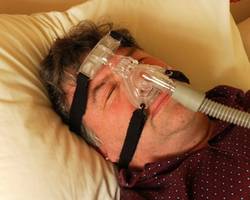
Neither study could definitively establish that CPAP itself decreases hypertension; both could only note the strong association between the treatment and a decreased rate of the disorder.
CPAP therapy is known to decrease overall cardiovascular risk and to lower blood pressure in certain groups of patients, but its efficacy in preventing the onset of hypertension has not been adequately studied to date, both groups of researchers noted.
In the first study, Dr. Jose M. Marin of Miguel Servet University Hospital, Zaragoza (Spain), and his associates used data from the observational Zaragoza Sleep Cohort Study to assess whether patients on long-term CPAP were less likely to develop hypertension. The cohort study involved more than 5,000 patients referred by their primary care physicians to a sleep center for assessment of sleep-disordered breathing in 1994-2000.
For his analysis, Dr. Marin and his colleagues studied 1,889 such patients who had no hypertension at baseline and who underwent overnight sleep studies to ascertain the cause of their snoring, daytime fatigue, or daytime sleepiness. A total of 824 subjects were found to have obstructive sleep apnea and then adhered to CPAP therapy; another 462 were found to have obstructive sleep apnea but were ineligible for CPAP, 195 declined to try CPAP, and 98 were nonadherent with CPAP therapy. Another 310 patients who were not found to have obstructive sleep apnea served as control subjects.
During a mean follow-up of 11 years, 705 patients developed incident hypertension.
In unadjusted analyses, the rate of new-onset HT was 3.06 per 100 person-years among patients who adhered to CPAP therapy. It was significantly higher in patients who were ineligible for CPAP (3.34 per 100 person-years), and dramatically higher those who declined CPAP (5.84 per 100 person-years) and those who were nonadherent (5.12 per 100 person-years).
After the data were adjusted to account for several confounders, the risk of new-onset HT was the same between patients who adhered to CPAP and control subjects, but was significantly higher in all other groups (JAMA 2012;307:2169-76).
These findings were independent of the severity of obstructive sleep apnea and of patients’ body mass index. Since almost all the subjects gained weight during follow-up, this suggests that weight gain does not diminish the protective association of CPAP therapy and the development of HT, Dr. Marin and his associates said.
Overall, the study results suggest that obstructive sleep apnea is a modifiable risk factor for new-onset HT. This is highly relevant to clinicians "considering that obstructive sleep apnea, despite a high prevalence in Western populations, remains overwhelmingly unrecognized and untreated," they added.
In the second study, Dr. Ferran Barbe of Arnau de Vilanova University Hospital, Lleida (Spain), and his associates assessed CPAP’s effect on incident hypertension among subjects who had obstructive sleep apnea but did not have symptoms of daytime sleepiness or fatigue. This is a subgroup of apnea patients who have not been shown to benefit from the treatment, with the caveat that research in this patient population has been inadequate.
Dr. Barbe and his colleagues assessed 723 such patients who were randomly assigned to receive CPAP (357 subjects) or no CPAP (366 control subjects). During a median follow-up of 4 years, 147 patients developed incident hypertension and 59 had cardiovascular events.
In the CPAP group there were 68 cases of HT and 28 CV events, and in the control group there were 79 cases of HT and 31 CV events – a nonsignificant difference.
The rate of combined HT/CV events was 11.02 per 100 person-years with CPAP and 9.20 per 100 person-years without CPAP, also a nonsignificant difference. Apnea severity did not affect these findings.
The researchers noted that they had assessed patients who had been prescribed CPAP but not patients who had adhered to CPAP therapy, and that adherence – use of the treatment for at least 4 hours per night – is critical to CPAP’s effectiveness. They therefore performed a post hoc analysis based on a cutoff of 4 hours of actual adherence to CPAP, which they substantiated by examining oxygen saturation data.
This analysis showed that CPAP was associated with a significantly reduced rate of incident HT and CV events as long as patients received 4 hours or more of the treatment each night (JAMA 2012;307:2161-8).
However, as the conclusion of a post hoc analysis, this result must be considered "hypothesis-generating" rather than definitive, they noted.
In addition, Dr. Barbe and his associates realized that they had erred in designing the study and that it likely had insufficient statistical power to detect a significant difference in the rate of HT. "A larger study or longer follow-up might have been able to identify a significant association between treatment and outcome," they said.
Dr. Marin’s study was supported by Instituto Carlos III; the Ministry of Health, Madrid; and the Spanish Society of Respiratory Medicine. Dr. Barbe’s study was funded by Instituto de Salud Carlos III, the Spanish Respiratory Society, Resmed, Air Products-Carburos Metalicos, Respironics, and Breas Medical. Dr. Marin, Dr. Barbe, and their associates reported no financial conflicts of interest.
Both of these studies significantly advance our understanding and support a causal link between obstructive sleep apnea and the development of hypertension, said Dr. Vishesh K. Kapur and Dr. Edward M. Weaver.
Sleep apnea deserves greater attention from clinicians, especially for patients who have hypertension or are at risk of developing it. It is a potentially treatable cause that may well respond to CPAP, they said.
Dr. Kapur is in the department of medicine and the sleep center at the University of Washington, Seattle. Dr. Weaver is in the department of otolaryngology–head and neck surgery and the sleep center at the university, as well as in the surgery service at the VA Medical Center in Seattle. Dr. Kapur reported ties to Merck, Johnson & Johnson, and Bristol-Myers Squibb; Dr. Weaver reported no potential financial conflicts of interest. These remarks were taken from their editorial comment accompanying the JAMA reports (JAMA 2012;307:2197-8).
Both of these studies significantly advance our understanding and support a causal link between obstructive sleep apnea and the development of hypertension, said Dr. Vishesh K. Kapur and Dr. Edward M. Weaver.
Sleep apnea deserves greater attention from clinicians, especially for patients who have hypertension or are at risk of developing it. It is a potentially treatable cause that may well respond to CPAP, they said.
Dr. Kapur is in the department of medicine and the sleep center at the University of Washington, Seattle. Dr. Weaver is in the department of otolaryngology–head and neck surgery and the sleep center at the university, as well as in the surgery service at the VA Medical Center in Seattle. Dr. Kapur reported ties to Merck, Johnson & Johnson, and Bristol-Myers Squibb; Dr. Weaver reported no potential financial conflicts of interest. These remarks were taken from their editorial comment accompanying the JAMA reports (JAMA 2012;307:2197-8).
Both of these studies significantly advance our understanding and support a causal link between obstructive sleep apnea and the development of hypertension, said Dr. Vishesh K. Kapur and Dr. Edward M. Weaver.
Sleep apnea deserves greater attention from clinicians, especially for patients who have hypertension or are at risk of developing it. It is a potentially treatable cause that may well respond to CPAP, they said.
Dr. Kapur is in the department of medicine and the sleep center at the University of Washington, Seattle. Dr. Weaver is in the department of otolaryngology–head and neck surgery and the sleep center at the university, as well as in the surgery service at the VA Medical Center in Seattle. Dr. Kapur reported ties to Merck, Johnson & Johnson, and Bristol-Myers Squibb; Dr. Weaver reported no potential financial conflicts of interest. These remarks were taken from their editorial comment accompanying the JAMA reports (JAMA 2012;307:2197-8).
Continuous positive airway pressure therapy was linked to a lower rate of incident hypertension in one study but not in another, separate study reported online in the May 23/30 issue of JAMA.
However, the investigators in the second study discovered methodologic flaws that called their conclusion into question. They performed a post hoc analysis, and the results were similar to those of the first study: CPAP therapy, when adhered to, is associated with a lower rate of incident hypertension.
Neither study could definitively establish that CPAP itself decreases hypertension; both could only note the strong association between the treatment and a decreased rate of the disorder.
CPAP therapy is known to decrease overall cardiovascular risk and to lower blood pressure in certain groups of patients, but its efficacy in preventing the onset of hypertension has not been adequately studied to date, both groups of researchers noted.
In the first study, Dr. Jose M. Marin of Miguel Servet University Hospital, Zaragoza (Spain), and his associates used data from the observational Zaragoza Sleep Cohort Study to assess whether patients on long-term CPAP were less likely to develop hypertension. The cohort study involved more than 5,000 patients referred by their primary care physicians to a sleep center for assessment of sleep-disordered breathing in 1994-2000.
For his analysis, Dr. Marin and his colleagues studied 1,889 such patients who had no hypertension at baseline and who underwent overnight sleep studies to ascertain the cause of their snoring, daytime fatigue, or daytime sleepiness. A total of 824 subjects were found to have obstructive sleep apnea and then adhered to CPAP therapy; another 462 were found to have obstructive sleep apnea but were ineligible for CPAP, 195 declined to try CPAP, and 98 were nonadherent with CPAP therapy. Another 310 patients who were not found to have obstructive sleep apnea served as control subjects.
During a mean follow-up of 11 years, 705 patients developed incident hypertension.
In unadjusted analyses, the rate of new-onset HT was 3.06 per 100 person-years among patients who adhered to CPAP therapy. It was significantly higher in patients who were ineligible for CPAP (3.34 per 100 person-years), and dramatically higher those who declined CPAP (5.84 per 100 person-years) and those who were nonadherent (5.12 per 100 person-years).
After the data were adjusted to account for several confounders, the risk of new-onset HT was the same between patients who adhered to CPAP and control subjects, but was significantly higher in all other groups (JAMA 2012;307:2169-76).
These findings were independent of the severity of obstructive sleep apnea and of patients’ body mass index. Since almost all the subjects gained weight during follow-up, this suggests that weight gain does not diminish the protective association of CPAP therapy and the development of HT, Dr. Marin and his associates said.
Overall, the study results suggest that obstructive sleep apnea is a modifiable risk factor for new-onset HT. This is highly relevant to clinicians "considering that obstructive sleep apnea, despite a high prevalence in Western populations, remains overwhelmingly unrecognized and untreated," they added.
In the second study, Dr. Ferran Barbe of Arnau de Vilanova University Hospital, Lleida (Spain), and his associates assessed CPAP’s effect on incident hypertension among subjects who had obstructive sleep apnea but did not have symptoms of daytime sleepiness or fatigue. This is a subgroup of apnea patients who have not been shown to benefit from the treatment, with the caveat that research in this patient population has been inadequate.
Dr. Barbe and his colleagues assessed 723 such patients who were randomly assigned to receive CPAP (357 subjects) or no CPAP (366 control subjects). During a median follow-up of 4 years, 147 patients developed incident hypertension and 59 had cardiovascular events.
In the CPAP group there were 68 cases of HT and 28 CV events, and in the control group there were 79 cases of HT and 31 CV events – a nonsignificant difference.
The rate of combined HT/CV events was 11.02 per 100 person-years with CPAP and 9.20 per 100 person-years without CPAP, also a nonsignificant difference. Apnea severity did not affect these findings.
The researchers noted that they had assessed patients who had been prescribed CPAP but not patients who had adhered to CPAP therapy, and that adherence – use of the treatment for at least 4 hours per night – is critical to CPAP’s effectiveness. They therefore performed a post hoc analysis based on a cutoff of 4 hours of actual adherence to CPAP, which they substantiated by examining oxygen saturation data.
This analysis showed that CPAP was associated with a significantly reduced rate of incident HT and CV events as long as patients received 4 hours or more of the treatment each night (JAMA 2012;307:2161-8).
However, as the conclusion of a post hoc analysis, this result must be considered "hypothesis-generating" rather than definitive, they noted.
In addition, Dr. Barbe and his associates realized that they had erred in designing the study and that it likely had insufficient statistical power to detect a significant difference in the rate of HT. "A larger study or longer follow-up might have been able to identify a significant association between treatment and outcome," they said.
Dr. Marin’s study was supported by Instituto Carlos III; the Ministry of Health, Madrid; and the Spanish Society of Respiratory Medicine. Dr. Barbe’s study was funded by Instituto de Salud Carlos III, the Spanish Respiratory Society, Resmed, Air Products-Carburos Metalicos, Respironics, and Breas Medical. Dr. Marin, Dr. Barbe, and their associates reported no financial conflicts of interest.
Continuous positive airway pressure therapy was linked to a lower rate of incident hypertension in one study but not in another, separate study reported online in the May 23/30 issue of JAMA.
However, the investigators in the second study discovered methodologic flaws that called their conclusion into question. They performed a post hoc analysis, and the results were similar to those of the first study: CPAP therapy, when adhered to, is associated with a lower rate of incident hypertension.
Neither study could definitively establish that CPAP itself decreases hypertension; both could only note the strong association between the treatment and a decreased rate of the disorder.
CPAP therapy is known to decrease overall cardiovascular risk and to lower blood pressure in certain groups of patients, but its efficacy in preventing the onset of hypertension has not been adequately studied to date, both groups of researchers noted.
In the first study, Dr. Jose M. Marin of Miguel Servet University Hospital, Zaragoza (Spain), and his associates used data from the observational Zaragoza Sleep Cohort Study to assess whether patients on long-term CPAP were less likely to develop hypertension. The cohort study involved more than 5,000 patients referred by their primary care physicians to a sleep center for assessment of sleep-disordered breathing in 1994-2000.
For his analysis, Dr. Marin and his colleagues studied 1,889 such patients who had no hypertension at baseline and who underwent overnight sleep studies to ascertain the cause of their snoring, daytime fatigue, or daytime sleepiness. A total of 824 subjects were found to have obstructive sleep apnea and then adhered to CPAP therapy; another 462 were found to have obstructive sleep apnea but were ineligible for CPAP, 195 declined to try CPAP, and 98 were nonadherent with CPAP therapy. Another 310 patients who were not found to have obstructive sleep apnea served as control subjects.
During a mean follow-up of 11 years, 705 patients developed incident hypertension.
In unadjusted analyses, the rate of new-onset HT was 3.06 per 100 person-years among patients who adhered to CPAP therapy. It was significantly higher in patients who were ineligible for CPAP (3.34 per 100 person-years), and dramatically higher those who declined CPAP (5.84 per 100 person-years) and those who were nonadherent (5.12 per 100 person-years).
After the data were adjusted to account for several confounders, the risk of new-onset HT was the same between patients who adhered to CPAP and control subjects, but was significantly higher in all other groups (JAMA 2012;307:2169-76).
These findings were independent of the severity of obstructive sleep apnea and of patients’ body mass index. Since almost all the subjects gained weight during follow-up, this suggests that weight gain does not diminish the protective association of CPAP therapy and the development of HT, Dr. Marin and his associates said.
Overall, the study results suggest that obstructive sleep apnea is a modifiable risk factor for new-onset HT. This is highly relevant to clinicians "considering that obstructive sleep apnea, despite a high prevalence in Western populations, remains overwhelmingly unrecognized and untreated," they added.
In the second study, Dr. Ferran Barbe of Arnau de Vilanova University Hospital, Lleida (Spain), and his associates assessed CPAP’s effect on incident hypertension among subjects who had obstructive sleep apnea but did not have symptoms of daytime sleepiness or fatigue. This is a subgroup of apnea patients who have not been shown to benefit from the treatment, with the caveat that research in this patient population has been inadequate.
Dr. Barbe and his colleagues assessed 723 such patients who were randomly assigned to receive CPAP (357 subjects) or no CPAP (366 control subjects). During a median follow-up of 4 years, 147 patients developed incident hypertension and 59 had cardiovascular events.
In the CPAP group there were 68 cases of HT and 28 CV events, and in the control group there were 79 cases of HT and 31 CV events – a nonsignificant difference.
The rate of combined HT/CV events was 11.02 per 100 person-years with CPAP and 9.20 per 100 person-years without CPAP, also a nonsignificant difference. Apnea severity did not affect these findings.
The researchers noted that they had assessed patients who had been prescribed CPAP but not patients who had adhered to CPAP therapy, and that adherence – use of the treatment for at least 4 hours per night – is critical to CPAP’s effectiveness. They therefore performed a post hoc analysis based on a cutoff of 4 hours of actual adherence to CPAP, which they substantiated by examining oxygen saturation data.
This analysis showed that CPAP was associated with a significantly reduced rate of incident HT and CV events as long as patients received 4 hours or more of the treatment each night (JAMA 2012;307:2161-8).
However, as the conclusion of a post hoc analysis, this result must be considered "hypothesis-generating" rather than definitive, they noted.
In addition, Dr. Barbe and his associates realized that they had erred in designing the study and that it likely had insufficient statistical power to detect a significant difference in the rate of HT. "A larger study or longer follow-up might have been able to identify a significant association between treatment and outcome," they said.
Dr. Marin’s study was supported by Instituto Carlos III; the Ministry of Health, Madrid; and the Spanish Society of Respiratory Medicine. Dr. Barbe’s study was funded by Instituto de Salud Carlos III, the Spanish Respiratory Society, Resmed, Air Products-Carburos Metalicos, Respironics, and Breas Medical. Dr. Marin, Dr. Barbe, and their associates reported no financial conflicts of interest.
FROM JAMA
Major Finding: The risk of new-onset HT was the same between patients with obstructive sleep apnea who adhered to CPAP therapy and control subjects who did not have apnea, but was significantly higher in patients with obstructive sleep apnea who did not receive CPAP therapy.
Data Source: Data came from an observational cohort study of 1,889 subjects who underwent sleep studies and were followed for 11 years for the development of hypertension; and a multicenter, randomized trial of 725 patients with obstructive sleep apnea but no daytime symptoms who were followed for a mean of 4 years for the development of HT and CV events.
Disclosures: Dr. Marin’s study was supported by Instituto Carlos III; the Ministry of Health, Madrid; and the Spanish Society of Respiratory Medicine. Dr. Barbe’s study was funded by Instituto de Salud Carlos III, the Spanish Respiratory Society, Resmed, Air Products-Carburos Metalicos, Respironics, and Breas Medical. Dr. Marin, Dr. Barbe, and their associates reported no financial conflicts of interest.
New Definition Categorizes ARDS by Hypoxemia Severity
SAN FRANCISCO – A proposed new definition of acute respiratory distress syndrome describes categories based on mild, moderate, or severe hypoxemia that correlate increasing severity with significantly increased mortality or increased time on mechanical ventilation among survivors.
The draft definition, created under consensus process by an international panel of experts, was refined by empirical testing in a meta-analysis of data on 4,457 patients in two large data sets from seven centers. The risk of mortality from acute respiratory distress syndrome (ARDS) was 27% with mild disease, 32% with moderate ARDS, and 45% with severe ARDS, Dr. Niall D. Ferguson and Dr. Gordon D. Rubenfeld reported at an international conference of the American Thoracic Society.

The median duration of mechanical ventilation in survivors was 5 days in patients with mild ARDS, 7 days with moderate ARDS, and 9 days with severe ARDS, said Dr. Ferguson, director of critical care medicine at the University of Toronto. The study was published online May 21 in JAMA (doi: 10.1001/jama.2012.5669).
The European Society of Intensive Care Medicine convened the panel of experts in Berlin in 2011 to draft a new definition of ARDS in hopes of improving upon the 1994 definition from the American-European Consensus Conference (AECC), said Dr. Rubenfeld, professor of medicine at the University of Toronto and chief of the program in trauma/emergency and critical care at Sunnybrook Health Sciences Center, Toronto. Since the AECC definition was adopted widely, issues of reliability and validity have emerged. The American Thoracic Society and the Society of Critical Care Medicine endorsed the 2011 consensus effort.
Under the new Berlin Definition, patients with mild ARDS have mild hypoxemia, defined as a ratio of arterial partial pressure of oxygen to fraction of inspired oxygen of 201-300 mm Hg (PaO2/FIO2 = 201-300 mm Hg). Moderate hypoxia (PaO2/FIO2 = 101-200 mm Hg) defines moderate ARDS, and severe hypoxia (PaO2/FIO2 = 100 mm Hg or less) defines severe ARDS.
The initial draft of the Berlin Definition included four ancillary variables for severe ARDS that were dropped after the meta-analysis found that they did not improve the predictive value for mortality, the speakers and their associates in the study reported. The abandoned variables were radiographic severity, respiratory system compliance, positive end-expiratory pressure, and corrected expired volume per minute.
Dr. Rubenfeld stressed that these variables still are important for clinicians to measure and for understanding ARDS, but they were not included in the definition of severe ARDS because they made the definition more complex while not adding anything to the predictive value of the definition.
He also cautioned that neither the Berlin Definition nor the AECC definition is designed to be a prognostic model; the end point of mortality was used to hone the Berlin Definition.
The Berlin Definition had better predictive validity for mortality than the AECC definition in an analysis using the area under the receiver operating curve (AUROC) in logistic regression models. The Berlin Definition had an AUROC of 0.577, compared with 0.536 for the AECC definition, a statistically significant improvement.
The data for the meta-analysis came from four multicenter clinical studies and three single-center physiological studies, the investigators reported.
Twenty-two percent of patients met the Berlin Definition criteria for mild ARDS, 50% had moderate ARDS, and 28% had severe ARDS. Median ventilator-free days declined with severity of disease, from 20 days with mild ARDS to 16 days with moderate ARDS and 1 day with severe ARDS.
Among patients with mild ARDS at baseline under the Berlin Definition, 29% progressed to moderate disease and 4% progressed to severe disease within 7 days. Among patients with moderate ARDS at baseline, 13% progressed to severe disease within 7 days.

The investigators suggested that this approach of combining consensus discussions with empirical evaluation might be a model for creating more accurate, evidence-based definitions for critical illness syndromes. Previous ARDS definitions relied on expert consensus alone.
Without the empirical evaluation that led to deleting the ancillary variables, a needlessly complex ARDS definition would have been proposed, Dr. Rubenfeld said.
The study was sponsored by the European Society of Intensive Care Medicine, the National Institutes of Health, and the Canadian Institutes of Health Research (CIHR). CareFusion provided in-kind support for the study. Dr. Ferguson was supported by a CIHR New Investigator Award. Dr. Rubenfeld reported having financial relationships with Ikaria, Faron, and Cerus. Some of his associates in the study reported financial relationships with Maquet Medical, Hemodec, Faron, AstraZeneca, U.S. Biotest, Sirius Genetics, Sanofi-Aventis, Immunetrics, Abbott, Eli Lilly, Ikaria, GlaxoSmithKline, Tarix, Apeiron, and/or Novalung.
The Berlin Definition of ARDS
• Timing: Within 1 week of a known clinical insult or new or worsening respiratory symptoms.
• Chest imaging: Bilateral opacities on x-ray or CT scan not fully explained by effusions, lobar/lung collapse, or nodules.
• Origin of edema: Respiratory failure not fully explained by cardiac failure or fluid overload. Need objective assessment (e.g., echocardiography) to exclude hydrostatic edema if no risk factor present.
• Oxygenation:
Mild: PaO2/FIO2 of 201-300 mm Hg with positive end-expiratory pressure (PEEP) or continuous positive airway pressure (CPAP) of 5 cm H2O or greater.
Moderate: PaO2/FIO2 of 101-200 mm Hg with PEEP of 5 cm H2O or greater.
Severe: PaO2/FIO2 of 100 mm Hg or less with PEEP of 5 cm H2O or greater.
If the altitude is higher than 1,000 m, the correction factor should be calculated as PaO2/RO2 × (barometric pressure/760).
There were apparent problems with the old AECC consensus conference definition of ARDS. There was some uncertainty about the oxygenation criteria, the differentiation between acute lung injury and ARDS, and the timing criteria for acute lung injury. There was some variability in the interpretation of the chest radiographic scores, and the old definition was said to exclude suspected pulmonary edema with a pulmonary artery catheter.

|
Sherry Boschert/IMNG Medical Media
|
These investigators tried to address a few of those issues. The methodology that they used was very innovative, novel, unique, and sound. I think the methodology could be used in other syndromes where people are defined as having the disorder by meeting certain criteria.
This study will improve the generalizability of the research and will make it easier to perform clinical trials for acute lung injury, especially by identifying potential therapies that maybe are only useful for those patients who have the most severe form of ARDS.
In terms of pure clinical practice, I’m not sure that it will make a large change, but it might lead to some uniformity of the definition of ARDS. Also, by publishing a new definition of ARDS in a high-impact journal, this might raise awareness of patients who have ARDS. With increased awareness, clinicians would more readily implement therapies that should be used, such as low tidal volume ventilation or a fluid-conservative strategy once the patient is hemodynamically stable.
Dr. Marc Moss is professor of medicine and head of critical care at the University of Colorado, Denver. He reported having no relevant disclosures.
There were apparent problems with the old AECC consensus conference definition of ARDS. There was some uncertainty about the oxygenation criteria, the differentiation between acute lung injury and ARDS, and the timing criteria for acute lung injury. There was some variability in the interpretation of the chest radiographic scores, and the old definition was said to exclude suspected pulmonary edema with a pulmonary artery catheter.
|
|
Sherry Boschert/IMNG Medical Media
|
These investigators tried to address a few of those issues. The methodology that they used was very innovative, novel, unique, and sound. I think the methodology could be used in other syndromes where people are defined as having the disorder by meeting certain criteria.
This study will improve the generalizability of the research and will make it easier to perform clinical trials for acute lung injury, especially by identifying potential therapies that maybe are only useful for those patients who have the most severe form of ARDS.
In terms of pure clinical practice, I’m not sure that it will make a large change, but it might lead to some uniformity of the definition of ARDS. Also, by publishing a new definition of ARDS in a high-impact journal, this might raise awareness of patients who have ARDS. With increased awareness, clinicians would more readily implement therapies that should be used, such as low tidal volume ventilation or a fluid-conservative strategy once the patient is hemodynamically stable.
Dr. Marc Moss is professor of medicine and head of critical care at the University of Colorado, Denver. He reported having no relevant disclosures.
There were apparent problems with the old AECC consensus conference definition of ARDS. There was some uncertainty about the oxygenation criteria, the differentiation between acute lung injury and ARDS, and the timing criteria for acute lung injury. There was some variability in the interpretation of the chest radiographic scores, and the old definition was said to exclude suspected pulmonary edema with a pulmonary artery catheter.
|
|
Sherry Boschert/IMNG Medical Media
|
These investigators tried to address a few of those issues. The methodology that they used was very innovative, novel, unique, and sound. I think the methodology could be used in other syndromes where people are defined as having the disorder by meeting certain criteria.
This study will improve the generalizability of the research and will make it easier to perform clinical trials for acute lung injury, especially by identifying potential therapies that maybe are only useful for those patients who have the most severe form of ARDS.
In terms of pure clinical practice, I’m not sure that it will make a large change, but it might lead to some uniformity of the definition of ARDS. Also, by publishing a new definition of ARDS in a high-impact journal, this might raise awareness of patients who have ARDS. With increased awareness, clinicians would more readily implement therapies that should be used, such as low tidal volume ventilation or a fluid-conservative strategy once the patient is hemodynamically stable.
Dr. Marc Moss is professor of medicine and head of critical care at the University of Colorado, Denver. He reported having no relevant disclosures.
SAN FRANCISCO – A proposed new definition of acute respiratory distress syndrome describes categories based on mild, moderate, or severe hypoxemia that correlate increasing severity with significantly increased mortality or increased time on mechanical ventilation among survivors.
The draft definition, created under consensus process by an international panel of experts, was refined by empirical testing in a meta-analysis of data on 4,457 patients in two large data sets from seven centers. The risk of mortality from acute respiratory distress syndrome (ARDS) was 27% with mild disease, 32% with moderate ARDS, and 45% with severe ARDS, Dr. Niall D. Ferguson and Dr. Gordon D. Rubenfeld reported at an international conference of the American Thoracic Society.
The median duration of mechanical ventilation in survivors was 5 days in patients with mild ARDS, 7 days with moderate ARDS, and 9 days with severe ARDS, said Dr. Ferguson, director of critical care medicine at the University of Toronto. The study was published online May 21 in JAMA (doi: 10.1001/jama.2012.5669).
The European Society of Intensive Care Medicine convened the panel of experts in Berlin in 2011 to draft a new definition of ARDS in hopes of improving upon the 1994 definition from the American-European Consensus Conference (AECC), said Dr. Rubenfeld, professor of medicine at the University of Toronto and chief of the program in trauma/emergency and critical care at Sunnybrook Health Sciences Center, Toronto. Since the AECC definition was adopted widely, issues of reliability and validity have emerged. The American Thoracic Society and the Society of Critical Care Medicine endorsed the 2011 consensus effort.
Under the new Berlin Definition, patients with mild ARDS have mild hypoxemia, defined as a ratio of arterial partial pressure of oxygen to fraction of inspired oxygen of 201-300 mm Hg (PaO2/FIO2 = 201-300 mm Hg). Moderate hypoxia (PaO2/FIO2 = 101-200 mm Hg) defines moderate ARDS, and severe hypoxia (PaO2/FIO2 = 100 mm Hg or less) defines severe ARDS.
The initial draft of the Berlin Definition included four ancillary variables for severe ARDS that were dropped after the meta-analysis found that they did not improve the predictive value for mortality, the speakers and their associates in the study reported. The abandoned variables were radiographic severity, respiratory system compliance, positive end-expiratory pressure, and corrected expired volume per minute.
Dr. Rubenfeld stressed that these variables still are important for clinicians to measure and for understanding ARDS, but they were not included in the definition of severe ARDS because they made the definition more complex while not adding anything to the predictive value of the definition.
He also cautioned that neither the Berlin Definition nor the AECC definition is designed to be a prognostic model; the end point of mortality was used to hone the Berlin Definition.
The Berlin Definition had better predictive validity for mortality than the AECC definition in an analysis using the area under the receiver operating curve (AUROC) in logistic regression models. The Berlin Definition had an AUROC of 0.577, compared with 0.536 for the AECC definition, a statistically significant improvement.
The data for the meta-analysis came from four multicenter clinical studies and three single-center physiological studies, the investigators reported.
Twenty-two percent of patients met the Berlin Definition criteria for mild ARDS, 50% had moderate ARDS, and 28% had severe ARDS. Median ventilator-free days declined with severity of disease, from 20 days with mild ARDS to 16 days with moderate ARDS and 1 day with severe ARDS.
Among patients with mild ARDS at baseline under the Berlin Definition, 29% progressed to moderate disease and 4% progressed to severe disease within 7 days. Among patients with moderate ARDS at baseline, 13% progressed to severe disease within 7 days.
The investigators suggested that this approach of combining consensus discussions with empirical evaluation might be a model for creating more accurate, evidence-based definitions for critical illness syndromes. Previous ARDS definitions relied on expert consensus alone.
Without the empirical evaluation that led to deleting the ancillary variables, a needlessly complex ARDS definition would have been proposed, Dr. Rubenfeld said.
The study was sponsored by the European Society of Intensive Care Medicine, the National Institutes of Health, and the Canadian Institutes of Health Research (CIHR). CareFusion provided in-kind support for the study. Dr. Ferguson was supported by a CIHR New Investigator Award. Dr. Rubenfeld reported having financial relationships with Ikaria, Faron, and Cerus. Some of his associates in the study reported financial relationships with Maquet Medical, Hemodec, Faron, AstraZeneca, U.S. Biotest, Sirius Genetics, Sanofi-Aventis, Immunetrics, Abbott, Eli Lilly, Ikaria, GlaxoSmithKline, Tarix, Apeiron, and/or Novalung.
The Berlin Definition of ARDS
• Timing: Within 1 week of a known clinical insult or new or worsening respiratory symptoms.
• Chest imaging: Bilateral opacities on x-ray or CT scan not fully explained by effusions, lobar/lung collapse, or nodules.
• Origin of edema: Respiratory failure not fully explained by cardiac failure or fluid overload. Need objective assessment (e.g., echocardiography) to exclude hydrostatic edema if no risk factor present.
• Oxygenation:
Mild: PaO2/FIO2 of 201-300 mm Hg with positive end-expiratory pressure (PEEP) or continuous positive airway pressure (CPAP) of 5 cm H2O or greater.
Moderate: PaO2/FIO2 of 101-200 mm Hg with PEEP of 5 cm H2O or greater.
Severe: PaO2/FIO2 of 100 mm Hg or less with PEEP of 5 cm H2O or greater.
If the altitude is higher than 1,000 m, the correction factor should be calculated as PaO2/RO2 × (barometric pressure/760).
SAN FRANCISCO – A proposed new definition of acute respiratory distress syndrome describes categories based on mild, moderate, or severe hypoxemia that correlate increasing severity with significantly increased mortality or increased time on mechanical ventilation among survivors.
The draft definition, created under consensus process by an international panel of experts, was refined by empirical testing in a meta-analysis of data on 4,457 patients in two large data sets from seven centers. The risk of mortality from acute respiratory distress syndrome (ARDS) was 27% with mild disease, 32% with moderate ARDS, and 45% with severe ARDS, Dr. Niall D. Ferguson and Dr. Gordon D. Rubenfeld reported at an international conference of the American Thoracic Society.
The median duration of mechanical ventilation in survivors was 5 days in patients with mild ARDS, 7 days with moderate ARDS, and 9 days with severe ARDS, said Dr. Ferguson, director of critical care medicine at the University of Toronto. The study was published online May 21 in JAMA (doi: 10.1001/jama.2012.5669).
The European Society of Intensive Care Medicine convened the panel of experts in Berlin in 2011 to draft a new definition of ARDS in hopes of improving upon the 1994 definition from the American-European Consensus Conference (AECC), said Dr. Rubenfeld, professor of medicine at the University of Toronto and chief of the program in trauma/emergency and critical care at Sunnybrook Health Sciences Center, Toronto. Since the AECC definition was adopted widely, issues of reliability and validity have emerged. The American Thoracic Society and the Society of Critical Care Medicine endorsed the 2011 consensus effort.
Under the new Berlin Definition, patients with mild ARDS have mild hypoxemia, defined as a ratio of arterial partial pressure of oxygen to fraction of inspired oxygen of 201-300 mm Hg (PaO2/FIO2 = 201-300 mm Hg). Moderate hypoxia (PaO2/FIO2 = 101-200 mm Hg) defines moderate ARDS, and severe hypoxia (PaO2/FIO2 = 100 mm Hg or less) defines severe ARDS.
The initial draft of the Berlin Definition included four ancillary variables for severe ARDS that were dropped after the meta-analysis found that they did not improve the predictive value for mortality, the speakers and their associates in the study reported. The abandoned variables were radiographic severity, respiratory system compliance, positive end-expiratory pressure, and corrected expired volume per minute.
Dr. Rubenfeld stressed that these variables still are important for clinicians to measure and for understanding ARDS, but they were not included in the definition of severe ARDS because they made the definition more complex while not adding anything to the predictive value of the definition.
He also cautioned that neither the Berlin Definition nor the AECC definition is designed to be a prognostic model; the end point of mortality was used to hone the Berlin Definition.
The Berlin Definition had better predictive validity for mortality than the AECC definition in an analysis using the area under the receiver operating curve (AUROC) in logistic regression models. The Berlin Definition had an AUROC of 0.577, compared with 0.536 for the AECC definition, a statistically significant improvement.
The data for the meta-analysis came from four multicenter clinical studies and three single-center physiological studies, the investigators reported.
Twenty-two percent of patients met the Berlin Definition criteria for mild ARDS, 50% had moderate ARDS, and 28% had severe ARDS. Median ventilator-free days declined with severity of disease, from 20 days with mild ARDS to 16 days with moderate ARDS and 1 day with severe ARDS.
Among patients with mild ARDS at baseline under the Berlin Definition, 29% progressed to moderate disease and 4% progressed to severe disease within 7 days. Among patients with moderate ARDS at baseline, 13% progressed to severe disease within 7 days.
The investigators suggested that this approach of combining consensus discussions with empirical evaluation might be a model for creating more accurate, evidence-based definitions for critical illness syndromes. Previous ARDS definitions relied on expert consensus alone.
Without the empirical evaluation that led to deleting the ancillary variables, a needlessly complex ARDS definition would have been proposed, Dr. Rubenfeld said.
The study was sponsored by the European Society of Intensive Care Medicine, the National Institutes of Health, and the Canadian Institutes of Health Research (CIHR). CareFusion provided in-kind support for the study. Dr. Ferguson was supported by a CIHR New Investigator Award. Dr. Rubenfeld reported having financial relationships with Ikaria, Faron, and Cerus. Some of his associates in the study reported financial relationships with Maquet Medical, Hemodec, Faron, AstraZeneca, U.S. Biotest, Sirius Genetics, Sanofi-Aventis, Immunetrics, Abbott, Eli Lilly, Ikaria, GlaxoSmithKline, Tarix, Apeiron, and/or Novalung.
The Berlin Definition of ARDS
• Timing: Within 1 week of a known clinical insult or new or worsening respiratory symptoms.
• Chest imaging: Bilateral opacities on x-ray or CT scan not fully explained by effusions, lobar/lung collapse, or nodules.
• Origin of edema: Respiratory failure not fully explained by cardiac failure or fluid overload. Need objective assessment (e.g., echocardiography) to exclude hydrostatic edema if no risk factor present.
• Oxygenation:
Mild: PaO2/FIO2 of 201-300 mm Hg with positive end-expiratory pressure (PEEP) or continuous positive airway pressure (CPAP) of 5 cm H2O or greater.
Moderate: PaO2/FIO2 of 101-200 mm Hg with PEEP of 5 cm H2O or greater.
Severe: PaO2/FIO2 of 100 mm Hg or less with PEEP of 5 cm H2O or greater.
If the altitude is higher than 1,000 m, the correction factor should be calculated as PaO2/RO2 × (barometric pressure/760).
FROM AN INTERNATIONAL CONFERENCE OF THE AMERICAN THORACIC SOCIETY
Annual CT Lung Cancer Screening Recommended for High-Risk Smokers
SAN FRANCISCO – Patients aged 55-74 years who have at least a 30 pack-year smoking history should be offered annual low-dose CT lung cancer screening, even if they have quit within the past 15 years, according to a systematic review published online May 20 in JAMA.
The review forms the basis of the new lung cancer screening clinical practice guidelines from the American College of Chest Physicians and the American Society of Clinical Oncology. The recommendations are based largely on the 53,454-patient, randomized NLST (National Lung Screening Trial), which found that for every 1,000 high-risk smokers, three rounds of annual CT screening saved approximately three lives over about 7 years, which is comparable, at least, to the absolute benefit of screening mammographies in older women (N. Engl. J. Med. 2011;365:395-409).
The risks – including misdiagnosis and unnecessary surgery – and potential benefits should be explained to patients before they opt for screening. "People need to know" that "19 out of 20 positive results are going to be false positive. A positive screen does not equal a diagnosis of lung cancer," said coauthor Dr. Michael K. Gould, assistant director for health services research at Kaiser Permanente of Southern California, Pasadena.
In addition, "CT screening should not be performed" in smokers and ex-smokers who fall outside of the high-risk group, or in those with severe comorbidities that limit life expectancy or preclude treatment, according to the guidelines (JAMA 2012 May 20 [doi:10.1001/jama.2012.5521]).
The risks and benefits of screening are just "too close to call" for those patients, said lead author Dr. Peter Bach, director of the center for health policy and outcomes at Memorial Sloan-Kettering Cancer Center in New York.
After an extensive literature review, the researchers included eight randomized trials and 13 cohort studies in its final analysis. Although they are confident that screening benefits high-risk patients – based mostly on the NLST, with some added input from smaller trials – they are also concerned about the lack of data on the potential harms of screening, which led to the recommendation to offer screening only to high-risk patients, Dr. Bach said.
Overall, the lack of additional research led both recommendations to be characterized as "weak" under the GRADE (Grading of Recommendations Assessment, Development and Evaluation) system.
The impact of screening even high-risk patients "on smoking cessation, quality of life, and cost-effectiveness is really quite unclear. We don’t know in any sense what the frequency should be or the duration," Dr. Bach said.
Also unclear is how screening will play out in settings less rigorous than the academic centers where the NLST was conducted. Patient compliance with screening at those centers was 90%, adverse events were rare, and subsequent diagnostic work-ups and interventions were available.
To mitigate potential problems, the guidelines recommend that screening be done in similar multidisciplinary settings.
The authors also call for a screening registry "that records each patient’s experience [to] help us develop a quality measurement system similar to mammography screening that could maximize the benefits and minimize the harm for individuals who undergo screening," Dr. Bach said.
A supplement to the JAMA article includes a section entitled "Components of a Conversation About CT Screening," which addresses how to talk with patients about these issues.
The American Thoracic Society has endorsed the guidelines.
Dr. Bach reported that he has received speaking fees from Genentech. Coauthors reported ties to pharmaceutical companies such as Oncimmune and governmental agencies such as the National Cancer Institute. Dr. Gould and Dr. Bauchner said they have no relevant disclosures.
There was a lot of debate at JAMA about whether to publish the paper, said Dr. Howard Bauchner.
"There were many discussions about [whether it] would do more harm than good." In the end, the journal opted to publish because 160,000 "people die of lung cancer each year" in the United States with "little progress over the last decade. This is the first hope we have that we can impact those data," he said.
Dr. Bauchner is the editor of JAMA.
There was a lot of debate at JAMA about whether to publish the paper, said Dr. Howard Bauchner.
"There were many discussions about [whether it] would do more harm than good." In the end, the journal opted to publish because 160,000 "people die of lung cancer each year" in the United States with "little progress over the last decade. This is the first hope we have that we can impact those data," he said.
Dr. Bauchner is the editor of JAMA.
There was a lot of debate at JAMA about whether to publish the paper, said Dr. Howard Bauchner.
"There were many discussions about [whether it] would do more harm than good." In the end, the journal opted to publish because 160,000 "people die of lung cancer each year" in the United States with "little progress over the last decade. This is the first hope we have that we can impact those data," he said.
Dr. Bauchner is the editor of JAMA.
SAN FRANCISCO – Patients aged 55-74 years who have at least a 30 pack-year smoking history should be offered annual low-dose CT lung cancer screening, even if they have quit within the past 15 years, according to a systematic review published online May 20 in JAMA.
The review forms the basis of the new lung cancer screening clinical practice guidelines from the American College of Chest Physicians and the American Society of Clinical Oncology. The recommendations are based largely on the 53,454-patient, randomized NLST (National Lung Screening Trial), which found that for every 1,000 high-risk smokers, three rounds of annual CT screening saved approximately three lives over about 7 years, which is comparable, at least, to the absolute benefit of screening mammographies in older women (N. Engl. J. Med. 2011;365:395-409).
The risks – including misdiagnosis and unnecessary surgery – and potential benefits should be explained to patients before they opt for screening. "People need to know" that "19 out of 20 positive results are going to be false positive. A positive screen does not equal a diagnosis of lung cancer," said coauthor Dr. Michael K. Gould, assistant director for health services research at Kaiser Permanente of Southern California, Pasadena.
In addition, "CT screening should not be performed" in smokers and ex-smokers who fall outside of the high-risk group, or in those with severe comorbidities that limit life expectancy or preclude treatment, according to the guidelines (JAMA 2012 May 20 [doi:10.1001/jama.2012.5521]).
The risks and benefits of screening are just "too close to call" for those patients, said lead author Dr. Peter Bach, director of the center for health policy and outcomes at Memorial Sloan-Kettering Cancer Center in New York.
After an extensive literature review, the researchers included eight randomized trials and 13 cohort studies in its final analysis. Although they are confident that screening benefits high-risk patients – based mostly on the NLST, with some added input from smaller trials – they are also concerned about the lack of data on the potential harms of screening, which led to the recommendation to offer screening only to high-risk patients, Dr. Bach said.
Overall, the lack of additional research led both recommendations to be characterized as "weak" under the GRADE (Grading of Recommendations Assessment, Development and Evaluation) system.
The impact of screening even high-risk patients "on smoking cessation, quality of life, and cost-effectiveness is really quite unclear. We don’t know in any sense what the frequency should be or the duration," Dr. Bach said.
Also unclear is how screening will play out in settings less rigorous than the academic centers where the NLST was conducted. Patient compliance with screening at those centers was 90%, adverse events were rare, and subsequent diagnostic work-ups and interventions were available.
To mitigate potential problems, the guidelines recommend that screening be done in similar multidisciplinary settings.
The authors also call for a screening registry "that records each patient’s experience [to] help us develop a quality measurement system similar to mammography screening that could maximize the benefits and minimize the harm for individuals who undergo screening," Dr. Bach said.
A supplement to the JAMA article includes a section entitled "Components of a Conversation About CT Screening," which addresses how to talk with patients about these issues.
The American Thoracic Society has endorsed the guidelines.
Dr. Bach reported that he has received speaking fees from Genentech. Coauthors reported ties to pharmaceutical companies such as Oncimmune and governmental agencies such as the National Cancer Institute. Dr. Gould and Dr. Bauchner said they have no relevant disclosures.
SAN FRANCISCO – Patients aged 55-74 years who have at least a 30 pack-year smoking history should be offered annual low-dose CT lung cancer screening, even if they have quit within the past 15 years, according to a systematic review published online May 20 in JAMA.
The review forms the basis of the new lung cancer screening clinical practice guidelines from the American College of Chest Physicians and the American Society of Clinical Oncology. The recommendations are based largely on the 53,454-patient, randomized NLST (National Lung Screening Trial), which found that for every 1,000 high-risk smokers, three rounds of annual CT screening saved approximately three lives over about 7 years, which is comparable, at least, to the absolute benefit of screening mammographies in older women (N. Engl. J. Med. 2011;365:395-409).
The risks – including misdiagnosis and unnecessary surgery – and potential benefits should be explained to patients before they opt for screening. "People need to know" that "19 out of 20 positive results are going to be false positive. A positive screen does not equal a diagnosis of lung cancer," said coauthor Dr. Michael K. Gould, assistant director for health services research at Kaiser Permanente of Southern California, Pasadena.
In addition, "CT screening should not be performed" in smokers and ex-smokers who fall outside of the high-risk group, or in those with severe comorbidities that limit life expectancy or preclude treatment, according to the guidelines (JAMA 2012 May 20 [doi:10.1001/jama.2012.5521]).
The risks and benefits of screening are just "too close to call" for those patients, said lead author Dr. Peter Bach, director of the center for health policy and outcomes at Memorial Sloan-Kettering Cancer Center in New York.
After an extensive literature review, the researchers included eight randomized trials and 13 cohort studies in its final analysis. Although they are confident that screening benefits high-risk patients – based mostly on the NLST, with some added input from smaller trials – they are also concerned about the lack of data on the potential harms of screening, which led to the recommendation to offer screening only to high-risk patients, Dr. Bach said.
Overall, the lack of additional research led both recommendations to be characterized as "weak" under the GRADE (Grading of Recommendations Assessment, Development and Evaluation) system.
The impact of screening even high-risk patients "on smoking cessation, quality of life, and cost-effectiveness is really quite unclear. We don’t know in any sense what the frequency should be or the duration," Dr. Bach said.
Also unclear is how screening will play out in settings less rigorous than the academic centers where the NLST was conducted. Patient compliance with screening at those centers was 90%, adverse events were rare, and subsequent diagnostic work-ups and interventions were available.
To mitigate potential problems, the guidelines recommend that screening be done in similar multidisciplinary settings.
The authors also call for a screening registry "that records each patient’s experience [to] help us develop a quality measurement system similar to mammography screening that could maximize the benefits and minimize the harm for individuals who undergo screening," Dr. Bach said.
A supplement to the JAMA article includes a section entitled "Components of a Conversation About CT Screening," which addresses how to talk with patients about these issues.
The American Thoracic Society has endorsed the guidelines.
Dr. Bach reported that he has received speaking fees from Genentech. Coauthors reported ties to pharmaceutical companies such as Oncimmune and governmental agencies such as the National Cancer Institute. Dr. Gould and Dr. Bauchner said they have no relevant disclosures.
FROM AN INTERNATIONAL CONFERENCE OF THE AMERICAN THORACIC SOCIETY
Major Finding: Patients aged 55-74 years with a 30 pack-year smoking history should be offered annual low-dose CT lung cancer screening.
Data Source: Data are from a systematic review that forms that basis of the new lung cancer screening guidelines from the American College of Chest Physicians and the American Society of Clinical Oncology.
Disclosures: Dr. Bach disclosed speaking fees from Genentech. Coauthors reported ties to pharmaceutical companies such as Oncimmune and governmental agencies such as the NCI. Dr. Gould and Dr. Bauchner said they have no relevant disclosures.
Dyspnea Effects Similar With IPCs, Talc Pleurodesis
SAN FRANCISCO – Indwelling pleural catheters did not provide greater relief of dyspnea, cause less chest pain, or improve quality of life compared with chest tube and talc pleurodesis in patients with symptomatic malignant pleural effusion, an unblinded, randomized study of 106 patients found.
Patients receiving indwelling pleural catheters (IPCs) had a shorter initial hospitalization (0 days vs. 4 days) but were five times more likely to develop adverse events, Najib M. Rahman, D.Phil., reported at an international conference of the American Thoracic Society.

The study was published online May 20, 2012 (JAMA 2012;307 [doi:10.1001/jama.2012.5535]). The lead investigator of the Second Therapeutic Intervention in Malignant Effusion Trial (TIME2) was Dr. Helen E. Davies of University Hospital of Wales, Cardiff.
The patients from seven UK centers had undergone no prior pleurodesis. In the IPC group, outpatients had the IPC inserted, had a large volume drained, and were educated to do subsequent drainage at home. In the talc group, patients were admitted for chest tube insertion and talc for slurry pleurodesis. All patients were asked to assess their dyspnea daily at the same time each day using a 100-mm visual analog scale (VAS), with 0 mm indicating no dyspnea and 100 mm representing maximum dyspnea.
Dyspnea improved in both groups. Overall, mean VAS scores decreased by 37 mm from baseline with IPC and by 30 mm with talc, which was not significantly different. Dyspnea scores did not differ significantly between groups in the first 42 days, the primary outcome measured. At 6 months, however, there was a statistically significantly greater improvement in dyspnea in the IPC group, with a mean 14-mm lower score than the talc group.
"IPC may be better than talc at 6 months" of follow-up, said Dr. Rahman of the University of Oxford (England).
In the talc group, 22% of patients required further pleural procedures, compared with 6% in the IPC group, a significant difference. Five patients in the IPC group developed pleural infection, compared with one patient in the talc group.
"A lot of chest physicians think talc pleurodesis is more painful, but it turns out that IPC is painful too," he said. Scores for chest pain and for quality of life did not differ significantly between groups.
The study was not powered to assess mortality risk, but no significant differences were seen between groups out to 12 months of follow-up.
"We must not conclude that IPCs and talc are the same" or equivalent, Dr. Rahman said. The investigators are assessing the cost implications of the results, including costs for procedures and complications after the initial treatment.
The results should be interpreted with caution because the study was powered to assess superiority, not equivalence between treatments, Dr. Nick A. Maskell said in an editorial in the same issue (JAMA 2012;307 [doi:10.1001/jama.2012.5543]).
Clinicians for years have debated the best management of malignant pleural effusions. Talc is recommended as first-line treatment of symptomatic patients by international guidelines, said Dr. Maskell of the University of Bristol (England).
Based on the TIME2 study findings, physicians should feel comfortable discussing the advantages and disadvantages of both treatments with patients to help them pick the strategy that best suits them, he said.
Combining the best of both strategies may be the way of the future, Dr. Maskell added. Some preliminary studies suggest it may be feasible and beneficial to deliver pleurodesis agents via an IPC in the outpatient setting.
The only other randomized controlled trial comparing IPCs with pleurodesis for malignant pleural effusion used doxycycline, which is not as effective as talc, and found similar improvements in dyspnea and quality of life between groups, he said (Cancer 1999;86:1992-9).
The study was funded by the British Lung Foundation and the Robert Luff Foundation. Dr. Rahman reported being a consultant to Rocket Medical, which supplied the IPCs and drainage bottles for the trial. Some of his associates reported financial associations with Boehringer Ingelheim, Medico, AstraZeneca, GlaxoSmithKline, Chiese, CareFusion, Sequana Medical, Merck, and Gilead. Dr. Maskell disclosed receiving honoraria and grants from Carefusion.
pleurodesis, dyspnea,
SAN FRANCISCO – Indwelling pleural catheters did not provide greater relief of dyspnea, cause less chest pain, or improve quality of life compared with chest tube and talc pleurodesis in patients with symptomatic malignant pleural effusion, an unblinded, randomized study of 106 patients found.
Patients receiving indwelling pleural catheters (IPCs) had a shorter initial hospitalization (0 days vs. 4 days) but were five times more likely to develop adverse events, Najib M. Rahman, D.Phil., reported at an international conference of the American Thoracic Society.
The study was published online May 20, 2012 (JAMA 2012;307 [doi:10.1001/jama.2012.5535]). The lead investigator of the Second Therapeutic Intervention in Malignant Effusion Trial (TIME2) was Dr. Helen E. Davies of University Hospital of Wales, Cardiff.
The patients from seven UK centers had undergone no prior pleurodesis. In the IPC group, outpatients had the IPC inserted, had a large volume drained, and were educated to do subsequent drainage at home. In the talc group, patients were admitted for chest tube insertion and talc for slurry pleurodesis. All patients were asked to assess their dyspnea daily at the same time each day using a 100-mm visual analog scale (VAS), with 0 mm indicating no dyspnea and 100 mm representing maximum dyspnea.
Dyspnea improved in both groups. Overall, mean VAS scores decreased by 37 mm from baseline with IPC and by 30 mm with talc, which was not significantly different. Dyspnea scores did not differ significantly between groups in the first 42 days, the primary outcome measured. At 6 months, however, there was a statistically significantly greater improvement in dyspnea in the IPC group, with a mean 14-mm lower score than the talc group.
"IPC may be better than talc at 6 months" of follow-up, said Dr. Rahman of the University of Oxford (England).
In the talc group, 22% of patients required further pleural procedures, compared with 6% in the IPC group, a significant difference. Five patients in the IPC group developed pleural infection, compared with one patient in the talc group.
"A lot of chest physicians think talc pleurodesis is more painful, but it turns out that IPC is painful too," he said. Scores for chest pain and for quality of life did not differ significantly between groups.
The study was not powered to assess mortality risk, but no significant differences were seen between groups out to 12 months of follow-up.
"We must not conclude that IPCs and talc are the same" or equivalent, Dr. Rahman said. The investigators are assessing the cost implications of the results, including costs for procedures and complications after the initial treatment.
The results should be interpreted with caution because the study was powered to assess superiority, not equivalence between treatments, Dr. Nick A. Maskell said in an editorial in the same issue (JAMA 2012;307 [doi:10.1001/jama.2012.5543]).
Clinicians for years have debated the best management of malignant pleural effusions. Talc is recommended as first-line treatment of symptomatic patients by international guidelines, said Dr. Maskell of the University of Bristol (England).
Based on the TIME2 study findings, physicians should feel comfortable discussing the advantages and disadvantages of both treatments with patients to help them pick the strategy that best suits them, he said.
Combining the best of both strategies may be the way of the future, Dr. Maskell added. Some preliminary studies suggest it may be feasible and beneficial to deliver pleurodesis agents via an IPC in the outpatient setting.
The only other randomized controlled trial comparing IPCs with pleurodesis for malignant pleural effusion used doxycycline, which is not as effective as talc, and found similar improvements in dyspnea and quality of life between groups, he said (Cancer 1999;86:1992-9).
The study was funded by the British Lung Foundation and the Robert Luff Foundation. Dr. Rahman reported being a consultant to Rocket Medical, which supplied the IPCs and drainage bottles for the trial. Some of his associates reported financial associations with Boehringer Ingelheim, Medico, AstraZeneca, GlaxoSmithKline, Chiese, CareFusion, Sequana Medical, Merck, and Gilead. Dr. Maskell disclosed receiving honoraria and grants from Carefusion.
SAN FRANCISCO – Indwelling pleural catheters did not provide greater relief of dyspnea, cause less chest pain, or improve quality of life compared with chest tube and talc pleurodesis in patients with symptomatic malignant pleural effusion, an unblinded, randomized study of 106 patients found.
Patients receiving indwelling pleural catheters (IPCs) had a shorter initial hospitalization (0 days vs. 4 days) but were five times more likely to develop adverse events, Najib M. Rahman, D.Phil., reported at an international conference of the American Thoracic Society.
The study was published online May 20, 2012 (JAMA 2012;307 [doi:10.1001/jama.2012.5535]). The lead investigator of the Second Therapeutic Intervention in Malignant Effusion Trial (TIME2) was Dr. Helen E. Davies of University Hospital of Wales, Cardiff.
The patients from seven UK centers had undergone no prior pleurodesis. In the IPC group, outpatients had the IPC inserted, had a large volume drained, and were educated to do subsequent drainage at home. In the talc group, patients were admitted for chest tube insertion and talc for slurry pleurodesis. All patients were asked to assess their dyspnea daily at the same time each day using a 100-mm visual analog scale (VAS), with 0 mm indicating no dyspnea and 100 mm representing maximum dyspnea.
Dyspnea improved in both groups. Overall, mean VAS scores decreased by 37 mm from baseline with IPC and by 30 mm with talc, which was not significantly different. Dyspnea scores did not differ significantly between groups in the first 42 days, the primary outcome measured. At 6 months, however, there was a statistically significantly greater improvement in dyspnea in the IPC group, with a mean 14-mm lower score than the talc group.
"IPC may be better than talc at 6 months" of follow-up, said Dr. Rahman of the University of Oxford (England).
In the talc group, 22% of patients required further pleural procedures, compared with 6% in the IPC group, a significant difference. Five patients in the IPC group developed pleural infection, compared with one patient in the talc group.
"A lot of chest physicians think talc pleurodesis is more painful, but it turns out that IPC is painful too," he said. Scores for chest pain and for quality of life did not differ significantly between groups.
The study was not powered to assess mortality risk, but no significant differences were seen between groups out to 12 months of follow-up.
"We must not conclude that IPCs and talc are the same" or equivalent, Dr. Rahman said. The investigators are assessing the cost implications of the results, including costs for procedures and complications after the initial treatment.
The results should be interpreted with caution because the study was powered to assess superiority, not equivalence between treatments, Dr. Nick A. Maskell said in an editorial in the same issue (JAMA 2012;307 [doi:10.1001/jama.2012.5543]).
Clinicians for years have debated the best management of malignant pleural effusions. Talc is recommended as first-line treatment of symptomatic patients by international guidelines, said Dr. Maskell of the University of Bristol (England).
Based on the TIME2 study findings, physicians should feel comfortable discussing the advantages and disadvantages of both treatments with patients to help them pick the strategy that best suits them, he said.
Combining the best of both strategies may be the way of the future, Dr. Maskell added. Some preliminary studies suggest it may be feasible and beneficial to deliver pleurodesis agents via an IPC in the outpatient setting.
The only other randomized controlled trial comparing IPCs with pleurodesis for malignant pleural effusion used doxycycline, which is not as effective as talc, and found similar improvements in dyspnea and quality of life between groups, he said (Cancer 1999;86:1992-9).
The study was funded by the British Lung Foundation and the Robert Luff Foundation. Dr. Rahman reported being a consultant to Rocket Medical, which supplied the IPCs and drainage bottles for the trial. Some of his associates reported financial associations with Boehringer Ingelheim, Medico, AstraZeneca, GlaxoSmithKline, Chiese, CareFusion, Sequana Medical, Merck, and Gilead. Dr. Maskell disclosed receiving honoraria and grants from Carefusion.
pleurodesis, dyspnea,
pleurodesis, dyspnea,
FROM AN INTERNATIONAL CONFERENCE OF THE AMERICAN THORACIC SOCIETY
Major Finding: Dyspnea scores for patients with malignant pleural effusion decreased by a mean 37 mm on a 100-mm scale in those treated with IPCs, compared with a 30-mm decrease in patients who got a chest tube and talc pleurodesis. The IPC group had a fivefold increased risk for adverse events.
Data Source: The unblinded, randomized, controlled trial involved 106 symptomatic patients at seven UK centers.
Disclosures: The study was funded by the British Lung Foundation and the Robert Luff Foundation. Dr. Rahman reported being a consultant to Rocket Medical, which supplied the IPCs and drainage bottles for the trial. Some of his associates reported financial associations with Boehringer Ingelheim, Medico, AstraZeneca, GlaxoSmithKline, Chiese, CareFusion, Sequana Medical, Merck, and Gilead. Dr. Maskell disclosed receiving honoraria and grants from Carefusion.