User login
Bringing you the latest news, research and reviews, exclusive interviews, podcasts, quizzes, and more.
Powered by CHEST Physician, Clinician Reviews, MDedge Family Medicine, Internal Medicine News, and The Journal of Clinical Outcomes Management.
Noninvasive Ventilation Overused for Non-COPD Conditions
SAN FRANCISCO – Clinicians may have become too enthusiastic about using noninvasive ventilation in lieu of intubation and mechanical ventilation, according to a nationwide database study from the Boston University Pulmonary Center.
Noninvasive ventilation (NIV) use tripled during 2000-2009 for acute respiratory failure (ARF) caused by chronic obstructive pulmonary disease, for which there is good evidence of a mortality benefit (Cochrane Database Syst. Rev. 2004;1:CD004104).
But in the same period, use increased 3.4-fold for ARF caused by conditions for which there is little evidence to support its use, including asthma, pneumonia, neurologic diseases, and nonpulmonary sepsis. Currently, about half of ARF patients receiving NIV have COPD, while half have other conditions.
The investigators found that patients are more likely to fail NIV – and subsequently receive mechanical ventilation – when it’s used for those conditions instead of COPD (odds ratio, 1.12; 95% confidence interval, 1.08-1.16). Overall, 12% of COPD patients failed NIV, compared with 18% of non-COPD patients (P less than .001).
Of the study patients who failed NIV, 37% died, compared with 35% who received mechanical ventilation alone (P = .002).
The researchers analyzed approximately 11 million hospital records from 2000-2009 coded for ARF in the Agency for Healthcare Research and Quality’s Nationwide Inpatient Sample (NIS) database, excluding patients with sleep apnea.
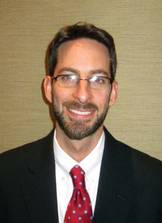
"People might have a little too much faith in noninvasive ventilation. They see it work really well in COPD, so they think it might work well in everyone," said lead investigator Dr. Allan J. Walkey, director of pulmonary and critical care education at Boston University.
He said the study’s take-home message is to "think twice if you are going to put a noninvasive ventilator on someone without COPD or acute cardiogenic pulmonary edema," for which there is also strong evidence of benefit (Cochrane Database Syst. Rev. 2008;3:CD005351). In other patients, "there’s generally not good evidence to support use of noninvasive ventilation, and [our study suggests] it may be associated with worse outcomes. [Those patients] need to be monitored closely, and if they are showing signs of failure, they need to be intubated," he said at an international conference of the American Thoracic Society.
It’s unclear why NIV might be problematic for some. Perhaps not being able to suction secretions out of an endotracheal tube leads to problems in pneumonia. Maybe fading sensorium in other conditions increases the likelihood of gastric aspiration if there’s no tube in place to protect the airway, Dr. Walkey said.
Although the NIS database does not include vital signs, lab reports, and other patient-level clinical data, the researchers used an algorithm to assess and control for disease severity. "There is growing evidence that the adjustment of disease severity using data you do have in large databases" – such as information on comorbidities, billing codes, and demographics – "is actually as accurate as those based on disease severity scores," Dr. Walkey said (Crit. Care Med. 2011;39:2425-30).
The researchers also found wide regional variations in NIV use, with the heaviest use in the Northeast and the lowest in the Midwest; use was roughly equal in teaching and nonteaching hospitals.
Insurance claims for acute respiratory failure increased from 818,781 in 2000 to 1,531,352 in 2009, with an associated 25% decrease in ARF mortality over that period.
Dr. Walkey said he had no financial disclosures.
SAN FRANCISCO – Clinicians may have become too enthusiastic about using noninvasive ventilation in lieu of intubation and mechanical ventilation, according to a nationwide database study from the Boston University Pulmonary Center.
Noninvasive ventilation (NIV) use tripled during 2000-2009 for acute respiratory failure (ARF) caused by chronic obstructive pulmonary disease, for which there is good evidence of a mortality benefit (Cochrane Database Syst. Rev. 2004;1:CD004104).
But in the same period, use increased 3.4-fold for ARF caused by conditions for which there is little evidence to support its use, including asthma, pneumonia, neurologic diseases, and nonpulmonary sepsis. Currently, about half of ARF patients receiving NIV have COPD, while half have other conditions.
The investigators found that patients are more likely to fail NIV – and subsequently receive mechanical ventilation – when it’s used for those conditions instead of COPD (odds ratio, 1.12; 95% confidence interval, 1.08-1.16). Overall, 12% of COPD patients failed NIV, compared with 18% of non-COPD patients (P less than .001).
Of the study patients who failed NIV, 37% died, compared with 35% who received mechanical ventilation alone (P = .002).
The researchers analyzed approximately 11 million hospital records from 2000-2009 coded for ARF in the Agency for Healthcare Research and Quality’s Nationwide Inpatient Sample (NIS) database, excluding patients with sleep apnea.
"People might have a little too much faith in noninvasive ventilation. They see it work really well in COPD, so they think it might work well in everyone," said lead investigator Dr. Allan J. Walkey, director of pulmonary and critical care education at Boston University.
He said the study’s take-home message is to "think twice if you are going to put a noninvasive ventilator on someone without COPD or acute cardiogenic pulmonary edema," for which there is also strong evidence of benefit (Cochrane Database Syst. Rev. 2008;3:CD005351). In other patients, "there’s generally not good evidence to support use of noninvasive ventilation, and [our study suggests] it may be associated with worse outcomes. [Those patients] need to be monitored closely, and if they are showing signs of failure, they need to be intubated," he said at an international conference of the American Thoracic Society.
It’s unclear why NIV might be problematic for some. Perhaps not being able to suction secretions out of an endotracheal tube leads to problems in pneumonia. Maybe fading sensorium in other conditions increases the likelihood of gastric aspiration if there’s no tube in place to protect the airway, Dr. Walkey said.
Although the NIS database does not include vital signs, lab reports, and other patient-level clinical data, the researchers used an algorithm to assess and control for disease severity. "There is growing evidence that the adjustment of disease severity using data you do have in large databases" – such as information on comorbidities, billing codes, and demographics – "is actually as accurate as those based on disease severity scores," Dr. Walkey said (Crit. Care Med. 2011;39:2425-30).
The researchers also found wide regional variations in NIV use, with the heaviest use in the Northeast and the lowest in the Midwest; use was roughly equal in teaching and nonteaching hospitals.
Insurance claims for acute respiratory failure increased from 818,781 in 2000 to 1,531,352 in 2009, with an associated 25% decrease in ARF mortality over that period.
Dr. Walkey said he had no financial disclosures.
SAN FRANCISCO – Clinicians may have become too enthusiastic about using noninvasive ventilation in lieu of intubation and mechanical ventilation, according to a nationwide database study from the Boston University Pulmonary Center.
Noninvasive ventilation (NIV) use tripled during 2000-2009 for acute respiratory failure (ARF) caused by chronic obstructive pulmonary disease, for which there is good evidence of a mortality benefit (Cochrane Database Syst. Rev. 2004;1:CD004104).
But in the same period, use increased 3.4-fold for ARF caused by conditions for which there is little evidence to support its use, including asthma, pneumonia, neurologic diseases, and nonpulmonary sepsis. Currently, about half of ARF patients receiving NIV have COPD, while half have other conditions.
The investigators found that patients are more likely to fail NIV – and subsequently receive mechanical ventilation – when it’s used for those conditions instead of COPD (odds ratio, 1.12; 95% confidence interval, 1.08-1.16). Overall, 12% of COPD patients failed NIV, compared with 18% of non-COPD patients (P less than .001).
Of the study patients who failed NIV, 37% died, compared with 35% who received mechanical ventilation alone (P = .002).
The researchers analyzed approximately 11 million hospital records from 2000-2009 coded for ARF in the Agency for Healthcare Research and Quality’s Nationwide Inpatient Sample (NIS) database, excluding patients with sleep apnea.
"People might have a little too much faith in noninvasive ventilation. They see it work really well in COPD, so they think it might work well in everyone," said lead investigator Dr. Allan J. Walkey, director of pulmonary and critical care education at Boston University.
He said the study’s take-home message is to "think twice if you are going to put a noninvasive ventilator on someone without COPD or acute cardiogenic pulmonary edema," for which there is also strong evidence of benefit (Cochrane Database Syst. Rev. 2008;3:CD005351). In other patients, "there’s generally not good evidence to support use of noninvasive ventilation, and [our study suggests] it may be associated with worse outcomes. [Those patients] need to be monitored closely, and if they are showing signs of failure, they need to be intubated," he said at an international conference of the American Thoracic Society.
It’s unclear why NIV might be problematic for some. Perhaps not being able to suction secretions out of an endotracheal tube leads to problems in pneumonia. Maybe fading sensorium in other conditions increases the likelihood of gastric aspiration if there’s no tube in place to protect the airway, Dr. Walkey said.
Although the NIS database does not include vital signs, lab reports, and other patient-level clinical data, the researchers used an algorithm to assess and control for disease severity. "There is growing evidence that the adjustment of disease severity using data you do have in large databases" – such as information on comorbidities, billing codes, and demographics – "is actually as accurate as those based on disease severity scores," Dr. Walkey said (Crit. Care Med. 2011;39:2425-30).
The researchers also found wide regional variations in NIV use, with the heaviest use in the Northeast and the lowest in the Midwest; use was roughly equal in teaching and nonteaching hospitals.
Insurance claims for acute respiratory failure increased from 818,781 in 2000 to 1,531,352 in 2009, with an associated 25% decrease in ARF mortality over that period.
Dr. Walkey said he had no financial disclosures.
AT AN INTERNATIONAL CONFERENCE OF THE AMERICAN THORACIC SOCIETY
Docetaxel Bests Erlotinib in EGFR Wild-Type Lung Cancer
CHICAGO – Second-line treatment with docetaxel led to significantly better outcomes than with erlotinib in a head-to-head comparison among patients whose non–small cell lung cancer did not have a mutation in the epidermal growth factor receptor.
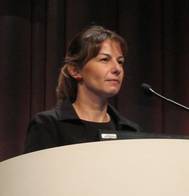
Progression-free survival, response, and disease control rates all favored docetaxel (Taxotere) in the phase III TAILOR (Tarceva Italian Lung Optimization Trial) study, investigators reported. "TAILOR does not support the use of erlotinib over docetaxel in patients with EGFR wild type," Dr. Marina C. Garassino said at the annual meeting of the American Society of Clinical Oncology.
TAILOR is the only prospective trial to select patients with non–small cell lung cancer (NSCLC) carrying the epidermal growth factor receptor (EGFR) in its wild-type form for a direct comparison of docetaxel with erlotinib (Tarceva), a tyrosine kinase inhibitor (TKI) targeting EGFR. TKIs are well established in the treatment of patients harboring EGFR mutations, but their role continues to be debated in EGFR wild type, which accounts for about 85%-90% of NSCLC cases.
Investigators randomized 222 patients who had an ECOG (Eastern Cooperative Oncology Group) performance status of 0-2 and had advanced or recurrent disease after prior treatment with a platinum-based doublet. They were assigned to erlotinib 150 mg daily or to either of two doses of docetaxel: 75 mg/m2 on day 1 every 21 days, or 35 mg/m2 on days 1, 8 and 15 every 28 days until disease progression or unacceptable toxicity. Three patients were not included in the intent-to-treat analysis because of major protocol violations, according to the late-breaking abstract.
About three-fourths of the patients had adenocarcinoma histology, were current or ex-smokers, and carried wild-type KRAS. EGFR and KRAS mutational status was determined by a central lab and was cross-validated in two independent labs. The patients’ median age was about 66 years.
The investigators noted the following findings:
• The median time to progression was 3.4 months with docetaxel and 2.4 months with erlotinib (hazard ratio, 0.69; P = .014). At 6 months, 29% of patients who were given docetaxel were free of progression, compared with 17% on erlotinib, said Dr. Garassino of the medical oncology department at Fatebenefratelli and Ophthalmic Hospital in Milan.
• The disease control rate (defined as complete and partial responses and stable disease) was doubled in the docetaxel arm at 41.5% vs. 22.8% in the erlotinib arm (P = .007).
• Responses in the erlotinib arm were "rare and almost unseen" (2.2% vs. 14%; P = .004), she said. No erlotinib patients had a complete response, whereas 4.3% did with docetaxel. During a discussion of the study, this finding was questioned as being unusual for single-agent docetaxel in second-line use. Although no independent review was conducted, Dr. Garassino replied that the data were trustworthy.
A progression-free survival subgroup analysis favored docetaxel over erlotinib, regardless of age, sex, performance status, and smoking status, although the interactions were not statistically significant. Patients with and without KRAS mutations also benefited from docetaxel (HR, 0.84 and 0.65, respectively; P = .237), with median progression-free survival also similar in these patients at 2.6 months and 2.4 months (HR, 0.91; P = .558).
KRAS mutation does not seem to be a predictive or prognostic factor in second line, said Dr. Garassino, who remarked that a possible negative predictive and prognostic role has been suggested for KRAS.
Overall survival, the study’s primary end point, will be evaluated after the required 199 deaths have occurred.
Toxicity was as expected, with treatment-related adverse events leading to dose modifications in 22% of the docetaxel and 29% of the erlotinib arms. Data on rash have not been analyzed for correlation with progression or response.
Five randomized trials have compared chemotherapy vs. EGFR TKIs in previously treated NSCLC patients, but they were all were conducted in unselected patients, and only two trials reported outcomes by EGFR mutational status for a minority of patients in unplanned analyses. The hazard ratio for progression-free survival in TAILOR is consistent with the retrospective analyses from the recent TITAN (Lancet Oncology 2012;13:300-8) and INTEREST (Lancet 2008;372:1809-18) trials, suggesting benefit of chemotherapy over EGFR TKIs in EGFR wild-type patients, said discussant Benjamin Solomon, Ph.D.
"Although we await the survival data, in the second-line setting, as we know already in the first-line [setting], outcomes are better with chemotherapy (docetaxel) than EGFR TKIs, (erlotinib) in patients with EGFR wild-type non–small cell lung cancer," said Dr. Solomon of the lung cancer service at Australia’s Peter MacCallum Cancer Centre in East Melbourne, Victoria.
The one caveat, he added, is that EGFR wild-type patients are not a homogeneous population, and thus clinicians should still test for ALK gene rearrangements and other potentially actionable genetic alterations.
Attendee Dr. Steven Vogl, an oncologist who practices in the Bronx, New York, asked whether the conclusion from the current results is "that docetaxel is not a very good drug and that erlotinib is a terrible drug and we shouldn’t give it to these nonmutated patients anymore?"
After a slight pause, Dr. Garassino responded, "I think that you are right," to a round of laughter and applause.
TAILOR was sponsored by Agenzia Italiana del Farmaco. Dr. Garassino and her coauthors reported no disclosures. Dr. Solomon reported an advisory or consultant role with AstraZeneca, Boehringer Ingelheim, Clovis Oncology, Lilly, Pfizer and Roche.
CHICAGO – Second-line treatment with docetaxel led to significantly better outcomes than with erlotinib in a head-to-head comparison among patients whose non–small cell lung cancer did not have a mutation in the epidermal growth factor receptor.
Progression-free survival, response, and disease control rates all favored docetaxel (Taxotere) in the phase III TAILOR (Tarceva Italian Lung Optimization Trial) study, investigators reported. "TAILOR does not support the use of erlotinib over docetaxel in patients with EGFR wild type," Dr. Marina C. Garassino said at the annual meeting of the American Society of Clinical Oncology.
TAILOR is the only prospective trial to select patients with non–small cell lung cancer (NSCLC) carrying the epidermal growth factor receptor (EGFR) in its wild-type form for a direct comparison of docetaxel with erlotinib (Tarceva), a tyrosine kinase inhibitor (TKI) targeting EGFR. TKIs are well established in the treatment of patients harboring EGFR mutations, but their role continues to be debated in EGFR wild type, which accounts for about 85%-90% of NSCLC cases.
Investigators randomized 222 patients who had an ECOG (Eastern Cooperative Oncology Group) performance status of 0-2 and had advanced or recurrent disease after prior treatment with a platinum-based doublet. They were assigned to erlotinib 150 mg daily or to either of two doses of docetaxel: 75 mg/m2 on day 1 every 21 days, or 35 mg/m2 on days 1, 8 and 15 every 28 days until disease progression or unacceptable toxicity. Three patients were not included in the intent-to-treat analysis because of major protocol violations, according to the late-breaking abstract.
About three-fourths of the patients had adenocarcinoma histology, were current or ex-smokers, and carried wild-type KRAS. EGFR and KRAS mutational status was determined by a central lab and was cross-validated in two independent labs. The patients’ median age was about 66 years.
The investigators noted the following findings:
• The median time to progression was 3.4 months with docetaxel and 2.4 months with erlotinib (hazard ratio, 0.69; P = .014). At 6 months, 29% of patients who were given docetaxel were free of progression, compared with 17% on erlotinib, said Dr. Garassino of the medical oncology department at Fatebenefratelli and Ophthalmic Hospital in Milan.
• The disease control rate (defined as complete and partial responses and stable disease) was doubled in the docetaxel arm at 41.5% vs. 22.8% in the erlotinib arm (P = .007).
• Responses in the erlotinib arm were "rare and almost unseen" (2.2% vs. 14%; P = .004), she said. No erlotinib patients had a complete response, whereas 4.3% did with docetaxel. During a discussion of the study, this finding was questioned as being unusual for single-agent docetaxel in second-line use. Although no independent review was conducted, Dr. Garassino replied that the data were trustworthy.
A progression-free survival subgroup analysis favored docetaxel over erlotinib, regardless of age, sex, performance status, and smoking status, although the interactions were not statistically significant. Patients with and without KRAS mutations also benefited from docetaxel (HR, 0.84 and 0.65, respectively; P = .237), with median progression-free survival also similar in these patients at 2.6 months and 2.4 months (HR, 0.91; P = .558).
KRAS mutation does not seem to be a predictive or prognostic factor in second line, said Dr. Garassino, who remarked that a possible negative predictive and prognostic role has been suggested for KRAS.
Overall survival, the study’s primary end point, will be evaluated after the required 199 deaths have occurred.
Toxicity was as expected, with treatment-related adverse events leading to dose modifications in 22% of the docetaxel and 29% of the erlotinib arms. Data on rash have not been analyzed for correlation with progression or response.
Five randomized trials have compared chemotherapy vs. EGFR TKIs in previously treated NSCLC patients, but they were all were conducted in unselected patients, and only two trials reported outcomes by EGFR mutational status for a minority of patients in unplanned analyses. The hazard ratio for progression-free survival in TAILOR is consistent with the retrospective analyses from the recent TITAN (Lancet Oncology 2012;13:300-8) and INTEREST (Lancet 2008;372:1809-18) trials, suggesting benefit of chemotherapy over EGFR TKIs in EGFR wild-type patients, said discussant Benjamin Solomon, Ph.D.
"Although we await the survival data, in the second-line setting, as we know already in the first-line [setting], outcomes are better with chemotherapy (docetaxel) than EGFR TKIs, (erlotinib) in patients with EGFR wild-type non–small cell lung cancer," said Dr. Solomon of the lung cancer service at Australia’s Peter MacCallum Cancer Centre in East Melbourne, Victoria.
The one caveat, he added, is that EGFR wild-type patients are not a homogeneous population, and thus clinicians should still test for ALK gene rearrangements and other potentially actionable genetic alterations.
Attendee Dr. Steven Vogl, an oncologist who practices in the Bronx, New York, asked whether the conclusion from the current results is "that docetaxel is not a very good drug and that erlotinib is a terrible drug and we shouldn’t give it to these nonmutated patients anymore?"
After a slight pause, Dr. Garassino responded, "I think that you are right," to a round of laughter and applause.
TAILOR was sponsored by Agenzia Italiana del Farmaco. Dr. Garassino and her coauthors reported no disclosures. Dr. Solomon reported an advisory or consultant role with AstraZeneca, Boehringer Ingelheim, Clovis Oncology, Lilly, Pfizer and Roche.
CHICAGO – Second-line treatment with docetaxel led to significantly better outcomes than with erlotinib in a head-to-head comparison among patients whose non–small cell lung cancer did not have a mutation in the epidermal growth factor receptor.
Progression-free survival, response, and disease control rates all favored docetaxel (Taxotere) in the phase III TAILOR (Tarceva Italian Lung Optimization Trial) study, investigators reported. "TAILOR does not support the use of erlotinib over docetaxel in patients with EGFR wild type," Dr. Marina C. Garassino said at the annual meeting of the American Society of Clinical Oncology.
TAILOR is the only prospective trial to select patients with non–small cell lung cancer (NSCLC) carrying the epidermal growth factor receptor (EGFR) in its wild-type form for a direct comparison of docetaxel with erlotinib (Tarceva), a tyrosine kinase inhibitor (TKI) targeting EGFR. TKIs are well established in the treatment of patients harboring EGFR mutations, but their role continues to be debated in EGFR wild type, which accounts for about 85%-90% of NSCLC cases.
Investigators randomized 222 patients who had an ECOG (Eastern Cooperative Oncology Group) performance status of 0-2 and had advanced or recurrent disease after prior treatment with a platinum-based doublet. They were assigned to erlotinib 150 mg daily or to either of two doses of docetaxel: 75 mg/m2 on day 1 every 21 days, or 35 mg/m2 on days 1, 8 and 15 every 28 days until disease progression or unacceptable toxicity. Three patients were not included in the intent-to-treat analysis because of major protocol violations, according to the late-breaking abstract.
About three-fourths of the patients had adenocarcinoma histology, were current or ex-smokers, and carried wild-type KRAS. EGFR and KRAS mutational status was determined by a central lab and was cross-validated in two independent labs. The patients’ median age was about 66 years.
The investigators noted the following findings:
• The median time to progression was 3.4 months with docetaxel and 2.4 months with erlotinib (hazard ratio, 0.69; P = .014). At 6 months, 29% of patients who were given docetaxel were free of progression, compared with 17% on erlotinib, said Dr. Garassino of the medical oncology department at Fatebenefratelli and Ophthalmic Hospital in Milan.
• The disease control rate (defined as complete and partial responses and stable disease) was doubled in the docetaxel arm at 41.5% vs. 22.8% in the erlotinib arm (P = .007).
• Responses in the erlotinib arm were "rare and almost unseen" (2.2% vs. 14%; P = .004), she said. No erlotinib patients had a complete response, whereas 4.3% did with docetaxel. During a discussion of the study, this finding was questioned as being unusual for single-agent docetaxel in second-line use. Although no independent review was conducted, Dr. Garassino replied that the data were trustworthy.
A progression-free survival subgroup analysis favored docetaxel over erlotinib, regardless of age, sex, performance status, and smoking status, although the interactions were not statistically significant. Patients with and without KRAS mutations also benefited from docetaxel (HR, 0.84 and 0.65, respectively; P = .237), with median progression-free survival also similar in these patients at 2.6 months and 2.4 months (HR, 0.91; P = .558).
KRAS mutation does not seem to be a predictive or prognostic factor in second line, said Dr. Garassino, who remarked that a possible negative predictive and prognostic role has been suggested for KRAS.
Overall survival, the study’s primary end point, will be evaluated after the required 199 deaths have occurred.
Toxicity was as expected, with treatment-related adverse events leading to dose modifications in 22% of the docetaxel and 29% of the erlotinib arms. Data on rash have not been analyzed for correlation with progression or response.
Five randomized trials have compared chemotherapy vs. EGFR TKIs in previously treated NSCLC patients, but they were all were conducted in unselected patients, and only two trials reported outcomes by EGFR mutational status for a minority of patients in unplanned analyses. The hazard ratio for progression-free survival in TAILOR is consistent with the retrospective analyses from the recent TITAN (Lancet Oncology 2012;13:300-8) and INTEREST (Lancet 2008;372:1809-18) trials, suggesting benefit of chemotherapy over EGFR TKIs in EGFR wild-type patients, said discussant Benjamin Solomon, Ph.D.
"Although we await the survival data, in the second-line setting, as we know already in the first-line [setting], outcomes are better with chemotherapy (docetaxel) than EGFR TKIs, (erlotinib) in patients with EGFR wild-type non–small cell lung cancer," said Dr. Solomon of the lung cancer service at Australia’s Peter MacCallum Cancer Centre in East Melbourne, Victoria.
The one caveat, he added, is that EGFR wild-type patients are not a homogeneous population, and thus clinicians should still test for ALK gene rearrangements and other potentially actionable genetic alterations.
Attendee Dr. Steven Vogl, an oncologist who practices in the Bronx, New York, asked whether the conclusion from the current results is "that docetaxel is not a very good drug and that erlotinib is a terrible drug and we shouldn’t give it to these nonmutated patients anymore?"
After a slight pause, Dr. Garassino responded, "I think that you are right," to a round of laughter and applause.
TAILOR was sponsored by Agenzia Italiana del Farmaco. Dr. Garassino and her coauthors reported no disclosures. Dr. Solomon reported an advisory or consultant role with AstraZeneca, Boehringer Ingelheim, Clovis Oncology, Lilly, Pfizer and Roche.
AT THE ANNUAL MEETING OF THE AMERICAN SOCIETY OF CLINICAL ONCOLOGY
Major Finding: Medium progression-free survival was 3.4 months with docetaxel vs. 2.4 months with erlotinib (HR, 0.69; P = .014).
Data Source: Investigators conducted a prospective, phase III, biomarker-based, randomized trial in 222 patients with wild-type EGFR non–small cell lung cancer.
Disclosures: TAILOR was sponsored by Agenzia Italiana del Farmaco. Dr. Garassino and her coauthors report no disclosures. Dr. Solomon reported an advisory or consultant role with AstraZeneca, Boehringer Ingelheim, Clovis Oncology, Lilly, Pfizer, and Roche.
Skimping on Sleep May Increase Stroke Risk
BOSTON – Consistently short sleep duration not only leaves otherwise healthy individuals tired, it also increases their risk of developing stroke, a study has shown.
Previous studies have linked self-reported sleep duration to incident stroke, but none have considered whether sleep-disordered breathing, which itself is associated with adverse cardiovascular outcomes, mediates that risk, said Megan Ruiter, Ph.D., of the University of Alabama at Birmingham. Dr. Ruiter and her colleagues used data from the national, population-based REGARDS (Reasons for Geographic and Racial Differences in Stroke) study to determine whether sleep duration predicts stroke risk among individuals at low risk for sleep apnea or hypopnea.
Funded by the National Institute of Neurological Disorders and Stroke, the ongoing REGARDS study enrolled more than 30,000 black and white volunteers, aged 45 years and older, to track stroke risk and cognitive health.
Based on self-reported stroke symptoms collected at 6-month intervals, Dr. Ruiter and her colleagues identified 5,666 participants who had been followed for up to 3 years without history of stroke, transient ischemic attack, stroke symptoms, or high risk for sleep-disordered breathing according to the Berlin Sleep Questionnaire. The researchers then conducted interval-censored, parametric survival models with exponential distributions to estimate the hazard ratios predicting time from measurement of sleep duration (less than 6 hours, 6-6.9 hours, 7-7.9 hours, 8-8.9 hours, and 9 or more hours) to first stroke symptoms. Data were adjusted for demographic information, cholesterol levels, hypertension, body mass index (BMI), sleep-disordered breathing, depressive symptoms, and anxiety.
"In people with a low risk for obstructive sleep apnea and a BMI in the optimal range of 18.5-24.99 kg/m2, the risk of stroke symptoms was four times higher in those who had fewer than 6 hours of sleep per night, compared with participants in the same BMI range who reported 7-8 hours of sleep per night," Dr. Ruiter reported at the annual meeting of the Associated Professional Sleep Societies. Specifically, the hazard ratio for stroke symptoms among individuals within the normal BMI range who reported fewer than 6 hours of sleep nightly was 2.93, relative to the reference group. "We didn’t find any similar association between short sleep duration and stroke symptoms among overweight and obese individuals," she noted.
The association between shorter periods of sleep and stroke symptoms, including sudden body weakness, numbness, or vision deficits, remained significant after controlling for other known stroke risk factors, Dr. Ruiter said, acknowledging the possibility that "these participants may be late in the development of stroke."
The findings suggest that habitually short sleep duration may independently predispose middle-age adults to develop major stroke risk factors. "We speculate short sleep is precursor to other traditional risk factors and, once these traditional risk factors are present, they may become stronger risk factors than sleep duration alone," Dr. Ruiter hypothesized.
In a separate analysis, the investigators also evaluated the association between stroke symptoms and sleep duration by racial group and found a differential risk, according to Dr. Ruiter. "It is possible that sleep duration might partially explain the relationship between ethnic differences in stroke symptoms. For example, African Americans had a greater prevalence of short sleep and were more likely to have stroke symptoms," she said.
The study is limited by the reliance on self-reporting of stroke symptoms and the potential for recall inaccuracy, Dr. Ruiter said. Further studies are warranted to tease out the specific characteristics of sleep duration that are related to stroke symptoms, she said. For example, "Is it actually sleep fragmentation or one’s perception of sleep and factors that contribute to its quality rather than sleep duration itself?" she proposed. Additionally, "we need to see if sleep duration is related to actual stroke events." Many of these factors, she noted, are modifiable through behavioral treatment.
Dr. Ruiter had no relevant financial conflicts of interest to disclose.
BOSTON – Consistently short sleep duration not only leaves otherwise healthy individuals tired, it also increases their risk of developing stroke, a study has shown.
Previous studies have linked self-reported sleep duration to incident stroke, but none have considered whether sleep-disordered breathing, which itself is associated with adverse cardiovascular outcomes, mediates that risk, said Megan Ruiter, Ph.D., of the University of Alabama at Birmingham. Dr. Ruiter and her colleagues used data from the national, population-based REGARDS (Reasons for Geographic and Racial Differences in Stroke) study to determine whether sleep duration predicts stroke risk among individuals at low risk for sleep apnea or hypopnea.
Funded by the National Institute of Neurological Disorders and Stroke, the ongoing REGARDS study enrolled more than 30,000 black and white volunteers, aged 45 years and older, to track stroke risk and cognitive health.
Based on self-reported stroke symptoms collected at 6-month intervals, Dr. Ruiter and her colleagues identified 5,666 participants who had been followed for up to 3 years without history of stroke, transient ischemic attack, stroke symptoms, or high risk for sleep-disordered breathing according to the Berlin Sleep Questionnaire. The researchers then conducted interval-censored, parametric survival models with exponential distributions to estimate the hazard ratios predicting time from measurement of sleep duration (less than 6 hours, 6-6.9 hours, 7-7.9 hours, 8-8.9 hours, and 9 or more hours) to first stroke symptoms. Data were adjusted for demographic information, cholesterol levels, hypertension, body mass index (BMI), sleep-disordered breathing, depressive symptoms, and anxiety.
"In people with a low risk for obstructive sleep apnea and a BMI in the optimal range of 18.5-24.99 kg/m2, the risk of stroke symptoms was four times higher in those who had fewer than 6 hours of sleep per night, compared with participants in the same BMI range who reported 7-8 hours of sleep per night," Dr. Ruiter reported at the annual meeting of the Associated Professional Sleep Societies. Specifically, the hazard ratio for stroke symptoms among individuals within the normal BMI range who reported fewer than 6 hours of sleep nightly was 2.93, relative to the reference group. "We didn’t find any similar association between short sleep duration and stroke symptoms among overweight and obese individuals," she noted.
The association between shorter periods of sleep and stroke symptoms, including sudden body weakness, numbness, or vision deficits, remained significant after controlling for other known stroke risk factors, Dr. Ruiter said, acknowledging the possibility that "these participants may be late in the development of stroke."
The findings suggest that habitually short sleep duration may independently predispose middle-age adults to develop major stroke risk factors. "We speculate short sleep is precursor to other traditional risk factors and, once these traditional risk factors are present, they may become stronger risk factors than sleep duration alone," Dr. Ruiter hypothesized.
In a separate analysis, the investigators also evaluated the association between stroke symptoms and sleep duration by racial group and found a differential risk, according to Dr. Ruiter. "It is possible that sleep duration might partially explain the relationship between ethnic differences in stroke symptoms. For example, African Americans had a greater prevalence of short sleep and were more likely to have stroke symptoms," she said.
The study is limited by the reliance on self-reporting of stroke symptoms and the potential for recall inaccuracy, Dr. Ruiter said. Further studies are warranted to tease out the specific characteristics of sleep duration that are related to stroke symptoms, she said. For example, "Is it actually sleep fragmentation or one’s perception of sleep and factors that contribute to its quality rather than sleep duration itself?" she proposed. Additionally, "we need to see if sleep duration is related to actual stroke events." Many of these factors, she noted, are modifiable through behavioral treatment.
Dr. Ruiter had no relevant financial conflicts of interest to disclose.
BOSTON – Consistently short sleep duration not only leaves otherwise healthy individuals tired, it also increases their risk of developing stroke, a study has shown.
Previous studies have linked self-reported sleep duration to incident stroke, but none have considered whether sleep-disordered breathing, which itself is associated with adverse cardiovascular outcomes, mediates that risk, said Megan Ruiter, Ph.D., of the University of Alabama at Birmingham. Dr. Ruiter and her colleagues used data from the national, population-based REGARDS (Reasons for Geographic and Racial Differences in Stroke) study to determine whether sleep duration predicts stroke risk among individuals at low risk for sleep apnea or hypopnea.
Funded by the National Institute of Neurological Disorders and Stroke, the ongoing REGARDS study enrolled more than 30,000 black and white volunteers, aged 45 years and older, to track stroke risk and cognitive health.
Based on self-reported stroke symptoms collected at 6-month intervals, Dr. Ruiter and her colleagues identified 5,666 participants who had been followed for up to 3 years without history of stroke, transient ischemic attack, stroke symptoms, or high risk for sleep-disordered breathing according to the Berlin Sleep Questionnaire. The researchers then conducted interval-censored, parametric survival models with exponential distributions to estimate the hazard ratios predicting time from measurement of sleep duration (less than 6 hours, 6-6.9 hours, 7-7.9 hours, 8-8.9 hours, and 9 or more hours) to first stroke symptoms. Data were adjusted for demographic information, cholesterol levels, hypertension, body mass index (BMI), sleep-disordered breathing, depressive symptoms, and anxiety.
"In people with a low risk for obstructive sleep apnea and a BMI in the optimal range of 18.5-24.99 kg/m2, the risk of stroke symptoms was four times higher in those who had fewer than 6 hours of sleep per night, compared with participants in the same BMI range who reported 7-8 hours of sleep per night," Dr. Ruiter reported at the annual meeting of the Associated Professional Sleep Societies. Specifically, the hazard ratio for stroke symptoms among individuals within the normal BMI range who reported fewer than 6 hours of sleep nightly was 2.93, relative to the reference group. "We didn’t find any similar association between short sleep duration and stroke symptoms among overweight and obese individuals," she noted.
The association between shorter periods of sleep and stroke symptoms, including sudden body weakness, numbness, or vision deficits, remained significant after controlling for other known stroke risk factors, Dr. Ruiter said, acknowledging the possibility that "these participants may be late in the development of stroke."
The findings suggest that habitually short sleep duration may independently predispose middle-age adults to develop major stroke risk factors. "We speculate short sleep is precursor to other traditional risk factors and, once these traditional risk factors are present, they may become stronger risk factors than sleep duration alone," Dr. Ruiter hypothesized.
In a separate analysis, the investigators also evaluated the association between stroke symptoms and sleep duration by racial group and found a differential risk, according to Dr. Ruiter. "It is possible that sleep duration might partially explain the relationship between ethnic differences in stroke symptoms. For example, African Americans had a greater prevalence of short sleep and were more likely to have stroke symptoms," she said.
The study is limited by the reliance on self-reporting of stroke symptoms and the potential for recall inaccuracy, Dr. Ruiter said. Further studies are warranted to tease out the specific characteristics of sleep duration that are related to stroke symptoms, she said. For example, "Is it actually sleep fragmentation or one’s perception of sleep and factors that contribute to its quality rather than sleep duration itself?" she proposed. Additionally, "we need to see if sleep duration is related to actual stroke events." Many of these factors, she noted, are modifiable through behavioral treatment.
Dr. Ruiter had no relevant financial conflicts of interest to disclose.
FROM THE ANNUAL MEETING OF THE ASSOCIATED PROFESSIONAL SLEEP SOCIETIES
Major Finding: The hazard ratio for stroke symptoms among healthy, normal-weight adults who report fewer than 6 hours of sleep nightly was 2.93 relative to those who reported 7-8 hours of nightly sleep.
Data Source: Data are from 5,666 adults enrolled in a national, population-based longitudinal study, without history of stroke or stroke symptoms at enrollment.
Disclosures: Dr. Ruiter disclosed no relevant financial conflicts of interest.
Pemetrexed Maintenance Extends Survival of Advanced Lung Cancer
CHICAGO – Final results of the phase III PARAMOUNT trial support continued use of pemetrexed after pemetrexed-plus-cisplatin induction therapy for advanced, nonsquamous non-small cell lung cancer.
More patients on pemetrexed (Alimta) maintenance were alive at 1 year (58% vs. 45% of the control group) and 2 years (32% vs. 21%), investigators reported. With nearly all patients off study treatment, median overall survival from randomization was 13.9 months with pemetrexed maintenance plus best supportive care (BSC) vs. 11.0 months with BSC plus placebo.
This translates into a 22% reduction in the risk of death (HR, 0.78; log-rank P = .0195). An analysis of overall survival from the start of induction yielded the same risk reduction with the median reaching 16.9 months in patients maintained on pemetrexed vs. 14.0 months in the control group (HR 0.78; log-rank P = .0191).

The benefit of pemetrexed maintenance was consistent across all subgroups, including patients with a complete or partial response (HR 0.81) and those with stable disease (HR 0.76) after induction therapy, Dr. Luis Paz-Ares said at the annual meeting of the American Society of Clinical Oncology.
"This is the first study to show that continuation maintenance had a clear impact on the natural course of the disease in advanced non–small cell lung cancer, including an improvement in [progression-free survival] and [overall survival], and may support a change in the treatment paradigm in this clinical setting," said Dr. Paz-Ares of University Hospital Virgen del Rocio in Seville, Spain.
"I think we should share with our patients the information about the role of maintenance treatment, but it doesn’t mean that every single patient should be treated in this way," he said.
At last year’s ASCO meeting, the investigators reported that pemetrexed maintenance significantly reduced the study’s primary end point, the risk of disease progression (HR 0.62). Results were subsequently published in Lancet Oncology (Lancet Oncol. 2012;13:247-55).
The overall survival data were not mature at the time, leaving some clinicians to question the overall efficacy of pemetrexed maintenance and whether the delay in progression was enough to justify the potential increased toxicity with continued therapy.
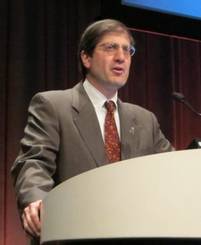
Discussant Dr. Gregory P. Kalemkerian, codirector of thoracic oncology at the University of Michigan Comprehensive Cancer Center in Ann Arbor, said the strength of the trial was the selection of a tolerable maintenance drug, although chronic fatigue with pemetrexed maintenance can be bothersome and quality of life appears similar with placebo. He also pointed out that pemetrexed and placebo patients received a median of four cycles, suggesting that most patients do not benefit.
Everyone Received Pemetrexed Induction
In the PARAMOUNT trial, 939 chemotherapy-naive patients with advanced nonsquamous NSCLC, at least one measurable lesion, and an ECOG performance status of 0 or 1 received four cycles of induction pemetrexed 500 mg/m2 plus cisplatin 75 mg/m2 on day 1 of a 21-day cycle. The 539 patients who responded were then stratified by disease stage, performance status, and induction response and randomly assigned to maintenance with pemetrexed 500 mg/m2 every 21 days plus BSC or to BSC and placebo. All patients received folic acid and vitamin B12.
The median age was 61 years, about 90% of patients had stage IV disease, 86%-89% had adenocarcinoma histology, and 42%-44% had a complete or partial response to induction therapy. The mean number of maintenance cycles was 7.9 (range 1-44) for the 359 pemetrexed patients and 5 cycles for the 180 placebo patients (range 1-38).
Median follow-up for all patients was 12.5 months, and reached 24.3 months among all patients still alive.
Reassessment of progression-free survival at the time of the final analysis once again favored pemetrexed (HR 0.60), confirming the robustness of the results, Dr. Paz-Ares said of the late-breaking abstract.
The pemetrexed maintenance arm had more grade 3/4 events than did the placebo arm, notably fatigue (4.7% vs. 1.1%), anemia (6.4% vs. 0.6%), and neutropenia (5.8% vs. 0%).
Most Treated After Stopping Maintenance
In all, 64% of the pemetrexed arm and 72% of the placebo arm received postdiscontinuation therapy, mainly erlotinib (Tarceva) (40% of the pemetrexed arm and 43% of the control group). Only docetaxel (Taxotere) usage differed significantly between arms (32% vs. 43%; P = .013), he said.
During a discussion of the study, an attendee asked whether the estimate of the benefit of pemetrexed would be more credible if the study had mandated an established second-line treatment for controls.
Dr. Paz-Ares said the percentage of patients receiving second- and third-line treatment is in the high range compared with other trials and exceeds what occurs in normal practice. He called the 72% of controls receiving postdiscontinuation therapy "quite remarkable," and said he interprets the 64% of pemetrexed patients receiving additional therapy as proof these patients are "not losing any further chance of having second or third-line treatment."
Several attendees questioned the use of four rather than six cycles of induction therapy, suggesting that patients may have been undertreated. Dr. Paz-Ares said that even in trials that mandate six cycles, patients typically receive a median of four or five cycles at maximum, and that one additional cycle likely would not have impacted overall survival.
"The whole thing here is that we have very few drugs that are active in non–small cell lung cancer and we have to be able to squeeze most of the benefit from each of them, and this is why I’m really in favor of this maintenance kind of treatment," he added.
PARAMOUNT was supported by Eli Lilly. Dr. Paz-Ares reported a consultant/advisory role with, and honoraria from, Bayer, Lilly, Pfizer, and Roche. His coauthors include employees of Eli Lilly. Dr. Kalemkerian reported research funding from Lilly.
CHICAGO – Final results of the phase III PARAMOUNT trial support continued use of pemetrexed after pemetrexed-plus-cisplatin induction therapy for advanced, nonsquamous non-small cell lung cancer.
More patients on pemetrexed (Alimta) maintenance were alive at 1 year (58% vs. 45% of the control group) and 2 years (32% vs. 21%), investigators reported. With nearly all patients off study treatment, median overall survival from randomization was 13.9 months with pemetrexed maintenance plus best supportive care (BSC) vs. 11.0 months with BSC plus placebo.
This translates into a 22% reduction in the risk of death (HR, 0.78; log-rank P = .0195). An analysis of overall survival from the start of induction yielded the same risk reduction with the median reaching 16.9 months in patients maintained on pemetrexed vs. 14.0 months in the control group (HR 0.78; log-rank P = .0191).
The benefit of pemetrexed maintenance was consistent across all subgroups, including patients with a complete or partial response (HR 0.81) and those with stable disease (HR 0.76) after induction therapy, Dr. Luis Paz-Ares said at the annual meeting of the American Society of Clinical Oncology.
"This is the first study to show that continuation maintenance had a clear impact on the natural course of the disease in advanced non–small cell lung cancer, including an improvement in [progression-free survival] and [overall survival], and may support a change in the treatment paradigm in this clinical setting," said Dr. Paz-Ares of University Hospital Virgen del Rocio in Seville, Spain.
"I think we should share with our patients the information about the role of maintenance treatment, but it doesn’t mean that every single patient should be treated in this way," he said.
At last year’s ASCO meeting, the investigators reported that pemetrexed maintenance significantly reduced the study’s primary end point, the risk of disease progression (HR 0.62). Results were subsequently published in Lancet Oncology (Lancet Oncol. 2012;13:247-55).
The overall survival data were not mature at the time, leaving some clinicians to question the overall efficacy of pemetrexed maintenance and whether the delay in progression was enough to justify the potential increased toxicity with continued therapy.
Discussant Dr. Gregory P. Kalemkerian, codirector of thoracic oncology at the University of Michigan Comprehensive Cancer Center in Ann Arbor, said the strength of the trial was the selection of a tolerable maintenance drug, although chronic fatigue with pemetrexed maintenance can be bothersome and quality of life appears similar with placebo. He also pointed out that pemetrexed and placebo patients received a median of four cycles, suggesting that most patients do not benefit.
Everyone Received Pemetrexed Induction
In the PARAMOUNT trial, 939 chemotherapy-naive patients with advanced nonsquamous NSCLC, at least one measurable lesion, and an ECOG performance status of 0 or 1 received four cycles of induction pemetrexed 500 mg/m2 plus cisplatin 75 mg/m2 on day 1 of a 21-day cycle. The 539 patients who responded were then stratified by disease stage, performance status, and induction response and randomly assigned to maintenance with pemetrexed 500 mg/m2 every 21 days plus BSC or to BSC and placebo. All patients received folic acid and vitamin B12.
The median age was 61 years, about 90% of patients had stage IV disease, 86%-89% had adenocarcinoma histology, and 42%-44% had a complete or partial response to induction therapy. The mean number of maintenance cycles was 7.9 (range 1-44) for the 359 pemetrexed patients and 5 cycles for the 180 placebo patients (range 1-38).
Median follow-up for all patients was 12.5 months, and reached 24.3 months among all patients still alive.
Reassessment of progression-free survival at the time of the final analysis once again favored pemetrexed (HR 0.60), confirming the robustness of the results, Dr. Paz-Ares said of the late-breaking abstract.
The pemetrexed maintenance arm had more grade 3/4 events than did the placebo arm, notably fatigue (4.7% vs. 1.1%), anemia (6.4% vs. 0.6%), and neutropenia (5.8% vs. 0%).
Most Treated After Stopping Maintenance
In all, 64% of the pemetrexed arm and 72% of the placebo arm received postdiscontinuation therapy, mainly erlotinib (Tarceva) (40% of the pemetrexed arm and 43% of the control group). Only docetaxel (Taxotere) usage differed significantly between arms (32% vs. 43%; P = .013), he said.
During a discussion of the study, an attendee asked whether the estimate of the benefit of pemetrexed would be more credible if the study had mandated an established second-line treatment for controls.
Dr. Paz-Ares said the percentage of patients receiving second- and third-line treatment is in the high range compared with other trials and exceeds what occurs in normal practice. He called the 72% of controls receiving postdiscontinuation therapy "quite remarkable," and said he interprets the 64% of pemetrexed patients receiving additional therapy as proof these patients are "not losing any further chance of having second or third-line treatment."
Several attendees questioned the use of four rather than six cycles of induction therapy, suggesting that patients may have been undertreated. Dr. Paz-Ares said that even in trials that mandate six cycles, patients typically receive a median of four or five cycles at maximum, and that one additional cycle likely would not have impacted overall survival.
"The whole thing here is that we have very few drugs that are active in non–small cell lung cancer and we have to be able to squeeze most of the benefit from each of them, and this is why I’m really in favor of this maintenance kind of treatment," he added.
PARAMOUNT was supported by Eli Lilly. Dr. Paz-Ares reported a consultant/advisory role with, and honoraria from, Bayer, Lilly, Pfizer, and Roche. His coauthors include employees of Eli Lilly. Dr. Kalemkerian reported research funding from Lilly.
CHICAGO – Final results of the phase III PARAMOUNT trial support continued use of pemetrexed after pemetrexed-plus-cisplatin induction therapy for advanced, nonsquamous non-small cell lung cancer.
More patients on pemetrexed (Alimta) maintenance were alive at 1 year (58% vs. 45% of the control group) and 2 years (32% vs. 21%), investigators reported. With nearly all patients off study treatment, median overall survival from randomization was 13.9 months with pemetrexed maintenance plus best supportive care (BSC) vs. 11.0 months with BSC plus placebo.
This translates into a 22% reduction in the risk of death (HR, 0.78; log-rank P = .0195). An analysis of overall survival from the start of induction yielded the same risk reduction with the median reaching 16.9 months in patients maintained on pemetrexed vs. 14.0 months in the control group (HR 0.78; log-rank P = .0191).
The benefit of pemetrexed maintenance was consistent across all subgroups, including patients with a complete or partial response (HR 0.81) and those with stable disease (HR 0.76) after induction therapy, Dr. Luis Paz-Ares said at the annual meeting of the American Society of Clinical Oncology.
"This is the first study to show that continuation maintenance had a clear impact on the natural course of the disease in advanced non–small cell lung cancer, including an improvement in [progression-free survival] and [overall survival], and may support a change in the treatment paradigm in this clinical setting," said Dr. Paz-Ares of University Hospital Virgen del Rocio in Seville, Spain.
"I think we should share with our patients the information about the role of maintenance treatment, but it doesn’t mean that every single patient should be treated in this way," he said.
At last year’s ASCO meeting, the investigators reported that pemetrexed maintenance significantly reduced the study’s primary end point, the risk of disease progression (HR 0.62). Results were subsequently published in Lancet Oncology (Lancet Oncol. 2012;13:247-55).
The overall survival data were not mature at the time, leaving some clinicians to question the overall efficacy of pemetrexed maintenance and whether the delay in progression was enough to justify the potential increased toxicity with continued therapy.
Discussant Dr. Gregory P. Kalemkerian, codirector of thoracic oncology at the University of Michigan Comprehensive Cancer Center in Ann Arbor, said the strength of the trial was the selection of a tolerable maintenance drug, although chronic fatigue with pemetrexed maintenance can be bothersome and quality of life appears similar with placebo. He also pointed out that pemetrexed and placebo patients received a median of four cycles, suggesting that most patients do not benefit.
Everyone Received Pemetrexed Induction
In the PARAMOUNT trial, 939 chemotherapy-naive patients with advanced nonsquamous NSCLC, at least one measurable lesion, and an ECOG performance status of 0 or 1 received four cycles of induction pemetrexed 500 mg/m2 plus cisplatin 75 mg/m2 on day 1 of a 21-day cycle. The 539 patients who responded were then stratified by disease stage, performance status, and induction response and randomly assigned to maintenance with pemetrexed 500 mg/m2 every 21 days plus BSC or to BSC and placebo. All patients received folic acid and vitamin B12.
The median age was 61 years, about 90% of patients had stage IV disease, 86%-89% had adenocarcinoma histology, and 42%-44% had a complete or partial response to induction therapy. The mean number of maintenance cycles was 7.9 (range 1-44) for the 359 pemetrexed patients and 5 cycles for the 180 placebo patients (range 1-38).
Median follow-up for all patients was 12.5 months, and reached 24.3 months among all patients still alive.
Reassessment of progression-free survival at the time of the final analysis once again favored pemetrexed (HR 0.60), confirming the robustness of the results, Dr. Paz-Ares said of the late-breaking abstract.
The pemetrexed maintenance arm had more grade 3/4 events than did the placebo arm, notably fatigue (4.7% vs. 1.1%), anemia (6.4% vs. 0.6%), and neutropenia (5.8% vs. 0%).
Most Treated After Stopping Maintenance
In all, 64% of the pemetrexed arm and 72% of the placebo arm received postdiscontinuation therapy, mainly erlotinib (Tarceva) (40% of the pemetrexed arm and 43% of the control group). Only docetaxel (Taxotere) usage differed significantly between arms (32% vs. 43%; P = .013), he said.
During a discussion of the study, an attendee asked whether the estimate of the benefit of pemetrexed would be more credible if the study had mandated an established second-line treatment for controls.
Dr. Paz-Ares said the percentage of patients receiving second- and third-line treatment is in the high range compared with other trials and exceeds what occurs in normal practice. He called the 72% of controls receiving postdiscontinuation therapy "quite remarkable," and said he interprets the 64% of pemetrexed patients receiving additional therapy as proof these patients are "not losing any further chance of having second or third-line treatment."
Several attendees questioned the use of four rather than six cycles of induction therapy, suggesting that patients may have been undertreated. Dr. Paz-Ares said that even in trials that mandate six cycles, patients typically receive a median of four or five cycles at maximum, and that one additional cycle likely would not have impacted overall survival.
"The whole thing here is that we have very few drugs that are active in non–small cell lung cancer and we have to be able to squeeze most of the benefit from each of them, and this is why I’m really in favor of this maintenance kind of treatment," he added.
PARAMOUNT was supported by Eli Lilly. Dr. Paz-Ares reported a consultant/advisory role with, and honoraria from, Bayer, Lilly, Pfizer, and Roche. His coauthors include employees of Eli Lilly. Dr. Kalemkerian reported research funding from Lilly.
FROM THE ANNUAL MEETING OF THE AMERICAN SOCIETY OF CLINICAL ONCOLOGY
Major Finding: Median overall survival from randomization was 13.9 months with pemetrexed maintenance plus best supportive care vs. 11.0 months with BSC and placebo (HR, 0.78; log-rank P = .0195).
Data Source: Investigators conducted a double-blind, phase III trial in 539 patients with advanced nonsquamous non–small cell lung cancer.
Disclosures: PARAMOUNT was supported by Eli Lilly. Dr. Paz-Ares disclosed ties with Bayer, Lilly, Pfizer, and Roche. Coauthors include employees of Eli Lilly. Dr. Kalemkerian reported research funding from Lilly.
Primary Care Rivals Specialists on Apnea Management
SAN FRANCISCO – Outpatient sleep apnea management by primary care physicians and nurses works as well as management by specialists in a sleep center and is less expensive, Australian researchers reported at the International Conference of the American Thoracic Society.
The team randomized 155 patients with symptomatic, moderate to severe obstructive sleep apnea (OSA) – all with baseline Epworth Sleepiness Scale (ESS) scores of at least 8 – to either standard management by sleep specialists with sleep-lab testing or outpatient management by their primary care doctor and a community-based nurse. Primary care management often involved home-based, autotitrating CPAP (continuous positive airway pressure), but providers in both arms were free to prescribe whatever treatment they thought best.
Obstructive sleep apnea had first been diagnosed by the primary care doctors using screening and ESS questionnaires, plus home oximetry testing with the ApneaLink device, manufactured by ResMed. They and the nurses had six hours of OSA training before the trial, plus training about common sleep disorders and their differential diagnoses. Nurses had an additional week of training at a sleep center.
After 6 months, patients managed by the primary care group had a mean ESS improvement of 4.9 points and a mean Functional Outcomes of Sleep Questionnaire (FOSQ) improvement of 2.3 points. The mean ESS improvement in the specialist group was 5.1, and the mean FOSQ improvement was 2.7. The differences were not statistically significant.
CPAP machines were being used a mean of 4.8 hours per day at 6 months in the primary care group and a mean of 5.4 hours per day in the specialist group. Again, the difference was not significant.
Outpatient OSA management saved more than $2,000 (AUS) per patient, as well.
"Our results show that using a simplified, ambulatory approach for the treatment of OSA in primary care is not clinically inferior to management of these patients in a specialist sleep center," said lead investigator Dr. Ching Li Chai-Coetzer of the Adelaide Institute for Sleep Health at the Repatriation General Hospital in Adelaide, Australia.
"We think in rural, remote areas and in the developing world, as obesity emerges and sleep apnea becomes more of a clinical issue, the traditional models of care are not going to be available to all patients. We think these results may have some important implications in these areas," said Dr. Nicholas Antic, also an investigator from the Adelaide Institute for Sleep Health.
Dr. Chai-Coetzer and Dr. Antic said they had no relevant financial conflicts. The equipment used in the study was donated by ResMed, Philips Respironics, and SomnoMed.
There’s been a growing interest in primary care OSA management to save money and increase access to care, not just in Australia, but also in the United States and elsewhere, said Mary Morrell, Ph.D.
It hasn’t been clear, however, "whether all patients with sleep apnea need to be seen in a [sleep center] and have complicated studies, or whether you can [treat them] in primary care settings." The study demonstrates "you can, and it’s a lot cheaper. It works well for the majority of people," Dr. Morrell said.
Dr. Morrell is a professor of sleep and respiratory physiology at the Imperial College London. She reported having no relevant financial disclosures.
There’s been a growing interest in primary care OSA management to save money and increase access to care, not just in Australia, but also in the United States and elsewhere, said Mary Morrell, Ph.D.
It hasn’t been clear, however, "whether all patients with sleep apnea need to be seen in a [sleep center] and have complicated studies, or whether you can [treat them] in primary care settings." The study demonstrates "you can, and it’s a lot cheaper. It works well for the majority of people," Dr. Morrell said.
Dr. Morrell is a professor of sleep and respiratory physiology at the Imperial College London. She reported having no relevant financial disclosures.
There’s been a growing interest in primary care OSA management to save money and increase access to care, not just in Australia, but also in the United States and elsewhere, said Mary Morrell, Ph.D.
It hasn’t been clear, however, "whether all patients with sleep apnea need to be seen in a [sleep center] and have complicated studies, or whether you can [treat them] in primary care settings." The study demonstrates "you can, and it’s a lot cheaper. It works well for the majority of people," Dr. Morrell said.
Dr. Morrell is a professor of sleep and respiratory physiology at the Imperial College London. She reported having no relevant financial disclosures.
SAN FRANCISCO – Outpatient sleep apnea management by primary care physicians and nurses works as well as management by specialists in a sleep center and is less expensive, Australian researchers reported at the International Conference of the American Thoracic Society.
The team randomized 155 patients with symptomatic, moderate to severe obstructive sleep apnea (OSA) – all with baseline Epworth Sleepiness Scale (ESS) scores of at least 8 – to either standard management by sleep specialists with sleep-lab testing or outpatient management by their primary care doctor and a community-based nurse. Primary care management often involved home-based, autotitrating CPAP (continuous positive airway pressure), but providers in both arms were free to prescribe whatever treatment they thought best.
Obstructive sleep apnea had first been diagnosed by the primary care doctors using screening and ESS questionnaires, plus home oximetry testing with the ApneaLink device, manufactured by ResMed. They and the nurses had six hours of OSA training before the trial, plus training about common sleep disorders and their differential diagnoses. Nurses had an additional week of training at a sleep center.
After 6 months, patients managed by the primary care group had a mean ESS improvement of 4.9 points and a mean Functional Outcomes of Sleep Questionnaire (FOSQ) improvement of 2.3 points. The mean ESS improvement in the specialist group was 5.1, and the mean FOSQ improvement was 2.7. The differences were not statistically significant.
CPAP machines were being used a mean of 4.8 hours per day at 6 months in the primary care group and a mean of 5.4 hours per day in the specialist group. Again, the difference was not significant.
Outpatient OSA management saved more than $2,000 (AUS) per patient, as well.
"Our results show that using a simplified, ambulatory approach for the treatment of OSA in primary care is not clinically inferior to management of these patients in a specialist sleep center," said lead investigator Dr. Ching Li Chai-Coetzer of the Adelaide Institute for Sleep Health at the Repatriation General Hospital in Adelaide, Australia.
"We think in rural, remote areas and in the developing world, as obesity emerges and sleep apnea becomes more of a clinical issue, the traditional models of care are not going to be available to all patients. We think these results may have some important implications in these areas," said Dr. Nicholas Antic, also an investigator from the Adelaide Institute for Sleep Health.
Dr. Chai-Coetzer and Dr. Antic said they had no relevant financial conflicts. The equipment used in the study was donated by ResMed, Philips Respironics, and SomnoMed.
SAN FRANCISCO – Outpatient sleep apnea management by primary care physicians and nurses works as well as management by specialists in a sleep center and is less expensive, Australian researchers reported at the International Conference of the American Thoracic Society.
The team randomized 155 patients with symptomatic, moderate to severe obstructive sleep apnea (OSA) – all with baseline Epworth Sleepiness Scale (ESS) scores of at least 8 – to either standard management by sleep specialists with sleep-lab testing or outpatient management by their primary care doctor and a community-based nurse. Primary care management often involved home-based, autotitrating CPAP (continuous positive airway pressure), but providers in both arms were free to prescribe whatever treatment they thought best.
Obstructive sleep apnea had first been diagnosed by the primary care doctors using screening and ESS questionnaires, plus home oximetry testing with the ApneaLink device, manufactured by ResMed. They and the nurses had six hours of OSA training before the trial, plus training about common sleep disorders and their differential diagnoses. Nurses had an additional week of training at a sleep center.
After 6 months, patients managed by the primary care group had a mean ESS improvement of 4.9 points and a mean Functional Outcomes of Sleep Questionnaire (FOSQ) improvement of 2.3 points. The mean ESS improvement in the specialist group was 5.1, and the mean FOSQ improvement was 2.7. The differences were not statistically significant.
CPAP machines were being used a mean of 4.8 hours per day at 6 months in the primary care group and a mean of 5.4 hours per day in the specialist group. Again, the difference was not significant.
Outpatient OSA management saved more than $2,000 (AUS) per patient, as well.
"Our results show that using a simplified, ambulatory approach for the treatment of OSA in primary care is not clinically inferior to management of these patients in a specialist sleep center," said lead investigator Dr. Ching Li Chai-Coetzer of the Adelaide Institute for Sleep Health at the Repatriation General Hospital in Adelaide, Australia.
"We think in rural, remote areas and in the developing world, as obesity emerges and sleep apnea becomes more of a clinical issue, the traditional models of care are not going to be available to all patients. We think these results may have some important implications in these areas," said Dr. Nicholas Antic, also an investigator from the Adelaide Institute for Sleep Health.
Dr. Chai-Coetzer and Dr. Antic said they had no relevant financial conflicts. The equipment used in the study was donated by ResMed, Philips Respironics, and SomnoMed.
FROM THE INTERNATIONAL CONFERENCE OF THE AMERICAN THORACIC SOCIETY
Major Finding: Epworth Sleepiness Scale scores improved 4.9 points after 6 months of primary care management of OSA; they improved a mean of 5.1 points in patients treated by sleep specialists. The difference was not statistically significant.
Data Source: Findings were based on a randomized trial involving 155 Australian OSA patients.
Disclosures: The investigators reported having no relevant financial disclosures. The equipment used in the study was donated by ResMed, Philips Respironics, and SomnoMed.
9/11 Survivors 50% More Likely to Have Respiratory Symptoms
SAN FRANCISCO – More than a decade after the event, asthma, chronic obstructive pulmonary disease, and other respiratory symptoms are more common among lower Manhattan residents whose homes were covered with dust from the 9/11 attacks.
"All of these [respiratory] symptoms and diseases have elevated rates in this population," said Dr. Vinicius Antao of the Centers for Disease Control and Prevention’s Agency for Toxic Substances and Disease Registry, who led an investigation into the issue.

"We found that after controlling for variables" such as age, sex, and smoking, "they are at least 50% more likely to report these [problems than are] those who didn’t have any damage done to their homes," he said.
People who cleaned up the dust with a wet mop, instead of a broom and dustpan, have fewer respiratory problems today. Wet mopping probably kept dust particles from resuspending.
"Now we know" that even brief catastrophic dust exposure can cause "symptoms for a long time," Dr. Antao said.
That finding "will inform public health decision making in terms of emergency preparedness. We need to evacuate a population in a circumstance like this," he said.
His team linked the self-reported health status of 6,463 people in the World Trade Center Health Registry, a longitudinal project that tracks outcomes for 9/11 survivors with the amount of damage they said the attacks did to their homes. The respondents all lived below Canal Street in lower Manhattan on Sept. 11, 2001. The research is ongoing, but the data analyzed were from 2003 to 2007.

Dr. Antao and his colleagues excluded people who helped with the cleanup at ground zero, and controlled for people caught up in the dust cloud that billowed through Manhattan after the towers came down. The dust was a mixture of fine powdered concrete products, metals, and minerals, including asbestos, among other things.
People who said there was a heavy dust layer in their home – so much dust, for instance, that they couldn’t read a newspaper that was covered with it – were more likely than were those with no dust in their homes to report shortness of breath (odds ratio, 1.74; 95% confidence interval, 1.45-2.10), wheezing (OR, 1.68; 95% CI, 1.36-2.08), chronic cough (OR, 1.58; 95% CI, 1.23-2.01), upper respiratory symptoms (OR, 1.37; 95% CI, 1.17-1.60), asthma (OR, 1.30; 95% CI, 1.01-1.70), and COPD (OR, 1.37; 95% CI, 1.02-1.84).
Their rates of asthma and COPD are "slightly higher" than rates in the general population, Dr. Antao said.
His team also found a significant, but less pervasive, association with respiratory symptoms in people who said the shock wave from the towers’ collapse blew out their windows or damaged their furniture.
Dr. Antao said he doesn’t think recall bias is at work, especially since years have passed since the 9/11 attacks, meaning that the shock of the event has worn off to some extent and is less likely to color survivors’ perceptions of its effects on their health. "We’ve looked at different aspects of that, and most of the results that we have indicate that these data are real," he said.
Dr. Antao said he has no relevant financial disclosures.
SAN FRANCISCO – More than a decade after the event, asthma, chronic obstructive pulmonary disease, and other respiratory symptoms are more common among lower Manhattan residents whose homes were covered with dust from the 9/11 attacks.
"All of these [respiratory] symptoms and diseases have elevated rates in this population," said Dr. Vinicius Antao of the Centers for Disease Control and Prevention’s Agency for Toxic Substances and Disease Registry, who led an investigation into the issue.
"We found that after controlling for variables" such as age, sex, and smoking, "they are at least 50% more likely to report these [problems than are] those who didn’t have any damage done to their homes," he said.
People who cleaned up the dust with a wet mop, instead of a broom and dustpan, have fewer respiratory problems today. Wet mopping probably kept dust particles from resuspending.
"Now we know" that even brief catastrophic dust exposure can cause "symptoms for a long time," Dr. Antao said.
That finding "will inform public health decision making in terms of emergency preparedness. We need to evacuate a population in a circumstance like this," he said.
His team linked the self-reported health status of 6,463 people in the World Trade Center Health Registry, a longitudinal project that tracks outcomes for 9/11 survivors with the amount of damage they said the attacks did to their homes. The respondents all lived below Canal Street in lower Manhattan on Sept. 11, 2001. The research is ongoing, but the data analyzed were from 2003 to 2007.
Dr. Antao and his colleagues excluded people who helped with the cleanup at ground zero, and controlled for people caught up in the dust cloud that billowed through Manhattan after the towers came down. The dust was a mixture of fine powdered concrete products, metals, and minerals, including asbestos, among other things.
People who said there was a heavy dust layer in their home – so much dust, for instance, that they couldn’t read a newspaper that was covered with it – were more likely than were those with no dust in their homes to report shortness of breath (odds ratio, 1.74; 95% confidence interval, 1.45-2.10), wheezing (OR, 1.68; 95% CI, 1.36-2.08), chronic cough (OR, 1.58; 95% CI, 1.23-2.01), upper respiratory symptoms (OR, 1.37; 95% CI, 1.17-1.60), asthma (OR, 1.30; 95% CI, 1.01-1.70), and COPD (OR, 1.37; 95% CI, 1.02-1.84).
Their rates of asthma and COPD are "slightly higher" than rates in the general population, Dr. Antao said.
His team also found a significant, but less pervasive, association with respiratory symptoms in people who said the shock wave from the towers’ collapse blew out their windows or damaged their furniture.
Dr. Antao said he doesn’t think recall bias is at work, especially since years have passed since the 9/11 attacks, meaning that the shock of the event has worn off to some extent and is less likely to color survivors’ perceptions of its effects on their health. "We’ve looked at different aspects of that, and most of the results that we have indicate that these data are real," he said.
Dr. Antao said he has no relevant financial disclosures.
SAN FRANCISCO – More than a decade after the event, asthma, chronic obstructive pulmonary disease, and other respiratory symptoms are more common among lower Manhattan residents whose homes were covered with dust from the 9/11 attacks.
"All of these [respiratory] symptoms and diseases have elevated rates in this population," said Dr. Vinicius Antao of the Centers for Disease Control and Prevention’s Agency for Toxic Substances and Disease Registry, who led an investigation into the issue.
"We found that after controlling for variables" such as age, sex, and smoking, "they are at least 50% more likely to report these [problems than are] those who didn’t have any damage done to their homes," he said.
People who cleaned up the dust with a wet mop, instead of a broom and dustpan, have fewer respiratory problems today. Wet mopping probably kept dust particles from resuspending.
"Now we know" that even brief catastrophic dust exposure can cause "symptoms for a long time," Dr. Antao said.
That finding "will inform public health decision making in terms of emergency preparedness. We need to evacuate a population in a circumstance like this," he said.
His team linked the self-reported health status of 6,463 people in the World Trade Center Health Registry, a longitudinal project that tracks outcomes for 9/11 survivors with the amount of damage they said the attacks did to their homes. The respondents all lived below Canal Street in lower Manhattan on Sept. 11, 2001. The research is ongoing, but the data analyzed were from 2003 to 2007.
Dr. Antao and his colleagues excluded people who helped with the cleanup at ground zero, and controlled for people caught up in the dust cloud that billowed through Manhattan after the towers came down. The dust was a mixture of fine powdered concrete products, metals, and minerals, including asbestos, among other things.
People who said there was a heavy dust layer in their home – so much dust, for instance, that they couldn’t read a newspaper that was covered with it – were more likely than were those with no dust in their homes to report shortness of breath (odds ratio, 1.74; 95% confidence interval, 1.45-2.10), wheezing (OR, 1.68; 95% CI, 1.36-2.08), chronic cough (OR, 1.58; 95% CI, 1.23-2.01), upper respiratory symptoms (OR, 1.37; 95% CI, 1.17-1.60), asthma (OR, 1.30; 95% CI, 1.01-1.70), and COPD (OR, 1.37; 95% CI, 1.02-1.84).
Their rates of asthma and COPD are "slightly higher" than rates in the general population, Dr. Antao said.
His team also found a significant, but less pervasive, association with respiratory symptoms in people who said the shock wave from the towers’ collapse blew out their windows or damaged their furniture.
Dr. Antao said he doesn’t think recall bias is at work, especially since years have passed since the 9/11 attacks, meaning that the shock of the event has worn off to some extent and is less likely to color survivors’ perceptions of its effects on their health. "We’ve looked at different aspects of that, and most of the results that we have indicate that these data are real," he said.
Dr. Antao said he has no relevant financial disclosures.
FROM AN INTERNATIONAL CONFERENCE OF THE AMERICAN THORACIC SOCIETY
Major Finding: Lower Manhattan residents who reported a heavy dust layer in their homes after the 9/11 attacks were more likely to have developed asthma (OR, 1.30; 95% CI, 1.01-1.70) or COPD (OR, 1.37; 95% CI, 1.02-1.84).
Data Source: Data were obtained from surveys of 6,463 people in the World Trade Center Health Registry.
Disclosures: Dr. Antao said he has no relevant financial disclosures.
Pregabalin Tested Better for RLS Than Did Pramipexole
NEW ORLEANS – Pregabalin proved better than pramipexole for relieving restless legs syndrome, and it caused less symptom augmentation, in a yearlong trial funded by Pfizer, the manufacturer of pregabalin.
Dopamine agonists such as pramipexole (Mirapex) are first-line agents for restless legs syndrome (RLS), but over time they can actually make symptoms worse.
That’s a problem because "we are going to use these treatments for most of the patient’s life," lead investigator Dr. Diego Garcia-Borreguero, director of the Sleep Disorders Institute in Madrid, said at the annual meeting of the American Academy of Neurology.
His team compared 300 mg/day of pregabalin (Lyrica), a calcium-channel modulator, in 182 RLS patients against 0.25 mg/day of pramipexole in 178 patients; 0.5 mg/day of pramipexole in 180; and placebo in 179.
After 12 weeks, placebo patients were randomized to an active treatment arm, and the trial continued for another 40 weeks. The mean age of patients was 55 years and their mean RLS duration was 5 years; more than half were women.
At 12 weeks, pregabalin patients were doing 3.96 points better on the 40-point international RLS rating scale (IRLS) than were patients on 0.25 mg/day of pramipexole, and 1.69 points better than were patients on 0.5 mg/day of pramipexole. At the end of the year, pregabalin patients were doing 3.8 points better on the IRLS than were the 0.25-mg/day pramipexole patients, and 3.06 points better than the 0.5-mg pramipexole patients.
Also at the end of the year, the rate of augmentation was 2.1% in the pregabalin group, 5.3% in the 0.25 mg pramipexole group (P value for difference with pregabalin = .083), and 7.7% in the 0.5 mg pramipexole group (P value for difference with pregabalin = .012).
Dizziness, somnolence, and weight gain were more common with pregabalin, whereas with pramipexole nausea and headache were more common.
"Pregabalin is more effective than pramipexole" for RLS, Dr. Garcia-Borreguero concluded. "It has less augmentation over the long term, and it has superior efficacy."
Even so, Pfizer has stated it currently does not plan to seek approval for the indication from the Food and Drug Administration or regulators in other countries.
In the United States, the drug is indicated for neuropathic pain associated with diabetic peripheral neuropathy, postherpetic neuralgia, adjunctive therapy for adult patients with partial onset seizures, and fibromyalgia.
On May 4, the company halted a trial for neuropathic pain associated with HIV neuropathy after pregabalin proved no better than placebo.
Dr. Garcia-Borreguero has received personal compensation for activities with Pfizer, UCB Pharma, XenoPort, and Otsuka.
NEW ORLEANS – Pregabalin proved better than pramipexole for relieving restless legs syndrome, and it caused less symptom augmentation, in a yearlong trial funded by Pfizer, the manufacturer of pregabalin.
Dopamine agonists such as pramipexole (Mirapex) are first-line agents for restless legs syndrome (RLS), but over time they can actually make symptoms worse.
That’s a problem because "we are going to use these treatments for most of the patient’s life," lead investigator Dr. Diego Garcia-Borreguero, director of the Sleep Disorders Institute in Madrid, said at the annual meeting of the American Academy of Neurology.
His team compared 300 mg/day of pregabalin (Lyrica), a calcium-channel modulator, in 182 RLS patients against 0.25 mg/day of pramipexole in 178 patients; 0.5 mg/day of pramipexole in 180; and placebo in 179.
After 12 weeks, placebo patients were randomized to an active treatment arm, and the trial continued for another 40 weeks. The mean age of patients was 55 years and their mean RLS duration was 5 years; more than half were women.
At 12 weeks, pregabalin patients were doing 3.96 points better on the 40-point international RLS rating scale (IRLS) than were patients on 0.25 mg/day of pramipexole, and 1.69 points better than were patients on 0.5 mg/day of pramipexole. At the end of the year, pregabalin patients were doing 3.8 points better on the IRLS than were the 0.25-mg/day pramipexole patients, and 3.06 points better than the 0.5-mg pramipexole patients.
Also at the end of the year, the rate of augmentation was 2.1% in the pregabalin group, 5.3% in the 0.25 mg pramipexole group (P value for difference with pregabalin = .083), and 7.7% in the 0.5 mg pramipexole group (P value for difference with pregabalin = .012).
Dizziness, somnolence, and weight gain were more common with pregabalin, whereas with pramipexole nausea and headache were more common.
"Pregabalin is more effective than pramipexole" for RLS, Dr. Garcia-Borreguero concluded. "It has less augmentation over the long term, and it has superior efficacy."
Even so, Pfizer has stated it currently does not plan to seek approval for the indication from the Food and Drug Administration or regulators in other countries.
In the United States, the drug is indicated for neuropathic pain associated with diabetic peripheral neuropathy, postherpetic neuralgia, adjunctive therapy for adult patients with partial onset seizures, and fibromyalgia.
On May 4, the company halted a trial for neuropathic pain associated with HIV neuropathy after pregabalin proved no better than placebo.
Dr. Garcia-Borreguero has received personal compensation for activities with Pfizer, UCB Pharma, XenoPort, and Otsuka.
NEW ORLEANS – Pregabalin proved better than pramipexole for relieving restless legs syndrome, and it caused less symptom augmentation, in a yearlong trial funded by Pfizer, the manufacturer of pregabalin.
Dopamine agonists such as pramipexole (Mirapex) are first-line agents for restless legs syndrome (RLS), but over time they can actually make symptoms worse.
That’s a problem because "we are going to use these treatments for most of the patient’s life," lead investigator Dr. Diego Garcia-Borreguero, director of the Sleep Disorders Institute in Madrid, said at the annual meeting of the American Academy of Neurology.
His team compared 300 mg/day of pregabalin (Lyrica), a calcium-channel modulator, in 182 RLS patients against 0.25 mg/day of pramipexole in 178 patients; 0.5 mg/day of pramipexole in 180; and placebo in 179.
After 12 weeks, placebo patients were randomized to an active treatment arm, and the trial continued for another 40 weeks. The mean age of patients was 55 years and their mean RLS duration was 5 years; more than half were women.
At 12 weeks, pregabalin patients were doing 3.96 points better on the 40-point international RLS rating scale (IRLS) than were patients on 0.25 mg/day of pramipexole, and 1.69 points better than were patients on 0.5 mg/day of pramipexole. At the end of the year, pregabalin patients were doing 3.8 points better on the IRLS than were the 0.25-mg/day pramipexole patients, and 3.06 points better than the 0.5-mg pramipexole patients.
Also at the end of the year, the rate of augmentation was 2.1% in the pregabalin group, 5.3% in the 0.25 mg pramipexole group (P value for difference with pregabalin = .083), and 7.7% in the 0.5 mg pramipexole group (P value for difference with pregabalin = .012).
Dizziness, somnolence, and weight gain were more common with pregabalin, whereas with pramipexole nausea and headache were more common.
"Pregabalin is more effective than pramipexole" for RLS, Dr. Garcia-Borreguero concluded. "It has less augmentation over the long term, and it has superior efficacy."
Even so, Pfizer has stated it currently does not plan to seek approval for the indication from the Food and Drug Administration or regulators in other countries.
In the United States, the drug is indicated for neuropathic pain associated with diabetic peripheral neuropathy, postherpetic neuralgia, adjunctive therapy for adult patients with partial onset seizures, and fibromyalgia.
On May 4, the company halted a trial for neuropathic pain associated with HIV neuropathy after pregabalin proved no better than placebo.
Dr. Garcia-Borreguero has received personal compensation for activities with Pfizer, UCB Pharma, XenoPort, and Otsuka.
FROM THE ANNUAL MEETING OF THE AMERICAN ACADEMY OF NEUROLOGY
Major Finding: RLS patients treated for a year with 300 mg/day of pregabalin have an augmentation rate of 2.1%; those treated with 0.5 mg/day of pramipexole have an augmentation rate of 7.7%.
Data Source: This was a 1-year randomized, placebo-controlled trial of 719 patients with RLS.
Disclosures: The trial was sponsored by Pfizer, the manufacturer of pregabalin. Dr. Garcia-Borreguero has received personal compensation for activities with Pfizer, UCB Pharma, XenoPort, and Otsuka.
Roughly 14 Million Americans Have Undiagnosed COPD
NEW ORLEANS – The most likely place to look for missed cases of chronic obstructive pulmonary disease – and they exist in abundance – is among women younger than age 65.
Chronic obstructive pulmonary disease, the fourth leading cause of death in the United States, is far and away the most widely underdiagnosed serious illness. The best available prevalence data on COPD come from the NHANES III (National Health and Nutrition Examination Survey III), which included spirometric testing in a proportionate sample of the U.S. population.
Extrapolating from those data, roughly 12 million Americans carry the diagnosis of COPD, and another 12 million have evidence of impaired lung function consistent with COPD but remain undiagnosed. Of those 12 million undiagnosed individuals, NHANES III data indicate that roughly a third have clinically relevant COPD warranting application of treatment guidelines, according to Dr. Fernando J. Martinez, professor of internal medicine and director of pulmonary diagnostic services at the University of Michigan, Ann Arbor.
He added that the latest data from NHANES IV, now under review, bump those estimates up to roughly 14 million patients with diagnosed COPD, and an equal number with undiagnosed COPD.
The NHANES III data showed that 70% of individuals with undiagnosed COPD are younger than age 65. Other studies point to a marked sex discrepancy in misdiagnosis. In one landmark study, investigators presented American and Canadian primary care physicians with a classic clinical scenario for COPD (that is, a patient with a strong smoking history, progressive shortness of breath, and chronic cough with morning sputum production). Half the time, investigators identified this hypothetical patient as male, the other half female. Physicians diagnosed COPD 58% of the time when the patient was male, but in only 42% of cases when the otherwise identical hypothetical patient was female (Chest 2001;119:1691-5).
This sex discrepancy in COPD diagnosis has been replicated in similar studies conducted in Spain and Israel, Dr. Martinez added.
Interestingly, the first diagnostic test most participating primary care physicians indicated they would order for this hypothetical patient was a chest x-ray, which Dr. Martinez dismissed as a "terrible" tool for diagnosing COPD. Spirometry, which is in fact the diagnostic test for COPD, would have been ordered initially by only 22% of the physicians.
The pulmonologist stressed that even though spirometry is the diagnostic test for airflow obstruction, three major sets of guidelines released within the past year uniformly emphasize that its use should be restricted to patients with respiratory symptoms. Using spirometry alone as a screening test results in substantial overdiagnosis.
The recent guidelines he referred to are the latest update from the Global Initiative for Chronic Obstructive Lung Disease, which Dr. Martinez coauthored; the joint American College of Physicians/American College of Chest Physicians/American Thoracic Society/European Respiratory Society guidelines (Ann. Intern. Med. 2011;155:179-91); and the U.K. National Institute for Health and Clinical Excellence guideline.
Spirometry continues to be greatly underutilized in primary care medicine, perhaps in part because some insurers are unwilling to pay for the test in the office setting, insisting instead that it be performed in a specialized pulmonary clinic. That policy is destined for the scrap heap, Dr. Martinez predicted. In the meantime, primary care physicians need to realize that spirometry "is remarkably easy – you only need to know two numbers to be able to do it and interpret it properly," he said.
In the study that identified sex bias in COPD diagnosis, classic COPD symptoms in women were misdiagnosed most frequently as asthma. That’s a crucial mistake, because the first-choice treatments for these two common respiratory diseases are "diametrically opposite," Dr. Martinez observed.
"In asthma, you use inhaled corticosteroids up front as first-line therapy. That’s not the case in COPD. In COPD you use a LABA [long-acting beta agonist] up front, and you add an inhaled corticosteroid to reduce the exacerbation rate in people at increased risk based on a history of two or more exacerbations in the past year," he explained.
All of the latest guidelines emphasize exacerbation reduction as a key component of COPD management. Exacerbations accelerate disease progression by worsening lung function and symptoms, and they drive up costs as well.
The National Heart, Lung, and Blood Institute is interested in developing a novel, practical means of screening the general population for COPD in primary care physicians’ offices. Toward that end, the institute recently awarded a large research grant to a team of investigators that includes Dr. Martinez. He said that while he and his coworkers are still in the brainstorming stage, they are drawn to a staged approach involving a very brief questionnaire, in-office measurement of peak expiratory flow via a pocket spirometer, followed by diagnostic-quality spirometry when indicated.
Polls of busy general internists and family physicians indicate that if this screening questionnaire is more than four questions long, they won’t use it. So, hypothetically, Dr. Martinez said, a three-item questionnaire might consist of something along these lines: How old are you? (Epidemiologic data indicate COPD risk rises at about age 40.) How much do you smoke? (COPD risk begins climbing with a lifetime history of just 100 cigarettes, a mere five packs.) And, do you have symptoms?
Dr. Martinez would like to incorporate in-office peak expiratory flow measurement using a pocket spirometer into the screening tool in light of the findings of a recent study in which he was a principal investigator.
This study of 5,761 patients demonstrated that it’s rare to find severe airflow obstruction in an individual whose FEV1 is at least 60% of the predicted value (Chest 2011 Dec. 22 [Epub ahead of print; PMID 22194590]).
"A peak flow measurement has very good negative predictive value. That could be a useful part of a screening instrument that’s going to need to be very practical," he observed.
Dr. Martinez reported that he serves as a consultant to Actelion, Almirall, AstraZeneca, Bayer, Forest, GlaxoSmithKline, Ikaria, MedImmune, Merck, Novartis, Nycomed, Pearl, and Pfizer.
NEW ORLEANS – The most likely place to look for missed cases of chronic obstructive pulmonary disease – and they exist in abundance – is among women younger than age 65.
Chronic obstructive pulmonary disease, the fourth leading cause of death in the United States, is far and away the most widely underdiagnosed serious illness. The best available prevalence data on COPD come from the NHANES III (National Health and Nutrition Examination Survey III), which included spirometric testing in a proportionate sample of the U.S. population.
Extrapolating from those data, roughly 12 million Americans carry the diagnosis of COPD, and another 12 million have evidence of impaired lung function consistent with COPD but remain undiagnosed. Of those 12 million undiagnosed individuals, NHANES III data indicate that roughly a third have clinically relevant COPD warranting application of treatment guidelines, according to Dr. Fernando J. Martinez, professor of internal medicine and director of pulmonary diagnostic services at the University of Michigan, Ann Arbor.
He added that the latest data from NHANES IV, now under review, bump those estimates up to roughly 14 million patients with diagnosed COPD, and an equal number with undiagnosed COPD.
The NHANES III data showed that 70% of individuals with undiagnosed COPD are younger than age 65. Other studies point to a marked sex discrepancy in misdiagnosis. In one landmark study, investigators presented American and Canadian primary care physicians with a classic clinical scenario for COPD (that is, a patient with a strong smoking history, progressive shortness of breath, and chronic cough with morning sputum production). Half the time, investigators identified this hypothetical patient as male, the other half female. Physicians diagnosed COPD 58% of the time when the patient was male, but in only 42% of cases when the otherwise identical hypothetical patient was female (Chest 2001;119:1691-5).
This sex discrepancy in COPD diagnosis has been replicated in similar studies conducted in Spain and Israel, Dr. Martinez added.
Interestingly, the first diagnostic test most participating primary care physicians indicated they would order for this hypothetical patient was a chest x-ray, which Dr. Martinez dismissed as a "terrible" tool for diagnosing COPD. Spirometry, which is in fact the diagnostic test for COPD, would have been ordered initially by only 22% of the physicians.
The pulmonologist stressed that even though spirometry is the diagnostic test for airflow obstruction, three major sets of guidelines released within the past year uniformly emphasize that its use should be restricted to patients with respiratory symptoms. Using spirometry alone as a screening test results in substantial overdiagnosis.
The recent guidelines he referred to are the latest update from the Global Initiative for Chronic Obstructive Lung Disease, which Dr. Martinez coauthored; the joint American College of Physicians/American College of Chest Physicians/American Thoracic Society/European Respiratory Society guidelines (Ann. Intern. Med. 2011;155:179-91); and the U.K. National Institute for Health and Clinical Excellence guideline.
Spirometry continues to be greatly underutilized in primary care medicine, perhaps in part because some insurers are unwilling to pay for the test in the office setting, insisting instead that it be performed in a specialized pulmonary clinic. That policy is destined for the scrap heap, Dr. Martinez predicted. In the meantime, primary care physicians need to realize that spirometry "is remarkably easy – you only need to know two numbers to be able to do it and interpret it properly," he said.
In the study that identified sex bias in COPD diagnosis, classic COPD symptoms in women were misdiagnosed most frequently as asthma. That’s a crucial mistake, because the first-choice treatments for these two common respiratory diseases are "diametrically opposite," Dr. Martinez observed.
"In asthma, you use inhaled corticosteroids up front as first-line therapy. That’s not the case in COPD. In COPD you use a LABA [long-acting beta agonist] up front, and you add an inhaled corticosteroid to reduce the exacerbation rate in people at increased risk based on a history of two or more exacerbations in the past year," he explained.
All of the latest guidelines emphasize exacerbation reduction as a key component of COPD management. Exacerbations accelerate disease progression by worsening lung function and symptoms, and they drive up costs as well.
The National Heart, Lung, and Blood Institute is interested in developing a novel, practical means of screening the general population for COPD in primary care physicians’ offices. Toward that end, the institute recently awarded a large research grant to a team of investigators that includes Dr. Martinez. He said that while he and his coworkers are still in the brainstorming stage, they are drawn to a staged approach involving a very brief questionnaire, in-office measurement of peak expiratory flow via a pocket spirometer, followed by diagnostic-quality spirometry when indicated.
Polls of busy general internists and family physicians indicate that if this screening questionnaire is more than four questions long, they won’t use it. So, hypothetically, Dr. Martinez said, a three-item questionnaire might consist of something along these lines: How old are you? (Epidemiologic data indicate COPD risk rises at about age 40.) How much do you smoke? (COPD risk begins climbing with a lifetime history of just 100 cigarettes, a mere five packs.) And, do you have symptoms?
Dr. Martinez would like to incorporate in-office peak expiratory flow measurement using a pocket spirometer into the screening tool in light of the findings of a recent study in which he was a principal investigator.
This study of 5,761 patients demonstrated that it’s rare to find severe airflow obstruction in an individual whose FEV1 is at least 60% of the predicted value (Chest 2011 Dec. 22 [Epub ahead of print; PMID 22194590]).
"A peak flow measurement has very good negative predictive value. That could be a useful part of a screening instrument that’s going to need to be very practical," he observed.
Dr. Martinez reported that he serves as a consultant to Actelion, Almirall, AstraZeneca, Bayer, Forest, GlaxoSmithKline, Ikaria, MedImmune, Merck, Novartis, Nycomed, Pearl, and Pfizer.
NEW ORLEANS – The most likely place to look for missed cases of chronic obstructive pulmonary disease – and they exist in abundance – is among women younger than age 65.
Chronic obstructive pulmonary disease, the fourth leading cause of death in the United States, is far and away the most widely underdiagnosed serious illness. The best available prevalence data on COPD come from the NHANES III (National Health and Nutrition Examination Survey III), which included spirometric testing in a proportionate sample of the U.S. population.
Extrapolating from those data, roughly 12 million Americans carry the diagnosis of COPD, and another 12 million have evidence of impaired lung function consistent with COPD but remain undiagnosed. Of those 12 million undiagnosed individuals, NHANES III data indicate that roughly a third have clinically relevant COPD warranting application of treatment guidelines, according to Dr. Fernando J. Martinez, professor of internal medicine and director of pulmonary diagnostic services at the University of Michigan, Ann Arbor.
He added that the latest data from NHANES IV, now under review, bump those estimates up to roughly 14 million patients with diagnosed COPD, and an equal number with undiagnosed COPD.
The NHANES III data showed that 70% of individuals with undiagnosed COPD are younger than age 65. Other studies point to a marked sex discrepancy in misdiagnosis. In one landmark study, investigators presented American and Canadian primary care physicians with a classic clinical scenario for COPD (that is, a patient with a strong smoking history, progressive shortness of breath, and chronic cough with morning sputum production). Half the time, investigators identified this hypothetical patient as male, the other half female. Physicians diagnosed COPD 58% of the time when the patient was male, but in only 42% of cases when the otherwise identical hypothetical patient was female (Chest 2001;119:1691-5).
This sex discrepancy in COPD diagnosis has been replicated in similar studies conducted in Spain and Israel, Dr. Martinez added.
Interestingly, the first diagnostic test most participating primary care physicians indicated they would order for this hypothetical patient was a chest x-ray, which Dr. Martinez dismissed as a "terrible" tool for diagnosing COPD. Spirometry, which is in fact the diagnostic test for COPD, would have been ordered initially by only 22% of the physicians.
The pulmonologist stressed that even though spirometry is the diagnostic test for airflow obstruction, three major sets of guidelines released within the past year uniformly emphasize that its use should be restricted to patients with respiratory symptoms. Using spirometry alone as a screening test results in substantial overdiagnosis.
The recent guidelines he referred to are the latest update from the Global Initiative for Chronic Obstructive Lung Disease, which Dr. Martinez coauthored; the joint American College of Physicians/American College of Chest Physicians/American Thoracic Society/European Respiratory Society guidelines (Ann. Intern. Med. 2011;155:179-91); and the U.K. National Institute for Health and Clinical Excellence guideline.
Spirometry continues to be greatly underutilized in primary care medicine, perhaps in part because some insurers are unwilling to pay for the test in the office setting, insisting instead that it be performed in a specialized pulmonary clinic. That policy is destined for the scrap heap, Dr. Martinez predicted. In the meantime, primary care physicians need to realize that spirometry "is remarkably easy – you only need to know two numbers to be able to do it and interpret it properly," he said.
In the study that identified sex bias in COPD diagnosis, classic COPD symptoms in women were misdiagnosed most frequently as asthma. That’s a crucial mistake, because the first-choice treatments for these two common respiratory diseases are "diametrically opposite," Dr. Martinez observed.
"In asthma, you use inhaled corticosteroids up front as first-line therapy. That’s not the case in COPD. In COPD you use a LABA [long-acting beta agonist] up front, and you add an inhaled corticosteroid to reduce the exacerbation rate in people at increased risk based on a history of two or more exacerbations in the past year," he explained.
All of the latest guidelines emphasize exacerbation reduction as a key component of COPD management. Exacerbations accelerate disease progression by worsening lung function and symptoms, and they drive up costs as well.
The National Heart, Lung, and Blood Institute is interested in developing a novel, practical means of screening the general population for COPD in primary care physicians’ offices. Toward that end, the institute recently awarded a large research grant to a team of investigators that includes Dr. Martinez. He said that while he and his coworkers are still in the brainstorming stage, they are drawn to a staged approach involving a very brief questionnaire, in-office measurement of peak expiratory flow via a pocket spirometer, followed by diagnostic-quality spirometry when indicated.
Polls of busy general internists and family physicians indicate that if this screening questionnaire is more than four questions long, they won’t use it. So, hypothetically, Dr. Martinez said, a three-item questionnaire might consist of something along these lines: How old are you? (Epidemiologic data indicate COPD risk rises at about age 40.) How much do you smoke? (COPD risk begins climbing with a lifetime history of just 100 cigarettes, a mere five packs.) And, do you have symptoms?
Dr. Martinez would like to incorporate in-office peak expiratory flow measurement using a pocket spirometer into the screening tool in light of the findings of a recent study in which he was a principal investigator.
This study of 5,761 patients demonstrated that it’s rare to find severe airflow obstruction in an individual whose FEV1 is at least 60% of the predicted value (Chest 2011 Dec. 22 [Epub ahead of print; PMID 22194590]).
"A peak flow measurement has very good negative predictive value. That could be a useful part of a screening instrument that’s going to need to be very practical," he observed.
Dr. Martinez reported that he serves as a consultant to Actelion, Almirall, AstraZeneca, Bayer, Forest, GlaxoSmithKline, Ikaria, MedImmune, Merck, Novartis, Nycomed, Pearl, and Pfizer.
EXPERT ANALYSIS FROM THE ANNUAL MEETING OF THE AMERICAN COLLEGE OF PHYSICIANS
Delamanid Boosts Treatment Punch in Resistant TB
Combining the investigational drug delamanid with standard tuberculosis treatment significantly increased sputum-culture conversion rates in MDR tuberculosis, an international study demonstrated.
The results could be particularly good news for China, which now has one-quarter of the world’s cases of MDR TB, according to a second study.
In the delamanid study, the conversion proportion was 45% after 2 months of treatment among those who received the new drug plus standard therapy, compared with a 30% rate for standard therapy alone, Dr. Maria T. Gler and her coauthors reported in the June 7 issue of the New England Journal of Medicine.
"It is important to learn more about the use of delamanid in combination with other new and existing antimycobacterial agents to develop better regimens for multidrug-resistant tuberculosis," wrote Dr. Gler, of Makati Medical Center and the Tropical Disease Foundation, Makati City, Philippines, and her colleagues (N. Engl. J. Med. 2012;366:2151-60).
Delamanid, which inhibits mycolic acid synthesis, has shown effectiveness against drug-susceptible and drug-resistant strains of Mycobacterium tuberculosis in preclinical tests.
The team investigated the drug’s effect at 200 mg/day and 400 mg/day, plus a background treatment regimen approved by the World Health Organization for multidrug-resistant (MDR) tuberculosis. A placebo group received only the background treatment – the current standard of care. The 2-month study was carried out in nine countries: China, Egypt, Estonia, Japan, Korea, Latvia, Peru, the Philippines, and the United States.
The study group included 481 patients with sputum culture–proven MDR tuberculosis infections. The patients’ mean age was 35 years. More than 90% of the group had received prior treatment for tuberculosis, including 50% who had already taken only first-line antitubercular agents and 40% who had received a second- or third-line agent. Only four of the patients were coinfected with HIV.
By the end of 2 months, both groups receiving delamanid had significantly higher proportions of sputum-culture conversion than the placebo groups. Similar conversion proportions occurred in both active groups: 45% of the 200-mg/day delamanid group, and 42% of the 400-mg/day group. Conversion in the placebo group (30%) was significantly less than in both of the active groups.
Time to conversion also differed significantly between the active and placebo groups, with conversion proportions beginning to separate by 30 days of treatment.
There were more adverse events in the delamanid groups, although the investigators found that only the incidence of QT prolongation was significantly less in the placebo group (4%) than in the 200- and 400-mg/day delamanid groups (10% and 13%, respectively). None of the arrhythmias were clinically significant, they noted.
There were no between-group differences in the rate of hepatotoxicity. One patient died from tuberculosis during the trial.
A longer trial is underway to more closely examine delamanid’s effect on the hard-to-treat disease in patients taking antiretroviral drugs for HIV infections.
MDR Need Greatest in China
Finding an effective treatment for MDR tuberculosis is especially important in China, which has the greatest number of cases in the world, Yanlin Zhao, Ph.D., reported in an accompanying study (N. Engl. J. Med. 2012;366:2161-70).
Dr. Zhao, of the Chinese Center for Disease Control and Prevention, and colleagues reported on a national disease survey conducted in 2007. The survey showed that about 110,000 MDR cases were reported that year, and that 8,200 showed extensive drug resistance (XDR) – defined as resistance to isoniazid, rifampin, ofloxacin, and kanamycin.
China’s prevalence rate of multidrug resistance among new cases of tuberculosis was 3.5 times greater than the global median, and nearly twice the global average.
"With the use of the World Health Organization estimate of multidrug-resistant tuberculosis in various countries as a reference, China has the highest annual number of cases of MDR tuberculosis in the world – a quarter of the cases worldwide," the authors wrote.
A numbers of factors were linked to drug-resistant disease. Patients with multiple previous treatments – with the most recent taken in a tuberculosis hospital – were at the highest risk.
Poor compliance also influenced drug resistance. In a subanalysis of 226 patients who had received prior treatment, 44% had not completed their prior regimen. Among the 127 patients who had completed treatment, 115 had relapsed TB, and 62% had received that last treatment in the Chinese Center for Disease Control (CDC) system.
"This finding points to the need for interventions that will increase the continuity of treatment and reduce the rate of treatment default, especially among patients treated within the hospital system," the authors noted.
Because national facilities provide limited follow-up, the Chinese Ministry of Health has strengthened the hospitals’ follow-up capabilities, the investigators added.
More needs to be done, however, they noted. China’s CDC system, which is responsible for monitoring patients with tuberculosis in the community, could test new approaches to improving adherence to treatment, such as mobile-phone text messaging, and expand such approaches if they prove to be effective.
Improvements are imperative, the study authors cautioned, as the future does not bode well. About 11% of new cases and 16% of previously treated cases are already resistant to either isoniazid or rifampin, "placing them one step away from having MDR tuberculosis."
In addition, in patients with MDR but not XDR tuberculosis, more than one-third of cases were resistant to either ofloxacin or kanamycin – leaving those patients also just one step away from XDR tuberculosis.
Dr. Gler has received consulting fees from Otsuka Novel Products, the company that sponsored the trial. Neither Dr. Zhao nor any of the coauthors had any financial disclosures.
More – and faster – research is critical to controlling the epidemic of multidrug-resistant tuberculosis.
Globally, there were an estimated 9.27 million incident cases of TB in 2007 – 500,000 of which were resistant to multiple drugs. Regimens containing two or more agents that are known to be effective offer the greatest hope for "turning back the clock" on MDR tuberculosis. But despite the obvious need, most sponsors are (understandably) reluctant to combine novel agents, citing proprietary, safety, and regulatory concerns.
An 8-week study of another investigational drug, bedaquiline, showed response rates similar to those among patients receiving delamanid, although response rates in the placebo group were substantially lower in the bedaquiline trial than in the delamanid trial (Antimicrob. Agents Chemother. 2012;56:3271-6).
Both delamanid and bedaquiline enhance the activity of second-line regimens, but how should we use these drugs going forward? Unfortunately, neither study provides an answer.
The drug development process requires companies to show the independent effects of their candidate agents. However, to treat tuberculosis, clinicians need to know what combination regimens to use, in what configuration, and for what duration. Delamanid and bedaquiline may receive regulatory approval soon, yet we don’t know whether they can be used together safely and effectively.
It is important to accelerate research to identify the best regimens of new and existing drugs and guide clinicians in the most effective application of these drugs. Regulatory agencies should consider this imperative in their guidance to prospective sponsors and in their review of applications for the registration of new agents.
MDR and extensively drug-resistant tuberculosis are now widespread throughout the world, with the increase driven largely by transmission. In this new world of drug resistance, directing tuberculosis control programs to drug-resistant high-risk cases is no longer enough. Such efforts must be incorporated into basic control programs in order to accurately diagnose and effectively treat patients with MDR cases. This is a monumental task but one that cannot be avoided if tuberculosis is to be contained.
Dr. Richard E. Chaisson and Dr. Eric L. Nuermberger are associated with the Center for Tuberculosis Research at Johns Hopkins University in Baltimore. Their remarks are drawn from an accompanying editorial (N. Engl. J. Med. 2012;366:2223-4). Dr. Chaisson reported no relevant financial conflicts; Dr. Nuermberger reported receiving grant funding from Otsuka, Pfizer, and the Global Alliance for TB Drug Development.
More – and faster – research is critical to controlling the epidemic of multidrug-resistant tuberculosis.
Globally, there were an estimated 9.27 million incident cases of TB in 2007 – 500,000 of which were resistant to multiple drugs. Regimens containing two or more agents that are known to be effective offer the greatest hope for "turning back the clock" on MDR tuberculosis. But despite the obvious need, most sponsors are (understandably) reluctant to combine novel agents, citing proprietary, safety, and regulatory concerns.
An 8-week study of another investigational drug, bedaquiline, showed response rates similar to those among patients receiving delamanid, although response rates in the placebo group were substantially lower in the bedaquiline trial than in the delamanid trial (Antimicrob. Agents Chemother. 2012;56:3271-6).
Both delamanid and bedaquiline enhance the activity of second-line regimens, but how should we use these drugs going forward? Unfortunately, neither study provides an answer.
The drug development process requires companies to show the independent effects of their candidate agents. However, to treat tuberculosis, clinicians need to know what combination regimens to use, in what configuration, and for what duration. Delamanid and bedaquiline may receive regulatory approval soon, yet we don’t know whether they can be used together safely and effectively.
It is important to accelerate research to identify the best regimens of new and existing drugs and guide clinicians in the most effective application of these drugs. Regulatory agencies should consider this imperative in their guidance to prospective sponsors and in their review of applications for the registration of new agents.
MDR and extensively drug-resistant tuberculosis are now widespread throughout the world, with the increase driven largely by transmission. In this new world of drug resistance, directing tuberculosis control programs to drug-resistant high-risk cases is no longer enough. Such efforts must be incorporated into basic control programs in order to accurately diagnose and effectively treat patients with MDR cases. This is a monumental task but one that cannot be avoided if tuberculosis is to be contained.
Dr. Richard E. Chaisson and Dr. Eric L. Nuermberger are associated with the Center for Tuberculosis Research at Johns Hopkins University in Baltimore. Their remarks are drawn from an accompanying editorial (N. Engl. J. Med. 2012;366:2223-4). Dr. Chaisson reported no relevant financial conflicts; Dr. Nuermberger reported receiving grant funding from Otsuka, Pfizer, and the Global Alliance for TB Drug Development.
More – and faster – research is critical to controlling the epidemic of multidrug-resistant tuberculosis.
Globally, there were an estimated 9.27 million incident cases of TB in 2007 – 500,000 of which were resistant to multiple drugs. Regimens containing two or more agents that are known to be effective offer the greatest hope for "turning back the clock" on MDR tuberculosis. But despite the obvious need, most sponsors are (understandably) reluctant to combine novel agents, citing proprietary, safety, and regulatory concerns.
An 8-week study of another investigational drug, bedaquiline, showed response rates similar to those among patients receiving delamanid, although response rates in the placebo group were substantially lower in the bedaquiline trial than in the delamanid trial (Antimicrob. Agents Chemother. 2012;56:3271-6).
Both delamanid and bedaquiline enhance the activity of second-line regimens, but how should we use these drugs going forward? Unfortunately, neither study provides an answer.
The drug development process requires companies to show the independent effects of their candidate agents. However, to treat tuberculosis, clinicians need to know what combination regimens to use, in what configuration, and for what duration. Delamanid and bedaquiline may receive regulatory approval soon, yet we don’t know whether they can be used together safely and effectively.
It is important to accelerate research to identify the best regimens of new and existing drugs and guide clinicians in the most effective application of these drugs. Regulatory agencies should consider this imperative in their guidance to prospective sponsors and in their review of applications for the registration of new agents.
MDR and extensively drug-resistant tuberculosis are now widespread throughout the world, with the increase driven largely by transmission. In this new world of drug resistance, directing tuberculosis control programs to drug-resistant high-risk cases is no longer enough. Such efforts must be incorporated into basic control programs in order to accurately diagnose and effectively treat patients with MDR cases. This is a monumental task but one that cannot be avoided if tuberculosis is to be contained.
Dr. Richard E. Chaisson and Dr. Eric L. Nuermberger are associated with the Center for Tuberculosis Research at Johns Hopkins University in Baltimore. Their remarks are drawn from an accompanying editorial (N. Engl. J. Med. 2012;366:2223-4). Dr. Chaisson reported no relevant financial conflicts; Dr. Nuermberger reported receiving grant funding from Otsuka, Pfizer, and the Global Alliance for TB Drug Development.
Combining the investigational drug delamanid with standard tuberculosis treatment significantly increased sputum-culture conversion rates in MDR tuberculosis, an international study demonstrated.
The results could be particularly good news for China, which now has one-quarter of the world’s cases of MDR TB, according to a second study.
In the delamanid study, the conversion proportion was 45% after 2 months of treatment among those who received the new drug plus standard therapy, compared with a 30% rate for standard therapy alone, Dr. Maria T. Gler and her coauthors reported in the June 7 issue of the New England Journal of Medicine.
"It is important to learn more about the use of delamanid in combination with other new and existing antimycobacterial agents to develop better regimens for multidrug-resistant tuberculosis," wrote Dr. Gler, of Makati Medical Center and the Tropical Disease Foundation, Makati City, Philippines, and her colleagues (N. Engl. J. Med. 2012;366:2151-60).
Delamanid, which inhibits mycolic acid synthesis, has shown effectiveness against drug-susceptible and drug-resistant strains of Mycobacterium tuberculosis in preclinical tests.
The team investigated the drug’s effect at 200 mg/day and 400 mg/day, plus a background treatment regimen approved by the World Health Organization for multidrug-resistant (MDR) tuberculosis. A placebo group received only the background treatment – the current standard of care. The 2-month study was carried out in nine countries: China, Egypt, Estonia, Japan, Korea, Latvia, Peru, the Philippines, and the United States.
The study group included 481 patients with sputum culture–proven MDR tuberculosis infections. The patients’ mean age was 35 years. More than 90% of the group had received prior treatment for tuberculosis, including 50% who had already taken only first-line antitubercular agents and 40% who had received a second- or third-line agent. Only four of the patients were coinfected with HIV.
By the end of 2 months, both groups receiving delamanid had significantly higher proportions of sputum-culture conversion than the placebo groups. Similar conversion proportions occurred in both active groups: 45% of the 200-mg/day delamanid group, and 42% of the 400-mg/day group. Conversion in the placebo group (30%) was significantly less than in both of the active groups.
Time to conversion also differed significantly between the active and placebo groups, with conversion proportions beginning to separate by 30 days of treatment.
There were more adverse events in the delamanid groups, although the investigators found that only the incidence of QT prolongation was significantly less in the placebo group (4%) than in the 200- and 400-mg/day delamanid groups (10% and 13%, respectively). None of the arrhythmias were clinically significant, they noted.
There were no between-group differences in the rate of hepatotoxicity. One patient died from tuberculosis during the trial.
A longer trial is underway to more closely examine delamanid’s effect on the hard-to-treat disease in patients taking antiretroviral drugs for HIV infections.
MDR Need Greatest in China
Finding an effective treatment for MDR tuberculosis is especially important in China, which has the greatest number of cases in the world, Yanlin Zhao, Ph.D., reported in an accompanying study (N. Engl. J. Med. 2012;366:2161-70).
Dr. Zhao, of the Chinese Center for Disease Control and Prevention, and colleagues reported on a national disease survey conducted in 2007. The survey showed that about 110,000 MDR cases were reported that year, and that 8,200 showed extensive drug resistance (XDR) – defined as resistance to isoniazid, rifampin, ofloxacin, and kanamycin.
China’s prevalence rate of multidrug resistance among new cases of tuberculosis was 3.5 times greater than the global median, and nearly twice the global average.
"With the use of the World Health Organization estimate of multidrug-resistant tuberculosis in various countries as a reference, China has the highest annual number of cases of MDR tuberculosis in the world – a quarter of the cases worldwide," the authors wrote.
A numbers of factors were linked to drug-resistant disease. Patients with multiple previous treatments – with the most recent taken in a tuberculosis hospital – were at the highest risk.
Poor compliance also influenced drug resistance. In a subanalysis of 226 patients who had received prior treatment, 44% had not completed their prior regimen. Among the 127 patients who had completed treatment, 115 had relapsed TB, and 62% had received that last treatment in the Chinese Center for Disease Control (CDC) system.
"This finding points to the need for interventions that will increase the continuity of treatment and reduce the rate of treatment default, especially among patients treated within the hospital system," the authors noted.
Because national facilities provide limited follow-up, the Chinese Ministry of Health has strengthened the hospitals’ follow-up capabilities, the investigators added.
More needs to be done, however, they noted. China’s CDC system, which is responsible for monitoring patients with tuberculosis in the community, could test new approaches to improving adherence to treatment, such as mobile-phone text messaging, and expand such approaches if they prove to be effective.
Improvements are imperative, the study authors cautioned, as the future does not bode well. About 11% of new cases and 16% of previously treated cases are already resistant to either isoniazid or rifampin, "placing them one step away from having MDR tuberculosis."
In addition, in patients with MDR but not XDR tuberculosis, more than one-third of cases were resistant to either ofloxacin or kanamycin – leaving those patients also just one step away from XDR tuberculosis.
Dr. Gler has received consulting fees from Otsuka Novel Products, the company that sponsored the trial. Neither Dr. Zhao nor any of the coauthors had any financial disclosures.
Combining the investigational drug delamanid with standard tuberculosis treatment significantly increased sputum-culture conversion rates in MDR tuberculosis, an international study demonstrated.
The results could be particularly good news for China, which now has one-quarter of the world’s cases of MDR TB, according to a second study.
In the delamanid study, the conversion proportion was 45% after 2 months of treatment among those who received the new drug plus standard therapy, compared with a 30% rate for standard therapy alone, Dr. Maria T. Gler and her coauthors reported in the June 7 issue of the New England Journal of Medicine.
"It is important to learn more about the use of delamanid in combination with other new and existing antimycobacterial agents to develop better regimens for multidrug-resistant tuberculosis," wrote Dr. Gler, of Makati Medical Center and the Tropical Disease Foundation, Makati City, Philippines, and her colleagues (N. Engl. J. Med. 2012;366:2151-60).
Delamanid, which inhibits mycolic acid synthesis, has shown effectiveness against drug-susceptible and drug-resistant strains of Mycobacterium tuberculosis in preclinical tests.
The team investigated the drug’s effect at 200 mg/day and 400 mg/day, plus a background treatment regimen approved by the World Health Organization for multidrug-resistant (MDR) tuberculosis. A placebo group received only the background treatment – the current standard of care. The 2-month study was carried out in nine countries: China, Egypt, Estonia, Japan, Korea, Latvia, Peru, the Philippines, and the United States.
The study group included 481 patients with sputum culture–proven MDR tuberculosis infections. The patients’ mean age was 35 years. More than 90% of the group had received prior treatment for tuberculosis, including 50% who had already taken only first-line antitubercular agents and 40% who had received a second- or third-line agent. Only four of the patients were coinfected with HIV.
By the end of 2 months, both groups receiving delamanid had significantly higher proportions of sputum-culture conversion than the placebo groups. Similar conversion proportions occurred in both active groups: 45% of the 200-mg/day delamanid group, and 42% of the 400-mg/day group. Conversion in the placebo group (30%) was significantly less than in both of the active groups.
Time to conversion also differed significantly between the active and placebo groups, with conversion proportions beginning to separate by 30 days of treatment.
There were more adverse events in the delamanid groups, although the investigators found that only the incidence of QT prolongation was significantly less in the placebo group (4%) than in the 200- and 400-mg/day delamanid groups (10% and 13%, respectively). None of the arrhythmias were clinically significant, they noted.
There were no between-group differences in the rate of hepatotoxicity. One patient died from tuberculosis during the trial.
A longer trial is underway to more closely examine delamanid’s effect on the hard-to-treat disease in patients taking antiretroviral drugs for HIV infections.
MDR Need Greatest in China
Finding an effective treatment for MDR tuberculosis is especially important in China, which has the greatest number of cases in the world, Yanlin Zhao, Ph.D., reported in an accompanying study (N. Engl. J. Med. 2012;366:2161-70).
Dr. Zhao, of the Chinese Center for Disease Control and Prevention, and colleagues reported on a national disease survey conducted in 2007. The survey showed that about 110,000 MDR cases were reported that year, and that 8,200 showed extensive drug resistance (XDR) – defined as resistance to isoniazid, rifampin, ofloxacin, and kanamycin.
China’s prevalence rate of multidrug resistance among new cases of tuberculosis was 3.5 times greater than the global median, and nearly twice the global average.
"With the use of the World Health Organization estimate of multidrug-resistant tuberculosis in various countries as a reference, China has the highest annual number of cases of MDR tuberculosis in the world – a quarter of the cases worldwide," the authors wrote.
A numbers of factors were linked to drug-resistant disease. Patients with multiple previous treatments – with the most recent taken in a tuberculosis hospital – were at the highest risk.
Poor compliance also influenced drug resistance. In a subanalysis of 226 patients who had received prior treatment, 44% had not completed their prior regimen. Among the 127 patients who had completed treatment, 115 had relapsed TB, and 62% had received that last treatment in the Chinese Center for Disease Control (CDC) system.
"This finding points to the need for interventions that will increase the continuity of treatment and reduce the rate of treatment default, especially among patients treated within the hospital system," the authors noted.
Because national facilities provide limited follow-up, the Chinese Ministry of Health has strengthened the hospitals’ follow-up capabilities, the investigators added.
More needs to be done, however, they noted. China’s CDC system, which is responsible for monitoring patients with tuberculosis in the community, could test new approaches to improving adherence to treatment, such as mobile-phone text messaging, and expand such approaches if they prove to be effective.
Improvements are imperative, the study authors cautioned, as the future does not bode well. About 11% of new cases and 16% of previously treated cases are already resistant to either isoniazid or rifampin, "placing them one step away from having MDR tuberculosis."
In addition, in patients with MDR but not XDR tuberculosis, more than one-third of cases were resistant to either ofloxacin or kanamycin – leaving those patients also just one step away from XDR tuberculosis.
Dr. Gler has received consulting fees from Otsuka Novel Products, the company that sponsored the trial. Neither Dr. Zhao nor any of the coauthors had any financial disclosures.
FROM THE NEW ENGLAND JOURNAL OF MEDICINE
Hodgkin's Survivors Face High Breast Cancer Risk
CHICAGO – Breast cancer risk is much higher than previously recognized among women who received chest radiation for Hodgkin’s lymphoma when they were children, investigators reported.
By the time these survivors are 50 years of age, breast cancer incidence is 30% – "remarkably similar" to the 31% incidence observed in the high-risk group of women with BRCA1 mutations, Chaya S. Moskowitz, Ph.D., and her colleagues determined in a study presented at the annual meeting of the American Society of Clinical Oncology.
Although the effect was less dramatic, cumulative risk also was elevated in survivors of other childhood cancers treated with chest radiation, reaching 24% overall by age 50, Dr. Moskowitz said at a press briefing. Among the general population of women in the United States, it is 4% at that benchmark, she noted.
Particularly concerning is the heightened risk observed in women who received less radiation than the current threshold at which the Children’s Oncology Group (COG) recommends breast cancer surveillance. The COG says that survivors who received 20 Gy or more of chest radiation should start annual mammograms at age 25 years or 8 years after radiotherapy, whichever comes later.
In this group, 12% of survivors will develop breast cancer by age 40, said Dr. Moskowitz, a biostatistician at Memorial Sloan-Kettering Cancer Center in New York. The study showed that breast cancer incidence also was elevated, albeit not as dramatically – 7% by age 40 – among survivors who received 10-19 Gy of radiation.
Excess risk in those treated with 10-19 Gy warrants "consideration of breast cancer surveillance strategies similar to the current recommendations for women treated with [more than] 20 Gy," the investigators concluded.
About 50,000 survivors received 20 Gy or more of radiation and, therefore, meet the current threshold, Dr. Moskowitz said. Lowering the threshold to include survivors who were treated with 10-19 Gy of chest radiation would add another 7,000-9,000 women.
Increasing public awareness is crucial to increasing surveillance. "Many women who were treated with chest radiation don’t know they have an increased risk of breast cancer," she said. "Their physicians may or may not know, but many physicians are not aware of the guidelines."
Moreover, many survivors don’t know their radiation exposure, and she urged them to try to find those records from long, long ago.
The analysis – a report from the Childhood Cancer Survivor Study (CCSS) and the Women’s Environmental Cancer and Radiation Epidemiology (WECARE) study – mined data on 1,268 women survivors of childhood cancers diagnosed from 1970 to 1986 and on 4,570 first-degree relatives of women who had survived at least 1 year after being diagnosed with breast cancer.
Median follow-up was 26 years in the childhood survivors, of whom 175 women were diagnosed with breast cancer as adults. Median latency was 23 years after treatment, and diagnosis was made at a median age of 38 years.
Multiple studies have shown an increased risk of breast cancer in women who received chest radiation as children, Dr. Moskowitz said. This large study has substantially longer follow-up and was surprising in the magnitude of risk it documents.
Chest radiation doses are lower today, and mantle field radiation – which had been used almost exclusively in Hodgkin’s lymphoma – is no longer used, but other regimens are still in the clinic, she added.
Another surprise from the study was that whole lung radiation, even at low doses, can heighten breast cancer risk. "Women treated with whole lung radiation have a risk of breast cancer that is higher than previous recognized and may benefit from surveillance strategies," she said.
"These are striking data and certainly warrant our careful attention," commented press briefing chair Dr. Nicholas Vogelzang, chair and medical director of the developmental therapeutics committee at the Comprehensive Cancer Centers of Nevada, Las Vegas, and cochair of the genitourinary committee for U.S. Oncology Research.
"The benefit of curing a cancer is you can live 25 or more years," he said, noting that curves for breast cancer incidence rose after 25 years in a graphic representation of the data presented. "We have an obligation to those many thousands of young women whom we treated many years ago."
The investigators said that they had no relevant financial disclosures.
CHICAGO – Breast cancer risk is much higher than previously recognized among women who received chest radiation for Hodgkin’s lymphoma when they were children, investigators reported.
By the time these survivors are 50 years of age, breast cancer incidence is 30% – "remarkably similar" to the 31% incidence observed in the high-risk group of women with BRCA1 mutations, Chaya S. Moskowitz, Ph.D., and her colleagues determined in a study presented at the annual meeting of the American Society of Clinical Oncology.
Although the effect was less dramatic, cumulative risk also was elevated in survivors of other childhood cancers treated with chest radiation, reaching 24% overall by age 50, Dr. Moskowitz said at a press briefing. Among the general population of women in the United States, it is 4% at that benchmark, she noted.
Particularly concerning is the heightened risk observed in women who received less radiation than the current threshold at which the Children’s Oncology Group (COG) recommends breast cancer surveillance. The COG says that survivors who received 20 Gy or more of chest radiation should start annual mammograms at age 25 years or 8 years after radiotherapy, whichever comes later.
In this group, 12% of survivors will develop breast cancer by age 40, said Dr. Moskowitz, a biostatistician at Memorial Sloan-Kettering Cancer Center in New York. The study showed that breast cancer incidence also was elevated, albeit not as dramatically – 7% by age 40 – among survivors who received 10-19 Gy of radiation.
Excess risk in those treated with 10-19 Gy warrants "consideration of breast cancer surveillance strategies similar to the current recommendations for women treated with [more than] 20 Gy," the investigators concluded.
About 50,000 survivors received 20 Gy or more of radiation and, therefore, meet the current threshold, Dr. Moskowitz said. Lowering the threshold to include survivors who were treated with 10-19 Gy of chest radiation would add another 7,000-9,000 women.
Increasing public awareness is crucial to increasing surveillance. "Many women who were treated with chest radiation don’t know they have an increased risk of breast cancer," she said. "Their physicians may or may not know, but many physicians are not aware of the guidelines."
Moreover, many survivors don’t know their radiation exposure, and she urged them to try to find those records from long, long ago.
The analysis – a report from the Childhood Cancer Survivor Study (CCSS) and the Women’s Environmental Cancer and Radiation Epidemiology (WECARE) study – mined data on 1,268 women survivors of childhood cancers diagnosed from 1970 to 1986 and on 4,570 first-degree relatives of women who had survived at least 1 year after being diagnosed with breast cancer.
Median follow-up was 26 years in the childhood survivors, of whom 175 women were diagnosed with breast cancer as adults. Median latency was 23 years after treatment, and diagnosis was made at a median age of 38 years.
Multiple studies have shown an increased risk of breast cancer in women who received chest radiation as children, Dr. Moskowitz said. This large study has substantially longer follow-up and was surprising in the magnitude of risk it documents.
Chest radiation doses are lower today, and mantle field radiation – which had been used almost exclusively in Hodgkin’s lymphoma – is no longer used, but other regimens are still in the clinic, she added.
Another surprise from the study was that whole lung radiation, even at low doses, can heighten breast cancer risk. "Women treated with whole lung radiation have a risk of breast cancer that is higher than previous recognized and may benefit from surveillance strategies," she said.
"These are striking data and certainly warrant our careful attention," commented press briefing chair Dr. Nicholas Vogelzang, chair and medical director of the developmental therapeutics committee at the Comprehensive Cancer Centers of Nevada, Las Vegas, and cochair of the genitourinary committee for U.S. Oncology Research.
"The benefit of curing a cancer is you can live 25 or more years," he said, noting that curves for breast cancer incidence rose after 25 years in a graphic representation of the data presented. "We have an obligation to those many thousands of young women whom we treated many years ago."
The investigators said that they had no relevant financial disclosures.
CHICAGO – Breast cancer risk is much higher than previously recognized among women who received chest radiation for Hodgkin’s lymphoma when they were children, investigators reported.
By the time these survivors are 50 years of age, breast cancer incidence is 30% – "remarkably similar" to the 31% incidence observed in the high-risk group of women with BRCA1 mutations, Chaya S. Moskowitz, Ph.D., and her colleagues determined in a study presented at the annual meeting of the American Society of Clinical Oncology.
Although the effect was less dramatic, cumulative risk also was elevated in survivors of other childhood cancers treated with chest radiation, reaching 24% overall by age 50, Dr. Moskowitz said at a press briefing. Among the general population of women in the United States, it is 4% at that benchmark, she noted.
Particularly concerning is the heightened risk observed in women who received less radiation than the current threshold at which the Children’s Oncology Group (COG) recommends breast cancer surveillance. The COG says that survivors who received 20 Gy or more of chest radiation should start annual mammograms at age 25 years or 8 years after radiotherapy, whichever comes later.
In this group, 12% of survivors will develop breast cancer by age 40, said Dr. Moskowitz, a biostatistician at Memorial Sloan-Kettering Cancer Center in New York. The study showed that breast cancer incidence also was elevated, albeit not as dramatically – 7% by age 40 – among survivors who received 10-19 Gy of radiation.
Excess risk in those treated with 10-19 Gy warrants "consideration of breast cancer surveillance strategies similar to the current recommendations for women treated with [more than] 20 Gy," the investigators concluded.
About 50,000 survivors received 20 Gy or more of radiation and, therefore, meet the current threshold, Dr. Moskowitz said. Lowering the threshold to include survivors who were treated with 10-19 Gy of chest radiation would add another 7,000-9,000 women.
Increasing public awareness is crucial to increasing surveillance. "Many women who were treated with chest radiation don’t know they have an increased risk of breast cancer," she said. "Their physicians may or may not know, but many physicians are not aware of the guidelines."
Moreover, many survivors don’t know their radiation exposure, and she urged them to try to find those records from long, long ago.
The analysis – a report from the Childhood Cancer Survivor Study (CCSS) and the Women’s Environmental Cancer and Radiation Epidemiology (WECARE) study – mined data on 1,268 women survivors of childhood cancers diagnosed from 1970 to 1986 and on 4,570 first-degree relatives of women who had survived at least 1 year after being diagnosed with breast cancer.
Median follow-up was 26 years in the childhood survivors, of whom 175 women were diagnosed with breast cancer as adults. Median latency was 23 years after treatment, and diagnosis was made at a median age of 38 years.
Multiple studies have shown an increased risk of breast cancer in women who received chest radiation as children, Dr. Moskowitz said. This large study has substantially longer follow-up and was surprising in the magnitude of risk it documents.
Chest radiation doses are lower today, and mantle field radiation – which had been used almost exclusively in Hodgkin’s lymphoma – is no longer used, but other regimens are still in the clinic, she added.
Another surprise from the study was that whole lung radiation, even at low doses, can heighten breast cancer risk. "Women treated with whole lung radiation have a risk of breast cancer that is higher than previous recognized and may benefit from surveillance strategies," she said.
"These are striking data and certainly warrant our careful attention," commented press briefing chair Dr. Nicholas Vogelzang, chair and medical director of the developmental therapeutics committee at the Comprehensive Cancer Centers of Nevada, Las Vegas, and cochair of the genitourinary committee for U.S. Oncology Research.
"The benefit of curing a cancer is you can live 25 or more years," he said, noting that curves for breast cancer incidence rose after 25 years in a graphic representation of the data presented. "We have an obligation to those many thousands of young women whom we treated many years ago."
The investigators said that they had no relevant financial disclosures.
FROM THE ANNUAL MEETING OF THE AMERICAN SOCIETY OF CLINICAL ONCOLOGY
Major Finding: Nearly a third (30%) of females treated with chest radiation for Hodgkin’s lymphoma was diagnosed with breast cancer by age 50.
Data Source: Investigators analyzed data on 1,268 childhood cancer survivors in the Childhood Cancer Survivor Study and 4,570 first-degree relatives of breast cancer patients in the Women’s Environmental Cancer and Radiation Epidemiology (WECARE) study.
Disclosures: The investigators had no relevant financial disclosures.