User login
Bringing you the latest news, research and reviews, exclusive interviews, podcasts, quizzes, and more.
Powered by CHEST Physician, Clinician Reviews, MDedge Family Medicine, Internal Medicine News, and The Journal of Clinical Outcomes Management.
Intermittent positive-pressure ventilation similar to continuous positive airway pressure in preventing lung injury in preemies
The incidence of severe lung injury in extremely premature neonates with bronchopulmonary dysplasia given nasal intermittent positive-pressure ventilation is not significantly different for those who receive nasal continuous positive airway pressure, a randomized study of more than 1,000 infants shows.
"Although somewhat discouraging, this research is significant, as it refutes the common assumption that the noninvasive therapies being used are reducing severe lung injury in these tiny babies," said lead author Dr. Haresh Kirpalani, attending neonatologist at the Children’s Hospital of Philadelphia, in a statement about the results. "The study alerts us that we still need to develop new therapies for babies to avoid lung injury and [bronchopulmonary dysplasia]."

Neonatologists often introduce the noninvasive therapies of nasal intermittent positive-pressure ventilation (IPPV) and nasal continuous positive airway pressure (CPAP) early in the lives of extremely low-birth-weight neonates. Their goal is to avoid potentially severe scarring and inflammation of the lungs that can result from the more invasive respiratory technique of endotracheal intubation and mechanical ventilation. Bronchopulmonary dysplasia (BPD) is a leading cause of neurological injury and death in this cohort.
Previously, a meta-analysis of trials of early nasal CPAP vs. intubation and ventilation showed that nasal CPAP is associated with a lower risk of BPD. Still, Dr. Kirpalani and his colleagues quoted several studies showing that 34%-83% of extremely low-birth-weight infants given nasal CPAP require subsequent intubation. Meanwhile, nasal IPPV has been associated with nasal trauma and necrotizing enterocolitis. Only small randomized trials have compared nasal CPAP with nasal IPPV, commonly used in extremely low-birth-weight infants in several countries.
Researchers in the current study enrolled infants in 10 countries between May 7, 2007, and June 29, 2011. Eligible infants weighed less than 1,000 grams, had a gestational age of less than 30 weeks, and were candidates for noninvasive respiratory support. Infants expected to die were excluded, as were those with congenital abnormalities, a need for surgery, or a neuromuscular disorder. Key baseline characteristics in the study were similar, although the proportion of male infants was higher in the nasal IPPV group (52.6%) than in the nasal CPAP group (46.1%).
Of the 497 infants assigned by researchers to nasal IPPV, 38.4% of those for whom sufficient data were available reached the primary outcome of death before 36 weeks of postmenstrual age or survival with BPD (N. Engl. J. Med. 2013;369:611-20). In a similar group of 490 infants given nasal CPAP, 36.7% reached the primary outcome (adjusted odds ratio, 1.09; 95% CI, 0.83-1.43; P = .56).
Dr. Kirpalani and his associates found no significant difference in rates of other neonatal complications between the two treatment groups.
Of the surviving infants, 58.3% in the nasal IPPV group needed postrandomization intubation, as did 59.1% in the nasal CPAP group. According to the researchers, the high number of reintubations in both groups indicates the difficulty in discontinuing respiratory support, despite the equally high use of caffeine at least once to mitigate the level of BDP in both groups (98.8% of the nasal IPPV group; 99.4% of the nasal CPAP group).
The researchers noted that despite guidelines for weaning, extubation, and reintubation, a potential for bias existed because their study did not permit blinding. However, the authors wrote that one strength of their study was their objective assessment of BPD in their study groups, determined by a standardized, blinded oxygen-reduction test. In the 20 infants for whom oxygen-reduction data were not available, similar data were obtained in a secondary analysis that used National Institutes of Health criteria for BPD.
They concluded that although the overall rates of the primary outcome of death or survival with BPD were similar in the two groups, "on the basis of the 95% confidence interval around the adjusted odds ratio, our results are compatible with an efficacy that ranges from a 21% reduction to a 35% increase in the risk of this outcome with the use of nasal IPPV versus nasal CPAP. These findings call into question the current widespread use of nasal IPPV."
The study was funded by the Canadian Institutes of Health Research. Dr. Kirpalani said he has no conflicts of interest related to this study.
The incidence of severe lung injury in extremely premature neonates with bronchopulmonary dysplasia given nasal intermittent positive-pressure ventilation is not significantly different for those who receive nasal continuous positive airway pressure, a randomized study of more than 1,000 infants shows.
"Although somewhat discouraging, this research is significant, as it refutes the common assumption that the noninvasive therapies being used are reducing severe lung injury in these tiny babies," said lead author Dr. Haresh Kirpalani, attending neonatologist at the Children’s Hospital of Philadelphia, in a statement about the results. "The study alerts us that we still need to develop new therapies for babies to avoid lung injury and [bronchopulmonary dysplasia]."
Neonatologists often introduce the noninvasive therapies of nasal intermittent positive-pressure ventilation (IPPV) and nasal continuous positive airway pressure (CPAP) early in the lives of extremely low-birth-weight neonates. Their goal is to avoid potentially severe scarring and inflammation of the lungs that can result from the more invasive respiratory technique of endotracheal intubation and mechanical ventilation. Bronchopulmonary dysplasia (BPD) is a leading cause of neurological injury and death in this cohort.
Previously, a meta-analysis of trials of early nasal CPAP vs. intubation and ventilation showed that nasal CPAP is associated with a lower risk of BPD. Still, Dr. Kirpalani and his colleagues quoted several studies showing that 34%-83% of extremely low-birth-weight infants given nasal CPAP require subsequent intubation. Meanwhile, nasal IPPV has been associated with nasal trauma and necrotizing enterocolitis. Only small randomized trials have compared nasal CPAP with nasal IPPV, commonly used in extremely low-birth-weight infants in several countries.
Researchers in the current study enrolled infants in 10 countries between May 7, 2007, and June 29, 2011. Eligible infants weighed less than 1,000 grams, had a gestational age of less than 30 weeks, and were candidates for noninvasive respiratory support. Infants expected to die were excluded, as were those with congenital abnormalities, a need for surgery, or a neuromuscular disorder. Key baseline characteristics in the study were similar, although the proportion of male infants was higher in the nasal IPPV group (52.6%) than in the nasal CPAP group (46.1%).
Of the 497 infants assigned by researchers to nasal IPPV, 38.4% of those for whom sufficient data were available reached the primary outcome of death before 36 weeks of postmenstrual age or survival with BPD (N. Engl. J. Med. 2013;369:611-20). In a similar group of 490 infants given nasal CPAP, 36.7% reached the primary outcome (adjusted odds ratio, 1.09; 95% CI, 0.83-1.43; P = .56).
Dr. Kirpalani and his associates found no significant difference in rates of other neonatal complications between the two treatment groups.
Of the surviving infants, 58.3% in the nasal IPPV group needed postrandomization intubation, as did 59.1% in the nasal CPAP group. According to the researchers, the high number of reintubations in both groups indicates the difficulty in discontinuing respiratory support, despite the equally high use of caffeine at least once to mitigate the level of BDP in both groups (98.8% of the nasal IPPV group; 99.4% of the nasal CPAP group).
The researchers noted that despite guidelines for weaning, extubation, and reintubation, a potential for bias existed because their study did not permit blinding. However, the authors wrote that one strength of their study was their objective assessment of BPD in their study groups, determined by a standardized, blinded oxygen-reduction test. In the 20 infants for whom oxygen-reduction data were not available, similar data were obtained in a secondary analysis that used National Institutes of Health criteria for BPD.
They concluded that although the overall rates of the primary outcome of death or survival with BPD were similar in the two groups, "on the basis of the 95% confidence interval around the adjusted odds ratio, our results are compatible with an efficacy that ranges from a 21% reduction to a 35% increase in the risk of this outcome with the use of nasal IPPV versus nasal CPAP. These findings call into question the current widespread use of nasal IPPV."
The study was funded by the Canadian Institutes of Health Research. Dr. Kirpalani said he has no conflicts of interest related to this study.
The incidence of severe lung injury in extremely premature neonates with bronchopulmonary dysplasia given nasal intermittent positive-pressure ventilation is not significantly different for those who receive nasal continuous positive airway pressure, a randomized study of more than 1,000 infants shows.
"Although somewhat discouraging, this research is significant, as it refutes the common assumption that the noninvasive therapies being used are reducing severe lung injury in these tiny babies," said lead author Dr. Haresh Kirpalani, attending neonatologist at the Children’s Hospital of Philadelphia, in a statement about the results. "The study alerts us that we still need to develop new therapies for babies to avoid lung injury and [bronchopulmonary dysplasia]."
Neonatologists often introduce the noninvasive therapies of nasal intermittent positive-pressure ventilation (IPPV) and nasal continuous positive airway pressure (CPAP) early in the lives of extremely low-birth-weight neonates. Their goal is to avoid potentially severe scarring and inflammation of the lungs that can result from the more invasive respiratory technique of endotracheal intubation and mechanical ventilation. Bronchopulmonary dysplasia (BPD) is a leading cause of neurological injury and death in this cohort.
Previously, a meta-analysis of trials of early nasal CPAP vs. intubation and ventilation showed that nasal CPAP is associated with a lower risk of BPD. Still, Dr. Kirpalani and his colleagues quoted several studies showing that 34%-83% of extremely low-birth-weight infants given nasal CPAP require subsequent intubation. Meanwhile, nasal IPPV has been associated with nasal trauma and necrotizing enterocolitis. Only small randomized trials have compared nasal CPAP with nasal IPPV, commonly used in extremely low-birth-weight infants in several countries.
Researchers in the current study enrolled infants in 10 countries between May 7, 2007, and June 29, 2011. Eligible infants weighed less than 1,000 grams, had a gestational age of less than 30 weeks, and were candidates for noninvasive respiratory support. Infants expected to die were excluded, as were those with congenital abnormalities, a need for surgery, or a neuromuscular disorder. Key baseline characteristics in the study were similar, although the proportion of male infants was higher in the nasal IPPV group (52.6%) than in the nasal CPAP group (46.1%).
Of the 497 infants assigned by researchers to nasal IPPV, 38.4% of those for whom sufficient data were available reached the primary outcome of death before 36 weeks of postmenstrual age or survival with BPD (N. Engl. J. Med. 2013;369:611-20). In a similar group of 490 infants given nasal CPAP, 36.7% reached the primary outcome (adjusted odds ratio, 1.09; 95% CI, 0.83-1.43; P = .56).
Dr. Kirpalani and his associates found no significant difference in rates of other neonatal complications between the two treatment groups.
Of the surviving infants, 58.3% in the nasal IPPV group needed postrandomization intubation, as did 59.1% in the nasal CPAP group. According to the researchers, the high number of reintubations in both groups indicates the difficulty in discontinuing respiratory support, despite the equally high use of caffeine at least once to mitigate the level of BDP in both groups (98.8% of the nasal IPPV group; 99.4% of the nasal CPAP group).
The researchers noted that despite guidelines for weaning, extubation, and reintubation, a potential for bias existed because their study did not permit blinding. However, the authors wrote that one strength of their study was their objective assessment of BPD in their study groups, determined by a standardized, blinded oxygen-reduction test. In the 20 infants for whom oxygen-reduction data were not available, similar data were obtained in a secondary analysis that used National Institutes of Health criteria for BPD.
They concluded that although the overall rates of the primary outcome of death or survival with BPD were similar in the two groups, "on the basis of the 95% confidence interval around the adjusted odds ratio, our results are compatible with an efficacy that ranges from a 21% reduction to a 35% increase in the risk of this outcome with the use of nasal IPPV versus nasal CPAP. These findings call into question the current widespread use of nasal IPPV."
The study was funded by the Canadian Institutes of Health Research. Dr. Kirpalani said he has no conflicts of interest related to this study.
FROM THE NEW ENGLAND JOURNAL OF MEDICINE
Major finding: Of the 497 infants assigned to nasal IPPV, 38.4% reached the primary outcome of death before 36 weeks of postmenstrual age or survival with BPD. In a similar group of 490 infants given nasal CPAP, 36.7% reached the primary outcome (adjusted odds ratio, 1.09; 95% CI, 0.83-1.43; P = .56).
Data source: A randomized study of 1,009 infants who weighed less than 1,000 grams at birth, had a gestational age of less than 30 weeks, and were candidates for noninvasive respiratory support.
Disclosures: The study was funded by the Canadian Institutes of Health Research. Dr. Kirpalani said he has no conflicts of interest related to this study.

Bronchiolitis guidelines ease resource use
NEW ORLEANS – Implementing bronchiolitis clinical practice guidelines at a large, academic children’s hospital resulted in significant reductions in chest X-rays, bronchodilator use, and length of stay, but failed to trim back antibiotic use.
Among 2,403 children younger than 2 years old with bronchiolitis, the antibiotic rate remained flat at 37% before implementation and 35.2% afterward (P = .34), Dr. Vineeta Mittal reported at Pediatric Hospital Medicine 2013.
The reason for the lack of improvement is unclear, but she observed that while detailed clinical practice guideline (CPG)–specific order sets have been developed for 7 of the 10 guideline recommendations, this has yet to be done for antibiotics.
"All we said is that routine use of antibiotics is not recommended; so maybe we need to specifically say that pneumonia is rare and educate about otitis media because that’s the most commonly abused reason why people give antibiotics," she said.
The CPG was developed by a multidisciplinary task force at the University of Texas Southwestern Medical Center and Children’s Medical Center in Dallas, and closely follow those set forth for the management of bronchiolitis by the American Academy of Pediatrics (AAP). Implementation began in September 2011 and involved provider education, developing CPG-specific order sets, providing Web access to the CPG, and tracking and sharing outcome metrics.
Members of the task force, which included physicians, nurses, respiratory therapists, and informatics and quality improvement staff, also met monthly to review data, discuss barriers/challenges to implementation, and strategies for improvement, said Dr. Mittal of the department of pediatrics at UT Southwestern.
In all, 1,376 children, under age 2, were admitted for bronchiolitis from September 2010 to April 2011 and 1,301 children were admitted from September 2011 to April 2012. Children with complex medical cases, intensive care admissions, and outside facility transfers were excluded, leaving 1,244 pre- and 1,159 postimplementation CPG-eligible cases.
Chest x-ray use declined from 59.6% before implementation to 45.1% after implementation, while use of more than two doses of bronchodilator medication fell significantly, from 27% to 20%, Dr. Mittal said.
Length of stay declined significantly from an average of 2.42 days to 1.79 days.
All-cause 7-day readmissions rates were similar (2.3% vs. 1.8%), she said at the meeting, cosponsored by the Society of Hospital Medicine, AAP, and Academic Pediatric Association.
Limitations of the study are that the single-center results may not generalize to other hospitals, other concurrent quality improvement projects may have impacted outcomes, and hypertonic saline nebulization use was not measured.
When asked by an attendee whether there have been any negative repercussions to the new CPG, Dr. Mittal said there have not and that it’s currently being used by about 75% of staff.
The most difficult aspect was getting buy in from frontline providers and changing physician behaviors, she said in an interview. "With education, data sharing and transparence, collaborative teamwork, and perseverance, we were able to change behaviors and get better buy in," she added.
Session comoderator Dr. Joanna Layenaar of Tufts Medical Center in Framingham, Mass., said in an interview that Dr. Mittal’s study aligns with an increasing body of research showing that institutional guidelines have more impact than national guidelines alone.
Fellow moderator Dr. Jack Percelay, a pediatrician in New York City, said bronchiolitis CPGs are "bread and butter stuff" that pediatric hospitalists and pediatric emergency medicine physicians need to develop together to address care in both the emergency room and inpatient unit.
Dr. Mittal said in the future they hope to use this kind of collaborative teamwork model, with data sharing and transparency, to reduce utilization in other disease conditions and improve processes such as hospital discharge and handoffs between providers and community physicians.
Dr. Mittal reported having no relevant financial disclosures.
NEW ORLEANS – Implementing bronchiolitis clinical practice guidelines at a large, academic children’s hospital resulted in significant reductions in chest X-rays, bronchodilator use, and length of stay, but failed to trim back antibiotic use.
Among 2,403 children younger than 2 years old with bronchiolitis, the antibiotic rate remained flat at 37% before implementation and 35.2% afterward (P = .34), Dr. Vineeta Mittal reported at Pediatric Hospital Medicine 2013.
The reason for the lack of improvement is unclear, but she observed that while detailed clinical practice guideline (CPG)–specific order sets have been developed for 7 of the 10 guideline recommendations, this has yet to be done for antibiotics.
"All we said is that routine use of antibiotics is not recommended; so maybe we need to specifically say that pneumonia is rare and educate about otitis media because that’s the most commonly abused reason why people give antibiotics," she said.
The CPG was developed by a multidisciplinary task force at the University of Texas Southwestern Medical Center and Children’s Medical Center in Dallas, and closely follow those set forth for the management of bronchiolitis by the American Academy of Pediatrics (AAP). Implementation began in September 2011 and involved provider education, developing CPG-specific order sets, providing Web access to the CPG, and tracking and sharing outcome metrics.
Members of the task force, which included physicians, nurses, respiratory therapists, and informatics and quality improvement staff, also met monthly to review data, discuss barriers/challenges to implementation, and strategies for improvement, said Dr. Mittal of the department of pediatrics at UT Southwestern.
In all, 1,376 children, under age 2, were admitted for bronchiolitis from September 2010 to April 2011 and 1,301 children were admitted from September 2011 to April 2012. Children with complex medical cases, intensive care admissions, and outside facility transfers were excluded, leaving 1,244 pre- and 1,159 postimplementation CPG-eligible cases.
Chest x-ray use declined from 59.6% before implementation to 45.1% after implementation, while use of more than two doses of bronchodilator medication fell significantly, from 27% to 20%, Dr. Mittal said.
Length of stay declined significantly from an average of 2.42 days to 1.79 days.
All-cause 7-day readmissions rates were similar (2.3% vs. 1.8%), she said at the meeting, cosponsored by the Society of Hospital Medicine, AAP, and Academic Pediatric Association.
Limitations of the study are that the single-center results may not generalize to other hospitals, other concurrent quality improvement projects may have impacted outcomes, and hypertonic saline nebulization use was not measured.
When asked by an attendee whether there have been any negative repercussions to the new CPG, Dr. Mittal said there have not and that it’s currently being used by about 75% of staff.
The most difficult aspect was getting buy in from frontline providers and changing physician behaviors, she said in an interview. "With education, data sharing and transparence, collaborative teamwork, and perseverance, we were able to change behaviors and get better buy in," she added.
Session comoderator Dr. Joanna Layenaar of Tufts Medical Center in Framingham, Mass., said in an interview that Dr. Mittal’s study aligns with an increasing body of research showing that institutional guidelines have more impact than national guidelines alone.
Fellow moderator Dr. Jack Percelay, a pediatrician in New York City, said bronchiolitis CPGs are "bread and butter stuff" that pediatric hospitalists and pediatric emergency medicine physicians need to develop together to address care in both the emergency room and inpatient unit.
Dr. Mittal said in the future they hope to use this kind of collaborative teamwork model, with data sharing and transparency, to reduce utilization in other disease conditions and improve processes such as hospital discharge and handoffs between providers and community physicians.
Dr. Mittal reported having no relevant financial disclosures.
NEW ORLEANS – Implementing bronchiolitis clinical practice guidelines at a large, academic children’s hospital resulted in significant reductions in chest X-rays, bronchodilator use, and length of stay, but failed to trim back antibiotic use.
Among 2,403 children younger than 2 years old with bronchiolitis, the antibiotic rate remained flat at 37% before implementation and 35.2% afterward (P = .34), Dr. Vineeta Mittal reported at Pediatric Hospital Medicine 2013.
The reason for the lack of improvement is unclear, but she observed that while detailed clinical practice guideline (CPG)–specific order sets have been developed for 7 of the 10 guideline recommendations, this has yet to be done for antibiotics.
"All we said is that routine use of antibiotics is not recommended; so maybe we need to specifically say that pneumonia is rare and educate about otitis media because that’s the most commonly abused reason why people give antibiotics," she said.
The CPG was developed by a multidisciplinary task force at the University of Texas Southwestern Medical Center and Children’s Medical Center in Dallas, and closely follow those set forth for the management of bronchiolitis by the American Academy of Pediatrics (AAP). Implementation began in September 2011 and involved provider education, developing CPG-specific order sets, providing Web access to the CPG, and tracking and sharing outcome metrics.
Members of the task force, which included physicians, nurses, respiratory therapists, and informatics and quality improvement staff, also met monthly to review data, discuss barriers/challenges to implementation, and strategies for improvement, said Dr. Mittal of the department of pediatrics at UT Southwestern.
In all, 1,376 children, under age 2, were admitted for bronchiolitis from September 2010 to April 2011 and 1,301 children were admitted from September 2011 to April 2012. Children with complex medical cases, intensive care admissions, and outside facility transfers were excluded, leaving 1,244 pre- and 1,159 postimplementation CPG-eligible cases.
Chest x-ray use declined from 59.6% before implementation to 45.1% after implementation, while use of more than two doses of bronchodilator medication fell significantly, from 27% to 20%, Dr. Mittal said.
Length of stay declined significantly from an average of 2.42 days to 1.79 days.
All-cause 7-day readmissions rates were similar (2.3% vs. 1.8%), she said at the meeting, cosponsored by the Society of Hospital Medicine, AAP, and Academic Pediatric Association.
Limitations of the study are that the single-center results may not generalize to other hospitals, other concurrent quality improvement projects may have impacted outcomes, and hypertonic saline nebulization use was not measured.
When asked by an attendee whether there have been any negative repercussions to the new CPG, Dr. Mittal said there have not and that it’s currently being used by about 75% of staff.
The most difficult aspect was getting buy in from frontline providers and changing physician behaviors, she said in an interview. "With education, data sharing and transparence, collaborative teamwork, and perseverance, we were able to change behaviors and get better buy in," she added.
Session comoderator Dr. Joanna Layenaar of Tufts Medical Center in Framingham, Mass., said in an interview that Dr. Mittal’s study aligns with an increasing body of research showing that institutional guidelines have more impact than national guidelines alone.
Fellow moderator Dr. Jack Percelay, a pediatrician in New York City, said bronchiolitis CPGs are "bread and butter stuff" that pediatric hospitalists and pediatric emergency medicine physicians need to develop together to address care in both the emergency room and inpatient unit.
Dr. Mittal said in the future they hope to use this kind of collaborative teamwork model, with data sharing and transparency, to reduce utilization in other disease conditions and improve processes such as hospital discharge and handoffs between providers and community physicians.
Dr. Mittal reported having no relevant financial disclosures.
AT PEDIATRIC HOSPITAL MEDICINE 2013
Major finding: Significant postintervention declines occurred for chest x-ray use (59.6% vs. 45.1%), bronchodilator use (27% vs. 20%), and length of stay (2.42 vs. 1.79 days), but not for antibiotic use (37% vs. 35.2%).
Data source: A pre- and postintervention study involving 2,403 pediatric bronchiolitis admissions.
Disclosures: Dr. Mittal reported having no relevant financial disclosures.
Spot checks suffice for monitoring pediatric bronchiolitis
NEW ORLEANS – Intermittent spot checks are as safe as continuous pulse oximetry monitoring in children hospitalized with bronchiolitis, according to interim results from an ongoing randomized controlled trial.
Among 104 patients, the average length of stay was 1.9 days with intermittent monitoring and 2.0 days with continuous monitoring (P = .98).
There was no difference in ICU admissions and no deaths, Dr. Russell McCulloh said at the Pediatric Hospital Medicine 2013 meeting.
The Choosing Wisely campaign recommends against continuous pulse oximetry use in otherwise healthy children hospitalized with bronchiolitis. Still, a variety of monitoring strategies exist for pulse oximetry in hospitalized patients, with rates of hospitalization more than tripling after institutionalization of pulse oximetry in emergency departments. Prior studies have also shown that pulse oximetry increases readmission rates and may prolong time to discharge, he said.
Dr. McCulloh and his associates in Rhode Island, Texas, and Missouri sequentially and separately randomized 104 patients within 24 hours of floor admission to continuous monitoring with a pulse oximeter in place, regardless of oxygen saturation status, or to intermittent monitoring with scheduled nursing vital signs checks every 4 hours, supplemental oxygen and continuous monitoring if blood oxygen saturation was consistently below 90%, and a return to spot checks once the patient was weaned from oxygen. Pulse oximetry was monitored at the bedside, not centrally.
The intermittent and continuous monitoring groups had similar rates of utilization of diagnostic tests including chest x-rays (58% vs. 48%, respectively), multiplex viral testing (34.6% vs. 46.2%), rapid respiratory syncytial virus testing (25% vs. 29%), and blood cultures (29% vs. 25%), said Dr McCulloh, who started the study while an infectious disease fellow at Rhode Island Hospital in Providence and is now with Children’s Mercy Hospital in Kansas City, Mo.
Therapeutic measures were also similar in the two groups, including use of IV fluids (65.4% intermittent vs. 73% continuous), supplemental oxygen (33% vs. 36.5%), bronchodilators (88.5% vs. 90.4%), and antibiotics (21.2% vs. 17.3%).
Children monitored continuously incurred no additional health care costs compared with those intermittently monitored, Dr. McCulloh said at the meeting, cosponsored by the Society of Hospital Medicine, the American Academy of Pediatrics, and the Academic Pediatric Association. The average cost of all diagnostic testing, including pulse oximetry monitoring, was similar: $203.80 for continuous monitoring and $179.80 for intermittent monitoring (P = .19). The lack of a significant difference is not surprising since the children didn’t enter the study until after they were admitted to the hospital, and much of the diagnostic testing occurs in the emergency department and not on the hospital floor, he said in an interview.
Dr. McCulloh observed that parental acceptance of the monitoring strategy varied by patient age. Parents of younger children were happier with continuous monitoring, while those with older children were more comfortable with intermittent spot checks.
At baseline, children monitored intermittently were significantly older (6.6 months vs. 3.5 months), more likely to have otitis media on admission (23% vs. 7.7%), and less likely to be admitted by a hospitalist (44.2% vs. 65%). A family history of wheeze was similar in both groups (54% vs. 40.4%), as was tobacco exposure (31% vs. 25%).
Among staff, experience played a key role in monitoring adherence and acceptance.
"We tended to have newer nurses coming on to the floor who were very uncomfortable with children of any age going onto the intermittent arm," Dr. McCulloh said. "Most of the older nurses were like, ‘Of course.’
"We’re not talking about not doing cardiac apnea monitoring if someone wants to do that; we’re just saying don’t do continuous monitoring."
Random checks on the floor and outreach with respiratory and nursing staff helped maximize adherence, he noted.
The study is expanding to include Children’s Mercy Hospital, with a goal of 266 patients and completion anticipated in spring 2014.
Dr. McCulloh reported that the study is supported by a Thrasher Research Fund Early Career Award.
The Choosing Wisely campaign, readmission rates
NEW ORLEANS – Intermittent spot checks are as safe as continuous pulse oximetry monitoring in children hospitalized with bronchiolitis, according to interim results from an ongoing randomized controlled trial.
Among 104 patients, the average length of stay was 1.9 days with intermittent monitoring and 2.0 days with continuous monitoring (P = .98).
There was no difference in ICU admissions and no deaths, Dr. Russell McCulloh said at the Pediatric Hospital Medicine 2013 meeting.
The Choosing Wisely campaign recommends against continuous pulse oximetry use in otherwise healthy children hospitalized with bronchiolitis. Still, a variety of monitoring strategies exist for pulse oximetry in hospitalized patients, with rates of hospitalization more than tripling after institutionalization of pulse oximetry in emergency departments. Prior studies have also shown that pulse oximetry increases readmission rates and may prolong time to discharge, he said.
Dr. McCulloh and his associates in Rhode Island, Texas, and Missouri sequentially and separately randomized 104 patients within 24 hours of floor admission to continuous monitoring with a pulse oximeter in place, regardless of oxygen saturation status, or to intermittent monitoring with scheduled nursing vital signs checks every 4 hours, supplemental oxygen and continuous monitoring if blood oxygen saturation was consistently below 90%, and a return to spot checks once the patient was weaned from oxygen. Pulse oximetry was monitored at the bedside, not centrally.
The intermittent and continuous monitoring groups had similar rates of utilization of diagnostic tests including chest x-rays (58% vs. 48%, respectively), multiplex viral testing (34.6% vs. 46.2%), rapid respiratory syncytial virus testing (25% vs. 29%), and blood cultures (29% vs. 25%), said Dr McCulloh, who started the study while an infectious disease fellow at Rhode Island Hospital in Providence and is now with Children’s Mercy Hospital in Kansas City, Mo.
Therapeutic measures were also similar in the two groups, including use of IV fluids (65.4% intermittent vs. 73% continuous), supplemental oxygen (33% vs. 36.5%), bronchodilators (88.5% vs. 90.4%), and antibiotics (21.2% vs. 17.3%).
Children monitored continuously incurred no additional health care costs compared with those intermittently monitored, Dr. McCulloh said at the meeting, cosponsored by the Society of Hospital Medicine, the American Academy of Pediatrics, and the Academic Pediatric Association. The average cost of all diagnostic testing, including pulse oximetry monitoring, was similar: $203.80 for continuous monitoring and $179.80 for intermittent monitoring (P = .19). The lack of a significant difference is not surprising since the children didn’t enter the study until after they were admitted to the hospital, and much of the diagnostic testing occurs in the emergency department and not on the hospital floor, he said in an interview.
Dr. McCulloh observed that parental acceptance of the monitoring strategy varied by patient age. Parents of younger children were happier with continuous monitoring, while those with older children were more comfortable with intermittent spot checks.
At baseline, children monitored intermittently were significantly older (6.6 months vs. 3.5 months), more likely to have otitis media on admission (23% vs. 7.7%), and less likely to be admitted by a hospitalist (44.2% vs. 65%). A family history of wheeze was similar in both groups (54% vs. 40.4%), as was tobacco exposure (31% vs. 25%).
Among staff, experience played a key role in monitoring adherence and acceptance.
"We tended to have newer nurses coming on to the floor who were very uncomfortable with children of any age going onto the intermittent arm," Dr. McCulloh said. "Most of the older nurses were like, ‘Of course.’
"We’re not talking about not doing cardiac apnea monitoring if someone wants to do that; we’re just saying don’t do continuous monitoring."
Random checks on the floor and outreach with respiratory and nursing staff helped maximize adherence, he noted.
The study is expanding to include Children’s Mercy Hospital, with a goal of 266 patients and completion anticipated in spring 2014.
Dr. McCulloh reported that the study is supported by a Thrasher Research Fund Early Career Award.
NEW ORLEANS – Intermittent spot checks are as safe as continuous pulse oximetry monitoring in children hospitalized with bronchiolitis, according to interim results from an ongoing randomized controlled trial.
Among 104 patients, the average length of stay was 1.9 days with intermittent monitoring and 2.0 days with continuous monitoring (P = .98).
There was no difference in ICU admissions and no deaths, Dr. Russell McCulloh said at the Pediatric Hospital Medicine 2013 meeting.
The Choosing Wisely campaign recommends against continuous pulse oximetry use in otherwise healthy children hospitalized with bronchiolitis. Still, a variety of monitoring strategies exist for pulse oximetry in hospitalized patients, with rates of hospitalization more than tripling after institutionalization of pulse oximetry in emergency departments. Prior studies have also shown that pulse oximetry increases readmission rates and may prolong time to discharge, he said.
Dr. McCulloh and his associates in Rhode Island, Texas, and Missouri sequentially and separately randomized 104 patients within 24 hours of floor admission to continuous monitoring with a pulse oximeter in place, regardless of oxygen saturation status, or to intermittent monitoring with scheduled nursing vital signs checks every 4 hours, supplemental oxygen and continuous monitoring if blood oxygen saturation was consistently below 90%, and a return to spot checks once the patient was weaned from oxygen. Pulse oximetry was monitored at the bedside, not centrally.
The intermittent and continuous monitoring groups had similar rates of utilization of diagnostic tests including chest x-rays (58% vs. 48%, respectively), multiplex viral testing (34.6% vs. 46.2%), rapid respiratory syncytial virus testing (25% vs. 29%), and blood cultures (29% vs. 25%), said Dr McCulloh, who started the study while an infectious disease fellow at Rhode Island Hospital in Providence and is now with Children’s Mercy Hospital in Kansas City, Mo.
Therapeutic measures were also similar in the two groups, including use of IV fluids (65.4% intermittent vs. 73% continuous), supplemental oxygen (33% vs. 36.5%), bronchodilators (88.5% vs. 90.4%), and antibiotics (21.2% vs. 17.3%).
Children monitored continuously incurred no additional health care costs compared with those intermittently monitored, Dr. McCulloh said at the meeting, cosponsored by the Society of Hospital Medicine, the American Academy of Pediatrics, and the Academic Pediatric Association. The average cost of all diagnostic testing, including pulse oximetry monitoring, was similar: $203.80 for continuous monitoring and $179.80 for intermittent monitoring (P = .19). The lack of a significant difference is not surprising since the children didn’t enter the study until after they were admitted to the hospital, and much of the diagnostic testing occurs in the emergency department and not on the hospital floor, he said in an interview.
Dr. McCulloh observed that parental acceptance of the monitoring strategy varied by patient age. Parents of younger children were happier with continuous monitoring, while those with older children were more comfortable with intermittent spot checks.
At baseline, children monitored intermittently were significantly older (6.6 months vs. 3.5 months), more likely to have otitis media on admission (23% vs. 7.7%), and less likely to be admitted by a hospitalist (44.2% vs. 65%). A family history of wheeze was similar in both groups (54% vs. 40.4%), as was tobacco exposure (31% vs. 25%).
Among staff, experience played a key role in monitoring adherence and acceptance.
"We tended to have newer nurses coming on to the floor who were very uncomfortable with children of any age going onto the intermittent arm," Dr. McCulloh said. "Most of the older nurses were like, ‘Of course.’
"We’re not talking about not doing cardiac apnea monitoring if someone wants to do that; we’re just saying don’t do continuous monitoring."
Random checks on the floor and outreach with respiratory and nursing staff helped maximize adherence, he noted.
The study is expanding to include Children’s Mercy Hospital, with a goal of 266 patients and completion anticipated in spring 2014.
Dr. McCulloh reported that the study is supported by a Thrasher Research Fund Early Career Award.
The Choosing Wisely campaign, readmission rates
The Choosing Wisely campaign, readmission rates
AT PEDIATRIC HOSPITAL MEDICINE 2013
Major finding: The average length of stay was 1.9 days with intermittent monitoring and 2.0 days with continuous monitoring (P = .98).
Data source: Ongoing randomized controlled trial involving 104 children with bronchiolitis.
Disclosures: Dr. McCulloh reported the study is supported by a Thrasher Research Fund Early Career Award.

Think ‘ceftaroline’ in suspected drug-resistant CAP
ESTES PARK, COLO. – For primary care physicians, ceftaroline is hands-down the most exciting and important of the four systemic antibacterial agents to reach the U.S. market since the great 7-year drought in approvals ended in 2008, an infectious disease expert observed.
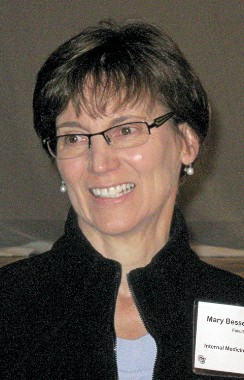
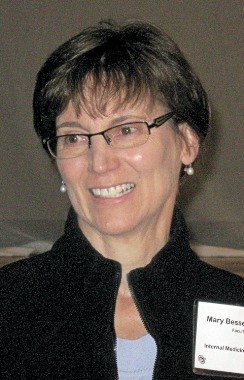
Ceftaroline (Teflaro) is a novel cephalosporin with unique binding to penicillin-binding proteins, including the altered versions that confer resistance in methicillin-resistant Staphylococcus aureus and penicillin- and cephalosporin-resistant Streptococcus pneumoniae. Thus, ceftaroline is a potent and effective drug in the increasingly common situation of beta-lactam-resistant community-acquired pneumonia (CAP) or complicated skin and soft tissue infections, noted Dr. Mary T. Bessesen, chief of the infectious diseases section at Denver V.A. Medical Center.
In the pivotal FOCUS 1 and FOCUS 2 trials conducted in patients with CAP not due to MRSA, ceftaroline proved noninferior overall to ceftriaxone (Rocephin). Of note, in the 14% of FOCUS participants with CAP due to S. aureus, ceftaroline proved to be significantly more effective than ceftriaxone. Importantly, the same was true among the one-third of FOCUS participants in whom S. pneumoniae was isolated (Clin. Infect. Dis. 2010;51:1395-405).
"I think if you’re going to impact mortality in CAP, pneumococcus has to be the primary target. Ceftaroline is a good alternative when penicillin-resistant S. pneumoniae is suspected or proven," Dr. Bessesen said at a conference on internal medicine sponsored by the University of Colorado.
Other common pathogens in CAP that are sensitive to ceftaroline are Hemophilus influenza and Moraxella catarrhalis. The Gram-negative pathogens E. coli, Klebsiella pneumoniae, and Enterobacter cloacae are also ceftaroline sensitive, with activity similar to ceftriaxone and ceftazidime (Fortaz).
Not only is MRSA sensitive to ceftaroline, so are methicillin-sensitive S. aureus, vancomycin-intermediate S. aureus, vancomycin-resistant S. aureus, linezolid (Zyvox)-resistant S. aureus, and daptomycin (Cubicin)-nonsusceptible S. aureus.
Ceftaroline does not cover the atypical pneumonia pathogens Mycoplasma pneumoniae, Chlamydia pneumoniae, and Legionella pneumoniae, nor does it cover Pseudomonas aeruginosa or extended-spectrum beta-lactamase-producing Enterobacteriaceae, stressed Dr. Bessesen.
The current CAP guidelines don’t include recommendations for ceftaroline, because the drug received Food and Drug Administration approval for treatment of CAP and complicated skin and soft tissue infections after the guidelines were issued.
Clinical trials investigating ceftaroline in CAP caused by MRSA would be welcome, Dr. Bessesen noted, because the current CAP guidelines don’t include any recommendations for CAP pneumonia.
"It really leaves us wondering in high-risk cases what’s best to do," she said. "There’s been some controversy about vancomycin versus linezolid when you suspect MRSA pneumonia. Ceftaroline would be a nice way to get around all of that."
Ceftaroline is administered intravenously twice daily, with dose adjustment for renal function. The drug’s pharmacokinetics are favorable for intramuscular injection, but there are limited clinical data for this route, and it is not FDA approved.
Ceftaroline costs about $84 per day, or four times more than ceftriaxone, Dr. Bessesen said. As a result, formulary committees are reluctant to put ceftaroline on the list.
That makes Dr. Bessesen see red.
"I’ve never been on a drug company speakers bureau. I’ve never had any research money from drug companies. I speak only as someone who’s interested in us being able to continue to treat bacterial infections when I say we’ve got to change our attitude. We have to be willing to pay something for these antibiotics," she asserted.
The antibiotic development pipeline has failed as pharmaceutical companies have abandoned the field, Dr. Bessesen continued. There are three reasons for this. One is that all the easy drugs have already been discovered. Another is that the FDA regulatory approval system for antibacterial agents is seriously outdated; the European Medicines Agency is much more forward thinking in this area and would be a useful model for FDA modernization, she noted.
But the biggest reason for the broken pipeline is that antibiotics are not a good financial investment for pharmaceutical companies. "It’s much more profitable for them to develop a drug like lovastatin that you’re going to take every day for the rest of your life than to develop an antibiotic you’re going to prescribe for a week or two. And society expects antibiotics to be cheap," Dr. Bessesen observed.
Contrast the roughly $1,600 cost of 4 weeks of ceftriaxone for S. viridans endocarditis – a serious infection – with the $54,000 price tag for 1 year of trastuzumab for breast cancer or $240,000 for a course of induction therapy with ipilimumab for melanoma, Dr. Bessesen noted.
"I’m not saying drugs should cost that much. I’m simply pointing out how society looks differently at these," she said.
With regard to the other three systemic antibiotics approved by the FDA in the 5 years since the 7-year drought ended, bedaquiline (Sirturo) is the most important globally, because it is indicated for multidrug-resistant tuberculosis. However, few U.S. physicians will have occasion to prescribe it.
Fidaxomicin (Dificid) is an effective drug for Clostridium difficile diarrhea; it’s eight times more potent than vancomycin against C. difficile, has minimal systemic absorption, and offers the major advantage of producing little negative impact on favorable gut flora. Telavancin (Vibativ) is a once-daily agent for hospital-acquired and ventilator-associated bacterial pneumonia.
Dr. Bessesen reported having no conflicts of interest.
ESTES PARK, COLO. – For primary care physicians, ceftaroline is hands-down the most exciting and important of the four systemic antibacterial agents to reach the U.S. market since the great 7-year drought in approvals ended in 2008, an infectious disease expert observed.
Ceftaroline (Teflaro) is a novel cephalosporin with unique binding to penicillin-binding proteins, including the altered versions that confer resistance in methicillin-resistant Staphylococcus aureus and penicillin- and cephalosporin-resistant Streptococcus pneumoniae. Thus, ceftaroline is a potent and effective drug in the increasingly common situation of beta-lactam-resistant community-acquired pneumonia (CAP) or complicated skin and soft tissue infections, noted Dr. Mary T. Bessesen, chief of the infectious diseases section at Denver V.A. Medical Center.
In the pivotal FOCUS 1 and FOCUS 2 trials conducted in patients with CAP not due to MRSA, ceftaroline proved noninferior overall to ceftriaxone (Rocephin). Of note, in the 14% of FOCUS participants with CAP due to S. aureus, ceftaroline proved to be significantly more effective than ceftriaxone. Importantly, the same was true among the one-third of FOCUS participants in whom S. pneumoniae was isolated (Clin. Infect. Dis. 2010;51:1395-405).
"I think if you’re going to impact mortality in CAP, pneumococcus has to be the primary target. Ceftaroline is a good alternative when penicillin-resistant S. pneumoniae is suspected or proven," Dr. Bessesen said at a conference on internal medicine sponsored by the University of Colorado.
Other common pathogens in CAP that are sensitive to ceftaroline are Hemophilus influenza and Moraxella catarrhalis. The Gram-negative pathogens E. coli, Klebsiella pneumoniae, and Enterobacter cloacae are also ceftaroline sensitive, with activity similar to ceftriaxone and ceftazidime (Fortaz).
Not only is MRSA sensitive to ceftaroline, so are methicillin-sensitive S. aureus, vancomycin-intermediate S. aureus, vancomycin-resistant S. aureus, linezolid (Zyvox)-resistant S. aureus, and daptomycin (Cubicin)-nonsusceptible S. aureus.
Ceftaroline does not cover the atypical pneumonia pathogens Mycoplasma pneumoniae, Chlamydia pneumoniae, and Legionella pneumoniae, nor does it cover Pseudomonas aeruginosa or extended-spectrum beta-lactamase-producing Enterobacteriaceae, stressed Dr. Bessesen.
The current CAP guidelines don’t include recommendations for ceftaroline, because the drug received Food and Drug Administration approval for treatment of CAP and complicated skin and soft tissue infections after the guidelines were issued.
Clinical trials investigating ceftaroline in CAP caused by MRSA would be welcome, Dr. Bessesen noted, because the current CAP guidelines don’t include any recommendations for CAP pneumonia.
"It really leaves us wondering in high-risk cases what’s best to do," she said. "There’s been some controversy about vancomycin versus linezolid when you suspect MRSA pneumonia. Ceftaroline would be a nice way to get around all of that."
Ceftaroline is administered intravenously twice daily, with dose adjustment for renal function. The drug’s pharmacokinetics are favorable for intramuscular injection, but there are limited clinical data for this route, and it is not FDA approved.
Ceftaroline costs about $84 per day, or four times more than ceftriaxone, Dr. Bessesen said. As a result, formulary committees are reluctant to put ceftaroline on the list.
That makes Dr. Bessesen see red.
"I’ve never been on a drug company speakers bureau. I’ve never had any research money from drug companies. I speak only as someone who’s interested in us being able to continue to treat bacterial infections when I say we’ve got to change our attitude. We have to be willing to pay something for these antibiotics," she asserted.
The antibiotic development pipeline has failed as pharmaceutical companies have abandoned the field, Dr. Bessesen continued. There are three reasons for this. One is that all the easy drugs have already been discovered. Another is that the FDA regulatory approval system for antibacterial agents is seriously outdated; the European Medicines Agency is much more forward thinking in this area and would be a useful model for FDA modernization, she noted.
But the biggest reason for the broken pipeline is that antibiotics are not a good financial investment for pharmaceutical companies. "It’s much more profitable for them to develop a drug like lovastatin that you’re going to take every day for the rest of your life than to develop an antibiotic you’re going to prescribe for a week or two. And society expects antibiotics to be cheap," Dr. Bessesen observed.
Contrast the roughly $1,600 cost of 4 weeks of ceftriaxone for S. viridans endocarditis – a serious infection – with the $54,000 price tag for 1 year of trastuzumab for breast cancer or $240,000 for a course of induction therapy with ipilimumab for melanoma, Dr. Bessesen noted.
"I’m not saying drugs should cost that much. I’m simply pointing out how society looks differently at these," she said.
With regard to the other three systemic antibiotics approved by the FDA in the 5 years since the 7-year drought ended, bedaquiline (Sirturo) is the most important globally, because it is indicated for multidrug-resistant tuberculosis. However, few U.S. physicians will have occasion to prescribe it.
Fidaxomicin (Dificid) is an effective drug for Clostridium difficile diarrhea; it’s eight times more potent than vancomycin against C. difficile, has minimal systemic absorption, and offers the major advantage of producing little negative impact on favorable gut flora. Telavancin (Vibativ) is a once-daily agent for hospital-acquired and ventilator-associated bacterial pneumonia.
Dr. Bessesen reported having no conflicts of interest.
ESTES PARK, COLO. – For primary care physicians, ceftaroline is hands-down the most exciting and important of the four systemic antibacterial agents to reach the U.S. market since the great 7-year drought in approvals ended in 2008, an infectious disease expert observed.
Ceftaroline (Teflaro) is a novel cephalosporin with unique binding to penicillin-binding proteins, including the altered versions that confer resistance in methicillin-resistant Staphylococcus aureus and penicillin- and cephalosporin-resistant Streptococcus pneumoniae. Thus, ceftaroline is a potent and effective drug in the increasingly common situation of beta-lactam-resistant community-acquired pneumonia (CAP) or complicated skin and soft tissue infections, noted Dr. Mary T. Bessesen, chief of the infectious diseases section at Denver V.A. Medical Center.
In the pivotal FOCUS 1 and FOCUS 2 trials conducted in patients with CAP not due to MRSA, ceftaroline proved noninferior overall to ceftriaxone (Rocephin). Of note, in the 14% of FOCUS participants with CAP due to S. aureus, ceftaroline proved to be significantly more effective than ceftriaxone. Importantly, the same was true among the one-third of FOCUS participants in whom S. pneumoniae was isolated (Clin. Infect. Dis. 2010;51:1395-405).
"I think if you’re going to impact mortality in CAP, pneumococcus has to be the primary target. Ceftaroline is a good alternative when penicillin-resistant S. pneumoniae is suspected or proven," Dr. Bessesen said at a conference on internal medicine sponsored by the University of Colorado.
Other common pathogens in CAP that are sensitive to ceftaroline are Hemophilus influenza and Moraxella catarrhalis. The Gram-negative pathogens E. coli, Klebsiella pneumoniae, and Enterobacter cloacae are also ceftaroline sensitive, with activity similar to ceftriaxone and ceftazidime (Fortaz).
Not only is MRSA sensitive to ceftaroline, so are methicillin-sensitive S. aureus, vancomycin-intermediate S. aureus, vancomycin-resistant S. aureus, linezolid (Zyvox)-resistant S. aureus, and daptomycin (Cubicin)-nonsusceptible S. aureus.
Ceftaroline does not cover the atypical pneumonia pathogens Mycoplasma pneumoniae, Chlamydia pneumoniae, and Legionella pneumoniae, nor does it cover Pseudomonas aeruginosa or extended-spectrum beta-lactamase-producing Enterobacteriaceae, stressed Dr. Bessesen.
The current CAP guidelines don’t include recommendations for ceftaroline, because the drug received Food and Drug Administration approval for treatment of CAP and complicated skin and soft tissue infections after the guidelines were issued.
Clinical trials investigating ceftaroline in CAP caused by MRSA would be welcome, Dr. Bessesen noted, because the current CAP guidelines don’t include any recommendations for CAP pneumonia.
"It really leaves us wondering in high-risk cases what’s best to do," she said. "There’s been some controversy about vancomycin versus linezolid when you suspect MRSA pneumonia. Ceftaroline would be a nice way to get around all of that."
Ceftaroline is administered intravenously twice daily, with dose adjustment for renal function. The drug’s pharmacokinetics are favorable for intramuscular injection, but there are limited clinical data for this route, and it is not FDA approved.
Ceftaroline costs about $84 per day, or four times more than ceftriaxone, Dr. Bessesen said. As a result, formulary committees are reluctant to put ceftaroline on the list.
That makes Dr. Bessesen see red.
"I’ve never been on a drug company speakers bureau. I’ve never had any research money from drug companies. I speak only as someone who’s interested in us being able to continue to treat bacterial infections when I say we’ve got to change our attitude. We have to be willing to pay something for these antibiotics," she asserted.
The antibiotic development pipeline has failed as pharmaceutical companies have abandoned the field, Dr. Bessesen continued. There are three reasons for this. One is that all the easy drugs have already been discovered. Another is that the FDA regulatory approval system for antibacterial agents is seriously outdated; the European Medicines Agency is much more forward thinking in this area and would be a useful model for FDA modernization, she noted.
But the biggest reason for the broken pipeline is that antibiotics are not a good financial investment for pharmaceutical companies. "It’s much more profitable for them to develop a drug like lovastatin that you’re going to take every day for the rest of your life than to develop an antibiotic you’re going to prescribe for a week or two. And society expects antibiotics to be cheap," Dr. Bessesen observed.
Contrast the roughly $1,600 cost of 4 weeks of ceftriaxone for S. viridans endocarditis – a serious infection – with the $54,000 price tag for 1 year of trastuzumab for breast cancer or $240,000 for a course of induction therapy with ipilimumab for melanoma, Dr. Bessesen noted.
"I’m not saying drugs should cost that much. I’m simply pointing out how society looks differently at these," she said.
With regard to the other three systemic antibiotics approved by the FDA in the 5 years since the 7-year drought ended, bedaquiline (Sirturo) is the most important globally, because it is indicated for multidrug-resistant tuberculosis. However, few U.S. physicians will have occasion to prescribe it.
Fidaxomicin (Dificid) is an effective drug for Clostridium difficile diarrhea; it’s eight times more potent than vancomycin against C. difficile, has minimal systemic absorption, and offers the major advantage of producing little negative impact on favorable gut flora. Telavancin (Vibativ) is a once-daily agent for hospital-acquired and ventilator-associated bacterial pneumonia.
Dr. Bessesen reported having no conflicts of interest.
EXPERT ANALYSIS FROM THE ANNUAL INTERNAL MEDICINE PROGRAM
Chest x-rays for asthma doubled in 15 years
Between 1995 and 2009, the use of chest x-rays for children with asthma significantly increased in emergency departments overall, but dropped in pediatric emergency departments – findings that have implications for savings in health care costs and safety, according to Dr. Jane F. Knapp and her associates.
Citing factors that include the average cost of a chest x-ray ($370), the average time that obtaining an x-ray adds to an ED visit (27 minutes), and evidence that many children with respiratory illnesses can be treated safely and effectively without an x-ray, the authors pointed out that "reversing this trend could improve ED efficiency, decrease costs, and decrease radiation exposure." The results of the retrospective study appear in the August issue of Pediatrics (2013;132:245-52).

Dr. Knapp of Children’s Mercy Hospitals and Clinics, Kansas City, Mo., and her coauthors used national survey data on ED visits from a sample of nonfederal, general, and short-stay hospitals in the United States to compare the rates of x-ray use for three groups of children evaluated between 1995 and 2009: those with moderate to severe asthma, aged 2-18 years; children with bronchiolitis, aged 3 months to 1 year; and children with croup, aged 3 months to 6 years.
During this period, the use of x-rays did not change significantly for the groups with bronchiolitis and croup. But the use of x-rays for children with asthma increased every year, about 7% a year (OR, 1.07). Although this annual increase appears small, it added up to a 2.4-fold increase over the period of time studied, the authors said.
"...Reversing this trend could improve ED efficiency, decrease costs, and decrease radiation exposure."
In pediatric EDs specifically, the use of x-rays significantly decreased during the period studied for all three respiratory illnesses: asthma (OR, 0.44), bronchiolitis (OR, 0.37), and croup (OR, 0.34). A look at trends according to region showed that the use of x-rays in EDs for all three conditions increased significantly in the Midwest and South compared with the Northeast. In the West, use increased significantly for those with asthma and bronchiolitis only.
The increase in x-ray use among the children with asthma could not be explained by changes in the National Asthma Education and Prevention Program guidelines. The researchers speculated that some factors related to parents, patients, and physicians. They cited evidence that physicians are more likely to order antibiotics for a child or an x-ray for a respiratory illness or low back pain when parents or patients expect such measures. "Pressures on ED physicians to practice more aggressively could also be involved," they wrote.
Although the National Heart, Lung, and Blood Institute guidelines on the use of chest x-rays in children with asthma did not change during the study period, "we also believe that they do not provide the criteria that are sufficiently explicit to affect the discretionary use of x-rays," Dr Knapp and her associates said.
“As we discussed in the article, we need to understand the reasons why more x-rays are being used over time in the ED care of the child with asthma rather than less. The reasons may be multifactorial, but just as we have worked to limit the overuse of antibiotics with guidelines, parental education, and individual and system performance evaluation, we need to find ways to limit the excess radiation and cost associated with the use of x-rays," Dr. Knapp said in an interview.
There are almost 1 million ED visits per year for pediatric asthma, bronchiolitis, and croup, they noted.
The study did not receive external funding and the authors had no disclosures.
emechcatie@frontlinemedcom.com
This story was updated. 8/5/2013
Between 1995 and 2009, the use of chest x-rays for children with asthma significantly increased in emergency departments overall, but dropped in pediatric emergency departments – findings that have implications for savings in health care costs and safety, according to Dr. Jane F. Knapp and her associates.
Citing factors that include the average cost of a chest x-ray ($370), the average time that obtaining an x-ray adds to an ED visit (27 minutes), and evidence that many children with respiratory illnesses can be treated safely and effectively without an x-ray, the authors pointed out that "reversing this trend could improve ED efficiency, decrease costs, and decrease radiation exposure." The results of the retrospective study appear in the August issue of Pediatrics (2013;132:245-52).
Dr. Knapp of Children’s Mercy Hospitals and Clinics, Kansas City, Mo., and her coauthors used national survey data on ED visits from a sample of nonfederal, general, and short-stay hospitals in the United States to compare the rates of x-ray use for three groups of children evaluated between 1995 and 2009: those with moderate to severe asthma, aged 2-18 years; children with bronchiolitis, aged 3 months to 1 year; and children with croup, aged 3 months to 6 years.
During this period, the use of x-rays did not change significantly for the groups with bronchiolitis and croup. But the use of x-rays for children with asthma increased every year, about 7% a year (OR, 1.07). Although this annual increase appears small, it added up to a 2.4-fold increase over the period of time studied, the authors said.
"...Reversing this trend could improve ED efficiency, decrease costs, and decrease radiation exposure."
In pediatric EDs specifically, the use of x-rays significantly decreased during the period studied for all three respiratory illnesses: asthma (OR, 0.44), bronchiolitis (OR, 0.37), and croup (OR, 0.34). A look at trends according to region showed that the use of x-rays in EDs for all three conditions increased significantly in the Midwest and South compared with the Northeast. In the West, use increased significantly for those with asthma and bronchiolitis only.
The increase in x-ray use among the children with asthma could not be explained by changes in the National Asthma Education and Prevention Program guidelines. The researchers speculated that some factors related to parents, patients, and physicians. They cited evidence that physicians are more likely to order antibiotics for a child or an x-ray for a respiratory illness or low back pain when parents or patients expect such measures. "Pressures on ED physicians to practice more aggressively could also be involved," they wrote.
Although the National Heart, Lung, and Blood Institute guidelines on the use of chest x-rays in children with asthma did not change during the study period, "we also believe that they do not provide the criteria that are sufficiently explicit to affect the discretionary use of x-rays," Dr Knapp and her associates said.
“As we discussed in the article, we need to understand the reasons why more x-rays are being used over time in the ED care of the child with asthma rather than less. The reasons may be multifactorial, but just as we have worked to limit the overuse of antibiotics with guidelines, parental education, and individual and system performance evaluation, we need to find ways to limit the excess radiation and cost associated with the use of x-rays," Dr. Knapp said in an interview.
There are almost 1 million ED visits per year for pediatric asthma, bronchiolitis, and croup, they noted.
The study did not receive external funding and the authors had no disclosures.
emechcatie@frontlinemedcom.com
This story was updated. 8/5/2013
Between 1995 and 2009, the use of chest x-rays for children with asthma significantly increased in emergency departments overall, but dropped in pediatric emergency departments – findings that have implications for savings in health care costs and safety, according to Dr. Jane F. Knapp and her associates.
Citing factors that include the average cost of a chest x-ray ($370), the average time that obtaining an x-ray adds to an ED visit (27 minutes), and evidence that many children with respiratory illnesses can be treated safely and effectively without an x-ray, the authors pointed out that "reversing this trend could improve ED efficiency, decrease costs, and decrease radiation exposure." The results of the retrospective study appear in the August issue of Pediatrics (2013;132:245-52).
Dr. Knapp of Children’s Mercy Hospitals and Clinics, Kansas City, Mo., and her coauthors used national survey data on ED visits from a sample of nonfederal, general, and short-stay hospitals in the United States to compare the rates of x-ray use for three groups of children evaluated between 1995 and 2009: those with moderate to severe asthma, aged 2-18 years; children with bronchiolitis, aged 3 months to 1 year; and children with croup, aged 3 months to 6 years.
During this period, the use of x-rays did not change significantly for the groups with bronchiolitis and croup. But the use of x-rays for children with asthma increased every year, about 7% a year (OR, 1.07). Although this annual increase appears small, it added up to a 2.4-fold increase over the period of time studied, the authors said.
"...Reversing this trend could improve ED efficiency, decrease costs, and decrease radiation exposure."
In pediatric EDs specifically, the use of x-rays significantly decreased during the period studied for all three respiratory illnesses: asthma (OR, 0.44), bronchiolitis (OR, 0.37), and croup (OR, 0.34). A look at trends according to region showed that the use of x-rays in EDs for all three conditions increased significantly in the Midwest and South compared with the Northeast. In the West, use increased significantly for those with asthma and bronchiolitis only.
The increase in x-ray use among the children with asthma could not be explained by changes in the National Asthma Education and Prevention Program guidelines. The researchers speculated that some factors related to parents, patients, and physicians. They cited evidence that physicians are more likely to order antibiotics for a child or an x-ray for a respiratory illness or low back pain when parents or patients expect such measures. "Pressures on ED physicians to practice more aggressively could also be involved," they wrote.
Although the National Heart, Lung, and Blood Institute guidelines on the use of chest x-rays in children with asthma did not change during the study period, "we also believe that they do not provide the criteria that are sufficiently explicit to affect the discretionary use of x-rays," Dr Knapp and her associates said.
“As we discussed in the article, we need to understand the reasons why more x-rays are being used over time in the ED care of the child with asthma rather than less. The reasons may be multifactorial, but just as we have worked to limit the overuse of antibiotics with guidelines, parental education, and individual and system performance evaluation, we need to find ways to limit the excess radiation and cost associated with the use of x-rays," Dr. Knapp said in an interview.
There are almost 1 million ED visits per year for pediatric asthma, bronchiolitis, and croup, they noted.
The study did not receive external funding and the authors had no disclosures.
emechcatie@frontlinemedcom.com
This story was updated. 8/5/2013
FROM PEDIATRICS
Major finding: The use of x-rays for children evaluated for asthma in the ED increased by 2.4 fold between 1995 and 2009, a trend that could not be explained by changes in national guidelines.
Data source: The National Hospital Ambulatory Medical Care Survey of hospitals in the United States, for 1995-2009.
Disclosures: The study did not receive external funding and the authors had no disclosures.
Smokin': Report finds marijuana has negligible effects on lungs
LOS ANGELES – The pulmonary consequences of regularly smoking marijuana are far less than for tobacco, according a review of the published evidence conducted by Dr. Donald P. Tashkin, emeritus professor of medicine and medical director of the pulmonary function laboratory at the University of California, Los Angeles.
Habitual use of marijuana alone doesn’t appear to lead to significant abnormalities in lung function, nor does it increase the risks of COPD or either lung or upper airway cancer. It is associated with an increase in symptoms of chronic bronchitis; however the symptoms go away upon discontinuation of use, according to Dr. Tashkin (Ann. Am. Thorac. Soc. 2013;10:239-47).

"The accumulated weight of evidence implies far lower risks for pulmonary complications of even regular heavy use of marijuana, compared with the grave pulmonary consequences of tobacco," he concluded.
In an accompanying editorial, Dr. Mark A. Ware called Dr. Tashkin’s article "the most comprehensive and authoritative review of the subject ever published."
Dr. Tashkin’s conclusion that smoking marijuana is not a major risk factor for airway cancer or COPD "will affect the way health professionals interact with patients, parents with teenagers, and policy makers with their constituents," predicted Dr. Ware, a family physician and anesthesiologist who is director of clinical research at the Alan Edwards Pain Management Unit at McGill University in Montreal.
Dr. Tashkin reported having no conflicts of interest. Dr. Ware has received lecture fees from the Canadian Consortium for the Investigation of the Cannabinoids and a research grant and honoraria from Valeant for conducting a randomized trial of nabilone in fibromyalgia patients.
LOS ANGELES – The pulmonary consequences of regularly smoking marijuana are far less than for tobacco, according a review of the published evidence conducted by Dr. Donald P. Tashkin, emeritus professor of medicine and medical director of the pulmonary function laboratory at the University of California, Los Angeles.
Habitual use of marijuana alone doesn’t appear to lead to significant abnormalities in lung function, nor does it increase the risks of COPD or either lung or upper airway cancer. It is associated with an increase in symptoms of chronic bronchitis; however the symptoms go away upon discontinuation of use, according to Dr. Tashkin (Ann. Am. Thorac. Soc. 2013;10:239-47).
"The accumulated weight of evidence implies far lower risks for pulmonary complications of even regular heavy use of marijuana, compared with the grave pulmonary consequences of tobacco," he concluded.
In an accompanying editorial, Dr. Mark A. Ware called Dr. Tashkin’s article "the most comprehensive and authoritative review of the subject ever published."
Dr. Tashkin’s conclusion that smoking marijuana is not a major risk factor for airway cancer or COPD "will affect the way health professionals interact with patients, parents with teenagers, and policy makers with their constituents," predicted Dr. Ware, a family physician and anesthesiologist who is director of clinical research at the Alan Edwards Pain Management Unit at McGill University in Montreal.
Dr. Tashkin reported having no conflicts of interest. Dr. Ware has received lecture fees from the Canadian Consortium for the Investigation of the Cannabinoids and a research grant and honoraria from Valeant for conducting a randomized trial of nabilone in fibromyalgia patients.
LOS ANGELES – The pulmonary consequences of regularly smoking marijuana are far less than for tobacco, according a review of the published evidence conducted by Dr. Donald P. Tashkin, emeritus professor of medicine and medical director of the pulmonary function laboratory at the University of California, Los Angeles.
Habitual use of marijuana alone doesn’t appear to lead to significant abnormalities in lung function, nor does it increase the risks of COPD or either lung or upper airway cancer. It is associated with an increase in symptoms of chronic bronchitis; however the symptoms go away upon discontinuation of use, according to Dr. Tashkin (Ann. Am. Thorac. Soc. 2013;10:239-47).
"The accumulated weight of evidence implies far lower risks for pulmonary complications of even regular heavy use of marijuana, compared with the grave pulmonary consequences of tobacco," he concluded.
In an accompanying editorial, Dr. Mark A. Ware called Dr. Tashkin’s article "the most comprehensive and authoritative review of the subject ever published."
Dr. Tashkin’s conclusion that smoking marijuana is not a major risk factor for airway cancer or COPD "will affect the way health professionals interact with patients, parents with teenagers, and policy makers with their constituents," predicted Dr. Ware, a family physician and anesthesiologist who is director of clinical research at the Alan Edwards Pain Management Unit at McGill University in Montreal.
Dr. Tashkin reported having no conflicts of interest. Dr. Ware has received lecture fees from the Canadian Consortium for the Investigation of the Cannabinoids and a research grant and honoraria from Valeant for conducting a randomized trial of nabilone in fibromyalgia patients.

USPSTF systematic review supports CT screening for lung cancer
Low-dose computed tomography reduces lung cancer mortality and all-cause mortality when used as a screening tool in asymptomatic adults at high risk for the disease, according to the results of a systematic review conducted for the U.S. Preventive Services Task Force.
In 2004, the USPSTF deemed the evidence insufficient for recommending for or against low-dose computed tomography (LDCT) for lung cancer screening in asymptomatic individuals, but the findings of the current review suggest screening has a definite benefit for most patients, Dr. Linda L. Humphrey, of Oregon Health and Science University and the Portland Veterans Affairs Medical Center, and her colleagues reported.
A draft recommendation based on the findings, published online in the July 30 issue of Annals of Internal Medicine (2013 July 29 [doi: 10.7326/0003-4819-159-6-201309170-00690]), is available on the USPSTF website for public comment.

The researchers conducted a review of the literature published between 2000 and May 2013 and identified four trials that reported findings on the efficacy of LDCT screening in patients with smoking exposure for both intervention and control groups. Three small trials showed varying degrees of benefit with screening, but were underpowered; one large trial – the National Lung Screening Trial (NLST) – showed a significant 20% reduction in lung cancer mortality among those screened, as well as a 6.7% reduction in all-cause mortality.
The randomized multicenter NLST compared annual LDCT scans with annual single-view posterior-anterior chest radiographs for 3 years in more than 53,000 current or former smokers aged 55-74 years with at least a 30–pack-year history of smoking (N. Engl. J. Med. 2013;368:1980-91). One cancer death was prevented for every 320 patients who completed one screening, and one death from any cause was prevented for every 219 patients screened in that study; the trial was stopped early after 6.5 years of follow-up based on the findings.
In general, the benefits of LDCT for lung cancer screening in this population outweighed the risks, Dr. Humphrey and her colleagues noted.
Harms associated with LDCT, according to findings from 7 trials and 13 cohort studies that reported on such outcomes, included radiation exposure, overdiagnosis, and a high rate of false-positive findings that were resolved by further imaging in most cases. False negatives were reported in six studies, and the rates ranged from 0% to 20%, but none of the studies evaluated the harm of false reassurance, the investigators noted. The benefits of screening must be weighed against these potential harms.
Lung cancer is the third most common cancer among men and women in the United States, but is the leading cause of cancer-related deaths, accounting for nearly 27%. Furthermore, about 85% of U.S. lung cancer cases are attributable to smoking, and since about 20% of Americans currently smoke – and many more are former smokers who remain at increased risk because of their smoking history – "lung cancer will remain a major public health problem in this country for decades," the investigators wrote.
The studies included in this review were conducted in patients at high risk for lung cancer based on current or former smoking. However, patients at an increased risk for lung cancer, including older adults and those with a family history of lung cancer, chronic obstructive pulmonary disease, pulmonary fibrosis, and certain environmental and occupational exposures, may also benefit from LDCT screening.
"Future research to identify methods for focusing LDCT screening on persons at highest risk for disease, to improve discrimination between benign and malignant pulmonary nodules, and to find early indicators of aggressive disease is warranted," the investigators noted. "If LDCT screening becomes routine, the risk for harms should be measured and methods to limit them should be identified."
The review was funded by grants from the Agency for Healthcare Research and Quality and the Portland Veterans Affairs Medical Center. Dr. Humphrey is employed by the Department of Veterans Affairs, and she and her coauthors disclosed ties with UpToDate, the USPSTF, AHRQ, the Department of Veterans Affairs, the American Lung Association, the Chest/LUNGevity Foundation, the National Lung Cancer Partnership, and/or the American College of Chest Physicians.
Low-dose computed tomography reduces lung cancer mortality and all-cause mortality when used as a screening tool in asymptomatic adults at high risk for the disease, according to the results of a systematic review conducted for the U.S. Preventive Services Task Force.
In 2004, the USPSTF deemed the evidence insufficient for recommending for or against low-dose computed tomography (LDCT) for lung cancer screening in asymptomatic individuals, but the findings of the current review suggest screening has a definite benefit for most patients, Dr. Linda L. Humphrey, of Oregon Health and Science University and the Portland Veterans Affairs Medical Center, and her colleagues reported.
A draft recommendation based on the findings, published online in the July 30 issue of Annals of Internal Medicine (2013 July 29 [doi: 10.7326/0003-4819-159-6-201309170-00690]), is available on the USPSTF website for public comment.
The researchers conducted a review of the literature published between 2000 and May 2013 and identified four trials that reported findings on the efficacy of LDCT screening in patients with smoking exposure for both intervention and control groups. Three small trials showed varying degrees of benefit with screening, but were underpowered; one large trial – the National Lung Screening Trial (NLST) – showed a significant 20% reduction in lung cancer mortality among those screened, as well as a 6.7% reduction in all-cause mortality.
The randomized multicenter NLST compared annual LDCT scans with annual single-view posterior-anterior chest radiographs for 3 years in more than 53,000 current or former smokers aged 55-74 years with at least a 30–pack-year history of smoking (N. Engl. J. Med. 2013;368:1980-91). One cancer death was prevented for every 320 patients who completed one screening, and one death from any cause was prevented for every 219 patients screened in that study; the trial was stopped early after 6.5 years of follow-up based on the findings.
In general, the benefits of LDCT for lung cancer screening in this population outweighed the risks, Dr. Humphrey and her colleagues noted.
Harms associated with LDCT, according to findings from 7 trials and 13 cohort studies that reported on such outcomes, included radiation exposure, overdiagnosis, and a high rate of false-positive findings that were resolved by further imaging in most cases. False negatives were reported in six studies, and the rates ranged from 0% to 20%, but none of the studies evaluated the harm of false reassurance, the investigators noted. The benefits of screening must be weighed against these potential harms.
Lung cancer is the third most common cancer among men and women in the United States, but is the leading cause of cancer-related deaths, accounting for nearly 27%. Furthermore, about 85% of U.S. lung cancer cases are attributable to smoking, and since about 20% of Americans currently smoke – and many more are former smokers who remain at increased risk because of their smoking history – "lung cancer will remain a major public health problem in this country for decades," the investigators wrote.
The studies included in this review were conducted in patients at high risk for lung cancer based on current or former smoking. However, patients at an increased risk for lung cancer, including older adults and those with a family history of lung cancer, chronic obstructive pulmonary disease, pulmonary fibrosis, and certain environmental and occupational exposures, may also benefit from LDCT screening.
"Future research to identify methods for focusing LDCT screening on persons at highest risk for disease, to improve discrimination between benign and malignant pulmonary nodules, and to find early indicators of aggressive disease is warranted," the investigators noted. "If LDCT screening becomes routine, the risk for harms should be measured and methods to limit them should be identified."
The review was funded by grants from the Agency for Healthcare Research and Quality and the Portland Veterans Affairs Medical Center. Dr. Humphrey is employed by the Department of Veterans Affairs, and she and her coauthors disclosed ties with UpToDate, the USPSTF, AHRQ, the Department of Veterans Affairs, the American Lung Association, the Chest/LUNGevity Foundation, the National Lung Cancer Partnership, and/or the American College of Chest Physicians.
Low-dose computed tomography reduces lung cancer mortality and all-cause mortality when used as a screening tool in asymptomatic adults at high risk for the disease, according to the results of a systematic review conducted for the U.S. Preventive Services Task Force.
In 2004, the USPSTF deemed the evidence insufficient for recommending for or against low-dose computed tomography (LDCT) for lung cancer screening in asymptomatic individuals, but the findings of the current review suggest screening has a definite benefit for most patients, Dr. Linda L. Humphrey, of Oregon Health and Science University and the Portland Veterans Affairs Medical Center, and her colleagues reported.
A draft recommendation based on the findings, published online in the July 30 issue of Annals of Internal Medicine (2013 July 29 [doi: 10.7326/0003-4819-159-6-201309170-00690]), is available on the USPSTF website for public comment.
The researchers conducted a review of the literature published between 2000 and May 2013 and identified four trials that reported findings on the efficacy of LDCT screening in patients with smoking exposure for both intervention and control groups. Three small trials showed varying degrees of benefit with screening, but were underpowered; one large trial – the National Lung Screening Trial (NLST) – showed a significant 20% reduction in lung cancer mortality among those screened, as well as a 6.7% reduction in all-cause mortality.
The randomized multicenter NLST compared annual LDCT scans with annual single-view posterior-anterior chest radiographs for 3 years in more than 53,000 current or former smokers aged 55-74 years with at least a 30–pack-year history of smoking (N. Engl. J. Med. 2013;368:1980-91). One cancer death was prevented for every 320 patients who completed one screening, and one death from any cause was prevented for every 219 patients screened in that study; the trial was stopped early after 6.5 years of follow-up based on the findings.
In general, the benefits of LDCT for lung cancer screening in this population outweighed the risks, Dr. Humphrey and her colleagues noted.
Harms associated with LDCT, according to findings from 7 trials and 13 cohort studies that reported on such outcomes, included radiation exposure, overdiagnosis, and a high rate of false-positive findings that were resolved by further imaging in most cases. False negatives were reported in six studies, and the rates ranged from 0% to 20%, but none of the studies evaluated the harm of false reassurance, the investigators noted. The benefits of screening must be weighed against these potential harms.
Lung cancer is the third most common cancer among men and women in the United States, but is the leading cause of cancer-related deaths, accounting for nearly 27%. Furthermore, about 85% of U.S. lung cancer cases are attributable to smoking, and since about 20% of Americans currently smoke – and many more are former smokers who remain at increased risk because of their smoking history – "lung cancer will remain a major public health problem in this country for decades," the investigators wrote.
The studies included in this review were conducted in patients at high risk for lung cancer based on current or former smoking. However, patients at an increased risk for lung cancer, including older adults and those with a family history of lung cancer, chronic obstructive pulmonary disease, pulmonary fibrosis, and certain environmental and occupational exposures, may also benefit from LDCT screening.
"Future research to identify methods for focusing LDCT screening on persons at highest risk for disease, to improve discrimination between benign and malignant pulmonary nodules, and to find early indicators of aggressive disease is warranted," the investigators noted. "If LDCT screening becomes routine, the risk for harms should be measured and methods to limit them should be identified."
The review was funded by grants from the Agency for Healthcare Research and Quality and the Portland Veterans Affairs Medical Center. Dr. Humphrey is employed by the Department of Veterans Affairs, and she and her coauthors disclosed ties with UpToDate, the USPSTF, AHRQ, the Department of Veterans Affairs, the American Lung Association, the Chest/LUNGevity Foundation, the National Lung Cancer Partnership, and/or the American College of Chest Physicians.
FROM ANNALS OF INTERNAL MEDICINE
Major finding: One large trial showed a significant 20% reduction in lung cancer mortality among those screened, as well as a 6.7% reduction in all-cause mortality.
Data source: A systematic review of LDCT efficacy findings published between 2000 and May 2013.
Disclosures: The review was funded by grants from the Agency for Healthcare Research and Quality and the Portland Veterans Affairs Medical Center. Dr. Humphrey is employed by the Department of Veterans Affairs, and she and her coauthors disclosed ties with UpToDate, the USPSTF, AHRQ, the Department of Veterans Affairs, the American Lung Association, the Chest/LUNGevity Foundation, the National Lung Cancer Partnership, and/or the American College of Chest Physicians.

ASCO issues to-do list on tobacco control
U.S. oncologists are calling on federal and state officials to beef up the regulation of tobacco products, increase research funding, and ensure access to cessation treatments through the new state-based insurance exchanges.
Physicians also need to "lead by example" by not smoking, treating tobacco dependence aggressively, lobbying for tobacco-free environments, and refusing to accept tobacco industry support, according to a policy statement from the American Society of Clinical Oncology. The statement was published July 29 in the Journal of Clinical Oncology (doi:10.1200/JCO.2013.48.8932). This is the first time ASCO has updated its policy on tobacco control since 2003.
The latest report reminds physicians, policy makers, and the public that the problem of tobacco cessation and control is not solved, said Dr. Clifford A. Hudis, president of the American Society of Clinical Oncology.
"While smoking cessation efforts have been rewarded in many populations with falling rates of cigarette and tobacco use, that’s not been uniform," said Dr. Hudis of Memorial Sloan-Kettering Cancer Center in New York. "It remains a dominant health care risk in the U.S. and specifically a cancer risk,"
But Dr. Hudis said he thinks ASCO’s message will resonate on Capitol Hill where lawmakers are looking for cost-effective policies. "This is an area where doing the right thing could yield unbelievable dividends in terms of savings for the system," he said.
One of those areas is in federally sponsored research. ASCO is seeking an increased federal role in research on a range of tobacco control areas from understanding the mechanisms of tobacco use to implementing tobacco cessation in specific populations including cancer patients and survivors. ASCO also wants to see tobacco use history and status included as a core data element that is collected throughout oncology clinical trials.
ASCO also supports coverage of tobacco cessation treatment insurance coverage and increased physician payments for evidence-based tobacco cessation services, such as intensive counseling, and FDA-approved medications. Although Medicare and Medicaid both cover tobacco cessation treatments, the ASCO report expresses concerns that these services could be left out of some health plans in the state-based insurance exchanges. ASCO wants to ensure when states set their essential health benefit packages for policies sold in the exchanges that they include a range of evidence-based services and drug therapies for tobacco cessation that are consistent with the recommendations of the U.S. Preventive Services Task Force.
Regulation is another area where ASCO officials are calling for more action.
The organization continues to support policies to increase the price of tobacco products in an effort to curb use and fund state tobacco control programs, including quit lines and youth prevention programs. ASCO supports a "substantial" increase in tobacco excises taxes, the establishment of minimum price laws for cigarettes that counteract industry discounts, and an increase on retail licensing fees.
All tobacco products should be regulated in the same way, ASCO said, without exemptions for cigars and cigarillos.
The organization also supports the 2011 recommendation from the FDA Tobacco Products Scientific Advisory Committee to remove menthol cigarettes from the market.
The ASCO recommendations come on the heels of a new scientific review by the Food and Drug Administration that shows that menthol cigarettes is likely associated with increased smoking initiation by teens and young adults. Menthol use is also likely associated with greater addiction, making it harder to quit. FDA officials concluded that menthol cigarettes, while not more toxic, likely pose a greater public health risk than did nonmenthol cigarettes.
The FDA is asking the public to offer suggestions for how menthol in cigarettes could be regulated.
The agency has also commissioned additional studies on the public health impact of menthol cigarettes, compared with regular cigarettes. The three studies will look at whether genetic differences in taste perceptions for menthol cigarettes, compare the smoke-related toxins and carcinogens between menthol and nonmenthol cigarettes, and consider the impact of menthol compounds on addiction.
Physicians also have a role to play when it comes to encouraging patients to quit and lobbying lawmakers on smoking-related regulations.
"Physicians are just one part of this discussion, though we can be leaders and motivators more broadly in the population," Dr. Hudis said.
But a new survey published on July 29 in the Journal of Oncology Practice shows that oncologists aren’t fully promoting smoking cessation in their practices (doi:10.1200/JOP.2013.001025).
The online survey of ASCO members conducted in 2012 shows that the vast majority of oncologists are asking patients about tobacco use at least initially. About 90% of the 1,197 respondents said they routinely asked patients about tobacco use at the initial visit and 84% advised patients to stop using tobacco.
But there was a significant drop off when it came to following up with treatment options. Only 44% routinely discuss medication options and only 39% provide other cessation support. The respondents cited inadequate training in tobacco cessation interventions and patient resistance as some of the barriers.
Dr. Hudis said sometimes tobacco cessation falls through the cracks for busy physicians. "That just reminds us that everyone in health care is stretched these days, working hard and balancing priorities," he said. "We just have to make sure that this remains front and center."
For its part, ASCO plans to help develop cessation tools and resources for providers to integrate into their practices. ASCO is also calling for a stronger focus on tobacco cessation both in medical training and continuing medical education courses. The organization is encouraging credentialing organizations to include questions about tobacco-dependence treatment in their exams. ASCO plans to partner with the American Board of Internal Medicine to make sure there is tobacco cessation content in the oncology specialty training boards.
mschneider@frontlinemedcom.com

U.S. oncologists are calling on federal and state officials to beef up the regulation of tobacco products, increase research funding, and ensure access to cessation treatments through the new state-based insurance exchanges.
Physicians also need to "lead by example" by not smoking, treating tobacco dependence aggressively, lobbying for tobacco-free environments, and refusing to accept tobacco industry support, according to a policy statement from the American Society of Clinical Oncology. The statement was published July 29 in the Journal of Clinical Oncology (doi:10.1200/JCO.2013.48.8932). This is the first time ASCO has updated its policy on tobacco control since 2003.
The latest report reminds physicians, policy makers, and the public that the problem of tobacco cessation and control is not solved, said Dr. Clifford A. Hudis, president of the American Society of Clinical Oncology.
"While smoking cessation efforts have been rewarded in many populations with falling rates of cigarette and tobacco use, that’s not been uniform," said Dr. Hudis of Memorial Sloan-Kettering Cancer Center in New York. "It remains a dominant health care risk in the U.S. and specifically a cancer risk,"
But Dr. Hudis said he thinks ASCO’s message will resonate on Capitol Hill where lawmakers are looking for cost-effective policies. "This is an area where doing the right thing could yield unbelievable dividends in terms of savings for the system," he said.
One of those areas is in federally sponsored research. ASCO is seeking an increased federal role in research on a range of tobacco control areas from understanding the mechanisms of tobacco use to implementing tobacco cessation in specific populations including cancer patients and survivors. ASCO also wants to see tobacco use history and status included as a core data element that is collected throughout oncology clinical trials.
ASCO also supports coverage of tobacco cessation treatment insurance coverage and increased physician payments for evidence-based tobacco cessation services, such as intensive counseling, and FDA-approved medications. Although Medicare and Medicaid both cover tobacco cessation treatments, the ASCO report expresses concerns that these services could be left out of some health plans in the state-based insurance exchanges. ASCO wants to ensure when states set their essential health benefit packages for policies sold in the exchanges that they include a range of evidence-based services and drug therapies for tobacco cessation that are consistent with the recommendations of the U.S. Preventive Services Task Force.
Regulation is another area where ASCO officials are calling for more action.
The organization continues to support policies to increase the price of tobacco products in an effort to curb use and fund state tobacco control programs, including quit lines and youth prevention programs. ASCO supports a "substantial" increase in tobacco excises taxes, the establishment of minimum price laws for cigarettes that counteract industry discounts, and an increase on retail licensing fees.
All tobacco products should be regulated in the same way, ASCO said, without exemptions for cigars and cigarillos.
The organization also supports the 2011 recommendation from the FDA Tobacco Products Scientific Advisory Committee to remove menthol cigarettes from the market.
The ASCO recommendations come on the heels of a new scientific review by the Food and Drug Administration that shows that menthol cigarettes is likely associated with increased smoking initiation by teens and young adults. Menthol use is also likely associated with greater addiction, making it harder to quit. FDA officials concluded that menthol cigarettes, while not more toxic, likely pose a greater public health risk than did nonmenthol cigarettes.
The FDA is asking the public to offer suggestions for how menthol in cigarettes could be regulated.
The agency has also commissioned additional studies on the public health impact of menthol cigarettes, compared with regular cigarettes. The three studies will look at whether genetic differences in taste perceptions for menthol cigarettes, compare the smoke-related toxins and carcinogens between menthol and nonmenthol cigarettes, and consider the impact of menthol compounds on addiction.
Physicians also have a role to play when it comes to encouraging patients to quit and lobbying lawmakers on smoking-related regulations.
"Physicians are just one part of this discussion, though we can be leaders and motivators more broadly in the population," Dr. Hudis said.
But a new survey published on July 29 in the Journal of Oncology Practice shows that oncologists aren’t fully promoting smoking cessation in their practices (doi:10.1200/JOP.2013.001025).
The online survey of ASCO members conducted in 2012 shows that the vast majority of oncologists are asking patients about tobacco use at least initially. About 90% of the 1,197 respondents said they routinely asked patients about tobacco use at the initial visit and 84% advised patients to stop using tobacco.
But there was a significant drop off when it came to following up with treatment options. Only 44% routinely discuss medication options and only 39% provide other cessation support. The respondents cited inadequate training in tobacco cessation interventions and patient resistance as some of the barriers.
Dr. Hudis said sometimes tobacco cessation falls through the cracks for busy physicians. "That just reminds us that everyone in health care is stretched these days, working hard and balancing priorities," he said. "We just have to make sure that this remains front and center."
For its part, ASCO plans to help develop cessation tools and resources for providers to integrate into their practices. ASCO is also calling for a stronger focus on tobacco cessation both in medical training and continuing medical education courses. The organization is encouraging credentialing organizations to include questions about tobacco-dependence treatment in their exams. ASCO plans to partner with the American Board of Internal Medicine to make sure there is tobacco cessation content in the oncology specialty training boards.
mschneider@frontlinemedcom.com
U.S. oncologists are calling on federal and state officials to beef up the regulation of tobacco products, increase research funding, and ensure access to cessation treatments through the new state-based insurance exchanges.
Physicians also need to "lead by example" by not smoking, treating tobacco dependence aggressively, lobbying for tobacco-free environments, and refusing to accept tobacco industry support, according to a policy statement from the American Society of Clinical Oncology. The statement was published July 29 in the Journal of Clinical Oncology (doi:10.1200/JCO.2013.48.8932). This is the first time ASCO has updated its policy on tobacco control since 2003.
The latest report reminds physicians, policy makers, and the public that the problem of tobacco cessation and control is not solved, said Dr. Clifford A. Hudis, president of the American Society of Clinical Oncology.
"While smoking cessation efforts have been rewarded in many populations with falling rates of cigarette and tobacco use, that’s not been uniform," said Dr. Hudis of Memorial Sloan-Kettering Cancer Center in New York. "It remains a dominant health care risk in the U.S. and specifically a cancer risk,"
But Dr. Hudis said he thinks ASCO’s message will resonate on Capitol Hill where lawmakers are looking for cost-effective policies. "This is an area where doing the right thing could yield unbelievable dividends in terms of savings for the system," he said.
One of those areas is in federally sponsored research. ASCO is seeking an increased federal role in research on a range of tobacco control areas from understanding the mechanisms of tobacco use to implementing tobacco cessation in specific populations including cancer patients and survivors. ASCO also wants to see tobacco use history and status included as a core data element that is collected throughout oncology clinical trials.
ASCO also supports coverage of tobacco cessation treatment insurance coverage and increased physician payments for evidence-based tobacco cessation services, such as intensive counseling, and FDA-approved medications. Although Medicare and Medicaid both cover tobacco cessation treatments, the ASCO report expresses concerns that these services could be left out of some health plans in the state-based insurance exchanges. ASCO wants to ensure when states set their essential health benefit packages for policies sold in the exchanges that they include a range of evidence-based services and drug therapies for tobacco cessation that are consistent with the recommendations of the U.S. Preventive Services Task Force.
Regulation is another area where ASCO officials are calling for more action.
The organization continues to support policies to increase the price of tobacco products in an effort to curb use and fund state tobacco control programs, including quit lines and youth prevention programs. ASCO supports a "substantial" increase in tobacco excises taxes, the establishment of minimum price laws for cigarettes that counteract industry discounts, and an increase on retail licensing fees.
All tobacco products should be regulated in the same way, ASCO said, without exemptions for cigars and cigarillos.
The organization also supports the 2011 recommendation from the FDA Tobacco Products Scientific Advisory Committee to remove menthol cigarettes from the market.
The ASCO recommendations come on the heels of a new scientific review by the Food and Drug Administration that shows that menthol cigarettes is likely associated with increased smoking initiation by teens and young adults. Menthol use is also likely associated with greater addiction, making it harder to quit. FDA officials concluded that menthol cigarettes, while not more toxic, likely pose a greater public health risk than did nonmenthol cigarettes.
The FDA is asking the public to offer suggestions for how menthol in cigarettes could be regulated.
The agency has also commissioned additional studies on the public health impact of menthol cigarettes, compared with regular cigarettes. The three studies will look at whether genetic differences in taste perceptions for menthol cigarettes, compare the smoke-related toxins and carcinogens between menthol and nonmenthol cigarettes, and consider the impact of menthol compounds on addiction.
Physicians also have a role to play when it comes to encouraging patients to quit and lobbying lawmakers on smoking-related regulations.
"Physicians are just one part of this discussion, though we can be leaders and motivators more broadly in the population," Dr. Hudis said.
But a new survey published on July 29 in the Journal of Oncology Practice shows that oncologists aren’t fully promoting smoking cessation in their practices (doi:10.1200/JOP.2013.001025).
The online survey of ASCO members conducted in 2012 shows that the vast majority of oncologists are asking patients about tobacco use at least initially. About 90% of the 1,197 respondents said they routinely asked patients about tobacco use at the initial visit and 84% advised patients to stop using tobacco.
But there was a significant drop off when it came to following up with treatment options. Only 44% routinely discuss medication options and only 39% provide other cessation support. The respondents cited inadequate training in tobacco cessation interventions and patient resistance as some of the barriers.
Dr. Hudis said sometimes tobacco cessation falls through the cracks for busy physicians. "That just reminds us that everyone in health care is stretched these days, working hard and balancing priorities," he said. "We just have to make sure that this remains front and center."
For its part, ASCO plans to help develop cessation tools and resources for providers to integrate into their practices. ASCO is also calling for a stronger focus on tobacco cessation both in medical training and continuing medical education courses. The organization is encouraging credentialing organizations to include questions about tobacco-dependence treatment in their exams. ASCO plans to partner with the American Board of Internal Medicine to make sure there is tobacco cessation content in the oncology specialty training boards.
mschneider@frontlinemedcom.com
FROM THE JOURNAL OF CLINICAL ONCOLOGY

Postop pneumonia risk strong for subset of thoracic surgery patients
SAN DIEGO – For thoracic surgery patients, being on neoadjuvant chemotherapy, having chronic obstructive pulmonary disease, and a weight loss of greater than 10% were all associated with the development of postoperative pneumonia, results from a single-center study showed.
At the national conference of the American College of Surgeons/National Surgical Quality Improvement Program, Dr. Elisabeth Dexter noted that after the first ACS/NSQIP data harvest at the Roswell Park Cancer Institute in Buffalo, N.Y., the risk of postoperative pneumonia was found to be 4.4%, compared with a rate of 1.1% in all other NSQIP hospitals.
"Of particular note, the thoracic surgery service had a high incidence of 13.2%," said Dr. Dexter, an attending surgeon in the department of thoracic surgery at the Institute. "The high incidence of our postoperative pneumonia was likely [affected] by our thoracic surgery service because our thoracic surgery service had an increased percentage of the abstracted NSQIP data in our cohort, from 12% to 14%, compared with other NSQIP hospitals of similar academic size abstracting 2%. When we found this high postoperative pneumonia rate, we decided to query our NSQIP data and our tumor registry between July 1, 2011, and Oct. 8, 2012, to ask the question: Is there an increased incidence of postoperative pneumonia in thoracic surgery patients who received neoadjuvant chemotherapy compared with those who did not?"

Dr. Dexter and her associates cross-referenced ACS/NSQIP data on 1,723 patients at the cancer center with the tumor registry. Of the 1,723 patients, 1,645 had no postoperative pneumonia while 78 did. Compared with the non-pneumonia patients, those who had pneumonia tended to be older (a mean of 67 vs. 60 years, respectively; odds ratio, 1.05; P less than .001), more likely to be male (59% vs. 37%; OR, 2.48; P less than .001), have chronic obstructive pulmonary disease (35% vs. 9%; OR, 5.08; P less than .001), be a smoker (36% vs. 24%; OR, 1.75; P = .021), and had lost more than 10% of body weight (10% vs. 2.5%; OR, 4.47; P less than .001).
On univariate analysis, postoperative pneumonia was associated with being on neoadjuvant chemotherapy (4.2% vs. 14%; OR, 3.75; P less than .001).
In addition, certain surgical subspecialties at the Institute had a high incidence of postoperative pneumonia, including thoracic surgery (46%), GI surgery (21%), and gynecology (12%).
When the researchers included the entire cohort of patients, those who were on neoadjuvant therapy had an increased incidence of postoperative pneumonia, compared with those who were not on neoadjuvant chemotherapy (P = .001). When thoracic surgery patients were excluded from the analysis, non-thoracic surgery patients who were on neoadjuvant chemotherapy had no increased incidence of postoperative pneumonia, compared with the patients who were not on neoadjuvant chemotherapy (P = .681). On multivariate analysis, significant variables associated with postoperative pneumonia were being on neoadjuvant chemotherapy (P= .001), having chronic obstructive pulmonary disease (P less than .0001), and having weight loss of greater than 10% (P = .004).
"Institutions with disproportionately busy complex thoracic surgery programs may have rates of postoperative pneumonia skewed higher than predicted by NSQIP models," Dr. Dexter concluded. "Optimization of nutritional status and COPD treatment in neoadjuvant chemotherapy patients may reduce postoperative pneumonia risk and incidence. Balance of oncologic benefit of neoadjuvant chemotherapy versus risk and morbidity of postoperative chemotherapy warrants future study in thoracic surgery patients."
Dr. Dexter said that she had no relevant financial conflicts to make.
SAN DIEGO – For thoracic surgery patients, being on neoadjuvant chemotherapy, having chronic obstructive pulmonary disease, and a weight loss of greater than 10% were all associated with the development of postoperative pneumonia, results from a single-center study showed.
At the national conference of the American College of Surgeons/National Surgical Quality Improvement Program, Dr. Elisabeth Dexter noted that after the first ACS/NSQIP data harvest at the Roswell Park Cancer Institute in Buffalo, N.Y., the risk of postoperative pneumonia was found to be 4.4%, compared with a rate of 1.1% in all other NSQIP hospitals.
"Of particular note, the thoracic surgery service had a high incidence of 13.2%," said Dr. Dexter, an attending surgeon in the department of thoracic surgery at the Institute. "The high incidence of our postoperative pneumonia was likely [affected] by our thoracic surgery service because our thoracic surgery service had an increased percentage of the abstracted NSQIP data in our cohort, from 12% to 14%, compared with other NSQIP hospitals of similar academic size abstracting 2%. When we found this high postoperative pneumonia rate, we decided to query our NSQIP data and our tumor registry between July 1, 2011, and Oct. 8, 2012, to ask the question: Is there an increased incidence of postoperative pneumonia in thoracic surgery patients who received neoadjuvant chemotherapy compared with those who did not?"
Dr. Dexter and her associates cross-referenced ACS/NSQIP data on 1,723 patients at the cancer center with the tumor registry. Of the 1,723 patients, 1,645 had no postoperative pneumonia while 78 did. Compared with the non-pneumonia patients, those who had pneumonia tended to be older (a mean of 67 vs. 60 years, respectively; odds ratio, 1.05; P less than .001), more likely to be male (59% vs. 37%; OR, 2.48; P less than .001), have chronic obstructive pulmonary disease (35% vs. 9%; OR, 5.08; P less than .001), be a smoker (36% vs. 24%; OR, 1.75; P = .021), and had lost more than 10% of body weight (10% vs. 2.5%; OR, 4.47; P less than .001).
On univariate analysis, postoperative pneumonia was associated with being on neoadjuvant chemotherapy (4.2% vs. 14%; OR, 3.75; P less than .001).
In addition, certain surgical subspecialties at the Institute had a high incidence of postoperative pneumonia, including thoracic surgery (46%), GI surgery (21%), and gynecology (12%).
When the researchers included the entire cohort of patients, those who were on neoadjuvant therapy had an increased incidence of postoperative pneumonia, compared with those who were not on neoadjuvant chemotherapy (P = .001). When thoracic surgery patients were excluded from the analysis, non-thoracic surgery patients who were on neoadjuvant chemotherapy had no increased incidence of postoperative pneumonia, compared with the patients who were not on neoadjuvant chemotherapy (P = .681). On multivariate analysis, significant variables associated with postoperative pneumonia were being on neoadjuvant chemotherapy (P= .001), having chronic obstructive pulmonary disease (P less than .0001), and having weight loss of greater than 10% (P = .004).
"Institutions with disproportionately busy complex thoracic surgery programs may have rates of postoperative pneumonia skewed higher than predicted by NSQIP models," Dr. Dexter concluded. "Optimization of nutritional status and COPD treatment in neoadjuvant chemotherapy patients may reduce postoperative pneumonia risk and incidence. Balance of oncologic benefit of neoadjuvant chemotherapy versus risk and morbidity of postoperative chemotherapy warrants future study in thoracic surgery patients."
Dr. Dexter said that she had no relevant financial conflicts to make.
SAN DIEGO – For thoracic surgery patients, being on neoadjuvant chemotherapy, having chronic obstructive pulmonary disease, and a weight loss of greater than 10% were all associated with the development of postoperative pneumonia, results from a single-center study showed.
At the national conference of the American College of Surgeons/National Surgical Quality Improvement Program, Dr. Elisabeth Dexter noted that after the first ACS/NSQIP data harvest at the Roswell Park Cancer Institute in Buffalo, N.Y., the risk of postoperative pneumonia was found to be 4.4%, compared with a rate of 1.1% in all other NSQIP hospitals.
"Of particular note, the thoracic surgery service had a high incidence of 13.2%," said Dr. Dexter, an attending surgeon in the department of thoracic surgery at the Institute. "The high incidence of our postoperative pneumonia was likely [affected] by our thoracic surgery service because our thoracic surgery service had an increased percentage of the abstracted NSQIP data in our cohort, from 12% to 14%, compared with other NSQIP hospitals of similar academic size abstracting 2%. When we found this high postoperative pneumonia rate, we decided to query our NSQIP data and our tumor registry between July 1, 2011, and Oct. 8, 2012, to ask the question: Is there an increased incidence of postoperative pneumonia in thoracic surgery patients who received neoadjuvant chemotherapy compared with those who did not?"
Dr. Dexter and her associates cross-referenced ACS/NSQIP data on 1,723 patients at the cancer center with the tumor registry. Of the 1,723 patients, 1,645 had no postoperative pneumonia while 78 did. Compared with the non-pneumonia patients, those who had pneumonia tended to be older (a mean of 67 vs. 60 years, respectively; odds ratio, 1.05; P less than .001), more likely to be male (59% vs. 37%; OR, 2.48; P less than .001), have chronic obstructive pulmonary disease (35% vs. 9%; OR, 5.08; P less than .001), be a smoker (36% vs. 24%; OR, 1.75; P = .021), and had lost more than 10% of body weight (10% vs. 2.5%; OR, 4.47; P less than .001).
On univariate analysis, postoperative pneumonia was associated with being on neoadjuvant chemotherapy (4.2% vs. 14%; OR, 3.75; P less than .001).
In addition, certain surgical subspecialties at the Institute had a high incidence of postoperative pneumonia, including thoracic surgery (46%), GI surgery (21%), and gynecology (12%).
When the researchers included the entire cohort of patients, those who were on neoadjuvant therapy had an increased incidence of postoperative pneumonia, compared with those who were not on neoadjuvant chemotherapy (P = .001). When thoracic surgery patients were excluded from the analysis, non-thoracic surgery patients who were on neoadjuvant chemotherapy had no increased incidence of postoperative pneumonia, compared with the patients who were not on neoadjuvant chemotherapy (P = .681). On multivariate analysis, significant variables associated with postoperative pneumonia were being on neoadjuvant chemotherapy (P= .001), having chronic obstructive pulmonary disease (P less than .0001), and having weight loss of greater than 10% (P = .004).
"Institutions with disproportionately busy complex thoracic surgery programs may have rates of postoperative pneumonia skewed higher than predicted by NSQIP models," Dr. Dexter concluded. "Optimization of nutritional status and COPD treatment in neoadjuvant chemotherapy patients may reduce postoperative pneumonia risk and incidence. Balance of oncologic benefit of neoadjuvant chemotherapy versus risk and morbidity of postoperative chemotherapy warrants future study in thoracic surgery patients."
Dr. Dexter said that she had no relevant financial conflicts to make.
AT THE ACS NSQIP NATIONAL CONFERENCE
Major finding: On multivariate analysis, significant variables associated with postoperative pneumonia were being on neoadjuvant chemotherapy (P = .001), having COPD (P less than .0001), and having weight loss of greater than 10% (P = .004).
Data source: A study of 1,723 patients who underwent surgery at Roswell Park Cancer Institute in Buffalo, N.Y. Of the postoperative pneumonia cases that developed, 46% were from the thoracic surgery service.
Disclosures: Dr. Dexter said that she had no relevant financial disclosures to make.

Novel drug improved walk distance in pulmonary hypertension patients
Riociguat, an agent from a new class of compounds known as soluble guanylate cyclase stimulators, was found effective and safe for treating two different types of pulmonary hypertension in separate industry-sponsored phase III clinical trials reported online July 25 in the New England Journal of Medicine.
Compared with placebo, daily oral riociguat significantly improved exercise capacity as measured by 6-minute walk distance, and also improved pulmonary vascular resistance and World Health Organization (WHO) functional class. The results are from one international study involving 261 patients who had chronic inoperable thromboembolic pulmonary hypertension and another study involving 443 patients who had pulmonary arterial hypertension.
The magnitude of the improvement was greater than that reported for existing medications such as endothelin-receptor antagonists and prostanoids, both groups of researchers said.
The pathogenesis of pulmonary hypertension involves impairment of both nitric oxide synthesis and signaling through the nitric oxide–soluble guanylate cyclase–cyclic guanosine monophosphate pathway. Riociguat directly stimulates soluble guanylate cyclase independently of nitric oxide and also increases the enzyme’s sensitivity to nitric oxide. The drug also raises levels of cyclic guanosine monophosphate, which induces vasorelaxation and has additional antiproliferative and antifibrotic effects.
The CHEST-1 trial
In the CHEST-1 (Chronic Thromboembolic Pulmonary Hypertension Soluble Guanylate Cyclase-Stimulator) trial, funded by Bayer HealthCare, the drug was assessed in adults with chronic thromboembolic pulmonary hypertension who were either ineligible for the standard surgical treatment (pulmonary endarterectomy) or whose condition persisted or recurred after they underwent the surgery. It is estimated that 63% of patients with this disorder are ineligible for endarterectomy, which is the only potentially curative treatment available, and that thromboembolic pulmonary hypertension persists or recurs in 35% of patients who do have the procedure. So an alternative approach is clearly needed, said Dr. Hossein-Ardeschir Ghofrani of University Hospital Giessen and Marburg, Germany, and his associates.
The CHEST-1 study subjects, who were treated and followed at 89 medical centers in 26 countries, were randomly assigned to receive either riociguat (173 patients) or matching placebo (88 patients) for 16 weeks.
The primary endpoint was change in 6-minute walk distance. In the intention-to-treat analysis, this increased by a mean of 39 m in patients taking riociguat, compared with a decrease of 6 m in those taking placebo. The benefit was similar in a per-protocol analysis, the investigators reported (N. Engl. J. Med. 2013 July 25 [doi: 10.1056/NEJMoa1209657]).
Riociguat improved 6-minute walk distance by 54 m in the patients who were ineligible for surgery and by 26 m in those who had persistent or recurrent disease after surgery. The drug’s beneficial effect on exercise capacity was consistent across several subgroups of patients.
In addition, the active drug significantly reduced pulmonary vascular resistance; improved other hemodynamic factors, including mean pulmonary artery pressure and cardiac output; improved WHO functional class, which is known to correlate with survival; and decreased levels of N-terminal pro-brain natriuretic peptide (NT-proBNP).
In exploratory analyses, riociguat also improved scores on the Borg dyspnea index when compared with placebo, and nominally improved scores on one measure of quality of life but not on a disease-specific QOL tool.
Drug-related serious adverse effects included three cases of syncope and one case each of gastritis, acute renal failure, and hypotension with riociguat, and one case each of syncope and trauma with placebo. Three percent of the riociguat group and 2% of the placebo group dropped out of the study owing to adverse events, and another 2% of each group dropped out because of serious adverse events that were not considered to be related to the study drug.
There were two deaths in the riociguat group and three in the placebo group.
A total of 237 of these study subjects elected to enroll in an extended study of the long-term safety and efficacy of riociguat (the CHEST-2 clinical trial). An exploratory analysis of data from the first 12 weeks of that study showed further increases of 51-63 m in the 6-minute walk distance, Dr. Ghofrani and his associates said.
The PATENT-1 trial
The other phase III clinical trial reported in the New England Journal of Medicine was the PATENT-1 (Pulmonary Arterial Hypertension Soluble Guanylate Cyclase-Stimulator) study. This trial also was funded by Bayer HealthCare and headed by Dr. Ghofrani.
In it, 443 patients who had symptomatic pulmonary arterial hypertension were treated and followed up at 124 medical centers in 30 countries. These subjects had idiopathic or familial disease, or pulmonary arterial hypertension associated with connective-tissue disease, congenital heart disease, portal hypertension with liver cirrhosis, anorexigen use, or amphetamine use.
A total of 44% of patients were already receiving an endothelin-receptor antagonist (usually bosentan), and 6% were taking prostanoids (usually inhaled iloprost) for the disorder, and the other half of the study population was not receiving any other treatments. Concomitant therapy with oral anticoagulants, diuretics, and supplemental oxygen was permitted during the study.
These study subjects were randomly assigned to receive high-dose riociguat capped at 2.5 mg three times daily (254 patients), low-dose riociguat capped at 1.5 mg three times daily (63 patients), or placebo (126 patients) for 12 weeks. The analysis of data from the low-dose group was considered exploratory and was reported separately.
The primary endpoint – change from baseline in 6-minute walk distance – increased by a mean of 30 m in the high-dose group but decreased by a mean of 6 m in the placebo group in the intention-to-treat analysis. The results were similar in the per-protocol analysis, the investigators reported (N. Engl. J. Med. 2013 July 25 [doi: 10.1056/NEJMoa1209655]).
This treatment benefit was consistent across several subgroups of patients. In addition, the active drug significantly decreased pulmonary vascular resistance, improved mean pulmonary artery pressure and cardiac output, lengthened the interval to clinical worsening, improved NT-proBNP levels, improved WHO functional class, and improved scores on the Borg dyspnea scale.
In exploratory analyses, riociguat did not improve scores on one measure of QOL but did so on a disease-specific QOL tool.
Drug-related serious adverse events occurred in 1.4 % of patients receiving high-dose riociguat and 1% of those receiving placebo. A total of 3% of patients in the riociguat group and 7% of those in the placebo group discontinued the study drug because of adverse events.
Serious or drug-related adverse events in both groups included increased hepatic enzyme levels, acute renal failure, syncope, esophageal pain and swelling, supraventricular tachycardia, hypotension, generalized edema, hypoxemia, dyspnea, and worsening of pulmonary hypertension. There were two deaths in the riociguat group and three in the placebo group, none of which were considered to be related to the study drug.
A total of 396 of the subjects in the PATENT-1 study elected to enroll in an extended study of the long-term safety and efficacy of riociguat (the PATENT-2 clinical trial). An exploratory analysis of data from the first 12 weeks of that study showed a further mean increase of 53 m in 6-minute walk distance with high-dose riociguat.
CHEST-1 and PATENT-1 were funded by Bayer HealthCare. Dr. Ghofrani reported ties to Actelion, Bayer, and other companies. His associates reported ties to numerous industry sources.
Riociguat "is poised for examination by the Food and Drug Administration as a therapy for pulmonary hypertension and, if approved, has the potential to generate substantial revenue" for the sponsor of these two clinical trials, said Dr. Stephen L. Archer.
Both CHEST-1 and PATENT-1 were sponsored by Bayer HealthCare, which also provided the statistician and editorial assistance for both trials. "In light of the financial stakes, both real and apparent investigator autonomy remain key to ensuring the delivery of new drugs for pulmonary hypertension for patients," he noted.
Although riociguat yielded only "modest" gains in exercise capacity, it looks promising and may prove to be the first effective oral therapy for inoperable Group 4 pulmonary hypertension, Dr. Archer added.
However, he noted limitations in both studies. The CHEST-1 trial was limited by its "failure to examine the effects of the study drug on the right ventricle. The 6-minute walk distance is as reflective of right ventricular or skeletal-muscle function as it is of reduction in pulmonary vascular resistance, the authors’ presumed mechanism of benefit."
PATENT-1 was limited by its modest effect size, he added. "This is particularly important, since 50% of the patients were receiving no other treatment for pulmonary arterial hypertension, and the rate of response to treatment among such patients is usually higher than the rate among patients who are receiving concomitant treatment for pulmonary arterial hypertension," Dr. Archer said.
Dr. Archer is in the department of medicine at Queen’s University, Kingston, Ont. He reported no financial conflicts of interest. These remarks were taken from his editorial accompanying Dr. Ghofrani’s reports (N. Engl. J. Med. 2013 July 25 [doi: 10.1056/NEJMe1306684]).
Riociguat "is poised for examination by the Food and Drug Administration as a therapy for pulmonary hypertension and, if approved, has the potential to generate substantial revenue" for the sponsor of these two clinical trials, said Dr. Stephen L. Archer.
Both CHEST-1 and PATENT-1 were sponsored by Bayer HealthCare, which also provided the statistician and editorial assistance for both trials. "In light of the financial stakes, both real and apparent investigator autonomy remain key to ensuring the delivery of new drugs for pulmonary hypertension for patients," he noted.
Although riociguat yielded only "modest" gains in exercise capacity, it looks promising and may prove to be the first effective oral therapy for inoperable Group 4 pulmonary hypertension, Dr. Archer added.
However, he noted limitations in both studies. The CHEST-1 trial was limited by its "failure to examine the effects of the study drug on the right ventricle. The 6-minute walk distance is as reflective of right ventricular or skeletal-muscle function as it is of reduction in pulmonary vascular resistance, the authors’ presumed mechanism of benefit."
PATENT-1 was limited by its modest effect size, he added. "This is particularly important, since 50% of the patients were receiving no other treatment for pulmonary arterial hypertension, and the rate of response to treatment among such patients is usually higher than the rate among patients who are receiving concomitant treatment for pulmonary arterial hypertension," Dr. Archer said.
Dr. Archer is in the department of medicine at Queen’s University, Kingston, Ont. He reported no financial conflicts of interest. These remarks were taken from his editorial accompanying Dr. Ghofrani’s reports (N. Engl. J. Med. 2013 July 25 [doi: 10.1056/NEJMe1306684]).
Riociguat "is poised for examination by the Food and Drug Administration as a therapy for pulmonary hypertension and, if approved, has the potential to generate substantial revenue" for the sponsor of these two clinical trials, said Dr. Stephen L. Archer.
Both CHEST-1 and PATENT-1 were sponsored by Bayer HealthCare, which also provided the statistician and editorial assistance for both trials. "In light of the financial stakes, both real and apparent investigator autonomy remain key to ensuring the delivery of new drugs for pulmonary hypertension for patients," he noted.
Although riociguat yielded only "modest" gains in exercise capacity, it looks promising and may prove to be the first effective oral therapy for inoperable Group 4 pulmonary hypertension, Dr. Archer added.
However, he noted limitations in both studies. The CHEST-1 trial was limited by its "failure to examine the effects of the study drug on the right ventricle. The 6-minute walk distance is as reflective of right ventricular or skeletal-muscle function as it is of reduction in pulmonary vascular resistance, the authors’ presumed mechanism of benefit."
PATENT-1 was limited by its modest effect size, he added. "This is particularly important, since 50% of the patients were receiving no other treatment for pulmonary arterial hypertension, and the rate of response to treatment among such patients is usually higher than the rate among patients who are receiving concomitant treatment for pulmonary arterial hypertension," Dr. Archer said.
Dr. Archer is in the department of medicine at Queen’s University, Kingston, Ont. He reported no financial conflicts of interest. These remarks were taken from his editorial accompanying Dr. Ghofrani’s reports (N. Engl. J. Med. 2013 July 25 [doi: 10.1056/NEJMe1306684]).
Riociguat, an agent from a new class of compounds known as soluble guanylate cyclase stimulators, was found effective and safe for treating two different types of pulmonary hypertension in separate industry-sponsored phase III clinical trials reported online July 25 in the New England Journal of Medicine.
Compared with placebo, daily oral riociguat significantly improved exercise capacity as measured by 6-minute walk distance, and also improved pulmonary vascular resistance and World Health Organization (WHO) functional class. The results are from one international study involving 261 patients who had chronic inoperable thromboembolic pulmonary hypertension and another study involving 443 patients who had pulmonary arterial hypertension.
The magnitude of the improvement was greater than that reported for existing medications such as endothelin-receptor antagonists and prostanoids, both groups of researchers said.
The pathogenesis of pulmonary hypertension involves impairment of both nitric oxide synthesis and signaling through the nitric oxide–soluble guanylate cyclase–cyclic guanosine monophosphate pathway. Riociguat directly stimulates soluble guanylate cyclase independently of nitric oxide and also increases the enzyme’s sensitivity to nitric oxide. The drug also raises levels of cyclic guanosine monophosphate, which induces vasorelaxation and has additional antiproliferative and antifibrotic effects.
The CHEST-1 trial
In the CHEST-1 (Chronic Thromboembolic Pulmonary Hypertension Soluble Guanylate Cyclase-Stimulator) trial, funded by Bayer HealthCare, the drug was assessed in adults with chronic thromboembolic pulmonary hypertension who were either ineligible for the standard surgical treatment (pulmonary endarterectomy) or whose condition persisted or recurred after they underwent the surgery. It is estimated that 63% of patients with this disorder are ineligible for endarterectomy, which is the only potentially curative treatment available, and that thromboembolic pulmonary hypertension persists or recurs in 35% of patients who do have the procedure. So an alternative approach is clearly needed, said Dr. Hossein-Ardeschir Ghofrani of University Hospital Giessen and Marburg, Germany, and his associates.
The CHEST-1 study subjects, who were treated and followed at 89 medical centers in 26 countries, were randomly assigned to receive either riociguat (173 patients) or matching placebo (88 patients) for 16 weeks.
The primary endpoint was change in 6-minute walk distance. In the intention-to-treat analysis, this increased by a mean of 39 m in patients taking riociguat, compared with a decrease of 6 m in those taking placebo. The benefit was similar in a per-protocol analysis, the investigators reported (N. Engl. J. Med. 2013 July 25 [doi: 10.1056/NEJMoa1209657]).
Riociguat improved 6-minute walk distance by 54 m in the patients who were ineligible for surgery and by 26 m in those who had persistent or recurrent disease after surgery. The drug’s beneficial effect on exercise capacity was consistent across several subgroups of patients.
In addition, the active drug significantly reduced pulmonary vascular resistance; improved other hemodynamic factors, including mean pulmonary artery pressure and cardiac output; improved WHO functional class, which is known to correlate with survival; and decreased levels of N-terminal pro-brain natriuretic peptide (NT-proBNP).
In exploratory analyses, riociguat also improved scores on the Borg dyspnea index when compared with placebo, and nominally improved scores on one measure of quality of life but not on a disease-specific QOL tool.
Drug-related serious adverse effects included three cases of syncope and one case each of gastritis, acute renal failure, and hypotension with riociguat, and one case each of syncope and trauma with placebo. Three percent of the riociguat group and 2% of the placebo group dropped out of the study owing to adverse events, and another 2% of each group dropped out because of serious adverse events that were not considered to be related to the study drug.
There were two deaths in the riociguat group and three in the placebo group.
A total of 237 of these study subjects elected to enroll in an extended study of the long-term safety and efficacy of riociguat (the CHEST-2 clinical trial). An exploratory analysis of data from the first 12 weeks of that study showed further increases of 51-63 m in the 6-minute walk distance, Dr. Ghofrani and his associates said.
The PATENT-1 trial
The other phase III clinical trial reported in the New England Journal of Medicine was the PATENT-1 (Pulmonary Arterial Hypertension Soluble Guanylate Cyclase-Stimulator) study. This trial also was funded by Bayer HealthCare and headed by Dr. Ghofrani.
In it, 443 patients who had symptomatic pulmonary arterial hypertension were treated and followed up at 124 medical centers in 30 countries. These subjects had idiopathic or familial disease, or pulmonary arterial hypertension associated with connective-tissue disease, congenital heart disease, portal hypertension with liver cirrhosis, anorexigen use, or amphetamine use.
A total of 44% of patients were already receiving an endothelin-receptor antagonist (usually bosentan), and 6% were taking prostanoids (usually inhaled iloprost) for the disorder, and the other half of the study population was not receiving any other treatments. Concomitant therapy with oral anticoagulants, diuretics, and supplemental oxygen was permitted during the study.
These study subjects were randomly assigned to receive high-dose riociguat capped at 2.5 mg three times daily (254 patients), low-dose riociguat capped at 1.5 mg three times daily (63 patients), or placebo (126 patients) for 12 weeks. The analysis of data from the low-dose group was considered exploratory and was reported separately.
The primary endpoint – change from baseline in 6-minute walk distance – increased by a mean of 30 m in the high-dose group but decreased by a mean of 6 m in the placebo group in the intention-to-treat analysis. The results were similar in the per-protocol analysis, the investigators reported (N. Engl. J. Med. 2013 July 25 [doi: 10.1056/NEJMoa1209655]).
This treatment benefit was consistent across several subgroups of patients. In addition, the active drug significantly decreased pulmonary vascular resistance, improved mean pulmonary artery pressure and cardiac output, lengthened the interval to clinical worsening, improved NT-proBNP levels, improved WHO functional class, and improved scores on the Borg dyspnea scale.
In exploratory analyses, riociguat did not improve scores on one measure of QOL but did so on a disease-specific QOL tool.
Drug-related serious adverse events occurred in 1.4 % of patients receiving high-dose riociguat and 1% of those receiving placebo. A total of 3% of patients in the riociguat group and 7% of those in the placebo group discontinued the study drug because of adverse events.
Serious or drug-related adverse events in both groups included increased hepatic enzyme levels, acute renal failure, syncope, esophageal pain and swelling, supraventricular tachycardia, hypotension, generalized edema, hypoxemia, dyspnea, and worsening of pulmonary hypertension. There were two deaths in the riociguat group and three in the placebo group, none of which were considered to be related to the study drug.
A total of 396 of the subjects in the PATENT-1 study elected to enroll in an extended study of the long-term safety and efficacy of riociguat (the PATENT-2 clinical trial). An exploratory analysis of data from the first 12 weeks of that study showed a further mean increase of 53 m in 6-minute walk distance with high-dose riociguat.
CHEST-1 and PATENT-1 were funded by Bayer HealthCare. Dr. Ghofrani reported ties to Actelion, Bayer, and other companies. His associates reported ties to numerous industry sources.
Riociguat, an agent from a new class of compounds known as soluble guanylate cyclase stimulators, was found effective and safe for treating two different types of pulmonary hypertension in separate industry-sponsored phase III clinical trials reported online July 25 in the New England Journal of Medicine.
Compared with placebo, daily oral riociguat significantly improved exercise capacity as measured by 6-minute walk distance, and also improved pulmonary vascular resistance and World Health Organization (WHO) functional class. The results are from one international study involving 261 patients who had chronic inoperable thromboembolic pulmonary hypertension and another study involving 443 patients who had pulmonary arterial hypertension.
The magnitude of the improvement was greater than that reported for existing medications such as endothelin-receptor antagonists and prostanoids, both groups of researchers said.
The pathogenesis of pulmonary hypertension involves impairment of both nitric oxide synthesis and signaling through the nitric oxide–soluble guanylate cyclase–cyclic guanosine monophosphate pathway. Riociguat directly stimulates soluble guanylate cyclase independently of nitric oxide and also increases the enzyme’s sensitivity to nitric oxide. The drug also raises levels of cyclic guanosine monophosphate, which induces vasorelaxation and has additional antiproliferative and antifibrotic effects.
The CHEST-1 trial
In the CHEST-1 (Chronic Thromboembolic Pulmonary Hypertension Soluble Guanylate Cyclase-Stimulator) trial, funded by Bayer HealthCare, the drug was assessed in adults with chronic thromboembolic pulmonary hypertension who were either ineligible for the standard surgical treatment (pulmonary endarterectomy) or whose condition persisted or recurred after they underwent the surgery. It is estimated that 63% of patients with this disorder are ineligible for endarterectomy, which is the only potentially curative treatment available, and that thromboembolic pulmonary hypertension persists or recurs in 35% of patients who do have the procedure. So an alternative approach is clearly needed, said Dr. Hossein-Ardeschir Ghofrani of University Hospital Giessen and Marburg, Germany, and his associates.
The CHEST-1 study subjects, who were treated and followed at 89 medical centers in 26 countries, were randomly assigned to receive either riociguat (173 patients) or matching placebo (88 patients) for 16 weeks.
The primary endpoint was change in 6-minute walk distance. In the intention-to-treat analysis, this increased by a mean of 39 m in patients taking riociguat, compared with a decrease of 6 m in those taking placebo. The benefit was similar in a per-protocol analysis, the investigators reported (N. Engl. J. Med. 2013 July 25 [doi: 10.1056/NEJMoa1209657]).
Riociguat improved 6-minute walk distance by 54 m in the patients who were ineligible for surgery and by 26 m in those who had persistent or recurrent disease after surgery. The drug’s beneficial effect on exercise capacity was consistent across several subgroups of patients.
In addition, the active drug significantly reduced pulmonary vascular resistance; improved other hemodynamic factors, including mean pulmonary artery pressure and cardiac output; improved WHO functional class, which is known to correlate with survival; and decreased levels of N-terminal pro-brain natriuretic peptide (NT-proBNP).
In exploratory analyses, riociguat also improved scores on the Borg dyspnea index when compared with placebo, and nominally improved scores on one measure of quality of life but not on a disease-specific QOL tool.
Drug-related serious adverse effects included three cases of syncope and one case each of gastritis, acute renal failure, and hypotension with riociguat, and one case each of syncope and trauma with placebo. Three percent of the riociguat group and 2% of the placebo group dropped out of the study owing to adverse events, and another 2% of each group dropped out because of serious adverse events that were not considered to be related to the study drug.
There were two deaths in the riociguat group and three in the placebo group.
A total of 237 of these study subjects elected to enroll in an extended study of the long-term safety and efficacy of riociguat (the CHEST-2 clinical trial). An exploratory analysis of data from the first 12 weeks of that study showed further increases of 51-63 m in the 6-minute walk distance, Dr. Ghofrani and his associates said.
The PATENT-1 trial
The other phase III clinical trial reported in the New England Journal of Medicine was the PATENT-1 (Pulmonary Arterial Hypertension Soluble Guanylate Cyclase-Stimulator) study. This trial also was funded by Bayer HealthCare and headed by Dr. Ghofrani.
In it, 443 patients who had symptomatic pulmonary arterial hypertension were treated and followed up at 124 medical centers in 30 countries. These subjects had idiopathic or familial disease, or pulmonary arterial hypertension associated with connective-tissue disease, congenital heart disease, portal hypertension with liver cirrhosis, anorexigen use, or amphetamine use.
A total of 44% of patients were already receiving an endothelin-receptor antagonist (usually bosentan), and 6% were taking prostanoids (usually inhaled iloprost) for the disorder, and the other half of the study population was not receiving any other treatments. Concomitant therapy with oral anticoagulants, diuretics, and supplemental oxygen was permitted during the study.
These study subjects were randomly assigned to receive high-dose riociguat capped at 2.5 mg three times daily (254 patients), low-dose riociguat capped at 1.5 mg three times daily (63 patients), or placebo (126 patients) for 12 weeks. The analysis of data from the low-dose group was considered exploratory and was reported separately.
The primary endpoint – change from baseline in 6-minute walk distance – increased by a mean of 30 m in the high-dose group but decreased by a mean of 6 m in the placebo group in the intention-to-treat analysis. The results were similar in the per-protocol analysis, the investigators reported (N. Engl. J. Med. 2013 July 25 [doi: 10.1056/NEJMoa1209655]).
This treatment benefit was consistent across several subgroups of patients. In addition, the active drug significantly decreased pulmonary vascular resistance, improved mean pulmonary artery pressure and cardiac output, lengthened the interval to clinical worsening, improved NT-proBNP levels, improved WHO functional class, and improved scores on the Borg dyspnea scale.
In exploratory analyses, riociguat did not improve scores on one measure of QOL but did so on a disease-specific QOL tool.
Drug-related serious adverse events occurred in 1.4 % of patients receiving high-dose riociguat and 1% of those receiving placebo. A total of 3% of patients in the riociguat group and 7% of those in the placebo group discontinued the study drug because of adverse events.
Serious or drug-related adverse events in both groups included increased hepatic enzyme levels, acute renal failure, syncope, esophageal pain and swelling, supraventricular tachycardia, hypotension, generalized edema, hypoxemia, dyspnea, and worsening of pulmonary hypertension. There were two deaths in the riociguat group and three in the placebo group, none of which were considered to be related to the study drug.
A total of 396 of the subjects in the PATENT-1 study elected to enroll in an extended study of the long-term safety and efficacy of riociguat (the PATENT-2 clinical trial). An exploratory analysis of data from the first 12 weeks of that study showed a further mean increase of 53 m in 6-minute walk distance with high-dose riociguat.
CHEST-1 and PATENT-1 were funded by Bayer HealthCare. Dr. Ghofrani reported ties to Actelion, Bayer, and other companies. His associates reported ties to numerous industry sources.
FROM THE NEW ENGLAND JOURNAL OF MEDICINE
Major finding: Riociguat significantly improved 6-minute walk distance by a mean of 39 m in patients with thromboembolic pulmonary hypertension and by a mean of 30 m in patients with pulmonary arterial hypertension.
Data source: Two separate, international, phase III, randomized controlled trials assessing the safety and efficacy of riociguat for thromboembolic pulmonary hypertension (261 patients) and pulmonary arterial hypertension (443 patients).
Disclosures: CHEST-1 and PATENT-1 were funded by Bayer HealthCare. Dr. Ghofrani reported ties to Actelion, Bayer, and other companies. His associates reported ties to numerous industry sources.