User login
Bringing you the latest news, research and reviews, exclusive interviews, podcasts, quizzes, and more.
Powered by CHEST Physician, Clinician Reviews, MDedge Family Medicine, Internal Medicine News, and The Journal of Clinical Outcomes Management.
CV risk in former light smokers reduced sooner than in heavy smokers
DALLAS – Older people who quit their moderate smoking habit reduced their cigarette-associated cardiovascular risks to the level seen people who had never smoked in as little as 8 years, according to a prospective population study.
This risk reversal occurred much sooner than the 15 years predicted in a 2004 report by the U.S. Surgeon General. This is yet another study to highlight the cardiovascular benefits of smoking cessation, and the message remains the same: "If you’re not a smoker, don’t start. And if you’re a smoker, quit, and quit early," said Dr. Ali Ahmed, professor of cardiovascular disease and gerontology, geriatrics, and palliative care at the University of Alabama at Birmingham and professor of epidemiology at the School of Public Health there. He presented his study at the American Heart Association’s annual scientific sessions.
They narrowed down the Cardiovascular Health Study population to 3,409 adults, 65 years and older, who were free of baseline heart failure. Of the 850 former smokers, roughly 320 had smoked less than 32 pack-years. They had quit within the past 15 years, with the median of 8 years.
Adjusted and age-sex-race adjusted findings during 13 years of follow-up showed that the risk of incident heart failure and cardiovascular mortality were similar between former light smokers and never-smokers.
The light smokers, defined as individuals smoking less than 32 pack-years, who quit smoking less than 15 years ago, had an 18% risk of incident heart failure, compared with 21% in never-smoker; and 14% risk of cardiovascular mortality, compared with 17% in never-smokers. However, their risk of all-cause and noncardiovascular mortality remained significantly higher than in never-smokers.
In previous studies, Dr. Ahmed and his associates had shown that former heavy smokers (32 or more pack-years) may be at increased risk of cardiovascular disease, even after 15 years. (Circulation 2010;122:A17788; Circulation 2011;124:A18263). The team wanted to find out whether smoking less than 32 pack-years would mean earlier reversal of cardiovascular risk.
Dr. Ahmed said that the cardiovascular benefits of quitting smoking, which – unlike mutations or damage to alveolar lining – is reversible, begins within 24 hours after cessation, unless the damage has reached a threshold of no return from heavy smoking.
Dr. Ahmed had no disclosures.
On Twitter @NaseemSMiller
DALLAS – Older people who quit their moderate smoking habit reduced their cigarette-associated cardiovascular risks to the level seen people who had never smoked in as little as 8 years, according to a prospective population study.
This risk reversal occurred much sooner than the 15 years predicted in a 2004 report by the U.S. Surgeon General. This is yet another study to highlight the cardiovascular benefits of smoking cessation, and the message remains the same: "If you’re not a smoker, don’t start. And if you’re a smoker, quit, and quit early," said Dr. Ali Ahmed, professor of cardiovascular disease and gerontology, geriatrics, and palliative care at the University of Alabama at Birmingham and professor of epidemiology at the School of Public Health there. He presented his study at the American Heart Association’s annual scientific sessions.
They narrowed down the Cardiovascular Health Study population to 3,409 adults, 65 years and older, who were free of baseline heart failure. Of the 850 former smokers, roughly 320 had smoked less than 32 pack-years. They had quit within the past 15 years, with the median of 8 years.
Adjusted and age-sex-race adjusted findings during 13 years of follow-up showed that the risk of incident heart failure and cardiovascular mortality were similar between former light smokers and never-smokers.
The light smokers, defined as individuals smoking less than 32 pack-years, who quit smoking less than 15 years ago, had an 18% risk of incident heart failure, compared with 21% in never-smoker; and 14% risk of cardiovascular mortality, compared with 17% in never-smokers. However, their risk of all-cause and noncardiovascular mortality remained significantly higher than in never-smokers.
In previous studies, Dr. Ahmed and his associates had shown that former heavy smokers (32 or more pack-years) may be at increased risk of cardiovascular disease, even after 15 years. (Circulation 2010;122:A17788; Circulation 2011;124:A18263). The team wanted to find out whether smoking less than 32 pack-years would mean earlier reversal of cardiovascular risk.
Dr. Ahmed said that the cardiovascular benefits of quitting smoking, which – unlike mutations or damage to alveolar lining – is reversible, begins within 24 hours after cessation, unless the damage has reached a threshold of no return from heavy smoking.
Dr. Ahmed had no disclosures.
On Twitter @NaseemSMiller
DALLAS – Older people who quit their moderate smoking habit reduced their cigarette-associated cardiovascular risks to the level seen people who had never smoked in as little as 8 years, according to a prospective population study.
This risk reversal occurred much sooner than the 15 years predicted in a 2004 report by the U.S. Surgeon General. This is yet another study to highlight the cardiovascular benefits of smoking cessation, and the message remains the same: "If you’re not a smoker, don’t start. And if you’re a smoker, quit, and quit early," said Dr. Ali Ahmed, professor of cardiovascular disease and gerontology, geriatrics, and palliative care at the University of Alabama at Birmingham and professor of epidemiology at the School of Public Health there. He presented his study at the American Heart Association’s annual scientific sessions.
They narrowed down the Cardiovascular Health Study population to 3,409 adults, 65 years and older, who were free of baseline heart failure. Of the 850 former smokers, roughly 320 had smoked less than 32 pack-years. They had quit within the past 15 years, with the median of 8 years.
Adjusted and age-sex-race adjusted findings during 13 years of follow-up showed that the risk of incident heart failure and cardiovascular mortality were similar between former light smokers and never-smokers.
The light smokers, defined as individuals smoking less than 32 pack-years, who quit smoking less than 15 years ago, had an 18% risk of incident heart failure, compared with 21% in never-smoker; and 14% risk of cardiovascular mortality, compared with 17% in never-smokers. However, their risk of all-cause and noncardiovascular mortality remained significantly higher than in never-smokers.
In previous studies, Dr. Ahmed and his associates had shown that former heavy smokers (32 or more pack-years) may be at increased risk of cardiovascular disease, even after 15 years. (Circulation 2010;122:A17788; Circulation 2011;124:A18263). The team wanted to find out whether smoking less than 32 pack-years would mean earlier reversal of cardiovascular risk.
Dr. Ahmed said that the cardiovascular benefits of quitting smoking, which – unlike mutations or damage to alveolar lining – is reversible, begins within 24 hours after cessation, unless the damage has reached a threshold of no return from heavy smoking.
Dr. Ahmed had no disclosures.
On Twitter @NaseemSMiller
AT THE 2013 AHA SCIENTIFIC SESSIONS
Major finding: Former smokers with less than 32 pack-years had a 14% risk of CV death, compared with 17% in never-smokers. (P = .691)
Data source: Prospective analysis of data from the Cardiovascular Health Study.
Disclosures: Dr. Ahmed had no disclosures.

Pediatricians, cancer groups ask regulators to help cut tobacco use
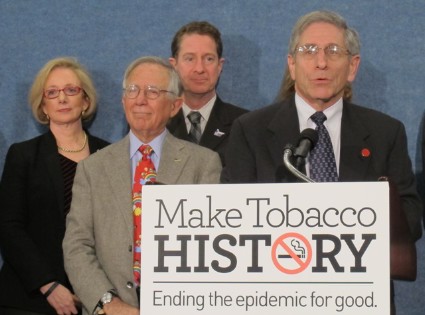
WASHINGTON – A coalition of health groups including the American Academy of Pediatrics, the American Heart Association, and the American Cancer Society Cancer Action Network are urging regulators to help the nation achieve at least an 8% reduction in adult smoking rates by 2024.
Smoking kills 440,000 Americans a year and leads to $193 billion in health costs, according to the coalition, which also includes the American Lung Association, the Campaign for Tobacco-Free Kids, the Legacy Foundation, and Americans for Nonsmokers’ Rights. The groups noted that tobacco is the leading cause of preventable death in the United States.

Tobacco control is effective, Dr. Kenneth E. Warner, a distinguished university professor of public health at the University of Michigan, Ann Arbor, said at a briefing with reporters. He cited just-published data from a JAMA study he conducted with colleagues showing that control efforts had resulted in 8 million saved lives since 1964 and a 30% gain in life expectancy during the same time period (JAMA 2014;311:164-71).
The group said it wants regulators at all levels of government to help reduce smoking from about 18% of adults to less than 10% by 2024, protect all Americans from second-hand smoke within 5 years, and eventually eliminate death and disease caused by tobacco use.
The call to action was issued a week before the release of a new report from the U.S. Surgeon General’s Office on smoking and health that will tabulate the progress in the 50 years since the first Surgeon General’s report on smoking and also lay out the challenges still ahead.
"What has been accomplished in the last 50 years is nothing short of astounding," Matthew L. Myers, president of the Campaign for Tobacco-Free Kids, said in a briefing with reporters. He noted that the adult smoking rate has dropped by more than half, from 42% in 1964 to 18%. Among high school seniors, smoking rates have dropped from 36% in 1997 to 16%. Half of the U.S. population is protected from second-hand smoke by laws that bar smoking in public places.
But 44 million adults and almost 4 million children are still current smokers, and each day, 3,000 children start what usually becomes a lifetime habit. Mr. Myers called smoking a "pediatric epidemic."
Mr. Myers and other speakers decried what they said are continued efforts by tobacco makers to target children. Dr. James M. Perrin, president of the American Academy of Pediatrics, noted that although the Food and Drug Administration halted sales of candy-flavored cigarettes in 2010, other candy-like products have emerged, including dissolvables, cigars, and e-cigarettes that have flavors like cotton candy and grape.
"Strong tobacco regulation by the Food and Drug Administration is essential," said Dr. Perrin.
The coalition said that local, state, and federal governments could also help deter tobacco use by increasing excise taxes on tobacco products and raising the age of purchase. New York City and the big island of Hawaii both have banned sales to anyone under age 21 years. High school students may be friends with 18- and 19-year olds, but they aren’t as likely to have peers older than age 20, said Dr. Perrin. Raising the purchase age thus "limits the exposure of younger children ... to tobacco," he said.
E-cigarettes are also a growing concern, even though they are being pitched as a potential smoking cessation tool by their manufacturers, coalition members said. The products also are being marketed to children in a similar way that tobacco has been, said Mr. Myers. The coalition wants FDA regulation of those products "to ensure that the potential for their use to get people to quit is realized, but the danger of their becoming the next generation’s nicotine addiction is avoided," he said.
The Obama Administration may be poised to give the FDA more power to regulate e-cigarettes, said Paul Billings, senior vice president for advocacy at the Lung Association. "There are no e-cigarette products that have been demonstrated to be safe and effective to the Food and Drug Administration," said Mr. Billings.
The rules have been under review for more than 90 days, said Mr. Billings, adding "it’s time for action."
On Twitter @aliciaault
WASHINGTON – A coalition of health groups including the American Academy of Pediatrics, the American Heart Association, and the American Cancer Society Cancer Action Network are urging regulators to help the nation achieve at least an 8% reduction in adult smoking rates by 2024.
Smoking kills 440,000 Americans a year and leads to $193 billion in health costs, according to the coalition, which also includes the American Lung Association, the Campaign for Tobacco-Free Kids, the Legacy Foundation, and Americans for Nonsmokers’ Rights. The groups noted that tobacco is the leading cause of preventable death in the United States.
Tobacco control is effective, Dr. Kenneth E. Warner, a distinguished university professor of public health at the University of Michigan, Ann Arbor, said at a briefing with reporters. He cited just-published data from a JAMA study he conducted with colleagues showing that control efforts had resulted in 8 million saved lives since 1964 and a 30% gain in life expectancy during the same time period (JAMA 2014;311:164-71).
The group said it wants regulators at all levels of government to help reduce smoking from about 18% of adults to less than 10% by 2024, protect all Americans from second-hand smoke within 5 years, and eventually eliminate death and disease caused by tobacco use.
The call to action was issued a week before the release of a new report from the U.S. Surgeon General’s Office on smoking and health that will tabulate the progress in the 50 years since the first Surgeon General’s report on smoking and also lay out the challenges still ahead.
"What has been accomplished in the last 50 years is nothing short of astounding," Matthew L. Myers, president of the Campaign for Tobacco-Free Kids, said in a briefing with reporters. He noted that the adult smoking rate has dropped by more than half, from 42% in 1964 to 18%. Among high school seniors, smoking rates have dropped from 36% in 1997 to 16%. Half of the U.S. population is protected from second-hand smoke by laws that bar smoking in public places.
But 44 million adults and almost 4 million children are still current smokers, and each day, 3,000 children start what usually becomes a lifetime habit. Mr. Myers called smoking a "pediatric epidemic."
Mr. Myers and other speakers decried what they said are continued efforts by tobacco makers to target children. Dr. James M. Perrin, president of the American Academy of Pediatrics, noted that although the Food and Drug Administration halted sales of candy-flavored cigarettes in 2010, other candy-like products have emerged, including dissolvables, cigars, and e-cigarettes that have flavors like cotton candy and grape.
"Strong tobacco regulation by the Food and Drug Administration is essential," said Dr. Perrin.
The coalition said that local, state, and federal governments could also help deter tobacco use by increasing excise taxes on tobacco products and raising the age of purchase. New York City and the big island of Hawaii both have banned sales to anyone under age 21 years. High school students may be friends with 18- and 19-year olds, but they aren’t as likely to have peers older than age 20, said Dr. Perrin. Raising the purchase age thus "limits the exposure of younger children ... to tobacco," he said.
E-cigarettes are also a growing concern, even though they are being pitched as a potential smoking cessation tool by their manufacturers, coalition members said. The products also are being marketed to children in a similar way that tobacco has been, said Mr. Myers. The coalition wants FDA regulation of those products "to ensure that the potential for their use to get people to quit is realized, but the danger of their becoming the next generation’s nicotine addiction is avoided," he said.
The Obama Administration may be poised to give the FDA more power to regulate e-cigarettes, said Paul Billings, senior vice president for advocacy at the Lung Association. "There are no e-cigarette products that have been demonstrated to be safe and effective to the Food and Drug Administration," said Mr. Billings.
The rules have been under review for more than 90 days, said Mr. Billings, adding "it’s time for action."
On Twitter @aliciaault
WASHINGTON – A coalition of health groups including the American Academy of Pediatrics, the American Heart Association, and the American Cancer Society Cancer Action Network are urging regulators to help the nation achieve at least an 8% reduction in adult smoking rates by 2024.
Smoking kills 440,000 Americans a year and leads to $193 billion in health costs, according to the coalition, which also includes the American Lung Association, the Campaign for Tobacco-Free Kids, the Legacy Foundation, and Americans for Nonsmokers’ Rights. The groups noted that tobacco is the leading cause of preventable death in the United States.
Tobacco control is effective, Dr. Kenneth E. Warner, a distinguished university professor of public health at the University of Michigan, Ann Arbor, said at a briefing with reporters. He cited just-published data from a JAMA study he conducted with colleagues showing that control efforts had resulted in 8 million saved lives since 1964 and a 30% gain in life expectancy during the same time period (JAMA 2014;311:164-71).
The group said it wants regulators at all levels of government to help reduce smoking from about 18% of adults to less than 10% by 2024, protect all Americans from second-hand smoke within 5 years, and eventually eliminate death and disease caused by tobacco use.
The call to action was issued a week before the release of a new report from the U.S. Surgeon General’s Office on smoking and health that will tabulate the progress in the 50 years since the first Surgeon General’s report on smoking and also lay out the challenges still ahead.
"What has been accomplished in the last 50 years is nothing short of astounding," Matthew L. Myers, president of the Campaign for Tobacco-Free Kids, said in a briefing with reporters. He noted that the adult smoking rate has dropped by more than half, from 42% in 1964 to 18%. Among high school seniors, smoking rates have dropped from 36% in 1997 to 16%. Half of the U.S. population is protected from second-hand smoke by laws that bar smoking in public places.
But 44 million adults and almost 4 million children are still current smokers, and each day, 3,000 children start what usually becomes a lifetime habit. Mr. Myers called smoking a "pediatric epidemic."
Mr. Myers and other speakers decried what they said are continued efforts by tobacco makers to target children. Dr. James M. Perrin, president of the American Academy of Pediatrics, noted that although the Food and Drug Administration halted sales of candy-flavored cigarettes in 2010, other candy-like products have emerged, including dissolvables, cigars, and e-cigarettes that have flavors like cotton candy and grape.
"Strong tobacco regulation by the Food and Drug Administration is essential," said Dr. Perrin.
The coalition said that local, state, and federal governments could also help deter tobacco use by increasing excise taxes on tobacco products and raising the age of purchase. New York City and the big island of Hawaii both have banned sales to anyone under age 21 years. High school students may be friends with 18- and 19-year olds, but they aren’t as likely to have peers older than age 20, said Dr. Perrin. Raising the purchase age thus "limits the exposure of younger children ... to tobacco," he said.
E-cigarettes are also a growing concern, even though they are being pitched as a potential smoking cessation tool by their manufacturers, coalition members said. The products also are being marketed to children in a similar way that tobacco has been, said Mr. Myers. The coalition wants FDA regulation of those products "to ensure that the potential for their use to get people to quit is realized, but the danger of their becoming the next generation’s nicotine addiction is avoided," he said.
The Obama Administration may be poised to give the FDA more power to regulate e-cigarettes, said Paul Billings, senior vice president for advocacy at the Lung Association. "There are no e-cigarette products that have been demonstrated to be safe and effective to the Food and Drug Administration," said Mr. Billings.
The rules have been under review for more than 90 days, said Mr. Billings, adding "it’s time for action."
On Twitter @aliciaault
AT A BRIEFING SPONSORED BY THE CAMPAIGN FOR TOBACCO-FREE KIDS
CPAP alternative? Implantable neurostimulator reduced apnea severity
An implantable device that stimulates the upper airway nerves and muscles produced long-term, clinically meaningful reductions in the severity of obstructive sleep apnea in an industry-sponsored study reported online Jan. 8 in the New England Journal of Medicine.
One year after implantation, patients showed a 68% reduction in scores on the Apnea-Hypopnea Index (AHI) and a 70% reduction in scores on the Oxygen Desaturation Index (ODI), as well as subjective improvements in daytime sleepiness and quality of life. The magnitude of these benefits was similar to that reported for continuous positive airway pressure (CPAP) therapy and superior to that reported for uvulopalatopharyngoplasty, said Dr. Patrick J. Strollo Jr. of the department of otolaryngology, University of Pittsburgh Medical Center and his associates in the STAR (Stimulation Therapy for Apnea Reduction) trial group.

Upper-airway stimulation using implanted electrodes to stimulate the hypoglossal nerve on one side of the neck "has been developed as a possible treatment option" for moderate to severe obstructive sleep apnea "and has shown promise in feasibility trials," the investigators noted.
For their study, designed in collaboration with the sponsor (Inspire Medical Systems) and the Food and Drug Administration, 126 patients who couldn’t tolerate CPAP therapy underwent surgical implantation of the device and were followed for 1 year. Otolaryngologists at 22 academic and private medical centers performed the surgery, which took a median of 140 minutes (range, 65-360 minutes).
Most (83%) of the participants were men. The mean age was 55 years (range, 31-80 years), and the mean body mass index was 28.4 kg/m2 (range, 18.4-32.5). Twenty-two of these patients (17%) had undergone uvulopalatopharyngoplasty, which had not corrected their obstructive sleep apnea.
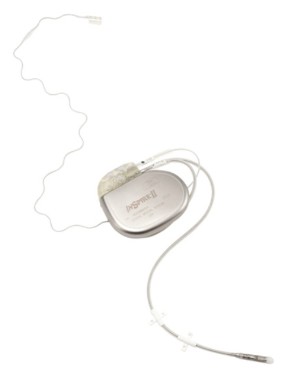
The device includes a neurostimulator implanted in the intercostal muscles in the right mid-infraclavicular region, with one lead threaded upward inside the patient’s neck that is attached to three stimulation electrodes. The electrodes can be placed in a variety of configurations on the ipsilateral hypoglossal nerve, which, when stimulated, pushes the tongue forward and prevents the upper-airway muscles from collapsing and causing inspiratory flow obstruction.
The device also has a second, sensing lead tunneled between the internal and external intercostal muscles on the ipsilateral side to detect ventilatory effort during sleep, so that the stimulation of the hypoglossal nerve can be synchronized with the patient’s breathing.
The primary outcome of the study was the change in severity of obstructive sleep apnea, as measured by scores on the AHI and the ODI, at 12 months. The median AHI score decreased 68%, from 29.3 events per hour to 9.0 events per hour. The median ODI score dropped 70%, from 25.4 events per hour to 7.4 events per hour, the investigators said (N. Engl. J. Med. 2014 [doi:10.1056/NEJMoa1308659]).
Two-thirds of the participants showed a reduction of at least 50% in AHI score, and three-quarters showed a reduction of at least 25% in ODI score. And the median percentage of sleep time spent with poor oxygen saturation (less than 90%) declined from 5.4% to 0.9%.
In addition, patients’ scores on the Functional Outcomes of Sleep Questionnaire, which measures disease-specific quality of life, showed clinically meaningful improvement. And scores on the Epworth Sleepiness Scale normalized.
In the final, "challenge," phase of this study, the first 46 consecutive patients who had responded to this treatment at 1 year were randomly assigned to either continue it (turn the devices on at night) or to discontinue it (turn the devices off at night) for 1 more week. This challenge demonstrated that the improvements in obstructive sleep apnea were in fact from the use of the hypoglossal-stimulation device, as sleep apnea relapsed in the patients who discontinued treatment.

There were no serious procedural complications, no rehospitalizations, and no infections. Two patients developed serious device-related adverse events, for an overall rate of less than 2%. In both cases, the device caused discomfort that was resolved by a second surgery to reposition it. Another 33 serious adverse events were considered to be unrelated to the implantation procedure or the device.
Nonserious adverse events – including sore throat from intubation during the procedure, pain at the incision sites, and muscle soreness – occurred in 88% of the study subjects. Nonserious events related to the device included discomfort during electrostimulation, reported by 40% of patients, and tongue soreness, reported by 21%. These resolved as the patients became acclimated to the device or after the device was reprogrammed to adjust the stimulation.
Twenty-three patients experienced temporary tongue weakness after the surgery, which resolved in all of them. Nine patients began using a tooth guard to resolve tongue soreness or abrasion.
"This approach may not be appropriate for persons with excessive airway collapsibility," Dr. Strollo and his associates cautioned. They screened potential study participants using endoscopy during drug-induced sleep, to identify functional upper-airway collapse originating in the retrolingual region, which would be the most amenable to neurostimulation at the base of the tongue.
The FDA’s Anesthesiology and Respiratory Therapy Devices Panel of the Medical Devices Advisory Committee will discuss, make recommendations, and vote on information related to the premarket approval application on Feb. 20.
The findings by Strollo et al. give clinicians the rationale to consider hypoglossal nerve stimulation for selected patients who have trouble with CPAP therapy, said Dr. Atul Malhotra.
Given the pathophysiology of obstructive sleep apnea, a substantial proportion of patients would probably benefit from this treatment, even though symptoms were only reduced rather than completely eradicated. "Although the elimination of apnea would clearly be desirable, the observed reductions are probably similar to the benefits observed with CPAP, particularly when one considers the variability of adherence to CPAP therapy," he said.
Dr. Atul Malhotra is in the division of pulmonary and critical care medicine at the University of California, San Diego. He reported previous ties to Philips Respironics, Apnex, and Apnicure. These remarks were taken from his editorial accompanying Dr. Strollo’s report (N. Engl. J. Med. 2014 [doi:10.1056/NEJMe1314084]).
The findings by Strollo et al. give clinicians the rationale to consider hypoglossal nerve stimulation for selected patients who have trouble with CPAP therapy, said Dr. Atul Malhotra.
Given the pathophysiology of obstructive sleep apnea, a substantial proportion of patients would probably benefit from this treatment, even though symptoms were only reduced rather than completely eradicated. "Although the elimination of apnea would clearly be desirable, the observed reductions are probably similar to the benefits observed with CPAP, particularly when one considers the variability of adherence to CPAP therapy," he said.
Dr. Atul Malhotra is in the division of pulmonary and critical care medicine at the University of California, San Diego. He reported previous ties to Philips Respironics, Apnex, and Apnicure. These remarks were taken from his editorial accompanying Dr. Strollo’s report (N. Engl. J. Med. 2014 [doi:10.1056/NEJMe1314084]).
The findings by Strollo et al. give clinicians the rationale to consider hypoglossal nerve stimulation for selected patients who have trouble with CPAP therapy, said Dr. Atul Malhotra.
Given the pathophysiology of obstructive sleep apnea, a substantial proportion of patients would probably benefit from this treatment, even though symptoms were only reduced rather than completely eradicated. "Although the elimination of apnea would clearly be desirable, the observed reductions are probably similar to the benefits observed with CPAP, particularly when one considers the variability of adherence to CPAP therapy," he said.
Dr. Atul Malhotra is in the division of pulmonary and critical care medicine at the University of California, San Diego. He reported previous ties to Philips Respironics, Apnex, and Apnicure. These remarks were taken from his editorial accompanying Dr. Strollo’s report (N. Engl. J. Med. 2014 [doi:10.1056/NEJMe1314084]).
An implantable device that stimulates the upper airway nerves and muscles produced long-term, clinically meaningful reductions in the severity of obstructive sleep apnea in an industry-sponsored study reported online Jan. 8 in the New England Journal of Medicine.
One year after implantation, patients showed a 68% reduction in scores on the Apnea-Hypopnea Index (AHI) and a 70% reduction in scores on the Oxygen Desaturation Index (ODI), as well as subjective improvements in daytime sleepiness and quality of life. The magnitude of these benefits was similar to that reported for continuous positive airway pressure (CPAP) therapy and superior to that reported for uvulopalatopharyngoplasty, said Dr. Patrick J. Strollo Jr. of the department of otolaryngology, University of Pittsburgh Medical Center and his associates in the STAR (Stimulation Therapy for Apnea Reduction) trial group.
Upper-airway stimulation using implanted electrodes to stimulate the hypoglossal nerve on one side of the neck "has been developed as a possible treatment option" for moderate to severe obstructive sleep apnea "and has shown promise in feasibility trials," the investigators noted.
For their study, designed in collaboration with the sponsor (Inspire Medical Systems) and the Food and Drug Administration, 126 patients who couldn’t tolerate CPAP therapy underwent surgical implantation of the device and were followed for 1 year. Otolaryngologists at 22 academic and private medical centers performed the surgery, which took a median of 140 minutes (range, 65-360 minutes).
Most (83%) of the participants were men. The mean age was 55 years (range, 31-80 years), and the mean body mass index was 28.4 kg/m2 (range, 18.4-32.5). Twenty-two of these patients (17%) had undergone uvulopalatopharyngoplasty, which had not corrected their obstructive sleep apnea.
The device includes a neurostimulator implanted in the intercostal muscles in the right mid-infraclavicular region, with one lead threaded upward inside the patient’s neck that is attached to three stimulation electrodes. The electrodes can be placed in a variety of configurations on the ipsilateral hypoglossal nerve, which, when stimulated, pushes the tongue forward and prevents the upper-airway muscles from collapsing and causing inspiratory flow obstruction.
The device also has a second, sensing lead tunneled between the internal and external intercostal muscles on the ipsilateral side to detect ventilatory effort during sleep, so that the stimulation of the hypoglossal nerve can be synchronized with the patient’s breathing.
The primary outcome of the study was the change in severity of obstructive sleep apnea, as measured by scores on the AHI and the ODI, at 12 months. The median AHI score decreased 68%, from 29.3 events per hour to 9.0 events per hour. The median ODI score dropped 70%, from 25.4 events per hour to 7.4 events per hour, the investigators said (N. Engl. J. Med. 2014 [doi:10.1056/NEJMoa1308659]).
Two-thirds of the participants showed a reduction of at least 50% in AHI score, and three-quarters showed a reduction of at least 25% in ODI score. And the median percentage of sleep time spent with poor oxygen saturation (less than 90%) declined from 5.4% to 0.9%.
In addition, patients’ scores on the Functional Outcomes of Sleep Questionnaire, which measures disease-specific quality of life, showed clinically meaningful improvement. And scores on the Epworth Sleepiness Scale normalized.
In the final, "challenge," phase of this study, the first 46 consecutive patients who had responded to this treatment at 1 year were randomly assigned to either continue it (turn the devices on at night) or to discontinue it (turn the devices off at night) for 1 more week. This challenge demonstrated that the improvements in obstructive sleep apnea were in fact from the use of the hypoglossal-stimulation device, as sleep apnea relapsed in the patients who discontinued treatment.
There were no serious procedural complications, no rehospitalizations, and no infections. Two patients developed serious device-related adverse events, for an overall rate of less than 2%. In both cases, the device caused discomfort that was resolved by a second surgery to reposition it. Another 33 serious adverse events were considered to be unrelated to the implantation procedure or the device.
Nonserious adverse events – including sore throat from intubation during the procedure, pain at the incision sites, and muscle soreness – occurred in 88% of the study subjects. Nonserious events related to the device included discomfort during electrostimulation, reported by 40% of patients, and tongue soreness, reported by 21%. These resolved as the patients became acclimated to the device or after the device was reprogrammed to adjust the stimulation.
Twenty-three patients experienced temporary tongue weakness after the surgery, which resolved in all of them. Nine patients began using a tooth guard to resolve tongue soreness or abrasion.
"This approach may not be appropriate for persons with excessive airway collapsibility," Dr. Strollo and his associates cautioned. They screened potential study participants using endoscopy during drug-induced sleep, to identify functional upper-airway collapse originating in the retrolingual region, which would be the most amenable to neurostimulation at the base of the tongue.
The FDA’s Anesthesiology and Respiratory Therapy Devices Panel of the Medical Devices Advisory Committee will discuss, make recommendations, and vote on information related to the premarket approval application on Feb. 20.
An implantable device that stimulates the upper airway nerves and muscles produced long-term, clinically meaningful reductions in the severity of obstructive sleep apnea in an industry-sponsored study reported online Jan. 8 in the New England Journal of Medicine.
One year after implantation, patients showed a 68% reduction in scores on the Apnea-Hypopnea Index (AHI) and a 70% reduction in scores on the Oxygen Desaturation Index (ODI), as well as subjective improvements in daytime sleepiness and quality of life. The magnitude of these benefits was similar to that reported for continuous positive airway pressure (CPAP) therapy and superior to that reported for uvulopalatopharyngoplasty, said Dr. Patrick J. Strollo Jr. of the department of otolaryngology, University of Pittsburgh Medical Center and his associates in the STAR (Stimulation Therapy for Apnea Reduction) trial group.
Upper-airway stimulation using implanted electrodes to stimulate the hypoglossal nerve on one side of the neck "has been developed as a possible treatment option" for moderate to severe obstructive sleep apnea "and has shown promise in feasibility trials," the investigators noted.
For their study, designed in collaboration with the sponsor (Inspire Medical Systems) and the Food and Drug Administration, 126 patients who couldn’t tolerate CPAP therapy underwent surgical implantation of the device and were followed for 1 year. Otolaryngologists at 22 academic and private medical centers performed the surgery, which took a median of 140 minutes (range, 65-360 minutes).
Most (83%) of the participants were men. The mean age was 55 years (range, 31-80 years), and the mean body mass index was 28.4 kg/m2 (range, 18.4-32.5). Twenty-two of these patients (17%) had undergone uvulopalatopharyngoplasty, which had not corrected their obstructive sleep apnea.
The device includes a neurostimulator implanted in the intercostal muscles in the right mid-infraclavicular region, with one lead threaded upward inside the patient’s neck that is attached to three stimulation electrodes. The electrodes can be placed in a variety of configurations on the ipsilateral hypoglossal nerve, which, when stimulated, pushes the tongue forward and prevents the upper-airway muscles from collapsing and causing inspiratory flow obstruction.
The device also has a second, sensing lead tunneled between the internal and external intercostal muscles on the ipsilateral side to detect ventilatory effort during sleep, so that the stimulation of the hypoglossal nerve can be synchronized with the patient’s breathing.
The primary outcome of the study was the change in severity of obstructive sleep apnea, as measured by scores on the AHI and the ODI, at 12 months. The median AHI score decreased 68%, from 29.3 events per hour to 9.0 events per hour. The median ODI score dropped 70%, from 25.4 events per hour to 7.4 events per hour, the investigators said (N. Engl. J. Med. 2014 [doi:10.1056/NEJMoa1308659]).
Two-thirds of the participants showed a reduction of at least 50% in AHI score, and three-quarters showed a reduction of at least 25% in ODI score. And the median percentage of sleep time spent with poor oxygen saturation (less than 90%) declined from 5.4% to 0.9%.
In addition, patients’ scores on the Functional Outcomes of Sleep Questionnaire, which measures disease-specific quality of life, showed clinically meaningful improvement. And scores on the Epworth Sleepiness Scale normalized.
In the final, "challenge," phase of this study, the first 46 consecutive patients who had responded to this treatment at 1 year were randomly assigned to either continue it (turn the devices on at night) or to discontinue it (turn the devices off at night) for 1 more week. This challenge demonstrated that the improvements in obstructive sleep apnea were in fact from the use of the hypoglossal-stimulation device, as sleep apnea relapsed in the patients who discontinued treatment.
There were no serious procedural complications, no rehospitalizations, and no infections. Two patients developed serious device-related adverse events, for an overall rate of less than 2%. In both cases, the device caused discomfort that was resolved by a second surgery to reposition it. Another 33 serious adverse events were considered to be unrelated to the implantation procedure or the device.
Nonserious adverse events – including sore throat from intubation during the procedure, pain at the incision sites, and muscle soreness – occurred in 88% of the study subjects. Nonserious events related to the device included discomfort during electrostimulation, reported by 40% of patients, and tongue soreness, reported by 21%. These resolved as the patients became acclimated to the device or after the device was reprogrammed to adjust the stimulation.
Twenty-three patients experienced temporary tongue weakness after the surgery, which resolved in all of them. Nine patients began using a tooth guard to resolve tongue soreness or abrasion.
"This approach may not be appropriate for persons with excessive airway collapsibility," Dr. Strollo and his associates cautioned. They screened potential study participants using endoscopy during drug-induced sleep, to identify functional upper-airway collapse originating in the retrolingual region, which would be the most amenable to neurostimulation at the base of the tongue.
The FDA’s Anesthesiology and Respiratory Therapy Devices Panel of the Medical Devices Advisory Committee will discuss, make recommendations, and vote on information related to the premarket approval application on Feb. 20.
FROM THE NEW ENGLAND JOURNAL OF MEDICINE
Major finding: The median AHI score decreased 68%, from 29.3 events per hour to 9.0 events per hour, and the median ODI score declined 70%, from 25.4 events per hour to 7.4 events per hour.
Data source: A prospective multicenter cohort study involving 126 patients with moderate to severe obstructive sleep apnea who underwent implantation of an upper-airway neurostimulation device and were followed for 1 year.
Disclosures: This study was supported by Inspire Medical Systems. Dr. Strollo reported receiving funding from Inspire Medical Systems, and his associates reported ties to Inspire and numerous other industry sources.
Bupropion-varenicline combo gave harder kick to smoking habits
Twelve weeks of combined treatment with bupropion and varenicline was more effective than varenicline alone at helping people quit smoking, according to a report published online Jan. 7 in JAMA.
However, 38% of study participants dropped out by 12 weeks, and combined therapy showed no significant advantage over varenicline alone when smoking abstinence was measured 1 year later, said Dr. Jon O. Ebbert of the Nicotine Dependence Center, Mayo Clinic, Rochester, Minn., and his associates (JAMA 2014;311:155-63).

The findings highlight the stubborn public health challenge smoking still presents 50 years after the U.S. Surgeon General’s groundbreaking report on smoking and health debuted in January 1964.
Dr. Ebbert and his colleagues compared the efficacy of the two treatment approaches in a phase III, double-blind clinical trial involving 506 adults treated for 12 weeks at three medical centers during 2009-2013. All the study participants smoked at least 10 cigarettes per day at baseline.
The patients were randomly assigned to receive for 12 weeks either up to 300 mg bupropion SR per day plus up to 2 mg per day of varenicline (249 patients) or varenicline alone (257 patients).
They all attended 11 clinic visits at which they received brief behavioral counseling, were assessed for smoking abstinence using exhaled-air carbon monoxide measurement, and completed assessments of tobacco craving and nicotine withdrawal. The patients also received a follow-up phone call on their target quit date and two more calls during 1 year of follow-up.
The dropout rate was high, at 38%, but did not differ significantly between the two treatment groups. A total of 158 patients (63%) in the combination-therapy group and 157 patients (61%) in the varenicline-only group completed the study.
The study’s primary endpoint was the rate of smoking abstinence at week 12, confirmed by CO testing. The rate was 53% with combination therapy, significantly higher than the 43% rate with varenicline alone. Similarly, the rate of smoking abstinence at week 26 was significantly higher with combination therapy (36.6%) than with varenicline alone (27.6%).
The smoking abstinence rates were no longer significantly different between the two groups at 1 year: 30.9% with combination therapy, compared with 24.5% with varenicline alone.
Weight gain after smoking cessation was slightly lower with combination therapy (1.1 kg) than with varenicline alone (2.5 kg) at 12 weeks, but that difference disappeared by 26 weeks (3.4 kg vs 3.8 kg). At 1 year, weight gain again was lower after combination therapy (4.9 kg) than after monotherapy (6.1 kg). That finding suggests that combination therapy may be the preferred option for patients who are concerned about weight gain, especially those "for whom weight gain may undermine smoking cessation" attempts, Dr. Ebbert and his associates said.
There were no significant differences between the two study groups at any time point in symptoms of nicotine withdrawal or craving.
The only adverse events deemed to be possibly related to treatment were significant increases in the rate of anxiety (7.2%) and depressive symptoms (3.6%) among patients receiving combination therapy, compared with those receiving monotherapy (3.1% and 0.8%, respectively). However, tobacco withdrawal itself has been linked to symptoms of both anxiety and depression, the investigators noted.
"All patients being treated with pharmacotherapy for tobacco dependence should be monitored for changes in anxiety and mood," which is standard clinical practice, the researchers cautioned.
Exploratory analyses showed that treatment effects did not differ according to patient age or sex. However, combination therapy appeared to be slightly more effective than monotherapy among patients who smoked heavily (20 or more cigarettes per day) and those with higher levels of nicotine dependence, as measured by the Fagerstrom Test for Nicotine Dependence.
The study is the first to show that a combination approach with varenicline could top monotherapy. "Prior to the current study, no combination therapies with varenicline have been shown to be effective for increasing smoking abstinence rates, compared with varenicline monotherapy," Dr. Ebbert noted in an interview. Other research has indicated that bupropion combined with the nicotine patch may be more beneficial than using the nicotine patch alone, he added.
Alone or in combination, drug therapy must be part of a wider approach to smoking cessation, Dr. Ebbert emphasized. "Behavioral treatment is a critical piece, and it should be a component of all treatment for tobacco use."
The study was supported in part by the National Institutes of Health. Pfizer provided the varenicline used in the study. Dr. Ebbert reported ties to GlaxoSmithKline, JHP Pharmaceuticals, Orexigen, and Pfizer. His associates reported ties to Nabi Biopharmaceuticals and Pfizer.
Twelve weeks of combined treatment with bupropion and varenicline was more effective than varenicline alone at helping people quit smoking, according to a report published online Jan. 7 in JAMA.
However, 38% of study participants dropped out by 12 weeks, and combined therapy showed no significant advantage over varenicline alone when smoking abstinence was measured 1 year later, said Dr. Jon O. Ebbert of the Nicotine Dependence Center, Mayo Clinic, Rochester, Minn., and his associates (JAMA 2014;311:155-63).
The findings highlight the stubborn public health challenge smoking still presents 50 years after the U.S. Surgeon General’s groundbreaking report on smoking and health debuted in January 1964.
Dr. Ebbert and his colleagues compared the efficacy of the two treatment approaches in a phase III, double-blind clinical trial involving 506 adults treated for 12 weeks at three medical centers during 2009-2013. All the study participants smoked at least 10 cigarettes per day at baseline.
The patients were randomly assigned to receive for 12 weeks either up to 300 mg bupropion SR per day plus up to 2 mg per day of varenicline (249 patients) or varenicline alone (257 patients).
They all attended 11 clinic visits at which they received brief behavioral counseling, were assessed for smoking abstinence using exhaled-air carbon monoxide measurement, and completed assessments of tobacco craving and nicotine withdrawal. The patients also received a follow-up phone call on their target quit date and two more calls during 1 year of follow-up.
The dropout rate was high, at 38%, but did not differ significantly between the two treatment groups. A total of 158 patients (63%) in the combination-therapy group and 157 patients (61%) in the varenicline-only group completed the study.
The study’s primary endpoint was the rate of smoking abstinence at week 12, confirmed by CO testing. The rate was 53% with combination therapy, significantly higher than the 43% rate with varenicline alone. Similarly, the rate of smoking abstinence at week 26 was significantly higher with combination therapy (36.6%) than with varenicline alone (27.6%).
The smoking abstinence rates were no longer significantly different between the two groups at 1 year: 30.9% with combination therapy, compared with 24.5% with varenicline alone.
Weight gain after smoking cessation was slightly lower with combination therapy (1.1 kg) than with varenicline alone (2.5 kg) at 12 weeks, but that difference disappeared by 26 weeks (3.4 kg vs 3.8 kg). At 1 year, weight gain again was lower after combination therapy (4.9 kg) than after monotherapy (6.1 kg). That finding suggests that combination therapy may be the preferred option for patients who are concerned about weight gain, especially those "for whom weight gain may undermine smoking cessation" attempts, Dr. Ebbert and his associates said.
There were no significant differences between the two study groups at any time point in symptoms of nicotine withdrawal or craving.
The only adverse events deemed to be possibly related to treatment were significant increases in the rate of anxiety (7.2%) and depressive symptoms (3.6%) among patients receiving combination therapy, compared with those receiving monotherapy (3.1% and 0.8%, respectively). However, tobacco withdrawal itself has been linked to symptoms of both anxiety and depression, the investigators noted.
"All patients being treated with pharmacotherapy for tobacco dependence should be monitored for changes in anxiety and mood," which is standard clinical practice, the researchers cautioned.
Exploratory analyses showed that treatment effects did not differ according to patient age or sex. However, combination therapy appeared to be slightly more effective than monotherapy among patients who smoked heavily (20 or more cigarettes per day) and those with higher levels of nicotine dependence, as measured by the Fagerstrom Test for Nicotine Dependence.
The study is the first to show that a combination approach with varenicline could top monotherapy. "Prior to the current study, no combination therapies with varenicline have been shown to be effective for increasing smoking abstinence rates, compared with varenicline monotherapy," Dr. Ebbert noted in an interview. Other research has indicated that bupropion combined with the nicotine patch may be more beneficial than using the nicotine patch alone, he added.
Alone or in combination, drug therapy must be part of a wider approach to smoking cessation, Dr. Ebbert emphasized. "Behavioral treatment is a critical piece, and it should be a component of all treatment for tobacco use."
The study was supported in part by the National Institutes of Health. Pfizer provided the varenicline used in the study. Dr. Ebbert reported ties to GlaxoSmithKline, JHP Pharmaceuticals, Orexigen, and Pfizer. His associates reported ties to Nabi Biopharmaceuticals and Pfizer.
Twelve weeks of combined treatment with bupropion and varenicline was more effective than varenicline alone at helping people quit smoking, according to a report published online Jan. 7 in JAMA.
However, 38% of study participants dropped out by 12 weeks, and combined therapy showed no significant advantage over varenicline alone when smoking abstinence was measured 1 year later, said Dr. Jon O. Ebbert of the Nicotine Dependence Center, Mayo Clinic, Rochester, Minn., and his associates (JAMA 2014;311:155-63).
The findings highlight the stubborn public health challenge smoking still presents 50 years after the U.S. Surgeon General’s groundbreaking report on smoking and health debuted in January 1964.
Dr. Ebbert and his colleagues compared the efficacy of the two treatment approaches in a phase III, double-blind clinical trial involving 506 adults treated for 12 weeks at three medical centers during 2009-2013. All the study participants smoked at least 10 cigarettes per day at baseline.
The patients were randomly assigned to receive for 12 weeks either up to 300 mg bupropion SR per day plus up to 2 mg per day of varenicline (249 patients) or varenicline alone (257 patients).
They all attended 11 clinic visits at which they received brief behavioral counseling, were assessed for smoking abstinence using exhaled-air carbon monoxide measurement, and completed assessments of tobacco craving and nicotine withdrawal. The patients also received a follow-up phone call on their target quit date and two more calls during 1 year of follow-up.
The dropout rate was high, at 38%, but did not differ significantly between the two treatment groups. A total of 158 patients (63%) in the combination-therapy group and 157 patients (61%) in the varenicline-only group completed the study.
The study’s primary endpoint was the rate of smoking abstinence at week 12, confirmed by CO testing. The rate was 53% with combination therapy, significantly higher than the 43% rate with varenicline alone. Similarly, the rate of smoking abstinence at week 26 was significantly higher with combination therapy (36.6%) than with varenicline alone (27.6%).
The smoking abstinence rates were no longer significantly different between the two groups at 1 year: 30.9% with combination therapy, compared with 24.5% with varenicline alone.
Weight gain after smoking cessation was slightly lower with combination therapy (1.1 kg) than with varenicline alone (2.5 kg) at 12 weeks, but that difference disappeared by 26 weeks (3.4 kg vs 3.8 kg). At 1 year, weight gain again was lower after combination therapy (4.9 kg) than after monotherapy (6.1 kg). That finding suggests that combination therapy may be the preferred option for patients who are concerned about weight gain, especially those "for whom weight gain may undermine smoking cessation" attempts, Dr. Ebbert and his associates said.
There were no significant differences between the two study groups at any time point in symptoms of nicotine withdrawal or craving.
The only adverse events deemed to be possibly related to treatment were significant increases in the rate of anxiety (7.2%) and depressive symptoms (3.6%) among patients receiving combination therapy, compared with those receiving monotherapy (3.1% and 0.8%, respectively). However, tobacco withdrawal itself has been linked to symptoms of both anxiety and depression, the investigators noted.
"All patients being treated with pharmacotherapy for tobacco dependence should be monitored for changes in anxiety and mood," which is standard clinical practice, the researchers cautioned.
Exploratory analyses showed that treatment effects did not differ according to patient age or sex. However, combination therapy appeared to be slightly more effective than monotherapy among patients who smoked heavily (20 or more cigarettes per day) and those with higher levels of nicotine dependence, as measured by the Fagerstrom Test for Nicotine Dependence.
The study is the first to show that a combination approach with varenicline could top monotherapy. "Prior to the current study, no combination therapies with varenicline have been shown to be effective for increasing smoking abstinence rates, compared with varenicline monotherapy," Dr. Ebbert noted in an interview. Other research has indicated that bupropion combined with the nicotine patch may be more beneficial than using the nicotine patch alone, he added.
Alone or in combination, drug therapy must be part of a wider approach to smoking cessation, Dr. Ebbert emphasized. "Behavioral treatment is a critical piece, and it should be a component of all treatment for tobacco use."
The study was supported in part by the National Institutes of Health. Pfizer provided the varenicline used in the study. Dr. Ebbert reported ties to GlaxoSmithKline, JHP Pharmaceuticals, Orexigen, and Pfizer. His associates reported ties to Nabi Biopharmaceuticals and Pfizer.
FROM JAMA
Major Finding: Combination therapy was more effective than monotherapy at 12 weeks and at 26 weeks, but that difference disappeared at 1-year follow-up.
Data Source: A randomized double-blind phase-III clinical trial comparing the effectiveness of 12 weeks of treatment with combination bupropion plus varenicline against varenicline alone for smoking cessation in 315 adults.
Disclosures: This study was supported in part by the National Institutes of Health. Pfizer provided the varenicline used in the study. Dr. Ebbert reported ties to Pfizer, GlaxoSmithKline, Orexigen, and JHP Pharmaceuticals; his associates reported ties to Pfizer and Nabi Biopharmaceuticals.

Smoking cessation maintained with varenicline plus CBT
Patients with serious mental illness who quit smoking with a standard 12-week course of varenicline and cognitive-behavioral therapy are three times more likely to maintain that abstinence if they take a maintenance dose of the drug than if they discontinue it, according to a report published online Jan. 7 in JAMA.
In what the researchers described as the first randomized controlled clinical trial of maintenance pharmacotherapy aimed at preventing smoking relapse in people with serious mental illness, the prevalence of smoking abstinence after 1 year was 60% (24 of 40 study participants) in patients assigned to maintenance varenicline, compared with 19% (9 of 47 participants) in those assigned to placebo.
"Such maintenance treatment may reduce the high prevalence of tobacco dependence and reduce the heavy burden of smoking-related morbidity and mortality in those with serious mental illness," said Dr. A. Eden Evins of Massachusetts General Hospital and Harvard Medical School, Boston, and her associates.
The open-label study, released in advance of the 50th anniversary of the Surgeon General’s Report on Smoking and Health, involved 203 adults with schizophrenia spectrum disorder (185 patients) or bipolar disorder (18 patients) who reported smoking 10 or more cigarettes per day and whose expired carbon monoxide levels were higher than 9 ppm at baseline. All were outpatients at 10 community health centers in Massachusetts, Michigan, New Hampshire, Indiana, Alabama, or Minnesota, and all were taking stable doses of antipsychotic or mood stabilizing medication.
A total of 87 of these participants successfully completed a 12-week smoking cessation program combining up to 1.0 mg of varenicline twice daily plus weekly 1-hour group cognitive-behavioral therapy (CBT) sessions. They were randomly assigned to continue for another 40 weeks with either CBT plus 1.0 mg of varenicline twice daily (40 patients) or CBT plus matching placebo (47 patients).
The CBT, which focused on relapse-prevention skills, was tapered from weekly to monthly sessions, for a total of 15 sessions during the 40 weeks.
At 52 weeks from baseline, smoking cessation treatment was stopped, and the 59 patients remaining in the study were followed through week 64 for biochemically verified smoking abstinence and safety outcomes.
At week 52, 24 of 40 participants taking maintenance varenicline (60%) were still abstaining from smoking, compared with only 9 of the 47 patients (19%) taking placebo, for an odds ratio of 6.2. At week 64, 18 participants (45%) in the varenicline group were still abstaining from smoking, compared with only 6 (13%) in the placebo group, for an odds ratio of 5.1, Dr. Evins and her associates reported (JAMA 2014 Jan. 7 [doi: 10.1001/jama.2013.285113]).
Patients in the varenicline group also had a longer interval until smoking relapse, with a median time of 358 days, compared with those in the placebo group (35 days).
During treatment and follow-up, the two study groups showed no differences in the severity of their psychiatric symptoms, nicotine withdrawal symptoms, or self-reported overall health. No serious adverse events were attributed to the study medication.
However, because of the small sample size and the high dropout rate of the study, "it is not possible to accurately estimate the risk of serious adverse effects or to make claims regarding safety," the investigators noted.
This study was funded by the National Institute on Drug Abuse and by Pfizer. Pfizer also supplied the study medication and provided other support. Dr. Evins reported ties to EnVivo Pharmaceuticals, GlaxoSmithKline, and Pfizer, and her associates reported ties to Publicis Healthcare Communications Group, Janssen, Otsuka, AssurEx, Eli Lilly, and Pfizer.
Patients with serious mental illness who quit smoking with a standard 12-week course of varenicline and cognitive-behavioral therapy are three times more likely to maintain that abstinence if they take a maintenance dose of the drug than if they discontinue it, according to a report published online Jan. 7 in JAMA.
In what the researchers described as the first randomized controlled clinical trial of maintenance pharmacotherapy aimed at preventing smoking relapse in people with serious mental illness, the prevalence of smoking abstinence after 1 year was 60% (24 of 40 study participants) in patients assigned to maintenance varenicline, compared with 19% (9 of 47 participants) in those assigned to placebo.
"Such maintenance treatment may reduce the high prevalence of tobacco dependence and reduce the heavy burden of smoking-related morbidity and mortality in those with serious mental illness," said Dr. A. Eden Evins of Massachusetts General Hospital and Harvard Medical School, Boston, and her associates.
The open-label study, released in advance of the 50th anniversary of the Surgeon General’s Report on Smoking and Health, involved 203 adults with schizophrenia spectrum disorder (185 patients) or bipolar disorder (18 patients) who reported smoking 10 or more cigarettes per day and whose expired carbon monoxide levels were higher than 9 ppm at baseline. All were outpatients at 10 community health centers in Massachusetts, Michigan, New Hampshire, Indiana, Alabama, or Minnesota, and all were taking stable doses of antipsychotic or mood stabilizing medication.
A total of 87 of these participants successfully completed a 12-week smoking cessation program combining up to 1.0 mg of varenicline twice daily plus weekly 1-hour group cognitive-behavioral therapy (CBT) sessions. They were randomly assigned to continue for another 40 weeks with either CBT plus 1.0 mg of varenicline twice daily (40 patients) or CBT plus matching placebo (47 patients).
The CBT, which focused on relapse-prevention skills, was tapered from weekly to monthly sessions, for a total of 15 sessions during the 40 weeks.
At 52 weeks from baseline, smoking cessation treatment was stopped, and the 59 patients remaining in the study were followed through week 64 for biochemically verified smoking abstinence and safety outcomes.
At week 52, 24 of 40 participants taking maintenance varenicline (60%) were still abstaining from smoking, compared with only 9 of the 47 patients (19%) taking placebo, for an odds ratio of 6.2. At week 64, 18 participants (45%) in the varenicline group were still abstaining from smoking, compared with only 6 (13%) in the placebo group, for an odds ratio of 5.1, Dr. Evins and her associates reported (JAMA 2014 Jan. 7 [doi: 10.1001/jama.2013.285113]).
Patients in the varenicline group also had a longer interval until smoking relapse, with a median time of 358 days, compared with those in the placebo group (35 days).
During treatment and follow-up, the two study groups showed no differences in the severity of their psychiatric symptoms, nicotine withdrawal symptoms, or self-reported overall health. No serious adverse events were attributed to the study medication.
However, because of the small sample size and the high dropout rate of the study, "it is not possible to accurately estimate the risk of serious adverse effects or to make claims regarding safety," the investigators noted.
This study was funded by the National Institute on Drug Abuse and by Pfizer. Pfizer also supplied the study medication and provided other support. Dr. Evins reported ties to EnVivo Pharmaceuticals, GlaxoSmithKline, and Pfizer, and her associates reported ties to Publicis Healthcare Communications Group, Janssen, Otsuka, AssurEx, Eli Lilly, and Pfizer.
Patients with serious mental illness who quit smoking with a standard 12-week course of varenicline and cognitive-behavioral therapy are three times more likely to maintain that abstinence if they take a maintenance dose of the drug than if they discontinue it, according to a report published online Jan. 7 in JAMA.
In what the researchers described as the first randomized controlled clinical trial of maintenance pharmacotherapy aimed at preventing smoking relapse in people with serious mental illness, the prevalence of smoking abstinence after 1 year was 60% (24 of 40 study participants) in patients assigned to maintenance varenicline, compared with 19% (9 of 47 participants) in those assigned to placebo.
"Such maintenance treatment may reduce the high prevalence of tobacco dependence and reduce the heavy burden of smoking-related morbidity and mortality in those with serious mental illness," said Dr. A. Eden Evins of Massachusetts General Hospital and Harvard Medical School, Boston, and her associates.
The open-label study, released in advance of the 50th anniversary of the Surgeon General’s Report on Smoking and Health, involved 203 adults with schizophrenia spectrum disorder (185 patients) or bipolar disorder (18 patients) who reported smoking 10 or more cigarettes per day and whose expired carbon monoxide levels were higher than 9 ppm at baseline. All were outpatients at 10 community health centers in Massachusetts, Michigan, New Hampshire, Indiana, Alabama, or Minnesota, and all were taking stable doses of antipsychotic or mood stabilizing medication.
A total of 87 of these participants successfully completed a 12-week smoking cessation program combining up to 1.0 mg of varenicline twice daily plus weekly 1-hour group cognitive-behavioral therapy (CBT) sessions. They were randomly assigned to continue for another 40 weeks with either CBT plus 1.0 mg of varenicline twice daily (40 patients) or CBT plus matching placebo (47 patients).
The CBT, which focused on relapse-prevention skills, was tapered from weekly to monthly sessions, for a total of 15 sessions during the 40 weeks.
At 52 weeks from baseline, smoking cessation treatment was stopped, and the 59 patients remaining in the study were followed through week 64 for biochemically verified smoking abstinence and safety outcomes.
At week 52, 24 of 40 participants taking maintenance varenicline (60%) were still abstaining from smoking, compared with only 9 of the 47 patients (19%) taking placebo, for an odds ratio of 6.2. At week 64, 18 participants (45%) in the varenicline group were still abstaining from smoking, compared with only 6 (13%) in the placebo group, for an odds ratio of 5.1, Dr. Evins and her associates reported (JAMA 2014 Jan. 7 [doi: 10.1001/jama.2013.285113]).
Patients in the varenicline group also had a longer interval until smoking relapse, with a median time of 358 days, compared with those in the placebo group (35 days).
During treatment and follow-up, the two study groups showed no differences in the severity of their psychiatric symptoms, nicotine withdrawal symptoms, or self-reported overall health. No serious adverse events were attributed to the study medication.
However, because of the small sample size and the high dropout rate of the study, "it is not possible to accurately estimate the risk of serious adverse effects or to make claims regarding safety," the investigators noted.
This study was funded by the National Institute on Drug Abuse and by Pfizer. Pfizer also supplied the study medication and provided other support. Dr. Evins reported ties to EnVivo Pharmaceuticals, GlaxoSmithKline, and Pfizer, and her associates reported ties to Publicis Healthcare Communications Group, Janssen, Otsuka, AssurEx, Eli Lilly, and Pfizer.
FROM JAMA
Major finding: At week 52, 24 of 40 participants taking maintenance varenicline (60%) were still abstaining from smoking, compared with only 9 of the 47 patients (19%) taking placebo; and at week 64, 18 participants (45%) in the varenicline group were still abstaining from smoking, compared with only 6 (13%) in the placebo group.
Data source: A randomized controlled trial involving 87 patients who had schizophrenia spectrum or bipolar disorder and quit smoking after a 12-week program of CBT plus varenicline pharmacotherapy, who received either maintenance varenicline or placebo for an additional 40 weeks.
Disclosures: This study was funded by the National Institute on Drug Abuse and by Pfizer. Pfizer also supplied the study medication and provided other support. Dr. Evins reported ties to EnVivo Pharmaceuticals, GlaxoSmithKline, and Pfizer, and her associates reported ties to Publicis Healthcare Communications Group, Janssen, Otsuka, AssurEx, Eli Lilly, and Pfizer.
Smoking rate among people with mental illness shows negligible decline
The recent nationwide decline in the rate of cigarette smoking in the general population of adults did not extend to those with mental illness, according to a report published online Jan. 7 in JAMA.
In a study of serial, nationally representative samples of noninstitutionalized American adults, the smoking rate significantly declined from 19.2% in 2004 to 16.5% in 2011 among adults without mental illness. But it declined only negligibly during that period among those with mental illness, from 25.3% to 24.9%, said Benjamin Lê Cook, Ph.D., of the department of psychiatry, Cambridge (Mass.) Health Alliance, and his associates.

"This suggests that tobacco control policies and cessation interventions targeting the general population have not worked as effectively for those with mental illness," they said.
Noting that until now "there have been no studies that examine smoking trends among persons with mental illness," Dr. Cookand his colleagues examined smoking rates over time using data from the Medical Expenditure Panel Survey. This survey assesses health care use in about 15,000 U.S. households each year, and it includes such data as smoking status and medical treatment.
For their study, Dr. Cook and his associates tracked smoking rates among 165,269 participants from 2004 through 2011. The overall smoking rate was higher among adults with mental illness (28.2%) than among those without mental illness (17.5%), which was expected, because many previous studies have noted an approximately twofold higher rate of smoking among people with mental illness.
In an initial, unadjusted analysis of the data, the smoking rate dropped from 19.5% to 15.6% in adults without mental illness, compared with a much smaller decline from 28.8% to 27.0% in those with mental illness. After the data were adjusted to account for numerous potentially confounding factors such as age, sex, race/ethnicity, marital status, income, and urban versus other areas of residence, those rates changed slightly, but the pattern persisted: Smoking rates were consistently higher and showed only a nominal decline among people with mental illness.
These findings remained robust in further analyses that varied the definition of mental illness to include milder neurotic, anxiety, and mood disorders, the researchers said (JAMA 2014 [doi:10.1001/jama.2013.284985]).
The investigators also performed a separate analysis of data regarding 14,057 adult smokers with mental illness who participated in the National Survey on Drug Use and Health in 2009-2011. They found that the rate of quitting smoking was significantly higher (37.2%) in those who received mental health treatment during that interval than among those who did not (33.1%).
In addition, receiving any mental health treatment significantly raised the likelihood of quitting smoking, even after the data were adjusted to account for substance use therapy, the severity of the mental illness, and other factors likely to affect smoking status.
"For many individuals receiving mental health treatment, interactions with mental health professionals are their only access to preventive health counseling," added Dr. Cook and his associates. "Effective tobacco treatments, interventions that integrate mental health and substance abuse treatment, and nicotine replacement therapies are now readily available and can dovetail easily with psychosocial treatments and prescription of psychotropic medications."
One barrier to these approaches is that some professionals in both primary care and behavioral health "continue to believe that smoking cessation can adversely affect psychiatric treatment." Even if they don’t believe that, smoking culture is normalized in many psychiatric treatment settings.
Some health professionals also consider individuals with mental illness to lack the willingness or ability to quit smoking, or think these individuals do not appreciate its adverse health effects. "Few mental health care professionals assess clients’ tobacco use, advise and assist them in quitting, or arrange follow-up, and most individuals with mental illness are not afforded the same cessation opportunities as the general population," Dr. Cook and his associates said.
Dr. Cook and his colleagues cited several limitations of the study. Among them is that the prevalence of smoking within the U.S. population might have been underestimated, because the survey excluded people with mental illness who were institutionalized.
Still, these results suggest that "smokers can quit and remain abstinent from cigarettes during mental health treatment and that this is a promising setting to promote smoking cessation," they wrote.
This work was supported by the National Institute of Mental Health and the William F. Milton Fund. No financial conflicts of interest were reported.
The recent nationwide decline in the rate of cigarette smoking in the general population of adults did not extend to those with mental illness, according to a report published online Jan. 7 in JAMA.
In a study of serial, nationally representative samples of noninstitutionalized American adults, the smoking rate significantly declined from 19.2% in 2004 to 16.5% in 2011 among adults without mental illness. But it declined only negligibly during that period among those with mental illness, from 25.3% to 24.9%, said Benjamin Lê Cook, Ph.D., of the department of psychiatry, Cambridge (Mass.) Health Alliance, and his associates.
"This suggests that tobacco control policies and cessation interventions targeting the general population have not worked as effectively for those with mental illness," they said.
Noting that until now "there have been no studies that examine smoking trends among persons with mental illness," Dr. Cookand his colleagues examined smoking rates over time using data from the Medical Expenditure Panel Survey. This survey assesses health care use in about 15,000 U.S. households each year, and it includes such data as smoking status and medical treatment.
For their study, Dr. Cook and his associates tracked smoking rates among 165,269 participants from 2004 through 2011. The overall smoking rate was higher among adults with mental illness (28.2%) than among those without mental illness (17.5%), which was expected, because many previous studies have noted an approximately twofold higher rate of smoking among people with mental illness.
In an initial, unadjusted analysis of the data, the smoking rate dropped from 19.5% to 15.6% in adults without mental illness, compared with a much smaller decline from 28.8% to 27.0% in those with mental illness. After the data were adjusted to account for numerous potentially confounding factors such as age, sex, race/ethnicity, marital status, income, and urban versus other areas of residence, those rates changed slightly, but the pattern persisted: Smoking rates were consistently higher and showed only a nominal decline among people with mental illness.
These findings remained robust in further analyses that varied the definition of mental illness to include milder neurotic, anxiety, and mood disorders, the researchers said (JAMA 2014 [doi:10.1001/jama.2013.284985]).
The investigators also performed a separate analysis of data regarding 14,057 adult smokers with mental illness who participated in the National Survey on Drug Use and Health in 2009-2011. They found that the rate of quitting smoking was significantly higher (37.2%) in those who received mental health treatment during that interval than among those who did not (33.1%).
In addition, receiving any mental health treatment significantly raised the likelihood of quitting smoking, even after the data were adjusted to account for substance use therapy, the severity of the mental illness, and other factors likely to affect smoking status.
"For many individuals receiving mental health treatment, interactions with mental health professionals are their only access to preventive health counseling," added Dr. Cook and his associates. "Effective tobacco treatments, interventions that integrate mental health and substance abuse treatment, and nicotine replacement therapies are now readily available and can dovetail easily with psychosocial treatments and prescription of psychotropic medications."
One barrier to these approaches is that some professionals in both primary care and behavioral health "continue to believe that smoking cessation can adversely affect psychiatric treatment." Even if they don’t believe that, smoking culture is normalized in many psychiatric treatment settings.
Some health professionals also consider individuals with mental illness to lack the willingness or ability to quit smoking, or think these individuals do not appreciate its adverse health effects. "Few mental health care professionals assess clients’ tobacco use, advise and assist them in quitting, or arrange follow-up, and most individuals with mental illness are not afforded the same cessation opportunities as the general population," Dr. Cook and his associates said.
Dr. Cook and his colleagues cited several limitations of the study. Among them is that the prevalence of smoking within the U.S. population might have been underestimated, because the survey excluded people with mental illness who were institutionalized.
Still, these results suggest that "smokers can quit and remain abstinent from cigarettes during mental health treatment and that this is a promising setting to promote smoking cessation," they wrote.
This work was supported by the National Institute of Mental Health and the William F. Milton Fund. No financial conflicts of interest were reported.
The recent nationwide decline in the rate of cigarette smoking in the general population of adults did not extend to those with mental illness, according to a report published online Jan. 7 in JAMA.
In a study of serial, nationally representative samples of noninstitutionalized American adults, the smoking rate significantly declined from 19.2% in 2004 to 16.5% in 2011 among adults without mental illness. But it declined only negligibly during that period among those with mental illness, from 25.3% to 24.9%, said Benjamin Lê Cook, Ph.D., of the department of psychiatry, Cambridge (Mass.) Health Alliance, and his associates.
"This suggests that tobacco control policies and cessation interventions targeting the general population have not worked as effectively for those with mental illness," they said.
Noting that until now "there have been no studies that examine smoking trends among persons with mental illness," Dr. Cookand his colleagues examined smoking rates over time using data from the Medical Expenditure Panel Survey. This survey assesses health care use in about 15,000 U.S. households each year, and it includes such data as smoking status and medical treatment.
For their study, Dr. Cook and his associates tracked smoking rates among 165,269 participants from 2004 through 2011. The overall smoking rate was higher among adults with mental illness (28.2%) than among those without mental illness (17.5%), which was expected, because many previous studies have noted an approximately twofold higher rate of smoking among people with mental illness.
In an initial, unadjusted analysis of the data, the smoking rate dropped from 19.5% to 15.6% in adults without mental illness, compared with a much smaller decline from 28.8% to 27.0% in those with mental illness. After the data were adjusted to account for numerous potentially confounding factors such as age, sex, race/ethnicity, marital status, income, and urban versus other areas of residence, those rates changed slightly, but the pattern persisted: Smoking rates were consistently higher and showed only a nominal decline among people with mental illness.
These findings remained robust in further analyses that varied the definition of mental illness to include milder neurotic, anxiety, and mood disorders, the researchers said (JAMA 2014 [doi:10.1001/jama.2013.284985]).
The investigators also performed a separate analysis of data regarding 14,057 adult smokers with mental illness who participated in the National Survey on Drug Use and Health in 2009-2011. They found that the rate of quitting smoking was significantly higher (37.2%) in those who received mental health treatment during that interval than among those who did not (33.1%).
In addition, receiving any mental health treatment significantly raised the likelihood of quitting smoking, even after the data were adjusted to account for substance use therapy, the severity of the mental illness, and other factors likely to affect smoking status.
"For many individuals receiving mental health treatment, interactions with mental health professionals are their only access to preventive health counseling," added Dr. Cook and his associates. "Effective tobacco treatments, interventions that integrate mental health and substance abuse treatment, and nicotine replacement therapies are now readily available and can dovetail easily with psychosocial treatments and prescription of psychotropic medications."
One barrier to these approaches is that some professionals in both primary care and behavioral health "continue to believe that smoking cessation can adversely affect psychiatric treatment." Even if they don’t believe that, smoking culture is normalized in many psychiatric treatment settings.
Some health professionals also consider individuals with mental illness to lack the willingness or ability to quit smoking, or think these individuals do not appreciate its adverse health effects. "Few mental health care professionals assess clients’ tobacco use, advise and assist them in quitting, or arrange follow-up, and most individuals with mental illness are not afforded the same cessation opportunities as the general population," Dr. Cook and his associates said.
Dr. Cook and his colleagues cited several limitations of the study. Among them is that the prevalence of smoking within the U.S. population might have been underestimated, because the survey excluded people with mental illness who were institutionalized.
Still, these results suggest that "smokers can quit and remain abstinent from cigarettes during mental health treatment and that this is a promising setting to promote smoking cessation," they wrote.
This work was supported by the National Institute of Mental Health and the William F. Milton Fund. No financial conflicts of interest were reported.
FROM JAMA
Major finding: The smoking rate significantly declined from 19.2% in 2004 to 16.5% in 2011 among adults without mental illness, but declined only negligibly during that interval among those with mental illness, from 25.3% to 24.9%.
Data source: An analysis of smoking trends over time in a nationally representative sample of 165,269 adults, and a separate analysis of quitting trends over time in a nationally representative sample of 14,057 mentally ill adults who smoked at baseline.
Disclosures: This work was supported by the National Institute of Mental Health and the William F. Milton Fund. No financial conflicts of interest were reported.

USPSTF gives final recommendation on lung cancer screening
Low-dose computed tomography screening of those at high risk for lung cancer has received a grade B recommendation from the U.S. Preventive Services Task Force. Initially available for public comment in July 2013, the Task Force’s recommendations are now final and published.
The action allows the Centers for Medicare and Medicaid to mandate this service be provided without charging a copay or deductible. Widespread availability of screening raises concerns about inappropriate use of low-dose computed tomography (LDCT) and the associated costs of the procedure, physician experts noted in editorials and interviews.

More than a third of Americans are current or former smokers. Increasing age and cumulative exposure to tobacco smoke are the leading risk factors for lung cancer.
The USPSTF defines those at high-risk patients as heavy smokers who are aged 55-80 years and have a 30-pack-year or more habit, and former heavy smokers who have quit in the past 15 years. Screening should be discontinued once a person has not smoked for 15 years.
Patients also can be selected for screening based on risk factors other than tobacco use, including occupational exposures, radon exposure, family history, and incidence of pulmonary fibrosis or chronic obstructive lung disease.
Because of the potential for patients to experience "net harm, no net benefit, or at least substantially less benefit" from screening, the USPSTF stated it may be inappropriate to screen patients who have comorbidities that limit life expectancy, or who would be either unwilling or unable to have curative lung surgery.
Other forms of screening, including chest x-rays and sputum cytology, are not recommended because of their "inadequate sensitivity or specificity."
The USPSTF’s recommendations are based largely on a systematic review of several randomized, controlled trials published between 2000 and 2013, including the National Lung Screening Trial. That study of more than 50,000 asymptomatic adults, aged 55-74 years, showed a 16% reduction in lung cancer mortality and a 6.7% reduction in all-cause mortality when patients were screened using LDCT. One cancer death was averted for every 320 patients screened, and one death from all-causes was prevented in every 219 patients screened.
"Lung cancer causes as many deaths in the United States as the next three leading types of cancers combined, all of which already have screening interventions," wrote Dr. Frank C. Detterbeck of Yale University in New Haven, Conn., and Dr. Michael Unger of the Fox Chase Cancer Center in Philadelphia in an editorial accompanying the report.
And while the use of LDCT is part of a structured screening process, not just a scan, the USPSTF report does not address many of the practical aspects of implementing lung cancer screening, they said.
Many patients who are not necessarily high risk will present to their physicians with anxiety about developing lung cancer. "These people have reasons for their concerns; turning them away because they do not meet the criteria does not provide them the reassurance they seek," the editorialists wrote. An educated discussion usually eases the patient’s fear, but "this requires specialized knowledge and time. It is easier to give in and screen an anxious patient who does not meet the criteria."
As noted by the USPSTF, the potential harms of LDCT screening include false-negative and false-positive results, including the potential for incidental findings, overdiagnosis, and radiation exposure. "In a high-quality screening program, further imaging can resolve most false-positive results; however, some patients may require invasive procedures," the recommendations state.
Dr. Detterbeck and Dr. Unger wrote that effective screening hinges on reaching high-risk individuals, yet this is the population least likely to seek screening despite recognizing they are at risk. Further, chest CT is not a simple way to provide reassurance to anxious, lower-risk individuals. It is questionable whether primary care physicians will have the time and skill to advise patients on lung cancer screening and whether the "health care system is willing to support what the USPSTF is recommending."
Dr. Peter B. Bach, director of the Center for Health Policy and Outcomes at Sloan-Kettering Cancer Center in New York, authored a second editorial that accompanied the recommendations.
In an interview, he noted that issues of cost and counseling "matter a lot now that the Affordable Care Act links these recommendations to mandatory insurance benefits, which will then lead to automatic increases in health insurance premiums," according to Dr. Bach.
What is needed, he said, is more granular level of recommendations with more clinical utility.
"The expected degree of net benefit or level of certainty about the evidence is rarely uniform, even for selected populations," he wrote in his editorial. There are subgroups in which we have a lot of insight that screening is quite a bit more likely to help than harm, and the findings from the NLST should drive the approach.
Across the quintiles of lung cancer risk studied in the NLST, those considered to have experienced a probable benefit from screening varied from 5,276 in the lowest-risk group to 161 in the highest-risk group. Similarly, when considering the NLST’s benefit-to-harm ratio across the quintiles from lowest to highest, the number of false-positive results per lung cancer–related death prevented varied from 1,648 false-positive results per prevented death to 65, respectively, he said.
Screening protocols for patients in the low-risk group should receive a grade C from the USPSTF, which means the service should be offered selectively only, according to Dr. Bach.
"Screening should not be mandated for insurance coverage in the low-risk population. Neither should doctors and patients be told that it is definitely a good idea for everyone, nor should it become a quality standard for doctors, hospitals, and insurance plans, which are all things that could happen with this "B" recommendation," Dr. Bach said in an interview.
Dr. Bach was the lead author of practice guidelines issued jointly in 2013 by the American College of Chest Physicians and the American Society of Clinical Oncology. Those guidelines, which are based mostly on the NLST, state that individuals aged 55-74 years who have at least a 30 pack-year smoking history should be screened with LDCT. The American Cancer Society has also endorsed lung cancer screening recommendations based on the same protocols as the ACCP and ASCO (CA Cancer J. Clin. 2013;63:107-17).
"I support the task force’s role in the crafting of essential health benefits absolutely," Dr. Bach said. "But I think their power now to create mandates means they should up their game."
Low-dose computed tomography screening of those at high risk for lung cancer has received a grade B recommendation from the U.S. Preventive Services Task Force. Initially available for public comment in July 2013, the Task Force’s recommendations are now final and published.
The action allows the Centers for Medicare and Medicaid to mandate this service be provided without charging a copay or deductible. Widespread availability of screening raises concerns about inappropriate use of low-dose computed tomography (LDCT) and the associated costs of the procedure, physician experts noted in editorials and interviews.
More than a third of Americans are current or former smokers. Increasing age and cumulative exposure to tobacco smoke are the leading risk factors for lung cancer.
The USPSTF defines those at high-risk patients as heavy smokers who are aged 55-80 years and have a 30-pack-year or more habit, and former heavy smokers who have quit in the past 15 years. Screening should be discontinued once a person has not smoked for 15 years.
Patients also can be selected for screening based on risk factors other than tobacco use, including occupational exposures, radon exposure, family history, and incidence of pulmonary fibrosis or chronic obstructive lung disease.
Because of the potential for patients to experience "net harm, no net benefit, or at least substantially less benefit" from screening, the USPSTF stated it may be inappropriate to screen patients who have comorbidities that limit life expectancy, or who would be either unwilling or unable to have curative lung surgery.
Other forms of screening, including chest x-rays and sputum cytology, are not recommended because of their "inadequate sensitivity or specificity."
The USPSTF’s recommendations are based largely on a systematic review of several randomized, controlled trials published between 2000 and 2013, including the National Lung Screening Trial. That study of more than 50,000 asymptomatic adults, aged 55-74 years, showed a 16% reduction in lung cancer mortality and a 6.7% reduction in all-cause mortality when patients were screened using LDCT. One cancer death was averted for every 320 patients screened, and one death from all-causes was prevented in every 219 patients screened.
"Lung cancer causes as many deaths in the United States as the next three leading types of cancers combined, all of which already have screening interventions," wrote Dr. Frank C. Detterbeck of Yale University in New Haven, Conn., and Dr. Michael Unger of the Fox Chase Cancer Center in Philadelphia in an editorial accompanying the report.
And while the use of LDCT is part of a structured screening process, not just a scan, the USPSTF report does not address many of the practical aspects of implementing lung cancer screening, they said.
Many patients who are not necessarily high risk will present to their physicians with anxiety about developing lung cancer. "These people have reasons for their concerns; turning them away because they do not meet the criteria does not provide them the reassurance they seek," the editorialists wrote. An educated discussion usually eases the patient’s fear, but "this requires specialized knowledge and time. It is easier to give in and screen an anxious patient who does not meet the criteria."
As noted by the USPSTF, the potential harms of LDCT screening include false-negative and false-positive results, including the potential for incidental findings, overdiagnosis, and radiation exposure. "In a high-quality screening program, further imaging can resolve most false-positive results; however, some patients may require invasive procedures," the recommendations state.
Dr. Detterbeck and Dr. Unger wrote that effective screening hinges on reaching high-risk individuals, yet this is the population least likely to seek screening despite recognizing they are at risk. Further, chest CT is not a simple way to provide reassurance to anxious, lower-risk individuals. It is questionable whether primary care physicians will have the time and skill to advise patients on lung cancer screening and whether the "health care system is willing to support what the USPSTF is recommending."
Dr. Peter B. Bach, director of the Center for Health Policy and Outcomes at Sloan-Kettering Cancer Center in New York, authored a second editorial that accompanied the recommendations.
In an interview, he noted that issues of cost and counseling "matter a lot now that the Affordable Care Act links these recommendations to mandatory insurance benefits, which will then lead to automatic increases in health insurance premiums," according to Dr. Bach.
What is needed, he said, is more granular level of recommendations with more clinical utility.
"The expected degree of net benefit or level of certainty about the evidence is rarely uniform, even for selected populations," he wrote in his editorial. There are subgroups in which we have a lot of insight that screening is quite a bit more likely to help than harm, and the findings from the NLST should drive the approach.
Across the quintiles of lung cancer risk studied in the NLST, those considered to have experienced a probable benefit from screening varied from 5,276 in the lowest-risk group to 161 in the highest-risk group. Similarly, when considering the NLST’s benefit-to-harm ratio across the quintiles from lowest to highest, the number of false-positive results per lung cancer–related death prevented varied from 1,648 false-positive results per prevented death to 65, respectively, he said.
Screening protocols for patients in the low-risk group should receive a grade C from the USPSTF, which means the service should be offered selectively only, according to Dr. Bach.
"Screening should not be mandated for insurance coverage in the low-risk population. Neither should doctors and patients be told that it is definitely a good idea for everyone, nor should it become a quality standard for doctors, hospitals, and insurance plans, which are all things that could happen with this "B" recommendation," Dr. Bach said in an interview.
Dr. Bach was the lead author of practice guidelines issued jointly in 2013 by the American College of Chest Physicians and the American Society of Clinical Oncology. Those guidelines, which are based mostly on the NLST, state that individuals aged 55-74 years who have at least a 30 pack-year smoking history should be screened with LDCT. The American Cancer Society has also endorsed lung cancer screening recommendations based on the same protocols as the ACCP and ASCO (CA Cancer J. Clin. 2013;63:107-17).
"I support the task force’s role in the crafting of essential health benefits absolutely," Dr. Bach said. "But I think their power now to create mandates means they should up their game."
Low-dose computed tomography screening of those at high risk for lung cancer has received a grade B recommendation from the U.S. Preventive Services Task Force. Initially available for public comment in July 2013, the Task Force’s recommendations are now final and published.
The action allows the Centers for Medicare and Medicaid to mandate this service be provided without charging a copay or deductible. Widespread availability of screening raises concerns about inappropriate use of low-dose computed tomography (LDCT) and the associated costs of the procedure, physician experts noted in editorials and interviews.
More than a third of Americans are current or former smokers. Increasing age and cumulative exposure to tobacco smoke are the leading risk factors for lung cancer.
The USPSTF defines those at high-risk patients as heavy smokers who are aged 55-80 years and have a 30-pack-year or more habit, and former heavy smokers who have quit in the past 15 years. Screening should be discontinued once a person has not smoked for 15 years.
Patients also can be selected for screening based on risk factors other than tobacco use, including occupational exposures, radon exposure, family history, and incidence of pulmonary fibrosis or chronic obstructive lung disease.
Because of the potential for patients to experience "net harm, no net benefit, or at least substantially less benefit" from screening, the USPSTF stated it may be inappropriate to screen patients who have comorbidities that limit life expectancy, or who would be either unwilling or unable to have curative lung surgery.
Other forms of screening, including chest x-rays and sputum cytology, are not recommended because of their "inadequate sensitivity or specificity."
The USPSTF’s recommendations are based largely on a systematic review of several randomized, controlled trials published between 2000 and 2013, including the National Lung Screening Trial. That study of more than 50,000 asymptomatic adults, aged 55-74 years, showed a 16% reduction in lung cancer mortality and a 6.7% reduction in all-cause mortality when patients were screened using LDCT. One cancer death was averted for every 320 patients screened, and one death from all-causes was prevented in every 219 patients screened.
"Lung cancer causes as many deaths in the United States as the next three leading types of cancers combined, all of which already have screening interventions," wrote Dr. Frank C. Detterbeck of Yale University in New Haven, Conn., and Dr. Michael Unger of the Fox Chase Cancer Center in Philadelphia in an editorial accompanying the report.
And while the use of LDCT is part of a structured screening process, not just a scan, the USPSTF report does not address many of the practical aspects of implementing lung cancer screening, they said.
Many patients who are not necessarily high risk will present to their physicians with anxiety about developing lung cancer. "These people have reasons for their concerns; turning them away because they do not meet the criteria does not provide them the reassurance they seek," the editorialists wrote. An educated discussion usually eases the patient’s fear, but "this requires specialized knowledge and time. It is easier to give in and screen an anxious patient who does not meet the criteria."
As noted by the USPSTF, the potential harms of LDCT screening include false-negative and false-positive results, including the potential for incidental findings, overdiagnosis, and radiation exposure. "In a high-quality screening program, further imaging can resolve most false-positive results; however, some patients may require invasive procedures," the recommendations state.
Dr. Detterbeck and Dr. Unger wrote that effective screening hinges on reaching high-risk individuals, yet this is the population least likely to seek screening despite recognizing they are at risk. Further, chest CT is not a simple way to provide reassurance to anxious, lower-risk individuals. It is questionable whether primary care physicians will have the time and skill to advise patients on lung cancer screening and whether the "health care system is willing to support what the USPSTF is recommending."
Dr. Peter B. Bach, director of the Center for Health Policy and Outcomes at Sloan-Kettering Cancer Center in New York, authored a second editorial that accompanied the recommendations.
In an interview, he noted that issues of cost and counseling "matter a lot now that the Affordable Care Act links these recommendations to mandatory insurance benefits, which will then lead to automatic increases in health insurance premiums," according to Dr. Bach.
What is needed, he said, is more granular level of recommendations with more clinical utility.
"The expected degree of net benefit or level of certainty about the evidence is rarely uniform, even for selected populations," he wrote in his editorial. There are subgroups in which we have a lot of insight that screening is quite a bit more likely to help than harm, and the findings from the NLST should drive the approach.
Across the quintiles of lung cancer risk studied in the NLST, those considered to have experienced a probable benefit from screening varied from 5,276 in the lowest-risk group to 161 in the highest-risk group. Similarly, when considering the NLST’s benefit-to-harm ratio across the quintiles from lowest to highest, the number of false-positive results per lung cancer–related death prevented varied from 1,648 false-positive results per prevented death to 65, respectively, he said.
Screening protocols for patients in the low-risk group should receive a grade C from the USPSTF, which means the service should be offered selectively only, according to Dr. Bach.
"Screening should not be mandated for insurance coverage in the low-risk population. Neither should doctors and patients be told that it is definitely a good idea for everyone, nor should it become a quality standard for doctors, hospitals, and insurance plans, which are all things that could happen with this "B" recommendation," Dr. Bach said in an interview.
Dr. Bach was the lead author of practice guidelines issued jointly in 2013 by the American College of Chest Physicians and the American Society of Clinical Oncology. Those guidelines, which are based mostly on the NLST, state that individuals aged 55-74 years who have at least a 30 pack-year smoking history should be screened with LDCT. The American Cancer Society has also endorsed lung cancer screening recommendations based on the same protocols as the ACCP and ASCO (CA Cancer J. Clin. 2013;63:107-17).
"I support the task force’s role in the crafting of essential health benefits absolutely," Dr. Bach said. "But I think their power now to create mandates means they should up their game."
FROM THE ANNALS OF INTERNAL MEDICINE

What Matters – Higher-dose varenicline
Although some may perceive that cigarette smoking is the leading cause of statistics, smoking sadly remains the leading cause of preventable death and disability in the United States. Smoking causes one of every five deaths. Tobacco dependence is an addiction, and addiction is hard – really hard. That is why, despite mass casualties from a risk known to arguably all smokers, an estimated 45.3 million U.S. adults (19.3%) currently light up some days or every day.
Because there is no safe level of smoking, abstinence remains the goal. Varenicline, an alpha 4 beta 2 nicotine acetylcholine receptor partial agonist, is one of the most effective treatments we have ever had to combat tobacco dependence. Varenicline is given at a target dose of 1 mg twice per day by mouth. But, as most of us have realized, varenicline does not work for everybody.
New data suggest, however, that for patients who do not respond to the standard dose of varenicline, a higher dose may be helpful (Mayo Clin. Proc. 2013;88:1443-5).
Dr. Carlos A. Jiménez-Ruiz of Spain’s Smoking Cessation Service in the County of Madrid reviewed data from a clinical program consisting of behavioral and pharmacologic components. Patients received varenicline at a target dose of 1 mg twice a day for 8 weeks. After 8 weeks, if patients were still smoking or were smoking abstinent but experienced significant withdrawal, the dose was increased to 3 mg a day (1 mg every 8 hours).
Biochemically confirmed smoking abstinence from week 9 to week 24 was 40% in those who had continued smoking after 8 weeks and 48% in the group abstinent from smoking but experiencing significant withdrawal. In those two groups, 30% of patients had adverse events, which included nausea, vomiting, abnormal dreams, and insomnia.
Smokers receiving varenicline 3 mg per day in this study smoked an average of 36 cigarettes per day. The study authors hypothesized that a higher dose may be required for some smokers, because the standard dose does not saturate enough nicotinic receptors.
We do not know the extent to which this is true, but data suggest that higher doses of other medications, such as nicotine patches, are more effective for smokers than lower doses. Prescribing may work for some smokers, but the higher dose may generate a preauthorization. Let me know if it does.
Dr. Ebbert is professor of medicine, a general internist at the Mayo Clinic in Rochester, Minn., and a diplomate of the American Board of Addiction Medicine. The opinions expressed are those of the author. Dr. Ebbert has received research funding from Pfizer, manufacturer of varenicline. Contact him at imnews@frontlinemedcom.com.
Although some may perceive that cigarette smoking is the leading cause of statistics, smoking sadly remains the leading cause of preventable death and disability in the United States. Smoking causes one of every five deaths. Tobacco dependence is an addiction, and addiction is hard – really hard. That is why, despite mass casualties from a risk known to arguably all smokers, an estimated 45.3 million U.S. adults (19.3%) currently light up some days or every day.
Because there is no safe level of smoking, abstinence remains the goal. Varenicline, an alpha 4 beta 2 nicotine acetylcholine receptor partial agonist, is one of the most effective treatments we have ever had to combat tobacco dependence. Varenicline is given at a target dose of 1 mg twice per day by mouth. But, as most of us have realized, varenicline does not work for everybody.
New data suggest, however, that for patients who do not respond to the standard dose of varenicline, a higher dose may be helpful (Mayo Clin. Proc. 2013;88:1443-5).
Dr. Carlos A. Jiménez-Ruiz of Spain’s Smoking Cessation Service in the County of Madrid reviewed data from a clinical program consisting of behavioral and pharmacologic components. Patients received varenicline at a target dose of 1 mg twice a day for 8 weeks. After 8 weeks, if patients were still smoking or were smoking abstinent but experienced significant withdrawal, the dose was increased to 3 mg a day (1 mg every 8 hours).
Biochemically confirmed smoking abstinence from week 9 to week 24 was 40% in those who had continued smoking after 8 weeks and 48% in the group abstinent from smoking but experiencing significant withdrawal. In those two groups, 30% of patients had adverse events, which included nausea, vomiting, abnormal dreams, and insomnia.
Smokers receiving varenicline 3 mg per day in this study smoked an average of 36 cigarettes per day. The study authors hypothesized that a higher dose may be required for some smokers, because the standard dose does not saturate enough nicotinic receptors.
We do not know the extent to which this is true, but data suggest that higher doses of other medications, such as nicotine patches, are more effective for smokers than lower doses. Prescribing may work for some smokers, but the higher dose may generate a preauthorization. Let me know if it does.
Dr. Ebbert is professor of medicine, a general internist at the Mayo Clinic in Rochester, Minn., and a diplomate of the American Board of Addiction Medicine. The opinions expressed are those of the author. Dr. Ebbert has received research funding from Pfizer, manufacturer of varenicline. Contact him at imnews@frontlinemedcom.com.
Although some may perceive that cigarette smoking is the leading cause of statistics, smoking sadly remains the leading cause of preventable death and disability in the United States. Smoking causes one of every five deaths. Tobacco dependence is an addiction, and addiction is hard – really hard. That is why, despite mass casualties from a risk known to arguably all smokers, an estimated 45.3 million U.S. adults (19.3%) currently light up some days or every day.
Because there is no safe level of smoking, abstinence remains the goal. Varenicline, an alpha 4 beta 2 nicotine acetylcholine receptor partial agonist, is one of the most effective treatments we have ever had to combat tobacco dependence. Varenicline is given at a target dose of 1 mg twice per day by mouth. But, as most of us have realized, varenicline does not work for everybody.
New data suggest, however, that for patients who do not respond to the standard dose of varenicline, a higher dose may be helpful (Mayo Clin. Proc. 2013;88:1443-5).
Dr. Carlos A. Jiménez-Ruiz of Spain’s Smoking Cessation Service in the County of Madrid reviewed data from a clinical program consisting of behavioral and pharmacologic components. Patients received varenicline at a target dose of 1 mg twice a day for 8 weeks. After 8 weeks, if patients were still smoking or were smoking abstinent but experienced significant withdrawal, the dose was increased to 3 mg a day (1 mg every 8 hours).
Biochemically confirmed smoking abstinence from week 9 to week 24 was 40% in those who had continued smoking after 8 weeks and 48% in the group abstinent from smoking but experiencing significant withdrawal. In those two groups, 30% of patients had adverse events, which included nausea, vomiting, abnormal dreams, and insomnia.
Smokers receiving varenicline 3 mg per day in this study smoked an average of 36 cigarettes per day. The study authors hypothesized that a higher dose may be required for some smokers, because the standard dose does not saturate enough nicotinic receptors.
We do not know the extent to which this is true, but data suggest that higher doses of other medications, such as nicotine patches, are more effective for smokers than lower doses. Prescribing may work for some smokers, but the higher dose may generate a preauthorization. Let me know if it does.
Dr. Ebbert is professor of medicine, a general internist at the Mayo Clinic in Rochester, Minn., and a diplomate of the American Board of Addiction Medicine. The opinions expressed are those of the author. Dr. Ebbert has received research funding from Pfizer, manufacturer of varenicline. Contact him at imnews@frontlinemedcom.com.

FDA approves once-daily combination treatment inhaler for COPD
The Food and Drug Administration on Dec. 18 approved Anoro Ellipta (umeclidinium 62.5 mcg/vilanterol 25 mcg), an anticholinergic/beta2-agonist, once-daily combination inhaler for long-term maintenance treatment of airflow obstruction in chronic obstructive pulmonary disease.
Manufacturer GlaxoSmithKline plans to launch the product during the first quarter of 2014, the company said in a statement.

FDA’s review panel unanimously agreed that the inhaler provided clinically meaningful benefits, based on Glaxo’s clinical trials, but panelists were concerned about its safety in patients with severe heart disease. There were numerical imbalances in ischemia-related events in primary efficacy trials that were not seen in a long-term safety study. Generalizability of the cardiac safety data was also a concern because trial exclusion criteria may have eliminated patients with more severe heart disease.
Glaxo noted in its statement that the drug "should be used with caution in patients with cardiovascular disorders, especially coronary insufficiency, cardiac arrhythmias, and hypertension. ... Beta2-agonists, such as vilanterol, should be administered with extreme caution to patients being treated with drugs known to prolong the QTc interval or within 2 weeks of discontinuation of such agents."
Caution also was advised when Anoro Ellipta is considered for coadministration "with long-term ketoconazole and other known strong cytochrome P450 3A4 inhibitors because increased cardiovascular adverse effects may occur," the company said.
The FDA also noted cardiovascular effects among "serious side effects," as well as paradoxical bronchospasm, narrow-angle glaucoma, and worsening of urinary retention.
More common side effects include pharyngitis, sinusitis, lower respiratory tract infection, constipation, diarrhea, extremity pain, muscle spasms, neck pain, and chest pain.
The product will come with a patient medication guide and carry a boxed warning that long-acting beta2-adrenergic agonists like vilanterol increase the risk of asthma-related death. Umeclidinium, the other drug in the combination inhaler, is an anticholinergic.
"Anoro Ellipta should not be initiated in patients during rapidly deteriorating or potentially life-threatening episodes of COPD, or as rescue therapy for the treatment of acute episodes of bronchospasm, which should be treated with an inhaled, short-acting beta2-agonist," Glaxo noted.
Frontline Medical News reporter Elizabeth Mechcatie contributed to this report.
The Food and Drug Administration on Dec. 18 approved Anoro Ellipta (umeclidinium 62.5 mcg/vilanterol 25 mcg), an anticholinergic/beta2-agonist, once-daily combination inhaler for long-term maintenance treatment of airflow obstruction in chronic obstructive pulmonary disease.
Manufacturer GlaxoSmithKline plans to launch the product during the first quarter of 2014, the company said in a statement.
FDA’s review panel unanimously agreed that the inhaler provided clinically meaningful benefits, based on Glaxo’s clinical trials, but panelists were concerned about its safety in patients with severe heart disease. There were numerical imbalances in ischemia-related events in primary efficacy trials that were not seen in a long-term safety study. Generalizability of the cardiac safety data was also a concern because trial exclusion criteria may have eliminated patients with more severe heart disease.
Glaxo noted in its statement that the drug "should be used with caution in patients with cardiovascular disorders, especially coronary insufficiency, cardiac arrhythmias, and hypertension. ... Beta2-agonists, such as vilanterol, should be administered with extreme caution to patients being treated with drugs known to prolong the QTc interval or within 2 weeks of discontinuation of such agents."
Caution also was advised when Anoro Ellipta is considered for coadministration "with long-term ketoconazole and other known strong cytochrome P450 3A4 inhibitors because increased cardiovascular adverse effects may occur," the company said.
The FDA also noted cardiovascular effects among "serious side effects," as well as paradoxical bronchospasm, narrow-angle glaucoma, and worsening of urinary retention.
More common side effects include pharyngitis, sinusitis, lower respiratory tract infection, constipation, diarrhea, extremity pain, muscle spasms, neck pain, and chest pain.
The product will come with a patient medication guide and carry a boxed warning that long-acting beta2-adrenergic agonists like vilanterol increase the risk of asthma-related death. Umeclidinium, the other drug in the combination inhaler, is an anticholinergic.
"Anoro Ellipta should not be initiated in patients during rapidly deteriorating or potentially life-threatening episodes of COPD, or as rescue therapy for the treatment of acute episodes of bronchospasm, which should be treated with an inhaled, short-acting beta2-agonist," Glaxo noted.
Frontline Medical News reporter Elizabeth Mechcatie contributed to this report.
The Food and Drug Administration on Dec. 18 approved Anoro Ellipta (umeclidinium 62.5 mcg/vilanterol 25 mcg), an anticholinergic/beta2-agonist, once-daily combination inhaler for long-term maintenance treatment of airflow obstruction in chronic obstructive pulmonary disease.
Manufacturer GlaxoSmithKline plans to launch the product during the first quarter of 2014, the company said in a statement.
FDA’s review panel unanimously agreed that the inhaler provided clinically meaningful benefits, based on Glaxo’s clinical trials, but panelists were concerned about its safety in patients with severe heart disease. There were numerical imbalances in ischemia-related events in primary efficacy trials that were not seen in a long-term safety study. Generalizability of the cardiac safety data was also a concern because trial exclusion criteria may have eliminated patients with more severe heart disease.
Glaxo noted in its statement that the drug "should be used with caution in patients with cardiovascular disorders, especially coronary insufficiency, cardiac arrhythmias, and hypertension. ... Beta2-agonists, such as vilanterol, should be administered with extreme caution to patients being treated with drugs known to prolong the QTc interval or within 2 weeks of discontinuation of such agents."
Caution also was advised when Anoro Ellipta is considered for coadministration "with long-term ketoconazole and other known strong cytochrome P450 3A4 inhibitors because increased cardiovascular adverse effects may occur," the company said.
The FDA also noted cardiovascular effects among "serious side effects," as well as paradoxical bronchospasm, narrow-angle glaucoma, and worsening of urinary retention.
More common side effects include pharyngitis, sinusitis, lower respiratory tract infection, constipation, diarrhea, extremity pain, muscle spasms, neck pain, and chest pain.
The product will come with a patient medication guide and carry a boxed warning that long-acting beta2-adrenergic agonists like vilanterol increase the risk of asthma-related death. Umeclidinium, the other drug in the combination inhaler, is an anticholinergic.
"Anoro Ellipta should not be initiated in patients during rapidly deteriorating or potentially life-threatening episodes of COPD, or as rescue therapy for the treatment of acute episodes of bronchospasm, which should be treated with an inhaled, short-acting beta2-agonist," Glaxo noted.
Frontline Medical News reporter Elizabeth Mechcatie contributed to this report.

CPAP improves resistant hypertension in patients with obstructive sleep apnea
For patients who have resistant hypertension and obstructive sleep apnea, 3 months of treatment with continuous positive airway pressure significantly reduces mean and diastolic blood pressure and improves the nocturnal blood pressure pattern, according to a report published online Dec. 10 in JAMA.
These improvements are dose related, with mean blood pressure decreasing 1.3 mm Hg, systolic blood pressure decreasing 1.9 mm Hg, and diastolic blood pressure decreasing 1.0 mm Hg for every additional hour of CPAP use, said Dr. Miguel-Angel Martinez-Garcia of the respiratory department at Hospital Universitario y Politecnico La Fe, Valencia (Spain), and his associates.

"Obstructive sleep apnea is highly prevalent in patients with resistant hypertension, regardless of other confounding variables such as the presence of obesity, thus suggesting this subgroup of hypertensive patients is a potential worthwhile population for CPAP treatment," they said.
"International guidelines have pointed out that even minimal reductions in blood pressure levels (to the order of 2-3 mm Hg of systolic pressure) could have a clinically significant effect by greatly reducing subsequent cardiovascular mortality (between 6% and 8% for stroke and 4% and 5% for coronary heart disease)," Dr. Martinez-Garcia and his colleagues noted.
Previous studies have shown that CPAP produces clinically significant decreases in blood pressure levels, but all have had "significant methodological limitations such as small cohorts or lack of randomization." So Dr. Martinez-Garcia and his associates performed a large randomized multicenter clinical trial to assess the issue.
They identified 194 adults treated at 24 teaching hospitals across Spain who had resistant hypertension unrelated to known causes such as primary aldosteronism, renal artery stenosis, or renal insufficiency. Resistant hypertension was confirmed via 24-hour ambulatory blood pressure monitoring. The study subjects also had obstructive sleep apnea, which was confirmed by standard sleep studies.
These subjects were randomly assigned to receive CPAP (98 patients) or no intervention (96 patients who served as controls) while continuing their usual regimens of antihypertensive treatment. Approximately 69% of the subjects were men; the mean age was 56 years, the mean body mass index was 34.1, the mean number of antihypertensive drugs taken was 3.8, and the mean apnea-hypopnea index was 40.4 events per hour.
In the intention-to-treat analysis, after 3 months, the CPAP group achieved significantly greater decreases in 24-hour mean blood pressure and 24-hour mean diastolic blood pressure, and showed greater improvements during the night than during daytime. They also converted to more favorable nocturnal "dipper" and "riser" patterns in blood pressure, indicating decreased cardiovascular risk.
In the per-protocol analysis involving the 71 CPAP patients and 87 controls who adhered to the study protocol, these improvements were even more pronounced: The CPAP group showed a significant 4.4–mm HG decrease in 24-hour mean blood pressure, a 4.9–mm Hg decrease in systolic blood pressure, and a 4.1–mm Hg decrease in diastolic blood pressure (JAMA 2013 Dec. 10 [doi:10.1001/jama.2012.281250]).
At night, these figures were even better, with a 7.1–mm Hg decrease in systolic blood pressure and 4.1–mm Hg decrease in diastolic blood pressure. And again, the CPAP patients were more likely to convert to more favorable nocturnal "dipper" and "riser" patters in blood pressure.
There also was a positive linear correlation between the number of hours of CPAP use per night and the decrease in 24-hour mean blood pressure and diastolic blood pressure.
"Our results confirm that there is a clinically and statistically significant reduction in both 24-hour mean and diastolic blood pressure levels, especially during the night and in those patients with acceptable CPAP adherence," Dr. Martinez-Garcia and his associates said.
Further research is warranted to assess whether these benefits translate into better health outcomes in the long term, they added.
This study was supported by Philips Respironics, Sociedad Espanola de Neumologia, Instituto de Salud Carlos III, and Sociedad Valencia de Neumologia. No conflicts of interest were reported.
For patients who have resistant hypertension and obstructive sleep apnea, 3 months of treatment with continuous positive airway pressure significantly reduces mean and diastolic blood pressure and improves the nocturnal blood pressure pattern, according to a report published online Dec. 10 in JAMA.
These improvements are dose related, with mean blood pressure decreasing 1.3 mm Hg, systolic blood pressure decreasing 1.9 mm Hg, and diastolic blood pressure decreasing 1.0 mm Hg for every additional hour of CPAP use, said Dr. Miguel-Angel Martinez-Garcia of the respiratory department at Hospital Universitario y Politecnico La Fe, Valencia (Spain), and his associates.
"Obstructive sleep apnea is highly prevalent in patients with resistant hypertension, regardless of other confounding variables such as the presence of obesity, thus suggesting this subgroup of hypertensive patients is a potential worthwhile population for CPAP treatment," they said.
"International guidelines have pointed out that even minimal reductions in blood pressure levels (to the order of 2-3 mm Hg of systolic pressure) could have a clinically significant effect by greatly reducing subsequent cardiovascular mortality (between 6% and 8% for stroke and 4% and 5% for coronary heart disease)," Dr. Martinez-Garcia and his colleagues noted.
Previous studies have shown that CPAP produces clinically significant decreases in blood pressure levels, but all have had "significant methodological limitations such as small cohorts or lack of randomization." So Dr. Martinez-Garcia and his associates performed a large randomized multicenter clinical trial to assess the issue.
They identified 194 adults treated at 24 teaching hospitals across Spain who had resistant hypertension unrelated to known causes such as primary aldosteronism, renal artery stenosis, or renal insufficiency. Resistant hypertension was confirmed via 24-hour ambulatory blood pressure monitoring. The study subjects also had obstructive sleep apnea, which was confirmed by standard sleep studies.
These subjects were randomly assigned to receive CPAP (98 patients) or no intervention (96 patients who served as controls) while continuing their usual regimens of antihypertensive treatment. Approximately 69% of the subjects were men; the mean age was 56 years, the mean body mass index was 34.1, the mean number of antihypertensive drugs taken was 3.8, and the mean apnea-hypopnea index was 40.4 events per hour.
In the intention-to-treat analysis, after 3 months, the CPAP group achieved significantly greater decreases in 24-hour mean blood pressure and 24-hour mean diastolic blood pressure, and showed greater improvements during the night than during daytime. They also converted to more favorable nocturnal "dipper" and "riser" patterns in blood pressure, indicating decreased cardiovascular risk.
In the per-protocol analysis involving the 71 CPAP patients and 87 controls who adhered to the study protocol, these improvements were even more pronounced: The CPAP group showed a significant 4.4–mm HG decrease in 24-hour mean blood pressure, a 4.9–mm Hg decrease in systolic blood pressure, and a 4.1–mm Hg decrease in diastolic blood pressure (JAMA 2013 Dec. 10 [doi:10.1001/jama.2012.281250]).
At night, these figures were even better, with a 7.1–mm Hg decrease in systolic blood pressure and 4.1–mm Hg decrease in diastolic blood pressure. And again, the CPAP patients were more likely to convert to more favorable nocturnal "dipper" and "riser" patters in blood pressure.
There also was a positive linear correlation between the number of hours of CPAP use per night and the decrease in 24-hour mean blood pressure and diastolic blood pressure.
"Our results confirm that there is a clinically and statistically significant reduction in both 24-hour mean and diastolic blood pressure levels, especially during the night and in those patients with acceptable CPAP adherence," Dr. Martinez-Garcia and his associates said.
Further research is warranted to assess whether these benefits translate into better health outcomes in the long term, they added.
This study was supported by Philips Respironics, Sociedad Espanola de Neumologia, Instituto de Salud Carlos III, and Sociedad Valencia de Neumologia. No conflicts of interest were reported.
For patients who have resistant hypertension and obstructive sleep apnea, 3 months of treatment with continuous positive airway pressure significantly reduces mean and diastolic blood pressure and improves the nocturnal blood pressure pattern, according to a report published online Dec. 10 in JAMA.
These improvements are dose related, with mean blood pressure decreasing 1.3 mm Hg, systolic blood pressure decreasing 1.9 mm Hg, and diastolic blood pressure decreasing 1.0 mm Hg for every additional hour of CPAP use, said Dr. Miguel-Angel Martinez-Garcia of the respiratory department at Hospital Universitario y Politecnico La Fe, Valencia (Spain), and his associates.
"Obstructive sleep apnea is highly prevalent in patients with resistant hypertension, regardless of other confounding variables such as the presence of obesity, thus suggesting this subgroup of hypertensive patients is a potential worthwhile population for CPAP treatment," they said.
"International guidelines have pointed out that even minimal reductions in blood pressure levels (to the order of 2-3 mm Hg of systolic pressure) could have a clinically significant effect by greatly reducing subsequent cardiovascular mortality (between 6% and 8% for stroke and 4% and 5% for coronary heart disease)," Dr. Martinez-Garcia and his colleagues noted.
Previous studies have shown that CPAP produces clinically significant decreases in blood pressure levels, but all have had "significant methodological limitations such as small cohorts or lack of randomization." So Dr. Martinez-Garcia and his associates performed a large randomized multicenter clinical trial to assess the issue.
They identified 194 adults treated at 24 teaching hospitals across Spain who had resistant hypertension unrelated to known causes such as primary aldosteronism, renal artery stenosis, or renal insufficiency. Resistant hypertension was confirmed via 24-hour ambulatory blood pressure monitoring. The study subjects also had obstructive sleep apnea, which was confirmed by standard sleep studies.
These subjects were randomly assigned to receive CPAP (98 patients) or no intervention (96 patients who served as controls) while continuing their usual regimens of antihypertensive treatment. Approximately 69% of the subjects were men; the mean age was 56 years, the mean body mass index was 34.1, the mean number of antihypertensive drugs taken was 3.8, and the mean apnea-hypopnea index was 40.4 events per hour.
In the intention-to-treat analysis, after 3 months, the CPAP group achieved significantly greater decreases in 24-hour mean blood pressure and 24-hour mean diastolic blood pressure, and showed greater improvements during the night than during daytime. They also converted to more favorable nocturnal "dipper" and "riser" patterns in blood pressure, indicating decreased cardiovascular risk.
In the per-protocol analysis involving the 71 CPAP patients and 87 controls who adhered to the study protocol, these improvements were even more pronounced: The CPAP group showed a significant 4.4–mm HG decrease in 24-hour mean blood pressure, a 4.9–mm Hg decrease in systolic blood pressure, and a 4.1–mm Hg decrease in diastolic blood pressure (JAMA 2013 Dec. 10 [doi:10.1001/jama.2012.281250]).
At night, these figures were even better, with a 7.1–mm Hg decrease in systolic blood pressure and 4.1–mm Hg decrease in diastolic blood pressure. And again, the CPAP patients were more likely to convert to more favorable nocturnal "dipper" and "riser" patters in blood pressure.
There also was a positive linear correlation between the number of hours of CPAP use per night and the decrease in 24-hour mean blood pressure and diastolic blood pressure.
"Our results confirm that there is a clinically and statistically significant reduction in both 24-hour mean and diastolic blood pressure levels, especially during the night and in those patients with acceptable CPAP adherence," Dr. Martinez-Garcia and his associates said.
Further research is warranted to assess whether these benefits translate into better health outcomes in the long term, they added.
This study was supported by Philips Respironics, Sociedad Espanola de Neumologia, Instituto de Salud Carlos III, and Sociedad Valencia de Neumologia. No conflicts of interest were reported.
FROM JAMA
Major finding: In the per-protocol analysis involving the 71 CPAP patients and 87 controls who adhered to the study protocol, the CPAP group showed a significant 4.4–mm HG decrease in 24-hour mean blood pressure, a 4.9–mm Hg decrease in systolic blood pressure, and a 4.1–mm Hg decrease in diastolic blood pressure.
Data source: An open-label multicenter randomized clinical trial involving 194 patients with concomitant resistant hypertension and obstructive sleep apnea who received either CPAP or no intervention for 3 months.
Disclosures: This study was supported by Philips Respironics, Sociedad Espanola de Neumologia, Instituto de Salud Carlos III, and Sociedad Valencia de Neumologia. No conflicts of interest were reported.