User login
Use Outside Help
Addressing the clinical and political issues raised by the use of non-housestaff services is one of the biggest challenges facing hospitalists at academic medical centers, according to a paper in this month’s issue of the Journal of Hospital Medicine.
Lead author Niraj Sehgal, MD, assistant clinical professor of medicine at the University of California, San Francisco (UCSF), and colleagues studied the non-housestaff services at five academic medical centers around the United States to identify what it takes to make the best use of non-housestaff services.
Reliance on these services will grow largely because of restrictions established in 2003 by the Accreditation Council of Graduate Medical Education (ACGME), which limit residents to an 80-hour workweek.
What’s more, it is possible that the ACGME may cut hours even more, given that many other countries have lower restrictions.
In other words, “most academic medical centers now realize residents no longer will be providing as much patient care as they used to,” Dr. Sehgal says.
For example, at UCSF, residents’ hours have been reduced by one-third since the restrictions were established. One way to handle the situation was to reduce the number of patient-hours per resident.
However, at the same time that ruling went into effect, UCSF also increased the number of beds in its hospital. In an effort to determine who is best suited to care for these patients, UCSF and other academic centers turned to non-housestaff services to pick up the slack. “Every residency program has struggled with different models,” he explains.
In their paper, Dr. Sehgal and his colleagues identify nine questions to consider in developing non-housestaff medicine services. The questions reflect key challenges facing medical centers that are building these services, such as:
- System equities: Avoid creating a two-tiered system in which non-housestaff hospitalists who mostly provide clinical care are viewed as second-class citizens compared with academic hospitalists, who also teach and conduct research. This also raises the question of how to define an academic hospitalist;
- Define the patient mix: Should non-housestaff physicians handle less acute patients, specific patient populations, or all patients above the limit for residents?;
- Recruitment and retention: Academic centers may have to offer non-housestaff hospitalists incentives, such as teaching or research opportunities, or financial rewards such as student loan forgiveness, to attract talented clinicians; and
- Compensation and incentives: This should reflect all aspects of the physician’s job, including quality improvement efforts, research activities, and excellence in teaching, as well as clinical productivity.
“How these questions are answered is often driven by local factors, such as the vision of local leadership and the availability of important resources,” Dr. Sehgal and his coauthors write. “Nevertheless, it is important for hospitals to share their experiences since best practices remain unclear.”
To explore how different centers and services address these issues, they compared the non-housestaff medicine services at Brigham and Women’s Hospital in Boston, Emory University in Atlanta, the University of Michigan in Ann Arbor, Northwestern University Medical Center in Chicago, and UCSF. The information was obtained from representatives at each center and was current as of July 2007.
The services ranged in age from two to five years old and covered 168 to 212 clinical days per year, or 15 to 20 shifts per month. Depending on the number of hospitalists in the service, they saw anywhere from 12 to 95 patients per day.
Further, they all provided coverage for 50% of weekends. For night coverage, one service used dedicated nocturnists, two relied exclusively on moonlighters, and the remainder split coverage between the two.
All the services were located within the university hospital, except for the one at UCSF, which was at an outlying affiliated hospital.
Compensation for non-housestaff hospitalists matched that of staff physicians at two hospitals; the other three hospitals offered non-housestaff physicians some type of financial incentive, either in the form of higher salary, student loan forgiveness, or a combination of the two.
This is an interesting era for hospitalists, who are striving to carve an academic niche for themselves while still performing their clinical duties, Dr. Sehgal notes.
Among the ways they can achieve that is by becoming more involved in other areas of medical center operations, such as information technology, quality and system improvements, and committee work.
Handled properly, these opportunities to collaborate can increase hospitalist prestige and visibility, as they become more involved in hospital leadership and research and share management responsibilities with their medical and surgical colleagues.
Smoothly integrating non-housestaff services into day-to-day function is another opportunity for hospitalists to demonstrate their leadership skills, because the use of these services will increase, Dr. Sehgal adds. This makes it necessary to keep studying the outside services and identifying the ways in which they differ from their housestaff counterparts in order to maximize their contributions.
This study shows that creating non-housestaff services involves the consideration of several important elements, including the patients to be seen by those services, and staffing issues, such as whether the service should be composed exclusively of hospitalists, or if other specialties also should be included.
Hospitalists will have to monitor quality control issues and staff retention, and make sure a two-tiered system does not develop between housestaff and non-housestaff physicians. “So far, there has been very little written about this,” Dr. Sehgal concludes. TH
Norra MacReady is a medical writer based in California.
Addressing the clinical and political issues raised by the use of non-housestaff services is one of the biggest challenges facing hospitalists at academic medical centers, according to a paper in this month’s issue of the Journal of Hospital Medicine.
Lead author Niraj Sehgal, MD, assistant clinical professor of medicine at the University of California, San Francisco (UCSF), and colleagues studied the non-housestaff services at five academic medical centers around the United States to identify what it takes to make the best use of non-housestaff services.
Reliance on these services will grow largely because of restrictions established in 2003 by the Accreditation Council of Graduate Medical Education (ACGME), which limit residents to an 80-hour workweek.
What’s more, it is possible that the ACGME may cut hours even more, given that many other countries have lower restrictions.
In other words, “most academic medical centers now realize residents no longer will be providing as much patient care as they used to,” Dr. Sehgal says.
For example, at UCSF, residents’ hours have been reduced by one-third since the restrictions were established. One way to handle the situation was to reduce the number of patient-hours per resident.
However, at the same time that ruling went into effect, UCSF also increased the number of beds in its hospital. In an effort to determine who is best suited to care for these patients, UCSF and other academic centers turned to non-housestaff services to pick up the slack. “Every residency program has struggled with different models,” he explains.
In their paper, Dr. Sehgal and his colleagues identify nine questions to consider in developing non-housestaff medicine services. The questions reflect key challenges facing medical centers that are building these services, such as:
- System equities: Avoid creating a two-tiered system in which non-housestaff hospitalists who mostly provide clinical care are viewed as second-class citizens compared with academic hospitalists, who also teach and conduct research. This also raises the question of how to define an academic hospitalist;
- Define the patient mix: Should non-housestaff physicians handle less acute patients, specific patient populations, or all patients above the limit for residents?;
- Recruitment and retention: Academic centers may have to offer non-housestaff hospitalists incentives, such as teaching or research opportunities, or financial rewards such as student loan forgiveness, to attract talented clinicians; and
- Compensation and incentives: This should reflect all aspects of the physician’s job, including quality improvement efforts, research activities, and excellence in teaching, as well as clinical productivity.
“How these questions are answered is often driven by local factors, such as the vision of local leadership and the availability of important resources,” Dr. Sehgal and his coauthors write. “Nevertheless, it is important for hospitals to share their experiences since best practices remain unclear.”
To explore how different centers and services address these issues, they compared the non-housestaff medicine services at Brigham and Women’s Hospital in Boston, Emory University in Atlanta, the University of Michigan in Ann Arbor, Northwestern University Medical Center in Chicago, and UCSF. The information was obtained from representatives at each center and was current as of July 2007.
The services ranged in age from two to five years old and covered 168 to 212 clinical days per year, or 15 to 20 shifts per month. Depending on the number of hospitalists in the service, they saw anywhere from 12 to 95 patients per day.
Further, they all provided coverage for 50% of weekends. For night coverage, one service used dedicated nocturnists, two relied exclusively on moonlighters, and the remainder split coverage between the two.
All the services were located within the university hospital, except for the one at UCSF, which was at an outlying affiliated hospital.
Compensation for non-housestaff hospitalists matched that of staff physicians at two hospitals; the other three hospitals offered non-housestaff physicians some type of financial incentive, either in the form of higher salary, student loan forgiveness, or a combination of the two.
This is an interesting era for hospitalists, who are striving to carve an academic niche for themselves while still performing their clinical duties, Dr. Sehgal notes.
Among the ways they can achieve that is by becoming more involved in other areas of medical center operations, such as information technology, quality and system improvements, and committee work.
Handled properly, these opportunities to collaborate can increase hospitalist prestige and visibility, as they become more involved in hospital leadership and research and share management responsibilities with their medical and surgical colleagues.
Smoothly integrating non-housestaff services into day-to-day function is another opportunity for hospitalists to demonstrate their leadership skills, because the use of these services will increase, Dr. Sehgal adds. This makes it necessary to keep studying the outside services and identifying the ways in which they differ from their housestaff counterparts in order to maximize their contributions.
This study shows that creating non-housestaff services involves the consideration of several important elements, including the patients to be seen by those services, and staffing issues, such as whether the service should be composed exclusively of hospitalists, or if other specialties also should be included.
Hospitalists will have to monitor quality control issues and staff retention, and make sure a two-tiered system does not develop between housestaff and non-housestaff physicians. “So far, there has been very little written about this,” Dr. Sehgal concludes. TH
Norra MacReady is a medical writer based in California.
Addressing the clinical and political issues raised by the use of non-housestaff services is one of the biggest challenges facing hospitalists at academic medical centers, according to a paper in this month’s issue of the Journal of Hospital Medicine.
Lead author Niraj Sehgal, MD, assistant clinical professor of medicine at the University of California, San Francisco (UCSF), and colleagues studied the non-housestaff services at five academic medical centers around the United States to identify what it takes to make the best use of non-housestaff services.
Reliance on these services will grow largely because of restrictions established in 2003 by the Accreditation Council of Graduate Medical Education (ACGME), which limit residents to an 80-hour workweek.
What’s more, it is possible that the ACGME may cut hours even more, given that many other countries have lower restrictions.
In other words, “most academic medical centers now realize residents no longer will be providing as much patient care as they used to,” Dr. Sehgal says.
For example, at UCSF, residents’ hours have been reduced by one-third since the restrictions were established. One way to handle the situation was to reduce the number of patient-hours per resident.
However, at the same time that ruling went into effect, UCSF also increased the number of beds in its hospital. In an effort to determine who is best suited to care for these patients, UCSF and other academic centers turned to non-housestaff services to pick up the slack. “Every residency program has struggled with different models,” he explains.
In their paper, Dr. Sehgal and his colleagues identify nine questions to consider in developing non-housestaff medicine services. The questions reflect key challenges facing medical centers that are building these services, such as:
- System equities: Avoid creating a two-tiered system in which non-housestaff hospitalists who mostly provide clinical care are viewed as second-class citizens compared with academic hospitalists, who also teach and conduct research. This also raises the question of how to define an academic hospitalist;
- Define the patient mix: Should non-housestaff physicians handle less acute patients, specific patient populations, or all patients above the limit for residents?;
- Recruitment and retention: Academic centers may have to offer non-housestaff hospitalists incentives, such as teaching or research opportunities, or financial rewards such as student loan forgiveness, to attract talented clinicians; and
- Compensation and incentives: This should reflect all aspects of the physician’s job, including quality improvement efforts, research activities, and excellence in teaching, as well as clinical productivity.
“How these questions are answered is often driven by local factors, such as the vision of local leadership and the availability of important resources,” Dr. Sehgal and his coauthors write. “Nevertheless, it is important for hospitals to share their experiences since best practices remain unclear.”
To explore how different centers and services address these issues, they compared the non-housestaff medicine services at Brigham and Women’s Hospital in Boston, Emory University in Atlanta, the University of Michigan in Ann Arbor, Northwestern University Medical Center in Chicago, and UCSF. The information was obtained from representatives at each center and was current as of July 2007.
The services ranged in age from two to five years old and covered 168 to 212 clinical days per year, or 15 to 20 shifts per month. Depending on the number of hospitalists in the service, they saw anywhere from 12 to 95 patients per day.
Further, they all provided coverage for 50% of weekends. For night coverage, one service used dedicated nocturnists, two relied exclusively on moonlighters, and the remainder split coverage between the two.
All the services were located within the university hospital, except for the one at UCSF, which was at an outlying affiliated hospital.
Compensation for non-housestaff hospitalists matched that of staff physicians at two hospitals; the other three hospitals offered non-housestaff physicians some type of financial incentive, either in the form of higher salary, student loan forgiveness, or a combination of the two.
This is an interesting era for hospitalists, who are striving to carve an academic niche for themselves while still performing their clinical duties, Dr. Sehgal notes.
Among the ways they can achieve that is by becoming more involved in other areas of medical center operations, such as information technology, quality and system improvements, and committee work.
Handled properly, these opportunities to collaborate can increase hospitalist prestige and visibility, as they become more involved in hospital leadership and research and share management responsibilities with their medical and surgical colleagues.
Smoothly integrating non-housestaff services into day-to-day function is another opportunity for hospitalists to demonstrate their leadership skills, because the use of these services will increase, Dr. Sehgal adds. This makes it necessary to keep studying the outside services and identifying the ways in which they differ from their housestaff counterparts in order to maximize their contributions.
This study shows that creating non-housestaff services involves the consideration of several important elements, including the patients to be seen by those services, and staffing issues, such as whether the service should be composed exclusively of hospitalists, or if other specialties also should be included.
Hospitalists will have to monitor quality control issues and staff retention, and make sure a two-tiered system does not develop between housestaff and non-housestaff physicians. “So far, there has been very little written about this,” Dr. Sehgal concludes. TH
Norra MacReady is a medical writer based in California.
Busy Season in Pharma
It’s been an active summer for pharmaceutical firms, who’ve been particularly busy adding and removing products from the marketplace and providing fresh information to professional users. Here’s a roundup of vital information that has emerged.
Market Withdrawals
Because of an increased risk of death associated with aprotinin injection (Trasylol) compared with either aminocaproic acid or tranexamic acid, Bayer Pharmaceuticals has removed all remaining stocks of the agent from the U.S. market. Subsequent access to aprotinin injection will be limited to investigational use based on a special treatment protocol. For more information on this, call (888) 842-2937.
Meanwhile, nedocromil sodium inhalation aerosol (Tilade) has been discontinued. Once current supplies are depleted from pharmacies, it no longer will be available. A number of factors led to the decision, including the inability to find a qualified manufacturer of the chlorofluorocarbon propellant.
New Approvals
Certolizumab pegol (Cimzia) injection has been approved by the Food and Drug Administration (FDA) to treat adults with moderate to severe Crohn’s disease who have not responded to conventional therapies. It is a pegylated tumor necrosis factor antagonist. The most common side effects are headache, upper respiratory infections, abdominal pain, injection site reactions, and nausea. It is dosed as an initial 400 mg SC injection followed by 400 mg SC injections at weeks two and our.
A maintenance regimen of 400 mg subcutaneous every four weeks is recommended for patients who obtain a clinical response after the initial three injections. The drug is available as a package that includes everything required to reconstitute and inject the drug (also two vials of drug, each with 200 mg Cimzia). Patients need to be evaluated for increased infection risk and opportunistic infections. Patients should be screened for tuberculosis prior to commencing therapy.
Desvenlafaxine 50 mg tablets (Pristiq), a serotonin-norepinephrine reuptake inhibitor (SNRI), have been FDA approved for the treatment of adults with major depressive disorder. It is dosed once daily. To reach the therapeutic dose, titration is unnecessary. Dose adjustments are necessary for severe renal impairment or end-stage renal disease patients, where the dose should be adjusted to 50 mg every other day. Nausea, dizziness, hyperhidrosis, constipation, and decreased appetite are the most common side effects.
Lubiprostone capsules (Amitiza) have been FDA approved for the treatment of irritable bowel syndrome with constipation (IBS-C) in women 18 or older. Common side effects are nausea, diarrhea, and abdominal pain. It is dosed as 8 mcg twice a day with food and water. Patients should be periodically assessed for therapy continuation need.
Methylnaltrexone bromide (Relistor) has been FDA approved to assist in restoring bowel function in patients who are continuously receiving opioids for pain management and have late-stage, advanced illness. It works by blocking opioid entrance into smooth muscle. It is administered by injection as often as needed, but not to exceed more than one dose in a 24-hour period.
New Indications
Aripiprazole (Abilify) has received a number of new indications from the FDA, mostly in adolescents and children. In adults, it has received approval as an adjunctive treatment to either lithium or valproate for patients age 10 or older with manic and mixed episodes associated with bipolar I disorder with or without psychotic features. When used as monotherapy for bipolar I disorder in adults, the recommended starting dose for these indications in adults is 15 mg/day with a target dose of 30 mg/day.
Other new indications include:
- Lisdexamfetamine dimesylate (Vyvanse) once-daily prodrug of dexamphetamine has been FDA approved for the treatment of attention deficit/hyperactivity disorder (ADHD) in adults;
- Olopatadine hydrochloride (available as the ocular product Patanol) is now available as a nasal spray (Patanase). It was FDA approved for treatment of the symptoms of seasonal allergic rhinitis in patients age 12 or older;
- Quetiapine (Seroquel) has been FDA approved for maintenance treatment in patients with bipolar I disorder. Quetiapine was already approved for the treatment of schizophrenia and depressive or manic episodes; and
- Risedronate sodium 150 mg tablets (Actonel) have been FDA approved as a once-monthly dose to treat postmenopausal osteoporosis.
New Information
Varicella zoster vaccine, live, attenuated (Zostavax): The Centers for Disease Control and Prevention recommends that all adults age 60 or older be vaccinated against herpes zoster with this new vaccine. The recommendation includes patients with a prior shingles episode and those with chronic medical conditions.
Zoster vaccination is not indicated to treat acute zoster, to prevent people with acute zoster from developing post-herpetic neuralgia (PHN), or to treat ongoing PHN. Before administering zoster vaccine, patients do not need to be asked about their history of varicella (chickenpox) or to have varicella immunity testing. It is administered as a single subcutaneous 0.65 mL dose in the deltoid region of the arm. A booster dose is not licensed for the vaccine.
Medication Error Warning
The Institute for Safe Medication Practices (ISMP) has described increased reports of mixups between U-100 and U-500 insulin. These errors can result in dangerous hyperglycemia or hypoglycemia. Mistakes have occurred when prescribers accidentally selected U-500 regular insulin (R) from computer order entry screens instead of U-100.
Potential reasons for this error:
- The two dosage forms appear one line apart on the screen, making it easy to select the wrong one;
- Depending on the screen size, you may only see the first few words of the product listing, so the drug concentration may not be visible;
- Since use of U-500 insulin is uncommon, you may assume the only listed R insulin is U-100 and not look for the drug’s concentration.
ISMP suggests that use of U-500 insulin has increased due to the obesity epidemic, use in insulin pumps, and tight glucose control protocols in the hospital. ISMP says the major suppliers of these computer systems have agreed to add the word “concentrated” on their selection screens, after “insulin” and before U-500, which should help solve the problem.
New Warnings
The acquired immunodeficiency syndrome (AIDS) drugs abacavir (Ziagen) and didanosine (Videx) are being evaluated by the FDA for a possible link to increased risk of myocardial infarction (MI). This is related to the analyses of data collected from “The Data Collection on Adverse Events of Anti-HIV Drugs (D:A:D) Study,” which is a large, international observational study of 33,347 HIV-1 infected patients evaluating short- and long-term adverse effects of anti-HIV treatments. The excess risk of MI in patients taking these agents appeared to be greater in patients with other heart disease risk factors. This is an ongoing review.
Meanwhile, the anemia drugs darbepoetin alfa (Aranesp) and epoetin alfa (Epogen/Procrit) have received a boxed warning regarding increased mortality and/or more rapid tumor progression in patients with cancer that are receiving these agents. The warnings section of the package labeling also was updated with additional study information.
Becaplermin gel (Regranex) is a recombinant form of human platelet-derived growth factor FDA approved for treating lower-extremity diabetic neuropathic ulcers. The FDA is evaluating the possibility of an increased cancer risk in diabetic patients who apply becaplermin gel directly to foot/leg ulcers. A recent study involving patients with no previous history of cancer had a greater risk of dying from cancer if they were prescribed becaplermin three or more times. The FDA believes there may be evidence of an increased cancer death risk in patients who had repeated becaplermin treatments.
Montelukast (Singulair) is undergoing a safety review regarding a possible association between it and behavior/mood changes, suicidality, and suicide. However, it may take up to nine months to complete the review. Other leukotriene receptor antagonists also are being evaluated (e.g., zafirlukast, zileuton).
Mycophenolate mofetil (MMF) and the ester of the active metabolite mycophenolic acid (MPA), known as Cellcept and Myfortic, have received an FDA alert regarding reports of infants born with serious congenital anomalies. These anomalies have included microtia, and cleft lip and palate. These women were taking these drugs to prevent organ rejection following transplant, however, some women were receiving the drugs to manage systemic lupus erythematosus (SLE), and erythema multiforme. These women were receiving the agents before their pregnancies and continued into the first trimester or until the pregnancy was detected. Both MMF and MPA increase the risk of spontaneous abortion in the first trimester and can cause congenital malformations in the children that received the drugs in utero.
The FDA and the manufacturer of natalizumab injection (Tysabri) have informed healthcare professionals of reports of clinically significant liver injury (e.g., markedly elevated serum hepatic enzymes, elevated total bilirubin) within six days of starting natalizumab. The agent is FDA approved to treat multiple sclerosis and Crohn’s Disease. Natalizumab should be discontinued in patients with jaundice or other evidence of significant liver injury. Physicians need to inform patients that natalizumab may cause liver injury. TH
Michele B. Kaufman, PharmD, BSc, RPh, is a registered pharmacist based in New York City.
It’s been an active summer for pharmaceutical firms, who’ve been particularly busy adding and removing products from the marketplace and providing fresh information to professional users. Here’s a roundup of vital information that has emerged.
Market Withdrawals
Because of an increased risk of death associated with aprotinin injection (Trasylol) compared with either aminocaproic acid or tranexamic acid, Bayer Pharmaceuticals has removed all remaining stocks of the agent from the U.S. market. Subsequent access to aprotinin injection will be limited to investigational use based on a special treatment protocol. For more information on this, call (888) 842-2937.
Meanwhile, nedocromil sodium inhalation aerosol (Tilade) has been discontinued. Once current supplies are depleted from pharmacies, it no longer will be available. A number of factors led to the decision, including the inability to find a qualified manufacturer of the chlorofluorocarbon propellant.
New Approvals
Certolizumab pegol (Cimzia) injection has been approved by the Food and Drug Administration (FDA) to treat adults with moderate to severe Crohn’s disease who have not responded to conventional therapies. It is a pegylated tumor necrosis factor antagonist. The most common side effects are headache, upper respiratory infections, abdominal pain, injection site reactions, and nausea. It is dosed as an initial 400 mg SC injection followed by 400 mg SC injections at weeks two and our.
A maintenance regimen of 400 mg subcutaneous every four weeks is recommended for patients who obtain a clinical response after the initial three injections. The drug is available as a package that includes everything required to reconstitute and inject the drug (also two vials of drug, each with 200 mg Cimzia). Patients need to be evaluated for increased infection risk and opportunistic infections. Patients should be screened for tuberculosis prior to commencing therapy.
Desvenlafaxine 50 mg tablets (Pristiq), a serotonin-norepinephrine reuptake inhibitor (SNRI), have been FDA approved for the treatment of adults with major depressive disorder. It is dosed once daily. To reach the therapeutic dose, titration is unnecessary. Dose adjustments are necessary for severe renal impairment or end-stage renal disease patients, where the dose should be adjusted to 50 mg every other day. Nausea, dizziness, hyperhidrosis, constipation, and decreased appetite are the most common side effects.
Lubiprostone capsules (Amitiza) have been FDA approved for the treatment of irritable bowel syndrome with constipation (IBS-C) in women 18 or older. Common side effects are nausea, diarrhea, and abdominal pain. It is dosed as 8 mcg twice a day with food and water. Patients should be periodically assessed for therapy continuation need.
Methylnaltrexone bromide (Relistor) has been FDA approved to assist in restoring bowel function in patients who are continuously receiving opioids for pain management and have late-stage, advanced illness. It works by blocking opioid entrance into smooth muscle. It is administered by injection as often as needed, but not to exceed more than one dose in a 24-hour period.
New Indications
Aripiprazole (Abilify) has received a number of new indications from the FDA, mostly in adolescents and children. In adults, it has received approval as an adjunctive treatment to either lithium or valproate for patients age 10 or older with manic and mixed episodes associated with bipolar I disorder with or without psychotic features. When used as monotherapy for bipolar I disorder in adults, the recommended starting dose for these indications in adults is 15 mg/day with a target dose of 30 mg/day.
Other new indications include:
- Lisdexamfetamine dimesylate (Vyvanse) once-daily prodrug of dexamphetamine has been FDA approved for the treatment of attention deficit/hyperactivity disorder (ADHD) in adults;
- Olopatadine hydrochloride (available as the ocular product Patanol) is now available as a nasal spray (Patanase). It was FDA approved for treatment of the symptoms of seasonal allergic rhinitis in patients age 12 or older;
- Quetiapine (Seroquel) has been FDA approved for maintenance treatment in patients with bipolar I disorder. Quetiapine was already approved for the treatment of schizophrenia and depressive or manic episodes; and
- Risedronate sodium 150 mg tablets (Actonel) have been FDA approved as a once-monthly dose to treat postmenopausal osteoporosis.
New Information
Varicella zoster vaccine, live, attenuated (Zostavax): The Centers for Disease Control and Prevention recommends that all adults age 60 or older be vaccinated against herpes zoster with this new vaccine. The recommendation includes patients with a prior shingles episode and those with chronic medical conditions.
Zoster vaccination is not indicated to treat acute zoster, to prevent people with acute zoster from developing post-herpetic neuralgia (PHN), or to treat ongoing PHN. Before administering zoster vaccine, patients do not need to be asked about their history of varicella (chickenpox) or to have varicella immunity testing. It is administered as a single subcutaneous 0.65 mL dose in the deltoid region of the arm. A booster dose is not licensed for the vaccine.
Medication Error Warning
The Institute for Safe Medication Practices (ISMP) has described increased reports of mixups between U-100 and U-500 insulin. These errors can result in dangerous hyperglycemia or hypoglycemia. Mistakes have occurred when prescribers accidentally selected U-500 regular insulin (R) from computer order entry screens instead of U-100.
Potential reasons for this error:
- The two dosage forms appear one line apart on the screen, making it easy to select the wrong one;
- Depending on the screen size, you may only see the first few words of the product listing, so the drug concentration may not be visible;
- Since use of U-500 insulin is uncommon, you may assume the only listed R insulin is U-100 and not look for the drug’s concentration.
ISMP suggests that use of U-500 insulin has increased due to the obesity epidemic, use in insulin pumps, and tight glucose control protocols in the hospital. ISMP says the major suppliers of these computer systems have agreed to add the word “concentrated” on their selection screens, after “insulin” and before U-500, which should help solve the problem.
New Warnings
The acquired immunodeficiency syndrome (AIDS) drugs abacavir (Ziagen) and didanosine (Videx) are being evaluated by the FDA for a possible link to increased risk of myocardial infarction (MI). This is related to the analyses of data collected from “The Data Collection on Adverse Events of Anti-HIV Drugs (D:A:D) Study,” which is a large, international observational study of 33,347 HIV-1 infected patients evaluating short- and long-term adverse effects of anti-HIV treatments. The excess risk of MI in patients taking these agents appeared to be greater in patients with other heart disease risk factors. This is an ongoing review.
Meanwhile, the anemia drugs darbepoetin alfa (Aranesp) and epoetin alfa (Epogen/Procrit) have received a boxed warning regarding increased mortality and/or more rapid tumor progression in patients with cancer that are receiving these agents. The warnings section of the package labeling also was updated with additional study information.
Becaplermin gel (Regranex) is a recombinant form of human platelet-derived growth factor FDA approved for treating lower-extremity diabetic neuropathic ulcers. The FDA is evaluating the possibility of an increased cancer risk in diabetic patients who apply becaplermin gel directly to foot/leg ulcers. A recent study involving patients with no previous history of cancer had a greater risk of dying from cancer if they were prescribed becaplermin three or more times. The FDA believes there may be evidence of an increased cancer death risk in patients who had repeated becaplermin treatments.
Montelukast (Singulair) is undergoing a safety review regarding a possible association between it and behavior/mood changes, suicidality, and suicide. However, it may take up to nine months to complete the review. Other leukotriene receptor antagonists also are being evaluated (e.g., zafirlukast, zileuton).
Mycophenolate mofetil (MMF) and the ester of the active metabolite mycophenolic acid (MPA), known as Cellcept and Myfortic, have received an FDA alert regarding reports of infants born with serious congenital anomalies. These anomalies have included microtia, and cleft lip and palate. These women were taking these drugs to prevent organ rejection following transplant, however, some women were receiving the drugs to manage systemic lupus erythematosus (SLE), and erythema multiforme. These women were receiving the agents before their pregnancies and continued into the first trimester or until the pregnancy was detected. Both MMF and MPA increase the risk of spontaneous abortion in the first trimester and can cause congenital malformations in the children that received the drugs in utero.
The FDA and the manufacturer of natalizumab injection (Tysabri) have informed healthcare professionals of reports of clinically significant liver injury (e.g., markedly elevated serum hepatic enzymes, elevated total bilirubin) within six days of starting natalizumab. The agent is FDA approved to treat multiple sclerosis and Crohn’s Disease. Natalizumab should be discontinued in patients with jaundice or other evidence of significant liver injury. Physicians need to inform patients that natalizumab may cause liver injury. TH
Michele B. Kaufman, PharmD, BSc, RPh, is a registered pharmacist based in New York City.
It’s been an active summer for pharmaceutical firms, who’ve been particularly busy adding and removing products from the marketplace and providing fresh information to professional users. Here’s a roundup of vital information that has emerged.
Market Withdrawals
Because of an increased risk of death associated with aprotinin injection (Trasylol) compared with either aminocaproic acid or tranexamic acid, Bayer Pharmaceuticals has removed all remaining stocks of the agent from the U.S. market. Subsequent access to aprotinin injection will be limited to investigational use based on a special treatment protocol. For more information on this, call (888) 842-2937.
Meanwhile, nedocromil sodium inhalation aerosol (Tilade) has been discontinued. Once current supplies are depleted from pharmacies, it no longer will be available. A number of factors led to the decision, including the inability to find a qualified manufacturer of the chlorofluorocarbon propellant.
New Approvals
Certolizumab pegol (Cimzia) injection has been approved by the Food and Drug Administration (FDA) to treat adults with moderate to severe Crohn’s disease who have not responded to conventional therapies. It is a pegylated tumor necrosis factor antagonist. The most common side effects are headache, upper respiratory infections, abdominal pain, injection site reactions, and nausea. It is dosed as an initial 400 mg SC injection followed by 400 mg SC injections at weeks two and our.
A maintenance regimen of 400 mg subcutaneous every four weeks is recommended for patients who obtain a clinical response after the initial three injections. The drug is available as a package that includes everything required to reconstitute and inject the drug (also two vials of drug, each with 200 mg Cimzia). Patients need to be evaluated for increased infection risk and opportunistic infections. Patients should be screened for tuberculosis prior to commencing therapy.
Desvenlafaxine 50 mg tablets (Pristiq), a serotonin-norepinephrine reuptake inhibitor (SNRI), have been FDA approved for the treatment of adults with major depressive disorder. It is dosed once daily. To reach the therapeutic dose, titration is unnecessary. Dose adjustments are necessary for severe renal impairment or end-stage renal disease patients, where the dose should be adjusted to 50 mg every other day. Nausea, dizziness, hyperhidrosis, constipation, and decreased appetite are the most common side effects.
Lubiprostone capsules (Amitiza) have been FDA approved for the treatment of irritable bowel syndrome with constipation (IBS-C) in women 18 or older. Common side effects are nausea, diarrhea, and abdominal pain. It is dosed as 8 mcg twice a day with food and water. Patients should be periodically assessed for therapy continuation need.
Methylnaltrexone bromide (Relistor) has been FDA approved to assist in restoring bowel function in patients who are continuously receiving opioids for pain management and have late-stage, advanced illness. It works by blocking opioid entrance into smooth muscle. It is administered by injection as often as needed, but not to exceed more than one dose in a 24-hour period.
New Indications
Aripiprazole (Abilify) has received a number of new indications from the FDA, mostly in adolescents and children. In adults, it has received approval as an adjunctive treatment to either lithium or valproate for patients age 10 or older with manic and mixed episodes associated with bipolar I disorder with or without psychotic features. When used as monotherapy for bipolar I disorder in adults, the recommended starting dose for these indications in adults is 15 mg/day with a target dose of 30 mg/day.
Other new indications include:
- Lisdexamfetamine dimesylate (Vyvanse) once-daily prodrug of dexamphetamine has been FDA approved for the treatment of attention deficit/hyperactivity disorder (ADHD) in adults;
- Olopatadine hydrochloride (available as the ocular product Patanol) is now available as a nasal spray (Patanase). It was FDA approved for treatment of the symptoms of seasonal allergic rhinitis in patients age 12 or older;
- Quetiapine (Seroquel) has been FDA approved for maintenance treatment in patients with bipolar I disorder. Quetiapine was already approved for the treatment of schizophrenia and depressive or manic episodes; and
- Risedronate sodium 150 mg tablets (Actonel) have been FDA approved as a once-monthly dose to treat postmenopausal osteoporosis.
New Information
Varicella zoster vaccine, live, attenuated (Zostavax): The Centers for Disease Control and Prevention recommends that all adults age 60 or older be vaccinated against herpes zoster with this new vaccine. The recommendation includes patients with a prior shingles episode and those with chronic medical conditions.
Zoster vaccination is not indicated to treat acute zoster, to prevent people with acute zoster from developing post-herpetic neuralgia (PHN), or to treat ongoing PHN. Before administering zoster vaccine, patients do not need to be asked about their history of varicella (chickenpox) or to have varicella immunity testing. It is administered as a single subcutaneous 0.65 mL dose in the deltoid region of the arm. A booster dose is not licensed for the vaccine.
Medication Error Warning
The Institute for Safe Medication Practices (ISMP) has described increased reports of mixups between U-100 and U-500 insulin. These errors can result in dangerous hyperglycemia or hypoglycemia. Mistakes have occurred when prescribers accidentally selected U-500 regular insulin (R) from computer order entry screens instead of U-100.
Potential reasons for this error:
- The two dosage forms appear one line apart on the screen, making it easy to select the wrong one;
- Depending on the screen size, you may only see the first few words of the product listing, so the drug concentration may not be visible;
- Since use of U-500 insulin is uncommon, you may assume the only listed R insulin is U-100 and not look for the drug’s concentration.
ISMP suggests that use of U-500 insulin has increased due to the obesity epidemic, use in insulin pumps, and tight glucose control protocols in the hospital. ISMP says the major suppliers of these computer systems have agreed to add the word “concentrated” on their selection screens, after “insulin” and before U-500, which should help solve the problem.
New Warnings
The acquired immunodeficiency syndrome (AIDS) drugs abacavir (Ziagen) and didanosine (Videx) are being evaluated by the FDA for a possible link to increased risk of myocardial infarction (MI). This is related to the analyses of data collected from “The Data Collection on Adverse Events of Anti-HIV Drugs (D:A:D) Study,” which is a large, international observational study of 33,347 HIV-1 infected patients evaluating short- and long-term adverse effects of anti-HIV treatments. The excess risk of MI in patients taking these agents appeared to be greater in patients with other heart disease risk factors. This is an ongoing review.
Meanwhile, the anemia drugs darbepoetin alfa (Aranesp) and epoetin alfa (Epogen/Procrit) have received a boxed warning regarding increased mortality and/or more rapid tumor progression in patients with cancer that are receiving these agents. The warnings section of the package labeling also was updated with additional study information.
Becaplermin gel (Regranex) is a recombinant form of human platelet-derived growth factor FDA approved for treating lower-extremity diabetic neuropathic ulcers. The FDA is evaluating the possibility of an increased cancer risk in diabetic patients who apply becaplermin gel directly to foot/leg ulcers. A recent study involving patients with no previous history of cancer had a greater risk of dying from cancer if they were prescribed becaplermin three or more times. The FDA believes there may be evidence of an increased cancer death risk in patients who had repeated becaplermin treatments.
Montelukast (Singulair) is undergoing a safety review regarding a possible association between it and behavior/mood changes, suicidality, and suicide. However, it may take up to nine months to complete the review. Other leukotriene receptor antagonists also are being evaluated (e.g., zafirlukast, zileuton).
Mycophenolate mofetil (MMF) and the ester of the active metabolite mycophenolic acid (MPA), known as Cellcept and Myfortic, have received an FDA alert regarding reports of infants born with serious congenital anomalies. These anomalies have included microtia, and cleft lip and palate. These women were taking these drugs to prevent organ rejection following transplant, however, some women were receiving the drugs to manage systemic lupus erythematosus (SLE), and erythema multiforme. These women were receiving the agents before their pregnancies and continued into the first trimester or until the pregnancy was detected. Both MMF and MPA increase the risk of spontaneous abortion in the first trimester and can cause congenital malformations in the children that received the drugs in utero.
The FDA and the manufacturer of natalizumab injection (Tysabri) have informed healthcare professionals of reports of clinically significant liver injury (e.g., markedly elevated serum hepatic enzymes, elevated total bilirubin) within six days of starting natalizumab. The agent is FDA approved to treat multiple sclerosis and Crohn’s Disease. Natalizumab should be discontinued in patients with jaundice or other evidence of significant liver injury. Physicians need to inform patients that natalizumab may cause liver injury. TH
Michele B. Kaufman, PharmD, BSc, RPh, is a registered pharmacist based in New York City.
In the Literature
Literature at a Glance
A guide to this month’s studies.
- Carotid stenting is equivalent to endarterectomy in carotid artery stenosis.
- Idiopathic ventricular fibrillation is associated with early repolarization.
- Aggressive LDL and blood pressure management may benefit diabetic patients.
- Treatment of hypertension in patients older than age 80 improves outcomes.
- Length of stay predicts mortality in pulmonary embolism patients.
- Poor symptom control and lack of family support during end-of-life hospital stays.
- Potentially inappropriate medication use in hospitalized elders is common.
- Steroids may not help in pediatric meningitis.
- PCI and CABG may be equivalent in the treatment of left main disease.
Is Stenting or Endarterectomy Best for Carotid Artery Stenosis?
Background: Patients with moderate to severe symptomatic carotid artery stenosis and those with severe asymptomatic carotid stenosis benefit from carotid endarterectomy. Carotid stenting may provide an alternative therapy, but the long-term protection against stroke compared with endarterectomy is unclear.
Study Design: Prospective randomized trial.
Setting: 29 centers in the United States.
Synopsis: This article reports the long-term (three years) follow-up of the SAPPHIRE trial, published in 2004, which compared carotid stenting to endarterectomy in patients at high surgical risk. In that trial, 334 patients randomized to either stenting or endarterectomy had similar outcomes at one year. Patients were followed for three years with death and major cardiovascular events as endpoints.
Rates of stroke at three years were approximately 10% with an overall death rate of approximately 20%. There was no difference between carotid stenting and endarterectomy with regards to death, stroke, or other cardiovascular outcome.
Notably, follow-up was not complete (78%), a specific type of stenting procedure was used, and the patient population was at high risk for surgical complications. Therefore, results may not be applicable in other centers or in other patient populations. Yet, this trial provides follow-up, long-term evidence that carotid stenting may be a viable alternative to endarterectomy in patients with carotid artery stenosis.
Bottom line: Carotid stenting and endarterectomy had similar outcomes at three years in high-risk patients with carotid artery stenosis.
Citation: Gurm HS, Yadav JS, Fayad P, et al. Long-term results of carotid stenting versus endarterectomy in high-risk patients. N Engl J Med. 2008;358:1572-1579.
Is Early Repolarization on EKG Associated with Sudden Cardiac Arrest?
Background: Electrocardiographic early repolarization, defined as elevation of the QRS-ST junction of at least 0.1mV from baseline in the inferior or lateral leads (manifested as slurring or notching), occurs in 1% to 5% of patients. It is considered benign, but experimental studies have suggested it may be arrhythmogenic.
Study Design: Prospective case-control.
Setting: 22 international tertiary care centers.
Synopsis: Case subjects were less than 60 years of age and were resuscitated after ventricular fibrillation (VF) arrest ultimately deemed idiopathic. All had normal echocardiograms, no evidence of coronary artery disease, and no repolarization abnormalities (including Brugada and long-QT). Of 206 patients, 31% had early repolarization on EKG, versus only 5% in controls without heart disease. In case subjects with prior EKGs, early repolarization was proven to be pre-existing.
The mean magnitude of J-point elevation was 2 mm in cases versus 1.2 mm in controls, and in cases this magnitude increased during later episodes of arrhythmia. Electrophysiologic mapping showed that ectopy originated at sites concordant with the location of abnormal repolarization. During five years of follow-up, arrhythmic recurrence was twice as common in cases with early repolarization.
Although long-term observational studies of persons with early repolarization have shown a benign natural course, this study may change our approach to those with syncope or a family history of sudden death.
Bottom line: Early repolarization on EKG is associated with idiopathic ventricular fibrillation.
Citation: Haissaguerre M, Derval N, Sacher F, et al. Sudden cardiac arrest associated with early repolarization. N Engl J Med. 2008;358(19):2016-2023.
Does Aggressive Blood Pressure and LDL Treatment in Diabetics Affect Development of Subclinical Atherosclerosis?
Background: There is evidence to suggest more aggressive treatment of LDL cholesterol in patients with known coronary artery disease is beneficial and more aggressive blood pressure control can improve outcomes in some patient populations. However, it is unclear if patients with diabetes without cardiovascular disease would benefit from more aggressive LDL and systolic blood pressure (SBP) treatment.
Study Design: Randomized, open-label, blinded-to-end point trial.
Setting: Four centers in Oklahoma, Arizona, and South Dakota.
Synopsis: Investigators studied 499 type 2 diabetic American Indian men with no history of cardiovascular disease. Patients were randomized to receive treatment to achieve aggressive (70 mg/dL and 115 mmHg) or standard (100 mg/dL and 130 mmHg) targets for their LDL cholesterol and SBP, respectively.
At three years, the aggressive group showed decreased carotid intima-media thickness (IMT) and decreased left ventricular mass, whereas both IMT and left ventricular volume increased in the standard group. There were no differences in clinical cardiovascular events between the aggressive and standard group and both groups had lower-than-expected clinical events.
This study included no women and was limited to an American Indian population. Of note, there was an increase in adverse events related to blood pressure medications in the aggressive group. It also is unclear how the surrogates of cardiovascular disease or subclinical atherosclerosis relate to significant clinical outcomes.
Bottom line: More aggressive LDL and SBP treatment in diabetics without coronary disease decreased subclinical atherosclerosis but did not impact clinical outcomes.
Citation: Howard B, Roman M, Devereux R, et al. Effect of lower targets for blood pressure and LDL cholesterol on atherosclerosis in diabetes. JAMA. 2008;299(14):1678-1689.
Should We Treat Hypertension in Patients Older Than 80?
Background: There is debate about whether treatment of hypertension in the elderly is beneficial. Numerous studies suggest blood pressure control does less to prevent strokes in patients older than 80 years than for younger patients. Moreover, other evidence shows controlling blood pressure in elderly patients may result in an increase in mortality even if there was a decreased risk of stroke.
Study Design: Randomized, double-blind, placebo-controlled trial.
Setting: 195 centers in 13 countries in Europe, China, Australasia, and North Africa.
Synopsis: This study evaluated 3,845 patients, age 80 or older, with a sustained systolic blood pressure (SBP) of 160 mmHg and randomized them to receive indapamide (sustained release) or placebo. Perindopril, or placebo, was added if necessary to achieve a target blood pressure of 150/80 mmHg. Patients who received the indapamide with or without the perindopril had lower blood pressure, lower rate of stroke, lower rate of heart failure, lower rate of death from a cardiovascular cause, and a 21% reduction in all-cause mortality (all statistically significant). There were very few adverse drug events and fewer adverse events overall in the treatment group.
Of note, exclusion criteria included a history of heart failure requiring anti-hypertensive medication, dementia, need for nursing care, an inability to stand or walk, and a creatinine more than 1.7 mg/dL. As well, the “target” SBP of 150 mmHg (which only half of the treatment group achieved) is still considered hypertensive according to the JNC 7 guidelines.
Bottom line: In some patients older than 80, treatment of hypertension may reduce the incidence of stroke, death from stroke, heart failure, and all-cause mortality.
Citation: Beckett N, Peters R, Fletcher A, et al. Treatment of hypertension in patients 80 years of age or older. N Engl J Med. 2008;358:1887-1898.
What Is the Optimal Hospital LOS for Patients with PE?
Background: Though there are clear trends toward shorter hospital stays after pulmonary embolism (PE), especially with the introduction of low molecular weight heparin, the optimal timing of discharge and the effect of decreased length of stay (LOS) on post-discharge mortality are unknown. Furthermore, there is no risk stratification strategy used to identify low-risk patients with PE who can safely be discharged early or treated in the outpatient setting.
Study Design: Retrospective cohort study.
Setting: 186 acute care hospitals in Pennsylvania from January 2000 to November 2002.
Synopsis: Using a statewide database of 15,531 patients discharged with pulmonary embolism (PE), the authors sought to identify patient and hospital factors associated with LOS and assess whether LOS was associated with post-discharge mortality.
Findings indicate there is considerable variation in LOS for PE between and within hospitals in Pennsylvania. The median LOS for patients with PE was six days; patients with a LOS of four or fewer days had significantly higher post-discharge mortality than patients hospitalized five to eight days. More than half the patients discharged at four or fewer days were classified as high-risk, with Pulmonary Embolism Severity Index (PESI) scores of III-V (3.1% to 24.5% risk of mortality at 30 days).
Although we cannot infer causation (i.e., early discharge=death), clinicians should be aware of the results and consider severity of illness (using PESI or other criteria) in the discharge decision in patients with PE. Future prognostic models and evidence-based criteria would be helpful to identify patients with PE who can be safely discharged early.
Bottom line: Physicians may inappropriately select patients with PE for early discharge who are at increased risk of complications.
Citation: Aujesky D, Stone RA, Kim S, et al. Length of hospital stay and post-discharge mortality in patients with pulmonary embolism. Arch Intern Med. 2008;168(7):706-712.
Do Patients Have a “Good Death” in the Hospital?
Background: Despite an increasing focus on providing appropriate end-of-life care, the majority of patients in developed countries die in the hospital. The circumstances and quality of care provided at the time of death are poorly described.
Study Design: Cross-sectional survey.
Setting: 613 departments in 200 French hospitals.
Synopsis: For 3,793 in-hospital deaths, the investigators surveyed the bedside nurses about the circumstances and details of the death. Twenty-three percent of the patients were admitted for end-of-life care, 29% had a malignancy, and 50% of patients were identified as terminally ill for three days prior to their death.
A family member or relative was present in only 25% of all deaths; 20% of patients were alone at the time of death. In the last few hours of life, up to 70% of patients had symptoms of respiratory distress, while only 44% received opiate analgesia. Only 35% of nurses were satisfied with the quality of death. Satisfaction increased with presence of family members and having written protocols for care at the end of life.
This large, multicenter study has limitations but provides a concerning snapshot of death in the hospital. Hospitalists should be aggressive about symptom control at the end of life as well as attempt to ensure patients are not alone at the time of death.
Bottom line: Many patients die in the hospital in some degree of respiratory distress and without family or friends at the bedside.
Citation: Ferrand E, Jabre P, Vincent-Genod C, et al. Circumstances of death in hospitalized patients and nurses’ perceptions. Arch Intern Med. 2008;168(8):867-875.
How Common Is Potentially Inappropriate Medication Use in the Hospital?
Background: Use of potentially inappropriate medications (PIM) in the elderly based on the Beers’ List is common in nursing homes, the emergency department (ED), and outpatient settings and is associated with adverse outcomes and hospitalization. Frequency of PIM use the inpatient setting has not been well studied.
Study Design: A retrospective cohort study.
Setting: 384 U.S. hospitals.
Synopsis: In this retrospective cohort study of 493,971 inpatients (older than 65) admitted with medical diagnoses to non-surgeons, PIM prescription was evaluated. Forty nine percent of all patients were prescribed at least one PIM, while 6% were prescribed three or more. In a multivariable model, physician specialty was associated with variation in high severity PIM (HSPIM) prescription. In comparison with internal medicine physicians, cardiologists (odds ratio [OR] 1.32) and pulmonologists (OR 1.10) were more likely to prescribe HSPIMs, while hospitalists (OR 0.90) and geriatricians (OR 0.60) were less likely. In addition, patient age older than 85 was associated with decreased HSPIM prescription (OR 0.59) compared with those younger than 85.
Compared with patients in the Midwest, patients in the South (OR 1.63) and West (OR 1.43) were more likely to prescribe HSPIMs, while those in the Northeast (OR 0.85) were less likely. Hospitals with geriatric services had less PIM use. The study couldn’t account for continuation of chronic medications and did not evaluate adverse outcomes from PIM prescribing.
Bottom line: PIM prescription to hospitalized geriatric patients is common and associated with provider and hospital characteristics.
Citation: Rothberg MB, Pekow PS, Liu F, et al. Potentially inappropriate medication use in hospitalized elders. J Hosp Med. 2008;3:91-102:91-102.
Is There a Benefit to Corticosteroids When Treating Bacterial Meningitis in Children?
Background: The benefit of adjuvant corticosteroids in the treatment of bacterial meningitis in children in the developed world remains unclear; recent expert guidelines reflect this uncertainty.
Study Design: Retrospective cohort study.
Setting: Twenty-seven tertiary care hospitals in the United States.
Synopsis: Researchers examined 2,780 children with a primary diagnosis of bacterial meningitis discharged from 27 tertiary care centers in the U.S. from 2001-2006. Using a propensity analysis (to control for severity of illness), the study compared those who had received adjunctive corticosteroids with those who had not, with mortality and length of study (LOS) as primary outcomes.
The median age was nine months, 8.9% of children received corticosteroids, and the overall mortality rate was 4.2%. Adjuvent corticosteroids did not reduce mortality or LOS. The outcomes were unchanged in subgroup analyses.
Although limited by its retrospective design and lack of other outcome measures (e.g., hearing loss, neurological deficits), this study provides reasonable evidence that corticosteroid use in bacterial meningitis in children may not save lives or shorten LOS. Pediatric hospitalists may not want to routinely give steroids in this setting pending large randomized-controlled trials.
Bottom line: Adjunctive corticosteroids therapy in children with bacterial meningitis may not save lives or reduce LOS.
Citation: Mongelluzzo J, Mohamad Z, Ten Have TR, Shah SS. Corticosteroids and mortality in children with bacterial meningitis. JAMA. 2008;299(17):2048-2055.
Should Unprotected Left Main Disease Be Treated With PCI or CABG?
Background: The current standard of care for the treatment of left main coronary artery disease is coronary-artery bypass grafting (CABG). With the advent of drug-eluting stents, there is growing interest in the use of percutaneous coronary intervention (PCI) to treat left main disease.
Study Design: Prospective observational study.
Setting: Twelve Korean cardiac centers.
Synopsis: From 2000 to 2006, patients with left main disease were treated with PCI or CABG at the discretion of the physician. Nearly 1,100 patients in each cohort were compared and evaluated for death and a composite outcome of death, myocardial infarction, or stroke. Propensity-matching was employed to control for confounders.
In the overall cohort matched by propensity score, there was no significant difference in death or the composite outcome between the PCI and CABG groups after three years. Type of stent (bare metal vs. drug-eluting) did not affect the outcome. Rates of target-vessel revascularization were significantly higher in the group that received stents.
The results are limited by the observational nature and the need for propensity analysis and yet provide an intriguing result. The standard of care for treatment of left main disease remains CABG, but clinicians may be more comfortable treating with stents while we await randomized-controlled trials.
Bottom line: In this observational study, PCI and CABG had similar outcomes in patients with left main disease.
Citation: Seung KB, Park D, Kim Y, Lee S. Stents versus coronary-artery bypass grafting for left main coronary artery disease. N Engl J Med. 2008;358:1781-1792.
Literature at a Glance
A guide to this month’s studies.
- Carotid stenting is equivalent to endarterectomy in carotid artery stenosis.
- Idiopathic ventricular fibrillation is associated with early repolarization.
- Aggressive LDL and blood pressure management may benefit diabetic patients.
- Treatment of hypertension in patients older than age 80 improves outcomes.
- Length of stay predicts mortality in pulmonary embolism patients.
- Poor symptom control and lack of family support during end-of-life hospital stays.
- Potentially inappropriate medication use in hospitalized elders is common.
- Steroids may not help in pediatric meningitis.
- PCI and CABG may be equivalent in the treatment of left main disease.
Is Stenting or Endarterectomy Best for Carotid Artery Stenosis?
Background: Patients with moderate to severe symptomatic carotid artery stenosis and those with severe asymptomatic carotid stenosis benefit from carotid endarterectomy. Carotid stenting may provide an alternative therapy, but the long-term protection against stroke compared with endarterectomy is unclear.
Study Design: Prospective randomized trial.
Setting: 29 centers in the United States.
Synopsis: This article reports the long-term (three years) follow-up of the SAPPHIRE trial, published in 2004, which compared carotid stenting to endarterectomy in patients at high surgical risk. In that trial, 334 patients randomized to either stenting or endarterectomy had similar outcomes at one year. Patients were followed for three years with death and major cardiovascular events as endpoints.
Rates of stroke at three years were approximately 10% with an overall death rate of approximately 20%. There was no difference between carotid stenting and endarterectomy with regards to death, stroke, or other cardiovascular outcome.
Notably, follow-up was not complete (78%), a specific type of stenting procedure was used, and the patient population was at high risk for surgical complications. Therefore, results may not be applicable in other centers or in other patient populations. Yet, this trial provides follow-up, long-term evidence that carotid stenting may be a viable alternative to endarterectomy in patients with carotid artery stenosis.
Bottom line: Carotid stenting and endarterectomy had similar outcomes at three years in high-risk patients with carotid artery stenosis.
Citation: Gurm HS, Yadav JS, Fayad P, et al. Long-term results of carotid stenting versus endarterectomy in high-risk patients. N Engl J Med. 2008;358:1572-1579.
Is Early Repolarization on EKG Associated with Sudden Cardiac Arrest?
Background: Electrocardiographic early repolarization, defined as elevation of the QRS-ST junction of at least 0.1mV from baseline in the inferior or lateral leads (manifested as slurring or notching), occurs in 1% to 5% of patients. It is considered benign, but experimental studies have suggested it may be arrhythmogenic.
Study Design: Prospective case-control.
Setting: 22 international tertiary care centers.
Synopsis: Case subjects were less than 60 years of age and were resuscitated after ventricular fibrillation (VF) arrest ultimately deemed idiopathic. All had normal echocardiograms, no evidence of coronary artery disease, and no repolarization abnormalities (including Brugada and long-QT). Of 206 patients, 31% had early repolarization on EKG, versus only 5% in controls without heart disease. In case subjects with prior EKGs, early repolarization was proven to be pre-existing.
The mean magnitude of J-point elevation was 2 mm in cases versus 1.2 mm in controls, and in cases this magnitude increased during later episodes of arrhythmia. Electrophysiologic mapping showed that ectopy originated at sites concordant with the location of abnormal repolarization. During five years of follow-up, arrhythmic recurrence was twice as common in cases with early repolarization.
Although long-term observational studies of persons with early repolarization have shown a benign natural course, this study may change our approach to those with syncope or a family history of sudden death.
Bottom line: Early repolarization on EKG is associated with idiopathic ventricular fibrillation.
Citation: Haissaguerre M, Derval N, Sacher F, et al. Sudden cardiac arrest associated with early repolarization. N Engl J Med. 2008;358(19):2016-2023.
Does Aggressive Blood Pressure and LDL Treatment in Diabetics Affect Development of Subclinical Atherosclerosis?
Background: There is evidence to suggest more aggressive treatment of LDL cholesterol in patients with known coronary artery disease is beneficial and more aggressive blood pressure control can improve outcomes in some patient populations. However, it is unclear if patients with diabetes without cardiovascular disease would benefit from more aggressive LDL and systolic blood pressure (SBP) treatment.
Study Design: Randomized, open-label, blinded-to-end point trial.
Setting: Four centers in Oklahoma, Arizona, and South Dakota.
Synopsis: Investigators studied 499 type 2 diabetic American Indian men with no history of cardiovascular disease. Patients were randomized to receive treatment to achieve aggressive (70 mg/dL and 115 mmHg) or standard (100 mg/dL and 130 mmHg) targets for their LDL cholesterol and SBP, respectively.
At three years, the aggressive group showed decreased carotid intima-media thickness (IMT) and decreased left ventricular mass, whereas both IMT and left ventricular volume increased in the standard group. There were no differences in clinical cardiovascular events between the aggressive and standard group and both groups had lower-than-expected clinical events.
This study included no women and was limited to an American Indian population. Of note, there was an increase in adverse events related to blood pressure medications in the aggressive group. It also is unclear how the surrogates of cardiovascular disease or subclinical atherosclerosis relate to significant clinical outcomes.
Bottom line: More aggressive LDL and SBP treatment in diabetics without coronary disease decreased subclinical atherosclerosis but did not impact clinical outcomes.
Citation: Howard B, Roman M, Devereux R, et al. Effect of lower targets for blood pressure and LDL cholesterol on atherosclerosis in diabetes. JAMA. 2008;299(14):1678-1689.
Should We Treat Hypertension in Patients Older Than 80?
Background: There is debate about whether treatment of hypertension in the elderly is beneficial. Numerous studies suggest blood pressure control does less to prevent strokes in patients older than 80 years than for younger patients. Moreover, other evidence shows controlling blood pressure in elderly patients may result in an increase in mortality even if there was a decreased risk of stroke.
Study Design: Randomized, double-blind, placebo-controlled trial.
Setting: 195 centers in 13 countries in Europe, China, Australasia, and North Africa.
Synopsis: This study evaluated 3,845 patients, age 80 or older, with a sustained systolic blood pressure (SBP) of 160 mmHg and randomized them to receive indapamide (sustained release) or placebo. Perindopril, or placebo, was added if necessary to achieve a target blood pressure of 150/80 mmHg. Patients who received the indapamide with or without the perindopril had lower blood pressure, lower rate of stroke, lower rate of heart failure, lower rate of death from a cardiovascular cause, and a 21% reduction in all-cause mortality (all statistically significant). There were very few adverse drug events and fewer adverse events overall in the treatment group.
Of note, exclusion criteria included a history of heart failure requiring anti-hypertensive medication, dementia, need for nursing care, an inability to stand or walk, and a creatinine more than 1.7 mg/dL. As well, the “target” SBP of 150 mmHg (which only half of the treatment group achieved) is still considered hypertensive according to the JNC 7 guidelines.
Bottom line: In some patients older than 80, treatment of hypertension may reduce the incidence of stroke, death from stroke, heart failure, and all-cause mortality.
Citation: Beckett N, Peters R, Fletcher A, et al. Treatment of hypertension in patients 80 years of age or older. N Engl J Med. 2008;358:1887-1898.
What Is the Optimal Hospital LOS for Patients with PE?
Background: Though there are clear trends toward shorter hospital stays after pulmonary embolism (PE), especially with the introduction of low molecular weight heparin, the optimal timing of discharge and the effect of decreased length of stay (LOS) on post-discharge mortality are unknown. Furthermore, there is no risk stratification strategy used to identify low-risk patients with PE who can safely be discharged early or treated in the outpatient setting.
Study Design: Retrospective cohort study.
Setting: 186 acute care hospitals in Pennsylvania from January 2000 to November 2002.
Synopsis: Using a statewide database of 15,531 patients discharged with pulmonary embolism (PE), the authors sought to identify patient and hospital factors associated with LOS and assess whether LOS was associated with post-discharge mortality.
Findings indicate there is considerable variation in LOS for PE between and within hospitals in Pennsylvania. The median LOS for patients with PE was six days; patients with a LOS of four or fewer days had significantly higher post-discharge mortality than patients hospitalized five to eight days. More than half the patients discharged at four or fewer days were classified as high-risk, with Pulmonary Embolism Severity Index (PESI) scores of III-V (3.1% to 24.5% risk of mortality at 30 days).
Although we cannot infer causation (i.e., early discharge=death), clinicians should be aware of the results and consider severity of illness (using PESI or other criteria) in the discharge decision in patients with PE. Future prognostic models and evidence-based criteria would be helpful to identify patients with PE who can be safely discharged early.
Bottom line: Physicians may inappropriately select patients with PE for early discharge who are at increased risk of complications.
Citation: Aujesky D, Stone RA, Kim S, et al. Length of hospital stay and post-discharge mortality in patients with pulmonary embolism. Arch Intern Med. 2008;168(7):706-712.
Do Patients Have a “Good Death” in the Hospital?
Background: Despite an increasing focus on providing appropriate end-of-life care, the majority of patients in developed countries die in the hospital. The circumstances and quality of care provided at the time of death are poorly described.
Study Design: Cross-sectional survey.
Setting: 613 departments in 200 French hospitals.
Synopsis: For 3,793 in-hospital deaths, the investigators surveyed the bedside nurses about the circumstances and details of the death. Twenty-three percent of the patients were admitted for end-of-life care, 29% had a malignancy, and 50% of patients were identified as terminally ill for three days prior to their death.
A family member or relative was present in only 25% of all deaths; 20% of patients were alone at the time of death. In the last few hours of life, up to 70% of patients had symptoms of respiratory distress, while only 44% received opiate analgesia. Only 35% of nurses were satisfied with the quality of death. Satisfaction increased with presence of family members and having written protocols for care at the end of life.
This large, multicenter study has limitations but provides a concerning snapshot of death in the hospital. Hospitalists should be aggressive about symptom control at the end of life as well as attempt to ensure patients are not alone at the time of death.
Bottom line: Many patients die in the hospital in some degree of respiratory distress and without family or friends at the bedside.
Citation: Ferrand E, Jabre P, Vincent-Genod C, et al. Circumstances of death in hospitalized patients and nurses’ perceptions. Arch Intern Med. 2008;168(8):867-875.
How Common Is Potentially Inappropriate Medication Use in the Hospital?
Background: Use of potentially inappropriate medications (PIM) in the elderly based on the Beers’ List is common in nursing homes, the emergency department (ED), and outpatient settings and is associated with adverse outcomes and hospitalization. Frequency of PIM use the inpatient setting has not been well studied.
Study Design: A retrospective cohort study.
Setting: 384 U.S. hospitals.
Synopsis: In this retrospective cohort study of 493,971 inpatients (older than 65) admitted with medical diagnoses to non-surgeons, PIM prescription was evaluated. Forty nine percent of all patients were prescribed at least one PIM, while 6% were prescribed three or more. In a multivariable model, physician specialty was associated with variation in high severity PIM (HSPIM) prescription. In comparison with internal medicine physicians, cardiologists (odds ratio [OR] 1.32) and pulmonologists (OR 1.10) were more likely to prescribe HSPIMs, while hospitalists (OR 0.90) and geriatricians (OR 0.60) were less likely. In addition, patient age older than 85 was associated with decreased HSPIM prescription (OR 0.59) compared with those younger than 85.
Compared with patients in the Midwest, patients in the South (OR 1.63) and West (OR 1.43) were more likely to prescribe HSPIMs, while those in the Northeast (OR 0.85) were less likely. Hospitals with geriatric services had less PIM use. The study couldn’t account for continuation of chronic medications and did not evaluate adverse outcomes from PIM prescribing.
Bottom line: PIM prescription to hospitalized geriatric patients is common and associated with provider and hospital characteristics.
Citation: Rothberg MB, Pekow PS, Liu F, et al. Potentially inappropriate medication use in hospitalized elders. J Hosp Med. 2008;3:91-102:91-102.
Is There a Benefit to Corticosteroids When Treating Bacterial Meningitis in Children?
Background: The benefit of adjuvant corticosteroids in the treatment of bacterial meningitis in children in the developed world remains unclear; recent expert guidelines reflect this uncertainty.
Study Design: Retrospective cohort study.
Setting: Twenty-seven tertiary care hospitals in the United States.
Synopsis: Researchers examined 2,780 children with a primary diagnosis of bacterial meningitis discharged from 27 tertiary care centers in the U.S. from 2001-2006. Using a propensity analysis (to control for severity of illness), the study compared those who had received adjunctive corticosteroids with those who had not, with mortality and length of study (LOS) as primary outcomes.
The median age was nine months, 8.9% of children received corticosteroids, and the overall mortality rate was 4.2%. Adjuvent corticosteroids did not reduce mortality or LOS. The outcomes were unchanged in subgroup analyses.
Although limited by its retrospective design and lack of other outcome measures (e.g., hearing loss, neurological deficits), this study provides reasonable evidence that corticosteroid use in bacterial meningitis in children may not save lives or shorten LOS. Pediatric hospitalists may not want to routinely give steroids in this setting pending large randomized-controlled trials.
Bottom line: Adjunctive corticosteroids therapy in children with bacterial meningitis may not save lives or reduce LOS.
Citation: Mongelluzzo J, Mohamad Z, Ten Have TR, Shah SS. Corticosteroids and mortality in children with bacterial meningitis. JAMA. 2008;299(17):2048-2055.
Should Unprotected Left Main Disease Be Treated With PCI or CABG?
Background: The current standard of care for the treatment of left main coronary artery disease is coronary-artery bypass grafting (CABG). With the advent of drug-eluting stents, there is growing interest in the use of percutaneous coronary intervention (PCI) to treat left main disease.
Study Design: Prospective observational study.
Setting: Twelve Korean cardiac centers.
Synopsis: From 2000 to 2006, patients with left main disease were treated with PCI or CABG at the discretion of the physician. Nearly 1,100 patients in each cohort were compared and evaluated for death and a composite outcome of death, myocardial infarction, or stroke. Propensity-matching was employed to control for confounders.
In the overall cohort matched by propensity score, there was no significant difference in death or the composite outcome between the PCI and CABG groups after three years. Type of stent (bare metal vs. drug-eluting) did not affect the outcome. Rates of target-vessel revascularization were significantly higher in the group that received stents.
The results are limited by the observational nature and the need for propensity analysis and yet provide an intriguing result. The standard of care for treatment of left main disease remains CABG, but clinicians may be more comfortable treating with stents while we await randomized-controlled trials.
Bottom line: In this observational study, PCI and CABG had similar outcomes in patients with left main disease.
Citation: Seung KB, Park D, Kim Y, Lee S. Stents versus coronary-artery bypass grafting for left main coronary artery disease. N Engl J Med. 2008;358:1781-1792.
Literature at a Glance
A guide to this month’s studies.
- Carotid stenting is equivalent to endarterectomy in carotid artery stenosis.
- Idiopathic ventricular fibrillation is associated with early repolarization.
- Aggressive LDL and blood pressure management may benefit diabetic patients.
- Treatment of hypertension in patients older than age 80 improves outcomes.
- Length of stay predicts mortality in pulmonary embolism patients.
- Poor symptom control and lack of family support during end-of-life hospital stays.
- Potentially inappropriate medication use in hospitalized elders is common.
- Steroids may not help in pediatric meningitis.
- PCI and CABG may be equivalent in the treatment of left main disease.
Is Stenting or Endarterectomy Best for Carotid Artery Stenosis?
Background: Patients with moderate to severe symptomatic carotid artery stenosis and those with severe asymptomatic carotid stenosis benefit from carotid endarterectomy. Carotid stenting may provide an alternative therapy, but the long-term protection against stroke compared with endarterectomy is unclear.
Study Design: Prospective randomized trial.
Setting: 29 centers in the United States.
Synopsis: This article reports the long-term (three years) follow-up of the SAPPHIRE trial, published in 2004, which compared carotid stenting to endarterectomy in patients at high surgical risk. In that trial, 334 patients randomized to either stenting or endarterectomy had similar outcomes at one year. Patients were followed for three years with death and major cardiovascular events as endpoints.
Rates of stroke at three years were approximately 10% with an overall death rate of approximately 20%. There was no difference between carotid stenting and endarterectomy with regards to death, stroke, or other cardiovascular outcome.
Notably, follow-up was not complete (78%), a specific type of stenting procedure was used, and the patient population was at high risk for surgical complications. Therefore, results may not be applicable in other centers or in other patient populations. Yet, this trial provides follow-up, long-term evidence that carotid stenting may be a viable alternative to endarterectomy in patients with carotid artery stenosis.
Bottom line: Carotid stenting and endarterectomy had similar outcomes at three years in high-risk patients with carotid artery stenosis.
Citation: Gurm HS, Yadav JS, Fayad P, et al. Long-term results of carotid stenting versus endarterectomy in high-risk patients. N Engl J Med. 2008;358:1572-1579.
Is Early Repolarization on EKG Associated with Sudden Cardiac Arrest?
Background: Electrocardiographic early repolarization, defined as elevation of the QRS-ST junction of at least 0.1mV from baseline in the inferior or lateral leads (manifested as slurring or notching), occurs in 1% to 5% of patients. It is considered benign, but experimental studies have suggested it may be arrhythmogenic.
Study Design: Prospective case-control.
Setting: 22 international tertiary care centers.
Synopsis: Case subjects were less than 60 years of age and were resuscitated after ventricular fibrillation (VF) arrest ultimately deemed idiopathic. All had normal echocardiograms, no evidence of coronary artery disease, and no repolarization abnormalities (including Brugada and long-QT). Of 206 patients, 31% had early repolarization on EKG, versus only 5% in controls without heart disease. In case subjects with prior EKGs, early repolarization was proven to be pre-existing.
The mean magnitude of J-point elevation was 2 mm in cases versus 1.2 mm in controls, and in cases this magnitude increased during later episodes of arrhythmia. Electrophysiologic mapping showed that ectopy originated at sites concordant with the location of abnormal repolarization. During five years of follow-up, arrhythmic recurrence was twice as common in cases with early repolarization.
Although long-term observational studies of persons with early repolarization have shown a benign natural course, this study may change our approach to those with syncope or a family history of sudden death.
Bottom line: Early repolarization on EKG is associated with idiopathic ventricular fibrillation.
Citation: Haissaguerre M, Derval N, Sacher F, et al. Sudden cardiac arrest associated with early repolarization. N Engl J Med. 2008;358(19):2016-2023.
Does Aggressive Blood Pressure and LDL Treatment in Diabetics Affect Development of Subclinical Atherosclerosis?
Background: There is evidence to suggest more aggressive treatment of LDL cholesterol in patients with known coronary artery disease is beneficial and more aggressive blood pressure control can improve outcomes in some patient populations. However, it is unclear if patients with diabetes without cardiovascular disease would benefit from more aggressive LDL and systolic blood pressure (SBP) treatment.
Study Design: Randomized, open-label, blinded-to-end point trial.
Setting: Four centers in Oklahoma, Arizona, and South Dakota.
Synopsis: Investigators studied 499 type 2 diabetic American Indian men with no history of cardiovascular disease. Patients were randomized to receive treatment to achieve aggressive (70 mg/dL and 115 mmHg) or standard (100 mg/dL and 130 mmHg) targets for their LDL cholesterol and SBP, respectively.
At three years, the aggressive group showed decreased carotid intima-media thickness (IMT) and decreased left ventricular mass, whereas both IMT and left ventricular volume increased in the standard group. There were no differences in clinical cardiovascular events between the aggressive and standard group and both groups had lower-than-expected clinical events.
This study included no women and was limited to an American Indian population. Of note, there was an increase in adverse events related to blood pressure medications in the aggressive group. It also is unclear how the surrogates of cardiovascular disease or subclinical atherosclerosis relate to significant clinical outcomes.
Bottom line: More aggressive LDL and SBP treatment in diabetics without coronary disease decreased subclinical atherosclerosis but did not impact clinical outcomes.
Citation: Howard B, Roman M, Devereux R, et al. Effect of lower targets for blood pressure and LDL cholesterol on atherosclerosis in diabetes. JAMA. 2008;299(14):1678-1689.
Should We Treat Hypertension in Patients Older Than 80?
Background: There is debate about whether treatment of hypertension in the elderly is beneficial. Numerous studies suggest blood pressure control does less to prevent strokes in patients older than 80 years than for younger patients. Moreover, other evidence shows controlling blood pressure in elderly patients may result in an increase in mortality even if there was a decreased risk of stroke.
Study Design: Randomized, double-blind, placebo-controlled trial.
Setting: 195 centers in 13 countries in Europe, China, Australasia, and North Africa.
Synopsis: This study evaluated 3,845 patients, age 80 or older, with a sustained systolic blood pressure (SBP) of 160 mmHg and randomized them to receive indapamide (sustained release) or placebo. Perindopril, or placebo, was added if necessary to achieve a target blood pressure of 150/80 mmHg. Patients who received the indapamide with or without the perindopril had lower blood pressure, lower rate of stroke, lower rate of heart failure, lower rate of death from a cardiovascular cause, and a 21% reduction in all-cause mortality (all statistically significant). There were very few adverse drug events and fewer adverse events overall in the treatment group.
Of note, exclusion criteria included a history of heart failure requiring anti-hypertensive medication, dementia, need for nursing care, an inability to stand or walk, and a creatinine more than 1.7 mg/dL. As well, the “target” SBP of 150 mmHg (which only half of the treatment group achieved) is still considered hypertensive according to the JNC 7 guidelines.
Bottom line: In some patients older than 80, treatment of hypertension may reduce the incidence of stroke, death from stroke, heart failure, and all-cause mortality.
Citation: Beckett N, Peters R, Fletcher A, et al. Treatment of hypertension in patients 80 years of age or older. N Engl J Med. 2008;358:1887-1898.
What Is the Optimal Hospital LOS for Patients with PE?
Background: Though there are clear trends toward shorter hospital stays after pulmonary embolism (PE), especially with the introduction of low molecular weight heparin, the optimal timing of discharge and the effect of decreased length of stay (LOS) on post-discharge mortality are unknown. Furthermore, there is no risk stratification strategy used to identify low-risk patients with PE who can safely be discharged early or treated in the outpatient setting.
Study Design: Retrospective cohort study.
Setting: 186 acute care hospitals in Pennsylvania from January 2000 to November 2002.
Synopsis: Using a statewide database of 15,531 patients discharged with pulmonary embolism (PE), the authors sought to identify patient and hospital factors associated with LOS and assess whether LOS was associated with post-discharge mortality.
Findings indicate there is considerable variation in LOS for PE between and within hospitals in Pennsylvania. The median LOS for patients with PE was six days; patients with a LOS of four or fewer days had significantly higher post-discharge mortality than patients hospitalized five to eight days. More than half the patients discharged at four or fewer days were classified as high-risk, with Pulmonary Embolism Severity Index (PESI) scores of III-V (3.1% to 24.5% risk of mortality at 30 days).
Although we cannot infer causation (i.e., early discharge=death), clinicians should be aware of the results and consider severity of illness (using PESI or other criteria) in the discharge decision in patients with PE. Future prognostic models and evidence-based criteria would be helpful to identify patients with PE who can be safely discharged early.
Bottom line: Physicians may inappropriately select patients with PE for early discharge who are at increased risk of complications.
Citation: Aujesky D, Stone RA, Kim S, et al. Length of hospital stay and post-discharge mortality in patients with pulmonary embolism. Arch Intern Med. 2008;168(7):706-712.
Do Patients Have a “Good Death” in the Hospital?
Background: Despite an increasing focus on providing appropriate end-of-life care, the majority of patients in developed countries die in the hospital. The circumstances and quality of care provided at the time of death are poorly described.
Study Design: Cross-sectional survey.
Setting: 613 departments in 200 French hospitals.
Synopsis: For 3,793 in-hospital deaths, the investigators surveyed the bedside nurses about the circumstances and details of the death. Twenty-three percent of the patients were admitted for end-of-life care, 29% had a malignancy, and 50% of patients were identified as terminally ill for three days prior to their death.
A family member or relative was present in only 25% of all deaths; 20% of patients were alone at the time of death. In the last few hours of life, up to 70% of patients had symptoms of respiratory distress, while only 44% received opiate analgesia. Only 35% of nurses were satisfied with the quality of death. Satisfaction increased with presence of family members and having written protocols for care at the end of life.
This large, multicenter study has limitations but provides a concerning snapshot of death in the hospital. Hospitalists should be aggressive about symptom control at the end of life as well as attempt to ensure patients are not alone at the time of death.
Bottom line: Many patients die in the hospital in some degree of respiratory distress and without family or friends at the bedside.
Citation: Ferrand E, Jabre P, Vincent-Genod C, et al. Circumstances of death in hospitalized patients and nurses’ perceptions. Arch Intern Med. 2008;168(8):867-875.
How Common Is Potentially Inappropriate Medication Use in the Hospital?
Background: Use of potentially inappropriate medications (PIM) in the elderly based on the Beers’ List is common in nursing homes, the emergency department (ED), and outpatient settings and is associated with adverse outcomes and hospitalization. Frequency of PIM use the inpatient setting has not been well studied.
Study Design: A retrospective cohort study.
Setting: 384 U.S. hospitals.
Synopsis: In this retrospective cohort study of 493,971 inpatients (older than 65) admitted with medical diagnoses to non-surgeons, PIM prescription was evaluated. Forty nine percent of all patients were prescribed at least one PIM, while 6% were prescribed three or more. In a multivariable model, physician specialty was associated with variation in high severity PIM (HSPIM) prescription. In comparison with internal medicine physicians, cardiologists (odds ratio [OR] 1.32) and pulmonologists (OR 1.10) were more likely to prescribe HSPIMs, while hospitalists (OR 0.90) and geriatricians (OR 0.60) were less likely. In addition, patient age older than 85 was associated with decreased HSPIM prescription (OR 0.59) compared with those younger than 85.
Compared with patients in the Midwest, patients in the South (OR 1.63) and West (OR 1.43) were more likely to prescribe HSPIMs, while those in the Northeast (OR 0.85) were less likely. Hospitals with geriatric services had less PIM use. The study couldn’t account for continuation of chronic medications and did not evaluate adverse outcomes from PIM prescribing.
Bottom line: PIM prescription to hospitalized geriatric patients is common and associated with provider and hospital characteristics.
Citation: Rothberg MB, Pekow PS, Liu F, et al. Potentially inappropriate medication use in hospitalized elders. J Hosp Med. 2008;3:91-102:91-102.
Is There a Benefit to Corticosteroids When Treating Bacterial Meningitis in Children?
Background: The benefit of adjuvant corticosteroids in the treatment of bacterial meningitis in children in the developed world remains unclear; recent expert guidelines reflect this uncertainty.
Study Design: Retrospective cohort study.
Setting: Twenty-seven tertiary care hospitals in the United States.
Synopsis: Researchers examined 2,780 children with a primary diagnosis of bacterial meningitis discharged from 27 tertiary care centers in the U.S. from 2001-2006. Using a propensity analysis (to control for severity of illness), the study compared those who had received adjunctive corticosteroids with those who had not, with mortality and length of study (LOS) as primary outcomes.
The median age was nine months, 8.9% of children received corticosteroids, and the overall mortality rate was 4.2%. Adjuvent corticosteroids did not reduce mortality or LOS. The outcomes were unchanged in subgroup analyses.
Although limited by its retrospective design and lack of other outcome measures (e.g., hearing loss, neurological deficits), this study provides reasonable evidence that corticosteroid use in bacterial meningitis in children may not save lives or shorten LOS. Pediatric hospitalists may not want to routinely give steroids in this setting pending large randomized-controlled trials.
Bottom line: Adjunctive corticosteroids therapy in children with bacterial meningitis may not save lives or reduce LOS.
Citation: Mongelluzzo J, Mohamad Z, Ten Have TR, Shah SS. Corticosteroids and mortality in children with bacterial meningitis. JAMA. 2008;299(17):2048-2055.
Should Unprotected Left Main Disease Be Treated With PCI or CABG?
Background: The current standard of care for the treatment of left main coronary artery disease is coronary-artery bypass grafting (CABG). With the advent of drug-eluting stents, there is growing interest in the use of percutaneous coronary intervention (PCI) to treat left main disease.
Study Design: Prospective observational study.
Setting: Twelve Korean cardiac centers.
Synopsis: From 2000 to 2006, patients with left main disease were treated with PCI or CABG at the discretion of the physician. Nearly 1,100 patients in each cohort were compared and evaluated for death and a composite outcome of death, myocardial infarction, or stroke. Propensity-matching was employed to control for confounders.
In the overall cohort matched by propensity score, there was no significant difference in death or the composite outcome between the PCI and CABG groups after three years. Type of stent (bare metal vs. drug-eluting) did not affect the outcome. Rates of target-vessel revascularization were significantly higher in the group that received stents.
The results are limited by the observational nature and the need for propensity analysis and yet provide an intriguing result. The standard of care for treatment of left main disease remains CABG, but clinicians may be more comfortable treating with stents while we await randomized-controlled trials.
Bottom line: In this observational study, PCI and CABG had similar outcomes in patients with left main disease.
Citation: Seung KB, Park D, Kim Y, Lee S. Stents versus coronary-artery bypass grafting for left main coronary artery disease. N Engl J Med. 2008;358:1781-1792.
New Voice for HM Administrators
Non-physician administrators are an integral part of most hospital medicine practices. SHM has recognized that the rapidly increasing size and complexity of hospital medicine practices demands increasingly sophisticated administrative capabilities, and that practice administrators bring a unique perspective to the field.
In an effort to better support and integrate this population of its membership, SHM has launched the Administrators’ Task Force.
The task force met at the SHM Annual Meeting in San Diego and was introduced at the Administrators’ Open Forum there.
The task force seeks to identify the needs and interests of hospital medicine practice administrators, as well as the ways this demographic can enhance and assist hospital medicine growth.
Important goals of the task force include identifying educational opportunities and programs for administrators, encouraging other administrators to join SHM, strengthening relationships between administrators and hospitalists, and defining ways to enhance and assist hospital medicine growth. Throughout the coming year, the task force will be striving to carry out its charge. It welcomes the feedback and participation of SHM’s full membership.
Members of this year’s Administrators’ Task Force are as follows:
- Daniel Owens, MBA, chairman of the task force. He is administrative director for the Department of Internal Medicine at Emory Healthcare in Atlanta;
- Jodi Braun, hospitalist program manager at Theda Clark Medical Center in Neenah, Wis.;
- Kim Dickinson, vice president of operations with Cogent Healthcare Inc.;
- Sandy Folkenson, RN, BSN, director of hospital medicine service at St. Joseph’s Hospital, HealthEast Care System, St. Paul, Minn.;
- Mary Germann, RN, MN, FACHE, executive director for physician services in Mt. Laurel, N.J.;
- Ellen Hearne, associate vice president of medical services at McLeod Regional Medical Center in Florence, S.C.;
- Ajay Kharbanda, MBA, CMPE, practice administrator at Harris Methodist Medical Foundation in Fort Worth, Texas;
- JoAnn Weissberger, PHR, hospital medicine practice manager at Duke University Medical Center in Durham, N.C.;
- Jeannine Ramsey, RN, MBA, director of operations for hospitalist services in Nashville, Tenn., and Bowling Green, Ky., with HCA Physician Services;
- Leslie Flores, director of SHM’s Practice Management Institute, is the staff liaison for the task force.
The panel is listed on the SHM Web site (www.hospitalmedicine.org) in the committees section, along with contact information.
We invite you to contact us with your thoughts about how the task force can best serve the interests of SHM and its practice administrator members. TH
Non-physician administrators are an integral part of most hospital medicine practices. SHM has recognized that the rapidly increasing size and complexity of hospital medicine practices demands increasingly sophisticated administrative capabilities, and that practice administrators bring a unique perspective to the field.
In an effort to better support and integrate this population of its membership, SHM has launched the Administrators’ Task Force.
The task force met at the SHM Annual Meeting in San Diego and was introduced at the Administrators’ Open Forum there.
The task force seeks to identify the needs and interests of hospital medicine practice administrators, as well as the ways this demographic can enhance and assist hospital medicine growth.
Important goals of the task force include identifying educational opportunities and programs for administrators, encouraging other administrators to join SHM, strengthening relationships between administrators and hospitalists, and defining ways to enhance and assist hospital medicine growth. Throughout the coming year, the task force will be striving to carry out its charge. It welcomes the feedback and participation of SHM’s full membership.
Members of this year’s Administrators’ Task Force are as follows:
- Daniel Owens, MBA, chairman of the task force. He is administrative director for the Department of Internal Medicine at Emory Healthcare in Atlanta;
- Jodi Braun, hospitalist program manager at Theda Clark Medical Center in Neenah, Wis.;
- Kim Dickinson, vice president of operations with Cogent Healthcare Inc.;
- Sandy Folkenson, RN, BSN, director of hospital medicine service at St. Joseph’s Hospital, HealthEast Care System, St. Paul, Minn.;
- Mary Germann, RN, MN, FACHE, executive director for physician services in Mt. Laurel, N.J.;
- Ellen Hearne, associate vice president of medical services at McLeod Regional Medical Center in Florence, S.C.;
- Ajay Kharbanda, MBA, CMPE, practice administrator at Harris Methodist Medical Foundation in Fort Worth, Texas;
- JoAnn Weissberger, PHR, hospital medicine practice manager at Duke University Medical Center in Durham, N.C.;
- Jeannine Ramsey, RN, MBA, director of operations for hospitalist services in Nashville, Tenn., and Bowling Green, Ky., with HCA Physician Services;
- Leslie Flores, director of SHM’s Practice Management Institute, is the staff liaison for the task force.
The panel is listed on the SHM Web site (www.hospitalmedicine.org) in the committees section, along with contact information.
We invite you to contact us with your thoughts about how the task force can best serve the interests of SHM and its practice administrator members. TH
Non-physician administrators are an integral part of most hospital medicine practices. SHM has recognized that the rapidly increasing size and complexity of hospital medicine practices demands increasingly sophisticated administrative capabilities, and that practice administrators bring a unique perspective to the field.
In an effort to better support and integrate this population of its membership, SHM has launched the Administrators’ Task Force.
The task force met at the SHM Annual Meeting in San Diego and was introduced at the Administrators’ Open Forum there.
The task force seeks to identify the needs and interests of hospital medicine practice administrators, as well as the ways this demographic can enhance and assist hospital medicine growth.
Important goals of the task force include identifying educational opportunities and programs for administrators, encouraging other administrators to join SHM, strengthening relationships between administrators and hospitalists, and defining ways to enhance and assist hospital medicine growth. Throughout the coming year, the task force will be striving to carry out its charge. It welcomes the feedback and participation of SHM’s full membership.
Members of this year’s Administrators’ Task Force are as follows:
- Daniel Owens, MBA, chairman of the task force. He is administrative director for the Department of Internal Medicine at Emory Healthcare in Atlanta;
- Jodi Braun, hospitalist program manager at Theda Clark Medical Center in Neenah, Wis.;
- Kim Dickinson, vice president of operations with Cogent Healthcare Inc.;
- Sandy Folkenson, RN, BSN, director of hospital medicine service at St. Joseph’s Hospital, HealthEast Care System, St. Paul, Minn.;
- Mary Germann, RN, MN, FACHE, executive director for physician services in Mt. Laurel, N.J.;
- Ellen Hearne, associate vice president of medical services at McLeod Regional Medical Center in Florence, S.C.;
- Ajay Kharbanda, MBA, CMPE, practice administrator at Harris Methodist Medical Foundation in Fort Worth, Texas;
- JoAnn Weissberger, PHR, hospital medicine practice manager at Duke University Medical Center in Durham, N.C.;
- Jeannine Ramsey, RN, MBA, director of operations for hospitalist services in Nashville, Tenn., and Bowling Green, Ky., with HCA Physician Services;
- Leslie Flores, director of SHM’s Practice Management Institute, is the staff liaison for the task force.
The panel is listed on the SHM Web site (www.hospitalmedicine.org) in the committees section, along with contact information.
We invite you to contact us with your thoughts about how the task force can best serve the interests of SHM and its practice administrator members. TH
SHM to Debut Fellow in HM
This April, at Hospital Medicine 2008, SHM announced plans to introduce the Fellow in Hospital Medicine (FHM) designation. SHM’s first class of “fellows” will be inducted at Hospital Medicine 2009 in Chicago.
As the fall rollout of the program approaches, and as the electronic and print promotions begin, we wanted to continue to share more of the behind-the-scenes details as preparations enter the home stretch. A good deal of research, deliberation, and hard work has gone into the crafting of this program. It’s important to us to publicly thank those involved, and offer you our perspective on why we’re convinced the FHM program will be positively received throughout the hospital medicine community.
Chapter Updates
Indiana

The Indiana chapter met May 1 in Indianapolis. Guest speakers included Mark Helsloot, claims specialist, who discussed the medical malpractice process, documentation, and recent case law, as well as Jon Pinnick, malpractice attorney, who discussed deposition preparation and pitfalls. The meeting was attended by 29 chapter members representing nine hospitalist groups.
Madison, Wis.
The Madison, Wis., chapter met April 24. The meeting was attended by 12 people from five hospitalist programs. As it was the first meeting for the chapter, the group discussed their mission and goals for SHM and what they wanted to get from their SHM memberships and the future chapter meetings.
Palmetto, S.C.
The newly formed Palmetto, S.C., chapter met May 15 in Conway, S.C. The meeting was attended by 10 people from three hospitalist medicine programs. Patrick Cawley, MD, president of SHM, shared a presentation on the current status and future of hospitalist medicine. The group then elected officers: Beth Cardosi, MD, hospitalist leader of McLeod Regional Medical Center, president; Lisa Tarbert, MD, hospitalist, Carolina Health Specialists, president-elect; and Ellie Novin-Baheran, MD at Conway Hospital, secretary.
Rocky Mountain
The Rocky Mountain chapter met Feb. 21 at the Denver Aquarium. Speakers included Greg Maynard, MD, MSc, division chief of hospital medicine at the University of California, San Diego Medical Center. who discussed Hospital Acquired Venous Thromboembolism. The meeting was attended by 40 chapter members representing 10 hospital medicine groups.
Western Massachusetts
The Western Massachusetts chapter met May 12 in Northampton. Guest speaker Alan Fein, MD, gave a talk on “Managing Asthma in the Hospital: A Case-Based Approach.” Attendees represented three local hospitals.
Getting to April’s public announcement was the result of hard work by many, especially SHM’s Membership Committee. This group of volunteer members worked diligently the past year to create a structure the society’s Board of Directors unanimously approved.
Prior to significant deliberations, the committee spent a good deal of time scrutinizing similar programs in comparable medical organizations. This included analyzing applications and other collateral materials. Discussions were held regarding which elements easily could transfer to hospital medicine and which didn’t fit our organizational DNA.
From there, the committee began bimonthly discussions on the best form for a fellows program.
Early in this process, it was decided that criteria should closely dovetail with SHM’s Core Competencies in Hospital Medicine as a method of ensuring the program’s credibility throughout all corners of the hospital medicine community.
With the core competencies as the foundation, the next important decision was reached: that the fellows program should be inclusive within our specialty. This concept led to a core goal publicly identifying those who decided to make hospital medicine their career and to note their continued growth in the specialty through higher levels of recognition. As a result, the “Senior Fellow” and “Masters” designations were added to the mix.
Once a draft set of criteria was created, the committee conducted a pilot program tested on a cross section of members. This, along with feedback from SHM’s Board of Directors, gave the committee additional information with which to fine-tune the program and led to its approval at the January board meeting.
With approval in hand, work has transitioned to creating an application and candidate review process. Again, the committee is hard at work reviewing how others approach this piece of their programs and is deep in deliberation on the best approach for SHM. Even though it’s the summer, this process will be as thorough as all the work to date.
When you’re considering whether or not to complete that first FHM application, and apply to join our inaugural class, please know that the FHM designation:
- Is firmly rooted in the core competencies of our specialty;
- Represents a way to tell your colleagues, your employers, and your patients that you are a hospitalist; and
- Came to be because of the hard work and dedication of a group of your peers.
In the coming months, we will continue to share details of the program and answer common questions.
If you have any questions about the upcoming fellowship program, please do not hesitate to contact our office by calling (800) 843-3360.
This April, at Hospital Medicine 2008, SHM announced plans to introduce the Fellow in Hospital Medicine (FHM) designation. SHM’s first class of “fellows” will be inducted at Hospital Medicine 2009 in Chicago.
As the fall rollout of the program approaches, and as the electronic and print promotions begin, we wanted to continue to share more of the behind-the-scenes details as preparations enter the home stretch. A good deal of research, deliberation, and hard work has gone into the crafting of this program. It’s important to us to publicly thank those involved, and offer you our perspective on why we’re convinced the FHM program will be positively received throughout the hospital medicine community.
Chapter Updates
Indiana
The Indiana chapter met May 1 in Indianapolis. Guest speakers included Mark Helsloot, claims specialist, who discussed the medical malpractice process, documentation, and recent case law, as well as Jon Pinnick, malpractice attorney, who discussed deposition preparation and pitfalls. The meeting was attended by 29 chapter members representing nine hospitalist groups.
Madison, Wis.
The Madison, Wis., chapter met April 24. The meeting was attended by 12 people from five hospitalist programs. As it was the first meeting for the chapter, the group discussed their mission and goals for SHM and what they wanted to get from their SHM memberships and the future chapter meetings.
Palmetto, S.C.
The newly formed Palmetto, S.C., chapter met May 15 in Conway, S.C. The meeting was attended by 10 people from three hospitalist medicine programs. Patrick Cawley, MD, president of SHM, shared a presentation on the current status and future of hospitalist medicine. The group then elected officers: Beth Cardosi, MD, hospitalist leader of McLeod Regional Medical Center, president; Lisa Tarbert, MD, hospitalist, Carolina Health Specialists, president-elect; and Ellie Novin-Baheran, MD at Conway Hospital, secretary.
Rocky Mountain
The Rocky Mountain chapter met Feb. 21 at the Denver Aquarium. Speakers included Greg Maynard, MD, MSc, division chief of hospital medicine at the University of California, San Diego Medical Center. who discussed Hospital Acquired Venous Thromboembolism. The meeting was attended by 40 chapter members representing 10 hospital medicine groups.
Western Massachusetts
The Western Massachusetts chapter met May 12 in Northampton. Guest speaker Alan Fein, MD, gave a talk on “Managing Asthma in the Hospital: A Case-Based Approach.” Attendees represented three local hospitals.
Getting to April’s public announcement was the result of hard work by many, especially SHM’s Membership Committee. This group of volunteer members worked diligently the past year to create a structure the society’s Board of Directors unanimously approved.
Prior to significant deliberations, the committee spent a good deal of time scrutinizing similar programs in comparable medical organizations. This included analyzing applications and other collateral materials. Discussions were held regarding which elements easily could transfer to hospital medicine and which didn’t fit our organizational DNA.
From there, the committee began bimonthly discussions on the best form for a fellows program.
Early in this process, it was decided that criteria should closely dovetail with SHM’s Core Competencies in Hospital Medicine as a method of ensuring the program’s credibility throughout all corners of the hospital medicine community.
With the core competencies as the foundation, the next important decision was reached: that the fellows program should be inclusive within our specialty. This concept led to a core goal publicly identifying those who decided to make hospital medicine their career and to note their continued growth in the specialty through higher levels of recognition. As a result, the “Senior Fellow” and “Masters” designations were added to the mix.
Once a draft set of criteria was created, the committee conducted a pilot program tested on a cross section of members. This, along with feedback from SHM’s Board of Directors, gave the committee additional information with which to fine-tune the program and led to its approval at the January board meeting.
With approval in hand, work has transitioned to creating an application and candidate review process. Again, the committee is hard at work reviewing how others approach this piece of their programs and is deep in deliberation on the best approach for SHM. Even though it’s the summer, this process will be as thorough as all the work to date.
When you’re considering whether or not to complete that first FHM application, and apply to join our inaugural class, please know that the FHM designation:
- Is firmly rooted in the core competencies of our specialty;
- Represents a way to tell your colleagues, your employers, and your patients that you are a hospitalist; and
- Came to be because of the hard work and dedication of a group of your peers.
In the coming months, we will continue to share details of the program and answer common questions.
If you have any questions about the upcoming fellowship program, please do not hesitate to contact our office by calling (800) 843-3360.
This April, at Hospital Medicine 2008, SHM announced plans to introduce the Fellow in Hospital Medicine (FHM) designation. SHM’s first class of “fellows” will be inducted at Hospital Medicine 2009 in Chicago.
As the fall rollout of the program approaches, and as the electronic and print promotions begin, we wanted to continue to share more of the behind-the-scenes details as preparations enter the home stretch. A good deal of research, deliberation, and hard work has gone into the crafting of this program. It’s important to us to publicly thank those involved, and offer you our perspective on why we’re convinced the FHM program will be positively received throughout the hospital medicine community.
Chapter Updates
Indiana
The Indiana chapter met May 1 in Indianapolis. Guest speakers included Mark Helsloot, claims specialist, who discussed the medical malpractice process, documentation, and recent case law, as well as Jon Pinnick, malpractice attorney, who discussed deposition preparation and pitfalls. The meeting was attended by 29 chapter members representing nine hospitalist groups.
Madison, Wis.
The Madison, Wis., chapter met April 24. The meeting was attended by 12 people from five hospitalist programs. As it was the first meeting for the chapter, the group discussed their mission and goals for SHM and what they wanted to get from their SHM memberships and the future chapter meetings.
Palmetto, S.C.
The newly formed Palmetto, S.C., chapter met May 15 in Conway, S.C. The meeting was attended by 10 people from three hospitalist medicine programs. Patrick Cawley, MD, president of SHM, shared a presentation on the current status and future of hospitalist medicine. The group then elected officers: Beth Cardosi, MD, hospitalist leader of McLeod Regional Medical Center, president; Lisa Tarbert, MD, hospitalist, Carolina Health Specialists, president-elect; and Ellie Novin-Baheran, MD at Conway Hospital, secretary.
Rocky Mountain
The Rocky Mountain chapter met Feb. 21 at the Denver Aquarium. Speakers included Greg Maynard, MD, MSc, division chief of hospital medicine at the University of California, San Diego Medical Center. who discussed Hospital Acquired Venous Thromboembolism. The meeting was attended by 40 chapter members representing 10 hospital medicine groups.
Western Massachusetts
The Western Massachusetts chapter met May 12 in Northampton. Guest speaker Alan Fein, MD, gave a talk on “Managing Asthma in the Hospital: A Case-Based Approach.” Attendees represented three local hospitals.
Getting to April’s public announcement was the result of hard work by many, especially SHM’s Membership Committee. This group of volunteer members worked diligently the past year to create a structure the society’s Board of Directors unanimously approved.
Prior to significant deliberations, the committee spent a good deal of time scrutinizing similar programs in comparable medical organizations. This included analyzing applications and other collateral materials. Discussions were held regarding which elements easily could transfer to hospital medicine and which didn’t fit our organizational DNA.
From there, the committee began bimonthly discussions on the best form for a fellows program.
Early in this process, it was decided that criteria should closely dovetail with SHM’s Core Competencies in Hospital Medicine as a method of ensuring the program’s credibility throughout all corners of the hospital medicine community.
With the core competencies as the foundation, the next important decision was reached: that the fellows program should be inclusive within our specialty. This concept led to a core goal publicly identifying those who decided to make hospital medicine their career and to note their continued growth in the specialty through higher levels of recognition. As a result, the “Senior Fellow” and “Masters” designations were added to the mix.
Once a draft set of criteria was created, the committee conducted a pilot program tested on a cross section of members. This, along with feedback from SHM’s Board of Directors, gave the committee additional information with which to fine-tune the program and led to its approval at the January board meeting.
With approval in hand, work has transitioned to creating an application and candidate review process. Again, the committee is hard at work reviewing how others approach this piece of their programs and is deep in deliberation on the best approach for SHM. Even though it’s the summer, this process will be as thorough as all the work to date.
When you’re considering whether or not to complete that first FHM application, and apply to join our inaugural class, please know that the FHM designation:
- Is firmly rooted in the core competencies of our specialty;
- Represents a way to tell your colleagues, your employers, and your patients that you are a hospitalist; and
- Came to be because of the hard work and dedication of a group of your peers.
In the coming months, we will continue to share details of the program and answer common questions.
If you have any questions about the upcoming fellowship program, please do not hesitate to contact our office by calling (800) 843-3360.
BOOST Sites Chosen
Six pilot sites have been selected to put SHM’s new hospital discharge project to a real-world test.
The Better Outcomes for Older Adults through Safe Transitions (BOOST) project was developed in response to an abundance of research indicating the period of time around hospital discharge often is stressful and dangerous for older patients. Further, up to one in five patients suffers an adverse event, many of which could have been prevented or ameliorated, according to SHM.
The project is paid for by a $1.4 million grant from the John A. Hartford Foundation, which selected SHM to develop a toolkit to improve the discharge process. Project BOOST incorporates the best components of many previous approaches including those funded by the Agency for Healthcare Research and Quality through a Partnerships in Implementing Patient Safety grant.
“Project BOOST is a completely new look at the entire hospital discharge project, using the best evidence and experience to develop a discharge toolkit to optimize the discharge process,” asserts Mark V. Williams, MD, principal investigator on the project and professor and chief of the Division of Hospital Medicine at the Feinberg School of Medicine at Northwestern University in Chicago. “We are going to work with frontline hospitalists to refine the toolkit so we can then deliver a practical and usable approach that SHM will make available to hospitals throughout the United States. By providing practical quality improvement mentorship to hospitalists, this national initiative will test the BOOST discharge toolkit in a wide variety of hospitals and demonstrate its success in real-world situations.”
Tina Budnitz, MPH, project director for BOOST, said the six pilot sites were selected based on the demonstrated support from their institution and cultural readiness for change. Careful attention was also given to ensure diversity of facility locations and size.
- Hospital of the University of Pennsylvania, Philadelphia;
- Queens Medical Center, Honolulu, Hawaii;
- Southwestern Vermont Medical Center; Bennington, Vt.,
- Piedmont Hospital, Atlanta, Ga.;
- University of New Mexico Health Science Center School of Medicine, Albuquerque; and
- Appleton Medical Center in Appleton, Wis., and ThedaClark Medical Center in Neenah Wis. Both facilities are part of ThedaCare.
Unique Approach
Project BOOST comprises two major elements. The first, recently completed, was the development of a discharge planning toolkit including an “implementation guide” for the proposed intervention, clinical tools, staff training materials, patient education materials and more.
The second element of BOOST is an array of training and technical support for sites aiming to implement the BOOST toolkit. SHM recently launched the Care Transitions Resource Room, an online resource that includes the toolkit, general guidance for implementation, and related training materials for staff and residents. The resource room also provides an overview of relevant literature and a discussion forum.
Budnitz emphasizes the uniqueness of BOOST compared with other initiatives to improve discharge planning.
“BOOST goes beyond suggesting best practices,” she notes. “The toolkit’s primary focus is how to successfully implement those practices within a system resistant to change. The BOOST toolkit and mentoring program will help sites assess their resources and obstacles, pull together a team, train the team, gain the support of hospital administrators, and collect and utilize metrics to improve the program and build a case for continued institutional support.”
Sites looking for more guidance in implementing the BOOST toolkit can sign up for a daylong pre-course in conjunction with SHM’s 2009 annual meeting in Chicago in May.
BOOST also offers a comprehensive mentoring program. The yearlong assistance includes a daylong training session for the improvement team, regular calls between the participating hospital’s leader and project mentor, and individualized support using the BOOST toolkit. The intervention provides evidence and expert-based interventions for risk assessment, discharge education utilizing teach-back processes, and guidance for determining the need, timing and content of follow-up communications with receiving MDs and patients and families.
The program is offered at no charge to institutions because of the Hartford grant. Applications for the April 2009 training group of 24 sites will be accepted beginning in October.
The 7 P’s
A critical element in the intervention is a risk-assessment transition evaluation form known as a “7P Risk Scale.” The P’s stand for:
- Prior non-elective hospitalization in the past six months;
- Problem medications, including anticoagulants, insulin, aspirin plus clopidogrel (an anti-platelet agent) combination therapy, digoxin (digitalis), and narcotics;
- Punk (a positive depression screen or depression diagnosis);
- Principal diagnosis of cancer, stroke, diabetes mellitus, chronic obstructive pulmonary disease, or heart failure;
- Polypharmacy (taking five or more medications routinely);
- Poor health literacy; and
- Patient support (absence of a caregiver to assist with the discharge or home care).
This 7P risk assessment is completed when a patient is admitted to the hospital. It highlights the necessity of early identification of patients at risk of premature re-hospitalization or other adverse events during the post-discharge period.
The scale may be used throughout the hospitalization to improve risk identification and reduce adverse events. Linked to the assessment is a risk-specific intervention checklist that guides users in how to address the identified risk factor in a patient-centered fashion. The risk-specific checklist is coupled with a universal one with elements that apply more broadly to hospitalized patients. TH
Six pilot sites have been selected to put SHM’s new hospital discharge project to a real-world test.
The Better Outcomes for Older Adults through Safe Transitions (BOOST) project was developed in response to an abundance of research indicating the period of time around hospital discharge often is stressful and dangerous for older patients. Further, up to one in five patients suffers an adverse event, many of which could have been prevented or ameliorated, according to SHM.
The project is paid for by a $1.4 million grant from the John A. Hartford Foundation, which selected SHM to develop a toolkit to improve the discharge process. Project BOOST incorporates the best components of many previous approaches including those funded by the Agency for Healthcare Research and Quality through a Partnerships in Implementing Patient Safety grant.
“Project BOOST is a completely new look at the entire hospital discharge project, using the best evidence and experience to develop a discharge toolkit to optimize the discharge process,” asserts Mark V. Williams, MD, principal investigator on the project and professor and chief of the Division of Hospital Medicine at the Feinberg School of Medicine at Northwestern University in Chicago. “We are going to work with frontline hospitalists to refine the toolkit so we can then deliver a practical and usable approach that SHM will make available to hospitals throughout the United States. By providing practical quality improvement mentorship to hospitalists, this national initiative will test the BOOST discharge toolkit in a wide variety of hospitals and demonstrate its success in real-world situations.”
Tina Budnitz, MPH, project director for BOOST, said the six pilot sites were selected based on the demonstrated support from their institution and cultural readiness for change. Careful attention was also given to ensure diversity of facility locations and size.
- Hospital of the University of Pennsylvania, Philadelphia;
- Queens Medical Center, Honolulu, Hawaii;
- Southwestern Vermont Medical Center; Bennington, Vt.,
- Piedmont Hospital, Atlanta, Ga.;
- University of New Mexico Health Science Center School of Medicine, Albuquerque; and
- Appleton Medical Center in Appleton, Wis., and ThedaClark Medical Center in Neenah Wis. Both facilities are part of ThedaCare.
Unique Approach
Project BOOST comprises two major elements. The first, recently completed, was the development of a discharge planning toolkit including an “implementation guide” for the proposed intervention, clinical tools, staff training materials, patient education materials and more.
The second element of BOOST is an array of training and technical support for sites aiming to implement the BOOST toolkit. SHM recently launched the Care Transitions Resource Room, an online resource that includes the toolkit, general guidance for implementation, and related training materials for staff and residents. The resource room also provides an overview of relevant literature and a discussion forum.
Budnitz emphasizes the uniqueness of BOOST compared with other initiatives to improve discharge planning.
“BOOST goes beyond suggesting best practices,” she notes. “The toolkit’s primary focus is how to successfully implement those practices within a system resistant to change. The BOOST toolkit and mentoring program will help sites assess their resources and obstacles, pull together a team, train the team, gain the support of hospital administrators, and collect and utilize metrics to improve the program and build a case for continued institutional support.”
Sites looking for more guidance in implementing the BOOST toolkit can sign up for a daylong pre-course in conjunction with SHM’s 2009 annual meeting in Chicago in May.
BOOST also offers a comprehensive mentoring program. The yearlong assistance includes a daylong training session for the improvement team, regular calls between the participating hospital’s leader and project mentor, and individualized support using the BOOST toolkit. The intervention provides evidence and expert-based interventions for risk assessment, discharge education utilizing teach-back processes, and guidance for determining the need, timing and content of follow-up communications with receiving MDs and patients and families.
The program is offered at no charge to institutions because of the Hartford grant. Applications for the April 2009 training group of 24 sites will be accepted beginning in October.
The 7 P’s
A critical element in the intervention is a risk-assessment transition evaluation form known as a “7P Risk Scale.” The P’s stand for:
- Prior non-elective hospitalization in the past six months;
- Problem medications, including anticoagulants, insulin, aspirin plus clopidogrel (an anti-platelet agent) combination therapy, digoxin (digitalis), and narcotics;
- Punk (a positive depression screen or depression diagnosis);
- Principal diagnosis of cancer, stroke, diabetes mellitus, chronic obstructive pulmonary disease, or heart failure;
- Polypharmacy (taking five or more medications routinely);
- Poor health literacy; and
- Patient support (absence of a caregiver to assist with the discharge or home care).
This 7P risk assessment is completed when a patient is admitted to the hospital. It highlights the necessity of early identification of patients at risk of premature re-hospitalization or other adverse events during the post-discharge period.
The scale may be used throughout the hospitalization to improve risk identification and reduce adverse events. Linked to the assessment is a risk-specific intervention checklist that guides users in how to address the identified risk factor in a patient-centered fashion. The risk-specific checklist is coupled with a universal one with elements that apply more broadly to hospitalized patients. TH
Six pilot sites have been selected to put SHM’s new hospital discharge project to a real-world test.
The Better Outcomes for Older Adults through Safe Transitions (BOOST) project was developed in response to an abundance of research indicating the period of time around hospital discharge often is stressful and dangerous for older patients. Further, up to one in five patients suffers an adverse event, many of which could have been prevented or ameliorated, according to SHM.
The project is paid for by a $1.4 million grant from the John A. Hartford Foundation, which selected SHM to develop a toolkit to improve the discharge process. Project BOOST incorporates the best components of many previous approaches including those funded by the Agency for Healthcare Research and Quality through a Partnerships in Implementing Patient Safety grant.
“Project BOOST is a completely new look at the entire hospital discharge project, using the best evidence and experience to develop a discharge toolkit to optimize the discharge process,” asserts Mark V. Williams, MD, principal investigator on the project and professor and chief of the Division of Hospital Medicine at the Feinberg School of Medicine at Northwestern University in Chicago. “We are going to work with frontline hospitalists to refine the toolkit so we can then deliver a practical and usable approach that SHM will make available to hospitals throughout the United States. By providing practical quality improvement mentorship to hospitalists, this national initiative will test the BOOST discharge toolkit in a wide variety of hospitals and demonstrate its success in real-world situations.”
Tina Budnitz, MPH, project director for BOOST, said the six pilot sites were selected based on the demonstrated support from their institution and cultural readiness for change. Careful attention was also given to ensure diversity of facility locations and size.
- Hospital of the University of Pennsylvania, Philadelphia;
- Queens Medical Center, Honolulu, Hawaii;
- Southwestern Vermont Medical Center; Bennington, Vt.,
- Piedmont Hospital, Atlanta, Ga.;
- University of New Mexico Health Science Center School of Medicine, Albuquerque; and
- Appleton Medical Center in Appleton, Wis., and ThedaClark Medical Center in Neenah Wis. Both facilities are part of ThedaCare.
Unique Approach
Project BOOST comprises two major elements. The first, recently completed, was the development of a discharge planning toolkit including an “implementation guide” for the proposed intervention, clinical tools, staff training materials, patient education materials and more.
The second element of BOOST is an array of training and technical support for sites aiming to implement the BOOST toolkit. SHM recently launched the Care Transitions Resource Room, an online resource that includes the toolkit, general guidance for implementation, and related training materials for staff and residents. The resource room also provides an overview of relevant literature and a discussion forum.
Budnitz emphasizes the uniqueness of BOOST compared with other initiatives to improve discharge planning.
“BOOST goes beyond suggesting best practices,” she notes. “The toolkit’s primary focus is how to successfully implement those practices within a system resistant to change. The BOOST toolkit and mentoring program will help sites assess their resources and obstacles, pull together a team, train the team, gain the support of hospital administrators, and collect and utilize metrics to improve the program and build a case for continued institutional support.”
Sites looking for more guidance in implementing the BOOST toolkit can sign up for a daylong pre-course in conjunction with SHM’s 2009 annual meeting in Chicago in May.
BOOST also offers a comprehensive mentoring program. The yearlong assistance includes a daylong training session for the improvement team, regular calls between the participating hospital’s leader and project mentor, and individualized support using the BOOST toolkit. The intervention provides evidence and expert-based interventions for risk assessment, discharge education utilizing teach-back processes, and guidance for determining the need, timing and content of follow-up communications with receiving MDs and patients and families.
The program is offered at no charge to institutions because of the Hartford grant. Applications for the April 2009 training group of 24 sites will be accepted beginning in October.
The 7 P’s
A critical element in the intervention is a risk-assessment transition evaluation form known as a “7P Risk Scale.” The P’s stand for:
- Prior non-elective hospitalization in the past six months;
- Problem medications, including anticoagulants, insulin, aspirin plus clopidogrel (an anti-platelet agent) combination therapy, digoxin (digitalis), and narcotics;
- Punk (a positive depression screen or depression diagnosis);
- Principal diagnosis of cancer, stroke, diabetes mellitus, chronic obstructive pulmonary disease, or heart failure;
- Polypharmacy (taking five or more medications routinely);
- Poor health literacy; and
- Patient support (absence of a caregiver to assist with the discharge or home care).
This 7P risk assessment is completed when a patient is admitted to the hospital. It highlights the necessity of early identification of patients at risk of premature re-hospitalization or other adverse events during the post-discharge period.
The scale may be used throughout the hospitalization to improve risk identification and reduce adverse events. Linked to the assessment is a risk-specific intervention checklist that guides users in how to address the identified risk factor in a patient-centered fashion. The risk-specific checklist is coupled with a universal one with elements that apply more broadly to hospitalized patients. TH
Weekend Effect Persists
Recent research published in the Journal of the American Medical Association (JAMA) highlights a continued hospital care issue identified in previous studies: worse patient outcomes from in-hospital cardiac arrests occur at night or on the weekend.1
An analysis of 86,748 adult cardiac events between January 2000 and February 2007 in 507 hospitals participating in the National Registry of Cardiopulmonary Resuscitation (NRCPR) compared outcomes at night (from 11 p.m. to 6:59 a.m.) and weekends (from 11 p.m. Friday to 6:59 a.m. Monday) with day/evening shifts. The primary measure of survival to discharge and secondary outcomes from in-hospital cardiac arrests were significantly worse during nights and weekends. In essence, heart attack patients were 41% more likely to survive if treated during daytime weekday hours.
“This was the first comprehensive, large-scale study in a cross section of hospitals across the country of heart attack survival differences between shifts,” says lead author Mary Ann Peberdy, MD, of Virginia Commonwealth University in Richmond. “We adjusted for a variety of potentially confounding factors and patient characteristics, none of which explained the worse outcomes nights and weekends.”
The national database was not designed to provide an explanation for its findings, which may be due to multiple patient, event or hospital factors. “We can’t exclude physiological factors of patients or of staff working on the night shift,” Dr. Peberdy explains. “But I think we need to focus on process issues. We know that hospitals simply do not run the same way at night. Things are different—more errors, more accidents, more needle sticks, less people around. Those who work the night shift may also be less experienced,” and early identification of heart attacks is critical to positive outcome.
The JAMA results confirm previous research documenting worse outcomes on nights and weekends. Single-site studies and a smaller study of heart attack survival in New Jersey hospitals for weekend versus weekday admissions found similar trends.2
Stroke patients who enter the hospital at night or over the weekend are more likely to die in the hospital than those admitted during daytime hours (7 a.m. to 6 p.m.) on weekdays, according to two studies presented at the American Heart Association’s International Stroke Conference in New Orleans in February 2008.3 Those differences were particularly striking for hemorrhagic strokes. Similar outcomes also have been reported for pulmonary embolisms.
Shift Differences
Different studies have approached this issue in different ways, comparing business hours (e.g., 7 a.m. to 6 p.m.) with evenings, nights, and weekends, or days and evenings up to 11 p.m. with nights. Weekends are compared to weekdays but also to weekend nights.
The size of the hospital did not explain the shift differences found in Dr. Peberdy’s study. For hospitalists trying to address the underlying problems of after-hours quality, the size of the hospital is relevant. Only larger hospitals can afford hospitalist groups large enough to cover night and weekend shifts. For those that can, are all members of the group taking their turns at night, does this duty fall to the junior members, or is the group lucky enough to employ nocturnists who want to work at night? (See The Hospitalist, May 2006, p. 27, for an article on nocturnists in hospital medicine.) Whether the hospital has an academic emphasis also can influence who responds to crises after hours—attendings or house staff (in other words, sleep-deprived residents).
If hospitalists work nights, they are more likely to notice what isn’t available or what doesn’t work as well as what contributes to nocturnal quality problems and what might help to compensate for these differences. Even if hospitalists are not present in the facility at night, technology can help guide appropriate response to cardiac crises, suggests David Grace, MD, area medical officer for the Schumacher Group’s Hospital Medicine Division and a hospitalist at Southwest Medical Center in Lafayette, La.
“Several weeks ago a patient in the hospital was having chest pains,” he recalls. “A nurse called me at home and I ordered an electrocardiogram.” The electrocardiogram’s (EKG) computer program indicated “nonspecific changes” in the patient’s cardiac function, but Dr. Grace asked the nurse to scan the printout and send it to his Web-based fax number.
“I looked at the EKG on my PDA,” he continues. “It was subtle, but it seemed to me that this patient was having a myocardial infarction[MI]. I told the nurse to do the blood work for a suspected MI, give the patient an aspirin and take another EKG, which more clearly showed the MI. If I had not had the ability to look at the printout, I would have had to trust the nurse’s observation or the EKG computer program. As it was, we caught it early and the patient did well.”
Cooperation and Staffing
“I have lived it. I certainly understand the research showing different outcomes from MIs at night,” Dr. Grace observes. “At night, patients are usually asleep, so processes that begin with early warning signals, such as chest pains, may go further down the path before they are identified, especially if the patient has taken a sleeping pill. Often, nurse-to-patient staffing ratios are dramatically different at night—and somewhat reduced on weekends. I’ve also worked in hospitals where on weekends, unless it was a true life-threatening emergency, you could not get an MRI. So if you ordered one on a Saturday, it wouldn’t happen until Monday. There are things you pick up on the MRI that you miss on the CT scan; for example, bleeding, which can affect your management of the patient.”
“I would not be surprised to hear of worse survival for any of these acute decompensations—it goes for acute GI bleeds, stroke, and hemorrhage, as well as MIs,” adds Steven Liu, MD, of Emory University Eastside Medical Center in Atlanta. “We dealt with the problem in this hospital five years ago and addressed a lot of these quality issues by partnering with hospital administration and specialists.”
On weekends, many services may be less available or not available at all in the hospital, from interventional radiology to physical therapy. If patients have fewer contacts with different hospital personnel, it is more likely that subtle early signs of acute problems will go unnoticed until later.
“At my hospital, the interventional radiology [IR] department is not open 24 hours,” says Erica Grabscheid, MD, associate director of the hospitalist program at Beth Israel Hospital in New York City. If a peripherally inserted central catheter needs to be placed on the weekend but IR is not available, the patient may have to wait until Monday morning. Alternatives for the hospitalist, Dr. Grabscheid says, are to become skilled at line placement or to collect data for the hospital’s administrators on the costs of not having 24-hour IR.
Jeffrey Robinson, MD, hospitalist group leader for Intermountain Medical Center in Salt Lake City, Utah, believes staffing is an essential part of the equation. He says Intermountain Health has made a commitment to do what’s necessary for quality patient care—including adequate staffing. “Every time we feel we’re stretched, we add more hospitalist shifts, including weekends and holidays. I feel we give good patient care from the physician side. Obstacles have more to do with ancillaries, but we’ve made great progress in addressing these, as well.”
At one time, interventional radiology only was available in the hospital five days a week, Dr. Robinson notes. “You couldn’t get feeding tubes placed or certain other interventional procedures. But with the commitment of radiology and the hiring power of Intermountain Health, we now have 24-hour availability. MRIs have been harder to cover after hours, but there is now an on-call team for MRIs.”
In each case, hospitalists were important advocates for expanding the hours of availability, Dr. Robinson says: “We needed to gather data and look at results for patients staying over the weekend. We also got expanded case management, so that nursing home placements could happen on Saturdays and Sundays.” TH
Larry Beresford is a medical writer based in California.
References
- Peberdy MA, Ornato JP, Larkin GL, et al. Survival from in-hospital cardiac arrest during nights and weekends. JAMA. 2008; 99(7):785-792.
- Kostis WS, Demissie K, Marcella SW, Shao YH, Wilson AC, Moreyra AE. Weekend versus weekday admission and mortality from myocardial infarction. N Engl J Med. 2007; 356(11):1099-1109.
- American Heart Association. Deaths higher in stroke patients who enter hospital at night, weekends. Available at www.sciencedaily.com/releases/2008/02/080220161720/htm. Accessed March 13, 2008.
Recent research published in the Journal of the American Medical Association (JAMA) highlights a continued hospital care issue identified in previous studies: worse patient outcomes from in-hospital cardiac arrests occur at night or on the weekend.1
An analysis of 86,748 adult cardiac events between January 2000 and February 2007 in 507 hospitals participating in the National Registry of Cardiopulmonary Resuscitation (NRCPR) compared outcomes at night (from 11 p.m. to 6:59 a.m.) and weekends (from 11 p.m. Friday to 6:59 a.m. Monday) with day/evening shifts. The primary measure of survival to discharge and secondary outcomes from in-hospital cardiac arrests were significantly worse during nights and weekends. In essence, heart attack patients were 41% more likely to survive if treated during daytime weekday hours.
“This was the first comprehensive, large-scale study in a cross section of hospitals across the country of heart attack survival differences between shifts,” says lead author Mary Ann Peberdy, MD, of Virginia Commonwealth University in Richmond. “We adjusted for a variety of potentially confounding factors and patient characteristics, none of which explained the worse outcomes nights and weekends.”
The national database was not designed to provide an explanation for its findings, which may be due to multiple patient, event or hospital factors. “We can’t exclude physiological factors of patients or of staff working on the night shift,” Dr. Peberdy explains. “But I think we need to focus on process issues. We know that hospitals simply do not run the same way at night. Things are different—more errors, more accidents, more needle sticks, less people around. Those who work the night shift may also be less experienced,” and early identification of heart attacks is critical to positive outcome.
The JAMA results confirm previous research documenting worse outcomes on nights and weekends. Single-site studies and a smaller study of heart attack survival in New Jersey hospitals for weekend versus weekday admissions found similar trends.2
Stroke patients who enter the hospital at night or over the weekend are more likely to die in the hospital than those admitted during daytime hours (7 a.m. to 6 p.m.) on weekdays, according to two studies presented at the American Heart Association’s International Stroke Conference in New Orleans in February 2008.3 Those differences were particularly striking for hemorrhagic strokes. Similar outcomes also have been reported for pulmonary embolisms.
Shift Differences
Different studies have approached this issue in different ways, comparing business hours (e.g., 7 a.m. to 6 p.m.) with evenings, nights, and weekends, or days and evenings up to 11 p.m. with nights. Weekends are compared to weekdays but also to weekend nights.
The size of the hospital did not explain the shift differences found in Dr. Peberdy’s study. For hospitalists trying to address the underlying problems of after-hours quality, the size of the hospital is relevant. Only larger hospitals can afford hospitalist groups large enough to cover night and weekend shifts. For those that can, are all members of the group taking their turns at night, does this duty fall to the junior members, or is the group lucky enough to employ nocturnists who want to work at night? (See The Hospitalist, May 2006, p. 27, for an article on nocturnists in hospital medicine.) Whether the hospital has an academic emphasis also can influence who responds to crises after hours—attendings or house staff (in other words, sleep-deprived residents).
If hospitalists work nights, they are more likely to notice what isn’t available or what doesn’t work as well as what contributes to nocturnal quality problems and what might help to compensate for these differences. Even if hospitalists are not present in the facility at night, technology can help guide appropriate response to cardiac crises, suggests David Grace, MD, area medical officer for the Schumacher Group’s Hospital Medicine Division and a hospitalist at Southwest Medical Center in Lafayette, La.
“Several weeks ago a patient in the hospital was having chest pains,” he recalls. “A nurse called me at home and I ordered an electrocardiogram.” The electrocardiogram’s (EKG) computer program indicated “nonspecific changes” in the patient’s cardiac function, but Dr. Grace asked the nurse to scan the printout and send it to his Web-based fax number.
“I looked at the EKG on my PDA,” he continues. “It was subtle, but it seemed to me that this patient was having a myocardial infarction[MI]. I told the nurse to do the blood work for a suspected MI, give the patient an aspirin and take another EKG, which more clearly showed the MI. If I had not had the ability to look at the printout, I would have had to trust the nurse’s observation or the EKG computer program. As it was, we caught it early and the patient did well.”
Cooperation and Staffing
“I have lived it. I certainly understand the research showing different outcomes from MIs at night,” Dr. Grace observes. “At night, patients are usually asleep, so processes that begin with early warning signals, such as chest pains, may go further down the path before they are identified, especially if the patient has taken a sleeping pill. Often, nurse-to-patient staffing ratios are dramatically different at night—and somewhat reduced on weekends. I’ve also worked in hospitals where on weekends, unless it was a true life-threatening emergency, you could not get an MRI. So if you ordered one on a Saturday, it wouldn’t happen until Monday. There are things you pick up on the MRI that you miss on the CT scan; for example, bleeding, which can affect your management of the patient.”
“I would not be surprised to hear of worse survival for any of these acute decompensations—it goes for acute GI bleeds, stroke, and hemorrhage, as well as MIs,” adds Steven Liu, MD, of Emory University Eastside Medical Center in Atlanta. “We dealt with the problem in this hospital five years ago and addressed a lot of these quality issues by partnering with hospital administration and specialists.”
On weekends, many services may be less available or not available at all in the hospital, from interventional radiology to physical therapy. If patients have fewer contacts with different hospital personnel, it is more likely that subtle early signs of acute problems will go unnoticed until later.
“At my hospital, the interventional radiology [IR] department is not open 24 hours,” says Erica Grabscheid, MD, associate director of the hospitalist program at Beth Israel Hospital in New York City. If a peripherally inserted central catheter needs to be placed on the weekend but IR is not available, the patient may have to wait until Monday morning. Alternatives for the hospitalist, Dr. Grabscheid says, are to become skilled at line placement or to collect data for the hospital’s administrators on the costs of not having 24-hour IR.
Jeffrey Robinson, MD, hospitalist group leader for Intermountain Medical Center in Salt Lake City, Utah, believes staffing is an essential part of the equation. He says Intermountain Health has made a commitment to do what’s necessary for quality patient care—including adequate staffing. “Every time we feel we’re stretched, we add more hospitalist shifts, including weekends and holidays. I feel we give good patient care from the physician side. Obstacles have more to do with ancillaries, but we’ve made great progress in addressing these, as well.”
At one time, interventional radiology only was available in the hospital five days a week, Dr. Robinson notes. “You couldn’t get feeding tubes placed or certain other interventional procedures. But with the commitment of radiology and the hiring power of Intermountain Health, we now have 24-hour availability. MRIs have been harder to cover after hours, but there is now an on-call team for MRIs.”
In each case, hospitalists were important advocates for expanding the hours of availability, Dr. Robinson says: “We needed to gather data and look at results for patients staying over the weekend. We also got expanded case management, so that nursing home placements could happen on Saturdays and Sundays.” TH
Larry Beresford is a medical writer based in California.
References
- Peberdy MA, Ornato JP, Larkin GL, et al. Survival from in-hospital cardiac arrest during nights and weekends. JAMA. 2008; 99(7):785-792.
- Kostis WS, Demissie K, Marcella SW, Shao YH, Wilson AC, Moreyra AE. Weekend versus weekday admission and mortality from myocardial infarction. N Engl J Med. 2007; 356(11):1099-1109.
- American Heart Association. Deaths higher in stroke patients who enter hospital at night, weekends. Available at www.sciencedaily.com/releases/2008/02/080220161720/htm. Accessed March 13, 2008.
Recent research published in the Journal of the American Medical Association (JAMA) highlights a continued hospital care issue identified in previous studies: worse patient outcomes from in-hospital cardiac arrests occur at night or on the weekend.1
An analysis of 86,748 adult cardiac events between January 2000 and February 2007 in 507 hospitals participating in the National Registry of Cardiopulmonary Resuscitation (NRCPR) compared outcomes at night (from 11 p.m. to 6:59 a.m.) and weekends (from 11 p.m. Friday to 6:59 a.m. Monday) with day/evening shifts. The primary measure of survival to discharge and secondary outcomes from in-hospital cardiac arrests were significantly worse during nights and weekends. In essence, heart attack patients were 41% more likely to survive if treated during daytime weekday hours.
“This was the first comprehensive, large-scale study in a cross section of hospitals across the country of heart attack survival differences between shifts,” says lead author Mary Ann Peberdy, MD, of Virginia Commonwealth University in Richmond. “We adjusted for a variety of potentially confounding factors and patient characteristics, none of which explained the worse outcomes nights and weekends.”
The national database was not designed to provide an explanation for its findings, which may be due to multiple patient, event or hospital factors. “We can’t exclude physiological factors of patients or of staff working on the night shift,” Dr. Peberdy explains. “But I think we need to focus on process issues. We know that hospitals simply do not run the same way at night. Things are different—more errors, more accidents, more needle sticks, less people around. Those who work the night shift may also be less experienced,” and early identification of heart attacks is critical to positive outcome.
The JAMA results confirm previous research documenting worse outcomes on nights and weekends. Single-site studies and a smaller study of heart attack survival in New Jersey hospitals for weekend versus weekday admissions found similar trends.2
Stroke patients who enter the hospital at night or over the weekend are more likely to die in the hospital than those admitted during daytime hours (7 a.m. to 6 p.m.) on weekdays, according to two studies presented at the American Heart Association’s International Stroke Conference in New Orleans in February 2008.3 Those differences were particularly striking for hemorrhagic strokes. Similar outcomes also have been reported for pulmonary embolisms.
Shift Differences
Different studies have approached this issue in different ways, comparing business hours (e.g., 7 a.m. to 6 p.m.) with evenings, nights, and weekends, or days and evenings up to 11 p.m. with nights. Weekends are compared to weekdays but also to weekend nights.
The size of the hospital did not explain the shift differences found in Dr. Peberdy’s study. For hospitalists trying to address the underlying problems of after-hours quality, the size of the hospital is relevant. Only larger hospitals can afford hospitalist groups large enough to cover night and weekend shifts. For those that can, are all members of the group taking their turns at night, does this duty fall to the junior members, or is the group lucky enough to employ nocturnists who want to work at night? (See The Hospitalist, May 2006, p. 27, for an article on nocturnists in hospital medicine.) Whether the hospital has an academic emphasis also can influence who responds to crises after hours—attendings or house staff (in other words, sleep-deprived residents).
If hospitalists work nights, they are more likely to notice what isn’t available or what doesn’t work as well as what contributes to nocturnal quality problems and what might help to compensate for these differences. Even if hospitalists are not present in the facility at night, technology can help guide appropriate response to cardiac crises, suggests David Grace, MD, area medical officer for the Schumacher Group’s Hospital Medicine Division and a hospitalist at Southwest Medical Center in Lafayette, La.
“Several weeks ago a patient in the hospital was having chest pains,” he recalls. “A nurse called me at home and I ordered an electrocardiogram.” The electrocardiogram’s (EKG) computer program indicated “nonspecific changes” in the patient’s cardiac function, but Dr. Grace asked the nurse to scan the printout and send it to his Web-based fax number.
“I looked at the EKG on my PDA,” he continues. “It was subtle, but it seemed to me that this patient was having a myocardial infarction[MI]. I told the nurse to do the blood work for a suspected MI, give the patient an aspirin and take another EKG, which more clearly showed the MI. If I had not had the ability to look at the printout, I would have had to trust the nurse’s observation or the EKG computer program. As it was, we caught it early and the patient did well.”
Cooperation and Staffing
“I have lived it. I certainly understand the research showing different outcomes from MIs at night,” Dr. Grace observes. “At night, patients are usually asleep, so processes that begin with early warning signals, such as chest pains, may go further down the path before they are identified, especially if the patient has taken a sleeping pill. Often, nurse-to-patient staffing ratios are dramatically different at night—and somewhat reduced on weekends. I’ve also worked in hospitals where on weekends, unless it was a true life-threatening emergency, you could not get an MRI. So if you ordered one on a Saturday, it wouldn’t happen until Monday. There are things you pick up on the MRI that you miss on the CT scan; for example, bleeding, which can affect your management of the patient.”
“I would not be surprised to hear of worse survival for any of these acute decompensations—it goes for acute GI bleeds, stroke, and hemorrhage, as well as MIs,” adds Steven Liu, MD, of Emory University Eastside Medical Center in Atlanta. “We dealt with the problem in this hospital five years ago and addressed a lot of these quality issues by partnering with hospital administration and specialists.”
On weekends, many services may be less available or not available at all in the hospital, from interventional radiology to physical therapy. If patients have fewer contacts with different hospital personnel, it is more likely that subtle early signs of acute problems will go unnoticed until later.
“At my hospital, the interventional radiology [IR] department is not open 24 hours,” says Erica Grabscheid, MD, associate director of the hospitalist program at Beth Israel Hospital in New York City. If a peripherally inserted central catheter needs to be placed on the weekend but IR is not available, the patient may have to wait until Monday morning. Alternatives for the hospitalist, Dr. Grabscheid says, are to become skilled at line placement or to collect data for the hospital’s administrators on the costs of not having 24-hour IR.
Jeffrey Robinson, MD, hospitalist group leader for Intermountain Medical Center in Salt Lake City, Utah, believes staffing is an essential part of the equation. He says Intermountain Health has made a commitment to do what’s necessary for quality patient care—including adequate staffing. “Every time we feel we’re stretched, we add more hospitalist shifts, including weekends and holidays. I feel we give good patient care from the physician side. Obstacles have more to do with ancillaries, but we’ve made great progress in addressing these, as well.”
At one time, interventional radiology only was available in the hospital five days a week, Dr. Robinson notes. “You couldn’t get feeding tubes placed or certain other interventional procedures. But with the commitment of radiology and the hiring power of Intermountain Health, we now have 24-hour availability. MRIs have been harder to cover after hours, but there is now an on-call team for MRIs.”
In each case, hospitalists were important advocates for expanding the hours of availability, Dr. Robinson says: “We needed to gather data and look at results for patients staying over the weekend. We also got expanded case management, so that nursing home placements could happen on Saturdays and Sundays.” TH
Larry Beresford is a medical writer based in California.
References
- Peberdy MA, Ornato JP, Larkin GL, et al. Survival from in-hospital cardiac arrest during nights and weekends. JAMA. 2008; 99(7):785-792.
- Kostis WS, Demissie K, Marcella SW, Shao YH, Wilson AC, Moreyra AE. Weekend versus weekday admission and mortality from myocardial infarction. N Engl J Med. 2007; 356(11):1099-1109.
- American Heart Association. Deaths higher in stroke patients who enter hospital at night, weekends. Available at www.sciencedaily.com/releases/2008/02/080220161720/htm. Accessed March 13, 2008.
Delirium Dilemma

Delirium Dilemma
I heard that Medicare is thinking about not paying the hospital if a hospitalized patient develops delirium. I am a geriatric hospitalist and unfortunately, this is a common problem in my patient population. This doesn’t sound reasonable. Is this really true?
Delirious in Denver
Dr. Hospitalist responds: For those of you who read this column regularly, you have seen me comment in the past about hospital acquired conditions.
In 2005, Congress authorized the Center for Medicare and Medicaid Services (CMS) to adjust hospital payments to encourage prevention of hospital acquired conditions. This was “part of an array of Medicare value-based purchasing tools that CMS is using to promote increased quality and efficiency of care.”
In August 2007, CMS announced that starting Oct. 1, 2007, hospitals were required to submit information on Medicare claims regarding whether a list of specific diagnoses were present on admission (POA). CMS was trying to determine how often patients were developing specific complications while they were hospitalized. This list of conditions included a foreign object retained after surgery, air embolism, blood incompatibility, stage three and four pressure ulcers, injuries due to falls/trauma, catheter-associated urinary tract infections, vascular catheter-associated infection and mediastinitis after coronary artery bypass graft.
They also announced that beginning Oct. 1, CMS will pay hospitals as though that complication did not occur (i.e., not pay for the additional costs associated with managing these complications). These policy changes sent hospital administrators scrambling to develop and implement plans to prevent these types of incidents from occurring in hospitalized patients.
CMS has continued to work with the Centers for Disease Control and Prevention (CDC) and other stakeholders to identify additional hospital acquired conditions. In April, CMS proposed to make the following list of conditions subject to the POA payment provision in fiscal year 2009. These include:
- Legionnaires’ disease;
- Iatrogenic pneumothorax;
- Ventilator-associated pneumonia;
- Deep-vein thrombosis (DVT/ pulmonary embolism(PE);
- Staphylococcus aureus septicemia;
- Clostridium Difficile-associated disease;
- Surgical site infections following several elective surgeries (total knee replacement, laparoscopic gastric bypass and gastroenerostomy, ligation, and stripping of varicose veins);
- Several conditions regarding glycemic control in hospitalized patients (diabetic ketoacidosis, nonketotic hyperosmolar coma, diabetic coma, and hypoglycemic coma); and
- Delirium.

Last year, when I heard CMS was going to stop paying for the cost of care associated with errors like transfusing the wrong type of blood and leaving foreign objects in patients during surgery, I cheered. The policy was long overdue. At present, I share your concerns when I look at this list of proposed hospital acquired conditions for fiscal year 2009.
I have no problems with CMS not paying for the costs of caring for a patient if a patient slips into a diabetic coma during his or her hospital stay. Careful monitoring and adherence to evidence based guidelines should prevent that. But I agree with you, can we really prevent delirium in all our hospitalized patients?
I took care of a patient recently with known dementia who developed delirium after her hip surgery. Dementia, surgery, and medications are known risk factors for delirium. Despite careful monitoring and thoughtful care, she was delirious after the surgery. Was I surprised? No. Could I have done more to prevent delirium? No. Why should the hospital be punished in this case? It shouldn’t. The patient needed the surgery, and I wasn’t going to withhold the narcotics just to minimize the risk of delirium. I suspect there is room for improvement in our hospitals when it comes to caring for vulnerable populations of patients. We can likely reduce the rates of delirium in our hospitalized patients, but I doubt we can truly prevent all delirium.
CMS published its proposal in April, well in advance of the new fiscal year that begins in October, because CMS is interested in seeking public comments on “the degree to which (each condition) is reasonably preventable through the application of evidence-based guidelines.”
Based on public comment, CMS will choose to select or not select each condition listed as a hospital-acquired condition. CMS is expected to make its decision known by the end of this month. Let it be known that this hospitalist is opposed to the delirium measure. I am not alone. A number of professional societies, including SHM, American College of Chest Physicians, Society of Critical Care Medicine, American Thoracic Society, among others, have expressed reservations to CMS about several of the proposed hospital-acquired conditions.
These societies believe ventilator-associated pneumonia, DVT/PE, and iatrogenic pneumothorax also should not be included as hospital-acquired conditions because they, like delirium, are not entirely preventable. Further, they believe the incidence of these four conditions can be reduced by adherence to evidence based guidelines but there is insufficient evidence to guide prevention of these conditions.
In addition, SHM raised concern that listing Legionnaires’ disease as a hospital-acquired condition may lead to unintended consequences, such as routine testing for Legionnaires’ in all patients presenting with community acquired pneumonia.
We won’t know until the end of this month whether CMS will make any or all of these conditions subject to the POA payment provision in fiscal year 2009. But kudos to the professional societies and all who have helped CMS think about these important issues. TH
Delirium Dilemma
I heard that Medicare is thinking about not paying the hospital if a hospitalized patient develops delirium. I am a geriatric hospitalist and unfortunately, this is a common problem in my patient population. This doesn’t sound reasonable. Is this really true?
Delirious in Denver
Dr. Hospitalist responds: For those of you who read this column regularly, you have seen me comment in the past about hospital acquired conditions.
In 2005, Congress authorized the Center for Medicare and Medicaid Services (CMS) to adjust hospital payments to encourage prevention of hospital acquired conditions. This was “part of an array of Medicare value-based purchasing tools that CMS is using to promote increased quality and efficiency of care.”
In August 2007, CMS announced that starting Oct. 1, 2007, hospitals were required to submit information on Medicare claims regarding whether a list of specific diagnoses were present on admission (POA). CMS was trying to determine how often patients were developing specific complications while they were hospitalized. This list of conditions included a foreign object retained after surgery, air embolism, blood incompatibility, stage three and four pressure ulcers, injuries due to falls/trauma, catheter-associated urinary tract infections, vascular catheter-associated infection and mediastinitis after coronary artery bypass graft.
They also announced that beginning Oct. 1, CMS will pay hospitals as though that complication did not occur (i.e., not pay for the additional costs associated with managing these complications). These policy changes sent hospital administrators scrambling to develop and implement plans to prevent these types of incidents from occurring in hospitalized patients.
CMS has continued to work with the Centers for Disease Control and Prevention (CDC) and other stakeholders to identify additional hospital acquired conditions. In April, CMS proposed to make the following list of conditions subject to the POA payment provision in fiscal year 2009. These include:
- Legionnaires’ disease;
- Iatrogenic pneumothorax;
- Ventilator-associated pneumonia;
- Deep-vein thrombosis (DVT/ pulmonary embolism(PE);
- Staphylococcus aureus septicemia;
- Clostridium Difficile-associated disease;
- Surgical site infections following several elective surgeries (total knee replacement, laparoscopic gastric bypass and gastroenerostomy, ligation, and stripping of varicose veins);
- Several conditions regarding glycemic control in hospitalized patients (diabetic ketoacidosis, nonketotic hyperosmolar coma, diabetic coma, and hypoglycemic coma); and
- Delirium.
Last year, when I heard CMS was going to stop paying for the cost of care associated with errors like transfusing the wrong type of blood and leaving foreign objects in patients during surgery, I cheered. The policy was long overdue. At present, I share your concerns when I look at this list of proposed hospital acquired conditions for fiscal year 2009.
I have no problems with CMS not paying for the costs of caring for a patient if a patient slips into a diabetic coma during his or her hospital stay. Careful monitoring and adherence to evidence based guidelines should prevent that. But I agree with you, can we really prevent delirium in all our hospitalized patients?
I took care of a patient recently with known dementia who developed delirium after her hip surgery. Dementia, surgery, and medications are known risk factors for delirium. Despite careful monitoring and thoughtful care, she was delirious after the surgery. Was I surprised? No. Could I have done more to prevent delirium? No. Why should the hospital be punished in this case? It shouldn’t. The patient needed the surgery, and I wasn’t going to withhold the narcotics just to minimize the risk of delirium. I suspect there is room for improvement in our hospitals when it comes to caring for vulnerable populations of patients. We can likely reduce the rates of delirium in our hospitalized patients, but I doubt we can truly prevent all delirium.
CMS published its proposal in April, well in advance of the new fiscal year that begins in October, because CMS is interested in seeking public comments on “the degree to which (each condition) is reasonably preventable through the application of evidence-based guidelines.”
Based on public comment, CMS will choose to select or not select each condition listed as a hospital-acquired condition. CMS is expected to make its decision known by the end of this month. Let it be known that this hospitalist is opposed to the delirium measure. I am not alone. A number of professional societies, including SHM, American College of Chest Physicians, Society of Critical Care Medicine, American Thoracic Society, among others, have expressed reservations to CMS about several of the proposed hospital-acquired conditions.
These societies believe ventilator-associated pneumonia, DVT/PE, and iatrogenic pneumothorax also should not be included as hospital-acquired conditions because they, like delirium, are not entirely preventable. Further, they believe the incidence of these four conditions can be reduced by adherence to evidence based guidelines but there is insufficient evidence to guide prevention of these conditions.
In addition, SHM raised concern that listing Legionnaires’ disease as a hospital-acquired condition may lead to unintended consequences, such as routine testing for Legionnaires’ in all patients presenting with community acquired pneumonia.
We won’t know until the end of this month whether CMS will make any or all of these conditions subject to the POA payment provision in fiscal year 2009. But kudos to the professional societies and all who have helped CMS think about these important issues. TH
Delirium Dilemma
I heard that Medicare is thinking about not paying the hospital if a hospitalized patient develops delirium. I am a geriatric hospitalist and unfortunately, this is a common problem in my patient population. This doesn’t sound reasonable. Is this really true?
Delirious in Denver
Dr. Hospitalist responds: For those of you who read this column regularly, you have seen me comment in the past about hospital acquired conditions.
In 2005, Congress authorized the Center for Medicare and Medicaid Services (CMS) to adjust hospital payments to encourage prevention of hospital acquired conditions. This was “part of an array of Medicare value-based purchasing tools that CMS is using to promote increased quality and efficiency of care.”
In August 2007, CMS announced that starting Oct. 1, 2007, hospitals were required to submit information on Medicare claims regarding whether a list of specific diagnoses were present on admission (POA). CMS was trying to determine how often patients were developing specific complications while they were hospitalized. This list of conditions included a foreign object retained after surgery, air embolism, blood incompatibility, stage three and four pressure ulcers, injuries due to falls/trauma, catheter-associated urinary tract infections, vascular catheter-associated infection and mediastinitis after coronary artery bypass graft.
They also announced that beginning Oct. 1, CMS will pay hospitals as though that complication did not occur (i.e., not pay for the additional costs associated with managing these complications). These policy changes sent hospital administrators scrambling to develop and implement plans to prevent these types of incidents from occurring in hospitalized patients.
CMS has continued to work with the Centers for Disease Control and Prevention (CDC) and other stakeholders to identify additional hospital acquired conditions. In April, CMS proposed to make the following list of conditions subject to the POA payment provision in fiscal year 2009. These include:
- Legionnaires’ disease;
- Iatrogenic pneumothorax;
- Ventilator-associated pneumonia;
- Deep-vein thrombosis (DVT/ pulmonary embolism(PE);
- Staphylococcus aureus septicemia;
- Clostridium Difficile-associated disease;
- Surgical site infections following several elective surgeries (total knee replacement, laparoscopic gastric bypass and gastroenerostomy, ligation, and stripping of varicose veins);
- Several conditions regarding glycemic control in hospitalized patients (diabetic ketoacidosis, nonketotic hyperosmolar coma, diabetic coma, and hypoglycemic coma); and
- Delirium.
Last year, when I heard CMS was going to stop paying for the cost of care associated with errors like transfusing the wrong type of blood and leaving foreign objects in patients during surgery, I cheered. The policy was long overdue. At present, I share your concerns when I look at this list of proposed hospital acquired conditions for fiscal year 2009.
I have no problems with CMS not paying for the costs of caring for a patient if a patient slips into a diabetic coma during his or her hospital stay. Careful monitoring and adherence to evidence based guidelines should prevent that. But I agree with you, can we really prevent delirium in all our hospitalized patients?
I took care of a patient recently with known dementia who developed delirium after her hip surgery. Dementia, surgery, and medications are known risk factors for delirium. Despite careful monitoring and thoughtful care, she was delirious after the surgery. Was I surprised? No. Could I have done more to prevent delirium? No. Why should the hospital be punished in this case? It shouldn’t. The patient needed the surgery, and I wasn’t going to withhold the narcotics just to minimize the risk of delirium. I suspect there is room for improvement in our hospitals when it comes to caring for vulnerable populations of patients. We can likely reduce the rates of delirium in our hospitalized patients, but I doubt we can truly prevent all delirium.
CMS published its proposal in April, well in advance of the new fiscal year that begins in October, because CMS is interested in seeking public comments on “the degree to which (each condition) is reasonably preventable through the application of evidence-based guidelines.”
Based on public comment, CMS will choose to select or not select each condition listed as a hospital-acquired condition. CMS is expected to make its decision known by the end of this month. Let it be known that this hospitalist is opposed to the delirium measure. I am not alone. A number of professional societies, including SHM, American College of Chest Physicians, Society of Critical Care Medicine, American Thoracic Society, among others, have expressed reservations to CMS about several of the proposed hospital-acquired conditions.
These societies believe ventilator-associated pneumonia, DVT/PE, and iatrogenic pneumothorax also should not be included as hospital-acquired conditions because they, like delirium, are not entirely preventable. Further, they believe the incidence of these four conditions can be reduced by adherence to evidence based guidelines but there is insufficient evidence to guide prevention of these conditions.
In addition, SHM raised concern that listing Legionnaires’ disease as a hospital-acquired condition may lead to unintended consequences, such as routine testing for Legionnaires’ in all patients presenting with community acquired pneumonia.
We won’t know until the end of this month whether CMS will make any or all of these conditions subject to the POA payment provision in fiscal year 2009. But kudos to the professional societies and all who have helped CMS think about these important issues. TH
Foster Ownership Culture

In my June column (“Follow the Money,” p. 61), I wrote about my concern that SHM’s “2007-2008 SHM Survey: State of the Hospital Medicine Movement” showed that more than one-third of hospitalist group leaders reported they did not know their groups’ annual professional fee revenues or expenses.
This is consistent with my experience working as a consultant with many other practices, and is one of many common findings in a struggling practice.
What about the opposite side of the coin? What are the common attributes of a healthy, successful practice? I talk about this all the time with my consulting colleague, Leslie Flores (director of practice management for SHM). We’ve become convinced that while the attributes to ensure success vary a little from one practice to the next, they can be rolled into the global heading of a “culture of ownership.” That is, the practices in which hospitalists think of themselves as owners of the practice (even if they are, in fact, employees of the hospital or some other organization) are most likely to be successful.
What is it?
Ownership culture is a mind-set, not a legal description of who has contractual ownership of the practice. I learned the hard way that not everyone knows what I mean when I talk about an ownership culture.
During the course of a conference a few years ago, I had several conversations with a sharp hospitalist practice leader about the problems his group faced. Apparently, many other doctors at the hospital treated them like residents. As I learned more it sounded as though this largely was the fault of the hospitalists themselves. It seemed clear to me the underlying theme was each doctor in the practice felt little connection to his/her hospitalist colleagues and the hospital in which they worked.
I began talking with the practice leader about how things could be different if the hospitalists would think of themselves as business owners and act accordingly. Yet, he couldn’t make sense of what I was saying since he thought I was suggesting that all the hospitalists resign from employment by the hospital (and presumably give up the financial support it provided) and form their own corporation. That isn’t necessary. It is possible to maintain an ownership culture even if the hospitalists are employees of a larger organization like a hospital (and not owners of their practice in the contractual sense).
Recognize it
A Web search on “ownership culture” returns a number of interesting sites. In fact, there is a National Center for Employee Ownership, which has an interesting Web site geared toward employees who own a significant portion of their company’s stock.
You also might want to look at their article titled “What Is an Ownership Culture?” (www.nceo.org/library/ownership_culture.html) and think about how your practice fits into that description.
Leslie and I have developed an informal quiz to help hospitalist practices think about whether they are supporting an ownership mindset. While we haven’t done research to validate these measures, we have considerable anecdotal experience supporting the idea that a high score on the questionnaire (i.e., lots of answers in the “pretty much” or “100%” columns) correlates well with an ownership mentality on the part of the doctors in the practice.
We’ve found such practices usually function more effectively and have happier hospitalists and customers (e.g., hospital personnel, other doctors, and patients). If you have an idea for valuable additions, deletions, or modifications to the questionnaire I’d love to hear from you.
Does it Matter?
While there are lots of other components to a good practice, I believe an ownership culture is one of the most important features leading to a successful and thriving practice. It is difficult to maintain a successful practice for very long without it.
You don’t have to take my word for it. Writing in The Baptist Health Care Journey to Excellence, Al Stubblefield says:
“Because it is so rare, an organization that is able to create this culture of ownership within its workforce has a high probability of creating a sustainable competitive advantage … The second advantage, which came as an unexpected bonus for us, is that creating a strong, attractive culture results in incredible recruiting power.” TH
Dr. Nelson has been a practicing hospitalist since 1988 and is co-founder and past president of SHM. He is a principal in Nelson/Flores Associates, a national hospitalist practice management consulting firm. He is also part of the faculty for SHM’s “Best Practices in Managing a Hospital Medicine Program” course. This column represents his views and is not intended to reflect an official position of SHM.
In my June column (“Follow the Money,” p. 61), I wrote about my concern that SHM’s “2007-2008 SHM Survey: State of the Hospital Medicine Movement” showed that more than one-third of hospitalist group leaders reported they did not know their groups’ annual professional fee revenues or expenses.
This is consistent with my experience working as a consultant with many other practices, and is one of many common findings in a struggling practice.
What about the opposite side of the coin? What are the common attributes of a healthy, successful practice? I talk about this all the time with my consulting colleague, Leslie Flores (director of practice management for SHM). We’ve become convinced that while the attributes to ensure success vary a little from one practice to the next, they can be rolled into the global heading of a “culture of ownership.” That is, the practices in which hospitalists think of themselves as owners of the practice (even if they are, in fact, employees of the hospital or some other organization) are most likely to be successful.
What is it?
Ownership culture is a mind-set, not a legal description of who has contractual ownership of the practice. I learned the hard way that not everyone knows what I mean when I talk about an ownership culture.
During the course of a conference a few years ago, I had several conversations with a sharp hospitalist practice leader about the problems his group faced. Apparently, many other doctors at the hospital treated them like residents. As I learned more it sounded as though this largely was the fault of the hospitalists themselves. It seemed clear to me the underlying theme was each doctor in the practice felt little connection to his/her hospitalist colleagues and the hospital in which they worked.
I began talking with the practice leader about how things could be different if the hospitalists would think of themselves as business owners and act accordingly. Yet, he couldn’t make sense of what I was saying since he thought I was suggesting that all the hospitalists resign from employment by the hospital (and presumably give up the financial support it provided) and form their own corporation. That isn’t necessary. It is possible to maintain an ownership culture even if the hospitalists are employees of a larger organization like a hospital (and not owners of their practice in the contractual sense).
Recognize it
A Web search on “ownership culture” returns a number of interesting sites. In fact, there is a National Center for Employee Ownership, which has an interesting Web site geared toward employees who own a significant portion of their company’s stock.
You also might want to look at their article titled “What Is an Ownership Culture?” (www.nceo.org/library/ownership_culture.html) and think about how your practice fits into that description.
Leslie and I have developed an informal quiz to help hospitalist practices think about whether they are supporting an ownership mindset. While we haven’t done research to validate these measures, we have considerable anecdotal experience supporting the idea that a high score on the questionnaire (i.e., lots of answers in the “pretty much” or “100%” columns) correlates well with an ownership mentality on the part of the doctors in the practice.
We’ve found such practices usually function more effectively and have happier hospitalists and customers (e.g., hospital personnel, other doctors, and patients). If you have an idea for valuable additions, deletions, or modifications to the questionnaire I’d love to hear from you.
Does it Matter?
While there are lots of other components to a good practice, I believe an ownership culture is one of the most important features leading to a successful and thriving practice. It is difficult to maintain a successful practice for very long without it.
You don’t have to take my word for it. Writing in The Baptist Health Care Journey to Excellence, Al Stubblefield says:
“Because it is so rare, an organization that is able to create this culture of ownership within its workforce has a high probability of creating a sustainable competitive advantage … The second advantage, which came as an unexpected bonus for us, is that creating a strong, attractive culture results in incredible recruiting power.” TH
Dr. Nelson has been a practicing hospitalist since 1988 and is co-founder and past president of SHM. He is a principal in Nelson/Flores Associates, a national hospitalist practice management consulting firm. He is also part of the faculty for SHM’s “Best Practices in Managing a Hospital Medicine Program” course. This column represents his views and is not intended to reflect an official position of SHM.
In my June column (“Follow the Money,” p. 61), I wrote about my concern that SHM’s “2007-2008 SHM Survey: State of the Hospital Medicine Movement” showed that more than one-third of hospitalist group leaders reported they did not know their groups’ annual professional fee revenues or expenses.
This is consistent with my experience working as a consultant with many other practices, and is one of many common findings in a struggling practice.
What about the opposite side of the coin? What are the common attributes of a healthy, successful practice? I talk about this all the time with my consulting colleague, Leslie Flores (director of practice management for SHM). We’ve become convinced that while the attributes to ensure success vary a little from one practice to the next, they can be rolled into the global heading of a “culture of ownership.” That is, the practices in which hospitalists think of themselves as owners of the practice (even if they are, in fact, employees of the hospital or some other organization) are most likely to be successful.
What is it?
Ownership culture is a mind-set, not a legal description of who has contractual ownership of the practice. I learned the hard way that not everyone knows what I mean when I talk about an ownership culture.
During the course of a conference a few years ago, I had several conversations with a sharp hospitalist practice leader about the problems his group faced. Apparently, many other doctors at the hospital treated them like residents. As I learned more it sounded as though this largely was the fault of the hospitalists themselves. It seemed clear to me the underlying theme was each doctor in the practice felt little connection to his/her hospitalist colleagues and the hospital in which they worked.
I began talking with the practice leader about how things could be different if the hospitalists would think of themselves as business owners and act accordingly. Yet, he couldn’t make sense of what I was saying since he thought I was suggesting that all the hospitalists resign from employment by the hospital (and presumably give up the financial support it provided) and form their own corporation. That isn’t necessary. It is possible to maintain an ownership culture even if the hospitalists are employees of a larger organization like a hospital (and not owners of their practice in the contractual sense).
Recognize it
A Web search on “ownership culture” returns a number of interesting sites. In fact, there is a National Center for Employee Ownership, which has an interesting Web site geared toward employees who own a significant portion of their company’s stock.
You also might want to look at their article titled “What Is an Ownership Culture?” (www.nceo.org/library/ownership_culture.html) and think about how your practice fits into that description.
Leslie and I have developed an informal quiz to help hospitalist practices think about whether they are supporting an ownership mindset. While we haven’t done research to validate these measures, we have considerable anecdotal experience supporting the idea that a high score on the questionnaire (i.e., lots of answers in the “pretty much” or “100%” columns) correlates well with an ownership mentality on the part of the doctors in the practice.
We’ve found such practices usually function more effectively and have happier hospitalists and customers (e.g., hospital personnel, other doctors, and patients). If you have an idea for valuable additions, deletions, or modifications to the questionnaire I’d love to hear from you.
Does it Matter?
While there are lots of other components to a good practice, I believe an ownership culture is one of the most important features leading to a successful and thriving practice. It is difficult to maintain a successful practice for very long without it.
You don’t have to take my word for it. Writing in The Baptist Health Care Journey to Excellence, Al Stubblefield says:
“Because it is so rare, an organization that is able to create this culture of ownership within its workforce has a high probability of creating a sustainable competitive advantage … The second advantage, which came as an unexpected bonus for us, is that creating a strong, attractive culture results in incredible recruiting power.” TH
Dr. Nelson has been a practicing hospitalist since 1988 and is co-founder and past president of SHM. He is a principal in Nelson/Flores Associates, a national hospitalist practice management consulting firm. He is also part of the faculty for SHM’s “Best Practices in Managing a Hospital Medicine Program” course. This column represents his views and is not intended to reflect an official position of SHM.
A 44-year-old man with hemoptysis: A review of pertinent imaging studies and radiographic interventions
A 44-year-old man comes to the emergency room because of light-headedness and fatigue. He says he has had several similar but milder episodes in the last several months. He also mentions that he thinks he has been coughing up blood. He says he has no major medical or surgical problems of which he is aware, but he appears confused and unable to give an accurate history. No family members can be contacted for further history at the moment.
Physical examination reveals nothing remarkable, but the patient does cough up some blood during the examination. His hemoglobin level is 6.0 g/dL (reference range 13.5–17.5).
What imaging tests would be helpful in this patient’s evaluation?
HEMOPTYSIS HAS MANY CAUSES
Hemoptysis is defined as the expectoration of blood originating from the tracheobronchial tree or the pulmonary parenchyma.
Most cases of hemoptysis are benign and self-limited; life-threatening hemoptysis is rare.1–3 However, hemoptysis can be a sign of serious tracheopulmonary disease.
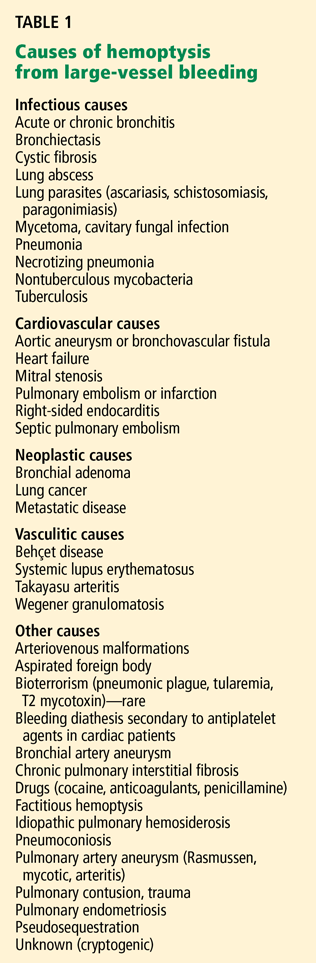
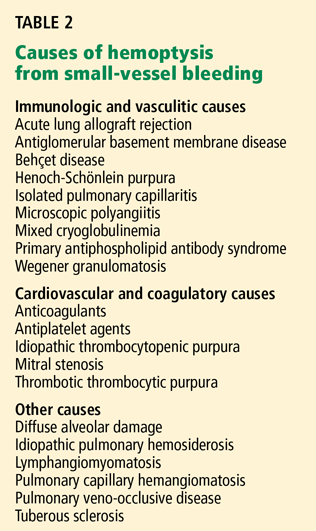
Definition of ‘massive’ hemoptysis can vary
Various definitions of the severity of hemoptysis have been proposed. The threshold of “massive” hemoptysis has been defined as as low as 100 mL/24 hours and as high as 1 L/24 hours; the most common definition is 300 mL, or about 1 cup.2,3,5–10
However, the patient’s cardiorespiratory status must also be considered.5,6,9 If the patient cannot maintain his or her airway, a small amount of bleeding could be life-threatening and should be considered significant or massive. Thus, we define massive hemoptysis as more than 300 mL of blood within 24 hours or any amount of blood with concurrent cardiorespiratory compromise.
It is important to recognize massive hemoptysis quickly, because without urgent treatment, up to 80% of patients may die.5,6,11 This can sometimes pose a challenge, as the history may not always be helpful and the patient’s perception of massive hemoptysis may differ from the clinically accepted definition. For example, in a patient without respiratory compromise, we would not consider bloodtinged sputum or small amounts of blood that add up to 1 to 2 teaspoons (5–10 mL) to be massive, although the patient might. On the other hand, hemoptysis with cardiorespiratory compromise must be considered significant (and very possibly massive) until proven otherwise, even if the amount of blood is small.
Massive hemoptysis is usually the result of erosion of systemic (rather than pulmonary) arteries by bronchial neoplasm, active tuberculosis, or aspergilloma.6,9,12,13 Arteriovenous malformations and pulmonary artery aneurysms are much less common causes.5,11,13
IMAGING AND DIAGNOSTIC OPTIONS
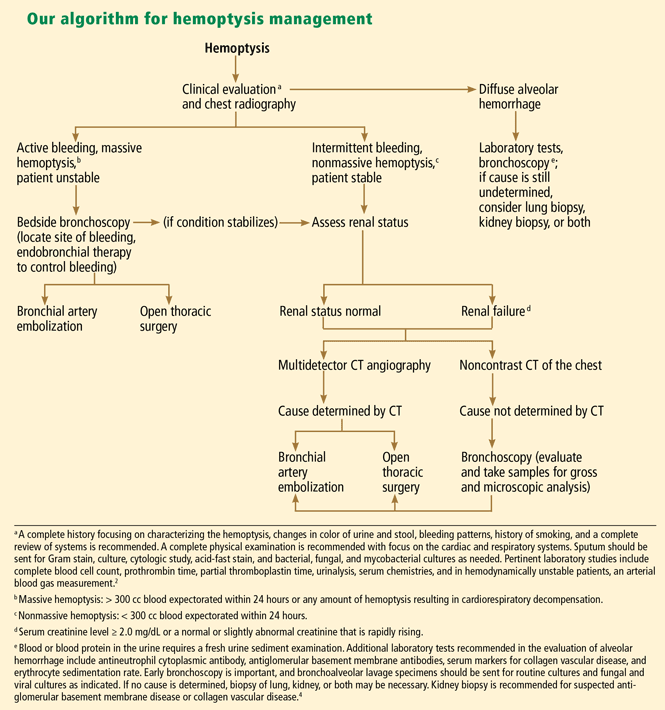
Chest radiography
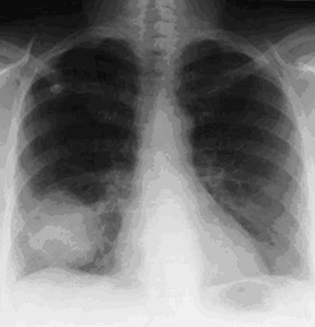
In as many as 40% of cases of hemoptysis, however, the findings on chest radiography are normal or do not reveal the source of the bleeding.15,16 Approximately 5% to 6% of patients with hemoptysis and normal results on radiography are eventually found to have lung cancer.14 Thus, while a localizing finding on radiography is helpful, a normal or nonlocalizing finding warrants further evaluation by other means, including conventional CT, multidetector CT angiography, or bronchoscopy.
Computed tomography
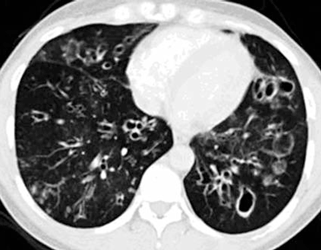
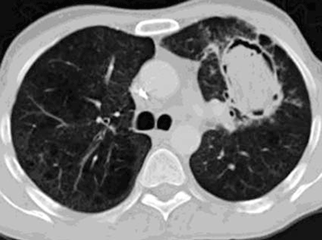
CT is superior to fiberoptic bronchoscopy in finding a cause of hemoptysis, its main advantage being its ability to show distal airways beyond the reach of the bronchoscope, and the lung parenchyma surrounding these distal airways.5,15,16 In locating the site of bleeding, CT performs about as well as fiberoptic bronchoscopy.5
However, while CT imaging is extremely useful in evaluating bleeding from larger vessels, it adds little information beyond that obtained by chest radiography in cases of diffuse alveolar hemorrhage.4
Multidetector CT angiography is the optimal CT study for evaluating hemoptysis. In addition to showing the lung parenchyma and airways, it allows one to evaluate the integrity of pulmonary, bronchial, and nonbronchial systemic arteries within the chest. It is at least as good as (and, with multiplanar reformatted images, possibly even better than) conventional angiography in evaluating bronchial and nonbronchial systemic arteries. Multidetector CT angiography is recommended before bronchial artery embolization to help one plan the procedure and shorten the procedure time, if the patient is stable enough that this imaging study can be done first.6,12,13
The iodinated contrast material used in CT angiography can cause contrast nephropathy in patients with renal failure. At Cleveland Clinic, we avoid using contrast if the patient’s serum creatinine level is 2.0 mg/dL or greater or if it is rapidly rising, even if it is in the normal range or only slightly elevated; a rapid rise would indicate acute renal failure (eg, in glomerulonephritis). In these cases, we recommend CT without contrast.
CT of the chest has revealed malignancies in cases of hemoptysis in which radiography and bronchoscopy did not.15,17 Although CT is more than 90% sensitive in detecting endobronchial lesions, it has limitations: a blood clot within the bronchus can look like a tumor, and acute bleeding can obscure an endobronchial lesion.5 Thus, bronchoscopy remains an important, complementary diagnostic tool in the evaluation of acute hemoptysis.
Bronchoscopy
Bronchoscopy is overall much less sensitive than CT in detecting the cause of the bleeding,15,16,18 but, if performed early it as useful as CT in finding the site of bleeding,5,9 information that can be helpful in planning further therapy.19 It may be more useful than CT in evaluating endobronchial lesions during acute hemoptysis, as active bleeding can obscure an endobronchial lesion on CT.5 However, the distal airways are often filled with blood, making them difficult to evaluate via bronchoscopy.
In approximately 10% of cases of massive hemoptysis, rigid bronchoscopy is preferred over fiberoptic bronchoscopy, and it is often used in a perioperative setting. However, its use is not usually possible in unstable patients receiving intensive care. Instead, flexible fiberoptic bronchoscopy can be used in patients whose condition is too unstable to allow them to leave the intensive care unit to undergo CT. Flexible fiberoptic bronchoscopy does not require an operating room or anesthesia,19 and can be done in the intensive care unit itself.
Not only can bronchoscopy accurately locate the site of bleeding, it can also aid in controlling the airway in patients with catastrophic hemorrhage and temporarily control bleeding through Fogarty balloon tamponade, direct application of a mixture of epinephrine and cold saline, or topical hemostatic tamponade therapy with a solution of thrombin or fibrinogen and thrombin.2,3,19 It also provides complementary information about endobronchial lesions and is valuable in providing samples for tissue diagnosis and microbial cultures.
Diagnostic angiography has limitations
Although it is possible to bypass radiography, CT, and bronchoscopy in a case of massive hemoptysis and to rush the patient to the angiography suite for combined diagnostic angiography and therapeutic bronchial artery embolization, this approach has limitations. Diagnostic angiography does not identify the source of bleeding as well as CT does.6 It is important to locate the bleeding site first via CT, multidetector CT angiography, or bronchoscopy. Diagnostic angiography can be time-consuming. The procedure time can be significantly shorter if CT, bronchoscopy, or both are done first to ascertain the site of bleeding before bronchial artery embolization.1,6 Another reason that performing CT first is important is that it can rule out situations in which surgery would be preferred over bronchial artery embolization.6
In more than 90% of cases of hemoptysis requiring embolization or surgery, the bleeding is from the bronchial arteries.5,6,9,11–13 However, bronchoscopy before bronchial artery embolization is unnecessary in patients with hemoptysis of known cause if the site of bleeding can be determined from radiography or CT and if no bronchoscopic airway management is needed.18
BRONCHIAL ARTERY EMBOLIZATION: AN ALTERNATIVE TO SURGERY
After a cause of the hemoptysis has been established by radiography, CT, or bronchoscopy, bronchial artery embolization is an effective first-line therapy to control massive, life-threatening bleeding.6 It is an alternative in patients who cannot undergo surgery because of bilateral or extensive disease that renders them unable to tolerate life after a lobectomy.6,12,18
Indications for bronchial artery embolization include failure of conservative management, massive hemoptysis, recurrent hemoptysis, and poor surgical risk. It is also done to control bleeding temporarily before surgery.1
Another indication for this therapy is peripheral pulmonary artery pseudoaneurysm, which is found in up to 11% of patients undergoing bronchial angiography for hemoptysis. These patients typically present with recurrent hemoptysis (sometimes massive) and occasionally with both hemoptysis and clubbing. Most of these patients have either chronic active pulmonary tuberculosis or a mycetoma complicating sarcoidosis or tuberculosis. Occlusion of the pulmonary artery pseudoaneurysm may require embolization of bronchial arteries, nonbronchial systemic arteries, or pulmonary artery branches.20
Surgery, however, is still the definitive treatment of choice for thoracic vascular injury, bronchial adenoma, aspergilloma resistant to other therapies, and hydatid cyst.6 A cardiothoracic surgeon should be consulted in these cases.
Outcomes of embolization
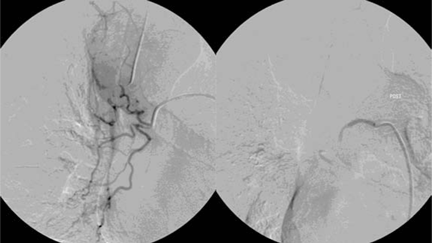
If a patient with massive hemoptysis undergoes successful bronchial artery embolization but the bleeding recurs 1 to 6 months later, the cause is likely an undetected nonbronchial systemic arterial supply and incomplete embolization.1,22 Late rebleeding (6–12 months after the procedure) occurs in 20% to 40% of patients and is likely to be from disease progression.1,7
Common complications of bronchial artery embolization are transient chest pain and dysphagia. Very rare complications include subintimal dissection and spinal cord ischemia due to inadvertent occlusion of the spinal arteries.6 Another complication in patients with renal failure is contrast nephropathy, the risk of which must be weighed against the possible consequences—including death—of not performing bronchial artery embolization in a patient who cannot undergo surgery.
CASE REVISITED: CLINICAL COURSE
In the patient described at the beginning of this article, a chest radiograph obtained in the emergency room showed an area of nonspecific consolidation in the left upper lung. Conventional chest CT was then ordered (Figure 4), and it revealed a cavitary lesion in the left upper lobe, consistent with aspergilloma. Bronchoscopy was then performed, and it too indicated that the bleeding was coming from the left upper lobe. Samples obtained during the procedure were sent to the laboratory for bacterial and fungal cultures.
In the meantime, family members were contacted, and they revealed that the patient had a history of sarcoidosis.
The patient went on to develop massive hemoptysis. Although the treatment of choice for mycetoma is primary resection, our patient’s respiratory status was poor as a result of extensive pulmonary sarcoidosis, and he was not considered a candidate for emergency surgery at that time. He was rushed to the angiography suite and successfully underwent emergency bronchial artery embolization.
- Andersen PE. Imaging and interventional radiological treatment of hemoptysis. Acta Radiologica 2006; 47:780–792.
- Corder R. Hemoptysis. Emerg Med Clin North Am 2003; 21:421–435.
- Valipour A, Kreuzer A, Koller H, Koessler W, Burghuber OC. Bronchoscopy-guided topical hemostatic tamponade therapy for the management of life-threatening hemoptysis. Chest 2005; 127:2113–2118.
- Collard HR, Schwarz MI. Diffuse alveolar hemorrhage. Clin Chest Med 2004; 25:583–592.
- Khalil A, Soussan M, Mangiapan G, Fartoukh M, Parrot A, Carette MF. Utility of high-resolution chest CT scan in the emergency management of haemoptysis in the intensive care unit: severity, localization and aetiology. Br J Radiol 2007; 80:21–25.
- Yoon W, Kim JK, Kim YH, Chung TW, Kang HK. Bronchial and nonbronchial systemic artery embolization for life-threatening hemoptysis: a comprehensive review. Radiographics 2002; 22:1395–1409.
- Johnson JL. Manifestations of hemoptysis. How to manage minor, moderate, and massive bleeding. Postgrad Med 2002; 112 4:101–113.
- Bidwell JL, Pachner RW. Hemoptysis: diagnosis and management. Am Fam Phys 2005; 72:1253–1260.
- Bruzzi JF, Remy-Jardin M, Delhaye D, Teisseire A, Khalil C, Remy J. Multi-detector row CT of hemoptysis. Radiographics 2006; 26:3–22.
- Ozgul MA, Turna A, Yildiz P, Ertan E, Kahraman S, Yilmaz V. Risk factors and recurrence patterns in 203 patients with hemoptysis. Tuberk Toraks 2006; 54:243–248.
- Khalil A, Fartoukh M, Tassart M, Parrot A, Marsault C, Carette MF. Role of MDCT in identification of the bleeding site and the vessels causing hemoptysis. AJR Am J Roentgenol 2007; 188:W117–W125.
- Remy-Jardin M, Bouaziz N, Dumont P, Brillet PY, Bruzzi J, Remy J. Bronchial and nonbronchial systemic arteries at multi-detector row CT angiography: comparison with conventional angiography. Radiology 2004; 233:741–749.
- Yoon YC, Lee KS, Jeong YJ, Shin SW, Chung MJ, Kwon OJ. Hemoptysis: bronchial and nonbronchial systemic arteries at 16-detector row CT. Radiology 2005; 234:292–298.
- Herth F, Ernst A, Becker HD. Long-term outcome and lung cancer incidence in patients with hemoptysis of unknown origin. Chest 2001; 120:1592–1594.
- Naidich DP, Funt S, Ettenger NA, Arranda C. Hemoptysis: CT-bronchoscopic correlations in 58 cases. Radiology 1990; 177:357–362.
- McGuinness G, Beacher JR, Harkin TJ, Garay SM, Rom WN, Naidich DP. Hemoptysis: prospective high-resolution CT/bronchoscopic correlation. Chest 1994; 105:1155–1162.
- Revel MP, Fournier LS, Hennebicque AS, et al. Can CT replace bronchoscopy in the detection of the site and cause of bleeding in patients with large or massive hemoptysis? AJR Am J Roentgenol 2002; 179:1217–1224.
- Hsiao EI, Kirsch CM, Kagawa FT, Wehner JH, Jensen WA, Baxter RB. Utility of fiberoptic bronchoscopy before bronchial artery embolization for massive hemoptysis. AJR Am J Roentgenol 2001; 177:861–867.
- Raoof S, Mehrishi S, Prakash UB. Role of bronchoscopy in modern medical intensive care unit. Clin Chest Med 2001; 22:241–261.
- Sbano H, Mitchell AW, Ind PW, Jackson JE. Peripheral pulmonary artery pseudoaneurysms and massive hemoptysis. AJR Am J Roentgenol 2005; 184:1253–1259.
- Swanson KL, Johnson CM, Prakash UB, McKusick MA, Andrews JC, Stanson AW. Bronchial artery embolization: experience with 54 patients. Chest 2002; 121:789–795.
- Yoon W, Kim YH, Kim JK, Kim YC, Park JG, Kang HK. Massive hemoptysis: prediction of nonbronchial systemic arterial supply with chest CT. Radiology 2003; 227:232–238.
A 44-year-old man comes to the emergency room because of light-headedness and fatigue. He says he has had several similar but milder episodes in the last several months. He also mentions that he thinks he has been coughing up blood. He says he has no major medical or surgical problems of which he is aware, but he appears confused and unable to give an accurate history. No family members can be contacted for further history at the moment.
Physical examination reveals nothing remarkable, but the patient does cough up some blood during the examination. His hemoglobin level is 6.0 g/dL (reference range 13.5–17.5).
What imaging tests would be helpful in this patient’s evaluation?
HEMOPTYSIS HAS MANY CAUSES
Hemoptysis is defined as the expectoration of blood originating from the tracheobronchial tree or the pulmonary parenchyma.
Most cases of hemoptysis are benign and self-limited; life-threatening hemoptysis is rare.1–3 However, hemoptysis can be a sign of serious tracheopulmonary disease.
Definition of ‘massive’ hemoptysis can vary
Various definitions of the severity of hemoptysis have been proposed. The threshold of “massive” hemoptysis has been defined as as low as 100 mL/24 hours and as high as 1 L/24 hours; the most common definition is 300 mL, or about 1 cup.2,3,5–10
However, the patient’s cardiorespiratory status must also be considered.5,6,9 If the patient cannot maintain his or her airway, a small amount of bleeding could be life-threatening and should be considered significant or massive. Thus, we define massive hemoptysis as more than 300 mL of blood within 24 hours or any amount of blood with concurrent cardiorespiratory compromise.
It is important to recognize massive hemoptysis quickly, because without urgent treatment, up to 80% of patients may die.5,6,11 This can sometimes pose a challenge, as the history may not always be helpful and the patient’s perception of massive hemoptysis may differ from the clinically accepted definition. For example, in a patient without respiratory compromise, we would not consider bloodtinged sputum or small amounts of blood that add up to 1 to 2 teaspoons (5–10 mL) to be massive, although the patient might. On the other hand, hemoptysis with cardiorespiratory compromise must be considered significant (and very possibly massive) until proven otherwise, even if the amount of blood is small.
Massive hemoptysis is usually the result of erosion of systemic (rather than pulmonary) arteries by bronchial neoplasm, active tuberculosis, or aspergilloma.6,9,12,13 Arteriovenous malformations and pulmonary artery aneurysms are much less common causes.5,11,13
IMAGING AND DIAGNOSTIC OPTIONS
Chest radiography
In as many as 40% of cases of hemoptysis, however, the findings on chest radiography are normal or do not reveal the source of the bleeding.15,16 Approximately 5% to 6% of patients with hemoptysis and normal results on radiography are eventually found to have lung cancer.14 Thus, while a localizing finding on radiography is helpful, a normal or nonlocalizing finding warrants further evaluation by other means, including conventional CT, multidetector CT angiography, or bronchoscopy.
Computed tomography
CT is superior to fiberoptic bronchoscopy in finding a cause of hemoptysis, its main advantage being its ability to show distal airways beyond the reach of the bronchoscope, and the lung parenchyma surrounding these distal airways.5,15,16 In locating the site of bleeding, CT performs about as well as fiberoptic bronchoscopy.5
However, while CT imaging is extremely useful in evaluating bleeding from larger vessels, it adds little information beyond that obtained by chest radiography in cases of diffuse alveolar hemorrhage.4
Multidetector CT angiography is the optimal CT study for evaluating hemoptysis. In addition to showing the lung parenchyma and airways, it allows one to evaluate the integrity of pulmonary, bronchial, and nonbronchial systemic arteries within the chest. It is at least as good as (and, with multiplanar reformatted images, possibly even better than) conventional angiography in evaluating bronchial and nonbronchial systemic arteries. Multidetector CT angiography is recommended before bronchial artery embolization to help one plan the procedure and shorten the procedure time, if the patient is stable enough that this imaging study can be done first.6,12,13
The iodinated contrast material used in CT angiography can cause contrast nephropathy in patients with renal failure. At Cleveland Clinic, we avoid using contrast if the patient’s serum creatinine level is 2.0 mg/dL or greater or if it is rapidly rising, even if it is in the normal range or only slightly elevated; a rapid rise would indicate acute renal failure (eg, in glomerulonephritis). In these cases, we recommend CT without contrast.
CT of the chest has revealed malignancies in cases of hemoptysis in which radiography and bronchoscopy did not.15,17 Although CT is more than 90% sensitive in detecting endobronchial lesions, it has limitations: a blood clot within the bronchus can look like a tumor, and acute bleeding can obscure an endobronchial lesion.5 Thus, bronchoscopy remains an important, complementary diagnostic tool in the evaluation of acute hemoptysis.
Bronchoscopy
Bronchoscopy is overall much less sensitive than CT in detecting the cause of the bleeding,15,16,18 but, if performed early it as useful as CT in finding the site of bleeding,5,9 information that can be helpful in planning further therapy.19 It may be more useful than CT in evaluating endobronchial lesions during acute hemoptysis, as active bleeding can obscure an endobronchial lesion on CT.5 However, the distal airways are often filled with blood, making them difficult to evaluate via bronchoscopy.
In approximately 10% of cases of massive hemoptysis, rigid bronchoscopy is preferred over fiberoptic bronchoscopy, and it is often used in a perioperative setting. However, its use is not usually possible in unstable patients receiving intensive care. Instead, flexible fiberoptic bronchoscopy can be used in patients whose condition is too unstable to allow them to leave the intensive care unit to undergo CT. Flexible fiberoptic bronchoscopy does not require an operating room or anesthesia,19 and can be done in the intensive care unit itself.
Not only can bronchoscopy accurately locate the site of bleeding, it can also aid in controlling the airway in patients with catastrophic hemorrhage and temporarily control bleeding through Fogarty balloon tamponade, direct application of a mixture of epinephrine and cold saline, or topical hemostatic tamponade therapy with a solution of thrombin or fibrinogen and thrombin.2,3,19 It also provides complementary information about endobronchial lesions and is valuable in providing samples for tissue diagnosis and microbial cultures.
Diagnostic angiography has limitations
Although it is possible to bypass radiography, CT, and bronchoscopy in a case of massive hemoptysis and to rush the patient to the angiography suite for combined diagnostic angiography and therapeutic bronchial artery embolization, this approach has limitations. Diagnostic angiography does not identify the source of bleeding as well as CT does.6 It is important to locate the bleeding site first via CT, multidetector CT angiography, or bronchoscopy. Diagnostic angiography can be time-consuming. The procedure time can be significantly shorter if CT, bronchoscopy, or both are done first to ascertain the site of bleeding before bronchial artery embolization.1,6 Another reason that performing CT first is important is that it can rule out situations in which surgery would be preferred over bronchial artery embolization.6
In more than 90% of cases of hemoptysis requiring embolization or surgery, the bleeding is from the bronchial arteries.5,6,9,11–13 However, bronchoscopy before bronchial artery embolization is unnecessary in patients with hemoptysis of known cause if the site of bleeding can be determined from radiography or CT and if no bronchoscopic airway management is needed.18
BRONCHIAL ARTERY EMBOLIZATION: AN ALTERNATIVE TO SURGERY
After a cause of the hemoptysis has been established by radiography, CT, or bronchoscopy, bronchial artery embolization is an effective first-line therapy to control massive, life-threatening bleeding.6 It is an alternative in patients who cannot undergo surgery because of bilateral or extensive disease that renders them unable to tolerate life after a lobectomy.6,12,18
Indications for bronchial artery embolization include failure of conservative management, massive hemoptysis, recurrent hemoptysis, and poor surgical risk. It is also done to control bleeding temporarily before surgery.1
Another indication for this therapy is peripheral pulmonary artery pseudoaneurysm, which is found in up to 11% of patients undergoing bronchial angiography for hemoptysis. These patients typically present with recurrent hemoptysis (sometimes massive) and occasionally with both hemoptysis and clubbing. Most of these patients have either chronic active pulmonary tuberculosis or a mycetoma complicating sarcoidosis or tuberculosis. Occlusion of the pulmonary artery pseudoaneurysm may require embolization of bronchial arteries, nonbronchial systemic arteries, or pulmonary artery branches.20
Surgery, however, is still the definitive treatment of choice for thoracic vascular injury, bronchial adenoma, aspergilloma resistant to other therapies, and hydatid cyst.6 A cardiothoracic surgeon should be consulted in these cases.
Outcomes of embolization
If a patient with massive hemoptysis undergoes successful bronchial artery embolization but the bleeding recurs 1 to 6 months later, the cause is likely an undetected nonbronchial systemic arterial supply and incomplete embolization.1,22 Late rebleeding (6–12 months after the procedure) occurs in 20% to 40% of patients and is likely to be from disease progression.1,7
Common complications of bronchial artery embolization are transient chest pain and dysphagia. Very rare complications include subintimal dissection and spinal cord ischemia due to inadvertent occlusion of the spinal arteries.6 Another complication in patients with renal failure is contrast nephropathy, the risk of which must be weighed against the possible consequences—including death—of not performing bronchial artery embolization in a patient who cannot undergo surgery.
CASE REVISITED: CLINICAL COURSE
In the patient described at the beginning of this article, a chest radiograph obtained in the emergency room showed an area of nonspecific consolidation in the left upper lung. Conventional chest CT was then ordered (Figure 4), and it revealed a cavitary lesion in the left upper lobe, consistent with aspergilloma. Bronchoscopy was then performed, and it too indicated that the bleeding was coming from the left upper lobe. Samples obtained during the procedure were sent to the laboratory for bacterial and fungal cultures.
In the meantime, family members were contacted, and they revealed that the patient had a history of sarcoidosis.
The patient went on to develop massive hemoptysis. Although the treatment of choice for mycetoma is primary resection, our patient’s respiratory status was poor as a result of extensive pulmonary sarcoidosis, and he was not considered a candidate for emergency surgery at that time. He was rushed to the angiography suite and successfully underwent emergency bronchial artery embolization.
A 44-year-old man comes to the emergency room because of light-headedness and fatigue. He says he has had several similar but milder episodes in the last several months. He also mentions that he thinks he has been coughing up blood. He says he has no major medical or surgical problems of which he is aware, but he appears confused and unable to give an accurate history. No family members can be contacted for further history at the moment.
Physical examination reveals nothing remarkable, but the patient does cough up some blood during the examination. His hemoglobin level is 6.0 g/dL (reference range 13.5–17.5).
What imaging tests would be helpful in this patient’s evaluation?
HEMOPTYSIS HAS MANY CAUSES
Hemoptysis is defined as the expectoration of blood originating from the tracheobronchial tree or the pulmonary parenchyma.
Most cases of hemoptysis are benign and self-limited; life-threatening hemoptysis is rare.1–3 However, hemoptysis can be a sign of serious tracheopulmonary disease.
Definition of ‘massive’ hemoptysis can vary
Various definitions of the severity of hemoptysis have been proposed. The threshold of “massive” hemoptysis has been defined as as low as 100 mL/24 hours and as high as 1 L/24 hours; the most common definition is 300 mL, or about 1 cup.2,3,5–10
However, the patient’s cardiorespiratory status must also be considered.5,6,9 If the patient cannot maintain his or her airway, a small amount of bleeding could be life-threatening and should be considered significant or massive. Thus, we define massive hemoptysis as more than 300 mL of blood within 24 hours or any amount of blood with concurrent cardiorespiratory compromise.
It is important to recognize massive hemoptysis quickly, because without urgent treatment, up to 80% of patients may die.5,6,11 This can sometimes pose a challenge, as the history may not always be helpful and the patient’s perception of massive hemoptysis may differ from the clinically accepted definition. For example, in a patient without respiratory compromise, we would not consider bloodtinged sputum or small amounts of blood that add up to 1 to 2 teaspoons (5–10 mL) to be massive, although the patient might. On the other hand, hemoptysis with cardiorespiratory compromise must be considered significant (and very possibly massive) until proven otherwise, even if the amount of blood is small.
Massive hemoptysis is usually the result of erosion of systemic (rather than pulmonary) arteries by bronchial neoplasm, active tuberculosis, or aspergilloma.6,9,12,13 Arteriovenous malformations and pulmonary artery aneurysms are much less common causes.5,11,13
IMAGING AND DIAGNOSTIC OPTIONS
Chest radiography
In as many as 40% of cases of hemoptysis, however, the findings on chest radiography are normal or do not reveal the source of the bleeding.15,16 Approximately 5% to 6% of patients with hemoptysis and normal results on radiography are eventually found to have lung cancer.14 Thus, while a localizing finding on radiography is helpful, a normal or nonlocalizing finding warrants further evaluation by other means, including conventional CT, multidetector CT angiography, or bronchoscopy.
Computed tomography
CT is superior to fiberoptic bronchoscopy in finding a cause of hemoptysis, its main advantage being its ability to show distal airways beyond the reach of the bronchoscope, and the lung parenchyma surrounding these distal airways.5,15,16 In locating the site of bleeding, CT performs about as well as fiberoptic bronchoscopy.5
However, while CT imaging is extremely useful in evaluating bleeding from larger vessels, it adds little information beyond that obtained by chest radiography in cases of diffuse alveolar hemorrhage.4
Multidetector CT angiography is the optimal CT study for evaluating hemoptysis. In addition to showing the lung parenchyma and airways, it allows one to evaluate the integrity of pulmonary, bronchial, and nonbronchial systemic arteries within the chest. It is at least as good as (and, with multiplanar reformatted images, possibly even better than) conventional angiography in evaluating bronchial and nonbronchial systemic arteries. Multidetector CT angiography is recommended before bronchial artery embolization to help one plan the procedure and shorten the procedure time, if the patient is stable enough that this imaging study can be done first.6,12,13
The iodinated contrast material used in CT angiography can cause contrast nephropathy in patients with renal failure. At Cleveland Clinic, we avoid using contrast if the patient’s serum creatinine level is 2.0 mg/dL or greater or if it is rapidly rising, even if it is in the normal range or only slightly elevated; a rapid rise would indicate acute renal failure (eg, in glomerulonephritis). In these cases, we recommend CT without contrast.
CT of the chest has revealed malignancies in cases of hemoptysis in which radiography and bronchoscopy did not.15,17 Although CT is more than 90% sensitive in detecting endobronchial lesions, it has limitations: a blood clot within the bronchus can look like a tumor, and acute bleeding can obscure an endobronchial lesion.5 Thus, bronchoscopy remains an important, complementary diagnostic tool in the evaluation of acute hemoptysis.
Bronchoscopy
Bronchoscopy is overall much less sensitive than CT in detecting the cause of the bleeding,15,16,18 but, if performed early it as useful as CT in finding the site of bleeding,5,9 information that can be helpful in planning further therapy.19 It may be more useful than CT in evaluating endobronchial lesions during acute hemoptysis, as active bleeding can obscure an endobronchial lesion on CT.5 However, the distal airways are often filled with blood, making them difficult to evaluate via bronchoscopy.
In approximately 10% of cases of massive hemoptysis, rigid bronchoscopy is preferred over fiberoptic bronchoscopy, and it is often used in a perioperative setting. However, its use is not usually possible in unstable patients receiving intensive care. Instead, flexible fiberoptic bronchoscopy can be used in patients whose condition is too unstable to allow them to leave the intensive care unit to undergo CT. Flexible fiberoptic bronchoscopy does not require an operating room or anesthesia,19 and can be done in the intensive care unit itself.
Not only can bronchoscopy accurately locate the site of bleeding, it can also aid in controlling the airway in patients with catastrophic hemorrhage and temporarily control bleeding through Fogarty balloon tamponade, direct application of a mixture of epinephrine and cold saline, or topical hemostatic tamponade therapy with a solution of thrombin or fibrinogen and thrombin.2,3,19 It also provides complementary information about endobronchial lesions and is valuable in providing samples for tissue diagnosis and microbial cultures.
Diagnostic angiography has limitations
Although it is possible to bypass radiography, CT, and bronchoscopy in a case of massive hemoptysis and to rush the patient to the angiography suite for combined diagnostic angiography and therapeutic bronchial artery embolization, this approach has limitations. Diagnostic angiography does not identify the source of bleeding as well as CT does.6 It is important to locate the bleeding site first via CT, multidetector CT angiography, or bronchoscopy. Diagnostic angiography can be time-consuming. The procedure time can be significantly shorter if CT, bronchoscopy, or both are done first to ascertain the site of bleeding before bronchial artery embolization.1,6 Another reason that performing CT first is important is that it can rule out situations in which surgery would be preferred over bronchial artery embolization.6
In more than 90% of cases of hemoptysis requiring embolization or surgery, the bleeding is from the bronchial arteries.5,6,9,11–13 However, bronchoscopy before bronchial artery embolization is unnecessary in patients with hemoptysis of known cause if the site of bleeding can be determined from radiography or CT and if no bronchoscopic airway management is needed.18
BRONCHIAL ARTERY EMBOLIZATION: AN ALTERNATIVE TO SURGERY
After a cause of the hemoptysis has been established by radiography, CT, or bronchoscopy, bronchial artery embolization is an effective first-line therapy to control massive, life-threatening bleeding.6 It is an alternative in patients who cannot undergo surgery because of bilateral or extensive disease that renders them unable to tolerate life after a lobectomy.6,12,18
Indications for bronchial artery embolization include failure of conservative management, massive hemoptysis, recurrent hemoptysis, and poor surgical risk. It is also done to control bleeding temporarily before surgery.1
Another indication for this therapy is peripheral pulmonary artery pseudoaneurysm, which is found in up to 11% of patients undergoing bronchial angiography for hemoptysis. These patients typically present with recurrent hemoptysis (sometimes massive) and occasionally with both hemoptysis and clubbing. Most of these patients have either chronic active pulmonary tuberculosis or a mycetoma complicating sarcoidosis or tuberculosis. Occlusion of the pulmonary artery pseudoaneurysm may require embolization of bronchial arteries, nonbronchial systemic arteries, or pulmonary artery branches.20
Surgery, however, is still the definitive treatment of choice for thoracic vascular injury, bronchial adenoma, aspergilloma resistant to other therapies, and hydatid cyst.6 A cardiothoracic surgeon should be consulted in these cases.
Outcomes of embolization
If a patient with massive hemoptysis undergoes successful bronchial artery embolization but the bleeding recurs 1 to 6 months later, the cause is likely an undetected nonbronchial systemic arterial supply and incomplete embolization.1,22 Late rebleeding (6–12 months after the procedure) occurs in 20% to 40% of patients and is likely to be from disease progression.1,7
Common complications of bronchial artery embolization are transient chest pain and dysphagia. Very rare complications include subintimal dissection and spinal cord ischemia due to inadvertent occlusion of the spinal arteries.6 Another complication in patients with renal failure is contrast nephropathy, the risk of which must be weighed against the possible consequences—including death—of not performing bronchial artery embolization in a patient who cannot undergo surgery.
CASE REVISITED: CLINICAL COURSE
In the patient described at the beginning of this article, a chest radiograph obtained in the emergency room showed an area of nonspecific consolidation in the left upper lung. Conventional chest CT was then ordered (Figure 4), and it revealed a cavitary lesion in the left upper lobe, consistent with aspergilloma. Bronchoscopy was then performed, and it too indicated that the bleeding was coming from the left upper lobe. Samples obtained during the procedure were sent to the laboratory for bacterial and fungal cultures.
In the meantime, family members were contacted, and they revealed that the patient had a history of sarcoidosis.
The patient went on to develop massive hemoptysis. Although the treatment of choice for mycetoma is primary resection, our patient’s respiratory status was poor as a result of extensive pulmonary sarcoidosis, and he was not considered a candidate for emergency surgery at that time. He was rushed to the angiography suite and successfully underwent emergency bronchial artery embolization.
- Andersen PE. Imaging and interventional radiological treatment of hemoptysis. Acta Radiologica 2006; 47:780–792.
- Corder R. Hemoptysis. Emerg Med Clin North Am 2003; 21:421–435.
- Valipour A, Kreuzer A, Koller H, Koessler W, Burghuber OC. Bronchoscopy-guided topical hemostatic tamponade therapy for the management of life-threatening hemoptysis. Chest 2005; 127:2113–2118.
- Collard HR, Schwarz MI. Diffuse alveolar hemorrhage. Clin Chest Med 2004; 25:583–592.
- Khalil A, Soussan M, Mangiapan G, Fartoukh M, Parrot A, Carette MF. Utility of high-resolution chest CT scan in the emergency management of haemoptysis in the intensive care unit: severity, localization and aetiology. Br J Radiol 2007; 80:21–25.
- Yoon W, Kim JK, Kim YH, Chung TW, Kang HK. Bronchial and nonbronchial systemic artery embolization for life-threatening hemoptysis: a comprehensive review. Radiographics 2002; 22:1395–1409.
- Johnson JL. Manifestations of hemoptysis. How to manage minor, moderate, and massive bleeding. Postgrad Med 2002; 112 4:101–113.
- Bidwell JL, Pachner RW. Hemoptysis: diagnosis and management. Am Fam Phys 2005; 72:1253–1260.
- Bruzzi JF, Remy-Jardin M, Delhaye D, Teisseire A, Khalil C, Remy J. Multi-detector row CT of hemoptysis. Radiographics 2006; 26:3–22.
- Ozgul MA, Turna A, Yildiz P, Ertan E, Kahraman S, Yilmaz V. Risk factors and recurrence patterns in 203 patients with hemoptysis. Tuberk Toraks 2006; 54:243–248.
- Khalil A, Fartoukh M, Tassart M, Parrot A, Marsault C, Carette MF. Role of MDCT in identification of the bleeding site and the vessels causing hemoptysis. AJR Am J Roentgenol 2007; 188:W117–W125.
- Remy-Jardin M, Bouaziz N, Dumont P, Brillet PY, Bruzzi J, Remy J. Bronchial and nonbronchial systemic arteries at multi-detector row CT angiography: comparison with conventional angiography. Radiology 2004; 233:741–749.
- Yoon YC, Lee KS, Jeong YJ, Shin SW, Chung MJ, Kwon OJ. Hemoptysis: bronchial and nonbronchial systemic arteries at 16-detector row CT. Radiology 2005; 234:292–298.
- Herth F, Ernst A, Becker HD. Long-term outcome and lung cancer incidence in patients with hemoptysis of unknown origin. Chest 2001; 120:1592–1594.
- Naidich DP, Funt S, Ettenger NA, Arranda C. Hemoptysis: CT-bronchoscopic correlations in 58 cases. Radiology 1990; 177:357–362.
- McGuinness G, Beacher JR, Harkin TJ, Garay SM, Rom WN, Naidich DP. Hemoptysis: prospective high-resolution CT/bronchoscopic correlation. Chest 1994; 105:1155–1162.
- Revel MP, Fournier LS, Hennebicque AS, et al. Can CT replace bronchoscopy in the detection of the site and cause of bleeding in patients with large or massive hemoptysis? AJR Am J Roentgenol 2002; 179:1217–1224.
- Hsiao EI, Kirsch CM, Kagawa FT, Wehner JH, Jensen WA, Baxter RB. Utility of fiberoptic bronchoscopy before bronchial artery embolization for massive hemoptysis. AJR Am J Roentgenol 2001; 177:861–867.
- Raoof S, Mehrishi S, Prakash UB. Role of bronchoscopy in modern medical intensive care unit. Clin Chest Med 2001; 22:241–261.
- Sbano H, Mitchell AW, Ind PW, Jackson JE. Peripheral pulmonary artery pseudoaneurysms and massive hemoptysis. AJR Am J Roentgenol 2005; 184:1253–1259.
- Swanson KL, Johnson CM, Prakash UB, McKusick MA, Andrews JC, Stanson AW. Bronchial artery embolization: experience with 54 patients. Chest 2002; 121:789–795.
- Yoon W, Kim YH, Kim JK, Kim YC, Park JG, Kang HK. Massive hemoptysis: prediction of nonbronchial systemic arterial supply with chest CT. Radiology 2003; 227:232–238.
- Andersen PE. Imaging and interventional radiological treatment of hemoptysis. Acta Radiologica 2006; 47:780–792.
- Corder R. Hemoptysis. Emerg Med Clin North Am 2003; 21:421–435.
- Valipour A, Kreuzer A, Koller H, Koessler W, Burghuber OC. Bronchoscopy-guided topical hemostatic tamponade therapy for the management of life-threatening hemoptysis. Chest 2005; 127:2113–2118.
- Collard HR, Schwarz MI. Diffuse alveolar hemorrhage. Clin Chest Med 2004; 25:583–592.
- Khalil A, Soussan M, Mangiapan G, Fartoukh M, Parrot A, Carette MF. Utility of high-resolution chest CT scan in the emergency management of haemoptysis in the intensive care unit: severity, localization and aetiology. Br J Radiol 2007; 80:21–25.
- Yoon W, Kim JK, Kim YH, Chung TW, Kang HK. Bronchial and nonbronchial systemic artery embolization for life-threatening hemoptysis: a comprehensive review. Radiographics 2002; 22:1395–1409.
- Johnson JL. Manifestations of hemoptysis. How to manage minor, moderate, and massive bleeding. Postgrad Med 2002; 112 4:101–113.
- Bidwell JL, Pachner RW. Hemoptysis: diagnosis and management. Am Fam Phys 2005; 72:1253–1260.
- Bruzzi JF, Remy-Jardin M, Delhaye D, Teisseire A, Khalil C, Remy J. Multi-detector row CT of hemoptysis. Radiographics 2006; 26:3–22.
- Ozgul MA, Turna A, Yildiz P, Ertan E, Kahraman S, Yilmaz V. Risk factors and recurrence patterns in 203 patients with hemoptysis. Tuberk Toraks 2006; 54:243–248.
- Khalil A, Fartoukh M, Tassart M, Parrot A, Marsault C, Carette MF. Role of MDCT in identification of the bleeding site and the vessels causing hemoptysis. AJR Am J Roentgenol 2007; 188:W117–W125.
- Remy-Jardin M, Bouaziz N, Dumont P, Brillet PY, Bruzzi J, Remy J. Bronchial and nonbronchial systemic arteries at multi-detector row CT angiography: comparison with conventional angiography. Radiology 2004; 233:741–749.
- Yoon YC, Lee KS, Jeong YJ, Shin SW, Chung MJ, Kwon OJ. Hemoptysis: bronchial and nonbronchial systemic arteries at 16-detector row CT. Radiology 2005; 234:292–298.
- Herth F, Ernst A, Becker HD. Long-term outcome and lung cancer incidence in patients with hemoptysis of unknown origin. Chest 2001; 120:1592–1594.
- Naidich DP, Funt S, Ettenger NA, Arranda C. Hemoptysis: CT-bronchoscopic correlations in 58 cases. Radiology 1990; 177:357–362.
- McGuinness G, Beacher JR, Harkin TJ, Garay SM, Rom WN, Naidich DP. Hemoptysis: prospective high-resolution CT/bronchoscopic correlation. Chest 1994; 105:1155–1162.
- Revel MP, Fournier LS, Hennebicque AS, et al. Can CT replace bronchoscopy in the detection of the site and cause of bleeding in patients with large or massive hemoptysis? AJR Am J Roentgenol 2002; 179:1217–1224.
- Hsiao EI, Kirsch CM, Kagawa FT, Wehner JH, Jensen WA, Baxter RB. Utility of fiberoptic bronchoscopy before bronchial artery embolization for massive hemoptysis. AJR Am J Roentgenol 2001; 177:861–867.
- Raoof S, Mehrishi S, Prakash UB. Role of bronchoscopy in modern medical intensive care unit. Clin Chest Med 2001; 22:241–261.
- Sbano H, Mitchell AW, Ind PW, Jackson JE. Peripheral pulmonary artery pseudoaneurysms and massive hemoptysis. AJR Am J Roentgenol 2005; 184:1253–1259.
- Swanson KL, Johnson CM, Prakash UB, McKusick MA, Andrews JC, Stanson AW. Bronchial artery embolization: experience with 54 patients. Chest 2002; 121:789–795.
- Yoon W, Kim YH, Kim JK, Kim YC, Park JG, Kang HK. Massive hemoptysis: prediction of nonbronchial systemic arterial supply with chest CT. Radiology 2003; 227:232–238.
KEY POINTS
- We recommend chest radiography in the initial stages of evaluation of hemoptysis, whether the hemoptysis is massive or nonmassive.
- In cases of hemoptysis that is intermittent (whether massive or nonmassive) in patients whose condition is stable, CT, multidetector CT angiography, and bronchoscopy are all useful.
- In cases of hemoptysis that is active, persistent, and massive, multidetector CT angiography, bronchoscopy, and conventional bronchial angiography are all useful, depending on the hemodynamic stability of the patient.
- Bronchial artery embolization is the preferred noninvasive first-line treatment for hemoptysis and offers an excellent alternative to surgery for patients who are poor candidates for surgery.