User login
Product News: 10 2015
Bellafill
Suneva Medical, Inc, recognized the treatment of acne scars was an unmet need, which led to research supporting a new indication for the dermal filler Bellafill for the treatment of moderate to severe, atrophic, distensible facial acne scars on the cheek in patients older than 21 years. Bellafill is a smooth, collagen-based dermal filler with polymethylmethacrylate (PMMA) microspheres. The collagen gel provides immediate volume and lift to correct the scar, and the PMMA microspheres remain in place and provide structural support for smoother-looking skin. Bellafill is not indicated for ice-pick scars. Although Bellafill can be used in all skin types, the patient’s acne cannot be active. Results have been observed to last 12 months. Patients may continue with ongoing topical treatments but should discontinue any topical treatment the night after injection. For more information, visit www.bellafill.com.
Cutanea Life Sciences
Cutanea Life Sciences renews its commitment to focusing on the unmet needs of patients to develop innovative technologies and therapeutic applications. In 2012, Maruho Co, Ltd, acquired Cutanea Life Sciences, solidifying the financial resources needed to create market-leading products to treat diseases and disorders of the skin and subcutaneous tissue. Cutaneous Life Sciences corporate headquarters are located in Wayne, Pennsylvania. Robert J. Bitterman Sr has served as president and chief executive officer since 2005, following executive leadership roles for other dermatology companies. For more information, visit www.cutanealife.com.
Humira
AbbVie Inc receives US Food and Drug Administration approval of Humira (adalimumab) for the treatment of moderate to severe hidradenitis suppurativa (HS), offering patients with HS a much-needed treatment for this chronic debilitating disease. The HS indication follows approvals for rheumatoid arthritis, plaque psoriasis, Crohn disease, ulcerative colitis, psoriatic arthritis, and ankylosing spondylitis. For more information, visit www.humira.com.
Teflaro
Actavis, Inc, announces US Food and Drug Administration approval of the supplemental new drug application to update the label for Teflaro (ceftaroline fosamil) for the treatment of adult patients with acute bacterial skin and skin structure infections (ABSSSI) and community-acquired bacterial pneumonia (CABP). With this updated label, Teflaro also is now approved to be administered by intravenous infusion over 5 minutes to 1 hour in adult patients 18 years and older, providing increased flexibility in dosing. Teflaro was first approved in 2010 for the treatment of adults with CABP and ABSSSI due to designated susceptible pathogens. For more information, visit www.teflaro.com.
If you would like your product included in Product News, please e-mail a press release to the Editorial Office at cutis@frontlinemedcom.com.
Bellafill
Suneva Medical, Inc, recognized the treatment of acne scars was an unmet need, which led to research supporting a new indication for the dermal filler Bellafill for the treatment of moderate to severe, atrophic, distensible facial acne scars on the cheek in patients older than 21 years. Bellafill is a smooth, collagen-based dermal filler with polymethylmethacrylate (PMMA) microspheres. The collagen gel provides immediate volume and lift to correct the scar, and the PMMA microspheres remain in place and provide structural support for smoother-looking skin. Bellafill is not indicated for ice-pick scars. Although Bellafill can be used in all skin types, the patient’s acne cannot be active. Results have been observed to last 12 months. Patients may continue with ongoing topical treatments but should discontinue any topical treatment the night after injection. For more information, visit www.bellafill.com.
Cutanea Life Sciences
Cutanea Life Sciences renews its commitment to focusing on the unmet needs of patients to develop innovative technologies and therapeutic applications. In 2012, Maruho Co, Ltd, acquired Cutanea Life Sciences, solidifying the financial resources needed to create market-leading products to treat diseases and disorders of the skin and subcutaneous tissue. Cutaneous Life Sciences corporate headquarters are located in Wayne, Pennsylvania. Robert J. Bitterman Sr has served as president and chief executive officer since 2005, following executive leadership roles for other dermatology companies. For more information, visit www.cutanealife.com.
Humira
AbbVie Inc receives US Food and Drug Administration approval of Humira (adalimumab) for the treatment of moderate to severe hidradenitis suppurativa (HS), offering patients with HS a much-needed treatment for this chronic debilitating disease. The HS indication follows approvals for rheumatoid arthritis, plaque psoriasis, Crohn disease, ulcerative colitis, psoriatic arthritis, and ankylosing spondylitis. For more information, visit www.humira.com.
Teflaro
Actavis, Inc, announces US Food and Drug Administration approval of the supplemental new drug application to update the label for Teflaro (ceftaroline fosamil) for the treatment of adult patients with acute bacterial skin and skin structure infections (ABSSSI) and community-acquired bacterial pneumonia (CABP). With this updated label, Teflaro also is now approved to be administered by intravenous infusion over 5 minutes to 1 hour in adult patients 18 years and older, providing increased flexibility in dosing. Teflaro was first approved in 2010 for the treatment of adults with CABP and ABSSSI due to designated susceptible pathogens. For more information, visit www.teflaro.com.
If you would like your product included in Product News, please e-mail a press release to the Editorial Office at cutis@frontlinemedcom.com.
Bellafill
Suneva Medical, Inc, recognized the treatment of acne scars was an unmet need, which led to research supporting a new indication for the dermal filler Bellafill for the treatment of moderate to severe, atrophic, distensible facial acne scars on the cheek in patients older than 21 years. Bellafill is a smooth, collagen-based dermal filler with polymethylmethacrylate (PMMA) microspheres. The collagen gel provides immediate volume and lift to correct the scar, and the PMMA microspheres remain in place and provide structural support for smoother-looking skin. Bellafill is not indicated for ice-pick scars. Although Bellafill can be used in all skin types, the patient’s acne cannot be active. Results have been observed to last 12 months. Patients may continue with ongoing topical treatments but should discontinue any topical treatment the night after injection. For more information, visit www.bellafill.com.
Cutanea Life Sciences
Cutanea Life Sciences renews its commitment to focusing on the unmet needs of patients to develop innovative technologies and therapeutic applications. In 2012, Maruho Co, Ltd, acquired Cutanea Life Sciences, solidifying the financial resources needed to create market-leading products to treat diseases and disorders of the skin and subcutaneous tissue. Cutaneous Life Sciences corporate headquarters are located in Wayne, Pennsylvania. Robert J. Bitterman Sr has served as president and chief executive officer since 2005, following executive leadership roles for other dermatology companies. For more information, visit www.cutanealife.com.
Humira
AbbVie Inc receives US Food and Drug Administration approval of Humira (adalimumab) for the treatment of moderate to severe hidradenitis suppurativa (HS), offering patients with HS a much-needed treatment for this chronic debilitating disease. The HS indication follows approvals for rheumatoid arthritis, plaque psoriasis, Crohn disease, ulcerative colitis, psoriatic arthritis, and ankylosing spondylitis. For more information, visit www.humira.com.
Teflaro
Actavis, Inc, announces US Food and Drug Administration approval of the supplemental new drug application to update the label for Teflaro (ceftaroline fosamil) for the treatment of adult patients with acute bacterial skin and skin structure infections (ABSSSI) and community-acquired bacterial pneumonia (CABP). With this updated label, Teflaro also is now approved to be administered by intravenous infusion over 5 minutes to 1 hour in adult patients 18 years and older, providing increased flexibility in dosing. Teflaro was first approved in 2010 for the treatment of adults with CABP and ABSSSI due to designated susceptible pathogens. For more information, visit www.teflaro.com.
If you would like your product included in Product News, please e-mail a press release to the Editorial Office at cutis@frontlinemedcom.com.

TCT: Routine thrombectomy with PCI raises stroke risk 66% in STEMI patients
Routine manual thrombectomy during percutaneous coronary intervention offers no significant long-term benefit over PCI alone for patients with acute ST-segment–elevation myocardial infarction.
In fact, thrombectomy was associated with a 66% increase in stroke risk in the year following a heart attack, Dr. Sanjit Jolly reported at the Transcatheter Cardiovascular Therapeutics annual meeting.

A 1-year analysis of the TOTAL trial confirmed the study’s recently published 1-month findings: Routine thrombectomy isn’t any better than PCI alone in the clinical outcomes of cardiovascular death, myocardial infarction, cardiogenic shock, or heart failure.
As it was at 1 month, however, stroke at 1 year was significantly more common; it occurred in 60 patients (1.2%) in the thrombectomy group and 36 (0.7%) in the PCI-alone group, for an increase in risk of 66% (P = .015).
The findings were simultaneously published online (Lancet 2015 Oct 13 doi: 10.1016/ S0140-6736[15]00448-1).
“Based on these endpoints, manual thrombectomy can no longer be recommended as a primary strategy in these patients,” Dr. Jolly said at the meeting, which was sponsored by the Cardiovascular Research Foundation.
Despite the unequivocal findings, it’s unclear when clinicians will completely embrace TOTAL’s results, noted Dr. Jolly of McMaster University, Hamilton, Ont.
“Unfortunately, practice has not changed with these findings. It often takes time for new evidence to get translated into the clinic, although some of my colleagues have told me that the results are giving them pause, causing them to use less thrombus aspiration. But interventional cardiologists are very visually driven. If we see something, we want to take it out. So it may take some time for these to be adopted,” he said.
The Thromwbectomy With PCI Versus PCI Alone in Patients With STEMI (TOTAL) trial randomized 10,723 patients to percutaneous coronary intervention with or without routine manual thrombectomy. The primary outcome was a composite of death from cardiovascular causes, recurrent myocardial infarction, cardiogenic shock, or New York Heart Association class IV heart failure within 180 days. The key safety outcome was stroke within 30 days.
The TOTAL results showed no difference in the primary outcome between thrombectomy and PCI patients (6.9% vs. 7%) (N Engl J Med. 2015 Apr 9;372[15]:1389-98).
Rates of cardiovascular death were similar (3% in each group) as were those for a combination of the primary outcome plus stent thrombosis or revascularization (10% in each group). Patients who had a thrombectomy were twice as likely to have a stroke within 30 days, although the absolute numbers were small (0.7% vs. 0.3%; HR, 2.06).
The 1-year follow-up study provided important perspective about the long-term risks and benefits of the two strategies.
There was no difference in the rate of the composite endpoint, which occurred in 7.8% of each group. Cardiovascular death occurred in 3.6% of the thrombectomy group and 3.8% of the PCI-alone group. There were similar rates of recurrent heart attack (2.5% vs. 2.3%), cardiogenic shock (1.9% vs. 2.1%), and class IV heart failure (2.1% vs. 1.9%).
The finding of significantly elevated stroke risk at 30 days was also present at 1 year, occurring in 1.2% of the thrombectomy patients and 0.7% of the PCI-alone patients (HR, 1.66; P = .015). The risk of a combination of stroke or transient ischemic attack was also increased significantly, by 65%, occurring in 1.4% and 0.9%, respectively (HR, 1.65; P = .008).
To further confirm the findings, Dr. Jolly also presented a meta-analysis of all-cause mortality in 20,352 patients involved in 16 studies comparing PCI plus thrombectomy with PCI alone. The meta-analysis also found that routine thrombectomy conferred no mortality benefit over PCI.
It did, however, confirm a 43% increased risk of stroke in PCI plus thrombectomy vs. PCI alone, at 0.9% and 0.6% (P = .03).
TOTAL was funded by the Canadian Institutes of Health Research, the Canadian Network and Centre for Trials Internationally, and Medtronic. Dr. Jolly received grants from Medtronic during the study.
On Twitter @Alz_Gal
Routine manual thrombectomy during percutaneous coronary intervention offers no significant long-term benefit over PCI alone for patients with acute ST-segment–elevation myocardial infarction.
In fact, thrombectomy was associated with a 66% increase in stroke risk in the year following a heart attack, Dr. Sanjit Jolly reported at the Transcatheter Cardiovascular Therapeutics annual meeting.
A 1-year analysis of the TOTAL trial confirmed the study’s recently published 1-month findings: Routine thrombectomy isn’t any better than PCI alone in the clinical outcomes of cardiovascular death, myocardial infarction, cardiogenic shock, or heart failure.
As it was at 1 month, however, stroke at 1 year was significantly more common; it occurred in 60 patients (1.2%) in the thrombectomy group and 36 (0.7%) in the PCI-alone group, for an increase in risk of 66% (P = .015).
The findings were simultaneously published online (Lancet 2015 Oct 13 doi: 10.1016/ S0140-6736[15]00448-1).
“Based on these endpoints, manual thrombectomy can no longer be recommended as a primary strategy in these patients,” Dr. Jolly said at the meeting, which was sponsored by the Cardiovascular Research Foundation.
Despite the unequivocal findings, it’s unclear when clinicians will completely embrace TOTAL’s results, noted Dr. Jolly of McMaster University, Hamilton, Ont.
“Unfortunately, practice has not changed with these findings. It often takes time for new evidence to get translated into the clinic, although some of my colleagues have told me that the results are giving them pause, causing them to use less thrombus aspiration. But interventional cardiologists are very visually driven. If we see something, we want to take it out. So it may take some time for these to be adopted,” he said.
The Thromwbectomy With PCI Versus PCI Alone in Patients With STEMI (TOTAL) trial randomized 10,723 patients to percutaneous coronary intervention with or without routine manual thrombectomy. The primary outcome was a composite of death from cardiovascular causes, recurrent myocardial infarction, cardiogenic shock, or New York Heart Association class IV heart failure within 180 days. The key safety outcome was stroke within 30 days.
The TOTAL results showed no difference in the primary outcome between thrombectomy and PCI patients (6.9% vs. 7%) (N Engl J Med. 2015 Apr 9;372[15]:1389-98).
Rates of cardiovascular death were similar (3% in each group) as were those for a combination of the primary outcome plus stent thrombosis or revascularization (10% in each group). Patients who had a thrombectomy were twice as likely to have a stroke within 30 days, although the absolute numbers were small (0.7% vs. 0.3%; HR, 2.06).
The 1-year follow-up study provided important perspective about the long-term risks and benefits of the two strategies.
There was no difference in the rate of the composite endpoint, which occurred in 7.8% of each group. Cardiovascular death occurred in 3.6% of the thrombectomy group and 3.8% of the PCI-alone group. There were similar rates of recurrent heart attack (2.5% vs. 2.3%), cardiogenic shock (1.9% vs. 2.1%), and class IV heart failure (2.1% vs. 1.9%).
The finding of significantly elevated stroke risk at 30 days was also present at 1 year, occurring in 1.2% of the thrombectomy patients and 0.7% of the PCI-alone patients (HR, 1.66; P = .015). The risk of a combination of stroke or transient ischemic attack was also increased significantly, by 65%, occurring in 1.4% and 0.9%, respectively (HR, 1.65; P = .008).
To further confirm the findings, Dr. Jolly also presented a meta-analysis of all-cause mortality in 20,352 patients involved in 16 studies comparing PCI plus thrombectomy with PCI alone. The meta-analysis also found that routine thrombectomy conferred no mortality benefit over PCI.
It did, however, confirm a 43% increased risk of stroke in PCI plus thrombectomy vs. PCI alone, at 0.9% and 0.6% (P = .03).
TOTAL was funded by the Canadian Institutes of Health Research, the Canadian Network and Centre for Trials Internationally, and Medtronic. Dr. Jolly received grants from Medtronic during the study.
On Twitter @Alz_Gal
Routine manual thrombectomy during percutaneous coronary intervention offers no significant long-term benefit over PCI alone for patients with acute ST-segment–elevation myocardial infarction.
In fact, thrombectomy was associated with a 66% increase in stroke risk in the year following a heart attack, Dr. Sanjit Jolly reported at the Transcatheter Cardiovascular Therapeutics annual meeting.
A 1-year analysis of the TOTAL trial confirmed the study’s recently published 1-month findings: Routine thrombectomy isn’t any better than PCI alone in the clinical outcomes of cardiovascular death, myocardial infarction, cardiogenic shock, or heart failure.
As it was at 1 month, however, stroke at 1 year was significantly more common; it occurred in 60 patients (1.2%) in the thrombectomy group and 36 (0.7%) in the PCI-alone group, for an increase in risk of 66% (P = .015).
The findings were simultaneously published online (Lancet 2015 Oct 13 doi: 10.1016/ S0140-6736[15]00448-1).
“Based on these endpoints, manual thrombectomy can no longer be recommended as a primary strategy in these patients,” Dr. Jolly said at the meeting, which was sponsored by the Cardiovascular Research Foundation.
Despite the unequivocal findings, it’s unclear when clinicians will completely embrace TOTAL’s results, noted Dr. Jolly of McMaster University, Hamilton, Ont.
“Unfortunately, practice has not changed with these findings. It often takes time for new evidence to get translated into the clinic, although some of my colleagues have told me that the results are giving them pause, causing them to use less thrombus aspiration. But interventional cardiologists are very visually driven. If we see something, we want to take it out. So it may take some time for these to be adopted,” he said.
The Thromwbectomy With PCI Versus PCI Alone in Patients With STEMI (TOTAL) trial randomized 10,723 patients to percutaneous coronary intervention with or without routine manual thrombectomy. The primary outcome was a composite of death from cardiovascular causes, recurrent myocardial infarction, cardiogenic shock, or New York Heart Association class IV heart failure within 180 days. The key safety outcome was stroke within 30 days.
The TOTAL results showed no difference in the primary outcome between thrombectomy and PCI patients (6.9% vs. 7%) (N Engl J Med. 2015 Apr 9;372[15]:1389-98).
Rates of cardiovascular death were similar (3% in each group) as were those for a combination of the primary outcome plus stent thrombosis or revascularization (10% in each group). Patients who had a thrombectomy were twice as likely to have a stroke within 30 days, although the absolute numbers were small (0.7% vs. 0.3%; HR, 2.06).
The 1-year follow-up study provided important perspective about the long-term risks and benefits of the two strategies.
There was no difference in the rate of the composite endpoint, which occurred in 7.8% of each group. Cardiovascular death occurred in 3.6% of the thrombectomy group and 3.8% of the PCI-alone group. There were similar rates of recurrent heart attack (2.5% vs. 2.3%), cardiogenic shock (1.9% vs. 2.1%), and class IV heart failure (2.1% vs. 1.9%).
The finding of significantly elevated stroke risk at 30 days was also present at 1 year, occurring in 1.2% of the thrombectomy patients and 0.7% of the PCI-alone patients (HR, 1.66; P = .015). The risk of a combination of stroke or transient ischemic attack was also increased significantly, by 65%, occurring in 1.4% and 0.9%, respectively (HR, 1.65; P = .008).
To further confirm the findings, Dr. Jolly also presented a meta-analysis of all-cause mortality in 20,352 patients involved in 16 studies comparing PCI plus thrombectomy with PCI alone. The meta-analysis also found that routine thrombectomy conferred no mortality benefit over PCI.
It did, however, confirm a 43% increased risk of stroke in PCI plus thrombectomy vs. PCI alone, at 0.9% and 0.6% (P = .03).
TOTAL was funded by the Canadian Institutes of Health Research, the Canadian Network and Centre for Trials Internationally, and Medtronic. Dr. Jolly received grants from Medtronic during the study.
On Twitter @Alz_Gal
AT TCT 2015
Key clinical point: Adding routine thrombectomy to PCI doesn’t improve outcomes; in fact, it increases the risk of stroke by 66% at 1 year.
Major finding: At 1 year, thrombectomy didn’t improve cardiovascular outcomes over PCI alone for patients with STEMI; in fact, it increased the risk of stroke by 66%.
Data source: The TOTAL trial randomizing 10,732 patients with STEMI to either PCI plus manual thrombectomy or PCI alone.
Disclosures: TOTAL was funded by the Canadian Institutes of Health Research, the Canadian Network and Centre for Trials Internationally, and Medtronic. Dr. Jolly received grants from Medtronic during the study.

Hemorrhage control after pelvic fracture: Methods vary widely
LAS VEGAS – Methods for controlling hemorrhage from severe pelvic fractures vary widely across institutions, according to findings from a prospective observational study.
In particular, the findings from the 2-year multicenter study of 1,339 patients show that resuscitative endovascular balloon occlusion of the aorta (REBOA) is rarely used, despite its inclusion in recent management algorithms, Dr. Todd W. Costantini reported at the annual meeting of the American Association for the Surgery of Trauma (AAST).
The most common methods used for hemorrhage control were angioembolization alone and external fixator placement alone, used in 55 (4.1%) and 78 (5.8%) patients, respectively. These methods were also used in 19 (10.7%) and 17 (9.6%) of the 178 patients of the overall study population who presented in shock, said Dr. Costantini of the University of California San Diego Health System.

Other methods included preperitoneal pelvic packing alone in 20 patients overall and 6 patients in shock, embolization plus external fixator in 11 patients overall and 6 patients in shock, embolization and pelvic packing in 6 patients overall and 2 patients in shock, external fixator plus pelvic packing in 6 patients overall and 1 patient in shock, embolization plus external fixator plus pelvic packing in 5 patients overall and 1 patient in shock.
“As most pelvic fracture algorithms suggest the use of preperitoneal packing prior to embolization in patients who present with hemodynamic instability, we were interested to find that only two patients [in shock] were treated with this method,” Dr. Costantini said.
Further, REBOA with or without any other method was used in only five patients overall (0.4%) and five patients in shock (2.8%), and all of these were from only 1 of the 11 participating centers, he noted.
Study subjects were adults with a mean age of 47 years with pelvic fracture from blunt trauma, and 57% were men. The mean Injury Severity Score was high at 19.2 on a scale of 75. Associated injury was common; 32% had an abbreviated injury scale (AIS) score of 3 or higher (out of 6) for chest injury.
The average intensive care unit length of stay was 8.2 days, and the average hospital length of stay was 10.9 days. In-hospital mortality was 9%.
“Pelvic fractures are associated with significant disability, demonstrated by the fact that only 43% of patients were discharged home from the hospital after admission for pelvic fractures. The remainder required ongoing care in either skilled nursing facilities or acute rehab facilities,” he said.
Of the patients who met criteria for shock, the mean age was 44 years, 59% were men, and the mean ISS was 28.2, with nearly half having a chest AIS of 3 or greater, nearly 39% having a head AIS of 3 or greater, and 32% having an abdominal AIS of 3 or greater. The mean ICU stay was 11.6 days, and the mean hospital stay, 19.3 days. In-hospital mortality among those presenting in shock was 32%.
Most patients underwent computed tomography, and arterial blush was noted in 10% of cases. Angiography was used in 148 patients, and half of those were noted to have contrast extravasation.
Therapeutic angioembolization was used in 79 patients (5.9%) overall, and in 60% of those undergoing angiography. The most common indication for angiography was ongoing hemorrhage, hemodynamic instability, and blush on CT scan.
The findings demonstrate significant variability in the approach to hemorrhage control across participating institutions.
“We found that there is currently limited use of REBOA in the treatment of hemorrhage associated with pelvic fracture. However, this may change as management strategies evolve with advances in training and technology,” Dr. Costantini concluded.
As a discussant for Dr. Costantini’s paper, Dr. Walter Biffl of the University of Colorado, Denver, expressed concern regarding the lack of adherence to management algorithms, saying that the data suggest a lack of standardization and orderly application of principles that have been shown to reduce mortality.
“Only 19% had pelvic binding. In our algorithm, 100% get that. And 85% of those in shock had CT scans. In our algorithm that comes after all these other interventions,” he said. “This study clearly opens the door for further research. If we could start with a pelvic binder and hemostatic resuscitation and maybe add REBOA for the severely hypertensive patients, maybe we can begin to determine the goals and efficacy of more interventions,” he said.
Dr. Costantini’s study was supported by the AAST Multi-Institutional Trials Committee. He reported having no disclosures.
LAS VEGAS – Methods for controlling hemorrhage from severe pelvic fractures vary widely across institutions, according to findings from a prospective observational study.
In particular, the findings from the 2-year multicenter study of 1,339 patients show that resuscitative endovascular balloon occlusion of the aorta (REBOA) is rarely used, despite its inclusion in recent management algorithms, Dr. Todd W. Costantini reported at the annual meeting of the American Association for the Surgery of Trauma (AAST).
The most common methods used for hemorrhage control were angioembolization alone and external fixator placement alone, used in 55 (4.1%) and 78 (5.8%) patients, respectively. These methods were also used in 19 (10.7%) and 17 (9.6%) of the 178 patients of the overall study population who presented in shock, said Dr. Costantini of the University of California San Diego Health System.
Other methods included preperitoneal pelvic packing alone in 20 patients overall and 6 patients in shock, embolization plus external fixator in 11 patients overall and 6 patients in shock, embolization and pelvic packing in 6 patients overall and 2 patients in shock, external fixator plus pelvic packing in 6 patients overall and 1 patient in shock, embolization plus external fixator plus pelvic packing in 5 patients overall and 1 patient in shock.
“As most pelvic fracture algorithms suggest the use of preperitoneal packing prior to embolization in patients who present with hemodynamic instability, we were interested to find that only two patients [in shock] were treated with this method,” Dr. Costantini said.
Further, REBOA with or without any other method was used in only five patients overall (0.4%) and five patients in shock (2.8%), and all of these were from only 1 of the 11 participating centers, he noted.
Study subjects were adults with a mean age of 47 years with pelvic fracture from blunt trauma, and 57% were men. The mean Injury Severity Score was high at 19.2 on a scale of 75. Associated injury was common; 32% had an abbreviated injury scale (AIS) score of 3 or higher (out of 6) for chest injury.
The average intensive care unit length of stay was 8.2 days, and the average hospital length of stay was 10.9 days. In-hospital mortality was 9%.
“Pelvic fractures are associated with significant disability, demonstrated by the fact that only 43% of patients were discharged home from the hospital after admission for pelvic fractures. The remainder required ongoing care in either skilled nursing facilities or acute rehab facilities,” he said.
Of the patients who met criteria for shock, the mean age was 44 years, 59% were men, and the mean ISS was 28.2, with nearly half having a chest AIS of 3 or greater, nearly 39% having a head AIS of 3 or greater, and 32% having an abdominal AIS of 3 or greater. The mean ICU stay was 11.6 days, and the mean hospital stay, 19.3 days. In-hospital mortality among those presenting in shock was 32%.
Most patients underwent computed tomography, and arterial blush was noted in 10% of cases. Angiography was used in 148 patients, and half of those were noted to have contrast extravasation.
Therapeutic angioembolization was used in 79 patients (5.9%) overall, and in 60% of those undergoing angiography. The most common indication for angiography was ongoing hemorrhage, hemodynamic instability, and blush on CT scan.
The findings demonstrate significant variability in the approach to hemorrhage control across participating institutions.
“We found that there is currently limited use of REBOA in the treatment of hemorrhage associated with pelvic fracture. However, this may change as management strategies evolve with advances in training and technology,” Dr. Costantini concluded.
As a discussant for Dr. Costantini’s paper, Dr. Walter Biffl of the University of Colorado, Denver, expressed concern regarding the lack of adherence to management algorithms, saying that the data suggest a lack of standardization and orderly application of principles that have been shown to reduce mortality.
“Only 19% had pelvic binding. In our algorithm, 100% get that. And 85% of those in shock had CT scans. In our algorithm that comes after all these other interventions,” he said. “This study clearly opens the door for further research. If we could start with a pelvic binder and hemostatic resuscitation and maybe add REBOA for the severely hypertensive patients, maybe we can begin to determine the goals and efficacy of more interventions,” he said.
Dr. Costantini’s study was supported by the AAST Multi-Institutional Trials Committee. He reported having no disclosures.
LAS VEGAS – Methods for controlling hemorrhage from severe pelvic fractures vary widely across institutions, according to findings from a prospective observational study.
In particular, the findings from the 2-year multicenter study of 1,339 patients show that resuscitative endovascular balloon occlusion of the aorta (REBOA) is rarely used, despite its inclusion in recent management algorithms, Dr. Todd W. Costantini reported at the annual meeting of the American Association for the Surgery of Trauma (AAST).
The most common methods used for hemorrhage control were angioembolization alone and external fixator placement alone, used in 55 (4.1%) and 78 (5.8%) patients, respectively. These methods were also used in 19 (10.7%) and 17 (9.6%) of the 178 patients of the overall study population who presented in shock, said Dr. Costantini of the University of California San Diego Health System.
Other methods included preperitoneal pelvic packing alone in 20 patients overall and 6 patients in shock, embolization plus external fixator in 11 patients overall and 6 patients in shock, embolization and pelvic packing in 6 patients overall and 2 patients in shock, external fixator plus pelvic packing in 6 patients overall and 1 patient in shock, embolization plus external fixator plus pelvic packing in 5 patients overall and 1 patient in shock.
“As most pelvic fracture algorithms suggest the use of preperitoneal packing prior to embolization in patients who present with hemodynamic instability, we were interested to find that only two patients [in shock] were treated with this method,” Dr. Costantini said.
Further, REBOA with or without any other method was used in only five patients overall (0.4%) and five patients in shock (2.8%), and all of these were from only 1 of the 11 participating centers, he noted.
Study subjects were adults with a mean age of 47 years with pelvic fracture from blunt trauma, and 57% were men. The mean Injury Severity Score was high at 19.2 on a scale of 75. Associated injury was common; 32% had an abbreviated injury scale (AIS) score of 3 or higher (out of 6) for chest injury.
The average intensive care unit length of stay was 8.2 days, and the average hospital length of stay was 10.9 days. In-hospital mortality was 9%.
“Pelvic fractures are associated with significant disability, demonstrated by the fact that only 43% of patients were discharged home from the hospital after admission for pelvic fractures. The remainder required ongoing care in either skilled nursing facilities or acute rehab facilities,” he said.
Of the patients who met criteria for shock, the mean age was 44 years, 59% were men, and the mean ISS was 28.2, with nearly half having a chest AIS of 3 or greater, nearly 39% having a head AIS of 3 or greater, and 32% having an abdominal AIS of 3 or greater. The mean ICU stay was 11.6 days, and the mean hospital stay, 19.3 days. In-hospital mortality among those presenting in shock was 32%.
Most patients underwent computed tomography, and arterial blush was noted in 10% of cases. Angiography was used in 148 patients, and half of those were noted to have contrast extravasation.
Therapeutic angioembolization was used in 79 patients (5.9%) overall, and in 60% of those undergoing angiography. The most common indication for angiography was ongoing hemorrhage, hemodynamic instability, and blush on CT scan.
The findings demonstrate significant variability in the approach to hemorrhage control across participating institutions.
“We found that there is currently limited use of REBOA in the treatment of hemorrhage associated with pelvic fracture. However, this may change as management strategies evolve with advances in training and technology,” Dr. Costantini concluded.
As a discussant for Dr. Costantini’s paper, Dr. Walter Biffl of the University of Colorado, Denver, expressed concern regarding the lack of adherence to management algorithms, saying that the data suggest a lack of standardization and orderly application of principles that have been shown to reduce mortality.
“Only 19% had pelvic binding. In our algorithm, 100% get that. And 85% of those in shock had CT scans. In our algorithm that comes after all these other interventions,” he said. “This study clearly opens the door for further research. If we could start with a pelvic binder and hemostatic resuscitation and maybe add REBOA for the severely hypertensive patients, maybe we can begin to determine the goals and efficacy of more interventions,” he said.
Dr. Costantini’s study was supported by the AAST Multi-Institutional Trials Committee. He reported having no disclosures.
AT THE AAST ANNUAL MEETING
Key clinical point: Methods for controlling hemorrhage from severe pelvic fractures vary widely across institutions, according to findings from a prospective observational study.
Major finding: REBOA was used in five patients overall (0.4%) and five patients in shock (2.8%), all from 1 of the 11 participating centers.
Data source: A prospective, multicenter, observational study of 1,339 patients.
Disclosures: Dr. Costantini’s study was supported by the AAST Multi-Institutional Trials Committee. He reported having no disclosures.

Nephropathic Cystinosis: Diagnosis, Management, and Challenges in Long-term Treatment
A supplement to Internal Medicine News.
Faculty
Larry A. Greenbaum, MD, PhD
Chief, Pediatric Nephrology
Children's Healthcare of Atlanta and
Emory University
Professor of Pediatrics
Department of Pediatrics
Emory University School of Medicine
A supplement supported by an educational grant from Raptor Pharmaceuticals Inc.
A supplement to Internal Medicine News.
Faculty
Larry A. Greenbaum, MD, PhD
Chief, Pediatric Nephrology
Children's Healthcare of Atlanta and
Emory University
Professor of Pediatrics
Department of Pediatrics
Emory University School of Medicine
A supplement supported by an educational grant from Raptor Pharmaceuticals Inc.
A supplement to Internal Medicine News.
Faculty
Larry A. Greenbaum, MD, PhD
Chief, Pediatric Nephrology
Children's Healthcare of Atlanta and
Emory University
Professor of Pediatrics
Department of Pediatrics
Emory University School of Medicine
A supplement supported by an educational grant from Raptor Pharmaceuticals Inc.
Advice for new rheumatology fellows
My residency program was fantastic. There were about 40 residents in my intern year and more than 100 residents in all. You were never alone. The atmosphere was congenial. You sat at the nurses’ station for hours charting away, but you interacted with co-residents, fellows, attendings, and residents from other specialties. Residency was tough, but it was easy to make friends with people sharing the experience.
I was unprepared for how different fellowship would be. I expected to be milling about in the wards, getting to know fellows in other specialties. Instead, I spent all of my time in the rheumatology office seeing patients or fulfilling research or teaching or conference obligations. I had a great relationship with my co-fellows, but there were only four of us and we each had different schedules. It felt surprisingly isolating.
The isolation led to another, more insidious change: I started forgetting internal medicine. Right out of residency, you think you know most everything there is to know. After all, you did just run an ICU by yourself and you just passed the internal medicine boards. You are eager to put that behind you, and you channel all your efforts into learning rheumatology.
But with each passing day that you are not called on to identify a murmur, feel a spleen tip, or treat a patient with diabetes, your ability to do those things diminishes. My world has shrunk significantly in ways I do not care to admit. I have never been as familiar with the nail-seeking properties of my rheumatology hammer as I am now. That’s fine until you consider that metabolic problems, infections, and malignancies can all masquerade as rheumatologic conditions.
When I realized that my IM skills were vanishing, I resolved to reverse the isolation. It helps that I belong to a fantastic community of physicians who welcomed me into their tribe. I started attending the weekly IM grand rounds and morbidity and mortality conferences. I am giddy with the excitement of being immersed in internal medicine once again and grateful to receive the collected wisdom of the brilliant people that surround me.
Dr. Chan practices rheumatology in Pawtucket, R.I.
My residency program was fantastic. There were about 40 residents in my intern year and more than 100 residents in all. You were never alone. The atmosphere was congenial. You sat at the nurses’ station for hours charting away, but you interacted with co-residents, fellows, attendings, and residents from other specialties. Residency was tough, but it was easy to make friends with people sharing the experience.
I was unprepared for how different fellowship would be. I expected to be milling about in the wards, getting to know fellows in other specialties. Instead, I spent all of my time in the rheumatology office seeing patients or fulfilling research or teaching or conference obligations. I had a great relationship with my co-fellows, but there were only four of us and we each had different schedules. It felt surprisingly isolating.
The isolation led to another, more insidious change: I started forgetting internal medicine. Right out of residency, you think you know most everything there is to know. After all, you did just run an ICU by yourself and you just passed the internal medicine boards. You are eager to put that behind you, and you channel all your efforts into learning rheumatology.
But with each passing day that you are not called on to identify a murmur, feel a spleen tip, or treat a patient with diabetes, your ability to do those things diminishes. My world has shrunk significantly in ways I do not care to admit. I have never been as familiar with the nail-seeking properties of my rheumatology hammer as I am now. That’s fine until you consider that metabolic problems, infections, and malignancies can all masquerade as rheumatologic conditions.
When I realized that my IM skills were vanishing, I resolved to reverse the isolation. It helps that I belong to a fantastic community of physicians who welcomed me into their tribe. I started attending the weekly IM grand rounds and morbidity and mortality conferences. I am giddy with the excitement of being immersed in internal medicine once again and grateful to receive the collected wisdom of the brilliant people that surround me.
Dr. Chan practices rheumatology in Pawtucket, R.I.
My residency program was fantastic. There were about 40 residents in my intern year and more than 100 residents in all. You were never alone. The atmosphere was congenial. You sat at the nurses’ station for hours charting away, but you interacted with co-residents, fellows, attendings, and residents from other specialties. Residency was tough, but it was easy to make friends with people sharing the experience.
I was unprepared for how different fellowship would be. I expected to be milling about in the wards, getting to know fellows in other specialties. Instead, I spent all of my time in the rheumatology office seeing patients or fulfilling research or teaching or conference obligations. I had a great relationship with my co-fellows, but there were only four of us and we each had different schedules. It felt surprisingly isolating.
The isolation led to another, more insidious change: I started forgetting internal medicine. Right out of residency, you think you know most everything there is to know. After all, you did just run an ICU by yourself and you just passed the internal medicine boards. You are eager to put that behind you, and you channel all your efforts into learning rheumatology.
But with each passing day that you are not called on to identify a murmur, feel a spleen tip, or treat a patient with diabetes, your ability to do those things diminishes. My world has shrunk significantly in ways I do not care to admit. I have never been as familiar with the nail-seeking properties of my rheumatology hammer as I am now. That’s fine until you consider that metabolic problems, infections, and malignancies can all masquerade as rheumatologic conditions.
When I realized that my IM skills were vanishing, I resolved to reverse the isolation. It helps that I belong to a fantastic community of physicians who welcomed me into their tribe. I started attending the weekly IM grand rounds and morbidity and mortality conferences. I am giddy with the excitement of being immersed in internal medicine once again and grateful to receive the collected wisdom of the brilliant people that surround me.
Dr. Chan practices rheumatology in Pawtucket, R.I.

Bacterium may increase risk of DLBCL, FL

Coxiella burnetii
Image courtesy of NIAID
The bacterium that causes Q fever may confer an increased risk of diffuse large B-cell lymphoma (DLBCL) and follicular lymphoma (FL), according to a study published in Blood.
Q fever is an infectious disease caused by Coxiella burnetii, a bacterium primarily transmitted through the excrements of cattle, sheep, and goats.
Because some patients with Q fever develop lymphoma, researchers believed the malignancy could be a risk factor for Q fever.
However, the experience of 1 patient prompted a group of researchers in France to consider the opposite—that the infection might cause the lymphoma.
“During a follow-up scan in a patient we had successfully treated for Q fever, we observed a tumor close to the location of the previous infection,” said study author Didier Raoult, MD, PhD, of Aix-Marseille University in Marseille, France.
“The discovery that it was a lymphoma tumor containing C burnetii encouraged us to consider that the infection might have contributed to the development of the cancer.”
To better understand the association between C burnetii and lymphoma, Dr Raoult and his colleagues screened 1468 patients treated at the French National Referral Center for Q Fever from 2004 to 2014.
The researchers imaged patient tissue samples and identified 7 people, including the initial patient, who developed lymphoma after C burnetii infection. Six patients were diagnosed with DLBCL and 1 with FL.
To determine if patients with Q fever have a higher risk of lymphoma than the general population, the researchers compared the incidence of lymphoma in the Q fever registry to the incidence reported in France’s general population.
This revealed an excess risk of DLBCL and FL in the Q fever population, with standardized incidence ratios of 25.4 for DLBCL and 6.7 for FL.
In addition, the odds of developing lymphoma were higher in patients with persistent, concentrated infections than in those with other forms of Q fever. The hazard ratio for patients with persistent, concentrated infection was 9.35.
Finally, the researchers observed interleukin-10 overproduction in Q fever patients with lymphoma. The team said this suggests that suppression of the immune system may have allowed the lymphoma cells to evade immune detection and multiply.
“As we continue to learn more about the association between C burnetii and lymphoma, these results should encourage clinicians to survey high-risk patients as early as possible for potential cancer,” Dr Raoult said.
“Ultimately, this early diagnosis and treatment would improve outcomes for Q fever patients who subsequently develop lymphoma, particularly those with B-cell non-Hodgkin lymphoma.” 
Coxiella burnetii
Image courtesy of NIAID
The bacterium that causes Q fever may confer an increased risk of diffuse large B-cell lymphoma (DLBCL) and follicular lymphoma (FL), according to a study published in Blood.
Q fever is an infectious disease caused by Coxiella burnetii, a bacterium primarily transmitted through the excrements of cattle, sheep, and goats.
Because some patients with Q fever develop lymphoma, researchers believed the malignancy could be a risk factor for Q fever.
However, the experience of 1 patient prompted a group of researchers in France to consider the opposite—that the infection might cause the lymphoma.
“During a follow-up scan in a patient we had successfully treated for Q fever, we observed a tumor close to the location of the previous infection,” said study author Didier Raoult, MD, PhD, of Aix-Marseille University in Marseille, France.
“The discovery that it was a lymphoma tumor containing C burnetii encouraged us to consider that the infection might have contributed to the development of the cancer.”
To better understand the association between C burnetii and lymphoma, Dr Raoult and his colleagues screened 1468 patients treated at the French National Referral Center for Q Fever from 2004 to 2014.
The researchers imaged patient tissue samples and identified 7 people, including the initial patient, who developed lymphoma after C burnetii infection. Six patients were diagnosed with DLBCL and 1 with FL.
To determine if patients with Q fever have a higher risk of lymphoma than the general population, the researchers compared the incidence of lymphoma in the Q fever registry to the incidence reported in France’s general population.
This revealed an excess risk of DLBCL and FL in the Q fever population, with standardized incidence ratios of 25.4 for DLBCL and 6.7 for FL.
In addition, the odds of developing lymphoma were higher in patients with persistent, concentrated infections than in those with other forms of Q fever. The hazard ratio for patients with persistent, concentrated infection was 9.35.
Finally, the researchers observed interleukin-10 overproduction in Q fever patients with lymphoma. The team said this suggests that suppression of the immune system may have allowed the lymphoma cells to evade immune detection and multiply.
“As we continue to learn more about the association between C burnetii and lymphoma, these results should encourage clinicians to survey high-risk patients as early as possible for potential cancer,” Dr Raoult said.
“Ultimately, this early diagnosis and treatment would improve outcomes for Q fever patients who subsequently develop lymphoma, particularly those with B-cell non-Hodgkin lymphoma.”
Coxiella burnetii
Image courtesy of NIAID
The bacterium that causes Q fever may confer an increased risk of diffuse large B-cell lymphoma (DLBCL) and follicular lymphoma (FL), according to a study published in Blood.
Q fever is an infectious disease caused by Coxiella burnetii, a bacterium primarily transmitted through the excrements of cattle, sheep, and goats.
Because some patients with Q fever develop lymphoma, researchers believed the malignancy could be a risk factor for Q fever.
However, the experience of 1 patient prompted a group of researchers in France to consider the opposite—that the infection might cause the lymphoma.
“During a follow-up scan in a patient we had successfully treated for Q fever, we observed a tumor close to the location of the previous infection,” said study author Didier Raoult, MD, PhD, of Aix-Marseille University in Marseille, France.
“The discovery that it was a lymphoma tumor containing C burnetii encouraged us to consider that the infection might have contributed to the development of the cancer.”
To better understand the association between C burnetii and lymphoma, Dr Raoult and his colleagues screened 1468 patients treated at the French National Referral Center for Q Fever from 2004 to 2014.
The researchers imaged patient tissue samples and identified 7 people, including the initial patient, who developed lymphoma after C burnetii infection. Six patients were diagnosed with DLBCL and 1 with FL.
To determine if patients with Q fever have a higher risk of lymphoma than the general population, the researchers compared the incidence of lymphoma in the Q fever registry to the incidence reported in France’s general population.
This revealed an excess risk of DLBCL and FL in the Q fever population, with standardized incidence ratios of 25.4 for DLBCL and 6.7 for FL.
In addition, the odds of developing lymphoma were higher in patients with persistent, concentrated infections than in those with other forms of Q fever. The hazard ratio for patients with persistent, concentrated infection was 9.35.
Finally, the researchers observed interleukin-10 overproduction in Q fever patients with lymphoma. The team said this suggests that suppression of the immune system may have allowed the lymphoma cells to evade immune detection and multiply.
“As we continue to learn more about the association between C burnetii and lymphoma, these results should encourage clinicians to survey high-risk patients as early as possible for potential cancer,” Dr Raoult said.
“Ultimately, this early diagnosis and treatment would improve outcomes for Q fever patients who subsequently develop lymphoma, particularly those with B-cell non-Hodgkin lymphoma.”
Report: Many cancer patients may be dying of VTE

chemotherapy
Photo by Rhoda Baer
Thousands of annual deaths among cancer patients in England and Wales may be caused by venous thromboembolism (VTE), according to a report from the All-Party Parliamentary Thrombosis Group (APPTG).
The report showed that, of the patients who died of cancer from 2012 through 2014, about 2.6% also had VTE listed on their death certificate as a cause of death.
This percentage corresponds to nearly 4000 deaths annually.
The report also indicated that many hospitals are not taking appropriate action to reduce the risk of VTE in cancer patients.
The APPTG conducted this research to determine awareness about VTE risk in cancer patients within the National Health Service (NHS). So the group requested data from 150 NHS hospitals in England and 7 in Wales.
The researchers received responses from 92 hospitals—28 in North England, 21 in South England, 25 in the Midlands and East England, 13 in London, and 5 in Wales. The responses included data spanning the period from 2012 through 2014.
On average, 7% of cancer patients in England and Wales were also diagnosed with VTE during the 3-year period.
The incidence of VTE in cancer patients varied by region. For example, it was 2% in the South of England and 3.6% in Wales.
The yearly incidences of cancer and VTE among all hospitals studied were as follows:
| Patients diagnosed with cancer and VTE in England and Wales | ||
| Year | Patients treated
for cancer |
Cancer patients
diagnosed with VTE |
| 2014 | 363,692 | 6301 (1.7%) |
| 2013 | 353,614 | 6506 (1.8%) |
| 2012 | 339,125 | 5716 (1.7%) |
Mortality rates among these patients were as follows:
| Mortality rates involving cancer and VTE in England and Wales | ||
| Year | Cancer deaths | Cancer deaths where VTE
was also listed as cause of death |
| 2014 | 159,187 | 4088 (2.6%) |
| 2013 | 157,848 | 4028 (2.6%) |
| 2012 | 157,293 | 3848 (2.5%) |
The researchers also found that only 41% of the hospitals studied have a dedicated policy or pathway for the management of suspected VTE in patients receiving chemotherapy.
Slightly less than half of the hospitals provide patients with both written and verbal information about the risk of developing VTE during chemotherapy, what symptoms to look out for, and what action patients should take if they suspect a VTE.
“It is a tragedy that, in today’s NHS, a patient can beat their cancer, only to then die of a clot,” said Andrew Gwynne, chair of the APPTG.
“We hope that by raising awareness of this overlooked issue, we can drive up patient safety and provide better outcomes for patients.”
chemotherapy
Photo by Rhoda Baer
Thousands of annual deaths among cancer patients in England and Wales may be caused by venous thromboembolism (VTE), according to a report from the All-Party Parliamentary Thrombosis Group (APPTG).
The report showed that, of the patients who died of cancer from 2012 through 2014, about 2.6% also had VTE listed on their death certificate as a cause of death.
This percentage corresponds to nearly 4000 deaths annually.
The report also indicated that many hospitals are not taking appropriate action to reduce the risk of VTE in cancer patients.
The APPTG conducted this research to determine awareness about VTE risk in cancer patients within the National Health Service (NHS). So the group requested data from 150 NHS hospitals in England and 7 in Wales.
The researchers received responses from 92 hospitals—28 in North England, 21 in South England, 25 in the Midlands and East England, 13 in London, and 5 in Wales. The responses included data spanning the period from 2012 through 2014.
On average, 7% of cancer patients in England and Wales were also diagnosed with VTE during the 3-year period.
The incidence of VTE in cancer patients varied by region. For example, it was 2% in the South of England and 3.6% in Wales.
The yearly incidences of cancer and VTE among all hospitals studied were as follows:
| Patients diagnosed with cancer and VTE in England and Wales | ||
| Year | Patients treated
for cancer |
Cancer patients
diagnosed with VTE |
| 2014 | 363,692 | 6301 (1.7%) |
| 2013 | 353,614 | 6506 (1.8%) |
| 2012 | 339,125 | 5716 (1.7%) |
Mortality rates among these patients were as follows:
| Mortality rates involving cancer and VTE in England and Wales | ||
| Year | Cancer deaths | Cancer deaths where VTE
was also listed as cause of death |
| 2014 | 159,187 | 4088 (2.6%) |
| 2013 | 157,848 | 4028 (2.6%) |
| 2012 | 157,293 | 3848 (2.5%) |
The researchers also found that only 41% of the hospitals studied have a dedicated policy or pathway for the management of suspected VTE in patients receiving chemotherapy.
Slightly less than half of the hospitals provide patients with both written and verbal information about the risk of developing VTE during chemotherapy, what symptoms to look out for, and what action patients should take if they suspect a VTE.
“It is a tragedy that, in today’s NHS, a patient can beat their cancer, only to then die of a clot,” said Andrew Gwynne, chair of the APPTG.
“We hope that by raising awareness of this overlooked issue, we can drive up patient safety and provide better outcomes for patients.”
chemotherapy
Photo by Rhoda Baer
Thousands of annual deaths among cancer patients in England and Wales may be caused by venous thromboembolism (VTE), according to a report from the All-Party Parliamentary Thrombosis Group (APPTG).
The report showed that, of the patients who died of cancer from 2012 through 2014, about 2.6% also had VTE listed on their death certificate as a cause of death.
This percentage corresponds to nearly 4000 deaths annually.
The report also indicated that many hospitals are not taking appropriate action to reduce the risk of VTE in cancer patients.
The APPTG conducted this research to determine awareness about VTE risk in cancer patients within the National Health Service (NHS). So the group requested data from 150 NHS hospitals in England and 7 in Wales.
The researchers received responses from 92 hospitals—28 in North England, 21 in South England, 25 in the Midlands and East England, 13 in London, and 5 in Wales. The responses included data spanning the period from 2012 through 2014.
On average, 7% of cancer patients in England and Wales were also diagnosed with VTE during the 3-year period.
The incidence of VTE in cancer patients varied by region. For example, it was 2% in the South of England and 3.6% in Wales.
The yearly incidences of cancer and VTE among all hospitals studied were as follows:
| Patients diagnosed with cancer and VTE in England and Wales | ||
| Year | Patients treated
for cancer |
Cancer patients
diagnosed with VTE |
| 2014 | 363,692 | 6301 (1.7%) |
| 2013 | 353,614 | 6506 (1.8%) |
| 2012 | 339,125 | 5716 (1.7%) |
Mortality rates among these patients were as follows:
| Mortality rates involving cancer and VTE in England and Wales | ||
| Year | Cancer deaths | Cancer deaths where VTE
was also listed as cause of death |
| 2014 | 159,187 | 4088 (2.6%) |
| 2013 | 157,848 | 4028 (2.6%) |
| 2012 | 157,293 | 3848 (2.5%) |
The researchers also found that only 41% of the hospitals studied have a dedicated policy or pathway for the management of suspected VTE in patients receiving chemotherapy.
Slightly less than half of the hospitals provide patients with both written and verbal information about the risk of developing VTE during chemotherapy, what symptoms to look out for, and what action patients should take if they suspect a VTE.
“It is a tragedy that, in today’s NHS, a patient can beat their cancer, only to then die of a clot,” said Andrew Gwynne, chair of the APPTG.
“We hope that by raising awareness of this overlooked issue, we can drive up patient safety and provide better outcomes for patients.”
Explaining treatment-related anemia
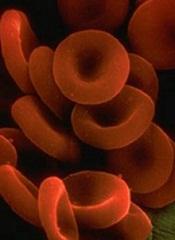
Research conducted in mice suggests that genomic screening might reveal cancer patients who are likely to develop treatment-related anemia.
The study showed that mice lacking Pten and Shp2—enzymes targeted by certain anticancer therapies—can’t produce and sustain enough red blood cells.
Investigators said this helps explain why anemia is a common side effect of anticancer drugs that target enzymes involved in tumor growth.
“Based on this unexpected finding, we might want to think about screening cancer patients’ genetic backgrounds for loss of Pten or Pten-regulated signals before prescribing anticancer drugs that might do more harm than good,” said Gen-Sheng Feng, PhD, of the University of California San Diego School of Medicine.
Dr Feng and his colleagues described their research in PNAS.
First, the team genetically engineered mice to lack Pten, Shp2, or both enzymes. The Pten-deficient mice had elevated white blood cells counts, consistent with myeloproliferative neoplasms (MPNs).
The Shp2-deficient mice experienced the opposite—lower white blood cell counts. And mice lacking both Pten and Shp2 had relatively normal white blood cell counts, suggesting that loss of Shp2 suppresses MPNs induced by Pten loss.
However, the investigators also discovered that mice lacking both enzymes had shorter lifespans than wild-type mice or mice lacking 1 of the enzymes.
This was because the combined deficiency of Shp2 and Pten induced lethal anemia. And this anemia was a result of 2 factors: red blood cells failed to develop properly and those that did form had a shortened lifespan.
To build upon these findings, the investigators treated Pten-deficient mice with the Shp2 inhibitor 11a-1 or with the MEK inhibitor trametinib. (MEK belongs to the same cellular communication network as Shp2.)
As with genetic deletion of Shp2, pharmacologic inhibition of Shp2 suppressed MPN induced by Pten loss and induced severe anemia in the mice.
Trametinib treatment had a similar effect, inducing anemia in Pten-deficient mice but not wild-type mice.
“What we’ve learned is that even if we know a lot about how individual molecules function in a cell, designing effective therapeutics that target them will require a more comprehensive understanding of the cross-talk between molecules in a particular cell type and in the context of disease,” Dr Feng concluded.
Research conducted in mice suggests that genomic screening might reveal cancer patients who are likely to develop treatment-related anemia.
The study showed that mice lacking Pten and Shp2—enzymes targeted by certain anticancer therapies—can’t produce and sustain enough red blood cells.
Investigators said this helps explain why anemia is a common side effect of anticancer drugs that target enzymes involved in tumor growth.
“Based on this unexpected finding, we might want to think about screening cancer patients’ genetic backgrounds for loss of Pten or Pten-regulated signals before prescribing anticancer drugs that might do more harm than good,” said Gen-Sheng Feng, PhD, of the University of California San Diego School of Medicine.
Dr Feng and his colleagues described their research in PNAS.
First, the team genetically engineered mice to lack Pten, Shp2, or both enzymes. The Pten-deficient mice had elevated white blood cells counts, consistent with myeloproliferative neoplasms (MPNs).
The Shp2-deficient mice experienced the opposite—lower white blood cell counts. And mice lacking both Pten and Shp2 had relatively normal white blood cell counts, suggesting that loss of Shp2 suppresses MPNs induced by Pten loss.
However, the investigators also discovered that mice lacking both enzymes had shorter lifespans than wild-type mice or mice lacking 1 of the enzymes.
This was because the combined deficiency of Shp2 and Pten induced lethal anemia. And this anemia was a result of 2 factors: red blood cells failed to develop properly and those that did form had a shortened lifespan.
To build upon these findings, the investigators treated Pten-deficient mice with the Shp2 inhibitor 11a-1 or with the MEK inhibitor trametinib. (MEK belongs to the same cellular communication network as Shp2.)
As with genetic deletion of Shp2, pharmacologic inhibition of Shp2 suppressed MPN induced by Pten loss and induced severe anemia in the mice.
Trametinib treatment had a similar effect, inducing anemia in Pten-deficient mice but not wild-type mice.
“What we’ve learned is that even if we know a lot about how individual molecules function in a cell, designing effective therapeutics that target them will require a more comprehensive understanding of the cross-talk between molecules in a particular cell type and in the context of disease,” Dr Feng concluded.
Research conducted in mice suggests that genomic screening might reveal cancer patients who are likely to develop treatment-related anemia.
The study showed that mice lacking Pten and Shp2—enzymes targeted by certain anticancer therapies—can’t produce and sustain enough red blood cells.
Investigators said this helps explain why anemia is a common side effect of anticancer drugs that target enzymes involved in tumor growth.
“Based on this unexpected finding, we might want to think about screening cancer patients’ genetic backgrounds for loss of Pten or Pten-regulated signals before prescribing anticancer drugs that might do more harm than good,” said Gen-Sheng Feng, PhD, of the University of California San Diego School of Medicine.
Dr Feng and his colleagues described their research in PNAS.
First, the team genetically engineered mice to lack Pten, Shp2, or both enzymes. The Pten-deficient mice had elevated white blood cells counts, consistent with myeloproliferative neoplasms (MPNs).
The Shp2-deficient mice experienced the opposite—lower white blood cell counts. And mice lacking both Pten and Shp2 had relatively normal white blood cell counts, suggesting that loss of Shp2 suppresses MPNs induced by Pten loss.
However, the investigators also discovered that mice lacking both enzymes had shorter lifespans than wild-type mice or mice lacking 1 of the enzymes.
This was because the combined deficiency of Shp2 and Pten induced lethal anemia. And this anemia was a result of 2 factors: red blood cells failed to develop properly and those that did form had a shortened lifespan.
To build upon these findings, the investigators treated Pten-deficient mice with the Shp2 inhibitor 11a-1 or with the MEK inhibitor trametinib. (MEK belongs to the same cellular communication network as Shp2.)
As with genetic deletion of Shp2, pharmacologic inhibition of Shp2 suppressed MPN induced by Pten loss and induced severe anemia in the mice.
Trametinib treatment had a similar effect, inducing anemia in Pten-deficient mice but not wild-type mice.
“What we’ve learned is that even if we know a lot about how individual molecules function in a cell, designing effective therapeutics that target them will require a more comprehensive understanding of the cross-talk between molecules in a particular cell type and in the context of disease,” Dr Feng concluded.
Anticoagulant granted fast track designation

Image by Kevin MacKenzie
The US Food and Drug Administration (FDA) has granted fast track designation to betrixaban as extended-duration venous thromboembolism (VTE) prophylaxis for acute medically ill patients.
This includes patients who are hospitalized for serious medical conditions such as heart failure, stroke, infection, and pulmonary disease.
Betrixaban is an investigational oral anticoagulant that directly inhibits the activity of factor Xa.
According to Portola Pharmaceuticals, the company developing betrixaban, the drug has distinct properties that may allow it to demonstrate clinical benefit without significantly increasing the risk of fatal bleeding and certain other serious side effects.
These benefits include a 19- to 25-hour half-life for once-daily dosing, a low peak-to-trough drug concentration ratio that minimizes anticoagulant variability, low renal clearance, and no significant CYP3A4 metabolism, which may reduce the risk of drug-drug interactions.
Betrixaban trials
In the phase 2 Explore-Xa trial, researchers compared betrixaban and warfarin in patients with atrial fibrillation. The team randomized 508 patients to 1 of 3 blinded doses of betrixaban (40 mg, 60 mg, or 80 mg once daily) or unblinded warfarin, adjusted to an international normalized ratio of 2.0-3.0.
The primary outcome was major or clinically relevant non-major bleeding. At a mean follow-up of 147 days, the primary outcome had been met by 1 patient in the 40 mg betrixaban arm, 5 each in the 60 mg and 80 mg betrixaban arms, and 7 in the warfarin arm.
One patient each in the 60 mg and 80 mg arms experienced an ischemic stroke. And there were 2 vascular deaths, 1 each in the 40 mg arm and the warfarin arm.
In the phase 2 EXPERT trial, researchers compared betrixaban and enoxaparin as VTE prophylaxis in patients who underwent total knee replacement.
The team enrolled 215 patients and assigned them to 1 of 3 post-operative prophylaxis regimens: betrixaban at 15 mg twice daily, betrixaban at 40 mg twice daily, or enoxaparin at 30 mg every 12 hours—all for 10 to 14 days.
The primary efficacy outcome was the incidence of VTE during the dosing period, and 175 patients were evaluable for this outcome. VTE occurred in 20% of patients in the 15 mg betrixaban arm (14/70), 15% in the 40 mg betrixaban arm (10/65), and 10% (4/40) in the enoxaparin arm.
Safety outcomes included major and clinically significant non-major bleeds through 48 hours after treatment. There were no bleeds in the 15 mg betrixaban arm, 2 (2.4%) clinically significant non-major bleeds in the 40 mg betrixaban arm, and 1 (2.3%) major bleed and 2 (4.6%) clinically significant non-major bleeds in the enoxaparin arm.
Betrixaban is currently being tested in the phase 3 APEX trial for the prevention of VTE in acute medically ill patients. Portola said it expects to complete enrollment in APEX by the end of this year and report top-line data in the first quarter of 2016.
If the trial is successful, the company plans to submit a new drug application to the FDA later in 2016 under the fast track designation.
About fast track designation
The FDA’s fast track program is designed to facilitate and expedite the development and review of new drugs intended to treat serious or life-threatening conditions and address unmet medical need.
Through the fast track program, a product may be eligible for priority review. In addition, the company developing the drug may be allowed to submit sections of the biologic license application or new drug application on a rolling basis as data become available.
Fast track designation also provides the company with opportunities for more frequent meetings with the FDA to discuss the drug’s development plan and ensure collection of the appropriate data needed to support drug approval. And the designation allows for more frequent written communication from the FDA about things such as the design of proposed clinical trials and the use of biomarkers.
Image by Kevin MacKenzie
The US Food and Drug Administration (FDA) has granted fast track designation to betrixaban as extended-duration venous thromboembolism (VTE) prophylaxis for acute medically ill patients.
This includes patients who are hospitalized for serious medical conditions such as heart failure, stroke, infection, and pulmonary disease.
Betrixaban is an investigational oral anticoagulant that directly inhibits the activity of factor Xa.
According to Portola Pharmaceuticals, the company developing betrixaban, the drug has distinct properties that may allow it to demonstrate clinical benefit without significantly increasing the risk of fatal bleeding and certain other serious side effects.
These benefits include a 19- to 25-hour half-life for once-daily dosing, a low peak-to-trough drug concentration ratio that minimizes anticoagulant variability, low renal clearance, and no significant CYP3A4 metabolism, which may reduce the risk of drug-drug interactions.
Betrixaban trials
In the phase 2 Explore-Xa trial, researchers compared betrixaban and warfarin in patients with atrial fibrillation. The team randomized 508 patients to 1 of 3 blinded doses of betrixaban (40 mg, 60 mg, or 80 mg once daily) or unblinded warfarin, adjusted to an international normalized ratio of 2.0-3.0.
The primary outcome was major or clinically relevant non-major bleeding. At a mean follow-up of 147 days, the primary outcome had been met by 1 patient in the 40 mg betrixaban arm, 5 each in the 60 mg and 80 mg betrixaban arms, and 7 in the warfarin arm.
One patient each in the 60 mg and 80 mg arms experienced an ischemic stroke. And there were 2 vascular deaths, 1 each in the 40 mg arm and the warfarin arm.
In the phase 2 EXPERT trial, researchers compared betrixaban and enoxaparin as VTE prophylaxis in patients who underwent total knee replacement.
The team enrolled 215 patients and assigned them to 1 of 3 post-operative prophylaxis regimens: betrixaban at 15 mg twice daily, betrixaban at 40 mg twice daily, or enoxaparin at 30 mg every 12 hours—all for 10 to 14 days.
The primary efficacy outcome was the incidence of VTE during the dosing period, and 175 patients were evaluable for this outcome. VTE occurred in 20% of patients in the 15 mg betrixaban arm (14/70), 15% in the 40 mg betrixaban arm (10/65), and 10% (4/40) in the enoxaparin arm.
Safety outcomes included major and clinically significant non-major bleeds through 48 hours after treatment. There were no bleeds in the 15 mg betrixaban arm, 2 (2.4%) clinically significant non-major bleeds in the 40 mg betrixaban arm, and 1 (2.3%) major bleed and 2 (4.6%) clinically significant non-major bleeds in the enoxaparin arm.
Betrixaban is currently being tested in the phase 3 APEX trial for the prevention of VTE in acute medically ill patients. Portola said it expects to complete enrollment in APEX by the end of this year and report top-line data in the first quarter of 2016.
If the trial is successful, the company plans to submit a new drug application to the FDA later in 2016 under the fast track designation.
About fast track designation
The FDA’s fast track program is designed to facilitate and expedite the development and review of new drugs intended to treat serious or life-threatening conditions and address unmet medical need.
Through the fast track program, a product may be eligible for priority review. In addition, the company developing the drug may be allowed to submit sections of the biologic license application or new drug application on a rolling basis as data become available.
Fast track designation also provides the company with opportunities for more frequent meetings with the FDA to discuss the drug’s development plan and ensure collection of the appropriate data needed to support drug approval. And the designation allows for more frequent written communication from the FDA about things such as the design of proposed clinical trials and the use of biomarkers.
Image by Kevin MacKenzie
The US Food and Drug Administration (FDA) has granted fast track designation to betrixaban as extended-duration venous thromboembolism (VTE) prophylaxis for acute medically ill patients.
This includes patients who are hospitalized for serious medical conditions such as heart failure, stroke, infection, and pulmonary disease.
Betrixaban is an investigational oral anticoagulant that directly inhibits the activity of factor Xa.
According to Portola Pharmaceuticals, the company developing betrixaban, the drug has distinct properties that may allow it to demonstrate clinical benefit without significantly increasing the risk of fatal bleeding and certain other serious side effects.
These benefits include a 19- to 25-hour half-life for once-daily dosing, a low peak-to-trough drug concentration ratio that minimizes anticoagulant variability, low renal clearance, and no significant CYP3A4 metabolism, which may reduce the risk of drug-drug interactions.
Betrixaban trials
In the phase 2 Explore-Xa trial, researchers compared betrixaban and warfarin in patients with atrial fibrillation. The team randomized 508 patients to 1 of 3 blinded doses of betrixaban (40 mg, 60 mg, or 80 mg once daily) or unblinded warfarin, adjusted to an international normalized ratio of 2.0-3.0.
The primary outcome was major or clinically relevant non-major bleeding. At a mean follow-up of 147 days, the primary outcome had been met by 1 patient in the 40 mg betrixaban arm, 5 each in the 60 mg and 80 mg betrixaban arms, and 7 in the warfarin arm.
One patient each in the 60 mg and 80 mg arms experienced an ischemic stroke. And there were 2 vascular deaths, 1 each in the 40 mg arm and the warfarin arm.
In the phase 2 EXPERT trial, researchers compared betrixaban and enoxaparin as VTE prophylaxis in patients who underwent total knee replacement.
The team enrolled 215 patients and assigned them to 1 of 3 post-operative prophylaxis regimens: betrixaban at 15 mg twice daily, betrixaban at 40 mg twice daily, or enoxaparin at 30 mg every 12 hours—all for 10 to 14 days.
The primary efficacy outcome was the incidence of VTE during the dosing period, and 175 patients were evaluable for this outcome. VTE occurred in 20% of patients in the 15 mg betrixaban arm (14/70), 15% in the 40 mg betrixaban arm (10/65), and 10% (4/40) in the enoxaparin arm.
Safety outcomes included major and clinically significant non-major bleeds through 48 hours after treatment. There were no bleeds in the 15 mg betrixaban arm, 2 (2.4%) clinically significant non-major bleeds in the 40 mg betrixaban arm, and 1 (2.3%) major bleed and 2 (4.6%) clinically significant non-major bleeds in the enoxaparin arm.
Betrixaban is currently being tested in the phase 3 APEX trial for the prevention of VTE in acute medically ill patients. Portola said it expects to complete enrollment in APEX by the end of this year and report top-line data in the first quarter of 2016.
If the trial is successful, the company plans to submit a new drug application to the FDA later in 2016 under the fast track designation.
About fast track designation
The FDA’s fast track program is designed to facilitate and expedite the development and review of new drugs intended to treat serious or life-threatening conditions and address unmet medical need.
Through the fast track program, a product may be eligible for priority review. In addition, the company developing the drug may be allowed to submit sections of the biologic license application or new drug application on a rolling basis as data become available.
Fast track designation also provides the company with opportunities for more frequent meetings with the FDA to discuss the drug’s development plan and ensure collection of the appropriate data needed to support drug approval. And the designation allows for more frequent written communication from the FDA about things such as the design of proposed clinical trials and the use of biomarkers.
Serum and Red Blood Cell Folate Testing
The Things We Do for No Reason (TWDFNR) series reviews practices which have become common parts of hospital care but which may provide little value to our patients. Practices reviewed in the TWDFNR series do not represent black and white conclusions or clinical practice standards, but are meant as a starting place for research and active discussions among hospitalists and patients. We invite you to be part of that discussion. https://www.choosingwisely.org/
CASE PRESENTATION
A 65‐year‐old man is admitted with pneumonia. Review of the medical record reveals a persistent macrocytic anemia (hematocrit 29%, hemoglobin 9.3 g/dL, mean corpuscular volume [MCV] 105 fL) with a low reticulocyte count and normal peripheral blood smear. The provider contemplates ordering a serum folate or red blood cell (RBC) folate test to workup the persistent macrocytic anemia.
BACKGROUND
Folate is a water‐soluble B vitamin essential for the synthesis of DNA and for converting homocysteine to methionine. Folate deficiency is causally linked with both neural tube defects and megaloblastic anemia. Low levels of folate are associated with cardiovascular disease, colon cancer, neuropathy, depression, hypercoagulability, and cognitive decline, though there is a paucity of evidence showing causation or risk reduction with folate supplementation.[1] In patients with inadequate folate intake, the earliest sign is a decline in serum folate levels, followed by a fall in RBC folate levels. Only weeks later do macrocytosis, megaloblastic bone marrow, and finally anemia occur.[2] Given that humans are unable to synthesize folate and are therefore dependent on dietary sources, those with inadequate intake or absorption are at risk of folate deficiency.
WHY FOLATE TESTING IS ORDERED
In hospitalized patients, the most common indication for folate testing is anemia, either with or without macrocytosis.[3, 4] Given that at least 10% to 15% of hospitalized patients are anemic,[5, 6] it is unsurprising that folate testing is frequently performed. Despite the link between folate deficiency and megaloblastic anemia, >85% of patients evaluated for folate deficiency have normocytic or microcytic anemia.[3, 4] In addition, a study found that 30% of all folate testing was performed not as part of an anemia workup but in the evaluation of other comorbidities (eg, dementia and altered mental status) that are not causally linked to folate deficiency.[7]
WHY THERE IS NO REASON TO ORDER FOLATE TESTING
There are 2 reasons why testing hospitalized patients for folate deficiency does not contribute value: (1) the poor characteristics of the tests used and (2) the low prevalence of folate deficiency in the postfortification era.
There is no accepted gold standard for the diagnosis of folate deficiency, though biological assays are considered more accurate than the now more commonly used protein binding assays.[8] The lack of a gold standard limits the ability to fully quantify the sensitivity and specificity of either serum or RBC folate testing, though falsely low and high serum folate results can be seen. Falsely low serum levels (false positives) are found with heavy alcohol use and with certain anticonvulsant or antineoplastic drug use.[9] The low levels in these patients indicate low serum folate but do not necessarily reflect tissue stores. Serum folate levels may fall rapidly within a few days of the start of low dietary folate intake, resulting in low serum folate levels that also do not represent true folate deficiency.[10] On the other hand, intake of folatethrough a meal or ingestion of an oral supplementdirectly preceding evaluation of serum folate can lead to falsely elevated levels (false negatives).[10]
Although RBC folate reflects body stores and is largely unaffected by diet, the available tests also lack sensitivity and specificity.[11] Furthermore, serum folate levels and RBC folate levels correlate well.[12] Because RBC folate testing is more expensive than serum folate testing, has results that correlate well with serum folate testing, and is without significantly better test characteristics, there is no added value to using RBC folate testing as compared to serum folate testing.
In addition to the issues with available diagnostic tests, numerous studies now indicate that the rate of folate deficiency in the United States is exceptionally low. This is largely driven by the United States Food and Drug Administration's mandate that all grain products be fortified with 0.14 mg of folic acid per gram of grains.[13] Fortification has been overwhelmingly successful at increasing folic acid intake[14, 15] and reducing the incidence of neural tube defects.[16] Although the serum and RBC folate tests are prone to inaccuracies for an individual patient, population trends postfortification, coupled with the data on intake and rates of neural tube defects, make a strong argument that the prevalence of deficiency has decreased dramatically.
Similar to these population‐based trends, studies of hospital‐based laboratories have shown a marked decrease in the rate of low serum and RBC folate levels, making for a very low pretest probability for folate deficiency (Table 1). Even before fortification had been fully implemented, a study of outpatients and inpatients cared for at 3 hospitals in Denver, Colorado in 1996 found that just 1.9% of patients had low serum folate levels and 4.4% had low RBC folate levels.[17] A retrospective study of 26,662 patients in 1998 showed a rate of serum deficiency (<2.7 ng/mL) of 0.3%.[18] The authors also found that despite a decline in rate of serum deficiency from 1.3% to 0.3% between 1994 and 1998, the total number of serum folate tests performed increased by 84%. A similar study found just 0.4% of 1007 patients with low serum folate levels (<3.0 ng/mL).[7] Parallel results have been seen in other countries after implementation of folate fortification with a cohort of 2154 Canadian patients reporting low serum folate (<6.8 nmol/L) and RBC folate (<417 nmol/L) levels in just 0.5% and 0.7% of patients, respectively.[19]
| Author, Study Year | Year of Testing | Country | Population | Serum Folate | Red Blood Cell Folate | ||||
|---|---|---|---|---|---|---|---|---|---|
| Patients (n) | Samples (n) | Low (%) | Patients (n) | Samples (n) | Low (%) | ||||
| Latif et al., [4] | 2001 | United States | Inpatient/outpatient | 4,315 | 4,689 | 1.6 | 1,215 | 1,335 | 1.2 |
| Shojania et al., 2010[19] | 2001 | Canada | Inpatient/outpatient | 2,154 | 0.5 | 560 | 0.7 | ||
| Ashraf et al., [7] | 2002 | United States | Inpatient/outpatient | 980 | 1,007 | 0.4 | |||
| Gudgeon et al., 2014[20] | 2010 | Canada | Inpatient | 2,563 | 0.2 | ||||
| Theisen‐Toupal et al., [3] | 2011 | United States | Inpatient/emergency department | 1,944 | 2,093 | 0.1 | |||
Few studies have looked exclusively at hospitalized and emergency room patients. In an evaluation of 2093 serum folate tests performed on hospitalized or emergency room patients (98.1% of whom were admitted) in 2011, only 2 (0.1%) deficient levels (<3 ng/mL) were identified, 1 of which was associated with a macrocytic anemia.[3] A similar study of RBC folate levels in 2562 patients at 3 Canadian hospitals found just 4 (0.16%) levels to be low (<254 nmol/L), only 1 of which was associated with macrocytic anemia.[20]
When examining only patients with macrocytic anemia, the rates of folate deficiency are only slightly higher than the general population. As noted above, each of the 2 studies of inpatients uncovered just 1 patient with macrocytic anemia and concomitant low serum or RBC folate levels.[3, 20] Other studies reveal rates of serum folate deficiency in patients with macrocytic anemia and macrocytosis of 2.8%[7] and 1%,[21] respectively, and RBC folate deficiency rates in patients with macrocytosis of 1.8%.[22] Patients with extreme macrocytosis (MCV >130) represent 1 subset of patients with a high pretest probability of low serum folate, with 1 study reporting low levels in 37% of patients.[23]
Despite the relatively inexpensive cost per serum and RBC folate test, expenses per test that result in an abnormally low level are significant. As the pretest probability for folate deficiency is extremely low, tests must be ordered on a large number of patients to find 1 patient with levels suggesting deficiency. For example, a study found that an institution charged $151 per serum folate test, which amounted to $158,000 per deficient result.[3] The institutional cost was <$2.00 per serum folate test and <$2093 per deficient result. Another study reported the institutional cost of RBC folate to be $12.54 per test and $8035 per deficient result.[20] The charges and costs are institution specific and will vary. However, in light of the low pretest probability of testing, any expense associated with these tests represents low value.
WHAT YOU SHOULD DO INSTEAD
The clinician in our case presentation is facing a common scenarioa patient with persistent anemia without a known etiology. The treatment of suspected or confirmed folate deficiency includes improving diet or adding a folic acid supplement, a low‐cost (as little $0.01 per tablet) intervention. Furthermore, other at‐risk patients (eg, those with sickle cell disease, alcoholism, or malabsorption) may be candidates for long‐term supplementation regardless of serum folate and/or RBC folate testing results.
Folate deficiency in patients living in the United States and Canada is exceedingly rare, making the pretest probability of testing low. Furthermore, even patients with typical hematologic characteristics for folate deficiency (anemia and macrocytosis) are unlikely to have folate deficiency. Importantly, there are no nonhematologic indications to test for folate deficiency, and testing those patients, just as in the general population, yields an extremely low rate of folate deficiency. The tests themselves are unreliable and inaccurate, and fortunately, treatment is cheap, easy to administer, and can be done empirically. In other words, testing for folate deficiency is a Thing We Do for No Reason.
RECOMMENDATIONS
In patients suspected of having folate deficiency or who are at high risk of folate deficiency (eg, diet poor in folate‐rich or folic acid fortified foods), treat with a diet containing folate or folic acid fortified foods and/or a supplement containing 400 to 1000 g of folic acid. Approximately 1 to 2 weeks following initiation of treatment, a complete blood count should be performed to evaluate for an appropriate increase in hematocrit/hemoglobin and decrease in MCV.[24] Once a full hematologic response is seen, treatment beyond this time is not required unless the cause (eg, malnutrition) persists.
Serum folate and RBC folate tests should not be routinely ordered. Even in those with macrocytic anemia, the pretest probability of folate deficiency remains low. Although testing may suggest a folate deficiency, it is still more likely there is another cause for the patient's anemia. This places providers at risk for premature closure. For patients such as the one presented in the case presentation, obtaining B12 levels is of greater importance, given the higher prevalence and the risks of untreated deficiency.
For patients in whom the pretest probability of folate deficiency is high (eg, those with an MCV >130), obtain fasting serum folate levels on samples taken before supplementation has begun or a diet administered.
Disclosures
Dr. Feldman is a consultant to Maven Medical, LLC. Maven Medical is a healthcare software startup.
Do you think this is a low‐value practice? Is this truly a Thing We Do for No Reason? Share what you do in your practice and join in the conversation online by retweeting it on Twitter (#TWDFNR) and Liking It on Facebook. We invite you to propose ideas for other Things We Do for No Reason topics by emailing TWDFNR@hospitalmedicine.org.
- Folic acid: nutritional biochemistry, molecular biology, and role in disease processes. Mol Genet Metab. 2000;71(1‐2):121–138.
- Experimental nutritional folate deficiency in man. Trans Assoc Am Physicians. 1962;75:307–320.
- , , Utility, charge, and cost of inpatient and emergency department serum folate testing. J Hosp Med. 2013;8(2):91–95.
- , , , Is there a role for folate determinations in current clinical practice in the USA? Clin Lab Haematol. 2004;26(6):379–383.
- , , , , Prevalence and impact of anemia in hospitalized patients. South Med J. 2013;106(3):202–206.
- Healthcare Cost and Utilization Project (HCUP). HCUP facts and figures: statistics on hospital‐based care in the United States, 2009. Rockville, MD: Agency for Healthcare Research and Quality; 2011.
- , , Clinical utility of folic acid testing for patients with anemia or dementia. J Gen Intern Med. 2008;23(6):824–826.
- Utility of measuring serum or red blood cell folate in the era of folate fortification of flour. Clin Biochem. 2014;47(7‐8):533–538.
- Kelley's Textbook of Internal Medicine. Philadelphia, PA: Lippincott Williams 2000.
- Problems in the diagnosis and investigation of megaloblastic anemia. Can Med Assoc J. 1980;122(9):999–1004.
- Laboratory diagnosis of vitamin B12 and folate deficiency: a guide for the primary care physician. Arch Intern Med. 1999;159(12):1289–1298.
- , Erythrocyte folate levels: a clinical study. Am J Hematol. 1991;36(2):116–21.
- US Food and Drug Administration. Food standards: amendments of standards of identity for enriched grain products to require addition of folic acid. Fed Regist. 1996;61:8781–8797.
- , Effect of food fortification on folic acid intake in the United States. Am J Clin Nutr. 2003;77(1):221–225.
- , , , , , Folic acid intake from fortification in United States exceeds predictions. J Nutr. 2002;132(9):2792–2798.
- , , , , Impact of folic acid fortification of the US food supply on the occurrence of neural tube defects. JAMA. 2001;285(23):2981–2986.
- , Lack of clinical utility of folate levels in the evaluation of macrocytosis or anemia. Am J Med. 2001;110(2):88–90.
- , , , Trends in serum folate after food fortification. Lancet. 1999;354(9182):915–916.
- , Ordering folate assays is no longer justified for investigation of anemias, in folic acid fortified countries. BMC Res Notes. 2010;3:22.
- , Folate testing in hospital inpatients. Am J Med. 2015;128(1):56–59.
- , , , , Etiology and diagnostic evaluation of macrocytosis. Am J Med Sci. 2000;319(6):343–352.
- , , Diminished need for folate measurements among indigent populations in the post folic acid supplementation era. Arch Pathol Lab Med. 2007;131(3):477–480.
- , , , et al. Etiologies and diagnostic work‐up of extreme macrocytosis defined by an erythrocyte mean corpuscular volume over 130°fL: s study of 109 patients. Am J Hematol. 2014;89(6):665–666.
- , , , et al. Best practice in primary care pathology: review 1. J Clin Pathol. 2005;58(10):1016–1024.
The Things We Do for No Reason (TWDFNR) series reviews practices which have become common parts of hospital care but which may provide little value to our patients. Practices reviewed in the TWDFNR series do not represent black and white conclusions or clinical practice standards, but are meant as a starting place for research and active discussions among hospitalists and patients. We invite you to be part of that discussion. https://www.choosingwisely.org/
CASE PRESENTATION
A 65‐year‐old man is admitted with pneumonia. Review of the medical record reveals a persistent macrocytic anemia (hematocrit 29%, hemoglobin 9.3 g/dL, mean corpuscular volume [MCV] 105 fL) with a low reticulocyte count and normal peripheral blood smear. The provider contemplates ordering a serum folate or red blood cell (RBC) folate test to workup the persistent macrocytic anemia.
BACKGROUND
Folate is a water‐soluble B vitamin essential for the synthesis of DNA and for converting homocysteine to methionine. Folate deficiency is causally linked with both neural tube defects and megaloblastic anemia. Low levels of folate are associated with cardiovascular disease, colon cancer, neuropathy, depression, hypercoagulability, and cognitive decline, though there is a paucity of evidence showing causation or risk reduction with folate supplementation.[1] In patients with inadequate folate intake, the earliest sign is a decline in serum folate levels, followed by a fall in RBC folate levels. Only weeks later do macrocytosis, megaloblastic bone marrow, and finally anemia occur.[2] Given that humans are unable to synthesize folate and are therefore dependent on dietary sources, those with inadequate intake or absorption are at risk of folate deficiency.
WHY FOLATE TESTING IS ORDERED
In hospitalized patients, the most common indication for folate testing is anemia, either with or without macrocytosis.[3, 4] Given that at least 10% to 15% of hospitalized patients are anemic,[5, 6] it is unsurprising that folate testing is frequently performed. Despite the link between folate deficiency and megaloblastic anemia, >85% of patients evaluated for folate deficiency have normocytic or microcytic anemia.[3, 4] In addition, a study found that 30% of all folate testing was performed not as part of an anemia workup but in the evaluation of other comorbidities (eg, dementia and altered mental status) that are not causally linked to folate deficiency.[7]
WHY THERE IS NO REASON TO ORDER FOLATE TESTING
There are 2 reasons why testing hospitalized patients for folate deficiency does not contribute value: (1) the poor characteristics of the tests used and (2) the low prevalence of folate deficiency in the postfortification era.
There is no accepted gold standard for the diagnosis of folate deficiency, though biological assays are considered more accurate than the now more commonly used protein binding assays.[8] The lack of a gold standard limits the ability to fully quantify the sensitivity and specificity of either serum or RBC folate testing, though falsely low and high serum folate results can be seen. Falsely low serum levels (false positives) are found with heavy alcohol use and with certain anticonvulsant or antineoplastic drug use.[9] The low levels in these patients indicate low serum folate but do not necessarily reflect tissue stores. Serum folate levels may fall rapidly within a few days of the start of low dietary folate intake, resulting in low serum folate levels that also do not represent true folate deficiency.[10] On the other hand, intake of folatethrough a meal or ingestion of an oral supplementdirectly preceding evaluation of serum folate can lead to falsely elevated levels (false negatives).[10]
Although RBC folate reflects body stores and is largely unaffected by diet, the available tests also lack sensitivity and specificity.[11] Furthermore, serum folate levels and RBC folate levels correlate well.[12] Because RBC folate testing is more expensive than serum folate testing, has results that correlate well with serum folate testing, and is without significantly better test characteristics, there is no added value to using RBC folate testing as compared to serum folate testing.
In addition to the issues with available diagnostic tests, numerous studies now indicate that the rate of folate deficiency in the United States is exceptionally low. This is largely driven by the United States Food and Drug Administration's mandate that all grain products be fortified with 0.14 mg of folic acid per gram of grains.[13] Fortification has been overwhelmingly successful at increasing folic acid intake[14, 15] and reducing the incidence of neural tube defects.[16] Although the serum and RBC folate tests are prone to inaccuracies for an individual patient, population trends postfortification, coupled with the data on intake and rates of neural tube defects, make a strong argument that the prevalence of deficiency has decreased dramatically.
Similar to these population‐based trends, studies of hospital‐based laboratories have shown a marked decrease in the rate of low serum and RBC folate levels, making for a very low pretest probability for folate deficiency (Table 1). Even before fortification had been fully implemented, a study of outpatients and inpatients cared for at 3 hospitals in Denver, Colorado in 1996 found that just 1.9% of patients had low serum folate levels and 4.4% had low RBC folate levels.[17] A retrospective study of 26,662 patients in 1998 showed a rate of serum deficiency (<2.7 ng/mL) of 0.3%.[18] The authors also found that despite a decline in rate of serum deficiency from 1.3% to 0.3% between 1994 and 1998, the total number of serum folate tests performed increased by 84%. A similar study found just 0.4% of 1007 patients with low serum folate levels (<3.0 ng/mL).[7] Parallel results have been seen in other countries after implementation of folate fortification with a cohort of 2154 Canadian patients reporting low serum folate (<6.8 nmol/L) and RBC folate (<417 nmol/L) levels in just 0.5% and 0.7% of patients, respectively.[19]
| Author, Study Year | Year of Testing | Country | Population | Serum Folate | Red Blood Cell Folate | ||||
|---|---|---|---|---|---|---|---|---|---|
| Patients (n) | Samples (n) | Low (%) | Patients (n) | Samples (n) | Low (%) | ||||
| Latif et al., [4] | 2001 | United States | Inpatient/outpatient | 4,315 | 4,689 | 1.6 | 1,215 | 1,335 | 1.2 |
| Shojania et al., 2010[19] | 2001 | Canada | Inpatient/outpatient | 2,154 | 0.5 | 560 | 0.7 | ||
| Ashraf et al., [7] | 2002 | United States | Inpatient/outpatient | 980 | 1,007 | 0.4 | |||
| Gudgeon et al., 2014[20] | 2010 | Canada | Inpatient | 2,563 | 0.2 | ||||
| Theisen‐Toupal et al., [3] | 2011 | United States | Inpatient/emergency department | 1,944 | 2,093 | 0.1 | |||
Few studies have looked exclusively at hospitalized and emergency room patients. In an evaluation of 2093 serum folate tests performed on hospitalized or emergency room patients (98.1% of whom were admitted) in 2011, only 2 (0.1%) deficient levels (<3 ng/mL) were identified, 1 of which was associated with a macrocytic anemia.[3] A similar study of RBC folate levels in 2562 patients at 3 Canadian hospitals found just 4 (0.16%) levels to be low (<254 nmol/L), only 1 of which was associated with macrocytic anemia.[20]
When examining only patients with macrocytic anemia, the rates of folate deficiency are only slightly higher than the general population. As noted above, each of the 2 studies of inpatients uncovered just 1 patient with macrocytic anemia and concomitant low serum or RBC folate levels.[3, 20] Other studies reveal rates of serum folate deficiency in patients with macrocytic anemia and macrocytosis of 2.8%[7] and 1%,[21] respectively, and RBC folate deficiency rates in patients with macrocytosis of 1.8%.[22] Patients with extreme macrocytosis (MCV >130) represent 1 subset of patients with a high pretest probability of low serum folate, with 1 study reporting low levels in 37% of patients.[23]
Despite the relatively inexpensive cost per serum and RBC folate test, expenses per test that result in an abnormally low level are significant. As the pretest probability for folate deficiency is extremely low, tests must be ordered on a large number of patients to find 1 patient with levels suggesting deficiency. For example, a study found that an institution charged $151 per serum folate test, which amounted to $158,000 per deficient result.[3] The institutional cost was <$2.00 per serum folate test and <$2093 per deficient result. Another study reported the institutional cost of RBC folate to be $12.54 per test and $8035 per deficient result.[20] The charges and costs are institution specific and will vary. However, in light of the low pretest probability of testing, any expense associated with these tests represents low value.
WHAT YOU SHOULD DO INSTEAD
The clinician in our case presentation is facing a common scenarioa patient with persistent anemia without a known etiology. The treatment of suspected or confirmed folate deficiency includes improving diet or adding a folic acid supplement, a low‐cost (as little $0.01 per tablet) intervention. Furthermore, other at‐risk patients (eg, those with sickle cell disease, alcoholism, or malabsorption) may be candidates for long‐term supplementation regardless of serum folate and/or RBC folate testing results.
Folate deficiency in patients living in the United States and Canada is exceedingly rare, making the pretest probability of testing low. Furthermore, even patients with typical hematologic characteristics for folate deficiency (anemia and macrocytosis) are unlikely to have folate deficiency. Importantly, there are no nonhematologic indications to test for folate deficiency, and testing those patients, just as in the general population, yields an extremely low rate of folate deficiency. The tests themselves are unreliable and inaccurate, and fortunately, treatment is cheap, easy to administer, and can be done empirically. In other words, testing for folate deficiency is a Thing We Do for No Reason.
RECOMMENDATIONS
In patients suspected of having folate deficiency or who are at high risk of folate deficiency (eg, diet poor in folate‐rich or folic acid fortified foods), treat with a diet containing folate or folic acid fortified foods and/or a supplement containing 400 to 1000 g of folic acid. Approximately 1 to 2 weeks following initiation of treatment, a complete blood count should be performed to evaluate for an appropriate increase in hematocrit/hemoglobin and decrease in MCV.[24] Once a full hematologic response is seen, treatment beyond this time is not required unless the cause (eg, malnutrition) persists.
Serum folate and RBC folate tests should not be routinely ordered. Even in those with macrocytic anemia, the pretest probability of folate deficiency remains low. Although testing may suggest a folate deficiency, it is still more likely there is another cause for the patient's anemia. This places providers at risk for premature closure. For patients such as the one presented in the case presentation, obtaining B12 levels is of greater importance, given the higher prevalence and the risks of untreated deficiency.
For patients in whom the pretest probability of folate deficiency is high (eg, those with an MCV >130), obtain fasting serum folate levels on samples taken before supplementation has begun or a diet administered.
Disclosures
Dr. Feldman is a consultant to Maven Medical, LLC. Maven Medical is a healthcare software startup.
Do you think this is a low‐value practice? Is this truly a Thing We Do for No Reason? Share what you do in your practice and join in the conversation online by retweeting it on Twitter (#TWDFNR) and Liking It on Facebook. We invite you to propose ideas for other Things We Do for No Reason topics by emailing TWDFNR@hospitalmedicine.org.
The Things We Do for No Reason (TWDFNR) series reviews practices which have become common parts of hospital care but which may provide little value to our patients. Practices reviewed in the TWDFNR series do not represent black and white conclusions or clinical practice standards, but are meant as a starting place for research and active discussions among hospitalists and patients. We invite you to be part of that discussion. https://www.choosingwisely.org/
CASE PRESENTATION
A 65‐year‐old man is admitted with pneumonia. Review of the medical record reveals a persistent macrocytic anemia (hematocrit 29%, hemoglobin 9.3 g/dL, mean corpuscular volume [MCV] 105 fL) with a low reticulocyte count and normal peripheral blood smear. The provider contemplates ordering a serum folate or red blood cell (RBC) folate test to workup the persistent macrocytic anemia.
BACKGROUND
Folate is a water‐soluble B vitamin essential for the synthesis of DNA and for converting homocysteine to methionine. Folate deficiency is causally linked with both neural tube defects and megaloblastic anemia. Low levels of folate are associated with cardiovascular disease, colon cancer, neuropathy, depression, hypercoagulability, and cognitive decline, though there is a paucity of evidence showing causation or risk reduction with folate supplementation.[1] In patients with inadequate folate intake, the earliest sign is a decline in serum folate levels, followed by a fall in RBC folate levels. Only weeks later do macrocytosis, megaloblastic bone marrow, and finally anemia occur.[2] Given that humans are unable to synthesize folate and are therefore dependent on dietary sources, those with inadequate intake or absorption are at risk of folate deficiency.
WHY FOLATE TESTING IS ORDERED
In hospitalized patients, the most common indication for folate testing is anemia, either with or without macrocytosis.[3, 4] Given that at least 10% to 15% of hospitalized patients are anemic,[5, 6] it is unsurprising that folate testing is frequently performed. Despite the link between folate deficiency and megaloblastic anemia, >85% of patients evaluated for folate deficiency have normocytic or microcytic anemia.[3, 4] In addition, a study found that 30% of all folate testing was performed not as part of an anemia workup but in the evaluation of other comorbidities (eg, dementia and altered mental status) that are not causally linked to folate deficiency.[7]
WHY THERE IS NO REASON TO ORDER FOLATE TESTING
There are 2 reasons why testing hospitalized patients for folate deficiency does not contribute value: (1) the poor characteristics of the tests used and (2) the low prevalence of folate deficiency in the postfortification era.
There is no accepted gold standard for the diagnosis of folate deficiency, though biological assays are considered more accurate than the now more commonly used protein binding assays.[8] The lack of a gold standard limits the ability to fully quantify the sensitivity and specificity of either serum or RBC folate testing, though falsely low and high serum folate results can be seen. Falsely low serum levels (false positives) are found with heavy alcohol use and with certain anticonvulsant or antineoplastic drug use.[9] The low levels in these patients indicate low serum folate but do not necessarily reflect tissue stores. Serum folate levels may fall rapidly within a few days of the start of low dietary folate intake, resulting in low serum folate levels that also do not represent true folate deficiency.[10] On the other hand, intake of folatethrough a meal or ingestion of an oral supplementdirectly preceding evaluation of serum folate can lead to falsely elevated levels (false negatives).[10]
Although RBC folate reflects body stores and is largely unaffected by diet, the available tests also lack sensitivity and specificity.[11] Furthermore, serum folate levels and RBC folate levels correlate well.[12] Because RBC folate testing is more expensive than serum folate testing, has results that correlate well with serum folate testing, and is without significantly better test characteristics, there is no added value to using RBC folate testing as compared to serum folate testing.
In addition to the issues with available diagnostic tests, numerous studies now indicate that the rate of folate deficiency in the United States is exceptionally low. This is largely driven by the United States Food and Drug Administration's mandate that all grain products be fortified with 0.14 mg of folic acid per gram of grains.[13] Fortification has been overwhelmingly successful at increasing folic acid intake[14, 15] and reducing the incidence of neural tube defects.[16] Although the serum and RBC folate tests are prone to inaccuracies for an individual patient, population trends postfortification, coupled with the data on intake and rates of neural tube defects, make a strong argument that the prevalence of deficiency has decreased dramatically.
Similar to these population‐based trends, studies of hospital‐based laboratories have shown a marked decrease in the rate of low serum and RBC folate levels, making for a very low pretest probability for folate deficiency (Table 1). Even before fortification had been fully implemented, a study of outpatients and inpatients cared for at 3 hospitals in Denver, Colorado in 1996 found that just 1.9% of patients had low serum folate levels and 4.4% had low RBC folate levels.[17] A retrospective study of 26,662 patients in 1998 showed a rate of serum deficiency (<2.7 ng/mL) of 0.3%.[18] The authors also found that despite a decline in rate of serum deficiency from 1.3% to 0.3% between 1994 and 1998, the total number of serum folate tests performed increased by 84%. A similar study found just 0.4% of 1007 patients with low serum folate levels (<3.0 ng/mL).[7] Parallel results have been seen in other countries after implementation of folate fortification with a cohort of 2154 Canadian patients reporting low serum folate (<6.8 nmol/L) and RBC folate (<417 nmol/L) levels in just 0.5% and 0.7% of patients, respectively.[19]
| Author, Study Year | Year of Testing | Country | Population | Serum Folate | Red Blood Cell Folate | ||||
|---|---|---|---|---|---|---|---|---|---|
| Patients (n) | Samples (n) | Low (%) | Patients (n) | Samples (n) | Low (%) | ||||
| Latif et al., [4] | 2001 | United States | Inpatient/outpatient | 4,315 | 4,689 | 1.6 | 1,215 | 1,335 | 1.2 |
| Shojania et al., 2010[19] | 2001 | Canada | Inpatient/outpatient | 2,154 | 0.5 | 560 | 0.7 | ||
| Ashraf et al., [7] | 2002 | United States | Inpatient/outpatient | 980 | 1,007 | 0.4 | |||
| Gudgeon et al., 2014[20] | 2010 | Canada | Inpatient | 2,563 | 0.2 | ||||
| Theisen‐Toupal et al., [3] | 2011 | United States | Inpatient/emergency department | 1,944 | 2,093 | 0.1 | |||
Few studies have looked exclusively at hospitalized and emergency room patients. In an evaluation of 2093 serum folate tests performed on hospitalized or emergency room patients (98.1% of whom were admitted) in 2011, only 2 (0.1%) deficient levels (<3 ng/mL) were identified, 1 of which was associated with a macrocytic anemia.[3] A similar study of RBC folate levels in 2562 patients at 3 Canadian hospitals found just 4 (0.16%) levels to be low (<254 nmol/L), only 1 of which was associated with macrocytic anemia.[20]
When examining only patients with macrocytic anemia, the rates of folate deficiency are only slightly higher than the general population. As noted above, each of the 2 studies of inpatients uncovered just 1 patient with macrocytic anemia and concomitant low serum or RBC folate levels.[3, 20] Other studies reveal rates of serum folate deficiency in patients with macrocytic anemia and macrocytosis of 2.8%[7] and 1%,[21] respectively, and RBC folate deficiency rates in patients with macrocytosis of 1.8%.[22] Patients with extreme macrocytosis (MCV >130) represent 1 subset of patients with a high pretest probability of low serum folate, with 1 study reporting low levels in 37% of patients.[23]
Despite the relatively inexpensive cost per serum and RBC folate test, expenses per test that result in an abnormally low level are significant. As the pretest probability for folate deficiency is extremely low, tests must be ordered on a large number of patients to find 1 patient with levels suggesting deficiency. For example, a study found that an institution charged $151 per serum folate test, which amounted to $158,000 per deficient result.[3] The institutional cost was <$2.00 per serum folate test and <$2093 per deficient result. Another study reported the institutional cost of RBC folate to be $12.54 per test and $8035 per deficient result.[20] The charges and costs are institution specific and will vary. However, in light of the low pretest probability of testing, any expense associated with these tests represents low value.
WHAT YOU SHOULD DO INSTEAD
The clinician in our case presentation is facing a common scenarioa patient with persistent anemia without a known etiology. The treatment of suspected or confirmed folate deficiency includes improving diet or adding a folic acid supplement, a low‐cost (as little $0.01 per tablet) intervention. Furthermore, other at‐risk patients (eg, those with sickle cell disease, alcoholism, or malabsorption) may be candidates for long‐term supplementation regardless of serum folate and/or RBC folate testing results.
Folate deficiency in patients living in the United States and Canada is exceedingly rare, making the pretest probability of testing low. Furthermore, even patients with typical hematologic characteristics for folate deficiency (anemia and macrocytosis) are unlikely to have folate deficiency. Importantly, there are no nonhematologic indications to test for folate deficiency, and testing those patients, just as in the general population, yields an extremely low rate of folate deficiency. The tests themselves are unreliable and inaccurate, and fortunately, treatment is cheap, easy to administer, and can be done empirically. In other words, testing for folate deficiency is a Thing We Do for No Reason.
RECOMMENDATIONS
In patients suspected of having folate deficiency or who are at high risk of folate deficiency (eg, diet poor in folate‐rich or folic acid fortified foods), treat with a diet containing folate or folic acid fortified foods and/or a supplement containing 400 to 1000 g of folic acid. Approximately 1 to 2 weeks following initiation of treatment, a complete blood count should be performed to evaluate for an appropriate increase in hematocrit/hemoglobin and decrease in MCV.[24] Once a full hematologic response is seen, treatment beyond this time is not required unless the cause (eg, malnutrition) persists.
Serum folate and RBC folate tests should not be routinely ordered. Even in those with macrocytic anemia, the pretest probability of folate deficiency remains low. Although testing may suggest a folate deficiency, it is still more likely there is another cause for the patient's anemia. This places providers at risk for premature closure. For patients such as the one presented in the case presentation, obtaining B12 levels is of greater importance, given the higher prevalence and the risks of untreated deficiency.
For patients in whom the pretest probability of folate deficiency is high (eg, those with an MCV >130), obtain fasting serum folate levels on samples taken before supplementation has begun or a diet administered.
Disclosures
Dr. Feldman is a consultant to Maven Medical, LLC. Maven Medical is a healthcare software startup.
Do you think this is a low‐value practice? Is this truly a Thing We Do for No Reason? Share what you do in your practice and join in the conversation online by retweeting it on Twitter (#TWDFNR) and Liking It on Facebook. We invite you to propose ideas for other Things We Do for No Reason topics by emailing TWDFNR@hospitalmedicine.org.
- Folic acid: nutritional biochemistry, molecular biology, and role in disease processes. Mol Genet Metab. 2000;71(1‐2):121–138.
- Experimental nutritional folate deficiency in man. Trans Assoc Am Physicians. 1962;75:307–320.
- , , Utility, charge, and cost of inpatient and emergency department serum folate testing. J Hosp Med. 2013;8(2):91–95.
- , , , Is there a role for folate determinations in current clinical practice in the USA? Clin Lab Haematol. 2004;26(6):379–383.
- , , , , Prevalence and impact of anemia in hospitalized patients. South Med J. 2013;106(3):202–206.
- Healthcare Cost and Utilization Project (HCUP). HCUP facts and figures: statistics on hospital‐based care in the United States, 2009. Rockville, MD: Agency for Healthcare Research and Quality; 2011.
- , , Clinical utility of folic acid testing for patients with anemia or dementia. J Gen Intern Med. 2008;23(6):824–826.
- Utility of measuring serum or red blood cell folate in the era of folate fortification of flour. Clin Biochem. 2014;47(7‐8):533–538.
- Kelley's Textbook of Internal Medicine. Philadelphia, PA: Lippincott Williams 2000.
- Problems in the diagnosis and investigation of megaloblastic anemia. Can Med Assoc J. 1980;122(9):999–1004.
- Laboratory diagnosis of vitamin B12 and folate deficiency: a guide for the primary care physician. Arch Intern Med. 1999;159(12):1289–1298.
- , Erythrocyte folate levels: a clinical study. Am J Hematol. 1991;36(2):116–21.
- US Food and Drug Administration. Food standards: amendments of standards of identity for enriched grain products to require addition of folic acid. Fed Regist. 1996;61:8781–8797.
- , Effect of food fortification on folic acid intake in the United States. Am J Clin Nutr. 2003;77(1):221–225.
- , , , , , Folic acid intake from fortification in United States exceeds predictions. J Nutr. 2002;132(9):2792–2798.
- , , , , Impact of folic acid fortification of the US food supply on the occurrence of neural tube defects. JAMA. 2001;285(23):2981–2986.
- , Lack of clinical utility of folate levels in the evaluation of macrocytosis or anemia. Am J Med. 2001;110(2):88–90.
- , , , Trends in serum folate after food fortification. Lancet. 1999;354(9182):915–916.
- , Ordering folate assays is no longer justified for investigation of anemias, in folic acid fortified countries. BMC Res Notes. 2010;3:22.
- , Folate testing in hospital inpatients. Am J Med. 2015;128(1):56–59.
- , , , , Etiology and diagnostic evaluation of macrocytosis. Am J Med Sci. 2000;319(6):343–352.
- , , Diminished need for folate measurements among indigent populations in the post folic acid supplementation era. Arch Pathol Lab Med. 2007;131(3):477–480.
- , , , et al. Etiologies and diagnostic work‐up of extreme macrocytosis defined by an erythrocyte mean corpuscular volume over 130°fL: s study of 109 patients. Am J Hematol. 2014;89(6):665–666.
- , , , et al. Best practice in primary care pathology: review 1. J Clin Pathol. 2005;58(10):1016–1024.
- Folic acid: nutritional biochemistry, molecular biology, and role in disease processes. Mol Genet Metab. 2000;71(1‐2):121–138.
- Experimental nutritional folate deficiency in man. Trans Assoc Am Physicians. 1962;75:307–320.
- , , Utility, charge, and cost of inpatient and emergency department serum folate testing. J Hosp Med. 2013;8(2):91–95.
- , , , Is there a role for folate determinations in current clinical practice in the USA? Clin Lab Haematol. 2004;26(6):379–383.
- , , , , Prevalence and impact of anemia in hospitalized patients. South Med J. 2013;106(3):202–206.
- Healthcare Cost and Utilization Project (HCUP). HCUP facts and figures: statistics on hospital‐based care in the United States, 2009. Rockville, MD: Agency for Healthcare Research and Quality; 2011.
- , , Clinical utility of folic acid testing for patients with anemia or dementia. J Gen Intern Med. 2008;23(6):824–826.
- Utility of measuring serum or red blood cell folate in the era of folate fortification of flour. Clin Biochem. 2014;47(7‐8):533–538.
- Kelley's Textbook of Internal Medicine. Philadelphia, PA: Lippincott Williams 2000.
- Problems in the diagnosis and investigation of megaloblastic anemia. Can Med Assoc J. 1980;122(9):999–1004.
- Laboratory diagnosis of vitamin B12 and folate deficiency: a guide for the primary care physician. Arch Intern Med. 1999;159(12):1289–1298.
- , Erythrocyte folate levels: a clinical study. Am J Hematol. 1991;36(2):116–21.
- US Food and Drug Administration. Food standards: amendments of standards of identity for enriched grain products to require addition of folic acid. Fed Regist. 1996;61:8781–8797.
- , Effect of food fortification on folic acid intake in the United States. Am J Clin Nutr. 2003;77(1):221–225.
- , , , , , Folic acid intake from fortification in United States exceeds predictions. J Nutr. 2002;132(9):2792–2798.
- , , , , Impact of folic acid fortification of the US food supply on the occurrence of neural tube defects. JAMA. 2001;285(23):2981–2986.
- , Lack of clinical utility of folate levels in the evaluation of macrocytosis or anemia. Am J Med. 2001;110(2):88–90.
- , , , Trends in serum folate after food fortification. Lancet. 1999;354(9182):915–916.
- , Ordering folate assays is no longer justified for investigation of anemias, in folic acid fortified countries. BMC Res Notes. 2010;3:22.
- , Folate testing in hospital inpatients. Am J Med. 2015;128(1):56–59.
- , , , , Etiology and diagnostic evaluation of macrocytosis. Am J Med Sci. 2000;319(6):343–352.
- , , Diminished need for folate measurements among indigent populations in the post folic acid supplementation era. Arch Pathol Lab Med. 2007;131(3):477–480.
- , , , et al. Etiologies and diagnostic work‐up of extreme macrocytosis defined by an erythrocyte mean corpuscular volume over 130°fL: s study of 109 patients. Am J Hematol. 2014;89(6):665–666.
- , , , et al. Best practice in primary care pathology: review 1. J Clin Pathol. 2005;58(10):1016–1024.
© 2015 Society of Hospital Medicine