User login
Key differences found between patients with bipolar I, bipolar II
Second-generation antipsychotic use is associated with a previous incidence of psychiatric hospitalization in patients with bipolar disorder I but not in those with bipolar II, a study by Dr. Dong Yeon Park and associates shows.
The researchers found that the use of the second-generation agents (SGAs) was twice as common in the bipolar disorder I study group. Forty-four percent of 243 bipolar I patients used at least one of the antipsychotics, compared with 21.2% of 260 patients with bipolar disorder II.
Most bipolar I patients had a history of psychiatric hospitalization; however, hospitalization was significantly more common among patients in an SGA subgroup. In that group, more than 80% of those patients had a history of psychiatric hospitalization, compared with 58.1% of patients with bipolar I who were not taking SGAs. Comparatively, 12.7% of bipolar II patients taking SGAs had a history of psychiatric hospitalization, compared with 9.3% of bipolar II patients who were not taking SGAs.
Patients with bipolar I who were on SGAs also were more likely to be currently depressed, have current complex pharmacotherapy, and have a higher Clinical Global Impression for Bipolar Version Overall Severity score. Meanwhile, bipolar disorder II patients taking SGAs were more likely to be currently using mood stabilizers than were bipolar II patients who were not taking SGAs, reported Dr. Park, of the department of psychiatry at Seoul National Hospital, South Korea.
“More research is needed to assess differential demographic and clinical correlates of current SGA use in patients with bipolar II disorder compared to bipolar I disorder. Challenges related to the variable expense and side effects of SGAs highlight the importance of increasing knowledge of the strengths and limitations of use of these agents in patients with different types of bipolar disorders,” the investigators concluded.
Find the study in the Journal of Psychiatric Research (doi: 10.1016/j.jpsychires.2016.01.016).
Second-generation antipsychotic use is associated with a previous incidence of psychiatric hospitalization in patients with bipolar disorder I but not in those with bipolar II, a study by Dr. Dong Yeon Park and associates shows.
The researchers found that the use of the second-generation agents (SGAs) was twice as common in the bipolar disorder I study group. Forty-four percent of 243 bipolar I patients used at least one of the antipsychotics, compared with 21.2% of 260 patients with bipolar disorder II.
Most bipolar I patients had a history of psychiatric hospitalization; however, hospitalization was significantly more common among patients in an SGA subgroup. In that group, more than 80% of those patients had a history of psychiatric hospitalization, compared with 58.1% of patients with bipolar I who were not taking SGAs. Comparatively, 12.7% of bipolar II patients taking SGAs had a history of psychiatric hospitalization, compared with 9.3% of bipolar II patients who were not taking SGAs.
Patients with bipolar I who were on SGAs also were more likely to be currently depressed, have current complex pharmacotherapy, and have a higher Clinical Global Impression for Bipolar Version Overall Severity score. Meanwhile, bipolar disorder II patients taking SGAs were more likely to be currently using mood stabilizers than were bipolar II patients who were not taking SGAs, reported Dr. Park, of the department of psychiatry at Seoul National Hospital, South Korea.
“More research is needed to assess differential demographic and clinical correlates of current SGA use in patients with bipolar II disorder compared to bipolar I disorder. Challenges related to the variable expense and side effects of SGAs highlight the importance of increasing knowledge of the strengths and limitations of use of these agents in patients with different types of bipolar disorders,” the investigators concluded.
Find the study in the Journal of Psychiatric Research (doi: 10.1016/j.jpsychires.2016.01.016).
Second-generation antipsychotic use is associated with a previous incidence of psychiatric hospitalization in patients with bipolar disorder I but not in those with bipolar II, a study by Dr. Dong Yeon Park and associates shows.
The researchers found that the use of the second-generation agents (SGAs) was twice as common in the bipolar disorder I study group. Forty-four percent of 243 bipolar I patients used at least one of the antipsychotics, compared with 21.2% of 260 patients with bipolar disorder II.
Most bipolar I patients had a history of psychiatric hospitalization; however, hospitalization was significantly more common among patients in an SGA subgroup. In that group, more than 80% of those patients had a history of psychiatric hospitalization, compared with 58.1% of patients with bipolar I who were not taking SGAs. Comparatively, 12.7% of bipolar II patients taking SGAs had a history of psychiatric hospitalization, compared with 9.3% of bipolar II patients who were not taking SGAs.
Patients with bipolar I who were on SGAs also were more likely to be currently depressed, have current complex pharmacotherapy, and have a higher Clinical Global Impression for Bipolar Version Overall Severity score. Meanwhile, bipolar disorder II patients taking SGAs were more likely to be currently using mood stabilizers than were bipolar II patients who were not taking SGAs, reported Dr. Park, of the department of psychiatry at Seoul National Hospital, South Korea.
“More research is needed to assess differential demographic and clinical correlates of current SGA use in patients with bipolar II disorder compared to bipolar I disorder. Challenges related to the variable expense and side effects of SGAs highlight the importance of increasing knowledge of the strengths and limitations of use of these agents in patients with different types of bipolar disorders,” the investigators concluded.
Find the study in the Journal of Psychiatric Research (doi: 10.1016/j.jpsychires.2016.01.016).
FROM THE JOURNAL OF PSYCHIATRIC RESEARCH
FDA approves first generic form of oxiconazole nitrate cream
A generic formulation of oxiconazole nitrate cream, 1% has been approved by the Food and Drug Administration, for the treatment of tinea pedis, tinea cruris, tinea corporis due to Trichophyton rubrum, Trichophyton mentagrophytes, or Epidermophyton floccosum) and tinea (pityriasis) versicolor due to Malassezia furfur.
This is the first generic version of Oxistat to be approved, according to the FDA’s statement announcing the approval.
The label for the generic, manufactured by Taro Pharmaceuticals U.S.A. is available here.
A generic formulation of oxiconazole nitrate cream, 1% has been approved by the Food and Drug Administration, for the treatment of tinea pedis, tinea cruris, tinea corporis due to Trichophyton rubrum, Trichophyton mentagrophytes, or Epidermophyton floccosum) and tinea (pityriasis) versicolor due to Malassezia furfur.
This is the first generic version of Oxistat to be approved, according to the FDA’s statement announcing the approval.
The label for the generic, manufactured by Taro Pharmaceuticals U.S.A. is available here.
A generic formulation of oxiconazole nitrate cream, 1% has been approved by the Food and Drug Administration, for the treatment of tinea pedis, tinea cruris, tinea corporis due to Trichophyton rubrum, Trichophyton mentagrophytes, or Epidermophyton floccosum) and tinea (pityriasis) versicolor due to Malassezia furfur.
This is the first generic version of Oxistat to be approved, according to the FDA’s statement announcing the approval.
The label for the generic, manufactured by Taro Pharmaceuticals U.S.A. is available here.
Serious complications after cancer surgery linked to worse long-term survival
BOSTON – The operation was a success, but the patient died.
It’s an old chestnut for sure, but there is a painful kernel of truth in it, say investigators who found that patients who undergo complex cancer surgery and have serious complications are at significantly increased risk for death for at least 6 months after surgery, compared with patients who undergo the same procedure with few or no complications.
“Our work has important implications for quality assessment. I think in cancer surgery in particular we have to get away from the short-term metrics of survival, and we have to think about the implications of complications for long-term survival, even if at a very high-quality hospital we’re good at salvaging those patients who do experience those complications,” said Dr. Hari Nathan of the University of Michigan, Ann Arbor.
In a retrospective study, results of which were presented at the annual Society of Surgical Oncology Cancer Symposium, Dr. Nathan and colleagues showed that patients who underwent surgery for cancers of the esophagus and lung who had serious complications but survived at least 30 days after surgery had a more than twofold greater risk for death than did patients who had no complications, and patients with serious complications following surgery for cancer of the pancreas had a nearly twofold greater risk.
The effects of serious complications on survival persisted out to at least 180 days after surgery for each of the three procedures.
The findings suggest that just getting the patient through the operation and keeping him or her alive in the ICU is not sufficient cause for celebration by surgeons, Dr. Nathan said.
The investigators conducted the study to examine the incidence of complications following cancer surgery in older patients, the relationship between surgical complications and long-term survival, and whether the effects of complications would diminish or “wash out” over time. They reviewed Surveillance, Epidemiology and End Results–Medicare data on patients aged 65 years and older who underwent surgery with curative intent for esophageal cancer, non–small cell lung cancer, or pancreatic adenocarcinoma from 2005 through 2009.
They defined serious complications as “the appearance of a complication associated with a hospital length of stay greater than the 75th percentile for that procedure.”
The cohort included 965 patients who underwent esophageal surgery, 12,395 who had lung surgery, and 1,966 who underwent pancreatic resection. The proportion of patients over 80 years who underwent the procedures, respectively, were 12%, 18%, and 19%.
Serious complications occurred in 17% of patients with esophageal cancer, 10% of those with lung cancer, and 12% of those with cancer of the pancreas. The respective 30-day mortality rates were 6.%, 3.3%, and 3.9%.
Looking only at those patients with lung cancer who survived at least 30 days after surgery, the investigators found that median survival among those who had no complications was 79 months, compared with 60 months for those who had mild complications, and 33 months for patients who had serious complications (P less than .001)
“And indeed, when we performed adjusted survival analyses looking at all three disease sites, we saw a very consistent story: that those patients who had serious complications had decreased long-term survival for all three malignancies we looked at,” Dr. Nathan said.
Specifically, in survival analyses adjusted for sex, age, and procedure code, hazard ratios for patients with serious complications compared with those who had no complications were 2.55 for esophageal cancer patients, 2.13 for lung cancer patients, and 1.57 for pancreatic cancer patients (all comparisons significant as shown by 95% confidence intervals).
The investigators questioned whether the differences in mortality were due to the late effects of perioperative complications.
“In modern ICUs, we can keep virtually anybody alive for 30 days, and there has been a lot interest in longer-term metrics for perioperative mortality, for example, at 30 or 90 days, so we thought maybe that’s what we were seeing here,” he said. To test this idea, the investigators looked at the effects of complications on patient who survived lung cancer surgery for at least 90 days, and those who lived for at least 180 days after surgery, and they saw that the survival curves were similar to those seen with the 30-day survivors, showing significantly and persistently worse survival for patients with serious complications (P less than .001).
For each of the disease states, patients with serious complications were also significantly less likely than were those with no or mild complications to receive adjuvant chemotherapy, even after adjustment for patient age and cancer stage, two significant determinants of the likelihood of receiving chemotherapy.
And even when the effect of chemotherapy for those who did receive it was added into the survival models, patients with serious complications still had significantly worse overall survival, Dr. Nathan noted.
“Serious complications after these three cancer resections are common and they are associated with dramatically inferior long-term survival. Thirty, 60, 90, and even 180-day measures of mortality do not capture the full impact of complications on long-term survival,” he said.
Asked whether it may be possible to identify those patients at higher risk for serious complications due to comorbidities or other factors, and perhaps suggest withholding surgery from such patients, Dr. Nathan agreed, but added that “the best chance for survival for all of these patients is a high-quality surgical resection, so it’s hard to deny a patient that chance unless you think they have a really high risk of perioperative death.”
The study was internally funded. Dr. Nathan reported no significant disclosures.
BOSTON – The operation was a success, but the patient died.
It’s an old chestnut for sure, but there is a painful kernel of truth in it, say investigators who found that patients who undergo complex cancer surgery and have serious complications are at significantly increased risk for death for at least 6 months after surgery, compared with patients who undergo the same procedure with few or no complications.
“Our work has important implications for quality assessment. I think in cancer surgery in particular we have to get away from the short-term metrics of survival, and we have to think about the implications of complications for long-term survival, even if at a very high-quality hospital we’re good at salvaging those patients who do experience those complications,” said Dr. Hari Nathan of the University of Michigan, Ann Arbor.
In a retrospective study, results of which were presented at the annual Society of Surgical Oncology Cancer Symposium, Dr. Nathan and colleagues showed that patients who underwent surgery for cancers of the esophagus and lung who had serious complications but survived at least 30 days after surgery had a more than twofold greater risk for death than did patients who had no complications, and patients with serious complications following surgery for cancer of the pancreas had a nearly twofold greater risk.
The effects of serious complications on survival persisted out to at least 180 days after surgery for each of the three procedures.
The findings suggest that just getting the patient through the operation and keeping him or her alive in the ICU is not sufficient cause for celebration by surgeons, Dr. Nathan said.
The investigators conducted the study to examine the incidence of complications following cancer surgery in older patients, the relationship between surgical complications and long-term survival, and whether the effects of complications would diminish or “wash out” over time. They reviewed Surveillance, Epidemiology and End Results–Medicare data on patients aged 65 years and older who underwent surgery with curative intent for esophageal cancer, non–small cell lung cancer, or pancreatic adenocarcinoma from 2005 through 2009.
They defined serious complications as “the appearance of a complication associated with a hospital length of stay greater than the 75th percentile for that procedure.”
The cohort included 965 patients who underwent esophageal surgery, 12,395 who had lung surgery, and 1,966 who underwent pancreatic resection. The proportion of patients over 80 years who underwent the procedures, respectively, were 12%, 18%, and 19%.
Serious complications occurred in 17% of patients with esophageal cancer, 10% of those with lung cancer, and 12% of those with cancer of the pancreas. The respective 30-day mortality rates were 6.%, 3.3%, and 3.9%.
Looking only at those patients with lung cancer who survived at least 30 days after surgery, the investigators found that median survival among those who had no complications was 79 months, compared with 60 months for those who had mild complications, and 33 months for patients who had serious complications (P less than .001)
“And indeed, when we performed adjusted survival analyses looking at all three disease sites, we saw a very consistent story: that those patients who had serious complications had decreased long-term survival for all three malignancies we looked at,” Dr. Nathan said.
Specifically, in survival analyses adjusted for sex, age, and procedure code, hazard ratios for patients with serious complications compared with those who had no complications were 2.55 for esophageal cancer patients, 2.13 for lung cancer patients, and 1.57 for pancreatic cancer patients (all comparisons significant as shown by 95% confidence intervals).
The investigators questioned whether the differences in mortality were due to the late effects of perioperative complications.
“In modern ICUs, we can keep virtually anybody alive for 30 days, and there has been a lot interest in longer-term metrics for perioperative mortality, for example, at 30 or 90 days, so we thought maybe that’s what we were seeing here,” he said. To test this idea, the investigators looked at the effects of complications on patient who survived lung cancer surgery for at least 90 days, and those who lived for at least 180 days after surgery, and they saw that the survival curves were similar to those seen with the 30-day survivors, showing significantly and persistently worse survival for patients with serious complications (P less than .001).
For each of the disease states, patients with serious complications were also significantly less likely than were those with no or mild complications to receive adjuvant chemotherapy, even after adjustment for patient age and cancer stage, two significant determinants of the likelihood of receiving chemotherapy.
And even when the effect of chemotherapy for those who did receive it was added into the survival models, patients with serious complications still had significantly worse overall survival, Dr. Nathan noted.
“Serious complications after these three cancer resections are common and they are associated with dramatically inferior long-term survival. Thirty, 60, 90, and even 180-day measures of mortality do not capture the full impact of complications on long-term survival,” he said.
Asked whether it may be possible to identify those patients at higher risk for serious complications due to comorbidities or other factors, and perhaps suggest withholding surgery from such patients, Dr. Nathan agreed, but added that “the best chance for survival for all of these patients is a high-quality surgical resection, so it’s hard to deny a patient that chance unless you think they have a really high risk of perioperative death.”
The study was internally funded. Dr. Nathan reported no significant disclosures.
BOSTON – The operation was a success, but the patient died.
It’s an old chestnut for sure, but there is a painful kernel of truth in it, say investigators who found that patients who undergo complex cancer surgery and have serious complications are at significantly increased risk for death for at least 6 months after surgery, compared with patients who undergo the same procedure with few or no complications.
“Our work has important implications for quality assessment. I think in cancer surgery in particular we have to get away from the short-term metrics of survival, and we have to think about the implications of complications for long-term survival, even if at a very high-quality hospital we’re good at salvaging those patients who do experience those complications,” said Dr. Hari Nathan of the University of Michigan, Ann Arbor.
In a retrospective study, results of which were presented at the annual Society of Surgical Oncology Cancer Symposium, Dr. Nathan and colleagues showed that patients who underwent surgery for cancers of the esophagus and lung who had serious complications but survived at least 30 days after surgery had a more than twofold greater risk for death than did patients who had no complications, and patients with serious complications following surgery for cancer of the pancreas had a nearly twofold greater risk.
The effects of serious complications on survival persisted out to at least 180 days after surgery for each of the three procedures.
The findings suggest that just getting the patient through the operation and keeping him or her alive in the ICU is not sufficient cause for celebration by surgeons, Dr. Nathan said.
The investigators conducted the study to examine the incidence of complications following cancer surgery in older patients, the relationship between surgical complications and long-term survival, and whether the effects of complications would diminish or “wash out” over time. They reviewed Surveillance, Epidemiology and End Results–Medicare data on patients aged 65 years and older who underwent surgery with curative intent for esophageal cancer, non–small cell lung cancer, or pancreatic adenocarcinoma from 2005 through 2009.
They defined serious complications as “the appearance of a complication associated with a hospital length of stay greater than the 75th percentile for that procedure.”
The cohort included 965 patients who underwent esophageal surgery, 12,395 who had lung surgery, and 1,966 who underwent pancreatic resection. The proportion of patients over 80 years who underwent the procedures, respectively, were 12%, 18%, and 19%.
Serious complications occurred in 17% of patients with esophageal cancer, 10% of those with lung cancer, and 12% of those with cancer of the pancreas. The respective 30-day mortality rates were 6.%, 3.3%, and 3.9%.
Looking only at those patients with lung cancer who survived at least 30 days after surgery, the investigators found that median survival among those who had no complications was 79 months, compared with 60 months for those who had mild complications, and 33 months for patients who had serious complications (P less than .001)
“And indeed, when we performed adjusted survival analyses looking at all three disease sites, we saw a very consistent story: that those patients who had serious complications had decreased long-term survival for all three malignancies we looked at,” Dr. Nathan said.
Specifically, in survival analyses adjusted for sex, age, and procedure code, hazard ratios for patients with serious complications compared with those who had no complications were 2.55 for esophageal cancer patients, 2.13 for lung cancer patients, and 1.57 for pancreatic cancer patients (all comparisons significant as shown by 95% confidence intervals).
The investigators questioned whether the differences in mortality were due to the late effects of perioperative complications.
“In modern ICUs, we can keep virtually anybody alive for 30 days, and there has been a lot interest in longer-term metrics for perioperative mortality, for example, at 30 or 90 days, so we thought maybe that’s what we were seeing here,” he said. To test this idea, the investigators looked at the effects of complications on patient who survived lung cancer surgery for at least 90 days, and those who lived for at least 180 days after surgery, and they saw that the survival curves were similar to those seen with the 30-day survivors, showing significantly and persistently worse survival for patients with serious complications (P less than .001).
For each of the disease states, patients with serious complications were also significantly less likely than were those with no or mild complications to receive adjuvant chemotherapy, even after adjustment for patient age and cancer stage, two significant determinants of the likelihood of receiving chemotherapy.
And even when the effect of chemotherapy for those who did receive it was added into the survival models, patients with serious complications still had significantly worse overall survival, Dr. Nathan noted.
“Serious complications after these three cancer resections are common and they are associated with dramatically inferior long-term survival. Thirty, 60, 90, and even 180-day measures of mortality do not capture the full impact of complications on long-term survival,” he said.
Asked whether it may be possible to identify those patients at higher risk for serious complications due to comorbidities or other factors, and perhaps suggest withholding surgery from such patients, Dr. Nathan agreed, but added that “the best chance for survival for all of these patients is a high-quality surgical resection, so it’s hard to deny a patient that chance unless you think they have a really high risk of perioperative death.”
The study was internally funded. Dr. Nathan reported no significant disclosures.
AT SSO 2016
Key clinical point: Thirty-day postoperative survival may not be an adequate measure of success of complex cancer surgeries.
Major finding: Patients with serious complications from esophageal, lung, and pancreatic cancer operations had significantly worse survival out to 180 days ,compared with those with mild or no complications.
Data source: Retrospective review of SEER-Medicare data from 2005-2009.
Disclosures: The study was internally funded. Dr. Nathan reported no significant disclosures.
Those annoying EHR pop-up windows
In 1986, the United States and Canada mandated the adoption of a center brake light on all new cars. Studies had shown that this was better at getting attention than the two side lights alone, and reduced collisions.
Of course, as the years went by the safety benefit gradually faded. It never returned to the previous level, but clearly, as people got used to it, the new light faded into the background of their attention.

Today, we have electronic health record (EHR) systems that use all kinds of pop-up warnings to check INRs, to give flu shots, to consider COPD in the differential ... a million things. I’m sure the attorneys love them. (“Doctor, since the computer clearly warned you about this, why did you click ‘ignore’ and move on?”)
I don’t use one of those systems, but I talk to plenty of doctors who do. Initially, it was interesting and got their attention, then became annoying. Each pop-up window interrupted the chain of thought, distracting them from the task at hand: patient care. As time went on, they just began ignoring them. It’s easier to click “cancel” than it is have to think through something you’ve probably already considered.
So, like the center brake light, the well-intentioned pop-up window is ignored and pushed to the far side of your attention span.
Do these things improve quality of care? Probably no more than the center brake light reduces car accidents these days. They’re likely useful in training, to remind medical students and residents of things that are important, but beyond that would be a tough case to make.
I’m not saying attending physicians are infallible. We all make our share of mistakes in this world. But medicine is not a one-size-fits-all field. The EHRs, at least at present, can’t take into account as we do all the variables of each patient’s personality, social situation, compliance history, medication tolerance issues, and other factors.
Not only that, but the pop-up window saying, “Have you considered this?” is no less distracting than having to take a phone call during a visit. It’s intrusive, throws your train of thought temporarily onto another track, and requires a minute to refocus on the task at hand. In that time, you may have forgotten something equally, if not more important. Or missed some critical piece of information the patient mentioned.
Dr. Block has a solo neurology practice in Scottsdale, Ariz.
In 1986, the United States and Canada mandated the adoption of a center brake light on all new cars. Studies had shown that this was better at getting attention than the two side lights alone, and reduced collisions.
Of course, as the years went by the safety benefit gradually faded. It never returned to the previous level, but clearly, as people got used to it, the new light faded into the background of their attention.
Today, we have electronic health record (EHR) systems that use all kinds of pop-up warnings to check INRs, to give flu shots, to consider COPD in the differential ... a million things. I’m sure the attorneys love them. (“Doctor, since the computer clearly warned you about this, why did you click ‘ignore’ and move on?”)
I don’t use one of those systems, but I talk to plenty of doctors who do. Initially, it was interesting and got their attention, then became annoying. Each pop-up window interrupted the chain of thought, distracting them from the task at hand: patient care. As time went on, they just began ignoring them. It’s easier to click “cancel” than it is have to think through something you’ve probably already considered.
So, like the center brake light, the well-intentioned pop-up window is ignored and pushed to the far side of your attention span.
Do these things improve quality of care? Probably no more than the center brake light reduces car accidents these days. They’re likely useful in training, to remind medical students and residents of things that are important, but beyond that would be a tough case to make.
I’m not saying attending physicians are infallible. We all make our share of mistakes in this world. But medicine is not a one-size-fits-all field. The EHRs, at least at present, can’t take into account as we do all the variables of each patient’s personality, social situation, compliance history, medication tolerance issues, and other factors.
Not only that, but the pop-up window saying, “Have you considered this?” is no less distracting than having to take a phone call during a visit. It’s intrusive, throws your train of thought temporarily onto another track, and requires a minute to refocus on the task at hand. In that time, you may have forgotten something equally, if not more important. Or missed some critical piece of information the patient mentioned.
Dr. Block has a solo neurology practice in Scottsdale, Ariz.
In 1986, the United States and Canada mandated the adoption of a center brake light on all new cars. Studies had shown that this was better at getting attention than the two side lights alone, and reduced collisions.
Of course, as the years went by the safety benefit gradually faded. It never returned to the previous level, but clearly, as people got used to it, the new light faded into the background of their attention.
Today, we have electronic health record (EHR) systems that use all kinds of pop-up warnings to check INRs, to give flu shots, to consider COPD in the differential ... a million things. I’m sure the attorneys love them. (“Doctor, since the computer clearly warned you about this, why did you click ‘ignore’ and move on?”)
I don’t use one of those systems, but I talk to plenty of doctors who do. Initially, it was interesting and got their attention, then became annoying. Each pop-up window interrupted the chain of thought, distracting them from the task at hand: patient care. As time went on, they just began ignoring them. It’s easier to click “cancel” than it is have to think through something you’ve probably already considered.
So, like the center brake light, the well-intentioned pop-up window is ignored and pushed to the far side of your attention span.
Do these things improve quality of care? Probably no more than the center brake light reduces car accidents these days. They’re likely useful in training, to remind medical students and residents of things that are important, but beyond that would be a tough case to make.
I’m not saying attending physicians are infallible. We all make our share of mistakes in this world. But medicine is not a one-size-fits-all field. The EHRs, at least at present, can’t take into account as we do all the variables of each patient’s personality, social situation, compliance history, medication tolerance issues, and other factors.
Not only that, but the pop-up window saying, “Have you considered this?” is no less distracting than having to take a phone call during a visit. It’s intrusive, throws your train of thought temporarily onto another track, and requires a minute to refocus on the task at hand. In that time, you may have forgotten something equally, if not more important. Or missed some critical piece of information the patient mentioned.
Dr. Block has a solo neurology practice in Scottsdale, Ariz.

ABMS approves new addiction medicine subspecialty
Many more physicians seeking to subspecialize in addiction medicine will now have the official blessing of the American Board of Medical Specialties.
ABMS announced March 14 its approval of an addiction medicine subspecialty that the American Board of Preventive Medicine (ABPM) will sponsor.
Physicians who are certified by any of the 24 ABMS member boards can apply for the addiction medicine certification. The American Board of Psychiatry and Neurology offers certification in addiction psychiatry, but only to psychiatrists.
ABPM hasn’t set a date for the addiction medicine subspecialty’s first board certification exam, which the board will develop. ABPM will post updates on its website, www.theabpm.org.
“Increasing the number of well-trained and certified specialists in addiction medicine will significantly increase access to care for those in need of intervention and treatment,” said ABPM’s board chair, Dr. Denece O. Kesler, in a statement.
One in seven Americans older than 12 years meets medical criteria for an addiction to nicotine, alcohol, or other drugs, according to statistics from the National Center on Addiction and Substance Abuse. But only 11% of those who need treatment are able to receive it, in part because of a lack of addiction medicine providers.
The American Board of Addiction Medicine (ABAM) hailed the new subspecialty. “This is a great day for addiction medicine,” Dr. Robert J. Sokol, president of ABAM and the Addiction Medicine Foundation (AMF), said in a statement. “This landmark event, more than any other, recognizes addiction as a preventable and treatable disease.”
ABAM has certified 3,902 physicians, according to the organization, which is not an ABMS member board. There are 40 AMF-sponsored fellowship training programs nationally, with a commitment to establish 125 more by 2025. AMF expects the ABMS recognition will lead to the fellowships gaining the imprimatur of the Accreditation Council on Graduate Medical Education.
“This is a positive development that has the potential to address a serious public health problem,” Dr. Daniel Lieberman, vice chairman of the psychiatry and behavioral health department at George Washington University, Washington, said in an interview. “This action will reassure doctors who are interested in addiction medicine that the time and effort they put into obtaining additional training will give them the status of a subspecialist with recognized expertise. It may also encourage young doctors to consider addiction medicine as a career path.”
Meanwhile, a package of mental health reforms moving in the U.S. Senate could improve patients’ access to addiction medicine providers. One of the bills, the TREAT Act, would increase the number of substance use detoxification patients that a qualified provider is legally allowed to treat annually, from 30 patients to 100 patients. The legislation also would allow those practitioners to request permission to annually treat unlimited numbers of patients thereafter.
On Twitter @whitneymcknight
Many more physicians seeking to subspecialize in addiction medicine will now have the official blessing of the American Board of Medical Specialties.
ABMS announced March 14 its approval of an addiction medicine subspecialty that the American Board of Preventive Medicine (ABPM) will sponsor.
Physicians who are certified by any of the 24 ABMS member boards can apply for the addiction medicine certification. The American Board of Psychiatry and Neurology offers certification in addiction psychiatry, but only to psychiatrists.
ABPM hasn’t set a date for the addiction medicine subspecialty’s first board certification exam, which the board will develop. ABPM will post updates on its website, www.theabpm.org.
“Increasing the number of well-trained and certified specialists in addiction medicine will significantly increase access to care for those in need of intervention and treatment,” said ABPM’s board chair, Dr. Denece O. Kesler, in a statement.
One in seven Americans older than 12 years meets medical criteria for an addiction to nicotine, alcohol, or other drugs, according to statistics from the National Center on Addiction and Substance Abuse. But only 11% of those who need treatment are able to receive it, in part because of a lack of addiction medicine providers.
The American Board of Addiction Medicine (ABAM) hailed the new subspecialty. “This is a great day for addiction medicine,” Dr. Robert J. Sokol, president of ABAM and the Addiction Medicine Foundation (AMF), said in a statement. “This landmark event, more than any other, recognizes addiction as a preventable and treatable disease.”
ABAM has certified 3,902 physicians, according to the organization, which is not an ABMS member board. There are 40 AMF-sponsored fellowship training programs nationally, with a commitment to establish 125 more by 2025. AMF expects the ABMS recognition will lead to the fellowships gaining the imprimatur of the Accreditation Council on Graduate Medical Education.
“This is a positive development that has the potential to address a serious public health problem,” Dr. Daniel Lieberman, vice chairman of the psychiatry and behavioral health department at George Washington University, Washington, said in an interview. “This action will reassure doctors who are interested in addiction medicine that the time and effort they put into obtaining additional training will give them the status of a subspecialist with recognized expertise. It may also encourage young doctors to consider addiction medicine as a career path.”
Meanwhile, a package of mental health reforms moving in the U.S. Senate could improve patients’ access to addiction medicine providers. One of the bills, the TREAT Act, would increase the number of substance use detoxification patients that a qualified provider is legally allowed to treat annually, from 30 patients to 100 patients. The legislation also would allow those practitioners to request permission to annually treat unlimited numbers of patients thereafter.
On Twitter @whitneymcknight
Many more physicians seeking to subspecialize in addiction medicine will now have the official blessing of the American Board of Medical Specialties.
ABMS announced March 14 its approval of an addiction medicine subspecialty that the American Board of Preventive Medicine (ABPM) will sponsor.
Physicians who are certified by any of the 24 ABMS member boards can apply for the addiction medicine certification. The American Board of Psychiatry and Neurology offers certification in addiction psychiatry, but only to psychiatrists.
ABPM hasn’t set a date for the addiction medicine subspecialty’s first board certification exam, which the board will develop. ABPM will post updates on its website, www.theabpm.org.
“Increasing the number of well-trained and certified specialists in addiction medicine will significantly increase access to care for those in need of intervention and treatment,” said ABPM’s board chair, Dr. Denece O. Kesler, in a statement.
One in seven Americans older than 12 years meets medical criteria for an addiction to nicotine, alcohol, or other drugs, according to statistics from the National Center on Addiction and Substance Abuse. But only 11% of those who need treatment are able to receive it, in part because of a lack of addiction medicine providers.
The American Board of Addiction Medicine (ABAM) hailed the new subspecialty. “This is a great day for addiction medicine,” Dr. Robert J. Sokol, president of ABAM and the Addiction Medicine Foundation (AMF), said in a statement. “This landmark event, more than any other, recognizes addiction as a preventable and treatable disease.”
ABAM has certified 3,902 physicians, according to the organization, which is not an ABMS member board. There are 40 AMF-sponsored fellowship training programs nationally, with a commitment to establish 125 more by 2025. AMF expects the ABMS recognition will lead to the fellowships gaining the imprimatur of the Accreditation Council on Graduate Medical Education.
“This is a positive development that has the potential to address a serious public health problem,” Dr. Daniel Lieberman, vice chairman of the psychiatry and behavioral health department at George Washington University, Washington, said in an interview. “This action will reassure doctors who are interested in addiction medicine that the time and effort they put into obtaining additional training will give them the status of a subspecialist with recognized expertise. It may also encourage young doctors to consider addiction medicine as a career path.”
Meanwhile, a package of mental health reforms moving in the U.S. Senate could improve patients’ access to addiction medicine providers. One of the bills, the TREAT Act, would increase the number of substance use detoxification patients that a qualified provider is legally allowed to treat annually, from 30 patients to 100 patients. The legislation also would allow those practitioners to request permission to annually treat unlimited numbers of patients thereafter.
On Twitter @whitneymcknight
The year in osteoarthritis
MAUI, HAWAII – One of the major happenings in the field of osteoarthritis in the past year was a disturbing report of dramatically increased risk of acute MI for at least 6 months after total knee replacement, panelists agreed at the 2016 Rheumatology Winter Clinical Symposium.
“What they found borders on frightening,” according to Dr. Martin J. Bergman of Drexel University, Philadelphia, and chief of rheumatology at Taylor Hospital in Ridley Park, Pa.

Dr. Bergman and copanelist Dr. Orrin M. Troum of the University of Southern California in Los Angeles highlighted key developments in osteoarthritis during the past year, including two major studies on total knee replacement, the Food and Drug Administration’s updated stronger warning on the cardiac and stroke risks of NSAIDs, a randomized trial which effectively takes hydroxychloroquine (Plaquenil) off the treatment menu for hand osteoarthritis, and a reassuring report on the safety of repeated intra-articular corticosteroid injections in patients with synovitic knee osteoarthritis.
Acute MI risk after total knee replacement
British investigators utilizing the U.K. National Health Service database retrospectively identified 13,849 patients who underwent total knee replacement (TKR) and an equal number of nonsurgical controls propensity-matched for cardiovascular risk factors. These two very large groups were followed for 5 years.
During the first month after TKR, the acute MI risk was 8.75-fold greater than in the matched controls. The elevated risk gradually declined thereafter, but it remained significantly higher than in controls until 1 year after surgery. At 3 months post surgery the TKR group was at fourfold increased risk of MI, compared with controls, and at 6 months their risk was still nearly double that of controls (Arthritis Rheumatol. 2015 Oct;67[10]:2771-9).
The British investigators also found a prolonged postsurgical elevated risk of MI in a large group of patients who underwent total hip replacement, although the magnitude of the increased risk, compared with matched controls, wasn’t as large as that seen after TKR.
Dr. Troum commented that the increased risk of MI during the first year after TKR identified in this study is something physicians now need to bring up in the risk/benefit discussion with patients considering TKR.
“Also, this study underscores that it may behoove us to make sure that these presurgical patients are really well worked up by a cardiologist or their primary care physician to mitigate that coronary risk as much as possible,” he added.
Another key finding in the U.K. study was that unlike the acute MI risk, the risk of venous thromboembolism following TKR remained elevated throughout the full 5 years of follow-up.
“Once you’ve had that surgery, you are at increased risk for venous thromboembolism. I think that’s something we have to keep in mind when a patient comes in with a history of total knee replacement and a complaint of calf pain or swelling – at that point, you have to think about deep venous thrombosis,” Dr. Bergman said.
TKR – Why wait?
In a Danish trial of 100 knee osteoarthritis patients deemed eligible for TKR, participants were randomized to prompt TKR followed by a 3-month regimen of exercise, dietary weight loss, physical therapy, and pain medication or to the nonsurgical regimen alone. At 12 months of follow-up, the prompt TKR group showed significantly greater improvement in a standardized score encompassing pain, symptoms, quality of life, and activities of daily living, even though one-quarter of patients in the nonsurgical treatment group bailed and underwent TKR before 12 months was up (N Engl J Med. 2015 Oct 22;373[17]:1597-606).
“My conclusion is that once you’ve determined that a patient needs and wants a total knee replacement, the patient should probably get it. Delaying – trying other modalities in an effort to lose weight and improve function – is really not going to buy you much in the way of time,” Dr. Bergman observed.
Hydroxychloroquine for hand osteoarthritis
At the 2015 European League Against Rheumatism (EULAR) meeting in Rome, Dutch investigators presented a randomized, double-blind trial in which 196 patients with symptomatic hand osteoarthritis received 6 months of hydroxychloroquine at 400 mg/day or placebo. Unlike in mild rheumatoid arthritis or lupus, hydroxychloroquine had no beneficial effect on hand osteoarthritis pain, disability, or quality of life measures.
“Plaquenil [Hydroxychloroquine] is not a good choice for patients with osteoarthritis of the hand. I think it’s a dead therapy,” Dr. Troum declared.
FDA expands warning on NSAIDs’ cardiovascular risk
On July 9, 2015, the FDA announced updated labels for NSAIDs. The new warning states that MI and stroke risk can increase as early as in the first week of NSAID use and appear to be dose- and duration-related. The agency also warned that patients who take an NSAID after a first MI are more likely to die within 1 year.
“This really brought a lot of folks to my office,” Dr. Troum recalled.
“Absolutely, this was big stuff,” Dr. Bergman agreed. “This became a nightmare for many of us because all of a sudden patients were scared to death about taking their NSAIDs.”
Intra-articular corticosteroids for knee osteoarthritis don’t accelerate cartilage deterioration
At last fall’s American College of Rheumatology meeting in San Francisco, Jeffrey B. Driban, Ph.D., of Tufts Medical Center, Boston, presented a double-blind, randomized trial of intra-articular injections of triamcinolone hexacetonide 40 mg versus saline quarterly for 2 years in 140 patients with symptomatic knee osteoarthritis with ultrasound evidence of synovitis. Participants underwent annual evaluation of periarticular bone and cartilage changes via MRI and dual-energy x-ray absorptiometry.
After 2 years, there was no difference between the two groups in terms of pain scores, walk time, or other functional measures. The injections – eight in total over 2 years – were safe, with new-onset hypertension and hyperglycemia rates of 3% in this obese population. And most important of all, there were no major differences between the two groups in terms of quantitative or semiquantitative structural endpoints; in other words, the injections didn’t increase the rate of structural disease progression. The intra-articular steroid group showed a modestly greater rate of loss of cartilage thickness, which the investigators deemed of uncertain clinical significance.
“The structural changes were minimal,” Dr. Troum noted. “This is only a 2-year study, but I can say that I now feel more comfortable giving these injections in patients who for whatever reason can’t get surgery.”
Dr. Bergman said that many orthopedic surgeons talk up the potential risk that intra-articular steroid injections will accelerate cartilage damage. They place an arbitrary limit on the number of injections a patient can receive.
“I think this study really helps us push back and say, ‘No, I think you’re fine in getting this procedure,’” the rheumatologist commented.
Dr. Bergman and Dr. Troum reported having no financial conflicts regarding their presentation.
MAUI, HAWAII – One of the major happenings in the field of osteoarthritis in the past year was a disturbing report of dramatically increased risk of acute MI for at least 6 months after total knee replacement, panelists agreed at the 2016 Rheumatology Winter Clinical Symposium.
“What they found borders on frightening,” according to Dr. Martin J. Bergman of Drexel University, Philadelphia, and chief of rheumatology at Taylor Hospital in Ridley Park, Pa.
Dr. Bergman and copanelist Dr. Orrin M. Troum of the University of Southern California in Los Angeles highlighted key developments in osteoarthritis during the past year, including two major studies on total knee replacement, the Food and Drug Administration’s updated stronger warning on the cardiac and stroke risks of NSAIDs, a randomized trial which effectively takes hydroxychloroquine (Plaquenil) off the treatment menu for hand osteoarthritis, and a reassuring report on the safety of repeated intra-articular corticosteroid injections in patients with synovitic knee osteoarthritis.
Acute MI risk after total knee replacement
British investigators utilizing the U.K. National Health Service database retrospectively identified 13,849 patients who underwent total knee replacement (TKR) and an equal number of nonsurgical controls propensity-matched for cardiovascular risk factors. These two very large groups were followed for 5 years.
During the first month after TKR, the acute MI risk was 8.75-fold greater than in the matched controls. The elevated risk gradually declined thereafter, but it remained significantly higher than in controls until 1 year after surgery. At 3 months post surgery the TKR group was at fourfold increased risk of MI, compared with controls, and at 6 months their risk was still nearly double that of controls (Arthritis Rheumatol. 2015 Oct;67[10]:2771-9).
The British investigators also found a prolonged postsurgical elevated risk of MI in a large group of patients who underwent total hip replacement, although the magnitude of the increased risk, compared with matched controls, wasn’t as large as that seen after TKR.
Dr. Troum commented that the increased risk of MI during the first year after TKR identified in this study is something physicians now need to bring up in the risk/benefit discussion with patients considering TKR.
“Also, this study underscores that it may behoove us to make sure that these presurgical patients are really well worked up by a cardiologist or their primary care physician to mitigate that coronary risk as much as possible,” he added.
Another key finding in the U.K. study was that unlike the acute MI risk, the risk of venous thromboembolism following TKR remained elevated throughout the full 5 years of follow-up.
“Once you’ve had that surgery, you are at increased risk for venous thromboembolism. I think that’s something we have to keep in mind when a patient comes in with a history of total knee replacement and a complaint of calf pain or swelling – at that point, you have to think about deep venous thrombosis,” Dr. Bergman said.
TKR – Why wait?
In a Danish trial of 100 knee osteoarthritis patients deemed eligible for TKR, participants were randomized to prompt TKR followed by a 3-month regimen of exercise, dietary weight loss, physical therapy, and pain medication or to the nonsurgical regimen alone. At 12 months of follow-up, the prompt TKR group showed significantly greater improvement in a standardized score encompassing pain, symptoms, quality of life, and activities of daily living, even though one-quarter of patients in the nonsurgical treatment group bailed and underwent TKR before 12 months was up (N Engl J Med. 2015 Oct 22;373[17]:1597-606).
“My conclusion is that once you’ve determined that a patient needs and wants a total knee replacement, the patient should probably get it. Delaying – trying other modalities in an effort to lose weight and improve function – is really not going to buy you much in the way of time,” Dr. Bergman observed.
Hydroxychloroquine for hand osteoarthritis
At the 2015 European League Against Rheumatism (EULAR) meeting in Rome, Dutch investigators presented a randomized, double-blind trial in which 196 patients with symptomatic hand osteoarthritis received 6 months of hydroxychloroquine at 400 mg/day or placebo. Unlike in mild rheumatoid arthritis or lupus, hydroxychloroquine had no beneficial effect on hand osteoarthritis pain, disability, or quality of life measures.
“Plaquenil [Hydroxychloroquine] is not a good choice for patients with osteoarthritis of the hand. I think it’s a dead therapy,” Dr. Troum declared.
FDA expands warning on NSAIDs’ cardiovascular risk
On July 9, 2015, the FDA announced updated labels for NSAIDs. The new warning states that MI and stroke risk can increase as early as in the first week of NSAID use and appear to be dose- and duration-related. The agency also warned that patients who take an NSAID after a first MI are more likely to die within 1 year.
“This really brought a lot of folks to my office,” Dr. Troum recalled.
“Absolutely, this was big stuff,” Dr. Bergman agreed. “This became a nightmare for many of us because all of a sudden patients were scared to death about taking their NSAIDs.”
Intra-articular corticosteroids for knee osteoarthritis don’t accelerate cartilage deterioration
At last fall’s American College of Rheumatology meeting in San Francisco, Jeffrey B. Driban, Ph.D., of Tufts Medical Center, Boston, presented a double-blind, randomized trial of intra-articular injections of triamcinolone hexacetonide 40 mg versus saline quarterly for 2 years in 140 patients with symptomatic knee osteoarthritis with ultrasound evidence of synovitis. Participants underwent annual evaluation of periarticular bone and cartilage changes via MRI and dual-energy x-ray absorptiometry.
After 2 years, there was no difference between the two groups in terms of pain scores, walk time, or other functional measures. The injections – eight in total over 2 years – were safe, with new-onset hypertension and hyperglycemia rates of 3% in this obese population. And most important of all, there were no major differences between the two groups in terms of quantitative or semiquantitative structural endpoints; in other words, the injections didn’t increase the rate of structural disease progression. The intra-articular steroid group showed a modestly greater rate of loss of cartilage thickness, which the investigators deemed of uncertain clinical significance.
“The structural changes were minimal,” Dr. Troum noted. “This is only a 2-year study, but I can say that I now feel more comfortable giving these injections in patients who for whatever reason can’t get surgery.”
Dr. Bergman said that many orthopedic surgeons talk up the potential risk that intra-articular steroid injections will accelerate cartilage damage. They place an arbitrary limit on the number of injections a patient can receive.
“I think this study really helps us push back and say, ‘No, I think you’re fine in getting this procedure,’” the rheumatologist commented.
Dr. Bergman and Dr. Troum reported having no financial conflicts regarding their presentation.
MAUI, HAWAII – One of the major happenings in the field of osteoarthritis in the past year was a disturbing report of dramatically increased risk of acute MI for at least 6 months after total knee replacement, panelists agreed at the 2016 Rheumatology Winter Clinical Symposium.
“What they found borders on frightening,” according to Dr. Martin J. Bergman of Drexel University, Philadelphia, and chief of rheumatology at Taylor Hospital in Ridley Park, Pa.
Dr. Bergman and copanelist Dr. Orrin M. Troum of the University of Southern California in Los Angeles highlighted key developments in osteoarthritis during the past year, including two major studies on total knee replacement, the Food and Drug Administration’s updated stronger warning on the cardiac and stroke risks of NSAIDs, a randomized trial which effectively takes hydroxychloroquine (Plaquenil) off the treatment menu for hand osteoarthritis, and a reassuring report on the safety of repeated intra-articular corticosteroid injections in patients with synovitic knee osteoarthritis.
Acute MI risk after total knee replacement
British investigators utilizing the U.K. National Health Service database retrospectively identified 13,849 patients who underwent total knee replacement (TKR) and an equal number of nonsurgical controls propensity-matched for cardiovascular risk factors. These two very large groups were followed for 5 years.
During the first month after TKR, the acute MI risk was 8.75-fold greater than in the matched controls. The elevated risk gradually declined thereafter, but it remained significantly higher than in controls until 1 year after surgery. At 3 months post surgery the TKR group was at fourfold increased risk of MI, compared with controls, and at 6 months their risk was still nearly double that of controls (Arthritis Rheumatol. 2015 Oct;67[10]:2771-9).
The British investigators also found a prolonged postsurgical elevated risk of MI in a large group of patients who underwent total hip replacement, although the magnitude of the increased risk, compared with matched controls, wasn’t as large as that seen after TKR.
Dr. Troum commented that the increased risk of MI during the first year after TKR identified in this study is something physicians now need to bring up in the risk/benefit discussion with patients considering TKR.
“Also, this study underscores that it may behoove us to make sure that these presurgical patients are really well worked up by a cardiologist or their primary care physician to mitigate that coronary risk as much as possible,” he added.
Another key finding in the U.K. study was that unlike the acute MI risk, the risk of venous thromboembolism following TKR remained elevated throughout the full 5 years of follow-up.
“Once you’ve had that surgery, you are at increased risk for venous thromboembolism. I think that’s something we have to keep in mind when a patient comes in with a history of total knee replacement and a complaint of calf pain or swelling – at that point, you have to think about deep venous thrombosis,” Dr. Bergman said.
TKR – Why wait?
In a Danish trial of 100 knee osteoarthritis patients deemed eligible for TKR, participants were randomized to prompt TKR followed by a 3-month regimen of exercise, dietary weight loss, physical therapy, and pain medication or to the nonsurgical regimen alone. At 12 months of follow-up, the prompt TKR group showed significantly greater improvement in a standardized score encompassing pain, symptoms, quality of life, and activities of daily living, even though one-quarter of patients in the nonsurgical treatment group bailed and underwent TKR before 12 months was up (N Engl J Med. 2015 Oct 22;373[17]:1597-606).
“My conclusion is that once you’ve determined that a patient needs and wants a total knee replacement, the patient should probably get it. Delaying – trying other modalities in an effort to lose weight and improve function – is really not going to buy you much in the way of time,” Dr. Bergman observed.
Hydroxychloroquine for hand osteoarthritis
At the 2015 European League Against Rheumatism (EULAR) meeting in Rome, Dutch investigators presented a randomized, double-blind trial in which 196 patients with symptomatic hand osteoarthritis received 6 months of hydroxychloroquine at 400 mg/day or placebo. Unlike in mild rheumatoid arthritis or lupus, hydroxychloroquine had no beneficial effect on hand osteoarthritis pain, disability, or quality of life measures.
“Plaquenil [Hydroxychloroquine] is not a good choice for patients with osteoarthritis of the hand. I think it’s a dead therapy,” Dr. Troum declared.
FDA expands warning on NSAIDs’ cardiovascular risk
On July 9, 2015, the FDA announced updated labels for NSAIDs. The new warning states that MI and stroke risk can increase as early as in the first week of NSAID use and appear to be dose- and duration-related. The agency also warned that patients who take an NSAID after a first MI are more likely to die within 1 year.
“This really brought a lot of folks to my office,” Dr. Troum recalled.
“Absolutely, this was big stuff,” Dr. Bergman agreed. “This became a nightmare for many of us because all of a sudden patients were scared to death about taking their NSAIDs.”
Intra-articular corticosteroids for knee osteoarthritis don’t accelerate cartilage deterioration
At last fall’s American College of Rheumatology meeting in San Francisco, Jeffrey B. Driban, Ph.D., of Tufts Medical Center, Boston, presented a double-blind, randomized trial of intra-articular injections of triamcinolone hexacetonide 40 mg versus saline quarterly for 2 years in 140 patients with symptomatic knee osteoarthritis with ultrasound evidence of synovitis. Participants underwent annual evaluation of periarticular bone and cartilage changes via MRI and dual-energy x-ray absorptiometry.
After 2 years, there was no difference between the two groups in terms of pain scores, walk time, or other functional measures. The injections – eight in total over 2 years – were safe, with new-onset hypertension and hyperglycemia rates of 3% in this obese population. And most important of all, there were no major differences between the two groups in terms of quantitative or semiquantitative structural endpoints; in other words, the injections didn’t increase the rate of structural disease progression. The intra-articular steroid group showed a modestly greater rate of loss of cartilage thickness, which the investigators deemed of uncertain clinical significance.
“The structural changes were minimal,” Dr. Troum noted. “This is only a 2-year study, but I can say that I now feel more comfortable giving these injections in patients who for whatever reason can’t get surgery.”
Dr. Bergman said that many orthopedic surgeons talk up the potential risk that intra-articular steroid injections will accelerate cartilage damage. They place an arbitrary limit on the number of injections a patient can receive.
“I think this study really helps us push back and say, ‘No, I think you’re fine in getting this procedure,’” the rheumatologist commented.
Dr. Bergman and Dr. Troum reported having no financial conflicts regarding their presentation.
EXPERT ANALYSIS FROM RWCS 2016

How physicians can reverse the opioid crisis
In about 2002, Dr. Gary Franklin realized the state of Washington might have a problem.
A big problem.
A state resident who’d suffered a back sprain and filed a workers’ compensation claim died 2 years later – not from heart disease or cancer or stroke, but from an unintentional prescription opioid overdose, recalled Dr. Franklin, medical director of the Washington State Department of Labor and Industries.

“I had never seen anything so sad,” he said.
The case prompted the neurologist and his colleagues to review Washington state workers’ compensation claims. What they uncovered was a local trend that would explode into a national scourge: a marked increase in opioid poisonings among Washington state residents with everyday aches and pains who, in the past, would never have been prescribed opioids.
The gateway drug turned out to be oxycodone (OxyContin), which was heavily marketed at the time as a safe choice for pain relief with little abuse potential. Purdue Pharma has since paid a $600 million federal fine for deceptive marketing.
“This is the worst man-made epidemic in modern medical history,” said Dr. Franklin, also a research professor at the University of Washington, Seattle. “It was made by modern medicine, and it’s up to modern medicine to turn it around.”
For the United States to recover from the opioid crisis, Dr. Franklin said, the medical community must reduce oral opioid prescriptions for noncancer pain. Others interviewed for this story said doctors also have to overcome their aversion to in-office addiction treatment, and find new options for everyday chronic pain.
The first step is “to forget everything you were told in 1999,” said Dr. Franklin. That includes the notions that addiction is rare, opioids are indicated for noncancer chronic pain, and doses should be increased if patients become tolerant.
Those messages led to overprescribing, which in turn “led to an oversupply problem that’s feeding misuse and diversion. It’s only recently that it has become a heroin problem; the vast majority of heroin users these days start on prescription opioids,” he said.
The Washington workers’ comp claims data triggered “a complete rethinking of our approach to chronic pain and a shift to other treatment strategies,” said Dr. David Tauben, chief of pain medicine at the University of Washington, Seattle.

In 2007, Washington became one of the first states to issue opioid treatment guidelines, which are updated regularly. Among other steps, prescribers were urged to limit doses and durations.
Since then, the state has seen a nearly 40% reduction in prescription opioid poisonings. “We also found that with dose reductions” for back pain, headaches, and similar noncancer issues, “pain subsides, function improves, and patient satisfaction” goes up, said Dr. Tauben, who was involved in creating the guidelines.
Clamping down, pushing back
The Centers for Disease Control and Prevention in March released similar guidelines, including a suggested 3-day limit for acute pain prescriptions and a cap of 90 morphine milligram equivalents per day for chronic noncancer pain – the amount in a single 60-mg oxycodone tablet.
Meanwhile, Food and Drug Administration officials are planning a regulatory overhaul to address opioid approval, labeling, and prescribing concerns. In many places, doctors are also facing new opioid training requirements.
The Washington state experience suggests that such efforts are likely to help reverse the opioid crisis.
It’s not about getting rid of the drugs, explained Dr. Gail D’Onofrio, chair of emergency medicine at Yale University in New Haven, Conn.
“Opioids are really good for certain things,” especially cancer pain and, for a few days, acute pain. But “we’ve kind of lost our way,” Dr. D’Onofrio said. “We don’t need to give people 3 months of narcotics for a knee replacement” or 3 weeks of narcotics for a wisdom tooth extraction.
“We are all guilty” of overprescribing, and “just like everywhere else, we’ve seen the problems; every year, it’s getting worse,” she added. In response, “we are changing how we use opioids, adapting the guidelines from the CDC and other groups,” and tailoring them to different services.

At the Yale emergency department, oral opioid prescriptions are now generally limited to 3 days, except for renal colic patients, who might get a few days more. “We do not fill opioid scripts and don’t reorder them for patients.” Instead, “we talk to the prescriber and tell them what’s going on,” Dr. D’Onofrio explained.
Yale’s not alone in cutting back. After years of growth, U.S. oral opioid sales appear to be declining. In fact, in some quarters, there’s concern the clampdown will go too far.
The CDC received more than 4,300 comments about the draft version of its guidelines. Some patients were worried about losing access to drugs that have helped them. And, while supportive of the goals, some professional groups questioned the evidence behind the proposals and worry about undertreatment of pain, among other issues.
“The problem with a lot of the guidelines is that they’re all around limiting prescribing. They don’t really tell doctors what to do instead,” said Dr. Peter Friedmann, an addiction treatment specialist in Springfield, Mass., and chief research officer for Baystate Health.
An alternative for chronic pain
For noncancer chronic pain, recent evidence supports multimodal therapy. Opioids might bring temporary relief, but “throwing drugs at people isn’t going to solve the problem,” said Dr. Tauben, the University of Washington pain expert.
“Multimodal therapy” means focusing more on the burden of pain instead of its intensity, with team-based care. Reducing the burden – anxiety, sleeplessness, reduced mobility, and other problems – seems to reduce the significance and intensity of pain to the point where it can be managed, if needed, with nonsteroidal anti-inflammatory drugs (NSAIDs), trigger-point injections, and other nonopioid options.
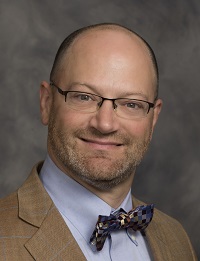
Depending on the patient’s needs, primary care physicians might find themselves coordinating services from psychologists, physical therapists, social workers, or others.
For the approach to work, the impact of pain has to be accurately gauged, along with underlying psychological or social issues; to save time, the University of Washington has patients complete an online survey prior to their office visit.
There are national efforts underway to support the approach, and a growing recognition that “by doing it right, you save downstream costs. Primary care must get involved; that’s where chronic pain presents,” Dr. Tauben said.
Batting cleanup
There’s a role for primary care when patients are hooked on opioids, too. Requests for early refills and higher doses are a clue.
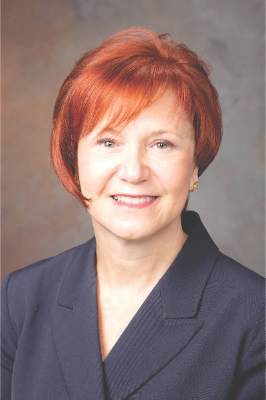
“Given the stigma, a lot of doctors don’t want to deal with addiction, but we have to deal with it. We need to move addiction treatment into the mainstream of what we do in medicine,” Dr. Friedmann said. “These patients are no more or no less challenging than any other patients we deal with; the only way doctors are going to find that out is by starting to manage some of them.”
He estimates that about 60% of his patients do well on buprenorphine, a sublingual, partial opioid agonist that blocks the effects of full agonists and dulls withdrawal symptoms. Incorporating it into practice “is not something you need to figure out yourself,” Dr. Friedmann noted. There are training programs and people who can help.
There simply aren’t enough methadone clinics to handle the current situation, especially in suburbs and rural areas where drug dealers have found a new market for heroin. Another option, abstinence programs, “have contributed to the problem of overdose;” people lose their tolerance, reuse, and die, he said.
Buprenorphine treatment might soon get easier. The FDA is expected to make an approval decision soon on probuphine, a matchstick-size subdermal implant that delivers buprenorphine continuously for 6 months.
Dr. Friedmann disclosed relationships with Alkermes, Inavir, and Orexo. The other doctors had no relevant disclosures.
In about 2002, Dr. Gary Franklin realized the state of Washington might have a problem.
A big problem.
A state resident who’d suffered a back sprain and filed a workers’ compensation claim died 2 years later – not from heart disease or cancer or stroke, but from an unintentional prescription opioid overdose, recalled Dr. Franklin, medical director of the Washington State Department of Labor and Industries.
“I had never seen anything so sad,” he said.
The case prompted the neurologist and his colleagues to review Washington state workers’ compensation claims. What they uncovered was a local trend that would explode into a national scourge: a marked increase in opioid poisonings among Washington state residents with everyday aches and pains who, in the past, would never have been prescribed opioids.
The gateway drug turned out to be oxycodone (OxyContin), which was heavily marketed at the time as a safe choice for pain relief with little abuse potential. Purdue Pharma has since paid a $600 million federal fine for deceptive marketing.
“This is the worst man-made epidemic in modern medical history,” said Dr. Franklin, also a research professor at the University of Washington, Seattle. “It was made by modern medicine, and it’s up to modern medicine to turn it around.”
For the United States to recover from the opioid crisis, Dr. Franklin said, the medical community must reduce oral opioid prescriptions for noncancer pain. Others interviewed for this story said doctors also have to overcome their aversion to in-office addiction treatment, and find new options for everyday chronic pain.
The first step is “to forget everything you were told in 1999,” said Dr. Franklin. That includes the notions that addiction is rare, opioids are indicated for noncancer chronic pain, and doses should be increased if patients become tolerant.
Those messages led to overprescribing, which in turn “led to an oversupply problem that’s feeding misuse and diversion. It’s only recently that it has become a heroin problem; the vast majority of heroin users these days start on prescription opioids,” he said.
The Washington workers’ comp claims data triggered “a complete rethinking of our approach to chronic pain and a shift to other treatment strategies,” said Dr. David Tauben, chief of pain medicine at the University of Washington, Seattle.
In 2007, Washington became one of the first states to issue opioid treatment guidelines, which are updated regularly. Among other steps, prescribers were urged to limit doses and durations.
Since then, the state has seen a nearly 40% reduction in prescription opioid poisonings. “We also found that with dose reductions” for back pain, headaches, and similar noncancer issues, “pain subsides, function improves, and patient satisfaction” goes up, said Dr. Tauben, who was involved in creating the guidelines.
Clamping down, pushing back
The Centers for Disease Control and Prevention in March released similar guidelines, including a suggested 3-day limit for acute pain prescriptions and a cap of 90 morphine milligram equivalents per day for chronic noncancer pain – the amount in a single 60-mg oxycodone tablet.
Meanwhile, Food and Drug Administration officials are planning a regulatory overhaul to address opioid approval, labeling, and prescribing concerns. In many places, doctors are also facing new opioid training requirements.
The Washington state experience suggests that such efforts are likely to help reverse the opioid crisis.
It’s not about getting rid of the drugs, explained Dr. Gail D’Onofrio, chair of emergency medicine at Yale University in New Haven, Conn.
“Opioids are really good for certain things,” especially cancer pain and, for a few days, acute pain. But “we’ve kind of lost our way,” Dr. D’Onofrio said. “We don’t need to give people 3 months of narcotics for a knee replacement” or 3 weeks of narcotics for a wisdom tooth extraction.
“We are all guilty” of overprescribing, and “just like everywhere else, we’ve seen the problems; every year, it’s getting worse,” she added. In response, “we are changing how we use opioids, adapting the guidelines from the CDC and other groups,” and tailoring them to different services.
At the Yale emergency department, oral opioid prescriptions are now generally limited to 3 days, except for renal colic patients, who might get a few days more. “We do not fill opioid scripts and don’t reorder them for patients.” Instead, “we talk to the prescriber and tell them what’s going on,” Dr. D’Onofrio explained.
Yale’s not alone in cutting back. After years of growth, U.S. oral opioid sales appear to be declining. In fact, in some quarters, there’s concern the clampdown will go too far.
The CDC received more than 4,300 comments about the draft version of its guidelines. Some patients were worried about losing access to drugs that have helped them. And, while supportive of the goals, some professional groups questioned the evidence behind the proposals and worry about undertreatment of pain, among other issues.
“The problem with a lot of the guidelines is that they’re all around limiting prescribing. They don’t really tell doctors what to do instead,” said Dr. Peter Friedmann, an addiction treatment specialist in Springfield, Mass., and chief research officer for Baystate Health.
An alternative for chronic pain
For noncancer chronic pain, recent evidence supports multimodal therapy. Opioids might bring temporary relief, but “throwing drugs at people isn’t going to solve the problem,” said Dr. Tauben, the University of Washington pain expert.
“Multimodal therapy” means focusing more on the burden of pain instead of its intensity, with team-based care. Reducing the burden – anxiety, sleeplessness, reduced mobility, and other problems – seems to reduce the significance and intensity of pain to the point where it can be managed, if needed, with nonsteroidal anti-inflammatory drugs (NSAIDs), trigger-point injections, and other nonopioid options.
Depending on the patient’s needs, primary care physicians might find themselves coordinating services from psychologists, physical therapists, social workers, or others.
For the approach to work, the impact of pain has to be accurately gauged, along with underlying psychological or social issues; to save time, the University of Washington has patients complete an online survey prior to their office visit.
There are national efforts underway to support the approach, and a growing recognition that “by doing it right, you save downstream costs. Primary care must get involved; that’s where chronic pain presents,” Dr. Tauben said.
Batting cleanup
There’s a role for primary care when patients are hooked on opioids, too. Requests for early refills and higher doses are a clue.
“Given the stigma, a lot of doctors don’t want to deal with addiction, but we have to deal with it. We need to move addiction treatment into the mainstream of what we do in medicine,” Dr. Friedmann said. “These patients are no more or no less challenging than any other patients we deal with; the only way doctors are going to find that out is by starting to manage some of them.”
He estimates that about 60% of his patients do well on buprenorphine, a sublingual, partial opioid agonist that blocks the effects of full agonists and dulls withdrawal symptoms. Incorporating it into practice “is not something you need to figure out yourself,” Dr. Friedmann noted. There are training programs and people who can help.
There simply aren’t enough methadone clinics to handle the current situation, especially in suburbs and rural areas where drug dealers have found a new market for heroin. Another option, abstinence programs, “have contributed to the problem of overdose;” people lose their tolerance, reuse, and die, he said.
Buprenorphine treatment might soon get easier. The FDA is expected to make an approval decision soon on probuphine, a matchstick-size subdermal implant that delivers buprenorphine continuously for 6 months.
Dr. Friedmann disclosed relationships with Alkermes, Inavir, and Orexo. The other doctors had no relevant disclosures.
In about 2002, Dr. Gary Franklin realized the state of Washington might have a problem.
A big problem.
A state resident who’d suffered a back sprain and filed a workers’ compensation claim died 2 years later – not from heart disease or cancer or stroke, but from an unintentional prescription opioid overdose, recalled Dr. Franklin, medical director of the Washington State Department of Labor and Industries.
“I had never seen anything so sad,” he said.
The case prompted the neurologist and his colleagues to review Washington state workers’ compensation claims. What they uncovered was a local trend that would explode into a national scourge: a marked increase in opioid poisonings among Washington state residents with everyday aches and pains who, in the past, would never have been prescribed opioids.
The gateway drug turned out to be oxycodone (OxyContin), which was heavily marketed at the time as a safe choice for pain relief with little abuse potential. Purdue Pharma has since paid a $600 million federal fine for deceptive marketing.
“This is the worst man-made epidemic in modern medical history,” said Dr. Franklin, also a research professor at the University of Washington, Seattle. “It was made by modern medicine, and it’s up to modern medicine to turn it around.”
For the United States to recover from the opioid crisis, Dr. Franklin said, the medical community must reduce oral opioid prescriptions for noncancer pain. Others interviewed for this story said doctors also have to overcome their aversion to in-office addiction treatment, and find new options for everyday chronic pain.
The first step is “to forget everything you were told in 1999,” said Dr. Franklin. That includes the notions that addiction is rare, opioids are indicated for noncancer chronic pain, and doses should be increased if patients become tolerant.
Those messages led to overprescribing, which in turn “led to an oversupply problem that’s feeding misuse and diversion. It’s only recently that it has become a heroin problem; the vast majority of heroin users these days start on prescription opioids,” he said.
The Washington workers’ comp claims data triggered “a complete rethinking of our approach to chronic pain and a shift to other treatment strategies,” said Dr. David Tauben, chief of pain medicine at the University of Washington, Seattle.
In 2007, Washington became one of the first states to issue opioid treatment guidelines, which are updated regularly. Among other steps, prescribers were urged to limit doses and durations.
Since then, the state has seen a nearly 40% reduction in prescription opioid poisonings. “We also found that with dose reductions” for back pain, headaches, and similar noncancer issues, “pain subsides, function improves, and patient satisfaction” goes up, said Dr. Tauben, who was involved in creating the guidelines.
Clamping down, pushing back
The Centers for Disease Control and Prevention in March released similar guidelines, including a suggested 3-day limit for acute pain prescriptions and a cap of 90 morphine milligram equivalents per day for chronic noncancer pain – the amount in a single 60-mg oxycodone tablet.
Meanwhile, Food and Drug Administration officials are planning a regulatory overhaul to address opioid approval, labeling, and prescribing concerns. In many places, doctors are also facing new opioid training requirements.
The Washington state experience suggests that such efforts are likely to help reverse the opioid crisis.
It’s not about getting rid of the drugs, explained Dr. Gail D’Onofrio, chair of emergency medicine at Yale University in New Haven, Conn.
“Opioids are really good for certain things,” especially cancer pain and, for a few days, acute pain. But “we’ve kind of lost our way,” Dr. D’Onofrio said. “We don’t need to give people 3 months of narcotics for a knee replacement” or 3 weeks of narcotics for a wisdom tooth extraction.
“We are all guilty” of overprescribing, and “just like everywhere else, we’ve seen the problems; every year, it’s getting worse,” she added. In response, “we are changing how we use opioids, adapting the guidelines from the CDC and other groups,” and tailoring them to different services.
At the Yale emergency department, oral opioid prescriptions are now generally limited to 3 days, except for renal colic patients, who might get a few days more. “We do not fill opioid scripts and don’t reorder them for patients.” Instead, “we talk to the prescriber and tell them what’s going on,” Dr. D’Onofrio explained.
Yale’s not alone in cutting back. After years of growth, U.S. oral opioid sales appear to be declining. In fact, in some quarters, there’s concern the clampdown will go too far.
The CDC received more than 4,300 comments about the draft version of its guidelines. Some patients were worried about losing access to drugs that have helped them. And, while supportive of the goals, some professional groups questioned the evidence behind the proposals and worry about undertreatment of pain, among other issues.
“The problem with a lot of the guidelines is that they’re all around limiting prescribing. They don’t really tell doctors what to do instead,” said Dr. Peter Friedmann, an addiction treatment specialist in Springfield, Mass., and chief research officer for Baystate Health.
An alternative for chronic pain
For noncancer chronic pain, recent evidence supports multimodal therapy. Opioids might bring temporary relief, but “throwing drugs at people isn’t going to solve the problem,” said Dr. Tauben, the University of Washington pain expert.
“Multimodal therapy” means focusing more on the burden of pain instead of its intensity, with team-based care. Reducing the burden – anxiety, sleeplessness, reduced mobility, and other problems – seems to reduce the significance and intensity of pain to the point where it can be managed, if needed, with nonsteroidal anti-inflammatory drugs (NSAIDs), trigger-point injections, and other nonopioid options.
Depending on the patient’s needs, primary care physicians might find themselves coordinating services from psychologists, physical therapists, social workers, or others.
For the approach to work, the impact of pain has to be accurately gauged, along with underlying psychological or social issues; to save time, the University of Washington has patients complete an online survey prior to their office visit.
There are national efforts underway to support the approach, and a growing recognition that “by doing it right, you save downstream costs. Primary care must get involved; that’s where chronic pain presents,” Dr. Tauben said.
Batting cleanup
There’s a role for primary care when patients are hooked on opioids, too. Requests for early refills and higher doses are a clue.
“Given the stigma, a lot of doctors don’t want to deal with addiction, but we have to deal with it. We need to move addiction treatment into the mainstream of what we do in medicine,” Dr. Friedmann said. “These patients are no more or no less challenging than any other patients we deal with; the only way doctors are going to find that out is by starting to manage some of them.”
He estimates that about 60% of his patients do well on buprenorphine, a sublingual, partial opioid agonist that blocks the effects of full agonists and dulls withdrawal symptoms. Incorporating it into practice “is not something you need to figure out yourself,” Dr. Friedmann noted. There are training programs and people who can help.
There simply aren’t enough methadone clinics to handle the current situation, especially in suburbs and rural areas where drug dealers have found a new market for heroin. Another option, abstinence programs, “have contributed to the problem of overdose;” people lose their tolerance, reuse, and die, he said.
Buprenorphine treatment might soon get easier. The FDA is expected to make an approval decision soon on probuphine, a matchstick-size subdermal implant that delivers buprenorphine continuously for 6 months.
Dr. Friedmann disclosed relationships with Alkermes, Inavir, and Orexo. The other doctors had no relevant disclosures.

Bladder Cancer and Hyperthyroidism Linked to Agent Orange
There is “limited or suggestive evidence” that links Agent Orange exposure to bladder cancer and hyperthyroidism according to the biennial review of the Committee to Review the Health Effects in Vietnam Veterans of Exposure to Herbicides. The committee reviewed results from a study of veterans of the Korean War who also served in the Vietnam War that suggested an association for bladder cancer and hypothyroidism. The evidence, along with supportive epidemiologic findings, led the committee to strengthen the association between Agent Orange exposure and bladder cancer and hyperthyroidism.
The report is the final in a series of reviews mandated by Congress on the evidence of health problems that can be linked to exposure to Agent Orange and other herbicides used during the Vietnam War. Bladder cancer joins a host of other cancers and cancer-related conditions associated with Agent Orange exposure, include:
- AL Amyloidosis;
- Chronic B-cell Leukemias;
- Hodgkin Disease;
- Multiple Myeloma;
- Non-Hodgkin Lymphoma;
- Prostate Cancer;
- Respiratory Cancers (including lung cancer);
- Cancers of the lung, larynx, trachea, and bronchus; and
- Soft Tissue Sarcomas.
The committee also concluded that there was not enough evidence to support an association between any birth defects and parental exposure to herbicides. According to the committee, “intensive investigation of possible heritable effects in animal models still has not demonstrated that herbicide exposure of adult males can produce birth defects in their offspring.” The committee downgraded spina bifida to the “inadequate or insufficient” evidence category—marking just the second time that a health outcome has been moved to a weaker category of association.
The committee also addressed the question of whether Parkinson-like symptoms should qualify the assignment of Parkinson disease to the limited or suggestive category of association with Agent Orange exposure. The committee determined that given “there is no rational basis for exclusion of individuals with Parkinson-like symptoms from the service-related category denoted as Parkinson disease.” The committee also suggested that “the onus should be on the VA on a case-by-case basis to definitively establish the role of a recognized factor other than the herbicides sprayed in Vietnam.”
In the final report, the committee urged the VA to:
- Continue epidemiologic studies of exposed veterans;
- Develop protocols to investigate paternal transmission of adverse effects to offspring;
- Study the manifestations in humans of dioxin exposure and compromised immunity, which have been clearly demonstrated in animal models; and
- Review evidence to determine whether paternal exposure to any toxicant has definitively resulted in birth defects.
A complete list of diseases associated with Agent Orange can be found at: http://www.publichealth.va.gov/exposures/agentorange/conditions/#sthash.vJTT3VdU.dpuf
There is “limited or suggestive evidence” that links Agent Orange exposure to bladder cancer and hyperthyroidism according to the biennial review of the Committee to Review the Health Effects in Vietnam Veterans of Exposure to Herbicides. The committee reviewed results from a study of veterans of the Korean War who also served in the Vietnam War that suggested an association for bladder cancer and hypothyroidism. The evidence, along with supportive epidemiologic findings, led the committee to strengthen the association between Agent Orange exposure and bladder cancer and hyperthyroidism.
The report is the final in a series of reviews mandated by Congress on the evidence of health problems that can be linked to exposure to Agent Orange and other herbicides used during the Vietnam War. Bladder cancer joins a host of other cancers and cancer-related conditions associated with Agent Orange exposure, include:
- AL Amyloidosis;
- Chronic B-cell Leukemias;
- Hodgkin Disease;
- Multiple Myeloma;
- Non-Hodgkin Lymphoma;
- Prostate Cancer;
- Respiratory Cancers (including lung cancer);
- Cancers of the lung, larynx, trachea, and bronchus; and
- Soft Tissue Sarcomas.
The committee also concluded that there was not enough evidence to support an association between any birth defects and parental exposure to herbicides. According to the committee, “intensive investigation of possible heritable effects in animal models still has not demonstrated that herbicide exposure of adult males can produce birth defects in their offspring.” The committee downgraded spina bifida to the “inadequate or insufficient” evidence category—marking just the second time that a health outcome has been moved to a weaker category of association.
The committee also addressed the question of whether Parkinson-like symptoms should qualify the assignment of Parkinson disease to the limited or suggestive category of association with Agent Orange exposure. The committee determined that given “there is no rational basis for exclusion of individuals with Parkinson-like symptoms from the service-related category denoted as Parkinson disease.” The committee also suggested that “the onus should be on the VA on a case-by-case basis to definitively establish the role of a recognized factor other than the herbicides sprayed in Vietnam.”
In the final report, the committee urged the VA to:
- Continue epidemiologic studies of exposed veterans;
- Develop protocols to investigate paternal transmission of adverse effects to offspring;
- Study the manifestations in humans of dioxin exposure and compromised immunity, which have been clearly demonstrated in animal models; and
- Review evidence to determine whether paternal exposure to any toxicant has definitively resulted in birth defects.
A complete list of diseases associated with Agent Orange can be found at: http://www.publichealth.va.gov/exposures/agentorange/conditions/#sthash.vJTT3VdU.dpuf
There is “limited or suggestive evidence” that links Agent Orange exposure to bladder cancer and hyperthyroidism according to the biennial review of the Committee to Review the Health Effects in Vietnam Veterans of Exposure to Herbicides. The committee reviewed results from a study of veterans of the Korean War who also served in the Vietnam War that suggested an association for bladder cancer and hypothyroidism. The evidence, along with supportive epidemiologic findings, led the committee to strengthen the association between Agent Orange exposure and bladder cancer and hyperthyroidism.
The report is the final in a series of reviews mandated by Congress on the evidence of health problems that can be linked to exposure to Agent Orange and other herbicides used during the Vietnam War. Bladder cancer joins a host of other cancers and cancer-related conditions associated with Agent Orange exposure, include:
- AL Amyloidosis;
- Chronic B-cell Leukemias;
- Hodgkin Disease;
- Multiple Myeloma;
- Non-Hodgkin Lymphoma;
- Prostate Cancer;
- Respiratory Cancers (including lung cancer);
- Cancers of the lung, larynx, trachea, and bronchus; and
- Soft Tissue Sarcomas.
The committee also concluded that there was not enough evidence to support an association between any birth defects and parental exposure to herbicides. According to the committee, “intensive investigation of possible heritable effects in animal models still has not demonstrated that herbicide exposure of adult males can produce birth defects in their offspring.” The committee downgraded spina bifida to the “inadequate or insufficient” evidence category—marking just the second time that a health outcome has been moved to a weaker category of association.
The committee also addressed the question of whether Parkinson-like symptoms should qualify the assignment of Parkinson disease to the limited or suggestive category of association with Agent Orange exposure. The committee determined that given “there is no rational basis for exclusion of individuals with Parkinson-like symptoms from the service-related category denoted as Parkinson disease.” The committee also suggested that “the onus should be on the VA on a case-by-case basis to definitively establish the role of a recognized factor other than the herbicides sprayed in Vietnam.”
In the final report, the committee urged the VA to:
- Continue epidemiologic studies of exposed veterans;
- Develop protocols to investigate paternal transmission of adverse effects to offspring;
- Study the manifestations in humans of dioxin exposure and compromised immunity, which have been clearly demonstrated in animal models; and
- Review evidence to determine whether paternal exposure to any toxicant has definitively resulted in birth defects.
A complete list of diseases associated with Agent Orange can be found at: http://www.publichealth.va.gov/exposures/agentorange/conditions/#sthash.vJTT3VdU.dpuf
Robotic Surgery for Older Cancer Patients
A review by researchers from Hôpital Sud, Rennes, France, and McGill University, Montreal showed that surgery by robot—rather than traditional open surgery—may improve outcomes in elderly patients with pelvic cancer, however the research is sparse. For instance, only 6 published studies specifically address surgery in the elderly with endometrial cancer, the most common gynecologic malignancy in the western world. However, because surgery is challenging for these often-frail patients, minimally invasive (or minimal access) surgery could be the answer. When comparing robotics to standard laparoscopy in treating endometrial cancer, the data suggest significantly less blood loss, reduced operative time, and higher node counts.
Related: A Team Approach to Nonmelanotic Skin Cancer Procedures
Similar to many others, the researchers’ academic center was slow to adopt minimally invasive standard (MIS) laparoscopy. But within 2 years of the introduction of robotic surgery in 2007, more than 95% of patients requiring surgery to treat endometrial cancer undergo MIS. Now, the surgery is offered to each operable patient unless the cancer cannot be extracted intact or in a 15-cm diameter endobag via the vagina.
Related: Solid-Organ Transplant Recipients May Be at Greater Risk for Cancer
The researchers note that the MIS procedure has some unique risks. For example, once the patient is “docked” to the robot, the Trendelenburg position can’t be reversed without undocking. This may adversely affect the respiratory and cardiovascular system. Despite case reports about such adverse effects, though, the researchers say most data support the safety of robotic surgery in the elderly. Moreover, the newest versions of robots allow for multiple quadrant access without the need to undock.
Related:Gene Expression Signatures in Breast Cancer: A Surgical Oncologist’s Perspective
The oncologic safety of robotic surgery seems similar to that of open surgery or laparoscopic surgery. After 2 years of follow-up in 1 study, rates of progression-free survival were similar for the different methods. The researchers advise surgeons to work toward improving preoperative frailty assessments that will help tailor the right surgery for the right subgroup of elderly patients.
Lavoué V, Gotlieb W. Cancers (Basel). 2016;8(1):E12.
doi: 10.3390/cancers8010012.
A review by researchers from Hôpital Sud, Rennes, France, and McGill University, Montreal showed that surgery by robot—rather than traditional open surgery—may improve outcomes in elderly patients with pelvic cancer, however the research is sparse. For instance, only 6 published studies specifically address surgery in the elderly with endometrial cancer, the most common gynecologic malignancy in the western world. However, because surgery is challenging for these often-frail patients, minimally invasive (or minimal access) surgery could be the answer. When comparing robotics to standard laparoscopy in treating endometrial cancer, the data suggest significantly less blood loss, reduced operative time, and higher node counts.
Related: A Team Approach to Nonmelanotic Skin Cancer Procedures
Similar to many others, the researchers’ academic center was slow to adopt minimally invasive standard (MIS) laparoscopy. But within 2 years of the introduction of robotic surgery in 2007, more than 95% of patients requiring surgery to treat endometrial cancer undergo MIS. Now, the surgery is offered to each operable patient unless the cancer cannot be extracted intact or in a 15-cm diameter endobag via the vagina.
Related: Solid-Organ Transplant Recipients May Be at Greater Risk for Cancer
The researchers note that the MIS procedure has some unique risks. For example, once the patient is “docked” to the robot, the Trendelenburg position can’t be reversed without undocking. This may adversely affect the respiratory and cardiovascular system. Despite case reports about such adverse effects, though, the researchers say most data support the safety of robotic surgery in the elderly. Moreover, the newest versions of robots allow for multiple quadrant access without the need to undock.
Related:Gene Expression Signatures in Breast Cancer: A Surgical Oncologist’s Perspective
The oncologic safety of robotic surgery seems similar to that of open surgery or laparoscopic surgery. After 2 years of follow-up in 1 study, rates of progression-free survival were similar for the different methods. The researchers advise surgeons to work toward improving preoperative frailty assessments that will help tailor the right surgery for the right subgroup of elderly patients.
Lavoué V, Gotlieb W. Cancers (Basel). 2016;8(1):E12.
doi: 10.3390/cancers8010012.
A review by researchers from Hôpital Sud, Rennes, France, and McGill University, Montreal showed that surgery by robot—rather than traditional open surgery—may improve outcomes in elderly patients with pelvic cancer, however the research is sparse. For instance, only 6 published studies specifically address surgery in the elderly with endometrial cancer, the most common gynecologic malignancy in the western world. However, because surgery is challenging for these often-frail patients, minimally invasive (or minimal access) surgery could be the answer. When comparing robotics to standard laparoscopy in treating endometrial cancer, the data suggest significantly less blood loss, reduced operative time, and higher node counts.
Related: A Team Approach to Nonmelanotic Skin Cancer Procedures
Similar to many others, the researchers’ academic center was slow to adopt minimally invasive standard (MIS) laparoscopy. But within 2 years of the introduction of robotic surgery in 2007, more than 95% of patients requiring surgery to treat endometrial cancer undergo MIS. Now, the surgery is offered to each operable patient unless the cancer cannot be extracted intact or in a 15-cm diameter endobag via the vagina.
Related: Solid-Organ Transplant Recipients May Be at Greater Risk for Cancer
The researchers note that the MIS procedure has some unique risks. For example, once the patient is “docked” to the robot, the Trendelenburg position can’t be reversed without undocking. This may adversely affect the respiratory and cardiovascular system. Despite case reports about such adverse effects, though, the researchers say most data support the safety of robotic surgery in the elderly. Moreover, the newest versions of robots allow for multiple quadrant access without the need to undock.
Related:Gene Expression Signatures in Breast Cancer: A Surgical Oncologist’s Perspective
The oncologic safety of robotic surgery seems similar to that of open surgery or laparoscopic surgery. After 2 years of follow-up in 1 study, rates of progression-free survival were similar for the different methods. The researchers advise surgeons to work toward improving preoperative frailty assessments that will help tailor the right surgery for the right subgroup of elderly patients.
Lavoué V, Gotlieb W. Cancers (Basel). 2016;8(1):E12.
doi: 10.3390/cancers8010012.
Potential Dangers of Using Technology in Healthcare
The incident that perhaps most fully impressed the potential dangers of electronic health records (EHRs) on hospitalist pioneer Robert Wachter, MD, MHM, came two years ago. It started, innocently and well-intentioned enough, years earlier with the installation of EHR systems at the University of California at San Francisco (UCSF). Flash-forward to 2013 and a 16-year-old boy’s admission to UCSF’s Benioff Children’s Hospital for a routine colonoscopy related to his NEMO deficiency syndrome, a rare genetic disease that affects the bowels. For his nightly medications that evening, the boy was supposed to take a single dose of Septra, a common antibiotic that hospitalists and internists across the nation routinely prescribe for urinary and skin infections.
But this boy took 38.5 doses, one pill at a time.
How could that possibly happen? Hospitalists might rightly ask.

Because the EHR told everyone involved that’s what the dose should be. So every physician, pharmacist, and nurse involved in the boy’s treatment carried out the order to a T, discovering the error only when the teenager later complained of anxiety, mild confusion, and tingling so acute he felt “numb all over.”
In an era when EHR is king, an adverse event such as a 39-fold overdose is just another example of the unintended consequences technology has foisted upon hospitalists and other providers in America’s massive healthcare system. It is the unfortunate underbelly of healthcare’s rapid-fire introduction to EHR, thanks to a flood of federal funding over the past 10 years, Dr. Wachter says.

“Most fields that go digital do so over the course of 10 or 20 years in a very organic way, with the early adopters, the rank and file, and then the laggards,” Dr. Wachter said at SHM’s 2015 annual meeting in Washington, D.C., where he recounted the UCSF overdose in a keynote address. “In that kind of organic adoption curve, you see problems arise, and people begin to deal with them and understand them and mitigate them. What the federal intervention did was essentially turbocharge the digitization of healthcare.”
And with the relative speed of digitization comes unintended consequences, including:
- Unfriendly user interfaces that stymie and frustrate physicians accustomed to comparatively intuitive smartphones and tablets;
- Limited applicability of EHRs to quality improvement (QI) projects, as the systems are, in essence, first constructed as billing and coding constructs;
- Alert fatigue tied to EHRs and such medical devices as ventilators, blood pressure monitors, and electrocardiograms desensitize physicians to true concerns; and
- The “cut-and-paste” phenomenon of transferring daily notes or other orders that’s only growing as EHRs become more ubiquitous (see “CTRL-C + CTRL-V = DANGER”).
“Health IT [HIT] is not the panacea that many have touted it as, and it’s really a question of a reassessment of where exactly we are right now compared with where we thought we would be,” says Kendall Rogers, MD, CPE, SFHM, chief of the division of hospital medicine at the University of New Mexico Health Sciences Center in Albuquerque and chair of SHM’s Information Technology Committee. “I think our endpoint—that we’re going to get to—this is all going to result in better care. But we’re in that middle period of extreme danger right now where we could actually be doing harm to our patients but certainly are frustrating our providers.”
Funding Failure?
HIT’s rapid evolution starts with the creation of the Office of the National Coordinator for Health Information Technology (ONC) in 2004, which began receiving funding in 2009 to the tune of $30 billion to improve health information exchanges between physicians and institutions.
The money “spent in adoption should have been spent in innovation and development and research to show what works and what doesn’t well before you started pushing adoption,” Dr. Rogers says. “But at this stage, we can’t go backward … the plan is in flight, and we have to try to repair it in the air at this point.”
To that end, The Joint Commission in March 2015 issued a Sentinel Event Alert to highlight that the safest use of HIT still needs structural improvement. The Joint Commission analyzed 120 sentinel events (which it defines as unexpected occurrences involving death or serious physical or psychological injury or the risk thereof) that were HIT-related between Jan. 1, 2010, and June 30, 2013. Eighty percent were issues with human-computer interface, workflow and communication, or design or data issues tied to clinical content or decision support.
“As health IT adoption spreads and becomes a critical component of organizational infrastructure, the potential for health IT-related harm will likely increase unless risk-reducing measures are put into place,” the alert stated.
To that end, The Joint Commission recommends:
- Focusing on creating and maintaining a safety culture;
- Developing a proactive approach to process improvement that includes assessing patient safety risk; and
- Enlisting physicians and administrators from multiple disciplines to oversee HIT planning, implementation, and evaluation.

Terry Edwards, chief executive officer of PerfectServe, a Knoxville, Tenn., firm that works on healthcare communications systems, says that a survey his firm conducted in 2015 found that, among clinicians needing to communicate with an in-house colleague about “complex or in-depth information,” an EHR is used 12% of the time. Just 8% of hospitalists surveyed used it. The rest used workarounds, face-to-face conversations, and myriad customized solutions to communicate.
“Workarounds happen all the time in healthcare because many of the tools and technologies impede rather than enhance a clinician’s efficiency,” Edwards says in an email to The Hospitalist. “It’s pretty clear that many physicians are frustrated by EHR technology.”
Backwards Revolution
The natural question around unintended consequences: Why didn’t physicians or others see them coming as EHRs and HIT were burgeoning the past decade? Dr. Rogers says that hospitalists and physicians weren’t involved enough on the front-end design of EHRs.
So instead of systems that have been built to be intuitive to the real-time workflow of hospitalists, nurse practitioners, and physician assistants, the systems are built more for back-office administrative functions, he adds.

“When we have programmers and non-clinical people trying to build products for us, they’re dictating our workflow,” Dr. Rogers says. “In many cases, they don’t understand our workflow, and in many more cases, our workflow differs from the last person or the last hospital they worked at.
“This is where we get into issues around usability.”
Take the overdose patient at UCSF. One wrong number typed into a single field led to the oversize dosage. Safety redundancies built in the system flagged the excessive dosage each time, but at each point, a human decided to keep the dosage at the incorrect size because, essentially, everyone trusted the EHR.
All of those red flags come with their own unintended consequence: alert fatigue.
“When people really get fatigued with all of these alerts, they start to ignore them,” says hospitalist Cheng-Kai Kao, MD, medical director of informatics at the University of Chicago Medicine. “So now here comes the question: How do we properly set the limit or threshold?”
In the airline industry, alerts are often tiered to give pilots an immediate sense of their importance. But Dr. Kao says the typical EHR interface is not that advanced, an often frustrating trait to younger physicians accustomed to user-friendly iPhones and web applications. The same frustration often is found with the litany of medical devices hospitalists interact with each day.
“Everything is a fundamental question: How do we set up an optimal environment for humans to interact with computers?” Dr. Kao adds. “We are talking about usability. We are talking about optimizing the IT system that blends into people’s daily workflow so they don’t feel disrupted and have to develop a workaround.”
Solutions Wanted
One EHR critic suggests that the proliferation of workarounds could be solved by a moratorium on further implementation and rollout of EHR systems.
“During that moratorium, there needs to be a complete rethinking of roles, i.e., who does what with these systems, and what needs to be severely rethought are the roles of who gets to do what, including data entry,” says Scot Silverstein, a health IT consultant in Philadelphia. “There’s just no way you can make entry of information into complex computer systems rapid with multiple computer screens that have to be navigated through ad infinitum. There’s just no way you can make that anywhere near as efficient, and you can’t make it less distracting and untiring compared to paper.
“I’m advocating not a return to paper but a consideration of where a paper intermediary—such as specialized forms—between clinicians and information system are appropriate.”
Silverstein says that the relatively rushed overlay of computer systems on medicine meant that corporate computing models were simply pushed into healthcare, a world that operates very differently than most other industries. He says that is why adverse events will continue to occur; why The Joint Commission felt the need to issue an alert; and why the ECRI Institute, a quasi-Consumer Reports organization for healthcare, listed “data integrity failures with health information technology systems” atop its Top 10 Patient Safety Concerns for 2014. Other EHR concerns have been on the list the past several years as well.
“The business computing model, which dates back to the days of card-punch tabulators that IBM developed in the 1920s and ’30s, really has a completely wrong model of medicine,” Silverstein adds. “Medicine is not a predictable, controlled, regular environment. It is an environment of emergencies, irregular events, unpredictability, poor boundaries. Every possible thing in the world can and does go wrong.”
Dr. Rogers agrees that HIT is not optimal, but he sees little point in a moratorium or trying to stop whatever positive progress has already occurred.
“The train has left,” he says. The best approach now is twofold.
First, Dr. Rogers urges hospitalists to formalize their HIT duties by seeing if they would qualify to take the exam for board certification in medical informatics, which was created in 2013 by the American Board of Medical Specialties (ABMS). The more hospitalists who are recognized for the work they already do with EHRs, the more they can then use their positions to help lobby their institutions for changes.
Second, Dr. Rogers wants hospitalists to work as much as possible with vendors, other clinical informaticians, and related stakeholders to help improve the existing system as much as possible. In particular, improvements could help EHRs integrate clinical decision support better, which could then serve as the foundation for research and quality improvement.
Dr. Rogers uses VTE prophylaxis as an example. Before digitalization, “we were able to build all those flow diagrams onto a sheet of paper that would have logical branching points.” Now, pull-down menus and long, one-dimensional order sets regiment what can be input, and medical logic is not the primary concern.
Often, EHR providers will say issues are tied to a lack of training.
“When a vendor repeatedly says this is a training issue, I guarantee that there is a design issue that can be improved,” Dr. Rogers says.
Instead, he and others urge third-party vendors be allowed to design programs and software that can help. He likens it to independent application developers building programs for iPhones and Androids, as opposed to firms like Apple saying that only their internally developed applications would be used.
“Apple would be nowhere right now” had they done that, Dr. Rogers says. “What made them successful was creating a marketplace that all of these individuals out there—thousands of people—could start designing innovations and applications that would fit what that population needed, no matter how small that population was.”
He says a single system, applicable across all healthcare settings, would make an “even playing field for third-party vendors.”
“I think we could get there much faster,” he says. “Within a five-year period of time, I think we could solve a lot of these issues that we’re having right now.” TH
Richard Quinn is a freelance writer in New Jersey.
CTRL-C + CTRL-V = DANGER
Cut-and-paste is as basic a technique as there is in word processing. But with electronic health records (EHRs), that simple maneuver is becoming a danger as repetitive orders, outdated diagnoses, and other inaccurate information is just moved forward unwittingly.
“It’s almost ubiquitous in many cases,” says Kendall Rogers, MD, CPE, SFHM, chief of the division of hospital medicine at the University of New Mexico Health Sciences Center in Albuquerque and chair of SHM’s Information Technology Committee. “Certainly, almost every note that I see in our EHR has some portion of cut-and-paste in it.”
The phenomenon is one borne of a simple workaround. Much of the daily note input on an admitted patient’s screen is repetitive and time-consuming, says hospitalist Cheng-Kai Kao, MD, medical director of informatics at the University of Chicago Medicine. So it might seem to make sense to reuse yesterday’s note today.
But if the note called for a test or a treatment, mistakes can happen.

“We are trying to create new note templates that allow extracting discrete data for billing and research purposes,” Dr. Kao says. “We don’t allow [users] to copy easily, but we do try to make it much easier for them to write a note. So they wouldn’t be copying exactly the same notes from yesterday, but in the meantime, they are able to put in some meaningful information each day.”
Put more simply: “When the right things are made easier to do, people tend to do the right thing. And that is our goal.”
Dr. Rogers suggests keeping the dangers of cut-and-paste errors front of mind and, similar to other EHR documentation issues, lobbying for improvements to the system itself.
“Copy-and-paste is our workaround for poorly designed documentation systems,” he adds. “That does not make it right to use it, but the way to eradicate it is to build better systems that allow documentation to become a part of providing care.”
—Richard Quinn
The incident that perhaps most fully impressed the potential dangers of electronic health records (EHRs) on hospitalist pioneer Robert Wachter, MD, MHM, came two years ago. It started, innocently and well-intentioned enough, years earlier with the installation of EHR systems at the University of California at San Francisco (UCSF). Flash-forward to 2013 and a 16-year-old boy’s admission to UCSF’s Benioff Children’s Hospital for a routine colonoscopy related to his NEMO deficiency syndrome, a rare genetic disease that affects the bowels. For his nightly medications that evening, the boy was supposed to take a single dose of Septra, a common antibiotic that hospitalists and internists across the nation routinely prescribe for urinary and skin infections.
But this boy took 38.5 doses, one pill at a time.
How could that possibly happen? Hospitalists might rightly ask.
Because the EHR told everyone involved that’s what the dose should be. So every physician, pharmacist, and nurse involved in the boy’s treatment carried out the order to a T, discovering the error only when the teenager later complained of anxiety, mild confusion, and tingling so acute he felt “numb all over.”
In an era when EHR is king, an adverse event such as a 39-fold overdose is just another example of the unintended consequences technology has foisted upon hospitalists and other providers in America’s massive healthcare system. It is the unfortunate underbelly of healthcare’s rapid-fire introduction to EHR, thanks to a flood of federal funding over the past 10 years, Dr. Wachter says.
“Most fields that go digital do so over the course of 10 or 20 years in a very organic way, with the early adopters, the rank and file, and then the laggards,” Dr. Wachter said at SHM’s 2015 annual meeting in Washington, D.C., where he recounted the UCSF overdose in a keynote address. “In that kind of organic adoption curve, you see problems arise, and people begin to deal with them and understand them and mitigate them. What the federal intervention did was essentially turbocharge the digitization of healthcare.”
And with the relative speed of digitization comes unintended consequences, including:
- Unfriendly user interfaces that stymie and frustrate physicians accustomed to comparatively intuitive smartphones and tablets;
- Limited applicability of EHRs to quality improvement (QI) projects, as the systems are, in essence, first constructed as billing and coding constructs;
- Alert fatigue tied to EHRs and such medical devices as ventilators, blood pressure monitors, and electrocardiograms desensitize physicians to true concerns; and
- The “cut-and-paste” phenomenon of transferring daily notes or other orders that’s only growing as EHRs become more ubiquitous (see “CTRL-C + CTRL-V = DANGER”).
“Health IT [HIT] is not the panacea that many have touted it as, and it’s really a question of a reassessment of where exactly we are right now compared with where we thought we would be,” says Kendall Rogers, MD, CPE, SFHM, chief of the division of hospital medicine at the University of New Mexico Health Sciences Center in Albuquerque and chair of SHM’s Information Technology Committee. “I think our endpoint—that we’re going to get to—this is all going to result in better care. But we’re in that middle period of extreme danger right now where we could actually be doing harm to our patients but certainly are frustrating our providers.”
Funding Failure?
HIT’s rapid evolution starts with the creation of the Office of the National Coordinator for Health Information Technology (ONC) in 2004, which began receiving funding in 2009 to the tune of $30 billion to improve health information exchanges between physicians and institutions.
The money “spent in adoption should have been spent in innovation and development and research to show what works and what doesn’t well before you started pushing adoption,” Dr. Rogers says. “But at this stage, we can’t go backward … the plan is in flight, and we have to try to repair it in the air at this point.”
To that end, The Joint Commission in March 2015 issued a Sentinel Event Alert to highlight that the safest use of HIT still needs structural improvement. The Joint Commission analyzed 120 sentinel events (which it defines as unexpected occurrences involving death or serious physical or psychological injury or the risk thereof) that were HIT-related between Jan. 1, 2010, and June 30, 2013. Eighty percent were issues with human-computer interface, workflow and communication, or design or data issues tied to clinical content or decision support.
“As health IT adoption spreads and becomes a critical component of organizational infrastructure, the potential for health IT-related harm will likely increase unless risk-reducing measures are put into place,” the alert stated.
To that end, The Joint Commission recommends:
- Focusing on creating and maintaining a safety culture;
- Developing a proactive approach to process improvement that includes assessing patient safety risk; and
- Enlisting physicians and administrators from multiple disciplines to oversee HIT planning, implementation, and evaluation.
Terry Edwards, chief executive officer of PerfectServe, a Knoxville, Tenn., firm that works on healthcare communications systems, says that a survey his firm conducted in 2015 found that, among clinicians needing to communicate with an in-house colleague about “complex or in-depth information,” an EHR is used 12% of the time. Just 8% of hospitalists surveyed used it. The rest used workarounds, face-to-face conversations, and myriad customized solutions to communicate.
“Workarounds happen all the time in healthcare because many of the tools and technologies impede rather than enhance a clinician’s efficiency,” Edwards says in an email to The Hospitalist. “It’s pretty clear that many physicians are frustrated by EHR technology.”
Backwards Revolution
The natural question around unintended consequences: Why didn’t physicians or others see them coming as EHRs and HIT were burgeoning the past decade? Dr. Rogers says that hospitalists and physicians weren’t involved enough on the front-end design of EHRs.
So instead of systems that have been built to be intuitive to the real-time workflow of hospitalists, nurse practitioners, and physician assistants, the systems are built more for back-office administrative functions, he adds.
“When we have programmers and non-clinical people trying to build products for us, they’re dictating our workflow,” Dr. Rogers says. “In many cases, they don’t understand our workflow, and in many more cases, our workflow differs from the last person or the last hospital they worked at.
“This is where we get into issues around usability.”
Take the overdose patient at UCSF. One wrong number typed into a single field led to the oversize dosage. Safety redundancies built in the system flagged the excessive dosage each time, but at each point, a human decided to keep the dosage at the incorrect size because, essentially, everyone trusted the EHR.
All of those red flags come with their own unintended consequence: alert fatigue.
“When people really get fatigued with all of these alerts, they start to ignore them,” says hospitalist Cheng-Kai Kao, MD, medical director of informatics at the University of Chicago Medicine. “So now here comes the question: How do we properly set the limit or threshold?”
In the airline industry, alerts are often tiered to give pilots an immediate sense of their importance. But Dr. Kao says the typical EHR interface is not that advanced, an often frustrating trait to younger physicians accustomed to user-friendly iPhones and web applications. The same frustration often is found with the litany of medical devices hospitalists interact with each day.
“Everything is a fundamental question: How do we set up an optimal environment for humans to interact with computers?” Dr. Kao adds. “We are talking about usability. We are talking about optimizing the IT system that blends into people’s daily workflow so they don’t feel disrupted and have to develop a workaround.”
Solutions Wanted
One EHR critic suggests that the proliferation of workarounds could be solved by a moratorium on further implementation and rollout of EHR systems.
“During that moratorium, there needs to be a complete rethinking of roles, i.e., who does what with these systems, and what needs to be severely rethought are the roles of who gets to do what, including data entry,” says Scot Silverstein, a health IT consultant in Philadelphia. “There’s just no way you can make entry of information into complex computer systems rapid with multiple computer screens that have to be navigated through ad infinitum. There’s just no way you can make that anywhere near as efficient, and you can’t make it less distracting and untiring compared to paper.
“I’m advocating not a return to paper but a consideration of where a paper intermediary—such as specialized forms—between clinicians and information system are appropriate.”
Silverstein says that the relatively rushed overlay of computer systems on medicine meant that corporate computing models were simply pushed into healthcare, a world that operates very differently than most other industries. He says that is why adverse events will continue to occur; why The Joint Commission felt the need to issue an alert; and why the ECRI Institute, a quasi-Consumer Reports organization for healthcare, listed “data integrity failures with health information technology systems” atop its Top 10 Patient Safety Concerns for 2014. Other EHR concerns have been on the list the past several years as well.
“The business computing model, which dates back to the days of card-punch tabulators that IBM developed in the 1920s and ’30s, really has a completely wrong model of medicine,” Silverstein adds. “Medicine is not a predictable, controlled, regular environment. It is an environment of emergencies, irregular events, unpredictability, poor boundaries. Every possible thing in the world can and does go wrong.”
Dr. Rogers agrees that HIT is not optimal, but he sees little point in a moratorium or trying to stop whatever positive progress has already occurred.
“The train has left,” he says. The best approach now is twofold.
First, Dr. Rogers urges hospitalists to formalize their HIT duties by seeing if they would qualify to take the exam for board certification in medical informatics, which was created in 2013 by the American Board of Medical Specialties (ABMS). The more hospitalists who are recognized for the work they already do with EHRs, the more they can then use their positions to help lobby their institutions for changes.
Second, Dr. Rogers wants hospitalists to work as much as possible with vendors, other clinical informaticians, and related stakeholders to help improve the existing system as much as possible. In particular, improvements could help EHRs integrate clinical decision support better, which could then serve as the foundation for research and quality improvement.
Dr. Rogers uses VTE prophylaxis as an example. Before digitalization, “we were able to build all those flow diagrams onto a sheet of paper that would have logical branching points.” Now, pull-down menus and long, one-dimensional order sets regiment what can be input, and medical logic is not the primary concern.
Often, EHR providers will say issues are tied to a lack of training.
“When a vendor repeatedly says this is a training issue, I guarantee that there is a design issue that can be improved,” Dr. Rogers says.
Instead, he and others urge third-party vendors be allowed to design programs and software that can help. He likens it to independent application developers building programs for iPhones and Androids, as opposed to firms like Apple saying that only their internally developed applications would be used.
“Apple would be nowhere right now” had they done that, Dr. Rogers says. “What made them successful was creating a marketplace that all of these individuals out there—thousands of people—could start designing innovations and applications that would fit what that population needed, no matter how small that population was.”
He says a single system, applicable across all healthcare settings, would make an “even playing field for third-party vendors.”
“I think we could get there much faster,” he says. “Within a five-year period of time, I think we could solve a lot of these issues that we’re having right now.” TH
Richard Quinn is a freelance writer in New Jersey.
CTRL-C + CTRL-V = DANGER
Cut-and-paste is as basic a technique as there is in word processing. But with electronic health records (EHRs), that simple maneuver is becoming a danger as repetitive orders, outdated diagnoses, and other inaccurate information is just moved forward unwittingly.
“It’s almost ubiquitous in many cases,” says Kendall Rogers, MD, CPE, SFHM, chief of the division of hospital medicine at the University of New Mexico Health Sciences Center in Albuquerque and chair of SHM’s Information Technology Committee. “Certainly, almost every note that I see in our EHR has some portion of cut-and-paste in it.”
The phenomenon is one borne of a simple workaround. Much of the daily note input on an admitted patient’s screen is repetitive and time-consuming, says hospitalist Cheng-Kai Kao, MD, medical director of informatics at the University of Chicago Medicine. So it might seem to make sense to reuse yesterday’s note today.
But if the note called for a test or a treatment, mistakes can happen.
“We are trying to create new note templates that allow extracting discrete data for billing and research purposes,” Dr. Kao says. “We don’t allow [users] to copy easily, but we do try to make it much easier for them to write a note. So they wouldn’t be copying exactly the same notes from yesterday, but in the meantime, they are able to put in some meaningful information each day.”
Put more simply: “When the right things are made easier to do, people tend to do the right thing. And that is our goal.”
Dr. Rogers suggests keeping the dangers of cut-and-paste errors front of mind and, similar to other EHR documentation issues, lobbying for improvements to the system itself.
“Copy-and-paste is our workaround for poorly designed documentation systems,” he adds. “That does not make it right to use it, but the way to eradicate it is to build better systems that allow documentation to become a part of providing care.”
—Richard Quinn
The incident that perhaps most fully impressed the potential dangers of electronic health records (EHRs) on hospitalist pioneer Robert Wachter, MD, MHM, came two years ago. It started, innocently and well-intentioned enough, years earlier with the installation of EHR systems at the University of California at San Francisco (UCSF). Flash-forward to 2013 and a 16-year-old boy’s admission to UCSF’s Benioff Children’s Hospital for a routine colonoscopy related to his NEMO deficiency syndrome, a rare genetic disease that affects the bowels. For his nightly medications that evening, the boy was supposed to take a single dose of Septra, a common antibiotic that hospitalists and internists across the nation routinely prescribe for urinary and skin infections.
But this boy took 38.5 doses, one pill at a time.
How could that possibly happen? Hospitalists might rightly ask.
Because the EHR told everyone involved that’s what the dose should be. So every physician, pharmacist, and nurse involved in the boy’s treatment carried out the order to a T, discovering the error only when the teenager later complained of anxiety, mild confusion, and tingling so acute he felt “numb all over.”
In an era when EHR is king, an adverse event such as a 39-fold overdose is just another example of the unintended consequences technology has foisted upon hospitalists and other providers in America’s massive healthcare system. It is the unfortunate underbelly of healthcare’s rapid-fire introduction to EHR, thanks to a flood of federal funding over the past 10 years, Dr. Wachter says.
“Most fields that go digital do so over the course of 10 or 20 years in a very organic way, with the early adopters, the rank and file, and then the laggards,” Dr. Wachter said at SHM’s 2015 annual meeting in Washington, D.C., where he recounted the UCSF overdose in a keynote address. “In that kind of organic adoption curve, you see problems arise, and people begin to deal with them and understand them and mitigate them. What the federal intervention did was essentially turbocharge the digitization of healthcare.”
And with the relative speed of digitization comes unintended consequences, including:
- Unfriendly user interfaces that stymie and frustrate physicians accustomed to comparatively intuitive smartphones and tablets;
- Limited applicability of EHRs to quality improvement (QI) projects, as the systems are, in essence, first constructed as billing and coding constructs;
- Alert fatigue tied to EHRs and such medical devices as ventilators, blood pressure monitors, and electrocardiograms desensitize physicians to true concerns; and
- The “cut-and-paste” phenomenon of transferring daily notes or other orders that’s only growing as EHRs become more ubiquitous (see “CTRL-C + CTRL-V = DANGER”).
“Health IT [HIT] is not the panacea that many have touted it as, and it’s really a question of a reassessment of where exactly we are right now compared with where we thought we would be,” says Kendall Rogers, MD, CPE, SFHM, chief of the division of hospital medicine at the University of New Mexico Health Sciences Center in Albuquerque and chair of SHM’s Information Technology Committee. “I think our endpoint—that we’re going to get to—this is all going to result in better care. But we’re in that middle period of extreme danger right now where we could actually be doing harm to our patients but certainly are frustrating our providers.”
Funding Failure?
HIT’s rapid evolution starts with the creation of the Office of the National Coordinator for Health Information Technology (ONC) in 2004, which began receiving funding in 2009 to the tune of $30 billion to improve health information exchanges between physicians and institutions.
The money “spent in adoption should have been spent in innovation and development and research to show what works and what doesn’t well before you started pushing adoption,” Dr. Rogers says. “But at this stage, we can’t go backward … the plan is in flight, and we have to try to repair it in the air at this point.”
To that end, The Joint Commission in March 2015 issued a Sentinel Event Alert to highlight that the safest use of HIT still needs structural improvement. The Joint Commission analyzed 120 sentinel events (which it defines as unexpected occurrences involving death or serious physical or psychological injury or the risk thereof) that were HIT-related between Jan. 1, 2010, and June 30, 2013. Eighty percent were issues with human-computer interface, workflow and communication, or design or data issues tied to clinical content or decision support.
“As health IT adoption spreads and becomes a critical component of organizational infrastructure, the potential for health IT-related harm will likely increase unless risk-reducing measures are put into place,” the alert stated.
To that end, The Joint Commission recommends:
- Focusing on creating and maintaining a safety culture;
- Developing a proactive approach to process improvement that includes assessing patient safety risk; and
- Enlisting physicians and administrators from multiple disciplines to oversee HIT planning, implementation, and evaluation.
Terry Edwards, chief executive officer of PerfectServe, a Knoxville, Tenn., firm that works on healthcare communications systems, says that a survey his firm conducted in 2015 found that, among clinicians needing to communicate with an in-house colleague about “complex or in-depth information,” an EHR is used 12% of the time. Just 8% of hospitalists surveyed used it. The rest used workarounds, face-to-face conversations, and myriad customized solutions to communicate.
“Workarounds happen all the time in healthcare because many of the tools and technologies impede rather than enhance a clinician’s efficiency,” Edwards says in an email to The Hospitalist. “It’s pretty clear that many physicians are frustrated by EHR technology.”
Backwards Revolution
The natural question around unintended consequences: Why didn’t physicians or others see them coming as EHRs and HIT were burgeoning the past decade? Dr. Rogers says that hospitalists and physicians weren’t involved enough on the front-end design of EHRs.
So instead of systems that have been built to be intuitive to the real-time workflow of hospitalists, nurse practitioners, and physician assistants, the systems are built more for back-office administrative functions, he adds.
“When we have programmers and non-clinical people trying to build products for us, they’re dictating our workflow,” Dr. Rogers says. “In many cases, they don’t understand our workflow, and in many more cases, our workflow differs from the last person or the last hospital they worked at.
“This is where we get into issues around usability.”
Take the overdose patient at UCSF. One wrong number typed into a single field led to the oversize dosage. Safety redundancies built in the system flagged the excessive dosage each time, but at each point, a human decided to keep the dosage at the incorrect size because, essentially, everyone trusted the EHR.
All of those red flags come with their own unintended consequence: alert fatigue.
“When people really get fatigued with all of these alerts, they start to ignore them,” says hospitalist Cheng-Kai Kao, MD, medical director of informatics at the University of Chicago Medicine. “So now here comes the question: How do we properly set the limit or threshold?”
In the airline industry, alerts are often tiered to give pilots an immediate sense of their importance. But Dr. Kao says the typical EHR interface is not that advanced, an often frustrating trait to younger physicians accustomed to user-friendly iPhones and web applications. The same frustration often is found with the litany of medical devices hospitalists interact with each day.
“Everything is a fundamental question: How do we set up an optimal environment for humans to interact with computers?” Dr. Kao adds. “We are talking about usability. We are talking about optimizing the IT system that blends into people’s daily workflow so they don’t feel disrupted and have to develop a workaround.”
Solutions Wanted
One EHR critic suggests that the proliferation of workarounds could be solved by a moratorium on further implementation and rollout of EHR systems.
“During that moratorium, there needs to be a complete rethinking of roles, i.e., who does what with these systems, and what needs to be severely rethought are the roles of who gets to do what, including data entry,” says Scot Silverstein, a health IT consultant in Philadelphia. “There’s just no way you can make entry of information into complex computer systems rapid with multiple computer screens that have to be navigated through ad infinitum. There’s just no way you can make that anywhere near as efficient, and you can’t make it less distracting and untiring compared to paper.
“I’m advocating not a return to paper but a consideration of where a paper intermediary—such as specialized forms—between clinicians and information system are appropriate.”
Silverstein says that the relatively rushed overlay of computer systems on medicine meant that corporate computing models were simply pushed into healthcare, a world that operates very differently than most other industries. He says that is why adverse events will continue to occur; why The Joint Commission felt the need to issue an alert; and why the ECRI Institute, a quasi-Consumer Reports organization for healthcare, listed “data integrity failures with health information technology systems” atop its Top 10 Patient Safety Concerns for 2014. Other EHR concerns have been on the list the past several years as well.
“The business computing model, which dates back to the days of card-punch tabulators that IBM developed in the 1920s and ’30s, really has a completely wrong model of medicine,” Silverstein adds. “Medicine is not a predictable, controlled, regular environment. It is an environment of emergencies, irregular events, unpredictability, poor boundaries. Every possible thing in the world can and does go wrong.”
Dr. Rogers agrees that HIT is not optimal, but he sees little point in a moratorium or trying to stop whatever positive progress has already occurred.
“The train has left,” he says. The best approach now is twofold.
First, Dr. Rogers urges hospitalists to formalize their HIT duties by seeing if they would qualify to take the exam for board certification in medical informatics, which was created in 2013 by the American Board of Medical Specialties (ABMS). The more hospitalists who are recognized for the work they already do with EHRs, the more they can then use their positions to help lobby their institutions for changes.
Second, Dr. Rogers wants hospitalists to work as much as possible with vendors, other clinical informaticians, and related stakeholders to help improve the existing system as much as possible. In particular, improvements could help EHRs integrate clinical decision support better, which could then serve as the foundation for research and quality improvement.
Dr. Rogers uses VTE prophylaxis as an example. Before digitalization, “we were able to build all those flow diagrams onto a sheet of paper that would have logical branching points.” Now, pull-down menus and long, one-dimensional order sets regiment what can be input, and medical logic is not the primary concern.
Often, EHR providers will say issues are tied to a lack of training.
“When a vendor repeatedly says this is a training issue, I guarantee that there is a design issue that can be improved,” Dr. Rogers says.
Instead, he and others urge third-party vendors be allowed to design programs and software that can help. He likens it to independent application developers building programs for iPhones and Androids, as opposed to firms like Apple saying that only their internally developed applications would be used.
“Apple would be nowhere right now” had they done that, Dr. Rogers says. “What made them successful was creating a marketplace that all of these individuals out there—thousands of people—could start designing innovations and applications that would fit what that population needed, no matter how small that population was.”
He says a single system, applicable across all healthcare settings, would make an “even playing field for third-party vendors.”
“I think we could get there much faster,” he says. “Within a five-year period of time, I think we could solve a lot of these issues that we’re having right now.” TH
Richard Quinn is a freelance writer in New Jersey.
CTRL-C + CTRL-V = DANGER
Cut-and-paste is as basic a technique as there is in word processing. But with electronic health records (EHRs), that simple maneuver is becoming a danger as repetitive orders, outdated diagnoses, and other inaccurate information is just moved forward unwittingly.
“It’s almost ubiquitous in many cases,” says Kendall Rogers, MD, CPE, SFHM, chief of the division of hospital medicine at the University of New Mexico Health Sciences Center in Albuquerque and chair of SHM’s Information Technology Committee. “Certainly, almost every note that I see in our EHR has some portion of cut-and-paste in it.”
The phenomenon is one borne of a simple workaround. Much of the daily note input on an admitted patient’s screen is repetitive and time-consuming, says hospitalist Cheng-Kai Kao, MD, medical director of informatics at the University of Chicago Medicine. So it might seem to make sense to reuse yesterday’s note today.
But if the note called for a test or a treatment, mistakes can happen.
“We are trying to create new note templates that allow extracting discrete data for billing and research purposes,” Dr. Kao says. “We don’t allow [users] to copy easily, but we do try to make it much easier for them to write a note. So they wouldn’t be copying exactly the same notes from yesterday, but in the meantime, they are able to put in some meaningful information each day.”
Put more simply: “When the right things are made easier to do, people tend to do the right thing. And that is our goal.”
Dr. Rogers suggests keeping the dangers of cut-and-paste errors front of mind and, similar to other EHR documentation issues, lobbying for improvements to the system itself.
“Copy-and-paste is our workaround for poorly designed documentation systems,” he adds. “That does not make it right to use it, but the way to eradicate it is to build better systems that allow documentation to become a part of providing care.”
—Richard Quinn