User login
Tips for Policy and Procedure Manuals, Along with Roles for NP/PAs
Editor’s note: Second in a three-part series.
This month continues my list of important issues that help position your hospitalist group for greatest success. SHM’s “Key Principles and Characteristics of an Effective Hospital Medicine Group” is the definitive list, and this is my much smaller list. Last month, I discussed a culture (or mindset) of practice ownership, a formal system of group decision-making, and the importance of hospitalists themselves playing an active role in recruitment.
Policy and Procedure Manual
New protocols and decisions are being implemented every day. It is impossible to keep track of them, especially the ones that come into play infrequently. For example, many adult hospitalist groups have reached decisions about whether to admit teenagers (e.g., admit only 16 and older or 18 and older, etc.) and whether a hospitalist or obstetrician serves as attending for pregnant women admitted for a medical problem like asthma or pneumonia. But ask everyone in your group to recite the policies, and I bet the answers will differ.
My experience is that only about 20% to 25% of hospitalist groups have written these things down in one place, but all should. It doesn’t need to be fancy and could just start as a Word document in which the lead hospitalist or other designated person writes down a handful of policies and then updates them on an ongoing basis. For example, if a group meeting results in adopting a new policy, it could be added to the document as soon as the meeting adjourns. In some cases, a policy is communicated by email; it would be fine to just copy the body of that email into the manual.
This “living” document could be maintained on a shared computer drive accessible from anywhere in or out of the hospital. That way, when the solo night doctor thinks, “Do we admit 17-year-olds or not?,” she has a place to find the answer right away. And the manual will be a real asset to orient new providers to your practice.
You could start the policy and procedure manual by listing categories, including human resource issues like sick-day policy, how to request days off or scheduling changes, clinical policies like which hip fractures are admitted by hospitalists versus orthopedics, billing and coding practices such as always turn in charges at end of each day, and so on.
I’ve seen useful manuals that are about 10 pages and others that run more than 50 pages.
An Effective Performance Dashboard
Every hospitalist group should have some sort of routine performance report (dashboard) provided in the same format at regular intervals, yet in my experience many, or even most, don’t. It is worth the sometimes considerable effort to develop a meaningful dashboard, and in 2006, SHM published a helpful guide. Even though it is getting old, most of the advice is still very relevant even if the metrics we care most about have changed.
I’m a big believer in providing unblinded performance data to all in the hospitalist group. For example, a report of individual work relative value unit (wRVU) productivity would show productivity for each doctor by name. I think it is healthy to be transparent and ensure all in the group know how others are performing. There is nothing like finding out you are a performance outlier to spark an interest in understanding why and what should be done about it.
Roles for NPs and PAs
Nurse practitioners (NPs) and physician assistants (PAs) can be valuable contributors to a successful hospitalist program, and according to the 2014 State of Hospital Medicine Report, 65% of hospitalist groups nationally had at least one such clinician—an increase over prior years.
While the idea of NP/PAs contributing to the practice is a sound one, my experience is that many groups execute the idea poorly and end up creating a role that can be both professionally unsatisfying and not serve as a platform to contribute effectively to the group. A common scenario is a hospitalist group has trouble with recruiting physicians, so it turns to NP/PAs because they are more readily available. But so often the group has thought little about the precise role NP/PAs will serve (nothing more than “they will help out the docs”). Too often the result is NP/PAs who will say many physician hospitalists simply repeat all the work on each patient, which certainly isn’t a rewarding or cost-effective role.
All should be convinced that the practice is better off in terms of increased overall productivity and/or other benefits by investing in NP/PAs than if those same dollars were instead invested in physician staffing. So one economic model to consider is to calculate the total cost (salary, benefits, malpractice, etc.) for an NP/PA and divide that by those costs for a physician. Let’s say that shows an NP/PA costs half as much as a physician (ranges 40% to 60% in my experience). That staffing cost could be considered in “physician FTE equivalents” so that, for example, a practice with four NP/PAs each costing 50% as much as a physician, or two physician equivalents, could be said to have a total of two physician-equivalent FTEs of staffing. Is the practice better off configured that way, or would it be better to have two physicians instead of the four NP/PAs? The answer will vary, but I think every practice should look at NP/PA staffing through this lens, as well as other considerations, to determine whether they’ve made the best choice.
Having NP/PAs and physicians share rounding duties can be tricky to do efficiently. In my experience, NP/PAs can be better positioned to contribute optimally and find greater professional satisfaction if responsible for a specific portion of the group’s work. For example, at a large hospital, NP/PAs might see all orthopedic consults or psych unit admissions reasonably independently, though with physician backup available. Or NP/PAs could serve as evening (“swing”) shift staffing and manage cross-cover and some admissions. In these roles, the division of labor between NP/PAs and physicians is clearer and allows NP/PAs to contribute most effectively. TH

Editor’s note: Second in a three-part series.
This month continues my list of important issues that help position your hospitalist group for greatest success. SHM’s “Key Principles and Characteristics of an Effective Hospital Medicine Group” is the definitive list, and this is my much smaller list. Last month, I discussed a culture (or mindset) of practice ownership, a formal system of group decision-making, and the importance of hospitalists themselves playing an active role in recruitment.
Policy and Procedure Manual
New protocols and decisions are being implemented every day. It is impossible to keep track of them, especially the ones that come into play infrequently. For example, many adult hospitalist groups have reached decisions about whether to admit teenagers (e.g., admit only 16 and older or 18 and older, etc.) and whether a hospitalist or obstetrician serves as attending for pregnant women admitted for a medical problem like asthma or pneumonia. But ask everyone in your group to recite the policies, and I bet the answers will differ.
My experience is that only about 20% to 25% of hospitalist groups have written these things down in one place, but all should. It doesn’t need to be fancy and could just start as a Word document in which the lead hospitalist or other designated person writes down a handful of policies and then updates them on an ongoing basis. For example, if a group meeting results in adopting a new policy, it could be added to the document as soon as the meeting adjourns. In some cases, a policy is communicated by email; it would be fine to just copy the body of that email into the manual.
This “living” document could be maintained on a shared computer drive accessible from anywhere in or out of the hospital. That way, when the solo night doctor thinks, “Do we admit 17-year-olds or not?,” she has a place to find the answer right away. And the manual will be a real asset to orient new providers to your practice.
You could start the policy and procedure manual by listing categories, including human resource issues like sick-day policy, how to request days off or scheduling changes, clinical policies like which hip fractures are admitted by hospitalists versus orthopedics, billing and coding practices such as always turn in charges at end of each day, and so on.
I’ve seen useful manuals that are about 10 pages and others that run more than 50 pages.
An Effective Performance Dashboard
Every hospitalist group should have some sort of routine performance report (dashboard) provided in the same format at regular intervals, yet in my experience many, or even most, don’t. It is worth the sometimes considerable effort to develop a meaningful dashboard, and in 2006, SHM published a helpful guide. Even though it is getting old, most of the advice is still very relevant even if the metrics we care most about have changed.
I’m a big believer in providing unblinded performance data to all in the hospitalist group. For example, a report of individual work relative value unit (wRVU) productivity would show productivity for each doctor by name. I think it is healthy to be transparent and ensure all in the group know how others are performing. There is nothing like finding out you are a performance outlier to spark an interest in understanding why and what should be done about it.
Roles for NPs and PAs
Nurse practitioners (NPs) and physician assistants (PAs) can be valuable contributors to a successful hospitalist program, and according to the 2014 State of Hospital Medicine Report, 65% of hospitalist groups nationally had at least one such clinician—an increase over prior years.
While the idea of NP/PAs contributing to the practice is a sound one, my experience is that many groups execute the idea poorly and end up creating a role that can be both professionally unsatisfying and not serve as a platform to contribute effectively to the group. A common scenario is a hospitalist group has trouble with recruiting physicians, so it turns to NP/PAs because they are more readily available. But so often the group has thought little about the precise role NP/PAs will serve (nothing more than “they will help out the docs”). Too often the result is NP/PAs who will say many physician hospitalists simply repeat all the work on each patient, which certainly isn’t a rewarding or cost-effective role.
All should be convinced that the practice is better off in terms of increased overall productivity and/or other benefits by investing in NP/PAs than if those same dollars were instead invested in physician staffing. So one economic model to consider is to calculate the total cost (salary, benefits, malpractice, etc.) for an NP/PA and divide that by those costs for a physician. Let’s say that shows an NP/PA costs half as much as a physician (ranges 40% to 60% in my experience). That staffing cost could be considered in “physician FTE equivalents” so that, for example, a practice with four NP/PAs each costing 50% as much as a physician, or two physician equivalents, could be said to have a total of two physician-equivalent FTEs of staffing. Is the practice better off configured that way, or would it be better to have two physicians instead of the four NP/PAs? The answer will vary, but I think every practice should look at NP/PA staffing through this lens, as well as other considerations, to determine whether they’ve made the best choice.
Having NP/PAs and physicians share rounding duties can be tricky to do efficiently. In my experience, NP/PAs can be better positioned to contribute optimally and find greater professional satisfaction if responsible for a specific portion of the group’s work. For example, at a large hospital, NP/PAs might see all orthopedic consults or psych unit admissions reasonably independently, though with physician backup available. Or NP/PAs could serve as evening (“swing”) shift staffing and manage cross-cover and some admissions. In these roles, the division of labor between NP/PAs and physicians is clearer and allows NP/PAs to contribute most effectively. TH
Editor’s note: Second in a three-part series.
This month continues my list of important issues that help position your hospitalist group for greatest success. SHM’s “Key Principles and Characteristics of an Effective Hospital Medicine Group” is the definitive list, and this is my much smaller list. Last month, I discussed a culture (or mindset) of practice ownership, a formal system of group decision-making, and the importance of hospitalists themselves playing an active role in recruitment.
Policy and Procedure Manual
New protocols and decisions are being implemented every day. It is impossible to keep track of them, especially the ones that come into play infrequently. For example, many adult hospitalist groups have reached decisions about whether to admit teenagers (e.g., admit only 16 and older or 18 and older, etc.) and whether a hospitalist or obstetrician serves as attending for pregnant women admitted for a medical problem like asthma or pneumonia. But ask everyone in your group to recite the policies, and I bet the answers will differ.
My experience is that only about 20% to 25% of hospitalist groups have written these things down in one place, but all should. It doesn’t need to be fancy and could just start as a Word document in which the lead hospitalist or other designated person writes down a handful of policies and then updates them on an ongoing basis. For example, if a group meeting results in adopting a new policy, it could be added to the document as soon as the meeting adjourns. In some cases, a policy is communicated by email; it would be fine to just copy the body of that email into the manual.
This “living” document could be maintained on a shared computer drive accessible from anywhere in or out of the hospital. That way, when the solo night doctor thinks, “Do we admit 17-year-olds or not?,” she has a place to find the answer right away. And the manual will be a real asset to orient new providers to your practice.
You could start the policy and procedure manual by listing categories, including human resource issues like sick-day policy, how to request days off or scheduling changes, clinical policies like which hip fractures are admitted by hospitalists versus orthopedics, billing and coding practices such as always turn in charges at end of each day, and so on.
I’ve seen useful manuals that are about 10 pages and others that run more than 50 pages.
An Effective Performance Dashboard
Every hospitalist group should have some sort of routine performance report (dashboard) provided in the same format at regular intervals, yet in my experience many, or even most, don’t. It is worth the sometimes considerable effort to develop a meaningful dashboard, and in 2006, SHM published a helpful guide. Even though it is getting old, most of the advice is still very relevant even if the metrics we care most about have changed.
I’m a big believer in providing unblinded performance data to all in the hospitalist group. For example, a report of individual work relative value unit (wRVU) productivity would show productivity for each doctor by name. I think it is healthy to be transparent and ensure all in the group know how others are performing. There is nothing like finding out you are a performance outlier to spark an interest in understanding why and what should be done about it.
Roles for NPs and PAs
Nurse practitioners (NPs) and physician assistants (PAs) can be valuable contributors to a successful hospitalist program, and according to the 2014 State of Hospital Medicine Report, 65% of hospitalist groups nationally had at least one such clinician—an increase over prior years.
While the idea of NP/PAs contributing to the practice is a sound one, my experience is that many groups execute the idea poorly and end up creating a role that can be both professionally unsatisfying and not serve as a platform to contribute effectively to the group. A common scenario is a hospitalist group has trouble with recruiting physicians, so it turns to NP/PAs because they are more readily available. But so often the group has thought little about the precise role NP/PAs will serve (nothing more than “they will help out the docs”). Too often the result is NP/PAs who will say many physician hospitalists simply repeat all the work on each patient, which certainly isn’t a rewarding or cost-effective role.
All should be convinced that the practice is better off in terms of increased overall productivity and/or other benefits by investing in NP/PAs than if those same dollars were instead invested in physician staffing. So one economic model to consider is to calculate the total cost (salary, benefits, malpractice, etc.) for an NP/PA and divide that by those costs for a physician. Let’s say that shows an NP/PA costs half as much as a physician (ranges 40% to 60% in my experience). That staffing cost could be considered in “physician FTE equivalents” so that, for example, a practice with four NP/PAs each costing 50% as much as a physician, or two physician equivalents, could be said to have a total of two physician-equivalent FTEs of staffing. Is the practice better off configured that way, or would it be better to have two physicians instead of the four NP/PAs? The answer will vary, but I think every practice should look at NP/PA staffing through this lens, as well as other considerations, to determine whether they’ve made the best choice.
Having NP/PAs and physicians share rounding duties can be tricky to do efficiently. In my experience, NP/PAs can be better positioned to contribute optimally and find greater professional satisfaction if responsible for a specific portion of the group’s work. For example, at a large hospital, NP/PAs might see all orthopedic consults or psych unit admissions reasonably independently, though with physician backup available. Or NP/PAs could serve as evening (“swing”) shift staffing and manage cross-cover and some admissions. In these roles, the division of labor between NP/PAs and physicians is clearer and allows NP/PAs to contribute most effectively. TH
Heart Disease Rates Have Dropped but Vary Widely by Region
(Reuters Health) - Over the last 40 years, heart disease rates have dropped in the U.S. overall, but the changes varied widely by region, with the highest rates of the disease shifting from the Northeast to the South, researchers say.
"The consistent progression southward over the past few decades suggests that the pattern is not random - and could be attributed to geographic differences in prevention and treatment opportunities," said lead author Michele Casper of the CDC's Division for Heart Disease and Stroke Prevention in Atlanta, Georgia.
"Identifying those counties and regions with the greatest burden of mortality is a necessary first step to target appropriate resources that will ultimately reduce death rates," Casper told Reuters Health by email.
The researchers used data on heart disease deaths among people age 35 and over in the U.S. collected in two year intervals, between 1973 and 2010, from more than 3,000 counties of the 48 contiguous states.
Every county saw a decline in heart disease deaths. The average decline across the U.S. was 61%, but some counties only saw a decline of 9% while others cut heart disease deaths by 83%.
At the beginning of the study, heart disease deaths were most common in the Northeast through Appalachia and into the Midwest. Coastal North Carolina, South Carolina and Georgia also had high rates.
Most counties with the lowest death rates were located in the West, with some low-rate counties also scattered in Alabama, Florida and Mississippi.
By 2010, most high-rate counties were still in the eastern half of the country, but in the South, rather than in the North, with some parts of New England becoming pockets with lower death rates.
Declines were slowest in counties in Alabama, Mississippi, Louisiana, Arkansas, Oklahoma and parts of Texas, the authors reported in a paper scheduled for publication in Circulation.
Since the 1970s, national attention on the dangers of cigarette smoking and uncontrolled high blood pressure has led to a significant decline in deaths from coronary heart disease and myocardial infarction, but "heart disease" includes other conditions, such as heart failure, which have not decreased as much, said Dr. Donald A. Barr of Stanford University School of Medicine in California, who wrote an editorial accompanying the new study.
Comparable data for heart failure (associated with diabetes, obesity and underlying hypertension) has not been coming down as fast, Barr told Reuters Health by phone. He noted that heart failure is projected to increase over the next couple of decades, while coronary heart disease is expected to decline.
Heart failure disproportionately affects low-income Americans and African Americans, he said. "These at-risk populations are found in a somewhat higher proportion in those southeastern states."
"Combining heart failure and coronary heart disease under the global term 'heart disease' combines good news with not so good news," Barr said.
There were still meaningful declines in heart disease deaths in the South, Casper noted.
"Heart disease-related deaths are largely preventable, and with targeted public health efforts, it's possible to alleviate much of the heavy burden of this disease and close the geographic gap in declining heart disease death rates," Casper said.
"With collaboration, government agencies, medical care organizations, community groups, businesses and other organizations can provide more local opportunities for physical activity, as well as access to smoke-free spaces, affordable healthy foods, quality healthcare and social and economic well-being," Casper said.
(Reuters Health) - Over the last 40 years, heart disease rates have dropped in the U.S. overall, but the changes varied widely by region, with the highest rates of the disease shifting from the Northeast to the South, researchers say.
"The consistent progression southward over the past few decades suggests that the pattern is not random - and could be attributed to geographic differences in prevention and treatment opportunities," said lead author Michele Casper of the CDC's Division for Heart Disease and Stroke Prevention in Atlanta, Georgia.
"Identifying those counties and regions with the greatest burden of mortality is a necessary first step to target appropriate resources that will ultimately reduce death rates," Casper told Reuters Health by email.
The researchers used data on heart disease deaths among people age 35 and over in the U.S. collected in two year intervals, between 1973 and 2010, from more than 3,000 counties of the 48 contiguous states.
Every county saw a decline in heart disease deaths. The average decline across the U.S. was 61%, but some counties only saw a decline of 9% while others cut heart disease deaths by 83%.
At the beginning of the study, heart disease deaths were most common in the Northeast through Appalachia and into the Midwest. Coastal North Carolina, South Carolina and Georgia also had high rates.
Most counties with the lowest death rates were located in the West, with some low-rate counties also scattered in Alabama, Florida and Mississippi.
By 2010, most high-rate counties were still in the eastern half of the country, but in the South, rather than in the North, with some parts of New England becoming pockets with lower death rates.
Declines were slowest in counties in Alabama, Mississippi, Louisiana, Arkansas, Oklahoma and parts of Texas, the authors reported in a paper scheduled for publication in Circulation.
Since the 1970s, national attention on the dangers of cigarette smoking and uncontrolled high blood pressure has led to a significant decline in deaths from coronary heart disease and myocardial infarction, but "heart disease" includes other conditions, such as heart failure, which have not decreased as much, said Dr. Donald A. Barr of Stanford University School of Medicine in California, who wrote an editorial accompanying the new study.
Comparable data for heart failure (associated with diabetes, obesity and underlying hypertension) has not been coming down as fast, Barr told Reuters Health by phone. He noted that heart failure is projected to increase over the next couple of decades, while coronary heart disease is expected to decline.
Heart failure disproportionately affects low-income Americans and African Americans, he said. "These at-risk populations are found in a somewhat higher proportion in those southeastern states."
"Combining heart failure and coronary heart disease under the global term 'heart disease' combines good news with not so good news," Barr said.
There were still meaningful declines in heart disease deaths in the South, Casper noted.
"Heart disease-related deaths are largely preventable, and with targeted public health efforts, it's possible to alleviate much of the heavy burden of this disease and close the geographic gap in declining heart disease death rates," Casper said.
"With collaboration, government agencies, medical care organizations, community groups, businesses and other organizations can provide more local opportunities for physical activity, as well as access to smoke-free spaces, affordable healthy foods, quality healthcare and social and economic well-being," Casper said.
(Reuters Health) - Over the last 40 years, heart disease rates have dropped in the U.S. overall, but the changes varied widely by region, with the highest rates of the disease shifting from the Northeast to the South, researchers say.
"The consistent progression southward over the past few decades suggests that the pattern is not random - and could be attributed to geographic differences in prevention and treatment opportunities," said lead author Michele Casper of the CDC's Division for Heart Disease and Stroke Prevention in Atlanta, Georgia.
"Identifying those counties and regions with the greatest burden of mortality is a necessary first step to target appropriate resources that will ultimately reduce death rates," Casper told Reuters Health by email.
The researchers used data on heart disease deaths among people age 35 and over in the U.S. collected in two year intervals, between 1973 and 2010, from more than 3,000 counties of the 48 contiguous states.
Every county saw a decline in heart disease deaths. The average decline across the U.S. was 61%, but some counties only saw a decline of 9% while others cut heart disease deaths by 83%.
At the beginning of the study, heart disease deaths were most common in the Northeast through Appalachia and into the Midwest. Coastal North Carolina, South Carolina and Georgia also had high rates.
Most counties with the lowest death rates were located in the West, with some low-rate counties also scattered in Alabama, Florida and Mississippi.
By 2010, most high-rate counties were still in the eastern half of the country, but in the South, rather than in the North, with some parts of New England becoming pockets with lower death rates.
Declines were slowest in counties in Alabama, Mississippi, Louisiana, Arkansas, Oklahoma and parts of Texas, the authors reported in a paper scheduled for publication in Circulation.
Since the 1970s, national attention on the dangers of cigarette smoking and uncontrolled high blood pressure has led to a significant decline in deaths from coronary heart disease and myocardial infarction, but "heart disease" includes other conditions, such as heart failure, which have not decreased as much, said Dr. Donald A. Barr of Stanford University School of Medicine in California, who wrote an editorial accompanying the new study.
Comparable data for heart failure (associated with diabetes, obesity and underlying hypertension) has not been coming down as fast, Barr told Reuters Health by phone. He noted that heart failure is projected to increase over the next couple of decades, while coronary heart disease is expected to decline.
Heart failure disproportionately affects low-income Americans and African Americans, he said. "These at-risk populations are found in a somewhat higher proportion in those southeastern states."
"Combining heart failure and coronary heart disease under the global term 'heart disease' combines good news with not so good news," Barr said.
There were still meaningful declines in heart disease deaths in the South, Casper noted.
"Heart disease-related deaths are largely preventable, and with targeted public health efforts, it's possible to alleviate much of the heavy burden of this disease and close the geographic gap in declining heart disease death rates," Casper said.
"With collaboration, government agencies, medical care organizations, community groups, businesses and other organizations can provide more local opportunities for physical activity, as well as access to smoke-free spaces, affordable healthy foods, quality healthcare and social and economic well-being," Casper said.
AHA and ACC update guidelines for DAPT

Photo courtesy of AstraZeneca
The American College of Cardiology (ACC) and American Heart Association (AHA) have released updated guidelines for the use of dual antiplatelet therapy (DAPT) in patients with coronary artery disease.
DAPT, the combination of aspirin and a P2Y12 inhibitor (clopidogrel, prasugrel, or ticagrelor), is used to reduce the risks of future heart attack and coronary stent thrombosis in this patient population.
Overall, the new guidelines, which update recommendations from 6 previous guidelines, recommend an individualized approach to DAPT.
The guidelines were published in the Journal of the American College of Cardiology.
The new recommendations are based on the current use of coronary stents that present a lower risk of thrombosis than some older stents.
The recommendations are also based on the findings of recent studies investigating the duration of DAPT in patients with coronary artery disease, specifically those with myocardial infarction and those undergoing coronary stent implantation.
Studies examining shorter duration (3 to 6 months) of DAPT compared with a standard 12 months of DAPT in select, generally lower-risk patients did not show an increased risk of stent thrombosis. And, in some cases, a shorter treatment duration was associated with less bleeding.
Other studies investigating extending DAPT for an additional 18 or 36 months (beyond a year) showed a decrease in the risk of heart attack and stent thrombosis at the expense of an increase in bleeding risk.
Overview of recommendations
In general, the recommendations regarding DAPT duration consist of a Class I recommendation of “should be given” for a minimum period of time (usually 6 to 12 months), and a Class IIb recommendation of “may be considered” for continuation beyond that time.
Shorter duration of DAPT is recommended for patients at lower ischemic risk with high bleeding risk, whereas longer duration of DAPT may be reasonable for patients at higher ischemic risk with lower bleeding risk.
These recommendations for duration of DAPT apply to newer-generation stents and, in general, only to those not treated with oral anticoagulant therapy.
An aspirin dose of 81 mg daily (range, 75-100 mg) is now recommended in patients treated with DAPT. Regardless of the duration of DAPT, aspirin is almost always continued indefinitely in patients with coronary artery disease.
The updated guidelines also address DAPT after coronary artery bypass grafting and issues regarding the timing of non-cardiac surgery in patients treated with coronary stent implantation and DAPT.
Decisions about the timing of surgery and whether to discontinue DAPT after coronary stent implantation involve weighing the particular surgical procedure and the risks of delaying the procedure, the risks of ischemia and stent thrombosis, and the risk and consequences of bleeding, and are therefore best individualized, according to the guidelines.
The new guidelines update recommendations on the duration of DAPT across 6 previously published guidelines:
- The 2011 ACCF/AHA/SCAI Guideline for Percutaneous Coronary Intervention
- The 2011 ACCF/AHA Guideline for Coronary Artery Bypass Graft Surgery
- The 2012 ACCF/AHA/ACP/AATS/PCNA/SCAI/STS Guideline for the Diagnosis and Management of Patients With Stable Ischemic Heart Disease
- The 2013 ACC/AHA Guideline for the Management of ST-Elevation Myocardial Infarction
- The 2014 ACC/AHA Guideline for Non-ST-Elevation Acute Coronary Syndromes
- The 2014 ACC/AHA Guideline on Perioperative Cardiovascular Evaluation and Management of Patients Undergoing Noncardiac Surgery.

Photo courtesy of AstraZeneca
The American College of Cardiology (ACC) and American Heart Association (AHA) have released updated guidelines for the use of dual antiplatelet therapy (DAPT) in patients with coronary artery disease.
DAPT, the combination of aspirin and a P2Y12 inhibitor (clopidogrel, prasugrel, or ticagrelor), is used to reduce the risks of future heart attack and coronary stent thrombosis in this patient population.
Overall, the new guidelines, which update recommendations from 6 previous guidelines, recommend an individualized approach to DAPT.
The guidelines were published in the Journal of the American College of Cardiology.
The new recommendations are based on the current use of coronary stents that present a lower risk of thrombosis than some older stents.
The recommendations are also based on the findings of recent studies investigating the duration of DAPT in patients with coronary artery disease, specifically those with myocardial infarction and those undergoing coronary stent implantation.
Studies examining shorter duration (3 to 6 months) of DAPT compared with a standard 12 months of DAPT in select, generally lower-risk patients did not show an increased risk of stent thrombosis. And, in some cases, a shorter treatment duration was associated with less bleeding.
Other studies investigating extending DAPT for an additional 18 or 36 months (beyond a year) showed a decrease in the risk of heart attack and stent thrombosis at the expense of an increase in bleeding risk.
Overview of recommendations
In general, the recommendations regarding DAPT duration consist of a Class I recommendation of “should be given” for a minimum period of time (usually 6 to 12 months), and a Class IIb recommendation of “may be considered” for continuation beyond that time.
Shorter duration of DAPT is recommended for patients at lower ischemic risk with high bleeding risk, whereas longer duration of DAPT may be reasonable for patients at higher ischemic risk with lower bleeding risk.
These recommendations for duration of DAPT apply to newer-generation stents and, in general, only to those not treated with oral anticoagulant therapy.
An aspirin dose of 81 mg daily (range, 75-100 mg) is now recommended in patients treated with DAPT. Regardless of the duration of DAPT, aspirin is almost always continued indefinitely in patients with coronary artery disease.
The updated guidelines also address DAPT after coronary artery bypass grafting and issues regarding the timing of non-cardiac surgery in patients treated with coronary stent implantation and DAPT.
Decisions about the timing of surgery and whether to discontinue DAPT after coronary stent implantation involve weighing the particular surgical procedure and the risks of delaying the procedure, the risks of ischemia and stent thrombosis, and the risk and consequences of bleeding, and are therefore best individualized, according to the guidelines.
The new guidelines update recommendations on the duration of DAPT across 6 previously published guidelines:
- The 2011 ACCF/AHA/SCAI Guideline for Percutaneous Coronary Intervention
- The 2011 ACCF/AHA Guideline for Coronary Artery Bypass Graft Surgery
- The 2012 ACCF/AHA/ACP/AATS/PCNA/SCAI/STS Guideline for the Diagnosis and Management of Patients With Stable Ischemic Heart Disease
- The 2013 ACC/AHA Guideline for the Management of ST-Elevation Myocardial Infarction
- The 2014 ACC/AHA Guideline for Non-ST-Elevation Acute Coronary Syndromes
- The 2014 ACC/AHA Guideline on Perioperative Cardiovascular Evaluation and Management of Patients Undergoing Noncardiac Surgery.
Photo courtesy of AstraZeneca
The American College of Cardiology (ACC) and American Heart Association (AHA) have released updated guidelines for the use of dual antiplatelet therapy (DAPT) in patients with coronary artery disease.
DAPT, the combination of aspirin and a P2Y12 inhibitor (clopidogrel, prasugrel, or ticagrelor), is used to reduce the risks of future heart attack and coronary stent thrombosis in this patient population.
Overall, the new guidelines, which update recommendations from 6 previous guidelines, recommend an individualized approach to DAPT.
The guidelines were published in the Journal of the American College of Cardiology.
The new recommendations are based on the current use of coronary stents that present a lower risk of thrombosis than some older stents.
The recommendations are also based on the findings of recent studies investigating the duration of DAPT in patients with coronary artery disease, specifically those with myocardial infarction and those undergoing coronary stent implantation.
Studies examining shorter duration (3 to 6 months) of DAPT compared with a standard 12 months of DAPT in select, generally lower-risk patients did not show an increased risk of stent thrombosis. And, in some cases, a shorter treatment duration was associated with less bleeding.
Other studies investigating extending DAPT for an additional 18 or 36 months (beyond a year) showed a decrease in the risk of heart attack and stent thrombosis at the expense of an increase in bleeding risk.
Overview of recommendations
In general, the recommendations regarding DAPT duration consist of a Class I recommendation of “should be given” for a minimum period of time (usually 6 to 12 months), and a Class IIb recommendation of “may be considered” for continuation beyond that time.
Shorter duration of DAPT is recommended for patients at lower ischemic risk with high bleeding risk, whereas longer duration of DAPT may be reasonable for patients at higher ischemic risk with lower bleeding risk.
These recommendations for duration of DAPT apply to newer-generation stents and, in general, only to those not treated with oral anticoagulant therapy.
An aspirin dose of 81 mg daily (range, 75-100 mg) is now recommended in patients treated with DAPT. Regardless of the duration of DAPT, aspirin is almost always continued indefinitely in patients with coronary artery disease.
The updated guidelines also address DAPT after coronary artery bypass grafting and issues regarding the timing of non-cardiac surgery in patients treated with coronary stent implantation and DAPT.
Decisions about the timing of surgery and whether to discontinue DAPT after coronary stent implantation involve weighing the particular surgical procedure and the risks of delaying the procedure, the risks of ischemia and stent thrombosis, and the risk and consequences of bleeding, and are therefore best individualized, according to the guidelines.
The new guidelines update recommendations on the duration of DAPT across 6 previously published guidelines:
- The 2011 ACCF/AHA/SCAI Guideline for Percutaneous Coronary Intervention
- The 2011 ACCF/AHA Guideline for Coronary Artery Bypass Graft Surgery
- The 2012 ACCF/AHA/ACP/AATS/PCNA/SCAI/STS Guideline for the Diagnosis and Management of Patients With Stable Ischemic Heart Disease
- The 2013 ACC/AHA Guideline for the Management of ST-Elevation Myocardial Infarction
- The 2014 ACC/AHA Guideline for Non-ST-Elevation Acute Coronary Syndromes
- The 2014 ACC/AHA Guideline on Perioperative Cardiovascular Evaluation and Management of Patients Undergoing Noncardiac Surgery.
FDA approves drug to treat VOD after HSCT

Photo by Chad McNeeley
The US Food and Drug Administration (FDA) has approved the use of defibrotide sodium (Defitelio).
The product can now be used to treat adult and pediatric patients who develop hepatic veno-occlusive disease (VOD), also known as sinusoidal obstruction syndrome, with renal or pulmonary dysfunction after receiving a hematopoietic stem cell transplant (HSCT).
Defibrotide sodium is the first FDA-approved therapy for patients with this rare, potentially fatal complication.
Defibrotide sodium is a product of Jazz Pharmaceuticals, Inc. The company said shipments of the drug to distribution channels will begin within a week.
The recommended dose and schedule for defibrotide sodium is 6.25 mg/kg every 6 hours, given as a 2-hour intravenous infusion, for at least 21 days, and continued until VOD resolution or up to 60 days of treatment.
In vitro defibrotide sodium has profibrinolytic activity. The use of defibrotide sodium is contraindicated in patients receiving concurrent anticoagulants or fibrinolytic therapies. Hemorrhage and hypersensitivity reactions are the major potential adverse reactions.
The FDA previously granted the defibrotide sodium application priority review status, and the drug received orphan drug designation from the FDA for the treatment of hepatic VOD.
Full prescribing information for defibrotide sodium can be found on the FDA website.
Trial results
The FDA’s approval of defibrotide sodium is supported by data in 528 patients treated on 3 studies: a phase 2 trial, a phase 3 trial, and an expanded access study. Data from the expanded access study were presented at the 2015 BMT Tandem Meetings, and data from the phase 3 trial were published in Blood earlier this year.
The 528 patients all had hepatic VOD with multi-organ dysfunction after HSCT. They received defibrotide sodium at 6.25 mg/kg intravenously every 6 hours until resolution of VOD.
The approval was based on survival at day +100 after HSCT. The day +100 survival rates for Study 1 (phase 3, n=102), Study 2 (phase 2, n=75), and Study 3 (expanded access, n=351) were 38%, 44%, and 45%, respectively.
Based on published reports and analyses of patient-level data, the day +100 survival rates were 21% to 31% for patients with hepatic VOD with renal or pulmonary dysfunction who received supportive care or interventions other than defibrotide sodium.
The safety of defibrotide sodium to support approval is based on data from 176 patients in the clinical development program for the treatment of VOD with renal and/or pulmonary dysfunction following HSCT.
The most common adverse events (incidence ≥10% and independent of causality) were hypotension, diarrhea, vomiting, nausea, and epistaxis. The most common serious adverse events (incidence ≥5% and independent of causality) were hypotension (11%) and pulmonary alveolar hemorrhage (7%).
Photo by Chad McNeeley
The US Food and Drug Administration (FDA) has approved the use of defibrotide sodium (Defitelio).
The product can now be used to treat adult and pediatric patients who develop hepatic veno-occlusive disease (VOD), also known as sinusoidal obstruction syndrome, with renal or pulmonary dysfunction after receiving a hematopoietic stem cell transplant (HSCT).
Defibrotide sodium is the first FDA-approved therapy for patients with this rare, potentially fatal complication.
Defibrotide sodium is a product of Jazz Pharmaceuticals, Inc. The company said shipments of the drug to distribution channels will begin within a week.
The recommended dose and schedule for defibrotide sodium is 6.25 mg/kg every 6 hours, given as a 2-hour intravenous infusion, for at least 21 days, and continued until VOD resolution or up to 60 days of treatment.
In vitro defibrotide sodium has profibrinolytic activity. The use of defibrotide sodium is contraindicated in patients receiving concurrent anticoagulants or fibrinolytic therapies. Hemorrhage and hypersensitivity reactions are the major potential adverse reactions.
The FDA previously granted the defibrotide sodium application priority review status, and the drug received orphan drug designation from the FDA for the treatment of hepatic VOD.
Full prescribing information for defibrotide sodium can be found on the FDA website.
Trial results
The FDA’s approval of defibrotide sodium is supported by data in 528 patients treated on 3 studies: a phase 2 trial, a phase 3 trial, and an expanded access study. Data from the expanded access study were presented at the 2015 BMT Tandem Meetings, and data from the phase 3 trial were published in Blood earlier this year.
The 528 patients all had hepatic VOD with multi-organ dysfunction after HSCT. They received defibrotide sodium at 6.25 mg/kg intravenously every 6 hours until resolution of VOD.
The approval was based on survival at day +100 after HSCT. The day +100 survival rates for Study 1 (phase 3, n=102), Study 2 (phase 2, n=75), and Study 3 (expanded access, n=351) were 38%, 44%, and 45%, respectively.
Based on published reports and analyses of patient-level data, the day +100 survival rates were 21% to 31% for patients with hepatic VOD with renal or pulmonary dysfunction who received supportive care or interventions other than defibrotide sodium.
The safety of defibrotide sodium to support approval is based on data from 176 patients in the clinical development program for the treatment of VOD with renal and/or pulmonary dysfunction following HSCT.
The most common adverse events (incidence ≥10% and independent of causality) were hypotension, diarrhea, vomiting, nausea, and epistaxis. The most common serious adverse events (incidence ≥5% and independent of causality) were hypotension (11%) and pulmonary alveolar hemorrhage (7%).
Photo by Chad McNeeley
The US Food and Drug Administration (FDA) has approved the use of defibrotide sodium (Defitelio).
The product can now be used to treat adult and pediatric patients who develop hepatic veno-occlusive disease (VOD), also known as sinusoidal obstruction syndrome, with renal or pulmonary dysfunction after receiving a hematopoietic stem cell transplant (HSCT).
Defibrotide sodium is the first FDA-approved therapy for patients with this rare, potentially fatal complication.
Defibrotide sodium is a product of Jazz Pharmaceuticals, Inc. The company said shipments of the drug to distribution channels will begin within a week.
The recommended dose and schedule for defibrotide sodium is 6.25 mg/kg every 6 hours, given as a 2-hour intravenous infusion, for at least 21 days, and continued until VOD resolution or up to 60 days of treatment.
In vitro defibrotide sodium has profibrinolytic activity. The use of defibrotide sodium is contraindicated in patients receiving concurrent anticoagulants or fibrinolytic therapies. Hemorrhage and hypersensitivity reactions are the major potential adverse reactions.
The FDA previously granted the defibrotide sodium application priority review status, and the drug received orphan drug designation from the FDA for the treatment of hepatic VOD.
Full prescribing information for defibrotide sodium can be found on the FDA website.
Trial results
The FDA’s approval of defibrotide sodium is supported by data in 528 patients treated on 3 studies: a phase 2 trial, a phase 3 trial, and an expanded access study. Data from the expanded access study were presented at the 2015 BMT Tandem Meetings, and data from the phase 3 trial were published in Blood earlier this year.
The 528 patients all had hepatic VOD with multi-organ dysfunction after HSCT. They received defibrotide sodium at 6.25 mg/kg intravenously every 6 hours until resolution of VOD.
The approval was based on survival at day +100 after HSCT. The day +100 survival rates for Study 1 (phase 3, n=102), Study 2 (phase 2, n=75), and Study 3 (expanded access, n=351) were 38%, 44%, and 45%, respectively.
Based on published reports and analyses of patient-level data, the day +100 survival rates were 21% to 31% for patients with hepatic VOD with renal or pulmonary dysfunction who received supportive care or interventions other than defibrotide sodium.
The safety of defibrotide sodium to support approval is based on data from 176 patients in the clinical development program for the treatment of VOD with renal and/or pulmonary dysfunction following HSCT.
The most common adverse events (incidence ≥10% and independent of causality) were hypotension, diarrhea, vomiting, nausea, and epistaxis. The most common serious adverse events (incidence ≥5% and independent of causality) were hypotension (11%) and pulmonary alveolar hemorrhage (7%).
Mouse model replicates aggressive AML subtype

Researchers have developed a mouse model of an aggressive type of acute myeloid leukemia (AML) that, they believe, accurately replicates the human form of the disease.
The model replicates AML with co-occurring mutations in FLT3 and DNMT3A.
The researchers said they found that mice with Flt3-ITD and inducible deletion of Dnmt3a developed a rapidly lethal, completely penetrant, and transplantable AML of normal karyotype.
The team described this work in Cancer Discovery.
“Our goal was to create a model that was faithful to the human form of the disease that can be used for preclinical testing of potential cures,” said study author H. Leighton Grimes, PhD, of Cincinnati Children’s Hospital Medical Center in Ohio.
“Previous models were slow, difficult to analyze, and did not accurately represent the human disease. This model is rapid, fully penetrant, and completely spontaneous. We hope that it will open the way for other researchers to join us in attacking this particularly lethal AML subtype.”
Dr Grimes and his colleagues said they were able to look at the disease in a new way with the help of a powerful new core facility utilizing analytical tools related to single-cell RNA sequencing. The team used complementary single-cell analyses to identify the core leukemia-causing stem cells of the tumor.
“Before, researchers were comparing the gene expression patterns of one AML subtype to either normal cells or other AML subtypes,” said study author Sara Meyer, PhD, a fellow in the Grimes lab.
“That approach made it difficult to tease out the specific impact of Dnmt3a mutation. Instead, we isolated the variables and studied only human and murine AML with Flt3 mutation. Comparing Flt3-mutant AML with and without Dnmt3a mutation allowed us to more finely identify those patterns that were specific to the Dnmt3a mutation.”
With that more detailed understanding, the researchers gained new insights into the contributions of the Dnmt3a mutation to the disease.
First, their work confirms suspicions that low-level Dnmt3a activity is cancer-causing. Moreover, they discovered that reduced Dnmt3a function allows genes that are normally expressed only at early development stages of blood cell formation to continue expression at later stages, leading to the development of AML.
The researchers also found that, in mouse tumor cells, rescuing expression of Dnmt3a reversed the leukemia phenotypes and gene expression. But they said more research is warranted to determine if rescuing normal levels of DNMT3A function is a viable method for treating human AML.
The team also identified several potential treatment targets that are unique to this type of AML. In future studies, they plan to proceed with testing potential therapies.
Researchers have developed a mouse model of an aggressive type of acute myeloid leukemia (AML) that, they believe, accurately replicates the human form of the disease.
The model replicates AML with co-occurring mutations in FLT3 and DNMT3A.
The researchers said they found that mice with Flt3-ITD and inducible deletion of Dnmt3a developed a rapidly lethal, completely penetrant, and transplantable AML of normal karyotype.
The team described this work in Cancer Discovery.
“Our goal was to create a model that was faithful to the human form of the disease that can be used for preclinical testing of potential cures,” said study author H. Leighton Grimes, PhD, of Cincinnati Children’s Hospital Medical Center in Ohio.
“Previous models were slow, difficult to analyze, and did not accurately represent the human disease. This model is rapid, fully penetrant, and completely spontaneous. We hope that it will open the way for other researchers to join us in attacking this particularly lethal AML subtype.”
Dr Grimes and his colleagues said they were able to look at the disease in a new way with the help of a powerful new core facility utilizing analytical tools related to single-cell RNA sequencing. The team used complementary single-cell analyses to identify the core leukemia-causing stem cells of the tumor.
“Before, researchers were comparing the gene expression patterns of one AML subtype to either normal cells or other AML subtypes,” said study author Sara Meyer, PhD, a fellow in the Grimes lab.
“That approach made it difficult to tease out the specific impact of Dnmt3a mutation. Instead, we isolated the variables and studied only human and murine AML with Flt3 mutation. Comparing Flt3-mutant AML with and without Dnmt3a mutation allowed us to more finely identify those patterns that were specific to the Dnmt3a mutation.”
With that more detailed understanding, the researchers gained new insights into the contributions of the Dnmt3a mutation to the disease.
First, their work confirms suspicions that low-level Dnmt3a activity is cancer-causing. Moreover, they discovered that reduced Dnmt3a function allows genes that are normally expressed only at early development stages of blood cell formation to continue expression at later stages, leading to the development of AML.
The researchers also found that, in mouse tumor cells, rescuing expression of Dnmt3a reversed the leukemia phenotypes and gene expression. But they said more research is warranted to determine if rescuing normal levels of DNMT3A function is a viable method for treating human AML.
The team also identified several potential treatment targets that are unique to this type of AML. In future studies, they plan to proceed with testing potential therapies.
Researchers have developed a mouse model of an aggressive type of acute myeloid leukemia (AML) that, they believe, accurately replicates the human form of the disease.
The model replicates AML with co-occurring mutations in FLT3 and DNMT3A.
The researchers said they found that mice with Flt3-ITD and inducible deletion of Dnmt3a developed a rapidly lethal, completely penetrant, and transplantable AML of normal karyotype.
The team described this work in Cancer Discovery.
“Our goal was to create a model that was faithful to the human form of the disease that can be used for preclinical testing of potential cures,” said study author H. Leighton Grimes, PhD, of Cincinnati Children’s Hospital Medical Center in Ohio.
“Previous models were slow, difficult to analyze, and did not accurately represent the human disease. This model is rapid, fully penetrant, and completely spontaneous. We hope that it will open the way for other researchers to join us in attacking this particularly lethal AML subtype.”
Dr Grimes and his colleagues said they were able to look at the disease in a new way with the help of a powerful new core facility utilizing analytical tools related to single-cell RNA sequencing. The team used complementary single-cell analyses to identify the core leukemia-causing stem cells of the tumor.
“Before, researchers were comparing the gene expression patterns of one AML subtype to either normal cells or other AML subtypes,” said study author Sara Meyer, PhD, a fellow in the Grimes lab.
“That approach made it difficult to tease out the specific impact of Dnmt3a mutation. Instead, we isolated the variables and studied only human and murine AML with Flt3 mutation. Comparing Flt3-mutant AML with and without Dnmt3a mutation allowed us to more finely identify those patterns that were specific to the Dnmt3a mutation.”
With that more detailed understanding, the researchers gained new insights into the contributions of the Dnmt3a mutation to the disease.
First, their work confirms suspicions that low-level Dnmt3a activity is cancer-causing. Moreover, they discovered that reduced Dnmt3a function allows genes that are normally expressed only at early development stages of blood cell formation to continue expression at later stages, leading to the development of AML.
The researchers also found that, in mouse tumor cells, rescuing expression of Dnmt3a reversed the leukemia phenotypes and gene expression. But they said more research is warranted to determine if rescuing normal levels of DNMT3A function is a viable method for treating human AML.
The team also identified several potential treatment targets that are unique to this type of AML. In future studies, they plan to proceed with testing potential therapies.
FDA OKs use of test to screen blood donations for Zika virus
The US Food and Drug Administration (FDA) is allowing the use of an investigational test to screen blood donations for Zika virus.
The test, known as the cobas® Zika test, has not been granted FDA clearance or approval, but it may be used under an investigational new drug application protocol for screening donated blood in areas with active, mosquito-borne transmission of Zika virus.
This means the test can be used by US blood screening laboratories, but the laboratories will need to be enrolled in and contracted into a clinical trial for the test, as specified and agreed with the FDA’s Center for Biologics Evaluation and Research.
By authorizing use of the cobas® Zika test, the FDA is allowing blood establishments in Puerto Rico—a US territory with local, mosquito-borne transmission of the Zika virus—to resume collecting donations of whole blood and blood components.
“The availability of an investigational test to screen donated blood for Zika virus is an important step forward in maintaining the safety of the nation’s blood supply, especially for those US territories already experiencing active transmission,” said Peter Marks, MD, PhD, director of the FDA’s Center for Biologics Evaluation and Research.
“In the future, should Zika virus transmission occur in other areas, blood collection establishments will be able to continue to collect blood and use the investigational screening test, minimizing disruption to the blood supply.”
About the test
The cobas® Zika test is a qualitative in vitro nucleic acid screening test for the direct detection of Zika virus RNA in plasma specimens from individual human
blood donors.
The test is based on fully automated sample preparation (nucleic acid extraction and purification), followed by PCR amplification and detection.
The cobas® Zika test is manufactured by Roche and is intended for use with Roche’s cobas® 6800/8800 Systems.
The cobas® 6800/8800 Systems consist of the sample supply module, the transfer module, the processing module, and the analytic module. Automated data management is performed by the cobas® 6800/8800 software, which assigns test results for all tests as non-reactive, reactive, or invalid.
“The cobas® Zika test has been specifically designed utilizing the generic cobas® omni Utility Channel on the cobas® 6800/8800 Systems,” said Roland Diggelmann, chief operating officer of Roche Diagnostics.
“These fully automated, high-volume systems provide solutions for blood services to detect the virus and ensure that potentially infected blood units are not made available for transfusion.”
Test availability
Initially, the cobas® Zika test will be deployed to screen blood donations collected locally in Puerto Rico. It is expected that this testing will enable the
reinstatement of the blood services in Puerto Rico and reduce the reliance of blood importation from other areas in the US.
The second stage of deployment for the cobas® Zika test will be to prepare for screening of blood donations collected by blood services in the southern US.
In addition, Roche said it is working with regulators around the world to determine the path forward to implement the cobas® Zika test for blood screening.
Implications for Puerto Rico
On February 16, the FDA issued a guidance for US blood establishments to reduce the risk of transfusion-transmitted Zika virus. In the guidance, the FDA recommended that areas with active transmission of Zika virus obtain whole blood and blood components from areas without active transmission of the virus.
As a result, local blood collection in Puerto Rico was suspended. On March 7, the Department of Health and Human Services announced that it arranged for shipments of blood products from the continental US to Puerto Rico.
The FDA guidance also states that establishments in areas with active Zika transmission may collect locally if a licensed or investigational test for screening donated blood is available.
Once screening of blood donations for Zika virus using the cobas® Zika test begins, blood establishments in Puerto Rico may resume collecting donations of whole blood and blood components. However, the FDA’s recommendations for Zika blood donor deferrals remain in place.
The US Food and Drug Administration (FDA) is allowing the use of an investigational test to screen blood donations for Zika virus.
The test, known as the cobas® Zika test, has not been granted FDA clearance or approval, but it may be used under an investigational new drug application protocol for screening donated blood in areas with active, mosquito-borne transmission of Zika virus.
This means the test can be used by US blood screening laboratories, but the laboratories will need to be enrolled in and contracted into a clinical trial for the test, as specified and agreed with the FDA’s Center for Biologics Evaluation and Research.
By authorizing use of the cobas® Zika test, the FDA is allowing blood establishments in Puerto Rico—a US territory with local, mosquito-borne transmission of the Zika virus—to resume collecting donations of whole blood and blood components.
“The availability of an investigational test to screen donated blood for Zika virus is an important step forward in maintaining the safety of the nation’s blood supply, especially for those US territories already experiencing active transmission,” said Peter Marks, MD, PhD, director of the FDA’s Center for Biologics Evaluation and Research.
“In the future, should Zika virus transmission occur in other areas, blood collection establishments will be able to continue to collect blood and use the investigational screening test, minimizing disruption to the blood supply.”
About the test
The cobas® Zika test is a qualitative in vitro nucleic acid screening test for the direct detection of Zika virus RNA in plasma specimens from individual human
blood donors.
The test is based on fully automated sample preparation (nucleic acid extraction and purification), followed by PCR amplification and detection.
The cobas® Zika test is manufactured by Roche and is intended for use with Roche’s cobas® 6800/8800 Systems.
The cobas® 6800/8800 Systems consist of the sample supply module, the transfer module, the processing module, and the analytic module. Automated data management is performed by the cobas® 6800/8800 software, which assigns test results for all tests as non-reactive, reactive, or invalid.
“The cobas® Zika test has been specifically designed utilizing the generic cobas® omni Utility Channel on the cobas® 6800/8800 Systems,” said Roland Diggelmann, chief operating officer of Roche Diagnostics.
“These fully automated, high-volume systems provide solutions for blood services to detect the virus and ensure that potentially infected blood units are not made available for transfusion.”
Test availability
Initially, the cobas® Zika test will be deployed to screen blood donations collected locally in Puerto Rico. It is expected that this testing will enable the
reinstatement of the blood services in Puerto Rico and reduce the reliance of blood importation from other areas in the US.
The second stage of deployment for the cobas® Zika test will be to prepare for screening of blood donations collected by blood services in the southern US.
In addition, Roche said it is working with regulators around the world to determine the path forward to implement the cobas® Zika test for blood screening.
Implications for Puerto Rico
On February 16, the FDA issued a guidance for US blood establishments to reduce the risk of transfusion-transmitted Zika virus. In the guidance, the FDA recommended that areas with active transmission of Zika virus obtain whole blood and blood components from areas without active transmission of the virus.
As a result, local blood collection in Puerto Rico was suspended. On March 7, the Department of Health and Human Services announced that it arranged for shipments of blood products from the continental US to Puerto Rico.
The FDA guidance also states that establishments in areas with active Zika transmission may collect locally if a licensed or investigational test for screening donated blood is available.
Once screening of blood donations for Zika virus using the cobas® Zika test begins, blood establishments in Puerto Rico may resume collecting donations of whole blood and blood components. However, the FDA’s recommendations for Zika blood donor deferrals remain in place.
The US Food and Drug Administration (FDA) is allowing the use of an investigational test to screen blood donations for Zika virus.
The test, known as the cobas® Zika test, has not been granted FDA clearance or approval, but it may be used under an investigational new drug application protocol for screening donated blood in areas with active, mosquito-borne transmission of Zika virus.
This means the test can be used by US blood screening laboratories, but the laboratories will need to be enrolled in and contracted into a clinical trial for the test, as specified and agreed with the FDA’s Center for Biologics Evaluation and Research.
By authorizing use of the cobas® Zika test, the FDA is allowing blood establishments in Puerto Rico—a US territory with local, mosquito-borne transmission of the Zika virus—to resume collecting donations of whole blood and blood components.
“The availability of an investigational test to screen donated blood for Zika virus is an important step forward in maintaining the safety of the nation’s blood supply, especially for those US territories already experiencing active transmission,” said Peter Marks, MD, PhD, director of the FDA’s Center for Biologics Evaluation and Research.
“In the future, should Zika virus transmission occur in other areas, blood collection establishments will be able to continue to collect blood and use the investigational screening test, minimizing disruption to the blood supply.”
About the test
The cobas® Zika test is a qualitative in vitro nucleic acid screening test for the direct detection of Zika virus RNA in plasma specimens from individual human
blood donors.
The test is based on fully automated sample preparation (nucleic acid extraction and purification), followed by PCR amplification and detection.
The cobas® Zika test is manufactured by Roche and is intended for use with Roche’s cobas® 6800/8800 Systems.
The cobas® 6800/8800 Systems consist of the sample supply module, the transfer module, the processing module, and the analytic module. Automated data management is performed by the cobas® 6800/8800 software, which assigns test results for all tests as non-reactive, reactive, or invalid.
“The cobas® Zika test has been specifically designed utilizing the generic cobas® omni Utility Channel on the cobas® 6800/8800 Systems,” said Roland Diggelmann, chief operating officer of Roche Diagnostics.
“These fully automated, high-volume systems provide solutions for blood services to detect the virus and ensure that potentially infected blood units are not made available for transfusion.”
Test availability
Initially, the cobas® Zika test will be deployed to screen blood donations collected locally in Puerto Rico. It is expected that this testing will enable the
reinstatement of the blood services in Puerto Rico and reduce the reliance of blood importation from other areas in the US.
The second stage of deployment for the cobas® Zika test will be to prepare for screening of blood donations collected by blood services in the southern US.
In addition, Roche said it is working with regulators around the world to determine the path forward to implement the cobas® Zika test for blood screening.
Implications for Puerto Rico
On February 16, the FDA issued a guidance for US blood establishments to reduce the risk of transfusion-transmitted Zika virus. In the guidance, the FDA recommended that areas with active transmission of Zika virus obtain whole blood and blood components from areas without active transmission of the virus.
As a result, local blood collection in Puerto Rico was suspended. On March 7, the Department of Health and Human Services announced that it arranged for shipments of blood products from the continental US to Puerto Rico.
The FDA guidance also states that establishments in areas with active Zika transmission may collect locally if a licensed or investigational test for screening donated blood is available.
Once screening of blood donations for Zika virus using the cobas® Zika test begins, blood establishments in Puerto Rico may resume collecting donations of whole blood and blood components. However, the FDA’s recommendations for Zika blood donor deferrals remain in place.
Only ‘early’ estradiol limits atherosclerosis progression
Hormone therapy – estradiol with or without progesterone – only limits the progression of subclinical atherosclerosis if it is initiated within 6 years of menopause onset, according to a report published online March 30 in the New England Journal of Medicine.
The “hormone-timing hypothesis” posits that hormone therapy’s beneficial effects on atherosclerosis depend on the timing of initiating that therapy relative to menopause. To test this hypothesis, researchers began the ELITE study (Early versus Late Intervention Trial with Estradiol) in 2002, using serial noninvasive measurements of carotid-artery intima-media thickness (CIMT) as a marker of atherosclerosis progression.

Several other studies since 2002 have reported that the timing hypothesis appears to be valid, wrote Dr. Howard N. Hodis of the Atherosclerosis Research Unit, University of Southern California, Los Angeles, and his associates.
Their single-center trial involved 643 healthy postmenopausal women who had no diabetes and no evidence of cardiovascular disease at baseline, and who were randomly assigned to receive either daily oral estradiol or a matching placebo for 5 years. Women who had an intact uterus and took active estradiol also received a 4% micronized progesterone vaginal gel, while those who had an intact uterus and took placebo also received a matching placebo gel.
The participants were stratified according to the number of years they were past menopause: less than 6 years (271 women in the “early” group) or more than 10 years (372 in the “late” group).
A total of 137 women in the early group and 186 women in the late group were assigned to active estradiol, while 134 women in the early group and 186 women in the late group were assigned to placebo. As expected, serum estradiol levels were at least 3 times higher among women assigned to active treatment, compared with those assigned to placebo.
The primary outcome – the effect of hormone therapy on CIMT progression – differed by timing of the initiation of treatment. In the “early” group, the mean CIMT progression rate was decreased by 0.0034 mm per year with estradiol, compared with placebo.
In contrast, in the “late” group, the rates of CIMT progression were not significantly different between estradiol and placebo, the investigators wrote (N Engl J Med. 2016;374:1221-31. doi: 10.1056/NEJMoa1505241).
This beneficial effect remained significant in a sensitivity analysis restricted only to study participants who showed at least 80% adherence to their assigned treatment. The benefit also remained significant in a post-hoc analysis comparing women who took estradiol alone against those who took estradiol plus progestogen, as well as in a separate analysis comparing women who used lipid-lowering and/or hypertensive medications against those who did not.
The findings add further evidence in favor of the hormone timing hypothesis. The effect of estradiol therapy on CIMT progression was significantly modified by time since menopause (P = .007 for the interaction), the researchers wrote.
Cardiac computer tomography (CT) was used as a different method of assessing coronary atherosclerosis in a subgroup of 167 women in the early group (88 receiving estradiol and 79 receiving placebo) and 214 in the late group (101 receiving estradiol and 113 receiving placebo). The timing of estradiol treatment did not affect coronary artery calcium and other cardiac CT measures. This is consistent with previous reports that hormone therapy has no significant effect on established lesions in the coronary arteries, the researchers wrote.
The ELITE trial was funded by the National Institute on Aging. Dr. Hodis reported having no relevant financial disclosures; two of his associates reported ties to GE and TherapeuticsMD.
Despite the favorable effect of estrogen on atherosclerosis in early postmenopausal women in the ELITE trial, the relevance of these results to clinical coronary heart disease events remains questionable. The trial assessed only surrogate measures of coronary heart disease and was not designed or powered to assess clinical events. The occurrence of myocardial infarction and stroke involves not only atherosclerotic plaque formation but also plaque rupture and thrombosis. Any changes in these latter two phenomena would not be captured by the CIMT measurements in ELITE — a point of particular interest, given that postmenopausal hormone therapy may promote thrombosis and inflammation. A final caution is that the available clinical data in support of the timing hypothesis are suggestive but inconsistent.
Guidelines from various professional organizations currently caution against using postmenopausal hormone therapy for the purpose of preventing cardiovascular events. Although the ELITE trial results support the hypothesis that postmenopausal hormone therapy may have more favorable effects on atherosclerosis when initiated soon after menopause, extrapolation of these results to clinical events would be premature, and the present guidance remains prudent.
Dr. John F. Keaney, Jr., is at the University of Massachusetts, Worcester and is an associate editor at the New England Journal of Medicine, and Dr. Caren G. Solomon is a deputy editor at the New England Journal of Medicine. They reported having no relevant financial disclosures. These remarks are adapted from an accompanying editorial (N Engl J Med. 2016 Mar 30. doi: 10.1056/NEJMe1602846).
Despite the favorable effect of estrogen on atherosclerosis in early postmenopausal women in the ELITE trial, the relevance of these results to clinical coronary heart disease events remains questionable. The trial assessed only surrogate measures of coronary heart disease and was not designed or powered to assess clinical events. The occurrence of myocardial infarction and stroke involves not only atherosclerotic plaque formation but also plaque rupture and thrombosis. Any changes in these latter two phenomena would not be captured by the CIMT measurements in ELITE — a point of particular interest, given that postmenopausal hormone therapy may promote thrombosis and inflammation. A final caution is that the available clinical data in support of the timing hypothesis are suggestive but inconsistent.
Guidelines from various professional organizations currently caution against using postmenopausal hormone therapy for the purpose of preventing cardiovascular events. Although the ELITE trial results support the hypothesis that postmenopausal hormone therapy may have more favorable effects on atherosclerosis when initiated soon after menopause, extrapolation of these results to clinical events would be premature, and the present guidance remains prudent.
Dr. John F. Keaney, Jr., is at the University of Massachusetts, Worcester and is an associate editor at the New England Journal of Medicine, and Dr. Caren G. Solomon is a deputy editor at the New England Journal of Medicine. They reported having no relevant financial disclosures. These remarks are adapted from an accompanying editorial (N Engl J Med. 2016 Mar 30. doi: 10.1056/NEJMe1602846).
Despite the favorable effect of estrogen on atherosclerosis in early postmenopausal women in the ELITE trial, the relevance of these results to clinical coronary heart disease events remains questionable. The trial assessed only surrogate measures of coronary heart disease and was not designed or powered to assess clinical events. The occurrence of myocardial infarction and stroke involves not only atherosclerotic plaque formation but also plaque rupture and thrombosis. Any changes in these latter two phenomena would not be captured by the CIMT measurements in ELITE — a point of particular interest, given that postmenopausal hormone therapy may promote thrombosis and inflammation. A final caution is that the available clinical data in support of the timing hypothesis are suggestive but inconsistent.
Guidelines from various professional organizations currently caution against using postmenopausal hormone therapy for the purpose of preventing cardiovascular events. Although the ELITE trial results support the hypothesis that postmenopausal hormone therapy may have more favorable effects on atherosclerosis when initiated soon after menopause, extrapolation of these results to clinical events would be premature, and the present guidance remains prudent.
Dr. John F. Keaney, Jr., is at the University of Massachusetts, Worcester and is an associate editor at the New England Journal of Medicine, and Dr. Caren G. Solomon is a deputy editor at the New England Journal of Medicine. They reported having no relevant financial disclosures. These remarks are adapted from an accompanying editorial (N Engl J Med. 2016 Mar 30. doi: 10.1056/NEJMe1602846).
Hormone therapy – estradiol with or without progesterone – only limits the progression of subclinical atherosclerosis if it is initiated within 6 years of menopause onset, according to a report published online March 30 in the New England Journal of Medicine.
The “hormone-timing hypothesis” posits that hormone therapy’s beneficial effects on atherosclerosis depend on the timing of initiating that therapy relative to menopause. To test this hypothesis, researchers began the ELITE study (Early versus Late Intervention Trial with Estradiol) in 2002, using serial noninvasive measurements of carotid-artery intima-media thickness (CIMT) as a marker of atherosclerosis progression.
Several other studies since 2002 have reported that the timing hypothesis appears to be valid, wrote Dr. Howard N. Hodis of the Atherosclerosis Research Unit, University of Southern California, Los Angeles, and his associates.
Their single-center trial involved 643 healthy postmenopausal women who had no diabetes and no evidence of cardiovascular disease at baseline, and who were randomly assigned to receive either daily oral estradiol or a matching placebo for 5 years. Women who had an intact uterus and took active estradiol also received a 4% micronized progesterone vaginal gel, while those who had an intact uterus and took placebo also received a matching placebo gel.
The participants were stratified according to the number of years they were past menopause: less than 6 years (271 women in the “early” group) or more than 10 years (372 in the “late” group).
A total of 137 women in the early group and 186 women in the late group were assigned to active estradiol, while 134 women in the early group and 186 women in the late group were assigned to placebo. As expected, serum estradiol levels were at least 3 times higher among women assigned to active treatment, compared with those assigned to placebo.
The primary outcome – the effect of hormone therapy on CIMT progression – differed by timing of the initiation of treatment. In the “early” group, the mean CIMT progression rate was decreased by 0.0034 mm per year with estradiol, compared with placebo.
In contrast, in the “late” group, the rates of CIMT progression were not significantly different between estradiol and placebo, the investigators wrote (N Engl J Med. 2016;374:1221-31. doi: 10.1056/NEJMoa1505241).
This beneficial effect remained significant in a sensitivity analysis restricted only to study participants who showed at least 80% adherence to their assigned treatment. The benefit also remained significant in a post-hoc analysis comparing women who took estradiol alone against those who took estradiol plus progestogen, as well as in a separate analysis comparing women who used lipid-lowering and/or hypertensive medications against those who did not.
The findings add further evidence in favor of the hormone timing hypothesis. The effect of estradiol therapy on CIMT progression was significantly modified by time since menopause (P = .007 for the interaction), the researchers wrote.
Cardiac computer tomography (CT) was used as a different method of assessing coronary atherosclerosis in a subgroup of 167 women in the early group (88 receiving estradiol and 79 receiving placebo) and 214 in the late group (101 receiving estradiol and 113 receiving placebo). The timing of estradiol treatment did not affect coronary artery calcium and other cardiac CT measures. This is consistent with previous reports that hormone therapy has no significant effect on established lesions in the coronary arteries, the researchers wrote.
The ELITE trial was funded by the National Institute on Aging. Dr. Hodis reported having no relevant financial disclosures; two of his associates reported ties to GE and TherapeuticsMD.
Hormone therapy – estradiol with or without progesterone – only limits the progression of subclinical atherosclerosis if it is initiated within 6 years of menopause onset, according to a report published online March 30 in the New England Journal of Medicine.
The “hormone-timing hypothesis” posits that hormone therapy’s beneficial effects on atherosclerosis depend on the timing of initiating that therapy relative to menopause. To test this hypothesis, researchers began the ELITE study (Early versus Late Intervention Trial with Estradiol) in 2002, using serial noninvasive measurements of carotid-artery intima-media thickness (CIMT) as a marker of atherosclerosis progression.
Several other studies since 2002 have reported that the timing hypothesis appears to be valid, wrote Dr. Howard N. Hodis of the Atherosclerosis Research Unit, University of Southern California, Los Angeles, and his associates.
Their single-center trial involved 643 healthy postmenopausal women who had no diabetes and no evidence of cardiovascular disease at baseline, and who were randomly assigned to receive either daily oral estradiol or a matching placebo for 5 years. Women who had an intact uterus and took active estradiol also received a 4% micronized progesterone vaginal gel, while those who had an intact uterus and took placebo also received a matching placebo gel.
The participants were stratified according to the number of years they were past menopause: less than 6 years (271 women in the “early” group) or more than 10 years (372 in the “late” group).
A total of 137 women in the early group and 186 women in the late group were assigned to active estradiol, while 134 women in the early group and 186 women in the late group were assigned to placebo. As expected, serum estradiol levels were at least 3 times higher among women assigned to active treatment, compared with those assigned to placebo.
The primary outcome – the effect of hormone therapy on CIMT progression – differed by timing of the initiation of treatment. In the “early” group, the mean CIMT progression rate was decreased by 0.0034 mm per year with estradiol, compared with placebo.
In contrast, in the “late” group, the rates of CIMT progression were not significantly different between estradiol and placebo, the investigators wrote (N Engl J Med. 2016;374:1221-31. doi: 10.1056/NEJMoa1505241).
This beneficial effect remained significant in a sensitivity analysis restricted only to study participants who showed at least 80% adherence to their assigned treatment. The benefit also remained significant in a post-hoc analysis comparing women who took estradiol alone against those who took estradiol plus progestogen, as well as in a separate analysis comparing women who used lipid-lowering and/or hypertensive medications against those who did not.
The findings add further evidence in favor of the hormone timing hypothesis. The effect of estradiol therapy on CIMT progression was significantly modified by time since menopause (P = .007 for the interaction), the researchers wrote.
Cardiac computer tomography (CT) was used as a different method of assessing coronary atherosclerosis in a subgroup of 167 women in the early group (88 receiving estradiol and 79 receiving placebo) and 214 in the late group (101 receiving estradiol and 113 receiving placebo). The timing of estradiol treatment did not affect coronary artery calcium and other cardiac CT measures. This is consistent with previous reports that hormone therapy has no significant effect on established lesions in the coronary arteries, the researchers wrote.
The ELITE trial was funded by the National Institute on Aging. Dr. Hodis reported having no relevant financial disclosures; two of his associates reported ties to GE and TherapeuticsMD.
FROM THE NEW ENGLAND JOURNAL OF MEDICINE
Key clinical point: Estradiol only limits the progression of subclinical atherosclerosis if it is initiated within 6 years of menopause, not later.
Major finding: The mean CIMT progression rate was decreased by 0.0034 mm per year with estradiol, compared with placebo, but only in women who initiated hormone therapy within 6 years of menopause onset.
Data source: A single-center randomized, double-blind, placebo-controlled trial involving 643 healthy postmenopausal women treated for 5 years.
Disclosures: The ELITE trial was funded by the National Institute on Aging. Dr. Hodis reported having no relevant financial disclosures; two of his associates reported ties to GE and TherapeuticsMD.
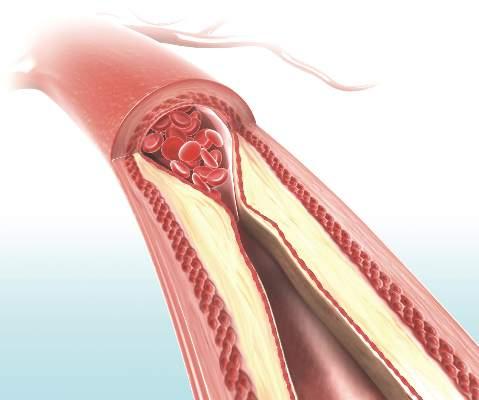
Can the Mediterranean Diet Reduce the Risk of Hip Fracture?
Eating a Mediterranean diet full of fruits, vegetables, fish, nuts, legumes, and whole grains is associated with a slightly lower risk of hip fracture in women, according to a study published online ahead of print in JAMA Internal Medicine.
Researchers analyzed data on diet and fracture risk in more than 90,000 postmenopausal women (average age, 63.6 years) who were followed for an average of almost 16 years. Diet quality and adherence were assessed by scores on 4 scales: the alternate Mediterranean Diet (aMED); the Healthy Eating Index 2010 (HEI-2010); the Alternate Healthy Eating Index 2010 (AHEI-2010); and the Dietary Approaches to Stop Hypertension (DASH) diet.
Women who scored the highest for adherence to a Mediterranean diet were at lower risk for hip fractures, although the absolute risk reduction was 0.29%. There was no association between a Mediterranean diet and total fracture risk.
A higher HEI-2010 or DASH score was inversely related to the risk of hip fracture, but the finding was not statistically significant. There was no association between HEI-2010, DASH and total fracture risk. The highest scores for AHEI-2010 were not significantly associated with hip or total fracture risk.
Suggested Reading
Haring B, Crandall CJ, Wu C, et al. Dietary patterns and fractures in postmenopausal women: results from the women's health initiative. JAMA Intern Med. 2016 Mar 28. [Epub ahead of print]
Eating a Mediterranean diet full of fruits, vegetables, fish, nuts, legumes, and whole grains is associated with a slightly lower risk of hip fracture in women, according to a study published online ahead of print in JAMA Internal Medicine.
Researchers analyzed data on diet and fracture risk in more than 90,000 postmenopausal women (average age, 63.6 years) who were followed for an average of almost 16 years. Diet quality and adherence were assessed by scores on 4 scales: the alternate Mediterranean Diet (aMED); the Healthy Eating Index 2010 (HEI-2010); the Alternate Healthy Eating Index 2010 (AHEI-2010); and the Dietary Approaches to Stop Hypertension (DASH) diet.
Women who scored the highest for adherence to a Mediterranean diet were at lower risk for hip fractures, although the absolute risk reduction was 0.29%. There was no association between a Mediterranean diet and total fracture risk.
A higher HEI-2010 or DASH score was inversely related to the risk of hip fracture, but the finding was not statistically significant. There was no association between HEI-2010, DASH and total fracture risk. The highest scores for AHEI-2010 were not significantly associated with hip or total fracture risk.
Eating a Mediterranean diet full of fruits, vegetables, fish, nuts, legumes, and whole grains is associated with a slightly lower risk of hip fracture in women, according to a study published online ahead of print in JAMA Internal Medicine.
Researchers analyzed data on diet and fracture risk in more than 90,000 postmenopausal women (average age, 63.6 years) who were followed for an average of almost 16 years. Diet quality and adherence were assessed by scores on 4 scales: the alternate Mediterranean Diet (aMED); the Healthy Eating Index 2010 (HEI-2010); the Alternate Healthy Eating Index 2010 (AHEI-2010); and the Dietary Approaches to Stop Hypertension (DASH) diet.
Women who scored the highest for adherence to a Mediterranean diet were at lower risk for hip fractures, although the absolute risk reduction was 0.29%. There was no association between a Mediterranean diet and total fracture risk.
A higher HEI-2010 or DASH score was inversely related to the risk of hip fracture, but the finding was not statistically significant. There was no association between HEI-2010, DASH and total fracture risk. The highest scores for AHEI-2010 were not significantly associated with hip or total fracture risk.
Suggested Reading
Haring B, Crandall CJ, Wu C, et al. Dietary patterns and fractures in postmenopausal women: results from the women's health initiative. JAMA Intern Med. 2016 Mar 28. [Epub ahead of print]
Suggested Reading
Haring B, Crandall CJ, Wu C, et al. Dietary patterns and fractures in postmenopausal women: results from the women's health initiative. JAMA Intern Med. 2016 Mar 28. [Epub ahead of print]
Rate of Tommy John Surgeries in Young Athletes Is on the Rise
An increasing number of adolescents are undergoing ulnar lateral ligament (UCL) surgery to repair a pitching-related elbow injury, according to a study published online ahead of print in the March issue of the American Journal of Sports Medicine.
Analyzing a database of all ambulatory discharges in New York state, researchers found that 444 patients underwent surgery to repair their UCL between 2002 and 2011. The median age of study participants was 21; most were male.
The total volume of UCL surgeries increased nearly 200% during that time, while the number of UCL reconstructions per 100,000 people tripled from 0.15 to 0.45. Almost all of the growth occurred in two age groups, 17- to 18-year-olds and 19- to 20-year-olds. Patients who had private insurance were 25 times more likely to undergo UCL construction than those with Medicaid.
Suggested Reading
Hodgins JL, Vitale M, Arons RR, et al. Epidemiology of Medial Ulnar Collateral Ligament Reconstruction. Am J Sports Med. 2016 Mar;44(3):729-34. [Epub ahead of print].
An increasing number of adolescents are undergoing ulnar lateral ligament (UCL) surgery to repair a pitching-related elbow injury, according to a study published online ahead of print in the March issue of the American Journal of Sports Medicine.
Analyzing a database of all ambulatory discharges in New York state, researchers found that 444 patients underwent surgery to repair their UCL between 2002 and 2011. The median age of study participants was 21; most were male.
The total volume of UCL surgeries increased nearly 200% during that time, while the number of UCL reconstructions per 100,000 people tripled from 0.15 to 0.45. Almost all of the growth occurred in two age groups, 17- to 18-year-olds and 19- to 20-year-olds. Patients who had private insurance were 25 times more likely to undergo UCL construction than those with Medicaid.
An increasing number of adolescents are undergoing ulnar lateral ligament (UCL) surgery to repair a pitching-related elbow injury, according to a study published online ahead of print in the March issue of the American Journal of Sports Medicine.
Analyzing a database of all ambulatory discharges in New York state, researchers found that 444 patients underwent surgery to repair their UCL between 2002 and 2011. The median age of study participants was 21; most were male.
The total volume of UCL surgeries increased nearly 200% during that time, while the number of UCL reconstructions per 100,000 people tripled from 0.15 to 0.45. Almost all of the growth occurred in two age groups, 17- to 18-year-olds and 19- to 20-year-olds. Patients who had private insurance were 25 times more likely to undergo UCL construction than those with Medicaid.
Suggested Reading
Hodgins JL, Vitale M, Arons RR, et al. Epidemiology of Medial Ulnar Collateral Ligament Reconstruction. Am J Sports Med. 2016 Mar;44(3):729-34. [Epub ahead of print].
Suggested Reading
Hodgins JL, Vitale M, Arons RR, et al. Epidemiology of Medial Ulnar Collateral Ligament Reconstruction. Am J Sports Med. 2016 Mar;44(3):729-34. [Epub ahead of print].
ADHD Medications Are Linked to Diminished Bone Density in Young Patients
Children and adolescents who take medication for attention-deficit hyperactivity disorder (ADHD) show decreased bone density, according to a large cross-sectional study presented at the 2016 Annual Meeting of the American Academy of Orthopaedic Surgeons in Orlando.
Researchers identified 5,315 pediatric patients in the Center for Disease Control and Prevention’s National Health and Nutrition Examination Survey (NHANES) and compared children who were taking an ADHD medication (methylphenidate, desmethylphenidate, dextroamphetamine, atomoxetine, or lisdexamfetamine) with those who were not.
Children taking ADHD medication had lower bone mineral density in the femur, femoral neck, and lumbar spine. Approximately 25% of survey participants who were taking ADHD medication met criteria for osteopenia.
Researchers were able to rule out other potential causes of low bone density in these children, including age, sex, race/ethnicity, and poverty levels. However, the study did not include information on dose, duration of use, or changes in therapy because of the limitations of the NHANES survey data.
Children and adolescents who take medication for attention-deficit hyperactivity disorder (ADHD) show decreased bone density, according to a large cross-sectional study presented at the 2016 Annual Meeting of the American Academy of Orthopaedic Surgeons in Orlando.
Researchers identified 5,315 pediatric patients in the Center for Disease Control and Prevention’s National Health and Nutrition Examination Survey (NHANES) and compared children who were taking an ADHD medication (methylphenidate, desmethylphenidate, dextroamphetamine, atomoxetine, or lisdexamfetamine) with those who were not.
Children taking ADHD medication had lower bone mineral density in the femur, femoral neck, and lumbar spine. Approximately 25% of survey participants who were taking ADHD medication met criteria for osteopenia.
Researchers were able to rule out other potential causes of low bone density in these children, including age, sex, race/ethnicity, and poverty levels. However, the study did not include information on dose, duration of use, or changes in therapy because of the limitations of the NHANES survey data.
Children and adolescents who take medication for attention-deficit hyperactivity disorder (ADHD) show decreased bone density, according to a large cross-sectional study presented at the 2016 Annual Meeting of the American Academy of Orthopaedic Surgeons in Orlando.
Researchers identified 5,315 pediatric patients in the Center for Disease Control and Prevention’s National Health and Nutrition Examination Survey (NHANES) and compared children who were taking an ADHD medication (methylphenidate, desmethylphenidate, dextroamphetamine, atomoxetine, or lisdexamfetamine) with those who were not.
Children taking ADHD medication had lower bone mineral density in the femur, femoral neck, and lumbar spine. Approximately 25% of survey participants who were taking ADHD medication met criteria for osteopenia.
Researchers were able to rule out other potential causes of low bone density in these children, including age, sex, race/ethnicity, and poverty levels. However, the study did not include information on dose, duration of use, or changes in therapy because of the limitations of the NHANES survey data.