User login
Silicosis. Palliative care. Respiratory therapy. Sleep apnea. Immunotherapy.
Occupational and Environmental Health
Severe silicosis in engineered stone fabrication workers: An emerging epidemic
Silicosis is an irreversible fibrotic lung disease caused by inhalation of respirable forms of crystalline silica. Silica exposure is also associated with increased risk for mycobacterial infections, lung cancer, emphysema, autoimmune diseases, and kidney disease (Leung CC, et al. Lancet. 2012;379[9830]:2008; Bang KM, et al. MMWR. 2015;64[5]:117). Engineered stone is a manufactured quartz-based composite increasingly used for countertops in the United States where imports of engineered stone for this use have increased around 800% from 2010 to 2018. With this, reported silicosis cases among engineered stone fabrication workers have risen. Silica content in different stones varies from up to 45% in natural stones (granite) to >90% in engineered stone and quartz. The act of cutting, grinding, sanding, drilling, polishing, and installing this stone puts workers with direct and indirect contact with these tasks at risk for hazardous levels of inhaled silica exposure (OSHA et al. https://www.osha.gov/Publications/OSHA3768.pdf. 2015).

A growing number of cases associated with stone fabrication have been reported worldwide (Kramer MR, et al. Chest. 2012;142[2]:419; Kirby T. Lancet. 2019;393:861). The CDC recently published a report of 18 cases of accelerated silicosis over a two-year period among engineered stone fabrication workers. The majority of patients were aged <50 years, five patients had autoimmune disease, two patients had latent TB, and two died (Rose C, et al. MMWR. 2019;68[38]:813). Thus, the experience of engineered stone fabrication workers appears to parallel that of patient exposed to silica in other occupations.

Control measures (see resources below) for silica exposure, prevention, and medical surveillance have been updated since 2016 at the federal level prompting a recent revision of OSHA’s National Emphasis Program for respirable crystalline silica as of February 2020 (OSHA, https://www.osha.gov/news/newsreleases/trade/02052020, published February 5, 2020). Despite these measures, enforcement within the stone fabrication industry remains challenging. Small-scale operations with limited expertise in exposure control combined with high density of immigrant workers with limited health-care access and potential threat of retaliation have limited compliance with updated standards (Rose C, et al. MMWR. 2019;68[38]:813).
Silicosis is preventable, and efforts to minimize workplace exposure and enhance medical surveillance of stone fabrication workers should be prioritized.
Useful resources for silica workplace control measures:
https://www.cdph.ca.gov/silica-stonefabricators
https://www.cdc.gov/niosh/topics/silica/
https://www.osha.gov/sites/default/files/enforcement/directives/CPL_03-00-023.pdf
Sujith Cherian MD, FCCP
Haala Rokadia MD, FCCP
Steering Committee Members
Palliative and end-of-life care
Building primary palliative care competencies in the CHEST community
The CHEST community cares for many patients with serious illnesses characterized by a high risk of mortality, burdensome symptoms or treatments, and caregiver distress, which negatively impact quality of life (QOL) (Kelly, et al. J Palliat Med. 2018;21[S2]:S7). Specialist palliative care (PC) clinicians work in partnership with other specialties to optimize QOL and alleviate suffering for seriously ill patients (i.e., advanced or chronic respiratory disease and/or critical illness).
Referral for specialist PC integration should be based on the complex needs of patients and not prognosis. PC can and should be delivered alongside disease-directed and life-prolonging therapies. Early PC referral in serious illness has been associated with improved QOL, better prognostic awareness, and, in some instances, increased survival. Additionally, reductions in medical costs at the end-of-life have been observed with early PC integration (Parikh, et al. N Engl J Med. 2013;369[24]:2347). However, patients with chronic or advanced respiratory diseases often receive PC late, if at all (Brown, et al. Ann Am Thorac Soc. 2016;13[5]:684). This might be explained by significant shortages within the PC workforce, misconceptions that PC is only delivered at the end of life, and limited proficiency or comfort in primary PC delivery. Primary PC competencies have already been defined for pulmonary and critical care clinicians (Lanken, et al. Am J Respir Crit Care Med. 2008;177:912). The Palliative and End-of-Life Care NetWork is focused on promoting awareness of specialty PC while providing education and resources to support primary PC competencies within the CHEST community. Look for NetWork-sponsored sessions at the annual meeting and follow conversations on social media using the hashtag #CHESTPalCare.
Dina Khateeb, DO
Fellow-in-Training Member
Respiratory care
I am a new respiratory therapist and a team member
It’s 11:00 pm and relatively quiet in the ICU. Then, that all too familiar sound, Code Blue. I rush to the room and assess the situation. As a new grad, this is one of the skills I am still developing; balancing my adrenaline with critical thinking in order to help manage the situation. Whether it is an unplanned extubation, acute respiratory failure, or cardiac arrest, as the respiratory therapist, I am there to bring an expertise to the assessment and management of airway and breathing. Once the crisis is resolved, my work is not done. I remain at the bedside to ensure ventilator management, explain to the family the respiratory interventions, and work with the medical team to implement the best plan of care.

As the bedside RT, I have unique perspective and training. My education prepared me with the knowledge base to work in this arena, but I still have so much to learn. And, as a new grad, one of the biggest lessons I have learned so far is to speak up. Whether it is during rounds, a code situation, or just conversations with the team. I owe it to my patients to advocate for their care and provide the expertise that I bring to the team. To the doctor or nurse, I hope you will give me that opportunity to help care for our patients; to learn; and even teach to improve that care.
Bethlehem Markos
Fellow-in-Training Member
Sleep medicine
What’s new in the sleep apnea treatment pipeline?
While weight loss in obese patients with sleep apnea is an effective treatment strategy, researchers honed in on a particular site of impact – the tongue fat (Wang SH, et al. Am J Respir Crit Care Med.2020;201[6]:718). After a weight loss program, they studied the changes in the tongue, pterygoid, lateral pharyngeal wall, and abdominal fat volumes using MRI. It turned out that reduced tongue fat volume was the primary mediator associated with AHI improvement. The authors suggested a reduction in tongue fat volume may be a potential OSA treatment strategy. Future studies will tell whether this is feasible and effective.

Recently, the FDA approved a new medication to treat residual daytime sleepiness in patients with sleep apnea – solriamfetol. Like other wake-promoting agents, it acts on the central nervous system and improves the reuptake of dopamine and norepinephrine. We look forward to head-to-head studies with current agents (modafinil or armodafinil).
Though not entirely new, two devices have been gaining popularity for sleep apnea treatment. Both are nerve stimulators: one designed for obstructive sleep apnea, is a hypoglossal nerve stimulator; the other, a treatment for central sleep apnea, is a phrenic nerve stimulator. They are slowly gaining popularity, though their invasive nature, patient selection criteria, and cost may limit their widespread adaption. More importantly, data on long-term outcomes and impact on hard endpoints such as mortality and reduction in cardiovascular morbidity are sparse.
Ritwick Agrawal, MD, MS, FCCP
Steering Committee Member
Thoracic oncology
The long and winding treatment road of advanced lung cancer: Long-term outcomes with immunotherapy
Immune checkpoint inhibitors (ICIs) have transformed the landscape in advanced non-small cell lung cancer (NSCLC) treatment, extending progression-free survival (PFS) and overall survival (OS).

Pembrolizumab is approved in advanced NSCLC with ≥50% PD-L1 expression based on KEYNOTE-024 trial.1 Recent updated analysis of KEYNOTE 024 trial2 showed that patients with advanced NSCLC treated with pembrolizumab had a median OS of 30.0 months compared with 14.2 months for those treated with chemotherapy. More recently, 5-year outcomes of KEYNOTE-001 trial3 showed that OS was 23.2% for treatment-naive patients and 15.5% for previously treated patients with no grade 4 or 5 treatment-related adverse events.
Nivolumab is approved for the treatment of patients with advanced NSCLC with progression of disease after standard chemotherapy (regardless of PD-L1 expression) based on CHECKMATE 017/057 trials.4,5 OS at 5 years in recently presented pooled analysis of these trials was 13.4% in nivolumab arm compared to 2.6% in docetaxel arm with a PFS of 8% and 0% respectively.6,7 Median duration of response was 19.9 months vs 5.6 months. At 5 years, almost one-third of patients who responded to the nivolumab were without disease progression. Similarly, a recent 5-year analysis of patients with advanced NSCLC treated with nivolumab showed OS of 16%, identical for squamous and nonsquamous histology. 75% of 5-year survivors were without disease progression.8
Treatment with immunotherapy in advanced NSCLC has resulted in a dramatic change in outcomes with a small percent of patients able to achieve durable responses.
Hiren Mehta, MD, FCCP
Steering Committee Member
References
1. N Engl J Med. 2016; 375:1823.
2. J Clin Oncol. 2019; 37:537.
3. J Clin Oncol. 2019; 37:2518.
4. N Engl J Med. 2015; 373:123.
5. N Engl J Med. 2015; 373:1627.6. J Clin Oncol 2017; 35:3924.
7. https://wclc2019.iaslc.org/wp-content/uploads/2019/08/WCLC2019-Abstract-Book_web-friendly.pdf
8. J Clin Oncol. 2018;36:1675.
Occupational and Environmental Health
Severe silicosis in engineered stone fabrication workers: An emerging epidemic
Silicosis is an irreversible fibrotic lung disease caused by inhalation of respirable forms of crystalline silica. Silica exposure is also associated with increased risk for mycobacterial infections, lung cancer, emphysema, autoimmune diseases, and kidney disease (Leung CC, et al. Lancet. 2012;379[9830]:2008; Bang KM, et al. MMWR. 2015;64[5]:117). Engineered stone is a manufactured quartz-based composite increasingly used for countertops in the United States where imports of engineered stone for this use have increased around 800% from 2010 to 2018. With this, reported silicosis cases among engineered stone fabrication workers have risen. Silica content in different stones varies from up to 45% in natural stones (granite) to >90% in engineered stone and quartz. The act of cutting, grinding, sanding, drilling, polishing, and installing this stone puts workers with direct and indirect contact with these tasks at risk for hazardous levels of inhaled silica exposure (OSHA et al. https://www.osha.gov/Publications/OSHA3768.pdf. 2015).
A growing number of cases associated with stone fabrication have been reported worldwide (Kramer MR, et al. Chest. 2012;142[2]:419; Kirby T. Lancet. 2019;393:861). The CDC recently published a report of 18 cases of accelerated silicosis over a two-year period among engineered stone fabrication workers. The majority of patients were aged <50 years, five patients had autoimmune disease, two patients had latent TB, and two died (Rose C, et al. MMWR. 2019;68[38]:813). Thus, the experience of engineered stone fabrication workers appears to parallel that of patient exposed to silica in other occupations.
Control measures (see resources below) for silica exposure, prevention, and medical surveillance have been updated since 2016 at the federal level prompting a recent revision of OSHA’s National Emphasis Program for respirable crystalline silica as of February 2020 (OSHA, https://www.osha.gov/news/newsreleases/trade/02052020, published February 5, 2020). Despite these measures, enforcement within the stone fabrication industry remains challenging. Small-scale operations with limited expertise in exposure control combined with high density of immigrant workers with limited health-care access and potential threat of retaliation have limited compliance with updated standards (Rose C, et al. MMWR. 2019;68[38]:813).
Silicosis is preventable, and efforts to minimize workplace exposure and enhance medical surveillance of stone fabrication workers should be prioritized.
Useful resources for silica workplace control measures:
https://www.cdph.ca.gov/silica-stonefabricators
https://www.cdc.gov/niosh/topics/silica/
https://www.osha.gov/sites/default/files/enforcement/directives/CPL_03-00-023.pdf
Sujith Cherian MD, FCCP
Haala Rokadia MD, FCCP
Steering Committee Members
Palliative and end-of-life care
Building primary palliative care competencies in the CHEST community
The CHEST community cares for many patients with serious illnesses characterized by a high risk of mortality, burdensome symptoms or treatments, and caregiver distress, which negatively impact quality of life (QOL) (Kelly, et al. J Palliat Med. 2018;21[S2]:S7). Specialist palliative care (PC) clinicians work in partnership with other specialties to optimize QOL and alleviate suffering for seriously ill patients (i.e., advanced or chronic respiratory disease and/or critical illness).
Referral for specialist PC integration should be based on the complex needs of patients and not prognosis. PC can and should be delivered alongside disease-directed and life-prolonging therapies. Early PC referral in serious illness has been associated with improved QOL, better prognostic awareness, and, in some instances, increased survival. Additionally, reductions in medical costs at the end-of-life have been observed with early PC integration (Parikh, et al. N Engl J Med. 2013;369[24]:2347). However, patients with chronic or advanced respiratory diseases often receive PC late, if at all (Brown, et al. Ann Am Thorac Soc. 2016;13[5]:684). This might be explained by significant shortages within the PC workforce, misconceptions that PC is only delivered at the end of life, and limited proficiency or comfort in primary PC delivery. Primary PC competencies have already been defined for pulmonary and critical care clinicians (Lanken, et al. Am J Respir Crit Care Med. 2008;177:912). The Palliative and End-of-Life Care NetWork is focused on promoting awareness of specialty PC while providing education and resources to support primary PC competencies within the CHEST community. Look for NetWork-sponsored sessions at the annual meeting and follow conversations on social media using the hashtag #CHESTPalCare.
Dina Khateeb, DO
Fellow-in-Training Member
Respiratory care
I am a new respiratory therapist and a team member
It’s 11:00 pm and relatively quiet in the ICU. Then, that all too familiar sound, Code Blue. I rush to the room and assess the situation. As a new grad, this is one of the skills I am still developing; balancing my adrenaline with critical thinking in order to help manage the situation. Whether it is an unplanned extubation, acute respiratory failure, or cardiac arrest, as the respiratory therapist, I am there to bring an expertise to the assessment and management of airway and breathing. Once the crisis is resolved, my work is not done. I remain at the bedside to ensure ventilator management, explain to the family the respiratory interventions, and work with the medical team to implement the best plan of care.
As the bedside RT, I have unique perspective and training. My education prepared me with the knowledge base to work in this arena, but I still have so much to learn. And, as a new grad, one of the biggest lessons I have learned so far is to speak up. Whether it is during rounds, a code situation, or just conversations with the team. I owe it to my patients to advocate for their care and provide the expertise that I bring to the team. To the doctor or nurse, I hope you will give me that opportunity to help care for our patients; to learn; and even teach to improve that care.
Bethlehem Markos
Fellow-in-Training Member
Sleep medicine
What’s new in the sleep apnea treatment pipeline?
While weight loss in obese patients with sleep apnea is an effective treatment strategy, researchers honed in on a particular site of impact – the tongue fat (Wang SH, et al. Am J Respir Crit Care Med.2020;201[6]:718). After a weight loss program, they studied the changes in the tongue, pterygoid, lateral pharyngeal wall, and abdominal fat volumes using MRI. It turned out that reduced tongue fat volume was the primary mediator associated with AHI improvement. The authors suggested a reduction in tongue fat volume may be a potential OSA treatment strategy. Future studies will tell whether this is feasible and effective.
Recently, the FDA approved a new medication to treat residual daytime sleepiness in patients with sleep apnea – solriamfetol. Like other wake-promoting agents, it acts on the central nervous system and improves the reuptake of dopamine and norepinephrine. We look forward to head-to-head studies with current agents (modafinil or armodafinil).
Though not entirely new, two devices have been gaining popularity for sleep apnea treatment. Both are nerve stimulators: one designed for obstructive sleep apnea, is a hypoglossal nerve stimulator; the other, a treatment for central sleep apnea, is a phrenic nerve stimulator. They are slowly gaining popularity, though their invasive nature, patient selection criteria, and cost may limit their widespread adaption. More importantly, data on long-term outcomes and impact on hard endpoints such as mortality and reduction in cardiovascular morbidity are sparse.
Ritwick Agrawal, MD, MS, FCCP
Steering Committee Member
Thoracic oncology
The long and winding treatment road of advanced lung cancer: Long-term outcomes with immunotherapy
Immune checkpoint inhibitors (ICIs) have transformed the landscape in advanced non-small cell lung cancer (NSCLC) treatment, extending progression-free survival (PFS) and overall survival (OS).
Pembrolizumab is approved in advanced NSCLC with ≥50% PD-L1 expression based on KEYNOTE-024 trial.1 Recent updated analysis of KEYNOTE 024 trial2 showed that patients with advanced NSCLC treated with pembrolizumab had a median OS of 30.0 months compared with 14.2 months for those treated with chemotherapy. More recently, 5-year outcomes of KEYNOTE-001 trial3 showed that OS was 23.2% for treatment-naive patients and 15.5% for previously treated patients with no grade 4 or 5 treatment-related adverse events.
Nivolumab is approved for the treatment of patients with advanced NSCLC with progression of disease after standard chemotherapy (regardless of PD-L1 expression) based on CHECKMATE 017/057 trials.4,5 OS at 5 years in recently presented pooled analysis of these trials was 13.4% in nivolumab arm compared to 2.6% in docetaxel arm with a PFS of 8% and 0% respectively.6,7 Median duration of response was 19.9 months vs 5.6 months. At 5 years, almost one-third of patients who responded to the nivolumab were without disease progression. Similarly, a recent 5-year analysis of patients with advanced NSCLC treated with nivolumab showed OS of 16%, identical for squamous and nonsquamous histology. 75% of 5-year survivors were without disease progression.8
Treatment with immunotherapy in advanced NSCLC has resulted in a dramatic change in outcomes with a small percent of patients able to achieve durable responses.
Hiren Mehta, MD, FCCP
Steering Committee Member
References
1. N Engl J Med. 2016; 375:1823.
2. J Clin Oncol. 2019; 37:537.
3. J Clin Oncol. 2019; 37:2518.
4. N Engl J Med. 2015; 373:123.
5. N Engl J Med. 2015; 373:1627.6. J Clin Oncol 2017; 35:3924.
7. https://wclc2019.iaslc.org/wp-content/uploads/2019/08/WCLC2019-Abstract-Book_web-friendly.pdf
8. J Clin Oncol. 2018;36:1675.
Occupational and Environmental Health
Severe silicosis in engineered stone fabrication workers: An emerging epidemic
Silicosis is an irreversible fibrotic lung disease caused by inhalation of respirable forms of crystalline silica. Silica exposure is also associated with increased risk for mycobacterial infections, lung cancer, emphysema, autoimmune diseases, and kidney disease (Leung CC, et al. Lancet. 2012;379[9830]:2008; Bang KM, et al. MMWR. 2015;64[5]:117). Engineered stone is a manufactured quartz-based composite increasingly used for countertops in the United States where imports of engineered stone for this use have increased around 800% from 2010 to 2018. With this, reported silicosis cases among engineered stone fabrication workers have risen. Silica content in different stones varies from up to 45% in natural stones (granite) to >90% in engineered stone and quartz. The act of cutting, grinding, sanding, drilling, polishing, and installing this stone puts workers with direct and indirect contact with these tasks at risk for hazardous levels of inhaled silica exposure (OSHA et al. https://www.osha.gov/Publications/OSHA3768.pdf. 2015).
A growing number of cases associated with stone fabrication have been reported worldwide (Kramer MR, et al. Chest. 2012;142[2]:419; Kirby T. Lancet. 2019;393:861). The CDC recently published a report of 18 cases of accelerated silicosis over a two-year period among engineered stone fabrication workers. The majority of patients were aged <50 years, five patients had autoimmune disease, two patients had latent TB, and two died (Rose C, et al. MMWR. 2019;68[38]:813). Thus, the experience of engineered stone fabrication workers appears to parallel that of patient exposed to silica in other occupations.
Control measures (see resources below) for silica exposure, prevention, and medical surveillance have been updated since 2016 at the federal level prompting a recent revision of OSHA’s National Emphasis Program for respirable crystalline silica as of February 2020 (OSHA, https://www.osha.gov/news/newsreleases/trade/02052020, published February 5, 2020). Despite these measures, enforcement within the stone fabrication industry remains challenging. Small-scale operations with limited expertise in exposure control combined with high density of immigrant workers with limited health-care access and potential threat of retaliation have limited compliance with updated standards (Rose C, et al. MMWR. 2019;68[38]:813).
Silicosis is preventable, and efforts to minimize workplace exposure and enhance medical surveillance of stone fabrication workers should be prioritized.
Useful resources for silica workplace control measures:
https://www.cdph.ca.gov/silica-stonefabricators
https://www.cdc.gov/niosh/topics/silica/
https://www.osha.gov/sites/default/files/enforcement/directives/CPL_03-00-023.pdf
Sujith Cherian MD, FCCP
Haala Rokadia MD, FCCP
Steering Committee Members
Palliative and end-of-life care
Building primary palliative care competencies in the CHEST community
The CHEST community cares for many patients with serious illnesses characterized by a high risk of mortality, burdensome symptoms or treatments, and caregiver distress, which negatively impact quality of life (QOL) (Kelly, et al. J Palliat Med. 2018;21[S2]:S7). Specialist palliative care (PC) clinicians work in partnership with other specialties to optimize QOL and alleviate suffering for seriously ill patients (i.e., advanced or chronic respiratory disease and/or critical illness).
Referral for specialist PC integration should be based on the complex needs of patients and not prognosis. PC can and should be delivered alongside disease-directed and life-prolonging therapies. Early PC referral in serious illness has been associated with improved QOL, better prognostic awareness, and, in some instances, increased survival. Additionally, reductions in medical costs at the end-of-life have been observed with early PC integration (Parikh, et al. N Engl J Med. 2013;369[24]:2347). However, patients with chronic or advanced respiratory diseases often receive PC late, if at all (Brown, et al. Ann Am Thorac Soc. 2016;13[5]:684). This might be explained by significant shortages within the PC workforce, misconceptions that PC is only delivered at the end of life, and limited proficiency or comfort in primary PC delivery. Primary PC competencies have already been defined for pulmonary and critical care clinicians (Lanken, et al. Am J Respir Crit Care Med. 2008;177:912). The Palliative and End-of-Life Care NetWork is focused on promoting awareness of specialty PC while providing education and resources to support primary PC competencies within the CHEST community. Look for NetWork-sponsored sessions at the annual meeting and follow conversations on social media using the hashtag #CHESTPalCare.
Dina Khateeb, DO
Fellow-in-Training Member
Respiratory care
I am a new respiratory therapist and a team member
It’s 11:00 pm and relatively quiet in the ICU. Then, that all too familiar sound, Code Blue. I rush to the room and assess the situation. As a new grad, this is one of the skills I am still developing; balancing my adrenaline with critical thinking in order to help manage the situation. Whether it is an unplanned extubation, acute respiratory failure, or cardiac arrest, as the respiratory therapist, I am there to bring an expertise to the assessment and management of airway and breathing. Once the crisis is resolved, my work is not done. I remain at the bedside to ensure ventilator management, explain to the family the respiratory interventions, and work with the medical team to implement the best plan of care.
As the bedside RT, I have unique perspective and training. My education prepared me with the knowledge base to work in this arena, but I still have so much to learn. And, as a new grad, one of the biggest lessons I have learned so far is to speak up. Whether it is during rounds, a code situation, or just conversations with the team. I owe it to my patients to advocate for their care and provide the expertise that I bring to the team. To the doctor or nurse, I hope you will give me that opportunity to help care for our patients; to learn; and even teach to improve that care.
Bethlehem Markos
Fellow-in-Training Member
Sleep medicine
What’s new in the sleep apnea treatment pipeline?
While weight loss in obese patients with sleep apnea is an effective treatment strategy, researchers honed in on a particular site of impact – the tongue fat (Wang SH, et al. Am J Respir Crit Care Med.2020;201[6]:718). After a weight loss program, they studied the changes in the tongue, pterygoid, lateral pharyngeal wall, and abdominal fat volumes using MRI. It turned out that reduced tongue fat volume was the primary mediator associated with AHI improvement. The authors suggested a reduction in tongue fat volume may be a potential OSA treatment strategy. Future studies will tell whether this is feasible and effective.
Recently, the FDA approved a new medication to treat residual daytime sleepiness in patients with sleep apnea – solriamfetol. Like other wake-promoting agents, it acts on the central nervous system and improves the reuptake of dopamine and norepinephrine. We look forward to head-to-head studies with current agents (modafinil or armodafinil).
Though not entirely new, two devices have been gaining popularity for sleep apnea treatment. Both are nerve stimulators: one designed for obstructive sleep apnea, is a hypoglossal nerve stimulator; the other, a treatment for central sleep apnea, is a phrenic nerve stimulator. They are slowly gaining popularity, though their invasive nature, patient selection criteria, and cost may limit their widespread adaption. More importantly, data on long-term outcomes and impact on hard endpoints such as mortality and reduction in cardiovascular morbidity are sparse.
Ritwick Agrawal, MD, MS, FCCP
Steering Committee Member
Thoracic oncology
The long and winding treatment road of advanced lung cancer: Long-term outcomes with immunotherapy
Immune checkpoint inhibitors (ICIs) have transformed the landscape in advanced non-small cell lung cancer (NSCLC) treatment, extending progression-free survival (PFS) and overall survival (OS).
Pembrolizumab is approved in advanced NSCLC with ≥50% PD-L1 expression based on KEYNOTE-024 trial.1 Recent updated analysis of KEYNOTE 024 trial2 showed that patients with advanced NSCLC treated with pembrolizumab had a median OS of 30.0 months compared with 14.2 months for those treated with chemotherapy. More recently, 5-year outcomes of KEYNOTE-001 trial3 showed that OS was 23.2% for treatment-naive patients and 15.5% for previously treated patients with no grade 4 or 5 treatment-related adverse events.
Nivolumab is approved for the treatment of patients with advanced NSCLC with progression of disease after standard chemotherapy (regardless of PD-L1 expression) based on CHECKMATE 017/057 trials.4,5 OS at 5 years in recently presented pooled analysis of these trials was 13.4% in nivolumab arm compared to 2.6% in docetaxel arm with a PFS of 8% and 0% respectively.6,7 Median duration of response was 19.9 months vs 5.6 months. At 5 years, almost one-third of patients who responded to the nivolumab were without disease progression. Similarly, a recent 5-year analysis of patients with advanced NSCLC treated with nivolumab showed OS of 16%, identical for squamous and nonsquamous histology. 75% of 5-year survivors were without disease progression.8
Treatment with immunotherapy in advanced NSCLC has resulted in a dramatic change in outcomes with a small percent of patients able to achieve durable responses.
Hiren Mehta, MD, FCCP
Steering Committee Member
References
1. N Engl J Med. 2016; 375:1823.
2. J Clin Oncol. 2019; 37:537.
3. J Clin Oncol. 2019; 37:2518.
4. N Engl J Med. 2015; 373:123.
5. N Engl J Med. 2015; 373:1627.6. J Clin Oncol 2017; 35:3924.
7. https://wclc2019.iaslc.org/wp-content/uploads/2019/08/WCLC2019-Abstract-Book_web-friendly.pdf
8. J Clin Oncol. 2018;36:1675.
Meet the FISH Bowl finalists
CHEST 2019 marked the inaugural FISH Bowl competition for attendees. Inspired by Shark Tank, our kinder, gentler, yet still competitive and cutting-edge FISH Bowl (Furthering Innovation and Science for Health) featured CHEST members disrupting our beliefs about how clinical care and education are performed. As health-care providers, they presented innovative ideas pertaining to education and clinical disease for pulmonary, critical care, and sleep medicine. Six finalists were chosen from dozens of submissions, and three emerged winners. In this new Meet the FISH Bowl Finalists series, CHEST introduces you to many of them – including Education Category Finalist Dr. Cota.
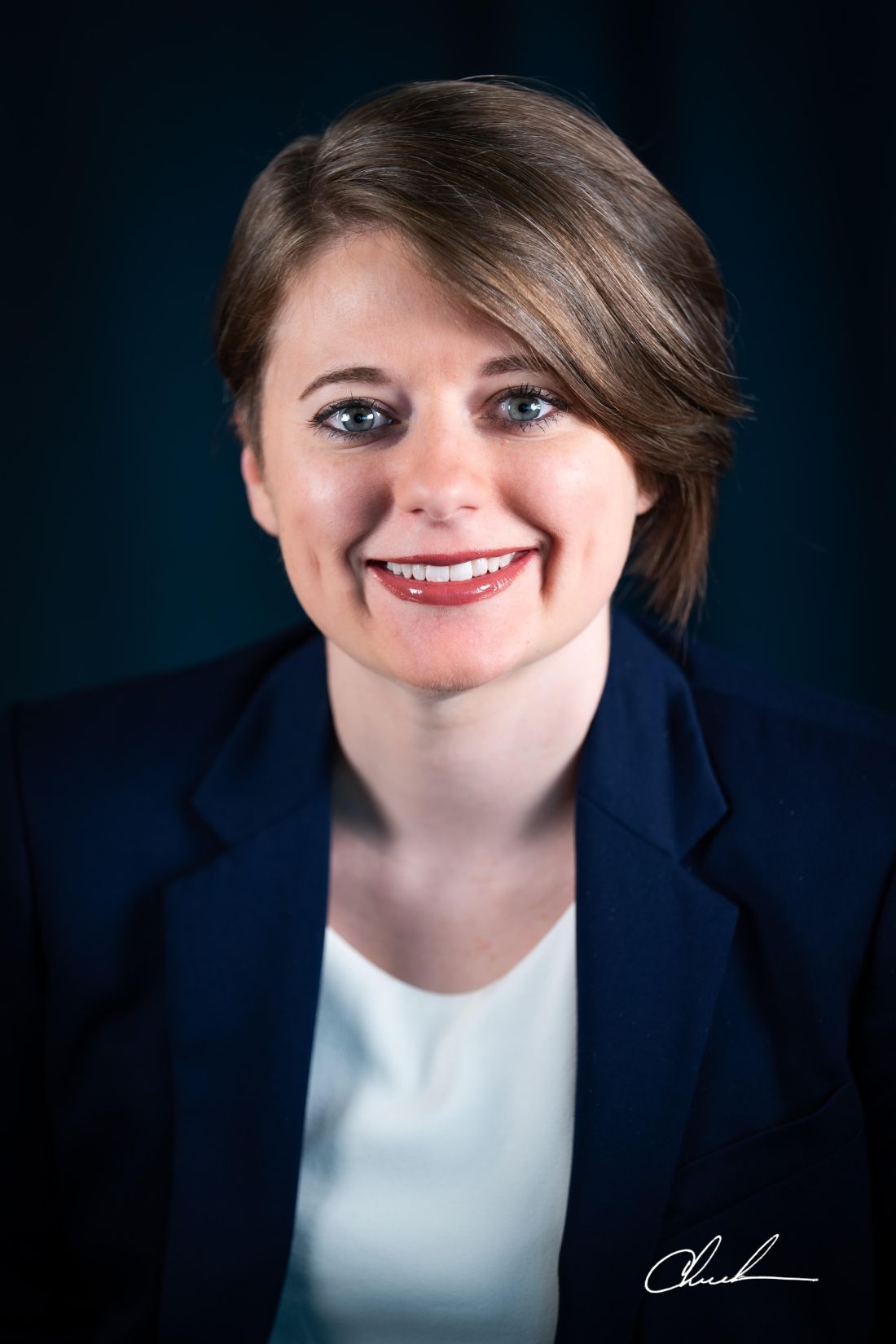
Name: Donna Cota, DO
Institutional Affiliation: Baystate Medical Center, PGY5 Critical Care
Position: 2nd Year Fellow in PGY5 Critical Care
Title: Time to Vent: A Blended Learning Experience
Brief Summary of Submission: Time to Vent is a blended learning experience focused on ventilator management that incorporates modalities for all learning types. It includes a handout, audio/visual presentation, and practice case scenarios.
1. What inspired your innovation? I remembered that as a resident, I had a very difficult time understanding ventilators and worked hard to try to understand them on my own. When I started fellowship, I thought I understood ventilator management and then realized I was still wrong. I have focused my training on education, and I wanted to create a concise resource geared toward the fundamentals of ventilators for the benefit of educational levels.
2. Who do you think can benefit most from it, and why? Right now, I have focused the project on teaching residents of varying specialties, such as internal medicine and emergency medicine. They are still in training and rotate through ICUs, needing to understand ventilators for effective patient care and questions are present on their board examinations.
3. What do you see as challenges to your innovation gaining widespread acceptance? How can they be overcome? The biggest challenge is making the website able to be found on Google. This is a work in progress. However, right now, the link is sent via email to interested parties.
4. Why was it meaningful for you to emerge as a finalist in FISH Bowl 2019? It built confidence that my lifelong project is important and has merit to it. And, it ended up becoming a way for people to learn about the project and ask me for the link.
5. What future do you envision for your innovation beyond FISH Bowl 2019? I am still going to continue to improve the project with current endeavors to include a piece on waveforms and dyssynchrony of the ventilator. My ultimate goal is to create a free virtual ventilator simulator with practice cases.
CHEST 2019 marked the inaugural FISH Bowl competition for attendees. Inspired by Shark Tank, our kinder, gentler, yet still competitive and cutting-edge FISH Bowl (Furthering Innovation and Science for Health) featured CHEST members disrupting our beliefs about how clinical care and education are performed. As health-care providers, they presented innovative ideas pertaining to education and clinical disease for pulmonary, critical care, and sleep medicine. Six finalists were chosen from dozens of submissions, and three emerged winners. In this new Meet the FISH Bowl Finalists series, CHEST introduces you to many of them – including Education Category Finalist Dr. Cota.
Name: Donna Cota, DO
Institutional Affiliation: Baystate Medical Center, PGY5 Critical Care
Position: 2nd Year Fellow in PGY5 Critical Care
Title: Time to Vent: A Blended Learning Experience
Brief Summary of Submission: Time to Vent is a blended learning experience focused on ventilator management that incorporates modalities for all learning types. It includes a handout, audio/visual presentation, and practice case scenarios.
1. What inspired your innovation? I remembered that as a resident, I had a very difficult time understanding ventilators and worked hard to try to understand them on my own. When I started fellowship, I thought I understood ventilator management and then realized I was still wrong. I have focused my training on education, and I wanted to create a concise resource geared toward the fundamentals of ventilators for the benefit of educational levels.
2. Who do you think can benefit most from it, and why? Right now, I have focused the project on teaching residents of varying specialties, such as internal medicine and emergency medicine. They are still in training and rotate through ICUs, needing to understand ventilators for effective patient care and questions are present on their board examinations.
3. What do you see as challenges to your innovation gaining widespread acceptance? How can they be overcome? The biggest challenge is making the website able to be found on Google. This is a work in progress. However, right now, the link is sent via email to interested parties.
4. Why was it meaningful for you to emerge as a finalist in FISH Bowl 2019? It built confidence that my lifelong project is important and has merit to it. And, it ended up becoming a way for people to learn about the project and ask me for the link.
5. What future do you envision for your innovation beyond FISH Bowl 2019? I am still going to continue to improve the project with current endeavors to include a piece on waveforms and dyssynchrony of the ventilator. My ultimate goal is to create a free virtual ventilator simulator with practice cases.
CHEST 2019 marked the inaugural FISH Bowl competition for attendees. Inspired by Shark Tank, our kinder, gentler, yet still competitive and cutting-edge FISH Bowl (Furthering Innovation and Science for Health) featured CHEST members disrupting our beliefs about how clinical care and education are performed. As health-care providers, they presented innovative ideas pertaining to education and clinical disease for pulmonary, critical care, and sleep medicine. Six finalists were chosen from dozens of submissions, and three emerged winners. In this new Meet the FISH Bowl Finalists series, CHEST introduces you to many of them – including Education Category Finalist Dr. Cota.
Name: Donna Cota, DO
Institutional Affiliation: Baystate Medical Center, PGY5 Critical Care
Position: 2nd Year Fellow in PGY5 Critical Care
Title: Time to Vent: A Blended Learning Experience
Brief Summary of Submission: Time to Vent is a blended learning experience focused on ventilator management that incorporates modalities for all learning types. It includes a handout, audio/visual presentation, and practice case scenarios.
1. What inspired your innovation? I remembered that as a resident, I had a very difficult time understanding ventilators and worked hard to try to understand them on my own. When I started fellowship, I thought I understood ventilator management and then realized I was still wrong. I have focused my training on education, and I wanted to create a concise resource geared toward the fundamentals of ventilators for the benefit of educational levels.
2. Who do you think can benefit most from it, and why? Right now, I have focused the project on teaching residents of varying specialties, such as internal medicine and emergency medicine. They are still in training and rotate through ICUs, needing to understand ventilators for effective patient care and questions are present on their board examinations.
3. What do you see as challenges to your innovation gaining widespread acceptance? How can they be overcome? The biggest challenge is making the website able to be found on Google. This is a work in progress. However, right now, the link is sent via email to interested parties.
4. Why was it meaningful for you to emerge as a finalist in FISH Bowl 2019? It built confidence that my lifelong project is important and has merit to it. And, it ended up becoming a way for people to learn about the project and ask me for the link.
5. What future do you envision for your innovation beyond FISH Bowl 2019? I am still going to continue to improve the project with current endeavors to include a piece on waveforms and dyssynchrony of the ventilator. My ultimate goal is to create a free virtual ventilator simulator with practice cases.
The “Windy City” waits for you!
CHEST Annual Meeting 2020 will be here before you know it and we’re here to guide you through our Second City home, Chicago, Illinois. We’re so excited to be hosting CHEST 2020 in our backyard this year and want to help you experience everything that the city has to offer when you aren’t taking in the latest education in clinical chest medicine.
Whether you’re looking to embrace the culture, discover new shops, seeking entertainment, or just looking for a photo opportunity, we’ve got you covered. There’s something for everyone! Here are a few suggestions to keep you busy after your courses and sessions end.
Millennium Park Campus
Located in the heart of the city, Millennium Park is home to the Art Institute of Chicago, Cloud Gate (“The Bean”), Maggie Daley Park, Crown Fountain, Park Grill restaurant, and more. This is the perfect place to take a fall stroll this October.
Cloud Gate (the bean)
Undoubtedly, one of Chicago’s most popular attractions, this reflective sculpture opposite of Millennium Park is a must for the perfect selfie. Don’t forget to bring your selfie stick to optimize your angles!
Field Museum
One of the largest history museums in the world, this space is filled with an extensive collection of artifacts and scientific-specimens, along with educational programs. Whether you’re interested in browsing through photo archives, taking a public tour, or strolling through the library of over 275,000 books, it would be easy to spend a few hours here during your breaks. (Kids will love it too!)
Wrigley Field Tours
The World Series is set to start during the meeting, fingers crossed the Cubs will be making a return to Wrigley Field. Regardless, you can still attend an off-season tour allowing you to visit the Visitors’ clubhouse, Cubs’ dugout, field, American Airlines 1914 Club, Maker’s Mark Barrel Room, and The W Club at the home of the Chicago Cubs.
Starbucks Reserve Roastery
While you’re strolling on Michigan Avenue, be sure to stop by the world’s largest Starbucks. Enjoy a latte while you take a tour of the roastery or even experience a master tasting.
Take a river boat tour
Embrace the outdoors by taking a scenic cruise on the Chicago River during a boat tour. Choose from tours that highlight architecture, classic Chicago spots, a dinner cruise, and more.
Skydeck Chicago
Take a step out on the Ledge during your stay in Chicago. Test your limits on the 103rd floor of the Willis Tower by stepping onto a glass platform 1,353 feet in the air. Skydeck Chicago also features museum-quality exhibits and theater presentation, Reaching For The Sky.
Navy Pier
Stretching more than 3,000 feet along the shoreline of Lake Michigan, Navy Pier offers access to parks, gardens, shops, dining experiences, live entertainment, and more. If you’re looking for an engaging experience for kids, Navy Pier is also home to the Chicago Children’s Museum.
Frank Lloyd Wright Tours
Wrap up your time in Chicago with the Wright Along the Lake tour, a half-day guided bus tour featuring some of Wright’s most iconic sites in Chicago. Tours are also available for select sites including the Frederick C. Robie House and the Rookery Light Court.
The Magnificent Mile
One of the most iconic shopping centers in the world, The Magnificent Mile stretches across downtown Michigan Avenue and features historic landmarks, more than 460 retailers, and more than 275 restaurants.
Don’t forget to bring your jacket for outdoor activities! They don’t call Chicago the Windy City for nothing.
We look forward to exploring clinical chest medicine and the city of Chicago with you at CHEST Annual Meeting 2020 in October. See you there!
CHEST Annual Meeting 2020 will be here before you know it and we’re here to guide you through our Second City home, Chicago, Illinois. We’re so excited to be hosting CHEST 2020 in our backyard this year and want to help you experience everything that the city has to offer when you aren’t taking in the latest education in clinical chest medicine.
Whether you’re looking to embrace the culture, discover new shops, seeking entertainment, or just looking for a photo opportunity, we’ve got you covered. There’s something for everyone! Here are a few suggestions to keep you busy after your courses and sessions end.
Millennium Park Campus
Located in the heart of the city, Millennium Park is home to the Art Institute of Chicago, Cloud Gate (“The Bean”), Maggie Daley Park, Crown Fountain, Park Grill restaurant, and more. This is the perfect place to take a fall stroll this October.
Cloud Gate (the bean)
Undoubtedly, one of Chicago’s most popular attractions, this reflective sculpture opposite of Millennium Park is a must for the perfect selfie. Don’t forget to bring your selfie stick to optimize your angles!
Field Museum
One of the largest history museums in the world, this space is filled with an extensive collection of artifacts and scientific-specimens, along with educational programs. Whether you’re interested in browsing through photo archives, taking a public tour, or strolling through the library of over 275,000 books, it would be easy to spend a few hours here during your breaks. (Kids will love it too!)
Wrigley Field Tours
The World Series is set to start during the meeting, fingers crossed the Cubs will be making a return to Wrigley Field. Regardless, you can still attend an off-season tour allowing you to visit the Visitors’ clubhouse, Cubs’ dugout, field, American Airlines 1914 Club, Maker’s Mark Barrel Room, and The W Club at the home of the Chicago Cubs.
Starbucks Reserve Roastery
While you’re strolling on Michigan Avenue, be sure to stop by the world’s largest Starbucks. Enjoy a latte while you take a tour of the roastery or even experience a master tasting.
Take a river boat tour
Embrace the outdoors by taking a scenic cruise on the Chicago River during a boat tour. Choose from tours that highlight architecture, classic Chicago spots, a dinner cruise, and more.
Skydeck Chicago
Take a step out on the Ledge during your stay in Chicago. Test your limits on the 103rd floor of the Willis Tower by stepping onto a glass platform 1,353 feet in the air. Skydeck Chicago also features museum-quality exhibits and theater presentation, Reaching For The Sky.
Navy Pier
Stretching more than 3,000 feet along the shoreline of Lake Michigan, Navy Pier offers access to parks, gardens, shops, dining experiences, live entertainment, and more. If you’re looking for an engaging experience for kids, Navy Pier is also home to the Chicago Children’s Museum.
Frank Lloyd Wright Tours
Wrap up your time in Chicago with the Wright Along the Lake tour, a half-day guided bus tour featuring some of Wright’s most iconic sites in Chicago. Tours are also available for select sites including the Frederick C. Robie House and the Rookery Light Court.
The Magnificent Mile
One of the most iconic shopping centers in the world, The Magnificent Mile stretches across downtown Michigan Avenue and features historic landmarks, more than 460 retailers, and more than 275 restaurants.
Don’t forget to bring your jacket for outdoor activities! They don’t call Chicago the Windy City for nothing.
We look forward to exploring clinical chest medicine and the city of Chicago with you at CHEST Annual Meeting 2020 in October. See you there!
CHEST Annual Meeting 2020 will be here before you know it and we’re here to guide you through our Second City home, Chicago, Illinois. We’re so excited to be hosting CHEST 2020 in our backyard this year and want to help you experience everything that the city has to offer when you aren’t taking in the latest education in clinical chest medicine.
Whether you’re looking to embrace the culture, discover new shops, seeking entertainment, or just looking for a photo opportunity, we’ve got you covered. There’s something for everyone! Here are a few suggestions to keep you busy after your courses and sessions end.
Millennium Park Campus
Located in the heart of the city, Millennium Park is home to the Art Institute of Chicago, Cloud Gate (“The Bean”), Maggie Daley Park, Crown Fountain, Park Grill restaurant, and more. This is the perfect place to take a fall stroll this October.
Cloud Gate (the bean)
Undoubtedly, one of Chicago’s most popular attractions, this reflective sculpture opposite of Millennium Park is a must for the perfect selfie. Don’t forget to bring your selfie stick to optimize your angles!
Field Museum
One of the largest history museums in the world, this space is filled with an extensive collection of artifacts and scientific-specimens, along with educational programs. Whether you’re interested in browsing through photo archives, taking a public tour, or strolling through the library of over 275,000 books, it would be easy to spend a few hours here during your breaks. (Kids will love it too!)
Wrigley Field Tours
The World Series is set to start during the meeting, fingers crossed the Cubs will be making a return to Wrigley Field. Regardless, you can still attend an off-season tour allowing you to visit the Visitors’ clubhouse, Cubs’ dugout, field, American Airlines 1914 Club, Maker’s Mark Barrel Room, and The W Club at the home of the Chicago Cubs.
Starbucks Reserve Roastery
While you’re strolling on Michigan Avenue, be sure to stop by the world’s largest Starbucks. Enjoy a latte while you take a tour of the roastery or even experience a master tasting.
Take a river boat tour
Embrace the outdoors by taking a scenic cruise on the Chicago River during a boat tour. Choose from tours that highlight architecture, classic Chicago spots, a dinner cruise, and more.
Skydeck Chicago
Take a step out on the Ledge during your stay in Chicago. Test your limits on the 103rd floor of the Willis Tower by stepping onto a glass platform 1,353 feet in the air. Skydeck Chicago also features museum-quality exhibits and theater presentation, Reaching For The Sky.
Navy Pier
Stretching more than 3,000 feet along the shoreline of Lake Michigan, Navy Pier offers access to parks, gardens, shops, dining experiences, live entertainment, and more. If you’re looking for an engaging experience for kids, Navy Pier is also home to the Chicago Children’s Museum.
Frank Lloyd Wright Tours
Wrap up your time in Chicago with the Wright Along the Lake tour, a half-day guided bus tour featuring some of Wright’s most iconic sites in Chicago. Tours are also available for select sites including the Frederick C. Robie House and the Rookery Light Court.
The Magnificent Mile
One of the most iconic shopping centers in the world, The Magnificent Mile stretches across downtown Michigan Avenue and features historic landmarks, more than 460 retailers, and more than 275 restaurants.
Don’t forget to bring your jacket for outdoor activities! They don’t call Chicago the Windy City for nothing.
We look forward to exploring clinical chest medicine and the city of Chicago with you at CHEST Annual Meeting 2020 in October. See you there!
CHEST strengthens advocacy presence with official NAMDRC integration announcement
On Thursday, March 12, The American College of Chest Physicians (CHEST) and the National Association for Medical Direction of Respiratory Care (NAMDRC) announced publicly our official intent to come together as one association, integrating all NAMDRC activities and operations into CHEST.
This integration launch followed months of discussion between CHEST and NAMDRC leadership. Our respective Boards agreed that united efforts will amplify our individual involvement in patient advocacy and policy.

CHEST and NAMDRC have an intertwined purpose of delivering the highest standard of care for our patients. For this reason, our likeminded advocacy agendas can be even better fulfilled when we can leverage strengths from both associations.
CHEST and NAMDRC have shared an overlapping membership and collaborative history of empowering patients through the advancement of public policy and clinical education for decades. In additional to our individual efforts, our associations historically leveraged a combined advocacy presence in Washington D.C. to advance legislation against major tobacco corporations.
Coming together as a joint advocacy-focused organization, the initiation of CHEST’s Health Policy and Advocacy Committee, which will be comprised of an equal selection of CHEST and NAMDRC leadership, will drive CHEST’s advocacy agenda. The committee will work directly with policymakers, and target legislative and regulatory issues impacting pulmonary, critical care, and sleep medicine.
A committee of this kind, dedicated strictly to advocacy efforts, will be absolutely invaluable to our united organization. This group will be a true asset for membership to turn, to voice concerns within our practice, and to direct action on policies that matter to our patients.
Members of both organizations were notified of the integration by email on Wednesday, March 11. Along with email notification, NAMDRC members also received a voting ballot, as the dissolution of a nonprofit organization for Virginia-based organizations requires a vote of approval by membership within a 25-day waiting period.
NAMDRC’s long regarded monthly publication, Washington Watchline, will continue through CHEST, as will the NAMDRC Annual Meeting, slated for next March 18-20, 2021 in Sonoma, California, in conjunction with the CHEST Spring Leadership Meeting.
Concentrating our efforts under one organization allows us offer the best possible opportunities to our membership, patients, and far-reaching network. This is an exciting time for everyone involved, and we are looking forward to seeing all we can accomplish together.
On Thursday, March 12, The American College of Chest Physicians (CHEST) and the National Association for Medical Direction of Respiratory Care (NAMDRC) announced publicly our official intent to come together as one association, integrating all NAMDRC activities and operations into CHEST.
This integration launch followed months of discussion between CHEST and NAMDRC leadership. Our respective Boards agreed that united efforts will amplify our individual involvement in patient advocacy and policy.
CHEST and NAMDRC have an intertwined purpose of delivering the highest standard of care for our patients. For this reason, our likeminded advocacy agendas can be even better fulfilled when we can leverage strengths from both associations.
CHEST and NAMDRC have shared an overlapping membership and collaborative history of empowering patients through the advancement of public policy and clinical education for decades. In additional to our individual efforts, our associations historically leveraged a combined advocacy presence in Washington D.C. to advance legislation against major tobacco corporations.
Coming together as a joint advocacy-focused organization, the initiation of CHEST’s Health Policy and Advocacy Committee, which will be comprised of an equal selection of CHEST and NAMDRC leadership, will drive CHEST’s advocacy agenda. The committee will work directly with policymakers, and target legislative and regulatory issues impacting pulmonary, critical care, and sleep medicine.
A committee of this kind, dedicated strictly to advocacy efforts, will be absolutely invaluable to our united organization. This group will be a true asset for membership to turn, to voice concerns within our practice, and to direct action on policies that matter to our patients.
Members of both organizations were notified of the integration by email on Wednesday, March 11. Along with email notification, NAMDRC members also received a voting ballot, as the dissolution of a nonprofit organization for Virginia-based organizations requires a vote of approval by membership within a 25-day waiting period.
NAMDRC’s long regarded monthly publication, Washington Watchline, will continue through CHEST, as will the NAMDRC Annual Meeting, slated for next March 18-20, 2021 in Sonoma, California, in conjunction with the CHEST Spring Leadership Meeting.
Concentrating our efforts under one organization allows us offer the best possible opportunities to our membership, patients, and far-reaching network. This is an exciting time for everyone involved, and we are looking forward to seeing all we can accomplish together.
On Thursday, March 12, The American College of Chest Physicians (CHEST) and the National Association for Medical Direction of Respiratory Care (NAMDRC) announced publicly our official intent to come together as one association, integrating all NAMDRC activities and operations into CHEST.
This integration launch followed months of discussion between CHEST and NAMDRC leadership. Our respective Boards agreed that united efforts will amplify our individual involvement in patient advocacy and policy.
CHEST and NAMDRC have an intertwined purpose of delivering the highest standard of care for our patients. For this reason, our likeminded advocacy agendas can be even better fulfilled when we can leverage strengths from both associations.
CHEST and NAMDRC have shared an overlapping membership and collaborative history of empowering patients through the advancement of public policy and clinical education for decades. In additional to our individual efforts, our associations historically leveraged a combined advocacy presence in Washington D.C. to advance legislation against major tobacco corporations.
Coming together as a joint advocacy-focused organization, the initiation of CHEST’s Health Policy and Advocacy Committee, which will be comprised of an equal selection of CHEST and NAMDRC leadership, will drive CHEST’s advocacy agenda. The committee will work directly with policymakers, and target legislative and regulatory issues impacting pulmonary, critical care, and sleep medicine.
A committee of this kind, dedicated strictly to advocacy efforts, will be absolutely invaluable to our united organization. This group will be a true asset for membership to turn, to voice concerns within our practice, and to direct action on policies that matter to our patients.
Members of both organizations were notified of the integration by email on Wednesday, March 11. Along with email notification, NAMDRC members also received a voting ballot, as the dissolution of a nonprofit organization for Virginia-based organizations requires a vote of approval by membership within a 25-day waiting period.
NAMDRC’s long regarded monthly publication, Washington Watchline, will continue through CHEST, as will the NAMDRC Annual Meeting, slated for next March 18-20, 2021 in Sonoma, California, in conjunction with the CHEST Spring Leadership Meeting.
Concentrating our efforts under one organization allows us offer the best possible opportunities to our membership, patients, and far-reaching network. This is an exciting time for everyone involved, and we are looking forward to seeing all we can accomplish together.
This month in the journal CHEST®
Editor’s Picks
Characterization of severe asthma worldwide: data from the International Severe Asthma Registry (ISAR). By Dr. D. B. Price, et al.
Validation of the COPD Assessment Test (CAT) as an outcome measure in bronchiectasis. By Dr. J. D. Chalmers, et al.
Comparative effects of LAMA-LABA-ICS versus LAMA-LABA for COPD: Cohort study in real world clinical practice. By Dr. S. Suissa, et al.
Airway Management in Critical Illness: An Update. By Dr. J. Scott, et al.
Extremes of age decrease survival in adults after lung transplant. By Dr. M. Valapour, et al.
Editor’s Picks
Characterization of severe asthma worldwide: data from the International Severe Asthma Registry (ISAR). By Dr. D. B. Price, et al.
Validation of the COPD Assessment Test (CAT) as an outcome measure in bronchiectasis. By Dr. J. D. Chalmers, et al.
Comparative effects of LAMA-LABA-ICS versus LAMA-LABA for COPD: Cohort study in real world clinical practice. By Dr. S. Suissa, et al.
Airway Management in Critical Illness: An Update. By Dr. J. Scott, et al.
Extremes of age decrease survival in adults after lung transplant. By Dr. M. Valapour, et al.
Editor’s Picks
Characterization of severe asthma worldwide: data from the International Severe Asthma Registry (ISAR). By Dr. D. B. Price, et al.
Validation of the COPD Assessment Test (CAT) as an outcome measure in bronchiectasis. By Dr. J. D. Chalmers, et al.
Comparative effects of LAMA-LABA-ICS versus LAMA-LABA for COPD: Cohort study in real world clinical practice. By Dr. S. Suissa, et al.
Airway Management in Critical Illness: An Update. By Dr. J. Scott, et al.
Extremes of age decrease survival in adults after lung transplant. By Dr. M. Valapour, et al.
COVID 19: Psychiatric patients may be among the hardest hit
The COVID-19 pandemic represents a looming crisis for patients with severe mental illness (SMI) and the healthcare systems that serve them, one expert warns.
However, Benjamin Druss, MD, MPH, from Emory University’s Rollins School of Public Health in Atlanta, Georgia, says there are strategies that can help minimize the risk of exposure and transmission of the virus in SMI patients.
In a viewpoint published online April 3 in JAMA Psychiatry, Druss, professor and chair in mental health, notes that “disasters disproportionately affect poor and vulnerable populations, and patients with serious mental illness may be among the hardest hit.”
In an interview with Medscape Medical News, Druss said patients with SMI have “a whole range of vulnerabilities” that put them at higher risk for COVID-19.
These include high rates of smoking, cardiovascular and lung disease, poverty, and homelessness. In fact, estimates show 25% of the US homeless population has a serious mental illness, said Druss.
“You have to keep an eye on these overlapping circles of vulnerable populations: those with disabilities in general and people with serious mental illness in particular; people who are poor; and people who have limited social networks,” he said.
Tailored Communication Vital
It’s important for patients with SMI to have up-to-date, accurate information about mitigating risk and knowing when to seek medical treatment for COVID-19, Druss noted.
Communication materials developed for the general population need to be tailored to address limited health literacy and challenges in implementing physical distancing recommendations, he said.
Patients with SMI also need support in maintaining healthy habits, including diet and physical activity, as well as self-management of chronic mental and physical health conditions, he added.
He noted that even in the face of current constraints on mental health care delivery, ensuring access to services is essential. The increased emphasis on caring for, and keeping in touch with, SMI patients through telepsychiatry is one effective way of addressing this issue, said Druss.
Since mental health clinicians are often the first responders for people with SMI, these professionals need training to recognize the signs and symptoms of COVID-19 and learn basic strategies to mitigate the spread of disease, not only for their patients but also for themselves, he added.
“Any given provider is going to be responsible for many, many patients, so keeping physically and mentally healthy will be vital.”
In order to ease the strain of COVID-19 on community mental health centers and psychiatric hospitals, which are at high risk for outbreaks and have limited capacity to treat medical illness, these institutions need contingency plans to detect and contain outbreaks if they occur.
“Careful planning and execution at multiple levels will be essential for minimizing the adverse outcomes of this pandemic for this vulnerable population,” Druss writes.
Voice of Experience
Commenting on the article for Medscape Medical News, Lloyd I. Sederer, MD, distinguished advisor for the New York State Office of Mental Health and adjunct professor at the Columbia School of Public Health in New York City, commended Druss for highlighting the need for more mental health services during the pandemic.
However, although Druss “has made some very good general statements,” these don’t really apply “in the wake of a real catastrophic event, which is what we’re having here,” Sederer said.
Sederer led Project Liberty, a massive mental health disaster response effort established in the wake of the Sept. 11 attacks in New York. Druss seems to infer that the mental health workforce is capable of expanding, but “what we learned is that the mental health system in this country is vastly undersupplied,” said Sederer.
During a disaster, the system “actually contracts” because clinics close and workforces are reduced. In this environment, some patients with a serious mental illness let their treatment “erode,” Sederer said.
While Druss called for clinics to have protocols for identifying and referring patients at risk for COVID-19, Sederer pointed out that “all the clinics are closed.”
However, he did note that many mental health clinics and hospitals are continuing to reach out to their vulnerable patients during this crisis.
On the 10th anniversary of the 9/11 attacks, Sederer and colleagues published an article in Psychiatric Services that highlighted the “lessons learned” from the Project Liberty experience. One of the biggest lessons was the need for crisis counseling, which is “a recognized, proven intervention,” said Sederer.
Such an initiative involves trained outreach workers, identifying the untreated seriously mentally ill in the community, and “literally shepherding them to services,” he added.
In this current pandemic, it would be up to the federal government to mobilize such a crisis counseling initiative, Sederer explained.
Sederer noted that rapid relief groups like the Federal Emergency Management Agency do not cover mental health services. In order to be effective, disaster-related mental health services need to include funding for treatment, including focused therapies and medication.
Druss and Sederer have disclosed no relevant financial relationships.
This article first appeared on Medscape.com.
The COVID-19 pandemic represents a looming crisis for patients with severe mental illness (SMI) and the healthcare systems that serve them, one expert warns.
However, Benjamin Druss, MD, MPH, from Emory University’s Rollins School of Public Health in Atlanta, Georgia, says there are strategies that can help minimize the risk of exposure and transmission of the virus in SMI patients.
In a viewpoint published online April 3 in JAMA Psychiatry, Druss, professor and chair in mental health, notes that “disasters disproportionately affect poor and vulnerable populations, and patients with serious mental illness may be among the hardest hit.”
In an interview with Medscape Medical News, Druss said patients with SMI have “a whole range of vulnerabilities” that put them at higher risk for COVID-19.
These include high rates of smoking, cardiovascular and lung disease, poverty, and homelessness. In fact, estimates show 25% of the US homeless population has a serious mental illness, said Druss.
“You have to keep an eye on these overlapping circles of vulnerable populations: those with disabilities in general and people with serious mental illness in particular; people who are poor; and people who have limited social networks,” he said.
Tailored Communication Vital
It’s important for patients with SMI to have up-to-date, accurate information about mitigating risk and knowing when to seek medical treatment for COVID-19, Druss noted.
Communication materials developed for the general population need to be tailored to address limited health literacy and challenges in implementing physical distancing recommendations, he said.
Patients with SMI also need support in maintaining healthy habits, including diet and physical activity, as well as self-management of chronic mental and physical health conditions, he added.
He noted that even in the face of current constraints on mental health care delivery, ensuring access to services is essential. The increased emphasis on caring for, and keeping in touch with, SMI patients through telepsychiatry is one effective way of addressing this issue, said Druss.
Since mental health clinicians are often the first responders for people with SMI, these professionals need training to recognize the signs and symptoms of COVID-19 and learn basic strategies to mitigate the spread of disease, not only for their patients but also for themselves, he added.
“Any given provider is going to be responsible for many, many patients, so keeping physically and mentally healthy will be vital.”
In order to ease the strain of COVID-19 on community mental health centers and psychiatric hospitals, which are at high risk for outbreaks and have limited capacity to treat medical illness, these institutions need contingency plans to detect and contain outbreaks if they occur.
“Careful planning and execution at multiple levels will be essential for minimizing the adverse outcomes of this pandemic for this vulnerable population,” Druss writes.
Voice of Experience
Commenting on the article for Medscape Medical News, Lloyd I. Sederer, MD, distinguished advisor for the New York State Office of Mental Health and adjunct professor at the Columbia School of Public Health in New York City, commended Druss for highlighting the need for more mental health services during the pandemic.
However, although Druss “has made some very good general statements,” these don’t really apply “in the wake of a real catastrophic event, which is what we’re having here,” Sederer said.
Sederer led Project Liberty, a massive mental health disaster response effort established in the wake of the Sept. 11 attacks in New York. Druss seems to infer that the mental health workforce is capable of expanding, but “what we learned is that the mental health system in this country is vastly undersupplied,” said Sederer.
During a disaster, the system “actually contracts” because clinics close and workforces are reduced. In this environment, some patients with a serious mental illness let their treatment “erode,” Sederer said.
While Druss called for clinics to have protocols for identifying and referring patients at risk for COVID-19, Sederer pointed out that “all the clinics are closed.”
However, he did note that many mental health clinics and hospitals are continuing to reach out to their vulnerable patients during this crisis.
On the 10th anniversary of the 9/11 attacks, Sederer and colleagues published an article in Psychiatric Services that highlighted the “lessons learned” from the Project Liberty experience. One of the biggest lessons was the need for crisis counseling, which is “a recognized, proven intervention,” said Sederer.
Such an initiative involves trained outreach workers, identifying the untreated seriously mentally ill in the community, and “literally shepherding them to services,” he added.
In this current pandemic, it would be up to the federal government to mobilize such a crisis counseling initiative, Sederer explained.
Sederer noted that rapid relief groups like the Federal Emergency Management Agency do not cover mental health services. In order to be effective, disaster-related mental health services need to include funding for treatment, including focused therapies and medication.
Druss and Sederer have disclosed no relevant financial relationships.
This article first appeared on Medscape.com.
The COVID-19 pandemic represents a looming crisis for patients with severe mental illness (SMI) and the healthcare systems that serve them, one expert warns.
However, Benjamin Druss, MD, MPH, from Emory University’s Rollins School of Public Health in Atlanta, Georgia, says there are strategies that can help minimize the risk of exposure and transmission of the virus in SMI patients.
In a viewpoint published online April 3 in JAMA Psychiatry, Druss, professor and chair in mental health, notes that “disasters disproportionately affect poor and vulnerable populations, and patients with serious mental illness may be among the hardest hit.”
In an interview with Medscape Medical News, Druss said patients with SMI have “a whole range of vulnerabilities” that put them at higher risk for COVID-19.
These include high rates of smoking, cardiovascular and lung disease, poverty, and homelessness. In fact, estimates show 25% of the US homeless population has a serious mental illness, said Druss.
“You have to keep an eye on these overlapping circles of vulnerable populations: those with disabilities in general and people with serious mental illness in particular; people who are poor; and people who have limited social networks,” he said.
Tailored Communication Vital
It’s important for patients with SMI to have up-to-date, accurate information about mitigating risk and knowing when to seek medical treatment for COVID-19, Druss noted.
Communication materials developed for the general population need to be tailored to address limited health literacy and challenges in implementing physical distancing recommendations, he said.
Patients with SMI also need support in maintaining healthy habits, including diet and physical activity, as well as self-management of chronic mental and physical health conditions, he added.
He noted that even in the face of current constraints on mental health care delivery, ensuring access to services is essential. The increased emphasis on caring for, and keeping in touch with, SMI patients through telepsychiatry is one effective way of addressing this issue, said Druss.
Since mental health clinicians are often the first responders for people with SMI, these professionals need training to recognize the signs and symptoms of COVID-19 and learn basic strategies to mitigate the spread of disease, not only for their patients but also for themselves, he added.
“Any given provider is going to be responsible for many, many patients, so keeping physically and mentally healthy will be vital.”
In order to ease the strain of COVID-19 on community mental health centers and psychiatric hospitals, which are at high risk for outbreaks and have limited capacity to treat medical illness, these institutions need contingency plans to detect and contain outbreaks if they occur.
“Careful planning and execution at multiple levels will be essential for minimizing the adverse outcomes of this pandemic for this vulnerable population,” Druss writes.
Voice of Experience
Commenting on the article for Medscape Medical News, Lloyd I. Sederer, MD, distinguished advisor for the New York State Office of Mental Health and adjunct professor at the Columbia School of Public Health in New York City, commended Druss for highlighting the need for more mental health services during the pandemic.
However, although Druss “has made some very good general statements,” these don’t really apply “in the wake of a real catastrophic event, which is what we’re having here,” Sederer said.
Sederer led Project Liberty, a massive mental health disaster response effort established in the wake of the Sept. 11 attacks in New York. Druss seems to infer that the mental health workforce is capable of expanding, but “what we learned is that the mental health system in this country is vastly undersupplied,” said Sederer.
During a disaster, the system “actually contracts” because clinics close and workforces are reduced. In this environment, some patients with a serious mental illness let their treatment “erode,” Sederer said.
While Druss called for clinics to have protocols for identifying and referring patients at risk for COVID-19, Sederer pointed out that “all the clinics are closed.”
However, he did note that many mental health clinics and hospitals are continuing to reach out to their vulnerable patients during this crisis.
On the 10th anniversary of the 9/11 attacks, Sederer and colleagues published an article in Psychiatric Services that highlighted the “lessons learned” from the Project Liberty experience. One of the biggest lessons was the need for crisis counseling, which is “a recognized, proven intervention,” said Sederer.
Such an initiative involves trained outreach workers, identifying the untreated seriously mentally ill in the community, and “literally shepherding them to services,” he added.
In this current pandemic, it would be up to the federal government to mobilize such a crisis counseling initiative, Sederer explained.
Sederer noted that rapid relief groups like the Federal Emergency Management Agency do not cover mental health services. In order to be effective, disaster-related mental health services need to include funding for treatment, including focused therapies and medication.
Druss and Sederer have disclosed no relevant financial relationships.
This article first appeared on Medscape.com.
Cell therapy closes large wounds in epidermolysis bullosa
LONDON –
Of 85 patients with the recessive dystrophic type of EB (RDEB) who were surveyed through the EBCare Registry, 39 had available data from the validated quality of life in EB (QOLEB) questionnaire. Those with the largest wounds (7.5 cm or greater) had an average QOLEB score of 27, compared with 22.5 for those with wounds ranging from 2.5 to 7.5 cm in size, and a score of 14 for those with wounds less than 2.5 cm in size. The maximum score on the 17-item questionnaire is 51, with the higher the number, the greater the impact on quality of life.
“Large wound areas were seen more frequently in chronic open wounds, similar to findings in separate studies,” Emily S. Gorell, DO, a postdoctoral clinical research fellow in dermatology at Stanford (Calif.) University, and associates reported in a poster presentation at the EB World Congress, organized by the Dystrophic Epidermolysis Bullosa Association.
“Larger wounds correlate with self-reported disease severity and key clinical manifestations,” they said, which includes history of squamous cell carcinoma (P = .04), anemia (P less than.01), osteoporosis (P = .03), and gastrostomy tube use (P = .02).
In total, 28 adults and 37 children and adolescents were surveyed; the majority (59%) were from North America, with the remainder from Europe (26%) or other countries (15%). Just over half of respondents were female (53%), and about 38% of surveys were completed by the individual rather than a parent or care giver (62%).

Dr. Gorell is working with Jean Y. Tang, MD, PhD, professor of dermatology at Stanford. During an oral presentation at the meeting, Dr. Tang observed that wounds could be defined as being recurrent or chronic open wounds. These two types of wounds behave differently, she said, with the latter never fully healing.
Indeed, in the survey, data on 1,226 wounds were collated, with 937 (76%) classified as recurrent – and healing within 12 weeks – but 289 (24%) remaining chronic open wounds, which did not heal for 12 weeks or longer. Some patients have had open wounds for more than 6 years, Dr. Tang noted.
“In our natural history study … you can see that chronic open wounds never reached 100% closure, they hardly ever reached 50% closure,” she said. In contrast, recurrent wounds have a more dynamic nature, healing completely, then reopening time after time. This is important when considering suitable endpoints for clinical trials, she said, as it could make or break some of the novel treatment approaches currently being tested. For instance, the placebo response in phase 3 trials of the topical therapy allantoin might have been high because recurrent wounds were being studied and were more likely to heal with or without active treatment.
“We’ve done a lot of work, it’s been 2 years, and we have benefited tremendously from these data in our negotiations with the FDA [Food and Drug Administration],” Dr. Tang said. “I am glad we did our homework … we were able to convince the FDA that, for a chronic open wound, a meaningful outcome is 50% healing, not 100%.”
Dr. Tang and Dr. Gorell are part of a team looking at gene-corrected autologous cell therapy (EB-101) to help heal large wounds caused by RDEB. The premise is that by replacing the faulty COL7A1 gene in keratinocytes taken from an individual, these skin cells will be able to produce collagen type VII (COL7). After being grown in culture to form epidermal sheets that look like a plastic film, the sheets can then be grafted over an individuals’ wounds.
Dr. Tang noted that the work was the culmination of 17 years’ of hard work by a small group of committed scientists. Preclinical studies started in 2003, when, she said, “the only funding we could get was through the NIH and thankfully some of the patient organizations.”
Initial results with the EB-101 therapy have been promising. Data on the first four subjects included in a seven-patient phase 1/2 study were published 4 years ago (JAMA. 2016;316[17]:1808-17), and the complete data were recently released (JCI Insight. 2019;4. doi: 10.1172/jci.insight.130554). Each trial subject had an EB-101 graft of approximately 35 cm2 (5 cm x 7 cm) transplanted onto three wounds, with three similar wounds used as controls.
At 6 months, 95% of treated wounds had healed by 50% or more, compared with none of the untreated control wounds (P less than .0001). Healing rates at 1 year and 2 years, respectively, were 68% vs. 17% (P = .025) and 71% vs. 17% (P = .019). All grafts were well tolerated and molecular correction was seen to last for up to 2 years in two patients.
EB-101 therapy will be evaluated in a phase 3 study, the VIITAL study, a multicenter, randomized trial involving 10-15 individuals with RDEB; 50% wound healing at 3 months is the trial’s primary endpoint. The trial, funded by Abeona Therapeutics, was given the go ahead by the FDA in December 2019 and has an estimated completion date of March 2021.
Dr. Gorell did not provide a conflict of interest statement. Dr. Tang disclosed receipt of honoraria or consultation fees from Abeona and Menlo Therapeutics and being a stock shareholder in PellePharm and BridgeBio. Dr. Tang also acknowledged receiving research grants from the EB Research Partnership, the Epidermolysis Medical Research Foundation, and the California Institute for Regenerative Medicine.
SOURCES: Gorell ES et al. EB World Congress, poster 29. Tang JYl. EB World Congress, oral presentation.
LONDON –
Of 85 patients with the recessive dystrophic type of EB (RDEB) who were surveyed through the EBCare Registry, 39 had available data from the validated quality of life in EB (QOLEB) questionnaire. Those with the largest wounds (7.5 cm or greater) had an average QOLEB score of 27, compared with 22.5 for those with wounds ranging from 2.5 to 7.5 cm in size, and a score of 14 for those with wounds less than 2.5 cm in size. The maximum score on the 17-item questionnaire is 51, with the higher the number, the greater the impact on quality of life.
“Large wound areas were seen more frequently in chronic open wounds, similar to findings in separate studies,” Emily S. Gorell, DO, a postdoctoral clinical research fellow in dermatology at Stanford (Calif.) University, and associates reported in a poster presentation at the EB World Congress, organized by the Dystrophic Epidermolysis Bullosa Association.
“Larger wounds correlate with self-reported disease severity and key clinical manifestations,” they said, which includes history of squamous cell carcinoma (P = .04), anemia (P less than.01), osteoporosis (P = .03), and gastrostomy tube use (P = .02).
In total, 28 adults and 37 children and adolescents were surveyed; the majority (59%) were from North America, with the remainder from Europe (26%) or other countries (15%). Just over half of respondents were female (53%), and about 38% of surveys were completed by the individual rather than a parent or care giver (62%).
Dr. Gorell is working with Jean Y. Tang, MD, PhD, professor of dermatology at Stanford. During an oral presentation at the meeting, Dr. Tang observed that wounds could be defined as being recurrent or chronic open wounds. These two types of wounds behave differently, she said, with the latter never fully healing.
Indeed, in the survey, data on 1,226 wounds were collated, with 937 (76%) classified as recurrent – and healing within 12 weeks – but 289 (24%) remaining chronic open wounds, which did not heal for 12 weeks or longer. Some patients have had open wounds for more than 6 years, Dr. Tang noted.
“In our natural history study … you can see that chronic open wounds never reached 100% closure, they hardly ever reached 50% closure,” she said. In contrast, recurrent wounds have a more dynamic nature, healing completely, then reopening time after time. This is important when considering suitable endpoints for clinical trials, she said, as it could make or break some of the novel treatment approaches currently being tested. For instance, the placebo response in phase 3 trials of the topical therapy allantoin might have been high because recurrent wounds were being studied and were more likely to heal with or without active treatment.
“We’ve done a lot of work, it’s been 2 years, and we have benefited tremendously from these data in our negotiations with the FDA [Food and Drug Administration],” Dr. Tang said. “I am glad we did our homework … we were able to convince the FDA that, for a chronic open wound, a meaningful outcome is 50% healing, not 100%.”
Dr. Tang and Dr. Gorell are part of a team looking at gene-corrected autologous cell therapy (EB-101) to help heal large wounds caused by RDEB. The premise is that by replacing the faulty COL7A1 gene in keratinocytes taken from an individual, these skin cells will be able to produce collagen type VII (COL7). After being grown in culture to form epidermal sheets that look like a plastic film, the sheets can then be grafted over an individuals’ wounds.
Dr. Tang noted that the work was the culmination of 17 years’ of hard work by a small group of committed scientists. Preclinical studies started in 2003, when, she said, “the only funding we could get was through the NIH and thankfully some of the patient organizations.”
Initial results with the EB-101 therapy have been promising. Data on the first four subjects included in a seven-patient phase 1/2 study were published 4 years ago (JAMA. 2016;316[17]:1808-17), and the complete data were recently released (JCI Insight. 2019;4. doi: 10.1172/jci.insight.130554). Each trial subject had an EB-101 graft of approximately 35 cm2 (5 cm x 7 cm) transplanted onto three wounds, with three similar wounds used as controls.
At 6 months, 95% of treated wounds had healed by 50% or more, compared with none of the untreated control wounds (P less than .0001). Healing rates at 1 year and 2 years, respectively, were 68% vs. 17% (P = .025) and 71% vs. 17% (P = .019). All grafts were well tolerated and molecular correction was seen to last for up to 2 years in two patients.
EB-101 therapy will be evaluated in a phase 3 study, the VIITAL study, a multicenter, randomized trial involving 10-15 individuals with RDEB; 50% wound healing at 3 months is the trial’s primary endpoint. The trial, funded by Abeona Therapeutics, was given the go ahead by the FDA in December 2019 and has an estimated completion date of March 2021.
Dr. Gorell did not provide a conflict of interest statement. Dr. Tang disclosed receipt of honoraria or consultation fees from Abeona and Menlo Therapeutics and being a stock shareholder in PellePharm and BridgeBio. Dr. Tang also acknowledged receiving research grants from the EB Research Partnership, the Epidermolysis Medical Research Foundation, and the California Institute for Regenerative Medicine.
SOURCES: Gorell ES et al. EB World Congress, poster 29. Tang JYl. EB World Congress, oral presentation.
LONDON –
Of 85 patients with the recessive dystrophic type of EB (RDEB) who were surveyed through the EBCare Registry, 39 had available data from the validated quality of life in EB (QOLEB) questionnaire. Those with the largest wounds (7.5 cm or greater) had an average QOLEB score of 27, compared with 22.5 for those with wounds ranging from 2.5 to 7.5 cm in size, and a score of 14 for those with wounds less than 2.5 cm in size. The maximum score on the 17-item questionnaire is 51, with the higher the number, the greater the impact on quality of life.
“Large wound areas were seen more frequently in chronic open wounds, similar to findings in separate studies,” Emily S. Gorell, DO, a postdoctoral clinical research fellow in dermatology at Stanford (Calif.) University, and associates reported in a poster presentation at the EB World Congress, organized by the Dystrophic Epidermolysis Bullosa Association.
“Larger wounds correlate with self-reported disease severity and key clinical manifestations,” they said, which includes history of squamous cell carcinoma (P = .04), anemia (P less than.01), osteoporosis (P = .03), and gastrostomy tube use (P = .02).
In total, 28 adults and 37 children and adolescents were surveyed; the majority (59%) were from North America, with the remainder from Europe (26%) or other countries (15%). Just over half of respondents were female (53%), and about 38% of surveys were completed by the individual rather than a parent or care giver (62%).
Dr. Gorell is working with Jean Y. Tang, MD, PhD, professor of dermatology at Stanford. During an oral presentation at the meeting, Dr. Tang observed that wounds could be defined as being recurrent or chronic open wounds. These two types of wounds behave differently, she said, with the latter never fully healing.
Indeed, in the survey, data on 1,226 wounds were collated, with 937 (76%) classified as recurrent – and healing within 12 weeks – but 289 (24%) remaining chronic open wounds, which did not heal for 12 weeks or longer. Some patients have had open wounds for more than 6 years, Dr. Tang noted.
“In our natural history study … you can see that chronic open wounds never reached 100% closure, they hardly ever reached 50% closure,” she said. In contrast, recurrent wounds have a more dynamic nature, healing completely, then reopening time after time. This is important when considering suitable endpoints for clinical trials, she said, as it could make or break some of the novel treatment approaches currently being tested. For instance, the placebo response in phase 3 trials of the topical therapy allantoin might have been high because recurrent wounds were being studied and were more likely to heal with or without active treatment.
“We’ve done a lot of work, it’s been 2 years, and we have benefited tremendously from these data in our negotiations with the FDA [Food and Drug Administration],” Dr. Tang said. “I am glad we did our homework … we were able to convince the FDA that, for a chronic open wound, a meaningful outcome is 50% healing, not 100%.”
Dr. Tang and Dr. Gorell are part of a team looking at gene-corrected autologous cell therapy (EB-101) to help heal large wounds caused by RDEB. The premise is that by replacing the faulty COL7A1 gene in keratinocytes taken from an individual, these skin cells will be able to produce collagen type VII (COL7). After being grown in culture to form epidermal sheets that look like a plastic film, the sheets can then be grafted over an individuals’ wounds.
Dr. Tang noted that the work was the culmination of 17 years’ of hard work by a small group of committed scientists. Preclinical studies started in 2003, when, she said, “the only funding we could get was through the NIH and thankfully some of the patient organizations.”
Initial results with the EB-101 therapy have been promising. Data on the first four subjects included in a seven-patient phase 1/2 study were published 4 years ago (JAMA. 2016;316[17]:1808-17), and the complete data were recently released (JCI Insight. 2019;4. doi: 10.1172/jci.insight.130554). Each trial subject had an EB-101 graft of approximately 35 cm2 (5 cm x 7 cm) transplanted onto three wounds, with three similar wounds used as controls.
At 6 months, 95% of treated wounds had healed by 50% or more, compared with none of the untreated control wounds (P less than .0001). Healing rates at 1 year and 2 years, respectively, were 68% vs. 17% (P = .025) and 71% vs. 17% (P = .019). All grafts were well tolerated and molecular correction was seen to last for up to 2 years in two patients.
EB-101 therapy will be evaluated in a phase 3 study, the VIITAL study, a multicenter, randomized trial involving 10-15 individuals with RDEB; 50% wound healing at 3 months is the trial’s primary endpoint. The trial, funded by Abeona Therapeutics, was given the go ahead by the FDA in December 2019 and has an estimated completion date of March 2021.
Dr. Gorell did not provide a conflict of interest statement. Dr. Tang disclosed receipt of honoraria or consultation fees from Abeona and Menlo Therapeutics and being a stock shareholder in PellePharm and BridgeBio. Dr. Tang also acknowledged receiving research grants from the EB Research Partnership, the Epidermolysis Medical Research Foundation, and the California Institute for Regenerative Medicine.
SOURCES: Gorell ES et al. EB World Congress, poster 29. Tang JYl. EB World Congress, oral presentation.
REPORTING FROM EB WORLD CONGRESS
First protocol on how to use lung ultrasound to triage COVID-19
The first protocol for the use of lung ultrasound to quantitatively and reproducibly assess the degree of lung involvement in patients suspected of having COVID-19 infection has been published by a team of Italian experts with experience using the technology on the front line.
Particularly in Spain and Italy — where the pandemic has struck hardest in Europe — hard-pressed clinicians seeking to quickly understand whether patients with seemingly mild disease could be harboring more serious lung involvement have increasingly relied upon lung ultrasound in the emergency room.
Now Libertario Demi, PhD, head of the ultrasound laboratory, University of Trento, Italy, and colleagues have developed a protocol, published online March 30 in the Journal of Ultrasound Medicine, to standardize practice.
Their research, which builds on previous work by the team, offers broad agreement with industry-led algorithms and emphasizes the use of wireless, handheld ultrasound devices, ideally consisting of a separate probe and tablet, to make sterilization easy.
Firms such as the Butterfly Network, Phillips, Clarius, GE Healthcare, and Siemens are among numerous companies that produce one or more such devices, including some that are completely integrated.
Not Universally Accepted
However, lung ultrasound is not yet universally accepted as a tool for diagnosing pneumonia in the context of COVID-19 and triaging patients.
The National Health Service in England does not even mention lung ultrasound in its radiology decision tool for suspected COVID-19, specifying instead chest X-ray as the first-line diagnostic imaging tool, with CT scanning in equivocal cases.
But Giovanni Volpicelli, MD, University Hospital San Luigi Gonzaga, Turin, Italy, who has previously described his experience to Medscape Medical News, says many patients with COVID-19 in his hospital presented with a negative chest X-ray but were found to have interstitial pneumonia on lung ultrasound.
Moreover, while CT scan remains the gold standard, the risk of nosocomial infection is more easily controlled if patients do not have to be transported to the radiology department but remain in the emergency room and instead undergo lung ultrasound there, he stressed.
Experts Share Experience of Lung Ultrasound in COVID-19
In developing and publishing their protocol, Demi, senior author of the article, and other colleagues from the heavily affected cities of Northern Italy, say their aim is “to share our experience and to propose a standardization with respect to the use of lung ultrasound in the management of COVID-19 patients.”
They reviewed an anonymized database of around 60,000 ultrasound images of confirmed COVID-19 cases and reviewers were blinded to patients’ clinical backgrounds.
For image acquisition, the authors recommend scanning 14 areas in each patient for 10 seconds, making the scans intercostal to cover the widest possible surface area.
They advise the use of a single focal point on the pleural line, which they write, optimizes the beam shape for observing the lung surface.
The authors also urge that the mechanical index (MI) be kept low because high MIs sustained for long periods “may result in damaging the lung.”
They also stress that cosmetic filters and modalities such as harmonic imaging, contrast, doppler, and compounding should be avoided, alongside saturation phenomena.
What Constitutes Intermediate Disease?
Once the images have been taken, they are scored on a 0-3 scale for each of the 14 areas, with no weighting on any individual area.
A score of 0 is given when the pleural line is continuous and regular, with the presence of A-lines, denoting that the lungs are unaffected.
An area is given a score of 3 when the scan shows dense and largely extended white lung tissue, with or without consolidations, indicating severe disease.
At both ends of this spectrum, there is agreement between the Italian protocol and an algorithm developed by the Butterfly Network.
However, the two differ when it comes to scoring intermediate cases. On the Butterfly algorithm, the suggestion is to look for B-lines, caused by fluid and cellular infiltration into the interstitium, and to weigh that against the need for supplementary oxygen.
The Italian team, in contrast, says a score of 1 is given when the pleural line is indented, with vertical areas of white visible below.
A score of 2 is given when the pleural line is broken, with small to large areas of consolidation and associated areas of white below.
Demi told Medscape Medical News that they did not refer to B-lines in their protocol as their visibility depends entirely on the imaging frequency and the probe used.
“This means that scoring on B-lines, people with different machines would give completely different scores for the same patient.”
He continued: “We prefer to refer to horizontal and vertical artifacts, and provide an analysis of the patterns, which is related to the physics of the interactions between the ultrasound waves and lung surface.”
In response, Mike Stone, MD, Legacy Emanuel Medical Center, Portland, Oregon, and director of education at Butterfly, said there appears to be wide variation in lung findings that “may or may not correlate with the severity of symptoms.”
He told Medscape Medical News it is “hard to know exactly if someone with pure B-lines will progress to serious illness or if someone with some subpleural consolidations will do well.”
A Negative Ultrasound Is the Most Useful
Volpicelli believes that, in any case, any patient with an intermediate pattern will require further diagnosis, such as other imaging modalities and blood exams, and the real role of lung ultrasound is in assessing patients at either end of the spectrum.
“In other words, there are situations where lung ultrasound can be considered definitive,” he told Medscape Medical News. “For instance, if I see a patient with mild signs of the disease, just fever, and I perform lung ultrasound and see nothing, lung ultrasound rules out pneumonia.”
“This patient may have COVID-19 of course, but they do not have pneumonia, and they can be treated at home, awaiting the result of the swab test. And this is useful because you can reduce the burden in the emergency department.”
Volpicelli continued: “On the other hand, there are patients with acute respiratory failure in respiratory distress. If the lung ultrasound is normal, you can rule out COVID-19 and you need to use other diagnostic procedures to understand the problem.”
“This is also very important for us because it’s crucial to be able to remove the patient from the isolation area and perform CT scan, chest radiography, and all the other diagnostic tools that we need.”
Are Wireless Machines Needed? Not Necessarily
With regard to the use of wireless technology, the Italian team says that “in the setting of COVID-19, wireless probes and tablets represent the most appropriate ultrasound equipment” because they can “easily be wrapped in single-use plastic covers, reducing the risk of contamination,” and making sterilization easy.
Stone suggests that integrated portable devices, however, are no more likely to cause cross-contamination than separate probes and tablets, as they can fit within a sterile sheath as a single unit.
Volpicelli, for his part, doesn’t like what he sees as undue focus on wireless devices for lung ultrasound in the COVID-19 protocols.
He is concerned that recommending them as the best approach may be sending out the wrong message, which could be very “dangerous” as people may then think they cannot perform this screening with standard ultrasound machines.
For him, the issue of cross contamination with standard lung ultrasound machines is “nonexistent. Cleaning the machine is quite easy and I do it hundreds of times per week.”
He does acknowledge, however, that if the lung ultrasound is performed under certain circumstances, for example when a patient is using a continuous positive airway pressure (CPAP) machine, “the risk of having the machine contaminated is a little bit higher.”
“In these situations...we have a more intensive cleaning procedure to avoid cross-contamination.”
He stressed: “Not all centers have wireless machines, whereas a normal machine is usually in all hospitals.”
“The advantages of using lung ultrasound [in COVID-19] are too great to be limited by something that is not important in my opinion,” he concluded.
Stone is director of education at the Butterfly Network. No other conflicts of interest were declared.
This article first appeared on Medscape.com.
The first protocol for the use of lung ultrasound to quantitatively and reproducibly assess the degree of lung involvement in patients suspected of having COVID-19 infection has been published by a team of Italian experts with experience using the technology on the front line.
Particularly in Spain and Italy — where the pandemic has struck hardest in Europe — hard-pressed clinicians seeking to quickly understand whether patients with seemingly mild disease could be harboring more serious lung involvement have increasingly relied upon lung ultrasound in the emergency room.
Now Libertario Demi, PhD, head of the ultrasound laboratory, University of Trento, Italy, and colleagues have developed a protocol, published online March 30 in the Journal of Ultrasound Medicine, to standardize practice.
Their research, which builds on previous work by the team, offers broad agreement with industry-led algorithms and emphasizes the use of wireless, handheld ultrasound devices, ideally consisting of a separate probe and tablet, to make sterilization easy.
Firms such as the Butterfly Network, Phillips, Clarius, GE Healthcare, and Siemens are among numerous companies that produce one or more such devices, including some that are completely integrated.
Not Universally Accepted
However, lung ultrasound is not yet universally accepted as a tool for diagnosing pneumonia in the context of COVID-19 and triaging patients.
The National Health Service in England does not even mention lung ultrasound in its radiology decision tool for suspected COVID-19, specifying instead chest X-ray as the first-line diagnostic imaging tool, with CT scanning in equivocal cases.
But Giovanni Volpicelli, MD, University Hospital San Luigi Gonzaga, Turin, Italy, who has previously described his experience to Medscape Medical News, says many patients with COVID-19 in his hospital presented with a negative chest X-ray but were found to have interstitial pneumonia on lung ultrasound.
Moreover, while CT scan remains the gold standard, the risk of nosocomial infection is more easily controlled if patients do not have to be transported to the radiology department but remain in the emergency room and instead undergo lung ultrasound there, he stressed.
Experts Share Experience of Lung Ultrasound in COVID-19
In developing and publishing their protocol, Demi, senior author of the article, and other colleagues from the heavily affected cities of Northern Italy, say their aim is “to share our experience and to propose a standardization with respect to the use of lung ultrasound in the management of COVID-19 patients.”
They reviewed an anonymized database of around 60,000 ultrasound images of confirmed COVID-19 cases and reviewers were blinded to patients’ clinical backgrounds.
For image acquisition, the authors recommend scanning 14 areas in each patient for 10 seconds, making the scans intercostal to cover the widest possible surface area.
They advise the use of a single focal point on the pleural line, which they write, optimizes the beam shape for observing the lung surface.
The authors also urge that the mechanical index (MI) be kept low because high MIs sustained for long periods “may result in damaging the lung.”
They also stress that cosmetic filters and modalities such as harmonic imaging, contrast, doppler, and compounding should be avoided, alongside saturation phenomena.
What Constitutes Intermediate Disease?
Once the images have been taken, they are scored on a 0-3 scale for each of the 14 areas, with no weighting on any individual area.
A score of 0 is given when the pleural line is continuous and regular, with the presence of A-lines, denoting that the lungs are unaffected.
An area is given a score of 3 when the scan shows dense and largely extended white lung tissue, with or without consolidations, indicating severe disease.
At both ends of this spectrum, there is agreement between the Italian protocol and an algorithm developed by the Butterfly Network.
However, the two differ when it comes to scoring intermediate cases. On the Butterfly algorithm, the suggestion is to look for B-lines, caused by fluid and cellular infiltration into the interstitium, and to weigh that against the need for supplementary oxygen.
The Italian team, in contrast, says a score of 1 is given when the pleural line is indented, with vertical areas of white visible below.
A score of 2 is given when the pleural line is broken, with small to large areas of consolidation and associated areas of white below.
Demi told Medscape Medical News that they did not refer to B-lines in their protocol as their visibility depends entirely on the imaging frequency and the probe used.
“This means that scoring on B-lines, people with different machines would give completely different scores for the same patient.”
He continued: “We prefer to refer to horizontal and vertical artifacts, and provide an analysis of the patterns, which is related to the physics of the interactions between the ultrasound waves and lung surface.”
In response, Mike Stone, MD, Legacy Emanuel Medical Center, Portland, Oregon, and director of education at Butterfly, said there appears to be wide variation in lung findings that “may or may not correlate with the severity of symptoms.”
He told Medscape Medical News it is “hard to know exactly if someone with pure B-lines will progress to serious illness or if someone with some subpleural consolidations will do well.”
A Negative Ultrasound Is the Most Useful
Volpicelli believes that, in any case, any patient with an intermediate pattern will require further diagnosis, such as other imaging modalities and blood exams, and the real role of lung ultrasound is in assessing patients at either end of the spectrum.
“In other words, there are situations where lung ultrasound can be considered definitive,” he told Medscape Medical News. “For instance, if I see a patient with mild signs of the disease, just fever, and I perform lung ultrasound and see nothing, lung ultrasound rules out pneumonia.”
“This patient may have COVID-19 of course, but they do not have pneumonia, and they can be treated at home, awaiting the result of the swab test. And this is useful because you can reduce the burden in the emergency department.”
Volpicelli continued: “On the other hand, there are patients with acute respiratory failure in respiratory distress. If the lung ultrasound is normal, you can rule out COVID-19 and you need to use other diagnostic procedures to understand the problem.”
“This is also very important for us because it’s crucial to be able to remove the patient from the isolation area and perform CT scan, chest radiography, and all the other diagnostic tools that we need.”
Are Wireless Machines Needed? Not Necessarily
With regard to the use of wireless technology, the Italian team says that “in the setting of COVID-19, wireless probes and tablets represent the most appropriate ultrasound equipment” because they can “easily be wrapped in single-use plastic covers, reducing the risk of contamination,” and making sterilization easy.
Stone suggests that integrated portable devices, however, are no more likely to cause cross-contamination than separate probes and tablets, as they can fit within a sterile sheath as a single unit.
Volpicelli, for his part, doesn’t like what he sees as undue focus on wireless devices for lung ultrasound in the COVID-19 protocols.
He is concerned that recommending them as the best approach may be sending out the wrong message, which could be very “dangerous” as people may then think they cannot perform this screening with standard ultrasound machines.
For him, the issue of cross contamination with standard lung ultrasound machines is “nonexistent. Cleaning the machine is quite easy and I do it hundreds of times per week.”
He does acknowledge, however, that if the lung ultrasound is performed under certain circumstances, for example when a patient is using a continuous positive airway pressure (CPAP) machine, “the risk of having the machine contaminated is a little bit higher.”
“In these situations...we have a more intensive cleaning procedure to avoid cross-contamination.”
He stressed: “Not all centers have wireless machines, whereas a normal machine is usually in all hospitals.”
“The advantages of using lung ultrasound [in COVID-19] are too great to be limited by something that is not important in my opinion,” he concluded.
Stone is director of education at the Butterfly Network. No other conflicts of interest were declared.
This article first appeared on Medscape.com.
The first protocol for the use of lung ultrasound to quantitatively and reproducibly assess the degree of lung involvement in patients suspected of having COVID-19 infection has been published by a team of Italian experts with experience using the technology on the front line.
Particularly in Spain and Italy — where the pandemic has struck hardest in Europe — hard-pressed clinicians seeking to quickly understand whether patients with seemingly mild disease could be harboring more serious lung involvement have increasingly relied upon lung ultrasound in the emergency room.
Now Libertario Demi, PhD, head of the ultrasound laboratory, University of Trento, Italy, and colleagues have developed a protocol, published online March 30 in the Journal of Ultrasound Medicine, to standardize practice.
Their research, which builds on previous work by the team, offers broad agreement with industry-led algorithms and emphasizes the use of wireless, handheld ultrasound devices, ideally consisting of a separate probe and tablet, to make sterilization easy.
Firms such as the Butterfly Network, Phillips, Clarius, GE Healthcare, and Siemens are among numerous companies that produce one or more such devices, including some that are completely integrated.
Not Universally Accepted
However, lung ultrasound is not yet universally accepted as a tool for diagnosing pneumonia in the context of COVID-19 and triaging patients.
The National Health Service in England does not even mention lung ultrasound in its radiology decision tool for suspected COVID-19, specifying instead chest X-ray as the first-line diagnostic imaging tool, with CT scanning in equivocal cases.
But Giovanni Volpicelli, MD, University Hospital San Luigi Gonzaga, Turin, Italy, who has previously described his experience to Medscape Medical News, says many patients with COVID-19 in his hospital presented with a negative chest X-ray but were found to have interstitial pneumonia on lung ultrasound.
Moreover, while CT scan remains the gold standard, the risk of nosocomial infection is more easily controlled if patients do not have to be transported to the radiology department but remain in the emergency room and instead undergo lung ultrasound there, he stressed.
Experts Share Experience of Lung Ultrasound in COVID-19
In developing and publishing their protocol, Demi, senior author of the article, and other colleagues from the heavily affected cities of Northern Italy, say their aim is “to share our experience and to propose a standardization with respect to the use of lung ultrasound in the management of COVID-19 patients.”
They reviewed an anonymized database of around 60,000 ultrasound images of confirmed COVID-19 cases and reviewers were blinded to patients’ clinical backgrounds.
For image acquisition, the authors recommend scanning 14 areas in each patient for 10 seconds, making the scans intercostal to cover the widest possible surface area.
They advise the use of a single focal point on the pleural line, which they write, optimizes the beam shape for observing the lung surface.
The authors also urge that the mechanical index (MI) be kept low because high MIs sustained for long periods “may result in damaging the lung.”
They also stress that cosmetic filters and modalities such as harmonic imaging, contrast, doppler, and compounding should be avoided, alongside saturation phenomena.
What Constitutes Intermediate Disease?
Once the images have been taken, they are scored on a 0-3 scale for each of the 14 areas, with no weighting on any individual area.
A score of 0 is given when the pleural line is continuous and regular, with the presence of A-lines, denoting that the lungs are unaffected.
An area is given a score of 3 when the scan shows dense and largely extended white lung tissue, with or without consolidations, indicating severe disease.
At both ends of this spectrum, there is agreement between the Italian protocol and an algorithm developed by the Butterfly Network.
However, the two differ when it comes to scoring intermediate cases. On the Butterfly algorithm, the suggestion is to look for B-lines, caused by fluid and cellular infiltration into the interstitium, and to weigh that against the need for supplementary oxygen.
The Italian team, in contrast, says a score of 1 is given when the pleural line is indented, with vertical areas of white visible below.
A score of 2 is given when the pleural line is broken, with small to large areas of consolidation and associated areas of white below.
Demi told Medscape Medical News that they did not refer to B-lines in their protocol as their visibility depends entirely on the imaging frequency and the probe used.
“This means that scoring on B-lines, people with different machines would give completely different scores for the same patient.”
He continued: “We prefer to refer to horizontal and vertical artifacts, and provide an analysis of the patterns, which is related to the physics of the interactions between the ultrasound waves and lung surface.”
In response, Mike Stone, MD, Legacy Emanuel Medical Center, Portland, Oregon, and director of education at Butterfly, said there appears to be wide variation in lung findings that “may or may not correlate with the severity of symptoms.”
He told Medscape Medical News it is “hard to know exactly if someone with pure B-lines will progress to serious illness or if someone with some subpleural consolidations will do well.”
A Negative Ultrasound Is the Most Useful
Volpicelli believes that, in any case, any patient with an intermediate pattern will require further diagnosis, such as other imaging modalities and blood exams, and the real role of lung ultrasound is in assessing patients at either end of the spectrum.
“In other words, there are situations where lung ultrasound can be considered definitive,” he told Medscape Medical News. “For instance, if I see a patient with mild signs of the disease, just fever, and I perform lung ultrasound and see nothing, lung ultrasound rules out pneumonia.”
“This patient may have COVID-19 of course, but they do not have pneumonia, and they can be treated at home, awaiting the result of the swab test. And this is useful because you can reduce the burden in the emergency department.”
Volpicelli continued: “On the other hand, there are patients with acute respiratory failure in respiratory distress. If the lung ultrasound is normal, you can rule out COVID-19 and you need to use other diagnostic procedures to understand the problem.”
“This is also very important for us because it’s crucial to be able to remove the patient from the isolation area and perform CT scan, chest radiography, and all the other diagnostic tools that we need.”
Are Wireless Machines Needed? Not Necessarily
With regard to the use of wireless technology, the Italian team says that “in the setting of COVID-19, wireless probes and tablets represent the most appropriate ultrasound equipment” because they can “easily be wrapped in single-use plastic covers, reducing the risk of contamination,” and making sterilization easy.
Stone suggests that integrated portable devices, however, are no more likely to cause cross-contamination than separate probes and tablets, as they can fit within a sterile sheath as a single unit.
Volpicelli, for his part, doesn’t like what he sees as undue focus on wireless devices for lung ultrasound in the COVID-19 protocols.
He is concerned that recommending them as the best approach may be sending out the wrong message, which could be very “dangerous” as people may then think they cannot perform this screening with standard ultrasound machines.
For him, the issue of cross contamination with standard lung ultrasound machines is “nonexistent. Cleaning the machine is quite easy and I do it hundreds of times per week.”
He does acknowledge, however, that if the lung ultrasound is performed under certain circumstances, for example when a patient is using a continuous positive airway pressure (CPAP) machine, “the risk of having the machine contaminated is a little bit higher.”
“In these situations...we have a more intensive cleaning procedure to avoid cross-contamination.”
He stressed: “Not all centers have wireless machines, whereas a normal machine is usually in all hospitals.”
“The advantages of using lung ultrasound [in COVID-19] are too great to be limited by something that is not important in my opinion,” he concluded.
Stone is director of education at the Butterfly Network. No other conflicts of interest were declared.
This article first appeared on Medscape.com.
Cardiovascular problems already apparent in children with hemophilia A
Negative cardiovascular health indicators were found to be higher in children with hemophilia A, compared with healthy children, according to a small research study.

Biochemical, imaging, and metabolic analyses were performed to compare 17 boys with severe hemophilia A to 23 healthy boys designated as controls.
The myocardial performance index (MPI) was evaluated using tissue Doppler echocardiography. In addition, peripheral and central blood pressure and arterial stiffness were assessed, as were carotid intima–media thicknesses (CIMTs), serum glucose, insulin, insulin resistance, and lipoprotein levels.
Increased MPI is considered an indicator of global deterioration in myocardial functions.
There were no differences between the two groups in terms of age and biochemical parameters, according to the researchers. There were also no significant differences found between the groups in terms of CIMT, peripheral blood pressure, and central systolic blood pressure.
However, the HDL cholesterol levels in the hemophilia group were significantly lower than those in the control group (P < .05). Five of the hemophilia patients had insulin resistance (29.4%), whereas four had low HDL cholesterol levels (23.5%).
The researchers found that the MPI values in the hemophilia group were higher than those in the control group (0.41 vs. 0.34; P = .004). In addition, left ventricle ejection time (ET), which is a predictor of mortality in heart failure and ischemic heart disease, was shorter in the hemophilia group than it was in the control group (266.6 vs. 284.4; P = .014).
As arterial stiffness increases, ejection time decreases owing to the deteriorating myocardial systolic functions, and it has also been reported in the literature that arterial stiffness affects left ventricular systolic functions, according to the authors.
“Arterial stiffness and high [central diastolic blood pressure] developing in patients with severe hemophilia A since their childhood are important risk factors for coronary artery diseases. Predisposition to dyslipidemia and [insulin resistance] noted in the hemophilia group also negatively contributes to this process. Adolescent patients with hemophilia should be monitored for hypertension, obesity, dyslipidemia, and [insulin resistance],” the authors concluded.
The study received no external funding. The authors did not report disclosures.
SOURCE: Özdemir ZC et al. Thrombosis Res. 2020;189:102-7.
Negative cardiovascular health indicators were found to be higher in children with hemophilia A, compared with healthy children, according to a small research study.
Biochemical, imaging, and metabolic analyses were performed to compare 17 boys with severe hemophilia A to 23 healthy boys designated as controls.
The myocardial performance index (MPI) was evaluated using tissue Doppler echocardiography. In addition, peripheral and central blood pressure and arterial stiffness were assessed, as were carotid intima–media thicknesses (CIMTs), serum glucose, insulin, insulin resistance, and lipoprotein levels.
Increased MPI is considered an indicator of global deterioration in myocardial functions.
There were no differences between the two groups in terms of age and biochemical parameters, according to the researchers. There were also no significant differences found between the groups in terms of CIMT, peripheral blood pressure, and central systolic blood pressure.
However, the HDL cholesterol levels in the hemophilia group were significantly lower than those in the control group (P < .05). Five of the hemophilia patients had insulin resistance (29.4%), whereas four had low HDL cholesterol levels (23.5%).
The researchers found that the MPI values in the hemophilia group were higher than those in the control group (0.41 vs. 0.34; P = .004). In addition, left ventricle ejection time (ET), which is a predictor of mortality in heart failure and ischemic heart disease, was shorter in the hemophilia group than it was in the control group (266.6 vs. 284.4; P = .014).
As arterial stiffness increases, ejection time decreases owing to the deteriorating myocardial systolic functions, and it has also been reported in the literature that arterial stiffness affects left ventricular systolic functions, according to the authors.
“Arterial stiffness and high [central diastolic blood pressure] developing in patients with severe hemophilia A since their childhood are important risk factors for coronary artery diseases. Predisposition to dyslipidemia and [insulin resistance] noted in the hemophilia group also negatively contributes to this process. Adolescent patients with hemophilia should be monitored for hypertension, obesity, dyslipidemia, and [insulin resistance],” the authors concluded.
The study received no external funding. The authors did not report disclosures.
SOURCE: Özdemir ZC et al. Thrombosis Res. 2020;189:102-7.
Negative cardiovascular health indicators were found to be higher in children with hemophilia A, compared with healthy children, according to a small research study.
Biochemical, imaging, and metabolic analyses were performed to compare 17 boys with severe hemophilia A to 23 healthy boys designated as controls.
The myocardial performance index (MPI) was evaluated using tissue Doppler echocardiography. In addition, peripheral and central blood pressure and arterial stiffness were assessed, as were carotid intima–media thicknesses (CIMTs), serum glucose, insulin, insulin resistance, and lipoprotein levels.
Increased MPI is considered an indicator of global deterioration in myocardial functions.
There were no differences between the two groups in terms of age and biochemical parameters, according to the researchers. There were also no significant differences found between the groups in terms of CIMT, peripheral blood pressure, and central systolic blood pressure.
However, the HDL cholesterol levels in the hemophilia group were significantly lower than those in the control group (P < .05). Five of the hemophilia patients had insulin resistance (29.4%), whereas four had low HDL cholesterol levels (23.5%).
The researchers found that the MPI values in the hemophilia group were higher than those in the control group (0.41 vs. 0.34; P = .004). In addition, left ventricle ejection time (ET), which is a predictor of mortality in heart failure and ischemic heart disease, was shorter in the hemophilia group than it was in the control group (266.6 vs. 284.4; P = .014).
As arterial stiffness increases, ejection time decreases owing to the deteriorating myocardial systolic functions, and it has also been reported in the literature that arterial stiffness affects left ventricular systolic functions, according to the authors.
“Arterial stiffness and high [central diastolic blood pressure] developing in patients with severe hemophilia A since their childhood are important risk factors for coronary artery diseases. Predisposition to dyslipidemia and [insulin resistance] noted in the hemophilia group also negatively contributes to this process. Adolescent patients with hemophilia should be monitored for hypertension, obesity, dyslipidemia, and [insulin resistance],” the authors concluded.
The study received no external funding. The authors did not report disclosures.
SOURCE: Özdemir ZC et al. Thrombosis Res. 2020;189:102-7.
FROM THROMBOSIS RESEARCH
Crisis counseling, not therapy, is what’s needed in the wake of COVID-19
In the wake of the attacks on the World Trade Center, the public mental health system in the New York City area mounted the largest mental health disaster response in history. I was New York City’s mental health commissioner at the time. We called the initiative Project Liberty and over 3 years obtained $137 million in funding from the Federal Emergency Management Agency (FEMA) to support it.
Through Project Liberty, New York established the Crisis Counseling Assistance and Training Program (CCP). And it didn’t take us long to realize that what affected people need following a disaster is not necessarily psychotherapy, as might be expected, but in fact crisis counseling, or helping impacted individuals and their families regain control of their anxieties and effectively respond to an immediate disaster. This proved true not only after 9/11 but also after other recent disasters, including hurricanes Katrina and Sandy. The mental health system must now step up again to assuage fears and anxieties—both individual and collective—around the rapidly spreading COVID-19 pandemic.
So, what is crisis counseling?
A person’s usual adaptive, problem-solving capabilities are often compromised after a disaster, but they are there, and if accessed, they can help those afflicted with mental symptoms following a crisis to mentally endure. thereby making it a different approach from traditional psychotherapy.
The five key concepts in crisis counseling are:
- It is strength-based, which means its foundation is rooted in the assumption that resilience and competence are innate human qualities.
- Crisis counseling also employs anonymity. Impacted individuals should not be diagnosed or labeled. As a result, there are no resulting medical records.
- The approach is outreach-oriented, in which counselors provide services out in the community rather than in traditional mental health settings. This occurs primarily in homes, community centers, and settings, as well as in disaster shelters.
- It is culturally attuned, whereby all staff appreciate and respect a community’s cultural beliefs, values, and primary language.
- It is aimed at supporting, not replacing, existing community support systems (eg, a crisis counselor supports but does not organize, deliver, or manage community recovery activities).
Crisis counselors are required to be licensed psychologists or have obtained a bachelor’s degree or higher in psychology, human services, or another health-related field. In other words, crisis counseling draws on a broad, though related, group of individuals. Before deployment into a disaster area, an applicant must complete the FEMA Crisis Counseling Assistance and Training, which is offered in the disaster area by the FEMA-funded CCP.
Crisis counselors provide trustworthy and actionable information about the disaster at hand and where to turn for resources and assistance. They assist with emotional support. And they aim to educate individuals, families, and communities about how to be resilient.
Crisis counseling, however, may not suffice for everyone impacted. We know that a person’s severity of response to a crisis is highly associated with the intensity and duration of exposure to the disaster (especially when it is life-threatening) and/or the degree of a person’s serious loss (of a loved one, home, job, health). We also know that previous trauma (eg, from childhood, domestic violence, or forced immigration) also predicts the gravity of the response to a current crisis. Which is why crisis counselors also are taught to identify those experiencing significant and persistent mental health and addiction problems because they need to be assisted, literally, in obtaining professional treatment.
Only in recent years has trauma been a recognized driver of stress, distress, and mental and addictive disorders. Until relatively recently, skill with, and access to, crisis counseling—and trauma-informed care—was rare among New York’s large and talented mental health professional community. Few had been trained in it in graduate school or practiced it because New York had been spared a disaster on par with 9/11. Following the attacks, Project Liberty’s programs served nearly 1.5 million affected individuals of very diverse ages, races, cultural backgrounds, and socioeconomic status. Their levels of “psychological distress,” the term we used and measured, ranged from low to very high.
The coronavirus pandemic now presents us with a tragically similar, catastrophic moment. The human consequences we face—psychologically, economically, and socially—are just beginning. But this time, the need is not just in New York but throughout our country.
We humans are resilient. We can bend the arc of crisis toward the light, to recovering our existing but overwhelmed capabilities. We can achieve this in a variety of ways. We can practice self-care. This isn’t an act of selfishness but is rather like putting on your own oxygen mask before trying to help your friend or loved one do the same. We can stay connected to the people we care about. We can eat well, get sufficient sleep, take a walk.
Identifying and pursuing practical goals is also important, like obtaining food, housing that is safe and reliable, transportation to where you need to go, and drawing upon financial and other resources that are issued in a disaster area. We can practice positive thinking and recall how we’ve mastered our troubles in the past; we can remind ourselves that “this too will pass.” Crises create an unusually opportune time for change and self-discovery. As Churchill said to the British people in the darkest moments of the start of World War II, “Never give up.”
Worthy of its own itemization are spiritual beliefs, faith—that however we think about a higher power (religious or secular), that power is on our side. Faith can comfort and sustain hope, particularly at a time when doubt about ourselves and humanity is triggered by disaster.
Maya Angelou’s words remind us at this moment of disaster: “...let us try to help before we have to offer therapy. That is to say, let’s see if we can’t prevent being ill by trying to offer a love of prevention before illness.”
Dr. Sederer is the former chief medical officer for the New York State Office of Mental Health and an adjunct professor in the Department of Epidemiology at the Columbia University School of Public Health. His latest book is The Addiction Solution: Treating Our Dependence on Opioids and Other Drugs.
This article first appeared on Medscape.com.
In the wake of the attacks on the World Trade Center, the public mental health system in the New York City area mounted the largest mental health disaster response in history. I was New York City’s mental health commissioner at the time. We called the initiative Project Liberty and over 3 years obtained $137 million in funding from the Federal Emergency Management Agency (FEMA) to support it.
Through Project Liberty, New York established the Crisis Counseling Assistance and Training Program (CCP). And it didn’t take us long to realize that what affected people need following a disaster is not necessarily psychotherapy, as might be expected, but in fact crisis counseling, or helping impacted individuals and their families regain control of their anxieties and effectively respond to an immediate disaster. This proved true not only after 9/11 but also after other recent disasters, including hurricanes Katrina and Sandy. The mental health system must now step up again to assuage fears and anxieties—both individual and collective—around the rapidly spreading COVID-19 pandemic.
So, what is crisis counseling?
A person’s usual adaptive, problem-solving capabilities are often compromised after a disaster, but they are there, and if accessed, they can help those afflicted with mental symptoms following a crisis to mentally endure. thereby making it a different approach from traditional psychotherapy.
The five key concepts in crisis counseling are:
- It is strength-based, which means its foundation is rooted in the assumption that resilience and competence are innate human qualities.
- Crisis counseling also employs anonymity. Impacted individuals should not be diagnosed or labeled. As a result, there are no resulting medical records.
- The approach is outreach-oriented, in which counselors provide services out in the community rather than in traditional mental health settings. This occurs primarily in homes, community centers, and settings, as well as in disaster shelters.
- It is culturally attuned, whereby all staff appreciate and respect a community’s cultural beliefs, values, and primary language.
- It is aimed at supporting, not replacing, existing community support systems (eg, a crisis counselor supports but does not organize, deliver, or manage community recovery activities).
Crisis counselors are required to be licensed psychologists or have obtained a bachelor’s degree or higher in psychology, human services, or another health-related field. In other words, crisis counseling draws on a broad, though related, group of individuals. Before deployment into a disaster area, an applicant must complete the FEMA Crisis Counseling Assistance and Training, which is offered in the disaster area by the FEMA-funded CCP.
Crisis counselors provide trustworthy and actionable information about the disaster at hand and where to turn for resources and assistance. They assist with emotional support. And they aim to educate individuals, families, and communities about how to be resilient.
Crisis counseling, however, may not suffice for everyone impacted. We know that a person’s severity of response to a crisis is highly associated with the intensity and duration of exposure to the disaster (especially when it is life-threatening) and/or the degree of a person’s serious loss (of a loved one, home, job, health). We also know that previous trauma (eg, from childhood, domestic violence, or forced immigration) also predicts the gravity of the response to a current crisis. Which is why crisis counselors also are taught to identify those experiencing significant and persistent mental health and addiction problems because they need to be assisted, literally, in obtaining professional treatment.
Only in recent years has trauma been a recognized driver of stress, distress, and mental and addictive disorders. Until relatively recently, skill with, and access to, crisis counseling—and trauma-informed care—was rare among New York’s large and talented mental health professional community. Few had been trained in it in graduate school or practiced it because New York had been spared a disaster on par with 9/11. Following the attacks, Project Liberty’s programs served nearly 1.5 million affected individuals of very diverse ages, races, cultural backgrounds, and socioeconomic status. Their levels of “psychological distress,” the term we used and measured, ranged from low to very high.
The coronavirus pandemic now presents us with a tragically similar, catastrophic moment. The human consequences we face—psychologically, economically, and socially—are just beginning. But this time, the need is not just in New York but throughout our country.
We humans are resilient. We can bend the arc of crisis toward the light, to recovering our existing but overwhelmed capabilities. We can achieve this in a variety of ways. We can practice self-care. This isn’t an act of selfishness but is rather like putting on your own oxygen mask before trying to help your friend or loved one do the same. We can stay connected to the people we care about. We can eat well, get sufficient sleep, take a walk.
Identifying and pursuing practical goals is also important, like obtaining food, housing that is safe and reliable, transportation to where you need to go, and drawing upon financial and other resources that are issued in a disaster area. We can practice positive thinking and recall how we’ve mastered our troubles in the past; we can remind ourselves that “this too will pass.” Crises create an unusually opportune time for change and self-discovery. As Churchill said to the British people in the darkest moments of the start of World War II, “Never give up.”
Worthy of its own itemization are spiritual beliefs, faith—that however we think about a higher power (religious or secular), that power is on our side. Faith can comfort and sustain hope, particularly at a time when doubt about ourselves and humanity is triggered by disaster.
Maya Angelou’s words remind us at this moment of disaster: “...let us try to help before we have to offer therapy. That is to say, let’s see if we can’t prevent being ill by trying to offer a love of prevention before illness.”
Dr. Sederer is the former chief medical officer for the New York State Office of Mental Health and an adjunct professor in the Department of Epidemiology at the Columbia University School of Public Health. His latest book is The Addiction Solution: Treating Our Dependence on Opioids and Other Drugs.
This article first appeared on Medscape.com.
In the wake of the attacks on the World Trade Center, the public mental health system in the New York City area mounted the largest mental health disaster response in history. I was New York City’s mental health commissioner at the time. We called the initiative Project Liberty and over 3 years obtained $137 million in funding from the Federal Emergency Management Agency (FEMA) to support it.
Through Project Liberty, New York established the Crisis Counseling Assistance and Training Program (CCP). And it didn’t take us long to realize that what affected people need following a disaster is not necessarily psychotherapy, as might be expected, but in fact crisis counseling, or helping impacted individuals and their families regain control of their anxieties and effectively respond to an immediate disaster. This proved true not only after 9/11 but also after other recent disasters, including hurricanes Katrina and Sandy. The mental health system must now step up again to assuage fears and anxieties—both individual and collective—around the rapidly spreading COVID-19 pandemic.
So, what is crisis counseling?
A person’s usual adaptive, problem-solving capabilities are often compromised after a disaster, but they are there, and if accessed, they can help those afflicted with mental symptoms following a crisis to mentally endure. thereby making it a different approach from traditional psychotherapy.
The five key concepts in crisis counseling are:
- It is strength-based, which means its foundation is rooted in the assumption that resilience and competence are innate human qualities.
- Crisis counseling also employs anonymity. Impacted individuals should not be diagnosed or labeled. As a result, there are no resulting medical records.
- The approach is outreach-oriented, in which counselors provide services out in the community rather than in traditional mental health settings. This occurs primarily in homes, community centers, and settings, as well as in disaster shelters.
- It is culturally attuned, whereby all staff appreciate and respect a community’s cultural beliefs, values, and primary language.
- It is aimed at supporting, not replacing, existing community support systems (eg, a crisis counselor supports but does not organize, deliver, or manage community recovery activities).
Crisis counselors are required to be licensed psychologists or have obtained a bachelor’s degree or higher in psychology, human services, or another health-related field. In other words, crisis counseling draws on a broad, though related, group of individuals. Before deployment into a disaster area, an applicant must complete the FEMA Crisis Counseling Assistance and Training, which is offered in the disaster area by the FEMA-funded CCP.
Crisis counselors provide trustworthy and actionable information about the disaster at hand and where to turn for resources and assistance. They assist with emotional support. And they aim to educate individuals, families, and communities about how to be resilient.
Crisis counseling, however, may not suffice for everyone impacted. We know that a person’s severity of response to a crisis is highly associated with the intensity and duration of exposure to the disaster (especially when it is life-threatening) and/or the degree of a person’s serious loss (of a loved one, home, job, health). We also know that previous trauma (eg, from childhood, domestic violence, or forced immigration) also predicts the gravity of the response to a current crisis. Which is why crisis counselors also are taught to identify those experiencing significant and persistent mental health and addiction problems because they need to be assisted, literally, in obtaining professional treatment.
Only in recent years has trauma been a recognized driver of stress, distress, and mental and addictive disorders. Until relatively recently, skill with, and access to, crisis counseling—and trauma-informed care—was rare among New York’s large and talented mental health professional community. Few had been trained in it in graduate school or practiced it because New York had been spared a disaster on par with 9/11. Following the attacks, Project Liberty’s programs served nearly 1.5 million affected individuals of very diverse ages, races, cultural backgrounds, and socioeconomic status. Their levels of “psychological distress,” the term we used and measured, ranged from low to very high.
The coronavirus pandemic now presents us with a tragically similar, catastrophic moment. The human consequences we face—psychologically, economically, and socially—are just beginning. But this time, the need is not just in New York but throughout our country.
We humans are resilient. We can bend the arc of crisis toward the light, to recovering our existing but overwhelmed capabilities. We can achieve this in a variety of ways. We can practice self-care. This isn’t an act of selfishness but is rather like putting on your own oxygen mask before trying to help your friend or loved one do the same. We can stay connected to the people we care about. We can eat well, get sufficient sleep, take a walk.
Identifying and pursuing practical goals is also important, like obtaining food, housing that is safe and reliable, transportation to where you need to go, and drawing upon financial and other resources that are issued in a disaster area. We can practice positive thinking and recall how we’ve mastered our troubles in the past; we can remind ourselves that “this too will pass.” Crises create an unusually opportune time for change and self-discovery. As Churchill said to the British people in the darkest moments of the start of World War II, “Never give up.”
Worthy of its own itemization are spiritual beliefs, faith—that however we think about a higher power (religious or secular), that power is on our side. Faith can comfort and sustain hope, particularly at a time when doubt about ourselves and humanity is triggered by disaster.
Maya Angelou’s words remind us at this moment of disaster: “...let us try to help before we have to offer therapy. That is to say, let’s see if we can’t prevent being ill by trying to offer a love of prevention before illness.”
Dr. Sederer is the former chief medical officer for the New York State Office of Mental Health and an adjunct professor in the Department of Epidemiology at the Columbia University School of Public Health. His latest book is The Addiction Solution: Treating Our Dependence on Opioids and Other Drugs.
This article first appeared on Medscape.com.