User login
COPD, smoking independently associated with developing depression
People with chronic obstructive pulmonary disorder (COPD) and those who smoke are at an increased risk of developing depression, results of a population-based cohort study of more than 3 million patients show.
Using data from the Veterans Affairs Corporate Data Warehouse, Natalie B. Riblet, MD, MPH, and colleagues conducted the study on 3,284,496 patients who accessed VA health care during 2004-2014 and had a negative depression screen. About 95% of this population was male, 83.4% were white, and the average age was 61.3 years. Just under 40,000 people were patients with COPD, reported Dr. Riblet, of the Veterans Affairs Medical Center in White River Junction, Vt., and the Geisel School of Medicine at Dartmouth, Hanover, N.H. The study was published in General Hospital Psychiatry.
The investigators found that current, former, and never smokers were split fairly evenly at 32.1%, 32.4%, and 30.3% of the total study population, respectively. Of those with COPD, 53.6% were current smokers, 27% were former smokers, and 11.6% were never smokers.
The odds of developing depression in a year were 2.3%, 1.5%, and 1.4% in current, former, and never smokers without COPD, respectively; for those with COPD, the odds were 2.9%, 2.2%, and 2% for current, former, and never smokers, respectively. Overall, the odds ratio of patients with COPD developing depression, compared with those without COPD, was 1.57 (95% confidence interval, 1.54-1.61). Current smokers also were at an increased risk, compared with never smokers (OR, 1.83; 95% CI, 1.81-1.85), though the effect was somewhat mitigated after adjusting for confounders (OR, 1.56; 95% CI, 1.55-1.58).
as this may guide the development and implementation of new treatments for depression in the COPD population,” the investigators concluded. “If COPD-related depression is due, at least in part, to adverse physiological effects related to chronic hypoxia, these patients may require new or more tailored interventions.”
No disclosures or conflicts of interest were reported.
SOURCE: Riblet NB et al. Gen Hosp Psychiatry. 2020 May-Jun;64:72-9.
People with chronic obstructive pulmonary disorder (COPD) and those who smoke are at an increased risk of developing depression, results of a population-based cohort study of more than 3 million patients show.
Using data from the Veterans Affairs Corporate Data Warehouse, Natalie B. Riblet, MD, MPH, and colleagues conducted the study on 3,284,496 patients who accessed VA health care during 2004-2014 and had a negative depression screen. About 95% of this population was male, 83.4% were white, and the average age was 61.3 years. Just under 40,000 people were patients with COPD, reported Dr. Riblet, of the Veterans Affairs Medical Center in White River Junction, Vt., and the Geisel School of Medicine at Dartmouth, Hanover, N.H. The study was published in General Hospital Psychiatry.
The investigators found that current, former, and never smokers were split fairly evenly at 32.1%, 32.4%, and 30.3% of the total study population, respectively. Of those with COPD, 53.6% were current smokers, 27% were former smokers, and 11.6% were never smokers.
The odds of developing depression in a year were 2.3%, 1.5%, and 1.4% in current, former, and never smokers without COPD, respectively; for those with COPD, the odds were 2.9%, 2.2%, and 2% for current, former, and never smokers, respectively. Overall, the odds ratio of patients with COPD developing depression, compared with those without COPD, was 1.57 (95% confidence interval, 1.54-1.61). Current smokers also were at an increased risk, compared with never smokers (OR, 1.83; 95% CI, 1.81-1.85), though the effect was somewhat mitigated after adjusting for confounders (OR, 1.56; 95% CI, 1.55-1.58).
as this may guide the development and implementation of new treatments for depression in the COPD population,” the investigators concluded. “If COPD-related depression is due, at least in part, to adverse physiological effects related to chronic hypoxia, these patients may require new or more tailored interventions.”
No disclosures or conflicts of interest were reported.
SOURCE: Riblet NB et al. Gen Hosp Psychiatry. 2020 May-Jun;64:72-9.
People with chronic obstructive pulmonary disorder (COPD) and those who smoke are at an increased risk of developing depression, results of a population-based cohort study of more than 3 million patients show.
Using data from the Veterans Affairs Corporate Data Warehouse, Natalie B. Riblet, MD, MPH, and colleagues conducted the study on 3,284,496 patients who accessed VA health care during 2004-2014 and had a negative depression screen. About 95% of this population was male, 83.4% were white, and the average age was 61.3 years. Just under 40,000 people were patients with COPD, reported Dr. Riblet, of the Veterans Affairs Medical Center in White River Junction, Vt., and the Geisel School of Medicine at Dartmouth, Hanover, N.H. The study was published in General Hospital Psychiatry.
The investigators found that current, former, and never smokers were split fairly evenly at 32.1%, 32.4%, and 30.3% of the total study population, respectively. Of those with COPD, 53.6% were current smokers, 27% were former smokers, and 11.6% were never smokers.
The odds of developing depression in a year were 2.3%, 1.5%, and 1.4% in current, former, and never smokers without COPD, respectively; for those with COPD, the odds were 2.9%, 2.2%, and 2% for current, former, and never smokers, respectively. Overall, the odds ratio of patients with COPD developing depression, compared with those without COPD, was 1.57 (95% confidence interval, 1.54-1.61). Current smokers also were at an increased risk, compared with never smokers (OR, 1.83; 95% CI, 1.81-1.85), though the effect was somewhat mitigated after adjusting for confounders (OR, 1.56; 95% CI, 1.55-1.58).
as this may guide the development and implementation of new treatments for depression in the COPD population,” the investigators concluded. “If COPD-related depression is due, at least in part, to adverse physiological effects related to chronic hypoxia, these patients may require new or more tailored interventions.”
No disclosures or conflicts of interest were reported.
SOURCE: Riblet NB et al. Gen Hosp Psychiatry. 2020 May-Jun;64:72-9.
FROM GENERAL HOSPITAL PSYCHIATRY
Sleep in the time of COVID-19
Mass social distancing and social isolation to prevent the spread of a deadly disease, along with technological tools that allow social communication and continued work and school, is an unprecedented situation.

The current reality of most people’s lives during the COVID-19 pandemic has the potential to induce or exacerbate sleep problems, though it may also present some with an opportunity to improve sleep, wrote Ellemarije Altena, PhD, of the University of Bordeaux (France), and her colleagues in a recent research review in the Journal of Sleep Research.
The review was conducted by a task force of the European Academy for Cognitive Behavioural Therapy for Insomnia. The European CBT-I Academy is an initiative of the European Insomnia Network to promote implementation and dissemination of treatment.
After discussing the known effects of stress, confinement, and altered schedules on sleep, the authors present recommendations on ways to manage sleep problems such as insomnia in the general public and potentially encourage people to take advantage of the opportunity to align their schedules with their natural circadian rhythms. Physicians may find the recommendations helpful in advising patients with sleep problems related to the COVID-19 emergency.
“Being forced to stay at home, work from home, do homeschooling with children, drastically minimize outings, reduce social interaction or work many more hours under stressful circumstances, and in parallel manage the attendant health risks, can have a major impact on daily functioning and nighttime sleep,” Dr. Altena and colleagues wrote.

There may also be a lag time in physicians hearing about changes in sleep or sleeping problems from patients, said Krishna M. Sundar, MD, FCCP, medical director of the Sleep-Wake Center at the University of Utah in Salt Lake City. “There may actually be some improvement in sleep durations given that most folks are working from home with more time with family and less work-related stress,” he said in an interview. “In terms of sleep or other effects on worsening of psychiatric problems, it is still not clear what the overall effects are going to be.”
Although daylight has the biggest impact on regulating circadian rhythms, artificial light, meal times, diet, and amount of physical activity can also have an influence. Negative effects on sleep can result from both excessively high activity levels, such as stress and work overload, or excessively low levels, such as from depression or confinement, the authors note.
The current situation also opens the door to interactions between stress, sleep, anxiety, and risk of PTSD. “Those sensitive to stress-related sleep disruption are more likely to develop chronic insomnia,” which, in combination with a major stressor, is a risk factor for PTSD, the authors write. They note that 7% of Wuhan residents, the city in China where the virus appears to have originated, particularly women, reported PTSD symptoms after the COVID-19 outbreak, and anxiety was highest in those under age 35 years and those who followed news about the disease for more than 3 hours a day.
Better sleep quality and fewer early morning awakenings, however, appeared to be protective against PTSD symptoms. The authors note the value of physical exercise, cognitive interventions, and relaxation techniques, including meditation, for reducing stress and milder symptoms of PTSD.
“Some patients are sleeping a bit better because of the pace of things has slowed down a bit,” said Anne C. Trainor, a nurse practitioner and instructor in the neurology department’s sleep disorders program at Oregon Health & Science University in Portland, who was not involved in the study. “Keeping a regular schedule for sleeping and eating, getting exercise daily – preferably in sunlight and not just before bedtime – and using relaxation or mindfulness practice and cognitive interventions to help manage anxiety” were the key takeaways from this review, Ms. Trainor said in an interview.
Home confinement, stressors and sleep
A wide range of stressors could affect sleep during COVID-19 social distancing interventions, including “major changes in routines, living with uncertainty,” and anxiety about health, the economic situation, and how long this situation will last, the authors write.
Parents must juggle work, homeschooling, and ordinary household errands and management. Meanwhile, entrepreneurs, small business owners ,and workers in entertainment, hospitality and food service must contend with anxiety about job uncertainty and financial security. For anyone working from home, disruptions to work and home routines can make it difficult to associate being home with relaxation – and sleep.
“The more regular our sleep schedule is the better quality our sleep tends to be, but it is a struggle when we don’t have separate spaces to work and parent in,” Ms. Trainor said.
At the same time, “confinement-related stress may be caused by an inability to engage in rewarding activities, such as visiting friends and family, shopping, attending cultural and sports events, and visiting bars or restaurants,” the authors write. “Spending more time with family in a limited space can also induce stress, particularly in situations where there are preexisting family difficulties.”
Being stuck at home may lead to less daylight exposure than usual, reduced physical activity, and increased eating, which can contribute to weight gain and other health risks. However, “the effect of stress from confinement, loss of work, and health concerns needs to be individualized and may be difficult to generalize,” Dr. Sundar said.
The authors of the review note the established associations between too little social interaction, increased stress, and poor sleep quality, though loneliness mediates this relationship. Loneliness is also a risk during this time, with or without online social interaction.
Children and teens may also have difficulty sleeping, which can affect their behavioral and emotional regulation, and primary caregivers experience more stress while juggling childcare, household duties, and work.
“While many parents share childcare and household responsibilities, in most families these tasks are still predominantly managed by mothers,” the authors added.
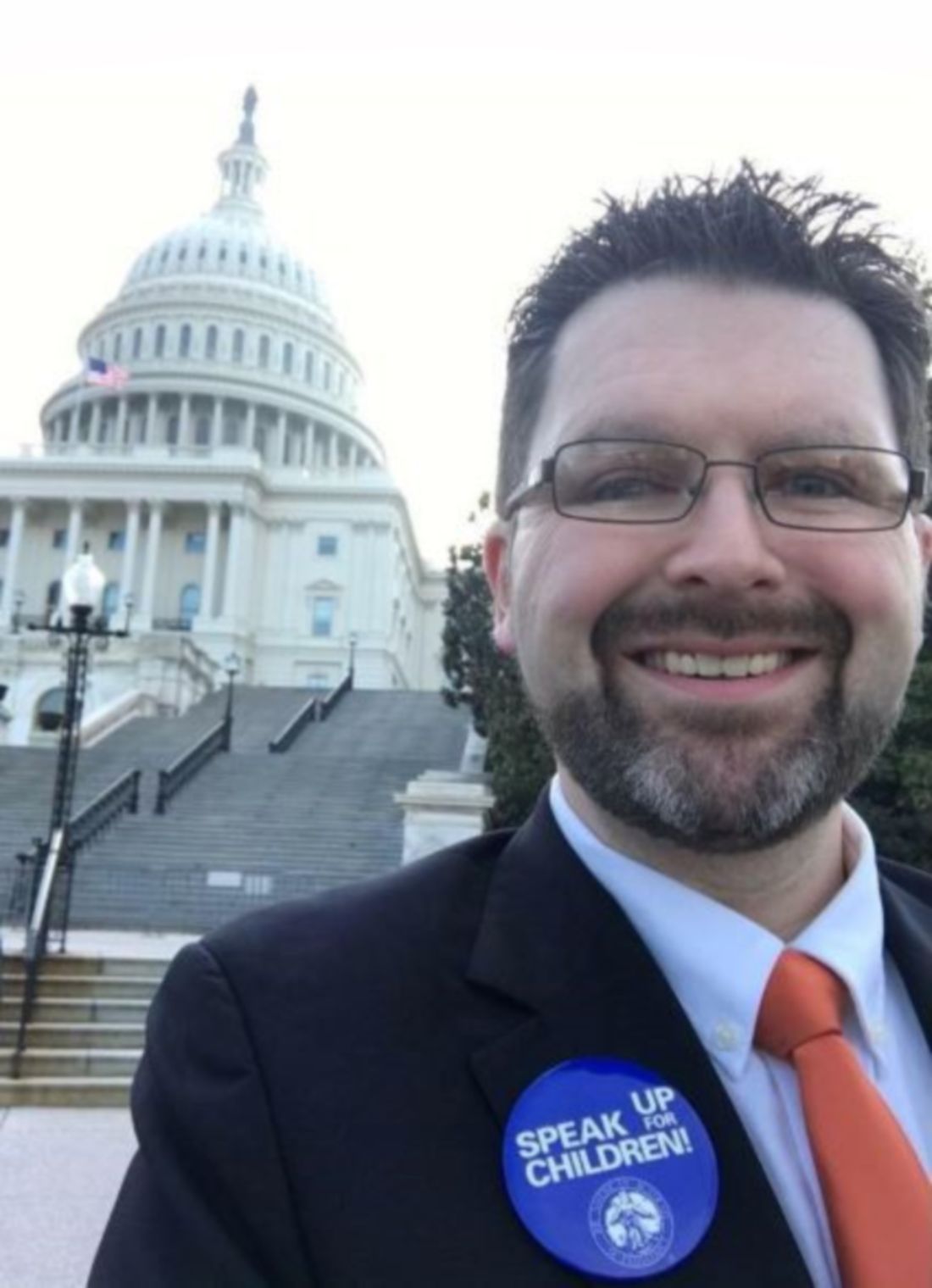
“Sharing responsibilities between parents and not overworking just one parent is key,” said Brandon M. Seay MD, a pediatric pulmonologist and sleep specialist at Children’s Healthcare of Atlanta. He also recommended trying to incorporate work into the day while kids are doing online learning.
Ms. Trainor agreed that trading off responsibilities between parents is ideal, though the challenge is greater for single parents. It may be possible for some to take family leave, but not all families have that option, she said.
The study authors also point out a Catch-22 for many people: The blurred boundary between home life and work life can undermine work productivity and efficiency, thereby increasing stress. “Healthy sleep may be a key protective factor to cope positively with these challenges, although adequate opportunity to sleep may be affected by increased time pressure of work, childcare, and household requirements.”
Dr. Seay advises adults to try to get at least 6-8 hours of sleep each night, even taking advantage of a later waking time – if the kids also sleep in – to help. “If anything, the ability to sleep later and wake up later is of benefit for a lot of my teenage patients,” he said in an interview.
In fact, the study authors also address possible positive effects on sleep for some people during the current situation. Since social support can improve sleep quality, social media interaction might provide some social support, though it’s not the same as meeting people in person and “screen exposure may hamper sleep quality when used close to bedtime.”
Some people may actually have an opportunity to get more daylight exposure or exercise, which can improve sleep, and some, especially night owls and teenagers, may be able to align their daily schedules more closely to their natural circadian rhythms.
“Given that we are not bound by usual work or social schedules, there may be a tendency to drift to our sleep chronotypes,” especially for teenagers, Dr. Sundar said.
For some, this may be their first opportunity to learn what their chronotype is, Dr. Seay said.
“It is always advantageous to ‘obey’ your natural sleep timing, [although] it simply isn’t always the most efficient outside of our current situation,” he said. “Use this as a time to figure out your natural sleep timing if you constantly have issues being able to wake up in the morning. Now that you don’t have to be up for work or school, you can figure out what time works for you.”
At the same time, if you have an extreme circadian rhythm disorder, especially an irregular one, it may still be best to try to keep a regular sleep schedule to avoid feeling isolated if others are socializing while you’re asleep, Ms. Trainor said.
The authors similarly note the limits of potential benefits during this time, noting that they “may not be enough to counteract the negative effects of the increased work and family requirements, as well as the overwhelming levels of stress and anxiety about the well-being of oneself and others, and the negative effects of confinement for family social reactions.”
Treating stress, anxiety, and insomnia
The first-line treatment for chronic insomnia is cognitive-behavioral therapy for insomnia, but “recent evidence shows that cognitive-behavioral therapy can also serve to treat sudden-onset (acute) insomnia due to rapid stress-causing situation changes,” the authors noted. They also reviewed the key elements of CBT-I: stimulus control, sleep hygiene, relaxation interventions, cognitive reappraisal, paradoxical intention, and sleep restriction.
CBT-I lends very naturally to telemedicine, Dr. Seay, Dr. Sundar, and Ms. Trainor all agreed.
“I actually see this current situation as an opportunity for health care practices and providers to expand the reach of telemedicine – due to necessity – which will hopefully continue after confinement has been lifted worldwide,” Dr. Seay said.
Dr. Sundar pointed to research supporting CBT-I online and several apps that can be used for it, such as SHUTi and Sleepio. Ms. Trainor noted that the Cleveland Clinic offers a basic CBT-I online class for $40.
The authors note that prescribing medication is generally discouraged because it lacks evidence for long-term effectiveness of chronic insomnia, but it might be worth considering as a second-line therapy for acute insomnia from outside stressors, such as home confinement, if CBT-I doesn’t work or isn’t possible. Pharmacologic treatment can include benzodiazepines, hypnotic benzodiazepine receptor agonists, or sedating antidepressants, particularly if used for a comorbid mood disorder.
The authors then offer general recommendations for improving sleep that doctors can pass on to their patients:
- Get up and go to bed at approximately the same times daily.
- Schedule 15-minute breaks during the day to manage stress and reflect on worries and the situation.
- Reserve the bed for sleep and sex only; not for working, watching TV, using the computer, or doing other activities.
- Try to follow your natural sleep rhythm as much as possible.
- Use social media as stress relief, an opportunity to communicate with friends and family, and distraction, especially with uplifting stories or humor.
- Leave devices out of the bedroom.
- Limit your exposure to news about the COVID-19 pandemic.
- Exercise regularly, ideally in daylight.
- Look for ways to stay busy and distracted, including making your home or bedroom more comfortable if possible.
- Get as much daylight during the day as possible, and keep lights dim or dark at night.
- Engage in familiar, comfortable, relaxing activities before bedtime.
- If your daily activity level is lower, eat less as well, ideally at least 2 hours before going to bed.
The authors also offered recommendations specifically for families:
- Divide child care, home maintenance, and chores between adults, being sure not to let the lion’s share fall on women.
- Maintain regular sleep times for children and spend the 30 minutes before their bedtime doing a calming, familiar activity that both the children and parents enjoy.
- “While using computer, smartphones, and watching TV more than usual may be inevitable in confinement, avoid technological devices after dinner or too close to bedtime.”
- Ensure your child has daily physical activity, keep a relatively consistent schedule or routine, expose them to as much daylight or bright light as possible during the day, and try to limit their bed use only to sleeping if possible. “Parents need to be involved in setting schedules for sleep and meal times so that kids do not get into sleep patterns that are difficult to change when school starts back,” Dr. Sundar said. “Limiting screen time is also important especially during nighttime.”
- Reassure children if they wake up anxious at night.
SOURCE: Altena E et al. J Sleep Res. 2020 Apr 4. doi: 10.1111/jsr.13052.
Mass social distancing and social isolation to prevent the spread of a deadly disease, along with technological tools that allow social communication and continued work and school, is an unprecedented situation.
The current reality of most people’s lives during the COVID-19 pandemic has the potential to induce or exacerbate sleep problems, though it may also present some with an opportunity to improve sleep, wrote Ellemarije Altena, PhD, of the University of Bordeaux (France), and her colleagues in a recent research review in the Journal of Sleep Research.
The review was conducted by a task force of the European Academy for Cognitive Behavioural Therapy for Insomnia. The European CBT-I Academy is an initiative of the European Insomnia Network to promote implementation and dissemination of treatment.
After discussing the known effects of stress, confinement, and altered schedules on sleep, the authors present recommendations on ways to manage sleep problems such as insomnia in the general public and potentially encourage people to take advantage of the opportunity to align their schedules with their natural circadian rhythms. Physicians may find the recommendations helpful in advising patients with sleep problems related to the COVID-19 emergency.
“Being forced to stay at home, work from home, do homeschooling with children, drastically minimize outings, reduce social interaction or work many more hours under stressful circumstances, and in parallel manage the attendant health risks, can have a major impact on daily functioning and nighttime sleep,” Dr. Altena and colleagues wrote.
There may also be a lag time in physicians hearing about changes in sleep or sleeping problems from patients, said Krishna M. Sundar, MD, FCCP, medical director of the Sleep-Wake Center at the University of Utah in Salt Lake City. “There may actually be some improvement in sleep durations given that most folks are working from home with more time with family and less work-related stress,” he said in an interview. “In terms of sleep or other effects on worsening of psychiatric problems, it is still not clear what the overall effects are going to be.”
Although daylight has the biggest impact on regulating circadian rhythms, artificial light, meal times, diet, and amount of physical activity can also have an influence. Negative effects on sleep can result from both excessively high activity levels, such as stress and work overload, or excessively low levels, such as from depression or confinement, the authors note.
The current situation also opens the door to interactions between stress, sleep, anxiety, and risk of PTSD. “Those sensitive to stress-related sleep disruption are more likely to develop chronic insomnia,” which, in combination with a major stressor, is a risk factor for PTSD, the authors write. They note that 7% of Wuhan residents, the city in China where the virus appears to have originated, particularly women, reported PTSD symptoms after the COVID-19 outbreak, and anxiety was highest in those under age 35 years and those who followed news about the disease for more than 3 hours a day.
Better sleep quality and fewer early morning awakenings, however, appeared to be protective against PTSD symptoms. The authors note the value of physical exercise, cognitive interventions, and relaxation techniques, including meditation, for reducing stress and milder symptoms of PTSD.
“Some patients are sleeping a bit better because of the pace of things has slowed down a bit,” said Anne C. Trainor, a nurse practitioner and instructor in the neurology department’s sleep disorders program at Oregon Health & Science University in Portland, who was not involved in the study. “Keeping a regular schedule for sleeping and eating, getting exercise daily – preferably in sunlight and not just before bedtime – and using relaxation or mindfulness practice and cognitive interventions to help manage anxiety” were the key takeaways from this review, Ms. Trainor said in an interview.
Home confinement, stressors and sleep
A wide range of stressors could affect sleep during COVID-19 social distancing interventions, including “major changes in routines, living with uncertainty,” and anxiety about health, the economic situation, and how long this situation will last, the authors write.
Parents must juggle work, homeschooling, and ordinary household errands and management. Meanwhile, entrepreneurs, small business owners ,and workers in entertainment, hospitality and food service must contend with anxiety about job uncertainty and financial security. For anyone working from home, disruptions to work and home routines can make it difficult to associate being home with relaxation – and sleep.
“The more regular our sleep schedule is the better quality our sleep tends to be, but it is a struggle when we don’t have separate spaces to work and parent in,” Ms. Trainor said.
At the same time, “confinement-related stress may be caused by an inability to engage in rewarding activities, such as visiting friends and family, shopping, attending cultural and sports events, and visiting bars or restaurants,” the authors write. “Spending more time with family in a limited space can also induce stress, particularly in situations where there are preexisting family difficulties.”
Being stuck at home may lead to less daylight exposure than usual, reduced physical activity, and increased eating, which can contribute to weight gain and other health risks. However, “the effect of stress from confinement, loss of work, and health concerns needs to be individualized and may be difficult to generalize,” Dr. Sundar said.
The authors of the review note the established associations between too little social interaction, increased stress, and poor sleep quality, though loneliness mediates this relationship. Loneliness is also a risk during this time, with or without online social interaction.
Children and teens may also have difficulty sleeping, which can affect their behavioral and emotional regulation, and primary caregivers experience more stress while juggling childcare, household duties, and work.
“While many parents share childcare and household responsibilities, in most families these tasks are still predominantly managed by mothers,” the authors added.
“Sharing responsibilities between parents and not overworking just one parent is key,” said Brandon M. Seay MD, a pediatric pulmonologist and sleep specialist at Children’s Healthcare of Atlanta. He also recommended trying to incorporate work into the day while kids are doing online learning.
Ms. Trainor agreed that trading off responsibilities between parents is ideal, though the challenge is greater for single parents. It may be possible for some to take family leave, but not all families have that option, she said.
The study authors also point out a Catch-22 for many people: The blurred boundary between home life and work life can undermine work productivity and efficiency, thereby increasing stress. “Healthy sleep may be a key protective factor to cope positively with these challenges, although adequate opportunity to sleep may be affected by increased time pressure of work, childcare, and household requirements.”
Dr. Seay advises adults to try to get at least 6-8 hours of sleep each night, even taking advantage of a later waking time – if the kids also sleep in – to help. “If anything, the ability to sleep later and wake up later is of benefit for a lot of my teenage patients,” he said in an interview.
In fact, the study authors also address possible positive effects on sleep for some people during the current situation. Since social support can improve sleep quality, social media interaction might provide some social support, though it’s not the same as meeting people in person and “screen exposure may hamper sleep quality when used close to bedtime.”
Some people may actually have an opportunity to get more daylight exposure or exercise, which can improve sleep, and some, especially night owls and teenagers, may be able to align their daily schedules more closely to their natural circadian rhythms.
“Given that we are not bound by usual work or social schedules, there may be a tendency to drift to our sleep chronotypes,” especially for teenagers, Dr. Sundar said.
For some, this may be their first opportunity to learn what their chronotype is, Dr. Seay said.
“It is always advantageous to ‘obey’ your natural sleep timing, [although] it simply isn’t always the most efficient outside of our current situation,” he said. “Use this as a time to figure out your natural sleep timing if you constantly have issues being able to wake up in the morning. Now that you don’t have to be up for work or school, you can figure out what time works for you.”
At the same time, if you have an extreme circadian rhythm disorder, especially an irregular one, it may still be best to try to keep a regular sleep schedule to avoid feeling isolated if others are socializing while you’re asleep, Ms. Trainor said.
The authors similarly note the limits of potential benefits during this time, noting that they “may not be enough to counteract the negative effects of the increased work and family requirements, as well as the overwhelming levels of stress and anxiety about the well-being of oneself and others, and the negative effects of confinement for family social reactions.”
Treating stress, anxiety, and insomnia
The first-line treatment for chronic insomnia is cognitive-behavioral therapy for insomnia, but “recent evidence shows that cognitive-behavioral therapy can also serve to treat sudden-onset (acute) insomnia due to rapid stress-causing situation changes,” the authors noted. They also reviewed the key elements of CBT-I: stimulus control, sleep hygiene, relaxation interventions, cognitive reappraisal, paradoxical intention, and sleep restriction.
CBT-I lends very naturally to telemedicine, Dr. Seay, Dr. Sundar, and Ms. Trainor all agreed.
“I actually see this current situation as an opportunity for health care practices and providers to expand the reach of telemedicine – due to necessity – which will hopefully continue after confinement has been lifted worldwide,” Dr. Seay said.
Dr. Sundar pointed to research supporting CBT-I online and several apps that can be used for it, such as SHUTi and Sleepio. Ms. Trainor noted that the Cleveland Clinic offers a basic CBT-I online class for $40.
The authors note that prescribing medication is generally discouraged because it lacks evidence for long-term effectiveness of chronic insomnia, but it might be worth considering as a second-line therapy for acute insomnia from outside stressors, such as home confinement, if CBT-I doesn’t work or isn’t possible. Pharmacologic treatment can include benzodiazepines, hypnotic benzodiazepine receptor agonists, or sedating antidepressants, particularly if used for a comorbid mood disorder.
The authors then offer general recommendations for improving sleep that doctors can pass on to their patients:
- Get up and go to bed at approximately the same times daily.
- Schedule 15-minute breaks during the day to manage stress and reflect on worries and the situation.
- Reserve the bed for sleep and sex only; not for working, watching TV, using the computer, or doing other activities.
- Try to follow your natural sleep rhythm as much as possible.
- Use social media as stress relief, an opportunity to communicate with friends and family, and distraction, especially with uplifting stories or humor.
- Leave devices out of the bedroom.
- Limit your exposure to news about the COVID-19 pandemic.
- Exercise regularly, ideally in daylight.
- Look for ways to stay busy and distracted, including making your home or bedroom more comfortable if possible.
- Get as much daylight during the day as possible, and keep lights dim or dark at night.
- Engage in familiar, comfortable, relaxing activities before bedtime.
- If your daily activity level is lower, eat less as well, ideally at least 2 hours before going to bed.
The authors also offered recommendations specifically for families:
- Divide child care, home maintenance, and chores between adults, being sure not to let the lion’s share fall on women.
- Maintain regular sleep times for children and spend the 30 minutes before their bedtime doing a calming, familiar activity that both the children and parents enjoy.
- “While using computer, smartphones, and watching TV more than usual may be inevitable in confinement, avoid technological devices after dinner or too close to bedtime.”
- Ensure your child has daily physical activity, keep a relatively consistent schedule or routine, expose them to as much daylight or bright light as possible during the day, and try to limit their bed use only to sleeping if possible. “Parents need to be involved in setting schedules for sleep and meal times so that kids do not get into sleep patterns that are difficult to change when school starts back,” Dr. Sundar said. “Limiting screen time is also important especially during nighttime.”
- Reassure children if they wake up anxious at night.
SOURCE: Altena E et al. J Sleep Res. 2020 Apr 4. doi: 10.1111/jsr.13052.
Mass social distancing and social isolation to prevent the spread of a deadly disease, along with technological tools that allow social communication and continued work and school, is an unprecedented situation.
The current reality of most people’s lives during the COVID-19 pandemic has the potential to induce or exacerbate sleep problems, though it may also present some with an opportunity to improve sleep, wrote Ellemarije Altena, PhD, of the University of Bordeaux (France), and her colleagues in a recent research review in the Journal of Sleep Research.
The review was conducted by a task force of the European Academy for Cognitive Behavioural Therapy for Insomnia. The European CBT-I Academy is an initiative of the European Insomnia Network to promote implementation and dissemination of treatment.
After discussing the known effects of stress, confinement, and altered schedules on sleep, the authors present recommendations on ways to manage sleep problems such as insomnia in the general public and potentially encourage people to take advantage of the opportunity to align their schedules with their natural circadian rhythms. Physicians may find the recommendations helpful in advising patients with sleep problems related to the COVID-19 emergency.
“Being forced to stay at home, work from home, do homeschooling with children, drastically minimize outings, reduce social interaction or work many more hours under stressful circumstances, and in parallel manage the attendant health risks, can have a major impact on daily functioning and nighttime sleep,” Dr. Altena and colleagues wrote.
There may also be a lag time in physicians hearing about changes in sleep or sleeping problems from patients, said Krishna M. Sundar, MD, FCCP, medical director of the Sleep-Wake Center at the University of Utah in Salt Lake City. “There may actually be some improvement in sleep durations given that most folks are working from home with more time with family and less work-related stress,” he said in an interview. “In terms of sleep or other effects on worsening of psychiatric problems, it is still not clear what the overall effects are going to be.”
Although daylight has the biggest impact on regulating circadian rhythms, artificial light, meal times, diet, and amount of physical activity can also have an influence. Negative effects on sleep can result from both excessively high activity levels, such as stress and work overload, or excessively low levels, such as from depression or confinement, the authors note.
The current situation also opens the door to interactions between stress, sleep, anxiety, and risk of PTSD. “Those sensitive to stress-related sleep disruption are more likely to develop chronic insomnia,” which, in combination with a major stressor, is a risk factor for PTSD, the authors write. They note that 7% of Wuhan residents, the city in China where the virus appears to have originated, particularly women, reported PTSD symptoms after the COVID-19 outbreak, and anxiety was highest in those under age 35 years and those who followed news about the disease for more than 3 hours a day.
Better sleep quality and fewer early morning awakenings, however, appeared to be protective against PTSD symptoms. The authors note the value of physical exercise, cognitive interventions, and relaxation techniques, including meditation, for reducing stress and milder symptoms of PTSD.
“Some patients are sleeping a bit better because of the pace of things has slowed down a bit,” said Anne C. Trainor, a nurse practitioner and instructor in the neurology department’s sleep disorders program at Oregon Health & Science University in Portland, who was not involved in the study. “Keeping a regular schedule for sleeping and eating, getting exercise daily – preferably in sunlight and not just before bedtime – and using relaxation or mindfulness practice and cognitive interventions to help manage anxiety” were the key takeaways from this review, Ms. Trainor said in an interview.
Home confinement, stressors and sleep
A wide range of stressors could affect sleep during COVID-19 social distancing interventions, including “major changes in routines, living with uncertainty,” and anxiety about health, the economic situation, and how long this situation will last, the authors write.
Parents must juggle work, homeschooling, and ordinary household errands and management. Meanwhile, entrepreneurs, small business owners ,and workers in entertainment, hospitality and food service must contend with anxiety about job uncertainty and financial security. For anyone working from home, disruptions to work and home routines can make it difficult to associate being home with relaxation – and sleep.
“The more regular our sleep schedule is the better quality our sleep tends to be, but it is a struggle when we don’t have separate spaces to work and parent in,” Ms. Trainor said.
At the same time, “confinement-related stress may be caused by an inability to engage in rewarding activities, such as visiting friends and family, shopping, attending cultural and sports events, and visiting bars or restaurants,” the authors write. “Spending more time with family in a limited space can also induce stress, particularly in situations where there are preexisting family difficulties.”
Being stuck at home may lead to less daylight exposure than usual, reduced physical activity, and increased eating, which can contribute to weight gain and other health risks. However, “the effect of stress from confinement, loss of work, and health concerns needs to be individualized and may be difficult to generalize,” Dr. Sundar said.
The authors of the review note the established associations between too little social interaction, increased stress, and poor sleep quality, though loneliness mediates this relationship. Loneliness is also a risk during this time, with or without online social interaction.
Children and teens may also have difficulty sleeping, which can affect their behavioral and emotional regulation, and primary caregivers experience more stress while juggling childcare, household duties, and work.
“While many parents share childcare and household responsibilities, in most families these tasks are still predominantly managed by mothers,” the authors added.
“Sharing responsibilities between parents and not overworking just one parent is key,” said Brandon M. Seay MD, a pediatric pulmonologist and sleep specialist at Children’s Healthcare of Atlanta. He also recommended trying to incorporate work into the day while kids are doing online learning.
Ms. Trainor agreed that trading off responsibilities between parents is ideal, though the challenge is greater for single parents. It may be possible for some to take family leave, but not all families have that option, she said.
The study authors also point out a Catch-22 for many people: The blurred boundary between home life and work life can undermine work productivity and efficiency, thereby increasing stress. “Healthy sleep may be a key protective factor to cope positively with these challenges, although adequate opportunity to sleep may be affected by increased time pressure of work, childcare, and household requirements.”
Dr. Seay advises adults to try to get at least 6-8 hours of sleep each night, even taking advantage of a later waking time – if the kids also sleep in – to help. “If anything, the ability to sleep later and wake up later is of benefit for a lot of my teenage patients,” he said in an interview.
In fact, the study authors also address possible positive effects on sleep for some people during the current situation. Since social support can improve sleep quality, social media interaction might provide some social support, though it’s not the same as meeting people in person and “screen exposure may hamper sleep quality when used close to bedtime.”
Some people may actually have an opportunity to get more daylight exposure or exercise, which can improve sleep, and some, especially night owls and teenagers, may be able to align their daily schedules more closely to their natural circadian rhythms.
“Given that we are not bound by usual work or social schedules, there may be a tendency to drift to our sleep chronotypes,” especially for teenagers, Dr. Sundar said.
For some, this may be their first opportunity to learn what their chronotype is, Dr. Seay said.
“It is always advantageous to ‘obey’ your natural sleep timing, [although] it simply isn’t always the most efficient outside of our current situation,” he said. “Use this as a time to figure out your natural sleep timing if you constantly have issues being able to wake up in the morning. Now that you don’t have to be up for work or school, you can figure out what time works for you.”
At the same time, if you have an extreme circadian rhythm disorder, especially an irregular one, it may still be best to try to keep a regular sleep schedule to avoid feeling isolated if others are socializing while you’re asleep, Ms. Trainor said.
The authors similarly note the limits of potential benefits during this time, noting that they “may not be enough to counteract the negative effects of the increased work and family requirements, as well as the overwhelming levels of stress and anxiety about the well-being of oneself and others, and the negative effects of confinement for family social reactions.”
Treating stress, anxiety, and insomnia
The first-line treatment for chronic insomnia is cognitive-behavioral therapy for insomnia, but “recent evidence shows that cognitive-behavioral therapy can also serve to treat sudden-onset (acute) insomnia due to rapid stress-causing situation changes,” the authors noted. They also reviewed the key elements of CBT-I: stimulus control, sleep hygiene, relaxation interventions, cognitive reappraisal, paradoxical intention, and sleep restriction.
CBT-I lends very naturally to telemedicine, Dr. Seay, Dr. Sundar, and Ms. Trainor all agreed.
“I actually see this current situation as an opportunity for health care practices and providers to expand the reach of telemedicine – due to necessity – which will hopefully continue after confinement has been lifted worldwide,” Dr. Seay said.
Dr. Sundar pointed to research supporting CBT-I online and several apps that can be used for it, such as SHUTi and Sleepio. Ms. Trainor noted that the Cleveland Clinic offers a basic CBT-I online class for $40.
The authors note that prescribing medication is generally discouraged because it lacks evidence for long-term effectiveness of chronic insomnia, but it might be worth considering as a second-line therapy for acute insomnia from outside stressors, such as home confinement, if CBT-I doesn’t work or isn’t possible. Pharmacologic treatment can include benzodiazepines, hypnotic benzodiazepine receptor agonists, or sedating antidepressants, particularly if used for a comorbid mood disorder.
The authors then offer general recommendations for improving sleep that doctors can pass on to their patients:
- Get up and go to bed at approximately the same times daily.
- Schedule 15-minute breaks during the day to manage stress and reflect on worries and the situation.
- Reserve the bed for sleep and sex only; not for working, watching TV, using the computer, or doing other activities.
- Try to follow your natural sleep rhythm as much as possible.
- Use social media as stress relief, an opportunity to communicate with friends and family, and distraction, especially with uplifting stories or humor.
- Leave devices out of the bedroom.
- Limit your exposure to news about the COVID-19 pandemic.
- Exercise regularly, ideally in daylight.
- Look for ways to stay busy and distracted, including making your home or bedroom more comfortable if possible.
- Get as much daylight during the day as possible, and keep lights dim or dark at night.
- Engage in familiar, comfortable, relaxing activities before bedtime.
- If your daily activity level is lower, eat less as well, ideally at least 2 hours before going to bed.
The authors also offered recommendations specifically for families:
- Divide child care, home maintenance, and chores between adults, being sure not to let the lion’s share fall on women.
- Maintain regular sleep times for children and spend the 30 minutes before their bedtime doing a calming, familiar activity that both the children and parents enjoy.
- “While using computer, smartphones, and watching TV more than usual may be inevitable in confinement, avoid technological devices after dinner or too close to bedtime.”
- Ensure your child has daily physical activity, keep a relatively consistent schedule or routine, expose them to as much daylight or bright light as possible during the day, and try to limit their bed use only to sleeping if possible. “Parents need to be involved in setting schedules for sleep and meal times so that kids do not get into sleep patterns that are difficult to change when school starts back,” Dr. Sundar said. “Limiting screen time is also important especially during nighttime.”
- Reassure children if they wake up anxious at night.
SOURCE: Altena E et al. J Sleep Res. 2020 Apr 4. doi: 10.1111/jsr.13052.
FROM JOURNAL OF SLEEP RESEARCH
No hydroxychloroquine benefit in small, randomized COVID-19 trial
However, two experts caution that, because of confounding, the trial is unable to answer convincingly the question of whether HCQ can benefit COVID-19 patients.
Wei Tang, with the Departments of Pulmonology and Critical Care Medicine at Ruijin Hospital, in Shanghai, China, and colleagues enrolled patients with COVID-19 from 16 treatment centers in China in February. They posted their findings on the medRxiv preprint server, but their paper has not been peer reviewed. A coauthor told Medscape Medical News the work has been submitted to a journal.
The overall 28-day negative conversion rate of SARS-CoV-2, which was the primary endpoint, was similar in the two 75-patient treatment groups. The Kaplan-Meier estimate for negative conversion rate was 85.4% in the HCQ plus standard of care (SOC) arm, vs 81.3% in the SOC-only group (P = .341). Negative conversion rates for the two groups were similar at days 4, 7, 10, 14, and 21.
Adverse events were reported in 8.8% of patients in the control group compared with 30% in the HCQ group. Diarrhea was the most common side effect, occurring in 10% of patients in the HCQ group vs none in the control group. Two patients in the HCQ arm had serious adverse events; one experienced disease progression, and the other experienced upper respiratory tract infection.
Patients in the HCQ group received a high loading dose of 1200 mg daily for 3 days followed by a maintenance dose of 800 mg daily for the remaining days. Total duration was 2 weeks for patients with mild or moderate disease and 3 weeks for those with severe disease.
No Difference in Relief of Symptoms
The two arms were similar in alleviation of symptoms by day 28: 59.9% with HCQ plus SOC vs 66.6% with SOC alone.
However, the researchers said that in a post hoc analysis, they found a significant reduction of symptoms after adjusting for the confounding effects of antiviral agents (hazard ratio, 8.83; 95% confidence interval, 1.09 – 71.3).
In addition, Tang and colleagues report a significantly greater reduction of C-reactive protein (CRP), a biomarker for inflammation, from baseline to day 28 in the HCQ group in comparison with the control group (6.986 vs 2.723 mg/L).
The authors suggest the alleviation of symptoms may come from HCQ’s anti-inflammatory effects.
The mean age of the patients was 46 years, and 55% were male. Almost all patients had mild or moderate disease; two had severe disease.
Experts Say Study Arms May Not Have Been Comparable
J. Michelle Kahlenberg, MD, PhD, research professor of rheumatology at the University of Michigan in Ann Arbor, told Medscape Medical News that it’s important to note that in the post hoc analysis, 89% of the patients in this trial were receiving other therapy in addition to HCQ.
“When [the researchers] say they saw improvement in symptoms when they removed the confounders, what they actually did was remove the patients from the analysis that got antivirals, and that left 14 patients in each arm,” Kahlenberg said.
Moreover, Kahlenberg noted, 20% of patients who received HCQ had mild symptoms, whereas only 9% of those in the SOC group did.
“We don’t know how those patients played out in the post hoc analysis — whether it was the patients who were really mild that didn’t get the antivirals that were left in the hydroxychloroquine group and that’s why they had a slightly faster resolution of symptoms,” she said.
She said that in this study, the researchers calculated CRP in milligrams per liter, whereas in the United States, it is measured in milligrams per deciliter. The conversion highlights the fact that the reduction in CRP was not terribly noteworthy, she said.
“The patients with COVID who tend to tank and have cytokine storms ― their CRP is much higher,” she said. “So the small improvement in CRP wasn’t that exciting.
“I don’t think this gets us anywhere closer to an answer. It’s another muddy study,” she said.
Similarly, Christopher V. Plowe, MD, MPH, director of the Global Health Institute at Duke University in Durham, North Carolina, told Medscape Medical News he sees no convincing answers in this study.
Plowe, professor of medicine, molecular genetics, microbiology, and global health at Duke, also noted differences between the two groups at enrollment.
For example, the HCQ group had more than three times the number of patients with shortness of breath (22.1% vs 5.9%); more with sputum production (16.2 vs 5.9%); and more with cough (51.5% vs 38.2%). In addition, the average age was 4 years higher in the HCQ group.
“It makes me wonder whether the randomization was truly random,” Plowe said.
Plowe also questioned the authors’ statement that they didn’t see cardiac arrhythmia events, such as prolonged QT intervals. “I can’t see any evidence that they did an EKG on anybody,” he said.
“This study leaves the door open to the possibility that hydroxychloroquine may have a clinical benefit. If there is a benefit, it seems to be related to the drug’s anti-inflammatory properties. If that’s the case, I’m not sure this particular drug, as opposed to others, would be the way to go,” Plowe said.
Mixed Results in Other Studies
“Our negative results on the anti-viral efficacy of HCQ obtained in this trial are on the contrary to the encouraging in-vitro results and to the recently reported promising results from a non-randomized trial with 36 COVID-19 patients,” the authors write.
However, the 36-patient trial to which they refer has since been called into question, as previously reported by Retraction Watch.
Despite lack of clear evidence of benefit, HCQ is recommended off label for the treatment of COVID-19 by the Chinese National guideline, and the US Food and Drug Administration has issued an emergency-use authorization for the treatment of adult patients with COVID-19.
By contrast, the Infectious Diseases Society of America recently concluded that because of insufficient data, they could not recommend any particular treatment for patients with COVID-19.
The work was supported by the Emergent Projects of National Science and Technology; the National Natural Science Foundation of China; the National Key Research and Development Program of China; the Shanghai Municipal Key Clinical Specialty; the National Innovative Research Team of High-Level Local Universities in Shanghai; the Shanghai Key Discipline for Respiratory Diseases; the National Major Scientific and Technological Special Project for Significant New Drugs Development; and Key Projects in the National Science and Technology Pillar Program. The authors, Kahlenberg, and Plowe have disclosed no relevant financial relationships.
This story first appeared on Medscape.com.
However, two experts caution that, because of confounding, the trial is unable to answer convincingly the question of whether HCQ can benefit COVID-19 patients.
Wei Tang, with the Departments of Pulmonology and Critical Care Medicine at Ruijin Hospital, in Shanghai, China, and colleagues enrolled patients with COVID-19 from 16 treatment centers in China in February. They posted their findings on the medRxiv preprint server, but their paper has not been peer reviewed. A coauthor told Medscape Medical News the work has been submitted to a journal.
The overall 28-day negative conversion rate of SARS-CoV-2, which was the primary endpoint, was similar in the two 75-patient treatment groups. The Kaplan-Meier estimate for negative conversion rate was 85.4% in the HCQ plus standard of care (SOC) arm, vs 81.3% in the SOC-only group (P = .341). Negative conversion rates for the two groups were similar at days 4, 7, 10, 14, and 21.
Adverse events were reported in 8.8% of patients in the control group compared with 30% in the HCQ group. Diarrhea was the most common side effect, occurring in 10% of patients in the HCQ group vs none in the control group. Two patients in the HCQ arm had serious adverse events; one experienced disease progression, and the other experienced upper respiratory tract infection.
Patients in the HCQ group received a high loading dose of 1200 mg daily for 3 days followed by a maintenance dose of 800 mg daily for the remaining days. Total duration was 2 weeks for patients with mild or moderate disease and 3 weeks for those with severe disease.
No Difference in Relief of Symptoms
The two arms were similar in alleviation of symptoms by day 28: 59.9% with HCQ plus SOC vs 66.6% with SOC alone.
However, the researchers said that in a post hoc analysis, they found a significant reduction of symptoms after adjusting for the confounding effects of antiviral agents (hazard ratio, 8.83; 95% confidence interval, 1.09 – 71.3).
In addition, Tang and colleagues report a significantly greater reduction of C-reactive protein (CRP), a biomarker for inflammation, from baseline to day 28 in the HCQ group in comparison with the control group (6.986 vs 2.723 mg/L).
The authors suggest the alleviation of symptoms may come from HCQ’s anti-inflammatory effects.
The mean age of the patients was 46 years, and 55% were male. Almost all patients had mild or moderate disease; two had severe disease.
Experts Say Study Arms May Not Have Been Comparable
J. Michelle Kahlenberg, MD, PhD, research professor of rheumatology at the University of Michigan in Ann Arbor, told Medscape Medical News that it’s important to note that in the post hoc analysis, 89% of the patients in this trial were receiving other therapy in addition to HCQ.
“When [the researchers] say they saw improvement in symptoms when they removed the confounders, what they actually did was remove the patients from the analysis that got antivirals, and that left 14 patients in each arm,” Kahlenberg said.
Moreover, Kahlenberg noted, 20% of patients who received HCQ had mild symptoms, whereas only 9% of those in the SOC group did.
“We don’t know how those patients played out in the post hoc analysis — whether it was the patients who were really mild that didn’t get the antivirals that were left in the hydroxychloroquine group and that’s why they had a slightly faster resolution of symptoms,” she said.
She said that in this study, the researchers calculated CRP in milligrams per liter, whereas in the United States, it is measured in milligrams per deciliter. The conversion highlights the fact that the reduction in CRP was not terribly noteworthy, she said.
“The patients with COVID who tend to tank and have cytokine storms ― their CRP is much higher,” she said. “So the small improvement in CRP wasn’t that exciting.
“I don’t think this gets us anywhere closer to an answer. It’s another muddy study,” she said.
Similarly, Christopher V. Plowe, MD, MPH, director of the Global Health Institute at Duke University in Durham, North Carolina, told Medscape Medical News he sees no convincing answers in this study.
Plowe, professor of medicine, molecular genetics, microbiology, and global health at Duke, also noted differences between the two groups at enrollment.
For example, the HCQ group had more than three times the number of patients with shortness of breath (22.1% vs 5.9%); more with sputum production (16.2 vs 5.9%); and more with cough (51.5% vs 38.2%). In addition, the average age was 4 years higher in the HCQ group.
“It makes me wonder whether the randomization was truly random,” Plowe said.
Plowe also questioned the authors’ statement that they didn’t see cardiac arrhythmia events, such as prolonged QT intervals. “I can’t see any evidence that they did an EKG on anybody,” he said.
“This study leaves the door open to the possibility that hydroxychloroquine may have a clinical benefit. If there is a benefit, it seems to be related to the drug’s anti-inflammatory properties. If that’s the case, I’m not sure this particular drug, as opposed to others, would be the way to go,” Plowe said.
Mixed Results in Other Studies
“Our negative results on the anti-viral efficacy of HCQ obtained in this trial are on the contrary to the encouraging in-vitro results and to the recently reported promising results from a non-randomized trial with 36 COVID-19 patients,” the authors write.
However, the 36-patient trial to which they refer has since been called into question, as previously reported by Retraction Watch.
Despite lack of clear evidence of benefit, HCQ is recommended off label for the treatment of COVID-19 by the Chinese National guideline, and the US Food and Drug Administration has issued an emergency-use authorization for the treatment of adult patients with COVID-19.
By contrast, the Infectious Diseases Society of America recently concluded that because of insufficient data, they could not recommend any particular treatment for patients with COVID-19.
The work was supported by the Emergent Projects of National Science and Technology; the National Natural Science Foundation of China; the National Key Research and Development Program of China; the Shanghai Municipal Key Clinical Specialty; the National Innovative Research Team of High-Level Local Universities in Shanghai; the Shanghai Key Discipline for Respiratory Diseases; the National Major Scientific and Technological Special Project for Significant New Drugs Development; and Key Projects in the National Science and Technology Pillar Program. The authors, Kahlenberg, and Plowe have disclosed no relevant financial relationships.
This story first appeared on Medscape.com.
However, two experts caution that, because of confounding, the trial is unable to answer convincingly the question of whether HCQ can benefit COVID-19 patients.
Wei Tang, with the Departments of Pulmonology and Critical Care Medicine at Ruijin Hospital, in Shanghai, China, and colleagues enrolled patients with COVID-19 from 16 treatment centers in China in February. They posted their findings on the medRxiv preprint server, but their paper has not been peer reviewed. A coauthor told Medscape Medical News the work has been submitted to a journal.
The overall 28-day negative conversion rate of SARS-CoV-2, which was the primary endpoint, was similar in the two 75-patient treatment groups. The Kaplan-Meier estimate for negative conversion rate was 85.4% in the HCQ plus standard of care (SOC) arm, vs 81.3% in the SOC-only group (P = .341). Negative conversion rates for the two groups were similar at days 4, 7, 10, 14, and 21.
Adverse events were reported in 8.8% of patients in the control group compared with 30% in the HCQ group. Diarrhea was the most common side effect, occurring in 10% of patients in the HCQ group vs none in the control group. Two patients in the HCQ arm had serious adverse events; one experienced disease progression, and the other experienced upper respiratory tract infection.
Patients in the HCQ group received a high loading dose of 1200 mg daily for 3 days followed by a maintenance dose of 800 mg daily for the remaining days. Total duration was 2 weeks for patients with mild or moderate disease and 3 weeks for those with severe disease.
No Difference in Relief of Symptoms
The two arms were similar in alleviation of symptoms by day 28: 59.9% with HCQ plus SOC vs 66.6% with SOC alone.
However, the researchers said that in a post hoc analysis, they found a significant reduction of symptoms after adjusting for the confounding effects of antiviral agents (hazard ratio, 8.83; 95% confidence interval, 1.09 – 71.3).
In addition, Tang and colleagues report a significantly greater reduction of C-reactive protein (CRP), a biomarker for inflammation, from baseline to day 28 in the HCQ group in comparison with the control group (6.986 vs 2.723 mg/L).
The authors suggest the alleviation of symptoms may come from HCQ’s anti-inflammatory effects.
The mean age of the patients was 46 years, and 55% were male. Almost all patients had mild or moderate disease; two had severe disease.
Experts Say Study Arms May Not Have Been Comparable
J. Michelle Kahlenberg, MD, PhD, research professor of rheumatology at the University of Michigan in Ann Arbor, told Medscape Medical News that it’s important to note that in the post hoc analysis, 89% of the patients in this trial were receiving other therapy in addition to HCQ.
“When [the researchers] say they saw improvement in symptoms when they removed the confounders, what they actually did was remove the patients from the analysis that got antivirals, and that left 14 patients in each arm,” Kahlenberg said.
Moreover, Kahlenberg noted, 20% of patients who received HCQ had mild symptoms, whereas only 9% of those in the SOC group did.
“We don’t know how those patients played out in the post hoc analysis — whether it was the patients who were really mild that didn’t get the antivirals that were left in the hydroxychloroquine group and that’s why they had a slightly faster resolution of symptoms,” she said.
She said that in this study, the researchers calculated CRP in milligrams per liter, whereas in the United States, it is measured in milligrams per deciliter. The conversion highlights the fact that the reduction in CRP was not terribly noteworthy, she said.
“The patients with COVID who tend to tank and have cytokine storms ― their CRP is much higher,” she said. “So the small improvement in CRP wasn’t that exciting.
“I don’t think this gets us anywhere closer to an answer. It’s another muddy study,” she said.
Similarly, Christopher V. Plowe, MD, MPH, director of the Global Health Institute at Duke University in Durham, North Carolina, told Medscape Medical News he sees no convincing answers in this study.
Plowe, professor of medicine, molecular genetics, microbiology, and global health at Duke, also noted differences between the two groups at enrollment.
For example, the HCQ group had more than three times the number of patients with shortness of breath (22.1% vs 5.9%); more with sputum production (16.2 vs 5.9%); and more with cough (51.5% vs 38.2%). In addition, the average age was 4 years higher in the HCQ group.
“It makes me wonder whether the randomization was truly random,” Plowe said.
Plowe also questioned the authors’ statement that they didn’t see cardiac arrhythmia events, such as prolonged QT intervals. “I can’t see any evidence that they did an EKG on anybody,” he said.
“This study leaves the door open to the possibility that hydroxychloroquine may have a clinical benefit. If there is a benefit, it seems to be related to the drug’s anti-inflammatory properties. If that’s the case, I’m not sure this particular drug, as opposed to others, would be the way to go,” Plowe said.
Mixed Results in Other Studies
“Our negative results on the anti-viral efficacy of HCQ obtained in this trial are on the contrary to the encouraging in-vitro results and to the recently reported promising results from a non-randomized trial with 36 COVID-19 patients,” the authors write.
However, the 36-patient trial to which they refer has since been called into question, as previously reported by Retraction Watch.
Despite lack of clear evidence of benefit, HCQ is recommended off label for the treatment of COVID-19 by the Chinese National guideline, and the US Food and Drug Administration has issued an emergency-use authorization for the treatment of adult patients with COVID-19.
By contrast, the Infectious Diseases Society of America recently concluded that because of insufficient data, they could not recommend any particular treatment for patients with COVID-19.
The work was supported by the Emergent Projects of National Science and Technology; the National Natural Science Foundation of China; the National Key Research and Development Program of China; the Shanghai Municipal Key Clinical Specialty; the National Innovative Research Team of High-Level Local Universities in Shanghai; the Shanghai Key Discipline for Respiratory Diseases; the National Major Scientific and Technological Special Project for Significant New Drugs Development; and Key Projects in the National Science and Technology Pillar Program. The authors, Kahlenberg, and Plowe have disclosed no relevant financial relationships.
This story first appeared on Medscape.com.
'Silent Hypoxemia' and Other Curious Clinical Observations in COVID-19

This transcript has been edited for clarity.
Gary S. Ferenchick, MD, MS: I'm Gary Ferenchick with Hannah Ferenchick, who has agreed to join us to talk about what's going on in Detroit, and also about PPE and decontamination processes. Why don't you introduce yourself?
Hannah R.B. Ferenchick, MD: I am Hannah Ferenchick. I'm an ER physician and medical intensivist. I split my time between the medical ICU and the emergency department at Detroit Medical Center.
Dr Gary Ferenchick: We were talking earlier about some of the not-well-described clinical scenarios that patients with definitive COVID might present with. One of these was the idea of "silent hypoxemia." Could you describe that?
Dr Hannah Ferenchick: Silent hypoxemia is being described in many of these COVID patients. That means the patient is very hypoxemic—they may have an oxygen saturation of about 85% on room air, but clinically they look very comfortable—they are not dyspneic or tachypneic and may not even verbalize a significant sense of shortness of breath. It's not every patient, but it has been interesting to see patients sitting there looking fairly normal, with a resting oxygen saturation much lower than you would expect for someone who doesn't have underlying pulmonary disease or other symptoms.
Dr Gary Ferenchick: What abnormalities are you seeing on standard or not-so-standard lab tests?
Dr Hannah Ferenchick: Some of the characteristic lab findings we are seeing are lymphopenia and elevated inflammatory markers (eg, CRP). A couple of other atypical findings seem to be specific for COVID—elevated LDH, ferritin, CPK, and procalcitonin levels. Some of the hematologic markers that we look at—the coagulation profile studies—are also abnormal, showing thrombocytopenia and elevated D-dimer levels.
That constellation of symptoms represents more of a clinical picture. A lot of times we have only a very high clinical suspicion, because in many parts of the country it still takes days to get back a confirmatory PCR test.
Much like we do for the flu, the confirmatory test is a nasopharyngeal swab that is run for COVID/coronavirus PCR. Unfortunately the sensitivity of that test is not great. Some studies have quoted 75%-80%, so even a negative PCR does not necessarily rule out the disease, especially if you have a high clinical suspicion. A clinical suspicion is based on the typical symptoms. Many patients, although not all, will have symptoms of lower respiratory tract infection.
Dr Gary Ferenchick: So the right clinical scenario with the right hematologic/biochemical findings dramatically raises the chance that the patient has COVID?
Dr Hannah Ferenchick: Yes, and one thing that we have all been astonished by is how terrible some of these x-rays can look. There are a lot of typical findings on x-ray. Some describe them as looking like pulmonary edema, but the patient has no history of heart failure. Peripheral consolidation and ground-glass opacities are classically described. If you saw one of these x-rays from a patient with bacterial pneumonia, you would expect that patient to be very ill-appearing. Sometimes we get x-rays on patients who are sitting there, maybe mildly symptomatic on room air, and we are astonished by how terrible their x-rays look.
Unfortunately, imaging studies are something we haven't been able to rely on too much for diagnosis. Part of that is to maintain hospital safety, because to take a patient to CT scan, you have to consider the turnaround time for cleaning the CT scanner and the exposure of additional staff to a possibly infected patient. Some of those logistical considerations have limited the availability of radiography.
Gary S. Ferenchick, MD, MS, is a family physician and professor in the Department of Medicine at Michigan State University in East Lansing, Michigan. His daughter, Hannah R.B. Ferenchick, MD, is an assistant professor in the Department of Emergency Medicine, Division of Pulmonary & Critical Care and Sleep Medicine, at Wayne State University, Detroit, Michigan, and a medical intensivist and emergency medicine physician at Detroit Medical Center.
This transcript has been edited for clarity.
Gary S. Ferenchick, MD, MS: I'm Gary Ferenchick with Hannah Ferenchick, who has agreed to join us to talk about what's going on in Detroit, and also about PPE and decontamination processes. Why don't you introduce yourself?
Hannah R.B. Ferenchick, MD: I am Hannah Ferenchick. I'm an ER physician and medical intensivist. I split my time between the medical ICU and the emergency department at Detroit Medical Center.
Dr Gary Ferenchick: We were talking earlier about some of the not-well-described clinical scenarios that patients with definitive COVID might present with. One of these was the idea of "silent hypoxemia." Could you describe that?
Dr Hannah Ferenchick: Silent hypoxemia is being described in many of these COVID patients. That means the patient is very hypoxemic—they may have an oxygen saturation of about 85% on room air, but clinically they look very comfortable—they are not dyspneic or tachypneic and may not even verbalize a significant sense of shortness of breath. It's not every patient, but it has been interesting to see patients sitting there looking fairly normal, with a resting oxygen saturation much lower than you would expect for someone who doesn't have underlying pulmonary disease or other symptoms.
Dr Gary Ferenchick: What abnormalities are you seeing on standard or not-so-standard lab tests?
Dr Hannah Ferenchick: Some of the characteristic lab findings we are seeing are lymphopenia and elevated inflammatory markers (eg, CRP). A couple of other atypical findings seem to be specific for COVID—elevated LDH, ferritin, CPK, and procalcitonin levels. Some of the hematologic markers that we look at—the coagulation profile studies—are also abnormal, showing thrombocytopenia and elevated D-dimer levels.
That constellation of symptoms represents more of a clinical picture. A lot of times we have only a very high clinical suspicion, because in many parts of the country it still takes days to get back a confirmatory PCR test.
Much like we do for the flu, the confirmatory test is a nasopharyngeal swab that is run for COVID/coronavirus PCR. Unfortunately the sensitivity of that test is not great. Some studies have quoted 75%-80%, so even a negative PCR does not necessarily rule out the disease, especially if you have a high clinical suspicion. A clinical suspicion is based on the typical symptoms. Many patients, although not all, will have symptoms of lower respiratory tract infection.
Dr Gary Ferenchick: So the right clinical scenario with the right hematologic/biochemical findings dramatically raises the chance that the patient has COVID?
Dr Hannah Ferenchick: Yes, and one thing that we have all been astonished by is how terrible some of these x-rays can look. There are a lot of typical findings on x-ray. Some describe them as looking like pulmonary edema, but the patient has no history of heart failure. Peripheral consolidation and ground-glass opacities are classically described. If you saw one of these x-rays from a patient with bacterial pneumonia, you would expect that patient to be very ill-appearing. Sometimes we get x-rays on patients who are sitting there, maybe mildly symptomatic on room air, and we are astonished by how terrible their x-rays look.
Unfortunately, imaging studies are something we haven't been able to rely on too much for diagnosis. Part of that is to maintain hospital safety, because to take a patient to CT scan, you have to consider the turnaround time for cleaning the CT scanner and the exposure of additional staff to a possibly infected patient. Some of those logistical considerations have limited the availability of radiography.
Gary S. Ferenchick, MD, MS, is a family physician and professor in the Department of Medicine at Michigan State University in East Lansing, Michigan. His daughter, Hannah R.B. Ferenchick, MD, is an assistant professor in the Department of Emergency Medicine, Division of Pulmonary & Critical Care and Sleep Medicine, at Wayne State University, Detroit, Michigan, and a medical intensivist and emergency medicine physician at Detroit Medical Center.
This transcript has been edited for clarity.
Gary S. Ferenchick, MD, MS: I'm Gary Ferenchick with Hannah Ferenchick, who has agreed to join us to talk about what's going on in Detroit, and also about PPE and decontamination processes. Why don't you introduce yourself?
Hannah R.B. Ferenchick, MD: I am Hannah Ferenchick. I'm an ER physician and medical intensivist. I split my time between the medical ICU and the emergency department at Detroit Medical Center.
Dr Gary Ferenchick: We were talking earlier about some of the not-well-described clinical scenarios that patients with definitive COVID might present with. One of these was the idea of "silent hypoxemia." Could you describe that?
Dr Hannah Ferenchick: Silent hypoxemia is being described in many of these COVID patients. That means the patient is very hypoxemic—they may have an oxygen saturation of about 85% on room air, but clinically they look very comfortable—they are not dyspneic or tachypneic and may not even verbalize a significant sense of shortness of breath. It's not every patient, but it has been interesting to see patients sitting there looking fairly normal, with a resting oxygen saturation much lower than you would expect for someone who doesn't have underlying pulmonary disease or other symptoms.
Dr Gary Ferenchick: What abnormalities are you seeing on standard or not-so-standard lab tests?
Dr Hannah Ferenchick: Some of the characteristic lab findings we are seeing are lymphopenia and elevated inflammatory markers (eg, CRP). A couple of other atypical findings seem to be specific for COVID—elevated LDH, ferritin, CPK, and procalcitonin levels. Some of the hematologic markers that we look at—the coagulation profile studies—are also abnormal, showing thrombocytopenia and elevated D-dimer levels.
That constellation of symptoms represents more of a clinical picture. A lot of times we have only a very high clinical suspicion, because in many parts of the country it still takes days to get back a confirmatory PCR test.
Much like we do for the flu, the confirmatory test is a nasopharyngeal swab that is run for COVID/coronavirus PCR. Unfortunately the sensitivity of that test is not great. Some studies have quoted 75%-80%, so even a negative PCR does not necessarily rule out the disease, especially if you have a high clinical suspicion. A clinical suspicion is based on the typical symptoms. Many patients, although not all, will have symptoms of lower respiratory tract infection.
Dr Gary Ferenchick: So the right clinical scenario with the right hematologic/biochemical findings dramatically raises the chance that the patient has COVID?
Dr Hannah Ferenchick: Yes, and one thing that we have all been astonished by is how terrible some of these x-rays can look. There are a lot of typical findings on x-ray. Some describe them as looking like pulmonary edema, but the patient has no history of heart failure. Peripheral consolidation and ground-glass opacities are classically described. If you saw one of these x-rays from a patient with bacterial pneumonia, you would expect that patient to be very ill-appearing. Sometimes we get x-rays on patients who are sitting there, maybe mildly symptomatic on room air, and we are astonished by how terrible their x-rays look.
Unfortunately, imaging studies are something we haven't been able to rely on too much for diagnosis. Part of that is to maintain hospital safety, because to take a patient to CT scan, you have to consider the turnaround time for cleaning the CT scanner and the exposure of additional staff to a possibly infected patient. Some of those logistical considerations have limited the availability of radiography.
Gary S. Ferenchick, MD, MS, is a family physician and professor in the Department of Medicine at Michigan State University in East Lansing, Michigan. His daughter, Hannah R.B. Ferenchick, MD, is an assistant professor in the Department of Emergency Medicine, Division of Pulmonary & Critical Care and Sleep Medicine, at Wayne State University, Detroit, Michigan, and a medical intensivist and emergency medicine physician at Detroit Medical Center.
AGA News
Coronavirus 101 for gastroenterologists
Now in AGA University: Gain a clear understanding of the lifespan and gastrointestinal manifestations of SARS-CoV-2 and best practices for protecting yourself while working with at-risk patients. http://agau.gastro.org/diweb/catalog/item/eid/COVID-19
Get the latest information and resources on coronavirus by visiting www.gastro.org/COVID.
A message from our president to the GI community
“Our commitment at AGA is to support you. We’ll get through this together,” says AGA President Hashem El-Serag, MD, MPH, AGAF.
Dear colleagues,
The coronavirus pandemic has affected every facet of society, bringing almost unprecedented challenges to our world, and especially to our world of health care.
But our profession has been ignited in the way only a crisis can spark. Many of you are working on the front lines of patient care, at personal risk, lacking sufficient information and adequate resources. This is heroic work.
AGA’s priority during this time of disruption is to get practical guidance into your hands to help you treat patients, and protect yourselves and your coworkers. We’re also advocating on your behalf to get the resources you need and economic relief necessitated by the measures taken to fight the pandemic.
We are continually updating our COVID-19 website, www.gastro.org/covid. Check it for the latest clinical guidance, practice management information, and advocacy initiatives.
Our journals have started a collection of submissions related to COVID-19. Your AGA colleagues on the Clinical Guidelines Committee and Clinical Practice Updates Committee have been hard at work developing guidance for questions that you have asked us on Twitter, @AmerGastroAssn, and the AGA Community. So join us there where resources and insights are being shared in real time.
Your commitment to our patients is a testament to your professionalism. Our commitment at AGA is to support you.
We’ll get through this together.
Hashem B. El-Serag, MD, MPH, AGAF
President, AGA Institute
AGA selects two new social media editors
Congratulations to our new social media editors, Mindy Engevik, PhD, and Sultan Mahmood, MD.
Both editors will have the opportunity to positively impact AGA journal engagement by increasing the dissemination of each of the AGA publications’ content across their social media platforms. Dr. Engevik will focus on basic and translational science research and Dr. Mahmood will focus on clinical research. They will be sharing noteworthy research and news across AGA’s diverse publication portfolio, which includes Gastroenterology, Clinical Gastroenterology and Hepatology, Cellular and Molecular Gastroenterology and Hepatology, Techniques and Innovations in Gastrointestinal Endoscopy, GI & Hepatology News, and the New Gastroenterologist.
Melinda Engevik, PhD
@MicroMindy

Dr. Engevik is an instructor at Baylor College of Medicine, Houston, in the department of pathology and immunology. She has a PhD in systems biology and physiology from the University of Cincinnati and completed her postdoctoral training at Baylor College of Medicine. Her research focuses on microbe-epithelial interactions in the gastrointestinal tract, with a particular focus on infection and inflammatory bowel disease. Dr. Engevik currently serves as an AGA Young Delegate and enjoys her involvement in the GI community.
Sultan Mahmood, MD
@SultanMahmoodMD

Dr. Mahmood finished his medical school in King Edward Medical University in Lahore, Pakistan. He did his internal medicine residency as well as GI fellowship training in University of Oklahoma Health Sciences Center, Oklahoma City, where he also served as the chief fellow from 2017 to 2018. He is the cofounder of @GIjournal, which is a weekly GI journal club on Twitter. He is currently an assistant professor in the department of medicine, division of gastroenterology, at the University at Buffalo (N.Y.). He also serves the role of coprogram director of the GI fellowship program in University at Buffalo. His research interests include medical education, work-life balance, quality improvement in the endoscopy suite, and cold snare.
The journals’ board of editors and editorial staff congratulate the new social media editors and are excited to work with them over the next 3 years.
Diversify GI: Fola May
We’re celebrating diversity in our field with a new series spotlighting members of the AGA Diversity Committee and AGA FORWARD Program.
The University of California, Los Angeles, Women’s Basketball Program recognized AGA FORWARD Scholar Fola May, MD, PhD, MPhil, for exemplifying their values of being “uncommon” and going above and beyond.

You’ll find proof she meets these criteria through extracurriculars like her participation in the AGA FORWARD program – a National Institute of Health–funded initiative that supports underrepresented minority physician scientists – and as a GI patient advocate on Capitol Hill.
Dr. May’s unconventional career path is also testament to her ability to color outside the lines while creating a masterpiece.
“Realizing late in my training that I wanted a career in research, I joined the STAR program at UCLA which allowed me to complete a PhD in health policy and management [a health services research degree] during my GI fellowship. With this training, I have been able to pursue a career in research and clinical care far beyond what I ever imagined.”
But she noticed a void along her career path that she couldn’t fill on her own: limited access to diverse research leaders in the field who can serve as her mentors, supporters, and advocators.
“Though I have a wonderful mentorship team that has been instrumental to my success thus far, there are currently no senior health services researchers in gastroenterology or gastroenterologists of color at my institution.”
At Dr. May’s institution, there are about 60 faculty members – only 1 Hispanic female. At the academic health center where Dr. May works, she is the only African American gastroenterologist. Other divisions and departments do not look much different, she explained.
“We serve a massive, diverse urban center. I don’t understand it, and I feel strongly that we can do better.”
She stressed that the key to breaking unjust cultural norms is for white colleagues to acknowledge the issues minorities face and to make intentional efforts to increase diversity in the workforce.
“We can’t expect black and brown faculty to do it on their own. The ‘minority tax’ that we face is a heavy toll and has the potential to paralyze our careers. We need members of the majority populations to also embrace diversity issues.”
Let’s get personal
- What do you know now that you wish someone told you when you started your career? “I wish that someone told me earlier that there will come a time when you will transition from working hard to check off all the check boxes to working hard in the things that make you happy. So much of medical school and residency is about doing what you are told you have to do to succeed. Finally, I feel that I am encouraged to find the research topics and patient populations that I am most passionate about. In dedicating ourselves to the things we care most about we have the best opportunity for real impact.”
- Who is your professional hero and why? “Wow. Honestly, I do not have one. Maybe Michelle Obama. I know she is not in medicine, but I pick her because she is an African American women who I know has been put through a lot and has to put up with a lot. But she keeps her head up high and stays strong. Reading her book transformed me. You can’t tell by just looking at her, all that she’s had to deal with. I would like to be seen as someone who is strong despite all of the background noise.”
- Something you may not know about me is: “I am pretty obsessed with CrossFit and fitness. I really enjoy staying active.”
- If I weren’t in gastroenterology, I would be: “A television/movie writer or movie producer.”
- In my free time I like to: “Spend time with my husband and kids, travel, stay active.”
Coronavirus 101 for gastroenterologists
Now in AGA University: Gain a clear understanding of the lifespan and gastrointestinal manifestations of SARS-CoV-2 and best practices for protecting yourself while working with at-risk patients. http://agau.gastro.org/diweb/catalog/item/eid/COVID-19
Get the latest information and resources on coronavirus by visiting www.gastro.org/COVID.
A message from our president to the GI community
“Our commitment at AGA is to support you. We’ll get through this together,” says AGA President Hashem El-Serag, MD, MPH, AGAF.
Dear colleagues,
The coronavirus pandemic has affected every facet of society, bringing almost unprecedented challenges to our world, and especially to our world of health care.
But our profession has been ignited in the way only a crisis can spark. Many of you are working on the front lines of patient care, at personal risk, lacking sufficient information and adequate resources. This is heroic work.
AGA’s priority during this time of disruption is to get practical guidance into your hands to help you treat patients, and protect yourselves and your coworkers. We’re also advocating on your behalf to get the resources you need and economic relief necessitated by the measures taken to fight the pandemic.
We are continually updating our COVID-19 website, www.gastro.org/covid. Check it for the latest clinical guidance, practice management information, and advocacy initiatives.
Our journals have started a collection of submissions related to COVID-19. Your AGA colleagues on the Clinical Guidelines Committee and Clinical Practice Updates Committee have been hard at work developing guidance for questions that you have asked us on Twitter, @AmerGastroAssn, and the AGA Community. So join us there where resources and insights are being shared in real time.
Your commitment to our patients is a testament to your professionalism. Our commitment at AGA is to support you.
We’ll get through this together.
Hashem B. El-Serag, MD, MPH, AGAF
President, AGA Institute
AGA selects two new social media editors
Congratulations to our new social media editors, Mindy Engevik, PhD, and Sultan Mahmood, MD.
Both editors will have the opportunity to positively impact AGA journal engagement by increasing the dissemination of each of the AGA publications’ content across their social media platforms. Dr. Engevik will focus on basic and translational science research and Dr. Mahmood will focus on clinical research. They will be sharing noteworthy research and news across AGA’s diverse publication portfolio, which includes Gastroenterology, Clinical Gastroenterology and Hepatology, Cellular and Molecular Gastroenterology and Hepatology, Techniques and Innovations in Gastrointestinal Endoscopy, GI & Hepatology News, and the New Gastroenterologist.
Melinda Engevik, PhD
@MicroMindy
Dr. Engevik is an instructor at Baylor College of Medicine, Houston, in the department of pathology and immunology. She has a PhD in systems biology and physiology from the University of Cincinnati and completed her postdoctoral training at Baylor College of Medicine. Her research focuses on microbe-epithelial interactions in the gastrointestinal tract, with a particular focus on infection and inflammatory bowel disease. Dr. Engevik currently serves as an AGA Young Delegate and enjoys her involvement in the GI community.
Sultan Mahmood, MD
@SultanMahmoodMD
Dr. Mahmood finished his medical school in King Edward Medical University in Lahore, Pakistan. He did his internal medicine residency as well as GI fellowship training in University of Oklahoma Health Sciences Center, Oklahoma City, where he also served as the chief fellow from 2017 to 2018. He is the cofounder of @GIjournal, which is a weekly GI journal club on Twitter. He is currently an assistant professor in the department of medicine, division of gastroenterology, at the University at Buffalo (N.Y.). He also serves the role of coprogram director of the GI fellowship program in University at Buffalo. His research interests include medical education, work-life balance, quality improvement in the endoscopy suite, and cold snare.
The journals’ board of editors and editorial staff congratulate the new social media editors and are excited to work with them over the next 3 years.
Diversify GI: Fola May
We’re celebrating diversity in our field with a new series spotlighting members of the AGA Diversity Committee and AGA FORWARD Program.
The University of California, Los Angeles, Women’s Basketball Program recognized AGA FORWARD Scholar Fola May, MD, PhD, MPhil, for exemplifying their values of being “uncommon” and going above and beyond.
You’ll find proof she meets these criteria through extracurriculars like her participation in the AGA FORWARD program – a National Institute of Health–funded initiative that supports underrepresented minority physician scientists – and as a GI patient advocate on Capitol Hill.
Dr. May’s unconventional career path is also testament to her ability to color outside the lines while creating a masterpiece.
“Realizing late in my training that I wanted a career in research, I joined the STAR program at UCLA which allowed me to complete a PhD in health policy and management [a health services research degree] during my GI fellowship. With this training, I have been able to pursue a career in research and clinical care far beyond what I ever imagined.”
But she noticed a void along her career path that she couldn’t fill on her own: limited access to diverse research leaders in the field who can serve as her mentors, supporters, and advocators.
“Though I have a wonderful mentorship team that has been instrumental to my success thus far, there are currently no senior health services researchers in gastroenterology or gastroenterologists of color at my institution.”
At Dr. May’s institution, there are about 60 faculty members – only 1 Hispanic female. At the academic health center where Dr. May works, she is the only African American gastroenterologist. Other divisions and departments do not look much different, she explained.
“We serve a massive, diverse urban center. I don’t understand it, and I feel strongly that we can do better.”
She stressed that the key to breaking unjust cultural norms is for white colleagues to acknowledge the issues minorities face and to make intentional efforts to increase diversity in the workforce.
“We can’t expect black and brown faculty to do it on their own. The ‘minority tax’ that we face is a heavy toll and has the potential to paralyze our careers. We need members of the majority populations to also embrace diversity issues.”
Let’s get personal
- What do you know now that you wish someone told you when you started your career? “I wish that someone told me earlier that there will come a time when you will transition from working hard to check off all the check boxes to working hard in the things that make you happy. So much of medical school and residency is about doing what you are told you have to do to succeed. Finally, I feel that I am encouraged to find the research topics and patient populations that I am most passionate about. In dedicating ourselves to the things we care most about we have the best opportunity for real impact.”
- Who is your professional hero and why? “Wow. Honestly, I do not have one. Maybe Michelle Obama. I know she is not in medicine, but I pick her because she is an African American women who I know has been put through a lot and has to put up with a lot. But she keeps her head up high and stays strong. Reading her book transformed me. You can’t tell by just looking at her, all that she’s had to deal with. I would like to be seen as someone who is strong despite all of the background noise.”
- Something you may not know about me is: “I am pretty obsessed with CrossFit and fitness. I really enjoy staying active.”
- If I weren’t in gastroenterology, I would be: “A television/movie writer or movie producer.”
- In my free time I like to: “Spend time with my husband and kids, travel, stay active.”
Coronavirus 101 for gastroenterologists
Now in AGA University: Gain a clear understanding of the lifespan and gastrointestinal manifestations of SARS-CoV-2 and best practices for protecting yourself while working with at-risk patients. http://agau.gastro.org/diweb/catalog/item/eid/COVID-19
Get the latest information and resources on coronavirus by visiting www.gastro.org/COVID.
A message from our president to the GI community
“Our commitment at AGA is to support you. We’ll get through this together,” says AGA President Hashem El-Serag, MD, MPH, AGAF.
Dear colleagues,
The coronavirus pandemic has affected every facet of society, bringing almost unprecedented challenges to our world, and especially to our world of health care.
But our profession has been ignited in the way only a crisis can spark. Many of you are working on the front lines of patient care, at personal risk, lacking sufficient information and adequate resources. This is heroic work.
AGA’s priority during this time of disruption is to get practical guidance into your hands to help you treat patients, and protect yourselves and your coworkers. We’re also advocating on your behalf to get the resources you need and economic relief necessitated by the measures taken to fight the pandemic.
We are continually updating our COVID-19 website, www.gastro.org/covid. Check it for the latest clinical guidance, practice management information, and advocacy initiatives.
Our journals have started a collection of submissions related to COVID-19. Your AGA colleagues on the Clinical Guidelines Committee and Clinical Practice Updates Committee have been hard at work developing guidance for questions that you have asked us on Twitter, @AmerGastroAssn, and the AGA Community. So join us there where resources and insights are being shared in real time.
Your commitment to our patients is a testament to your professionalism. Our commitment at AGA is to support you.
We’ll get through this together.
Hashem B. El-Serag, MD, MPH, AGAF
President, AGA Institute
AGA selects two new social media editors
Congratulations to our new social media editors, Mindy Engevik, PhD, and Sultan Mahmood, MD.
Both editors will have the opportunity to positively impact AGA journal engagement by increasing the dissemination of each of the AGA publications’ content across their social media platforms. Dr. Engevik will focus on basic and translational science research and Dr. Mahmood will focus on clinical research. They will be sharing noteworthy research and news across AGA’s diverse publication portfolio, which includes Gastroenterology, Clinical Gastroenterology and Hepatology, Cellular and Molecular Gastroenterology and Hepatology, Techniques and Innovations in Gastrointestinal Endoscopy, GI & Hepatology News, and the New Gastroenterologist.
Melinda Engevik, PhD
@MicroMindy
Dr. Engevik is an instructor at Baylor College of Medicine, Houston, in the department of pathology and immunology. She has a PhD in systems biology and physiology from the University of Cincinnati and completed her postdoctoral training at Baylor College of Medicine. Her research focuses on microbe-epithelial interactions in the gastrointestinal tract, with a particular focus on infection and inflammatory bowel disease. Dr. Engevik currently serves as an AGA Young Delegate and enjoys her involvement in the GI community.
Sultan Mahmood, MD
@SultanMahmoodMD
Dr. Mahmood finished his medical school in King Edward Medical University in Lahore, Pakistan. He did his internal medicine residency as well as GI fellowship training in University of Oklahoma Health Sciences Center, Oklahoma City, where he also served as the chief fellow from 2017 to 2018. He is the cofounder of @GIjournal, which is a weekly GI journal club on Twitter. He is currently an assistant professor in the department of medicine, division of gastroenterology, at the University at Buffalo (N.Y.). He also serves the role of coprogram director of the GI fellowship program in University at Buffalo. His research interests include medical education, work-life balance, quality improvement in the endoscopy suite, and cold snare.
The journals’ board of editors and editorial staff congratulate the new social media editors and are excited to work with them over the next 3 years.
Diversify GI: Fola May
We’re celebrating diversity in our field with a new series spotlighting members of the AGA Diversity Committee and AGA FORWARD Program.
The University of California, Los Angeles, Women’s Basketball Program recognized AGA FORWARD Scholar Fola May, MD, PhD, MPhil, for exemplifying their values of being “uncommon” and going above and beyond.
You’ll find proof she meets these criteria through extracurriculars like her participation in the AGA FORWARD program – a National Institute of Health–funded initiative that supports underrepresented minority physician scientists – and as a GI patient advocate on Capitol Hill.
Dr. May’s unconventional career path is also testament to her ability to color outside the lines while creating a masterpiece.
“Realizing late in my training that I wanted a career in research, I joined the STAR program at UCLA which allowed me to complete a PhD in health policy and management [a health services research degree] during my GI fellowship. With this training, I have been able to pursue a career in research and clinical care far beyond what I ever imagined.”
But she noticed a void along her career path that she couldn’t fill on her own: limited access to diverse research leaders in the field who can serve as her mentors, supporters, and advocators.
“Though I have a wonderful mentorship team that has been instrumental to my success thus far, there are currently no senior health services researchers in gastroenterology or gastroenterologists of color at my institution.”
At Dr. May’s institution, there are about 60 faculty members – only 1 Hispanic female. At the academic health center where Dr. May works, she is the only African American gastroenterologist. Other divisions and departments do not look much different, she explained.
“We serve a massive, diverse urban center. I don’t understand it, and I feel strongly that we can do better.”
She stressed that the key to breaking unjust cultural norms is for white colleagues to acknowledge the issues minorities face and to make intentional efforts to increase diversity in the workforce.
“We can’t expect black and brown faculty to do it on their own. The ‘minority tax’ that we face is a heavy toll and has the potential to paralyze our careers. We need members of the majority populations to also embrace diversity issues.”
Let’s get personal
- What do you know now that you wish someone told you when you started your career? “I wish that someone told me earlier that there will come a time when you will transition from working hard to check off all the check boxes to working hard in the things that make you happy. So much of medical school and residency is about doing what you are told you have to do to succeed. Finally, I feel that I am encouraged to find the research topics and patient populations that I am most passionate about. In dedicating ourselves to the things we care most about we have the best opportunity for real impact.”
- Who is your professional hero and why? “Wow. Honestly, I do not have one. Maybe Michelle Obama. I know she is not in medicine, but I pick her because she is an African American women who I know has been put through a lot and has to put up with a lot. But she keeps her head up high and stays strong. Reading her book transformed me. You can’t tell by just looking at her, all that she’s had to deal with. I would like to be seen as someone who is strong despite all of the background noise.”
- Something you may not know about me is: “I am pretty obsessed with CrossFit and fitness. I really enjoy staying active.”
- If I weren’t in gastroenterology, I would be: “A television/movie writer or movie producer.”
- In my free time I like to: “Spend time with my husband and kids, travel, stay active.”
COVID-19 mythconceptions

Let’s start with a case:
A 37-year-old woman is seen in clinic for a 5-day history of cough, fever, chest tightness, and onset of dyspnea on the day of her office visit.
An exam reveals her blood pressure is 100/60 mm Hg, her pulse is 100 beats per minute, her temperature is 38.7° C, her oxygen saturation is 93%, and her respiratory rate is 20 breaths per minute.
Auscultation of the chest revealed bilateral wheezing and rhonchi. A nasopharyngeal swab is sent for COVID-19 and is negative; she also tests negative for influenza.
Her hemoglobin level is 13 g/dL, hematocrit was 39%, platelet count was 155,000 per mcL of blood, and D-dimer level was 8.4 mcg/mL (normal is less than 0.4 mcg/mL.) Her white blood cell count was 6,000 per mcL of blood (neutrophils, 4,900; lymphocytes, 800; basophils, 200). Her chest x-ray showed bilateral lower lobe infiltrates.
What do you recommend?
A. Begin azithromycin plus ceftriaxone
B. Begin azithromycin
C. Begin oseltamivir
D. Obtain chest CT
E. Repeat COVID-19 test
With the massive amount of information coming out every day on COVID-19, it is hard to keep up with all of it, and sort out accurate, reviewed studies. We are in a position where we need to take in what we can and assess the best data available.
In the case above, I think choices D or E would make sense. This patient very likely has COVID-19 based on clinical symptoms and lab parameters. The negative COVID-19 test gives us pause, but several studies show that false negative tests are not uncommon.
Long et al. reported on 36 patients who had received both chest CT and real-time reverse transcription polymerase chain reaction (rRT-PCR) for COVID-19.1 All were eventually diagnosed with COVID-19 pneumonia. The CT scan had a very high sensitivity (35/36) of 97.2%, whereas the rRT-PCR had a lower sensitivity (30/36) of 83%. All six of the patients with a negative COVID-19 test initially were positive on repeat testing (three on the second test, three on the third test).
There are concerns about what the sensitivity of the rRT-PCR tests being run in the United States are. At this point, I think that, when the pretest probability of COVID-19 infection is very high based on local epidemiology and clinical symptoms, a negative COVID rRT-PCR does not eliminate the diagnosis. In many cases, COVID-19 may still be the most likely diagnosis.
Early in the pandemic, the symptoms that were emphasized were fever, cough, and dyspnea. Those were all crucial symptoms for a disease that causes pneumonia. GI symptoms were initially deemphasized. In an early study released from Wuhan, China, only about 5% of COVID-19 patients had nausea or diarrhea.2 In a study of 305 patients focused on gastrointestinal symptoms, half of the patients had diarrhea, half had anorexia and 30% had nausea.3 In a small series of nine patients who presented with only GI symptoms, four of these patients never developed fever or pulmonary symptoms.3
On March 14, the French health minister, Olivier Véran, tweeted that “taking anti-inflammatory drugs (ibuprofen, cortisone ...) could be an aggravating factor for the infection. If you have a fever, take paracetamol.” This was picked up by many news services, and soon became standard recommendations, despite no data.
There is reason for concern for NSAIDs, as regular NSAID use has been tied to more complications in patients with respiratory tract infections.4 I have never been a proponent of regular NSAID use in patients who are infected, because the likelihood of toxicity is elevated in patients who are volume depleted or under physiologic stress. But at this time, there is no evidence on problems with episodic NSAID use in patients with COVID-19.
Another widely disseminated decree was that patients with COVID-19 should not use ACE inhibitors and angiotensin II receptor blockers (ARBs). COVID-19 binds to their target cells through ACE2, which is expressed by epithelial cells of the lung, intestine and kidney. Patients who are treated with ACE inhibitors and ARBs have been shown to have more ACE2 expression.
In a letter to the editor by Fang et al. published in Lancet Respiratory Medicine, the authors raised the question of whether patients might be better served to be switched from ACE inhibitors and ARBs to calcium-channel blockers for the treatment of hypertension.5 A small study by Meng et al. looked at outcomes of patients on these drugs who had COVID-19 infection.6 They looked at 417 patients admitted to a hospital in China with COVID-19 infection. A total of 42 patients were on medications for hypertension. Group 1 were patients on ACE inhibitors/ARBs (17 patients) and group 2 were patients on other antihypertensives (25 patients). During hospitalization 12 patients (48%) in group 2 were categorized as having severe disease and 1 patient died. In group 1 (the ACE inhibitor/ARB–treated patients) only four (23%) were categorized as having severe disease, and no patients in this group died.
Vaduganathan et al. published a special report in the New England Journal of Medicine strongly arguing the point that “[u]ntil further data are available, we think that [renin-angiotensin-aldosterone system] inhibitors should be continued in patients in otherwise stable condition who are at risk for, being evaluated for, or with COVID-19”.7 This position is supported by the American Heart Association, the American College of Cardiology, the American College of Physicians, and 11 other medical organizations.
Take-home messages
- Testing isn’t perfect – if you have strong suspicion for COVID-19 disease, retest.
- GI symptoms appear to be common, and rarely may be the only symptoms initially.
- NSAIDs are always risky in really sick patients, but data specific to COVID-19 is lacking.
- ACE inhibitors/ARBs should not be avoided in patients with COVID-19.
Dr. Paauw is professor of medicine in the division of general internal medicine at the University of Washington, Seattle, and he serves as third-year medical student clerkship director at the University of Washington. He is a member of the editorial advisory board of Internal Medicine News. Dr. Paauw has no conflicts to disclose. Contact Dr. Paauw at imnews@mdedge.com.
References
1. Long C et al. Diagnosis of the Coronavirus disease (COVID-19): rRT-PCR or CT? Eur J Radiol. 2020 Mar 25;126:108961.
2. Zhou F et al. Clinical course and risk factors for mortality of adult inpatients with COVID-19 in Wuhan, China: A retrospective cohort study. Lancet. 2020 Mar 28;395(10229):1054-62.
3. Tian Y et al. Review article: Gastrointestinal features in COVID-19 and the possibility of faecal transmission. Aliment Pharmacol Ther. 2020;00:1–9.
4. Voiriot G et al. Risks related to the use of nonsteroidal anti-inflammatory drugs in community-acquired pneumonia in adult and pediatric patients. J Clin Med. 2019;8:E786.
5. Fang L et al. Are patients with hypertension and diabetes mellitus at increased risk for COVID-19 infection? Lancet Respir Med. 2020 Mar 11. doi:10.1016/S2213-2600(20)30116-8.
6. Meng J et al. Renin-angiotensin system inhibitors improve the clinical outcomes of COVID-19 patients with hypertension. Renin-angiotensin system inhibitors improve the clinical outcomes of COVID-19 patients with hypertension. Emerg Microbes Infect. 2020 Dec;9(1):757-60.
7. Vaduganathan M et al. Renin-angiotensin-aldosterone system inhibitors in patients with COVID-19. N Engl J Med. 2020 Mar 30. doi: 10.1056/NEJMsr2005760.
Let’s start with a case:
A 37-year-old woman is seen in clinic for a 5-day history of cough, fever, chest tightness, and onset of dyspnea on the day of her office visit.
An exam reveals her blood pressure is 100/60 mm Hg, her pulse is 100 beats per minute, her temperature is 38.7° C, her oxygen saturation is 93%, and her respiratory rate is 20 breaths per minute.
Auscultation of the chest revealed bilateral wheezing and rhonchi. A nasopharyngeal swab is sent for COVID-19 and is negative; she also tests negative for influenza.
Her hemoglobin level is 13 g/dL, hematocrit was 39%, platelet count was 155,000 per mcL of blood, and D-dimer level was 8.4 mcg/mL (normal is less than 0.4 mcg/mL.) Her white blood cell count was 6,000 per mcL of blood (neutrophils, 4,900; lymphocytes, 800; basophils, 200). Her chest x-ray showed bilateral lower lobe infiltrates.
What do you recommend?
A. Begin azithromycin plus ceftriaxone
B. Begin azithromycin
C. Begin oseltamivir
D. Obtain chest CT
E. Repeat COVID-19 test
With the massive amount of information coming out every day on COVID-19, it is hard to keep up with all of it, and sort out accurate, reviewed studies. We are in a position where we need to take in what we can and assess the best data available.
In the case above, I think choices D or E would make sense. This patient very likely has COVID-19 based on clinical symptoms and lab parameters. The negative COVID-19 test gives us pause, but several studies show that false negative tests are not uncommon.
Long et al. reported on 36 patients who had received both chest CT and real-time reverse transcription polymerase chain reaction (rRT-PCR) for COVID-19.1 All were eventually diagnosed with COVID-19 pneumonia. The CT scan had a very high sensitivity (35/36) of 97.2%, whereas the rRT-PCR had a lower sensitivity (30/36) of 83%. All six of the patients with a negative COVID-19 test initially were positive on repeat testing (three on the second test, three on the third test).
There are concerns about what the sensitivity of the rRT-PCR tests being run in the United States are. At this point, I think that, when the pretest probability of COVID-19 infection is very high based on local epidemiology and clinical symptoms, a negative COVID rRT-PCR does not eliminate the diagnosis. In many cases, COVID-19 may still be the most likely diagnosis.
Early in the pandemic, the symptoms that were emphasized were fever, cough, and dyspnea. Those were all crucial symptoms for a disease that causes pneumonia. GI symptoms were initially deemphasized. In an early study released from Wuhan, China, only about 5% of COVID-19 patients had nausea or diarrhea.2 In a study of 305 patients focused on gastrointestinal symptoms, half of the patients had diarrhea, half had anorexia and 30% had nausea.3 In a small series of nine patients who presented with only GI symptoms, four of these patients never developed fever or pulmonary symptoms.3
On March 14, the French health minister, Olivier Véran, tweeted that “taking anti-inflammatory drugs (ibuprofen, cortisone ...) could be an aggravating factor for the infection. If you have a fever, take paracetamol.” This was picked up by many news services, and soon became standard recommendations, despite no data.
There is reason for concern for NSAIDs, as regular NSAID use has been tied to more complications in patients with respiratory tract infections.4 I have never been a proponent of regular NSAID use in patients who are infected, because the likelihood of toxicity is elevated in patients who are volume depleted or under physiologic stress. But at this time, there is no evidence on problems with episodic NSAID use in patients with COVID-19.
Another widely disseminated decree was that patients with COVID-19 should not use ACE inhibitors and angiotensin II receptor blockers (ARBs). COVID-19 binds to their target cells through ACE2, which is expressed by epithelial cells of the lung, intestine and kidney. Patients who are treated with ACE inhibitors and ARBs have been shown to have more ACE2 expression.
In a letter to the editor by Fang et al. published in Lancet Respiratory Medicine, the authors raised the question of whether patients might be better served to be switched from ACE inhibitors and ARBs to calcium-channel blockers for the treatment of hypertension.5 A small study by Meng et al. looked at outcomes of patients on these drugs who had COVID-19 infection.6 They looked at 417 patients admitted to a hospital in China with COVID-19 infection. A total of 42 patients were on medications for hypertension. Group 1 were patients on ACE inhibitors/ARBs (17 patients) and group 2 were patients on other antihypertensives (25 patients). During hospitalization 12 patients (48%) in group 2 were categorized as having severe disease and 1 patient died. In group 1 (the ACE inhibitor/ARB–treated patients) only four (23%) were categorized as having severe disease, and no patients in this group died.
Vaduganathan et al. published a special report in the New England Journal of Medicine strongly arguing the point that “[u]ntil further data are available, we think that [renin-angiotensin-aldosterone system] inhibitors should be continued in patients in otherwise stable condition who are at risk for, being evaluated for, or with COVID-19”.7 This position is supported by the American Heart Association, the American College of Cardiology, the American College of Physicians, and 11 other medical organizations.
Take-home messages
- Testing isn’t perfect – if you have strong suspicion for COVID-19 disease, retest.
- GI symptoms appear to be common, and rarely may be the only symptoms initially.
- NSAIDs are always risky in really sick patients, but data specific to COVID-19 is lacking.
- ACE inhibitors/ARBs should not be avoided in patients with COVID-19.
Dr. Paauw is professor of medicine in the division of general internal medicine at the University of Washington, Seattle, and he serves as third-year medical student clerkship director at the University of Washington. He is a member of the editorial advisory board of Internal Medicine News. Dr. Paauw has no conflicts to disclose. Contact Dr. Paauw at imnews@mdedge.com.
References
1. Long C et al. Diagnosis of the Coronavirus disease (COVID-19): rRT-PCR or CT? Eur J Radiol. 2020 Mar 25;126:108961.
2. Zhou F et al. Clinical course and risk factors for mortality of adult inpatients with COVID-19 in Wuhan, China: A retrospective cohort study. Lancet. 2020 Mar 28;395(10229):1054-62.
3. Tian Y et al. Review article: Gastrointestinal features in COVID-19 and the possibility of faecal transmission. Aliment Pharmacol Ther. 2020;00:1–9.
4. Voiriot G et al. Risks related to the use of nonsteroidal anti-inflammatory drugs in community-acquired pneumonia in adult and pediatric patients. J Clin Med. 2019;8:E786.
5. Fang L et al. Are patients with hypertension and diabetes mellitus at increased risk for COVID-19 infection? Lancet Respir Med. 2020 Mar 11. doi:10.1016/S2213-2600(20)30116-8.
6. Meng J et al. Renin-angiotensin system inhibitors improve the clinical outcomes of COVID-19 patients with hypertension. Renin-angiotensin system inhibitors improve the clinical outcomes of COVID-19 patients with hypertension. Emerg Microbes Infect. 2020 Dec;9(1):757-60.
7. Vaduganathan M et al. Renin-angiotensin-aldosterone system inhibitors in patients with COVID-19. N Engl J Med. 2020 Mar 30. doi: 10.1056/NEJMsr2005760.
Let’s start with a case:
A 37-year-old woman is seen in clinic for a 5-day history of cough, fever, chest tightness, and onset of dyspnea on the day of her office visit.
An exam reveals her blood pressure is 100/60 mm Hg, her pulse is 100 beats per minute, her temperature is 38.7° C, her oxygen saturation is 93%, and her respiratory rate is 20 breaths per minute.
Auscultation of the chest revealed bilateral wheezing and rhonchi. A nasopharyngeal swab is sent for COVID-19 and is negative; she also tests negative for influenza.
Her hemoglobin level is 13 g/dL, hematocrit was 39%, platelet count was 155,000 per mcL of blood, and D-dimer level was 8.4 mcg/mL (normal is less than 0.4 mcg/mL.) Her white blood cell count was 6,000 per mcL of blood (neutrophils, 4,900; lymphocytes, 800; basophils, 200). Her chest x-ray showed bilateral lower lobe infiltrates.
What do you recommend?
A. Begin azithromycin plus ceftriaxone
B. Begin azithromycin
C. Begin oseltamivir
D. Obtain chest CT
E. Repeat COVID-19 test
With the massive amount of information coming out every day on COVID-19, it is hard to keep up with all of it, and sort out accurate, reviewed studies. We are in a position where we need to take in what we can and assess the best data available.
In the case above, I think choices D or E would make sense. This patient very likely has COVID-19 based on clinical symptoms and lab parameters. The negative COVID-19 test gives us pause, but several studies show that false negative tests are not uncommon.
Long et al. reported on 36 patients who had received both chest CT and real-time reverse transcription polymerase chain reaction (rRT-PCR) for COVID-19.1 All were eventually diagnosed with COVID-19 pneumonia. The CT scan had a very high sensitivity (35/36) of 97.2%, whereas the rRT-PCR had a lower sensitivity (30/36) of 83%. All six of the patients with a negative COVID-19 test initially were positive on repeat testing (three on the second test, three on the third test).
There are concerns about what the sensitivity of the rRT-PCR tests being run in the United States are. At this point, I think that, when the pretest probability of COVID-19 infection is very high based on local epidemiology and clinical symptoms, a negative COVID rRT-PCR does not eliminate the diagnosis. In many cases, COVID-19 may still be the most likely diagnosis.
Early in the pandemic, the symptoms that were emphasized were fever, cough, and dyspnea. Those were all crucial symptoms for a disease that causes pneumonia. GI symptoms were initially deemphasized. In an early study released from Wuhan, China, only about 5% of COVID-19 patients had nausea or diarrhea.2 In a study of 305 patients focused on gastrointestinal symptoms, half of the patients had diarrhea, half had anorexia and 30% had nausea.3 In a small series of nine patients who presented with only GI symptoms, four of these patients never developed fever or pulmonary symptoms.3
On March 14, the French health minister, Olivier Véran, tweeted that “taking anti-inflammatory drugs (ibuprofen, cortisone ...) could be an aggravating factor for the infection. If you have a fever, take paracetamol.” This was picked up by many news services, and soon became standard recommendations, despite no data.
There is reason for concern for NSAIDs, as regular NSAID use has been tied to more complications in patients with respiratory tract infections.4 I have never been a proponent of regular NSAID use in patients who are infected, because the likelihood of toxicity is elevated in patients who are volume depleted or under physiologic stress. But at this time, there is no evidence on problems with episodic NSAID use in patients with COVID-19.
Another widely disseminated decree was that patients with COVID-19 should not use ACE inhibitors and angiotensin II receptor blockers (ARBs). COVID-19 binds to their target cells through ACE2, which is expressed by epithelial cells of the lung, intestine and kidney. Patients who are treated with ACE inhibitors and ARBs have been shown to have more ACE2 expression.
In a letter to the editor by Fang et al. published in Lancet Respiratory Medicine, the authors raised the question of whether patients might be better served to be switched from ACE inhibitors and ARBs to calcium-channel blockers for the treatment of hypertension.5 A small study by Meng et al. looked at outcomes of patients on these drugs who had COVID-19 infection.6 They looked at 417 patients admitted to a hospital in China with COVID-19 infection. A total of 42 patients were on medications for hypertension. Group 1 were patients on ACE inhibitors/ARBs (17 patients) and group 2 were patients on other antihypertensives (25 patients). During hospitalization 12 patients (48%) in group 2 were categorized as having severe disease and 1 patient died. In group 1 (the ACE inhibitor/ARB–treated patients) only four (23%) were categorized as having severe disease, and no patients in this group died.
Vaduganathan et al. published a special report in the New England Journal of Medicine strongly arguing the point that “[u]ntil further data are available, we think that [renin-angiotensin-aldosterone system] inhibitors should be continued in patients in otherwise stable condition who are at risk for, being evaluated for, or with COVID-19”.7 This position is supported by the American Heart Association, the American College of Cardiology, the American College of Physicians, and 11 other medical organizations.
Take-home messages
- Testing isn’t perfect – if you have strong suspicion for COVID-19 disease, retest.
- GI symptoms appear to be common, and rarely may be the only symptoms initially.
- NSAIDs are always risky in really sick patients, but data specific to COVID-19 is lacking.
- ACE inhibitors/ARBs should not be avoided in patients with COVID-19.
Dr. Paauw is professor of medicine in the division of general internal medicine at the University of Washington, Seattle, and he serves as third-year medical student clerkship director at the University of Washington. He is a member of the editorial advisory board of Internal Medicine News. Dr. Paauw has no conflicts to disclose. Contact Dr. Paauw at imnews@mdedge.com.
References
1. Long C et al. Diagnosis of the Coronavirus disease (COVID-19): rRT-PCR or CT? Eur J Radiol. 2020 Mar 25;126:108961.
2. Zhou F et al. Clinical course and risk factors for mortality of adult inpatients with COVID-19 in Wuhan, China: A retrospective cohort study. Lancet. 2020 Mar 28;395(10229):1054-62.
3. Tian Y et al. Review article: Gastrointestinal features in COVID-19 and the possibility of faecal transmission. Aliment Pharmacol Ther. 2020;00:1–9.
4. Voiriot G et al. Risks related to the use of nonsteroidal anti-inflammatory drugs in community-acquired pneumonia in adult and pediatric patients. J Clin Med. 2019;8:E786.
5. Fang L et al. Are patients with hypertension and diabetes mellitus at increased risk for COVID-19 infection? Lancet Respir Med. 2020 Mar 11. doi:10.1016/S2213-2600(20)30116-8.
6. Meng J et al. Renin-angiotensin system inhibitors improve the clinical outcomes of COVID-19 patients with hypertension. Renin-angiotensin system inhibitors improve the clinical outcomes of COVID-19 patients with hypertension. Emerg Microbes Infect. 2020 Dec;9(1):757-60.
7. Vaduganathan M et al. Renin-angiotensin-aldosterone system inhibitors in patients with COVID-19. N Engl J Med. 2020 Mar 30. doi: 10.1056/NEJMsr2005760.
Financial incentives affect the adoption of biosimilars
during the same time period in 2015-2019, according to an analysis published in Arthritis and Rheumatology.

The use of the biosimilars also was associated with cost savings at the VAMC, but not at the academic medical center, which illustrates that insufficient financial incentives can delay the adoption of biosimilars and the health care system’s realization of cost savings, according to the authors.
Medicare, which is not allowed to negotiate drug prices, is one of the largest payers for infused therapies. Medicare reimbursement for infused therapies is based on the latter’s average selling price (ASP) during the previous quarter. Institutions may negotiate purchase prices with drug manufacturers and receive Medicare reimbursement. Biosimilars generally have lower ASPs than their corresponding reference therapies, and biosimilar manufacturers may have less room to negotiate prices than reference therapy manufacturers. Consequently, a given institution might have a greater incentive to use reference products than to use biosimilars.
An examination of pharmacy data
The VA negotiates drug prices for all of its medical centers and has mandated that clinicians prefer biosimilars to their corresponding reference therapies, so Joshua F. Baker, MD, of the University of Pennsylvania and the Corporal Michael J. Crescenz VAMC, both in Philadelphia, and his colleagues hypothesized that the adoption of biosimilars had proceeded more quickly at a VAMC than at a nearby academic medical center.
The investigators examined pharmacy data from the University of Pennsylvania Health System (UPHS) electronic medical record and the Corporal Michael J. Crescenz VAMC to compare the frequency of prescribing biosimilars at these sites between Jan. 1, 2015, and May 31, 2019. Dr. Baker and his associates focused specifically on reference infliximab (Remicade) and the reference noninfusion therapies filgrastim (Neupogen) and pegfilgrastim (Neulasta) and on biosimilars of these therapies (infliximab-dyyb [Inflectra], infliximab-abda [Renflexis], filgrastim-sndz [Zarxio], and pegfilgrastim-jmdb [Fulphila]).
Because Medicare was the predominant payer, the researchers estimated reimbursement for reference and biosimilar infliximabs according to the Medicare Part B reimbursement policy. They defined an institution’s incentive to use a given therapy as the difference between the reimbursement and acquisition cost for that therapy. Dr. Baker and colleagues compared the incentives for UPHS with those for the VAMC.
VAMC saved 81% of reference product cost
The researchers identified 15,761 infusions of infliximab at UPHS and 446 at the VAMC during the study period. The proportion of infusions that used the reference product was 99% at UPHS and 62% at the VAMC. ASPs for biosimilar infliximab have been consistently lower than those for the reference product since July 2017. In December 2017, the VAMC switched to the biosimilar infliximab.
Institutional incentives based on Medicare Part B reimbursement and acquisitions costs for reference and biosimilar infliximab have been similar since 2018. In 2019, the institutional incentive favored the reference product by $49-$64 per 100-mg vial. But at the VAMC, the cost per 100-mg vial was $623.48 for the reference product and $115.58 for the biosimilar Renflexis. Purchasing the biosimilar thus yielded a savings of 81%. The current costs for the therapies are $546 and $116, respectively.
In addition, Dr. Baker and colleagues identified 46,683 orders for filgrastim or pegfilgrastim at UPHS. Approximately 90% of the orders were for either of the two reference products despite the ASP of biosimilar filgrastim being approximately 40% lower than that of its reference product. At the VAMC, about 88% of orders were for the reference products. Biosimilars became available in 2016. UPHS began using them at a modest rate, but their adoption was greater at the VAMC, which designated them as preferred products.
Tendering and a nationwide policy mandating use of biosimilars have resulted in financial savings for the VAMC, wrote Dr. Baker and colleagues. “These data suggest that, with current Medicare Part B reimbursement policy, the absence of financial incentives to encourage use of infliximab biosimilars has resulted in slower uptake of biosimilar use at institutions outside of the VA system. The implications of this are a slower reduction in costs to the health care system, since decreases in ASP over time are predicated on negotiations at the institutional level, which have been gradual and stepwise. ...
“Although some of our results may not be applicable to other geographical regions of the U.S., the comparison of two affiliated institutions in geographical proximity and with shared health care providers is a strength,” they continued. “Our findings should be replicated using national VAMC data or data from other health care systems.”
The researchers said that their findings may not apply to noninfused therapies, which are not covered under Medicare Part B, and they did not directly study the impact of pharmacy benefit managers. However, they noted that their data on filgrastim and pegfilgrastim support the hypothesis that pharmacy benefit managers receive “incentives that continue to promote the use of reference products that have higher manufacturer’s list prices, which likely will limit the uptake of both infused and injectable biosimilar therapies over time.” They said that “this finding has important implications for when noninfused biosimilars (e.g. etanercept and adalimumab) are eventually introduced to the U.S. market.”
European governments incentivize use of biosimilars

Government and institutional incentives have increased the adoption of biosimilars in Europe, wrote Guro Lovik Goll, MD, and Tore Kristian Kvien, MD, of the department of rheumatology at Diakonhjemmet Hospital in Oslo, in an accompanying editorial. Norway and Denmark have annual national tender systems in which biosimilars and reference products compete. The price of infliximab biosimilar was 39% lower than the reference product in 2014 and 69% lower in 2015. “Competition has caused dramatically lower prices both for biosimilars and also for the originator drugs competing with them,” wrote the authors.
In 2015, the government of Denmark mandated that patients on infliximab be switched to a biosimilar, and patients in Norway also have been switched to biosimilars. The use of etanercept in Norway increased by 40% from 2016 to 2019, and the use of infliximab has increased by more than threefold since 2015. “In Norway, the consequence of competition, national tenders, and availability of biosimilars have led to better access to therapy for more people in need of biologic drugs, while at the same time showing a total cost reduction of biologics for use in rheumatology, gastroenterology, and dermatology,” wrote the authors.

Health care costs $10,000 per capita in the United States, compared with $5,300 for other wealthy countries in the Organization for Economic Cooperation and Development. Low life expectancy and high infant mortality in the U.S. indicate that high costs are not associated with better outcomes. “As Americans seem to lose out on the cost-cutting potential of biosimilars, this missed opportunity is set to get even more expensive,” the authors concluded.
The U.S. Department of Veterans Affairs, the National Institutes of Health, and the American Diabetes Association contributed funding for the study. Dr. Baker reported receiving consulting fees from Bristol-Myers Squibb and Gilead, and another author reported receiving research support paid to his institution by Pfizer and UCB, as well as receiving consulting fees from nine pharmaceutical companies. Dr. Goll and Dr. Kvien both reported receiving fees for speaking and/or consulting from numerous pharmaceutical companies, including Pfizer.
SOURCES: Baker JF et al. Arthritis Rheumatol. 2020 Apr 6. doi: 10.1002/art.41277.
during the same time period in 2015-2019, according to an analysis published in Arthritis and Rheumatology.
The use of the biosimilars also was associated with cost savings at the VAMC, but not at the academic medical center, which illustrates that insufficient financial incentives can delay the adoption of biosimilars and the health care system’s realization of cost savings, according to the authors.
Medicare, which is not allowed to negotiate drug prices, is one of the largest payers for infused therapies. Medicare reimbursement for infused therapies is based on the latter’s average selling price (ASP) during the previous quarter. Institutions may negotiate purchase prices with drug manufacturers and receive Medicare reimbursement. Biosimilars generally have lower ASPs than their corresponding reference therapies, and biosimilar manufacturers may have less room to negotiate prices than reference therapy manufacturers. Consequently, a given institution might have a greater incentive to use reference products than to use biosimilars.
An examination of pharmacy data
The VA negotiates drug prices for all of its medical centers and has mandated that clinicians prefer biosimilars to their corresponding reference therapies, so Joshua F. Baker, MD, of the University of Pennsylvania and the Corporal Michael J. Crescenz VAMC, both in Philadelphia, and his colleagues hypothesized that the adoption of biosimilars had proceeded more quickly at a VAMC than at a nearby academic medical center.
The investigators examined pharmacy data from the University of Pennsylvania Health System (UPHS) electronic medical record and the Corporal Michael J. Crescenz VAMC to compare the frequency of prescribing biosimilars at these sites between Jan. 1, 2015, and May 31, 2019. Dr. Baker and his associates focused specifically on reference infliximab (Remicade) and the reference noninfusion therapies filgrastim (Neupogen) and pegfilgrastim (Neulasta) and on biosimilars of these therapies (infliximab-dyyb [Inflectra], infliximab-abda [Renflexis], filgrastim-sndz [Zarxio], and pegfilgrastim-jmdb [Fulphila]).
Because Medicare was the predominant payer, the researchers estimated reimbursement for reference and biosimilar infliximabs according to the Medicare Part B reimbursement policy. They defined an institution’s incentive to use a given therapy as the difference between the reimbursement and acquisition cost for that therapy. Dr. Baker and colleagues compared the incentives for UPHS with those for the VAMC.
VAMC saved 81% of reference product cost
The researchers identified 15,761 infusions of infliximab at UPHS and 446 at the VAMC during the study period. The proportion of infusions that used the reference product was 99% at UPHS and 62% at the VAMC. ASPs for biosimilar infliximab have been consistently lower than those for the reference product since July 2017. In December 2017, the VAMC switched to the biosimilar infliximab.
Institutional incentives based on Medicare Part B reimbursement and acquisitions costs for reference and biosimilar infliximab have been similar since 2018. In 2019, the institutional incentive favored the reference product by $49-$64 per 100-mg vial. But at the VAMC, the cost per 100-mg vial was $623.48 for the reference product and $115.58 for the biosimilar Renflexis. Purchasing the biosimilar thus yielded a savings of 81%. The current costs for the therapies are $546 and $116, respectively.
In addition, Dr. Baker and colleagues identified 46,683 orders for filgrastim or pegfilgrastim at UPHS. Approximately 90% of the orders were for either of the two reference products despite the ASP of biosimilar filgrastim being approximately 40% lower than that of its reference product. At the VAMC, about 88% of orders were for the reference products. Biosimilars became available in 2016. UPHS began using them at a modest rate, but their adoption was greater at the VAMC, which designated them as preferred products.
Tendering and a nationwide policy mandating use of biosimilars have resulted in financial savings for the VAMC, wrote Dr. Baker and colleagues. “These data suggest that, with current Medicare Part B reimbursement policy, the absence of financial incentives to encourage use of infliximab biosimilars has resulted in slower uptake of biosimilar use at institutions outside of the VA system. The implications of this are a slower reduction in costs to the health care system, since decreases in ASP over time are predicated on negotiations at the institutional level, which have been gradual and stepwise. ...
“Although some of our results may not be applicable to other geographical regions of the U.S., the comparison of two affiliated institutions in geographical proximity and with shared health care providers is a strength,” they continued. “Our findings should be replicated using national VAMC data or data from other health care systems.”
The researchers said that their findings may not apply to noninfused therapies, which are not covered under Medicare Part B, and they did not directly study the impact of pharmacy benefit managers. However, they noted that their data on filgrastim and pegfilgrastim support the hypothesis that pharmacy benefit managers receive “incentives that continue to promote the use of reference products that have higher manufacturer’s list prices, which likely will limit the uptake of both infused and injectable biosimilar therapies over time.” They said that “this finding has important implications for when noninfused biosimilars (e.g. etanercept and adalimumab) are eventually introduced to the U.S. market.”
European governments incentivize use of biosimilars
Government and institutional incentives have increased the adoption of biosimilars in Europe, wrote Guro Lovik Goll, MD, and Tore Kristian Kvien, MD, of the department of rheumatology at Diakonhjemmet Hospital in Oslo, in an accompanying editorial. Norway and Denmark have annual national tender systems in which biosimilars and reference products compete. The price of infliximab biosimilar was 39% lower than the reference product in 2014 and 69% lower in 2015. “Competition has caused dramatically lower prices both for biosimilars and also for the originator drugs competing with them,” wrote the authors.
In 2015, the government of Denmark mandated that patients on infliximab be switched to a biosimilar, and patients in Norway also have been switched to biosimilars. The use of etanercept in Norway increased by 40% from 2016 to 2019, and the use of infliximab has increased by more than threefold since 2015. “In Norway, the consequence of competition, national tenders, and availability of biosimilars have led to better access to therapy for more people in need of biologic drugs, while at the same time showing a total cost reduction of biologics for use in rheumatology, gastroenterology, and dermatology,” wrote the authors.
Health care costs $10,000 per capita in the United States, compared with $5,300 for other wealthy countries in the Organization for Economic Cooperation and Development. Low life expectancy and high infant mortality in the U.S. indicate that high costs are not associated with better outcomes. “As Americans seem to lose out on the cost-cutting potential of biosimilars, this missed opportunity is set to get even more expensive,” the authors concluded.
The U.S. Department of Veterans Affairs, the National Institutes of Health, and the American Diabetes Association contributed funding for the study. Dr. Baker reported receiving consulting fees from Bristol-Myers Squibb and Gilead, and another author reported receiving research support paid to his institution by Pfizer and UCB, as well as receiving consulting fees from nine pharmaceutical companies. Dr. Goll and Dr. Kvien both reported receiving fees for speaking and/or consulting from numerous pharmaceutical companies, including Pfizer.
SOURCES: Baker JF et al. Arthritis Rheumatol. 2020 Apr 6. doi: 10.1002/art.41277.
during the same time period in 2015-2019, according to an analysis published in Arthritis and Rheumatology.
The use of the biosimilars also was associated with cost savings at the VAMC, but not at the academic medical center, which illustrates that insufficient financial incentives can delay the adoption of biosimilars and the health care system’s realization of cost savings, according to the authors.
Medicare, which is not allowed to negotiate drug prices, is one of the largest payers for infused therapies. Medicare reimbursement for infused therapies is based on the latter’s average selling price (ASP) during the previous quarter. Institutions may negotiate purchase prices with drug manufacturers and receive Medicare reimbursement. Biosimilars generally have lower ASPs than their corresponding reference therapies, and biosimilar manufacturers may have less room to negotiate prices than reference therapy manufacturers. Consequently, a given institution might have a greater incentive to use reference products than to use biosimilars.
An examination of pharmacy data
The VA negotiates drug prices for all of its medical centers and has mandated that clinicians prefer biosimilars to their corresponding reference therapies, so Joshua F. Baker, MD, of the University of Pennsylvania and the Corporal Michael J. Crescenz VAMC, both in Philadelphia, and his colleagues hypothesized that the adoption of biosimilars had proceeded more quickly at a VAMC than at a nearby academic medical center.
The investigators examined pharmacy data from the University of Pennsylvania Health System (UPHS) electronic medical record and the Corporal Michael J. Crescenz VAMC to compare the frequency of prescribing biosimilars at these sites between Jan. 1, 2015, and May 31, 2019. Dr. Baker and his associates focused specifically on reference infliximab (Remicade) and the reference noninfusion therapies filgrastim (Neupogen) and pegfilgrastim (Neulasta) and on biosimilars of these therapies (infliximab-dyyb [Inflectra], infliximab-abda [Renflexis], filgrastim-sndz [Zarxio], and pegfilgrastim-jmdb [Fulphila]).
Because Medicare was the predominant payer, the researchers estimated reimbursement for reference and biosimilar infliximabs according to the Medicare Part B reimbursement policy. They defined an institution’s incentive to use a given therapy as the difference between the reimbursement and acquisition cost for that therapy. Dr. Baker and colleagues compared the incentives for UPHS with those for the VAMC.
VAMC saved 81% of reference product cost
The researchers identified 15,761 infusions of infliximab at UPHS and 446 at the VAMC during the study period. The proportion of infusions that used the reference product was 99% at UPHS and 62% at the VAMC. ASPs for biosimilar infliximab have been consistently lower than those for the reference product since July 2017. In December 2017, the VAMC switched to the biosimilar infliximab.
Institutional incentives based on Medicare Part B reimbursement and acquisitions costs for reference and biosimilar infliximab have been similar since 2018. In 2019, the institutional incentive favored the reference product by $49-$64 per 100-mg vial. But at the VAMC, the cost per 100-mg vial was $623.48 for the reference product and $115.58 for the biosimilar Renflexis. Purchasing the biosimilar thus yielded a savings of 81%. The current costs for the therapies are $546 and $116, respectively.
In addition, Dr. Baker and colleagues identified 46,683 orders for filgrastim or pegfilgrastim at UPHS. Approximately 90% of the orders were for either of the two reference products despite the ASP of biosimilar filgrastim being approximately 40% lower than that of its reference product. At the VAMC, about 88% of orders were for the reference products. Biosimilars became available in 2016. UPHS began using them at a modest rate, but their adoption was greater at the VAMC, which designated them as preferred products.
Tendering and a nationwide policy mandating use of biosimilars have resulted in financial savings for the VAMC, wrote Dr. Baker and colleagues. “These data suggest that, with current Medicare Part B reimbursement policy, the absence of financial incentives to encourage use of infliximab biosimilars has resulted in slower uptake of biosimilar use at institutions outside of the VA system. The implications of this are a slower reduction in costs to the health care system, since decreases in ASP over time are predicated on negotiations at the institutional level, which have been gradual and stepwise. ...
“Although some of our results may not be applicable to other geographical regions of the U.S., the comparison of two affiliated institutions in geographical proximity and with shared health care providers is a strength,” they continued. “Our findings should be replicated using national VAMC data or data from other health care systems.”
The researchers said that their findings may not apply to noninfused therapies, which are not covered under Medicare Part B, and they did not directly study the impact of pharmacy benefit managers. However, they noted that their data on filgrastim and pegfilgrastim support the hypothesis that pharmacy benefit managers receive “incentives that continue to promote the use of reference products that have higher manufacturer’s list prices, which likely will limit the uptake of both infused and injectable biosimilar therapies over time.” They said that “this finding has important implications for when noninfused biosimilars (e.g. etanercept and adalimumab) are eventually introduced to the U.S. market.”
European governments incentivize use of biosimilars
Government and institutional incentives have increased the adoption of biosimilars in Europe, wrote Guro Lovik Goll, MD, and Tore Kristian Kvien, MD, of the department of rheumatology at Diakonhjemmet Hospital in Oslo, in an accompanying editorial. Norway and Denmark have annual national tender systems in which biosimilars and reference products compete. The price of infliximab biosimilar was 39% lower than the reference product in 2014 and 69% lower in 2015. “Competition has caused dramatically lower prices both for biosimilars and also for the originator drugs competing with them,” wrote the authors.
In 2015, the government of Denmark mandated that patients on infliximab be switched to a biosimilar, and patients in Norway also have been switched to biosimilars. The use of etanercept in Norway increased by 40% from 2016 to 2019, and the use of infliximab has increased by more than threefold since 2015. “In Norway, the consequence of competition, national tenders, and availability of biosimilars have led to better access to therapy for more people in need of biologic drugs, while at the same time showing a total cost reduction of biologics for use in rheumatology, gastroenterology, and dermatology,” wrote the authors.
Health care costs $10,000 per capita in the United States, compared with $5,300 for other wealthy countries in the Organization for Economic Cooperation and Development. Low life expectancy and high infant mortality in the U.S. indicate that high costs are not associated with better outcomes. “As Americans seem to lose out on the cost-cutting potential of biosimilars, this missed opportunity is set to get even more expensive,” the authors concluded.
The U.S. Department of Veterans Affairs, the National Institutes of Health, and the American Diabetes Association contributed funding for the study. Dr. Baker reported receiving consulting fees from Bristol-Myers Squibb and Gilead, and another author reported receiving research support paid to his institution by Pfizer and UCB, as well as receiving consulting fees from nine pharmaceutical companies. Dr. Goll and Dr. Kvien both reported receiving fees for speaking and/or consulting from numerous pharmaceutical companies, including Pfizer.
SOURCES: Baker JF et al. Arthritis Rheumatol. 2020 Apr 6. doi: 10.1002/art.41277.
FROM ARTHRITIS & RHEUMATOLOGY
COVID-19 and its impact on the pediatric patient
Coronavirus disease of 2019, more commonly referred to as COVID-19, is caused by a novel coronavirus. At press time in April, its diagnosis had been confirmed in more than 2 million individuals in 185 countries and territories since first isolated in January 2020. Daily updates are provided in terms of the number of new cases, the evolving strategies to mitigate additional spread, testing, potential drug trials, and vaccine development. Risk groups for development of severe disease also have been widely publicized. Limited information has been provided about COVID-19 in children.
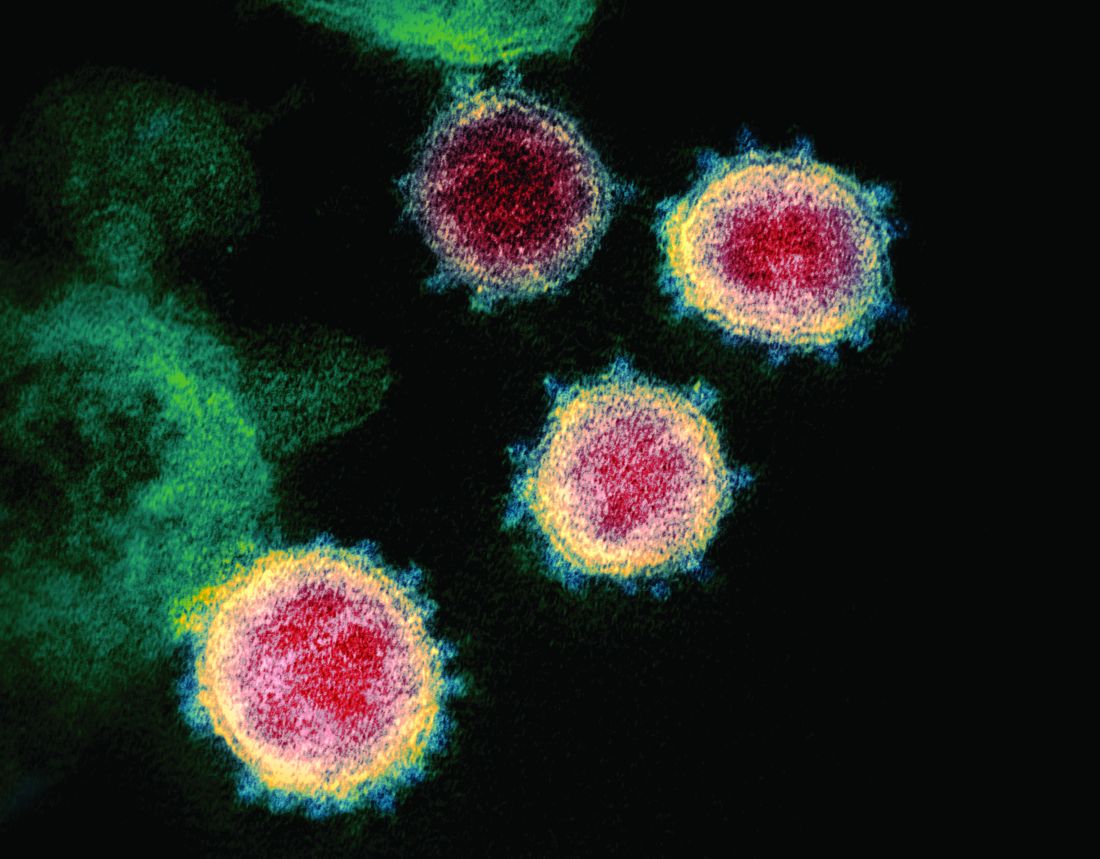
Terminology
Endemic. The condition is present at a stable predictable rate in a community. The number observed is what is expected.
Outbreak. The number of cases is greater than what is expected in the area.
Epidemic. An outbreak that spreads over a larger geographical area.
Pandemic. An outbreak that has spread to multiple countries and /or continents.
What we know about coronaviruses: They are host-specific RNA viruses widespread in bats, but found in many other species including humans. Previously, six species caused disease in humans. Four species: 229E, NL63, OC43, and HKU1 usually cause the common cold. Symptoms are generally self-limited and peak 3-4 days after onset. Infection rarely can be manifested as otitis media or a lower respiratory tract disease.
In February 2003, SARS-CoV, a novel coronavirus, was identified as the causative agent for an outbreak of a severe acute respiratory syndrome (SARS) which began in Guangdong, China. It became a pandemic that occurred between November 2002 and July 2003. More than 8,000 individuals from 26 countries were infected, and there were 774 deaths, according to the Centers for Disease Control and Prevention. No cases have been reported since April 2004. This virus most often infected adults, and the mortality rate was 10%. No pediatric deaths were reported. The virus was considered to have evolved from a bat CoV with civet cats as an intermediate host.
In September 2012, MERS-CoV (Middle East respiratory syndrome), another novel coronavirus also manifesting as a severe respiratory illness, was identified in Saudi Arabia. Current data suggests it evolved from a bat CoV using dromedary camels as an intermediate host. To date, more than 2,400 cases have been reported with a case fatality rate of approximately 35% (Emerg Infect Dis. 2020 Feb; 26[2]:191-8). Disease in children has been mild. Most cases have been identified in adult males with comorbidities and have been reported from Saudi Arabia (85%). To date, no sustained human-to-human transmission has been documented. However, limited nonsustained human-to-human transmission has occurred in health care settings.
Preliminary COVID-19 pediatric data
Multiple case reports and studies with limited numbers of patients have been quickly published, but limited data about children have been available. A large study by Wu et al. was released. Epidemiologic data were available for 72,314 cases (62% confirmed 22% suspected,15% diagnosed based on clinical symptoms). Only 965 (1.3%) cases occurred in persons under 19 years of age. There were no deaths reported in anyone younger than 9 years old. The authors indicated that 889 patients (1%) were asymptomatic, but the exact number of children in that group was not provided.1
Dong Y et al. reported on the epidemiologic characteristics of 2,135 children under 18 years who resided in or near an epidemic center. Data were obtained retrospectively; 34% (728) of the cases were confirmed and 66% (1,407) were suspected. In summary, 94 (4%) of all patients were asymptomatic, 1,088 (51%) had mild symptoms, and 826 (39%) had moderate symptoms at the time of diagnosis. The remaining 6% of patients (125) had severe/critical disease manifested by dyspnea and hypoxemia. Interestingly, more severe/critical cases were in the suspected group. Could another pathogen be the true etiology? Severity of illness was greatest for infants (11%). As of Feb. 8, 2020, only one child had died; he was 14 years old. This study supports the claim that COVID-19 disease in children is less severe than in adults.2
Data in U.S. children are now available. Between Feb. 12, 2020, and April 2, 2020, there were 149,770 cases of laboratory-confirmed COVID-19 reported to the CDC. Age was documented in 149,082 cases and 2, 572 (1.7%) were in persons younger than 18 years. New York had the highest percentage of reported pediatric cases at 33% from New York City, and 23% from the remainder of New York state; an additional 15% were from New Jersey and the remaining 29% of cases were from other areas. The median age was 11 years. Cases by age were 32% in teens aged 15-17 years; 27% in children aged 10-14 years; 15% in children aged 5-9 years; 11% in children aged 1-4 years; and 15% in children aged less than 1 year.
Exposure history was documented in 184 cases, of which 91% were household /community. Information regarding signs and symptoms were limited but not absent. Based on available data, 73% of children had fever, cough, or shortness of breath. When looked at independently, each of these symptoms occurred less frequently than in adults: 56% of children reported fever, 54% reported cough, and 13% reported shortness of breath, compared with 71%, 80%, and 43% of adults, respectively. Also reported less frequently were myalgia, headache, sore throat, and diarrhea.
Hospitalization status was available for 745 children, with 20% being hospitalized and 2% being admitted to the ICU. Children under 1 year accounted for most of the hospitalizations. Limited information about underlying conditions was provided. Among 345 cases, 23% had at least one underlying medical condition; the most common conditions were chronic lung disease including asthma (50%), cardiovascular disease (31%), and immunosuppression (8%). Three deaths were reported in this cohort of 2,135 children; however, the final cause of death is still under review.3
There are limitations to the data. Many of the answers needed to perform adequate analysis regarding symptoms, their duration and severity, risk factors, etc., were not available. Routine testing is not currently recommended, and current practices may influence the outcomes.
What have we learned? The data suggest that most ill children may not have cough, fever, or shortness of breath; symptoms which parents will be looking for prior to even seeking medical attention. These are the individuals who may likely play a continued role with disease transmission. The need for hospitalization and the severity of illness appears to be lower than in adults but not absent. Strategies to mitigate additional spread such as social distancing, wearing facial masks, and hand washing still are important and should be encouraged.
Dr. Word is a pediatric infectious disease specialist and director of the Houston Travel Medicine Clinic. She has no relevant financial disclosures. Email Dr. Word at pdnews@mdedge.com.
References
1. JAMA. 2020;323(13):1239-42.
2. Pediatrics. 2020:145(6): e20200702.
3. MMWR Morb Mortal Wkly Rep. 2020 Apr 10;69:422-6.
Coronavirus disease of 2019, more commonly referred to as COVID-19, is caused by a novel coronavirus. At press time in April, its diagnosis had been confirmed in more than 2 million individuals in 185 countries and territories since first isolated in January 2020. Daily updates are provided in terms of the number of new cases, the evolving strategies to mitigate additional spread, testing, potential drug trials, and vaccine development. Risk groups for development of severe disease also have been widely publicized. Limited information has been provided about COVID-19 in children.
Terminology
Endemic. The condition is present at a stable predictable rate in a community. The number observed is what is expected.
Outbreak. The number of cases is greater than what is expected in the area.
Epidemic. An outbreak that spreads over a larger geographical area.
Pandemic. An outbreak that has spread to multiple countries and /or continents.
What we know about coronaviruses: They are host-specific RNA viruses widespread in bats, but found in many other species including humans. Previously, six species caused disease in humans. Four species: 229E, NL63, OC43, and HKU1 usually cause the common cold. Symptoms are generally self-limited and peak 3-4 days after onset. Infection rarely can be manifested as otitis media or a lower respiratory tract disease.
In February 2003, SARS-CoV, a novel coronavirus, was identified as the causative agent for an outbreak of a severe acute respiratory syndrome (SARS) which began in Guangdong, China. It became a pandemic that occurred between November 2002 and July 2003. More than 8,000 individuals from 26 countries were infected, and there were 774 deaths, according to the Centers for Disease Control and Prevention. No cases have been reported since April 2004. This virus most often infected adults, and the mortality rate was 10%. No pediatric deaths were reported. The virus was considered to have evolved from a bat CoV with civet cats as an intermediate host.
In September 2012, MERS-CoV (Middle East respiratory syndrome), another novel coronavirus also manifesting as a severe respiratory illness, was identified in Saudi Arabia. Current data suggests it evolved from a bat CoV using dromedary camels as an intermediate host. To date, more than 2,400 cases have been reported with a case fatality rate of approximately 35% (Emerg Infect Dis. 2020 Feb; 26[2]:191-8). Disease in children has been mild. Most cases have been identified in adult males with comorbidities and have been reported from Saudi Arabia (85%). To date, no sustained human-to-human transmission has been documented. However, limited nonsustained human-to-human transmission has occurred in health care settings.
Preliminary COVID-19 pediatric data
Multiple case reports and studies with limited numbers of patients have been quickly published, but limited data about children have been available. A large study by Wu et al. was released. Epidemiologic data were available for 72,314 cases (62% confirmed 22% suspected,15% diagnosed based on clinical symptoms). Only 965 (1.3%) cases occurred in persons under 19 years of age. There were no deaths reported in anyone younger than 9 years old. The authors indicated that 889 patients (1%) were asymptomatic, but the exact number of children in that group was not provided.1
Dong Y et al. reported on the epidemiologic characteristics of 2,135 children under 18 years who resided in or near an epidemic center. Data were obtained retrospectively; 34% (728) of the cases were confirmed and 66% (1,407) were suspected. In summary, 94 (4%) of all patients were asymptomatic, 1,088 (51%) had mild symptoms, and 826 (39%) had moderate symptoms at the time of diagnosis. The remaining 6% of patients (125) had severe/critical disease manifested by dyspnea and hypoxemia. Interestingly, more severe/critical cases were in the suspected group. Could another pathogen be the true etiology? Severity of illness was greatest for infants (11%). As of Feb. 8, 2020, only one child had died; he was 14 years old. This study supports the claim that COVID-19 disease in children is less severe than in adults.2
Data in U.S. children are now available. Between Feb. 12, 2020, and April 2, 2020, there were 149,770 cases of laboratory-confirmed COVID-19 reported to the CDC. Age was documented in 149,082 cases and 2, 572 (1.7%) were in persons younger than 18 years. New York had the highest percentage of reported pediatric cases at 33% from New York City, and 23% from the remainder of New York state; an additional 15% were from New Jersey and the remaining 29% of cases were from other areas. The median age was 11 years. Cases by age were 32% in teens aged 15-17 years; 27% in children aged 10-14 years; 15% in children aged 5-9 years; 11% in children aged 1-4 years; and 15% in children aged less than 1 year.
Exposure history was documented in 184 cases, of which 91% were household /community. Information regarding signs and symptoms were limited but not absent. Based on available data, 73% of children had fever, cough, or shortness of breath. When looked at independently, each of these symptoms occurred less frequently than in adults: 56% of children reported fever, 54% reported cough, and 13% reported shortness of breath, compared with 71%, 80%, and 43% of adults, respectively. Also reported less frequently were myalgia, headache, sore throat, and diarrhea.
Hospitalization status was available for 745 children, with 20% being hospitalized and 2% being admitted to the ICU. Children under 1 year accounted for most of the hospitalizations. Limited information about underlying conditions was provided. Among 345 cases, 23% had at least one underlying medical condition; the most common conditions were chronic lung disease including asthma (50%), cardiovascular disease (31%), and immunosuppression (8%). Three deaths were reported in this cohort of 2,135 children; however, the final cause of death is still under review.3
There are limitations to the data. Many of the answers needed to perform adequate analysis regarding symptoms, their duration and severity, risk factors, etc., were not available. Routine testing is not currently recommended, and current practices may influence the outcomes.
What have we learned? The data suggest that most ill children may not have cough, fever, or shortness of breath; symptoms which parents will be looking for prior to even seeking medical attention. These are the individuals who may likely play a continued role with disease transmission. The need for hospitalization and the severity of illness appears to be lower than in adults but not absent. Strategies to mitigate additional spread such as social distancing, wearing facial masks, and hand washing still are important and should be encouraged.
Dr. Word is a pediatric infectious disease specialist and director of the Houston Travel Medicine Clinic. She has no relevant financial disclosures. Email Dr. Word at pdnews@mdedge.com.
References
1. JAMA. 2020;323(13):1239-42.
2. Pediatrics. 2020:145(6): e20200702.
3. MMWR Morb Mortal Wkly Rep. 2020 Apr 10;69:422-6.
Coronavirus disease of 2019, more commonly referred to as COVID-19, is caused by a novel coronavirus. At press time in April, its diagnosis had been confirmed in more than 2 million individuals in 185 countries and territories since first isolated in January 2020. Daily updates are provided in terms of the number of new cases, the evolving strategies to mitigate additional spread, testing, potential drug trials, and vaccine development. Risk groups for development of severe disease also have been widely publicized. Limited information has been provided about COVID-19 in children.
Terminology
Endemic. The condition is present at a stable predictable rate in a community. The number observed is what is expected.
Outbreak. The number of cases is greater than what is expected in the area.
Epidemic. An outbreak that spreads over a larger geographical area.
Pandemic. An outbreak that has spread to multiple countries and /or continents.
What we know about coronaviruses: They are host-specific RNA viruses widespread in bats, but found in many other species including humans. Previously, six species caused disease in humans. Four species: 229E, NL63, OC43, and HKU1 usually cause the common cold. Symptoms are generally self-limited and peak 3-4 days after onset. Infection rarely can be manifested as otitis media or a lower respiratory tract disease.
In February 2003, SARS-CoV, a novel coronavirus, was identified as the causative agent for an outbreak of a severe acute respiratory syndrome (SARS) which began in Guangdong, China. It became a pandemic that occurred between November 2002 and July 2003. More than 8,000 individuals from 26 countries were infected, and there were 774 deaths, according to the Centers for Disease Control and Prevention. No cases have been reported since April 2004. This virus most often infected adults, and the mortality rate was 10%. No pediatric deaths were reported. The virus was considered to have evolved from a bat CoV with civet cats as an intermediate host.
In September 2012, MERS-CoV (Middle East respiratory syndrome), another novel coronavirus also manifesting as a severe respiratory illness, was identified in Saudi Arabia. Current data suggests it evolved from a bat CoV using dromedary camels as an intermediate host. To date, more than 2,400 cases have been reported with a case fatality rate of approximately 35% (Emerg Infect Dis. 2020 Feb; 26[2]:191-8). Disease in children has been mild. Most cases have been identified in adult males with comorbidities and have been reported from Saudi Arabia (85%). To date, no sustained human-to-human transmission has been documented. However, limited nonsustained human-to-human transmission has occurred in health care settings.
Preliminary COVID-19 pediatric data
Multiple case reports and studies with limited numbers of patients have been quickly published, but limited data about children have been available. A large study by Wu et al. was released. Epidemiologic data were available for 72,314 cases (62% confirmed 22% suspected,15% diagnosed based on clinical symptoms). Only 965 (1.3%) cases occurred in persons under 19 years of age. There were no deaths reported in anyone younger than 9 years old. The authors indicated that 889 patients (1%) were asymptomatic, but the exact number of children in that group was not provided.1
Dong Y et al. reported on the epidemiologic characteristics of 2,135 children under 18 years who resided in or near an epidemic center. Data were obtained retrospectively; 34% (728) of the cases were confirmed and 66% (1,407) were suspected. In summary, 94 (4%) of all patients were asymptomatic, 1,088 (51%) had mild symptoms, and 826 (39%) had moderate symptoms at the time of diagnosis. The remaining 6% of patients (125) had severe/critical disease manifested by dyspnea and hypoxemia. Interestingly, more severe/critical cases were in the suspected group. Could another pathogen be the true etiology? Severity of illness was greatest for infants (11%). As of Feb. 8, 2020, only one child had died; he was 14 years old. This study supports the claim that COVID-19 disease in children is less severe than in adults.2
Data in U.S. children are now available. Between Feb. 12, 2020, and April 2, 2020, there were 149,770 cases of laboratory-confirmed COVID-19 reported to the CDC. Age was documented in 149,082 cases and 2, 572 (1.7%) were in persons younger than 18 years. New York had the highest percentage of reported pediatric cases at 33% from New York City, and 23% from the remainder of New York state; an additional 15% were from New Jersey and the remaining 29% of cases were from other areas. The median age was 11 years. Cases by age were 32% in teens aged 15-17 years; 27% in children aged 10-14 years; 15% in children aged 5-9 years; 11% in children aged 1-4 years; and 15% in children aged less than 1 year.
Exposure history was documented in 184 cases, of which 91% were household /community. Information regarding signs and symptoms were limited but not absent. Based on available data, 73% of children had fever, cough, or shortness of breath. When looked at independently, each of these symptoms occurred less frequently than in adults: 56% of children reported fever, 54% reported cough, and 13% reported shortness of breath, compared with 71%, 80%, and 43% of adults, respectively. Also reported less frequently were myalgia, headache, sore throat, and diarrhea.
Hospitalization status was available for 745 children, with 20% being hospitalized and 2% being admitted to the ICU. Children under 1 year accounted for most of the hospitalizations. Limited information about underlying conditions was provided. Among 345 cases, 23% had at least one underlying medical condition; the most common conditions were chronic lung disease including asthma (50%), cardiovascular disease (31%), and immunosuppression (8%). Three deaths were reported in this cohort of 2,135 children; however, the final cause of death is still under review.3
There are limitations to the data. Many of the answers needed to perform adequate analysis regarding symptoms, their duration and severity, risk factors, etc., were not available. Routine testing is not currently recommended, and current practices may influence the outcomes.
What have we learned? The data suggest that most ill children may not have cough, fever, or shortness of breath; symptoms which parents will be looking for prior to even seeking medical attention. These are the individuals who may likely play a continued role with disease transmission. The need for hospitalization and the severity of illness appears to be lower than in adults but not absent. Strategies to mitigate additional spread such as social distancing, wearing facial masks, and hand washing still are important and should be encouraged.
Dr. Word is a pediatric infectious disease specialist and director of the Houston Travel Medicine Clinic. She has no relevant financial disclosures. Email Dr. Word at pdnews@mdedge.com.
References
1. JAMA. 2020;323(13):1239-42.
2. Pediatrics. 2020:145(6): e20200702.
3. MMWR Morb Mortal Wkly Rep. 2020 Apr 10;69:422-6.
COVID-19: Mental illness the ‘inevitable’ next pandemic?
Social distancing is slowing the spread of COVID-19, but it will undoubtedly have negative consequences for mental health and well-being in both the short- and long-term, public health experts say.
In an article published online April 10 in JAMA Internal Medicine on the mental health consequences of COVID-19, the authors warn of a “pandemic” of behavioral problems and mental illness.
“COVID-19 is a traumatic event that we are all experiencing. We can well expect there to be a rise in mental illness nationwide,” first author Sandro Galea, MD, dean of the School of Public Health at Boston University, said in an interview.
“Education about this, screening for those with symptoms, and availability of treatment are all important to mitigate the mental health consequences of COVID-19,” Dr. Galea added.
Anxiety, depression, child abuse
The COVID-19 pandemic will likely result in “substantial” increases in anxiety and depression, substance use, loneliness, and domestic violence. In addition, with school closures, the possibility of an epidemic of child abuse is “very real,” the authors noted.
As reported online, a recent national survey by the American Psychiatric Association showed COVID-19 is seriously affecting Americans’ mental health, with half of U.S. adults reporting high levels of anxiety.
from the pandemic.
The first step is to plan for the inevitability of loneliness and its sequelae as populations physically and socially isolate and to find ways to intervene.
To prepare, the authors suggest the use of digital technologies to mitigate the impact of social distancing, even while physical distancing. They also encourage places of worship, gyms, yoga studios, and other places people normally gather to offer regularly scheduled online activities.
Employers also can help by offering virtual technologies that enable employees to work from home, and schools should develop and implement online learning for children.
“Even with all of these measures, there will still be segments of the population that are lonely and isolated. This suggests the need for remote approaches for outreach and screening for loneliness and associated mental health conditions so that social support can be provided,” the authors noted.
Need for creative thinking
The authors noted the second “critical” step is to have mechanisms in place for surveillance, reporting, and intervention, particularly when it comes to domestic violence and child abuse.
“Individuals at risk for abuse may have limited opportunities to report or seek help when shelter-in-place requirements demand prolonged cohabitation at home and limit travel outside of the home,” they wrote.
“Systems will need to balance the need for social distancing with the availability of safe places to be for people who are at risk, and social services systems will need to be creative in their approaches to following up on reports of problems,” they noted.
Finally, the authors note that now is the time to bolster the U.S. mental health system in preparation for the challenges posed by the COVID-19 pandemic.
“Scaling up treatment in the midst of crisis will take creative thinking. Communities and organizations could consider training nontraditional groups to provide psychological first aid, helping teach the lay public to check in with one another and provide support,” they wrote.
“This difficult moment in time nonetheless offers the opportunity to advance our understanding of how to provide prevention-focused, population-level, and indeed national-level psychological first aid and mental health care, and to emerge from this pandemic with new ways of doing so.”
Invaluable advice
Reached for comment, Lloyd I. Sederer, MD, psychiatrist and adjunct professor at Columbia University Mailman School of Public Health in New York, described the article as “invaluable” noting that it “clearly and concisely describes the mental health consequences we can expect in the wake of the COVID-19 pandemic – and what can (and needs) to be done to mitigate them.”
Dr. Sederer added that Dr. Galea has “studied and been part of the mental health responses to previous disasters, and is a leader in public health, including public mental health. His voice truly is worth listening to (and acting upon).”
Dr. Sederer offers additional suggestions on addressing mental health after disasters in a recent perspective article
Dr. Galea and Dr. Sederer have reported no relevant financial relationships.
A version of this article originally appeared on Medscape.com.
Social distancing is slowing the spread of COVID-19, but it will undoubtedly have negative consequences for mental health and well-being in both the short- and long-term, public health experts say.
In an article published online April 10 in JAMA Internal Medicine on the mental health consequences of COVID-19, the authors warn of a “pandemic” of behavioral problems and mental illness.
“COVID-19 is a traumatic event that we are all experiencing. We can well expect there to be a rise in mental illness nationwide,” first author Sandro Galea, MD, dean of the School of Public Health at Boston University, said in an interview.
“Education about this, screening for those with symptoms, and availability of treatment are all important to mitigate the mental health consequences of COVID-19,” Dr. Galea added.
Anxiety, depression, child abuse
The COVID-19 pandemic will likely result in “substantial” increases in anxiety and depression, substance use, loneliness, and domestic violence. In addition, with school closures, the possibility of an epidemic of child abuse is “very real,” the authors noted.
As reported online, a recent national survey by the American Psychiatric Association showed COVID-19 is seriously affecting Americans’ mental health, with half of U.S. adults reporting high levels of anxiety.
from the pandemic.
The first step is to plan for the inevitability of loneliness and its sequelae as populations physically and socially isolate and to find ways to intervene.
To prepare, the authors suggest the use of digital technologies to mitigate the impact of social distancing, even while physical distancing. They also encourage places of worship, gyms, yoga studios, and other places people normally gather to offer regularly scheduled online activities.
Employers also can help by offering virtual technologies that enable employees to work from home, and schools should develop and implement online learning for children.
“Even with all of these measures, there will still be segments of the population that are lonely and isolated. This suggests the need for remote approaches for outreach and screening for loneliness and associated mental health conditions so that social support can be provided,” the authors noted.
Need for creative thinking
The authors noted the second “critical” step is to have mechanisms in place for surveillance, reporting, and intervention, particularly when it comes to domestic violence and child abuse.
“Individuals at risk for abuse may have limited opportunities to report or seek help when shelter-in-place requirements demand prolonged cohabitation at home and limit travel outside of the home,” they wrote.
“Systems will need to balance the need for social distancing with the availability of safe places to be for people who are at risk, and social services systems will need to be creative in their approaches to following up on reports of problems,” they noted.
Finally, the authors note that now is the time to bolster the U.S. mental health system in preparation for the challenges posed by the COVID-19 pandemic.
“Scaling up treatment in the midst of crisis will take creative thinking. Communities and organizations could consider training nontraditional groups to provide psychological first aid, helping teach the lay public to check in with one another and provide support,” they wrote.
“This difficult moment in time nonetheless offers the opportunity to advance our understanding of how to provide prevention-focused, population-level, and indeed national-level psychological first aid and mental health care, and to emerge from this pandemic with new ways of doing so.”
Invaluable advice
Reached for comment, Lloyd I. Sederer, MD, psychiatrist and adjunct professor at Columbia University Mailman School of Public Health in New York, described the article as “invaluable” noting that it “clearly and concisely describes the mental health consequences we can expect in the wake of the COVID-19 pandemic – and what can (and needs) to be done to mitigate them.”
Dr. Sederer added that Dr. Galea has “studied and been part of the mental health responses to previous disasters, and is a leader in public health, including public mental health. His voice truly is worth listening to (and acting upon).”
Dr. Sederer offers additional suggestions on addressing mental health after disasters in a recent perspective article
Dr. Galea and Dr. Sederer have reported no relevant financial relationships.
A version of this article originally appeared on Medscape.com.
Social distancing is slowing the spread of COVID-19, but it will undoubtedly have negative consequences for mental health and well-being in both the short- and long-term, public health experts say.
In an article published online April 10 in JAMA Internal Medicine on the mental health consequences of COVID-19, the authors warn of a “pandemic” of behavioral problems and mental illness.
“COVID-19 is a traumatic event that we are all experiencing. We can well expect there to be a rise in mental illness nationwide,” first author Sandro Galea, MD, dean of the School of Public Health at Boston University, said in an interview.
“Education about this, screening for those with symptoms, and availability of treatment are all important to mitigate the mental health consequences of COVID-19,” Dr. Galea added.
Anxiety, depression, child abuse
The COVID-19 pandemic will likely result in “substantial” increases in anxiety and depression, substance use, loneliness, and domestic violence. In addition, with school closures, the possibility of an epidemic of child abuse is “very real,” the authors noted.
As reported online, a recent national survey by the American Psychiatric Association showed COVID-19 is seriously affecting Americans’ mental health, with half of U.S. adults reporting high levels of anxiety.
from the pandemic.
The first step is to plan for the inevitability of loneliness and its sequelae as populations physically and socially isolate and to find ways to intervene.
To prepare, the authors suggest the use of digital technologies to mitigate the impact of social distancing, even while physical distancing. They also encourage places of worship, gyms, yoga studios, and other places people normally gather to offer regularly scheduled online activities.
Employers also can help by offering virtual technologies that enable employees to work from home, and schools should develop and implement online learning for children.
“Even with all of these measures, there will still be segments of the population that are lonely and isolated. This suggests the need for remote approaches for outreach and screening for loneliness and associated mental health conditions so that social support can be provided,” the authors noted.
Need for creative thinking
The authors noted the second “critical” step is to have mechanisms in place for surveillance, reporting, and intervention, particularly when it comes to domestic violence and child abuse.
“Individuals at risk for abuse may have limited opportunities to report or seek help when shelter-in-place requirements demand prolonged cohabitation at home and limit travel outside of the home,” they wrote.
“Systems will need to balance the need for social distancing with the availability of safe places to be for people who are at risk, and social services systems will need to be creative in their approaches to following up on reports of problems,” they noted.
Finally, the authors note that now is the time to bolster the U.S. mental health system in preparation for the challenges posed by the COVID-19 pandemic.
“Scaling up treatment in the midst of crisis will take creative thinking. Communities and organizations could consider training nontraditional groups to provide psychological first aid, helping teach the lay public to check in with one another and provide support,” they wrote.
“This difficult moment in time nonetheless offers the opportunity to advance our understanding of how to provide prevention-focused, population-level, and indeed national-level psychological first aid and mental health care, and to emerge from this pandemic with new ways of doing so.”
Invaluable advice
Reached for comment, Lloyd I. Sederer, MD, psychiatrist and adjunct professor at Columbia University Mailman School of Public Health in New York, described the article as “invaluable” noting that it “clearly and concisely describes the mental health consequences we can expect in the wake of the COVID-19 pandemic – and what can (and needs) to be done to mitigate them.”
Dr. Sederer added that Dr. Galea has “studied and been part of the mental health responses to previous disasters, and is a leader in public health, including public mental health. His voice truly is worth listening to (and acting upon).”
Dr. Sederer offers additional suggestions on addressing mental health after disasters in a recent perspective article
Dr. Galea and Dr. Sederer have reported no relevant financial relationships.
A version of this article originally appeared on Medscape.com.
Life in jail, made worse during COVID-19
An interview with correctional psychiatrist Elizabeth Ford
Jails provide ideal conditions for the spread of COVID-19, as made clear by the distressing stories coming out of New York City. Beyond the very substantial risks posed by the virus itself, practitioners tasked with attending to the large proportion of inmates with mental illness now face additional challenges.
Medscape Psychiatry editorial director Bret Stetka, MD, spoke with Elizabeth Ford, MD, former chief of psychiatry for NYC Health + Hospitals/Correctional Health Services and current chief medical officer for the Center for Alternative Sentencing and Employment Services (CASES), a community organization focused on the needs of people touched by the criminal justice system, to find out how COVID-19 may be reshaping the mental health care of incarcerated patients. As noted by Ford, who authored the 2017 memoir Sometimes Amazing Things Happen: Heartbreak and Hope on the Bellevue Hospital Psychiatric Prison Ward, the unique vulnerabilities of this population were evident well before the coronavirus pandemic’s arrival on our shores.
What are the unique health and mental health challenges that can arise in correctional facilities during crises like this, in particular, infectious crises? Or are we still learning this as COVID-19 spreads?
I think it’s important to say that they are still learning it, and I don’t want to speak for them. I left Correctional Health Services on Feb. 14, and we weren’t aware of [all the risks posed by COVID-19] at that point.
I worked in the jail proper for five and a half years. Prior to that I spent a decade at Bellevue Hospital, where I took care of the same patients, who were still incarcerated but also hospitalized. In those years, the closest I ever came to managing something like this was Superstorm Sandy, which obviously had much different health implications.
All of the things that the community is struggling with in terms of the virus also apply in jails and prisons: identifying people who are sick, keeping healthy people from getting sick, preventing sick people from getting worse, separating populations, treatment options, testing options, making sure people follow the appropriate hygiene recommendations. It’s just amplified immensely because these are closed systems that tend to be poorly sanitized, crowded, and frequently forgotten or minimized in public health and political conversations.
A really important distinction is that individuals who are incarcerated do not have control over their behavior in the way that they would in the outside world. They may want to wash their hands frequently and to stay six feet away from everybody, but they can’t because the environment doesn’t allow for that. I know that everyone – correctional officers, health staff, incarcerated individuals, the city – is trying to figure out how to do those things in the jail. The primary challenge is that you don’t have the ability to do the things that you know are right to prevent the spread of the infection.
I know you can’t speak to what’s going on at specific jails at the moment, but what sort of psychiatric measures would a jail system put forth in a time like this?
It’s a good question, because like everybody, they’re having to balance the safety of the staff and the patients.
I expect that the jails are trying to stratify patients based on severity, both physical and psychological, although increasingly it’s likely harder to separate those who are sick from those who aren’t. In areas where patients are sick, I think the mental health staff are likely doing as much intervention as they can safely, including remote work like telehealth. Telehealth actually got its start in prisons, because they couldn’t get enough providers to come in and do the work in person.
I’ve read a lot of the criticism around this, specifically at Rikers Island, where inmates are still closely seated at dining tables, with no possibility of social distancing. [Editor’s note: At the time of this writing, Rikers Island experienced its first inmate death due to COVID-19.] But I see the other side of it. What are jails supposed to do when limited to such a confined space?
That’s correct. I think it is hard for someone who has not lived or worked intensely in these settings to understand how difficult it can be to implement even the most basic hygiene precautions. There are all sorts of efforts happening to create more space, to reduce admissions coming into the jail, to try to expedite discharges out, to offer a lot more sanitation options. I think they may have opened up a jail that was empty to allow for more space.
In a recent Medscape commentary, Jeffrey Lieberman, MD, from Columbia University detailed how a crisis like this may affect those in different tiers of mental illness. Interestingly, there are data showing that those with serious mental illness – schizophrenia, severe mania – often aren’t panicked by disasters. I assume that a sizable percentage of the jail population has severe mental illness, so I was curious about what your experience is, about how they may handle it psychologically.
The rate of serious mental illness in jail is roughly 16% or so, which is three or four times higher than the general population.
Although I don’t know if these kinds of crises differentially affect people with serious mental illness, I do believe very strongly that situations like this, for those who are and who are not incarcerated, can exacerbate or cause symptoms like anxiety, depression, and elevated levels of fear – fear about the unknown, fear of illness or death, fear of isolation.
For people who are incarcerated and who understandably may struggle with trusting the system that is supposed to be keeping them safe, I am concerned that this kind of situation will make that lack of trust worse. I worry that when they get out of jail they will be less inclined to seek help. I imagine that the staff in the jails are doing as much as they can to support the patients, but the staff are also likely experiencing some version of the abandonment and frustration that the patients may feel.
I’ve also seen – not in a crisis of this magnitude but in other crisis situations – that a community really develops among everybody in incarcerated settings. A shared crisis forces everybody to work together in ways that they may not have before. That includes more tolerance for behaviors, more understanding of differences, including mental illness and developmental delay. More compassion.
Do you mean between prisoners and staff? Among everybody?
Everybody. In all of the different relationships you can imagine.
That speaks to the vulnerability and good nature in all of us. It’s encouraging.
It is, although it’s devastating to me that it happens because they collectively feel so neglected and forgotten. Shared trauma can bind people together very closely.
What psychiatric conditions did you typically see in New York City jails?
For the many people with serious mental illness, it’s generally schizophrenia-spectrum illnesses and bipolar disorder – really severe illnesses that do not do well in confinement settings. There’s a lot of anxiety and depression, some that rises to the level of serious illness. There is near universal substance use among the population.
There is also almost universal trauma exposure, whether early-childhood experiences or the ongoing trauma of incarceration. Not everyone has PTSD, but almost everyone behaves in a traumatized way. As you know, in the United States, incarceration is very racially and socioeconomically biased; the trauma of poverty can be incredibly harsh.
What I didn’t see were lots of people with antisocial personality disorder or diagnoses of malingering. That may surprise people. There’s an idea that everybody in jail is a liar and lacks empathy. I didn’t experience that. People in jail are doing whatever they can to survive.
What treatments are offered to these patients?
In New York City, all of the typical treatments that you would imagine for people with serious mental illness are offered in the jails: individual and group psychotherapy, medication management, substance use treatment, social work services, even creative art therapy. Many other jails are not able to do even a fraction of that.
In many jails there also has to be a lot of supportive therapy. This involves trying to help people get through a very anxiety-provoking and difficult time, when they frequently don’t know when they are going to be able to leave. I felt the same way as many of the correction officers – that the best thing for these patients is to be out of the jail, to be out of that toxic environment.
We have heard for years that the jail system and prison system is the new psych ward. Can you speak to how this occurred and the influence of deinstitutionalization?
When deinstitutionalization happened, there were not enough community agencies available that were equipped to take care of patients who were previously in hospitals. But I think a larger contributor to the overpopulation of people with mental illness in jails and prisons was the war on drugs. It disproportionately affected people who were poor, of color, and who had mental illness. Mental illness and substance use frequently occur together.
At the same time as deinstitutionalization and the war on drugs, there was also a tightening up of the laws relating to admission to psychiatric hospitals. The civil rights movement helped define the requirements that someone had to be dangerous and mentally ill in order to get admitted against their will. While this was an important protection against more indiscriminate admissions of the past, it made it harder to get into hospitals; the state hospitals were closed but the hospitals that were open were now harder to get into.
You mentioned that prisoners are undergoing trauma every day. Is this inherent to punitive confinement, or is it something that can be improved upon in the United States?
It’s important that you said “in the United States” as part of that question. Our approach to incarceration in the U.S. is heavily punishment based.
Compared to somewhere like Scandinavia, where inmates and prisoners are given a lot more support?
Or England or Canada. The challenge with comparing the United States to Scandinavia is that we are socioeconomically, demographically, and politically so different. But yes, my understanding about the Scandinavian systems are that they have a much more rehabilitative approach to incarceration. Until the U.S. can reframe the goals of incarceration to focus on helping individuals behave in a socially acceptable way, rather than destroy their sense of self-worth, we will continue to see the impact of trauma on generations of lives.
Now, that doesn’t mean that every jail and prison in this country is abusive. But taking away autonomy and freedom, applying inconsistent rules, using solitary confinement, and getting limited to no access to people you love all really destroy a person’s ability to behave in a way that society has deemed acceptable.
Assuming that mental health professionals such as yourself have a more compassionate understanding of what’s going on psychologically with the inmates, are you often at odds with law enforcement in the philosophy behind incarceration?
That’s an interesting question. When I moved from the hospital to the jail, I thought that I would run into a lot of resistance from the correction officer staff. I just thought, we’re coming at this from a totally different perspective: I’m trying to help these people and see if there’s a way to safely get them out, and you guys want to punish them.
It turns out that I was very misguided in that view, because it seemed to me that everybody wanted to do what was right for the patient. My perspective about what’s right involved respectful care, building self-esteem, treating illness. The correction officer’s perspective seemed to be keeping them safe, making sure that they can get through the system as quickly as possible, not having them get into fights. Our perspectives may have been different, but the goals were the same. I want all that stuff that the officers want as well.
It’s important to remember that the people who work inside jails and prisons are usually not the ones who are making the policies about who goes in. I haven’t had a lot of exposure working directly with many policymakers. I imagine that my opinions might differ from theirs in some regards.
For those working in the U.S. psychiatric healthcare system, what do you want them to know about mental health care in the correctional setting?
Patients in correctional settings are mostly the same patients seen in the public mental health system setting. The vast majority of people who spend time in jail or prison return to the community. But there’s a difference in how patients are perceived by many mental health professionals, including psychiatrists, depending on whether they have criminal justice experience or not.
I would encourage everybody to try to keep an open mind and remember that these patients are cycling through a very difficult system, for many reasons that are at least rooted in community trauma and poverty, and that it doesn’t change the nature of who they are. It doesn’t change that they’re still human beings and they still deserve care and support and treatment.
In this country, patients with mental illness and incarceration histories are so vulnerable and are often black, brown, and poor. It’s an incredible and disturbing representation of American society. But I feel like you can help a lot by getting involved in the frequently dysfunctional criminal justice system. Psychiatrists and other providers have an opportunity to fix things from the inside out.
What’s your new role at CASES?
I’m the chief medical officer at CASES [Center for Alternative Sentencing and Employment Services]. It’s a large community organization that provides mental health treatment, case management, employment and education services, alternatives to incarceration, and general support for people who have experienced criminal justice involvement. CASES began operating in the 1960s, and around 2000 it began developing programs specifically addressing the connection between serious mental illness and criminal justice system involvement. For example, we take care of the patients who are coming out of the jails or prisons, or managing patients that the courts have said should go to treatment instead of incarceration.
I took the job because as conditions for individuals with serious mental illness started to improve in the jails, I started to hear more frequently from patients that they were getting better treatment in the jail than out in the community. That did not sit well with me and seemed to be almost the opposite of how it should be.
I also have never been an outpatient public psychiatrist. Most of the patients I treat live most of their lives outside of a jail or a hospital. It felt really important for me to understand the lives of these patients and to see if all of the resistance that I’ve heard from community psychiatrists about taking care of people who have been in jail is really true or not.
It was a logical transition for me. I’m following the patients and basically deinstitutionalizing [them] myself.
This article was first published on Medscape.com.
An interview with correctional psychiatrist Elizabeth Ford
An interview with correctional psychiatrist Elizabeth Ford
Jails provide ideal conditions for the spread of COVID-19, as made clear by the distressing stories coming out of New York City. Beyond the very substantial risks posed by the virus itself, practitioners tasked with attending to the large proportion of inmates with mental illness now face additional challenges.
Medscape Psychiatry editorial director Bret Stetka, MD, spoke with Elizabeth Ford, MD, former chief of psychiatry for NYC Health + Hospitals/Correctional Health Services and current chief medical officer for the Center for Alternative Sentencing and Employment Services (CASES), a community organization focused on the needs of people touched by the criminal justice system, to find out how COVID-19 may be reshaping the mental health care of incarcerated patients. As noted by Ford, who authored the 2017 memoir Sometimes Amazing Things Happen: Heartbreak and Hope on the Bellevue Hospital Psychiatric Prison Ward, the unique vulnerabilities of this population were evident well before the coronavirus pandemic’s arrival on our shores.
What are the unique health and mental health challenges that can arise in correctional facilities during crises like this, in particular, infectious crises? Or are we still learning this as COVID-19 spreads?
I think it’s important to say that they are still learning it, and I don’t want to speak for them. I left Correctional Health Services on Feb. 14, and we weren’t aware of [all the risks posed by COVID-19] at that point.
I worked in the jail proper for five and a half years. Prior to that I spent a decade at Bellevue Hospital, where I took care of the same patients, who were still incarcerated but also hospitalized. In those years, the closest I ever came to managing something like this was Superstorm Sandy, which obviously had much different health implications.
All of the things that the community is struggling with in terms of the virus also apply in jails and prisons: identifying people who are sick, keeping healthy people from getting sick, preventing sick people from getting worse, separating populations, treatment options, testing options, making sure people follow the appropriate hygiene recommendations. It’s just amplified immensely because these are closed systems that tend to be poorly sanitized, crowded, and frequently forgotten or minimized in public health and political conversations.
A really important distinction is that individuals who are incarcerated do not have control over their behavior in the way that they would in the outside world. They may want to wash their hands frequently and to stay six feet away from everybody, but they can’t because the environment doesn’t allow for that. I know that everyone – correctional officers, health staff, incarcerated individuals, the city – is trying to figure out how to do those things in the jail. The primary challenge is that you don’t have the ability to do the things that you know are right to prevent the spread of the infection.
I know you can’t speak to what’s going on at specific jails at the moment, but what sort of psychiatric measures would a jail system put forth in a time like this?
It’s a good question, because like everybody, they’re having to balance the safety of the staff and the patients.
I expect that the jails are trying to stratify patients based on severity, both physical and psychological, although increasingly it’s likely harder to separate those who are sick from those who aren’t. In areas where patients are sick, I think the mental health staff are likely doing as much intervention as they can safely, including remote work like telehealth. Telehealth actually got its start in prisons, because they couldn’t get enough providers to come in and do the work in person.
I’ve read a lot of the criticism around this, specifically at Rikers Island, where inmates are still closely seated at dining tables, with no possibility of social distancing. [Editor’s note: At the time of this writing, Rikers Island experienced its first inmate death due to COVID-19.] But I see the other side of it. What are jails supposed to do when limited to such a confined space?
That’s correct. I think it is hard for someone who has not lived or worked intensely in these settings to understand how difficult it can be to implement even the most basic hygiene precautions. There are all sorts of efforts happening to create more space, to reduce admissions coming into the jail, to try to expedite discharges out, to offer a lot more sanitation options. I think they may have opened up a jail that was empty to allow for more space.
In a recent Medscape commentary, Jeffrey Lieberman, MD, from Columbia University detailed how a crisis like this may affect those in different tiers of mental illness. Interestingly, there are data showing that those with serious mental illness – schizophrenia, severe mania – often aren’t panicked by disasters. I assume that a sizable percentage of the jail population has severe mental illness, so I was curious about what your experience is, about how they may handle it psychologically.
The rate of serious mental illness in jail is roughly 16% or so, which is three or four times higher than the general population.
Although I don’t know if these kinds of crises differentially affect people with serious mental illness, I do believe very strongly that situations like this, for those who are and who are not incarcerated, can exacerbate or cause symptoms like anxiety, depression, and elevated levels of fear – fear about the unknown, fear of illness or death, fear of isolation.
For people who are incarcerated and who understandably may struggle with trusting the system that is supposed to be keeping them safe, I am concerned that this kind of situation will make that lack of trust worse. I worry that when they get out of jail they will be less inclined to seek help. I imagine that the staff in the jails are doing as much as they can to support the patients, but the staff are also likely experiencing some version of the abandonment and frustration that the patients may feel.
I’ve also seen – not in a crisis of this magnitude but in other crisis situations – that a community really develops among everybody in incarcerated settings. A shared crisis forces everybody to work together in ways that they may not have before. That includes more tolerance for behaviors, more understanding of differences, including mental illness and developmental delay. More compassion.
Do you mean between prisoners and staff? Among everybody?
Everybody. In all of the different relationships you can imagine.
That speaks to the vulnerability and good nature in all of us. It’s encouraging.
It is, although it’s devastating to me that it happens because they collectively feel so neglected and forgotten. Shared trauma can bind people together very closely.
What psychiatric conditions did you typically see in New York City jails?
For the many people with serious mental illness, it’s generally schizophrenia-spectrum illnesses and bipolar disorder – really severe illnesses that do not do well in confinement settings. There’s a lot of anxiety and depression, some that rises to the level of serious illness. There is near universal substance use among the population.
There is also almost universal trauma exposure, whether early-childhood experiences or the ongoing trauma of incarceration. Not everyone has PTSD, but almost everyone behaves in a traumatized way. As you know, in the United States, incarceration is very racially and socioeconomically biased; the trauma of poverty can be incredibly harsh.
What I didn’t see were lots of people with antisocial personality disorder or diagnoses of malingering. That may surprise people. There’s an idea that everybody in jail is a liar and lacks empathy. I didn’t experience that. People in jail are doing whatever they can to survive.
What treatments are offered to these patients?
In New York City, all of the typical treatments that you would imagine for people with serious mental illness are offered in the jails: individual and group psychotherapy, medication management, substance use treatment, social work services, even creative art therapy. Many other jails are not able to do even a fraction of that.
In many jails there also has to be a lot of supportive therapy. This involves trying to help people get through a very anxiety-provoking and difficult time, when they frequently don’t know when they are going to be able to leave. I felt the same way as many of the correction officers – that the best thing for these patients is to be out of the jail, to be out of that toxic environment.
We have heard for years that the jail system and prison system is the new psych ward. Can you speak to how this occurred and the influence of deinstitutionalization?
When deinstitutionalization happened, there were not enough community agencies available that were equipped to take care of patients who were previously in hospitals. But I think a larger contributor to the overpopulation of people with mental illness in jails and prisons was the war on drugs. It disproportionately affected people who were poor, of color, and who had mental illness. Mental illness and substance use frequently occur together.
At the same time as deinstitutionalization and the war on drugs, there was also a tightening up of the laws relating to admission to psychiatric hospitals. The civil rights movement helped define the requirements that someone had to be dangerous and mentally ill in order to get admitted against their will. While this was an important protection against more indiscriminate admissions of the past, it made it harder to get into hospitals; the state hospitals were closed but the hospitals that were open were now harder to get into.
You mentioned that prisoners are undergoing trauma every day. Is this inherent to punitive confinement, or is it something that can be improved upon in the United States?
It’s important that you said “in the United States” as part of that question. Our approach to incarceration in the U.S. is heavily punishment based.
Compared to somewhere like Scandinavia, where inmates and prisoners are given a lot more support?
Or England or Canada. The challenge with comparing the United States to Scandinavia is that we are socioeconomically, demographically, and politically so different. But yes, my understanding about the Scandinavian systems are that they have a much more rehabilitative approach to incarceration. Until the U.S. can reframe the goals of incarceration to focus on helping individuals behave in a socially acceptable way, rather than destroy their sense of self-worth, we will continue to see the impact of trauma on generations of lives.
Now, that doesn’t mean that every jail and prison in this country is abusive. But taking away autonomy and freedom, applying inconsistent rules, using solitary confinement, and getting limited to no access to people you love all really destroy a person’s ability to behave in a way that society has deemed acceptable.
Assuming that mental health professionals such as yourself have a more compassionate understanding of what’s going on psychologically with the inmates, are you often at odds with law enforcement in the philosophy behind incarceration?
That’s an interesting question. When I moved from the hospital to the jail, I thought that I would run into a lot of resistance from the correction officer staff. I just thought, we’re coming at this from a totally different perspective: I’m trying to help these people and see if there’s a way to safely get them out, and you guys want to punish them.
It turns out that I was very misguided in that view, because it seemed to me that everybody wanted to do what was right for the patient. My perspective about what’s right involved respectful care, building self-esteem, treating illness. The correction officer’s perspective seemed to be keeping them safe, making sure that they can get through the system as quickly as possible, not having them get into fights. Our perspectives may have been different, but the goals were the same. I want all that stuff that the officers want as well.
It’s important to remember that the people who work inside jails and prisons are usually not the ones who are making the policies about who goes in. I haven’t had a lot of exposure working directly with many policymakers. I imagine that my opinions might differ from theirs in some regards.
For those working in the U.S. psychiatric healthcare system, what do you want them to know about mental health care in the correctional setting?
Patients in correctional settings are mostly the same patients seen in the public mental health system setting. The vast majority of people who spend time in jail or prison return to the community. But there’s a difference in how patients are perceived by many mental health professionals, including psychiatrists, depending on whether they have criminal justice experience or not.
I would encourage everybody to try to keep an open mind and remember that these patients are cycling through a very difficult system, for many reasons that are at least rooted in community trauma and poverty, and that it doesn’t change the nature of who they are. It doesn’t change that they’re still human beings and they still deserve care and support and treatment.
In this country, patients with mental illness and incarceration histories are so vulnerable and are often black, brown, and poor. It’s an incredible and disturbing representation of American society. But I feel like you can help a lot by getting involved in the frequently dysfunctional criminal justice system. Psychiatrists and other providers have an opportunity to fix things from the inside out.
What’s your new role at CASES?
I’m the chief medical officer at CASES [Center for Alternative Sentencing and Employment Services]. It’s a large community organization that provides mental health treatment, case management, employment and education services, alternatives to incarceration, and general support for people who have experienced criminal justice involvement. CASES began operating in the 1960s, and around 2000 it began developing programs specifically addressing the connection between serious mental illness and criminal justice system involvement. For example, we take care of the patients who are coming out of the jails or prisons, or managing patients that the courts have said should go to treatment instead of incarceration.
I took the job because as conditions for individuals with serious mental illness started to improve in the jails, I started to hear more frequently from patients that they were getting better treatment in the jail than out in the community. That did not sit well with me and seemed to be almost the opposite of how it should be.
I also have never been an outpatient public psychiatrist. Most of the patients I treat live most of their lives outside of a jail or a hospital. It felt really important for me to understand the lives of these patients and to see if all of the resistance that I’ve heard from community psychiatrists about taking care of people who have been in jail is really true or not.
It was a logical transition for me. I’m following the patients and basically deinstitutionalizing [them] myself.
This article was first published on Medscape.com.
Jails provide ideal conditions for the spread of COVID-19, as made clear by the distressing stories coming out of New York City. Beyond the very substantial risks posed by the virus itself, practitioners tasked with attending to the large proportion of inmates with mental illness now face additional challenges.
Medscape Psychiatry editorial director Bret Stetka, MD, spoke with Elizabeth Ford, MD, former chief of psychiatry for NYC Health + Hospitals/Correctional Health Services and current chief medical officer for the Center for Alternative Sentencing and Employment Services (CASES), a community organization focused on the needs of people touched by the criminal justice system, to find out how COVID-19 may be reshaping the mental health care of incarcerated patients. As noted by Ford, who authored the 2017 memoir Sometimes Amazing Things Happen: Heartbreak and Hope on the Bellevue Hospital Psychiatric Prison Ward, the unique vulnerabilities of this population were evident well before the coronavirus pandemic’s arrival on our shores.
What are the unique health and mental health challenges that can arise in correctional facilities during crises like this, in particular, infectious crises? Or are we still learning this as COVID-19 spreads?
I think it’s important to say that they are still learning it, and I don’t want to speak for them. I left Correctional Health Services on Feb. 14, and we weren’t aware of [all the risks posed by COVID-19] at that point.
I worked in the jail proper for five and a half years. Prior to that I spent a decade at Bellevue Hospital, where I took care of the same patients, who were still incarcerated but also hospitalized. In those years, the closest I ever came to managing something like this was Superstorm Sandy, which obviously had much different health implications.
All of the things that the community is struggling with in terms of the virus also apply in jails and prisons: identifying people who are sick, keeping healthy people from getting sick, preventing sick people from getting worse, separating populations, treatment options, testing options, making sure people follow the appropriate hygiene recommendations. It’s just amplified immensely because these are closed systems that tend to be poorly sanitized, crowded, and frequently forgotten or minimized in public health and political conversations.
A really important distinction is that individuals who are incarcerated do not have control over their behavior in the way that they would in the outside world. They may want to wash their hands frequently and to stay six feet away from everybody, but they can’t because the environment doesn’t allow for that. I know that everyone – correctional officers, health staff, incarcerated individuals, the city – is trying to figure out how to do those things in the jail. The primary challenge is that you don’t have the ability to do the things that you know are right to prevent the spread of the infection.
I know you can’t speak to what’s going on at specific jails at the moment, but what sort of psychiatric measures would a jail system put forth in a time like this?
It’s a good question, because like everybody, they’re having to balance the safety of the staff and the patients.
I expect that the jails are trying to stratify patients based on severity, both physical and psychological, although increasingly it’s likely harder to separate those who are sick from those who aren’t. In areas where patients are sick, I think the mental health staff are likely doing as much intervention as they can safely, including remote work like telehealth. Telehealth actually got its start in prisons, because they couldn’t get enough providers to come in and do the work in person.
I’ve read a lot of the criticism around this, specifically at Rikers Island, where inmates are still closely seated at dining tables, with no possibility of social distancing. [Editor’s note: At the time of this writing, Rikers Island experienced its first inmate death due to COVID-19.] But I see the other side of it. What are jails supposed to do when limited to such a confined space?
That’s correct. I think it is hard for someone who has not lived or worked intensely in these settings to understand how difficult it can be to implement even the most basic hygiene precautions. There are all sorts of efforts happening to create more space, to reduce admissions coming into the jail, to try to expedite discharges out, to offer a lot more sanitation options. I think they may have opened up a jail that was empty to allow for more space.
In a recent Medscape commentary, Jeffrey Lieberman, MD, from Columbia University detailed how a crisis like this may affect those in different tiers of mental illness. Interestingly, there are data showing that those with serious mental illness – schizophrenia, severe mania – often aren’t panicked by disasters. I assume that a sizable percentage of the jail population has severe mental illness, so I was curious about what your experience is, about how they may handle it psychologically.
The rate of serious mental illness in jail is roughly 16% or so, which is three or four times higher than the general population.
Although I don’t know if these kinds of crises differentially affect people with serious mental illness, I do believe very strongly that situations like this, for those who are and who are not incarcerated, can exacerbate or cause symptoms like anxiety, depression, and elevated levels of fear – fear about the unknown, fear of illness or death, fear of isolation.
For people who are incarcerated and who understandably may struggle with trusting the system that is supposed to be keeping them safe, I am concerned that this kind of situation will make that lack of trust worse. I worry that when they get out of jail they will be less inclined to seek help. I imagine that the staff in the jails are doing as much as they can to support the patients, but the staff are also likely experiencing some version of the abandonment and frustration that the patients may feel.
I’ve also seen – not in a crisis of this magnitude but in other crisis situations – that a community really develops among everybody in incarcerated settings. A shared crisis forces everybody to work together in ways that they may not have before. That includes more tolerance for behaviors, more understanding of differences, including mental illness and developmental delay. More compassion.
Do you mean between prisoners and staff? Among everybody?
Everybody. In all of the different relationships you can imagine.
That speaks to the vulnerability and good nature in all of us. It’s encouraging.
It is, although it’s devastating to me that it happens because they collectively feel so neglected and forgotten. Shared trauma can bind people together very closely.
What psychiatric conditions did you typically see in New York City jails?
For the many people with serious mental illness, it’s generally schizophrenia-spectrum illnesses and bipolar disorder – really severe illnesses that do not do well in confinement settings. There’s a lot of anxiety and depression, some that rises to the level of serious illness. There is near universal substance use among the population.
There is also almost universal trauma exposure, whether early-childhood experiences or the ongoing trauma of incarceration. Not everyone has PTSD, but almost everyone behaves in a traumatized way. As you know, in the United States, incarceration is very racially and socioeconomically biased; the trauma of poverty can be incredibly harsh.
What I didn’t see were lots of people with antisocial personality disorder or diagnoses of malingering. That may surprise people. There’s an idea that everybody in jail is a liar and lacks empathy. I didn’t experience that. People in jail are doing whatever they can to survive.
What treatments are offered to these patients?
In New York City, all of the typical treatments that you would imagine for people with serious mental illness are offered in the jails: individual and group psychotherapy, medication management, substance use treatment, social work services, even creative art therapy. Many other jails are not able to do even a fraction of that.
In many jails there also has to be a lot of supportive therapy. This involves trying to help people get through a very anxiety-provoking and difficult time, when they frequently don’t know when they are going to be able to leave. I felt the same way as many of the correction officers – that the best thing for these patients is to be out of the jail, to be out of that toxic environment.
We have heard for years that the jail system and prison system is the new psych ward. Can you speak to how this occurred and the influence of deinstitutionalization?
When deinstitutionalization happened, there were not enough community agencies available that were equipped to take care of patients who were previously in hospitals. But I think a larger contributor to the overpopulation of people with mental illness in jails and prisons was the war on drugs. It disproportionately affected people who were poor, of color, and who had mental illness. Mental illness and substance use frequently occur together.
At the same time as deinstitutionalization and the war on drugs, there was also a tightening up of the laws relating to admission to psychiatric hospitals. The civil rights movement helped define the requirements that someone had to be dangerous and mentally ill in order to get admitted against their will. While this was an important protection against more indiscriminate admissions of the past, it made it harder to get into hospitals; the state hospitals were closed but the hospitals that were open were now harder to get into.
You mentioned that prisoners are undergoing trauma every day. Is this inherent to punitive confinement, or is it something that can be improved upon in the United States?
It’s important that you said “in the United States” as part of that question. Our approach to incarceration in the U.S. is heavily punishment based.
Compared to somewhere like Scandinavia, where inmates and prisoners are given a lot more support?
Or England or Canada. The challenge with comparing the United States to Scandinavia is that we are socioeconomically, demographically, and politically so different. But yes, my understanding about the Scandinavian systems are that they have a much more rehabilitative approach to incarceration. Until the U.S. can reframe the goals of incarceration to focus on helping individuals behave in a socially acceptable way, rather than destroy their sense of self-worth, we will continue to see the impact of trauma on generations of lives.
Now, that doesn’t mean that every jail and prison in this country is abusive. But taking away autonomy and freedom, applying inconsistent rules, using solitary confinement, and getting limited to no access to people you love all really destroy a person’s ability to behave in a way that society has deemed acceptable.
Assuming that mental health professionals such as yourself have a more compassionate understanding of what’s going on psychologically with the inmates, are you often at odds with law enforcement in the philosophy behind incarceration?
That’s an interesting question. When I moved from the hospital to the jail, I thought that I would run into a lot of resistance from the correction officer staff. I just thought, we’re coming at this from a totally different perspective: I’m trying to help these people and see if there’s a way to safely get them out, and you guys want to punish them.
It turns out that I was very misguided in that view, because it seemed to me that everybody wanted to do what was right for the patient. My perspective about what’s right involved respectful care, building self-esteem, treating illness. The correction officer’s perspective seemed to be keeping them safe, making sure that they can get through the system as quickly as possible, not having them get into fights. Our perspectives may have been different, but the goals were the same. I want all that stuff that the officers want as well.
It’s important to remember that the people who work inside jails and prisons are usually not the ones who are making the policies about who goes in. I haven’t had a lot of exposure working directly with many policymakers. I imagine that my opinions might differ from theirs in some regards.
For those working in the U.S. psychiatric healthcare system, what do you want them to know about mental health care in the correctional setting?
Patients in correctional settings are mostly the same patients seen in the public mental health system setting. The vast majority of people who spend time in jail or prison return to the community. But there’s a difference in how patients are perceived by many mental health professionals, including psychiatrists, depending on whether they have criminal justice experience or not.
I would encourage everybody to try to keep an open mind and remember that these patients are cycling through a very difficult system, for many reasons that are at least rooted in community trauma and poverty, and that it doesn’t change the nature of who they are. It doesn’t change that they’re still human beings and they still deserve care and support and treatment.
In this country, patients with mental illness and incarceration histories are so vulnerable and are often black, brown, and poor. It’s an incredible and disturbing representation of American society. But I feel like you can help a lot by getting involved in the frequently dysfunctional criminal justice system. Psychiatrists and other providers have an opportunity to fix things from the inside out.
What’s your new role at CASES?
I’m the chief medical officer at CASES [Center for Alternative Sentencing and Employment Services]. It’s a large community organization that provides mental health treatment, case management, employment and education services, alternatives to incarceration, and general support for people who have experienced criminal justice involvement. CASES began operating in the 1960s, and around 2000 it began developing programs specifically addressing the connection between serious mental illness and criminal justice system involvement. For example, we take care of the patients who are coming out of the jails or prisons, or managing patients that the courts have said should go to treatment instead of incarceration.
I took the job because as conditions for individuals with serious mental illness started to improve in the jails, I started to hear more frequently from patients that they were getting better treatment in the jail than out in the community. That did not sit well with me and seemed to be almost the opposite of how it should be.
I also have never been an outpatient public psychiatrist. Most of the patients I treat live most of their lives outside of a jail or a hospital. It felt really important for me to understand the lives of these patients and to see if all of the resistance that I’ve heard from community psychiatrists about taking care of people who have been in jail is really true or not.
It was a logical transition for me. I’m following the patients and basically deinstitutionalizing [them] myself.
This article was first published on Medscape.com.