User login
Hospitalists stretch into new roles on COVID-19 front lines
‘Every single day is different’
In the midst of the COVID-19 pandemic, health systems, hospitals, and hospitalists – especially in hot spots like New York, Detroit, or Boston – have been challenged to stretch limits, redefine roles, and redeploy critical staff in response to rapidly changing needs on the ground.
Many hospitalists are working above and beyond their normal duties, sometimes beyond their training, specialty, or comfort zone and are rising to the occasion in ways they never imagined. These include doing shifts in ICUs, working with ventilator patients, and reporting to other atypical sites of care like postanesthesia care units and post-acute or step-down units.
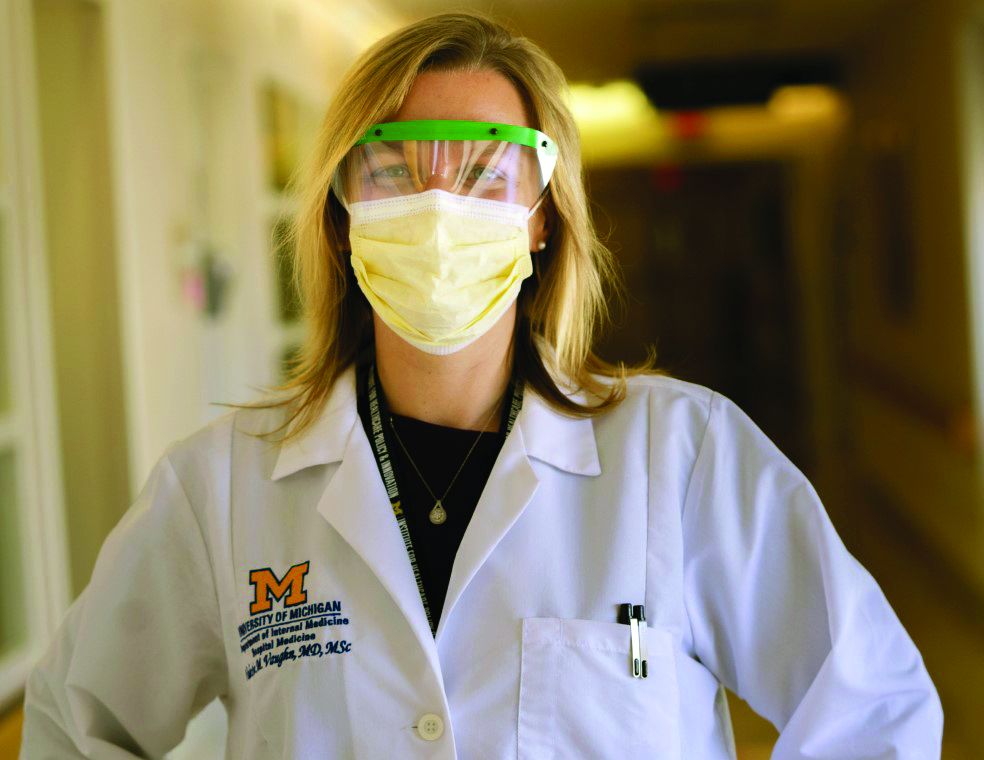
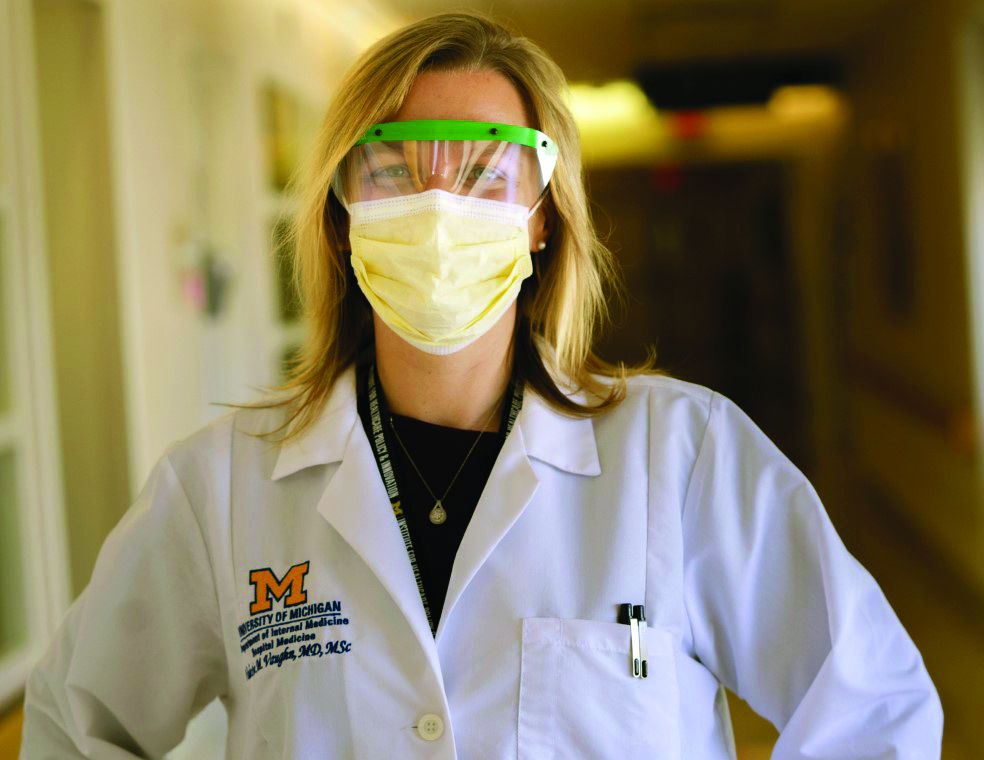
Valerie Vaughn, MD, MSc, a hospitalist with Michigan Medicine and assistant professor of medicine at the University of Michigan in Ann Arbor, was doing research on how to reduce overuse of antibiotics in hospitals when the COVID-19 crisis hit and dramatically redefined her job. “We were afraid that we might have 3,000 to 5,000 hospitalized COVID patients by now, based on predictive modeling done while the pandemic was still growing exponentially,” she explained. Although Michigan continues to have high COVID-19 infection rates, centered on nearby Detroit, “things are a lot better today than they were 4 weeks ago.”
Dr. Vaughn helped to mobilize a team of 25 hospitalists, along with other health care providers, who volunteered to manage COVID-19 patients in the ICU and other hospital units. She was asked to help develop an all-COVID unit called the Regional Infectious Containment Unit or RICU, which opened March 16. Then, when the RICU became full, it was supplemented by two COVID-19 Moderate Care Units staffed by hospitalists who had “learned the ropes” in the RICU.
Both of these new models were defined in relation to the ICUs at Michigan Medicine – which were doubling in capacity, up to 200 beds at last count – and to the provision of intensive-level and long-term ventilator care for the sickest patients. The moderate care units are for patients who are not on ventilators but still very sick, for example, those receiving massive high-flow oxygen, often with a medical do-not-resuscitate/do-not-intubate order. “We established these units to do everything (medically) short of vents,” Dr. Vaughn said.
“We are having in-depth conversations about goals of care with patients soon after they arrive at the hospital. We know outcomes from ventilators are worse for COVID-positive patients who have comorbidities, and we’re using that information to inform these conversations. We’ve given scripts to clinicians to help guide them in leading these conversations. We can do other things than `use ventilators to manage their symptoms. But these are still difficult conversations,” Dr. Vaughn said.

“We also engaged palliative care early on and asked them to round with us on every [COVID] patient – until demand got too high.” The bottleneck has been the number of ICU beds available, she explained. “If you want your patient to come in and take that bed, make sure you’ve talked to the family about it.”
The COVID-19 team developed guidelines printed on pocket cards addressing critical care issues such as a refresher on how to treat acute respiratory distress syndrome and how to use vasopressors. (See the COVID-19 Continuing Medical Education Portal for web-accessible educational resources developed by Michigan Health).
It’s amazing how quickly patients can become very sick with COVID-19, Dr. Vaughn said. “One of the good things to happen from the beginning with our RICU is that a group of doctors became COVID care experts very quickly. We joined four to five hospitalists and their teams with each intensivist, so one critical care expert is there to do teaching and answer clinicians’ questions. The hospitalists coordinate the COVID care and talk to the families.”
Working on the front lines of this crisis, Dr. Vaughn said, has generated a powerful sense of purpose and camaraderie, creating bonds like in war time. “All of us on our days off feel a twinge of guilt for not being there in the hospital. The sense of gratitude we get from patients and families has been enormous, even when we were telling them bad news. That just brings us to tears.”
One of the hardest things for the doctors practicing above their typical scope of practice is that, when something bad happens, they can’t know whether it was a mistake on their part or not, she noted. “But I’ve never been so proud of our group or to be a hospitalist. No one has complained or pushed back. Everyone has responded by saying: ‘What can I do to help?’ ”
Enough work in hospital medicine
Hospitalists had not been deployed to care for ICU patients at Beth Israel Deaconess Medical Center (BIDMC) in Boston, a major hot spot for COVID-19, said Joseph Ming Wah Li, MD, SFHM, director of the hospital medicine program at BIDMC, when he spoke to The Hospitalist in mid-May. That’s because there were plenty of hospital medicine assignments to keep them busy. Dr. Li leads a service of 120 hospitalists practicing at four hospitals.
“As we speak today, we have 300 patients with COVID, with 70 or 80 of them in our ICU. I’m taking care of 17 patients today, 15 of them COVID-positive, and the other two placed in a former radiology holding suite adapted for COVID-negative patients. Our postanesthesia care unit is now an ICU filled with COVID patients,” he said.
“Half of my day is seeing patients and the other half I’m on Zoom calls. I’m also one of the resource allocation officers for BIDMC,” Dr. Li said. He helped to create a standard of care for the hospital, addressing what to do if there weren’t enough ICU beds or ventilators. “We’ve never actualized it and probably won’t, but it was important to go through this exercise, with a lot of discussion up front.”
Haki Laho, MD, an orthopedic hospitalist at New England Baptist Hospital (NEBH), also in Boston, has been redeployed to care for a different population of patients as his system tries to bunch patients. “All of a sudden – within hours and days – at the beginning of the pandemic and based on the recommendations, our whole system decided to stop all elective procedures and devote the resources to COVID,” he said.
NEBH is Beth Israel Lahey Health’s 141-bed orthopedic and surgical hospital, and the system has tried to keep the specialty facility COVID-19–free as much as possible, with the COVID-19 patients grouped together at BIDMC. Dr. Laho’s orthopedic hospitalist group, just five doctors, has been managing the influx of medical patients with multiple comorbidities – not COVID-19–infected but still a different kind of patient than they are used to.
“So far, so good. We’re dealing with it,” he said. “But if one of us got sick, the others would have to step up and do more shifts. We are physicians, internal medicine trained, but since my residency I hadn’t had to deal with these kinds of issues on a daily basis, such as setting up IV lines. I feel like I am back in residency mode.”
Convention Center medicine
Another Boston hospitalist, Amy Baughman, MD, who practices at Massachusetts General Hospital, is using her skills in a new setting, serving as a co-medical director at Boston Hope Medical Center, a 1,000-bed field hospital for patients with COVID-19. Open since April 10 and housed in the Boston Convention and Exhibition Center, it is a four-way collaboration between the Commonwealth of Massachusetts, the City of Boston, Partners HealthCare, and the Boston Health Care for the Homeless Program.
Boston Hope is divided into a post-acute care section for recovering COVID-19 patients and a respite section for undomiciled patients with COVID-19 who need a place to safely quarantine. Built for a maximum of 1,000 beds, it is currently using fewer, with 83 patients on the post-acute side and 73 on the respite side as of May 12. A total of 370 and 315, respectively, had been admitted through May 12.
The team had 5 days to put the field hospital together with the help of the Army National Guard. “During that first week I was installing hand sanitizer dispensers and making [personal protective equipment] signs. Everyone here has had to do things like that,” Dr. Baughman said. “We’ve had to be incredibly creative in our staffing, using doctors from primary care and subspecialties including dermatology, radiology, and orthopedics. We had to fast-track trainings on how to use EPIC and to provide post-acute COVID care. How do you simultaneously build a medical facility and lead teams to provide high quality care?”
Dr. Baughman still works hospitalist shifts half-time at Massachusetts General. Her prior experience providing post-acute care in the VA system was helpful in creating the post-acute level of care at Boston Hope.
“My medical director role involves supervising, staffing, and scheduling. My co-medical director, Dr. Kerri Palamara, and I also supervise the clinical care,” she said. “There are a lot of systems issues, like ordering labs or prescriptions, with couriers going back and forth. And we developed clinical pathways, such as for [deep vein thrombosis] prophylaxis or for COVID retesting to determine when it is safe to end a quarantine. We’re just now rolling out virtual specialist consultations,” she noted.
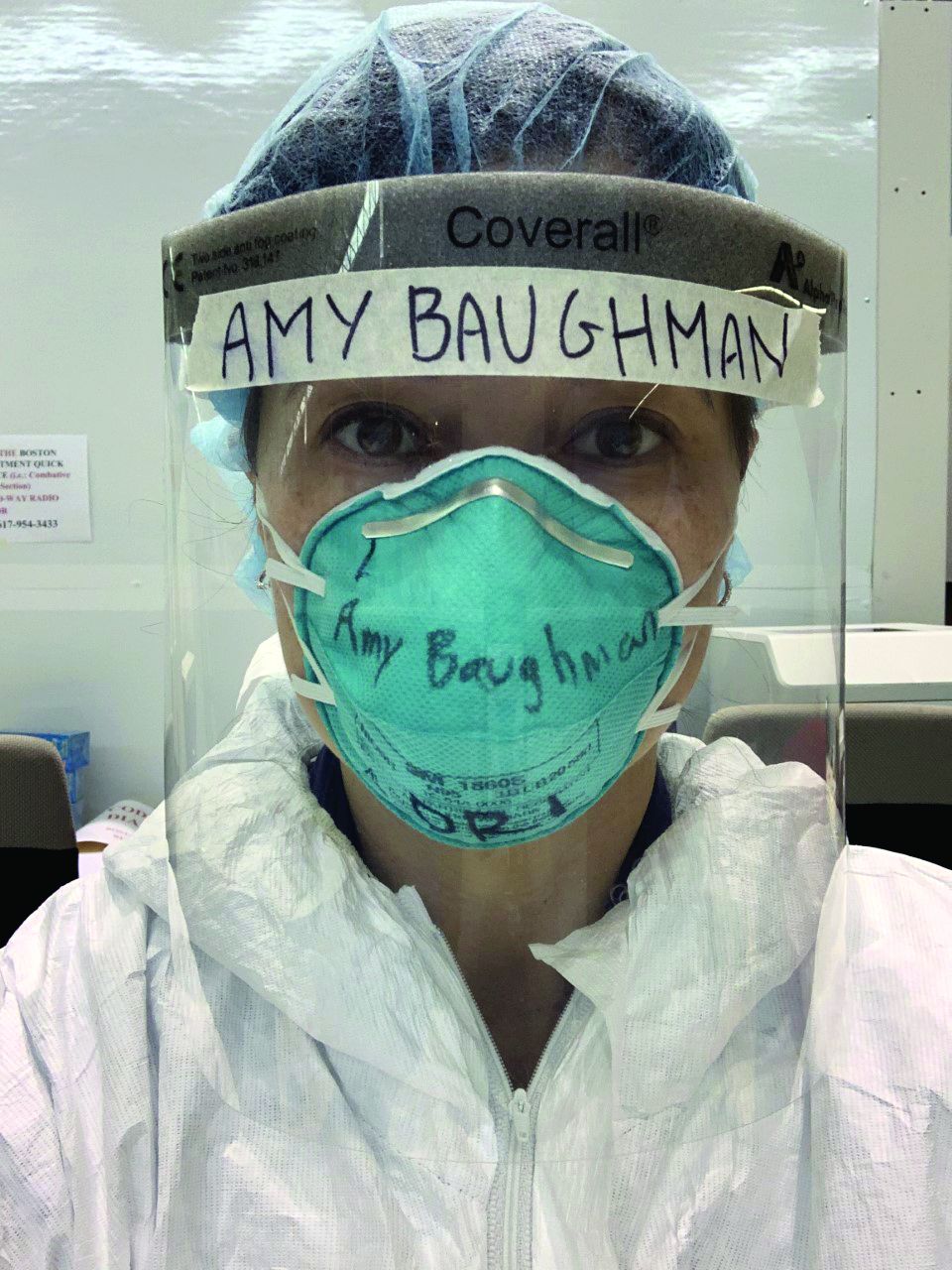
“It has gone incredibly well. So much of it has been about our ability and willingness to work hard, and take feedback and go forward. We don’t have time to harp on things. We have to be very solution oriented. At the same time, honestly, it’s been fun. Every single day is different,” Dr. Baughman said.
“It’s been an opportunity to use my skills in a totally new setting, and at a level of responsibility I haven’t had before, although that’s probably a common theme with COVID-19. I was put on this team because I am a hospitalist,” she said. “I think hospitalists have been the backbone of the response to COVID in this country. It’s been an opportunity for our specialty to shine. We need to embrace the opportunity.”
Balancing expertise and supervision
Mount Sinai Hospital (MSH) in Manhattan is in the New York epicenter of the COVID-19 crisis and has mobilized large numbers of pulmonary critical care and anesthesia physicians to staff up multiple ICUs for COVID-19 patients, said Andrew Dunn, MD, chief of the division of hospital medicine at Mount Sinai School of Medicine.
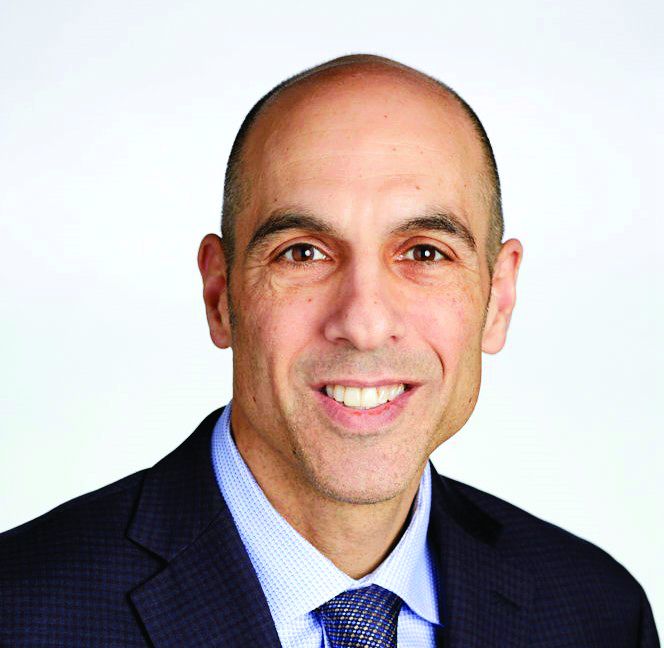
“My hospitalist group is covering many step-down units, medical wards, and atypical locations, providing advanced oxygen therapies, [bilevel positive airway pressure], high-flow nasal cannulas, and managing some patients on ventilators,” he said.
MSH has teaching services with house staff and nonteaching services. “We combined them into a unified service with house staff dispersed across all of the teams. We drafted a lot of nonhospitalists from different specialties to be attendings, and that has given us a tiered model, with a hospitalist supervising three or four nonhospitalist-led teams. Although the supervising hospitalists carry no patient caseloads of their own, this is primarily a clinical rather than an administrative role.”
At the peak, there were 40 rounding teams at MSH, each with a typical census of 15 patients or more, which meant that 10 supervisory hospitalists were responsible for 300 to 400 patients. “What we learned first was the need to balance the level of expertise. For example, a team may include a postgraduate year 3 resident and a radiology intern,” Dr. Dunn said. As COVID-19 census has started coming down, supervisory hospitalists are returning to direct care attending roles, and some hospitalists have been shared across the Mount Sinai system’s hospitals.
Dr. Dunn’s advice for hospitalists filling a supervisory role like this in a tiered model: Make sure you talk to your team the night before the first day of a scheduling block and try to address as many of their questions as possible. “If you wait until the morning of the shift to connect with them, anxiety will be high. But after going through a couple of scheduling cycles, we find that things are getting better. I think we’ve paid a lot of attention to the risks of burnout by our physicians. We’re using a model of 4 days on/4 off.”
Another variation on these themes is Joshua Shatzkes, MD, assistant professor of medicine and cardiology at Mount Sinai, who practices outpatient cardiology at MSH and in several off-site offices in Brooklyn. He saw early on that COVID-19 would have a huge effect on his practice, so he volunteered to help out with inpatient care. “I made it known to my chief that I was available, and I was deployed in the first week, after a weekend of cramming webinars and lectures on critical care and pulling out critical concepts that I already knew.”
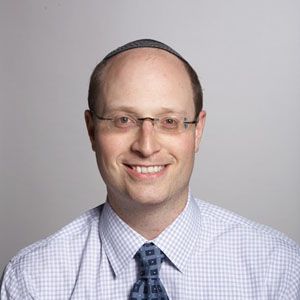
Dr. Shatzkes said his career path led him into outpatient cardiology 11 years ago, where he was quickly too busy to see his patients when they went into the hospital, even though he missed hospital medicine. Working as a temporary hospitalist with the arrival of COVID-19, he has been invigorated and mobilized by the experience and reminded of why he went to medical school in the first place. “Each day’s shift went quickly but felt long. At the end of the day, I was tired but not exhausted. When I walked out of a patient’s room, they could tell, ‘This is a doctor who cared for me,’ ” he said.
After Dr. Shatzkes volunteered, he got the call from his division chief. “I was officially deployed for a 4-day shift at Mount Sinai and then as a backup.” On his first morning as an inpatient doctor, he was still getting oriented when calls started coming from the nurses. “I had five patients struggling to breathe. Their degree of hypoxia was remarkable. I kept them out of the ICU, at least for that day.”
Since then, he has continued to follow some of those patients in the hospital, along with some from his outpatient practice who were hospitalized, and others referred by colleagues, while remaining available to his outpatients through telemedicine. When this is all over, Dr. Shatzkes said, he would love to find a way to incorporate a hospital practice in his job – depending on the realities of New York traffic.
“Joshua is not a hospitalist, but he went on service and felt so fulfilled and rewarded, he asked me if he could stay on service,” Dr. Dunn said. “I also got an email from the nurse manager on the unit. They want him back.”
‘Every single day is different’
‘Every single day is different’
In the midst of the COVID-19 pandemic, health systems, hospitals, and hospitalists – especially in hot spots like New York, Detroit, or Boston – have been challenged to stretch limits, redefine roles, and redeploy critical staff in response to rapidly changing needs on the ground.
Many hospitalists are working above and beyond their normal duties, sometimes beyond their training, specialty, or comfort zone and are rising to the occasion in ways they never imagined. These include doing shifts in ICUs, working with ventilator patients, and reporting to other atypical sites of care like postanesthesia care units and post-acute or step-down units.
Valerie Vaughn, MD, MSc, a hospitalist with Michigan Medicine and assistant professor of medicine at the University of Michigan in Ann Arbor, was doing research on how to reduce overuse of antibiotics in hospitals when the COVID-19 crisis hit and dramatically redefined her job. “We were afraid that we might have 3,000 to 5,000 hospitalized COVID patients by now, based on predictive modeling done while the pandemic was still growing exponentially,” she explained. Although Michigan continues to have high COVID-19 infection rates, centered on nearby Detroit, “things are a lot better today than they were 4 weeks ago.”
Dr. Vaughn helped to mobilize a team of 25 hospitalists, along with other health care providers, who volunteered to manage COVID-19 patients in the ICU and other hospital units. She was asked to help develop an all-COVID unit called the Regional Infectious Containment Unit or RICU, which opened March 16. Then, when the RICU became full, it was supplemented by two COVID-19 Moderate Care Units staffed by hospitalists who had “learned the ropes” in the RICU.
Both of these new models were defined in relation to the ICUs at Michigan Medicine – which were doubling in capacity, up to 200 beds at last count – and to the provision of intensive-level and long-term ventilator care for the sickest patients. The moderate care units are for patients who are not on ventilators but still very sick, for example, those receiving massive high-flow oxygen, often with a medical do-not-resuscitate/do-not-intubate order. “We established these units to do everything (medically) short of vents,” Dr. Vaughn said.
“We are having in-depth conversations about goals of care with patients soon after they arrive at the hospital. We know outcomes from ventilators are worse for COVID-positive patients who have comorbidities, and we’re using that information to inform these conversations. We’ve given scripts to clinicians to help guide them in leading these conversations. We can do other things than `use ventilators to manage their symptoms. But these are still difficult conversations,” Dr. Vaughn said.
“We also engaged palliative care early on and asked them to round with us on every [COVID] patient – until demand got too high.” The bottleneck has been the number of ICU beds available, she explained. “If you want your patient to come in and take that bed, make sure you’ve talked to the family about it.”
The COVID-19 team developed guidelines printed on pocket cards addressing critical care issues such as a refresher on how to treat acute respiratory distress syndrome and how to use vasopressors. (See the COVID-19 Continuing Medical Education Portal for web-accessible educational resources developed by Michigan Health).
It’s amazing how quickly patients can become very sick with COVID-19, Dr. Vaughn said. “One of the good things to happen from the beginning with our RICU is that a group of doctors became COVID care experts very quickly. We joined four to five hospitalists and their teams with each intensivist, so one critical care expert is there to do teaching and answer clinicians’ questions. The hospitalists coordinate the COVID care and talk to the families.”
Working on the front lines of this crisis, Dr. Vaughn said, has generated a powerful sense of purpose and camaraderie, creating bonds like in war time. “All of us on our days off feel a twinge of guilt for not being there in the hospital. The sense of gratitude we get from patients and families has been enormous, even when we were telling them bad news. That just brings us to tears.”
One of the hardest things for the doctors practicing above their typical scope of practice is that, when something bad happens, they can’t know whether it was a mistake on their part or not, she noted. “But I’ve never been so proud of our group or to be a hospitalist. No one has complained or pushed back. Everyone has responded by saying: ‘What can I do to help?’ ”
Enough work in hospital medicine
Hospitalists had not been deployed to care for ICU patients at Beth Israel Deaconess Medical Center (BIDMC) in Boston, a major hot spot for COVID-19, said Joseph Ming Wah Li, MD, SFHM, director of the hospital medicine program at BIDMC, when he spoke to The Hospitalist in mid-May. That’s because there were plenty of hospital medicine assignments to keep them busy. Dr. Li leads a service of 120 hospitalists practicing at four hospitals.
“As we speak today, we have 300 patients with COVID, with 70 or 80 of them in our ICU. I’m taking care of 17 patients today, 15 of them COVID-positive, and the other two placed in a former radiology holding suite adapted for COVID-negative patients. Our postanesthesia care unit is now an ICU filled with COVID patients,” he said.
“Half of my day is seeing patients and the other half I’m on Zoom calls. I’m also one of the resource allocation officers for BIDMC,” Dr. Li said. He helped to create a standard of care for the hospital, addressing what to do if there weren’t enough ICU beds or ventilators. “We’ve never actualized it and probably won’t, but it was important to go through this exercise, with a lot of discussion up front.”
Haki Laho, MD, an orthopedic hospitalist at New England Baptist Hospital (NEBH), also in Boston, has been redeployed to care for a different population of patients as his system tries to bunch patients. “All of a sudden – within hours and days – at the beginning of the pandemic and based on the recommendations, our whole system decided to stop all elective procedures and devote the resources to COVID,” he said.
NEBH is Beth Israel Lahey Health’s 141-bed orthopedic and surgical hospital, and the system has tried to keep the specialty facility COVID-19–free as much as possible, with the COVID-19 patients grouped together at BIDMC. Dr. Laho’s orthopedic hospitalist group, just five doctors, has been managing the influx of medical patients with multiple comorbidities – not COVID-19–infected but still a different kind of patient than they are used to.
“So far, so good. We’re dealing with it,” he said. “But if one of us got sick, the others would have to step up and do more shifts. We are physicians, internal medicine trained, but since my residency I hadn’t had to deal with these kinds of issues on a daily basis, such as setting up IV lines. I feel like I am back in residency mode.”
Convention Center medicine
Another Boston hospitalist, Amy Baughman, MD, who practices at Massachusetts General Hospital, is using her skills in a new setting, serving as a co-medical director at Boston Hope Medical Center, a 1,000-bed field hospital for patients with COVID-19. Open since April 10 and housed in the Boston Convention and Exhibition Center, it is a four-way collaboration between the Commonwealth of Massachusetts, the City of Boston, Partners HealthCare, and the Boston Health Care for the Homeless Program.
Boston Hope is divided into a post-acute care section for recovering COVID-19 patients and a respite section for undomiciled patients with COVID-19 who need a place to safely quarantine. Built for a maximum of 1,000 beds, it is currently using fewer, with 83 patients on the post-acute side and 73 on the respite side as of May 12. A total of 370 and 315, respectively, had been admitted through May 12.
The team had 5 days to put the field hospital together with the help of the Army National Guard. “During that first week I was installing hand sanitizer dispensers and making [personal protective equipment] signs. Everyone here has had to do things like that,” Dr. Baughman said. “We’ve had to be incredibly creative in our staffing, using doctors from primary care and subspecialties including dermatology, radiology, and orthopedics. We had to fast-track trainings on how to use EPIC and to provide post-acute COVID care. How do you simultaneously build a medical facility and lead teams to provide high quality care?”
Dr. Baughman still works hospitalist shifts half-time at Massachusetts General. Her prior experience providing post-acute care in the VA system was helpful in creating the post-acute level of care at Boston Hope.
“My medical director role involves supervising, staffing, and scheduling. My co-medical director, Dr. Kerri Palamara, and I also supervise the clinical care,” she said. “There are a lot of systems issues, like ordering labs or prescriptions, with couriers going back and forth. And we developed clinical pathways, such as for [deep vein thrombosis] prophylaxis or for COVID retesting to determine when it is safe to end a quarantine. We’re just now rolling out virtual specialist consultations,” she noted.
“It has gone incredibly well. So much of it has been about our ability and willingness to work hard, and take feedback and go forward. We don’t have time to harp on things. We have to be very solution oriented. At the same time, honestly, it’s been fun. Every single day is different,” Dr. Baughman said.
“It’s been an opportunity to use my skills in a totally new setting, and at a level of responsibility I haven’t had before, although that’s probably a common theme with COVID-19. I was put on this team because I am a hospitalist,” she said. “I think hospitalists have been the backbone of the response to COVID in this country. It’s been an opportunity for our specialty to shine. We need to embrace the opportunity.”
Balancing expertise and supervision
Mount Sinai Hospital (MSH) in Manhattan is in the New York epicenter of the COVID-19 crisis and has mobilized large numbers of pulmonary critical care and anesthesia physicians to staff up multiple ICUs for COVID-19 patients, said Andrew Dunn, MD, chief of the division of hospital medicine at Mount Sinai School of Medicine.
“My hospitalist group is covering many step-down units, medical wards, and atypical locations, providing advanced oxygen therapies, [bilevel positive airway pressure], high-flow nasal cannulas, and managing some patients on ventilators,” he said.
MSH has teaching services with house staff and nonteaching services. “We combined them into a unified service with house staff dispersed across all of the teams. We drafted a lot of nonhospitalists from different specialties to be attendings, and that has given us a tiered model, with a hospitalist supervising three or four nonhospitalist-led teams. Although the supervising hospitalists carry no patient caseloads of their own, this is primarily a clinical rather than an administrative role.”
At the peak, there were 40 rounding teams at MSH, each with a typical census of 15 patients or more, which meant that 10 supervisory hospitalists were responsible for 300 to 400 patients. “What we learned first was the need to balance the level of expertise. For example, a team may include a postgraduate year 3 resident and a radiology intern,” Dr. Dunn said. As COVID-19 census has started coming down, supervisory hospitalists are returning to direct care attending roles, and some hospitalists have been shared across the Mount Sinai system’s hospitals.
Dr. Dunn’s advice for hospitalists filling a supervisory role like this in a tiered model: Make sure you talk to your team the night before the first day of a scheduling block and try to address as many of their questions as possible. “If you wait until the morning of the shift to connect with them, anxiety will be high. But after going through a couple of scheduling cycles, we find that things are getting better. I think we’ve paid a lot of attention to the risks of burnout by our physicians. We’re using a model of 4 days on/4 off.”
Another variation on these themes is Joshua Shatzkes, MD, assistant professor of medicine and cardiology at Mount Sinai, who practices outpatient cardiology at MSH and in several off-site offices in Brooklyn. He saw early on that COVID-19 would have a huge effect on his practice, so he volunteered to help out with inpatient care. “I made it known to my chief that I was available, and I was deployed in the first week, after a weekend of cramming webinars and lectures on critical care and pulling out critical concepts that I already knew.”
Dr. Shatzkes said his career path led him into outpatient cardiology 11 years ago, where he was quickly too busy to see his patients when they went into the hospital, even though he missed hospital medicine. Working as a temporary hospitalist with the arrival of COVID-19, he has been invigorated and mobilized by the experience and reminded of why he went to medical school in the first place. “Each day’s shift went quickly but felt long. At the end of the day, I was tired but not exhausted. When I walked out of a patient’s room, they could tell, ‘This is a doctor who cared for me,’ ” he said.
After Dr. Shatzkes volunteered, he got the call from his division chief. “I was officially deployed for a 4-day shift at Mount Sinai and then as a backup.” On his first morning as an inpatient doctor, he was still getting oriented when calls started coming from the nurses. “I had five patients struggling to breathe. Their degree of hypoxia was remarkable. I kept them out of the ICU, at least for that day.”
Since then, he has continued to follow some of those patients in the hospital, along with some from his outpatient practice who were hospitalized, and others referred by colleagues, while remaining available to his outpatients through telemedicine. When this is all over, Dr. Shatzkes said, he would love to find a way to incorporate a hospital practice in his job – depending on the realities of New York traffic.
“Joshua is not a hospitalist, but he went on service and felt so fulfilled and rewarded, he asked me if he could stay on service,” Dr. Dunn said. “I also got an email from the nurse manager on the unit. They want him back.”
In the midst of the COVID-19 pandemic, health systems, hospitals, and hospitalists – especially in hot spots like New York, Detroit, or Boston – have been challenged to stretch limits, redefine roles, and redeploy critical staff in response to rapidly changing needs on the ground.
Many hospitalists are working above and beyond their normal duties, sometimes beyond their training, specialty, or comfort zone and are rising to the occasion in ways they never imagined. These include doing shifts in ICUs, working with ventilator patients, and reporting to other atypical sites of care like postanesthesia care units and post-acute or step-down units.
Valerie Vaughn, MD, MSc, a hospitalist with Michigan Medicine and assistant professor of medicine at the University of Michigan in Ann Arbor, was doing research on how to reduce overuse of antibiotics in hospitals when the COVID-19 crisis hit and dramatically redefined her job. “We were afraid that we might have 3,000 to 5,000 hospitalized COVID patients by now, based on predictive modeling done while the pandemic was still growing exponentially,” she explained. Although Michigan continues to have high COVID-19 infection rates, centered on nearby Detroit, “things are a lot better today than they were 4 weeks ago.”
Dr. Vaughn helped to mobilize a team of 25 hospitalists, along with other health care providers, who volunteered to manage COVID-19 patients in the ICU and other hospital units. She was asked to help develop an all-COVID unit called the Regional Infectious Containment Unit or RICU, which opened March 16. Then, when the RICU became full, it was supplemented by two COVID-19 Moderate Care Units staffed by hospitalists who had “learned the ropes” in the RICU.
Both of these new models were defined in relation to the ICUs at Michigan Medicine – which were doubling in capacity, up to 200 beds at last count – and to the provision of intensive-level and long-term ventilator care for the sickest patients. The moderate care units are for patients who are not on ventilators but still very sick, for example, those receiving massive high-flow oxygen, often with a medical do-not-resuscitate/do-not-intubate order. “We established these units to do everything (medically) short of vents,” Dr. Vaughn said.
“We are having in-depth conversations about goals of care with patients soon after they arrive at the hospital. We know outcomes from ventilators are worse for COVID-positive patients who have comorbidities, and we’re using that information to inform these conversations. We’ve given scripts to clinicians to help guide them in leading these conversations. We can do other things than `use ventilators to manage their symptoms. But these are still difficult conversations,” Dr. Vaughn said.
“We also engaged palliative care early on and asked them to round with us on every [COVID] patient – until demand got too high.” The bottleneck has been the number of ICU beds available, she explained. “If you want your patient to come in and take that bed, make sure you’ve talked to the family about it.”
The COVID-19 team developed guidelines printed on pocket cards addressing critical care issues such as a refresher on how to treat acute respiratory distress syndrome and how to use vasopressors. (See the COVID-19 Continuing Medical Education Portal for web-accessible educational resources developed by Michigan Health).
It’s amazing how quickly patients can become very sick with COVID-19, Dr. Vaughn said. “One of the good things to happen from the beginning with our RICU is that a group of doctors became COVID care experts very quickly. We joined four to five hospitalists and their teams with each intensivist, so one critical care expert is there to do teaching and answer clinicians’ questions. The hospitalists coordinate the COVID care and talk to the families.”
Working on the front lines of this crisis, Dr. Vaughn said, has generated a powerful sense of purpose and camaraderie, creating bonds like in war time. “All of us on our days off feel a twinge of guilt for not being there in the hospital. The sense of gratitude we get from patients and families has been enormous, even when we were telling them bad news. That just brings us to tears.”
One of the hardest things for the doctors practicing above their typical scope of practice is that, when something bad happens, they can’t know whether it was a mistake on their part or not, she noted. “But I’ve never been so proud of our group or to be a hospitalist. No one has complained or pushed back. Everyone has responded by saying: ‘What can I do to help?’ ”
Enough work in hospital medicine
Hospitalists had not been deployed to care for ICU patients at Beth Israel Deaconess Medical Center (BIDMC) in Boston, a major hot spot for COVID-19, said Joseph Ming Wah Li, MD, SFHM, director of the hospital medicine program at BIDMC, when he spoke to The Hospitalist in mid-May. That’s because there were plenty of hospital medicine assignments to keep them busy. Dr. Li leads a service of 120 hospitalists practicing at four hospitals.
“As we speak today, we have 300 patients with COVID, with 70 or 80 of them in our ICU. I’m taking care of 17 patients today, 15 of them COVID-positive, and the other two placed in a former radiology holding suite adapted for COVID-negative patients. Our postanesthesia care unit is now an ICU filled with COVID patients,” he said.
“Half of my day is seeing patients and the other half I’m on Zoom calls. I’m also one of the resource allocation officers for BIDMC,” Dr. Li said. He helped to create a standard of care for the hospital, addressing what to do if there weren’t enough ICU beds or ventilators. “We’ve never actualized it and probably won’t, but it was important to go through this exercise, with a lot of discussion up front.”
Haki Laho, MD, an orthopedic hospitalist at New England Baptist Hospital (NEBH), also in Boston, has been redeployed to care for a different population of patients as his system tries to bunch patients. “All of a sudden – within hours and days – at the beginning of the pandemic and based on the recommendations, our whole system decided to stop all elective procedures and devote the resources to COVID,” he said.
NEBH is Beth Israel Lahey Health’s 141-bed orthopedic and surgical hospital, and the system has tried to keep the specialty facility COVID-19–free as much as possible, with the COVID-19 patients grouped together at BIDMC. Dr. Laho’s orthopedic hospitalist group, just five doctors, has been managing the influx of medical patients with multiple comorbidities – not COVID-19–infected but still a different kind of patient than they are used to.
“So far, so good. We’re dealing with it,” he said. “But if one of us got sick, the others would have to step up and do more shifts. We are physicians, internal medicine trained, but since my residency I hadn’t had to deal with these kinds of issues on a daily basis, such as setting up IV lines. I feel like I am back in residency mode.”
Convention Center medicine
Another Boston hospitalist, Amy Baughman, MD, who practices at Massachusetts General Hospital, is using her skills in a new setting, serving as a co-medical director at Boston Hope Medical Center, a 1,000-bed field hospital for patients with COVID-19. Open since April 10 and housed in the Boston Convention and Exhibition Center, it is a four-way collaboration between the Commonwealth of Massachusetts, the City of Boston, Partners HealthCare, and the Boston Health Care for the Homeless Program.
Boston Hope is divided into a post-acute care section for recovering COVID-19 patients and a respite section for undomiciled patients with COVID-19 who need a place to safely quarantine. Built for a maximum of 1,000 beds, it is currently using fewer, with 83 patients on the post-acute side and 73 on the respite side as of May 12. A total of 370 and 315, respectively, had been admitted through May 12.
The team had 5 days to put the field hospital together with the help of the Army National Guard. “During that first week I was installing hand sanitizer dispensers and making [personal protective equipment] signs. Everyone here has had to do things like that,” Dr. Baughman said. “We’ve had to be incredibly creative in our staffing, using doctors from primary care and subspecialties including dermatology, radiology, and orthopedics. We had to fast-track trainings on how to use EPIC and to provide post-acute COVID care. How do you simultaneously build a medical facility and lead teams to provide high quality care?”
Dr. Baughman still works hospitalist shifts half-time at Massachusetts General. Her prior experience providing post-acute care in the VA system was helpful in creating the post-acute level of care at Boston Hope.
“My medical director role involves supervising, staffing, and scheduling. My co-medical director, Dr. Kerri Palamara, and I also supervise the clinical care,” she said. “There are a lot of systems issues, like ordering labs or prescriptions, with couriers going back and forth. And we developed clinical pathways, such as for [deep vein thrombosis] prophylaxis or for COVID retesting to determine when it is safe to end a quarantine. We’re just now rolling out virtual specialist consultations,” she noted.
“It has gone incredibly well. So much of it has been about our ability and willingness to work hard, and take feedback and go forward. We don’t have time to harp on things. We have to be very solution oriented. At the same time, honestly, it’s been fun. Every single day is different,” Dr. Baughman said.
“It’s been an opportunity to use my skills in a totally new setting, and at a level of responsibility I haven’t had before, although that’s probably a common theme with COVID-19. I was put on this team because I am a hospitalist,” she said. “I think hospitalists have been the backbone of the response to COVID in this country. It’s been an opportunity for our specialty to shine. We need to embrace the opportunity.”
Balancing expertise and supervision
Mount Sinai Hospital (MSH) in Manhattan is in the New York epicenter of the COVID-19 crisis and has mobilized large numbers of pulmonary critical care and anesthesia physicians to staff up multiple ICUs for COVID-19 patients, said Andrew Dunn, MD, chief of the division of hospital medicine at Mount Sinai School of Medicine.
“My hospitalist group is covering many step-down units, medical wards, and atypical locations, providing advanced oxygen therapies, [bilevel positive airway pressure], high-flow nasal cannulas, and managing some patients on ventilators,” he said.
MSH has teaching services with house staff and nonteaching services. “We combined them into a unified service with house staff dispersed across all of the teams. We drafted a lot of nonhospitalists from different specialties to be attendings, and that has given us a tiered model, with a hospitalist supervising three or four nonhospitalist-led teams. Although the supervising hospitalists carry no patient caseloads of their own, this is primarily a clinical rather than an administrative role.”
At the peak, there were 40 rounding teams at MSH, each with a typical census of 15 patients or more, which meant that 10 supervisory hospitalists were responsible for 300 to 400 patients. “What we learned first was the need to balance the level of expertise. For example, a team may include a postgraduate year 3 resident and a radiology intern,” Dr. Dunn said. As COVID-19 census has started coming down, supervisory hospitalists are returning to direct care attending roles, and some hospitalists have been shared across the Mount Sinai system’s hospitals.
Dr. Dunn’s advice for hospitalists filling a supervisory role like this in a tiered model: Make sure you talk to your team the night before the first day of a scheduling block and try to address as many of their questions as possible. “If you wait until the morning of the shift to connect with them, anxiety will be high. But after going through a couple of scheduling cycles, we find that things are getting better. I think we’ve paid a lot of attention to the risks of burnout by our physicians. We’re using a model of 4 days on/4 off.”
Another variation on these themes is Joshua Shatzkes, MD, assistant professor of medicine and cardiology at Mount Sinai, who practices outpatient cardiology at MSH and in several off-site offices in Brooklyn. He saw early on that COVID-19 would have a huge effect on his practice, so he volunteered to help out with inpatient care. “I made it known to my chief that I was available, and I was deployed in the first week, after a weekend of cramming webinars and lectures on critical care and pulling out critical concepts that I already knew.”
Dr. Shatzkes said his career path led him into outpatient cardiology 11 years ago, where he was quickly too busy to see his patients when they went into the hospital, even though he missed hospital medicine. Working as a temporary hospitalist with the arrival of COVID-19, he has been invigorated and mobilized by the experience and reminded of why he went to medical school in the first place. “Each day’s shift went quickly but felt long. At the end of the day, I was tired but not exhausted. When I walked out of a patient’s room, they could tell, ‘This is a doctor who cared for me,’ ” he said.
After Dr. Shatzkes volunteered, he got the call from his division chief. “I was officially deployed for a 4-day shift at Mount Sinai and then as a backup.” On his first morning as an inpatient doctor, he was still getting oriented when calls started coming from the nurses. “I had five patients struggling to breathe. Their degree of hypoxia was remarkable. I kept them out of the ICU, at least for that day.”
Since then, he has continued to follow some of those patients in the hospital, along with some from his outpatient practice who were hospitalized, and others referred by colleagues, while remaining available to his outpatients through telemedicine. When this is all over, Dr. Shatzkes said, he would love to find a way to incorporate a hospital practice in his job – depending on the realities of New York traffic.
“Joshua is not a hospitalist, but he went on service and felt so fulfilled and rewarded, he asked me if he could stay on service,” Dr. Dunn said. “I also got an email from the nurse manager on the unit. They want him back.”
Weekly cisplatin new standard in postop head and neck cancer
For the first time, weekly cisplatin plus radiotherapy (CDDP+RT) has been shown to be not only less toxic than dosing once every three weeks but to also achieve better outcomes in patients with postoperative squamous cell carcinoma of the head and neck (SCCHN), say Japanese researchers.
These results, from the JCOG1008 trial, suggest the weekly schedule should become the new standard of care in these patients, potentially settling what has been a “contentious” issue.
The research was presented at the 2020 annual meeting of the American Society of Clinical Oncology (abstract 6502), held virtually because of the coronavirus pandemic.
Lead author Naomi Kiyota, MD, PhD, medical oncology and hematology, Cancer Center, Kobe University Hospital, Japan, said the study involving more than 160 high-risk patients with SCCHN demonstrated comparable overall survival in the weekly and three-weekly CDDP+RT groups.
Moreover, it showed that the weekly schedule was associated with better relapse-free and local relapse-free survival, and, in line with previous studies, had a more favorable safety profile.
“This phase II/III study is the first to show that weekly CDDP+RT is noninferior to three-weekly CDDP+RT [and] is a new standard treatment option for these patients,” Dr. Kiyota said.
Study discussant Hisham M. Mehanna, MD, PhD, Warwickshire Head and Neck Clinic, University of Birmingham, UK, described the study as a “significant achievement” that answers “an important question that we’ve been asking for a very long time.”
He said that, despite three-weekly CDDP+RT being the standard treatment in the postoperative setting for SCCHN, there have been “lingering concerns,” as 40% of patients don’t get all three CDDP cycles “and it is toxic.”
Weekly CDDP is, on the other hand, “widely used, although the evidence for it is not as strong,” and has a number of advantages, including that it can be delivered in the outpatient setting and it may be less toxic.
Dr. Mehanna said there was “a surprise” to the current study, in that it was terminated early because it crossed the boundary for non-inferiority because weekly CDDP has better survival than the three-weekly dose; notably, however, superiority was not achieved.
Dr. Mehanna also expressed some reservations over imbalances in the treatment groups that could have meant the three-weekly cohort had an unfavorable prognosis, and said questions remain over longer-term toxicity.
‘Contentious issue’
In a highlights session, Nabil F. Saba, MD, director of the head and neck oncology program at Emory University’s Winship Cancer Institute in Atlanta, Georgia, said the dosing of CDDP in these patients has been “a contentious issue.”
One issue has been whether scheduling of CDDP or the cumulative dose achieved is the key determinant of clinical outcome, and he suggested that the superior results seen in the current study can be attributed to the high cumulative dose the investigators achieved in their patients compared with previous investigations.
For Dr. Saba, the take-home message of the trial is that weekly cisplatin “is now, finally, an accepted standard of care in the postoperative high-risk setting, which is a major change at this ASCO meeting.”
Presenting the trial, Dr. Kiyota said, in a recent study (J Clin Oncol. 2017 Dec 8. doi: 10.1200/JCO.2017.74.9457) from the Tata Memorial Hospital, weekly CDDP at 30 mg/m2 plus radiotherapy failed to achieve noninferiority to a three-weekly regimen, “albeit with fewer toxicities.”
He suggested that this could be because it was a single-center trial, two different treatment strategies were used, the majority of primary sites were in the oral cavity, and the dose was insufficient.
His team, on the other hand, undertook a randomized trial in which patients with postoperative high-risk SCCHN were recruited from 28 institutions.
The participants, who were aged 20-75 years and had ECOG performance status 0-1, all had pathological stage III/IV disease and a microscopically positive margin and/or extranodal extension.
They were randomly assigned to 100 mg/m2 CDDP once every three weeks or weekly 40 mg/m2 CDDP, plus radiotherapy at 66 Gy over 33 fractions.
For the intention-to-treat efficacy analysis, 132 patients received three-weekly CDDP+RT and 129 had weekly CDDP+RT, while the per-protocol safety analysis included 129 and 122 patients, respectively.
The median age of the patients was 61-62 years, and 110 patients in both treatment groups were male. Although there was a similar distribution of primary sites and high-risk factors in the two groups, more patients in the weekly group had pathological stage T2 disease (40) than in the three-weekly group (26).
The dose targets were met in both treatment groups. In the three-weekly group, the cumulative dose of CDDP achieved was 280 mg/m2, and, in the weekly group, it was 239 mg/m2.
The second planned interim analysis showed that, over a median follow-up of 2.2 years, 3-year overall survival was estimated at 71.6% in the weekly group versus 59.1% in the three-weekly group (hazard ratio, 0.69).
As this was below the one-sided P value for noninferiority, the data and safety monitoring committee recommended terminating the trial early.
The researchers also found that the 3-year relapse-free survival was higher with weekly CDDP+RT, at 64.5%, vs 53.0% with three-weekly dosing (HR, 0.71).
Local relapse-free survival was also better with weekly dosing, at a 3-year rate of 69.6% versus 59.5% for patients in the three-weekly group (HR, 0.73).
On a planned subgroup analysis, weekly CDDP+RT was nonsignificantly superior to the three-weekly schedule on almost every measure, whether looking at patient age, ECOG performance status, and primary site.
There were also differences in the occurrence of hematologic toxicities between the two groups, with fewer patients given the weekly schedule experiencing grade 3/4 neutropenia than those on the three-weekly dosing. However, there were more cases of any grade thrombocytopenia for patients getting the weekly dosing.
The weekly CDDP+RT regimen demonstrated its lower toxicity when looking at acute nonhematologic adverse events, with fewer occurrences of any grade dysphagia, nausea, hyponatremia, renal impairment, and hearing impairment versus the three-weekly schedule.
The weekly dosing schedule was also associated with lower rates of grade 3/4 dysphagia, nausea, and infection.
The study was funded by the National Cancer Center Research and Development Fund, Japan Agency for Medical Research and Development Fund.
Dr. Kiyota reports honoraria from AstraZeneca, Bayer, Bristol-Myers Squibb Japan, Chugai Pharma, Eisai, Merck Serono, MSD, and Ono Pharmaceutical; speakers bureau fees from AstraZeneca, Bayer, Bristol-Myers Squibb Japan; Eisai, Merck Serono, MSD, and Ono Pharmaceutical; and receiving research funding from AstraZeneca (Inst), Bristol-Myers Squibb (Inst), Ono Pharmaceutical (Inst), Pfizer (Inst), and Roche (Inst). Other study authors report potential conflicts of interest. The full list can be found here.
Dr. Mehanna reports stock and other ownership interests in Warwickshire Head and Neck Clinic; honoraria from AstraZeneca; speakers bureau fess from Merck, MSD, and Sanofi Pasteur; research funding from AstraZeneca, GlaxoSmithKline (Inst), MSD (Inst), Sanofi Pasteur (Inst), and Silence Therapeutics (Inst); and travel, accommodations, and expenses from Merck, MSD, and Sanofi Pasteur.
Dr. Saba reports honoraria from Aduro Biotech, Bristol-Myers Squibb, Cue Biopharma, Genentech/Roche, GSK, Kura, Lilly, Merck, and Pfizer; a consulting or advisory role with Biontech, Bluprint, Bristol-Myers Squibb, Lilly, Merck, and Pfizer; research funding from Bristol-Myers Squibb and Exelixis; travel, accommodations, and expenses from Bluprint, Bristol-Myers Squibb, Genentech/Roche, GSK, Lilly, Merck, and Pfizer.
This article first appeared on Medscape.com.
For the first time, weekly cisplatin plus radiotherapy (CDDP+RT) has been shown to be not only less toxic than dosing once every three weeks but to also achieve better outcomes in patients with postoperative squamous cell carcinoma of the head and neck (SCCHN), say Japanese researchers.
These results, from the JCOG1008 trial, suggest the weekly schedule should become the new standard of care in these patients, potentially settling what has been a “contentious” issue.
The research was presented at the 2020 annual meeting of the American Society of Clinical Oncology (abstract 6502), held virtually because of the coronavirus pandemic.
Lead author Naomi Kiyota, MD, PhD, medical oncology and hematology, Cancer Center, Kobe University Hospital, Japan, said the study involving more than 160 high-risk patients with SCCHN demonstrated comparable overall survival in the weekly and three-weekly CDDP+RT groups.
Moreover, it showed that the weekly schedule was associated with better relapse-free and local relapse-free survival, and, in line with previous studies, had a more favorable safety profile.
“This phase II/III study is the first to show that weekly CDDP+RT is noninferior to three-weekly CDDP+RT [and] is a new standard treatment option for these patients,” Dr. Kiyota said.
Study discussant Hisham M. Mehanna, MD, PhD, Warwickshire Head and Neck Clinic, University of Birmingham, UK, described the study as a “significant achievement” that answers “an important question that we’ve been asking for a very long time.”
He said that, despite three-weekly CDDP+RT being the standard treatment in the postoperative setting for SCCHN, there have been “lingering concerns,” as 40% of patients don’t get all three CDDP cycles “and it is toxic.”
Weekly CDDP is, on the other hand, “widely used, although the evidence for it is not as strong,” and has a number of advantages, including that it can be delivered in the outpatient setting and it may be less toxic.
Dr. Mehanna said there was “a surprise” to the current study, in that it was terminated early because it crossed the boundary for non-inferiority because weekly CDDP has better survival than the three-weekly dose; notably, however, superiority was not achieved.
Dr. Mehanna also expressed some reservations over imbalances in the treatment groups that could have meant the three-weekly cohort had an unfavorable prognosis, and said questions remain over longer-term toxicity.
‘Contentious issue’
In a highlights session, Nabil F. Saba, MD, director of the head and neck oncology program at Emory University’s Winship Cancer Institute in Atlanta, Georgia, said the dosing of CDDP in these patients has been “a contentious issue.”
One issue has been whether scheduling of CDDP or the cumulative dose achieved is the key determinant of clinical outcome, and he suggested that the superior results seen in the current study can be attributed to the high cumulative dose the investigators achieved in their patients compared with previous investigations.
For Dr. Saba, the take-home message of the trial is that weekly cisplatin “is now, finally, an accepted standard of care in the postoperative high-risk setting, which is a major change at this ASCO meeting.”
Presenting the trial, Dr. Kiyota said, in a recent study (J Clin Oncol. 2017 Dec 8. doi: 10.1200/JCO.2017.74.9457) from the Tata Memorial Hospital, weekly CDDP at 30 mg/m2 plus radiotherapy failed to achieve noninferiority to a three-weekly regimen, “albeit with fewer toxicities.”
He suggested that this could be because it was a single-center trial, two different treatment strategies were used, the majority of primary sites were in the oral cavity, and the dose was insufficient.
His team, on the other hand, undertook a randomized trial in which patients with postoperative high-risk SCCHN were recruited from 28 institutions.
The participants, who were aged 20-75 years and had ECOG performance status 0-1, all had pathological stage III/IV disease and a microscopically positive margin and/or extranodal extension.
They were randomly assigned to 100 mg/m2 CDDP once every three weeks or weekly 40 mg/m2 CDDP, plus radiotherapy at 66 Gy over 33 fractions.
For the intention-to-treat efficacy analysis, 132 patients received three-weekly CDDP+RT and 129 had weekly CDDP+RT, while the per-protocol safety analysis included 129 and 122 patients, respectively.
The median age of the patients was 61-62 years, and 110 patients in both treatment groups were male. Although there was a similar distribution of primary sites and high-risk factors in the two groups, more patients in the weekly group had pathological stage T2 disease (40) than in the three-weekly group (26).
The dose targets were met in both treatment groups. In the three-weekly group, the cumulative dose of CDDP achieved was 280 mg/m2, and, in the weekly group, it was 239 mg/m2.
The second planned interim analysis showed that, over a median follow-up of 2.2 years, 3-year overall survival was estimated at 71.6% in the weekly group versus 59.1% in the three-weekly group (hazard ratio, 0.69).
As this was below the one-sided P value for noninferiority, the data and safety monitoring committee recommended terminating the trial early.
The researchers also found that the 3-year relapse-free survival was higher with weekly CDDP+RT, at 64.5%, vs 53.0% with three-weekly dosing (HR, 0.71).
Local relapse-free survival was also better with weekly dosing, at a 3-year rate of 69.6% versus 59.5% for patients in the three-weekly group (HR, 0.73).
On a planned subgroup analysis, weekly CDDP+RT was nonsignificantly superior to the three-weekly schedule on almost every measure, whether looking at patient age, ECOG performance status, and primary site.
There were also differences in the occurrence of hematologic toxicities between the two groups, with fewer patients given the weekly schedule experiencing grade 3/4 neutropenia than those on the three-weekly dosing. However, there were more cases of any grade thrombocytopenia for patients getting the weekly dosing.
The weekly CDDP+RT regimen demonstrated its lower toxicity when looking at acute nonhematologic adverse events, with fewer occurrences of any grade dysphagia, nausea, hyponatremia, renal impairment, and hearing impairment versus the three-weekly schedule.
The weekly dosing schedule was also associated with lower rates of grade 3/4 dysphagia, nausea, and infection.
The study was funded by the National Cancer Center Research and Development Fund, Japan Agency for Medical Research and Development Fund.
Dr. Kiyota reports honoraria from AstraZeneca, Bayer, Bristol-Myers Squibb Japan, Chugai Pharma, Eisai, Merck Serono, MSD, and Ono Pharmaceutical; speakers bureau fees from AstraZeneca, Bayer, Bristol-Myers Squibb Japan; Eisai, Merck Serono, MSD, and Ono Pharmaceutical; and receiving research funding from AstraZeneca (Inst), Bristol-Myers Squibb (Inst), Ono Pharmaceutical (Inst), Pfizer (Inst), and Roche (Inst). Other study authors report potential conflicts of interest. The full list can be found here.
Dr. Mehanna reports stock and other ownership interests in Warwickshire Head and Neck Clinic; honoraria from AstraZeneca; speakers bureau fess from Merck, MSD, and Sanofi Pasteur; research funding from AstraZeneca, GlaxoSmithKline (Inst), MSD (Inst), Sanofi Pasteur (Inst), and Silence Therapeutics (Inst); and travel, accommodations, and expenses from Merck, MSD, and Sanofi Pasteur.
Dr. Saba reports honoraria from Aduro Biotech, Bristol-Myers Squibb, Cue Biopharma, Genentech/Roche, GSK, Kura, Lilly, Merck, and Pfizer; a consulting or advisory role with Biontech, Bluprint, Bristol-Myers Squibb, Lilly, Merck, and Pfizer; research funding from Bristol-Myers Squibb and Exelixis; travel, accommodations, and expenses from Bluprint, Bristol-Myers Squibb, Genentech/Roche, GSK, Lilly, Merck, and Pfizer.
This article first appeared on Medscape.com.
For the first time, weekly cisplatin plus radiotherapy (CDDP+RT) has been shown to be not only less toxic than dosing once every three weeks but to also achieve better outcomes in patients with postoperative squamous cell carcinoma of the head and neck (SCCHN), say Japanese researchers.
These results, from the JCOG1008 trial, suggest the weekly schedule should become the new standard of care in these patients, potentially settling what has been a “contentious” issue.
The research was presented at the 2020 annual meeting of the American Society of Clinical Oncology (abstract 6502), held virtually because of the coronavirus pandemic.
Lead author Naomi Kiyota, MD, PhD, medical oncology and hematology, Cancer Center, Kobe University Hospital, Japan, said the study involving more than 160 high-risk patients with SCCHN demonstrated comparable overall survival in the weekly and three-weekly CDDP+RT groups.
Moreover, it showed that the weekly schedule was associated with better relapse-free and local relapse-free survival, and, in line with previous studies, had a more favorable safety profile.
“This phase II/III study is the first to show that weekly CDDP+RT is noninferior to three-weekly CDDP+RT [and] is a new standard treatment option for these patients,” Dr. Kiyota said.
Study discussant Hisham M. Mehanna, MD, PhD, Warwickshire Head and Neck Clinic, University of Birmingham, UK, described the study as a “significant achievement” that answers “an important question that we’ve been asking for a very long time.”
He said that, despite three-weekly CDDP+RT being the standard treatment in the postoperative setting for SCCHN, there have been “lingering concerns,” as 40% of patients don’t get all three CDDP cycles “and it is toxic.”
Weekly CDDP is, on the other hand, “widely used, although the evidence for it is not as strong,” and has a number of advantages, including that it can be delivered in the outpatient setting and it may be less toxic.
Dr. Mehanna said there was “a surprise” to the current study, in that it was terminated early because it crossed the boundary for non-inferiority because weekly CDDP has better survival than the three-weekly dose; notably, however, superiority was not achieved.
Dr. Mehanna also expressed some reservations over imbalances in the treatment groups that could have meant the three-weekly cohort had an unfavorable prognosis, and said questions remain over longer-term toxicity.
‘Contentious issue’
In a highlights session, Nabil F. Saba, MD, director of the head and neck oncology program at Emory University’s Winship Cancer Institute in Atlanta, Georgia, said the dosing of CDDP in these patients has been “a contentious issue.”
One issue has been whether scheduling of CDDP or the cumulative dose achieved is the key determinant of clinical outcome, and he suggested that the superior results seen in the current study can be attributed to the high cumulative dose the investigators achieved in their patients compared with previous investigations.
For Dr. Saba, the take-home message of the trial is that weekly cisplatin “is now, finally, an accepted standard of care in the postoperative high-risk setting, which is a major change at this ASCO meeting.”
Presenting the trial, Dr. Kiyota said, in a recent study (J Clin Oncol. 2017 Dec 8. doi: 10.1200/JCO.2017.74.9457) from the Tata Memorial Hospital, weekly CDDP at 30 mg/m2 plus radiotherapy failed to achieve noninferiority to a three-weekly regimen, “albeit with fewer toxicities.”
He suggested that this could be because it was a single-center trial, two different treatment strategies were used, the majority of primary sites were in the oral cavity, and the dose was insufficient.
His team, on the other hand, undertook a randomized trial in which patients with postoperative high-risk SCCHN were recruited from 28 institutions.
The participants, who were aged 20-75 years and had ECOG performance status 0-1, all had pathological stage III/IV disease and a microscopically positive margin and/or extranodal extension.
They were randomly assigned to 100 mg/m2 CDDP once every three weeks or weekly 40 mg/m2 CDDP, plus radiotherapy at 66 Gy over 33 fractions.
For the intention-to-treat efficacy analysis, 132 patients received three-weekly CDDP+RT and 129 had weekly CDDP+RT, while the per-protocol safety analysis included 129 and 122 patients, respectively.
The median age of the patients was 61-62 years, and 110 patients in both treatment groups were male. Although there was a similar distribution of primary sites and high-risk factors in the two groups, more patients in the weekly group had pathological stage T2 disease (40) than in the three-weekly group (26).
The dose targets were met in both treatment groups. In the three-weekly group, the cumulative dose of CDDP achieved was 280 mg/m2, and, in the weekly group, it was 239 mg/m2.
The second planned interim analysis showed that, over a median follow-up of 2.2 years, 3-year overall survival was estimated at 71.6% in the weekly group versus 59.1% in the three-weekly group (hazard ratio, 0.69).
As this was below the one-sided P value for noninferiority, the data and safety monitoring committee recommended terminating the trial early.
The researchers also found that the 3-year relapse-free survival was higher with weekly CDDP+RT, at 64.5%, vs 53.0% with three-weekly dosing (HR, 0.71).
Local relapse-free survival was also better with weekly dosing, at a 3-year rate of 69.6% versus 59.5% for patients in the three-weekly group (HR, 0.73).
On a planned subgroup analysis, weekly CDDP+RT was nonsignificantly superior to the three-weekly schedule on almost every measure, whether looking at patient age, ECOG performance status, and primary site.
There were also differences in the occurrence of hematologic toxicities between the two groups, with fewer patients given the weekly schedule experiencing grade 3/4 neutropenia than those on the three-weekly dosing. However, there were more cases of any grade thrombocytopenia for patients getting the weekly dosing.
The weekly CDDP+RT regimen demonstrated its lower toxicity when looking at acute nonhematologic adverse events, with fewer occurrences of any grade dysphagia, nausea, hyponatremia, renal impairment, and hearing impairment versus the three-weekly schedule.
The weekly dosing schedule was also associated with lower rates of grade 3/4 dysphagia, nausea, and infection.
The study was funded by the National Cancer Center Research and Development Fund, Japan Agency for Medical Research and Development Fund.
Dr. Kiyota reports honoraria from AstraZeneca, Bayer, Bristol-Myers Squibb Japan, Chugai Pharma, Eisai, Merck Serono, MSD, and Ono Pharmaceutical; speakers bureau fees from AstraZeneca, Bayer, Bristol-Myers Squibb Japan; Eisai, Merck Serono, MSD, and Ono Pharmaceutical; and receiving research funding from AstraZeneca (Inst), Bristol-Myers Squibb (Inst), Ono Pharmaceutical (Inst), Pfizer (Inst), and Roche (Inst). Other study authors report potential conflicts of interest. The full list can be found here.
Dr. Mehanna reports stock and other ownership interests in Warwickshire Head and Neck Clinic; honoraria from AstraZeneca; speakers bureau fess from Merck, MSD, and Sanofi Pasteur; research funding from AstraZeneca, GlaxoSmithKline (Inst), MSD (Inst), Sanofi Pasteur (Inst), and Silence Therapeutics (Inst); and travel, accommodations, and expenses from Merck, MSD, and Sanofi Pasteur.
Dr. Saba reports honoraria from Aduro Biotech, Bristol-Myers Squibb, Cue Biopharma, Genentech/Roche, GSK, Kura, Lilly, Merck, and Pfizer; a consulting or advisory role with Biontech, Bluprint, Bristol-Myers Squibb, Lilly, Merck, and Pfizer; research funding from Bristol-Myers Squibb and Exelixis; travel, accommodations, and expenses from Bluprint, Bristol-Myers Squibb, Genentech/Roche, GSK, Lilly, Merck, and Pfizer.
This article first appeared on Medscape.com.
FROM ASCO 2020
Children with cystic fibrosis and their caregivers face sleep difficulties
, according to results from a new study.
Children aged 6-12 years had more sleep issues compared with preschoolers or teenagers, researchers also found, and the quality of sleep among caregivers was seen strongly linked to that of their children with CF.
For research published in the Journal of Cystic Fibrosis, Kelly C. Byars, PsyD, and colleagues at Cincinnati Children’s Medical Center and the University of Cincinnati surveyed parents of 91 medically stable patients with cystic fibrosis aged 18 and younger at a single CF treatment center between 2016 and 2017.
Fifty-four percent of the children in the study were female, the mean age was 9 years, and 90% of the caregivers were mothers. In addition to the sleep questionnaires, the researchers looked at the children’s available lung function data from around the time of the survey. Forced expiratory volume in one second (FEV1) measures showed the vast majority had no obstructive lung disease (73% of the cohort) or only mild symptoms (18%) at the time their caregivers were surveyed.
Overall, some 40% of caregivers said they had concerns about their own sleep, while 29% said they were concerned for their children’s sleep. Parents reported night waking, daytime sleepiness, and difficulty falling asleep as their main problems, and difficulty falling asleep as the top issue for their children, along with daytime sleepiness, night waking, and mouth breathing.
Sleep issues were most pronounced for children aged 6-12 and their caregivers, a group for which 44% of caregivers said they were concerned for their children’s sleep and 55% for their own sleep. For this same group only 8% of parents reported their children having nocturnal cough, and just 5% reported gastrointestinal problems at night.
Overall, the caregivers in the study reported inadequate sleep, with more than half saying they got less than 7 hours per night. Similarly, more than half of the school-age and adolescent patients with CF were getting less than the nightly minimum recommended by the American Academy of Sleep Medicine.
The researchers noted “large effects for parent and child associations for insomnia symptoms that may be amenable to treatment,” especially trouble returning to sleep and daytime sleepiness.
The study “is the first to examine parent reported sleep disturbances and sleep duration in both parents and their children with CF spanning a broad age range and including patients who were medically stable and predominantly free of lung dysfunction,” Dr. Byars and colleagues wrote in their analysis, adding that sleep health should be integrated into care protocols for CF patients and their families, and families of children with other chronic illnesses.
In a comment on Dr. Byars and colleagues’ study, Hovig Artinian, MD, a pediatric pulmonary and sleep medicine specialist at Helen DeVos Children’s Hospital in Grand Rapids, Mich., said the findings “highlight for all of us that we must regularly assess and address sleep disturbances in our children with CF specifically, but also in all children with chronic conditions.”
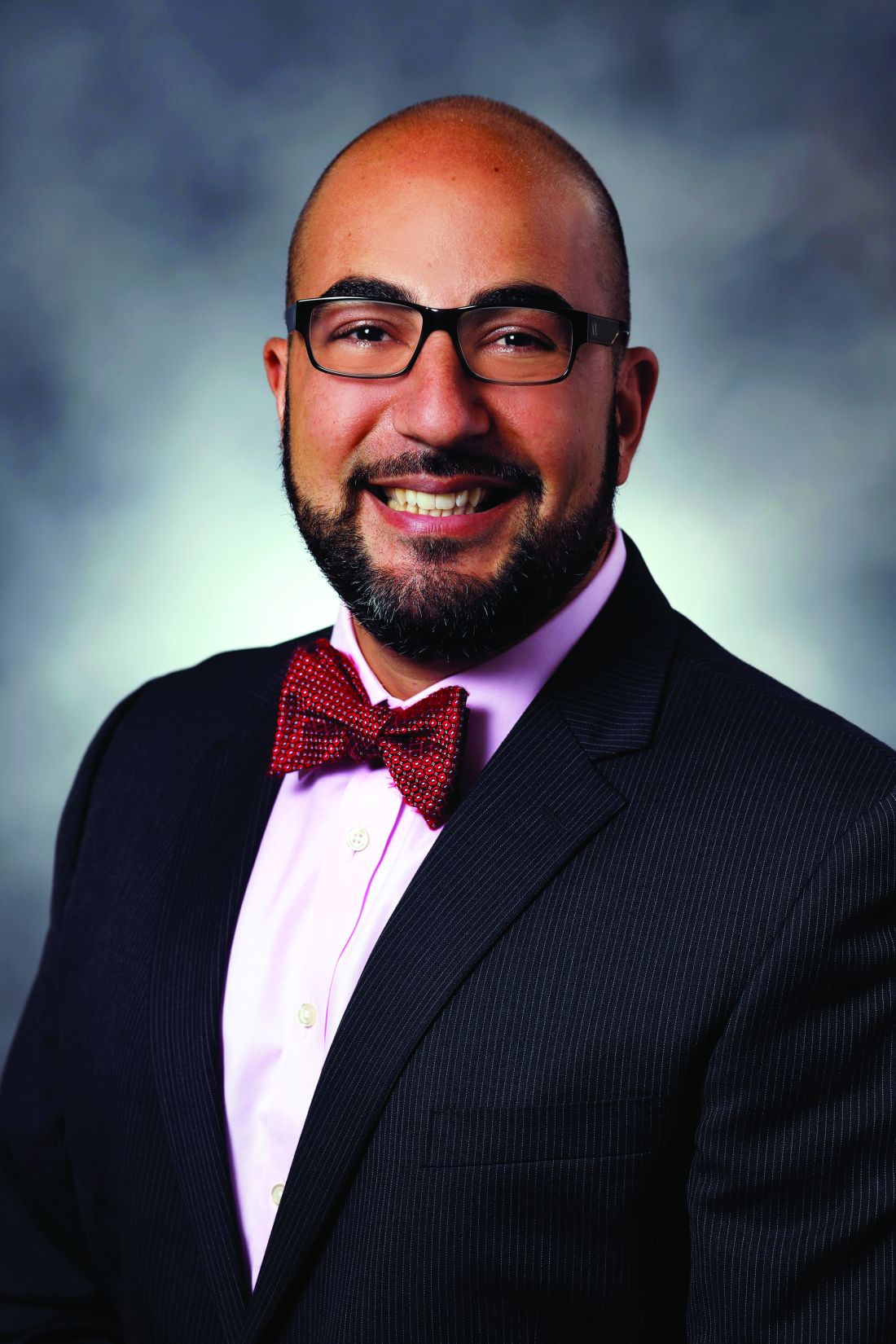
Children with CF “carry a heavy burden,” Dr. Artinian said, “balancing living their lives with daily interruptions to their typical day to complete multiple treatments. As a result, sleep can be impacted even when there are no other clinical or objective signs of illness, so that was not an entirely surprising finding.” Difficulties with sleep onset and maintenance can be prevalent in the absence of changes in children’s daytime behavior or any other psychological signs, Dr. Artinian said, noting that in his practice he routinely asks families whether children snore (something recommended by the American Academy of Pediatrics for all well-child checks) and whether they have any other concerns about their sleep.
“Even if the answer is ‘no’ the first time, the act of asking plants a seed in their minds to keep an eye open and to know they can discuss it with us at a future visit if concerns come up,” Dr. Artinian said.
Dr. Byars and colleagues noted several limitations to their study including its cross-sectional, single-center design, potential participant selection bias, reliance on parent reports of child sleep, and use of a novel, nonvalidated survey instrument.
The researchers received funding from the Boomer Esiason Foundation for their study and disclosed no financial conflicts of interest. Dr. Artinian had no relevant disclosures.
SOURCE: Byars K et al. J Cyst Fibros. 2020 May. doi: 10.1016/j.jcf.2020.04.003.
, according to results from a new study.
Children aged 6-12 years had more sleep issues compared with preschoolers or teenagers, researchers also found, and the quality of sleep among caregivers was seen strongly linked to that of their children with CF.
For research published in the Journal of Cystic Fibrosis, Kelly C. Byars, PsyD, and colleagues at Cincinnati Children’s Medical Center and the University of Cincinnati surveyed parents of 91 medically stable patients with cystic fibrosis aged 18 and younger at a single CF treatment center between 2016 and 2017.
Fifty-four percent of the children in the study were female, the mean age was 9 years, and 90% of the caregivers were mothers. In addition to the sleep questionnaires, the researchers looked at the children’s available lung function data from around the time of the survey. Forced expiratory volume in one second (FEV1) measures showed the vast majority had no obstructive lung disease (73% of the cohort) or only mild symptoms (18%) at the time their caregivers were surveyed.
Overall, some 40% of caregivers said they had concerns about their own sleep, while 29% said they were concerned for their children’s sleep. Parents reported night waking, daytime sleepiness, and difficulty falling asleep as their main problems, and difficulty falling asleep as the top issue for their children, along with daytime sleepiness, night waking, and mouth breathing.
Sleep issues were most pronounced for children aged 6-12 and their caregivers, a group for which 44% of caregivers said they were concerned for their children’s sleep and 55% for their own sleep. For this same group only 8% of parents reported their children having nocturnal cough, and just 5% reported gastrointestinal problems at night.
Overall, the caregivers in the study reported inadequate sleep, with more than half saying they got less than 7 hours per night. Similarly, more than half of the school-age and adolescent patients with CF were getting less than the nightly minimum recommended by the American Academy of Sleep Medicine.
The researchers noted “large effects for parent and child associations for insomnia symptoms that may be amenable to treatment,” especially trouble returning to sleep and daytime sleepiness.
The study “is the first to examine parent reported sleep disturbances and sleep duration in both parents and their children with CF spanning a broad age range and including patients who were medically stable and predominantly free of lung dysfunction,” Dr. Byars and colleagues wrote in their analysis, adding that sleep health should be integrated into care protocols for CF patients and their families, and families of children with other chronic illnesses.
In a comment on Dr. Byars and colleagues’ study, Hovig Artinian, MD, a pediatric pulmonary and sleep medicine specialist at Helen DeVos Children’s Hospital in Grand Rapids, Mich., said the findings “highlight for all of us that we must regularly assess and address sleep disturbances in our children with CF specifically, but also in all children with chronic conditions.”
Children with CF “carry a heavy burden,” Dr. Artinian said, “balancing living their lives with daily interruptions to their typical day to complete multiple treatments. As a result, sleep can be impacted even when there are no other clinical or objective signs of illness, so that was not an entirely surprising finding.” Difficulties with sleep onset and maintenance can be prevalent in the absence of changes in children’s daytime behavior or any other psychological signs, Dr. Artinian said, noting that in his practice he routinely asks families whether children snore (something recommended by the American Academy of Pediatrics for all well-child checks) and whether they have any other concerns about their sleep.
“Even if the answer is ‘no’ the first time, the act of asking plants a seed in their minds to keep an eye open and to know they can discuss it with us at a future visit if concerns come up,” Dr. Artinian said.
Dr. Byars and colleagues noted several limitations to their study including its cross-sectional, single-center design, potential participant selection bias, reliance on parent reports of child sleep, and use of a novel, nonvalidated survey instrument.
The researchers received funding from the Boomer Esiason Foundation for their study and disclosed no financial conflicts of interest. Dr. Artinian had no relevant disclosures.
SOURCE: Byars K et al. J Cyst Fibros. 2020 May. doi: 10.1016/j.jcf.2020.04.003.
, according to results from a new study.
Children aged 6-12 years had more sleep issues compared with preschoolers or teenagers, researchers also found, and the quality of sleep among caregivers was seen strongly linked to that of their children with CF.
For research published in the Journal of Cystic Fibrosis, Kelly C. Byars, PsyD, and colleagues at Cincinnati Children’s Medical Center and the University of Cincinnati surveyed parents of 91 medically stable patients with cystic fibrosis aged 18 and younger at a single CF treatment center between 2016 and 2017.
Fifty-four percent of the children in the study were female, the mean age was 9 years, and 90% of the caregivers were mothers. In addition to the sleep questionnaires, the researchers looked at the children’s available lung function data from around the time of the survey. Forced expiratory volume in one second (FEV1) measures showed the vast majority had no obstructive lung disease (73% of the cohort) or only mild symptoms (18%) at the time their caregivers were surveyed.
Overall, some 40% of caregivers said they had concerns about their own sleep, while 29% said they were concerned for their children’s sleep. Parents reported night waking, daytime sleepiness, and difficulty falling asleep as their main problems, and difficulty falling asleep as the top issue for their children, along with daytime sleepiness, night waking, and mouth breathing.
Sleep issues were most pronounced for children aged 6-12 and their caregivers, a group for which 44% of caregivers said they were concerned for their children’s sleep and 55% for their own sleep. For this same group only 8% of parents reported their children having nocturnal cough, and just 5% reported gastrointestinal problems at night.
Overall, the caregivers in the study reported inadequate sleep, with more than half saying they got less than 7 hours per night. Similarly, more than half of the school-age and adolescent patients with CF were getting less than the nightly minimum recommended by the American Academy of Sleep Medicine.
The researchers noted “large effects for parent and child associations for insomnia symptoms that may be amenable to treatment,” especially trouble returning to sleep and daytime sleepiness.
The study “is the first to examine parent reported sleep disturbances and sleep duration in both parents and their children with CF spanning a broad age range and including patients who were medically stable and predominantly free of lung dysfunction,” Dr. Byars and colleagues wrote in their analysis, adding that sleep health should be integrated into care protocols for CF patients and their families, and families of children with other chronic illnesses.
In a comment on Dr. Byars and colleagues’ study, Hovig Artinian, MD, a pediatric pulmonary and sleep medicine specialist at Helen DeVos Children’s Hospital in Grand Rapids, Mich., said the findings “highlight for all of us that we must regularly assess and address sleep disturbances in our children with CF specifically, but also in all children with chronic conditions.”
Children with CF “carry a heavy burden,” Dr. Artinian said, “balancing living their lives with daily interruptions to their typical day to complete multiple treatments. As a result, sleep can be impacted even when there are no other clinical or objective signs of illness, so that was not an entirely surprising finding.” Difficulties with sleep onset and maintenance can be prevalent in the absence of changes in children’s daytime behavior or any other psychological signs, Dr. Artinian said, noting that in his practice he routinely asks families whether children snore (something recommended by the American Academy of Pediatrics for all well-child checks) and whether they have any other concerns about their sleep.
“Even if the answer is ‘no’ the first time, the act of asking plants a seed in their minds to keep an eye open and to know they can discuss it with us at a future visit if concerns come up,” Dr. Artinian said.
Dr. Byars and colleagues noted several limitations to their study including its cross-sectional, single-center design, potential participant selection bias, reliance on parent reports of child sleep, and use of a novel, nonvalidated survey instrument.
The researchers received funding from the Boomer Esiason Foundation for their study and disclosed no financial conflicts of interest. Dr. Artinian had no relevant disclosures.
SOURCE: Byars K et al. J Cyst Fibros. 2020 May. doi: 10.1016/j.jcf.2020.04.003.
FROM THE JOURNAL OF CYSTIC FIBROSIS
Rolled into one? Weeding out evidence on cognitive impact of marijuana from that of THC
This supplement to Neurology Reviews summarizes summarize findings from English-only, peer-reviewed original articles and meta-analyses of specified cannabinoids’ effect on cognition in preclinical and clinical literature, where known, to guide practitioners with proper evidence and highlighting gaps in knowledge for future research.
Click here to read the supplement.
Authors
Francesca Filbey, PhD
Bert Moore Chair and Professor
of Cognition and Neuroscience
The University of Texas at Dallas
Chris Hauser, PhD
Medical Science Liaison
Greenwich Biosciences, Inc.
Karthik Rajasekaran, PhD
Sr. Medical Science Liaison
Greenwich Biosciences, Inc.
1. Mead A. Front Plant Sci. 2019;10:697.
This supplement to Neurology Reviews summarizes summarize findings from English-only, peer-reviewed original articles and meta-analyses of specified cannabinoids’ effect on cognition in preclinical and clinical literature, where known, to guide practitioners with proper evidence and highlighting gaps in knowledge for future research.
Click here to read the supplement.
Authors
Francesca Filbey, PhD
Bert Moore Chair and Professor
of Cognition and Neuroscience
The University of Texas at Dallas
Chris Hauser, PhD
Medical Science Liaison
Greenwich Biosciences, Inc.
Karthik Rajasekaran, PhD
Sr. Medical Science Liaison
Greenwich Biosciences, Inc.
1. Mead A. Front Plant Sci. 2019;10:697.
This supplement to Neurology Reviews summarizes summarize findings from English-only, peer-reviewed original articles and meta-analyses of specified cannabinoids’ effect on cognition in preclinical and clinical literature, where known, to guide practitioners with proper evidence and highlighting gaps in knowledge for future research.
Click here to read the supplement.
Authors
Francesca Filbey, PhD
Bert Moore Chair and Professor
of Cognition and Neuroscience
The University of Texas at Dallas
Chris Hauser, PhD
Medical Science Liaison
Greenwich Biosciences, Inc.
Karthik Rajasekaran, PhD
Sr. Medical Science Liaison
Greenwich Biosciences, Inc.
1. Mead A. Front Plant Sci. 2019;10:697.
Clinicians urged to use CURE ID to report COVID-19 cases
in conjunction with ongoing clinical trial efforts.
“By utilizing the CURE ID platform now for COVID-19 case collection – in conjunction with data gathered from other registries, EHR systems, and clinical trials – data collected during an outbreak can be improved and coordinated,” Heather A. Stone, MPH, said during a June 9 webinar sponsored by the Food and Drug Administration. “This may allow us to find possible treatments to help ease this pandemic, and prepare us better to fight the next one.”
During the hour-long webinar, Ms. Stone, a health science policy analyst in the office of medical policy at the FDA’s Center for Drug Evaluation and Research, demonstrated CURE ID, an Internet-based data repository first developed in 2013 as a collaboration between the FDA and the National Center for Advancing Translational Sciences, a part of the National Institutes of Health (NCATS/NIH). It provides licensed clinicians worldwide with an opportunity to report novel uses of existing drugs for patients with difficult-to-treat infectious diseases, including COVID-19, through a website, a smartphone, or other mobile device. The app can be downloaded for free at http://cure.ncats.io. It can also be downloaded from the Apple app store or the Google Play store by searching “CURE ID.”
According to Ms. Stone, the platform’s three main goals are to enhance the understanding of new uses of approved medical products, to facilitate clinical trials and drug development, and to serve as a resource for physicians to share information where no FDA-approved product (which has been proven to be safe and effective) exists for the new use. CURE ID enables users to report their own cases as well as read cases of neglected infectious diseases with no sufficient approved therapies from other clinicians around the world. “It also enables clinicians to engage directly with communities of disease experts around the world, breaking down geographic and specialty silos,” Ms. Stone said. “It also enables them to access information on approved therapies for each disease and as well on active clinical trials.”
To date, CURE-ID contains information on 325 infectious diseases, including 1,580 case reports and 18,907 clinical trials. Initial pilot priority diseases include COVID-19, mycetoma, atypical mycobacteria, drug-resistant gonorrhea, rare and resistant fungal infections, as well as multidrug resistant gram-negative bacteria.
As of June 9, COVID-19-related data on the platform includes 151 case reports that have been extracted from the published literature or entered by clinician users, 80 discussion posts, and links to 694 clinical trials, 303 journal articles, 212 news articles, and 34 events. A total of 65 repurposed drugs have been identified as potential treatments for the virus, including 15 drugs with 10 or more cases.
“This facilitates clinicians reporting their real-world experiences treating COVID-19 patients, when patients are unable to be enrolled in a clinical trial,” Ms. Stone said. “It includes an updated case report form tailored to COVID-19 and data fields that have been harmonized with other real-world data and clinical trial platforms.” She pointed out that voluntary submission of cases to CURE ID is not a substitute for filing information with regulatory and public health authorities, where required. The platform also enables data to be entered and adverse events to be automatically shared with the FDA’s MedWatch Adverse Reporting System.
Ms. Stone concluded the webinar by announcing the formation of a new private-public partnership between the Critical Path Institute and the FDA and NCATS/NIH known as the CURE Drug Repurposing Collaboratory. The effort will begin with a pilot project focused on furthering drug development for COVID-19 through use of the CURE ID platform. “The Collaboratory will demonstrate how data shared from clinicians in real-time can be used to inform ongoing and future clinical trials, and potentially drug labeling,” Ms. Stone said. She reported having no financial disclosures.
in conjunction with ongoing clinical trial efforts.
“By utilizing the CURE ID platform now for COVID-19 case collection – in conjunction with data gathered from other registries, EHR systems, and clinical trials – data collected during an outbreak can be improved and coordinated,” Heather A. Stone, MPH, said during a June 9 webinar sponsored by the Food and Drug Administration. “This may allow us to find possible treatments to help ease this pandemic, and prepare us better to fight the next one.”
During the hour-long webinar, Ms. Stone, a health science policy analyst in the office of medical policy at the FDA’s Center for Drug Evaluation and Research, demonstrated CURE ID, an Internet-based data repository first developed in 2013 as a collaboration between the FDA and the National Center for Advancing Translational Sciences, a part of the National Institutes of Health (NCATS/NIH). It provides licensed clinicians worldwide with an opportunity to report novel uses of existing drugs for patients with difficult-to-treat infectious diseases, including COVID-19, through a website, a smartphone, or other mobile device. The app can be downloaded for free at http://cure.ncats.io. It can also be downloaded from the Apple app store or the Google Play store by searching “CURE ID.”
According to Ms. Stone, the platform’s three main goals are to enhance the understanding of new uses of approved medical products, to facilitate clinical trials and drug development, and to serve as a resource for physicians to share information where no FDA-approved product (which has been proven to be safe and effective) exists for the new use. CURE ID enables users to report their own cases as well as read cases of neglected infectious diseases with no sufficient approved therapies from other clinicians around the world. “It also enables clinicians to engage directly with communities of disease experts around the world, breaking down geographic and specialty silos,” Ms. Stone said. “It also enables them to access information on approved therapies for each disease and as well on active clinical trials.”
To date, CURE-ID contains information on 325 infectious diseases, including 1,580 case reports and 18,907 clinical trials. Initial pilot priority diseases include COVID-19, mycetoma, atypical mycobacteria, drug-resistant gonorrhea, rare and resistant fungal infections, as well as multidrug resistant gram-negative bacteria.
As of June 9, COVID-19-related data on the platform includes 151 case reports that have been extracted from the published literature or entered by clinician users, 80 discussion posts, and links to 694 clinical trials, 303 journal articles, 212 news articles, and 34 events. A total of 65 repurposed drugs have been identified as potential treatments for the virus, including 15 drugs with 10 or more cases.
“This facilitates clinicians reporting their real-world experiences treating COVID-19 patients, when patients are unable to be enrolled in a clinical trial,” Ms. Stone said. “It includes an updated case report form tailored to COVID-19 and data fields that have been harmonized with other real-world data and clinical trial platforms.” She pointed out that voluntary submission of cases to CURE ID is not a substitute for filing information with regulatory and public health authorities, where required. The platform also enables data to be entered and adverse events to be automatically shared with the FDA’s MedWatch Adverse Reporting System.
Ms. Stone concluded the webinar by announcing the formation of a new private-public partnership between the Critical Path Institute and the FDA and NCATS/NIH known as the CURE Drug Repurposing Collaboratory. The effort will begin with a pilot project focused on furthering drug development for COVID-19 through use of the CURE ID platform. “The Collaboratory will demonstrate how data shared from clinicians in real-time can be used to inform ongoing and future clinical trials, and potentially drug labeling,” Ms. Stone said. She reported having no financial disclosures.
in conjunction with ongoing clinical trial efforts.
“By utilizing the CURE ID platform now for COVID-19 case collection – in conjunction with data gathered from other registries, EHR systems, and clinical trials – data collected during an outbreak can be improved and coordinated,” Heather A. Stone, MPH, said during a June 9 webinar sponsored by the Food and Drug Administration. “This may allow us to find possible treatments to help ease this pandemic, and prepare us better to fight the next one.”
During the hour-long webinar, Ms. Stone, a health science policy analyst in the office of medical policy at the FDA’s Center for Drug Evaluation and Research, demonstrated CURE ID, an Internet-based data repository first developed in 2013 as a collaboration between the FDA and the National Center for Advancing Translational Sciences, a part of the National Institutes of Health (NCATS/NIH). It provides licensed clinicians worldwide with an opportunity to report novel uses of existing drugs for patients with difficult-to-treat infectious diseases, including COVID-19, through a website, a smartphone, or other mobile device. The app can be downloaded for free at http://cure.ncats.io. It can also be downloaded from the Apple app store or the Google Play store by searching “CURE ID.”
According to Ms. Stone, the platform’s three main goals are to enhance the understanding of new uses of approved medical products, to facilitate clinical trials and drug development, and to serve as a resource for physicians to share information where no FDA-approved product (which has been proven to be safe and effective) exists for the new use. CURE ID enables users to report their own cases as well as read cases of neglected infectious diseases with no sufficient approved therapies from other clinicians around the world. “It also enables clinicians to engage directly with communities of disease experts around the world, breaking down geographic and specialty silos,” Ms. Stone said. “It also enables them to access information on approved therapies for each disease and as well on active clinical trials.”
To date, CURE-ID contains information on 325 infectious diseases, including 1,580 case reports and 18,907 clinical trials. Initial pilot priority diseases include COVID-19, mycetoma, atypical mycobacteria, drug-resistant gonorrhea, rare and resistant fungal infections, as well as multidrug resistant gram-negative bacteria.
As of June 9, COVID-19-related data on the platform includes 151 case reports that have been extracted from the published literature or entered by clinician users, 80 discussion posts, and links to 694 clinical trials, 303 journal articles, 212 news articles, and 34 events. A total of 65 repurposed drugs have been identified as potential treatments for the virus, including 15 drugs with 10 or more cases.
“This facilitates clinicians reporting their real-world experiences treating COVID-19 patients, when patients are unable to be enrolled in a clinical trial,” Ms. Stone said. “It includes an updated case report form tailored to COVID-19 and data fields that have been harmonized with other real-world data and clinical trial platforms.” She pointed out that voluntary submission of cases to CURE ID is not a substitute for filing information with regulatory and public health authorities, where required. The platform also enables data to be entered and adverse events to be automatically shared with the FDA’s MedWatch Adverse Reporting System.
Ms. Stone concluded the webinar by announcing the formation of a new private-public partnership between the Critical Path Institute and the FDA and NCATS/NIH known as the CURE Drug Repurposing Collaboratory. The effort will begin with a pilot project focused on furthering drug development for COVID-19 through use of the CURE ID platform. “The Collaboratory will demonstrate how data shared from clinicians in real-time can be used to inform ongoing and future clinical trials, and potentially drug labeling,” Ms. Stone said. She reported having no financial disclosures.
Nivolumab approved to treat esophageal squamous cell carcinoma
The Food and Drug Administration has approved nivolumab (Opdivo) for use in certain patients with esophageal squamous cell carcinoma (ESCC).
The checkpoint inhibitor is now approved to treat patients with unresectable advanced, recurrent, or metastatic ESCC who previously received fluoropyrimidine- and platinum-based chemotherapy.
Researchers tested nivolumab in this population in the ATTRACTION-3 trial (NCT02569242). The trial enrolled 419 patients.
The patients were randomized to receive nivolumab at 240 mg via intravenous infusion over 30 minutes every 2 weeks (n = 210) or investigator’s choice of taxane chemotherapy (n = 209), which consisted of docetaxel (75 mg/m2 intravenously every 3 weeks) or paclitaxel (100 mg/m2 intravenously once a week for 6 weeks followed by 1 week off).
Nivolumab significantly improved overall survival but not progression-free survival. The median progression-free survival was 1.7 months in the nivolumab arm and 3.4 months in the chemotherapy arm (hazard ratio, 1.1).
The median overall survival was 10.9 months in the nivolumab arm and 8.4 months in the chemotherapy arm (hazard ratio, 0.77; P = .0189). The overall survival benefit was observed regardless of tumor programmed death–ligand 1 expression.
Response rates were similar between the treatment arms, but responses were more durable with nivolumab. The overall responses rate was 19.3% in the nivolumab arm and 21.5% in the chemotherapy arm. The median duration of response was 6.9 months and 3.9 months, respectively.
Serious adverse events were reported in 38% of patients in the nivolumab arm. Serious adverse events occurring in at least 2% of patients were pneumonia, esophageal fistula, interstitial lung disease, and pyrexia.
Adverse events prompted 13% of patients to discontinue nivolumab and 27% to delay nivolumab treatment.
Fatal adverse events in patients on nivolumab included interstitial lung disease or pneumonitis (1.4%), pneumonia (1.0%), septic shock (0.5%), esophageal fistula (0.5%), gastrointestinal hemorrhage (0.5%), pulmonary embolism (0.5%), and sudden death (0.5%).
The recommended dose of nivolumab for ESCC is 240 mg every 2 weeks or 480 mg every 4 weeks. For more details, see the full prescribing information.
The Food and Drug Administration has approved nivolumab (Opdivo) for use in certain patients with esophageal squamous cell carcinoma (ESCC).
The checkpoint inhibitor is now approved to treat patients with unresectable advanced, recurrent, or metastatic ESCC who previously received fluoropyrimidine- and platinum-based chemotherapy.
Researchers tested nivolumab in this population in the ATTRACTION-3 trial (NCT02569242). The trial enrolled 419 patients.
The patients were randomized to receive nivolumab at 240 mg via intravenous infusion over 30 minutes every 2 weeks (n = 210) or investigator’s choice of taxane chemotherapy (n = 209), which consisted of docetaxel (75 mg/m2 intravenously every 3 weeks) or paclitaxel (100 mg/m2 intravenously once a week for 6 weeks followed by 1 week off).
Nivolumab significantly improved overall survival but not progression-free survival. The median progression-free survival was 1.7 months in the nivolumab arm and 3.4 months in the chemotherapy arm (hazard ratio, 1.1).
The median overall survival was 10.9 months in the nivolumab arm and 8.4 months in the chemotherapy arm (hazard ratio, 0.77; P = .0189). The overall survival benefit was observed regardless of tumor programmed death–ligand 1 expression.
Response rates were similar between the treatment arms, but responses were more durable with nivolumab. The overall responses rate was 19.3% in the nivolumab arm and 21.5% in the chemotherapy arm. The median duration of response was 6.9 months and 3.9 months, respectively.
Serious adverse events were reported in 38% of patients in the nivolumab arm. Serious adverse events occurring in at least 2% of patients were pneumonia, esophageal fistula, interstitial lung disease, and pyrexia.
Adverse events prompted 13% of patients to discontinue nivolumab and 27% to delay nivolumab treatment.
Fatal adverse events in patients on nivolumab included interstitial lung disease or pneumonitis (1.4%), pneumonia (1.0%), septic shock (0.5%), esophageal fistula (0.5%), gastrointestinal hemorrhage (0.5%), pulmonary embolism (0.5%), and sudden death (0.5%).
The recommended dose of nivolumab for ESCC is 240 mg every 2 weeks or 480 mg every 4 weeks. For more details, see the full prescribing information.
The Food and Drug Administration has approved nivolumab (Opdivo) for use in certain patients with esophageal squamous cell carcinoma (ESCC).
The checkpoint inhibitor is now approved to treat patients with unresectable advanced, recurrent, or metastatic ESCC who previously received fluoropyrimidine- and platinum-based chemotherapy.
Researchers tested nivolumab in this population in the ATTRACTION-3 trial (NCT02569242). The trial enrolled 419 patients.
The patients were randomized to receive nivolumab at 240 mg via intravenous infusion over 30 minutes every 2 weeks (n = 210) or investigator’s choice of taxane chemotherapy (n = 209), which consisted of docetaxel (75 mg/m2 intravenously every 3 weeks) or paclitaxel (100 mg/m2 intravenously once a week for 6 weeks followed by 1 week off).
Nivolumab significantly improved overall survival but not progression-free survival. The median progression-free survival was 1.7 months in the nivolumab arm and 3.4 months in the chemotherapy arm (hazard ratio, 1.1).
The median overall survival was 10.9 months in the nivolumab arm and 8.4 months in the chemotherapy arm (hazard ratio, 0.77; P = .0189). The overall survival benefit was observed regardless of tumor programmed death–ligand 1 expression.
Response rates were similar between the treatment arms, but responses were more durable with nivolumab. The overall responses rate was 19.3% in the nivolumab arm and 21.5% in the chemotherapy arm. The median duration of response was 6.9 months and 3.9 months, respectively.
Serious adverse events were reported in 38% of patients in the nivolumab arm. Serious adverse events occurring in at least 2% of patients were pneumonia, esophageal fistula, interstitial lung disease, and pyrexia.
Adverse events prompted 13% of patients to discontinue nivolumab and 27% to delay nivolumab treatment.
Fatal adverse events in patients on nivolumab included interstitial lung disease or pneumonitis (1.4%), pneumonia (1.0%), septic shock (0.5%), esophageal fistula (0.5%), gastrointestinal hemorrhage (0.5%), pulmonary embolism (0.5%), and sudden death (0.5%).
The recommended dose of nivolumab for ESCC is 240 mg every 2 weeks or 480 mg every 4 weeks. For more details, see the full prescribing information.
Time for grit and resilience
Grandma Exie used to tell a story about her grandmother on her father’s side, who lived in northeastern Arkansas. Towards the end of the Civil War, Northern and Southern troops were expected to “live off the land,” and both sides had torn through her poor dirt farm and carried off all the livestock and crops. The only thing they didn’t take was her bull mastiff, who was a pretty fair hunting and guard dog. Starving, she had no other option than to pack up and head east for Tennessee, where her husband was stationed with Joseph Hooker’s army. Many thousands of destitute women and children, most of whom were related to one of the troops, followed the army, where some of the army’s rations could be shared with them.
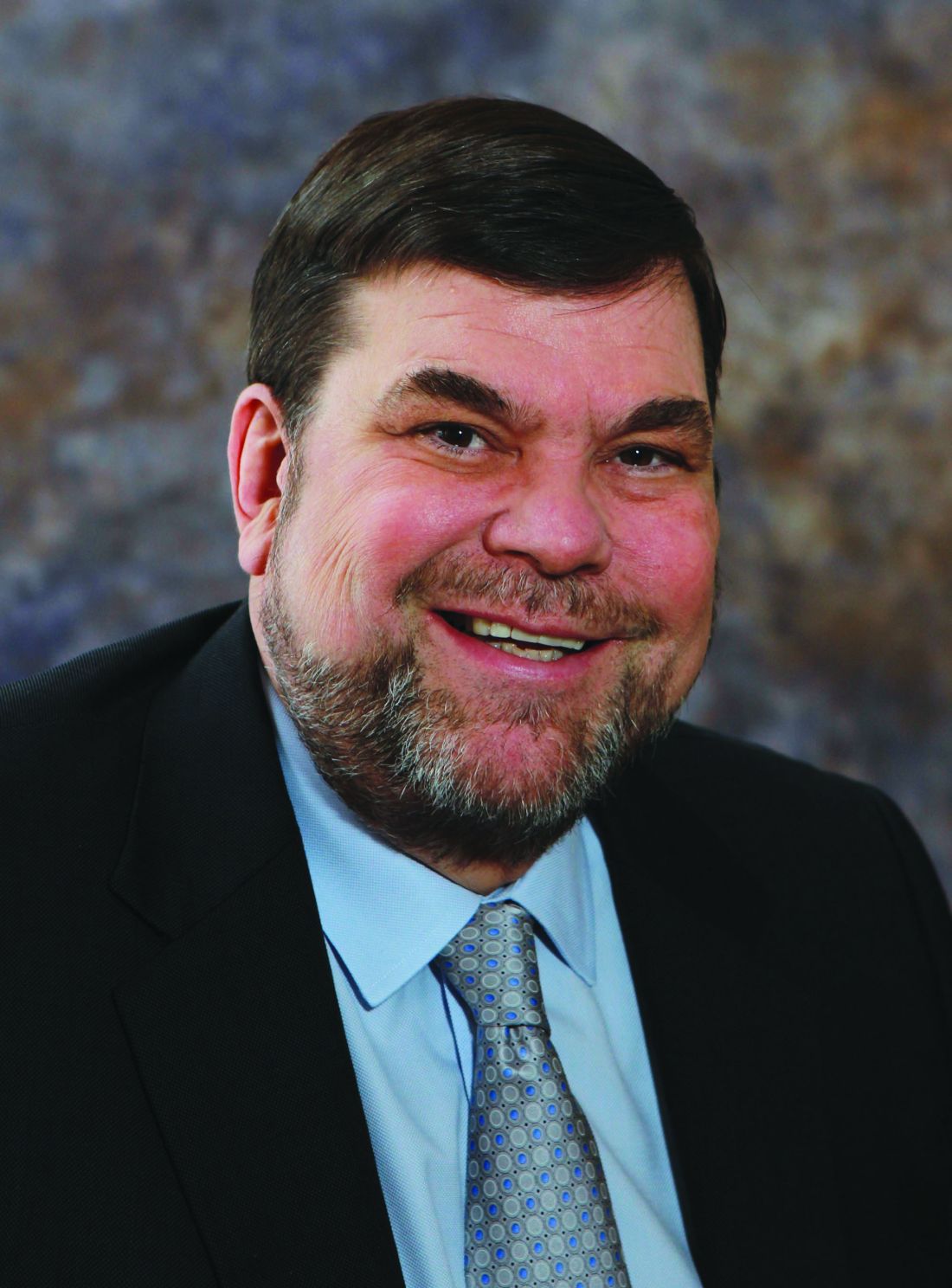
She headed out on foot and all went well until day 3 or so, when a panther attacked them, but she, armed with a branch, and her loyal dog were able to drive it off. The panther followed them for 3 days while she hid in a tree at night with her dog at the foot of a tree. Eventually, the panther gave up and she made it to Tennessee to safety.
Grandma Exie said her grandmother had “grit” and used this story whenever any of us would complain about how hard times were or how we were mistreated.
It is time for all of us to buck up and show a little grit in the face of a viral pandemic and social unrest. The answers are not easy or clear, but our health care system and our nation have faced much greater challenges. The 1918 flu pandemic was much more devastating, killing millions worldwide, and recall, 620,000 died in the Civil War, more than all other American wars combined. There is a deep seam of grit and resilience in Americans. We don’t always get it right immediately, but we usually do in the end.
The protests are justifiable outrage over police brutality, fueled by a high unemployment rate, both of which are a cause for frustration. The looting and destruction appears to be opportunistic thievery and some organized vandalization in my opinion. Most of the damage caused by riots and looting is not covered by insurance, and this will be a death blow to many small businesses already facing major financial setbacks as customers have stayed home for months and laying off staff has become necessary.
As for the impact on our practices, most physicians have been lucky and not been looted or burned out. In most of the country, the disease incidence has become lower, and the risk of not seeing the doctor is now greater than catching COVID-19.
So show grit, be careful, be vigilant, and practice your profession. Support your local small businesses, particularly if they have been the victims of senseless violence. We will work our way through these times.
Dr. Coldiron is in private practice but maintains a clinical assistant professorship at the University of Cincinnati. He cares for patients, teaches medical students and residents, and has several active clinical research projects. Dr. Coldiron is the author of more than 80 scientific letters, papers, and several book chapters, and he speaks frequently on a variety of topics. He is a past president of the American Academy of Dermatology. He had no disclosures related to this column. Write to him at dermnews@mdedge.com.
Grandma Exie used to tell a story about her grandmother on her father’s side, who lived in northeastern Arkansas. Towards the end of the Civil War, Northern and Southern troops were expected to “live off the land,” and both sides had torn through her poor dirt farm and carried off all the livestock and crops. The only thing they didn’t take was her bull mastiff, who was a pretty fair hunting and guard dog. Starving, she had no other option than to pack up and head east for Tennessee, where her husband was stationed with Joseph Hooker’s army. Many thousands of destitute women and children, most of whom were related to one of the troops, followed the army, where some of the army’s rations could be shared with them.
She headed out on foot and all went well until day 3 or so, when a panther attacked them, but she, armed with a branch, and her loyal dog were able to drive it off. The panther followed them for 3 days while she hid in a tree at night with her dog at the foot of a tree. Eventually, the panther gave up and she made it to Tennessee to safety.
Grandma Exie said her grandmother had “grit” and used this story whenever any of us would complain about how hard times were or how we were mistreated.
It is time for all of us to buck up and show a little grit in the face of a viral pandemic and social unrest. The answers are not easy or clear, but our health care system and our nation have faced much greater challenges. The 1918 flu pandemic was much more devastating, killing millions worldwide, and recall, 620,000 died in the Civil War, more than all other American wars combined. There is a deep seam of grit and resilience in Americans. We don’t always get it right immediately, but we usually do in the end.
The protests are justifiable outrage over police brutality, fueled by a high unemployment rate, both of which are a cause for frustration. The looting and destruction appears to be opportunistic thievery and some organized vandalization in my opinion. Most of the damage caused by riots and looting is not covered by insurance, and this will be a death blow to many small businesses already facing major financial setbacks as customers have stayed home for months and laying off staff has become necessary.
As for the impact on our practices, most physicians have been lucky and not been looted or burned out. In most of the country, the disease incidence has become lower, and the risk of not seeing the doctor is now greater than catching COVID-19.
So show grit, be careful, be vigilant, and practice your profession. Support your local small businesses, particularly if they have been the victims of senseless violence. We will work our way through these times.
Dr. Coldiron is in private practice but maintains a clinical assistant professorship at the University of Cincinnati. He cares for patients, teaches medical students and residents, and has several active clinical research projects. Dr. Coldiron is the author of more than 80 scientific letters, papers, and several book chapters, and he speaks frequently on a variety of topics. He is a past president of the American Academy of Dermatology. He had no disclosures related to this column. Write to him at dermnews@mdedge.com.
Grandma Exie used to tell a story about her grandmother on her father’s side, who lived in northeastern Arkansas. Towards the end of the Civil War, Northern and Southern troops were expected to “live off the land,” and both sides had torn through her poor dirt farm and carried off all the livestock and crops. The only thing they didn’t take was her bull mastiff, who was a pretty fair hunting and guard dog. Starving, she had no other option than to pack up and head east for Tennessee, where her husband was stationed with Joseph Hooker’s army. Many thousands of destitute women and children, most of whom were related to one of the troops, followed the army, where some of the army’s rations could be shared with them.
She headed out on foot and all went well until day 3 or so, when a panther attacked them, but she, armed with a branch, and her loyal dog were able to drive it off. The panther followed them for 3 days while she hid in a tree at night with her dog at the foot of a tree. Eventually, the panther gave up and she made it to Tennessee to safety.
Grandma Exie said her grandmother had “grit” and used this story whenever any of us would complain about how hard times were or how we were mistreated.
It is time for all of us to buck up and show a little grit in the face of a viral pandemic and social unrest. The answers are not easy or clear, but our health care system and our nation have faced much greater challenges. The 1918 flu pandemic was much more devastating, killing millions worldwide, and recall, 620,000 died in the Civil War, more than all other American wars combined. There is a deep seam of grit and resilience in Americans. We don’t always get it right immediately, but we usually do in the end.
The protests are justifiable outrage over police brutality, fueled by a high unemployment rate, both of which are a cause for frustration. The looting and destruction appears to be opportunistic thievery and some organized vandalization in my opinion. Most of the damage caused by riots and looting is not covered by insurance, and this will be a death blow to many small businesses already facing major financial setbacks as customers have stayed home for months and laying off staff has become necessary.
As for the impact on our practices, most physicians have been lucky and not been looted or burned out. In most of the country, the disease incidence has become lower, and the risk of not seeing the doctor is now greater than catching COVID-19.
So show grit, be careful, be vigilant, and practice your profession. Support your local small businesses, particularly if they have been the victims of senseless violence. We will work our way through these times.
Dr. Coldiron is in private practice but maintains a clinical assistant professorship at the University of Cincinnati. He cares for patients, teaches medical students and residents, and has several active clinical research projects. Dr. Coldiron is the author of more than 80 scientific letters, papers, and several book chapters, and he speaks frequently on a variety of topics. He is a past president of the American Academy of Dermatology. He had no disclosures related to this column. Write to him at dermnews@mdedge.com.
The future of psychiatric diagnosis
Melissa R. Arbuckle, MD: Hi. I’m Dr. Melissa Arbuckle, vice chair for education and training in the Department of Psychiatry at Columbia University. I’m reporting on behalf of Medscape and our Columbia Psychiatry partnership. Today we’ll be discussing biomarkers with Dr. Jeffrey Lieberman. Welcome.
Jeffrey A. Lieberman, MD: Thanks, Melissa. Great to be here to talk about a subject that is near and dear to my heart.
Dr. Arbuckle: Dr. Lieberman is chair of the Department of Psychiatry at Columbia and is also director of the New York State Psychiatric Institute. Tell us about biomarkers and psychiatry, Dr Lieberman.
Dr. Lieberman: It would be nice if we had some! But first let me tell you what a biomarker is and what it would do for us. A biomarker is a biologic measure, a biologic feature, whether it’s blood pressure, pulse rate, an analyte in blood or cerebrospinal fluid, or a feature of an MRI or PET scan image of the brain that has diagnostic, prognostic, or theragnostic significance. A biomarker identifies an individual with symptoms of a specific disorder, indicates that they have this disorder, and can suggest a particular prognosis – less severe, more severe – or specify which treatment a person would likely respond to. For the entire history of our discipline, as long as physicians have studied mental illness, we have not had a diagnostic test for it. It’s a clinical diagnosis.
All illnesses in medicine began with clinical diagnosis: seizure disorder, epilepsy, was falling sickness; congestive heart failure was dropsy; for diabetes you tasted the urine to see if it was sweet or watery. But when we began to measure glucose and hemoglobin A1c, or when we developed the electrocardiogram to measure heart rhythms, and the electroencephalogram to measure brain activity, those were diagnostic tests based on biomarkers. We just don’t have them yet in psychiatry. The day we do have our first diagnostic tests, courtesy of a validated biomarker, will be a real milestone in the history of our profession.
Dr. Arbuckle: How far off might that be for psychiatry?
Dr. Lieberman: I’ve been in this profession for more than 30 years, and I’ve been saying for a while that it is coming soon. But we’re still waiting. Let me just add a cautionary note. Ever since psychiatry became scientifically minded and used scientific methodology and technology to understand the underpinnings of mental illness, there’s been an effort to identify biomarkers. It began in the 1960s with a series of false leads. There was something called the pink spot, as well as other metabolites, which were indicators on chromatographs linked to schizophrenia. This turned out to be wrong.
There was also the dexamethasone suppression test, to identify people who hypersecreted cortisol, which was believed to be diagnostic of depression. That turned out to be inadequate also.
There was the identification of genes beginning in the late 1980s. But the specific genes that indicated manic depressive illness and schizophrenia were not replicated. And now we know that the genetics of these disorders is polygenic and very complex.
So we cannot overpromise. I don’t want to say exactly when, but I will say that this is an area of intense research. There are a variety of different technologies that could yield this holy grail of diagnostic measures, including imaging measures such as MRI, PET, and nuclear medicine imaging, the use of genetics to create a polygenic risk score, and serologic analyses of blood to develop a panel of measures that may predict a specific condition or specific subtype of a condition.
It’s very likely, though, that we’ll not have a single pathognomonic test. I suspect that we’ll have several measures that, in combination, will be diagnostic or prognostic, in the same way that with cancer you have nomograms that give a prognosis. Or in the case of cardiovascular disease, where you have a lipid panel that takes into account a variety of lipid analytes to give you a risk score. I do believe that certainly within my professional lifetime, and hopefully sooner rather than later, we will see a diagnostic test.
Dr. Arbuckle: Given the different tests that did not pan out, what guidance can we offer clinicians as data come out and new potential biomarkers hit the media? How can we sift through what may or may not hold real promise?
Dr. Lieberman: I can tell practicing clinicians what not to do. Do not do what some of the charlatans in our field do. There are self-promoting psychiatrists out there who use SPECT scans to get a picture of the brain that is little more than pseudo color phrenology, and then they tell patients, “See this? This indicates that you have (this condition or that condition).” You can’t do that. Nothing we have now has that kind of validity or specificity.
However, even though a standard workup for an illness like schizophrenia does not require specific diagnostic tests, other than to rule out other conditions, imaging procedures can be useful additional information. For example, if you have an individual who presents with symptoms that meet criteria for schizophrenia and you obtain an MRI to rule out other possibilities, and the patient turns out to have dilated lateral ventricles or specific reductions in the size or distortions in the shape of certain temporal cortical structures, particularly in the hippocampus, that adds substance to your clinical diagnosis. So those kinds of things are useful. Similarly, with genetic testing, some institutions are now doing exome sequencing or whole genome sequencing that can provide a risk score. It adds something beyond a family history. These are not diagnostic, but they can add to your understanding.
Finally, with respect to schizophrenia and MRI in particular, if it does show structural abnormalities that are among the ones that have been reported for schizophrenia, this can be informative prognostically; such an individual may have a greater likelihood of having a chronic course with progression of the illness. And if that were my patient, I would be thinking that greater effort needs to be taken to ensure that the patient remains on treatment and does not suffer relapse.
Dr. Arbuckle: How do we prepare our trainees for a future of psychiatry with more biomarkers?
Dr. Lieberman: In medical school and postgraduate training, apart from understanding the method of diagnosis and the criteria for diagnoses, it’s important to understand the ancillary measures that are used in clinical medicine: blood testing, electrophysiologic measures, imaging procedures, neurocognitive testing, etc. This is a standard in terms of general medical training.
In terms of then applying it to mental illness and psychiatry, it’s a matter of knowing that these will be relevant at some point, staying apprised of the research literature that is generating data that pertain to the use of these measures for diagnostic, prognostic, or treatment-specific purposes, and then gauging how useful these will be. Right now, these measures are not required for diagnosis. They’re not validated sufficiently so that third-party payers will uniformly reimburse for them, but at some point they will be. Even before that time occurs, there are some measures that can be informative and enhance confidence in the diagnosis or add information about treatment response and outcome.
Dr. Arbuckle: We’re hearing about biotypes and how biotypes may not map to our current diagnostic systems. What are your thoughts about that?
Dr. Lieberman: You know, psychiatry has always been kind of the stepchild of medicine. And related to that, the Diagnostic and Statistical Manual of Mental Disorders (DSM) is the punching bag of the critics of psychiatry and the purported reason it hasn’t progressed faster. Sitting here at Columbia, the home of Robert Spitzer, who was the pioneer of the modern method of nosology that we still use in the DSM, it’s disappointing that we continue to lob tomatoes at this system, which is the best. It took psychiatry out of what was a dark age of clinical methodology and put it on solid scientific footing. That was in the late 1970s with [the development of] DSM-III.
And as much as we would like to have further progress, which would allow for not using a list of criteria in a menu-driven fashion to establish diagnoses, we’d like to have it be like a glucose tolerance test or an angiogram.
We’d like to do that, but we can’t yet. So there’s this aspirational desire to have something better, and this is permeating and motivating a lot of the research, which is good. But to claim that these don’t map to the current DSM and therefore invalidate the DSM-defined diagnoses is wrong and self-defeating. So if they don’t map to the current DSM diagnosis, is the diagnosis wrong or are the biotypes wrong? I believe it’s wishful thinking; individuals are trying to project their desires onto clinical practice, and it’s not desirable to do that. If there was anything that was an improvement on the DSM, it would have been incorporated into our practice.
The question about the limitations of DSM and the improved methods of neuroscientifically informed diagnostic systems was an issue that brought me into a confrontation with our former director of the National Institute of Mental Health (NIMH) in 2013.
After 5 years of the DSM task force laboring to revise the fifth edition of the DSM, as it was about to be launched, our former director, Tom Insel, disavowed it and proposed as a preferable alternative the research domains criteria (RDoC) system that was in development at the NIMH, which I believe epitomized this kind of sour grapes at what psychiatry didn’t have – an aspiration to have a more neuroscientifically informed diagnostic system. And as soon as he made the statement publicly, he had to walk it back because the RDoC system or any other system was not ready for prime time. It would have been a catastrophe if it would have been the one that informed clinical psychiatry. There was nothing that was superior to the DSM to be used at the time. This shows how frustration sometimes impels people to make rash statements.
We’re on the right track. Our field is progressing enormously, and one has to remember that everything that’s relevant in terms of being scientifically based and validated through empirical research in clinical psychiatry and mental illness has happened since the last half of the 20th century.
It is a very short period of time. We’ve made tremendous progress, and we’re continuing to make progress toward the milestone we’re all hoping for, where we have diagnostic tests. But we shouldn’t shortchange ourselves or underestimate the progress we have made in the meantime.
Dr. Arbuckle: This has been a great conversation. Signing off for Medscape and Columbia Psychiatry. Thank you.
Dr. Lieberman is chairman of the Department of Psychiatry at Columbia University. He is a former president of the American Psychiatric Association. Dr. Arbuckle is vice chair for education and director of resident education in the Department of Psychiatry at Columbia University. She is particularly interested in the role of medical education in translating research into the practice of psychiatry.
This article first appeared on Medscape.com.
Melissa R. Arbuckle, MD: Hi. I’m Dr. Melissa Arbuckle, vice chair for education and training in the Department of Psychiatry at Columbia University. I’m reporting on behalf of Medscape and our Columbia Psychiatry partnership. Today we’ll be discussing biomarkers with Dr. Jeffrey Lieberman. Welcome.
Jeffrey A. Lieberman, MD: Thanks, Melissa. Great to be here to talk about a subject that is near and dear to my heart.
Dr. Arbuckle: Dr. Lieberman is chair of the Department of Psychiatry at Columbia and is also director of the New York State Psychiatric Institute. Tell us about biomarkers and psychiatry, Dr Lieberman.
Dr. Lieberman: It would be nice if we had some! But first let me tell you what a biomarker is and what it would do for us. A biomarker is a biologic measure, a biologic feature, whether it’s blood pressure, pulse rate, an analyte in blood or cerebrospinal fluid, or a feature of an MRI or PET scan image of the brain that has diagnostic, prognostic, or theragnostic significance. A biomarker identifies an individual with symptoms of a specific disorder, indicates that they have this disorder, and can suggest a particular prognosis – less severe, more severe – or specify which treatment a person would likely respond to. For the entire history of our discipline, as long as physicians have studied mental illness, we have not had a diagnostic test for it. It’s a clinical diagnosis.
All illnesses in medicine began with clinical diagnosis: seizure disorder, epilepsy, was falling sickness; congestive heart failure was dropsy; for diabetes you tasted the urine to see if it was sweet or watery. But when we began to measure glucose and hemoglobin A1c, or when we developed the electrocardiogram to measure heart rhythms, and the electroencephalogram to measure brain activity, those were diagnostic tests based on biomarkers. We just don’t have them yet in psychiatry. The day we do have our first diagnostic tests, courtesy of a validated biomarker, will be a real milestone in the history of our profession.
Dr. Arbuckle: How far off might that be for psychiatry?
Dr. Lieberman: I’ve been in this profession for more than 30 years, and I’ve been saying for a while that it is coming soon. But we’re still waiting. Let me just add a cautionary note. Ever since psychiatry became scientifically minded and used scientific methodology and technology to understand the underpinnings of mental illness, there’s been an effort to identify biomarkers. It began in the 1960s with a series of false leads. There was something called the pink spot, as well as other metabolites, which were indicators on chromatographs linked to schizophrenia. This turned out to be wrong.
There was also the dexamethasone suppression test, to identify people who hypersecreted cortisol, which was believed to be diagnostic of depression. That turned out to be inadequate also.
There was the identification of genes beginning in the late 1980s. But the specific genes that indicated manic depressive illness and schizophrenia were not replicated. And now we know that the genetics of these disorders is polygenic and very complex.
So we cannot overpromise. I don’t want to say exactly when, but I will say that this is an area of intense research. There are a variety of different technologies that could yield this holy grail of diagnostic measures, including imaging measures such as MRI, PET, and nuclear medicine imaging, the use of genetics to create a polygenic risk score, and serologic analyses of blood to develop a panel of measures that may predict a specific condition or specific subtype of a condition.
It’s very likely, though, that we’ll not have a single pathognomonic test. I suspect that we’ll have several measures that, in combination, will be diagnostic or prognostic, in the same way that with cancer you have nomograms that give a prognosis. Or in the case of cardiovascular disease, where you have a lipid panel that takes into account a variety of lipid analytes to give you a risk score. I do believe that certainly within my professional lifetime, and hopefully sooner rather than later, we will see a diagnostic test.
Dr. Arbuckle: Given the different tests that did not pan out, what guidance can we offer clinicians as data come out and new potential biomarkers hit the media? How can we sift through what may or may not hold real promise?
Dr. Lieberman: I can tell practicing clinicians what not to do. Do not do what some of the charlatans in our field do. There are self-promoting psychiatrists out there who use SPECT scans to get a picture of the brain that is little more than pseudo color phrenology, and then they tell patients, “See this? This indicates that you have (this condition or that condition).” You can’t do that. Nothing we have now has that kind of validity or specificity.
However, even though a standard workup for an illness like schizophrenia does not require specific diagnostic tests, other than to rule out other conditions, imaging procedures can be useful additional information. For example, if you have an individual who presents with symptoms that meet criteria for schizophrenia and you obtain an MRI to rule out other possibilities, and the patient turns out to have dilated lateral ventricles or specific reductions in the size or distortions in the shape of certain temporal cortical structures, particularly in the hippocampus, that adds substance to your clinical diagnosis. So those kinds of things are useful. Similarly, with genetic testing, some institutions are now doing exome sequencing or whole genome sequencing that can provide a risk score. It adds something beyond a family history. These are not diagnostic, but they can add to your understanding.
Finally, with respect to schizophrenia and MRI in particular, if it does show structural abnormalities that are among the ones that have been reported for schizophrenia, this can be informative prognostically; such an individual may have a greater likelihood of having a chronic course with progression of the illness. And if that were my patient, I would be thinking that greater effort needs to be taken to ensure that the patient remains on treatment and does not suffer relapse.
Dr. Arbuckle: How do we prepare our trainees for a future of psychiatry with more biomarkers?
Dr. Lieberman: In medical school and postgraduate training, apart from understanding the method of diagnosis and the criteria for diagnoses, it’s important to understand the ancillary measures that are used in clinical medicine: blood testing, electrophysiologic measures, imaging procedures, neurocognitive testing, etc. This is a standard in terms of general medical training.
In terms of then applying it to mental illness and psychiatry, it’s a matter of knowing that these will be relevant at some point, staying apprised of the research literature that is generating data that pertain to the use of these measures for diagnostic, prognostic, or treatment-specific purposes, and then gauging how useful these will be. Right now, these measures are not required for diagnosis. They’re not validated sufficiently so that third-party payers will uniformly reimburse for them, but at some point they will be. Even before that time occurs, there are some measures that can be informative and enhance confidence in the diagnosis or add information about treatment response and outcome.
Dr. Arbuckle: We’re hearing about biotypes and how biotypes may not map to our current diagnostic systems. What are your thoughts about that?
Dr. Lieberman: You know, psychiatry has always been kind of the stepchild of medicine. And related to that, the Diagnostic and Statistical Manual of Mental Disorders (DSM) is the punching bag of the critics of psychiatry and the purported reason it hasn’t progressed faster. Sitting here at Columbia, the home of Robert Spitzer, who was the pioneer of the modern method of nosology that we still use in the DSM, it’s disappointing that we continue to lob tomatoes at this system, which is the best. It took psychiatry out of what was a dark age of clinical methodology and put it on solid scientific footing. That was in the late 1970s with [the development of] DSM-III.
And as much as we would like to have further progress, which would allow for not using a list of criteria in a menu-driven fashion to establish diagnoses, we’d like to have it be like a glucose tolerance test or an angiogram.
We’d like to do that, but we can’t yet. So there’s this aspirational desire to have something better, and this is permeating and motivating a lot of the research, which is good. But to claim that these don’t map to the current DSM and therefore invalidate the DSM-defined diagnoses is wrong and self-defeating. So if they don’t map to the current DSM diagnosis, is the diagnosis wrong or are the biotypes wrong? I believe it’s wishful thinking; individuals are trying to project their desires onto clinical practice, and it’s not desirable to do that. If there was anything that was an improvement on the DSM, it would have been incorporated into our practice.
The question about the limitations of DSM and the improved methods of neuroscientifically informed diagnostic systems was an issue that brought me into a confrontation with our former director of the National Institute of Mental Health (NIMH) in 2013.
After 5 years of the DSM task force laboring to revise the fifth edition of the DSM, as it was about to be launched, our former director, Tom Insel, disavowed it and proposed as a preferable alternative the research domains criteria (RDoC) system that was in development at the NIMH, which I believe epitomized this kind of sour grapes at what psychiatry didn’t have – an aspiration to have a more neuroscientifically informed diagnostic system. And as soon as he made the statement publicly, he had to walk it back because the RDoC system or any other system was not ready for prime time. It would have been a catastrophe if it would have been the one that informed clinical psychiatry. There was nothing that was superior to the DSM to be used at the time. This shows how frustration sometimes impels people to make rash statements.
We’re on the right track. Our field is progressing enormously, and one has to remember that everything that’s relevant in terms of being scientifically based and validated through empirical research in clinical psychiatry and mental illness has happened since the last half of the 20th century.
It is a very short period of time. We’ve made tremendous progress, and we’re continuing to make progress toward the milestone we’re all hoping for, where we have diagnostic tests. But we shouldn’t shortchange ourselves or underestimate the progress we have made in the meantime.
Dr. Arbuckle: This has been a great conversation. Signing off for Medscape and Columbia Psychiatry. Thank you.
Dr. Lieberman is chairman of the Department of Psychiatry at Columbia University. He is a former president of the American Psychiatric Association. Dr. Arbuckle is vice chair for education and director of resident education in the Department of Psychiatry at Columbia University. She is particularly interested in the role of medical education in translating research into the practice of psychiatry.
This article first appeared on Medscape.com.
Melissa R. Arbuckle, MD: Hi. I’m Dr. Melissa Arbuckle, vice chair for education and training in the Department of Psychiatry at Columbia University. I’m reporting on behalf of Medscape and our Columbia Psychiatry partnership. Today we’ll be discussing biomarkers with Dr. Jeffrey Lieberman. Welcome.
Jeffrey A. Lieberman, MD: Thanks, Melissa. Great to be here to talk about a subject that is near and dear to my heart.
Dr. Arbuckle: Dr. Lieberman is chair of the Department of Psychiatry at Columbia and is also director of the New York State Psychiatric Institute. Tell us about biomarkers and psychiatry, Dr Lieberman.
Dr. Lieberman: It would be nice if we had some! But first let me tell you what a biomarker is and what it would do for us. A biomarker is a biologic measure, a biologic feature, whether it’s blood pressure, pulse rate, an analyte in blood or cerebrospinal fluid, or a feature of an MRI or PET scan image of the brain that has diagnostic, prognostic, or theragnostic significance. A biomarker identifies an individual with symptoms of a specific disorder, indicates that they have this disorder, and can suggest a particular prognosis – less severe, more severe – or specify which treatment a person would likely respond to. For the entire history of our discipline, as long as physicians have studied mental illness, we have not had a diagnostic test for it. It’s a clinical diagnosis.
All illnesses in medicine began with clinical diagnosis: seizure disorder, epilepsy, was falling sickness; congestive heart failure was dropsy; for diabetes you tasted the urine to see if it was sweet or watery. But when we began to measure glucose and hemoglobin A1c, or when we developed the electrocardiogram to measure heart rhythms, and the electroencephalogram to measure brain activity, those were diagnostic tests based on biomarkers. We just don’t have them yet in psychiatry. The day we do have our first diagnostic tests, courtesy of a validated biomarker, will be a real milestone in the history of our profession.
Dr. Arbuckle: How far off might that be for psychiatry?
Dr. Lieberman: I’ve been in this profession for more than 30 years, and I’ve been saying for a while that it is coming soon. But we’re still waiting. Let me just add a cautionary note. Ever since psychiatry became scientifically minded and used scientific methodology and technology to understand the underpinnings of mental illness, there’s been an effort to identify biomarkers. It began in the 1960s with a series of false leads. There was something called the pink spot, as well as other metabolites, which were indicators on chromatographs linked to schizophrenia. This turned out to be wrong.
There was also the dexamethasone suppression test, to identify people who hypersecreted cortisol, which was believed to be diagnostic of depression. That turned out to be inadequate also.
There was the identification of genes beginning in the late 1980s. But the specific genes that indicated manic depressive illness and schizophrenia were not replicated. And now we know that the genetics of these disorders is polygenic and very complex.
So we cannot overpromise. I don’t want to say exactly when, but I will say that this is an area of intense research. There are a variety of different technologies that could yield this holy grail of diagnostic measures, including imaging measures such as MRI, PET, and nuclear medicine imaging, the use of genetics to create a polygenic risk score, and serologic analyses of blood to develop a panel of measures that may predict a specific condition or specific subtype of a condition.
It’s very likely, though, that we’ll not have a single pathognomonic test. I suspect that we’ll have several measures that, in combination, will be diagnostic or prognostic, in the same way that with cancer you have nomograms that give a prognosis. Or in the case of cardiovascular disease, where you have a lipid panel that takes into account a variety of lipid analytes to give you a risk score. I do believe that certainly within my professional lifetime, and hopefully sooner rather than later, we will see a diagnostic test.
Dr. Arbuckle: Given the different tests that did not pan out, what guidance can we offer clinicians as data come out and new potential biomarkers hit the media? How can we sift through what may or may not hold real promise?
Dr. Lieberman: I can tell practicing clinicians what not to do. Do not do what some of the charlatans in our field do. There are self-promoting psychiatrists out there who use SPECT scans to get a picture of the brain that is little more than pseudo color phrenology, and then they tell patients, “See this? This indicates that you have (this condition or that condition).” You can’t do that. Nothing we have now has that kind of validity or specificity.
However, even though a standard workup for an illness like schizophrenia does not require specific diagnostic tests, other than to rule out other conditions, imaging procedures can be useful additional information. For example, if you have an individual who presents with symptoms that meet criteria for schizophrenia and you obtain an MRI to rule out other possibilities, and the patient turns out to have dilated lateral ventricles or specific reductions in the size or distortions in the shape of certain temporal cortical structures, particularly in the hippocampus, that adds substance to your clinical diagnosis. So those kinds of things are useful. Similarly, with genetic testing, some institutions are now doing exome sequencing or whole genome sequencing that can provide a risk score. It adds something beyond a family history. These are not diagnostic, but they can add to your understanding.
Finally, with respect to schizophrenia and MRI in particular, if it does show structural abnormalities that are among the ones that have been reported for schizophrenia, this can be informative prognostically; such an individual may have a greater likelihood of having a chronic course with progression of the illness. And if that were my patient, I would be thinking that greater effort needs to be taken to ensure that the patient remains on treatment and does not suffer relapse.
Dr. Arbuckle: How do we prepare our trainees for a future of psychiatry with more biomarkers?
Dr. Lieberman: In medical school and postgraduate training, apart from understanding the method of diagnosis and the criteria for diagnoses, it’s important to understand the ancillary measures that are used in clinical medicine: blood testing, electrophysiologic measures, imaging procedures, neurocognitive testing, etc. This is a standard in terms of general medical training.
In terms of then applying it to mental illness and psychiatry, it’s a matter of knowing that these will be relevant at some point, staying apprised of the research literature that is generating data that pertain to the use of these measures for diagnostic, prognostic, or treatment-specific purposes, and then gauging how useful these will be. Right now, these measures are not required for diagnosis. They’re not validated sufficiently so that third-party payers will uniformly reimburse for them, but at some point they will be. Even before that time occurs, there are some measures that can be informative and enhance confidence in the diagnosis or add information about treatment response and outcome.
Dr. Arbuckle: We’re hearing about biotypes and how biotypes may not map to our current diagnostic systems. What are your thoughts about that?
Dr. Lieberman: You know, psychiatry has always been kind of the stepchild of medicine. And related to that, the Diagnostic and Statistical Manual of Mental Disorders (DSM) is the punching bag of the critics of psychiatry and the purported reason it hasn’t progressed faster. Sitting here at Columbia, the home of Robert Spitzer, who was the pioneer of the modern method of nosology that we still use in the DSM, it’s disappointing that we continue to lob tomatoes at this system, which is the best. It took psychiatry out of what was a dark age of clinical methodology and put it on solid scientific footing. That was in the late 1970s with [the development of] DSM-III.
And as much as we would like to have further progress, which would allow for not using a list of criteria in a menu-driven fashion to establish diagnoses, we’d like to have it be like a glucose tolerance test or an angiogram.
We’d like to do that, but we can’t yet. So there’s this aspirational desire to have something better, and this is permeating and motivating a lot of the research, which is good. But to claim that these don’t map to the current DSM and therefore invalidate the DSM-defined diagnoses is wrong and self-defeating. So if they don’t map to the current DSM diagnosis, is the diagnosis wrong or are the biotypes wrong? I believe it’s wishful thinking; individuals are trying to project their desires onto clinical practice, and it’s not desirable to do that. If there was anything that was an improvement on the DSM, it would have been incorporated into our practice.
The question about the limitations of DSM and the improved methods of neuroscientifically informed diagnostic systems was an issue that brought me into a confrontation with our former director of the National Institute of Mental Health (NIMH) in 2013.
After 5 years of the DSM task force laboring to revise the fifth edition of the DSM, as it was about to be launched, our former director, Tom Insel, disavowed it and proposed as a preferable alternative the research domains criteria (RDoC) system that was in development at the NIMH, which I believe epitomized this kind of sour grapes at what psychiatry didn’t have – an aspiration to have a more neuroscientifically informed diagnostic system. And as soon as he made the statement publicly, he had to walk it back because the RDoC system or any other system was not ready for prime time. It would have been a catastrophe if it would have been the one that informed clinical psychiatry. There was nothing that was superior to the DSM to be used at the time. This shows how frustration sometimes impels people to make rash statements.
We’re on the right track. Our field is progressing enormously, and one has to remember that everything that’s relevant in terms of being scientifically based and validated through empirical research in clinical psychiatry and mental illness has happened since the last half of the 20th century.
It is a very short period of time. We’ve made tremendous progress, and we’re continuing to make progress toward the milestone we’re all hoping for, where we have diagnostic tests. But we shouldn’t shortchange ourselves or underestimate the progress we have made in the meantime.
Dr. Arbuckle: This has been a great conversation. Signing off for Medscape and Columbia Psychiatry. Thank you.
Dr. Lieberman is chairman of the Department of Psychiatry at Columbia University. He is a former president of the American Psychiatric Association. Dr. Arbuckle is vice chair for education and director of resident education in the Department of Psychiatry at Columbia University. She is particularly interested in the role of medical education in translating research into the practice of psychiatry.
This article first appeared on Medscape.com.
EULAR’s COVID-19 recommendations offer no surprises
As might be expected, the “EULAR [European League Against Rheumatism] provisional recommendations for the management of rheumatic and musculoskeletal diseases [RMDs] in the context of SARS-CoV-2” concur with much of the guidance already released on how best to manage patients during the current pandemic.
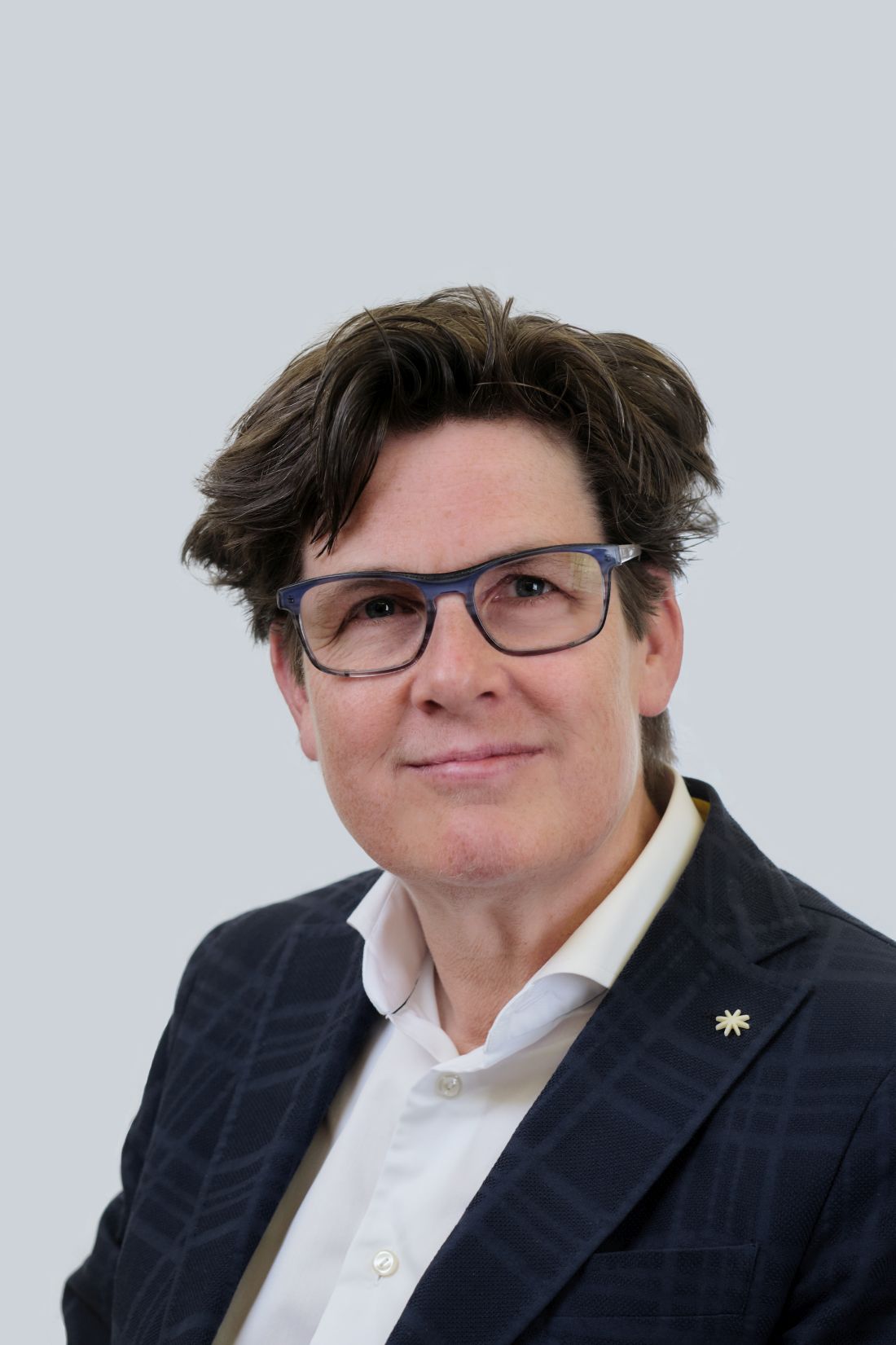
Highlights of the five overarching principles are that, contrary to earlier expectations, “there is no indication that patients with RMDs have an additional, or have a higher, risk of contracting the virus, or that they fare a worse course” than the general population, said the task force convener Robert Landewé, MD, PhD, professor of rheumatology at the University of Amsterdam.
“The second pertinent highlight is that, when it comes to managerial discussions, whether or not to stop or to start treatment for RMDs, rheumatologists should definitely be involved,” Dr. Landewé said during a live session at the annual European Congress of Rheumatology, held online this year due to COVID-19. “In practice, something that happens very often is that immunosuppressive drugs are stopped by medical specialists involved in the care of COVID but without any expertise in treating patients with rheumatic diseases. We should try to avoid that situation.”
The third highlight, something many rheumatologists may already be well aware of, is that rheumatology drugs are being used to treat COVID-19 patients without RMDs and a shortage of disease-modifying antirheumatic drugs (DMARDs) agents is a real possibility. As such, the fifth overarching highlight states that the availability of both synthetic and biologic DMARDs is “a delicate societal responsibility” and that “the off-label use of DMARDs in COVID-19 outside the context of clinical trials should be discouraged.”
The EULAR recommendation are now published online in Annals of the Rheumatic Diseases and they are “what you could call an unprecedented set of recommendations,” Dr. Landewé said. “We have never done this before,” he added, referring to the speed and way in which they had to be put together, remotely, and with little scientific evidence currently available. “Three months ago we hadn’t even heard about the virus.”
From the first patient being identified in the Hubei province of China in November 2019, to the first U.S. patient in the state of Washington on Jan. 20, 2020, and to the first European patient identified a little over 10 days later, the COVID-19 pandemic has taken the world by storm. It was only declared a pandemic on March 11, 2020, however, and Dr. Landewé noted that the response to the pandemic had been very variable – some countries locking down their borders early, while others took their time to make an appropriate response, if at all.
The rheumatology community was particularly concerned, Dr. Landewé said, because people with autoimmune diseases who were taking immunosuppressant drugs might be at higher risk for becoming infected with SARS-CoV-2, and may be at higher risk than others for a worse disease course. Thankfully, that seems not to be the case according to data that are emerging from new registries that have been set up, including EULAR’s own COVID-19 registry.
There are 13 recommendations that cover 4 themes: general measures and prevention of SARS-CoV-2 infection; the management of RMD patients during the pandemic; the management of RMD patients who have COVID-19; and the prevention of other pulmonary infections in RMD patients.
Highlighting the first three general recommendations, Dr. Landewé said: “Follow the regular guidelines in your country; if a patient with RMD does not have symptoms of COVID-19, simply continue RMD treatments,” albeit with a couple of exceptions.
The next four recommendation highlights are to avoid visits to the hospital or to the office; use remote monitoring via the telephone, for example; and if visits cannot be avoided, then take appropriate precautions. Finally, if you suspect a patient has COVID-19, do a test.
If patients test positive, then the next four recommendations cover what to do, such as continuing use of RMD treatments, but in the case of glucocorticoids this should be the lowest possible dose necessary. There is no consensus on what to do in cases of mild symptoms; the recommendation is to “decide on a case-by-case basis,” said Dr. Landewé. If a patient’s symptoms worsen, then “seek expert advice immediately and follow local treatment recommendations. The rheumatologist is not the expert to treat COVID-19,” he added. That responsibility lies with the pulmonologist, infectious disease specialist, or maybe the intensive care specialist, depending on local situations.
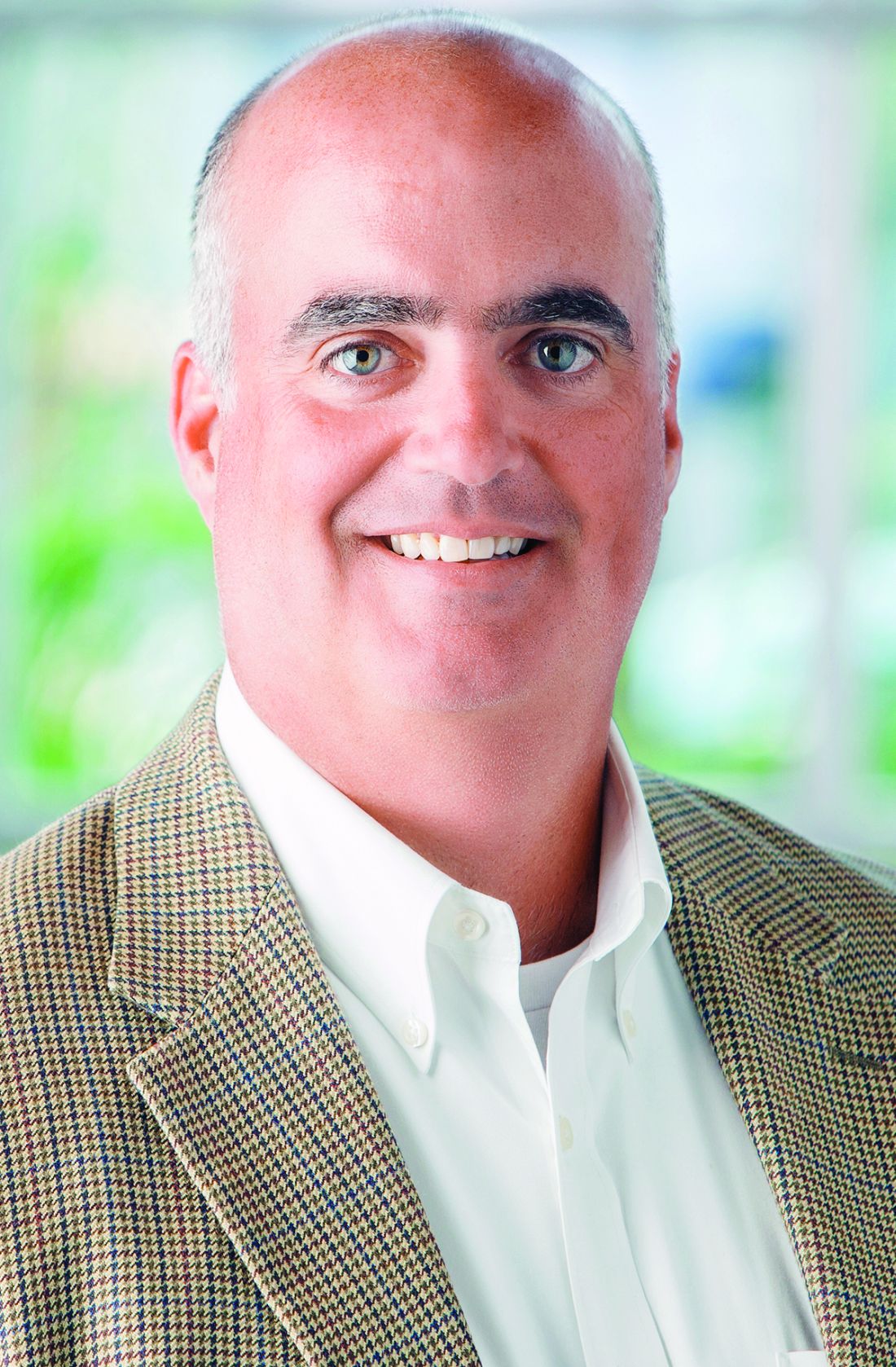
On the whole, the EULAR recommendations are pretty similar to those already released by the American College of Rheumatology, said Ted Mikuls, MD, of the University of Nebraska Medical Center, Omaha. The ACR recommendations are “slightly more prescriptive”, he suggested, with 25 final guidance statements. For example, general statements focused not only on the use of glucocorticoids, but also other medicines, such as antihypertensives.
“There’s really not a [lot of], I would say, major differences in the two efforts and that’s ... somewhat reassuring that we’re approaching the unknown from very different parts of the world, and driving in a very similar place,” commented Dr. Mikuls, who is a member of the ACR COVID-19 recommendations task force.
“I think one of the very important similarities that I would highlight is that, in the absence of known exposure, in the absence of COVID-19 infection, our panel felt very strongly about the importance of continuing rheumatic disease treatments,” Dr. Mikuls observed. The ACR guidelines also touch upon societal perspectives, including “some statements that were made very specific to lupus, and the use of antimalarials, given supply chain issues that we have encountered.”
Dr. Mikuls also said that the American recommendations emphasized that “you really have to manage active inflammatory rheumatic disease. Even in the context of the COVID-19 pandemic, given what we saw as the potential risk of unchecked inflammation and unchecked rheumatic disease.”
One notable difference, however, is that the European recommendations advise on immunizations and pneumonia prophylaxis, saying that all patients without COVID-19 symptoms should make sure they are up to date with any recommended vaccinations, “with a particular focus on pneumococcal and influenza vaccinations,” Dr. Landewé said.
Another difference is that the ACR recommendations are a living document and could potentially be updated monthly if the evidence arrives to allow that. In that sense, the American guidance is more agile, with EULAR expecting to update its recommendations every 3 months.
“The current evidence is extremely sparse and fragmented,” Dr. Landewé said. “We, as a task force are essentially flying blindly. We also have to cover many jurisdictions within Europe, with many conflicting opinions. So the last word to say is that updates are truly necessary, but we have to wait a while.”
SOURCE: Landewé RB et al. Ann Rheum Dis. 2020 Jun 5. doi: 10.1136/annrheumdis-2020-217877.
As might be expected, the “EULAR [European League Against Rheumatism] provisional recommendations for the management of rheumatic and musculoskeletal diseases [RMDs] in the context of SARS-CoV-2” concur with much of the guidance already released on how best to manage patients during the current pandemic.
Highlights of the five overarching principles are that, contrary to earlier expectations, “there is no indication that patients with RMDs have an additional, or have a higher, risk of contracting the virus, or that they fare a worse course” than the general population, said the task force convener Robert Landewé, MD, PhD, professor of rheumatology at the University of Amsterdam.
“The second pertinent highlight is that, when it comes to managerial discussions, whether or not to stop or to start treatment for RMDs, rheumatologists should definitely be involved,” Dr. Landewé said during a live session at the annual European Congress of Rheumatology, held online this year due to COVID-19. “In practice, something that happens very often is that immunosuppressive drugs are stopped by medical specialists involved in the care of COVID but without any expertise in treating patients with rheumatic diseases. We should try to avoid that situation.”
The third highlight, something many rheumatologists may already be well aware of, is that rheumatology drugs are being used to treat COVID-19 patients without RMDs and a shortage of disease-modifying antirheumatic drugs (DMARDs) agents is a real possibility. As such, the fifth overarching highlight states that the availability of both synthetic and biologic DMARDs is “a delicate societal responsibility” and that “the off-label use of DMARDs in COVID-19 outside the context of clinical trials should be discouraged.”
The EULAR recommendation are now published online in Annals of the Rheumatic Diseases and they are “what you could call an unprecedented set of recommendations,” Dr. Landewé said. “We have never done this before,” he added, referring to the speed and way in which they had to be put together, remotely, and with little scientific evidence currently available. “Three months ago we hadn’t even heard about the virus.”
From the first patient being identified in the Hubei province of China in November 2019, to the first U.S. patient in the state of Washington on Jan. 20, 2020, and to the first European patient identified a little over 10 days later, the COVID-19 pandemic has taken the world by storm. It was only declared a pandemic on March 11, 2020, however, and Dr. Landewé noted that the response to the pandemic had been very variable – some countries locking down their borders early, while others took their time to make an appropriate response, if at all.
The rheumatology community was particularly concerned, Dr. Landewé said, because people with autoimmune diseases who were taking immunosuppressant drugs might be at higher risk for becoming infected with SARS-CoV-2, and may be at higher risk than others for a worse disease course. Thankfully, that seems not to be the case according to data that are emerging from new registries that have been set up, including EULAR’s own COVID-19 registry.
There are 13 recommendations that cover 4 themes: general measures and prevention of SARS-CoV-2 infection; the management of RMD patients during the pandemic; the management of RMD patients who have COVID-19; and the prevention of other pulmonary infections in RMD patients.
Highlighting the first three general recommendations, Dr. Landewé said: “Follow the regular guidelines in your country; if a patient with RMD does not have symptoms of COVID-19, simply continue RMD treatments,” albeit with a couple of exceptions.
The next four recommendation highlights are to avoid visits to the hospital or to the office; use remote monitoring via the telephone, for example; and if visits cannot be avoided, then take appropriate precautions. Finally, if you suspect a patient has COVID-19, do a test.
If patients test positive, then the next four recommendations cover what to do, such as continuing use of RMD treatments, but in the case of glucocorticoids this should be the lowest possible dose necessary. There is no consensus on what to do in cases of mild symptoms; the recommendation is to “decide on a case-by-case basis,” said Dr. Landewé. If a patient’s symptoms worsen, then “seek expert advice immediately and follow local treatment recommendations. The rheumatologist is not the expert to treat COVID-19,” he added. That responsibility lies with the pulmonologist, infectious disease specialist, or maybe the intensive care specialist, depending on local situations.
On the whole, the EULAR recommendations are pretty similar to those already released by the American College of Rheumatology, said Ted Mikuls, MD, of the University of Nebraska Medical Center, Omaha. The ACR recommendations are “slightly more prescriptive”, he suggested, with 25 final guidance statements. For example, general statements focused not only on the use of glucocorticoids, but also other medicines, such as antihypertensives.
“There’s really not a [lot of], I would say, major differences in the two efforts and that’s ... somewhat reassuring that we’re approaching the unknown from very different parts of the world, and driving in a very similar place,” commented Dr. Mikuls, who is a member of the ACR COVID-19 recommendations task force.
“I think one of the very important similarities that I would highlight is that, in the absence of known exposure, in the absence of COVID-19 infection, our panel felt very strongly about the importance of continuing rheumatic disease treatments,” Dr. Mikuls observed. The ACR guidelines also touch upon societal perspectives, including “some statements that were made very specific to lupus, and the use of antimalarials, given supply chain issues that we have encountered.”
Dr. Mikuls also said that the American recommendations emphasized that “you really have to manage active inflammatory rheumatic disease. Even in the context of the COVID-19 pandemic, given what we saw as the potential risk of unchecked inflammation and unchecked rheumatic disease.”
One notable difference, however, is that the European recommendations advise on immunizations and pneumonia prophylaxis, saying that all patients without COVID-19 symptoms should make sure they are up to date with any recommended vaccinations, “with a particular focus on pneumococcal and influenza vaccinations,” Dr. Landewé said.
Another difference is that the ACR recommendations are a living document and could potentially be updated monthly if the evidence arrives to allow that. In that sense, the American guidance is more agile, with EULAR expecting to update its recommendations every 3 months.
“The current evidence is extremely sparse and fragmented,” Dr. Landewé said. “We, as a task force are essentially flying blindly. We also have to cover many jurisdictions within Europe, with many conflicting opinions. So the last word to say is that updates are truly necessary, but we have to wait a while.”
SOURCE: Landewé RB et al. Ann Rheum Dis. 2020 Jun 5. doi: 10.1136/annrheumdis-2020-217877.
As might be expected, the “EULAR [European League Against Rheumatism] provisional recommendations for the management of rheumatic and musculoskeletal diseases [RMDs] in the context of SARS-CoV-2” concur with much of the guidance already released on how best to manage patients during the current pandemic.
Highlights of the five overarching principles are that, contrary to earlier expectations, “there is no indication that patients with RMDs have an additional, or have a higher, risk of contracting the virus, or that they fare a worse course” than the general population, said the task force convener Robert Landewé, MD, PhD, professor of rheumatology at the University of Amsterdam.
“The second pertinent highlight is that, when it comes to managerial discussions, whether or not to stop or to start treatment for RMDs, rheumatologists should definitely be involved,” Dr. Landewé said during a live session at the annual European Congress of Rheumatology, held online this year due to COVID-19. “In practice, something that happens very often is that immunosuppressive drugs are stopped by medical specialists involved in the care of COVID but without any expertise in treating patients with rheumatic diseases. We should try to avoid that situation.”
The third highlight, something many rheumatologists may already be well aware of, is that rheumatology drugs are being used to treat COVID-19 patients without RMDs and a shortage of disease-modifying antirheumatic drugs (DMARDs) agents is a real possibility. As such, the fifth overarching highlight states that the availability of both synthetic and biologic DMARDs is “a delicate societal responsibility” and that “the off-label use of DMARDs in COVID-19 outside the context of clinical trials should be discouraged.”
The EULAR recommendation are now published online in Annals of the Rheumatic Diseases and they are “what you could call an unprecedented set of recommendations,” Dr. Landewé said. “We have never done this before,” he added, referring to the speed and way in which they had to be put together, remotely, and with little scientific evidence currently available. “Three months ago we hadn’t even heard about the virus.”
From the first patient being identified in the Hubei province of China in November 2019, to the first U.S. patient in the state of Washington on Jan. 20, 2020, and to the first European patient identified a little over 10 days later, the COVID-19 pandemic has taken the world by storm. It was only declared a pandemic on March 11, 2020, however, and Dr. Landewé noted that the response to the pandemic had been very variable – some countries locking down their borders early, while others took their time to make an appropriate response, if at all.
The rheumatology community was particularly concerned, Dr. Landewé said, because people with autoimmune diseases who were taking immunosuppressant drugs might be at higher risk for becoming infected with SARS-CoV-2, and may be at higher risk than others for a worse disease course. Thankfully, that seems not to be the case according to data that are emerging from new registries that have been set up, including EULAR’s own COVID-19 registry.
There are 13 recommendations that cover 4 themes: general measures and prevention of SARS-CoV-2 infection; the management of RMD patients during the pandemic; the management of RMD patients who have COVID-19; and the prevention of other pulmonary infections in RMD patients.
Highlighting the first three general recommendations, Dr. Landewé said: “Follow the regular guidelines in your country; if a patient with RMD does not have symptoms of COVID-19, simply continue RMD treatments,” albeit with a couple of exceptions.
The next four recommendation highlights are to avoid visits to the hospital or to the office; use remote monitoring via the telephone, for example; and if visits cannot be avoided, then take appropriate precautions. Finally, if you suspect a patient has COVID-19, do a test.
If patients test positive, then the next four recommendations cover what to do, such as continuing use of RMD treatments, but in the case of glucocorticoids this should be the lowest possible dose necessary. There is no consensus on what to do in cases of mild symptoms; the recommendation is to “decide on a case-by-case basis,” said Dr. Landewé. If a patient’s symptoms worsen, then “seek expert advice immediately and follow local treatment recommendations. The rheumatologist is not the expert to treat COVID-19,” he added. That responsibility lies with the pulmonologist, infectious disease specialist, or maybe the intensive care specialist, depending on local situations.
On the whole, the EULAR recommendations are pretty similar to those already released by the American College of Rheumatology, said Ted Mikuls, MD, of the University of Nebraska Medical Center, Omaha. The ACR recommendations are “slightly more prescriptive”, he suggested, with 25 final guidance statements. For example, general statements focused not only on the use of glucocorticoids, but also other medicines, such as antihypertensives.
“There’s really not a [lot of], I would say, major differences in the two efforts and that’s ... somewhat reassuring that we’re approaching the unknown from very different parts of the world, and driving in a very similar place,” commented Dr. Mikuls, who is a member of the ACR COVID-19 recommendations task force.
“I think one of the very important similarities that I would highlight is that, in the absence of known exposure, in the absence of COVID-19 infection, our panel felt very strongly about the importance of continuing rheumatic disease treatments,” Dr. Mikuls observed. The ACR guidelines also touch upon societal perspectives, including “some statements that were made very specific to lupus, and the use of antimalarials, given supply chain issues that we have encountered.”
Dr. Mikuls also said that the American recommendations emphasized that “you really have to manage active inflammatory rheumatic disease. Even in the context of the COVID-19 pandemic, given what we saw as the potential risk of unchecked inflammation and unchecked rheumatic disease.”
One notable difference, however, is that the European recommendations advise on immunizations and pneumonia prophylaxis, saying that all patients without COVID-19 symptoms should make sure they are up to date with any recommended vaccinations, “with a particular focus on pneumococcal and influenza vaccinations,” Dr. Landewé said.
Another difference is that the ACR recommendations are a living document and could potentially be updated monthly if the evidence arrives to allow that. In that sense, the American guidance is more agile, with EULAR expecting to update its recommendations every 3 months.
“The current evidence is extremely sparse and fragmented,” Dr. Landewé said. “We, as a task force are essentially flying blindly. We also have to cover many jurisdictions within Europe, with many conflicting opinions. So the last word to say is that updates are truly necessary, but we have to wait a while.”
SOURCE: Landewé RB et al. Ann Rheum Dis. 2020 Jun 5. doi: 10.1136/annrheumdis-2020-217877.
FROM THE EULAR 2020 E-CONGRESS
Thyroid cancer overdiagnosis reaches beyond affluent regions
The rapid increase in thyroid cancer incidence that has occurred since the 1990s – considered an “epidemic of overdiagnosis,” has extended beyond high-income countries to less affluent settings, where unnecessary – and sometimes opportunistic – screening could continue to thrive.
“The impact of overdiagnosis on the increasing incidence of thyroid cancer highlighted in our report is a warning sign for countries with growing economies, where diagnostic technologies are increasingly and routinely offered, usually in exchange for payment, despite evidence that the harms far outweigh benefits,” the authors say.
“Overdiagnosis could turn healthy people into patients, and expose them to unnecessary harms and lifelong treatments,” say Mengmeng Li, PhD, of the International Agency for Research on Cancer, Lyon, France, and colleagues in their article published in Lancet Diabetes & Endocrinology.
With their previous research showing high rates of overdiagnosis in high-income countries, for this new analysis, they sought to evaluate whether similar patterns were occurring in less affluent settings.
They examined data from population-based cancer registries in 26 countries on four continents, looking at all cases of thyroid cancer reported between 1998 and 2012 in men and women aged 15 to 84 years.
A global public health problem
The results showed that while the incidence of thyroid cancer steadily increased from 1998 to 2002 and from 2008 to 2012 in all high-income countries, similar trends were also seen in less affluent nations, particularly in Belarus, China, Colombia, and Lithuania.
The increases were consistently greater among middle-aged women aged 35-64 years in all countries.
To determine what proportion of the higher incidence was overdiagnosis, the authors turned to historic age-specific thyroid cancer incidence data prior to the introduction of ultrasound and then looked at the progressive departure from that pattern, likely the result of the increased detection by ultrasound of thyroid nodules in middle-aged adults.
The results showed the proportion of thyroid cancer cases in women estimated to be attributable to overdiagnosis between 2008 and 2012 was as much as 93% in South Korea, 91% in Belarus, 87% in China, 84% in Italy and Croatia, and 83% in Slovakia and France.
Proportions attributable to overdiagnosis were lower in Denmark (66%), Norway (65%), Ireland (63%), United Kingdom (58%), Japan (55%), and Thailand (44%).
Women were much more likely to be overdiagnosed than men, with an approximate ratio of 3:1 in all countries; however, mortality and prevalence of thyroid cancer in autopsies were similar between genders.
Although researchers only looked at data up until 2012, Dr. Li said that, even in that year, “the amplitude of the phenomenon” was “already large and is increasing rapidly over time.”
Figures for periods subsequent to those assessed in the study “are likely to be higher.”
And the overdiagnosis is particularly remarkable in the context of the true risk of thyroid cancer, senior author Salvatore Vaccarella, PhD, told this news organization.
“What is surprising is the magnitude of this. Without overdiagnosis, thyroid cancer would probably still be a relatively rare cancer,” he said.
“Currently, it is the fifth most commonly diagnosed cancer in women of all ages and is third in women under 50 years of age. And the rates are still rising fast.”
“Overdiagnosis of thyroid cancer is still rapidly expanding in many high-income countries, and for the first time, we document and quantify the phenomenon also for several middle-income socioeconomically transitioning countries,” he observed. “In short, it is a global public health problem.”
Guidelines, physicians: No symptoms should mean no screening
With the implications of overdiagnosis ranging from physical, psychological in terms of the patient, and significant personal as well as societal costs, most international guidelines explicitly recommend against screening asymptomatic individuals and call for active surveillance of microcarcinomas that are detected.
The messaging appears to be making a difference.
As reported in research by American authors discussing the thyroid cancer epidemic from a 2017 perspective, the overdiagnosis situation in South Korea prompted a group of physicians there to make a high-profile public appeal in print and on television recommending against thyroid screening with ultrasound.
The result was a 35% reduction in the number of thyroidectomies performed in the subsequent year.
“This seems to be a striking example that the issue of overdiagnosis and overtreatment resonates with patients, and that public awareness can lead to changes in behavior,” say the U.S. authors of that article.
Senior author Louise Davies, MD, of the VA Outcomes Group, in White River Junction, Vt., said in an interview that the new study sheds more light on this issue.
“Even though the data only go through 2012, I think they give a nice snapshot of what’s happening across the globe with thyroid cancer incidence in countries of different levels of development,” she said.
The findings underscore that “it’s important that people are educated about the limits of medical testing and that sometimes when we see abnormalities we are truly catching a cancer early, but sometimes we’re seeing things that have been there a long time and may not change or become a problem in the future,” Dr. Davies remarked.
Important to know what size of cancers are being detected
One particular concern about overdiagnosis in middle-income countries is that the common approach of active monitoring may be more difficult in these settings, Dr. Davies added.
“In order to manage overdiagnosis, the health care systems in those countries have to think about whether they have the infrastructure for active monitoring and whether the patients will show up for the monitoring – so that’s a challenge.”
Also, she noted that the new study does not detail the size of cancers detected.
“We don’t know much about the size of the cancers being detected and whether these are truly the small asymptomatic cancers that we are worried about being overdiagnosed.”
“Probably, at least some of what we’re seeing is appropriate detection of cancers that, before there was economic development, were in fact being missed and people were dying of,” she said.
“So while overdiagnosis can be occurring, some of this represents better detection of disease overall, and that’s a good thing actually.”
The authors and Dr. Davies have reported no relevant financial relationships.
A version of this article originally appeared on Medscape.com.
The rapid increase in thyroid cancer incidence that has occurred since the 1990s – considered an “epidemic of overdiagnosis,” has extended beyond high-income countries to less affluent settings, where unnecessary – and sometimes opportunistic – screening could continue to thrive.
“The impact of overdiagnosis on the increasing incidence of thyroid cancer highlighted in our report is a warning sign for countries with growing economies, where diagnostic technologies are increasingly and routinely offered, usually in exchange for payment, despite evidence that the harms far outweigh benefits,” the authors say.
“Overdiagnosis could turn healthy people into patients, and expose them to unnecessary harms and lifelong treatments,” say Mengmeng Li, PhD, of the International Agency for Research on Cancer, Lyon, France, and colleagues in their article published in Lancet Diabetes & Endocrinology.
With their previous research showing high rates of overdiagnosis in high-income countries, for this new analysis, they sought to evaluate whether similar patterns were occurring in less affluent settings.
They examined data from population-based cancer registries in 26 countries on four continents, looking at all cases of thyroid cancer reported between 1998 and 2012 in men and women aged 15 to 84 years.
A global public health problem
The results showed that while the incidence of thyroid cancer steadily increased from 1998 to 2002 and from 2008 to 2012 in all high-income countries, similar trends were also seen in less affluent nations, particularly in Belarus, China, Colombia, and Lithuania.
The increases were consistently greater among middle-aged women aged 35-64 years in all countries.
To determine what proportion of the higher incidence was overdiagnosis, the authors turned to historic age-specific thyroid cancer incidence data prior to the introduction of ultrasound and then looked at the progressive departure from that pattern, likely the result of the increased detection by ultrasound of thyroid nodules in middle-aged adults.
The results showed the proportion of thyroid cancer cases in women estimated to be attributable to overdiagnosis between 2008 and 2012 was as much as 93% in South Korea, 91% in Belarus, 87% in China, 84% in Italy and Croatia, and 83% in Slovakia and France.
Proportions attributable to overdiagnosis were lower in Denmark (66%), Norway (65%), Ireland (63%), United Kingdom (58%), Japan (55%), and Thailand (44%).
Women were much more likely to be overdiagnosed than men, with an approximate ratio of 3:1 in all countries; however, mortality and prevalence of thyroid cancer in autopsies were similar between genders.
Although researchers only looked at data up until 2012, Dr. Li said that, even in that year, “the amplitude of the phenomenon” was “already large and is increasing rapidly over time.”
Figures for periods subsequent to those assessed in the study “are likely to be higher.”
And the overdiagnosis is particularly remarkable in the context of the true risk of thyroid cancer, senior author Salvatore Vaccarella, PhD, told this news organization.
“What is surprising is the magnitude of this. Without overdiagnosis, thyroid cancer would probably still be a relatively rare cancer,” he said.
“Currently, it is the fifth most commonly diagnosed cancer in women of all ages and is third in women under 50 years of age. And the rates are still rising fast.”
“Overdiagnosis of thyroid cancer is still rapidly expanding in many high-income countries, and for the first time, we document and quantify the phenomenon also for several middle-income socioeconomically transitioning countries,” he observed. “In short, it is a global public health problem.”
Guidelines, physicians: No symptoms should mean no screening
With the implications of overdiagnosis ranging from physical, psychological in terms of the patient, and significant personal as well as societal costs, most international guidelines explicitly recommend against screening asymptomatic individuals and call for active surveillance of microcarcinomas that are detected.
The messaging appears to be making a difference.
As reported in research by American authors discussing the thyroid cancer epidemic from a 2017 perspective, the overdiagnosis situation in South Korea prompted a group of physicians there to make a high-profile public appeal in print and on television recommending against thyroid screening with ultrasound.
The result was a 35% reduction in the number of thyroidectomies performed in the subsequent year.
“This seems to be a striking example that the issue of overdiagnosis and overtreatment resonates with patients, and that public awareness can lead to changes in behavior,” say the U.S. authors of that article.
Senior author Louise Davies, MD, of the VA Outcomes Group, in White River Junction, Vt., said in an interview that the new study sheds more light on this issue.
“Even though the data only go through 2012, I think they give a nice snapshot of what’s happening across the globe with thyroid cancer incidence in countries of different levels of development,” she said.
The findings underscore that “it’s important that people are educated about the limits of medical testing and that sometimes when we see abnormalities we are truly catching a cancer early, but sometimes we’re seeing things that have been there a long time and may not change or become a problem in the future,” Dr. Davies remarked.
Important to know what size of cancers are being detected
One particular concern about overdiagnosis in middle-income countries is that the common approach of active monitoring may be more difficult in these settings, Dr. Davies added.
“In order to manage overdiagnosis, the health care systems in those countries have to think about whether they have the infrastructure for active monitoring and whether the patients will show up for the monitoring – so that’s a challenge.”
Also, she noted that the new study does not detail the size of cancers detected.
“We don’t know much about the size of the cancers being detected and whether these are truly the small asymptomatic cancers that we are worried about being overdiagnosed.”
“Probably, at least some of what we’re seeing is appropriate detection of cancers that, before there was economic development, were in fact being missed and people were dying of,” she said.
“So while overdiagnosis can be occurring, some of this represents better detection of disease overall, and that’s a good thing actually.”
The authors and Dr. Davies have reported no relevant financial relationships.
A version of this article originally appeared on Medscape.com.
The rapid increase in thyroid cancer incidence that has occurred since the 1990s – considered an “epidemic of overdiagnosis,” has extended beyond high-income countries to less affluent settings, where unnecessary – and sometimes opportunistic – screening could continue to thrive.
“The impact of overdiagnosis on the increasing incidence of thyroid cancer highlighted in our report is a warning sign for countries with growing economies, where diagnostic technologies are increasingly and routinely offered, usually in exchange for payment, despite evidence that the harms far outweigh benefits,” the authors say.
“Overdiagnosis could turn healthy people into patients, and expose them to unnecessary harms and lifelong treatments,” say Mengmeng Li, PhD, of the International Agency for Research on Cancer, Lyon, France, and colleagues in their article published in Lancet Diabetes & Endocrinology.
With their previous research showing high rates of overdiagnosis in high-income countries, for this new analysis, they sought to evaluate whether similar patterns were occurring in less affluent settings.
They examined data from population-based cancer registries in 26 countries on four continents, looking at all cases of thyroid cancer reported between 1998 and 2012 in men and women aged 15 to 84 years.
A global public health problem
The results showed that while the incidence of thyroid cancer steadily increased from 1998 to 2002 and from 2008 to 2012 in all high-income countries, similar trends were also seen in less affluent nations, particularly in Belarus, China, Colombia, and Lithuania.
The increases were consistently greater among middle-aged women aged 35-64 years in all countries.
To determine what proportion of the higher incidence was overdiagnosis, the authors turned to historic age-specific thyroid cancer incidence data prior to the introduction of ultrasound and then looked at the progressive departure from that pattern, likely the result of the increased detection by ultrasound of thyroid nodules in middle-aged adults.
The results showed the proportion of thyroid cancer cases in women estimated to be attributable to overdiagnosis between 2008 and 2012 was as much as 93% in South Korea, 91% in Belarus, 87% in China, 84% in Italy and Croatia, and 83% in Slovakia and France.
Proportions attributable to overdiagnosis were lower in Denmark (66%), Norway (65%), Ireland (63%), United Kingdom (58%), Japan (55%), and Thailand (44%).
Women were much more likely to be overdiagnosed than men, with an approximate ratio of 3:1 in all countries; however, mortality and prevalence of thyroid cancer in autopsies were similar between genders.
Although researchers only looked at data up until 2012, Dr. Li said that, even in that year, “the amplitude of the phenomenon” was “already large and is increasing rapidly over time.”
Figures for periods subsequent to those assessed in the study “are likely to be higher.”
And the overdiagnosis is particularly remarkable in the context of the true risk of thyroid cancer, senior author Salvatore Vaccarella, PhD, told this news organization.
“What is surprising is the magnitude of this. Without overdiagnosis, thyroid cancer would probably still be a relatively rare cancer,” he said.
“Currently, it is the fifth most commonly diagnosed cancer in women of all ages and is third in women under 50 years of age. And the rates are still rising fast.”
“Overdiagnosis of thyroid cancer is still rapidly expanding in many high-income countries, and for the first time, we document and quantify the phenomenon also for several middle-income socioeconomically transitioning countries,” he observed. “In short, it is a global public health problem.”
Guidelines, physicians: No symptoms should mean no screening
With the implications of overdiagnosis ranging from physical, psychological in terms of the patient, and significant personal as well as societal costs, most international guidelines explicitly recommend against screening asymptomatic individuals and call for active surveillance of microcarcinomas that are detected.
The messaging appears to be making a difference.
As reported in research by American authors discussing the thyroid cancer epidemic from a 2017 perspective, the overdiagnosis situation in South Korea prompted a group of physicians there to make a high-profile public appeal in print and on television recommending against thyroid screening with ultrasound.
The result was a 35% reduction in the number of thyroidectomies performed in the subsequent year.
“This seems to be a striking example that the issue of overdiagnosis and overtreatment resonates with patients, and that public awareness can lead to changes in behavior,” say the U.S. authors of that article.
Senior author Louise Davies, MD, of the VA Outcomes Group, in White River Junction, Vt., said in an interview that the new study sheds more light on this issue.
“Even though the data only go through 2012, I think they give a nice snapshot of what’s happening across the globe with thyroid cancer incidence in countries of different levels of development,” she said.
The findings underscore that “it’s important that people are educated about the limits of medical testing and that sometimes when we see abnormalities we are truly catching a cancer early, but sometimes we’re seeing things that have been there a long time and may not change or become a problem in the future,” Dr. Davies remarked.
Important to know what size of cancers are being detected
One particular concern about overdiagnosis in middle-income countries is that the common approach of active monitoring may be more difficult in these settings, Dr. Davies added.
“In order to manage overdiagnosis, the health care systems in those countries have to think about whether they have the infrastructure for active monitoring and whether the patients will show up for the monitoring – so that’s a challenge.”
Also, she noted that the new study does not detail the size of cancers detected.
“We don’t know much about the size of the cancers being detected and whether these are truly the small asymptomatic cancers that we are worried about being overdiagnosed.”
“Probably, at least some of what we’re seeing is appropriate detection of cancers that, before there was economic development, were in fact being missed and people were dying of,” she said.
“So while overdiagnosis can be occurring, some of this represents better detection of disease overall, and that’s a good thing actually.”
The authors and Dr. Davies have reported no relevant financial relationships.
A version of this article originally appeared on Medscape.com.