User login
Topical treatment options for acne continue to expand
SAN DIEGO – , according to Lawrence F. Eichenfield, MD.
The product, known as IDP-126 and being developed by Ortho Dermatologics, is a fixed dose triple combination of clindamycin 1.2% plus benzoyl peroxide 3.1% and adapalene 0.15% being evaluated in patients nine years of age and older. According to a 2021 press release from the company, results from a second 12-week pivotal phase 3 trial showed a treatment success of 50.5% and 20.5% for IDP-126 and its vehicle, respectively, along with significant changes from baseline in inflammatory lesion count and non-inflammatory lesion count.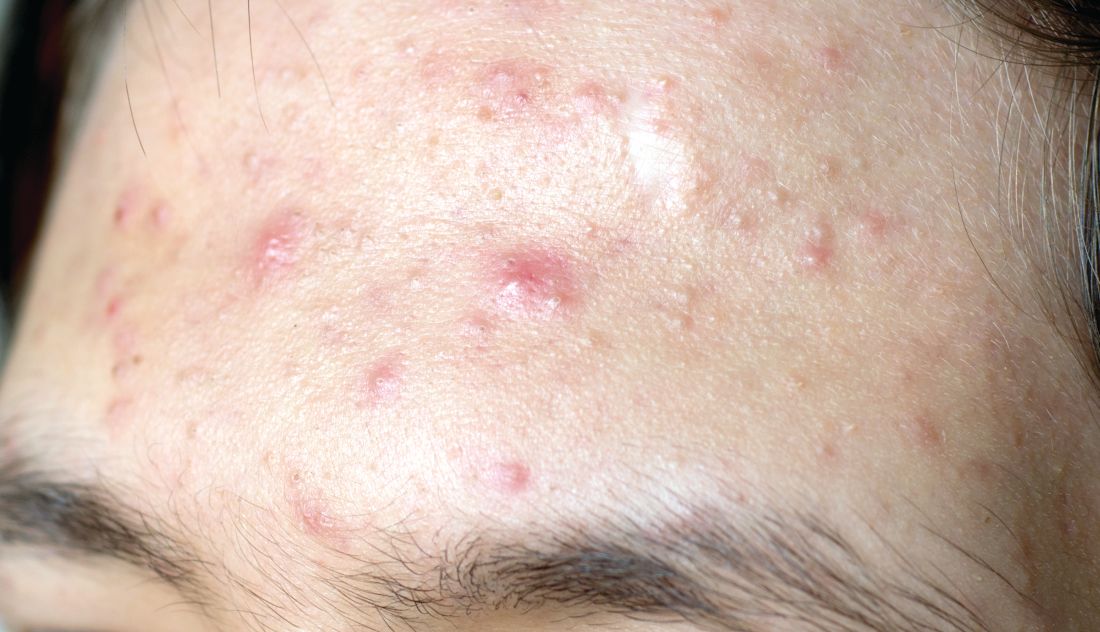
More recently, researchers led by Linda Stein Gold, MD, conducted a 12-week multicenter, randomized, double-blind study of IDP-126 in 741 children, adolescents, and adults with moderate to severe acne. They reported 52.5% of patients treated with IDP-126 gel achieved treatment success by week 12, with over 70% reduction in inflammatory and noninflammatory lesions.
“This will be interesting to follow as it moves along,” Dr. Eichenfield, chief of pediatric and adolescent dermatology at Rady Children’s Hospital, San Diego, said at the annual Masters of Aesthetics Symposium in a presentation on the newest topical acne treatments.
“If approved, we probably will be able to decrease our need for systemic therapies in some individuals,” he said. “It’s something that may become important in practices that mix and match between medical and procedural or surgical approaches to acne.”

Dr. Eichenfield highlighted other products for the topical treatment of acne:
- Trifarotene cream 0.005% (Aklief). In 2019, Food and Drug Administration approval made trifarotene cream the first new retinoid indicated for acne in several decades. It is indicated for the topical treatment of acne vulgaris in patients age 9 and older and has been studied in acne of the face, chest, and back.
- Tazarotene lotion 0.045% (Arazlo). The 0.1% formulation of tazarotene is commonly used for acne, but it can cause skin irritation, dryness, and erythema. The new 0.045% formulation was developed in a three-dimensional mesh matrix, with ingredients from an oil-in-water emulsion. “Many of the new acne products come with a background of vehicle delivery systems that minimize the concentration gradient, so it decreases irritation,” said Dr. Eichenfield, one of the authors of a 2021 review article on the management of acne vulgaris in JAMA. “This has very good efficacy without the traditional irritation of other tazarotene products,” Dr. Eichenfield said.
- Minocycline 4% topical foam (Amzeeq). The 2019 U.S. approval marked the first and so far only topical minocycline prescription treatment for acne. “Its hydrophobic composition allows for stable and efficient delivery of inherently unstable pharmaceutical ingredients,” he said. “It’s generally well tolerated.”
- Clascoterone cream 1% (Winlevi). This first-in-class topical androgen receptor inhibitor is approved for the treatment of acne in patients 12 years and older. It competes with dihydrotestosterone and selectively targets androgen receptors in sebocytes and hair papilla cells. “It is safe for use in men, has been studied on the face and trunk, and has been shown to inhibit sebum production, reduce secretion of inflammatory cytokines, and inhibit inflammatory pathways,” Dr. Eichenfield said.
- Micro-encapsulated benzoyl peroxide 3% and tretinoin 0.1% cream (Twyneo). This is a once-daily fixed-dose combination of tretinoin and benzoyl peroxide indicated for the treatment of acne vulgaris in patients age 9 and older. According to a press release from Sol-Gel, the manufacturer, silica (silicon dioxide) core shell structures separate micro-encapsulate tretinoin crystals and benzoyl peroxide crystals, enabling inclusion of the two active ingredients in the cream.
Dr. Eichenfield disclosed that he has been an investigator and/or consultant for Almirall, Cassiopea, Dermata, Galderma, and Ortho Dermatologics.
SAN DIEGO – , according to Lawrence F. Eichenfield, MD.
The product, known as IDP-126 and being developed by Ortho Dermatologics, is a fixed dose triple combination of clindamycin 1.2% plus benzoyl peroxide 3.1% and adapalene 0.15% being evaluated in patients nine years of age and older. According to a 2021 press release from the company, results from a second 12-week pivotal phase 3 trial showed a treatment success of 50.5% and 20.5% for IDP-126 and its vehicle, respectively, along with significant changes from baseline in inflammatory lesion count and non-inflammatory lesion count.
More recently, researchers led by Linda Stein Gold, MD, conducted a 12-week multicenter, randomized, double-blind study of IDP-126 in 741 children, adolescents, and adults with moderate to severe acne. They reported 52.5% of patients treated with IDP-126 gel achieved treatment success by week 12, with over 70% reduction in inflammatory and noninflammatory lesions.
“This will be interesting to follow as it moves along,” Dr. Eichenfield, chief of pediatric and adolescent dermatology at Rady Children’s Hospital, San Diego, said at the annual Masters of Aesthetics Symposium in a presentation on the newest topical acne treatments.
“If approved, we probably will be able to decrease our need for systemic therapies in some individuals,” he said. “It’s something that may become important in practices that mix and match between medical and procedural or surgical approaches to acne.”
Dr. Eichenfield highlighted other products for the topical treatment of acne:
- Trifarotene cream 0.005% (Aklief). In 2019, Food and Drug Administration approval made trifarotene cream the first new retinoid indicated for acne in several decades. It is indicated for the topical treatment of acne vulgaris in patients age 9 and older and has been studied in acne of the face, chest, and back.
- Tazarotene lotion 0.045% (Arazlo). The 0.1% formulation of tazarotene is commonly used for acne, but it can cause skin irritation, dryness, and erythema. The new 0.045% formulation was developed in a three-dimensional mesh matrix, with ingredients from an oil-in-water emulsion. “Many of the new acne products come with a background of vehicle delivery systems that minimize the concentration gradient, so it decreases irritation,” said Dr. Eichenfield, one of the authors of a 2021 review article on the management of acne vulgaris in JAMA. “This has very good efficacy without the traditional irritation of other tazarotene products,” Dr. Eichenfield said.
- Minocycline 4% topical foam (Amzeeq). The 2019 U.S. approval marked the first and so far only topical minocycline prescription treatment for acne. “Its hydrophobic composition allows for stable and efficient delivery of inherently unstable pharmaceutical ingredients,” he said. “It’s generally well tolerated.”
- Clascoterone cream 1% (Winlevi). This first-in-class topical androgen receptor inhibitor is approved for the treatment of acne in patients 12 years and older. It competes with dihydrotestosterone and selectively targets androgen receptors in sebocytes and hair papilla cells. “It is safe for use in men, has been studied on the face and trunk, and has been shown to inhibit sebum production, reduce secretion of inflammatory cytokines, and inhibit inflammatory pathways,” Dr. Eichenfield said.
- Micro-encapsulated benzoyl peroxide 3% and tretinoin 0.1% cream (Twyneo). This is a once-daily fixed-dose combination of tretinoin and benzoyl peroxide indicated for the treatment of acne vulgaris in patients age 9 and older. According to a press release from Sol-Gel, the manufacturer, silica (silicon dioxide) core shell structures separate micro-encapsulate tretinoin crystals and benzoyl peroxide crystals, enabling inclusion of the two active ingredients in the cream.
Dr. Eichenfield disclosed that he has been an investigator and/or consultant for Almirall, Cassiopea, Dermata, Galderma, and Ortho Dermatologics.
SAN DIEGO – , according to Lawrence F. Eichenfield, MD.
The product, known as IDP-126 and being developed by Ortho Dermatologics, is a fixed dose triple combination of clindamycin 1.2% plus benzoyl peroxide 3.1% and adapalene 0.15% being evaluated in patients nine years of age and older. According to a 2021 press release from the company, results from a second 12-week pivotal phase 3 trial showed a treatment success of 50.5% and 20.5% for IDP-126 and its vehicle, respectively, along with significant changes from baseline in inflammatory lesion count and non-inflammatory lesion count.
More recently, researchers led by Linda Stein Gold, MD, conducted a 12-week multicenter, randomized, double-blind study of IDP-126 in 741 children, adolescents, and adults with moderate to severe acne. They reported 52.5% of patients treated with IDP-126 gel achieved treatment success by week 12, with over 70% reduction in inflammatory and noninflammatory lesions.
“This will be interesting to follow as it moves along,” Dr. Eichenfield, chief of pediatric and adolescent dermatology at Rady Children’s Hospital, San Diego, said at the annual Masters of Aesthetics Symposium in a presentation on the newest topical acne treatments.
“If approved, we probably will be able to decrease our need for systemic therapies in some individuals,” he said. “It’s something that may become important in practices that mix and match between medical and procedural or surgical approaches to acne.”
Dr. Eichenfield highlighted other products for the topical treatment of acne:
- Trifarotene cream 0.005% (Aklief). In 2019, Food and Drug Administration approval made trifarotene cream the first new retinoid indicated for acne in several decades. It is indicated for the topical treatment of acne vulgaris in patients age 9 and older and has been studied in acne of the face, chest, and back.
- Tazarotene lotion 0.045% (Arazlo). The 0.1% formulation of tazarotene is commonly used for acne, but it can cause skin irritation, dryness, and erythema. The new 0.045% formulation was developed in a three-dimensional mesh matrix, with ingredients from an oil-in-water emulsion. “Many of the new acne products come with a background of vehicle delivery systems that minimize the concentration gradient, so it decreases irritation,” said Dr. Eichenfield, one of the authors of a 2021 review article on the management of acne vulgaris in JAMA. “This has very good efficacy without the traditional irritation of other tazarotene products,” Dr. Eichenfield said.
- Minocycline 4% topical foam (Amzeeq). The 2019 U.S. approval marked the first and so far only topical minocycline prescription treatment for acne. “Its hydrophobic composition allows for stable and efficient delivery of inherently unstable pharmaceutical ingredients,” he said. “It’s generally well tolerated.”
- Clascoterone cream 1% (Winlevi). This first-in-class topical androgen receptor inhibitor is approved for the treatment of acne in patients 12 years and older. It competes with dihydrotestosterone and selectively targets androgen receptors in sebocytes and hair papilla cells. “It is safe for use in men, has been studied on the face and trunk, and has been shown to inhibit sebum production, reduce secretion of inflammatory cytokines, and inhibit inflammatory pathways,” Dr. Eichenfield said.
- Micro-encapsulated benzoyl peroxide 3% and tretinoin 0.1% cream (Twyneo). This is a once-daily fixed-dose combination of tretinoin and benzoyl peroxide indicated for the treatment of acne vulgaris in patients age 9 and older. According to a press release from Sol-Gel, the manufacturer, silica (silicon dioxide) core shell structures separate micro-encapsulate tretinoin crystals and benzoyl peroxide crystals, enabling inclusion of the two active ingredients in the cream.
Dr. Eichenfield disclosed that he has been an investigator and/or consultant for Almirall, Cassiopea, Dermata, Galderma, and Ortho Dermatologics.
AT MOAS 2022
Rituximab worsens COVID-19 outcomes in RA
Key clinical point: The use of rituximab in patients with rheumatoid arthritis (RA) was associated with worse COVID-19 outcomes compared with the use of conventional synthetic disease-modifying antirheumatic drugs (csDMARD).
Major finding: The risk for COVID-19-related hospitalization (adjusted odds ratio [aOR] 2.14; 95% CI 1.51-3.04), intensive care unit admission (aOR 5.22; 95% CI 1.77-15.41), and invasive ventilation (aOR 2.74; 95% CI 1.36-5.51) was significantly higher with baseline use of rituximab vs csDMARD.
Study details: The data come from a retrospective cohort study including 69,549 patients with RA, of which 22,956 patients were diagnosed with COVID-19 and 364 patients were exposed to rituximab prior to the first COVID-19 diagnosis.
Disclosures: This study did not report the source of funding. JA Singh reported receiving consulting fees, owning stock options, serving on speaker’s bureaus, and being a member of various committees.
Source: Singh N et al. Rituximab is associated with worse COVID-19 outcomes in patients with rheumatoid arthritis: A retrospective, nationally sampled cohort study from the U.S. National COVID Cohort Collaborative (N3C). Semin Arthritis Rheum. 2022;58:152149 (Dec 8). Doi: 10.1016/j.semarthrit.2022.152149
Key clinical point: The use of rituximab in patients with rheumatoid arthritis (RA) was associated with worse COVID-19 outcomes compared with the use of conventional synthetic disease-modifying antirheumatic drugs (csDMARD).
Major finding: The risk for COVID-19-related hospitalization (adjusted odds ratio [aOR] 2.14; 95% CI 1.51-3.04), intensive care unit admission (aOR 5.22; 95% CI 1.77-15.41), and invasive ventilation (aOR 2.74; 95% CI 1.36-5.51) was significantly higher with baseline use of rituximab vs csDMARD.
Study details: The data come from a retrospective cohort study including 69,549 patients with RA, of which 22,956 patients were diagnosed with COVID-19 and 364 patients were exposed to rituximab prior to the first COVID-19 diagnosis.
Disclosures: This study did not report the source of funding. JA Singh reported receiving consulting fees, owning stock options, serving on speaker’s bureaus, and being a member of various committees.
Source: Singh N et al. Rituximab is associated with worse COVID-19 outcomes in patients with rheumatoid arthritis: A retrospective, nationally sampled cohort study from the U.S. National COVID Cohort Collaborative (N3C). Semin Arthritis Rheum. 2022;58:152149 (Dec 8). Doi: 10.1016/j.semarthrit.2022.152149
Key clinical point: The use of rituximab in patients with rheumatoid arthritis (RA) was associated with worse COVID-19 outcomes compared with the use of conventional synthetic disease-modifying antirheumatic drugs (csDMARD).
Major finding: The risk for COVID-19-related hospitalization (adjusted odds ratio [aOR] 2.14; 95% CI 1.51-3.04), intensive care unit admission (aOR 5.22; 95% CI 1.77-15.41), and invasive ventilation (aOR 2.74; 95% CI 1.36-5.51) was significantly higher with baseline use of rituximab vs csDMARD.
Study details: The data come from a retrospective cohort study including 69,549 patients with RA, of which 22,956 patients were diagnosed with COVID-19 and 364 patients were exposed to rituximab prior to the first COVID-19 diagnosis.
Disclosures: This study did not report the source of funding. JA Singh reported receiving consulting fees, owning stock options, serving on speaker’s bureaus, and being a member of various committees.
Source: Singh N et al. Rituximab is associated with worse COVID-19 outcomes in patients with rheumatoid arthritis: A retrospective, nationally sampled cohort study from the U.S. National COVID Cohort Collaborative (N3C). Semin Arthritis Rheum. 2022;58:152149 (Dec 8). Doi: 10.1016/j.semarthrit.2022.152149
Losing muscle mass tied to physical dysfunction in early RA
Key clinical point: Myopenia was prevalent and associated with physical dysfunction in patients with early rheumatoid arthritis (RA).
Major finding: The prevalence of myopenia was higher in patients with early RA vs matched control individuals (41.3% vs 15.8%; P < .0167) but similar among patients with early and established RA. Myopenia was independently associated with physical dysfunction in patients with early RA (adjusted odds ratio 2.983; 95% CI 1.192-7.465).
Study details: This cross-sectional study included 1008 patients with RA (early RA n = 190; established RA n = 818) and 2017 control individuals who were age- and sex-matched for comparison.
Disclosures: This study was supported by the National Natural Science Foundation of China and other sources. Two authors declared being employees of Shanghai Healthcare Co. Ltd.
Source: Pan J et al. Muscle mass loss is associated with physical dysfunction in patients with early rheumatoid arthritis. Front Nutr. 2022;9:1007184 (Nov 23). Doi: 10.3389/fnut.2022.1007184
Key clinical point: Myopenia was prevalent and associated with physical dysfunction in patients with early rheumatoid arthritis (RA).
Major finding: The prevalence of myopenia was higher in patients with early RA vs matched control individuals (41.3% vs 15.8%; P < .0167) but similar among patients with early and established RA. Myopenia was independently associated with physical dysfunction in patients with early RA (adjusted odds ratio 2.983; 95% CI 1.192-7.465).
Study details: This cross-sectional study included 1008 patients with RA (early RA n = 190; established RA n = 818) and 2017 control individuals who were age- and sex-matched for comparison.
Disclosures: This study was supported by the National Natural Science Foundation of China and other sources. Two authors declared being employees of Shanghai Healthcare Co. Ltd.
Source: Pan J et al. Muscle mass loss is associated with physical dysfunction in patients with early rheumatoid arthritis. Front Nutr. 2022;9:1007184 (Nov 23). Doi: 10.3389/fnut.2022.1007184
Key clinical point: Myopenia was prevalent and associated with physical dysfunction in patients with early rheumatoid arthritis (RA).
Major finding: The prevalence of myopenia was higher in patients with early RA vs matched control individuals (41.3% vs 15.8%; P < .0167) but similar among patients with early and established RA. Myopenia was independently associated with physical dysfunction in patients with early RA (adjusted odds ratio 2.983; 95% CI 1.192-7.465).
Study details: This cross-sectional study included 1008 patients with RA (early RA n = 190; established RA n = 818) and 2017 control individuals who were age- and sex-matched for comparison.
Disclosures: This study was supported by the National Natural Science Foundation of China and other sources. Two authors declared being employees of Shanghai Healthcare Co. Ltd.
Source: Pan J et al. Muscle mass loss is associated with physical dysfunction in patients with early rheumatoid arthritis. Front Nutr. 2022;9:1007184 (Nov 23). Doi: 10.3389/fnut.2022.1007184
Inflammatory activity needs careful monitoring in late-onset rheumatoid arthritis
Key clinical point: Patients with late-onset rheumatoid arthritis (LORA; disease onset at ≥60 years) had poor control of inflammation after diagnosis compared with those with young-onset RA (YORA), with late onset being associated with a greater cumulative inflammatory burden over time.
Major finding: Moderate-high inflammatory activity (P = .018) was more frequent in LORA vs YORA. The median C-reactive protein (P = .039) and interleukin-6 (P = .045) levels at onset were significantly higher in patients with LORA vs YORA, and late-onset was significantly associated with a high cumulative inflammatory activity of RA (odds ratio 4.694; P = .008).
Study details: This was a nested cohort study of a prospective cohort including 110 patients with incident RA (LORA n = 22; YORA n = 88) and 110 age- and sex-matched control individuals.
Disclosures: This study was supported by grants from Fondos FEDER, University of Malaga, and other sources. The authors declared no conflicts of interest.
Source: Mena-Vázquez N et al. Inflammatory profile of incident cases of late-onset compared with young-onset rheumatoid arthritis: A nested cohort study. Front Med (Lausanne). 2022;9:1016159 (Nov 8). Doi: 10.3389/fmed.2022.1016159
Key clinical point: Patients with late-onset rheumatoid arthritis (LORA; disease onset at ≥60 years) had poor control of inflammation after diagnosis compared with those with young-onset RA (YORA), with late onset being associated with a greater cumulative inflammatory burden over time.
Major finding: Moderate-high inflammatory activity (P = .018) was more frequent in LORA vs YORA. The median C-reactive protein (P = .039) and interleukin-6 (P = .045) levels at onset were significantly higher in patients with LORA vs YORA, and late-onset was significantly associated with a high cumulative inflammatory activity of RA (odds ratio 4.694; P = .008).
Study details: This was a nested cohort study of a prospective cohort including 110 patients with incident RA (LORA n = 22; YORA n = 88) and 110 age- and sex-matched control individuals.
Disclosures: This study was supported by grants from Fondos FEDER, University of Malaga, and other sources. The authors declared no conflicts of interest.
Source: Mena-Vázquez N et al. Inflammatory profile of incident cases of late-onset compared with young-onset rheumatoid arthritis: A nested cohort study. Front Med (Lausanne). 2022;9:1016159 (Nov 8). Doi: 10.3389/fmed.2022.1016159
Key clinical point: Patients with late-onset rheumatoid arthritis (LORA; disease onset at ≥60 years) had poor control of inflammation after diagnosis compared with those with young-onset RA (YORA), with late onset being associated with a greater cumulative inflammatory burden over time.
Major finding: Moderate-high inflammatory activity (P = .018) was more frequent in LORA vs YORA. The median C-reactive protein (P = .039) and interleukin-6 (P = .045) levels at onset were significantly higher in patients with LORA vs YORA, and late-onset was significantly associated with a high cumulative inflammatory activity of RA (odds ratio 4.694; P = .008).
Study details: This was a nested cohort study of a prospective cohort including 110 patients with incident RA (LORA n = 22; YORA n = 88) and 110 age- and sex-matched control individuals.
Disclosures: This study was supported by grants from Fondos FEDER, University of Malaga, and other sources. The authors declared no conflicts of interest.
Source: Mena-Vázquez N et al. Inflammatory profile of incident cases of late-onset compared with young-onset rheumatoid arthritis: A nested cohort study. Front Med (Lausanne). 2022;9:1016159 (Nov 8). Doi: 10.3389/fmed.2022.1016159
Alopecia Areata in Skin of Color Patients: New Considerations Sparked by the Approval of Baricitinib
With the introduction of the first US Food and Drug Administration (FDA)–approved medication for alopecia areata (AA)—the Janus kinase (JAK) inhibitor, baricitinib—there is an important focus on this disease in the literature and for practicing dermatologists. Known by all as an autoimmune genetic disease that causes relapsing and remitting nonscarring hair loss, AA is a condition where the psychological burden has been less widely recognized. Patients with AA have reported lower health-related quality of life scores compared to patients with other skin conditions, including psoriasis or atopic dermatitis. In addition, a lesser amount of scalp coverage is negatively correlated to health-related quality of life scores.1 Patients with AA also have a 39% lifetime prevalence of major depressive disorder and generalized anxiety disorder.2 The treatment of AA has been a hodgepodge of topical, intralesional, and systemic agents, all with indirect immunosuppressive or anagen prolongation effects. Now that there is an approved therapy for AA with more treatments likely to be approved in the near future, there must be a focus on real-world outcomes. With the dawn of a new era in the treatment of AA as well as new information showcasing an altered prevalence of AA in skin of color, highlighting disparities among this population may help ease challenges dermatologic providers will face.
Efficacy of Baricitinib in Different Races and Ethnicities
How will patients of different races and ethnicities respond to this new treatment, and how will their emotional health be affected? The 2 phase 3 pivotal trials showing efficacy of baricitinib in AA included Black and Latino patients but not in a way that is representative of the US population.3 Until recently, the most commonly used prevalence of AA in the United States was from the NHANES I study completed between 1971 and 1974, which was between 0.1% and 0.2%4 with minimal focus on race and ethnicity. Recent studies suggest that there may be increased prevalence of this condition in Black patients in the United States. These new findings raise concern around access to care and treatment and the need to tailor psychosocial interventions for populations that may not currently have these supports.
A large cross-sectional study published in 2020 demonstrated that these data remained similar, with a lifetime prevalence of 0.21%.5 Of the 45,016 participants—representative of the US population based on the 2015 US Census—the average age of AA patients was 41.2 years, with 61.3% being White and not of Hispanic origin.5 In recent years, other studies have challenged the narrative that AA predominantly affects White patients.6-8 A different cross-sectional study utilizing National Alopecia Areata Registry data from 2002 to 2016 suggested that Black patients have greater odds of developing AA.6 In this study of 2645 cases of AA, the odds ratios of developing the condition were 1.36 for Blacks, 0.53 for Asians, and 0.83 for Hispanics compared with the referent White population. These results were consistent through the varying subtypes of AA.6 In a reply to these findings, Gonzalez and Fleischer7 analyzed data from the 2007 to 2016 National Ambulatory Medical Care Survey database with a focus on racial and ethnic prevalence of AA. This study concluded that Latino and non-White individuals had an increased likelihood of clinician visits for AA compared with White individuals.7
More evidence of the Black predominance of AA was demonstrated in a study published in 2018. In this large-scale study, 63,960 women from the Nurses’ Health Study (NHS) and 88,368 women from the Nurses’ Health Study II (NHSII) were included to examine prevalence of disease among these US women.8 Analysis showed increased odds of AA based on self-reported race in Black and Hispanic women. Lifetime incidence of AA was greater in Black women, with 2.63 and 5.23 in NHS and NHSII, respectively. It was hypothesized that hairstyling practices in Black and Hispanic women may cause AA to be more noticeable,8 which may drive patients to seek medical evaluation.
Feaster and McMichael9 published information on the epidemiology of AA in a busy hair loss clinic. This retrospective single-institution study of 265 pediatric and adult Black patients with AA seen over a 5-year period showed that patients aged 18 to 34 years were most likely to present for care, which accounted for 35.8% of the study population, followed by patients aged 10 to 17 years, which accounted for 15.1%. This study also found that females were the larger segment of AA patients, with an increased distribution of disease in young patients. Most of these patients (68.2%) had patchy hair loss, and the ophiasis pattern was seen in 15.1%.9 Although the pathogenesis of AA is linked to autoimmunity,10 the leading cause for these epidemiologic findings of increased prevalence in Black patients is still uncertain.
Baricitinib for AA
In June 2022, the FDA announced the first biologic drug approved for the treatment of AA—baricitinib. Baricitinib is an oral, selective, reversible inhibitor of JAK1 and JAK2.3 The phase 3 trials for baricitinib—BRAVE-AA1 (N=654) and BRAVE-AA2 (N=546)—were conducted between March 2019 and May 2020. In these double-blind, parallel-group, randomized, placebo-controlled trials, 33% of the patient population receiving baricitinib accomplished 80% or more scalp coverage at 36 weeks. The Severity of Alopecia Tool (SALT) score also decreased to 20 or less in 36 weeks. The BRAVE-AA1 and BRAVE-AA2 trials consisted of a total of 1200 patients, with only 98 identifying as Black. Of these 98 patients, 33 were randomly selected to receive placebo.3 With studies now suggesting that Black individuals have greater odds of AA compared with White individuals6 and Black patients being more likely to seek medical care for AA,7 the BRAVE-AA1 and BRAVE-AA2 study population did not allow for significant comparative data for Black patients. These studies did not document Latino patient involvement.3 Future studies in AA must recruit a diversified group of study participants to better reflect the patients with an increased likelihood of presenting with AA.
Other Treatments on the Horizon
Baricitinib likely will remain alone in its class for only a short time. Phase 3 trials have been completed for ritlecitinib, brepocitinib, and deuruxolitinib for AA. Ritlecitinib, an irreversible inhibitor of JAK3 and the tyrosine kinase expressed in hepatocellular carcinoma (TEC) kinase family, has met all end points in a phase 2b/3 study.11 Brepocitinib is an oral tyrosine kinase 2/JAK1 inhibitor,12 and deuruxolitinib is an investigational JAK1/2 inhibitor for AA.13
Insurance Coverage Considerations and Health Care Disparities
Prior authorizations have been the initial step for many drugs in varying fields of medical practice. A study completed in 2016 suggested that insurance coverage for biologics used in the treatment of psoriasis was becoming increasingly difficult.14 Prior authorization requirement rates increased from 16% of patients in 2009 to 75% in 2014. The decision time also increased from 3.7 days in 2009 to 6.7 days in 2014. The most common reason for delay in decisions and denials was due to step therapy.14 Insurance companies wanted many patients to try less expensive treatment options prior to “stepping up” to more expensive treatments. Although this may be the case in the treatment of psoriasis, the role of step therapy is unclear for patients with AA because there is only 1 FDA-approved medication. This sets out an ambiguous future for our patients with AA and approval for baricitinib.
The time required for the correspondence between insurance companies, clinic staff, and patients for drug approval may delay treatments, and not all providers have enough staff to coordinate and perform this work. For Black patients, who may present more frequently and with more severe disease,7 this could lead to a health care disparity due to the likelihood of the increased need for biologic treatment. Because Black patients have an increased likelihood of being uninsured or underinsured,15 this further decreases the chances of the most severe AA patients receiving the most helpful medication for their condition.
Many pharmaceutical companies have drug cost assistance programs that aim to provide support covering expensive medications for patients unable to afford them. Although this is a good first step, treatment with any JAK inhibitor potentially can be lifelong. Regarding the social determinants of health, it is known that access to medications does not solely depend on cost. Transportation and access to qualified health professionals are among the issues that create barriers to health care. Instilling long-term practices to ensure equal access to JAK inhibitors and treatment of AA may be the cornerstone to treating AA with equity. Whether we require pharmaceutical companies to make sure all patients have equal access to medications or provide community resources to hairstylists and federally qualified health centers, raising awareness and advocating for and creating attainable access to treatment modalities is imperative to providing well-rounded care to a diverse population.
- Liu LY, King BA, Craiglow BG. Health-related quality of life (HRQoL) among patients with alopecia areata (AA): a systematic review. J Am Acad Dermatol. 2016;75:806-812.e3.
- Colón EA, Popkin MK, Callies AL, et al. Lifetime prevalence of psychiatric disorders in patients with alopecia areata. Compr Psychiatry. 1991;32:245-251.
- King B, Ohyama M, Kwon O, et al. Two phase 3 trials of baricitinib for alopecia areata. N Engl J Med. 2022;386:1687-1699. doi:10.1056/NEJMoa2110343
- Safavi K. Prevalence of alopecia areata in the First National Health and Nutrition Examination Survey. Arch Dermatol. 1992;128:702. doi:10.1001/archderm.1992.01680150136027
- Benigno M, Anastassopoulos KP, Mostaghimi A, et al. A large cross-sectional survey study of the prevalence of alopecia areata in the United States. Clin Cosmet Investig Dermatol. 2020;13:259-266.
- Lee H, Jung SJ, Patel AB, et al. Racial characteristics of alopecia areata in the United States. J Am Acad Dermatol. 2020;83:1064-1070.
- Gonzalez T, Fleischer AB Jr. Reply to: racial characteristics of alopecia areata in the United States [published online March 3, 2021]. J Am Acad Dermatol. 2021;84:E295-E296. doi:10.1016/j.jaad.2021.02.063
- Thompson JM, Park MK, Qureshi AA, et al. Race and alopecia areata amongst US women. J Investig Dermatol Symp Proc. 2018;19:S47-S50.
- Feaster B, McMichael AJ. Epidemiology of alopecia areata in Black patients: a retrospective chart review. J Am Acad Dermatol. 2022;87:1121-1123. doi.org/10.1016/j.jaad.2022.01.033
- Barahmani N, de Andrade M, Slusser JP, et al. Human leukocyte antigen class II alleles are associated with risk of alopecia areata. J Invest Dermatol. 2008;128:240-243.
- Xu H, Jesson MI, Seneviratne UI, et al. PF-06651600, a dual JAK3/TEC family kinase inhibitor. ACS Chem Biol. 2019;14:1235-1242.
- Fensome A, Ambler CM, Arnold E, et al. Dual inhibition of TYK2and JAK1 for the treatment of autoimmune diseases: discovery of((S)-2,2-difluorocyclopropyl)((1 R,5 S)-3-(2-((1-methyl-1 H-pyrazol-4-yl) amino)pyrimidin-4-yl)-3,8-diazabicyclo3.2.1octan-8-yl)methanone (PF-06700841). J Med Chem. 2018;61:8597-8612.
- King B, Mesinkovska N, Mirmirani P, et al. Phase 2 randomized, dose-ranging trial of CTP-543, a selective Janus kinase inhibitor, in moderate-to-severe alopecia areata [published online March 29, 2022]. J Am Acad Dermatol. 2022;87:306-313. doi:10.1016/j.jaad.2022.03.045
- Abdelnabi M, Patel A, Rengifo-Pardo M, et al. Insurance coverage of biologics for moderate-to-severe psoriasis: a retrospective, observational 5-year chart review. Am J Clin Dermatol. 2016;17:421-424. doi:10.1007/s40257-016-0194-4
- Office of the Assistant Secretary for Planning and Evaluation, U.S. Department of Health and Human Services. Health insurance coverage and access to care among black Americans: recent trends and key challenges (Issue Brief No. HP-2022-07). February 22, 2022. Accessed December 21, 2022. https://aspe.hhs.gov/sites/default/files/documents/08307d793263d5069fdd6504385e22f8/black-americans-coverages-access-ib.pdf
With the introduction of the first US Food and Drug Administration (FDA)–approved medication for alopecia areata (AA)—the Janus kinase (JAK) inhibitor, baricitinib—there is an important focus on this disease in the literature and for practicing dermatologists. Known by all as an autoimmune genetic disease that causes relapsing and remitting nonscarring hair loss, AA is a condition where the psychological burden has been less widely recognized. Patients with AA have reported lower health-related quality of life scores compared to patients with other skin conditions, including psoriasis or atopic dermatitis. In addition, a lesser amount of scalp coverage is negatively correlated to health-related quality of life scores.1 Patients with AA also have a 39% lifetime prevalence of major depressive disorder and generalized anxiety disorder.2 The treatment of AA has been a hodgepodge of topical, intralesional, and systemic agents, all with indirect immunosuppressive or anagen prolongation effects. Now that there is an approved therapy for AA with more treatments likely to be approved in the near future, there must be a focus on real-world outcomes. With the dawn of a new era in the treatment of AA as well as new information showcasing an altered prevalence of AA in skin of color, highlighting disparities among this population may help ease challenges dermatologic providers will face.
Efficacy of Baricitinib in Different Races and Ethnicities
How will patients of different races and ethnicities respond to this new treatment, and how will their emotional health be affected? The 2 phase 3 pivotal trials showing efficacy of baricitinib in AA included Black and Latino patients but not in a way that is representative of the US population.3 Until recently, the most commonly used prevalence of AA in the United States was from the NHANES I study completed between 1971 and 1974, which was between 0.1% and 0.2%4 with minimal focus on race and ethnicity. Recent studies suggest that there may be increased prevalence of this condition in Black patients in the United States. These new findings raise concern around access to care and treatment and the need to tailor psychosocial interventions for populations that may not currently have these supports.
A large cross-sectional study published in 2020 demonstrated that these data remained similar, with a lifetime prevalence of 0.21%.5 Of the 45,016 participants—representative of the US population based on the 2015 US Census—the average age of AA patients was 41.2 years, with 61.3% being White and not of Hispanic origin.5 In recent years, other studies have challenged the narrative that AA predominantly affects White patients.6-8 A different cross-sectional study utilizing National Alopecia Areata Registry data from 2002 to 2016 suggested that Black patients have greater odds of developing AA.6 In this study of 2645 cases of AA, the odds ratios of developing the condition were 1.36 for Blacks, 0.53 for Asians, and 0.83 for Hispanics compared with the referent White population. These results were consistent through the varying subtypes of AA.6 In a reply to these findings, Gonzalez and Fleischer7 analyzed data from the 2007 to 2016 National Ambulatory Medical Care Survey database with a focus on racial and ethnic prevalence of AA. This study concluded that Latino and non-White individuals had an increased likelihood of clinician visits for AA compared with White individuals.7
More evidence of the Black predominance of AA was demonstrated in a study published in 2018. In this large-scale study, 63,960 women from the Nurses’ Health Study (NHS) and 88,368 women from the Nurses’ Health Study II (NHSII) were included to examine prevalence of disease among these US women.8 Analysis showed increased odds of AA based on self-reported race in Black and Hispanic women. Lifetime incidence of AA was greater in Black women, with 2.63 and 5.23 in NHS and NHSII, respectively. It was hypothesized that hairstyling practices in Black and Hispanic women may cause AA to be more noticeable,8 which may drive patients to seek medical evaluation.
Feaster and McMichael9 published information on the epidemiology of AA in a busy hair loss clinic. This retrospective single-institution study of 265 pediatric and adult Black patients with AA seen over a 5-year period showed that patients aged 18 to 34 years were most likely to present for care, which accounted for 35.8% of the study population, followed by patients aged 10 to 17 years, which accounted for 15.1%. This study also found that females were the larger segment of AA patients, with an increased distribution of disease in young patients. Most of these patients (68.2%) had patchy hair loss, and the ophiasis pattern was seen in 15.1%.9 Although the pathogenesis of AA is linked to autoimmunity,10 the leading cause for these epidemiologic findings of increased prevalence in Black patients is still uncertain.
Baricitinib for AA
In June 2022, the FDA announced the first biologic drug approved for the treatment of AA—baricitinib. Baricitinib is an oral, selective, reversible inhibitor of JAK1 and JAK2.3 The phase 3 trials for baricitinib—BRAVE-AA1 (N=654) and BRAVE-AA2 (N=546)—were conducted between March 2019 and May 2020. In these double-blind, parallel-group, randomized, placebo-controlled trials, 33% of the patient population receiving baricitinib accomplished 80% or more scalp coverage at 36 weeks. The Severity of Alopecia Tool (SALT) score also decreased to 20 or less in 36 weeks. The BRAVE-AA1 and BRAVE-AA2 trials consisted of a total of 1200 patients, with only 98 identifying as Black. Of these 98 patients, 33 were randomly selected to receive placebo.3 With studies now suggesting that Black individuals have greater odds of AA compared with White individuals6 and Black patients being more likely to seek medical care for AA,7 the BRAVE-AA1 and BRAVE-AA2 study population did not allow for significant comparative data for Black patients. These studies did not document Latino patient involvement.3 Future studies in AA must recruit a diversified group of study participants to better reflect the patients with an increased likelihood of presenting with AA.
Other Treatments on the Horizon
Baricitinib likely will remain alone in its class for only a short time. Phase 3 trials have been completed for ritlecitinib, brepocitinib, and deuruxolitinib for AA. Ritlecitinib, an irreversible inhibitor of JAK3 and the tyrosine kinase expressed in hepatocellular carcinoma (TEC) kinase family, has met all end points in a phase 2b/3 study.11 Brepocitinib is an oral tyrosine kinase 2/JAK1 inhibitor,12 and deuruxolitinib is an investigational JAK1/2 inhibitor for AA.13
Insurance Coverage Considerations and Health Care Disparities
Prior authorizations have been the initial step for many drugs in varying fields of medical practice. A study completed in 2016 suggested that insurance coverage for biologics used in the treatment of psoriasis was becoming increasingly difficult.14 Prior authorization requirement rates increased from 16% of patients in 2009 to 75% in 2014. The decision time also increased from 3.7 days in 2009 to 6.7 days in 2014. The most common reason for delay in decisions and denials was due to step therapy.14 Insurance companies wanted many patients to try less expensive treatment options prior to “stepping up” to more expensive treatments. Although this may be the case in the treatment of psoriasis, the role of step therapy is unclear for patients with AA because there is only 1 FDA-approved medication. This sets out an ambiguous future for our patients with AA and approval for baricitinib.
The time required for the correspondence between insurance companies, clinic staff, and patients for drug approval may delay treatments, and not all providers have enough staff to coordinate and perform this work. For Black patients, who may present more frequently and with more severe disease,7 this could lead to a health care disparity due to the likelihood of the increased need for biologic treatment. Because Black patients have an increased likelihood of being uninsured or underinsured,15 this further decreases the chances of the most severe AA patients receiving the most helpful medication for their condition.
Many pharmaceutical companies have drug cost assistance programs that aim to provide support covering expensive medications for patients unable to afford them. Although this is a good first step, treatment with any JAK inhibitor potentially can be lifelong. Regarding the social determinants of health, it is known that access to medications does not solely depend on cost. Transportation and access to qualified health professionals are among the issues that create barriers to health care. Instilling long-term practices to ensure equal access to JAK inhibitors and treatment of AA may be the cornerstone to treating AA with equity. Whether we require pharmaceutical companies to make sure all patients have equal access to medications or provide community resources to hairstylists and federally qualified health centers, raising awareness and advocating for and creating attainable access to treatment modalities is imperative to providing well-rounded care to a diverse population.
With the introduction of the first US Food and Drug Administration (FDA)–approved medication for alopecia areata (AA)—the Janus kinase (JAK) inhibitor, baricitinib—there is an important focus on this disease in the literature and for practicing dermatologists. Known by all as an autoimmune genetic disease that causes relapsing and remitting nonscarring hair loss, AA is a condition where the psychological burden has been less widely recognized. Patients with AA have reported lower health-related quality of life scores compared to patients with other skin conditions, including psoriasis or atopic dermatitis. In addition, a lesser amount of scalp coverage is negatively correlated to health-related quality of life scores.1 Patients with AA also have a 39% lifetime prevalence of major depressive disorder and generalized anxiety disorder.2 The treatment of AA has been a hodgepodge of topical, intralesional, and systemic agents, all with indirect immunosuppressive or anagen prolongation effects. Now that there is an approved therapy for AA with more treatments likely to be approved in the near future, there must be a focus on real-world outcomes. With the dawn of a new era in the treatment of AA as well as new information showcasing an altered prevalence of AA in skin of color, highlighting disparities among this population may help ease challenges dermatologic providers will face.
Efficacy of Baricitinib in Different Races and Ethnicities
How will patients of different races and ethnicities respond to this new treatment, and how will their emotional health be affected? The 2 phase 3 pivotal trials showing efficacy of baricitinib in AA included Black and Latino patients but not in a way that is representative of the US population.3 Until recently, the most commonly used prevalence of AA in the United States was from the NHANES I study completed between 1971 and 1974, which was between 0.1% and 0.2%4 with minimal focus on race and ethnicity. Recent studies suggest that there may be increased prevalence of this condition in Black patients in the United States. These new findings raise concern around access to care and treatment and the need to tailor psychosocial interventions for populations that may not currently have these supports.
A large cross-sectional study published in 2020 demonstrated that these data remained similar, with a lifetime prevalence of 0.21%.5 Of the 45,016 participants—representative of the US population based on the 2015 US Census—the average age of AA patients was 41.2 years, with 61.3% being White and not of Hispanic origin.5 In recent years, other studies have challenged the narrative that AA predominantly affects White patients.6-8 A different cross-sectional study utilizing National Alopecia Areata Registry data from 2002 to 2016 suggested that Black patients have greater odds of developing AA.6 In this study of 2645 cases of AA, the odds ratios of developing the condition were 1.36 for Blacks, 0.53 for Asians, and 0.83 for Hispanics compared with the referent White population. These results were consistent through the varying subtypes of AA.6 In a reply to these findings, Gonzalez and Fleischer7 analyzed data from the 2007 to 2016 National Ambulatory Medical Care Survey database with a focus on racial and ethnic prevalence of AA. This study concluded that Latino and non-White individuals had an increased likelihood of clinician visits for AA compared with White individuals.7
More evidence of the Black predominance of AA was demonstrated in a study published in 2018. In this large-scale study, 63,960 women from the Nurses’ Health Study (NHS) and 88,368 women from the Nurses’ Health Study II (NHSII) were included to examine prevalence of disease among these US women.8 Analysis showed increased odds of AA based on self-reported race in Black and Hispanic women. Lifetime incidence of AA was greater in Black women, with 2.63 and 5.23 in NHS and NHSII, respectively. It was hypothesized that hairstyling practices in Black and Hispanic women may cause AA to be more noticeable,8 which may drive patients to seek medical evaluation.
Feaster and McMichael9 published information on the epidemiology of AA in a busy hair loss clinic. This retrospective single-institution study of 265 pediatric and adult Black patients with AA seen over a 5-year period showed that patients aged 18 to 34 years were most likely to present for care, which accounted for 35.8% of the study population, followed by patients aged 10 to 17 years, which accounted for 15.1%. This study also found that females were the larger segment of AA patients, with an increased distribution of disease in young patients. Most of these patients (68.2%) had patchy hair loss, and the ophiasis pattern was seen in 15.1%.9 Although the pathogenesis of AA is linked to autoimmunity,10 the leading cause for these epidemiologic findings of increased prevalence in Black patients is still uncertain.
Baricitinib for AA
In June 2022, the FDA announced the first biologic drug approved for the treatment of AA—baricitinib. Baricitinib is an oral, selective, reversible inhibitor of JAK1 and JAK2.3 The phase 3 trials for baricitinib—BRAVE-AA1 (N=654) and BRAVE-AA2 (N=546)—were conducted between March 2019 and May 2020. In these double-blind, parallel-group, randomized, placebo-controlled trials, 33% of the patient population receiving baricitinib accomplished 80% or more scalp coverage at 36 weeks. The Severity of Alopecia Tool (SALT) score also decreased to 20 or less in 36 weeks. The BRAVE-AA1 and BRAVE-AA2 trials consisted of a total of 1200 patients, with only 98 identifying as Black. Of these 98 patients, 33 were randomly selected to receive placebo.3 With studies now suggesting that Black individuals have greater odds of AA compared with White individuals6 and Black patients being more likely to seek medical care for AA,7 the BRAVE-AA1 and BRAVE-AA2 study population did not allow for significant comparative data for Black patients. These studies did not document Latino patient involvement.3 Future studies in AA must recruit a diversified group of study participants to better reflect the patients with an increased likelihood of presenting with AA.
Other Treatments on the Horizon
Baricitinib likely will remain alone in its class for only a short time. Phase 3 trials have been completed for ritlecitinib, brepocitinib, and deuruxolitinib for AA. Ritlecitinib, an irreversible inhibitor of JAK3 and the tyrosine kinase expressed in hepatocellular carcinoma (TEC) kinase family, has met all end points in a phase 2b/3 study.11 Brepocitinib is an oral tyrosine kinase 2/JAK1 inhibitor,12 and deuruxolitinib is an investigational JAK1/2 inhibitor for AA.13
Insurance Coverage Considerations and Health Care Disparities
Prior authorizations have been the initial step for many drugs in varying fields of medical practice. A study completed in 2016 suggested that insurance coverage for biologics used in the treatment of psoriasis was becoming increasingly difficult.14 Prior authorization requirement rates increased from 16% of patients in 2009 to 75% in 2014. The decision time also increased from 3.7 days in 2009 to 6.7 days in 2014. The most common reason for delay in decisions and denials was due to step therapy.14 Insurance companies wanted many patients to try less expensive treatment options prior to “stepping up” to more expensive treatments. Although this may be the case in the treatment of psoriasis, the role of step therapy is unclear for patients with AA because there is only 1 FDA-approved medication. This sets out an ambiguous future for our patients with AA and approval for baricitinib.
The time required for the correspondence between insurance companies, clinic staff, and patients for drug approval may delay treatments, and not all providers have enough staff to coordinate and perform this work. For Black patients, who may present more frequently and with more severe disease,7 this could lead to a health care disparity due to the likelihood of the increased need for biologic treatment. Because Black patients have an increased likelihood of being uninsured or underinsured,15 this further decreases the chances of the most severe AA patients receiving the most helpful medication for their condition.
Many pharmaceutical companies have drug cost assistance programs that aim to provide support covering expensive medications for patients unable to afford them. Although this is a good first step, treatment with any JAK inhibitor potentially can be lifelong. Regarding the social determinants of health, it is known that access to medications does not solely depend on cost. Transportation and access to qualified health professionals are among the issues that create barriers to health care. Instilling long-term practices to ensure equal access to JAK inhibitors and treatment of AA may be the cornerstone to treating AA with equity. Whether we require pharmaceutical companies to make sure all patients have equal access to medications or provide community resources to hairstylists and federally qualified health centers, raising awareness and advocating for and creating attainable access to treatment modalities is imperative to providing well-rounded care to a diverse population.
- Liu LY, King BA, Craiglow BG. Health-related quality of life (HRQoL) among patients with alopecia areata (AA): a systematic review. J Am Acad Dermatol. 2016;75:806-812.e3.
- Colón EA, Popkin MK, Callies AL, et al. Lifetime prevalence of psychiatric disorders in patients with alopecia areata. Compr Psychiatry. 1991;32:245-251.
- King B, Ohyama M, Kwon O, et al. Two phase 3 trials of baricitinib for alopecia areata. N Engl J Med. 2022;386:1687-1699. doi:10.1056/NEJMoa2110343
- Safavi K. Prevalence of alopecia areata in the First National Health and Nutrition Examination Survey. Arch Dermatol. 1992;128:702. doi:10.1001/archderm.1992.01680150136027
- Benigno M, Anastassopoulos KP, Mostaghimi A, et al. A large cross-sectional survey study of the prevalence of alopecia areata in the United States. Clin Cosmet Investig Dermatol. 2020;13:259-266.
- Lee H, Jung SJ, Patel AB, et al. Racial characteristics of alopecia areata in the United States. J Am Acad Dermatol. 2020;83:1064-1070.
- Gonzalez T, Fleischer AB Jr. Reply to: racial characteristics of alopecia areata in the United States [published online March 3, 2021]. J Am Acad Dermatol. 2021;84:E295-E296. doi:10.1016/j.jaad.2021.02.063
- Thompson JM, Park MK, Qureshi AA, et al. Race and alopecia areata amongst US women. J Investig Dermatol Symp Proc. 2018;19:S47-S50.
- Feaster B, McMichael AJ. Epidemiology of alopecia areata in Black patients: a retrospective chart review. J Am Acad Dermatol. 2022;87:1121-1123. doi.org/10.1016/j.jaad.2022.01.033
- Barahmani N, de Andrade M, Slusser JP, et al. Human leukocyte antigen class II alleles are associated with risk of alopecia areata. J Invest Dermatol. 2008;128:240-243.
- Xu H, Jesson MI, Seneviratne UI, et al. PF-06651600, a dual JAK3/TEC family kinase inhibitor. ACS Chem Biol. 2019;14:1235-1242.
- Fensome A, Ambler CM, Arnold E, et al. Dual inhibition of TYK2and JAK1 for the treatment of autoimmune diseases: discovery of((S)-2,2-difluorocyclopropyl)((1 R,5 S)-3-(2-((1-methyl-1 H-pyrazol-4-yl) amino)pyrimidin-4-yl)-3,8-diazabicyclo3.2.1octan-8-yl)methanone (PF-06700841). J Med Chem. 2018;61:8597-8612.
- King B, Mesinkovska N, Mirmirani P, et al. Phase 2 randomized, dose-ranging trial of CTP-543, a selective Janus kinase inhibitor, in moderate-to-severe alopecia areata [published online March 29, 2022]. J Am Acad Dermatol. 2022;87:306-313. doi:10.1016/j.jaad.2022.03.045
- Abdelnabi M, Patel A, Rengifo-Pardo M, et al. Insurance coverage of biologics for moderate-to-severe psoriasis: a retrospective, observational 5-year chart review. Am J Clin Dermatol. 2016;17:421-424. doi:10.1007/s40257-016-0194-4
- Office of the Assistant Secretary for Planning and Evaluation, U.S. Department of Health and Human Services. Health insurance coverage and access to care among black Americans: recent trends and key challenges (Issue Brief No. HP-2022-07). February 22, 2022. Accessed December 21, 2022. https://aspe.hhs.gov/sites/default/files/documents/08307d793263d5069fdd6504385e22f8/black-americans-coverages-access-ib.pdf
- Liu LY, King BA, Craiglow BG. Health-related quality of life (HRQoL) among patients with alopecia areata (AA): a systematic review. J Am Acad Dermatol. 2016;75:806-812.e3.
- Colón EA, Popkin MK, Callies AL, et al. Lifetime prevalence of psychiatric disorders in patients with alopecia areata. Compr Psychiatry. 1991;32:245-251.
- King B, Ohyama M, Kwon O, et al. Two phase 3 trials of baricitinib for alopecia areata. N Engl J Med. 2022;386:1687-1699. doi:10.1056/NEJMoa2110343
- Safavi K. Prevalence of alopecia areata in the First National Health and Nutrition Examination Survey. Arch Dermatol. 1992;128:702. doi:10.1001/archderm.1992.01680150136027
- Benigno M, Anastassopoulos KP, Mostaghimi A, et al. A large cross-sectional survey study of the prevalence of alopecia areata in the United States. Clin Cosmet Investig Dermatol. 2020;13:259-266.
- Lee H, Jung SJ, Patel AB, et al. Racial characteristics of alopecia areata in the United States. J Am Acad Dermatol. 2020;83:1064-1070.
- Gonzalez T, Fleischer AB Jr. Reply to: racial characteristics of alopecia areata in the United States [published online March 3, 2021]. J Am Acad Dermatol. 2021;84:E295-E296. doi:10.1016/j.jaad.2021.02.063
- Thompson JM, Park MK, Qureshi AA, et al. Race and alopecia areata amongst US women. J Investig Dermatol Symp Proc. 2018;19:S47-S50.
- Feaster B, McMichael AJ. Epidemiology of alopecia areata in Black patients: a retrospective chart review. J Am Acad Dermatol. 2022;87:1121-1123. doi.org/10.1016/j.jaad.2022.01.033
- Barahmani N, de Andrade M, Slusser JP, et al. Human leukocyte antigen class II alleles are associated with risk of alopecia areata. J Invest Dermatol. 2008;128:240-243.
- Xu H, Jesson MI, Seneviratne UI, et al. PF-06651600, a dual JAK3/TEC family kinase inhibitor. ACS Chem Biol. 2019;14:1235-1242.
- Fensome A, Ambler CM, Arnold E, et al. Dual inhibition of TYK2and JAK1 for the treatment of autoimmune diseases: discovery of((S)-2,2-difluorocyclopropyl)((1 R,5 S)-3-(2-((1-methyl-1 H-pyrazol-4-yl) amino)pyrimidin-4-yl)-3,8-diazabicyclo3.2.1octan-8-yl)methanone (PF-06700841). J Med Chem. 2018;61:8597-8612.
- King B, Mesinkovska N, Mirmirani P, et al. Phase 2 randomized, dose-ranging trial of CTP-543, a selective Janus kinase inhibitor, in moderate-to-severe alopecia areata [published online March 29, 2022]. J Am Acad Dermatol. 2022;87:306-313. doi:10.1016/j.jaad.2022.03.045
- Abdelnabi M, Patel A, Rengifo-Pardo M, et al. Insurance coverage of biologics for moderate-to-severe psoriasis: a retrospective, observational 5-year chart review. Am J Clin Dermatol. 2016;17:421-424. doi:10.1007/s40257-016-0194-4
- Office of the Assistant Secretary for Planning and Evaluation, U.S. Department of Health and Human Services. Health insurance coverage and access to care among black Americans: recent trends and key challenges (Issue Brief No. HP-2022-07). February 22, 2022. Accessed December 21, 2022. https://aspe.hhs.gov/sites/default/files/documents/08307d793263d5069fdd6504385e22f8/black-americans-coverages-access-ib.pdf

Anti-protein arginine deiminase antibodies associated with radiographic injury in RA
Key clinical point: Anti-protein arginine deiminase 3/4 (anti-PAD3/4) antibodies could help identify patients with rheumatoid arthritis (RA) having higher radiographic injury and bone erosion.
Major finding: Anti-PAD4 antibody levels were significantly associated with radiographic injury (P = .027). Patients with anti-PAD3/4 double positivity vs double negativity had a significantly higher radiographic injury (mean Simple Erosion Narrowing Score 48.7 vs 19.4; P = .04) and joint erosion (mean Joint Erosion Score 25.7 vs 9.3; P = .037).
Study details: This was a retrospective cross-sectional study including 71 patients with RA.
Disclosures: This study did not receive any specific funding. M Mahler and L Martinez-Prat declared being employees of Werfen, a company selling autoimmune diagnostic tests.
Source: Palterer B et al. Anti-protein arginine deiminase antibodies are distinctly associated with joint and lung involvement in rheumatoid arthritis. Rheumatology (Oxford). 2022 (Nov 28). Doi: 10.1093/rheumatology/keac667
Key clinical point: Anti-protein arginine deiminase 3/4 (anti-PAD3/4) antibodies could help identify patients with rheumatoid arthritis (RA) having higher radiographic injury and bone erosion.
Major finding: Anti-PAD4 antibody levels were significantly associated with radiographic injury (P = .027). Patients with anti-PAD3/4 double positivity vs double negativity had a significantly higher radiographic injury (mean Simple Erosion Narrowing Score 48.7 vs 19.4; P = .04) and joint erosion (mean Joint Erosion Score 25.7 vs 9.3; P = .037).
Study details: This was a retrospective cross-sectional study including 71 patients with RA.
Disclosures: This study did not receive any specific funding. M Mahler and L Martinez-Prat declared being employees of Werfen, a company selling autoimmune diagnostic tests.
Source: Palterer B et al. Anti-protein arginine deiminase antibodies are distinctly associated with joint and lung involvement in rheumatoid arthritis. Rheumatology (Oxford). 2022 (Nov 28). Doi: 10.1093/rheumatology/keac667
Key clinical point: Anti-protein arginine deiminase 3/4 (anti-PAD3/4) antibodies could help identify patients with rheumatoid arthritis (RA) having higher radiographic injury and bone erosion.
Major finding: Anti-PAD4 antibody levels were significantly associated with radiographic injury (P = .027). Patients with anti-PAD3/4 double positivity vs double negativity had a significantly higher radiographic injury (mean Simple Erosion Narrowing Score 48.7 vs 19.4; P = .04) and joint erosion (mean Joint Erosion Score 25.7 vs 9.3; P = .037).
Study details: This was a retrospective cross-sectional study including 71 patients with RA.
Disclosures: This study did not receive any specific funding. M Mahler and L Martinez-Prat declared being employees of Werfen, a company selling autoimmune diagnostic tests.
Source: Palterer B et al. Anti-protein arginine deiminase antibodies are distinctly associated with joint and lung involvement in rheumatoid arthritis. Rheumatology (Oxford). 2022 (Nov 28). Doi: 10.1093/rheumatology/keac667
Methotrexate protective against lung function decline and mortality in patients with RA
Key clinical point: The use of methotrexate was protective against lung function decline and mortality in patients with rheumatoid arthritis-associated interstitial lung disease (RA-ILD).
Major finding: Use of methotrexate was protective against decline in lung function (adjusted odds ratio [aOR] 0.269; P = .014) and mortality (aOR 0.284; P = .029). However, a high erythrocyte sedimentation rate at baseline was a risk factor for decline in lung function (aOR 3.056; P = .021). Age ≥65 years (aOR 2.723; P = .024) and radiologic pattern of usual interstitial pneumonia (UIP) or probable UIP (aOR 3.948; P = .005) were risk factors for mortality.
Study details: The findings are from a retrospective cohort study including 170 patients with RA-ILD who underwent at least one spirometry test and chest computed tomography scan and were treated with methotrexate or oral glucocorticoids.
Disclosures: This study did not receive any funding. The authors declared no conflicts of interest.
Source: Kim K et al. Protective effect of methotrexate on lung function and mortality in rheumatoid arthritis–related interstitial lung disease: A retrospective cohort study. Ther Adv Respir Dis. 2022;16:17534666221135314 (Nov 8). Doi: 10.1177/17534666221135314
Key clinical point: The use of methotrexate was protective against lung function decline and mortality in patients with rheumatoid arthritis-associated interstitial lung disease (RA-ILD).
Major finding: Use of methotrexate was protective against decline in lung function (adjusted odds ratio [aOR] 0.269; P = .014) and mortality (aOR 0.284; P = .029). However, a high erythrocyte sedimentation rate at baseline was a risk factor for decline in lung function (aOR 3.056; P = .021). Age ≥65 years (aOR 2.723; P = .024) and radiologic pattern of usual interstitial pneumonia (UIP) or probable UIP (aOR 3.948; P = .005) were risk factors for mortality.
Study details: The findings are from a retrospective cohort study including 170 patients with RA-ILD who underwent at least one spirometry test and chest computed tomography scan and were treated with methotrexate or oral glucocorticoids.
Disclosures: This study did not receive any funding. The authors declared no conflicts of interest.
Source: Kim K et al. Protective effect of methotrexate on lung function and mortality in rheumatoid arthritis–related interstitial lung disease: A retrospective cohort study. Ther Adv Respir Dis. 2022;16:17534666221135314 (Nov 8). Doi: 10.1177/17534666221135314
Key clinical point: The use of methotrexate was protective against lung function decline and mortality in patients with rheumatoid arthritis-associated interstitial lung disease (RA-ILD).
Major finding: Use of methotrexate was protective against decline in lung function (adjusted odds ratio [aOR] 0.269; P = .014) and mortality (aOR 0.284; P = .029). However, a high erythrocyte sedimentation rate at baseline was a risk factor for decline in lung function (aOR 3.056; P = .021). Age ≥65 years (aOR 2.723; P = .024) and radiologic pattern of usual interstitial pneumonia (UIP) or probable UIP (aOR 3.948; P = .005) were risk factors for mortality.
Study details: The findings are from a retrospective cohort study including 170 patients with RA-ILD who underwent at least one spirometry test and chest computed tomography scan and were treated with methotrexate or oral glucocorticoids.
Disclosures: This study did not receive any funding. The authors declared no conflicts of interest.
Source: Kim K et al. Protective effect of methotrexate on lung function and mortality in rheumatoid arthritis–related interstitial lung disease: A retrospective cohort study. Ther Adv Respir Dis. 2022;16:17534666221135314 (Nov 8). Doi: 10.1177/17534666221135314
Sarilumab improves disproportionate articular pain in RA
Key clinical point: In patients with active rheumatoid arthritis (RA), disproportionate articular pain (DP) was prevalent and sarilumab fared better than adalimumab or placebo in reducing DP and achieving clinical outcomes.
Major finding: At baseline, 23% of patients had DP. At week 24, a numerically lower proportion of patients experienced DP (15% vs 27%) and a higher proportion of patients achieved a Clinical Disease Activity Index of ≤10 (40% vs 17%) and American College of Rheumatology 50 response (42% vs 28%) with sarilumab vs adalimumab, with results being similar for sarilumab vs placebo.
Study details: This post hoc analysis of three phase 3 trials and their open label extension studies included 1531 patients with RA and intolerance or inadequate response to methotrexate/tumor necrosis factor inhibitors who received sarilumab, adalimumab, or placebo.
Disclosures: This study was funded by Sanofi and Regeneron Pharmaceuticals, Inc. Three authors declared being employees of or holding stock or stock options in Sanofi. Several authors reported ties with Sanofi, Regeneron Pharmaceuticals, and other sources.
Source: Choy E et al. Disproportionate articular pain is a frequent phenomenon in rheumatoid arthritis and responds to treatment with sarilumab. Rheumatology (Oxford). 2022 (Nov 22). Doi: 10.1093/rheumatology/keac659
Key clinical point: In patients with active rheumatoid arthritis (RA), disproportionate articular pain (DP) was prevalent and sarilumab fared better than adalimumab or placebo in reducing DP and achieving clinical outcomes.
Major finding: At baseline, 23% of patients had DP. At week 24, a numerically lower proportion of patients experienced DP (15% vs 27%) and a higher proportion of patients achieved a Clinical Disease Activity Index of ≤10 (40% vs 17%) and American College of Rheumatology 50 response (42% vs 28%) with sarilumab vs adalimumab, with results being similar for sarilumab vs placebo.
Study details: This post hoc analysis of three phase 3 trials and their open label extension studies included 1531 patients with RA and intolerance or inadequate response to methotrexate/tumor necrosis factor inhibitors who received sarilumab, adalimumab, or placebo.
Disclosures: This study was funded by Sanofi and Regeneron Pharmaceuticals, Inc. Three authors declared being employees of or holding stock or stock options in Sanofi. Several authors reported ties with Sanofi, Regeneron Pharmaceuticals, and other sources.
Source: Choy E et al. Disproportionate articular pain is a frequent phenomenon in rheumatoid arthritis and responds to treatment with sarilumab. Rheumatology (Oxford). 2022 (Nov 22). Doi: 10.1093/rheumatology/keac659
Key clinical point: In patients with active rheumatoid arthritis (RA), disproportionate articular pain (DP) was prevalent and sarilumab fared better than adalimumab or placebo in reducing DP and achieving clinical outcomes.
Major finding: At baseline, 23% of patients had DP. At week 24, a numerically lower proportion of patients experienced DP (15% vs 27%) and a higher proportion of patients achieved a Clinical Disease Activity Index of ≤10 (40% vs 17%) and American College of Rheumatology 50 response (42% vs 28%) with sarilumab vs adalimumab, with results being similar for sarilumab vs placebo.
Study details: This post hoc analysis of three phase 3 trials and their open label extension studies included 1531 patients with RA and intolerance or inadequate response to methotrexate/tumor necrosis factor inhibitors who received sarilumab, adalimumab, or placebo.
Disclosures: This study was funded by Sanofi and Regeneron Pharmaceuticals, Inc. Three authors declared being employees of or holding stock or stock options in Sanofi. Several authors reported ties with Sanofi, Regeneron Pharmaceuticals, and other sources.
Source: Choy E et al. Disproportionate articular pain is a frequent phenomenon in rheumatoid arthritis and responds to treatment with sarilumab. Rheumatology (Oxford). 2022 (Nov 22). Doi: 10.1093/rheumatology/keac659
Similar prognosis in late- and younger-onset rheumatoid arthritis
Key clinical point: Patients with late-onset rheumatoid arthritis (LORA) and younger-onset rheumatoid arthritis (YORA) had similar prognosis, but patients with LORA who reached remission were more likely to be on a less intensive treatment regimen.
Major finding: Time to remission was similar among patients with LORA and YORA (P = .36). Patients with LORA vs YORA were less likely to be on biologics or Janus kinase inhibitors (16% vs 27%; P = .0039) and more likely to be on a single conventional synthetic disease-modifying antirheumatic drug (34% vs 27%; P = .0039) and oral glucocorticoids (27% vs 13%; P < .0001) at the time of remission.
Study details: This prospective cohort study included 872 patients diagnosed with RA at an age of ≥60 years (LORA; n = 354) or <60 years (YORA; n = 518).
Disclosures: This study was funded by peer-reviewed grants from the Canadian Arthritis Network and others and unrestricted grants from AbbVie, Novartis, and other sources. The authors declared no conflicts of interest.
Source: Li X et al. Late‑onset rheumatoid arthritis has a similar time to remission as younger‑onset rheumatoid arthritis: Results from the Ontario Best Practices Research Initiative. Arthritis Res Ther. 2022;24:255 (Nov 19). Doi: 10.1186/s13075-022-02952-1
Key clinical point: Patients with late-onset rheumatoid arthritis (LORA) and younger-onset rheumatoid arthritis (YORA) had similar prognosis, but patients with LORA who reached remission were more likely to be on a less intensive treatment regimen.
Major finding: Time to remission was similar among patients with LORA and YORA (P = .36). Patients with LORA vs YORA were less likely to be on biologics or Janus kinase inhibitors (16% vs 27%; P = .0039) and more likely to be on a single conventional synthetic disease-modifying antirheumatic drug (34% vs 27%; P = .0039) and oral glucocorticoids (27% vs 13%; P < .0001) at the time of remission.
Study details: This prospective cohort study included 872 patients diagnosed with RA at an age of ≥60 years (LORA; n = 354) or <60 years (YORA; n = 518).
Disclosures: This study was funded by peer-reviewed grants from the Canadian Arthritis Network and others and unrestricted grants from AbbVie, Novartis, and other sources. The authors declared no conflicts of interest.
Source: Li X et al. Late‑onset rheumatoid arthritis has a similar time to remission as younger‑onset rheumatoid arthritis: Results from the Ontario Best Practices Research Initiative. Arthritis Res Ther. 2022;24:255 (Nov 19). Doi: 10.1186/s13075-022-02952-1
Key clinical point: Patients with late-onset rheumatoid arthritis (LORA) and younger-onset rheumatoid arthritis (YORA) had similar prognosis, but patients with LORA who reached remission were more likely to be on a less intensive treatment regimen.
Major finding: Time to remission was similar among patients with LORA and YORA (P = .36). Patients with LORA vs YORA were less likely to be on biologics or Janus kinase inhibitors (16% vs 27%; P = .0039) and more likely to be on a single conventional synthetic disease-modifying antirheumatic drug (34% vs 27%; P = .0039) and oral glucocorticoids (27% vs 13%; P < .0001) at the time of remission.
Study details: This prospective cohort study included 872 patients diagnosed with RA at an age of ≥60 years (LORA; n = 354) or <60 years (YORA; n = 518).
Disclosures: This study was funded by peer-reviewed grants from the Canadian Arthritis Network and others and unrestricted grants from AbbVie, Novartis, and other sources. The authors declared no conflicts of interest.
Source: Li X et al. Late‑onset rheumatoid arthritis has a similar time to remission as younger‑onset rheumatoid arthritis: Results from the Ontario Best Practices Research Initiative. Arthritis Res Ther. 2022;24:255 (Nov 19). Doi: 10.1186/s13075-022-02952-1
Immunomodulators reduce cardiovascular risk in RA
Key clinical point: The addition of a tumor necrosis factor inhibitor (TNFi) or hydroxychloroquine+sulfasalazine (triple therapy) to weekly methotrexate significantly reduced atherosclerotic vascular inflammation in patients with rheumatoid arthritis (RA); however, TNFi was not associated with greater improvements than triple therapy.
Major finding: Over 24 weeks, the arterial target-to-background ratio (TBR) in carotid arteries or aorta reduced significantly with TNFi (Δ −0.24; P = .001) and triple therapy (Δ −0.19; P = .001), with no significant difference in TBR improvement between the two treatment groups (P = .79).
Study details: Findings are from the phase 4 TARGET trial including 115 patients with active RA despite being on weekly methotrexate who were randomly assigned to add TNFi (adalimumab or etanercept) or hydroxychloroquine+sulfasalazine.
Disclosures: This study was funded by the US National Institutes of Health National Institute of Arthritis and Musculoskeletal and Skin Diseases (NIH-NIAMS). The study drug was supplied by AbbVie and Amgen. Four authors declared receiving research support, unrestricted grants, or royalties, being co-inventors on patents, or consulting for various sources unrelated to current study.
Source: Solomon DH et al for the TARGET Trial Consortium. Reducing cardiovascular risk with immunomodulators: A randomised active comparator trial among patients with rheumatoid arthritis. Ann Rheum Dis. 2022 (Nov 30). Doi: 10.1136/ard-2022-223302
Key clinical point: The addition of a tumor necrosis factor inhibitor (TNFi) or hydroxychloroquine+sulfasalazine (triple therapy) to weekly methotrexate significantly reduced atherosclerotic vascular inflammation in patients with rheumatoid arthritis (RA); however, TNFi was not associated with greater improvements than triple therapy.
Major finding: Over 24 weeks, the arterial target-to-background ratio (TBR) in carotid arteries or aorta reduced significantly with TNFi (Δ −0.24; P = .001) and triple therapy (Δ −0.19; P = .001), with no significant difference in TBR improvement between the two treatment groups (P = .79).
Study details: Findings are from the phase 4 TARGET trial including 115 patients with active RA despite being on weekly methotrexate who were randomly assigned to add TNFi (adalimumab or etanercept) or hydroxychloroquine+sulfasalazine.
Disclosures: This study was funded by the US National Institutes of Health National Institute of Arthritis and Musculoskeletal and Skin Diseases (NIH-NIAMS). The study drug was supplied by AbbVie and Amgen. Four authors declared receiving research support, unrestricted grants, or royalties, being co-inventors on patents, or consulting for various sources unrelated to current study.
Source: Solomon DH et al for the TARGET Trial Consortium. Reducing cardiovascular risk with immunomodulators: A randomised active comparator trial among patients with rheumatoid arthritis. Ann Rheum Dis. 2022 (Nov 30). Doi: 10.1136/ard-2022-223302
Key clinical point: The addition of a tumor necrosis factor inhibitor (TNFi) or hydroxychloroquine+sulfasalazine (triple therapy) to weekly methotrexate significantly reduced atherosclerotic vascular inflammation in patients with rheumatoid arthritis (RA); however, TNFi was not associated with greater improvements than triple therapy.
Major finding: Over 24 weeks, the arterial target-to-background ratio (TBR) in carotid arteries or aorta reduced significantly with TNFi (Δ −0.24; P = .001) and triple therapy (Δ −0.19; P = .001), with no significant difference in TBR improvement between the two treatment groups (P = .79).
Study details: Findings are from the phase 4 TARGET trial including 115 patients with active RA despite being on weekly methotrexate who were randomly assigned to add TNFi (adalimumab or etanercept) or hydroxychloroquine+sulfasalazine.
Disclosures: This study was funded by the US National Institutes of Health National Institute of Arthritis and Musculoskeletal and Skin Diseases (NIH-NIAMS). The study drug was supplied by AbbVie and Amgen. Four authors declared receiving research support, unrestricted grants, or royalties, being co-inventors on patents, or consulting for various sources unrelated to current study.
Source: Solomon DH et al for the TARGET Trial Consortium. Reducing cardiovascular risk with immunomodulators: A randomised active comparator trial among patients with rheumatoid arthritis. Ann Rheum Dis. 2022 (Nov 30). Doi: 10.1136/ard-2022-223302