User login
Four Common Comorbidities Hike Risk of Late Post-TAVI Death
CHICAGO – Frailty and three common chronic health conditions place patients at greater risk of late mortality following transcatheter aortic valve replacement, according to extended follow-up of 339 patients in the Multicenter Canadian Experience study.
The overall survival rate was 57% after a median follow-up of 3 years (interquartile range 26-44 months) following transcatheter aortic valve implantation (TAVI).
Importantly, two-thirds of deaths (67%) were of noncardiac origin, 26% were due to cardiac causes, and 7% were of unknown causes, principal investigator Dr. Josep Rodés-Cabau said at the i2 Summit, a conference sponsored by the American College of Cardiology. Nearly half of noncardiac deaths were from respiratory failure (49%).
In multivariate analysis, a history of chronic obstructive pulmonary disease (hazard ratio, 1.99), chronic kidney disease (HR, 1.62), chronic atrial fibrillation (HR 1.82), and frailty (HR, 1.76) emerged as significant independent predictors of all-cause mortality more than 30 days after TAVI.
Surprisingly, there was no difference in survival between the transfemoral and transapical approaches in the multicenter TAVI program using a balloon-expandable valve, said Dr. Rodés-Cabau of the Quebec Heart and Lung Institute, Laval University, Quebec City, Canada. At 48 months follow-up, 45% of patients were free from death and stroke, as were 47% of those treated with the transfemoral approach and 44% treated with the transapical approach.
Causes of cumulative cardiac death included cardiac failure (65.5%), sudden death (13.8%), myocardial infarction (13.8%), endocarditis (3.4%), and postmitral replacement (3.4%).
Two patients required valve explantation because of endocarditis at 7 months and 13 months following TAVI, but no cases of structural valve failure occurred during follow-up, Dr. Rodés-Cabau stressed.
At 48 months, 76% of patients were free from cardiac death, as were 78% of transfemoral patients and 75% of transapical patients.
In multivariate analysis, pulmonary hypertension (HR, 1.92) and chronic kidney disease (HR, 2.30) were significant predictors of late cardiac death.
Although the data are compelling, the patient numbers are not sufficient to use to guide patient selection for TAVI, but instead represent a first step toward TAVI risk stratification, Dr. Rodés-Cabau said. After the introduction of TAVI, the focus was on technique, and many very-sick patients underwent the procedure only to die within the first year. Now, when a patient arrives at his center with these comorbidities, they are evaluated very carefully, including involvement of specialists such as respiratory or dietary specialists.
"I have to say that, based on the results of this study and also in our own daily experience, we have been refusing more patients now than we were in the past," he told reporters at a press briefing.
When asked during the formal study presentation why late mortality was similar with the two TAVI approaches, Dr. Rodés-Cabau said there could be several factors, but that the transapical approach is very well developed in Canada.
"These data were concentrated in a few number of centers with a huge experience in transapical approach, and this could explain the absence of difference between the two approaches," he said.
The investigators also evaluated regurgitation but found no association with late mortality, Dr. Rodés-Cabau said in an interview. The rate of moderate or severe regurgitation was relatively low at 8% at discharge. Studies have found a suggestion that mild regurgitation may be related to late mortality, but the Canadian data clearly show no difference in left ventricular diameter or LV ejection fraction changes between patients with and without mild regurgitation at 3 years, he said.
Overall, valve function remained stable up to 4 years of follow-up, with only mild, nonsignificant changes in transvalvular gradient and valve area.
"Mild aortic regurgitation, mostly paravalvular, was frequent after TAVI but had no impact on left ventricular diameters and function," Dr. Rodés-Cabau said at the meeting, also sponsored by the Cardiovascular Research Foundation.
Thirty-day mortality results from the Canadian experience were previously published in 2010 (J. Am. Coll. Cardiol. 2010;55:1080-90). Overall mortality was 10.4%, with pulmonary hypertension associated with a significantly higher rate of periprocedural death. Notably, patients with either porcelain aorta or frailty had acute outcomes similar to the rest of the study population.
Dr. Rodés-Cabau stressed that data in the study was analyzed at the Echo Core Lab and that only those patients with serial echocardiographic exams were included in the analysis. In all, 158 echocardiographic exams were analyzed at 1 year follow-up, 86 at 2 years, 34 at 3 years, and 11 exams at 4 years.
The median age of the patients was 81 years, 34% had prior cardiac bypass grafting, and 91% had a New York Heart Association functional class III-IV. The majority of patients received the Edwards Sapien valve (275 patients), with 57 implanted with the Cribier-Edwards valve, and 7 with the Sapien XT valve. The transfemoral approach was performed in 162 and transapical in 177 patients.
Dr. Rodés-Cabau is a consultant for Edwards Lifesciences and St. Jude Medical.
CHICAGO – Frailty and three common chronic health conditions place patients at greater risk of late mortality following transcatheter aortic valve replacement, according to extended follow-up of 339 patients in the Multicenter Canadian Experience study.
The overall survival rate was 57% after a median follow-up of 3 years (interquartile range 26-44 months) following transcatheter aortic valve implantation (TAVI).
Importantly, two-thirds of deaths (67%) were of noncardiac origin, 26% were due to cardiac causes, and 7% were of unknown causes, principal investigator Dr. Josep Rodés-Cabau said at the i2 Summit, a conference sponsored by the American College of Cardiology. Nearly half of noncardiac deaths were from respiratory failure (49%).
In multivariate analysis, a history of chronic obstructive pulmonary disease (hazard ratio, 1.99), chronic kidney disease (HR, 1.62), chronic atrial fibrillation (HR 1.82), and frailty (HR, 1.76) emerged as significant independent predictors of all-cause mortality more than 30 days after TAVI.
Surprisingly, there was no difference in survival between the transfemoral and transapical approaches in the multicenter TAVI program using a balloon-expandable valve, said Dr. Rodés-Cabau of the Quebec Heart and Lung Institute, Laval University, Quebec City, Canada. At 48 months follow-up, 45% of patients were free from death and stroke, as were 47% of those treated with the transfemoral approach and 44% treated with the transapical approach.
Causes of cumulative cardiac death included cardiac failure (65.5%), sudden death (13.8%), myocardial infarction (13.8%), endocarditis (3.4%), and postmitral replacement (3.4%).
Two patients required valve explantation because of endocarditis at 7 months and 13 months following TAVI, but no cases of structural valve failure occurred during follow-up, Dr. Rodés-Cabau stressed.
At 48 months, 76% of patients were free from cardiac death, as were 78% of transfemoral patients and 75% of transapical patients.
In multivariate analysis, pulmonary hypertension (HR, 1.92) and chronic kidney disease (HR, 2.30) were significant predictors of late cardiac death.
Although the data are compelling, the patient numbers are not sufficient to use to guide patient selection for TAVI, but instead represent a first step toward TAVI risk stratification, Dr. Rodés-Cabau said. After the introduction of TAVI, the focus was on technique, and many very-sick patients underwent the procedure only to die within the first year. Now, when a patient arrives at his center with these comorbidities, they are evaluated very carefully, including involvement of specialists such as respiratory or dietary specialists.
"I have to say that, based on the results of this study and also in our own daily experience, we have been refusing more patients now than we were in the past," he told reporters at a press briefing.
When asked during the formal study presentation why late mortality was similar with the two TAVI approaches, Dr. Rodés-Cabau said there could be several factors, but that the transapical approach is very well developed in Canada.
"These data were concentrated in a few number of centers with a huge experience in transapical approach, and this could explain the absence of difference between the two approaches," he said.
The investigators also evaluated regurgitation but found no association with late mortality, Dr. Rodés-Cabau said in an interview. The rate of moderate or severe regurgitation was relatively low at 8% at discharge. Studies have found a suggestion that mild regurgitation may be related to late mortality, but the Canadian data clearly show no difference in left ventricular diameter or LV ejection fraction changes between patients with and without mild regurgitation at 3 years, he said.
Overall, valve function remained stable up to 4 years of follow-up, with only mild, nonsignificant changes in transvalvular gradient and valve area.
"Mild aortic regurgitation, mostly paravalvular, was frequent after TAVI but had no impact on left ventricular diameters and function," Dr. Rodés-Cabau said at the meeting, also sponsored by the Cardiovascular Research Foundation.
Thirty-day mortality results from the Canadian experience were previously published in 2010 (J. Am. Coll. Cardiol. 2010;55:1080-90). Overall mortality was 10.4%, with pulmonary hypertension associated with a significantly higher rate of periprocedural death. Notably, patients with either porcelain aorta or frailty had acute outcomes similar to the rest of the study population.
Dr. Rodés-Cabau stressed that data in the study was analyzed at the Echo Core Lab and that only those patients with serial echocardiographic exams were included in the analysis. In all, 158 echocardiographic exams were analyzed at 1 year follow-up, 86 at 2 years, 34 at 3 years, and 11 exams at 4 years.
The median age of the patients was 81 years, 34% had prior cardiac bypass grafting, and 91% had a New York Heart Association functional class III-IV. The majority of patients received the Edwards Sapien valve (275 patients), with 57 implanted with the Cribier-Edwards valve, and 7 with the Sapien XT valve. The transfemoral approach was performed in 162 and transapical in 177 patients.
Dr. Rodés-Cabau is a consultant for Edwards Lifesciences and St. Jude Medical.
CHICAGO – Frailty and three common chronic health conditions place patients at greater risk of late mortality following transcatheter aortic valve replacement, according to extended follow-up of 339 patients in the Multicenter Canadian Experience study.
The overall survival rate was 57% after a median follow-up of 3 years (interquartile range 26-44 months) following transcatheter aortic valve implantation (TAVI).
Importantly, two-thirds of deaths (67%) were of noncardiac origin, 26% were due to cardiac causes, and 7% were of unknown causes, principal investigator Dr. Josep Rodés-Cabau said at the i2 Summit, a conference sponsored by the American College of Cardiology. Nearly half of noncardiac deaths were from respiratory failure (49%).
In multivariate analysis, a history of chronic obstructive pulmonary disease (hazard ratio, 1.99), chronic kidney disease (HR, 1.62), chronic atrial fibrillation (HR 1.82), and frailty (HR, 1.76) emerged as significant independent predictors of all-cause mortality more than 30 days after TAVI.
Surprisingly, there was no difference in survival between the transfemoral and transapical approaches in the multicenter TAVI program using a balloon-expandable valve, said Dr. Rodés-Cabau of the Quebec Heart and Lung Institute, Laval University, Quebec City, Canada. At 48 months follow-up, 45% of patients were free from death and stroke, as were 47% of those treated with the transfemoral approach and 44% treated with the transapical approach.
Causes of cumulative cardiac death included cardiac failure (65.5%), sudden death (13.8%), myocardial infarction (13.8%), endocarditis (3.4%), and postmitral replacement (3.4%).
Two patients required valve explantation because of endocarditis at 7 months and 13 months following TAVI, but no cases of structural valve failure occurred during follow-up, Dr. Rodés-Cabau stressed.
At 48 months, 76% of patients were free from cardiac death, as were 78% of transfemoral patients and 75% of transapical patients.
In multivariate analysis, pulmonary hypertension (HR, 1.92) and chronic kidney disease (HR, 2.30) were significant predictors of late cardiac death.
Although the data are compelling, the patient numbers are not sufficient to use to guide patient selection for TAVI, but instead represent a first step toward TAVI risk stratification, Dr. Rodés-Cabau said. After the introduction of TAVI, the focus was on technique, and many very-sick patients underwent the procedure only to die within the first year. Now, when a patient arrives at his center with these comorbidities, they are evaluated very carefully, including involvement of specialists such as respiratory or dietary specialists.
"I have to say that, based on the results of this study and also in our own daily experience, we have been refusing more patients now than we were in the past," he told reporters at a press briefing.
When asked during the formal study presentation why late mortality was similar with the two TAVI approaches, Dr. Rodés-Cabau said there could be several factors, but that the transapical approach is very well developed in Canada.
"These data were concentrated in a few number of centers with a huge experience in transapical approach, and this could explain the absence of difference between the two approaches," he said.
The investigators also evaluated regurgitation but found no association with late mortality, Dr. Rodés-Cabau said in an interview. The rate of moderate or severe regurgitation was relatively low at 8% at discharge. Studies have found a suggestion that mild regurgitation may be related to late mortality, but the Canadian data clearly show no difference in left ventricular diameter or LV ejection fraction changes between patients with and without mild regurgitation at 3 years, he said.
Overall, valve function remained stable up to 4 years of follow-up, with only mild, nonsignificant changes in transvalvular gradient and valve area.
"Mild aortic regurgitation, mostly paravalvular, was frequent after TAVI but had no impact on left ventricular diameters and function," Dr. Rodés-Cabau said at the meeting, also sponsored by the Cardiovascular Research Foundation.
Thirty-day mortality results from the Canadian experience were previously published in 2010 (J. Am. Coll. Cardiol. 2010;55:1080-90). Overall mortality was 10.4%, with pulmonary hypertension associated with a significantly higher rate of periprocedural death. Notably, patients with either porcelain aorta or frailty had acute outcomes similar to the rest of the study population.
Dr. Rodés-Cabau stressed that data in the study was analyzed at the Echo Core Lab and that only those patients with serial echocardiographic exams were included in the analysis. In all, 158 echocardiographic exams were analyzed at 1 year follow-up, 86 at 2 years, 34 at 3 years, and 11 exams at 4 years.
The median age of the patients was 81 years, 34% had prior cardiac bypass grafting, and 91% had a New York Heart Association functional class III-IV. The majority of patients received the Edwards Sapien valve (275 patients), with 57 implanted with the Cribier-Edwards valve, and 7 with the Sapien XT valve. The transfemoral approach was performed in 162 and transapical in 177 patients.
Dr. Rodés-Cabau is a consultant for Edwards Lifesciences and St. Jude Medical.
FROM THE ANNUAL MEETING OF THE AMERICAN COLLEGE OF CARDIOLOGY
Major Finding: After a median follow-up of 3 years, 67% of deaths were of noncardiac origin, 26% were from cardiac causes, and 7% were of unknown causes.
Data Source: Data were from a long-term follow-up of the Multicenter Canadian Experience in 339 undergoing transcatheter aortic valve replacement.
Disclosures: Dr. Rodés-Cabau is a consultant for Edwards Lifesciences and St. Jude Medical.
CoreValve Excels in 'Real-World' Study
CHICAGO – Transcatheter aortic valve implantation using the CoreValve system improved hemodynamics with a very low incidence of stroke in 1,015 consecutive patients with severe aortic stenosis in the real-world ADVANCE study.
The 30-day stroke rate was 2.9% (1.2% major and 1.7% minor), and 3.4% at 6 months (1.6% major and 1.8% minor). Transient ischemic attack rates were 0.4% and 1.2%, respectively, as adjudicated by an independent neurologist.
Mean aortic valve gradient decreased from 45.6 mm Hg at baseline to 9.3 mm Hg at 30 days and to 9.5 mm Hg at 6 months, while effective orifice area increased from 0.7 cm2 at baseline to 1.7 cm2 at both 30 days and 6 months.
"The CoreValve ADVANCE study, which is the largest, multicenter, prospective, fully monitored TAVI study, shows that treatment of real-world inoperable and frail high-risk patients with the Medtronic CoreValve is safe and associated with an improvement in aortic valve function and low stroke and mortality rates at 1 month and 6 months follow-up," principal investigator Dr. Axel Linke said at the i2 Summit, a conference sponsored by the American College of Cardiology.
Medtronic’s transcatheter CoreValve System, which features a porcine pericardial tissue valve that is sutured into a self-expanding nitinol frame, is currently limited to investigational use in the United States.
The 1,015 patients, mean age 81 years, were considered inoperable or high risk and were enrolled from March 2010 to July 2011 at 44 centers in 12 countries in Western Europe, Asia, and South America. All centers had conducted at least 40 TAVI procedures prior to the study and had a heart team in place. Clinical end points were reported according to Valve Academic Research Consortium (VARC) criteria.
Among the 996 patients in whom implantation was attempted, the procedural success rate was 98%, said Dr. Linke, professor of medicine at the University of Leipzig (Germany) Heart Center.
The study’s primary end point of major adverse cardiac and cerebrovascular events occurred in 8.3%, with all-cause mortality at 4.5%, myocardial infarctions 0.2%, and emergent cardiac surgery or percutaneous reintervention 1.7%. MACE events were adjudicated by an independent clinical events committee consisting of TAVI-experienced interventional cardiologists and cardiac surgeons, Dr. Linke pointed out at the meeting, also sponsored by the Cardiovascular Research Foundation.
Additional 30-day VARC end points included cardiovascular mortality at 3.4%, major bleeding in 9.7%, life-threatening bleeding in 4%, major vascular complications in 10.7%, and acute stage III kidney injury in 0.4%.
New pacemaker implantation was required in 26.3% of patients, due largely to significant bradycardia or higher grade AV block. The timing of the implantation was left to the discretion of the surgeon, with some implantations occurring during TAVI and others at postoperative day 1 or 2. Although the pacemaker placement rate is consistent with what has been reported in European registries, Dr. Linke noted during a press briefing at the meeting that rates in the study varied widely among countries, from 8% to 30%.
Survival rates were high at both 30 days (95.5%) and 6 months (87.2%). A prespecified subgroup analysis by logistic EuroScore revealed a 6-month survival rate of 95.7% for those with a score of 0-10, 92.4% with a score of 10-20, and 88.1% with a score greater than 20.
Session co-moderator Dr. George Dangas of the senior cardiology faculty at the Mount Sinai Medical School in New York, said the consensus is that bleeding rates with TAVI have improved over time, but remarked that "a 10% bleeding rate is still not that small."
Dr. Linke said further investigation is still needed, but that "despite the fact we have relatively high bleeding rates, they have lost their impact on mortality in the latest registries.
"I believe we still have bleeding, but we have gained so much experience to get control of the bleeding, therefore we have fewer cases of bleeding related-death."
Audience members also questioned what may have contributed to the low incidence of stroke in ADVANCE. Dr. Linke said they don’t yet have an explanation for the very low stroke rates, but that valve expansion may be at play.
One contributor may be "really aggressive oversizing with the cobalt rim that might crush the calcium and release the calcium into those bloodstream," he said. "Here, it’s a rather passive expansion and it might be that the calcium is still covered by fibrotic tissue and endothelium and not exposed to the bloodstream. This might be one reason, but we are still in the process of understanding what is going on."
At baseline, 31% of ADVANCE patients were diagnosed with diabetes, 20% had peripheral vascular disease, and 21% had undergone previous CABG. Their mean logistic EuroSCORE was 19.2. Roughly 80% were New York Heart Association class III and IV. At 6 months post-TAVI, 1% were class IV, 12% class III, 44% class II, and 43% class I.
This study was sponsored by Medtronic Bakken Research Center. Dr. Linke reported serving as a proctor for and receiving customary travel and expenses from Medtronic. Dr. Dangas serves as a consultant to AstraZeneca and Cordis.
CHICAGO – Transcatheter aortic valve implantation using the CoreValve system improved hemodynamics with a very low incidence of stroke in 1,015 consecutive patients with severe aortic stenosis in the real-world ADVANCE study.
The 30-day stroke rate was 2.9% (1.2% major and 1.7% minor), and 3.4% at 6 months (1.6% major and 1.8% minor). Transient ischemic attack rates were 0.4% and 1.2%, respectively, as adjudicated by an independent neurologist.
Mean aortic valve gradient decreased from 45.6 mm Hg at baseline to 9.3 mm Hg at 30 days and to 9.5 mm Hg at 6 months, while effective orifice area increased from 0.7 cm2 at baseline to 1.7 cm2 at both 30 days and 6 months.
"The CoreValve ADVANCE study, which is the largest, multicenter, prospective, fully monitored TAVI study, shows that treatment of real-world inoperable and frail high-risk patients with the Medtronic CoreValve is safe and associated with an improvement in aortic valve function and low stroke and mortality rates at 1 month and 6 months follow-up," principal investigator Dr. Axel Linke said at the i2 Summit, a conference sponsored by the American College of Cardiology.
Medtronic’s transcatheter CoreValve System, which features a porcine pericardial tissue valve that is sutured into a self-expanding nitinol frame, is currently limited to investigational use in the United States.
The 1,015 patients, mean age 81 years, were considered inoperable or high risk and were enrolled from March 2010 to July 2011 at 44 centers in 12 countries in Western Europe, Asia, and South America. All centers had conducted at least 40 TAVI procedures prior to the study and had a heart team in place. Clinical end points were reported according to Valve Academic Research Consortium (VARC) criteria.
Among the 996 patients in whom implantation was attempted, the procedural success rate was 98%, said Dr. Linke, professor of medicine at the University of Leipzig (Germany) Heart Center.
The study’s primary end point of major adverse cardiac and cerebrovascular events occurred in 8.3%, with all-cause mortality at 4.5%, myocardial infarctions 0.2%, and emergent cardiac surgery or percutaneous reintervention 1.7%. MACE events were adjudicated by an independent clinical events committee consisting of TAVI-experienced interventional cardiologists and cardiac surgeons, Dr. Linke pointed out at the meeting, also sponsored by the Cardiovascular Research Foundation.
Additional 30-day VARC end points included cardiovascular mortality at 3.4%, major bleeding in 9.7%, life-threatening bleeding in 4%, major vascular complications in 10.7%, and acute stage III kidney injury in 0.4%.
New pacemaker implantation was required in 26.3% of patients, due largely to significant bradycardia or higher grade AV block. The timing of the implantation was left to the discretion of the surgeon, with some implantations occurring during TAVI and others at postoperative day 1 or 2. Although the pacemaker placement rate is consistent with what has been reported in European registries, Dr. Linke noted during a press briefing at the meeting that rates in the study varied widely among countries, from 8% to 30%.
Survival rates were high at both 30 days (95.5%) and 6 months (87.2%). A prespecified subgroup analysis by logistic EuroScore revealed a 6-month survival rate of 95.7% for those with a score of 0-10, 92.4% with a score of 10-20, and 88.1% with a score greater than 20.
Session co-moderator Dr. George Dangas of the senior cardiology faculty at the Mount Sinai Medical School in New York, said the consensus is that bleeding rates with TAVI have improved over time, but remarked that "a 10% bleeding rate is still not that small."
Dr. Linke said further investigation is still needed, but that "despite the fact we have relatively high bleeding rates, they have lost their impact on mortality in the latest registries.
"I believe we still have bleeding, but we have gained so much experience to get control of the bleeding, therefore we have fewer cases of bleeding related-death."
Audience members also questioned what may have contributed to the low incidence of stroke in ADVANCE. Dr. Linke said they don’t yet have an explanation for the very low stroke rates, but that valve expansion may be at play.
One contributor may be "really aggressive oversizing with the cobalt rim that might crush the calcium and release the calcium into those bloodstream," he said. "Here, it’s a rather passive expansion and it might be that the calcium is still covered by fibrotic tissue and endothelium and not exposed to the bloodstream. This might be one reason, but we are still in the process of understanding what is going on."
At baseline, 31% of ADVANCE patients were diagnosed with diabetes, 20% had peripheral vascular disease, and 21% had undergone previous CABG. Their mean logistic EuroSCORE was 19.2. Roughly 80% were New York Heart Association class III and IV. At 6 months post-TAVI, 1% were class IV, 12% class III, 44% class II, and 43% class I.
This study was sponsored by Medtronic Bakken Research Center. Dr. Linke reported serving as a proctor for and receiving customary travel and expenses from Medtronic. Dr. Dangas serves as a consultant to AstraZeneca and Cordis.
CHICAGO – Transcatheter aortic valve implantation using the CoreValve system improved hemodynamics with a very low incidence of stroke in 1,015 consecutive patients with severe aortic stenosis in the real-world ADVANCE study.
The 30-day stroke rate was 2.9% (1.2% major and 1.7% minor), and 3.4% at 6 months (1.6% major and 1.8% minor). Transient ischemic attack rates were 0.4% and 1.2%, respectively, as adjudicated by an independent neurologist.
Mean aortic valve gradient decreased from 45.6 mm Hg at baseline to 9.3 mm Hg at 30 days and to 9.5 mm Hg at 6 months, while effective orifice area increased from 0.7 cm2 at baseline to 1.7 cm2 at both 30 days and 6 months.
"The CoreValve ADVANCE study, which is the largest, multicenter, prospective, fully monitored TAVI study, shows that treatment of real-world inoperable and frail high-risk patients with the Medtronic CoreValve is safe and associated with an improvement in aortic valve function and low stroke and mortality rates at 1 month and 6 months follow-up," principal investigator Dr. Axel Linke said at the i2 Summit, a conference sponsored by the American College of Cardiology.
Medtronic’s transcatheter CoreValve System, which features a porcine pericardial tissue valve that is sutured into a self-expanding nitinol frame, is currently limited to investigational use in the United States.
The 1,015 patients, mean age 81 years, were considered inoperable or high risk and were enrolled from March 2010 to July 2011 at 44 centers in 12 countries in Western Europe, Asia, and South America. All centers had conducted at least 40 TAVI procedures prior to the study and had a heart team in place. Clinical end points were reported according to Valve Academic Research Consortium (VARC) criteria.
Among the 996 patients in whom implantation was attempted, the procedural success rate was 98%, said Dr. Linke, professor of medicine at the University of Leipzig (Germany) Heart Center.
The study’s primary end point of major adverse cardiac and cerebrovascular events occurred in 8.3%, with all-cause mortality at 4.5%, myocardial infarctions 0.2%, and emergent cardiac surgery or percutaneous reintervention 1.7%. MACE events were adjudicated by an independent clinical events committee consisting of TAVI-experienced interventional cardiologists and cardiac surgeons, Dr. Linke pointed out at the meeting, also sponsored by the Cardiovascular Research Foundation.
Additional 30-day VARC end points included cardiovascular mortality at 3.4%, major bleeding in 9.7%, life-threatening bleeding in 4%, major vascular complications in 10.7%, and acute stage III kidney injury in 0.4%.
New pacemaker implantation was required in 26.3% of patients, due largely to significant bradycardia or higher grade AV block. The timing of the implantation was left to the discretion of the surgeon, with some implantations occurring during TAVI and others at postoperative day 1 or 2. Although the pacemaker placement rate is consistent with what has been reported in European registries, Dr. Linke noted during a press briefing at the meeting that rates in the study varied widely among countries, from 8% to 30%.
Survival rates were high at both 30 days (95.5%) and 6 months (87.2%). A prespecified subgroup analysis by logistic EuroScore revealed a 6-month survival rate of 95.7% for those with a score of 0-10, 92.4% with a score of 10-20, and 88.1% with a score greater than 20.
Session co-moderator Dr. George Dangas of the senior cardiology faculty at the Mount Sinai Medical School in New York, said the consensus is that bleeding rates with TAVI have improved over time, but remarked that "a 10% bleeding rate is still not that small."
Dr. Linke said further investigation is still needed, but that "despite the fact we have relatively high bleeding rates, they have lost their impact on mortality in the latest registries.
"I believe we still have bleeding, but we have gained so much experience to get control of the bleeding, therefore we have fewer cases of bleeding related-death."
Audience members also questioned what may have contributed to the low incidence of stroke in ADVANCE. Dr. Linke said they don’t yet have an explanation for the very low stroke rates, but that valve expansion may be at play.
One contributor may be "really aggressive oversizing with the cobalt rim that might crush the calcium and release the calcium into those bloodstream," he said. "Here, it’s a rather passive expansion and it might be that the calcium is still covered by fibrotic tissue and endothelium and not exposed to the bloodstream. This might be one reason, but we are still in the process of understanding what is going on."
At baseline, 31% of ADVANCE patients were diagnosed with diabetes, 20% had peripheral vascular disease, and 21% had undergone previous CABG. Their mean logistic EuroSCORE was 19.2. Roughly 80% were New York Heart Association class III and IV. At 6 months post-TAVI, 1% were class IV, 12% class III, 44% class II, and 43% class I.
This study was sponsored by Medtronic Bakken Research Center. Dr. Linke reported serving as a proctor for and receiving customary travel and expenses from Medtronic. Dr. Dangas serves as a consultant to AstraZeneca and Cordis.
FROM THE ANNUAL MEETING OF THE AMERICAN COLLEGE OF CARDIOLOGY
Major Finding: Major adverse cardiac and cerebrovascular events occurred in 8.3% of patients 30 days postprocedure, including a 2.9% stroke rate.
Data Source: Prospective phase IV observational cohort trial of 1,015 consecutive inoperable or high-risk patients with severe aortic valve stenosis implanted with the transcatheter CoreValve aortic valve system.
Disclosures: This study was sponsored by Medtronic Bakken Research Center. Dr. Linke reported serving as a proctor for and receiving customary travel and expenses from Medtronic.
EHR Deployment Can Rattle Hospital Revenues
LAS VEGAS – Plan for a dramatic loss of productivity and drop in revenue when anticipating the myriad changes that accompany rapid deployment of an electronic health record system.
"We thought volume would drop like a rock, 50% for the first 2 weeks, and then everybody would get used to the system, and volume would pop right back up. But that’s not what happened at all," Frank DiSanzo, chief information officer of the Saint Peter’s Healthcare System in New Brunswick, N.J., said at the Healthcare Information and Management Systems Society annual conference.

When the system’s 478-bed acute care Saint Peter’s University Hospital and its 81 clinics switched to a single electronic health record (EHR) system, patient volume dropped 30% in the first month, another 16% in the second month, and another 5% in the third month. The losses were additive, and despite the urging of vendors to plan for this eventuality, the hospital was unprepared for the accompanying loss in revenue.
"You really have to plan for this on a cash-flow basis," said Mr. DiSanzo, also vice president for the health system.
The hospital, a "Marcus Welby–like" facility, as he described it, had involved a multidisciplinary, multispecialty project management team from the inception stage through optimization that included two part-time chief medical informatics officers and seven full-time IT members working 6 days a week.
Some staff threatened to quit if they couldn’t be involved in the 9-month project from the ground up, while others balked.
"Physician pushback is surprisingly strong, even among builders and superusers," he said.
The hospital created a smaller SWAT team of physicians, nurse informaticists, core IT staff, and superusers, all of whom were given carte blanche on decisions regarding work flow and patient flow. Each team was responsible for creating individual templates, with an emphasis on maintaining consistency within service lines and throughout the patient experience. Of the more than 1,200 templates created, only 300 were custom, he said.
Training was extensive, and rapid prototyping was used to get the project up and running quickly. Surprises were built into the system and potential scenarios tested using a board game approach and flash cards so responses and corrections could be programmed into the applications before going live. Patient visit cancellations were quickly anticipated, but what they didn’t count on was the myriad of tests often preordered for these visits.
"When we tried the board game approach and flash cards, we soon had a pile of cards of downstream orders that were never going to be cancelled because we had completely forgotten to build that in," Mr. DiSanzo said.
The hospital had modified the patient schedule for the launch, but still patients arrived who couldn’t be seen. Hospital leaders early on had wrestled over whether to notify patients about the EHR project, with two opposing camps emerging. One felt the hospital shouldn’t air its dirty laundry and that telling patients might just raise concerns, while the other felt that patients should be part of the process, Mr. DiSanzo said.
The full-disclosure camp won, and "I really think it was the right thing to do," he added. The hospital posted signs in all of its clinics and handed out cards during registration that detailed EHR benefits such as potential reduction in error, faster and more efficient care, and coordination with local pharmacies.
"The patients were really very good about it and were happy to see we were moving forward in an effort that they really thought was aimed completely at them, relative to providing them better care," he said. "That was a big win for us."
Mr. DiSanzo recalled that the new electronic charts looked great and made it easier to share information; however, clinicians and nurses were working longer hours entering the necessary data. Workers all received at least 12 hours of training, regardless of their role. Quick reference cards were created and "tips and tricks" were published daily, weekly, and monthly.
Still, there was a learning curve that took about 6 months to flatten out, Mr. DiSanzo observed. User age and familiarity with typing and computers were not necessarily factors. Commitment to the project was.
One of the biggest "operational nightmares" after the system went live was scanning the precipitous volume of paper that patients brought to a visit. In the past, these documents were easily slipped into the paper record, but now each had to be indexed, scanned, and retrieved. The time commitment needed to do this is huge, he said.
Another surprise was the mismatch that occurred between processes as mapped out for the EHR and what actually happened in the clinics. Nurses and physicians inevitably developed shortcuts relative to registering patients or shuffling visits to treat a more urgent case.
Mr. DiSanzo suggested that an unspoken schism between management’s expectations for EHR implementation and what really occurred in the clinics may also have contributed to the large drop in patient volume. When the volume really started to drop, the hospital worried that patients would go somewhere else, but that hasn’t happened.
In fact, billing has increased 22%, medication reconciliation and computerized physician order entry are both 100%, and patient volume is up 13% this year, even after accounting for other factors, he said.
The hospital is still wrestling with exactly what this means, but suspects that as staffers get more familiar with the EHR system, they’re finding new ways to increase their workflow or are having better patient encounters that result in patients following-up at other clinics within the system.
"Our culture isn’t cutting edge, bleeding edge, completely electronic," he said. "We’re like the nice friendly hospital down the block that you go to and receive this Marcus Welby kind of patient care; and, if we can do it, anybody can do it."
Mr. DiSanzo reported no relevant conflicts of interest.
LAS VEGAS – Plan for a dramatic loss of productivity and drop in revenue when anticipating the myriad changes that accompany rapid deployment of an electronic health record system.
"We thought volume would drop like a rock, 50% for the first 2 weeks, and then everybody would get used to the system, and volume would pop right back up. But that’s not what happened at all," Frank DiSanzo, chief information officer of the Saint Peter’s Healthcare System in New Brunswick, N.J., said at the Healthcare Information and Management Systems Society annual conference.
When the system’s 478-bed acute care Saint Peter’s University Hospital and its 81 clinics switched to a single electronic health record (EHR) system, patient volume dropped 30% in the first month, another 16% in the second month, and another 5% in the third month. The losses were additive, and despite the urging of vendors to plan for this eventuality, the hospital was unprepared for the accompanying loss in revenue.
"You really have to plan for this on a cash-flow basis," said Mr. DiSanzo, also vice president for the health system.
The hospital, a "Marcus Welby–like" facility, as he described it, had involved a multidisciplinary, multispecialty project management team from the inception stage through optimization that included two part-time chief medical informatics officers and seven full-time IT members working 6 days a week.
Some staff threatened to quit if they couldn’t be involved in the 9-month project from the ground up, while others balked.
"Physician pushback is surprisingly strong, even among builders and superusers," he said.
The hospital created a smaller SWAT team of physicians, nurse informaticists, core IT staff, and superusers, all of whom were given carte blanche on decisions regarding work flow and patient flow. Each team was responsible for creating individual templates, with an emphasis on maintaining consistency within service lines and throughout the patient experience. Of the more than 1,200 templates created, only 300 were custom, he said.
Training was extensive, and rapid prototyping was used to get the project up and running quickly. Surprises were built into the system and potential scenarios tested using a board game approach and flash cards so responses and corrections could be programmed into the applications before going live. Patient visit cancellations were quickly anticipated, but what they didn’t count on was the myriad of tests often preordered for these visits.
"When we tried the board game approach and flash cards, we soon had a pile of cards of downstream orders that were never going to be cancelled because we had completely forgotten to build that in," Mr. DiSanzo said.
The hospital had modified the patient schedule for the launch, but still patients arrived who couldn’t be seen. Hospital leaders early on had wrestled over whether to notify patients about the EHR project, with two opposing camps emerging. One felt the hospital shouldn’t air its dirty laundry and that telling patients might just raise concerns, while the other felt that patients should be part of the process, Mr. DiSanzo said.
The full-disclosure camp won, and "I really think it was the right thing to do," he added. The hospital posted signs in all of its clinics and handed out cards during registration that detailed EHR benefits such as potential reduction in error, faster and more efficient care, and coordination with local pharmacies.
"The patients were really very good about it and were happy to see we were moving forward in an effort that they really thought was aimed completely at them, relative to providing them better care," he said. "That was a big win for us."
Mr. DiSanzo recalled that the new electronic charts looked great and made it easier to share information; however, clinicians and nurses were working longer hours entering the necessary data. Workers all received at least 12 hours of training, regardless of their role. Quick reference cards were created and "tips and tricks" were published daily, weekly, and monthly.
Still, there was a learning curve that took about 6 months to flatten out, Mr. DiSanzo observed. User age and familiarity with typing and computers were not necessarily factors. Commitment to the project was.
One of the biggest "operational nightmares" after the system went live was scanning the precipitous volume of paper that patients brought to a visit. In the past, these documents were easily slipped into the paper record, but now each had to be indexed, scanned, and retrieved. The time commitment needed to do this is huge, he said.
Another surprise was the mismatch that occurred between processes as mapped out for the EHR and what actually happened in the clinics. Nurses and physicians inevitably developed shortcuts relative to registering patients or shuffling visits to treat a more urgent case.
Mr. DiSanzo suggested that an unspoken schism between management’s expectations for EHR implementation and what really occurred in the clinics may also have contributed to the large drop in patient volume. When the volume really started to drop, the hospital worried that patients would go somewhere else, but that hasn’t happened.
In fact, billing has increased 22%, medication reconciliation and computerized physician order entry are both 100%, and patient volume is up 13% this year, even after accounting for other factors, he said.
The hospital is still wrestling with exactly what this means, but suspects that as staffers get more familiar with the EHR system, they’re finding new ways to increase their workflow or are having better patient encounters that result in patients following-up at other clinics within the system.
"Our culture isn’t cutting edge, bleeding edge, completely electronic," he said. "We’re like the nice friendly hospital down the block that you go to and receive this Marcus Welby kind of patient care; and, if we can do it, anybody can do it."
Mr. DiSanzo reported no relevant conflicts of interest.
LAS VEGAS – Plan for a dramatic loss of productivity and drop in revenue when anticipating the myriad changes that accompany rapid deployment of an electronic health record system.
"We thought volume would drop like a rock, 50% for the first 2 weeks, and then everybody would get used to the system, and volume would pop right back up. But that’s not what happened at all," Frank DiSanzo, chief information officer of the Saint Peter’s Healthcare System in New Brunswick, N.J., said at the Healthcare Information and Management Systems Society annual conference.
When the system’s 478-bed acute care Saint Peter’s University Hospital and its 81 clinics switched to a single electronic health record (EHR) system, patient volume dropped 30% in the first month, another 16% in the second month, and another 5% in the third month. The losses were additive, and despite the urging of vendors to plan for this eventuality, the hospital was unprepared for the accompanying loss in revenue.
"You really have to plan for this on a cash-flow basis," said Mr. DiSanzo, also vice president for the health system.
The hospital, a "Marcus Welby–like" facility, as he described it, had involved a multidisciplinary, multispecialty project management team from the inception stage through optimization that included two part-time chief medical informatics officers and seven full-time IT members working 6 days a week.
Some staff threatened to quit if they couldn’t be involved in the 9-month project from the ground up, while others balked.
"Physician pushback is surprisingly strong, even among builders and superusers," he said.
The hospital created a smaller SWAT team of physicians, nurse informaticists, core IT staff, and superusers, all of whom were given carte blanche on decisions regarding work flow and patient flow. Each team was responsible for creating individual templates, with an emphasis on maintaining consistency within service lines and throughout the patient experience. Of the more than 1,200 templates created, only 300 were custom, he said.
Training was extensive, and rapid prototyping was used to get the project up and running quickly. Surprises were built into the system and potential scenarios tested using a board game approach and flash cards so responses and corrections could be programmed into the applications before going live. Patient visit cancellations were quickly anticipated, but what they didn’t count on was the myriad of tests often preordered for these visits.
"When we tried the board game approach and flash cards, we soon had a pile of cards of downstream orders that were never going to be cancelled because we had completely forgotten to build that in," Mr. DiSanzo said.
The hospital had modified the patient schedule for the launch, but still patients arrived who couldn’t be seen. Hospital leaders early on had wrestled over whether to notify patients about the EHR project, with two opposing camps emerging. One felt the hospital shouldn’t air its dirty laundry and that telling patients might just raise concerns, while the other felt that patients should be part of the process, Mr. DiSanzo said.
The full-disclosure camp won, and "I really think it was the right thing to do," he added. The hospital posted signs in all of its clinics and handed out cards during registration that detailed EHR benefits such as potential reduction in error, faster and more efficient care, and coordination with local pharmacies.
"The patients were really very good about it and were happy to see we were moving forward in an effort that they really thought was aimed completely at them, relative to providing them better care," he said. "That was a big win for us."
Mr. DiSanzo recalled that the new electronic charts looked great and made it easier to share information; however, clinicians and nurses were working longer hours entering the necessary data. Workers all received at least 12 hours of training, regardless of their role. Quick reference cards were created and "tips and tricks" were published daily, weekly, and monthly.
Still, there was a learning curve that took about 6 months to flatten out, Mr. DiSanzo observed. User age and familiarity with typing and computers were not necessarily factors. Commitment to the project was.
One of the biggest "operational nightmares" after the system went live was scanning the precipitous volume of paper that patients brought to a visit. In the past, these documents were easily slipped into the paper record, but now each had to be indexed, scanned, and retrieved. The time commitment needed to do this is huge, he said.
Another surprise was the mismatch that occurred between processes as mapped out for the EHR and what actually happened in the clinics. Nurses and physicians inevitably developed shortcuts relative to registering patients or shuffling visits to treat a more urgent case.
Mr. DiSanzo suggested that an unspoken schism between management’s expectations for EHR implementation and what really occurred in the clinics may also have contributed to the large drop in patient volume. When the volume really started to drop, the hospital worried that patients would go somewhere else, but that hasn’t happened.
In fact, billing has increased 22%, medication reconciliation and computerized physician order entry are both 100%, and patient volume is up 13% this year, even after accounting for other factors, he said.
The hospital is still wrestling with exactly what this means, but suspects that as staffers get more familiar with the EHR system, they’re finding new ways to increase their workflow or are having better patient encounters that result in patients following-up at other clinics within the system.
"Our culture isn’t cutting edge, bleeding edge, completely electronic," he said. "We’re like the nice friendly hospital down the block that you go to and receive this Marcus Welby kind of patient care; and, if we can do it, anybody can do it."
Mr. DiSanzo reported no relevant conflicts of interest.
FROM THE HIMSS12 ANNUAL CONFERENCE
Dual VTE Prophylaxis Warranted for Colectomy Patients
MADISON, WIS. – Only combined pharmacologic and mechanical prophylaxis was protective against venous thromboembolism following colectomy in a large prospective analysis of 3,464 patients.
Major bleeding events were significantly lower at 0.3% with combination prophylaxis, compared with 1.3% without combination prophylaxis (P = .005).

There was no difference in major bleeding events with or without pharmacologic prophylaxis alone (0.6% vs. 0.7%; P = .45).
Counterintuitively, patients who received only sequential compression devices as prophylaxis had more major bleeding events than those who did not receive devices (1.6% vs. 0.4%; P = .009), vascular surgeon Dr. Peter Henke said at the annual meeting of the Central Surgical Association.
"All [colectomy patients] should have combined mechanical and pharmacologic VTE prophylaxis, unless their bleeding risk is deemed too high by surgeon judgment," he said.
Investigators at 15 hospitals prospectively collected data from 2008 to 2009 on 3,464 open and laparoscopic colectomy patients. Their mean age was 65 years, and 53% were female. Roughly 74% of patients were on combination prophylaxis during both years.
The VTE incidence was low overall at 2.2%, but as high as other high-risk surgical procedures such as total knee or hip replacement, said Dr. Henke, with the University of Michigan Health System in Ann Arbor.
VTEs occurred slightly more often with open left colectomy than with open right colectomy (3.1% vs. 2.3%). VTE rates for laparoscopic left and right colectomies were significantly lower (1.7% and 0.5%; P = .011), while rates were double for emergent vs. nonemergent cases (4% vs. 2%; P = .017).
In a univariate analysis of 2,263 patients with full data available, several significant risk factors for postoperative VTE emerged, including no combination prophylaxis; older age (65 vs. 62 years); higher body mass index (31 vs. 28 kg/m2); preoperative angina, anemia, and weight loss; surgical site infections; and postoperative infectious complications.
Notably, operative time, presence of malignancy, anastomotic leak, transfusion, and urinary tract infection were not significantly associated with VTE.
In a full multivariate model, postoperative infectious complications increased the risk for a postoperative VTE (odds ratio, 3.6; P less than .001), Dr. Henke said. This finding has also been observed in other studies.
Risk was also significantly higher with contaminated wounds (OR, 3.4; P = .001), postoperative surgical site infection (OR, 2.5; P = .01), anemia (OR, 2.4; P = .01), each additional year of age (OR, 1.05, P = .04), and increased BMI (OR, 1.03, P = .01). VTE risk increased with open as compared to laparoscopic surgery, but not with covariate adjustment, he said.
Protective factors included no history of preoperative angina (OR, 0.18; P = .01) or weight loss (OR, 0.33; P = .02).
The only really modifiable protective factor, however, was combined mechanical and pharmacologic prophylaxis (OR, 0.48; P = .02; area under the curve, 0.81), Dr. Henke said.
The investigators also performed a propensity-matched analysis of 1,006 patients for anticoagulant type and VTE in which unfractionated heparin was equivalent to low-molecular-weight heparin (1.6% vs. 1.4%; P = .5).
Limitations of the study were the determination of VTE on clinical grounds and not prospectively by protocol, the inability to assess for hypercoagulable states or prior history of VTE – a strong risk factor for recurrent VTE – and follow-up of only 30 days, while about 20% of VTEs occur outside this window. The findings also may not be reflective of rectal and small bowel surgical VTE risk, he said.
Dr. Susan Galandiuk, an invited discussant, asked why the analysis was limited to patients undergoing segmental colectomy, given that VTE rates and operating times are higher among patients undergoing rectal surgery. She also questioned why the group combined deep vein thrombosis (DVT) and pulmonary embolism into a VTE statistic. Dr. Galandiuk, with the University of Louisville (Ky.), noted that extensive work performed at her university has shown that while DVT is far more common, it is never really lethal, and although rare, pulmonary embolism is occasionally lethal.
Dr. Henke said the analysis focused on only four CPT codes to get as homogeneous a sample as possible, but agreed that rectal cases would be at even higher VTE risk and thus warrant combined prophylaxis. He also agreed that DVTs are not directly fatal, whereas pulmonary embolisms are, adding that interestingly, surgical patients tend to have less risk of fatal pulmonary embolism than do medically ill patients.
Dr. M. Ashraf Mansour, another invited discussant, who is interim chair of surgery at Michigan State University, Grand Rapids, asked how Dr. Henke would manage patients with a prophylaxis allergy or heparin-induced thrombocytopenia (HIT) and whether he would still recommend dual prophylaxis for patients with low DVT risk on the Caprini Risk Assessment Model.
Dr. Henke said parinox may be safe for patients with a history of HIT unless they are at really high risk, but that filters are overused and controversial. He noted that the same hospital consortium is trying to validate the Caprini score among 10,000 patients, with 90-day data now available on 8,500 patients.
"The interesting thing about this study that struck me initially as different is that, regardless of the other preoperative risk factors, dual prophylaxis was independently protective regardless of risk factors," he added. "So even with a low-risk Caprini score, they should probably have dual prophylaxis just because the overall [VTE] rate is quite high compared to many other surgical procedures."
Dr. Henke, Dr. Galandiuk and Dr. Mansour reported no relevant conflicts of interest.
MADISON, WIS. – Only combined pharmacologic and mechanical prophylaxis was protective against venous thromboembolism following colectomy in a large prospective analysis of 3,464 patients.
Major bleeding events were significantly lower at 0.3% with combination prophylaxis, compared with 1.3% without combination prophylaxis (P = .005).
There was no difference in major bleeding events with or without pharmacologic prophylaxis alone (0.6% vs. 0.7%; P = .45).
Counterintuitively, patients who received only sequential compression devices as prophylaxis had more major bleeding events than those who did not receive devices (1.6% vs. 0.4%; P = .009), vascular surgeon Dr. Peter Henke said at the annual meeting of the Central Surgical Association.
"All [colectomy patients] should have combined mechanical and pharmacologic VTE prophylaxis, unless their bleeding risk is deemed too high by surgeon judgment," he said.
Investigators at 15 hospitals prospectively collected data from 2008 to 2009 on 3,464 open and laparoscopic colectomy patients. Their mean age was 65 years, and 53% were female. Roughly 74% of patients were on combination prophylaxis during both years.
The VTE incidence was low overall at 2.2%, but as high as other high-risk surgical procedures such as total knee or hip replacement, said Dr. Henke, with the University of Michigan Health System in Ann Arbor.
VTEs occurred slightly more often with open left colectomy than with open right colectomy (3.1% vs. 2.3%). VTE rates for laparoscopic left and right colectomies were significantly lower (1.7% and 0.5%; P = .011), while rates were double for emergent vs. nonemergent cases (4% vs. 2%; P = .017).
In a univariate analysis of 2,263 patients with full data available, several significant risk factors for postoperative VTE emerged, including no combination prophylaxis; older age (65 vs. 62 years); higher body mass index (31 vs. 28 kg/m2); preoperative angina, anemia, and weight loss; surgical site infections; and postoperative infectious complications.
Notably, operative time, presence of malignancy, anastomotic leak, transfusion, and urinary tract infection were not significantly associated with VTE.
In a full multivariate model, postoperative infectious complications increased the risk for a postoperative VTE (odds ratio, 3.6; P less than .001), Dr. Henke said. This finding has also been observed in other studies.
Risk was also significantly higher with contaminated wounds (OR, 3.4; P = .001), postoperative surgical site infection (OR, 2.5; P = .01), anemia (OR, 2.4; P = .01), each additional year of age (OR, 1.05, P = .04), and increased BMI (OR, 1.03, P = .01). VTE risk increased with open as compared to laparoscopic surgery, but not with covariate adjustment, he said.
Protective factors included no history of preoperative angina (OR, 0.18; P = .01) or weight loss (OR, 0.33; P = .02).
The only really modifiable protective factor, however, was combined mechanical and pharmacologic prophylaxis (OR, 0.48; P = .02; area under the curve, 0.81), Dr. Henke said.
The investigators also performed a propensity-matched analysis of 1,006 patients for anticoagulant type and VTE in which unfractionated heparin was equivalent to low-molecular-weight heparin (1.6% vs. 1.4%; P = .5).
Limitations of the study were the determination of VTE on clinical grounds and not prospectively by protocol, the inability to assess for hypercoagulable states or prior history of VTE – a strong risk factor for recurrent VTE – and follow-up of only 30 days, while about 20% of VTEs occur outside this window. The findings also may not be reflective of rectal and small bowel surgical VTE risk, he said.
Dr. Susan Galandiuk, an invited discussant, asked why the analysis was limited to patients undergoing segmental colectomy, given that VTE rates and operating times are higher among patients undergoing rectal surgery. She also questioned why the group combined deep vein thrombosis (DVT) and pulmonary embolism into a VTE statistic. Dr. Galandiuk, with the University of Louisville (Ky.), noted that extensive work performed at her university has shown that while DVT is far more common, it is never really lethal, and although rare, pulmonary embolism is occasionally lethal.
Dr. Henke said the analysis focused on only four CPT codes to get as homogeneous a sample as possible, but agreed that rectal cases would be at even higher VTE risk and thus warrant combined prophylaxis. He also agreed that DVTs are not directly fatal, whereas pulmonary embolisms are, adding that interestingly, surgical patients tend to have less risk of fatal pulmonary embolism than do medically ill patients.
Dr. M. Ashraf Mansour, another invited discussant, who is interim chair of surgery at Michigan State University, Grand Rapids, asked how Dr. Henke would manage patients with a prophylaxis allergy or heparin-induced thrombocytopenia (HIT) and whether he would still recommend dual prophylaxis for patients with low DVT risk on the Caprini Risk Assessment Model.
Dr. Henke said parinox may be safe for patients with a history of HIT unless they are at really high risk, but that filters are overused and controversial. He noted that the same hospital consortium is trying to validate the Caprini score among 10,000 patients, with 90-day data now available on 8,500 patients.
"The interesting thing about this study that struck me initially as different is that, regardless of the other preoperative risk factors, dual prophylaxis was independently protective regardless of risk factors," he added. "So even with a low-risk Caprini score, they should probably have dual prophylaxis just because the overall [VTE] rate is quite high compared to many other surgical procedures."
Dr. Henke, Dr. Galandiuk and Dr. Mansour reported no relevant conflicts of interest.
MADISON, WIS. – Only combined pharmacologic and mechanical prophylaxis was protective against venous thromboembolism following colectomy in a large prospective analysis of 3,464 patients.
Major bleeding events were significantly lower at 0.3% with combination prophylaxis, compared with 1.3% without combination prophylaxis (P = .005).
There was no difference in major bleeding events with or without pharmacologic prophylaxis alone (0.6% vs. 0.7%; P = .45).
Counterintuitively, patients who received only sequential compression devices as prophylaxis had more major bleeding events than those who did not receive devices (1.6% vs. 0.4%; P = .009), vascular surgeon Dr. Peter Henke said at the annual meeting of the Central Surgical Association.
"All [colectomy patients] should have combined mechanical and pharmacologic VTE prophylaxis, unless their bleeding risk is deemed too high by surgeon judgment," he said.
Investigators at 15 hospitals prospectively collected data from 2008 to 2009 on 3,464 open and laparoscopic colectomy patients. Their mean age was 65 years, and 53% were female. Roughly 74% of patients were on combination prophylaxis during both years.
The VTE incidence was low overall at 2.2%, but as high as other high-risk surgical procedures such as total knee or hip replacement, said Dr. Henke, with the University of Michigan Health System in Ann Arbor.
VTEs occurred slightly more often with open left colectomy than with open right colectomy (3.1% vs. 2.3%). VTE rates for laparoscopic left and right colectomies were significantly lower (1.7% and 0.5%; P = .011), while rates were double for emergent vs. nonemergent cases (4% vs. 2%; P = .017).
In a univariate analysis of 2,263 patients with full data available, several significant risk factors for postoperative VTE emerged, including no combination prophylaxis; older age (65 vs. 62 years); higher body mass index (31 vs. 28 kg/m2); preoperative angina, anemia, and weight loss; surgical site infections; and postoperative infectious complications.
Notably, operative time, presence of malignancy, anastomotic leak, transfusion, and urinary tract infection were not significantly associated with VTE.
In a full multivariate model, postoperative infectious complications increased the risk for a postoperative VTE (odds ratio, 3.6; P less than .001), Dr. Henke said. This finding has also been observed in other studies.
Risk was also significantly higher with contaminated wounds (OR, 3.4; P = .001), postoperative surgical site infection (OR, 2.5; P = .01), anemia (OR, 2.4; P = .01), each additional year of age (OR, 1.05, P = .04), and increased BMI (OR, 1.03, P = .01). VTE risk increased with open as compared to laparoscopic surgery, but not with covariate adjustment, he said.
Protective factors included no history of preoperative angina (OR, 0.18; P = .01) or weight loss (OR, 0.33; P = .02).
The only really modifiable protective factor, however, was combined mechanical and pharmacologic prophylaxis (OR, 0.48; P = .02; area under the curve, 0.81), Dr. Henke said.
The investigators also performed a propensity-matched analysis of 1,006 patients for anticoagulant type and VTE in which unfractionated heparin was equivalent to low-molecular-weight heparin (1.6% vs. 1.4%; P = .5).
Limitations of the study were the determination of VTE on clinical grounds and not prospectively by protocol, the inability to assess for hypercoagulable states or prior history of VTE – a strong risk factor for recurrent VTE – and follow-up of only 30 days, while about 20% of VTEs occur outside this window. The findings also may not be reflective of rectal and small bowel surgical VTE risk, he said.
Dr. Susan Galandiuk, an invited discussant, asked why the analysis was limited to patients undergoing segmental colectomy, given that VTE rates and operating times are higher among patients undergoing rectal surgery. She also questioned why the group combined deep vein thrombosis (DVT) and pulmonary embolism into a VTE statistic. Dr. Galandiuk, with the University of Louisville (Ky.), noted that extensive work performed at her university has shown that while DVT is far more common, it is never really lethal, and although rare, pulmonary embolism is occasionally lethal.
Dr. Henke said the analysis focused on only four CPT codes to get as homogeneous a sample as possible, but agreed that rectal cases would be at even higher VTE risk and thus warrant combined prophylaxis. He also agreed that DVTs are not directly fatal, whereas pulmonary embolisms are, adding that interestingly, surgical patients tend to have less risk of fatal pulmonary embolism than do medically ill patients.
Dr. M. Ashraf Mansour, another invited discussant, who is interim chair of surgery at Michigan State University, Grand Rapids, asked how Dr. Henke would manage patients with a prophylaxis allergy or heparin-induced thrombocytopenia (HIT) and whether he would still recommend dual prophylaxis for patients with low DVT risk on the Caprini Risk Assessment Model.
Dr. Henke said parinox may be safe for patients with a history of HIT unless they are at really high risk, but that filters are overused and controversial. He noted that the same hospital consortium is trying to validate the Caprini score among 10,000 patients, with 90-day data now available on 8,500 patients.
"The interesting thing about this study that struck me initially as different is that, regardless of the other preoperative risk factors, dual prophylaxis was independently protective regardless of risk factors," he added. "So even with a low-risk Caprini score, they should probably have dual prophylaxis just because the overall [VTE] rate is quite high compared to many other surgical procedures."
Dr. Henke, Dr. Galandiuk and Dr. Mansour reported no relevant conflicts of interest.
FROM THE ANNUAL MEETING OF THE CENTRAL SURGICAL ASSOCIATION
Major Finding: VTE rates were 0.3% for patients receiving combined prophylaxis, compared with 1.3% for those not receiving combination prophylaxis (P = .005).
Data Source: These data were collected prospectively on 3,464 colectomy patients.
Disclosures: Dr. Henke, Dr. Galandiuk, and Dr. Mansour reported no relevant conflicts of interest.
Guideline Decreases Readmissions for Small Bowel Obstruction
MADISON, WIS. – Implementation of a small bowel obstruction guideline increased admissions to surgery, shortened the time to surgery, and decreased hospital length of stay, according to a review of 730 admissions.
"A multidisciplinary approach to guideline development and implementation for small bowel obstruction improved overall efficiency and resource utilization in the hospital, and appeared to decrease readmission for SBO [small bowel obstruction] in the short term," Dr. Wendy L. Wahl said at the annual meeting of the Central Surgical Association.

She observed that prior to the guidelines, a controversy existed at the University of Michigan, Ann Arbor, over where SBO patients should be admitted, particularly those who didn’t need surgery or who had partial obstructions. This raised questions of whether there were delays in operative intervention or delays in admission from the emergency room. For some, there was also a sense that too many patients were being admitted to the medicine service with partial, or even full, obstructions.
As a result, the university’s Surgery Quality Improvement Committee partnered with the departments of surgery, medicine, and emergency medicine to create an SBO service triage and initial management guideline that was instituted in 2011. The new guidelines spell out that a patient will be admitted to a surgical service if a transition point or other concerning signs for bowel strangulation were identified on computed tomography (CT) or if the patient has had an abdominal surgery within the last 30 days.
Exceptions that may warrant medical service admission could be patients with: intra-abdominal metastases or active inflammatory bowel disease scheduled for a systemic therapy trial and acute, severe conditions requiring stabilization, explained Dr. Wahl, now the medical director of surgical quality at St. Joseph Mercy Hospital, also in Ann Arbor. Patients with known dilated bowel secondary to dysmotility problems or other medical conditions such cystic fibrosis or mental/developmental disorders could also be admitted to medicine.
The guidelines de-emphasize the use of CT scans in the absence of an absolute indication for an emergent surgical consultation such as free air, peritonitis, nonreducible symptomatic hernia, or abdominal surgery in the last 30 days. The guidelines also stress an early general surgical consultation as part of initial therapy, she added.
The investigators compared data for 490 patients admitted for SBO during 2010 with 240 patients admitted for SBO during the first 6 months of 2011 after guideline implementation. Age (roughly 57 years) and sex did not differ significantly between groups for the two time periods. All-Patient Refined Diagnostic Related Groups scores pre- and post-implementation were lower at 1.78 and 1.56 in the surgical service, compared with 3.52 and 2.23 in the medical service.
After implementation, the mean time to surgery fell significantly from 0.9 days to 0.4 days among surgical patients (P value less than .05) and from 7.6 days to 3.6 days among those admitted to medicine (P less than .001).
The percent of patients admitted to a medicine service requiring surgery for SBO did not change significantly from 14% in 2010 to 7% in 2011, but the reasons did, Dr. Wahl said. Of the 26 patients admitted to a medicine service in 2010, five had clear bowel obstructions and no reason for a medical admission, four had a missed SBO in the emergency room, and four had a late surgery consultation.
"About half of the patients could have had their process improved," she observed.
In contrast, all seven SBO patients admitted to medicine in 2011 had documented active medical issues such as myocardial infarction and lobe transplant rejection.
After guideline implementation, time to general surgery consultation among medical patients was significantly shorter at 1.7 days vs. 3.4 days (P less than .001).
The rate of SBO admissions to surgery also rose from 55% to 66% (P less than .01), while the rate of operative interventions increased from 36% to 45% (P less than .05).
Notably, the rate of readmission for SBO nonoperative patients fell from 16% to 6% after guideline implementation (P less than .01), Dr. Wahl said. Hospital length of stay decreased from 8 days to 6 days in the surgical group and from 31 days to 13 days in the medical group.
Invited discussant Dr. Fred Luchette, professor of surgery at Loyola University Chicago, Maywood, Ill., observed that SBO accounts for 15% of surgical admissions in the United States and that treatment costs exceed $1 billion.
"The improvement in care for these patients with your guideline is a step in the right direction for improving patient outcomes," he stated.
Notably, the average cost of care did not change significantly from $20,530 to $22,554 in the surgical group and from $49,956 to $36,726 in the medical group.
Dr. Luchette asked why the medical service is allowed to admit any patient with a bowel obstruction, and why medical patients waited 3 days for surgery whereas surgical patients underwent surgery that day. The surgical delay is particularly vexing given the "liberal" use of CT scans post guideline implementation at 83% among medical patients.
Dr. Wahl agreed that CT use for the medical service was liberal, but pointed out that the vast majority of these patients had other medical issues that required further investigation to differentiate whether surgery was indicated. The delay in time to laparotomy could be explained by the need to stabilize medical patients prior to surgery or the need to wait to assess improvement following medical therapy.
Dr. Wahl admitted to being somewhat surprised at the number of SBO patients who went to the medical service before guideline implementation, but reminded the audience that a lot of patients with small bowel obstructions may simply feel a "little burpy" and may not manifest with full-blown symptoms.
"There’s probably a lot of people with bowel obstructions that are never seen by a surgeon that you don’t really know about until you look, unfortunately," she said. "In this day and age where there is a limit to the amount of resident and physician capacity, you really want patients to go where they’d be best served."
When asked by the audience how the university achieved buy-in for the project and how the guidelines were disseminated, Dr. Wahl said buy-in was relatively easy since practitioners recognized there was a problem and the guidelines were posted on-line.
Dr. Wahl and her coauthors reported no conflicts of interest.
MADISON, WIS. – Implementation of a small bowel obstruction guideline increased admissions to surgery, shortened the time to surgery, and decreased hospital length of stay, according to a review of 730 admissions.
"A multidisciplinary approach to guideline development and implementation for small bowel obstruction improved overall efficiency and resource utilization in the hospital, and appeared to decrease readmission for SBO [small bowel obstruction] in the short term," Dr. Wendy L. Wahl said at the annual meeting of the Central Surgical Association.
She observed that prior to the guidelines, a controversy existed at the University of Michigan, Ann Arbor, over where SBO patients should be admitted, particularly those who didn’t need surgery or who had partial obstructions. This raised questions of whether there were delays in operative intervention or delays in admission from the emergency room. For some, there was also a sense that too many patients were being admitted to the medicine service with partial, or even full, obstructions.
As a result, the university’s Surgery Quality Improvement Committee partnered with the departments of surgery, medicine, and emergency medicine to create an SBO service triage and initial management guideline that was instituted in 2011. The new guidelines spell out that a patient will be admitted to a surgical service if a transition point or other concerning signs for bowel strangulation were identified on computed tomography (CT) or if the patient has had an abdominal surgery within the last 30 days.
Exceptions that may warrant medical service admission could be patients with: intra-abdominal metastases or active inflammatory bowel disease scheduled for a systemic therapy trial and acute, severe conditions requiring stabilization, explained Dr. Wahl, now the medical director of surgical quality at St. Joseph Mercy Hospital, also in Ann Arbor. Patients with known dilated bowel secondary to dysmotility problems or other medical conditions such cystic fibrosis or mental/developmental disorders could also be admitted to medicine.
The guidelines de-emphasize the use of CT scans in the absence of an absolute indication for an emergent surgical consultation such as free air, peritonitis, nonreducible symptomatic hernia, or abdominal surgery in the last 30 days. The guidelines also stress an early general surgical consultation as part of initial therapy, she added.
The investigators compared data for 490 patients admitted for SBO during 2010 with 240 patients admitted for SBO during the first 6 months of 2011 after guideline implementation. Age (roughly 57 years) and sex did not differ significantly between groups for the two time periods. All-Patient Refined Diagnostic Related Groups scores pre- and post-implementation were lower at 1.78 and 1.56 in the surgical service, compared with 3.52 and 2.23 in the medical service.
After implementation, the mean time to surgery fell significantly from 0.9 days to 0.4 days among surgical patients (P value less than .05) and from 7.6 days to 3.6 days among those admitted to medicine (P less than .001).
The percent of patients admitted to a medicine service requiring surgery for SBO did not change significantly from 14% in 2010 to 7% in 2011, but the reasons did, Dr. Wahl said. Of the 26 patients admitted to a medicine service in 2010, five had clear bowel obstructions and no reason for a medical admission, four had a missed SBO in the emergency room, and four had a late surgery consultation.
"About half of the patients could have had their process improved," she observed.
In contrast, all seven SBO patients admitted to medicine in 2011 had documented active medical issues such as myocardial infarction and lobe transplant rejection.
After guideline implementation, time to general surgery consultation among medical patients was significantly shorter at 1.7 days vs. 3.4 days (P less than .001).
The rate of SBO admissions to surgery also rose from 55% to 66% (P less than .01), while the rate of operative interventions increased from 36% to 45% (P less than .05).
Notably, the rate of readmission for SBO nonoperative patients fell from 16% to 6% after guideline implementation (P less than .01), Dr. Wahl said. Hospital length of stay decreased from 8 days to 6 days in the surgical group and from 31 days to 13 days in the medical group.
Invited discussant Dr. Fred Luchette, professor of surgery at Loyola University Chicago, Maywood, Ill., observed that SBO accounts for 15% of surgical admissions in the United States and that treatment costs exceed $1 billion.
"The improvement in care for these patients with your guideline is a step in the right direction for improving patient outcomes," he stated.
Notably, the average cost of care did not change significantly from $20,530 to $22,554 in the surgical group and from $49,956 to $36,726 in the medical group.
Dr. Luchette asked why the medical service is allowed to admit any patient with a bowel obstruction, and why medical patients waited 3 days for surgery whereas surgical patients underwent surgery that day. The surgical delay is particularly vexing given the "liberal" use of CT scans post guideline implementation at 83% among medical patients.
Dr. Wahl agreed that CT use for the medical service was liberal, but pointed out that the vast majority of these patients had other medical issues that required further investigation to differentiate whether surgery was indicated. The delay in time to laparotomy could be explained by the need to stabilize medical patients prior to surgery or the need to wait to assess improvement following medical therapy.
Dr. Wahl admitted to being somewhat surprised at the number of SBO patients who went to the medical service before guideline implementation, but reminded the audience that a lot of patients with small bowel obstructions may simply feel a "little burpy" and may not manifest with full-blown symptoms.
"There’s probably a lot of people with bowel obstructions that are never seen by a surgeon that you don’t really know about until you look, unfortunately," she said. "In this day and age where there is a limit to the amount of resident and physician capacity, you really want patients to go where they’d be best served."
When asked by the audience how the university achieved buy-in for the project and how the guidelines were disseminated, Dr. Wahl said buy-in was relatively easy since practitioners recognized there was a problem and the guidelines were posted on-line.
Dr. Wahl and her coauthors reported no conflicts of interest.
MADISON, WIS. – Implementation of a small bowel obstruction guideline increased admissions to surgery, shortened the time to surgery, and decreased hospital length of stay, according to a review of 730 admissions.
"A multidisciplinary approach to guideline development and implementation for small bowel obstruction improved overall efficiency and resource utilization in the hospital, and appeared to decrease readmission for SBO [small bowel obstruction] in the short term," Dr. Wendy L. Wahl said at the annual meeting of the Central Surgical Association.
She observed that prior to the guidelines, a controversy existed at the University of Michigan, Ann Arbor, over where SBO patients should be admitted, particularly those who didn’t need surgery or who had partial obstructions. This raised questions of whether there were delays in operative intervention or delays in admission from the emergency room. For some, there was also a sense that too many patients were being admitted to the medicine service with partial, or even full, obstructions.
As a result, the university’s Surgery Quality Improvement Committee partnered with the departments of surgery, medicine, and emergency medicine to create an SBO service triage and initial management guideline that was instituted in 2011. The new guidelines spell out that a patient will be admitted to a surgical service if a transition point or other concerning signs for bowel strangulation were identified on computed tomography (CT) or if the patient has had an abdominal surgery within the last 30 days.
Exceptions that may warrant medical service admission could be patients with: intra-abdominal metastases or active inflammatory bowel disease scheduled for a systemic therapy trial and acute, severe conditions requiring stabilization, explained Dr. Wahl, now the medical director of surgical quality at St. Joseph Mercy Hospital, also in Ann Arbor. Patients with known dilated bowel secondary to dysmotility problems or other medical conditions such cystic fibrosis or mental/developmental disorders could also be admitted to medicine.
The guidelines de-emphasize the use of CT scans in the absence of an absolute indication for an emergent surgical consultation such as free air, peritonitis, nonreducible symptomatic hernia, or abdominal surgery in the last 30 days. The guidelines also stress an early general surgical consultation as part of initial therapy, she added.
The investigators compared data for 490 patients admitted for SBO during 2010 with 240 patients admitted for SBO during the first 6 months of 2011 after guideline implementation. Age (roughly 57 years) and sex did not differ significantly between groups for the two time periods. All-Patient Refined Diagnostic Related Groups scores pre- and post-implementation were lower at 1.78 and 1.56 in the surgical service, compared with 3.52 and 2.23 in the medical service.
After implementation, the mean time to surgery fell significantly from 0.9 days to 0.4 days among surgical patients (P value less than .05) and from 7.6 days to 3.6 days among those admitted to medicine (P less than .001).
The percent of patients admitted to a medicine service requiring surgery for SBO did not change significantly from 14% in 2010 to 7% in 2011, but the reasons did, Dr. Wahl said. Of the 26 patients admitted to a medicine service in 2010, five had clear bowel obstructions and no reason for a medical admission, four had a missed SBO in the emergency room, and four had a late surgery consultation.
"About half of the patients could have had their process improved," she observed.
In contrast, all seven SBO patients admitted to medicine in 2011 had documented active medical issues such as myocardial infarction and lobe transplant rejection.
After guideline implementation, time to general surgery consultation among medical patients was significantly shorter at 1.7 days vs. 3.4 days (P less than .001).
The rate of SBO admissions to surgery also rose from 55% to 66% (P less than .01), while the rate of operative interventions increased from 36% to 45% (P less than .05).
Notably, the rate of readmission for SBO nonoperative patients fell from 16% to 6% after guideline implementation (P less than .01), Dr. Wahl said. Hospital length of stay decreased from 8 days to 6 days in the surgical group and from 31 days to 13 days in the medical group.
Invited discussant Dr. Fred Luchette, professor of surgery at Loyola University Chicago, Maywood, Ill., observed that SBO accounts for 15% of surgical admissions in the United States and that treatment costs exceed $1 billion.
"The improvement in care for these patients with your guideline is a step in the right direction for improving patient outcomes," he stated.
Notably, the average cost of care did not change significantly from $20,530 to $22,554 in the surgical group and from $49,956 to $36,726 in the medical group.
Dr. Luchette asked why the medical service is allowed to admit any patient with a bowel obstruction, and why medical patients waited 3 days for surgery whereas surgical patients underwent surgery that day. The surgical delay is particularly vexing given the "liberal" use of CT scans post guideline implementation at 83% among medical patients.
Dr. Wahl agreed that CT use for the medical service was liberal, but pointed out that the vast majority of these patients had other medical issues that required further investigation to differentiate whether surgery was indicated. The delay in time to laparotomy could be explained by the need to stabilize medical patients prior to surgery or the need to wait to assess improvement following medical therapy.
Dr. Wahl admitted to being somewhat surprised at the number of SBO patients who went to the medical service before guideline implementation, but reminded the audience that a lot of patients with small bowel obstructions may simply feel a "little burpy" and may not manifest with full-blown symptoms.
"There’s probably a lot of people with bowel obstructions that are never seen by a surgeon that you don’t really know about until you look, unfortunately," she said. "In this day and age where there is a limit to the amount of resident and physician capacity, you really want patients to go where they’d be best served."
When asked by the audience how the university achieved buy-in for the project and how the guidelines were disseminated, Dr. Wahl said buy-in was relatively easy since practitioners recognized there was a problem and the guidelines were posted on-line.
Dr. Wahl and her coauthors reported no conflicts of interest.
FROM THE ANNUAL MEETING OF THE CENTRAL SURGICAL ASSOCIATION
Major Finding: The rate of small bowel obstruction (SBO) admissions to surgery rose from 55% to 66% (P less than .01).
Data Source: Data were derived from an observational study of 490 SBO patients prior to guideline implementation and 240 SBO patients after implementation.
Disclosures: Dr. Wahl and her coauthors reported no conflicts of interest.
Primary Hyperparathyroidism May Be Misdiagnosed
MADISON, WIS. – Nearly one-fifth of all patients referred for parathyroidectomy were misdiagnosed with primary hyperparathyroidism in a retrospective study of 324 consecutive patients.
Notably, many of these patients had undergone comprehensive work-ups prior to surgical referral that clearly diagnosed secondary hyperparathyroidism.
"This demonstrates that there’s a prevalent misunderstanding of parathyroid pathophysiology," Dr. James Iannuzzi said at the annual meeting of the Central Surgical Association. "In particular, vitamin D deficiency accounted for the majority of misdiagnosis."
Using ICD-9 codes for hyperparathyroidism, benign, or malignant parathyroid tumors or hypercalcemia, the authors identified 381 patients who were referred to the endocrine surgery division at the University of Rochester (N.Y.) Medical Center between 2008 and 2011 for parathyroidectomy. Primary hyperparathyroidism (HPT) was defined by a calcium level of at least 10 mg/dL plus a parathyroid hormone (PTH) level of more than 50 pg/mL. Thirty patients were excluded for renal failure and 27, for coding errors.
Among the remaining 324 patients, 264 were correctly diagnosed and 60 (18.5%) were misdiagnosed with primary HPT, said Dr. Iannuzzi, a general surgery resident at the university. Fifty-four (90%) of the misdiagnosed patients had secondary HPT at the time of the referral. For 43 patients, this was clear at the time of referral, and 11 had secondary HPT as their sole diagnosis after follow-up. Six patients had hypercalcemia but not HPT. Half of the hypercalcemic patients were referred after a single spuriously elevated calcium level, only to have their calcium drop to normal levels after follow-up, he said.
Most of the 54 patients with secondary HPT had vitamin D deficiency (37 patients). Other causes were gastric bypass (4 patients), celiac disease (2 patients), and unclear etiology (11 patients). Mean calcium and PTH levels among patients with secondary HPT were 9.3 mg/dL and 92 pg/mL, respectively.
In all, 42 (70%) of the 60 misdiagnosed patients underwent inappropriate localized imaging, of which 57% were falsely positive.
"These studies are not indicated; likely to be falsely positive, as we show; and cause patients and referring physicians to more aggressively push for unindicated and potentially harmful surgery because of a finding on a scan," Dr. Jacob Moalem said in an interview. Dr. Moalem, an endocrine surgeon at the University of Rochester, was the senior author of the paper.
Part of the problem is that ultrasound is highly user dependent, and sonographers can be easily misled by exophytic nodules, hypoechoic structures that were subcentimeters, or lymph nodes. Sestamibi scans in this clinical setting also are likely to be positive because of the activated mitochondria. Thus, it is very important that the pretest diagnosis be correct, Dr. Moalem and Dr. Iannuzzi stressed.
Many patients were found to have an elevated PTH during evaluation for symptoms that could have been consistent with primary HPT. Such symptoms were present in 46 of the 60 misdiagnosed patients, the majority of which were from nephrolithiasis (22 patients), he said. Also relevant were bone loss in 15 and vague symptoms such as fatigue or depression in 11.
Although surgery may seem like a simple solution for patients who have an elevated PTH level, symptoms, and positive imaging findings, the operation can be harmful for those with secondary HPT because they’re dependent on increased PTH levels to maintain calcium homeostasis, Dr. Iannuzzi said. Parathyroidectomy is associated with 95%-98% cure rates for primary HPT, but patients with secondary HPT are unlikely to have an intraoperative drop in PTH levels. As a result, they often undergo a bilateral neck exploration that predisposes them to nerve injury. More importantly, if the parathyroid tissue they’re dependent on is removed, it may create irreversible hypoparathyroidism.
"Vigilance is absolutely necessary to avoid unindicated and potentially harmful surgery," Dr. Iannuzzi cautioned.
Invited discussant Dr. Herbert Chen, chair of general surgery and leader of the endocrine oncology group at the University of Wisconsin in Madison, said that the results underscore the role of surgeons as diagnosticians.
"This finding really emphasizes that as surgeons we are not merely technicians operating at the whim of our referring physicians, but have a responsibility to lead in the diagnostic phase of patient care," he said.
Those thoughts were echoed by fellow discussant Dr. Allan Siperstein, chair of endocrine surgery at the Cleveland Clinic, who also asked what lab panels are used to assess patients with mild hyperparathyroidism. Dr. Iannuzzi said that they use an extensive panel including ionized calcium, magnesium, phosphorus, vitamin D, and urinary calcium. Dr. Moalem emphasized that the diagnosis of primary HPT must be made based on simultaneously high or high-normal calcium and PTH measurements. Imaging studies have no role in making or refuting the diagnosis and should be used to guide the operative approach only when the diagnosis of primary HPT has been definitively established.
Dr. Iannuzzi and his coauthors reported no relevant financial disclosures.
MADISON, WIS. – Nearly one-fifth of all patients referred for parathyroidectomy were misdiagnosed with primary hyperparathyroidism in a retrospective study of 324 consecutive patients.
Notably, many of these patients had undergone comprehensive work-ups prior to surgical referral that clearly diagnosed secondary hyperparathyroidism.
"This demonstrates that there’s a prevalent misunderstanding of parathyroid pathophysiology," Dr. James Iannuzzi said at the annual meeting of the Central Surgical Association. "In particular, vitamin D deficiency accounted for the majority of misdiagnosis."
Using ICD-9 codes for hyperparathyroidism, benign, or malignant parathyroid tumors or hypercalcemia, the authors identified 381 patients who were referred to the endocrine surgery division at the University of Rochester (N.Y.) Medical Center between 2008 and 2011 for parathyroidectomy. Primary hyperparathyroidism (HPT) was defined by a calcium level of at least 10 mg/dL plus a parathyroid hormone (PTH) level of more than 50 pg/mL. Thirty patients were excluded for renal failure and 27, for coding errors.
Among the remaining 324 patients, 264 were correctly diagnosed and 60 (18.5%) were misdiagnosed with primary HPT, said Dr. Iannuzzi, a general surgery resident at the university. Fifty-four (90%) of the misdiagnosed patients had secondary HPT at the time of the referral. For 43 patients, this was clear at the time of referral, and 11 had secondary HPT as their sole diagnosis after follow-up. Six patients had hypercalcemia but not HPT. Half of the hypercalcemic patients were referred after a single spuriously elevated calcium level, only to have their calcium drop to normal levels after follow-up, he said.
Most of the 54 patients with secondary HPT had vitamin D deficiency (37 patients). Other causes were gastric bypass (4 patients), celiac disease (2 patients), and unclear etiology (11 patients). Mean calcium and PTH levels among patients with secondary HPT were 9.3 mg/dL and 92 pg/mL, respectively.
In all, 42 (70%) of the 60 misdiagnosed patients underwent inappropriate localized imaging, of which 57% were falsely positive.
"These studies are not indicated; likely to be falsely positive, as we show; and cause patients and referring physicians to more aggressively push for unindicated and potentially harmful surgery because of a finding on a scan," Dr. Jacob Moalem said in an interview. Dr. Moalem, an endocrine surgeon at the University of Rochester, was the senior author of the paper.
Part of the problem is that ultrasound is highly user dependent, and sonographers can be easily misled by exophytic nodules, hypoechoic structures that were subcentimeters, or lymph nodes. Sestamibi scans in this clinical setting also are likely to be positive because of the activated mitochondria. Thus, it is very important that the pretest diagnosis be correct, Dr. Moalem and Dr. Iannuzzi stressed.
Many patients were found to have an elevated PTH during evaluation for symptoms that could have been consistent with primary HPT. Such symptoms were present in 46 of the 60 misdiagnosed patients, the majority of which were from nephrolithiasis (22 patients), he said. Also relevant were bone loss in 15 and vague symptoms such as fatigue or depression in 11.
Although surgery may seem like a simple solution for patients who have an elevated PTH level, symptoms, and positive imaging findings, the operation can be harmful for those with secondary HPT because they’re dependent on increased PTH levels to maintain calcium homeostasis, Dr. Iannuzzi said. Parathyroidectomy is associated with 95%-98% cure rates for primary HPT, but patients with secondary HPT are unlikely to have an intraoperative drop in PTH levels. As a result, they often undergo a bilateral neck exploration that predisposes them to nerve injury. More importantly, if the parathyroid tissue they’re dependent on is removed, it may create irreversible hypoparathyroidism.
"Vigilance is absolutely necessary to avoid unindicated and potentially harmful surgery," Dr. Iannuzzi cautioned.
Invited discussant Dr. Herbert Chen, chair of general surgery and leader of the endocrine oncology group at the University of Wisconsin in Madison, said that the results underscore the role of surgeons as diagnosticians.
"This finding really emphasizes that as surgeons we are not merely technicians operating at the whim of our referring physicians, but have a responsibility to lead in the diagnostic phase of patient care," he said.
Those thoughts were echoed by fellow discussant Dr. Allan Siperstein, chair of endocrine surgery at the Cleveland Clinic, who also asked what lab panels are used to assess patients with mild hyperparathyroidism. Dr. Iannuzzi said that they use an extensive panel including ionized calcium, magnesium, phosphorus, vitamin D, and urinary calcium. Dr. Moalem emphasized that the diagnosis of primary HPT must be made based on simultaneously high or high-normal calcium and PTH measurements. Imaging studies have no role in making or refuting the diagnosis and should be used to guide the operative approach only when the diagnosis of primary HPT has been definitively established.
Dr. Iannuzzi and his coauthors reported no relevant financial disclosures.
MADISON, WIS. – Nearly one-fifth of all patients referred for parathyroidectomy were misdiagnosed with primary hyperparathyroidism in a retrospective study of 324 consecutive patients.
Notably, many of these patients had undergone comprehensive work-ups prior to surgical referral that clearly diagnosed secondary hyperparathyroidism.
"This demonstrates that there’s a prevalent misunderstanding of parathyroid pathophysiology," Dr. James Iannuzzi said at the annual meeting of the Central Surgical Association. "In particular, vitamin D deficiency accounted for the majority of misdiagnosis."
Using ICD-9 codes for hyperparathyroidism, benign, or malignant parathyroid tumors or hypercalcemia, the authors identified 381 patients who were referred to the endocrine surgery division at the University of Rochester (N.Y.) Medical Center between 2008 and 2011 for parathyroidectomy. Primary hyperparathyroidism (HPT) was defined by a calcium level of at least 10 mg/dL plus a parathyroid hormone (PTH) level of more than 50 pg/mL. Thirty patients were excluded for renal failure and 27, for coding errors.
Among the remaining 324 patients, 264 were correctly diagnosed and 60 (18.5%) were misdiagnosed with primary HPT, said Dr. Iannuzzi, a general surgery resident at the university. Fifty-four (90%) of the misdiagnosed patients had secondary HPT at the time of the referral. For 43 patients, this was clear at the time of referral, and 11 had secondary HPT as their sole diagnosis after follow-up. Six patients had hypercalcemia but not HPT. Half of the hypercalcemic patients were referred after a single spuriously elevated calcium level, only to have their calcium drop to normal levels after follow-up, he said.
Most of the 54 patients with secondary HPT had vitamin D deficiency (37 patients). Other causes were gastric bypass (4 patients), celiac disease (2 patients), and unclear etiology (11 patients). Mean calcium and PTH levels among patients with secondary HPT were 9.3 mg/dL and 92 pg/mL, respectively.
In all, 42 (70%) of the 60 misdiagnosed patients underwent inappropriate localized imaging, of which 57% were falsely positive.
"These studies are not indicated; likely to be falsely positive, as we show; and cause patients and referring physicians to more aggressively push for unindicated and potentially harmful surgery because of a finding on a scan," Dr. Jacob Moalem said in an interview. Dr. Moalem, an endocrine surgeon at the University of Rochester, was the senior author of the paper.
Part of the problem is that ultrasound is highly user dependent, and sonographers can be easily misled by exophytic nodules, hypoechoic structures that were subcentimeters, or lymph nodes. Sestamibi scans in this clinical setting also are likely to be positive because of the activated mitochondria. Thus, it is very important that the pretest diagnosis be correct, Dr. Moalem and Dr. Iannuzzi stressed.
Many patients were found to have an elevated PTH during evaluation for symptoms that could have been consistent with primary HPT. Such symptoms were present in 46 of the 60 misdiagnosed patients, the majority of which were from nephrolithiasis (22 patients), he said. Also relevant were bone loss in 15 and vague symptoms such as fatigue or depression in 11.
Although surgery may seem like a simple solution for patients who have an elevated PTH level, symptoms, and positive imaging findings, the operation can be harmful for those with secondary HPT because they’re dependent on increased PTH levels to maintain calcium homeostasis, Dr. Iannuzzi said. Parathyroidectomy is associated with 95%-98% cure rates for primary HPT, but patients with secondary HPT are unlikely to have an intraoperative drop in PTH levels. As a result, they often undergo a bilateral neck exploration that predisposes them to nerve injury. More importantly, if the parathyroid tissue they’re dependent on is removed, it may create irreversible hypoparathyroidism.
"Vigilance is absolutely necessary to avoid unindicated and potentially harmful surgery," Dr. Iannuzzi cautioned.
Invited discussant Dr. Herbert Chen, chair of general surgery and leader of the endocrine oncology group at the University of Wisconsin in Madison, said that the results underscore the role of surgeons as diagnosticians.
"This finding really emphasizes that as surgeons we are not merely technicians operating at the whim of our referring physicians, but have a responsibility to lead in the diagnostic phase of patient care," he said.
Those thoughts were echoed by fellow discussant Dr. Allan Siperstein, chair of endocrine surgery at the Cleveland Clinic, who also asked what lab panels are used to assess patients with mild hyperparathyroidism. Dr. Iannuzzi said that they use an extensive panel including ionized calcium, magnesium, phosphorus, vitamin D, and urinary calcium. Dr. Moalem emphasized that the diagnosis of primary HPT must be made based on simultaneously high or high-normal calcium and PTH measurements. Imaging studies have no role in making or refuting the diagnosis and should be used to guide the operative approach only when the diagnosis of primary HPT has been definitively established.
Dr. Iannuzzi and his coauthors reported no relevant financial disclosures.
FROM THE ANNUAL MEETING OF THE CENTRAL SURGICAL ASSOCIATION
Major Finding: Sixty patients (18.5%) were misdiagnosed with primary hyperparathyroidism and 264 were correctly diagnosed.
Data Source: This retrospective analysis involved 324 patients diagnosed with primary hyperparathyroidism who were referred for surgery.
Disclosures: Dr. Iannuzzi and his coauthors reported no relevant financial disclosures.
Duodenal Switch May Excel at Type 2 Diabetes Resolution
MADISON, WIS. – Total complication rates are high but comparable over the long term between duodenal switch surgery and Roux-en-Y gastric bypass, according to a propensity matched analysis of 309 superobese patients.
"Duodenal switch is a valid alternative to the Roux-en-Y gastric bypass, especially if significant comorbid illnesses are present, particularly diabetes," Dr. Robert B. Dorman said.

His conclusion is drawn from a study that focused on the long-term outcomes of 178 consecutive patients who underwent duodenal switch (DS) surgery and 139 propensity matched patients undergoing Roux-en-Y gastric bypass (RYGB). In addition to a chart review, the University of Minnesota Bariatric Surgery Outcomes Survey tool was used to prospectively track patients’ weight, comorbid illnesses, adverse outcomes, readmissions, and general health status. Mean follow-up was 3.7 years in the DS group and 6.2 years in the RYGB group.
There were five deaths in the DS group (postop day 38 and months 5, 7, 16, and 66) and three deaths in the RYGB group (postop months 3, 7, and 72), leaving 173 patients and 136 patients, respectively, in the analysis, Dr. Dorman said at the annual meeting of the Central Surgical Association.
Notably, weight loss in the two groups was comparable, decreasing from an average body mass index of 52 kg/m2 to 31 kg/m2 in the DS group and from 51 kg/m2 to 34 kg/m2 in the RYGB group, said Dr. Dorman, a general surgery resident at the University of Minnesota, Minneapolis.
Resolution of type 2 diabetes, hypertension, and hyperlipidemia was greatest among DS patients at 82%, 67%, and 81%, respectively, compared with 64%, 39%, and 55%, respectively, among RYGB patients.
DS patients, however, experienced significantly more loose stools, bloating, and heartburn than did RYGB patients, who had significantly more constipation. Nausea and emesis were comparable between the two groups.
With regard to complications, DS patients were significantly more likely to visit the emergency department (ED) than were RYGB patients (40% vs. 25%; P value less than .01) and to experience hair loss (67% vs. 41%; P less than .01), Dr. Dorman said.
There was also a nonsignificant trend for DS patients to be readmitted more often than RYGB patients (25.4% vs. 23.5%) and to have more gastrointestinal leaks (1.7% vs. 0%), abdominal reoperations (29% vs. 23%), total parenteral nutrition/tube feeds (7.6% vs. 3%), and infusion therapy (28.5% vs. 23.5%). The RYGB patients, however, underwent more endoscopy (22% vs. 14%).
Dr. Dorman said providers should explain to patients the adverse symptoms they can expect following duodenal switch, but noted that the investigators "still feel DS should be limited to surgeons and centers with experience."
Invited discussant Dr. James Wallace, a bariatric and general surgeon from the Medical College of Wisconsin, Milwaukee, described the 40% rate of ED visits in the DS group as "extreme," and questioned the use of nutritional, vitamin, and protein supplementation – particularly in light of the observed hair loss.
"I commend the authors for their excellent surgical outcomes with the duodenal switch – much better than others have reported in the literature – but I’m unconvinced that the incremental improvement in weight loss and resolution of metabolic derangements justifies the increased nutritional risk of the duodenal switch," he said.
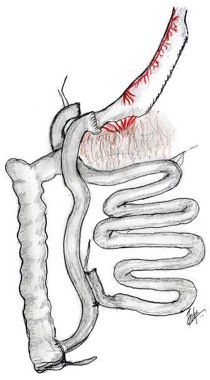
Dr. Dorman responded that the ED visits may represent a "knee-jerk reflex" on the part of DS patients when they experience a complication. He added that the university has instituted more frequent checks and phone calls, particularly to high-risk DS patients, and has partnered with their transplant clinic’s infusion center to provide IV fluids. Nutritional support data in this study was insufficient to report on for all patients, but supplementary nutrition is implemented based on factors such as vitamin and albumin levels or difficulty with eating, according to Dr. Dorman.
Invited discussant Dr. Bradley Needleman, director of the bariatric surgery program at Ohio State University in Columbus, said he was most fascinated by the lack of a significant difference in weight loss between the two groups and asked how this finding would influence patient consultations.
Dr. Dorman said a recent case-matched study at their institution also found no significant difference in weight loss between the two procedures (Ann. Surg. 2012;255:287-93), although a recent prospective randomized European study reported that weight loss was significantly greater with duodenal switch surgery than with gastric bypass (Ann. Intern. Med. 2011;155:281-91).
"It seems to be a finding that exists only within our institution and that should be taken into account when we discuss with our own patients which operations they should undergo," Dr. Dorman said. "I think that duodenal switch in a patient with diabetes and BMI over 45-50 [kg/m2] is certainly a valid operation at an experienced center, as long as we understand the symptoms they may experience afterward."
Duodenal switch should remain a valid alternative because RYGB has its own inherent downfalls – notably, high marginal ulcer and stricture rates, as indicated in the current study by the trend toward significantly greater use of endoscopic procedures in the RYGB patients, said Dr. Sayeed Ikramuddin. Also, the group has now twice shown in matched patient populations the superiority by which the duodenal switch provides resolution of type 2 diabetes when compared with RYGB, added Dr. Ikramuddin, senior author and director of gastrointestinal surgery at the University of Minnesota.
"Lastly, the Roux-en-Y gastric bypass has a high long-term failure rate resulting in patients regaining their weight," Dr. Ikramuddin said in an interview. "This is a phenomenon not as common among duodenal switch patients, likely due to the more malabsorptive nature of the operation."
When asked what contraindications exist for duodenal switch surgery, Dr. Dorman replied that the only absolute contraindications are women of reproductive age because of concerns of nutritional malabsorption and patients unwilling to commit to follow-up. A patient with significant gastroesophageal reflux disease would most likely be offered RYGB, he said, noting that DS surgery had been performed on 5%-10% of their last 100 GI patients.
Dr. Dorman reported no relevant conflicts of interest.
MADISON, WIS. – Total complication rates are high but comparable over the long term between duodenal switch surgery and Roux-en-Y gastric bypass, according to a propensity matched analysis of 309 superobese patients.
"Duodenal switch is a valid alternative to the Roux-en-Y gastric bypass, especially if significant comorbid illnesses are present, particularly diabetes," Dr. Robert B. Dorman said.
His conclusion is drawn from a study that focused on the long-term outcomes of 178 consecutive patients who underwent duodenal switch (DS) surgery and 139 propensity matched patients undergoing Roux-en-Y gastric bypass (RYGB). In addition to a chart review, the University of Minnesota Bariatric Surgery Outcomes Survey tool was used to prospectively track patients’ weight, comorbid illnesses, adverse outcomes, readmissions, and general health status. Mean follow-up was 3.7 years in the DS group and 6.2 years in the RYGB group.
There were five deaths in the DS group (postop day 38 and months 5, 7, 16, and 66) and three deaths in the RYGB group (postop months 3, 7, and 72), leaving 173 patients and 136 patients, respectively, in the analysis, Dr. Dorman said at the annual meeting of the Central Surgical Association.
Notably, weight loss in the two groups was comparable, decreasing from an average body mass index of 52 kg/m2 to 31 kg/m2 in the DS group and from 51 kg/m2 to 34 kg/m2 in the RYGB group, said Dr. Dorman, a general surgery resident at the University of Minnesota, Minneapolis.
Resolution of type 2 diabetes, hypertension, and hyperlipidemia was greatest among DS patients at 82%, 67%, and 81%, respectively, compared with 64%, 39%, and 55%, respectively, among RYGB patients.
DS patients, however, experienced significantly more loose stools, bloating, and heartburn than did RYGB patients, who had significantly more constipation. Nausea and emesis were comparable between the two groups.
With regard to complications, DS patients were significantly more likely to visit the emergency department (ED) than were RYGB patients (40% vs. 25%; P value less than .01) and to experience hair loss (67% vs. 41%; P less than .01), Dr. Dorman said.
There was also a nonsignificant trend for DS patients to be readmitted more often than RYGB patients (25.4% vs. 23.5%) and to have more gastrointestinal leaks (1.7% vs. 0%), abdominal reoperations (29% vs. 23%), total parenteral nutrition/tube feeds (7.6% vs. 3%), and infusion therapy (28.5% vs. 23.5%). The RYGB patients, however, underwent more endoscopy (22% vs. 14%).
Dr. Dorman said providers should explain to patients the adverse symptoms they can expect following duodenal switch, but noted that the investigators "still feel DS should be limited to surgeons and centers with experience."
Invited discussant Dr. James Wallace, a bariatric and general surgeon from the Medical College of Wisconsin, Milwaukee, described the 40% rate of ED visits in the DS group as "extreme," and questioned the use of nutritional, vitamin, and protein supplementation – particularly in light of the observed hair loss.
"I commend the authors for their excellent surgical outcomes with the duodenal switch – much better than others have reported in the literature – but I’m unconvinced that the incremental improvement in weight loss and resolution of metabolic derangements justifies the increased nutritional risk of the duodenal switch," he said.
Dr. Dorman responded that the ED visits may represent a "knee-jerk reflex" on the part of DS patients when they experience a complication. He added that the university has instituted more frequent checks and phone calls, particularly to high-risk DS patients, and has partnered with their transplant clinic’s infusion center to provide IV fluids. Nutritional support data in this study was insufficient to report on for all patients, but supplementary nutrition is implemented based on factors such as vitamin and albumin levels or difficulty with eating, according to Dr. Dorman.
Invited discussant Dr. Bradley Needleman, director of the bariatric surgery program at Ohio State University in Columbus, said he was most fascinated by the lack of a significant difference in weight loss between the two groups and asked how this finding would influence patient consultations.
Dr. Dorman said a recent case-matched study at their institution also found no significant difference in weight loss between the two procedures (Ann. Surg. 2012;255:287-93), although a recent prospective randomized European study reported that weight loss was significantly greater with duodenal switch surgery than with gastric bypass (Ann. Intern. Med. 2011;155:281-91).
"It seems to be a finding that exists only within our institution and that should be taken into account when we discuss with our own patients which operations they should undergo," Dr. Dorman said. "I think that duodenal switch in a patient with diabetes and BMI over 45-50 [kg/m2] is certainly a valid operation at an experienced center, as long as we understand the symptoms they may experience afterward."
Duodenal switch should remain a valid alternative because RYGB has its own inherent downfalls – notably, high marginal ulcer and stricture rates, as indicated in the current study by the trend toward significantly greater use of endoscopic procedures in the RYGB patients, said Dr. Sayeed Ikramuddin. Also, the group has now twice shown in matched patient populations the superiority by which the duodenal switch provides resolution of type 2 diabetes when compared with RYGB, added Dr. Ikramuddin, senior author and director of gastrointestinal surgery at the University of Minnesota.
"Lastly, the Roux-en-Y gastric bypass has a high long-term failure rate resulting in patients regaining their weight," Dr. Ikramuddin said in an interview. "This is a phenomenon not as common among duodenal switch patients, likely due to the more malabsorptive nature of the operation."
When asked what contraindications exist for duodenal switch surgery, Dr. Dorman replied that the only absolute contraindications are women of reproductive age because of concerns of nutritional malabsorption and patients unwilling to commit to follow-up. A patient with significant gastroesophageal reflux disease would most likely be offered RYGB, he said, noting that DS surgery had been performed on 5%-10% of their last 100 GI patients.
Dr. Dorman reported no relevant conflicts of interest.
MADISON, WIS. – Total complication rates are high but comparable over the long term between duodenal switch surgery and Roux-en-Y gastric bypass, according to a propensity matched analysis of 309 superobese patients.
"Duodenal switch is a valid alternative to the Roux-en-Y gastric bypass, especially if significant comorbid illnesses are present, particularly diabetes," Dr. Robert B. Dorman said.
His conclusion is drawn from a study that focused on the long-term outcomes of 178 consecutive patients who underwent duodenal switch (DS) surgery and 139 propensity matched patients undergoing Roux-en-Y gastric bypass (RYGB). In addition to a chart review, the University of Minnesota Bariatric Surgery Outcomes Survey tool was used to prospectively track patients’ weight, comorbid illnesses, adverse outcomes, readmissions, and general health status. Mean follow-up was 3.7 years in the DS group and 6.2 years in the RYGB group.
There were five deaths in the DS group (postop day 38 and months 5, 7, 16, and 66) and three deaths in the RYGB group (postop months 3, 7, and 72), leaving 173 patients and 136 patients, respectively, in the analysis, Dr. Dorman said at the annual meeting of the Central Surgical Association.
Notably, weight loss in the two groups was comparable, decreasing from an average body mass index of 52 kg/m2 to 31 kg/m2 in the DS group and from 51 kg/m2 to 34 kg/m2 in the RYGB group, said Dr. Dorman, a general surgery resident at the University of Minnesota, Minneapolis.
Resolution of type 2 diabetes, hypertension, and hyperlipidemia was greatest among DS patients at 82%, 67%, and 81%, respectively, compared with 64%, 39%, and 55%, respectively, among RYGB patients.
DS patients, however, experienced significantly more loose stools, bloating, and heartburn than did RYGB patients, who had significantly more constipation. Nausea and emesis were comparable between the two groups.
With regard to complications, DS patients were significantly more likely to visit the emergency department (ED) than were RYGB patients (40% vs. 25%; P value less than .01) and to experience hair loss (67% vs. 41%; P less than .01), Dr. Dorman said.
There was also a nonsignificant trend for DS patients to be readmitted more often than RYGB patients (25.4% vs. 23.5%) and to have more gastrointestinal leaks (1.7% vs. 0%), abdominal reoperations (29% vs. 23%), total parenteral nutrition/tube feeds (7.6% vs. 3%), and infusion therapy (28.5% vs. 23.5%). The RYGB patients, however, underwent more endoscopy (22% vs. 14%).
Dr. Dorman said providers should explain to patients the adverse symptoms they can expect following duodenal switch, but noted that the investigators "still feel DS should be limited to surgeons and centers with experience."
Invited discussant Dr. James Wallace, a bariatric and general surgeon from the Medical College of Wisconsin, Milwaukee, described the 40% rate of ED visits in the DS group as "extreme," and questioned the use of nutritional, vitamin, and protein supplementation – particularly in light of the observed hair loss.
"I commend the authors for their excellent surgical outcomes with the duodenal switch – much better than others have reported in the literature – but I’m unconvinced that the incremental improvement in weight loss and resolution of metabolic derangements justifies the increased nutritional risk of the duodenal switch," he said.
Dr. Dorman responded that the ED visits may represent a "knee-jerk reflex" on the part of DS patients when they experience a complication. He added that the university has instituted more frequent checks and phone calls, particularly to high-risk DS patients, and has partnered with their transplant clinic’s infusion center to provide IV fluids. Nutritional support data in this study was insufficient to report on for all patients, but supplementary nutrition is implemented based on factors such as vitamin and albumin levels or difficulty with eating, according to Dr. Dorman.
Invited discussant Dr. Bradley Needleman, director of the bariatric surgery program at Ohio State University in Columbus, said he was most fascinated by the lack of a significant difference in weight loss between the two groups and asked how this finding would influence patient consultations.
Dr. Dorman said a recent case-matched study at their institution also found no significant difference in weight loss between the two procedures (Ann. Surg. 2012;255:287-93), although a recent prospective randomized European study reported that weight loss was significantly greater with duodenal switch surgery than with gastric bypass (Ann. Intern. Med. 2011;155:281-91).
"It seems to be a finding that exists only within our institution and that should be taken into account when we discuss with our own patients which operations they should undergo," Dr. Dorman said. "I think that duodenal switch in a patient with diabetes and BMI over 45-50 [kg/m2] is certainly a valid operation at an experienced center, as long as we understand the symptoms they may experience afterward."
Duodenal switch should remain a valid alternative because RYGB has its own inherent downfalls – notably, high marginal ulcer and stricture rates, as indicated in the current study by the trend toward significantly greater use of endoscopic procedures in the RYGB patients, said Dr. Sayeed Ikramuddin. Also, the group has now twice shown in matched patient populations the superiority by which the duodenal switch provides resolution of type 2 diabetes when compared with RYGB, added Dr. Ikramuddin, senior author and director of gastrointestinal surgery at the University of Minnesota.
"Lastly, the Roux-en-Y gastric bypass has a high long-term failure rate resulting in patients regaining their weight," Dr. Ikramuddin said in an interview. "This is a phenomenon not as common among duodenal switch patients, likely due to the more malabsorptive nature of the operation."
When asked what contraindications exist for duodenal switch surgery, Dr. Dorman replied that the only absolute contraindications are women of reproductive age because of concerns of nutritional malabsorption and patients unwilling to commit to follow-up. A patient with significant gastroesophageal reflux disease would most likely be offered RYGB, he said, noting that DS surgery had been performed on 5%-10% of their last 100 GI patients.
Dr. Dorman reported no relevant conflicts of interest.
FROM THE ANNUAL MEETING OF THE CENTRAL SURGICAL ASSOCIATION
Major Finding: Resolution of type 2 diabetes, hypertension, and hyperlipidemia was greatest among duodenal switch patients, at 82%, 67%, and 81%, vs. 64%, 39%, and 55% among Roux-en-Y gastric bypass patients.
Data Source: Data were taken from a chart review and prospective survey of 309 superobese patients.
Disclosures: Dr. Dorman reported no relevant conflicts of interest.
Patients Want Online Access to Test Results Stat
LAS VEGAS – Patients want to be able to review their test results online, even before they discuss them with their doctor.
A Mayo Clinic survey of 1,972 patients reported that 61% were very likely and 30% somewhat likely to view test results prior to having such discussions.
"This may pose interpretation challenges for patients, especially when complicated medical terminology is used or a difficult diagnosis, such as cancer, is revealed," Dr. Mark Parkulo said in an interview. "Providers are justifiably concerned about this, but the survey also emphasizes the importance patients place on the interpretation of the results by their provider."
Overall, 28% of patients reported that it was somewhat important and 35% very important for their physician or health provider to see the results first, while 33% said it was somewhat important and 42% very important to be able to communicate with their doctor about the results.
"I think this should reassure providers that most patients value the providers’ counsel and will seek their input prior to making a decision," said Dr. Parkulo, an internist who chairs the e-health policy work group at Mayo Clinic, Jacksonville, Fla.
Visitors to MayoClinic.org were invited to participate in the survey in October 2010. Patients in the hematology and medical oncology departments at Mayo’s Rochester, Minn., clinic and primary care patients at the Florida clinic also were asked to complete a paper survey. Roughly half of the patients were Mayo Clinic employees.
Respondents had a high level of interest in viewing laboratory data and clinical notes online via a secure portal, Dr. Parkulo reported at the HIMSS12 annual conference.
In all, 70% reported being very interested and 20% somewhat interested in using a Mayo Clinic website to view their test results. Similarly, 69% were very interested and 21% somewhat interested in using the site to view clinical and provider notes.
Respondents varied in how soon they expect test results to be available online, with 38% wanting access to results as soon as results are known, 29% within several hours, 27% within a day or two, and 3% within a week, Dr. Parkulo noted. A total of 3% percent responded "don’t know/no opinion."
For pathology and radiology results, 48% preferred that the provider contact them with the results prior to being able to view them online; however, 35% wanted the results posted online, even if the results had not been reviewed and no matter what the results were.
"These findings should be taken into consideration during website/portal development, as online access to personal medical information expands," Dr. Parkulo recommended.
A total of 44% of respondents reported having a serious medical diagnosis.
Most survey respondents (44%) were aged 50-64 years, 29% were 30-49, 22% were 65 or older, and just 5% were aged 18-29 years.
The majority of respondents were female (72%) and white (91%).
Although 60% of all respondents reported going online daily, 82% of non-Mayo employees and 64% of all respondents had never used the clinic’s website to view laboratory test results.
Dr. Parkulo said the Mayo Clinic has spent a great deal of time discussing online issues with physicians and used the patient survey in developing its current policy. Laboratory testing is released online as soon as it is posted in the electronic medical record. Later this year, they plan on releasing radiology and pathology results after a delay of 48 hours to allow for provider review, and releasing provider notes as soon as they are available, with a disclaimer when applicable that will inform patients that the notes have not been authenticated.
"Clearly this represents a change in practice for many staff members and some have legitimate concerns about creating anxiety for patients and patients’ abilities to interpret complicated medical tests," he said. "However, patients are mostly positive concerning the ease and rapid access to their information."
Dr. Parkulo and his coauthors reported no relevant conflicts of interest.
LAS VEGAS – Patients want to be able to review their test results online, even before they discuss them with their doctor.
A Mayo Clinic survey of 1,972 patients reported that 61% were very likely and 30% somewhat likely to view test results prior to having such discussions.
"This may pose interpretation challenges for patients, especially when complicated medical terminology is used or a difficult diagnosis, such as cancer, is revealed," Dr. Mark Parkulo said in an interview. "Providers are justifiably concerned about this, but the survey also emphasizes the importance patients place on the interpretation of the results by their provider."
Overall, 28% of patients reported that it was somewhat important and 35% very important for their physician or health provider to see the results first, while 33% said it was somewhat important and 42% very important to be able to communicate with their doctor about the results.
"I think this should reassure providers that most patients value the providers’ counsel and will seek their input prior to making a decision," said Dr. Parkulo, an internist who chairs the e-health policy work group at Mayo Clinic, Jacksonville, Fla.
Visitors to MayoClinic.org were invited to participate in the survey in October 2010. Patients in the hematology and medical oncology departments at Mayo’s Rochester, Minn., clinic and primary care patients at the Florida clinic also were asked to complete a paper survey. Roughly half of the patients were Mayo Clinic employees.
Respondents had a high level of interest in viewing laboratory data and clinical notes online via a secure portal, Dr. Parkulo reported at the HIMSS12 annual conference.
In all, 70% reported being very interested and 20% somewhat interested in using a Mayo Clinic website to view their test results. Similarly, 69% were very interested and 21% somewhat interested in using the site to view clinical and provider notes.
Respondents varied in how soon they expect test results to be available online, with 38% wanting access to results as soon as results are known, 29% within several hours, 27% within a day or two, and 3% within a week, Dr. Parkulo noted. A total of 3% percent responded "don’t know/no opinion."
For pathology and radiology results, 48% preferred that the provider contact them with the results prior to being able to view them online; however, 35% wanted the results posted online, even if the results had not been reviewed and no matter what the results were.
"These findings should be taken into consideration during website/portal development, as online access to personal medical information expands," Dr. Parkulo recommended.
A total of 44% of respondents reported having a serious medical diagnosis.
Most survey respondents (44%) were aged 50-64 years, 29% were 30-49, 22% were 65 or older, and just 5% were aged 18-29 years.
The majority of respondents were female (72%) and white (91%).
Although 60% of all respondents reported going online daily, 82% of non-Mayo employees and 64% of all respondents had never used the clinic’s website to view laboratory test results.
Dr. Parkulo said the Mayo Clinic has spent a great deal of time discussing online issues with physicians and used the patient survey in developing its current policy. Laboratory testing is released online as soon as it is posted in the electronic medical record. Later this year, they plan on releasing radiology and pathology results after a delay of 48 hours to allow for provider review, and releasing provider notes as soon as they are available, with a disclaimer when applicable that will inform patients that the notes have not been authenticated.
"Clearly this represents a change in practice for many staff members and some have legitimate concerns about creating anxiety for patients and patients’ abilities to interpret complicated medical tests," he said. "However, patients are mostly positive concerning the ease and rapid access to their information."
Dr. Parkulo and his coauthors reported no relevant conflicts of interest.
LAS VEGAS – Patients want to be able to review their test results online, even before they discuss them with their doctor.
A Mayo Clinic survey of 1,972 patients reported that 61% were very likely and 30% somewhat likely to view test results prior to having such discussions.
"This may pose interpretation challenges for patients, especially when complicated medical terminology is used or a difficult diagnosis, such as cancer, is revealed," Dr. Mark Parkulo said in an interview. "Providers are justifiably concerned about this, but the survey also emphasizes the importance patients place on the interpretation of the results by their provider."
Overall, 28% of patients reported that it was somewhat important and 35% very important for their physician or health provider to see the results first, while 33% said it was somewhat important and 42% very important to be able to communicate with their doctor about the results.
"I think this should reassure providers that most patients value the providers’ counsel and will seek their input prior to making a decision," said Dr. Parkulo, an internist who chairs the e-health policy work group at Mayo Clinic, Jacksonville, Fla.
Visitors to MayoClinic.org were invited to participate in the survey in October 2010. Patients in the hematology and medical oncology departments at Mayo’s Rochester, Minn., clinic and primary care patients at the Florida clinic also were asked to complete a paper survey. Roughly half of the patients were Mayo Clinic employees.
Respondents had a high level of interest in viewing laboratory data and clinical notes online via a secure portal, Dr. Parkulo reported at the HIMSS12 annual conference.
In all, 70% reported being very interested and 20% somewhat interested in using a Mayo Clinic website to view their test results. Similarly, 69% were very interested and 21% somewhat interested in using the site to view clinical and provider notes.
Respondents varied in how soon they expect test results to be available online, with 38% wanting access to results as soon as results are known, 29% within several hours, 27% within a day or two, and 3% within a week, Dr. Parkulo noted. A total of 3% percent responded "don’t know/no opinion."
For pathology and radiology results, 48% preferred that the provider contact them with the results prior to being able to view them online; however, 35% wanted the results posted online, even if the results had not been reviewed and no matter what the results were.
"These findings should be taken into consideration during website/portal development, as online access to personal medical information expands," Dr. Parkulo recommended.
A total of 44% of respondents reported having a serious medical diagnosis.
Most survey respondents (44%) were aged 50-64 years, 29% were 30-49, 22% were 65 or older, and just 5% were aged 18-29 years.
The majority of respondents were female (72%) and white (91%).
Although 60% of all respondents reported going online daily, 82% of non-Mayo employees and 64% of all respondents had never used the clinic’s website to view laboratory test results.
Dr. Parkulo said the Mayo Clinic has spent a great deal of time discussing online issues with physicians and used the patient survey in developing its current policy. Laboratory testing is released online as soon as it is posted in the electronic medical record. Later this year, they plan on releasing radiology and pathology results after a delay of 48 hours to allow for provider review, and releasing provider notes as soon as they are available, with a disclaimer when applicable that will inform patients that the notes have not been authenticated.
"Clearly this represents a change in practice for many staff members and some have legitimate concerns about creating anxiety for patients and patients’ abilities to interpret complicated medical tests," he said. "However, patients are mostly positive concerning the ease and rapid access to their information."
Dr. Parkulo and his coauthors reported no relevant conflicts of interest.
FROM THE HIMSS12 ANNUAL CONFERENCE
Major Finding: A majority, or 61%, of patients reported being very likely and 30% somewhat likely to view test results online prior to discussing them with a provider.
Data Source: The Mayo Clinic survey included 1,972 patients.
Disclosures: Dr. Parkulo and his coauthors reported no relevant conflicts of interest.
Laparoscopy Offers Benefits in Select Hepatic CRC Patients
MADISON, WIS. – Laparoscopic resection of hepatic colorectal cancer offered short-term benefits over open resection and equivalent cancer control in a propensity matched cohort study of 173 patients.
"The oncologic outcomes are really not affected at all by the performance of the minimally invasive procedure," lead author Robert Cannon said at the annual meeting of the Central Surgical Association.

He reported on 35 patients who underwent laparoscopic resection and 138 patients undergoing open resection during the same time period. To minimize selection bias, the two groups were matched on the basis of age, size and number of lesions, whether major hepatectomy (three or more segments) or synchronous colectomy was performed, and the Fong score.
The laparoscopic group had significantly less mean blood loss than did the open group (202 mL vs. 392 mL; P less than .001), fewer complications (23% vs. 48%; P = .007), and shorter length of stay (4.8 days vs. 7.8 days; P less than .001), said Dr. Cannon of the department of surgery as the University of Louisville (Ky.).
The ability to achieve microscopically negative margins was significantly higher in the laparoscopic group, at 97%, compared with 81% in the open group (P = .02). Mortality at 90 days was similar at 0% vs. 0.7%, respectively (P = 1.0).
At 1, 3, and 5 years, median disease-free survival rates were similar at 79.3%, 37% , and 15.4%, respectively, in the laparoscopic group vs. 78.4%, 35.4% and 21.6%, respectively, in the open group (P = .715). Likewise, median overall survival rates were similar at 97%, 62.6%, and 36% vs. 95.4%, 60.3%, and 36.6% (P = .911), he said.
Dr. Cannon pointed out that the benefits of laparoscopy were observed in "appropriately selected patients," and suggested that the procedure is ideal for patients with left lateral lesions and for those who are obese.
"A thick abdominal wall doesn’t really hurt you as much when you’re going through a scope as it does when you have to make an incision that goes through all that subcutaneous fat," he said. "Also, with the shorter hospitalization, we think [laparoscopy] minimizes recovery and duration of chemotherapy in selected patients."
The higher positive-margin rate in the open group suggests that some selection bias remains in the analysis, and supports the idea that some patients – notably those with portal vein embolization, extensive disease, or tumors close to major vessels – will always be candidates for open surgery, said invited discussant Dr. Sharon Weber, professor and vice chair of general surgery at the University of Wisconsin, Madison.
Dr. Weber asked whether it’s truly possible to compare the open and laparoscopic groups statistically, or whether one can only say that outcomes tend to be better for those patients who are candidates for laparoscopic resection.
"I agree that the two groups will probably never be strictly comparable," Dr. Cannon replied. "There’s always going to be a role for open operations, especially for the lesions you mentioned [and] for those who may require biliary reconstruction or resection, or [who] have centrally located tumors such as at the base of segment four and five." He added that the purpose of doing matched studies like this one is to show that, for a patient who could go either way, perhaps the laparoscopic procedure offers benefits.
Dr. Weber also questioned how the investigators chose the factors that went into their propensity scoring, observing that some would consider factors such as neoadjuvant therapy, bilateral disease, and underlying liver fibrosis and cirrhosis equally relevant. In addition, recent work from the Netherlands suggests that the clinical risk score has become less relevant for patients with colorectal-level metastases in the era of contemporary neoadjuvant chemotherapy (Ann. Surg. Oncol. 2011;18:2757-63).
Dr. Cannon said that the availability of data influenced what factors were selected, to a large extent. The two groups had a median of one tumor, a median Charlson Comorbidity Index score of 4, and a median Fong score of 2. Their average age was 62 years. The mean tumor sizes were 4.3 cm in the open group and 4.2 cm in the laparoscopic group; positive nodes were present in 64% and 57%, respectively, and mean carcinoembryonic antigen levels at hepatectomy were 91.6 and 52, respectively.
Left lateral segmentectomy was performed in 28.6% of the laparoscopic group and in 6.5% of the open group (P less than .001), whereas wedge/bisegmentectomy was significantly more common in the open group at 34.8% vs. 14.3% in the laparoscopic group (P = .019). Rates of major hepatectomy were similar at 55.8% in the open group and 54.3% in the laparoscopic group (P = .872).
The investigators did not control for the individual year when surgery was performed, choosing instead to limit the analysis to cases performed from 2004 on, when it could be reasonably assumed that adjuvant therapy would be comparable, Dr. Cannon said.
When asked whether a financial analysis of the two procedures had been performed because of the greater expense associated with laparoscopic instruments, Dr. Cannon replied that cost data will be presented at the upcoming Society of Surgical Oncology Annual Cancer Symposium.
Dr. Cannon and Dr. Weber reported no conflicts of interest.*
*Correction, 3/8/2012: This story was updated to reflect the fact that Dr. Cannon has no conflicts of interest. The conflicts that were initially attributed to Dr. Cannon were incorrectly reported by the meeting organizers.
MADISON, WIS. – Laparoscopic resection of hepatic colorectal cancer offered short-term benefits over open resection and equivalent cancer control in a propensity matched cohort study of 173 patients.
"The oncologic outcomes are really not affected at all by the performance of the minimally invasive procedure," lead author Robert Cannon said at the annual meeting of the Central Surgical Association.
He reported on 35 patients who underwent laparoscopic resection and 138 patients undergoing open resection during the same time period. To minimize selection bias, the two groups were matched on the basis of age, size and number of lesions, whether major hepatectomy (three or more segments) or synchronous colectomy was performed, and the Fong score.
The laparoscopic group had significantly less mean blood loss than did the open group (202 mL vs. 392 mL; P less than .001), fewer complications (23% vs. 48%; P = .007), and shorter length of stay (4.8 days vs. 7.8 days; P less than .001), said Dr. Cannon of the department of surgery as the University of Louisville (Ky.).
The ability to achieve microscopically negative margins was significantly higher in the laparoscopic group, at 97%, compared with 81% in the open group (P = .02). Mortality at 90 days was similar at 0% vs. 0.7%, respectively (P = 1.0).
At 1, 3, and 5 years, median disease-free survival rates were similar at 79.3%, 37% , and 15.4%, respectively, in the laparoscopic group vs. 78.4%, 35.4% and 21.6%, respectively, in the open group (P = .715). Likewise, median overall survival rates were similar at 97%, 62.6%, and 36% vs. 95.4%, 60.3%, and 36.6% (P = .911), he said.
Dr. Cannon pointed out that the benefits of laparoscopy were observed in "appropriately selected patients," and suggested that the procedure is ideal for patients with left lateral lesions and for those who are obese.
"A thick abdominal wall doesn’t really hurt you as much when you’re going through a scope as it does when you have to make an incision that goes through all that subcutaneous fat," he said. "Also, with the shorter hospitalization, we think [laparoscopy] minimizes recovery and duration of chemotherapy in selected patients."
The higher positive-margin rate in the open group suggests that some selection bias remains in the analysis, and supports the idea that some patients – notably those with portal vein embolization, extensive disease, or tumors close to major vessels – will always be candidates for open surgery, said invited discussant Dr. Sharon Weber, professor and vice chair of general surgery at the University of Wisconsin, Madison.
Dr. Weber asked whether it’s truly possible to compare the open and laparoscopic groups statistically, or whether one can only say that outcomes tend to be better for those patients who are candidates for laparoscopic resection.
"I agree that the two groups will probably never be strictly comparable," Dr. Cannon replied. "There’s always going to be a role for open operations, especially for the lesions you mentioned [and] for those who may require biliary reconstruction or resection, or [who] have centrally located tumors such as at the base of segment four and five." He added that the purpose of doing matched studies like this one is to show that, for a patient who could go either way, perhaps the laparoscopic procedure offers benefits.
Dr. Weber also questioned how the investigators chose the factors that went into their propensity scoring, observing that some would consider factors such as neoadjuvant therapy, bilateral disease, and underlying liver fibrosis and cirrhosis equally relevant. In addition, recent work from the Netherlands suggests that the clinical risk score has become less relevant for patients with colorectal-level metastases in the era of contemporary neoadjuvant chemotherapy (Ann. Surg. Oncol. 2011;18:2757-63).
Dr. Cannon said that the availability of data influenced what factors were selected, to a large extent. The two groups had a median of one tumor, a median Charlson Comorbidity Index score of 4, and a median Fong score of 2. Their average age was 62 years. The mean tumor sizes were 4.3 cm in the open group and 4.2 cm in the laparoscopic group; positive nodes were present in 64% and 57%, respectively, and mean carcinoembryonic antigen levels at hepatectomy were 91.6 and 52, respectively.
Left lateral segmentectomy was performed in 28.6% of the laparoscopic group and in 6.5% of the open group (P less than .001), whereas wedge/bisegmentectomy was significantly more common in the open group at 34.8% vs. 14.3% in the laparoscopic group (P = .019). Rates of major hepatectomy were similar at 55.8% in the open group and 54.3% in the laparoscopic group (P = .872).
The investigators did not control for the individual year when surgery was performed, choosing instead to limit the analysis to cases performed from 2004 on, when it could be reasonably assumed that adjuvant therapy would be comparable, Dr. Cannon said.
When asked whether a financial analysis of the two procedures had been performed because of the greater expense associated with laparoscopic instruments, Dr. Cannon replied that cost data will be presented at the upcoming Society of Surgical Oncology Annual Cancer Symposium.
Dr. Cannon and Dr. Weber reported no conflicts of interest.*
*Correction, 3/8/2012: This story was updated to reflect the fact that Dr. Cannon has no conflicts of interest. The conflicts that were initially attributed to Dr. Cannon were incorrectly reported by the meeting organizers.
MADISON, WIS. – Laparoscopic resection of hepatic colorectal cancer offered short-term benefits over open resection and equivalent cancer control in a propensity matched cohort study of 173 patients.
"The oncologic outcomes are really not affected at all by the performance of the minimally invasive procedure," lead author Robert Cannon said at the annual meeting of the Central Surgical Association.
He reported on 35 patients who underwent laparoscopic resection and 138 patients undergoing open resection during the same time period. To minimize selection bias, the two groups were matched on the basis of age, size and number of lesions, whether major hepatectomy (three or more segments) or synchronous colectomy was performed, and the Fong score.
The laparoscopic group had significantly less mean blood loss than did the open group (202 mL vs. 392 mL; P less than .001), fewer complications (23% vs. 48%; P = .007), and shorter length of stay (4.8 days vs. 7.8 days; P less than .001), said Dr. Cannon of the department of surgery as the University of Louisville (Ky.).
The ability to achieve microscopically negative margins was significantly higher in the laparoscopic group, at 97%, compared with 81% in the open group (P = .02). Mortality at 90 days was similar at 0% vs. 0.7%, respectively (P = 1.0).
At 1, 3, and 5 years, median disease-free survival rates were similar at 79.3%, 37% , and 15.4%, respectively, in the laparoscopic group vs. 78.4%, 35.4% and 21.6%, respectively, in the open group (P = .715). Likewise, median overall survival rates were similar at 97%, 62.6%, and 36% vs. 95.4%, 60.3%, and 36.6% (P = .911), he said.
Dr. Cannon pointed out that the benefits of laparoscopy were observed in "appropriately selected patients," and suggested that the procedure is ideal for patients with left lateral lesions and for those who are obese.
"A thick abdominal wall doesn’t really hurt you as much when you’re going through a scope as it does when you have to make an incision that goes through all that subcutaneous fat," he said. "Also, with the shorter hospitalization, we think [laparoscopy] minimizes recovery and duration of chemotherapy in selected patients."
The higher positive-margin rate in the open group suggests that some selection bias remains in the analysis, and supports the idea that some patients – notably those with portal vein embolization, extensive disease, or tumors close to major vessels – will always be candidates for open surgery, said invited discussant Dr. Sharon Weber, professor and vice chair of general surgery at the University of Wisconsin, Madison.
Dr. Weber asked whether it’s truly possible to compare the open and laparoscopic groups statistically, or whether one can only say that outcomes tend to be better for those patients who are candidates for laparoscopic resection.
"I agree that the two groups will probably never be strictly comparable," Dr. Cannon replied. "There’s always going to be a role for open operations, especially for the lesions you mentioned [and] for those who may require biliary reconstruction or resection, or [who] have centrally located tumors such as at the base of segment four and five." He added that the purpose of doing matched studies like this one is to show that, for a patient who could go either way, perhaps the laparoscopic procedure offers benefits.
Dr. Weber also questioned how the investigators chose the factors that went into their propensity scoring, observing that some would consider factors such as neoadjuvant therapy, bilateral disease, and underlying liver fibrosis and cirrhosis equally relevant. In addition, recent work from the Netherlands suggests that the clinical risk score has become less relevant for patients with colorectal-level metastases in the era of contemporary neoadjuvant chemotherapy (Ann. Surg. Oncol. 2011;18:2757-63).
Dr. Cannon said that the availability of data influenced what factors were selected, to a large extent. The two groups had a median of one tumor, a median Charlson Comorbidity Index score of 4, and a median Fong score of 2. Their average age was 62 years. The mean tumor sizes were 4.3 cm in the open group and 4.2 cm in the laparoscopic group; positive nodes were present in 64% and 57%, respectively, and mean carcinoembryonic antigen levels at hepatectomy were 91.6 and 52, respectively.
Left lateral segmentectomy was performed in 28.6% of the laparoscopic group and in 6.5% of the open group (P less than .001), whereas wedge/bisegmentectomy was significantly more common in the open group at 34.8% vs. 14.3% in the laparoscopic group (P = .019). Rates of major hepatectomy were similar at 55.8% in the open group and 54.3% in the laparoscopic group (P = .872).
The investigators did not control for the individual year when surgery was performed, choosing instead to limit the analysis to cases performed from 2004 on, when it could be reasonably assumed that adjuvant therapy would be comparable, Dr. Cannon said.
When asked whether a financial analysis of the two procedures had been performed because of the greater expense associated with laparoscopic instruments, Dr. Cannon replied that cost data will be presented at the upcoming Society of Surgical Oncology Annual Cancer Symposium.
Dr. Cannon and Dr. Weber reported no conflicts of interest.*
*Correction, 3/8/2012: This story was updated to reflect the fact that Dr. Cannon has no conflicts of interest. The conflicts that were initially attributed to Dr. Cannon were incorrectly reported by the meeting organizers.
FROM THE ANNUAL MEETING OF THE CENTRAL SURGICAL ASSOCIATION
Major Finding: Patients undergoing laparoscopic vs. open resection for hepatic colorectal cancer had similar median overall survival rates at 1, 3, and 5 years: 97%, 62.6%, and 36%, respectively, for the laparoscopic group vs. 95.4%, 60.3%, and 36.6%, respectively, for the open group.
Data Source: Data are from a propensity matched cohort study of 173 patients.
Disclosures: Dr. Cannon and Dr. Weber reported no conflicts of interest.*
Staffing Tops Money as Biggest IT Barrier
LAS VEGAS – For the first time in years, financial constraints have been replaced as the most significant barrier to health IT implementation in the 23rd annual HIMSS Leadership Survey.
Instead, 22% of respondents cited IT staffing as their greatest challenge, up from 17% last year. Inadequate financial support was the top barrier to IT implementation last year for 18% of respondents, falling to 14% this year.
“Meaningful use regulations/incentives are creating an opportunity for health care [providers] to receive funding for IT adoption, and therefore more financial resources are being allocated to health IT in order to attain these financial incentives,” HIMSS [Healthcare Information and Management Systems Society] president and chief executive officer H. Stephen Lieber said in an interview.
But the rapid adoption of health IT by so many organizations is placing a strain on staffing. Nearly two-thirds (61%) of respondents said they will hire more IT staff in the next year, with the greatest need in the area of clinical application support (43%).
The HIMSS survey is based on feedback from 302 health IT professionals, largely chief information officers and IT directors, representing more than 600 hospitals throughout the United States.
Achieving meaningful use was identified by 38% of respondents as the top IT priority to be addressed at their organization over the next 2 years. This is a notable decline from last year when 49% of respondents cited the federal meaningful use electronic health record (EHR) incentive program as their top IT priority.
This year's No. 2 IT priority was a focus on clinical systems such as computerized practitioner order entry, EHRs, or e-prescribing (15%), followed by leveraging information (13%).
Federal Incentives
Implementing International Classification of Diseases, 10th edition diagnosis and procedure codes (ICD-10) continues to be the top financial IT focus for 67% of respondents. The next closest item, upgrading the patient billing system, polled at just 6%.
“Federal initiatives continue to drive the IT decisions made by health care organizations,” Mr. Lieber said.
The recent decision by the Health and Human Services department (HHS) to postpone the Oct. 1, 2013, deadline for ICD-10 implementation reverberated throughout the annual HIMSS conference, where the survey was released. Mr. Lieber pointed out that the statement from HHS Secretary Kathleen Sebelius stated that the ICD-10 deadline would be extended for “certain providers.”
“I interpret 'certain' to mean that it may not be extended for all,” he said, adding that no further clarification has been issued by HHS.
Even so, institutions have spent considerable time and money on the federal initiatives. So far, 26% of respondents said their organization has attested to stage 1 meaningful use and were preparing to meet stage 2 requirements. Also, 89% are on track to complete the ICD-10 conversion by the original deadline.
Although 43% of respondents could not say how much their institution had invested in converting to ICD-10, 29% said it was less than $1 million, 15% between $1 million and $4 million, and 4% spent $5 million or more.
Only 5% of respondents indicated that their organization made no additional investment in order to achieve stage 1 meaningful use. One-third reported they will invest less than $1 million, 27% between $1 million and $4 million, and 29% at least $5 million.
Those investments, however, are expected to pay off. A full 23% anticipate they will receive $2 million to $3 million, while 13% expect no less than $10 million in incentives.
IT Security Breaches Continue
The report notes that IT security breaches continue to plague health care organization, although the reduction in violations from 26% last year to 22% this year, suggests efforts to secure patient information are working.
Compliance with Health Insurance Portability and Accountability Act (HIPAA) regulations and Centers for Medicare and Medicaid Services security audits are the top security concerns (34%). This displaces an internal breach of security (32%), which had been the primary security concern for the past several years. One-third of respondents (32%) also expressed concern that their organization's security systems were inadequate.
“What this shows is that health IT executives continue to hold this as an area of critical importance and diligence,” Mr. Lieber said.
Only 6% of respondents expressed concern about the organization's ability to secure information on mobile devices.
With regard to IT infrastructure priorities, mobile devices were a priority for 18% of organizations, just behind servers/virtual servers at 19%, which was also the top response in 2011. Virtual desktops/laptops and security systems were each identified by 16% of respondents as their primary infrastructure goal. Cloud computing and telemedicine were not on the radar of many organizations, polling at just 3% and 2%, respectively.
When asked to select areas where IT could have the most impact on patient care, the leading answer was once again improving clinical and quality outcomes (38%), followed by reducing medical errors/improving patient safety (22%), and standardization of clinical care using evidence-based medicine (16%).

Vitals
Source IMNG Medical Media

While 23% expect $2 million to $3 million in incentives, 13% expect to receive no less than $10 million.
Source MR. LIEBER

Source IMNG Medical Media
LAS VEGAS – For the first time in years, financial constraints have been replaced as the most significant barrier to health IT implementation in the 23rd annual HIMSS Leadership Survey.
Instead, 22% of respondents cited IT staffing as their greatest challenge, up from 17% last year. Inadequate financial support was the top barrier to IT implementation last year for 18% of respondents, falling to 14% this year.
“Meaningful use regulations/incentives are creating an opportunity for health care [providers] to receive funding for IT adoption, and therefore more financial resources are being allocated to health IT in order to attain these financial incentives,” HIMSS [Healthcare Information and Management Systems Society] president and chief executive officer H. Stephen Lieber said in an interview.
But the rapid adoption of health IT by so many organizations is placing a strain on staffing. Nearly two-thirds (61%) of respondents said they will hire more IT staff in the next year, with the greatest need in the area of clinical application support (43%).
The HIMSS survey is based on feedback from 302 health IT professionals, largely chief information officers and IT directors, representing more than 600 hospitals throughout the United States.
Achieving meaningful use was identified by 38% of respondents as the top IT priority to be addressed at their organization over the next 2 years. This is a notable decline from last year when 49% of respondents cited the federal meaningful use electronic health record (EHR) incentive program as their top IT priority.
This year's No. 2 IT priority was a focus on clinical systems such as computerized practitioner order entry, EHRs, or e-prescribing (15%), followed by leveraging information (13%).
Federal Incentives
Implementing International Classification of Diseases, 10th edition diagnosis and procedure codes (ICD-10) continues to be the top financial IT focus for 67% of respondents. The next closest item, upgrading the patient billing system, polled at just 6%.
“Federal initiatives continue to drive the IT decisions made by health care organizations,” Mr. Lieber said.
The recent decision by the Health and Human Services department (HHS) to postpone the Oct. 1, 2013, deadline for ICD-10 implementation reverberated throughout the annual HIMSS conference, where the survey was released. Mr. Lieber pointed out that the statement from HHS Secretary Kathleen Sebelius stated that the ICD-10 deadline would be extended for “certain providers.”
“I interpret 'certain' to mean that it may not be extended for all,” he said, adding that no further clarification has been issued by HHS.
Even so, institutions have spent considerable time and money on the federal initiatives. So far, 26% of respondents said their organization has attested to stage 1 meaningful use and were preparing to meet stage 2 requirements. Also, 89% are on track to complete the ICD-10 conversion by the original deadline.
Although 43% of respondents could not say how much their institution had invested in converting to ICD-10, 29% said it was less than $1 million, 15% between $1 million and $4 million, and 4% spent $5 million or more.
Only 5% of respondents indicated that their organization made no additional investment in order to achieve stage 1 meaningful use. One-third reported they will invest less than $1 million, 27% between $1 million and $4 million, and 29% at least $5 million.
Those investments, however, are expected to pay off. A full 23% anticipate they will receive $2 million to $3 million, while 13% expect no less than $10 million in incentives.
IT Security Breaches Continue
The report notes that IT security breaches continue to plague health care organization, although the reduction in violations from 26% last year to 22% this year, suggests efforts to secure patient information are working.
Compliance with Health Insurance Portability and Accountability Act (HIPAA) regulations and Centers for Medicare and Medicaid Services security audits are the top security concerns (34%). This displaces an internal breach of security (32%), which had been the primary security concern for the past several years. One-third of respondents (32%) also expressed concern that their organization's security systems were inadequate.
“What this shows is that health IT executives continue to hold this as an area of critical importance and diligence,” Mr. Lieber said.
Only 6% of respondents expressed concern about the organization's ability to secure information on mobile devices.
With regard to IT infrastructure priorities, mobile devices were a priority for 18% of organizations, just behind servers/virtual servers at 19%, which was also the top response in 2011. Virtual desktops/laptops and security systems were each identified by 16% of respondents as their primary infrastructure goal. Cloud computing and telemedicine were not on the radar of many organizations, polling at just 3% and 2%, respectively.
When asked to select areas where IT could have the most impact on patient care, the leading answer was once again improving clinical and quality outcomes (38%), followed by reducing medical errors/improving patient safety (22%), and standardization of clinical care using evidence-based medicine (16%).
Vitals
Source IMNG Medical Media
While 23% expect $2 million to $3 million in incentives, 13% expect to receive no less than $10 million.
Source MR. LIEBER
Source IMNG Medical Media
LAS VEGAS – For the first time in years, financial constraints have been replaced as the most significant barrier to health IT implementation in the 23rd annual HIMSS Leadership Survey.
Instead, 22% of respondents cited IT staffing as their greatest challenge, up from 17% last year. Inadequate financial support was the top barrier to IT implementation last year for 18% of respondents, falling to 14% this year.
“Meaningful use regulations/incentives are creating an opportunity for health care [providers] to receive funding for IT adoption, and therefore more financial resources are being allocated to health IT in order to attain these financial incentives,” HIMSS [Healthcare Information and Management Systems Society] president and chief executive officer H. Stephen Lieber said in an interview.
But the rapid adoption of health IT by so many organizations is placing a strain on staffing. Nearly two-thirds (61%) of respondents said they will hire more IT staff in the next year, with the greatest need in the area of clinical application support (43%).
The HIMSS survey is based on feedback from 302 health IT professionals, largely chief information officers and IT directors, representing more than 600 hospitals throughout the United States.
Achieving meaningful use was identified by 38% of respondents as the top IT priority to be addressed at their organization over the next 2 years. This is a notable decline from last year when 49% of respondents cited the federal meaningful use electronic health record (EHR) incentive program as their top IT priority.
This year's No. 2 IT priority was a focus on clinical systems such as computerized practitioner order entry, EHRs, or e-prescribing (15%), followed by leveraging information (13%).
Federal Incentives
Implementing International Classification of Diseases, 10th edition diagnosis and procedure codes (ICD-10) continues to be the top financial IT focus for 67% of respondents. The next closest item, upgrading the patient billing system, polled at just 6%.
“Federal initiatives continue to drive the IT decisions made by health care organizations,” Mr. Lieber said.
The recent decision by the Health and Human Services department (HHS) to postpone the Oct. 1, 2013, deadline for ICD-10 implementation reverberated throughout the annual HIMSS conference, where the survey was released. Mr. Lieber pointed out that the statement from HHS Secretary Kathleen Sebelius stated that the ICD-10 deadline would be extended for “certain providers.”
“I interpret 'certain' to mean that it may not be extended for all,” he said, adding that no further clarification has been issued by HHS.
Even so, institutions have spent considerable time and money on the federal initiatives. So far, 26% of respondents said their organization has attested to stage 1 meaningful use and were preparing to meet stage 2 requirements. Also, 89% are on track to complete the ICD-10 conversion by the original deadline.
Although 43% of respondents could not say how much their institution had invested in converting to ICD-10, 29% said it was less than $1 million, 15% between $1 million and $4 million, and 4% spent $5 million or more.
Only 5% of respondents indicated that their organization made no additional investment in order to achieve stage 1 meaningful use. One-third reported they will invest less than $1 million, 27% between $1 million and $4 million, and 29% at least $5 million.
Those investments, however, are expected to pay off. A full 23% anticipate they will receive $2 million to $3 million, while 13% expect no less than $10 million in incentives.
IT Security Breaches Continue
The report notes that IT security breaches continue to plague health care organization, although the reduction in violations from 26% last year to 22% this year, suggests efforts to secure patient information are working.
Compliance with Health Insurance Portability and Accountability Act (HIPAA) regulations and Centers for Medicare and Medicaid Services security audits are the top security concerns (34%). This displaces an internal breach of security (32%), which had been the primary security concern for the past several years. One-third of respondents (32%) also expressed concern that their organization's security systems were inadequate.
“What this shows is that health IT executives continue to hold this as an area of critical importance and diligence,” Mr. Lieber said.
Only 6% of respondents expressed concern about the organization's ability to secure information on mobile devices.
With regard to IT infrastructure priorities, mobile devices were a priority for 18% of organizations, just behind servers/virtual servers at 19%, which was also the top response in 2011. Virtual desktops/laptops and security systems were each identified by 16% of respondents as their primary infrastructure goal. Cloud computing and telemedicine were not on the radar of many organizations, polling at just 3% and 2%, respectively.
When asked to select areas where IT could have the most impact on patient care, the leading answer was once again improving clinical and quality outcomes (38%), followed by reducing medical errors/improving patient safety (22%), and standardization of clinical care using evidence-based medicine (16%).
Vitals
Source IMNG Medical Media
While 23% expect $2 million to $3 million in incentives, 13% expect to receive no less than $10 million.
Source MR. LIEBER
Source IMNG Medical Media
From the Himss12 Annual Conference
Major Finding: IT staffing shortages were cited by 22% of
respondents as the greatest barrier to IT implementation, compared with
14% for inadequate resources.
Data Source: Statistics were reported for the 23rd annual HIMSS Leadership Survey of 302 health IT professionals.
Disclosures: No disclosures were reported.