User login
Nurse-led delirium screen validated in hospitalized elderly
NEW ORLEANS – The Delirium Observation Screening Scale is easy, fast, and accurate when performed by a bedside nurse in elderly hospitalized patients, according to results of a validation study.
The purely observational screening tool requires no cognitive testing or additional education for nursing staff and typically takes 2-3 minutes to complete, Katie Gavinski, a medical student at the University of Iowa, Iowa City, said at the annual meeting of the American Academy of Hospice and Palliative Medicine.
The DOSS includes 13 yes/no questions, such as whether the patient maintains attention to a conversation or action or knows which part of the day it is. A score of 15 or more is considered positive for delirium. The DOSS was developed and validated in the Netherlands but had not been validated in the United States in an elderly patient population, she said.
To accomplish this, the investigators compared results in the medical records of 54 elderly patients in a general medicine inpatient unit from twice-daily screening with the DOSS and those prospectively obtained using the 16-item, clinician-rated Delirium Rating Scale-Revised-98 (DRS-R-98).
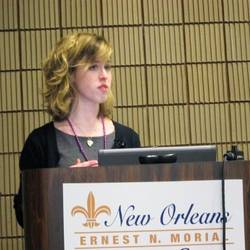
A total of 100 delirium assessments were performed in the 54 patients, whose average age was 77 years; 40% were male.
In all, 83 tests were negative for delirium and 17 were positive. There was one false-negative test and 8 false-positive results, of which seven were in patients considered in sub-syndromal delirium based on a DRS-R-98 score of 8-14, Ms. Gavinski reported.
Thus, sensitivity was 90% and specificity 91%.
Positive DRS-R-98 screens were significantly correlated with positive DOSS screens for delirium, she said.
Senior author and colleague Dr. Michelle Weckmann, also of the University of Iowa, said that the DOSS is not designed to be used by physicians but appears to be a powerful tool in the hands of nurses.
"Routine implementation of the DOSS on hospital units has the potential to increase identification of delirium with minimal use of hospital resources, and improved identification of delirium has the potential to significantly improve patient care and outcomes," she said in an interview.
E-mail surveys from 98 adult-unit nurses revealed that 87% were confident performing the DOSS and 91% said that they could complete it in less than 3 minutes.
Only about 30% of the nurses, however, agreed or strongly agreed that the DOSS provided valuable information for the treatment of their patients or enhanced patient care, Ms. Gavinski said.
"The biggest thing nursing staff called for was additional education," she said. "They understood how to do it and that they would get a positive result for delirium, but didn’t know what to do with that result."
As a result of the study, the DOSS has been integrated into all adult units, and about 98% of patients over the age of 64 are now being screened with the DOSS at least once during their hospitalization. A delirium order set also was developed to address the question of what to do next if a screen is positive. Future research will evaluate whether delirium screening with the DOSS improves the outcomes of patients who test positive, Ms. Gavinski said.
During a discussion of the study, she noted that the 2 a.m. and 2 p.m. screening times used in the study were selected arbitrarily and that the test can be completed whenever nurses interact with their patients. Also, the DOSS does not specifically measure delirium severity, whereas the DRS-R-98 has 13 severity items and 3 diagnostic items.
Ms. Gavinski and her coauthors reported no relevant disclosures.
NEW ORLEANS – The Delirium Observation Screening Scale is easy, fast, and accurate when performed by a bedside nurse in elderly hospitalized patients, according to results of a validation study.
The purely observational screening tool requires no cognitive testing or additional education for nursing staff and typically takes 2-3 minutes to complete, Katie Gavinski, a medical student at the University of Iowa, Iowa City, said at the annual meeting of the American Academy of Hospice and Palliative Medicine.
The DOSS includes 13 yes/no questions, such as whether the patient maintains attention to a conversation or action or knows which part of the day it is. A score of 15 or more is considered positive for delirium. The DOSS was developed and validated in the Netherlands but had not been validated in the United States in an elderly patient population, she said.
To accomplish this, the investigators compared results in the medical records of 54 elderly patients in a general medicine inpatient unit from twice-daily screening with the DOSS and those prospectively obtained using the 16-item, clinician-rated Delirium Rating Scale-Revised-98 (DRS-R-98).
A total of 100 delirium assessments were performed in the 54 patients, whose average age was 77 years; 40% were male.
In all, 83 tests were negative for delirium and 17 were positive. There was one false-negative test and 8 false-positive results, of which seven were in patients considered in sub-syndromal delirium based on a DRS-R-98 score of 8-14, Ms. Gavinski reported.
Thus, sensitivity was 90% and specificity 91%.
Positive DRS-R-98 screens were significantly correlated with positive DOSS screens for delirium, she said.
Senior author and colleague Dr. Michelle Weckmann, also of the University of Iowa, said that the DOSS is not designed to be used by physicians but appears to be a powerful tool in the hands of nurses.
"Routine implementation of the DOSS on hospital units has the potential to increase identification of delirium with minimal use of hospital resources, and improved identification of delirium has the potential to significantly improve patient care and outcomes," she said in an interview.
E-mail surveys from 98 adult-unit nurses revealed that 87% were confident performing the DOSS and 91% said that they could complete it in less than 3 minutes.
Only about 30% of the nurses, however, agreed or strongly agreed that the DOSS provided valuable information for the treatment of their patients or enhanced patient care, Ms. Gavinski said.
"The biggest thing nursing staff called for was additional education," she said. "They understood how to do it and that they would get a positive result for delirium, but didn’t know what to do with that result."
As a result of the study, the DOSS has been integrated into all adult units, and about 98% of patients over the age of 64 are now being screened with the DOSS at least once during their hospitalization. A delirium order set also was developed to address the question of what to do next if a screen is positive. Future research will evaluate whether delirium screening with the DOSS improves the outcomes of patients who test positive, Ms. Gavinski said.
During a discussion of the study, she noted that the 2 a.m. and 2 p.m. screening times used in the study were selected arbitrarily and that the test can be completed whenever nurses interact with their patients. Also, the DOSS does not specifically measure delirium severity, whereas the DRS-R-98 has 13 severity items and 3 diagnostic items.
Ms. Gavinski and her coauthors reported no relevant disclosures.
NEW ORLEANS – The Delirium Observation Screening Scale is easy, fast, and accurate when performed by a bedside nurse in elderly hospitalized patients, according to results of a validation study.
The purely observational screening tool requires no cognitive testing or additional education for nursing staff and typically takes 2-3 minutes to complete, Katie Gavinski, a medical student at the University of Iowa, Iowa City, said at the annual meeting of the American Academy of Hospice and Palliative Medicine.
The DOSS includes 13 yes/no questions, such as whether the patient maintains attention to a conversation or action or knows which part of the day it is. A score of 15 or more is considered positive for delirium. The DOSS was developed and validated in the Netherlands but had not been validated in the United States in an elderly patient population, she said.
To accomplish this, the investigators compared results in the medical records of 54 elderly patients in a general medicine inpatient unit from twice-daily screening with the DOSS and those prospectively obtained using the 16-item, clinician-rated Delirium Rating Scale-Revised-98 (DRS-R-98).
A total of 100 delirium assessments were performed in the 54 patients, whose average age was 77 years; 40% were male.
In all, 83 tests were negative for delirium and 17 were positive. There was one false-negative test and 8 false-positive results, of which seven were in patients considered in sub-syndromal delirium based on a DRS-R-98 score of 8-14, Ms. Gavinski reported.
Thus, sensitivity was 90% and specificity 91%.
Positive DRS-R-98 screens were significantly correlated with positive DOSS screens for delirium, she said.
Senior author and colleague Dr. Michelle Weckmann, also of the University of Iowa, said that the DOSS is not designed to be used by physicians but appears to be a powerful tool in the hands of nurses.
"Routine implementation of the DOSS on hospital units has the potential to increase identification of delirium with minimal use of hospital resources, and improved identification of delirium has the potential to significantly improve patient care and outcomes," she said in an interview.
E-mail surveys from 98 adult-unit nurses revealed that 87% were confident performing the DOSS and 91% said that they could complete it in less than 3 minutes.
Only about 30% of the nurses, however, agreed or strongly agreed that the DOSS provided valuable information for the treatment of their patients or enhanced patient care, Ms. Gavinski said.
"The biggest thing nursing staff called for was additional education," she said. "They understood how to do it and that they would get a positive result for delirium, but didn’t know what to do with that result."
As a result of the study, the DOSS has been integrated into all adult units, and about 98% of patients over the age of 64 are now being screened with the DOSS at least once during their hospitalization. A delirium order set also was developed to address the question of what to do next if a screen is positive. Future research will evaluate whether delirium screening with the DOSS improves the outcomes of patients who test positive, Ms. Gavinski said.
During a discussion of the study, she noted that the 2 a.m. and 2 p.m. screening times used in the study were selected arbitrarily and that the test can be completed whenever nurses interact with their patients. Also, the DOSS does not specifically measure delirium severity, whereas the DRS-R-98 has 13 severity items and 3 diagnostic items.
Ms. Gavinski and her coauthors reported no relevant disclosures.
Major finding: The DOSS had a sensitivity of 90% and specificity of 91%.
Data source: Prospective validation study in 54 elderly hospitalized patients.
Disclosures: Ms. Gavinski and her coauthors reported no relevant disclosures.
New stroke guidelines stress rtPA
Expanded use of clot-busting therapy is strongly endorsed for patients with acute ischemic stroke, while mechanical thrombectomy devices garner only lukewarm support in updated acute ischemic stroke guidelines from the American Heart Association and the American Stroke Association.
The "door-to-needle time" for intravenous administration of recombinant tissue plasminogen activator (rtPA) should be within 60 minutes from hospital arrival, according to a new class I, evidence level A recommendation.
Clinicians are advised to consider a noncontrast brain CT or MRI and a series of blood tests in all patients with suspected ischemic stroke before administering rtPA, but ultimately, the guidelines state that, "The only laboratory result required in all patients before fibrinolytics therapy is initiated is a glucose determination; use of finger-stick measurement devices is acceptable"(Stroke 2013 [doi:10.1161/STR.0b013e318284056a]).
The treatment window for rtPA therapy is also extended from 3 hours to 4.5 hours after stroke onset – as recommended in the AHA/ASA 2009 update on the extended time window for administration of fibrinolytic agents (Stroke 2009;40:2945-8).
"It’s clear that time is brain," lead guideline author Dr. Edward Jauch, director of emergency medicine at the Medical University of South Carolina in Charleston, said in an interview. "We are making a much greater emphasis that patients should be evaluated as quickly as possible and get treated as quickly as possible to give them the maximum opportunity for benefit."
Dr. Jauch acknowledges that the recommendations could reignite the long-standing controversy over the use of rtPA in stroke patients, particularly in light of the Food and Drug Administration’s recent decision not to expand approval of rtPA to include treatment up to 4.5 hours, as the European Medicines Agency has done.
"The FDA makes decisions largely based on American data, and we make guidelines based on all available data," he said, noting that safety data were also obtained from Genentech, maker of the rtPA activase (Alteplase).
Two European trials – the third International Stroke Trial (Lancet 2012;379:2352-63) and a British meta-analysis (Lancet 2012;379:2364-72) – reported last year that rtPA therapy within 6 hours of symptom onset increased the proportion of people who were alive and independent on follow-up.
Dr. Patrick Lyden, director of the stroke program at Cedars-Sinai Medical Center in Los Angeles, said reducing the battery of blood tests prior to rtPA administration is particularly important and pointed out that when the FDA first approved rtPA to treat stroke on the basis of a National Institutes of Health study, it "took the research protocol and turned it into a package insert.
"It’s taken the intervening 16 years for people to do studies and realize that you don’t need to do all the things in the package insert," he said. "So the American Heart Association, for the first time, is endorsing a much more practical, a much more optimal use of tPA for stroke."
The arrival of new classes of anticoagulants has prompted the AHA/ASA to add a new recommendation that the use of intravenous or intra-arterial rtPA in patients taking direct thrombin inhibitors like dabigatran (Pradaxa) or direct factor Xa inhibitors like rivaroxaban (Xarelto) "may be harmful" and is not recommended unless specialized testing is normal, or the patient has been off the drug for more than 2 days.
"I think that’s overreaching; I don’t think the data support that," said Dr. Lyden, who was not a member of the guidelines writing committee. He added that his team has had "no safety issues whatsoever" when administering the anticoagulant argatroban in patients on rtPA.
Dr. Jauch counters that data are lacking to support the safety of rtPA in patients on the new anticoagulants. Common blood tests – such as the international normalized ratio used for warfarin – do not register the anticoagulant effects of these drugs and reversal strategies are not yet known.
"As a community, we have a ways to go to figure out the optimal way to manage stroke in patients who come in on these drugs," he said.
When mechanical thrombectomy is pursued, stent retrievers are generally preferred to coil retrievers. The guidelines acknowledge that the Merci embolus retrieval system, Penumbra System, Solitaire FR, and TREVO thrombectomy devices "can be useful" in achieving recanalization alone or in combination with fibrinolytics in carefully selected patients, but that "their ability to improve patient outcomes has not been established" and continued study in randomized trials is warranted.
While these devices can restore blood flow very quickly, part of the problem in evaluating them is that the time from when the patient develops their stroke to when they get to the catheterization lab continues to increase, Dr. Jauch said.
"One of the challenges we have is, yes, we have a great device and if you happen to have your stroke on the cath table, you’re in great luck," he said.
"But if you transfer multiple times or there’s a delay in getting the patient evaluated sufficiently, then it diminishes the chance of getting a good outcome."
If feasible, patients should be transported to the closest available certified primary care stroke center or comprehensive stroke center, which in some cases may involve air transport or hospital bypass.
An estimated 40% of Americans, however, live in remote or rural areas without direct access to a comprehensive stroke center. For these patients, the updated guidelines emphasize the use of telemedicine to extend expert stroke care and optimize the use of intravenous rtPA, said guideline coauthor Dr. Bart M. Demaerschalk, professor of neurology at Mayo Clinic in Phoenix, which serves as a hub for 12 hospitals across Arizona with limited or no neurologic support.
"Even if air transport is available, the patients generally arrive when the respective treatment window is already closed," he said. "So telemedicine often means the difference between no treatment whatsoever, which is the usual case, and treatment."
The guidelines recommend tele-radiology systems approved by the FDA or "an equivalent organization" for sites without in-house imaging expertise for prompt review of brain CT and MRI scans in patients with suspected acute stroke.
Many guidelines committee members had financial ties with drug manufacturers and device makers.
Carotid endarterectomy is the most commonly performed open arterial procedure in the US and the most effective treatment available for appropriate stroke/TIA patients. It is accepted, however, that extracranial arterial disease accounts for less than half of all stroke/TIA patients. Three stories in this month's issue dealing with stroke and TIA and their accompanying comments by our editors underscore the need for all treating doctors, including vascular surgeons, to be alert for nonextracranial causes of neuro-ischemic events, both acute and chronic. Likewise, a proper work-up should not overlook evaluation of the cervical extracranial arteries which could deny the effectiveness of CEA to those who stand to benefit from it.
Dr. George Andros is Medical Editor of Vascular Specialist.
Carotid endarterectomy is the most commonly performed open arterial procedure in the US and the most effective treatment available for appropriate stroke/TIA patients. It is accepted, however, that extracranial arterial disease accounts for less than half of all stroke/TIA patients. Three stories in this month's issue dealing with stroke and TIA and their accompanying comments by our editors underscore the need for all treating doctors, including vascular surgeons, to be alert for nonextracranial causes of neuro-ischemic events, both acute and chronic. Likewise, a proper work-up should not overlook evaluation of the cervical extracranial arteries which could deny the effectiveness of CEA to those who stand to benefit from it.
Dr. George Andros is Medical Editor of Vascular Specialist.
Carotid endarterectomy is the most commonly performed open arterial procedure in the US and the most effective treatment available for appropriate stroke/TIA patients. It is accepted, however, that extracranial arterial disease accounts for less than half of all stroke/TIA patients. Three stories in this month's issue dealing with stroke and TIA and their accompanying comments by our editors underscore the need for all treating doctors, including vascular surgeons, to be alert for nonextracranial causes of neuro-ischemic events, both acute and chronic. Likewise, a proper work-up should not overlook evaluation of the cervical extracranial arteries which could deny the effectiveness of CEA to those who stand to benefit from it.
Dr. George Andros is Medical Editor of Vascular Specialist.
Expanded use of clot-busting therapy is strongly endorsed for patients with acute ischemic stroke, while mechanical thrombectomy devices garner only lukewarm support in updated acute ischemic stroke guidelines from the American Heart Association and the American Stroke Association.
The "door-to-needle time" for intravenous administration of recombinant tissue plasminogen activator (rtPA) should be within 60 minutes from hospital arrival, according to a new class I, evidence level A recommendation.
Clinicians are advised to consider a noncontrast brain CT or MRI and a series of blood tests in all patients with suspected ischemic stroke before administering rtPA, but ultimately, the guidelines state that, "The only laboratory result required in all patients before fibrinolytics therapy is initiated is a glucose determination; use of finger-stick measurement devices is acceptable"(Stroke 2013 [doi:10.1161/STR.0b013e318284056a]).
The treatment window for rtPA therapy is also extended from 3 hours to 4.5 hours after stroke onset – as recommended in the AHA/ASA 2009 update on the extended time window for administration of fibrinolytic agents (Stroke 2009;40:2945-8).
"It’s clear that time is brain," lead guideline author Dr. Edward Jauch, director of emergency medicine at the Medical University of South Carolina in Charleston, said in an interview. "We are making a much greater emphasis that patients should be evaluated as quickly as possible and get treated as quickly as possible to give them the maximum opportunity for benefit."
Dr. Jauch acknowledges that the recommendations could reignite the long-standing controversy over the use of rtPA in stroke patients, particularly in light of the Food and Drug Administration’s recent decision not to expand approval of rtPA to include treatment up to 4.5 hours, as the European Medicines Agency has done.
"The FDA makes decisions largely based on American data, and we make guidelines based on all available data," he said, noting that safety data were also obtained from Genentech, maker of the rtPA activase (Alteplase).
Two European trials – the third International Stroke Trial (Lancet 2012;379:2352-63) and a British meta-analysis (Lancet 2012;379:2364-72) – reported last year that rtPA therapy within 6 hours of symptom onset increased the proportion of people who were alive and independent on follow-up.
Dr. Patrick Lyden, director of the stroke program at Cedars-Sinai Medical Center in Los Angeles, said reducing the battery of blood tests prior to rtPA administration is particularly important and pointed out that when the FDA first approved rtPA to treat stroke on the basis of a National Institutes of Health study, it "took the research protocol and turned it into a package insert.
"It’s taken the intervening 16 years for people to do studies and realize that you don’t need to do all the things in the package insert," he said. "So the American Heart Association, for the first time, is endorsing a much more practical, a much more optimal use of tPA for stroke."
The arrival of new classes of anticoagulants has prompted the AHA/ASA to add a new recommendation that the use of intravenous or intra-arterial rtPA in patients taking direct thrombin inhibitors like dabigatran (Pradaxa) or direct factor Xa inhibitors like rivaroxaban (Xarelto) "may be harmful" and is not recommended unless specialized testing is normal, or the patient has been off the drug for more than 2 days.
"I think that’s overreaching; I don’t think the data support that," said Dr. Lyden, who was not a member of the guidelines writing committee. He added that his team has had "no safety issues whatsoever" when administering the anticoagulant argatroban in patients on rtPA.
Dr. Jauch counters that data are lacking to support the safety of rtPA in patients on the new anticoagulants. Common blood tests – such as the international normalized ratio used for warfarin – do not register the anticoagulant effects of these drugs and reversal strategies are not yet known.
"As a community, we have a ways to go to figure out the optimal way to manage stroke in patients who come in on these drugs," he said.
When mechanical thrombectomy is pursued, stent retrievers are generally preferred to coil retrievers. The guidelines acknowledge that the Merci embolus retrieval system, Penumbra System, Solitaire FR, and TREVO thrombectomy devices "can be useful" in achieving recanalization alone or in combination with fibrinolytics in carefully selected patients, but that "their ability to improve patient outcomes has not been established" and continued study in randomized trials is warranted.
While these devices can restore blood flow very quickly, part of the problem in evaluating them is that the time from when the patient develops their stroke to when they get to the catheterization lab continues to increase, Dr. Jauch said.
"One of the challenges we have is, yes, we have a great device and if you happen to have your stroke on the cath table, you’re in great luck," he said.
"But if you transfer multiple times or there’s a delay in getting the patient evaluated sufficiently, then it diminishes the chance of getting a good outcome."
If feasible, patients should be transported to the closest available certified primary care stroke center or comprehensive stroke center, which in some cases may involve air transport or hospital bypass.
An estimated 40% of Americans, however, live in remote or rural areas without direct access to a comprehensive stroke center. For these patients, the updated guidelines emphasize the use of telemedicine to extend expert stroke care and optimize the use of intravenous rtPA, said guideline coauthor Dr. Bart M. Demaerschalk, professor of neurology at Mayo Clinic in Phoenix, which serves as a hub for 12 hospitals across Arizona with limited or no neurologic support.
"Even if air transport is available, the patients generally arrive when the respective treatment window is already closed," he said. "So telemedicine often means the difference between no treatment whatsoever, which is the usual case, and treatment."
The guidelines recommend tele-radiology systems approved by the FDA or "an equivalent organization" for sites without in-house imaging expertise for prompt review of brain CT and MRI scans in patients with suspected acute stroke.
Many guidelines committee members had financial ties with drug manufacturers and device makers.
Expanded use of clot-busting therapy is strongly endorsed for patients with acute ischemic stroke, while mechanical thrombectomy devices garner only lukewarm support in updated acute ischemic stroke guidelines from the American Heart Association and the American Stroke Association.
The "door-to-needle time" for intravenous administration of recombinant tissue plasminogen activator (rtPA) should be within 60 minutes from hospital arrival, according to a new class I, evidence level A recommendation.
Clinicians are advised to consider a noncontrast brain CT or MRI and a series of blood tests in all patients with suspected ischemic stroke before administering rtPA, but ultimately, the guidelines state that, "The only laboratory result required in all patients before fibrinolytics therapy is initiated is a glucose determination; use of finger-stick measurement devices is acceptable"(Stroke 2013 [doi:10.1161/STR.0b013e318284056a]).
The treatment window for rtPA therapy is also extended from 3 hours to 4.5 hours after stroke onset – as recommended in the AHA/ASA 2009 update on the extended time window for administration of fibrinolytic agents (Stroke 2009;40:2945-8).
"It’s clear that time is brain," lead guideline author Dr. Edward Jauch, director of emergency medicine at the Medical University of South Carolina in Charleston, said in an interview. "We are making a much greater emphasis that patients should be evaluated as quickly as possible and get treated as quickly as possible to give them the maximum opportunity for benefit."
Dr. Jauch acknowledges that the recommendations could reignite the long-standing controversy over the use of rtPA in stroke patients, particularly in light of the Food and Drug Administration’s recent decision not to expand approval of rtPA to include treatment up to 4.5 hours, as the European Medicines Agency has done.
"The FDA makes decisions largely based on American data, and we make guidelines based on all available data," he said, noting that safety data were also obtained from Genentech, maker of the rtPA activase (Alteplase).
Two European trials – the third International Stroke Trial (Lancet 2012;379:2352-63) and a British meta-analysis (Lancet 2012;379:2364-72) – reported last year that rtPA therapy within 6 hours of symptom onset increased the proportion of people who were alive and independent on follow-up.
Dr. Patrick Lyden, director of the stroke program at Cedars-Sinai Medical Center in Los Angeles, said reducing the battery of blood tests prior to rtPA administration is particularly important and pointed out that when the FDA first approved rtPA to treat stroke on the basis of a National Institutes of Health study, it "took the research protocol and turned it into a package insert.
"It’s taken the intervening 16 years for people to do studies and realize that you don’t need to do all the things in the package insert," he said. "So the American Heart Association, for the first time, is endorsing a much more practical, a much more optimal use of tPA for stroke."
The arrival of new classes of anticoagulants has prompted the AHA/ASA to add a new recommendation that the use of intravenous or intra-arterial rtPA in patients taking direct thrombin inhibitors like dabigatran (Pradaxa) or direct factor Xa inhibitors like rivaroxaban (Xarelto) "may be harmful" and is not recommended unless specialized testing is normal, or the patient has been off the drug for more than 2 days.
"I think that’s overreaching; I don’t think the data support that," said Dr. Lyden, who was not a member of the guidelines writing committee. He added that his team has had "no safety issues whatsoever" when administering the anticoagulant argatroban in patients on rtPA.
Dr. Jauch counters that data are lacking to support the safety of rtPA in patients on the new anticoagulants. Common blood tests – such as the international normalized ratio used for warfarin – do not register the anticoagulant effects of these drugs and reversal strategies are not yet known.
"As a community, we have a ways to go to figure out the optimal way to manage stroke in patients who come in on these drugs," he said.
When mechanical thrombectomy is pursued, stent retrievers are generally preferred to coil retrievers. The guidelines acknowledge that the Merci embolus retrieval system, Penumbra System, Solitaire FR, and TREVO thrombectomy devices "can be useful" in achieving recanalization alone or in combination with fibrinolytics in carefully selected patients, but that "their ability to improve patient outcomes has not been established" and continued study in randomized trials is warranted.
While these devices can restore blood flow very quickly, part of the problem in evaluating them is that the time from when the patient develops their stroke to when they get to the catheterization lab continues to increase, Dr. Jauch said.
"One of the challenges we have is, yes, we have a great device and if you happen to have your stroke on the cath table, you’re in great luck," he said.
"But if you transfer multiple times or there’s a delay in getting the patient evaluated sufficiently, then it diminishes the chance of getting a good outcome."
If feasible, patients should be transported to the closest available certified primary care stroke center or comprehensive stroke center, which in some cases may involve air transport or hospital bypass.
An estimated 40% of Americans, however, live in remote or rural areas without direct access to a comprehensive stroke center. For these patients, the updated guidelines emphasize the use of telemedicine to extend expert stroke care and optimize the use of intravenous rtPA, said guideline coauthor Dr. Bart M. Demaerschalk, professor of neurology at Mayo Clinic in Phoenix, which serves as a hub for 12 hospitals across Arizona with limited or no neurologic support.
"Even if air transport is available, the patients generally arrive when the respective treatment window is already closed," he said. "So telemedicine often means the difference between no treatment whatsoever, which is the usual case, and treatment."
The guidelines recommend tele-radiology systems approved by the FDA or "an equivalent organization" for sites without in-house imaging expertise for prompt review of brain CT and MRI scans in patients with suspected acute stroke.
Many guidelines committee members had financial ties with drug manufacturers and device makers.
Omitting NRTIs safe with optimized HIV regimen
ATLANTA – Nucleoside reverse transcriptase inhibitors can be safely omitted when switching patients from a failing HIV regimen to an optimized regimen with more than two active agents, according to data from the OPTIONS trial.
"We don’t need to hang on to this older class of medications that we’ve grown to be very comfortable with, but [that] add pill burden, add toxicity, add costs," Dr. Karen Tashima said during a press briefing at the Conference on Retroviruses and Opportunistic Infections.

Nucleoside reverse transcriptase inhibitors (NRTIs) have been used to boost antiviral efficacy when constructing antiretroviral (ARV) regimens for patients with virologic failure. But questions have arisen about their role as newer, more potent agents have become available and long-term NRTI toxicities and resistance have become more apparent.
To explore this issue, the AIDS Clinical Trials Group (ACTG) OPTIONS (Optimized Treatment that Includes or Omits NRTIs) study enrolled 360 patients who had an HIV viral load of at least 1,000 copies/mL, were on a protease inhibitor–containing regimen, and had exposure or resistance to NRTIs and nonnucleoside reverse transcriptase inhibitors (NNRTIs).
Guided by resistance and tropism testing, the investigators created individualized regimens from among 20 potential three- and four-drug combinations containing more than two active drugs, defined by a continuous phenotypic susceptibility score (cPSS) of more than 2. Patients were then randomized to open-label treatment with or without an NRTI.
At baseline, patients had an average CD4 count of 200 cells/mm3 and a mean HIV viral load of 4.2 log10 copies/mL, and had been on antiretrovirals for an average of 11 years.
The most common regimen (56%) was raltegravir (Isentress), darunavir/ritonavir (Prezista), and the NNRTI etravirine (Intelence), said Dr. Tashima, associate director of the Brown University AIDS program in Providence, R.I.
After randomization, the most commonly selected NRTIs were tenofovir disoproxil fumarate/emtricitabine (Truvada) (82%) and tenofovir/emtricitabine/zidovudine (Retrovir) (12%), according to the late-breaking abstract.
At 1 year, regimen failure was not more likely among those omitting NRTIs versus adding NRTIs to an optimized new regimen (30% vs. 26%), Dr. Tashima reported. Virologic failure occurred in 25% of patients in both groups.
The primary safety end point – time to initial episode of severe signs/symptoms or laboratory abnormality prior to discontinuation of NRTI assignment – was also similar between arms (P = .93).
However, there were six deaths during follow-up among patients randomized to receive NRTIs, compared with none among the omit-NRTI patients. The causes of death were heart failure, Listeria meningitis, renal failure, sepsis, progressive multifocal leukoencephalopathy, and intra-abdominal bleeding. In two cases, the investigators could not rule out a relationship to the study treatment, she said.
Treatment-experienced patients can develop resistance to therapy due to poor adherence, said Dr. Richard Haubrich, study cochair and professor of medicine at the University of California, San Diego. Designing an antiretroviral regimen using new drugs from new classes and omitting NRTIs would lead to fewer pills and, hopefully, better adherence, he said.
"Until now, most clinicians accepted that nucleosides would be an important component for multiple-class–experienced patients," Dr. Haubrich noted. "However, our results are very clear: We can safely exclude NRTIs, giving physicians a new paradigm for ART prescription in clinic and potentially changing treatment guidelines."
That potential impact on practice was apparent among some meeting attendees.
"The term ‘game-changer’ has been thrown around a lot at this conference; this is a game-changer," noted Dr. Andrew Zolopa, infectious disease professor at Stanford (Calif.) University, during the discussion period. "For many of our patients in our practices, we’ve been recycling nukes. It looks quite convincing that we don’t have to do that, at least for patients like the ones in this study with a PSS [genotypic susceptibility score]" greater than 2.
For patients with a PSS less than 2, Dr. Tashima noted, NRTIs were added to their regimen, and that follow-up is continuing.
The results are interesting, but they may be applicable only in rich countries, cautioned Dr. Jintanat Ananworanich, who comoderated the session and is deputy director of the HIV Netherlands Australia Thailand Research Collaboration (HIV-NAT) in Bangkok.
"The drugs used in this study are not available in any resource-limited setting," she said in an interview. "So, we would not be able to do this, and we would continue to use NRTIs.
"In terms of reduced cost, an NRTI costs much, much less than any of the drugs used in the OPTIONS study," she added, "and we have shown in Thailand that recycling NRTI with one or two active drugs works very well."
The National Institute of Allergy and Infectious Diseases funded the study. The study drugs were supplied by Merck, Janssen, Pfizer, Hoffmann-La Roche, and Boehringer Ingelheim. Monogram Biosciences provided resistance and tropism testing. Dr. Tashima reported honoraria from Gilead Sciences.
ATLANTA – Nucleoside reverse transcriptase inhibitors can be safely omitted when switching patients from a failing HIV regimen to an optimized regimen with more than two active agents, according to data from the OPTIONS trial.
"We don’t need to hang on to this older class of medications that we’ve grown to be very comfortable with, but [that] add pill burden, add toxicity, add costs," Dr. Karen Tashima said during a press briefing at the Conference on Retroviruses and Opportunistic Infections.
Nucleoside reverse transcriptase inhibitors (NRTIs) have been used to boost antiviral efficacy when constructing antiretroviral (ARV) regimens for patients with virologic failure. But questions have arisen about their role as newer, more potent agents have become available and long-term NRTI toxicities and resistance have become more apparent.
To explore this issue, the AIDS Clinical Trials Group (ACTG) OPTIONS (Optimized Treatment that Includes or Omits NRTIs) study enrolled 360 patients who had an HIV viral load of at least 1,000 copies/mL, were on a protease inhibitor–containing regimen, and had exposure or resistance to NRTIs and nonnucleoside reverse transcriptase inhibitors (NNRTIs).
Guided by resistance and tropism testing, the investigators created individualized regimens from among 20 potential three- and four-drug combinations containing more than two active drugs, defined by a continuous phenotypic susceptibility score (cPSS) of more than 2. Patients were then randomized to open-label treatment with or without an NRTI.
At baseline, patients had an average CD4 count of 200 cells/mm3 and a mean HIV viral load of 4.2 log10 copies/mL, and had been on antiretrovirals for an average of 11 years.
The most common regimen (56%) was raltegravir (Isentress), darunavir/ritonavir (Prezista), and the NNRTI etravirine (Intelence), said Dr. Tashima, associate director of the Brown University AIDS program in Providence, R.I.
After randomization, the most commonly selected NRTIs were tenofovir disoproxil fumarate/emtricitabine (Truvada) (82%) and tenofovir/emtricitabine/zidovudine (Retrovir) (12%), according to the late-breaking abstract.
At 1 year, regimen failure was not more likely among those omitting NRTIs versus adding NRTIs to an optimized new regimen (30% vs. 26%), Dr. Tashima reported. Virologic failure occurred in 25% of patients in both groups.
The primary safety end point – time to initial episode of severe signs/symptoms or laboratory abnormality prior to discontinuation of NRTI assignment – was also similar between arms (P = .93).
However, there were six deaths during follow-up among patients randomized to receive NRTIs, compared with none among the omit-NRTI patients. The causes of death were heart failure, Listeria meningitis, renal failure, sepsis, progressive multifocal leukoencephalopathy, and intra-abdominal bleeding. In two cases, the investigators could not rule out a relationship to the study treatment, she said.
Treatment-experienced patients can develop resistance to therapy due to poor adherence, said Dr. Richard Haubrich, study cochair and professor of medicine at the University of California, San Diego. Designing an antiretroviral regimen using new drugs from new classes and omitting NRTIs would lead to fewer pills and, hopefully, better adherence, he said.
"Until now, most clinicians accepted that nucleosides would be an important component for multiple-class–experienced patients," Dr. Haubrich noted. "However, our results are very clear: We can safely exclude NRTIs, giving physicians a new paradigm for ART prescription in clinic and potentially changing treatment guidelines."
That potential impact on practice was apparent among some meeting attendees.
"The term ‘game-changer’ has been thrown around a lot at this conference; this is a game-changer," noted Dr. Andrew Zolopa, infectious disease professor at Stanford (Calif.) University, during the discussion period. "For many of our patients in our practices, we’ve been recycling nukes. It looks quite convincing that we don’t have to do that, at least for patients like the ones in this study with a PSS [genotypic susceptibility score]" greater than 2.
For patients with a PSS less than 2, Dr. Tashima noted, NRTIs were added to their regimen, and that follow-up is continuing.
The results are interesting, but they may be applicable only in rich countries, cautioned Dr. Jintanat Ananworanich, who comoderated the session and is deputy director of the HIV Netherlands Australia Thailand Research Collaboration (HIV-NAT) in Bangkok.
"The drugs used in this study are not available in any resource-limited setting," she said in an interview. "So, we would not be able to do this, and we would continue to use NRTIs.
"In terms of reduced cost, an NRTI costs much, much less than any of the drugs used in the OPTIONS study," she added, "and we have shown in Thailand that recycling NRTI with one or two active drugs works very well."
The National Institute of Allergy and Infectious Diseases funded the study. The study drugs were supplied by Merck, Janssen, Pfizer, Hoffmann-La Roche, and Boehringer Ingelheim. Monogram Biosciences provided resistance and tropism testing. Dr. Tashima reported honoraria from Gilead Sciences.
ATLANTA – Nucleoside reverse transcriptase inhibitors can be safely omitted when switching patients from a failing HIV regimen to an optimized regimen with more than two active agents, according to data from the OPTIONS trial.
"We don’t need to hang on to this older class of medications that we’ve grown to be very comfortable with, but [that] add pill burden, add toxicity, add costs," Dr. Karen Tashima said during a press briefing at the Conference on Retroviruses and Opportunistic Infections.
Nucleoside reverse transcriptase inhibitors (NRTIs) have been used to boost antiviral efficacy when constructing antiretroviral (ARV) regimens for patients with virologic failure. But questions have arisen about their role as newer, more potent agents have become available and long-term NRTI toxicities and resistance have become more apparent.
To explore this issue, the AIDS Clinical Trials Group (ACTG) OPTIONS (Optimized Treatment that Includes or Omits NRTIs) study enrolled 360 patients who had an HIV viral load of at least 1,000 copies/mL, were on a protease inhibitor–containing regimen, and had exposure or resistance to NRTIs and nonnucleoside reverse transcriptase inhibitors (NNRTIs).
Guided by resistance and tropism testing, the investigators created individualized regimens from among 20 potential three- and four-drug combinations containing more than two active drugs, defined by a continuous phenotypic susceptibility score (cPSS) of more than 2. Patients were then randomized to open-label treatment with or without an NRTI.
At baseline, patients had an average CD4 count of 200 cells/mm3 and a mean HIV viral load of 4.2 log10 copies/mL, and had been on antiretrovirals for an average of 11 years.
The most common regimen (56%) was raltegravir (Isentress), darunavir/ritonavir (Prezista), and the NNRTI etravirine (Intelence), said Dr. Tashima, associate director of the Brown University AIDS program in Providence, R.I.
After randomization, the most commonly selected NRTIs were tenofovir disoproxil fumarate/emtricitabine (Truvada) (82%) and tenofovir/emtricitabine/zidovudine (Retrovir) (12%), according to the late-breaking abstract.
At 1 year, regimen failure was not more likely among those omitting NRTIs versus adding NRTIs to an optimized new regimen (30% vs. 26%), Dr. Tashima reported. Virologic failure occurred in 25% of patients in both groups.
The primary safety end point – time to initial episode of severe signs/symptoms or laboratory abnormality prior to discontinuation of NRTI assignment – was also similar between arms (P = .93).
However, there were six deaths during follow-up among patients randomized to receive NRTIs, compared with none among the omit-NRTI patients. The causes of death were heart failure, Listeria meningitis, renal failure, sepsis, progressive multifocal leukoencephalopathy, and intra-abdominal bleeding. In two cases, the investigators could not rule out a relationship to the study treatment, she said.
Treatment-experienced patients can develop resistance to therapy due to poor adherence, said Dr. Richard Haubrich, study cochair and professor of medicine at the University of California, San Diego. Designing an antiretroviral regimen using new drugs from new classes and omitting NRTIs would lead to fewer pills and, hopefully, better adherence, he said.
"Until now, most clinicians accepted that nucleosides would be an important component for multiple-class–experienced patients," Dr. Haubrich noted. "However, our results are very clear: We can safely exclude NRTIs, giving physicians a new paradigm for ART prescription in clinic and potentially changing treatment guidelines."
That potential impact on practice was apparent among some meeting attendees.
"The term ‘game-changer’ has been thrown around a lot at this conference; this is a game-changer," noted Dr. Andrew Zolopa, infectious disease professor at Stanford (Calif.) University, during the discussion period. "For many of our patients in our practices, we’ve been recycling nukes. It looks quite convincing that we don’t have to do that, at least for patients like the ones in this study with a PSS [genotypic susceptibility score]" greater than 2.
For patients with a PSS less than 2, Dr. Tashima noted, NRTIs were added to their regimen, and that follow-up is continuing.
The results are interesting, but they may be applicable only in rich countries, cautioned Dr. Jintanat Ananworanich, who comoderated the session and is deputy director of the HIV Netherlands Australia Thailand Research Collaboration (HIV-NAT) in Bangkok.
"The drugs used in this study are not available in any resource-limited setting," she said in an interview. "So, we would not be able to do this, and we would continue to use NRTIs.
"In terms of reduced cost, an NRTI costs much, much less than any of the drugs used in the OPTIONS study," she added, "and we have shown in Thailand that recycling NRTI with one or two active drugs works very well."
The National Institute of Allergy and Infectious Diseases funded the study. The study drugs were supplied by Merck, Janssen, Pfizer, Hoffmann-La Roche, and Boehringer Ingelheim. Monogram Biosciences provided resistance and tropism testing. Dr. Tashima reported honoraria from Gilead Sciences.
AT CROI 2013
Major finding: At 1 year, regimen failure was reported in 30% of patients with NRTIs omitted from a new optimized antiretroviral regimen, and in 26% with NRTIs added to a new optimized antiretroviral regimen.
Data source: Prospective noninferiority trial in 360 HIV patients failing a protease inhibitor regimen.
Disclosures: The National Institute of Allergy and Infectious Diseases funded the study. The study drugs were supplied by Merck, Janssen, Pfizer, Hoffmann-La Roche, and Boehringer Ingelheim. Monogram Biosciences provided resistance and tropism testing. Dr. Tashima reported honoraria from Gilead Sciences.

New palliative care guidelines stress certification, diversity
NEW ORLEANS – New palliative care guidelines encourage discipline-specific certification for each of the major disciplines in a palliative care program, even for chaplaincy.
The guidelines are critical in raising the bar to guide the training of professionals and the development of programs, said Dr. Diane Meier, coleader of the National Consensus Project for Quality Palliative Care (NCP), which released the guidelines during the annual meeting of the American Academy of Hospice and Palliative Medicine.
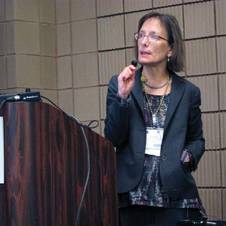
Since the guidelines’ last revision in 2009, the Accreditation Council for Graduate Medical Education recognized hospice and palliative medicine as a subspecialty of 11 different parent boards. That paved the way for the development of hospice and palliative medicine fellowships, now an eligibility requirement for the board certification exams.
This year, the Centers for Medicare and Medicaid Services also began implementing an annual quality reporting program for hospice organizations that includes a financial incentive for hospice provider participation. Data from roughly 600 hospitals are also filed with the Center to Advance Palliative Care (CAPC), which releases a report card on access to palliative care in U.S. hospitals.
"Right now it’s too early in the field to use it for public reporting or payment, but it’s not too early to use it to be able to say, ‘Look, here are the standards, and here’s how we compare in terms of staffing ratios to peer hospitals in our part of the country, and we aren’t even close,’ " Dr. Meier, CAPC director and professor of geriatrics and palliative medicine at Mount Sinai Hospital in New York, said in an interview.
In 2011, 46% of the roughly 2.5 million deaths in the United States were under the care of one of the nation’s more than 5,000 hospices, with data suggesting that costs during the last year of life are cut by an average of $2,309 per hospice user.
The new, third edition of the Clinical Practice Guidelines for Quality Palliative Care, endorsed by some 50 organizations, emphasizes the need to deliver palliative care from the time of diagnosis, through an interdisciplinary team. Earlier editions of the guidelines were used as the basis for the National Quality Forum Framework and Preferred Practices for Quality Palliative Care, as well as the Joint Commission’s 2011 palliative care advanced certification.
Although hospice and palliative care at a 300-bed tertiary hospital will look substantially different than at a 40-bed community hospital, it must include all eight domains of care. It is not a physician and a half-time nurse doing pain consults, insists NCP coleader Betty Ferrell, Ph.D., R.N.
She observed that the social, cultural, and spiritual domains have undergone the biggest changes in the latest edition.
The social domain emphasizes the need to collaborate with patients and families to identify and capitalize on their strengths, and to use a social worker with patient population–specific skills in assessment and interventions. The cultural domain contains new content stressing the need for cultural and linguistic competence, including plain language, literacy, and delivering written materials in languages other than English. Translators also should be used for patients and families who do not speak or understand English, or for those who feel more comfortable communicating in another language.
"We really need to do a lot of this [work] because, if you look at our literature, you could say it’s kind of uni-perspective," Dr. Ferrell, a professor and research scientist at the City of Hope Medical Center in Los Angeles, acknowledged.
The spiritual domain was revised to include a definition of spirituality stressing assessment, access, and staff collaboration in attending to the spiritual, religious, and existential concerns throughout the illness trajectory.

"Chaplains may see a small minority of patients in the hospital; thus it’s important for all health care providers to address spiritual needs," she said.
The ethical and legal domain was reorganized into three sections to highlight the need for ongoing discussions about goals of care as well as greater communication and documentation of advance-care planning documents. The section also describes team competencies in the identification and resolution of ethical issues, and acknowledges the frequency and complexity of legal and regulatory issues in palliative care.
During a discussion of the guidelines, audience members said they’ve often been kept from doing the next step in care because of fear of legal reprisal. Only a dozen or so of the roughly 200 members in the audience, however, raised their hands when asked whether legal counsel had ever attended a palliative care meeting at their hospital.
"We’ve had ethics committees involved in palliative care; but we actually need more access to our legal counsel so we can feel safer and that we’re making consistent judgments," Dr. Ferrell said at the meeting, also sponsored by the Hospice and Palliative Nurses Association.
Finally, the domain previously called "Care of the imminently dying" was renamed "Care of the patient at the end of life." It highlights the need to meticulously assess and manage pain and other symptoms, to guide families about what to expect in the dying process, and to begin bereavement support before the actual death.
"Families need support, given that they have often never witnessed a death until faced with losing someone they love," she said. "The reality of death is very different from images on film and television."
The guidelines were sponsored by the American Academy of Hospice and Palliative Medicine, the Center to Advance Palliative Care, the Hospice and Palliative Nurses Association, the National Hospice and Palliative Care Organization, the National Association of Social Workers, and the National Palliative Care Research Center. Dr. Meier and Dr. Ferrell reported no relevant conflicts of interest.
NEW ORLEANS – New palliative care guidelines encourage discipline-specific certification for each of the major disciplines in a palliative care program, even for chaplaincy.
The guidelines are critical in raising the bar to guide the training of professionals and the development of programs, said Dr. Diane Meier, coleader of the National Consensus Project for Quality Palliative Care (NCP), which released the guidelines during the annual meeting of the American Academy of Hospice and Palliative Medicine.
Since the guidelines’ last revision in 2009, the Accreditation Council for Graduate Medical Education recognized hospice and palliative medicine as a subspecialty of 11 different parent boards. That paved the way for the development of hospice and palliative medicine fellowships, now an eligibility requirement for the board certification exams.
This year, the Centers for Medicare and Medicaid Services also began implementing an annual quality reporting program for hospice organizations that includes a financial incentive for hospice provider participation. Data from roughly 600 hospitals are also filed with the Center to Advance Palliative Care (CAPC), which releases a report card on access to palliative care in U.S. hospitals.
"Right now it’s too early in the field to use it for public reporting or payment, but it’s not too early to use it to be able to say, ‘Look, here are the standards, and here’s how we compare in terms of staffing ratios to peer hospitals in our part of the country, and we aren’t even close,’ " Dr. Meier, CAPC director and professor of geriatrics and palliative medicine at Mount Sinai Hospital in New York, said in an interview.
In 2011, 46% of the roughly 2.5 million deaths in the United States were under the care of one of the nation’s more than 5,000 hospices, with data suggesting that costs during the last year of life are cut by an average of $2,309 per hospice user.
The new, third edition of the Clinical Practice Guidelines for Quality Palliative Care, endorsed by some 50 organizations, emphasizes the need to deliver palliative care from the time of diagnosis, through an interdisciplinary team. Earlier editions of the guidelines were used as the basis for the National Quality Forum Framework and Preferred Practices for Quality Palliative Care, as well as the Joint Commission’s 2011 palliative care advanced certification.
Although hospice and palliative care at a 300-bed tertiary hospital will look substantially different than at a 40-bed community hospital, it must include all eight domains of care. It is not a physician and a half-time nurse doing pain consults, insists NCP coleader Betty Ferrell, Ph.D., R.N.
She observed that the social, cultural, and spiritual domains have undergone the biggest changes in the latest edition.
The social domain emphasizes the need to collaborate with patients and families to identify and capitalize on their strengths, and to use a social worker with patient population–specific skills in assessment and interventions. The cultural domain contains new content stressing the need for cultural and linguistic competence, including plain language, literacy, and delivering written materials in languages other than English. Translators also should be used for patients and families who do not speak or understand English, or for those who feel more comfortable communicating in another language.
"We really need to do a lot of this [work] because, if you look at our literature, you could say it’s kind of uni-perspective," Dr. Ferrell, a professor and research scientist at the City of Hope Medical Center in Los Angeles, acknowledged.
The spiritual domain was revised to include a definition of spirituality stressing assessment, access, and staff collaboration in attending to the spiritual, religious, and existential concerns throughout the illness trajectory.
"Chaplains may see a small minority of patients in the hospital; thus it’s important for all health care providers to address spiritual needs," she said.
The ethical and legal domain was reorganized into three sections to highlight the need for ongoing discussions about goals of care as well as greater communication and documentation of advance-care planning documents. The section also describes team competencies in the identification and resolution of ethical issues, and acknowledges the frequency and complexity of legal and regulatory issues in palliative care.
During a discussion of the guidelines, audience members said they’ve often been kept from doing the next step in care because of fear of legal reprisal. Only a dozen or so of the roughly 200 members in the audience, however, raised their hands when asked whether legal counsel had ever attended a palliative care meeting at their hospital.
"We’ve had ethics committees involved in palliative care; but we actually need more access to our legal counsel so we can feel safer and that we’re making consistent judgments," Dr. Ferrell said at the meeting, also sponsored by the Hospice and Palliative Nurses Association.
Finally, the domain previously called "Care of the imminently dying" was renamed "Care of the patient at the end of life." It highlights the need to meticulously assess and manage pain and other symptoms, to guide families about what to expect in the dying process, and to begin bereavement support before the actual death.
"Families need support, given that they have often never witnessed a death until faced with losing someone they love," she said. "The reality of death is very different from images on film and television."
The guidelines were sponsored by the American Academy of Hospice and Palliative Medicine, the Center to Advance Palliative Care, the Hospice and Palliative Nurses Association, the National Hospice and Palliative Care Organization, the National Association of Social Workers, and the National Palliative Care Research Center. Dr. Meier and Dr. Ferrell reported no relevant conflicts of interest.
NEW ORLEANS – New palliative care guidelines encourage discipline-specific certification for each of the major disciplines in a palliative care program, even for chaplaincy.
The guidelines are critical in raising the bar to guide the training of professionals and the development of programs, said Dr. Diane Meier, coleader of the National Consensus Project for Quality Palliative Care (NCP), which released the guidelines during the annual meeting of the American Academy of Hospice and Palliative Medicine.
Since the guidelines’ last revision in 2009, the Accreditation Council for Graduate Medical Education recognized hospice and palliative medicine as a subspecialty of 11 different parent boards. That paved the way for the development of hospice and palliative medicine fellowships, now an eligibility requirement for the board certification exams.
This year, the Centers for Medicare and Medicaid Services also began implementing an annual quality reporting program for hospice organizations that includes a financial incentive for hospice provider participation. Data from roughly 600 hospitals are also filed with the Center to Advance Palliative Care (CAPC), which releases a report card on access to palliative care in U.S. hospitals.
"Right now it’s too early in the field to use it for public reporting or payment, but it’s not too early to use it to be able to say, ‘Look, here are the standards, and here’s how we compare in terms of staffing ratios to peer hospitals in our part of the country, and we aren’t even close,’ " Dr. Meier, CAPC director and professor of geriatrics and palliative medicine at Mount Sinai Hospital in New York, said in an interview.
In 2011, 46% of the roughly 2.5 million deaths in the United States were under the care of one of the nation’s more than 5,000 hospices, with data suggesting that costs during the last year of life are cut by an average of $2,309 per hospice user.
The new, third edition of the Clinical Practice Guidelines for Quality Palliative Care, endorsed by some 50 organizations, emphasizes the need to deliver palliative care from the time of diagnosis, through an interdisciplinary team. Earlier editions of the guidelines were used as the basis for the National Quality Forum Framework and Preferred Practices for Quality Palliative Care, as well as the Joint Commission’s 2011 palliative care advanced certification.
Although hospice and palliative care at a 300-bed tertiary hospital will look substantially different than at a 40-bed community hospital, it must include all eight domains of care. It is not a physician and a half-time nurse doing pain consults, insists NCP coleader Betty Ferrell, Ph.D., R.N.
She observed that the social, cultural, and spiritual domains have undergone the biggest changes in the latest edition.
The social domain emphasizes the need to collaborate with patients and families to identify and capitalize on their strengths, and to use a social worker with patient population–specific skills in assessment and interventions. The cultural domain contains new content stressing the need for cultural and linguistic competence, including plain language, literacy, and delivering written materials in languages other than English. Translators also should be used for patients and families who do not speak or understand English, or for those who feel more comfortable communicating in another language.
"We really need to do a lot of this [work] because, if you look at our literature, you could say it’s kind of uni-perspective," Dr. Ferrell, a professor and research scientist at the City of Hope Medical Center in Los Angeles, acknowledged.
The spiritual domain was revised to include a definition of spirituality stressing assessment, access, and staff collaboration in attending to the spiritual, religious, and existential concerns throughout the illness trajectory.
"Chaplains may see a small minority of patients in the hospital; thus it’s important for all health care providers to address spiritual needs," she said.
The ethical and legal domain was reorganized into three sections to highlight the need for ongoing discussions about goals of care as well as greater communication and documentation of advance-care planning documents. The section also describes team competencies in the identification and resolution of ethical issues, and acknowledges the frequency and complexity of legal and regulatory issues in palliative care.
During a discussion of the guidelines, audience members said they’ve often been kept from doing the next step in care because of fear of legal reprisal. Only a dozen or so of the roughly 200 members in the audience, however, raised their hands when asked whether legal counsel had ever attended a palliative care meeting at their hospital.
"We’ve had ethics committees involved in palliative care; but we actually need more access to our legal counsel so we can feel safer and that we’re making consistent judgments," Dr. Ferrell said at the meeting, also sponsored by the Hospice and Palliative Nurses Association.
Finally, the domain previously called "Care of the imminently dying" was renamed "Care of the patient at the end of life." It highlights the need to meticulously assess and manage pain and other symptoms, to guide families about what to expect in the dying process, and to begin bereavement support before the actual death.
"Families need support, given that they have often never witnessed a death until faced with losing someone they love," she said. "The reality of death is very different from images on film and television."
The guidelines were sponsored by the American Academy of Hospice and Palliative Medicine, the Center to Advance Palliative Care, the Hospice and Palliative Nurses Association, the National Hospice and Palliative Care Organization, the National Association of Social Workers, and the National Palliative Care Research Center. Dr. Meier and Dr. Ferrell reported no relevant conflicts of interest.
AT THE AAHPM ANNUAL ASSEMBLY
Interferon-free regimen cures 100% of hard-to-treat hepatitis C
ATLANTA – Adding ledipasvir to sofosbuvir and ribavirin produced sustained virological responses 12 weeks after therapy in 100% of treatment-naive and prior nonresponder patients with chronic hepatitis C genotype 1 in the ELECTRON trial.
"Certainly adding a second direct-acting antiviral agent, ledipasvir, increases the efficacy of sofosbuvir plus ribavirin," Dr. Edward Gane said at the Conference on Retroviruses and Opportunistic Infections.
Three-quarters of the roughly 170 million people infected with hepatitis C virus (HCV) worldwide have genotype 1, the most difficult strain to treat.
Current treatment includes triple therapy with a protease inhibitor plus peginterferon and ribavirin for 24-48 weeks, but PI-based therapy is limited by complex dosing regimens, the potential for resistance, and lower responses in prior nonresponders, explained Dr. Gane of Auckland Clinical Studies in New Zealand.
The investigators hypothesized that combining two direct-acting antivirals with a different mechanism would enhance response.
At last year’s CROI meeting, Dr. Gane reported that treatment with the nucleotide NS5B inhibitor sofosbuvir (formerly known as GS-7977) and ribavirin alone led to early viral load suppression, but relapses within 4 weeks of stopping treatment resulted in 12-week posttreatment sustained virological response (SVR12) rates of 84% among treatment-naive patients and only 10% among previous interferon-based therapy null responders.
In the current arm of the trial, the NS5A inhibitor ledipasvir (formerly known as GS-5885) was added to sofosbuvir and weight-based ribavirin, all for 12 weeks, in 25 noncirrhotic treatment-naive and 9 null responders, defined by less than a 2-log reduction in HCV RNA after 12 weeks of peginterferon and ribavirin.
The majority of treatment-naive and null responders were genotype 1a (80% and 89%) and had high baseline HCV RNA loads (mean 5.9 log10 IU/mL and 6.9 log10 IU/mL). The more favorable IL28B genotype CC genotype was present in 36% of treatment-naive patients, but in no null responders. The patients median age was 48; 94% were white.
Early on–treatment viral suppression was very rapid, with all treatment-naive patients and all but one prior null responder having an undetectable viral load at week 4, Dr. Gane said. This patient’s load was on the threshold at week 4 and became undetectable by week 5, resulting in SVR12 rates of 100% in both groups.
No viral breakthroughs were observed, and all patients achieved an end-of-treatment response.
Unlike the earlier arm of the trial, however, both groups maintained undetectable HCV viral loads at 4 and 12 weeks after therapy, he said.
The triple combination was well tolerated and safe. Three serious adverse events occurred, but none were treatment related. One patient had to stop therapy at week 8 due to the event, but subsequently achieved SVR24. The most common adverse events were anemia (20%), depression (8%), and headache (4%), and all were in treatment-naive patients.
Grade 3 laboratory abnormalities occurred in 52% of the treatment-naive and 22% of null responders. No grade 4 abnormalities were seen, Dr. Gane said.
Ledipasvir and sofosbuvir have been combined into a single fixed-dose tablet and is being evaluated in phase III studies in patients with cirrhosis and to determine whether there is a need for ribavirin, he said. Additional studies are also underway to explore shorter durations of therapy.
ELECTRON was sponsored by Gilead Sciences. Dr. Gane reported ties with Gilead, Janssen-Cilag, Novartis, Pharmasset, Roche and Vertex.
|
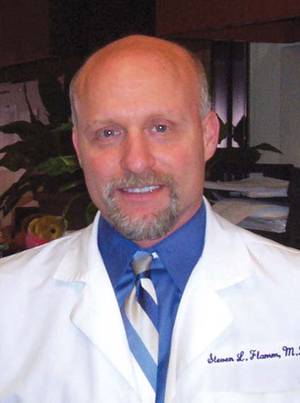
| Dr. Steven L. Flamm |
These results of the phaseII ELECTRON trial arm testing the all-oral regimen of sofosbuvir (NS5b polymerase inhibitor), ledipasvir (NS5a inhibitor) and weight-based ribavirin in patients with chronic HCV genotype 1 (without cirrhosis) adds to the recent number of stunning reports describing all-oral treatment regimens for chronic HCV. Such therapeutic approaches offer the promise of tolerable regimens that have outstanding efficacy and may have few or no contraindications to therapy.
It is unclear if patients with cirrhosis will respond as well as noncirrhotic patients did in ELECTRON and whether or not ribavirin is needed; phase III trials are currently underway to address these issues. If the phase II results are replicated in these phase III trials and if the medications are available to all patients who have chronic HCV genotype 1, this type of a regimen could represent the “apocalypse moment” for HCV, an age during which the most common type of HCV worldwide (genotype 1) is largely eliminated.
Steven L. Flamm, M.D., is chief of transplant hepatology and is professor of medicine in the division of gastroenterology and hepatology at Northwestern University Feinberg School of Medicine, Chicago. He disclosed receiving research support from Gilead and serving as an advisor to the company.
|
|
| Dr. Steven L. Flamm |
These results of the phaseII ELECTRON trial arm testing the all-oral regimen of sofosbuvir (NS5b polymerase inhibitor), ledipasvir (NS5a inhibitor) and weight-based ribavirin in patients with chronic HCV genotype 1 (without cirrhosis) adds to the recent number of stunning reports describing all-oral treatment regimens for chronic HCV. Such therapeutic approaches offer the promise of tolerable regimens that have outstanding efficacy and may have few or no contraindications to therapy.
It is unclear if patients with cirrhosis will respond as well as noncirrhotic patients did in ELECTRON and whether or not ribavirin is needed; phase III trials are currently underway to address these issues. If the phase II results are replicated in these phase III trials and if the medications are available to all patients who have chronic HCV genotype 1, this type of a regimen could represent the “apocalypse moment” for HCV, an age during which the most common type of HCV worldwide (genotype 1) is largely eliminated.
Steven L. Flamm, M.D., is chief of transplant hepatology and is professor of medicine in the division of gastroenterology and hepatology at Northwestern University Feinberg School of Medicine, Chicago. He disclosed receiving research support from Gilead and serving as an advisor to the company.
|
|
| Dr. Steven L. Flamm |
These results of the phaseII ELECTRON trial arm testing the all-oral regimen of sofosbuvir (NS5b polymerase inhibitor), ledipasvir (NS5a inhibitor) and weight-based ribavirin in patients with chronic HCV genotype 1 (without cirrhosis) adds to the recent number of stunning reports describing all-oral treatment regimens for chronic HCV. Such therapeutic approaches offer the promise of tolerable regimens that have outstanding efficacy and may have few or no contraindications to therapy.
It is unclear if patients with cirrhosis will respond as well as noncirrhotic patients did in ELECTRON and whether or not ribavirin is needed; phase III trials are currently underway to address these issues. If the phase II results are replicated in these phase III trials and if the medications are available to all patients who have chronic HCV genotype 1, this type of a regimen could represent the “apocalypse moment” for HCV, an age during which the most common type of HCV worldwide (genotype 1) is largely eliminated.
Steven L. Flamm, M.D., is chief of transplant hepatology and is professor of medicine in the division of gastroenterology and hepatology at Northwestern University Feinberg School of Medicine, Chicago. He disclosed receiving research support from Gilead and serving as an advisor to the company.
ATLANTA – Adding ledipasvir to sofosbuvir and ribavirin produced sustained virological responses 12 weeks after therapy in 100% of treatment-naive and prior nonresponder patients with chronic hepatitis C genotype 1 in the ELECTRON trial.
"Certainly adding a second direct-acting antiviral agent, ledipasvir, increases the efficacy of sofosbuvir plus ribavirin," Dr. Edward Gane said at the Conference on Retroviruses and Opportunistic Infections.
Three-quarters of the roughly 170 million people infected with hepatitis C virus (HCV) worldwide have genotype 1, the most difficult strain to treat.
Current treatment includes triple therapy with a protease inhibitor plus peginterferon and ribavirin for 24-48 weeks, but PI-based therapy is limited by complex dosing regimens, the potential for resistance, and lower responses in prior nonresponders, explained Dr. Gane of Auckland Clinical Studies in New Zealand.
The investigators hypothesized that combining two direct-acting antivirals with a different mechanism would enhance response.
At last year’s CROI meeting, Dr. Gane reported that treatment with the nucleotide NS5B inhibitor sofosbuvir (formerly known as GS-7977) and ribavirin alone led to early viral load suppression, but relapses within 4 weeks of stopping treatment resulted in 12-week posttreatment sustained virological response (SVR12) rates of 84% among treatment-naive patients and only 10% among previous interferon-based therapy null responders.
In the current arm of the trial, the NS5A inhibitor ledipasvir (formerly known as GS-5885) was added to sofosbuvir and weight-based ribavirin, all for 12 weeks, in 25 noncirrhotic treatment-naive and 9 null responders, defined by less than a 2-log reduction in HCV RNA after 12 weeks of peginterferon and ribavirin.
The majority of treatment-naive and null responders were genotype 1a (80% and 89%) and had high baseline HCV RNA loads (mean 5.9 log10 IU/mL and 6.9 log10 IU/mL). The more favorable IL28B genotype CC genotype was present in 36% of treatment-naive patients, but in no null responders. The patients median age was 48; 94% were white.
Early on–treatment viral suppression was very rapid, with all treatment-naive patients and all but one prior null responder having an undetectable viral load at week 4, Dr. Gane said. This patient’s load was on the threshold at week 4 and became undetectable by week 5, resulting in SVR12 rates of 100% in both groups.
No viral breakthroughs were observed, and all patients achieved an end-of-treatment response.
Unlike the earlier arm of the trial, however, both groups maintained undetectable HCV viral loads at 4 and 12 weeks after therapy, he said.
The triple combination was well tolerated and safe. Three serious adverse events occurred, but none were treatment related. One patient had to stop therapy at week 8 due to the event, but subsequently achieved SVR24. The most common adverse events were anemia (20%), depression (8%), and headache (4%), and all were in treatment-naive patients.
Grade 3 laboratory abnormalities occurred in 52% of the treatment-naive and 22% of null responders. No grade 4 abnormalities were seen, Dr. Gane said.
Ledipasvir and sofosbuvir have been combined into a single fixed-dose tablet and is being evaluated in phase III studies in patients with cirrhosis and to determine whether there is a need for ribavirin, he said. Additional studies are also underway to explore shorter durations of therapy.
ELECTRON was sponsored by Gilead Sciences. Dr. Gane reported ties with Gilead, Janssen-Cilag, Novartis, Pharmasset, Roche and Vertex.
ATLANTA – Adding ledipasvir to sofosbuvir and ribavirin produced sustained virological responses 12 weeks after therapy in 100% of treatment-naive and prior nonresponder patients with chronic hepatitis C genotype 1 in the ELECTRON trial.
"Certainly adding a second direct-acting antiviral agent, ledipasvir, increases the efficacy of sofosbuvir plus ribavirin," Dr. Edward Gane said at the Conference on Retroviruses and Opportunistic Infections.
Three-quarters of the roughly 170 million people infected with hepatitis C virus (HCV) worldwide have genotype 1, the most difficult strain to treat.
Current treatment includes triple therapy with a protease inhibitor plus peginterferon and ribavirin for 24-48 weeks, but PI-based therapy is limited by complex dosing regimens, the potential for resistance, and lower responses in prior nonresponders, explained Dr. Gane of Auckland Clinical Studies in New Zealand.
The investigators hypothesized that combining two direct-acting antivirals with a different mechanism would enhance response.
At last year’s CROI meeting, Dr. Gane reported that treatment with the nucleotide NS5B inhibitor sofosbuvir (formerly known as GS-7977) and ribavirin alone led to early viral load suppression, but relapses within 4 weeks of stopping treatment resulted in 12-week posttreatment sustained virological response (SVR12) rates of 84% among treatment-naive patients and only 10% among previous interferon-based therapy null responders.
In the current arm of the trial, the NS5A inhibitor ledipasvir (formerly known as GS-5885) was added to sofosbuvir and weight-based ribavirin, all for 12 weeks, in 25 noncirrhotic treatment-naive and 9 null responders, defined by less than a 2-log reduction in HCV RNA after 12 weeks of peginterferon and ribavirin.
The majority of treatment-naive and null responders were genotype 1a (80% and 89%) and had high baseline HCV RNA loads (mean 5.9 log10 IU/mL and 6.9 log10 IU/mL). The more favorable IL28B genotype CC genotype was present in 36% of treatment-naive patients, but in no null responders. The patients median age was 48; 94% were white.
Early on–treatment viral suppression was very rapid, with all treatment-naive patients and all but one prior null responder having an undetectable viral load at week 4, Dr. Gane said. This patient’s load was on the threshold at week 4 and became undetectable by week 5, resulting in SVR12 rates of 100% in both groups.
No viral breakthroughs were observed, and all patients achieved an end-of-treatment response.
Unlike the earlier arm of the trial, however, both groups maintained undetectable HCV viral loads at 4 and 12 weeks after therapy, he said.
The triple combination was well tolerated and safe. Three serious adverse events occurred, but none were treatment related. One patient had to stop therapy at week 8 due to the event, but subsequently achieved SVR24. The most common adverse events were anemia (20%), depression (8%), and headache (4%), and all were in treatment-naive patients.
Grade 3 laboratory abnormalities occurred in 52% of the treatment-naive and 22% of null responders. No grade 4 abnormalities were seen, Dr. Gane said.
Ledipasvir and sofosbuvir have been combined into a single fixed-dose tablet and is being evaluated in phase III studies in patients with cirrhosis and to determine whether there is a need for ribavirin, he said. Additional studies are also underway to explore shorter durations of therapy.
ELECTRON was sponsored by Gilead Sciences. Dr. Gane reported ties with Gilead, Janssen-Cilag, Novartis, Pharmasset, Roche and Vertex.
AT CROI 2013
Major finding: Sustained virological response rates 12 weeks posttreatment were 100% in treatment-naive and prior null responders.
Data source: In an arm of the ELECTRON trial, the NS5A inhibitor ledipasvir (formerly known as GS-5885) was added to sofosbuvir and weight-based ribavirin, all for 12 weeks, in 25 noncirrhotic treatment-naive and 9 null responders.
Disclosures: ELECTRON was sponsored by Gilead Sciences. Dr. Gane reported ties with Gilead, Janssen-Cilag, Novartis, Pharmasset, Roche and Vertex.
Cocaine use ups hospital death post subarachnoid hemorrhage
HONOLULU -- Recent cocaine use raised the risk of death nearly threefold in a cohort of more than 1,000 patients who were hospitalized for an acute aneurysmal subarachnoid hemorrhage.
The significantly elevated risk of death was observed despite a lack of difference in severity of initial presentation and remained after exclusion of deaths due to rebleeding, which was higher in cocaine users, Dr. Neeraj Naval said at the International Stroke Conference. The study will also be presented at the annual meeting of the American Academy of Neurology in San Diego on March 19.
"Patients with acute subarachnoid hemorrhage following cocaine use warrant very close monitoring," said Dr. Naval, director of Neurosciences Critical Care at Johns Hopkins Bayview Medical Center in Baltimore.
Although cocaine use and aneurysmal subarachnoid hemorrhage (SAH) is not controversial, data have been scattered on how cocaine affects presentation and outcomes, he observed. In the largest series prior to this, cocaine use had no significant effect on symptomatic vasospasm or neurologic outcome among 600 patients with SAH (World Neurosurg. 2010;73:357-60). An earlier study, however, showed a 2.8-fold higher risk of vasospasm and 3.3-fold higher risk of poor outcome among cocaine users with SAH (J. Neurosurg. 2003;99:271-5).
Dr. Naval and his colleagues reviewed 1,134 patients admitted to one of two Johns Hopkins University hospitals for ruptured brain aneurysm between 1991 and 2009. The cohort included 142 patients (12.5%) who had a history of cocaine use in the 72 hours prior to admission based on self-report or urine toxicology, and 992 with no cocaine use. Cocaine users were more likely to be younger (49 years vs. 53 years), but had similar rates of poor grade 4/5 Hunt & Hess scores (21% vs. 26%) and associated intraventricular hemorrhage (IVH, 56% vs. 51%). Their mean Glasgow Coma Scale scores at admission were also similar (15 in users vs. 14 in nonusers).
In all, 26% of cocaine users and 17% of nonusers died in the hospital (P = .01).
Significant independent predictors of in-hospital death were cocaine use (adjusted odds ratio 2.85), admission Hunt & Hess score (OR 2.33) and higher age (OR 1.03; all P less than .001), Dr. Naval said.
Cocaine users had higher rates of aneurysm re-rupture (7.7% vs. 2.7%; P = .004). Unfortunately, admission mean arterial pressure (MAP) data were unreliable from 1991 to 2005, but data available from 2006 to 2009 showed higher MAP in cocaine users, he said.
Cocaine users were more likely to have delayed cerebral ischemia (22% vs. 16%; P = .041), but the association was not statistically significant after correction for other confounding factors, including age and IVH. Delayed cerebral ischemia was defined as new clinical deterioration more than 48 hours post-SAH and more than 24 hours after surgical clipping or endovascular coiling, radiologic confirmation of cerebral infarction, and/or angiographic confirmation of vasospasm and/or clinical responsiveness (transient or sustained) to hemodynamic augmentation.
Dr. Naval suggested that it is controversial to include IVH in the model because data are available suggesting that cocaine use is independently associated with a higher rate of IVH in patients with intracerebral hemorrhage.
"If there really is a cause-effect relationship between cocaine use and IVH, one wonders whether using IVH in the multivariate analysis may mask the true impact of cocaine exposure on vasospasm-mediated cerebral infarction," he said.
The investigators did not demonstrate any difference between groups in functional outcomes at discharge or post discharge. Dr. Naval said this was not surprising given the significant difference in age between the groups, with younger patients much more likely to recover from neurological injury.
When asked during a discussion of the study to speculate on the mechanism of elevated mortality in cocaine users, Dr. Naval said subsequent analyses found no difference in rates of withdrawal of care between groups and no impact with frequency of cocaine use or delayed cerebral ischemia. Regional wall motion abnormalities have been identified in cocaine users, but electrocardiograms were not performed to tease out the impact of myocardial stunning on mortality.
In terms of its implications for management, a case could be made to use antifibrinolytic therapy in patients with SAH who are cocaine users because of the higher risk of rebleeding, but Dr. Naval said that a trial would be needed to evaluate this.
The conference was sponsored by the American Heart Association. Dr. Naval reported honoraria from EKR Therapeutics. His coauthors made no disclosures.
HONOLULU -- Recent cocaine use raised the risk of death nearly threefold in a cohort of more than 1,000 patients who were hospitalized for an acute aneurysmal subarachnoid hemorrhage.
The significantly elevated risk of death was observed despite a lack of difference in severity of initial presentation and remained after exclusion of deaths due to rebleeding, which was higher in cocaine users, Dr. Neeraj Naval said at the International Stroke Conference. The study will also be presented at the annual meeting of the American Academy of Neurology in San Diego on March 19.
"Patients with acute subarachnoid hemorrhage following cocaine use warrant very close monitoring," said Dr. Naval, director of Neurosciences Critical Care at Johns Hopkins Bayview Medical Center in Baltimore.
Although cocaine use and aneurysmal subarachnoid hemorrhage (SAH) is not controversial, data have been scattered on how cocaine affects presentation and outcomes, he observed. In the largest series prior to this, cocaine use had no significant effect on symptomatic vasospasm or neurologic outcome among 600 patients with SAH (World Neurosurg. 2010;73:357-60). An earlier study, however, showed a 2.8-fold higher risk of vasospasm and 3.3-fold higher risk of poor outcome among cocaine users with SAH (J. Neurosurg. 2003;99:271-5).
Dr. Naval and his colleagues reviewed 1,134 patients admitted to one of two Johns Hopkins University hospitals for ruptured brain aneurysm between 1991 and 2009. The cohort included 142 patients (12.5%) who had a history of cocaine use in the 72 hours prior to admission based on self-report or urine toxicology, and 992 with no cocaine use. Cocaine users were more likely to be younger (49 years vs. 53 years), but had similar rates of poor grade 4/5 Hunt & Hess scores (21% vs. 26%) and associated intraventricular hemorrhage (IVH, 56% vs. 51%). Their mean Glasgow Coma Scale scores at admission were also similar (15 in users vs. 14 in nonusers).
In all, 26% of cocaine users and 17% of nonusers died in the hospital (P = .01).
Significant independent predictors of in-hospital death were cocaine use (adjusted odds ratio 2.85), admission Hunt & Hess score (OR 2.33) and higher age (OR 1.03; all P less than .001), Dr. Naval said.
Cocaine users had higher rates of aneurysm re-rupture (7.7% vs. 2.7%; P = .004). Unfortunately, admission mean arterial pressure (MAP) data were unreliable from 1991 to 2005, but data available from 2006 to 2009 showed higher MAP in cocaine users, he said.
Cocaine users were more likely to have delayed cerebral ischemia (22% vs. 16%; P = .041), but the association was not statistically significant after correction for other confounding factors, including age and IVH. Delayed cerebral ischemia was defined as new clinical deterioration more than 48 hours post-SAH and more than 24 hours after surgical clipping or endovascular coiling, radiologic confirmation of cerebral infarction, and/or angiographic confirmation of vasospasm and/or clinical responsiveness (transient or sustained) to hemodynamic augmentation.
Dr. Naval suggested that it is controversial to include IVH in the model because data are available suggesting that cocaine use is independently associated with a higher rate of IVH in patients with intracerebral hemorrhage.
"If there really is a cause-effect relationship between cocaine use and IVH, one wonders whether using IVH in the multivariate analysis may mask the true impact of cocaine exposure on vasospasm-mediated cerebral infarction," he said.
The investigators did not demonstrate any difference between groups in functional outcomes at discharge or post discharge. Dr. Naval said this was not surprising given the significant difference in age between the groups, with younger patients much more likely to recover from neurological injury.
When asked during a discussion of the study to speculate on the mechanism of elevated mortality in cocaine users, Dr. Naval said subsequent analyses found no difference in rates of withdrawal of care between groups and no impact with frequency of cocaine use or delayed cerebral ischemia. Regional wall motion abnormalities have been identified in cocaine users, but electrocardiograms were not performed to tease out the impact of myocardial stunning on mortality.
In terms of its implications for management, a case could be made to use antifibrinolytic therapy in patients with SAH who are cocaine users because of the higher risk of rebleeding, but Dr. Naval said that a trial would be needed to evaluate this.
The conference was sponsored by the American Heart Association. Dr. Naval reported honoraria from EKR Therapeutics. His coauthors made no disclosures.
HONOLULU -- Recent cocaine use raised the risk of death nearly threefold in a cohort of more than 1,000 patients who were hospitalized for an acute aneurysmal subarachnoid hemorrhage.
The significantly elevated risk of death was observed despite a lack of difference in severity of initial presentation and remained after exclusion of deaths due to rebleeding, which was higher in cocaine users, Dr. Neeraj Naval said at the International Stroke Conference. The study will also be presented at the annual meeting of the American Academy of Neurology in San Diego on March 19.
"Patients with acute subarachnoid hemorrhage following cocaine use warrant very close monitoring," said Dr. Naval, director of Neurosciences Critical Care at Johns Hopkins Bayview Medical Center in Baltimore.
Although cocaine use and aneurysmal subarachnoid hemorrhage (SAH) is not controversial, data have been scattered on how cocaine affects presentation and outcomes, he observed. In the largest series prior to this, cocaine use had no significant effect on symptomatic vasospasm or neurologic outcome among 600 patients with SAH (World Neurosurg. 2010;73:357-60). An earlier study, however, showed a 2.8-fold higher risk of vasospasm and 3.3-fold higher risk of poor outcome among cocaine users with SAH (J. Neurosurg. 2003;99:271-5).
Dr. Naval and his colleagues reviewed 1,134 patients admitted to one of two Johns Hopkins University hospitals for ruptured brain aneurysm between 1991 and 2009. The cohort included 142 patients (12.5%) who had a history of cocaine use in the 72 hours prior to admission based on self-report or urine toxicology, and 992 with no cocaine use. Cocaine users were more likely to be younger (49 years vs. 53 years), but had similar rates of poor grade 4/5 Hunt & Hess scores (21% vs. 26%) and associated intraventricular hemorrhage (IVH, 56% vs. 51%). Their mean Glasgow Coma Scale scores at admission were also similar (15 in users vs. 14 in nonusers).
In all, 26% of cocaine users and 17% of nonusers died in the hospital (P = .01).
Significant independent predictors of in-hospital death were cocaine use (adjusted odds ratio 2.85), admission Hunt & Hess score (OR 2.33) and higher age (OR 1.03; all P less than .001), Dr. Naval said.
Cocaine users had higher rates of aneurysm re-rupture (7.7% vs. 2.7%; P = .004). Unfortunately, admission mean arterial pressure (MAP) data were unreliable from 1991 to 2005, but data available from 2006 to 2009 showed higher MAP in cocaine users, he said.
Cocaine users were more likely to have delayed cerebral ischemia (22% vs. 16%; P = .041), but the association was not statistically significant after correction for other confounding factors, including age and IVH. Delayed cerebral ischemia was defined as new clinical deterioration more than 48 hours post-SAH and more than 24 hours after surgical clipping or endovascular coiling, radiologic confirmation of cerebral infarction, and/or angiographic confirmation of vasospasm and/or clinical responsiveness (transient or sustained) to hemodynamic augmentation.
Dr. Naval suggested that it is controversial to include IVH in the model because data are available suggesting that cocaine use is independently associated with a higher rate of IVH in patients with intracerebral hemorrhage.
"If there really is a cause-effect relationship between cocaine use and IVH, one wonders whether using IVH in the multivariate analysis may mask the true impact of cocaine exposure on vasospasm-mediated cerebral infarction," he said.
The investigators did not demonstrate any difference between groups in functional outcomes at discharge or post discharge. Dr. Naval said this was not surprising given the significant difference in age between the groups, with younger patients much more likely to recover from neurological injury.
When asked during a discussion of the study to speculate on the mechanism of elevated mortality in cocaine users, Dr. Naval said subsequent analyses found no difference in rates of withdrawal of care between groups and no impact with frequency of cocaine use or delayed cerebral ischemia. Regional wall motion abnormalities have been identified in cocaine users, but electrocardiograms were not performed to tease out the impact of myocardial stunning on mortality.
In terms of its implications for management, a case could be made to use antifibrinolytic therapy in patients with SAH who are cocaine users because of the higher risk of rebleeding, but Dr. Naval said that a trial would be needed to evaluate this.
The conference was sponsored by the American Heart Association. Dr. Naval reported honoraria from EKR Therapeutics. His coauthors made no disclosures.
AT THE INTERNATIONAL STROKE CONFERENCE
Major Finding: The adjusted odds of in-hospital death were nearly threefold higher in cocaine users than in non-users (OR 2.8; P less than .001).
Data Source: Review of prospective data collected on 1,134 patients hospitalized for an acute aneurysmal subarachnoid hemorrhage.
Disclosures: Dr. Naval reported honoraria from EKR Therapeutics. His co-authors made no disclosures.
Poor outcomes seen after carotid intervention non-ST-elevation MI
HONOLULU – Just 1% of patients experienced a non-ST-elevation myocardial infarction following carotid-artery stenting or endarterectomy in a retrospective, nationally representative analysis of more than 1 million patients.
When it did occur, however, NSTEMI significantly increased periprocedural neurologic and cardiac complications, inpatient mortality, disability, and resource utilization – adding on average a full 10 days to hospital length of stay and nearly $85,000 in hospital charges, Dr. Amir Khan said during a plenary session at the International Stroke Conference. Dr. Khan is scheduled to present the study results at the annual meeting of the American Academy of Neurology in San Diego on March 20.
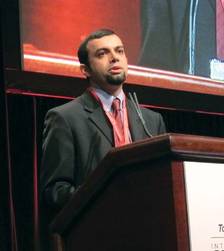
He observed that postoperative evaluation for MI varied in the data set, as it does nationally, but that post hoc analyses from the POISE (Perioperative Ischemic Evaluation) trial revealed that 65% of patients with an MI after noncardiac surgery did not have ischemic symptoms (Ann. Intern. Med. 2011;154:523-8).
"So, we know that hospitals that don’t have active surveillance regimens for non-STEMI will miss a fair amount of this," said Dr. Khan, an endovascular surgical neuroradiology fellow at the University of Minnesota in Minneapolis.
The majority of perioperative MI is NSTEMI. While few studies have parsed out MI types, the SAPPHIRE (Stenting and Angioplasty with Protection in Patients at High Risk for Endarterectomy) trial showed that 80% of carotid endarterectomy (CEA) patients with periprocedural MI and all carotid angioplasty or stenting (CAS) patients with periprocedural MI were NSTEMI (N. Engl. J. Med. 2004;351:1493-1501).
In an effort to assess the frequency of periprocedural NSTEMI following CEA or CAS in practice and its relationship with outcomes, the researchers used data from the Nationwide Inpatient Sample for all adult patients who underwent CEA or CAS from 2002 to 2009. From this, hospital-weighted national estimates were generated using Healthcare Utilization Project algorithms.
Overall, 11,341 patients (1%) experienced an NSTEMI and 1,072,347 did not; 92% of all patients underwent endarterectomy.
Age, gender, and racial distribution were roughly similar between groups, although patients with NSTEMI had significantly higher baseline rates of atrial fibrillation (24% vs. 8%), heart failure (24% vs. 6.5%) and chronic renal insufficiency (16% vs. 5%), Dr. Khan noted.
In terms of health care usage, rates were slightly higher among NSTEMI patients for inpatient diagnostic cerebral angiography (19% vs. 13.5%), gastrostomy (3% vs. 0.4%), and postprocedure mechanical ventilation (0.5% vs. 0.3%; all P less than .0001).
Blood transfusions were conspicuously higher in those with NSTEMI at 20% vs. 3% in those without, he said. The average length of stay also jumped with NSTEMI from 2.8 days to 12.2 days, pushing hospital charges from an average of $29,160 to $113,317 (all P less than .0001).
Neurologic complications were seen in 6% of patients with NSTEMI vs. 1.4% without, while cardiac complications occurred in 31% vs. 1.5%. In addition, 31% of NSTEMI patients were moderately or severely disabled at discharge vs. just 6% without NSTEMI (all P less than .0001), Dr. Khan reported at the conference, sponsored by the American Heart Association.
In-hospital mortality was 6% in the NSTEMI group and 0.5% in the group without. The composite endpoint of cardiac or neurologic complication and/or death was reached by 38% vs. 3% (both P less than .0001).
When these numbers were plugged into a multivariate analysis that adjusted for age, gender, and comorbidities, the odds ratios for patients with NSTEMI were 3.6 for neurologic complications, 23.2 for cardiac complications, 8.6 for in-hospital mortality, 14.6 for the composite end point, and 5.5 for moderate to severe disability (all P less than .0001), he said.
During a discussion following the presentation, an audience member expressed concern about the complication rates, rising to say, "Often we make decisions about stroke treatment based only on what’s good for the brain. Well there’s no point in making the brain better if the person can have a heart attack and die of some other complications, and I really think this [study] emphasizes that."
Dr. Khan replied, "I totally agree and I think that is one of the take-home messages here ... "
Dr. Khan and his coauthors reported no disclosures.
HONOLULU – Just 1% of patients experienced a non-ST-elevation myocardial infarction following carotid-artery stenting or endarterectomy in a retrospective, nationally representative analysis of more than 1 million patients.
When it did occur, however, NSTEMI significantly increased periprocedural neurologic and cardiac complications, inpatient mortality, disability, and resource utilization – adding on average a full 10 days to hospital length of stay and nearly $85,000 in hospital charges, Dr. Amir Khan said during a plenary session at the International Stroke Conference. Dr. Khan is scheduled to present the study results at the annual meeting of the American Academy of Neurology in San Diego on March 20.
He observed that postoperative evaluation for MI varied in the data set, as it does nationally, but that post hoc analyses from the POISE (Perioperative Ischemic Evaluation) trial revealed that 65% of patients with an MI after noncardiac surgery did not have ischemic symptoms (Ann. Intern. Med. 2011;154:523-8).
"So, we know that hospitals that don’t have active surveillance regimens for non-STEMI will miss a fair amount of this," said Dr. Khan, an endovascular surgical neuroradiology fellow at the University of Minnesota in Minneapolis.
The majority of perioperative MI is NSTEMI. While few studies have parsed out MI types, the SAPPHIRE (Stenting and Angioplasty with Protection in Patients at High Risk for Endarterectomy) trial showed that 80% of carotid endarterectomy (CEA) patients with periprocedural MI and all carotid angioplasty or stenting (CAS) patients with periprocedural MI were NSTEMI (N. Engl. J. Med. 2004;351:1493-1501).
In an effort to assess the frequency of periprocedural NSTEMI following CEA or CAS in practice and its relationship with outcomes, the researchers used data from the Nationwide Inpatient Sample for all adult patients who underwent CEA or CAS from 2002 to 2009. From this, hospital-weighted national estimates were generated using Healthcare Utilization Project algorithms.
Overall, 11,341 patients (1%) experienced an NSTEMI and 1,072,347 did not; 92% of all patients underwent endarterectomy.
Age, gender, and racial distribution were roughly similar between groups, although patients with NSTEMI had significantly higher baseline rates of atrial fibrillation (24% vs. 8%), heart failure (24% vs. 6.5%) and chronic renal insufficiency (16% vs. 5%), Dr. Khan noted.
In terms of health care usage, rates were slightly higher among NSTEMI patients for inpatient diagnostic cerebral angiography (19% vs. 13.5%), gastrostomy (3% vs. 0.4%), and postprocedure mechanical ventilation (0.5% vs. 0.3%; all P less than .0001).
Blood transfusions were conspicuously higher in those with NSTEMI at 20% vs. 3% in those without, he said. The average length of stay also jumped with NSTEMI from 2.8 days to 12.2 days, pushing hospital charges from an average of $29,160 to $113,317 (all P less than .0001).
Neurologic complications were seen in 6% of patients with NSTEMI vs. 1.4% without, while cardiac complications occurred in 31% vs. 1.5%. In addition, 31% of NSTEMI patients were moderately or severely disabled at discharge vs. just 6% without NSTEMI (all P less than .0001), Dr. Khan reported at the conference, sponsored by the American Heart Association.
In-hospital mortality was 6% in the NSTEMI group and 0.5% in the group without. The composite endpoint of cardiac or neurologic complication and/or death was reached by 38% vs. 3% (both P less than .0001).
When these numbers were plugged into a multivariate analysis that adjusted for age, gender, and comorbidities, the odds ratios for patients with NSTEMI were 3.6 for neurologic complications, 23.2 for cardiac complications, 8.6 for in-hospital mortality, 14.6 for the composite end point, and 5.5 for moderate to severe disability (all P less than .0001), he said.
During a discussion following the presentation, an audience member expressed concern about the complication rates, rising to say, "Often we make decisions about stroke treatment based only on what’s good for the brain. Well there’s no point in making the brain better if the person can have a heart attack and die of some other complications, and I really think this [study] emphasizes that."
Dr. Khan replied, "I totally agree and I think that is one of the take-home messages here ... "
Dr. Khan and his coauthors reported no disclosures.
HONOLULU – Just 1% of patients experienced a non-ST-elevation myocardial infarction following carotid-artery stenting or endarterectomy in a retrospective, nationally representative analysis of more than 1 million patients.
When it did occur, however, NSTEMI significantly increased periprocedural neurologic and cardiac complications, inpatient mortality, disability, and resource utilization – adding on average a full 10 days to hospital length of stay and nearly $85,000 in hospital charges, Dr. Amir Khan said during a plenary session at the International Stroke Conference. Dr. Khan is scheduled to present the study results at the annual meeting of the American Academy of Neurology in San Diego on March 20.
He observed that postoperative evaluation for MI varied in the data set, as it does nationally, but that post hoc analyses from the POISE (Perioperative Ischemic Evaluation) trial revealed that 65% of patients with an MI after noncardiac surgery did not have ischemic symptoms (Ann. Intern. Med. 2011;154:523-8).
"So, we know that hospitals that don’t have active surveillance regimens for non-STEMI will miss a fair amount of this," said Dr. Khan, an endovascular surgical neuroradiology fellow at the University of Minnesota in Minneapolis.
The majority of perioperative MI is NSTEMI. While few studies have parsed out MI types, the SAPPHIRE (Stenting and Angioplasty with Protection in Patients at High Risk for Endarterectomy) trial showed that 80% of carotid endarterectomy (CEA) patients with periprocedural MI and all carotid angioplasty or stenting (CAS) patients with periprocedural MI were NSTEMI (N. Engl. J. Med. 2004;351:1493-1501).
In an effort to assess the frequency of periprocedural NSTEMI following CEA or CAS in practice and its relationship with outcomes, the researchers used data from the Nationwide Inpatient Sample for all adult patients who underwent CEA or CAS from 2002 to 2009. From this, hospital-weighted national estimates were generated using Healthcare Utilization Project algorithms.
Overall, 11,341 patients (1%) experienced an NSTEMI and 1,072,347 did not; 92% of all patients underwent endarterectomy.
Age, gender, and racial distribution were roughly similar between groups, although patients with NSTEMI had significantly higher baseline rates of atrial fibrillation (24% vs. 8%), heart failure (24% vs. 6.5%) and chronic renal insufficiency (16% vs. 5%), Dr. Khan noted.
In terms of health care usage, rates were slightly higher among NSTEMI patients for inpatient diagnostic cerebral angiography (19% vs. 13.5%), gastrostomy (3% vs. 0.4%), and postprocedure mechanical ventilation (0.5% vs. 0.3%; all P less than .0001).
Blood transfusions were conspicuously higher in those with NSTEMI at 20% vs. 3% in those without, he said. The average length of stay also jumped with NSTEMI from 2.8 days to 12.2 days, pushing hospital charges from an average of $29,160 to $113,317 (all P less than .0001).
Neurologic complications were seen in 6% of patients with NSTEMI vs. 1.4% without, while cardiac complications occurred in 31% vs. 1.5%. In addition, 31% of NSTEMI patients were moderately or severely disabled at discharge vs. just 6% without NSTEMI (all P less than .0001), Dr. Khan reported at the conference, sponsored by the American Heart Association.
In-hospital mortality was 6% in the NSTEMI group and 0.5% in the group without. The composite endpoint of cardiac or neurologic complication and/or death was reached by 38% vs. 3% (both P less than .0001).
When these numbers were plugged into a multivariate analysis that adjusted for age, gender, and comorbidities, the odds ratios for patients with NSTEMI were 3.6 for neurologic complications, 23.2 for cardiac complications, 8.6 for in-hospital mortality, 14.6 for the composite end point, and 5.5 for moderate to severe disability (all P less than .0001), he said.
During a discussion following the presentation, an audience member expressed concern about the complication rates, rising to say, "Often we make decisions about stroke treatment based only on what’s good for the brain. Well there’s no point in making the brain better if the person can have a heart attack and die of some other complications, and I really think this [study] emphasizes that."
Dr. Khan replied, "I totally agree and I think that is one of the take-home messages here ... "
Dr. Khan and his coauthors reported no disclosures.
AT THE INTERNATIONAL STROKE CONFERENCE
Major Finding: The composite endpoint of cardiac or neurologic complication and/or death was reached by 38% of patients with NSTEMI vs. 3% of those without (P less than .0001).
Data Source: Retrospective cohort analysis of the Nationwide Inpatient Sample of 2002-2009.
Disclosures: Dr. Khan and his coauthors reported no disclosures.
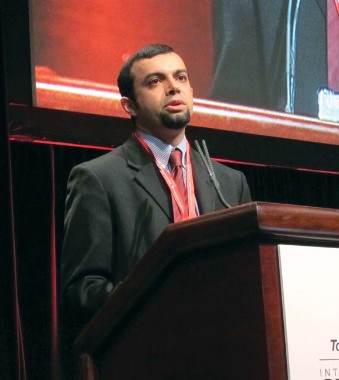
Short course of clopidogrel, aspirin lowers stroke recurrence
A short course of clopidogrel plus aspirin safely reduced the risk of early recurrent stroke in Chinese patients with high-risk transient ischemic attack or minor stroke who participated in a randomized, double-blind, placebo-controlled trial.
The relative risk of any stroke within the first 90 days was 32% lower with aspirin and clopidogrel (Plavix) than with aspirin alone (hazard ratio, 0.68; P less than .001). The absolute reduction in ischemic stroke was 3.5% (7.9% vs. 11.4%; P less than .0001).
There was no signal to suggest that dual antiplatelet therapy was unsafe, Dr. Yongjun Wang reported during a late-breaking plenary session at the International Stroke Conference.
The risk of any bleeding was 2.3% with clopidogrel plus aspirin and 1.6% with aspirin alone (P = .09). The risk of severe bleeding was 0.2% in both groups.
Rates of hemorrhagic stroke, myocardial infarction, and cardiovascular death were the same.
Notably, most of the benefit with dual antiplatelet therapy occurred early on in the trial, called CHANCE (Clopidogrel in High-Risk Patients With Acute Non-disabling Cerebrovascular Events) before day 21, underscoring the importance of treating acutely.
"Even more aggressive interventions after acute TIA and minor stroke may be indicated but require more clinical trials," said Dr. Wang of Beijing (China) Tiantan Hospital.
A coinvestigator on the multicenter trial, Dr. S. Claiborne Johnston, director of the stroke service at the University of California, San Francisco, said the risk reduction was large in CHANCE but also observed that there are important differences in health care between China and the United States or Europe, such as undertreatment of conditions such as hypertension during poststroke follow-up. There also are differences in stroke subtyping and a higher frequency of polymorphisms that reduce clopidogrel efficacy.
He suggested that the positive results will likely spur enrollment in the North American, phase III POINT (Platelet-Oriented Inhibition in New TIA and Minor Ischemic Stroke) trial, of which he is also a coinvestigator.
POINT uses a 600-mg loading dose of clopidogrel within 12 hours of symptom onset, followed by 75 mg of clopidogrel daily plus aspirin 50-325 mg/day for 90 days. In contrast, CHANCE randomized 5,170 patients within 24 hours of symptom onset. One group received a 300-mg loading dose of clopidogrel, followed by 75 mg daily during days 2-90 plus 75-300 mg of aspirin open-label on the first day followed by 75 mg/day blinded during days 2-21 and a placebo for aspirin during days 22-90. A second group received aspirin 75-300 mg open-label on the first day, followed by 75 mg/day during days 2-90 and a placebo for clopidogrel during days 1-90.
For years, physicians have been advised not to use clopidogrel plus aspirin in stroke patients unless there’s a compelling reason because it can increase their already elevated risk of major and life-threatening bleeding. Those recommendations, however, were based on long-term use of dual antiplatelet therapy in all comers with stroke, commented Dr. Philip Gorelick, medical director of the Hauenstein Neuroscience Center in Grand Rapids, Mich., who has helped pen some of the recurrent stroke prevention guidelines.
"We’ve been beating that drum for years now and we finally got doctors to stop," he said in an interview. "But what we’re seeing here is that, in the acute period, it not only appears to be safe to have the dual combination of aspirin plus clopidogrel but it also reduces the risk of early stroke in those TIA and minor stroke patients. ...
"It’s a focused indication with good patient selection that’s made the difference here."
Dr. Gorelick predicted that guidelines will change within the next 12-18 months to reflect the current findings supporting early, short-term use of clopidogrel plus aspirin in this subgroup of patients. He suggested that the standard for now will be 21 days of aspirin plus clopidogrel, unless data emerge from POINT to suggest otherwise.
In CHANCE, 2,586 patients were treated with aspirin alone and 2,584 with clopidogrel plus aspirin. Roughly two-thirds had a nondisabling ischemic stroke (National Institutes of Health Stroke Scale score of 3 or less) and one-third had a TIA with moderate-to-high risk of stroke recurrence (ABCD2 score of 4 or more). Their average age was 62 years and 63 years, respectively. The average time to randomization was 13 hours in both groups.
The secondary combined outcome of stroke, myocardial infarction, or death from cardiovascular causes was significantly reduced with clopidogrel plus aspirin (HR, 0.69; P less than .001), Dr. Wang reported at the meeting, which was sponsored by the American Heart Association.
Rates of hemorrhagic stroke, myocardial infarction, and cardiovascular death were 0.3%, 0.1%, and 0.2% in both groups. Death from any cause occurred in 0.4% of all patients.
CHANCE was funded by the Chinese Ministry of Science and Technology. Dr. Wang and his coauthors reported having no disclosures.
A short course of clopidogrel plus aspirin safely reduced the risk of early recurrent stroke in Chinese patients with high-risk transient ischemic attack or minor stroke who participated in a randomized, double-blind, placebo-controlled trial.
The relative risk of any stroke within the first 90 days was 32% lower with aspirin and clopidogrel (Plavix) than with aspirin alone (hazard ratio, 0.68; P less than .001). The absolute reduction in ischemic stroke was 3.5% (7.9% vs. 11.4%; P less than .0001).
There was no signal to suggest that dual antiplatelet therapy was unsafe, Dr. Yongjun Wang reported during a late-breaking plenary session at the International Stroke Conference.
The risk of any bleeding was 2.3% with clopidogrel plus aspirin and 1.6% with aspirin alone (P = .09). The risk of severe bleeding was 0.2% in both groups.
Rates of hemorrhagic stroke, myocardial infarction, and cardiovascular death were the same.
Notably, most of the benefit with dual antiplatelet therapy occurred early on in the trial, called CHANCE (Clopidogrel in High-Risk Patients With Acute Non-disabling Cerebrovascular Events) before day 21, underscoring the importance of treating acutely.
"Even more aggressive interventions after acute TIA and minor stroke may be indicated but require more clinical trials," said Dr. Wang of Beijing (China) Tiantan Hospital.
A coinvestigator on the multicenter trial, Dr. S. Claiborne Johnston, director of the stroke service at the University of California, San Francisco, said the risk reduction was large in CHANCE but also observed that there are important differences in health care between China and the United States or Europe, such as undertreatment of conditions such as hypertension during poststroke follow-up. There also are differences in stroke subtyping and a higher frequency of polymorphisms that reduce clopidogrel efficacy.
He suggested that the positive results will likely spur enrollment in the North American, phase III POINT (Platelet-Oriented Inhibition in New TIA and Minor Ischemic Stroke) trial, of which he is also a coinvestigator.
POINT uses a 600-mg loading dose of clopidogrel within 12 hours of symptom onset, followed by 75 mg of clopidogrel daily plus aspirin 50-325 mg/day for 90 days. In contrast, CHANCE randomized 5,170 patients within 24 hours of symptom onset. One group received a 300-mg loading dose of clopidogrel, followed by 75 mg daily during days 2-90 plus 75-300 mg of aspirin open-label on the first day followed by 75 mg/day blinded during days 2-21 and a placebo for aspirin during days 22-90. A second group received aspirin 75-300 mg open-label on the first day, followed by 75 mg/day during days 2-90 and a placebo for clopidogrel during days 1-90.
For years, physicians have been advised not to use clopidogrel plus aspirin in stroke patients unless there’s a compelling reason because it can increase their already elevated risk of major and life-threatening bleeding. Those recommendations, however, were based on long-term use of dual antiplatelet therapy in all comers with stroke, commented Dr. Philip Gorelick, medical director of the Hauenstein Neuroscience Center in Grand Rapids, Mich., who has helped pen some of the recurrent stroke prevention guidelines.
"We’ve been beating that drum for years now and we finally got doctors to stop," he said in an interview. "But what we’re seeing here is that, in the acute period, it not only appears to be safe to have the dual combination of aspirin plus clopidogrel but it also reduces the risk of early stroke in those TIA and minor stroke patients. ...
"It’s a focused indication with good patient selection that’s made the difference here."
Dr. Gorelick predicted that guidelines will change within the next 12-18 months to reflect the current findings supporting early, short-term use of clopidogrel plus aspirin in this subgroup of patients. He suggested that the standard for now will be 21 days of aspirin plus clopidogrel, unless data emerge from POINT to suggest otherwise.
In CHANCE, 2,586 patients were treated with aspirin alone and 2,584 with clopidogrel plus aspirin. Roughly two-thirds had a nondisabling ischemic stroke (National Institutes of Health Stroke Scale score of 3 or less) and one-third had a TIA with moderate-to-high risk of stroke recurrence (ABCD2 score of 4 or more). Their average age was 62 years and 63 years, respectively. The average time to randomization was 13 hours in both groups.
The secondary combined outcome of stroke, myocardial infarction, or death from cardiovascular causes was significantly reduced with clopidogrel plus aspirin (HR, 0.69; P less than .001), Dr. Wang reported at the meeting, which was sponsored by the American Heart Association.
Rates of hemorrhagic stroke, myocardial infarction, and cardiovascular death were 0.3%, 0.1%, and 0.2% in both groups. Death from any cause occurred in 0.4% of all patients.
CHANCE was funded by the Chinese Ministry of Science and Technology. Dr. Wang and his coauthors reported having no disclosures.
A short course of clopidogrel plus aspirin safely reduced the risk of early recurrent stroke in Chinese patients with high-risk transient ischemic attack or minor stroke who participated in a randomized, double-blind, placebo-controlled trial.
The relative risk of any stroke within the first 90 days was 32% lower with aspirin and clopidogrel (Plavix) than with aspirin alone (hazard ratio, 0.68; P less than .001). The absolute reduction in ischemic stroke was 3.5% (7.9% vs. 11.4%; P less than .0001).
There was no signal to suggest that dual antiplatelet therapy was unsafe, Dr. Yongjun Wang reported during a late-breaking plenary session at the International Stroke Conference.
The risk of any bleeding was 2.3% with clopidogrel plus aspirin and 1.6% with aspirin alone (P = .09). The risk of severe bleeding was 0.2% in both groups.
Rates of hemorrhagic stroke, myocardial infarction, and cardiovascular death were the same.
Notably, most of the benefit with dual antiplatelet therapy occurred early on in the trial, called CHANCE (Clopidogrel in High-Risk Patients With Acute Non-disabling Cerebrovascular Events) before day 21, underscoring the importance of treating acutely.
"Even more aggressive interventions after acute TIA and minor stroke may be indicated but require more clinical trials," said Dr. Wang of Beijing (China) Tiantan Hospital.
A coinvestigator on the multicenter trial, Dr. S. Claiborne Johnston, director of the stroke service at the University of California, San Francisco, said the risk reduction was large in CHANCE but also observed that there are important differences in health care between China and the United States or Europe, such as undertreatment of conditions such as hypertension during poststroke follow-up. There also are differences in stroke subtyping and a higher frequency of polymorphisms that reduce clopidogrel efficacy.
He suggested that the positive results will likely spur enrollment in the North American, phase III POINT (Platelet-Oriented Inhibition in New TIA and Minor Ischemic Stroke) trial, of which he is also a coinvestigator.
POINT uses a 600-mg loading dose of clopidogrel within 12 hours of symptom onset, followed by 75 mg of clopidogrel daily plus aspirin 50-325 mg/day for 90 days. In contrast, CHANCE randomized 5,170 patients within 24 hours of symptom onset. One group received a 300-mg loading dose of clopidogrel, followed by 75 mg daily during days 2-90 plus 75-300 mg of aspirin open-label on the first day followed by 75 mg/day blinded during days 2-21 and a placebo for aspirin during days 22-90. A second group received aspirin 75-300 mg open-label on the first day, followed by 75 mg/day during days 2-90 and a placebo for clopidogrel during days 1-90.
For years, physicians have been advised not to use clopidogrel plus aspirin in stroke patients unless there’s a compelling reason because it can increase their already elevated risk of major and life-threatening bleeding. Those recommendations, however, were based on long-term use of dual antiplatelet therapy in all comers with stroke, commented Dr. Philip Gorelick, medical director of the Hauenstein Neuroscience Center in Grand Rapids, Mich., who has helped pen some of the recurrent stroke prevention guidelines.
"We’ve been beating that drum for years now and we finally got doctors to stop," he said in an interview. "But what we’re seeing here is that, in the acute period, it not only appears to be safe to have the dual combination of aspirin plus clopidogrel but it also reduces the risk of early stroke in those TIA and minor stroke patients. ...
"It’s a focused indication with good patient selection that’s made the difference here."
Dr. Gorelick predicted that guidelines will change within the next 12-18 months to reflect the current findings supporting early, short-term use of clopidogrel plus aspirin in this subgroup of patients. He suggested that the standard for now will be 21 days of aspirin plus clopidogrel, unless data emerge from POINT to suggest otherwise.
In CHANCE, 2,586 patients were treated with aspirin alone and 2,584 with clopidogrel plus aspirin. Roughly two-thirds had a nondisabling ischemic stroke (National Institutes of Health Stroke Scale score of 3 or less) and one-third had a TIA with moderate-to-high risk of stroke recurrence (ABCD2 score of 4 or more). Their average age was 62 years and 63 years, respectively. The average time to randomization was 13 hours in both groups.
The secondary combined outcome of stroke, myocardial infarction, or death from cardiovascular causes was significantly reduced with clopidogrel plus aspirin (HR, 0.69; P less than .001), Dr. Wang reported at the meeting, which was sponsored by the American Heart Association.
Rates of hemorrhagic stroke, myocardial infarction, and cardiovascular death were 0.3%, 0.1%, and 0.2% in both groups. Death from any cause occurred in 0.4% of all patients.
CHANCE was funded by the Chinese Ministry of Science and Technology. Dr. Wang and his coauthors reported having no disclosures.
AT THE INTERNATIONAL STROKE CONFERENCE
Major Finding: The relative risk of any stroke within the first 90 days was 32% lower with aspirin and clopidogrel than aspirin alone (hazard ratio 0.68; P less than .001).
Data Source: Phase III trial involving 5,170 patients with moderate-to-high-risk TIA or minor stroke.
Disclosures: CHANCE was funded by the Chinese Ministry of Science and Technology. Dr. Wang and his coauthors reported having no disclosures.
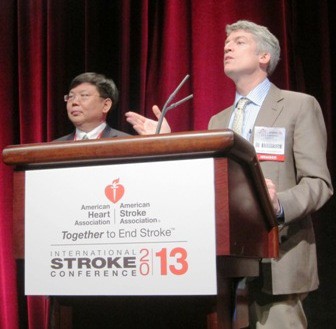
Lung cancer CT screens could save 12,000 lives
Roughly 12,250 deaths could be delayed or prevented each year if a national lung cancer computed tomography screening program were implemented among heavy smokers in the United States.
That represents about 7.6% of all lung cancer deaths in the nation, according to a new study led by Jiemin Ma, Ph.D., a senior epidemiologist in surveillance research with the American Cancer Society (Cancer 2013 Feb. 25 [doi: 10.1002/cncr.27813]).
To make the calculation, the authors used the most recently available National Health Interview Survey and 2010 U.S. Census data, and applied the National Lung Screening Trial (NLST) criteria of patients aged 55-74 years with at least 30 pack-years of smoking who were still smoking or had quit in the last 15 years.
The landmark NLST demonstrated a 20% reduction in lung cancer mortality over 6.5 years using low-dose computed tomography (LDCT) screening versus chest radiography (N. Engl. J. Med. 2011;365:395-409). That study sparked debate about how – or even if – a national lung cancer screening program should be implemented.
The authors of the current study estimated that 8.6 million Americans would be eligible for LDCT screening. That’s up from 7 million identified in the NLST.
Several factors might have affected the new estimates, including use of the NLST-reported screening effect as a parameter in determining the number of avertable lung cancer deaths.
Although this approach is "straightforward and easy to understand," direct use of the NLST screening effect "confines our estimates to be interpreted within the context of the NLST study design and screening protocol," the authors wrote.
The NLST did not address the effectiveness of screening in patients with fewer pack-years or starting at an earlier age, and the study’s investigators noted that the 20% mortality reduction with LDCT screening may be an underestimated effect.
Dr. Ma also pointed out that the NLST used chest x-ray (CXR) for its control group, something unlikely to occur in the general population. This potentially also could lead to an underestimation of avertable lung cancer deaths "if CXR was of benefit in preventing lung cancer mortality," he said.
Other factors that may have led to underestimation include the use of self-reported smoking data, which can be a bit unreliable because smokers tend to underreport their tobacco use.
On the other hand, the lung cancer mortality rates for screening-eligible populations were estimated based on deaths occurring between 2000 and 2006, possibly overestimating the current rates, the authors observed.
The model also assumed that 100% of the target population would undergo screening, which is unlikely to be achieved in the real world.
Under an optimal scenario of 100% screening uptake and a 30% reduction in lung cancer death rates, 18,375 lung cancer deaths would be averted each year by LDCT screening, Dr. Ma reported. If just 70% of the 8.6 million eligible people are screened annually, however, the number of lung cancer deaths averted falls to 8,575.
"Ultimately, the magnitude of potential benefit from LDCT screening in the community remains to be determined," he wrote.
The American Cancer Society and American Lung Association back screening for heavy smokers based on the NLST criteria, while National Comprehensive Cancer Network (NCCN) surveillance guidelines are somewhat broader and include smokers aged 50 years or older with a smoking history of 20 pack-years plus an additional lung cancer risk factor.
In an accompanying editorial titled "Is 20% of a Loaf Enough?" Larry Kessler, Sc.D., cautioned against "haphazard adoption" of LDCT outside of organized and clear screening protocols, citing such potential harms as inconsistent follow-up with providers and the fear generated by false positives (Cancer 2013 Feb. 25 [doi: 10.1002/cncr.27811]). In NLST, 24.2% of LDCT scans were positive, and 96.4% of those positive results were false-positive findings, noted Dr. Kessler, chair of health services at the University of Washington in Seattle.
While the new national "estimates are important," the approach taken by the investigators "missed some critical elements of population dynamics that may alter what we would really experience with a nationally organized screening program," he cautioned.
First, the study reported 1-year estimates instead of the more common life-years saved approach, which is necessary to appreciate the effect of the screening program over time.
"The likely effect is that Ma et al. may have underestimated the total effect over time of a national CT screening program," Dr. Kessler said.
He also suggested the analysis failed to address the dynamics of smoking, which are influenced by age, period, and cohort effects – and must be tied to estimating the long-term effect of a screening program. An obvious example of that is the alarming increase in smoking among women, Dr. Kessler noted, which would alter the discrepancy in lung cancer deaths between the sexes, because the smoking histories of women ultimately "catch up."
Of the 5.2 million men and 3.4 million women eligible for screening, an estimated 8,990 deaths in men and 3,260 deaths in women would be averted with LDCT screening, according to the study’s analysis.
The study was supported by the Intramural Research Department of the American Cancer Society. Dr. Ma, his coauthors, and Dr. Kessler made no disclosures.
Ma et al. present the annual number of deaths
delayed or prevented by low-dose computed tomography lung cancer screening.
Even if the overall estimate of 12,000 may be inaccurate for a number of
reasons, the overall magnitude is large enough to serve as a slap in the face.
The editorial by Dr. Kessler very nicely discusses many relevant points
regarding lung screening. For emphasis, I reiterate some of Dr. Ma’s and Dr.
Kessler’s points.
Dr. Ma and his colleagues based their primary results
on the NLST-observed lung cancer mortality reduction of 20% and application of
NLST entry criteria for selection of screenees. This mortality reduction was
observed in the ideal randomized screening trial setting.
In everyday practice, screening success may fall far
well short of the trial-observed mortality. Widespread public health screening
initiatives work best if implemented as systematic programs rather than
“opportunistic” screening, as is most likely to occur in the United States.
Thus, achievement of 20% lung cancer mortality reduction may be difficult to
obtain.
On the other hand, long-term annual screening may lead
to greater effectiveness of screening than was observed in the NLST with only
three screens. Furthermore, if one selected 8.6 million people for screening
based on elevated lung cancer risk prediction model probabilities, an
additional 2,750 deaths may be averted, as an estimated 41% fewer lung cancer
would be missed, compared with application of the NLST criteria (N. Engl. J. Med.
2013;368:728-36).
Whether to and how to optimally implement lung cancer
screening is still muddled. Within the next year, we anticipate several
important additions to lung cancer screening knowledge: CISNET models will be
published that will shed light on the impact of varying screening parameters;
the U.S. Preventive Services Task Force is expected to provide guidance with
regard to lung screening; and pulmonary nodule malignancy prediction models
based on prospective population-based data will help guide clinicians with
respect to true- vs. false-positive lung screens.
Dr. Tammemägi is a professor of
epidemiology at Brock University in St. Catharines, Ont.
Ma et al. present the annual number of deaths
delayed or prevented by low-dose computed tomography lung cancer screening.
Even if the overall estimate of 12,000 may be inaccurate for a number of
reasons, the overall magnitude is large enough to serve as a slap in the face.
The editorial by Dr. Kessler very nicely discusses many relevant points
regarding lung screening. For emphasis, I reiterate some of Dr. Ma’s and Dr.
Kessler’s points.
Dr. Ma and his colleagues based their primary results
on the NLST-observed lung cancer mortality reduction of 20% and application of
NLST entry criteria for selection of screenees. This mortality reduction was
observed in the ideal randomized screening trial setting.
In everyday practice, screening success may fall far
well short of the trial-observed mortality. Widespread public health screening
initiatives work best if implemented as systematic programs rather than
“opportunistic” screening, as is most likely to occur in the United States.
Thus, achievement of 20% lung cancer mortality reduction may be difficult to
obtain.
On the other hand, long-term annual screening may lead
to greater effectiveness of screening than was observed in the NLST with only
three screens. Furthermore, if one selected 8.6 million people for screening
based on elevated lung cancer risk prediction model probabilities, an
additional 2,750 deaths may be averted, as an estimated 41% fewer lung cancer
would be missed, compared with application of the NLST criteria (N. Engl. J. Med.
2013;368:728-36).
Whether to and how to optimally implement lung cancer
screening is still muddled. Within the next year, we anticipate several
important additions to lung cancer screening knowledge: CISNET models will be
published that will shed light on the impact of varying screening parameters;
the U.S. Preventive Services Task Force is expected to provide guidance with
regard to lung screening; and pulmonary nodule malignancy prediction models
based on prospective population-based data will help guide clinicians with
respect to true- vs. false-positive lung screens.
Dr. Tammemägi is a professor of
epidemiology at Brock University in St. Catharines, Ont.
Ma et al. present the annual number of deaths
delayed or prevented by low-dose computed tomography lung cancer screening.
Even if the overall estimate of 12,000 may be inaccurate for a number of
reasons, the overall magnitude is large enough to serve as a slap in the face.
The editorial by Dr. Kessler very nicely discusses many relevant points
regarding lung screening. For emphasis, I reiterate some of Dr. Ma’s and Dr.
Kessler’s points.
Dr. Ma and his colleagues based their primary results
on the NLST-observed lung cancer mortality reduction of 20% and application of
NLST entry criteria for selection of screenees. This mortality reduction was
observed in the ideal randomized screening trial setting.
In everyday practice, screening success may fall far
well short of the trial-observed mortality. Widespread public health screening
initiatives work best if implemented as systematic programs rather than
“opportunistic” screening, as is most likely to occur in the United States.
Thus, achievement of 20% lung cancer mortality reduction may be difficult to
obtain.
On the other hand, long-term annual screening may lead
to greater effectiveness of screening than was observed in the NLST with only
three screens. Furthermore, if one selected 8.6 million people for screening
based on elevated lung cancer risk prediction model probabilities, an
additional 2,750 deaths may be averted, as an estimated 41% fewer lung cancer
would be missed, compared with application of the NLST criteria (N. Engl. J. Med.
2013;368:728-36).
Whether to and how to optimally implement lung cancer
screening is still muddled. Within the next year, we anticipate several
important additions to lung cancer screening knowledge: CISNET models will be
published that will shed light on the impact of varying screening parameters;
the U.S. Preventive Services Task Force is expected to provide guidance with
regard to lung screening; and pulmonary nodule malignancy prediction models
based on prospective population-based data will help guide clinicians with
respect to true- vs. false-positive lung screens.
Dr. Tammemägi is a professor of
epidemiology at Brock University in St. Catharines, Ont.
Roughly 12,250 deaths could be delayed or prevented each year if a national lung cancer computed tomography screening program were implemented among heavy smokers in the United States.
That represents about 7.6% of all lung cancer deaths in the nation, according to a new study led by Jiemin Ma, Ph.D., a senior epidemiologist in surveillance research with the American Cancer Society (Cancer 2013 Feb. 25 [doi: 10.1002/cncr.27813]).
To make the calculation, the authors used the most recently available National Health Interview Survey and 2010 U.S. Census data, and applied the National Lung Screening Trial (NLST) criteria of patients aged 55-74 years with at least 30 pack-years of smoking who were still smoking or had quit in the last 15 years.
The landmark NLST demonstrated a 20% reduction in lung cancer mortality over 6.5 years using low-dose computed tomography (LDCT) screening versus chest radiography (N. Engl. J. Med. 2011;365:395-409). That study sparked debate about how – or even if – a national lung cancer screening program should be implemented.
The authors of the current study estimated that 8.6 million Americans would be eligible for LDCT screening. That’s up from 7 million identified in the NLST.
Several factors might have affected the new estimates, including use of the NLST-reported screening effect as a parameter in determining the number of avertable lung cancer deaths.
Although this approach is "straightforward and easy to understand," direct use of the NLST screening effect "confines our estimates to be interpreted within the context of the NLST study design and screening protocol," the authors wrote.
The NLST did not address the effectiveness of screening in patients with fewer pack-years or starting at an earlier age, and the study’s investigators noted that the 20% mortality reduction with LDCT screening may be an underestimated effect.
Dr. Ma also pointed out that the NLST used chest x-ray (CXR) for its control group, something unlikely to occur in the general population. This potentially also could lead to an underestimation of avertable lung cancer deaths "if CXR was of benefit in preventing lung cancer mortality," he said.
Other factors that may have led to underestimation include the use of self-reported smoking data, which can be a bit unreliable because smokers tend to underreport their tobacco use.
On the other hand, the lung cancer mortality rates for screening-eligible populations were estimated based on deaths occurring between 2000 and 2006, possibly overestimating the current rates, the authors observed.
The model also assumed that 100% of the target population would undergo screening, which is unlikely to be achieved in the real world.
Under an optimal scenario of 100% screening uptake and a 30% reduction in lung cancer death rates, 18,375 lung cancer deaths would be averted each year by LDCT screening, Dr. Ma reported. If just 70% of the 8.6 million eligible people are screened annually, however, the number of lung cancer deaths averted falls to 8,575.
"Ultimately, the magnitude of potential benefit from LDCT screening in the community remains to be determined," he wrote.
The American Cancer Society and American Lung Association back screening for heavy smokers based on the NLST criteria, while National Comprehensive Cancer Network (NCCN) surveillance guidelines are somewhat broader and include smokers aged 50 years or older with a smoking history of 20 pack-years plus an additional lung cancer risk factor.
In an accompanying editorial titled "Is 20% of a Loaf Enough?" Larry Kessler, Sc.D., cautioned against "haphazard adoption" of LDCT outside of organized and clear screening protocols, citing such potential harms as inconsistent follow-up with providers and the fear generated by false positives (Cancer 2013 Feb. 25 [doi: 10.1002/cncr.27811]). In NLST, 24.2% of LDCT scans were positive, and 96.4% of those positive results were false-positive findings, noted Dr. Kessler, chair of health services at the University of Washington in Seattle.
While the new national "estimates are important," the approach taken by the investigators "missed some critical elements of population dynamics that may alter what we would really experience with a nationally organized screening program," he cautioned.
First, the study reported 1-year estimates instead of the more common life-years saved approach, which is necessary to appreciate the effect of the screening program over time.
"The likely effect is that Ma et al. may have underestimated the total effect over time of a national CT screening program," Dr. Kessler said.
He also suggested the analysis failed to address the dynamics of smoking, which are influenced by age, period, and cohort effects – and must be tied to estimating the long-term effect of a screening program. An obvious example of that is the alarming increase in smoking among women, Dr. Kessler noted, which would alter the discrepancy in lung cancer deaths between the sexes, because the smoking histories of women ultimately "catch up."
Of the 5.2 million men and 3.4 million women eligible for screening, an estimated 8,990 deaths in men and 3,260 deaths in women would be averted with LDCT screening, according to the study’s analysis.
The study was supported by the Intramural Research Department of the American Cancer Society. Dr. Ma, his coauthors, and Dr. Kessler made no disclosures.
Roughly 12,250 deaths could be delayed or prevented each year if a national lung cancer computed tomography screening program were implemented among heavy smokers in the United States.
That represents about 7.6% of all lung cancer deaths in the nation, according to a new study led by Jiemin Ma, Ph.D., a senior epidemiologist in surveillance research with the American Cancer Society (Cancer 2013 Feb. 25 [doi: 10.1002/cncr.27813]).
To make the calculation, the authors used the most recently available National Health Interview Survey and 2010 U.S. Census data, and applied the National Lung Screening Trial (NLST) criteria of patients aged 55-74 years with at least 30 pack-years of smoking who were still smoking or had quit in the last 15 years.
The landmark NLST demonstrated a 20% reduction in lung cancer mortality over 6.5 years using low-dose computed tomography (LDCT) screening versus chest radiography (N. Engl. J. Med. 2011;365:395-409). That study sparked debate about how – or even if – a national lung cancer screening program should be implemented.
The authors of the current study estimated that 8.6 million Americans would be eligible for LDCT screening. That’s up from 7 million identified in the NLST.
Several factors might have affected the new estimates, including use of the NLST-reported screening effect as a parameter in determining the number of avertable lung cancer deaths.
Although this approach is "straightforward and easy to understand," direct use of the NLST screening effect "confines our estimates to be interpreted within the context of the NLST study design and screening protocol," the authors wrote.
The NLST did not address the effectiveness of screening in patients with fewer pack-years or starting at an earlier age, and the study’s investigators noted that the 20% mortality reduction with LDCT screening may be an underestimated effect.
Dr. Ma also pointed out that the NLST used chest x-ray (CXR) for its control group, something unlikely to occur in the general population. This potentially also could lead to an underestimation of avertable lung cancer deaths "if CXR was of benefit in preventing lung cancer mortality," he said.
Other factors that may have led to underestimation include the use of self-reported smoking data, which can be a bit unreliable because smokers tend to underreport their tobacco use.
On the other hand, the lung cancer mortality rates for screening-eligible populations were estimated based on deaths occurring between 2000 and 2006, possibly overestimating the current rates, the authors observed.
The model also assumed that 100% of the target population would undergo screening, which is unlikely to be achieved in the real world.
Under an optimal scenario of 100% screening uptake and a 30% reduction in lung cancer death rates, 18,375 lung cancer deaths would be averted each year by LDCT screening, Dr. Ma reported. If just 70% of the 8.6 million eligible people are screened annually, however, the number of lung cancer deaths averted falls to 8,575.
"Ultimately, the magnitude of potential benefit from LDCT screening in the community remains to be determined," he wrote.
The American Cancer Society and American Lung Association back screening for heavy smokers based on the NLST criteria, while National Comprehensive Cancer Network (NCCN) surveillance guidelines are somewhat broader and include smokers aged 50 years or older with a smoking history of 20 pack-years plus an additional lung cancer risk factor.
In an accompanying editorial titled "Is 20% of a Loaf Enough?" Larry Kessler, Sc.D., cautioned against "haphazard adoption" of LDCT outside of organized and clear screening protocols, citing such potential harms as inconsistent follow-up with providers and the fear generated by false positives (Cancer 2013 Feb. 25 [doi: 10.1002/cncr.27811]). In NLST, 24.2% of LDCT scans were positive, and 96.4% of those positive results were false-positive findings, noted Dr. Kessler, chair of health services at the University of Washington in Seattle.
While the new national "estimates are important," the approach taken by the investigators "missed some critical elements of population dynamics that may alter what we would really experience with a nationally organized screening program," he cautioned.
First, the study reported 1-year estimates instead of the more common life-years saved approach, which is necessary to appreciate the effect of the screening program over time.
"The likely effect is that Ma et al. may have underestimated the total effect over time of a national CT screening program," Dr. Kessler said.
He also suggested the analysis failed to address the dynamics of smoking, which are influenced by age, period, and cohort effects – and must be tied to estimating the long-term effect of a screening program. An obvious example of that is the alarming increase in smoking among women, Dr. Kessler noted, which would alter the discrepancy in lung cancer deaths between the sexes, because the smoking histories of women ultimately "catch up."
Of the 5.2 million men and 3.4 million women eligible for screening, an estimated 8,990 deaths in men and 3,260 deaths in women would be averted with LDCT screening, according to the study’s analysis.
The study was supported by the Intramural Research Department of the American Cancer Society. Dr. Ma, his coauthors, and Dr. Kessler made no disclosures.
FROM CANCER
Major Finding: Expanding the National Lung Screening Trial’s CT screening program nationwide would prevent approximately 12,250 deaths from lung cancer annually.
Data Source: Analysis using U.S. Census data, National Health Interview Survey data, and lung cancer mortality rates among populations meeting CT screening eligibility requirements used in the National Lung Screening Trial.
Disclosures: The study was supported by the Intramural Research Department of the American Cancer Society. Dr. Ma, his coauthors, and Dr. Kessler made no disclosures.
Cardiac stress testing underutilized in stroke patients
HONOLULU – Ischemic stroke patients at high risk of coronary artery disease rarely receive guideline-supported cardiac stress testing, a study found.
Among 2,377 veterans with stroke, 28% were at high risk of coronary artery disease (CAD), and only 6.2% received CAD screening within 6 months of discharge.
Moreover, 1-year all-cause mortality was significantly lower among high-risk patients who received CAD screening than among their counterparts who did not (5% vs. 19%; P = .018), Dr. Jason Sico said at the International Stroke Conference.
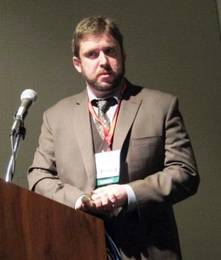
American Heart Association/American Stroke Association guidelines (Circulation 2003;108:1278-90) recommend that acute ischemic stroke patients at high risk of CAD, defined by a Framingham Risk Score of at least 20%, should receive cardiac screening for occult disease.
Studies have shown that 20%-40% of stroke patients have silent cardiac ischemia, and up to 6% of stroke patients die from cardiac causes or are readmitted with a myocardial infarction in the first 3 months following a stroke, said Dr. Sico, of the department of neurology at Yale New Haven (Conn.) Hospital.
Cardiac stress testing may be underutilized because most medical professionals caring for stroke survivors are not aware of the recommendation, he said in an interview. When they are made aware, one study found that providers may not be convinced that screening for cardiac disease within the stroke population will help their patients or is cost-effective (Stroke 2009;40:3407-9).
"In their favor, there has not been a large prospective study that has demonstrated that cardiac screening for stroke patients improves such important outcomes as mortality and hospital readmission," he added.
The investigators reviewed medical records for a sample of 3,965 patients from 131 Veterans Health Administration facilities admitted for a confirmed diagnosis of ischemic stroke in 2007. Framingham Risk Scores were calculated for 2,377 patients after exclusion of 1,588 patients with a prior cardiac stress test or a known history of CAD, or if they died during hospitalization or had unaccountable data.
In all, 676 (28%) patients had a high Framingham Risk Score of 20% or more, and 1,701 (72%) had a low/intermediate Framingham Risk Score.
Cardiac stress testing within 6 months of discharge from the index stroke was not performed more frequently among high-risk than among low/intermediate-risk patients (6.2% vs. 7.5%; odds ratio, 0.81), Dr. Sico said.
Patients who underwent screening had significantly lower baseline National Institutes of Health Stroke Severity scores than those who did not (mean, 3.3 vs. 4.1; P = .003) and were younger by about 2 years (64.5 years vs. 66.4 years; P = .01). Rates of hypertension, hyperlipidemia, diabetes, and white race were similar between groups, he said at the meeting, which was sponsored by the American Heart Association.
Among all patients, 1-year mortality was significantly lower at 5% in cases where screening was performed, compared with 14% when it was not (P = .001).
Dr. Sico said the strength of the study was the relatively large cohort but that the study was limited by its makeup of primarily male veterans, data from fiscal year 2007, and the inability to explain the reasons for the underutilization of guideline-concordant cardiac screening.
Future work includes understanding the barriers to cardiac testing, the reasons behind the mortality differences among patients who did and did not receive CAD screening, and how implementation of CAD screening guidelines affects outcomes.
"To borrow a page from the diabetes literature, it was dogma that if you were diabetic because it is a coronary equivalent, you should get cardiac stress testing, but when it was prospectively looked at [in the DIAD trial] it really didn’t affect outcome; so we don’t have any prospective [study] in the stroke population to answer this question," he said.
Session moderator Dr. Jennifer Juhl Majersik, of the University of Utah, Salt Lake City, said, "This is a great example of stroke neurologists’ need to look beyond the brain."
The Veterans Health Administration provided funding for the study. Dr. Sico and his coauthors reported no disclosures.
HONOLULU – Ischemic stroke patients at high risk of coronary artery disease rarely receive guideline-supported cardiac stress testing, a study found.
Among 2,377 veterans with stroke, 28% were at high risk of coronary artery disease (CAD), and only 6.2% received CAD screening within 6 months of discharge.
Moreover, 1-year all-cause mortality was significantly lower among high-risk patients who received CAD screening than among their counterparts who did not (5% vs. 19%; P = .018), Dr. Jason Sico said at the International Stroke Conference.
American Heart Association/American Stroke Association guidelines (Circulation 2003;108:1278-90) recommend that acute ischemic stroke patients at high risk of CAD, defined by a Framingham Risk Score of at least 20%, should receive cardiac screening for occult disease.
Studies have shown that 20%-40% of stroke patients have silent cardiac ischemia, and up to 6% of stroke patients die from cardiac causes or are readmitted with a myocardial infarction in the first 3 months following a stroke, said Dr. Sico, of the department of neurology at Yale New Haven (Conn.) Hospital.
Cardiac stress testing may be underutilized because most medical professionals caring for stroke survivors are not aware of the recommendation, he said in an interview. When they are made aware, one study found that providers may not be convinced that screening for cardiac disease within the stroke population will help their patients or is cost-effective (Stroke 2009;40:3407-9).
"In their favor, there has not been a large prospective study that has demonstrated that cardiac screening for stroke patients improves such important outcomes as mortality and hospital readmission," he added.
The investigators reviewed medical records for a sample of 3,965 patients from 131 Veterans Health Administration facilities admitted for a confirmed diagnosis of ischemic stroke in 2007. Framingham Risk Scores were calculated for 2,377 patients after exclusion of 1,588 patients with a prior cardiac stress test or a known history of CAD, or if they died during hospitalization or had unaccountable data.
In all, 676 (28%) patients had a high Framingham Risk Score of 20% or more, and 1,701 (72%) had a low/intermediate Framingham Risk Score.
Cardiac stress testing within 6 months of discharge from the index stroke was not performed more frequently among high-risk than among low/intermediate-risk patients (6.2% vs. 7.5%; odds ratio, 0.81), Dr. Sico said.
Patients who underwent screening had significantly lower baseline National Institutes of Health Stroke Severity scores than those who did not (mean, 3.3 vs. 4.1; P = .003) and were younger by about 2 years (64.5 years vs. 66.4 years; P = .01). Rates of hypertension, hyperlipidemia, diabetes, and white race were similar between groups, he said at the meeting, which was sponsored by the American Heart Association.
Among all patients, 1-year mortality was significantly lower at 5% in cases where screening was performed, compared with 14% when it was not (P = .001).
Dr. Sico said the strength of the study was the relatively large cohort but that the study was limited by its makeup of primarily male veterans, data from fiscal year 2007, and the inability to explain the reasons for the underutilization of guideline-concordant cardiac screening.
Future work includes understanding the barriers to cardiac testing, the reasons behind the mortality differences among patients who did and did not receive CAD screening, and how implementation of CAD screening guidelines affects outcomes.
"To borrow a page from the diabetes literature, it was dogma that if you were diabetic because it is a coronary equivalent, you should get cardiac stress testing, but when it was prospectively looked at [in the DIAD trial] it really didn’t affect outcome; so we don’t have any prospective [study] in the stroke population to answer this question," he said.
Session moderator Dr. Jennifer Juhl Majersik, of the University of Utah, Salt Lake City, said, "This is a great example of stroke neurologists’ need to look beyond the brain."
The Veterans Health Administration provided funding for the study. Dr. Sico and his coauthors reported no disclosures.
HONOLULU – Ischemic stroke patients at high risk of coronary artery disease rarely receive guideline-supported cardiac stress testing, a study found.
Among 2,377 veterans with stroke, 28% were at high risk of coronary artery disease (CAD), and only 6.2% received CAD screening within 6 months of discharge.
Moreover, 1-year all-cause mortality was significantly lower among high-risk patients who received CAD screening than among their counterparts who did not (5% vs. 19%; P = .018), Dr. Jason Sico said at the International Stroke Conference.
American Heart Association/American Stroke Association guidelines (Circulation 2003;108:1278-90) recommend that acute ischemic stroke patients at high risk of CAD, defined by a Framingham Risk Score of at least 20%, should receive cardiac screening for occult disease.
Studies have shown that 20%-40% of stroke patients have silent cardiac ischemia, and up to 6% of stroke patients die from cardiac causes or are readmitted with a myocardial infarction in the first 3 months following a stroke, said Dr. Sico, of the department of neurology at Yale New Haven (Conn.) Hospital.
Cardiac stress testing may be underutilized because most medical professionals caring for stroke survivors are not aware of the recommendation, he said in an interview. When they are made aware, one study found that providers may not be convinced that screening for cardiac disease within the stroke population will help their patients or is cost-effective (Stroke 2009;40:3407-9).
"In their favor, there has not been a large prospective study that has demonstrated that cardiac screening for stroke patients improves such important outcomes as mortality and hospital readmission," he added.
The investigators reviewed medical records for a sample of 3,965 patients from 131 Veterans Health Administration facilities admitted for a confirmed diagnosis of ischemic stroke in 2007. Framingham Risk Scores were calculated for 2,377 patients after exclusion of 1,588 patients with a prior cardiac stress test or a known history of CAD, or if they died during hospitalization or had unaccountable data.
In all, 676 (28%) patients had a high Framingham Risk Score of 20% or more, and 1,701 (72%) had a low/intermediate Framingham Risk Score.
Cardiac stress testing within 6 months of discharge from the index stroke was not performed more frequently among high-risk than among low/intermediate-risk patients (6.2% vs. 7.5%; odds ratio, 0.81), Dr. Sico said.
Patients who underwent screening had significantly lower baseline National Institutes of Health Stroke Severity scores than those who did not (mean, 3.3 vs. 4.1; P = .003) and were younger by about 2 years (64.5 years vs. 66.4 years; P = .01). Rates of hypertension, hyperlipidemia, diabetes, and white race were similar between groups, he said at the meeting, which was sponsored by the American Heart Association.
Among all patients, 1-year mortality was significantly lower at 5% in cases where screening was performed, compared with 14% when it was not (P = .001).
Dr. Sico said the strength of the study was the relatively large cohort but that the study was limited by its makeup of primarily male veterans, data from fiscal year 2007, and the inability to explain the reasons for the underutilization of guideline-concordant cardiac screening.
Future work includes understanding the barriers to cardiac testing, the reasons behind the mortality differences among patients who did and did not receive CAD screening, and how implementation of CAD screening guidelines affects outcomes.
"To borrow a page from the diabetes literature, it was dogma that if you were diabetic because it is a coronary equivalent, you should get cardiac stress testing, but when it was prospectively looked at [in the DIAD trial] it really didn’t affect outcome; so we don’t have any prospective [study] in the stroke population to answer this question," he said.
Session moderator Dr. Jennifer Juhl Majersik, of the University of Utah, Salt Lake City, said, "This is a great example of stroke neurologists’ need to look beyond the brain."
The Veterans Health Administration provided funding for the study. Dr. Sico and his coauthors reported no disclosures.
AT THE INTERNATIONAL STROKE CONFERENCE
Major Finding: Only 6.2% of high-risk stroke patients received guideline-concordant cardiac stress testing.
Data Source: Retrospective cohort study of 2,337 ischemic stroke patients.
Disclosures: The Veterans Health Administration provided funding for the study. Dr. Sico and his coauthors reported no disclosures.