User login
Need is dire for palliative care in disaster planning
NEW ORLEANS – In a room filled with roughly 2,000 health care providers, just a dozen or so hands went up when the audience was asked whether their hospital or state had a "crisis standards of care" protocol.
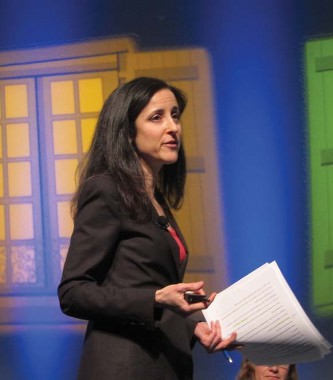
"That’s actually very common, because the problem with some of these protocols is that very few people know that they exist, which makes it hard to implement them in a time of crisis," Dr. Sheri Fink said during a disaster preparedness plenary session at the annual meeting of the American Academy of Hospice and Palliative Medicine.
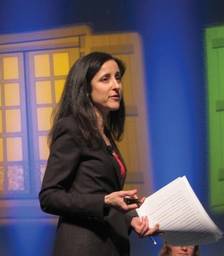
Dr. Fink and other experts made the case for a wider discussion of the often agonizing decisions health care providers face when natural disasters disrupt delivery of care. For example: After "superstorm" Hurricane Sandy last fall, providers at one hospital were warned of the possibility they might be faced with having just six functioning power outlets for 56 ICU patients. No one should have to make that kind of call alone, the experts contend.
The Institute of Medicine (IOM) issued a 2009 report in the wake of Hurricane Katrina defining crisis standards of care (CSC), and followed it up last year with a series of templates to guide those responsible for CSC planning and implementation.
Many CSC protocols call for withdrawing patients from scarce resources, and offer guidance on how to score patients for resource allocation and evacuation. Very little research is available, however, to support these triage protocols, and most fail to discuss the practical removal of care, according to Dr. Fink, a senior fellow at the Harvard Humanitarian Initiative who earned a 2010 Pulitzer prize for investigative reporting on the deadly choices made after Katrina at Memorial Medical Center in New Orleans.
"All of you here who have engaged in end-of-life discussions, who’ve dealt with withdrawing patients from ventilators where the care is futile, know just how hard it is to help the family wrap their mind around that," she said. "Just imagine being in a disaster when you have to do that, and there’s a reasonable chance that the patient could survive."
In New Orleans, the sickest of the sick with a DNR (do not resuscitate) order were taken out last from Memorial Hospital – but no one asked them or their families, thus violating patient autonomy. Some families who found out about the decision begged to have the DNR rescinded and their loved ones moved. After Sandy, some hospitals planned to evacuate the sickest; but after triaging patients and explaining the scope of the disaster to families, they found that many families let other patients go first, Dr. Fink said.
"DNR orders aren’t necessarily a great triage," she said. "They tell you about the patient’s foresight about dying, not about their ability to survive."
Hospitals understand the need to have redundant communication systems and off-site drug supplies, but they may not think about such practical issues as the weight of their patients, said Marianne Matzo, Ph.D., chair of palliative care nursing at the University of Oklahoma Health Sciences Center College of Nursing in Oklahoma City, and a member of the IOM committee that crafted the CSC templates.
During Katrina, emergency cots broke under the weight of obese patients, while helicopter pilots told hospital staff they could evacuate two obese patients or four normal-weight patients. After Sandy, two obese patients had to be sheltered in place at Bellevue Hospital in New York because they were too heavy to be transported out once the electricity went out.
In the face of America’s obesity epidemic, a first step in triage may be to move heavier patients to lower floors, before the elevators stop working, she said.
The IOM has convened a new committee to look at what triggers the activation of CSC protocols. During Sandy, the trigger was the same, but the responses varied. The Veterans Health Administration evacuated its patients before the storm, Bellevue evacuated patients after the storm and, unfortunately, New York University evacuated patients during the storm, Dr. Matzo said.

Both women pointed to the need for greater discourse and education among physicians and the public about disaster planning, response, and recovery.
Vital education for all first responders and providers should include how to access medication stockpiles, how to titrate opiates for patients in pain and near death, how to use medications to manage symptoms so an individual experiences a comfortable death, and basics in psychosocial counseling and support for peer-to-peer and provider/patient services under mass casualty event scenarios, Dr. Matzo said.
When disaster planners make decisions about which patients will and will not get access to lifesaving resources without the help of palliative care experts, Dr. Fink said, "it’s just sort of assumed that the default is that everyone else will get palliated."
However, the lesson learned from New Orleans and other recent U.S. disasters is that few actually do.
Dr. Fink and Dr. Matzo reported no relevant disclosures.
It seems that there are two broad categories of disasters: mass-casualty events (in which our existing health care infrastructure is not compromised) and natural disasters (in which the infrastructure as well as safety of patients, health care providers and their families may be at risk).
In both cases, we are learning from each successive event (as demonstrated by the Dr. Fink reporting and by efforts to standardize the approach to ethical dilemmas, triage, etc). Having been at war for the last 10 or so years has improved coordination of response at the community and health care system level.
During a disaster, we can really only follow our training and care for the patients in our institutions. Going forward, it is imperative that hospitalists be involved in disaster-planning efforts in their respective institutions.
Hospitalists may be asked to help determine when and if to deploy scarce resources, and as such should advocate for institutional or perhaps statewide standards. This keeps the onus for making these decisions off individual physicians. The Institute of Medicine's initial efforts at producing such standards can be found at tinyurl.com/IOMCrisis.
Leigh Fredholm, M.D., is a codirector of Seton Health Palliative Care, part of the University of Texas Southwestern Residency Programs in Austin. She is coauthor of the Palliatively Speaking blog for Hospitalist News.
It seems that there are two broad categories of disasters: mass-casualty events (in which our existing health care infrastructure is not compromised) and natural disasters (in which the infrastructure as well as safety of patients, health care providers and their families may be at risk).
In both cases, we are learning from each successive event (as demonstrated by the Dr. Fink reporting and by efforts to standardize the approach to ethical dilemmas, triage, etc). Having been at war for the last 10 or so years has improved coordination of response at the community and health care system level.
During a disaster, we can really only follow our training and care for the patients in our institutions. Going forward, it is imperative that hospitalists be involved in disaster-planning efforts in their respective institutions.
Hospitalists may be asked to help determine when and if to deploy scarce resources, and as such should advocate for institutional or perhaps statewide standards. This keeps the onus for making these decisions off individual physicians. The Institute of Medicine's initial efforts at producing such standards can be found at tinyurl.com/IOMCrisis.
Leigh Fredholm, M.D., is a codirector of Seton Health Palliative Care, part of the University of Texas Southwestern Residency Programs in Austin. She is coauthor of the Palliatively Speaking blog for Hospitalist News.
It seems that there are two broad categories of disasters: mass-casualty events (in which our existing health care infrastructure is not compromised) and natural disasters (in which the infrastructure as well as safety of patients, health care providers and their families may be at risk).
In both cases, we are learning from each successive event (as demonstrated by the Dr. Fink reporting and by efforts to standardize the approach to ethical dilemmas, triage, etc). Having been at war for the last 10 or so years has improved coordination of response at the community and health care system level.
During a disaster, we can really only follow our training and care for the patients in our institutions. Going forward, it is imperative that hospitalists be involved in disaster-planning efforts in their respective institutions.
Hospitalists may be asked to help determine when and if to deploy scarce resources, and as such should advocate for institutional or perhaps statewide standards. This keeps the onus for making these decisions off individual physicians. The Institute of Medicine's initial efforts at producing such standards can be found at tinyurl.com/IOMCrisis.
Leigh Fredholm, M.D., is a codirector of Seton Health Palliative Care, part of the University of Texas Southwestern Residency Programs in Austin. She is coauthor of the Palliatively Speaking blog for Hospitalist News.
NEW ORLEANS – In a room filled with roughly 2,000 health care providers, just a dozen or so hands went up when the audience was asked whether their hospital or state had a "crisis standards of care" protocol.
"That’s actually very common, because the problem with some of these protocols is that very few people know that they exist, which makes it hard to implement them in a time of crisis," Dr. Sheri Fink said during a disaster preparedness plenary session at the annual meeting of the American Academy of Hospice and Palliative Medicine.
Dr. Fink and other experts made the case for a wider discussion of the often agonizing decisions health care providers face when natural disasters disrupt delivery of care. For example: After "superstorm" Hurricane Sandy last fall, providers at one hospital were warned of the possibility they might be faced with having just six functioning power outlets for 56 ICU patients. No one should have to make that kind of call alone, the experts contend.
The Institute of Medicine (IOM) issued a 2009 report in the wake of Hurricane Katrina defining crisis standards of care (CSC), and followed it up last year with a series of templates to guide those responsible for CSC planning and implementation.
Many CSC protocols call for withdrawing patients from scarce resources, and offer guidance on how to score patients for resource allocation and evacuation. Very little research is available, however, to support these triage protocols, and most fail to discuss the practical removal of care, according to Dr. Fink, a senior fellow at the Harvard Humanitarian Initiative who earned a 2010 Pulitzer prize for investigative reporting on the deadly choices made after Katrina at Memorial Medical Center in New Orleans.
"All of you here who have engaged in end-of-life discussions, who’ve dealt with withdrawing patients from ventilators where the care is futile, know just how hard it is to help the family wrap their mind around that," she said. "Just imagine being in a disaster when you have to do that, and there’s a reasonable chance that the patient could survive."
In New Orleans, the sickest of the sick with a DNR (do not resuscitate) order were taken out last from Memorial Hospital – but no one asked them or their families, thus violating patient autonomy. Some families who found out about the decision begged to have the DNR rescinded and their loved ones moved. After Sandy, some hospitals planned to evacuate the sickest; but after triaging patients and explaining the scope of the disaster to families, they found that many families let other patients go first, Dr. Fink said.
"DNR orders aren’t necessarily a great triage," she said. "They tell you about the patient’s foresight about dying, not about their ability to survive."
Hospitals understand the need to have redundant communication systems and off-site drug supplies, but they may not think about such practical issues as the weight of their patients, said Marianne Matzo, Ph.D., chair of palliative care nursing at the University of Oklahoma Health Sciences Center College of Nursing in Oklahoma City, and a member of the IOM committee that crafted the CSC templates.
During Katrina, emergency cots broke under the weight of obese patients, while helicopter pilots told hospital staff they could evacuate two obese patients or four normal-weight patients. After Sandy, two obese patients had to be sheltered in place at Bellevue Hospital in New York because they were too heavy to be transported out once the electricity went out.
In the face of America’s obesity epidemic, a first step in triage may be to move heavier patients to lower floors, before the elevators stop working, she said.
The IOM has convened a new committee to look at what triggers the activation of CSC protocols. During Sandy, the trigger was the same, but the responses varied. The Veterans Health Administration evacuated its patients before the storm, Bellevue evacuated patients after the storm and, unfortunately, New York University evacuated patients during the storm, Dr. Matzo said.
Both women pointed to the need for greater discourse and education among physicians and the public about disaster planning, response, and recovery.
Vital education for all first responders and providers should include how to access medication stockpiles, how to titrate opiates for patients in pain and near death, how to use medications to manage symptoms so an individual experiences a comfortable death, and basics in psychosocial counseling and support for peer-to-peer and provider/patient services under mass casualty event scenarios, Dr. Matzo said.
When disaster planners make decisions about which patients will and will not get access to lifesaving resources without the help of palliative care experts, Dr. Fink said, "it’s just sort of assumed that the default is that everyone else will get palliated."
However, the lesson learned from New Orleans and other recent U.S. disasters is that few actually do.
Dr. Fink and Dr. Matzo reported no relevant disclosures.
NEW ORLEANS – In a room filled with roughly 2,000 health care providers, just a dozen or so hands went up when the audience was asked whether their hospital or state had a "crisis standards of care" protocol.
"That’s actually very common, because the problem with some of these protocols is that very few people know that they exist, which makes it hard to implement them in a time of crisis," Dr. Sheri Fink said during a disaster preparedness plenary session at the annual meeting of the American Academy of Hospice and Palliative Medicine.
Dr. Fink and other experts made the case for a wider discussion of the often agonizing decisions health care providers face when natural disasters disrupt delivery of care. For example: After "superstorm" Hurricane Sandy last fall, providers at one hospital were warned of the possibility they might be faced with having just six functioning power outlets for 56 ICU patients. No one should have to make that kind of call alone, the experts contend.
The Institute of Medicine (IOM) issued a 2009 report in the wake of Hurricane Katrina defining crisis standards of care (CSC), and followed it up last year with a series of templates to guide those responsible for CSC planning and implementation.
Many CSC protocols call for withdrawing patients from scarce resources, and offer guidance on how to score patients for resource allocation and evacuation. Very little research is available, however, to support these triage protocols, and most fail to discuss the practical removal of care, according to Dr. Fink, a senior fellow at the Harvard Humanitarian Initiative who earned a 2010 Pulitzer prize for investigative reporting on the deadly choices made after Katrina at Memorial Medical Center in New Orleans.
"All of you here who have engaged in end-of-life discussions, who’ve dealt with withdrawing patients from ventilators where the care is futile, know just how hard it is to help the family wrap their mind around that," she said. "Just imagine being in a disaster when you have to do that, and there’s a reasonable chance that the patient could survive."
In New Orleans, the sickest of the sick with a DNR (do not resuscitate) order were taken out last from Memorial Hospital – but no one asked them or their families, thus violating patient autonomy. Some families who found out about the decision begged to have the DNR rescinded and their loved ones moved. After Sandy, some hospitals planned to evacuate the sickest; but after triaging patients and explaining the scope of the disaster to families, they found that many families let other patients go first, Dr. Fink said.
"DNR orders aren’t necessarily a great triage," she said. "They tell you about the patient’s foresight about dying, not about their ability to survive."
Hospitals understand the need to have redundant communication systems and off-site drug supplies, but they may not think about such practical issues as the weight of their patients, said Marianne Matzo, Ph.D., chair of palliative care nursing at the University of Oklahoma Health Sciences Center College of Nursing in Oklahoma City, and a member of the IOM committee that crafted the CSC templates.
During Katrina, emergency cots broke under the weight of obese patients, while helicopter pilots told hospital staff they could evacuate two obese patients or four normal-weight patients. After Sandy, two obese patients had to be sheltered in place at Bellevue Hospital in New York because they were too heavy to be transported out once the electricity went out.
In the face of America’s obesity epidemic, a first step in triage may be to move heavier patients to lower floors, before the elevators stop working, she said.
The IOM has convened a new committee to look at what triggers the activation of CSC protocols. During Sandy, the trigger was the same, but the responses varied. The Veterans Health Administration evacuated its patients before the storm, Bellevue evacuated patients after the storm and, unfortunately, New York University evacuated patients during the storm, Dr. Matzo said.
Both women pointed to the need for greater discourse and education among physicians and the public about disaster planning, response, and recovery.
Vital education for all first responders and providers should include how to access medication stockpiles, how to titrate opiates for patients in pain and near death, how to use medications to manage symptoms so an individual experiences a comfortable death, and basics in psychosocial counseling and support for peer-to-peer and provider/patient services under mass casualty event scenarios, Dr. Matzo said.
When disaster planners make decisions about which patients will and will not get access to lifesaving resources without the help of palliative care experts, Dr. Fink said, "it’s just sort of assumed that the default is that everyone else will get palliated."
However, the lesson learned from New Orleans and other recent U.S. disasters is that few actually do.
Dr. Fink and Dr. Matzo reported no relevant disclosures.
AT THE AAHPM ANNUAL ASSEMBLY
Dexamethasone eases end-of-life cancer-related fatigue
NEW ORLEANS – Dexamethasone was more effective than was placebo in relieving cancer-related fatigue in a double-blind randomized trial of patients with advanced cancer.
After 14 days of treatment, scores on the Functional Assessment of Chronic Illness Therapy (FACIT) fatigue subscale improved by nearly 6 points in the dexamethasone group (9.0 vs. 3.1; P = .008).
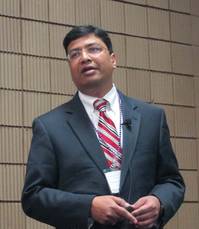
"[Treatment] duration is very important in our patient population because when they are referred to us, it’s very late. They typically have a survival of just 28 to 7 days," Dr. Sriram Yennu said at the annual meeting of the American Academy of Hospice and Palliative Medicine.
Although 20%-50% of palliative care patients receive some form of corticosteroid, no steroid study to date has used cancer-related fatigue (CRF) as a primary outcome or assessed CRF with a validated outcome measure, he said. Fatigue is ubiquitous, however, contributing up to one-third of symptom distress in patients with advanced cancer.
The study enrolled 132 outpatients with a life expectancy of at least 4 weeks with three or more cancer-related symptoms (fatigue, pain, nausea, loss of appetite, depression, anxiety, or sleep disturbance), and randomly assigned them to oral dexamethasone 4 mg twice daily or placebo for 14 days.
The most common diagnosis was head and neck/lung cancer in 45 patients, followed by gastrointestinal cancer in 39, breast cancer in 13, and genitourinary in 10. Median patient age was 60; 81 patients were white, and the average FACIT fatigue score was 19.6, where 52 denotes no fatigue and 0 is severe fatigue.
Among 84 evaluable patients, total scores on FACIT favored the dexamethasone group (18.16 vs. 7.87; P = .03), as did scores on its physical subscale (5.25 vs. 1.32; P = .002), said Dr. Yennu of the department of palliative care and rehabilitation medicine, University of Texas MD Anderson Cancer Center, Houston.
Scores on the physical domain of the Edmonton Symptom Assessment Scale (ESAS) were better in the dexamethasone group than in the placebo group (–10.15 vs. –5.39; P = .04), according to the study, which earned Dr. Yennu a young investigator award.
Notably, scores were similar between the dexamethasone and placebo groups on the emotional subscale of FACIT (1.85 vs. 1.18; P = .49) and the ESAS psychological subscale (–1.48 vs. –2.08; P = .76). The emotional domain of the FACIT-F is measured by six items using a 0-4 scale where 0 is "not at all" and 4 includes statements like "I am losing hope in the fight against my illness." The finding suggests that the improvement in fatigue was likely not just a euphoric effect, as observed before in other steroid trials, Dr. Yennu said.
He expressed concern that corticosteroid use would increase toxicity, particularly insomnia, but no significant differences were observed between the dexamethasone and placebo groups regarding insomnia (3 vs. 4), overall adverse events (41 vs. 44) or serious adverse events (17 vs. 11).
Larger, long-term safety and efficacy studies are needed to address steroid dose and duration, and whether dexamethasone should be coupled with interventions targeting the psychological domain, he said. A 3-point difference in the FACIT is considered clinically important, but research in press in the Journal of Clinical Oncology, by Dr. Yennu and his colleagues, suggests a 10-point difference is more meaningful.
The American Cancer Society supported the study. Dr. Yennu reported having no financial disclosures.
NEW ORLEANS – Dexamethasone was more effective than was placebo in relieving cancer-related fatigue in a double-blind randomized trial of patients with advanced cancer.
After 14 days of treatment, scores on the Functional Assessment of Chronic Illness Therapy (FACIT) fatigue subscale improved by nearly 6 points in the dexamethasone group (9.0 vs. 3.1; P = .008).
"[Treatment] duration is very important in our patient population because when they are referred to us, it’s very late. They typically have a survival of just 28 to 7 days," Dr. Sriram Yennu said at the annual meeting of the American Academy of Hospice and Palliative Medicine.
Although 20%-50% of palliative care patients receive some form of corticosteroid, no steroid study to date has used cancer-related fatigue (CRF) as a primary outcome or assessed CRF with a validated outcome measure, he said. Fatigue is ubiquitous, however, contributing up to one-third of symptom distress in patients with advanced cancer.
The study enrolled 132 outpatients with a life expectancy of at least 4 weeks with three or more cancer-related symptoms (fatigue, pain, nausea, loss of appetite, depression, anxiety, or sleep disturbance), and randomly assigned them to oral dexamethasone 4 mg twice daily or placebo for 14 days.
The most common diagnosis was head and neck/lung cancer in 45 patients, followed by gastrointestinal cancer in 39, breast cancer in 13, and genitourinary in 10. Median patient age was 60; 81 patients were white, and the average FACIT fatigue score was 19.6, where 52 denotes no fatigue and 0 is severe fatigue.
Among 84 evaluable patients, total scores on FACIT favored the dexamethasone group (18.16 vs. 7.87; P = .03), as did scores on its physical subscale (5.25 vs. 1.32; P = .002), said Dr. Yennu of the department of palliative care and rehabilitation medicine, University of Texas MD Anderson Cancer Center, Houston.
Scores on the physical domain of the Edmonton Symptom Assessment Scale (ESAS) were better in the dexamethasone group than in the placebo group (–10.15 vs. –5.39; P = .04), according to the study, which earned Dr. Yennu a young investigator award.
Notably, scores were similar between the dexamethasone and placebo groups on the emotional subscale of FACIT (1.85 vs. 1.18; P = .49) and the ESAS psychological subscale (–1.48 vs. –2.08; P = .76). The emotional domain of the FACIT-F is measured by six items using a 0-4 scale where 0 is "not at all" and 4 includes statements like "I am losing hope in the fight against my illness." The finding suggests that the improvement in fatigue was likely not just a euphoric effect, as observed before in other steroid trials, Dr. Yennu said.
He expressed concern that corticosteroid use would increase toxicity, particularly insomnia, but no significant differences were observed between the dexamethasone and placebo groups regarding insomnia (3 vs. 4), overall adverse events (41 vs. 44) or serious adverse events (17 vs. 11).
Larger, long-term safety and efficacy studies are needed to address steroid dose and duration, and whether dexamethasone should be coupled with interventions targeting the psychological domain, he said. A 3-point difference in the FACIT is considered clinically important, but research in press in the Journal of Clinical Oncology, by Dr. Yennu and his colleagues, suggests a 10-point difference is more meaningful.
The American Cancer Society supported the study. Dr. Yennu reported having no financial disclosures.
NEW ORLEANS – Dexamethasone was more effective than was placebo in relieving cancer-related fatigue in a double-blind randomized trial of patients with advanced cancer.
After 14 days of treatment, scores on the Functional Assessment of Chronic Illness Therapy (FACIT) fatigue subscale improved by nearly 6 points in the dexamethasone group (9.0 vs. 3.1; P = .008).
"[Treatment] duration is very important in our patient population because when they are referred to us, it’s very late. They typically have a survival of just 28 to 7 days," Dr. Sriram Yennu said at the annual meeting of the American Academy of Hospice and Palliative Medicine.
Although 20%-50% of palliative care patients receive some form of corticosteroid, no steroid study to date has used cancer-related fatigue (CRF) as a primary outcome or assessed CRF with a validated outcome measure, he said. Fatigue is ubiquitous, however, contributing up to one-third of symptom distress in patients with advanced cancer.
The study enrolled 132 outpatients with a life expectancy of at least 4 weeks with three or more cancer-related symptoms (fatigue, pain, nausea, loss of appetite, depression, anxiety, or sleep disturbance), and randomly assigned them to oral dexamethasone 4 mg twice daily or placebo for 14 days.
The most common diagnosis was head and neck/lung cancer in 45 patients, followed by gastrointestinal cancer in 39, breast cancer in 13, and genitourinary in 10. Median patient age was 60; 81 patients were white, and the average FACIT fatigue score was 19.6, where 52 denotes no fatigue and 0 is severe fatigue.
Among 84 evaluable patients, total scores on FACIT favored the dexamethasone group (18.16 vs. 7.87; P = .03), as did scores on its physical subscale (5.25 vs. 1.32; P = .002), said Dr. Yennu of the department of palliative care and rehabilitation medicine, University of Texas MD Anderson Cancer Center, Houston.
Scores on the physical domain of the Edmonton Symptom Assessment Scale (ESAS) were better in the dexamethasone group than in the placebo group (–10.15 vs. –5.39; P = .04), according to the study, which earned Dr. Yennu a young investigator award.
Notably, scores were similar between the dexamethasone and placebo groups on the emotional subscale of FACIT (1.85 vs. 1.18; P = .49) and the ESAS psychological subscale (–1.48 vs. –2.08; P = .76). The emotional domain of the FACIT-F is measured by six items using a 0-4 scale where 0 is "not at all" and 4 includes statements like "I am losing hope in the fight against my illness." The finding suggests that the improvement in fatigue was likely not just a euphoric effect, as observed before in other steroid trials, Dr. Yennu said.
He expressed concern that corticosteroid use would increase toxicity, particularly insomnia, but no significant differences were observed between the dexamethasone and placebo groups regarding insomnia (3 vs. 4), overall adverse events (41 vs. 44) or serious adverse events (17 vs. 11).
Larger, long-term safety and efficacy studies are needed to address steroid dose and duration, and whether dexamethasone should be coupled with interventions targeting the psychological domain, he said. A 3-point difference in the FACIT is considered clinically important, but research in press in the Journal of Clinical Oncology, by Dr. Yennu and his colleagues, suggests a 10-point difference is more meaningful.
The American Cancer Society supported the study. Dr. Yennu reported having no financial disclosures.
AT THE AAHPM ANNUAL ASSEMBLY
Major finding: Scores on the FACIT fatigue subscale improved by an average of 6 points in patients treated with dexamethasone, compared with 3 points in patients treated with placebo.
Data source: Double-blind, randomized trial of 132 patients with advanced cancer.
Disclosures: The American Cancer Society supported the study. Dr. Yennu reported having no financial disclosures.
Compounding the woes of cancer patients
Three compounding pharmacies in as many weeks have issued voluntary recalls of their sterile products, heightening concerns about the safety of compounded drugs and infusion products.
Cancer patients are among those at risk. Med Prep Consulting Inc. issued its recall after a Connecticut hospital reported particulates, later identified as fungus, floating in five 50 mL bags of magnesium sulfate IV solution. The fungus was spotted during routine surveillance of intravenous bag preparation by an oncology nurse at Smilow Cancer Hospital at Yale-New Haven (Conn.).
"We bought quite a number of medicines from Med Prep, and we removed all its products immediately from circulation across the hospital following the discovery of this particle," hospital spokesperson Robert Hutchison said in an interview.
The contaminated product did not reach patients at the hospital, but last year’s deadly meningitis outbreak from contaminated methylprednisolone, manufactured by the New England Compounding Center, highlights the dangers of contaminants that aren’t visible. Yale-New Haven Hospital is working closely with state and federal regulatory agencies on how best to move forward while seeking alternative sources for the roughly 40 different products purchased from Med Prep.
"Like many other hospitals, at Yale-New Haven we purchase certain medicines from these pharmacies because our hospital base pharmacies cannot produce the quantity of certain medicines that we require to treat our patients," Mr. Hutchinson said.
The corticosteroid dexamethasone and the antibiotics gentamicin and vancomycin were among those voluntarily recalled by Med Prep.
Societies not taking positions
The American Society of Clinical Oncology reported not being aware of any cancer patients directly affected by the recalls, but has expressed concerns that frail, immunocompromised cancer patients could be receiving contaminated products. ASCO, which has taken a strong role in the oncology drug shortage, is looking into the compounding issue but has not set a date for completing its "due diligence."*
The Hematology/Oncology Pharmacy Association also has not formulated a position on pharmacy compounding, said immediate past-president Lisa M. Holle, PharmD.
The American Cancer Society is unlikely to take up the issue unless it becomes cancer specific, said Dr. J. Leonard Lichtenfeld, deputy chief medical officer. When hospitals go to the grey market for medications, they should be able to do so with confidence that the products they receive are produced in good faith. He pointed to a counterfeit version of the cancer drug bevacizumab recently distributed in the United States without any active ingredient.
Large drug companies are not immune to recalls. Hospira Inc. issued a nationwide recall March 29 for 0.9% sodium chloride injection because brass particulates were found in the product.
Although compounding pharmacies produce only 2%-3% of U.S. prescriptions, some 70% of hospitals have outsourced at least one product, according to Christopher Topoleski, director of federal regulatory affairs for the American Society of Health System Pharmacists (ASHSP), which represents some 40,000 hospital-based pharmacists.
The society held a summit in February along with other stakeholders, including the American Hospital Association, to discuss solutions for the issues surrounding sterile compounding. It also recommended in a letter to the U.S. Department of Health and Human Services a list of characteristics – such as volume, risk level of the compound being prepared, absence of a patient and health care professional relationship, and interstate shipment – that could be used to identify compounders in need of federal oversight.
Although it’s a good starting point, Mr. Topoleski acknowledged that it won’t be easy defining this new breed of nontraditional compounder. For example, small compounding pharmacies may engage in interstate commerce in metropolitan areas like Washington D.C. that span multiple states, while multihospital systems also centrally compound and distribute across state lines. Legal ambiguity also needs to be clarified over when the Food and Drug Administration has authority under the federal Food, Drug, and Cosmetic Act and when individual states’ responsibilities pick up.
"It’s not going to be a clear cut black-and-white line," he said. "There will still be cases that will need to be looked at individually, but I think it’s going to be additional legislation we’ll need to address."
Greater regulation needed
Regulatory agencies and the pharmaceutical industry are promoting track-and-trace systems as one way to fight counterfeit drugs and to ensure that the quality-control chain of compounded products has not been broken.
"Clearly, at the provider end, it is absolutely essential that we have important drugs available to help our patients treat their cancer, manage their symptoms, and deal with any other medical conditions they have and to do it with absolute safety. Those are requirements, they’re not options," said Dr. Maurie Markman, senior vice president of clinical affairs and national director of medical oncology at Cancer Treatment Centers of America in Philadelphia. "It’s a complicated process because we’re at the giving end to the patient, but [regarding] what comes to us, we’re on the receiving end from some commercial entity. I think all of this is very disturbing. That’s all I can say."
Dr. Markman described the increasing reliance on compounding pharmacies as the flip side of the coin to drug shortages that have hit oncology patients hard, particularly shortages of generic, sterile injectable drugs. Compounding pharmacies have traditionally created custom-made products for individual patients, but they also fill gaps in the supply chain when drugs aren’t available from mainstream drug companies.
Some compounders are producing medications in advance of or without a prescription and distributing them across state lines, creating a "new breed" of specialty pharmacy compounding that "has outgrown the law, and can pose a threat to the health of the public," Food and Drug Administration Commissioner Margaret Hamburg wrote in a blog.
She argued for greater federal oversight including such "basic protections" as clear authority to examine compounding pharmacy records and prohibit compounding of "the most complex and highest risk products," including biologics.
The FDA has no data on how many compounded drugs and infusion products are earmarked for cancer patients because, under current law, compounding pharmacies that meet certain conditions are generally not required to register with the FDA or to list the drugs they compound, FDA spokesperson Christopher Kelly said.
The agency came under sharp criticism last fall for failing to take action during the meningitis outbreak, which killed 53 people in 20 states.
The FDA is targeting "higher-risk" compounding pharmacies and has issued multiple warning letters detailing violations found during 30 inspections over the last 2 months.
The FDA issued warning letters to Med Prep Consulting in 2001 and again in July 2010 after an inspection revealed the firm was repackaging sterile drugs without a patient-specific prescription, eliciting concerns about potential microbial contamination. Further details are not being released at this time because of the ongoing investigation, Mr. Kelly said.
Several regulatory proposals were recently floated in Massachusetts, including a bill by Gov. Deval Patrick that requires compounding pharmacies to obtain a special state license and creates whistleblower protections for pharmacy workers.
Last November, Rep. Edward Markey (D-Mass.) introduced the VALID ACT in an effort to strengthen federal regulations for compounding pharmacies. "It was a casualty of a completely inept session of Congress" but will be introduced again in the next 6-12 weeks, Mr. Markey’s communications director Eben Burnham-Snyder said.
The accreditation option
The American Society of Health System Pharmacists is also calling for unaccredited compounding facilities to seek accreditation by a "nationally credible accreditation body." The Pharmacy Compounding Accreditation Board (PCAB) is one possibility, but it’s up to the FDA and Congress to make an endorsement, Mr. Topoleski said.
Of the roughly 3,000 compounding pharmacies in the United States, 171 were accredited by the PCAB at the end of March. Accreditation applications during the first 2.5 months of 2013 outpaced applications for the first half of 2012, said Cindy Freberg, PCAB director of operations. Still, that is only nine more than during the height of the meningitis outbreak. Ms. Freberg said that the voluntary process takes time and involves U.S. Pharmacopeia Chapter 797 compliance for most of the PCAB standards.
"They’re looking for compliance in all of our standards," she said. "It’s not just a matter of picking one or two things."
PCAB accreditation is not recognized in the federal Food, Drug, and Cosmetic Act and "is of no regulatory significance to the FDA," noted Mr. Kelly.
Latest recall update
To date, there have been no injuries or illnesses reported to the FDA related to the Med Prep recall or to the March 25 recall of 16 sterile compounded products by Boston-based Pallimed Solutions just 5 days after Med Prep. The repackaging of bevacizumab (Avastin) into individual doses for off-label ophthalmic use, which has been a long-standing problem for the compounding industry, was tied to five serious eye infections and sparked a recall March 20 by Clinical Specialties Compounding Pharmacy. None of the three compounding pharmacies was accredited by PCAB, according to a search on its website.
*Correction, 4/11/2013: An earlier version of this story misattributed the source of this information.
Three compounding pharmacies in as many weeks have issued voluntary recalls of their sterile products, heightening concerns about the safety of compounded drugs and infusion products.
Cancer patients are among those at risk. Med Prep Consulting Inc. issued its recall after a Connecticut hospital reported particulates, later identified as fungus, floating in five 50 mL bags of magnesium sulfate IV solution. The fungus was spotted during routine surveillance of intravenous bag preparation by an oncology nurse at Smilow Cancer Hospital at Yale-New Haven (Conn.).
"We bought quite a number of medicines from Med Prep, and we removed all its products immediately from circulation across the hospital following the discovery of this particle," hospital spokesperson Robert Hutchison said in an interview.
The contaminated product did not reach patients at the hospital, but last year’s deadly meningitis outbreak from contaminated methylprednisolone, manufactured by the New England Compounding Center, highlights the dangers of contaminants that aren’t visible. Yale-New Haven Hospital is working closely with state and federal regulatory agencies on how best to move forward while seeking alternative sources for the roughly 40 different products purchased from Med Prep.
"Like many other hospitals, at Yale-New Haven we purchase certain medicines from these pharmacies because our hospital base pharmacies cannot produce the quantity of certain medicines that we require to treat our patients," Mr. Hutchinson said.
The corticosteroid dexamethasone and the antibiotics gentamicin and vancomycin were among those voluntarily recalled by Med Prep.
Societies not taking positions
The American Society of Clinical Oncology reported not being aware of any cancer patients directly affected by the recalls, but has expressed concerns that frail, immunocompromised cancer patients could be receiving contaminated products. ASCO, which has taken a strong role in the oncology drug shortage, is looking into the compounding issue but has not set a date for completing its "due diligence."*
The Hematology/Oncology Pharmacy Association also has not formulated a position on pharmacy compounding, said immediate past-president Lisa M. Holle, PharmD.
The American Cancer Society is unlikely to take up the issue unless it becomes cancer specific, said Dr. J. Leonard Lichtenfeld, deputy chief medical officer. When hospitals go to the grey market for medications, they should be able to do so with confidence that the products they receive are produced in good faith. He pointed to a counterfeit version of the cancer drug bevacizumab recently distributed in the United States without any active ingredient.
Large drug companies are not immune to recalls. Hospira Inc. issued a nationwide recall March 29 for 0.9% sodium chloride injection because brass particulates were found in the product.
Although compounding pharmacies produce only 2%-3% of U.S. prescriptions, some 70% of hospitals have outsourced at least one product, according to Christopher Topoleski, director of federal regulatory affairs for the American Society of Health System Pharmacists (ASHSP), which represents some 40,000 hospital-based pharmacists.
The society held a summit in February along with other stakeholders, including the American Hospital Association, to discuss solutions for the issues surrounding sterile compounding. It also recommended in a letter to the U.S. Department of Health and Human Services a list of characteristics – such as volume, risk level of the compound being prepared, absence of a patient and health care professional relationship, and interstate shipment – that could be used to identify compounders in need of federal oversight.
Although it’s a good starting point, Mr. Topoleski acknowledged that it won’t be easy defining this new breed of nontraditional compounder. For example, small compounding pharmacies may engage in interstate commerce in metropolitan areas like Washington D.C. that span multiple states, while multihospital systems also centrally compound and distribute across state lines. Legal ambiguity also needs to be clarified over when the Food and Drug Administration has authority under the federal Food, Drug, and Cosmetic Act and when individual states’ responsibilities pick up.
"It’s not going to be a clear cut black-and-white line," he said. "There will still be cases that will need to be looked at individually, but I think it’s going to be additional legislation we’ll need to address."
Greater regulation needed
Regulatory agencies and the pharmaceutical industry are promoting track-and-trace systems as one way to fight counterfeit drugs and to ensure that the quality-control chain of compounded products has not been broken.
"Clearly, at the provider end, it is absolutely essential that we have important drugs available to help our patients treat their cancer, manage their symptoms, and deal with any other medical conditions they have and to do it with absolute safety. Those are requirements, they’re not options," said Dr. Maurie Markman, senior vice president of clinical affairs and national director of medical oncology at Cancer Treatment Centers of America in Philadelphia. "It’s a complicated process because we’re at the giving end to the patient, but [regarding] what comes to us, we’re on the receiving end from some commercial entity. I think all of this is very disturbing. That’s all I can say."
Dr. Markman described the increasing reliance on compounding pharmacies as the flip side of the coin to drug shortages that have hit oncology patients hard, particularly shortages of generic, sterile injectable drugs. Compounding pharmacies have traditionally created custom-made products for individual patients, but they also fill gaps in the supply chain when drugs aren’t available from mainstream drug companies.
Some compounders are producing medications in advance of or without a prescription and distributing them across state lines, creating a "new breed" of specialty pharmacy compounding that "has outgrown the law, and can pose a threat to the health of the public," Food and Drug Administration Commissioner Margaret Hamburg wrote in a blog.
She argued for greater federal oversight including such "basic protections" as clear authority to examine compounding pharmacy records and prohibit compounding of "the most complex and highest risk products," including biologics.
The FDA has no data on how many compounded drugs and infusion products are earmarked for cancer patients because, under current law, compounding pharmacies that meet certain conditions are generally not required to register with the FDA or to list the drugs they compound, FDA spokesperson Christopher Kelly said.
The agency came under sharp criticism last fall for failing to take action during the meningitis outbreak, which killed 53 people in 20 states.
The FDA is targeting "higher-risk" compounding pharmacies and has issued multiple warning letters detailing violations found during 30 inspections over the last 2 months.
The FDA issued warning letters to Med Prep Consulting in 2001 and again in July 2010 after an inspection revealed the firm was repackaging sterile drugs without a patient-specific prescription, eliciting concerns about potential microbial contamination. Further details are not being released at this time because of the ongoing investigation, Mr. Kelly said.
Several regulatory proposals were recently floated in Massachusetts, including a bill by Gov. Deval Patrick that requires compounding pharmacies to obtain a special state license and creates whistleblower protections for pharmacy workers.
Last November, Rep. Edward Markey (D-Mass.) introduced the VALID ACT in an effort to strengthen federal regulations for compounding pharmacies. "It was a casualty of a completely inept session of Congress" but will be introduced again in the next 6-12 weeks, Mr. Markey’s communications director Eben Burnham-Snyder said.
The accreditation option
The American Society of Health System Pharmacists is also calling for unaccredited compounding facilities to seek accreditation by a "nationally credible accreditation body." The Pharmacy Compounding Accreditation Board (PCAB) is one possibility, but it’s up to the FDA and Congress to make an endorsement, Mr. Topoleski said.
Of the roughly 3,000 compounding pharmacies in the United States, 171 were accredited by the PCAB at the end of March. Accreditation applications during the first 2.5 months of 2013 outpaced applications for the first half of 2012, said Cindy Freberg, PCAB director of operations. Still, that is only nine more than during the height of the meningitis outbreak. Ms. Freberg said that the voluntary process takes time and involves U.S. Pharmacopeia Chapter 797 compliance for most of the PCAB standards.
"They’re looking for compliance in all of our standards," she said. "It’s not just a matter of picking one or two things."
PCAB accreditation is not recognized in the federal Food, Drug, and Cosmetic Act and "is of no regulatory significance to the FDA," noted Mr. Kelly.
Latest recall update
To date, there have been no injuries or illnesses reported to the FDA related to the Med Prep recall or to the March 25 recall of 16 sterile compounded products by Boston-based Pallimed Solutions just 5 days after Med Prep. The repackaging of bevacizumab (Avastin) into individual doses for off-label ophthalmic use, which has been a long-standing problem for the compounding industry, was tied to five serious eye infections and sparked a recall March 20 by Clinical Specialties Compounding Pharmacy. None of the three compounding pharmacies was accredited by PCAB, according to a search on its website.
*Correction, 4/11/2013: An earlier version of this story misattributed the source of this information.
Three compounding pharmacies in as many weeks have issued voluntary recalls of their sterile products, heightening concerns about the safety of compounded drugs and infusion products.
Cancer patients are among those at risk. Med Prep Consulting Inc. issued its recall after a Connecticut hospital reported particulates, later identified as fungus, floating in five 50 mL bags of magnesium sulfate IV solution. The fungus was spotted during routine surveillance of intravenous bag preparation by an oncology nurse at Smilow Cancer Hospital at Yale-New Haven (Conn.).
"We bought quite a number of medicines from Med Prep, and we removed all its products immediately from circulation across the hospital following the discovery of this particle," hospital spokesperson Robert Hutchison said in an interview.
The contaminated product did not reach patients at the hospital, but last year’s deadly meningitis outbreak from contaminated methylprednisolone, manufactured by the New England Compounding Center, highlights the dangers of contaminants that aren’t visible. Yale-New Haven Hospital is working closely with state and federal regulatory agencies on how best to move forward while seeking alternative sources for the roughly 40 different products purchased from Med Prep.
"Like many other hospitals, at Yale-New Haven we purchase certain medicines from these pharmacies because our hospital base pharmacies cannot produce the quantity of certain medicines that we require to treat our patients," Mr. Hutchinson said.
The corticosteroid dexamethasone and the antibiotics gentamicin and vancomycin were among those voluntarily recalled by Med Prep.
Societies not taking positions
The American Society of Clinical Oncology reported not being aware of any cancer patients directly affected by the recalls, but has expressed concerns that frail, immunocompromised cancer patients could be receiving contaminated products. ASCO, which has taken a strong role in the oncology drug shortage, is looking into the compounding issue but has not set a date for completing its "due diligence."*
The Hematology/Oncology Pharmacy Association also has not formulated a position on pharmacy compounding, said immediate past-president Lisa M. Holle, PharmD.
The American Cancer Society is unlikely to take up the issue unless it becomes cancer specific, said Dr. J. Leonard Lichtenfeld, deputy chief medical officer. When hospitals go to the grey market for medications, they should be able to do so with confidence that the products they receive are produced in good faith. He pointed to a counterfeit version of the cancer drug bevacizumab recently distributed in the United States without any active ingredient.
Large drug companies are not immune to recalls. Hospira Inc. issued a nationwide recall March 29 for 0.9% sodium chloride injection because brass particulates were found in the product.
Although compounding pharmacies produce only 2%-3% of U.S. prescriptions, some 70% of hospitals have outsourced at least one product, according to Christopher Topoleski, director of federal regulatory affairs for the American Society of Health System Pharmacists (ASHSP), which represents some 40,000 hospital-based pharmacists.
The society held a summit in February along with other stakeholders, including the American Hospital Association, to discuss solutions for the issues surrounding sterile compounding. It also recommended in a letter to the U.S. Department of Health and Human Services a list of characteristics – such as volume, risk level of the compound being prepared, absence of a patient and health care professional relationship, and interstate shipment – that could be used to identify compounders in need of federal oversight.
Although it’s a good starting point, Mr. Topoleski acknowledged that it won’t be easy defining this new breed of nontraditional compounder. For example, small compounding pharmacies may engage in interstate commerce in metropolitan areas like Washington D.C. that span multiple states, while multihospital systems also centrally compound and distribute across state lines. Legal ambiguity also needs to be clarified over when the Food and Drug Administration has authority under the federal Food, Drug, and Cosmetic Act and when individual states’ responsibilities pick up.
"It’s not going to be a clear cut black-and-white line," he said. "There will still be cases that will need to be looked at individually, but I think it’s going to be additional legislation we’ll need to address."
Greater regulation needed
Regulatory agencies and the pharmaceutical industry are promoting track-and-trace systems as one way to fight counterfeit drugs and to ensure that the quality-control chain of compounded products has not been broken.
"Clearly, at the provider end, it is absolutely essential that we have important drugs available to help our patients treat their cancer, manage their symptoms, and deal with any other medical conditions they have and to do it with absolute safety. Those are requirements, they’re not options," said Dr. Maurie Markman, senior vice president of clinical affairs and national director of medical oncology at Cancer Treatment Centers of America in Philadelphia. "It’s a complicated process because we’re at the giving end to the patient, but [regarding] what comes to us, we’re on the receiving end from some commercial entity. I think all of this is very disturbing. That’s all I can say."
Dr. Markman described the increasing reliance on compounding pharmacies as the flip side of the coin to drug shortages that have hit oncology patients hard, particularly shortages of generic, sterile injectable drugs. Compounding pharmacies have traditionally created custom-made products for individual patients, but they also fill gaps in the supply chain when drugs aren’t available from mainstream drug companies.
Some compounders are producing medications in advance of or without a prescription and distributing them across state lines, creating a "new breed" of specialty pharmacy compounding that "has outgrown the law, and can pose a threat to the health of the public," Food and Drug Administration Commissioner Margaret Hamburg wrote in a blog.
She argued for greater federal oversight including such "basic protections" as clear authority to examine compounding pharmacy records and prohibit compounding of "the most complex and highest risk products," including biologics.
The FDA has no data on how many compounded drugs and infusion products are earmarked for cancer patients because, under current law, compounding pharmacies that meet certain conditions are generally not required to register with the FDA or to list the drugs they compound, FDA spokesperson Christopher Kelly said.
The agency came under sharp criticism last fall for failing to take action during the meningitis outbreak, which killed 53 people in 20 states.
The FDA is targeting "higher-risk" compounding pharmacies and has issued multiple warning letters detailing violations found during 30 inspections over the last 2 months.
The FDA issued warning letters to Med Prep Consulting in 2001 and again in July 2010 after an inspection revealed the firm was repackaging sterile drugs without a patient-specific prescription, eliciting concerns about potential microbial contamination. Further details are not being released at this time because of the ongoing investigation, Mr. Kelly said.
Several regulatory proposals were recently floated in Massachusetts, including a bill by Gov. Deval Patrick that requires compounding pharmacies to obtain a special state license and creates whistleblower protections for pharmacy workers.
Last November, Rep. Edward Markey (D-Mass.) introduced the VALID ACT in an effort to strengthen federal regulations for compounding pharmacies. "It was a casualty of a completely inept session of Congress" but will be introduced again in the next 6-12 weeks, Mr. Markey’s communications director Eben Burnham-Snyder said.
The accreditation option
The American Society of Health System Pharmacists is also calling for unaccredited compounding facilities to seek accreditation by a "nationally credible accreditation body." The Pharmacy Compounding Accreditation Board (PCAB) is one possibility, but it’s up to the FDA and Congress to make an endorsement, Mr. Topoleski said.
Of the roughly 3,000 compounding pharmacies in the United States, 171 were accredited by the PCAB at the end of March. Accreditation applications during the first 2.5 months of 2013 outpaced applications for the first half of 2012, said Cindy Freberg, PCAB director of operations. Still, that is only nine more than during the height of the meningitis outbreak. Ms. Freberg said that the voluntary process takes time and involves U.S. Pharmacopeia Chapter 797 compliance for most of the PCAB standards.
"They’re looking for compliance in all of our standards," she said. "It’s not just a matter of picking one or two things."
PCAB accreditation is not recognized in the federal Food, Drug, and Cosmetic Act and "is of no regulatory significance to the FDA," noted Mr. Kelly.
Latest recall update
To date, there have been no injuries or illnesses reported to the FDA related to the Med Prep recall or to the March 25 recall of 16 sterile compounded products by Boston-based Pallimed Solutions just 5 days after Med Prep. The repackaging of bevacizumab (Avastin) into individual doses for off-label ophthalmic use, which has been a long-standing problem for the compounding industry, was tied to five serious eye infections and sparked a recall March 20 by Clinical Specialties Compounding Pharmacy. None of the three compounding pharmacies was accredited by PCAB, according to a search on its website.
*Correction, 4/11/2013: An earlier version of this story misattributed the source of this information.
NEWS ANALYSIS
Prescription is futile: Medication burden remains high at end of life
NEW ORLEANS – Futile and duplicate medications remain a significant burden among patients at the end of life, according to a blinded, prospective cohort study of 397 consecutive hospice patients.
At some point in their end of life care, 39% of patients received futile medications such as statins, and 19% received duplicate medications.

Reducing futile and duplicate medications provides not only a cost benefit, but also a morbidity benefit because many of these patients are frail and sometimes unable to swallow, and these medications increase pill burden and may actually exacerbate the very symptoms you’re trying to treat, Nehal Munshi said at the annual meeting of the American Academy of Hospice and Palliative Medicine.
Based on the medical literature and personal experience, the patients’ medications were independently ranked by two expert palliative care physicians and one pharmacist as appropriate, questionable, futile, duplicate, or not enough patient data to support a ranking. Consensus was achieved where there were discrepancies.
Medications in the hospice emergency kit, also known as the e-kit, were omitted from the analysis. Duplication medications were defined as two agents prescribed for the same indication when one would have sufficed.
Patients in the study were drawn from six hospice agencies in Louisiana over a 6-month period. Their median age was 80 (range 23-107), 58% were women, 72% were white, 23% black, and 0.5% Hispanic. More than one-third of patients (37.3%) died within 2 weeks of study entry.
Vitamins and minerals including calcium, iron, and fish oil supplements made up the bulk of futile medications (67%), followed by statins (21%), and other medications (12%) including allopurinol (Zyloprim and generics), Imodium, megestrol acetate (Megace), Metamucil, epoetin alfa (Epogen), alendronate sodium (Fosamax), cholestyramine (Questran), and silodosin (Rapaflo), Mr. Munshi reported.
Questionable medications were anticoagulants/antiplatelets (36%), Alzheimer’s medications (18%), electrolytes (14%), appetite stimulants (9%), and other (23%) including acetaminophen, ranitidine (Zantac), methylphenidate (Ritalin), amphetamine and dextroamphetamine (Adderall), cetirizine (Zyrtec), and Sudafed.
Prior to hospice admission, patients were on a median of 7 medications, but as many as 27 separate medications, said Mr. Munshi, a fourth-year medical student at Tulane Medical School in New Orleans. It was not possible to determine whether the average number of medications was lower for those entering hospice after being cared for by a palliative care physician.
Hospices appeared to make little headway in reducing pill burden. Only 7.3% of patients with futile medications prior to hospice admission had such medications withdrawn in hospice care.
Stripping away unnecessary medications can actually increase well being among patients entering hospice, a phenomenon known as the "hospice bounce," Dr. Louis Lux, medical director of Hospice Compassus in Austin, and director of the internal medicine clerkship at Texas A&M Health Science Center in Round Rock, both in Texas, said during a discussion of the study. He suggested that it helps patients to understand that their bodies are changing and that you’re not taking away medications, but trying to improve their quality of life.
"Sometimes it’s a choice between being able to swallow a statin or an antiemetic," he said.
At the same time, Dr. Lux cautioned that many patients are invested in their medications, and that studies have shown that abrupt cessation of statins can increase the risk of cardiovascular events in some people.
Mr. Munshi agreed that medication reduction "needs to be a team approach" including the patient, the family, community physicians, specialists, and hospice providers, but suggested that policy and practice modifications aimed at reducing futile and duplication medications, not only after the transition to hospice but potentially much earlier or prior to starting a treatment, could yield substantial benefits.
The authors reported no relevant conflicts of interest.
NEW ORLEANS – Futile and duplicate medications remain a significant burden among patients at the end of life, according to a blinded, prospective cohort study of 397 consecutive hospice patients.
At some point in their end of life care, 39% of patients received futile medications such as statins, and 19% received duplicate medications.
Reducing futile and duplicate medications provides not only a cost benefit, but also a morbidity benefit because many of these patients are frail and sometimes unable to swallow, and these medications increase pill burden and may actually exacerbate the very symptoms you’re trying to treat, Nehal Munshi said at the annual meeting of the American Academy of Hospice and Palliative Medicine.
Based on the medical literature and personal experience, the patients’ medications were independently ranked by two expert palliative care physicians and one pharmacist as appropriate, questionable, futile, duplicate, or not enough patient data to support a ranking. Consensus was achieved where there were discrepancies.
Medications in the hospice emergency kit, also known as the e-kit, were omitted from the analysis. Duplication medications were defined as two agents prescribed for the same indication when one would have sufficed.
Patients in the study were drawn from six hospice agencies in Louisiana over a 6-month period. Their median age was 80 (range 23-107), 58% were women, 72% were white, 23% black, and 0.5% Hispanic. More than one-third of patients (37.3%) died within 2 weeks of study entry.
Vitamins and minerals including calcium, iron, and fish oil supplements made up the bulk of futile medications (67%), followed by statins (21%), and other medications (12%) including allopurinol (Zyloprim and generics), Imodium, megestrol acetate (Megace), Metamucil, epoetin alfa (Epogen), alendronate sodium (Fosamax), cholestyramine (Questran), and silodosin (Rapaflo), Mr. Munshi reported.
Questionable medications were anticoagulants/antiplatelets (36%), Alzheimer’s medications (18%), electrolytes (14%), appetite stimulants (9%), and other (23%) including acetaminophen, ranitidine (Zantac), methylphenidate (Ritalin), amphetamine and dextroamphetamine (Adderall), cetirizine (Zyrtec), and Sudafed.
Prior to hospice admission, patients were on a median of 7 medications, but as many as 27 separate medications, said Mr. Munshi, a fourth-year medical student at Tulane Medical School in New Orleans. It was not possible to determine whether the average number of medications was lower for those entering hospice after being cared for by a palliative care physician.
Hospices appeared to make little headway in reducing pill burden. Only 7.3% of patients with futile medications prior to hospice admission had such medications withdrawn in hospice care.
Stripping away unnecessary medications can actually increase well being among patients entering hospice, a phenomenon known as the "hospice bounce," Dr. Louis Lux, medical director of Hospice Compassus in Austin, and director of the internal medicine clerkship at Texas A&M Health Science Center in Round Rock, both in Texas, said during a discussion of the study. He suggested that it helps patients to understand that their bodies are changing and that you’re not taking away medications, but trying to improve their quality of life.
"Sometimes it’s a choice between being able to swallow a statin or an antiemetic," he said.
At the same time, Dr. Lux cautioned that many patients are invested in their medications, and that studies have shown that abrupt cessation of statins can increase the risk of cardiovascular events in some people.
Mr. Munshi agreed that medication reduction "needs to be a team approach" including the patient, the family, community physicians, specialists, and hospice providers, but suggested that policy and practice modifications aimed at reducing futile and duplication medications, not only after the transition to hospice but potentially much earlier or prior to starting a treatment, could yield substantial benefits.
The authors reported no relevant conflicts of interest.
NEW ORLEANS – Futile and duplicate medications remain a significant burden among patients at the end of life, according to a blinded, prospective cohort study of 397 consecutive hospice patients.
At some point in their end of life care, 39% of patients received futile medications such as statins, and 19% received duplicate medications.
Reducing futile and duplicate medications provides not only a cost benefit, but also a morbidity benefit because many of these patients are frail and sometimes unable to swallow, and these medications increase pill burden and may actually exacerbate the very symptoms you’re trying to treat, Nehal Munshi said at the annual meeting of the American Academy of Hospice and Palliative Medicine.
Based on the medical literature and personal experience, the patients’ medications were independently ranked by two expert palliative care physicians and one pharmacist as appropriate, questionable, futile, duplicate, or not enough patient data to support a ranking. Consensus was achieved where there were discrepancies.
Medications in the hospice emergency kit, also known as the e-kit, were omitted from the analysis. Duplication medications were defined as two agents prescribed for the same indication when one would have sufficed.
Patients in the study were drawn from six hospice agencies in Louisiana over a 6-month period. Their median age was 80 (range 23-107), 58% were women, 72% were white, 23% black, and 0.5% Hispanic. More than one-third of patients (37.3%) died within 2 weeks of study entry.
Vitamins and minerals including calcium, iron, and fish oil supplements made up the bulk of futile medications (67%), followed by statins (21%), and other medications (12%) including allopurinol (Zyloprim and generics), Imodium, megestrol acetate (Megace), Metamucil, epoetin alfa (Epogen), alendronate sodium (Fosamax), cholestyramine (Questran), and silodosin (Rapaflo), Mr. Munshi reported.
Questionable medications were anticoagulants/antiplatelets (36%), Alzheimer’s medications (18%), electrolytes (14%), appetite stimulants (9%), and other (23%) including acetaminophen, ranitidine (Zantac), methylphenidate (Ritalin), amphetamine and dextroamphetamine (Adderall), cetirizine (Zyrtec), and Sudafed.
Prior to hospice admission, patients were on a median of 7 medications, but as many as 27 separate medications, said Mr. Munshi, a fourth-year medical student at Tulane Medical School in New Orleans. It was not possible to determine whether the average number of medications was lower for those entering hospice after being cared for by a palliative care physician.
Hospices appeared to make little headway in reducing pill burden. Only 7.3% of patients with futile medications prior to hospice admission had such medications withdrawn in hospice care.
Stripping away unnecessary medications can actually increase well being among patients entering hospice, a phenomenon known as the "hospice bounce," Dr. Louis Lux, medical director of Hospice Compassus in Austin, and director of the internal medicine clerkship at Texas A&M Health Science Center in Round Rock, both in Texas, said during a discussion of the study. He suggested that it helps patients to understand that their bodies are changing and that you’re not taking away medications, but trying to improve their quality of life.
"Sometimes it’s a choice between being able to swallow a statin or an antiemetic," he said.
At the same time, Dr. Lux cautioned that many patients are invested in their medications, and that studies have shown that abrupt cessation of statins can increase the risk of cardiovascular events in some people.
Mr. Munshi agreed that medication reduction "needs to be a team approach" including the patient, the family, community physicians, specialists, and hospice providers, but suggested that policy and practice modifications aimed at reducing futile and duplication medications, not only after the transition to hospice but potentially much earlier or prior to starting a treatment, could yield substantial benefits.
The authors reported no relevant conflicts of interest.
AT THE AAHPM ANNUAL ASSEMBLY
Major finding: At some point in their end of life care, 39% of patients received futile medications and 19% received duplicate medications.
Data source: Blinded, prospective cohort study of 397 consecutive hospice patients.
Disclosures: The authors reported no relevant conflicts of interest.
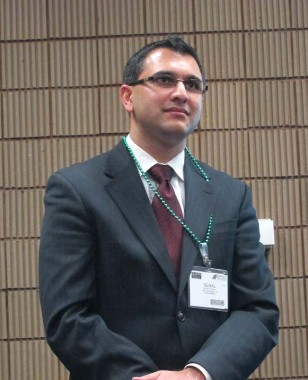
What's in a name: Is the moniker 'palliative care' too loaded?
NEW ORLEANS – That which we call a rose by any other name would smell as sweet. Perhaps not, if the conversation turns to palliative care.
A telephone survey of 169 patients with advanced cancer found that those randomized to hear the term "supportive care" instead of "palliative care" rated their understanding, overall impressions and future perceived need for those services significantly higher.
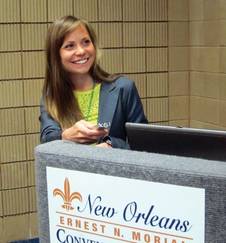
In contrast, there was no significant difference in outcomes when patients heard either a "patient-centered" or "traditional" description of palliative/supportive care services, Rachael Maciasz said at the annual meeting of the American Association of Hospice and Palliative Medicine.
"It may be that ‘palliative care’ is so loaded with advanced cancer patients because of family members’ or friends’ experiences with this in the past that [they think] their family member is going to die," she said. "Perhaps what comes after that, no matter how you describe it, you can’t change that impression."
Patients with stage IV solid tumors or refractory/recurrent hematologic malignancies were recruited from 20 oncologists at two comprehensive cancer centers in Pittsburgh, and randomized to one of four survey groups: "palliative care/patient-centered," "palliative care/traditional," "supportive care/patient-centered," and "supportive care/traditional." Outcomes were measured using 10-point Likert scales, with 0 meaning "do not understand at all," or impression "not favorable at all" or "strongly disagree with" a need for services.
The most common cancer diagnoses were breast (32%), lung (18%), and gastrointestinal (13%).
The majority (63%) of patients were female, 95% were white, 88% were Catholic/Christian, 4% Jewish, and 7% other religion or agnostic. The most common cancer diagnoses were breast (32%), lung (18%), and gastrointestinal (13%). Their average age was 62 and roughly 11% had prior exposure to palliative care services.
The supportive care groups had significantly higher mean ratings than did the palliative care groups for overall understanding of what the service had to offer (7.7 vs. 6.8) and for overall favorable impressions (8.4 vs. 7.3), said Ms. Maciasz, a fourth-year medical student and a Doris Duke Clinical Research Fellow at the University of Pittsburgh.
Patients rated their current need for supportive and palliative care services equally, but were significantly more likely to perceive a future need for supportive services for themselves or family (8.6 vs. 7.7).
All patients rated their willingness to see a supportive/palliative care specialist as higher if their oncologist recommended it rather than if they had to ask their oncologist whether they could see a specialist on their own (8.6 vs. 6.0).
In a robust multivariable regression model that adjusted for term, description, and all significant variables in univariate analyses, the term supportive care was again significantly associated with more favorable impressions (correlation coefficient 1.24) and higher future perceived need (correlation coefficient 0.93), Ms. Maciasz said.
The qualitative results also paralleled the quantitative results.
"I had the impression that fewer patients went in with an impression of palliative care and that if you could explain it in ways that made perfect sense and described how awesome it is, that it wouldn’t matter if it was [called] palliative or supportive," Ms. Maciasz said in an interview. "I think it’s just loaded, but I don’t think it’s unique to patients."
Research data have shown that some oncologists don’t like the term palliative care. "I think there’s something about the term palliative care that means I can’t give you everything you need," she suggested.
Ms. Maciasz and her coauthors reported having no financial disclosures.
NEW ORLEANS – That which we call a rose by any other name would smell as sweet. Perhaps not, if the conversation turns to palliative care.
A telephone survey of 169 patients with advanced cancer found that those randomized to hear the term "supportive care" instead of "palliative care" rated their understanding, overall impressions and future perceived need for those services significantly higher.
In contrast, there was no significant difference in outcomes when patients heard either a "patient-centered" or "traditional" description of palliative/supportive care services, Rachael Maciasz said at the annual meeting of the American Association of Hospice and Palliative Medicine.
"It may be that ‘palliative care’ is so loaded with advanced cancer patients because of family members’ or friends’ experiences with this in the past that [they think] their family member is going to die," she said. "Perhaps what comes after that, no matter how you describe it, you can’t change that impression."
Patients with stage IV solid tumors or refractory/recurrent hematologic malignancies were recruited from 20 oncologists at two comprehensive cancer centers in Pittsburgh, and randomized to one of four survey groups: "palliative care/patient-centered," "palliative care/traditional," "supportive care/patient-centered," and "supportive care/traditional." Outcomes were measured using 10-point Likert scales, with 0 meaning "do not understand at all," or impression "not favorable at all" or "strongly disagree with" a need for services.
The most common cancer diagnoses were breast (32%), lung (18%), and gastrointestinal (13%).
The majority (63%) of patients were female, 95% were white, 88% were Catholic/Christian, 4% Jewish, and 7% other religion or agnostic. The most common cancer diagnoses were breast (32%), lung (18%), and gastrointestinal (13%). Their average age was 62 and roughly 11% had prior exposure to palliative care services.
The supportive care groups had significantly higher mean ratings than did the palliative care groups for overall understanding of what the service had to offer (7.7 vs. 6.8) and for overall favorable impressions (8.4 vs. 7.3), said Ms. Maciasz, a fourth-year medical student and a Doris Duke Clinical Research Fellow at the University of Pittsburgh.
Patients rated their current need for supportive and palliative care services equally, but were significantly more likely to perceive a future need for supportive services for themselves or family (8.6 vs. 7.7).
All patients rated their willingness to see a supportive/palliative care specialist as higher if their oncologist recommended it rather than if they had to ask their oncologist whether they could see a specialist on their own (8.6 vs. 6.0).
In a robust multivariable regression model that adjusted for term, description, and all significant variables in univariate analyses, the term supportive care was again significantly associated with more favorable impressions (correlation coefficient 1.24) and higher future perceived need (correlation coefficient 0.93), Ms. Maciasz said.
The qualitative results also paralleled the quantitative results.
"I had the impression that fewer patients went in with an impression of palliative care and that if you could explain it in ways that made perfect sense and described how awesome it is, that it wouldn’t matter if it was [called] palliative or supportive," Ms. Maciasz said in an interview. "I think it’s just loaded, but I don’t think it’s unique to patients."
Research data have shown that some oncologists don’t like the term palliative care. "I think there’s something about the term palliative care that means I can’t give you everything you need," she suggested.
Ms. Maciasz and her coauthors reported having no financial disclosures.
NEW ORLEANS – That which we call a rose by any other name would smell as sweet. Perhaps not, if the conversation turns to palliative care.
A telephone survey of 169 patients with advanced cancer found that those randomized to hear the term "supportive care" instead of "palliative care" rated their understanding, overall impressions and future perceived need for those services significantly higher.
In contrast, there was no significant difference in outcomes when patients heard either a "patient-centered" or "traditional" description of palliative/supportive care services, Rachael Maciasz said at the annual meeting of the American Association of Hospice and Palliative Medicine.
"It may be that ‘palliative care’ is so loaded with advanced cancer patients because of family members’ or friends’ experiences with this in the past that [they think] their family member is going to die," she said. "Perhaps what comes after that, no matter how you describe it, you can’t change that impression."
Patients with stage IV solid tumors or refractory/recurrent hematologic malignancies were recruited from 20 oncologists at two comprehensive cancer centers in Pittsburgh, and randomized to one of four survey groups: "palliative care/patient-centered," "palliative care/traditional," "supportive care/patient-centered," and "supportive care/traditional." Outcomes were measured using 10-point Likert scales, with 0 meaning "do not understand at all," or impression "not favorable at all" or "strongly disagree with" a need for services.
The most common cancer diagnoses were breast (32%), lung (18%), and gastrointestinal (13%).
The majority (63%) of patients were female, 95% were white, 88% were Catholic/Christian, 4% Jewish, and 7% other religion or agnostic. The most common cancer diagnoses were breast (32%), lung (18%), and gastrointestinal (13%). Their average age was 62 and roughly 11% had prior exposure to palliative care services.
The supportive care groups had significantly higher mean ratings than did the palliative care groups for overall understanding of what the service had to offer (7.7 vs. 6.8) and for overall favorable impressions (8.4 vs. 7.3), said Ms. Maciasz, a fourth-year medical student and a Doris Duke Clinical Research Fellow at the University of Pittsburgh.
Patients rated their current need for supportive and palliative care services equally, but were significantly more likely to perceive a future need for supportive services for themselves or family (8.6 vs. 7.7).
All patients rated their willingness to see a supportive/palliative care specialist as higher if their oncologist recommended it rather than if they had to ask their oncologist whether they could see a specialist on their own (8.6 vs. 6.0).
In a robust multivariable regression model that adjusted for term, description, and all significant variables in univariate analyses, the term supportive care was again significantly associated with more favorable impressions (correlation coefficient 1.24) and higher future perceived need (correlation coefficient 0.93), Ms. Maciasz said.
The qualitative results also paralleled the quantitative results.
"I had the impression that fewer patients went in with an impression of palliative care and that if you could explain it in ways that made perfect sense and described how awesome it is, that it wouldn’t matter if it was [called] palliative or supportive," Ms. Maciasz said in an interview. "I think it’s just loaded, but I don’t think it’s unique to patients."
Research data have shown that some oncologists don’t like the term palliative care. "I think there’s something about the term palliative care that means I can’t give you everything you need," she suggested.
Ms. Maciasz and her coauthors reported having no financial disclosures.
AT THE AAHPM ANNUAL ASSEMBLY
Major finding: The term supportive care was rated significantly higher than palliative care for overall understanding (mean 7.7 vs. 6.8; P = .021), favorable impressions (mean 8.4 vs. 7.3; P = .002) and perceived future need (8.6 vs. 7.7; P = .017).
Data source: Randomized 2X2 factorial telephone survey of 169 patients with advanced cancer.
Disclosures: The authors reported having no financial disclosures.
MOPAT may guide pain evaluation, relief in noncommunicative patients
NEW ORLEANS – The Multidimensional Objective Pain Assessment Tool can be used to assess and guide relief of acute pain in noncommunicative hospice patients in an inpatient setting, a study has shown.
"The MOPAT was reliable, fast, and clinically useful," Deborah McGuire, Ph.D., said at the annual assembly of the American Academy of Hospice and Palliative Medicine.
Assessing pain in patients who can not self-report their pain is a continuing clinical challenge, she observed. There are few validated assessment tools, and the limited research that is available is typically in partially cognitively impaired patients, limiting the ability to extrapolate the findings to patients who are fully cognitively impaired.
To address this gap, investigators at the University of Maryland School of Nursing in Baltimore validated the MOPAT, which consists of a four-item behavioral dimension ranked on a 3-point scale with 0 being none and 3 severe, and a three-item physiologic dimension rated as "no change from usual" or "change from usual." Both dimensions are summed for a total score of pain severity.
As part of the hospital study, staff and study nurses also used the MOPAT before and after pharmacologic and nonpharmacologic pain interventions in 100 patients admitted to a community-based hospice in a noncommunicative state and receiving palliative care for a diagnosis or condition known to cause acute pain.
Their average age was 72.6 years (range, 35-99 years); 61% were women; 92% were white; and 53% were in the active/terminal phase of dying. Other reasons for noncommunication included expressive/receptive aphasia (15%), metabolic encephalopathy (7%), stroke (6%), malignancy (5%), and delirium (5%). Pain was typically due to functional activities such as bathing and turning patients (57.3%), followed by inadequate analgesia in 31% and other reasons in 12%.
Agreement between staff and study nurses on pain ratings before and after the pain interventions was generally good on both the behavioral dimension (61.2% vs. 73.3%) and physiologic dimension (79.6% vs. 78%), said Dr. McGuire, professor of nursing at the university.
Results for internal consistency were acceptable for the behavioral dimension (alpha coefficient, 0.77 for study nurses and 0.81 for staff nurses) and for the overall scores (0.77), but not for the physiologic dimension (0.44 for study nurses; 0.63 for staff nurses). The inability to scale the severity of physiologic indicators likely contributed to the low alpha coefficients for this dimension, she said, adding in an interview that the dimension is currently being revised for the investigators’ next study.
Still, pain scores as rated by staff nurses decreased significantly after the pain interventions on the behavioral (mean, 6.3 vs. 1.7) and physiologic dimensions (mean, 1.49 vs. 0.89), indicating that "the MOPAT was sensitive to changes in pain and therefore a good measure of pain severity," Dr. McGuire said at the meeting, also sponsored by the Hospice and Palliative Nurses Association.
When surveyed on how often they encountered patients unable to communicate, 64.5% of 62 nurses said frequently; 32%, occasionally; and 3.2%, constantly.
Using a five-point scale, nurses also reported that the MOPAT was easy to use (mean score, 3.86); was easy to understand (3.90); assisted in communicating to others about the patient’s pain (3.67); and was helpful in determining whether the patient might need a pain relief intervention (3.64).
Dr. McGuire noted that the Hospice of Lancaster County (Pa.) has incorporated the MOPAT into its pain standard of care in the inpatient units and the home setting, and that it will be tested in combination with analgesic order sets in 22 different hospital inpatient units to examine pain-related outcomes such as severity and treatment choice.
"What we are aiming at in our longer-term program of research is to be able to find a simple tool that can be used to assess pain in people who can’t self-report across various settings in which palliative care is given – not just acute care or hospice," she said.
The National Institute of Nursing Research sponsored the study. Dr. McGuire and her coauthors reported no relevant financial disclosures.
NEW ORLEANS – The Multidimensional Objective Pain Assessment Tool can be used to assess and guide relief of acute pain in noncommunicative hospice patients in an inpatient setting, a study has shown.
"The MOPAT was reliable, fast, and clinically useful," Deborah McGuire, Ph.D., said at the annual assembly of the American Academy of Hospice and Palliative Medicine.
Assessing pain in patients who can not self-report their pain is a continuing clinical challenge, she observed. There are few validated assessment tools, and the limited research that is available is typically in partially cognitively impaired patients, limiting the ability to extrapolate the findings to patients who are fully cognitively impaired.
To address this gap, investigators at the University of Maryland School of Nursing in Baltimore validated the MOPAT, which consists of a four-item behavioral dimension ranked on a 3-point scale with 0 being none and 3 severe, and a three-item physiologic dimension rated as "no change from usual" or "change from usual." Both dimensions are summed for a total score of pain severity.
As part of the hospital study, staff and study nurses also used the MOPAT before and after pharmacologic and nonpharmacologic pain interventions in 100 patients admitted to a community-based hospice in a noncommunicative state and receiving palliative care for a diagnosis or condition known to cause acute pain.
Their average age was 72.6 years (range, 35-99 years); 61% were women; 92% were white; and 53% were in the active/terminal phase of dying. Other reasons for noncommunication included expressive/receptive aphasia (15%), metabolic encephalopathy (7%), stroke (6%), malignancy (5%), and delirium (5%). Pain was typically due to functional activities such as bathing and turning patients (57.3%), followed by inadequate analgesia in 31% and other reasons in 12%.
Agreement between staff and study nurses on pain ratings before and after the pain interventions was generally good on both the behavioral dimension (61.2% vs. 73.3%) and physiologic dimension (79.6% vs. 78%), said Dr. McGuire, professor of nursing at the university.
Results for internal consistency were acceptable for the behavioral dimension (alpha coefficient, 0.77 for study nurses and 0.81 for staff nurses) and for the overall scores (0.77), but not for the physiologic dimension (0.44 for study nurses; 0.63 for staff nurses). The inability to scale the severity of physiologic indicators likely contributed to the low alpha coefficients for this dimension, she said, adding in an interview that the dimension is currently being revised for the investigators’ next study.
Still, pain scores as rated by staff nurses decreased significantly after the pain interventions on the behavioral (mean, 6.3 vs. 1.7) and physiologic dimensions (mean, 1.49 vs. 0.89), indicating that "the MOPAT was sensitive to changes in pain and therefore a good measure of pain severity," Dr. McGuire said at the meeting, also sponsored by the Hospice and Palliative Nurses Association.
When surveyed on how often they encountered patients unable to communicate, 64.5% of 62 nurses said frequently; 32%, occasionally; and 3.2%, constantly.
Using a five-point scale, nurses also reported that the MOPAT was easy to use (mean score, 3.86); was easy to understand (3.90); assisted in communicating to others about the patient’s pain (3.67); and was helpful in determining whether the patient might need a pain relief intervention (3.64).
Dr. McGuire noted that the Hospice of Lancaster County (Pa.) has incorporated the MOPAT into its pain standard of care in the inpatient units and the home setting, and that it will be tested in combination with analgesic order sets in 22 different hospital inpatient units to examine pain-related outcomes such as severity and treatment choice.
"What we are aiming at in our longer-term program of research is to be able to find a simple tool that can be used to assess pain in people who can’t self-report across various settings in which palliative care is given – not just acute care or hospice," she said.
The National Institute of Nursing Research sponsored the study. Dr. McGuire and her coauthors reported no relevant financial disclosures.
NEW ORLEANS – The Multidimensional Objective Pain Assessment Tool can be used to assess and guide relief of acute pain in noncommunicative hospice patients in an inpatient setting, a study has shown.
"The MOPAT was reliable, fast, and clinically useful," Deborah McGuire, Ph.D., said at the annual assembly of the American Academy of Hospice and Palliative Medicine.
Assessing pain in patients who can not self-report their pain is a continuing clinical challenge, she observed. There are few validated assessment tools, and the limited research that is available is typically in partially cognitively impaired patients, limiting the ability to extrapolate the findings to patients who are fully cognitively impaired.
To address this gap, investigators at the University of Maryland School of Nursing in Baltimore validated the MOPAT, which consists of a four-item behavioral dimension ranked on a 3-point scale with 0 being none and 3 severe, and a three-item physiologic dimension rated as "no change from usual" or "change from usual." Both dimensions are summed for a total score of pain severity.
As part of the hospital study, staff and study nurses also used the MOPAT before and after pharmacologic and nonpharmacologic pain interventions in 100 patients admitted to a community-based hospice in a noncommunicative state and receiving palliative care for a diagnosis or condition known to cause acute pain.
Their average age was 72.6 years (range, 35-99 years); 61% were women; 92% were white; and 53% were in the active/terminal phase of dying. Other reasons for noncommunication included expressive/receptive aphasia (15%), metabolic encephalopathy (7%), stroke (6%), malignancy (5%), and delirium (5%). Pain was typically due to functional activities such as bathing and turning patients (57.3%), followed by inadequate analgesia in 31% and other reasons in 12%.
Agreement between staff and study nurses on pain ratings before and after the pain interventions was generally good on both the behavioral dimension (61.2% vs. 73.3%) and physiologic dimension (79.6% vs. 78%), said Dr. McGuire, professor of nursing at the university.
Results for internal consistency were acceptable for the behavioral dimension (alpha coefficient, 0.77 for study nurses and 0.81 for staff nurses) and for the overall scores (0.77), but not for the physiologic dimension (0.44 for study nurses; 0.63 for staff nurses). The inability to scale the severity of physiologic indicators likely contributed to the low alpha coefficients for this dimension, she said, adding in an interview that the dimension is currently being revised for the investigators’ next study.
Still, pain scores as rated by staff nurses decreased significantly after the pain interventions on the behavioral (mean, 6.3 vs. 1.7) and physiologic dimensions (mean, 1.49 vs. 0.89), indicating that "the MOPAT was sensitive to changes in pain and therefore a good measure of pain severity," Dr. McGuire said at the meeting, also sponsored by the Hospice and Palliative Nurses Association.
When surveyed on how often they encountered patients unable to communicate, 64.5% of 62 nurses said frequently; 32%, occasionally; and 3.2%, constantly.
Using a five-point scale, nurses also reported that the MOPAT was easy to use (mean score, 3.86); was easy to understand (3.90); assisted in communicating to others about the patient’s pain (3.67); and was helpful in determining whether the patient might need a pain relief intervention (3.64).
Dr. McGuire noted that the Hospice of Lancaster County (Pa.) has incorporated the MOPAT into its pain standard of care in the inpatient units and the home setting, and that it will be tested in combination with analgesic order sets in 22 different hospital inpatient units to examine pain-related outcomes such as severity and treatment choice.
"What we are aiming at in our longer-term program of research is to be able to find a simple tool that can be used to assess pain in people who can’t self-report across various settings in which palliative care is given – not just acute care or hospice," she said.
The National Institute of Nursing Research sponsored the study. Dr. McGuire and her coauthors reported no relevant financial disclosures.
AT THE AMERICAN ACADEMY OF HOSPICE AND PALLIATIVE MEDICINE ANNUAL ASSEMBLY
Major finding: Pain scores as rated by staff nurses decreased significantly after the pain interventions on the behavioral (mean, 6.3 vs. 1.7) and physiologic dimensions (mean, 1.49 vs. 0.89).
Data source: A prospective, longitudinal study in 100 inpatients receiving palliative care in a community-based hospice.
Disclosures: The National Institute of Nursing Research sponsored the study. Dr. McGuire and her coauthors reported no relevant financial disclosures.
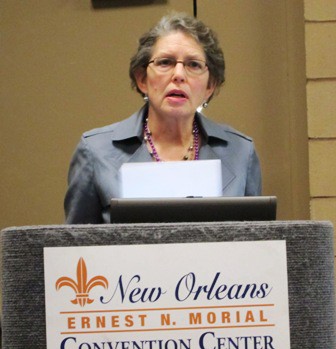
Strokes pop up post aortic valve surgery
HONOLULU – Almost one-fifth of patients who underwent aortic valve surgery experienced a stroke in a prospective, cohort study of 196 patients.
"Stroke is a very prevalent complication of aortic valve replacement, and it’s much more common than prior series have suggested," Dr. Steven Messé said at the International Stroke Conference.
Based on the literature, the risk of periprocedural stroke varies widely from a low of less than 1% to 9% for cardiac valve replacement and 10% for heart transplant and left ventricular assist device placement, he said. If the number of times these procedures are performed each year is added to the equation, cardiac procedures account for about 5% of strokes annually in the United States.

"Unfortunately, the reality is probably worse than the literature," Dr. Messé said.
He observed that most risk estimates come from trials and case series rather than clinical practice, and that the vast majority of these studies did not include systematic evaluation by neurologists, who tend to be more sensitive to subtle yet meaningful deficits. Recent evidence also suggests that ischemic neurologic complications following surgery are increasing, "possibly related to the willingness of surgeons to undertake procedures with higher-risk patients," said Dr. Messé, a neurologist at the Hospital of the University of Pennsylvania, Philadelphia. To access their own stroke rates, neurologic, cognitive, and quality-of-life assessments were performed 1 week prior to surgery and at a 3- to 4-week and 9- to 12-month follow-up in 196 patients, aged at least 65 years, undergoing open surgical aortic valve replacement for moderate to severe aortic stenosis at two hospitals within the University of Pennsylvania Health System. Neurologic assessments were also performed on postoperative days 1, 3 and 7, and magnetic resonance imaging on day 5, plus or minus 2 days. Cerebrovascular end points in the study, led by colleague and radiologist Dr. Thomas Floyd, were independently adjudicated by two vascular neurologists.
Over the 4-year study period, 196 patients underwent aortic valve replacement, of which 36% were female and 6% nonwhite. Their average age was 76 years.
Ten (5%) died in hospital and 34 (17%) had a clinical stroke, defined as new focal neurologic symptoms lasting more than 24 hours determined to be of vascular origin or, if less than 24 hours, with evidence of infarction in the appropriate territory, Dr. Messé said. Most (32) were ischemic and 2 were hemorrhagic.
Most strokes were mild, with a median National Institutes of Health Stroke Score (NIHSS)of 3 (interquartile [IQR] range, 1-9).
Factors significantly associated with stroke in logistic regression were age (odds ratio, 1.07; P = .031), higher lowest mean arterial pressure (MAP) in the operating room (OR, 1.07; P = .019) and duration of cardiopulmonary bypass (OR, 1.12; P = .005).
"It’s not exactly clear why higher lowest MAP is associated with stroke, but I suspect it reflects that these patients have a higher burden of hypertension at baseline and that is a risk factor for stroke in general," Dr. Messé said.
Stroke was significantly associated with increased the length of stay (median 12 days vs. 10 days; P = .019). It was not statistically associated with mortality, although 9% of those with stroke died vs. 4% without (P = .28).
Moderate to severe stroke, present in eight patients and defined by a NIHSS of more than 10, however, was strongly associated with a ninefold increase in mortality (38% vs. 4%; P = .005), he said at the meeting, sponsored by the American Heart Association.
The investigators then queried the Society for Thoracic Surgery database, a national quality improvement initiative for cardiothoracic surgery, to look at the reported stroke outcomes in this cohort.
"It turns out that only 13 [patients], or 6.6%, were reported to have had a stroke," Dr. Messé said. "I should note that per protocol, when the neurologist evaluated the patient and suspected a stroke, the clinical team was informed of that."
Not surprising, strokes reported in the STS database were more severe (median NIHSS 5), although this was not statistically significant. Still, "they missed quite a few," with a quarter of unreported patients having a NIHSS score of 9 or more, he added.
Postoperative MRI was performed on 132 patients (67%). Use improved over time from 57% of the first 100 patients to 78% of the last 96 patients.
Of the 112 stroke-free subjects with postoperative imaging, silent infarct was identified in an additional 62 patients (55%). Silent infarct was not associated with in-hospital mortality or increased length of stay, he said.
Limitations of the study include the single academic health system experience, lack of MRI in a minority of patients, the homogeneous cohort, and the use of a bioprosthetic as opposed to a mechanical valve in the vast majority of patients, Dr. Messé said.
He noted that the longer-term cognitive and functional consequences of clinical stroke and silent infarct remain to be determined and that the team is planning on evaluating this data as it accumulates over the next year.
"Finally, I’d like to suggest that aortic valve replacement provides an excellent opportunity to test prophylactic neuroprotection medication," he concluded. "There’s a clinical need for this. The stroke burden in these patients is high."
The National Institutes of Health/National Heart, Lung, and Blood Institute funded the research. Dr. Messé and his coauthors report research funding from the National Institutes of Health.
HONOLULU – Almost one-fifth of patients who underwent aortic valve surgery experienced a stroke in a prospective, cohort study of 196 patients.
"Stroke is a very prevalent complication of aortic valve replacement, and it’s much more common than prior series have suggested," Dr. Steven Messé said at the International Stroke Conference.
Based on the literature, the risk of periprocedural stroke varies widely from a low of less than 1% to 9% for cardiac valve replacement and 10% for heart transplant and left ventricular assist device placement, he said. If the number of times these procedures are performed each year is added to the equation, cardiac procedures account for about 5% of strokes annually in the United States.
"Unfortunately, the reality is probably worse than the literature," Dr. Messé said.
He observed that most risk estimates come from trials and case series rather than clinical practice, and that the vast majority of these studies did not include systematic evaluation by neurologists, who tend to be more sensitive to subtle yet meaningful deficits. Recent evidence also suggests that ischemic neurologic complications following surgery are increasing, "possibly related to the willingness of surgeons to undertake procedures with higher-risk patients," said Dr. Messé, a neurologist at the Hospital of the University of Pennsylvania, Philadelphia. To access their own stroke rates, neurologic, cognitive, and quality-of-life assessments were performed 1 week prior to surgery and at a 3- to 4-week and 9- to 12-month follow-up in 196 patients, aged at least 65 years, undergoing open surgical aortic valve replacement for moderate to severe aortic stenosis at two hospitals within the University of Pennsylvania Health System. Neurologic assessments were also performed on postoperative days 1, 3 and 7, and magnetic resonance imaging on day 5, plus or minus 2 days. Cerebrovascular end points in the study, led by colleague and radiologist Dr. Thomas Floyd, were independently adjudicated by two vascular neurologists.
Over the 4-year study period, 196 patients underwent aortic valve replacement, of which 36% were female and 6% nonwhite. Their average age was 76 years.
Ten (5%) died in hospital and 34 (17%) had a clinical stroke, defined as new focal neurologic symptoms lasting more than 24 hours determined to be of vascular origin or, if less than 24 hours, with evidence of infarction in the appropriate territory, Dr. Messé said. Most (32) were ischemic and 2 were hemorrhagic.
Most strokes were mild, with a median National Institutes of Health Stroke Score (NIHSS)of 3 (interquartile [IQR] range, 1-9).
Factors significantly associated with stroke in logistic regression were age (odds ratio, 1.07; P = .031), higher lowest mean arterial pressure (MAP) in the operating room (OR, 1.07; P = .019) and duration of cardiopulmonary bypass (OR, 1.12; P = .005).
"It’s not exactly clear why higher lowest MAP is associated with stroke, but I suspect it reflects that these patients have a higher burden of hypertension at baseline and that is a risk factor for stroke in general," Dr. Messé said.
Stroke was significantly associated with increased the length of stay (median 12 days vs. 10 days; P = .019). It was not statistically associated with mortality, although 9% of those with stroke died vs. 4% without (P = .28).
Moderate to severe stroke, present in eight patients and defined by a NIHSS of more than 10, however, was strongly associated with a ninefold increase in mortality (38% vs. 4%; P = .005), he said at the meeting, sponsored by the American Heart Association.
The investigators then queried the Society for Thoracic Surgery database, a national quality improvement initiative for cardiothoracic surgery, to look at the reported stroke outcomes in this cohort.
"It turns out that only 13 [patients], or 6.6%, were reported to have had a stroke," Dr. Messé said. "I should note that per protocol, when the neurologist evaluated the patient and suspected a stroke, the clinical team was informed of that."
Not surprising, strokes reported in the STS database were more severe (median NIHSS 5), although this was not statistically significant. Still, "they missed quite a few," with a quarter of unreported patients having a NIHSS score of 9 or more, he added.
Postoperative MRI was performed on 132 patients (67%). Use improved over time from 57% of the first 100 patients to 78% of the last 96 patients.
Of the 112 stroke-free subjects with postoperative imaging, silent infarct was identified in an additional 62 patients (55%). Silent infarct was not associated with in-hospital mortality or increased length of stay, he said.
Limitations of the study include the single academic health system experience, lack of MRI in a minority of patients, the homogeneous cohort, and the use of a bioprosthetic as opposed to a mechanical valve in the vast majority of patients, Dr. Messé said.
He noted that the longer-term cognitive and functional consequences of clinical stroke and silent infarct remain to be determined and that the team is planning on evaluating this data as it accumulates over the next year.
"Finally, I’d like to suggest that aortic valve replacement provides an excellent opportunity to test prophylactic neuroprotection medication," he concluded. "There’s a clinical need for this. The stroke burden in these patients is high."
The National Institutes of Health/National Heart, Lung, and Blood Institute funded the research. Dr. Messé and his coauthors report research funding from the National Institutes of Health.
HONOLULU – Almost one-fifth of patients who underwent aortic valve surgery experienced a stroke in a prospective, cohort study of 196 patients.
"Stroke is a very prevalent complication of aortic valve replacement, and it’s much more common than prior series have suggested," Dr. Steven Messé said at the International Stroke Conference.
Based on the literature, the risk of periprocedural stroke varies widely from a low of less than 1% to 9% for cardiac valve replacement and 10% for heart transplant and left ventricular assist device placement, he said. If the number of times these procedures are performed each year is added to the equation, cardiac procedures account for about 5% of strokes annually in the United States.
"Unfortunately, the reality is probably worse than the literature," Dr. Messé said.
He observed that most risk estimates come from trials and case series rather than clinical practice, and that the vast majority of these studies did not include systematic evaluation by neurologists, who tend to be more sensitive to subtle yet meaningful deficits. Recent evidence also suggests that ischemic neurologic complications following surgery are increasing, "possibly related to the willingness of surgeons to undertake procedures with higher-risk patients," said Dr. Messé, a neurologist at the Hospital of the University of Pennsylvania, Philadelphia. To access their own stroke rates, neurologic, cognitive, and quality-of-life assessments were performed 1 week prior to surgery and at a 3- to 4-week and 9- to 12-month follow-up in 196 patients, aged at least 65 years, undergoing open surgical aortic valve replacement for moderate to severe aortic stenosis at two hospitals within the University of Pennsylvania Health System. Neurologic assessments were also performed on postoperative days 1, 3 and 7, and magnetic resonance imaging on day 5, plus or minus 2 days. Cerebrovascular end points in the study, led by colleague and radiologist Dr. Thomas Floyd, were independently adjudicated by two vascular neurologists.
Over the 4-year study period, 196 patients underwent aortic valve replacement, of which 36% were female and 6% nonwhite. Their average age was 76 years.
Ten (5%) died in hospital and 34 (17%) had a clinical stroke, defined as new focal neurologic symptoms lasting more than 24 hours determined to be of vascular origin or, if less than 24 hours, with evidence of infarction in the appropriate territory, Dr. Messé said. Most (32) were ischemic and 2 were hemorrhagic.
Most strokes were mild, with a median National Institutes of Health Stroke Score (NIHSS)of 3 (interquartile [IQR] range, 1-9).
Factors significantly associated with stroke in logistic regression were age (odds ratio, 1.07; P = .031), higher lowest mean arterial pressure (MAP) in the operating room (OR, 1.07; P = .019) and duration of cardiopulmonary bypass (OR, 1.12; P = .005).
"It’s not exactly clear why higher lowest MAP is associated with stroke, but I suspect it reflects that these patients have a higher burden of hypertension at baseline and that is a risk factor for stroke in general," Dr. Messé said.
Stroke was significantly associated with increased the length of stay (median 12 days vs. 10 days; P = .019). It was not statistically associated with mortality, although 9% of those with stroke died vs. 4% without (P = .28).
Moderate to severe stroke, present in eight patients and defined by a NIHSS of more than 10, however, was strongly associated with a ninefold increase in mortality (38% vs. 4%; P = .005), he said at the meeting, sponsored by the American Heart Association.
The investigators then queried the Society for Thoracic Surgery database, a national quality improvement initiative for cardiothoracic surgery, to look at the reported stroke outcomes in this cohort.
"It turns out that only 13 [patients], or 6.6%, were reported to have had a stroke," Dr. Messé said. "I should note that per protocol, when the neurologist evaluated the patient and suspected a stroke, the clinical team was informed of that."
Not surprising, strokes reported in the STS database were more severe (median NIHSS 5), although this was not statistically significant. Still, "they missed quite a few," with a quarter of unreported patients having a NIHSS score of 9 or more, he added.
Postoperative MRI was performed on 132 patients (67%). Use improved over time from 57% of the first 100 patients to 78% of the last 96 patients.
Of the 112 stroke-free subjects with postoperative imaging, silent infarct was identified in an additional 62 patients (55%). Silent infarct was not associated with in-hospital mortality or increased length of stay, he said.
Limitations of the study include the single academic health system experience, lack of MRI in a minority of patients, the homogeneous cohort, and the use of a bioprosthetic as opposed to a mechanical valve in the vast majority of patients, Dr. Messé said.
He noted that the longer-term cognitive and functional consequences of clinical stroke and silent infarct remain to be determined and that the team is planning on evaluating this data as it accumulates over the next year.
"Finally, I’d like to suggest that aortic valve replacement provides an excellent opportunity to test prophylactic neuroprotection medication," he concluded. "There’s a clinical need for this. The stroke burden in these patients is high."
The National Institutes of Health/National Heart, Lung, and Blood Institute funded the research. Dr. Messé and his coauthors report research funding from the National Institutes of Health.
AT THE INTERNATIONAL STROKE CONFERENCE
Major Finding: A clinical stroke was detected in 34 patients (17%) undergoing aortic valve repair.
Data Source: Prospective cohort study of 196 patients undergoing aortic valve surgery.
Disclosures: The National Institutes of Health/National Heart, Lung, and Blood Institute funded the research. Dr. Messé reported consulting for GlaxoSmithKline; his coauthors report grant funding from the National Institutes of Health.
Oncology drug shortages cut wide path of harm
Oncology drug shortages in 2011 undermined patient care, increased costs and stalled cancer research, a survey reports.
Anecdotally, the supply picture is beginning to improve, but fluctuations continue and new agents are now in jeopardy, according to study coauthor Lisa Holle, Pharm.D.

"For example, we received a notice recently about vinblastine being on short supply and that was not one of the drugs that came up during our survey as being in short supply," said Dr. Holle, immediate past-president of the Hematology/Oncology Pharmacy Association (HOPA), the study’s sponsor.
As seen in other studies, liposomal doxorubicin was the most difficult chemotherapy medication to obtain when the study was conducted in September and October 2011, followed by fluorouracil, leucovorin, paclitaxel, cytarabine, and doxorubicin. Shortages of nitrogen mustard, which had been linked to a greater risk of relapse for some young Hodgkin lymphoma patients, were reported by only two respondents.
Of the 243 respondents, 97% reported a delay in administering chemotherapy or having to change to a different treatment regimen for one or more disease. Delays were most frequent among patients with ovarian cancer (52%), colorectal cancer (51%), breast cancer (49%) and acute myeloid leukemia (35%), reported Dr. Hoppe, a Board-certified oncology pharmacist with the University of Connecticut, Storrs.
The results provide some alarming details on the impact of drug shortages across the United States including the use of unproved alternative regimens, dose reductions to conserve supplies and even stockpiling of medications.
In the treatment of breast cancer patients, for example, 20% of participants reported changing to another regimen when the cornerstone drug paclitaxel was scarce, 5% said they omitted the drug altogether without a substitution, and 4% reduced the paclitaxel dosage.
Scarcities of cytarabine, a drug that has no therapeutic equivalent for acute myeloid leukemia (AML), forced 12% of respondents to change to another regimen for their AML patients, 10% to omit the drug without substitution and 11% to reduce cytarabine doses in an effort to conserve the supply for future doses or other patients.
Use of these less-familiar medications can lead to medication errors or patient harm, warn the study authors, led by Ali McBride, Pharm.D., of Ohio State University in Columbus.
Indeed, 16% of respondents reported near-miss medication errors because of an oncology drug shortage, 6% said the error reached the patient and 16% said their patients experienced adverse outcomes such as increased toxicity (50%), cancer progression (15%), cardiac events (5%) and emotional distress (3%).
Two patients were reported to have developed encephalopathy during a shortage of an intravenous multivitamin, while one patient reportedly died from incorrect medication dosing after switching to epirubicin therapy during a daunorubicin shortage.
Importantly, 44% of institutions reported that drug shortages affected clinical trials. Typically, this meant delays in patient enrollment (44%) or not enrolling patients at all (67%), but participants also reported changing medications used in a trial, completely omitting a medication from a protocol, and stockpiling drugs "often at the expense of nonresearch patient(s)" to ensure that a clinical trial could be completed.
Failure to enroll patients or changing agents in the active or comparator arm has serious consequences not only for the patients involved in the trial, but can stymie research because investigators don’t fully understand what the results of those trials mean because not all the patients received the same therapy, Dr. Holle said.
"It can potentially delay effective regimens from becoming the standard of care because either there aren’t enough patients to complete the trials or the analyses have to be considered with these changes that occur," she said.
This is particularly detrimental in a disease state that relies more heavily than others on clinical trials to advance and improve patient care, she added.
Finally, 85% of respondents said oncology drug shortages resulted in increased costs for their institution and 34% reported spending an extra 20 hours a week managing the drug shortages.
Roughly 28% resorted to buying drugs on the grey market – supply channels that are unofficial, unauthorized, or unintended by the original manufacturer – with 14% reporting they paid at least 100% more than fair market value.
The Food and Drug Administration Safety and Innovation Act, often referred to as the FDA user fee reauthorization, contains several provisions aimed at mitigating drug shortages including expedited review and inspections by the FDA when necessary and adjustments in the quotas for controlled substances. When it was signed into law in July 2012, drug manufacturers were also required to notify the FDA at least 6 months in advance of any discontinuation or interruption in the production of lifesaving or life-supporting drugs, but there are no penalties for noncompliance.
"It’s definitely a step in the right direction, but I think we’d agree that some other legislation would be needed," Dr. Hoppe said.
Full details of the survey are available in the American Journal of Health-System Pharmacy (Am. J. Health-Syst. Pharm. 2013 April 1;70:609-17).
|
|
Dr. Maurie Markman comments:
Shortages of pegylated liposomal doxorubicin probably affected one of every three of my patients during the height of the drug shortage problem in 2011.
The shortages are less problematic today, but the overall improvement doesn’t mean that the drug shortage problem has been resolved or even that the situation is now acceptable. Further, the drug shortages seen in 2011 could return in 2013, and be just as bad as or worse than they were then because there has been no real solution to the problem.
Dr. Maurie Markman is vice president of clinical affairs and national director of medical oncology at Cancer Treatment Centers of America.
|
|
|
Dr. Maurie Markman comments:
Shortages of pegylated liposomal doxorubicin probably affected one of every three of my patients during the height of the drug shortage problem in 2011.
The shortages are less problematic today, but the overall improvement doesn’t mean that the drug shortage problem has been resolved or even that the situation is now acceptable. Further, the drug shortages seen in 2011 could return in 2013, and be just as bad as or worse than they were then because there has been no real solution to the problem.
Dr. Maurie Markman is vice president of clinical affairs and national director of medical oncology at Cancer Treatment Centers of America.
|
|
|
Dr. Maurie Markman comments:
Shortages of pegylated liposomal doxorubicin probably affected one of every three of my patients during the height of the drug shortage problem in 2011.
The shortages are less problematic today, but the overall improvement doesn’t mean that the drug shortage problem has been resolved or even that the situation is now acceptable. Further, the drug shortages seen in 2011 could return in 2013, and be just as bad as or worse than they were then because there has been no real solution to the problem.
Dr. Maurie Markman is vice president of clinical affairs and national director of medical oncology at Cancer Treatment Centers of America.
Oncology drug shortages in 2011 undermined patient care, increased costs and stalled cancer research, a survey reports.
Anecdotally, the supply picture is beginning to improve, but fluctuations continue and new agents are now in jeopardy, according to study coauthor Lisa Holle, Pharm.D.
"For example, we received a notice recently about vinblastine being on short supply and that was not one of the drugs that came up during our survey as being in short supply," said Dr. Holle, immediate past-president of the Hematology/Oncology Pharmacy Association (HOPA), the study’s sponsor.
As seen in other studies, liposomal doxorubicin was the most difficult chemotherapy medication to obtain when the study was conducted in September and October 2011, followed by fluorouracil, leucovorin, paclitaxel, cytarabine, and doxorubicin. Shortages of nitrogen mustard, which had been linked to a greater risk of relapse for some young Hodgkin lymphoma patients, were reported by only two respondents.
Of the 243 respondents, 97% reported a delay in administering chemotherapy or having to change to a different treatment regimen for one or more disease. Delays were most frequent among patients with ovarian cancer (52%), colorectal cancer (51%), breast cancer (49%) and acute myeloid leukemia (35%), reported Dr. Hoppe, a Board-certified oncology pharmacist with the University of Connecticut, Storrs.
The results provide some alarming details on the impact of drug shortages across the United States including the use of unproved alternative regimens, dose reductions to conserve supplies and even stockpiling of medications.
In the treatment of breast cancer patients, for example, 20% of participants reported changing to another regimen when the cornerstone drug paclitaxel was scarce, 5% said they omitted the drug altogether without a substitution, and 4% reduced the paclitaxel dosage.
Scarcities of cytarabine, a drug that has no therapeutic equivalent for acute myeloid leukemia (AML), forced 12% of respondents to change to another regimen for their AML patients, 10% to omit the drug without substitution and 11% to reduce cytarabine doses in an effort to conserve the supply for future doses or other patients.
Use of these less-familiar medications can lead to medication errors or patient harm, warn the study authors, led by Ali McBride, Pharm.D., of Ohio State University in Columbus.
Indeed, 16% of respondents reported near-miss medication errors because of an oncology drug shortage, 6% said the error reached the patient and 16% said their patients experienced adverse outcomes such as increased toxicity (50%), cancer progression (15%), cardiac events (5%) and emotional distress (3%).
Two patients were reported to have developed encephalopathy during a shortage of an intravenous multivitamin, while one patient reportedly died from incorrect medication dosing after switching to epirubicin therapy during a daunorubicin shortage.
Importantly, 44% of institutions reported that drug shortages affected clinical trials. Typically, this meant delays in patient enrollment (44%) or not enrolling patients at all (67%), but participants also reported changing medications used in a trial, completely omitting a medication from a protocol, and stockpiling drugs "often at the expense of nonresearch patient(s)" to ensure that a clinical trial could be completed.
Failure to enroll patients or changing agents in the active or comparator arm has serious consequences not only for the patients involved in the trial, but can stymie research because investigators don’t fully understand what the results of those trials mean because not all the patients received the same therapy, Dr. Holle said.
"It can potentially delay effective regimens from becoming the standard of care because either there aren’t enough patients to complete the trials or the analyses have to be considered with these changes that occur," she said.
This is particularly detrimental in a disease state that relies more heavily than others on clinical trials to advance and improve patient care, she added.
Finally, 85% of respondents said oncology drug shortages resulted in increased costs for their institution and 34% reported spending an extra 20 hours a week managing the drug shortages.
Roughly 28% resorted to buying drugs on the grey market – supply channels that are unofficial, unauthorized, or unintended by the original manufacturer – with 14% reporting they paid at least 100% more than fair market value.
The Food and Drug Administration Safety and Innovation Act, often referred to as the FDA user fee reauthorization, contains several provisions aimed at mitigating drug shortages including expedited review and inspections by the FDA when necessary and adjustments in the quotas for controlled substances. When it was signed into law in July 2012, drug manufacturers were also required to notify the FDA at least 6 months in advance of any discontinuation or interruption in the production of lifesaving or life-supporting drugs, but there are no penalties for noncompliance.
"It’s definitely a step in the right direction, but I think we’d agree that some other legislation would be needed," Dr. Hoppe said.
Full details of the survey are available in the American Journal of Health-System Pharmacy (Am. J. Health-Syst. Pharm. 2013 April 1;70:609-17).
Oncology drug shortages in 2011 undermined patient care, increased costs and stalled cancer research, a survey reports.
Anecdotally, the supply picture is beginning to improve, but fluctuations continue and new agents are now in jeopardy, according to study coauthor Lisa Holle, Pharm.D.
"For example, we received a notice recently about vinblastine being on short supply and that was not one of the drugs that came up during our survey as being in short supply," said Dr. Holle, immediate past-president of the Hematology/Oncology Pharmacy Association (HOPA), the study’s sponsor.
As seen in other studies, liposomal doxorubicin was the most difficult chemotherapy medication to obtain when the study was conducted in September and October 2011, followed by fluorouracil, leucovorin, paclitaxel, cytarabine, and doxorubicin. Shortages of nitrogen mustard, which had been linked to a greater risk of relapse for some young Hodgkin lymphoma patients, were reported by only two respondents.
Of the 243 respondents, 97% reported a delay in administering chemotherapy or having to change to a different treatment regimen for one or more disease. Delays were most frequent among patients with ovarian cancer (52%), colorectal cancer (51%), breast cancer (49%) and acute myeloid leukemia (35%), reported Dr. Hoppe, a Board-certified oncology pharmacist with the University of Connecticut, Storrs.
The results provide some alarming details on the impact of drug shortages across the United States including the use of unproved alternative regimens, dose reductions to conserve supplies and even stockpiling of medications.
In the treatment of breast cancer patients, for example, 20% of participants reported changing to another regimen when the cornerstone drug paclitaxel was scarce, 5% said they omitted the drug altogether without a substitution, and 4% reduced the paclitaxel dosage.
Scarcities of cytarabine, a drug that has no therapeutic equivalent for acute myeloid leukemia (AML), forced 12% of respondents to change to another regimen for their AML patients, 10% to omit the drug without substitution and 11% to reduce cytarabine doses in an effort to conserve the supply for future doses or other patients.
Use of these less-familiar medications can lead to medication errors or patient harm, warn the study authors, led by Ali McBride, Pharm.D., of Ohio State University in Columbus.
Indeed, 16% of respondents reported near-miss medication errors because of an oncology drug shortage, 6% said the error reached the patient and 16% said their patients experienced adverse outcomes such as increased toxicity (50%), cancer progression (15%), cardiac events (5%) and emotional distress (3%).
Two patients were reported to have developed encephalopathy during a shortage of an intravenous multivitamin, while one patient reportedly died from incorrect medication dosing after switching to epirubicin therapy during a daunorubicin shortage.
Importantly, 44% of institutions reported that drug shortages affected clinical trials. Typically, this meant delays in patient enrollment (44%) or not enrolling patients at all (67%), but participants also reported changing medications used in a trial, completely omitting a medication from a protocol, and stockpiling drugs "often at the expense of nonresearch patient(s)" to ensure that a clinical trial could be completed.
Failure to enroll patients or changing agents in the active or comparator arm has serious consequences not only for the patients involved in the trial, but can stymie research because investigators don’t fully understand what the results of those trials mean because not all the patients received the same therapy, Dr. Holle said.
"It can potentially delay effective regimens from becoming the standard of care because either there aren’t enough patients to complete the trials or the analyses have to be considered with these changes that occur," she said.
This is particularly detrimental in a disease state that relies more heavily than others on clinical trials to advance and improve patient care, she added.
Finally, 85% of respondents said oncology drug shortages resulted in increased costs for their institution and 34% reported spending an extra 20 hours a week managing the drug shortages.
Roughly 28% resorted to buying drugs on the grey market – supply channels that are unofficial, unauthorized, or unintended by the original manufacturer – with 14% reporting they paid at least 100% more than fair market value.
The Food and Drug Administration Safety and Innovation Act, often referred to as the FDA user fee reauthorization, contains several provisions aimed at mitigating drug shortages including expedited review and inspections by the FDA when necessary and adjustments in the quotas for controlled substances. When it was signed into law in July 2012, drug manufacturers were also required to notify the FDA at least 6 months in advance of any discontinuation or interruption in the production of lifesaving or life-supporting drugs, but there are no penalties for noncompliance.
"It’s definitely a step in the right direction, but I think we’d agree that some other legislation would be needed," Dr. Hoppe said.
Full details of the survey are available in the American Journal of Health-System Pharmacy (Am. J. Health-Syst. Pharm. 2013 April 1;70:609-17).
FROM THE AMERICAN JOURNAL OF HEALTH-SYSTEM PHARMACISTS
Major finding: Overall, 16% of respondents reported near-miss medication errors because of an oncology drug shortage; 6% said the error reached the patient and 16% said their patients experienced adverse outcomes.
Data source: Electronic, 34-item survey of 243 pharmacists and practitioners.
Disclosures: The study was sponsored by the Hematology/Oncology Pharmacy Association. The authors reported no relevant disclosures.

Floating debris again spotted in compounded pharmacy meds
For the third time in 10 days, a compounding pharmacy has issued a voluntary recall of its products, this time after state and federal inspections found visible particulates floating in vials of several sterile compounded products used for a range of health concerns.
No injuries or illnesses have been reported to date, according to a notice posted by the pharmacy, Pallimed Solutions of Woburn, MA, on its website.
Until the contaminants are identified, the potential health risks remain unknown, according to the Food and Drug Administration in a recall notice posted on its website. Particulate matter has the potential to damage or obstruct blood vessels, which could induce emboli, cause systemic allergic reaction or cause tissue responses to foreign matter, according to the agency.
The recalled products were packaged in glass vials and were dispensed directly to patients and/or physicians’ offices in 21 states from Jan. 1 to March 22 by Pallimed Solutions, doing business as Pallimed Pharmacy.
The products are used for a variety of therapeutic purposes including the treatment of erectile dysfunction, testosterone replacement therapy, vitamin injections and ophthalmic preparations.
The products include alprostadil in NS injection; atropine injection; bacteriostatic H20; bimix injection; trimix injection; quadmix injection; cyclosporine ophthalmic; DMSO aqueous irrigation; gentamicin sulfate irrigation; methylcobalamin PF; HCG; MIC with B6 & B12; tacrolimus ophthalmic; testosterone cypionate/propionate injection; testosterone cypionate injection; and vancomycin ophthalmic, PF.
The company issued the recall after the particulates were identified during an inspection by the FDA and Massachusetts Board of Registration in Pharmacy. Why those inspections were being conducted is unclear, and further details were not available from the FDA.
The Massachusetts Board of Registration has issued a cease-and-desist order covering sterile compounding operations, but the body allowed Pallimed to continue making and selling nonsterile compounding products or other products unrelated to its sterile compounding operations, according to the company.
Massachusetts has been a hotspot in the recall of compounded medications after a deadly meningitis outbreak last fall was tied to contaminated injections of methylprednisolone distributed by the New England Compounding Center in Framingham.
More recently, the compounding pharmacy, Med Prep Consulting Inc. of Tinton Falls, N.J., issued a voluntary recall on March 16 after clinicians spotted what was later confirmed to be mold floating in one of its intravenous solutions.
On March 18, Clinical Specialties Compounding Pharmacy in Augusta, Ga., issued a voluntary nationwide recall of unit dose syringes of the cancer drug Avastin after reports surfaced of serious eye infections.
In a recent official blog, FDA Commissioner Margaret Hamburg proposed charging compounding pharmacies registration and other fees to cover the additional oversight needed to prevent a recurrence of the meningitis outbreak.
All users and recipients of products compounded by Pallimed have been or will be notified of the recall and have been instructed to return the product, request assistance, or report complaints to the pharmacy at 781-937-3344 or at www.pallimed.com.
Pallimed also advised patients to contact the Pharmacy Compounding Accreditation Board or their physician to find a recommended pharmacy where they can obtain replacement medications.
In a telling remark, the company added, "Pallimed cannot recommend a compounding pharmacy that has the capabilities to fulfill these needs under the current Board of Health requirements."
Patients and healthcare professionals are also asked to report adverse events that may be related to the use of the products to the FDA’s Adverse Event Reporting Program.
For the third time in 10 days, a compounding pharmacy has issued a voluntary recall of its products, this time after state and federal inspections found visible particulates floating in vials of several sterile compounded products used for a range of health concerns.
No injuries or illnesses have been reported to date, according to a notice posted by the pharmacy, Pallimed Solutions of Woburn, MA, on its website.
Until the contaminants are identified, the potential health risks remain unknown, according to the Food and Drug Administration in a recall notice posted on its website. Particulate matter has the potential to damage or obstruct blood vessels, which could induce emboli, cause systemic allergic reaction or cause tissue responses to foreign matter, according to the agency.
The recalled products were packaged in glass vials and were dispensed directly to patients and/or physicians’ offices in 21 states from Jan. 1 to March 22 by Pallimed Solutions, doing business as Pallimed Pharmacy.
The products are used for a variety of therapeutic purposes including the treatment of erectile dysfunction, testosterone replacement therapy, vitamin injections and ophthalmic preparations.
The products include alprostadil in NS injection; atropine injection; bacteriostatic H20; bimix injection; trimix injection; quadmix injection; cyclosporine ophthalmic; DMSO aqueous irrigation; gentamicin sulfate irrigation; methylcobalamin PF; HCG; MIC with B6 & B12; tacrolimus ophthalmic; testosterone cypionate/propionate injection; testosterone cypionate injection; and vancomycin ophthalmic, PF.
The company issued the recall after the particulates were identified during an inspection by the FDA and Massachusetts Board of Registration in Pharmacy. Why those inspections were being conducted is unclear, and further details were not available from the FDA.
The Massachusetts Board of Registration has issued a cease-and-desist order covering sterile compounding operations, but the body allowed Pallimed to continue making and selling nonsterile compounding products or other products unrelated to its sterile compounding operations, according to the company.
Massachusetts has been a hotspot in the recall of compounded medications after a deadly meningitis outbreak last fall was tied to contaminated injections of methylprednisolone distributed by the New England Compounding Center in Framingham.
More recently, the compounding pharmacy, Med Prep Consulting Inc. of Tinton Falls, N.J., issued a voluntary recall on March 16 after clinicians spotted what was later confirmed to be mold floating in one of its intravenous solutions.
On March 18, Clinical Specialties Compounding Pharmacy in Augusta, Ga., issued a voluntary nationwide recall of unit dose syringes of the cancer drug Avastin after reports surfaced of serious eye infections.
In a recent official blog, FDA Commissioner Margaret Hamburg proposed charging compounding pharmacies registration and other fees to cover the additional oversight needed to prevent a recurrence of the meningitis outbreak.
All users and recipients of products compounded by Pallimed have been or will be notified of the recall and have been instructed to return the product, request assistance, or report complaints to the pharmacy at 781-937-3344 or at www.pallimed.com.
Pallimed also advised patients to contact the Pharmacy Compounding Accreditation Board or their physician to find a recommended pharmacy where they can obtain replacement medications.
In a telling remark, the company added, "Pallimed cannot recommend a compounding pharmacy that has the capabilities to fulfill these needs under the current Board of Health requirements."
Patients and healthcare professionals are also asked to report adverse events that may be related to the use of the products to the FDA’s Adverse Event Reporting Program.
For the third time in 10 days, a compounding pharmacy has issued a voluntary recall of its products, this time after state and federal inspections found visible particulates floating in vials of several sterile compounded products used for a range of health concerns.
No injuries or illnesses have been reported to date, according to a notice posted by the pharmacy, Pallimed Solutions of Woburn, MA, on its website.
Until the contaminants are identified, the potential health risks remain unknown, according to the Food and Drug Administration in a recall notice posted on its website. Particulate matter has the potential to damage or obstruct blood vessels, which could induce emboli, cause systemic allergic reaction or cause tissue responses to foreign matter, according to the agency.
The recalled products were packaged in glass vials and were dispensed directly to patients and/or physicians’ offices in 21 states from Jan. 1 to March 22 by Pallimed Solutions, doing business as Pallimed Pharmacy.
The products are used for a variety of therapeutic purposes including the treatment of erectile dysfunction, testosterone replacement therapy, vitamin injections and ophthalmic preparations.
The products include alprostadil in NS injection; atropine injection; bacteriostatic H20; bimix injection; trimix injection; quadmix injection; cyclosporine ophthalmic; DMSO aqueous irrigation; gentamicin sulfate irrigation; methylcobalamin PF; HCG; MIC with B6 & B12; tacrolimus ophthalmic; testosterone cypionate/propionate injection; testosterone cypionate injection; and vancomycin ophthalmic, PF.
The company issued the recall after the particulates were identified during an inspection by the FDA and Massachusetts Board of Registration in Pharmacy. Why those inspections were being conducted is unclear, and further details were not available from the FDA.
The Massachusetts Board of Registration has issued a cease-and-desist order covering sterile compounding operations, but the body allowed Pallimed to continue making and selling nonsterile compounding products or other products unrelated to its sterile compounding operations, according to the company.
Massachusetts has been a hotspot in the recall of compounded medications after a deadly meningitis outbreak last fall was tied to contaminated injections of methylprednisolone distributed by the New England Compounding Center in Framingham.
More recently, the compounding pharmacy, Med Prep Consulting Inc. of Tinton Falls, N.J., issued a voluntary recall on March 16 after clinicians spotted what was later confirmed to be mold floating in one of its intravenous solutions.
On March 18, Clinical Specialties Compounding Pharmacy in Augusta, Ga., issued a voluntary nationwide recall of unit dose syringes of the cancer drug Avastin after reports surfaced of serious eye infections.
In a recent official blog, FDA Commissioner Margaret Hamburg proposed charging compounding pharmacies registration and other fees to cover the additional oversight needed to prevent a recurrence of the meningitis outbreak.
All users and recipients of products compounded by Pallimed have been or will be notified of the recall and have been instructed to return the product, request assistance, or report complaints to the pharmacy at 781-937-3344 or at www.pallimed.com.
Pallimed also advised patients to contact the Pharmacy Compounding Accreditation Board or their physician to find a recommended pharmacy where they can obtain replacement medications.
In a telling remark, the company added, "Pallimed cannot recommend a compounding pharmacy that has the capabilities to fulfill these needs under the current Board of Health requirements."
Patients and healthcare professionals are also asked to report adverse events that may be related to the use of the products to the FDA’s Adverse Event Reporting Program.
YouTube poor source of palliative information
NEW ORLEANS – Just 28% of 468 videos sampled from YouTube were rated as having useful information on palliative care, hospice, or end of life, while 72% were considered poor quality.
Unfortunately, the poor information is getting much more exposure: Poor-quality videos averaged about 28,056,711 million hits, compared with only about 11,808 hits for the good-quality videos, Benjamin Getter, D.O., said at the annual meeting of the American Academy of Hospice and Palliative Medicine.
One reason may be the sheer volume of videos and that patients are likely to use filters or broad search terms such as "palliative care" or "pain." YouTube queues up videos containing those words based on viewer count, so when view counts are low, videos get pushed back further on search results page.
"Studies have shown that whether it’s Google or YouTube, the distance you will go looking for your information decreases exponentially," he said. "The third page of Google might as well not exist."
Dr. Getter pointed out that more than 700 YouTube videos are shared on Twitter each minute and that 100 million people take some social action be it sharing, liking, or commenting on YouTube every week. Younger generations are also using YouTube videos as a source of news, "This is something we need to take advantage of," he said.
Dr. Getter and his coauthor, Dr. Wesam Aziz, both palliative medicine fellows at the University of Texas Health Science Center in San Antonio, identified the 468 YouTube videos by relevance and view count search strategies, and independently categorized them as useful, misleading, or personal experience. Videos creators fell into one of five categories: health care institutions, media/news organizations, hospices, universities, and individuals.
Video quality was "good" if the video had useful information, including relevant personal experiences, or "not good" if the video was misleading or not related to palliative care. In all, 133 videos were of good quality (28%) and 335 not-good quality (72%).
Dr. Getter acknowledged that the rating system was subjective, but said in an interview that "In 98% of cases, it was exceedingly obvious." For example, videos on nociceptive pain caused by trauma were obviously unrelated to palliative care pain, whereas the AAHPM’s "You're Sick. It's Serious" video was clearly useful and accurate.
As expected, good-quality videos were significantly more likely to come from educational or health care institutions, whereas poor quality videos were typically uploaded by independent sources and the news media.
"More outreach is needed to educate the public and news organizations about palliative care," he said at the meeting, also sponsored by the Hospice and Palliative Nurses Association.
Dr. Getter suggested health care organizations also could do more, such as casting a wider net for their videos and using keywords and search terms in their content to optimize their videos for search engines, a process known as search engine optimization.
"Share, share, share; be your own advocate," he urged. "You’d be surprised at how many of these videos that were great and were uploaded by health care and hospice organizations can’t be found anywhere on their websites. To me, it just seems kind of silly to go to all the trouble producing these things and not have the exposure."
The authors reported having no financial disclosures.
NEW ORLEANS – Just 28% of 468 videos sampled from YouTube were rated as having useful information on palliative care, hospice, or end of life, while 72% were considered poor quality.
Unfortunately, the poor information is getting much more exposure: Poor-quality videos averaged about 28,056,711 million hits, compared with only about 11,808 hits for the good-quality videos, Benjamin Getter, D.O., said at the annual meeting of the American Academy of Hospice and Palliative Medicine.
One reason may be the sheer volume of videos and that patients are likely to use filters or broad search terms such as "palliative care" or "pain." YouTube queues up videos containing those words based on viewer count, so when view counts are low, videos get pushed back further on search results page.
"Studies have shown that whether it’s Google or YouTube, the distance you will go looking for your information decreases exponentially," he said. "The third page of Google might as well not exist."
Dr. Getter pointed out that more than 700 YouTube videos are shared on Twitter each minute and that 100 million people take some social action be it sharing, liking, or commenting on YouTube every week. Younger generations are also using YouTube videos as a source of news, "This is something we need to take advantage of," he said.
Dr. Getter and his coauthor, Dr. Wesam Aziz, both palliative medicine fellows at the University of Texas Health Science Center in San Antonio, identified the 468 YouTube videos by relevance and view count search strategies, and independently categorized them as useful, misleading, or personal experience. Videos creators fell into one of five categories: health care institutions, media/news organizations, hospices, universities, and individuals.
Video quality was "good" if the video had useful information, including relevant personal experiences, or "not good" if the video was misleading or not related to palliative care. In all, 133 videos were of good quality (28%) and 335 not-good quality (72%).
Dr. Getter acknowledged that the rating system was subjective, but said in an interview that "In 98% of cases, it was exceedingly obvious." For example, videos on nociceptive pain caused by trauma were obviously unrelated to palliative care pain, whereas the AAHPM’s "You're Sick. It's Serious" video was clearly useful and accurate.
As expected, good-quality videos were significantly more likely to come from educational or health care institutions, whereas poor quality videos were typically uploaded by independent sources and the news media.
"More outreach is needed to educate the public and news organizations about palliative care," he said at the meeting, also sponsored by the Hospice and Palliative Nurses Association.
Dr. Getter suggested health care organizations also could do more, such as casting a wider net for their videos and using keywords and search terms in their content to optimize their videos for search engines, a process known as search engine optimization.
"Share, share, share; be your own advocate," he urged. "You’d be surprised at how many of these videos that were great and were uploaded by health care and hospice organizations can’t be found anywhere on their websites. To me, it just seems kind of silly to go to all the trouble producing these things and not have the exposure."
The authors reported having no financial disclosures.
NEW ORLEANS – Just 28% of 468 videos sampled from YouTube were rated as having useful information on palliative care, hospice, or end of life, while 72% were considered poor quality.
Unfortunately, the poor information is getting much more exposure: Poor-quality videos averaged about 28,056,711 million hits, compared with only about 11,808 hits for the good-quality videos, Benjamin Getter, D.O., said at the annual meeting of the American Academy of Hospice and Palliative Medicine.
One reason may be the sheer volume of videos and that patients are likely to use filters or broad search terms such as "palliative care" or "pain." YouTube queues up videos containing those words based on viewer count, so when view counts are low, videos get pushed back further on search results page.
"Studies have shown that whether it’s Google or YouTube, the distance you will go looking for your information decreases exponentially," he said. "The third page of Google might as well not exist."
Dr. Getter pointed out that more than 700 YouTube videos are shared on Twitter each minute and that 100 million people take some social action be it sharing, liking, or commenting on YouTube every week. Younger generations are also using YouTube videos as a source of news, "This is something we need to take advantage of," he said.
Dr. Getter and his coauthor, Dr. Wesam Aziz, both palliative medicine fellows at the University of Texas Health Science Center in San Antonio, identified the 468 YouTube videos by relevance and view count search strategies, and independently categorized them as useful, misleading, or personal experience. Videos creators fell into one of five categories: health care institutions, media/news organizations, hospices, universities, and individuals.
Video quality was "good" if the video had useful information, including relevant personal experiences, or "not good" if the video was misleading or not related to palliative care. In all, 133 videos were of good quality (28%) and 335 not-good quality (72%).
Dr. Getter acknowledged that the rating system was subjective, but said in an interview that "In 98% of cases, it was exceedingly obvious." For example, videos on nociceptive pain caused by trauma were obviously unrelated to palliative care pain, whereas the AAHPM’s "You're Sick. It's Serious" video was clearly useful and accurate.
As expected, good-quality videos were significantly more likely to come from educational or health care institutions, whereas poor quality videos were typically uploaded by independent sources and the news media.
"More outreach is needed to educate the public and news organizations about palliative care," he said at the meeting, also sponsored by the Hospice and Palliative Nurses Association.
Dr. Getter suggested health care organizations also could do more, such as casting a wider net for their videos and using keywords and search terms in their content to optimize their videos for search engines, a process known as search engine optimization.
"Share, share, share; be your own advocate," he urged. "You’d be surprised at how many of these videos that were great and were uploaded by health care and hospice organizations can’t be found anywhere on their websites. To me, it just seems kind of silly to go to all the trouble producing these things and not have the exposure."
The authors reported having no financial disclosures.
Major finding: In all, 133 palliative care videos (28%) were good quality and 335 were poor quality (72%).
Data source: Retrospective analysis of 468 YouTube videos.
Disclosures: The authors reported having no financial disclosures.