User login
Counting carbs comes up short in type 1 diabetes
CHICAGO – Despite being a cornerstone of contemporary diabetes management, carbohydrate counting had no significant effect on glycemic control in type 1 diabetes in a meta-analysis and systematic review involving 667 adults and children.
Pooled results from six randomized controlled trials showed an overall change in hemoglobin A1c levels of just –0.3% points with a variety of carbohydrate counting methods, compared with other dietary interventions (P = .185), Ms. Kirstine Bell reported at the annual scientific sessions of the American Diabetes Association.

Overall, four of the six studies favored carbohydrate counting and all six showed a trend toward decreased risk of hypoglycemia, suggesting a stabilization of blood glucose levels.
Four of the six studies that measured quality of life showed an improvement, but only one reached statistical significance. In addition, there were no changes in insulin dose, weight, or fasting plasma glucose level with the strategy.
"We need additional evidence to support our clinical practice, particularly in children and adolescents" where carbohydrate counting is widely used, said Ms. Bell, a dietician, diabetes educator, and Ph.D. candidate at the University of Sydney, Australia.
She suggested that clinicians and patients need realistic expectations of the improvements in glycemic control achievable with carbohydrate counting. Evidence continues to grow – including a study presented during the same session – on the effect fat and protein can have on prandial insulin requirements. A prescribed meal plan also has been shown to lower HbA1c irrespective of whether it includes carbohydrate counting.
The increase in popularity of flexible insulin therapy and more flexible eating choices means there’s a risk that carbohydrate counting may lead to unhealthy eating and food beliefs, Ms. Bell said. Patients may exceed nutritional recommendations for fats and proteins in an effort to avoid carbohydrates or rely too heavily on packaged foods because the labels make carbohydrate counting easier.
Ultimately, the efficacy of carbohydrate counting is limited by the skills of the patient, she observed. Greater accuracy and precision in carbohydrate counting is associated with lower HbA1c, however, the literature shows a wide variation in counting skills. Skills and compliance were not measured in the studies, and subgroup analyses of different methods of carbohydrate counting were not possible due to the lack of studies, she said.
Session moderator Dr. Anastassios Pittas, codirector of the Diabetes Center at Tufts Medical Center in Boston, applauded the investigators for looking at the evidence behind something clinicians routinely use and take for granted, but joined an audience member in pointing out that there was a lot of heterogeneity in the results, which can influence the strength of the conclusion.
"We have to somehow change the amount of insulin we deliver each meal every day, depending on the circumstances, and I think carb counting is a method that makes the most sense," he said in an interview. "To change my practice I will need to see evidence against the practice, not evidence in favor of what I’m already doing, and the evidence has to be pretty clear."
Data were presented during the same session on one such potential new tool, called the food insulin index. Ironically, it was this research that Ms. Bell also authored that prompted her to conduct the meta-analysis in the first place, she said in an interview. If carb counting was to serve as the control, it was necessary to know how effective it truly was.
What she found after screening 294 potentially relevant studies, was only six quality randomized controlled trials of at least 3 months’ duration. Study quality averaged 7.7 on a 13-point scale, with 13 indicating the least risk of bias.
Five trials were in adults (n = 563) and one in children, aged 8-13 years (n = 104), and all were in the outpatient clinical setting. Controls received usual care, general dietary advice or low glycemic index dietary advice, while a variety of carbohydrate counting methods was used including 10- and 15-gram carbohydrate exchanges.
The results of the meta-analysis chip away at a cornerstone of current practice and are likely to spark debate, particularly when presented by a lowly Ph.D. candidate, albeit in two sessions at the meeting including the presidential oral session.
"I expected people to be quite defensive of their current practice, but at the same time, it highlights the need for more evidence" and "the need to be more aware of the limitation in practice," she told this news agency. "It’s been common to say patients aren’t compliant, or aren’t doing it accurately, or they need to work on their skills, but not necessarily to acknowledge that there may be other factors in play here that aren’t related to their actual ability to count carbohydrates, but to the method itself."
Ms. Bell reported no relevant disclosures.
CHICAGO – Despite being a cornerstone of contemporary diabetes management, carbohydrate counting had no significant effect on glycemic control in type 1 diabetes in a meta-analysis and systematic review involving 667 adults and children.
Pooled results from six randomized controlled trials showed an overall change in hemoglobin A1c levels of just –0.3% points with a variety of carbohydrate counting methods, compared with other dietary interventions (P = .185), Ms. Kirstine Bell reported at the annual scientific sessions of the American Diabetes Association.
Overall, four of the six studies favored carbohydrate counting and all six showed a trend toward decreased risk of hypoglycemia, suggesting a stabilization of blood glucose levels.
Four of the six studies that measured quality of life showed an improvement, but only one reached statistical significance. In addition, there were no changes in insulin dose, weight, or fasting plasma glucose level with the strategy.
"We need additional evidence to support our clinical practice, particularly in children and adolescents" where carbohydrate counting is widely used, said Ms. Bell, a dietician, diabetes educator, and Ph.D. candidate at the University of Sydney, Australia.
She suggested that clinicians and patients need realistic expectations of the improvements in glycemic control achievable with carbohydrate counting. Evidence continues to grow – including a study presented during the same session – on the effect fat and protein can have on prandial insulin requirements. A prescribed meal plan also has been shown to lower HbA1c irrespective of whether it includes carbohydrate counting.
The increase in popularity of flexible insulin therapy and more flexible eating choices means there’s a risk that carbohydrate counting may lead to unhealthy eating and food beliefs, Ms. Bell said. Patients may exceed nutritional recommendations for fats and proteins in an effort to avoid carbohydrates or rely too heavily on packaged foods because the labels make carbohydrate counting easier.
Ultimately, the efficacy of carbohydrate counting is limited by the skills of the patient, she observed. Greater accuracy and precision in carbohydrate counting is associated with lower HbA1c, however, the literature shows a wide variation in counting skills. Skills and compliance were not measured in the studies, and subgroup analyses of different methods of carbohydrate counting were not possible due to the lack of studies, she said.
Session moderator Dr. Anastassios Pittas, codirector of the Diabetes Center at Tufts Medical Center in Boston, applauded the investigators for looking at the evidence behind something clinicians routinely use and take for granted, but joined an audience member in pointing out that there was a lot of heterogeneity in the results, which can influence the strength of the conclusion.
"We have to somehow change the amount of insulin we deliver each meal every day, depending on the circumstances, and I think carb counting is a method that makes the most sense," he said in an interview. "To change my practice I will need to see evidence against the practice, not evidence in favor of what I’m already doing, and the evidence has to be pretty clear."
Data were presented during the same session on one such potential new tool, called the food insulin index. Ironically, it was this research that Ms. Bell also authored that prompted her to conduct the meta-analysis in the first place, she said in an interview. If carb counting was to serve as the control, it was necessary to know how effective it truly was.
What she found after screening 294 potentially relevant studies, was only six quality randomized controlled trials of at least 3 months’ duration. Study quality averaged 7.7 on a 13-point scale, with 13 indicating the least risk of bias.
Five trials were in adults (n = 563) and one in children, aged 8-13 years (n = 104), and all were in the outpatient clinical setting. Controls received usual care, general dietary advice or low glycemic index dietary advice, while a variety of carbohydrate counting methods was used including 10- and 15-gram carbohydrate exchanges.
The results of the meta-analysis chip away at a cornerstone of current practice and are likely to spark debate, particularly when presented by a lowly Ph.D. candidate, albeit in two sessions at the meeting including the presidential oral session.
"I expected people to be quite defensive of their current practice, but at the same time, it highlights the need for more evidence" and "the need to be more aware of the limitation in practice," she told this news agency. "It’s been common to say patients aren’t compliant, or aren’t doing it accurately, or they need to work on their skills, but not necessarily to acknowledge that there may be other factors in play here that aren’t related to their actual ability to count carbohydrates, but to the method itself."
Ms. Bell reported no relevant disclosures.
CHICAGO – Despite being a cornerstone of contemporary diabetes management, carbohydrate counting had no significant effect on glycemic control in type 1 diabetes in a meta-analysis and systematic review involving 667 adults and children.
Pooled results from six randomized controlled trials showed an overall change in hemoglobin A1c levels of just –0.3% points with a variety of carbohydrate counting methods, compared with other dietary interventions (P = .185), Ms. Kirstine Bell reported at the annual scientific sessions of the American Diabetes Association.
Overall, four of the six studies favored carbohydrate counting and all six showed a trend toward decreased risk of hypoglycemia, suggesting a stabilization of blood glucose levels.
Four of the six studies that measured quality of life showed an improvement, but only one reached statistical significance. In addition, there were no changes in insulin dose, weight, or fasting plasma glucose level with the strategy.
"We need additional evidence to support our clinical practice, particularly in children and adolescents" where carbohydrate counting is widely used, said Ms. Bell, a dietician, diabetes educator, and Ph.D. candidate at the University of Sydney, Australia.
She suggested that clinicians and patients need realistic expectations of the improvements in glycemic control achievable with carbohydrate counting. Evidence continues to grow – including a study presented during the same session – on the effect fat and protein can have on prandial insulin requirements. A prescribed meal plan also has been shown to lower HbA1c irrespective of whether it includes carbohydrate counting.
The increase in popularity of flexible insulin therapy and more flexible eating choices means there’s a risk that carbohydrate counting may lead to unhealthy eating and food beliefs, Ms. Bell said. Patients may exceed nutritional recommendations for fats and proteins in an effort to avoid carbohydrates or rely too heavily on packaged foods because the labels make carbohydrate counting easier.
Ultimately, the efficacy of carbohydrate counting is limited by the skills of the patient, she observed. Greater accuracy and precision in carbohydrate counting is associated with lower HbA1c, however, the literature shows a wide variation in counting skills. Skills and compliance were not measured in the studies, and subgroup analyses of different methods of carbohydrate counting were not possible due to the lack of studies, she said.
Session moderator Dr. Anastassios Pittas, codirector of the Diabetes Center at Tufts Medical Center in Boston, applauded the investigators for looking at the evidence behind something clinicians routinely use and take for granted, but joined an audience member in pointing out that there was a lot of heterogeneity in the results, which can influence the strength of the conclusion.
"We have to somehow change the amount of insulin we deliver each meal every day, depending on the circumstances, and I think carb counting is a method that makes the most sense," he said in an interview. "To change my practice I will need to see evidence against the practice, not evidence in favor of what I’m already doing, and the evidence has to be pretty clear."
Data were presented during the same session on one such potential new tool, called the food insulin index. Ironically, it was this research that Ms. Bell also authored that prompted her to conduct the meta-analysis in the first place, she said in an interview. If carb counting was to serve as the control, it was necessary to know how effective it truly was.
What she found after screening 294 potentially relevant studies, was only six quality randomized controlled trials of at least 3 months’ duration. Study quality averaged 7.7 on a 13-point scale, with 13 indicating the least risk of bias.
Five trials were in adults (n = 563) and one in children, aged 8-13 years (n = 104), and all were in the outpatient clinical setting. Controls received usual care, general dietary advice or low glycemic index dietary advice, while a variety of carbohydrate counting methods was used including 10- and 15-gram carbohydrate exchanges.
The results of the meta-analysis chip away at a cornerstone of current practice and are likely to spark debate, particularly when presented by a lowly Ph.D. candidate, albeit in two sessions at the meeting including the presidential oral session.
"I expected people to be quite defensive of their current practice, but at the same time, it highlights the need for more evidence" and "the need to be more aware of the limitation in practice," she told this news agency. "It’s been common to say patients aren’t compliant, or aren’t doing it accurately, or they need to work on their skills, but not necessarily to acknowledge that there may be other factors in play here that aren’t related to their actual ability to count carbohydrates, but to the method itself."
Ms. Bell reported no relevant disclosures.
AT THE ADA ANNUAL SCIENTIFIC SESSIONS
Major finding: The overall change in hemoglobin A1c levels with a variety of carbohydrate counting methods was 0.3% points, compared with other dietary interventions (P = .185).
Data source: Meta-analysis of six randomized controlled trials involving 563 adults and 104 children with type 1 diabetes.
Disclosures: Ms. Bell reported having no financial disclosures.

PCP-based conference calls sustained weight loss in pre-diabetics
CHICAGO – A proven weight-loss intervention can be delivered through primary care practices by telephone and improve weight loss in patients at risk for developing diabetes.
Moreover, group conference calls were even more effective than individual calls at keeping the weight off at 2 years, according to new results from the $3.2-million SHINE (Support, Health Information, Nutrition and Exercise) study.
"A telephone DPP [Diabetes Prevention Program] intervention is not only feasible, but effective," co-principal investigator Paula Trief, Ph.D., said at the annual scientific sessions of the American Diabetes Association.
The multicenter DPP research study demonstrated that a modest amount of weight loss through dietary changes and increased physical activity could sharply reduce the risk of developing diabetes, with several trials subsequently looking at how to deliver the DPP in the real world in a less costly but still effective manner. At the same time, the U.S. Preventive Services Task Force recommended that primary care providers offer, or refer patients to, weight loss interventions, in part because of their long-term relationship with patients.
The SHINE study put these two components together to determine whether primary care provider staff could be trained to deliver the DPP, and whether it could be adapted for telephone delivery to increase reach, explained Dr. Trief, professor of psychiatry and behavioral science, State University of New York (SUNY) Upstate Medical University in Syracuse.
Staff, mostly licensed practical nurses and dieticians, from five diverse primary care practices in upstate New York underwent 2 days of training, plus supervision to competence on individual goal setting, feedback, and problem solving for two DPP-based interventions.
A total of 257 patients with metabolic syndrome, but no diabetes, and a body mass index of at least 30 kg/m2 were randomly assigned to participate in the DPP lifestyle balance program as a group (n= 128) or individually (n= 129). Up to 8 patients were enrolled for each group conference call.
In year 1, an educator presented the 16-session DPP core curriculum during weekly phone calls for 5 weeks, then monthly thereafter. Coaches made monthly calls to improve adherence to the weight-loss strategies. In year 2, the educator made monthly calls and used topics from the after-core DPP curriculum, and the coach was available for up to 6 visits. Data are not yet available from year 3, the maintenance phase, in which quarterly contact was encouraged but not arranged by the investigators.
At baseline, the patients mean BMI was 39.3 kg/m2, mean weight 237 pounds (107.6 kg), mean waist circumference 46.6 inches (118.6 cm) and mean fasting glucose 99.6 mg/dL. Their average age was 51.7 years.
Their average fasting glucose was 99.6 mg/dL, blood pressure was 129 mm Hg/75.6 mm Hg, triglycerides were 145.7 mg/dL, high-density lipoprotein cholesterol was 42.4 mg/dL, and low-density lipoprotein cholesterol was 108.3 mg/dL.
At 1 year, patients in the solo and group intervention arms lost an average of 4.6 kg and 6.0 kg, respectively, according to data reported at last year’s AAD meeting by co-principal investigator Dr. Ruth Weinstock, MD, Ph.D., chief of endocrinology, diabetes and metabolism at SUNY and director of the Joslin Diabetes Center. Waist circumference was reduced by an average of -5.0 cm and -4.5 cm, respectively.
At 2 years, solo participants had improved weight loss, but also regained weight, while group participants had further weight loss, Dr. Trief said.
At 2 years, the average weight loss nearly tripled from 2.2 kg in the solo arm to 6.2 kg in the group intervention arm, while the average percent weight loss jumped from –1.8% to –5.6% in the group arm (both P = .01).
In all, 29% of the solo arm met their goal of losing at least 5% of their weight vs. 52.2% in the group arm (P = .01). Waist circumference reductions were statistically similar in the solo and group arms (–2.4 cm vs. –3.1 cm).
As for why the group intervention was more effective over time, Dr. Trief said it was conjecture but that: "It could be that these patients received better advice from their peers.
"When the educator was providing advice and direction, they were doing it based on a script, but the peers were offering all kinds of suggestions: ‘Oh, I tried this kind of food,’ ‘This is how I increased my activity.’ Again, it’s more real world," she said.
It also may be that patients are more likely to accept the advice of peers, may feel more accountable to peers trying to lose weight than to an educator or coach, may try to complete more topic sessions to "keep up" with their peers, and there’s the emotional support provided by the group, Dr. Trief observed.
Secondary analyses are ongoing that may help understand predictors and mediators of successful weight loss, as well as analyses of secondary outcomes, including changes in glucose, lipid levels, and blood pressure; quality of life; and cost-effectiveness, she said.
SHINE was funded by the National Institute of Diabetes and Digestive and Kidney Disease. Dr. Trief reported having no financial disclosures.
CHICAGO – A proven weight-loss intervention can be delivered through primary care practices by telephone and improve weight loss in patients at risk for developing diabetes.
Moreover, group conference calls were even more effective than individual calls at keeping the weight off at 2 years, according to new results from the $3.2-million SHINE (Support, Health Information, Nutrition and Exercise) study.
"A telephone DPP [Diabetes Prevention Program] intervention is not only feasible, but effective," co-principal investigator Paula Trief, Ph.D., said at the annual scientific sessions of the American Diabetes Association.
The multicenter DPP research study demonstrated that a modest amount of weight loss through dietary changes and increased physical activity could sharply reduce the risk of developing diabetes, with several trials subsequently looking at how to deliver the DPP in the real world in a less costly but still effective manner. At the same time, the U.S. Preventive Services Task Force recommended that primary care providers offer, or refer patients to, weight loss interventions, in part because of their long-term relationship with patients.
The SHINE study put these two components together to determine whether primary care provider staff could be trained to deliver the DPP, and whether it could be adapted for telephone delivery to increase reach, explained Dr. Trief, professor of psychiatry and behavioral science, State University of New York (SUNY) Upstate Medical University in Syracuse.
Staff, mostly licensed practical nurses and dieticians, from five diverse primary care practices in upstate New York underwent 2 days of training, plus supervision to competence on individual goal setting, feedback, and problem solving for two DPP-based interventions.
A total of 257 patients with metabolic syndrome, but no diabetes, and a body mass index of at least 30 kg/m2 were randomly assigned to participate in the DPP lifestyle balance program as a group (n= 128) or individually (n= 129). Up to 8 patients were enrolled for each group conference call.
In year 1, an educator presented the 16-session DPP core curriculum during weekly phone calls for 5 weeks, then monthly thereafter. Coaches made monthly calls to improve adherence to the weight-loss strategies. In year 2, the educator made monthly calls and used topics from the after-core DPP curriculum, and the coach was available for up to 6 visits. Data are not yet available from year 3, the maintenance phase, in which quarterly contact was encouraged but not arranged by the investigators.
At baseline, the patients mean BMI was 39.3 kg/m2, mean weight 237 pounds (107.6 kg), mean waist circumference 46.6 inches (118.6 cm) and mean fasting glucose 99.6 mg/dL. Their average age was 51.7 years.
Their average fasting glucose was 99.6 mg/dL, blood pressure was 129 mm Hg/75.6 mm Hg, triglycerides were 145.7 mg/dL, high-density lipoprotein cholesterol was 42.4 mg/dL, and low-density lipoprotein cholesterol was 108.3 mg/dL.
At 1 year, patients in the solo and group intervention arms lost an average of 4.6 kg and 6.0 kg, respectively, according to data reported at last year’s AAD meeting by co-principal investigator Dr. Ruth Weinstock, MD, Ph.D., chief of endocrinology, diabetes and metabolism at SUNY and director of the Joslin Diabetes Center. Waist circumference was reduced by an average of -5.0 cm and -4.5 cm, respectively.
At 2 years, solo participants had improved weight loss, but also regained weight, while group participants had further weight loss, Dr. Trief said.
At 2 years, the average weight loss nearly tripled from 2.2 kg in the solo arm to 6.2 kg in the group intervention arm, while the average percent weight loss jumped from –1.8% to –5.6% in the group arm (both P = .01).
In all, 29% of the solo arm met their goal of losing at least 5% of their weight vs. 52.2% in the group arm (P = .01). Waist circumference reductions were statistically similar in the solo and group arms (–2.4 cm vs. –3.1 cm).
As for why the group intervention was more effective over time, Dr. Trief said it was conjecture but that: "It could be that these patients received better advice from their peers.
"When the educator was providing advice and direction, they were doing it based on a script, but the peers were offering all kinds of suggestions: ‘Oh, I tried this kind of food,’ ‘This is how I increased my activity.’ Again, it’s more real world," she said.
It also may be that patients are more likely to accept the advice of peers, may feel more accountable to peers trying to lose weight than to an educator or coach, may try to complete more topic sessions to "keep up" with their peers, and there’s the emotional support provided by the group, Dr. Trief observed.
Secondary analyses are ongoing that may help understand predictors and mediators of successful weight loss, as well as analyses of secondary outcomes, including changes in glucose, lipid levels, and blood pressure; quality of life; and cost-effectiveness, she said.
SHINE was funded by the National Institute of Diabetes and Digestive and Kidney Disease. Dr. Trief reported having no financial disclosures.
CHICAGO – A proven weight-loss intervention can be delivered through primary care practices by telephone and improve weight loss in patients at risk for developing diabetes.
Moreover, group conference calls were even more effective than individual calls at keeping the weight off at 2 years, according to new results from the $3.2-million SHINE (Support, Health Information, Nutrition and Exercise) study.
"A telephone DPP [Diabetes Prevention Program] intervention is not only feasible, but effective," co-principal investigator Paula Trief, Ph.D., said at the annual scientific sessions of the American Diabetes Association.
The multicenter DPP research study demonstrated that a modest amount of weight loss through dietary changes and increased physical activity could sharply reduce the risk of developing diabetes, with several trials subsequently looking at how to deliver the DPP in the real world in a less costly but still effective manner. At the same time, the U.S. Preventive Services Task Force recommended that primary care providers offer, or refer patients to, weight loss interventions, in part because of their long-term relationship with patients.
The SHINE study put these two components together to determine whether primary care provider staff could be trained to deliver the DPP, and whether it could be adapted for telephone delivery to increase reach, explained Dr. Trief, professor of psychiatry and behavioral science, State University of New York (SUNY) Upstate Medical University in Syracuse.
Staff, mostly licensed practical nurses and dieticians, from five diverse primary care practices in upstate New York underwent 2 days of training, plus supervision to competence on individual goal setting, feedback, and problem solving for two DPP-based interventions.
A total of 257 patients with metabolic syndrome, but no diabetes, and a body mass index of at least 30 kg/m2 were randomly assigned to participate in the DPP lifestyle balance program as a group (n= 128) or individually (n= 129). Up to 8 patients were enrolled for each group conference call.
In year 1, an educator presented the 16-session DPP core curriculum during weekly phone calls for 5 weeks, then monthly thereafter. Coaches made monthly calls to improve adherence to the weight-loss strategies. In year 2, the educator made monthly calls and used topics from the after-core DPP curriculum, and the coach was available for up to 6 visits. Data are not yet available from year 3, the maintenance phase, in which quarterly contact was encouraged but not arranged by the investigators.
At baseline, the patients mean BMI was 39.3 kg/m2, mean weight 237 pounds (107.6 kg), mean waist circumference 46.6 inches (118.6 cm) and mean fasting glucose 99.6 mg/dL. Their average age was 51.7 years.
Their average fasting glucose was 99.6 mg/dL, blood pressure was 129 mm Hg/75.6 mm Hg, triglycerides were 145.7 mg/dL, high-density lipoprotein cholesterol was 42.4 mg/dL, and low-density lipoprotein cholesterol was 108.3 mg/dL.
At 1 year, patients in the solo and group intervention arms lost an average of 4.6 kg and 6.0 kg, respectively, according to data reported at last year’s AAD meeting by co-principal investigator Dr. Ruth Weinstock, MD, Ph.D., chief of endocrinology, diabetes and metabolism at SUNY and director of the Joslin Diabetes Center. Waist circumference was reduced by an average of -5.0 cm and -4.5 cm, respectively.
At 2 years, solo participants had improved weight loss, but also regained weight, while group participants had further weight loss, Dr. Trief said.
At 2 years, the average weight loss nearly tripled from 2.2 kg in the solo arm to 6.2 kg in the group intervention arm, while the average percent weight loss jumped from –1.8% to –5.6% in the group arm (both P = .01).
In all, 29% of the solo arm met their goal of losing at least 5% of their weight vs. 52.2% in the group arm (P = .01). Waist circumference reductions were statistically similar in the solo and group arms (–2.4 cm vs. –3.1 cm).
As for why the group intervention was more effective over time, Dr. Trief said it was conjecture but that: "It could be that these patients received better advice from their peers.
"When the educator was providing advice and direction, they were doing it based on a script, but the peers were offering all kinds of suggestions: ‘Oh, I tried this kind of food,’ ‘This is how I increased my activity.’ Again, it’s more real world," she said.
It also may be that patients are more likely to accept the advice of peers, may feel more accountable to peers trying to lose weight than to an educator or coach, may try to complete more topic sessions to "keep up" with their peers, and there’s the emotional support provided by the group, Dr. Trief observed.
Secondary analyses are ongoing that may help understand predictors and mediators of successful weight loss, as well as analyses of secondary outcomes, including changes in glucose, lipid levels, and blood pressure; quality of life; and cost-effectiveness, she said.
SHINE was funded by the National Institute of Diabetes and Digestive and Kidney Disease. Dr. Trief reported having no financial disclosures.
AT THE ADA ANNUAL SCIENTIFIC SESSIONS
Major finding: At 2 years, the average weight loss was 2.2 kg among solo participants vs. 6.2 kg among group participants (P = .01).
Data source: Randomized intervention trial in 257 patients with metabolic syndrome without diabetes.
Disclosures: SHINE was funded by the National Institute of Diabetes and Digestive and Kidney Disease. Dr. Trief reported having no financial disclosures.
Aortic valve-sparing root surgery durable at 1 year
MINNEAPOLIS – Despite the complexity of aortic valve–sparing techniques, early outcomes and 1-year survival were similar to those achieved with valve replacing during root replacement surgery in patients with Marfan syndrome in a prospective registry study.
Major adverse valve-related events (MAVREs) at 1 year were also comparable, although there was an increase, of course, in aortic valve regurgitation with valve sparing (7% vs. 0%), Dr. Joseph Coselli said at the annual meeting of the American Association for Thoracic Surgery.
"Follow-up is needed for this particular incident because we don’t know exactly what’s going to happen to these 2-plus aortic regurgitations," he said. "It’s quite possible they may remain stable over a long period of time and don’t represent a failure of the concept."
In an initial report from the international registry, valve-sparing techniques were the most common, and provided comparable 30-day outcomes in 151 patients (J. Thorac. Cardiovasc. Surg. 2009;137:1124-32).
The current analysis involved 316 patients, aged 4-70 years, who underwent aortic valve–sparing (AVS) (n = 239) or aortic valve–replacing (AVR) (n = 63 mechanical and 14 tissue) root replacement surgery at 19 centers between March 2005 and November 2010. The type of operation was determined by clinical factors, and by surgeon and patient preference. AVR surgery was considered the only option in 17% of patients. At 1 year, clinical follow-up was complete in 98% and imaging follow-up in 93%.
"Interestingly, when we started out this particular collection of patients, over 30% were receiving aortic valve replacement, but toward the end of this observational study, late 2010, virtually almost all patients were receiving aortic valve sparing," said Dr. Coselli, chief of adult cardiac surgery at Baylor College of Medicine, Texas Heart Institute, Houston.
AVS patients were younger (33 vs. 39 years); had smaller sinuses of Valsalva (49 vs. 53 mm); and had less acute dissection (3% vs. 9%), chronic dissection (3% vs. 12%), and previous cardiovascular surgery (5% vs. 14%).
Aortic-sparing techniques required significantly longer cardiopulmonary bypass time (195 vs. 152 minutes) and aortic clamp time (156 vs. 115 minutes), but cut ICU time from 46 hours with AVR surgery to 26 hours, ventilator support time from 12 to 8 hours, and hospital length of stay from 7 to 6 days, Dr. Coselli reported.
At 30 days, MAVREs were reported in 6 patients in the AVR group and 15 in the AVS group (P = .4), with no differences in nonstructural dysfunction (1 vs. 7), embolism (1 vs. 3), or bleeding (2 vs. 3 events).
Two AVS patients required early reoperation: One required same-day reintervention because of coronary artery kinking after a Florida sleeve procedure, and the second needed reintervention because of a coronary pseudoaneurysm 6 days after a David-V procedure, he said. Two early deaths occurred, one in each group, but neither was valve related.
One-year survival rates were 98% after AVS surgery and 97% after AVR surgery (4 vs. 2 deaths; P = .06).
At 1 year, MAVREs occurred in 8 AVR and 35 AVS patients (P = .5). There was no significant difference between AVR and AVS in freedom from valve-related death (1 vs. 2), embolism (2 vs. 4 events), reintervention (0 vs. 1), endocarditis (1 vs. 0), valve thrombosis (0 both), or valve-related morbidity (7 vs. 28), Dr. Coselli said.
The AVS group had significantly more nonstructural dysfunction/structural valve deterioration (23 events vs. 1 event; P = .04), but significantly less bleeding (3 vs. 5 events; P = .01).
In a Cox regression analysis at 1 year, the type of surgery was not associated with overall survival, MAVREs, or any other valve-related outcome, he said.
Dr. Coselli reported research support from St. Jude Medical; an educational grant, consultancy, and royalties from Vascutek Terumo; and research support, speaking for, and steering committee membership with Medtronic. Two coauthors reported consultant/advisory board participation with Medtronic or Edwards Lifesciences.
MINNEAPOLIS – Despite the complexity of aortic valve–sparing techniques, early outcomes and 1-year survival were similar to those achieved with valve replacing during root replacement surgery in patients with Marfan syndrome in a prospective registry study.
Major adverse valve-related events (MAVREs) at 1 year were also comparable, although there was an increase, of course, in aortic valve regurgitation with valve sparing (7% vs. 0%), Dr. Joseph Coselli said at the annual meeting of the American Association for Thoracic Surgery.
"Follow-up is needed for this particular incident because we don’t know exactly what’s going to happen to these 2-plus aortic regurgitations," he said. "It’s quite possible they may remain stable over a long period of time and don’t represent a failure of the concept."
In an initial report from the international registry, valve-sparing techniques were the most common, and provided comparable 30-day outcomes in 151 patients (J. Thorac. Cardiovasc. Surg. 2009;137:1124-32).
The current analysis involved 316 patients, aged 4-70 years, who underwent aortic valve–sparing (AVS) (n = 239) or aortic valve–replacing (AVR) (n = 63 mechanical and 14 tissue) root replacement surgery at 19 centers between March 2005 and November 2010. The type of operation was determined by clinical factors, and by surgeon and patient preference. AVR surgery was considered the only option in 17% of patients. At 1 year, clinical follow-up was complete in 98% and imaging follow-up in 93%.
"Interestingly, when we started out this particular collection of patients, over 30% were receiving aortic valve replacement, but toward the end of this observational study, late 2010, virtually almost all patients were receiving aortic valve sparing," said Dr. Coselli, chief of adult cardiac surgery at Baylor College of Medicine, Texas Heart Institute, Houston.
AVS patients were younger (33 vs. 39 years); had smaller sinuses of Valsalva (49 vs. 53 mm); and had less acute dissection (3% vs. 9%), chronic dissection (3% vs. 12%), and previous cardiovascular surgery (5% vs. 14%).
Aortic-sparing techniques required significantly longer cardiopulmonary bypass time (195 vs. 152 minutes) and aortic clamp time (156 vs. 115 minutes), but cut ICU time from 46 hours with AVR surgery to 26 hours, ventilator support time from 12 to 8 hours, and hospital length of stay from 7 to 6 days, Dr. Coselli reported.
At 30 days, MAVREs were reported in 6 patients in the AVR group and 15 in the AVS group (P = .4), with no differences in nonstructural dysfunction (1 vs. 7), embolism (1 vs. 3), or bleeding (2 vs. 3 events).
Two AVS patients required early reoperation: One required same-day reintervention because of coronary artery kinking after a Florida sleeve procedure, and the second needed reintervention because of a coronary pseudoaneurysm 6 days after a David-V procedure, he said. Two early deaths occurred, one in each group, but neither was valve related.
One-year survival rates were 98% after AVS surgery and 97% after AVR surgery (4 vs. 2 deaths; P = .06).
At 1 year, MAVREs occurred in 8 AVR and 35 AVS patients (P = .5). There was no significant difference between AVR and AVS in freedom from valve-related death (1 vs. 2), embolism (2 vs. 4 events), reintervention (0 vs. 1), endocarditis (1 vs. 0), valve thrombosis (0 both), or valve-related morbidity (7 vs. 28), Dr. Coselli said.
The AVS group had significantly more nonstructural dysfunction/structural valve deterioration (23 events vs. 1 event; P = .04), but significantly less bleeding (3 vs. 5 events; P = .01).
In a Cox regression analysis at 1 year, the type of surgery was not associated with overall survival, MAVREs, or any other valve-related outcome, he said.
Dr. Coselli reported research support from St. Jude Medical; an educational grant, consultancy, and royalties from Vascutek Terumo; and research support, speaking for, and steering committee membership with Medtronic. Two coauthors reported consultant/advisory board participation with Medtronic or Edwards Lifesciences.
MINNEAPOLIS – Despite the complexity of aortic valve–sparing techniques, early outcomes and 1-year survival were similar to those achieved with valve replacing during root replacement surgery in patients with Marfan syndrome in a prospective registry study.
Major adverse valve-related events (MAVREs) at 1 year were also comparable, although there was an increase, of course, in aortic valve regurgitation with valve sparing (7% vs. 0%), Dr. Joseph Coselli said at the annual meeting of the American Association for Thoracic Surgery.
"Follow-up is needed for this particular incident because we don’t know exactly what’s going to happen to these 2-plus aortic regurgitations," he said. "It’s quite possible they may remain stable over a long period of time and don’t represent a failure of the concept."
In an initial report from the international registry, valve-sparing techniques were the most common, and provided comparable 30-day outcomes in 151 patients (J. Thorac. Cardiovasc. Surg. 2009;137:1124-32).
The current analysis involved 316 patients, aged 4-70 years, who underwent aortic valve–sparing (AVS) (n = 239) or aortic valve–replacing (AVR) (n = 63 mechanical and 14 tissue) root replacement surgery at 19 centers between March 2005 and November 2010. The type of operation was determined by clinical factors, and by surgeon and patient preference. AVR surgery was considered the only option in 17% of patients. At 1 year, clinical follow-up was complete in 98% and imaging follow-up in 93%.
"Interestingly, when we started out this particular collection of patients, over 30% were receiving aortic valve replacement, but toward the end of this observational study, late 2010, virtually almost all patients were receiving aortic valve sparing," said Dr. Coselli, chief of adult cardiac surgery at Baylor College of Medicine, Texas Heart Institute, Houston.
AVS patients were younger (33 vs. 39 years); had smaller sinuses of Valsalva (49 vs. 53 mm); and had less acute dissection (3% vs. 9%), chronic dissection (3% vs. 12%), and previous cardiovascular surgery (5% vs. 14%).
Aortic-sparing techniques required significantly longer cardiopulmonary bypass time (195 vs. 152 minutes) and aortic clamp time (156 vs. 115 minutes), but cut ICU time from 46 hours with AVR surgery to 26 hours, ventilator support time from 12 to 8 hours, and hospital length of stay from 7 to 6 days, Dr. Coselli reported.
At 30 days, MAVREs were reported in 6 patients in the AVR group and 15 in the AVS group (P = .4), with no differences in nonstructural dysfunction (1 vs. 7), embolism (1 vs. 3), or bleeding (2 vs. 3 events).
Two AVS patients required early reoperation: One required same-day reintervention because of coronary artery kinking after a Florida sleeve procedure, and the second needed reintervention because of a coronary pseudoaneurysm 6 days after a David-V procedure, he said. Two early deaths occurred, one in each group, but neither was valve related.
One-year survival rates were 98% after AVS surgery and 97% after AVR surgery (4 vs. 2 deaths; P = .06).
At 1 year, MAVREs occurred in 8 AVR and 35 AVS patients (P = .5). There was no significant difference between AVR and AVS in freedom from valve-related death (1 vs. 2), embolism (2 vs. 4 events), reintervention (0 vs. 1), endocarditis (1 vs. 0), valve thrombosis (0 both), or valve-related morbidity (7 vs. 28), Dr. Coselli said.
The AVS group had significantly more nonstructural dysfunction/structural valve deterioration (23 events vs. 1 event; P = .04), but significantly less bleeding (3 vs. 5 events; P = .01).
In a Cox regression analysis at 1 year, the type of surgery was not associated with overall survival, MAVREs, or any other valve-related outcome, he said.
Dr. Coselli reported research support from St. Jude Medical; an educational grant, consultancy, and royalties from Vascutek Terumo; and research support, speaking for, and steering committee membership with Medtronic. Two coauthors reported consultant/advisory board participation with Medtronic or Edwards Lifesciences.
AT THE AATS ANNUAL MEETING
Major finding: One-year survival rates were 98% after AVS surgery and 97% after AVR surgery (4 vs. 2 deaths; P = .06).
Data source: Prospective, international, observational registry study in 316 Marfan syndrome patients undergoing aortic root surgery.
Disclosures: Dr. Coselli reported research support from St. Jude Medical; an educational grant, consultancy, and royalties from Vascutek Terumo; and research support, speaking for, and steering committee membership with Medtronic. Two coauthors reported consultant/advisory board participation with Medtronic or Edwards Lifesciences.
Wedge resection in NSCLC: Is 15 mm the magic margin?
MINNEAPOLIS – Increasing the surgical margin length up to 15 mm during wedge resection of small lung cancer tumors significantly lowered the risk of local recurrence among 474 consecutive patients.
No additional benefit was observed, however, beyond 15 mm, said Dr. Kamran Mohiuddin, a surgical research fellow at Brigham and Women’s Hospital, Boston.
Compared with a margin length of 5 mm, the adjusted risk of local recurrence was estimated to be 45% lower with a margin length of 10 mm (hazard ratio, 0.55), 59% lower with a 15-mm margin (HR, 0.41), and 54% lower with a 20-mm margin (HR, 0.46).
"The downward trend flattens out, indicating diminished benefit of increasing the margin length," he said at the annual meeting of the American Association for Thoracic Surgery.
Currently, the data are unclear regarding the optimal margin length for wedge resection of small non–small cell lung cancer (NSCLC) tumors of less than 2 cm. Wedge resections are associated with margins less than 1 cm and a high risk for locoregional recurrence (Ann. Surg. Oncol. 2007;14:2400-5), with a multicenter, prospective study suggesting that the optimal margin length should be larger than the maximum tumor diameter (Ann. Thorac. Surg. 2004;77:415-20).
When asked during a discussion of the analysis whether a more aggressive resection or segmentectomy would be performed if margins are found in the operating room to be inadequate based on the current results, senior author Dr. Scott J. Swanson, an ACS Fellow and director of minimally invasive thoracic surgery at the hospital, said they are taking the results forward into practice, but that it’s unclear whether 15 mm is the optimal number to target.
"Is 15 mm the correct margin? I am not sure we know the answer in all cases, but it is a useful number to keep in the surgeon’s head when we are doing resections for tumors that are 2 cm or less," he said in an interview. "A 15-mm margin seems to be a better target to aim for than margin length to tumor diameter ratio of greater than 1, as suggested by other investigators."
The current analysis included data from all patients, aged 21-85 years, who underwent wedge resection for NSCLC 2 cm or less at their institution between January 2001 and August 2011. Margin length, defined as the distance from the tumor to the closest stapled resection margin, was 0.1-0.5 cm in 36%, 0.6-1.0 cm in 25.5%, 1.1-2.0 cm in 28.5%, and greater than 2 cm in 10%.
The mean tumor size was 1.33 cm, the location of the tumor was the right upper lobe in the majority (36%), and video-assisted thoracic surgery (VATS) was used in 57.5%. The patients’ mean forced expiratory volume in 1 second (FEV1) was 79.8%, and the mean age was 68.5 years.
Perioperative death occurred in 1 patient and at least one major complication in 41 patients, Dr. Mohiuddin said.
The local recurrence rate was 5.8% at 1 year, 11.3% at 2 years, and 16.8% at 3 years. Median follow-up was 3.9 years.
In multivariate regression analysis, increased margin length was significantly associated with a lower risk of local recurrence, with evidence of diminished additional benefit beyond a length of 15 mm (P = .031), he said. The analysis adjusted for FEV1, chronic obstructive pulmonary disease, smoking, diabetes, tumor size, tumor lobe location, location within the hemothorax, surgeon, whether VATS or open surgery was used, and whether or not nodes were sampled.
Dr. Mohiuddin and his coauthors reported having no financial disclosures.
MINNEAPOLIS – Increasing the surgical margin length up to 15 mm during wedge resection of small lung cancer tumors significantly lowered the risk of local recurrence among 474 consecutive patients.
No additional benefit was observed, however, beyond 15 mm, said Dr. Kamran Mohiuddin, a surgical research fellow at Brigham and Women’s Hospital, Boston.
Compared with a margin length of 5 mm, the adjusted risk of local recurrence was estimated to be 45% lower with a margin length of 10 mm (hazard ratio, 0.55), 59% lower with a 15-mm margin (HR, 0.41), and 54% lower with a 20-mm margin (HR, 0.46).
"The downward trend flattens out, indicating diminished benefit of increasing the margin length," he said at the annual meeting of the American Association for Thoracic Surgery.
Currently, the data are unclear regarding the optimal margin length for wedge resection of small non–small cell lung cancer (NSCLC) tumors of less than 2 cm. Wedge resections are associated with margins less than 1 cm and a high risk for locoregional recurrence (Ann. Surg. Oncol. 2007;14:2400-5), with a multicenter, prospective study suggesting that the optimal margin length should be larger than the maximum tumor diameter (Ann. Thorac. Surg. 2004;77:415-20).
When asked during a discussion of the analysis whether a more aggressive resection or segmentectomy would be performed if margins are found in the operating room to be inadequate based on the current results, senior author Dr. Scott J. Swanson, an ACS Fellow and director of minimally invasive thoracic surgery at the hospital, said they are taking the results forward into practice, but that it’s unclear whether 15 mm is the optimal number to target.
"Is 15 mm the correct margin? I am not sure we know the answer in all cases, but it is a useful number to keep in the surgeon’s head when we are doing resections for tumors that are 2 cm or less," he said in an interview. "A 15-mm margin seems to be a better target to aim for than margin length to tumor diameter ratio of greater than 1, as suggested by other investigators."
The current analysis included data from all patients, aged 21-85 years, who underwent wedge resection for NSCLC 2 cm or less at their institution between January 2001 and August 2011. Margin length, defined as the distance from the tumor to the closest stapled resection margin, was 0.1-0.5 cm in 36%, 0.6-1.0 cm in 25.5%, 1.1-2.0 cm in 28.5%, and greater than 2 cm in 10%.
The mean tumor size was 1.33 cm, the location of the tumor was the right upper lobe in the majority (36%), and video-assisted thoracic surgery (VATS) was used in 57.5%. The patients’ mean forced expiratory volume in 1 second (FEV1) was 79.8%, and the mean age was 68.5 years.
Perioperative death occurred in 1 patient and at least one major complication in 41 patients, Dr. Mohiuddin said.
The local recurrence rate was 5.8% at 1 year, 11.3% at 2 years, and 16.8% at 3 years. Median follow-up was 3.9 years.
In multivariate regression analysis, increased margin length was significantly associated with a lower risk of local recurrence, with evidence of diminished additional benefit beyond a length of 15 mm (P = .031), he said. The analysis adjusted for FEV1, chronic obstructive pulmonary disease, smoking, diabetes, tumor size, tumor lobe location, location within the hemothorax, surgeon, whether VATS or open surgery was used, and whether or not nodes were sampled.
Dr. Mohiuddin and his coauthors reported having no financial disclosures.
MINNEAPOLIS – Increasing the surgical margin length up to 15 mm during wedge resection of small lung cancer tumors significantly lowered the risk of local recurrence among 474 consecutive patients.
No additional benefit was observed, however, beyond 15 mm, said Dr. Kamran Mohiuddin, a surgical research fellow at Brigham and Women’s Hospital, Boston.
Compared with a margin length of 5 mm, the adjusted risk of local recurrence was estimated to be 45% lower with a margin length of 10 mm (hazard ratio, 0.55), 59% lower with a 15-mm margin (HR, 0.41), and 54% lower with a 20-mm margin (HR, 0.46).
"The downward trend flattens out, indicating diminished benefit of increasing the margin length," he said at the annual meeting of the American Association for Thoracic Surgery.
Currently, the data are unclear regarding the optimal margin length for wedge resection of small non–small cell lung cancer (NSCLC) tumors of less than 2 cm. Wedge resections are associated with margins less than 1 cm and a high risk for locoregional recurrence (Ann. Surg. Oncol. 2007;14:2400-5), with a multicenter, prospective study suggesting that the optimal margin length should be larger than the maximum tumor diameter (Ann. Thorac. Surg. 2004;77:415-20).
When asked during a discussion of the analysis whether a more aggressive resection or segmentectomy would be performed if margins are found in the operating room to be inadequate based on the current results, senior author Dr. Scott J. Swanson, an ACS Fellow and director of minimally invasive thoracic surgery at the hospital, said they are taking the results forward into practice, but that it’s unclear whether 15 mm is the optimal number to target.
"Is 15 mm the correct margin? I am not sure we know the answer in all cases, but it is a useful number to keep in the surgeon’s head when we are doing resections for tumors that are 2 cm or less," he said in an interview. "A 15-mm margin seems to be a better target to aim for than margin length to tumor diameter ratio of greater than 1, as suggested by other investigators."
The current analysis included data from all patients, aged 21-85 years, who underwent wedge resection for NSCLC 2 cm or less at their institution between January 2001 and August 2011. Margin length, defined as the distance from the tumor to the closest stapled resection margin, was 0.1-0.5 cm in 36%, 0.6-1.0 cm in 25.5%, 1.1-2.0 cm in 28.5%, and greater than 2 cm in 10%.
The mean tumor size was 1.33 cm, the location of the tumor was the right upper lobe in the majority (36%), and video-assisted thoracic surgery (VATS) was used in 57.5%. The patients’ mean forced expiratory volume in 1 second (FEV1) was 79.8%, and the mean age was 68.5 years.
Perioperative death occurred in 1 patient and at least one major complication in 41 patients, Dr. Mohiuddin said.
The local recurrence rate was 5.8% at 1 year, 11.3% at 2 years, and 16.8% at 3 years. Median follow-up was 3.9 years.
In multivariate regression analysis, increased margin length was significantly associated with a lower risk of local recurrence, with evidence of diminished additional benefit beyond a length of 15 mm (P = .031), he said. The analysis adjusted for FEV1, chronic obstructive pulmonary disease, smoking, diabetes, tumor size, tumor lobe location, location within the hemothorax, surgeon, whether VATS or open surgery was used, and whether or not nodes were sampled.
Dr. Mohiuddin and his coauthors reported having no financial disclosures.
AT THE AATS ANNUAL MEETING
Major finding: Compared with a margin length of 5 mm, the adjusted risk of local recurrence was estimated to be 45% lower with a margin length of 10 mm (hazard ratio, 0.55), 59% lower with a margin length of 15 mm (HR, 0.41), and 54% lower with a 20-mm margin (HR, 0.46).
Data source: Retrospective analysis of 474 consecutive patients undergoing pulmonary wedge resection for non–small cell lung cancer tumors up to 2 cm.
Disclosures: Dr. Mohiuddin and his coauthors reported having no financial disclosures.
BOLERO-3: Everolimus tweaks trastuzumab-resistant metastatic breast cancer
CHICAGO – Adding the mTOR inhibitor everolimus to trastuzumab and vinorelbine reduced the risk of progression by 22% in women with trastuzumab-resistant, HER2-positive breast cancer that progressed after taxane therapy.
This translated into a gain of just 1.2 months in progression-free survival compared with trastuzumab (Herceptin) and vinorelbine (Navelbine) plus placebo (7 months vs. 5.8 months; hazard ratio 0.78; P = .0067) in the phase III BOLERO-3 trial.
Interim overall survival data are not yet mature, but of the 220 deaths reported as of March 15, 2013, 36.3% were in the everolimus (Afinitor) arm and 41.1% were in the control arm, Dr. Ruth O’Regan said at the annual meeting of the American Society of Clinical Oncology. A final overall survival analysis will be conducted after 384 deaths in 2014.
The progression-free survival benefit is not as substantive as the 4.2-month PFS gain observed when 10 mg everolimus was added to exemestane (Aromasin) in the paradigm-shifting BOLERO-2 trial. Those patients had estrogen receptor–positive, HER2-negative, advanced breast cancer that failed treatment with letrozole (Femara) or anastrozole (Arimidex).
Based on those results, everolimus gained approval last year in the United States and Europe in combination with exemestane in this setting. Everolimus inhibits the mTOR (mammalian target of rapamycin) protein associated with resistance to trastuzumab, the mainstay for HER2-positive breast cancer treatment.
"Targeting mTOR is a viable approach to maximize the benefit of trastuzumab-based therapy, and the combination of everolimus, vinorelbine, and trastuzumab can be considered an appropriate option for some patients with trastuzumab-resistant HER2-positive breast cancer," said Dr. O’Regan of Emory University, Atlanta.
She noted that the ongoing BOLERO-1 trial will further evaluate everolimus as a first-line therapy in patients with HER2-positive advanced breast cancer.
BOLERO-3 enrolled 572 women with locally advanced or metastatic HER2-positive disease who had all received prior taxane therapy and experienced trastuzumab resistance. Patients were randomly assigned to weekly trastuzumab 2 mg/kg and vinorelbine 25 mg/km2 plus daily everolimus 5 mg or placebo until disease progression or intolerable toxicity. The 5 mg-dose was carried forward from phase I trials because of grade 3/4 neurotoxicity observed with 10-mg everolimus, Dr. O’Regan said.
About 75% of patients had visceral involvement, 55% had estrogen receptor–positive and/or progesterone receptor–positive breast cancer, and 27% had prior lapatinib (Tykerb) therapy. The median patient age was 55.
Patients given everolimus were less likely to stop treatment due to disease progression than were those in the control arm (68% vs. 78%), but more likely to do so due to adverse events (10% vs. 5%), although those numbers are small, she said.
The overall response rate (complete or partial responses) was similar at 41% in the everolimus arm and 37% in the control arm (P = .21). The clinical benefit rate (objective response or stable disease for at least 24 weeks) was 59.2% and 53.3%, again not significantly different (P = .09).
Adverse events were consistent with previous everolimus experience in breast cancer and did not impact quality of life, Dr. O’Regan said. The most common adverse events were neutropenia, anemia, stomatitis, pyrexia and decreased appetite.
In PFS subgroup analyses, the majority of groups favored the addition of everolimus, although women who received trastuzumab in the early stage setting derived more benefit, as did those with hormone receptor–negative disease or prior lapatinib, she said.
Invited discussant Dr. Kimberly Blackwell of Duke University, Durham, N.C., said BOLERO-3 demonstrates a role for mTOR inhibition in HER2-positive metastatic disease, and that the inclusion of women with prior lapatinib or in the fourth-line metastatic setting suggests that the patients were more treatment refractory than were those in EMILIA or BIG 03-05, two key trastuzumab-resistant clinical trials.
Questions remain, however, about the interpretation and clinical application of the BOLERO-3 results, such as whether the combination of vinorelbine and trastuzumab is an acceptable comparator or whether an overall survival benefit is needed in this patient population to use the combination clinically. Other questions include the optimal dose of everolimus and which patients need the addition of everolimus since some subgroups, notably those with estrogen receptor–positive cancer, liver involvement, and "probably most intriguingly, those patients who had never seen trastuzumab in the adjuvant setting," appeared to derive less benefit, she said.
Dr. O’Regan reported ties with the study sponsor, Novartis, and research funding from Genentech. Several coauthors reported ties with Novartis. Dr. Blackwell disclosed ties with Genentech and GlaxoSmithKline and research funding from Novartis, Roche/Genentech.
CHICAGO – Adding the mTOR inhibitor everolimus to trastuzumab and vinorelbine reduced the risk of progression by 22% in women with trastuzumab-resistant, HER2-positive breast cancer that progressed after taxane therapy.
This translated into a gain of just 1.2 months in progression-free survival compared with trastuzumab (Herceptin) and vinorelbine (Navelbine) plus placebo (7 months vs. 5.8 months; hazard ratio 0.78; P = .0067) in the phase III BOLERO-3 trial.
Interim overall survival data are not yet mature, but of the 220 deaths reported as of March 15, 2013, 36.3% were in the everolimus (Afinitor) arm and 41.1% were in the control arm, Dr. Ruth O’Regan said at the annual meeting of the American Society of Clinical Oncology. A final overall survival analysis will be conducted after 384 deaths in 2014.
The progression-free survival benefit is not as substantive as the 4.2-month PFS gain observed when 10 mg everolimus was added to exemestane (Aromasin) in the paradigm-shifting BOLERO-2 trial. Those patients had estrogen receptor–positive, HER2-negative, advanced breast cancer that failed treatment with letrozole (Femara) or anastrozole (Arimidex).
Based on those results, everolimus gained approval last year in the United States and Europe in combination with exemestane in this setting. Everolimus inhibits the mTOR (mammalian target of rapamycin) protein associated with resistance to trastuzumab, the mainstay for HER2-positive breast cancer treatment.
"Targeting mTOR is a viable approach to maximize the benefit of trastuzumab-based therapy, and the combination of everolimus, vinorelbine, and trastuzumab can be considered an appropriate option for some patients with trastuzumab-resistant HER2-positive breast cancer," said Dr. O’Regan of Emory University, Atlanta.
She noted that the ongoing BOLERO-1 trial will further evaluate everolimus as a first-line therapy in patients with HER2-positive advanced breast cancer.
BOLERO-3 enrolled 572 women with locally advanced or metastatic HER2-positive disease who had all received prior taxane therapy and experienced trastuzumab resistance. Patients were randomly assigned to weekly trastuzumab 2 mg/kg and vinorelbine 25 mg/km2 plus daily everolimus 5 mg or placebo until disease progression or intolerable toxicity. The 5 mg-dose was carried forward from phase I trials because of grade 3/4 neurotoxicity observed with 10-mg everolimus, Dr. O’Regan said.
About 75% of patients had visceral involvement, 55% had estrogen receptor–positive and/or progesterone receptor–positive breast cancer, and 27% had prior lapatinib (Tykerb) therapy. The median patient age was 55.
Patients given everolimus were less likely to stop treatment due to disease progression than were those in the control arm (68% vs. 78%), but more likely to do so due to adverse events (10% vs. 5%), although those numbers are small, she said.
The overall response rate (complete or partial responses) was similar at 41% in the everolimus arm and 37% in the control arm (P = .21). The clinical benefit rate (objective response or stable disease for at least 24 weeks) was 59.2% and 53.3%, again not significantly different (P = .09).
Adverse events were consistent with previous everolimus experience in breast cancer and did not impact quality of life, Dr. O’Regan said. The most common adverse events were neutropenia, anemia, stomatitis, pyrexia and decreased appetite.
In PFS subgroup analyses, the majority of groups favored the addition of everolimus, although women who received trastuzumab in the early stage setting derived more benefit, as did those with hormone receptor–negative disease or prior lapatinib, she said.
Invited discussant Dr. Kimberly Blackwell of Duke University, Durham, N.C., said BOLERO-3 demonstrates a role for mTOR inhibition in HER2-positive metastatic disease, and that the inclusion of women with prior lapatinib or in the fourth-line metastatic setting suggests that the patients were more treatment refractory than were those in EMILIA or BIG 03-05, two key trastuzumab-resistant clinical trials.
Questions remain, however, about the interpretation and clinical application of the BOLERO-3 results, such as whether the combination of vinorelbine and trastuzumab is an acceptable comparator or whether an overall survival benefit is needed in this patient population to use the combination clinically. Other questions include the optimal dose of everolimus and which patients need the addition of everolimus since some subgroups, notably those with estrogen receptor–positive cancer, liver involvement, and "probably most intriguingly, those patients who had never seen trastuzumab in the adjuvant setting," appeared to derive less benefit, she said.
Dr. O’Regan reported ties with the study sponsor, Novartis, and research funding from Genentech. Several coauthors reported ties with Novartis. Dr. Blackwell disclosed ties with Genentech and GlaxoSmithKline and research funding from Novartis, Roche/Genentech.
CHICAGO – Adding the mTOR inhibitor everolimus to trastuzumab and vinorelbine reduced the risk of progression by 22% in women with trastuzumab-resistant, HER2-positive breast cancer that progressed after taxane therapy.
This translated into a gain of just 1.2 months in progression-free survival compared with trastuzumab (Herceptin) and vinorelbine (Navelbine) plus placebo (7 months vs. 5.8 months; hazard ratio 0.78; P = .0067) in the phase III BOLERO-3 trial.
Interim overall survival data are not yet mature, but of the 220 deaths reported as of March 15, 2013, 36.3% were in the everolimus (Afinitor) arm and 41.1% were in the control arm, Dr. Ruth O’Regan said at the annual meeting of the American Society of Clinical Oncology. A final overall survival analysis will be conducted after 384 deaths in 2014.
The progression-free survival benefit is not as substantive as the 4.2-month PFS gain observed when 10 mg everolimus was added to exemestane (Aromasin) in the paradigm-shifting BOLERO-2 trial. Those patients had estrogen receptor–positive, HER2-negative, advanced breast cancer that failed treatment with letrozole (Femara) or anastrozole (Arimidex).
Based on those results, everolimus gained approval last year in the United States and Europe in combination with exemestane in this setting. Everolimus inhibits the mTOR (mammalian target of rapamycin) protein associated with resistance to trastuzumab, the mainstay for HER2-positive breast cancer treatment.
"Targeting mTOR is a viable approach to maximize the benefit of trastuzumab-based therapy, and the combination of everolimus, vinorelbine, and trastuzumab can be considered an appropriate option for some patients with trastuzumab-resistant HER2-positive breast cancer," said Dr. O’Regan of Emory University, Atlanta.
She noted that the ongoing BOLERO-1 trial will further evaluate everolimus as a first-line therapy in patients with HER2-positive advanced breast cancer.
BOLERO-3 enrolled 572 women with locally advanced or metastatic HER2-positive disease who had all received prior taxane therapy and experienced trastuzumab resistance. Patients were randomly assigned to weekly trastuzumab 2 mg/kg and vinorelbine 25 mg/km2 plus daily everolimus 5 mg or placebo until disease progression or intolerable toxicity. The 5 mg-dose was carried forward from phase I trials because of grade 3/4 neurotoxicity observed with 10-mg everolimus, Dr. O’Regan said.
About 75% of patients had visceral involvement, 55% had estrogen receptor–positive and/or progesterone receptor–positive breast cancer, and 27% had prior lapatinib (Tykerb) therapy. The median patient age was 55.
Patients given everolimus were less likely to stop treatment due to disease progression than were those in the control arm (68% vs. 78%), but more likely to do so due to adverse events (10% vs. 5%), although those numbers are small, she said.
The overall response rate (complete or partial responses) was similar at 41% in the everolimus arm and 37% in the control arm (P = .21). The clinical benefit rate (objective response or stable disease for at least 24 weeks) was 59.2% and 53.3%, again not significantly different (P = .09).
Adverse events were consistent with previous everolimus experience in breast cancer and did not impact quality of life, Dr. O’Regan said. The most common adverse events were neutropenia, anemia, stomatitis, pyrexia and decreased appetite.
In PFS subgroup analyses, the majority of groups favored the addition of everolimus, although women who received trastuzumab in the early stage setting derived more benefit, as did those with hormone receptor–negative disease or prior lapatinib, she said.
Invited discussant Dr. Kimberly Blackwell of Duke University, Durham, N.C., said BOLERO-3 demonstrates a role for mTOR inhibition in HER2-positive metastatic disease, and that the inclusion of women with prior lapatinib or in the fourth-line metastatic setting suggests that the patients were more treatment refractory than were those in EMILIA or BIG 03-05, two key trastuzumab-resistant clinical trials.
Questions remain, however, about the interpretation and clinical application of the BOLERO-3 results, such as whether the combination of vinorelbine and trastuzumab is an acceptable comparator or whether an overall survival benefit is needed in this patient population to use the combination clinically. Other questions include the optimal dose of everolimus and which patients need the addition of everolimus since some subgroups, notably those with estrogen receptor–positive cancer, liver involvement, and "probably most intriguingly, those patients who had never seen trastuzumab in the adjuvant setting," appeared to derive less benefit, she said.
Dr. O’Regan reported ties with the study sponsor, Novartis, and research funding from Genentech. Several coauthors reported ties with Novartis. Dr. Blackwell disclosed ties with Genentech and GlaxoSmithKline and research funding from Novartis, Roche/Genentech.
AT ASCO ANNUAL MEETING 2013
Major finding: Median progression-free survival was 7 months with everolimus and 5.8 months with placebo (HR 0.78; P = .0067).
Data source: Randomized, placebo controlled trial of 572 women with trastuzumab-resistant, advanced HER2-positive breast cancer.
Disclosures: Dr. O’Regan reported ties with the study sponsor, Novartis, and research funding from Genentech. Several coauthors reported ties with Novartis. Dr. Blackwell disclosed ties with Genentech and GlaxoSmithKline and research funding from Novartis, Roche/Genentech.
Drug shortages affect prescribing for 83% of oncologists
CHICAGO – A full 83% of U.S. oncologists reported being unable to prescribe the preferred chemotherapy agent for their cancer patients because of persistent drug shortages, according to a survey of 250 oncologists.
Nearly 70% of those surveyed said their cancer centers or practices had no formal guidance on how to manage the allocation of cancer drugs in short supply, Dr. Keerthi Gogineni reported in a press briefing at the annual meeting of the American Society of Clinical Oncology.
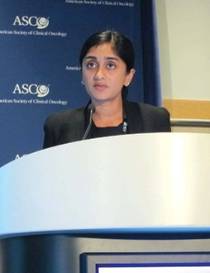
Due to the shortages, oncologists reported switching regimens (78%), substituting alternate drugs partway through therapy (77%), delaying treatment (43%), omitting doses (29%), reducing doses (20%) and referring patients to other practices (17%).
More than a third (37%) reported having to choose between patients who needed a particular drug, said Dr. Gogineni, a clinical instructor at the Abramson Cancer Center, University of Pennsylvania, Philadelphia. This poses ethical dilemmas for clinicians about who should get preference for a drug – the patient with early stage disease being treated with curative intent, the patient with metastatic disease who needs to abate disease spread, or those enrolled in clinical trials.
Data were not available on whether substitutions or delays affected patients’ quality of life, she said. An earlier study reported showed that a shortage of the chemotherapy drug mechlorethamine, or nitrogen mustard, led to a greater risk of relapse for some young Hodgkin’s lymphoma patients (N. Engl. J. Med. 2012;367:2461-3).

ASCO’s ethics committee has developed a white paper that is under review and will provide a series of recommendations to help oncologists deal with the allocation of cancer drugs in shortage, Dr. Richard Schilsky, ASCO chief medical officer, told reporters. The paper will provide overall guidance on management strategies, but cannot possibly address the multitude of scenarios that physicians face in each of the various cancers, he said in an interview.
ASCO surveyed 390 members in October 2012 and 462 members in April 2013 to monitor the impact of the shortages and regulatory/legislative efforts such as changes in generic drug user fees that would provide added resources to the Food and Drug Administration to expedite the review of generic drugs.
The ASCO survey results are similar to those in the survey reported by Dr. Gogineni and "suggest there’s been some amelioration of the drug shortages, but not to a major extent," Dr. Schilsky said.
In the 2013 ASCO survey, 58% of physician-members said the shortages were better and 17% said they were worse than in the fall of 2012. The latter may reflect scarcities of supportive care agents such as basic IV fluids, antiemetics, and pain medications that are necessary to provide optimal care to cancer patients, but "are in even worse supply, perhaps, than the chemotherapy drugs themselves," Dr. Schilsky said.
In addition, the continued persistence of unavoidable drug substitutions is troubling both for patient care and cost implications.
Among 202 ASCO members who gave specific examples of ongoing substitutions, 38% mentioned substitution of the branded drug levoleucovorin (Fusilev) for generic leucovorin, and 12% mentioned substitution of capecitabine (Xeloda) for 5-flurouracil/leucovorin.
In the Pennsylvania survey, 22% of physicians faced with shortages of 5-FU, a generic drug that forms the chemotherapy backbone for several gastrointestinal cancers, reported substituting capecitabine, which costs about 140 times as much as 5-FU for one round of colon cancer treatment, according to the investigators.
Overall, nearly 60% of physicians reported substituting more expensive branded drugs when cheaper generic drugs were in shortage, Dr. Gogineni said.
At the time the survey was conducted between September 2012 and January 2013, the top five drugs in shortage were leucovorin (66%), liposomal doxorubicin (62%), 5-FU (19%), bleomycin (17%), and cytarabine (16%).
Nearly 13% of the time, drug shortages prevented enrollment in a clinical trial, delayed administration of a study drug, or disrupted involvement of patients in clinical trials, according to the study, which was coauthored by Dr. Ezekiel Emanuel, chair of medial ethics and medical policy at the University of Pennsylvania.
Dr. Gogineni reported research funding from Pfizer, which supported the study in part through a medical and academic partnership research fellowship.
CHICAGO – A full 83% of U.S. oncologists reported being unable to prescribe the preferred chemotherapy agent for their cancer patients because of persistent drug shortages, according to a survey of 250 oncologists.
Nearly 70% of those surveyed said their cancer centers or practices had no formal guidance on how to manage the allocation of cancer drugs in short supply, Dr. Keerthi Gogineni reported in a press briefing at the annual meeting of the American Society of Clinical Oncology.
Due to the shortages, oncologists reported switching regimens (78%), substituting alternate drugs partway through therapy (77%), delaying treatment (43%), omitting doses (29%), reducing doses (20%) and referring patients to other practices (17%).
More than a third (37%) reported having to choose between patients who needed a particular drug, said Dr. Gogineni, a clinical instructor at the Abramson Cancer Center, University of Pennsylvania, Philadelphia. This poses ethical dilemmas for clinicians about who should get preference for a drug – the patient with early stage disease being treated with curative intent, the patient with metastatic disease who needs to abate disease spread, or those enrolled in clinical trials.
Data were not available on whether substitutions or delays affected patients’ quality of life, she said. An earlier study reported showed that a shortage of the chemotherapy drug mechlorethamine, or nitrogen mustard, led to a greater risk of relapse for some young Hodgkin’s lymphoma patients (N. Engl. J. Med. 2012;367:2461-3).
ASCO’s ethics committee has developed a white paper that is under review and will provide a series of recommendations to help oncologists deal with the allocation of cancer drugs in shortage, Dr. Richard Schilsky, ASCO chief medical officer, told reporters. The paper will provide overall guidance on management strategies, but cannot possibly address the multitude of scenarios that physicians face in each of the various cancers, he said in an interview.
ASCO surveyed 390 members in October 2012 and 462 members in April 2013 to monitor the impact of the shortages and regulatory/legislative efforts such as changes in generic drug user fees that would provide added resources to the Food and Drug Administration to expedite the review of generic drugs.
The ASCO survey results are similar to those in the survey reported by Dr. Gogineni and "suggest there’s been some amelioration of the drug shortages, but not to a major extent," Dr. Schilsky said.
In the 2013 ASCO survey, 58% of physician-members said the shortages were better and 17% said they were worse than in the fall of 2012. The latter may reflect scarcities of supportive care agents such as basic IV fluids, antiemetics, and pain medications that are necessary to provide optimal care to cancer patients, but "are in even worse supply, perhaps, than the chemotherapy drugs themselves," Dr. Schilsky said.
In addition, the continued persistence of unavoidable drug substitutions is troubling both for patient care and cost implications.
Among 202 ASCO members who gave specific examples of ongoing substitutions, 38% mentioned substitution of the branded drug levoleucovorin (Fusilev) for generic leucovorin, and 12% mentioned substitution of capecitabine (Xeloda) for 5-flurouracil/leucovorin.
In the Pennsylvania survey, 22% of physicians faced with shortages of 5-FU, a generic drug that forms the chemotherapy backbone for several gastrointestinal cancers, reported substituting capecitabine, which costs about 140 times as much as 5-FU for one round of colon cancer treatment, according to the investigators.
Overall, nearly 60% of physicians reported substituting more expensive branded drugs when cheaper generic drugs were in shortage, Dr. Gogineni said.
At the time the survey was conducted between September 2012 and January 2013, the top five drugs in shortage were leucovorin (66%), liposomal doxorubicin (62%), 5-FU (19%), bleomycin (17%), and cytarabine (16%).
Nearly 13% of the time, drug shortages prevented enrollment in a clinical trial, delayed administration of a study drug, or disrupted involvement of patients in clinical trials, according to the study, which was coauthored by Dr. Ezekiel Emanuel, chair of medial ethics and medical policy at the University of Pennsylvania.
Dr. Gogineni reported research funding from Pfizer, which supported the study in part through a medical and academic partnership research fellowship.
CHICAGO – A full 83% of U.S. oncologists reported being unable to prescribe the preferred chemotherapy agent for their cancer patients because of persistent drug shortages, according to a survey of 250 oncologists.
Nearly 70% of those surveyed said their cancer centers or practices had no formal guidance on how to manage the allocation of cancer drugs in short supply, Dr. Keerthi Gogineni reported in a press briefing at the annual meeting of the American Society of Clinical Oncology.
Due to the shortages, oncologists reported switching regimens (78%), substituting alternate drugs partway through therapy (77%), delaying treatment (43%), omitting doses (29%), reducing doses (20%) and referring patients to other practices (17%).
More than a third (37%) reported having to choose between patients who needed a particular drug, said Dr. Gogineni, a clinical instructor at the Abramson Cancer Center, University of Pennsylvania, Philadelphia. This poses ethical dilemmas for clinicians about who should get preference for a drug – the patient with early stage disease being treated with curative intent, the patient with metastatic disease who needs to abate disease spread, or those enrolled in clinical trials.
Data were not available on whether substitutions or delays affected patients’ quality of life, she said. An earlier study reported showed that a shortage of the chemotherapy drug mechlorethamine, or nitrogen mustard, led to a greater risk of relapse for some young Hodgkin’s lymphoma patients (N. Engl. J. Med. 2012;367:2461-3).
ASCO’s ethics committee has developed a white paper that is under review and will provide a series of recommendations to help oncologists deal with the allocation of cancer drugs in shortage, Dr. Richard Schilsky, ASCO chief medical officer, told reporters. The paper will provide overall guidance on management strategies, but cannot possibly address the multitude of scenarios that physicians face in each of the various cancers, he said in an interview.
ASCO surveyed 390 members in October 2012 and 462 members in April 2013 to monitor the impact of the shortages and regulatory/legislative efforts such as changes in generic drug user fees that would provide added resources to the Food and Drug Administration to expedite the review of generic drugs.
The ASCO survey results are similar to those in the survey reported by Dr. Gogineni and "suggest there’s been some amelioration of the drug shortages, but not to a major extent," Dr. Schilsky said.
In the 2013 ASCO survey, 58% of physician-members said the shortages were better and 17% said they were worse than in the fall of 2012. The latter may reflect scarcities of supportive care agents such as basic IV fluids, antiemetics, and pain medications that are necessary to provide optimal care to cancer patients, but "are in even worse supply, perhaps, than the chemotherapy drugs themselves," Dr. Schilsky said.
In addition, the continued persistence of unavoidable drug substitutions is troubling both for patient care and cost implications.
Among 202 ASCO members who gave specific examples of ongoing substitutions, 38% mentioned substitution of the branded drug levoleucovorin (Fusilev) for generic leucovorin, and 12% mentioned substitution of capecitabine (Xeloda) for 5-flurouracil/leucovorin.
In the Pennsylvania survey, 22% of physicians faced with shortages of 5-FU, a generic drug that forms the chemotherapy backbone for several gastrointestinal cancers, reported substituting capecitabine, which costs about 140 times as much as 5-FU for one round of colon cancer treatment, according to the investigators.
Overall, nearly 60% of physicians reported substituting more expensive branded drugs when cheaper generic drugs were in shortage, Dr. Gogineni said.
At the time the survey was conducted between September 2012 and January 2013, the top five drugs in shortage were leucovorin (66%), liposomal doxorubicin (62%), 5-FU (19%), bleomycin (17%), and cytarabine (16%).
Nearly 13% of the time, drug shortages prevented enrollment in a clinical trial, delayed administration of a study drug, or disrupted involvement of patients in clinical trials, according to the study, which was coauthored by Dr. Ezekiel Emanuel, chair of medial ethics and medical policy at the University of Pennsylvania.
Dr. Gogineni reported research funding from Pfizer, which supported the study in part through a medical and academic partnership research fellowship.
AT THE ASCO ANNUAL MEETING 2013
Major finding: In all, 83% of oncologists reported being unable to prescribe the preferred chemotherapy agent because of drug shortages, and nearly 70% said they faced these shortages without formal guidance.
Data source: A University of Pennsylvania survey of 250 practicing U.S. oncologists.
Disclosures: Dr. Gogineni reported research funding from Pfizer, which supported the study in part through a medical and academic partnership research fellowship.
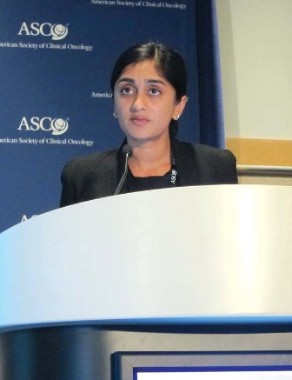
Chemoimmunotherapy, chemoradiotherapy add no survival in pancreatic cancer
CHICAGO – Giving the telomerase peptide vaccine GV1001, either sequentially or concurrently, with standard chemotherapy added no overall survival benefit in one of the largest trials ever performed in locally advanced or metastatic pancreatic cancer.
Median overall survival was 7.9 months for gemcitabine (Gemzar) and capecitabine (Xeloda) chemotherapy alone, 6.9 months for 8 weeks of gemcitabine and capecitabine followed by GV1001 vaccinations until progressive disease then gemcitabine and capecitabine, and 8.4 months for GV1001 given concurrently with gemcitabine and capecitabine chemotherapy.
One-year survival rates were 33.7%, 25.3%, and 32.3%. The difference in overall survival did not meet the criterion for statistical significance (P value less than .0175) for sequential (hazard ratio, 1.19; P = .046) or concurrent (HR, 1.05; P = .63) chemoimmunotherapy.

Further, sequential chemoimmunotherapy was associated with a statistically poorer response rate, compared with standard chemotherapy (8.6% vs. 17.6%; unadjusted P = .000), and shorter time to progression (4.54 months vs. 6.35 months; P less than .001), Dr. Gary W. Middleton reported at the annual meeting of the American Society of Clinical Oncology.
The results of the 1,062-patient TeloVac study are disappointing in light of phase I/II results in which an intermediate dose of GV1001, without any chemotherapy at all, produced an immune response in 75% of patients and a median overall survival of 8.3 months, explained Dr. Middleton of the University of Birmingham, England.
Invited discussant Dr. Hedy Lee Kindler, medical director of gastrointestinal oncology at the University of Chicago Medical Center, questioned whether this signal was sufficiently robust to proceed directly to a 1,000-plus–patient phase III trial, given that the phase I/II trial was not randomized, did not include chemotherapy, and had significant imbalances in performance status and disease extent between arms that made it difficult to draw conclusions about the outcomes.
"Perhaps a randomized phase II trial of chemotherapy plus/minus vaccine would have been informative," she said.
Although TeloVac is one of a long line of negative phase III trials in pancreatic cancer, recent data challenge the assumption that pancreas cancer is poorly immunogenic, Dr. Kindler said. Going forward, the optimal immunotherapy trial will need to use the best antigen, increase vaccine potency by optimizing the adjuvant, uncouple tolerance mechanisms either by blocking immunologic checkpoints or manipulating the tumor microenvironment using agonistic anti-CD40 antibodies, and identify predictive biomarkers, she said.
Chemoradiotherapy in LAP 07
During the same session at ASCO, final results were reported from the phase III international LAP 07 study evaluating chemoradiotherapy (CRT) in patients with locally advanced pancreatic cancer controlled after 4 months of gemcitabine chemotherapy with or without erlotinib (Tarceva).
Median overall survival in patients allocated to 2 additional months of chemotherapy was 16.4 months vs. 15.2 months in those allocated to receive 54 Gy and capecitabine (HR, 1.03; P = .83). Progression-free survival was also similar at 11.8 months and 12.5 months (HR, 0.9; P = .21).
The internal data monitoring committee confirmed that the futility boundary was crossed for the hypothesis of chemoradiotherapy superiority, and that the second interim analysis could be considered the study’s final analysis. "It was clear that to continue the study would not change the final results," said Dr. Pascal Hammel, Beaujon Hospital, Clichy, France.
When survival was analyzed based on first-round chemotherapy, there was a trend for inferior survival with gemcitabine plus erlotinib compared with gemcitabine alone, although the data are not mature (median 11.9 months vs. 13.6 months; HR 1.19; P = .09). The addition of erlotinib was not beneficial in locally advanced pancreatic cancer and increased toxicity, he said.
"In locally advanced pancreatic cancer, standard of care should remain chemotherapy; chemoradiotherapy being an option after tumor control by chemotherapy," Dr. Hammel concluded.
An audience member objected to CRT as an option, in light of the negative results, but Dr. Kindler agreed with the authors’ conclusion.
There are many potential explanations for "these somewhat surprising results," including inadequate radiation or inadequate chemotherapy during the first round or during radiotherapy. It’s also possible that only a subset of patients benefit from CRT, something that is being examined in ongoing correlative studies from LAP 07. Two ongoing trials – Radiation Therapy Oncology Group 1201 of high vs. standard intensity local or systemic therapy and the proposed Alliance/Eastern Cooperative Oncology Group phase II trial – could also help answer some of these questions, she said.
TeloVac was funded by Cancer Research UK; Roche supplied capecitabine for the trial; and KAEL-GemVax provided the vaccine and additional support to the Cancer Research UK Liverpool Cancer Trials Unit. Dr. Middleton and his coauthors reported no relevant disclosures.
LAP 07 was sponsored by Groupe Cooperateur Multidisciplinaire en Oncologie. Dr. Hammel reported honoraria from Roche.
CHICAGO – Giving the telomerase peptide vaccine GV1001, either sequentially or concurrently, with standard chemotherapy added no overall survival benefit in one of the largest trials ever performed in locally advanced or metastatic pancreatic cancer.
Median overall survival was 7.9 months for gemcitabine (Gemzar) and capecitabine (Xeloda) chemotherapy alone, 6.9 months for 8 weeks of gemcitabine and capecitabine followed by GV1001 vaccinations until progressive disease then gemcitabine and capecitabine, and 8.4 months for GV1001 given concurrently with gemcitabine and capecitabine chemotherapy.
One-year survival rates were 33.7%, 25.3%, and 32.3%. The difference in overall survival did not meet the criterion for statistical significance (P value less than .0175) for sequential (hazard ratio, 1.19; P = .046) or concurrent (HR, 1.05; P = .63) chemoimmunotherapy.
Further, sequential chemoimmunotherapy was associated with a statistically poorer response rate, compared with standard chemotherapy (8.6% vs. 17.6%; unadjusted P = .000), and shorter time to progression (4.54 months vs. 6.35 months; P less than .001), Dr. Gary W. Middleton reported at the annual meeting of the American Society of Clinical Oncology.
The results of the 1,062-patient TeloVac study are disappointing in light of phase I/II results in which an intermediate dose of GV1001, without any chemotherapy at all, produced an immune response in 75% of patients and a median overall survival of 8.3 months, explained Dr. Middleton of the University of Birmingham, England.
Invited discussant Dr. Hedy Lee Kindler, medical director of gastrointestinal oncology at the University of Chicago Medical Center, questioned whether this signal was sufficiently robust to proceed directly to a 1,000-plus–patient phase III trial, given that the phase I/II trial was not randomized, did not include chemotherapy, and had significant imbalances in performance status and disease extent between arms that made it difficult to draw conclusions about the outcomes.
"Perhaps a randomized phase II trial of chemotherapy plus/minus vaccine would have been informative," she said.
Although TeloVac is one of a long line of negative phase III trials in pancreatic cancer, recent data challenge the assumption that pancreas cancer is poorly immunogenic, Dr. Kindler said. Going forward, the optimal immunotherapy trial will need to use the best antigen, increase vaccine potency by optimizing the adjuvant, uncouple tolerance mechanisms either by blocking immunologic checkpoints or manipulating the tumor microenvironment using agonistic anti-CD40 antibodies, and identify predictive biomarkers, she said.
Chemoradiotherapy in LAP 07
During the same session at ASCO, final results were reported from the phase III international LAP 07 study evaluating chemoradiotherapy (CRT) in patients with locally advanced pancreatic cancer controlled after 4 months of gemcitabine chemotherapy with or without erlotinib (Tarceva).
Median overall survival in patients allocated to 2 additional months of chemotherapy was 16.4 months vs. 15.2 months in those allocated to receive 54 Gy and capecitabine (HR, 1.03; P = .83). Progression-free survival was also similar at 11.8 months and 12.5 months (HR, 0.9; P = .21).
The internal data monitoring committee confirmed that the futility boundary was crossed for the hypothesis of chemoradiotherapy superiority, and that the second interim analysis could be considered the study’s final analysis. "It was clear that to continue the study would not change the final results," said Dr. Pascal Hammel, Beaujon Hospital, Clichy, France.
When survival was analyzed based on first-round chemotherapy, there was a trend for inferior survival with gemcitabine plus erlotinib compared with gemcitabine alone, although the data are not mature (median 11.9 months vs. 13.6 months; HR 1.19; P = .09). The addition of erlotinib was not beneficial in locally advanced pancreatic cancer and increased toxicity, he said.
"In locally advanced pancreatic cancer, standard of care should remain chemotherapy; chemoradiotherapy being an option after tumor control by chemotherapy," Dr. Hammel concluded.
An audience member objected to CRT as an option, in light of the negative results, but Dr. Kindler agreed with the authors’ conclusion.
There are many potential explanations for "these somewhat surprising results," including inadequate radiation or inadequate chemotherapy during the first round or during radiotherapy. It’s also possible that only a subset of patients benefit from CRT, something that is being examined in ongoing correlative studies from LAP 07. Two ongoing trials – Radiation Therapy Oncology Group 1201 of high vs. standard intensity local or systemic therapy and the proposed Alliance/Eastern Cooperative Oncology Group phase II trial – could also help answer some of these questions, she said.
TeloVac was funded by Cancer Research UK; Roche supplied capecitabine for the trial; and KAEL-GemVax provided the vaccine and additional support to the Cancer Research UK Liverpool Cancer Trials Unit. Dr. Middleton and his coauthors reported no relevant disclosures.
LAP 07 was sponsored by Groupe Cooperateur Multidisciplinaire en Oncologie. Dr. Hammel reported honoraria from Roche.
CHICAGO – Giving the telomerase peptide vaccine GV1001, either sequentially or concurrently, with standard chemotherapy added no overall survival benefit in one of the largest trials ever performed in locally advanced or metastatic pancreatic cancer.
Median overall survival was 7.9 months for gemcitabine (Gemzar) and capecitabine (Xeloda) chemotherapy alone, 6.9 months for 8 weeks of gemcitabine and capecitabine followed by GV1001 vaccinations until progressive disease then gemcitabine and capecitabine, and 8.4 months for GV1001 given concurrently with gemcitabine and capecitabine chemotherapy.
One-year survival rates were 33.7%, 25.3%, and 32.3%. The difference in overall survival did not meet the criterion for statistical significance (P value less than .0175) for sequential (hazard ratio, 1.19; P = .046) or concurrent (HR, 1.05; P = .63) chemoimmunotherapy.
Further, sequential chemoimmunotherapy was associated with a statistically poorer response rate, compared with standard chemotherapy (8.6% vs. 17.6%; unadjusted P = .000), and shorter time to progression (4.54 months vs. 6.35 months; P less than .001), Dr. Gary W. Middleton reported at the annual meeting of the American Society of Clinical Oncology.
The results of the 1,062-patient TeloVac study are disappointing in light of phase I/II results in which an intermediate dose of GV1001, without any chemotherapy at all, produced an immune response in 75% of patients and a median overall survival of 8.3 months, explained Dr. Middleton of the University of Birmingham, England.
Invited discussant Dr. Hedy Lee Kindler, medical director of gastrointestinal oncology at the University of Chicago Medical Center, questioned whether this signal was sufficiently robust to proceed directly to a 1,000-plus–patient phase III trial, given that the phase I/II trial was not randomized, did not include chemotherapy, and had significant imbalances in performance status and disease extent between arms that made it difficult to draw conclusions about the outcomes.
"Perhaps a randomized phase II trial of chemotherapy plus/minus vaccine would have been informative," she said.
Although TeloVac is one of a long line of negative phase III trials in pancreatic cancer, recent data challenge the assumption that pancreas cancer is poorly immunogenic, Dr. Kindler said. Going forward, the optimal immunotherapy trial will need to use the best antigen, increase vaccine potency by optimizing the adjuvant, uncouple tolerance mechanisms either by blocking immunologic checkpoints or manipulating the tumor microenvironment using agonistic anti-CD40 antibodies, and identify predictive biomarkers, she said.
Chemoradiotherapy in LAP 07
During the same session at ASCO, final results were reported from the phase III international LAP 07 study evaluating chemoradiotherapy (CRT) in patients with locally advanced pancreatic cancer controlled after 4 months of gemcitabine chemotherapy with or without erlotinib (Tarceva).
Median overall survival in patients allocated to 2 additional months of chemotherapy was 16.4 months vs. 15.2 months in those allocated to receive 54 Gy and capecitabine (HR, 1.03; P = .83). Progression-free survival was also similar at 11.8 months and 12.5 months (HR, 0.9; P = .21).
The internal data monitoring committee confirmed that the futility boundary was crossed for the hypothesis of chemoradiotherapy superiority, and that the second interim analysis could be considered the study’s final analysis. "It was clear that to continue the study would not change the final results," said Dr. Pascal Hammel, Beaujon Hospital, Clichy, France.
When survival was analyzed based on first-round chemotherapy, there was a trend for inferior survival with gemcitabine plus erlotinib compared with gemcitabine alone, although the data are not mature (median 11.9 months vs. 13.6 months; HR 1.19; P = .09). The addition of erlotinib was not beneficial in locally advanced pancreatic cancer and increased toxicity, he said.
"In locally advanced pancreatic cancer, standard of care should remain chemotherapy; chemoradiotherapy being an option after tumor control by chemotherapy," Dr. Hammel concluded.
An audience member objected to CRT as an option, in light of the negative results, but Dr. Kindler agreed with the authors’ conclusion.
There are many potential explanations for "these somewhat surprising results," including inadequate radiation or inadequate chemotherapy during the first round or during radiotherapy. It’s also possible that only a subset of patients benefit from CRT, something that is being examined in ongoing correlative studies from LAP 07. Two ongoing trials – Radiation Therapy Oncology Group 1201 of high vs. standard intensity local or systemic therapy and the proposed Alliance/Eastern Cooperative Oncology Group phase II trial – could also help answer some of these questions, she said.
TeloVac was funded by Cancer Research UK; Roche supplied capecitabine for the trial; and KAEL-GemVax provided the vaccine and additional support to the Cancer Research UK Liverpool Cancer Trials Unit. Dr. Middleton and his coauthors reported no relevant disclosures.
LAP 07 was sponsored by Groupe Cooperateur Multidisciplinaire en Oncologie. Dr. Hammel reported honoraria from Roche.
AT THE ASCO ANNUAL MEETING 2013
Major finding: Median overall survival was 7.9 months for gemcitabine and capecitabine alone, 6.9 months for gemcitabine and capecitabine followed by GV1001 then gemcitabine and capecitabine at disease progression, and 8.4 months for concurrent GV1001 and gemcitabine and capecitabine (P = .114).
Data source: Phase III randomized study of 1,062 patients with locally advanced or metastatic pancreatic cancer.
Disclosures: TeloVac was funded by Cancer Research UK (CRUK). Roche supplied capecitabine for the trial; and Kael-GemVax provided the vaccine and additional support to the CRUK Liverpool Cancer Trials Unit. Dr. Middleton and his co-authors reported no relevant disclosures. LAP 07 was sponsored by Groupe Cooperateur Multidisciplinaire en Oncologie. Dr. Hammel reported honoraria from Roche.

VeriStrat predicts second-line treatment response in advanced lung cancer
CHICAGO – The VeriStrat test is useful in guiding second-line treatment decisions in non–small-cell lung cancer patients with unknown or wild-type epidermal growth factor receptor status, according to results from the prospective phase III PROSE trial.
Patients classified as VeriStrat "good" had the same median overall survival of 10.92 months with chemotherapy and of 10.95 months with erlotinib (Tarceva) (hazard ratio 1.06; P = .714).
VeriStrat "poor" patients, however, derived a significant survival benefit from chemotherapy, with a median survival of 6.38 months vs. 2.98 months with erlotinib (HR 1.72; P = .022).
The interaction between treatment outcome and VeriStrat classification was statistically significant (HR 1.85; P = .031), Dr. Vanessa Gregorc reported at the annual meeting of the American Society of Clinical Oncology.
Erlotinib, an antiepidermal growth factor receptor (EGFR) tyrosine kinase inhibitor (TKI), is frequently used in patients who harbor an EGFR mutation, but about 90% of non-Asian patients are EGFR wild-type and 35%-45% are never tested for EGFR status.

VeriStrat is a serum protein test that uses mass spectrometry technique – Matrix-Assisted Laser Desorption/Ionization-Time of Flight Mass Spectrometry (MALDI-TOF MS) – and proprietary algorithms to analyze proteins in a patient’s serum, according to the manufacturer, Biodesix.
The VeriStrat test is already known to be of value in identifying good versus poor prognosis in NSCLC patients. Initial retrospective validation studies showed that pretreatment classification with VeriStrat correlated with overall survival after treatment with EGFR-TKIs, but not with chemotherapy. Additional retrospective studies have shown the test to be both predictive and prognostic, explained Dr. Gregorc of the San Raffaele Scientific Institute, Milan.
There have been some doubts about whether the VeriStrat signature was only prognostic, but now "... we know VeriStrat is also predictive," said Dr. Luis Paz-Ares of Virgen Del Rocio University Hospital, Seville, Spain, who was invited to discuss the study.
Possibly more important, in a subanalysis restricted to only EGFR wild-type patients, the hazard ratio was even higher (1.94) and the VeriStrat treatment interaction was significant (P = .024), he added.
PROSE study
PROSE (Randomized Proteomic Stratified Phase III Study of Second Line Erlotinib versus Chemotherapy in Patients with Inoperable Non–Small-Cell Lung Cancer) involved 285 patients at 14 centers across Italy who had stage IIIb or IV inoperable NSCLC treated with one previous line of platinum-based chemotherapy and no EGFR-TKIs. Patients were stratified by ECOG performance status, smoking status, and blinded pretreatment VeriStrat classification, and randomly assigned within 5 working days of their blood draw to receive erlotinib or chemotherapy with pemetrexed or docetaxel at standard doses.
Among the 263 patients evaluable for the primary analysis, 129 received chemotherapy, of which 88 were VeriStrat classified as good and 41 as poor, and 134 received erlotinib, of which 96 were VeriStrat classified as good and 38 as poor.
EGFR mutation status analysis was performed in 190 of the 263 evaluable patients and indicated that 91 of 97 (94%) chemotherapy patients tested and 85 of 93 (91%) erlotinib patients tested were EGFR wild-type.
Median overall survival was 9.0 months with chemotherapy and 7.7 months with erlotinib (HR 1.14; P = .313), Dr. Gregorc reported.
In a survival analysis adjusted for several potential confounding factors, ECOG performance status 2 vs. 0-1 (HR 2.55; P less than .001) and VeriStrat poor vs. good classification (HR 1.89; P = .002) were prognostic for outcome independent of treatment. VeriStrat was predictive of a significant differential treatment benefit between chemotherapy and erlotinib (HR 1.98; P = .022).
During a discussion of the study, Dr. Tony Mok, lead investigator for the pivotal IPASS (Iressa Pan Asian Study), said he agreed that VeriStrat was predictive in patients with EGFR-negative status, but wasn’t sure about this conclusion for patients with unknown mutation status "because the proportion with EGFR-mutation positive likely had higher predictive power than what the VeriStrat can offer."
Dr. Gregorc said the sample sizes aren’t representative of what they’d planned to show, but that additional analyses are supportive of the findings.
"Our suggestion is, if you can, do the analysis with tissue," she said. "If you can’t or the patients have EGFR mutations, this is what you have to drive your clinical decision."
Another attendee described PROSE as an important trial, but said it "feels like the cake is only half baked" without data on progression-free survival and response rates. Dr. Gregorc responded that they didn’t have sufficient time to complete a thorough progression-free survival analysis before the meeting, and that these data will be presented at the European Society for Medical Oncology meeting this fall.
DELTA study
Data presented during the same session from the phase III DELTA (Docetaxel and Erlotinib Lung Cancer Trial) reinforced the role of chemotherapy over erlotinib in the second- and third-line setting of advanced NSCLC patients with EGFR wild-type status.
Among all 301 EGFR-unselected Japanese patients, docetaxel chemotherapy and erlotinib resulted in similar median progression-free (3.2 months vs. 2.0 months; HR 1.22; P = .092) and overall survival (12.2 months vs. 14.8 months; HR 0.90; P = .527).
Among the subset of 199 patients found to be EGFR wild-type, however, median progression-free survival was significantly longer at 2.9 months with chemotherapy vs. 1.3 months with erlotinib (HR 1.45; P = .01). A Cox regression analysis that adjusted for gender, performance status, and histology confirmed this benefit of chemotherapy on progression (HR 1.57; no P value given), said Dr. Yoshio Okana of Kochi (Japan) National Hospital.
Further, EGFR wild-type patients given chemotherapy had significantly better response rates (20% vs. 5.6%; P = .003) and disease control (70.6% vs. 53%; P = .017), although overall survival was similar (10.1 months vs. 9.0 months; HR 0.97; P .907), he said.
PROSE was funded by the Italian Ministry of Health, Italian Association for Cancer Research, and a grant from Biodesix. Dr. Gregorc reported no financial conflicts; several coauthors reported ties with Biodesix. DELTA was funded by the Japanese National Health Organization. Dr. Okano reported no conflicts; several coauthors reported ties with Chugai Pharma and Sanofi.
CHICAGO – The VeriStrat test is useful in guiding second-line treatment decisions in non–small-cell lung cancer patients with unknown or wild-type epidermal growth factor receptor status, according to results from the prospective phase III PROSE trial.
Patients classified as VeriStrat "good" had the same median overall survival of 10.92 months with chemotherapy and of 10.95 months with erlotinib (Tarceva) (hazard ratio 1.06; P = .714).
VeriStrat "poor" patients, however, derived a significant survival benefit from chemotherapy, with a median survival of 6.38 months vs. 2.98 months with erlotinib (HR 1.72; P = .022).
The interaction between treatment outcome and VeriStrat classification was statistically significant (HR 1.85; P = .031), Dr. Vanessa Gregorc reported at the annual meeting of the American Society of Clinical Oncology.
Erlotinib, an antiepidermal growth factor receptor (EGFR) tyrosine kinase inhibitor (TKI), is frequently used in patients who harbor an EGFR mutation, but about 90% of non-Asian patients are EGFR wild-type and 35%-45% are never tested for EGFR status.
VeriStrat is a serum protein test that uses mass spectrometry technique – Matrix-Assisted Laser Desorption/Ionization-Time of Flight Mass Spectrometry (MALDI-TOF MS) – and proprietary algorithms to analyze proteins in a patient’s serum, according to the manufacturer, Biodesix.
The VeriStrat test is already known to be of value in identifying good versus poor prognosis in NSCLC patients. Initial retrospective validation studies showed that pretreatment classification with VeriStrat correlated with overall survival after treatment with EGFR-TKIs, but not with chemotherapy. Additional retrospective studies have shown the test to be both predictive and prognostic, explained Dr. Gregorc of the San Raffaele Scientific Institute, Milan.
There have been some doubts about whether the VeriStrat signature was only prognostic, but now "... we know VeriStrat is also predictive," said Dr. Luis Paz-Ares of Virgen Del Rocio University Hospital, Seville, Spain, who was invited to discuss the study.
Possibly more important, in a subanalysis restricted to only EGFR wild-type patients, the hazard ratio was even higher (1.94) and the VeriStrat treatment interaction was significant (P = .024), he added.
PROSE study
PROSE (Randomized Proteomic Stratified Phase III Study of Second Line Erlotinib versus Chemotherapy in Patients with Inoperable Non–Small-Cell Lung Cancer) involved 285 patients at 14 centers across Italy who had stage IIIb or IV inoperable NSCLC treated with one previous line of platinum-based chemotherapy and no EGFR-TKIs. Patients were stratified by ECOG performance status, smoking status, and blinded pretreatment VeriStrat classification, and randomly assigned within 5 working days of their blood draw to receive erlotinib or chemotherapy with pemetrexed or docetaxel at standard doses.
Among the 263 patients evaluable for the primary analysis, 129 received chemotherapy, of which 88 were VeriStrat classified as good and 41 as poor, and 134 received erlotinib, of which 96 were VeriStrat classified as good and 38 as poor.
EGFR mutation status analysis was performed in 190 of the 263 evaluable patients and indicated that 91 of 97 (94%) chemotherapy patients tested and 85 of 93 (91%) erlotinib patients tested were EGFR wild-type.
Median overall survival was 9.0 months with chemotherapy and 7.7 months with erlotinib (HR 1.14; P = .313), Dr. Gregorc reported.
In a survival analysis adjusted for several potential confounding factors, ECOG performance status 2 vs. 0-1 (HR 2.55; P less than .001) and VeriStrat poor vs. good classification (HR 1.89; P = .002) were prognostic for outcome independent of treatment. VeriStrat was predictive of a significant differential treatment benefit between chemotherapy and erlotinib (HR 1.98; P = .022).
During a discussion of the study, Dr. Tony Mok, lead investigator for the pivotal IPASS (Iressa Pan Asian Study), said he agreed that VeriStrat was predictive in patients with EGFR-negative status, but wasn’t sure about this conclusion for patients with unknown mutation status "because the proportion with EGFR-mutation positive likely had higher predictive power than what the VeriStrat can offer."
Dr. Gregorc said the sample sizes aren’t representative of what they’d planned to show, but that additional analyses are supportive of the findings.
"Our suggestion is, if you can, do the analysis with tissue," she said. "If you can’t or the patients have EGFR mutations, this is what you have to drive your clinical decision."
Another attendee described PROSE as an important trial, but said it "feels like the cake is only half baked" without data on progression-free survival and response rates. Dr. Gregorc responded that they didn’t have sufficient time to complete a thorough progression-free survival analysis before the meeting, and that these data will be presented at the European Society for Medical Oncology meeting this fall.
DELTA study
Data presented during the same session from the phase III DELTA (Docetaxel and Erlotinib Lung Cancer Trial) reinforced the role of chemotherapy over erlotinib in the second- and third-line setting of advanced NSCLC patients with EGFR wild-type status.
Among all 301 EGFR-unselected Japanese patients, docetaxel chemotherapy and erlotinib resulted in similar median progression-free (3.2 months vs. 2.0 months; HR 1.22; P = .092) and overall survival (12.2 months vs. 14.8 months; HR 0.90; P = .527).
Among the subset of 199 patients found to be EGFR wild-type, however, median progression-free survival was significantly longer at 2.9 months with chemotherapy vs. 1.3 months with erlotinib (HR 1.45; P = .01). A Cox regression analysis that adjusted for gender, performance status, and histology confirmed this benefit of chemotherapy on progression (HR 1.57; no P value given), said Dr. Yoshio Okana of Kochi (Japan) National Hospital.
Further, EGFR wild-type patients given chemotherapy had significantly better response rates (20% vs. 5.6%; P = .003) and disease control (70.6% vs. 53%; P = .017), although overall survival was similar (10.1 months vs. 9.0 months; HR 0.97; P .907), he said.
PROSE was funded by the Italian Ministry of Health, Italian Association for Cancer Research, and a grant from Biodesix. Dr. Gregorc reported no financial conflicts; several coauthors reported ties with Biodesix. DELTA was funded by the Japanese National Health Organization. Dr. Okano reported no conflicts; several coauthors reported ties with Chugai Pharma and Sanofi.
CHICAGO – The VeriStrat test is useful in guiding second-line treatment decisions in non–small-cell lung cancer patients with unknown or wild-type epidermal growth factor receptor status, according to results from the prospective phase III PROSE trial.
Patients classified as VeriStrat "good" had the same median overall survival of 10.92 months with chemotherapy and of 10.95 months with erlotinib (Tarceva) (hazard ratio 1.06; P = .714).
VeriStrat "poor" patients, however, derived a significant survival benefit from chemotherapy, with a median survival of 6.38 months vs. 2.98 months with erlotinib (HR 1.72; P = .022).
The interaction between treatment outcome and VeriStrat classification was statistically significant (HR 1.85; P = .031), Dr. Vanessa Gregorc reported at the annual meeting of the American Society of Clinical Oncology.
Erlotinib, an antiepidermal growth factor receptor (EGFR) tyrosine kinase inhibitor (TKI), is frequently used in patients who harbor an EGFR mutation, but about 90% of non-Asian patients are EGFR wild-type and 35%-45% are never tested for EGFR status.
VeriStrat is a serum protein test that uses mass spectrometry technique – Matrix-Assisted Laser Desorption/Ionization-Time of Flight Mass Spectrometry (MALDI-TOF MS) – and proprietary algorithms to analyze proteins in a patient’s serum, according to the manufacturer, Biodesix.
The VeriStrat test is already known to be of value in identifying good versus poor prognosis in NSCLC patients. Initial retrospective validation studies showed that pretreatment classification with VeriStrat correlated with overall survival after treatment with EGFR-TKIs, but not with chemotherapy. Additional retrospective studies have shown the test to be both predictive and prognostic, explained Dr. Gregorc of the San Raffaele Scientific Institute, Milan.
There have been some doubts about whether the VeriStrat signature was only prognostic, but now "... we know VeriStrat is also predictive," said Dr. Luis Paz-Ares of Virgen Del Rocio University Hospital, Seville, Spain, who was invited to discuss the study.
Possibly more important, in a subanalysis restricted to only EGFR wild-type patients, the hazard ratio was even higher (1.94) and the VeriStrat treatment interaction was significant (P = .024), he added.
PROSE study
PROSE (Randomized Proteomic Stratified Phase III Study of Second Line Erlotinib versus Chemotherapy in Patients with Inoperable Non–Small-Cell Lung Cancer) involved 285 patients at 14 centers across Italy who had stage IIIb or IV inoperable NSCLC treated with one previous line of platinum-based chemotherapy and no EGFR-TKIs. Patients were stratified by ECOG performance status, smoking status, and blinded pretreatment VeriStrat classification, and randomly assigned within 5 working days of their blood draw to receive erlotinib or chemotherapy with pemetrexed or docetaxel at standard doses.
Among the 263 patients evaluable for the primary analysis, 129 received chemotherapy, of which 88 were VeriStrat classified as good and 41 as poor, and 134 received erlotinib, of which 96 were VeriStrat classified as good and 38 as poor.
EGFR mutation status analysis was performed in 190 of the 263 evaluable patients and indicated that 91 of 97 (94%) chemotherapy patients tested and 85 of 93 (91%) erlotinib patients tested were EGFR wild-type.
Median overall survival was 9.0 months with chemotherapy and 7.7 months with erlotinib (HR 1.14; P = .313), Dr. Gregorc reported.
In a survival analysis adjusted for several potential confounding factors, ECOG performance status 2 vs. 0-1 (HR 2.55; P less than .001) and VeriStrat poor vs. good classification (HR 1.89; P = .002) were prognostic for outcome independent of treatment. VeriStrat was predictive of a significant differential treatment benefit between chemotherapy and erlotinib (HR 1.98; P = .022).
During a discussion of the study, Dr. Tony Mok, lead investigator for the pivotal IPASS (Iressa Pan Asian Study), said he agreed that VeriStrat was predictive in patients with EGFR-negative status, but wasn’t sure about this conclusion for patients with unknown mutation status "because the proportion with EGFR-mutation positive likely had higher predictive power than what the VeriStrat can offer."
Dr. Gregorc said the sample sizes aren’t representative of what they’d planned to show, but that additional analyses are supportive of the findings.
"Our suggestion is, if you can, do the analysis with tissue," she said. "If you can’t or the patients have EGFR mutations, this is what you have to drive your clinical decision."
Another attendee described PROSE as an important trial, but said it "feels like the cake is only half baked" without data on progression-free survival and response rates. Dr. Gregorc responded that they didn’t have sufficient time to complete a thorough progression-free survival analysis before the meeting, and that these data will be presented at the European Society for Medical Oncology meeting this fall.
DELTA study
Data presented during the same session from the phase III DELTA (Docetaxel and Erlotinib Lung Cancer Trial) reinforced the role of chemotherapy over erlotinib in the second- and third-line setting of advanced NSCLC patients with EGFR wild-type status.
Among all 301 EGFR-unselected Japanese patients, docetaxel chemotherapy and erlotinib resulted in similar median progression-free (3.2 months vs. 2.0 months; HR 1.22; P = .092) and overall survival (12.2 months vs. 14.8 months; HR 0.90; P = .527).
Among the subset of 199 patients found to be EGFR wild-type, however, median progression-free survival was significantly longer at 2.9 months with chemotherapy vs. 1.3 months with erlotinib (HR 1.45; P = .01). A Cox regression analysis that adjusted for gender, performance status, and histology confirmed this benefit of chemotherapy on progression (HR 1.57; no P value given), said Dr. Yoshio Okana of Kochi (Japan) National Hospital.
Further, EGFR wild-type patients given chemotherapy had significantly better response rates (20% vs. 5.6%; P = .003) and disease control (70.6% vs. 53%; P = .017), although overall survival was similar (10.1 months vs. 9.0 months; HR 0.97; P .907), he said.
PROSE was funded by the Italian Ministry of Health, Italian Association for Cancer Research, and a grant from Biodesix. Dr. Gregorc reported no financial conflicts; several coauthors reported ties with Biodesix. DELTA was funded by the Japanese National Health Organization. Dr. Okano reported no conflicts; several coauthors reported ties with Chugai Pharma and Sanofi.
AT THE ASCO ANNUAL MEETING 2013
Major finding: VeriStrat ‘poor’ patients derived a significant survival benefit from chemotherapy, with a median survival of 6.38 months, vs. 2.98 months with erlotinib (HR 1.72; P = .022).
Data source: Two phase III randomized trials in patients with phase IIIb-IV non–small-cell lung cancer.
Disclosures: PROSE was funded by the Italian Ministry of Health, Italian Association for Cancer Research, and a grant from Biodesix. Dr. Gregorc reported no financial conflicts; several coauthors reported ties with Biodesix. DELTA was funded by the Japanese National Health Organization. Dr. Okano reported no conflicts; several coauthors reported ties with Chugai Pharma and Sanofi.

Four factors predict likelihood of future knee replacement
PHILADELPHIA – Knowledge of a patient’s age, gender, quality of life score, and radiographic knee osteoarthritis severity helps predict the odds of a patient undergoing total knee arthroplasty in the next 5 years.
Few studies have looked at the predictors of total knee arthroplasty (TKA) in community-based cohorts, despite the heavy burden of TKA in the United States, said Dr. Marc C. Hochberg, head of rheumatology and clinical immunology, University of Maryland, Baltimore. An estimated 4 million Americans already live with TKA, and more than half of adults diagnosed with knee osteoarthritis (OA) will undergo TKA (J. Bone Joint Surg. Am. 2013;95:385-92).
For the current analysis, Dr. Hochberg and his associates obtained 48 months of annual clinical follow-up data on 6,406 patients in the Osteoarthritis Initiative who had symptomatic, radiographic knee OA or who were at risk for the condition. Follow-up at 60 months involved only questionnaires. Consensus readings of knee radiographs were used for the analysis, along with knee-specific multiple variable regression models. The best models were selected based on Chi-square values and area under the receiver operating characteristic curve (AUC). Radiographic knee OA Kellgren-Lawrence (KL) severity grade 0, 1, 2, 3, and 4 was present in the right knee of 36%, 18%, 28%, 14%, and 3.5% of patients and in the left knee of 38%, 18%, 26%, 14.4%, and 3.3% of patients.

A little more than half of participants were women (58.4%), mean body mass index was 28.7 kg/m2, mean Western Ontario and McMaster Universities Osteoarthritis Index (WOMAC) pain score was 2.47 (0-20 scale), mean WOMAC function score was 8.33 (0-68 scale), and mean Knee injury and Osteoarthritis Outcome Score (KOOS) (quality of life) was 66.10 (0-100 scale). Their average age was 62.7, he said at the World Congress on Osteoarthritis, sponsored by the Osteoarthritis Research Society International.
During the 60 months of follow-up, there were 91 right and 102 left TKAs. The AUC for age, sex, and BMI was 0.64 for the right knee and 0.67 for the left knee.
The best TKA prediction models included age, sex, BMI, and KOOS quality-of-life score, improving the AUC to 0.78 for the right knee and 0.80 for the left knee, Dr. Hochberg said. Addition of the WOMAC pain score was associated with a marginal, but significant improvement in the AUC (0.79 and 0.80, respectively). When KL grade was added to these models, the AUC reached 0.89 and 0.91 for the right and left knees, respectively, he said. Sensitivity analyses failed to demonstrate additional effects of other baseline variables when added.
Limitations of the study included the relatively few TKAs, that most patients had KL grade 2 at baseline, proportional hazards analyses were not used, and the study did not consider a correlation between knees or the change in independent variables over time, he said.
In a prospective Canadian study, willingness to undergo surgery was the strongest predictor of the time to first hip or knee total joint replacement (TJR) (Arthritis Rheum. 2006;54:3212-20), while an international OARSI Task Force reported that pain and disability was higher in patients recommended for hip or knee TJR (Osteoarthritis Cartilage 2011;19:147-54). The Task Force, which included Dr. Hochberg, could not, however, identify cut points for pain and disability that would discriminate between those who did or did not get the nod for surgery.
The Osteoarthritis Initiative is sponsored by the National Institutes of Health. Dr. Hochberg reported serving as a consultant for Allergan, Bioiberica, Iroko, Merck, and Pfizer, and as a scientific/medical advisory board member for Eli Lilly and Merck.
PHILADELPHIA – Knowledge of a patient’s age, gender, quality of life score, and radiographic knee osteoarthritis severity helps predict the odds of a patient undergoing total knee arthroplasty in the next 5 years.
Few studies have looked at the predictors of total knee arthroplasty (TKA) in community-based cohorts, despite the heavy burden of TKA in the United States, said Dr. Marc C. Hochberg, head of rheumatology and clinical immunology, University of Maryland, Baltimore. An estimated 4 million Americans already live with TKA, and more than half of adults diagnosed with knee osteoarthritis (OA) will undergo TKA (J. Bone Joint Surg. Am. 2013;95:385-92).
For the current analysis, Dr. Hochberg and his associates obtained 48 months of annual clinical follow-up data on 6,406 patients in the Osteoarthritis Initiative who had symptomatic, radiographic knee OA or who were at risk for the condition. Follow-up at 60 months involved only questionnaires. Consensus readings of knee radiographs were used for the analysis, along with knee-specific multiple variable regression models. The best models were selected based on Chi-square values and area under the receiver operating characteristic curve (AUC). Radiographic knee OA Kellgren-Lawrence (KL) severity grade 0, 1, 2, 3, and 4 was present in the right knee of 36%, 18%, 28%, 14%, and 3.5% of patients and in the left knee of 38%, 18%, 26%, 14.4%, and 3.3% of patients.
A little more than half of participants were women (58.4%), mean body mass index was 28.7 kg/m2, mean Western Ontario and McMaster Universities Osteoarthritis Index (WOMAC) pain score was 2.47 (0-20 scale), mean WOMAC function score was 8.33 (0-68 scale), and mean Knee injury and Osteoarthritis Outcome Score (KOOS) (quality of life) was 66.10 (0-100 scale). Their average age was 62.7, he said at the World Congress on Osteoarthritis, sponsored by the Osteoarthritis Research Society International.
During the 60 months of follow-up, there were 91 right and 102 left TKAs. The AUC for age, sex, and BMI was 0.64 for the right knee and 0.67 for the left knee.
The best TKA prediction models included age, sex, BMI, and KOOS quality-of-life score, improving the AUC to 0.78 for the right knee and 0.80 for the left knee, Dr. Hochberg said. Addition of the WOMAC pain score was associated with a marginal, but significant improvement in the AUC (0.79 and 0.80, respectively). When KL grade was added to these models, the AUC reached 0.89 and 0.91 for the right and left knees, respectively, he said. Sensitivity analyses failed to demonstrate additional effects of other baseline variables when added.
Limitations of the study included the relatively few TKAs, that most patients had KL grade 2 at baseline, proportional hazards analyses were not used, and the study did not consider a correlation between knees or the change in independent variables over time, he said.
In a prospective Canadian study, willingness to undergo surgery was the strongest predictor of the time to first hip or knee total joint replacement (TJR) (Arthritis Rheum. 2006;54:3212-20), while an international OARSI Task Force reported that pain and disability was higher in patients recommended for hip or knee TJR (Osteoarthritis Cartilage 2011;19:147-54). The Task Force, which included Dr. Hochberg, could not, however, identify cut points for pain and disability that would discriminate between those who did or did not get the nod for surgery.
The Osteoarthritis Initiative is sponsored by the National Institutes of Health. Dr. Hochberg reported serving as a consultant for Allergan, Bioiberica, Iroko, Merck, and Pfizer, and as a scientific/medical advisory board member for Eli Lilly and Merck.
PHILADELPHIA – Knowledge of a patient’s age, gender, quality of life score, and radiographic knee osteoarthritis severity helps predict the odds of a patient undergoing total knee arthroplasty in the next 5 years.
Few studies have looked at the predictors of total knee arthroplasty (TKA) in community-based cohorts, despite the heavy burden of TKA in the United States, said Dr. Marc C. Hochberg, head of rheumatology and clinical immunology, University of Maryland, Baltimore. An estimated 4 million Americans already live with TKA, and more than half of adults diagnosed with knee osteoarthritis (OA) will undergo TKA (J. Bone Joint Surg. Am. 2013;95:385-92).
For the current analysis, Dr. Hochberg and his associates obtained 48 months of annual clinical follow-up data on 6,406 patients in the Osteoarthritis Initiative who had symptomatic, radiographic knee OA or who were at risk for the condition. Follow-up at 60 months involved only questionnaires. Consensus readings of knee radiographs were used for the analysis, along with knee-specific multiple variable regression models. The best models were selected based on Chi-square values and area under the receiver operating characteristic curve (AUC). Radiographic knee OA Kellgren-Lawrence (KL) severity grade 0, 1, 2, 3, and 4 was present in the right knee of 36%, 18%, 28%, 14%, and 3.5% of patients and in the left knee of 38%, 18%, 26%, 14.4%, and 3.3% of patients.
A little more than half of participants were women (58.4%), mean body mass index was 28.7 kg/m2, mean Western Ontario and McMaster Universities Osteoarthritis Index (WOMAC) pain score was 2.47 (0-20 scale), mean WOMAC function score was 8.33 (0-68 scale), and mean Knee injury and Osteoarthritis Outcome Score (KOOS) (quality of life) was 66.10 (0-100 scale). Their average age was 62.7, he said at the World Congress on Osteoarthritis, sponsored by the Osteoarthritis Research Society International.
During the 60 months of follow-up, there were 91 right and 102 left TKAs. The AUC for age, sex, and BMI was 0.64 for the right knee and 0.67 for the left knee.
The best TKA prediction models included age, sex, BMI, and KOOS quality-of-life score, improving the AUC to 0.78 for the right knee and 0.80 for the left knee, Dr. Hochberg said. Addition of the WOMAC pain score was associated with a marginal, but significant improvement in the AUC (0.79 and 0.80, respectively). When KL grade was added to these models, the AUC reached 0.89 and 0.91 for the right and left knees, respectively, he said. Sensitivity analyses failed to demonstrate additional effects of other baseline variables when added.
Limitations of the study included the relatively few TKAs, that most patients had KL grade 2 at baseline, proportional hazards analyses were not used, and the study did not consider a correlation between knees or the change in independent variables over time, he said.
In a prospective Canadian study, willingness to undergo surgery was the strongest predictor of the time to first hip or knee total joint replacement (TJR) (Arthritis Rheum. 2006;54:3212-20), while an international OARSI Task Force reported that pain and disability was higher in patients recommended for hip or knee TJR (Osteoarthritis Cartilage 2011;19:147-54). The Task Force, which included Dr. Hochberg, could not, however, identify cut points for pain and disability that would discriminate between those who did or did not get the nod for surgery.
The Osteoarthritis Initiative is sponsored by the National Institutes of Health. Dr. Hochberg reported serving as a consultant for Allergan, Bioiberica, Iroko, Merck, and Pfizer, and as a scientific/medical advisory board member for Eli Lilly and Merck.
AT OARSI
Major finding: The best TKA prediction models included age, sex, BMI, and KOOS quality-of-life score, improving the AUC to 0.78 for the right knee and 0.80 for the left knee.
Data source: Retrospective analysis of 91 right and 102 left TKAs among 6,406 patients with knee osteoarthritis in the multicenter, observational Osteoarthritis Initiative study.
Disclosures: The Osteoarthritis Initiative is sponsored by the National Institutes of Health. Dr. Hochberg reported serving as a consultant for Allergan, Bioiberica, Iroko, Merck, and Pfizer, and as a scientific/medical advisory board member for Eli Lilly and Merck.

How will sequestration affect American cancer care?
In an interview at the ASCO 2013 meeting, ASCO's chief medical officer, Dr. Richard Schilsky, discusses the negative impact federal spending cuts are having on physicians' care of cancer patients.
In an interview at the ASCO 2013 meeting, ASCO's chief medical officer, Dr. Richard Schilsky, discusses the negative impact federal spending cuts are having on physicians' care of cancer patients.
In an interview at the ASCO 2013 meeting, ASCO's chief medical officer, Dr. Richard Schilsky, discusses the negative impact federal spending cuts are having on physicians' care of cancer patients.
