User login
Hypoglycemia admissions tops among Medicare patients
Earn 0.25 hours AMA PRA Category 1 credit: Read this article, and click the link at the end to take the post-test.
CHICAGO – Hospital admissions for hypoglycemia exceed those for hyperglycemia among Medicare beneficiaries, with significant disparities existing between subgroups.
Blacks had a fourfold higher admission rate for hyperglycemia and hypoglycemia than did whites during 1999-2011, while those aged 85 years and older had twofold higher admissions for hypoglycemia than did younger beneficiaries.
"Continued efforts are needed to reduce hypoglycemia, particularly among blacks and oldest patients," Dr. Kasia J. Lipska said at the annual scientific sessions of the American Diabetes Association. "We suggest that assessment of adverse effects of treatment, such as hypoglycemia, is important to fully understand the impact of treatment strategies."
More intensive glycemic control and increased availability of glucose-lowering drugs in the past 2 decades has helped drive down hospitalizations for hyperglycemia, but as an unintended consequence, admissions for hypoglycemia may have risen, particularly in older patients.
The investigators evaluated changes in admission rates for principal discharge diagnoses of hyperglycemia or hypoglycemia among nearly 34 million Medicare fee-for-service patients, aged 65 and older, from 1999 to 2011. Hyperglycemia diagnoses included uncontrolled diabetes, diabetic ketoacidosis, diabetes with hyperosmolarity, and diabetes with other coma. Hypoglycemia diagnoses were hypoglycemic coma; diabetic hypoglycemia not otherwise specified or hypoglycemic shock; specified and unspecified hypoglycemia; and poisoning by insulin or antidiabetic agents.
During the study period, 302,095 patients were hospitalized for hyperglycemia and 429,850 for hypoglycemia, reported Dr. Lipska, instructor in medicine (endocrinology) at Yale University, New Haven, Conn.
Hyperglycemia admissions fell 39% from 114/100,000 patient-years in 1999 to 70/100,000 patient-years in 2011.
On the other hand, hypoglycemia admissions increased steadily from 94/100,000 patient-years in 1999 to their peak of 130/100,000 in 2007, declining modestly since then to 105/100,000 in 2011.
"There has been a flip, with hypoglycemia now clearly exceeding hyperglycemia by 2011," Dr. Lipska said.
After adjustment for diabetes prevalence, hyperglycemia admissions came down even more dramatically, falling by 55% from 1999 to 2011 (820 to 367/100,000 patient-years), while hypoglycemia admissions appear more stable, with a slight decline overall (676 to 612/100,000 patient-years), she added.
Session comoderator Dr. Hermes Florez, with the University of Miami Health System, said in an interview, "Clearly, with the change in practice and a growing of the elderly population, we’re doing a better job reducing significantly the hyperglycemic events, but maybe being too aggressive at some point, especially with the elderly population, may have triggered a higher incidence of hypoglycemia."
He observed that admission trends began to shift in 2007, possibly reflecting the reduction in rosiglitazone (Avandia) use, after the drug was found to increase the risk of heart attacks. At the same time, enthusiasm for intensive glycemic control began to wane as a result of the excess mortality reported in the pivotal ACCORD (Action to Control Cardiovascular Risk in Diabetes) trial (N. Engl. J. Med. 2008;358;2545-59).
"The tasks for us are to reduce, hopefully, the rates of hypoglycemia by better educating providers, and tailoring this education to the different subgroups of older adults," Dr. Florez said. "You might have individuals that are quite functional, and you can be more aggressive in these patients, but you also have more vulnerable individuals who are more prone to hypoglycemia."
During a discussion of the analysis, an audience member asked whether paramedic data were included as the results could represent a great underestimate because many patients receive treatment for diabetic-related emergencies outside the hospital setting.
Dr. Lipska said these data were not available, but agreed that this may be only the tip of the iceberg. "Yes, there are lots of patients who are seen by paramedics and never see a doctor in the emergency room," she remarked.
The study was supported by the National Heart, Lung, and Blood Institute and the National Institute on Aging. Dr. Lipska reported having no financial disclosures.
To earn 0.25 hours AMA PRA Category 1 credit after reading this article, take the post-test here.
Earn 0.25 hours AMA PRA Category 1 credit: Read this article, and click the link at the end to take the post-test.
CHICAGO – Hospital admissions for hypoglycemia exceed those for hyperglycemia among Medicare beneficiaries, with significant disparities existing between subgroups.
Blacks had a fourfold higher admission rate for hyperglycemia and hypoglycemia than did whites during 1999-2011, while those aged 85 years and older had twofold higher admissions for hypoglycemia than did younger beneficiaries.
"Continued efforts are needed to reduce hypoglycemia, particularly among blacks and oldest patients," Dr. Kasia J. Lipska said at the annual scientific sessions of the American Diabetes Association. "We suggest that assessment of adverse effects of treatment, such as hypoglycemia, is important to fully understand the impact of treatment strategies."
More intensive glycemic control and increased availability of glucose-lowering drugs in the past 2 decades has helped drive down hospitalizations for hyperglycemia, but as an unintended consequence, admissions for hypoglycemia may have risen, particularly in older patients.
The investigators evaluated changes in admission rates for principal discharge diagnoses of hyperglycemia or hypoglycemia among nearly 34 million Medicare fee-for-service patients, aged 65 and older, from 1999 to 2011. Hyperglycemia diagnoses included uncontrolled diabetes, diabetic ketoacidosis, diabetes with hyperosmolarity, and diabetes with other coma. Hypoglycemia diagnoses were hypoglycemic coma; diabetic hypoglycemia not otherwise specified or hypoglycemic shock; specified and unspecified hypoglycemia; and poisoning by insulin or antidiabetic agents.
During the study period, 302,095 patients were hospitalized for hyperglycemia and 429,850 for hypoglycemia, reported Dr. Lipska, instructor in medicine (endocrinology) at Yale University, New Haven, Conn.
Hyperglycemia admissions fell 39% from 114/100,000 patient-years in 1999 to 70/100,000 patient-years in 2011.
On the other hand, hypoglycemia admissions increased steadily from 94/100,000 patient-years in 1999 to their peak of 130/100,000 in 2007, declining modestly since then to 105/100,000 in 2011.
"There has been a flip, with hypoglycemia now clearly exceeding hyperglycemia by 2011," Dr. Lipska said.
After adjustment for diabetes prevalence, hyperglycemia admissions came down even more dramatically, falling by 55% from 1999 to 2011 (820 to 367/100,000 patient-years), while hypoglycemia admissions appear more stable, with a slight decline overall (676 to 612/100,000 patient-years), she added.
Session comoderator Dr. Hermes Florez, with the University of Miami Health System, said in an interview, "Clearly, with the change in practice and a growing of the elderly population, we’re doing a better job reducing significantly the hyperglycemic events, but maybe being too aggressive at some point, especially with the elderly population, may have triggered a higher incidence of hypoglycemia."
He observed that admission trends began to shift in 2007, possibly reflecting the reduction in rosiglitazone (Avandia) use, after the drug was found to increase the risk of heart attacks. At the same time, enthusiasm for intensive glycemic control began to wane as a result of the excess mortality reported in the pivotal ACCORD (Action to Control Cardiovascular Risk in Diabetes) trial (N. Engl. J. Med. 2008;358;2545-59).
"The tasks for us are to reduce, hopefully, the rates of hypoglycemia by better educating providers, and tailoring this education to the different subgroups of older adults," Dr. Florez said. "You might have individuals that are quite functional, and you can be more aggressive in these patients, but you also have more vulnerable individuals who are more prone to hypoglycemia."
During a discussion of the analysis, an audience member asked whether paramedic data were included as the results could represent a great underestimate because many patients receive treatment for diabetic-related emergencies outside the hospital setting.
Dr. Lipska said these data were not available, but agreed that this may be only the tip of the iceberg. "Yes, there are lots of patients who are seen by paramedics and never see a doctor in the emergency room," she remarked.
The study was supported by the National Heart, Lung, and Blood Institute and the National Institute on Aging. Dr. Lipska reported having no financial disclosures.
To earn 0.25 hours AMA PRA Category 1 credit after reading this article, take the post-test here.
Earn 0.25 hours AMA PRA Category 1 credit: Read this article, and click the link at the end to take the post-test.
CHICAGO – Hospital admissions for hypoglycemia exceed those for hyperglycemia among Medicare beneficiaries, with significant disparities existing between subgroups.
Blacks had a fourfold higher admission rate for hyperglycemia and hypoglycemia than did whites during 1999-2011, while those aged 85 years and older had twofold higher admissions for hypoglycemia than did younger beneficiaries.
"Continued efforts are needed to reduce hypoglycemia, particularly among blacks and oldest patients," Dr. Kasia J. Lipska said at the annual scientific sessions of the American Diabetes Association. "We suggest that assessment of adverse effects of treatment, such as hypoglycemia, is important to fully understand the impact of treatment strategies."
More intensive glycemic control and increased availability of glucose-lowering drugs in the past 2 decades has helped drive down hospitalizations for hyperglycemia, but as an unintended consequence, admissions for hypoglycemia may have risen, particularly in older patients.
The investigators evaluated changes in admission rates for principal discharge diagnoses of hyperglycemia or hypoglycemia among nearly 34 million Medicare fee-for-service patients, aged 65 and older, from 1999 to 2011. Hyperglycemia diagnoses included uncontrolled diabetes, diabetic ketoacidosis, diabetes with hyperosmolarity, and diabetes with other coma. Hypoglycemia diagnoses were hypoglycemic coma; diabetic hypoglycemia not otherwise specified or hypoglycemic shock; specified and unspecified hypoglycemia; and poisoning by insulin or antidiabetic agents.
During the study period, 302,095 patients were hospitalized for hyperglycemia and 429,850 for hypoglycemia, reported Dr. Lipska, instructor in medicine (endocrinology) at Yale University, New Haven, Conn.
Hyperglycemia admissions fell 39% from 114/100,000 patient-years in 1999 to 70/100,000 patient-years in 2011.
On the other hand, hypoglycemia admissions increased steadily from 94/100,000 patient-years in 1999 to their peak of 130/100,000 in 2007, declining modestly since then to 105/100,000 in 2011.
"There has been a flip, with hypoglycemia now clearly exceeding hyperglycemia by 2011," Dr. Lipska said.
After adjustment for diabetes prevalence, hyperglycemia admissions came down even more dramatically, falling by 55% from 1999 to 2011 (820 to 367/100,000 patient-years), while hypoglycemia admissions appear more stable, with a slight decline overall (676 to 612/100,000 patient-years), she added.
Session comoderator Dr. Hermes Florez, with the University of Miami Health System, said in an interview, "Clearly, with the change in practice and a growing of the elderly population, we’re doing a better job reducing significantly the hyperglycemic events, but maybe being too aggressive at some point, especially with the elderly population, may have triggered a higher incidence of hypoglycemia."
He observed that admission trends began to shift in 2007, possibly reflecting the reduction in rosiglitazone (Avandia) use, after the drug was found to increase the risk of heart attacks. At the same time, enthusiasm for intensive glycemic control began to wane as a result of the excess mortality reported in the pivotal ACCORD (Action to Control Cardiovascular Risk in Diabetes) trial (N. Engl. J. Med. 2008;358;2545-59).
"The tasks for us are to reduce, hopefully, the rates of hypoglycemia by better educating providers, and tailoring this education to the different subgroups of older adults," Dr. Florez said. "You might have individuals that are quite functional, and you can be more aggressive in these patients, but you also have more vulnerable individuals who are more prone to hypoglycemia."
During a discussion of the analysis, an audience member asked whether paramedic data were included as the results could represent a great underestimate because many patients receive treatment for diabetic-related emergencies outside the hospital setting.
Dr. Lipska said these data were not available, but agreed that this may be only the tip of the iceberg. "Yes, there are lots of patients who are seen by paramedics and never see a doctor in the emergency room," she remarked.
The study was supported by the National Heart, Lung, and Blood Institute and the National Institute on Aging. Dr. Lipska reported having no financial disclosures.
To earn 0.25 hours AMA PRA Category 1 credit after reading this article, take the post-test here.
AT THE ADA ANNUAL SCIENTIFIC SESSIONS
Hypoglycemia admissions tops among Medicare patients
CHICAGO – Hospital admissions for hypoglycemia exceed those for hyperglycemia among Medicare beneficiaries, with significant disparities existing between subgroups.
Blacks had a fourfold higher admission rate for hyperglycemia and hypoglycemia than did whites during 1999-2011, while those aged 85 years and older had twofold higher admissions for hypoglycemia than did younger beneficiaries.
"Continued efforts are needed to reduce hypoglycemia, particularly among blacks and oldest patients," Dr. Kasia J. Lipska said at the annual scientific sessions of the American Diabetes Association. "We suggest that assessment of adverse effects of treatment, such as hypoglycemia, is important to fully understand the impact of treatment strategies."
More intensive glycemic control and increased availability of glucose-lowering drugs in the past 2 decades has helped drive down hospitalizations for hyperglycemia, but as an unintended consequence, admissions for hypoglycemia may have risen, particularly in older patients.
The investigators evaluated changes in admission rates for principal discharge diagnoses of hyperglycemia or hypoglycemia among nearly 34 million Medicare fee-for-service patients, aged 65 and older, from 1999 to 2011. Hyperglycemia diagnoses included uncontrolled diabetes, diabetic ketoacidosis, diabetes with hyperosmolarity, and diabetes with other coma. Hypoglycemia diagnoses were hypoglycemic coma; diabetic hypoglycemia not otherwise specified or hypoglycemic shock; specified and unspecified hypoglycemia; and poisoning by insulin or antidiabetic agents.
During the study period, 302,095 patients were hospitalized for hyperglycemia and 429,850 for hypoglycemia, reported Dr. Lipska, instructor in medicine (endocrinology) at Yale University, New Haven, Conn.
Hyperglycemia admissions fell 39% from 114/100,000 patient-years in 1999 to 70/100,000 patient-years in 2011.
On the other hand, hypoglycemia admissions increased steadily from 94/100,000 patient-years in 1999 to their peak of 130/100,000 in 2007, declining modestly since then to 105/100,000 in 2011.
"There has been a flip, with hypoglycemia now clearly exceeding hyperglycemia by 2011," Dr. Lipska said.
After adjustment for diabetes prevalence, hyperglycemia admissions came down even more dramatically, falling by 55% from 1999 to 2011 (820 to 367/100,000 patient-years), while hypoglycemia admissions appear more stable, with a slight decline overall (676 to 612/100,000 patient-years), she added.
Session comoderator Dr. Hermes Florez, with the University of Miami Health System, said in an interview, "Clearly, with the change in practice and a growing of the elderly population, we’re doing a better job reducing significantly the hyperglycemic events, but maybe being too aggressive at some point, especially with the elderly population, may have triggered a higher incidence of hypoglycemia."
He observed that admission trends began to shift in 2007, possibly reflecting the reduction in rosiglitazone (Avandia) use, after the drug was found to increase the risk of heart attacks. At the same time, enthusiasm for intensive glycemic control began to wane as a result of the excess mortality reported in the pivotal ACCORD (Action to Control Cardiovascular Risk in Diabetes) trial (N. Engl. J. Med. 2008;358;2545-59).
"The tasks for us are to reduce, hopefully, the rates of hypoglycemia by better educating providers, and tailoring this education to the different subgroups of older adults," Dr. Florez said. "You might have individuals that are quite functional, and you can be more aggressive in these patients, but you also have more vulnerable individuals who are more prone to hypoglycemia."
During a discussion of the analysis, an audience member asked whether paramedic data were included as the results could represent a great underestimate because many patients receive treatment for diabetic-related emergencies outside the hospital setting.
Dr. Lipska said these data were not available, but agreed that this may be only the tip of the iceberg. "Yes, there are lots of patients who are seen by paramedics and never see a doctor in the emergency room," she remarked.
The study was supported by the National Heart, Lung, and Blood Institute and the National Institute on Aging. Dr. Lipska reported having no financial disclosures.
CHICAGO – Hospital admissions for hypoglycemia exceed those for hyperglycemia among Medicare beneficiaries, with significant disparities existing between subgroups.
Blacks had a fourfold higher admission rate for hyperglycemia and hypoglycemia than did whites during 1999-2011, while those aged 85 years and older had twofold higher admissions for hypoglycemia than did younger beneficiaries.
"Continued efforts are needed to reduce hypoglycemia, particularly among blacks and oldest patients," Dr. Kasia J. Lipska said at the annual scientific sessions of the American Diabetes Association. "We suggest that assessment of adverse effects of treatment, such as hypoglycemia, is important to fully understand the impact of treatment strategies."
More intensive glycemic control and increased availability of glucose-lowering drugs in the past 2 decades has helped drive down hospitalizations for hyperglycemia, but as an unintended consequence, admissions for hypoglycemia may have risen, particularly in older patients.
The investigators evaluated changes in admission rates for principal discharge diagnoses of hyperglycemia or hypoglycemia among nearly 34 million Medicare fee-for-service patients, aged 65 and older, from 1999 to 2011. Hyperglycemia diagnoses included uncontrolled diabetes, diabetic ketoacidosis, diabetes with hyperosmolarity, and diabetes with other coma. Hypoglycemia diagnoses were hypoglycemic coma; diabetic hypoglycemia not otherwise specified or hypoglycemic shock; specified and unspecified hypoglycemia; and poisoning by insulin or antidiabetic agents.
During the study period, 302,095 patients were hospitalized for hyperglycemia and 429,850 for hypoglycemia, reported Dr. Lipska, instructor in medicine (endocrinology) at Yale University, New Haven, Conn.
Hyperglycemia admissions fell 39% from 114/100,000 patient-years in 1999 to 70/100,000 patient-years in 2011.
On the other hand, hypoglycemia admissions increased steadily from 94/100,000 patient-years in 1999 to their peak of 130/100,000 in 2007, declining modestly since then to 105/100,000 in 2011.
"There has been a flip, with hypoglycemia now clearly exceeding hyperglycemia by 2011," Dr. Lipska said.
After adjustment for diabetes prevalence, hyperglycemia admissions came down even more dramatically, falling by 55% from 1999 to 2011 (820 to 367/100,000 patient-years), while hypoglycemia admissions appear more stable, with a slight decline overall (676 to 612/100,000 patient-years), she added.
Session comoderator Dr. Hermes Florez, with the University of Miami Health System, said in an interview, "Clearly, with the change in practice and a growing of the elderly population, we’re doing a better job reducing significantly the hyperglycemic events, but maybe being too aggressive at some point, especially with the elderly population, may have triggered a higher incidence of hypoglycemia."
He observed that admission trends began to shift in 2007, possibly reflecting the reduction in rosiglitazone (Avandia) use, after the drug was found to increase the risk of heart attacks. At the same time, enthusiasm for intensive glycemic control began to wane as a result of the excess mortality reported in the pivotal ACCORD (Action to Control Cardiovascular Risk in Diabetes) trial (N. Engl. J. Med. 2008;358;2545-59).
"The tasks for us are to reduce, hopefully, the rates of hypoglycemia by better educating providers, and tailoring this education to the different subgroups of older adults," Dr. Florez said. "You might have individuals that are quite functional, and you can be more aggressive in these patients, but you also have more vulnerable individuals who are more prone to hypoglycemia."
During a discussion of the analysis, an audience member asked whether paramedic data were included as the results could represent a great underestimate because many patients receive treatment for diabetic-related emergencies outside the hospital setting.
Dr. Lipska said these data were not available, but agreed that this may be only the tip of the iceberg. "Yes, there are lots of patients who are seen by paramedics and never see a doctor in the emergency room," she remarked.
The study was supported by the National Heart, Lung, and Blood Institute and the National Institute on Aging. Dr. Lipska reported having no financial disclosures.
CHICAGO – Hospital admissions for hypoglycemia exceed those for hyperglycemia among Medicare beneficiaries, with significant disparities existing between subgroups.
Blacks had a fourfold higher admission rate for hyperglycemia and hypoglycemia than did whites during 1999-2011, while those aged 85 years and older had twofold higher admissions for hypoglycemia than did younger beneficiaries.
"Continued efforts are needed to reduce hypoglycemia, particularly among blacks and oldest patients," Dr. Kasia J. Lipska said at the annual scientific sessions of the American Diabetes Association. "We suggest that assessment of adverse effects of treatment, such as hypoglycemia, is important to fully understand the impact of treatment strategies."
More intensive glycemic control and increased availability of glucose-lowering drugs in the past 2 decades has helped drive down hospitalizations for hyperglycemia, but as an unintended consequence, admissions for hypoglycemia may have risen, particularly in older patients.
The investigators evaluated changes in admission rates for principal discharge diagnoses of hyperglycemia or hypoglycemia among nearly 34 million Medicare fee-for-service patients, aged 65 and older, from 1999 to 2011. Hyperglycemia diagnoses included uncontrolled diabetes, diabetic ketoacidosis, diabetes with hyperosmolarity, and diabetes with other coma. Hypoglycemia diagnoses were hypoglycemic coma; diabetic hypoglycemia not otherwise specified or hypoglycemic shock; specified and unspecified hypoglycemia; and poisoning by insulin or antidiabetic agents.
During the study period, 302,095 patients were hospitalized for hyperglycemia and 429,850 for hypoglycemia, reported Dr. Lipska, instructor in medicine (endocrinology) at Yale University, New Haven, Conn.
Hyperglycemia admissions fell 39% from 114/100,000 patient-years in 1999 to 70/100,000 patient-years in 2011.
On the other hand, hypoglycemia admissions increased steadily from 94/100,000 patient-years in 1999 to their peak of 130/100,000 in 2007, declining modestly since then to 105/100,000 in 2011.
"There has been a flip, with hypoglycemia now clearly exceeding hyperglycemia by 2011," Dr. Lipska said.
After adjustment for diabetes prevalence, hyperglycemia admissions came down even more dramatically, falling by 55% from 1999 to 2011 (820 to 367/100,000 patient-years), while hypoglycemia admissions appear more stable, with a slight decline overall (676 to 612/100,000 patient-years), she added.
Session comoderator Dr. Hermes Florez, with the University of Miami Health System, said in an interview, "Clearly, with the change in practice and a growing of the elderly population, we’re doing a better job reducing significantly the hyperglycemic events, but maybe being too aggressive at some point, especially with the elderly population, may have triggered a higher incidence of hypoglycemia."
He observed that admission trends began to shift in 2007, possibly reflecting the reduction in rosiglitazone (Avandia) use, after the drug was found to increase the risk of heart attacks. At the same time, enthusiasm for intensive glycemic control began to wane as a result of the excess mortality reported in the pivotal ACCORD (Action to Control Cardiovascular Risk in Diabetes) trial (N. Engl. J. Med. 2008;358;2545-59).
"The tasks for us are to reduce, hopefully, the rates of hypoglycemia by better educating providers, and tailoring this education to the different subgroups of older adults," Dr. Florez said. "You might have individuals that are quite functional, and you can be more aggressive in these patients, but you also have more vulnerable individuals who are more prone to hypoglycemia."
During a discussion of the analysis, an audience member asked whether paramedic data were included as the results could represent a great underestimate because many patients receive treatment for diabetic-related emergencies outside the hospital setting.
Dr. Lipska said these data were not available, but agreed that this may be only the tip of the iceberg. "Yes, there are lots of patients who are seen by paramedics and never see a doctor in the emergency room," she remarked.
The study was supported by the National Heart, Lung, and Blood Institute and the National Institute on Aging. Dr. Lipska reported having no financial disclosures.
AT THE ADA ANNUAL SCIENTIFIC SESSIONS
Major finding: Hypoglycemia admissions were 94/100,000 patient-years in 1999, peaked at 130/100,000 in 2007, and declined modestly to 105/100,000 in 2011.
Data source: Retrospective analysis of hypo- and hyperglycemia admissions among nearly 34 million Medicare fee-for-service patients.
Disclosures: The study was supported by the National Heart, Lung, and Blood Institute and the National Institute on Aging. Dr. Lipska reported having no financial disclosures.
Less may be more in postop colorectal cancer follow-up
CHICAGO – Long-term intensive blood and computed tomography follow-up offered no significant advantage over minimal follow-up for detecting colorectal cancer recurrences in the phase III FACS trial.
The proportion of patients with recurrence treated surgically with curative intent was 6.7% with intensive carcinoembryonic antigen (CEA) testing, 8% with monthly computed tomography imaging and 6.6% with combination CEA plus CT, compared with 2.3% with minimal follow-up involving a single CT scan.
After adjustment, it was about three times more likely that patients would have a recurrence with CEA (adjusted odds ratio, 2.70; P = .035), monthly CT imaging (OR, 3.45; P = .007) and CEA plus CT (OR, 2.95; P = .021) than with minimal follow-up.
"This result appeared to be quite robust" and was independent of cancer stage, co-primary investigator Dr. David Mant said at the annual meeting of the American Society of Clinical Oncology.
There was virtually no deviation in protocol by patients, however, the desire for unscheduled CT scans by surgeons meant that up to 30% in the minimal follow-up arm had 1 or more additional CTs, he noted. Still, in a per protocol analysis, the absolute differences in recurrence were 3.8- to 5.4-times higher with intensive follow-up. Again, there was no evidence of an additive effect of CEA plus CT.
Guidelines in the United States and Europe stress intensive follow-up including routine history and physical examination, CEA monitoring, yearly colonoscopy and repeated CT scans in those at high risk of recurrence.
The FACS (Follow-Up After Colorectal Surgery) trial looked at whether long-term intensive follow-up was worthwhile. Though commonplace after curative surgery, economic modeling suggests intensive followup may not be cost-effective and claims of a substantial overall survival benefit are inconsistent with the reported frequency and effectiveness of treatment for recurrence, explained Dr. David Mant, emeritus professor of general practice, Oxford University.
"As a long-term family physician, I’d seen many patients being followed-up for cancer and watched their cycle of deep anxiety, followed usually by relief, but sometimes with misery, as they waited for their follow-up appointments," he added. "It seemed to me that it was a very bad idea to carry on with this practice, unless it was to their benefit."
FACS involved 1,202 patients who were disease free on colonoscopy and CT imaging and had a blood CEA level of 10 mcg/L or less (Dukes’ stages A-C) after treatment for primary colorectal cancer. Their median age was 70 years.
Patients were randomly assigned to one of four follow-up regimens: "minimal" follow-up based mainly on symptoms and a single CT scan at 12-18 months; "CEA," which included minimal follow-up, plus 3 monthly blood CEA tests for 2 years then 6 monthly tests in years 3-5; "CT," which included minimal follow-up plus intensive CT imaging involving 6 monthly scans of the chest, abdomen, and pelvis for 2 years, and then annually for another 3 years; and "CEA plus CT," which included the CEA regimen in group 2 and the CT measures in group 3.
If during monitoring, a patient’s CEA level was 7 mcg/L or more above their baseline level at trial entry, the test was repeated as soon as possible. If the second test was also above the threshold, the patient’s physician was asked to refer the patient urgently to the local hospital.
Overall, 6% of patients (71/1,202) developed a recurrence treated surgically with curative intent. There was little difference between patients according to Duke’s staging (stage A, 5.1%; stage B, 6.1%; stage C, 6.2%), reported Dr. Mant and coprincipal investigator Dr. John Primrose of University of Southhampton, U.K.
"You actually do need rigorous initial staging to detect residual disease before you embark on any follow-up," Dr. Mant stressed. "I think both John and I are convinced that the reason why we have a 6% overall recurrence rate is because the people in this trial were appropriately staged. The survival curves don’t suggest they were any less sick than patients in other trials."
At the time of the analysis, 59% of patients with a recurrence treated with curative intent were still alive, but there was no statistical difference in colorectal cancer deaths (P = .66) or total deaths (P = .45) between the minimum and intensive follow-up arms, he said.
In a meta-analysis that integrated the FACS data with that from three previous trials, the overall effect of intensive follow-up was not significant (OR, 0.96; P = .56), Dr. Mant said. The number needed to treat to detect potentially curable recurrence with intensive follow-up is about 20 to 25 and that predicts a number-needed-to-treat of about 40 to 50 for 5-year post-recurrence survival.
Dr. Maughan said the disparity between the current meta-analysis and the Cochrane review may be because the latter included six studies, not three, and that the survival data from FACS may not be fully mature. A further analysis of the FACS data is planned in about 18 months.
Dr. Mant and his coauthors reported having no financial disclosures.
Mant, D., et al. "Effect of 3-5 years of scheduled CED and CT follow-up to detect recurrence of colorectal cancer: FACS randomized controlled trial." Ab. 3500.
Current guidelines are based on older data indicating that follow-up for patients with resected colorectal cancer adds as much benefit to overall survival as does adjuvant chemotherapy (hazard ratio 0.73) (Cochrane Database Syst Rev. 2007;CD002200). This conclusion may not reflect the outcomes associated with more current treatments.
Although FACS was of insufficient statistical power to estimate survival advantage, the lack of difference between the three intensive follow-up protocols challenges our current practice of repeated CT scans with their extra radiation exposure.
Clinicians also may want to rethink the emphasis on history and physical exam in the follow-up of these patients. FACS shows that symptomatic follow-up and clinical appointments add nothing to the detection of resectable recurrence. The main effect of monitoring was seen with a single CT scan at 12-18 months.
Dr. Tim Maughan is professor of clinical oncology at Oxford University and was the invited discussant of the paper at the meeting. He reported a consultant/advisory role with Sanofi and research funding from Merck Serono.
Current guidelines are based on older data indicating that follow-up for patients with resected colorectal cancer adds as much benefit to overall survival as does adjuvant chemotherapy (hazard ratio 0.73) (Cochrane Database Syst Rev. 2007;CD002200). This conclusion may not reflect the outcomes associated with more current treatments.
Although FACS was of insufficient statistical power to estimate survival advantage, the lack of difference between the three intensive follow-up protocols challenges our current practice of repeated CT scans with their extra radiation exposure.
Clinicians also may want to rethink the emphasis on history and physical exam in the follow-up of these patients. FACS shows that symptomatic follow-up and clinical appointments add nothing to the detection of resectable recurrence. The main effect of monitoring was seen with a single CT scan at 12-18 months.
Dr. Tim Maughan is professor of clinical oncology at Oxford University and was the invited discussant of the paper at the meeting. He reported a consultant/advisory role with Sanofi and research funding from Merck Serono.
Current guidelines are based on older data indicating that follow-up for patients with resected colorectal cancer adds as much benefit to overall survival as does adjuvant chemotherapy (hazard ratio 0.73) (Cochrane Database Syst Rev. 2007;CD002200). This conclusion may not reflect the outcomes associated with more current treatments.
Although FACS was of insufficient statistical power to estimate survival advantage, the lack of difference between the three intensive follow-up protocols challenges our current practice of repeated CT scans with their extra radiation exposure.
Clinicians also may want to rethink the emphasis on history and physical exam in the follow-up of these patients. FACS shows that symptomatic follow-up and clinical appointments add nothing to the detection of resectable recurrence. The main effect of monitoring was seen with a single CT scan at 12-18 months.
Dr. Tim Maughan is professor of clinical oncology at Oxford University and was the invited discussant of the paper at the meeting. He reported a consultant/advisory role with Sanofi and research funding from Merck Serono.
CHICAGO – Long-term intensive blood and computed tomography follow-up offered no significant advantage over minimal follow-up for detecting colorectal cancer recurrences in the phase III FACS trial.
The proportion of patients with recurrence treated surgically with curative intent was 6.7% with intensive carcinoembryonic antigen (CEA) testing, 8% with monthly computed tomography imaging and 6.6% with combination CEA plus CT, compared with 2.3% with minimal follow-up involving a single CT scan.
After adjustment, it was about three times more likely that patients would have a recurrence with CEA (adjusted odds ratio, 2.70; P = .035), monthly CT imaging (OR, 3.45; P = .007) and CEA plus CT (OR, 2.95; P = .021) than with minimal follow-up.
"This result appeared to be quite robust" and was independent of cancer stage, co-primary investigator Dr. David Mant said at the annual meeting of the American Society of Clinical Oncology.
There was virtually no deviation in protocol by patients, however, the desire for unscheduled CT scans by surgeons meant that up to 30% in the minimal follow-up arm had 1 or more additional CTs, he noted. Still, in a per protocol analysis, the absolute differences in recurrence were 3.8- to 5.4-times higher with intensive follow-up. Again, there was no evidence of an additive effect of CEA plus CT.
Guidelines in the United States and Europe stress intensive follow-up including routine history and physical examination, CEA monitoring, yearly colonoscopy and repeated CT scans in those at high risk of recurrence.
The FACS (Follow-Up After Colorectal Surgery) trial looked at whether long-term intensive follow-up was worthwhile. Though commonplace after curative surgery, economic modeling suggests intensive followup may not be cost-effective and claims of a substantial overall survival benefit are inconsistent with the reported frequency and effectiveness of treatment for recurrence, explained Dr. David Mant, emeritus professor of general practice, Oxford University.
"As a long-term family physician, I’d seen many patients being followed-up for cancer and watched their cycle of deep anxiety, followed usually by relief, but sometimes with misery, as they waited for their follow-up appointments," he added. "It seemed to me that it was a very bad idea to carry on with this practice, unless it was to their benefit."
FACS involved 1,202 patients who were disease free on colonoscopy and CT imaging and had a blood CEA level of 10 mcg/L or less (Dukes’ stages A-C) after treatment for primary colorectal cancer. Their median age was 70 years.
Patients were randomly assigned to one of four follow-up regimens: "minimal" follow-up based mainly on symptoms and a single CT scan at 12-18 months; "CEA," which included minimal follow-up, plus 3 monthly blood CEA tests for 2 years then 6 monthly tests in years 3-5; "CT," which included minimal follow-up plus intensive CT imaging involving 6 monthly scans of the chest, abdomen, and pelvis for 2 years, and then annually for another 3 years; and "CEA plus CT," which included the CEA regimen in group 2 and the CT measures in group 3.
If during monitoring, a patient’s CEA level was 7 mcg/L or more above their baseline level at trial entry, the test was repeated as soon as possible. If the second test was also above the threshold, the patient’s physician was asked to refer the patient urgently to the local hospital.
Overall, 6% of patients (71/1,202) developed a recurrence treated surgically with curative intent. There was little difference between patients according to Duke’s staging (stage A, 5.1%; stage B, 6.1%; stage C, 6.2%), reported Dr. Mant and coprincipal investigator Dr. John Primrose of University of Southhampton, U.K.
"You actually do need rigorous initial staging to detect residual disease before you embark on any follow-up," Dr. Mant stressed. "I think both John and I are convinced that the reason why we have a 6% overall recurrence rate is because the people in this trial were appropriately staged. The survival curves don’t suggest they were any less sick than patients in other trials."
At the time of the analysis, 59% of patients with a recurrence treated with curative intent were still alive, but there was no statistical difference in colorectal cancer deaths (P = .66) or total deaths (P = .45) between the minimum and intensive follow-up arms, he said.
In a meta-analysis that integrated the FACS data with that from three previous trials, the overall effect of intensive follow-up was not significant (OR, 0.96; P = .56), Dr. Mant said. The number needed to treat to detect potentially curable recurrence with intensive follow-up is about 20 to 25 and that predicts a number-needed-to-treat of about 40 to 50 for 5-year post-recurrence survival.
Dr. Maughan said the disparity between the current meta-analysis and the Cochrane review may be because the latter included six studies, not three, and that the survival data from FACS may not be fully mature. A further analysis of the FACS data is planned in about 18 months.
Dr. Mant and his coauthors reported having no financial disclosures.
Mant, D., et al. "Effect of 3-5 years of scheduled CED and CT follow-up to detect recurrence of colorectal cancer: FACS randomized controlled trial." Ab. 3500.
CHICAGO – Long-term intensive blood and computed tomography follow-up offered no significant advantage over minimal follow-up for detecting colorectal cancer recurrences in the phase III FACS trial.
The proportion of patients with recurrence treated surgically with curative intent was 6.7% with intensive carcinoembryonic antigen (CEA) testing, 8% with monthly computed tomography imaging and 6.6% with combination CEA plus CT, compared with 2.3% with minimal follow-up involving a single CT scan.
After adjustment, it was about three times more likely that patients would have a recurrence with CEA (adjusted odds ratio, 2.70; P = .035), monthly CT imaging (OR, 3.45; P = .007) and CEA plus CT (OR, 2.95; P = .021) than with minimal follow-up.
"This result appeared to be quite robust" and was independent of cancer stage, co-primary investigator Dr. David Mant said at the annual meeting of the American Society of Clinical Oncology.
There was virtually no deviation in protocol by patients, however, the desire for unscheduled CT scans by surgeons meant that up to 30% in the minimal follow-up arm had 1 or more additional CTs, he noted. Still, in a per protocol analysis, the absolute differences in recurrence were 3.8- to 5.4-times higher with intensive follow-up. Again, there was no evidence of an additive effect of CEA plus CT.
Guidelines in the United States and Europe stress intensive follow-up including routine history and physical examination, CEA monitoring, yearly colonoscopy and repeated CT scans in those at high risk of recurrence.
The FACS (Follow-Up After Colorectal Surgery) trial looked at whether long-term intensive follow-up was worthwhile. Though commonplace after curative surgery, economic modeling suggests intensive followup may not be cost-effective and claims of a substantial overall survival benefit are inconsistent with the reported frequency and effectiveness of treatment for recurrence, explained Dr. David Mant, emeritus professor of general practice, Oxford University.
"As a long-term family physician, I’d seen many patients being followed-up for cancer and watched their cycle of deep anxiety, followed usually by relief, but sometimes with misery, as they waited for their follow-up appointments," he added. "It seemed to me that it was a very bad idea to carry on with this practice, unless it was to their benefit."
FACS involved 1,202 patients who were disease free on colonoscopy and CT imaging and had a blood CEA level of 10 mcg/L or less (Dukes’ stages A-C) after treatment for primary colorectal cancer. Their median age was 70 years.
Patients were randomly assigned to one of four follow-up regimens: "minimal" follow-up based mainly on symptoms and a single CT scan at 12-18 months; "CEA," which included minimal follow-up, plus 3 monthly blood CEA tests for 2 years then 6 monthly tests in years 3-5; "CT," which included minimal follow-up plus intensive CT imaging involving 6 monthly scans of the chest, abdomen, and pelvis for 2 years, and then annually for another 3 years; and "CEA plus CT," which included the CEA regimen in group 2 and the CT measures in group 3.
If during monitoring, a patient’s CEA level was 7 mcg/L or more above their baseline level at trial entry, the test was repeated as soon as possible. If the second test was also above the threshold, the patient’s physician was asked to refer the patient urgently to the local hospital.
Overall, 6% of patients (71/1,202) developed a recurrence treated surgically with curative intent. There was little difference between patients according to Duke’s staging (stage A, 5.1%; stage B, 6.1%; stage C, 6.2%), reported Dr. Mant and coprincipal investigator Dr. John Primrose of University of Southhampton, U.K.
"You actually do need rigorous initial staging to detect residual disease before you embark on any follow-up," Dr. Mant stressed. "I think both John and I are convinced that the reason why we have a 6% overall recurrence rate is because the people in this trial were appropriately staged. The survival curves don’t suggest they were any less sick than patients in other trials."
At the time of the analysis, 59% of patients with a recurrence treated with curative intent were still alive, but there was no statistical difference in colorectal cancer deaths (P = .66) or total deaths (P = .45) between the minimum and intensive follow-up arms, he said.
In a meta-analysis that integrated the FACS data with that from three previous trials, the overall effect of intensive follow-up was not significant (OR, 0.96; P = .56), Dr. Mant said. The number needed to treat to detect potentially curable recurrence with intensive follow-up is about 20 to 25 and that predicts a number-needed-to-treat of about 40 to 50 for 5-year post-recurrence survival.
Dr. Maughan said the disparity between the current meta-analysis and the Cochrane review may be because the latter included six studies, not three, and that the survival data from FACS may not be fully mature. A further analysis of the FACS data is planned in about 18 months.
Dr. Mant and his coauthors reported having no financial disclosures.
Mant, D., et al. "Effect of 3-5 years of scheduled CED and CT follow-up to detect recurrence of colorectal cancer: FACS randomized controlled trial." Ab. 3500.
AT ASCO ANNUAL MEETING 2013
Major finding: The risk of recurrence after surgical treatment with curative intent was about three times higher with intensive carcinoembryonic antigen monitoring (odds ratio, 2.70; P = .035), computed tomography (OR, 3.45; P = .007) and CEA plus CT follow-up (OR, 2.95; P = .021) than with minimal follow-up. At analysis, 59% of patients with a recurrence treated with curative intent were still alive, but there was no statistical difference in colorectal cancer deaths (P = .66) or total deaths (P = .45) between the minimum and intensive follow-up arms.
Data source: Phase III trial of 1,202 patients from 39 U.K. hospitals who had completed curative treatment for colorectal cancer.
Disclosures: Dr. Mant and his coauthors reported having no financial disclosures.
Insulin glargine passes cancer test in ORIGIN
CHICAGO – Regular insulin glargine use does not increase the risk of cancer, including pancreatic cancer, in patients with prediabetes or type 2 diabetes and high cardiovascular risk, according to a substudy of the prospective randomized ORIGIN trial.
The unadjusted rate of any cancer was 1.32 per 100 person-years in patients receiving insulin glargine (Lantus) or standard care. Cancer death rates per 100 person-years were similar, at 0.51 and 0.54, respectively.
"Daily exposure to glargine for a median of 6.2 years had a neutral effect on cancer events, including any cancers, new or recurrent cancers, cancer-related mortality, and various subtypes of cancer," Dr. Louise Bordeleau said at the annual scientific sessions of the American Diabetes Association.
Previous results from the pivotal ORIGIN (Outcome Reduction with Initial Glargine Intervention) trial, a double-blind, randomized trial with a 2-by-2 factorial design, showed no effect of insulin glargine on the primary endpoints of heart attack or stroke among the 12,537 patients (N. Engl. J. Med. 2012;367:319-28).
The new data are reassuring, particularly the absence of any spike in pancreatic cancer, session cochair Dr. Bessie Young, with the University of Washington in Seattle, said in an interview. Retrospective analyses of claims databases have linked insulin use to incidence cancers and metformin to reduced cancer risk. The ADA also recently called for an independent review of clinical data on incretin therapies used to lower glucose levels, because of safety concerns the drugs may increase the risk of pancreatic cancer and pancreatitis in type 2 diabetes.
In the current analysis, 82% patients had a prior diagnosis of diabetes, 35% were women, and the median insulin dose in those allocated to glargine insulin was 0.31 U/kg at 1 year and 0.40 U/kg at 6 years. Their mean age was 63.5 years.
In all, 953 patients (7.6%) were diagnosed with cancer, said Dr. Bordeleau, of the department of oncology at McMaster University, Hamilton, Ont.
Patients with new diabetes were more likely to develop cancer (8.5% vs. 5.9%; P = .0001). Metformin exposure and dose did not impact the risk of any cancer events or specific cancers, although both exposure and dose increased over the study period, she said. Metformin use was reported in 27.6% of those with cancer and 27.4% without, a nonsignificant difference.
Patients who experienced cancer versus those who did not were significantly more likely to be older (mean age, 66.1 vs. 63.3 years), current smokers (15% vs. 12%), or ex-smokers (54% vs. 46%); and were more likely to drink alcohol more than twice a week (30.2% vs. 22.1%) and have a prior cardiovascular event (64.3% vs. 58.4%).
In exploratory analyses, postrandomization hemoglobin A1c, glucose-lowering therapies, and weight had no effect on cancer risk, Dr. Bordeleau said.
ORIGIN was funded by Sanofi. Dr. Bordeleau reported having no financial disclosures.
CHICAGO – Regular insulin glargine use does not increase the risk of cancer, including pancreatic cancer, in patients with prediabetes or type 2 diabetes and high cardiovascular risk, according to a substudy of the prospective randomized ORIGIN trial.
The unadjusted rate of any cancer was 1.32 per 100 person-years in patients receiving insulin glargine (Lantus) or standard care. Cancer death rates per 100 person-years were similar, at 0.51 and 0.54, respectively.
"Daily exposure to glargine for a median of 6.2 years had a neutral effect on cancer events, including any cancers, new or recurrent cancers, cancer-related mortality, and various subtypes of cancer," Dr. Louise Bordeleau said at the annual scientific sessions of the American Diabetes Association.
Previous results from the pivotal ORIGIN (Outcome Reduction with Initial Glargine Intervention) trial, a double-blind, randomized trial with a 2-by-2 factorial design, showed no effect of insulin glargine on the primary endpoints of heart attack or stroke among the 12,537 patients (N. Engl. J. Med. 2012;367:319-28).
The new data are reassuring, particularly the absence of any spike in pancreatic cancer, session cochair Dr. Bessie Young, with the University of Washington in Seattle, said in an interview. Retrospective analyses of claims databases have linked insulin use to incidence cancers and metformin to reduced cancer risk. The ADA also recently called for an independent review of clinical data on incretin therapies used to lower glucose levels, because of safety concerns the drugs may increase the risk of pancreatic cancer and pancreatitis in type 2 diabetes.
In the current analysis, 82% patients had a prior diagnosis of diabetes, 35% were women, and the median insulin dose in those allocated to glargine insulin was 0.31 U/kg at 1 year and 0.40 U/kg at 6 years. Their mean age was 63.5 years.
In all, 953 patients (7.6%) were diagnosed with cancer, said Dr. Bordeleau, of the department of oncology at McMaster University, Hamilton, Ont.
Patients with new diabetes were more likely to develop cancer (8.5% vs. 5.9%; P = .0001). Metformin exposure and dose did not impact the risk of any cancer events or specific cancers, although both exposure and dose increased over the study period, she said. Metformin use was reported in 27.6% of those with cancer and 27.4% without, a nonsignificant difference.
Patients who experienced cancer versus those who did not were significantly more likely to be older (mean age, 66.1 vs. 63.3 years), current smokers (15% vs. 12%), or ex-smokers (54% vs. 46%); and were more likely to drink alcohol more than twice a week (30.2% vs. 22.1%) and have a prior cardiovascular event (64.3% vs. 58.4%).
In exploratory analyses, postrandomization hemoglobin A1c, glucose-lowering therapies, and weight had no effect on cancer risk, Dr. Bordeleau said.
ORIGIN was funded by Sanofi. Dr. Bordeleau reported having no financial disclosures.
CHICAGO – Regular insulin glargine use does not increase the risk of cancer, including pancreatic cancer, in patients with prediabetes or type 2 diabetes and high cardiovascular risk, according to a substudy of the prospective randomized ORIGIN trial.
The unadjusted rate of any cancer was 1.32 per 100 person-years in patients receiving insulin glargine (Lantus) or standard care. Cancer death rates per 100 person-years were similar, at 0.51 and 0.54, respectively.
"Daily exposure to glargine for a median of 6.2 years had a neutral effect on cancer events, including any cancers, new or recurrent cancers, cancer-related mortality, and various subtypes of cancer," Dr. Louise Bordeleau said at the annual scientific sessions of the American Diabetes Association.
Previous results from the pivotal ORIGIN (Outcome Reduction with Initial Glargine Intervention) trial, a double-blind, randomized trial with a 2-by-2 factorial design, showed no effect of insulin glargine on the primary endpoints of heart attack or stroke among the 12,537 patients (N. Engl. J. Med. 2012;367:319-28).
The new data are reassuring, particularly the absence of any spike in pancreatic cancer, session cochair Dr. Bessie Young, with the University of Washington in Seattle, said in an interview. Retrospective analyses of claims databases have linked insulin use to incidence cancers and metformin to reduced cancer risk. The ADA also recently called for an independent review of clinical data on incretin therapies used to lower glucose levels, because of safety concerns the drugs may increase the risk of pancreatic cancer and pancreatitis in type 2 diabetes.
In the current analysis, 82% patients had a prior diagnosis of diabetes, 35% were women, and the median insulin dose in those allocated to glargine insulin was 0.31 U/kg at 1 year and 0.40 U/kg at 6 years. Their mean age was 63.5 years.
In all, 953 patients (7.6%) were diagnosed with cancer, said Dr. Bordeleau, of the department of oncology at McMaster University, Hamilton, Ont.
Patients with new diabetes were more likely to develop cancer (8.5% vs. 5.9%; P = .0001). Metformin exposure and dose did not impact the risk of any cancer events or specific cancers, although both exposure and dose increased over the study period, she said. Metformin use was reported in 27.6% of those with cancer and 27.4% without, a nonsignificant difference.
Patients who experienced cancer versus those who did not were significantly more likely to be older (mean age, 66.1 vs. 63.3 years), current smokers (15% vs. 12%), or ex-smokers (54% vs. 46%); and were more likely to drink alcohol more than twice a week (30.2% vs. 22.1%) and have a prior cardiovascular event (64.3% vs. 58.4%).
In exploratory analyses, postrandomization hemoglobin A1c, glucose-lowering therapies, and weight had no effect on cancer risk, Dr. Bordeleau said.
ORIGIN was funded by Sanofi. Dr. Bordeleau reported having no financial disclosures.
AT THE ADA ANNUAL SCIENTIFIC SESSIONS
Major finding: The unadjusted rate of any cancer was 1.32 per 100 person-years in patients receiving insulin glargine or standard care. Cancer death rates per 100 person-years were similar at 0.51 and 0.54, respectively.
Data source: Cancer substudy of the double-blind, randomized, 2-by-2 factorial design ORIGIN trial in 12,537 persons with prediabetes or type 2 diabetes at high cardiovascular risk.
Disclosures: ORIGIN was funded by Sanofi. Dr. Bordeleau reported having no financial disclosures.
ACCORD: Insulin dose not implicated in excess CV deaths
CHICAGO – Insulin dose does not appear to be the culprit behind the excess cardiovascular deaths observed among type 2 diabetes in the pivotal ACCORD trial, according to a new analysis involving 10,163 patients.
In an unadjusted hazard model, an increase in daily insulin dose by 1 U/kg of body weight was associated with a significant 1.8- to 3.4-fold increased risk of cardiovascular death.
After adjustment for a series of baseline and on-treatment covariates in four subsequent models, however, no association between insulin dose and CV death was found, Dr. Elias Siraj reported at the annual scientific sessions of the American Diabetes Association.
Several post hoc analyses of the ACCORD (Action to Control Cardiovascular Risk in Diabetes) data have so far failed to explain why aggressively driving down hemoglobin A1c levels below 6% did not cut cardiovascular events, but instead raised CV mortality by 35% and all-cause mortality by 22% (N. Engl. J. Med. 2008;358;2545-59).
Some theorized that the low HbA1c levels achieved with intensive treatment might be the cause, but a recent analysis reported that a higher average HbA1c in ACCORD was actually associated with a greater risk of death, particularly in the intensive treatment arm (Diabetes Care 2010;33:983-90).
Based on the study protocol, the investigators anticipated that within the intensive treatment arm, patients with higher HbA1c would be on a higher dose of insulin, and thus, began zeroing in on insulin dose as a potential cause, explained Dr. Siraj, director of the diabetes program, endocrinology section, Temple University, Philadelphia.
Data were analyzed for 10,163 patients with updated average daily dosage of total, basal, and prandial insulin, expressed as U/kg of body weight, and follow-up data for cardiovascular (CV) mortality and insulin dose with a mean follow-up of 5 years. As previously reported, all three insulin doses were higher in the intensive treatment arm than the standard arm in which HbA1c was targeted to 7%-7.9%.
In the unadjusted Cox proportional model, insulin exposure significantly increased the risk for CV mortality for total insulin (hazard ratio, 1.83), basal insulin (HR, 2.29), and bolus insulin (HR, 3.36; all P less than .0001).
Adjusted analyses
After adjustment, however, for 14 baseline characteristics including HbA1c, age, history of cardiovascular disease, HDL cholesterol, diabetic complications, serum creatinine, and urinary albumin-to-creatinine ratio, the hazard ratios dropped and the statistical significance was lost for total (HR, 1.21; P = .17), basal (HR, 1.3; P = .20), and bolus (HR, 1.65; P = .11) insulin, Dr. Siraj said during the presidential oral session.
Adding assignment to a blood pressure and lipid trial, severe hypoglycemia and weight change to model 2 did little to budge the hazard ratios (total HR, 1.21; P = .19), (basal HR, 1.29; P = .22) and (bolus HR, 1.63; P = .13).
There was a slight change after adjusting for updated average HbA1c in model 3, but again, the association between total (HR, 1.12; P = .45), basal (HR, 1.13; P = .56), and bolus (HR, 1.48; P = .23) insulin and CV death remained statistically nonsignificant, he said.
The same was true after adding glycemic treatment assignment in the fourth and final model (total HR, 0.99; P = .96), (basal HR, 0.94; P = .79), and (bolus HR, 1.23; P = .54).
"These results do not support the hypothesis that insulin dose is an independent risk factor for CV mortality in this population," Dr. Siraj concluded.
Why the question remains unanswered
Several audience members questioned the conclusion on a variety of fronts, including reverse causality, meaning that people who are sick require higher doses of insulin because they’re more insulin resistant, and if they’re sick to begin with, that’s the cause of the death. One attendee suggested that the data were overanalyzed in the models and called for the all-cause mortality data, while another went so far as to ask the investigators to release the entire ACCORD data set for others to analyze.
"I don’t think I said that we disproved a relationship, but that we didn’t see an association," Dr. Siraj responded. Acknowledging the limitations of a post hoc analysis, he mentioned that this is a routine way of looking into possible associations and that the result will contribute toward the debate, even though it may not give a definitive answer. While there are various ways of choosing models to adjust for covariates, the modeling approach they followed was reasonable, as it took away the potential role of baseline covariates as well as on-treatment factors, he added.
ADA chief scientific and medical officer Robert Ratner argued during the discussion of the results that the analysis failed to control for the very critical factor of insulin adherence.
"I am personally convinced, on the basis of zero data, and I have to emphasize that this is my speculation, that these people who are having sudden death are probably not taking their medication on a regular basis," Dr. Ratner said in an interview. "The protocol drives them to higher doses, so whenever they do take their medication, they have a higher risk of problems."
Session comoderator Marjorie Cypress, Ph.D., ADA health care and education president-elect and an adult nurse practitioner with Albuquerque Health Partners, agreed with Dr. Ratner’s concern.
"I’m a clinician, and if you start seeing [HbA1c numbers] going higher and higher, you do need to question adherence," she said. "I always question adherence with insulin."
As for whether mining the ACCORD data will ever reveal the cause of the excess deaths, Dr. Cypress said, "You keep doing post hoc analysis, and I guess at some point, there may be some tie-in."
Not so says Dr. Ratner.
"We’re never going to know," he said. "We can’t know because you can’t correlate hypoglycemia unless you have CGM [continuous glucose monitoring] for the entire length of study and you trust that it’s accurate."
In a later interview, Dr. Siraj said that the ACCORD study group will look into the adherence data and see whether it affects the association between insulin dose and CV mortality. And, the ACCORD leadership will decide the appropriateness of public release of the entire data set and its timing.
ACCORD was supported by grants from the National Heart, Lung, and Blood Institute. Dr. Siraj reported honoraria for speaking and/or consulting for Boehringer Ingelheim, Sanofi, and Merck and for serving as an advisory board member for Corcept.
CHICAGO – Insulin dose does not appear to be the culprit behind the excess cardiovascular deaths observed among type 2 diabetes in the pivotal ACCORD trial, according to a new analysis involving 10,163 patients.
In an unadjusted hazard model, an increase in daily insulin dose by 1 U/kg of body weight was associated with a significant 1.8- to 3.4-fold increased risk of cardiovascular death.
After adjustment for a series of baseline and on-treatment covariates in four subsequent models, however, no association between insulin dose and CV death was found, Dr. Elias Siraj reported at the annual scientific sessions of the American Diabetes Association.
Several post hoc analyses of the ACCORD (Action to Control Cardiovascular Risk in Diabetes) data have so far failed to explain why aggressively driving down hemoglobin A1c levels below 6% did not cut cardiovascular events, but instead raised CV mortality by 35% and all-cause mortality by 22% (N. Engl. J. Med. 2008;358;2545-59).
Some theorized that the low HbA1c levels achieved with intensive treatment might be the cause, but a recent analysis reported that a higher average HbA1c in ACCORD was actually associated with a greater risk of death, particularly in the intensive treatment arm (Diabetes Care 2010;33:983-90).
Based on the study protocol, the investigators anticipated that within the intensive treatment arm, patients with higher HbA1c would be on a higher dose of insulin, and thus, began zeroing in on insulin dose as a potential cause, explained Dr. Siraj, director of the diabetes program, endocrinology section, Temple University, Philadelphia.
Data were analyzed for 10,163 patients with updated average daily dosage of total, basal, and prandial insulin, expressed as U/kg of body weight, and follow-up data for cardiovascular (CV) mortality and insulin dose with a mean follow-up of 5 years. As previously reported, all three insulin doses were higher in the intensive treatment arm than the standard arm in which HbA1c was targeted to 7%-7.9%.
In the unadjusted Cox proportional model, insulin exposure significantly increased the risk for CV mortality for total insulin (hazard ratio, 1.83), basal insulin (HR, 2.29), and bolus insulin (HR, 3.36; all P less than .0001).
Adjusted analyses
After adjustment, however, for 14 baseline characteristics including HbA1c, age, history of cardiovascular disease, HDL cholesterol, diabetic complications, serum creatinine, and urinary albumin-to-creatinine ratio, the hazard ratios dropped and the statistical significance was lost for total (HR, 1.21; P = .17), basal (HR, 1.3; P = .20), and bolus (HR, 1.65; P = .11) insulin, Dr. Siraj said during the presidential oral session.
Adding assignment to a blood pressure and lipid trial, severe hypoglycemia and weight change to model 2 did little to budge the hazard ratios (total HR, 1.21; P = .19), (basal HR, 1.29; P = .22) and (bolus HR, 1.63; P = .13).
There was a slight change after adjusting for updated average HbA1c in model 3, but again, the association between total (HR, 1.12; P = .45), basal (HR, 1.13; P = .56), and bolus (HR, 1.48; P = .23) insulin and CV death remained statistically nonsignificant, he said.
The same was true after adding glycemic treatment assignment in the fourth and final model (total HR, 0.99; P = .96), (basal HR, 0.94; P = .79), and (bolus HR, 1.23; P = .54).
"These results do not support the hypothesis that insulin dose is an independent risk factor for CV mortality in this population," Dr. Siraj concluded.
Why the question remains unanswered
Several audience members questioned the conclusion on a variety of fronts, including reverse causality, meaning that people who are sick require higher doses of insulin because they’re more insulin resistant, and if they’re sick to begin with, that’s the cause of the death. One attendee suggested that the data were overanalyzed in the models and called for the all-cause mortality data, while another went so far as to ask the investigators to release the entire ACCORD data set for others to analyze.
"I don’t think I said that we disproved a relationship, but that we didn’t see an association," Dr. Siraj responded. Acknowledging the limitations of a post hoc analysis, he mentioned that this is a routine way of looking into possible associations and that the result will contribute toward the debate, even though it may not give a definitive answer. While there are various ways of choosing models to adjust for covariates, the modeling approach they followed was reasonable, as it took away the potential role of baseline covariates as well as on-treatment factors, he added.
ADA chief scientific and medical officer Robert Ratner argued during the discussion of the results that the analysis failed to control for the very critical factor of insulin adherence.
"I am personally convinced, on the basis of zero data, and I have to emphasize that this is my speculation, that these people who are having sudden death are probably not taking their medication on a regular basis," Dr. Ratner said in an interview. "The protocol drives them to higher doses, so whenever they do take their medication, they have a higher risk of problems."
Session comoderator Marjorie Cypress, Ph.D., ADA health care and education president-elect and an adult nurse practitioner with Albuquerque Health Partners, agreed with Dr. Ratner’s concern.
"I’m a clinician, and if you start seeing [HbA1c numbers] going higher and higher, you do need to question adherence," she said. "I always question adherence with insulin."
As for whether mining the ACCORD data will ever reveal the cause of the excess deaths, Dr. Cypress said, "You keep doing post hoc analysis, and I guess at some point, there may be some tie-in."
Not so says Dr. Ratner.
"We’re never going to know," he said. "We can’t know because you can’t correlate hypoglycemia unless you have CGM [continuous glucose monitoring] for the entire length of study and you trust that it’s accurate."
In a later interview, Dr. Siraj said that the ACCORD study group will look into the adherence data and see whether it affects the association between insulin dose and CV mortality. And, the ACCORD leadership will decide the appropriateness of public release of the entire data set and its timing.
ACCORD was supported by grants from the National Heart, Lung, and Blood Institute. Dr. Siraj reported honoraria for speaking and/or consulting for Boehringer Ingelheim, Sanofi, and Merck and for serving as an advisory board member for Corcept.
CHICAGO – Insulin dose does not appear to be the culprit behind the excess cardiovascular deaths observed among type 2 diabetes in the pivotal ACCORD trial, according to a new analysis involving 10,163 patients.
In an unadjusted hazard model, an increase in daily insulin dose by 1 U/kg of body weight was associated with a significant 1.8- to 3.4-fold increased risk of cardiovascular death.
After adjustment for a series of baseline and on-treatment covariates in four subsequent models, however, no association between insulin dose and CV death was found, Dr. Elias Siraj reported at the annual scientific sessions of the American Diabetes Association.
Several post hoc analyses of the ACCORD (Action to Control Cardiovascular Risk in Diabetes) data have so far failed to explain why aggressively driving down hemoglobin A1c levels below 6% did not cut cardiovascular events, but instead raised CV mortality by 35% and all-cause mortality by 22% (N. Engl. J. Med. 2008;358;2545-59).
Some theorized that the low HbA1c levels achieved with intensive treatment might be the cause, but a recent analysis reported that a higher average HbA1c in ACCORD was actually associated with a greater risk of death, particularly in the intensive treatment arm (Diabetes Care 2010;33:983-90).
Based on the study protocol, the investigators anticipated that within the intensive treatment arm, patients with higher HbA1c would be on a higher dose of insulin, and thus, began zeroing in on insulin dose as a potential cause, explained Dr. Siraj, director of the diabetes program, endocrinology section, Temple University, Philadelphia.
Data were analyzed for 10,163 patients with updated average daily dosage of total, basal, and prandial insulin, expressed as U/kg of body weight, and follow-up data for cardiovascular (CV) mortality and insulin dose with a mean follow-up of 5 years. As previously reported, all three insulin doses were higher in the intensive treatment arm than the standard arm in which HbA1c was targeted to 7%-7.9%.
In the unadjusted Cox proportional model, insulin exposure significantly increased the risk for CV mortality for total insulin (hazard ratio, 1.83), basal insulin (HR, 2.29), and bolus insulin (HR, 3.36; all P less than .0001).
Adjusted analyses
After adjustment, however, for 14 baseline characteristics including HbA1c, age, history of cardiovascular disease, HDL cholesterol, diabetic complications, serum creatinine, and urinary albumin-to-creatinine ratio, the hazard ratios dropped and the statistical significance was lost for total (HR, 1.21; P = .17), basal (HR, 1.3; P = .20), and bolus (HR, 1.65; P = .11) insulin, Dr. Siraj said during the presidential oral session.
Adding assignment to a blood pressure and lipid trial, severe hypoglycemia and weight change to model 2 did little to budge the hazard ratios (total HR, 1.21; P = .19), (basal HR, 1.29; P = .22) and (bolus HR, 1.63; P = .13).
There was a slight change after adjusting for updated average HbA1c in model 3, but again, the association between total (HR, 1.12; P = .45), basal (HR, 1.13; P = .56), and bolus (HR, 1.48; P = .23) insulin and CV death remained statistically nonsignificant, he said.
The same was true after adding glycemic treatment assignment in the fourth and final model (total HR, 0.99; P = .96), (basal HR, 0.94; P = .79), and (bolus HR, 1.23; P = .54).
"These results do not support the hypothesis that insulin dose is an independent risk factor for CV mortality in this population," Dr. Siraj concluded.
Why the question remains unanswered
Several audience members questioned the conclusion on a variety of fronts, including reverse causality, meaning that people who are sick require higher doses of insulin because they’re more insulin resistant, and if they’re sick to begin with, that’s the cause of the death. One attendee suggested that the data were overanalyzed in the models and called for the all-cause mortality data, while another went so far as to ask the investigators to release the entire ACCORD data set for others to analyze.
"I don’t think I said that we disproved a relationship, but that we didn’t see an association," Dr. Siraj responded. Acknowledging the limitations of a post hoc analysis, he mentioned that this is a routine way of looking into possible associations and that the result will contribute toward the debate, even though it may not give a definitive answer. While there are various ways of choosing models to adjust for covariates, the modeling approach they followed was reasonable, as it took away the potential role of baseline covariates as well as on-treatment factors, he added.
ADA chief scientific and medical officer Robert Ratner argued during the discussion of the results that the analysis failed to control for the very critical factor of insulin adherence.
"I am personally convinced, on the basis of zero data, and I have to emphasize that this is my speculation, that these people who are having sudden death are probably not taking their medication on a regular basis," Dr. Ratner said in an interview. "The protocol drives them to higher doses, so whenever they do take their medication, they have a higher risk of problems."
Session comoderator Marjorie Cypress, Ph.D., ADA health care and education president-elect and an adult nurse practitioner with Albuquerque Health Partners, agreed with Dr. Ratner’s concern.
"I’m a clinician, and if you start seeing [HbA1c numbers] going higher and higher, you do need to question adherence," she said. "I always question adherence with insulin."
As for whether mining the ACCORD data will ever reveal the cause of the excess deaths, Dr. Cypress said, "You keep doing post hoc analysis, and I guess at some point, there may be some tie-in."
Not so says Dr. Ratner.
"We’re never going to know," he said. "We can’t know because you can’t correlate hypoglycemia unless you have CGM [continuous glucose monitoring] for the entire length of study and you trust that it’s accurate."
In a later interview, Dr. Siraj said that the ACCORD study group will look into the adherence data and see whether it affects the association between insulin dose and CV mortality. And, the ACCORD leadership will decide the appropriateness of public release of the entire data set and its timing.
ACCORD was supported by grants from the National Heart, Lung, and Blood Institute. Dr. Siraj reported honoraria for speaking and/or consulting for Boehringer Ingelheim, Sanofi, and Merck and for serving as an advisory board member for Corcept.
AT THE ADA ANNUAL SCIENTIFIC SESSIONS
Major finding: In the fourth, fully adjusted model, no significant association was observed between CV death and total insulin (HR, 0.99), basal insulin (HR, 0.94), or bolus insulin (HR, 1.23).
Data source: Post hoc analysis of 10,163 patients with type 2 diabetes in the randomized ACCORD trial.
Disclosures: ACCORD was supported by grants from the National Heart, Lung, and Blood Institute. Dr. Siraj reported honoraria for speaking and/or consulting for Boehringer Ingelheim, Sanofi and Merck and for serving as an advisory board member for Corcept.
GETUG 13: Dose-dense chemo is new standard for poor-risk germ cell tumors
CHICAGO – Dose-dense chemotherapy reduced the risk of progression or death by 34% compared with standard therapy in young patients who had poor-risk germ cell tumors with unfavorable tumor marker decline in the phase III GETUG 13 trial.
Neurotoxicity was increased, but manageable. There was no excess of second cancers, as observed in other trials. And the overall survival rate after 3 years now exceeds 75% in these patients with poor-prognosis disease.
"The dose-dense regimen should become the new standard treatment for these patients with poor-risk disease and slow tumor marker decline," Dr. Karim Fizazi, with the Institut Gustave Roussy, Villejuif, France, said at the meeting.
For patients with poor-prognosis germ cell tumors, the standard treatment – involving four cycles of bleomycin, etoposide and cisplatin (BEP) chemotherapy – was established in 1987. Over the last decade, the prognostic role of tumor marker decline has been demonstrated, but all of the phase III trials in the last 25 years have reported negative results and 48% of patients achieve a cure at 5 years, he said.

The GETUG (Genitourinary Tumor Group) 13 investigators hypothesized that personalized treatment, including individualized cumulative doses of bleomycin, should be used only for patients with early unfavorable tumor marker decline; that paclitaxel, ifosfamide, and increased oxaliplatin dose intensity would have an incremental and small benefit in the first-line setting; and that toxic deaths from neutropenic fever and secondary leukemia could be prevented through the use of granulocyte colony-stimulating factor (G-CSF) and capping etoposide at 2 g/m2.
In all, 263 patients with various poor-risk germ cell tumors were enrolled, and 254 underwent tumor marker analysis on day 21 after the first cycle of BEP. Of these, 51 patients with favorable tumor decline continued on BEP for a total of four courses, and 203 patients with unfavorable tumor decline were randomized to continue on BEP for a total of four courses (n = 105) or to receive a dose-dense regimen (n = 98) consisting of paclitaxel-BEP plus oxaliplatin 130 mg/m2 on day 10 for two cycles, followed by two cycles of cisplatin 100 mg on day 1; ifosfamide 2 mg/m2 on days 10, 12, and 14; and continuous-infusion bleomycin 25 U/d on days 10-14. The trial was amended so all patients received G-CSF support. Oxaliplatin was deleted from cycles 3-4 of the dose-dense regimen after excess neurotoxicity was observed in the first 10 patients, Dr. Fizazi said.
Tumor marker decline was calculated using a logarithmic formula (J. Clin. Oncol. 2004;22:3868-76).
At 3 years, the primary endpoint of progression-free survival was 59% in the dose-dense group and 48% in the unfavorable tumor decline group randomized to BEP (hazard ratio, 0.66; P = .05), Dr. Fizazi said. At last follow-up, 63 patients in the dose-dense group were alive and continuously free of progression, compared with 46 in the BEP unfavorable group.
Progression-free survival favored the dose-dense regimen in all subgroups tested, with patients with mediastinal primary or extrapulmonary visceral metastases tending to benefit more, he said.
There was a nonsignificant trend for overall survival in patients receiving the dose-dense regimen, with 3-year rates of 73% in the dose-dense group and 65% in the unfavorable BEP arm (HR 0.78; P = .34).
Toxicities in the dose-dense and BEP groups were comparable for neutropenic fever (17% in both), toxic deaths (1% in both), and second cancers (1% vs. 4%). Patients in the dose-dense arm experienced more neurotoxicities that were grade 2 or higher (23% vs. 4%), and they were significantly less likely to undergo salvage high-dose chemotherapy and transplant (6% vs. 16%; P = .01), Dr. Fizazi said.
The prognostic value of tumor marker decline was again demonstrated in outcome comparisons, he said. At 3 years, the favorable BEP group, as compared with the unfavorable BEP group, had significantly better rates of progression-free survival (70% vs. 48%; HR, 0.66; P = .01) and overall survival (84% vs. 65%; HR, 0.65; P = .02).
The study was sponsored by the University of Texas M.D. Anderson Cancer Center, Houston, and by Unicancer in Europe, with support from Institut National du Cancer, Ligue Nationale contre le Cancer, Sanofi-Aventis, Chugai, Baxter, and Faulding Pharmaceuticals. Dr. Fizazi and Dr. Bokemeyer reported no relevant disclosures.
GETUG 13 is the first randomized trial showing an effect of dose intensification in slow tumor marker decline patients, and it clearly shows the importance of tumor marker decline as a prognostic treatment factor.
Marker decline only partially correlates with poor risk features, but it can be assessed after just one cycle using the French algorithm. That’s important. If we want to change a treatment strategy, we can do it early.

|
Patrice Wendling/IMNG Medical Media
|
The study’s dose-dense regimen is somewhat unusual, however, and it’s not clear whether it will be considered a standard by other germ cell tumor groups or whether there are other, better options for dose-intensified therapy such as high-dose CEC (carboplatin, etoposide, and cyclophosphamide) or PEI (cisplatin, etoposide, and ifosfamide), accelerated BEP, or even TIP (paclitaxel, ifosfamide, and cisplatin).
As for whether dose-dense chemotherapy should become the new standard, the final conclusions from this trial with regard to guideline inclusion need more than one discussant.
Dr. Carsten Bokemeyer is the director of the University Cancer Center Hamburg, University Hospital Hamburg-Eppendorf (Germany). Dr. Bokemeyer was the invited discussant of the study at the meeting. He reported no relevant disclosures.
GETUG 13 is the first randomized trial showing an effect of dose intensification in slow tumor marker decline patients, and it clearly shows the importance of tumor marker decline as a prognostic treatment factor.
Marker decline only partially correlates with poor risk features, but it can be assessed after just one cycle using the French algorithm. That’s important. If we want to change a treatment strategy, we can do it early.
|
|
Patrice Wendling/IMNG Medical Media
|
The study’s dose-dense regimen is somewhat unusual, however, and it’s not clear whether it will be considered a standard by other germ cell tumor groups or whether there are other, better options for dose-intensified therapy such as high-dose CEC (carboplatin, etoposide, and cyclophosphamide) or PEI (cisplatin, etoposide, and ifosfamide), accelerated BEP, or even TIP (paclitaxel, ifosfamide, and cisplatin).
As for whether dose-dense chemotherapy should become the new standard, the final conclusions from this trial with regard to guideline inclusion need more than one discussant.
Dr. Carsten Bokemeyer is the director of the University Cancer Center Hamburg, University Hospital Hamburg-Eppendorf (Germany). Dr. Bokemeyer was the invited discussant of the study at the meeting. He reported no relevant disclosures.
GETUG 13 is the first randomized trial showing an effect of dose intensification in slow tumor marker decline patients, and it clearly shows the importance of tumor marker decline as a prognostic treatment factor.
Marker decline only partially correlates with poor risk features, but it can be assessed after just one cycle using the French algorithm. That’s important. If we want to change a treatment strategy, we can do it early.
|
|
Patrice Wendling/IMNG Medical Media
|
The study’s dose-dense regimen is somewhat unusual, however, and it’s not clear whether it will be considered a standard by other germ cell tumor groups or whether there are other, better options for dose-intensified therapy such as high-dose CEC (carboplatin, etoposide, and cyclophosphamide) or PEI (cisplatin, etoposide, and ifosfamide), accelerated BEP, or even TIP (paclitaxel, ifosfamide, and cisplatin).
As for whether dose-dense chemotherapy should become the new standard, the final conclusions from this trial with regard to guideline inclusion need more than one discussant.
Dr. Carsten Bokemeyer is the director of the University Cancer Center Hamburg, University Hospital Hamburg-Eppendorf (Germany). Dr. Bokemeyer was the invited discussant of the study at the meeting. He reported no relevant disclosures.
CHICAGO – Dose-dense chemotherapy reduced the risk of progression or death by 34% compared with standard therapy in young patients who had poor-risk germ cell tumors with unfavorable tumor marker decline in the phase III GETUG 13 trial.
Neurotoxicity was increased, but manageable. There was no excess of second cancers, as observed in other trials. And the overall survival rate after 3 years now exceeds 75% in these patients with poor-prognosis disease.
"The dose-dense regimen should become the new standard treatment for these patients with poor-risk disease and slow tumor marker decline," Dr. Karim Fizazi, with the Institut Gustave Roussy, Villejuif, France, said at the meeting.
For patients with poor-prognosis germ cell tumors, the standard treatment – involving four cycles of bleomycin, etoposide and cisplatin (BEP) chemotherapy – was established in 1987. Over the last decade, the prognostic role of tumor marker decline has been demonstrated, but all of the phase III trials in the last 25 years have reported negative results and 48% of patients achieve a cure at 5 years, he said.
The GETUG (Genitourinary Tumor Group) 13 investigators hypothesized that personalized treatment, including individualized cumulative doses of bleomycin, should be used only for patients with early unfavorable tumor marker decline; that paclitaxel, ifosfamide, and increased oxaliplatin dose intensity would have an incremental and small benefit in the first-line setting; and that toxic deaths from neutropenic fever and secondary leukemia could be prevented through the use of granulocyte colony-stimulating factor (G-CSF) and capping etoposide at 2 g/m2.
In all, 263 patients with various poor-risk germ cell tumors were enrolled, and 254 underwent tumor marker analysis on day 21 after the first cycle of BEP. Of these, 51 patients with favorable tumor decline continued on BEP for a total of four courses, and 203 patients with unfavorable tumor decline were randomized to continue on BEP for a total of four courses (n = 105) or to receive a dose-dense regimen (n = 98) consisting of paclitaxel-BEP plus oxaliplatin 130 mg/m2 on day 10 for two cycles, followed by two cycles of cisplatin 100 mg on day 1; ifosfamide 2 mg/m2 on days 10, 12, and 14; and continuous-infusion bleomycin 25 U/d on days 10-14. The trial was amended so all patients received G-CSF support. Oxaliplatin was deleted from cycles 3-4 of the dose-dense regimen after excess neurotoxicity was observed in the first 10 patients, Dr. Fizazi said.
Tumor marker decline was calculated using a logarithmic formula (J. Clin. Oncol. 2004;22:3868-76).
At 3 years, the primary endpoint of progression-free survival was 59% in the dose-dense group and 48% in the unfavorable tumor decline group randomized to BEP (hazard ratio, 0.66; P = .05), Dr. Fizazi said. At last follow-up, 63 patients in the dose-dense group were alive and continuously free of progression, compared with 46 in the BEP unfavorable group.
Progression-free survival favored the dose-dense regimen in all subgroups tested, with patients with mediastinal primary or extrapulmonary visceral metastases tending to benefit more, he said.
There was a nonsignificant trend for overall survival in patients receiving the dose-dense regimen, with 3-year rates of 73% in the dose-dense group and 65% in the unfavorable BEP arm (HR 0.78; P = .34).
Toxicities in the dose-dense and BEP groups were comparable for neutropenic fever (17% in both), toxic deaths (1% in both), and second cancers (1% vs. 4%). Patients in the dose-dense arm experienced more neurotoxicities that were grade 2 or higher (23% vs. 4%), and they were significantly less likely to undergo salvage high-dose chemotherapy and transplant (6% vs. 16%; P = .01), Dr. Fizazi said.
The prognostic value of tumor marker decline was again demonstrated in outcome comparisons, he said. At 3 years, the favorable BEP group, as compared with the unfavorable BEP group, had significantly better rates of progression-free survival (70% vs. 48%; HR, 0.66; P = .01) and overall survival (84% vs. 65%; HR, 0.65; P = .02).
The study was sponsored by the University of Texas M.D. Anderson Cancer Center, Houston, and by Unicancer in Europe, with support from Institut National du Cancer, Ligue Nationale contre le Cancer, Sanofi-Aventis, Chugai, Baxter, and Faulding Pharmaceuticals. Dr. Fizazi and Dr. Bokemeyer reported no relevant disclosures.
CHICAGO – Dose-dense chemotherapy reduced the risk of progression or death by 34% compared with standard therapy in young patients who had poor-risk germ cell tumors with unfavorable tumor marker decline in the phase III GETUG 13 trial.
Neurotoxicity was increased, but manageable. There was no excess of second cancers, as observed in other trials. And the overall survival rate after 3 years now exceeds 75% in these patients with poor-prognosis disease.
"The dose-dense regimen should become the new standard treatment for these patients with poor-risk disease and slow tumor marker decline," Dr. Karim Fizazi, with the Institut Gustave Roussy, Villejuif, France, said at the meeting.
For patients with poor-prognosis germ cell tumors, the standard treatment – involving four cycles of bleomycin, etoposide and cisplatin (BEP) chemotherapy – was established in 1987. Over the last decade, the prognostic role of tumor marker decline has been demonstrated, but all of the phase III trials in the last 25 years have reported negative results and 48% of patients achieve a cure at 5 years, he said.
The GETUG (Genitourinary Tumor Group) 13 investigators hypothesized that personalized treatment, including individualized cumulative doses of bleomycin, should be used only for patients with early unfavorable tumor marker decline; that paclitaxel, ifosfamide, and increased oxaliplatin dose intensity would have an incremental and small benefit in the first-line setting; and that toxic deaths from neutropenic fever and secondary leukemia could be prevented through the use of granulocyte colony-stimulating factor (G-CSF) and capping etoposide at 2 g/m2.
In all, 263 patients with various poor-risk germ cell tumors were enrolled, and 254 underwent tumor marker analysis on day 21 after the first cycle of BEP. Of these, 51 patients with favorable tumor decline continued on BEP for a total of four courses, and 203 patients with unfavorable tumor decline were randomized to continue on BEP for a total of four courses (n = 105) or to receive a dose-dense regimen (n = 98) consisting of paclitaxel-BEP plus oxaliplatin 130 mg/m2 on day 10 for two cycles, followed by two cycles of cisplatin 100 mg on day 1; ifosfamide 2 mg/m2 on days 10, 12, and 14; and continuous-infusion bleomycin 25 U/d on days 10-14. The trial was amended so all patients received G-CSF support. Oxaliplatin was deleted from cycles 3-4 of the dose-dense regimen after excess neurotoxicity was observed in the first 10 patients, Dr. Fizazi said.
Tumor marker decline was calculated using a logarithmic formula (J. Clin. Oncol. 2004;22:3868-76).
At 3 years, the primary endpoint of progression-free survival was 59% in the dose-dense group and 48% in the unfavorable tumor decline group randomized to BEP (hazard ratio, 0.66; P = .05), Dr. Fizazi said. At last follow-up, 63 patients in the dose-dense group were alive and continuously free of progression, compared with 46 in the BEP unfavorable group.
Progression-free survival favored the dose-dense regimen in all subgroups tested, with patients with mediastinal primary or extrapulmonary visceral metastases tending to benefit more, he said.
There was a nonsignificant trend for overall survival in patients receiving the dose-dense regimen, with 3-year rates of 73% in the dose-dense group and 65% in the unfavorable BEP arm (HR 0.78; P = .34).
Toxicities in the dose-dense and BEP groups were comparable for neutropenic fever (17% in both), toxic deaths (1% in both), and second cancers (1% vs. 4%). Patients in the dose-dense arm experienced more neurotoxicities that were grade 2 or higher (23% vs. 4%), and they were significantly less likely to undergo salvage high-dose chemotherapy and transplant (6% vs. 16%; P = .01), Dr. Fizazi said.
The prognostic value of tumor marker decline was again demonstrated in outcome comparisons, he said. At 3 years, the favorable BEP group, as compared with the unfavorable BEP group, had significantly better rates of progression-free survival (70% vs. 48%; HR, 0.66; P = .01) and overall survival (84% vs. 65%; HR, 0.65; P = .02).
The study was sponsored by the University of Texas M.D. Anderson Cancer Center, Houston, and by Unicancer in Europe, with support from Institut National du Cancer, Ligue Nationale contre le Cancer, Sanofi-Aventis, Chugai, Baxter, and Faulding Pharmaceuticals. Dr. Fizazi and Dr. Bokemeyer reported no relevant disclosures.
AT THE ASCO ANNUAL MEETING 2013
Major finding: At 3 years, the primary endpoint of progression-free survival in the dose-dense group was 59% vs. 48% in the unfavorable tumor decline group randomized to BEP (hazard ratio, 0.66; P = .05).
Data source: Randomized, phase III trial of 254 patients with poor-risk germ cell tumors.
Disclosures: The study was sponsored by the University of Texas M.D. Anderson Cancer Center, Houston, and by Unicancer in Europe, with support from Institut National du Cancer, Ligue Nationale contre le Cancer, Sanofi-Aventis, Chugai, Baxter, and Faulding Pharmaceuticals. Dr. Fizazi and Dr. Bokemeyer reported no relevant disclosures.
START trial keeps L-BLP25 immunotherapy alive in stage III NSCLC
CHICAGO – Maintenance therapy with the investigational immunotherapy L-BLP25 offered no significant overall survival advantage in stage III unresectable non-small cell lung cancer in the phase III START trial.
In a modified intention-to-treat population of 1,239 patients, median overall survival was 25.6 months with L-BLP25 and 22.3 months with placebo (adjusted hazard ratio, 0.88; P = .123). Median follow-up was 39.9 months and 37.7 months, respectively.
Although the trial failed to meet its primary endpoint, the results were encouraging in patients receiving initial concurrent chemoradiotherapy, the largest subset of patients in the trial, Dr. Charles Butts said at the annual meeting of the American Society of Clinical Oncology.
Median survival in these 806 patients was 10.2 months longer with L-BLP25 (now known as Tecemotide) at 30.8 months vs. 20.6 months with placebo (HR, 0.78; P = .016).
Patients in all subgroups in the preplanned analysis appeared to benefit from maintenance L-BLP25, except those who had initial sequential chemotherapy/radiation therapy (19.4 vs. 24.6 months; HR, 1.12; P .38).
The secondary endpoints also significantly favored L-BLP25 over placebo for time to symptomatic progression (14.2 vs. 11.4 months; HR, 0.85; P = .023) and time to progression (10.0 vs. 8.4 months; HR, 0.87; P = .053), said Dr. Butts of the Cross Cancer Institute, University of Alberta, Edmonton.
"The treatment was well tolerated, and, certainly, further study is required to confirm these results," he said.
In a statement released by the study sponsor, Merck KGaA, Dr. Butts observed that concurrent chemoradiotherapy is the standard of care recommended for unresectable stage III NSCLC in U.S. and European guidelines, and said, "This is the first time that an antigen-specific cancer immunotherapy has shown this effect in a substantial subgroup of NSCLC patients who are usually only observed following chemoradiotherapy."
L-BLP25, formerly known as Stimuvax, targets the mucin1 (MUC1) cell surface–associated antigen, which is overexpressed and aberrantly glycolated in many epithelial tumors, particularly NSCLC. L-BLP25 appeared to confer a survival benefit to patients with localized stage III NSCLC in two earlier phase II trials.
Treatment in the phase III START (Stimulating Targeted Antigenic Responses to NSCLC) trial, however, was suspended for a median of 135 days in 531 patients after the Food and Drug Administration placed a clinical hold in 2010 on all L-BLP25 trials after a case of fatal encephalitis was reported in a patient with multiple myeloma in a phase II study and immune-related causality could not be excluded, Dr. Butts explained.
The primary analysis population was modified to exclude 274 patients randomized within 6 months of the clinical hold – the time period the investigators hypothesized would be needed to receive enough injections to stimulate an immune response. To maintain the power of the trial, these patients were replaced with additional accrual, for a final sample size of 1,513 patients and a modified intention-to-treat population of 1,239, "making it by far, the largest trial in stage III non-small cell lung cancer ever conducted," he said.
As for whether the massive trial brings the promise of vaccine therapy for NSCLC to reality, invited discussant Dr. Johan Vansteenkiste, who is with University Hospitals Leuven, Belgium, said, "I think it starts in START because, yes, START delivers clinically relevant results."
He agreed there is room for a confirmatory trial and said further work is also needed to address the timing of injections, radiotherapy and immunotherapy links, the role inflammation plays in immunotherapy, and the use of biomarkers with MUC1 vaccinations and PD-1 antibodies.
START investigators in 33 countries enrolled patients with unresectable, locally advanced stage III NSCLC who had a response or stable disease after at least two cycles of platinum-based chemoradiotherapy (concurrent or sequential). Patients were randomized within 4-12 weeks of completing initial treatment to a single dose of cyclophosphamide on day 3 followed by weekly injections of L-BLP25 for 8 weeks and then six weekly maintenance injections, or a single dose of saline followed by placebo injections using the same schedule.
One-third of patients had stable disease, 65% had received concurrent chemoradiotherapy, 25% were current smokers, and the median duration of NSCLC from diagnosis was 6 months.
An overall survival analysis of the 274 patients whose treatment was interrupted showed absolutely no treatment effect of L-BLP25 vs. placebo (26.4 vs. 29.1 months; HR, 1.09; P = .66), "suggesting that uninterrupted therapy, particularly in the initial phases of immune therapy, is absolutely critical for any efficacy," Dr. Butts said.
Injection-site reactions occurred in 17.3% of patients given L-BLP25 and in 12% of the placebo group, and grade 3/4 flulike symptoms occurred in less than 2% of each arm. The most frequent adverse events with L-BLP25 and placebo were cough (33% vs. 28%), dyspnea (23.2% vs. 23.5%), fatigue (19.2% vs. 21.4%), back pain (14.3% vs. 11.1%), nausea (13.7% vs. 8.2%), and chest pain (13.2% vs. 9.4%).
Rates of any adverse event leading to death were similar at 4.5% of L-BLP25-treated patients and 7.3% of placebo-treated patients, Dr. Butts said. Grade 3 or 4 potentially immune-related adverse events were low, at just two patients in both groups (0.2% vs. 0.4%).
"There really were no safety concerns seen in the trial," he said.
L-BLP25 is currently being investigated in the similarly designed phase III INSPIRE (L-BLP25 Liposome Vaccine Trial in Asian NSCLC Patients: Stimulating Immune Response) trial in 420 unresectable, locally advanced stage III NSCLC patients in Hong Kong, China, Korea, Singapore, and Taiwan.
START was supported by Merck KGaA. Dr. Butts reported a consultant/advisory role and honoraria from Merck KGaA and Merck Serono. Dr. Vansteenkiste reported a consultant/advisory role with Merck Serono and GlaxoSmithKline, and research support from Eli Lilly and AstraZeneca.
CHICAGO – Maintenance therapy with the investigational immunotherapy L-BLP25 offered no significant overall survival advantage in stage III unresectable non-small cell lung cancer in the phase III START trial.
In a modified intention-to-treat population of 1,239 patients, median overall survival was 25.6 months with L-BLP25 and 22.3 months with placebo (adjusted hazard ratio, 0.88; P = .123). Median follow-up was 39.9 months and 37.7 months, respectively.
Although the trial failed to meet its primary endpoint, the results were encouraging in patients receiving initial concurrent chemoradiotherapy, the largest subset of patients in the trial, Dr. Charles Butts said at the annual meeting of the American Society of Clinical Oncology.
Median survival in these 806 patients was 10.2 months longer with L-BLP25 (now known as Tecemotide) at 30.8 months vs. 20.6 months with placebo (HR, 0.78; P = .016).
Patients in all subgroups in the preplanned analysis appeared to benefit from maintenance L-BLP25, except those who had initial sequential chemotherapy/radiation therapy (19.4 vs. 24.6 months; HR, 1.12; P .38).
The secondary endpoints also significantly favored L-BLP25 over placebo for time to symptomatic progression (14.2 vs. 11.4 months; HR, 0.85; P = .023) and time to progression (10.0 vs. 8.4 months; HR, 0.87; P = .053), said Dr. Butts of the Cross Cancer Institute, University of Alberta, Edmonton.
"The treatment was well tolerated, and, certainly, further study is required to confirm these results," he said.
In a statement released by the study sponsor, Merck KGaA, Dr. Butts observed that concurrent chemoradiotherapy is the standard of care recommended for unresectable stage III NSCLC in U.S. and European guidelines, and said, "This is the first time that an antigen-specific cancer immunotherapy has shown this effect in a substantial subgroup of NSCLC patients who are usually only observed following chemoradiotherapy."
L-BLP25, formerly known as Stimuvax, targets the mucin1 (MUC1) cell surface–associated antigen, which is overexpressed and aberrantly glycolated in many epithelial tumors, particularly NSCLC. L-BLP25 appeared to confer a survival benefit to patients with localized stage III NSCLC in two earlier phase II trials.
Treatment in the phase III START (Stimulating Targeted Antigenic Responses to NSCLC) trial, however, was suspended for a median of 135 days in 531 patients after the Food and Drug Administration placed a clinical hold in 2010 on all L-BLP25 trials after a case of fatal encephalitis was reported in a patient with multiple myeloma in a phase II study and immune-related causality could not be excluded, Dr. Butts explained.
The primary analysis population was modified to exclude 274 patients randomized within 6 months of the clinical hold – the time period the investigators hypothesized would be needed to receive enough injections to stimulate an immune response. To maintain the power of the trial, these patients were replaced with additional accrual, for a final sample size of 1,513 patients and a modified intention-to-treat population of 1,239, "making it by far, the largest trial in stage III non-small cell lung cancer ever conducted," he said.
As for whether the massive trial brings the promise of vaccine therapy for NSCLC to reality, invited discussant Dr. Johan Vansteenkiste, who is with University Hospitals Leuven, Belgium, said, "I think it starts in START because, yes, START delivers clinically relevant results."
He agreed there is room for a confirmatory trial and said further work is also needed to address the timing of injections, radiotherapy and immunotherapy links, the role inflammation plays in immunotherapy, and the use of biomarkers with MUC1 vaccinations and PD-1 antibodies.
START investigators in 33 countries enrolled patients with unresectable, locally advanced stage III NSCLC who had a response or stable disease after at least two cycles of platinum-based chemoradiotherapy (concurrent or sequential). Patients were randomized within 4-12 weeks of completing initial treatment to a single dose of cyclophosphamide on day 3 followed by weekly injections of L-BLP25 for 8 weeks and then six weekly maintenance injections, or a single dose of saline followed by placebo injections using the same schedule.
One-third of patients had stable disease, 65% had received concurrent chemoradiotherapy, 25% were current smokers, and the median duration of NSCLC from diagnosis was 6 months.
An overall survival analysis of the 274 patients whose treatment was interrupted showed absolutely no treatment effect of L-BLP25 vs. placebo (26.4 vs. 29.1 months; HR, 1.09; P = .66), "suggesting that uninterrupted therapy, particularly in the initial phases of immune therapy, is absolutely critical for any efficacy," Dr. Butts said.
Injection-site reactions occurred in 17.3% of patients given L-BLP25 and in 12% of the placebo group, and grade 3/4 flulike symptoms occurred in less than 2% of each arm. The most frequent adverse events with L-BLP25 and placebo were cough (33% vs. 28%), dyspnea (23.2% vs. 23.5%), fatigue (19.2% vs. 21.4%), back pain (14.3% vs. 11.1%), nausea (13.7% vs. 8.2%), and chest pain (13.2% vs. 9.4%).
Rates of any adverse event leading to death were similar at 4.5% of L-BLP25-treated patients and 7.3% of placebo-treated patients, Dr. Butts said. Grade 3 or 4 potentially immune-related adverse events were low, at just two patients in both groups (0.2% vs. 0.4%).
"There really were no safety concerns seen in the trial," he said.
L-BLP25 is currently being investigated in the similarly designed phase III INSPIRE (L-BLP25 Liposome Vaccine Trial in Asian NSCLC Patients: Stimulating Immune Response) trial in 420 unresectable, locally advanced stage III NSCLC patients in Hong Kong, China, Korea, Singapore, and Taiwan.
START was supported by Merck KGaA. Dr. Butts reported a consultant/advisory role and honoraria from Merck KGaA and Merck Serono. Dr. Vansteenkiste reported a consultant/advisory role with Merck Serono and GlaxoSmithKline, and research support from Eli Lilly and AstraZeneca.
CHICAGO – Maintenance therapy with the investigational immunotherapy L-BLP25 offered no significant overall survival advantage in stage III unresectable non-small cell lung cancer in the phase III START trial.
In a modified intention-to-treat population of 1,239 patients, median overall survival was 25.6 months with L-BLP25 and 22.3 months with placebo (adjusted hazard ratio, 0.88; P = .123). Median follow-up was 39.9 months and 37.7 months, respectively.
Although the trial failed to meet its primary endpoint, the results were encouraging in patients receiving initial concurrent chemoradiotherapy, the largest subset of patients in the trial, Dr. Charles Butts said at the annual meeting of the American Society of Clinical Oncology.
Median survival in these 806 patients was 10.2 months longer with L-BLP25 (now known as Tecemotide) at 30.8 months vs. 20.6 months with placebo (HR, 0.78; P = .016).
Patients in all subgroups in the preplanned analysis appeared to benefit from maintenance L-BLP25, except those who had initial sequential chemotherapy/radiation therapy (19.4 vs. 24.6 months; HR, 1.12; P .38).
The secondary endpoints also significantly favored L-BLP25 over placebo for time to symptomatic progression (14.2 vs. 11.4 months; HR, 0.85; P = .023) and time to progression (10.0 vs. 8.4 months; HR, 0.87; P = .053), said Dr. Butts of the Cross Cancer Institute, University of Alberta, Edmonton.
"The treatment was well tolerated, and, certainly, further study is required to confirm these results," he said.
In a statement released by the study sponsor, Merck KGaA, Dr. Butts observed that concurrent chemoradiotherapy is the standard of care recommended for unresectable stage III NSCLC in U.S. and European guidelines, and said, "This is the first time that an antigen-specific cancer immunotherapy has shown this effect in a substantial subgroup of NSCLC patients who are usually only observed following chemoradiotherapy."
L-BLP25, formerly known as Stimuvax, targets the mucin1 (MUC1) cell surface–associated antigen, which is overexpressed and aberrantly glycolated in many epithelial tumors, particularly NSCLC. L-BLP25 appeared to confer a survival benefit to patients with localized stage III NSCLC in two earlier phase II trials.
Treatment in the phase III START (Stimulating Targeted Antigenic Responses to NSCLC) trial, however, was suspended for a median of 135 days in 531 patients after the Food and Drug Administration placed a clinical hold in 2010 on all L-BLP25 trials after a case of fatal encephalitis was reported in a patient with multiple myeloma in a phase II study and immune-related causality could not be excluded, Dr. Butts explained.
The primary analysis population was modified to exclude 274 patients randomized within 6 months of the clinical hold – the time period the investigators hypothesized would be needed to receive enough injections to stimulate an immune response. To maintain the power of the trial, these patients were replaced with additional accrual, for a final sample size of 1,513 patients and a modified intention-to-treat population of 1,239, "making it by far, the largest trial in stage III non-small cell lung cancer ever conducted," he said.
As for whether the massive trial brings the promise of vaccine therapy for NSCLC to reality, invited discussant Dr. Johan Vansteenkiste, who is with University Hospitals Leuven, Belgium, said, "I think it starts in START because, yes, START delivers clinically relevant results."
He agreed there is room for a confirmatory trial and said further work is also needed to address the timing of injections, radiotherapy and immunotherapy links, the role inflammation plays in immunotherapy, and the use of biomarkers with MUC1 vaccinations and PD-1 antibodies.
START investigators in 33 countries enrolled patients with unresectable, locally advanced stage III NSCLC who had a response or stable disease after at least two cycles of platinum-based chemoradiotherapy (concurrent or sequential). Patients were randomized within 4-12 weeks of completing initial treatment to a single dose of cyclophosphamide on day 3 followed by weekly injections of L-BLP25 for 8 weeks and then six weekly maintenance injections, or a single dose of saline followed by placebo injections using the same schedule.
One-third of patients had stable disease, 65% had received concurrent chemoradiotherapy, 25% were current smokers, and the median duration of NSCLC from diagnosis was 6 months.
An overall survival analysis of the 274 patients whose treatment was interrupted showed absolutely no treatment effect of L-BLP25 vs. placebo (26.4 vs. 29.1 months; HR, 1.09; P = .66), "suggesting that uninterrupted therapy, particularly in the initial phases of immune therapy, is absolutely critical for any efficacy," Dr. Butts said.
Injection-site reactions occurred in 17.3% of patients given L-BLP25 and in 12% of the placebo group, and grade 3/4 flulike symptoms occurred in less than 2% of each arm. The most frequent adverse events with L-BLP25 and placebo were cough (33% vs. 28%), dyspnea (23.2% vs. 23.5%), fatigue (19.2% vs. 21.4%), back pain (14.3% vs. 11.1%), nausea (13.7% vs. 8.2%), and chest pain (13.2% vs. 9.4%).
Rates of any adverse event leading to death were similar at 4.5% of L-BLP25-treated patients and 7.3% of placebo-treated patients, Dr. Butts said. Grade 3 or 4 potentially immune-related adverse events were low, at just two patients in both groups (0.2% vs. 0.4%).
"There really were no safety concerns seen in the trial," he said.
L-BLP25 is currently being investigated in the similarly designed phase III INSPIRE (L-BLP25 Liposome Vaccine Trial in Asian NSCLC Patients: Stimulating Immune Response) trial in 420 unresectable, locally advanced stage III NSCLC patients in Hong Kong, China, Korea, Singapore, and Taiwan.
START was supported by Merck KGaA. Dr. Butts reported a consultant/advisory role and honoraria from Merck KGaA and Merck Serono. Dr. Vansteenkiste reported a consultant/advisory role with Merck Serono and GlaxoSmithKline, and research support from Eli Lilly and AstraZeneca.
AT THE ASCO ANNUAL MEETING 2013
Major finding: Median survival in patients who received initial concurrent chemoradiotherapy was 30.8 months with maintenance L-BLP25 vs. 20.6 months with placebo (HR, 0.78; P = .016).
Data source: Phase III trial of maintenance L-BLP25 immunotherapy in 1,239 patients with unresectable stage III non-small cell lung cancer.
Disclosures: START was supported by Merck KGaA. Dr. Butts reported a consultant/advisory role and honoraria from Merck KGaA and Merck Serono. Dr. Vansteenkiste reported a consultant/advisory role with Merck Serono and GlaxoSmithKline, and research support from Eli Lilly and AstraZeneca.
Novel food insulin index algorithm improved glycemic control
CHICAGO – A novel food insulin index algorithm appears to be a safe and useful tool for estimating the mealtime insulin dose in type 1 diabetic patients, without the need for counting carbohydrates, according to Dr. Stephen Colagiuri.
Application of the food insulin index algorithm to common protein-containing foods produced lower postprandial blood glucose levels without significantly increasing the risk of hypoglycemia in a small, triple-randomized crossover comparison study, he reported at the annual scientific sessions of the American Diabetes Association.
Similar in concept to the glycemic index, the food insulin index (FII) is an algorithm for ranking foods based on their insulin demand relative to a reference food. When compared with carbohydrate counting in a prior study involving 28 patients with type 1 diabetes using insulin pump therapy, the algorithm significantly improved the percentage of time within the normal blood glucose range without a significant difference in the incidence of hypoglycemia (Diabetes Care 2011;34:2146-51).
The aim of the current study was to compare carbohydrate counting with the FII algorithm for estimating insulin dosage on postprandial glycemia in adults with type 1 diabetes consuming six single foods. The six foods – low-fat strawberry yogurt, salted peanuts, baked beans, poached eggs, beef steak, and battered fish fillets – were chosen to represent a cross-section of common protein-containing foods with at least a twofold difference between their carbohydrate content per serving and estimated food insulin demand (FID), explained Dr. Colagiuri, professor of metabolic health, University of Sydney (Australia).
FID extends the FII concept by combining a food’s FII with the kilojoule in the portion size. Unlike the FII, which is a fixed value, FID changes as the food portion size changes, and can therefore be used to determine the mealtime insulin dose, similar to the calculation of the insulin to carbohydrate ratio, he said.
For example, if one consumes 200 g of low-fat strawberry yogurt, that’s 770 kJ for the portion size, which is multiplied by an FII of 84 for the yogurt and then divided by 1,000, resulting in an FID of 65.
Eleven adults with type 1 diabetes on insulin pump therapy consumed one of the six foods and were administered with an insulin dose determined by either the FID or carbohydrate counting. Postprandial glycemia was measured through capillary glucose samples at regular intervals over a 3-hour period.
The patients’ mean diabetes duration was 14.4 years, their mean insulin pump therapy duration was 3.6 years, and their mean hemoglobin A1c level was 7%. Their average body mass index was 24.6 kg/m2, and their mean age was 38.
Compared with carbohydrate counting, the FID significantly reduced mean blood glucose level (5.7 mmol/L vs. 6.5 mmol/L; P = .003), produced a smaller mean change in blood glucose level (–0.7 mmol/L vs. 0.1 mmol/L; P = .001) and trended toward a smaller peak change in blood glucose excursion (1.3 mmol/L vs. 1.8 mmol/L; P = .10), reported the investigators, led by Kirstine Bell, a diabetes educator and PhD candidate at the University of Sydney.
The risk of hypoglycemia over the 3-hour period was not significantly different, at 22 events with carbohydrate counting and 32 events with the FID (33% vs. 48%).
A study is planned to evaluate the FID in adolescents, and another is ongoing and is looking at the FID in everyday use among 36 adults with type 1 diabetes. Several resources, including an iPhone app, pictorial guides and a website have been developed to help support patients in using the FID, Ms. Bell said in an interview.
"It is essentially very similar to carbohydrate counting," she said. Just as patients would learn that a slice of bread has so many grams of carbohydrates, "they’d simply learn that a slice of bread has this much FID," she said. The FIDs are then added up and put into the patient’s pump, which is programmed to create an insulin-to-FID ratio, just as it does an insulin-to-carbohydrate ratio.
While the iPhone app doesn’t have the functionality yet to calculate an FID based on a food photo, patients can look up 130 commonly consumed foods in the United States that have been tested by the team and entered into their database. Patients can then input their serving size, and it will calculate the FID for them.
The authors reported no relevant financial disclosures.
CHICAGO – A novel food insulin index algorithm appears to be a safe and useful tool for estimating the mealtime insulin dose in type 1 diabetic patients, without the need for counting carbohydrates, according to Dr. Stephen Colagiuri.
Application of the food insulin index algorithm to common protein-containing foods produced lower postprandial blood glucose levels without significantly increasing the risk of hypoglycemia in a small, triple-randomized crossover comparison study, he reported at the annual scientific sessions of the American Diabetes Association.
Similar in concept to the glycemic index, the food insulin index (FII) is an algorithm for ranking foods based on their insulin demand relative to a reference food. When compared with carbohydrate counting in a prior study involving 28 patients with type 1 diabetes using insulin pump therapy, the algorithm significantly improved the percentage of time within the normal blood glucose range without a significant difference in the incidence of hypoglycemia (Diabetes Care 2011;34:2146-51).
The aim of the current study was to compare carbohydrate counting with the FII algorithm for estimating insulin dosage on postprandial glycemia in adults with type 1 diabetes consuming six single foods. The six foods – low-fat strawberry yogurt, salted peanuts, baked beans, poached eggs, beef steak, and battered fish fillets – were chosen to represent a cross-section of common protein-containing foods with at least a twofold difference between their carbohydrate content per serving and estimated food insulin demand (FID), explained Dr. Colagiuri, professor of metabolic health, University of Sydney (Australia).
FID extends the FII concept by combining a food’s FII with the kilojoule in the portion size. Unlike the FII, which is a fixed value, FID changes as the food portion size changes, and can therefore be used to determine the mealtime insulin dose, similar to the calculation of the insulin to carbohydrate ratio, he said.
For example, if one consumes 200 g of low-fat strawberry yogurt, that’s 770 kJ for the portion size, which is multiplied by an FII of 84 for the yogurt and then divided by 1,000, resulting in an FID of 65.
Eleven adults with type 1 diabetes on insulin pump therapy consumed one of the six foods and were administered with an insulin dose determined by either the FID or carbohydrate counting. Postprandial glycemia was measured through capillary glucose samples at regular intervals over a 3-hour period.
The patients’ mean diabetes duration was 14.4 years, their mean insulin pump therapy duration was 3.6 years, and their mean hemoglobin A1c level was 7%. Their average body mass index was 24.6 kg/m2, and their mean age was 38.
Compared with carbohydrate counting, the FID significantly reduced mean blood glucose level (5.7 mmol/L vs. 6.5 mmol/L; P = .003), produced a smaller mean change in blood glucose level (–0.7 mmol/L vs. 0.1 mmol/L; P = .001) and trended toward a smaller peak change in blood glucose excursion (1.3 mmol/L vs. 1.8 mmol/L; P = .10), reported the investigators, led by Kirstine Bell, a diabetes educator and PhD candidate at the University of Sydney.
The risk of hypoglycemia over the 3-hour period was not significantly different, at 22 events with carbohydrate counting and 32 events with the FID (33% vs. 48%).
A study is planned to evaluate the FID in adolescents, and another is ongoing and is looking at the FID in everyday use among 36 adults with type 1 diabetes. Several resources, including an iPhone app, pictorial guides and a website have been developed to help support patients in using the FID, Ms. Bell said in an interview.
"It is essentially very similar to carbohydrate counting," she said. Just as patients would learn that a slice of bread has so many grams of carbohydrates, "they’d simply learn that a slice of bread has this much FID," she said. The FIDs are then added up and put into the patient’s pump, which is programmed to create an insulin-to-FID ratio, just as it does an insulin-to-carbohydrate ratio.
While the iPhone app doesn’t have the functionality yet to calculate an FID based on a food photo, patients can look up 130 commonly consumed foods in the United States that have been tested by the team and entered into their database. Patients can then input their serving size, and it will calculate the FID for them.
The authors reported no relevant financial disclosures.
CHICAGO – A novel food insulin index algorithm appears to be a safe and useful tool for estimating the mealtime insulin dose in type 1 diabetic patients, without the need for counting carbohydrates, according to Dr. Stephen Colagiuri.
Application of the food insulin index algorithm to common protein-containing foods produced lower postprandial blood glucose levels without significantly increasing the risk of hypoglycemia in a small, triple-randomized crossover comparison study, he reported at the annual scientific sessions of the American Diabetes Association.
Similar in concept to the glycemic index, the food insulin index (FII) is an algorithm for ranking foods based on their insulin demand relative to a reference food. When compared with carbohydrate counting in a prior study involving 28 patients with type 1 diabetes using insulin pump therapy, the algorithm significantly improved the percentage of time within the normal blood glucose range without a significant difference in the incidence of hypoglycemia (Diabetes Care 2011;34:2146-51).
The aim of the current study was to compare carbohydrate counting with the FII algorithm for estimating insulin dosage on postprandial glycemia in adults with type 1 diabetes consuming six single foods. The six foods – low-fat strawberry yogurt, salted peanuts, baked beans, poached eggs, beef steak, and battered fish fillets – were chosen to represent a cross-section of common protein-containing foods with at least a twofold difference between their carbohydrate content per serving and estimated food insulin demand (FID), explained Dr. Colagiuri, professor of metabolic health, University of Sydney (Australia).
FID extends the FII concept by combining a food’s FII with the kilojoule in the portion size. Unlike the FII, which is a fixed value, FID changes as the food portion size changes, and can therefore be used to determine the mealtime insulin dose, similar to the calculation of the insulin to carbohydrate ratio, he said.
For example, if one consumes 200 g of low-fat strawberry yogurt, that’s 770 kJ for the portion size, which is multiplied by an FII of 84 for the yogurt and then divided by 1,000, resulting in an FID of 65.
Eleven adults with type 1 diabetes on insulin pump therapy consumed one of the six foods and were administered with an insulin dose determined by either the FID or carbohydrate counting. Postprandial glycemia was measured through capillary glucose samples at regular intervals over a 3-hour period.
The patients’ mean diabetes duration was 14.4 years, their mean insulin pump therapy duration was 3.6 years, and their mean hemoglobin A1c level was 7%. Their average body mass index was 24.6 kg/m2, and their mean age was 38.
Compared with carbohydrate counting, the FID significantly reduced mean blood glucose level (5.7 mmol/L vs. 6.5 mmol/L; P = .003), produced a smaller mean change in blood glucose level (–0.7 mmol/L vs. 0.1 mmol/L; P = .001) and trended toward a smaller peak change in blood glucose excursion (1.3 mmol/L vs. 1.8 mmol/L; P = .10), reported the investigators, led by Kirstine Bell, a diabetes educator and PhD candidate at the University of Sydney.
The risk of hypoglycemia over the 3-hour period was not significantly different, at 22 events with carbohydrate counting and 32 events with the FID (33% vs. 48%).
A study is planned to evaluate the FID in adolescents, and another is ongoing and is looking at the FID in everyday use among 36 adults with type 1 diabetes. Several resources, including an iPhone app, pictorial guides and a website have been developed to help support patients in using the FID, Ms. Bell said in an interview.
"It is essentially very similar to carbohydrate counting," she said. Just as patients would learn that a slice of bread has so many grams of carbohydrates, "they’d simply learn that a slice of bread has this much FID," she said. The FIDs are then added up and put into the patient’s pump, which is programmed to create an insulin-to-FID ratio, just as it does an insulin-to-carbohydrate ratio.
While the iPhone app doesn’t have the functionality yet to calculate an FID based on a food photo, patients can look up 130 commonly consumed foods in the United States that have been tested by the team and entered into their database. Patients can then input their serving size, and it will calculate the FID for them.
The authors reported no relevant financial disclosures.
AT THE ADA ANNUAL SCIENTIFIC SESSIONS
Major finding: Compared with carbohydrate counting, the FID significantly reduced mean blood glucose level (5.7 mmol/L vs. 6.5 mmol/L; P = .003).
Data source: A triple-randomized crossover comparison trial in 11 adults with type 1 diabetes on insulin pump therapy.
Disclosures: The authors reported no relevant financial disclosures.
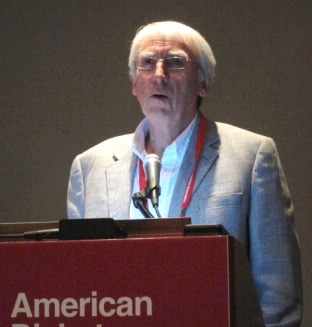
CT angiography predicts cardiac events long-term in diabetics
CHICAGO – Coronary computed tomography angiography provides long-term prognostic information and may predict hard cardiac events in patients with diabetes and suspected coronary artery disease, judging from findings from a new study.
Specifically, diabetic patients with no CT evidence of coronary artery disease (CAD) had an excellent prognosis, with no cardiac events recorded over 62 months of follow-up.
In contrast, cumulative event-free survival rates for hard cardiac events and all cardiac events were 78% and 56% in patients with nonobstructive CAD, and 60% and 16% in those with obstructive CAD (P = .0001), Dr. Daniele Andreini reported at the annual scientific sessions of the American Diabetes Association.
"The excellent outcome in diabetic patients with completely absent [disease findings on] CTs is clinically relevant because it suggests that CT angiography can help to identify the truly low-risk patient, and can be used to reassure regarding the outcome of diabetes with suspicion of coronary artery disease, with a warranty period of 5 years," said Dr. Andreini of Istituto di Ricovero e Cura a Carattere Scientifico, Milan.
The study provides much-needed data on the long-term prognostic role of CT angiography in diabetic patients, with just two prior studies limited to 20 and 33 months’ follow-up reporting that multidetector CT angiography can predict major adverse events (Diabetes Care. 2010;33:1358-63 and Radiology 2010;256:83-92).
Session moderator Dr. William Cefalu, chief and professor of endocrinology, diabetes, and metabolism at Louisiana State University, New Orleans, asked how likely it is that clinicians will order CT screening in diabetics in light of the controversy over screening asymptomatic patients.
The American Heart Association, American College of Cardiology, and Society for Computed Tomography have recommended against the use of CT angiography for screening, especially in nonsymptomatic patients, responded Dr. Andreini, "But I am not so sure that this is correct in diabetes." He suggested that screening in this subset of patients can be performed with a very low dose of less than 1 millisievert of ionizing radiation, and that "other methods we use to screen diabetics are completely lacking in accuracy."
In a separate interview, Dr. Cefalu said the study was well characterized and the analysis comprehensive but that it may be a matter of comparing apples to oranges in terms of translating the results to the community where CT machine settings and precision varies. The other question is how cost effective screening would be.
"Whether this can be applicable in the community, it has to be cost effective, it has to be precise and it has to have prognostic value, and for a lot of the CT scans we have in the community, we don’t have that information just yet for translating these findings to the community," he said.
Study details
The study involved 429 consecutive patients with diabetes who were prospectively enrolled after presenting to an outpatient clinic or were admitted to hospital for cardiac evaluation for new onset chest pain (35%), abnormal stress test (27%), or multiple cardiovascular risk factors (27%). All multidetector CT coronary angiography exams were performed with a 64-slice scanner (VCT, GE Medical Systems), with dose modulation attained with electrocardiographic gaiting. Images were analyzed via multiplanar reconstruction on postprocessing work stations and interpreted by two expert readers, who were blinded to the patients’ clinical data. The mean effective radiation dose of the exams was 8.7 mSv.
The patients’ mean age was 65 years, mean body mass index 27.2 kg/m2, and 33% had a high pretest likelihood of CAD.
Among 390 evaluable patients, 90 patients had no coronary disease, 69 nonobstructive (<50%) CAD, and 231 obstructive (at least 50%) disease.
After an average clinical follow-up of 62 months, 279 events occurred, of which 117 were hard events (9 cardiac deaths, 66 nonfatal myocardial infarctions, and 42 unstable anginas) and 162 late revascularizations, Dr Andreini said.
In multivariate analysis, significant independent predictors of hard cardiac events were: three-vessel disease at least 50% (hazard ratio 5.21; P = .01), left main coronary artery disease at least 50% (HR 5.35; P = .01), and the number of segments with noncalcified (HR 1.84; P less than .0001), mixed (HR 1.39; P =.003), and calcified plaques (HR 1.62; P less than .0001).
Significant independent predictors of all cardiac events (including revascularization) were one-vessel disease (HR 3.94; P = .006), two-vessel disease (HR 4.82; P = .0001), three-vessel disease (HR 7.93; P less than .0001), left main CAD (HR 7.92; P = .005) and number of segments with mixed (HR 1.40; P less than .0001), and calcified (HR 1.18; P = .01) plaques, he reported.
Dr. Andreini and a coauthor reported serving on the speakers bureau for GE Healthcare.
CHICAGO – Coronary computed tomography angiography provides long-term prognostic information and may predict hard cardiac events in patients with diabetes and suspected coronary artery disease, judging from findings from a new study.
Specifically, diabetic patients with no CT evidence of coronary artery disease (CAD) had an excellent prognosis, with no cardiac events recorded over 62 months of follow-up.
In contrast, cumulative event-free survival rates for hard cardiac events and all cardiac events were 78% and 56% in patients with nonobstructive CAD, and 60% and 16% in those with obstructive CAD (P = .0001), Dr. Daniele Andreini reported at the annual scientific sessions of the American Diabetes Association.
"The excellent outcome in diabetic patients with completely absent [disease findings on] CTs is clinically relevant because it suggests that CT angiography can help to identify the truly low-risk patient, and can be used to reassure regarding the outcome of diabetes with suspicion of coronary artery disease, with a warranty period of 5 years," said Dr. Andreini of Istituto di Ricovero e Cura a Carattere Scientifico, Milan.
The study provides much-needed data on the long-term prognostic role of CT angiography in diabetic patients, with just two prior studies limited to 20 and 33 months’ follow-up reporting that multidetector CT angiography can predict major adverse events (Diabetes Care. 2010;33:1358-63 and Radiology 2010;256:83-92).
Session moderator Dr. William Cefalu, chief and professor of endocrinology, diabetes, and metabolism at Louisiana State University, New Orleans, asked how likely it is that clinicians will order CT screening in diabetics in light of the controversy over screening asymptomatic patients.
The American Heart Association, American College of Cardiology, and Society for Computed Tomography have recommended against the use of CT angiography for screening, especially in nonsymptomatic patients, responded Dr. Andreini, "But I am not so sure that this is correct in diabetes." He suggested that screening in this subset of patients can be performed with a very low dose of less than 1 millisievert of ionizing radiation, and that "other methods we use to screen diabetics are completely lacking in accuracy."
In a separate interview, Dr. Cefalu said the study was well characterized and the analysis comprehensive but that it may be a matter of comparing apples to oranges in terms of translating the results to the community where CT machine settings and precision varies. The other question is how cost effective screening would be.
"Whether this can be applicable in the community, it has to be cost effective, it has to be precise and it has to have prognostic value, and for a lot of the CT scans we have in the community, we don’t have that information just yet for translating these findings to the community," he said.
Study details
The study involved 429 consecutive patients with diabetes who were prospectively enrolled after presenting to an outpatient clinic or were admitted to hospital for cardiac evaluation for new onset chest pain (35%), abnormal stress test (27%), or multiple cardiovascular risk factors (27%). All multidetector CT coronary angiography exams were performed with a 64-slice scanner (VCT, GE Medical Systems), with dose modulation attained with electrocardiographic gaiting. Images were analyzed via multiplanar reconstruction on postprocessing work stations and interpreted by two expert readers, who were blinded to the patients’ clinical data. The mean effective radiation dose of the exams was 8.7 mSv.
The patients’ mean age was 65 years, mean body mass index 27.2 kg/m2, and 33% had a high pretest likelihood of CAD.
Among 390 evaluable patients, 90 patients had no coronary disease, 69 nonobstructive (<50%) CAD, and 231 obstructive (at least 50%) disease.
After an average clinical follow-up of 62 months, 279 events occurred, of which 117 were hard events (9 cardiac deaths, 66 nonfatal myocardial infarctions, and 42 unstable anginas) and 162 late revascularizations, Dr Andreini said.
In multivariate analysis, significant independent predictors of hard cardiac events were: three-vessel disease at least 50% (hazard ratio 5.21; P = .01), left main coronary artery disease at least 50% (HR 5.35; P = .01), and the number of segments with noncalcified (HR 1.84; P less than .0001), mixed (HR 1.39; P =.003), and calcified plaques (HR 1.62; P less than .0001).
Significant independent predictors of all cardiac events (including revascularization) were one-vessel disease (HR 3.94; P = .006), two-vessel disease (HR 4.82; P = .0001), three-vessel disease (HR 7.93; P less than .0001), left main CAD (HR 7.92; P = .005) and number of segments with mixed (HR 1.40; P less than .0001), and calcified (HR 1.18; P = .01) plaques, he reported.
Dr. Andreini and a coauthor reported serving on the speakers bureau for GE Healthcare.
CHICAGO – Coronary computed tomography angiography provides long-term prognostic information and may predict hard cardiac events in patients with diabetes and suspected coronary artery disease, judging from findings from a new study.
Specifically, diabetic patients with no CT evidence of coronary artery disease (CAD) had an excellent prognosis, with no cardiac events recorded over 62 months of follow-up.
In contrast, cumulative event-free survival rates for hard cardiac events and all cardiac events were 78% and 56% in patients with nonobstructive CAD, and 60% and 16% in those with obstructive CAD (P = .0001), Dr. Daniele Andreini reported at the annual scientific sessions of the American Diabetes Association.
"The excellent outcome in diabetic patients with completely absent [disease findings on] CTs is clinically relevant because it suggests that CT angiography can help to identify the truly low-risk patient, and can be used to reassure regarding the outcome of diabetes with suspicion of coronary artery disease, with a warranty period of 5 years," said Dr. Andreini of Istituto di Ricovero e Cura a Carattere Scientifico, Milan.
The study provides much-needed data on the long-term prognostic role of CT angiography in diabetic patients, with just two prior studies limited to 20 and 33 months’ follow-up reporting that multidetector CT angiography can predict major adverse events (Diabetes Care. 2010;33:1358-63 and Radiology 2010;256:83-92).
Session moderator Dr. William Cefalu, chief and professor of endocrinology, diabetes, and metabolism at Louisiana State University, New Orleans, asked how likely it is that clinicians will order CT screening in diabetics in light of the controversy over screening asymptomatic patients.
The American Heart Association, American College of Cardiology, and Society for Computed Tomography have recommended against the use of CT angiography for screening, especially in nonsymptomatic patients, responded Dr. Andreini, "But I am not so sure that this is correct in diabetes." He suggested that screening in this subset of patients can be performed with a very low dose of less than 1 millisievert of ionizing radiation, and that "other methods we use to screen diabetics are completely lacking in accuracy."
In a separate interview, Dr. Cefalu said the study was well characterized and the analysis comprehensive but that it may be a matter of comparing apples to oranges in terms of translating the results to the community where CT machine settings and precision varies. The other question is how cost effective screening would be.
"Whether this can be applicable in the community, it has to be cost effective, it has to be precise and it has to have prognostic value, and for a lot of the CT scans we have in the community, we don’t have that information just yet for translating these findings to the community," he said.
Study details
The study involved 429 consecutive patients with diabetes who were prospectively enrolled after presenting to an outpatient clinic or were admitted to hospital for cardiac evaluation for new onset chest pain (35%), abnormal stress test (27%), or multiple cardiovascular risk factors (27%). All multidetector CT coronary angiography exams were performed with a 64-slice scanner (VCT, GE Medical Systems), with dose modulation attained with electrocardiographic gaiting. Images were analyzed via multiplanar reconstruction on postprocessing work stations and interpreted by two expert readers, who were blinded to the patients’ clinical data. The mean effective radiation dose of the exams was 8.7 mSv.
The patients’ mean age was 65 years, mean body mass index 27.2 kg/m2, and 33% had a high pretest likelihood of CAD.
Among 390 evaluable patients, 90 patients had no coronary disease, 69 nonobstructive (<50%) CAD, and 231 obstructive (at least 50%) disease.
After an average clinical follow-up of 62 months, 279 events occurred, of which 117 were hard events (9 cardiac deaths, 66 nonfatal myocardial infarctions, and 42 unstable anginas) and 162 late revascularizations, Dr Andreini said.
In multivariate analysis, significant independent predictors of hard cardiac events were: three-vessel disease at least 50% (hazard ratio 5.21; P = .01), left main coronary artery disease at least 50% (HR 5.35; P = .01), and the number of segments with noncalcified (HR 1.84; P less than .0001), mixed (HR 1.39; P =.003), and calcified plaques (HR 1.62; P less than .0001).
Significant independent predictors of all cardiac events (including revascularization) were one-vessel disease (HR 3.94; P = .006), two-vessel disease (HR 4.82; P = .0001), three-vessel disease (HR 7.93; P less than .0001), left main CAD (HR 7.92; P = .005) and number of segments with mixed (HR 1.40; P less than .0001), and calcified (HR 1.18; P = .01) plaques, he reported.
Dr. Andreini and a coauthor reported serving on the speakers bureau for GE Healthcare.
AT THE ADA ANNUAL SCIENTIFIC SESSIONS
Major finding: Cumulative event-free survival for patients with normal coronary arteries on CT was 100% for hard cardiac events and all cardiac events.
Data source: Retrospective analysis of 405 consecutive patients with diabetes undergoing computed tomography coronary angiography for suspected coronary artery disease.
Disclosures: Dr. Andreini and a coauthor reported serving on the speakers bureau for GE Healthcare.
TIP promising as first-line germ cell tumor therapy
CHICAGO – The salvage chemotherapy regimen of paclitaxel, ifosfamide, and cisplatin was active in the first-line treatment of intermediate- and poor-risk germ cell tumors in a small multicenter phase II study.
Overall, 28 of 41 evaluable patients achieved a complete response (68%), including 57% of intermediate risk (8/14) and 74% of poor-risk (20/27) patients.
"TIP demonstrated promising efficacy and met its prespecified endpoint as worthy of further study," Dr. Darren Feldman said at the annual meeting of the American Society of Clinical Oncology.
Paclitaxel (Taxol), ifosfamide (Ifex) and cisplatin (Platinol), or TIP, has become a standard regimen for germ cell tumor patients requiring salvage chemotherapy, demonstrating an approximately 70% complete response rate and 63% progression-free survival after a median of 6 years in relapsed patients.
As a result of the findings, a multicenter, randomized phase II trial has been initiated comparing TIP with standard BEP (bleomycin, etoposide, and cisplatin) as first-line therapy in intermediate- and poor-risk patients, said Dr. Feldman, with Memorial Sloan-Kettering Cancer Center in New York.
The current trial enrolled 44 men with germ cell tumors that were International Germ Cell Cancer Collaborative Group (IGCCCG) poor-risk (66%) or modified intermediate-risk, defined by serum lactate dehydrogenase (LDH) three times the upper limit of normal, if LDH was the only intermediate-risk criterion.
Histology was non-seminoma in 86% and the testis was the primary tumor site in 68%. Median patient age was 27 years.
Four cycles of TIP every 21 days was given, as planned, in 89% of patients. The regimen contained paclitaxel 120 mg/m2 daily on days 1-2; ifosfamide 1,200 mg/m2 mixed 1:1 with Mesna 1,200 mg/m2, both daily on days 1-5; and cisplatin 20 mg/m2 daily on days 1-5. Peg-filgrastim 6 mg was given subcutaneously as neutropenic fever prophylaxis on day 6 or 7.
An additional one to two cycles of adjuvant TIP could be administered if viable germ cell tumor was found at postchemotherapy surgery. Paclitaxel was initially dosed at 240 mg/m2 over 5 days, but the dosing was changed to 2 days because of allergic infusion reactions.
In all, 27 of the 41 patients achieved a complete response to chemotherapy, defined by marker and radiographic normalization or marker normalization with full resection of all tumor masses and pathology revealing teratoma or necrosis, Dr. Feldman said.
One patient achieved a complete response to chemotherapy plus surgery, defined by marker normalization plus full resection with viable germ cell tumor in the specimen, but negative margins.
Partial responses, lasting 4 weeks with negative markers, were observed in 36% of intermediate-risk (5/14) and 4% of poor-risk patients (1/27). Favorable responses (CR plus PR) were seen in 93% and 78%, and incomplete responses in 7% and 22%.
After a median follow-up of 3.1 years, the estimated progression-free survival was 79% overall, 87% among intermediate-risk patients and 76% among poor-risk patients, Dr. Feldman said.
"These results compare favorably to historic results and, in fact, look similar to what would be expected in IGCCCG good- or intermediate-risk patients," he added.
At the time of the analysis, 80% of patients remained progression free and only two had died, resulting in an estimated 3-year overall survival rate of 95%.
TIP had an acceptable safety profile, with no treatment-related deaths and grade 3/4 events limited to hematologic or electrolyte abnormalities, Dr. Feldman said.
Dr. Feldman reported having no financial disclosures. A coauthor reported a consultant/advisory role with Bristol-Myers Squibb.
CHICAGO – The salvage chemotherapy regimen of paclitaxel, ifosfamide, and cisplatin was active in the first-line treatment of intermediate- and poor-risk germ cell tumors in a small multicenter phase II study.
Overall, 28 of 41 evaluable patients achieved a complete response (68%), including 57% of intermediate risk (8/14) and 74% of poor-risk (20/27) patients.
"TIP demonstrated promising efficacy and met its prespecified endpoint as worthy of further study," Dr. Darren Feldman said at the annual meeting of the American Society of Clinical Oncology.
Paclitaxel (Taxol), ifosfamide (Ifex) and cisplatin (Platinol), or TIP, has become a standard regimen for germ cell tumor patients requiring salvage chemotherapy, demonstrating an approximately 70% complete response rate and 63% progression-free survival after a median of 6 years in relapsed patients.
As a result of the findings, a multicenter, randomized phase II trial has been initiated comparing TIP with standard BEP (bleomycin, etoposide, and cisplatin) as first-line therapy in intermediate- and poor-risk patients, said Dr. Feldman, with Memorial Sloan-Kettering Cancer Center in New York.
The current trial enrolled 44 men with germ cell tumors that were International Germ Cell Cancer Collaborative Group (IGCCCG) poor-risk (66%) or modified intermediate-risk, defined by serum lactate dehydrogenase (LDH) three times the upper limit of normal, if LDH was the only intermediate-risk criterion.
Histology was non-seminoma in 86% and the testis was the primary tumor site in 68%. Median patient age was 27 years.
Four cycles of TIP every 21 days was given, as planned, in 89% of patients. The regimen contained paclitaxel 120 mg/m2 daily on days 1-2; ifosfamide 1,200 mg/m2 mixed 1:1 with Mesna 1,200 mg/m2, both daily on days 1-5; and cisplatin 20 mg/m2 daily on days 1-5. Peg-filgrastim 6 mg was given subcutaneously as neutropenic fever prophylaxis on day 6 or 7.
An additional one to two cycles of adjuvant TIP could be administered if viable germ cell tumor was found at postchemotherapy surgery. Paclitaxel was initially dosed at 240 mg/m2 over 5 days, but the dosing was changed to 2 days because of allergic infusion reactions.
In all, 27 of the 41 patients achieved a complete response to chemotherapy, defined by marker and radiographic normalization or marker normalization with full resection of all tumor masses and pathology revealing teratoma or necrosis, Dr. Feldman said.
One patient achieved a complete response to chemotherapy plus surgery, defined by marker normalization plus full resection with viable germ cell tumor in the specimen, but negative margins.
Partial responses, lasting 4 weeks with negative markers, were observed in 36% of intermediate-risk (5/14) and 4% of poor-risk patients (1/27). Favorable responses (CR plus PR) were seen in 93% and 78%, and incomplete responses in 7% and 22%.
After a median follow-up of 3.1 years, the estimated progression-free survival was 79% overall, 87% among intermediate-risk patients and 76% among poor-risk patients, Dr. Feldman said.
"These results compare favorably to historic results and, in fact, look similar to what would be expected in IGCCCG good- or intermediate-risk patients," he added.
At the time of the analysis, 80% of patients remained progression free and only two had died, resulting in an estimated 3-year overall survival rate of 95%.
TIP had an acceptable safety profile, with no treatment-related deaths and grade 3/4 events limited to hematologic or electrolyte abnormalities, Dr. Feldman said.
Dr. Feldman reported having no financial disclosures. A coauthor reported a consultant/advisory role with Bristol-Myers Squibb.
CHICAGO – The salvage chemotherapy regimen of paclitaxel, ifosfamide, and cisplatin was active in the first-line treatment of intermediate- and poor-risk germ cell tumors in a small multicenter phase II study.
Overall, 28 of 41 evaluable patients achieved a complete response (68%), including 57% of intermediate risk (8/14) and 74% of poor-risk (20/27) patients.
"TIP demonstrated promising efficacy and met its prespecified endpoint as worthy of further study," Dr. Darren Feldman said at the annual meeting of the American Society of Clinical Oncology.
Paclitaxel (Taxol), ifosfamide (Ifex) and cisplatin (Platinol), or TIP, has become a standard regimen for germ cell tumor patients requiring salvage chemotherapy, demonstrating an approximately 70% complete response rate and 63% progression-free survival after a median of 6 years in relapsed patients.
As a result of the findings, a multicenter, randomized phase II trial has been initiated comparing TIP with standard BEP (bleomycin, etoposide, and cisplatin) as first-line therapy in intermediate- and poor-risk patients, said Dr. Feldman, with Memorial Sloan-Kettering Cancer Center in New York.
The current trial enrolled 44 men with germ cell tumors that were International Germ Cell Cancer Collaborative Group (IGCCCG) poor-risk (66%) or modified intermediate-risk, defined by serum lactate dehydrogenase (LDH) three times the upper limit of normal, if LDH was the only intermediate-risk criterion.
Histology was non-seminoma in 86% and the testis was the primary tumor site in 68%. Median patient age was 27 years.
Four cycles of TIP every 21 days was given, as planned, in 89% of patients. The regimen contained paclitaxel 120 mg/m2 daily on days 1-2; ifosfamide 1,200 mg/m2 mixed 1:1 with Mesna 1,200 mg/m2, both daily on days 1-5; and cisplatin 20 mg/m2 daily on days 1-5. Peg-filgrastim 6 mg was given subcutaneously as neutropenic fever prophylaxis on day 6 or 7.
An additional one to two cycles of adjuvant TIP could be administered if viable germ cell tumor was found at postchemotherapy surgery. Paclitaxel was initially dosed at 240 mg/m2 over 5 days, but the dosing was changed to 2 days because of allergic infusion reactions.
In all, 27 of the 41 patients achieved a complete response to chemotherapy, defined by marker and radiographic normalization or marker normalization with full resection of all tumor masses and pathology revealing teratoma or necrosis, Dr. Feldman said.
One patient achieved a complete response to chemotherapy plus surgery, defined by marker normalization plus full resection with viable germ cell tumor in the specimen, but negative margins.
Partial responses, lasting 4 weeks with negative markers, were observed in 36% of intermediate-risk (5/14) and 4% of poor-risk patients (1/27). Favorable responses (CR plus PR) were seen in 93% and 78%, and incomplete responses in 7% and 22%.
After a median follow-up of 3.1 years, the estimated progression-free survival was 79% overall, 87% among intermediate-risk patients and 76% among poor-risk patients, Dr. Feldman said.
"These results compare favorably to historic results and, in fact, look similar to what would be expected in IGCCCG good- or intermediate-risk patients," he added.
At the time of the analysis, 80% of patients remained progression free and only two had died, resulting in an estimated 3-year overall survival rate of 95%.
TIP had an acceptable safety profile, with no treatment-related deaths and grade 3/4 events limited to hematologic or electrolyte abnormalities, Dr. Feldman said.
Dr. Feldman reported having no financial disclosures. A coauthor reported a consultant/advisory role with Bristol-Myers Squibb.
AT ANNUAL ASCO 2013 MEETING
Major finding: A complete response was observed in 28 of 41 evaluable patients (68%), including 57% intermediate-risk and 74% poor-risk patients.
Data source: Phase II trial in 44 men with intermediate- or poor-risk germ cell tumors.
Disclosures: Dr. Feldman reported having no financial disclosures. A coauthor reported a consultant/advisory role with Bristol-Myers Squibb.