User login
Interventions Address Physician Burnout
NEW YORK – The adage that physicians are the worst patients has more than a grain of truth to it when it comes to mental health issues, psychiatrists said at a workshop on physician mental health presented at the American Psychiatric Association’s Institute on Psychiatric Services.
"Why is it so hard for doctors to seek help?" asked Dr. Michael Myers, of the department of psychiatry and behavioral sciences at the State University of New York in Brooklyn.

The stigma of mental illness as perceived by physicians themselves is often a barrier to seeking mental health services. In addition, there is often stigma within the helping professions, and an institutional denial that even physicians might be subject to the thousand natural shocks that other humans are heir to, Dr. Myers said.
"Not all doctors are comfortable looking after other physicians, and it makes them a little squeamish," he said.
Many patients also are ambivalent about being treated by a physician with health issues, making the impaired physician even more leery about getting help, he added.
Stigma reinforces denial and delay in getting help, compounds symptoms, increases refractoriness to treatment, and contributes to strains in personal relationships. Stigma also affects medication adherence, because physicians might think they know better than anyone else what drugs they need.
"Stigma kills," Dr. Myers said, noting that deeply depressed physicians or those who feel very isolated and alienated have increased symptoms of melancholia, guilt, shame, cognitive distortion, and suicidality that can lead to suicidal actions.
Additionally, some physicians with depression or bipolar disorder might have comorbid cocaine, opiate, or alcohol dependence, increasing their risk for death from unintentional overdose or from a cascade of problems associated with substance abuse, such as marital breakups, economic threats to their practices, or scrutiny from medical boards.
At-risk physicians also might hesitate to seek care because they don’t want to impose on others, they have a tendency toward self-reliance, or they are too wrapped up in their work to pay attention to their own needs. Physicians also might worry that breaches in confidentiality could harm their careers, Dr. Myers said.
Code of Conduct
Dr. Linda M. Worley noted that the Joint Commission on Accreditation of Healthcare Organizations (JCAHO) now requires accredited facilities to have a code of conduct defining acceptable behavior and specifying which behaviors are disruptive and inappropriate, and to have a process or action plan for managing disruptive staff members.

She teaches a distressed physicians’ course at Vanderbilt University in Nashville, Tenn., where she is an adjunct clinical professor of medicine. A maximum of six physicians take the 6-month CME course at one time; many are there as condition of their continued employment. There are four faculty members, including a physician, social worker, psychologist, and addiction/assessment counselor. One observer is also allowed for each session, but the rules specify that he or she must take part in the exercises.
Physicians who are referred to the course are first interviewed by telephone to make sure that the program is a good fit and that the participants are not currently substance abusers, and course staff also conduct collateral interviews to determine the mental health needs of prospective participants.
The participants engage in an initial 3-day session at Vanderbilt and have three subsequent 1-day sessions over the ensuing 6 months.
"It’s a transformative learning experience. This is an opportunity to critically reflect on their life events, and that helps them to change their beliefs and their behaviors," Dr. Worley said.
The techniques employed include intellectual didactics, peer group exercises, emotional awareness training, and helping participants identify triggers of their inappropriate behaviors.
Early Intervention
Many of the challenges that Dr. Worley and her colleagues address in experienced physicians also confront physicians in training, noted Dr. Mai-Lan Rogoff, an associate professor of psychiatry and associate dean of student affairs at the University of Massachusetts in Worcester.
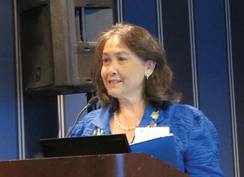
Medical school wellness programs are primarily aimed at preventing burnout, a problem more common among students than alcohol, substance abuse, or suicidality, Dr. Rogoff said.
She defined burnout as a triad of components as measured by the Maslach Burnout Inventory, a rating instrument developed by Christina Maslach, Ph.D., professor of psychology at the University of California at Berkeley.
Burnout is a combination of emotional exhaustion (feelings of being emotionally overextended and exhausted by your work), depersonalization (feelings of being a cog in a machine, having an unfeeling response toward those who receive your services), and having a low sense of personal accomplishment.
Burnout is associated with a variety of negative outcomes, Dr. Rogoff noted, including loss of empathy, substance abuse, and suicidal ideation.
"There are personal and environmental risks for burnout that are known and described in burnout in various settings. The interesting thing is that if you look at medical students and medical school, both sets of risk factors exist there," she said.
"On a personal level, you’ve got perfectionism, low resilience, negative focus, and all those issues, and environmentally one of the risk factors for burnout is unclear or impossible requirements or excessive workloads. This is the way most medical students feel," she added.
Medical students also acutely feel that there is a lack of time and a lack of control over their own circumstances, and that they face major consequences from mistakes and often have to deal with angry, upset, or ungrateful patients.
Medical school wellness programs address both the personal and environmental risk factors for burnout, with an emphasis on the latter. In addition to making counseling and therapy services readily available to students, wellness programs such as that in place at the University of Massachusetts focus on providing students with an increased sense of institutional support and peer support through group and team activities and exercises.
Although there are no objective data showing that such wellness programs work, "there’s absolutely no question that students like these programs," Dr. Rogoff said.
Dr. Myers, Dr. Worley, and Dr. Rogoff all reported having no relevant conflicts of interest.
NEW YORK – The adage that physicians are the worst patients has more than a grain of truth to it when it comes to mental health issues, psychiatrists said at a workshop on physician mental health presented at the American Psychiatric Association’s Institute on Psychiatric Services.
"Why is it so hard for doctors to seek help?" asked Dr. Michael Myers, of the department of psychiatry and behavioral sciences at the State University of New York in Brooklyn.
The stigma of mental illness as perceived by physicians themselves is often a barrier to seeking mental health services. In addition, there is often stigma within the helping professions, and an institutional denial that even physicians might be subject to the thousand natural shocks that other humans are heir to, Dr. Myers said.
"Not all doctors are comfortable looking after other physicians, and it makes them a little squeamish," he said.
Many patients also are ambivalent about being treated by a physician with health issues, making the impaired physician even more leery about getting help, he added.
Stigma reinforces denial and delay in getting help, compounds symptoms, increases refractoriness to treatment, and contributes to strains in personal relationships. Stigma also affects medication adherence, because physicians might think they know better than anyone else what drugs they need.
"Stigma kills," Dr. Myers said, noting that deeply depressed physicians or those who feel very isolated and alienated have increased symptoms of melancholia, guilt, shame, cognitive distortion, and suicidality that can lead to suicidal actions.
Additionally, some physicians with depression or bipolar disorder might have comorbid cocaine, opiate, or alcohol dependence, increasing their risk for death from unintentional overdose or from a cascade of problems associated with substance abuse, such as marital breakups, economic threats to their practices, or scrutiny from medical boards.
At-risk physicians also might hesitate to seek care because they don’t want to impose on others, they have a tendency toward self-reliance, or they are too wrapped up in their work to pay attention to their own needs. Physicians also might worry that breaches in confidentiality could harm their careers, Dr. Myers said.
Code of Conduct
Dr. Linda M. Worley noted that the Joint Commission on Accreditation of Healthcare Organizations (JCAHO) now requires accredited facilities to have a code of conduct defining acceptable behavior and specifying which behaviors are disruptive and inappropriate, and to have a process or action plan for managing disruptive staff members.
She teaches a distressed physicians’ course at Vanderbilt University in Nashville, Tenn., where she is an adjunct clinical professor of medicine. A maximum of six physicians take the 6-month CME course at one time; many are there as condition of their continued employment. There are four faculty members, including a physician, social worker, psychologist, and addiction/assessment counselor. One observer is also allowed for each session, but the rules specify that he or she must take part in the exercises.
Physicians who are referred to the course are first interviewed by telephone to make sure that the program is a good fit and that the participants are not currently substance abusers, and course staff also conduct collateral interviews to determine the mental health needs of prospective participants.
The participants engage in an initial 3-day session at Vanderbilt and have three subsequent 1-day sessions over the ensuing 6 months.
"It’s a transformative learning experience. This is an opportunity to critically reflect on their life events, and that helps them to change their beliefs and their behaviors," Dr. Worley said.
The techniques employed include intellectual didactics, peer group exercises, emotional awareness training, and helping participants identify triggers of their inappropriate behaviors.
Early Intervention
Many of the challenges that Dr. Worley and her colleagues address in experienced physicians also confront physicians in training, noted Dr. Mai-Lan Rogoff, an associate professor of psychiatry and associate dean of student affairs at the University of Massachusetts in Worcester.
Medical school wellness programs are primarily aimed at preventing burnout, a problem more common among students than alcohol, substance abuse, or suicidality, Dr. Rogoff said.
She defined burnout as a triad of components as measured by the Maslach Burnout Inventory, a rating instrument developed by Christina Maslach, Ph.D., professor of psychology at the University of California at Berkeley.
Burnout is a combination of emotional exhaustion (feelings of being emotionally overextended and exhausted by your work), depersonalization (feelings of being a cog in a machine, having an unfeeling response toward those who receive your services), and having a low sense of personal accomplishment.
Burnout is associated with a variety of negative outcomes, Dr. Rogoff noted, including loss of empathy, substance abuse, and suicidal ideation.
"There are personal and environmental risks for burnout that are known and described in burnout in various settings. The interesting thing is that if you look at medical students and medical school, both sets of risk factors exist there," she said.
"On a personal level, you’ve got perfectionism, low resilience, negative focus, and all those issues, and environmentally one of the risk factors for burnout is unclear or impossible requirements or excessive workloads. This is the way most medical students feel," she added.
Medical students also acutely feel that there is a lack of time and a lack of control over their own circumstances, and that they face major consequences from mistakes and often have to deal with angry, upset, or ungrateful patients.
Medical school wellness programs address both the personal and environmental risk factors for burnout, with an emphasis on the latter. In addition to making counseling and therapy services readily available to students, wellness programs such as that in place at the University of Massachusetts focus on providing students with an increased sense of institutional support and peer support through group and team activities and exercises.
Although there are no objective data showing that such wellness programs work, "there’s absolutely no question that students like these programs," Dr. Rogoff said.
Dr. Myers, Dr. Worley, and Dr. Rogoff all reported having no relevant conflicts of interest.
NEW YORK – The adage that physicians are the worst patients has more than a grain of truth to it when it comes to mental health issues, psychiatrists said at a workshop on physician mental health presented at the American Psychiatric Association’s Institute on Psychiatric Services.
"Why is it so hard for doctors to seek help?" asked Dr. Michael Myers, of the department of psychiatry and behavioral sciences at the State University of New York in Brooklyn.
The stigma of mental illness as perceived by physicians themselves is often a barrier to seeking mental health services. In addition, there is often stigma within the helping professions, and an institutional denial that even physicians might be subject to the thousand natural shocks that other humans are heir to, Dr. Myers said.
"Not all doctors are comfortable looking after other physicians, and it makes them a little squeamish," he said.
Many patients also are ambivalent about being treated by a physician with health issues, making the impaired physician even more leery about getting help, he added.
Stigma reinforces denial and delay in getting help, compounds symptoms, increases refractoriness to treatment, and contributes to strains in personal relationships. Stigma also affects medication adherence, because physicians might think they know better than anyone else what drugs they need.
"Stigma kills," Dr. Myers said, noting that deeply depressed physicians or those who feel very isolated and alienated have increased symptoms of melancholia, guilt, shame, cognitive distortion, and suicidality that can lead to suicidal actions.
Additionally, some physicians with depression or bipolar disorder might have comorbid cocaine, opiate, or alcohol dependence, increasing their risk for death from unintentional overdose or from a cascade of problems associated with substance abuse, such as marital breakups, economic threats to their practices, or scrutiny from medical boards.
At-risk physicians also might hesitate to seek care because they don’t want to impose on others, they have a tendency toward self-reliance, or they are too wrapped up in their work to pay attention to their own needs. Physicians also might worry that breaches in confidentiality could harm their careers, Dr. Myers said.
Code of Conduct
Dr. Linda M. Worley noted that the Joint Commission on Accreditation of Healthcare Organizations (JCAHO) now requires accredited facilities to have a code of conduct defining acceptable behavior and specifying which behaviors are disruptive and inappropriate, and to have a process or action plan for managing disruptive staff members.
She teaches a distressed physicians’ course at Vanderbilt University in Nashville, Tenn., where she is an adjunct clinical professor of medicine. A maximum of six physicians take the 6-month CME course at one time; many are there as condition of their continued employment. There are four faculty members, including a physician, social worker, psychologist, and addiction/assessment counselor. One observer is also allowed for each session, but the rules specify that he or she must take part in the exercises.
Physicians who are referred to the course are first interviewed by telephone to make sure that the program is a good fit and that the participants are not currently substance abusers, and course staff also conduct collateral interviews to determine the mental health needs of prospective participants.
The participants engage in an initial 3-day session at Vanderbilt and have three subsequent 1-day sessions over the ensuing 6 months.
"It’s a transformative learning experience. This is an opportunity to critically reflect on their life events, and that helps them to change their beliefs and their behaviors," Dr. Worley said.
The techniques employed include intellectual didactics, peer group exercises, emotional awareness training, and helping participants identify triggers of their inappropriate behaviors.
Early Intervention
Many of the challenges that Dr. Worley and her colleagues address in experienced physicians also confront physicians in training, noted Dr. Mai-Lan Rogoff, an associate professor of psychiatry and associate dean of student affairs at the University of Massachusetts in Worcester.
Medical school wellness programs are primarily aimed at preventing burnout, a problem more common among students than alcohol, substance abuse, or suicidality, Dr. Rogoff said.
She defined burnout as a triad of components as measured by the Maslach Burnout Inventory, a rating instrument developed by Christina Maslach, Ph.D., professor of psychology at the University of California at Berkeley.
Burnout is a combination of emotional exhaustion (feelings of being emotionally overextended and exhausted by your work), depersonalization (feelings of being a cog in a machine, having an unfeeling response toward those who receive your services), and having a low sense of personal accomplishment.
Burnout is associated with a variety of negative outcomes, Dr. Rogoff noted, including loss of empathy, substance abuse, and suicidal ideation.
"There are personal and environmental risks for burnout that are known and described in burnout in various settings. The interesting thing is that if you look at medical students and medical school, both sets of risk factors exist there," she said.
"On a personal level, you’ve got perfectionism, low resilience, negative focus, and all those issues, and environmentally one of the risk factors for burnout is unclear or impossible requirements or excessive workloads. This is the way most medical students feel," she added.
Medical students also acutely feel that there is a lack of time and a lack of control over their own circumstances, and that they face major consequences from mistakes and often have to deal with angry, upset, or ungrateful patients.
Medical school wellness programs address both the personal and environmental risk factors for burnout, with an emphasis on the latter. In addition to making counseling and therapy services readily available to students, wellness programs such as that in place at the University of Massachusetts focus on providing students with an increased sense of institutional support and peer support through group and team activities and exercises.
Although there are no objective data showing that such wellness programs work, "there’s absolutely no question that students like these programs," Dr. Rogoff said.
Dr. Myers, Dr. Worley, and Dr. Rogoff all reported having no relevant conflicts of interest.
AT THE AMERICAN PSYCHIATRIC ASSOCIATION'S INSTITUTE ON PSYCHIATRIC SERVICES
Mental Health, Primary Care Collaborations Can Work
NEW YORK – Integrating mental health care into primary care settings offers clear benefits for patients and providers. However, careful planning is key to making these models work, clinicians said at the American Psychiatric Association’s Institute on Psychiatric Services.
Among the challenges psychiatrists, social workers, and other mental health clinicians face when trying to merge their services into a primary practice are resistance to collaboration among primary care physicians and other non–mental health clinicians, stigma regarding mental health diagnoses and treatment, communications issues, and the difficulties of treating complex patients, said Dr. Orit Avni-Barron, a psychiatrist at the Gretchen S. and Edward A. Fish Center for Women’s Health at Brigham and Women’s Hospital in Boston.

"When you work with people who are [primary care physicians], dermatologists, or surgeons, they don’t exactly know what mental health [services] can do for them," she said. "They expect things to be fast and to be a certain way, and we need to manage those expectations. In addition, because ours is an outpatient setting, we deal with very medically complex patients who have multiple Axis III diagnoses – a lot of medical issues – in addition to Axis I and Axis II problems," she added.
The five essential elements for effective integration of mental health services are self-definition, interdisciplinary team work, effective communication, limit setting, and education, Dr. Avni-Barron said.
‘Not Hidden in a ... Corner’
Mental health teams must clearly define their role within a practice, said Suzanne Etre, one of two clinical psychiatric social workers at the Fish Center. Given their large staff-to-patient ratio (three MDs and two social workers comprising 2.9 full-time equivalent staff), the mental health staff decided that the only practical approach was to define the service as short term by offering assessments and consultations. Staff physicians perform medical evaluations, recommend medications, and follow patients until they are stable.
Staff social workers help patients with cognitive-behavioral and solution-focused interventions, and also assist with adjustment disorders or bereavement issues. Patients with trauma or more extensive needs for psychiatric services are referred to other providers.
The mental health staff work with primary care physicians within the clinic, share expertise in patient management, and build trust through repeated interactions and scheduled team meetings so that each team member understands the capabilities and limits of the mental health service.
"We try to optimize the value of repeated interaction so that we’re not hidden in a little corner of the practice, and we repeatedly try to build that trust – them with us and us with them. It really helps us to clarify what our roles are," Ms. Etre said.
Setting Limits Key to Success
Primary care practices with a small mental health staff cannot be everything to everyone, and therefore must establish clear limits for both patients and clinicians working in the practices, said Lynn Curran, also a clinical psychiatric social worker at the Fish Center.
Mental health staff members model how to set boundaries and support the ongoing efforts of other clinicians in the practice to maintain them, she said.
The mental health staff members are available for support in situations in which primary care physicians might feel uncomfortable, such as addressing the needs of an urgent care visit patient who appears vaguely suicidal. In such cases, a nurse or primary care physician can have a curbside consult with the mental health clinician on site, or the psychiatric worker might go to the treatment room and role-play the most effective interaction.

The benefits of limit setting, Ms. Curran said, are a reduction in excessive phone calls or patients visits, and an overall reduction in the use of services.
Staff Buy-in Is Essential
At the University of Toronto, this model is called "collaborative care," but the essential goals are the same, said Dr. Diana Kljenak, who is affiliated with the university. She described her experience working to integrate mental health services with six Toronto-area health centers and a hospital-based mental health program. The collaborative arrangement is collectively known as the Toronto Urban Health Alliance (TUHA).
Getting clinical staff and leadership to buy in into the concept is crucial for success. "You can’t do much on your own; you do need leadership support to develop collaborative care," Dr. Kljenak said.
As in Massachusetts, mental health workers in Toronto have to make maximum use of limited resources. Under the TUHA model, mental health staff are colocated in primary care facilities in settings that are familiar to patients and that are not stigmatizing.
Each community health center has a psychiatrist and mental health staffer who provide consultations and services for clients who might not be insured, such as refugees or recent immigrants. Such patients also might not be proficient in English or have a community health center physician.

Psychiatric services are provided on site one-half day each week, and mental health workers are available to health center clinicians for telephone consultations weekdays from 9 a.m. to 5 p.m. Health center clinicians also have 24-hour direct psychiatric emergency services privileges.
"If clinicians want to refer a patient to a psychiatry emergency department, we make sure that they have easy access, [and] that once they get in contact with us and discuss the case with us, they don’t have to wait for hours for medical clearance," Dr. Kljenak said.
All staff members of each community health center receive twice-yearly half-day education in mental health issues identified as being of primary importance to community clinicians.
"Collaborative mental health care is not a fixed model or a specific approach. Its goal is to strengthen the accessibility and delivery of mental health services in primary health settings through interprofessional collaboration, and to provide more coordinated and effective services for individuals with mental health needs," Dr. Kljenak said.
Dr. Avni-Barron, Ms. Etre, Ms. Curran, and Dr. Kljenak reported having no conflicts of interest to disclose.
NEW YORK – Integrating mental health care into primary care settings offers clear benefits for patients and providers. However, careful planning is key to making these models work, clinicians said at the American Psychiatric Association’s Institute on Psychiatric Services.
Among the challenges psychiatrists, social workers, and other mental health clinicians face when trying to merge their services into a primary practice are resistance to collaboration among primary care physicians and other non–mental health clinicians, stigma regarding mental health diagnoses and treatment, communications issues, and the difficulties of treating complex patients, said Dr. Orit Avni-Barron, a psychiatrist at the Gretchen S. and Edward A. Fish Center for Women’s Health at Brigham and Women’s Hospital in Boston.
"When you work with people who are [primary care physicians], dermatologists, or surgeons, they don’t exactly know what mental health [services] can do for them," she said. "They expect things to be fast and to be a certain way, and we need to manage those expectations. In addition, because ours is an outpatient setting, we deal with very medically complex patients who have multiple Axis III diagnoses – a lot of medical issues – in addition to Axis I and Axis II problems," she added.
The five essential elements for effective integration of mental health services are self-definition, interdisciplinary team work, effective communication, limit setting, and education, Dr. Avni-Barron said.
‘Not Hidden in a ... Corner’
Mental health teams must clearly define their role within a practice, said Suzanne Etre, one of two clinical psychiatric social workers at the Fish Center. Given their large staff-to-patient ratio (three MDs and two social workers comprising 2.9 full-time equivalent staff), the mental health staff decided that the only practical approach was to define the service as short term by offering assessments and consultations. Staff physicians perform medical evaluations, recommend medications, and follow patients until they are stable.
Staff social workers help patients with cognitive-behavioral and solution-focused interventions, and also assist with adjustment disorders or bereavement issues. Patients with trauma or more extensive needs for psychiatric services are referred to other providers.
The mental health staff work with primary care physicians within the clinic, share expertise in patient management, and build trust through repeated interactions and scheduled team meetings so that each team member understands the capabilities and limits of the mental health service.
"We try to optimize the value of repeated interaction so that we’re not hidden in a little corner of the practice, and we repeatedly try to build that trust – them with us and us with them. It really helps us to clarify what our roles are," Ms. Etre said.
Setting Limits Key to Success
Primary care practices with a small mental health staff cannot be everything to everyone, and therefore must establish clear limits for both patients and clinicians working in the practices, said Lynn Curran, also a clinical psychiatric social worker at the Fish Center.
Mental health staff members model how to set boundaries and support the ongoing efforts of other clinicians in the practice to maintain them, she said.
The mental health staff members are available for support in situations in which primary care physicians might feel uncomfortable, such as addressing the needs of an urgent care visit patient who appears vaguely suicidal. In such cases, a nurse or primary care physician can have a curbside consult with the mental health clinician on site, or the psychiatric worker might go to the treatment room and role-play the most effective interaction.
The benefits of limit setting, Ms. Curran said, are a reduction in excessive phone calls or patients visits, and an overall reduction in the use of services.
Staff Buy-in Is Essential
At the University of Toronto, this model is called "collaborative care," but the essential goals are the same, said Dr. Diana Kljenak, who is affiliated with the university. She described her experience working to integrate mental health services with six Toronto-area health centers and a hospital-based mental health program. The collaborative arrangement is collectively known as the Toronto Urban Health Alliance (TUHA).
Getting clinical staff and leadership to buy in into the concept is crucial for success. "You can’t do much on your own; you do need leadership support to develop collaborative care," Dr. Kljenak said.
As in Massachusetts, mental health workers in Toronto have to make maximum use of limited resources. Under the TUHA model, mental health staff are colocated in primary care facilities in settings that are familiar to patients and that are not stigmatizing.
Each community health center has a psychiatrist and mental health staffer who provide consultations and services for clients who might not be insured, such as refugees or recent immigrants. Such patients also might not be proficient in English or have a community health center physician.
Psychiatric services are provided on site one-half day each week, and mental health workers are available to health center clinicians for telephone consultations weekdays from 9 a.m. to 5 p.m. Health center clinicians also have 24-hour direct psychiatric emergency services privileges.
"If clinicians want to refer a patient to a psychiatry emergency department, we make sure that they have easy access, [and] that once they get in contact with us and discuss the case with us, they don’t have to wait for hours for medical clearance," Dr. Kljenak said.
All staff members of each community health center receive twice-yearly half-day education in mental health issues identified as being of primary importance to community clinicians.
"Collaborative mental health care is not a fixed model or a specific approach. Its goal is to strengthen the accessibility and delivery of mental health services in primary health settings through interprofessional collaboration, and to provide more coordinated and effective services for individuals with mental health needs," Dr. Kljenak said.
Dr. Avni-Barron, Ms. Etre, Ms. Curran, and Dr. Kljenak reported having no conflicts of interest to disclose.
NEW YORK – Integrating mental health care into primary care settings offers clear benefits for patients and providers. However, careful planning is key to making these models work, clinicians said at the American Psychiatric Association’s Institute on Psychiatric Services.
Among the challenges psychiatrists, social workers, and other mental health clinicians face when trying to merge their services into a primary practice are resistance to collaboration among primary care physicians and other non–mental health clinicians, stigma regarding mental health diagnoses and treatment, communications issues, and the difficulties of treating complex patients, said Dr. Orit Avni-Barron, a psychiatrist at the Gretchen S. and Edward A. Fish Center for Women’s Health at Brigham and Women’s Hospital in Boston.
"When you work with people who are [primary care physicians], dermatologists, or surgeons, they don’t exactly know what mental health [services] can do for them," she said. "They expect things to be fast and to be a certain way, and we need to manage those expectations. In addition, because ours is an outpatient setting, we deal with very medically complex patients who have multiple Axis III diagnoses – a lot of medical issues – in addition to Axis I and Axis II problems," she added.
The five essential elements for effective integration of mental health services are self-definition, interdisciplinary team work, effective communication, limit setting, and education, Dr. Avni-Barron said.
‘Not Hidden in a ... Corner’
Mental health teams must clearly define their role within a practice, said Suzanne Etre, one of two clinical psychiatric social workers at the Fish Center. Given their large staff-to-patient ratio (three MDs and two social workers comprising 2.9 full-time equivalent staff), the mental health staff decided that the only practical approach was to define the service as short term by offering assessments and consultations. Staff physicians perform medical evaluations, recommend medications, and follow patients until they are stable.
Staff social workers help patients with cognitive-behavioral and solution-focused interventions, and also assist with adjustment disorders or bereavement issues. Patients with trauma or more extensive needs for psychiatric services are referred to other providers.
The mental health staff work with primary care physicians within the clinic, share expertise in patient management, and build trust through repeated interactions and scheduled team meetings so that each team member understands the capabilities and limits of the mental health service.
"We try to optimize the value of repeated interaction so that we’re not hidden in a little corner of the practice, and we repeatedly try to build that trust – them with us and us with them. It really helps us to clarify what our roles are," Ms. Etre said.
Setting Limits Key to Success
Primary care practices with a small mental health staff cannot be everything to everyone, and therefore must establish clear limits for both patients and clinicians working in the practices, said Lynn Curran, also a clinical psychiatric social worker at the Fish Center.
Mental health staff members model how to set boundaries and support the ongoing efforts of other clinicians in the practice to maintain them, she said.
The mental health staff members are available for support in situations in which primary care physicians might feel uncomfortable, such as addressing the needs of an urgent care visit patient who appears vaguely suicidal. In such cases, a nurse or primary care physician can have a curbside consult with the mental health clinician on site, or the psychiatric worker might go to the treatment room and role-play the most effective interaction.
The benefits of limit setting, Ms. Curran said, are a reduction in excessive phone calls or patients visits, and an overall reduction in the use of services.
Staff Buy-in Is Essential
At the University of Toronto, this model is called "collaborative care," but the essential goals are the same, said Dr. Diana Kljenak, who is affiliated with the university. She described her experience working to integrate mental health services with six Toronto-area health centers and a hospital-based mental health program. The collaborative arrangement is collectively known as the Toronto Urban Health Alliance (TUHA).
Getting clinical staff and leadership to buy in into the concept is crucial for success. "You can’t do much on your own; you do need leadership support to develop collaborative care," Dr. Kljenak said.
As in Massachusetts, mental health workers in Toronto have to make maximum use of limited resources. Under the TUHA model, mental health staff are colocated in primary care facilities in settings that are familiar to patients and that are not stigmatizing.
Each community health center has a psychiatrist and mental health staffer who provide consultations and services for clients who might not be insured, such as refugees or recent immigrants. Such patients also might not be proficient in English or have a community health center physician.
Psychiatric services are provided on site one-half day each week, and mental health workers are available to health center clinicians for telephone consultations weekdays from 9 a.m. to 5 p.m. Health center clinicians also have 24-hour direct psychiatric emergency services privileges.
"If clinicians want to refer a patient to a psychiatry emergency department, we make sure that they have easy access, [and] that once they get in contact with us and discuss the case with us, they don’t have to wait for hours for medical clearance," Dr. Kljenak said.
All staff members of each community health center receive twice-yearly half-day education in mental health issues identified as being of primary importance to community clinicians.
"Collaborative mental health care is not a fixed model or a specific approach. Its goal is to strengthen the accessibility and delivery of mental health services in primary health settings through interprofessional collaboration, and to provide more coordinated and effective services for individuals with mental health needs," Dr. Kljenak said.
Dr. Avni-Barron, Ms. Etre, Ms. Curran, and Dr. Kljenak reported having no conflicts of interest to disclose.
AT THE AMERICAN PSYCHIATRIC ASSOCIATION'S INSTITUTE ON PSYCHIATRIC SERVICES

When the Cancer Patient Isn't a Kid Anymore
CHICAGO – Every parent of a teenager has heard some variation of the demand, "Stop treating me like a kid!" The same can be said for adolescent and young adult survivors of childhood cancers, investigators say.
With childhood cancer survivorship rates hovering around 80% (according to Surveillance, Epidemiology and End Results data from 1996 to 2003), many patients are outgrowing their pediatricians and their pediatric oncologists. The patients still need regular follow-up, but just who will do that follow-up and how thoroughly is still an open question, said Dr. Karim Thomas Sadak, a pediatric oncology fellow at the Center for Cancer and Blood Disorders at Children’s National Medical Center in Washington, D.C.

He and his colleagues surveyed 103 cancer survivors aged 16-24 years and asked them to identify what they found to be the most important factors in their decision to make the transition from a survivorship program at a children’s hospital to a similar program at an adult institution.
"They told us some things we were very surprised to hear about their preferences for care. By far, the most commonly selected component of their clinical care that was rated as very important was the acceptability of their insurance. We might expect to hear that from 30-year-olds, but these people are most likely on their parents’ insurance, as they are under 25," Dr. Sadak said in an interview at the annual meeting of the American Society of Clinical Oncology.
Based on the responses, Dr. Sadak and his associates asked a social worker who helps young patients make the transition to adult care to discuss insurance options with patients and their parents before and during patient visits and in follow-up.
"She gained knowledge about different insurances, reimbursements, copays, and policy issues related to survivorship care, and then she was able to proactively address these concerns with survivors," he said.
Survivors also rated flexible scheduling and comprehensive care as either very important or important. Paradoxically, while 97% of responders said that they wanted to make a transition that promoted independence, 96% wanted their primary childhood cancer provider present during the transition.
Conversely, "availability of vocational training and peer networking as well as considering readiness and a gradual introduction appear to be least important" factors in the decision to make the transition, Dr. Sadak said.
Internists Willing but Uncertain
In a different study, investigators from the United States and Canada surveyed U.S. internists about their knowledge of caring for childhood cancer survivors and found that most general internists said they are willing to follow adolescent and young adult survivors of childhood cancers but many also said that they would feel more comfortable doing so in collaboration with a cancer center.
Internists need to know that there are a wide variety of resources available to help them care for such patients, said coauthor Dr. Eugene Suh, a fellow in pediatric oncology at the University of Chicago Medical Center.
"Internists are really good at gathering information, but I don’t think they necessarily know that this information is out there to help guide them in taking care of these cancer survivors," he said in an interview.
In their survey of a random sample of 2,000 U.S. general internists, 1,025 of whom responded, the investigators found that 72% of those who had seen pediatric cancer survivors in the past 5 years said they never received a treatment summary or survivorship care plan documenting diagnosis, cancer therapy, and plan for follow-up.
Additionally, on a 7-point scale rating familiarity with the Children’s Oncology Group (COG) long-term follow-up guidelines, most respondents reported being "very unfamiliar" (mean score of 5.2 points) with the recommendations.
When presented with a clinical vignette of a female survivor of Hodgkin’s lymphoma treated at age 16 with 25 Gy of mantle radiation and cumulative doses of doxorubicin 150 mg/m2 and cyclophosphamide 15 g/m2, 73% did not recommend yearly breast cancer surveillance, 85% did not recommend cardiac surveillance, and 23% did not recommend thyroid surveillance.
The investigators plan to conduct intervention studies aimed at improving general physicians’ comfort with and knowledge of long-term care for survivors.
Research Resource
One source for survivorship studies could be vertically integrated health care systems, said Dr. Robert M. Cooper and colleagues from Kaiser Permanente Southern California in Los Angeles.
They found that, 5 years after diagnosis, 77% of 4,782 adolescent and young adult cancer patients were still being cared for by Kaiser physicians, as were 62% at 10 years.
"The lengthy insurance retention of adolescent/young adult cancer survivors makes a vertically integrated medical care system an ideal population laboratory for adolescent/young adult cancer survivorship research," they wrote in a poster presented at ASCO 2012.
Patient, Advocate for Thyself
Dr. Sadak said that patients also have to be willing to step up to the plate and act as their own best advocates.
"At some point, we as the provider want to educate the patient ... to have some kind of responsibility for their own health care," he said. "The question is, at what age? It may not be 16, 17, or 18, especially in a population that’s been through a serious illness like childhood cancer. The bonds that these patients and their parents have created are very strong. We have to respect that, while still encouraging the survivor to take responsibility for his health."
Dr. Sadak’s study was funded by a Children’s Health Center Board grant. Dr. Suh’s study was funded by the National Institutes of Health. Dr. Cooper’s study was supported by Kaiser Permanente. All authors reported having no relevant conflicts of interest.
CHICAGO – Every parent of a teenager has heard some variation of the demand, "Stop treating me like a kid!" The same can be said for adolescent and young adult survivors of childhood cancers, investigators say.
With childhood cancer survivorship rates hovering around 80% (according to Surveillance, Epidemiology and End Results data from 1996 to 2003), many patients are outgrowing their pediatricians and their pediatric oncologists. The patients still need regular follow-up, but just who will do that follow-up and how thoroughly is still an open question, said Dr. Karim Thomas Sadak, a pediatric oncology fellow at the Center for Cancer and Blood Disorders at Children’s National Medical Center in Washington, D.C.
He and his colleagues surveyed 103 cancer survivors aged 16-24 years and asked them to identify what they found to be the most important factors in their decision to make the transition from a survivorship program at a children’s hospital to a similar program at an adult institution.
"They told us some things we were very surprised to hear about their preferences for care. By far, the most commonly selected component of their clinical care that was rated as very important was the acceptability of their insurance. We might expect to hear that from 30-year-olds, but these people are most likely on their parents’ insurance, as they are under 25," Dr. Sadak said in an interview at the annual meeting of the American Society of Clinical Oncology.
Based on the responses, Dr. Sadak and his associates asked a social worker who helps young patients make the transition to adult care to discuss insurance options with patients and their parents before and during patient visits and in follow-up.
"She gained knowledge about different insurances, reimbursements, copays, and policy issues related to survivorship care, and then she was able to proactively address these concerns with survivors," he said.
Survivors also rated flexible scheduling and comprehensive care as either very important or important. Paradoxically, while 97% of responders said that they wanted to make a transition that promoted independence, 96% wanted their primary childhood cancer provider present during the transition.
Conversely, "availability of vocational training and peer networking as well as considering readiness and a gradual introduction appear to be least important" factors in the decision to make the transition, Dr. Sadak said.
Internists Willing but Uncertain
In a different study, investigators from the United States and Canada surveyed U.S. internists about their knowledge of caring for childhood cancer survivors and found that most general internists said they are willing to follow adolescent and young adult survivors of childhood cancers but many also said that they would feel more comfortable doing so in collaboration with a cancer center.
Internists need to know that there are a wide variety of resources available to help them care for such patients, said coauthor Dr. Eugene Suh, a fellow in pediatric oncology at the University of Chicago Medical Center.
"Internists are really good at gathering information, but I don’t think they necessarily know that this information is out there to help guide them in taking care of these cancer survivors," he said in an interview.
In their survey of a random sample of 2,000 U.S. general internists, 1,025 of whom responded, the investigators found that 72% of those who had seen pediatric cancer survivors in the past 5 years said they never received a treatment summary or survivorship care plan documenting diagnosis, cancer therapy, and plan for follow-up.
Additionally, on a 7-point scale rating familiarity with the Children’s Oncology Group (COG) long-term follow-up guidelines, most respondents reported being "very unfamiliar" (mean score of 5.2 points) with the recommendations.
When presented with a clinical vignette of a female survivor of Hodgkin’s lymphoma treated at age 16 with 25 Gy of mantle radiation and cumulative doses of doxorubicin 150 mg/m2 and cyclophosphamide 15 g/m2, 73% did not recommend yearly breast cancer surveillance, 85% did not recommend cardiac surveillance, and 23% did not recommend thyroid surveillance.
The investigators plan to conduct intervention studies aimed at improving general physicians’ comfort with and knowledge of long-term care for survivors.
Research Resource
One source for survivorship studies could be vertically integrated health care systems, said Dr. Robert M. Cooper and colleagues from Kaiser Permanente Southern California in Los Angeles.
They found that, 5 years after diagnosis, 77% of 4,782 adolescent and young adult cancer patients were still being cared for by Kaiser physicians, as were 62% at 10 years.
"The lengthy insurance retention of adolescent/young adult cancer survivors makes a vertically integrated medical care system an ideal population laboratory for adolescent/young adult cancer survivorship research," they wrote in a poster presented at ASCO 2012.
Patient, Advocate for Thyself
Dr. Sadak said that patients also have to be willing to step up to the plate and act as their own best advocates.
"At some point, we as the provider want to educate the patient ... to have some kind of responsibility for their own health care," he said. "The question is, at what age? It may not be 16, 17, or 18, especially in a population that’s been through a serious illness like childhood cancer. The bonds that these patients and their parents have created are very strong. We have to respect that, while still encouraging the survivor to take responsibility for his health."
Dr. Sadak’s study was funded by a Children’s Health Center Board grant. Dr. Suh’s study was funded by the National Institutes of Health. Dr. Cooper’s study was supported by Kaiser Permanente. All authors reported having no relevant conflicts of interest.
CHICAGO – Every parent of a teenager has heard some variation of the demand, "Stop treating me like a kid!" The same can be said for adolescent and young adult survivors of childhood cancers, investigators say.
With childhood cancer survivorship rates hovering around 80% (according to Surveillance, Epidemiology and End Results data from 1996 to 2003), many patients are outgrowing their pediatricians and their pediatric oncologists. The patients still need regular follow-up, but just who will do that follow-up and how thoroughly is still an open question, said Dr. Karim Thomas Sadak, a pediatric oncology fellow at the Center for Cancer and Blood Disorders at Children’s National Medical Center in Washington, D.C.
He and his colleagues surveyed 103 cancer survivors aged 16-24 years and asked them to identify what they found to be the most important factors in their decision to make the transition from a survivorship program at a children’s hospital to a similar program at an adult institution.
"They told us some things we were very surprised to hear about their preferences for care. By far, the most commonly selected component of their clinical care that was rated as very important was the acceptability of their insurance. We might expect to hear that from 30-year-olds, but these people are most likely on their parents’ insurance, as they are under 25," Dr. Sadak said in an interview at the annual meeting of the American Society of Clinical Oncology.
Based on the responses, Dr. Sadak and his associates asked a social worker who helps young patients make the transition to adult care to discuss insurance options with patients and their parents before and during patient visits and in follow-up.
"She gained knowledge about different insurances, reimbursements, copays, and policy issues related to survivorship care, and then she was able to proactively address these concerns with survivors," he said.
Survivors also rated flexible scheduling and comprehensive care as either very important or important. Paradoxically, while 97% of responders said that they wanted to make a transition that promoted independence, 96% wanted their primary childhood cancer provider present during the transition.
Conversely, "availability of vocational training and peer networking as well as considering readiness and a gradual introduction appear to be least important" factors in the decision to make the transition, Dr. Sadak said.
Internists Willing but Uncertain
In a different study, investigators from the United States and Canada surveyed U.S. internists about their knowledge of caring for childhood cancer survivors and found that most general internists said they are willing to follow adolescent and young adult survivors of childhood cancers but many also said that they would feel more comfortable doing so in collaboration with a cancer center.
Internists need to know that there are a wide variety of resources available to help them care for such patients, said coauthor Dr. Eugene Suh, a fellow in pediatric oncology at the University of Chicago Medical Center.
"Internists are really good at gathering information, but I don’t think they necessarily know that this information is out there to help guide them in taking care of these cancer survivors," he said in an interview.
In their survey of a random sample of 2,000 U.S. general internists, 1,025 of whom responded, the investigators found that 72% of those who had seen pediatric cancer survivors in the past 5 years said they never received a treatment summary or survivorship care plan documenting diagnosis, cancer therapy, and plan for follow-up.
Additionally, on a 7-point scale rating familiarity with the Children’s Oncology Group (COG) long-term follow-up guidelines, most respondents reported being "very unfamiliar" (mean score of 5.2 points) with the recommendations.
When presented with a clinical vignette of a female survivor of Hodgkin’s lymphoma treated at age 16 with 25 Gy of mantle radiation and cumulative doses of doxorubicin 150 mg/m2 and cyclophosphamide 15 g/m2, 73% did not recommend yearly breast cancer surveillance, 85% did not recommend cardiac surveillance, and 23% did not recommend thyroid surveillance.
The investigators plan to conduct intervention studies aimed at improving general physicians’ comfort with and knowledge of long-term care for survivors.
Research Resource
One source for survivorship studies could be vertically integrated health care systems, said Dr. Robert M. Cooper and colleagues from Kaiser Permanente Southern California in Los Angeles.
They found that, 5 years after diagnosis, 77% of 4,782 adolescent and young adult cancer patients were still being cared for by Kaiser physicians, as were 62% at 10 years.
"The lengthy insurance retention of adolescent/young adult cancer survivors makes a vertically integrated medical care system an ideal population laboratory for adolescent/young adult cancer survivorship research," they wrote in a poster presented at ASCO 2012.
Patient, Advocate for Thyself
Dr. Sadak said that patients also have to be willing to step up to the plate and act as their own best advocates.
"At some point, we as the provider want to educate the patient ... to have some kind of responsibility for their own health care," he said. "The question is, at what age? It may not be 16, 17, or 18, especially in a population that’s been through a serious illness like childhood cancer. The bonds that these patients and their parents have created are very strong. We have to respect that, while still encouraging the survivor to take responsibility for his health."
Dr. Sadak’s study was funded by a Children’s Health Center Board grant. Dr. Suh’s study was funded by the National Institutes of Health. Dr. Cooper’s study was supported by Kaiser Permanente. All authors reported having no relevant conflicts of interest.
AT THE ANNUAL MEETING OF THE AMERICAN SOCIETY OF CLINICAL ONCOLOGY
Major Finding: Among adolescent and young adult cancer survivors, 97% said acceptance of their insurance was important or very important for making the transition to an adult physician’s care.
Data Source: Investigators surveyed 103 survivors, aged 16-24 years, of pediatric cancers.
Disclosures: Dr. Sadak’s study was funded by a Children’s Health Center Board grant. Dr. Suh’s study was funded by the NIH. The study by Dr. Cooper and colleagues was supported by Kaiser Permanente. All authors reported having no relevant conflicts of interest.

Best Treatment Approach Controversial in HCC
ORLANDO – Treatment centers and surgeons tend to play to their strengths when choosing therapy for patients with well-compensated cirrhosis of the liver and early hepatocellular carcinoma, investigators reported at a symposium sponsored by the Society of Surgical Oncology.
Therapy for early HCC with well-compensated cirrhosis is controversial; there is little agreement on when resection, transplantation, or radiofrequency ablation becomes the best approach. Choice of therapy for early HCC often depends on the surgeon’s repertoire of techniques and the therapeutic services the hospital offers, based on the findings of a web-based survey of centers that had at least five HCC cases per year.
"This study demonstrates that nonclinical factors have an important effect of therapy for early HCC, and in particular the choice of therapy depends in part on the surgeon’s portfolio of techniques, as well as the availability of transplantation services," said Dr. Hari Nathan of the department of surgery at Johns Hopkins Hospital in Baltimore.
In a previous analysis of the data from their web-based survey, Dr. Nathan and colleagues found that surgeon specialty was more important than certain patient-specific factors when determining treatment choice (J. Clin. Oncol. 2011;29:619-25).
"Differences in choice of therapy for nontransplant and transplant surgeons were not the result of an across-the-board preference for one therapy vs. another. Rather, some clinical factors impacted surgeons differently, depending on their specialty," he said.
In the new analysis, the authors used the survey data to assess the effect of surgeon and hospital factors on the choice of therapy for early, well-compensated HCC, and the effect of regional liver transplantation services on the surgeon’s choice of therapy.
They defined early HCC according to the Milan criteria as a single tumor less than 5 cm in its largest dimension, or two to three tumors less than 3 cm. Cirrhosis was considered to be well compensated if it was Child-Pugh class A, with no varices, ascites, or encephalopathy.
They presented respondents with case scenarios factoring in age, tumor number and size, type of resection required, etiology of cirrhosis (hepatitis B or C, or alcoholic), biological MELD (Model for End-Stage Liver Disease) score, platelet count, and anticipated transplantation waiting time.
Of the 1,032 invitations they extended, 336 surgeons (33%) responded. Of the respondents, 284 (85%) were in academic practices and 52 (15%) were in community practices for a median of 10 years (range, 4-17 years). About two-thirds (65%) were trained in liver transplantation. Procedures performed for HCC included transplantation and radiofrequency ablation (41% of responders), transplantation alone (14%), or liver resection but not transplantation (45%). Asked which procedures were available at their primary hospital (regardless of whether the respondent performed them personally), 100% said that resections were available, and 99% said that ablations were available. In contrast, transplantations were available at 71% of respondents’ hospitals.
The authors found that neither years in practice, surgical oncology training, nor liver transplantation training had a significant effect on treatment choice. Similarly, regional transplantation variables – such as number of procedures, percentage of transplant recipients with HCC, 30th percentile of liver transplantation wait time, and severity of illness by median MELD score – did not significantly predict treatment choice.
There was, however, significant variation in therapeutic choice based on practice type, adjusted for case presentation, with surgeons in academic practices favoring transplantation 57% of the time, compared with 47% for those in community practice. Community-based surgeons were more likely to favor liver resection (45% vs. 38% for academic surgeons), and radiofrequency ablation (9% vs. 4%).
In regression analysis that controlled for clinical factors, they found that surgeons in academic setting were significantly less likely than community-based surgeons to recommend ablation over liver transplantation (relative risk ratio [RRR], 0.41; P = .01). When they looked at the effect of practice types’ controlling for surgeons’ specialties, however, the significance of the practice type on treatment choice disappeared.
Regression analysis also showed that "higher volume surgeons prefer transplantation over resection more strongly than lower-volume surgeons," Dr. Nathan said.
High-volume surgeons (defined as those performing 30 or more cases annually) were overwhelmingly transplantation surgeons; when the authors adjusted for whether the surgeon performed transplantations, the preference for transplantation disappeared.
Additionally, nontransplantation surgeons who worked at hospitals where transplantations were available were more likely to recommend transplantation over ablation, compared with surgeons working at nontransplantation hospitals.
"Interestingly, they also favored resection over radiofrequency ablation more strongly. This appeared to be a separate phenomenon than the one that we observed for the portfolio – that’s personally performed by each surgeon – and in regression analyses these effects were independent," he said.
Coauthor John F.P. Bridges, Ph.D., provided financial and administrative support for the study. Dr. Nathan reported no relevant financial disclosures.
ORLANDO – Treatment centers and surgeons tend to play to their strengths when choosing therapy for patients with well-compensated cirrhosis of the liver and early hepatocellular carcinoma, investigators reported at a symposium sponsored by the Society of Surgical Oncology.
Therapy for early HCC with well-compensated cirrhosis is controversial; there is little agreement on when resection, transplantation, or radiofrequency ablation becomes the best approach. Choice of therapy for early HCC often depends on the surgeon’s repertoire of techniques and the therapeutic services the hospital offers, based on the findings of a web-based survey of centers that had at least five HCC cases per year.
"This study demonstrates that nonclinical factors have an important effect of therapy for early HCC, and in particular the choice of therapy depends in part on the surgeon’s portfolio of techniques, as well as the availability of transplantation services," said Dr. Hari Nathan of the department of surgery at Johns Hopkins Hospital in Baltimore.
In a previous analysis of the data from their web-based survey, Dr. Nathan and colleagues found that surgeon specialty was more important than certain patient-specific factors when determining treatment choice (J. Clin. Oncol. 2011;29:619-25).
"Differences in choice of therapy for nontransplant and transplant surgeons were not the result of an across-the-board preference for one therapy vs. another. Rather, some clinical factors impacted surgeons differently, depending on their specialty," he said.
In the new analysis, the authors used the survey data to assess the effect of surgeon and hospital factors on the choice of therapy for early, well-compensated HCC, and the effect of regional liver transplantation services on the surgeon’s choice of therapy.
They defined early HCC according to the Milan criteria as a single tumor less than 5 cm in its largest dimension, or two to three tumors less than 3 cm. Cirrhosis was considered to be well compensated if it was Child-Pugh class A, with no varices, ascites, or encephalopathy.
They presented respondents with case scenarios factoring in age, tumor number and size, type of resection required, etiology of cirrhosis (hepatitis B or C, or alcoholic), biological MELD (Model for End-Stage Liver Disease) score, platelet count, and anticipated transplantation waiting time.
Of the 1,032 invitations they extended, 336 surgeons (33%) responded. Of the respondents, 284 (85%) were in academic practices and 52 (15%) were in community practices for a median of 10 years (range, 4-17 years). About two-thirds (65%) were trained in liver transplantation. Procedures performed for HCC included transplantation and radiofrequency ablation (41% of responders), transplantation alone (14%), or liver resection but not transplantation (45%). Asked which procedures were available at their primary hospital (regardless of whether the respondent performed them personally), 100% said that resections were available, and 99% said that ablations were available. In contrast, transplantations were available at 71% of respondents’ hospitals.
The authors found that neither years in practice, surgical oncology training, nor liver transplantation training had a significant effect on treatment choice. Similarly, regional transplantation variables – such as number of procedures, percentage of transplant recipients with HCC, 30th percentile of liver transplantation wait time, and severity of illness by median MELD score – did not significantly predict treatment choice.
There was, however, significant variation in therapeutic choice based on practice type, adjusted for case presentation, with surgeons in academic practices favoring transplantation 57% of the time, compared with 47% for those in community practice. Community-based surgeons were more likely to favor liver resection (45% vs. 38% for academic surgeons), and radiofrequency ablation (9% vs. 4%).
In regression analysis that controlled for clinical factors, they found that surgeons in academic setting were significantly less likely than community-based surgeons to recommend ablation over liver transplantation (relative risk ratio [RRR], 0.41; P = .01). When they looked at the effect of practice types’ controlling for surgeons’ specialties, however, the significance of the practice type on treatment choice disappeared.
Regression analysis also showed that "higher volume surgeons prefer transplantation over resection more strongly than lower-volume surgeons," Dr. Nathan said.
High-volume surgeons (defined as those performing 30 or more cases annually) were overwhelmingly transplantation surgeons; when the authors adjusted for whether the surgeon performed transplantations, the preference for transplantation disappeared.
Additionally, nontransplantation surgeons who worked at hospitals where transplantations were available were more likely to recommend transplantation over ablation, compared with surgeons working at nontransplantation hospitals.
"Interestingly, they also favored resection over radiofrequency ablation more strongly. This appeared to be a separate phenomenon than the one that we observed for the portfolio – that’s personally performed by each surgeon – and in regression analyses these effects were independent," he said.
Coauthor John F.P. Bridges, Ph.D., provided financial and administrative support for the study. Dr. Nathan reported no relevant financial disclosures.
ORLANDO – Treatment centers and surgeons tend to play to their strengths when choosing therapy for patients with well-compensated cirrhosis of the liver and early hepatocellular carcinoma, investigators reported at a symposium sponsored by the Society of Surgical Oncology.
Therapy for early HCC with well-compensated cirrhosis is controversial; there is little agreement on when resection, transplantation, or radiofrequency ablation becomes the best approach. Choice of therapy for early HCC often depends on the surgeon’s repertoire of techniques and the therapeutic services the hospital offers, based on the findings of a web-based survey of centers that had at least five HCC cases per year.
"This study demonstrates that nonclinical factors have an important effect of therapy for early HCC, and in particular the choice of therapy depends in part on the surgeon’s portfolio of techniques, as well as the availability of transplantation services," said Dr. Hari Nathan of the department of surgery at Johns Hopkins Hospital in Baltimore.
In a previous analysis of the data from their web-based survey, Dr. Nathan and colleagues found that surgeon specialty was more important than certain patient-specific factors when determining treatment choice (J. Clin. Oncol. 2011;29:619-25).
"Differences in choice of therapy for nontransplant and transplant surgeons were not the result of an across-the-board preference for one therapy vs. another. Rather, some clinical factors impacted surgeons differently, depending on their specialty," he said.
In the new analysis, the authors used the survey data to assess the effect of surgeon and hospital factors on the choice of therapy for early, well-compensated HCC, and the effect of regional liver transplantation services on the surgeon’s choice of therapy.
They defined early HCC according to the Milan criteria as a single tumor less than 5 cm in its largest dimension, or two to three tumors less than 3 cm. Cirrhosis was considered to be well compensated if it was Child-Pugh class A, with no varices, ascites, or encephalopathy.
They presented respondents with case scenarios factoring in age, tumor number and size, type of resection required, etiology of cirrhosis (hepatitis B or C, or alcoholic), biological MELD (Model for End-Stage Liver Disease) score, platelet count, and anticipated transplantation waiting time.
Of the 1,032 invitations they extended, 336 surgeons (33%) responded. Of the respondents, 284 (85%) were in academic practices and 52 (15%) were in community practices for a median of 10 years (range, 4-17 years). About two-thirds (65%) were trained in liver transplantation. Procedures performed for HCC included transplantation and radiofrequency ablation (41% of responders), transplantation alone (14%), or liver resection but not transplantation (45%). Asked which procedures were available at their primary hospital (regardless of whether the respondent performed them personally), 100% said that resections were available, and 99% said that ablations were available. In contrast, transplantations were available at 71% of respondents’ hospitals.
The authors found that neither years in practice, surgical oncology training, nor liver transplantation training had a significant effect on treatment choice. Similarly, regional transplantation variables – such as number of procedures, percentage of transplant recipients with HCC, 30th percentile of liver transplantation wait time, and severity of illness by median MELD score – did not significantly predict treatment choice.
There was, however, significant variation in therapeutic choice based on practice type, adjusted for case presentation, with surgeons in academic practices favoring transplantation 57% of the time, compared with 47% for those in community practice. Community-based surgeons were more likely to favor liver resection (45% vs. 38% for academic surgeons), and radiofrequency ablation (9% vs. 4%).
In regression analysis that controlled for clinical factors, they found that surgeons in academic setting were significantly less likely than community-based surgeons to recommend ablation over liver transplantation (relative risk ratio [RRR], 0.41; P = .01). When they looked at the effect of practice types’ controlling for surgeons’ specialties, however, the significance of the practice type on treatment choice disappeared.
Regression analysis also showed that "higher volume surgeons prefer transplantation over resection more strongly than lower-volume surgeons," Dr. Nathan said.
High-volume surgeons (defined as those performing 30 or more cases annually) were overwhelmingly transplantation surgeons; when the authors adjusted for whether the surgeon performed transplantations, the preference for transplantation disappeared.
Additionally, nontransplantation surgeons who worked at hospitals where transplantations were available were more likely to recommend transplantation over ablation, compared with surgeons working at nontransplantation hospitals.
"Interestingly, they also favored resection over radiofrequency ablation more strongly. This appeared to be a separate phenomenon than the one that we observed for the portfolio – that’s personally performed by each surgeon – and in regression analyses these effects were independent," he said.
Coauthor John F.P. Bridges, Ph.D., provided financial and administrative support for the study. Dr. Nathan reported no relevant financial disclosures.
FROM A SYMPOSIUM SPONSORED BY THE SOCIETY OF SURGICAL ONCOLOGY
Major Finding: Surgeons in academic practices favor liver transplantation for early, well-compensated hepatocellular carcinoma 57% of the time; surgeons in community practice favor transplantation 47% of the time.
Data Source: Data were taken from a web-based survey of 284 surgeons in academic practices and 52 in community practices.
Disclosures: Coauthor John F. P. Bridges, Ph.D., provided financial and administrative support for the study. Dr. Nathan reported no relevant financial disclosures.
Survey: Surgeons Play to Strengths in Early Hepatocellular Cancer
ORLANDO – Treatment centers and surgeons tend to play to their strengths when choosing therapy for patients with well-compensated cirrhosis of the liver and early hepatocellular carcinoma, investigators reported at a symposium sponsored by the Society of Surgical Oncology.
Therapy for early HCC with well-compensated cirrhosis is controversial; there is little agreement on when resection, transplantation, or radiofrequency ablation becomes the best approach. Choice of therapy for early HCC often depends on the surgeon’s repertoire of techniques and the therapeutic services the hospital offers, based on the findings of a web-based survey of centers that had at least five HCC cases per year.
"This study demonstrates that nonclinical factors have an important effect of therapy for early HCC, and in particular the choice of therapy depends in part on the surgeon’s portfolio of techniques, as well as the availability of transplantation services," said Dr. Hari Nathan of the department of surgery at Johns Hopkins Hospital in Baltimore.
In a previous analysis of the data from their web-based survey, Dr. Nathan and colleagues found that surgeon specialty was more important than certain patient-specific factors when determining treatment choice (J. Clin. Oncol. 2011;29:619-25).
"Differences in choice of therapy for nontransplant and transplant surgeons were not the result of an across-the-board preference for one therapy vs. another. Rather, some clinical factors impacted surgeons differently, depending on their specialty," he said.
In the new analysis, the authors used the survey data to assess the effect of surgeon and hospital factors on the choice of therapy for early, well-compensated HCC, and the effect of regional liver transplantation services on the surgeon’s choice of therapy.
They defined early HCC according to the Milan criteria as a single tumor less than 5 cm in its largest dimension, or two to three tumors less than 3 cm. Cirrhosis was considered to be well compensated if it was Child-Pugh class A, with no varices, ascites, or encephalopathy.
They presented respondents with case scenarios factoring in age, tumor number and size, type of resection required, etiology of cirrhosis (hepatitis B or C, or alcoholic), biological MELD (Model for End-Stage Liver Disease) score, platelet count, and anticipated transplantation waiting time.
Of the 1,032 invitations they extended, 336 surgeons (33%) responded. Of the respondents, 284 (85%) were in academic practices and 52 (15%) were in community practices for a median of 10 years (range, 4-17 years). About two-thirds (65%) were trained in liver transplantation. Procedures performed for HCC included transplantation and radiofrequency ablation (41% of responders), transplantation alone (14%), or liver resection but not transplantation (45%). Asked which procedures were available at their primary hospital (regardless of whether the respondent performed them personally), 100% said that resections were available, and 99% said that ablations were available. In contrast, transplantations were available at 71% of respondents’ hospitals.
The authors found that neither years in practice, surgical oncology training, nor liver transplantation training had a significant effect on treatment choice. Similarly, regional transplantation variables – such as number of procedures, percentage of transplant recipients with HCC, 30th percentile of liver transplantation wait time, and severity of illness by median MELD score – did not significantly predict treatment choice.
There was, however, significant variation in therapeutic choice based on practice type, adjusted for case presentation, with surgeons in academic practices favoring transplantation 57% of the time, compared with 47% for those in community practice. Community-based surgeons were more likely to favor liver resection (45% vs. 38% for academic surgeons), and radiofrequency ablation (9% vs. 4%).
In regression analysis that controlled for clinical factors, they found that surgeons in academic setting were significantly less likely than community-based surgeons to recommend ablation over liver transplantation (relative risk ratio [RRR], 0.41; P = .01). When they looked at the effect of practice types’ controlling for surgeons’ specialties, however, the significance of the practice type on treatment choice disappeared.
Regression analysis also showed that "higher volume surgeons prefer transplantation over resection more strongly than lower-volume surgeons," Dr. Nathan said.
High-volume surgeons (defined as those performing 30 or more cases annually) were overwhelmingly transplantation surgeons; when the authors adjusted for whether the surgeon performed transplantations, the preference for transplantation disappeared.
Additionally, nontransplantation surgeons who worked at hospitals where transplantations were available were more likely to recommend transplantation over ablation, compared with surgeons working at nontransplantation hospitals.
"Interestingly, they also favored resection over radiofrequency ablation more strongly. This appeared to be a separate phenomenon than the one that we observed for the portfolio – that’s personally performed by each surgeon – and in regression analyses these effects were independent," he said.
Coauthor John F.P. Bridges, Ph.D., provided financial and administrative support for the study. Dr. Nathan reported no relevant financial disclosures.
ORLANDO – Treatment centers and surgeons tend to play to their strengths when choosing therapy for patients with well-compensated cirrhosis of the liver and early hepatocellular carcinoma, investigators reported at a symposium sponsored by the Society of Surgical Oncology.
Therapy for early HCC with well-compensated cirrhosis is controversial; there is little agreement on when resection, transplantation, or radiofrequency ablation becomes the best approach. Choice of therapy for early HCC often depends on the surgeon’s repertoire of techniques and the therapeutic services the hospital offers, based on the findings of a web-based survey of centers that had at least five HCC cases per year.
"This study demonstrates that nonclinical factors have an important effect of therapy for early HCC, and in particular the choice of therapy depends in part on the surgeon’s portfolio of techniques, as well as the availability of transplantation services," said Dr. Hari Nathan of the department of surgery at Johns Hopkins Hospital in Baltimore.
In a previous analysis of the data from their web-based survey, Dr. Nathan and colleagues found that surgeon specialty was more important than certain patient-specific factors when determining treatment choice (J. Clin. Oncol. 2011;29:619-25).
"Differences in choice of therapy for nontransplant and transplant surgeons were not the result of an across-the-board preference for one therapy vs. another. Rather, some clinical factors impacted surgeons differently, depending on their specialty," he said.
In the new analysis, the authors used the survey data to assess the effect of surgeon and hospital factors on the choice of therapy for early, well-compensated HCC, and the effect of regional liver transplantation services on the surgeon’s choice of therapy.
They defined early HCC according to the Milan criteria as a single tumor less than 5 cm in its largest dimension, or two to three tumors less than 3 cm. Cirrhosis was considered to be well compensated if it was Child-Pugh class A, with no varices, ascites, or encephalopathy.
They presented respondents with case scenarios factoring in age, tumor number and size, type of resection required, etiology of cirrhosis (hepatitis B or C, or alcoholic), biological MELD (Model for End-Stage Liver Disease) score, platelet count, and anticipated transplantation waiting time.
Of the 1,032 invitations they extended, 336 surgeons (33%) responded. Of the respondents, 284 (85%) were in academic practices and 52 (15%) were in community practices for a median of 10 years (range, 4-17 years). About two-thirds (65%) were trained in liver transplantation. Procedures performed for HCC included transplantation and radiofrequency ablation (41% of responders), transplantation alone (14%), or liver resection but not transplantation (45%). Asked which procedures were available at their primary hospital (regardless of whether the respondent performed them personally), 100% said that resections were available, and 99% said that ablations were available. In contrast, transplantations were available at 71% of respondents’ hospitals.
The authors found that neither years in practice, surgical oncology training, nor liver transplantation training had a significant effect on treatment choice. Similarly, regional transplantation variables – such as number of procedures, percentage of transplant recipients with HCC, 30th percentile of liver transplantation wait time, and severity of illness by median MELD score – did not significantly predict treatment choice.
There was, however, significant variation in therapeutic choice based on practice type, adjusted for case presentation, with surgeons in academic practices favoring transplantation 57% of the time, compared with 47% for those in community practice. Community-based surgeons were more likely to favor liver resection (45% vs. 38% for academic surgeons), and radiofrequency ablation (9% vs. 4%).
In regression analysis that controlled for clinical factors, they found that surgeons in academic setting were significantly less likely than community-based surgeons to recommend ablation over liver transplantation (relative risk ratio [RRR], 0.41; P = .01). When they looked at the effect of practice types’ controlling for surgeons’ specialties, however, the significance of the practice type on treatment choice disappeared.
Regression analysis also showed that "higher volume surgeons prefer transplantation over resection more strongly than lower-volume surgeons," Dr. Nathan said.
High-volume surgeons (defined as those performing 30 or more cases annually) were overwhelmingly transplantation surgeons; when the authors adjusted for whether the surgeon performed transplantations, the preference for transplantation disappeared.
Additionally, nontransplantation surgeons who worked at hospitals where transplantations were available were more likely to recommend transplantation over ablation, compared with surgeons working at nontransplantation hospitals.
"Interestingly, they also favored resection over radiofrequency ablation more strongly. This appeared to be a separate phenomenon than the one that we observed for the portfolio – that’s personally performed by each surgeon – and in regression analyses these effects were independent," he said.
Coauthor John F.P. Bridges, Ph.D., provided financial and administrative support for the study. Dr. Nathan reported no relevant financial disclosures.
ORLANDO – Treatment centers and surgeons tend to play to their strengths when choosing therapy for patients with well-compensated cirrhosis of the liver and early hepatocellular carcinoma, investigators reported at a symposium sponsored by the Society of Surgical Oncology.
Therapy for early HCC with well-compensated cirrhosis is controversial; there is little agreement on when resection, transplantation, or radiofrequency ablation becomes the best approach. Choice of therapy for early HCC often depends on the surgeon’s repertoire of techniques and the therapeutic services the hospital offers, based on the findings of a web-based survey of centers that had at least five HCC cases per year.
"This study demonstrates that nonclinical factors have an important effect of therapy for early HCC, and in particular the choice of therapy depends in part on the surgeon’s portfolio of techniques, as well as the availability of transplantation services," said Dr. Hari Nathan of the department of surgery at Johns Hopkins Hospital in Baltimore.
In a previous analysis of the data from their web-based survey, Dr. Nathan and colleagues found that surgeon specialty was more important than certain patient-specific factors when determining treatment choice (J. Clin. Oncol. 2011;29:619-25).
"Differences in choice of therapy for nontransplant and transplant surgeons were not the result of an across-the-board preference for one therapy vs. another. Rather, some clinical factors impacted surgeons differently, depending on their specialty," he said.
In the new analysis, the authors used the survey data to assess the effect of surgeon and hospital factors on the choice of therapy for early, well-compensated HCC, and the effect of regional liver transplantation services on the surgeon’s choice of therapy.
They defined early HCC according to the Milan criteria as a single tumor less than 5 cm in its largest dimension, or two to three tumors less than 3 cm. Cirrhosis was considered to be well compensated if it was Child-Pugh class A, with no varices, ascites, or encephalopathy.
They presented respondents with case scenarios factoring in age, tumor number and size, type of resection required, etiology of cirrhosis (hepatitis B or C, or alcoholic), biological MELD (Model for End-Stage Liver Disease) score, platelet count, and anticipated transplantation waiting time.
Of the 1,032 invitations they extended, 336 surgeons (33%) responded. Of the respondents, 284 (85%) were in academic practices and 52 (15%) were in community practices for a median of 10 years (range, 4-17 years). About two-thirds (65%) were trained in liver transplantation. Procedures performed for HCC included transplantation and radiofrequency ablation (41% of responders), transplantation alone (14%), or liver resection but not transplantation (45%). Asked which procedures were available at their primary hospital (regardless of whether the respondent performed them personally), 100% said that resections were available, and 99% said that ablations were available. In contrast, transplantations were available at 71% of respondents’ hospitals.
The authors found that neither years in practice, surgical oncology training, nor liver transplantation training had a significant effect on treatment choice. Similarly, regional transplantation variables – such as number of procedures, percentage of transplant recipients with HCC, 30th percentile of liver transplantation wait time, and severity of illness by median MELD score – did not significantly predict treatment choice.
There was, however, significant variation in therapeutic choice based on practice type, adjusted for case presentation, with surgeons in academic practices favoring transplantation 57% of the time, compared with 47% for those in community practice. Community-based surgeons were more likely to favor liver resection (45% vs. 38% for academic surgeons), and radiofrequency ablation (9% vs. 4%).
In regression analysis that controlled for clinical factors, they found that surgeons in academic setting were significantly less likely than community-based surgeons to recommend ablation over liver transplantation (relative risk ratio [RRR], 0.41; P = .01). When they looked at the effect of practice types’ controlling for surgeons’ specialties, however, the significance of the practice type on treatment choice disappeared.
Regression analysis also showed that "higher volume surgeons prefer transplantation over resection more strongly than lower-volume surgeons," Dr. Nathan said.
High-volume surgeons (defined as those performing 30 or more cases annually) were overwhelmingly transplantation surgeons; when the authors adjusted for whether the surgeon performed transplantations, the preference for transplantation disappeared.
Additionally, nontransplantation surgeons who worked at hospitals where transplantations were available were more likely to recommend transplantation over ablation, compared with surgeons working at nontransplantation hospitals.
"Interestingly, they also favored resection over radiofrequency ablation more strongly. This appeared to be a separate phenomenon than the one that we observed for the portfolio – that’s personally performed by each surgeon – and in regression analyses these effects were independent," he said.
Coauthor John F.P. Bridges, Ph.D., provided financial and administrative support for the study. Dr. Nathan reported no relevant financial disclosures.
FROM A SYMPOSIUM SPONSORED BY THE SOCIETY OF SURGICAL ONCOLOGY
Major Finding: Surgeons in academic practices favor liver transplantation for early, well-compensated hepatocellular carcinoma 57% of the time; surgeons in community practice favor transplantation 47% of the time.
Data Source: Data were taken from a web-based survey of 284 surgeons in academic practices and 52 in community practices.
Disclosures: Coauthor John F. P. Bridges, Ph.D., provided financial and administrative support for the study. Dr. Nathan reported no relevant financial disclosures.
Blinatumomab Gets Complete Response in Acute Lymphoblastic Leukemia
CHICAGO – The novel antibody blinatumomab continues to induce high complete remission rates in adults with relapsed or refractory B-precursor acute lymphoblastic leukemia.
In a phase II study with a dose-finding phase, 26 of 36 patients treated at various dose levels had a complete response (CR) or a complete response with partial hematologic recovery (CRh) within two treatment cycles, Dr. Max S. Topp reported at the annual meeting of the American Society of Clinical Oncology. Of 23 patients treated at the optimal dose, 17 had a CR or CRh, he said.

All but two of the patients with responses to the drug also had a molecular remission, he noted, and 13 patients went on to receive an allogeneic stem cell transplant after achieving a CR or CRh.
"We reached a very high rate of hematological and molecular remission in patients with blinatumomab," said Dr. Topp of the University of Würzburg (Germany).
The median duration of complete hematologic remission among all patients treated in the dose-finding phase was 8.9 months (median follow-up, 4.5 months). Median overall survival among patients treated at all dose levels was 9 months (median follow-up, 10.7 months).
Blinatumomab is a bispecific T-cell engager (BiTE) antibody designed to direct cytotoxic T cells to cancer cells expressing the CD19 receptor. It showed good activity in a phase I clinical trial in patients with relapsed non-Hodgkin’s lymphoma, as well as in a study of patients with B-lineage acute lymphoblastic leukemia (ALL) who were positive for minimal residual disease (J. Clin. Oncol. 2011;29:2493-8). Dr. Topp reported earlier results of the current MT103-206 study at the 2011 annual meeting of the American Society of Hematology.
The current trial was an open-label, multicenter phase II study of blinatumomab in patients with relapsed/refractory B-precursor ALL, or Philadelphia chromosome–positive ALL, who were ineligible for tyrosine kinase inhibitors or who were in relapse following an allogeneic stem cell transplant.
The trial had a dose-finding run-in phase with four patient cohorts. Dr. Topp provided updated outcomes data on cohorts 2a and 3 (the extension phase), in which patients received the selected dose schedule: an initial dose of 5 mcg/m2 IV daily for the first week of cycle 1, followed by 15 mcg/m2 per day for weeks 2-4 of every 4-week cycle, and every subsequent cycle. Patients had 2 weeks off between each cycle.
Patients who had a CR or CRh in the first two treatment cycles underwent consolidation with three additional cycles of blinatumomab and allogeneic stem cell transplant.
Medically important safety events to date include the cytokine release syndrome in three patients, two of whom had a high tumor burden with no cytoreductive prephase; and these patients required temporary treatment interruption. The third patient had a milder form of the syndrome and was managed with supportive medication, with no discontinuation of blinatumomab.
Six patients had central nervous system adverse events – three seizures and three cases of encephalopathy – that were reversible with treatment interruption. All six were eventually continued on the 5-mg/m2 dose, but two had recurrence and permanently stopped treatment. One patient stopped because of a fungal infection that proved to be fatal.
Pyrexia, headache, tremor, and fatigue were the most common treatment-emergent adverse events, but there were only four grade 3 or higher reactions, including one increase in cytokine release syndrome. Most of the events occurred at the start of the first cycle.
The invited discussant, Dr. Bruno Medeiros of Stanford (Calif.) University, commented that blinatumomab appears to have good single-agent activity in relapsed or refractory ALL and is safe before allogeneic transplant. This agent, and another novel antibody against acute lymphocytic leukemia, inotuzumab, may also be effective when combined with chemotherapy or as single agents in first-line therapy, he said.
A global phase II study of blinatumomab in patients with relapsed or refractory ALL is underway.
The study was funded by Micromet, which has been acquired by Amgen. Dr. Topp disclosed having a consultant or advisory role and receiving other remuneration from Micromet. Dr. Medeiros disclosed ties with Millennium, Celgene, and Novartis.
CHICAGO – The novel antibody blinatumomab continues to induce high complete remission rates in adults with relapsed or refractory B-precursor acute lymphoblastic leukemia.
In a phase II study with a dose-finding phase, 26 of 36 patients treated at various dose levels had a complete response (CR) or a complete response with partial hematologic recovery (CRh) within two treatment cycles, Dr. Max S. Topp reported at the annual meeting of the American Society of Clinical Oncology. Of 23 patients treated at the optimal dose, 17 had a CR or CRh, he said.
All but two of the patients with responses to the drug also had a molecular remission, he noted, and 13 patients went on to receive an allogeneic stem cell transplant after achieving a CR or CRh.
"We reached a very high rate of hematological and molecular remission in patients with blinatumomab," said Dr. Topp of the University of Würzburg (Germany).
The median duration of complete hematologic remission among all patients treated in the dose-finding phase was 8.9 months (median follow-up, 4.5 months). Median overall survival among patients treated at all dose levels was 9 months (median follow-up, 10.7 months).
Blinatumomab is a bispecific T-cell engager (BiTE) antibody designed to direct cytotoxic T cells to cancer cells expressing the CD19 receptor. It showed good activity in a phase I clinical trial in patients with relapsed non-Hodgkin’s lymphoma, as well as in a study of patients with B-lineage acute lymphoblastic leukemia (ALL) who were positive for minimal residual disease (J. Clin. Oncol. 2011;29:2493-8). Dr. Topp reported earlier results of the current MT103-206 study at the 2011 annual meeting of the American Society of Hematology.
The current trial was an open-label, multicenter phase II study of blinatumomab in patients with relapsed/refractory B-precursor ALL, or Philadelphia chromosome–positive ALL, who were ineligible for tyrosine kinase inhibitors or who were in relapse following an allogeneic stem cell transplant.
The trial had a dose-finding run-in phase with four patient cohorts. Dr. Topp provided updated outcomes data on cohorts 2a and 3 (the extension phase), in which patients received the selected dose schedule: an initial dose of 5 mcg/m2 IV daily for the first week of cycle 1, followed by 15 mcg/m2 per day for weeks 2-4 of every 4-week cycle, and every subsequent cycle. Patients had 2 weeks off between each cycle.
Patients who had a CR or CRh in the first two treatment cycles underwent consolidation with three additional cycles of blinatumomab and allogeneic stem cell transplant.
Medically important safety events to date include the cytokine release syndrome in three patients, two of whom had a high tumor burden with no cytoreductive prephase; and these patients required temporary treatment interruption. The third patient had a milder form of the syndrome and was managed with supportive medication, with no discontinuation of blinatumomab.
Six patients had central nervous system adverse events – three seizures and three cases of encephalopathy – that were reversible with treatment interruption. All six were eventually continued on the 5-mg/m2 dose, but two had recurrence and permanently stopped treatment. One patient stopped because of a fungal infection that proved to be fatal.
Pyrexia, headache, tremor, and fatigue were the most common treatment-emergent adverse events, but there were only four grade 3 or higher reactions, including one increase in cytokine release syndrome. Most of the events occurred at the start of the first cycle.
The invited discussant, Dr. Bruno Medeiros of Stanford (Calif.) University, commented that blinatumomab appears to have good single-agent activity in relapsed or refractory ALL and is safe before allogeneic transplant. This agent, and another novel antibody against acute lymphocytic leukemia, inotuzumab, may also be effective when combined with chemotherapy or as single agents in first-line therapy, he said.
A global phase II study of blinatumomab in patients with relapsed or refractory ALL is underway.
The study was funded by Micromet, which has been acquired by Amgen. Dr. Topp disclosed having a consultant or advisory role and receiving other remuneration from Micromet. Dr. Medeiros disclosed ties with Millennium, Celgene, and Novartis.
CHICAGO – The novel antibody blinatumomab continues to induce high complete remission rates in adults with relapsed or refractory B-precursor acute lymphoblastic leukemia.
In a phase II study with a dose-finding phase, 26 of 36 patients treated at various dose levels had a complete response (CR) or a complete response with partial hematologic recovery (CRh) within two treatment cycles, Dr. Max S. Topp reported at the annual meeting of the American Society of Clinical Oncology. Of 23 patients treated at the optimal dose, 17 had a CR or CRh, he said.
All but two of the patients with responses to the drug also had a molecular remission, he noted, and 13 patients went on to receive an allogeneic stem cell transplant after achieving a CR or CRh.
"We reached a very high rate of hematological and molecular remission in patients with blinatumomab," said Dr. Topp of the University of Würzburg (Germany).
The median duration of complete hematologic remission among all patients treated in the dose-finding phase was 8.9 months (median follow-up, 4.5 months). Median overall survival among patients treated at all dose levels was 9 months (median follow-up, 10.7 months).
Blinatumomab is a bispecific T-cell engager (BiTE) antibody designed to direct cytotoxic T cells to cancer cells expressing the CD19 receptor. It showed good activity in a phase I clinical trial in patients with relapsed non-Hodgkin’s lymphoma, as well as in a study of patients with B-lineage acute lymphoblastic leukemia (ALL) who were positive for minimal residual disease (J. Clin. Oncol. 2011;29:2493-8). Dr. Topp reported earlier results of the current MT103-206 study at the 2011 annual meeting of the American Society of Hematology.
The current trial was an open-label, multicenter phase II study of blinatumomab in patients with relapsed/refractory B-precursor ALL, or Philadelphia chromosome–positive ALL, who were ineligible for tyrosine kinase inhibitors or who were in relapse following an allogeneic stem cell transplant.
The trial had a dose-finding run-in phase with four patient cohorts. Dr. Topp provided updated outcomes data on cohorts 2a and 3 (the extension phase), in which patients received the selected dose schedule: an initial dose of 5 mcg/m2 IV daily for the first week of cycle 1, followed by 15 mcg/m2 per day for weeks 2-4 of every 4-week cycle, and every subsequent cycle. Patients had 2 weeks off between each cycle.
Patients who had a CR or CRh in the first two treatment cycles underwent consolidation with three additional cycles of blinatumomab and allogeneic stem cell transplant.
Medically important safety events to date include the cytokine release syndrome in three patients, two of whom had a high tumor burden with no cytoreductive prephase; and these patients required temporary treatment interruption. The third patient had a milder form of the syndrome and was managed with supportive medication, with no discontinuation of blinatumomab.
Six patients had central nervous system adverse events – three seizures and three cases of encephalopathy – that were reversible with treatment interruption. All six were eventually continued on the 5-mg/m2 dose, but two had recurrence and permanently stopped treatment. One patient stopped because of a fungal infection that proved to be fatal.
Pyrexia, headache, tremor, and fatigue were the most common treatment-emergent adverse events, but there were only four grade 3 or higher reactions, including one increase in cytokine release syndrome. Most of the events occurred at the start of the first cycle.
The invited discussant, Dr. Bruno Medeiros of Stanford (Calif.) University, commented that blinatumomab appears to have good single-agent activity in relapsed or refractory ALL and is safe before allogeneic transplant. This agent, and another novel antibody against acute lymphocytic leukemia, inotuzumab, may also be effective when combined with chemotherapy or as single agents in first-line therapy, he said.
A global phase II study of blinatumomab in patients with relapsed or refractory ALL is underway.
The study was funded by Micromet, which has been acquired by Amgen. Dr. Topp disclosed having a consultant or advisory role and receiving other remuneration from Micromet. Dr. Medeiros disclosed ties with Millennium, Celgene, and Novartis.
AT THE ANNUAL MEETING OF THE AMERICAN SOCIETY OF CLINICAL ONCOLOGY

Regorafenib Lengthens Survival in Colorectal Cancer With KRAS Mutations
CHICAGO – The investigational multikinase inhibitor regorafenib continues to produce small but significant improvements in progression-free survival along with a trend toward better overall survival of metastatic colorectal cancer bearing KRAS mutations.
Among patients with wild-type KRAS in the phase III, randomized CORRECT trial, progression-free survival was 2.0 months with regorafenib and best supportive care, compared with 1.8 months with placebo (hazard ratio, 0.475; 95% confidence interval, 0.362-0.623), Dr. Eric Van Cutsem reported at the annual meeting of the American Society of Clinical Oncology.
The respective medians were 1.9 and 1.7 months (HR, 0.525; 95% CI, 0.425-0.649) among patients with KRAS mutations conferring resistance to EGFR (epidermal growth factor receptor) inhibitors, said Dr. Van Cutsem, a professor of gastrointestinal oncology at University Hospital Leuven (Belgium) in Gasthuisberg.
Likewise, the median overall survival favored regorafenib in patients with wild-type KRAS, reaching 7.3 months in the experimental arm vs. 5.0 months among similar patients assigned to placebo (HR, 0.653; 95% CI 0.476-0.895). Among patients with KRAS mutations, the respective medians were 6.2 and 5.1 months (HR, 0.867; 95% CI, 0.670-1.123).
"Regorafenib increases overall survival and progression-free survival in patients with metastatic colorectal cancer who have failed current standard therapies. The benefit is shown across prespecified subgroups.
"Side effects are manageable in this patient population, and therefore it’s fair to conclude that regorafenib is a new potential standard of care for patients with chemorefractory metastatic colorectal cancer," Dr. Van Cutsem said.
Bayer Healthcare announced that it has applied in Europe and the United States for approval of regorafenib for patients with metastatic colorectal cancer based on these results. The company said at the end of June that the Food and Drug Administration granted priority review, which would require a decision in 6 months.
The CORRECT (Patients With Metastatic Colorectal Cancer Treated With Regorafenib or Placebo After Failure of Standard Therapy) trial randomized 760 patients: 505 to regorafenib plus best supportive care, and 255 to placebo plus best supportive care. More than half had KRAS mutations; nearly half had metastatic disease.
Investigators reported the primary and secondary end points of the study at a symposium on gastrointestinal cancers sponsored by ASCO in January 2012.
Regorafenib added a median benefit of just 1.4 months, compared with placebo plus best supportive care (6.4 months vs. 5.0 months; hazard ratio, 0.77; P = .0052), lead investigator Dr. Axel Grothey, professor of oncology at the Mayo Clinic in Rochester, Minn., said at that meeting. Although the added time was short, he noted, all participants were running out of options after the failure of standard therapies, including bevacizumab (Avastin) and EGFR inhibitors.
In the new presentation at the ASCO annual meeting, Dr. Van Cutsem reiterated those data and gave updated information on response rates and prespecified subgroup analyses.
There were no complete responses for patients on either the active drug or placebo, and only 1% of the 505 patients on regorafenib had a partial response, compared with 0.4% of 255 patients on placebo.
More patients on regorafenib had stable disease (42.8% vs. 14.5%), and fewer progressed while on the drug (49.5% vs. 80.0%). The disease control rate (defined as partial responses and stable disease combined at least 6 weeks after randomization) was significantly better for regorafenib (P less than .000001), Dr. Van Cutsem noted.
Regorafenib was superior to placebo in overall survival among men and women, patients younger than 65 years, those with baseline ECOG (Eastern Cooperative Oncology Group) performance status scores of 0 or 1, and patients with the primary disease site in the colon.
The most frequent grade 3 adverse events with regorafenib were hand-foot skin reactions, fatigue, diarrhea, hypertension, and rash. Drug-related deaths occurred in 1% of patients on regorafenib, compared with none in patients on placebo.
Speaking about the overall trial results, the invited discussant Dr. Chris Garrett of the University of Texas M.D. Anderson Cancer Center in Houston said, "I think [regorafenib] should be an option for patients with chemotherapy-refractory metastatic colorectal cancer who have a good performance status. However, patients should be made aware of the toxicities that may come with it. In the future, hopefully, biomarker studies will help us optimize which patients get the most benefit from this therapy."
The CORRECT trial was sponsored by Bayer HealthCare AG in Leverkusen, Germany. Dr. Van Cutsem has received research funding from the company. Dr. Garrett reported having no relevant financial disclosures.
CHICAGO – The investigational multikinase inhibitor regorafenib continues to produce small but significant improvements in progression-free survival along with a trend toward better overall survival of metastatic colorectal cancer bearing KRAS mutations.
Among patients with wild-type KRAS in the phase III, randomized CORRECT trial, progression-free survival was 2.0 months with regorafenib and best supportive care, compared with 1.8 months with placebo (hazard ratio, 0.475; 95% confidence interval, 0.362-0.623), Dr. Eric Van Cutsem reported at the annual meeting of the American Society of Clinical Oncology.
The respective medians were 1.9 and 1.7 months (HR, 0.525; 95% CI, 0.425-0.649) among patients with KRAS mutations conferring resistance to EGFR (epidermal growth factor receptor) inhibitors, said Dr. Van Cutsem, a professor of gastrointestinal oncology at University Hospital Leuven (Belgium) in Gasthuisberg.
Likewise, the median overall survival favored regorafenib in patients with wild-type KRAS, reaching 7.3 months in the experimental arm vs. 5.0 months among similar patients assigned to placebo (HR, 0.653; 95% CI 0.476-0.895). Among patients with KRAS mutations, the respective medians were 6.2 and 5.1 months (HR, 0.867; 95% CI, 0.670-1.123).
"Regorafenib increases overall survival and progression-free survival in patients with metastatic colorectal cancer who have failed current standard therapies. The benefit is shown across prespecified subgroups.
"Side effects are manageable in this patient population, and therefore it’s fair to conclude that regorafenib is a new potential standard of care for patients with chemorefractory metastatic colorectal cancer," Dr. Van Cutsem said.
Bayer Healthcare announced that it has applied in Europe and the United States for approval of regorafenib for patients with metastatic colorectal cancer based on these results. The company said at the end of June that the Food and Drug Administration granted priority review, which would require a decision in 6 months.
The CORRECT (Patients With Metastatic Colorectal Cancer Treated With Regorafenib or Placebo After Failure of Standard Therapy) trial randomized 760 patients: 505 to regorafenib plus best supportive care, and 255 to placebo plus best supportive care. More than half had KRAS mutations; nearly half had metastatic disease.
Investigators reported the primary and secondary end points of the study at a symposium on gastrointestinal cancers sponsored by ASCO in January 2012.
Regorafenib added a median benefit of just 1.4 months, compared with placebo plus best supportive care (6.4 months vs. 5.0 months; hazard ratio, 0.77; P = .0052), lead investigator Dr. Axel Grothey, professor of oncology at the Mayo Clinic in Rochester, Minn., said at that meeting. Although the added time was short, he noted, all participants were running out of options after the failure of standard therapies, including bevacizumab (Avastin) and EGFR inhibitors.
In the new presentation at the ASCO annual meeting, Dr. Van Cutsem reiterated those data and gave updated information on response rates and prespecified subgroup analyses.
There were no complete responses for patients on either the active drug or placebo, and only 1% of the 505 patients on regorafenib had a partial response, compared with 0.4% of 255 patients on placebo.
More patients on regorafenib had stable disease (42.8% vs. 14.5%), and fewer progressed while on the drug (49.5% vs. 80.0%). The disease control rate (defined as partial responses and stable disease combined at least 6 weeks after randomization) was significantly better for regorafenib (P less than .000001), Dr. Van Cutsem noted.
Regorafenib was superior to placebo in overall survival among men and women, patients younger than 65 years, those with baseline ECOG (Eastern Cooperative Oncology Group) performance status scores of 0 or 1, and patients with the primary disease site in the colon.
The most frequent grade 3 adverse events with regorafenib were hand-foot skin reactions, fatigue, diarrhea, hypertension, and rash. Drug-related deaths occurred in 1% of patients on regorafenib, compared with none in patients on placebo.
Speaking about the overall trial results, the invited discussant Dr. Chris Garrett of the University of Texas M.D. Anderson Cancer Center in Houston said, "I think [regorafenib] should be an option for patients with chemotherapy-refractory metastatic colorectal cancer who have a good performance status. However, patients should be made aware of the toxicities that may come with it. In the future, hopefully, biomarker studies will help us optimize which patients get the most benefit from this therapy."
The CORRECT trial was sponsored by Bayer HealthCare AG in Leverkusen, Germany. Dr. Van Cutsem has received research funding from the company. Dr. Garrett reported having no relevant financial disclosures.
CHICAGO – The investigational multikinase inhibitor regorafenib continues to produce small but significant improvements in progression-free survival along with a trend toward better overall survival of metastatic colorectal cancer bearing KRAS mutations.
Among patients with wild-type KRAS in the phase III, randomized CORRECT trial, progression-free survival was 2.0 months with regorafenib and best supportive care, compared with 1.8 months with placebo (hazard ratio, 0.475; 95% confidence interval, 0.362-0.623), Dr. Eric Van Cutsem reported at the annual meeting of the American Society of Clinical Oncology.
The respective medians were 1.9 and 1.7 months (HR, 0.525; 95% CI, 0.425-0.649) among patients with KRAS mutations conferring resistance to EGFR (epidermal growth factor receptor) inhibitors, said Dr. Van Cutsem, a professor of gastrointestinal oncology at University Hospital Leuven (Belgium) in Gasthuisberg.
Likewise, the median overall survival favored regorafenib in patients with wild-type KRAS, reaching 7.3 months in the experimental arm vs. 5.0 months among similar patients assigned to placebo (HR, 0.653; 95% CI 0.476-0.895). Among patients with KRAS mutations, the respective medians were 6.2 and 5.1 months (HR, 0.867; 95% CI, 0.670-1.123).
"Regorafenib increases overall survival and progression-free survival in patients with metastatic colorectal cancer who have failed current standard therapies. The benefit is shown across prespecified subgroups.
"Side effects are manageable in this patient population, and therefore it’s fair to conclude that regorafenib is a new potential standard of care for patients with chemorefractory metastatic colorectal cancer," Dr. Van Cutsem said.
Bayer Healthcare announced that it has applied in Europe and the United States for approval of regorafenib for patients with metastatic colorectal cancer based on these results. The company said at the end of June that the Food and Drug Administration granted priority review, which would require a decision in 6 months.
The CORRECT (Patients With Metastatic Colorectal Cancer Treated With Regorafenib or Placebo After Failure of Standard Therapy) trial randomized 760 patients: 505 to regorafenib plus best supportive care, and 255 to placebo plus best supportive care. More than half had KRAS mutations; nearly half had metastatic disease.
Investigators reported the primary and secondary end points of the study at a symposium on gastrointestinal cancers sponsored by ASCO in January 2012.
Regorafenib added a median benefit of just 1.4 months, compared with placebo plus best supportive care (6.4 months vs. 5.0 months; hazard ratio, 0.77; P = .0052), lead investigator Dr. Axel Grothey, professor of oncology at the Mayo Clinic in Rochester, Minn., said at that meeting. Although the added time was short, he noted, all participants were running out of options after the failure of standard therapies, including bevacizumab (Avastin) and EGFR inhibitors.
In the new presentation at the ASCO annual meeting, Dr. Van Cutsem reiterated those data and gave updated information on response rates and prespecified subgroup analyses.
There were no complete responses for patients on either the active drug or placebo, and only 1% of the 505 patients on regorafenib had a partial response, compared with 0.4% of 255 patients on placebo.
More patients on regorafenib had stable disease (42.8% vs. 14.5%), and fewer progressed while on the drug (49.5% vs. 80.0%). The disease control rate (defined as partial responses and stable disease combined at least 6 weeks after randomization) was significantly better for regorafenib (P less than .000001), Dr. Van Cutsem noted.
Regorafenib was superior to placebo in overall survival among men and women, patients younger than 65 years, those with baseline ECOG (Eastern Cooperative Oncology Group) performance status scores of 0 or 1, and patients with the primary disease site in the colon.
The most frequent grade 3 adverse events with regorafenib were hand-foot skin reactions, fatigue, diarrhea, hypertension, and rash. Drug-related deaths occurred in 1% of patients on regorafenib, compared with none in patients on placebo.
Speaking about the overall trial results, the invited discussant Dr. Chris Garrett of the University of Texas M.D. Anderson Cancer Center in Houston said, "I think [regorafenib] should be an option for patients with chemotherapy-refractory metastatic colorectal cancer who have a good performance status. However, patients should be made aware of the toxicities that may come with it. In the future, hopefully, biomarker studies will help us optimize which patients get the most benefit from this therapy."
The CORRECT trial was sponsored by Bayer HealthCare AG in Leverkusen, Germany. Dr. Van Cutsem has received research funding from the company. Dr. Garrett reported having no relevant financial disclosures.
AT THE ANNUAL MEETING OF THE AMERICAN SOCIETY OF CLINICAL ONCOLOGY
Major Finding: Among patients with metastatic colorectal cancer with KRAS mutations conferring resistance to EGFR inhibitors, the progression-free survival rate for those treated with regorafenib was 1.9 months, vs. 1.7 months for placebo-treated controls (HR, 0.525; 95% CI, 0.425-0.649).
Data Source: This was a randomized, placebo-controlled, phase III trial.
Disclosures: The CORRECT trial was sponsored by Bayer HealthCare AG. Dr. Van Cutsem has received research funding from the company. Dr. Garrett reported having no relevant financial disclosures.
Studies Clash on Cardiac Effects of TKIs in Kidney Cancer
CHICAGO – Take your pick: The tyrosine kinase inhibitors sunitinib and sorafenib do/do not appear to have significant cardiac toxicity when used in adjuvant therapy for renal cell carcinoma.
Conflicting studies presented at the annual meeting of the American Society of Clinical Oncology suggest that – for now at least – it’s a toss-up.
A cardiac substudy of the phase III ECOG (Eastern Cooperative Oncology Group) E2805 ASSURE (Adjuvant Sunitinib or Sorafenib for Unfavorable Renal Carcinoma) trial, comparing either sunitinib (Sutent) or sorafenib (Nexavar) with placebo in patients with resected renal cell carcinoma (RCC), showed that neither TKI was associated with significant declines in left ventricular ejection fraction (LVEF) or other cardiac adverse events when compared with placebo, said Dr. Naomi B. Haas of the University of Pennsylvania, Philadelphia.
Left ventricular dysfunction that did occur with the TKIs was reversible, and ischemic events were uncommon and not clearly linked to therapy, she added.
"The implications for patients: Further prospective study on the effects of these agents is needed in patients who have preexisting cardiac dysfunction. This was a well population we were looking at," said Dr. Haas.
However, a retrospective study by Dr. Phillip S. Hall and colleagues at Stanford (Calif.) University found evidence of significant cardiac toxicity in patients with metastatic renal cell carcinoma that was treated with both agents and with other targeted therapies at their institution.
"Cardiovascular toxicity is an important adverse event related to targeted-therapy administration. Close monitoring for the development of CV toxicity with the use of these agents should become standard of care, as early detection of asymptomatic patients could preempt symptomatic toxicity and reduce treatment-related morbidity and mortality," they wrote in a poster presentation.
TKIs on Trial
Previous studies, most of them retrospective, have reported cardiac dysfunction with TKI use ranging from 1% to 28%. The proposed mechanism of action is through the metabolic dysfunction of cardiac myocytes, Dr. Haas said.
She and her coinvestigators in the ECOG E2805 ASSURE trial looked at data from a cardiac substudy, and asked whether either sorafenib or sunitinib was associated with a decline in LVEF, clinically significant heart failure (HF) or other effects, using multigated acquisition scans (MUGA) at baseline and at 3, 6, and 12 months (study end) or at the end of treatment.
There were nine cases of the primary end point (a decline in LVEF of 16% or greater from baseline) among 397 patients on sunitinib, seven among 394 patients on sorafenib, and five among 502 patients on placebo. The respective event rates were 2.3%, 1.8%, and 1.0%; these differences were not clinically significant.
The numbers for other cardiac events – including LVEF decline of 16% or more below the institutional level of normal occurring after 6 months, or a grade 2 or 3 left ventricular systolic or diastolic dysfunction – were also similar among the groups, occurring in 12, 11, and 11 patients, respectively.
"Looking at the data as they stand, it on the face of it is very reassuring, with the primary end point being met in a very small proportion of patients," commented the invited discussant Dr. Tim Eisen, professor of oncology at the University of Cambridge (England).
He pointed out, however, that new cardiac events were seen in the study past 6 months of therapy, which indicated that investigators should continue to monitor patients for cardiotoxicities throughout the course of therapy and in follow-up.
TKIs in Practice
The Stanford investigators looked at the incidence of hypertension, left ventricular dysfunction, changes in serum markers of cardiovascular toxicity, and heart failure in 159 patients with metastatic RCC who were treated from 2004 through 2011. They found that 116 of 159 patients (73%) developed cardiovascular toxicities.
"Sunitinib was the most frequently used and most common offending agent, with 66 of 101 sunitinib-treated patients (65%) developing a form of CV toxicity, or 32 of 101 (32%) excluding hypertension. However, it was notable that CV toxicity was observed in 68%, 66%, and 51% of patients treated with bevacizumab, sorafenib, and pazopanib as well," the investigators wrote.
They noted that there were fewer toxicities with mTOR (mammalian target of rapamycin) inhibitors than with TKIs, but the sample sizes were small.
The ECOG E2805 trial was supported by the National Cancer Institute. The Stanford study was internally funded. Dr. Haas reported having a consulting or advisory role to Boehringer Ingelheim, Dendreon, Novartis, and Pfizer, and receiving research funding from GlaxoSmithKline. Dr. Hall reported having no relevant disclosures. Dr. Eisen has received honoraria and serves in a consulting or advisory role to Astellas and AVEO.
Cardiovascular toxicity, kidney cancer
CHICAGO – Take your pick: The tyrosine kinase inhibitors sunitinib and sorafenib do/do not appear to have significant cardiac toxicity when used in adjuvant therapy for renal cell carcinoma.
Conflicting studies presented at the annual meeting of the American Society of Clinical Oncology suggest that – for now at least – it’s a toss-up.
A cardiac substudy of the phase III ECOG (Eastern Cooperative Oncology Group) E2805 ASSURE (Adjuvant Sunitinib or Sorafenib for Unfavorable Renal Carcinoma) trial, comparing either sunitinib (Sutent) or sorafenib (Nexavar) with placebo in patients with resected renal cell carcinoma (RCC), showed that neither TKI was associated with significant declines in left ventricular ejection fraction (LVEF) or other cardiac adverse events when compared with placebo, said Dr. Naomi B. Haas of the University of Pennsylvania, Philadelphia.
Left ventricular dysfunction that did occur with the TKIs was reversible, and ischemic events were uncommon and not clearly linked to therapy, she added.
"The implications for patients: Further prospective study on the effects of these agents is needed in patients who have preexisting cardiac dysfunction. This was a well population we were looking at," said Dr. Haas.
However, a retrospective study by Dr. Phillip S. Hall and colleagues at Stanford (Calif.) University found evidence of significant cardiac toxicity in patients with metastatic renal cell carcinoma that was treated with both agents and with other targeted therapies at their institution.
"Cardiovascular toxicity is an important adverse event related to targeted-therapy administration. Close monitoring for the development of CV toxicity with the use of these agents should become standard of care, as early detection of asymptomatic patients could preempt symptomatic toxicity and reduce treatment-related morbidity and mortality," they wrote in a poster presentation.
TKIs on Trial
Previous studies, most of them retrospective, have reported cardiac dysfunction with TKI use ranging from 1% to 28%. The proposed mechanism of action is through the metabolic dysfunction of cardiac myocytes, Dr. Haas said.
She and her coinvestigators in the ECOG E2805 ASSURE trial looked at data from a cardiac substudy, and asked whether either sorafenib or sunitinib was associated with a decline in LVEF, clinically significant heart failure (HF) or other effects, using multigated acquisition scans (MUGA) at baseline and at 3, 6, and 12 months (study end) or at the end of treatment.
There were nine cases of the primary end point (a decline in LVEF of 16% or greater from baseline) among 397 patients on sunitinib, seven among 394 patients on sorafenib, and five among 502 patients on placebo. The respective event rates were 2.3%, 1.8%, and 1.0%; these differences were not clinically significant.
The numbers for other cardiac events – including LVEF decline of 16% or more below the institutional level of normal occurring after 6 months, or a grade 2 or 3 left ventricular systolic or diastolic dysfunction – were also similar among the groups, occurring in 12, 11, and 11 patients, respectively.
"Looking at the data as they stand, it on the face of it is very reassuring, with the primary end point being met in a very small proportion of patients," commented the invited discussant Dr. Tim Eisen, professor of oncology at the University of Cambridge (England).
He pointed out, however, that new cardiac events were seen in the study past 6 months of therapy, which indicated that investigators should continue to monitor patients for cardiotoxicities throughout the course of therapy and in follow-up.
TKIs in Practice
The Stanford investigators looked at the incidence of hypertension, left ventricular dysfunction, changes in serum markers of cardiovascular toxicity, and heart failure in 159 patients with metastatic RCC who were treated from 2004 through 2011. They found that 116 of 159 patients (73%) developed cardiovascular toxicities.
"Sunitinib was the most frequently used and most common offending agent, with 66 of 101 sunitinib-treated patients (65%) developing a form of CV toxicity, or 32 of 101 (32%) excluding hypertension. However, it was notable that CV toxicity was observed in 68%, 66%, and 51% of patients treated with bevacizumab, sorafenib, and pazopanib as well," the investigators wrote.
They noted that there were fewer toxicities with mTOR (mammalian target of rapamycin) inhibitors than with TKIs, but the sample sizes were small.
The ECOG E2805 trial was supported by the National Cancer Institute. The Stanford study was internally funded. Dr. Haas reported having a consulting or advisory role to Boehringer Ingelheim, Dendreon, Novartis, and Pfizer, and receiving research funding from GlaxoSmithKline. Dr. Hall reported having no relevant disclosures. Dr. Eisen has received honoraria and serves in a consulting or advisory role to Astellas and AVEO.
CHICAGO – Take your pick: The tyrosine kinase inhibitors sunitinib and sorafenib do/do not appear to have significant cardiac toxicity when used in adjuvant therapy for renal cell carcinoma.
Conflicting studies presented at the annual meeting of the American Society of Clinical Oncology suggest that – for now at least – it’s a toss-up.
A cardiac substudy of the phase III ECOG (Eastern Cooperative Oncology Group) E2805 ASSURE (Adjuvant Sunitinib or Sorafenib for Unfavorable Renal Carcinoma) trial, comparing either sunitinib (Sutent) or sorafenib (Nexavar) with placebo in patients with resected renal cell carcinoma (RCC), showed that neither TKI was associated with significant declines in left ventricular ejection fraction (LVEF) or other cardiac adverse events when compared with placebo, said Dr. Naomi B. Haas of the University of Pennsylvania, Philadelphia.
Left ventricular dysfunction that did occur with the TKIs was reversible, and ischemic events were uncommon and not clearly linked to therapy, she added.
"The implications for patients: Further prospective study on the effects of these agents is needed in patients who have preexisting cardiac dysfunction. This was a well population we were looking at," said Dr. Haas.
However, a retrospective study by Dr. Phillip S. Hall and colleagues at Stanford (Calif.) University found evidence of significant cardiac toxicity in patients with metastatic renal cell carcinoma that was treated with both agents and with other targeted therapies at their institution.
"Cardiovascular toxicity is an important adverse event related to targeted-therapy administration. Close monitoring for the development of CV toxicity with the use of these agents should become standard of care, as early detection of asymptomatic patients could preempt symptomatic toxicity and reduce treatment-related morbidity and mortality," they wrote in a poster presentation.
TKIs on Trial
Previous studies, most of them retrospective, have reported cardiac dysfunction with TKI use ranging from 1% to 28%. The proposed mechanism of action is through the metabolic dysfunction of cardiac myocytes, Dr. Haas said.
She and her coinvestigators in the ECOG E2805 ASSURE trial looked at data from a cardiac substudy, and asked whether either sorafenib or sunitinib was associated with a decline in LVEF, clinically significant heart failure (HF) or other effects, using multigated acquisition scans (MUGA) at baseline and at 3, 6, and 12 months (study end) or at the end of treatment.
There were nine cases of the primary end point (a decline in LVEF of 16% or greater from baseline) among 397 patients on sunitinib, seven among 394 patients on sorafenib, and five among 502 patients on placebo. The respective event rates were 2.3%, 1.8%, and 1.0%; these differences were not clinically significant.
The numbers for other cardiac events – including LVEF decline of 16% or more below the institutional level of normal occurring after 6 months, or a grade 2 or 3 left ventricular systolic or diastolic dysfunction – were also similar among the groups, occurring in 12, 11, and 11 patients, respectively.
"Looking at the data as they stand, it on the face of it is very reassuring, with the primary end point being met in a very small proportion of patients," commented the invited discussant Dr. Tim Eisen, professor of oncology at the University of Cambridge (England).
He pointed out, however, that new cardiac events were seen in the study past 6 months of therapy, which indicated that investigators should continue to monitor patients for cardiotoxicities throughout the course of therapy and in follow-up.
TKIs in Practice
The Stanford investigators looked at the incidence of hypertension, left ventricular dysfunction, changes in serum markers of cardiovascular toxicity, and heart failure in 159 patients with metastatic RCC who were treated from 2004 through 2011. They found that 116 of 159 patients (73%) developed cardiovascular toxicities.
"Sunitinib was the most frequently used and most common offending agent, with 66 of 101 sunitinib-treated patients (65%) developing a form of CV toxicity, or 32 of 101 (32%) excluding hypertension. However, it was notable that CV toxicity was observed in 68%, 66%, and 51% of patients treated with bevacizumab, sorafenib, and pazopanib as well," the investigators wrote.
They noted that there were fewer toxicities with mTOR (mammalian target of rapamycin) inhibitors than with TKIs, but the sample sizes were small.
The ECOG E2805 trial was supported by the National Cancer Institute. The Stanford study was internally funded. Dr. Haas reported having a consulting or advisory role to Boehringer Ingelheim, Dendreon, Novartis, and Pfizer, and receiving research funding from GlaxoSmithKline. Dr. Hall reported having no relevant disclosures. Dr. Eisen has received honoraria and serves in a consulting or advisory role to Astellas and AVEO.
Cardiovascular toxicity, kidney cancer
Cardiovascular toxicity, kidney cancer
AT THE ANNUAL MEETING OF THE AMERICAN SOCIETY OF CLINICAL ONCOLOGY
Major Finding: Whereas LVEF declines of 16% or greater from baseline were seen in 1.8%-2.3% of kidney cancer patients treated with sunitinib or sorafenib in a randomized trial, most patients on targeted therapies, including sunitinib and sorafenib, developed cardiovascular toxicities, including hypertension, in a single-center study.
Data Source: Investigators from the ECOG E2805 trial and Stanford University presented prospective and retrospective findings, respectively.
Disclosures: The ECOG E2805 trial was supported by the National Cancer Institute. Dr. Haas reported having a consulting or advisory role to Boehringer Ingelheim, Dendreon, Novartis, and Pfizer, and receiving research funding from GlaxoSmithKline. Dr. Hall reported having no relevant disclosures. Dr. Eisen has received honoraria and serves in a consulting or advisory role to Astellas and AVEO.
Azacitidine-Gemtuzumab Combo Effective in Good-Risk AML
CHICAGO – Patients with good-risk acute myeloid leukemia might benefit from a combination of azacitidine and gemtuzumab followed by azacitidine maintenance – if gemtuzumab were available in the United States.
The combination produced a 44% complete remission (CR) rate in 79 patients aged 60-69 years with acute myeloid leukemia (AML) or a Zubrod performance score of 0 or 1, reported investigators from the Southwest Oncology Group (SWOG) at the annual meeting of the American Society of Clinical Oncology

Median overall survival was 11 months and median relapse-free survival was 8 months among patients who achieved a CR or CR with complete remission in marrow but without recovery of neutrophil or platelet counts (CRi), said Dr. Sucha Nand, professor of medicine at Loyola University in Maywood, Ill.
The induction regimen is safe enough to be provided in an outpatient setting, noted Dr. Nand, who presented the data on behalf of coinvestigators in the Southwest Oncology Group (SWOG) S0703 protocol.
"In our opinion, these results are sufficiently encouraging to warrant further studies of this approach. Continuation of azacitidine therapy after completion of this regimen may prove to be of additional benefit," he said.
The problem is that gemtuzumab ozogamicin (Mylotarg) is no longer on the market, having been voluntarily withdrawn by Pfizer in 2010 after questions arose about its efficacy and safety.
"If gemtuzumab were suddenly to become available, I think this is a reasonable treatment regimen," commented Dr. Bruno Medeiros of Stanford (Calif.) University, the invited discussant.
The combination of gemtuzumab and azacitidine (Vidaza) produces CR rates, response duration, and survival similar to that of other AML regimens, with a lower incidence of early death and manageable toxicities that allow it to be delivered in an outpatient setting, said Dr. Medeiros.
Age has a significant effect on outcomes in patients with AML, with the proportion of patients in one study (Blood 2006;107:3481-5) who achieved a complete response to therapy declining from 65% for patients under age 56 years, to 33% for those older than 75 years. In the same study, the proportion of patients who died within 30 days of study entry rose from 2.7% of the youngest patients, to 31.6% of the oldest, Dr. Nand noted.
The SWOG investigators examined the combination to see whether previously untreated patients with non-M3 (acute promyelocytic leukemia) AML with a favorable risk factor profile could benefit in terms of the safety profile, efficacy, or both.
Patients with high white blood cell counts (10,000 mcL of higher) were pretreated with hydroxyurea 1,500 mg orally twice day, then started on induction with azacitidine 75 mg.m2 subcutaneously or intravenously on days 1-7, followed by gemtuzumab 3 mg/m2 on day 8. The induction regimen was repeated if bone marrow showed residual leukemia on day 14.
Patients then underwent consolidation with one treatment of azacitidine and gemtuzumab in the same doses, followed by azacitidine maintenance given every 28 days for up to four cycles.
Of the 79 patients available for evaluation, 75 completed planned treatment. One patient died, one discontinued because of toxicities, and two discontinued for reasons not related to the protocol.
A total of 35 patients achieved either a CR or a CRi, 1 had a partial response, 40 had resistant disease, and 1 had inadequate data for assessment.
Two patients had complete responses that occurred after being removed from the study on day 28 for residual disease. Both of these patients had had significant reduction in marrow blast count, and were continued on azacitidine alone.
At a median of 8.3 months follow-up, 35 patients remained relapse free. At a median of 11 months follow-up, 53 of the 79 patients had died.
The study was supported by the National Institutes of Health. Dr. Nand disclosed ties with Celgene. Dr. Medeiros disclosed ties with Millennium, Celgene, and Novartis.
CHICAGO – Patients with good-risk acute myeloid leukemia might benefit from a combination of azacitidine and gemtuzumab followed by azacitidine maintenance – if gemtuzumab were available in the United States.
The combination produced a 44% complete remission (CR) rate in 79 patients aged 60-69 years with acute myeloid leukemia (AML) or a Zubrod performance score of 0 or 1, reported investigators from the Southwest Oncology Group (SWOG) at the annual meeting of the American Society of Clinical Oncology
Median overall survival was 11 months and median relapse-free survival was 8 months among patients who achieved a CR or CR with complete remission in marrow but without recovery of neutrophil or platelet counts (CRi), said Dr. Sucha Nand, professor of medicine at Loyola University in Maywood, Ill.
The induction regimen is safe enough to be provided in an outpatient setting, noted Dr. Nand, who presented the data on behalf of coinvestigators in the Southwest Oncology Group (SWOG) S0703 protocol.
"In our opinion, these results are sufficiently encouraging to warrant further studies of this approach. Continuation of azacitidine therapy after completion of this regimen may prove to be of additional benefit," he said.
The problem is that gemtuzumab ozogamicin (Mylotarg) is no longer on the market, having been voluntarily withdrawn by Pfizer in 2010 after questions arose about its efficacy and safety.
"If gemtuzumab were suddenly to become available, I think this is a reasonable treatment regimen," commented Dr. Bruno Medeiros of Stanford (Calif.) University, the invited discussant.
The combination of gemtuzumab and azacitidine (Vidaza) produces CR rates, response duration, and survival similar to that of other AML regimens, with a lower incidence of early death and manageable toxicities that allow it to be delivered in an outpatient setting, said Dr. Medeiros.
Age has a significant effect on outcomes in patients with AML, with the proportion of patients in one study (Blood 2006;107:3481-5) who achieved a complete response to therapy declining from 65% for patients under age 56 years, to 33% for those older than 75 years. In the same study, the proportion of patients who died within 30 days of study entry rose from 2.7% of the youngest patients, to 31.6% of the oldest, Dr. Nand noted.
The SWOG investigators examined the combination to see whether previously untreated patients with non-M3 (acute promyelocytic leukemia) AML with a favorable risk factor profile could benefit in terms of the safety profile, efficacy, or both.
Patients with high white blood cell counts (10,000 mcL of higher) were pretreated with hydroxyurea 1,500 mg orally twice day, then started on induction with azacitidine 75 mg.m2 subcutaneously or intravenously on days 1-7, followed by gemtuzumab 3 mg/m2 on day 8. The induction regimen was repeated if bone marrow showed residual leukemia on day 14.
Patients then underwent consolidation with one treatment of azacitidine and gemtuzumab in the same doses, followed by azacitidine maintenance given every 28 days for up to four cycles.
Of the 79 patients available for evaluation, 75 completed planned treatment. One patient died, one discontinued because of toxicities, and two discontinued for reasons not related to the protocol.
A total of 35 patients achieved either a CR or a CRi, 1 had a partial response, 40 had resistant disease, and 1 had inadequate data for assessment.
Two patients had complete responses that occurred after being removed from the study on day 28 for residual disease. Both of these patients had had significant reduction in marrow blast count, and were continued on azacitidine alone.
At a median of 8.3 months follow-up, 35 patients remained relapse free. At a median of 11 months follow-up, 53 of the 79 patients had died.
The study was supported by the National Institutes of Health. Dr. Nand disclosed ties with Celgene. Dr. Medeiros disclosed ties with Millennium, Celgene, and Novartis.
CHICAGO – Patients with good-risk acute myeloid leukemia might benefit from a combination of azacitidine and gemtuzumab followed by azacitidine maintenance – if gemtuzumab were available in the United States.
The combination produced a 44% complete remission (CR) rate in 79 patients aged 60-69 years with acute myeloid leukemia (AML) or a Zubrod performance score of 0 or 1, reported investigators from the Southwest Oncology Group (SWOG) at the annual meeting of the American Society of Clinical Oncology
Median overall survival was 11 months and median relapse-free survival was 8 months among patients who achieved a CR or CR with complete remission in marrow but without recovery of neutrophil or platelet counts (CRi), said Dr. Sucha Nand, professor of medicine at Loyola University in Maywood, Ill.
The induction regimen is safe enough to be provided in an outpatient setting, noted Dr. Nand, who presented the data on behalf of coinvestigators in the Southwest Oncology Group (SWOG) S0703 protocol.
"In our opinion, these results are sufficiently encouraging to warrant further studies of this approach. Continuation of azacitidine therapy after completion of this regimen may prove to be of additional benefit," he said.
The problem is that gemtuzumab ozogamicin (Mylotarg) is no longer on the market, having been voluntarily withdrawn by Pfizer in 2010 after questions arose about its efficacy and safety.
"If gemtuzumab were suddenly to become available, I think this is a reasonable treatment regimen," commented Dr. Bruno Medeiros of Stanford (Calif.) University, the invited discussant.
The combination of gemtuzumab and azacitidine (Vidaza) produces CR rates, response duration, and survival similar to that of other AML regimens, with a lower incidence of early death and manageable toxicities that allow it to be delivered in an outpatient setting, said Dr. Medeiros.
Age has a significant effect on outcomes in patients with AML, with the proportion of patients in one study (Blood 2006;107:3481-5) who achieved a complete response to therapy declining from 65% for patients under age 56 years, to 33% for those older than 75 years. In the same study, the proportion of patients who died within 30 days of study entry rose from 2.7% of the youngest patients, to 31.6% of the oldest, Dr. Nand noted.
The SWOG investigators examined the combination to see whether previously untreated patients with non-M3 (acute promyelocytic leukemia) AML with a favorable risk factor profile could benefit in terms of the safety profile, efficacy, or both.
Patients with high white blood cell counts (10,000 mcL of higher) were pretreated with hydroxyurea 1,500 mg orally twice day, then started on induction with azacitidine 75 mg.m2 subcutaneously or intravenously on days 1-7, followed by gemtuzumab 3 mg/m2 on day 8. The induction regimen was repeated if bone marrow showed residual leukemia on day 14.
Patients then underwent consolidation with one treatment of azacitidine and gemtuzumab in the same doses, followed by azacitidine maintenance given every 28 days for up to four cycles.
Of the 79 patients available for evaluation, 75 completed planned treatment. One patient died, one discontinued because of toxicities, and two discontinued for reasons not related to the protocol.
A total of 35 patients achieved either a CR or a CRi, 1 had a partial response, 40 had resistant disease, and 1 had inadequate data for assessment.
Two patients had complete responses that occurred after being removed from the study on day 28 for residual disease. Both of these patients had had significant reduction in marrow blast count, and were continued on azacitidine alone.
At a median of 8.3 months follow-up, 35 patients remained relapse free. At a median of 11 months follow-up, 53 of the 79 patients had died.
The study was supported by the National Institutes of Health. Dr. Nand disclosed ties with Celgene. Dr. Medeiros disclosed ties with Millennium, Celgene, and Novartis.
FROM THE ANNUAL MEETING OF THE AMERICAN SOCIETY OF CLINICAL ONCOLOGY
Major Finding: A combination of azacitidine and gemtuzumab followed by azacitidine maintenance produced a 44% complete or near-complete remission rate in 79 patients aged 60-69 years with acute myeloid leukemia or with a Zubrod performance score of 0-1
Data Source: Southwest Oncology Group (SWOG) S0703 was a prospective clinical study.
Disclosures: The study was supported by the National Institutes of Health. Dr. Nand disclosed ties with Celgene. Dr. Medeiros disclosed ties with Millennium, Celgene, and Novartis.
Watchman, Watch Out: Lariat Lassos Left Atrial Appendage
BOSTON – A percutaneous device that snares the left atrial appendage with a lariatlike suture was successful at closing the appendage in a majority of cases in a pilot study, reported an investigator at the annual meeting of the Heart Rhythm Society.
In 82 of 89 patients (92%) with atrial fibrillation (AF) who were ineligible for warfarin, SentreHeart Inc.’s Lariat suture delivery device successfully closed the left atrial appendage (LAA) down to a diameter of 1 mm or less, reported Dr. Randall Lee, professor of medicine in the division of cardiology at the University of California, San Francisco.

Among 65 patients available for follow-up, 64 (98%) still had complete closure of the LAA (defined as a gap of 1 mm or less), and 1 patient (2%) had a gap smaller than 2 mm.
The device "can be considered an option for high-risk patients with atrial fibrillation who are at high risk for embolic stroke and have contraindications or intolerance to anticoagulation," said Dr. Lee, who is a consultant to and has an equity stake in the company developing the device.
Dr. Richard I. Fogel, who was not involved in the study, called these early results "very exciting," and noted that with AF, the prime directive is to protect the brain.
"Some patients just can’t tolerate any anticoagulation for various reasons, such as the risk of falls or blood dyscrasias, and now that we have other technologies to prevent their stroke risk, I think it’s very good for the field and for our patients," he said in an interview. Dr. Fogel moderated the session at which these data were presented.
Unlike Atritech’s Watchman atrial closure device, which is placed percutaneously into the ostium of the LAA to trap emboli, the Lariat device is a percutaneous adaptation of older, open-chest suture ligation techniques.
The device is inserted in a procedure involving a transseptal catheter and pericardial access catheter with magnetic guide wires, one placed inside and one outside of the appendage to stabilize it. The transseptal catheter contains an occlusion balloon that helps to identify the appendage on imaging. The Lariat contains a preloaded suture loop that is placed via an over-the-wire approach onto the appendage, and the appendage is ligated.

The investigators evaluated the device in a nonrandomized, single center study of 119 patients with AF and a CHADS2 score greater than 1 who were ineligible for anticoagulation with warfarin. The patients were aged 18 years or older and had nonvalvular AF; all had a life expectancy of at least 1 year.
Patients with LAA width greater than 40 mm were excluded, as were those in whom the LAA anatomy might complicate a percutaneous approach, including those with a superiorly oriented LAA with the apex directed behind the pulmonary trunk, and patients with bi- or multilobed LAAs in which the lobes were oriented in different planes exceeding 40 mm.
Of the 119 screened, 103 were deemed to be eligible for the procedure, and 14 were excluded by imaging before the procedure because of adhesions (3 patients) or mobile thrombi (11 patients).
Of the 89 remaining patients, the procedure was deemed to be successful in 85 (95.5%).
The procedure failed in four patients (4.5%). Causes of failure were pericardial effusion in two patients, anatomical contraindication to insertion of the transseptal catheter in one patient, and failure to capture the appendage because of adhesions in one patient.
No patient experienced a loss of appendage closure or capture at either the 1-day or 30-day follow-up, as determined by angiography and transesophageal echocardiography. At 90 days, the closure/capture integrity was still good among all 81 patients available for follow-up. (Four refused follow-up beyond 60 days.)
Adverse events included access-related complications in 3 patients; chest pain from a pig tail catheter left in place for 24 hours following the procedure in 20 patients; pericarditis in 2 patients; late pericardial effusion in 1 patient; one hemorrhagic and one lacunar stroke, each occurring more than 6 months after the procedure; and two deaths more than 6 months after the procedure, both unrelated to the procedure.
The investigators are planning a prospective, adjudicated, multicenter study to more objectively evaluate the device, Dr. Lee said.
The study was supported by SentreHeart Inc. Dr. Lee is a consultant to the company and owns stock in it. Dr. Fogel disclosed that he has received grants for clinical research and for educational activities from St. Jude Medical, Medtronic, and Guidant, and owns stock in Medtronic and Guidant.
BOSTON – A percutaneous device that snares the left atrial appendage with a lariatlike suture was successful at closing the appendage in a majority of cases in a pilot study, reported an investigator at the annual meeting of the Heart Rhythm Society.
In 82 of 89 patients (92%) with atrial fibrillation (AF) who were ineligible for warfarin, SentreHeart Inc.’s Lariat suture delivery device successfully closed the left atrial appendage (LAA) down to a diameter of 1 mm or less, reported Dr. Randall Lee, professor of medicine in the division of cardiology at the University of California, San Francisco.
Among 65 patients available for follow-up, 64 (98%) still had complete closure of the LAA (defined as a gap of 1 mm or less), and 1 patient (2%) had a gap smaller than 2 mm.
The device "can be considered an option for high-risk patients with atrial fibrillation who are at high risk for embolic stroke and have contraindications or intolerance to anticoagulation," said Dr. Lee, who is a consultant to and has an equity stake in the company developing the device.
Dr. Richard I. Fogel, who was not involved in the study, called these early results "very exciting," and noted that with AF, the prime directive is to protect the brain.
"Some patients just can’t tolerate any anticoagulation for various reasons, such as the risk of falls or blood dyscrasias, and now that we have other technologies to prevent their stroke risk, I think it’s very good for the field and for our patients," he said in an interview. Dr. Fogel moderated the session at which these data were presented.
Unlike Atritech’s Watchman atrial closure device, which is placed percutaneously into the ostium of the LAA to trap emboli, the Lariat device is a percutaneous adaptation of older, open-chest suture ligation techniques.
The device is inserted in a procedure involving a transseptal catheter and pericardial access catheter with magnetic guide wires, one placed inside and one outside of the appendage to stabilize it. The transseptal catheter contains an occlusion balloon that helps to identify the appendage on imaging. The Lariat contains a preloaded suture loop that is placed via an over-the-wire approach onto the appendage, and the appendage is ligated.
The investigators evaluated the device in a nonrandomized, single center study of 119 patients with AF and a CHADS2 score greater than 1 who were ineligible for anticoagulation with warfarin. The patients were aged 18 years or older and had nonvalvular AF; all had a life expectancy of at least 1 year.
Patients with LAA width greater than 40 mm were excluded, as were those in whom the LAA anatomy might complicate a percutaneous approach, including those with a superiorly oriented LAA with the apex directed behind the pulmonary trunk, and patients with bi- or multilobed LAAs in which the lobes were oriented in different planes exceeding 40 mm.
Of the 119 screened, 103 were deemed to be eligible for the procedure, and 14 were excluded by imaging before the procedure because of adhesions (3 patients) or mobile thrombi (11 patients).
Of the 89 remaining patients, the procedure was deemed to be successful in 85 (95.5%).
The procedure failed in four patients (4.5%). Causes of failure were pericardial effusion in two patients, anatomical contraindication to insertion of the transseptal catheter in one patient, and failure to capture the appendage because of adhesions in one patient.
No patient experienced a loss of appendage closure or capture at either the 1-day or 30-day follow-up, as determined by angiography and transesophageal echocardiography. At 90 days, the closure/capture integrity was still good among all 81 patients available for follow-up. (Four refused follow-up beyond 60 days.)
Adverse events included access-related complications in 3 patients; chest pain from a pig tail catheter left in place for 24 hours following the procedure in 20 patients; pericarditis in 2 patients; late pericardial effusion in 1 patient; one hemorrhagic and one lacunar stroke, each occurring more than 6 months after the procedure; and two deaths more than 6 months after the procedure, both unrelated to the procedure.
The investigators are planning a prospective, adjudicated, multicenter study to more objectively evaluate the device, Dr. Lee said.
The study was supported by SentreHeart Inc. Dr. Lee is a consultant to the company and owns stock in it. Dr. Fogel disclosed that he has received grants for clinical research and for educational activities from St. Jude Medical, Medtronic, and Guidant, and owns stock in Medtronic and Guidant.
BOSTON – A percutaneous device that snares the left atrial appendage with a lariatlike suture was successful at closing the appendage in a majority of cases in a pilot study, reported an investigator at the annual meeting of the Heart Rhythm Society.
In 82 of 89 patients (92%) with atrial fibrillation (AF) who were ineligible for warfarin, SentreHeart Inc.’s Lariat suture delivery device successfully closed the left atrial appendage (LAA) down to a diameter of 1 mm or less, reported Dr. Randall Lee, professor of medicine in the division of cardiology at the University of California, San Francisco.
Among 65 patients available for follow-up, 64 (98%) still had complete closure of the LAA (defined as a gap of 1 mm or less), and 1 patient (2%) had a gap smaller than 2 mm.
The device "can be considered an option for high-risk patients with atrial fibrillation who are at high risk for embolic stroke and have contraindications or intolerance to anticoagulation," said Dr. Lee, who is a consultant to and has an equity stake in the company developing the device.
Dr. Richard I. Fogel, who was not involved in the study, called these early results "very exciting," and noted that with AF, the prime directive is to protect the brain.
"Some patients just can’t tolerate any anticoagulation for various reasons, such as the risk of falls or blood dyscrasias, and now that we have other technologies to prevent their stroke risk, I think it’s very good for the field and for our patients," he said in an interview. Dr. Fogel moderated the session at which these data were presented.
Unlike Atritech’s Watchman atrial closure device, which is placed percutaneously into the ostium of the LAA to trap emboli, the Lariat device is a percutaneous adaptation of older, open-chest suture ligation techniques.
The device is inserted in a procedure involving a transseptal catheter and pericardial access catheter with magnetic guide wires, one placed inside and one outside of the appendage to stabilize it. The transseptal catheter contains an occlusion balloon that helps to identify the appendage on imaging. The Lariat contains a preloaded suture loop that is placed via an over-the-wire approach onto the appendage, and the appendage is ligated.
The investigators evaluated the device in a nonrandomized, single center study of 119 patients with AF and a CHADS2 score greater than 1 who were ineligible for anticoagulation with warfarin. The patients were aged 18 years or older and had nonvalvular AF; all had a life expectancy of at least 1 year.
Patients with LAA width greater than 40 mm were excluded, as were those in whom the LAA anatomy might complicate a percutaneous approach, including those with a superiorly oriented LAA with the apex directed behind the pulmonary trunk, and patients with bi- or multilobed LAAs in which the lobes were oriented in different planes exceeding 40 mm.
Of the 119 screened, 103 were deemed to be eligible for the procedure, and 14 were excluded by imaging before the procedure because of adhesions (3 patients) or mobile thrombi (11 patients).
Of the 89 remaining patients, the procedure was deemed to be successful in 85 (95.5%).
The procedure failed in four patients (4.5%). Causes of failure were pericardial effusion in two patients, anatomical contraindication to insertion of the transseptal catheter in one patient, and failure to capture the appendage because of adhesions in one patient.
No patient experienced a loss of appendage closure or capture at either the 1-day or 30-day follow-up, as determined by angiography and transesophageal echocardiography. At 90 days, the closure/capture integrity was still good among all 81 patients available for follow-up. (Four refused follow-up beyond 60 days.)
Adverse events included access-related complications in 3 patients; chest pain from a pig tail catheter left in place for 24 hours following the procedure in 20 patients; pericarditis in 2 patients; late pericardial effusion in 1 patient; one hemorrhagic and one lacunar stroke, each occurring more than 6 months after the procedure; and two deaths more than 6 months after the procedure, both unrelated to the procedure.
The investigators are planning a prospective, adjudicated, multicenter study to more objectively evaluate the device, Dr. Lee said.
The study was supported by SentreHeart Inc. Dr. Lee is a consultant to the company and owns stock in it. Dr. Fogel disclosed that he has received grants for clinical research and for educational activities from St. Jude Medical, Medtronic, and Guidant, and owns stock in Medtronic and Guidant.
AT THE ANNUAL MEETING OF THE HEART RHYTHM SOCIETY
Major Finding: In 82 of 89 patients (92%), the Lariat suture delivery device successfully closed the left atrial appendage down to a diameter of 1 mm or less.
Data Source: Data are from a single-center, nonrandomized study of 89 AF patients who were ineligible for warfarin.
Disclosures: The study was supported by SentreHeart Inc. Dr. Lee is a consultant to the company and owns stock in it. Dr. Fogel disclosed that he has received grants for clinical research and grants for educational activities from St. Jude Medical, Medtronic, and Guidant, and owns stock in Medtronic and Guidant.