User login
Proton Beam Advantage Short-Lived in Prostate Cancer
CHICAGO – Some patients will go to great lengths – literally – to receive proton beam radiotherapy for prostate cancer, but there is still little evidence to date to support its use over intensity-modulated radiotherapy in this population, investigators noted at the annual meeting of the American Society of Clinical Oncology.
Although some patients traveled cross-country to be treated at one of six proton beam therapy (PBT) centers, the only significant difference in adverse event outcomes between the costlier proton therapy and the more widely available intensity-modulated radiotherapy (IMRT) was lower 6-month genitourinary toxicity with PBT (5.9% vs. 9.5%; odds ratio, 0.60; P = .03), reported Dr. James B. Yu, a radiation oncologist at Yale University in New Haven, Conn., and colleagues.
"We found that the rate of complications was transiently better for proton therapy, but at 1 year there was no difference between that and IMRT," Dr. Yu said in an interview. He reported the 12-month rate of genitourinary complications as statistically similar, at 18.8% with PBT and 17.5% with IMRT.
There were no significant differences between the two types of therapy in gastrointestinal or other toxicities at either 6 or 12 months.
The Yale investigators obtained data on all Medicare claims in 2008 and 2009 from the Medicare Chronic Condition Warehouse database. Looking for both patterns of care and clinical outcomes, they identified a total of 27,647 men (aged 66-94 years) who received either PBT or IMRT.
Patients All Over the Map
They also found that the 421 men (1.5% of the total cohort) who underwent PBT came from all over the U.S. map, and that more of them sought treatment at centers 75 miles or farther from where they lived (5.7%, compared with 4.9% treated at centers within 75 miles of home).
Curiously, some patients traveled across the entire country even when there was a proton facility in their backyard. For example, several patients flew from California, where there is a proton therapy center at Loma Linda University, to the University of Florida in Jacksonville, whereas others traveled from Boston, where Massachusetts General Hospital has a proton beam center, to California.
"We’re not really sure why they did this, but our hypothesis is that there are two tiers of health care in this country, with some folks who can and are willing to fly across the country for treatment, and others who go down the street for their care," Dr. Yu said.
Patients treated with PBT tended to be younger and healthier, and have a higher socioeconomic status, the investigators found.
Findings in Line With Other Studies
Dr. Jason A. Efstathiou, a radiation oncologist at Massachusetts General Hospital, which has been delivering proton therapy since the 1940s, says that the findings are in line with those of other comparative studies, some showing a modest early benefit in terms of adverse events for proton beams, and others showing an advantage for IMRT over proton therapy or conformal radiation in patients with prostate cancer.
"There are results out there supporting differences, largely modest differences, between radiation therapy types, but they’re kind of all over the map," he said in an interview.
For example, he and colleagues presented data from a prospective study at the 2012 ASCO Genitourinary Cancers Symposium showing that in patient-reported quality of life domains, "PBT appears to be associated with lower gastrointestinal and urinary toxicity early after treatment, with similar late outcomes," they wrote.
In a different study, published in April 2012 in JAMA, investigators at the University of North Carolina in Chapel Hill found that "among patients with nonmetastatic prostate cancer, the use of IMRT compared with conformal radiation therapy was associated with less gastrointestinal morbidity and fewer hip fractures, but more erectile dysfunction; IMRT compared with proton therapy was associated with less gastrointestinal morbidity" (JAMA 2012;307:1611-20).
To get a better handle on this complex issue, Massachusetts General Hospital, in partnership with the University of Pennsylvania, is embarking on a randomized study of the comparative efficacy and safety of PBT vs. IMRT. The study will look at 6-month efficacy outcomes, cost effectiveness and toxicities at 2 years, and survival and other end points out to 10 years. Dr. Efstathiou is the principal investigator of that study. He was not involved in the study by Dr.Yu and his colleagues.
The current study was conducted with assistance from the Centers for Medicare and Medicaid Services. Dr. Yu and Dr. Efstathiou reported having no relevant disclosures.
CHICAGO – Some patients will go to great lengths – literally – to receive proton beam radiotherapy for prostate cancer, but there is still little evidence to date to support its use over intensity-modulated radiotherapy in this population, investigators noted at the annual meeting of the American Society of Clinical Oncology.
Although some patients traveled cross-country to be treated at one of six proton beam therapy (PBT) centers, the only significant difference in adverse event outcomes between the costlier proton therapy and the more widely available intensity-modulated radiotherapy (IMRT) was lower 6-month genitourinary toxicity with PBT (5.9% vs. 9.5%; odds ratio, 0.60; P = .03), reported Dr. James B. Yu, a radiation oncologist at Yale University in New Haven, Conn., and colleagues.
"We found that the rate of complications was transiently better for proton therapy, but at 1 year there was no difference between that and IMRT," Dr. Yu said in an interview. He reported the 12-month rate of genitourinary complications as statistically similar, at 18.8% with PBT and 17.5% with IMRT.
There were no significant differences between the two types of therapy in gastrointestinal or other toxicities at either 6 or 12 months.
The Yale investigators obtained data on all Medicare claims in 2008 and 2009 from the Medicare Chronic Condition Warehouse database. Looking for both patterns of care and clinical outcomes, they identified a total of 27,647 men (aged 66-94 years) who received either PBT or IMRT.
Patients All Over the Map
They also found that the 421 men (1.5% of the total cohort) who underwent PBT came from all over the U.S. map, and that more of them sought treatment at centers 75 miles or farther from where they lived (5.7%, compared with 4.9% treated at centers within 75 miles of home).
Curiously, some patients traveled across the entire country even when there was a proton facility in their backyard. For example, several patients flew from California, where there is a proton therapy center at Loma Linda University, to the University of Florida in Jacksonville, whereas others traveled from Boston, where Massachusetts General Hospital has a proton beam center, to California.
"We’re not really sure why they did this, but our hypothesis is that there are two tiers of health care in this country, with some folks who can and are willing to fly across the country for treatment, and others who go down the street for their care," Dr. Yu said.
Patients treated with PBT tended to be younger and healthier, and have a higher socioeconomic status, the investigators found.
Findings in Line With Other Studies
Dr. Jason A. Efstathiou, a radiation oncologist at Massachusetts General Hospital, which has been delivering proton therapy since the 1940s, says that the findings are in line with those of other comparative studies, some showing a modest early benefit in terms of adverse events for proton beams, and others showing an advantage for IMRT over proton therapy or conformal radiation in patients with prostate cancer.
"There are results out there supporting differences, largely modest differences, between radiation therapy types, but they’re kind of all over the map," he said in an interview.
For example, he and colleagues presented data from a prospective study at the 2012 ASCO Genitourinary Cancers Symposium showing that in patient-reported quality of life domains, "PBT appears to be associated with lower gastrointestinal and urinary toxicity early after treatment, with similar late outcomes," they wrote.
In a different study, published in April 2012 in JAMA, investigators at the University of North Carolina in Chapel Hill found that "among patients with nonmetastatic prostate cancer, the use of IMRT compared with conformal radiation therapy was associated with less gastrointestinal morbidity and fewer hip fractures, but more erectile dysfunction; IMRT compared with proton therapy was associated with less gastrointestinal morbidity" (JAMA 2012;307:1611-20).
To get a better handle on this complex issue, Massachusetts General Hospital, in partnership with the University of Pennsylvania, is embarking on a randomized study of the comparative efficacy and safety of PBT vs. IMRT. The study will look at 6-month efficacy outcomes, cost effectiveness and toxicities at 2 years, and survival and other end points out to 10 years. Dr. Efstathiou is the principal investigator of that study. He was not involved in the study by Dr.Yu and his colleagues.
The current study was conducted with assistance from the Centers for Medicare and Medicaid Services. Dr. Yu and Dr. Efstathiou reported having no relevant disclosures.
CHICAGO – Some patients will go to great lengths – literally – to receive proton beam radiotherapy for prostate cancer, but there is still little evidence to date to support its use over intensity-modulated radiotherapy in this population, investigators noted at the annual meeting of the American Society of Clinical Oncology.
Although some patients traveled cross-country to be treated at one of six proton beam therapy (PBT) centers, the only significant difference in adverse event outcomes between the costlier proton therapy and the more widely available intensity-modulated radiotherapy (IMRT) was lower 6-month genitourinary toxicity with PBT (5.9% vs. 9.5%; odds ratio, 0.60; P = .03), reported Dr. James B. Yu, a radiation oncologist at Yale University in New Haven, Conn., and colleagues.
"We found that the rate of complications was transiently better for proton therapy, but at 1 year there was no difference between that and IMRT," Dr. Yu said in an interview. He reported the 12-month rate of genitourinary complications as statistically similar, at 18.8% with PBT and 17.5% with IMRT.
There were no significant differences between the two types of therapy in gastrointestinal or other toxicities at either 6 or 12 months.
The Yale investigators obtained data on all Medicare claims in 2008 and 2009 from the Medicare Chronic Condition Warehouse database. Looking for both patterns of care and clinical outcomes, they identified a total of 27,647 men (aged 66-94 years) who received either PBT or IMRT.
Patients All Over the Map
They also found that the 421 men (1.5% of the total cohort) who underwent PBT came from all over the U.S. map, and that more of them sought treatment at centers 75 miles or farther from where they lived (5.7%, compared with 4.9% treated at centers within 75 miles of home).
Curiously, some patients traveled across the entire country even when there was a proton facility in their backyard. For example, several patients flew from California, where there is a proton therapy center at Loma Linda University, to the University of Florida in Jacksonville, whereas others traveled from Boston, where Massachusetts General Hospital has a proton beam center, to California.
"We’re not really sure why they did this, but our hypothesis is that there are two tiers of health care in this country, with some folks who can and are willing to fly across the country for treatment, and others who go down the street for their care," Dr. Yu said.
Patients treated with PBT tended to be younger and healthier, and have a higher socioeconomic status, the investigators found.
Findings in Line With Other Studies
Dr. Jason A. Efstathiou, a radiation oncologist at Massachusetts General Hospital, which has been delivering proton therapy since the 1940s, says that the findings are in line with those of other comparative studies, some showing a modest early benefit in terms of adverse events for proton beams, and others showing an advantage for IMRT over proton therapy or conformal radiation in patients with prostate cancer.
"There are results out there supporting differences, largely modest differences, between radiation therapy types, but they’re kind of all over the map," he said in an interview.
For example, he and colleagues presented data from a prospective study at the 2012 ASCO Genitourinary Cancers Symposium showing that in patient-reported quality of life domains, "PBT appears to be associated with lower gastrointestinal and urinary toxicity early after treatment, with similar late outcomes," they wrote.
In a different study, published in April 2012 in JAMA, investigators at the University of North Carolina in Chapel Hill found that "among patients with nonmetastatic prostate cancer, the use of IMRT compared with conformal radiation therapy was associated with less gastrointestinal morbidity and fewer hip fractures, but more erectile dysfunction; IMRT compared with proton therapy was associated with less gastrointestinal morbidity" (JAMA 2012;307:1611-20).
To get a better handle on this complex issue, Massachusetts General Hospital, in partnership with the University of Pennsylvania, is embarking on a randomized study of the comparative efficacy and safety of PBT vs. IMRT. The study will look at 6-month efficacy outcomes, cost effectiveness and toxicities at 2 years, and survival and other end points out to 10 years. Dr. Efstathiou is the principal investigator of that study. He was not involved in the study by Dr.Yu and his colleagues.
The current study was conducted with assistance from the Centers for Medicare and Medicaid Services. Dr. Yu and Dr. Efstathiou reported having no relevant disclosures.
AT THE ANNUAL MEETING OF THE AMERICAN SOCIETY OF CLINICAL ONCOLOGY
Cabozantinib Hits Metastatic Kidney Cancer
CHICAGO – The investigational tyrosine kinase inhibitor cabozantinib showed "encouraging" activity against metastatic, treatment-refractory renal cell carcinoma, an investigator reported at the annual meeting of the American Society of Clinical Oncology.
Cabozantinib was associated with a 28% objective response rate and a median progression-free survival of 14.7 months, among 25 patients with metastatic renal cell carcinoma, one-third of whom had been treated with at least four prior systemic therapies. Median overall survival had not been reached at a median 14.7 months of follow-up in the drug-drug interaction study, said Dr. Toni K. Choueiri, director of the kidney cancer center at the Dana-Farber Cancer Institute in Boston.
One patient with symptomatic metastatic bone lesions had partial resolution of the lesions on a bone scan, and was able to substantially reduce narcotic use by 7 weeks and continue on a reduced dose through week 25. A second patient with bone metastases and pain at baseline had complete resolution of pain by 4 weeks, and has remained pain free for more than 90 weeks on study, Dr. Choueiri said.
"The safety profile was somewhat similar to other TKIs [tyrosine kinase inhibitors], with manageable adverse events, with an extended treatment period over 600-plus days," he said.
Cabozantinib, also known as XL184, is a small-molecule inhibitor of the c-MET and vascular endothelial growth factor (VEGF) receptor 2 pathways. Up to 25% of patients with renal cell carcinoma have disease that is refractory to anti-VEGF therapies, but may be susceptible to cabozantinib, with its ability to overcome resistance to VEGF through blockage of the c-MET kinase pathway.
In addition, nearly one-third of patients develop metastases to bone, which are generally resistant to existing therapies and are prognostic of poor survival; hence the rationale for testing cabozantinib in this population, Dr. Choueiri said.
A total of 25 patients with metastatic kidney cancer in whom prior therapies had failed received cabozantinib at a dose of 140 mg daily with a single dose of rosiglitazone (Avandia) as part of a phase I study to test drug-drug interactions.
Most of the patients (22) had previously received anti-VEGF therapy, 15 had received therapy directed against mTOR (mammalian target of rapamycin), 13 had received anti-VEGF and anti-mTOR agents in combination, 5 had received cytokine therapy, and 3 had undergone chemotherapy. Four patients had bone metastases.
At last follow-up, 7 patients remained on study and 18 had discontinued, 8 for progressive disease, 6 for adverse events, and 4 at the patient’s request.
Of the 21 patients evaluable for a postbaseline RECIST assessment, 7 had a confirmed partial response, 13 had stable disease, and 1 had disease progression. A total of 18 patients met the criteria for disease control (partial responses plus stable disease) at 16 weeks.
The median duration of response is not yet estimable, Dr. Choueiri said. Of the 21 patients with one or more postbaseline scans, 19 had some degree of tumor regression, ranging from about a 5% shrinkage to a decline of more than 60%.
The most frequently occurring grade 3 or 4 adverse events were fatigue in four patients, diarrhea in three, hypophosphatemia in nine, and hyponatremia in five. There were no drug-related deaths.
Investigators are planning an evaluation of cabozantinib at a dose of 60 mg daily as first-line therapy for renal cell carcinoma, Dr. Choueiri said.
"I think overall [with] cabozantinib, it is rational to think of it as a synergistic approach to VEGF and c-MET blockade," said Dr. Lauren C. Harshman, an oncologist at Stanford (Calif.) University. Dr. Harshman was the invited discussant but was not involved in the study.
She noted that while cabozantinib has "intriguing preliminary efficacy," the toxicities – primarily fatigue, diarrhea, and nausea – were similar to those seen in trials of the drug for prostate cancer, and required discontinuations in nearly one-fourth of patients.
"A big question will be whether a lower dose can achieve the same efficacy," she said.
The study was funded by Exelixis, maker of cabozantinib. Dr. Choueiri has received research funding from the company. Dr. Harshman has received research funding from Bristol-Myers Squibb.
CHICAGO – The investigational tyrosine kinase inhibitor cabozantinib showed "encouraging" activity against metastatic, treatment-refractory renal cell carcinoma, an investigator reported at the annual meeting of the American Society of Clinical Oncology.
Cabozantinib was associated with a 28% objective response rate and a median progression-free survival of 14.7 months, among 25 patients with metastatic renal cell carcinoma, one-third of whom had been treated with at least four prior systemic therapies. Median overall survival had not been reached at a median 14.7 months of follow-up in the drug-drug interaction study, said Dr. Toni K. Choueiri, director of the kidney cancer center at the Dana-Farber Cancer Institute in Boston.
One patient with symptomatic metastatic bone lesions had partial resolution of the lesions on a bone scan, and was able to substantially reduce narcotic use by 7 weeks and continue on a reduced dose through week 25. A second patient with bone metastases and pain at baseline had complete resolution of pain by 4 weeks, and has remained pain free for more than 90 weeks on study, Dr. Choueiri said.
"The safety profile was somewhat similar to other TKIs [tyrosine kinase inhibitors], with manageable adverse events, with an extended treatment period over 600-plus days," he said.
Cabozantinib, also known as XL184, is a small-molecule inhibitor of the c-MET and vascular endothelial growth factor (VEGF) receptor 2 pathways. Up to 25% of patients with renal cell carcinoma have disease that is refractory to anti-VEGF therapies, but may be susceptible to cabozantinib, with its ability to overcome resistance to VEGF through blockage of the c-MET kinase pathway.
In addition, nearly one-third of patients develop metastases to bone, which are generally resistant to existing therapies and are prognostic of poor survival; hence the rationale for testing cabozantinib in this population, Dr. Choueiri said.
A total of 25 patients with metastatic kidney cancer in whom prior therapies had failed received cabozantinib at a dose of 140 mg daily with a single dose of rosiglitazone (Avandia) as part of a phase I study to test drug-drug interactions.
Most of the patients (22) had previously received anti-VEGF therapy, 15 had received therapy directed against mTOR (mammalian target of rapamycin), 13 had received anti-VEGF and anti-mTOR agents in combination, 5 had received cytokine therapy, and 3 had undergone chemotherapy. Four patients had bone metastases.
At last follow-up, 7 patients remained on study and 18 had discontinued, 8 for progressive disease, 6 for adverse events, and 4 at the patient’s request.
Of the 21 patients evaluable for a postbaseline RECIST assessment, 7 had a confirmed partial response, 13 had stable disease, and 1 had disease progression. A total of 18 patients met the criteria for disease control (partial responses plus stable disease) at 16 weeks.
The median duration of response is not yet estimable, Dr. Choueiri said. Of the 21 patients with one or more postbaseline scans, 19 had some degree of tumor regression, ranging from about a 5% shrinkage to a decline of more than 60%.
The most frequently occurring grade 3 or 4 adverse events were fatigue in four patients, diarrhea in three, hypophosphatemia in nine, and hyponatremia in five. There were no drug-related deaths.
Investigators are planning an evaluation of cabozantinib at a dose of 60 mg daily as first-line therapy for renal cell carcinoma, Dr. Choueiri said.
"I think overall [with] cabozantinib, it is rational to think of it as a synergistic approach to VEGF and c-MET blockade," said Dr. Lauren C. Harshman, an oncologist at Stanford (Calif.) University. Dr. Harshman was the invited discussant but was not involved in the study.
She noted that while cabozantinib has "intriguing preliminary efficacy," the toxicities – primarily fatigue, diarrhea, and nausea – were similar to those seen in trials of the drug for prostate cancer, and required discontinuations in nearly one-fourth of patients.
"A big question will be whether a lower dose can achieve the same efficacy," she said.
The study was funded by Exelixis, maker of cabozantinib. Dr. Choueiri has received research funding from the company. Dr. Harshman has received research funding from Bristol-Myers Squibb.
CHICAGO – The investigational tyrosine kinase inhibitor cabozantinib showed "encouraging" activity against metastatic, treatment-refractory renal cell carcinoma, an investigator reported at the annual meeting of the American Society of Clinical Oncology.
Cabozantinib was associated with a 28% objective response rate and a median progression-free survival of 14.7 months, among 25 patients with metastatic renal cell carcinoma, one-third of whom had been treated with at least four prior systemic therapies. Median overall survival had not been reached at a median 14.7 months of follow-up in the drug-drug interaction study, said Dr. Toni K. Choueiri, director of the kidney cancer center at the Dana-Farber Cancer Institute in Boston.
One patient with symptomatic metastatic bone lesions had partial resolution of the lesions on a bone scan, and was able to substantially reduce narcotic use by 7 weeks and continue on a reduced dose through week 25. A second patient with bone metastases and pain at baseline had complete resolution of pain by 4 weeks, and has remained pain free for more than 90 weeks on study, Dr. Choueiri said.
"The safety profile was somewhat similar to other TKIs [tyrosine kinase inhibitors], with manageable adverse events, with an extended treatment period over 600-plus days," he said.
Cabozantinib, also known as XL184, is a small-molecule inhibitor of the c-MET and vascular endothelial growth factor (VEGF) receptor 2 pathways. Up to 25% of patients with renal cell carcinoma have disease that is refractory to anti-VEGF therapies, but may be susceptible to cabozantinib, with its ability to overcome resistance to VEGF through blockage of the c-MET kinase pathway.
In addition, nearly one-third of patients develop metastases to bone, which are generally resistant to existing therapies and are prognostic of poor survival; hence the rationale for testing cabozantinib in this population, Dr. Choueiri said.
A total of 25 patients with metastatic kidney cancer in whom prior therapies had failed received cabozantinib at a dose of 140 mg daily with a single dose of rosiglitazone (Avandia) as part of a phase I study to test drug-drug interactions.
Most of the patients (22) had previously received anti-VEGF therapy, 15 had received therapy directed against mTOR (mammalian target of rapamycin), 13 had received anti-VEGF and anti-mTOR agents in combination, 5 had received cytokine therapy, and 3 had undergone chemotherapy. Four patients had bone metastases.
At last follow-up, 7 patients remained on study and 18 had discontinued, 8 for progressive disease, 6 for adverse events, and 4 at the patient’s request.
Of the 21 patients evaluable for a postbaseline RECIST assessment, 7 had a confirmed partial response, 13 had stable disease, and 1 had disease progression. A total of 18 patients met the criteria for disease control (partial responses plus stable disease) at 16 weeks.
The median duration of response is not yet estimable, Dr. Choueiri said. Of the 21 patients with one or more postbaseline scans, 19 had some degree of tumor regression, ranging from about a 5% shrinkage to a decline of more than 60%.
The most frequently occurring grade 3 or 4 adverse events were fatigue in four patients, diarrhea in three, hypophosphatemia in nine, and hyponatremia in five. There were no drug-related deaths.
Investigators are planning an evaluation of cabozantinib at a dose of 60 mg daily as first-line therapy for renal cell carcinoma, Dr. Choueiri said.
"I think overall [with] cabozantinib, it is rational to think of it as a synergistic approach to VEGF and c-MET blockade," said Dr. Lauren C. Harshman, an oncologist at Stanford (Calif.) University. Dr. Harshman was the invited discussant but was not involved in the study.
She noted that while cabozantinib has "intriguing preliminary efficacy," the toxicities – primarily fatigue, diarrhea, and nausea – were similar to those seen in trials of the drug for prostate cancer, and required discontinuations in nearly one-fourth of patients.
"A big question will be whether a lower dose can achieve the same efficacy," she said.
The study was funded by Exelixis, maker of cabozantinib. Dr. Choueiri has received research funding from the company. Dr. Harshman has received research funding from Bristol-Myers Squibb.
AT THE ANNUAL MEETING OF THE AMERICAN SOCIETY OF CLINICAL ONCOLOGY
ICDs' Mortality Benefit Persists Up to 12 Years
BOSTON – More than a decade’s worth of follow-up of participants in the SCD-HeFT trial confirms that implantable cardioverter defibrillators in patients with moderate heart failure and reduced left ventricular systolic function can significantly reduce mortality, Dr. Jeanne Poole reported at the annual meeting of the Heart Rhythm Society.
ICD therapy was most beneficial in patients with New York Heart Association (NYHA) class II disease and ischemic heart failure, reported Dr. Poole, professor of medicine and director of the arrhythmia service and electrophysiology laboratory at the University of Washington in Seattle.
But as the original analysis of SCD-HeFT (Sudden Cardiac Death in Heart Failure Trial) showed, ICDs did not appear to benefit patients with NYHA class III disease, for whom cardiac resynchronization therapy (CRT) was not available at the time of enrollment (N. Engl. J. Med. 2005;352:225-37). Additionally, ICDs benefited patients with ischemic, but not nonischemic, heart failure, Dr. Poole noted.
Despite the significant reduction in mortality seen in some patients, "the mortality we observed at median follow-up of 11 years is substantial and reflects the reality of patients diagnosed at least a decade ago with heart failure," she said at a late-breaking abstracts session.
The SCD-HeFT trial was designed to see whether amiodarone (Cordarone, Pacerone) or a single-lead ICD, programmed conservatively to shock only, could reduce all-cause mortality compared with placebo in patients with ischemic or nonischemic NYHA class II-III heart failure with ejection fraction 35% or less.
In all, 829 patients were assigned to receive ICDs, 845 to amiodarone, and 847 to placebo during 1997-2001. The trial ended in October 2003.
An intention-to-treat analysis at 5 years (median follow-up 45.5 months) showed that although amiodarone was no better than placebo at preventing deaths, ICD treatment was associated with a 7.2% absolute risk reduction (hazard ratio, 0.77; P = .007).
The current analysis carried follow-up out an additional 5 or more years. The investigators contacted the 148 original trial enrollment sites asking for data on the patients. Two of the sites reported that all of the patients enrolled there had died, 110 others provided mortality data (89 included clinical or arrhythmia data), and 36 sites did not respond or chose not to participate.
Mortality data were available for 2,294 of the original 2,521 participants (91%).
The 12-year all-cause mortality for patients randomized to ICD treatment was 59%, compared with 64% for patients randomized to placebo (HR, 0.87; P = .028), translating into an absolute risk reduction of 5%.
Among patients with NYHA class II heart failure at enrollment, the all-cause mortality rate was significantly lower than among patients originally assigned to placebo (HR, 0.76; P = .001). However, patients with class III disease at enrollment did no better than did controls (HR, 1.06).
Similarly, patients with an ischemic heart failure etiology did better than did placebo patients (HR, 0.81; P = .001), but those with nonischemic origin did not.
Consistent with the observations in the original trial, amiodarone did not confer a survival benefit compared with placebo.
Study limitations include vital status determination on only 91% of the original participants, limited data on new ICD implants during follow-up, and limited data on long-term use of amiodarone. Additionally, "long-term mortality for patients in the original randomized treatment groups may have been confounded by multiple clinical and advanced heart failure therapies after SCD-HeFT was completed," Dr. Poole noted.
Dr. Christine M. Albert, director of the center for arrhythmia prevention at Brigham and Women’s Hospital in Boston, said in an interview that the long-term data show that clinicians need better tools than just ejection fraction for determining which patients with heart failure are most at risk and could benefit from more aggressive interventions.
"SCD-HeFT showed a 5% absolute difference. It would be nice to find a group of indicators that would tell you who is really going to be at risk for arrhythmic death but live 10 years with their heart failure. Unfortunately, because they don’t have the updated information about therapy, it’s difficult to make a lot of interpretation of their results," she said.
Dr. Albert comoderated the session in which the data were presented, but was not involved in the study.
The study was funded by the National Heart, Lung, and Blood Institute with a subsidiary grant for St. Jude Medical Corp., maker of the ICD used in the study. Dr. Poole disclosed being on the speakers bureau for St. Jude Medical, Medtronic Inc., and Boston Scientific Corp. Dr. Albert disclosed receiving research support from St. Jude Medical.
BOSTON – More than a decade’s worth of follow-up of participants in the SCD-HeFT trial confirms that implantable cardioverter defibrillators in patients with moderate heart failure and reduced left ventricular systolic function can significantly reduce mortality, Dr. Jeanne Poole reported at the annual meeting of the Heart Rhythm Society.
ICD therapy was most beneficial in patients with New York Heart Association (NYHA) class II disease and ischemic heart failure, reported Dr. Poole, professor of medicine and director of the arrhythmia service and electrophysiology laboratory at the University of Washington in Seattle.
But as the original analysis of SCD-HeFT (Sudden Cardiac Death in Heart Failure Trial) showed, ICDs did not appear to benefit patients with NYHA class III disease, for whom cardiac resynchronization therapy (CRT) was not available at the time of enrollment (N. Engl. J. Med. 2005;352:225-37). Additionally, ICDs benefited patients with ischemic, but not nonischemic, heart failure, Dr. Poole noted.
Despite the significant reduction in mortality seen in some patients, "the mortality we observed at median follow-up of 11 years is substantial and reflects the reality of patients diagnosed at least a decade ago with heart failure," she said at a late-breaking abstracts session.
The SCD-HeFT trial was designed to see whether amiodarone (Cordarone, Pacerone) or a single-lead ICD, programmed conservatively to shock only, could reduce all-cause mortality compared with placebo in patients with ischemic or nonischemic NYHA class II-III heart failure with ejection fraction 35% or less.
In all, 829 patients were assigned to receive ICDs, 845 to amiodarone, and 847 to placebo during 1997-2001. The trial ended in October 2003.
An intention-to-treat analysis at 5 years (median follow-up 45.5 months) showed that although amiodarone was no better than placebo at preventing deaths, ICD treatment was associated with a 7.2% absolute risk reduction (hazard ratio, 0.77; P = .007).
The current analysis carried follow-up out an additional 5 or more years. The investigators contacted the 148 original trial enrollment sites asking for data on the patients. Two of the sites reported that all of the patients enrolled there had died, 110 others provided mortality data (89 included clinical or arrhythmia data), and 36 sites did not respond or chose not to participate.
Mortality data were available for 2,294 of the original 2,521 participants (91%).
The 12-year all-cause mortality for patients randomized to ICD treatment was 59%, compared with 64% for patients randomized to placebo (HR, 0.87; P = .028), translating into an absolute risk reduction of 5%.
Among patients with NYHA class II heart failure at enrollment, the all-cause mortality rate was significantly lower than among patients originally assigned to placebo (HR, 0.76; P = .001). However, patients with class III disease at enrollment did no better than did controls (HR, 1.06).
Similarly, patients with an ischemic heart failure etiology did better than did placebo patients (HR, 0.81; P = .001), but those with nonischemic origin did not.
Consistent with the observations in the original trial, amiodarone did not confer a survival benefit compared with placebo.
Study limitations include vital status determination on only 91% of the original participants, limited data on new ICD implants during follow-up, and limited data on long-term use of amiodarone. Additionally, "long-term mortality for patients in the original randomized treatment groups may have been confounded by multiple clinical and advanced heart failure therapies after SCD-HeFT was completed," Dr. Poole noted.
Dr. Christine M. Albert, director of the center for arrhythmia prevention at Brigham and Women’s Hospital in Boston, said in an interview that the long-term data show that clinicians need better tools than just ejection fraction for determining which patients with heart failure are most at risk and could benefit from more aggressive interventions.
"SCD-HeFT showed a 5% absolute difference. It would be nice to find a group of indicators that would tell you who is really going to be at risk for arrhythmic death but live 10 years with their heart failure. Unfortunately, because they don’t have the updated information about therapy, it’s difficult to make a lot of interpretation of their results," she said.
Dr. Albert comoderated the session in which the data were presented, but was not involved in the study.
The study was funded by the National Heart, Lung, and Blood Institute with a subsidiary grant for St. Jude Medical Corp., maker of the ICD used in the study. Dr. Poole disclosed being on the speakers bureau for St. Jude Medical, Medtronic Inc., and Boston Scientific Corp. Dr. Albert disclosed receiving research support from St. Jude Medical.
BOSTON – More than a decade’s worth of follow-up of participants in the SCD-HeFT trial confirms that implantable cardioverter defibrillators in patients with moderate heart failure and reduced left ventricular systolic function can significantly reduce mortality, Dr. Jeanne Poole reported at the annual meeting of the Heart Rhythm Society.
ICD therapy was most beneficial in patients with New York Heart Association (NYHA) class II disease and ischemic heart failure, reported Dr. Poole, professor of medicine and director of the arrhythmia service and electrophysiology laboratory at the University of Washington in Seattle.
But as the original analysis of SCD-HeFT (Sudden Cardiac Death in Heart Failure Trial) showed, ICDs did not appear to benefit patients with NYHA class III disease, for whom cardiac resynchronization therapy (CRT) was not available at the time of enrollment (N. Engl. J. Med. 2005;352:225-37). Additionally, ICDs benefited patients with ischemic, but not nonischemic, heart failure, Dr. Poole noted.
Despite the significant reduction in mortality seen in some patients, "the mortality we observed at median follow-up of 11 years is substantial and reflects the reality of patients diagnosed at least a decade ago with heart failure," she said at a late-breaking abstracts session.
The SCD-HeFT trial was designed to see whether amiodarone (Cordarone, Pacerone) or a single-lead ICD, programmed conservatively to shock only, could reduce all-cause mortality compared with placebo in patients with ischemic or nonischemic NYHA class II-III heart failure with ejection fraction 35% or less.
In all, 829 patients were assigned to receive ICDs, 845 to amiodarone, and 847 to placebo during 1997-2001. The trial ended in October 2003.
An intention-to-treat analysis at 5 years (median follow-up 45.5 months) showed that although amiodarone was no better than placebo at preventing deaths, ICD treatment was associated with a 7.2% absolute risk reduction (hazard ratio, 0.77; P = .007).
The current analysis carried follow-up out an additional 5 or more years. The investigators contacted the 148 original trial enrollment sites asking for data on the patients. Two of the sites reported that all of the patients enrolled there had died, 110 others provided mortality data (89 included clinical or arrhythmia data), and 36 sites did not respond or chose not to participate.
Mortality data were available for 2,294 of the original 2,521 participants (91%).
The 12-year all-cause mortality for patients randomized to ICD treatment was 59%, compared with 64% for patients randomized to placebo (HR, 0.87; P = .028), translating into an absolute risk reduction of 5%.
Among patients with NYHA class II heart failure at enrollment, the all-cause mortality rate was significantly lower than among patients originally assigned to placebo (HR, 0.76; P = .001). However, patients with class III disease at enrollment did no better than did controls (HR, 1.06).
Similarly, patients with an ischemic heart failure etiology did better than did placebo patients (HR, 0.81; P = .001), but those with nonischemic origin did not.
Consistent with the observations in the original trial, amiodarone did not confer a survival benefit compared with placebo.
Study limitations include vital status determination on only 91% of the original participants, limited data on new ICD implants during follow-up, and limited data on long-term use of amiodarone. Additionally, "long-term mortality for patients in the original randomized treatment groups may have been confounded by multiple clinical and advanced heart failure therapies after SCD-HeFT was completed," Dr. Poole noted.
Dr. Christine M. Albert, director of the center for arrhythmia prevention at Brigham and Women’s Hospital in Boston, said in an interview that the long-term data show that clinicians need better tools than just ejection fraction for determining which patients with heart failure are most at risk and could benefit from more aggressive interventions.
"SCD-HeFT showed a 5% absolute difference. It would be nice to find a group of indicators that would tell you who is really going to be at risk for arrhythmic death but live 10 years with their heart failure. Unfortunately, because they don’t have the updated information about therapy, it’s difficult to make a lot of interpretation of their results," she said.
Dr. Albert comoderated the session in which the data were presented, but was not involved in the study.
The study was funded by the National Heart, Lung, and Blood Institute with a subsidiary grant for St. Jude Medical Corp., maker of the ICD used in the study. Dr. Poole disclosed being on the speakers bureau for St. Jude Medical, Medtronic Inc., and Boston Scientific Corp. Dr. Albert disclosed receiving research support from St. Jude Medical.
FROM THE ANNUAL MEETING OF THE HEART RHYTHM SOCIETY
Major Finding: The 12-year all-cause mortality rate for patients randomized to ICD in the SCD-HeFT trial was 59%, compared with 64% for patients randomized to placebo (HR, 0.87; P = .028), translating into an absolute risk reduction of 5%.
Data Source: Study was a follow-up of mortality data on patients originally enrolled in a prospective randomized trial.
Disclosures: The study was funded by the NHLBI with a subsidiary grant for St. Jude Medical Corp, maker of the ICD used in the study. Dr. Poole disclosed being on the speakers bureaus for St. Jude Medical, Medtronic, and Boston Scientific. Dr. Albert disclosed receiving research support from St. Jude Medical.
Shift From Atrial Overdrive Pacing for AF Prevention Urged
BOSTON – Continuous atrial overdrive pacing does not prevent the development of new atrial fibrillation and is not a useful feature of pacemakers for patients with no history of AF, a researcher said at the annual meeting of the Heart Rhythm Society.
A secondary analysis of data from the Asymptomatic Atrial Fibrillation and Stroke Evaluation in Pacemaker Patients and the Atrial Fibrillation Reduction Atrial Pacing Trial (ASSERT) of atrial pacing in older patients with no history of AF showed that continuous atrial overdrive pacing (CAOP) had "no discernible effect" on the incidence of new atrial tachyarrhythmia, AF longer than 6 minutes, or AF burden, reported Dr. Stefan Hohnloser, director of clinical electrophysiology at J.W. Goethe University in Frankfurt, Germany.

Atrial preventive pacing "was associated with a high rate of crossover to alternate pacing mode, an increase in AF burden in patients with minimal ventricular pacing, more false-positive detection of atrial fibrillation by the pacemaker, and more frequent pacemaker generator replacement," Dr. Hohnloser said.
There have been 24 small or moderately sized studies of atrial preventive pacing in more than 10,000 patients, yet the results of those studies have been muddied by relatively short follow-up, the use of many different devices from different manufacturers, different pacing algorithms, and variations in atrial lead placements, hence the rationale for the secondary goal of ASSERT, he said.
ASSERT was a randomized study of 2,343 patients aged 65 and older with a history of hypertension but no history of AF or prior use of a vitamin K antagonist. The primary hypothesis that subclinical AF detected by pacemakers or implantable cardioverter defibrillators (ICDs) could predict increased risk of stroke or systemic embolism was borne out by the results.
The same could not be said, however, for the secondary hypothesis that CAOP could prevent development of AF and clinical end points, Dr. Hohnloser said.
After a 3-month run-in period to determine the presence or absence of subclinical AF, patients were randomized in a single-blind fashion to have the CAOP feature of their devices switched on or kept off. Patients were followed every 3 months. Independent adjudicators read all device-stored electrograms longer than 6 minutes.
Over 2.5 years of follow-up, there were no significant differences between the CAOP-on or -off groups in time to atrial tachyarrhythmia or to a composite clinical end point of stroke, myocardial infarction, cardiovascular death, systemic embolism, or heart-failure hospitalization, he said.
A subgroup analysis showed that atrial lead position, atrioventricular node disease with or without sinus node disease, sinus node disease alone, or history of heart failure were not significant predictors of treatment effect by randomization. However, patients who spent less than the median time in ventricular pacing at 6 months (59%) had significantly more of the primary outcome events, compared with patients who spent more than 59% of the time in ventricular pacing, he reported.
In all, 11.4% of patients assigned to CAOP on at study entry were crossed over to CAOP off, compared with only 1.0% of patients in the off group who were crossed over to continuous atrial overdrive pacing, a significant difference.
One or more false-positive AF detections occurred in 23% of patients with continuous pacing, compared with 7.7% of those with it turned off, for a significant relative risk of 2.99.

Pacemaker generator replacement was required in 4.4% of patients with CAOP on, compared with 2.5% of those with it off (relative risk, 1.70; P = .02). This result was expected, Dr. Hohnloser said, because of the extra workload on the pacemakers in continuous overdrive.
The results confirm that patients not already in atrial fibrillation do not appear to benefit from CAOP, but the study did not address whether the strategy benefits patients who already have AF, commented Dr. Richard I. Fogel from the St. Vincent Medical Group, Indianapolis, in an interview.
"The question didn’t address whether it decreases the atrial fibrillation burden. But I think it’s very clear that if you don’t have atrial fibrillation and you have had it, you shouldn’t use this algorithm. Although you have to wonder whether there aren’t some subsets of patients who might benefit," he said. Dr. Fogel moderated the late-breaking abstracts session but was not involved in the study.
The ASSERT trial was funded by St. Jude Medical. Dr. Hohnloser disclosed serving as a consultant, member of the steering committee, and speakers bureau member for St. Jude Medical and other companies. Dr. Fogel disclosed that he has received grants for clinical research and grants for educational activities from St. Jude Medical, Medtronic, and Guidant and owns stock in Medtronic and Guidant.
BOSTON – Continuous atrial overdrive pacing does not prevent the development of new atrial fibrillation and is not a useful feature of pacemakers for patients with no history of AF, a researcher said at the annual meeting of the Heart Rhythm Society.
A secondary analysis of data from the Asymptomatic Atrial Fibrillation and Stroke Evaluation in Pacemaker Patients and the Atrial Fibrillation Reduction Atrial Pacing Trial (ASSERT) of atrial pacing in older patients with no history of AF showed that continuous atrial overdrive pacing (CAOP) had "no discernible effect" on the incidence of new atrial tachyarrhythmia, AF longer than 6 minutes, or AF burden, reported Dr. Stefan Hohnloser, director of clinical electrophysiology at J.W. Goethe University in Frankfurt, Germany.
Atrial preventive pacing "was associated with a high rate of crossover to alternate pacing mode, an increase in AF burden in patients with minimal ventricular pacing, more false-positive detection of atrial fibrillation by the pacemaker, and more frequent pacemaker generator replacement," Dr. Hohnloser said.
There have been 24 small or moderately sized studies of atrial preventive pacing in more than 10,000 patients, yet the results of those studies have been muddied by relatively short follow-up, the use of many different devices from different manufacturers, different pacing algorithms, and variations in atrial lead placements, hence the rationale for the secondary goal of ASSERT, he said.
ASSERT was a randomized study of 2,343 patients aged 65 and older with a history of hypertension but no history of AF or prior use of a vitamin K antagonist. The primary hypothesis that subclinical AF detected by pacemakers or implantable cardioverter defibrillators (ICDs) could predict increased risk of stroke or systemic embolism was borne out by the results.
The same could not be said, however, for the secondary hypothesis that CAOP could prevent development of AF and clinical end points, Dr. Hohnloser said.
After a 3-month run-in period to determine the presence or absence of subclinical AF, patients were randomized in a single-blind fashion to have the CAOP feature of their devices switched on or kept off. Patients were followed every 3 months. Independent adjudicators read all device-stored electrograms longer than 6 minutes.
Over 2.5 years of follow-up, there were no significant differences between the CAOP-on or -off groups in time to atrial tachyarrhythmia or to a composite clinical end point of stroke, myocardial infarction, cardiovascular death, systemic embolism, or heart-failure hospitalization, he said.
A subgroup analysis showed that atrial lead position, atrioventricular node disease with or without sinus node disease, sinus node disease alone, or history of heart failure were not significant predictors of treatment effect by randomization. However, patients who spent less than the median time in ventricular pacing at 6 months (59%) had significantly more of the primary outcome events, compared with patients who spent more than 59% of the time in ventricular pacing, he reported.
In all, 11.4% of patients assigned to CAOP on at study entry were crossed over to CAOP off, compared with only 1.0% of patients in the off group who were crossed over to continuous atrial overdrive pacing, a significant difference.
One or more false-positive AF detections occurred in 23% of patients with continuous pacing, compared with 7.7% of those with it turned off, for a significant relative risk of 2.99.
Pacemaker generator replacement was required in 4.4% of patients with CAOP on, compared with 2.5% of those with it off (relative risk, 1.70; P = .02). This result was expected, Dr. Hohnloser said, because of the extra workload on the pacemakers in continuous overdrive.
The results confirm that patients not already in atrial fibrillation do not appear to benefit from CAOP, but the study did not address whether the strategy benefits patients who already have AF, commented Dr. Richard I. Fogel from the St. Vincent Medical Group, Indianapolis, in an interview.
"The question didn’t address whether it decreases the atrial fibrillation burden. But I think it’s very clear that if you don’t have atrial fibrillation and you have had it, you shouldn’t use this algorithm. Although you have to wonder whether there aren’t some subsets of patients who might benefit," he said. Dr. Fogel moderated the late-breaking abstracts session but was not involved in the study.
The ASSERT trial was funded by St. Jude Medical. Dr. Hohnloser disclosed serving as a consultant, member of the steering committee, and speakers bureau member for St. Jude Medical and other companies. Dr. Fogel disclosed that he has received grants for clinical research and grants for educational activities from St. Jude Medical, Medtronic, and Guidant and owns stock in Medtronic and Guidant.
BOSTON – Continuous atrial overdrive pacing does not prevent the development of new atrial fibrillation and is not a useful feature of pacemakers for patients with no history of AF, a researcher said at the annual meeting of the Heart Rhythm Society.
A secondary analysis of data from the Asymptomatic Atrial Fibrillation and Stroke Evaluation in Pacemaker Patients and the Atrial Fibrillation Reduction Atrial Pacing Trial (ASSERT) of atrial pacing in older patients with no history of AF showed that continuous atrial overdrive pacing (CAOP) had "no discernible effect" on the incidence of new atrial tachyarrhythmia, AF longer than 6 minutes, or AF burden, reported Dr. Stefan Hohnloser, director of clinical electrophysiology at J.W. Goethe University in Frankfurt, Germany.
Atrial preventive pacing "was associated with a high rate of crossover to alternate pacing mode, an increase in AF burden in patients with minimal ventricular pacing, more false-positive detection of atrial fibrillation by the pacemaker, and more frequent pacemaker generator replacement," Dr. Hohnloser said.
There have been 24 small or moderately sized studies of atrial preventive pacing in more than 10,000 patients, yet the results of those studies have been muddied by relatively short follow-up, the use of many different devices from different manufacturers, different pacing algorithms, and variations in atrial lead placements, hence the rationale for the secondary goal of ASSERT, he said.
ASSERT was a randomized study of 2,343 patients aged 65 and older with a history of hypertension but no history of AF or prior use of a vitamin K antagonist. The primary hypothesis that subclinical AF detected by pacemakers or implantable cardioverter defibrillators (ICDs) could predict increased risk of stroke or systemic embolism was borne out by the results.
The same could not be said, however, for the secondary hypothesis that CAOP could prevent development of AF and clinical end points, Dr. Hohnloser said.
After a 3-month run-in period to determine the presence or absence of subclinical AF, patients were randomized in a single-blind fashion to have the CAOP feature of their devices switched on or kept off. Patients were followed every 3 months. Independent adjudicators read all device-stored electrograms longer than 6 minutes.
Over 2.5 years of follow-up, there were no significant differences between the CAOP-on or -off groups in time to atrial tachyarrhythmia or to a composite clinical end point of stroke, myocardial infarction, cardiovascular death, systemic embolism, or heart-failure hospitalization, he said.
A subgroup analysis showed that atrial lead position, atrioventricular node disease with or without sinus node disease, sinus node disease alone, or history of heart failure were not significant predictors of treatment effect by randomization. However, patients who spent less than the median time in ventricular pacing at 6 months (59%) had significantly more of the primary outcome events, compared with patients who spent more than 59% of the time in ventricular pacing, he reported.
In all, 11.4% of patients assigned to CAOP on at study entry were crossed over to CAOP off, compared with only 1.0% of patients in the off group who were crossed over to continuous atrial overdrive pacing, a significant difference.
One or more false-positive AF detections occurred in 23% of patients with continuous pacing, compared with 7.7% of those with it turned off, for a significant relative risk of 2.99.
Pacemaker generator replacement was required in 4.4% of patients with CAOP on, compared with 2.5% of those with it off (relative risk, 1.70; P = .02). This result was expected, Dr. Hohnloser said, because of the extra workload on the pacemakers in continuous overdrive.
The results confirm that patients not already in atrial fibrillation do not appear to benefit from CAOP, but the study did not address whether the strategy benefits patients who already have AF, commented Dr. Richard I. Fogel from the St. Vincent Medical Group, Indianapolis, in an interview.
"The question didn’t address whether it decreases the atrial fibrillation burden. But I think it’s very clear that if you don’t have atrial fibrillation and you have had it, you shouldn’t use this algorithm. Although you have to wonder whether there aren’t some subsets of patients who might benefit," he said. Dr. Fogel moderated the late-breaking abstracts session but was not involved in the study.
The ASSERT trial was funded by St. Jude Medical. Dr. Hohnloser disclosed serving as a consultant, member of the steering committee, and speakers bureau member for St. Jude Medical and other companies. Dr. Fogel disclosed that he has received grants for clinical research and grants for educational activities from St. Jude Medical, Medtronic, and Guidant and owns stock in Medtronic and Guidant.
FROM THE ANNUAL MEETING OF THE HEART RHYTHM SOCIETY
Major Finding: Over 2.5 years of follow-up, there were no significant differences in time to atrial tachyarrhythmia or to a composite clinical end point of stroke, MI, cardiovascular death, systemic embolism, or heart failure hospitalization between patients with no history of atrial fibrillation who had pacemakers/ICDs set to continuous atrial overdrive pacing on or off.
Data Source: The substudy was a secondary analysis of data from the randomized, prospective ASSERT trial.
Disclosures: ASSERT was funded by St. Jude Medical. Dr. Hohnloser disclosed serving as a consultant, member of the steering committee, and speakers bureau member for St. Jude Medical and other companies. Dr. Fogel disclosed that he has received grants for clinical research and grants for educational activities from St. Jude Medical, Medtronic, and Guidant and owns stock in Medtronic and Guidant.
Chemotherapy-Induced Neuropathy Linked to Falls
CHICAGO – Cancer survivors with chemotherapy-induced peripheral neuropathy may be headed for a fall, researchers cautioned at the annual meeting of the American Society of Clinical Oncology.
About 12% of patients with chemotherapy-induced peripheral neuropathy (CIPN) had at least one fall, and nearly 60% experienced some kind of physical problem related to CIPN, reported Dr. Supriya Mohile of the department of hematology/oncology at the University of Rochester (N.Y.).
"We should in our clinics longitudinally evaluate patients not only for toxicities from neuropathy, but also for physical functioning and falls," she said.
Dr. Mohile urged providing patients with balance and mobility training throughout chemotherapy and minimizing fall risk by recommending assistive devices and home-safety evaluations and modifications as necessary.
She and her colleagues evaluated 421 patients who had reported baseline data as part of a randomized phase III trial for a topical cream. The patients had completed chemotherapy and had self-reported CIPN of 4 or greater on an 11-point scale. The patients were not on significant medications for either pain or neuropathy, and those with other possible causes of neuropathy, such as diabetes, were excluded.
They found that about one-third of patients had a CIPN-related problem such as difficulty stooping, walking for one-fourth of a mile, or performing tasks requiring heavy lifting.
Additionally, more than 25% reported a functional loss, limiting their ability to shop, manage money, walk across a room, do light housework, or bathe themselves.
Comparing 260 patients who reported falls or physical problems with 161 who did not, the investigators identified pain, sensory neuropathy, and motor neuropathy as toxicities independently associated with falls and/or physical problems (P less than .001 for all three comparisons).
In a multivariate analysis controlling for age, sex, race, ethnicity, marital status, education, history of taxane exposure, previous surgery and radiation, pain, and sensory neuropathy, the investigators found that breast cancer (odds ratio, 2.776; P = .045) and motor neuropathy (OR, 1.138; P = .006) were independently associated with falls. Factors associated with having a physical performance problem were previous surgery (OR, 2.536; P = .013) and motor neuropathy (OR, 1.325; P less than .001).
Functional losses were more likely to occur among Hispanics (OR, 5.318; P = –.048), patients with any physical performance problem (OR, 4.942; P less than .001), and those with motor neuropathy (OR, 1.191; P = .0001).
The study was limited by the heterogeneity of the cancer sample, its cross-sectional design that precludes determination of causality or of a temporal relationship between chemotherapy and neuropathies, and self-report of CIPN toxicities, Dr. Mohile said.
Commenting on the study, Dr. Charles L. Loprinzi, emeritus chair of the division of medical oncology at the Mayo Clinic in Rochester, Minn., said that it supports earlier findings of a relationship between epidermal nerve fiber loss and deficits in sensory and motor function leading, and that "it makes sense" that such losses would lead to functional losses.*
The study was funded by grants from the National Cancer Institute. Dr. Mohile reported no relevant disclosures. Dr. Loprinzi disclosed receiving research funding from Abbott, Amgen, Bristol-Myers Squibb, Eisai, Novartis, Ortho Biotech, Pfizer, Roche, and Sanofi.
* Dr. Loprinzi's title was corrected on June 18, 2012.
balance and mobility training, fall risk,
CHICAGO – Cancer survivors with chemotherapy-induced peripheral neuropathy may be headed for a fall, researchers cautioned at the annual meeting of the American Society of Clinical Oncology.
About 12% of patients with chemotherapy-induced peripheral neuropathy (CIPN) had at least one fall, and nearly 60% experienced some kind of physical problem related to CIPN, reported Dr. Supriya Mohile of the department of hematology/oncology at the University of Rochester (N.Y.).
"We should in our clinics longitudinally evaluate patients not only for toxicities from neuropathy, but also for physical functioning and falls," she said.
Dr. Mohile urged providing patients with balance and mobility training throughout chemotherapy and minimizing fall risk by recommending assistive devices and home-safety evaluations and modifications as necessary.
She and her colleagues evaluated 421 patients who had reported baseline data as part of a randomized phase III trial for a topical cream. The patients had completed chemotherapy and had self-reported CIPN of 4 or greater on an 11-point scale. The patients were not on significant medications for either pain or neuropathy, and those with other possible causes of neuropathy, such as diabetes, were excluded.
They found that about one-third of patients had a CIPN-related problem such as difficulty stooping, walking for one-fourth of a mile, or performing tasks requiring heavy lifting.
Additionally, more than 25% reported a functional loss, limiting their ability to shop, manage money, walk across a room, do light housework, or bathe themselves.
Comparing 260 patients who reported falls or physical problems with 161 who did not, the investigators identified pain, sensory neuropathy, and motor neuropathy as toxicities independently associated with falls and/or physical problems (P less than .001 for all three comparisons).
In a multivariate analysis controlling for age, sex, race, ethnicity, marital status, education, history of taxane exposure, previous surgery and radiation, pain, and sensory neuropathy, the investigators found that breast cancer (odds ratio, 2.776; P = .045) and motor neuropathy (OR, 1.138; P = .006) were independently associated with falls. Factors associated with having a physical performance problem were previous surgery (OR, 2.536; P = .013) and motor neuropathy (OR, 1.325; P less than .001).
Functional losses were more likely to occur among Hispanics (OR, 5.318; P = –.048), patients with any physical performance problem (OR, 4.942; P less than .001), and those with motor neuropathy (OR, 1.191; P = .0001).
The study was limited by the heterogeneity of the cancer sample, its cross-sectional design that precludes determination of causality or of a temporal relationship between chemotherapy and neuropathies, and self-report of CIPN toxicities, Dr. Mohile said.
Commenting on the study, Dr. Charles L. Loprinzi, emeritus chair of the division of medical oncology at the Mayo Clinic in Rochester, Minn., said that it supports earlier findings of a relationship between epidermal nerve fiber loss and deficits in sensory and motor function leading, and that "it makes sense" that such losses would lead to functional losses.*
The study was funded by grants from the National Cancer Institute. Dr. Mohile reported no relevant disclosures. Dr. Loprinzi disclosed receiving research funding from Abbott, Amgen, Bristol-Myers Squibb, Eisai, Novartis, Ortho Biotech, Pfizer, Roche, and Sanofi.
* Dr. Loprinzi's title was corrected on June 18, 2012.
CHICAGO – Cancer survivors with chemotherapy-induced peripheral neuropathy may be headed for a fall, researchers cautioned at the annual meeting of the American Society of Clinical Oncology.
About 12% of patients with chemotherapy-induced peripheral neuropathy (CIPN) had at least one fall, and nearly 60% experienced some kind of physical problem related to CIPN, reported Dr. Supriya Mohile of the department of hematology/oncology at the University of Rochester (N.Y.).
"We should in our clinics longitudinally evaluate patients not only for toxicities from neuropathy, but also for physical functioning and falls," she said.
Dr. Mohile urged providing patients with balance and mobility training throughout chemotherapy and minimizing fall risk by recommending assistive devices and home-safety evaluations and modifications as necessary.
She and her colleagues evaluated 421 patients who had reported baseline data as part of a randomized phase III trial for a topical cream. The patients had completed chemotherapy and had self-reported CIPN of 4 or greater on an 11-point scale. The patients were not on significant medications for either pain or neuropathy, and those with other possible causes of neuropathy, such as diabetes, were excluded.
They found that about one-third of patients had a CIPN-related problem such as difficulty stooping, walking for one-fourth of a mile, or performing tasks requiring heavy lifting.
Additionally, more than 25% reported a functional loss, limiting their ability to shop, manage money, walk across a room, do light housework, or bathe themselves.
Comparing 260 patients who reported falls or physical problems with 161 who did not, the investigators identified pain, sensory neuropathy, and motor neuropathy as toxicities independently associated with falls and/or physical problems (P less than .001 for all three comparisons).
In a multivariate analysis controlling for age, sex, race, ethnicity, marital status, education, history of taxane exposure, previous surgery and radiation, pain, and sensory neuropathy, the investigators found that breast cancer (odds ratio, 2.776; P = .045) and motor neuropathy (OR, 1.138; P = .006) were independently associated with falls. Factors associated with having a physical performance problem were previous surgery (OR, 2.536; P = .013) and motor neuropathy (OR, 1.325; P less than .001).
Functional losses were more likely to occur among Hispanics (OR, 5.318; P = –.048), patients with any physical performance problem (OR, 4.942; P less than .001), and those with motor neuropathy (OR, 1.191; P = .0001).
The study was limited by the heterogeneity of the cancer sample, its cross-sectional design that precludes determination of causality or of a temporal relationship between chemotherapy and neuropathies, and self-report of CIPN toxicities, Dr. Mohile said.
Commenting on the study, Dr. Charles L. Loprinzi, emeritus chair of the division of medical oncology at the Mayo Clinic in Rochester, Minn., said that it supports earlier findings of a relationship between epidermal nerve fiber loss and deficits in sensory and motor function leading, and that "it makes sense" that such losses would lead to functional losses.*
The study was funded by grants from the National Cancer Institute. Dr. Mohile reported no relevant disclosures. Dr. Loprinzi disclosed receiving research funding from Abbott, Amgen, Bristol-Myers Squibb, Eisai, Novartis, Ortho Biotech, Pfizer, Roche, and Sanofi.
* Dr. Loprinzi's title was corrected on June 18, 2012.
balance and mobility training, fall risk,
balance and mobility training, fall risk,
AT THE ANNUAL MEETING OF THE AMERICAN SOCIETY OF CLINICAL ONCOLOGY
Major Finding: About 12% of patients with chemotherapy-induced peripheral neuropathy had at least one fall, and nearly 60% experienced some kind of physical problem related to CIPN.
Data Source: This was an analysis of baseline assessments from a phase III randomized trial.
Disclosures: The study was funded by grants from the National Cancer Institute. Dr. Mohile reported no relevant disclosures. Dr. Loprinzi disclosed receiving research funding from Abbott, Amgen, Bristol-Myers Squibb, Eisai, Novartis, Ortho Biotech, Pfizer, Roche, and Sanofi.
Relapsed/Refractory Leukemia Responds to Experimental Inotuzumab
CHICAGO – The investigational antibody-drug conjugate inotuzumab ozogamicin delivered weekly produced a high objective response rate in heavily pretreated patients with relapsed or refractory acute lymphocytic leukemia, investigators reported.*
"Inotuzumab ozogamicin is very active in relapsed/refractory ALL. We’re reporting an objective response rate of 52%, most likely the highest activity for a single agent in this setting," said Dr. Elias Jabbour of the department of leukemia at the University of Texas M.D. Anderson Cancer Center, Houston.
Inotuzumab ozogamicin is an anti-CD22 monoclonal antibody conjugated to calecheamicin, a cytotoxic antibiotic. The investigators recently reported that the compound, delivered at a dose of 1.8 mg/m2 IV over 1 hour once monthly, was associated with a 57% overall response rate in 49 patients, but with a dose-limiting toxicity of thrombocytopenia (Lancet Oncol. 2012;13:403-11).
The current study was designed to see whether lower but more frequent doses might offer better anti-ALL activity and have a better safety profile, as suggested by preclinical studies. Dr. Jabbour presented the results at the annual meeting of the American Society of Clinical Oncology.
The investigators enrolled adults and children with relapsed/refractory CD22-positive ALL and treated them with inotuzumab 0.8 mg/m2 on day 1 and 0.5 mg/m2 on days 8 and 15; they repeated the cycle every 3-4 weeks for up to eight cycles.
Of the 27 patients available for analysis, 10 had a failed first remission lasting less than 12 months and one had a remission of more than 12 months’ duration. Six patients had undergone two salvage regimens and 10 had received at least three. Two patients had previously undergone an allogeneic stem cell transplant.
Three of the patients had a complete remission (CR), defined as the disappearance of all clinical and/or radiologic evidence of disease, a neutrophil count greater than 1.0 × 10⁹/L, a platelet count greater than 100 × 109/L, and normal marrow differential with less than 5% blasts. Eight patients had complete remission except for platelet recovery (CRp) and three had a complete remission in marrow but without recovery of neutrophil or platelet counts (CRi), Dr. Jabbour said.
Eleven patients had disease resistant to the therapy and two died within 4 weeks of treatment.
Among patients evaluable for cytogenetic response, there were responses in two of two patients with a complete remission, in five of six patients with a CRp, and in two of two with a CRi. Of 14 patients evaluable for minimal residual disease (MRD), three of three with a CR were MRD negative, as were seven of eight with a CRp and one of three with a CRi. In all, 11 of the 27 patients in the analysis were MRD negative, he reported.
Median progression-free survival and median duration of response were 5 months each. Median overall survival was 7 months and did not differ significantly when patients were censored at the time of transplant. Median overall survival in this study compared favorably with that of the once-monthly dosing schedule (5 months).
Adverse events included infusion-related fever (grade 1/2 in three patients and grade 3/4 in four) and hypotension (grade 1/2 in one patient). There was one case of grade 1/2 bilirubin elevation, six grade 1/2 liver enzyme elevations, and two grade 3/4 enzyme elevations. All of the liver changes were reversible.

Prognostic factors for worse outcome were three or more salvage regimens and Philadelphia chromosome positivity.
Dr. Bruno Medeiros of Stanford (Calif.) University, the invited discussant, commented that intozumab has "impressive" single-agent activity in relapsed/refractory ALL, and that it appears to be safe before allogenic transplant. It remains to be seen whether the agent may have efficacy when combined with chemotherapy or other monoclonal antibodies in the relapsed and front-line settings, or activity when used as a single agent up front, he said.
Dr. Jabbour disclosed ties with Pfizer, which funded the study. Dr. Medeiros disclosed ties with Milennium, Celgene, and Novartis.
*This paragraph was revised June 19, 2012.
CHICAGO – The investigational antibody-drug conjugate inotuzumab ozogamicin delivered weekly produced a high objective response rate in heavily pretreated patients with relapsed or refractory acute lymphocytic leukemia, investigators reported.*
"Inotuzumab ozogamicin is very active in relapsed/refractory ALL. We’re reporting an objective response rate of 52%, most likely the highest activity for a single agent in this setting," said Dr. Elias Jabbour of the department of leukemia at the University of Texas M.D. Anderson Cancer Center, Houston.
Inotuzumab ozogamicin is an anti-CD22 monoclonal antibody conjugated to calecheamicin, a cytotoxic antibiotic. The investigators recently reported that the compound, delivered at a dose of 1.8 mg/m2 IV over 1 hour once monthly, was associated with a 57% overall response rate in 49 patients, but with a dose-limiting toxicity of thrombocytopenia (Lancet Oncol. 2012;13:403-11).
The current study was designed to see whether lower but more frequent doses might offer better anti-ALL activity and have a better safety profile, as suggested by preclinical studies. Dr. Jabbour presented the results at the annual meeting of the American Society of Clinical Oncology.
The investigators enrolled adults and children with relapsed/refractory CD22-positive ALL and treated them with inotuzumab 0.8 mg/m2 on day 1 and 0.5 mg/m2 on days 8 and 15; they repeated the cycle every 3-4 weeks for up to eight cycles.
Of the 27 patients available for analysis, 10 had a failed first remission lasting less than 12 months and one had a remission of more than 12 months’ duration. Six patients had undergone two salvage regimens and 10 had received at least three. Two patients had previously undergone an allogeneic stem cell transplant.
Three of the patients had a complete remission (CR), defined as the disappearance of all clinical and/or radiologic evidence of disease, a neutrophil count greater than 1.0 × 10⁹/L, a platelet count greater than 100 × 109/L, and normal marrow differential with less than 5% blasts. Eight patients had complete remission except for platelet recovery (CRp) and three had a complete remission in marrow but without recovery of neutrophil or platelet counts (CRi), Dr. Jabbour said.
Eleven patients had disease resistant to the therapy and two died within 4 weeks of treatment.
Among patients evaluable for cytogenetic response, there were responses in two of two patients with a complete remission, in five of six patients with a CRp, and in two of two with a CRi. Of 14 patients evaluable for minimal residual disease (MRD), three of three with a CR were MRD negative, as were seven of eight with a CRp and one of three with a CRi. In all, 11 of the 27 patients in the analysis were MRD negative, he reported.
Median progression-free survival and median duration of response were 5 months each. Median overall survival was 7 months and did not differ significantly when patients were censored at the time of transplant. Median overall survival in this study compared favorably with that of the once-monthly dosing schedule (5 months).
Adverse events included infusion-related fever (grade 1/2 in three patients and grade 3/4 in four) and hypotension (grade 1/2 in one patient). There was one case of grade 1/2 bilirubin elevation, six grade 1/2 liver enzyme elevations, and two grade 3/4 enzyme elevations. All of the liver changes were reversible.
Prognostic factors for worse outcome were three or more salvage regimens and Philadelphia chromosome positivity.
Dr. Bruno Medeiros of Stanford (Calif.) University, the invited discussant, commented that intozumab has "impressive" single-agent activity in relapsed/refractory ALL, and that it appears to be safe before allogenic transplant. It remains to be seen whether the agent may have efficacy when combined with chemotherapy or other monoclonal antibodies in the relapsed and front-line settings, or activity when used as a single agent up front, he said.
Dr. Jabbour disclosed ties with Pfizer, which funded the study. Dr. Medeiros disclosed ties with Milennium, Celgene, and Novartis.
*This paragraph was revised June 19, 2012.
CHICAGO – The investigational antibody-drug conjugate inotuzumab ozogamicin delivered weekly produced a high objective response rate in heavily pretreated patients with relapsed or refractory acute lymphocytic leukemia, investigators reported.*
"Inotuzumab ozogamicin is very active in relapsed/refractory ALL. We’re reporting an objective response rate of 52%, most likely the highest activity for a single agent in this setting," said Dr. Elias Jabbour of the department of leukemia at the University of Texas M.D. Anderson Cancer Center, Houston.
Inotuzumab ozogamicin is an anti-CD22 monoclonal antibody conjugated to calecheamicin, a cytotoxic antibiotic. The investigators recently reported that the compound, delivered at a dose of 1.8 mg/m2 IV over 1 hour once monthly, was associated with a 57% overall response rate in 49 patients, but with a dose-limiting toxicity of thrombocytopenia (Lancet Oncol. 2012;13:403-11).
The current study was designed to see whether lower but more frequent doses might offer better anti-ALL activity and have a better safety profile, as suggested by preclinical studies. Dr. Jabbour presented the results at the annual meeting of the American Society of Clinical Oncology.
The investigators enrolled adults and children with relapsed/refractory CD22-positive ALL and treated them with inotuzumab 0.8 mg/m2 on day 1 and 0.5 mg/m2 on days 8 and 15; they repeated the cycle every 3-4 weeks for up to eight cycles.
Of the 27 patients available for analysis, 10 had a failed first remission lasting less than 12 months and one had a remission of more than 12 months’ duration. Six patients had undergone two salvage regimens and 10 had received at least three. Two patients had previously undergone an allogeneic stem cell transplant.
Three of the patients had a complete remission (CR), defined as the disappearance of all clinical and/or radiologic evidence of disease, a neutrophil count greater than 1.0 × 10⁹/L, a platelet count greater than 100 × 109/L, and normal marrow differential with less than 5% blasts. Eight patients had complete remission except for platelet recovery (CRp) and three had a complete remission in marrow but without recovery of neutrophil or platelet counts (CRi), Dr. Jabbour said.
Eleven patients had disease resistant to the therapy and two died within 4 weeks of treatment.
Among patients evaluable for cytogenetic response, there were responses in two of two patients with a complete remission, in five of six patients with a CRp, and in two of two with a CRi. Of 14 patients evaluable for minimal residual disease (MRD), three of three with a CR were MRD negative, as were seven of eight with a CRp and one of three with a CRi. In all, 11 of the 27 patients in the analysis were MRD negative, he reported.
Median progression-free survival and median duration of response were 5 months each. Median overall survival was 7 months and did not differ significantly when patients were censored at the time of transplant. Median overall survival in this study compared favorably with that of the once-monthly dosing schedule (5 months).
Adverse events included infusion-related fever (grade 1/2 in three patients and grade 3/4 in four) and hypotension (grade 1/2 in one patient). There was one case of grade 1/2 bilirubin elevation, six grade 1/2 liver enzyme elevations, and two grade 3/4 enzyme elevations. All of the liver changes were reversible.
Prognostic factors for worse outcome were three or more salvage regimens and Philadelphia chromosome positivity.
Dr. Bruno Medeiros of Stanford (Calif.) University, the invited discussant, commented that intozumab has "impressive" single-agent activity in relapsed/refractory ALL, and that it appears to be safe before allogenic transplant. It remains to be seen whether the agent may have efficacy when combined with chemotherapy or other monoclonal antibodies in the relapsed and front-line settings, or activity when used as a single agent up front, he said.
Dr. Jabbour disclosed ties with Pfizer, which funded the study. Dr. Medeiros disclosed ties with Milennium, Celgene, and Novartis.
*This paragraph was revised June 19, 2012.
AT THE ANNUAL MEETING OF THE AMERICAN SOCIETY OF CLINICAL ONCOLOGY
Major Finding: The conjugated monoclonal antibody inotuzumab ozogamicin was associated with a 52% objective response rate in single-agent therapy for heavily pretreated patients with relapsed/refractory acute lymphocytic leukemia.
Data Source: This was a prospective open-label single-agent study.
Disclosures: Dr. Jabbour disclosed ties with Pfizer, which funded the study. Dr. Medeiros disclosed ties with Milennium, Celgene, and Novartis.
Tivozanib Surpasses Sorafenib in Stalling Kidney Cancer
CHICAGO – The investigational targeted agent tivozanib was associated with significantly more clinical responses and greater progression-free survival than was sorafenib in a head-to-head comparison among patients with metastatic renal cell carcinoma.
Median progression-free survival for 260 patients randomized to tivozanib was 11.9 months in an independent reviewer analysis, compared with 9.1 months for 257 patients randomized to sorafenib (Nexavar) in an open-label, multicenter phase III clinical trial (P = .042), Dr. Robert Motzer reported at the annual meeting of the American Society of Clinical Oncology.
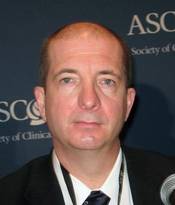
Dr. Motzer, from the genitourinary oncology service at Memorial Sloan-Kettering Cancer Center in New York City, said data on overall survival, a secondary end point of the trial, would be presented at a later date.
Like sorafenib (Nexavar), tivozanib is a selective tyrosine kinase inhibitor (TKI) with affinity for vascular endothelial growth factor receptors (VEGFR) 1, 2, and 3.
"This study demonstrated that a more potent, selective VEGFR inhibitor with a long half-life achieved superior efficacy, combined with decreased off-target toxicity. Tivozanib should be considered a first-line treatment option for metastatic renal cell carcinoma," Dr. Motzer said.
The invited discussant, Dr. Tim Eisen, a professor of oncology at the University of Cambridge, England, was a coauthor of the study, but he took a more cautious approach. He noted that tivozanib may have looked better than it really is, because the trial pitted a brash young up and comer against a paunchy, aging fighter.
"There are still doubts in my view about the choice of sorafenib, and I would very much like to see comparative data with sunitinib [Sutent] or pazopanib [Votrient] before fully adopting [tivozanib] as a first-line option," he said.
The best responses seen in the study for sorafenib were a 1% complete response rate and 23% partial response, and the progression-free survival values observed were about as good as it gets with sorafenib compared with other studies, Dr. Eisen said, but they stood in contrast to those of the newer agent.
"I think we also need quality of life data, because although the side effect profile is very good as measured in the studies with tivozanib, we don\'t yet know whether that translates into patient preference," he added.
In the TIVO-1 phase III trial, patients with advanced renal cell carcinoma (RCC) with clear cell histology, prior nephrectomy, good performance status (ECOG 0-1), not more than one prior line of therapy, and no prior VEGF or mTOR (mammalian target of rapamycin) inhibitor therapy were assigned to either tivozanib 1.5 mg/day orally for 3 weeks of a 4-week cycle or sorafenib 400 mg orally twice daily continuously. Patients were stratified by geographic region, prior therapies, and number of metastatic lesions.
Independent reviewers determined that tivozanib was associated with a significantly lower risk for disease progress (hazard ratio, 0.797). The investigators were a bit more generous, however, reporting median progression-free survival reached 14.7 months with tivozanib vs. 9.6 months with sorafenib (HR, 0.722; P = .003).
The objective response rates by independent review were 33% and 23%, respectively (P = .014).
There were fewer dose interruptions (18% vs. 35%), dose reductions (12% vs. 43%), and discontinuations (4% vs. 5%) with tivozanib.
Patients on tivozanib had less treatment-emergent grade 3 or 4 diarrhea (2% vs. 6%), palmar plantar erythrodysesthesia (2% vs. 17%), and grade 1-2 alopecia (2% vs. 21%).
In contrast, patients who received the experimental agent had more hypertension (all grade, 44% vs. 34%; grades 3/4, 2% vs. less than 1%), dysphonia (21% vs. 5%), and back pain (14% vs. 7%).
Dr. Motzer noted that the hypertension seen with tivozanib appears to be related to the treatment effect, as higher levels correlated with longer median progression-free survival. Patients with a diastolic blood pressure (BP) reading above 90 mmHg had a median progression-free survival of 18.3 months, compared with 9.1 months for those with a diastolic BP of 90 mmHg or less (HR, 0.553, P =.001). Similarly, patients with systolic BP above 140 mmHg had a median progression-free survival of 16.7 months, compared with 9.0 months for those with normal systolic BP (HR, 0.543, P less than .001).
The study was supported by AVEO Oncology and Astellas Oncology. Dr. Motzer reported receiving research funding from AVEO. Dr. Eisen is a coauthor of the study and has received honoraria and serves in a consulting or advisory role to Astellas and AVEO.
CHICAGO – The investigational targeted agent tivozanib was associated with significantly more clinical responses and greater progression-free survival than was sorafenib in a head-to-head comparison among patients with metastatic renal cell carcinoma.
Median progression-free survival for 260 patients randomized to tivozanib was 11.9 months in an independent reviewer analysis, compared with 9.1 months for 257 patients randomized to sorafenib (Nexavar) in an open-label, multicenter phase III clinical trial (P = .042), Dr. Robert Motzer reported at the annual meeting of the American Society of Clinical Oncology.
Dr. Motzer, from the genitourinary oncology service at Memorial Sloan-Kettering Cancer Center in New York City, said data on overall survival, a secondary end point of the trial, would be presented at a later date.
Like sorafenib (Nexavar), tivozanib is a selective tyrosine kinase inhibitor (TKI) with affinity for vascular endothelial growth factor receptors (VEGFR) 1, 2, and 3.
"This study demonstrated that a more potent, selective VEGFR inhibitor with a long half-life achieved superior efficacy, combined with decreased off-target toxicity. Tivozanib should be considered a first-line treatment option for metastatic renal cell carcinoma," Dr. Motzer said.
The invited discussant, Dr. Tim Eisen, a professor of oncology at the University of Cambridge, England, was a coauthor of the study, but he took a more cautious approach. He noted that tivozanib may have looked better than it really is, because the trial pitted a brash young up and comer against a paunchy, aging fighter.
"There are still doubts in my view about the choice of sorafenib, and I would very much like to see comparative data with sunitinib [Sutent] or pazopanib [Votrient] before fully adopting [tivozanib] as a first-line option," he said.
The best responses seen in the study for sorafenib were a 1% complete response rate and 23% partial response, and the progression-free survival values observed were about as good as it gets with sorafenib compared with other studies, Dr. Eisen said, but they stood in contrast to those of the newer agent.
"I think we also need quality of life data, because although the side effect profile is very good as measured in the studies with tivozanib, we don\'t yet know whether that translates into patient preference," he added.
In the TIVO-1 phase III trial, patients with advanced renal cell carcinoma (RCC) with clear cell histology, prior nephrectomy, good performance status (ECOG 0-1), not more than one prior line of therapy, and no prior VEGF or mTOR (mammalian target of rapamycin) inhibitor therapy were assigned to either tivozanib 1.5 mg/day orally for 3 weeks of a 4-week cycle or sorafenib 400 mg orally twice daily continuously. Patients were stratified by geographic region, prior therapies, and number of metastatic lesions.
Independent reviewers determined that tivozanib was associated with a significantly lower risk for disease progress (hazard ratio, 0.797). The investigators were a bit more generous, however, reporting median progression-free survival reached 14.7 months with tivozanib vs. 9.6 months with sorafenib (HR, 0.722; P = .003).
The objective response rates by independent review were 33% and 23%, respectively (P = .014).
There were fewer dose interruptions (18% vs. 35%), dose reductions (12% vs. 43%), and discontinuations (4% vs. 5%) with tivozanib.
Patients on tivozanib had less treatment-emergent grade 3 or 4 diarrhea (2% vs. 6%), palmar plantar erythrodysesthesia (2% vs. 17%), and grade 1-2 alopecia (2% vs. 21%).
In contrast, patients who received the experimental agent had more hypertension (all grade, 44% vs. 34%; grades 3/4, 2% vs. less than 1%), dysphonia (21% vs. 5%), and back pain (14% vs. 7%).
Dr. Motzer noted that the hypertension seen with tivozanib appears to be related to the treatment effect, as higher levels correlated with longer median progression-free survival. Patients with a diastolic blood pressure (BP) reading above 90 mmHg had a median progression-free survival of 18.3 months, compared with 9.1 months for those with a diastolic BP of 90 mmHg or less (HR, 0.553, P =.001). Similarly, patients with systolic BP above 140 mmHg had a median progression-free survival of 16.7 months, compared with 9.0 months for those with normal systolic BP (HR, 0.543, P less than .001).
The study was supported by AVEO Oncology and Astellas Oncology. Dr. Motzer reported receiving research funding from AVEO. Dr. Eisen is a coauthor of the study and has received honoraria and serves in a consulting or advisory role to Astellas and AVEO.
CHICAGO – The investigational targeted agent tivozanib was associated with significantly more clinical responses and greater progression-free survival than was sorafenib in a head-to-head comparison among patients with metastatic renal cell carcinoma.
Median progression-free survival for 260 patients randomized to tivozanib was 11.9 months in an independent reviewer analysis, compared with 9.1 months for 257 patients randomized to sorafenib (Nexavar) in an open-label, multicenter phase III clinical trial (P = .042), Dr. Robert Motzer reported at the annual meeting of the American Society of Clinical Oncology.
Dr. Motzer, from the genitourinary oncology service at Memorial Sloan-Kettering Cancer Center in New York City, said data on overall survival, a secondary end point of the trial, would be presented at a later date.
Like sorafenib (Nexavar), tivozanib is a selective tyrosine kinase inhibitor (TKI) with affinity for vascular endothelial growth factor receptors (VEGFR) 1, 2, and 3.
"This study demonstrated that a more potent, selective VEGFR inhibitor with a long half-life achieved superior efficacy, combined with decreased off-target toxicity. Tivozanib should be considered a first-line treatment option for metastatic renal cell carcinoma," Dr. Motzer said.
The invited discussant, Dr. Tim Eisen, a professor of oncology at the University of Cambridge, England, was a coauthor of the study, but he took a more cautious approach. He noted that tivozanib may have looked better than it really is, because the trial pitted a brash young up and comer against a paunchy, aging fighter.
"There are still doubts in my view about the choice of sorafenib, and I would very much like to see comparative data with sunitinib [Sutent] or pazopanib [Votrient] before fully adopting [tivozanib] as a first-line option," he said.
The best responses seen in the study for sorafenib were a 1% complete response rate and 23% partial response, and the progression-free survival values observed were about as good as it gets with sorafenib compared with other studies, Dr. Eisen said, but they stood in contrast to those of the newer agent.
"I think we also need quality of life data, because although the side effect profile is very good as measured in the studies with tivozanib, we don\'t yet know whether that translates into patient preference," he added.
In the TIVO-1 phase III trial, patients with advanced renal cell carcinoma (RCC) with clear cell histology, prior nephrectomy, good performance status (ECOG 0-1), not more than one prior line of therapy, and no prior VEGF or mTOR (mammalian target of rapamycin) inhibitor therapy were assigned to either tivozanib 1.5 mg/day orally for 3 weeks of a 4-week cycle or sorafenib 400 mg orally twice daily continuously. Patients were stratified by geographic region, prior therapies, and number of metastatic lesions.
Independent reviewers determined that tivozanib was associated with a significantly lower risk for disease progress (hazard ratio, 0.797). The investigators were a bit more generous, however, reporting median progression-free survival reached 14.7 months with tivozanib vs. 9.6 months with sorafenib (HR, 0.722; P = .003).
The objective response rates by independent review were 33% and 23%, respectively (P = .014).
There were fewer dose interruptions (18% vs. 35%), dose reductions (12% vs. 43%), and discontinuations (4% vs. 5%) with tivozanib.
Patients on tivozanib had less treatment-emergent grade 3 or 4 diarrhea (2% vs. 6%), palmar plantar erythrodysesthesia (2% vs. 17%), and grade 1-2 alopecia (2% vs. 21%).
In contrast, patients who received the experimental agent had more hypertension (all grade, 44% vs. 34%; grades 3/4, 2% vs. less than 1%), dysphonia (21% vs. 5%), and back pain (14% vs. 7%).
Dr. Motzer noted that the hypertension seen with tivozanib appears to be related to the treatment effect, as higher levels correlated with longer median progression-free survival. Patients with a diastolic blood pressure (BP) reading above 90 mmHg had a median progression-free survival of 18.3 months, compared with 9.1 months for those with a diastolic BP of 90 mmHg or less (HR, 0.553, P =.001). Similarly, patients with systolic BP above 140 mmHg had a median progression-free survival of 16.7 months, compared with 9.0 months for those with normal systolic BP (HR, 0.543, P less than .001).
The study was supported by AVEO Oncology and Astellas Oncology. Dr. Motzer reported receiving research funding from AVEO. Dr. Eisen is a coauthor of the study and has received honoraria and serves in a consulting or advisory role to Astellas and AVEO.
FROM THE ANNUAL MEETING OF THE AMERICAN SOCIETY OF CLINICAL ONCOLOGY
Major Finding: Median progression-free survival for 260 patients with advanced renal cell carcinoma randomized to tivozanib was 11.9 months in an independent reviewer analysis, compared with 9.1 months for 257 patients randomized to sorafenib (P =. 042).
Data Source: Investigators conducted a randomized, open-label, multicenter phase III trial.
Disclosures: The study was supported by AVEO Oncology and Astellas Oncology. Dr. Motzer reported receiving research funding from AVEO. Dr. Eisen is a coauthor of the study and has received honoraria and serves in a consulting or advisory role to Astellas and AVEO.
Anti-PD-1 Agent Active in Metastatic Kidney Cancer
CHICAGO – The molecule of the moment – an experimental immunotherapeutic agent known as anti-PD-1 – appears to have encouraging activity against renal cell carcinoma in early clinical studies, an investigator reported at the annual meeting of the American Society of Clinical Oncology.
Nine of 33 patients (27%) with metastatic renal cell carcinoma (RCC) in a phase I trial had clinical responses to the agent, officially named BMS-936558, reported Dr. David F. McDermott, a hematologist/oncologist at Beth Israel Deaconess Medical Center in Boston.
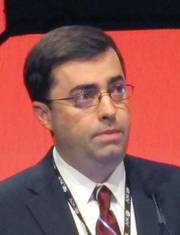
The duration of responses ranged from more than 5.6 months to more than 22.3 months. More than half the patients (56%) had not progressed at 24 weeks.
"BMS-936558 can be administered safely in an outpatient setting to pretreated RCC patients, while demonstrating durable clinical benefit. Blockade of the PD-1 pathway may represent an important new target for RCC immunotherapy," Dr. McDermott said.
BMS-936558 is a monoclonal antibody that blocks the programmed death (PD)-1 receptor on the surface of activated T cells. Inhibition of the PD-1 and the PD-1 ligand (PD-L1) pathway rescues exhausted T-cells and enhances antitumor immunity.
When tested in a phase I trial, objective responses, defined as complete regression or significant partial regression, were reported in 18%-28% of 236 evaluable patients.
Serious side effects were observed in 14% of the 296 patients in the entire cohort, said Dr. Suzanne Topalian, director of the melanoma program and professor of surgery and oncology at Johns Hopkins University in Baltimore, who presented the results of the main study at the ASCO meeting. Dr. McDermott presented the results for patients with metastatic RCC in a separate session.
Patients with advanced RCC and other tumor types who had disease progression after 1-5 cycles of systemic therapies received the anti-PD-1 agents at varying doses until disease progression or clinical deterioration or unacceptable toxicity. Patients who had either a complete or partial response or stable disease, or had progressive disease but were clinically stable, were treated until they achieved a complete response, worsening progressive disease, or unacceptable toxicity for up to 12 cycles (96 weeks).
A total of 16 patients with RCC were enrolled at a 10 mg/kg dose of BMS-936558, and 17 were later enrolled at 1 mg/kg. Dr. McDermott presented safety data for those patients and another patient who was not available for an efficacy analysis but had available safety data.
Among patients on the 1-mg/kg dose, four (24%) had a response, with responses lasting from 5.6 to 17.5 months. All of these patients had stable disease for at least 24 weeks, and 47% of the group was progression free at 24 weeks. Median overall survival for this 1-mg/kg group has not been reached, precluding an analysis of overall survival for the entire cohort, "but it’s safe to say that it’s at least going to be 6 months," Dr. McDermottt said.
In the 10-mg/kg group, the overall response rate was 31%; two patients with a persistent reduction in baseline target lesions in the presence of new lesions were not counted as responders in the analysis, he noted.
The responses lasted from 8.4 to 22.3 months, and about two-thirds of the group were progression free at 24 weeks.
"In the RCC patients, this agent was generally tolerable in the outpatient setting, with a safety profile that was similar to the total treated population," Dr. McDermott said.

Grade 3 or 4 adverse events occurred in 6 patients (18%) with RCC.
"I think all in all, the tolerability and the intriguing preliminary efficacy support the ongoing studies of PD-1 blockade in RCC, and I think what makes the pathway especially interesting is whether we can use tumor PDL-1 expression as an upfront selection criterion," commented Dr. Lauren C. Harshman, an oncologist at Stanford (Calif.) University. Dr. Harshman was the invited discussant but was not involved in the study.
The trial received support from Bristol-Meyers Squibb and Ono Pharmaceutical Company. Dr. McDermott disclosed having received research funding from BMS, maker of the anti-PD-1 compound, and serving in a consulting or advisory role to the company. Dr Harshman disclosed receiving research funding from BMS.
CHICAGO – The molecule of the moment – an experimental immunotherapeutic agent known as anti-PD-1 – appears to have encouraging activity against renal cell carcinoma in early clinical studies, an investigator reported at the annual meeting of the American Society of Clinical Oncology.
Nine of 33 patients (27%) with metastatic renal cell carcinoma (RCC) in a phase I trial had clinical responses to the agent, officially named BMS-936558, reported Dr. David F. McDermott, a hematologist/oncologist at Beth Israel Deaconess Medical Center in Boston.
The duration of responses ranged from more than 5.6 months to more than 22.3 months. More than half the patients (56%) had not progressed at 24 weeks.
"BMS-936558 can be administered safely in an outpatient setting to pretreated RCC patients, while demonstrating durable clinical benefit. Blockade of the PD-1 pathway may represent an important new target for RCC immunotherapy," Dr. McDermott said.
BMS-936558 is a monoclonal antibody that blocks the programmed death (PD)-1 receptor on the surface of activated T cells. Inhibition of the PD-1 and the PD-1 ligand (PD-L1) pathway rescues exhausted T-cells and enhances antitumor immunity.
When tested in a phase I trial, objective responses, defined as complete regression or significant partial regression, were reported in 18%-28% of 236 evaluable patients.
Serious side effects were observed in 14% of the 296 patients in the entire cohort, said Dr. Suzanne Topalian, director of the melanoma program and professor of surgery and oncology at Johns Hopkins University in Baltimore, who presented the results of the main study at the ASCO meeting. Dr. McDermott presented the results for patients with metastatic RCC in a separate session.
Patients with advanced RCC and other tumor types who had disease progression after 1-5 cycles of systemic therapies received the anti-PD-1 agents at varying doses until disease progression or clinical deterioration or unacceptable toxicity. Patients who had either a complete or partial response or stable disease, or had progressive disease but were clinically stable, were treated until they achieved a complete response, worsening progressive disease, or unacceptable toxicity for up to 12 cycles (96 weeks).
A total of 16 patients with RCC were enrolled at a 10 mg/kg dose of BMS-936558, and 17 were later enrolled at 1 mg/kg. Dr. McDermott presented safety data for those patients and another patient who was not available for an efficacy analysis but had available safety data.
Among patients on the 1-mg/kg dose, four (24%) had a response, with responses lasting from 5.6 to 17.5 months. All of these patients had stable disease for at least 24 weeks, and 47% of the group was progression free at 24 weeks. Median overall survival for this 1-mg/kg group has not been reached, precluding an analysis of overall survival for the entire cohort, "but it’s safe to say that it’s at least going to be 6 months," Dr. McDermottt said.
In the 10-mg/kg group, the overall response rate was 31%; two patients with a persistent reduction in baseline target lesions in the presence of new lesions were not counted as responders in the analysis, he noted.
The responses lasted from 8.4 to 22.3 months, and about two-thirds of the group were progression free at 24 weeks.
"In the RCC patients, this agent was generally tolerable in the outpatient setting, with a safety profile that was similar to the total treated population," Dr. McDermott said.
Grade 3 or 4 adverse events occurred in 6 patients (18%) with RCC.
"I think all in all, the tolerability and the intriguing preliminary efficacy support the ongoing studies of PD-1 blockade in RCC, and I think what makes the pathway especially interesting is whether we can use tumor PDL-1 expression as an upfront selection criterion," commented Dr. Lauren C. Harshman, an oncologist at Stanford (Calif.) University. Dr. Harshman was the invited discussant but was not involved in the study.
The trial received support from Bristol-Meyers Squibb and Ono Pharmaceutical Company. Dr. McDermott disclosed having received research funding from BMS, maker of the anti-PD-1 compound, and serving in a consulting or advisory role to the company. Dr Harshman disclosed receiving research funding from BMS.
CHICAGO – The molecule of the moment – an experimental immunotherapeutic agent known as anti-PD-1 – appears to have encouraging activity against renal cell carcinoma in early clinical studies, an investigator reported at the annual meeting of the American Society of Clinical Oncology.
Nine of 33 patients (27%) with metastatic renal cell carcinoma (RCC) in a phase I trial had clinical responses to the agent, officially named BMS-936558, reported Dr. David F. McDermott, a hematologist/oncologist at Beth Israel Deaconess Medical Center in Boston.
The duration of responses ranged from more than 5.6 months to more than 22.3 months. More than half the patients (56%) had not progressed at 24 weeks.
"BMS-936558 can be administered safely in an outpatient setting to pretreated RCC patients, while demonstrating durable clinical benefit. Blockade of the PD-1 pathway may represent an important new target for RCC immunotherapy," Dr. McDermott said.
BMS-936558 is a monoclonal antibody that blocks the programmed death (PD)-1 receptor on the surface of activated T cells. Inhibition of the PD-1 and the PD-1 ligand (PD-L1) pathway rescues exhausted T-cells and enhances antitumor immunity.
When tested in a phase I trial, objective responses, defined as complete regression or significant partial regression, were reported in 18%-28% of 236 evaluable patients.
Serious side effects were observed in 14% of the 296 patients in the entire cohort, said Dr. Suzanne Topalian, director of the melanoma program and professor of surgery and oncology at Johns Hopkins University in Baltimore, who presented the results of the main study at the ASCO meeting. Dr. McDermott presented the results for patients with metastatic RCC in a separate session.
Patients with advanced RCC and other tumor types who had disease progression after 1-5 cycles of systemic therapies received the anti-PD-1 agents at varying doses until disease progression or clinical deterioration or unacceptable toxicity. Patients who had either a complete or partial response or stable disease, or had progressive disease but were clinically stable, were treated until they achieved a complete response, worsening progressive disease, or unacceptable toxicity for up to 12 cycles (96 weeks).
A total of 16 patients with RCC were enrolled at a 10 mg/kg dose of BMS-936558, and 17 were later enrolled at 1 mg/kg. Dr. McDermott presented safety data for those patients and another patient who was not available for an efficacy analysis but had available safety data.
Among patients on the 1-mg/kg dose, four (24%) had a response, with responses lasting from 5.6 to 17.5 months. All of these patients had stable disease for at least 24 weeks, and 47% of the group was progression free at 24 weeks. Median overall survival for this 1-mg/kg group has not been reached, precluding an analysis of overall survival for the entire cohort, "but it’s safe to say that it’s at least going to be 6 months," Dr. McDermottt said.
In the 10-mg/kg group, the overall response rate was 31%; two patients with a persistent reduction in baseline target lesions in the presence of new lesions were not counted as responders in the analysis, he noted.
The responses lasted from 8.4 to 22.3 months, and about two-thirds of the group were progression free at 24 weeks.
"In the RCC patients, this agent was generally tolerable in the outpatient setting, with a safety profile that was similar to the total treated population," Dr. McDermott said.
Grade 3 or 4 adverse events occurred in 6 patients (18%) with RCC.
"I think all in all, the tolerability and the intriguing preliminary efficacy support the ongoing studies of PD-1 blockade in RCC, and I think what makes the pathway especially interesting is whether we can use tumor PDL-1 expression as an upfront selection criterion," commented Dr. Lauren C. Harshman, an oncologist at Stanford (Calif.) University. Dr. Harshman was the invited discussant but was not involved in the study.
The trial received support from Bristol-Meyers Squibb and Ono Pharmaceutical Company. Dr. McDermott disclosed having received research funding from BMS, maker of the anti-PD-1 compound, and serving in a consulting or advisory role to the company. Dr Harshman disclosed receiving research funding from BMS.
FROM THE ANNUAL MEETING OF THE AMERICAN SOCIETY OF CLINICAL ONCOLOGY
Major Finding: Nine of 33 patients (27%) with metastatic renal cell carcinoma had clinical responses to an anti-PD-1 monoclonal antibody, officially named BMS-936558.
Data Source: Investigators reported on RCC patients in a large, multidisease phase I trial.
Disclosures: The trial received support from Bristol-Meyers Squibb and Ono Pharmaceutical Company. Dr. McDermott disclosed having received research funding from BMS, maker of the anti-PD-1 compound, and serving in a consulting or advisory role to the company. Dr Harshman disclosed receiving research funding from BMS.
Adjuvant Erlotinib Benefits Patients with EGFR-Mutated NSCLC
CHICAGO – For patients with resected non–small cell lung cancer bearing epidermal growth factor receptor mutations, daily maintenance with erlotinib was associated with good overall disease-free survival for at least 2 years, investigators reported at the annual meeting of the American Society of Clinical Oncology.
Among 100 patients with NSCLC positive for mutations in the epidermal growth factor receptor (EGFR) who underwent surgery and routine adjuvant chemotherapy or chemoradiotherapy, maintenance with erlotinib (Tarceva) 150 mg daily was associated with a median 2-year disease-free survival of 94%, reported Dr. Joel W. Neal of the Stanford (Calif.) Cancer Institute.
Median overall survival has not been reached, the investigators noted in a poster session.
Only one patient had disease progression while on adjuvant erlotinib, and 10 experienced progression at least 6 months after stopping the drug, suggesting the presence of residual disease that may be sensitive to re-treatment with erlotinib, Dr. Neal said in an interview.
"We’ve encouraged repeat biopsies for patients who have progressed after treatment with adjuvant erlotinib, and of the patients who were biopsied, 6 of 8 had an identical mutation without a known mechanism of resistance," he said.
Five of these patients were evaluable for additional therapy, and all were found to be sensitive to further treatment with erlotinib, Dr. Neal reported.
However, toxicities with erlotinib required dose reductions in some patients, and 6 patients discontinued therapy before the end of the study due to adverse events that included rash, diarrhea, and fatigue.
An oncologist who was not involved in the study commented that he would need to see longer follow-up before he could be convinced of the benefits of adjuvant erlotinib in this population.
"I’m not sure about the toxicity of 2 years of therapy with a TKI [tyrosine kinase inhibitor] in a setting where you’re not quite sure whether you’re improving survival or just disease-free survival," said Dr. Michael J. Purtell, an assistant professor of oncology at Johns Hopkins University in Baltimore, said in an interview.
The investigators designed the study, dubbed SELECT (Surgically resected EGFR-mutant Lung cancer with adjuvant Erlotinib Cancer Treatment) to determine whether adjuvant erlotinib could provide a more robust survival benefit to patients than that afforded by conventional adjuvant chemotherapy – typically about 5-10%, they said.
Patients with EGFR mutation–positive, surgically resected stage IA-IIIA NSCLC received 6-9 months of routine adjuvant chemotherapy with or without radiation, and were then continued on oral erlotinib 150 mg daily for up to 2 years. The patients are followed with CT scans every 6 months for 3 years, then once a year for years 4 and 5.
A total of 36 patients were enrolled initially, but the study was later expanded to included 100 patients in all, after initial encouraging results.
The findings thus far suggest that "adjuvant erlotinib has, at least, a cytostatic effect on micrometastatic disease," the investigators wrote.
The study was supported by Genentech. Dr. Neal has received research funding from the company. Dr. Purtell had no relevant disclosures.
CHICAGO – For patients with resected non–small cell lung cancer bearing epidermal growth factor receptor mutations, daily maintenance with erlotinib was associated with good overall disease-free survival for at least 2 years, investigators reported at the annual meeting of the American Society of Clinical Oncology.
Among 100 patients with NSCLC positive for mutations in the epidermal growth factor receptor (EGFR) who underwent surgery and routine adjuvant chemotherapy or chemoradiotherapy, maintenance with erlotinib (Tarceva) 150 mg daily was associated with a median 2-year disease-free survival of 94%, reported Dr. Joel W. Neal of the Stanford (Calif.) Cancer Institute.
Median overall survival has not been reached, the investigators noted in a poster session.
Only one patient had disease progression while on adjuvant erlotinib, and 10 experienced progression at least 6 months after stopping the drug, suggesting the presence of residual disease that may be sensitive to re-treatment with erlotinib, Dr. Neal said in an interview.
"We’ve encouraged repeat biopsies for patients who have progressed after treatment with adjuvant erlotinib, and of the patients who were biopsied, 6 of 8 had an identical mutation without a known mechanism of resistance," he said.
Five of these patients were evaluable for additional therapy, and all were found to be sensitive to further treatment with erlotinib, Dr. Neal reported.
However, toxicities with erlotinib required dose reductions in some patients, and 6 patients discontinued therapy before the end of the study due to adverse events that included rash, diarrhea, and fatigue.
An oncologist who was not involved in the study commented that he would need to see longer follow-up before he could be convinced of the benefits of adjuvant erlotinib in this population.
"I’m not sure about the toxicity of 2 years of therapy with a TKI [tyrosine kinase inhibitor] in a setting where you’re not quite sure whether you’re improving survival or just disease-free survival," said Dr. Michael J. Purtell, an assistant professor of oncology at Johns Hopkins University in Baltimore, said in an interview.
The investigators designed the study, dubbed SELECT (Surgically resected EGFR-mutant Lung cancer with adjuvant Erlotinib Cancer Treatment) to determine whether adjuvant erlotinib could provide a more robust survival benefit to patients than that afforded by conventional adjuvant chemotherapy – typically about 5-10%, they said.
Patients with EGFR mutation–positive, surgically resected stage IA-IIIA NSCLC received 6-9 months of routine adjuvant chemotherapy with or without radiation, and were then continued on oral erlotinib 150 mg daily for up to 2 years. The patients are followed with CT scans every 6 months for 3 years, then once a year for years 4 and 5.
A total of 36 patients were enrolled initially, but the study was later expanded to included 100 patients in all, after initial encouraging results.
The findings thus far suggest that "adjuvant erlotinib has, at least, a cytostatic effect on micrometastatic disease," the investigators wrote.
The study was supported by Genentech. Dr. Neal has received research funding from the company. Dr. Purtell had no relevant disclosures.
CHICAGO – For patients with resected non–small cell lung cancer bearing epidermal growth factor receptor mutations, daily maintenance with erlotinib was associated with good overall disease-free survival for at least 2 years, investigators reported at the annual meeting of the American Society of Clinical Oncology.
Among 100 patients with NSCLC positive for mutations in the epidermal growth factor receptor (EGFR) who underwent surgery and routine adjuvant chemotherapy or chemoradiotherapy, maintenance with erlotinib (Tarceva) 150 mg daily was associated with a median 2-year disease-free survival of 94%, reported Dr. Joel W. Neal of the Stanford (Calif.) Cancer Institute.
Median overall survival has not been reached, the investigators noted in a poster session.
Only one patient had disease progression while on adjuvant erlotinib, and 10 experienced progression at least 6 months after stopping the drug, suggesting the presence of residual disease that may be sensitive to re-treatment with erlotinib, Dr. Neal said in an interview.
"We’ve encouraged repeat biopsies for patients who have progressed after treatment with adjuvant erlotinib, and of the patients who were biopsied, 6 of 8 had an identical mutation without a known mechanism of resistance," he said.
Five of these patients were evaluable for additional therapy, and all were found to be sensitive to further treatment with erlotinib, Dr. Neal reported.
However, toxicities with erlotinib required dose reductions in some patients, and 6 patients discontinued therapy before the end of the study due to adverse events that included rash, diarrhea, and fatigue.
An oncologist who was not involved in the study commented that he would need to see longer follow-up before he could be convinced of the benefits of adjuvant erlotinib in this population.
"I’m not sure about the toxicity of 2 years of therapy with a TKI [tyrosine kinase inhibitor] in a setting where you’re not quite sure whether you’re improving survival or just disease-free survival," said Dr. Michael J. Purtell, an assistant professor of oncology at Johns Hopkins University in Baltimore, said in an interview.
The investigators designed the study, dubbed SELECT (Surgically resected EGFR-mutant Lung cancer with adjuvant Erlotinib Cancer Treatment) to determine whether adjuvant erlotinib could provide a more robust survival benefit to patients than that afforded by conventional adjuvant chemotherapy – typically about 5-10%, they said.
Patients with EGFR mutation–positive, surgically resected stage IA-IIIA NSCLC received 6-9 months of routine adjuvant chemotherapy with or without radiation, and were then continued on oral erlotinib 150 mg daily for up to 2 years. The patients are followed with CT scans every 6 months for 3 years, then once a year for years 4 and 5.
A total of 36 patients were enrolled initially, but the study was later expanded to included 100 patients in all, after initial encouraging results.
The findings thus far suggest that "adjuvant erlotinib has, at least, a cytostatic effect on micrometastatic disease," the investigators wrote.
The study was supported by Genentech. Dr. Neal has received research funding from the company. Dr. Purtell had no relevant disclosures.
FROM THE ANNUAL MEETING OF THE AMERICAN SOCIETY OF CLINICAL ONCOLOGY
Bevacizumab Beyond Progression Extends Survival in Metastatic CRC
CHICAGO – Bevacizumab extended both progression-free and overall survival when it was added to second-line chemotherapy in patients with advanced colorectal cancer, investigators reported at the annual meeting of the American Society of Clinical Oncology.
In a phase III randomized trial, patients with inoperable colorectal cancer (CRC) and disease progression following first-line chemotherapy who received bevacizumab (Avastin) in addition to a second-line regimen had a 1.4-month advantage in overall survival, and 1.6-month-longer progression-free survival than patients who received second-line chemotherapy alone, reported Dr. Dirk Arnold, director of the Hubertus Wald Tumor Center at University Clinic Eppendorf in Hamburg, Germany,

The findings suggest that bevacizumab, which has had mixed results in the treatment of other cancers, plays a significantly favorable role in CRC, Dr. Arnold said.
"This is the first randomized trial to prospectively evaluate bevacizumab beyond first progression. This study confirms that continuing bevacizumab beyond progression while changing chemotherapy is beneficial for patients, and has translated into a significant improvement in overall survival in metastatic colorectal cancer patients, as well as progression-free survival," he said in a briefing.
A total of 820 patients with unresectable metastatic CRC received first-line chemotherapy with either an irinotecan-based or oxaliplatin-based regimen at the treating physician’s discretion plus bevacizumab. At disease progression, the patients were randomly assigned to second-line therapy with the regimen they did not receive up front with or without concomitant bevacizumab.
Median overall survival, the primary end point, was 11.2 months for patients who received bevacizumab, compared with 9.8 months for those who received chemotherapy alone (hazard ratio 0.81, P = .0062). Median progression-free survival was 5.7 months with bevacizumab and 4.1 months without (HR 0.68, P less than .0001).
The overall response rates were 5.4% for the bevacizumab group and 3.9% for the chemotherapy-alone group, a difference that was not statistically significant.
Adverse events with bevacizumab continued in the second line were similar to those of historical controls treated with bevacizumab in either first- or second-line therapy, Dr. Arnold said.
"This provides clearly a new treatment option in the second line for patients who have been pretreated with a bevacizumab combination regimen before," Dr. Arnold said.
"Furthermore, I think these findings indicate that this might also serve as a new model for a treatment approach by multiple treatment lines in metastatic colorectal cancer and across other tumor types, which is currently [being] investigated in other trials," he added.
Dr. Bruce J. Roth, a professor of medicine in the oncology section at Washington University in St. Louis, who was not involved in the study, commented that "medical oncologists have been trained to stop classic cytotoxic therapy at the time of progression, but the issue is a little bit more complicated for anti-VEGF [vascular endothelial growth factor] therapies like bevacizumab, and this issue has been raised in other tumor types."
Dr. Roth moderated the briefing at which Dr. Arnold presented the data.
Dr. Arnold noted that the findings suggest that mechanisms of tumor resistance to cytotoxic agents may be different from those of resistance to antiangiogenic agents, which could explain the additional benefit seen with bevacizumab.
The study, ML 18147, was supported by Roche. Dr. Arnold disclosed serving in a consulting or advisory role for and receiving honoraria from Amgen, Merck Serono, and Roche Diagnostics, and receiving research funding from Roche Diagnostics. Dr. Roth had no disclosures.
CHICAGO – Bevacizumab extended both progression-free and overall survival when it was added to second-line chemotherapy in patients with advanced colorectal cancer, investigators reported at the annual meeting of the American Society of Clinical Oncology.
In a phase III randomized trial, patients with inoperable colorectal cancer (CRC) and disease progression following first-line chemotherapy who received bevacizumab (Avastin) in addition to a second-line regimen had a 1.4-month advantage in overall survival, and 1.6-month-longer progression-free survival than patients who received second-line chemotherapy alone, reported Dr. Dirk Arnold, director of the Hubertus Wald Tumor Center at University Clinic Eppendorf in Hamburg, Germany,
The findings suggest that bevacizumab, which has had mixed results in the treatment of other cancers, plays a significantly favorable role in CRC, Dr. Arnold said.
"This is the first randomized trial to prospectively evaluate bevacizumab beyond first progression. This study confirms that continuing bevacizumab beyond progression while changing chemotherapy is beneficial for patients, and has translated into a significant improvement in overall survival in metastatic colorectal cancer patients, as well as progression-free survival," he said in a briefing.
A total of 820 patients with unresectable metastatic CRC received first-line chemotherapy with either an irinotecan-based or oxaliplatin-based regimen at the treating physician’s discretion plus bevacizumab. At disease progression, the patients were randomly assigned to second-line therapy with the regimen they did not receive up front with or without concomitant bevacizumab.
Median overall survival, the primary end point, was 11.2 months for patients who received bevacizumab, compared with 9.8 months for those who received chemotherapy alone (hazard ratio 0.81, P = .0062). Median progression-free survival was 5.7 months with bevacizumab and 4.1 months without (HR 0.68, P less than .0001).
The overall response rates were 5.4% for the bevacizumab group and 3.9% for the chemotherapy-alone group, a difference that was not statistically significant.
Adverse events with bevacizumab continued in the second line were similar to those of historical controls treated with bevacizumab in either first- or second-line therapy, Dr. Arnold said.
"This provides clearly a new treatment option in the second line for patients who have been pretreated with a bevacizumab combination regimen before," Dr. Arnold said.
"Furthermore, I think these findings indicate that this might also serve as a new model for a treatment approach by multiple treatment lines in metastatic colorectal cancer and across other tumor types, which is currently [being] investigated in other trials," he added.
Dr. Bruce J. Roth, a professor of medicine in the oncology section at Washington University in St. Louis, who was not involved in the study, commented that "medical oncologists have been trained to stop classic cytotoxic therapy at the time of progression, but the issue is a little bit more complicated for anti-VEGF [vascular endothelial growth factor] therapies like bevacizumab, and this issue has been raised in other tumor types."
Dr. Roth moderated the briefing at which Dr. Arnold presented the data.
Dr. Arnold noted that the findings suggest that mechanisms of tumor resistance to cytotoxic agents may be different from those of resistance to antiangiogenic agents, which could explain the additional benefit seen with bevacizumab.
The study, ML 18147, was supported by Roche. Dr. Arnold disclosed serving in a consulting or advisory role for and receiving honoraria from Amgen, Merck Serono, and Roche Diagnostics, and receiving research funding from Roche Diagnostics. Dr. Roth had no disclosures.
CHICAGO – Bevacizumab extended both progression-free and overall survival when it was added to second-line chemotherapy in patients with advanced colorectal cancer, investigators reported at the annual meeting of the American Society of Clinical Oncology.
In a phase III randomized trial, patients with inoperable colorectal cancer (CRC) and disease progression following first-line chemotherapy who received bevacizumab (Avastin) in addition to a second-line regimen had a 1.4-month advantage in overall survival, and 1.6-month-longer progression-free survival than patients who received second-line chemotherapy alone, reported Dr. Dirk Arnold, director of the Hubertus Wald Tumor Center at University Clinic Eppendorf in Hamburg, Germany,
The findings suggest that bevacizumab, which has had mixed results in the treatment of other cancers, plays a significantly favorable role in CRC, Dr. Arnold said.
"This is the first randomized trial to prospectively evaluate bevacizumab beyond first progression. This study confirms that continuing bevacizumab beyond progression while changing chemotherapy is beneficial for patients, and has translated into a significant improvement in overall survival in metastatic colorectal cancer patients, as well as progression-free survival," he said in a briefing.
A total of 820 patients with unresectable metastatic CRC received first-line chemotherapy with either an irinotecan-based or oxaliplatin-based regimen at the treating physician’s discretion plus bevacizumab. At disease progression, the patients were randomly assigned to second-line therapy with the regimen they did not receive up front with or without concomitant bevacizumab.
Median overall survival, the primary end point, was 11.2 months for patients who received bevacizumab, compared with 9.8 months for those who received chemotherapy alone (hazard ratio 0.81, P = .0062). Median progression-free survival was 5.7 months with bevacizumab and 4.1 months without (HR 0.68, P less than .0001).
The overall response rates were 5.4% for the bevacizumab group and 3.9% for the chemotherapy-alone group, a difference that was not statistically significant.
Adverse events with bevacizumab continued in the second line were similar to those of historical controls treated with bevacizumab in either first- or second-line therapy, Dr. Arnold said.
"This provides clearly a new treatment option in the second line for patients who have been pretreated with a bevacizumab combination regimen before," Dr. Arnold said.
"Furthermore, I think these findings indicate that this might also serve as a new model for a treatment approach by multiple treatment lines in metastatic colorectal cancer and across other tumor types, which is currently [being] investigated in other trials," he added.
Dr. Bruce J. Roth, a professor of medicine in the oncology section at Washington University in St. Louis, who was not involved in the study, commented that "medical oncologists have been trained to stop classic cytotoxic therapy at the time of progression, but the issue is a little bit more complicated for anti-VEGF [vascular endothelial growth factor] therapies like bevacizumab, and this issue has been raised in other tumor types."
Dr. Roth moderated the briefing at which Dr. Arnold presented the data.
Dr. Arnold noted that the findings suggest that mechanisms of tumor resistance to cytotoxic agents may be different from those of resistance to antiangiogenic agents, which could explain the additional benefit seen with bevacizumab.
The study, ML 18147, was supported by Roche. Dr. Arnold disclosed serving in a consulting or advisory role for and receiving honoraria from Amgen, Merck Serono, and Roche Diagnostics, and receiving research funding from Roche Diagnostics. Dr. Roth had no disclosures.
FROM THE ANNUAL MEETING OF THE AMERICAN SOCIETY OF CLINICAL ONCOLOGY