User login
Lucas Franki is an associate editor for MDedge News, and has been with the company since 2014. He has a BA in English from Penn State University and is an Eagle Scout.
Metabolic syndrome incidence may be stabilizing
While a third of the U.S. population in 2012 had metabolic syndrome, that number is no longer growing and may be declining in some populations, judging from NHANES data discussed in a research letter from Dr. Maria Aguilar, of the department of medicine in the Alameda Health System–Highland Hospital, Oakland, Calif., and her associates.
From 2003 to 2012, overall prevalence of the metabolic syndrome in the United States was 33%. From 2003-2004 to 2011-2012, overall prevalence of the metabolic syndrome increased from 32.9% to 34.7%. During this period, metabolic syndrome prevalence trends among men and all race/ethnic groups remained stable, while decreasing among women from 39.4% in 2007-2008 to 36.6% in 2011-2012.
Increasing metabolic syndrome prevalence was seen with increasing age in all groups.
“Greater awareness of the metabolic syndrome and its health consequences may have contributed to improvements in optimizing treatment of risk factors such as hypertension and diabetes. Furthermore, recent NHANES data demonstrate that obesity prevalence in the United States also appears to have stabilized, which also may contribute to the stabilizing prevalence of the metabolic syndrome,” the investigators noted.
Find the full research letter in JAMA (doi:10.1001/jama.2015.4260).
While a third of the U.S. population in 2012 had metabolic syndrome, that number is no longer growing and may be declining in some populations, judging from NHANES data discussed in a research letter from Dr. Maria Aguilar, of the department of medicine in the Alameda Health System–Highland Hospital, Oakland, Calif., and her associates.
From 2003 to 2012, overall prevalence of the metabolic syndrome in the United States was 33%. From 2003-2004 to 2011-2012, overall prevalence of the metabolic syndrome increased from 32.9% to 34.7%. During this period, metabolic syndrome prevalence trends among men and all race/ethnic groups remained stable, while decreasing among women from 39.4% in 2007-2008 to 36.6% in 2011-2012.
Increasing metabolic syndrome prevalence was seen with increasing age in all groups.
“Greater awareness of the metabolic syndrome and its health consequences may have contributed to improvements in optimizing treatment of risk factors such as hypertension and diabetes. Furthermore, recent NHANES data demonstrate that obesity prevalence in the United States also appears to have stabilized, which also may contribute to the stabilizing prevalence of the metabolic syndrome,” the investigators noted.
Find the full research letter in JAMA (doi:10.1001/jama.2015.4260).
While a third of the U.S. population in 2012 had metabolic syndrome, that number is no longer growing and may be declining in some populations, judging from NHANES data discussed in a research letter from Dr. Maria Aguilar, of the department of medicine in the Alameda Health System–Highland Hospital, Oakland, Calif., and her associates.
From 2003 to 2012, overall prevalence of the metabolic syndrome in the United States was 33%. From 2003-2004 to 2011-2012, overall prevalence of the metabolic syndrome increased from 32.9% to 34.7%. During this period, metabolic syndrome prevalence trends among men and all race/ethnic groups remained stable, while decreasing among women from 39.4% in 2007-2008 to 36.6% in 2011-2012.
Increasing metabolic syndrome prevalence was seen with increasing age in all groups.
“Greater awareness of the metabolic syndrome and its health consequences may have contributed to improvements in optimizing treatment of risk factors such as hypertension and diabetes. Furthermore, recent NHANES data demonstrate that obesity prevalence in the United States also appears to have stabilized, which also may contribute to the stabilizing prevalence of the metabolic syndrome,” the investigators noted.
Find the full research letter in JAMA (doi:10.1001/jama.2015.4260).
Wells score not effective at inpatient DVT detection
While effective in outpatient settings, the Wells score was not effective at detecting deep vein thrombosis in an inpatient setting, according to Dr. Patricia Silveira and her associates from Harvard Medical School, Boston.
Of 1,135 patients included in the study, 137 had proximal DVT. DVT incidence in the low, medium, and high pretest probability groups were 5.9%, 9.5%, and 16.4%, respectively. Although statistically significantly different, this is a very narrow range, in contrast to findings in previous studies, where incidence among the three groups was 3.0%, 16.6%, and 74.6% respectively.
The AUC for the accuracy of the Wells score was 0.6, only slightly better than chance. The failure rate in the low pretest group was 5.9%, and the efficiency was 11.9%.
“In inpatients,Wells DVT scores are inflated by comorbidities and nonspecific physical findings common among hospitalized patients, leaving very few patients in the low-probability Wells score category, and many patients without DVT in the moderate- and high-probability categories,” Dr. Erika Leemann Price and Dr. Tracy Minichiello wrote in a related editorial.
Find the full study and editorial in JAMA Internal Medicine (doi:10.1001/jamainternmed.2015.1687; doi:10.1001/jamainternmed.2015.1699).
While effective in outpatient settings, the Wells score was not effective at detecting deep vein thrombosis in an inpatient setting, according to Dr. Patricia Silveira and her associates from Harvard Medical School, Boston.
Of 1,135 patients included in the study, 137 had proximal DVT. DVT incidence in the low, medium, and high pretest probability groups were 5.9%, 9.5%, and 16.4%, respectively. Although statistically significantly different, this is a very narrow range, in contrast to findings in previous studies, where incidence among the three groups was 3.0%, 16.6%, and 74.6% respectively.
The AUC for the accuracy of the Wells score was 0.6, only slightly better than chance. The failure rate in the low pretest group was 5.9%, and the efficiency was 11.9%.
“In inpatients,Wells DVT scores are inflated by comorbidities and nonspecific physical findings common among hospitalized patients, leaving very few patients in the low-probability Wells score category, and many patients without DVT in the moderate- and high-probability categories,” Dr. Erika Leemann Price and Dr. Tracy Minichiello wrote in a related editorial.
Find the full study and editorial in JAMA Internal Medicine (doi:10.1001/jamainternmed.2015.1687; doi:10.1001/jamainternmed.2015.1699).
While effective in outpatient settings, the Wells score was not effective at detecting deep vein thrombosis in an inpatient setting, according to Dr. Patricia Silveira and her associates from Harvard Medical School, Boston.
Of 1,135 patients included in the study, 137 had proximal DVT. DVT incidence in the low, medium, and high pretest probability groups were 5.9%, 9.5%, and 16.4%, respectively. Although statistically significantly different, this is a very narrow range, in contrast to findings in previous studies, where incidence among the three groups was 3.0%, 16.6%, and 74.6% respectively.
The AUC for the accuracy of the Wells score was 0.6, only slightly better than chance. The failure rate in the low pretest group was 5.9%, and the efficiency was 11.9%.
“In inpatients,Wells DVT scores are inflated by comorbidities and nonspecific physical findings common among hospitalized patients, leaving very few patients in the low-probability Wells score category, and many patients without DVT in the moderate- and high-probability categories,” Dr. Erika Leemann Price and Dr. Tracy Minichiello wrote in a related editorial.
Find the full study and editorial in JAMA Internal Medicine (doi:10.1001/jamainternmed.2015.1687; doi:10.1001/jamainternmed.2015.1699).
After Great Recession, Women at Higher Risk for Anxiety
Women in the United States were more likely to be diagnosed with anxiety after the Great Recession than during or before the recession, according to Rada K. Dagher, Ph.D., and her associates.
During the recession, the odds ratio for an anxiety diagnosis in women was slightly higher than it was before the downturn, but not by a significant amount. Afterward, the OR nationwide was 1.17. Women living in the Northeast and Midwest were at a significantly higher risk than were women living in the other regions of the country, with ORs of 1.43 and 1.53, respectively. Women who were unemployed or whose household income stood at less than 100% of the federal poverty level also were at a higher risk.
In contrast, depression was less likely during and after the recession in both men and women. Men had a lower risk of an anxiety diagnosis and lower Kessler 6 scores post recession as well. In addition, a low household income and unemployment had little to no effect on mental illness risk, although men living in the Northeast were more likely to suffer from depression post recession, with an OR of 1.17.
“In general, past studies suggest higher vulnerability of men to the negative mental health consequences of economic recessions. However, this may not be the case anymore given the increasingly high labor force participation rate of women and work becoming an important part of the self-identity of the majority of women,” the investigators noted.
Future studies should investigate why depression diagnoses were lower, and whether those findings can be attributed to fewer visits to mental health providers, higher levels of social support, or “more time for exercise and leisure activities,” they wrote.
Find the full study in PLoS ONE (doi: 10.1371/journal.pone.0124103).
Women in the United States were more likely to be diagnosed with anxiety after the Great Recession than during or before the recession, according to Rada K. Dagher, Ph.D., and her associates.
During the recession, the odds ratio for an anxiety diagnosis in women was slightly higher than it was before the downturn, but not by a significant amount. Afterward, the OR nationwide was 1.17. Women living in the Northeast and Midwest were at a significantly higher risk than were women living in the other regions of the country, with ORs of 1.43 and 1.53, respectively. Women who were unemployed or whose household income stood at less than 100% of the federal poverty level also were at a higher risk.
In contrast, depression was less likely during and after the recession in both men and women. Men had a lower risk of an anxiety diagnosis and lower Kessler 6 scores post recession as well. In addition, a low household income and unemployment had little to no effect on mental illness risk, although men living in the Northeast were more likely to suffer from depression post recession, with an OR of 1.17.
“In general, past studies suggest higher vulnerability of men to the negative mental health consequences of economic recessions. However, this may not be the case anymore given the increasingly high labor force participation rate of women and work becoming an important part of the self-identity of the majority of women,” the investigators noted.
Future studies should investigate why depression diagnoses were lower, and whether those findings can be attributed to fewer visits to mental health providers, higher levels of social support, or “more time for exercise and leisure activities,” they wrote.
Find the full study in PLoS ONE (doi: 10.1371/journal.pone.0124103).
Women in the United States were more likely to be diagnosed with anxiety after the Great Recession than during or before the recession, according to Rada K. Dagher, Ph.D., and her associates.
During the recession, the odds ratio for an anxiety diagnosis in women was slightly higher than it was before the downturn, but not by a significant amount. Afterward, the OR nationwide was 1.17. Women living in the Northeast and Midwest were at a significantly higher risk than were women living in the other regions of the country, with ORs of 1.43 and 1.53, respectively. Women who were unemployed or whose household income stood at less than 100% of the federal poverty level also were at a higher risk.
In contrast, depression was less likely during and after the recession in both men and women. Men had a lower risk of an anxiety diagnosis and lower Kessler 6 scores post recession as well. In addition, a low household income and unemployment had little to no effect on mental illness risk, although men living in the Northeast were more likely to suffer from depression post recession, with an OR of 1.17.
“In general, past studies suggest higher vulnerability of men to the negative mental health consequences of economic recessions. However, this may not be the case anymore given the increasingly high labor force participation rate of women and work becoming an important part of the self-identity of the majority of women,” the investigators noted.
Future studies should investigate why depression diagnoses were lower, and whether those findings can be attributed to fewer visits to mental health providers, higher levels of social support, or “more time for exercise and leisure activities,” they wrote.
Find the full study in PLoS ONE (doi: 10.1371/journal.pone.0124103).
After Great Recession, women at higher risk of anxiety
Women in the United States were more likely to be diagnosed with anxiety after the Great Recession than during or before the recession, according to Rada K. Dagher, Ph.D., and her associates.
During the recession, the odds ratio for an anxiety diagnosis in women was slightly higher than it was before the downturn, but not by a significant amount. Afterward, the OR nationwide was 1.17. Women living in the Northeast and Midwest were at a significantly higher risk than were women living in the other regions of the country, with ORs of 1.43 and 1.53, respectively. Women who were unemployed or whose household income stood at less than 100% of the federal poverty level also were at a higher risk.
In contrast, depression was less likely during and after the recession in both men and women. Men had a lower risk of an anxiety diagnosis and lower Kessler 6 scores post recession as well. In addition, a low household income and unemployment had little to no effect on mental illness risk, although men living in the Northeast were more likely to suffer from depression post recession, with an OR of 1.17.
“In general, past studies suggest higher vulnerability of men to the negative mental health consequences of economic recessions. However, this may not be the case anymore given the increasingly high labor force participation rate of women and work becoming an important part of the self-identity of the majority of women,” the investigators noted.
Future studies should investigate why depression diagnoses were lower, and whether those findings can be attributed to fewer visits to mental health providers, higher levels of social support, or “more time for exercise and leisure activities,” they wrote.
Find the full study in PLoS ONE (doi: 10.1371/journal.pone.0124103).
Women in the United States were more likely to be diagnosed with anxiety after the Great Recession than during or before the recession, according to Rada K. Dagher, Ph.D., and her associates.
During the recession, the odds ratio for an anxiety diagnosis in women was slightly higher than it was before the downturn, but not by a significant amount. Afterward, the OR nationwide was 1.17. Women living in the Northeast and Midwest were at a significantly higher risk than were women living in the other regions of the country, with ORs of 1.43 and 1.53, respectively. Women who were unemployed or whose household income stood at less than 100% of the federal poverty level also were at a higher risk.
In contrast, depression was less likely during and after the recession in both men and women. Men had a lower risk of an anxiety diagnosis and lower Kessler 6 scores post recession as well. In addition, a low household income and unemployment had little to no effect on mental illness risk, although men living in the Northeast were more likely to suffer from depression post recession, with an OR of 1.17.
“In general, past studies suggest higher vulnerability of men to the negative mental health consequences of economic recessions. However, this may not be the case anymore given the increasingly high labor force participation rate of women and work becoming an important part of the self-identity of the majority of women,” the investigators noted.
Future studies should investigate why depression diagnoses were lower, and whether those findings can be attributed to fewer visits to mental health providers, higher levels of social support, or “more time for exercise and leisure activities,” they wrote.
Find the full study in PLoS ONE (doi: 10.1371/journal.pone.0124103).
Women in the United States were more likely to be diagnosed with anxiety after the Great Recession than during or before the recession, according to Rada K. Dagher, Ph.D., and her associates.
During the recession, the odds ratio for an anxiety diagnosis in women was slightly higher than it was before the downturn, but not by a significant amount. Afterward, the OR nationwide was 1.17. Women living in the Northeast and Midwest were at a significantly higher risk than were women living in the other regions of the country, with ORs of 1.43 and 1.53, respectively. Women who were unemployed or whose household income stood at less than 100% of the federal poverty level also were at a higher risk.
In contrast, depression was less likely during and after the recession in both men and women. Men had a lower risk of an anxiety diagnosis and lower Kessler 6 scores post recession as well. In addition, a low household income and unemployment had little to no effect on mental illness risk, although men living in the Northeast were more likely to suffer from depression post recession, with an OR of 1.17.
“In general, past studies suggest higher vulnerability of men to the negative mental health consequences of economic recessions. However, this may not be the case anymore given the increasingly high labor force participation rate of women and work becoming an important part of the self-identity of the majority of women,” the investigators noted.
Future studies should investigate why depression diagnoses were lower, and whether those findings can be attributed to fewer visits to mental health providers, higher levels of social support, or “more time for exercise and leisure activities,” they wrote.
Find the full study in PLoS ONE (doi: 10.1371/journal.pone.0124103).
New psoriatic arthritis risk locus unrelated to psoriasis found
The PTPN22 gene was significantly associated with susceptibility to psoriatic arthritis but was not related to psoriasis risk, according to Dr. John Bowes and his associates.
In a total sample of 3,139 psoriatic arthritis (PsA) cases and 11,078 controls, the investigators tested 13 single-nucleotide polymorphisms and found 2 to be significantly associated with PsA, rs4795067 and rs2476601. The single-nucleotide polymorphism rs4795067, which maps to the NOS2 gene, was already known as a risk locus, but rs2476601, which maps to PTPN22, was not. The odds ratio for PTPN22 was 1.32, slightly more than the OR for the previously known NOS2 locus at 1.22.
“The identification of PsA-specific loci is vital in terms of understanding the different pathways involved, which may require different treatments, and for future screening strategies to identify subjects at risk of developing PsA in patients with psoriasis,” the investigators wrote.
Read the full study in Annals of the Rheumatic Diseases (doi:10.1136/annrheumdis-2014-207187).
The PTPN22 gene was significantly associated with susceptibility to psoriatic arthritis but was not related to psoriasis risk, according to Dr. John Bowes and his associates.
In a total sample of 3,139 psoriatic arthritis (PsA) cases and 11,078 controls, the investigators tested 13 single-nucleotide polymorphisms and found 2 to be significantly associated with PsA, rs4795067 and rs2476601. The single-nucleotide polymorphism rs4795067, which maps to the NOS2 gene, was already known as a risk locus, but rs2476601, which maps to PTPN22, was not. The odds ratio for PTPN22 was 1.32, slightly more than the OR for the previously known NOS2 locus at 1.22.
“The identification of PsA-specific loci is vital in terms of understanding the different pathways involved, which may require different treatments, and for future screening strategies to identify subjects at risk of developing PsA in patients with psoriasis,” the investigators wrote.
Read the full study in Annals of the Rheumatic Diseases (doi:10.1136/annrheumdis-2014-207187).
The PTPN22 gene was significantly associated with susceptibility to psoriatic arthritis but was not related to psoriasis risk, according to Dr. John Bowes and his associates.
In a total sample of 3,139 psoriatic arthritis (PsA) cases and 11,078 controls, the investigators tested 13 single-nucleotide polymorphisms and found 2 to be significantly associated with PsA, rs4795067 and rs2476601. The single-nucleotide polymorphism rs4795067, which maps to the NOS2 gene, was already known as a risk locus, but rs2476601, which maps to PTPN22, was not. The odds ratio for PTPN22 was 1.32, slightly more than the OR for the previously known NOS2 locus at 1.22.
“The identification of PsA-specific loci is vital in terms of understanding the different pathways involved, which may require different treatments, and for future screening strategies to identify subjects at risk of developing PsA in patients with psoriasis,” the investigators wrote.
Read the full study in Annals of the Rheumatic Diseases (doi:10.1136/annrheumdis-2014-207187).
Risk factors for manic switch in bipolar identified
Comorbid panic attacks and mania-associated symptoms are the most significant risk factors for manic switch during a depressive episode in bipolar patients, according to Dr. Tomihisa Niitsu and associates.
Risk factors for manic switch in any bipolar patient included younger age and recent histories of rapid cycling, severe manic symptoms, and certain pharmacological and psychotherapeutic treatments. Along with panic attacks and manic symptoms, any mood elevation during a depressive episode also indicated a risk for manic switch. During a depressive episode, the odds ratio of a switch if all three primary risk factors were present was 7.28 (95% confidence interval, 4.15-12.78; P < 0.001).
“These findings may represent useful clinical information for monitoring the risk of manic switch when treating depressive bipolar patients,” the investigators concluded.
Find the full study in the Journal of Psychiatric Research (doi: 10.1016/j.jpsychires.2015.04.014).
Comorbid panic attacks and mania-associated symptoms are the most significant risk factors for manic switch during a depressive episode in bipolar patients, according to Dr. Tomihisa Niitsu and associates.
Risk factors for manic switch in any bipolar patient included younger age and recent histories of rapid cycling, severe manic symptoms, and certain pharmacological and psychotherapeutic treatments. Along with panic attacks and manic symptoms, any mood elevation during a depressive episode also indicated a risk for manic switch. During a depressive episode, the odds ratio of a switch if all three primary risk factors were present was 7.28 (95% confidence interval, 4.15-12.78; P < 0.001).
“These findings may represent useful clinical information for monitoring the risk of manic switch when treating depressive bipolar patients,” the investigators concluded.
Find the full study in the Journal of Psychiatric Research (doi: 10.1016/j.jpsychires.2015.04.014).
Comorbid panic attacks and mania-associated symptoms are the most significant risk factors for manic switch during a depressive episode in bipolar patients, according to Dr. Tomihisa Niitsu and associates.
Risk factors for manic switch in any bipolar patient included younger age and recent histories of rapid cycling, severe manic symptoms, and certain pharmacological and psychotherapeutic treatments. Along with panic attacks and manic symptoms, any mood elevation during a depressive episode also indicated a risk for manic switch. During a depressive episode, the odds ratio of a switch if all three primary risk factors were present was 7.28 (95% confidence interval, 4.15-12.78; P < 0.001).
“These findings may represent useful clinical information for monitoring the risk of manic switch when treating depressive bipolar patients,” the investigators concluded.
Find the full study in the Journal of Psychiatric Research (doi: 10.1016/j.jpsychires.2015.04.014).
Professionalism, self-governance addressed in themed JAMA issue
The U.S. medical system is changing, and the traditional self-governing of the medical profession and physician professionalism is being challenged, according to a series of viewpoints published in a themed issue of JAMA.
The importance of the patient’s well-being in physician professionalism and how medical training encourages this in medical students is one of the major themes addressed in the issue. Also addressed is the topic of ensuring physician competency and professionalism through licensing, maintenance of certification, and accreditation processes.
“The aim of each physician clearly should be to care for and protect the interests and well-being of patients to the best of that physician’s abilities, while making sure her or his abilities are maintained as new discoveries are made,” Dr. Catherine D. DeAngelis, editor in chief emerita of JAMA, wrote in an editorial (JAMA 2015;313:1837-8 [doi:10.1001/jama.2015.3597]). “Characterizing the qualities that determine professionalism in physicians is more difficult. Terms used to define the qualities of medical professionalism include sound knowledge and skills (clinical competence), excellence, accountability, sound work ethic, good communication, wise application of legal understanding, ethical conduct, humanism, altruism, and self-regulation with accountability.”
Learn more in the May 12 issue of JAMA.
The U.S. medical system is changing, and the traditional self-governing of the medical profession and physician professionalism is being challenged, according to a series of viewpoints published in a themed issue of JAMA.
The importance of the patient’s well-being in physician professionalism and how medical training encourages this in medical students is one of the major themes addressed in the issue. Also addressed is the topic of ensuring physician competency and professionalism through licensing, maintenance of certification, and accreditation processes.
“The aim of each physician clearly should be to care for and protect the interests and well-being of patients to the best of that physician’s abilities, while making sure her or his abilities are maintained as new discoveries are made,” Dr. Catherine D. DeAngelis, editor in chief emerita of JAMA, wrote in an editorial (JAMA 2015;313:1837-8 [doi:10.1001/jama.2015.3597]). “Characterizing the qualities that determine professionalism in physicians is more difficult. Terms used to define the qualities of medical professionalism include sound knowledge and skills (clinical competence), excellence, accountability, sound work ethic, good communication, wise application of legal understanding, ethical conduct, humanism, altruism, and self-regulation with accountability.”
Learn more in the May 12 issue of JAMA.
The U.S. medical system is changing, and the traditional self-governing of the medical profession and physician professionalism is being challenged, according to a series of viewpoints published in a themed issue of JAMA.
The importance of the patient’s well-being in physician professionalism and how medical training encourages this in medical students is one of the major themes addressed in the issue. Also addressed is the topic of ensuring physician competency and professionalism through licensing, maintenance of certification, and accreditation processes.
“The aim of each physician clearly should be to care for and protect the interests and well-being of patients to the best of that physician’s abilities, while making sure her or his abilities are maintained as new discoveries are made,” Dr. Catherine D. DeAngelis, editor in chief emerita of JAMA, wrote in an editorial (JAMA 2015;313:1837-8 [doi:10.1001/jama.2015.3597]). “Characterizing the qualities that determine professionalism in physicians is more difficult. Terms used to define the qualities of medical professionalism include sound knowledge and skills (clinical competence), excellence, accountability, sound work ethic, good communication, wise application of legal understanding, ethical conduct, humanism, altruism, and self-regulation with accountability.”
Learn more in the May 12 issue of JAMA.
More severe verbal learning impairment found in bipolar I
Patients with bipolar disorder I have increased verbal learning impairment compared with those who have bipolar II, according to Corin Bourne, D.Phil., and associates.
The investigators looked at the performance of 183 bipolar I (BDI) patients with 96 bipolar II (BDII) outpatients on a modified version of the Rey Verbal Learning Task. They found that VLT scores were significantly lower in bipolar I patients, with effect sizes ranging from 0.13 to 0.17. Drug treatment and other illnesses were unrelated to the impairment, but age of onset affected outcomes in three of the five measured categories, and mood elevation incidence affected one measured category.
“Initially, both bipolar subtypes may have similar levels of verbal learning and memory performance” but BDI patients suffered steeper declines, noted Dr. Bourne of the department of psychiatry at the University of Oxford (England) and Warneford Hospital in Oxford.
Find the full study in the Journal of Affective Disorders (doi: 10.1016/j.jad.2015.04.021).
Patients with bipolar disorder I have increased verbal learning impairment compared with those who have bipolar II, according to Corin Bourne, D.Phil., and associates.
The investigators looked at the performance of 183 bipolar I (BDI) patients with 96 bipolar II (BDII) outpatients on a modified version of the Rey Verbal Learning Task. They found that VLT scores were significantly lower in bipolar I patients, with effect sizes ranging from 0.13 to 0.17. Drug treatment and other illnesses were unrelated to the impairment, but age of onset affected outcomes in three of the five measured categories, and mood elevation incidence affected one measured category.
“Initially, both bipolar subtypes may have similar levels of verbal learning and memory performance” but BDI patients suffered steeper declines, noted Dr. Bourne of the department of psychiatry at the University of Oxford (England) and Warneford Hospital in Oxford.
Find the full study in the Journal of Affective Disorders (doi: 10.1016/j.jad.2015.04.021).
Patients with bipolar disorder I have increased verbal learning impairment compared with those who have bipolar II, according to Corin Bourne, D.Phil., and associates.
The investigators looked at the performance of 183 bipolar I (BDI) patients with 96 bipolar II (BDII) outpatients on a modified version of the Rey Verbal Learning Task. They found that VLT scores were significantly lower in bipolar I patients, with effect sizes ranging from 0.13 to 0.17. Drug treatment and other illnesses were unrelated to the impairment, but age of onset affected outcomes in three of the five measured categories, and mood elevation incidence affected one measured category.
“Initially, both bipolar subtypes may have similar levels of verbal learning and memory performance” but BDI patients suffered steeper declines, noted Dr. Bourne of the department of psychiatry at the University of Oxford (England) and Warneford Hospital in Oxford.
Find the full study in the Journal of Affective Disorders (doi: 10.1016/j.jad.2015.04.021).
New Mexico and D.C. hospitals least recommended in U.S.
New Mexico and Washington, D.C., share a dubious distinction in the area of patients’ perceptions of the quality of their hospitals, according to a Centers for Medicare & Medicaid Services database.
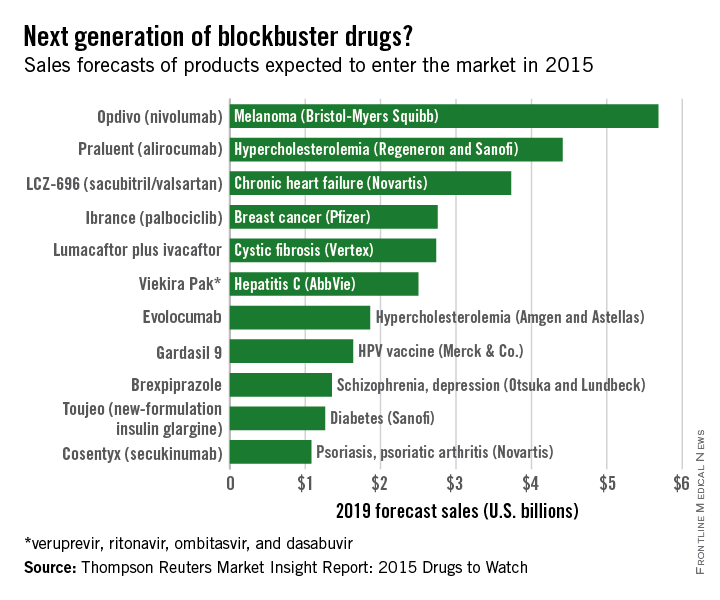
The database, called “Hospital Compare,” found that just 62% of recent patients would recommend a hospital in either of those two jurisdictions. Rounding out the bottom five were Wyoming at 65%, and New York and West Virginia, both at 66%. At the positive end, four states had a hospital recommendation rate of 77% – South Dakota, Utah, Maine, and Nebraska – and three states had a rate of 76% – Louisiana, New Hampshire, and Kansas. The national recommendation rate was 71%.
Although New Mexico and Washington, D.C., hospitals had the same recommendation rate, D.C. hospitals scored significantly worse on the other 10 items from the Hospital Consumer Assessment of Healthcare Providers and Systems (HCAHPS) survey used by Hospital Compare. Of the 11 measured items, no score for the city of Washington came within 5 percentage points of the national average, while 9 of 11 scores were within 5 percentage points in New Mexico, the Hospital Compare data show.
Nationwide, the lowest score among the 11 patient satisfaction measures went to “Patients who ‘strongly agree’ they understood their care when they left the hospital,” which got a 52% – 10 percentage points fewer than the next lowest item. The highest satisfaction score was the 86% tallied by “Patients who reported that yes, they were given information about what to do during their recovery at home.”
The Hospital Compare data were gathered from 4,167 hospitals reporting an HCAHPS score.
New Mexico and Washington, D.C., share a dubious distinction in the area of patients’ perceptions of the quality of their hospitals, according to a Centers for Medicare & Medicaid Services database.
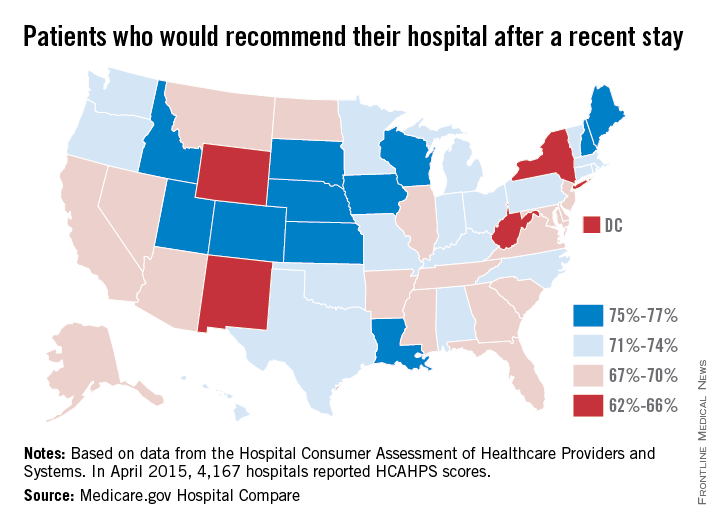
The database, called “Hospital Compare,” found that just 62% of recent patients would recommend a hospital in either of those two jurisdictions. Rounding out the bottom five were Wyoming at 65%, and New York and West Virginia, both at 66%. At the positive end, four states had a hospital recommendation rate of 77% – South Dakota, Utah, Maine, and Nebraska – and three states had a rate of 76% – Louisiana, New Hampshire, and Kansas. The national recommendation rate was 71%.
Although New Mexico and Washington, D.C., hospitals had the same recommendation rate, D.C. hospitals scored significantly worse on the other 10 items from the Hospital Consumer Assessment of Healthcare Providers and Systems (HCAHPS) survey used by Hospital Compare. Of the 11 measured items, no score for the city of Washington came within 5 percentage points of the national average, while 9 of 11 scores were within 5 percentage points in New Mexico, the Hospital Compare data show.
Nationwide, the lowest score among the 11 patient satisfaction measures went to “Patients who ‘strongly agree’ they understood their care when they left the hospital,” which got a 52% – 10 percentage points fewer than the next lowest item. The highest satisfaction score was the 86% tallied by “Patients who reported that yes, they were given information about what to do during their recovery at home.”
The Hospital Compare data were gathered from 4,167 hospitals reporting an HCAHPS score.
New Mexico and Washington, D.C., share a dubious distinction in the area of patients’ perceptions of the quality of their hospitals, according to a Centers for Medicare & Medicaid Services database.
The database, called “Hospital Compare,” found that just 62% of recent patients would recommend a hospital in either of those two jurisdictions. Rounding out the bottom five were Wyoming at 65%, and New York and West Virginia, both at 66%. At the positive end, four states had a hospital recommendation rate of 77% – South Dakota, Utah, Maine, and Nebraska – and three states had a rate of 76% – Louisiana, New Hampshire, and Kansas. The national recommendation rate was 71%.
Although New Mexico and Washington, D.C., hospitals had the same recommendation rate, D.C. hospitals scored significantly worse on the other 10 items from the Hospital Consumer Assessment of Healthcare Providers and Systems (HCAHPS) survey used by Hospital Compare. Of the 11 measured items, no score for the city of Washington came within 5 percentage points of the national average, while 9 of 11 scores were within 5 percentage points in New Mexico, the Hospital Compare data show.
Nationwide, the lowest score among the 11 patient satisfaction measures went to “Patients who ‘strongly agree’ they understood their care when they left the hospital,” which got a 52% – 10 percentage points fewer than the next lowest item. The highest satisfaction score was the 86% tallied by “Patients who reported that yes, they were given information about what to do during their recovery at home.”
The Hospital Compare data were gathered from 4,167 hospitals reporting an HCAHPS score.
Melanoma drug projected to earn billions and billions
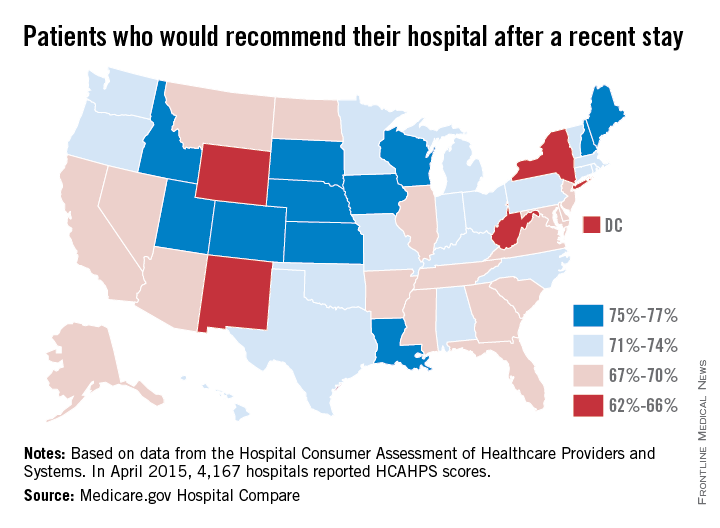
Of all drugs to be released in 2015, the melanoma drug Opdivo (nivolumab) is expected to have the brightest future, according to a report from Thomson Reuters.
With sales forecast to reach nearly $5.7 billion by 2019, Opdivo is at the head of a large 2015 “blockbuster” drug class. Opdivo is followed by a pair of drugs for the cardiovascular system: Praluent (alirocumab) for hypercholesterolemia with projected sales of $4.4 billion and LCZ-696 (sacubitril and valsartan) for chronic heart failure with projected 2019 sales of $3.7 billion, Thomson Reuters said.
With estimated sales of $2.8 billion, the breast cancer drug Ibrance (palbociclib) is the second oncologic drug making the blockbuster list, with the first noncancer or non-CV drug – lumacaftor plus ivacaftor for cystic fibrosis – rounding out the top five with projected sales of $2.7 billion by 2019.
Next comes Viekira Pak (veruprevir, ritonavir, ombitasvir, and dasabuvir), a hepatitis C virus drug with estimated 2019 sales of $2.5 billion, followed by the hypercholesterolemia/hyperlipidemia drug evolocumab, with projected sales of $1.9 billion. This $2.5-billion disparity between evolocumab and Praluent may be explained by Praluent’s arrival on the market a month sooner, and also because Praluent had a reduced rate of cardiac death, heart attack, and stroke in a phase III trial, a point likely to be relevant to most patients, according to the report.
Overall, 11 drugs are expected to reach $1 billion in sales by 2019, many more than the three blockbusters predicted from the 2014 stock of drugs. However, the two highest-selling new drugs from 2014, Sovaldi (sofosbuvir) and Harvoni (sofosbuvir plus ledipasvir) – both HCV drugs – are each predicted to reach sales of over $10 billion by 2017, far exceeding anything from 2015, the report said.
The Thomson Reuters Market Insight Report used data collected from 2013 through early February 2015.
Of all drugs to be released in 2015, the melanoma drug Opdivo (nivolumab) is expected to have the brightest future, according to a report from Thomson Reuters.
With sales forecast to reach nearly $5.7 billion by 2019, Opdivo is at the head of a large 2015 “blockbuster” drug class. Opdivo is followed by a pair of drugs for the cardiovascular system: Praluent (alirocumab) for hypercholesterolemia with projected sales of $4.4 billion and LCZ-696 (sacubitril and valsartan) for chronic heart failure with projected 2019 sales of $3.7 billion, Thomson Reuters said.
With estimated sales of $2.8 billion, the breast cancer drug Ibrance (palbociclib) is the second oncologic drug making the blockbuster list, with the first noncancer or non-CV drug – lumacaftor plus ivacaftor for cystic fibrosis – rounding out the top five with projected sales of $2.7 billion by 2019.
Next comes Viekira Pak (veruprevir, ritonavir, ombitasvir, and dasabuvir), a hepatitis C virus drug with estimated 2019 sales of $2.5 billion, followed by the hypercholesterolemia/hyperlipidemia drug evolocumab, with projected sales of $1.9 billion. This $2.5-billion disparity between evolocumab and Praluent may be explained by Praluent’s arrival on the market a month sooner, and also because Praluent had a reduced rate of cardiac death, heart attack, and stroke in a phase III trial, a point likely to be relevant to most patients, according to the report.
Overall, 11 drugs are expected to reach $1 billion in sales by 2019, many more than the three blockbusters predicted from the 2014 stock of drugs. However, the two highest-selling new drugs from 2014, Sovaldi (sofosbuvir) and Harvoni (sofosbuvir plus ledipasvir) – both HCV drugs – are each predicted to reach sales of over $10 billion by 2017, far exceeding anything from 2015, the report said.
The Thomson Reuters Market Insight Report used data collected from 2013 through early February 2015.
Of all drugs to be released in 2015, the melanoma drug Opdivo (nivolumab) is expected to have the brightest future, according to a report from Thomson Reuters.
With sales forecast to reach nearly $5.7 billion by 2019, Opdivo is at the head of a large 2015 “blockbuster” drug class. Opdivo is followed by a pair of drugs for the cardiovascular system: Praluent (alirocumab) for hypercholesterolemia with projected sales of $4.4 billion and LCZ-696 (sacubitril and valsartan) for chronic heart failure with projected 2019 sales of $3.7 billion, Thomson Reuters said.
With estimated sales of $2.8 billion, the breast cancer drug Ibrance (palbociclib) is the second oncologic drug making the blockbuster list, with the first noncancer or non-CV drug – lumacaftor plus ivacaftor for cystic fibrosis – rounding out the top five with projected sales of $2.7 billion by 2019.
Next comes Viekira Pak (veruprevir, ritonavir, ombitasvir, and dasabuvir), a hepatitis C virus drug with estimated 2019 sales of $2.5 billion, followed by the hypercholesterolemia/hyperlipidemia drug evolocumab, with projected sales of $1.9 billion. This $2.5-billion disparity between evolocumab and Praluent may be explained by Praluent’s arrival on the market a month sooner, and also because Praluent had a reduced rate of cardiac death, heart attack, and stroke in a phase III trial, a point likely to be relevant to most patients, according to the report.
Overall, 11 drugs are expected to reach $1 billion in sales by 2019, many more than the three blockbusters predicted from the 2014 stock of drugs. However, the two highest-selling new drugs from 2014, Sovaldi (sofosbuvir) and Harvoni (sofosbuvir plus ledipasvir) – both HCV drugs – are each predicted to reach sales of over $10 billion by 2017, far exceeding anything from 2015, the report said.
The Thomson Reuters Market Insight Report used data collected from 2013 through early February 2015.