User login
Lucas Franki is an associate editor for MDedge News, and has been with the company since 2014. He has a BA in English from Penn State University and is an Eagle Scout.
Psychostimulants reduce anxiety in children with ADHD
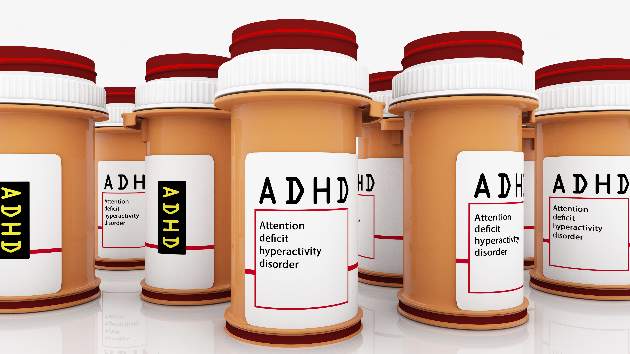
Contrary to popular belief, children with attention-deficit/hyperactivity disorder receiving psychostimulants have a decreased risk of anxiety, according to a meta-analysis by Catherine G. Coughlin and her associates.
Twenty-three studies involving 2,959 ADHD patients were included in the meta-analysis. Children who received methylphenidate derivatives were less likely to experience anxiety, with a relative risk of 0.85, while children receiving amphetamine derivatives had a risk similar to that of those on placebo. Medication acting over a short time also reduced anxiety risk (relative risk, 0.83), compared with long-acting psychostimulants and placebo.

A higher dosage was found to decrease the risk of anxiety, with the reduction similar for both amphetamine and MPH derivatives. Overall, the relative risk for all children with ADHD taking any psychostimulant was 0.86, compared with that of children receiving a placebo.
“Clinicians should further consider rechallenging children with ADHD who report new-onset or worsening anxiety with psychostimulants but significant improvement in ADHD symptoms, as worsening anxiety symptoms are much more likely to be coincidental rather than caused by psychostimulants,” the investigators noted.
Find the study in the Journal of Child and Adolescent Psychopharmacology (doi: 10.1089/cap.2015.0075).
Contrary to popular belief, children with attention-deficit/hyperactivity disorder receiving psychostimulants have a decreased risk of anxiety, according to a meta-analysis by Catherine G. Coughlin and her associates.
Twenty-three studies involving 2,959 ADHD patients were included in the meta-analysis. Children who received methylphenidate derivatives were less likely to experience anxiety, with a relative risk of 0.85, while children receiving amphetamine derivatives had a risk similar to that of those on placebo. Medication acting over a short time also reduced anxiety risk (relative risk, 0.83), compared with long-acting psychostimulants and placebo.
A higher dosage was found to decrease the risk of anxiety, with the reduction similar for both amphetamine and MPH derivatives. Overall, the relative risk for all children with ADHD taking any psychostimulant was 0.86, compared with that of children receiving a placebo.
“Clinicians should further consider rechallenging children with ADHD who report new-onset or worsening anxiety with psychostimulants but significant improvement in ADHD symptoms, as worsening anxiety symptoms are much more likely to be coincidental rather than caused by psychostimulants,” the investigators noted.
Find the study in the Journal of Child and Adolescent Psychopharmacology (doi: 10.1089/cap.2015.0075).
Contrary to popular belief, children with attention-deficit/hyperactivity disorder receiving psychostimulants have a decreased risk of anxiety, according to a meta-analysis by Catherine G. Coughlin and her associates.
Twenty-three studies involving 2,959 ADHD patients were included in the meta-analysis. Children who received methylphenidate derivatives were less likely to experience anxiety, with a relative risk of 0.85, while children receiving amphetamine derivatives had a risk similar to that of those on placebo. Medication acting over a short time also reduced anxiety risk (relative risk, 0.83), compared with long-acting psychostimulants and placebo.
A higher dosage was found to decrease the risk of anxiety, with the reduction similar for both amphetamine and MPH derivatives. Overall, the relative risk for all children with ADHD taking any psychostimulant was 0.86, compared with that of children receiving a placebo.
“Clinicians should further consider rechallenging children with ADHD who report new-onset or worsening anxiety with psychostimulants but significant improvement in ADHD symptoms, as worsening anxiety symptoms are much more likely to be coincidental rather than caused by psychostimulants,” the investigators noted.
Find the study in the Journal of Child and Adolescent Psychopharmacology (doi: 10.1089/cap.2015.0075).
FDA approves combo therapy for pulmonary hypertension
The Food and Drug Administration has approved the combined use of ambrisentan (Letairis) and tadalafil for the treatment of pulmonary arterial hypertension based on positive results from the AMBITION trial, according to Gilead Sciences.
In the trial, 605 PAH patients with World Health Organization functional class II or III symptoms were randomly assigned to receive either ambrisentan, tadalafil, or a combination of the two. One-month outcomes were significantly better in the combination group, with only 8% of patients needing to be hospitalized for worsening PAH, compared with 22% in the ambrisentan group and 15% in the tadalafil group (N Engl J Med. 2015 Aug 27. doi: 10.1056/NEJMoa1413687).

Improvement from baseline in 6-minute walk distance after 24 weeks was also higher in the combination group, where patients walked a median of 24 meters farther than did the ambrisentan group and 20 meters more than did the tadalafil group.
Side effects tended to be more common in the combination group than in either of the single-drug groups, with the most common side effect, peripheral edema, affecting 45% of the combination group, 38% of the ambrisentan group, and 28% of the tadalafil group. Other common side effects included headache, nasal congestion, cough, anemia, dyspepsia, and bronchitis.
“Patients receiving ambrisentan and tadalafil up front are less likely to experience disease progression or be hospitalized, and have more improvement in exercise ability than patients receiving either effective therapy alone. As such, this combination represents a new treatment strategy for patients living with this debilitating and life-threatening disease,” Dr. Ronald J. Ortiz, professor of medicine at the University of California, Los Angeles, and an AMBITION investigator, said in a statement.
Ambrisentan, an endothelin receptor antagonist, was approved in 2007 as monotherapy for PAH to improve exercise ability and delay clinical worsening. Tadalafil, a phosphodiesterase type 5 inhibitor, was approved in 2009 to improve exercise ability in PAH patients.
Find the full press release on the Gilead website.
The Food and Drug Administration has approved the combined use of ambrisentan (Letairis) and tadalafil for the treatment of pulmonary arterial hypertension based on positive results from the AMBITION trial, according to Gilead Sciences.
In the trial, 605 PAH patients with World Health Organization functional class II or III symptoms were randomly assigned to receive either ambrisentan, tadalafil, or a combination of the two. One-month outcomes were significantly better in the combination group, with only 8% of patients needing to be hospitalized for worsening PAH, compared with 22% in the ambrisentan group and 15% in the tadalafil group (N Engl J Med. 2015 Aug 27. doi: 10.1056/NEJMoa1413687).
Improvement from baseline in 6-minute walk distance after 24 weeks was also higher in the combination group, where patients walked a median of 24 meters farther than did the ambrisentan group and 20 meters more than did the tadalafil group.
Side effects tended to be more common in the combination group than in either of the single-drug groups, with the most common side effect, peripheral edema, affecting 45% of the combination group, 38% of the ambrisentan group, and 28% of the tadalafil group. Other common side effects included headache, nasal congestion, cough, anemia, dyspepsia, and bronchitis.
“Patients receiving ambrisentan and tadalafil up front are less likely to experience disease progression or be hospitalized, and have more improvement in exercise ability than patients receiving either effective therapy alone. As such, this combination represents a new treatment strategy for patients living with this debilitating and life-threatening disease,” Dr. Ronald J. Ortiz, professor of medicine at the University of California, Los Angeles, and an AMBITION investigator, said in a statement.
Ambrisentan, an endothelin receptor antagonist, was approved in 2007 as monotherapy for PAH to improve exercise ability and delay clinical worsening. Tadalafil, a phosphodiesterase type 5 inhibitor, was approved in 2009 to improve exercise ability in PAH patients.
Find the full press release on the Gilead website.
The Food and Drug Administration has approved the combined use of ambrisentan (Letairis) and tadalafil for the treatment of pulmonary arterial hypertension based on positive results from the AMBITION trial, according to Gilead Sciences.
In the trial, 605 PAH patients with World Health Organization functional class II or III symptoms were randomly assigned to receive either ambrisentan, tadalafil, or a combination of the two. One-month outcomes were significantly better in the combination group, with only 8% of patients needing to be hospitalized for worsening PAH, compared with 22% in the ambrisentan group and 15% in the tadalafil group (N Engl J Med. 2015 Aug 27. doi: 10.1056/NEJMoa1413687).
Improvement from baseline in 6-minute walk distance after 24 weeks was also higher in the combination group, where patients walked a median of 24 meters farther than did the ambrisentan group and 20 meters more than did the tadalafil group.
Side effects tended to be more common in the combination group than in either of the single-drug groups, with the most common side effect, peripheral edema, affecting 45% of the combination group, 38% of the ambrisentan group, and 28% of the tadalafil group. Other common side effects included headache, nasal congestion, cough, anemia, dyspepsia, and bronchitis.
“Patients receiving ambrisentan and tadalafil up front are less likely to experience disease progression or be hospitalized, and have more improvement in exercise ability than patients receiving either effective therapy alone. As such, this combination represents a new treatment strategy for patients living with this debilitating and life-threatening disease,” Dr. Ronald J. Ortiz, professor of medicine at the University of California, Los Angeles, and an AMBITION investigator, said in a statement.
Ambrisentan, an endothelin receptor antagonist, was approved in 2007 as monotherapy for PAH to improve exercise ability and delay clinical worsening. Tadalafil, a phosphodiesterase type 5 inhibitor, was approved in 2009 to improve exercise ability in PAH patients.
Find the full press release on the Gilead website.

Duodenoscope manufacturers ordered to conduct surveillance studies
All U.S. manufacturers of duodenoscopes have been ordered to undertake postmarket surveillance studies of their devices to better determine how they are used in the real world, according to a press release from the Food and Drug Administration.
Duodenoscopes are used during endoscopic retrograde cholangiopancreatography (ERCP), a minimally invasive procedure that drains built-up fluid from liver and biliary ducts blocked by tumors, gallstones, and other conditions. However, duodenoscopes are complex instruments that require an exhaustive cleaning process called reprocessing to be reused, and have been linked to the transmission of infection in patients who have undergone ERCP.
As a result, Olympus America, Fujifilm Medical Systems, U.S.A., and Hoya Corp., the three manufacturers and marketers of duodenoscopes, have been mandated by the FDA to conduct surveys detailing how well physicians understand the cleaning and disinfecting process, and to determine the rate of contamination of used duodenoscopes. Each manufacturer must submit a study plan to the FDA within 30 days.
“The results of the postmarket surveillance studies could help inform the FDA’s next steps and future risk-mitigation strategies, such as informing new labeling for the devices to include different reprocessing instructions or other administrative or regulatory actions necessary to protect the public health,” the FDA said in the press release.
Find the full press release on the FDA website.
All U.S. manufacturers of duodenoscopes have been ordered to undertake postmarket surveillance studies of their devices to better determine how they are used in the real world, according to a press release from the Food and Drug Administration.
Duodenoscopes are used during endoscopic retrograde cholangiopancreatography (ERCP), a minimally invasive procedure that drains built-up fluid from liver and biliary ducts blocked by tumors, gallstones, and other conditions. However, duodenoscopes are complex instruments that require an exhaustive cleaning process called reprocessing to be reused, and have been linked to the transmission of infection in patients who have undergone ERCP.
As a result, Olympus America, Fujifilm Medical Systems, U.S.A., and Hoya Corp., the three manufacturers and marketers of duodenoscopes, have been mandated by the FDA to conduct surveys detailing how well physicians understand the cleaning and disinfecting process, and to determine the rate of contamination of used duodenoscopes. Each manufacturer must submit a study plan to the FDA within 30 days.
“The results of the postmarket surveillance studies could help inform the FDA’s next steps and future risk-mitigation strategies, such as informing new labeling for the devices to include different reprocessing instructions or other administrative or regulatory actions necessary to protect the public health,” the FDA said in the press release.
Find the full press release on the FDA website.
All U.S. manufacturers of duodenoscopes have been ordered to undertake postmarket surveillance studies of their devices to better determine how they are used in the real world, according to a press release from the Food and Drug Administration.
Duodenoscopes are used during endoscopic retrograde cholangiopancreatography (ERCP), a minimally invasive procedure that drains built-up fluid from liver and biliary ducts blocked by tumors, gallstones, and other conditions. However, duodenoscopes are complex instruments that require an exhaustive cleaning process called reprocessing to be reused, and have been linked to the transmission of infection in patients who have undergone ERCP.
As a result, Olympus America, Fujifilm Medical Systems, U.S.A., and Hoya Corp., the three manufacturers and marketers of duodenoscopes, have been mandated by the FDA to conduct surveys detailing how well physicians understand the cleaning and disinfecting process, and to determine the rate of contamination of used duodenoscopes. Each manufacturer must submit a study plan to the FDA within 30 days.
“The results of the postmarket surveillance studies could help inform the FDA’s next steps and future risk-mitigation strategies, such as informing new labeling for the devices to include different reprocessing instructions or other administrative or regulatory actions necessary to protect the public health,” the FDA said in the press release.
Find the full press release on the FDA website.
Two biomarkers may predict PML in RRMS patients taking natalizumab
L-selectin (CD62L) and anti–John Cunningham virus (JCV) antibody index were both effective biomarkers for progressive multifocal leukoencephalopathy (PML) development in patients undergoing natalizumab therapy for remitting-relapsing multiple sclerosis, according to Dr. Nicholas Schwab and his associates.

In the CD62L group of 17 pre-PML patients and 1,410 control patients, sensitivity for PML prediction was 86% and specificity was 91%. If a patient had at least one instance of low CD62L, risk of developing PML increased by 55 times. In the JCV index group of 9 pre-PML patients and 1,921 controls, sensitivity was 100% and specificity was 59%.
Both biomarkers have benefits and weaknesses. While JCV index is significantly less specific than CD62L for predicting PML, it is more reliable. CD62L is variable, and while just one low CD62L reading strongly indicates PML, regular screening is necessary. Combining both biomarkers identified nearly 2% of patients at risk for PML.
“The systematic inclusion of both JCV index and CD62L could reduce the risk and occurrence of PML up to 10-fold if applied rigorously during risk stratification,” the investigators concluded.
Find the full study in the Multiple Sclerosis Journal (doi: 10.1177/1352458515607651).
L-selectin (CD62L) and anti–John Cunningham virus (JCV) antibody index were both effective biomarkers for progressive multifocal leukoencephalopathy (PML) development in patients undergoing natalizumab therapy for remitting-relapsing multiple sclerosis, according to Dr. Nicholas Schwab and his associates.
In the CD62L group of 17 pre-PML patients and 1,410 control patients, sensitivity for PML prediction was 86% and specificity was 91%. If a patient had at least one instance of low CD62L, risk of developing PML increased by 55 times. In the JCV index group of 9 pre-PML patients and 1,921 controls, sensitivity was 100% and specificity was 59%.
Both biomarkers have benefits and weaknesses. While JCV index is significantly less specific than CD62L for predicting PML, it is more reliable. CD62L is variable, and while just one low CD62L reading strongly indicates PML, regular screening is necessary. Combining both biomarkers identified nearly 2% of patients at risk for PML.
“The systematic inclusion of both JCV index and CD62L could reduce the risk and occurrence of PML up to 10-fold if applied rigorously during risk stratification,” the investigators concluded.
Find the full study in the Multiple Sclerosis Journal (doi: 10.1177/1352458515607651).
L-selectin (CD62L) and anti–John Cunningham virus (JCV) antibody index were both effective biomarkers for progressive multifocal leukoencephalopathy (PML) development in patients undergoing natalizumab therapy for remitting-relapsing multiple sclerosis, according to Dr. Nicholas Schwab and his associates.
In the CD62L group of 17 pre-PML patients and 1,410 control patients, sensitivity for PML prediction was 86% and specificity was 91%. If a patient had at least one instance of low CD62L, risk of developing PML increased by 55 times. In the JCV index group of 9 pre-PML patients and 1,921 controls, sensitivity was 100% and specificity was 59%.
Both biomarkers have benefits and weaknesses. While JCV index is significantly less specific than CD62L for predicting PML, it is more reliable. CD62L is variable, and while just one low CD62L reading strongly indicates PML, regular screening is necessary. Combining both biomarkers identified nearly 2% of patients at risk for PML.
“The systematic inclusion of both JCV index and CD62L could reduce the risk and occurrence of PML up to 10-fold if applied rigorously during risk stratification,” the investigators concluded.
Find the full study in the Multiple Sclerosis Journal (doi: 10.1177/1352458515607651).

Children with multiple congenital melanocytic nevi should have CNS MRI
For children born with multiple congenital melanocytic nevi, a single MRI of the central nervous system within the first year of life was an effective way to screen for future outcomes, according to Dr. Regula Waelchli of Great Ormond Street Hospital for Children, London, and her associates.
Of the 271 children screened, 21% had an abnormal CNS MRI. An abnormal MRI increased the odds of negative future outcomes significantly. The most likely outcome was requirement for neurosurgery with an odds ratio of 71, followed by seizure with an OR of 13.4, and neurodevelopmental problems with an OR of 3.
The most common abnormality was intraparenchymal melanosis, present in most of the children with abnormal MRIs. However, if the only abnormality present was intraparenchymal melanosis, as it was for more than half of the abnormal group, no routine follow-up MRI was necessary and neurosurgery wasn’t required.
In patients with normal MRIs, seizures were temporary and/or easy to control with a single medication, and neurodevelopmental issues were mild, the investigators found.
While only those patients with an abnormality other than intraparenchymal melanosis require repeat MRIs, “any change in neurological status at any age should always trigger a repeat MRI, independent of the initial MRI findings,” Dr. Waelchli and her associates concluded.
Find the full study in the British Journal of Dermatology (doi: 10.1111/bjd.13898).
For children born with multiple congenital melanocytic nevi, a single MRI of the central nervous system within the first year of life was an effective way to screen for future outcomes, according to Dr. Regula Waelchli of Great Ormond Street Hospital for Children, London, and her associates.
Of the 271 children screened, 21% had an abnormal CNS MRI. An abnormal MRI increased the odds of negative future outcomes significantly. The most likely outcome was requirement for neurosurgery with an odds ratio of 71, followed by seizure with an OR of 13.4, and neurodevelopmental problems with an OR of 3.
The most common abnormality was intraparenchymal melanosis, present in most of the children with abnormal MRIs. However, if the only abnormality present was intraparenchymal melanosis, as it was for more than half of the abnormal group, no routine follow-up MRI was necessary and neurosurgery wasn’t required.
In patients with normal MRIs, seizures were temporary and/or easy to control with a single medication, and neurodevelopmental issues were mild, the investigators found.
While only those patients with an abnormality other than intraparenchymal melanosis require repeat MRIs, “any change in neurological status at any age should always trigger a repeat MRI, independent of the initial MRI findings,” Dr. Waelchli and her associates concluded.
Find the full study in the British Journal of Dermatology (doi: 10.1111/bjd.13898).
For children born with multiple congenital melanocytic nevi, a single MRI of the central nervous system within the first year of life was an effective way to screen for future outcomes, according to Dr. Regula Waelchli of Great Ormond Street Hospital for Children, London, and her associates.
Of the 271 children screened, 21% had an abnormal CNS MRI. An abnormal MRI increased the odds of negative future outcomes significantly. The most likely outcome was requirement for neurosurgery with an odds ratio of 71, followed by seizure with an OR of 13.4, and neurodevelopmental problems with an OR of 3.
The most common abnormality was intraparenchymal melanosis, present in most of the children with abnormal MRIs. However, if the only abnormality present was intraparenchymal melanosis, as it was for more than half of the abnormal group, no routine follow-up MRI was necessary and neurosurgery wasn’t required.
In patients with normal MRIs, seizures were temporary and/or easy to control with a single medication, and neurodevelopmental issues were mild, the investigators found.
While only those patients with an abnormality other than intraparenchymal melanosis require repeat MRIs, “any change in neurological status at any age should always trigger a repeat MRI, independent of the initial MRI findings,” Dr. Waelchli and her associates concluded.
Find the full study in the British Journal of Dermatology (doi: 10.1111/bjd.13898).
Children with multiple congenital melanocytic nevi should have CNS MRI
For children born with multiple congenital melanocytic nevi, a single MRI of the central nervous system within the first year of life was an effective way to screen for future outcomes, according to Dr. Regula Waelchli of Great Ormond Street Hospital for Children, London, and her associates.
Of the 271 children screened, 21% had an abnormal CNS MRI. An abnormal MRI increased the odds of negative future outcomes significantly. The most likely outcome was requirement for neurosurgery with an odds ratio of 71, followed by seizure with an OR of 13.4, and neurodevelopmental problems with an OR of 3.
The most common abnormality was intraparenchymal melanosis, present in most of the children with abnormal MRIs. However, if the only abnormality present was intraparenchymal melanosis, as it was for more than half of the abnormal group, no routine follow-up MRI was necessary and neurosurgery wasn’t required.
In patients with normal MRIs, seizures were temporary and/or easy to control with a single medication, and neurodevelopmental issues were mild, the investigators found.
While only those patients with an abnormality other than intraparenchymal melanosis require repeat MRIs, “any change in neurological status at any age should always trigger a repeat MRI, independent of the initial MRI findings,” Dr. Waelchli and her associates concluded.
Find the full study in the British Journal of Dermatology (doi: 10.1111/bjd.13898).
For children born with multiple congenital melanocytic nevi, a single MRI of the central nervous system within the first year of life was an effective way to screen for future outcomes, according to Dr. Regula Waelchli of Great Ormond Street Hospital for Children, London, and her associates.
Of the 271 children screened, 21% had an abnormal CNS MRI. An abnormal MRI increased the odds of negative future outcomes significantly. The most likely outcome was requirement for neurosurgery with an odds ratio of 71, followed by seizure with an OR of 13.4, and neurodevelopmental problems with an OR of 3.
The most common abnormality was intraparenchymal melanosis, present in most of the children with abnormal MRIs. However, if the only abnormality present was intraparenchymal melanosis, as it was for more than half of the abnormal group, no routine follow-up MRI was necessary and neurosurgery wasn’t required.
In patients with normal MRIs, seizures were temporary and/or easy to control with a single medication, and neurodevelopmental issues were mild, the investigators found.
While only those patients with an abnormality other than intraparenchymal melanosis require repeat MRIs, “any change in neurological status at any age should always trigger a repeat MRI, independent of the initial MRI findings,” Dr. Waelchli and her associates concluded.
Find the full study in the British Journal of Dermatology (doi: 10.1111/bjd.13898).
For children born with multiple congenital melanocytic nevi, a single MRI of the central nervous system within the first year of life was an effective way to screen for future outcomes, according to Dr. Regula Waelchli of Great Ormond Street Hospital for Children, London, and her associates.
Of the 271 children screened, 21% had an abnormal CNS MRI. An abnormal MRI increased the odds of negative future outcomes significantly. The most likely outcome was requirement for neurosurgery with an odds ratio of 71, followed by seizure with an OR of 13.4, and neurodevelopmental problems with an OR of 3.
The most common abnormality was intraparenchymal melanosis, present in most of the children with abnormal MRIs. However, if the only abnormality present was intraparenchymal melanosis, as it was for more than half of the abnormal group, no routine follow-up MRI was necessary and neurosurgery wasn’t required.
In patients with normal MRIs, seizures were temporary and/or easy to control with a single medication, and neurodevelopmental issues were mild, the investigators found.
While only those patients with an abnormality other than intraparenchymal melanosis require repeat MRIs, “any change in neurological status at any age should always trigger a repeat MRI, independent of the initial MRI findings,” Dr. Waelchli and her associates concluded.
Find the full study in the British Journal of Dermatology (doi: 10.1111/bjd.13898).
Psoriatic Arthritis Confers Higher Risk for Cardiovascular Disease, Events
Cardiovascular disease and major adverse cardiovascular events are significantly more common in patients with psoriatic arthritis (PsA) than in those without, according to two case-control studies involving individuals in the longitudinal, population-based United Kingdom Clinical Practice Research Datalink.
Dr. Lin Li and associates determined that the incidence of cardiovascular disease (CVD) in patients with PsA was 12.8 per 1,000 person-years, compared with 9.6 per 1,000 person-years in the non-PsA group, giving an incidence rate ratio (IRR) of 1.33. The investigators defined CVD as arrhythmias, ischemic heart disease, angina, myocardial infarction, stroke, pericardial disease, pulmonary hypertension, and sudden death, and only counted cases that had one of these diagnoses during the 1988-2012 study period.

In a separate cohort from the U.K. database, the researchers selected individuals who had a major adverse cardiovascular event (MACE) – myocardial infarctions, strokes, and sudden deaths – since entering the cohort. The MACE incidence in the PsA group was 4.6 per 1,000 person-years and 3.5 per 1,000 person-years in the non-PsA group, yielding an IRR of 1.30.
Rates of CVD and MACE within the PsA group were higher in those who had received a prescription for systemic therapy. Patients who had taken corticosteroids had the highest rates of CVD and MACE, compared with those who had taken disease-modifying antirheumatic drugs, biologics, or immunosuppressants.
“The higher risk in treated patients with PsA compared to non-treated patients may be explained by the severity of the PsA disease: Patients who receive treatments are likely to have more severe disease than those who do not,” the investigators noted.
Find the full study in the Journal of Clinical Rheumatology (2015. doi: 10.1097/RHU.0000000000000306).
Cardiovascular disease and major adverse cardiovascular events are significantly more common in patients with psoriatic arthritis (PsA) than in those without, according to two case-control studies involving individuals in the longitudinal, population-based United Kingdom Clinical Practice Research Datalink.
Dr. Lin Li and associates determined that the incidence of cardiovascular disease (CVD) in patients with PsA was 12.8 per 1,000 person-years, compared with 9.6 per 1,000 person-years in the non-PsA group, giving an incidence rate ratio (IRR) of 1.33. The investigators defined CVD as arrhythmias, ischemic heart disease, angina, myocardial infarction, stroke, pericardial disease, pulmonary hypertension, and sudden death, and only counted cases that had one of these diagnoses during the 1988-2012 study period.
In a separate cohort from the U.K. database, the researchers selected individuals who had a major adverse cardiovascular event (MACE) – myocardial infarctions, strokes, and sudden deaths – since entering the cohort. The MACE incidence in the PsA group was 4.6 per 1,000 person-years and 3.5 per 1,000 person-years in the non-PsA group, yielding an IRR of 1.30.
Rates of CVD and MACE within the PsA group were higher in those who had received a prescription for systemic therapy. Patients who had taken corticosteroids had the highest rates of CVD and MACE, compared with those who had taken disease-modifying antirheumatic drugs, biologics, or immunosuppressants.
“The higher risk in treated patients with PsA compared to non-treated patients may be explained by the severity of the PsA disease: Patients who receive treatments are likely to have more severe disease than those who do not,” the investigators noted.
Find the full study in the Journal of Clinical Rheumatology (2015. doi: 10.1097/RHU.0000000000000306).
Cardiovascular disease and major adverse cardiovascular events are significantly more common in patients with psoriatic arthritis (PsA) than in those without, according to two case-control studies involving individuals in the longitudinal, population-based United Kingdom Clinical Practice Research Datalink.
Dr. Lin Li and associates determined that the incidence of cardiovascular disease (CVD) in patients with PsA was 12.8 per 1,000 person-years, compared with 9.6 per 1,000 person-years in the non-PsA group, giving an incidence rate ratio (IRR) of 1.33. The investigators defined CVD as arrhythmias, ischemic heart disease, angina, myocardial infarction, stroke, pericardial disease, pulmonary hypertension, and sudden death, and only counted cases that had one of these diagnoses during the 1988-2012 study period.
In a separate cohort from the U.K. database, the researchers selected individuals who had a major adverse cardiovascular event (MACE) – myocardial infarctions, strokes, and sudden deaths – since entering the cohort. The MACE incidence in the PsA group was 4.6 per 1,000 person-years and 3.5 per 1,000 person-years in the non-PsA group, yielding an IRR of 1.30.
Rates of CVD and MACE within the PsA group were higher in those who had received a prescription for systemic therapy. Patients who had taken corticosteroids had the highest rates of CVD and MACE, compared with those who had taken disease-modifying antirheumatic drugs, biologics, or immunosuppressants.
“The higher risk in treated patients with PsA compared to non-treated patients may be explained by the severity of the PsA disease: Patients who receive treatments are likely to have more severe disease than those who do not,” the investigators noted.
Find the full study in the Journal of Clinical Rheumatology (2015. doi: 10.1097/RHU.0000000000000306).

Psoriatic Arthritis Confers Higher Risk for Cardiovascular Disease, Events
Cardiovascular disease and major adverse cardiovascular events are significantly more common in patients with psoriatic arthritis (PsA) than in those without, according to two case-control studies involving individuals in the longitudinal, population-based United Kingdom Clinical Practice Research Datalink.
Dr. Lin Li and associates determined that the incidence of cardiovascular disease (CVD) in patients with PsA was 12.8 per 1,000 person-years, compared with 9.6 per 1,000 person-years in the non-PsA group, giving an incidence rate ratio (IRR) of 1.33. The investigators defined CVD as arrhythmias, ischemic heart disease, angina, myocardial infarction, stroke, pericardial disease, pulmonary hypertension, and sudden death, and only counted cases that had one of these diagnoses during the 1988-2012 study period.
In a separate cohort from the U.K. database, the researchers selected individuals who had a major adverse cardiovascular event (MACE) – myocardial infarctions, strokes, and sudden deaths – since entering the cohort. The MACE incidence in the PsA group was 4.6 per 1,000 person-years and 3.5 per 1,000 person-years in the non-PsA group, yielding an IRR of 1.30.
Rates of CVD and MACE within the PsA group were higher in those who had received a prescription for systemic therapy. Patients who had taken corticosteroids had the highest rates of CVD and MACE, compared with those who had taken disease-modifying antirheumatic drugs, biologics, or immunosuppressants.
“The higher risk in treated patients with PsA compared to non-treated patients may be explained by the severity of the PsA disease: Patients who receive treatments are likely to have more severe disease than those who do not,” the investigators noted.
Find the full study in the Journal of Clinical Rheumatology (2015. doi: 10.1097/RHU.0000000000000306).
Cardiovascular disease and major adverse cardiovascular events are significantly more common in patients with psoriatic arthritis (PsA) than in those without, according to two case-control studies involving individuals in the longitudinal, population-based United Kingdom Clinical Practice Research Datalink.
Dr. Lin Li and associates determined that the incidence of cardiovascular disease (CVD) in patients with PsA was 12.8 per 1,000 person-years, compared with 9.6 per 1,000 person-years in the non-PsA group, giving an incidence rate ratio (IRR) of 1.33. The investigators defined CVD as arrhythmias, ischemic heart disease, angina, myocardial infarction, stroke, pericardial disease, pulmonary hypertension, and sudden death, and only counted cases that had one of these diagnoses during the 1988-2012 study period.
In a separate cohort from the U.K. database, the researchers selected individuals who had a major adverse cardiovascular event (MACE) – myocardial infarctions, strokes, and sudden deaths – since entering the cohort. The MACE incidence in the PsA group was 4.6 per 1,000 person-years and 3.5 per 1,000 person-years in the non-PsA group, yielding an IRR of 1.30.
Rates of CVD and MACE within the PsA group were higher in those who had received a prescription for systemic therapy. Patients who had taken corticosteroids had the highest rates of CVD and MACE, compared with those who had taken disease-modifying antirheumatic drugs, biologics, or immunosuppressants.
“The higher risk in treated patients with PsA compared to non-treated patients may be explained by the severity of the PsA disease: Patients who receive treatments are likely to have more severe disease than those who do not,” the investigators noted.
Find the full study in the Journal of Clinical Rheumatology (2015. doi: 10.1097/RHU.0000000000000306).
Cardiovascular disease and major adverse cardiovascular events are significantly more common in patients with psoriatic arthritis (PsA) than in those without, according to two case-control studies involving individuals in the longitudinal, population-based United Kingdom Clinical Practice Research Datalink.
Dr. Lin Li and associates determined that the incidence of cardiovascular disease (CVD) in patients with PsA was 12.8 per 1,000 person-years, compared with 9.6 per 1,000 person-years in the non-PsA group, giving an incidence rate ratio (IRR) of 1.33. The investigators defined CVD as arrhythmias, ischemic heart disease, angina, myocardial infarction, stroke, pericardial disease, pulmonary hypertension, and sudden death, and only counted cases that had one of these diagnoses during the 1988-2012 study period.
In a separate cohort from the U.K. database, the researchers selected individuals who had a major adverse cardiovascular event (MACE) – myocardial infarctions, strokes, and sudden deaths – since entering the cohort. The MACE incidence in the PsA group was 4.6 per 1,000 person-years and 3.5 per 1,000 person-years in the non-PsA group, yielding an IRR of 1.30.
Rates of CVD and MACE within the PsA group were higher in those who had received a prescription for systemic therapy. Patients who had taken corticosteroids had the highest rates of CVD and MACE, compared with those who had taken disease-modifying antirheumatic drugs, biologics, or immunosuppressants.
“The higher risk in treated patients with PsA compared to non-treated patients may be explained by the severity of the PsA disease: Patients who receive treatments are likely to have more severe disease than those who do not,” the investigators noted.
Find the full study in the Journal of Clinical Rheumatology (2015. doi: 10.1097/RHU.0000000000000306).

PsA confers higher risk of cardiovascular disease, events
Cardiovascular disease and major adverse cardiovascular events are significantly more common in patients with psoriatic arthritis (PsA) than in those without, according to two case-control studies involving individuals in the longitudinal, population-based United Kingdom Clinical Practice Research Datalink.
Dr. Lin Li and associates determined that the incidence of cardiovascular disease (CVD) in patients with PsA was 12.8 per 1,000 person-years, compared with 9.6 per 1,000 person-years in the non-PsA group, giving an incidence rate ratio (IRR) of 1.33. The investigators defined CVD as arrhythmias, ischemic heart disease, angina, myocardial infarction, stroke, pericardial disease, pulmonary hypertension, and sudden death, and only counted cases that had one of these diagnoses during the 1988-2012 study period.

In a separate cohort from the U.K. database, the researchers selected individuals who had a major adverse cardiovascular event (MACE) – myocardial infarctions, strokes, and sudden deaths – since entering the cohort. The MACE incidence in the PsA group was 4.6 per 1,000 person-years and 3.5 per 1,000 person-years in the non-PsA group, yielding an IRR of 1.30.
Rates of CVD and MACE within the PsA group were higher in those who had received a prescription for systemic therapy. Patients who had taken corticosteroids had the highest rates of CVD and MACE, compared with those who had taken disease-modifying antirheumatic drugs, biologics, or immunosuppressants.
“The higher risk in treated patients with PsA compared to non-treated patients may be explained by the severity of the PsA disease: Patients who receive treatments are likely to have more severe disease than those who do not,” the investigators noted.
Find the full study in the Journal of Clinical Rheumatology (2015. doi: 10.1097/RHU.0000000000000306).
Cardiovascular disease and major adverse cardiovascular events are significantly more common in patients with psoriatic arthritis (PsA) than in those without, according to two case-control studies involving individuals in the longitudinal, population-based United Kingdom Clinical Practice Research Datalink.
Dr. Lin Li and associates determined that the incidence of cardiovascular disease (CVD) in patients with PsA was 12.8 per 1,000 person-years, compared with 9.6 per 1,000 person-years in the non-PsA group, giving an incidence rate ratio (IRR) of 1.33. The investigators defined CVD as arrhythmias, ischemic heart disease, angina, myocardial infarction, stroke, pericardial disease, pulmonary hypertension, and sudden death, and only counted cases that had one of these diagnoses during the 1988-2012 study period.
In a separate cohort from the U.K. database, the researchers selected individuals who had a major adverse cardiovascular event (MACE) – myocardial infarctions, strokes, and sudden deaths – since entering the cohort. The MACE incidence in the PsA group was 4.6 per 1,000 person-years and 3.5 per 1,000 person-years in the non-PsA group, yielding an IRR of 1.30.
Rates of CVD and MACE within the PsA group were higher in those who had received a prescription for systemic therapy. Patients who had taken corticosteroids had the highest rates of CVD and MACE, compared with those who had taken disease-modifying antirheumatic drugs, biologics, or immunosuppressants.
“The higher risk in treated patients with PsA compared to non-treated patients may be explained by the severity of the PsA disease: Patients who receive treatments are likely to have more severe disease than those who do not,” the investigators noted.
Find the full study in the Journal of Clinical Rheumatology (2015. doi: 10.1097/RHU.0000000000000306).
Cardiovascular disease and major adverse cardiovascular events are significantly more common in patients with psoriatic arthritis (PsA) than in those without, according to two case-control studies involving individuals in the longitudinal, population-based United Kingdom Clinical Practice Research Datalink.
Dr. Lin Li and associates determined that the incidence of cardiovascular disease (CVD) in patients with PsA was 12.8 per 1,000 person-years, compared with 9.6 per 1,000 person-years in the non-PsA group, giving an incidence rate ratio (IRR) of 1.33. The investigators defined CVD as arrhythmias, ischemic heart disease, angina, myocardial infarction, stroke, pericardial disease, pulmonary hypertension, and sudden death, and only counted cases that had one of these diagnoses during the 1988-2012 study period.
In a separate cohort from the U.K. database, the researchers selected individuals who had a major adverse cardiovascular event (MACE) – myocardial infarctions, strokes, and sudden deaths – since entering the cohort. The MACE incidence in the PsA group was 4.6 per 1,000 person-years and 3.5 per 1,000 person-years in the non-PsA group, yielding an IRR of 1.30.
Rates of CVD and MACE within the PsA group were higher in those who had received a prescription for systemic therapy. Patients who had taken corticosteroids had the highest rates of CVD and MACE, compared with those who had taken disease-modifying antirheumatic drugs, biologics, or immunosuppressants.
“The higher risk in treated patients with PsA compared to non-treated patients may be explained by the severity of the PsA disease: Patients who receive treatments are likely to have more severe disease than those who do not,” the investigators noted.
Find the full study in the Journal of Clinical Rheumatology (2015. doi: 10.1097/RHU.0000000000000306).

Secondhand smoke increases hospitalization risk in asthmatic children
Children with asthma who are exposed to secondhand smoke (SHS) are at greater risk of being hospitalized because of asthma exacerbation, according to a systematic review by Zhen Wang, Ph.D., and associates.
The review identified 25 relevant studies, which found that asthmatic children exposed to SHS were nearly twice as likely to be hospitalized because of their asthma as were children who were not exposed, with an odds ratio of 1.85. The OR for visits to the emergency department or urgent care was also significantly higher in children exposed to SHS at 1.66.

Pulmonary function in children with asthma exposed to SHS was worse than in nonexposed children. The OR for wheeze symptoms was 1.32, and the forced expiratory volume in 1 second/forced vital capacity ratio was much lower, with an OR of –3.34.
“Assessment of SHS (subjective and objective measurements) should be an integral part of asthma care in children. This will help address and eliminate modifiable risk factors and improve the overall health of children with asthma,” the investigators concluded.
Find the study in Annals of Allergy, Asthma, and Immunology (doi: 10.1016/j.anai.2015.08.005).
Children with asthma who are exposed to secondhand smoke (SHS) are at greater risk of being hospitalized because of asthma exacerbation, according to a systematic review by Zhen Wang, Ph.D., and associates.
The review identified 25 relevant studies, which found that asthmatic children exposed to SHS were nearly twice as likely to be hospitalized because of their asthma as were children who were not exposed, with an odds ratio of 1.85. The OR for visits to the emergency department or urgent care was also significantly higher in children exposed to SHS at 1.66.
Pulmonary function in children with asthma exposed to SHS was worse than in nonexposed children. The OR for wheeze symptoms was 1.32, and the forced expiratory volume in 1 second/forced vital capacity ratio was much lower, with an OR of –3.34.
“Assessment of SHS (subjective and objective measurements) should be an integral part of asthma care in children. This will help address and eliminate modifiable risk factors and improve the overall health of children with asthma,” the investigators concluded.
Find the study in Annals of Allergy, Asthma, and Immunology (doi: 10.1016/j.anai.2015.08.005).
Children with asthma who are exposed to secondhand smoke (SHS) are at greater risk of being hospitalized because of asthma exacerbation, according to a systematic review by Zhen Wang, Ph.D., and associates.
The review identified 25 relevant studies, which found that asthmatic children exposed to SHS were nearly twice as likely to be hospitalized because of their asthma as were children who were not exposed, with an odds ratio of 1.85. The OR for visits to the emergency department or urgent care was also significantly higher in children exposed to SHS at 1.66.
Pulmonary function in children with asthma exposed to SHS was worse than in nonexposed children. The OR for wheeze symptoms was 1.32, and the forced expiratory volume in 1 second/forced vital capacity ratio was much lower, with an OR of –3.34.
“Assessment of SHS (subjective and objective measurements) should be an integral part of asthma care in children. This will help address and eliminate modifiable risk factors and improve the overall health of children with asthma,” the investigators concluded.
Find the study in Annals of Allergy, Asthma, and Immunology (doi: 10.1016/j.anai.2015.08.005).