User login
Lucas Franki is an associate editor for MDedge News, and has been with the company since 2014. He has a BA in English from Penn State University and is an Eagle Scout.
Cognitive impairment no different in treatment-resistant schizophrenia
Schizophrenia patients who are resistant to first-line antipsychotic treatment do not have increased cognitive impairment, reported Valerie M. Anderson, Ph.D., and her associates.
A total of four groups were assessed using a Brain Resource Centre cognitive battery: 16 schizophrenia patients who responded to first-line antipsychotics, 20 treatment-resistant patients who responded to clozapine monotherapy, and 15 ultra–treatment-resistant patients who responded to antipsychotic polypharmacy.
The control group performed better than any of the schizophrenia groups in all 10 categories measured. However, no clear association of decreased cognitive function was found among the three schizophrenia groups. Treatment-resistant patients had similar or better scores in most categories, especially in verbal fluency. Ultra–treatment-resistant patient scores tended to be slightly worse overall, but the difference was not significant, reported Dr. Anderson of the University of Auckland (New Zealand) School of Pharmacy.
No significant difference was found in age or sex between groups. In the three schizophrenia groups, no significant differences were found in illness duration, Positive and Negative Syndrome Scale scores, or Drug Attitude Inventory–30 scores. In addition, the investigators observed no difference in premorbid IQ; however, the controls had significantly more years of education than did the treatment-resistant patients.
“Functional techniques such as fMRI and electroencephalography should be employed to test for group differences in brain network activation and potential compensatory mechanisms which may explain similar cognitive performances in [treatment-resistant] and [non–treatment-resistant] patients,” the investigators wrote.
Find the full study in Psychiatry Research (doi: 10.1016/j.psychres.2015.10.036).
Schizophrenia patients who are resistant to first-line antipsychotic treatment do not have increased cognitive impairment, reported Valerie M. Anderson, Ph.D., and her associates.
A total of four groups were assessed using a Brain Resource Centre cognitive battery: 16 schizophrenia patients who responded to first-line antipsychotics, 20 treatment-resistant patients who responded to clozapine monotherapy, and 15 ultra–treatment-resistant patients who responded to antipsychotic polypharmacy.
The control group performed better than any of the schizophrenia groups in all 10 categories measured. However, no clear association of decreased cognitive function was found among the three schizophrenia groups. Treatment-resistant patients had similar or better scores in most categories, especially in verbal fluency. Ultra–treatment-resistant patient scores tended to be slightly worse overall, but the difference was not significant, reported Dr. Anderson of the University of Auckland (New Zealand) School of Pharmacy.
No significant difference was found in age or sex between groups. In the three schizophrenia groups, no significant differences were found in illness duration, Positive and Negative Syndrome Scale scores, or Drug Attitude Inventory–30 scores. In addition, the investigators observed no difference in premorbid IQ; however, the controls had significantly more years of education than did the treatment-resistant patients.
“Functional techniques such as fMRI and electroencephalography should be employed to test for group differences in brain network activation and potential compensatory mechanisms which may explain similar cognitive performances in [treatment-resistant] and [non–treatment-resistant] patients,” the investigators wrote.
Find the full study in Psychiatry Research (doi: 10.1016/j.psychres.2015.10.036).
Schizophrenia patients who are resistant to first-line antipsychotic treatment do not have increased cognitive impairment, reported Valerie M. Anderson, Ph.D., and her associates.
A total of four groups were assessed using a Brain Resource Centre cognitive battery: 16 schizophrenia patients who responded to first-line antipsychotics, 20 treatment-resistant patients who responded to clozapine monotherapy, and 15 ultra–treatment-resistant patients who responded to antipsychotic polypharmacy.
The control group performed better than any of the schizophrenia groups in all 10 categories measured. However, no clear association of decreased cognitive function was found among the three schizophrenia groups. Treatment-resistant patients had similar or better scores in most categories, especially in verbal fluency. Ultra–treatment-resistant patient scores tended to be slightly worse overall, but the difference was not significant, reported Dr. Anderson of the University of Auckland (New Zealand) School of Pharmacy.
No significant difference was found in age or sex between groups. In the three schizophrenia groups, no significant differences were found in illness duration, Positive and Negative Syndrome Scale scores, or Drug Attitude Inventory–30 scores. In addition, the investigators observed no difference in premorbid IQ; however, the controls had significantly more years of education than did the treatment-resistant patients.
“Functional techniques such as fMRI and electroencephalography should be employed to test for group differences in brain network activation and potential compensatory mechanisms which may explain similar cognitive performances in [treatment-resistant] and [non–treatment-resistant] patients,” the investigators wrote.
Find the full study in Psychiatry Research (doi: 10.1016/j.psychres.2015.10.036).
Walnut-inclusive diet benefits diet quality, overall cholesterol
Diet quality, total and low-density lipoprotein cholesterol, and endothelial function were significantly improved after a 6 month walnut-inclusive diet, according to Dr. Valentine Yanchou Njike and his associates.

The 97 participants who completed the study were split into four groups: two groups that received a diet including 56 g of walnuts daily and two groups that did not. In each set, one group had caloric intake controlled and one group did not. Regardless of caloric intake, diet quality was improved in the walnut-inclusive groups. From baseline, the calorie-control group improved its Healthy Eating Index 2010 score by 7.02 points, while HEI-2010 scores in the nonwalnut calorie-control group dropped by 5.92 points. In the non–calorie control groups, the score improved by 9.14 points in the walnut-inclusive group and increased by 0.40 points in the nonwalnut group.
LDL cholesterol and total cholesterol were both significantly improved in the walnut-inclusive calorie-control group, compared with the nonwalnut calorie-control group, with decreases of 14.52 mg/dL and 16.04 mg/dL, respectively, versus 9.79 mg/dL and 9.42 mg/dL in the nonwalnut group. No difference in the non–calorie control groups was seen. Endothelial function also was improved only in the walnut-inclusive calorie-control group.
Walnut-inclusive diets did not substantially affect body mass index, fasting glucose, glycated hemoglobin, or blood pressure. “Waist circumference significantly improved from baseline for the walnut-included diet for 6 months with dietary counseling to adjust caloric intake as well as in the walnut-excluded diet,” the investigators noted.
Find the full study in BMJ Open Diabetes Research and Care (doi: 10.1136/bmjdrc-2015-000115).
Diet quality, total and low-density lipoprotein cholesterol, and endothelial function were significantly improved after a 6 month walnut-inclusive diet, according to Dr. Valentine Yanchou Njike and his associates.
The 97 participants who completed the study were split into four groups: two groups that received a diet including 56 g of walnuts daily and two groups that did not. In each set, one group had caloric intake controlled and one group did not. Regardless of caloric intake, diet quality was improved in the walnut-inclusive groups. From baseline, the calorie-control group improved its Healthy Eating Index 2010 score by 7.02 points, while HEI-2010 scores in the nonwalnut calorie-control group dropped by 5.92 points. In the non–calorie control groups, the score improved by 9.14 points in the walnut-inclusive group and increased by 0.40 points in the nonwalnut group.
LDL cholesterol and total cholesterol were both significantly improved in the walnut-inclusive calorie-control group, compared with the nonwalnut calorie-control group, with decreases of 14.52 mg/dL and 16.04 mg/dL, respectively, versus 9.79 mg/dL and 9.42 mg/dL in the nonwalnut group. No difference in the non–calorie control groups was seen. Endothelial function also was improved only in the walnut-inclusive calorie-control group.
Walnut-inclusive diets did not substantially affect body mass index, fasting glucose, glycated hemoglobin, or blood pressure. “Waist circumference significantly improved from baseline for the walnut-included diet for 6 months with dietary counseling to adjust caloric intake as well as in the walnut-excluded diet,” the investigators noted.
Find the full study in BMJ Open Diabetes Research and Care (doi: 10.1136/bmjdrc-2015-000115).
Diet quality, total and low-density lipoprotein cholesterol, and endothelial function were significantly improved after a 6 month walnut-inclusive diet, according to Dr. Valentine Yanchou Njike and his associates.
The 97 participants who completed the study were split into four groups: two groups that received a diet including 56 g of walnuts daily and two groups that did not. In each set, one group had caloric intake controlled and one group did not. Regardless of caloric intake, diet quality was improved in the walnut-inclusive groups. From baseline, the calorie-control group improved its Healthy Eating Index 2010 score by 7.02 points, while HEI-2010 scores in the nonwalnut calorie-control group dropped by 5.92 points. In the non–calorie control groups, the score improved by 9.14 points in the walnut-inclusive group and increased by 0.40 points in the nonwalnut group.
LDL cholesterol and total cholesterol were both significantly improved in the walnut-inclusive calorie-control group, compared with the nonwalnut calorie-control group, with decreases of 14.52 mg/dL and 16.04 mg/dL, respectively, versus 9.79 mg/dL and 9.42 mg/dL in the nonwalnut group. No difference in the non–calorie control groups was seen. Endothelial function also was improved only in the walnut-inclusive calorie-control group.
Walnut-inclusive diets did not substantially affect body mass index, fasting glucose, glycated hemoglobin, or blood pressure. “Waist circumference significantly improved from baseline for the walnut-included diet for 6 months with dietary counseling to adjust caloric intake as well as in the walnut-excluded diet,” the investigators noted.
Find the full study in BMJ Open Diabetes Research and Care (doi: 10.1136/bmjdrc-2015-000115).

U.S congenital syphilis rates on the rise
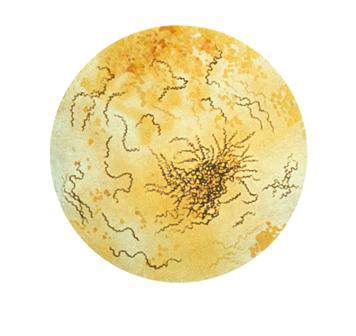
Since 2012, congenital syphilis rates in newborns have increased significantly, and in 2014 the disease incidence reached its highest rate since 2001, according to the Centers for Disease Control and Prevention.
From 1991 to 2005, congenital syphilis (CS) rates in the United States decreased, but increased slightly from 2005 to 2008 to 10.5/100,000 live births, said Dr. Virginia Bowen of the CDC’s Epidemic Intelligence Service (MMWR. 2015 Nov 13;64[44]:1241-5) and her coauthors. After 2008, CS rates decreased again, reaching a low of 8.4/100,000 live births in 2012. In 2013, the rate increased to 9.1/100,000 births, and grew to 11.6/100,000 births in 2014. This growth corresponds to a concurrent growth in primary and secondary syphilis in women, the rate of which increased from 0.9/100,000 in 2012 to 1.1/100,000 in 2014, a 22% increase.
Every region in the United States saw an increase in CS rates from 2012 to 2014, but was highest in the West, where the rate more than doubled, increasing from 5.5/100,000 births to 12.8/100,000. All racial/ethnic groups saw an increase as well, with the greatest increase in whites; however, CS rates in non-Hispanic blacks remained more than 10 times higher than in whites, and 3 times higher than in Hispanics.
“Health departments, in partnership with prenatal care providers and other local organizations, should work together to address barriers to obtaining early and adequate prenatal care for the majority of vulnerable pregnant women. Women who are uninsured or underinsured and women with substance use issues have been found to be at increased risk for receiving inadequate or no prenatal care, placing them at increased risk for CS,” the CDC investigators said.
Find the full report in the MMWR.
Since 2012, congenital syphilis rates in newborns have increased significantly, and in 2014 the disease incidence reached its highest rate since 2001, according to the Centers for Disease Control and Prevention.
From 1991 to 2005, congenital syphilis (CS) rates in the United States decreased, but increased slightly from 2005 to 2008 to 10.5/100,000 live births, said Dr. Virginia Bowen of the CDC’s Epidemic Intelligence Service (MMWR. 2015 Nov 13;64[44]:1241-5) and her coauthors. After 2008, CS rates decreased again, reaching a low of 8.4/100,000 live births in 2012. In 2013, the rate increased to 9.1/100,000 births, and grew to 11.6/100,000 births in 2014. This growth corresponds to a concurrent growth in primary and secondary syphilis in women, the rate of which increased from 0.9/100,000 in 2012 to 1.1/100,000 in 2014, a 22% increase.
Every region in the United States saw an increase in CS rates from 2012 to 2014, but was highest in the West, where the rate more than doubled, increasing from 5.5/100,000 births to 12.8/100,000. All racial/ethnic groups saw an increase as well, with the greatest increase in whites; however, CS rates in non-Hispanic blacks remained more than 10 times higher than in whites, and 3 times higher than in Hispanics.
“Health departments, in partnership with prenatal care providers and other local organizations, should work together to address barriers to obtaining early and adequate prenatal care for the majority of vulnerable pregnant women. Women who are uninsured or underinsured and women with substance use issues have been found to be at increased risk for receiving inadequate or no prenatal care, placing them at increased risk for CS,” the CDC investigators said.
Find the full report in the MMWR.
Since 2012, congenital syphilis rates in newborns have increased significantly, and in 2014 the disease incidence reached its highest rate since 2001, according to the Centers for Disease Control and Prevention.
From 1991 to 2005, congenital syphilis (CS) rates in the United States decreased, but increased slightly from 2005 to 2008 to 10.5/100,000 live births, said Dr. Virginia Bowen of the CDC’s Epidemic Intelligence Service (MMWR. 2015 Nov 13;64[44]:1241-5) and her coauthors. After 2008, CS rates decreased again, reaching a low of 8.4/100,000 live births in 2012. In 2013, the rate increased to 9.1/100,000 births, and grew to 11.6/100,000 births in 2014. This growth corresponds to a concurrent growth in primary and secondary syphilis in women, the rate of which increased from 0.9/100,000 in 2012 to 1.1/100,000 in 2014, a 22% increase.
Every region in the United States saw an increase in CS rates from 2012 to 2014, but was highest in the West, where the rate more than doubled, increasing from 5.5/100,000 births to 12.8/100,000. All racial/ethnic groups saw an increase as well, with the greatest increase in whites; however, CS rates in non-Hispanic blacks remained more than 10 times higher than in whites, and 3 times higher than in Hispanics.
“Health departments, in partnership with prenatal care providers and other local organizations, should work together to address barriers to obtaining early and adequate prenatal care for the majority of vulnerable pregnant women. Women who are uninsured or underinsured and women with substance use issues have been found to be at increased risk for receiving inadequate or no prenatal care, placing them at increased risk for CS,” the CDC investigators said.
Find the full report in the MMWR.
FROM MORBIDITY & MORTALITY WEEKLY REPORT
Sofosbuvir-velpatasvir combo effective in treatment-naive HCV patients*
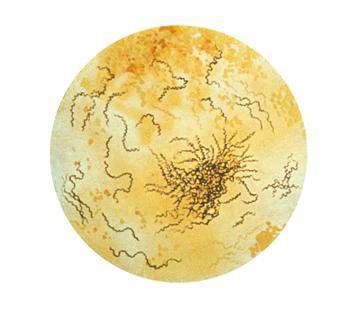
A combination of sofosbuvir and velpatasvir effectively treated all six hepatitis C virus genotypes in treatment-naive patients without cirrhosis, according to Dr. Gregory T. Everson and his associates.
The study was separated into two parts. In Part A, 154 patients with HCV genotypes 1-6 received 400 mg sofosbuvir and either 25 mg velpatasvir or 100 mg velpatasvir. After 12 weeks of treatment, sustained viral response (SVR12) rates were 96% with 25 mg velpatasvir and 100% with 100 mg velpatasvir with genotype 1, 93% for both groups with genotype 3, and 96% with 25 mg velpatasvir and 95% with 100 mg velpatasvir with genotypes 2,4,5, and 6.

In part B, 223 patients with HCV genotypes 1 and 2 received 400 mg sofosbuvir and either 25 mg velpatasvir with ribavirin, 100 mg velpatasvir with ribavirin, 25 mg velpatasvir without ribavirin, or 100 mg velpatasvir without ribavirin. For genotype 1, SVR12 rates were 87% in the 25-mg velpatasvir group, 83% in the 25-mg velpatasvir plus ribavirin group, 90% in the 100-mg velpatasvir group, and 81% in the 100-mg velpatasvir plus ribavirin group. For genotype 2, SVR12 rates were 77% in the 25-mg velpatasvir group, 88% in the 25-mg velpatasvir plus ribavirin group, 88% in the 100-mg velpatasvir group, and 88% in the 100-mg velpatasvir plus ribavirin group.
Adverse events were experienced by 69% of study participants. Common events were fatigue, headache, and nausea, occurring in 21%, 20%, and 12%, respectively. Velpatasvir dosage size did not change adverse event occurrence, but patients on regimens containing ribavirin did experience more fatigue, insomnia, and rash. Only one discontinuation due to adverse events was reported.
“A single regimen with pangenotypic efficacy could obviate the need for HCV genotyping before initiation of treatment. The high efficacy demonstrated with coadministration of sofosbuvir and velpatasvir, 100 mg, for 12 weeks across all HCV genotypes evaluated in this study supports the development of a single, uniform pangenotypic regimen with these DAAs [direct-acting anti-virals],” the investigators noted.
Find the study in Annals of Internal Medicine (doi: 10.7326/M15-1000).
*CORRECTION, 11/10/2015: In an earlier version of this article, the drug name sofosbuvir was misspelled.
A combination of sofosbuvir and velpatasvir effectively treated all six hepatitis C virus genotypes in treatment-naive patients without cirrhosis, according to Dr. Gregory T. Everson and his associates.
The study was separated into two parts. In Part A, 154 patients with HCV genotypes 1-6 received 400 mg sofosbuvir and either 25 mg velpatasvir or 100 mg velpatasvir. After 12 weeks of treatment, sustained viral response (SVR12) rates were 96% with 25 mg velpatasvir and 100% with 100 mg velpatasvir with genotype 1, 93% for both groups with genotype 3, and 96% with 25 mg velpatasvir and 95% with 100 mg velpatasvir with genotypes 2,4,5, and 6.
In part B, 223 patients with HCV genotypes 1 and 2 received 400 mg sofosbuvir and either 25 mg velpatasvir with ribavirin, 100 mg velpatasvir with ribavirin, 25 mg velpatasvir without ribavirin, or 100 mg velpatasvir without ribavirin. For genotype 1, SVR12 rates were 87% in the 25-mg velpatasvir group, 83% in the 25-mg velpatasvir plus ribavirin group, 90% in the 100-mg velpatasvir group, and 81% in the 100-mg velpatasvir plus ribavirin group. For genotype 2, SVR12 rates were 77% in the 25-mg velpatasvir group, 88% in the 25-mg velpatasvir plus ribavirin group, 88% in the 100-mg velpatasvir group, and 88% in the 100-mg velpatasvir plus ribavirin group.
Adverse events were experienced by 69% of study participants. Common events were fatigue, headache, and nausea, occurring in 21%, 20%, and 12%, respectively. Velpatasvir dosage size did not change adverse event occurrence, but patients on regimens containing ribavirin did experience more fatigue, insomnia, and rash. Only one discontinuation due to adverse events was reported.
“A single regimen with pangenotypic efficacy could obviate the need for HCV genotyping before initiation of treatment. The high efficacy demonstrated with coadministration of sofosbuvir and velpatasvir, 100 mg, for 12 weeks across all HCV genotypes evaluated in this study supports the development of a single, uniform pangenotypic regimen with these DAAs [direct-acting anti-virals],” the investigators noted.
Find the study in Annals of Internal Medicine (doi: 10.7326/M15-1000).
*CORRECTION, 11/10/2015: In an earlier version of this article, the drug name sofosbuvir was misspelled.
A combination of sofosbuvir and velpatasvir effectively treated all six hepatitis C virus genotypes in treatment-naive patients without cirrhosis, according to Dr. Gregory T. Everson and his associates.
The study was separated into two parts. In Part A, 154 patients with HCV genotypes 1-6 received 400 mg sofosbuvir and either 25 mg velpatasvir or 100 mg velpatasvir. After 12 weeks of treatment, sustained viral response (SVR12) rates were 96% with 25 mg velpatasvir and 100% with 100 mg velpatasvir with genotype 1, 93% for both groups with genotype 3, and 96% with 25 mg velpatasvir and 95% with 100 mg velpatasvir with genotypes 2,4,5, and 6.
In part B, 223 patients with HCV genotypes 1 and 2 received 400 mg sofosbuvir and either 25 mg velpatasvir with ribavirin, 100 mg velpatasvir with ribavirin, 25 mg velpatasvir without ribavirin, or 100 mg velpatasvir without ribavirin. For genotype 1, SVR12 rates were 87% in the 25-mg velpatasvir group, 83% in the 25-mg velpatasvir plus ribavirin group, 90% in the 100-mg velpatasvir group, and 81% in the 100-mg velpatasvir plus ribavirin group. For genotype 2, SVR12 rates were 77% in the 25-mg velpatasvir group, 88% in the 25-mg velpatasvir plus ribavirin group, 88% in the 100-mg velpatasvir group, and 88% in the 100-mg velpatasvir plus ribavirin group.
Adverse events were experienced by 69% of study participants. Common events were fatigue, headache, and nausea, occurring in 21%, 20%, and 12%, respectively. Velpatasvir dosage size did not change adverse event occurrence, but patients on regimens containing ribavirin did experience more fatigue, insomnia, and rash. Only one discontinuation due to adverse events was reported.
“A single regimen with pangenotypic efficacy could obviate the need for HCV genotyping before initiation of treatment. The high efficacy demonstrated with coadministration of sofosbuvir and velpatasvir, 100 mg, for 12 weeks across all HCV genotypes evaluated in this study supports the development of a single, uniform pangenotypic regimen with these DAAs [direct-acting anti-virals],” the investigators noted.
Find the study in Annals of Internal Medicine (doi: 10.7326/M15-1000).
*CORRECTION, 11/10/2015: In an earlier version of this article, the drug name sofosbuvir was misspelled.

HPV vaccinations not linked to CRPS and POTS in young women
Human papillomavirus vaccines do not increase risk of complex regional pain syndrome (CRPS) and postural orthostatic tachycardia syndrome (POTS) in young women, according to a review by the European Medicines Agency.
CRPS, a chronic pain condition affecting a limb, and POTS, a condition in which the heart rate spikes upon sitting or standing, occur at a rate in the general population around 150 per 1 million in young women aged 10-19 years. With HPV vaccines reaching 80 million young women around the world, a significant increase in the rate of CRPS and POTS caused by HPV vaccination could mean thousands of new potential cases of the two conditions.

In a review, the EMA’s Pharmavigilance Risk Assessment Committee found that CRPS and POTS incidence rates were no different in young women who had been vaccinated with HPV, compared with what would be expected in the age group, even after accounting for underreporting.
“Use of these vaccines is expected to prevent many cases of cervical cancer (cancer of the neck of the womb, which is responsible for tens of thousands of deaths in Europe each year) and various other cancers and conditions caused by HPV,” the EMA said in a press release. “The benefits of HPV vaccines therefore continue to outweigh their risks.”
Find the full press release on the European Medicines Agency website.
Human papillomavirus vaccines do not increase risk of complex regional pain syndrome (CRPS) and postural orthostatic tachycardia syndrome (POTS) in young women, according to a review by the European Medicines Agency.
CRPS, a chronic pain condition affecting a limb, and POTS, a condition in which the heart rate spikes upon sitting or standing, occur at a rate in the general population around 150 per 1 million in young women aged 10-19 years. With HPV vaccines reaching 80 million young women around the world, a significant increase in the rate of CRPS and POTS caused by HPV vaccination could mean thousands of new potential cases of the two conditions.
In a review, the EMA’s Pharmavigilance Risk Assessment Committee found that CRPS and POTS incidence rates were no different in young women who had been vaccinated with HPV, compared with what would be expected in the age group, even after accounting for underreporting.
“Use of these vaccines is expected to prevent many cases of cervical cancer (cancer of the neck of the womb, which is responsible for tens of thousands of deaths in Europe each year) and various other cancers and conditions caused by HPV,” the EMA said in a press release. “The benefits of HPV vaccines therefore continue to outweigh their risks.”
Find the full press release on the European Medicines Agency website.
Human papillomavirus vaccines do not increase risk of complex regional pain syndrome (CRPS) and postural orthostatic tachycardia syndrome (POTS) in young women, according to a review by the European Medicines Agency.
CRPS, a chronic pain condition affecting a limb, and POTS, a condition in which the heart rate spikes upon sitting or standing, occur at a rate in the general population around 150 per 1 million in young women aged 10-19 years. With HPV vaccines reaching 80 million young women around the world, a significant increase in the rate of CRPS and POTS caused by HPV vaccination could mean thousands of new potential cases of the two conditions.
In a review, the EMA’s Pharmavigilance Risk Assessment Committee found that CRPS and POTS incidence rates were no different in young women who had been vaccinated with HPV, compared with what would be expected in the age group, even after accounting for underreporting.
“Use of these vaccines is expected to prevent many cases of cervical cancer (cancer of the neck of the womb, which is responsible for tens of thousands of deaths in Europe each year) and various other cancers and conditions caused by HPV,” the EMA said in a press release. “The benefits of HPV vaccines therefore continue to outweigh their risks.”
Find the full press release on the European Medicines Agency website.
Quadrivalent HPV Vaccine Treats Recalcitrant Warts in Preadolescent Children
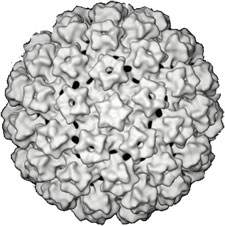
A quadrivalent human papillomavirus vaccine was effective at removing therapy-resistant warts from children aged 9-11 years, according to Dr. Dietrich Abeck in private practice in Munich and Dr. Regina Fölster-Holst of the University Kiel, Lübeck, Germany.
The study group of six children had therapy-resistant warts for at least 2 years, with topical salicylic acid, duct tape occlusion therapy, and cryotherapy failing for all patients either alone or in combination. Patients received three doses of vaccines, with one patient becoming wart-free after the first treatment, four patients becoming disease-free after the second treatment, and the last patient becoming disease-free shortly after receiving the third vaccination.
The only reported side effect was temporary local swelling. The treatment with quadrivalent vaccine seemed to only work with young children, as only three of six patients aged 14-17 years saw results from the treatment, and three out of four adults saw no benefit from the vaccination.
“The rapid response observed shows that vaccination with the quadrivalent HPV vaccine has the ability to become an elegant, well-tolerated therapy for recalcitrant warts in children,” the investigators concluded.
Find the full study in Acta Dermato-Venereologica (doi: 10.2340/00015555-2111).
A quadrivalent human papillomavirus vaccine was effective at removing therapy-resistant warts from children aged 9-11 years, according to Dr. Dietrich Abeck in private practice in Munich and Dr. Regina Fölster-Holst of the University Kiel, Lübeck, Germany.
The study group of six children had therapy-resistant warts for at least 2 years, with topical salicylic acid, duct tape occlusion therapy, and cryotherapy failing for all patients either alone or in combination. Patients received three doses of vaccines, with one patient becoming wart-free after the first treatment, four patients becoming disease-free after the second treatment, and the last patient becoming disease-free shortly after receiving the third vaccination.
The only reported side effect was temporary local swelling. The treatment with quadrivalent vaccine seemed to only work with young children, as only three of six patients aged 14-17 years saw results from the treatment, and three out of four adults saw no benefit from the vaccination.
“The rapid response observed shows that vaccination with the quadrivalent HPV vaccine has the ability to become an elegant, well-tolerated therapy for recalcitrant warts in children,” the investigators concluded.
Find the full study in Acta Dermato-Venereologica (doi: 10.2340/00015555-2111).
A quadrivalent human papillomavirus vaccine was effective at removing therapy-resistant warts from children aged 9-11 years, according to Dr. Dietrich Abeck in private practice in Munich and Dr. Regina Fölster-Holst of the University Kiel, Lübeck, Germany.
The study group of six children had therapy-resistant warts for at least 2 years, with topical salicylic acid, duct tape occlusion therapy, and cryotherapy failing for all patients either alone or in combination. Patients received three doses of vaccines, with one patient becoming wart-free after the first treatment, four patients becoming disease-free after the second treatment, and the last patient becoming disease-free shortly after receiving the third vaccination.
The only reported side effect was temporary local swelling. The treatment with quadrivalent vaccine seemed to only work with young children, as only three of six patients aged 14-17 years saw results from the treatment, and three out of four adults saw no benefit from the vaccination.
“The rapid response observed shows that vaccination with the quadrivalent HPV vaccine has the ability to become an elegant, well-tolerated therapy for recalcitrant warts in children,” the investigators concluded.
Find the full study in Acta Dermato-Venereologica (doi: 10.2340/00015555-2111).
Quadrivalent HPV vaccine treats recalcitrant warts in preadolescent children
A quadrivalent human papillomavirus vaccine was effective at removing therapy-resistant warts from children aged 9-11 years, according to Dr. Dietrich Abeck in private practice in Munich and Dr. Regina Fölster-Holst of the University Kiel, Lübeck, Germany.
The study group of six children had therapy-resistant warts for at least 2 years, with topical salicylic acid, duct tape occlusion therapy, and cryotherapy failing for all patients either alone or in combination. Patients received three doses of vaccines, with one patient becoming wart-free after the first treatment, four patients becoming disease-free after the second treatment, and the last patient becoming disease-free shortly after receiving the third vaccination.
The only reported side effect was temporary local swelling. The treatment with quadrivalent vaccine seemed to only work with young children, as only three of six patients aged 14-17 years saw results from the treatment, and three out of four adults saw no benefit from the vaccination.
“The rapid response observed shows that vaccination with the quadrivalent HPV vaccine has the ability to become an elegant, well-tolerated therapy for recalcitrant warts in children,” the investigators concluded.
Find the full study in Acta Dermato-Venereologica (doi: 10.2340/00015555-2111).
A quadrivalent human papillomavirus vaccine was effective at removing therapy-resistant warts from children aged 9-11 years, according to Dr. Dietrich Abeck in private practice in Munich and Dr. Regina Fölster-Holst of the University Kiel, Lübeck, Germany.
The study group of six children had therapy-resistant warts for at least 2 years, with topical salicylic acid, duct tape occlusion therapy, and cryotherapy failing for all patients either alone or in combination. Patients received three doses of vaccines, with one patient becoming wart-free after the first treatment, four patients becoming disease-free after the second treatment, and the last patient becoming disease-free shortly after receiving the third vaccination.
The only reported side effect was temporary local swelling. The treatment with quadrivalent vaccine seemed to only work with young children, as only three of six patients aged 14-17 years saw results from the treatment, and three out of four adults saw no benefit from the vaccination.
“The rapid response observed shows that vaccination with the quadrivalent HPV vaccine has the ability to become an elegant, well-tolerated therapy for recalcitrant warts in children,” the investigators concluded.
Find the full study in Acta Dermato-Venereologica (doi: 10.2340/00015555-2111).
A quadrivalent human papillomavirus vaccine was effective at removing therapy-resistant warts from children aged 9-11 years, according to Dr. Dietrich Abeck in private practice in Munich and Dr. Regina Fölster-Holst of the University Kiel, Lübeck, Germany.
The study group of six children had therapy-resistant warts for at least 2 years, with topical salicylic acid, duct tape occlusion therapy, and cryotherapy failing for all patients either alone or in combination. Patients received three doses of vaccines, with one patient becoming wart-free after the first treatment, four patients becoming disease-free after the second treatment, and the last patient becoming disease-free shortly after receiving the third vaccination.
The only reported side effect was temporary local swelling. The treatment with quadrivalent vaccine seemed to only work with young children, as only three of six patients aged 14-17 years saw results from the treatment, and three out of four adults saw no benefit from the vaccination.
“The rapid response observed shows that vaccination with the quadrivalent HPV vaccine has the ability to become an elegant, well-tolerated therapy for recalcitrant warts in children,” the investigators concluded.
Find the full study in Acta Dermato-Venereologica (doi: 10.2340/00015555-2111).
Nearly all young children in low-income, urban environments use mobile devices
Use of mobile media devices such as smartphones and tablets is nearly ubiquitous in urban, low-income minority children less than 4 years old, according to Dr. Hilda Kabali and her associates at Einstein Medical Center Philadelphia.
Of the 350 children aged 6 months to 4 years who were included in the survey, 97% had used a mobile device at least once. By age 2 years, more children had a mobile device than a television, and by age 4 years, three-quarters of children had their own mobile device, while only half of 4-year-olds had a TV. Forty-four percent of children over 1 year used a mobile device daily to play games, watch videos, or use apps; this rose to 77% in 2-year-olds and 81% in 4-year-olds.

On average, children spent an average of 49 minutes a day using a mobile device, split between 27 minutes of watching TV or video on the device and 22 minutes of using apps. Mobile-device usage was greater than the 45 minutes spent watching regular television or the 15 minutes spent playing video games on a console. Youtube was the most popular app in children under 3 years of age, after which Netflix became the most popular app.
Just over 28% of 2-year-olds could use a mobile device on their own, which increased to 43% in 4-year-olds. In addition, about half of 4-year-olds also could effectively use multiple mobile devices at the same time.
“Access to, familiarity with, and skill using mobile devices are a first step in achieving digital literacy. However, socialization with parental engagement and modeling are critical for the development of healthy and productive ways to integrate digital technology into family life. Future studies are needed to guide the development of recommendations for both health care providers and families on the use of mobile media by young children,” the investigators concluded.
Find the full study in Pediatrics (2015 Nov 2. doi: 10.1542/peds.2015-2151).
Use of mobile media devices such as smartphones and tablets is nearly ubiquitous in urban, low-income minority children less than 4 years old, according to Dr. Hilda Kabali and her associates at Einstein Medical Center Philadelphia.
Of the 350 children aged 6 months to 4 years who were included in the survey, 97% had used a mobile device at least once. By age 2 years, more children had a mobile device than a television, and by age 4 years, three-quarters of children had their own mobile device, while only half of 4-year-olds had a TV. Forty-four percent of children over 1 year used a mobile device daily to play games, watch videos, or use apps; this rose to 77% in 2-year-olds and 81% in 4-year-olds.
On average, children spent an average of 49 minutes a day using a mobile device, split between 27 minutes of watching TV or video on the device and 22 minutes of using apps. Mobile-device usage was greater than the 45 minutes spent watching regular television or the 15 minutes spent playing video games on a console. Youtube was the most popular app in children under 3 years of age, after which Netflix became the most popular app.
Just over 28% of 2-year-olds could use a mobile device on their own, which increased to 43% in 4-year-olds. In addition, about half of 4-year-olds also could effectively use multiple mobile devices at the same time.
“Access to, familiarity with, and skill using mobile devices are a first step in achieving digital literacy. However, socialization with parental engagement and modeling are critical for the development of healthy and productive ways to integrate digital technology into family life. Future studies are needed to guide the development of recommendations for both health care providers and families on the use of mobile media by young children,” the investigators concluded.
Find the full study in Pediatrics (2015 Nov 2. doi: 10.1542/peds.2015-2151).
Use of mobile media devices such as smartphones and tablets is nearly ubiquitous in urban, low-income minority children less than 4 years old, according to Dr. Hilda Kabali and her associates at Einstein Medical Center Philadelphia.
Of the 350 children aged 6 months to 4 years who were included in the survey, 97% had used a mobile device at least once. By age 2 years, more children had a mobile device than a television, and by age 4 years, three-quarters of children had their own mobile device, while only half of 4-year-olds had a TV. Forty-four percent of children over 1 year used a mobile device daily to play games, watch videos, or use apps; this rose to 77% in 2-year-olds and 81% in 4-year-olds.
On average, children spent an average of 49 minutes a day using a mobile device, split between 27 minutes of watching TV or video on the device and 22 minutes of using apps. Mobile-device usage was greater than the 45 minutes spent watching regular television or the 15 minutes spent playing video games on a console. Youtube was the most popular app in children under 3 years of age, after which Netflix became the most popular app.
Just over 28% of 2-year-olds could use a mobile device on their own, which increased to 43% in 4-year-olds. In addition, about half of 4-year-olds also could effectively use multiple mobile devices at the same time.
“Access to, familiarity with, and skill using mobile devices are a first step in achieving digital literacy. However, socialization with parental engagement and modeling are critical for the development of healthy and productive ways to integrate digital technology into family life. Future studies are needed to guide the development of recommendations for both health care providers and families on the use of mobile media by young children,” the investigators concluded.
Find the full study in Pediatrics (2015 Nov 2. doi: 10.1542/peds.2015-2151).

For weight loss, low-fat diet is least effective intervention
A low-fat diet was the least effective form of weight loss intervention and showed superior weight loss only when compared with a usual diet, according to a systematic review by Dr. Deirdre Tobias and her associates.
A total of 53 studies were included in the review and meta-analysis. Low-carbohydrate diets were more effective than low-fat diets, with a weighted mean difference of 1.15 kg. There was no significant difference between low-fat diets and other higher-fat weight loss interventions. A low-fat diet was more effective then remaining on a usual diet, with a weighted mean difference of 5.41 kg.
While on average, low-fat and higher-fat weight loss interventions were statistically similar, if low-fat and higher-fat groups differed in calories obtained from fat by more than 5% or in serum triglyceride levels of at least 0.06 mmol/L, higher-fat interventions became more effective, with weighted mean differences of 1.04 kg and 1.38 kg, respectively, the investigators found.
While low-carbohydrate diets were statistically more effective than were low-fat diets, Dr. Kevin Hall of the National Institute of Diabetes and Digestive and Kidney Diseases, Bethesda, Md., wrote in a related comment, “Consider the magnitude of the benefit: Participants prescribed low-carbohydrate diets lost only about 1 kg of additional weight after 1 year compared with those advised to consume low-fat diets. Although statistically significant, such a minuscule difference in weight loss is clinically meaningless. Furthermore, irrespective of the diet prescription, the overall average weight loss in trials testing interventions designed to reduce bodyweight was unimpressive.”
Find the full study in the Lancet Diabetes and Endocrinology (doi: 10.1016/S2213-8587[15]00367-8).
A low-fat diet was the least effective form of weight loss intervention and showed superior weight loss only when compared with a usual diet, according to a systematic review by Dr. Deirdre Tobias and her associates.
A total of 53 studies were included in the review and meta-analysis. Low-carbohydrate diets were more effective than low-fat diets, with a weighted mean difference of 1.15 kg. There was no significant difference between low-fat diets and other higher-fat weight loss interventions. A low-fat diet was more effective then remaining on a usual diet, with a weighted mean difference of 5.41 kg.
While on average, low-fat and higher-fat weight loss interventions were statistically similar, if low-fat and higher-fat groups differed in calories obtained from fat by more than 5% or in serum triglyceride levels of at least 0.06 mmol/L, higher-fat interventions became more effective, with weighted mean differences of 1.04 kg and 1.38 kg, respectively, the investigators found.
While low-carbohydrate diets were statistically more effective than were low-fat diets, Dr. Kevin Hall of the National Institute of Diabetes and Digestive and Kidney Diseases, Bethesda, Md., wrote in a related comment, “Consider the magnitude of the benefit: Participants prescribed low-carbohydrate diets lost only about 1 kg of additional weight after 1 year compared with those advised to consume low-fat diets. Although statistically significant, such a minuscule difference in weight loss is clinically meaningless. Furthermore, irrespective of the diet prescription, the overall average weight loss in trials testing interventions designed to reduce bodyweight was unimpressive.”
Find the full study in the Lancet Diabetes and Endocrinology (doi: 10.1016/S2213-8587[15]00367-8).
A low-fat diet was the least effective form of weight loss intervention and showed superior weight loss only when compared with a usual diet, according to a systematic review by Dr. Deirdre Tobias and her associates.
A total of 53 studies were included in the review and meta-analysis. Low-carbohydrate diets were more effective than low-fat diets, with a weighted mean difference of 1.15 kg. There was no significant difference between low-fat diets and other higher-fat weight loss interventions. A low-fat diet was more effective then remaining on a usual diet, with a weighted mean difference of 5.41 kg.
While on average, low-fat and higher-fat weight loss interventions were statistically similar, if low-fat and higher-fat groups differed in calories obtained from fat by more than 5% or in serum triglyceride levels of at least 0.06 mmol/L, higher-fat interventions became more effective, with weighted mean differences of 1.04 kg and 1.38 kg, respectively, the investigators found.
While low-carbohydrate diets were statistically more effective than were low-fat diets, Dr. Kevin Hall of the National Institute of Diabetes and Digestive and Kidney Diseases, Bethesda, Md., wrote in a related comment, “Consider the magnitude of the benefit: Participants prescribed low-carbohydrate diets lost only about 1 kg of additional weight after 1 year compared with those advised to consume low-fat diets. Although statistically significant, such a minuscule difference in weight loss is clinically meaningless. Furthermore, irrespective of the diet prescription, the overall average weight loss in trials testing interventions designed to reduce bodyweight was unimpressive.”
Find the full study in the Lancet Diabetes and Endocrinology (doi: 10.1016/S2213-8587[15]00367-8).
FDA finds no evidence of cardiovascular risk in Parkinson’s drug
Entacapone, a drug used in the treatment of Parkinson’s disease, does not cause cardiovascular events such as heart attack or stroke, according to a safety review from the Food and Drug Administration.

In 2010, a possible cardiovascular event risk alert was issued by the FDA for two drugs, Comtan (entacapone) and Stalevo (entacapone, levodopa, and carbidopa), based on findings from the STRIDE-PD trial and a meta-analysis combining results from 15 other studies. As levodopa and carbidopa are used in other Parkinson’s medications without risk of cardiovascular events, entacapone was thought to be responsible for the abnormal study findings.
To verify the study results, the FDA required Novartis, manufacturer of Stalevo, to conduct a study investigating the cardiovascular risk of entacapone. The Novartis study found no increased risk, and further FDA analysis of STRIDE-PD, a study not meant to assess cardiovascular risk, indicated the results were an anomaly.
“FDA believes that the meta-analysis and STRIDE-PD results are chance findings and do not represent a true increase in risk due to entacapone,” the FDA said in the press release.
Find the full press release on the FDA website.
Entacapone, a drug used in the treatment of Parkinson’s disease, does not cause cardiovascular events such as heart attack or stroke, according to a safety review from the Food and Drug Administration.
In 2010, a possible cardiovascular event risk alert was issued by the FDA for two drugs, Comtan (entacapone) and Stalevo (entacapone, levodopa, and carbidopa), based on findings from the STRIDE-PD trial and a meta-analysis combining results from 15 other studies. As levodopa and carbidopa are used in other Parkinson’s medications without risk of cardiovascular events, entacapone was thought to be responsible for the abnormal study findings.
To verify the study results, the FDA required Novartis, manufacturer of Stalevo, to conduct a study investigating the cardiovascular risk of entacapone. The Novartis study found no increased risk, and further FDA analysis of STRIDE-PD, a study not meant to assess cardiovascular risk, indicated the results were an anomaly.
“FDA believes that the meta-analysis and STRIDE-PD results are chance findings and do not represent a true increase in risk due to entacapone,” the FDA said in the press release.
Find the full press release on the FDA website.
Entacapone, a drug used in the treatment of Parkinson’s disease, does not cause cardiovascular events such as heart attack or stroke, according to a safety review from the Food and Drug Administration.
In 2010, a possible cardiovascular event risk alert was issued by the FDA for two drugs, Comtan (entacapone) and Stalevo (entacapone, levodopa, and carbidopa), based on findings from the STRIDE-PD trial and a meta-analysis combining results from 15 other studies. As levodopa and carbidopa are used in other Parkinson’s medications without risk of cardiovascular events, entacapone was thought to be responsible for the abnormal study findings.
To verify the study results, the FDA required Novartis, manufacturer of Stalevo, to conduct a study investigating the cardiovascular risk of entacapone. The Novartis study found no increased risk, and further FDA analysis of STRIDE-PD, a study not meant to assess cardiovascular risk, indicated the results were an anomaly.
“FDA believes that the meta-analysis and STRIDE-PD results are chance findings and do not represent a true increase in risk due to entacapone,” the FDA said in the press release.
Find the full press release on the FDA website.