User login
Lucas Franki is an associate editor for MDedge News, and has been with the company since 2014. He has a BA in English from Penn State University and is an Eagle Scout.
Infectious disease in elderly a significant burden for EDs
More U.S. adults over the age of 65 visited an emergency department because of an infectious disease than for myocardial infarction and congestive heart failure combined, according to a new study.
Based on a nationwide ED sample, adults over 65 visited the ED just over 3.1 million times in 2012 due to infectious diseases (ID), more than three times the estimated amount for myocardial infarction and congestive heart failure. The most common diagnoses were lower respiratory infections (26.2%), urinary tract infections (25.3%), and septicemia (18.9%).
Of the 3.1 million cases brought to the ED, nearly 1.8 million cases were hospitalized, with septicemia the most common cause for hospitalization, accounting for 32.2% of ID-related hospitalizations, followed by lower respiratory infections. Septicemia was also the most common cause of mortality, accounting for 74.7% of the nearly 124,000 deaths.
“These observations underscore the importance of integrated strategies aimed at reducing ID-related morbidity and health care use of elderly adults as a national priority for research, health policy, and community action,” Dr. Tadahiro Goto of the University of Fukui (Japan) Hospital and his associates concluded.
Find the full study in the Journal of the American Geriatrics Society (2015 Dec 23. doi: 101111/jgs.13836).
More U.S. adults over the age of 65 visited an emergency department because of an infectious disease than for myocardial infarction and congestive heart failure combined, according to a new study.
Based on a nationwide ED sample, adults over 65 visited the ED just over 3.1 million times in 2012 due to infectious diseases (ID), more than three times the estimated amount for myocardial infarction and congestive heart failure. The most common diagnoses were lower respiratory infections (26.2%), urinary tract infections (25.3%), and septicemia (18.9%).
Of the 3.1 million cases brought to the ED, nearly 1.8 million cases were hospitalized, with septicemia the most common cause for hospitalization, accounting for 32.2% of ID-related hospitalizations, followed by lower respiratory infections. Septicemia was also the most common cause of mortality, accounting for 74.7% of the nearly 124,000 deaths.
“These observations underscore the importance of integrated strategies aimed at reducing ID-related morbidity and health care use of elderly adults as a national priority for research, health policy, and community action,” Dr. Tadahiro Goto of the University of Fukui (Japan) Hospital and his associates concluded.
Find the full study in the Journal of the American Geriatrics Society (2015 Dec 23. doi: 101111/jgs.13836).
More U.S. adults over the age of 65 visited an emergency department because of an infectious disease than for myocardial infarction and congestive heart failure combined, according to a new study.
Based on a nationwide ED sample, adults over 65 visited the ED just over 3.1 million times in 2012 due to infectious diseases (ID), more than three times the estimated amount for myocardial infarction and congestive heart failure. The most common diagnoses were lower respiratory infections (26.2%), urinary tract infections (25.3%), and septicemia (18.9%).
Of the 3.1 million cases brought to the ED, nearly 1.8 million cases were hospitalized, with septicemia the most common cause for hospitalization, accounting for 32.2% of ID-related hospitalizations, followed by lower respiratory infections. Septicemia was also the most common cause of mortality, accounting for 74.7% of the nearly 124,000 deaths.
“These observations underscore the importance of integrated strategies aimed at reducing ID-related morbidity and health care use of elderly adults as a national priority for research, health policy, and community action,” Dr. Tadahiro Goto of the University of Fukui (Japan) Hospital and his associates concluded.
Find the full study in the Journal of the American Geriatrics Society (2015 Dec 23. doi: 101111/jgs.13836).
FROM JOURNAL OF THE AMERICAN GERIATRICS SOCIETY
Cognitive impairment varies according to mood disorder
The nature and severity of cognitive alterations can vary significantly between different mood disorders, according to Dr. Charles Cotrena and his associates.
The study of 205 Brazilians comprised patients with major depressive disorder (MDD), patients with bipolar disorder I (BDI) and II (BDII), and a healthy control group, all of whom took a battery of neurocognitive tests. MDD patients performed poorly in tests involving attention and timed tasks, compared with the control group, but had less motor inhibition than did patients with BDI. Patients with BDI tended to perform worse across all executive functions, compared with patients with MDD, BDII, and the control group; however, BDII patients were the only ones who performed worse on the Iowa Gambling Task than did the control group, and performed worse on the Stroop Color–Word Test than did BDI patients.

While MDD patients had worse psychological quality of life (QOL) than that of controls, there was no difference in other QOL measures. MDD patients reported better physical health and lower disability rates than did BD patients. BDII patients had worse QOL than did control patients, but had lower disability rates than did BDI patients.
The investigators found that differences in cognitive function and quality of life still existed in patients with mood disorder, even after adjustment for mania and depressive symptoms.
“The importance of a detailed assessment of [executive function] and disability levels within each of these diagnostic categories, while controlling for demographic variables, was especially evident from the current results. Additionally, the comparison of impairment rates between groups – which is not a usual measure in the literature – provided important contributions to current knowledge regarding cognition and mood disorders,” the investigators noted.
Find the study in the Journal of Affective Disorders (doi: 10.1016/j.jad.2015.11.007).
The nature and severity of cognitive alterations can vary significantly between different mood disorders, according to Dr. Charles Cotrena and his associates.
The study of 205 Brazilians comprised patients with major depressive disorder (MDD), patients with bipolar disorder I (BDI) and II (BDII), and a healthy control group, all of whom took a battery of neurocognitive tests. MDD patients performed poorly in tests involving attention and timed tasks, compared with the control group, but had less motor inhibition than did patients with BDI. Patients with BDI tended to perform worse across all executive functions, compared with patients with MDD, BDII, and the control group; however, BDII patients were the only ones who performed worse on the Iowa Gambling Task than did the control group, and performed worse on the Stroop Color–Word Test than did BDI patients.
While MDD patients had worse psychological quality of life (QOL) than that of controls, there was no difference in other QOL measures. MDD patients reported better physical health and lower disability rates than did BD patients. BDII patients had worse QOL than did control patients, but had lower disability rates than did BDI patients.
The investigators found that differences in cognitive function and quality of life still existed in patients with mood disorder, even after adjustment for mania and depressive symptoms.
“The importance of a detailed assessment of [executive function] and disability levels within each of these diagnostic categories, while controlling for demographic variables, was especially evident from the current results. Additionally, the comparison of impairment rates between groups – which is not a usual measure in the literature – provided important contributions to current knowledge regarding cognition and mood disorders,” the investigators noted.
Find the study in the Journal of Affective Disorders (doi: 10.1016/j.jad.2015.11.007).
The nature and severity of cognitive alterations can vary significantly between different mood disorders, according to Dr. Charles Cotrena and his associates.
The study of 205 Brazilians comprised patients with major depressive disorder (MDD), patients with bipolar disorder I (BDI) and II (BDII), and a healthy control group, all of whom took a battery of neurocognitive tests. MDD patients performed poorly in tests involving attention and timed tasks, compared with the control group, but had less motor inhibition than did patients with BDI. Patients with BDI tended to perform worse across all executive functions, compared with patients with MDD, BDII, and the control group; however, BDII patients were the only ones who performed worse on the Iowa Gambling Task than did the control group, and performed worse on the Stroop Color–Word Test than did BDI patients.
While MDD patients had worse psychological quality of life (QOL) than that of controls, there was no difference in other QOL measures. MDD patients reported better physical health and lower disability rates than did BD patients. BDII patients had worse QOL than did control patients, but had lower disability rates than did BDI patients.
The investigators found that differences in cognitive function and quality of life still existed in patients with mood disorder, even after adjustment for mania and depressive symptoms.
“The importance of a detailed assessment of [executive function] and disability levels within each of these diagnostic categories, while controlling for demographic variables, was especially evident from the current results. Additionally, the comparison of impairment rates between groups – which is not a usual measure in the literature – provided important contributions to current knowledge regarding cognition and mood disorders,” the investigators noted.
Find the study in the Journal of Affective Disorders (doi: 10.1016/j.jad.2015.11.007).
FROM THE JOURNAL OF AFFECTIVE DISORDERS

Alcohol-related hospital visits most common in early morning, weekends
Alcohol-related attendance in an emergency department in a large inner-city hospital was highest in the early morning and on weekends, according to Dr. Kathryn Parkinson of the Institute of Health and Society at Newcastle University, Newcastle upon Tyne, England, and her associates.

Two cohorts of data were collected at a large city hospital in Northeast England. Data for a retrospective cohort were collected from hospital records, and data for a prospective cohort were collected in person. Overall, prevalence rates for alcohol-related attendance were 12% in the retrospective group and 15% in the prospective group. Attendance varied widely by time in the prospective group: During the middle of the day, the attendance rate was as low as 4%, but rose to 59% between 2 a.m. and 3 a.m. The rate rose to nearly 72% during the same period if only weekends were included. Young adults between 18 and 24 were the most likely to attend the ED from 12 a.m. to 6 a.m., but trailed adults aged 25-44 during the rest of the day. Overall, the mean cost for alcohol-related attendance was £249, but increased to £851 if the patient was admitted. Trauma-related injuries were the most common reason for attendance, followed by psychiatric problems, the investigators found.
In a related editorial, Dr. Clifford John Mann of the Taunton and Somerset NHS Foundation Trust, Taunton, England, said “The economic, social, and medical consequences of current alcohol strategies create a compelling argument for improved legislation and regulation of alcohol sales. Such measures would benefit most the current victims of alcohol, with little consequence for those who drink safely.”
Find the full study (doi: 10.1136/emermed-2014-204581) and editorial (doi: 10.1136/emermed-2015-205295) in Emergency Medicine Journal.
Alcohol-related attendance in an emergency department in a large inner-city hospital was highest in the early morning and on weekends, according to Dr. Kathryn Parkinson of the Institute of Health and Society at Newcastle University, Newcastle upon Tyne, England, and her associates.
Two cohorts of data were collected at a large city hospital in Northeast England. Data for a retrospective cohort were collected from hospital records, and data for a prospective cohort were collected in person. Overall, prevalence rates for alcohol-related attendance were 12% in the retrospective group and 15% in the prospective group. Attendance varied widely by time in the prospective group: During the middle of the day, the attendance rate was as low as 4%, but rose to 59% between 2 a.m. and 3 a.m. The rate rose to nearly 72% during the same period if only weekends were included. Young adults between 18 and 24 were the most likely to attend the ED from 12 a.m. to 6 a.m., but trailed adults aged 25-44 during the rest of the day. Overall, the mean cost for alcohol-related attendance was £249, but increased to £851 if the patient was admitted. Trauma-related injuries were the most common reason for attendance, followed by psychiatric problems, the investigators found.
In a related editorial, Dr. Clifford John Mann of the Taunton and Somerset NHS Foundation Trust, Taunton, England, said “The economic, social, and medical consequences of current alcohol strategies create a compelling argument for improved legislation and regulation of alcohol sales. Such measures would benefit most the current victims of alcohol, with little consequence for those who drink safely.”
Find the full study (doi: 10.1136/emermed-2014-204581) and editorial (doi: 10.1136/emermed-2015-205295) in Emergency Medicine Journal.
Alcohol-related attendance in an emergency department in a large inner-city hospital was highest in the early morning and on weekends, according to Dr. Kathryn Parkinson of the Institute of Health and Society at Newcastle University, Newcastle upon Tyne, England, and her associates.
Two cohorts of data were collected at a large city hospital in Northeast England. Data for a retrospective cohort were collected from hospital records, and data for a prospective cohort were collected in person. Overall, prevalence rates for alcohol-related attendance were 12% in the retrospective group and 15% in the prospective group. Attendance varied widely by time in the prospective group: During the middle of the day, the attendance rate was as low as 4%, but rose to 59% between 2 a.m. and 3 a.m. The rate rose to nearly 72% during the same period if only weekends were included. Young adults between 18 and 24 were the most likely to attend the ED from 12 a.m. to 6 a.m., but trailed adults aged 25-44 during the rest of the day. Overall, the mean cost for alcohol-related attendance was £249, but increased to £851 if the patient was admitted. Trauma-related injuries were the most common reason for attendance, followed by psychiatric problems, the investigators found.
In a related editorial, Dr. Clifford John Mann of the Taunton and Somerset NHS Foundation Trust, Taunton, England, said “The economic, social, and medical consequences of current alcohol strategies create a compelling argument for improved legislation and regulation of alcohol sales. Such measures would benefit most the current victims of alcohol, with little consequence for those who drink safely.”
Find the full study (doi: 10.1136/emermed-2014-204581) and editorial (doi: 10.1136/emermed-2015-205295) in Emergency Medicine Journal.
FROM EMERGENCY MEDICINE JOURNAL

USPSTF proposes two updated recs: CVD prevention and lipid screening in kids
A draft statement from the U.S. Preventive Services Task Force gives a B-level recommendation for the use of statins to prevent cardiovascular disease in certain patients at increased risk. In a separate draft, the task force indicated that the current evidence does not support – or oppose – lipid disorder screening in patients under age 20 years. The drafts were posted online Dec. 21.
Insufficient evidence was found to recommend statin use for primary prevention in adults older than 75 years.
“In the age range in which statins have been studied for primary prevention, universal screening for elevated lipid levels is required to make this determination. Therefore, the screening framework used in the last USPSTF recommendation statement is no longer relevant and has been replaced by a preventive medication framework,” according to the draft recommendation.
Regarding screening lipid screening in children and adolescents, two systematic reviews were commissioned, one to assess familial hypercholesterolemia and one to assess multifactoral dyslipidemia. Neither review found enough evidence to successfully ascertain the comparative benefits and harms of lipid disorder screening in children and adolescents less than 20 years old, which is a similar conclusion to the 2007 USPSTF recommendation.
“The task force recognizes the importance of cardiovascular health for young people and calls for more research on the benefits and harms of screening and treating young people for high cholesterol,” Dr. Douglas K. Owens, a member of the task force, said in a statement.
The draft recommendations are available for public comment on the USPSTF website. Comments will be accepted until Jan. 25, 2016.
A draft statement from the U.S. Preventive Services Task Force gives a B-level recommendation for the use of statins to prevent cardiovascular disease in certain patients at increased risk. In a separate draft, the task force indicated that the current evidence does not support – or oppose – lipid disorder screening in patients under age 20 years. The drafts were posted online Dec. 21.
Insufficient evidence was found to recommend statin use for primary prevention in adults older than 75 years.
“In the age range in which statins have been studied for primary prevention, universal screening for elevated lipid levels is required to make this determination. Therefore, the screening framework used in the last USPSTF recommendation statement is no longer relevant and has been replaced by a preventive medication framework,” according to the draft recommendation.
Regarding screening lipid screening in children and adolescents, two systematic reviews were commissioned, one to assess familial hypercholesterolemia and one to assess multifactoral dyslipidemia. Neither review found enough evidence to successfully ascertain the comparative benefits and harms of lipid disorder screening in children and adolescents less than 20 years old, which is a similar conclusion to the 2007 USPSTF recommendation.
“The task force recognizes the importance of cardiovascular health for young people and calls for more research on the benefits and harms of screening and treating young people for high cholesterol,” Dr. Douglas K. Owens, a member of the task force, said in a statement.
The draft recommendations are available for public comment on the USPSTF website. Comments will be accepted until Jan. 25, 2016.
A draft statement from the U.S. Preventive Services Task Force gives a B-level recommendation for the use of statins to prevent cardiovascular disease in certain patients at increased risk. In a separate draft, the task force indicated that the current evidence does not support – or oppose – lipid disorder screening in patients under age 20 years. The drafts were posted online Dec. 21.
Insufficient evidence was found to recommend statin use for primary prevention in adults older than 75 years.
“In the age range in which statins have been studied for primary prevention, universal screening for elevated lipid levels is required to make this determination. Therefore, the screening framework used in the last USPSTF recommendation statement is no longer relevant and has been replaced by a preventive medication framework,” according to the draft recommendation.
Regarding screening lipid screening in children and adolescents, two systematic reviews were commissioned, one to assess familial hypercholesterolemia and one to assess multifactoral dyslipidemia. Neither review found enough evidence to successfully ascertain the comparative benefits and harms of lipid disorder screening in children and adolescents less than 20 years old, which is a similar conclusion to the 2007 USPSTF recommendation.
“The task force recognizes the importance of cardiovascular health for young people and calls for more research on the benefits and harms of screening and treating young people for high cholesterol,” Dr. Douglas K. Owens, a member of the task force, said in a statement.
The draft recommendations are available for public comment on the USPSTF website. Comments will be accepted until Jan. 25, 2016.
Dental, obstetrics, and gynecology residents have highest NSI rate
Needlestick and sharps injuries are most common among dental residents and obstetrics and gynecology residents, according to Dr. Thomas P. Marnejon and his associates.
During the period from 2000 to 2014 at Mercy Health Youngstown (Ohio), 924 residents were trained, and 129 needlestick and sharps injuries (NSIs) were reported. NSIs were most common during the first year of residency, with frequency decreasing with each year. Nearly 31% of dental residents and nearly 29% of ob.gyn. residents reported an NSI. On the low end were transitional medicine residents (3.3%) and family medicine residents (2.7%).
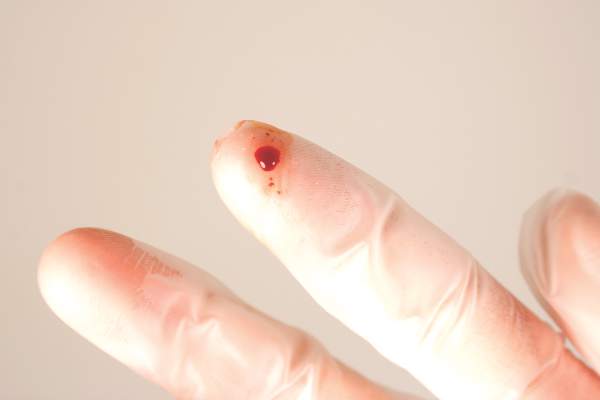
Injuries to the left hand were nearly twice as common as injuries to the right hand, with left index and left middle finger NSIs accounting for more than 36% of all reported NSIs. NSIs were most commonly caused by suture needles, accounting for 43.4% of injuries; scalpel and blood gas syringe injuries also were common.
No source patients had human immunodeficiency virus, but 16 had hepatitis C, and 1 had hepatitis B; however, no seroconversion in residents was reported.
“For new residents, additional procedural skill simulation using sharp instruments may decrease NSI. However, a majority of residents felt comfortable in procedures with instruments causing injury. Despite resident-reported mastery, caution to avoid both overconfidence and decreased attention to NSI risk is warranted,” the investigators noted.
Find the full research letter in JAMA Internal Medicine (2015 Dec 7. doi: 10.1001/jamainternmed.2015.6828).
Needlestick and sharps injuries are most common among dental residents and obstetrics and gynecology residents, according to Dr. Thomas P. Marnejon and his associates.
During the period from 2000 to 2014 at Mercy Health Youngstown (Ohio), 924 residents were trained, and 129 needlestick and sharps injuries (NSIs) were reported. NSIs were most common during the first year of residency, with frequency decreasing with each year. Nearly 31% of dental residents and nearly 29% of ob.gyn. residents reported an NSI. On the low end were transitional medicine residents (3.3%) and family medicine residents (2.7%).
Injuries to the left hand were nearly twice as common as injuries to the right hand, with left index and left middle finger NSIs accounting for more than 36% of all reported NSIs. NSIs were most commonly caused by suture needles, accounting for 43.4% of injuries; scalpel and blood gas syringe injuries also were common.
No source patients had human immunodeficiency virus, but 16 had hepatitis C, and 1 had hepatitis B; however, no seroconversion in residents was reported.
“For new residents, additional procedural skill simulation using sharp instruments may decrease NSI. However, a majority of residents felt comfortable in procedures with instruments causing injury. Despite resident-reported mastery, caution to avoid both overconfidence and decreased attention to NSI risk is warranted,” the investigators noted.
Find the full research letter in JAMA Internal Medicine (2015 Dec 7. doi: 10.1001/jamainternmed.2015.6828).
Needlestick and sharps injuries are most common among dental residents and obstetrics and gynecology residents, according to Dr. Thomas P. Marnejon and his associates.
During the period from 2000 to 2014 at Mercy Health Youngstown (Ohio), 924 residents were trained, and 129 needlestick and sharps injuries (NSIs) were reported. NSIs were most common during the first year of residency, with frequency decreasing with each year. Nearly 31% of dental residents and nearly 29% of ob.gyn. residents reported an NSI. On the low end were transitional medicine residents (3.3%) and family medicine residents (2.7%).
Injuries to the left hand were nearly twice as common as injuries to the right hand, with left index and left middle finger NSIs accounting for more than 36% of all reported NSIs. NSIs were most commonly caused by suture needles, accounting for 43.4% of injuries; scalpel and blood gas syringe injuries also were common.
No source patients had human immunodeficiency virus, but 16 had hepatitis C, and 1 had hepatitis B; however, no seroconversion in residents was reported.
“For new residents, additional procedural skill simulation using sharp instruments may decrease NSI. However, a majority of residents felt comfortable in procedures with instruments causing injury. Despite resident-reported mastery, caution to avoid both overconfidence and decreased attention to NSI risk is warranted,” the investigators noted.
Find the full research letter in JAMA Internal Medicine (2015 Dec 7. doi: 10.1001/jamainternmed.2015.6828).
FROM JAMA INTERNAL MEDICINE
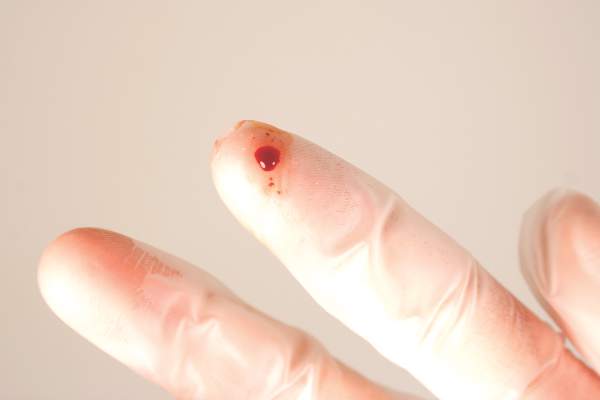
Second-generation antidepressants, CBT equally effective at treating adult MDD
No significant differences were found between second-generation antidepressants and cognitive-behavioral therapy (CBT) in treating major depressive disorder in adults, according to a meta-analysis by Halle R. Amick and associates.
For the meta-analysis, 11 trials were included. The differences in treatment effectiveness between antidepressants and CBT were minimal and not significant. The risk ratio of antidepressants, compared with CBT for response was 0.91 and 0.98 for remission. The mean difference between antidepressants and CBT on the Hamilton Rating Scale for Depression was –0.38, the investigators reported.
There was no significant difference in overall study discontinuation between people taking antidepressants and people using CBT (risk ratio, 0.90), or in study discontinuation because of lack of efficacy (RR, 0.40). Patients treated with antidepressants were more likely to experience study discontinuation tied to adverse events than patients receiving CBT. However, the difference was not statistically significant (RR, 3.29).
“Given that the benefits of second-generation antidepressants and cognitive-behavioral therapy do not seem to differ significantly in treating major depressive disorder and that primary care patients may have personal preferences for one first-line treatment over the other, both treatments should be made accessible, either alone or in combination, to primary care patients with major depressive disorder,” the investigators said.
Find the full study in the BMJ (doi: 10.1136/bmj.h6019).
No significant differences were found between second-generation antidepressants and cognitive-behavioral therapy (CBT) in treating major depressive disorder in adults, according to a meta-analysis by Halle R. Amick and associates.
For the meta-analysis, 11 trials were included. The differences in treatment effectiveness between antidepressants and CBT were minimal and not significant. The risk ratio of antidepressants, compared with CBT for response was 0.91 and 0.98 for remission. The mean difference between antidepressants and CBT on the Hamilton Rating Scale for Depression was –0.38, the investigators reported.
There was no significant difference in overall study discontinuation between people taking antidepressants and people using CBT (risk ratio, 0.90), or in study discontinuation because of lack of efficacy (RR, 0.40). Patients treated with antidepressants were more likely to experience study discontinuation tied to adverse events than patients receiving CBT. However, the difference was not statistically significant (RR, 3.29).
“Given that the benefits of second-generation antidepressants and cognitive-behavioral therapy do not seem to differ significantly in treating major depressive disorder and that primary care patients may have personal preferences for one first-line treatment over the other, both treatments should be made accessible, either alone or in combination, to primary care patients with major depressive disorder,” the investigators said.
Find the full study in the BMJ (doi: 10.1136/bmj.h6019).
No significant differences were found between second-generation antidepressants and cognitive-behavioral therapy (CBT) in treating major depressive disorder in adults, according to a meta-analysis by Halle R. Amick and associates.
For the meta-analysis, 11 trials were included. The differences in treatment effectiveness between antidepressants and CBT were minimal and not significant. The risk ratio of antidepressants, compared with CBT for response was 0.91 and 0.98 for remission. The mean difference between antidepressants and CBT on the Hamilton Rating Scale for Depression was –0.38, the investigators reported.
There was no significant difference in overall study discontinuation between people taking antidepressants and people using CBT (risk ratio, 0.90), or in study discontinuation because of lack of efficacy (RR, 0.40). Patients treated with antidepressants were more likely to experience study discontinuation tied to adverse events than patients receiving CBT. However, the difference was not statistically significant (RR, 3.29).
“Given that the benefits of second-generation antidepressants and cognitive-behavioral therapy do not seem to differ significantly in treating major depressive disorder and that primary care patients may have personal preferences for one first-line treatment over the other, both treatments should be made accessible, either alone or in combination, to primary care patients with major depressive disorder,” the investigators said.
Find the full study in the BMJ (doi: 10.1136/bmj.h6019).
FROM BMJ
Decision making worse in suicide attempters with unipolar and bipolar disorders
There is a link between poor decision making and suicidal tendencies in patients with unipolar depressive disorder and bipolar disorder, according to Dr. Stéphane Richard-Devantoy and his associates.
In the first part of the study, suicide attempters with unipolar and bipolar disorders took the Iowa Gambling Task (IGT), as did a control group of non–suicide attempters with unipolar and bipolar disorders. IGT scores were significantly worse in the suicide-attempting group, compared with the control group, with most of the difference coming from patients with unipolar disorder. Women who attempted suicide also had significantly worse IGT scores than did male suicide attempters.
In a subsequent meta-analysis of 10 studies and 1,148 participants, impaired decision making in suicide attempters with unipolar and bipolar disorders, compared with nonattempters with unipolar and bipolar disorders was confirmed with a moderate effect size. The effect size was moderate between unipolar suicide attempters and a healthy control group, and large between bipolar suicide attempters and a healthy control group.
“Examination of sex differences in brain functioning appears to be necessary in [the] suicide field. Indeed, females consistently attempt suicide more than males,whereas males consistently die by suicide more frequently than females. In spite of the important role gender plays in the expression of suicidal behavior, the perspective of future tailor-made therapeutic modalities in suicide attempters is needed,” the investigators noted.
Find the full study in the Journal of Affective Disorders (doi: 10.1016/j.jad.2015.10.001).
There is a link between poor decision making and suicidal tendencies in patients with unipolar depressive disorder and bipolar disorder, according to Dr. Stéphane Richard-Devantoy and his associates.
In the first part of the study, suicide attempters with unipolar and bipolar disorders took the Iowa Gambling Task (IGT), as did a control group of non–suicide attempters with unipolar and bipolar disorders. IGT scores were significantly worse in the suicide-attempting group, compared with the control group, with most of the difference coming from patients with unipolar disorder. Women who attempted suicide also had significantly worse IGT scores than did male suicide attempters.
In a subsequent meta-analysis of 10 studies and 1,148 participants, impaired decision making in suicide attempters with unipolar and bipolar disorders, compared with nonattempters with unipolar and bipolar disorders was confirmed with a moderate effect size. The effect size was moderate between unipolar suicide attempters and a healthy control group, and large between bipolar suicide attempters and a healthy control group.
“Examination of sex differences in brain functioning appears to be necessary in [the] suicide field. Indeed, females consistently attempt suicide more than males,whereas males consistently die by suicide more frequently than females. In spite of the important role gender plays in the expression of suicidal behavior, the perspective of future tailor-made therapeutic modalities in suicide attempters is needed,” the investigators noted.
Find the full study in the Journal of Affective Disorders (doi: 10.1016/j.jad.2015.10.001).
There is a link between poor decision making and suicidal tendencies in patients with unipolar depressive disorder and bipolar disorder, according to Dr. Stéphane Richard-Devantoy and his associates.
In the first part of the study, suicide attempters with unipolar and bipolar disorders took the Iowa Gambling Task (IGT), as did a control group of non–suicide attempters with unipolar and bipolar disorders. IGT scores were significantly worse in the suicide-attempting group, compared with the control group, with most of the difference coming from patients with unipolar disorder. Women who attempted suicide also had significantly worse IGT scores than did male suicide attempters.
In a subsequent meta-analysis of 10 studies and 1,148 participants, impaired decision making in suicide attempters with unipolar and bipolar disorders, compared with nonattempters with unipolar and bipolar disorders was confirmed with a moderate effect size. The effect size was moderate between unipolar suicide attempters and a healthy control group, and large between bipolar suicide attempters and a healthy control group.
“Examination of sex differences in brain functioning appears to be necessary in [the] suicide field. Indeed, females consistently attempt suicide more than males,whereas males consistently die by suicide more frequently than females. In spite of the important role gender plays in the expression of suicidal behavior, the perspective of future tailor-made therapeutic modalities in suicide attempters is needed,” the investigators noted.
Find the full study in the Journal of Affective Disorders (doi: 10.1016/j.jad.2015.10.001).
FROM THE JOURNAL OF AFFECTIVE DISORDERS
Genetic schizophrenia vulnerability can reduce white matter integrity
Genes that confer schizophrenia vulnerability were linked to reductions in white matter integrity, suggesting that genes responsible for brain structural development overlap with schizophrenia genes, according to Marc M. Bohlken and his associates.
For the study, 70 individual twins genetically vulnerable to schizophrenia were compared with 130 control patients. Lower global fractional anisotropy (FA) was correlated with schizophrenia liability (phenotypic correlation: –0.25). Just over 8% of global FA genetic variation was shared with schizophrenia vulnerability, with network connections in the frontal, striatal, and thalamic regions the most affected areas.
Further analysis showed that global FA contributed independently to schizophrenia vulnerability, with no connection to other schizophrenia genetic markers such as white matter volume and cortical thickness, noted Mr. Bohlken of the department of psychiatry at University Medical Center Utrecht (the Netherlands).
“White matter integrity should be considered a primary phenotype for linking genes to biological pathways that contribute to the development of schizophrenia,” the investigators concluded.
In a related editorial, Tyrone D. Cannon, Ph.D, of the departments of psychiatry and psychology at Yale University, New Haven, Conn., said that although reduced FA and cortical thickness are related to each other in schizophrenia, “this is not because of shared genetic causes. Thus, their phenotypic correlation in schizophrenia may reflect an additional degree of effect over and above that associated with their respective inherited substrates, as in a secondary effect.”
Find the full study (doi: 10.1001/jamapsychiatry.2015.1925) and editorial (doi: 10.1001/jamapsychiatry.2015.2111) in JAMA Psychiatry.
Genes that confer schizophrenia vulnerability were linked to reductions in white matter integrity, suggesting that genes responsible for brain structural development overlap with schizophrenia genes, according to Marc M. Bohlken and his associates.
For the study, 70 individual twins genetically vulnerable to schizophrenia were compared with 130 control patients. Lower global fractional anisotropy (FA) was correlated with schizophrenia liability (phenotypic correlation: –0.25). Just over 8% of global FA genetic variation was shared with schizophrenia vulnerability, with network connections in the frontal, striatal, and thalamic regions the most affected areas.
Further analysis showed that global FA contributed independently to schizophrenia vulnerability, with no connection to other schizophrenia genetic markers such as white matter volume and cortical thickness, noted Mr. Bohlken of the department of psychiatry at University Medical Center Utrecht (the Netherlands).
“White matter integrity should be considered a primary phenotype for linking genes to biological pathways that contribute to the development of schizophrenia,” the investigators concluded.
In a related editorial, Tyrone D. Cannon, Ph.D, of the departments of psychiatry and psychology at Yale University, New Haven, Conn., said that although reduced FA and cortical thickness are related to each other in schizophrenia, “this is not because of shared genetic causes. Thus, their phenotypic correlation in schizophrenia may reflect an additional degree of effect over and above that associated with their respective inherited substrates, as in a secondary effect.”
Find the full study (doi: 10.1001/jamapsychiatry.2015.1925) and editorial (doi: 10.1001/jamapsychiatry.2015.2111) in JAMA Psychiatry.
Genes that confer schizophrenia vulnerability were linked to reductions in white matter integrity, suggesting that genes responsible for brain structural development overlap with schizophrenia genes, according to Marc M. Bohlken and his associates.
For the study, 70 individual twins genetically vulnerable to schizophrenia were compared with 130 control patients. Lower global fractional anisotropy (FA) was correlated with schizophrenia liability (phenotypic correlation: –0.25). Just over 8% of global FA genetic variation was shared with schizophrenia vulnerability, with network connections in the frontal, striatal, and thalamic regions the most affected areas.
Further analysis showed that global FA contributed independently to schizophrenia vulnerability, with no connection to other schizophrenia genetic markers such as white matter volume and cortical thickness, noted Mr. Bohlken of the department of psychiatry at University Medical Center Utrecht (the Netherlands).
“White matter integrity should be considered a primary phenotype for linking genes to biological pathways that contribute to the development of schizophrenia,” the investigators concluded.
In a related editorial, Tyrone D. Cannon, Ph.D, of the departments of psychiatry and psychology at Yale University, New Haven, Conn., said that although reduced FA and cortical thickness are related to each other in schizophrenia, “this is not because of shared genetic causes. Thus, their phenotypic correlation in schizophrenia may reflect an additional degree of effect over and above that associated with their respective inherited substrates, as in a secondary effect.”
Find the full study (doi: 10.1001/jamapsychiatry.2015.1925) and editorial (doi: 10.1001/jamapsychiatry.2015.2111) in JAMA Psychiatry.
FROM JAMA PSYCHIATRY
Anti-TNF therapy can continue for IBD patients with skin lesions
Inflammatory bowel disease (IBD) patients who experience skin lesions during anti–tumor necrosis factor therapy do not usually need to stop treatment, according to Isabelle Cleynen, Ph.D., of the University of Leuven (Belgium) and her associates.
In their retrospective study of 917 IBD patients who started treatment with infliximab at the University Hospitals Leuven between December 1994 and January 2009, 264 developed skin lesions during the follow-up period. The most common type was psoriasiform eczema, in 30.6% of the patients with lesions. Other common types included eczema (in 23.5%), xerosis cutis (10.6%), palmoplantar pustulosis (5.3%), and psoriasis (3.8%). Median cumulative doses and trough levels of infliximab were similar in people who developed skin lesions and those who did not.
Just over half of patients with skin lesions received only topical treatment, 1.9% received only systemic treatment, 28% received both, and 19.3% of patients required no specific treatment. Almost 11% of patients who developed skin lesions were forced to stop therapy. Reasons for stopping treatment included an intolerable location of lesions, concomitant itching or pain, recurring episodes, and concomitant arthralgia.
“Knowledge of the diagnostic and therapeutic criteria and the clinical course of these lesions should assist in their management. With referral to a dedicated dermatologist, most lesions can be treated and the need for interruption of anti-TNF therapy is rare,” the investigators concluded.
Find the full study in Annals of Internal Medicine (doi: 10.7326/M15-0729).
Inflammatory bowel disease (IBD) patients who experience skin lesions during anti–tumor necrosis factor therapy do not usually need to stop treatment, according to Isabelle Cleynen, Ph.D., of the University of Leuven (Belgium) and her associates.
In their retrospective study of 917 IBD patients who started treatment with infliximab at the University Hospitals Leuven between December 1994 and January 2009, 264 developed skin lesions during the follow-up period. The most common type was psoriasiform eczema, in 30.6% of the patients with lesions. Other common types included eczema (in 23.5%), xerosis cutis (10.6%), palmoplantar pustulosis (5.3%), and psoriasis (3.8%). Median cumulative doses and trough levels of infliximab were similar in people who developed skin lesions and those who did not.
Just over half of patients with skin lesions received only topical treatment, 1.9% received only systemic treatment, 28% received both, and 19.3% of patients required no specific treatment. Almost 11% of patients who developed skin lesions were forced to stop therapy. Reasons for stopping treatment included an intolerable location of lesions, concomitant itching or pain, recurring episodes, and concomitant arthralgia.
“Knowledge of the diagnostic and therapeutic criteria and the clinical course of these lesions should assist in their management. With referral to a dedicated dermatologist, most lesions can be treated and the need for interruption of anti-TNF therapy is rare,” the investigators concluded.
Find the full study in Annals of Internal Medicine (doi: 10.7326/M15-0729).
Inflammatory bowel disease (IBD) patients who experience skin lesions during anti–tumor necrosis factor therapy do not usually need to stop treatment, according to Isabelle Cleynen, Ph.D., of the University of Leuven (Belgium) and her associates.
In their retrospective study of 917 IBD patients who started treatment with infliximab at the University Hospitals Leuven between December 1994 and January 2009, 264 developed skin lesions during the follow-up period. The most common type was psoriasiform eczema, in 30.6% of the patients with lesions. Other common types included eczema (in 23.5%), xerosis cutis (10.6%), palmoplantar pustulosis (5.3%), and psoriasis (3.8%). Median cumulative doses and trough levels of infliximab were similar in people who developed skin lesions and those who did not.
Just over half of patients with skin lesions received only topical treatment, 1.9% received only systemic treatment, 28% received both, and 19.3% of patients required no specific treatment. Almost 11% of patients who developed skin lesions were forced to stop therapy. Reasons for stopping treatment included an intolerable location of lesions, concomitant itching or pain, recurring episodes, and concomitant arthralgia.
“Knowledge of the diagnostic and therapeutic criteria and the clinical course of these lesions should assist in their management. With referral to a dedicated dermatologist, most lesions can be treated and the need for interruption of anti-TNF therapy is rare,” the investigators concluded.
Find the full study in Annals of Internal Medicine (doi: 10.7326/M15-0729).
Cord blood banking resource
Stem cells collected from donated umbilical cord blood have been approved by the Food and Drug Administration to treat more than 80 diseases, including leukemia and lymphoma, according to the Cord Blood Center.
Expectant parents can save stem cells from their child’s umbilical cord blood for use in medical procedures and transplants for their child and can choose to store or donate these stem cells to a patient who might need them, which is called cord blood banking. There are more than half a million donated cord blood units worldwide, with thousands more units added every year.
By learning more about cord blood and about the science behind stem cell transplants, parents can then decide if storing their child’s leftover umbilical cord cells is the right option for their family.
The FDA does caution consumers to make sure that any stem cell treatment they are considering has been approved by the agency or is being studied in clinical trials.
For more information, go to the Cord Blood Center website.
Stem cells collected from donated umbilical cord blood have been approved by the Food and Drug Administration to treat more than 80 diseases, including leukemia and lymphoma, according to the Cord Blood Center.
Expectant parents can save stem cells from their child’s umbilical cord blood for use in medical procedures and transplants for their child and can choose to store or donate these stem cells to a patient who might need them, which is called cord blood banking. There are more than half a million donated cord blood units worldwide, with thousands more units added every year.
By learning more about cord blood and about the science behind stem cell transplants, parents can then decide if storing their child’s leftover umbilical cord cells is the right option for their family.
The FDA does caution consumers to make sure that any stem cell treatment they are considering has been approved by the agency or is being studied in clinical trials.
For more information, go to the Cord Blood Center website.
Stem cells collected from donated umbilical cord blood have been approved by the Food and Drug Administration to treat more than 80 diseases, including leukemia and lymphoma, according to the Cord Blood Center.
Expectant parents can save stem cells from their child’s umbilical cord blood for use in medical procedures and transplants for their child and can choose to store or donate these stem cells to a patient who might need them, which is called cord blood banking. There are more than half a million donated cord blood units worldwide, with thousands more units added every year.
By learning more about cord blood and about the science behind stem cell transplants, parents can then decide if storing their child’s leftover umbilical cord cells is the right option for their family.
The FDA does caution consumers to make sure that any stem cell treatment they are considering has been approved by the agency or is being studied in clinical trials.
For more information, go to the Cord Blood Center website.