User login
Doug Brunk is a San Diego-based award-winning reporter who began covering health care in 1991. Before joining the company, he wrote for the health sciences division of Columbia University and was an associate editor at Contemporary Long Term Care magazine when it won a Jesse H. Neal Award. His work has been syndicated by the Los Angeles Times and he is the author of two books related to the University of Kentucky Wildcats men's basketball program. Doug has a master’s degree in magazine journalism from the S.I. Newhouse School of Public Communications at Syracuse University. Follow him on Twitter @dougbrunk.
AHA statement spotlights severe pediatric obesity
An estimated 4%-6% of children and adolescents in the United States are severely obese, and the prevalence appears to be on the uptick.
At the same time, existing treatments for the condition are limited in effectiveness and lack widespread availability, a nine-member writing group of experts led by Aaron S. Kelly, Ph.D., reported in a scientific statement from the American Heart Association.

"Severe obesity in young people has grave health consequences," said Dr. Kelly in a press statement. "It’s a much more serious childhood disease than obesity."
The condition "demands attention and clinical management, because if left unchecked, it will have a profound effect on those it afflicts and will place a significant economic and clinical services burden on the future health care system," the writing group cautionedonline Sept. 9 in Circulation. It emphasized that stakeholders at all levels "will need to work together to engage the growing problem of severe pediatric obesity."
The 17-page statement includes a recommendation to define children over age 2 as severely obese if they have either a body mass index that’s at least 20%higher than the 95th percentile for their sex and age, or a BMI score of 35 kg/mm2 or higher (Circulation 2013 Sept. 9 [doi:10.1161/CIR.0b013e3182a5cfb3]). According to estimates from the National Health and Nutrition Examination Survey dating back to 1999, 4%-6% of children and adolescents in the United States currently fall into this category. Those same data suggest that severe obesity is the fastest-growing subcategory of obesity in youth.
Dr. Kelly of the division of epidemiology and clinical research in the department of pediatrics at the University of Minnesota, Minneapolis, and his associates discussed numerous associated health risks from being severely obese as a child, in particular the mounting evidence from clinical and population-based studies regarding its link to the development of cardiovascular disease (CVD). "Importantly, obesity and CVD risk factors associated with obesity have been linked to early atherosclerosis in pathological studies of the coronary arteries and aorta in adolescents and young adults," the writing group stated.
Other associated health risks that threaten this subset of patients include hyperinsulinemia, insulin resistance, and prediabetes; obstructive sleep apnea syndrome; nonalcoholic fatty liver disease; musculoskeletal problems; depression and other psychosocial problems; and disordered eating.
Although data regarding the long-term risks of severe pediatric obesity are sparse, the authors noted, "it is well established that obese youth (probably because of the strong tracking of adiposity into adulthood) are more likely to have adverse levels of cardiovascular and metabolic risk factors later in life. Higher BMI is associated with tracking in the higher levels of both blood pressure and lipids in longitudinal pediatric cohort studies. Adolescents with a higher degree of obesity are also much more likely to demonstrate CVD risk factor clustering over time. Rate and degree of obesity development are also important."
The writing group characterized current treatment options for severe pediatric obesity as limited, as most standard approaches to weight loss are insufficient for this group. As for medications, orlistat is the only agent approved for weight loss in adolescents. The largest study of its use in adolescents reported a 2.4% reduction in BMI over the course of 12 months (JAMA 2005;293:2873-83). Other agents that have been studied for pediatric obesity include metformin and exenatide. To date, the "results have demonstrated that treatment elicits only modest reductions in BMI/weight and has relatively little impact on the cardiometabolic risk factor profile in obese youth," the experts wrote. Two weight loss medications recently approved by the Food and Drug Administration to treat obesity in adults, lorcaserin and the combination of phentermine and topiramate, have never been studied in children.
Dr. Kelly and his associates went on to note that bariatric surgery "has generally been effective in reducing body mass index and improving cardiovascular and metabolic risk factors; however, reports of long-term outcomes are few, many youth with severe obesity do not qualify for surgery, and access is limited by lack of insurance coverage."
The scientific statement, which is endorsed by the Obesity Society, includes "a call to action" for innovative ways to "fill the gap between lifestyle/medication and surgery." Proposals include conducting more research on bariatric surgery’s effects and safety; evaluating the effectiveness of lifestyle modification interventions, including adherence to dietary and physical activity plans; funding research to find other useful interventions, including better drugs and medical devices; and recognizing severe obesity as a chronic disease requiring ongoing care and management.
"The task ahead will be arduous and complicated, but the high prevalence and serious consequences of severe obesity require us to commit time, intellectual capital, and financial resources to address it," the writing group concluded.
Dr. Kelly disclosed that he has received research grants from Amylin Pharmaceuticals, the National Institutes of Health/National Institute of Neurological Disorders and Stroke, and the Thrasher Research Fund. He is also a consultant to Novo Nordisk. One other writing group member, Dr. Thomas H. Inge, disclosed that he has received a research grant from Ethicon Endosurgery.
This is a wonderful and yet frightening manuscript that summarizes why we must be so concerned about childhood obesity and overweight. Additionally worrisome is the high prevalence of severe obesity in very young children. More research is definitely warranted and needed, particularly regarding effective interventions, but with so many children already affected and suffering, we can't wait to act. However, currently the majority of pediatricians across the United States are unable to see a child for "only" having childhood obesity or overweight because these visits are rejected for payment by the majority of Medicaid and private insurance carriers in most states. There are some states and insurance carriers that reimburse an obesity or weight management visit, but for most pediatricians and other health professionals, we have to wait until the child develops a complication of their weight before we can see them to address their excess weight. This is very frustrating.
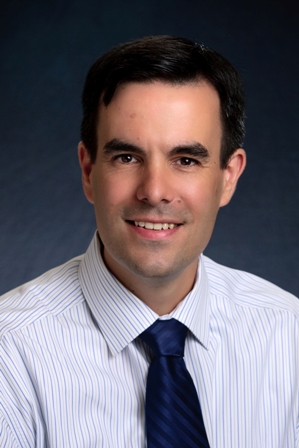
|
| Dr. Stephen Pont |
However, it also means that great untapped potential exists for pediatricians and other health professionals to play a much more impactful role in helping children and families make healthy changes. Making these changes early and avoiding severe obesity also will prevent the costly and often intractable complications that are certain to follow. The solution to the childhood obesity epidemic is not in the pediatrician's office alone, but if we are to be most successful at reversing the childhood obesity epidemic, our offices have to be part of the solution! How much progress would we have made in pediatric cancer or asthma if we were not reimbursed for the visits? No doubt we would have still cared for these children, as we do now, but progress certainly would have been slower.
In November 2011, Medicare approved intensive outpatient treatment for adults with obesity; however, the majority of insurance providers for children, both Medicaid and private payers, still do not recognize childhood obesity as a reimbursable reason for a child to visit their pediatrician - or other health care professional - to address their weight. If you are interested in working in this area of advocacy, the American Academy of Pediatrics section on obesity would love to work with you. Beyond the walls of our clinics, pediatricians and other health professionals must also work in our communities. We must advocate and lead healthy community change so that healthy choices are easier to make where our patients live. Then as we help empower our patients in our clinics, they can return to communities where the healthier choice is much easier to make.
Stephen Pont, M.D., M.P.H., is a pediatrician at Dell Children's Medical Center in Austin, Tex., and chair of the American Academy of Pediatrics section on obesity. (On Twitter @DrStephenPont). He said he had no relevant financial disclosures.
This is a wonderful and yet frightening manuscript that summarizes why we must be so concerned about childhood obesity and overweight. Additionally worrisome is the high prevalence of severe obesity in very young children. More research is definitely warranted and needed, particularly regarding effective interventions, but with so many children already affected and suffering, we can't wait to act. However, currently the majority of pediatricians across the United States are unable to see a child for "only" having childhood obesity or overweight because these visits are rejected for payment by the majority of Medicaid and private insurance carriers in most states. There are some states and insurance carriers that reimburse an obesity or weight management visit, but for most pediatricians and other health professionals, we have to wait until the child develops a complication of their weight before we can see them to address their excess weight. This is very frustrating.
|
|
| Dr. Stephen Pont |
However, it also means that great untapped potential exists for pediatricians and other health professionals to play a much more impactful role in helping children and families make healthy changes. Making these changes early and avoiding severe obesity also will prevent the costly and often intractable complications that are certain to follow. The solution to the childhood obesity epidemic is not in the pediatrician's office alone, but if we are to be most successful at reversing the childhood obesity epidemic, our offices have to be part of the solution! How much progress would we have made in pediatric cancer or asthma if we were not reimbursed for the visits? No doubt we would have still cared for these children, as we do now, but progress certainly would have been slower.
In November 2011, Medicare approved intensive outpatient treatment for adults with obesity; however, the majority of insurance providers for children, both Medicaid and private payers, still do not recognize childhood obesity as a reimbursable reason for a child to visit their pediatrician - or other health care professional - to address their weight. If you are interested in working in this area of advocacy, the American Academy of Pediatrics section on obesity would love to work with you. Beyond the walls of our clinics, pediatricians and other health professionals must also work in our communities. We must advocate and lead healthy community change so that healthy choices are easier to make where our patients live. Then as we help empower our patients in our clinics, they can return to communities where the healthier choice is much easier to make.
Stephen Pont, M.D., M.P.H., is a pediatrician at Dell Children's Medical Center in Austin, Tex., and chair of the American Academy of Pediatrics section on obesity. (On Twitter @DrStephenPont). He said he had no relevant financial disclosures.
This is a wonderful and yet frightening manuscript that summarizes why we must be so concerned about childhood obesity and overweight. Additionally worrisome is the high prevalence of severe obesity in very young children. More research is definitely warranted and needed, particularly regarding effective interventions, but with so many children already affected and suffering, we can't wait to act. However, currently the majority of pediatricians across the United States are unable to see a child for "only" having childhood obesity or overweight because these visits are rejected for payment by the majority of Medicaid and private insurance carriers in most states. There are some states and insurance carriers that reimburse an obesity or weight management visit, but for most pediatricians and other health professionals, we have to wait until the child develops a complication of their weight before we can see them to address their excess weight. This is very frustrating.
|
|
| Dr. Stephen Pont |
However, it also means that great untapped potential exists for pediatricians and other health professionals to play a much more impactful role in helping children and families make healthy changes. Making these changes early and avoiding severe obesity also will prevent the costly and often intractable complications that are certain to follow. The solution to the childhood obesity epidemic is not in the pediatrician's office alone, but if we are to be most successful at reversing the childhood obesity epidemic, our offices have to be part of the solution! How much progress would we have made in pediatric cancer or asthma if we were not reimbursed for the visits? No doubt we would have still cared for these children, as we do now, but progress certainly would have been slower.
In November 2011, Medicare approved intensive outpatient treatment for adults with obesity; however, the majority of insurance providers for children, both Medicaid and private payers, still do not recognize childhood obesity as a reimbursable reason for a child to visit their pediatrician - or other health care professional - to address their weight. If you are interested in working in this area of advocacy, the American Academy of Pediatrics section on obesity would love to work with you. Beyond the walls of our clinics, pediatricians and other health professionals must also work in our communities. We must advocate and lead healthy community change so that healthy choices are easier to make where our patients live. Then as we help empower our patients in our clinics, they can return to communities where the healthier choice is much easier to make.
Stephen Pont, M.D., M.P.H., is a pediatrician at Dell Children's Medical Center in Austin, Tex., and chair of the American Academy of Pediatrics section on obesity. (On Twitter @DrStephenPont). He said he had no relevant financial disclosures.
An estimated 4%-6% of children and adolescents in the United States are severely obese, and the prevalence appears to be on the uptick.
At the same time, existing treatments for the condition are limited in effectiveness and lack widespread availability, a nine-member writing group of experts led by Aaron S. Kelly, Ph.D., reported in a scientific statement from the American Heart Association.
"Severe obesity in young people has grave health consequences," said Dr. Kelly in a press statement. "It’s a much more serious childhood disease than obesity."
The condition "demands attention and clinical management, because if left unchecked, it will have a profound effect on those it afflicts and will place a significant economic and clinical services burden on the future health care system," the writing group cautionedonline Sept. 9 in Circulation. It emphasized that stakeholders at all levels "will need to work together to engage the growing problem of severe pediatric obesity."
The 17-page statement includes a recommendation to define children over age 2 as severely obese if they have either a body mass index that’s at least 20%higher than the 95th percentile for their sex and age, or a BMI score of 35 kg/mm2 or higher (Circulation 2013 Sept. 9 [doi:10.1161/CIR.0b013e3182a5cfb3]). According to estimates from the National Health and Nutrition Examination Survey dating back to 1999, 4%-6% of children and adolescents in the United States currently fall into this category. Those same data suggest that severe obesity is the fastest-growing subcategory of obesity in youth.
Dr. Kelly of the division of epidemiology and clinical research in the department of pediatrics at the University of Minnesota, Minneapolis, and his associates discussed numerous associated health risks from being severely obese as a child, in particular the mounting evidence from clinical and population-based studies regarding its link to the development of cardiovascular disease (CVD). "Importantly, obesity and CVD risk factors associated with obesity have been linked to early atherosclerosis in pathological studies of the coronary arteries and aorta in adolescents and young adults," the writing group stated.
Other associated health risks that threaten this subset of patients include hyperinsulinemia, insulin resistance, and prediabetes; obstructive sleep apnea syndrome; nonalcoholic fatty liver disease; musculoskeletal problems; depression and other psychosocial problems; and disordered eating.
Although data regarding the long-term risks of severe pediatric obesity are sparse, the authors noted, "it is well established that obese youth (probably because of the strong tracking of adiposity into adulthood) are more likely to have adverse levels of cardiovascular and metabolic risk factors later in life. Higher BMI is associated with tracking in the higher levels of both blood pressure and lipids in longitudinal pediatric cohort studies. Adolescents with a higher degree of obesity are also much more likely to demonstrate CVD risk factor clustering over time. Rate and degree of obesity development are also important."
The writing group characterized current treatment options for severe pediatric obesity as limited, as most standard approaches to weight loss are insufficient for this group. As for medications, orlistat is the only agent approved for weight loss in adolescents. The largest study of its use in adolescents reported a 2.4% reduction in BMI over the course of 12 months (JAMA 2005;293:2873-83). Other agents that have been studied for pediatric obesity include metformin and exenatide. To date, the "results have demonstrated that treatment elicits only modest reductions in BMI/weight and has relatively little impact on the cardiometabolic risk factor profile in obese youth," the experts wrote. Two weight loss medications recently approved by the Food and Drug Administration to treat obesity in adults, lorcaserin and the combination of phentermine and topiramate, have never been studied in children.
Dr. Kelly and his associates went on to note that bariatric surgery "has generally been effective in reducing body mass index and improving cardiovascular and metabolic risk factors; however, reports of long-term outcomes are few, many youth with severe obesity do not qualify for surgery, and access is limited by lack of insurance coverage."
The scientific statement, which is endorsed by the Obesity Society, includes "a call to action" for innovative ways to "fill the gap between lifestyle/medication and surgery." Proposals include conducting more research on bariatric surgery’s effects and safety; evaluating the effectiveness of lifestyle modification interventions, including adherence to dietary and physical activity plans; funding research to find other useful interventions, including better drugs and medical devices; and recognizing severe obesity as a chronic disease requiring ongoing care and management.
"The task ahead will be arduous and complicated, but the high prevalence and serious consequences of severe obesity require us to commit time, intellectual capital, and financial resources to address it," the writing group concluded.
Dr. Kelly disclosed that he has received research grants from Amylin Pharmaceuticals, the National Institutes of Health/National Institute of Neurological Disorders and Stroke, and the Thrasher Research Fund. He is also a consultant to Novo Nordisk. One other writing group member, Dr. Thomas H. Inge, disclosed that he has received a research grant from Ethicon Endosurgery.
An estimated 4%-6% of children and adolescents in the United States are severely obese, and the prevalence appears to be on the uptick.
At the same time, existing treatments for the condition are limited in effectiveness and lack widespread availability, a nine-member writing group of experts led by Aaron S. Kelly, Ph.D., reported in a scientific statement from the American Heart Association.
"Severe obesity in young people has grave health consequences," said Dr. Kelly in a press statement. "It’s a much more serious childhood disease than obesity."
The condition "demands attention and clinical management, because if left unchecked, it will have a profound effect on those it afflicts and will place a significant economic and clinical services burden on the future health care system," the writing group cautionedonline Sept. 9 in Circulation. It emphasized that stakeholders at all levels "will need to work together to engage the growing problem of severe pediatric obesity."
The 17-page statement includes a recommendation to define children over age 2 as severely obese if they have either a body mass index that’s at least 20%higher than the 95th percentile for their sex and age, or a BMI score of 35 kg/mm2 or higher (Circulation 2013 Sept. 9 [doi:10.1161/CIR.0b013e3182a5cfb3]). According to estimates from the National Health and Nutrition Examination Survey dating back to 1999, 4%-6% of children and adolescents in the United States currently fall into this category. Those same data suggest that severe obesity is the fastest-growing subcategory of obesity in youth.
Dr. Kelly of the division of epidemiology and clinical research in the department of pediatrics at the University of Minnesota, Minneapolis, and his associates discussed numerous associated health risks from being severely obese as a child, in particular the mounting evidence from clinical and population-based studies regarding its link to the development of cardiovascular disease (CVD). "Importantly, obesity and CVD risk factors associated with obesity have been linked to early atherosclerosis in pathological studies of the coronary arteries and aorta in adolescents and young adults," the writing group stated.
Other associated health risks that threaten this subset of patients include hyperinsulinemia, insulin resistance, and prediabetes; obstructive sleep apnea syndrome; nonalcoholic fatty liver disease; musculoskeletal problems; depression and other psychosocial problems; and disordered eating.
Although data regarding the long-term risks of severe pediatric obesity are sparse, the authors noted, "it is well established that obese youth (probably because of the strong tracking of adiposity into adulthood) are more likely to have adverse levels of cardiovascular and metabolic risk factors later in life. Higher BMI is associated with tracking in the higher levels of both blood pressure and lipids in longitudinal pediatric cohort studies. Adolescents with a higher degree of obesity are also much more likely to demonstrate CVD risk factor clustering over time. Rate and degree of obesity development are also important."
The writing group characterized current treatment options for severe pediatric obesity as limited, as most standard approaches to weight loss are insufficient for this group. As for medications, orlistat is the only agent approved for weight loss in adolescents. The largest study of its use in adolescents reported a 2.4% reduction in BMI over the course of 12 months (JAMA 2005;293:2873-83). Other agents that have been studied for pediatric obesity include metformin and exenatide. To date, the "results have demonstrated that treatment elicits only modest reductions in BMI/weight and has relatively little impact on the cardiometabolic risk factor profile in obese youth," the experts wrote. Two weight loss medications recently approved by the Food and Drug Administration to treat obesity in adults, lorcaserin and the combination of phentermine and topiramate, have never been studied in children.
Dr. Kelly and his associates went on to note that bariatric surgery "has generally been effective in reducing body mass index and improving cardiovascular and metabolic risk factors; however, reports of long-term outcomes are few, many youth with severe obesity do not qualify for surgery, and access is limited by lack of insurance coverage."
The scientific statement, which is endorsed by the Obesity Society, includes "a call to action" for innovative ways to "fill the gap between lifestyle/medication and surgery." Proposals include conducting more research on bariatric surgery’s effects and safety; evaluating the effectiveness of lifestyle modification interventions, including adherence to dietary and physical activity plans; funding research to find other useful interventions, including better drugs and medical devices; and recognizing severe obesity as a chronic disease requiring ongoing care and management.
"The task ahead will be arduous and complicated, but the high prevalence and serious consequences of severe obesity require us to commit time, intellectual capital, and financial resources to address it," the writing group concluded.
Dr. Kelly disclosed that he has received research grants from Amylin Pharmaceuticals, the National Institutes of Health/National Institute of Neurological Disorders and Stroke, and the Thrasher Research Fund. He is also a consultant to Novo Nordisk. One other writing group member, Dr. Thomas H. Inge, disclosed that he has received a research grant from Ethicon Endosurgery.
FROM CIRCULATION

Lasers promising for onychomycosis treatment
DANA POINT, CALIF. – Lasers are playing a key role in the treatment of onychomycosis, with cure rates exceeding that of terbinafine in most cases, Dr. Jill S. Waibel said at a meeting sponsored by SkinCare Physicians and Northwestern University.
The development is welcome because currently approved treatment options are "suboptimal," said Dr. Waibel, a dermatologic surgeon with Miami (Fla.) Dermatology & Laser Institute. "There’s also a big need; 34% of diabetics have onychomycosis. They are at an increased risk of developing complications including foot ulcers and amputations. In addition, 50% of individuals over age 70 have onychomycosis. The market for treatment in the United States is $1.6 billion," she said.

All infectious agents can be killed by heat except prions, which makes laser therapy a promising option for onychomycosis, Dr. Waibel said. The mechanism of action is not fully understood, but she shared three hypotheses. The first is that water in the keratin of the nail absorbs the laser energy and creates nonspecific bulk heating, which denatures fungal organelles. The second hypothesis is that free radicals are created by the laser, and these kill the dermatophyte. The third hypothesis is that microscopic selective photothermolysis occurs in Trichophyton species that contain melanin in their cell walls. Microcavitation and acoustic shock waves are created, which decapsulate the spores. The mechanism of action "is probably a combination of all three," she speculated.
Before laser treatment, the patient’s toenails and the surrounding skin are cleaned, and photos are taken of the nails, Dr. Waibel said. The affected areas of nail are treated with randomly assigned laser or light wavelengths until a temperature of 46° C is reached.
"The thicker the nail, the more energy we put into it," Dr. Waibel said of the treatment. "For every 5° C increase in temperature, there is an exponential decrease in the time to cell death. When laser energy first strikes the nail bed, there is a rapid spike in temperature reaching the lower 60° C range," she explained. "If you’re at 60° C, it only takes about 6 seconds to kill the dermatophyte. At 70° C, that takes about 6 ms, so the lasers are getting to the temperature to kill the dermatophyte."
If the patient becomes uncomfortable, "We stop [the laser] and then return after a few seconds," Dr. Waibel said. "The average treatment time in my practice is 10 minutes. We give two to three treatments 1 week apart. The patients are very satisfied."
Post therapy, Dr. Waibel said she instructs patients to use antifungal spray in their shoes and to use fungal cream, "because you can get onychomycosis from having athlete’s foot." But, she added, "80% of toenail fungus comes from sleeping with your spouse. So if you treat the woman and you don’t treat the man, when they sleep at night and their toes touch, they’ll pass it back and forth."
In a prospective study conducted at the Dermatology & Laser Institute, 21 patients with positive dermatophytic periodic acid–Schiff (PAS) or positive cultures were randomly assigned to undergo treatment with one of three light source options: a 1,064-nm laser (at an energy fluence of 17 J/cm2, a pulse width of 0.3 ms, 5 pulses/sec, and a spot size of 3 mm); broadband light (with a SkinTyte filter delivered at 20° C for 30 seconds), or a 1,319-nm laser (at an energy fluence of 5 J/cm2, a pulse width of 10 ms, 5 pulses/sec, and a spot size of 3 mm). At 6 months’ follow-up, all but one patient in the 1,319-nm group was culture negative, "which is impressive," Dr. Waibel said. Oral terbinafine has a cure rate of only 50%, she noted.
In a separate retrospective study conducted at the center, 73 patients with onychomycosis were treated with the 1,064-nm laser with temperature feedback. Each patient completed three to four treatments 1 week apart. At 12 months’ follow-up, 67 patients were clear of infection, while 6 had a recurrent infection or had become newly infected. That’s still better than terbinafine, Dr. Waibel said.
She and her associates conducted a 12-month retrospective analysis of patients choosing therapy for positive culture/positive PAS during the year 2012. The patients were offered three treatment options: laser therapy, terbinafine, or no therapy. Nearly two-thirds (64%) chose laser, 20% chose terbinafine, and 16% chose no therapy.
Dr. Waibel disclosed that she is a speaker for and/or has received honoraria for equipment or clinical trials from numerous device and skin care product manufacturers.
DANA POINT, CALIF. – Lasers are playing a key role in the treatment of onychomycosis, with cure rates exceeding that of terbinafine in most cases, Dr. Jill S. Waibel said at a meeting sponsored by SkinCare Physicians and Northwestern University.
The development is welcome because currently approved treatment options are "suboptimal," said Dr. Waibel, a dermatologic surgeon with Miami (Fla.) Dermatology & Laser Institute. "There’s also a big need; 34% of diabetics have onychomycosis. They are at an increased risk of developing complications including foot ulcers and amputations. In addition, 50% of individuals over age 70 have onychomycosis. The market for treatment in the United States is $1.6 billion," she said.
All infectious agents can be killed by heat except prions, which makes laser therapy a promising option for onychomycosis, Dr. Waibel said. The mechanism of action is not fully understood, but she shared three hypotheses. The first is that water in the keratin of the nail absorbs the laser energy and creates nonspecific bulk heating, which denatures fungal organelles. The second hypothesis is that free radicals are created by the laser, and these kill the dermatophyte. The third hypothesis is that microscopic selective photothermolysis occurs in Trichophyton species that contain melanin in their cell walls. Microcavitation and acoustic shock waves are created, which decapsulate the spores. The mechanism of action "is probably a combination of all three," she speculated.
Before laser treatment, the patient’s toenails and the surrounding skin are cleaned, and photos are taken of the nails, Dr. Waibel said. The affected areas of nail are treated with randomly assigned laser or light wavelengths until a temperature of 46° C is reached.
"The thicker the nail, the more energy we put into it," Dr. Waibel said of the treatment. "For every 5° C increase in temperature, there is an exponential decrease in the time to cell death. When laser energy first strikes the nail bed, there is a rapid spike in temperature reaching the lower 60° C range," she explained. "If you’re at 60° C, it only takes about 6 seconds to kill the dermatophyte. At 70° C, that takes about 6 ms, so the lasers are getting to the temperature to kill the dermatophyte."
If the patient becomes uncomfortable, "We stop [the laser] and then return after a few seconds," Dr. Waibel said. "The average treatment time in my practice is 10 minutes. We give two to three treatments 1 week apart. The patients are very satisfied."
Post therapy, Dr. Waibel said she instructs patients to use antifungal spray in their shoes and to use fungal cream, "because you can get onychomycosis from having athlete’s foot." But, she added, "80% of toenail fungus comes from sleeping with your spouse. So if you treat the woman and you don’t treat the man, when they sleep at night and their toes touch, they’ll pass it back and forth."
In a prospective study conducted at the Dermatology & Laser Institute, 21 patients with positive dermatophytic periodic acid–Schiff (PAS) or positive cultures were randomly assigned to undergo treatment with one of three light source options: a 1,064-nm laser (at an energy fluence of 17 J/cm2, a pulse width of 0.3 ms, 5 pulses/sec, and a spot size of 3 mm); broadband light (with a SkinTyte filter delivered at 20° C for 30 seconds), or a 1,319-nm laser (at an energy fluence of 5 J/cm2, a pulse width of 10 ms, 5 pulses/sec, and a spot size of 3 mm). At 6 months’ follow-up, all but one patient in the 1,319-nm group was culture negative, "which is impressive," Dr. Waibel said. Oral terbinafine has a cure rate of only 50%, she noted.
In a separate retrospective study conducted at the center, 73 patients with onychomycosis were treated with the 1,064-nm laser with temperature feedback. Each patient completed three to four treatments 1 week apart. At 12 months’ follow-up, 67 patients were clear of infection, while 6 had a recurrent infection or had become newly infected. That’s still better than terbinafine, Dr. Waibel said.
She and her associates conducted a 12-month retrospective analysis of patients choosing therapy for positive culture/positive PAS during the year 2012. The patients were offered three treatment options: laser therapy, terbinafine, or no therapy. Nearly two-thirds (64%) chose laser, 20% chose terbinafine, and 16% chose no therapy.
Dr. Waibel disclosed that she is a speaker for and/or has received honoraria for equipment or clinical trials from numerous device and skin care product manufacturers.
DANA POINT, CALIF. – Lasers are playing a key role in the treatment of onychomycosis, with cure rates exceeding that of terbinafine in most cases, Dr. Jill S. Waibel said at a meeting sponsored by SkinCare Physicians and Northwestern University.
The development is welcome because currently approved treatment options are "suboptimal," said Dr. Waibel, a dermatologic surgeon with Miami (Fla.) Dermatology & Laser Institute. "There’s also a big need; 34% of diabetics have onychomycosis. They are at an increased risk of developing complications including foot ulcers and amputations. In addition, 50% of individuals over age 70 have onychomycosis. The market for treatment in the United States is $1.6 billion," she said.
All infectious agents can be killed by heat except prions, which makes laser therapy a promising option for onychomycosis, Dr. Waibel said. The mechanism of action is not fully understood, but she shared three hypotheses. The first is that water in the keratin of the nail absorbs the laser energy and creates nonspecific bulk heating, which denatures fungal organelles. The second hypothesis is that free radicals are created by the laser, and these kill the dermatophyte. The third hypothesis is that microscopic selective photothermolysis occurs in Trichophyton species that contain melanin in their cell walls. Microcavitation and acoustic shock waves are created, which decapsulate the spores. The mechanism of action "is probably a combination of all three," she speculated.
Before laser treatment, the patient’s toenails and the surrounding skin are cleaned, and photos are taken of the nails, Dr. Waibel said. The affected areas of nail are treated with randomly assigned laser or light wavelengths until a temperature of 46° C is reached.
"The thicker the nail, the more energy we put into it," Dr. Waibel said of the treatment. "For every 5° C increase in temperature, there is an exponential decrease in the time to cell death. When laser energy first strikes the nail bed, there is a rapid spike in temperature reaching the lower 60° C range," she explained. "If you’re at 60° C, it only takes about 6 seconds to kill the dermatophyte. At 70° C, that takes about 6 ms, so the lasers are getting to the temperature to kill the dermatophyte."
If the patient becomes uncomfortable, "We stop [the laser] and then return after a few seconds," Dr. Waibel said. "The average treatment time in my practice is 10 minutes. We give two to three treatments 1 week apart. The patients are very satisfied."
Post therapy, Dr. Waibel said she instructs patients to use antifungal spray in their shoes and to use fungal cream, "because you can get onychomycosis from having athlete’s foot." But, she added, "80% of toenail fungus comes from sleeping with your spouse. So if you treat the woman and you don’t treat the man, when they sleep at night and their toes touch, they’ll pass it back and forth."
In a prospective study conducted at the Dermatology & Laser Institute, 21 patients with positive dermatophytic periodic acid–Schiff (PAS) or positive cultures were randomly assigned to undergo treatment with one of three light source options: a 1,064-nm laser (at an energy fluence of 17 J/cm2, a pulse width of 0.3 ms, 5 pulses/sec, and a spot size of 3 mm); broadband light (with a SkinTyte filter delivered at 20° C for 30 seconds), or a 1,319-nm laser (at an energy fluence of 5 J/cm2, a pulse width of 10 ms, 5 pulses/sec, and a spot size of 3 mm). At 6 months’ follow-up, all but one patient in the 1,319-nm group was culture negative, "which is impressive," Dr. Waibel said. Oral terbinafine has a cure rate of only 50%, she noted.
In a separate retrospective study conducted at the center, 73 patients with onychomycosis were treated with the 1,064-nm laser with temperature feedback. Each patient completed three to four treatments 1 week apart. At 12 months’ follow-up, 67 patients were clear of infection, while 6 had a recurrent infection or had become newly infected. That’s still better than terbinafine, Dr. Waibel said.
She and her associates conducted a 12-month retrospective analysis of patients choosing therapy for positive culture/positive PAS during the year 2012. The patients were offered three treatment options: laser therapy, terbinafine, or no therapy. Nearly two-thirds (64%) chose laser, 20% chose terbinafine, and 16% chose no therapy.
Dr. Waibel disclosed that she is a speaker for and/or has received honoraria for equipment or clinical trials from numerous device and skin care product manufacturers.
EXPERT ANALYSIS FROM CONTROVERSIES AND CONVERSATIONS IN LASER AND COSMETIC SURGERY

Three Factors Tied to Femoral Artery Aneurysm Outcomes
SAN FRANCISCO - Predictors of acute aneurysm - related complications were aneurysm size of 4 cm or greater, thrombus, and age younger than 60 years, in a study of patients with isolated degenerative femoral artery aneurysms.
"Acute complications have not occurred in patients with FAAs less than 3.5 cm, suggesting that this should be adopted as a new threshold for elective repair," Dr. Gustavo S. Oderich said at the Society for Vascular Surgery Annual Meeting.
Femoral artery aneurysms (FAAs) are rare, affecting 5/100,000 individuals, said Dr. Oderich, a vascular surgeon who practices at the Mayo Clinic, Rochester, Minn. Current indications for repair are symptoms, size greater than 2.5 cm, growth, and thrombus.
Most reports of FAAs predate modern imaging. These studies "are limited by the small number of patients, mixed etiology, and short follow-up," Dr. Oderich said. "The purpose of the current study was to review the clinical presentation, management strategies, and outcomes of degenerative FAAs in a larger cohort of patients."

For the study, led by Dr. Peter F. Lawrence of the University of California, Los Angeles, researchers retrospectively studied patients treated for degenerative FAAs between 2002 and 2012 at eight medical centers in the United States. Iatrogenic, anastomotic, and mycotic aneurysms were excluded from the analysis. Endpoints of interest were morbidity and mortality with operative repair; acute aneurysm - related complications including rupture, thrombosis, and embolization; and patient survival.
Dr. Oderich reported on 236 FAAs that occurred in 182 patients. The mean size was 32 cm. Most (81%) were located on the common femoral artery, 14% were located on the superficial femoral artery, and 5% were located on the profunda femoris artery. The majority of patients (88%) had synchronous aneurysms in other locations. The most common locations outside of the femoral artery were the aortic (62%) artery, common iliac arteries (60%), popliteal arteries (47%), and bilateral FAAs (25%).
The mean age of patients was 73 and 94% of patients were male. At presentation 63% of patients were asymptomatic. The most common signs and symptoms were palpable mass (29%), claudication (22%), and local pain (10%).
When the researchers compared symptomatic versus asymptomatic aneurysms, symptomatic aneurysms were larger, had more intraluminal thrombus, and more often affected the profunda femoral artery .Only 12 patients (5%) had acute events, most of them rupture or thrombosis, with a size of 3.5-7 cm in range.
Independent predictors associated with acute aneurysm - related complications were a diameter of 4 cm or greater (P = less than .001), an intraluminal thrombus (P = less than .001), and age younger than 60 (P = .004). Freedom from repair among patients with asymptomatic FAAs was 21% at 5 years, "largely reflecting our practice of indicating the operation for aneurysms greater than 2.5 cm," Dr. Oderich said. The most common indications for repair were pain (34%), intramural thrombus (27%), and size of 2.5 cm or greater (23%).
He reported that 138 patients underwent open repair and 3 patients underwent endovascular treatment of 177 FAAs. The most frequent form of reconstruction was an interposition graft (80%) or bypass (20%). Among the 141 patients who had operative treatment, the 30-day mortality was 1.5%, the morbidity rate was 20%, and the mean length of stay was 7 days. During a mean follow-up of 49 months, there were 35 nonaneurysm-related deaths (27%) and 1 graft-related complication. Patient survival at 5 years was 61%.
"Repair of smaller FAAs may be indicated in patients with intramural thrombus or progressive enlargement," Dr. Oderich concluded. "Current repair of all symptomatic FAAs should remain unchanged. Operative repair was associated with low mortality, morbidity, and durable results."
Decision making when faced with a patient with a degenerative femoral artery aneurysm has always been based on small series. Especially when deciding what size asymptomatic aneurysm is too big to continue to watch, the available data are weak.
The authors pooled a large number of cases from eight institutions to assemble a dataset of 236 FAAs, 25% of which were apparently observed without repair. (Disclaimer: One of my partners contributed data to this series.) They noted that no asymptomatic aneurysm less than 3.5 cm developed an acute complication, and concluded that the threshold for repair of these lesions should rise to at least 3.5 cm in diameter.
Although this report is retrospective and almost certainly contains selection bias, this conclusion seems valid to me at a gut level. I also agree that any symptoms or the presence of significant mural thrombus should prompt repair. Until we are able to capitalize on the capacity of electronic medical records to determine the clinical outcome of patients on the basis of diagnosis rather than what surgical procedure they have had, this is probably the best data we are likely to see regarding the management of FAA.
Dr. Larry W. Kraiss is professor and chief of vascular surgery at the University of Utah, Salt Lake City, and is an associate medical editor of Vascular Specialist.
Decision making when faced with a patient with a degenerative femoral artery aneurysm has always been based on small series. Especially when deciding what size asymptomatic aneurysm is too big to continue to watch, the available data are weak.
The authors pooled a large number of cases from eight institutions to assemble a dataset of 236 FAAs, 25% of which were apparently observed without repair. (Disclaimer: One of my partners contributed data to this series.) They noted that no asymptomatic aneurysm less than 3.5 cm developed an acute complication, and concluded that the threshold for repair of these lesions should rise to at least 3.5 cm in diameter.
Although this report is retrospective and almost certainly contains selection bias, this conclusion seems valid to me at a gut level. I also agree that any symptoms or the presence of significant mural thrombus should prompt repair. Until we are able to capitalize on the capacity of electronic medical records to determine the clinical outcome of patients on the basis of diagnosis rather than what surgical procedure they have had, this is probably the best data we are likely to see regarding the management of FAA.
Dr. Larry W. Kraiss is professor and chief of vascular surgery at the University of Utah, Salt Lake City, and is an associate medical editor of Vascular Specialist.
Decision making when faced with a patient with a degenerative femoral artery aneurysm has always been based on small series. Especially when deciding what size asymptomatic aneurysm is too big to continue to watch, the available data are weak.
The authors pooled a large number of cases from eight institutions to assemble a dataset of 236 FAAs, 25% of which were apparently observed without repair. (Disclaimer: One of my partners contributed data to this series.) They noted that no asymptomatic aneurysm less than 3.5 cm developed an acute complication, and concluded that the threshold for repair of these lesions should rise to at least 3.5 cm in diameter.
Although this report is retrospective and almost certainly contains selection bias, this conclusion seems valid to me at a gut level. I also agree that any symptoms or the presence of significant mural thrombus should prompt repair. Until we are able to capitalize on the capacity of electronic medical records to determine the clinical outcome of patients on the basis of diagnosis rather than what surgical procedure they have had, this is probably the best data we are likely to see regarding the management of FAA.
Dr. Larry W. Kraiss is professor and chief of vascular surgery at the University of Utah, Salt Lake City, and is an associate medical editor of Vascular Specialist.
SAN FRANCISCO - Predictors of acute aneurysm - related complications were aneurysm size of 4 cm or greater, thrombus, and age younger than 60 years, in a study of patients with isolated degenerative femoral artery aneurysms.
"Acute complications have not occurred in patients with FAAs less than 3.5 cm, suggesting that this should be adopted as a new threshold for elective repair," Dr. Gustavo S. Oderich said at the Society for Vascular Surgery Annual Meeting.
Femoral artery aneurysms (FAAs) are rare, affecting 5/100,000 individuals, said Dr. Oderich, a vascular surgeon who practices at the Mayo Clinic, Rochester, Minn. Current indications for repair are symptoms, size greater than 2.5 cm, growth, and thrombus.
Most reports of FAAs predate modern imaging. These studies "are limited by the small number of patients, mixed etiology, and short follow-up," Dr. Oderich said. "The purpose of the current study was to review the clinical presentation, management strategies, and outcomes of degenerative FAAs in a larger cohort of patients."
For the study, led by Dr. Peter F. Lawrence of the University of California, Los Angeles, researchers retrospectively studied patients treated for degenerative FAAs between 2002 and 2012 at eight medical centers in the United States. Iatrogenic, anastomotic, and mycotic aneurysms were excluded from the analysis. Endpoints of interest were morbidity and mortality with operative repair; acute aneurysm - related complications including rupture, thrombosis, and embolization; and patient survival.
Dr. Oderich reported on 236 FAAs that occurred in 182 patients. The mean size was 32 cm. Most (81%) were located on the common femoral artery, 14% were located on the superficial femoral artery, and 5% were located on the profunda femoris artery. The majority of patients (88%) had synchronous aneurysms in other locations. The most common locations outside of the femoral artery were the aortic (62%) artery, common iliac arteries (60%), popliteal arteries (47%), and bilateral FAAs (25%).
The mean age of patients was 73 and 94% of patients were male. At presentation 63% of patients were asymptomatic. The most common signs and symptoms were palpable mass (29%), claudication (22%), and local pain (10%).
When the researchers compared symptomatic versus asymptomatic aneurysms, symptomatic aneurysms were larger, had more intraluminal thrombus, and more often affected the profunda femoral artery .Only 12 patients (5%) had acute events, most of them rupture or thrombosis, with a size of 3.5-7 cm in range.
Independent predictors associated with acute aneurysm - related complications were a diameter of 4 cm or greater (P = less than .001), an intraluminal thrombus (P = less than .001), and age younger than 60 (P = .004). Freedom from repair among patients with asymptomatic FAAs was 21% at 5 years, "largely reflecting our practice of indicating the operation for aneurysms greater than 2.5 cm," Dr. Oderich said. The most common indications for repair were pain (34%), intramural thrombus (27%), and size of 2.5 cm or greater (23%).
He reported that 138 patients underwent open repair and 3 patients underwent endovascular treatment of 177 FAAs. The most frequent form of reconstruction was an interposition graft (80%) or bypass (20%). Among the 141 patients who had operative treatment, the 30-day mortality was 1.5%, the morbidity rate was 20%, and the mean length of stay was 7 days. During a mean follow-up of 49 months, there were 35 nonaneurysm-related deaths (27%) and 1 graft-related complication. Patient survival at 5 years was 61%.
"Repair of smaller FAAs may be indicated in patients with intramural thrombus or progressive enlargement," Dr. Oderich concluded. "Current repair of all symptomatic FAAs should remain unchanged. Operative repair was associated with low mortality, morbidity, and durable results."
SAN FRANCISCO - Predictors of acute aneurysm - related complications were aneurysm size of 4 cm or greater, thrombus, and age younger than 60 years, in a study of patients with isolated degenerative femoral artery aneurysms.
"Acute complications have not occurred in patients with FAAs less than 3.5 cm, suggesting that this should be adopted as a new threshold for elective repair," Dr. Gustavo S. Oderich said at the Society for Vascular Surgery Annual Meeting.
Femoral artery aneurysms (FAAs) are rare, affecting 5/100,000 individuals, said Dr. Oderich, a vascular surgeon who practices at the Mayo Clinic, Rochester, Minn. Current indications for repair are symptoms, size greater than 2.5 cm, growth, and thrombus.
Most reports of FAAs predate modern imaging. These studies "are limited by the small number of patients, mixed etiology, and short follow-up," Dr. Oderich said. "The purpose of the current study was to review the clinical presentation, management strategies, and outcomes of degenerative FAAs in a larger cohort of patients."
For the study, led by Dr. Peter F. Lawrence of the University of California, Los Angeles, researchers retrospectively studied patients treated for degenerative FAAs between 2002 and 2012 at eight medical centers in the United States. Iatrogenic, anastomotic, and mycotic aneurysms were excluded from the analysis. Endpoints of interest were morbidity and mortality with operative repair; acute aneurysm - related complications including rupture, thrombosis, and embolization; and patient survival.
Dr. Oderich reported on 236 FAAs that occurred in 182 patients. The mean size was 32 cm. Most (81%) were located on the common femoral artery, 14% were located on the superficial femoral artery, and 5% were located on the profunda femoris artery. The majority of patients (88%) had synchronous aneurysms in other locations. The most common locations outside of the femoral artery were the aortic (62%) artery, common iliac arteries (60%), popliteal arteries (47%), and bilateral FAAs (25%).
The mean age of patients was 73 and 94% of patients were male. At presentation 63% of patients were asymptomatic. The most common signs and symptoms were palpable mass (29%), claudication (22%), and local pain (10%).
When the researchers compared symptomatic versus asymptomatic aneurysms, symptomatic aneurysms were larger, had more intraluminal thrombus, and more often affected the profunda femoral artery .Only 12 patients (5%) had acute events, most of them rupture or thrombosis, with a size of 3.5-7 cm in range.
Independent predictors associated with acute aneurysm - related complications were a diameter of 4 cm or greater (P = less than .001), an intraluminal thrombus (P = less than .001), and age younger than 60 (P = .004). Freedom from repair among patients with asymptomatic FAAs was 21% at 5 years, "largely reflecting our practice of indicating the operation for aneurysms greater than 2.5 cm," Dr. Oderich said. The most common indications for repair were pain (34%), intramural thrombus (27%), and size of 2.5 cm or greater (23%).
He reported that 138 patients underwent open repair and 3 patients underwent endovascular treatment of 177 FAAs. The most frequent form of reconstruction was an interposition graft (80%) or bypass (20%). Among the 141 patients who had operative treatment, the 30-day mortality was 1.5%, the morbidity rate was 20%, and the mean length of stay was 7 days. During a mean follow-up of 49 months, there were 35 nonaneurysm-related deaths (27%) and 1 graft-related complication. Patient survival at 5 years was 61%.
"Repair of smaller FAAs may be indicated in patients with intramural thrombus or progressive enlargement," Dr. Oderich concluded. "Current repair of all symptomatic FAAs should remain unchanged. Operative repair was associated with low mortality, morbidity, and durable results."
AT THE SVS ANNUAL MEETING
Major finding: Among patients treated for isolated degenerative femoral artery aneurysms, independent predictors associated with acute aneurysm–related complications were a diameter of 4 cm or greater (P = less than .001), an intraluminal thrombus (P = less than .001), and age younger than 60 (P = .004).
Data source: A retrospective study of 182 patients in the United States who were treated for 236 femoral artery aneurysms that occurred between 2002 and 2012.
Disclosures: Dr. Oderich disclosed that he has served as a consultant to W.L. Gore and Cook Medical.

Multiple same-day laser treatment may be effective for unwanted tattoos
DANA POINT, CALIF. – When it comes to removing unwanted tattoos with lasers, repetitive treatments on the same day appear to expedite tattoo clearance compared with a single treatment, a small study has shown.
Dr. Suzanne L. Kilmer discussed results from a study that she conducted with her associate, Dr. Omar Ibrahimi, that examined the effect of repetitive laser treatments on 17 patients who had a total of 26 tattoos among them. Of the 26 tattoos, 15 were divided into a grid that received one, two, three, or four laser treatments on the same day, while the remaining 17 were bisected and received one or four treatments in the same day, she said at a meeting sponsored by SkinCare Physicians and Northwestern University.
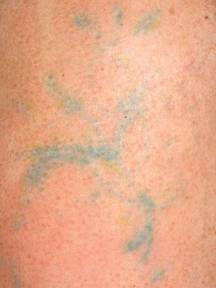
The researchers performed the treatments with a 755-nm Q-switched alexandrite laser or with a 532-nm and 1,064-nm Nd:YAG laser. Patients who underwent multiple treatments waited a minimum of 20 minutes between treatment sessions.
Dr. Kilmer, who heads a laser and skin surgery group practice in Sacramento, reported that lesion clearance on tattoos that had undergone multiple treatments on the same day "was clearly better" than on those receiving a single treatment on the same day. For example, at 1-month follow-up, the clearance rate jumped from 36% with one treatment to 50% for two same-day treatments, but the improvement was less pronounced with same-day treatments four and five (55%, and 59%, respectively).
Patients noted increased swelling with multiple same-day treatments "but there was no increase in pain," said Dr. Kilmer. "In fact, most felt less pain with subsequent treatments. There was no difference in post-inflammatory hyperpigmentation, and no scarring was noted. All patients preferred more rapid clearance of tattoos."

Dr. Kilmer said that the clearance of Cynosure’s PicoSure 750-nm picosecond aesthetic laser in 2012 represented an important advance in tattoo treatment. Its shorter pulse duration "shatters" the target ink into tiny particles, she said. In her clinical experience the PicoSure is especially effective for resistant tattoos – often with as few as two treatments though it makes less of a dent in red ink tattoos. "Colors matter," Dr. Kilmer noted. "We thought that the PicoSure would make color indifferent, but it doesn’t. We still need red light for green ink and green light for red ink."
Dr. Kilmer disclosed that she is a member of the medical advisory board for Candela-Syneron, Living Proof, Lumenis, Miramar, Ulthera, and Zeltiq. She also has received research support from Allergan and from numerous device companies.
DANA POINT, CALIF. – When it comes to removing unwanted tattoos with lasers, repetitive treatments on the same day appear to expedite tattoo clearance compared with a single treatment, a small study has shown.
Dr. Suzanne L. Kilmer discussed results from a study that she conducted with her associate, Dr. Omar Ibrahimi, that examined the effect of repetitive laser treatments on 17 patients who had a total of 26 tattoos among them. Of the 26 tattoos, 15 were divided into a grid that received one, two, three, or four laser treatments on the same day, while the remaining 17 were bisected and received one or four treatments in the same day, she said at a meeting sponsored by SkinCare Physicians and Northwestern University.
The researchers performed the treatments with a 755-nm Q-switched alexandrite laser or with a 532-nm and 1,064-nm Nd:YAG laser. Patients who underwent multiple treatments waited a minimum of 20 minutes between treatment sessions.
Dr. Kilmer, who heads a laser and skin surgery group practice in Sacramento, reported that lesion clearance on tattoos that had undergone multiple treatments on the same day "was clearly better" than on those receiving a single treatment on the same day. For example, at 1-month follow-up, the clearance rate jumped from 36% with one treatment to 50% for two same-day treatments, but the improvement was less pronounced with same-day treatments four and five (55%, and 59%, respectively).
Patients noted increased swelling with multiple same-day treatments "but there was no increase in pain," said Dr. Kilmer. "In fact, most felt less pain with subsequent treatments. There was no difference in post-inflammatory hyperpigmentation, and no scarring was noted. All patients preferred more rapid clearance of tattoos."
Dr. Kilmer said that the clearance of Cynosure’s PicoSure 750-nm picosecond aesthetic laser in 2012 represented an important advance in tattoo treatment. Its shorter pulse duration "shatters" the target ink into tiny particles, she said. In her clinical experience the PicoSure is especially effective for resistant tattoos – often with as few as two treatments though it makes less of a dent in red ink tattoos. "Colors matter," Dr. Kilmer noted. "We thought that the PicoSure would make color indifferent, but it doesn’t. We still need red light for green ink and green light for red ink."
Dr. Kilmer disclosed that she is a member of the medical advisory board for Candela-Syneron, Living Proof, Lumenis, Miramar, Ulthera, and Zeltiq. She also has received research support from Allergan and from numerous device companies.
DANA POINT, CALIF. – When it comes to removing unwanted tattoos with lasers, repetitive treatments on the same day appear to expedite tattoo clearance compared with a single treatment, a small study has shown.
Dr. Suzanne L. Kilmer discussed results from a study that she conducted with her associate, Dr. Omar Ibrahimi, that examined the effect of repetitive laser treatments on 17 patients who had a total of 26 tattoos among them. Of the 26 tattoos, 15 were divided into a grid that received one, two, three, or four laser treatments on the same day, while the remaining 17 were bisected and received one or four treatments in the same day, she said at a meeting sponsored by SkinCare Physicians and Northwestern University.
The researchers performed the treatments with a 755-nm Q-switched alexandrite laser or with a 532-nm and 1,064-nm Nd:YAG laser. Patients who underwent multiple treatments waited a minimum of 20 minutes between treatment sessions.
Dr. Kilmer, who heads a laser and skin surgery group practice in Sacramento, reported that lesion clearance on tattoos that had undergone multiple treatments on the same day "was clearly better" than on those receiving a single treatment on the same day. For example, at 1-month follow-up, the clearance rate jumped from 36% with one treatment to 50% for two same-day treatments, but the improvement was less pronounced with same-day treatments four and five (55%, and 59%, respectively).
Patients noted increased swelling with multiple same-day treatments "but there was no increase in pain," said Dr. Kilmer. "In fact, most felt less pain with subsequent treatments. There was no difference in post-inflammatory hyperpigmentation, and no scarring was noted. All patients preferred more rapid clearance of tattoos."
Dr. Kilmer said that the clearance of Cynosure’s PicoSure 750-nm picosecond aesthetic laser in 2012 represented an important advance in tattoo treatment. Its shorter pulse duration "shatters" the target ink into tiny particles, she said. In her clinical experience the PicoSure is especially effective for resistant tattoos – often with as few as two treatments though it makes less of a dent in red ink tattoos. "Colors matter," Dr. Kilmer noted. "We thought that the PicoSure would make color indifferent, but it doesn’t. We still need red light for green ink and green light for red ink."
Dr. Kilmer disclosed that she is a member of the medical advisory board for Candela-Syneron, Living Proof, Lumenis, Miramar, Ulthera, and Zeltiq. She also has received research support from Allergan and from numerous device companies.
AT CONTROVERSIES AND CONVERSATIONS IN LASER AND COSMETIC SURGERY

Multiple same-day laser treatment may be effective for unwanted tattoos
DANA POINT, CALIF. – When it comes to removing unwanted tattoos with lasers, repetitive treatments on the same day appear to expedite tattoo clearance compared with a single treatment, a small study has shown.
Dr. Suzanne L. Kilmer discussed results from a study that she conducted with her associate, Dr. Omar Ibrahimi, that examined the effect of repetitive laser treatments on 17 patients who had a total of 26 tattoos among them. Of the 26 tattoos, 15 were divided into a grid that received one, two, three, or four laser treatments on the same day, while the remaining 17 were bisected and received one or four treatments in the same day, she said at a meeting sponsored by SkinCare Physicians and Northwestern University.
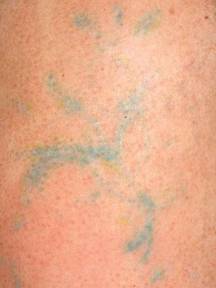
The researchers performed the treatments with a 755-nm Q-switched alexandrite laser or with a 532-nm and 1,064-nm Nd:YAG laser. Patients who underwent multiple treatments waited a minimum of 20 minutes between treatment sessions.
Dr. Kilmer, who heads a laser and skin surgery group practice in Sacramento, reported that lesion clearance on tattoos that had undergone multiple treatments on the same day "was clearly better" than on those receiving a single treatment on the same day. For example, at 1-month follow-up, the clearance rate jumped from 36% with one treatment to 50% for two same-day treatments, but the improvement was less pronounced with same-day treatments four and five (55%, and 59%, respectively).
Patients noted increased swelling with multiple same-day treatments "but there was no increase in pain," said Dr. Kilmer. "In fact, most felt less pain with subsequent treatments. There was no difference in post-inflammatory hyperpigmentation, and no scarring was noted. All patients preferred more rapid clearance of tattoos."

Dr. Kilmer said that the clearance of Cynosure’s PicoSure 750-nm picosecond aesthetic laser in 2012 represented an important advance in tattoo treatment. Its shorter pulse duration "shatters" the target ink into tiny particles, she said. In her clinical experience the PicoSure is especially effective for resistant tattoos – often with as few as two treatments though it makes less of a dent in red ink tattoos. "Colors matter," Dr. Kilmer noted. "We thought that the PicoSure would make color indifferent, but it doesn’t. We still need red light for green ink and green light for red ink."
Dr. Kilmer disclosed that she is a member of the medical advisory board for Candela-Syneron, Living Proof, Lumenis, Miramar, Ulthera, and Zeltiq. She also has received research support from Allergan and from numerous device companies.
DANA POINT, CALIF. – When it comes to removing unwanted tattoos with lasers, repetitive treatments on the same day appear to expedite tattoo clearance compared with a single treatment, a small study has shown.
Dr. Suzanne L. Kilmer discussed results from a study that she conducted with her associate, Dr. Omar Ibrahimi, that examined the effect of repetitive laser treatments on 17 patients who had a total of 26 tattoos among them. Of the 26 tattoos, 15 were divided into a grid that received one, two, three, or four laser treatments on the same day, while the remaining 17 were bisected and received one or four treatments in the same day, she said at a meeting sponsored by SkinCare Physicians and Northwestern University.
The researchers performed the treatments with a 755-nm Q-switched alexandrite laser or with a 532-nm and 1,064-nm Nd:YAG laser. Patients who underwent multiple treatments waited a minimum of 20 minutes between treatment sessions.
Dr. Kilmer, who heads a laser and skin surgery group practice in Sacramento, reported that lesion clearance on tattoos that had undergone multiple treatments on the same day "was clearly better" than on those receiving a single treatment on the same day. For example, at 1-month follow-up, the clearance rate jumped from 36% with one treatment to 50% for two same-day treatments, but the improvement was less pronounced with same-day treatments four and five (55%, and 59%, respectively).
Patients noted increased swelling with multiple same-day treatments "but there was no increase in pain," said Dr. Kilmer. "In fact, most felt less pain with subsequent treatments. There was no difference in post-inflammatory hyperpigmentation, and no scarring was noted. All patients preferred more rapid clearance of tattoos."
Dr. Kilmer said that the clearance of Cynosure’s PicoSure 750-nm picosecond aesthetic laser in 2012 represented an important advance in tattoo treatment. Its shorter pulse duration "shatters" the target ink into tiny particles, she said. In her clinical experience the PicoSure is especially effective for resistant tattoos – often with as few as two treatments though it makes less of a dent in red ink tattoos. "Colors matter," Dr. Kilmer noted. "We thought that the PicoSure would make color indifferent, but it doesn’t. We still need red light for green ink and green light for red ink."
Dr. Kilmer disclosed that she is a member of the medical advisory board for Candela-Syneron, Living Proof, Lumenis, Miramar, Ulthera, and Zeltiq. She also has received research support from Allergan and from numerous device companies.
DANA POINT, CALIF. – When it comes to removing unwanted tattoos with lasers, repetitive treatments on the same day appear to expedite tattoo clearance compared with a single treatment, a small study has shown.
Dr. Suzanne L. Kilmer discussed results from a study that she conducted with her associate, Dr. Omar Ibrahimi, that examined the effect of repetitive laser treatments on 17 patients who had a total of 26 tattoos among them. Of the 26 tattoos, 15 were divided into a grid that received one, two, three, or four laser treatments on the same day, while the remaining 17 were bisected and received one or four treatments in the same day, she said at a meeting sponsored by SkinCare Physicians and Northwestern University.
The researchers performed the treatments with a 755-nm Q-switched alexandrite laser or with a 532-nm and 1,064-nm Nd:YAG laser. Patients who underwent multiple treatments waited a minimum of 20 minutes between treatment sessions.
Dr. Kilmer, who heads a laser and skin surgery group practice in Sacramento, reported that lesion clearance on tattoos that had undergone multiple treatments on the same day "was clearly better" than on those receiving a single treatment on the same day. For example, at 1-month follow-up, the clearance rate jumped from 36% with one treatment to 50% for two same-day treatments, but the improvement was less pronounced with same-day treatments four and five (55%, and 59%, respectively).
Patients noted increased swelling with multiple same-day treatments "but there was no increase in pain," said Dr. Kilmer. "In fact, most felt less pain with subsequent treatments. There was no difference in post-inflammatory hyperpigmentation, and no scarring was noted. All patients preferred more rapid clearance of tattoos."
Dr. Kilmer said that the clearance of Cynosure’s PicoSure 750-nm picosecond aesthetic laser in 2012 represented an important advance in tattoo treatment. Its shorter pulse duration "shatters" the target ink into tiny particles, she said. In her clinical experience the PicoSure is especially effective for resistant tattoos – often with as few as two treatments though it makes less of a dent in red ink tattoos. "Colors matter," Dr. Kilmer noted. "We thought that the PicoSure would make color indifferent, but it doesn’t. We still need red light for green ink and green light for red ink."
Dr. Kilmer disclosed that she is a member of the medical advisory board for Candela-Syneron, Living Proof, Lumenis, Miramar, Ulthera, and Zeltiq. She also has received research support from Allergan and from numerous device companies.
AT CONTROVERSIES AND CONVERSATIONS IN LASER AND COSMETIC SURGERY

Postop troponin elevation, MI impact 5-year survival
SAN FRANCISCO – Postoperative troponin elevation and myocardial infarction both impact 5-year survival following vascular surgery procedures, the results of a large long-term study showed.
In fact, troponin elevation increased the hazard of death by 50% while myocardial infarction increased the hazard of death by nearly threefold, Dr. Jessica P. Simons reported at the annual meeting of the Society for Vascular Surgery. "Future studies are needed to assess the nature of this association as well as the utility of routine postoperative screening for myocardial ischemia," said Dr. Simons of the division of vascular and endovascular surgery at the University of Massachusetts, Worcester.
In a study that she presented on behalf of the Vascular Study Group of New England (VSGNE), Dr. Simons and her associates set out to determine the association of postoperative troponin elevation with long-term survival in patients undergoing vascular surgical procedures. "Postoperative myocardial infarction has been shown to impact short- and long-term mortality," she said. "In addition, troponin elevations have also been shown to negatively impact survival for a wide range of diagnoses. This has been seen in critical care medical literature and also in the general surgical population."
The researchers identified 16,363 VSGNE patients who underwent carotid revascularization, open AAA repair, endovascular AAA repair, or lower-extremity bypass between 2003 and 2011. The exposure variable of interest was postoperative myocardial ischemia, which was categorized as either no ischemia, troponin elevation, or myocardial infarction. The primary end point was survival during the first 5 years postoperatively. They used Kaplan-Meier analyses and Cox proportional hazards models to evaluate the effect of postoperative troponin elevation and myocardial infarction.
Of the 16,363 patients, 15,888 (97.1%) had no ischemia, 211 (1.3%) had troponin elevation, and 264 (1.6%) had myocardial infarction. When this was broken down by procedure type, open AAA had the highest rates of postoperative myocardial ischemia (9%), troponin elevation (3.9%), and myocardial infarction (5.1%), compared with carotid revascularization, endovascular aneurysm repair, and lower-extremity bypass.
The rate of 5-year survival for all procedures was 73% among those with no ischemia, 54% among those with troponin elevation, and 33% among those with myocardial infarction. This difference reached statistical significance with a P value of less than .0001. After adjusting for covariates, the researchers found a similar trend. In this analysis the rate of 5-year survival was 78% among those with no ischemia, 48% among those with troponin elevation, and 35% among those with myocardial infarction. This also reached statistical significance with a P value of less than .0001.
"We performed a subgroup analysis by procedure type, and the trend was the same across all procedure types," Dr. Simons said.
In Cox modeling the researchers found that postoperative ischemia in the form of a troponin elevation increased the hazard of death at 5 years by 45% (HR, 1.45; P =.01) while myocardial infarction nearly tripled the hazard of death (HR, 2.93; P =.0001).
"We have shown an association between postoperative myocardial ischemia and worse survival, but does postoperative myocardial ischemia worsen long-term survival, or does postoperative myocardial ischemia simply identify a high-risk subset of patients?" Dr. Simons asked. "If postoperative myocardial ischemia worsens long-term survival, then efforts should focus on better preoperative medical optimization and perioperative prevention of ischemia. If postoperative myocardial ischemia is simply identifying a high-risk subset of patients, then efforts should focus on better preoperative risk stratification and postoperative medical surveillance."
She concluded that postoperative myocardial ischemia, "whether a troponin elevation or a myocardial infarction, is associated with lower survival. This effect is seen across all procedure types and persists out to 5 years postoperatively."
Dr. Simons said she had no relevant financial disclosures.
The publication of the CREST landmark study at the New England Journal of Medicine in 2010 showed that the outcomes of carotid stenting and carotid endarterectomy (CEA) for patients with =70% carotid stenosis were not statistically significant when the combined 30-day endpoints of stroke, death, and MI were considered (4.5% for CEA versus 5.2% for stenting).
| Dr. AbuRahma |
The rate for minor stroke in symptomatic patients was more frequent after carotid stenting (4.3% versus 2.3% for CEA, p=0.042); and for periprocedural MI, the results were somewhat opposite – 1% versus 2.3%, p=0.083). MI was an important endpoint from a prognostic standpoint, since the 4-year mortality rate for patients who sustained an MI was 19.5% versus 6.7% for patients without an MI. This led many interventionalists to claim equivalency between the two interventions and also to claim that perioperative MI had a larger impact on late mortality than stroke. However, the 4-year mortality rate for patients suffering a stroke was 20% versus 11% for patients who were stroke-free, i.e. the 4-year survival rate was equivalent for both procedures but with the additional disadvantage of increased disability in patients with stents who sustained strokes. When using a quality of life SF36 form, it was concluded that both physical and mental aspects of life one year after the procedure were more highly impacted following a stroke, whether major or minor, than an MI.
This present study only highlighted one aspect of the findings from the VSGNE of over 16,000, emphasizing the impact of MI (clinical or chemical) and survival. However, if we take the CREST data into consideration, if all of these patients had undergone perioperative monitoring, including troponin and EKG analyses, would this have impacted the long-term survival rates differently?
Dr. Ali F. AbuRahma is Professor of Surgery and Chief, Vascular & Endovascular Surgery at West Virginia University,Charleston, WV. He is also an associate editor for Vascular Specialist.
The publication of the CREST landmark study at the New England Journal of Medicine in 2010 showed that the outcomes of carotid stenting and carotid endarterectomy (CEA) for patients with =70% carotid stenosis were not statistically significant when the combined 30-day endpoints of stroke, death, and MI were considered (4.5% for CEA versus 5.2% for stenting).
| Dr. AbuRahma |
The rate for minor stroke in symptomatic patients was more frequent after carotid stenting (4.3% versus 2.3% for CEA, p=0.042); and for periprocedural MI, the results were somewhat opposite – 1% versus 2.3%, p=0.083). MI was an important endpoint from a prognostic standpoint, since the 4-year mortality rate for patients who sustained an MI was 19.5% versus 6.7% for patients without an MI. This led many interventionalists to claim equivalency between the two interventions and also to claim that perioperative MI had a larger impact on late mortality than stroke. However, the 4-year mortality rate for patients suffering a stroke was 20% versus 11% for patients who were stroke-free, i.e. the 4-year survival rate was equivalent for both procedures but with the additional disadvantage of increased disability in patients with stents who sustained strokes. When using a quality of life SF36 form, it was concluded that both physical and mental aspects of life one year after the procedure were more highly impacted following a stroke, whether major or minor, than an MI.
This present study only highlighted one aspect of the findings from the VSGNE of over 16,000, emphasizing the impact of MI (clinical or chemical) and survival. However, if we take the CREST data into consideration, if all of these patients had undergone perioperative monitoring, including troponin and EKG analyses, would this have impacted the long-term survival rates differently?
Dr. Ali F. AbuRahma is Professor of Surgery and Chief, Vascular & Endovascular Surgery at West Virginia University,Charleston, WV. He is also an associate editor for Vascular Specialist.
The publication of the CREST landmark study at the New England Journal of Medicine in 2010 showed that the outcomes of carotid stenting and carotid endarterectomy (CEA) for patients with =70% carotid stenosis were not statistically significant when the combined 30-day endpoints of stroke, death, and MI were considered (4.5% for CEA versus 5.2% for stenting).
| Dr. AbuRahma |
The rate for minor stroke in symptomatic patients was more frequent after carotid stenting (4.3% versus 2.3% for CEA, p=0.042); and for periprocedural MI, the results were somewhat opposite – 1% versus 2.3%, p=0.083). MI was an important endpoint from a prognostic standpoint, since the 4-year mortality rate for patients who sustained an MI was 19.5% versus 6.7% for patients without an MI. This led many interventionalists to claim equivalency between the two interventions and also to claim that perioperative MI had a larger impact on late mortality than stroke. However, the 4-year mortality rate for patients suffering a stroke was 20% versus 11% for patients who were stroke-free, i.e. the 4-year survival rate was equivalent for both procedures but with the additional disadvantage of increased disability in patients with stents who sustained strokes. When using a quality of life SF36 form, it was concluded that both physical and mental aspects of life one year after the procedure were more highly impacted following a stroke, whether major or minor, than an MI.
This present study only highlighted one aspect of the findings from the VSGNE of over 16,000, emphasizing the impact of MI (clinical or chemical) and survival. However, if we take the CREST data into consideration, if all of these patients had undergone perioperative monitoring, including troponin and EKG analyses, would this have impacted the long-term survival rates differently?
Dr. Ali F. AbuRahma is Professor of Surgery and Chief, Vascular & Endovascular Surgery at West Virginia University,Charleston, WV. He is also an associate editor for Vascular Specialist.
SAN FRANCISCO – Postoperative troponin elevation and myocardial infarction both impact 5-year survival following vascular surgery procedures, the results of a large long-term study showed.
In fact, troponin elevation increased the hazard of death by 50% while myocardial infarction increased the hazard of death by nearly threefold, Dr. Jessica P. Simons reported at the annual meeting of the Society for Vascular Surgery. "Future studies are needed to assess the nature of this association as well as the utility of routine postoperative screening for myocardial ischemia," said Dr. Simons of the division of vascular and endovascular surgery at the University of Massachusetts, Worcester.
In a study that she presented on behalf of the Vascular Study Group of New England (VSGNE), Dr. Simons and her associates set out to determine the association of postoperative troponin elevation with long-term survival in patients undergoing vascular surgical procedures. "Postoperative myocardial infarction has been shown to impact short- and long-term mortality," she said. "In addition, troponin elevations have also been shown to negatively impact survival for a wide range of diagnoses. This has been seen in critical care medical literature and also in the general surgical population."
The researchers identified 16,363 VSGNE patients who underwent carotid revascularization, open AAA repair, endovascular AAA repair, or lower-extremity bypass between 2003 and 2011. The exposure variable of interest was postoperative myocardial ischemia, which was categorized as either no ischemia, troponin elevation, or myocardial infarction. The primary end point was survival during the first 5 years postoperatively. They used Kaplan-Meier analyses and Cox proportional hazards models to evaluate the effect of postoperative troponin elevation and myocardial infarction.
Of the 16,363 patients, 15,888 (97.1%) had no ischemia, 211 (1.3%) had troponin elevation, and 264 (1.6%) had myocardial infarction. When this was broken down by procedure type, open AAA had the highest rates of postoperative myocardial ischemia (9%), troponin elevation (3.9%), and myocardial infarction (5.1%), compared with carotid revascularization, endovascular aneurysm repair, and lower-extremity bypass.
The rate of 5-year survival for all procedures was 73% among those with no ischemia, 54% among those with troponin elevation, and 33% among those with myocardial infarction. This difference reached statistical significance with a P value of less than .0001. After adjusting for covariates, the researchers found a similar trend. In this analysis the rate of 5-year survival was 78% among those with no ischemia, 48% among those with troponin elevation, and 35% among those with myocardial infarction. This also reached statistical significance with a P value of less than .0001.
"We performed a subgroup analysis by procedure type, and the trend was the same across all procedure types," Dr. Simons said.
In Cox modeling the researchers found that postoperative ischemia in the form of a troponin elevation increased the hazard of death at 5 years by 45% (HR, 1.45; P =.01) while myocardial infarction nearly tripled the hazard of death (HR, 2.93; P =.0001).
"We have shown an association between postoperative myocardial ischemia and worse survival, but does postoperative myocardial ischemia worsen long-term survival, or does postoperative myocardial ischemia simply identify a high-risk subset of patients?" Dr. Simons asked. "If postoperative myocardial ischemia worsens long-term survival, then efforts should focus on better preoperative medical optimization and perioperative prevention of ischemia. If postoperative myocardial ischemia is simply identifying a high-risk subset of patients, then efforts should focus on better preoperative risk stratification and postoperative medical surveillance."
She concluded that postoperative myocardial ischemia, "whether a troponin elevation or a myocardial infarction, is associated with lower survival. This effect is seen across all procedure types and persists out to 5 years postoperatively."
Dr. Simons said she had no relevant financial disclosures.
SAN FRANCISCO – Postoperative troponin elevation and myocardial infarction both impact 5-year survival following vascular surgery procedures, the results of a large long-term study showed.
In fact, troponin elevation increased the hazard of death by 50% while myocardial infarction increased the hazard of death by nearly threefold, Dr. Jessica P. Simons reported at the annual meeting of the Society for Vascular Surgery. "Future studies are needed to assess the nature of this association as well as the utility of routine postoperative screening for myocardial ischemia," said Dr. Simons of the division of vascular and endovascular surgery at the University of Massachusetts, Worcester.
In a study that she presented on behalf of the Vascular Study Group of New England (VSGNE), Dr. Simons and her associates set out to determine the association of postoperative troponin elevation with long-term survival in patients undergoing vascular surgical procedures. "Postoperative myocardial infarction has been shown to impact short- and long-term mortality," she said. "In addition, troponin elevations have also been shown to negatively impact survival for a wide range of diagnoses. This has been seen in critical care medical literature and also in the general surgical population."
The researchers identified 16,363 VSGNE patients who underwent carotid revascularization, open AAA repair, endovascular AAA repair, or lower-extremity bypass between 2003 and 2011. The exposure variable of interest was postoperative myocardial ischemia, which was categorized as either no ischemia, troponin elevation, or myocardial infarction. The primary end point was survival during the first 5 years postoperatively. They used Kaplan-Meier analyses and Cox proportional hazards models to evaluate the effect of postoperative troponin elevation and myocardial infarction.
Of the 16,363 patients, 15,888 (97.1%) had no ischemia, 211 (1.3%) had troponin elevation, and 264 (1.6%) had myocardial infarction. When this was broken down by procedure type, open AAA had the highest rates of postoperative myocardial ischemia (9%), troponin elevation (3.9%), and myocardial infarction (5.1%), compared with carotid revascularization, endovascular aneurysm repair, and lower-extremity bypass.
The rate of 5-year survival for all procedures was 73% among those with no ischemia, 54% among those with troponin elevation, and 33% among those with myocardial infarction. This difference reached statistical significance with a P value of less than .0001. After adjusting for covariates, the researchers found a similar trend. In this analysis the rate of 5-year survival was 78% among those with no ischemia, 48% among those with troponin elevation, and 35% among those with myocardial infarction. This also reached statistical significance with a P value of less than .0001.
"We performed a subgroup analysis by procedure type, and the trend was the same across all procedure types," Dr. Simons said.
In Cox modeling the researchers found that postoperative ischemia in the form of a troponin elevation increased the hazard of death at 5 years by 45% (HR, 1.45; P =.01) while myocardial infarction nearly tripled the hazard of death (HR, 2.93; P =.0001).
"We have shown an association between postoperative myocardial ischemia and worse survival, but does postoperative myocardial ischemia worsen long-term survival, or does postoperative myocardial ischemia simply identify a high-risk subset of patients?" Dr. Simons asked. "If postoperative myocardial ischemia worsens long-term survival, then efforts should focus on better preoperative medical optimization and perioperative prevention of ischemia. If postoperative myocardial ischemia is simply identifying a high-risk subset of patients, then efforts should focus on better preoperative risk stratification and postoperative medical surveillance."
She concluded that postoperative myocardial ischemia, "whether a troponin elevation or a myocardial infarction, is associated with lower survival. This effect is seen across all procedure types and persists out to 5 years postoperatively."
Dr. Simons said she had no relevant financial disclosures.
AT THE SVS ANNUAL MEETING
Major finding: Postoperative ischemia in the form of a troponin elevation increased the hazard of death at 5 years by 45% (HR, 1.45; P =.01) while myocardial infarction nearly tripled the hazard of death (HR, 2.93; P =.0001).
Data source: A study of 16,363 Vascular Study Group of New England patients who underwent carotid revascularization, open AAA repair, endovascular AAA repair, or lower-extremity bypass between 2003 and 2011.
Disclosures: Dr. Simons said she had no relevant financial disclosures.

One-third of perioperative EVAR deaths occurred after discharge
SAN FRANCISCO – One-third of perioperative deaths and complications after elective endovascular repair of abdominal aortic aneurysms occur post discharge, results from a large analysis showed.
"Improved predischarge surveillance and close postdischarge follow-up of identified high-risk patients may further improve 30-day outcomes after EVAR," Dr. Prateek K. Gupta said at the Society for Vascular Surgery annual meeting.

Outcome improvement in the field of aortic surgery, specifically endovascular repair of abdominal aortic aneurysms, "has received much attention," said Dr. Gupta of the department of surgery at the University of Wisconsin Hospital and Clinics, Madison. "With EVAR, the index hospital stay after aortic surgery has decreased significantly, leaving a need for better understanding of postdischarge outcomes, which is necessary to improve quality and reduce readmission rates with implementation of targeted outpatient interventions."
In an effort to examine postdischarge 30-day outcomes after elective EVAR, Dr. Gupta and his associates identified 11,229 patients from the American College of Surgeons National Surgical Quality Improvement Program (NSQIP) database who underwent an elective EVAR for AAA between 2005 and 2010. The primary outcome of interest was postdischarge mortality, while the secondary outcome was postdischarge overall morbidity. The researchers performed univariate and multiple logistic regression analysis to assess factors associated with the primary and secondary study outcomes.
Of the 11,229 patient 83% were male and their mean age was 75 years. Dr. Gupta reported that 117 patients died within 30 days of EVAR, for a rate of 1%. Of these deaths, 31% occurred after hospital discharge, and the median time to death was 9 days. At the same time, 1,204 patients experienced complications within 30 days of EVAR, for a rate of 11%. Of these, 500 (40%) occurred post discharge, and the median time for a complication to occur was 3 days.
Only 20% of patients (7/36) who died post discharge experienced an in-hospital complication. Compared with patients who did not develop a postdischarge complication, those who had more than a sixfold likelihood of reoperation (20.4% vs. 3.1%, respectively; P less than .0001) and death (3.0% vs. 0.2%; P less than .0001) within 30 days of surgery.
Multivariable analysis revealed the following factors that were independently and significantly associated with postdischarge mortality: preoperative heart failure (adjusted odds ratio, 4.7), admission from a skilled nursing facility (AOR, 2.2), increase in age per year (AOR, 1.09), postdischarge renal failure requiring dialysis (AOR, 72.5), postdischarge cardiac arrest/MI (AOR, 46.6), and postdischarge pneumonia (AOR, 26.5).
Dr. Gupta reported that the 30-day postdischarge rate among patients admitted from a nursing facility or acute care was 2.5%. "In contrast to patients who survived after EVAR, patients who died post discharge were more likely to have been admitted from a nursing facility or acute care (13.9% vs. 1.8%; P less than .0001)," he said.
The 30-day post-discharge mortality was highest among patients who had postdischarge renal failure (27%),postdischarge MI (19%), and postdischarge pneumonia (15%).
The researchers also found that patients with a history of peripheral artery disease (PAD) had a significantly higher post-discharge complication rate after EVAR (7.1% vs. 4.3%; P = .001). This also correlated with a higher wound infection rate (3.2% vs. 1.7%; P = .01). A previous cardiac surgery also predisposed patients toward a higher overall postdischarge complication rate (5.3% vs. 4.2%; P = .007).
"Usually, patients undergoing EVAR are followed up at 2 weeks for wound evaluation, or at 1 month with a CT scan," Dr. Gupta said. "In the present study, the median occurrence for most of the postdischarge complications was within the first 10 days after surgery. The interquartile range was 11-22 days for the diagnosis of a wound infection after EVAR. These data suggest that earlier follow-up of high-risk patients may help identify and possibly prevent some of these complications and subsequently decrease readmissions. A standardized protocol for triage and surveillance of high-risk patients post EVAR is needed."
Limitations of the study include that fact that causality could not be determined because it was a retrospective analysis. "In addition, the timing of the operation is not specified in NSQIP," so it could either be a predischarge event or it could have occurred on readmission, Dr. Gupta said. "Data on readmission is not available from the 2005-2010 data sets."
Dr. Gupta said that he had no relevant financial disclosures to make.
Dr. Gupta and his colleagues have assessed postprocedure complications after elective EVAR based upon review of the NSQIP database, and concluded that earlier follow-up of high-risk patients might identify and prevent some of the complications. This study is limited by the database nature of the review. This study also does not provide us with data as to the size of the AAA in the high risk patients.
Most of the complications leading to increased risk of mortality were postoperative issues, such as renal failure or MI, which could not be identified at the time of procedure, or the time of discharge. The only identifiable preoperative risk factors for adverse outcomes were preoperative heart failure, admission from a skilled nursing facility and increasing age. While changing the timing of follow-up might be appropriate for the high-risk patients, other considerations would be changing to more percutaneous procedures , and use of other adjuncts, such as antibiotic irrigations or Prevena (negative pressure wound therapy for intact skin) to decrease the wound infection rates for those undergoing femoral exploration for EVAR. Further, any intervention on the elderly, especially nursing home patients, needs to be thoroughly considered, as EVAR is most often a preventive operation, assuming fitness and appropriate longevity remains for the patient.
The findings from this study are important, but mostly, should serve as a caution to properly assess patients to determine who will potentially benefit from EVAR, and which patients might be best managed by observation alone.
Dr. Linda Harris is the program director and division chief of vascular surgery at the State University of New York, Buffalo.
Dr. Gupta and his colleagues have assessed postprocedure complications after elective EVAR based upon review of the NSQIP database, and concluded that earlier follow-up of high-risk patients might identify and prevent some of the complications. This study is limited by the database nature of the review. This study also does not provide us with data as to the size of the AAA in the high risk patients.
Most of the complications leading to increased risk of mortality were postoperative issues, such as renal failure or MI, which could not be identified at the time of procedure, or the time of discharge. The only identifiable preoperative risk factors for adverse outcomes were preoperative heart failure, admission from a skilled nursing facility and increasing age. While changing the timing of follow-up might be appropriate for the high-risk patients, other considerations would be changing to more percutaneous procedures , and use of other adjuncts, such as antibiotic irrigations or Prevena (negative pressure wound therapy for intact skin) to decrease the wound infection rates for those undergoing femoral exploration for EVAR. Further, any intervention on the elderly, especially nursing home patients, needs to be thoroughly considered, as EVAR is most often a preventive operation, assuming fitness and appropriate longevity remains for the patient.
The findings from this study are important, but mostly, should serve as a caution to properly assess patients to determine who will potentially benefit from EVAR, and which patients might be best managed by observation alone.
Dr. Linda Harris is the program director and division chief of vascular surgery at the State University of New York, Buffalo.
Dr. Gupta and his colleagues have assessed postprocedure complications after elective EVAR based upon review of the NSQIP database, and concluded that earlier follow-up of high-risk patients might identify and prevent some of the complications. This study is limited by the database nature of the review. This study also does not provide us with data as to the size of the AAA in the high risk patients.
Most of the complications leading to increased risk of mortality were postoperative issues, such as renal failure or MI, which could not be identified at the time of procedure, or the time of discharge. The only identifiable preoperative risk factors for adverse outcomes were preoperative heart failure, admission from a skilled nursing facility and increasing age. While changing the timing of follow-up might be appropriate for the high-risk patients, other considerations would be changing to more percutaneous procedures , and use of other adjuncts, such as antibiotic irrigations or Prevena (negative pressure wound therapy for intact skin) to decrease the wound infection rates for those undergoing femoral exploration for EVAR. Further, any intervention on the elderly, especially nursing home patients, needs to be thoroughly considered, as EVAR is most often a preventive operation, assuming fitness and appropriate longevity remains for the patient.
The findings from this study are important, but mostly, should serve as a caution to properly assess patients to determine who will potentially benefit from EVAR, and which patients might be best managed by observation alone.
Dr. Linda Harris is the program director and division chief of vascular surgery at the State University of New York, Buffalo.
SAN FRANCISCO – One-third of perioperative deaths and complications after elective endovascular repair of abdominal aortic aneurysms occur post discharge, results from a large analysis showed.
"Improved predischarge surveillance and close postdischarge follow-up of identified high-risk patients may further improve 30-day outcomes after EVAR," Dr. Prateek K. Gupta said at the Society for Vascular Surgery annual meeting.
Outcome improvement in the field of aortic surgery, specifically endovascular repair of abdominal aortic aneurysms, "has received much attention," said Dr. Gupta of the department of surgery at the University of Wisconsin Hospital and Clinics, Madison. "With EVAR, the index hospital stay after aortic surgery has decreased significantly, leaving a need for better understanding of postdischarge outcomes, which is necessary to improve quality and reduce readmission rates with implementation of targeted outpatient interventions."
In an effort to examine postdischarge 30-day outcomes after elective EVAR, Dr. Gupta and his associates identified 11,229 patients from the American College of Surgeons National Surgical Quality Improvement Program (NSQIP) database who underwent an elective EVAR for AAA between 2005 and 2010. The primary outcome of interest was postdischarge mortality, while the secondary outcome was postdischarge overall morbidity. The researchers performed univariate and multiple logistic regression analysis to assess factors associated with the primary and secondary study outcomes.
Of the 11,229 patient 83% were male and their mean age was 75 years. Dr. Gupta reported that 117 patients died within 30 days of EVAR, for a rate of 1%. Of these deaths, 31% occurred after hospital discharge, and the median time to death was 9 days. At the same time, 1,204 patients experienced complications within 30 days of EVAR, for a rate of 11%. Of these, 500 (40%) occurred post discharge, and the median time for a complication to occur was 3 days.
Only 20% of patients (7/36) who died post discharge experienced an in-hospital complication. Compared with patients who did not develop a postdischarge complication, those who had more than a sixfold likelihood of reoperation (20.4% vs. 3.1%, respectively; P less than .0001) and death (3.0% vs. 0.2%; P less than .0001) within 30 days of surgery.
Multivariable analysis revealed the following factors that were independently and significantly associated with postdischarge mortality: preoperative heart failure (adjusted odds ratio, 4.7), admission from a skilled nursing facility (AOR, 2.2), increase in age per year (AOR, 1.09), postdischarge renal failure requiring dialysis (AOR, 72.5), postdischarge cardiac arrest/MI (AOR, 46.6), and postdischarge pneumonia (AOR, 26.5).
Dr. Gupta reported that the 30-day postdischarge rate among patients admitted from a nursing facility or acute care was 2.5%. "In contrast to patients who survived after EVAR, patients who died post discharge were more likely to have been admitted from a nursing facility or acute care (13.9% vs. 1.8%; P less than .0001)," he said.
The 30-day post-discharge mortality was highest among patients who had postdischarge renal failure (27%),postdischarge MI (19%), and postdischarge pneumonia (15%).
The researchers also found that patients with a history of peripheral artery disease (PAD) had a significantly higher post-discharge complication rate after EVAR (7.1% vs. 4.3%; P = .001). This also correlated with a higher wound infection rate (3.2% vs. 1.7%; P = .01). A previous cardiac surgery also predisposed patients toward a higher overall postdischarge complication rate (5.3% vs. 4.2%; P = .007).
"Usually, patients undergoing EVAR are followed up at 2 weeks for wound evaluation, or at 1 month with a CT scan," Dr. Gupta said. "In the present study, the median occurrence for most of the postdischarge complications was within the first 10 days after surgery. The interquartile range was 11-22 days for the diagnosis of a wound infection after EVAR. These data suggest that earlier follow-up of high-risk patients may help identify and possibly prevent some of these complications and subsequently decrease readmissions. A standardized protocol for triage and surveillance of high-risk patients post EVAR is needed."
Limitations of the study include that fact that causality could not be determined because it was a retrospective analysis. "In addition, the timing of the operation is not specified in NSQIP," so it could either be a predischarge event or it could have occurred on readmission, Dr. Gupta said. "Data on readmission is not available from the 2005-2010 data sets."
Dr. Gupta said that he had no relevant financial disclosures to make.
SAN FRANCISCO – One-third of perioperative deaths and complications after elective endovascular repair of abdominal aortic aneurysms occur post discharge, results from a large analysis showed.
"Improved predischarge surveillance and close postdischarge follow-up of identified high-risk patients may further improve 30-day outcomes after EVAR," Dr. Prateek K. Gupta said at the Society for Vascular Surgery annual meeting.
Outcome improvement in the field of aortic surgery, specifically endovascular repair of abdominal aortic aneurysms, "has received much attention," said Dr. Gupta of the department of surgery at the University of Wisconsin Hospital and Clinics, Madison. "With EVAR, the index hospital stay after aortic surgery has decreased significantly, leaving a need for better understanding of postdischarge outcomes, which is necessary to improve quality and reduce readmission rates with implementation of targeted outpatient interventions."
In an effort to examine postdischarge 30-day outcomes after elective EVAR, Dr. Gupta and his associates identified 11,229 patients from the American College of Surgeons National Surgical Quality Improvement Program (NSQIP) database who underwent an elective EVAR for AAA between 2005 and 2010. The primary outcome of interest was postdischarge mortality, while the secondary outcome was postdischarge overall morbidity. The researchers performed univariate and multiple logistic regression analysis to assess factors associated with the primary and secondary study outcomes.
Of the 11,229 patient 83% were male and their mean age was 75 years. Dr. Gupta reported that 117 patients died within 30 days of EVAR, for a rate of 1%. Of these deaths, 31% occurred after hospital discharge, and the median time to death was 9 days. At the same time, 1,204 patients experienced complications within 30 days of EVAR, for a rate of 11%. Of these, 500 (40%) occurred post discharge, and the median time for a complication to occur was 3 days.
Only 20% of patients (7/36) who died post discharge experienced an in-hospital complication. Compared with patients who did not develop a postdischarge complication, those who had more than a sixfold likelihood of reoperation (20.4% vs. 3.1%, respectively; P less than .0001) and death (3.0% vs. 0.2%; P less than .0001) within 30 days of surgery.
Multivariable analysis revealed the following factors that were independently and significantly associated with postdischarge mortality: preoperative heart failure (adjusted odds ratio, 4.7), admission from a skilled nursing facility (AOR, 2.2), increase in age per year (AOR, 1.09), postdischarge renal failure requiring dialysis (AOR, 72.5), postdischarge cardiac arrest/MI (AOR, 46.6), and postdischarge pneumonia (AOR, 26.5).
Dr. Gupta reported that the 30-day postdischarge rate among patients admitted from a nursing facility or acute care was 2.5%. "In contrast to patients who survived after EVAR, patients who died post discharge were more likely to have been admitted from a nursing facility or acute care (13.9% vs. 1.8%; P less than .0001)," he said.
The 30-day post-discharge mortality was highest among patients who had postdischarge renal failure (27%),postdischarge MI (19%), and postdischarge pneumonia (15%).
The researchers also found that patients with a history of peripheral artery disease (PAD) had a significantly higher post-discharge complication rate after EVAR (7.1% vs. 4.3%; P = .001). This also correlated with a higher wound infection rate (3.2% vs. 1.7%; P = .01). A previous cardiac surgery also predisposed patients toward a higher overall postdischarge complication rate (5.3% vs. 4.2%; P = .007).
"Usually, patients undergoing EVAR are followed up at 2 weeks for wound evaluation, or at 1 month with a CT scan," Dr. Gupta said. "In the present study, the median occurrence for most of the postdischarge complications was within the first 10 days after surgery. The interquartile range was 11-22 days for the diagnosis of a wound infection after EVAR. These data suggest that earlier follow-up of high-risk patients may help identify and possibly prevent some of these complications and subsequently decrease readmissions. A standardized protocol for triage and surveillance of high-risk patients post EVAR is needed."
Limitations of the study include that fact that causality could not be determined because it was a retrospective analysis. "In addition, the timing of the operation is not specified in NSQIP," so it could either be a predischarge event or it could have occurred on readmission, Dr. Gupta said. "Data on readmission is not available from the 2005-2010 data sets."
Dr. Gupta said that he had no relevant financial disclosures to make.
AT THE SVS ANNUAL MEETING
Major finding: Following endovascular repair of abdominal aortic aneurysms, 31% of deaths and 40% of complications occurred after hospital discharge.
Data source: An analysis of 11,229 patients from the American College of Surgeons National Surgical Quality Improvement Program (NSQIP) database who underwent an elective EVAR for AAA between 2005 and 2010.
Disclosures: Dr. Gupta said that he had no relevant financial conflicts to disclose.

Progress made in decreasing pneumonia and ventilator days with NSQIP
SAN DIEGO – After enforcing existing protocols and other measures including compliance to ventilator bundles, clinicians in a surgical intensive care unit observed significant reductions in the rates of pneumonia and ventilator days through incorporation of NSQIP outcome data.
At the American College of Surgeons/National Surgical Quality Improvement Program National Conference, Dr. John McNelis presented results from a study that set out to improve the rates of postoperative pneumonia and prolonged ventilation at the 500-bed Winthrop University Hospital in Mineola, N.Y., "which were identified as problems in our postoperative surgery population," said Dr. McNelis, who is now chairman of surgery at Jacobi Medical Center in the Bronx.
For the study, two nurse reviewers collected ACS NSQIP data from 2010 to 2012, including demographic data, perioperative risk factors, laboratory data, and operative variables, as well as perioperative and postoperative events. Specific variables evaluated in surgical patients were mortality, cardiac events, pneumonia, being on a ventilator for more than 48 hours, thromboembolic events, renal failure, surgical site infection, and unplanned intubations. Data were reported as observed to expected odds ratio (O:E), with 1 being performance as expected given the patient’s severity.
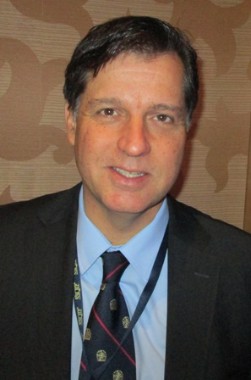
Dr. McNelis noted that Winthrop is a university-affiliated teaching hospital as well as a regional trauma center with a surgical volume of 20,000 cases per year. After receiving their first semiannual ACS NSQIP report in July 2011, the O:E for pneumonia was 1.4, with an observed rate of 1.36%, while the O:E for being on a ventilator for more than 48 hours was 1.5, with an observed rate of 1.90%. In an effort to improve on those numbers, the researchers developed initiatives to decrease the duration of ventilation.
"Processes in the care of the ventilated patients were examined by a multispecialty work group based mostly out of the ICU and the surgical ICU," Dr. McNelis said. "We implemented a number of measures including enforcement of existing protocols, compliance to ventilator bundles, 24-hour weaning, extubating when ready, early nutrition, and early physical therapy including ambulation."
By the second semiannual report the O:E for prolonged ventilation dropped to 1.11, with an observed rate of 1.08%, while the O:E for pneumonia rose slightly to 1.48, with an observed rate of 1.4%. However, by the third semiannual report, the O:E for prolonged ventilation dropped further to 1.04, with an observed rate of 1.11%, while the O:E for pneumonia dropped to 1.25, with an observed rate of 1.2%.
Dr. McNelis said that given a cost of $22,097 per episode of pneumonia and $27,654 per episode of prolonged intubation, a decrease in observed rate for pneumonia from 1.36% to 1.2% would translate into 32 fewer cases of pneumonia in a hospital with an average surgical volume of 20,000, for an estimated savings of $707,104. At the same time, a decrease in the observed rate for ventilated patients from 1.9% to 1.11% would be associated with a net reduction of 160 episodes of prolonged intubation, for an estimated savings of $4,424,640.
Dr. McNelis acknowledged certain limitations of the study, including the sampling methodology, the fact that not all cases were captured, and that gains in one area could be offset by losses in another. He hopes to continue these initiatives at Jacobi Hospital.
Dr. McNelis said that he had no relevant financial conflicts to disclose.
SAN DIEGO – After enforcing existing protocols and other measures including compliance to ventilator bundles, clinicians in a surgical intensive care unit observed significant reductions in the rates of pneumonia and ventilator days through incorporation of NSQIP outcome data.
At the American College of Surgeons/National Surgical Quality Improvement Program National Conference, Dr. John McNelis presented results from a study that set out to improve the rates of postoperative pneumonia and prolonged ventilation at the 500-bed Winthrop University Hospital in Mineola, N.Y., "which were identified as problems in our postoperative surgery population," said Dr. McNelis, who is now chairman of surgery at Jacobi Medical Center in the Bronx.
For the study, two nurse reviewers collected ACS NSQIP data from 2010 to 2012, including demographic data, perioperative risk factors, laboratory data, and operative variables, as well as perioperative and postoperative events. Specific variables evaluated in surgical patients were mortality, cardiac events, pneumonia, being on a ventilator for more than 48 hours, thromboembolic events, renal failure, surgical site infection, and unplanned intubations. Data were reported as observed to expected odds ratio (O:E), with 1 being performance as expected given the patient’s severity.
Dr. McNelis noted that Winthrop is a university-affiliated teaching hospital as well as a regional trauma center with a surgical volume of 20,000 cases per year. After receiving their first semiannual ACS NSQIP report in July 2011, the O:E for pneumonia was 1.4, with an observed rate of 1.36%, while the O:E for being on a ventilator for more than 48 hours was 1.5, with an observed rate of 1.90%. In an effort to improve on those numbers, the researchers developed initiatives to decrease the duration of ventilation.
"Processes in the care of the ventilated patients were examined by a multispecialty work group based mostly out of the ICU and the surgical ICU," Dr. McNelis said. "We implemented a number of measures including enforcement of existing protocols, compliance to ventilator bundles, 24-hour weaning, extubating when ready, early nutrition, and early physical therapy including ambulation."
By the second semiannual report the O:E for prolonged ventilation dropped to 1.11, with an observed rate of 1.08%, while the O:E for pneumonia rose slightly to 1.48, with an observed rate of 1.4%. However, by the third semiannual report, the O:E for prolonged ventilation dropped further to 1.04, with an observed rate of 1.11%, while the O:E for pneumonia dropped to 1.25, with an observed rate of 1.2%.
Dr. McNelis said that given a cost of $22,097 per episode of pneumonia and $27,654 per episode of prolonged intubation, a decrease in observed rate for pneumonia from 1.36% to 1.2% would translate into 32 fewer cases of pneumonia in a hospital with an average surgical volume of 20,000, for an estimated savings of $707,104. At the same time, a decrease in the observed rate for ventilated patients from 1.9% to 1.11% would be associated with a net reduction of 160 episodes of prolonged intubation, for an estimated savings of $4,424,640.
Dr. McNelis acknowledged certain limitations of the study, including the sampling methodology, the fact that not all cases were captured, and that gains in one area could be offset by losses in another. He hopes to continue these initiatives at Jacobi Hospital.
Dr. McNelis said that he had no relevant financial conflicts to disclose.
SAN DIEGO – After enforcing existing protocols and other measures including compliance to ventilator bundles, clinicians in a surgical intensive care unit observed significant reductions in the rates of pneumonia and ventilator days through incorporation of NSQIP outcome data.
At the American College of Surgeons/National Surgical Quality Improvement Program National Conference, Dr. John McNelis presented results from a study that set out to improve the rates of postoperative pneumonia and prolonged ventilation at the 500-bed Winthrop University Hospital in Mineola, N.Y., "which were identified as problems in our postoperative surgery population," said Dr. McNelis, who is now chairman of surgery at Jacobi Medical Center in the Bronx.
For the study, two nurse reviewers collected ACS NSQIP data from 2010 to 2012, including demographic data, perioperative risk factors, laboratory data, and operative variables, as well as perioperative and postoperative events. Specific variables evaluated in surgical patients were mortality, cardiac events, pneumonia, being on a ventilator for more than 48 hours, thromboembolic events, renal failure, surgical site infection, and unplanned intubations. Data were reported as observed to expected odds ratio (O:E), with 1 being performance as expected given the patient’s severity.
Dr. McNelis noted that Winthrop is a university-affiliated teaching hospital as well as a regional trauma center with a surgical volume of 20,000 cases per year. After receiving their first semiannual ACS NSQIP report in July 2011, the O:E for pneumonia was 1.4, with an observed rate of 1.36%, while the O:E for being on a ventilator for more than 48 hours was 1.5, with an observed rate of 1.90%. In an effort to improve on those numbers, the researchers developed initiatives to decrease the duration of ventilation.
"Processes in the care of the ventilated patients were examined by a multispecialty work group based mostly out of the ICU and the surgical ICU," Dr. McNelis said. "We implemented a number of measures including enforcement of existing protocols, compliance to ventilator bundles, 24-hour weaning, extubating when ready, early nutrition, and early physical therapy including ambulation."
By the second semiannual report the O:E for prolonged ventilation dropped to 1.11, with an observed rate of 1.08%, while the O:E for pneumonia rose slightly to 1.48, with an observed rate of 1.4%. However, by the third semiannual report, the O:E for prolonged ventilation dropped further to 1.04, with an observed rate of 1.11%, while the O:E for pneumonia dropped to 1.25, with an observed rate of 1.2%.
Dr. McNelis said that given a cost of $22,097 per episode of pneumonia and $27,654 per episode of prolonged intubation, a decrease in observed rate for pneumonia from 1.36% to 1.2% would translate into 32 fewer cases of pneumonia in a hospital with an average surgical volume of 20,000, for an estimated savings of $707,104. At the same time, a decrease in the observed rate for ventilated patients from 1.9% to 1.11% would be associated with a net reduction of 160 episodes of prolonged intubation, for an estimated savings of $4,424,640.
Dr. McNelis acknowledged certain limitations of the study, including the sampling methodology, the fact that not all cases were captured, and that gains in one area could be offset by losses in another. He hopes to continue these initiatives at Jacobi Hospital.
Dr. McNelis said that he had no relevant financial conflicts to disclose.
AT THE ACS NSQIP NATIONAL CONFERENCE
Body contouring procedures find their groove
DANA POINT, CALIF. – The market for nonsurgical body contouring has "settled into a rhythm," and increasing numbers of patients accept the fact that these technologies work, in the opinion of Dr. Michael S. Kaminer.
However, the evolution of technology in the realm of nonsurgical body contouring has slowed. "The absence of technology evolution will allow low-cost providers to gain market share," Dr. Kaminer said at a meeting sponsored by SkinCare Physicians and Northwestern University.

"It’s essential for us to brand these procedures as requiring skillful assessment and contouring expertise. In the short term, it may be more important for us to focus on superior results with current technology rather than trying to win the technology arms race. Advances in technology will help, but are they coming? Maybe it’s time to focus on getting better results with what we already own."
According to the results of a 2011 survey of American Society for Dermatologic Surgery members, noninvasive treatment of fat and cellulite was the most common body sculpting procedure, with 74,000 procedures noted. Cryolipolysis accounted for 12% of body sculpting treatments with a total of 55,500 procedures, followed by tumescent liposuction with 18,500 procedures.
"The bottom line is that our noninvasive procedures are far outstripping liposuction," said Dr. Kaminer, a managing partner at SkinCare Physicians, Chestnut Hill, Mass. "Because of this, patients and physicians are shifting their focus to noninvasive methods for fat removal. But they are also starting to expect more. I think that’s where our opportunity is. If we don’t advance the technology, it has the potential to go the route of laser hair removal, with competition based on price and convenience rather than on science and outcomes."
He went on to discuss ways to optimize outcomes with the existing technology cleared for body contouring. With cryolipolysis (CoolSculpting), for example, combining massage with the procedure has been shown to improve outcomes by as much as 60%, compared with patients who did not undergo concomitant massage.
Dr. Kaminer’s additional tips for cryolipolysis included performing multiple cycles over time for more complete fat removal and shape change, and learning how to use and optimize different applicators. "There are many of them, which is frustrating, but if you learn how to use the different applicators effectively you will get better body sculpting results," said Dr. Kaminer, who also serves as an associate clinical professor of dermatology at Yale University, New Haven, Conn. To that end, consider treating the inner and outer thighs with different applicators. Vertical placement of the flat applicator works well on inner thighs, he said, while the curved applicator works well on outer thighs.
When using ultrasound (Liposonix) for body sculpting, stacked pulses at lower fluences yield results similar to those of nonstacked pulses at high fluences, "but improve comfort for the patient," he said.
In Dr. Kaminer’s clinical experience, patients are satisfied with 40%-50% fat removal after 1-2 treatments with CoolSculpting and Liposonix. Workflow, staffing, patient pain, and time per treatment differ for each device. "Multiple procedures have the potential to give liposuction-like results," he noted. "To me, that’s where we should focus as a specialty. Also, should we focus more on the final shape rather than on how much fat we’re removing? This will differentiate us from spalike providers."
Dr. Kaminer disclosed that he is a consultant for and has received research funding from Zeltiq and Solta Medical.
DANA POINT, CALIF. – The market for nonsurgical body contouring has "settled into a rhythm," and increasing numbers of patients accept the fact that these technologies work, in the opinion of Dr. Michael S. Kaminer.
However, the evolution of technology in the realm of nonsurgical body contouring has slowed. "The absence of technology evolution will allow low-cost providers to gain market share," Dr. Kaminer said at a meeting sponsored by SkinCare Physicians and Northwestern University.
"It’s essential for us to brand these procedures as requiring skillful assessment and contouring expertise. In the short term, it may be more important for us to focus on superior results with current technology rather than trying to win the technology arms race. Advances in technology will help, but are they coming? Maybe it’s time to focus on getting better results with what we already own."
According to the results of a 2011 survey of American Society for Dermatologic Surgery members, noninvasive treatment of fat and cellulite was the most common body sculpting procedure, with 74,000 procedures noted. Cryolipolysis accounted for 12% of body sculpting treatments with a total of 55,500 procedures, followed by tumescent liposuction with 18,500 procedures.
"The bottom line is that our noninvasive procedures are far outstripping liposuction," said Dr. Kaminer, a managing partner at SkinCare Physicians, Chestnut Hill, Mass. "Because of this, patients and physicians are shifting their focus to noninvasive methods for fat removal. But they are also starting to expect more. I think that’s where our opportunity is. If we don’t advance the technology, it has the potential to go the route of laser hair removal, with competition based on price and convenience rather than on science and outcomes."
He went on to discuss ways to optimize outcomes with the existing technology cleared for body contouring. With cryolipolysis (CoolSculpting), for example, combining massage with the procedure has been shown to improve outcomes by as much as 60%, compared with patients who did not undergo concomitant massage.
Dr. Kaminer’s additional tips for cryolipolysis included performing multiple cycles over time for more complete fat removal and shape change, and learning how to use and optimize different applicators. "There are many of them, which is frustrating, but if you learn how to use the different applicators effectively you will get better body sculpting results," said Dr. Kaminer, who also serves as an associate clinical professor of dermatology at Yale University, New Haven, Conn. To that end, consider treating the inner and outer thighs with different applicators. Vertical placement of the flat applicator works well on inner thighs, he said, while the curved applicator works well on outer thighs.
When using ultrasound (Liposonix) for body sculpting, stacked pulses at lower fluences yield results similar to those of nonstacked pulses at high fluences, "but improve comfort for the patient," he said.
In Dr. Kaminer’s clinical experience, patients are satisfied with 40%-50% fat removal after 1-2 treatments with CoolSculpting and Liposonix. Workflow, staffing, patient pain, and time per treatment differ for each device. "Multiple procedures have the potential to give liposuction-like results," he noted. "To me, that’s where we should focus as a specialty. Also, should we focus more on the final shape rather than on how much fat we’re removing? This will differentiate us from spalike providers."
Dr. Kaminer disclosed that he is a consultant for and has received research funding from Zeltiq and Solta Medical.
DANA POINT, CALIF. – The market for nonsurgical body contouring has "settled into a rhythm," and increasing numbers of patients accept the fact that these technologies work, in the opinion of Dr. Michael S. Kaminer.
However, the evolution of technology in the realm of nonsurgical body contouring has slowed. "The absence of technology evolution will allow low-cost providers to gain market share," Dr. Kaminer said at a meeting sponsored by SkinCare Physicians and Northwestern University.
"It’s essential for us to brand these procedures as requiring skillful assessment and contouring expertise. In the short term, it may be more important for us to focus on superior results with current technology rather than trying to win the technology arms race. Advances in technology will help, but are they coming? Maybe it’s time to focus on getting better results with what we already own."
According to the results of a 2011 survey of American Society for Dermatologic Surgery members, noninvasive treatment of fat and cellulite was the most common body sculpting procedure, with 74,000 procedures noted. Cryolipolysis accounted for 12% of body sculpting treatments with a total of 55,500 procedures, followed by tumescent liposuction with 18,500 procedures.
"The bottom line is that our noninvasive procedures are far outstripping liposuction," said Dr. Kaminer, a managing partner at SkinCare Physicians, Chestnut Hill, Mass. "Because of this, patients and physicians are shifting their focus to noninvasive methods for fat removal. But they are also starting to expect more. I think that’s where our opportunity is. If we don’t advance the technology, it has the potential to go the route of laser hair removal, with competition based on price and convenience rather than on science and outcomes."
He went on to discuss ways to optimize outcomes with the existing technology cleared for body contouring. With cryolipolysis (CoolSculpting), for example, combining massage with the procedure has been shown to improve outcomes by as much as 60%, compared with patients who did not undergo concomitant massage.
Dr. Kaminer’s additional tips for cryolipolysis included performing multiple cycles over time for more complete fat removal and shape change, and learning how to use and optimize different applicators. "There are many of them, which is frustrating, but if you learn how to use the different applicators effectively you will get better body sculpting results," said Dr. Kaminer, who also serves as an associate clinical professor of dermatology at Yale University, New Haven, Conn. To that end, consider treating the inner and outer thighs with different applicators. Vertical placement of the flat applicator works well on inner thighs, he said, while the curved applicator works well on outer thighs.
When using ultrasound (Liposonix) for body sculpting, stacked pulses at lower fluences yield results similar to those of nonstacked pulses at high fluences, "but improve comfort for the patient," he said.
In Dr. Kaminer’s clinical experience, patients are satisfied with 40%-50% fat removal after 1-2 treatments with CoolSculpting and Liposonix. Workflow, staffing, patient pain, and time per treatment differ for each device. "Multiple procedures have the potential to give liposuction-like results," he noted. "To me, that’s where we should focus as a specialty. Also, should we focus more on the final shape rather than on how much fat we’re removing? This will differentiate us from spalike providers."
Dr. Kaminer disclosed that he is a consultant for and has received research funding from Zeltiq and Solta Medical.
EXPERT ANALYSIS FROM CONTROVERSIES AND CONVERSATIONS IN LASER AND COSMETIC SURGERY
Liposonix is not for all-comers
DANA POINT, CALIF. – Dr. Mark Jewell shared his clinical experience with Liposonix (Solta Medical), a high-intensity, focused ultrasound device that was cleared by the Food and Drug Administration in 2011 for noninvasive waist circumference reduction, at a meeting sponsored by Skincare Physicians and Northwestern University.
The device is unique, Dr. Jewell said, because the energy it delivers produces fat ablation and contraction and thickening of collagen in the midlamellar matrix – tissue depths of 13-23 mm beneath the skin surface – with minimal collateral damage.

"We’re hitting the collagen-rich layer, which I think is beneficial in terms of body contouring," said Dr. Jewell, associate clinical professor of plastic surgery at Oregon Health and Science University, Portland.
The treated area "gets warm enough to denature collagen, but also to ablate fat. It produces a cosmetic effect both in terms of volume reduction and tightening of collagen in the midlamellar matrix."
Patient selection is important "because we want to be able to deliver the ultrasound where it needs to go," he said. As a rule of thumb, Dr. Jewell does not use the Liposonix in patients with a body mass index of greater than 30 kg/m2 or in those who have more than 3 cm of superficial fat around the waist.
"Too much superficial fat will get bruised, but it will not tighten up," explained Dr. Jewell, who is a past president of the American Society for Aesthetic Plastic Surgery. "For this type of patient you might recommend that they hire a personal trainer for weight loss before you treat them."

Ideal candidates generally have 1.0 cm of fat tissue beyond the focal depth or pass the "pinch an inch" of fat test around their waist. Dr. Jewell uses high-resolution diagnostic ultrasound devices such as the SonoSite in an effort to determine the precise amount of superficial abdominal fat. This strategy "improves accuracy and the quality of our outcomes," he said.
For optimal effect, he strives for a total dosimetry threshold of 150-180 J with the Liposonix. "The device is software driven so it can be focused and patterned in a variety of ways," Dr. Jewell said. While the Liposonix can be operated by a properly trained subordinate in your office, "do the first 20 cases yourself so that you’re familiar with the technology and what’s involved," he advised.
Dr. Jewell disclosed that he is a consultant for Allergan, Medicis, Excaliard-Pfizer, Keller Medical, Solta Medical, and New Beauty Magazine. He is also an investigator for Allergan, Medicis, Excaliard-Pfizer, and Solta Medical.
DANA POINT, CALIF. – Dr. Mark Jewell shared his clinical experience with Liposonix (Solta Medical), a high-intensity, focused ultrasound device that was cleared by the Food and Drug Administration in 2011 for noninvasive waist circumference reduction, at a meeting sponsored by Skincare Physicians and Northwestern University.
The device is unique, Dr. Jewell said, because the energy it delivers produces fat ablation and contraction and thickening of collagen in the midlamellar matrix – tissue depths of 13-23 mm beneath the skin surface – with minimal collateral damage.
"We’re hitting the collagen-rich layer, which I think is beneficial in terms of body contouring," said Dr. Jewell, associate clinical professor of plastic surgery at Oregon Health and Science University, Portland.
The treated area "gets warm enough to denature collagen, but also to ablate fat. It produces a cosmetic effect both in terms of volume reduction and tightening of collagen in the midlamellar matrix."
Patient selection is important "because we want to be able to deliver the ultrasound where it needs to go," he said. As a rule of thumb, Dr. Jewell does not use the Liposonix in patients with a body mass index of greater than 30 kg/m2 or in those who have more than 3 cm of superficial fat around the waist.
"Too much superficial fat will get bruised, but it will not tighten up," explained Dr. Jewell, who is a past president of the American Society for Aesthetic Plastic Surgery. "For this type of patient you might recommend that they hire a personal trainer for weight loss before you treat them."
Ideal candidates generally have 1.0 cm of fat tissue beyond the focal depth or pass the "pinch an inch" of fat test around their waist. Dr. Jewell uses high-resolution diagnostic ultrasound devices such as the SonoSite in an effort to determine the precise amount of superficial abdominal fat. This strategy "improves accuracy and the quality of our outcomes," he said.
For optimal effect, he strives for a total dosimetry threshold of 150-180 J with the Liposonix. "The device is software driven so it can be focused and patterned in a variety of ways," Dr. Jewell said. While the Liposonix can be operated by a properly trained subordinate in your office, "do the first 20 cases yourself so that you’re familiar with the technology and what’s involved," he advised.
Dr. Jewell disclosed that he is a consultant for Allergan, Medicis, Excaliard-Pfizer, Keller Medical, Solta Medical, and New Beauty Magazine. He is also an investigator for Allergan, Medicis, Excaliard-Pfizer, and Solta Medical.
DANA POINT, CALIF. – Dr. Mark Jewell shared his clinical experience with Liposonix (Solta Medical), a high-intensity, focused ultrasound device that was cleared by the Food and Drug Administration in 2011 for noninvasive waist circumference reduction, at a meeting sponsored by Skincare Physicians and Northwestern University.
The device is unique, Dr. Jewell said, because the energy it delivers produces fat ablation and contraction and thickening of collagen in the midlamellar matrix – tissue depths of 13-23 mm beneath the skin surface – with minimal collateral damage.
"We’re hitting the collagen-rich layer, which I think is beneficial in terms of body contouring," said Dr. Jewell, associate clinical professor of plastic surgery at Oregon Health and Science University, Portland.
The treated area "gets warm enough to denature collagen, but also to ablate fat. It produces a cosmetic effect both in terms of volume reduction and tightening of collagen in the midlamellar matrix."
Patient selection is important "because we want to be able to deliver the ultrasound where it needs to go," he said. As a rule of thumb, Dr. Jewell does not use the Liposonix in patients with a body mass index of greater than 30 kg/m2 or in those who have more than 3 cm of superficial fat around the waist.
"Too much superficial fat will get bruised, but it will not tighten up," explained Dr. Jewell, who is a past president of the American Society for Aesthetic Plastic Surgery. "For this type of patient you might recommend that they hire a personal trainer for weight loss before you treat them."
Ideal candidates generally have 1.0 cm of fat tissue beyond the focal depth or pass the "pinch an inch" of fat test around their waist. Dr. Jewell uses high-resolution diagnostic ultrasound devices such as the SonoSite in an effort to determine the precise amount of superficial abdominal fat. This strategy "improves accuracy and the quality of our outcomes," he said.
For optimal effect, he strives for a total dosimetry threshold of 150-180 J with the Liposonix. "The device is software driven so it can be focused and patterned in a variety of ways," Dr. Jewell said. While the Liposonix can be operated by a properly trained subordinate in your office, "do the first 20 cases yourself so that you’re familiar with the technology and what’s involved," he advised.
Dr. Jewell disclosed that he is a consultant for Allergan, Medicis, Excaliard-Pfizer, Keller Medical, Solta Medical, and New Beauty Magazine. He is also an investigator for Allergan, Medicis, Excaliard-Pfizer, and Solta Medical.
EXPERT ANALYSIS FROM CONTROVERSIES AND CONVERSATIONS IN LASER AND COSMETIC SURGERY