User login
Official Newspaper of the American College of Surgeons
Auto accidents in sleepy medical trainees
Question: Driving home after a demanding 24 hours on call, the sleepy and fatigued first-year medical resident momentarily dozed off at the wheel, ran a stop sign, and struck an oncoming car, injuring its driver. In a lawsuit by the injured victim, which of the following answers is best?
A. The residency program is definitely liable, being in violation of Accreditation Council for Graduate Medical Education rules on consecutive work hours.
B. The resident is solely liable, because he’s the one who owed the duty of due care.
C. The hospital may be a named codefendant, because it knew or should have known that sleep deprivation can impair a person’s driving ability.
D. A and C are correct.
E. Only B and C are correct.
Answer: E. Residency training programs face many potential liabilities, such as those arising from disciplinary actions, employer-employee disputes, sexual harassment, and so on. But one issue deserving attention is auto accidents in overfatigued trainees. The incidence of falling asleep at the wheel is very high – in some surveys, close to 50% – and accidents are more likely to occur in the immediate post-call period.
The two main research papers documenting a relationship between extended work duty and auto accidents are from Laura K. Barger, Ph.D., and Dr. Colin P. West.
In the Barger study, the authors conducted a nationwide Web-based survey of 2,737 interns (N. Engl. J. Med. 2005;352:125-34). They found that an extended work shift (greater than 24 hours) was 2.3 times as likely for a motor vehicle crash, and 5.9 times for a near-miss accident. The researchers calculated that every extended shift in the month increased the crash risk by 9.1% and near-miss risk by 16.2%.
In the West study, the authors performed a prospective, 5-year longitudinal study of a cohort of 340 first-year Mayo Clinic residents in internal medicine (Mayo Clin. Proc. 2012;87:1138-44). In self-generated quarterly filings, 11.3% reported a motor vehicle crash and 43.3% a near-miss accident. Sleepiness (as well as other variables such as depression, burnout, diminished quality of life, and fatigue) significantly increased the odds of a motor vehicle incident in the subsequent 3-month period. Each 1-point increase in fatigue or Epworth Sleepiness Scale score was associated with a 52% and 12% respective increase in a motor vehicle crash.
The Accreditation Council for Graduate Medical Education (ACGME) has formulated rules, which have undergone recent changes, regarding consecutive work-duty hours. Its latest edict in June 2014 can be found on its website and stipulates that “Duty periods of PGY-1 residents must not exceed 16 hours in duration,” and “Duty periods of PGY-2 residents and above may be scheduled to a maximum of 24 hours of continuous duty in the hospital.”
Furthermore, programs must encourage residents to use alertness management strategies in the context of patient care responsibilities. Strategic napping, especially after 16 hours of continuous duty and between the hours of 10:00 p.m. and 8:00 a.m., was a strong suggestion.
In a 2005 lawsuit naming Chicago’s Rush Presbyterian-St. Luke’s Medical Center as a defendant, an Illinois court faced the issue of whether a hospital owed a duty to a plaintiff injured by an off-duty resident doctor allegedly suffering from sleep deprivation as a result of a hospital’s policy on working hours (Brewster v. Rush Presbyterian-St. Luke’s Medical Center (836 N.E.2d 635 (Il. App. 2005)). The doctor was an intern who had worked 34 hours of a 36-hour work shift, and fell asleep behind the wheel of her car, striking and seriously injuring the driver of an oncoming car.
In its decision, the court noted the plaintiff’s argument that it was reasonably foreseeable and likely that drivers who were sleep deprived would cause traffic accidents resulting in injuries. For public policy reasons, the plaintiff also maintained that such injuries could be prevented if hospitals either changed work schedules of their residents or provided them with additional rest periods.
However, the court held that there was no liability imputed to health care providers for injuries to nonpatient third parties absent the existence of a “special relationship” between the parties.
Thus, training programs or hospitals may or may not be found liable in future such cases or in other jurisdictions – but the new, stricter ACGME rules suggest that they will, at a minimum, be a named defendant.
Note that in some jurisdictions, injured nonpatient third parties have successfully sued doctors for failing to warn their patients that certain medications can adversely affect their driving ability, and for failing to warn about medical conditions, e.g., syncope, that can adversely impact driving.
Court decisions in analogous factual circumstances have sometimes favored the accident victim.
In Robertson v. LeMaster (301 S.E.2d 563 (W. Va. 1983)), the West Virginia Supreme Court of Appeals noted that the defendant’s employer, Norfolk & Western Railway Company, “could have reasonably foreseen that its exhausted employee, who had been required to work 27 hours without rest, would pose a risk of harm to other motorists.”
In Faverty v. McDonald’s Restaurants of Oregon (892 P.2d 703 (Ore. Ct. App.1995)), an Oregon appeals court held that the defendant corporation (McDonald’s Restaurants of Oregon) knew or should have known that its employee was a hazard to himself and others when he drove home from the workplace after working multiple shifts in a 24-hour period.
On the other hand, in Barclay v. Briscoe (47 A.3d 560 (Md. 2012)), a longshoreman employed by Ports America Baltimore fell asleep at the wheel while traveling home after working a 22-hour shift and caused a head-on collision resulting in catastrophic injuries. Ports America Baltimore contended that it could not be held primarily liable, because it owed no duty to the public to ensure that an employee was fit to drive his personal vehicle home. The trial court agreed, and the Maryland Court of Appeals affirmed.
Dr. Tan is emeritus professor of medicine and former adjunct professor of law at the University of Hawaii, and currently directs the St. Francis International Center for Healthcare Ethics in Honolulu. This article is meant to be educational and does not constitute medical, ethical, or legal advice. Some of the articles in this series are adapted from the author’s 2006 book, “Medical Malpractice: Understanding the Law, Managing the Risk,” and his 2012 Halsbury treatise, “Medical Negligence and Professional Misconduct.” For additional information, readers may contact the author at siang@hawaii.edu.
Question: Driving home after a demanding 24 hours on call, the sleepy and fatigued first-year medical resident momentarily dozed off at the wheel, ran a stop sign, and struck an oncoming car, injuring its driver. In a lawsuit by the injured victim, which of the following answers is best?
A. The residency program is definitely liable, being in violation of Accreditation Council for Graduate Medical Education rules on consecutive work hours.
B. The resident is solely liable, because he’s the one who owed the duty of due care.
C. The hospital may be a named codefendant, because it knew or should have known that sleep deprivation can impair a person’s driving ability.
D. A and C are correct.
E. Only B and C are correct.
Answer: E. Residency training programs face many potential liabilities, such as those arising from disciplinary actions, employer-employee disputes, sexual harassment, and so on. But one issue deserving attention is auto accidents in overfatigued trainees. The incidence of falling asleep at the wheel is very high – in some surveys, close to 50% – and accidents are more likely to occur in the immediate post-call period.
The two main research papers documenting a relationship between extended work duty and auto accidents are from Laura K. Barger, Ph.D., and Dr. Colin P. West.
In the Barger study, the authors conducted a nationwide Web-based survey of 2,737 interns (N. Engl. J. Med. 2005;352:125-34). They found that an extended work shift (greater than 24 hours) was 2.3 times as likely for a motor vehicle crash, and 5.9 times for a near-miss accident. The researchers calculated that every extended shift in the month increased the crash risk by 9.1% and near-miss risk by 16.2%.
In the West study, the authors performed a prospective, 5-year longitudinal study of a cohort of 340 first-year Mayo Clinic residents in internal medicine (Mayo Clin. Proc. 2012;87:1138-44). In self-generated quarterly filings, 11.3% reported a motor vehicle crash and 43.3% a near-miss accident. Sleepiness (as well as other variables such as depression, burnout, diminished quality of life, and fatigue) significantly increased the odds of a motor vehicle incident in the subsequent 3-month period. Each 1-point increase in fatigue or Epworth Sleepiness Scale score was associated with a 52% and 12% respective increase in a motor vehicle crash.
The Accreditation Council for Graduate Medical Education (ACGME) has formulated rules, which have undergone recent changes, regarding consecutive work-duty hours. Its latest edict in June 2014 can be found on its website and stipulates that “Duty periods of PGY-1 residents must not exceed 16 hours in duration,” and “Duty periods of PGY-2 residents and above may be scheduled to a maximum of 24 hours of continuous duty in the hospital.”
Furthermore, programs must encourage residents to use alertness management strategies in the context of patient care responsibilities. Strategic napping, especially after 16 hours of continuous duty and between the hours of 10:00 p.m. and 8:00 a.m., was a strong suggestion.
In a 2005 lawsuit naming Chicago’s Rush Presbyterian-St. Luke’s Medical Center as a defendant, an Illinois court faced the issue of whether a hospital owed a duty to a plaintiff injured by an off-duty resident doctor allegedly suffering from sleep deprivation as a result of a hospital’s policy on working hours (Brewster v. Rush Presbyterian-St. Luke’s Medical Center (836 N.E.2d 635 (Il. App. 2005)). The doctor was an intern who had worked 34 hours of a 36-hour work shift, and fell asleep behind the wheel of her car, striking and seriously injuring the driver of an oncoming car.
In its decision, the court noted the plaintiff’s argument that it was reasonably foreseeable and likely that drivers who were sleep deprived would cause traffic accidents resulting in injuries. For public policy reasons, the plaintiff also maintained that such injuries could be prevented if hospitals either changed work schedules of their residents or provided them with additional rest periods.
However, the court held that there was no liability imputed to health care providers for injuries to nonpatient third parties absent the existence of a “special relationship” between the parties.
Thus, training programs or hospitals may or may not be found liable in future such cases or in other jurisdictions – but the new, stricter ACGME rules suggest that they will, at a minimum, be a named defendant.
Note that in some jurisdictions, injured nonpatient third parties have successfully sued doctors for failing to warn their patients that certain medications can adversely affect their driving ability, and for failing to warn about medical conditions, e.g., syncope, that can adversely impact driving.
Court decisions in analogous factual circumstances have sometimes favored the accident victim.
In Robertson v. LeMaster (301 S.E.2d 563 (W. Va. 1983)), the West Virginia Supreme Court of Appeals noted that the defendant’s employer, Norfolk & Western Railway Company, “could have reasonably foreseen that its exhausted employee, who had been required to work 27 hours without rest, would pose a risk of harm to other motorists.”
In Faverty v. McDonald’s Restaurants of Oregon (892 P.2d 703 (Ore. Ct. App.1995)), an Oregon appeals court held that the defendant corporation (McDonald’s Restaurants of Oregon) knew or should have known that its employee was a hazard to himself and others when he drove home from the workplace after working multiple shifts in a 24-hour period.
On the other hand, in Barclay v. Briscoe (47 A.3d 560 (Md. 2012)), a longshoreman employed by Ports America Baltimore fell asleep at the wheel while traveling home after working a 22-hour shift and caused a head-on collision resulting in catastrophic injuries. Ports America Baltimore contended that it could not be held primarily liable, because it owed no duty to the public to ensure that an employee was fit to drive his personal vehicle home. The trial court agreed, and the Maryland Court of Appeals affirmed.
Dr. Tan is emeritus professor of medicine and former adjunct professor of law at the University of Hawaii, and currently directs the St. Francis International Center for Healthcare Ethics in Honolulu. This article is meant to be educational and does not constitute medical, ethical, or legal advice. Some of the articles in this series are adapted from the author’s 2006 book, “Medical Malpractice: Understanding the Law, Managing the Risk,” and his 2012 Halsbury treatise, “Medical Negligence and Professional Misconduct.” For additional information, readers may contact the author at siang@hawaii.edu.
Question: Driving home after a demanding 24 hours on call, the sleepy and fatigued first-year medical resident momentarily dozed off at the wheel, ran a stop sign, and struck an oncoming car, injuring its driver. In a lawsuit by the injured victim, which of the following answers is best?
A. The residency program is definitely liable, being in violation of Accreditation Council for Graduate Medical Education rules on consecutive work hours.
B. The resident is solely liable, because he’s the one who owed the duty of due care.
C. The hospital may be a named codefendant, because it knew or should have known that sleep deprivation can impair a person’s driving ability.
D. A and C are correct.
E. Only B and C are correct.
Answer: E. Residency training programs face many potential liabilities, such as those arising from disciplinary actions, employer-employee disputes, sexual harassment, and so on. But one issue deserving attention is auto accidents in overfatigued trainees. The incidence of falling asleep at the wheel is very high – in some surveys, close to 50% – and accidents are more likely to occur in the immediate post-call period.
The two main research papers documenting a relationship between extended work duty and auto accidents are from Laura K. Barger, Ph.D., and Dr. Colin P. West.
In the Barger study, the authors conducted a nationwide Web-based survey of 2,737 interns (N. Engl. J. Med. 2005;352:125-34). They found that an extended work shift (greater than 24 hours) was 2.3 times as likely for a motor vehicle crash, and 5.9 times for a near-miss accident. The researchers calculated that every extended shift in the month increased the crash risk by 9.1% and near-miss risk by 16.2%.
In the West study, the authors performed a prospective, 5-year longitudinal study of a cohort of 340 first-year Mayo Clinic residents in internal medicine (Mayo Clin. Proc. 2012;87:1138-44). In self-generated quarterly filings, 11.3% reported a motor vehicle crash and 43.3% a near-miss accident. Sleepiness (as well as other variables such as depression, burnout, diminished quality of life, and fatigue) significantly increased the odds of a motor vehicle incident in the subsequent 3-month period. Each 1-point increase in fatigue or Epworth Sleepiness Scale score was associated with a 52% and 12% respective increase in a motor vehicle crash.
The Accreditation Council for Graduate Medical Education (ACGME) has formulated rules, which have undergone recent changes, regarding consecutive work-duty hours. Its latest edict in June 2014 can be found on its website and stipulates that “Duty periods of PGY-1 residents must not exceed 16 hours in duration,” and “Duty periods of PGY-2 residents and above may be scheduled to a maximum of 24 hours of continuous duty in the hospital.”
Furthermore, programs must encourage residents to use alertness management strategies in the context of patient care responsibilities. Strategic napping, especially after 16 hours of continuous duty and between the hours of 10:00 p.m. and 8:00 a.m., was a strong suggestion.
In a 2005 lawsuit naming Chicago’s Rush Presbyterian-St. Luke’s Medical Center as a defendant, an Illinois court faced the issue of whether a hospital owed a duty to a plaintiff injured by an off-duty resident doctor allegedly suffering from sleep deprivation as a result of a hospital’s policy on working hours (Brewster v. Rush Presbyterian-St. Luke’s Medical Center (836 N.E.2d 635 (Il. App. 2005)). The doctor was an intern who had worked 34 hours of a 36-hour work shift, and fell asleep behind the wheel of her car, striking and seriously injuring the driver of an oncoming car.
In its decision, the court noted the plaintiff’s argument that it was reasonably foreseeable and likely that drivers who were sleep deprived would cause traffic accidents resulting in injuries. For public policy reasons, the plaintiff also maintained that such injuries could be prevented if hospitals either changed work schedules of their residents or provided them with additional rest periods.
However, the court held that there was no liability imputed to health care providers for injuries to nonpatient third parties absent the existence of a “special relationship” between the parties.
Thus, training programs or hospitals may or may not be found liable in future such cases or in other jurisdictions – but the new, stricter ACGME rules suggest that they will, at a minimum, be a named defendant.
Note that in some jurisdictions, injured nonpatient third parties have successfully sued doctors for failing to warn their patients that certain medications can adversely affect their driving ability, and for failing to warn about medical conditions, e.g., syncope, that can adversely impact driving.
Court decisions in analogous factual circumstances have sometimes favored the accident victim.
In Robertson v. LeMaster (301 S.E.2d 563 (W. Va. 1983)), the West Virginia Supreme Court of Appeals noted that the defendant’s employer, Norfolk & Western Railway Company, “could have reasonably foreseen that its exhausted employee, who had been required to work 27 hours without rest, would pose a risk of harm to other motorists.”
In Faverty v. McDonald’s Restaurants of Oregon (892 P.2d 703 (Ore. Ct. App.1995)), an Oregon appeals court held that the defendant corporation (McDonald’s Restaurants of Oregon) knew or should have known that its employee was a hazard to himself and others when he drove home from the workplace after working multiple shifts in a 24-hour period.
On the other hand, in Barclay v. Briscoe (47 A.3d 560 (Md. 2012)), a longshoreman employed by Ports America Baltimore fell asleep at the wheel while traveling home after working a 22-hour shift and caused a head-on collision resulting in catastrophic injuries. Ports America Baltimore contended that it could not be held primarily liable, because it owed no duty to the public to ensure that an employee was fit to drive his personal vehicle home. The trial court agreed, and the Maryland Court of Appeals affirmed.
Dr. Tan is emeritus professor of medicine and former adjunct professor of law at the University of Hawaii, and currently directs the St. Francis International Center for Healthcare Ethics in Honolulu. This article is meant to be educational and does not constitute medical, ethical, or legal advice. Some of the articles in this series are adapted from the author’s 2006 book, “Medical Malpractice: Understanding the Law, Managing the Risk,” and his 2012 Halsbury treatise, “Medical Negligence and Professional Misconduct.” For additional information, readers may contact the author at siang@hawaii.edu.

Study establishes protocol for perioperative dabigatran discontinuation
TORONTO – In atrial fibrillation (AF) patients who must discontinue dabigatran for elective surgery, the risk of both stroke and major bleeding can be reduced to low levels using a formalized strategy for stopping and then restarting anticoagulation, according to results of a prospective study presented at the International Society on Thrombosis and Haemostasis Congress.
Among key findings presented at a press conference at the ISTH 2015 Congress, no strokes were recorded in more than 500 patients managed with the protocol, and the major bleeding rate was less than 2%, reported the study’s principal investigator, Dr. Sam Schulman, professor of hematology and thromboembolism, McMaster University, Hamilton, Ont.
Data from this study (Circulation 2015) were reported at the press conference alongside a second study of perioperative warfarin management. Both studies are potentially practice changing, because they supply evidence-based guidance for anticoagulation in patients with AF.

Based on the findings from these two studies, “it is important to get this message out” that there are now data available on which to base clinical decisions, reported Dr. Schulman, who is also president of the ISTH 2015 Congress. His data were presented alongside a study that found no benefit from heparin bridging in AF patients when warfarin was stopped 5 days in advance of surgery.
In the study presented by Dr. Schulman, 542 patients with AF who were on dabigatran and scheduled for elective surgery were managed on a prespecified protocol for risk assessment. The protocol provided a time for stopping dabigatran before surgery based on such factors as renal function and procedure-related bleeding risk. Dabigatran was restarted after surgery on prespecified measures of surgery complexity and severity of consequences if bleeding occurred.
The primary outcome evaluated in the study was major bleeding in the first 30 days. Other outcomes of interest included thromboembolic complications, death and minor bleeding.
Major bleeding was observed in 1.8% of patients, a rate that Dr. Schulman characterized as “low and acceptable” in the context of expected background bleeding rates. There were four deaths, but all were unrelated to either bleeding or arterial thromboembolism. The only thromboembolic complication was a single transient ischemic attack. Minor bleeding occurred in 5.2%.
On the basis of the protocol, about half of the patients discontinued dabigatran 24 hours before surgery. No patient discontinued therapy more than 96 hours prior to surgery. The median time to resumption of dabigatran after surgery was 1 day, but the point at which it was restarted ranged between hours and 2 days. Bridging, which describes the injection of heparin for short-term anticoagulation, was not employed preoperatively but was used in 1.7% of cases postoperatively.
At the press conference, data also were reported from the BRIDGE study. That study, published online in the New England Journal of Medicine (2015 June 22; epub ahead of print ), found that bridging was not an effective strategy in AF patients who discontinue warfarin prior to elective surgery. In the press conference, Dr. Thomas L. Ortel, hematology/oncology division, Duke University Medical Center, Durham, N.C., agreed with Dr. Schulman that this is an area where evidence is needed to guide care.
In the absence of data, “physicians do whatever they think is best,” Dr. Schulman noted at the press conference. Referring to strategies for stopping anticoagulants for surgery in patients with AF, Dr. Schulman said, “some of them stop the blood thinner too early because they are afraid that the patient is going to bleed during surgery and instead the patient can have a stroke. Some stop too late, and the patient can have bleeding.”
The data presented at the meeting provide an evidence base for clinical decisions. Dr. Schulman suggested that these data are meaningful for guiding care.
Dr. Ortel disclosed grant/research support from Eisai and Pfizer. Dr. Schulman had no disclosures.
TORONTO – In atrial fibrillation (AF) patients who must discontinue dabigatran for elective surgery, the risk of both stroke and major bleeding can be reduced to low levels using a formalized strategy for stopping and then restarting anticoagulation, according to results of a prospective study presented at the International Society on Thrombosis and Haemostasis Congress.
Among key findings presented at a press conference at the ISTH 2015 Congress, no strokes were recorded in more than 500 patients managed with the protocol, and the major bleeding rate was less than 2%, reported the study’s principal investigator, Dr. Sam Schulman, professor of hematology and thromboembolism, McMaster University, Hamilton, Ont.
Data from this study (Circulation 2015) were reported at the press conference alongside a second study of perioperative warfarin management. Both studies are potentially practice changing, because they supply evidence-based guidance for anticoagulation in patients with AF.
Based on the findings from these two studies, “it is important to get this message out” that there are now data available on which to base clinical decisions, reported Dr. Schulman, who is also president of the ISTH 2015 Congress. His data were presented alongside a study that found no benefit from heparin bridging in AF patients when warfarin was stopped 5 days in advance of surgery.
In the study presented by Dr. Schulman, 542 patients with AF who were on dabigatran and scheduled for elective surgery were managed on a prespecified protocol for risk assessment. The protocol provided a time for stopping dabigatran before surgery based on such factors as renal function and procedure-related bleeding risk. Dabigatran was restarted after surgery on prespecified measures of surgery complexity and severity of consequences if bleeding occurred.
The primary outcome evaluated in the study was major bleeding in the first 30 days. Other outcomes of interest included thromboembolic complications, death and minor bleeding.
Major bleeding was observed in 1.8% of patients, a rate that Dr. Schulman characterized as “low and acceptable” in the context of expected background bleeding rates. There were four deaths, but all were unrelated to either bleeding or arterial thromboembolism. The only thromboembolic complication was a single transient ischemic attack. Minor bleeding occurred in 5.2%.
On the basis of the protocol, about half of the patients discontinued dabigatran 24 hours before surgery. No patient discontinued therapy more than 96 hours prior to surgery. The median time to resumption of dabigatran after surgery was 1 day, but the point at which it was restarted ranged between hours and 2 days. Bridging, which describes the injection of heparin for short-term anticoagulation, was not employed preoperatively but was used in 1.7% of cases postoperatively.
At the press conference, data also were reported from the BRIDGE study. That study, published online in the New England Journal of Medicine (2015 June 22; epub ahead of print ), found that bridging was not an effective strategy in AF patients who discontinue warfarin prior to elective surgery. In the press conference, Dr. Thomas L. Ortel, hematology/oncology division, Duke University Medical Center, Durham, N.C., agreed with Dr. Schulman that this is an area where evidence is needed to guide care.
In the absence of data, “physicians do whatever they think is best,” Dr. Schulman noted at the press conference. Referring to strategies for stopping anticoagulants for surgery in patients with AF, Dr. Schulman said, “some of them stop the blood thinner too early because they are afraid that the patient is going to bleed during surgery and instead the patient can have a stroke. Some stop too late, and the patient can have bleeding.”
The data presented at the meeting provide an evidence base for clinical decisions. Dr. Schulman suggested that these data are meaningful for guiding care.
Dr. Ortel disclosed grant/research support from Eisai and Pfizer. Dr. Schulman had no disclosures.
TORONTO – In atrial fibrillation (AF) patients who must discontinue dabigatran for elective surgery, the risk of both stroke and major bleeding can be reduced to low levels using a formalized strategy for stopping and then restarting anticoagulation, according to results of a prospective study presented at the International Society on Thrombosis and Haemostasis Congress.
Among key findings presented at a press conference at the ISTH 2015 Congress, no strokes were recorded in more than 500 patients managed with the protocol, and the major bleeding rate was less than 2%, reported the study’s principal investigator, Dr. Sam Schulman, professor of hematology and thromboembolism, McMaster University, Hamilton, Ont.
Data from this study (Circulation 2015) were reported at the press conference alongside a second study of perioperative warfarin management. Both studies are potentially practice changing, because they supply evidence-based guidance for anticoagulation in patients with AF.
Based on the findings from these two studies, “it is important to get this message out” that there are now data available on which to base clinical decisions, reported Dr. Schulman, who is also president of the ISTH 2015 Congress. His data were presented alongside a study that found no benefit from heparin bridging in AF patients when warfarin was stopped 5 days in advance of surgery.
In the study presented by Dr. Schulman, 542 patients with AF who were on dabigatran and scheduled for elective surgery were managed on a prespecified protocol for risk assessment. The protocol provided a time for stopping dabigatran before surgery based on such factors as renal function and procedure-related bleeding risk. Dabigatran was restarted after surgery on prespecified measures of surgery complexity and severity of consequences if bleeding occurred.
The primary outcome evaluated in the study was major bleeding in the first 30 days. Other outcomes of interest included thromboembolic complications, death and minor bleeding.
Major bleeding was observed in 1.8% of patients, a rate that Dr. Schulman characterized as “low and acceptable” in the context of expected background bleeding rates. There were four deaths, but all were unrelated to either bleeding or arterial thromboembolism. The only thromboembolic complication was a single transient ischemic attack. Minor bleeding occurred in 5.2%.
On the basis of the protocol, about half of the patients discontinued dabigatran 24 hours before surgery. No patient discontinued therapy more than 96 hours prior to surgery. The median time to resumption of dabigatran after surgery was 1 day, but the point at which it was restarted ranged between hours and 2 days. Bridging, which describes the injection of heparin for short-term anticoagulation, was not employed preoperatively but was used in 1.7% of cases postoperatively.
At the press conference, data also were reported from the BRIDGE study. That study, published online in the New England Journal of Medicine (2015 June 22; epub ahead of print ), found that bridging was not an effective strategy in AF patients who discontinue warfarin prior to elective surgery. In the press conference, Dr. Thomas L. Ortel, hematology/oncology division, Duke University Medical Center, Durham, N.C., agreed with Dr. Schulman that this is an area where evidence is needed to guide care.
In the absence of data, “physicians do whatever they think is best,” Dr. Schulman noted at the press conference. Referring to strategies for stopping anticoagulants for surgery in patients with AF, Dr. Schulman said, “some of them stop the blood thinner too early because they are afraid that the patient is going to bleed during surgery and instead the patient can have a stroke. Some stop too late, and the patient can have bleeding.”
The data presented at the meeting provide an evidence base for clinical decisions. Dr. Schulman suggested that these data are meaningful for guiding care.
Dr. Ortel disclosed grant/research support from Eisai and Pfizer. Dr. Schulman had no disclosures.
AT 2015 ISTH CONGRESS
Key clinical point: The risk of stroke and major bleeding can be reduced to low levels using a formalized strategy for stopping and then restarting dabigatran.
Major finding: The protocol developed provided a time for stopping dabigatran before surgery based on such factors as renal function and procedure-related bleeding risk. Dabigatran was restarted after surgery on prespecified measures of surgery complexity and severity of consequences if bleeding occurred.
Data source: 542 patients with AF who were on dabigatran and scheduled for elective surgery were managed on a prespecified protocol for risk assessment.
Disclosures: Dr. Ortel disclosed grant/research support from Eisai and Pfizer. Dr. Schulman had no disclosures.

Supreme Court upholds use of federal subsidies under ACA
In a decision that keeps the Affordable Care Act intact, the U.S. Supreme Court has upheld the use of federal subsidies under the health law in states that have not created state-run marketplaces.
With a 6-3 vote in favor of the Obama administration, justices ruled that residents in states that rely on the federal marketplace are eligible for tax credits to purchase insurance, based on the high court’s interpretation of ACA language.
In their opinion, justices said the context and structure of the act’s language compel the conclusion that tax credits are available for insurance purchased on any exchange created under the law. The credits are necessary for the federal exchanges to function like their state exchange counterparts, the high court stated, and to avoid calamitous results that Congress intended to avoid.
“When read in context, the phrase ‘an exchange established by the state’ [in the ACA], is properly viewed as ambiguous,” the majority justices said. “The phrase may be limited in its reach to state exchanges. But it could also refer to all exchanges – both state and federal – for purposes of the tax credits. If a state chooses not to follow the directive to establish an exchange, the Act tells [HHS] to establish ‘such exchange.’ By using the words ‘such exchange,’ the Act indicates that state and federal exchanges should be the same.”

President Obama quickly praised the decision, calling it a win for the nation and a testament to the law’s value.
“The Court upheld a critical part of this law; the part that’s made it easier for Americans to afford health insurance, regardless of where you live,” President Obama said during a press conference. The ruling “is a victory to hardworking Americans all across this country whose lives will continue to become more secure in a changing economy because of this law.”
Supporters for the plaintiff issued sharp criticism of the decision and the ACA itself.
The “ruling is deeply disappointing, but it does not change the fact that Obamacare is a fundamentally flawed law,” House Ways and Means Committee Chair Paul Ryan (R-Wisc.) said in a statement. “It’s increasing health care costs, reducing coverage choices, and weighing down our economy. We need a system that makes coverage more affordable and puts patients – not Washington – in charge of health care decisions.”
Former Arkansas Gov. Mike Huckabee, a 2016 Republican presidential candidate, went a step farther, calling the Supreme Court decision “an out-of-control act of judicial tyranny.”
“Our Founding Fathers didn’t create a “do-over” provision in our Constitution that allows unelected Supreme Court justices the power to circumvent Congress and rewrite bad laws,” Mr. Huckabee said in a statement.
Meanwhile, the American Medial Association and other physician leaders expressed relief at the decision, stressing that millions of patients can now continue to access necessary health care.
“The subsidies upheld today help patients afford health insurance so they can see a doctor when they need one and not have to wait until a small health problem becomes a crisis,” AMA President Steven J. Stack said in a statement. “The subsidies provide patients with peace of mind that they will not risk bankruptcy should they become seriously ill or injured and experience catastrophic health care costs.”
The closely watched case was heard before the Supreme Court on March 4, and analysts had issued mixed predictions about how justices would find. The case centered on a handful of words in the ACA’s language that states tax credits apply to insurance purchased through an exchange “established by the state.” Challengers argued the language did not mention the federal exchange and that subsidies should be available only for purchases through state exchanges.
However, the Supreme Court countered this interpretation, arguing that such a reading would destabilize the individual insurance market in any state with a federal exchange, and likely create the death spirals that Congress designed the law to avoid.
“Under petitioners’ reading … one of the Act’s three major reforms – the tax credits – would not apply. And a second major reform – the coverage requirement – would not apply in a meaningful way, because so many individuals would be exempt from the requirement without the tax credits. If petitioners are right, therefore, only one of the Act’s three major reforms would apply in states with a federal exchange. … It is implausible that Congress meant the Act to operate in this manner,” the majority justices wrote in their decision.
Justice Antonin Scalia, Justice Clarence Thomas, and Justice Samuel Alito Jr. disagreed. The dissenters accused the majority of failing to interpret the ACA and instead rewriting the law as they saw fit.
“Words no longer have meaning if an exchange that is not established by a state is ‘established by the state,’ ” Justice Scalia wrote in his dissent. “It is hard to come up with a clearer way to limit tax credits to state exchanges than to use the words ‘established by the state. And it is hard to come up with a reason to include the words ‘by the state’ other than the purpose of limiting credits to state exchanges.”
Justice Scalia and his fellow dissenters added that normal rules of interpretation don’t appear to apply to a Court that yields always to the overriding principle of saving the ACA.
“Having transformed two major parts of the law, the Court today has turned its attention to a third,” Justice Scalia wrote. “The Act that Congress passed makes tax credits available only on an ‘exchange established by the state.’ This Court, however, concludes that this limitation would prevent the rest of the Act from working as well as hoped. So it rewrites the law to make tax credits available everywhere. We should start calling this law SCOTUScare.”
On Twitter @legal_med
This story was updated 6/25/2015.
In a decision that keeps the Affordable Care Act intact, the U.S. Supreme Court has upheld the use of federal subsidies under the health law in states that have not created state-run marketplaces.
With a 6-3 vote in favor of the Obama administration, justices ruled that residents in states that rely on the federal marketplace are eligible for tax credits to purchase insurance, based on the high court’s interpretation of ACA language.
In their opinion, justices said the context and structure of the act’s language compel the conclusion that tax credits are available for insurance purchased on any exchange created under the law. The credits are necessary for the federal exchanges to function like their state exchange counterparts, the high court stated, and to avoid calamitous results that Congress intended to avoid.
“When read in context, the phrase ‘an exchange established by the state’ [in the ACA], is properly viewed as ambiguous,” the majority justices said. “The phrase may be limited in its reach to state exchanges. But it could also refer to all exchanges – both state and federal – for purposes of the tax credits. If a state chooses not to follow the directive to establish an exchange, the Act tells [HHS] to establish ‘such exchange.’ By using the words ‘such exchange,’ the Act indicates that state and federal exchanges should be the same.”
President Obama quickly praised the decision, calling it a win for the nation and a testament to the law’s value.
“The Court upheld a critical part of this law; the part that’s made it easier for Americans to afford health insurance, regardless of where you live,” President Obama said during a press conference. The ruling “is a victory to hardworking Americans all across this country whose lives will continue to become more secure in a changing economy because of this law.”
Supporters for the plaintiff issued sharp criticism of the decision and the ACA itself.
The “ruling is deeply disappointing, but it does not change the fact that Obamacare is a fundamentally flawed law,” House Ways and Means Committee Chair Paul Ryan (R-Wisc.) said in a statement. “It’s increasing health care costs, reducing coverage choices, and weighing down our economy. We need a system that makes coverage more affordable and puts patients – not Washington – in charge of health care decisions.”
Former Arkansas Gov. Mike Huckabee, a 2016 Republican presidential candidate, went a step farther, calling the Supreme Court decision “an out-of-control act of judicial tyranny.”
“Our Founding Fathers didn’t create a “do-over” provision in our Constitution that allows unelected Supreme Court justices the power to circumvent Congress and rewrite bad laws,” Mr. Huckabee said in a statement.
Meanwhile, the American Medial Association and other physician leaders expressed relief at the decision, stressing that millions of patients can now continue to access necessary health care.
“The subsidies upheld today help patients afford health insurance so they can see a doctor when they need one and not have to wait until a small health problem becomes a crisis,” AMA President Steven J. Stack said in a statement. “The subsidies provide patients with peace of mind that they will not risk bankruptcy should they become seriously ill or injured and experience catastrophic health care costs.”
The closely watched case was heard before the Supreme Court on March 4, and analysts had issued mixed predictions about how justices would find. The case centered on a handful of words in the ACA’s language that states tax credits apply to insurance purchased through an exchange “established by the state.” Challengers argued the language did not mention the federal exchange and that subsidies should be available only for purchases through state exchanges.
However, the Supreme Court countered this interpretation, arguing that such a reading would destabilize the individual insurance market in any state with a federal exchange, and likely create the death spirals that Congress designed the law to avoid.
“Under petitioners’ reading … one of the Act’s three major reforms – the tax credits – would not apply. And a second major reform – the coverage requirement – would not apply in a meaningful way, because so many individuals would be exempt from the requirement without the tax credits. If petitioners are right, therefore, only one of the Act’s three major reforms would apply in states with a federal exchange. … It is implausible that Congress meant the Act to operate in this manner,” the majority justices wrote in their decision.
Justice Antonin Scalia, Justice Clarence Thomas, and Justice Samuel Alito Jr. disagreed. The dissenters accused the majority of failing to interpret the ACA and instead rewriting the law as they saw fit.
“Words no longer have meaning if an exchange that is not established by a state is ‘established by the state,’ ” Justice Scalia wrote in his dissent. “It is hard to come up with a clearer way to limit tax credits to state exchanges than to use the words ‘established by the state. And it is hard to come up with a reason to include the words ‘by the state’ other than the purpose of limiting credits to state exchanges.”
Justice Scalia and his fellow dissenters added that normal rules of interpretation don’t appear to apply to a Court that yields always to the overriding principle of saving the ACA.
“Having transformed two major parts of the law, the Court today has turned its attention to a third,” Justice Scalia wrote. “The Act that Congress passed makes tax credits available only on an ‘exchange established by the state.’ This Court, however, concludes that this limitation would prevent the rest of the Act from working as well as hoped. So it rewrites the law to make tax credits available everywhere. We should start calling this law SCOTUScare.”
On Twitter @legal_med
This story was updated 6/25/2015.
In a decision that keeps the Affordable Care Act intact, the U.S. Supreme Court has upheld the use of federal subsidies under the health law in states that have not created state-run marketplaces.
With a 6-3 vote in favor of the Obama administration, justices ruled that residents in states that rely on the federal marketplace are eligible for tax credits to purchase insurance, based on the high court’s interpretation of ACA language.
In their opinion, justices said the context and structure of the act’s language compel the conclusion that tax credits are available for insurance purchased on any exchange created under the law. The credits are necessary for the federal exchanges to function like their state exchange counterparts, the high court stated, and to avoid calamitous results that Congress intended to avoid.
“When read in context, the phrase ‘an exchange established by the state’ [in the ACA], is properly viewed as ambiguous,” the majority justices said. “The phrase may be limited in its reach to state exchanges. But it could also refer to all exchanges – both state and federal – for purposes of the tax credits. If a state chooses not to follow the directive to establish an exchange, the Act tells [HHS] to establish ‘such exchange.’ By using the words ‘such exchange,’ the Act indicates that state and federal exchanges should be the same.”
President Obama quickly praised the decision, calling it a win for the nation and a testament to the law’s value.
“The Court upheld a critical part of this law; the part that’s made it easier for Americans to afford health insurance, regardless of where you live,” President Obama said during a press conference. The ruling “is a victory to hardworking Americans all across this country whose lives will continue to become more secure in a changing economy because of this law.”
Supporters for the plaintiff issued sharp criticism of the decision and the ACA itself.
The “ruling is deeply disappointing, but it does not change the fact that Obamacare is a fundamentally flawed law,” House Ways and Means Committee Chair Paul Ryan (R-Wisc.) said in a statement. “It’s increasing health care costs, reducing coverage choices, and weighing down our economy. We need a system that makes coverage more affordable and puts patients – not Washington – in charge of health care decisions.”
Former Arkansas Gov. Mike Huckabee, a 2016 Republican presidential candidate, went a step farther, calling the Supreme Court decision “an out-of-control act of judicial tyranny.”
“Our Founding Fathers didn’t create a “do-over” provision in our Constitution that allows unelected Supreme Court justices the power to circumvent Congress and rewrite bad laws,” Mr. Huckabee said in a statement.
Meanwhile, the American Medial Association and other physician leaders expressed relief at the decision, stressing that millions of patients can now continue to access necessary health care.
“The subsidies upheld today help patients afford health insurance so they can see a doctor when they need one and not have to wait until a small health problem becomes a crisis,” AMA President Steven J. Stack said in a statement. “The subsidies provide patients with peace of mind that they will not risk bankruptcy should they become seriously ill or injured and experience catastrophic health care costs.”
The closely watched case was heard before the Supreme Court on March 4, and analysts had issued mixed predictions about how justices would find. The case centered on a handful of words in the ACA’s language that states tax credits apply to insurance purchased through an exchange “established by the state.” Challengers argued the language did not mention the federal exchange and that subsidies should be available only for purchases through state exchanges.
However, the Supreme Court countered this interpretation, arguing that such a reading would destabilize the individual insurance market in any state with a federal exchange, and likely create the death spirals that Congress designed the law to avoid.
“Under petitioners’ reading … one of the Act’s three major reforms – the tax credits – would not apply. And a second major reform – the coverage requirement – would not apply in a meaningful way, because so many individuals would be exempt from the requirement without the tax credits. If petitioners are right, therefore, only one of the Act’s three major reforms would apply in states with a federal exchange. … It is implausible that Congress meant the Act to operate in this manner,” the majority justices wrote in their decision.
Justice Antonin Scalia, Justice Clarence Thomas, and Justice Samuel Alito Jr. disagreed. The dissenters accused the majority of failing to interpret the ACA and instead rewriting the law as they saw fit.
“Words no longer have meaning if an exchange that is not established by a state is ‘established by the state,’ ” Justice Scalia wrote in his dissent. “It is hard to come up with a clearer way to limit tax credits to state exchanges than to use the words ‘established by the state. And it is hard to come up with a reason to include the words ‘by the state’ other than the purpose of limiting credits to state exchanges.”
Justice Scalia and his fellow dissenters added that normal rules of interpretation don’t appear to apply to a Court that yields always to the overriding principle of saving the ACA.
“Having transformed two major parts of the law, the Court today has turned its attention to a third,” Justice Scalia wrote. “The Act that Congress passed makes tax credits available only on an ‘exchange established by the state.’ This Court, however, concludes that this limitation would prevent the rest of the Act from working as well as hoped. So it rewrites the law to make tax credits available everywhere. We should start calling this law SCOTUScare.”
On Twitter @legal_med
This story was updated 6/25/2015.

Paclitaxel-coated balloon boosts femoropopliteal angioplasty patency
For patients who have femoropopliteal peripheral artery disease, percutaneous transluminal angioplasty with a paclitaxel-coated balloon achieves better 1-year patency than does using a standard balloon, according to a report published online June 24 in the New England Journal of Medicine.
Angioplasty initially restores blood flow in most patients with this type of PAD, but more than 60% develop restenosis from vessel recoil and neointimal hyperplasia within 1 year. The LEVANT2 (Lutonix Paclitaxel-Coated Balloon for the Prevention of Femoropopliteal Restenosis) clinical trial assessed the performance of a drug-coated balloon (316 patients) against a standard balloon (160 patients) in participants treated at 54 sites in the U.S. and Europe, said Dr. Kenneth Rosenfield of Massachusetts General Hospital, Boston, and his associates.
The primary efficacy endpoint – the rate of patency of the target lesion at 1 year – was significantly higher with the paclitaxel-coated balloon (65.2%) than with the standard balloon (52.6%), the investigators said (N. Engl. J. Med. 2015 June 24 [doi:10.1056/NEJMoa1406235]).
However, secondary efficacy endpoints including the rates of event-free survival (86.7% vs. 81.5%), target-lesion revascularizations (12.3% vs. 16.8%), overall mortality (2.4% vs. 2.8%), amputation (0.3% vs. 0.0%) and thrombosis (0.4% vs. 0.7%) were not significantly different between the two study groups. Scores on a measure of walking distance improved significantly more with the paclitaxel-coated balloon, but ankle-brachial index and Rutherford scores measuring pain and symptoms of intermittent claudication did not differ significantly between the two study groups.
The primary safety endpoint – a composite of the proportion of patients free from perioperative death from any cause plus the proportion free from amputation, reintervention, or PAD-associated death at 1 year – was 83.9% with the paclitaxel-coated balloon and 79.0% with the standard balloon. This met the criterion for noninferiority.
“Our trial does not provide definitive guidance concerning the potential role of this paclitaxel-coated balloon in clinical practice. Although the findings are encouraging, long-term follow-up will be useful in determining whether the benefit of this intervention is sustained, increased, or attenuated over time,” Dr. Rosenfield and his associates said.
This study was funded by Lutonix-Bard, maker of the paclitaxel-coated balloon. Dr. Rosenfield reported ties to Lutonix/Bard, Cordis, Atrium, Abbott Vascular, and VIVA Physicians; his associates reported ties to numerous industry sources.
For patients who have femoropopliteal peripheral artery disease, percutaneous transluminal angioplasty with a paclitaxel-coated balloon achieves better 1-year patency than does using a standard balloon, according to a report published online June 24 in the New England Journal of Medicine.
Angioplasty initially restores blood flow in most patients with this type of PAD, but more than 60% develop restenosis from vessel recoil and neointimal hyperplasia within 1 year. The LEVANT2 (Lutonix Paclitaxel-Coated Balloon for the Prevention of Femoropopliteal Restenosis) clinical trial assessed the performance of a drug-coated balloon (316 patients) against a standard balloon (160 patients) in participants treated at 54 sites in the U.S. and Europe, said Dr. Kenneth Rosenfield of Massachusetts General Hospital, Boston, and his associates.
The primary efficacy endpoint – the rate of patency of the target lesion at 1 year – was significantly higher with the paclitaxel-coated balloon (65.2%) than with the standard balloon (52.6%), the investigators said (N. Engl. J. Med. 2015 June 24 [doi:10.1056/NEJMoa1406235]).
However, secondary efficacy endpoints including the rates of event-free survival (86.7% vs. 81.5%), target-lesion revascularizations (12.3% vs. 16.8%), overall mortality (2.4% vs. 2.8%), amputation (0.3% vs. 0.0%) and thrombosis (0.4% vs. 0.7%) were not significantly different between the two study groups. Scores on a measure of walking distance improved significantly more with the paclitaxel-coated balloon, but ankle-brachial index and Rutherford scores measuring pain and symptoms of intermittent claudication did not differ significantly between the two study groups.
The primary safety endpoint – a composite of the proportion of patients free from perioperative death from any cause plus the proportion free from amputation, reintervention, or PAD-associated death at 1 year – was 83.9% with the paclitaxel-coated balloon and 79.0% with the standard balloon. This met the criterion for noninferiority.
“Our trial does not provide definitive guidance concerning the potential role of this paclitaxel-coated balloon in clinical practice. Although the findings are encouraging, long-term follow-up will be useful in determining whether the benefit of this intervention is sustained, increased, or attenuated over time,” Dr. Rosenfield and his associates said.
This study was funded by Lutonix-Bard, maker of the paclitaxel-coated balloon. Dr. Rosenfield reported ties to Lutonix/Bard, Cordis, Atrium, Abbott Vascular, and VIVA Physicians; his associates reported ties to numerous industry sources.
For patients who have femoropopliteal peripheral artery disease, percutaneous transluminal angioplasty with a paclitaxel-coated balloon achieves better 1-year patency than does using a standard balloon, according to a report published online June 24 in the New England Journal of Medicine.
Angioplasty initially restores blood flow in most patients with this type of PAD, but more than 60% develop restenosis from vessel recoil and neointimal hyperplasia within 1 year. The LEVANT2 (Lutonix Paclitaxel-Coated Balloon for the Prevention of Femoropopliteal Restenosis) clinical trial assessed the performance of a drug-coated balloon (316 patients) against a standard balloon (160 patients) in participants treated at 54 sites in the U.S. and Europe, said Dr. Kenneth Rosenfield of Massachusetts General Hospital, Boston, and his associates.
The primary efficacy endpoint – the rate of patency of the target lesion at 1 year – was significantly higher with the paclitaxel-coated balloon (65.2%) than with the standard balloon (52.6%), the investigators said (N. Engl. J. Med. 2015 June 24 [doi:10.1056/NEJMoa1406235]).
However, secondary efficacy endpoints including the rates of event-free survival (86.7% vs. 81.5%), target-lesion revascularizations (12.3% vs. 16.8%), overall mortality (2.4% vs. 2.8%), amputation (0.3% vs. 0.0%) and thrombosis (0.4% vs. 0.7%) were not significantly different between the two study groups. Scores on a measure of walking distance improved significantly more with the paclitaxel-coated balloon, but ankle-brachial index and Rutherford scores measuring pain and symptoms of intermittent claudication did not differ significantly between the two study groups.
The primary safety endpoint – a composite of the proportion of patients free from perioperative death from any cause plus the proportion free from amputation, reintervention, or PAD-associated death at 1 year – was 83.9% with the paclitaxel-coated balloon and 79.0% with the standard balloon. This met the criterion for noninferiority.
“Our trial does not provide definitive guidance concerning the potential role of this paclitaxel-coated balloon in clinical practice. Although the findings are encouraging, long-term follow-up will be useful in determining whether the benefit of this intervention is sustained, increased, or attenuated over time,” Dr. Rosenfield and his associates said.
This study was funded by Lutonix-Bard, maker of the paclitaxel-coated balloon. Dr. Rosenfield reported ties to Lutonix/Bard, Cordis, Atrium, Abbott Vascular, and VIVA Physicians; his associates reported ties to numerous industry sources.
FROM THE NEW ENGLAND JOURNAL OF MEDICINE
Key clinical point: A paclitaxel-coated balloon confers better 1-year patency than a standard balloon in femoropopliteal angioplasty.
Major finding: The primary efficacy endpoint – the rate of patency of the target lesion at 1 year – was significantly higher with the paclitaxel-coated balloon (65.2%) than with the standard balloon (52.6%).
Data source: An industry-sponsored multicenter prospective randomized controlled trial comparing paclitaxel-coated against standard balloons in 476 patients undergoing femoropopliteal angioplasty who were followed for 1 year.
Disclosures: This study was funded by Lutonix-Bard, maker of the paclitaxel-coated balloon. Dr. Rosenfield reported ties to Lutonix/Bard, Cordis, Atrium, Abbott Vascular, and VIVA Physicians; his associates reported ties to numerous industry sources.
Idarucizumab reverses dabigatran’s anticoagulant effects
TORONTO – Idarucizumab is a promising agent that quickly and safely reverses the anticoagulant effects of dabigatran whether the goal is to control serious bleeding or to permit urgent surgery, according to interim results of a multicenter trial.
Idarucizumab is a monoclonal antibody that binds to dabigatran to reverse its activity. The data, presented by Dr. V. Charles Pollack Jr. at the International Society on Thrombosis and Haemostasis congress, involved the first 90 patients of an ongoing trial with a planned enrollment of 300. The data from this trial, called REVERSE-AD, were published online simultaneously with the June 22 presentation at the congress (N. Engl. J. Med 2015 [doi:10.1056/NEJMoa1502000]).
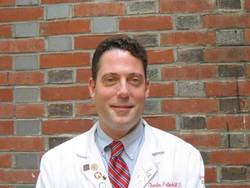
“Non–vitamin K antagonist oral anticoagulants (NOACs) are generally safer than warfarin, and provide similar or improved efficacy in the prevention of stroke in patients with nonvalvular atrial fibrillation and in the prevention and treatment of venous thromboembolism,” Dr. Pollack said in an interview. “Nonetheless, serious bleeding events may occur with NOAC use, and patients taking one of these agents occasionally require urgent surgery or other intervention for which normal hemostasis is required,” added Dr. Pollack, chair of the department of emergency medicine at Pennsylvania Hospital in Philadelphia.
In RE-VERSE AD (a study of the reversal effects of idarucizumab on active dabigatran), the first 90 patients were divided into two distinct groups. Group A, with 51 patients, included those on dabigatran with serious bleeding. Group B, with 39 patients, required reversal of dabigatran for urgent or emergent procedures. In both, idarucizumab provided a median maximum reversal of 100% (95% confidence interval, 100-100) of the anticoagulation effect within 4 hours.
Clotting assays were normalized almost immediately in almost 90% of patients, and the effect was durable, with 80% having measured dabigatran levels reflecting no significant anticoagulation 24 hours later, Dr. Pollack said.
“Clinical outcomes were quite good in this multimorbid patient population, with restoration of hemostasis as reported by local investigators achieved in less than 12 hours when assessable, and with 92% of surgical patients being reported as having normal hemostasis at the time of the procedure,” he said.
Idarucizumab was generally well tolerated in the patient population. “There were no serious adverse events related to the reversal agent ... and only one patient experienced a thrombotic complication within 72 hours, and that patient had not been restarted on any antithrombotic medications,” Dr. Pollack said.
“The study is ongoing,” he added, “but these interim results show rather convincingly that idarucizumab completely and safely reverses the anticoagulant effects of dabigatran within minutes.”
In addition, Dr. Pollack said the availability of a specific reversal agent for dabigatran would enhance its safety margin, and thus alleviate the fears of providers who may hesitate to use a NOAC because of the lack of an “antidote.”
“In fact, most such cases can already be successfully and safely managed with general support and ‘tincture of time’ (the half-life of dabigatran is much shorter than that of warfarin), but having a specific ‘go-to’ option could streamline the care of the most significantly compromised patients,” he said.
Dr. Pollack emphasized, however, that idarucizumab is a specific reversal agent for dabigatran, not an antidote. “To me, the latter would imply that idarucizumab immediately stops bleeding associated with active use of dabigatran,” he said.
Providers should realize that while idarucizumab seems capable of removing dabigatran-induced coagulopathy from the list of concerns when managing a patient with serious bleeding or before a “sharp” procedure, bleeding is a multifaceted issue that also may be due to traumatized blood vessels, other causes of coagulopathy such as liver disease, or concurrent use of antiplatelet medications, he said.
“The patient with a serious or life-threatening bleed on dabigatran will likely need additional care to investigate and manage such concerns,” Dr. Pollack said. “But at least idarucizumab can specifically, safely, and rapidly address the primary consideration.
“The safety of anticoagulation therapy with dabigatran is further enhanced with idarucizumab, a specific reversal agent that won’t need to be used often, but the availability of which would be reassuring to prescribers,” he concluded.
Boehringer Ingelheim sponsored RE-VERSE AD. Idarucizumab was given a fast-track status by the Food and Drug Administration, and BI submitted a new drug application in March 2015, according to the company.
Dr. Pollack reported receiving personal fees from BI, Janssen, Daiichi-Sankyo, Bristol-Myers Squibb, and Pfizer. Disclosures for all the investigators are available at NEJM.org.
TORONTO – Idarucizumab is a promising agent that quickly and safely reverses the anticoagulant effects of dabigatran whether the goal is to control serious bleeding or to permit urgent surgery, according to interim results of a multicenter trial.
Idarucizumab is a monoclonal antibody that binds to dabigatran to reverse its activity. The data, presented by Dr. V. Charles Pollack Jr. at the International Society on Thrombosis and Haemostasis congress, involved the first 90 patients of an ongoing trial with a planned enrollment of 300. The data from this trial, called REVERSE-AD, were published online simultaneously with the June 22 presentation at the congress (N. Engl. J. Med 2015 [doi:10.1056/NEJMoa1502000]).
“Non–vitamin K antagonist oral anticoagulants (NOACs) are generally safer than warfarin, and provide similar or improved efficacy in the prevention of stroke in patients with nonvalvular atrial fibrillation and in the prevention and treatment of venous thromboembolism,” Dr. Pollack said in an interview. “Nonetheless, serious bleeding events may occur with NOAC use, and patients taking one of these agents occasionally require urgent surgery or other intervention for which normal hemostasis is required,” added Dr. Pollack, chair of the department of emergency medicine at Pennsylvania Hospital in Philadelphia.
In RE-VERSE AD (a study of the reversal effects of idarucizumab on active dabigatran), the first 90 patients were divided into two distinct groups. Group A, with 51 patients, included those on dabigatran with serious bleeding. Group B, with 39 patients, required reversal of dabigatran for urgent or emergent procedures. In both, idarucizumab provided a median maximum reversal of 100% (95% confidence interval, 100-100) of the anticoagulation effect within 4 hours.
Clotting assays were normalized almost immediately in almost 90% of patients, and the effect was durable, with 80% having measured dabigatran levels reflecting no significant anticoagulation 24 hours later, Dr. Pollack said.
“Clinical outcomes were quite good in this multimorbid patient population, with restoration of hemostasis as reported by local investigators achieved in less than 12 hours when assessable, and with 92% of surgical patients being reported as having normal hemostasis at the time of the procedure,” he said.
Idarucizumab was generally well tolerated in the patient population. “There were no serious adverse events related to the reversal agent ... and only one patient experienced a thrombotic complication within 72 hours, and that patient had not been restarted on any antithrombotic medications,” Dr. Pollack said.
“The study is ongoing,” he added, “but these interim results show rather convincingly that idarucizumab completely and safely reverses the anticoagulant effects of dabigatran within minutes.”
In addition, Dr. Pollack said the availability of a specific reversal agent for dabigatran would enhance its safety margin, and thus alleviate the fears of providers who may hesitate to use a NOAC because of the lack of an “antidote.”
“In fact, most such cases can already be successfully and safely managed with general support and ‘tincture of time’ (the half-life of dabigatran is much shorter than that of warfarin), but having a specific ‘go-to’ option could streamline the care of the most significantly compromised patients,” he said.
Dr. Pollack emphasized, however, that idarucizumab is a specific reversal agent for dabigatran, not an antidote. “To me, the latter would imply that idarucizumab immediately stops bleeding associated with active use of dabigatran,” he said.
Providers should realize that while idarucizumab seems capable of removing dabigatran-induced coagulopathy from the list of concerns when managing a patient with serious bleeding or before a “sharp” procedure, bleeding is a multifaceted issue that also may be due to traumatized blood vessels, other causes of coagulopathy such as liver disease, or concurrent use of antiplatelet medications, he said.
“The patient with a serious or life-threatening bleed on dabigatran will likely need additional care to investigate and manage such concerns,” Dr. Pollack said. “But at least idarucizumab can specifically, safely, and rapidly address the primary consideration.
“The safety of anticoagulation therapy with dabigatran is further enhanced with idarucizumab, a specific reversal agent that won’t need to be used often, but the availability of which would be reassuring to prescribers,” he concluded.
Boehringer Ingelheim sponsored RE-VERSE AD. Idarucizumab was given a fast-track status by the Food and Drug Administration, and BI submitted a new drug application in March 2015, according to the company.
Dr. Pollack reported receiving personal fees from BI, Janssen, Daiichi-Sankyo, Bristol-Myers Squibb, and Pfizer. Disclosures for all the investigators are available at NEJM.org.
TORONTO – Idarucizumab is a promising agent that quickly and safely reverses the anticoagulant effects of dabigatran whether the goal is to control serious bleeding or to permit urgent surgery, according to interim results of a multicenter trial.
Idarucizumab is a monoclonal antibody that binds to dabigatran to reverse its activity. The data, presented by Dr. V. Charles Pollack Jr. at the International Society on Thrombosis and Haemostasis congress, involved the first 90 patients of an ongoing trial with a planned enrollment of 300. The data from this trial, called REVERSE-AD, were published online simultaneously with the June 22 presentation at the congress (N. Engl. J. Med 2015 [doi:10.1056/NEJMoa1502000]).
“Non–vitamin K antagonist oral anticoagulants (NOACs) are generally safer than warfarin, and provide similar or improved efficacy in the prevention of stroke in patients with nonvalvular atrial fibrillation and in the prevention and treatment of venous thromboembolism,” Dr. Pollack said in an interview. “Nonetheless, serious bleeding events may occur with NOAC use, and patients taking one of these agents occasionally require urgent surgery or other intervention for which normal hemostasis is required,” added Dr. Pollack, chair of the department of emergency medicine at Pennsylvania Hospital in Philadelphia.
In RE-VERSE AD (a study of the reversal effects of idarucizumab on active dabigatran), the first 90 patients were divided into two distinct groups. Group A, with 51 patients, included those on dabigatran with serious bleeding. Group B, with 39 patients, required reversal of dabigatran for urgent or emergent procedures. In both, idarucizumab provided a median maximum reversal of 100% (95% confidence interval, 100-100) of the anticoagulation effect within 4 hours.
Clotting assays were normalized almost immediately in almost 90% of patients, and the effect was durable, with 80% having measured dabigatran levels reflecting no significant anticoagulation 24 hours later, Dr. Pollack said.
“Clinical outcomes were quite good in this multimorbid patient population, with restoration of hemostasis as reported by local investigators achieved in less than 12 hours when assessable, and with 92% of surgical patients being reported as having normal hemostasis at the time of the procedure,” he said.
Idarucizumab was generally well tolerated in the patient population. “There were no serious adverse events related to the reversal agent ... and only one patient experienced a thrombotic complication within 72 hours, and that patient had not been restarted on any antithrombotic medications,” Dr. Pollack said.
“The study is ongoing,” he added, “but these interim results show rather convincingly that idarucizumab completely and safely reverses the anticoagulant effects of dabigatran within minutes.”
In addition, Dr. Pollack said the availability of a specific reversal agent for dabigatran would enhance its safety margin, and thus alleviate the fears of providers who may hesitate to use a NOAC because of the lack of an “antidote.”
“In fact, most such cases can already be successfully and safely managed with general support and ‘tincture of time’ (the half-life of dabigatran is much shorter than that of warfarin), but having a specific ‘go-to’ option could streamline the care of the most significantly compromised patients,” he said.
Dr. Pollack emphasized, however, that idarucizumab is a specific reversal agent for dabigatran, not an antidote. “To me, the latter would imply that idarucizumab immediately stops bleeding associated with active use of dabigatran,” he said.
Providers should realize that while idarucizumab seems capable of removing dabigatran-induced coagulopathy from the list of concerns when managing a patient with serious bleeding or before a “sharp” procedure, bleeding is a multifaceted issue that also may be due to traumatized blood vessels, other causes of coagulopathy such as liver disease, or concurrent use of antiplatelet medications, he said.
“The patient with a serious or life-threatening bleed on dabigatran will likely need additional care to investigate and manage such concerns,” Dr. Pollack said. “But at least idarucizumab can specifically, safely, and rapidly address the primary consideration.
“The safety of anticoagulation therapy with dabigatran is further enhanced with idarucizumab, a specific reversal agent that won’t need to be used often, but the availability of which would be reassuring to prescribers,” he concluded.
Boehringer Ingelheim sponsored RE-VERSE AD. Idarucizumab was given a fast-track status by the Food and Drug Administration, and BI submitted a new drug application in March 2015, according to the company.
Dr. Pollack reported receiving personal fees from BI, Janssen, Daiichi-Sankyo, Bristol-Myers Squibb, and Pfizer. Disclosures for all the investigators are available at NEJM.org.
AT 2015 ISTH CONGRESS
Key clinical point: The investigational monoclonal antibody idarucizumab reversed the anticoagulant effects of dabigatran.
Major finding: Idarucizumab provided a median maximum dabigatran reversal of 100% (95% CI, 100-100) of the anticoagulation effect within 4 hours in an interim analysis.
Data source: RE-VERSE AD, a prospective cohort study in which 90 patients treated with dabigatran who had uncontrolled bleeding or required emergency surgery or procedures were given 5.0 g idarucizumab.
Disclosures: Boehringer Ingelheim sponsored RE-VERSE AD. Dr. Pollack reported receiving personal fees from Boehringer Ingelheim, Janssen, Daiichi-Sankyo, Bristol-Myers Squibb, and Pfizer. Disclosures for all the investigators are available at NEJM.org.
House passes IPAB repeal bill
WASHINGTON – House Republicans have made good on their promise to kill the Independent Payment Advisory Board with the passage on June 23 of H.R. 1190, the Protecting Seniors’ Access to Medicare Act of 2015. The vote was 244-154 and fell mostly along party lines.
Many physician organizations, including the American Medical Association, have opposed the IPAB from the very beginnings of the Affordable Care Act. The panel has never been convened, and since Congress has never appropriated funds for the IPAB, the new legislation has no practical impact on practicing physicians.

According to Dr. Kavita Patel, health policy analyst at the Brookings Institution, the IPAB was designed as an objective, appointed commission to make direct recommendations that would become law if Medicare spending exceeded a certain target. Congress could overturn any IPAB legislation with a supermajority vote, Dr. Patel said in an interview.
Opponents of the IPAB, including House Ways and Means Committee Chairman Paul Ryan (R-Wis.), have criticized it as an approach to cost containment, since the panel’s decisions would not require ratification by Congress.
“This unelected panel exists only to take control away from patients and rations care – and it’s seniors who will suffer the consequences,” Rep. Ryan said in a statement.
In the Senate, the bill is known as S.141. It has been referred to the Finance Committee but no action had been taken at press time.
On Twitter @whitneymcknight
WASHINGTON – House Republicans have made good on their promise to kill the Independent Payment Advisory Board with the passage on June 23 of H.R. 1190, the Protecting Seniors’ Access to Medicare Act of 2015. The vote was 244-154 and fell mostly along party lines.
Many physician organizations, including the American Medical Association, have opposed the IPAB from the very beginnings of the Affordable Care Act. The panel has never been convened, and since Congress has never appropriated funds for the IPAB, the new legislation has no practical impact on practicing physicians.
According to Dr. Kavita Patel, health policy analyst at the Brookings Institution, the IPAB was designed as an objective, appointed commission to make direct recommendations that would become law if Medicare spending exceeded a certain target. Congress could overturn any IPAB legislation with a supermajority vote, Dr. Patel said in an interview.
Opponents of the IPAB, including House Ways and Means Committee Chairman Paul Ryan (R-Wis.), have criticized it as an approach to cost containment, since the panel’s decisions would not require ratification by Congress.
“This unelected panel exists only to take control away from patients and rations care – and it’s seniors who will suffer the consequences,” Rep. Ryan said in a statement.
In the Senate, the bill is known as S.141. It has been referred to the Finance Committee but no action had been taken at press time.
On Twitter @whitneymcknight
WASHINGTON – House Republicans have made good on their promise to kill the Independent Payment Advisory Board with the passage on June 23 of H.R. 1190, the Protecting Seniors’ Access to Medicare Act of 2015. The vote was 244-154 and fell mostly along party lines.
Many physician organizations, including the American Medical Association, have opposed the IPAB from the very beginnings of the Affordable Care Act. The panel has never been convened, and since Congress has never appropriated funds for the IPAB, the new legislation has no practical impact on practicing physicians.
According to Dr. Kavita Patel, health policy analyst at the Brookings Institution, the IPAB was designed as an objective, appointed commission to make direct recommendations that would become law if Medicare spending exceeded a certain target. Congress could overturn any IPAB legislation with a supermajority vote, Dr. Patel said in an interview.
Opponents of the IPAB, including House Ways and Means Committee Chairman Paul Ryan (R-Wis.), have criticized it as an approach to cost containment, since the panel’s decisions would not require ratification by Congress.
“This unelected panel exists only to take control away from patients and rations care – and it’s seniors who will suffer the consequences,” Rep. Ryan said in a statement.
In the Senate, the bill is known as S.141. It has been referred to the Finance Committee but no action had been taken at press time.
On Twitter @whitneymcknight

Thyroid cancer gene screening questioned for indeterminate nodules
In patients with indeterminate thyroid nodules, routine gene expression classifier testing may not meet standard definitions of cost efficacy relative to conventional care at many treatment centers, according to a decision-tree analysis performed with data from a tertiary treatment center.
In this analysis, gene expression classifier (GEC) testing was associated with a small gain in health benefits, measured in quality adjusted life-years (QALY), but at a much higher cost than conventional care, according to Dr. James X. Wu of the University of California, Los Angeles. The data were presented at the annual meeting of the American Association of Endocrine Surgeons (AAES).
Management of thyroid nodules indeterminate for malignancy after fine needle aspiration, which occurs in up to 30% of patients, is a challenge, according to Dr. Wu. Cancer rates in these patients can be as high as 30%, and often benign and malignant indeterminate nodules are indistinguishable. Conventionally, surgical resection is recommended to avoid missing a cancer diagnosis. However, uniform thyroid lobectomy means that 70% or more of lesions excised will be benign.
GEC testing is a relatively new molecular test that helps guide therapy in these individuals. The high negative predictive value of this test allows the test to reliably predict when patients have benign disease, giving them the option of being observed rather than undergoing surgery, explained Dr. Wu. In this study, the goal was to determine whether GEC testing has the potential to be cost effective, defined as a ratio of added cost to QALYs gained of less than $100,000/QALY relative to conventional treatment.
The decision-tree model was constructed on 2 years of GEC testing performance data prospectively collected at UCLA. In this model, the assumption was made that patients would be observed if the GEC test was negative but would undergo thyroid resection if the gene expression classifier test was suspicious.
Applying the UCLA dataset to the model, the expected cost for conventional management in the reference scenario was $11,119 to produce 22.15 QALYs, according to Dr. Wu. Routine GEC testing produced an additional 0.01 QALY but cost $1,197 more. This translated into an incremental cost-effectiveness ratio of $119,700/QALY, which exceeded the common $100,000/QALY threshold for cost efficacy.
The main determinants of cost effectiveness were the cost of the gene expression classifier test, the rate of malignancy in patients with indeterminate thyroid nodules, and cost of thyroid lobectomy.
More favorable costs for gene expression testing could be generated by plausible alterations of key clinical factors. This included lowering the cost of the GEC test itself or raising the cost of thyroid lobectomy. For example, the GEC testing became cost effective with the parameters used if the test was less than $2,460 or the cost of thyroid lobectomy exceeded $12,160.
In addition, malignancy rates influenced the relative cost efficacy of gene expression classifier testing. Centers with lower rates of cancer get more value from routine GEC testing than do centers with high rates of cancer, because more patients avoid surgery with testing. At UCLA, the malignancy rate was 24%, and could pay as much as $2,460 per test to remain cost-effective. Institutions with a malignancy rate less than 24% would have a higher cost threshold.
Indeed, even though routine gene expression classifier testing was not found to be cost effective using the assumptions of this study and data from UCLA, on probabilistic sensitivity analysis, it was found to be cost effective in 53.2% of simulations. Dr. Wu suggested the same analyses should be performed at centers using their own data to accurately assess cost effectiveness. Given the wide variation in important variables, particularly the malignancy rate in indeterminate nodules, the results from one institution cannot reliably predict the cost effectiveness at a separate treatment facility.
“Our conclusion is that every center needs to audit themselves to find out whether it’s truly cost effective and not blindly trust that it’s 100% cost effective across the board.” Dr. Wu reported. He noted that gene expression classifier testing, which has been used for 2 years at UCLA, is likely to be continued to be used but with a focus on making the test more cost effective by finding ways to use it more selectively.
In patients with indeterminate thyroid nodules, routine gene expression classifier testing may not meet standard definitions of cost efficacy relative to conventional care at many treatment centers, according to a decision-tree analysis performed with data from a tertiary treatment center.
In this analysis, gene expression classifier (GEC) testing was associated with a small gain in health benefits, measured in quality adjusted life-years (QALY), but at a much higher cost than conventional care, according to Dr. James X. Wu of the University of California, Los Angeles. The data were presented at the annual meeting of the American Association of Endocrine Surgeons (AAES).
Management of thyroid nodules indeterminate for malignancy after fine needle aspiration, which occurs in up to 30% of patients, is a challenge, according to Dr. Wu. Cancer rates in these patients can be as high as 30%, and often benign and malignant indeterminate nodules are indistinguishable. Conventionally, surgical resection is recommended to avoid missing a cancer diagnosis. However, uniform thyroid lobectomy means that 70% or more of lesions excised will be benign.
GEC testing is a relatively new molecular test that helps guide therapy in these individuals. The high negative predictive value of this test allows the test to reliably predict when patients have benign disease, giving them the option of being observed rather than undergoing surgery, explained Dr. Wu. In this study, the goal was to determine whether GEC testing has the potential to be cost effective, defined as a ratio of added cost to QALYs gained of less than $100,000/QALY relative to conventional treatment.
The decision-tree model was constructed on 2 years of GEC testing performance data prospectively collected at UCLA. In this model, the assumption was made that patients would be observed if the GEC test was negative but would undergo thyroid resection if the gene expression classifier test was suspicious.
Applying the UCLA dataset to the model, the expected cost for conventional management in the reference scenario was $11,119 to produce 22.15 QALYs, according to Dr. Wu. Routine GEC testing produced an additional 0.01 QALY but cost $1,197 more. This translated into an incremental cost-effectiveness ratio of $119,700/QALY, which exceeded the common $100,000/QALY threshold for cost efficacy.
The main determinants of cost effectiveness were the cost of the gene expression classifier test, the rate of malignancy in patients with indeterminate thyroid nodules, and cost of thyroid lobectomy.
More favorable costs for gene expression testing could be generated by plausible alterations of key clinical factors. This included lowering the cost of the GEC test itself or raising the cost of thyroid lobectomy. For example, the GEC testing became cost effective with the parameters used if the test was less than $2,460 or the cost of thyroid lobectomy exceeded $12,160.
In addition, malignancy rates influenced the relative cost efficacy of gene expression classifier testing. Centers with lower rates of cancer get more value from routine GEC testing than do centers with high rates of cancer, because more patients avoid surgery with testing. At UCLA, the malignancy rate was 24%, and could pay as much as $2,460 per test to remain cost-effective. Institutions with a malignancy rate less than 24% would have a higher cost threshold.
Indeed, even though routine gene expression classifier testing was not found to be cost effective using the assumptions of this study and data from UCLA, on probabilistic sensitivity analysis, it was found to be cost effective in 53.2% of simulations. Dr. Wu suggested the same analyses should be performed at centers using their own data to accurately assess cost effectiveness. Given the wide variation in important variables, particularly the malignancy rate in indeterminate nodules, the results from one institution cannot reliably predict the cost effectiveness at a separate treatment facility.
“Our conclusion is that every center needs to audit themselves to find out whether it’s truly cost effective and not blindly trust that it’s 100% cost effective across the board.” Dr. Wu reported. He noted that gene expression classifier testing, which has been used for 2 years at UCLA, is likely to be continued to be used but with a focus on making the test more cost effective by finding ways to use it more selectively.
In patients with indeterminate thyroid nodules, routine gene expression classifier testing may not meet standard definitions of cost efficacy relative to conventional care at many treatment centers, according to a decision-tree analysis performed with data from a tertiary treatment center.
In this analysis, gene expression classifier (GEC) testing was associated with a small gain in health benefits, measured in quality adjusted life-years (QALY), but at a much higher cost than conventional care, according to Dr. James X. Wu of the University of California, Los Angeles. The data were presented at the annual meeting of the American Association of Endocrine Surgeons (AAES).
Management of thyroid nodules indeterminate for malignancy after fine needle aspiration, which occurs in up to 30% of patients, is a challenge, according to Dr. Wu. Cancer rates in these patients can be as high as 30%, and often benign and malignant indeterminate nodules are indistinguishable. Conventionally, surgical resection is recommended to avoid missing a cancer diagnosis. However, uniform thyroid lobectomy means that 70% or more of lesions excised will be benign.
GEC testing is a relatively new molecular test that helps guide therapy in these individuals. The high negative predictive value of this test allows the test to reliably predict when patients have benign disease, giving them the option of being observed rather than undergoing surgery, explained Dr. Wu. In this study, the goal was to determine whether GEC testing has the potential to be cost effective, defined as a ratio of added cost to QALYs gained of less than $100,000/QALY relative to conventional treatment.
The decision-tree model was constructed on 2 years of GEC testing performance data prospectively collected at UCLA. In this model, the assumption was made that patients would be observed if the GEC test was negative but would undergo thyroid resection if the gene expression classifier test was suspicious.
Applying the UCLA dataset to the model, the expected cost for conventional management in the reference scenario was $11,119 to produce 22.15 QALYs, according to Dr. Wu. Routine GEC testing produced an additional 0.01 QALY but cost $1,197 more. This translated into an incremental cost-effectiveness ratio of $119,700/QALY, which exceeded the common $100,000/QALY threshold for cost efficacy.
The main determinants of cost effectiveness were the cost of the gene expression classifier test, the rate of malignancy in patients with indeterminate thyroid nodules, and cost of thyroid lobectomy.
More favorable costs for gene expression testing could be generated by plausible alterations of key clinical factors. This included lowering the cost of the GEC test itself or raising the cost of thyroid lobectomy. For example, the GEC testing became cost effective with the parameters used if the test was less than $2,460 or the cost of thyroid lobectomy exceeded $12,160.
In addition, malignancy rates influenced the relative cost efficacy of gene expression classifier testing. Centers with lower rates of cancer get more value from routine GEC testing than do centers with high rates of cancer, because more patients avoid surgery with testing. At UCLA, the malignancy rate was 24%, and could pay as much as $2,460 per test to remain cost-effective. Institutions with a malignancy rate less than 24% would have a higher cost threshold.
Indeed, even though routine gene expression classifier testing was not found to be cost effective using the assumptions of this study and data from UCLA, on probabilistic sensitivity analysis, it was found to be cost effective in 53.2% of simulations. Dr. Wu suggested the same analyses should be performed at centers using their own data to accurately assess cost effectiveness. Given the wide variation in important variables, particularly the malignancy rate in indeterminate nodules, the results from one institution cannot reliably predict the cost effectiveness at a separate treatment facility.
“Our conclusion is that every center needs to audit themselves to find out whether it’s truly cost effective and not blindly trust that it’s 100% cost effective across the board.” Dr. Wu reported. He noted that gene expression classifier testing, which has been used for 2 years at UCLA, is likely to be continued to be used but with a focus on making the test more cost effective by finding ways to use it more selectively.
FROM THE AAES ANNUAL MEETING
Key clinical point: The gene expression classifier testing for malignancy in indeterminate thyroid nodules is not always cost effective.
Major finding: In this analysis, gene expression classifier testing raised costs by $1,197 per patient with only 0.01 additional year of life predicted.
Data source: Decision-tree analysis based on retrospective data evaluation.
Disclosures: Dr. Wu reports no relevant financial conflicts.
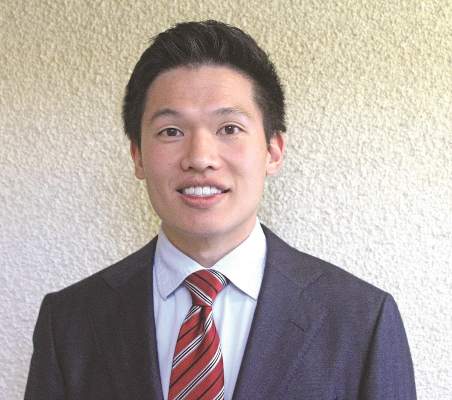
Perioperative factors influenced open TAAA repair
Open thoracoabdominal aortic aneurysm (TAAA) repair produced respectable early outcomes, although preoperative and intraoperative factors were found to influence risk, according to Dr. Joseph S. Coselli, who presented the results of the study he and his colleagues at the Baylor College of Medicine in Houston performed at the annual meeting of the American Association for Thoracic Surgery.
They analyzed data from 3,309 open TAAA repairs performed between October 1986 and December 2014.
“I have been very fortunate to have spent my entire career at Baylor College of Medicine, the epicenter of aortic surgery in the 1950s, ’60s, and ’70s, as well as to have been mentored by Dr. E. Stanley Crawford, who was arguably the finest aortic surgeon of his era. Since transitioning from Dr. Crawford’s surgical practice to my own surgical practice, we have kept his pioneering spirit alive by developing a multimodal strategy for thoracoabdominal aortic aneurysm repair that is based on the Crawford extent of repair and our evolving investigation. We sought to describe our series of over 3,000 TAAA repairs and to identify predictors of early death and other adverse postoperative outcomes,” said Dr. Coselli.
The median patient age was around 67 years, and the repairs involved acute or subacute aortic dissection in about 5% of the cases. Nearly 31% of the case involved chronic dissection, with nearly 22% emergent or urgent repairs and around 5% ruptured aneurysms. Connective tissue disorders were present in roughly 10% of patients. “Operatively, we tend to reserve surgical adjuncts for use in the most-extensive repairs, namely extents I and II TAAA repair; intercostal or lumbar artery reattachment was used in just over half of the repairs, left heart bypass (LHB) was used in around 45% of patients, cold renal perfusion was performed in 58%. and cerebrospinal fluid drainage (CSFD) was used in 45%,” said Dr. Coselli.
There was substantial atherosclerotic disease in older patients, and in nearly 41% of repairs, a visceral vessel procedure was performed.
Unlike many aortic centers that routinely use deep hypothermic circulatory arrest (HCA) for extensive TAAA repair, Dr. Coselli reserved this approach for a small number of highly complex repairs (1.4%) in which the aorta could not be safely clamped.
Of the more than a thousand most extensive (i.e., Crawford extent II) repairs, intercostal/lumbar artery reattachment was used in the vast majority (88%), LHB in 82%, and CSFD in 61%. They used multivariable analysis to identify predictors of operative (30-day or in-hospital) mortality and adverse event, a composite outcome comprising operative death and permanent (present at discharge) spinal cord deficit, renal failure, or stroke, according to Dr. Coselli.
Their results showed an operative mortality rate of 7.5%, a 30-day death rate of 4.8%, with the adverse event outcome occurring in about 14% of repairs. A video of his presentation is available at the AATS website.
The statistically significant predictors of operative death were rupture; renal insufficiency, symptoms, procedures targeting visceral vessels, increasing age, and increasing clamp time, while extent IV repair (the least extensive form of TAAA repair) was inversely associated with death. Their analysis showed that the significant predictors of adverse event were use of HCA, renal insufficiency, rupture, extent II repair, visceral vessel procedures, urgent or emergent repair, increasing age, and increasing clamp time. In addition, they used multivariable analysis to identify predictors of renal failure and paraplegia.
In the 3,060 early survivors, roughly 7% had a life-altering complication at discharge: Nearly 3% of patients had renal failure necessitating dialysis, slightly more than 1% had a unresolved stroke, and about 4% had unresolved paraplegia or paraparesis. Repair failure, primarily pseudoaneurysm, or patch aneurysm, occurred after nearly 3% of repairs, said Dr. Coselli.
Outcomes differed by extent of repair, with the risk being greatest in extent II repair. Actuarial survival was 63.6% at 5 years, 36.8% at 10 years, and 18.3% at 15 years. Freedom from repair failure was nearly 98% at 5 years, around 95% at 10 years, and 94% at 15 years.
“Along with respectable early outcomes, after repair, patients have acceptable long-term survival, and late repair failure was uncommon. Notably, there are several subgroups of patients that do exceedingly well. Paraplegia in young patients with connective tissue disorders, even in the most-extensive repair (extent II), is remarkably rare – these patients do extremely well across the board,” he concluded.
Dr. Cosselli reported that he is a principal investigator and consultant for Medtronic and W.L. Gore & Assoc., as well as being a principal investigator, consultant, and having various financial relationships with Vascutek.
Open thoracoabdominal aortic aneurysm (TAAA) repair produced respectable early outcomes, although preoperative and intraoperative factors were found to influence risk, according to Dr. Joseph S. Coselli, who presented the results of the study he and his colleagues at the Baylor College of Medicine in Houston performed at the annual meeting of the American Association for Thoracic Surgery.
They analyzed data from 3,309 open TAAA repairs performed between October 1986 and December 2014.
“I have been very fortunate to have spent my entire career at Baylor College of Medicine, the epicenter of aortic surgery in the 1950s, ’60s, and ’70s, as well as to have been mentored by Dr. E. Stanley Crawford, who was arguably the finest aortic surgeon of his era. Since transitioning from Dr. Crawford’s surgical practice to my own surgical practice, we have kept his pioneering spirit alive by developing a multimodal strategy for thoracoabdominal aortic aneurysm repair that is based on the Crawford extent of repair and our evolving investigation. We sought to describe our series of over 3,000 TAAA repairs and to identify predictors of early death and other adverse postoperative outcomes,” said Dr. Coselli.
The median patient age was around 67 years, and the repairs involved acute or subacute aortic dissection in about 5% of the cases. Nearly 31% of the case involved chronic dissection, with nearly 22% emergent or urgent repairs and around 5% ruptured aneurysms. Connective tissue disorders were present in roughly 10% of patients. “Operatively, we tend to reserve surgical adjuncts for use in the most-extensive repairs, namely extents I and II TAAA repair; intercostal or lumbar artery reattachment was used in just over half of the repairs, left heart bypass (LHB) was used in around 45% of patients, cold renal perfusion was performed in 58%. and cerebrospinal fluid drainage (CSFD) was used in 45%,” said Dr. Coselli.
There was substantial atherosclerotic disease in older patients, and in nearly 41% of repairs, a visceral vessel procedure was performed.
Unlike many aortic centers that routinely use deep hypothermic circulatory arrest (HCA) for extensive TAAA repair, Dr. Coselli reserved this approach for a small number of highly complex repairs (1.4%) in which the aorta could not be safely clamped.
Of the more than a thousand most extensive (i.e., Crawford extent II) repairs, intercostal/lumbar artery reattachment was used in the vast majority (88%), LHB in 82%, and CSFD in 61%. They used multivariable analysis to identify predictors of operative (30-day or in-hospital) mortality and adverse event, a composite outcome comprising operative death and permanent (present at discharge) spinal cord deficit, renal failure, or stroke, according to Dr. Coselli.
Their results showed an operative mortality rate of 7.5%, a 30-day death rate of 4.8%, with the adverse event outcome occurring in about 14% of repairs. A video of his presentation is available at the AATS website.
The statistically significant predictors of operative death were rupture; renal insufficiency, symptoms, procedures targeting visceral vessels, increasing age, and increasing clamp time, while extent IV repair (the least extensive form of TAAA repair) was inversely associated with death. Their analysis showed that the significant predictors of adverse event were use of HCA, renal insufficiency, rupture, extent II repair, visceral vessel procedures, urgent or emergent repair, increasing age, and increasing clamp time. In addition, they used multivariable analysis to identify predictors of renal failure and paraplegia.
In the 3,060 early survivors, roughly 7% had a life-altering complication at discharge: Nearly 3% of patients had renal failure necessitating dialysis, slightly more than 1% had a unresolved stroke, and about 4% had unresolved paraplegia or paraparesis. Repair failure, primarily pseudoaneurysm, or patch aneurysm, occurred after nearly 3% of repairs, said Dr. Coselli.
Outcomes differed by extent of repair, with the risk being greatest in extent II repair. Actuarial survival was 63.6% at 5 years, 36.8% at 10 years, and 18.3% at 15 years. Freedom from repair failure was nearly 98% at 5 years, around 95% at 10 years, and 94% at 15 years.
“Along with respectable early outcomes, after repair, patients have acceptable long-term survival, and late repair failure was uncommon. Notably, there are several subgroups of patients that do exceedingly well. Paraplegia in young patients with connective tissue disorders, even in the most-extensive repair (extent II), is remarkably rare – these patients do extremely well across the board,” he concluded.
Dr. Cosselli reported that he is a principal investigator and consultant for Medtronic and W.L. Gore & Assoc., as well as being a principal investigator, consultant, and having various financial relationships with Vascutek.
Open thoracoabdominal aortic aneurysm (TAAA) repair produced respectable early outcomes, although preoperative and intraoperative factors were found to influence risk, according to Dr. Joseph S. Coselli, who presented the results of the study he and his colleagues at the Baylor College of Medicine in Houston performed at the annual meeting of the American Association for Thoracic Surgery.
They analyzed data from 3,309 open TAAA repairs performed between October 1986 and December 2014.
“I have been very fortunate to have spent my entire career at Baylor College of Medicine, the epicenter of aortic surgery in the 1950s, ’60s, and ’70s, as well as to have been mentored by Dr. E. Stanley Crawford, who was arguably the finest aortic surgeon of his era. Since transitioning from Dr. Crawford’s surgical practice to my own surgical practice, we have kept his pioneering spirit alive by developing a multimodal strategy for thoracoabdominal aortic aneurysm repair that is based on the Crawford extent of repair and our evolving investigation. We sought to describe our series of over 3,000 TAAA repairs and to identify predictors of early death and other adverse postoperative outcomes,” said Dr. Coselli.
The median patient age was around 67 years, and the repairs involved acute or subacute aortic dissection in about 5% of the cases. Nearly 31% of the case involved chronic dissection, with nearly 22% emergent or urgent repairs and around 5% ruptured aneurysms. Connective tissue disorders were present in roughly 10% of patients. “Operatively, we tend to reserve surgical adjuncts for use in the most-extensive repairs, namely extents I and II TAAA repair; intercostal or lumbar artery reattachment was used in just over half of the repairs, left heart bypass (LHB) was used in around 45% of patients, cold renal perfusion was performed in 58%. and cerebrospinal fluid drainage (CSFD) was used in 45%,” said Dr. Coselli.
There was substantial atherosclerotic disease in older patients, and in nearly 41% of repairs, a visceral vessel procedure was performed.
Unlike many aortic centers that routinely use deep hypothermic circulatory arrest (HCA) for extensive TAAA repair, Dr. Coselli reserved this approach for a small number of highly complex repairs (1.4%) in which the aorta could not be safely clamped.
Of the more than a thousand most extensive (i.e., Crawford extent II) repairs, intercostal/lumbar artery reattachment was used in the vast majority (88%), LHB in 82%, and CSFD in 61%. They used multivariable analysis to identify predictors of operative (30-day or in-hospital) mortality and adverse event, a composite outcome comprising operative death and permanent (present at discharge) spinal cord deficit, renal failure, or stroke, according to Dr. Coselli.
Their results showed an operative mortality rate of 7.5%, a 30-day death rate of 4.8%, with the adverse event outcome occurring in about 14% of repairs. A video of his presentation is available at the AATS website.
The statistically significant predictors of operative death were rupture; renal insufficiency, symptoms, procedures targeting visceral vessels, increasing age, and increasing clamp time, while extent IV repair (the least extensive form of TAAA repair) was inversely associated with death. Their analysis showed that the significant predictors of adverse event were use of HCA, renal insufficiency, rupture, extent II repair, visceral vessel procedures, urgent or emergent repair, increasing age, and increasing clamp time. In addition, they used multivariable analysis to identify predictors of renal failure and paraplegia.
In the 3,060 early survivors, roughly 7% had a life-altering complication at discharge: Nearly 3% of patients had renal failure necessitating dialysis, slightly more than 1% had a unresolved stroke, and about 4% had unresolved paraplegia or paraparesis. Repair failure, primarily pseudoaneurysm, or patch aneurysm, occurred after nearly 3% of repairs, said Dr. Coselli.
Outcomes differed by extent of repair, with the risk being greatest in extent II repair. Actuarial survival was 63.6% at 5 years, 36.8% at 10 years, and 18.3% at 15 years. Freedom from repair failure was nearly 98% at 5 years, around 95% at 10 years, and 94% at 15 years.
“Along with respectable early outcomes, after repair, patients have acceptable long-term survival, and late repair failure was uncommon. Notably, there are several subgroups of patients that do exceedingly well. Paraplegia in young patients with connective tissue disorders, even in the most-extensive repair (extent II), is remarkably rare – these patients do extremely well across the board,” he concluded.
Dr. Cosselli reported that he is a principal investigator and consultant for Medtronic and W.L. Gore & Assoc., as well as being a principal investigator, consultant, and having various financial relationships with Vascutek.
AT THE AATS ANNUAL MEETING
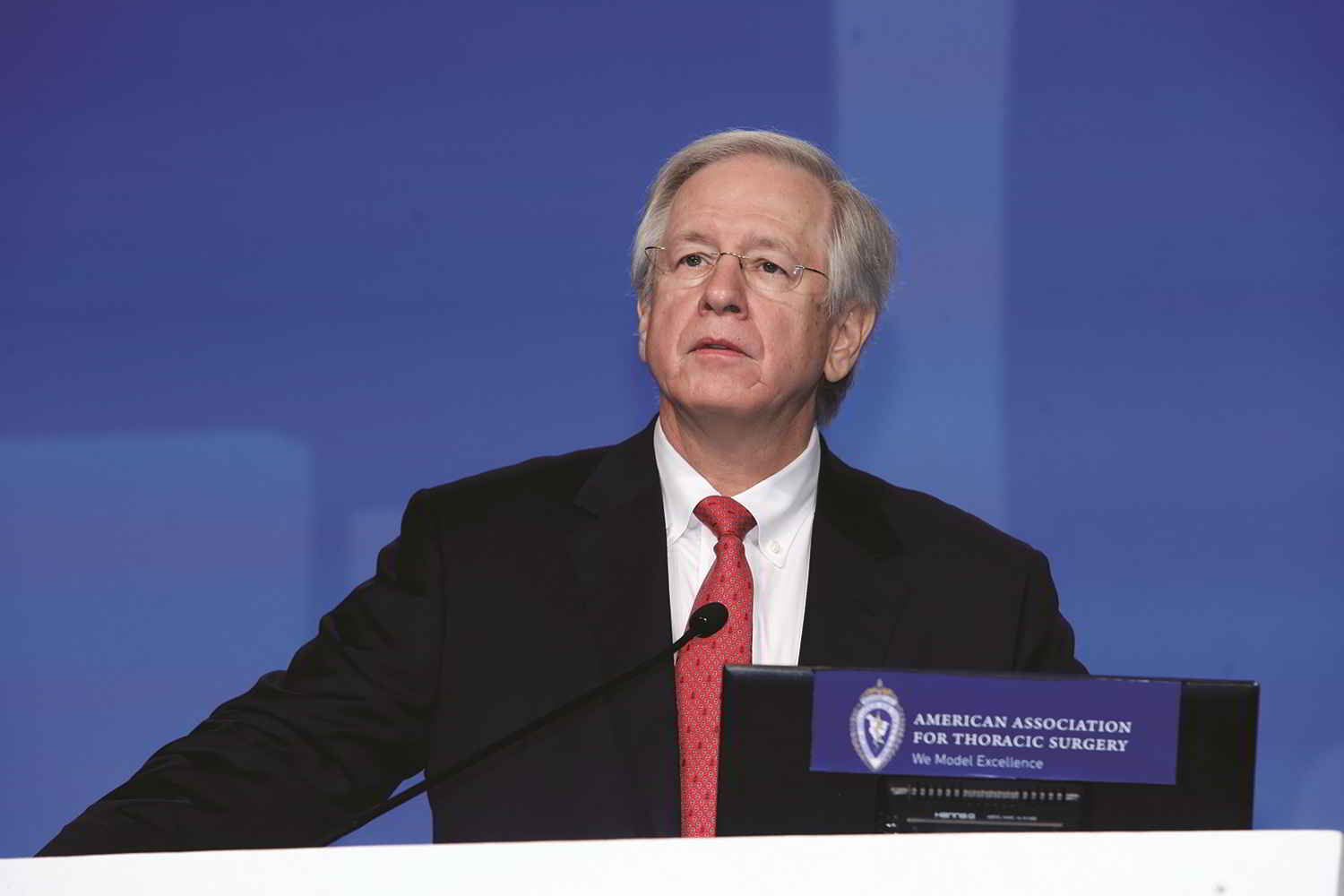
Point/Counterpoint: Should surgeons be mandated to have residents operate to satisfy board requirements?
As “simple procedures” diminish, should thoracic surgeons in training programs be mandated to allow residents to operate on patients in order to satisfy board requirements? This was the question posed during an ethics debate at the annual meeting of the Society of Thoracic Surgeons.
It is ethical, and it is necessary.
BY RICHARD G. OHYE, M.D.
The linchpin of this discussion is the “obligation,” which is defined as “a course of action that someone is required to take, whether legal or moral” to have residents perform surgery. My position is that, yes, we do have such a mandate.
I doubt that Dr. Jaggers and I would disagree that teaching residents is something we do as academic surgeons. The devil is in the details. Among our concerns are patient safety and closer scrutiny on surgical practices due to public reporting, which makes everything we do readily available. Further, simple, straightforward cases are going away; interventional cardiologists are doing lots of stents, mitral valves, and atrial septal defect closures, so those kinds of procedures are going away.
Looking at case logs from congenital cardiac and CT residents at our institution, however, there are still incomplete canals, tricuspid valve repairs, mitral valve repairs and replacements, aortic valve repairs, patent ductus arteriosus repairs, vascular rings, pulmonary valve replacements, and conduits. Residents are capable of doing these procedures; they are incredibly talented individuals and you just have to let them operate.
In addition, our results – and more importantly, our patients – have not suffered. We let our residents do between one-third and one-half of our cases, and the cases only count if they’re skin-to-skin. Our results, compared by STAT category, compare favorably with STS benchmarks and are either at or below expected values. By the end of this year, our expected mortality should be about 23%, but our observed mortality is less than half that value with the residents doing lots of cases.
So what about the ethics – who would you want operating on you? There is an ethical dilemma that goes along with medical education because no matter how good my residents may be, I am more experienced. I can do every procedure faster and “better” than they can. But the teaching of students is not a new concept, it’s even in the Hippocratic Oath, so this is an old and well-accepted practice.
There is a strong parallel between medical education and medical research. We still have to follow all of those important guidelines we have for medical research – do what’s right for the patient and exercise good judgment. We must not just “do no harm.” We must actively do good.
Academic surgeons have an obligation to teach. We take care of patients, do research to push the whole field forward, and educate to bring up the next generation of doctors. The cases for residents to perform are all there – yes, we’re a big program, but even smaller programs should see plenty of cases – and I think I’ve shown that these can be performed safely and yield excellent results. As long as the results are good, you don’t need to worry about public scrutiny. The case for medical education is similar to that of medical research: It is ethical, and it is necessary.
Dr. Ohye is head of the pediatric cardiovascular surgery division and surgical director of the pediatric heart transplant program of the University of Michigan, in Ann Arbor; he argued in support of a mandate.
Patients may not benefit, and may actually be harmed
BY JAMES JAGGERS, M.D.
The central issue in this debate is whether or not the surgeon’s responsibility as an educator and member of the training program overrides the surgeon’s responsibility to provide the patient with the best possible outcome. Put another way, should the responsibility to treat the patient to the best of the surgeon’s ability be subordinated to the success and survival of the training program for the sole purpose of giving the resident sufficient operative experience to be board eligible?
Both versions of the Hippocratic Oath and the more recent Declaration of Geneva, the AMA’s Code of Ethics, and the ACGME Mission Statement clearly enforce that the primary responsibility of the physician is to the patient, while also endorsing physician responsibility to community via service and education. Using patients as a means to an end – in this case, to satisfy board requirements – and to do so without patients’ explicit consent, violates the fundamental principle of respect for individuals.

I will not argue that resident surgery can be safely performed without risking harm to the patient. If the surgical instructor could exercise complete control over a procedure and correct any mistakes that the trainees made so that the procedure has the same outcome, then it would be ethically allowable. The surgical instructor must be confident that his residents are fully capable of performing the surgery on their own, otherwise it not ethical to subject the patient to this risk.
Dr. Ohye and I are both part of larger divisions that have their own obligations, and we have experience training residents at all levels. We have similar backgrounds, and we both benefited from having mentors who sometimes had masochistic patience in helping us get through surgeries that we probably weren’t ready for. I’m certain that those of us in academic medicine training programs believe that graduated involvement of trainees in patient care is an integral part of the surgical education process, and is critical to society as a whole.
However, the fact that patients may not directly benefit, and may actually be harmed, from the resident’s involvement in surgery creates an ethical dilemma. There is little literature to guide us through this dilemma. Professional societies only advise generally, noting that participation should be voluntary, without providing specifics. Regulatory boards simply set minimum requirements without providing guidance for the educational process. While the ACGME and the residency review committees oversee resident training, the responsibility for successful training is left largely to individual surgeons and individual programs. It’s only recently that the TSDA (Thoracic Surgery Directors Association) adopted the milestone concept that hopefully will help resolve some of these issues.
Consider a medium-sized program of around 300 patients: A difference of just one death, such as 10 or 11 per year, is the difference between being above or below the STS mean. Now that may not be statistically significant, but if you put that number on your website, it becomes important. It’s true that the practice of congenital heart surgery has changed over the last 15-20 years. Our program has seen resident cases roughly halved in the last 10 years. Most patients are operated on at a younger age, palliation is very rare. These are not meant to be excuses for not training residents – they’re just the reality.
The outcomes of surgeries are increasingly scrutinized by regulatory agencies and sources of public reporting. Competition between programs is intense. Patients, parents, and referring providers have become increasingly aware of outcomes to the point that it’s actually not unusual for a patient to ask “What’s your surgical site infection rate? What are the chances I’ll need to have a pacemaker? What are your individual results?” Insurance companies are starting to ask for financial data, economically profiling you to ensure that you’re being as efficient as possible. All of these things are contrary to our ability to train residents effectively.
Because of fear of taking too long or increasing complications, some surgeons say they are much more likely to accept residual defects when operating with trainees. It’s only with familiarity and time that the highly skilled attending and properly motivated resident may work in tandem and produce the best outcome – but not in the 10 cases the American Board of Thoracic Surgery requires.
Dr. Jaggers is the Barton-Elliman Chair in Pediatric Cardiothoracic Surgery at the University of Colorado and co–medical director of The Heart Institute at Children’s Hospital Colorado in Aurora. He argued against having residents perform surgery for board certification.
As “simple procedures” diminish, should thoracic surgeons in training programs be mandated to allow residents to operate on patients in order to satisfy board requirements? This was the question posed during an ethics debate at the annual meeting of the Society of Thoracic Surgeons.
It is ethical, and it is necessary.
BY RICHARD G. OHYE, M.D.
The linchpin of this discussion is the “obligation,” which is defined as “a course of action that someone is required to take, whether legal or moral” to have residents perform surgery. My position is that, yes, we do have such a mandate.
I doubt that Dr. Jaggers and I would disagree that teaching residents is something we do as academic surgeons. The devil is in the details. Among our concerns are patient safety and closer scrutiny on surgical practices due to public reporting, which makes everything we do readily available. Further, simple, straightforward cases are going away; interventional cardiologists are doing lots of stents, mitral valves, and atrial septal defect closures, so those kinds of procedures are going away.
Looking at case logs from congenital cardiac and CT residents at our institution, however, there are still incomplete canals, tricuspid valve repairs, mitral valve repairs and replacements, aortic valve repairs, patent ductus arteriosus repairs, vascular rings, pulmonary valve replacements, and conduits. Residents are capable of doing these procedures; they are incredibly talented individuals and you just have to let them operate.
In addition, our results – and more importantly, our patients – have not suffered. We let our residents do between one-third and one-half of our cases, and the cases only count if they’re skin-to-skin. Our results, compared by STAT category, compare favorably with STS benchmarks and are either at or below expected values. By the end of this year, our expected mortality should be about 23%, but our observed mortality is less than half that value with the residents doing lots of cases.
So what about the ethics – who would you want operating on you? There is an ethical dilemma that goes along with medical education because no matter how good my residents may be, I am more experienced. I can do every procedure faster and “better” than they can. But the teaching of students is not a new concept, it’s even in the Hippocratic Oath, so this is an old and well-accepted practice.
There is a strong parallel between medical education and medical research. We still have to follow all of those important guidelines we have for medical research – do what’s right for the patient and exercise good judgment. We must not just “do no harm.” We must actively do good.
Academic surgeons have an obligation to teach. We take care of patients, do research to push the whole field forward, and educate to bring up the next generation of doctors. The cases for residents to perform are all there – yes, we’re a big program, but even smaller programs should see plenty of cases – and I think I’ve shown that these can be performed safely and yield excellent results. As long as the results are good, you don’t need to worry about public scrutiny. The case for medical education is similar to that of medical research: It is ethical, and it is necessary.
Dr. Ohye is head of the pediatric cardiovascular surgery division and surgical director of the pediatric heart transplant program of the University of Michigan, in Ann Arbor; he argued in support of a mandate.
Patients may not benefit, and may actually be harmed
BY JAMES JAGGERS, M.D.
The central issue in this debate is whether or not the surgeon’s responsibility as an educator and member of the training program overrides the surgeon’s responsibility to provide the patient with the best possible outcome. Put another way, should the responsibility to treat the patient to the best of the surgeon’s ability be subordinated to the success and survival of the training program for the sole purpose of giving the resident sufficient operative experience to be board eligible?
Both versions of the Hippocratic Oath and the more recent Declaration of Geneva, the AMA’s Code of Ethics, and the ACGME Mission Statement clearly enforce that the primary responsibility of the physician is to the patient, while also endorsing physician responsibility to community via service and education. Using patients as a means to an end – in this case, to satisfy board requirements – and to do so without patients’ explicit consent, violates the fundamental principle of respect for individuals.
I will not argue that resident surgery can be safely performed without risking harm to the patient. If the surgical instructor could exercise complete control over a procedure and correct any mistakes that the trainees made so that the procedure has the same outcome, then it would be ethically allowable. The surgical instructor must be confident that his residents are fully capable of performing the surgery on their own, otherwise it not ethical to subject the patient to this risk.
Dr. Ohye and I are both part of larger divisions that have their own obligations, and we have experience training residents at all levels. We have similar backgrounds, and we both benefited from having mentors who sometimes had masochistic patience in helping us get through surgeries that we probably weren’t ready for. I’m certain that those of us in academic medicine training programs believe that graduated involvement of trainees in patient care is an integral part of the surgical education process, and is critical to society as a whole.
However, the fact that patients may not directly benefit, and may actually be harmed, from the resident’s involvement in surgery creates an ethical dilemma. There is little literature to guide us through this dilemma. Professional societies only advise generally, noting that participation should be voluntary, without providing specifics. Regulatory boards simply set minimum requirements without providing guidance for the educational process. While the ACGME and the residency review committees oversee resident training, the responsibility for successful training is left largely to individual surgeons and individual programs. It’s only recently that the TSDA (Thoracic Surgery Directors Association) adopted the milestone concept that hopefully will help resolve some of these issues.
Consider a medium-sized program of around 300 patients: A difference of just one death, such as 10 or 11 per year, is the difference between being above or below the STS mean. Now that may not be statistically significant, but if you put that number on your website, it becomes important. It’s true that the practice of congenital heart surgery has changed over the last 15-20 years. Our program has seen resident cases roughly halved in the last 10 years. Most patients are operated on at a younger age, palliation is very rare. These are not meant to be excuses for not training residents – they’re just the reality.
The outcomes of surgeries are increasingly scrutinized by regulatory agencies and sources of public reporting. Competition between programs is intense. Patients, parents, and referring providers have become increasingly aware of outcomes to the point that it’s actually not unusual for a patient to ask “What’s your surgical site infection rate? What are the chances I’ll need to have a pacemaker? What are your individual results?” Insurance companies are starting to ask for financial data, economically profiling you to ensure that you’re being as efficient as possible. All of these things are contrary to our ability to train residents effectively.
Because of fear of taking too long or increasing complications, some surgeons say they are much more likely to accept residual defects when operating with trainees. It’s only with familiarity and time that the highly skilled attending and properly motivated resident may work in tandem and produce the best outcome – but not in the 10 cases the American Board of Thoracic Surgery requires.
Dr. Jaggers is the Barton-Elliman Chair in Pediatric Cardiothoracic Surgery at the University of Colorado and co–medical director of The Heart Institute at Children’s Hospital Colorado in Aurora. He argued against having residents perform surgery for board certification.
As “simple procedures” diminish, should thoracic surgeons in training programs be mandated to allow residents to operate on patients in order to satisfy board requirements? This was the question posed during an ethics debate at the annual meeting of the Society of Thoracic Surgeons.
It is ethical, and it is necessary.
BY RICHARD G. OHYE, M.D.
The linchpin of this discussion is the “obligation,” which is defined as “a course of action that someone is required to take, whether legal or moral” to have residents perform surgery. My position is that, yes, we do have such a mandate.
I doubt that Dr. Jaggers and I would disagree that teaching residents is something we do as academic surgeons. The devil is in the details. Among our concerns are patient safety and closer scrutiny on surgical practices due to public reporting, which makes everything we do readily available. Further, simple, straightforward cases are going away; interventional cardiologists are doing lots of stents, mitral valves, and atrial septal defect closures, so those kinds of procedures are going away.
Looking at case logs from congenital cardiac and CT residents at our institution, however, there are still incomplete canals, tricuspid valve repairs, mitral valve repairs and replacements, aortic valve repairs, patent ductus arteriosus repairs, vascular rings, pulmonary valve replacements, and conduits. Residents are capable of doing these procedures; they are incredibly talented individuals and you just have to let them operate.
In addition, our results – and more importantly, our patients – have not suffered. We let our residents do between one-third and one-half of our cases, and the cases only count if they’re skin-to-skin. Our results, compared by STAT category, compare favorably with STS benchmarks and are either at or below expected values. By the end of this year, our expected mortality should be about 23%, but our observed mortality is less than half that value with the residents doing lots of cases.
So what about the ethics – who would you want operating on you? There is an ethical dilemma that goes along with medical education because no matter how good my residents may be, I am more experienced. I can do every procedure faster and “better” than they can. But the teaching of students is not a new concept, it’s even in the Hippocratic Oath, so this is an old and well-accepted practice.
There is a strong parallel between medical education and medical research. We still have to follow all of those important guidelines we have for medical research – do what’s right for the patient and exercise good judgment. We must not just “do no harm.” We must actively do good.
Academic surgeons have an obligation to teach. We take care of patients, do research to push the whole field forward, and educate to bring up the next generation of doctors. The cases for residents to perform are all there – yes, we’re a big program, but even smaller programs should see plenty of cases – and I think I’ve shown that these can be performed safely and yield excellent results. As long as the results are good, you don’t need to worry about public scrutiny. The case for medical education is similar to that of medical research: It is ethical, and it is necessary.
Dr. Ohye is head of the pediatric cardiovascular surgery division and surgical director of the pediatric heart transplant program of the University of Michigan, in Ann Arbor; he argued in support of a mandate.
Patients may not benefit, and may actually be harmed
BY JAMES JAGGERS, M.D.
The central issue in this debate is whether or not the surgeon’s responsibility as an educator and member of the training program overrides the surgeon’s responsibility to provide the patient with the best possible outcome. Put another way, should the responsibility to treat the patient to the best of the surgeon’s ability be subordinated to the success and survival of the training program for the sole purpose of giving the resident sufficient operative experience to be board eligible?
Both versions of the Hippocratic Oath and the more recent Declaration of Geneva, the AMA’s Code of Ethics, and the ACGME Mission Statement clearly enforce that the primary responsibility of the physician is to the patient, while also endorsing physician responsibility to community via service and education. Using patients as a means to an end – in this case, to satisfy board requirements – and to do so without patients’ explicit consent, violates the fundamental principle of respect for individuals.
I will not argue that resident surgery can be safely performed without risking harm to the patient. If the surgical instructor could exercise complete control over a procedure and correct any mistakes that the trainees made so that the procedure has the same outcome, then it would be ethically allowable. The surgical instructor must be confident that his residents are fully capable of performing the surgery on their own, otherwise it not ethical to subject the patient to this risk.
Dr. Ohye and I are both part of larger divisions that have their own obligations, and we have experience training residents at all levels. We have similar backgrounds, and we both benefited from having mentors who sometimes had masochistic patience in helping us get through surgeries that we probably weren’t ready for. I’m certain that those of us in academic medicine training programs believe that graduated involvement of trainees in patient care is an integral part of the surgical education process, and is critical to society as a whole.
However, the fact that patients may not directly benefit, and may actually be harmed, from the resident’s involvement in surgery creates an ethical dilemma. There is little literature to guide us through this dilemma. Professional societies only advise generally, noting that participation should be voluntary, without providing specifics. Regulatory boards simply set minimum requirements without providing guidance for the educational process. While the ACGME and the residency review committees oversee resident training, the responsibility for successful training is left largely to individual surgeons and individual programs. It’s only recently that the TSDA (Thoracic Surgery Directors Association) adopted the milestone concept that hopefully will help resolve some of these issues.
Consider a medium-sized program of around 300 patients: A difference of just one death, such as 10 or 11 per year, is the difference between being above or below the STS mean. Now that may not be statistically significant, but if you put that number on your website, it becomes important. It’s true that the practice of congenital heart surgery has changed over the last 15-20 years. Our program has seen resident cases roughly halved in the last 10 years. Most patients are operated on at a younger age, palliation is very rare. These are not meant to be excuses for not training residents – they’re just the reality.
The outcomes of surgeries are increasingly scrutinized by regulatory agencies and sources of public reporting. Competition between programs is intense. Patients, parents, and referring providers have become increasingly aware of outcomes to the point that it’s actually not unusual for a patient to ask “What’s your surgical site infection rate? What are the chances I’ll need to have a pacemaker? What are your individual results?” Insurance companies are starting to ask for financial data, economically profiling you to ensure that you’re being as efficient as possible. All of these things are contrary to our ability to train residents effectively.
Because of fear of taking too long or increasing complications, some surgeons say they are much more likely to accept residual defects when operating with trainees. It’s only with familiarity and time that the highly skilled attending and properly motivated resident may work in tandem and produce the best outcome – but not in the 10 cases the American Board of Thoracic Surgery requires.
Dr. Jaggers is the Barton-Elliman Chair in Pediatric Cardiothoracic Surgery at the University of Colorado and co–medical director of The Heart Institute at Children’s Hospital Colorado in Aurora. He argued against having residents perform surgery for board certification.
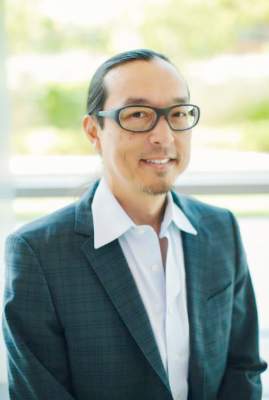
Laryngoscopy of vocal cords avoided with ultrasound
In candidates for thyroid surgery, ultrasound is an effective and convenient method of preoperative vocal cord evaluation, avoiding the costs of laryngoscopy, according to data derived from a retrospective study presented at the annual meeting of the American Association of Endocrine Surgeons in Nashville, Tenn.
In the study, which enrolled only those thyroid or parathyroid patients with risk factors for vocal cord paralysis, who would have been otherwise evaluated with flexible laryngoscopy, vocal cord ultrasonography (VCUS) proved to be an adequate examination in 76%, reported Dr. Denise Carneiro-Pla of the division of oncologic and endocrine surgery at the Medical University of South Carolina, Charleston.
The results have been practice-changing, she said. In thyroid or parathyroid surgical candidates at risk for vocal cord paralysis, flexible laryngoscopy had been the standard of care. When VCUS is adequate for visualization, it permits patients to avoid a separate office visit and an invasive procedure that many experience as uncomfortable. Based on data from this study, cost savings are substantial.
In patients scheduled for thyroid or parathyroid surgery, “ultrasound evaluation is already a routine part of the evaluation,” Dr. Carneiro-Pla explained. An evaluation of the vocal cords is easily performed at the same time, and visualization is typically adequate.
“You either have good visualization or you don’t,” she noted. “In the minority of cases when you do not, the patient can be referred for laryngoscopy.”
This assertion was supported by her study, which included a total of 194 consecutive patients from three institutions who were scheduled for thyroid or parathyroid surgery and had an indication for preoperative evaluation of vocal cord mobility. These indications included previous cervical procedures, a large goiter, significant hoarseness, and thyroid cancer suspected of possible extrathyroidal extension. All patients underwent VCUS, but 52 underwent flexible laryngoscopy regardless of the VCUS findings while 142 only underwent laryngoscopy if the VCUS was considered inadequate.
Overall, VCUS was judged to be adequate for evaluating vocal cord mobility in 164 (85%) of the total study population. In the group of patients for whom laryngoscopy was employed only if VCUS was not considered adequate, 24% did go on to the invasive procedure. The reasons were inadequate visualization in 11%, significant hoarseness despite normal VCUS in 8%, a finding of vocal cord weakness or paresis on VCUS that required further evaluation in 4%, and a surgeon decision or another reason in 1%.
In a comparison to those with adequate VCUS visualization, those without were, on average, older by 4 years and more likely to be male than female. Those with thyroid cartilage calcification were substantially less likely to have adequate visualization on VCUS than those without (57% vs. 92%; P < 0.005). Body mass index did not influence the adequacy of VCUS.
In patients at risk of vocal cord paralysis, Dr. Carneiro-Pla explained that some form of preoperative evaluation is considered essential to reduce the risk of a recurrent laryngeal nerve injury. Several previous studies have suggested that VCUS is accurate for predicting vocal cord paralysis, and this study reinforced this approach in routine patient care.
“An ultrasound evaluation would be performed in most patients anyway, so this avoids an extra step,” said Dr. Carneiro-Pla, whose study included a cost analysis that projected savings for the study group ranging from nearly $8,000 to more than $20,000.
She reported no relevant financial conflicts.
In candidates for thyroid surgery, ultrasound is an effective and convenient method of preoperative vocal cord evaluation, avoiding the costs of laryngoscopy, according to data derived from a retrospective study presented at the annual meeting of the American Association of Endocrine Surgeons in Nashville, Tenn.
In the study, which enrolled only those thyroid or parathyroid patients with risk factors for vocal cord paralysis, who would have been otherwise evaluated with flexible laryngoscopy, vocal cord ultrasonography (VCUS) proved to be an adequate examination in 76%, reported Dr. Denise Carneiro-Pla of the division of oncologic and endocrine surgery at the Medical University of South Carolina, Charleston.
The results have been practice-changing, she said. In thyroid or parathyroid surgical candidates at risk for vocal cord paralysis, flexible laryngoscopy had been the standard of care. When VCUS is adequate for visualization, it permits patients to avoid a separate office visit and an invasive procedure that many experience as uncomfortable. Based on data from this study, cost savings are substantial.
In patients scheduled for thyroid or parathyroid surgery, “ultrasound evaluation is already a routine part of the evaluation,” Dr. Carneiro-Pla explained. An evaluation of the vocal cords is easily performed at the same time, and visualization is typically adequate.
“You either have good visualization or you don’t,” she noted. “In the minority of cases when you do not, the patient can be referred for laryngoscopy.”
This assertion was supported by her study, which included a total of 194 consecutive patients from three institutions who were scheduled for thyroid or parathyroid surgery and had an indication for preoperative evaluation of vocal cord mobility. These indications included previous cervical procedures, a large goiter, significant hoarseness, and thyroid cancer suspected of possible extrathyroidal extension. All patients underwent VCUS, but 52 underwent flexible laryngoscopy regardless of the VCUS findings while 142 only underwent laryngoscopy if the VCUS was considered inadequate.
Overall, VCUS was judged to be adequate for evaluating vocal cord mobility in 164 (85%) of the total study population. In the group of patients for whom laryngoscopy was employed only if VCUS was not considered adequate, 24% did go on to the invasive procedure. The reasons were inadequate visualization in 11%, significant hoarseness despite normal VCUS in 8%, a finding of vocal cord weakness or paresis on VCUS that required further evaluation in 4%, and a surgeon decision or another reason in 1%.
In a comparison to those with adequate VCUS visualization, those without were, on average, older by 4 years and more likely to be male than female. Those with thyroid cartilage calcification were substantially less likely to have adequate visualization on VCUS than those without (57% vs. 92%; P < 0.005). Body mass index did not influence the adequacy of VCUS.
In patients at risk of vocal cord paralysis, Dr. Carneiro-Pla explained that some form of preoperative evaluation is considered essential to reduce the risk of a recurrent laryngeal nerve injury. Several previous studies have suggested that VCUS is accurate for predicting vocal cord paralysis, and this study reinforced this approach in routine patient care.
“An ultrasound evaluation would be performed in most patients anyway, so this avoids an extra step,” said Dr. Carneiro-Pla, whose study included a cost analysis that projected savings for the study group ranging from nearly $8,000 to more than $20,000.
She reported no relevant financial conflicts.
In candidates for thyroid surgery, ultrasound is an effective and convenient method of preoperative vocal cord evaluation, avoiding the costs of laryngoscopy, according to data derived from a retrospective study presented at the annual meeting of the American Association of Endocrine Surgeons in Nashville, Tenn.
In the study, which enrolled only those thyroid or parathyroid patients with risk factors for vocal cord paralysis, who would have been otherwise evaluated with flexible laryngoscopy, vocal cord ultrasonography (VCUS) proved to be an adequate examination in 76%, reported Dr. Denise Carneiro-Pla of the division of oncologic and endocrine surgery at the Medical University of South Carolina, Charleston.
The results have been practice-changing, she said. In thyroid or parathyroid surgical candidates at risk for vocal cord paralysis, flexible laryngoscopy had been the standard of care. When VCUS is adequate for visualization, it permits patients to avoid a separate office visit and an invasive procedure that many experience as uncomfortable. Based on data from this study, cost savings are substantial.
In patients scheduled for thyroid or parathyroid surgery, “ultrasound evaluation is already a routine part of the evaluation,” Dr. Carneiro-Pla explained. An evaluation of the vocal cords is easily performed at the same time, and visualization is typically adequate.
“You either have good visualization or you don’t,” she noted. “In the minority of cases when you do not, the patient can be referred for laryngoscopy.”
This assertion was supported by her study, which included a total of 194 consecutive patients from three institutions who were scheduled for thyroid or parathyroid surgery and had an indication for preoperative evaluation of vocal cord mobility. These indications included previous cervical procedures, a large goiter, significant hoarseness, and thyroid cancer suspected of possible extrathyroidal extension. All patients underwent VCUS, but 52 underwent flexible laryngoscopy regardless of the VCUS findings while 142 only underwent laryngoscopy if the VCUS was considered inadequate.
Overall, VCUS was judged to be adequate for evaluating vocal cord mobility in 164 (85%) of the total study population. In the group of patients for whom laryngoscopy was employed only if VCUS was not considered adequate, 24% did go on to the invasive procedure. The reasons were inadequate visualization in 11%, significant hoarseness despite normal VCUS in 8%, a finding of vocal cord weakness or paresis on VCUS that required further evaluation in 4%, and a surgeon decision or another reason in 1%.
In a comparison to those with adequate VCUS visualization, those without were, on average, older by 4 years and more likely to be male than female. Those with thyroid cartilage calcification were substantially less likely to have adequate visualization on VCUS than those without (57% vs. 92%; P < 0.005). Body mass index did not influence the adequacy of VCUS.
In patients at risk of vocal cord paralysis, Dr. Carneiro-Pla explained that some form of preoperative evaluation is considered essential to reduce the risk of a recurrent laryngeal nerve injury. Several previous studies have suggested that VCUS is accurate for predicting vocal cord paralysis, and this study reinforced this approach in routine patient care.
“An ultrasound evaluation would be performed in most patients anyway, so this avoids an extra step,” said Dr. Carneiro-Pla, whose study included a cost analysis that projected savings for the study group ranging from nearly $8,000 to more than $20,000.
She reported no relevant financial conflicts.
FROM AAES 2015
Key clinical point: If evaluated with ultrasound, surgery patients at risk for vocal cord paralysis can forgo preoperative laryngoscopy.
Major finding: Of candidates for laryngoscopy, 76% avoided this invasive procedure with ultrasound.
Data source: Review of prospectively collected data.
Disclosures: Dr. Carneiro-Pla reported no relevant financial conflicts.