User login
Official Newspaper of the American College of Surgeons
Most docs still not ready for ICD-10 switch
A majority of physician practices will not be ready when the ICD-10 compliance date rolls around on Oct. 1, according to a recent survey by the Workgroup for Electronic Data Interchange (WEDI).
Less than half of physician practices reported that they were ready, or would be ready to implement ICD-10 by the compliance date. Nearly one-quarter of practices indicated they would not be ready, with the balance identifying their readiness status as “unknown.”

The WEDI survey was conducted in June, prior to the Centers for Medicare & Medicaid Services’ announcing a 1-year transition period during which Medicare will not deny claims based solely on the specificity of diagnosis codes, provided they are in the appropriate family of ICD-10 codes.
Physician practices “may now be working more quickly toward compliance, since the potential for further delay has been removed,” WEDI wrote in a letter to Health and Human Services Secretary Sylvia Burwell.
WEDI, formed in 1991 by the HHS and named as an advisory organization to the agency under HIPAA, warned that if physician practices in particular “do not make a dedicated and aggressive effort to complete their implementation activities in the time remaining, there is likely to be disruption to industry claims processing on Oct. 1, 2015.”
Physician practices may have a lot of catching up to do in a short amount of time because of inaction taken with each delayed implementation date. Many organizations “did not take full advantage of this additional time and as indicated in prior surveys, many organizations stopped or slowed down efforts when a delay was announced,” WEDI noted.
In a separate letter, WEDI called for more transparency regarding the readiness of state Medicaid agencies to convert to ICD-10, and urged the HHS to appoint an ombudsman for ICD-10 as soon as possible.
A majority of physician practices will not be ready when the ICD-10 compliance date rolls around on Oct. 1, according to a recent survey by the Workgroup for Electronic Data Interchange (WEDI).
Less than half of physician practices reported that they were ready, or would be ready to implement ICD-10 by the compliance date. Nearly one-quarter of practices indicated they would not be ready, with the balance identifying their readiness status as “unknown.”
The WEDI survey was conducted in June, prior to the Centers for Medicare & Medicaid Services’ announcing a 1-year transition period during which Medicare will not deny claims based solely on the specificity of diagnosis codes, provided they are in the appropriate family of ICD-10 codes.
Physician practices “may now be working more quickly toward compliance, since the potential for further delay has been removed,” WEDI wrote in a letter to Health and Human Services Secretary Sylvia Burwell.
WEDI, formed in 1991 by the HHS and named as an advisory organization to the agency under HIPAA, warned that if physician practices in particular “do not make a dedicated and aggressive effort to complete their implementation activities in the time remaining, there is likely to be disruption to industry claims processing on Oct. 1, 2015.”
Physician practices may have a lot of catching up to do in a short amount of time because of inaction taken with each delayed implementation date. Many organizations “did not take full advantage of this additional time and as indicated in prior surveys, many organizations stopped or slowed down efforts when a delay was announced,” WEDI noted.
In a separate letter, WEDI called for more transparency regarding the readiness of state Medicaid agencies to convert to ICD-10, and urged the HHS to appoint an ombudsman for ICD-10 as soon as possible.
A majority of physician practices will not be ready when the ICD-10 compliance date rolls around on Oct. 1, according to a recent survey by the Workgroup for Electronic Data Interchange (WEDI).
Less than half of physician practices reported that they were ready, or would be ready to implement ICD-10 by the compliance date. Nearly one-quarter of practices indicated they would not be ready, with the balance identifying their readiness status as “unknown.”
The WEDI survey was conducted in June, prior to the Centers for Medicare & Medicaid Services’ announcing a 1-year transition period during which Medicare will not deny claims based solely on the specificity of diagnosis codes, provided they are in the appropriate family of ICD-10 codes.
Physician practices “may now be working more quickly toward compliance, since the potential for further delay has been removed,” WEDI wrote in a letter to Health and Human Services Secretary Sylvia Burwell.
WEDI, formed in 1991 by the HHS and named as an advisory organization to the agency under HIPAA, warned that if physician practices in particular “do not make a dedicated and aggressive effort to complete their implementation activities in the time remaining, there is likely to be disruption to industry claims processing on Oct. 1, 2015.”
Physician practices may have a lot of catching up to do in a short amount of time because of inaction taken with each delayed implementation date. Many organizations “did not take full advantage of this additional time and as indicated in prior surveys, many organizations stopped or slowed down efforts when a delay was announced,” WEDI noted.
In a separate letter, WEDI called for more transparency regarding the readiness of state Medicaid agencies to convert to ICD-10, and urged the HHS to appoint an ombudsman for ICD-10 as soon as possible.

Joseph P. Vacanti, MD, FACS, receives 2015 Jacobson Innovation Award
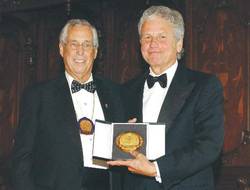
Joseph P. Vacanti, MD, FACS, received the 2015 Jacobson Innovation Award of the American College of Surgeons (ACS) at a dinner on June 5 at the John B. Murphy Memorial Auditorium in Chicago, IL. Dr. Vacanti is the John Homans Professor of Surgery at Harvard Medical School and is the director of the Laboratory for Tissue Engineering and Organ Fabrication, co-director of the Center for Regenerative Medicine, and chief of pediatric transplantation at Massachusetts General Hospital, Boston.
The prestigious Jacobson Innovation Award honors living surgeons who have been innovators of a new development or technique in any field of surgery and is made possible through a gift from Julius H. Jacobson II, MD, FACS, and his wife, Joan. Dr. Jacobson is a general vascular surgeon known for his pioneering work in microsurgery.
Honored for tissue engineering
This year’s Jacobson Innovation Award honors Dr. Vacanti for his work in the field of tissue engineering, which began in the early 1980s and stemmed from a long-held interest in addressing organ shortages. Working with Robert Langer, ScD, the David H. Koch Institute Professor at the Massachusetts Institute of Technology, Cambridge, Dr. Vacanti developed an approach using tissue-specific cells placed in scaffolds made of biodegradable polymers. The cells, derived from both living tissue or stem cells, are then bathed in growth factors and proceed to multiply, filling the scaffold. The cells then grow into three-dimensional tissue that, once implanted in the body, recreates its proper tissue function. Blood vessels grow into the new tissue, the scaffold degrades, and the lab-grown tissue becomes indistinguishable from its surroundings.
Dr. Vacanti also has been an innovator in pediatric surgery. In 1984, while at Children’s Hospital Boston, Dr. Vacanti instituted New England’s first successful pediatric extracorporeal membrane oxygenation program. In addition, he started the nation’s first liver transplantation program specifically for the pediatric population.
Dr. Vacanti was a founding co-president of the Tissue Engineering Society, now the Tissue Engineering Regenerative Medicine International Society (TERMIS) and which boasts 5,000 active members from 80 countries worldwide. He was also the founding senior editor of the journal Tissue Engineering, which serves the members of TERMIS. The journal can be found in 1,700 libraries in 20 countries and is provided free online to 106 developing countries.
Dr. Vacanti has authored more than 320 original reports, 69 book chapters, 54 reviews, and 473 abstracts. He has 81 patents or patents pending in the U.S., Canada, Europe, and Japan.
“As I stand here tonight, I ask myself: ‘How did a Sicilian-American kid from Omaha, Nebraska, end up on this podium?’” Dr. Vacanti said to the approximately 100 guests at the dinner. “My answer is my family, my friends, and my heroes. Just like everyone in this room, we are descendants of immigrants. In my case, my grandparents emigrated from Sicily because of poverty and lack of opportunity. My grandfather could barely speak English but fought in the trenches in France in World War I and gained his American citizenship. He then worked in the boiler shops of the Union Pacific Railroad and taught me the value of hard work, but also the value of using my mind to obtain an education. My father was a professor of oral surgery and endodontics at Creighton University’s dental school, and my mother was a premedical student before marrying my father after World War II. It was that influence that led me to want to become a surgeon at the young age of four.”
Dr. Vacanti also paid tribute to the mentors who encouraged his growth as a surgeon as well as those individuals who have inspired and supported him throughout his career. “My surgical heroes and mentors are Dr. William Hardy Hendren III [MD, FACS, FRCSI(Hon), FRCSEng(Hon), FRCSGlas(Hon)] and Dr. Judah Folkman [MD, FACS], both previous Jacobson Award recipients. Both taught me about surgical innovation and how to think about a problem and its definitive solution,” he said. “Dr. Folkman advised me that if I was going to devote my life to something that I should pick something important. My closest friend, Mr. Walter Smith, has been very important in advising me through the years on many matters both personal and professional, and Dr. Robert Langer [MD, FACS] has been a partner and friend in all of this work through many years.”
Recipient of numerous awards
Dr. Vacanti has received numerous honors and awards. In 2001, he was elected to the Institute of Medicine of the National Academy of Sciences. In 2007, the Board of Directors of City Trusts, acting for the city of Philadelphia, presented him the John Scott Award, which is given to the most deserving men and women whose inventions have contributed significantly to the comfort, welfare, and happiness of human beings. The award has been given in memory of Benjamin Franklin since 1822, and previous recipients include Madame Marie Curie, Orville and Wilbur Wright, Thomas Edison, and Jonas Salk, MD.
Dr. Vacanti became a 2011 Thomson Reuters Citation Laureate in the field of physiology or medicine. Thomson Reuters Citation Laureates are an elite group of highly cited, high-impact researchers, who are likely contenders for other awards in the future, including the Nobel Prize.
Dr. Vacanti also received the William E. Ladd Medal in 2013, which is the highest honor awarded by the surgical section of the American Academy of Pediatrics and considered by many to be the most prestigious award in the field of pediatric surgery.
Joseph P. Vacanti, MD, FACS, received the 2015 Jacobson Innovation Award of the American College of Surgeons (ACS) at a dinner on June 5 at the John B. Murphy Memorial Auditorium in Chicago, IL. Dr. Vacanti is the John Homans Professor of Surgery at Harvard Medical School and is the director of the Laboratory for Tissue Engineering and Organ Fabrication, co-director of the Center for Regenerative Medicine, and chief of pediatric transplantation at Massachusetts General Hospital, Boston.
The prestigious Jacobson Innovation Award honors living surgeons who have been innovators of a new development or technique in any field of surgery and is made possible through a gift from Julius H. Jacobson II, MD, FACS, and his wife, Joan. Dr. Jacobson is a general vascular surgeon known for his pioneering work in microsurgery.
Honored for tissue engineering
This year’s Jacobson Innovation Award honors Dr. Vacanti for his work in the field of tissue engineering, which began in the early 1980s and stemmed from a long-held interest in addressing organ shortages. Working with Robert Langer, ScD, the David H. Koch Institute Professor at the Massachusetts Institute of Technology, Cambridge, Dr. Vacanti developed an approach using tissue-specific cells placed in scaffolds made of biodegradable polymers. The cells, derived from both living tissue or stem cells, are then bathed in growth factors and proceed to multiply, filling the scaffold. The cells then grow into three-dimensional tissue that, once implanted in the body, recreates its proper tissue function. Blood vessels grow into the new tissue, the scaffold degrades, and the lab-grown tissue becomes indistinguishable from its surroundings.
Dr. Vacanti also has been an innovator in pediatric surgery. In 1984, while at Children’s Hospital Boston, Dr. Vacanti instituted New England’s first successful pediatric extracorporeal membrane oxygenation program. In addition, he started the nation’s first liver transplantation program specifically for the pediatric population.
Dr. Vacanti was a founding co-president of the Tissue Engineering Society, now the Tissue Engineering Regenerative Medicine International Society (TERMIS) and which boasts 5,000 active members from 80 countries worldwide. He was also the founding senior editor of the journal Tissue Engineering, which serves the members of TERMIS. The journal can be found in 1,700 libraries in 20 countries and is provided free online to 106 developing countries.
Dr. Vacanti has authored more than 320 original reports, 69 book chapters, 54 reviews, and 473 abstracts. He has 81 patents or patents pending in the U.S., Canada, Europe, and Japan.
“As I stand here tonight, I ask myself: ‘How did a Sicilian-American kid from Omaha, Nebraska, end up on this podium?’” Dr. Vacanti said to the approximately 100 guests at the dinner. “My answer is my family, my friends, and my heroes. Just like everyone in this room, we are descendants of immigrants. In my case, my grandparents emigrated from Sicily because of poverty and lack of opportunity. My grandfather could barely speak English but fought in the trenches in France in World War I and gained his American citizenship. He then worked in the boiler shops of the Union Pacific Railroad and taught me the value of hard work, but also the value of using my mind to obtain an education. My father was a professor of oral surgery and endodontics at Creighton University’s dental school, and my mother was a premedical student before marrying my father after World War II. It was that influence that led me to want to become a surgeon at the young age of four.”
Dr. Vacanti also paid tribute to the mentors who encouraged his growth as a surgeon as well as those individuals who have inspired and supported him throughout his career. “My surgical heroes and mentors are Dr. William Hardy Hendren III [MD, FACS, FRCSI(Hon), FRCSEng(Hon), FRCSGlas(Hon)] and Dr. Judah Folkman [MD, FACS], both previous Jacobson Award recipients. Both taught me about surgical innovation and how to think about a problem and its definitive solution,” he said. “Dr. Folkman advised me that if I was going to devote my life to something that I should pick something important. My closest friend, Mr. Walter Smith, has been very important in advising me through the years on many matters both personal and professional, and Dr. Robert Langer [MD, FACS] has been a partner and friend in all of this work through many years.”
Recipient of numerous awards
Dr. Vacanti has received numerous honors and awards. In 2001, he was elected to the Institute of Medicine of the National Academy of Sciences. In 2007, the Board of Directors of City Trusts, acting for the city of Philadelphia, presented him the John Scott Award, which is given to the most deserving men and women whose inventions have contributed significantly to the comfort, welfare, and happiness of human beings. The award has been given in memory of Benjamin Franklin since 1822, and previous recipients include Madame Marie Curie, Orville and Wilbur Wright, Thomas Edison, and Jonas Salk, MD.
Dr. Vacanti became a 2011 Thomson Reuters Citation Laureate in the field of physiology or medicine. Thomson Reuters Citation Laureates are an elite group of highly cited, high-impact researchers, who are likely contenders for other awards in the future, including the Nobel Prize.
Dr. Vacanti also received the William E. Ladd Medal in 2013, which is the highest honor awarded by the surgical section of the American Academy of Pediatrics and considered by many to be the most prestigious award in the field of pediatric surgery.
Joseph P. Vacanti, MD, FACS, received the 2015 Jacobson Innovation Award of the American College of Surgeons (ACS) at a dinner on June 5 at the John B. Murphy Memorial Auditorium in Chicago, IL. Dr. Vacanti is the John Homans Professor of Surgery at Harvard Medical School and is the director of the Laboratory for Tissue Engineering and Organ Fabrication, co-director of the Center for Regenerative Medicine, and chief of pediatric transplantation at Massachusetts General Hospital, Boston.
The prestigious Jacobson Innovation Award honors living surgeons who have been innovators of a new development or technique in any field of surgery and is made possible through a gift from Julius H. Jacobson II, MD, FACS, and his wife, Joan. Dr. Jacobson is a general vascular surgeon known for his pioneering work in microsurgery.
Honored for tissue engineering
This year’s Jacobson Innovation Award honors Dr. Vacanti for his work in the field of tissue engineering, which began in the early 1980s and stemmed from a long-held interest in addressing organ shortages. Working with Robert Langer, ScD, the David H. Koch Institute Professor at the Massachusetts Institute of Technology, Cambridge, Dr. Vacanti developed an approach using tissue-specific cells placed in scaffolds made of biodegradable polymers. The cells, derived from both living tissue or stem cells, are then bathed in growth factors and proceed to multiply, filling the scaffold. The cells then grow into three-dimensional tissue that, once implanted in the body, recreates its proper tissue function. Blood vessels grow into the new tissue, the scaffold degrades, and the lab-grown tissue becomes indistinguishable from its surroundings.
Dr. Vacanti also has been an innovator in pediatric surgery. In 1984, while at Children’s Hospital Boston, Dr. Vacanti instituted New England’s first successful pediatric extracorporeal membrane oxygenation program. In addition, he started the nation’s first liver transplantation program specifically for the pediatric population.
Dr. Vacanti was a founding co-president of the Tissue Engineering Society, now the Tissue Engineering Regenerative Medicine International Society (TERMIS) and which boasts 5,000 active members from 80 countries worldwide. He was also the founding senior editor of the journal Tissue Engineering, which serves the members of TERMIS. The journal can be found in 1,700 libraries in 20 countries and is provided free online to 106 developing countries.
Dr. Vacanti has authored more than 320 original reports, 69 book chapters, 54 reviews, and 473 abstracts. He has 81 patents or patents pending in the U.S., Canada, Europe, and Japan.
“As I stand here tonight, I ask myself: ‘How did a Sicilian-American kid from Omaha, Nebraska, end up on this podium?’” Dr. Vacanti said to the approximately 100 guests at the dinner. “My answer is my family, my friends, and my heroes. Just like everyone in this room, we are descendants of immigrants. In my case, my grandparents emigrated from Sicily because of poverty and lack of opportunity. My grandfather could barely speak English but fought in the trenches in France in World War I and gained his American citizenship. He then worked in the boiler shops of the Union Pacific Railroad and taught me the value of hard work, but also the value of using my mind to obtain an education. My father was a professor of oral surgery and endodontics at Creighton University’s dental school, and my mother was a premedical student before marrying my father after World War II. It was that influence that led me to want to become a surgeon at the young age of four.”
Dr. Vacanti also paid tribute to the mentors who encouraged his growth as a surgeon as well as those individuals who have inspired and supported him throughout his career. “My surgical heroes and mentors are Dr. William Hardy Hendren III [MD, FACS, FRCSI(Hon), FRCSEng(Hon), FRCSGlas(Hon)] and Dr. Judah Folkman [MD, FACS], both previous Jacobson Award recipients. Both taught me about surgical innovation and how to think about a problem and its definitive solution,” he said. “Dr. Folkman advised me that if I was going to devote my life to something that I should pick something important. My closest friend, Mr. Walter Smith, has been very important in advising me through the years on many matters both personal and professional, and Dr. Robert Langer [MD, FACS] has been a partner and friend in all of this work through many years.”
Recipient of numerous awards
Dr. Vacanti has received numerous honors and awards. In 2001, he was elected to the Institute of Medicine of the National Academy of Sciences. In 2007, the Board of Directors of City Trusts, acting for the city of Philadelphia, presented him the John Scott Award, which is given to the most deserving men and women whose inventions have contributed significantly to the comfort, welfare, and happiness of human beings. The award has been given in memory of Benjamin Franklin since 1822, and previous recipients include Madame Marie Curie, Orville and Wilbur Wright, Thomas Edison, and Jonas Salk, MD.
Dr. Vacanti became a 2011 Thomson Reuters Citation Laureate in the field of physiology or medicine. Thomson Reuters Citation Laureates are an elite group of highly cited, high-impact researchers, who are likely contenders for other awards in the future, including the Nobel Prize.
Dr. Vacanti also received the William E. Ladd Medal in 2013, which is the highest honor awarded by the surgical section of the American Academy of Pediatrics and considered by many to be the most prestigious award in the field of pediatric surgery.

ACS, Hartford Foundation launch geriatric care initiative
The American College of Surgeons (ACS), in partnership with the John A. Hartford Foundation, announced a four-year initiative aimed at improving health care for older surgical patients through a standards and verification program for hospitals. The initiative, issued June 11, features leaders who are pioneers in the field of geriatric surgery and long-time Hartford grantees, Clifford Y. Ko, MD, MS, MSHS, FACS, Director of the ACS Division of Research and Optimal Patient Care, and Ronnie Rosenthal, MD, FACS, Chair of the ACS Geriatric Surgery Task Force and chief of surgery at the Veterans Affairs Connecticut Healthcare System. The Hartford Foundation awarded a $2.9 million grant for the program.
Growing need for geriatric care
The U.S. geriatric population continues to grow. The Census Bureau reports that more people were 65 years and older in 2010 than in any previous census. Moreover, the largest percentage point increase for the “oldest-old population” (defined as age 85 and older) over the previous two decades was concentrated in the 90- to 94-year-old age group, which increased from 25 percent of the oldest-old group in 1990 to 26.2 percent in 2000, and 26.4 percent in 2010.*
“More than ever, 80, 90, and even 100-year-olds are undergoing surgery, and that trend will only grow. This important partnership between the John A. Hartford Foundation and the ACS to develop standards and then verify that hospitals can deliver optimal geriatric surgical care will save lives, improve outcomes, and reduce harm for older adults across the country,” said Terry Fulmer, PhD, RN, FAAN, president of the Hartford Foundation.
Longstanding commitment
The ACS has long been committed to quality geriatric surgical care. In 2012, the ACS, in partnership with the American Geriatrics Society, published joint guidelines in the Journal of the American College of Surgeons for the perioperative care of the nation’s elderly patients.† These standards apply to every surgical patient ages 65 and older as defined by Medicare regulations.
“We have worked with the John A. Hartford Foundation for many years to develop meaningful tools for improving geriatric surgical care. The current project aims to develop and integrate geriatric surgery standards that will help facilities with infrastructure, standards, processes and protocols, and the integration of data—all to improve the care of the geriatric surgical patient,” Dr. Ko said.
Setting the standards
The Geriatric Surgery Verification and Quality Improvement Program will produce a framework for all hospitals, regardless of size, location, or population served, to improve the quality of care they provide to older adults undergoing surgery. The project will convene experts and engage a broad set of stakeholders representing patients, families, caregivers, multidisciplinary health providers, and industry payors, with the following objectives:
Set standards for hospitals related to the needed infrastructure for optimal care (for example, staffing, resources, and care processes).
Select and develop measures that matter for older patients against which hospitals can be assessed and target areas for improvement. (This objective will include new patient-reported outcomes.)
Develop educational resources for patients and providers.
Build a peer-review verification program that promotes public assurance and a culture of improvement, similar to the ACS’ successful cancer, trauma, and bariatric quality programs, which have been shown to improve care and save lives.
“This is a great opportunity to improve the care and outcomes of geriatric surgery patients—and is relevant to nearly all fields in surgery. This program will involve several disciplines and be a total team effort,” Dr. Ko said.
This work builds on the ACS’ robust data collection and quality improvement infrastructure. It will draw upon the network of experts and growing evidence base in geriatric surgery that has been developed with support from the foundation over the last 20 years.
“The ACS has a long and successful track record of helping hospitals build an infrastructure for surgical quality improvement,” said Christopher A. Langston, PhD, Hartford Foundation program director. “This new verification program will make it easier for hospitals and health systems to focus on doing their best for the large and vulnerable patient population of older adults—and receive public credit for providing them with the right kind of care.”
*U.S. Census Bureau Statistical Brief. The Older Population: 2010. Available at: www.census.gov/prod/cen2010/briefs/c2010br-09.pdf. Accessed June 9, 2015.
†Chow WB, Rosenthal RA, Merkow RP, Ko CY, Esnaola NF. Optimal preoperative assessment of the geriatric surgical patient: A best practices guideline from the American College of Surgeons National Surgical Quality Improvement Program and the American Geriatrics Society. J Am Coll Surg. 2012;215(4):453-466.
The American College of Surgeons (ACS), in partnership with the John A. Hartford Foundation, announced a four-year initiative aimed at improving health care for older surgical patients through a standards and verification program for hospitals. The initiative, issued June 11, features leaders who are pioneers in the field of geriatric surgery and long-time Hartford grantees, Clifford Y. Ko, MD, MS, MSHS, FACS, Director of the ACS Division of Research and Optimal Patient Care, and Ronnie Rosenthal, MD, FACS, Chair of the ACS Geriatric Surgery Task Force and chief of surgery at the Veterans Affairs Connecticut Healthcare System. The Hartford Foundation awarded a $2.9 million grant for the program.
Growing need for geriatric care
The U.S. geriatric population continues to grow. The Census Bureau reports that more people were 65 years and older in 2010 than in any previous census. Moreover, the largest percentage point increase for the “oldest-old population” (defined as age 85 and older) over the previous two decades was concentrated in the 90- to 94-year-old age group, which increased from 25 percent of the oldest-old group in 1990 to 26.2 percent in 2000, and 26.4 percent in 2010.*
“More than ever, 80, 90, and even 100-year-olds are undergoing surgery, and that trend will only grow. This important partnership between the John A. Hartford Foundation and the ACS to develop standards and then verify that hospitals can deliver optimal geriatric surgical care will save lives, improve outcomes, and reduce harm for older adults across the country,” said Terry Fulmer, PhD, RN, FAAN, president of the Hartford Foundation.
Longstanding commitment
The ACS has long been committed to quality geriatric surgical care. In 2012, the ACS, in partnership with the American Geriatrics Society, published joint guidelines in the Journal of the American College of Surgeons for the perioperative care of the nation’s elderly patients.† These standards apply to every surgical patient ages 65 and older as defined by Medicare regulations.
“We have worked with the John A. Hartford Foundation for many years to develop meaningful tools for improving geriatric surgical care. The current project aims to develop and integrate geriatric surgery standards that will help facilities with infrastructure, standards, processes and protocols, and the integration of data—all to improve the care of the geriatric surgical patient,” Dr. Ko said.
Setting the standards
The Geriatric Surgery Verification and Quality Improvement Program will produce a framework for all hospitals, regardless of size, location, or population served, to improve the quality of care they provide to older adults undergoing surgery. The project will convene experts and engage a broad set of stakeholders representing patients, families, caregivers, multidisciplinary health providers, and industry payors, with the following objectives:
Set standards for hospitals related to the needed infrastructure for optimal care (for example, staffing, resources, and care processes).
Select and develop measures that matter for older patients against which hospitals can be assessed and target areas for improvement. (This objective will include new patient-reported outcomes.)
Develop educational resources for patients and providers.
Build a peer-review verification program that promotes public assurance and a culture of improvement, similar to the ACS’ successful cancer, trauma, and bariatric quality programs, which have been shown to improve care and save lives.
“This is a great opportunity to improve the care and outcomes of geriatric surgery patients—and is relevant to nearly all fields in surgery. This program will involve several disciplines and be a total team effort,” Dr. Ko said.
This work builds on the ACS’ robust data collection and quality improvement infrastructure. It will draw upon the network of experts and growing evidence base in geriatric surgery that has been developed with support from the foundation over the last 20 years.
“The ACS has a long and successful track record of helping hospitals build an infrastructure for surgical quality improvement,” said Christopher A. Langston, PhD, Hartford Foundation program director. “This new verification program will make it easier for hospitals and health systems to focus on doing their best for the large and vulnerable patient population of older adults—and receive public credit for providing them with the right kind of care.”
*U.S. Census Bureau Statistical Brief. The Older Population: 2010. Available at: www.census.gov/prod/cen2010/briefs/c2010br-09.pdf. Accessed June 9, 2015.
†Chow WB, Rosenthal RA, Merkow RP, Ko CY, Esnaola NF. Optimal preoperative assessment of the geriatric surgical patient: A best practices guideline from the American College of Surgeons National Surgical Quality Improvement Program and the American Geriatrics Society. J Am Coll Surg. 2012;215(4):453-466.
The American College of Surgeons (ACS), in partnership with the John A. Hartford Foundation, announced a four-year initiative aimed at improving health care for older surgical patients through a standards and verification program for hospitals. The initiative, issued June 11, features leaders who are pioneers in the field of geriatric surgery and long-time Hartford grantees, Clifford Y. Ko, MD, MS, MSHS, FACS, Director of the ACS Division of Research and Optimal Patient Care, and Ronnie Rosenthal, MD, FACS, Chair of the ACS Geriatric Surgery Task Force and chief of surgery at the Veterans Affairs Connecticut Healthcare System. The Hartford Foundation awarded a $2.9 million grant for the program.
Growing need for geriatric care
The U.S. geriatric population continues to grow. The Census Bureau reports that more people were 65 years and older in 2010 than in any previous census. Moreover, the largest percentage point increase for the “oldest-old population” (defined as age 85 and older) over the previous two decades was concentrated in the 90- to 94-year-old age group, which increased from 25 percent of the oldest-old group in 1990 to 26.2 percent in 2000, and 26.4 percent in 2010.*
“More than ever, 80, 90, and even 100-year-olds are undergoing surgery, and that trend will only grow. This important partnership between the John A. Hartford Foundation and the ACS to develop standards and then verify that hospitals can deliver optimal geriatric surgical care will save lives, improve outcomes, and reduce harm for older adults across the country,” said Terry Fulmer, PhD, RN, FAAN, president of the Hartford Foundation.
Longstanding commitment
The ACS has long been committed to quality geriatric surgical care. In 2012, the ACS, in partnership with the American Geriatrics Society, published joint guidelines in the Journal of the American College of Surgeons for the perioperative care of the nation’s elderly patients.† These standards apply to every surgical patient ages 65 and older as defined by Medicare regulations.
“We have worked with the John A. Hartford Foundation for many years to develop meaningful tools for improving geriatric surgical care. The current project aims to develop and integrate geriatric surgery standards that will help facilities with infrastructure, standards, processes and protocols, and the integration of data—all to improve the care of the geriatric surgical patient,” Dr. Ko said.
Setting the standards
The Geriatric Surgery Verification and Quality Improvement Program will produce a framework for all hospitals, regardless of size, location, or population served, to improve the quality of care they provide to older adults undergoing surgery. The project will convene experts and engage a broad set of stakeholders representing patients, families, caregivers, multidisciplinary health providers, and industry payors, with the following objectives:
Set standards for hospitals related to the needed infrastructure for optimal care (for example, staffing, resources, and care processes).
Select and develop measures that matter for older patients against which hospitals can be assessed and target areas for improvement. (This objective will include new patient-reported outcomes.)
Develop educational resources for patients and providers.
Build a peer-review verification program that promotes public assurance and a culture of improvement, similar to the ACS’ successful cancer, trauma, and bariatric quality programs, which have been shown to improve care and save lives.
“This is a great opportunity to improve the care and outcomes of geriatric surgery patients—and is relevant to nearly all fields in surgery. This program will involve several disciplines and be a total team effort,” Dr. Ko said.
This work builds on the ACS’ robust data collection and quality improvement infrastructure. It will draw upon the network of experts and growing evidence base in geriatric surgery that has been developed with support from the foundation over the last 20 years.
“The ACS has a long and successful track record of helping hospitals build an infrastructure for surgical quality improvement,” said Christopher A. Langston, PhD, Hartford Foundation program director. “This new verification program will make it easier for hospitals and health systems to focus on doing their best for the large and vulnerable patient population of older adults—and receive public credit for providing them with the right kind of care.”
*U.S. Census Bureau Statistical Brief. The Older Population: 2010. Available at: www.census.gov/prod/cen2010/briefs/c2010br-09.pdf. Accessed June 9, 2015.
†Chow WB, Rosenthal RA, Merkow RP, Ko CY, Esnaola NF. Optimal preoperative assessment of the geriatric surgical patient: A best practices guideline from the American College of Surgeons National Surgical Quality Improvement Program and the American Geriatrics Society. J Am Coll Surg. 2012;215(4):453-466.
Board of Regents approves new seats; nominations due
The American College of Surgeons (ACS) Board of Regents, at its June meeting in Chicago, IL, approved the addition of two new seats on the Board. These new seats ensure that the Regents represent all specialty members that are certified under the auspices of the American Board of Surgery (ABS), such as trauma and vascular surgery. As a result of the change, the number of Regents increases to 14 from 12, with five members from the ABS community and one from each of the nine specialty boards. The Nominating Committee of the Board of Governors (NCBG) will be accepting nominations for surgeons to fill the new positions through September 10, 2015.
Nomination criteria
The subspecialties that fall under the purview of the ABS and from which Regents may be nominated include the following:
• Burn and critical care surgery
• Gastrointestinal surgery
• General surgery
• Pediatric surgery
• Surgical oncology
• Transplantation
• Trauma
• Vascular surgery
One new position will be filled in 2015, and the other will be filled in 2016. The NCBG will convene in fall 2015 to select the nominee for this year’s pending vacancy. The NCBG uses the following guidelines when reviewing nominees to the Board of Regents:
• Nominees must be loyal members of the College who have demonstrated outstanding integrity and medical statesmanship, along with an unquestioned devotion to the highest principles of surgical practice.
• Nominees must have demonstrated leadership qualities that might be reflected by service and active participation on ACS committees or in other components of the College.
• The NCBG recognizes the importance of Board members representing all health care professionals who practice surgery.
• The NCBG also considers geography, surgical specialty balance, and academic or community practice.
• The College encourages consideration of women and other underrepresented minorities.
• Individuals who are no longer in active surgical practice should not be nominated for election or reelection to the Board of Regents.
All nominations must include:
• A letter of recommendation
• A personal statement from the candidates detailing their ACS service and passion for the position
• The name of one reference
In addition, entities such as surgical specialty societies, ACS advisory councils, and ACS chapters that are submitting nominations must provide a description of their selection process and the total list of applicants reviewed. Any attempt to contact members of the NCBG by a candidate or on behalf of a candidate will be viewed negatively and may result in disqualification of the candidate. Applications submitted without the requested information will not be considered.
If you have nominated or been nominated this year for 2015 already, you do not need to resubmit for this year’s position. Please submit nominations to officerandbrnominations@facs.org. For more information, contact Betty Sanders, Staff Liaison for the NCBG, at 312-202-5360 or bsanders@facs.org.
The American College of Surgeons (ACS) Board of Regents, at its June meeting in Chicago, IL, approved the addition of two new seats on the Board. These new seats ensure that the Regents represent all specialty members that are certified under the auspices of the American Board of Surgery (ABS), such as trauma and vascular surgery. As a result of the change, the number of Regents increases to 14 from 12, with five members from the ABS community and one from each of the nine specialty boards. The Nominating Committee of the Board of Governors (NCBG) will be accepting nominations for surgeons to fill the new positions through September 10, 2015.
Nomination criteria
The subspecialties that fall under the purview of the ABS and from which Regents may be nominated include the following:
• Burn and critical care surgery
• Gastrointestinal surgery
• General surgery
• Pediatric surgery
• Surgical oncology
• Transplantation
• Trauma
• Vascular surgery
One new position will be filled in 2015, and the other will be filled in 2016. The NCBG will convene in fall 2015 to select the nominee for this year’s pending vacancy. The NCBG uses the following guidelines when reviewing nominees to the Board of Regents:
• Nominees must be loyal members of the College who have demonstrated outstanding integrity and medical statesmanship, along with an unquestioned devotion to the highest principles of surgical practice.
• Nominees must have demonstrated leadership qualities that might be reflected by service and active participation on ACS committees or in other components of the College.
• The NCBG recognizes the importance of Board members representing all health care professionals who practice surgery.
• The NCBG also considers geography, surgical specialty balance, and academic or community practice.
• The College encourages consideration of women and other underrepresented minorities.
• Individuals who are no longer in active surgical practice should not be nominated for election or reelection to the Board of Regents.
All nominations must include:
• A letter of recommendation
• A personal statement from the candidates detailing their ACS service and passion for the position
• The name of one reference
In addition, entities such as surgical specialty societies, ACS advisory councils, and ACS chapters that are submitting nominations must provide a description of their selection process and the total list of applicants reviewed. Any attempt to contact members of the NCBG by a candidate or on behalf of a candidate will be viewed negatively and may result in disqualification of the candidate. Applications submitted without the requested information will not be considered.
If you have nominated or been nominated this year for 2015 already, you do not need to resubmit for this year’s position. Please submit nominations to officerandbrnominations@facs.org. For more information, contact Betty Sanders, Staff Liaison for the NCBG, at 312-202-5360 or bsanders@facs.org.
The American College of Surgeons (ACS) Board of Regents, at its June meeting in Chicago, IL, approved the addition of two new seats on the Board. These new seats ensure that the Regents represent all specialty members that are certified under the auspices of the American Board of Surgery (ABS), such as trauma and vascular surgery. As a result of the change, the number of Regents increases to 14 from 12, with five members from the ABS community and one from each of the nine specialty boards. The Nominating Committee of the Board of Governors (NCBG) will be accepting nominations for surgeons to fill the new positions through September 10, 2015.
Nomination criteria
The subspecialties that fall under the purview of the ABS and from which Regents may be nominated include the following:
• Burn and critical care surgery
• Gastrointestinal surgery
• General surgery
• Pediatric surgery
• Surgical oncology
• Transplantation
• Trauma
• Vascular surgery
One new position will be filled in 2015, and the other will be filled in 2016. The NCBG will convene in fall 2015 to select the nominee for this year’s pending vacancy. The NCBG uses the following guidelines when reviewing nominees to the Board of Regents:
• Nominees must be loyal members of the College who have demonstrated outstanding integrity and medical statesmanship, along with an unquestioned devotion to the highest principles of surgical practice.
• Nominees must have demonstrated leadership qualities that might be reflected by service and active participation on ACS committees or in other components of the College.
• The NCBG recognizes the importance of Board members representing all health care professionals who practice surgery.
• The NCBG also considers geography, surgical specialty balance, and academic or community practice.
• The College encourages consideration of women and other underrepresented minorities.
• Individuals who are no longer in active surgical practice should not be nominated for election or reelection to the Board of Regents.
All nominations must include:
• A letter of recommendation
• A personal statement from the candidates detailing their ACS service and passion for the position
• The name of one reference
In addition, entities such as surgical specialty societies, ACS advisory councils, and ACS chapters that are submitting nominations must provide a description of their selection process and the total list of applicants reviewed. Any attempt to contact members of the NCBG by a candidate or on behalf of a candidate will be viewed negatively and may result in disqualification of the candidate. Applications submitted without the requested information will not be considered.
If you have nominated or been nominated this year for 2015 already, you do not need to resubmit for this year’s position. Please submit nominations to officerandbrnominations@facs.org. For more information, contact Betty Sanders, Staff Liaison for the NCBG, at 312-202-5360 or bsanders@facs.org.
ACS extends invitation to join online military community
At Clinical Congress 2014, the American College of Surgeons (ACS) announced the formation of a strategic partnership with the U.S. Department of Defense and the establishment of the Military Health System Strategic Partnership American College of Surgeons (MHSSPACS). This collaboration of military and civilian surgeons helps to contribute to the participants’ shared culture of treating patients with an emphasis on education, research, humanitarian and disaster response, and systems-based health care.
The ACS Communities invites surgeons to join the new online Military Community. As a member of this community, you will assist the College in strengthening the military health system and the joint trauma system, as well as promoting education and training for military surgeons. Surgeons also may use the site to seek advice on surgical problems they are facing in remote areas where they are deployed. Users also may find the site serves as a valuable forum for connecting with surgeons with whom they trained or were deployed.
In addition, the College is developing a new ACS Military Chapter, the Excelsior Chapter, which will hold its inaugural meeting at Clinical Congress 2015. The goal is to encourage the participation of individuals interested in military surgery, including surgeons who are on active duty, deployed, retired, separated, or in training.
By logging onto this community, military surgeons will be able to contribute to the work being done through the ACS related to military surgical care, share advice on treatment of injured patients (in military or civilian settings), and assist in identifying areas where research might benefit military and civilian trauma care. Involvement in the Military Community may facilitate identification of military surgeons who might consider joining the ACS and assist those who are returning from deployment or considering separation in connecting with positions in academic or community practices.
To join the communities, log in to ACS Communities (if you have not specified otherwise in the College’s records, the default username is your eight-digit member ID, and the default password is your last name), go to “Browse All Communities” near the top of any page, and click the blue “Join” button next to the Military Community. For more information, contact M. Margaret “Peggy” Knudson, MD, FACS, Medical Director, MHSSPACS, at pknudson@facs.org.
At Clinical Congress 2014, the American College of Surgeons (ACS) announced the formation of a strategic partnership with the U.S. Department of Defense and the establishment of the Military Health System Strategic Partnership American College of Surgeons (MHSSPACS). This collaboration of military and civilian surgeons helps to contribute to the participants’ shared culture of treating patients with an emphasis on education, research, humanitarian and disaster response, and systems-based health care.
The ACS Communities invites surgeons to join the new online Military Community. As a member of this community, you will assist the College in strengthening the military health system and the joint trauma system, as well as promoting education and training for military surgeons. Surgeons also may use the site to seek advice on surgical problems they are facing in remote areas where they are deployed. Users also may find the site serves as a valuable forum for connecting with surgeons with whom they trained or were deployed.
In addition, the College is developing a new ACS Military Chapter, the Excelsior Chapter, which will hold its inaugural meeting at Clinical Congress 2015. The goal is to encourage the participation of individuals interested in military surgery, including surgeons who are on active duty, deployed, retired, separated, or in training.
By logging onto this community, military surgeons will be able to contribute to the work being done through the ACS related to military surgical care, share advice on treatment of injured patients (in military or civilian settings), and assist in identifying areas where research might benefit military and civilian trauma care. Involvement in the Military Community may facilitate identification of military surgeons who might consider joining the ACS and assist those who are returning from deployment or considering separation in connecting with positions in academic or community practices.
To join the communities, log in to ACS Communities (if you have not specified otherwise in the College’s records, the default username is your eight-digit member ID, and the default password is your last name), go to “Browse All Communities” near the top of any page, and click the blue “Join” button next to the Military Community. For more information, contact M. Margaret “Peggy” Knudson, MD, FACS, Medical Director, MHSSPACS, at pknudson@facs.org.
At Clinical Congress 2014, the American College of Surgeons (ACS) announced the formation of a strategic partnership with the U.S. Department of Defense and the establishment of the Military Health System Strategic Partnership American College of Surgeons (MHSSPACS). This collaboration of military and civilian surgeons helps to contribute to the participants’ shared culture of treating patients with an emphasis on education, research, humanitarian and disaster response, and systems-based health care.
The ACS Communities invites surgeons to join the new online Military Community. As a member of this community, you will assist the College in strengthening the military health system and the joint trauma system, as well as promoting education and training for military surgeons. Surgeons also may use the site to seek advice on surgical problems they are facing in remote areas where they are deployed. Users also may find the site serves as a valuable forum for connecting with surgeons with whom they trained or were deployed.
In addition, the College is developing a new ACS Military Chapter, the Excelsior Chapter, which will hold its inaugural meeting at Clinical Congress 2015. The goal is to encourage the participation of individuals interested in military surgery, including surgeons who are on active duty, deployed, retired, separated, or in training.
By logging onto this community, military surgeons will be able to contribute to the work being done through the ACS related to military surgical care, share advice on treatment of injured patients (in military or civilian settings), and assist in identifying areas where research might benefit military and civilian trauma care. Involvement in the Military Community may facilitate identification of military surgeons who might consider joining the ACS and assist those who are returning from deployment or considering separation in connecting with positions in academic or community practices.
To join the communities, log in to ACS Communities (if you have not specified otherwise in the College’s records, the default username is your eight-digit member ID, and the default password is your last name), go to “Browse All Communities” near the top of any page, and click the blue “Join” button next to the Military Community. For more information, contact M. Margaret “Peggy” Knudson, MD, FACS, Medical Director, MHSSPACS, at pknudson@facs.org.
CMS releases ICD-10-CM valid codes and code titles
The Centers for Medicare & Medicaid Services has released a complete list of the 2016 ICD-10-CM valid codes and code titles in a downloadable file.
The file can be used by physicians and their staffs to make sure “they are reporting all characters in a valid ICD-10-CM code,” CMS officials said.

“This list should assist providers who are unsure if additional characters are needed, such as the addition of a 7th character in order to arrive at a valid code.”
The file is available for download on the 2016 ICD-10-CM and GEMs website. It also features the 2016 ICD-10-PCS valid codes and code titles.
The Centers for Medicare & Medicaid Services has released a complete list of the 2016 ICD-10-CM valid codes and code titles in a downloadable file.
The file can be used by physicians and their staffs to make sure “they are reporting all characters in a valid ICD-10-CM code,” CMS officials said.
“This list should assist providers who are unsure if additional characters are needed, such as the addition of a 7th character in order to arrive at a valid code.”
The file is available for download on the 2016 ICD-10-CM and GEMs website. It also features the 2016 ICD-10-PCS valid codes and code titles.
The Centers for Medicare & Medicaid Services has released a complete list of the 2016 ICD-10-CM valid codes and code titles in a downloadable file.
The file can be used by physicians and their staffs to make sure “they are reporting all characters in a valid ICD-10-CM code,” CMS officials said.
“This list should assist providers who are unsure if additional characters are needed, such as the addition of a 7th character in order to arrive at a valid code.”
The file is available for download on the 2016 ICD-10-CM and GEMs website. It also features the 2016 ICD-10-PCS valid codes and code titles.

Solid histology predicts poor survival in resected lung adenocarcinoma
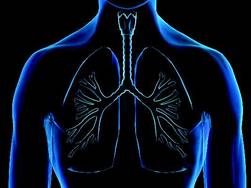
For patients with lung adenocarcinoma, a predominantly solid tumor subtype was associated with earlier recurrence and shorter postrecurrence survival (PRS). These patients were more likely to have more extrathoracic and multisite recurrences, according to a single-center retrospective record review of stage I lung adenocarcinoma patients who received surgical resection.
“Despite curative-intent surgical resection, tumor recurrence and spread remain the primary causes of cancer-related death among patients with early-stage lung cancer,” Dr. Hideki Ujiie of Memorial Sloan Kettering Cancer Center (New York), wrote in a study published online in Journal of Clinical Oncology.
To identify which tumor subtypes place patients at higher risk for recurrence after surgery, Dr. Ujiie and his colleagues reviewed records of 1,120 patients undergoing complete surgical resection for stage I lung adenocarcinoma from 1999 to 2009 at Memorial-Sloan Kettering Cancer Center.
The 2-year PRS in the patients studied was 45%, with median PRS of just over 26 months; median follow-up was 60 months. On multivariable analysis, Dr. Ujiie and coauthors found that predominantly solid tumor type was the variable most strongly associated with worse PRS (HR 1.76, 95% CI 1.11-2.77, P = .016).
“The risk of recurrence for tumors with solid predominant histologic subtype peaked within 12 months and ... these tumors were associated with a higher incidence of extrathoracic, multiple-site recurrences in patients with stage I lung adenocarcinoma,” the investigators said (J Clin Oncol. 2015 Aug 10. doi:10.1200/JCO2015.60.9818).
The study was prompted, in part, by the new International Association for the Study of Lung Cancer, American Thoracic Society, and European Respiratory Society lung cancer classification system. The new classification schema recognizes the histologic heterogeneity of lung adenocarcinoma subtypes. Dr. Ujiie and his coauthors sought to use these characterizations to develop prognostic factors for recurrence risk and PRS. Their findings have clinical implications: “[R]egular surveillance is even more important when tumors of aggressive predominant subtypes (e.g., solid predominant histologic pattern) are present,” said Dr. Ujiie and his coauthors.
The National Institutes of Health and the U.S. Department of Defense supported the study. Dr. Chaft reported ties with DAVA Oncology, Myriad Genetics, Biodesix, Otsuka, and Eli Lilly. Dr. Sima is employed by Genentech/Roche. Dr. Huang received funding from Bristol-Myers Squibb. Dr. Rudin reported ties with AbbVia, Aveo Pharmaceuticals, Boehringer Ingelheim, GlaxoSmithKlin, Merck, Celgene, and BioMarin Pharmaceutical. Dr. Adusumilli received funding from Myriad Genetics. The other authors reported no disclosures.
On Twitter: @karioakes
For patients with lung adenocarcinoma, a predominantly solid tumor subtype was associated with earlier recurrence and shorter postrecurrence survival (PRS). These patients were more likely to have more extrathoracic and multisite recurrences, according to a single-center retrospective record review of stage I lung adenocarcinoma patients who received surgical resection.
“Despite curative-intent surgical resection, tumor recurrence and spread remain the primary causes of cancer-related death among patients with early-stage lung cancer,” Dr. Hideki Ujiie of Memorial Sloan Kettering Cancer Center (New York), wrote in a study published online in Journal of Clinical Oncology.
To identify which tumor subtypes place patients at higher risk for recurrence after surgery, Dr. Ujiie and his colleagues reviewed records of 1,120 patients undergoing complete surgical resection for stage I lung adenocarcinoma from 1999 to 2009 at Memorial-Sloan Kettering Cancer Center.
The 2-year PRS in the patients studied was 45%, with median PRS of just over 26 months; median follow-up was 60 months. On multivariable analysis, Dr. Ujiie and coauthors found that predominantly solid tumor type was the variable most strongly associated with worse PRS (HR 1.76, 95% CI 1.11-2.77, P = .016).
“The risk of recurrence for tumors with solid predominant histologic subtype peaked within 12 months and ... these tumors were associated with a higher incidence of extrathoracic, multiple-site recurrences in patients with stage I lung adenocarcinoma,” the investigators said (J Clin Oncol. 2015 Aug 10. doi:10.1200/JCO2015.60.9818).
The study was prompted, in part, by the new International Association for the Study of Lung Cancer, American Thoracic Society, and European Respiratory Society lung cancer classification system. The new classification schema recognizes the histologic heterogeneity of lung adenocarcinoma subtypes. Dr. Ujiie and his coauthors sought to use these characterizations to develop prognostic factors for recurrence risk and PRS. Their findings have clinical implications: “[R]egular surveillance is even more important when tumors of aggressive predominant subtypes (e.g., solid predominant histologic pattern) are present,” said Dr. Ujiie and his coauthors.
The National Institutes of Health and the U.S. Department of Defense supported the study. Dr. Chaft reported ties with DAVA Oncology, Myriad Genetics, Biodesix, Otsuka, and Eli Lilly. Dr. Sima is employed by Genentech/Roche. Dr. Huang received funding from Bristol-Myers Squibb. Dr. Rudin reported ties with AbbVia, Aveo Pharmaceuticals, Boehringer Ingelheim, GlaxoSmithKlin, Merck, Celgene, and BioMarin Pharmaceutical. Dr. Adusumilli received funding from Myriad Genetics. The other authors reported no disclosures.
On Twitter: @karioakes
For patients with lung adenocarcinoma, a predominantly solid tumor subtype was associated with earlier recurrence and shorter postrecurrence survival (PRS). These patients were more likely to have more extrathoracic and multisite recurrences, according to a single-center retrospective record review of stage I lung adenocarcinoma patients who received surgical resection.
“Despite curative-intent surgical resection, tumor recurrence and spread remain the primary causes of cancer-related death among patients with early-stage lung cancer,” Dr. Hideki Ujiie of Memorial Sloan Kettering Cancer Center (New York), wrote in a study published online in Journal of Clinical Oncology.
To identify which tumor subtypes place patients at higher risk for recurrence after surgery, Dr. Ujiie and his colleagues reviewed records of 1,120 patients undergoing complete surgical resection for stage I lung adenocarcinoma from 1999 to 2009 at Memorial-Sloan Kettering Cancer Center.
The 2-year PRS in the patients studied was 45%, with median PRS of just over 26 months; median follow-up was 60 months. On multivariable analysis, Dr. Ujiie and coauthors found that predominantly solid tumor type was the variable most strongly associated with worse PRS (HR 1.76, 95% CI 1.11-2.77, P = .016).
“The risk of recurrence for tumors with solid predominant histologic subtype peaked within 12 months and ... these tumors were associated with a higher incidence of extrathoracic, multiple-site recurrences in patients with stage I lung adenocarcinoma,” the investigators said (J Clin Oncol. 2015 Aug 10. doi:10.1200/JCO2015.60.9818).
The study was prompted, in part, by the new International Association for the Study of Lung Cancer, American Thoracic Society, and European Respiratory Society lung cancer classification system. The new classification schema recognizes the histologic heterogeneity of lung adenocarcinoma subtypes. Dr. Ujiie and his coauthors sought to use these characterizations to develop prognostic factors for recurrence risk and PRS. Their findings have clinical implications: “[R]egular surveillance is even more important when tumors of aggressive predominant subtypes (e.g., solid predominant histologic pattern) are present,” said Dr. Ujiie and his coauthors.
The National Institutes of Health and the U.S. Department of Defense supported the study. Dr. Chaft reported ties with DAVA Oncology, Myriad Genetics, Biodesix, Otsuka, and Eli Lilly. Dr. Sima is employed by Genentech/Roche. Dr. Huang received funding from Bristol-Myers Squibb. Dr. Rudin reported ties with AbbVia, Aveo Pharmaceuticals, Boehringer Ingelheim, GlaxoSmithKlin, Merck, Celgene, and BioMarin Pharmaceutical. Dr. Adusumilli received funding from Myriad Genetics. The other authors reported no disclosures.
On Twitter: @karioakes
FROM JOURNAL OF CLINICAL ONCOLOGY
Key clinical point: Predominantly solid tumor histology predicted earlier recurrence and poorer postrecurrence survival (PRS) in surgically resected stage I lung adenocarcinoma.
Major finding: Lung adenocarcinoma patients with predominantly solid tumor subtype had worse PRS than did those with other subtypes after surgical resection (HR, 1.76, P = .016).
Data source: Retrospective, single-site medical record review of 1,120 patients undergoing complete resection for stage I lung adenocarcinoma from 1999 to 2009.
Disclosures: The National Institutes of Health and the U.S. Department of Defense supported the study. Dr. Chaft reported ties with DAVA Oncology, Myriad Genetics, Biodesix, Otsuka, and Eli Lilly. Dr. Sima is employed by Genentech/Roche. Dr. Huang received funding from Bristol-Myers Squibb. Dr. Rudin reported ties with AbbVia, Aveo Pharmaceuticals, Boehringer Ingelheim, GlaxoSmithKlin, Merck, Celgene, and BioMarin Pharmaceutical. Dr. Adusumilli received funding from Myriad Genetics. The other authors reported no disclosures.

Intestinal obstruction risk increased in some childhood cancer survivors
Childhood cancer survivors are at an increased risk for developing an intestinal obstruction requiring surgery (IOS) 5 or more years after the initial cancer diagnosis, according to a study based on data from the Childhood Cancer Survivor Study.
The risk was greater among those who had a pelvic or abdominal tumor and had been exposed to pelvic or abdominal radiotherapy, reported the authors, who pointed out that no study has “rigorously” investigated the incidence of intestinal obstruction in childhood cancer survivors. The study appeared online in the Journal of Clinical Oncology (2015 Aug 10 doi: 10.1200/JCO.2015.61.5070).
The subjects in the study had been diagnosed with cancer before age 21 years between 1970 and 1986 and were followed longitudinally in the CCSS. The sample included 12,316 childhood cancer survivors who had survived at least 5 years from the time they were diagnosed with cancer and 4,023 of their siblings.
The cumulative incidence of “late” IOS (occurring at least 5 years after the cancer diagnosis) was 5.8% among those who had an abdominopelvic tumor and 1% among those who had other types of cancer, compared with 0.3% among siblings, who served as controls in the study. After adjusting for year of diagnosis, age at diagnosis, cancer type, radiotherapy, surgery, and other confounding factors, the risk of late IOS was significantly increased among those who had an abdominopelvic tumor (3.6 times greater) and those who had received abdominal/pelvic radiotherapy (2.4 times greater). Mortality was also almost twofold higher among those who developed late IOS when adjusted for the same factors, but there was no association with chemotherapy, cyclophosphamide equivalent dose, or platinum agent score and late IOS.
“The risk of IOS extends for decades beyond cancer diagnosis, implying the need for long-term vigilance, especially among survivors with abdominal or pelvic tumors and survivors who have undergone treatment with abdominal or pelvic surgery or radiotherapy,” concluded lead author Dr. Arin Madenci of Boston Children’s Hospital and his coauthors.
“Widespread awareness of the signs and symptoms of IOS will facilitate timely presentation and effective management of this complication. Although prevention of IOS is not currently possible, education of survivors of cancer, their families, and their health care providers is critical,” they added.
The study was supported by grants from the National Cancer Institute and Cancer Center Support (Centers of Research Excellence) and by the American Lebanese Syrian Associated Charities. Dr. Madenci and nine other authors had no disclosures. The remaining three authors had disclosures that included receiving honoraria, travel, and expenses from Sandoz, holding stock or other ownership in Pfizer and Novartis, serving as a consultant or advisor to United Therapeutics, and having an immediate family member with stock or other ownership in several pharmaceutical companies.
Childhood cancer survivors are at an increased risk for developing an intestinal obstruction requiring surgery (IOS) 5 or more years after the initial cancer diagnosis, according to a study based on data from the Childhood Cancer Survivor Study.
The risk was greater among those who had a pelvic or abdominal tumor and had been exposed to pelvic or abdominal radiotherapy, reported the authors, who pointed out that no study has “rigorously” investigated the incidence of intestinal obstruction in childhood cancer survivors. The study appeared online in the Journal of Clinical Oncology (2015 Aug 10 doi: 10.1200/JCO.2015.61.5070).
The subjects in the study had been diagnosed with cancer before age 21 years between 1970 and 1986 and were followed longitudinally in the CCSS. The sample included 12,316 childhood cancer survivors who had survived at least 5 years from the time they were diagnosed with cancer and 4,023 of their siblings.
The cumulative incidence of “late” IOS (occurring at least 5 years after the cancer diagnosis) was 5.8% among those who had an abdominopelvic tumor and 1% among those who had other types of cancer, compared with 0.3% among siblings, who served as controls in the study. After adjusting for year of diagnosis, age at diagnosis, cancer type, radiotherapy, surgery, and other confounding factors, the risk of late IOS was significantly increased among those who had an abdominopelvic tumor (3.6 times greater) and those who had received abdominal/pelvic radiotherapy (2.4 times greater). Mortality was also almost twofold higher among those who developed late IOS when adjusted for the same factors, but there was no association with chemotherapy, cyclophosphamide equivalent dose, or platinum agent score and late IOS.
“The risk of IOS extends for decades beyond cancer diagnosis, implying the need for long-term vigilance, especially among survivors with abdominal or pelvic tumors and survivors who have undergone treatment with abdominal or pelvic surgery or radiotherapy,” concluded lead author Dr. Arin Madenci of Boston Children’s Hospital and his coauthors.
“Widespread awareness of the signs and symptoms of IOS will facilitate timely presentation and effective management of this complication. Although prevention of IOS is not currently possible, education of survivors of cancer, their families, and their health care providers is critical,” they added.
The study was supported by grants from the National Cancer Institute and Cancer Center Support (Centers of Research Excellence) and by the American Lebanese Syrian Associated Charities. Dr. Madenci and nine other authors had no disclosures. The remaining three authors had disclosures that included receiving honoraria, travel, and expenses from Sandoz, holding stock or other ownership in Pfizer and Novartis, serving as a consultant or advisor to United Therapeutics, and having an immediate family member with stock or other ownership in several pharmaceutical companies.
Childhood cancer survivors are at an increased risk for developing an intestinal obstruction requiring surgery (IOS) 5 or more years after the initial cancer diagnosis, according to a study based on data from the Childhood Cancer Survivor Study.
The risk was greater among those who had a pelvic or abdominal tumor and had been exposed to pelvic or abdominal radiotherapy, reported the authors, who pointed out that no study has “rigorously” investigated the incidence of intestinal obstruction in childhood cancer survivors. The study appeared online in the Journal of Clinical Oncology (2015 Aug 10 doi: 10.1200/JCO.2015.61.5070).
The subjects in the study had been diagnosed with cancer before age 21 years between 1970 and 1986 and were followed longitudinally in the CCSS. The sample included 12,316 childhood cancer survivors who had survived at least 5 years from the time they were diagnosed with cancer and 4,023 of their siblings.
The cumulative incidence of “late” IOS (occurring at least 5 years after the cancer diagnosis) was 5.8% among those who had an abdominopelvic tumor and 1% among those who had other types of cancer, compared with 0.3% among siblings, who served as controls in the study. After adjusting for year of diagnosis, age at diagnosis, cancer type, radiotherapy, surgery, and other confounding factors, the risk of late IOS was significantly increased among those who had an abdominopelvic tumor (3.6 times greater) and those who had received abdominal/pelvic radiotherapy (2.4 times greater). Mortality was also almost twofold higher among those who developed late IOS when adjusted for the same factors, but there was no association with chemotherapy, cyclophosphamide equivalent dose, or platinum agent score and late IOS.
“The risk of IOS extends for decades beyond cancer diagnosis, implying the need for long-term vigilance, especially among survivors with abdominal or pelvic tumors and survivors who have undergone treatment with abdominal or pelvic surgery or radiotherapy,” concluded lead author Dr. Arin Madenci of Boston Children’s Hospital and his coauthors.
“Widespread awareness of the signs and symptoms of IOS will facilitate timely presentation and effective management of this complication. Although prevention of IOS is not currently possible, education of survivors of cancer, their families, and their health care providers is critical,” they added.
The study was supported by grants from the National Cancer Institute and Cancer Center Support (Centers of Research Excellence) and by the American Lebanese Syrian Associated Charities. Dr. Madenci and nine other authors had no disclosures. The remaining three authors had disclosures that included receiving honoraria, travel, and expenses from Sandoz, holding stock or other ownership in Pfizer and Novartis, serving as a consultant or advisor to United Therapeutics, and having an immediate family member with stock or other ownership in several pharmaceutical companies.
FROM THE JOURNAL OF CLINICAL ONCOLOGY
Key clinical point: Some childhood cancer survivors are at a significantly increased risk of developing an intestinal obstruction requiring surgery (IOS), which should be considered in their long-term follow-up.
Major finding: The cumulative incidence of IOS occurring at least 5 years after the cancer diagnosis was 5.8% among those who had an abdominopelvic tumor and 1% among those who did not have an abdominopelvic tumor, compared with 0.3% among sibling controls in the study, and late IOS was associated with increased mortality.
Data source: A retrospective cohort study involving 12,316 childhood cancer survivors who had survived at least 5 years and 4,023 of their siblings, who served as controls, from the Childhood Cancer Survivor Study.
Disclosures: The study was supported by National Cancer Institute and Cancer Center Support (Centers of Research Excellence) grants, and by the American Lebanese Syrian Associated Charities. Dr. Madenci and nine other authors had no disclosures. The remaining three authors had disclosures that included receiving honoraria, travel, and expenses from Sandoz, holding stock or other ownership in Pfizer and Novartis, serving as a consultant or advisor to United Therapeutics, and having an immediate family member with stock or other ownership in several pharmaceutical companies.

Guidelines ineffective for reprocessing of endoscopes, researchers say
Reprocessing guidelines currently in place for clinical gastrointestinal endoscopes need to be reevaluated and updated as soon as possible, according to a new study published in the American Journal of Infection Control (doi: 10.1016/j.ajic.2015.03.003).
Procedures that follow current guidelines do not include fully decontaminating the colonoscopes and gastroscopes after they’re used for procedures, leaving behind microbe levels that are well above the accepted benchmark standards.
“Previous studies show that cleaning endoscope channels is laborious and time consuming, and technicians often skip steps,” wrote the study’s authors – led by Cori L. Ofstead, MSPH, of Ofstead & Associates, St. Paul, Minn. “This is concerning, given that the procedure-related risk of endoscopy may be higher than previously thought [and] without objective verification, clinicians can unknowingly use contaminated endoscopes for procedures.”
The study, conducted at the Mayo Clinic in Rochester, Minn., examined the use of 15 endoscopes involved in 60 separate procedures over the period of Nov. 4-8, 2013, to determine how each endoscope was treated after an operation and whether these cleaning procedures followed guidelines and effectively decontaminated the devices.
“Endoscope testing was performed in a dedicated room adjacent to the procedure room, which allowed for rapid sampling and testing [and] barrier separation [minimized] potential for environmental cross-contamination.” the authors explained.
They maintained aseptic environmental conditions while gathering data, using disinfectant wipes on surfaces, using disposable absorbent pads, and restricting room access. The researchers wore gloves, impervious gowns, face masks with splash protection, hair nets, and shoe covers; the gloves were changed between each sample collection, and gowns were changed between endoscope collections.
Microbial cultures and rapid indicator tests were conducted for ATP, protein, hemoglobin, and carbohydrate residue. Viable microbe samples were collected from 92% of bedside-cleaned endoscopes, 46% of manually cleaned endoscopes, 64% of “high-level disinfected” endoscopes, and 9% of stored endoscopes. Results from rapid indicator tests showed that some form of contamination was present on 100% of bedside-cleaned endoscopes, 92% of manually cleaned endoscopes, 73% of high-level disinfected endoscopes, and 82% of stored endoscopes which had viable microbes.
“Current guidelines rely on visual inspection to verify cleaning [but] visible contamination was never present, potentially because blood and feces may be difficult to discern from endoscopes’ black exteriors, and microscopic organisms cannot be seen by the naked eye,” the researchers wrote.
Consequently, Ms. Ofstead and colleagues called for a reexamination of current guidelines to move away from the eyeball test, saying that the results found here should pave the way for future studies to devise methods of more effectively cleaning and disinfecting endoscopes in a shorter amount of time.
“In the meantime, methods to ensure effectiveness of reprocessing practices are needed, including the potential use of routine monitoring with rapid indicators and microbiologic cultures,” they suggested.
Ms. Ofstead is president and CEO of Ofstead & Associates, which has received research funding and speaking honoraria related to endoscopic procedures from 3M, Advanced Sterilization Products, Medivators, Invendo Medical, Boston Scientific, and Steris. Three coauthors are employed by Ofstead & Associates, but have no other disclosures to report. The remaining coauthors had no disclosures to report. Funding was provided by 3M, Mayo Clinic, and Ofstead & Associates.
Reprocessing guidelines currently in place for clinical gastrointestinal endoscopes need to be reevaluated and updated as soon as possible, according to a new study published in the American Journal of Infection Control (doi: 10.1016/j.ajic.2015.03.003).
Procedures that follow current guidelines do not include fully decontaminating the colonoscopes and gastroscopes after they’re used for procedures, leaving behind microbe levels that are well above the accepted benchmark standards.
“Previous studies show that cleaning endoscope channels is laborious and time consuming, and technicians often skip steps,” wrote the study’s authors – led by Cori L. Ofstead, MSPH, of Ofstead & Associates, St. Paul, Minn. “This is concerning, given that the procedure-related risk of endoscopy may be higher than previously thought [and] without objective verification, clinicians can unknowingly use contaminated endoscopes for procedures.”
The study, conducted at the Mayo Clinic in Rochester, Minn., examined the use of 15 endoscopes involved in 60 separate procedures over the period of Nov. 4-8, 2013, to determine how each endoscope was treated after an operation and whether these cleaning procedures followed guidelines and effectively decontaminated the devices.
“Endoscope testing was performed in a dedicated room adjacent to the procedure room, which allowed for rapid sampling and testing [and] barrier separation [minimized] potential for environmental cross-contamination.” the authors explained.
They maintained aseptic environmental conditions while gathering data, using disinfectant wipes on surfaces, using disposable absorbent pads, and restricting room access. The researchers wore gloves, impervious gowns, face masks with splash protection, hair nets, and shoe covers; the gloves were changed between each sample collection, and gowns were changed between endoscope collections.
Microbial cultures and rapid indicator tests were conducted for ATP, protein, hemoglobin, and carbohydrate residue. Viable microbe samples were collected from 92% of bedside-cleaned endoscopes, 46% of manually cleaned endoscopes, 64% of “high-level disinfected” endoscopes, and 9% of stored endoscopes. Results from rapid indicator tests showed that some form of contamination was present on 100% of bedside-cleaned endoscopes, 92% of manually cleaned endoscopes, 73% of high-level disinfected endoscopes, and 82% of stored endoscopes which had viable microbes.
“Current guidelines rely on visual inspection to verify cleaning [but] visible contamination was never present, potentially because blood and feces may be difficult to discern from endoscopes’ black exteriors, and microscopic organisms cannot be seen by the naked eye,” the researchers wrote.
Consequently, Ms. Ofstead and colleagues called for a reexamination of current guidelines to move away from the eyeball test, saying that the results found here should pave the way for future studies to devise methods of more effectively cleaning and disinfecting endoscopes in a shorter amount of time.
“In the meantime, methods to ensure effectiveness of reprocessing practices are needed, including the potential use of routine monitoring with rapid indicators and microbiologic cultures,” they suggested.
Ms. Ofstead is president and CEO of Ofstead & Associates, which has received research funding and speaking honoraria related to endoscopic procedures from 3M, Advanced Sterilization Products, Medivators, Invendo Medical, Boston Scientific, and Steris. Three coauthors are employed by Ofstead & Associates, but have no other disclosures to report. The remaining coauthors had no disclosures to report. Funding was provided by 3M, Mayo Clinic, and Ofstead & Associates.
Reprocessing guidelines currently in place for clinical gastrointestinal endoscopes need to be reevaluated and updated as soon as possible, according to a new study published in the American Journal of Infection Control (doi: 10.1016/j.ajic.2015.03.003).
Procedures that follow current guidelines do not include fully decontaminating the colonoscopes and gastroscopes after they’re used for procedures, leaving behind microbe levels that are well above the accepted benchmark standards.
“Previous studies show that cleaning endoscope channels is laborious and time consuming, and technicians often skip steps,” wrote the study’s authors – led by Cori L. Ofstead, MSPH, of Ofstead & Associates, St. Paul, Minn. “This is concerning, given that the procedure-related risk of endoscopy may be higher than previously thought [and] without objective verification, clinicians can unknowingly use contaminated endoscopes for procedures.”
The study, conducted at the Mayo Clinic in Rochester, Minn., examined the use of 15 endoscopes involved in 60 separate procedures over the period of Nov. 4-8, 2013, to determine how each endoscope was treated after an operation and whether these cleaning procedures followed guidelines and effectively decontaminated the devices.
“Endoscope testing was performed in a dedicated room adjacent to the procedure room, which allowed for rapid sampling and testing [and] barrier separation [minimized] potential for environmental cross-contamination.” the authors explained.
They maintained aseptic environmental conditions while gathering data, using disinfectant wipes on surfaces, using disposable absorbent pads, and restricting room access. The researchers wore gloves, impervious gowns, face masks with splash protection, hair nets, and shoe covers; the gloves were changed between each sample collection, and gowns were changed between endoscope collections.
Microbial cultures and rapid indicator tests were conducted for ATP, protein, hemoglobin, and carbohydrate residue. Viable microbe samples were collected from 92% of bedside-cleaned endoscopes, 46% of manually cleaned endoscopes, 64% of “high-level disinfected” endoscopes, and 9% of stored endoscopes. Results from rapid indicator tests showed that some form of contamination was present on 100% of bedside-cleaned endoscopes, 92% of manually cleaned endoscopes, 73% of high-level disinfected endoscopes, and 82% of stored endoscopes which had viable microbes.
“Current guidelines rely on visual inspection to verify cleaning [but] visible contamination was never present, potentially because blood and feces may be difficult to discern from endoscopes’ black exteriors, and microscopic organisms cannot be seen by the naked eye,” the researchers wrote.
Consequently, Ms. Ofstead and colleagues called for a reexamination of current guidelines to move away from the eyeball test, saying that the results found here should pave the way for future studies to devise methods of more effectively cleaning and disinfecting endoscopes in a shorter amount of time.
“In the meantime, methods to ensure effectiveness of reprocessing practices are needed, including the potential use of routine monitoring with rapid indicators and microbiologic cultures,” they suggested.
Ms. Ofstead is president and CEO of Ofstead & Associates, which has received research funding and speaking honoraria related to endoscopic procedures from 3M, Advanced Sterilization Products, Medivators, Invendo Medical, Boston Scientific, and Steris. Three coauthors are employed by Ofstead & Associates, but have no other disclosures to report. The remaining coauthors had no disclosures to report. Funding was provided by 3M, Mayo Clinic, and Ofstead & Associates.
FROM AMERICAN JOURNAL OF INFECTION CONTROL
Key clinical point: Current guidelines for the reprocessing of colonoscopes and gastroscopes need to be reevaluated, as they do not guarantee completely successful decontamination.
Major finding: Contamination levels above indicated benchmark levels were found on 100% of bedside-cleaned endoscopes, 92% of manually cleaned endoscopes, 73% of high-level disinfected endoscopes, and 83% of stored endoscopes.
Data source: Study of 15 endoscopes used during 60 encounters/procedures at the Mayo Clinic from Nov. 4 to Nov. 8, 2013.
Disclosures: Funding was provided by 3M, Mayo Clinic, and Ofstead & Associates, which employs Ms. Ofstead and three coauthors.
Pursuing Quality – Emergency General Surgery Quality Improvement Program (EQIP)
There is clearly a need to develop quality metrics that are relevant to the unique nature of emergency general surgery diseases. But, at the present time, there are no universally agreed upon set of quality measures for emergency general surgery. For example, evidence-based practice management guidelines have been developed for a few diseases but, they are not incorporated into routine clinical use. Surgical Care Improvement Program (SCIP) quality measures are generally meant for elective surgical cases but are also used for emergency general surgical disorders (Surgical Care Improvement Project. 2014. Available at: www.jointcommission.org/surgical_care_improvement_project. Accessed June 18, 2014).
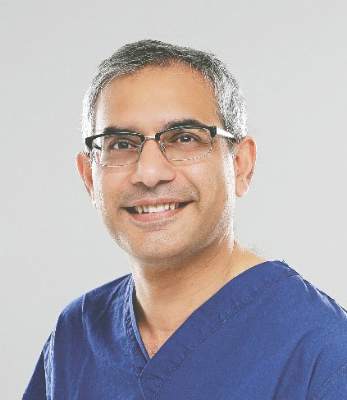
Comprehensive measurement of quality requires multiple metrics that encompass all three domains of quality as suggested by Donabedian – structure, process, and outcome measures (JAMA 1988;260:1743-8). Such a comprehensive system may be called EQIP – Emergency General Surgery Quality Improvement Program. Some components for EQIP are the following: 1) structural metrics, i.e., the availability of trained emergency general surgeons and support staff, operating rooms, gastroenterologists and endoscopy units, interventional radiologist and interventional radiology suites, critical care services, data registry, quality oversight committee, educational programs, and standardized documentation of care; 2) process measures, i.e., the timeliness of evaluation and interventions, use of evidence-based management guidelines, appropriate use of antibiotics and blood transfusions, post–acute care follow-up, and long-term care; and 3) outcome metrics, i.e., morbidity, mortality, length of stay, readmissions, costs, functional outcomes, quality of life, return to work or school, and pain relief.
Emergency General Surgery Registry
Quality and relevant data are essential to measuring the quality of care. But, at the present time there are no universally agreed upon data elements for emergency general surgery nor is there a national registry. National Surgical Quality Improvement Program (NSQIP) and Trauma Quality Improvement Program (TQIP) have set precedence for surgical quality reporting (American College of Surgeons National Surgical Quality Improvement Program. 2014. Available at: http://site.acsnsqip.org/. Accessed June 18, 2014; J. Am. Coll. Surg. 2009;209:521-30). Unfortunately, NSQIP in its current form is not designed to capture emergency general surgery patients for the following reasons: 1) It includes only operative cases whereas a significant proportion of emergency general surgery patients may be managed nonoperatively, and 2) emergency general surgery operative cases constitute only a small proportion of the NSQIP database due to its sampling methodology. Therefore, NSQIP data should not be used to accurately measure the quality of emergency general surgery care and, therefore, a better system is needed to do so. Data elements should include the following components: 1) anatomic severity of disease; 2) physiologic status of the patient; 3) patient demographics, such as age, gender; 4) patient comorbidities; and 5) patient outcomes, such as clinical, cost, functional, and quality of life. Well-established systems, such as the SOFA measure a patient’s altered physiology and comorbidities (Crit. Care Med. 2008;36:296-327; Intensive Care Med. 1996;22:707-10; J. Chronic Dis. 1987;40:373-83; Crit. Care Med. 1985;13:818-29) but none properly provides a time-tested measure of the anatomic severity of emergency general surgery disease. To that end, the members of AAST have developed the following universal system for grading emergency general surgery diseases (J. Trauma Acute Care Surg. 2014;77:705-8):
Grade I – Local disease confined to the organ with minimal abnormality.
Grade II – Local disease confined to the organ with severe abnormality.
Grade III – Local extension beyond the organ.
Grade IV – Regional extension beyond the organ.
Grade V – Widespread extension beyond the organ.
Using this system, the members of the AAST have published a series of grades for common emergency general surgery diseases (J. Trauma Acute Care Surg. 2014;76:884-7), and this uniformity of categorizing disease severity is essential for risk adjustment, especially when comparing patient and center outcomes. It is anticipated that this system will provide the necessary elements for a more uniform assessment of patient diseases and therefore enhance quality and research efforts.
Dr. Shafi is a general/trauma surgeon at Baylor Scott & White Health System in Dallas. He was the chair of the Patient Assessment and Outcomes Committee of AAST that developed the new grading system for Emergency General Surgery (EGS) diseases. Previously, he was a member of the team that developed TQIP – Trauma Quality Improvement Program, at the American College of Surgeons.
There is clearly a need to develop quality metrics that are relevant to the unique nature of emergency general surgery diseases. But, at the present time, there are no universally agreed upon set of quality measures for emergency general surgery. For example, evidence-based practice management guidelines have been developed for a few diseases but, they are not incorporated into routine clinical use. Surgical Care Improvement Program (SCIP) quality measures are generally meant for elective surgical cases but are also used for emergency general surgical disorders (Surgical Care Improvement Project. 2014. Available at: www.jointcommission.org/surgical_care_improvement_project. Accessed June 18, 2014).
Comprehensive measurement of quality requires multiple metrics that encompass all three domains of quality as suggested by Donabedian – structure, process, and outcome measures (JAMA 1988;260:1743-8). Such a comprehensive system may be called EQIP – Emergency General Surgery Quality Improvement Program. Some components for EQIP are the following: 1) structural metrics, i.e., the availability of trained emergency general surgeons and support staff, operating rooms, gastroenterologists and endoscopy units, interventional radiologist and interventional radiology suites, critical care services, data registry, quality oversight committee, educational programs, and standardized documentation of care; 2) process measures, i.e., the timeliness of evaluation and interventions, use of evidence-based management guidelines, appropriate use of antibiotics and blood transfusions, post–acute care follow-up, and long-term care; and 3) outcome metrics, i.e., morbidity, mortality, length of stay, readmissions, costs, functional outcomes, quality of life, return to work or school, and pain relief.
Emergency General Surgery Registry
Quality and relevant data are essential to measuring the quality of care. But, at the present time there are no universally agreed upon data elements for emergency general surgery nor is there a national registry. National Surgical Quality Improvement Program (NSQIP) and Trauma Quality Improvement Program (TQIP) have set precedence for surgical quality reporting (American College of Surgeons National Surgical Quality Improvement Program. 2014. Available at: http://site.acsnsqip.org/. Accessed June 18, 2014; J. Am. Coll. Surg. 2009;209:521-30). Unfortunately, NSQIP in its current form is not designed to capture emergency general surgery patients for the following reasons: 1) It includes only operative cases whereas a significant proportion of emergency general surgery patients may be managed nonoperatively, and 2) emergency general surgery operative cases constitute only a small proportion of the NSQIP database due to its sampling methodology. Therefore, NSQIP data should not be used to accurately measure the quality of emergency general surgery care and, therefore, a better system is needed to do so. Data elements should include the following components: 1) anatomic severity of disease; 2) physiologic status of the patient; 3) patient demographics, such as age, gender; 4) patient comorbidities; and 5) patient outcomes, such as clinical, cost, functional, and quality of life. Well-established systems, such as the SOFA measure a patient’s altered physiology and comorbidities (Crit. Care Med. 2008;36:296-327; Intensive Care Med. 1996;22:707-10; J. Chronic Dis. 1987;40:373-83; Crit. Care Med. 1985;13:818-29) but none properly provides a time-tested measure of the anatomic severity of emergency general surgery disease. To that end, the members of AAST have developed the following universal system for grading emergency general surgery diseases (J. Trauma Acute Care Surg. 2014;77:705-8):
Grade I – Local disease confined to the organ with minimal abnormality.
Grade II – Local disease confined to the organ with severe abnormality.
Grade III – Local extension beyond the organ.
Grade IV – Regional extension beyond the organ.
Grade V – Widespread extension beyond the organ.
Using this system, the members of the AAST have published a series of grades for common emergency general surgery diseases (J. Trauma Acute Care Surg. 2014;76:884-7), and this uniformity of categorizing disease severity is essential for risk adjustment, especially when comparing patient and center outcomes. It is anticipated that this system will provide the necessary elements for a more uniform assessment of patient diseases and therefore enhance quality and research efforts.
Dr. Shafi is a general/trauma surgeon at Baylor Scott & White Health System in Dallas. He was the chair of the Patient Assessment and Outcomes Committee of AAST that developed the new grading system for Emergency General Surgery (EGS) diseases. Previously, he was a member of the team that developed TQIP – Trauma Quality Improvement Program, at the American College of Surgeons.
There is clearly a need to develop quality metrics that are relevant to the unique nature of emergency general surgery diseases. But, at the present time, there are no universally agreed upon set of quality measures for emergency general surgery. For example, evidence-based practice management guidelines have been developed for a few diseases but, they are not incorporated into routine clinical use. Surgical Care Improvement Program (SCIP) quality measures are generally meant for elective surgical cases but are also used for emergency general surgical disorders (Surgical Care Improvement Project. 2014. Available at: www.jointcommission.org/surgical_care_improvement_project. Accessed June 18, 2014).
Comprehensive measurement of quality requires multiple metrics that encompass all three domains of quality as suggested by Donabedian – structure, process, and outcome measures (JAMA 1988;260:1743-8). Such a comprehensive system may be called EQIP – Emergency General Surgery Quality Improvement Program. Some components for EQIP are the following: 1) structural metrics, i.e., the availability of trained emergency general surgeons and support staff, operating rooms, gastroenterologists and endoscopy units, interventional radiologist and interventional radiology suites, critical care services, data registry, quality oversight committee, educational programs, and standardized documentation of care; 2) process measures, i.e., the timeliness of evaluation and interventions, use of evidence-based management guidelines, appropriate use of antibiotics and blood transfusions, post–acute care follow-up, and long-term care; and 3) outcome metrics, i.e., morbidity, mortality, length of stay, readmissions, costs, functional outcomes, quality of life, return to work or school, and pain relief.
Emergency General Surgery Registry
Quality and relevant data are essential to measuring the quality of care. But, at the present time there are no universally agreed upon data elements for emergency general surgery nor is there a national registry. National Surgical Quality Improvement Program (NSQIP) and Trauma Quality Improvement Program (TQIP) have set precedence for surgical quality reporting (American College of Surgeons National Surgical Quality Improvement Program. 2014. Available at: http://site.acsnsqip.org/. Accessed June 18, 2014; J. Am. Coll. Surg. 2009;209:521-30). Unfortunately, NSQIP in its current form is not designed to capture emergency general surgery patients for the following reasons: 1) It includes only operative cases whereas a significant proportion of emergency general surgery patients may be managed nonoperatively, and 2) emergency general surgery operative cases constitute only a small proportion of the NSQIP database due to its sampling methodology. Therefore, NSQIP data should not be used to accurately measure the quality of emergency general surgery care and, therefore, a better system is needed to do so. Data elements should include the following components: 1) anatomic severity of disease; 2) physiologic status of the patient; 3) patient demographics, such as age, gender; 4) patient comorbidities; and 5) patient outcomes, such as clinical, cost, functional, and quality of life. Well-established systems, such as the SOFA measure a patient’s altered physiology and comorbidities (Crit. Care Med. 2008;36:296-327; Intensive Care Med. 1996;22:707-10; J. Chronic Dis. 1987;40:373-83; Crit. Care Med. 1985;13:818-29) but none properly provides a time-tested measure of the anatomic severity of emergency general surgery disease. To that end, the members of AAST have developed the following universal system for grading emergency general surgery diseases (J. Trauma Acute Care Surg. 2014;77:705-8):
Grade I – Local disease confined to the organ with minimal abnormality.
Grade II – Local disease confined to the organ with severe abnormality.
Grade III – Local extension beyond the organ.
Grade IV – Regional extension beyond the organ.
Grade V – Widespread extension beyond the organ.
Using this system, the members of the AAST have published a series of grades for common emergency general surgery diseases (J. Trauma Acute Care Surg. 2014;76:884-7), and this uniformity of categorizing disease severity is essential for risk adjustment, especially when comparing patient and center outcomes. It is anticipated that this system will provide the necessary elements for a more uniform assessment of patient diseases and therefore enhance quality and research efforts.
Dr. Shafi is a general/trauma surgeon at Baylor Scott & White Health System in Dallas. He was the chair of the Patient Assessment and Outcomes Committee of AAST that developed the new grading system for Emergency General Surgery (EGS) diseases. Previously, he was a member of the team that developed TQIP – Trauma Quality Improvement Program, at the American College of Surgeons.