User login
Official Newspaper of the American College of Surgeons
From the Washington Office
Last month’s edition of this column ended by calling Fellows’ attention to a new Web-based tool developed by the ACS Division of Advocacy and Health Policy to assist them in avoiding significant penalties in Medicare physician payment. This new online tool was highlighted in an e-mail sent to Fellows on June 24, 2015.
Based on follow-up inquiries since received, I would like to delve deeper into the specifics of how to successfully participate in the Physician Quality Reporting System (PQRS) and hopefully assist Fellows in avoiding penalties of up to 9% in their Medicare physician payment in the year 2017 secondary to failure to successfully participate in the current law Medicare quality programs in the current calendar year of 2015.

Despite the much publicized, and laudable, permanent repeal of the Sustainable Growth Rate (SGR), current law quality programs are still in effect. Medicare oversees several programs that offer physicians incentives for successful participation and/or penalties for failure to nonparticipation. These programs include the PQRS, the Value-Based Payment Modifier (VM) and the Electronic Health Record (EHR) Incentive Program, also known as the “EHR Meaningful Use program.”
Calendar year 2014 was the last year that physicians could earn incentives for some of these programs. Failure to participate in the Medicare quality programs leads to the potential for penalties that are applied 2 years after the performance period. Penalties in 2015 already are being assessed based on how successfully physicians participated in 2013. Thus, performance in 2015 will impact payment in 2017. Specifically, failure to participate in the programs in 2015 could result in a total penalty of 9% applied in 2017.
The College has developed resources to assist Fellows in being successful reporters. For most Fellows, the options found in the Surgeon Specific Registry (SSR) will be applicable. The SSR, formerly known as the ACS Case Log system, allows surgeons to track their cases and outcomes in a convenient and confidential manner. The SSR can also be utilized to comply with the regulatory requirements of submitting PQRS data as they have been approved to provide PQRS registry-based reporting for 2015. Use of the SSR is offered free of charge to ACS surgeon members and is available to nonmember surgeons for an annual fee.
The SSR offers a total of three options for surgeons to utilize to participate in PQRS reporting. Those options are: 1) General Surgery Measures Group; 2) Individual Measure reporting, which includes options for surgical specialties; and 3) Trauma Measures Option through the SSR’s Qualified Clinical Data Registry (QCDR). The deadline for submitting calendar year 2015 patient information in the SSR is January 31, 2016. The SSR will submit the PQRS data to Centers for Medicare & Medicaid Services (CMS).
For those surgeons for whom it could be applicable, the General Surgery Measures Group option is perhaps the least onerous in its requirements. Surgeons need report on a minimum of 20 patients, at least 11 of whom must be Medicare Part B patients. Should this option be selected, ALL seven of the included measures along with all nine risk factor variables must be reported for each of the 20 patients.
Surgeons may also choose to report individual measures data through the SSR. Those choosing this option are required to report on nine measures in three National Quality Strategy (NQS) categories, called “Domains.” One of the measures selected must further be designated as a “cross-cutting measure,” for example the documentation of current medications in the medical record, medication reconciliation, advanced care plan, or tobacco-use screening and cessation, as mentioned above. However, individual measures data must be entered for at least 50% of the provider’s Medicare Part B patients in order to be successful using this option. In order to assist one in determining whether this option is suitable for reporting, I would refer Fellows to the ACS website, www.facs.org/quality-programs/ssr/pqrs/options for a more expansive list of the individual measures, their “domains,” and whether or not they are designated as “cross-cutting.”
The SSR also provides the opportunity to leverage measures applicable to trauma surgery for successful PQRS reporting via the 2015 PQRS Trauma QCDR., which allow providers to submit non-PQRS measures, for example, measures not contained in the approved measure set or a measure that may be in the set but has substantive differences in the manner in which it is reported by the QCDR. The SSR Trauma QCDR includes 10 non-PQRS measures and one PQRS measure in this reporting option. Those choosing this option must report on 9 of the 11 designated measures, including 2 outcomes measures across three of the NQS domains. Reports must be completed on 50% of the surgeon’s Medicare Part B patients that meet the measurement requirements. One can also view the complete list of measures included in the Trauma Measures Option at the ACS website referenced above.
Lastly, for bariatric surgeons, the Metabolic and Bariatric Surgery Accreditation and Quality Improvement Program (MBSAQIP) has also been approved as a QCDR for PQRS for 2015 reporting. MBSAQIP participants have the opportunity to voluntarily elect that their QCDR quality measures be submitted for PQRS participation. Metabolic and bariatric surgeons will receive reports of their QCDR measure results such that they can track their results. MBSAQIP will submit approved QCDR measures on behalf of participants who elect to have such done on their behalf. Specifics on the approved MBSAQIP QCDR quality measures are available at www.facs.org/quality-programs/mbsaqip/resources/data-registry.
As always, ACS staff in both Washington and Chicago are available to answer questions and assist members in participating in the 2015 PQRS program:
• General PQRS questions: ACS Division of Advocacy and Health Policy, 202-337-6701 or QualityDC@facs.org.
• Specific SSR questions: ACS Division of Research and Optimal Patient Care, 312-202-5000 or ssr@facs.org.
• Information on MBSAQIP: ACS Division of Research and Optimal Patient Care, 312-202-5000 or rkrapikas@facs.org.
I highly encourage all Fellows to invest the time necessary to successfully participate in PQRS and thereby avoid penalties in their 2017 Medicare payment.
Until next month …
Dr. Bailey is a pediatric surgeon and Medical Director, Advocacy for the Division of Advocacy and Health Policy in the ACS offices in Washington.
Last month’s edition of this column ended by calling Fellows’ attention to a new Web-based tool developed by the ACS Division of Advocacy and Health Policy to assist them in avoiding significant penalties in Medicare physician payment. This new online tool was highlighted in an e-mail sent to Fellows on June 24, 2015.
Based on follow-up inquiries since received, I would like to delve deeper into the specifics of how to successfully participate in the Physician Quality Reporting System (PQRS) and hopefully assist Fellows in avoiding penalties of up to 9% in their Medicare physician payment in the year 2017 secondary to failure to successfully participate in the current law Medicare quality programs in the current calendar year of 2015.
Despite the much publicized, and laudable, permanent repeal of the Sustainable Growth Rate (SGR), current law quality programs are still in effect. Medicare oversees several programs that offer physicians incentives for successful participation and/or penalties for failure to nonparticipation. These programs include the PQRS, the Value-Based Payment Modifier (VM) and the Electronic Health Record (EHR) Incentive Program, also known as the “EHR Meaningful Use program.”
Calendar year 2014 was the last year that physicians could earn incentives for some of these programs. Failure to participate in the Medicare quality programs leads to the potential for penalties that are applied 2 years after the performance period. Penalties in 2015 already are being assessed based on how successfully physicians participated in 2013. Thus, performance in 2015 will impact payment in 2017. Specifically, failure to participate in the programs in 2015 could result in a total penalty of 9% applied in 2017.
The College has developed resources to assist Fellows in being successful reporters. For most Fellows, the options found in the Surgeon Specific Registry (SSR) will be applicable. The SSR, formerly known as the ACS Case Log system, allows surgeons to track their cases and outcomes in a convenient and confidential manner. The SSR can also be utilized to comply with the regulatory requirements of submitting PQRS data as they have been approved to provide PQRS registry-based reporting for 2015. Use of the SSR is offered free of charge to ACS surgeon members and is available to nonmember surgeons for an annual fee.
The SSR offers a total of three options for surgeons to utilize to participate in PQRS reporting. Those options are: 1) General Surgery Measures Group; 2) Individual Measure reporting, which includes options for surgical specialties; and 3) Trauma Measures Option through the SSR’s Qualified Clinical Data Registry (QCDR). The deadline for submitting calendar year 2015 patient information in the SSR is January 31, 2016. The SSR will submit the PQRS data to Centers for Medicare & Medicaid Services (CMS).
For those surgeons for whom it could be applicable, the General Surgery Measures Group option is perhaps the least onerous in its requirements. Surgeons need report on a minimum of 20 patients, at least 11 of whom must be Medicare Part B patients. Should this option be selected, ALL seven of the included measures along with all nine risk factor variables must be reported for each of the 20 patients.
Surgeons may also choose to report individual measures data through the SSR. Those choosing this option are required to report on nine measures in three National Quality Strategy (NQS) categories, called “Domains.” One of the measures selected must further be designated as a “cross-cutting measure,” for example the documentation of current medications in the medical record, medication reconciliation, advanced care plan, or tobacco-use screening and cessation, as mentioned above. However, individual measures data must be entered for at least 50% of the provider’s Medicare Part B patients in order to be successful using this option. In order to assist one in determining whether this option is suitable for reporting, I would refer Fellows to the ACS website, www.facs.org/quality-programs/ssr/pqrs/options for a more expansive list of the individual measures, their “domains,” and whether or not they are designated as “cross-cutting.”
The SSR also provides the opportunity to leverage measures applicable to trauma surgery for successful PQRS reporting via the 2015 PQRS Trauma QCDR., which allow providers to submit non-PQRS measures, for example, measures not contained in the approved measure set or a measure that may be in the set but has substantive differences in the manner in which it is reported by the QCDR. The SSR Trauma QCDR includes 10 non-PQRS measures and one PQRS measure in this reporting option. Those choosing this option must report on 9 of the 11 designated measures, including 2 outcomes measures across three of the NQS domains. Reports must be completed on 50% of the surgeon’s Medicare Part B patients that meet the measurement requirements. One can also view the complete list of measures included in the Trauma Measures Option at the ACS website referenced above.
Lastly, for bariatric surgeons, the Metabolic and Bariatric Surgery Accreditation and Quality Improvement Program (MBSAQIP) has also been approved as a QCDR for PQRS for 2015 reporting. MBSAQIP participants have the opportunity to voluntarily elect that their QCDR quality measures be submitted for PQRS participation. Metabolic and bariatric surgeons will receive reports of their QCDR measure results such that they can track their results. MBSAQIP will submit approved QCDR measures on behalf of participants who elect to have such done on their behalf. Specifics on the approved MBSAQIP QCDR quality measures are available at www.facs.org/quality-programs/mbsaqip/resources/data-registry.
As always, ACS staff in both Washington and Chicago are available to answer questions and assist members in participating in the 2015 PQRS program:
• General PQRS questions: ACS Division of Advocacy and Health Policy, 202-337-6701 or QualityDC@facs.org.
• Specific SSR questions: ACS Division of Research and Optimal Patient Care, 312-202-5000 or ssr@facs.org.
• Information on MBSAQIP: ACS Division of Research and Optimal Patient Care, 312-202-5000 or rkrapikas@facs.org.
I highly encourage all Fellows to invest the time necessary to successfully participate in PQRS and thereby avoid penalties in their 2017 Medicare payment.
Until next month …
Dr. Bailey is a pediatric surgeon and Medical Director, Advocacy for the Division of Advocacy and Health Policy in the ACS offices in Washington.
Last month’s edition of this column ended by calling Fellows’ attention to a new Web-based tool developed by the ACS Division of Advocacy and Health Policy to assist them in avoiding significant penalties in Medicare physician payment. This new online tool was highlighted in an e-mail sent to Fellows on June 24, 2015.
Based on follow-up inquiries since received, I would like to delve deeper into the specifics of how to successfully participate in the Physician Quality Reporting System (PQRS) and hopefully assist Fellows in avoiding penalties of up to 9% in their Medicare physician payment in the year 2017 secondary to failure to successfully participate in the current law Medicare quality programs in the current calendar year of 2015.
Despite the much publicized, and laudable, permanent repeal of the Sustainable Growth Rate (SGR), current law quality programs are still in effect. Medicare oversees several programs that offer physicians incentives for successful participation and/or penalties for failure to nonparticipation. These programs include the PQRS, the Value-Based Payment Modifier (VM) and the Electronic Health Record (EHR) Incentive Program, also known as the “EHR Meaningful Use program.”
Calendar year 2014 was the last year that physicians could earn incentives for some of these programs. Failure to participate in the Medicare quality programs leads to the potential for penalties that are applied 2 years after the performance period. Penalties in 2015 already are being assessed based on how successfully physicians participated in 2013. Thus, performance in 2015 will impact payment in 2017. Specifically, failure to participate in the programs in 2015 could result in a total penalty of 9% applied in 2017.
The College has developed resources to assist Fellows in being successful reporters. For most Fellows, the options found in the Surgeon Specific Registry (SSR) will be applicable. The SSR, formerly known as the ACS Case Log system, allows surgeons to track their cases and outcomes in a convenient and confidential manner. The SSR can also be utilized to comply with the regulatory requirements of submitting PQRS data as they have been approved to provide PQRS registry-based reporting for 2015. Use of the SSR is offered free of charge to ACS surgeon members and is available to nonmember surgeons for an annual fee.
The SSR offers a total of three options for surgeons to utilize to participate in PQRS reporting. Those options are: 1) General Surgery Measures Group; 2) Individual Measure reporting, which includes options for surgical specialties; and 3) Trauma Measures Option through the SSR’s Qualified Clinical Data Registry (QCDR). The deadline for submitting calendar year 2015 patient information in the SSR is January 31, 2016. The SSR will submit the PQRS data to Centers for Medicare & Medicaid Services (CMS).
For those surgeons for whom it could be applicable, the General Surgery Measures Group option is perhaps the least onerous in its requirements. Surgeons need report on a minimum of 20 patients, at least 11 of whom must be Medicare Part B patients. Should this option be selected, ALL seven of the included measures along with all nine risk factor variables must be reported for each of the 20 patients.
Surgeons may also choose to report individual measures data through the SSR. Those choosing this option are required to report on nine measures in three National Quality Strategy (NQS) categories, called “Domains.” One of the measures selected must further be designated as a “cross-cutting measure,” for example the documentation of current medications in the medical record, medication reconciliation, advanced care plan, or tobacco-use screening and cessation, as mentioned above. However, individual measures data must be entered for at least 50% of the provider’s Medicare Part B patients in order to be successful using this option. In order to assist one in determining whether this option is suitable for reporting, I would refer Fellows to the ACS website, www.facs.org/quality-programs/ssr/pqrs/options for a more expansive list of the individual measures, their “domains,” and whether or not they are designated as “cross-cutting.”
The SSR also provides the opportunity to leverage measures applicable to trauma surgery for successful PQRS reporting via the 2015 PQRS Trauma QCDR., which allow providers to submit non-PQRS measures, for example, measures not contained in the approved measure set or a measure that may be in the set but has substantive differences in the manner in which it is reported by the QCDR. The SSR Trauma QCDR includes 10 non-PQRS measures and one PQRS measure in this reporting option. Those choosing this option must report on 9 of the 11 designated measures, including 2 outcomes measures across three of the NQS domains. Reports must be completed on 50% of the surgeon’s Medicare Part B patients that meet the measurement requirements. One can also view the complete list of measures included in the Trauma Measures Option at the ACS website referenced above.
Lastly, for bariatric surgeons, the Metabolic and Bariatric Surgery Accreditation and Quality Improvement Program (MBSAQIP) has also been approved as a QCDR for PQRS for 2015 reporting. MBSAQIP participants have the opportunity to voluntarily elect that their QCDR quality measures be submitted for PQRS participation. Metabolic and bariatric surgeons will receive reports of their QCDR measure results such that they can track their results. MBSAQIP will submit approved QCDR measures on behalf of participants who elect to have such done on their behalf. Specifics on the approved MBSAQIP QCDR quality measures are available at www.facs.org/quality-programs/mbsaqip/resources/data-registry.
As always, ACS staff in both Washington and Chicago are available to answer questions and assist members in participating in the 2015 PQRS program:
• General PQRS questions: ACS Division of Advocacy and Health Policy, 202-337-6701 or QualityDC@facs.org.
• Specific SSR questions: ACS Division of Research and Optimal Patient Care, 312-202-5000 or ssr@facs.org.
• Information on MBSAQIP: ACS Division of Research and Optimal Patient Care, 312-202-5000 or rkrapikas@facs.org.
I highly encourage all Fellows to invest the time necessary to successfully participate in PQRS and thereby avoid penalties in their 2017 Medicare payment.
Until next month …
Dr. Bailey is a pediatric surgeon and Medical Director, Advocacy for the Division of Advocacy and Health Policy in the ACS offices in Washington.

The Rural Surgeon: The burden of transfer
I have been on both ends of the phone call. I began my career at a several-hundred bed community hospital in a town without a university medical center. We took all the local knife-and-gun club incidents, and whatever other surgical emergencies might arise, while receiving phone calls from nearly every point of the magnetic compass. It’s easy to recall the sagging feeling when you realize more serious work is coming in on the helicopter from Podunk, USA, and you’re not off call for another few hours. These memories linger as now I’m the one making the phone calls. When I state that I am the one, I mean the one and only; this is solo general surgery practice and I’m the only general surgeon in my county.
When I do speak with colleagues kind enough to accept our patients, I feel relieved. But the burden of transfer doesn’t travel away with the patient in the ambulance or on the airplane. There always seem to be questions or looks of concern lately, and I don’t just mean from other medical professionals. Maybe it is an Internet thing, but everyone is a critic these days. We are being watched by more than partners and employers, more than payers and agencies, more than our government bean counters. Families, allied health professionals, and even nonclinical staff all have opinions about which patients stay and which leaves our 14-bed, critical access hospital. Gods may have once walked these halls, but nowadays it’s just me!
Of course, any interested party can also criticize my decisions to keep any particular patient; why would anybody restrict their furrowed glare only to transfers? When we keep patients at the edge of our practice, or perform a procedure that is only done rarely locally, we incite more than just the volume debate on the ACS Communities. Goodness – my wife has heard about cases I have done via town chitter-chatter before I even get home!
How does one deal with being whipsawed? This phenomenon is defined in the business world as being subjected to two difficult situations or opposing pressures at the same time. If you transfer, you are criticized. The only thing that changes are the critics if you keep and care for that very same patient! For many rural colleagues, being whipsawed is on the short list of job dissatisfaction drivers; somewhere behind the heavyweight champ of being asked to be in two different places at the same time.
Transferring a patient rarely leads to the lasting criticism that keeping an ill patient locally can. Obviously keeping a patient extends the time period where others can knowingly shake their heads in disbelief. That extra time allows us to educate staff and others as to why a patient with more than simple hernia or appendicitis is being admitted to our little hospital. We can detail why this is a really good thing for everyone – including the patient!
So many of our locals are elderly, and when we keep one for serious surgical illness, so much goes into that decision besides just the patient’s age and comorbid conditions. Immediate family, friends, or existing social support all must be examined and understood. A significant number of geriatric couples are only “independent” together; send one off for surgery a hundred or more miles away and the remaining spouse suffers measurably. Sometimes there is no local family, as nuclear members live in neighboring states or even overseas. I’m always surprised when my patients have trouble even arranging rides to and from our facilities for the routine procedures we do regularly. I think to myself, what will they do when the inevitable happens?
Our geography plays a serious role for those patients who don’t drive any appreciable distances. The mountains to our east are difficult to negotiate and west, well, you’ll get wet rather quickly. Going north and south on Highway 101 can be tricky during summer and dangerous any time in bad weather. I talk to some patients about sending them to Portland and I get looks in response like I’m proposing surgical care in some exotic foreign capital. Urban anxiety, traffic, and unfamiliarity with our largest metropolis make the 300-mile journey untenable for many of our patients; and the TV show isn’t helping our cause! Even cases that define themselves from the get-go as major university referrals return afterward and ask us to assume their postoperative care. Our patients often can’t make the trip to follow-up with the experts who provided their life-saving care.
Stretching our surgical muscles is obviously important for all ACS members. In bigger facilities you can see and sometimes scrub into fascinating cases in other subspecialties, or at least participate in discussions about such in the surgery lounge. I won’t attach a photo of the desk space that serves as my lounge, dictation station, bathroom, and locker. Let’s just say it’s probably not quite the same as many Fellows are used to.
For the rural solo practitioner, a bigger case, done perhaps with a medical student or just scrub technicians, may not be done as slickly as it would be by a surgical team approaching the same at the university. If the case can be done safely though, it pays dividends. After all, it could be tonight when a major car wreck happens, or a hemodynamically unstable abdominal sepsis case presents, and we are forced to do a serious case – perhaps surgery at the edge of my comfort zone or something we don’t do with frequency. Keeping some bigger cases makes those scenarios just a bit less scary.
I have been recruited as an advocate for our College, trying to influence those in our nation’s capital to reexamine the 96-hour rule as it applies to critical access hospitals. A phone call to my senior senator’s staff leads to a conference call and follow-up I remain involved with – a first in my professional career. One issue that resonated with D.C. staffers was recruiting my successor. How do we entice the young surgeon to a rural practice if all we do are lumps and bumps, appendectomies, and inguinal hernias? Regionalization of surgical care may be coming but that can’t excite our younger and future colleagues. In each of the last 2 years my third-year medical students parked here for their first rotation and got hustled into the OR to assist with emergency surgery. The enthusiasm was palpable and energizing, but one was a case that raised some eyebrows: pneumatosis intestinalis requiring two small bowel resections with anastomoses and an open abdomen in an elderly male. This fellow did great; I see him doing his grocery shopping these days. My perspective is that case enabled this year’s day 1 emergency, making the surgery safer here in rural America.
When we call to transfer a patient, please understand real thought and a piece of who we are as surgeons accompanies that patient. Transfer is very rarely a reflex action. Also, realize that not every case we keep is a weak fastball over the middle of the plate; sometimes we do real work here at the limit of our comfort zone, but we do so for myriad good reasons.
Dr. Levine is a general surgeon practicing in coastal southwestern Oregon. Despite growing up in Brooklyn and on Long Island in New York, he has been a practicing rural surgeon since 1999. Folks barely even notice the accent anymore!
I have been on both ends of the phone call. I began my career at a several-hundred bed community hospital in a town without a university medical center. We took all the local knife-and-gun club incidents, and whatever other surgical emergencies might arise, while receiving phone calls from nearly every point of the magnetic compass. It’s easy to recall the sagging feeling when you realize more serious work is coming in on the helicopter from Podunk, USA, and you’re not off call for another few hours. These memories linger as now I’m the one making the phone calls. When I state that I am the one, I mean the one and only; this is solo general surgery practice and I’m the only general surgeon in my county.
When I do speak with colleagues kind enough to accept our patients, I feel relieved. But the burden of transfer doesn’t travel away with the patient in the ambulance or on the airplane. There always seem to be questions or looks of concern lately, and I don’t just mean from other medical professionals. Maybe it is an Internet thing, but everyone is a critic these days. We are being watched by more than partners and employers, more than payers and agencies, more than our government bean counters. Families, allied health professionals, and even nonclinical staff all have opinions about which patients stay and which leaves our 14-bed, critical access hospital. Gods may have once walked these halls, but nowadays it’s just me!
Of course, any interested party can also criticize my decisions to keep any particular patient; why would anybody restrict their furrowed glare only to transfers? When we keep patients at the edge of our practice, or perform a procedure that is only done rarely locally, we incite more than just the volume debate on the ACS Communities. Goodness – my wife has heard about cases I have done via town chitter-chatter before I even get home!
How does one deal with being whipsawed? This phenomenon is defined in the business world as being subjected to two difficult situations or opposing pressures at the same time. If you transfer, you are criticized. The only thing that changes are the critics if you keep and care for that very same patient! For many rural colleagues, being whipsawed is on the short list of job dissatisfaction drivers; somewhere behind the heavyweight champ of being asked to be in two different places at the same time.
Transferring a patient rarely leads to the lasting criticism that keeping an ill patient locally can. Obviously keeping a patient extends the time period where others can knowingly shake their heads in disbelief. That extra time allows us to educate staff and others as to why a patient with more than simple hernia or appendicitis is being admitted to our little hospital. We can detail why this is a really good thing for everyone – including the patient!
So many of our locals are elderly, and when we keep one for serious surgical illness, so much goes into that decision besides just the patient’s age and comorbid conditions. Immediate family, friends, or existing social support all must be examined and understood. A significant number of geriatric couples are only “independent” together; send one off for surgery a hundred or more miles away and the remaining spouse suffers measurably. Sometimes there is no local family, as nuclear members live in neighboring states or even overseas. I’m always surprised when my patients have trouble even arranging rides to and from our facilities for the routine procedures we do regularly. I think to myself, what will they do when the inevitable happens?
Our geography plays a serious role for those patients who don’t drive any appreciable distances. The mountains to our east are difficult to negotiate and west, well, you’ll get wet rather quickly. Going north and south on Highway 101 can be tricky during summer and dangerous any time in bad weather. I talk to some patients about sending them to Portland and I get looks in response like I’m proposing surgical care in some exotic foreign capital. Urban anxiety, traffic, and unfamiliarity with our largest metropolis make the 300-mile journey untenable for many of our patients; and the TV show isn’t helping our cause! Even cases that define themselves from the get-go as major university referrals return afterward and ask us to assume their postoperative care. Our patients often can’t make the trip to follow-up with the experts who provided their life-saving care.
Stretching our surgical muscles is obviously important for all ACS members. In bigger facilities you can see and sometimes scrub into fascinating cases in other subspecialties, or at least participate in discussions about such in the surgery lounge. I won’t attach a photo of the desk space that serves as my lounge, dictation station, bathroom, and locker. Let’s just say it’s probably not quite the same as many Fellows are used to.
For the rural solo practitioner, a bigger case, done perhaps with a medical student or just scrub technicians, may not be done as slickly as it would be by a surgical team approaching the same at the university. If the case can be done safely though, it pays dividends. After all, it could be tonight when a major car wreck happens, or a hemodynamically unstable abdominal sepsis case presents, and we are forced to do a serious case – perhaps surgery at the edge of my comfort zone or something we don’t do with frequency. Keeping some bigger cases makes those scenarios just a bit less scary.
I have been recruited as an advocate for our College, trying to influence those in our nation’s capital to reexamine the 96-hour rule as it applies to critical access hospitals. A phone call to my senior senator’s staff leads to a conference call and follow-up I remain involved with – a first in my professional career. One issue that resonated with D.C. staffers was recruiting my successor. How do we entice the young surgeon to a rural practice if all we do are lumps and bumps, appendectomies, and inguinal hernias? Regionalization of surgical care may be coming but that can’t excite our younger and future colleagues. In each of the last 2 years my third-year medical students parked here for their first rotation and got hustled into the OR to assist with emergency surgery. The enthusiasm was palpable and energizing, but one was a case that raised some eyebrows: pneumatosis intestinalis requiring two small bowel resections with anastomoses and an open abdomen in an elderly male. This fellow did great; I see him doing his grocery shopping these days. My perspective is that case enabled this year’s day 1 emergency, making the surgery safer here in rural America.
When we call to transfer a patient, please understand real thought and a piece of who we are as surgeons accompanies that patient. Transfer is very rarely a reflex action. Also, realize that not every case we keep is a weak fastball over the middle of the plate; sometimes we do real work here at the limit of our comfort zone, but we do so for myriad good reasons.
Dr. Levine is a general surgeon practicing in coastal southwestern Oregon. Despite growing up in Brooklyn and on Long Island in New York, he has been a practicing rural surgeon since 1999. Folks barely even notice the accent anymore!
I have been on both ends of the phone call. I began my career at a several-hundred bed community hospital in a town without a university medical center. We took all the local knife-and-gun club incidents, and whatever other surgical emergencies might arise, while receiving phone calls from nearly every point of the magnetic compass. It’s easy to recall the sagging feeling when you realize more serious work is coming in on the helicopter from Podunk, USA, and you’re not off call for another few hours. These memories linger as now I’m the one making the phone calls. When I state that I am the one, I mean the one and only; this is solo general surgery practice and I’m the only general surgeon in my county.
When I do speak with colleagues kind enough to accept our patients, I feel relieved. But the burden of transfer doesn’t travel away with the patient in the ambulance or on the airplane. There always seem to be questions or looks of concern lately, and I don’t just mean from other medical professionals. Maybe it is an Internet thing, but everyone is a critic these days. We are being watched by more than partners and employers, more than payers and agencies, more than our government bean counters. Families, allied health professionals, and even nonclinical staff all have opinions about which patients stay and which leaves our 14-bed, critical access hospital. Gods may have once walked these halls, but nowadays it’s just me!
Of course, any interested party can also criticize my decisions to keep any particular patient; why would anybody restrict their furrowed glare only to transfers? When we keep patients at the edge of our practice, or perform a procedure that is only done rarely locally, we incite more than just the volume debate on the ACS Communities. Goodness – my wife has heard about cases I have done via town chitter-chatter before I even get home!
How does one deal with being whipsawed? This phenomenon is defined in the business world as being subjected to two difficult situations or opposing pressures at the same time. If you transfer, you are criticized. The only thing that changes are the critics if you keep and care for that very same patient! For many rural colleagues, being whipsawed is on the short list of job dissatisfaction drivers; somewhere behind the heavyweight champ of being asked to be in two different places at the same time.
Transferring a patient rarely leads to the lasting criticism that keeping an ill patient locally can. Obviously keeping a patient extends the time period where others can knowingly shake their heads in disbelief. That extra time allows us to educate staff and others as to why a patient with more than simple hernia or appendicitis is being admitted to our little hospital. We can detail why this is a really good thing for everyone – including the patient!
So many of our locals are elderly, and when we keep one for serious surgical illness, so much goes into that decision besides just the patient’s age and comorbid conditions. Immediate family, friends, or existing social support all must be examined and understood. A significant number of geriatric couples are only “independent” together; send one off for surgery a hundred or more miles away and the remaining spouse suffers measurably. Sometimes there is no local family, as nuclear members live in neighboring states or even overseas. I’m always surprised when my patients have trouble even arranging rides to and from our facilities for the routine procedures we do regularly. I think to myself, what will they do when the inevitable happens?
Our geography plays a serious role for those patients who don’t drive any appreciable distances. The mountains to our east are difficult to negotiate and west, well, you’ll get wet rather quickly. Going north and south on Highway 101 can be tricky during summer and dangerous any time in bad weather. I talk to some patients about sending them to Portland and I get looks in response like I’m proposing surgical care in some exotic foreign capital. Urban anxiety, traffic, and unfamiliarity with our largest metropolis make the 300-mile journey untenable for many of our patients; and the TV show isn’t helping our cause! Even cases that define themselves from the get-go as major university referrals return afterward and ask us to assume their postoperative care. Our patients often can’t make the trip to follow-up with the experts who provided their life-saving care.
Stretching our surgical muscles is obviously important for all ACS members. In bigger facilities you can see and sometimes scrub into fascinating cases in other subspecialties, or at least participate in discussions about such in the surgery lounge. I won’t attach a photo of the desk space that serves as my lounge, dictation station, bathroom, and locker. Let’s just say it’s probably not quite the same as many Fellows are used to.
For the rural solo practitioner, a bigger case, done perhaps with a medical student or just scrub technicians, may not be done as slickly as it would be by a surgical team approaching the same at the university. If the case can be done safely though, it pays dividends. After all, it could be tonight when a major car wreck happens, or a hemodynamically unstable abdominal sepsis case presents, and we are forced to do a serious case – perhaps surgery at the edge of my comfort zone or something we don’t do with frequency. Keeping some bigger cases makes those scenarios just a bit less scary.
I have been recruited as an advocate for our College, trying to influence those in our nation’s capital to reexamine the 96-hour rule as it applies to critical access hospitals. A phone call to my senior senator’s staff leads to a conference call and follow-up I remain involved with – a first in my professional career. One issue that resonated with D.C. staffers was recruiting my successor. How do we entice the young surgeon to a rural practice if all we do are lumps and bumps, appendectomies, and inguinal hernias? Regionalization of surgical care may be coming but that can’t excite our younger and future colleagues. In each of the last 2 years my third-year medical students parked here for their first rotation and got hustled into the OR to assist with emergency surgery. The enthusiasm was palpable and energizing, but one was a case that raised some eyebrows: pneumatosis intestinalis requiring two small bowel resections with anastomoses and an open abdomen in an elderly male. This fellow did great; I see him doing his grocery shopping these days. My perspective is that case enabled this year’s day 1 emergency, making the surgery safer here in rural America.
When we call to transfer a patient, please understand real thought and a piece of who we are as surgeons accompanies that patient. Transfer is very rarely a reflex action. Also, realize that not every case we keep is a weak fastball over the middle of the plate; sometimes we do real work here at the limit of our comfort zone, but we do so for myriad good reasons.
Dr. Levine is a general surgeon practicing in coastal southwestern Oregon. Despite growing up in Brooklyn and on Long Island in New York, he has been a practicing rural surgeon since 1999. Folks barely even notice the accent anymore!
Dr. Pellegrini elected to Royal National Academy of Spain

Carlos A. Pellegrini, MD, FACS, FRCSI(Hon), The Henry N. Harkins Professor and Chair, department of surgery, University of Washington Medicine, Seattle, and Immediate Past-President of the American College of Surgeons, was elected a distinguished member of the Real Academia Nacional de Medicina (Royal National Academy of Medicine) in Madrid, Spain, on June 2. Dr. Pellegrini is the only person that the Royal National Academy honored on this day. In Spain, the distinction of becoming an academic at the Royal National Academy is considered in Spain to be the highest honor bestowed on physicians of all specialties. Enrique Moreno Gonzalez, MD, FACS(Hon), a 1991 Honorary Fellow of the ACS, introduced Dr. Pellegrini at the induction ceremony.
Carlos A. Pellegrini, MD, FACS, FRCSI(Hon), The Henry N. Harkins Professor and Chair, department of surgery, University of Washington Medicine, Seattle, and Immediate Past-President of the American College of Surgeons, was elected a distinguished member of the Real Academia Nacional de Medicina (Royal National Academy of Medicine) in Madrid, Spain, on June 2. Dr. Pellegrini is the only person that the Royal National Academy honored on this day. In Spain, the distinction of becoming an academic at the Royal National Academy is considered in Spain to be the highest honor bestowed on physicians of all specialties. Enrique Moreno Gonzalez, MD, FACS(Hon), a 1991 Honorary Fellow of the ACS, introduced Dr. Pellegrini at the induction ceremony.
Carlos A. Pellegrini, MD, FACS, FRCSI(Hon), The Henry N. Harkins Professor and Chair, department of surgery, University of Washington Medicine, Seattle, and Immediate Past-President of the American College of Surgeons, was elected a distinguished member of the Real Academia Nacional de Medicina (Royal National Academy of Medicine) in Madrid, Spain, on June 2. Dr. Pellegrini is the only person that the Royal National Academy honored on this day. In Spain, the distinction of becoming an academic at the Royal National Academy is considered in Spain to be the highest honor bestowed on physicians of all specialties. Enrique Moreno Gonzalez, MD, FACS(Hon), a 1991 Honorary Fellow of the ACS, introduced Dr. Pellegrini at the induction ceremony.

ACS NSQIP Data: Work hour reform does not improve surgical safety
Work hour restrictions for resident physicians, revised nationally four years ago largely to protect patients against trainees’ fatigue-related errors, have failed to have the desired effect of lowering postoperative complication rates in several common surgical specialties, according to new study results. The study was published as an “article in press,” available at https://www.facs.org/publications/jacs/inpress, on the Journal of the American College of Surgeons website in advance of print publication later this year. Patient outcomes data for the study were obtained from the American College of Surgeons National Surgical Quality Improvement Program (ACS NSQIP®). There was no significant difference in measured surgical patient outcomes between one year before and two years after the 2011 resident duty hour reform was implemented by the Accreditation Council for Graduate Medical Education (ACGME), according to the study authors. The ACGME is the accrediting and standards-setting body for approximately 9,500 U.S. medical residency programs.
The investigators evaluated outcomes within 30 days of an operation—a combined measure of patients’ deaths and serious complications—in five surgical specialties: neurosurgery, obstetrics/gynecology, orthopaedic surgery, urology, and vascular surgery.
“This study adds to the body of medical literature showing no strong association between resident duty-hour reform and change in postoperative outcomes,” said lead investigator Ravi Rajaram, MD, MSc, a Clinical Scholar in Residence at the ACS and a fellow with the Surgical Outcomes and Quality Improvement Center, Northwestern University Feinberg School of Medicine, Chicago, IL. Coauthor Clifford Y. Ko, MD, MS, MSHS, FACS, Director of ACS NSQIP and the ACS Division of Research and Optimal Patient Care, said the study shows that patient outcomes were not worse with less restrictive resident duty hours, likely because there was greater continuity of care than under the current policy.
Read more online: https://www.facs.org/media/press-releases/jacs/resident0715?
Work hour restrictions for resident physicians, revised nationally four years ago largely to protect patients against trainees’ fatigue-related errors, have failed to have the desired effect of lowering postoperative complication rates in several common surgical specialties, according to new study results. The study was published as an “article in press,” available at https://www.facs.org/publications/jacs/inpress, on the Journal of the American College of Surgeons website in advance of print publication later this year. Patient outcomes data for the study were obtained from the American College of Surgeons National Surgical Quality Improvement Program (ACS NSQIP®). There was no significant difference in measured surgical patient outcomes between one year before and two years after the 2011 resident duty hour reform was implemented by the Accreditation Council for Graduate Medical Education (ACGME), according to the study authors. The ACGME is the accrediting and standards-setting body for approximately 9,500 U.S. medical residency programs.
The investigators evaluated outcomes within 30 days of an operation—a combined measure of patients’ deaths and serious complications—in five surgical specialties: neurosurgery, obstetrics/gynecology, orthopaedic surgery, urology, and vascular surgery.
“This study adds to the body of medical literature showing no strong association between resident duty-hour reform and change in postoperative outcomes,” said lead investigator Ravi Rajaram, MD, MSc, a Clinical Scholar in Residence at the ACS and a fellow with the Surgical Outcomes and Quality Improvement Center, Northwestern University Feinberg School of Medicine, Chicago, IL. Coauthor Clifford Y. Ko, MD, MS, MSHS, FACS, Director of ACS NSQIP and the ACS Division of Research and Optimal Patient Care, said the study shows that patient outcomes were not worse with less restrictive resident duty hours, likely because there was greater continuity of care than under the current policy.
Read more online: https://www.facs.org/media/press-releases/jacs/resident0715?
Work hour restrictions for resident physicians, revised nationally four years ago largely to protect patients against trainees’ fatigue-related errors, have failed to have the desired effect of lowering postoperative complication rates in several common surgical specialties, according to new study results. The study was published as an “article in press,” available at https://www.facs.org/publications/jacs/inpress, on the Journal of the American College of Surgeons website in advance of print publication later this year. Patient outcomes data for the study were obtained from the American College of Surgeons National Surgical Quality Improvement Program (ACS NSQIP®). There was no significant difference in measured surgical patient outcomes between one year before and two years after the 2011 resident duty hour reform was implemented by the Accreditation Council for Graduate Medical Education (ACGME), according to the study authors. The ACGME is the accrediting and standards-setting body for approximately 9,500 U.S. medical residency programs.
The investigators evaluated outcomes within 30 days of an operation—a combined measure of patients’ deaths and serious complications—in five surgical specialties: neurosurgery, obstetrics/gynecology, orthopaedic surgery, urology, and vascular surgery.
“This study adds to the body of medical literature showing no strong association between resident duty-hour reform and change in postoperative outcomes,” said lead investigator Ravi Rajaram, MD, MSc, a Clinical Scholar in Residence at the ACS and a fellow with the Surgical Outcomes and Quality Improvement Center, Northwestern University Feinberg School of Medicine, Chicago, IL. Coauthor Clifford Y. Ko, MD, MS, MSHS, FACS, Director of ACS NSQIP and the ACS Division of Research and Optimal Patient Care, said the study shows that patient outcomes were not worse with less restrictive resident duty hours, likely because there was greater continuity of care than under the current policy.
Read more online: https://www.facs.org/media/press-releases/jacs/resident0715?
Apply by September 1 for ACS/JAHF Geriatrics Fellowship
The American College of Surgeons (ACS) and John A. Hartford Foundation (JAHF) are accepting applications for the ACS/JAHF James C. Thompson Geriatrics Surgical Fellowship, a new, fully funded research fellowship. Applications are due September 1. The fellowship is a two-year clinical research position at the ACS in Chicago, IL, starting July 1, 2016, with additional funds provided for the scholar to complete a master’s program at Northwestern University in Chicago. The scholar will research the care and outcomes of elderly patients undergoing surgery and assist the ACS and JAHF in their newly funded initiative to develop a standards and verification program for geriatric surgical care. The scholar will work within the ACS Division of Research and Optimal Patient Care.
In addition, the scholar will benefit from opportunities to perform research relevant to ongoing ACS geriatric projects. Applicants who have completed two or more years of clinical training, are in good standing with their program and the ACS, and are U.S. citizens are encouraged to apply.
Find more information and a complete a fellowship application online at https://www.facs.org/quality-programs/about/clinical-scholars-program/geriatric-fellowship.
Residents who have applied for a 2016 ACS Clinical Scholars in Residence position also may apply for this position. In this case, please contact clinicalscholars@facs.org.
Important dates:
Application deadline: September 1
Interview notification: September 15
Interview process: October 4−8, during ACS Clinical Congress 2015
Notification of appointment: November 1
The American College of Surgeons (ACS) and John A. Hartford Foundation (JAHF) are accepting applications for the ACS/JAHF James C. Thompson Geriatrics Surgical Fellowship, a new, fully funded research fellowship. Applications are due September 1. The fellowship is a two-year clinical research position at the ACS in Chicago, IL, starting July 1, 2016, with additional funds provided for the scholar to complete a master’s program at Northwestern University in Chicago. The scholar will research the care and outcomes of elderly patients undergoing surgery and assist the ACS and JAHF in their newly funded initiative to develop a standards and verification program for geriatric surgical care. The scholar will work within the ACS Division of Research and Optimal Patient Care.
In addition, the scholar will benefit from opportunities to perform research relevant to ongoing ACS geriatric projects. Applicants who have completed two or more years of clinical training, are in good standing with their program and the ACS, and are U.S. citizens are encouraged to apply.
Find more information and a complete a fellowship application online at https://www.facs.org/quality-programs/about/clinical-scholars-program/geriatric-fellowship.
Residents who have applied for a 2016 ACS Clinical Scholars in Residence position also may apply for this position. In this case, please contact clinicalscholars@facs.org.
Important dates:
Application deadline: September 1
Interview notification: September 15
Interview process: October 4−8, during ACS Clinical Congress 2015
Notification of appointment: November 1
The American College of Surgeons (ACS) and John A. Hartford Foundation (JAHF) are accepting applications for the ACS/JAHF James C. Thompson Geriatrics Surgical Fellowship, a new, fully funded research fellowship. Applications are due September 1. The fellowship is a two-year clinical research position at the ACS in Chicago, IL, starting July 1, 2016, with additional funds provided for the scholar to complete a master’s program at Northwestern University in Chicago. The scholar will research the care and outcomes of elderly patients undergoing surgery and assist the ACS and JAHF in their newly funded initiative to develop a standards and verification program for geriatric surgical care. The scholar will work within the ACS Division of Research and Optimal Patient Care.
In addition, the scholar will benefit from opportunities to perform research relevant to ongoing ACS geriatric projects. Applicants who have completed two or more years of clinical training, are in good standing with their program and the ACS, and are U.S. citizens are encouraged to apply.
Find more information and a complete a fellowship application online at https://www.facs.org/quality-programs/about/clinical-scholars-program/geriatric-fellowship.
Residents who have applied for a 2016 ACS Clinical Scholars in Residence position also may apply for this position. In this case, please contact clinicalscholars@facs.org.
Important dates:
Application deadline: September 1
Interview notification: September 15
Interview process: October 4−8, during ACS Clinical Congress 2015
Notification of appointment: November 1
House passes 21st Century Cures Legislation
The U.S. House of Representatives passed the 21st Century Cures Act (H.R. 6) Friday, July 10, by an overwhelming margin, with 344 members voting in favor of the legislation. This bill is intended to help bring the U.S. health care system into the 21st century by investing in scientific and medical innovation, incorporating the patient perspective, and modernizing clinical trials to deliver better, faster cures to more patients in need. Specifically, the act calls for increasing funding for medical research at the National Institutes of Health and the Food and Drug Administration, as well as rewriting procedures for approval of drugs and medical devices. Learn more about the legislation at https://www.congress.gov/bill/114th-congress/house-bill/6.
H.R. 6 would cost approximately $98 billion to implement over 10 years, according to an analysis from the Congressional Budget Office (CBO). The CBO also estimates that the legislation would decrease federal deficits by $518 million over 10 years.
The Senate will likely consider its companion legislation in early 2016. The White House has said it looks forward to working with Congress as the legislation moves forward.
The U.S. House of Representatives passed the 21st Century Cures Act (H.R. 6) Friday, July 10, by an overwhelming margin, with 344 members voting in favor of the legislation. This bill is intended to help bring the U.S. health care system into the 21st century by investing in scientific and medical innovation, incorporating the patient perspective, and modernizing clinical trials to deliver better, faster cures to more patients in need. Specifically, the act calls for increasing funding for medical research at the National Institutes of Health and the Food and Drug Administration, as well as rewriting procedures for approval of drugs and medical devices. Learn more about the legislation at https://www.congress.gov/bill/114th-congress/house-bill/6.
H.R. 6 would cost approximately $98 billion to implement over 10 years, according to an analysis from the Congressional Budget Office (CBO). The CBO also estimates that the legislation would decrease federal deficits by $518 million over 10 years.
The Senate will likely consider its companion legislation in early 2016. The White House has said it looks forward to working with Congress as the legislation moves forward.
The U.S. House of Representatives passed the 21st Century Cures Act (H.R. 6) Friday, July 10, by an overwhelming margin, with 344 members voting in favor of the legislation. This bill is intended to help bring the U.S. health care system into the 21st century by investing in scientific and medical innovation, incorporating the patient perspective, and modernizing clinical trials to deliver better, faster cures to more patients in need. Specifically, the act calls for increasing funding for medical research at the National Institutes of Health and the Food and Drug Administration, as well as rewriting procedures for approval of drugs and medical devices. Learn more about the legislation at https://www.congress.gov/bill/114th-congress/house-bill/6.
H.R. 6 would cost approximately $98 billion to implement over 10 years, according to an analysis from the Congressional Budget Office (CBO). The CBO also estimates that the legislation would decrease federal deficits by $518 million over 10 years.
The Senate will likely consider its companion legislation in early 2016. The White House has said it looks forward to working with Congress as the legislation moves forward.
Renew your ACS Fellowship Dues by October 1
The American College of Surgeons (ACS) has mailed final notices to Fellows who owe 2015 dues. ACS members can determine if they have an outstanding balance by logging on to the Members Only section of the ACS website at www.facs.org. Click on Member Login and enter your username and password. If you have forgotten this information, contact ms@facs.org. Once logged in, click on Welcome and then My Profile. Fellows who owe dues will see a message that links to an online payment site. Members who do not wish to pay online may submit payment in response to the final dues notice that will arrive by mail soon. All outstanding dues should be paid before October 1.
Note that in addition to paying your dues online, you also may update your profile and take advantage of all the members-only benefits available to you through the Member Login. These benefits include, but are not limited to, the Membership Directory, which allows you to search for colleagues; access to the more than 50 online communities, downloadable artwork for Fellows of the College and the Fellowship Pledge poster; access to discount programs and the ACS Insurance Programs; the ability to log in and view your continuing medical education (CME) credits via the MyCME link; and participate in the Surgeon-Specific Registry through the My Cases link. If you have any questions or require assistance, contact ms@facs.org.
The American College of Surgeons (ACS) has mailed final notices to Fellows who owe 2015 dues. ACS members can determine if they have an outstanding balance by logging on to the Members Only section of the ACS website at www.facs.org. Click on Member Login and enter your username and password. If you have forgotten this information, contact ms@facs.org. Once logged in, click on Welcome and then My Profile. Fellows who owe dues will see a message that links to an online payment site. Members who do not wish to pay online may submit payment in response to the final dues notice that will arrive by mail soon. All outstanding dues should be paid before October 1.
Note that in addition to paying your dues online, you also may update your profile and take advantage of all the members-only benefits available to you through the Member Login. These benefits include, but are not limited to, the Membership Directory, which allows you to search for colleagues; access to the more than 50 online communities, downloadable artwork for Fellows of the College and the Fellowship Pledge poster; access to discount programs and the ACS Insurance Programs; the ability to log in and view your continuing medical education (CME) credits via the MyCME link; and participate in the Surgeon-Specific Registry through the My Cases link. If you have any questions or require assistance, contact ms@facs.org.
The American College of Surgeons (ACS) has mailed final notices to Fellows who owe 2015 dues. ACS members can determine if they have an outstanding balance by logging on to the Members Only section of the ACS website at www.facs.org. Click on Member Login and enter your username and password. If you have forgotten this information, contact ms@facs.org. Once logged in, click on Welcome and then My Profile. Fellows who owe dues will see a message that links to an online payment site. Members who do not wish to pay online may submit payment in response to the final dues notice that will arrive by mail soon. All outstanding dues should be paid before October 1.
Note that in addition to paying your dues online, you also may update your profile and take advantage of all the members-only benefits available to you through the Member Login. These benefits include, but are not limited to, the Membership Directory, which allows you to search for colleagues; access to the more than 50 online communities, downloadable artwork for Fellows of the College and the Fellowship Pledge poster; access to discount programs and the ACS Insurance Programs; the ability to log in and view your continuing medical education (CME) credits via the MyCME link; and participate in the Surgeon-Specific Registry through the My Cases link. If you have any questions or require assistance, contact ms@facs.org.
Cut to the chase: Admitting patients with ASBO directly to surgical service
Patients with suspected adhesive small bowel obstruction have shorter hospitalization times and fewer complications when admitted directly to a surgical service, rather than being admitted to the medical hospitalist service, according to researchers at Virginia Mason Medical Center in Seattle.
Although adhesive small bowel obstruction (ASBO) is a potential surgical emergency, it is increasingly managed by medical hospitalists because of the presumption that these patients will probably not require surgery. Dr. Phillip A. Bilderback and his colleagues investigated whether the value of care delivered in the medical hospital service (MHS) was comparable to the value of care delivered in the surgical service (SS) (J Am Coll Surg. 2015;221[1]:7-13).

The researchers reviewed 555 consecutive admissions with presumed ASBO from 2008 to 2012, grouping them according to admitting service (MHS vs. SS) and whether surgery had been performed. Group medians were then compared using multivariate analysis to identify variables independently associated with increased length of stay (LOS), time to operation (TTO), and hospital charges.
Median LOS among patients whose ASBO resolved nonoperatively was similar for those on SS and MHS (2.85 days vs. 2.98 days; P = .49). But patients requiring surgery who were admitted to MHS had longer median LOS, compared with those admitted to SS (9.57 days vs. 6.99 days; P = .002), and higher median charges ($38,800 vs. $30,100; P = .025). Operative MHS patients also had a greater median TTO than did operative SS patients (51.72 hours vs. 8.4 hours; P less than .001).
The researchers noted that a possible explanation for this observed different in outcomes included variability in the knowledge and experience of providers in managing ASBO and in the use of modern processes of care. “For example, surgeons may make timelier decisions to operate based on the findings of CT scans or response to a water-soluble contrast medium challenge than do internists, who may tend to rely on outdated processes of care, such as repeated abdominal radiographs,” they suggested.
In the absence of findings suggestive of ischemia or strangulation, recent evidence points to the safety of nonoperative management of patients with ASBO, even in the setting of high-grade or complete obstruction, they noted. Accordingly, there has been a shift toward initial admission of patients with ASBO to medical hospitalist services. But although this approach is equally safe, in terms of clinical outcomes, ASBO is “managed in a more cost-effective fashion with primary admission to an SS, particularly if the patients require an operation,” the researchers stated.
The researchers concluded that “admitting all patients suspected of having an ASBO to the SS or implementing an institution-wide pathway that defines appropriate triage and elements of care has the potential to dramatically reduce LOS and reduce waste in those requiring operation, thereby reducing overall health care expenditures and improving value for patients and the health care system as a whole.”
The study authors had no relevant financial conflicts.
Patients with suspected adhesive small bowel obstruction have shorter hospitalization times and fewer complications when admitted directly to a surgical service, rather than being admitted to the medical hospitalist service, according to researchers at Virginia Mason Medical Center in Seattle.
Although adhesive small bowel obstruction (ASBO) is a potential surgical emergency, it is increasingly managed by medical hospitalists because of the presumption that these patients will probably not require surgery. Dr. Phillip A. Bilderback and his colleagues investigated whether the value of care delivered in the medical hospital service (MHS) was comparable to the value of care delivered in the surgical service (SS) (J Am Coll Surg. 2015;221[1]:7-13).
The researchers reviewed 555 consecutive admissions with presumed ASBO from 2008 to 2012, grouping them according to admitting service (MHS vs. SS) and whether surgery had been performed. Group medians were then compared using multivariate analysis to identify variables independently associated with increased length of stay (LOS), time to operation (TTO), and hospital charges.
Median LOS among patients whose ASBO resolved nonoperatively was similar for those on SS and MHS (2.85 days vs. 2.98 days; P = .49). But patients requiring surgery who were admitted to MHS had longer median LOS, compared with those admitted to SS (9.57 days vs. 6.99 days; P = .002), and higher median charges ($38,800 vs. $30,100; P = .025). Operative MHS patients also had a greater median TTO than did operative SS patients (51.72 hours vs. 8.4 hours; P less than .001).
The researchers noted that a possible explanation for this observed different in outcomes included variability in the knowledge and experience of providers in managing ASBO and in the use of modern processes of care. “For example, surgeons may make timelier decisions to operate based on the findings of CT scans or response to a water-soluble contrast medium challenge than do internists, who may tend to rely on outdated processes of care, such as repeated abdominal radiographs,” they suggested.
In the absence of findings suggestive of ischemia or strangulation, recent evidence points to the safety of nonoperative management of patients with ASBO, even in the setting of high-grade or complete obstruction, they noted. Accordingly, there has been a shift toward initial admission of patients with ASBO to medical hospitalist services. But although this approach is equally safe, in terms of clinical outcomes, ASBO is “managed in a more cost-effective fashion with primary admission to an SS, particularly if the patients require an operation,” the researchers stated.
The researchers concluded that “admitting all patients suspected of having an ASBO to the SS or implementing an institution-wide pathway that defines appropriate triage and elements of care has the potential to dramatically reduce LOS and reduce waste in those requiring operation, thereby reducing overall health care expenditures and improving value for patients and the health care system as a whole.”
The study authors had no relevant financial conflicts.
Patients with suspected adhesive small bowel obstruction have shorter hospitalization times and fewer complications when admitted directly to a surgical service, rather than being admitted to the medical hospitalist service, according to researchers at Virginia Mason Medical Center in Seattle.
Although adhesive small bowel obstruction (ASBO) is a potential surgical emergency, it is increasingly managed by medical hospitalists because of the presumption that these patients will probably not require surgery. Dr. Phillip A. Bilderback and his colleagues investigated whether the value of care delivered in the medical hospital service (MHS) was comparable to the value of care delivered in the surgical service (SS) (J Am Coll Surg. 2015;221[1]:7-13).
The researchers reviewed 555 consecutive admissions with presumed ASBO from 2008 to 2012, grouping them according to admitting service (MHS vs. SS) and whether surgery had been performed. Group medians were then compared using multivariate analysis to identify variables independently associated with increased length of stay (LOS), time to operation (TTO), and hospital charges.
Median LOS among patients whose ASBO resolved nonoperatively was similar for those on SS and MHS (2.85 days vs. 2.98 days; P = .49). But patients requiring surgery who were admitted to MHS had longer median LOS, compared with those admitted to SS (9.57 days vs. 6.99 days; P = .002), and higher median charges ($38,800 vs. $30,100; P = .025). Operative MHS patients also had a greater median TTO than did operative SS patients (51.72 hours vs. 8.4 hours; P less than .001).
The researchers noted that a possible explanation for this observed different in outcomes included variability in the knowledge and experience of providers in managing ASBO and in the use of modern processes of care. “For example, surgeons may make timelier decisions to operate based on the findings of CT scans or response to a water-soluble contrast medium challenge than do internists, who may tend to rely on outdated processes of care, such as repeated abdominal radiographs,” they suggested.
In the absence of findings suggestive of ischemia or strangulation, recent evidence points to the safety of nonoperative management of patients with ASBO, even in the setting of high-grade or complete obstruction, they noted. Accordingly, there has been a shift toward initial admission of patients with ASBO to medical hospitalist services. But although this approach is equally safe, in terms of clinical outcomes, ASBO is “managed in a more cost-effective fashion with primary admission to an SS, particularly if the patients require an operation,” the researchers stated.
The researchers concluded that “admitting all patients suspected of having an ASBO to the SS or implementing an institution-wide pathway that defines appropriate triage and elements of care has the potential to dramatically reduce LOS and reduce waste in those requiring operation, thereby reducing overall health care expenditures and improving value for patients and the health care system as a whole.”
The study authors had no relevant financial conflicts.
FROM THE JOURNAL OF THE AMERICAN COLLEGE OF SURGEONS
Key clinical point: Patients who needed surgery for suspected adhesive small bowel obstruction had shorter hospital stays and lower costs if they went straight to surgical services instead of medical hospital services.
Major finding: ASBO patients requiring surgery who were admitted to the medical hospitalist service had longer median hospital stays, compared with those admitted to the surgical service (9.57 days vs. 6.99 days) and higher median charges ($38,800 vs. $30,100).
Data source: Data from 555 consecutive admissions with presumed adhesive small bowel obstruction from 2008 to 2012.
Disclosures: The study authors had no relevant financial conflicts.

For diabetic patients, LRYGB safety comparable to other common procedures
CHICAGO – Laparoscopic Roux-en-Y gastric bypass (LRYGB) in diabetic patients has comparable short-term morbidity and mortality with other common surgical procedures and may circumvent the need for many of them, a NSQIP database analysis shows.
Thirty-day mortality for LRYGB was 3 per 1,000 patients, or approximately one-tenth that of coronary artery bypass graft (0.3% vs. 2.8%).
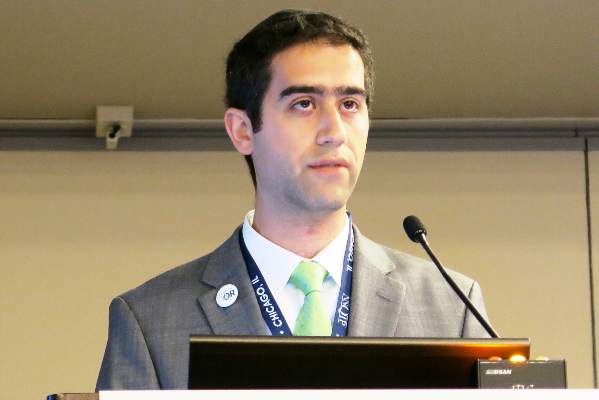
“This is significant to us moving forward from the point of meeting patients earlier on in their life and approaching the idea of bariatric surgery because the earlier intervention of bariatric surgery, which may have the chance of curing their diabetes, may eliminate the need for higher-risk procedures such as a cardiac bypass down the road,” study author Dr. Matthew Davis said at the American College of Surgeons/National Surgical Quality Improvement Program National Conference.
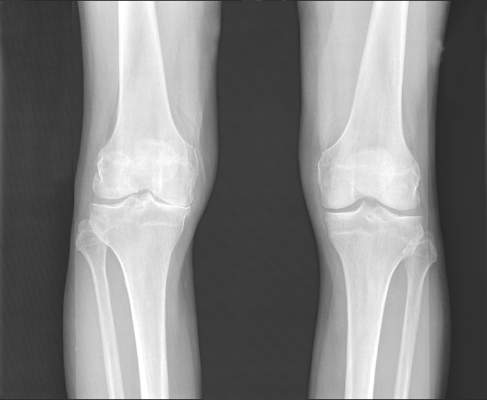
Similarly, total knee arthroplasty had a complication rate nearly five times that of LRYGB (16.7% vs. 3.4%) and comparable mortality (both 0.3%).
“Being that morbid obesity, or obesity in general, is a significant risk factor for osteoarthritis, which is the number-one indication for total knee [arthroplasty], again, we can potentially perform one surgery to eliminate the need for a further surgery that does show to have a higher complication rate,” he said.
Five randomized controlled trials have shown the remarkable effects of bariatric surgery on type 2 diabetes mellitus, including better glycemic control, cardiovascular risk factor modification, and the potential for long-term remission. The safety profile of metabolic diabetes surgery, however, has been a matter of concern among patients and physicians, said Dr. Davis of the Bariatric & Metabolic Institute at the Cleveland Clinic.
To explore short-term metabolic diabetes surgery outcomes, the investigators used the American College of Surgeons’ NSQIP dataset to identify 16,509 diabetic patients who underwent LRYGB from January 2007 to December 2012 and compare them with patients undergoing seven other common surgical procedures: coronary artery bypass graft (n = 2,868), infrainguinal bypass (n = 10,454), laparoscopic partial colectomy (n = 5,511), laparoscopic cholecystectomy (n = 15,306), laparoscopic appendectomy (n = 4,537), laparoscopic hysterectomy (n = 2,309), and total knee arthroplasty (n = 9,184).
Patients undergoing open or revisional bariatric surgery were excluded. Also excluded were sleeve gastrectomy cases because data were not available for the entire study period and gastric banding because its effect on diabetes is not as significant as gastric bypass, he said.
One-third (37.4%) of patients used insulin, 79% had hypertension, and 71.5% were women. The average body mass index was 46.5 kg/m2 and the average age was 50 years.
The 30-day composite complication rate was defined as the presence of any of nine postoperative adverse events: stroke, myocardial infarction, pulmonary embolism, acute renal failure, septic shock, deep vein thrombosis, pneumonia, sepsis, and need for transfusion.
The most frequent adverse event with LRYGB was need for transfusion, which occurred in 1.22% of patients, Dr. Davis said. Rates for the other eight complications in ascending order were: stroke (0.05%), MI (0.16%), pulmonary embolism (0.22%), acute renal failure (0.22%), septic shock (0.30%), deep vein thrombosis (0.36%), pneumonia (0.66%), and sepsis (0.81%).
The 30-day complication rate for LRYGB was comparable with that for laparoscopic cholecystectomy (3.7%) and laparoscopic hysterectomy. Complication rates were significantly higher, however, for CABG (46.6%), infrainguinal bypass (23.6%), laparoscopic partial colectomy (12%), laparoscopic appendectomy (4.5%), and total knee arthroplasty (16.7%), according to Dr. Davis.
Among LRYGB patients, the mean length of stay was 2.6 days, and 6.7% were readmitted, 2.5% underwent reoperation, and 0.3% died.
In contrast, the average length of stay was 6 days for laparoscopic partial colectomy, with readmission, reoperation, and mortality rates of 9.4%, 3.8%, and 1.8%, respectively.
“Compared with laparoscopic colectomy, gastric bypass superseded in all categories with morbidity and mortality,” he said.
Limitations of the study were the lack of information on sleeve gastrectomy and long-term safety outcomes, and nonsimilar baseline characteristics for comparator groups.
Session comoderator Dr. Konstantin Umanskiy of the University of Chicago said that the results highlight the dramatic improvements achieved in bariatric surgery through centers of excellence and could serve to invigorate efforts to bring this model to colorectal surgery. An initiative by the 144-member Consortium for Optimizing the Surgical Treatment of Rectal Cancer (OSTRICH) to establish a U.S. Rectal Cancer Centers of Excellence program was endorsed last year by the American College of Surgeons and the Commission on Cancer.
The investigators and Dr. Umanskiy reported having no conflicts of interest.
CHICAGO – Laparoscopic Roux-en-Y gastric bypass (LRYGB) in diabetic patients has comparable short-term morbidity and mortality with other common surgical procedures and may circumvent the need for many of them, a NSQIP database analysis shows.
Thirty-day mortality for LRYGB was 3 per 1,000 patients, or approximately one-tenth that of coronary artery bypass graft (0.3% vs. 2.8%).
“This is significant to us moving forward from the point of meeting patients earlier on in their life and approaching the idea of bariatric surgery because the earlier intervention of bariatric surgery, which may have the chance of curing their diabetes, may eliminate the need for higher-risk procedures such as a cardiac bypass down the road,” study author Dr. Matthew Davis said at the American College of Surgeons/National Surgical Quality Improvement Program National Conference.
Similarly, total knee arthroplasty had a complication rate nearly five times that of LRYGB (16.7% vs. 3.4%) and comparable mortality (both 0.3%).
“Being that morbid obesity, or obesity in general, is a significant risk factor for osteoarthritis, which is the number-one indication for total knee [arthroplasty], again, we can potentially perform one surgery to eliminate the need for a further surgery that does show to have a higher complication rate,” he said.
Five randomized controlled trials have shown the remarkable effects of bariatric surgery on type 2 diabetes mellitus, including better glycemic control, cardiovascular risk factor modification, and the potential for long-term remission. The safety profile of metabolic diabetes surgery, however, has been a matter of concern among patients and physicians, said Dr. Davis of the Bariatric & Metabolic Institute at the Cleveland Clinic.
To explore short-term metabolic diabetes surgery outcomes, the investigators used the American College of Surgeons’ NSQIP dataset to identify 16,509 diabetic patients who underwent LRYGB from January 2007 to December 2012 and compare them with patients undergoing seven other common surgical procedures: coronary artery bypass graft (n = 2,868), infrainguinal bypass (n = 10,454), laparoscopic partial colectomy (n = 5,511), laparoscopic cholecystectomy (n = 15,306), laparoscopic appendectomy (n = 4,537), laparoscopic hysterectomy (n = 2,309), and total knee arthroplasty (n = 9,184).
Patients undergoing open or revisional bariatric surgery were excluded. Also excluded were sleeve gastrectomy cases because data were not available for the entire study period and gastric banding because its effect on diabetes is not as significant as gastric bypass, he said.
One-third (37.4%) of patients used insulin, 79% had hypertension, and 71.5% were women. The average body mass index was 46.5 kg/m2 and the average age was 50 years.
The 30-day composite complication rate was defined as the presence of any of nine postoperative adverse events: stroke, myocardial infarction, pulmonary embolism, acute renal failure, septic shock, deep vein thrombosis, pneumonia, sepsis, and need for transfusion.
The most frequent adverse event with LRYGB was need for transfusion, which occurred in 1.22% of patients, Dr. Davis said. Rates for the other eight complications in ascending order were: stroke (0.05%), MI (0.16%), pulmonary embolism (0.22%), acute renal failure (0.22%), septic shock (0.30%), deep vein thrombosis (0.36%), pneumonia (0.66%), and sepsis (0.81%).
The 30-day complication rate for LRYGB was comparable with that for laparoscopic cholecystectomy (3.7%) and laparoscopic hysterectomy. Complication rates were significantly higher, however, for CABG (46.6%), infrainguinal bypass (23.6%), laparoscopic partial colectomy (12%), laparoscopic appendectomy (4.5%), and total knee arthroplasty (16.7%), according to Dr. Davis.
Among LRYGB patients, the mean length of stay was 2.6 days, and 6.7% were readmitted, 2.5% underwent reoperation, and 0.3% died.
In contrast, the average length of stay was 6 days for laparoscopic partial colectomy, with readmission, reoperation, and mortality rates of 9.4%, 3.8%, and 1.8%, respectively.
“Compared with laparoscopic colectomy, gastric bypass superseded in all categories with morbidity and mortality,” he said.
Limitations of the study were the lack of information on sleeve gastrectomy and long-term safety outcomes, and nonsimilar baseline characteristics for comparator groups.
Session comoderator Dr. Konstantin Umanskiy of the University of Chicago said that the results highlight the dramatic improvements achieved in bariatric surgery through centers of excellence and could serve to invigorate efforts to bring this model to colorectal surgery. An initiative by the 144-member Consortium for Optimizing the Surgical Treatment of Rectal Cancer (OSTRICH) to establish a U.S. Rectal Cancer Centers of Excellence program was endorsed last year by the American College of Surgeons and the Commission on Cancer.
The investigators and Dr. Umanskiy reported having no conflicts of interest.
CHICAGO – Laparoscopic Roux-en-Y gastric bypass (LRYGB) in diabetic patients has comparable short-term morbidity and mortality with other common surgical procedures and may circumvent the need for many of them, a NSQIP database analysis shows.
Thirty-day mortality for LRYGB was 3 per 1,000 patients, or approximately one-tenth that of coronary artery bypass graft (0.3% vs. 2.8%).
“This is significant to us moving forward from the point of meeting patients earlier on in their life and approaching the idea of bariatric surgery because the earlier intervention of bariatric surgery, which may have the chance of curing their diabetes, may eliminate the need for higher-risk procedures such as a cardiac bypass down the road,” study author Dr. Matthew Davis said at the American College of Surgeons/National Surgical Quality Improvement Program National Conference.
Similarly, total knee arthroplasty had a complication rate nearly five times that of LRYGB (16.7% vs. 3.4%) and comparable mortality (both 0.3%).
“Being that morbid obesity, or obesity in general, is a significant risk factor for osteoarthritis, which is the number-one indication for total knee [arthroplasty], again, we can potentially perform one surgery to eliminate the need for a further surgery that does show to have a higher complication rate,” he said.
Five randomized controlled trials have shown the remarkable effects of bariatric surgery on type 2 diabetes mellitus, including better glycemic control, cardiovascular risk factor modification, and the potential for long-term remission. The safety profile of metabolic diabetes surgery, however, has been a matter of concern among patients and physicians, said Dr. Davis of the Bariatric & Metabolic Institute at the Cleveland Clinic.
To explore short-term metabolic diabetes surgery outcomes, the investigators used the American College of Surgeons’ NSQIP dataset to identify 16,509 diabetic patients who underwent LRYGB from January 2007 to December 2012 and compare them with patients undergoing seven other common surgical procedures: coronary artery bypass graft (n = 2,868), infrainguinal bypass (n = 10,454), laparoscopic partial colectomy (n = 5,511), laparoscopic cholecystectomy (n = 15,306), laparoscopic appendectomy (n = 4,537), laparoscopic hysterectomy (n = 2,309), and total knee arthroplasty (n = 9,184).
Patients undergoing open or revisional bariatric surgery were excluded. Also excluded were sleeve gastrectomy cases because data were not available for the entire study period and gastric banding because its effect on diabetes is not as significant as gastric bypass, he said.
One-third (37.4%) of patients used insulin, 79% had hypertension, and 71.5% were women. The average body mass index was 46.5 kg/m2 and the average age was 50 years.
The 30-day composite complication rate was defined as the presence of any of nine postoperative adverse events: stroke, myocardial infarction, pulmonary embolism, acute renal failure, septic shock, deep vein thrombosis, pneumonia, sepsis, and need for transfusion.
The most frequent adverse event with LRYGB was need for transfusion, which occurred in 1.22% of patients, Dr. Davis said. Rates for the other eight complications in ascending order were: stroke (0.05%), MI (0.16%), pulmonary embolism (0.22%), acute renal failure (0.22%), septic shock (0.30%), deep vein thrombosis (0.36%), pneumonia (0.66%), and sepsis (0.81%).
The 30-day complication rate for LRYGB was comparable with that for laparoscopic cholecystectomy (3.7%) and laparoscopic hysterectomy. Complication rates were significantly higher, however, for CABG (46.6%), infrainguinal bypass (23.6%), laparoscopic partial colectomy (12%), laparoscopic appendectomy (4.5%), and total knee arthroplasty (16.7%), according to Dr. Davis.
Among LRYGB patients, the mean length of stay was 2.6 days, and 6.7% were readmitted, 2.5% underwent reoperation, and 0.3% died.
In contrast, the average length of stay was 6 days for laparoscopic partial colectomy, with readmission, reoperation, and mortality rates of 9.4%, 3.8%, and 1.8%, respectively.
“Compared with laparoscopic colectomy, gastric bypass superseded in all categories with morbidity and mortality,” he said.
Limitations of the study were the lack of information on sleeve gastrectomy and long-term safety outcomes, and nonsimilar baseline characteristics for comparator groups.
Session comoderator Dr. Konstantin Umanskiy of the University of Chicago said that the results highlight the dramatic improvements achieved in bariatric surgery through centers of excellence and could serve to invigorate efforts to bring this model to colorectal surgery. An initiative by the 144-member Consortium for Optimizing the Surgical Treatment of Rectal Cancer (OSTRICH) to establish a U.S. Rectal Cancer Centers of Excellence program was endorsed last year by the American College of Surgeons and the Commission on Cancer.
The investigators and Dr. Umanskiy reported having no conflicts of interest.
AT THE ACS NSQIP NATIONAL CONFERENCE
Key clinical point: Laparoscopic Roux-en-Y gastric bypass in patients with diabetes is as safe as other common procedures.
Major finding: At 30 days, LRYGB mortality was 0.3% and the composite complication rate was 3.4%.
Data source: Retrospective study in 16,509 diabetic patients who underwent Roux-en-Y gastric bypass and 50,169 patients who had other surgical procedures.
Disclosures: The investigators and Dr. Umanskiy reported having no conflicts of interest.
Optimized analgesia, exercise cut pain in severe knee OA
A 6-week protocol of optimized analgesia followed by a 12-week exercise program significantly improved pain and functional limitations for patients with knee osteoarthritis, researchers reported in Arthritis Care and Research.
The study was the first to explore how to achieve sufficient pain relief for patients with severely painful knee OA to participate in exercise therapy, and it achieved that goal for 78% of patients, said Joyce van Tunen of the Amsterdam Rehabilitation Center and associates. “The newly developed intervention protocol was feasible, which means that patients were able to participate in exercise therapy despite their severe pain at baseline,” the researchers said. “Although the results are promising, they need to be confirmed in a randomized controlled trial.”
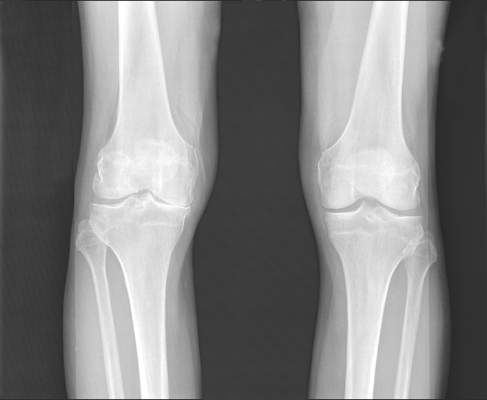
Guidelines recommend combining pharmacologic and nonpharmacologic modalities to improve osteoarthritis outcomes, and past studies have suggested that acetaminophen, NSAIDs, and glucosamine therapy might augment the benefits of exercise in OA, they said.
The study included 49 patients with severe knee OA whose pain scored at least 7 on a 10-point scale. Patients received standardized analgesia with acetaminophen and then were stepped up to NSAIDs, weak opioids, and intra-articular steroid injections if their pain did not improve to a 5 or lower. Patients had 2 weeks to adapt to each new prescription without further changes, and their doses were cut if they maintained pain scores of 4 or less for a month or longer. The protocol was based on the World Health Organization analgesic ladder and the Beating osteoARThritis strategy for stepped care in hip and knee OA, the investigators noted (Arthritis Care Res. 2015 Aug 3 doi: 10.1002/acr.22682).
After 6 weeks, patients continued with analgesia and started a 12-week exercise program of two 60-minute sessions per week. The first 6 weeks of the program focused on muscle strength, while the last 6 weeks aimed to maximize strength while adding functional and aerobic exercises. Patients also were asked to do physical therapy exercises at home on the days they did not take part in supervised exercise, the researchers said.
At the end of the 18-week intervention, 72% of patients reported improvement on a combined global scale, the study showed. Average pain scores improved by 30% (P < .001) and activity limitations improved by 17% (P < .001). Fully 78% of patients were able to follow the exercise program, and these patients improved their physical limitations by an extra 10% (P = .004), compared with patients who could not complete the program. Patients who were not able to finish the exercise program also had significantly worse radiographic signs of OA, compared with the others (P = .03), and tended to be younger; had higher body mass indices; and reported more pain, anxiety, and depression, the researchers said. These patients might need surgical interventions or therapy to help them learn to better cope with pain, they added.
Most of the patients had used analgesics irregularly and at suboptimal doses at baseline, in part because they feared adverse effects. However, they experienced no serious side effects from the analgesia protocol or the exercise program, the investigators noted.
The Dutch Arthritis Association funded the work. The investigators reported having no conflicts of interest.
Therapy of osteoarthritis often remains a frustration to both the patient and physician. In clinical trials as well as the clinical setting, no single nonsurgical therapeutic approach has consistently been of significant benefit.
|
| Dr. Roy Altman |
Summaries of the medical literature are reflected by unimpressive P values, effect sizes, and other statistical methods. Yet the clinician has to use the tools available, so that several partially effective programs are often employed in the clinical setting, most often in combination – sometimes called multimodal therapy. Therapeutic guidelines are based on the literature but usually only allude to a multimodal approach.
In this study, the investigators examined a combined nonpharmacologic and pharmacologic program over an 18-week period. They easily demonstrated significant benefit of the multimodal approach. No study is perfect, and this one has multiple drawbacks, not the least of which is the lack of any control or comparison group to determine if the benefits seen are from one or both programs. Despite the drawbacks in their study design, they have contributed to filling that gap in the literature. The program of medications to reduce pain enough to increase the physical rehabilitation is logical and reflects a real-world setting.
Dr. Roy D. Altman is professor emeritus in the division of rheumatology and immunology at the University of California, Los Angeles. He reported having no relevant disclosures.
Therapy of osteoarthritis often remains a frustration to both the patient and physician. In clinical trials as well as the clinical setting, no single nonsurgical therapeutic approach has consistently been of significant benefit.
|
|
| Dr. Roy Altman |
Summaries of the medical literature are reflected by unimpressive P values, effect sizes, and other statistical methods. Yet the clinician has to use the tools available, so that several partially effective programs are often employed in the clinical setting, most often in combination – sometimes called multimodal therapy. Therapeutic guidelines are based on the literature but usually only allude to a multimodal approach.
In this study, the investigators examined a combined nonpharmacologic and pharmacologic program over an 18-week period. They easily demonstrated significant benefit of the multimodal approach. No study is perfect, and this one has multiple drawbacks, not the least of which is the lack of any control or comparison group to determine if the benefits seen are from one or both programs. Despite the drawbacks in their study design, they have contributed to filling that gap in the literature. The program of medications to reduce pain enough to increase the physical rehabilitation is logical and reflects a real-world setting.
Dr. Roy D. Altman is professor emeritus in the division of rheumatology and immunology at the University of California, Los Angeles. He reported having no relevant disclosures.
Therapy of osteoarthritis often remains a frustration to both the patient and physician. In clinical trials as well as the clinical setting, no single nonsurgical therapeutic approach has consistently been of significant benefit.
|
|
| Dr. Roy Altman |
Summaries of the medical literature are reflected by unimpressive P values, effect sizes, and other statistical methods. Yet the clinician has to use the tools available, so that several partially effective programs are often employed in the clinical setting, most often in combination – sometimes called multimodal therapy. Therapeutic guidelines are based on the literature but usually only allude to a multimodal approach.
In this study, the investigators examined a combined nonpharmacologic and pharmacologic program over an 18-week period. They easily demonstrated significant benefit of the multimodal approach. No study is perfect, and this one has multiple drawbacks, not the least of which is the lack of any control or comparison group to determine if the benefits seen are from one or both programs. Despite the drawbacks in their study design, they have contributed to filling that gap in the literature. The program of medications to reduce pain enough to increase the physical rehabilitation is logical and reflects a real-world setting.
Dr. Roy D. Altman is professor emeritus in the division of rheumatology and immunology at the University of California, Los Angeles. He reported having no relevant disclosures.
A 6-week protocol of optimized analgesia followed by a 12-week exercise program significantly improved pain and functional limitations for patients with knee osteoarthritis, researchers reported in Arthritis Care and Research.
The study was the first to explore how to achieve sufficient pain relief for patients with severely painful knee OA to participate in exercise therapy, and it achieved that goal for 78% of patients, said Joyce van Tunen of the Amsterdam Rehabilitation Center and associates. “The newly developed intervention protocol was feasible, which means that patients were able to participate in exercise therapy despite their severe pain at baseline,” the researchers said. “Although the results are promising, they need to be confirmed in a randomized controlled trial.”
Guidelines recommend combining pharmacologic and nonpharmacologic modalities to improve osteoarthritis outcomes, and past studies have suggested that acetaminophen, NSAIDs, and glucosamine therapy might augment the benefits of exercise in OA, they said.
The study included 49 patients with severe knee OA whose pain scored at least 7 on a 10-point scale. Patients received standardized analgesia with acetaminophen and then were stepped up to NSAIDs, weak opioids, and intra-articular steroid injections if their pain did not improve to a 5 or lower. Patients had 2 weeks to adapt to each new prescription without further changes, and their doses were cut if they maintained pain scores of 4 or less for a month or longer. The protocol was based on the World Health Organization analgesic ladder and the Beating osteoARThritis strategy for stepped care in hip and knee OA, the investigators noted (Arthritis Care Res. 2015 Aug 3 doi: 10.1002/acr.22682).
After 6 weeks, patients continued with analgesia and started a 12-week exercise program of two 60-minute sessions per week. The first 6 weeks of the program focused on muscle strength, while the last 6 weeks aimed to maximize strength while adding functional and aerobic exercises. Patients also were asked to do physical therapy exercises at home on the days they did not take part in supervised exercise, the researchers said.
At the end of the 18-week intervention, 72% of patients reported improvement on a combined global scale, the study showed. Average pain scores improved by 30% (P < .001) and activity limitations improved by 17% (P < .001). Fully 78% of patients were able to follow the exercise program, and these patients improved their physical limitations by an extra 10% (P = .004), compared with patients who could not complete the program. Patients who were not able to finish the exercise program also had significantly worse radiographic signs of OA, compared with the others (P = .03), and tended to be younger; had higher body mass indices; and reported more pain, anxiety, and depression, the researchers said. These patients might need surgical interventions or therapy to help them learn to better cope with pain, they added.
Most of the patients had used analgesics irregularly and at suboptimal doses at baseline, in part because they feared adverse effects. However, they experienced no serious side effects from the analgesia protocol or the exercise program, the investigators noted.
The Dutch Arthritis Association funded the work. The investigators reported having no conflicts of interest.
A 6-week protocol of optimized analgesia followed by a 12-week exercise program significantly improved pain and functional limitations for patients with knee osteoarthritis, researchers reported in Arthritis Care and Research.
The study was the first to explore how to achieve sufficient pain relief for patients with severely painful knee OA to participate in exercise therapy, and it achieved that goal for 78% of patients, said Joyce van Tunen of the Amsterdam Rehabilitation Center and associates. “The newly developed intervention protocol was feasible, which means that patients were able to participate in exercise therapy despite their severe pain at baseline,” the researchers said. “Although the results are promising, they need to be confirmed in a randomized controlled trial.”
Guidelines recommend combining pharmacologic and nonpharmacologic modalities to improve osteoarthritis outcomes, and past studies have suggested that acetaminophen, NSAIDs, and glucosamine therapy might augment the benefits of exercise in OA, they said.
The study included 49 patients with severe knee OA whose pain scored at least 7 on a 10-point scale. Patients received standardized analgesia with acetaminophen and then were stepped up to NSAIDs, weak opioids, and intra-articular steroid injections if their pain did not improve to a 5 or lower. Patients had 2 weeks to adapt to each new prescription without further changes, and their doses were cut if they maintained pain scores of 4 or less for a month or longer. The protocol was based on the World Health Organization analgesic ladder and the Beating osteoARThritis strategy for stepped care in hip and knee OA, the investigators noted (Arthritis Care Res. 2015 Aug 3 doi: 10.1002/acr.22682).
After 6 weeks, patients continued with analgesia and started a 12-week exercise program of two 60-minute sessions per week. The first 6 weeks of the program focused on muscle strength, while the last 6 weeks aimed to maximize strength while adding functional and aerobic exercises. Patients also were asked to do physical therapy exercises at home on the days they did not take part in supervised exercise, the researchers said.
At the end of the 18-week intervention, 72% of patients reported improvement on a combined global scale, the study showed. Average pain scores improved by 30% (P < .001) and activity limitations improved by 17% (P < .001). Fully 78% of patients were able to follow the exercise program, and these patients improved their physical limitations by an extra 10% (P = .004), compared with patients who could not complete the program. Patients who were not able to finish the exercise program also had significantly worse radiographic signs of OA, compared with the others (P = .03), and tended to be younger; had higher body mass indices; and reported more pain, anxiety, and depression, the researchers said. These patients might need surgical interventions or therapy to help them learn to better cope with pain, they added.
Most of the patients had used analgesics irregularly and at suboptimal doses at baseline, in part because they feared adverse effects. However, they experienced no serious side effects from the analgesia protocol or the exercise program, the investigators noted.
The Dutch Arthritis Association funded the work. The investigators reported having no conflicts of interest.
FROM ARTHRITIS CARE AND RESEARCH
Key clinical point: Patients with knee osteoarthritis and severe pain improved significantly with an optimized standard protocol of analgesia and exercise therapy.
Major finding: Average pain scores improved by 30% (P < .001) and activity limitations improved by 17% (P < .001).
Data source: Single-center prospective study of 49 patients with knee OA and severe pain.
Disclosures: The Dutch Arthritis Association funded the work. The investigators reported having no conflicts of interest.