User login
Official Newspaper of the American College of Surgeons
New cancer cases to reach nearly 2.4 million in 2035 – AACR
There will be nearly 2.4 million new cases of cancer in the U.S. by 2035, according to an estimate from the American Association for Cancer Research.
In its Cancer Progress Report 2015, AACR notes that new cases in the current year are estimated at nearly 1.7 million.
“Given that cancer is primarily a disease of aging and that the portion of the U.S. population age 65 and older is expected to double in size by 2060, it is anticipated that the number of new cancer cases diagnosed each year in the United States will increase dramatically,” the report states.
“Also contributing to the projected increase are the continual use of cigarettes by 18% of U.S. adults, and high rates of obesity and physical inactivity, both of which are linked to an increased risk for several types of cancer.”

The spike in new cases comes as death rates are trending downward. From 2002 to 2011, overall cancer death rates declined per year by 1.8% for U.S. men, 1.4% for U.S. women, and 2.1% for 0- to 19-year-olds, though the overall number of cancer deaths is expected to rise. Nearly 600,000 people living in the United States are expected to die from cancer in 2015.
The new diagnoses are expected to drive up the cost of cancer.
“In the United States alone, it is estimated that the direct medical costs of cancer care will rise to $156 billion in 2020, from nearly $125 billion in 2010,” AACR says in the report. “When these costs are compared to the total NCI budget for fiscal year 2015, which is just $5 billion, it is clear that research that spurs lifesaving progress against cancer is a wise national investment.”
To that end, AACR is calling on Congress and the White House to boost funding for both the National Institutes of Health and the National Cancer Institute by at least 7%, which would result in funding levels in fiscal year 2020 for NIH and NCI of $42.5 billion and $7 billion, respectively. AACR is also calling for a similar 7% increase the Food and Drug Administration’s budget to help drive private biomedical research.
There will be nearly 2.4 million new cases of cancer in the U.S. by 2035, according to an estimate from the American Association for Cancer Research.
In its Cancer Progress Report 2015, AACR notes that new cases in the current year are estimated at nearly 1.7 million.
“Given that cancer is primarily a disease of aging and that the portion of the U.S. population age 65 and older is expected to double in size by 2060, it is anticipated that the number of new cancer cases diagnosed each year in the United States will increase dramatically,” the report states.
“Also contributing to the projected increase are the continual use of cigarettes by 18% of U.S. adults, and high rates of obesity and physical inactivity, both of which are linked to an increased risk for several types of cancer.”
The spike in new cases comes as death rates are trending downward. From 2002 to 2011, overall cancer death rates declined per year by 1.8% for U.S. men, 1.4% for U.S. women, and 2.1% for 0- to 19-year-olds, though the overall number of cancer deaths is expected to rise. Nearly 600,000 people living in the United States are expected to die from cancer in 2015.
The new diagnoses are expected to drive up the cost of cancer.
“In the United States alone, it is estimated that the direct medical costs of cancer care will rise to $156 billion in 2020, from nearly $125 billion in 2010,” AACR says in the report. “When these costs are compared to the total NCI budget for fiscal year 2015, which is just $5 billion, it is clear that research that spurs lifesaving progress against cancer is a wise national investment.”
To that end, AACR is calling on Congress and the White House to boost funding for both the National Institutes of Health and the National Cancer Institute by at least 7%, which would result in funding levels in fiscal year 2020 for NIH and NCI of $42.5 billion and $7 billion, respectively. AACR is also calling for a similar 7% increase the Food and Drug Administration’s budget to help drive private biomedical research.
There will be nearly 2.4 million new cases of cancer in the U.S. by 2035, according to an estimate from the American Association for Cancer Research.
In its Cancer Progress Report 2015, AACR notes that new cases in the current year are estimated at nearly 1.7 million.
“Given that cancer is primarily a disease of aging and that the portion of the U.S. population age 65 and older is expected to double in size by 2060, it is anticipated that the number of new cancer cases diagnosed each year in the United States will increase dramatically,” the report states.
“Also contributing to the projected increase are the continual use of cigarettes by 18% of U.S. adults, and high rates of obesity and physical inactivity, both of which are linked to an increased risk for several types of cancer.”
The spike in new cases comes as death rates are trending downward. From 2002 to 2011, overall cancer death rates declined per year by 1.8% for U.S. men, 1.4% for U.S. women, and 2.1% for 0- to 19-year-olds, though the overall number of cancer deaths is expected to rise. Nearly 600,000 people living in the United States are expected to die from cancer in 2015.
The new diagnoses are expected to drive up the cost of cancer.
“In the United States alone, it is estimated that the direct medical costs of cancer care will rise to $156 billion in 2020, from nearly $125 billion in 2010,” AACR says in the report. “When these costs are compared to the total NCI budget for fiscal year 2015, which is just $5 billion, it is clear that research that spurs lifesaving progress against cancer is a wise national investment.”
To that end, AACR is calling on Congress and the White House to boost funding for both the National Institutes of Health and the National Cancer Institute by at least 7%, which would result in funding levels in fiscal year 2020 for NIH and NCI of $42.5 billion and $7 billion, respectively. AACR is also calling for a similar 7% increase the Food and Drug Administration’s budget to help drive private biomedical research.
FROM AACR CANCER PROGRESS REPORT 2015

Sunshine Act shows vascular surgeons reap more industry payments
CHICAGO – Drug- and device makers paid $3.4 billion to U.S. physicians and hospitals in the last 5 months of 2013, according to first-year data from the Centers for Medicare & Medicaid Services (CMS) Open Payments program, Dr. John Blebea reported at the annual meeting of the Midwestern Vascular Surgical Society.
The Open Payments program is the first step by the federal government toward transparency on the financial relationships between physicians and drug- and device makers and is charged with providing data that is both understandable by the public and searchable for individual physicians.

Under the Physician Payments Sunshine Act, a provision of the Affordable Care Act, manufacturers of drugs, medical devices, and biologics that participate in Medicare and Medicaid are required to report any payments or transfers of items with a $10 onetime value or $100 cumulative annual value to nonresident physicians and teaching hospitals.
Dr. Blebea and his colleagues at the University of Oklahoma in Tulsa sought to examine payments made to vascular specialists during the first year of the Open Payments program using data available from August 2013 to December 2013.
Nationally, 1,347 companies paid $2.9 billion (85%) to 470,000 physicians and $599 million (15%) to 1,019 hospitals during that period. Almost half of payments to physicians ($1.19 billion) was for research; $735 million was for food, travel, honoraria, and consulting services, and about one-third ($908 million) was in stock ownership or investments, Dr. Blebea said.
The investigators also looked at data from New York alone, where payments varied widely among specialties. Four vascular surgeons and one cardiologist reported ownership or investment interests totaling $1,092,025 and $98,689, respectively, but the data were skewed because one vascular surgeon had investment stock valued at $1,033,728, Dr. Blebea said.
Research grants were uncommon among the 223 vascular surgeons, 229 interventional cardiologists, and 88 radiologists and valued at just $4,250, $5,372, and $8,532.
General payments were significantly different between the three groups ($1,808,890 vs. $534,688 vs. $73,492; P less than .0001), he said. This averaged $3,196 per vascular surgeon, $1,889 per cardiologist, and $738 per radiologist. But, again there were broad variations in the data, resulting in medians of $279, $99, and $116, respectively.
One could argue that $279 isn’t a lot in terms of payments for services made or received, but a small number of vascular surgeons did receive what one could argue is a significant amount of money, Dr. Blebea said. Specifically, 8% received more than $5,000 over the 5 months, and three received more than $100,000.
“So you could ask the question: ‘Could this induce bias in scientific presentations?’ and you could answer, ‘Maybe yes, maybe no,’ ” he said. “But what about the three individuals who received more than $100,000? The answer there is that they are probably more likely to be consciously or unconsciously biased in their presentations.”
Dr. Iraklis Pipinos of the University of Nebraska, Omaha, questioned the number of specialists in the New York analysis, noting that he would expect the number of cardiologists to be four to five times that of vascular specialists.
“It’s an important point and I share your concern,” Dr. Blebea responded. “In actual fact, how people are reported in terms of their specialties is how the companies categorize you, so the data may not be completely accurate. It’s one of the challenges.”
Industry groups and professional societies have raised concerns about the incompleteness of the Open Payments data and argued that inaccuracies could harm reputations and undermine trust between patients and their physicians.
Physicians have 45 days after the data submission period to review their Open Payments data and dispute errors before the information is released publicly. Errors can be contested after the deadline has passed, with corrections made in the next reporting cycle.
Still, of the 4.3 million payments made nationally in the last 5 months of 2013, only 1,145 payments (0.02%) worth just $6.25 million were contested, Dr. Blebea reported.
“So it’s either accurate or most physicians didn’t bother to contest inaccuracies,” he said, adding, “I certainly did [contest the data] because there was an inaccuracy in what was reported for me and that was corrected, but how many people will correct these in the future? I hope everybody does.”
Of the $6.49 billion paid to physicians and hospitals in 2014, physicians have disputed only $5.06 million in general payments and $13.16 million in research payments, according to 2014 data reported by the CMS .
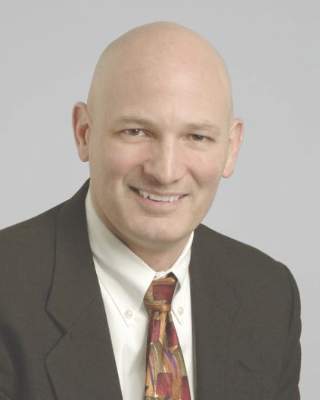
Dr. Daniel G. Clair, chair of vascular surgery at the Cleveland Clinic, commented that contrary to what the analysis suggests, it isn’t easy to distinguish between research dollars and nonresearch dollars and between payments made to an institution versus those made to an individual.
“I work for a facility where I am a salaried professional and contracts for some of these things are negotiated between the institution and the company. I’m completely left out of it, but because I happen to be the individual who provides services, it looks like that money is coming to me,” he said.
To provide more transparency in payments, Dr. Blebea said he would recommend quantitative disclosure of industry payments at scientific meetings and in publications with reporting of a range of payments, such as less than $1,000, $1,000-$5,000, $5,001-$10,000, and more than $10,000, rather than specific amounts.
Dr. Blebea and Dr. Pipinos reported having no relevant financial disclosures. Dr. Clair reported serving on the data and safety monitoring board for Bard, as an advisory board member for Boston Scientific and Medtronic, and as a consultant for Endologix.
CHICAGO – Drug- and device makers paid $3.4 billion to U.S. physicians and hospitals in the last 5 months of 2013, according to first-year data from the Centers for Medicare & Medicaid Services (CMS) Open Payments program, Dr. John Blebea reported at the annual meeting of the Midwestern Vascular Surgical Society.
The Open Payments program is the first step by the federal government toward transparency on the financial relationships between physicians and drug- and device makers and is charged with providing data that is both understandable by the public and searchable for individual physicians.
Under the Physician Payments Sunshine Act, a provision of the Affordable Care Act, manufacturers of drugs, medical devices, and biologics that participate in Medicare and Medicaid are required to report any payments or transfers of items with a $10 onetime value or $100 cumulative annual value to nonresident physicians and teaching hospitals.
Dr. Blebea and his colleagues at the University of Oklahoma in Tulsa sought to examine payments made to vascular specialists during the first year of the Open Payments program using data available from August 2013 to December 2013.
Nationally, 1,347 companies paid $2.9 billion (85%) to 470,000 physicians and $599 million (15%) to 1,019 hospitals during that period. Almost half of payments to physicians ($1.19 billion) was for research; $735 million was for food, travel, honoraria, and consulting services, and about one-third ($908 million) was in stock ownership or investments, Dr. Blebea said.
The investigators also looked at data from New York alone, where payments varied widely among specialties. Four vascular surgeons and one cardiologist reported ownership or investment interests totaling $1,092,025 and $98,689, respectively, but the data were skewed because one vascular surgeon had investment stock valued at $1,033,728, Dr. Blebea said.
Research grants were uncommon among the 223 vascular surgeons, 229 interventional cardiologists, and 88 radiologists and valued at just $4,250, $5,372, and $8,532.
General payments were significantly different between the three groups ($1,808,890 vs. $534,688 vs. $73,492; P less than .0001), he said. This averaged $3,196 per vascular surgeon, $1,889 per cardiologist, and $738 per radiologist. But, again there were broad variations in the data, resulting in medians of $279, $99, and $116, respectively.
One could argue that $279 isn’t a lot in terms of payments for services made or received, but a small number of vascular surgeons did receive what one could argue is a significant amount of money, Dr. Blebea said. Specifically, 8% received more than $5,000 over the 5 months, and three received more than $100,000.
“So you could ask the question: ‘Could this induce bias in scientific presentations?’ and you could answer, ‘Maybe yes, maybe no,’ ” he said. “But what about the three individuals who received more than $100,000? The answer there is that they are probably more likely to be consciously or unconsciously biased in their presentations.”
Dr. Iraklis Pipinos of the University of Nebraska, Omaha, questioned the number of specialists in the New York analysis, noting that he would expect the number of cardiologists to be four to five times that of vascular specialists.
“It’s an important point and I share your concern,” Dr. Blebea responded. “In actual fact, how people are reported in terms of their specialties is how the companies categorize you, so the data may not be completely accurate. It’s one of the challenges.”
Industry groups and professional societies have raised concerns about the incompleteness of the Open Payments data and argued that inaccuracies could harm reputations and undermine trust between patients and their physicians.
Physicians have 45 days after the data submission period to review their Open Payments data and dispute errors before the information is released publicly. Errors can be contested after the deadline has passed, with corrections made in the next reporting cycle.
Still, of the 4.3 million payments made nationally in the last 5 months of 2013, only 1,145 payments (0.02%) worth just $6.25 million were contested, Dr. Blebea reported.
“So it’s either accurate or most physicians didn’t bother to contest inaccuracies,” he said, adding, “I certainly did [contest the data] because there was an inaccuracy in what was reported for me and that was corrected, but how many people will correct these in the future? I hope everybody does.”
Of the $6.49 billion paid to physicians and hospitals in 2014, physicians have disputed only $5.06 million in general payments and $13.16 million in research payments, according to 2014 data reported by the CMS .
Dr. Daniel G. Clair, chair of vascular surgery at the Cleveland Clinic, commented that contrary to what the analysis suggests, it isn’t easy to distinguish between research dollars and nonresearch dollars and between payments made to an institution versus those made to an individual.
“I work for a facility where I am a salaried professional and contracts for some of these things are negotiated between the institution and the company. I’m completely left out of it, but because I happen to be the individual who provides services, it looks like that money is coming to me,” he said.
To provide more transparency in payments, Dr. Blebea said he would recommend quantitative disclosure of industry payments at scientific meetings and in publications with reporting of a range of payments, such as less than $1,000, $1,000-$5,000, $5,001-$10,000, and more than $10,000, rather than specific amounts.
Dr. Blebea and Dr. Pipinos reported having no relevant financial disclosures. Dr. Clair reported serving on the data and safety monitoring board for Bard, as an advisory board member for Boston Scientific and Medtronic, and as a consultant for Endologix.
CHICAGO – Drug- and device makers paid $3.4 billion to U.S. physicians and hospitals in the last 5 months of 2013, according to first-year data from the Centers for Medicare & Medicaid Services (CMS) Open Payments program, Dr. John Blebea reported at the annual meeting of the Midwestern Vascular Surgical Society.
The Open Payments program is the first step by the federal government toward transparency on the financial relationships between physicians and drug- and device makers and is charged with providing data that is both understandable by the public and searchable for individual physicians.
Under the Physician Payments Sunshine Act, a provision of the Affordable Care Act, manufacturers of drugs, medical devices, and biologics that participate in Medicare and Medicaid are required to report any payments or transfers of items with a $10 onetime value or $100 cumulative annual value to nonresident physicians and teaching hospitals.
Dr. Blebea and his colleagues at the University of Oklahoma in Tulsa sought to examine payments made to vascular specialists during the first year of the Open Payments program using data available from August 2013 to December 2013.
Nationally, 1,347 companies paid $2.9 billion (85%) to 470,000 physicians and $599 million (15%) to 1,019 hospitals during that period. Almost half of payments to physicians ($1.19 billion) was for research; $735 million was for food, travel, honoraria, and consulting services, and about one-third ($908 million) was in stock ownership or investments, Dr. Blebea said.
The investigators also looked at data from New York alone, where payments varied widely among specialties. Four vascular surgeons and one cardiologist reported ownership or investment interests totaling $1,092,025 and $98,689, respectively, but the data were skewed because one vascular surgeon had investment stock valued at $1,033,728, Dr. Blebea said.
Research grants were uncommon among the 223 vascular surgeons, 229 interventional cardiologists, and 88 radiologists and valued at just $4,250, $5,372, and $8,532.
General payments were significantly different between the three groups ($1,808,890 vs. $534,688 vs. $73,492; P less than .0001), he said. This averaged $3,196 per vascular surgeon, $1,889 per cardiologist, and $738 per radiologist. But, again there were broad variations in the data, resulting in medians of $279, $99, and $116, respectively.
One could argue that $279 isn’t a lot in terms of payments for services made or received, but a small number of vascular surgeons did receive what one could argue is a significant amount of money, Dr. Blebea said. Specifically, 8% received more than $5,000 over the 5 months, and three received more than $100,000.
“So you could ask the question: ‘Could this induce bias in scientific presentations?’ and you could answer, ‘Maybe yes, maybe no,’ ” he said. “But what about the three individuals who received more than $100,000? The answer there is that they are probably more likely to be consciously or unconsciously biased in their presentations.”
Dr. Iraklis Pipinos of the University of Nebraska, Omaha, questioned the number of specialists in the New York analysis, noting that he would expect the number of cardiologists to be four to five times that of vascular specialists.
“It’s an important point and I share your concern,” Dr. Blebea responded. “In actual fact, how people are reported in terms of their specialties is how the companies categorize you, so the data may not be completely accurate. It’s one of the challenges.”
Industry groups and professional societies have raised concerns about the incompleteness of the Open Payments data and argued that inaccuracies could harm reputations and undermine trust between patients and their physicians.
Physicians have 45 days after the data submission period to review their Open Payments data and dispute errors before the information is released publicly. Errors can be contested after the deadline has passed, with corrections made in the next reporting cycle.
Still, of the 4.3 million payments made nationally in the last 5 months of 2013, only 1,145 payments (0.02%) worth just $6.25 million were contested, Dr. Blebea reported.
“So it’s either accurate or most physicians didn’t bother to contest inaccuracies,” he said, adding, “I certainly did [contest the data] because there was an inaccuracy in what was reported for me and that was corrected, but how many people will correct these in the future? I hope everybody does.”
Of the $6.49 billion paid to physicians and hospitals in 2014, physicians have disputed only $5.06 million in general payments and $13.16 million in research payments, according to 2014 data reported by the CMS .
Dr. Daniel G. Clair, chair of vascular surgery at the Cleveland Clinic, commented that contrary to what the analysis suggests, it isn’t easy to distinguish between research dollars and nonresearch dollars and between payments made to an institution versus those made to an individual.
“I work for a facility where I am a salaried professional and contracts for some of these things are negotiated between the institution and the company. I’m completely left out of it, but because I happen to be the individual who provides services, it looks like that money is coming to me,” he said.
To provide more transparency in payments, Dr. Blebea said he would recommend quantitative disclosure of industry payments at scientific meetings and in publications with reporting of a range of payments, such as less than $1,000, $1,000-$5,000, $5,001-$10,000, and more than $10,000, rather than specific amounts.
Dr. Blebea and Dr. Pipinos reported having no relevant financial disclosures. Dr. Clair reported serving on the data and safety monitoring board for Bard, as an advisory board member for Boston Scientific and Medtronic, and as a consultant for Endologix.
AT MIDWESTERN VASCULAR 2015

Uterine size not linked to increased surgical complications
NEW YORK – Uterine size does not appear to increase the risk of surgical complications in patients who undergo type VII total laparoscopic hysterectomy, but both uterine size and the number of prior pelvic surgeries increased surgical time in a linear manner, according to a retrospective case-control analysis.
“There is insufficient evidence to determine a statistical correlation between uterine size and presence of surgical complications. Therefore, type VII [total laparoscopic hysterectomy] seems to be a feasible and safe surgical procedure, resulting in a short hospital stay, minimal blood loss, minimal operating time, and a low complication rate regardless of uterine weight,” Dr. Carlos Hernández Nieto said at the annual Minimally Invasive Surgery Week.
Type VII total laparoscopic hysterectomy consists of completing all surgical dissection, ligations, and sutures through trocars, including vaginal closure.

The study was based on 235 consecutive patients undergoing type VII total laparoscopic hysterectomy at two hospitals between January 2008 and December 2014. Sufficient information was available on 211 patients.
The mean age of women in the study was 45 years, with a mean body mass index of 25.3 kg/m2. The mean number of prior births was two; the mean number of prior pelvic surgeries was two; the mean number of days in hospital was three; the mean surgical time was 140 minutes; and the mean uterine weight was 142 grams. Mean blood loss during surgery was 100 cc.
Surgical complications occurred in 14 patients (6.6%); two had bleeding which led to conversion to laparotomy and 12 had fever. The mean uterine weight in the group with complications was 161.8 grams, according to Dr. Hernández Nieto of TEC Salud Health Care System, Monterrey, Mexico.
A logistical regression analysis showed that the only factor significantly related to complications was the mean surgical time (170 minutes in this group of patients; P = .003). Uterine weight was not significantly related to complications.
Uterine weight was, however, significantly associated with increased surgical time. Surgical time increased from 0.02 to 1 minute for each additional gram of weight (P = .002), Dr. Hernández Nieto said. The number of prior pelvic surgeries also significantly increased surgical time. For each prior pelvic surgery, surgical time increased from 1.62 to 8.72 minutes (P = .006).
Dr. Hernández Nieto reported having no financial disclosures.
NEW YORK – Uterine size does not appear to increase the risk of surgical complications in patients who undergo type VII total laparoscopic hysterectomy, but both uterine size and the number of prior pelvic surgeries increased surgical time in a linear manner, according to a retrospective case-control analysis.
“There is insufficient evidence to determine a statistical correlation between uterine size and presence of surgical complications. Therefore, type VII [total laparoscopic hysterectomy] seems to be a feasible and safe surgical procedure, resulting in a short hospital stay, minimal blood loss, minimal operating time, and a low complication rate regardless of uterine weight,” Dr. Carlos Hernández Nieto said at the annual Minimally Invasive Surgery Week.
Type VII total laparoscopic hysterectomy consists of completing all surgical dissection, ligations, and sutures through trocars, including vaginal closure.
The study was based on 235 consecutive patients undergoing type VII total laparoscopic hysterectomy at two hospitals between January 2008 and December 2014. Sufficient information was available on 211 patients.
The mean age of women in the study was 45 years, with a mean body mass index of 25.3 kg/m2. The mean number of prior births was two; the mean number of prior pelvic surgeries was two; the mean number of days in hospital was three; the mean surgical time was 140 minutes; and the mean uterine weight was 142 grams. Mean blood loss during surgery was 100 cc.
Surgical complications occurred in 14 patients (6.6%); two had bleeding which led to conversion to laparotomy and 12 had fever. The mean uterine weight in the group with complications was 161.8 grams, according to Dr. Hernández Nieto of TEC Salud Health Care System, Monterrey, Mexico.
A logistical regression analysis showed that the only factor significantly related to complications was the mean surgical time (170 minutes in this group of patients; P = .003). Uterine weight was not significantly related to complications.
Uterine weight was, however, significantly associated with increased surgical time. Surgical time increased from 0.02 to 1 minute for each additional gram of weight (P = .002), Dr. Hernández Nieto said. The number of prior pelvic surgeries also significantly increased surgical time. For each prior pelvic surgery, surgical time increased from 1.62 to 8.72 minutes (P = .006).
Dr. Hernández Nieto reported having no financial disclosures.
NEW YORK – Uterine size does not appear to increase the risk of surgical complications in patients who undergo type VII total laparoscopic hysterectomy, but both uterine size and the number of prior pelvic surgeries increased surgical time in a linear manner, according to a retrospective case-control analysis.
“There is insufficient evidence to determine a statistical correlation between uterine size and presence of surgical complications. Therefore, type VII [total laparoscopic hysterectomy] seems to be a feasible and safe surgical procedure, resulting in a short hospital stay, minimal blood loss, minimal operating time, and a low complication rate regardless of uterine weight,” Dr. Carlos Hernández Nieto said at the annual Minimally Invasive Surgery Week.
Type VII total laparoscopic hysterectomy consists of completing all surgical dissection, ligations, and sutures through trocars, including vaginal closure.
The study was based on 235 consecutive patients undergoing type VII total laparoscopic hysterectomy at two hospitals between January 2008 and December 2014. Sufficient information was available on 211 patients.
The mean age of women in the study was 45 years, with a mean body mass index of 25.3 kg/m2. The mean number of prior births was two; the mean number of prior pelvic surgeries was two; the mean number of days in hospital was three; the mean surgical time was 140 minutes; and the mean uterine weight was 142 grams. Mean blood loss during surgery was 100 cc.
Surgical complications occurred in 14 patients (6.6%); two had bleeding which led to conversion to laparotomy and 12 had fever. The mean uterine weight in the group with complications was 161.8 grams, according to Dr. Hernández Nieto of TEC Salud Health Care System, Monterrey, Mexico.
A logistical regression analysis showed that the only factor significantly related to complications was the mean surgical time (170 minutes in this group of patients; P = .003). Uterine weight was not significantly related to complications.
Uterine weight was, however, significantly associated with increased surgical time. Surgical time increased from 0.02 to 1 minute for each additional gram of weight (P = .002), Dr. Hernández Nieto said. The number of prior pelvic surgeries also significantly increased surgical time. For each prior pelvic surgery, surgical time increased from 1.62 to 8.72 minutes (P = .006).
Dr. Hernández Nieto reported having no financial disclosures.
AT MINIMALLY INVASIVE SURGERY WEEK
Key clinical point: A larger-size uterus is not associated with an increased rate of complications following type VII total laparoscopic hysterectomy.
Major finding: The only factor significantly associated with surgical complications was the mean surgical time (170 minutes among patients with complications; P = .003).
Data source: A case-control retrospective study of 235 women.
Disclosures: Dr. Hernández Nieto reported having no financial disclosures.

Survey: Most gyn surgeons don’t use power morcellation
NEW YORK – More than a year after the Food and Drug Administration first warned physicians and patients about the risks of disseminating unsuspected cancer with electric power morcellation, most minimally invasive gynecologic surgeons are not using the technology.
But rather than convert to open laparotomy for fibroid removal, many surgeons are using conventional and robotic-assisted laparoscopic techniques, Dr. Farr Nezhat said at the annual Minimally Invasive Surgery Week.
“The controversy over electric power morcellation demonstrates the difficulty with surgical innovation. The risks and balances of morcellation must be balanced. The current debate demonstrates the power of public opinion,” said Dr. Nezhat, who is director of minimally invasive surgery and gynecologic robotics at Mount Sinai Roosevelt and Mount Sinai St. Luke’s hospitals, New York. “The good news is that the majority of respondents have not converted to laparotomy.”
Dr. Nezhat and his colleagues sent a survey to 3,505 members of the Society of Laparoendoscopic Surgeons and received 518 responses. Surgeons were queried on their beliefs about morcellation and current practices for fibroid removal.
Sixty-one percent of respondents said they do not currently use a power morcellator. Of those who do not use the device, nearly half said it was because power morcellation was banned by their hospital, while others responded that they were not comfortable using it or that their hospital didn’t have power morcellation equipment.
A total of 60% said they believe morcellation affects survival, and 66% said that morcellation also disseminates benign pathology. Additionally, 48% reported that they have encountered a diagnosis of unsuspected uterine carcinoma in their practices.
So what are surgeons doing instead of power morcellation? About three-quarters of respondents currently perform open laparotomy in fewer than 25% of their cases. Their responses indicated that they mostly use laparoscopic and robotic procedures.
“It is encouraging that they did not go back to open laparotomy and that they have obviously found alternatives,” Dr. Nezhat said at the meeting sponsored by the Society of Laparoendoscopic Surgeons and affiliated societies.
Dr. Nezhat and his colleagues are planning a second survey to get details on the type of approaches that ob.gyns. are now using: vaginal morcellation, minilaparoscopy, or posterior colostomy, as well as and whether they perform morcellation in a bag.
“I have stopped using electric morcellation, and now we use a bag,” he said.
Dr. Nezhat reported having no relevant financial disclosures.
NEW YORK – More than a year after the Food and Drug Administration first warned physicians and patients about the risks of disseminating unsuspected cancer with electric power morcellation, most minimally invasive gynecologic surgeons are not using the technology.
But rather than convert to open laparotomy for fibroid removal, many surgeons are using conventional and robotic-assisted laparoscopic techniques, Dr. Farr Nezhat said at the annual Minimally Invasive Surgery Week.
“The controversy over electric power morcellation demonstrates the difficulty with surgical innovation. The risks and balances of morcellation must be balanced. The current debate demonstrates the power of public opinion,” said Dr. Nezhat, who is director of minimally invasive surgery and gynecologic robotics at Mount Sinai Roosevelt and Mount Sinai St. Luke’s hospitals, New York. “The good news is that the majority of respondents have not converted to laparotomy.”
Dr. Nezhat and his colleagues sent a survey to 3,505 members of the Society of Laparoendoscopic Surgeons and received 518 responses. Surgeons were queried on their beliefs about morcellation and current practices for fibroid removal.
Sixty-one percent of respondents said they do not currently use a power morcellator. Of those who do not use the device, nearly half said it was because power morcellation was banned by their hospital, while others responded that they were not comfortable using it or that their hospital didn’t have power morcellation equipment.
A total of 60% said they believe morcellation affects survival, and 66% said that morcellation also disseminates benign pathology. Additionally, 48% reported that they have encountered a diagnosis of unsuspected uterine carcinoma in their practices.
So what are surgeons doing instead of power morcellation? About three-quarters of respondents currently perform open laparotomy in fewer than 25% of their cases. Their responses indicated that they mostly use laparoscopic and robotic procedures.
“It is encouraging that they did not go back to open laparotomy and that they have obviously found alternatives,” Dr. Nezhat said at the meeting sponsored by the Society of Laparoendoscopic Surgeons and affiliated societies.
Dr. Nezhat and his colleagues are planning a second survey to get details on the type of approaches that ob.gyns. are now using: vaginal morcellation, minilaparoscopy, or posterior colostomy, as well as and whether they perform morcellation in a bag.
“I have stopped using electric morcellation, and now we use a bag,” he said.
Dr. Nezhat reported having no relevant financial disclosures.
NEW YORK – More than a year after the Food and Drug Administration first warned physicians and patients about the risks of disseminating unsuspected cancer with electric power morcellation, most minimally invasive gynecologic surgeons are not using the technology.
But rather than convert to open laparotomy for fibroid removal, many surgeons are using conventional and robotic-assisted laparoscopic techniques, Dr. Farr Nezhat said at the annual Minimally Invasive Surgery Week.
“The controversy over electric power morcellation demonstrates the difficulty with surgical innovation. The risks and balances of morcellation must be balanced. The current debate demonstrates the power of public opinion,” said Dr. Nezhat, who is director of minimally invasive surgery and gynecologic robotics at Mount Sinai Roosevelt and Mount Sinai St. Luke’s hospitals, New York. “The good news is that the majority of respondents have not converted to laparotomy.”
Dr. Nezhat and his colleagues sent a survey to 3,505 members of the Society of Laparoendoscopic Surgeons and received 518 responses. Surgeons were queried on their beliefs about morcellation and current practices for fibroid removal.
Sixty-one percent of respondents said they do not currently use a power morcellator. Of those who do not use the device, nearly half said it was because power morcellation was banned by their hospital, while others responded that they were not comfortable using it or that their hospital didn’t have power morcellation equipment.
A total of 60% said they believe morcellation affects survival, and 66% said that morcellation also disseminates benign pathology. Additionally, 48% reported that they have encountered a diagnosis of unsuspected uterine carcinoma in their practices.
So what are surgeons doing instead of power morcellation? About three-quarters of respondents currently perform open laparotomy in fewer than 25% of their cases. Their responses indicated that they mostly use laparoscopic and robotic procedures.
“It is encouraging that they did not go back to open laparotomy and that they have obviously found alternatives,” Dr. Nezhat said at the meeting sponsored by the Society of Laparoendoscopic Surgeons and affiliated societies.
Dr. Nezhat and his colleagues are planning a second survey to get details on the type of approaches that ob.gyns. are now using: vaginal morcellation, minilaparoscopy, or posterior colostomy, as well as and whether they perform morcellation in a bag.
“I have stopped using electric morcellation, and now we use a bag,” he said.
Dr. Nezhat reported having no relevant financial disclosures.
AT MINIMALLY INVASIVE SURGERY WEEK
Key clinical point: Abandoning the power morcellator has not led to an increase in laparotomy.
Major finding: A total of 61% of ob.gyns. who perform minimally invasive surgery do not use a power morcellator.
Data source: Survey of 3,505 members of Society of Laparoendoscopic Surgeons with 518 responses.
Disclosures: Dr. Nezhat reported having no relevant financial disclosures.
Intraperitoneal bupivacaine disappoints in postop pain relief
NEW YORK – While some evidence in the surgical literature suggests that intraperitoneal bupivacaine reduces postoperative pain scores and narcotic use, a new randomized controlled trial shows no significant improvement in patients undergoing robot-assisted total laparoscopic hysterectomy.
“Despite evidence of benefit in laparoscopic surgery, there does not appear to be a benefit for using intraperitoneal bupivacaine. We need a larger sample size to study this,” Dr. Allan Klapper said at the annual Minimally Invasive Surgery Week.

The uptake of robot-assisted total laparoscopic hysterectomy increased by 9.5% in the United States, and hospitals with robotic capabilities perform 22.4% of hysterectomies with this technique, according to Dr. Klapper, an ob.gyn. at West Pennsylvania Allegheny Health System in Pittsburgh. Minimally invasive surgery, however, does not completely eliminate postoperative pain, and between one-third and two-thirds of patients report pain following such surgery.
Intraperitoneal bupivacaine (IB) was selected for the study because of positive reports in small studies of patients undergoing laparoscopic cholecystectomy and gynecologic procedures, Dr. Klapper explained. He noted that the positive studies were of poor quality, but other studies – also of poor quality – had negative results.
To investigate the role of IB in reducing postoperative pain and narcotic requirements in patients undergoing robot-assisted total laparoscopic hysterectomy, Dr. Klapper and his colleagues launched a prospective, double-blind, randomized, placebo-controlled trial comparing IB to normal saline in 41 patients managed with a standardized postoperative analgesic regimen.
Baseline characteristics showed no differences between the two groups in surgical indications, body mass index, operating room time, number of previous surgeries, and the percentage of patients undergoing lymph node dissection. Patients were excluded from the analysis if they converted to laparotomy, were allergic to IB, or were currently on treatment for chronic pain.
Complete data on pain response, as assessed by the visual analog scale, was available for 29 of the 41 patients. No significant differences in postoperative pain scores were observed between the two groups at 1, 16, 18, and 24 hours. Further, there was no significant difference in morphine dose between the IB and normal saline groups.
“One finding was the opposite of what I would have expected. Patients who underwent lymph node dissection used significantly less narcotic analgesic [P = .03],” Dr. Klapper told the audience.
Study strengths were the prospective, randomized design, and its being adequately powered to detect a significant difference between the two groups. But the study was conducted at a single institution and did not include data beyond 24 hours. Also, Dr. Klapper said that perhaps results should have been stratified according to indications for surgery.
“There is more and more pressure on us to achieve higher patient satisfaction scores. Soon down the line, patient satisfaction will become a metric for compensation. We need to focus on what we can do to improve patient satisfaction scores and experience,” Dr. Klapper said. “A larger sample of gynecologic oncology patients is needed to further support these conclusions, and we need to fine tune to avoid the problems in this study.”
The meeting was presented by the Society of Laparoendoscopic Surgeons and affiliated societies. Dr. Klapper reported that he is on the speakers bureau for Astellas.
NEW YORK – While some evidence in the surgical literature suggests that intraperitoneal bupivacaine reduces postoperative pain scores and narcotic use, a new randomized controlled trial shows no significant improvement in patients undergoing robot-assisted total laparoscopic hysterectomy.
“Despite evidence of benefit in laparoscopic surgery, there does not appear to be a benefit for using intraperitoneal bupivacaine. We need a larger sample size to study this,” Dr. Allan Klapper said at the annual Minimally Invasive Surgery Week.
The uptake of robot-assisted total laparoscopic hysterectomy increased by 9.5% in the United States, and hospitals with robotic capabilities perform 22.4% of hysterectomies with this technique, according to Dr. Klapper, an ob.gyn. at West Pennsylvania Allegheny Health System in Pittsburgh. Minimally invasive surgery, however, does not completely eliminate postoperative pain, and between one-third and two-thirds of patients report pain following such surgery.
Intraperitoneal bupivacaine (IB) was selected for the study because of positive reports in small studies of patients undergoing laparoscopic cholecystectomy and gynecologic procedures, Dr. Klapper explained. He noted that the positive studies were of poor quality, but other studies – also of poor quality – had negative results.
To investigate the role of IB in reducing postoperative pain and narcotic requirements in patients undergoing robot-assisted total laparoscopic hysterectomy, Dr. Klapper and his colleagues launched a prospective, double-blind, randomized, placebo-controlled trial comparing IB to normal saline in 41 patients managed with a standardized postoperative analgesic regimen.
Baseline characteristics showed no differences between the two groups in surgical indications, body mass index, operating room time, number of previous surgeries, and the percentage of patients undergoing lymph node dissection. Patients were excluded from the analysis if they converted to laparotomy, were allergic to IB, or were currently on treatment for chronic pain.
Complete data on pain response, as assessed by the visual analog scale, was available for 29 of the 41 patients. No significant differences in postoperative pain scores were observed between the two groups at 1, 16, 18, and 24 hours. Further, there was no significant difference in morphine dose between the IB and normal saline groups.
“One finding was the opposite of what I would have expected. Patients who underwent lymph node dissection used significantly less narcotic analgesic [P = .03],” Dr. Klapper told the audience.
Study strengths were the prospective, randomized design, and its being adequately powered to detect a significant difference between the two groups. But the study was conducted at a single institution and did not include data beyond 24 hours. Also, Dr. Klapper said that perhaps results should have been stratified according to indications for surgery.
“There is more and more pressure on us to achieve higher patient satisfaction scores. Soon down the line, patient satisfaction will become a metric for compensation. We need to focus on what we can do to improve patient satisfaction scores and experience,” Dr. Klapper said. “A larger sample of gynecologic oncology patients is needed to further support these conclusions, and we need to fine tune to avoid the problems in this study.”
The meeting was presented by the Society of Laparoendoscopic Surgeons and affiliated societies. Dr. Klapper reported that he is on the speakers bureau for Astellas.
NEW YORK – While some evidence in the surgical literature suggests that intraperitoneal bupivacaine reduces postoperative pain scores and narcotic use, a new randomized controlled trial shows no significant improvement in patients undergoing robot-assisted total laparoscopic hysterectomy.
“Despite evidence of benefit in laparoscopic surgery, there does not appear to be a benefit for using intraperitoneal bupivacaine. We need a larger sample size to study this,” Dr. Allan Klapper said at the annual Minimally Invasive Surgery Week.
The uptake of robot-assisted total laparoscopic hysterectomy increased by 9.5% in the United States, and hospitals with robotic capabilities perform 22.4% of hysterectomies with this technique, according to Dr. Klapper, an ob.gyn. at West Pennsylvania Allegheny Health System in Pittsburgh. Minimally invasive surgery, however, does not completely eliminate postoperative pain, and between one-third and two-thirds of patients report pain following such surgery.
Intraperitoneal bupivacaine (IB) was selected for the study because of positive reports in small studies of patients undergoing laparoscopic cholecystectomy and gynecologic procedures, Dr. Klapper explained. He noted that the positive studies were of poor quality, but other studies – also of poor quality – had negative results.
To investigate the role of IB in reducing postoperative pain and narcotic requirements in patients undergoing robot-assisted total laparoscopic hysterectomy, Dr. Klapper and his colleagues launched a prospective, double-blind, randomized, placebo-controlled trial comparing IB to normal saline in 41 patients managed with a standardized postoperative analgesic regimen.
Baseline characteristics showed no differences between the two groups in surgical indications, body mass index, operating room time, number of previous surgeries, and the percentage of patients undergoing lymph node dissection. Patients were excluded from the analysis if they converted to laparotomy, were allergic to IB, or were currently on treatment for chronic pain.
Complete data on pain response, as assessed by the visual analog scale, was available for 29 of the 41 patients. No significant differences in postoperative pain scores were observed between the two groups at 1, 16, 18, and 24 hours. Further, there was no significant difference in morphine dose between the IB and normal saline groups.
“One finding was the opposite of what I would have expected. Patients who underwent lymph node dissection used significantly less narcotic analgesic [P = .03],” Dr. Klapper told the audience.
Study strengths were the prospective, randomized design, and its being adequately powered to detect a significant difference between the two groups. But the study was conducted at a single institution and did not include data beyond 24 hours. Also, Dr. Klapper said that perhaps results should have been stratified according to indications for surgery.
“There is more and more pressure on us to achieve higher patient satisfaction scores. Soon down the line, patient satisfaction will become a metric for compensation. We need to focus on what we can do to improve patient satisfaction scores and experience,” Dr. Klapper said. “A larger sample of gynecologic oncology patients is needed to further support these conclusions, and we need to fine tune to avoid the problems in this study.”
The meeting was presented by the Society of Laparoendoscopic Surgeons and affiliated societies. Dr. Klapper reported that he is on the speakers bureau for Astellas.
AT MINIMALLY INVASIVE SURGERY WEEK
Key clinical point: Intraperitoneal bupivacaine does not appear to achieve meaningful postoperative pain relief in total laparoscopic hysterectomy.
Major finding: No significant difference was observed between placebo and active treatment in pain scores or need for narcotics.
Data source: A prospective, randomized, placebo-controlled study of 41 patients.
Disclosures: Dr. Klapper reported that he is on the speakers bureau for Astellas.

California physician-assisted suicide bill heads to governor
A controversial bill that would allow physicians in California to assist terminally ill patients in dying will soon hit the desk of Gov. Jerry Brown Jr. (D) for approval. California lawmakers passed the End of Life Option Act on Sept. 11 after nearly a year of consideration.
Gov. Brown has 12 days to sign the bill into law, veto it, or allow it to become law without signature or veto. If Gov. Brown signs or fails to object, the law will become effective by January 2016. Gov. Brown has not indicated his stance on the issue.

If the bill is enacted, California will become the fourth state to allow physician-assisted suicide through its legislature. Oregon, Vermont, and Washington each have laws permitting physician-assisted death. Court rulings in New Mexico and Montana have allowed for the practice. However, litigation in those states is ongoing and the decisions have yet to be enforced.
California legislators introduced the End of Life Option Act in January, but later pulled it from the Assembly Committee on Health because of insufficient support. Assembly members later introduced a new version of the bill, which passed the assembly on Sept. 9 and the Senate on Sept. 11. Similar to Oregon’s law, the California bill would require two doctors to determine that a patient has 6 months or less to live before doctors could prescribe life-ending medication. Patients must have the mental capacity to make medical decisions and would have to physically be able to swallow the drugs.
Patients seeking physician aid in dying must submit two oral requests, a minimum of 15 days apart, and a written request to their physician. The attending physician must receive all three requests directly from the patient and not through a designee. Before prescribing end of life drugs, the attending physician must refer the patient to a consulting physician for medical confirmation of the diagnosis and prognosis and for a second determination that the patient can make competent medical decisions.
Recent court battles in California over physician-assisted suicide have ended with judges prohibiting the practice. In an Aug. 14 ruling, San Francisco Superior Court Judge Ernest Goldsmith ruled that granting the plaintiffs’ petition would essentially create a judge-made law. San Diego Superior Court Judge Gregory Pollack dismissed a similar lawsuit on July 27. Plaintiffs in both cases plan to appeal.
In May, the California Medical Association (CMA) became the first state medical society to change its stance against physician-assisted suicide to that of being neutral.
“The decision to participate in the End of Life Option Act is a very personal one between a doctor and their patient, which is why CMA has removed policy that outright objects to physicians aiding terminally ill patients in end of life options,” Dr. Luther F. Cobb, CMA president, said in a statement. “We believe it is up to the individual physician and their patient to decide voluntarily whether the End of Life Option Act is something in which they want to engage. Protecting that physician-patient relationship is essential.”
On Twitter@legal_med
A controversial bill that would allow physicians in California to assist terminally ill patients in dying will soon hit the desk of Gov. Jerry Brown Jr. (D) for approval. California lawmakers passed the End of Life Option Act on Sept. 11 after nearly a year of consideration.
Gov. Brown has 12 days to sign the bill into law, veto it, or allow it to become law without signature or veto. If Gov. Brown signs or fails to object, the law will become effective by January 2016. Gov. Brown has not indicated his stance on the issue.
If the bill is enacted, California will become the fourth state to allow physician-assisted suicide through its legislature. Oregon, Vermont, and Washington each have laws permitting physician-assisted death. Court rulings in New Mexico and Montana have allowed for the practice. However, litigation in those states is ongoing and the decisions have yet to be enforced.
California legislators introduced the End of Life Option Act in January, but later pulled it from the Assembly Committee on Health because of insufficient support. Assembly members later introduced a new version of the bill, which passed the assembly on Sept. 9 and the Senate on Sept. 11. Similar to Oregon’s law, the California bill would require two doctors to determine that a patient has 6 months or less to live before doctors could prescribe life-ending medication. Patients must have the mental capacity to make medical decisions and would have to physically be able to swallow the drugs.
Patients seeking physician aid in dying must submit two oral requests, a minimum of 15 days apart, and a written request to their physician. The attending physician must receive all three requests directly from the patient and not through a designee. Before prescribing end of life drugs, the attending physician must refer the patient to a consulting physician for medical confirmation of the diagnosis and prognosis and for a second determination that the patient can make competent medical decisions.
Recent court battles in California over physician-assisted suicide have ended with judges prohibiting the practice. In an Aug. 14 ruling, San Francisco Superior Court Judge Ernest Goldsmith ruled that granting the plaintiffs’ petition would essentially create a judge-made law. San Diego Superior Court Judge Gregory Pollack dismissed a similar lawsuit on July 27. Plaintiffs in both cases plan to appeal.
In May, the California Medical Association (CMA) became the first state medical society to change its stance against physician-assisted suicide to that of being neutral.
“The decision to participate in the End of Life Option Act is a very personal one between a doctor and their patient, which is why CMA has removed policy that outright objects to physicians aiding terminally ill patients in end of life options,” Dr. Luther F. Cobb, CMA president, said in a statement. “We believe it is up to the individual physician and their patient to decide voluntarily whether the End of Life Option Act is something in which they want to engage. Protecting that physician-patient relationship is essential.”
On Twitter@legal_med
A controversial bill that would allow physicians in California to assist terminally ill patients in dying will soon hit the desk of Gov. Jerry Brown Jr. (D) for approval. California lawmakers passed the End of Life Option Act on Sept. 11 after nearly a year of consideration.
Gov. Brown has 12 days to sign the bill into law, veto it, or allow it to become law without signature or veto. If Gov. Brown signs or fails to object, the law will become effective by January 2016. Gov. Brown has not indicated his stance on the issue.
If the bill is enacted, California will become the fourth state to allow physician-assisted suicide through its legislature. Oregon, Vermont, and Washington each have laws permitting physician-assisted death. Court rulings in New Mexico and Montana have allowed for the practice. However, litigation in those states is ongoing and the decisions have yet to be enforced.
California legislators introduced the End of Life Option Act in January, but later pulled it from the Assembly Committee on Health because of insufficient support. Assembly members later introduced a new version of the bill, which passed the assembly on Sept. 9 and the Senate on Sept. 11. Similar to Oregon’s law, the California bill would require two doctors to determine that a patient has 6 months or less to live before doctors could prescribe life-ending medication. Patients must have the mental capacity to make medical decisions and would have to physically be able to swallow the drugs.
Patients seeking physician aid in dying must submit two oral requests, a minimum of 15 days apart, and a written request to their physician. The attending physician must receive all three requests directly from the patient and not through a designee. Before prescribing end of life drugs, the attending physician must refer the patient to a consulting physician for medical confirmation of the diagnosis and prognosis and for a second determination that the patient can make competent medical decisions.
Recent court battles in California over physician-assisted suicide have ended with judges prohibiting the practice. In an Aug. 14 ruling, San Francisco Superior Court Judge Ernest Goldsmith ruled that granting the plaintiffs’ petition would essentially create a judge-made law. San Diego Superior Court Judge Gregory Pollack dismissed a similar lawsuit on July 27. Plaintiffs in both cases plan to appeal.
In May, the California Medical Association (CMA) became the first state medical society to change its stance against physician-assisted suicide to that of being neutral.
“The decision to participate in the End of Life Option Act is a very personal one between a doctor and their patient, which is why CMA has removed policy that outright objects to physicians aiding terminally ill patients in end of life options,” Dr. Luther F. Cobb, CMA president, said in a statement. “We believe it is up to the individual physician and their patient to decide voluntarily whether the End of Life Option Act is something in which they want to engage. Protecting that physician-patient relationship is essential.”
On Twitter@legal_med

Medicare yet to save money through ACO model
The Centers for Medicare & Medicaid Services offers the lure of bonuses to health care practitioners who band together as accountable care organizations, or ACOs, to take care of patients. The financial incentives are intended to encourage these doctors, hospitals, nursing homes, and other institutions to keep patients healthy rather than primarily treat illnesses, which is what Medicare payments traditionally have rewarded. ACOs that save a substantial amount get to keep a share of the savings as a bonus.
The Obama administration touts ACOs as one of the most promising reforms in the 2010 federal health care law. The administration set a goal that by the end of 2018, half of Medicare spending currently based on the volume of procedures a doctor or hospital performs will instead be linked to quality and frugality. But so far, the ACO program generally has been a one-way street, with most doctors and hospitals happy to accept bonuses while declining to be on the hook for a share of any excessive costs run up by their patients.
Last year, Medicare paid $60 billion to 353 ACOs to take care of nearly 6 million Medicare beneficiaries. Some ACOs made significant strides in reducing use of hospitals and other costly resources. But patients at 45 percent of groups cost Medicare more than the government had projected based on their patients’ historic costs, records show. After paying bonuses to the strong performers, the ACO program resulted in a net loss of nearly $3 million to the Medicare trust fund, government records show.

“It’s turning out to be tougher to transform care and realign delivery than people had expected,” said Eric Cragun, an analyst with the Advisory Board Company, a consulting group based in Washington.
Medicare officials said most ACOs are still in their infancy and that performances will improve with experience and ultimately save significant sums for Medicare while improving care for beneficiaries. “In the long run we’re shooting to achieve those goals,” Sean Cavanaugh, CMS deputy administrator, said in an interview.
Nonetheless, the results are short of what Medicare projected in 2011 as it launched the program. Those estimates anticipated the government would save between $10 million and $320 million during 2014.
‘Bearing risk is a big leap’
The ACO program’s bottom line has been hurt by the reluctance of most ACOs to accept financial responsibility for their patients. Only 7% of ACOs opted last year for a high-risk/high-reward deal in which they had the potential to earn larger bonuses but would have to reimburse the government should their patients instead cost Medicare more than expected.
The rest of the ACOs opted to avoid the potential of financial punishment even though it meant their potential bonuses would be smaller. The risk aversion proved so widespread that Medicare has given ACOs up to 6 years to participate without fear of penalties, instead of phasing out that option.
“Many of these ACOs are newly formed groups of doctors and hospitals, and bearing risk is a big leap,” Cavanaugh said.
Last year, 196 ACOs saved Medicare money, while 157 ACOs cost more than expected. Medicare ultimately did not realize any savings because it paid out bonuses to 97 ACOs, but only 3 of the costly ACOs had to repay Medicare for losses their patients incurred.
In Oregon, North Bend Medical Center ACO patients cost Medicare $9 million. Spending for those patients was 12% more than projected, the largest gap of any ACO. In Los Angeles, the government spent $20 million, or 11%, more than expected for ACO patients at Cedars-Sinai Medical Care Foundation. That was the largest amount in dollars. Both ACOs had chosen to be exempt from financial penalties.
North Bend dropped out of the program earlier this year.
Cedars-Sinai said its ACO patients ended up more expensive than other previous patients because the hospital added new physician practices specializing in cancer and heart disease, which are among the most costly conditions to treat. In a statement Thursday, Cedars said it unintentionally failed to include those patients in the comparisons it sent to Medicare and was now revising its calculations.
Even some of the ACOs that saved the most money have yet to accept financial risk. Costs for patients at Winchester Community ACO in Massachusetts were 16% less than Medicare estimated. The ACO earned a bonus of $5 million. Catharine Robertson, an executive with Winchester Hospital, said their cost-saving initiatives were created when the ACO was formed. One team at the ACO identified patients as high risk of getting sick and sought to intercede before they ended up requiring hospitalization.
“We’re absolutely thrilled with our success the last few years, but the reality is there’s a lot to learn about population-based management,” she said.
The largest bonus in dollars, $23 million, went to Memorial Hermann Accountable Care Organization in Houston, which was 11% below Medicare’s cost expectations. Christopher Lloyd, the CEO of Memorial Hermann’s ACO, credited its success to a decade’s worth of changes that improved cooperation among physicians and the hospital, as well as the creation of systems to share medical details of patients.
“The ACO when we formed it in 2012 was just an extension of what we were already doing,” Mr. Lloyd said. He said committed ACOs could make the same improvements in 3-4 years. “What took us 10 years to build does not take 10 years to replicate,” he said. Still, Memorial Hermann, like Winchester, is not yet accepting risk.
Difficulties in implementing the program
To wring overall savings for Medicare, the government faces a bind, analysts said. If Medicare makes the potential of repayments mandatory, many existing ACOs may drop out of the program and new ones are less likely to join. If the majority of ACOs continue to risk no financial repercussions, they have less incentive to save the government money. And without showing savings, it will be hard for Medicare to expand the program.
Clif Gaus, president of the National Association of ACOs, said Medicare should be making it easier for ACOs to earn bonuses as they assemble their operations. “Any start-up company, I don’t care who they are, never makes profits in the early years,” Mr. Gaus said. “Starting a health care delivery system is just as hard, if not harder, than starting a Facebook or an Amazon.”
Because Medicare sets its expectations based on national spending averages, “it’s really hard to save money in some parts of the country,” said David Muhlestein, an executive at the consulting firm Leavitt Partners based in Salt Lake City. “We’ve talked to ACOs that have joined the program, started to make changes, and decided that it’s really too much work right now.”
Sharp HealthCare, a well-regarded five-hospital system in San Diego, dropped out of the program last year after concluding it might not be able to avoid penalties. In a financial statement, Sharp said that because Medicare’s assessments are “based on national financial trend factors that are not adjusted for specific conditions that an ACO is facing in a particular region (e.g., San Diego), the model was financially detrimental to Sharp ACO.”
Jeff Goldsmith, a health industry analyst and professor at the University of Virginia who is a longtime ACO critic, said the ACO model is flawed. Consumers do not actively opt to participate in the ACOs and do not share in any savings, so they lack financial incentives to help keep costs down, he said. ACOs also have limited leverage to control the costs incurred by highly paid specialists such as surgeons and cardiologists. Patients in ACOS can still go to any doctor who accepts Medicare’s regular method of paying, in which they receive a set fee based on the nature of the service without regard to its outcome.
“Faux managed care is actually harder to do than real managed care,” Goldsmith said. The ACO program, he said, “has a bad enough reputation in the provider community that is not going to grow sufficiently to replace regular Medicare.”
The Obama administration is more optimistic. The administration said patients are benefiting with better care, as most quality measures Medicare is using to track ACO performance improved between 2013 and 2014.
CMS’s actuaries believe the ACOs are performing better than they appear when compared with the historical benchmarks that the health law established, which CMS has been using. The actuaries employed an alternative method in a report issued last spring, comparing Medicare spending trends in places with ACOs and those without, and concluded that, overall, ACOs were saving money.
Still, ACOs’ appetite for taking risk remains small. The number of ACOs opting for the largest potential bonuses and penalties has shrunk from 32 at the start of the program to 19. Rob Lazerow, an Advisory Board consultant, said, “In a world where ACOs are still optional, CMS still has to make it attractive for providers to want to participate.”
Kaiser Health News is a nonprofit national health policy news service that is part of the Henry J. Kaiser Family Foundation.
The Centers for Medicare & Medicaid Services offers the lure of bonuses to health care practitioners who band together as accountable care organizations, or ACOs, to take care of patients. The financial incentives are intended to encourage these doctors, hospitals, nursing homes, and other institutions to keep patients healthy rather than primarily treat illnesses, which is what Medicare payments traditionally have rewarded. ACOs that save a substantial amount get to keep a share of the savings as a bonus.
The Obama administration touts ACOs as one of the most promising reforms in the 2010 federal health care law. The administration set a goal that by the end of 2018, half of Medicare spending currently based on the volume of procedures a doctor or hospital performs will instead be linked to quality and frugality. But so far, the ACO program generally has been a one-way street, with most doctors and hospitals happy to accept bonuses while declining to be on the hook for a share of any excessive costs run up by their patients.
Last year, Medicare paid $60 billion to 353 ACOs to take care of nearly 6 million Medicare beneficiaries. Some ACOs made significant strides in reducing use of hospitals and other costly resources. But patients at 45 percent of groups cost Medicare more than the government had projected based on their patients’ historic costs, records show. After paying bonuses to the strong performers, the ACO program resulted in a net loss of nearly $3 million to the Medicare trust fund, government records show.
“It’s turning out to be tougher to transform care and realign delivery than people had expected,” said Eric Cragun, an analyst with the Advisory Board Company, a consulting group based in Washington.
Medicare officials said most ACOs are still in their infancy and that performances will improve with experience and ultimately save significant sums for Medicare while improving care for beneficiaries. “In the long run we’re shooting to achieve those goals,” Sean Cavanaugh, CMS deputy administrator, said in an interview.
Nonetheless, the results are short of what Medicare projected in 2011 as it launched the program. Those estimates anticipated the government would save between $10 million and $320 million during 2014.
‘Bearing risk is a big leap’
The ACO program’s bottom line has been hurt by the reluctance of most ACOs to accept financial responsibility for their patients. Only 7% of ACOs opted last year for a high-risk/high-reward deal in which they had the potential to earn larger bonuses but would have to reimburse the government should their patients instead cost Medicare more than expected.
The rest of the ACOs opted to avoid the potential of financial punishment even though it meant their potential bonuses would be smaller. The risk aversion proved so widespread that Medicare has given ACOs up to 6 years to participate without fear of penalties, instead of phasing out that option.
“Many of these ACOs are newly formed groups of doctors and hospitals, and bearing risk is a big leap,” Cavanaugh said.
Last year, 196 ACOs saved Medicare money, while 157 ACOs cost more than expected. Medicare ultimately did not realize any savings because it paid out bonuses to 97 ACOs, but only 3 of the costly ACOs had to repay Medicare for losses their patients incurred.
In Oregon, North Bend Medical Center ACO patients cost Medicare $9 million. Spending for those patients was 12% more than projected, the largest gap of any ACO. In Los Angeles, the government spent $20 million, or 11%, more than expected for ACO patients at Cedars-Sinai Medical Care Foundation. That was the largest amount in dollars. Both ACOs had chosen to be exempt from financial penalties.
North Bend dropped out of the program earlier this year.
Cedars-Sinai said its ACO patients ended up more expensive than other previous patients because the hospital added new physician practices specializing in cancer and heart disease, which are among the most costly conditions to treat. In a statement Thursday, Cedars said it unintentionally failed to include those patients in the comparisons it sent to Medicare and was now revising its calculations.
Even some of the ACOs that saved the most money have yet to accept financial risk. Costs for patients at Winchester Community ACO in Massachusetts were 16% less than Medicare estimated. The ACO earned a bonus of $5 million. Catharine Robertson, an executive with Winchester Hospital, said their cost-saving initiatives were created when the ACO was formed. One team at the ACO identified patients as high risk of getting sick and sought to intercede before they ended up requiring hospitalization.
“We’re absolutely thrilled with our success the last few years, but the reality is there’s a lot to learn about population-based management,” she said.
The largest bonus in dollars, $23 million, went to Memorial Hermann Accountable Care Organization in Houston, which was 11% below Medicare’s cost expectations. Christopher Lloyd, the CEO of Memorial Hermann’s ACO, credited its success to a decade’s worth of changes that improved cooperation among physicians and the hospital, as well as the creation of systems to share medical details of patients.
“The ACO when we formed it in 2012 was just an extension of what we were already doing,” Mr. Lloyd said. He said committed ACOs could make the same improvements in 3-4 years. “What took us 10 years to build does not take 10 years to replicate,” he said. Still, Memorial Hermann, like Winchester, is not yet accepting risk.
Difficulties in implementing the program
To wring overall savings for Medicare, the government faces a bind, analysts said. If Medicare makes the potential of repayments mandatory, many existing ACOs may drop out of the program and new ones are less likely to join. If the majority of ACOs continue to risk no financial repercussions, they have less incentive to save the government money. And without showing savings, it will be hard for Medicare to expand the program.
Clif Gaus, president of the National Association of ACOs, said Medicare should be making it easier for ACOs to earn bonuses as they assemble their operations. “Any start-up company, I don’t care who they are, never makes profits in the early years,” Mr. Gaus said. “Starting a health care delivery system is just as hard, if not harder, than starting a Facebook or an Amazon.”
Because Medicare sets its expectations based on national spending averages, “it’s really hard to save money in some parts of the country,” said David Muhlestein, an executive at the consulting firm Leavitt Partners based in Salt Lake City. “We’ve talked to ACOs that have joined the program, started to make changes, and decided that it’s really too much work right now.”
Sharp HealthCare, a well-regarded five-hospital system in San Diego, dropped out of the program last year after concluding it might not be able to avoid penalties. In a financial statement, Sharp said that because Medicare’s assessments are “based on national financial trend factors that are not adjusted for specific conditions that an ACO is facing in a particular region (e.g., San Diego), the model was financially detrimental to Sharp ACO.”
Jeff Goldsmith, a health industry analyst and professor at the University of Virginia who is a longtime ACO critic, said the ACO model is flawed. Consumers do not actively opt to participate in the ACOs and do not share in any savings, so they lack financial incentives to help keep costs down, he said. ACOs also have limited leverage to control the costs incurred by highly paid specialists such as surgeons and cardiologists. Patients in ACOS can still go to any doctor who accepts Medicare’s regular method of paying, in which they receive a set fee based on the nature of the service without regard to its outcome.
“Faux managed care is actually harder to do than real managed care,” Goldsmith said. The ACO program, he said, “has a bad enough reputation in the provider community that is not going to grow sufficiently to replace regular Medicare.”
The Obama administration is more optimistic. The administration said patients are benefiting with better care, as most quality measures Medicare is using to track ACO performance improved between 2013 and 2014.
CMS’s actuaries believe the ACOs are performing better than they appear when compared with the historical benchmarks that the health law established, which CMS has been using. The actuaries employed an alternative method in a report issued last spring, comparing Medicare spending trends in places with ACOs and those without, and concluded that, overall, ACOs were saving money.
Still, ACOs’ appetite for taking risk remains small. The number of ACOs opting for the largest potential bonuses and penalties has shrunk from 32 at the start of the program to 19. Rob Lazerow, an Advisory Board consultant, said, “In a world where ACOs are still optional, CMS still has to make it attractive for providers to want to participate.”
Kaiser Health News is a nonprofit national health policy news service that is part of the Henry J. Kaiser Family Foundation.
The Centers for Medicare & Medicaid Services offers the lure of bonuses to health care practitioners who band together as accountable care organizations, or ACOs, to take care of patients. The financial incentives are intended to encourage these doctors, hospitals, nursing homes, and other institutions to keep patients healthy rather than primarily treat illnesses, which is what Medicare payments traditionally have rewarded. ACOs that save a substantial amount get to keep a share of the savings as a bonus.
The Obama administration touts ACOs as one of the most promising reforms in the 2010 federal health care law. The administration set a goal that by the end of 2018, half of Medicare spending currently based on the volume of procedures a doctor or hospital performs will instead be linked to quality and frugality. But so far, the ACO program generally has been a one-way street, with most doctors and hospitals happy to accept bonuses while declining to be on the hook for a share of any excessive costs run up by their patients.
Last year, Medicare paid $60 billion to 353 ACOs to take care of nearly 6 million Medicare beneficiaries. Some ACOs made significant strides in reducing use of hospitals and other costly resources. But patients at 45 percent of groups cost Medicare more than the government had projected based on their patients’ historic costs, records show. After paying bonuses to the strong performers, the ACO program resulted in a net loss of nearly $3 million to the Medicare trust fund, government records show.
“It’s turning out to be tougher to transform care and realign delivery than people had expected,” said Eric Cragun, an analyst with the Advisory Board Company, a consulting group based in Washington.
Medicare officials said most ACOs are still in their infancy and that performances will improve with experience and ultimately save significant sums for Medicare while improving care for beneficiaries. “In the long run we’re shooting to achieve those goals,” Sean Cavanaugh, CMS deputy administrator, said in an interview.
Nonetheless, the results are short of what Medicare projected in 2011 as it launched the program. Those estimates anticipated the government would save between $10 million and $320 million during 2014.
‘Bearing risk is a big leap’
The ACO program’s bottom line has been hurt by the reluctance of most ACOs to accept financial responsibility for their patients. Only 7% of ACOs opted last year for a high-risk/high-reward deal in which they had the potential to earn larger bonuses but would have to reimburse the government should their patients instead cost Medicare more than expected.
The rest of the ACOs opted to avoid the potential of financial punishment even though it meant their potential bonuses would be smaller. The risk aversion proved so widespread that Medicare has given ACOs up to 6 years to participate without fear of penalties, instead of phasing out that option.
“Many of these ACOs are newly formed groups of doctors and hospitals, and bearing risk is a big leap,” Cavanaugh said.
Last year, 196 ACOs saved Medicare money, while 157 ACOs cost more than expected. Medicare ultimately did not realize any savings because it paid out bonuses to 97 ACOs, but only 3 of the costly ACOs had to repay Medicare for losses their patients incurred.
In Oregon, North Bend Medical Center ACO patients cost Medicare $9 million. Spending for those patients was 12% more than projected, the largest gap of any ACO. In Los Angeles, the government spent $20 million, or 11%, more than expected for ACO patients at Cedars-Sinai Medical Care Foundation. That was the largest amount in dollars. Both ACOs had chosen to be exempt from financial penalties.
North Bend dropped out of the program earlier this year.
Cedars-Sinai said its ACO patients ended up more expensive than other previous patients because the hospital added new physician practices specializing in cancer and heart disease, which are among the most costly conditions to treat. In a statement Thursday, Cedars said it unintentionally failed to include those patients in the comparisons it sent to Medicare and was now revising its calculations.
Even some of the ACOs that saved the most money have yet to accept financial risk. Costs for patients at Winchester Community ACO in Massachusetts were 16% less than Medicare estimated. The ACO earned a bonus of $5 million. Catharine Robertson, an executive with Winchester Hospital, said their cost-saving initiatives were created when the ACO was formed. One team at the ACO identified patients as high risk of getting sick and sought to intercede before they ended up requiring hospitalization.
“We’re absolutely thrilled with our success the last few years, but the reality is there’s a lot to learn about population-based management,” she said.
The largest bonus in dollars, $23 million, went to Memorial Hermann Accountable Care Organization in Houston, which was 11% below Medicare’s cost expectations. Christopher Lloyd, the CEO of Memorial Hermann’s ACO, credited its success to a decade’s worth of changes that improved cooperation among physicians and the hospital, as well as the creation of systems to share medical details of patients.
“The ACO when we formed it in 2012 was just an extension of what we were already doing,” Mr. Lloyd said. He said committed ACOs could make the same improvements in 3-4 years. “What took us 10 years to build does not take 10 years to replicate,” he said. Still, Memorial Hermann, like Winchester, is not yet accepting risk.
Difficulties in implementing the program
To wring overall savings for Medicare, the government faces a bind, analysts said. If Medicare makes the potential of repayments mandatory, many existing ACOs may drop out of the program and new ones are less likely to join. If the majority of ACOs continue to risk no financial repercussions, they have less incentive to save the government money. And without showing savings, it will be hard for Medicare to expand the program.
Clif Gaus, president of the National Association of ACOs, said Medicare should be making it easier for ACOs to earn bonuses as they assemble their operations. “Any start-up company, I don’t care who they are, never makes profits in the early years,” Mr. Gaus said. “Starting a health care delivery system is just as hard, if not harder, than starting a Facebook or an Amazon.”
Because Medicare sets its expectations based on national spending averages, “it’s really hard to save money in some parts of the country,” said David Muhlestein, an executive at the consulting firm Leavitt Partners based in Salt Lake City. “We’ve talked to ACOs that have joined the program, started to make changes, and decided that it’s really too much work right now.”
Sharp HealthCare, a well-regarded five-hospital system in San Diego, dropped out of the program last year after concluding it might not be able to avoid penalties. In a financial statement, Sharp said that because Medicare’s assessments are “based on national financial trend factors that are not adjusted for specific conditions that an ACO is facing in a particular region (e.g., San Diego), the model was financially detrimental to Sharp ACO.”
Jeff Goldsmith, a health industry analyst and professor at the University of Virginia who is a longtime ACO critic, said the ACO model is flawed. Consumers do not actively opt to participate in the ACOs and do not share in any savings, so they lack financial incentives to help keep costs down, he said. ACOs also have limited leverage to control the costs incurred by highly paid specialists such as surgeons and cardiologists. Patients in ACOS can still go to any doctor who accepts Medicare’s regular method of paying, in which they receive a set fee based on the nature of the service without regard to its outcome.
“Faux managed care is actually harder to do than real managed care,” Goldsmith said. The ACO program, he said, “has a bad enough reputation in the provider community that is not going to grow sufficiently to replace regular Medicare.”
The Obama administration is more optimistic. The administration said patients are benefiting with better care, as most quality measures Medicare is using to track ACO performance improved between 2013 and 2014.
CMS’s actuaries believe the ACOs are performing better than they appear when compared with the historical benchmarks that the health law established, which CMS has been using. The actuaries employed an alternative method in a report issued last spring, comparing Medicare spending trends in places with ACOs and those without, and concluded that, overall, ACOs were saving money.
Still, ACOs’ appetite for taking risk remains small. The number of ACOs opting for the largest potential bonuses and penalties has shrunk from 32 at the start of the program to 19. Rob Lazerow, an Advisory Board consultant, said, “In a world where ACOs are still optional, CMS still has to make it attractive for providers to want to participate.”
Kaiser Health News is a nonprofit national health policy news service that is part of the Henry J. Kaiser Family Foundation.

Share of lung cancer patients who never smoked is rising
DENVER – An increasing share of patients with lung cancer report that they have never smoked, according to a pair of retrospective cohort studies reported at a world conference on lung cancer.
At three U.S. institutions serving geographically and racially diverse populations, the proportion of never-smokers rose from 9% to 15% over a 24-year period among patients with non–small-cell lung cancer (NSCLC), but did not change among those with small-cell lung cancer (SCLC). At a U.K. tertiary care institution, the proportion of never-smokers rose from 13% to 27% over a 7-year period among patients undergoing surgery for lung cancer.
Data further suggested that these trends were due at least in part to an increase in the absolute number of never-smokers with lung cancer, and not simply to a decline in the proportion of smokers with lung cancer, or to earlier, incidental detection of tumors resulting from better imaging technology.
More research will be needed to determine the specific factors driving this increase, according to Dr. Everett E. Vokes, cochair of the conference, moderator of a related press conference, and the John E. Ultmann Professor and Chair, department of medicine, University of Chicago.
“What is causing this, for me, would be very, very speculative,” he said. “Secondhand smoke is still there, and radon is mentioned. That shouldn’t necessarily justify an increase, because those are either constant or also decreasing [like smoking]. And of course it could be pollution and factors that have to do with small particles and carcinogens in the air.”
In the first study, investigators led by Dr. Lorraine Pelosof of UT Southwestern Medical Center in Dallas used registries at three institutions – UT Southwestern Medical Center, Parkland Hospital in Dallas, and Vanderbilt University in Nashville, Tenn. – to identify patients who were diagnosed with lung cancer between 1990 and 2013.
Analyses were based on 10,593 patients with NSCLC and 1,510 patients with SCLC. The latter serve as an internal control given that cancer’s tight link with smoking, Dr. Pelosof noted.
In adjusted analyses, the proportion in the NSCLC group who reported never smoking increased from 9% to 15% during the study period (P less than .0001). In contrast, the proportion in the SCLC group held steady at roughly 2%.
Among patients with NSCLC, never-smokers were on average younger and more likely to be female compared with smokers, Dr. Pelosof reported at the conference, which was sponsored by the International Association for the Study of Lung Cancer.
In teasing out the cause for the rise in never-smokers with NSCLC, analyses showed that the absolute numbers of patients with NSCLC increased during the study period.
Preliminary data suggested that earlier, incidental detection did not explain the trend, as rates of stage I, II, and III disease in never-smokers were stable or decreased, while the rate of stage IV disease increased.
In addition, the trend did not appear to be explained by an influx to the institutions of patients with mutations seeking targeted therapies on clinical trials, as the trend persisted after adjustment for race/ethnicity, which was used as a surrogate for mutational status.
The investigators plan several avenues of additional research to sort this out, Dr. Pelosof said.
“We want to look at possibly other institutions that are geographically and demographically diverse. Additional institutions would be helpful,” she said. “And then to get at some of the mechanisms, [looking at] mutational status and biology I think would be very important.”

In the second study, Dr. Eric Lim, a consultant thoracic surgeon at Royal Brompton Hospital, and a senior lecturer and reader in thoracic surgery at the National Heart and Lung Institute, Imperial College, London, and colleagues assessed smoking status among 2,170 patients who underwent surgery for lung cancer at the hospital between 2008 and 2014.
Overall, 20% of the patients in the cohort were never-smokers. Their mean age at presentation was 60 years, and two-thirds were women. The predominant tumor types were adenocarcinoma, seen in 54%, and carcinoid, seen in 27%.
The proportion who were never-smokers more than doubled during the study period, from 13% to 27%. The absolute annual number of such patients also rose, from about 60 to nearly 100.
Fully 52% of the never-smokers presented with only nonspecific symptoms of cough or chest infection, while 11% had hemoptysis. In the remaining 36%, the cancer was identified as an incidental finding on imaging done for other reasons.
“Nonsmoking lung cancer is increasing and now a significant proportion of the workload for surgeons across the United Kingdom,” concluded Dr. Lim. “Early detection in this group is challenging because they have no clear-cut symptoms, and serious symptoms were only present in a minority,” he said.
“Clearly it’s not going to be cost-effective to screen the entire population of nonsmokers for lung cancer,” he added. Since these patients “do not have established risk factors, research into early detection, ideally by noninvasive or molecular screening, is urgently required to identify early lung cancer in nonsmokers.”
Dr. Pelosof and Dr. Lim reported having no conflicts of interest.
DENVER – An increasing share of patients with lung cancer report that they have never smoked, according to a pair of retrospective cohort studies reported at a world conference on lung cancer.
At three U.S. institutions serving geographically and racially diverse populations, the proportion of never-smokers rose from 9% to 15% over a 24-year period among patients with non–small-cell lung cancer (NSCLC), but did not change among those with small-cell lung cancer (SCLC). At a U.K. tertiary care institution, the proportion of never-smokers rose from 13% to 27% over a 7-year period among patients undergoing surgery for lung cancer.
Data further suggested that these trends were due at least in part to an increase in the absolute number of never-smokers with lung cancer, and not simply to a decline in the proportion of smokers with lung cancer, or to earlier, incidental detection of tumors resulting from better imaging technology.
More research will be needed to determine the specific factors driving this increase, according to Dr. Everett E. Vokes, cochair of the conference, moderator of a related press conference, and the John E. Ultmann Professor and Chair, department of medicine, University of Chicago.
“What is causing this, for me, would be very, very speculative,” he said. “Secondhand smoke is still there, and radon is mentioned. That shouldn’t necessarily justify an increase, because those are either constant or also decreasing [like smoking]. And of course it could be pollution and factors that have to do with small particles and carcinogens in the air.”
In the first study, investigators led by Dr. Lorraine Pelosof of UT Southwestern Medical Center in Dallas used registries at three institutions – UT Southwestern Medical Center, Parkland Hospital in Dallas, and Vanderbilt University in Nashville, Tenn. – to identify patients who were diagnosed with lung cancer between 1990 and 2013.
Analyses were based on 10,593 patients with NSCLC and 1,510 patients with SCLC. The latter serve as an internal control given that cancer’s tight link with smoking, Dr. Pelosof noted.
In adjusted analyses, the proportion in the NSCLC group who reported never smoking increased from 9% to 15% during the study period (P less than .0001). In contrast, the proportion in the SCLC group held steady at roughly 2%.
Among patients with NSCLC, never-smokers were on average younger and more likely to be female compared with smokers, Dr. Pelosof reported at the conference, which was sponsored by the International Association for the Study of Lung Cancer.
In teasing out the cause for the rise in never-smokers with NSCLC, analyses showed that the absolute numbers of patients with NSCLC increased during the study period.
Preliminary data suggested that earlier, incidental detection did not explain the trend, as rates of stage I, II, and III disease in never-smokers were stable or decreased, while the rate of stage IV disease increased.
In addition, the trend did not appear to be explained by an influx to the institutions of patients with mutations seeking targeted therapies on clinical trials, as the trend persisted after adjustment for race/ethnicity, which was used as a surrogate for mutational status.
The investigators plan several avenues of additional research to sort this out, Dr. Pelosof said.
“We want to look at possibly other institutions that are geographically and demographically diverse. Additional institutions would be helpful,” she said. “And then to get at some of the mechanisms, [looking at] mutational status and biology I think would be very important.”
In the second study, Dr. Eric Lim, a consultant thoracic surgeon at Royal Brompton Hospital, and a senior lecturer and reader in thoracic surgery at the National Heart and Lung Institute, Imperial College, London, and colleagues assessed smoking status among 2,170 patients who underwent surgery for lung cancer at the hospital between 2008 and 2014.
Overall, 20% of the patients in the cohort were never-smokers. Their mean age at presentation was 60 years, and two-thirds were women. The predominant tumor types were adenocarcinoma, seen in 54%, and carcinoid, seen in 27%.
The proportion who were never-smokers more than doubled during the study period, from 13% to 27%. The absolute annual number of such patients also rose, from about 60 to nearly 100.
Fully 52% of the never-smokers presented with only nonspecific symptoms of cough or chest infection, while 11% had hemoptysis. In the remaining 36%, the cancer was identified as an incidental finding on imaging done for other reasons.
“Nonsmoking lung cancer is increasing and now a significant proportion of the workload for surgeons across the United Kingdom,” concluded Dr. Lim. “Early detection in this group is challenging because they have no clear-cut symptoms, and serious symptoms were only present in a minority,” he said.
“Clearly it’s not going to be cost-effective to screen the entire population of nonsmokers for lung cancer,” he added. Since these patients “do not have established risk factors, research into early detection, ideally by noninvasive or molecular screening, is urgently required to identify early lung cancer in nonsmokers.”
Dr. Pelosof and Dr. Lim reported having no conflicts of interest.
DENVER – An increasing share of patients with lung cancer report that they have never smoked, according to a pair of retrospective cohort studies reported at a world conference on lung cancer.
At three U.S. institutions serving geographically and racially diverse populations, the proportion of never-smokers rose from 9% to 15% over a 24-year period among patients with non–small-cell lung cancer (NSCLC), but did not change among those with small-cell lung cancer (SCLC). At a U.K. tertiary care institution, the proportion of never-smokers rose from 13% to 27% over a 7-year period among patients undergoing surgery for lung cancer.
Data further suggested that these trends were due at least in part to an increase in the absolute number of never-smokers with lung cancer, and not simply to a decline in the proportion of smokers with lung cancer, or to earlier, incidental detection of tumors resulting from better imaging technology.
More research will be needed to determine the specific factors driving this increase, according to Dr. Everett E. Vokes, cochair of the conference, moderator of a related press conference, and the John E. Ultmann Professor and Chair, department of medicine, University of Chicago.
“What is causing this, for me, would be very, very speculative,” he said. “Secondhand smoke is still there, and radon is mentioned. That shouldn’t necessarily justify an increase, because those are either constant or also decreasing [like smoking]. And of course it could be pollution and factors that have to do with small particles and carcinogens in the air.”
In the first study, investigators led by Dr. Lorraine Pelosof of UT Southwestern Medical Center in Dallas used registries at three institutions – UT Southwestern Medical Center, Parkland Hospital in Dallas, and Vanderbilt University in Nashville, Tenn. – to identify patients who were diagnosed with lung cancer between 1990 and 2013.
Analyses were based on 10,593 patients with NSCLC and 1,510 patients with SCLC. The latter serve as an internal control given that cancer’s tight link with smoking, Dr. Pelosof noted.
In adjusted analyses, the proportion in the NSCLC group who reported never smoking increased from 9% to 15% during the study period (P less than .0001). In contrast, the proportion in the SCLC group held steady at roughly 2%.
Among patients with NSCLC, never-smokers were on average younger and more likely to be female compared with smokers, Dr. Pelosof reported at the conference, which was sponsored by the International Association for the Study of Lung Cancer.
In teasing out the cause for the rise in never-smokers with NSCLC, analyses showed that the absolute numbers of patients with NSCLC increased during the study period.
Preliminary data suggested that earlier, incidental detection did not explain the trend, as rates of stage I, II, and III disease in never-smokers were stable or decreased, while the rate of stage IV disease increased.
In addition, the trend did not appear to be explained by an influx to the institutions of patients with mutations seeking targeted therapies on clinical trials, as the trend persisted after adjustment for race/ethnicity, which was used as a surrogate for mutational status.
The investigators plan several avenues of additional research to sort this out, Dr. Pelosof said.
“We want to look at possibly other institutions that are geographically and demographically diverse. Additional institutions would be helpful,” she said. “And then to get at some of the mechanisms, [looking at] mutational status and biology I think would be very important.”
In the second study, Dr. Eric Lim, a consultant thoracic surgeon at Royal Brompton Hospital, and a senior lecturer and reader in thoracic surgery at the National Heart and Lung Institute, Imperial College, London, and colleagues assessed smoking status among 2,170 patients who underwent surgery for lung cancer at the hospital between 2008 and 2014.
Overall, 20% of the patients in the cohort were never-smokers. Their mean age at presentation was 60 years, and two-thirds were women. The predominant tumor types were adenocarcinoma, seen in 54%, and carcinoid, seen in 27%.
The proportion who were never-smokers more than doubled during the study period, from 13% to 27%. The absolute annual number of such patients also rose, from about 60 to nearly 100.
Fully 52% of the never-smokers presented with only nonspecific symptoms of cough or chest infection, while 11% had hemoptysis. In the remaining 36%, the cancer was identified as an incidental finding on imaging done for other reasons.
“Nonsmoking lung cancer is increasing and now a significant proportion of the workload for surgeons across the United Kingdom,” concluded Dr. Lim. “Early detection in this group is challenging because they have no clear-cut symptoms, and serious symptoms were only present in a minority,” he said.
“Clearly it’s not going to be cost-effective to screen the entire population of nonsmokers for lung cancer,” he added. Since these patients “do not have established risk factors, research into early detection, ideally by noninvasive or molecular screening, is urgently required to identify early lung cancer in nonsmokers.”
Dr. Pelosof and Dr. Lim reported having no conflicts of interest.
AT THE IASLC WORLD CONFERENCE
Key clinical point: The proportion of patients with lung cancer who have never smoked has risen in recent decades.
Major finding: Between 1990 and 2013 in the United States, the proportion with NSCLC who never smoked rose from 9% to 15%. Between 2008 and 2014 in the United Kingdom, the proportion undergoing surgery for lung cancer who never smoked rose from 13% to 27%.
Data source: A pair of retrospective cohort studies of 12,103 U.S. patients and 2,170 U.K. patients with lung cancer.
Disclosures: Dr. Pelosof and Dr. Lim reported having no conflicts of interest.
ESC: Noncardiac surgery in HCM patients warrants special attention
LONDON – Hypertrophic cardiomyopathy patients undergoing noncardiac surgery posted significantly worse 30-day composite outcomes than did closely matched controls undergoing the same sorts of surgical procedures.
“Our recommendation is that when hypertrophic cardiomyopathy patients need noncardiac surgery they should be evaluated and treated at an experienced center,” Dr. Milind Y. Desai concluded at the annual congress of the European Society of Cardiology.

There is a dearth of data on outcomes of noncardiac surgery in patients with hypertrophic cardiomyopathy (HCM). This was the impetus for Dr. Desai and his coinvestigators at the Cleveland Clinic to conduct a case-control study involving 92 consecutive adults with HCM undergoing intermediate- or high-cardiovascular-risk noncardiac surgery and 184 controls matched for age, gender, and type of surgery. Enrollment was restricted to HCM patients who hadn’t previously undergone septal myectomy or alcohol ablation.
The primary outcome was the 30-day composite of postoperative death, MI, stroke, or heart failure. The incidence was 10% in the HCM group, significantly greater than the 3% rate in controls. Moreover, 4% of HCM patients developed postoperative atrial fibrillation, compared with none of the controls. Three deaths occurred among the 92 HCM patients, an incidence twice that in the control group.
The special challenge of noncardiac surgery in HCM patients is that their heart condition is characterized by systolic anterior motion of the mitral valve, dynamic left ventricular outflow tract obstruction, diastolic dysfunction, and mitral regurgitation. The rapid blood pressure and fluid shifts that occur during noncardiac surgery require special attention in such patients, Dr. Desai observed.
The HCM patients in this series received such attention, he added. They were more likely than controls to be on beta-blocker therapy at surgery, they received lower doses of ephedrine intraoperatively so as to avoid aggravating outflow tract obstruction, and they spent half as much time as controls with a systolic blood pressure below 90 mm Hg or a heart rate greater than 100 bpm.
“Care was taken to make sure these patients did not decompensate,” he noted.
Dr. Desai reported no financial conflicts regarding this study, conducted free of commercial support.
LONDON – Hypertrophic cardiomyopathy patients undergoing noncardiac surgery posted significantly worse 30-day composite outcomes than did closely matched controls undergoing the same sorts of surgical procedures.
“Our recommendation is that when hypertrophic cardiomyopathy patients need noncardiac surgery they should be evaluated and treated at an experienced center,” Dr. Milind Y. Desai concluded at the annual congress of the European Society of Cardiology.
There is a dearth of data on outcomes of noncardiac surgery in patients with hypertrophic cardiomyopathy (HCM). This was the impetus for Dr. Desai and his coinvestigators at the Cleveland Clinic to conduct a case-control study involving 92 consecutive adults with HCM undergoing intermediate- or high-cardiovascular-risk noncardiac surgery and 184 controls matched for age, gender, and type of surgery. Enrollment was restricted to HCM patients who hadn’t previously undergone septal myectomy or alcohol ablation.
The primary outcome was the 30-day composite of postoperative death, MI, stroke, or heart failure. The incidence was 10% in the HCM group, significantly greater than the 3% rate in controls. Moreover, 4% of HCM patients developed postoperative atrial fibrillation, compared with none of the controls. Three deaths occurred among the 92 HCM patients, an incidence twice that in the control group.
The special challenge of noncardiac surgery in HCM patients is that their heart condition is characterized by systolic anterior motion of the mitral valve, dynamic left ventricular outflow tract obstruction, diastolic dysfunction, and mitral regurgitation. The rapid blood pressure and fluid shifts that occur during noncardiac surgery require special attention in such patients, Dr. Desai observed.
The HCM patients in this series received such attention, he added. They were more likely than controls to be on beta-blocker therapy at surgery, they received lower doses of ephedrine intraoperatively so as to avoid aggravating outflow tract obstruction, and they spent half as much time as controls with a systolic blood pressure below 90 mm Hg or a heart rate greater than 100 bpm.
“Care was taken to make sure these patients did not decompensate,” he noted.
Dr. Desai reported no financial conflicts regarding this study, conducted free of commercial support.
LONDON – Hypertrophic cardiomyopathy patients undergoing noncardiac surgery posted significantly worse 30-day composite outcomes than did closely matched controls undergoing the same sorts of surgical procedures.
“Our recommendation is that when hypertrophic cardiomyopathy patients need noncardiac surgery they should be evaluated and treated at an experienced center,” Dr. Milind Y. Desai concluded at the annual congress of the European Society of Cardiology.
There is a dearth of data on outcomes of noncardiac surgery in patients with hypertrophic cardiomyopathy (HCM). This was the impetus for Dr. Desai and his coinvestigators at the Cleveland Clinic to conduct a case-control study involving 92 consecutive adults with HCM undergoing intermediate- or high-cardiovascular-risk noncardiac surgery and 184 controls matched for age, gender, and type of surgery. Enrollment was restricted to HCM patients who hadn’t previously undergone septal myectomy or alcohol ablation.
The primary outcome was the 30-day composite of postoperative death, MI, stroke, or heart failure. The incidence was 10% in the HCM group, significantly greater than the 3% rate in controls. Moreover, 4% of HCM patients developed postoperative atrial fibrillation, compared with none of the controls. Three deaths occurred among the 92 HCM patients, an incidence twice that in the control group.
The special challenge of noncardiac surgery in HCM patients is that their heart condition is characterized by systolic anterior motion of the mitral valve, dynamic left ventricular outflow tract obstruction, diastolic dysfunction, and mitral regurgitation. The rapid blood pressure and fluid shifts that occur during noncardiac surgery require special attention in such patients, Dr. Desai observed.
The HCM patients in this series received such attention, he added. They were more likely than controls to be on beta-blocker therapy at surgery, they received lower doses of ephedrine intraoperatively so as to avoid aggravating outflow tract obstruction, and they spent half as much time as controls with a systolic blood pressure below 90 mm Hg or a heart rate greater than 100 bpm.
“Care was taken to make sure these patients did not decompensate,” he noted.
Dr. Desai reported no financial conflicts regarding this study, conducted free of commercial support.
AT THE ESC CONGRESS 2015
Key clinical point: Hypertrophic cardiomyopathy patients undergoing noncardiac surgery have significantly worse outcomes than do matched controls undergoing similar operations.
Major finding: The 30-day composite endpoint of death, MI, stroke, or heart failure occurred in 10% of hypertrophic cardiomyopathy patients who underwent noncardiac surgery, compared with 3% of matched controls.
Data source: A case-control study comparing 30-day outcomes in 92 consecutive hypertrophic cardiomyopathy patients undergoing intermediate- or high-cardiovascular-risk noncardiac surgery and 184 matched controls.
Disclosures: This study was conducted free of commercial support, and the presenter reported having no financial conflicts.

Combined percutaneous procedures emerging in Europe
NEW YORK – Combined transcatheter mitral valve interventions with the potential to have results as good as cardiac surgery are beginning to emerge in Europe, where cardiac surgeons are also getting early experience with newer transcatheter systems that offer alternatives to existing mitral valve treatments, said Dr. Francesco Maisano.
Surgeons in Europe are investigating for mitral valve repair, as alternatives to the MitraClip (Abbott Vascular) percutaneous mitral valve system, and developers of these devices have met their share of challenges, Dr. Maisano of the University Hospital Zurich (Switzerland) said at the 2015 Mitral Valve Conclave, sponsored by the American Association for Thoracic Surgery.
“This list was much longer in the past, but some of the companies have lost their way in the past few years,” he said. “This is because it is difficult to pursue such a tremendous effort of doing a transcatheter repair that is competing with a device that has been commercially available.”
The NeoChord system (NeoChord) has been approved in Europe and has been implanted in about 200 patients so far. It is implanted through a small (2-3–inch) left thoracotomy and deploys implantation of multiple neochordae. “This is slowly getting into practice,” Dr. Maisano said. “The main problem with this technology is that it still is a hybrid procedure; it requires general anesthesia. It’s still doubtful what the role will be for this procedure in the spectrum of mitral interventions.”
The Carillon Mitral Contour System (Cardiac Dimension Inc.) is “the only coronary sinus annuloplasty technology that survived in these years,” he said. The device is in clinical trials in Europe and Australia. However, he noted, efficacy with the device “doesn’t happen at the implant, but it happens over time.” Group outcomes data is pending. “Enthusiasm around coronary sinus annuloplasty never took, so a lot of physicians are still reluctant to embrace this technology,” he said. Nonetheless, in some patients the device has show results ”as good as other procedures.”
Meanwhile, three other percutaneous systems that aim to reproduce surgical annuloplasty are in development: the Mitralign (Mitralign), a percutaneous system that selectively plicates the annulus using pledget sutures; the Accucinch (Guided Delivery Systems) which completes a full-seal annuloplasty using suture-connected mitral anchors; and Cardioband (ValtechCardio), which can perform surgery-like annuloplasty without sutures. Dr. Maisano said Mitralign is hopeful to get CE-mark approval possibly as early as this year, and the Cardioband has been implanted in 42 patients in Europe with an average 22% reduction in septal dimensions – “good outcomes in terms of reduction of mitral regurgitation and improvement of symptoms,” he said.
Helping to advance the development of percutaneous procedures and the promise of combining those procedures to replicate surgery is the integration of multimodal imaging in the cardiac suite, Dr. Maisano said.
“There are many problems to be solved” in pursuing combined percutaneous procedures to replicate surgical results, he said. “It’s not easy from a regulatory standpoint or from an economical standpoint, but there is the potential to simulate what is done today in surgery-associated procedures. This is something that is happening in Europe, which is land of freedom in terms of utilizing devices.”
He related the story of a patient in whom he implanted two mitral valve clips and then, to stop leakage, used a vascular plug to fill the gap in the subcommissure. European cardiac surgeons have pondered or attempted transcatheter aortic implantation (TAVI) in combination with other procedures, including left atrial appendage closure (LAAC) and mitral clip insertion in varied combinations. “This is still feasible and something that is getting done more in Europe in experienced centers,” Dr. Maisano said. Although feasibility, safety, and efficacy of such approaches need to be proved in larger series, combination therapy will evolve in the future, in an attempt to reproduce surgical standards, he said.
Findings were presented on behalf of the European Society of Cardiology. Dr. Maisano is a consultant for Abbott Vascular and ValtechCardio, among other companies. He receives royalties from Edwards Lifesciences.
NEW YORK – Combined transcatheter mitral valve interventions with the potential to have results as good as cardiac surgery are beginning to emerge in Europe, where cardiac surgeons are also getting early experience with newer transcatheter systems that offer alternatives to existing mitral valve treatments, said Dr. Francesco Maisano.
Surgeons in Europe are investigating for mitral valve repair, as alternatives to the MitraClip (Abbott Vascular) percutaneous mitral valve system, and developers of these devices have met their share of challenges, Dr. Maisano of the University Hospital Zurich (Switzerland) said at the 2015 Mitral Valve Conclave, sponsored by the American Association for Thoracic Surgery.
“This list was much longer in the past, but some of the companies have lost their way in the past few years,” he said. “This is because it is difficult to pursue such a tremendous effort of doing a transcatheter repair that is competing with a device that has been commercially available.”
The NeoChord system (NeoChord) has been approved in Europe and has been implanted in about 200 patients so far. It is implanted through a small (2-3–inch) left thoracotomy and deploys implantation of multiple neochordae. “This is slowly getting into practice,” Dr. Maisano said. “The main problem with this technology is that it still is a hybrid procedure; it requires general anesthesia. It’s still doubtful what the role will be for this procedure in the spectrum of mitral interventions.”
The Carillon Mitral Contour System (Cardiac Dimension Inc.) is “the only coronary sinus annuloplasty technology that survived in these years,” he said. The device is in clinical trials in Europe and Australia. However, he noted, efficacy with the device “doesn’t happen at the implant, but it happens over time.” Group outcomes data is pending. “Enthusiasm around coronary sinus annuloplasty never took, so a lot of physicians are still reluctant to embrace this technology,” he said. Nonetheless, in some patients the device has show results ”as good as other procedures.”
Meanwhile, three other percutaneous systems that aim to reproduce surgical annuloplasty are in development: the Mitralign (Mitralign), a percutaneous system that selectively plicates the annulus using pledget sutures; the Accucinch (Guided Delivery Systems) which completes a full-seal annuloplasty using suture-connected mitral anchors; and Cardioband (ValtechCardio), which can perform surgery-like annuloplasty without sutures. Dr. Maisano said Mitralign is hopeful to get CE-mark approval possibly as early as this year, and the Cardioband has been implanted in 42 patients in Europe with an average 22% reduction in septal dimensions – “good outcomes in terms of reduction of mitral regurgitation and improvement of symptoms,” he said.
Helping to advance the development of percutaneous procedures and the promise of combining those procedures to replicate surgery is the integration of multimodal imaging in the cardiac suite, Dr. Maisano said.
“There are many problems to be solved” in pursuing combined percutaneous procedures to replicate surgical results, he said. “It’s not easy from a regulatory standpoint or from an economical standpoint, but there is the potential to simulate what is done today in surgery-associated procedures. This is something that is happening in Europe, which is land of freedom in terms of utilizing devices.”
He related the story of a patient in whom he implanted two mitral valve clips and then, to stop leakage, used a vascular plug to fill the gap in the subcommissure. European cardiac surgeons have pondered or attempted transcatheter aortic implantation (TAVI) in combination with other procedures, including left atrial appendage closure (LAAC) and mitral clip insertion in varied combinations. “This is still feasible and something that is getting done more in Europe in experienced centers,” Dr. Maisano said. Although feasibility, safety, and efficacy of such approaches need to be proved in larger series, combination therapy will evolve in the future, in an attempt to reproduce surgical standards, he said.
Findings were presented on behalf of the European Society of Cardiology. Dr. Maisano is a consultant for Abbott Vascular and ValtechCardio, among other companies. He receives royalties from Edwards Lifesciences.
NEW YORK – Combined transcatheter mitral valve interventions with the potential to have results as good as cardiac surgery are beginning to emerge in Europe, where cardiac surgeons are also getting early experience with newer transcatheter systems that offer alternatives to existing mitral valve treatments, said Dr. Francesco Maisano.
Surgeons in Europe are investigating for mitral valve repair, as alternatives to the MitraClip (Abbott Vascular) percutaneous mitral valve system, and developers of these devices have met their share of challenges, Dr. Maisano of the University Hospital Zurich (Switzerland) said at the 2015 Mitral Valve Conclave, sponsored by the American Association for Thoracic Surgery.
“This list was much longer in the past, but some of the companies have lost their way in the past few years,” he said. “This is because it is difficult to pursue such a tremendous effort of doing a transcatheter repair that is competing with a device that has been commercially available.”
The NeoChord system (NeoChord) has been approved in Europe and has been implanted in about 200 patients so far. It is implanted through a small (2-3–inch) left thoracotomy and deploys implantation of multiple neochordae. “This is slowly getting into practice,” Dr. Maisano said. “The main problem with this technology is that it still is a hybrid procedure; it requires general anesthesia. It’s still doubtful what the role will be for this procedure in the spectrum of mitral interventions.”
The Carillon Mitral Contour System (Cardiac Dimension Inc.) is “the only coronary sinus annuloplasty technology that survived in these years,” he said. The device is in clinical trials in Europe and Australia. However, he noted, efficacy with the device “doesn’t happen at the implant, but it happens over time.” Group outcomes data is pending. “Enthusiasm around coronary sinus annuloplasty never took, so a lot of physicians are still reluctant to embrace this technology,” he said. Nonetheless, in some patients the device has show results ”as good as other procedures.”
Meanwhile, three other percutaneous systems that aim to reproduce surgical annuloplasty are in development: the Mitralign (Mitralign), a percutaneous system that selectively plicates the annulus using pledget sutures; the Accucinch (Guided Delivery Systems) which completes a full-seal annuloplasty using suture-connected mitral anchors; and Cardioband (ValtechCardio), which can perform surgery-like annuloplasty without sutures. Dr. Maisano said Mitralign is hopeful to get CE-mark approval possibly as early as this year, and the Cardioband has been implanted in 42 patients in Europe with an average 22% reduction in septal dimensions – “good outcomes in terms of reduction of mitral regurgitation and improvement of symptoms,” he said.
Helping to advance the development of percutaneous procedures and the promise of combining those procedures to replicate surgery is the integration of multimodal imaging in the cardiac suite, Dr. Maisano said.
“There are many problems to be solved” in pursuing combined percutaneous procedures to replicate surgical results, he said. “It’s not easy from a regulatory standpoint or from an economical standpoint, but there is the potential to simulate what is done today in surgery-associated procedures. This is something that is happening in Europe, which is land of freedom in terms of utilizing devices.”
He related the story of a patient in whom he implanted two mitral valve clips and then, to stop leakage, used a vascular plug to fill the gap in the subcommissure. European cardiac surgeons have pondered or attempted transcatheter aortic implantation (TAVI) in combination with other procedures, including left atrial appendage closure (LAAC) and mitral clip insertion in varied combinations. “This is still feasible and something that is getting done more in Europe in experienced centers,” Dr. Maisano said. Although feasibility, safety, and efficacy of such approaches need to be proved in larger series, combination therapy will evolve in the future, in an attempt to reproduce surgical standards, he said.
Findings were presented on behalf of the European Society of Cardiology. Dr. Maisano is a consultant for Abbott Vascular and ValtechCardio, among other companies. He receives royalties from Edwards Lifesciences.
EXPERT ANALYSIS FROM THE 2015 MITRAL VALVE CONCLAVE