User login
Delaying therapy for HL/NHL likely safe for mom, baby

Photo credit: Vera Kratochvil
A single-center retrospective study of 39 pregnant women diagnosed with Hodgkin lymphoma (HL) or non-Hodgkin lymphoma (NHL) during pregnancy indicates that delaying treatment until the second trimester is “likely safe and results in acceptable” outcomes for both mother and child.
Investigators also found that deferring therapy until after delivery did not adversely affect maternal outcomes.
In order to clarify the sometimes conflicting reports regarding management of lymphoma during pregnancy, investigators at MD Anderson Cancer Center in Houston, Texas, undertook the study to determine whether administering standard chemotherapy during the second and third trimesters has acceptable maternal and fetal outcomes.
Michelle A. Fanale, MD, and colleagues published their findings in JAMA Oncology.
Patient characteristics
Investigators identified 31 women with HL and 8 with NHL who were diagnosed between 1991 and 2014 and had sufficient pregnancy and follow-up data.
The women were a median age of 28 years (range 19-38). The patients with NHL were significantly older, P=0.004.
Approximately 20% of patients had B symptoms. Most were stage II disease (72%), and 80% were ECOG performance status 0 or 1.
About two thirds of patients had hemoglobin levels less than 12 g/dL.
Most patients did not have extranodal nonbone-marrow disease (82%), although there was a significant difference between those with HL (90%) and NHL (50%), P=0.03.
One third of patients had bulky disease, and 88% were in their second or third trimesters at diagnosis.
Three women electively terminated their pregnancies at diagnosis. Of the 36 remaining patients, 24 (61%) began antenatal therapy and 12 (31%) postponed therapy until after delivery.
Four patients received radiation therapy above the diaphragm at a median dose of 40.4 Gy.
Obstetric outcomes
Antenatal therapy was not associated with increased incidence of preterm delivery. Of the 24 women who received treatment during pregnancy, 7 (29%) gave birth prematurely compared with 5 of the 12 women (42%) who postponed treatment until after delivery, P=0.73.
The investigators noted that the miscarriage rate was approximately 10%, which was higher than previous studies.
Four patients had miscarriages, 2 during the first trimester and 2 during the second. Both patients who had miscarriages in the first trimester had received lymphoma treatment during that time.
And one of the patients who had antenatal therapy during the second trimester and had a miscarriage was critically ill, which the investigators believed was a contributing factor.
The second woman who miscarried after therapy in the second trimester had conceived twins through in vitro fertilization and miscarried at 23 weeks after ABVD (doxorubicin, bleomycin, vinblastine, dacarbazine) therapy had been initiated at gestational week 15.
Investigators had fetal outcomes available for 31 of 32 patients who did not terminate or have a miscarriage. And these 31 infants had no anomalies at birth.
The investigators said that although the follow-up time is relatively short, they observed no malformations in the newborns.
Treatment responses and survival
The overall response rate (OR) was 91.7% and the complete response (CR) rate was 75.0% for the 24 patients who started treatment during pregnancy.
And for those 12 women who deferred therapy until delivery, both ORR and CR rates were 91.7%.
The 5-year progression-free survival (PFS) and OS were 74.7% and 82.4%, respectively, for all women. The median follow-up was 67.9 months (range 8.8 to 277.5).
For the 31 women with HL, the 5-year PFS and OS were 69.9% and 80%, respectively.
And for the 8 women with NHL, the 5-year PFS and OS were 85.7% and 83.3%, respectively.
Investigators found no difference in PFS or OS (P=0.84) based on undergoing antenatal lymphoma treatment among the 36 women who did not terminate their pregnancies at diagnosis.
The investigators conducted a univariate analysis and found that for the 36 women who did not electively terminate their pregnancies, the following were associated with increased risk of disease progression:
• Bulky disease—hazard ratio [HR] 3.6, P = 0.06
• Extranodal nonbone marrow involvement—HR 4.2, P = 0.04
• Poor ECOG performance status—HR 3.9, P = 0.005
Poor performance status was also associated with OS, HR 8.88, P = 0.004.
Multivariate analysis revealed significant associations in terms of OS and PFS for extranodal nonbone marrow involvement and performance status:
• Nonbone marrow involvement—OS HR, 73.5, P = 0.02; PFS HR 8.26, P = 0.01
• Performance status—OS HR, 26.7, P = 0.003; PFS HR, 4.89, P = 0.002
The investigators concluded that because they found no differences in PFS or OS according to whether patients received antenatal therapy, they believe that disease factors, rather than treatment-related factors, influence worse maternal outcomes.
They recommended delaying therapy until the second trimester if that can be accomplished without harm to the patient. 
Photo credit: Vera Kratochvil
A single-center retrospective study of 39 pregnant women diagnosed with Hodgkin lymphoma (HL) or non-Hodgkin lymphoma (NHL) during pregnancy indicates that delaying treatment until the second trimester is “likely safe and results in acceptable” outcomes for both mother and child.
Investigators also found that deferring therapy until after delivery did not adversely affect maternal outcomes.
In order to clarify the sometimes conflicting reports regarding management of lymphoma during pregnancy, investigators at MD Anderson Cancer Center in Houston, Texas, undertook the study to determine whether administering standard chemotherapy during the second and third trimesters has acceptable maternal and fetal outcomes.
Michelle A. Fanale, MD, and colleagues published their findings in JAMA Oncology.
Patient characteristics
Investigators identified 31 women with HL and 8 with NHL who were diagnosed between 1991 and 2014 and had sufficient pregnancy and follow-up data.
The women were a median age of 28 years (range 19-38). The patients with NHL were significantly older, P=0.004.
Approximately 20% of patients had B symptoms. Most were stage II disease (72%), and 80% were ECOG performance status 0 or 1.
About two thirds of patients had hemoglobin levels less than 12 g/dL.
Most patients did not have extranodal nonbone-marrow disease (82%), although there was a significant difference between those with HL (90%) and NHL (50%), P=0.03.
One third of patients had bulky disease, and 88% were in their second or third trimesters at diagnosis.
Three women electively terminated their pregnancies at diagnosis. Of the 36 remaining patients, 24 (61%) began antenatal therapy and 12 (31%) postponed therapy until after delivery.
Four patients received radiation therapy above the diaphragm at a median dose of 40.4 Gy.
Obstetric outcomes
Antenatal therapy was not associated with increased incidence of preterm delivery. Of the 24 women who received treatment during pregnancy, 7 (29%) gave birth prematurely compared with 5 of the 12 women (42%) who postponed treatment until after delivery, P=0.73.
The investigators noted that the miscarriage rate was approximately 10%, which was higher than previous studies.
Four patients had miscarriages, 2 during the first trimester and 2 during the second. Both patients who had miscarriages in the first trimester had received lymphoma treatment during that time.
And one of the patients who had antenatal therapy during the second trimester and had a miscarriage was critically ill, which the investigators believed was a contributing factor.
The second woman who miscarried after therapy in the second trimester had conceived twins through in vitro fertilization and miscarried at 23 weeks after ABVD (doxorubicin, bleomycin, vinblastine, dacarbazine) therapy had been initiated at gestational week 15.
Investigators had fetal outcomes available for 31 of 32 patients who did not terminate or have a miscarriage. And these 31 infants had no anomalies at birth.
The investigators said that although the follow-up time is relatively short, they observed no malformations in the newborns.
Treatment responses and survival
The overall response rate (OR) was 91.7% and the complete response (CR) rate was 75.0% for the 24 patients who started treatment during pregnancy.
And for those 12 women who deferred therapy until delivery, both ORR and CR rates were 91.7%.
The 5-year progression-free survival (PFS) and OS were 74.7% and 82.4%, respectively, for all women. The median follow-up was 67.9 months (range 8.8 to 277.5).
For the 31 women with HL, the 5-year PFS and OS were 69.9% and 80%, respectively.
And for the 8 women with NHL, the 5-year PFS and OS were 85.7% and 83.3%, respectively.
Investigators found no difference in PFS or OS (P=0.84) based on undergoing antenatal lymphoma treatment among the 36 women who did not terminate their pregnancies at diagnosis.
The investigators conducted a univariate analysis and found that for the 36 women who did not electively terminate their pregnancies, the following were associated with increased risk of disease progression:
• Bulky disease—hazard ratio [HR] 3.6, P = 0.06
• Extranodal nonbone marrow involvement—HR 4.2, P = 0.04
• Poor ECOG performance status—HR 3.9, P = 0.005
Poor performance status was also associated with OS, HR 8.88, P = 0.004.
Multivariate analysis revealed significant associations in terms of OS and PFS for extranodal nonbone marrow involvement and performance status:
• Nonbone marrow involvement—OS HR, 73.5, P = 0.02; PFS HR 8.26, P = 0.01
• Performance status—OS HR, 26.7, P = 0.003; PFS HR, 4.89, P = 0.002
The investigators concluded that because they found no differences in PFS or OS according to whether patients received antenatal therapy, they believe that disease factors, rather than treatment-related factors, influence worse maternal outcomes.
They recommended delaying therapy until the second trimester if that can be accomplished without harm to the patient.
Photo credit: Vera Kratochvil
A single-center retrospective study of 39 pregnant women diagnosed with Hodgkin lymphoma (HL) or non-Hodgkin lymphoma (NHL) during pregnancy indicates that delaying treatment until the second trimester is “likely safe and results in acceptable” outcomes for both mother and child.
Investigators also found that deferring therapy until after delivery did not adversely affect maternal outcomes.
In order to clarify the sometimes conflicting reports regarding management of lymphoma during pregnancy, investigators at MD Anderson Cancer Center in Houston, Texas, undertook the study to determine whether administering standard chemotherapy during the second and third trimesters has acceptable maternal and fetal outcomes.
Michelle A. Fanale, MD, and colleagues published their findings in JAMA Oncology.
Patient characteristics
Investigators identified 31 women with HL and 8 with NHL who were diagnosed between 1991 and 2014 and had sufficient pregnancy and follow-up data.
The women were a median age of 28 years (range 19-38). The patients with NHL were significantly older, P=0.004.
Approximately 20% of patients had B symptoms. Most were stage II disease (72%), and 80% were ECOG performance status 0 or 1.
About two thirds of patients had hemoglobin levels less than 12 g/dL.
Most patients did not have extranodal nonbone-marrow disease (82%), although there was a significant difference between those with HL (90%) and NHL (50%), P=0.03.
One third of patients had bulky disease, and 88% were in their second or third trimesters at diagnosis.
Three women electively terminated their pregnancies at diagnosis. Of the 36 remaining patients, 24 (61%) began antenatal therapy and 12 (31%) postponed therapy until after delivery.
Four patients received radiation therapy above the diaphragm at a median dose of 40.4 Gy.
Obstetric outcomes
Antenatal therapy was not associated with increased incidence of preterm delivery. Of the 24 women who received treatment during pregnancy, 7 (29%) gave birth prematurely compared with 5 of the 12 women (42%) who postponed treatment until after delivery, P=0.73.
The investigators noted that the miscarriage rate was approximately 10%, which was higher than previous studies.
Four patients had miscarriages, 2 during the first trimester and 2 during the second. Both patients who had miscarriages in the first trimester had received lymphoma treatment during that time.
And one of the patients who had antenatal therapy during the second trimester and had a miscarriage was critically ill, which the investigators believed was a contributing factor.
The second woman who miscarried after therapy in the second trimester had conceived twins through in vitro fertilization and miscarried at 23 weeks after ABVD (doxorubicin, bleomycin, vinblastine, dacarbazine) therapy had been initiated at gestational week 15.
Investigators had fetal outcomes available for 31 of 32 patients who did not terminate or have a miscarriage. And these 31 infants had no anomalies at birth.
The investigators said that although the follow-up time is relatively short, they observed no malformations in the newborns.
Treatment responses and survival
The overall response rate (OR) was 91.7% and the complete response (CR) rate was 75.0% for the 24 patients who started treatment during pregnancy.
And for those 12 women who deferred therapy until delivery, both ORR and CR rates were 91.7%.
The 5-year progression-free survival (PFS) and OS were 74.7% and 82.4%, respectively, for all women. The median follow-up was 67.9 months (range 8.8 to 277.5).
For the 31 women with HL, the 5-year PFS and OS were 69.9% and 80%, respectively.
And for the 8 women with NHL, the 5-year PFS and OS were 85.7% and 83.3%, respectively.
Investigators found no difference in PFS or OS (P=0.84) based on undergoing antenatal lymphoma treatment among the 36 women who did not terminate their pregnancies at diagnosis.
The investigators conducted a univariate analysis and found that for the 36 women who did not electively terminate their pregnancies, the following were associated with increased risk of disease progression:
• Bulky disease—hazard ratio [HR] 3.6, P = 0.06
• Extranodal nonbone marrow involvement—HR 4.2, P = 0.04
• Poor ECOG performance status—HR 3.9, P = 0.005
Poor performance status was also associated with OS, HR 8.88, P = 0.004.
Multivariate analysis revealed significant associations in terms of OS and PFS for extranodal nonbone marrow involvement and performance status:
• Nonbone marrow involvement—OS HR, 73.5, P = 0.02; PFS HR 8.26, P = 0.01
• Performance status—OS HR, 26.7, P = 0.003; PFS HR, 4.89, P = 0.002
The investigators concluded that because they found no differences in PFS or OS according to whether patients received antenatal therapy, they believe that disease factors, rather than treatment-related factors, influence worse maternal outcomes.
They recommended delaying therapy until the second trimester if that can be accomplished without harm to the patient.
Rituximab plus chemo in kids with B-NHL could be practice changing

© ASCO/Matt Herp
CHICAGO—The first interim analysis of rituximab plus chemotherapy in children and adolescents with high-risk B-cell non-Hodgkin lymphoma (B-NHL) and acute leukemia has yielded results that “will change our clinical practice,” according to Veronique Minard-Colin, MD, PhD, one of the study investigators.
Patients who received rituximab had 13% better event-free survival (EFS) than those who did not. “The new standard of care will be rituximab plus chemotherapy,” she said, for these high-risk patients.
“And it is very unlikely that this outcome will change if the study continues,” she added.
Dr Minard-Colin, of Institut Gustave Roussy in Villejuif, France, presented the interim analysis of the phase 3 Intergroup trial Inter-B-NHL Ritux 2010 at the 2016 ASCO Annual Meeting as abstract 10507.
She explained that when the study was started in 2010, there was a clear need to demonstrate the effectiveness of rituximab in childhood B-NHL.
So the investigators conducted the trial, which took place in 292 sites in 12 countries.
The investigators enrolled 310 patients under the age of 18 years who had mature B-NHL, including Burkitt lymphoma, diffuse large B-cell lymphoma (DLBCL), high-grade B-NHL not otherwise specified, and B-cell acute leukemia (B-AL). The investigators excluded patients with primary mediastinal B-cell lymphoma.
They defined advanced stages as stage III with LDH levels more than twice normal, any stage IV disease, or B-AL.
They randomized patients to receive the French LMB chemotherapy regimen either with or without rituximab—6 doses at 375 mg/m2.
The randomization was stratified based on national group, histology, and therapeutic group. Group B patients were in stage III or IV, with no central nervous system symptoms; group C1 patients were stage IV/B-AL with cerebrospinal fluid (CSF) negative; and group C3 patients were CSF positive.
One hundred fifty-five patients were randomized to receive rituximab, and 155 were randomized to the control arm.
The primary endpoint was improvement in EFS. Secondary endpoints included complete remission (CR) rate, overall survival (OS), safety, immunity status, and long-term risks.
Investigators performed the first interim analysis after 27 events occurred.
Patient characteristics
Patients were a median age of 8.2 years, 45% were stage III with high LDH, and 85% had Burkitt lymphoma.
About half (51%) the patients were in group B, 39% in C1, and 10% in C3.
Toxicity
There were 6 deaths due to toxicity, 3 in each arm.
Dr Minard-Colin indicated that this number reflects the high toxicity of the LMB regimen and is “similar” to the previous rate of toxic deaths observed in the international LMB 96 study.
She added, “Importantly, 5 out of 6 toxic deaths occurred in group C. The only patient who died in group B died of surgical complications after extensive inappropriate surgery at diagnosis.”
Toxicity was similar between the 2 arms except for the high rate of febrile neutropenia after the third course of cytarabine and etoposide in the rituximab arm (50% vs 34%, P=0.012).
Of the 27 events, 20 occurred in the control arm and 7 in the rituximab arm.
The control arm had 17 lymphoma events, while the rituximab arm had 3.
Only 1 patient relapsed in the rituximab arm compared to 12 who relapsed in the control arm. And no patient died of lymphoma in the rituximab arm, while 2 died of lymphoma in the control arm.
One second malignancy, melanoma, occurred in the rituximab arm.
Dr Minard-Colin noted that all events occurred in the first year after randomization
Efficacy
Event-free survival at 1 year was 94.2% in the rituximab arm and 81.5% in the control arm.
However, the investigators could not definitely conclude superiority for the rituximab arm because the P value was higher than the significance level of 0.0014 required for this first interim analysis. The hazard ratio was 0.33 (90%CI: 0.16-0.69), P = 0.006.
The investigators performed additional analyses and found the probability of getting a positive study at final analysis was very high, from 99% – 100%.
This past November, following the recommendation of the independent monitoring committee, sponsors decided to halt the randomization and continue follow-up of all patients so as to have mature data.
And in March of this year, they reopened the study with single-arm rituximab for 120 additional patients to answer the secondary objectives.
Dr Minard-Colin emphasized that the results are consistent with the recently performed LMBA02 trial in adult Burkitt lymphoma, with a gain of 13% in EFS for the rituximab arm. The 3-year EFS was 62% in the control arm compared with 75% in the rituximab arm (HR 0.59).
So while rituximab in high-risk patients appears to be practice changing, “in the standard- risk patients,” she added, “the use of rituximab is questionable.”
Sponsors of the trial are Gustave Roussy Cancer, Children’s Oncology Group, and Roche.
Data analyses will be conducted annually hereafter.
© ASCO/Matt Herp
CHICAGO—The first interim analysis of rituximab plus chemotherapy in children and adolescents with high-risk B-cell non-Hodgkin lymphoma (B-NHL) and acute leukemia has yielded results that “will change our clinical practice,” according to Veronique Minard-Colin, MD, PhD, one of the study investigators.
Patients who received rituximab had 13% better event-free survival (EFS) than those who did not. “The new standard of care will be rituximab plus chemotherapy,” she said, for these high-risk patients.
“And it is very unlikely that this outcome will change if the study continues,” she added.
Dr Minard-Colin, of Institut Gustave Roussy in Villejuif, France, presented the interim analysis of the phase 3 Intergroup trial Inter-B-NHL Ritux 2010 at the 2016 ASCO Annual Meeting as abstract 10507.
She explained that when the study was started in 2010, there was a clear need to demonstrate the effectiveness of rituximab in childhood B-NHL.
So the investigators conducted the trial, which took place in 292 sites in 12 countries.
The investigators enrolled 310 patients under the age of 18 years who had mature B-NHL, including Burkitt lymphoma, diffuse large B-cell lymphoma (DLBCL), high-grade B-NHL not otherwise specified, and B-cell acute leukemia (B-AL). The investigators excluded patients with primary mediastinal B-cell lymphoma.
They defined advanced stages as stage III with LDH levels more than twice normal, any stage IV disease, or B-AL.
They randomized patients to receive the French LMB chemotherapy regimen either with or without rituximab—6 doses at 375 mg/m2.
The randomization was stratified based on national group, histology, and therapeutic group. Group B patients were in stage III or IV, with no central nervous system symptoms; group C1 patients were stage IV/B-AL with cerebrospinal fluid (CSF) negative; and group C3 patients were CSF positive.
One hundred fifty-five patients were randomized to receive rituximab, and 155 were randomized to the control arm.
The primary endpoint was improvement in EFS. Secondary endpoints included complete remission (CR) rate, overall survival (OS), safety, immunity status, and long-term risks.
Investigators performed the first interim analysis after 27 events occurred.
Patient characteristics
Patients were a median age of 8.2 years, 45% were stage III with high LDH, and 85% had Burkitt lymphoma.
About half (51%) the patients were in group B, 39% in C1, and 10% in C3.
Toxicity
There were 6 deaths due to toxicity, 3 in each arm.
Dr Minard-Colin indicated that this number reflects the high toxicity of the LMB regimen and is “similar” to the previous rate of toxic deaths observed in the international LMB 96 study.
She added, “Importantly, 5 out of 6 toxic deaths occurred in group C. The only patient who died in group B died of surgical complications after extensive inappropriate surgery at diagnosis.”
Toxicity was similar between the 2 arms except for the high rate of febrile neutropenia after the third course of cytarabine and etoposide in the rituximab arm (50% vs 34%, P=0.012).
Of the 27 events, 20 occurred in the control arm and 7 in the rituximab arm.
The control arm had 17 lymphoma events, while the rituximab arm had 3.
Only 1 patient relapsed in the rituximab arm compared to 12 who relapsed in the control arm. And no patient died of lymphoma in the rituximab arm, while 2 died of lymphoma in the control arm.
One second malignancy, melanoma, occurred in the rituximab arm.
Dr Minard-Colin noted that all events occurred in the first year after randomization
Efficacy
Event-free survival at 1 year was 94.2% in the rituximab arm and 81.5% in the control arm.
However, the investigators could not definitely conclude superiority for the rituximab arm because the P value was higher than the significance level of 0.0014 required for this first interim analysis. The hazard ratio was 0.33 (90%CI: 0.16-0.69), P = 0.006.
The investigators performed additional analyses and found the probability of getting a positive study at final analysis was very high, from 99% – 100%.
This past November, following the recommendation of the independent monitoring committee, sponsors decided to halt the randomization and continue follow-up of all patients so as to have mature data.
And in March of this year, they reopened the study with single-arm rituximab for 120 additional patients to answer the secondary objectives.
Dr Minard-Colin emphasized that the results are consistent with the recently performed LMBA02 trial in adult Burkitt lymphoma, with a gain of 13% in EFS for the rituximab arm. The 3-year EFS was 62% in the control arm compared with 75% in the rituximab arm (HR 0.59).
So while rituximab in high-risk patients appears to be practice changing, “in the standard- risk patients,” she added, “the use of rituximab is questionable.”
Sponsors of the trial are Gustave Roussy Cancer, Children’s Oncology Group, and Roche.
Data analyses will be conducted annually hereafter.
© ASCO/Matt Herp
CHICAGO—The first interim analysis of rituximab plus chemotherapy in children and adolescents with high-risk B-cell non-Hodgkin lymphoma (B-NHL) and acute leukemia has yielded results that “will change our clinical practice,” according to Veronique Minard-Colin, MD, PhD, one of the study investigators.
Patients who received rituximab had 13% better event-free survival (EFS) than those who did not. “The new standard of care will be rituximab plus chemotherapy,” she said, for these high-risk patients.
“And it is very unlikely that this outcome will change if the study continues,” she added.
Dr Minard-Colin, of Institut Gustave Roussy in Villejuif, France, presented the interim analysis of the phase 3 Intergroup trial Inter-B-NHL Ritux 2010 at the 2016 ASCO Annual Meeting as abstract 10507.
She explained that when the study was started in 2010, there was a clear need to demonstrate the effectiveness of rituximab in childhood B-NHL.
So the investigators conducted the trial, which took place in 292 sites in 12 countries.
The investigators enrolled 310 patients under the age of 18 years who had mature B-NHL, including Burkitt lymphoma, diffuse large B-cell lymphoma (DLBCL), high-grade B-NHL not otherwise specified, and B-cell acute leukemia (B-AL). The investigators excluded patients with primary mediastinal B-cell lymphoma.
They defined advanced stages as stage III with LDH levels more than twice normal, any stage IV disease, or B-AL.
They randomized patients to receive the French LMB chemotherapy regimen either with or without rituximab—6 doses at 375 mg/m2.
The randomization was stratified based on national group, histology, and therapeutic group. Group B patients were in stage III or IV, with no central nervous system symptoms; group C1 patients were stage IV/B-AL with cerebrospinal fluid (CSF) negative; and group C3 patients were CSF positive.
One hundred fifty-five patients were randomized to receive rituximab, and 155 were randomized to the control arm.
The primary endpoint was improvement in EFS. Secondary endpoints included complete remission (CR) rate, overall survival (OS), safety, immunity status, and long-term risks.
Investigators performed the first interim analysis after 27 events occurred.
Patient characteristics
Patients were a median age of 8.2 years, 45% were stage III with high LDH, and 85% had Burkitt lymphoma.
About half (51%) the patients were in group B, 39% in C1, and 10% in C3.
Toxicity
There were 6 deaths due to toxicity, 3 in each arm.
Dr Minard-Colin indicated that this number reflects the high toxicity of the LMB regimen and is “similar” to the previous rate of toxic deaths observed in the international LMB 96 study.
She added, “Importantly, 5 out of 6 toxic deaths occurred in group C. The only patient who died in group B died of surgical complications after extensive inappropriate surgery at diagnosis.”
Toxicity was similar between the 2 arms except for the high rate of febrile neutropenia after the third course of cytarabine and etoposide in the rituximab arm (50% vs 34%, P=0.012).
Of the 27 events, 20 occurred in the control arm and 7 in the rituximab arm.
The control arm had 17 lymphoma events, while the rituximab arm had 3.
Only 1 patient relapsed in the rituximab arm compared to 12 who relapsed in the control arm. And no patient died of lymphoma in the rituximab arm, while 2 died of lymphoma in the control arm.
One second malignancy, melanoma, occurred in the rituximab arm.
Dr Minard-Colin noted that all events occurred in the first year after randomization
Efficacy
Event-free survival at 1 year was 94.2% in the rituximab arm and 81.5% in the control arm.
However, the investigators could not definitely conclude superiority for the rituximab arm because the P value was higher than the significance level of 0.0014 required for this first interim analysis. The hazard ratio was 0.33 (90%CI: 0.16-0.69), P = 0.006.
The investigators performed additional analyses and found the probability of getting a positive study at final analysis was very high, from 99% – 100%.
This past November, following the recommendation of the independent monitoring committee, sponsors decided to halt the randomization and continue follow-up of all patients so as to have mature data.
And in March of this year, they reopened the study with single-arm rituximab for 120 additional patients to answer the secondary objectives.
Dr Minard-Colin emphasized that the results are consistent with the recently performed LMBA02 trial in adult Burkitt lymphoma, with a gain of 13% in EFS for the rituximab arm. The 3-year EFS was 62% in the control arm compared with 75% in the rituximab arm (HR 0.59).
So while rituximab in high-risk patients appears to be practice changing, “in the standard- risk patients,” she added, “the use of rituximab is questionable.”
Sponsors of the trial are Gustave Roussy Cancer, Children’s Oncology Group, and Roche.
Data analyses will be conducted annually hereafter.
Late sepsis death not explained by pre-existing conditions

Photo courtesy of the CDC
A new study sheds light on whether an increased risk of death in the 30 days to 2 years after contracting sepsis is caused by sepsis itself, or because of pre-existing health conditions the patients had before acquiring the complication.
Using detailed survey data and medical records of more than 30,000 older Americans, the researchers conducted a propensity matched cohort study to investigate the phenomenon of late death after sepsis.
Late death refers to deaths that take place months to years after the acute infection has resolved.
"We know sicker patients are more likely to develop sepsis," lead author Hallie Prescott, MD, of the University of Michigan in Ann Arbor, said. "And that made us wonder: Perhaps those previous health conditions are driving the risk of late death after sepsis?"
So the investigators compared 960 patients aged 65 or older who were admitted to the hospital with sepsis to 3 control groups: 777 adults not currently hospitalized, 788 patients hospitalized with non-sepsis infections, and 504 patients admitted with acute sterile inflammatory conditions.
All patients had participated in the US Health and Retirement Study, a longitudinal survey of 37,000 adults aged over 50 in 23,000 households. The survey is considered broadly representative of the older US population.
The current study included Medicare beneficiaries who had participated in at least one survey between 1998 and 2008.
The main outcome measure was late mortality 31 days to 2 years after sepsis and odds of death at various intervals.
Results
In the sepsis cohort, the mean age was 79, 54% were women, 81% were white, and 12% were nursing home residents.
There were no significant differences among the cohorts in terms of demographics, socioeconomic characteristics, baseline health status, or recent healthcare use.
The sepsis cohort had a 25.4% mortality rate at 30 days, 35.3% at 90 days, 41.3% at 180 days, 48.5% at 1 year, and 56.5% at 2 years.
Over 40% of sepsis patients who survived 30 days after their hospitalization died in the next 2 years. If sepsis patients survived to a year, the adjusted 2-year mortality was 16.0% versus 10.7% for controls not in the hospital.
When investigators compared these mortality rates to matched patients who were not hospitalized, they found that those with sepsis experienced a 22.1% absolute increase in late mortality. This translated into a 2.2-fold relative increase in late mortality.
And when they compared the sepsis patients to patients hospitalized for non-sepsis infections, the investigators determined that sepsis patients experienced a 10.4% absolute increase in late mortality. This translated into a 1.3-fold relative increase in late mortality.
Finally, they compared the sepsis patients to those patients hospitalized for sterile inflammatory conditions and found that the sepsis patients who survived to 31 days experienced a 16.2% absolute increase in late mortality. This translated into 1.6-fold relative increase.
The investigators said this high rate of late mortality could not be explained by the patients’ age, socio-demographics, or their pre-sepsis health status.
"Rather, we found that, compared to the group of adults not in the hospital,” Dr Prescott said, “1 in 5 patients who survived sepsis had a late death that was not explained by their baseline characteristics.”
The investigators said this suggests that late mortality after sepsis could be more amendable to intervention than previously thought.
The investigators published their findings in BMJ.
Photo courtesy of the CDC
A new study sheds light on whether an increased risk of death in the 30 days to 2 years after contracting sepsis is caused by sepsis itself, or because of pre-existing health conditions the patients had before acquiring the complication.
Using detailed survey data and medical records of more than 30,000 older Americans, the researchers conducted a propensity matched cohort study to investigate the phenomenon of late death after sepsis.
Late death refers to deaths that take place months to years after the acute infection has resolved.
"We know sicker patients are more likely to develop sepsis," lead author Hallie Prescott, MD, of the University of Michigan in Ann Arbor, said. "And that made us wonder: Perhaps those previous health conditions are driving the risk of late death after sepsis?"
So the investigators compared 960 patients aged 65 or older who were admitted to the hospital with sepsis to 3 control groups: 777 adults not currently hospitalized, 788 patients hospitalized with non-sepsis infections, and 504 patients admitted with acute sterile inflammatory conditions.
All patients had participated in the US Health and Retirement Study, a longitudinal survey of 37,000 adults aged over 50 in 23,000 households. The survey is considered broadly representative of the older US population.
The current study included Medicare beneficiaries who had participated in at least one survey between 1998 and 2008.
The main outcome measure was late mortality 31 days to 2 years after sepsis and odds of death at various intervals.
Results
In the sepsis cohort, the mean age was 79, 54% were women, 81% were white, and 12% were nursing home residents.
There were no significant differences among the cohorts in terms of demographics, socioeconomic characteristics, baseline health status, or recent healthcare use.
The sepsis cohort had a 25.4% mortality rate at 30 days, 35.3% at 90 days, 41.3% at 180 days, 48.5% at 1 year, and 56.5% at 2 years.
Over 40% of sepsis patients who survived 30 days after their hospitalization died in the next 2 years. If sepsis patients survived to a year, the adjusted 2-year mortality was 16.0% versus 10.7% for controls not in the hospital.
When investigators compared these mortality rates to matched patients who were not hospitalized, they found that those with sepsis experienced a 22.1% absolute increase in late mortality. This translated into a 2.2-fold relative increase in late mortality.
And when they compared the sepsis patients to patients hospitalized for non-sepsis infections, the investigators determined that sepsis patients experienced a 10.4% absolute increase in late mortality. This translated into a 1.3-fold relative increase in late mortality.
Finally, they compared the sepsis patients to those patients hospitalized for sterile inflammatory conditions and found that the sepsis patients who survived to 31 days experienced a 16.2% absolute increase in late mortality. This translated into 1.6-fold relative increase.
The investigators said this high rate of late mortality could not be explained by the patients’ age, socio-demographics, or their pre-sepsis health status.
"Rather, we found that, compared to the group of adults not in the hospital,” Dr Prescott said, “1 in 5 patients who survived sepsis had a late death that was not explained by their baseline characteristics.”
The investigators said this suggests that late mortality after sepsis could be more amendable to intervention than previously thought.
The investigators published their findings in BMJ.
Photo courtesy of the CDC
A new study sheds light on whether an increased risk of death in the 30 days to 2 years after contracting sepsis is caused by sepsis itself, or because of pre-existing health conditions the patients had before acquiring the complication.
Using detailed survey data and medical records of more than 30,000 older Americans, the researchers conducted a propensity matched cohort study to investigate the phenomenon of late death after sepsis.
Late death refers to deaths that take place months to years after the acute infection has resolved.
"We know sicker patients are more likely to develop sepsis," lead author Hallie Prescott, MD, of the University of Michigan in Ann Arbor, said. "And that made us wonder: Perhaps those previous health conditions are driving the risk of late death after sepsis?"
So the investigators compared 960 patients aged 65 or older who were admitted to the hospital with sepsis to 3 control groups: 777 adults not currently hospitalized, 788 patients hospitalized with non-sepsis infections, and 504 patients admitted with acute sterile inflammatory conditions.
All patients had participated in the US Health and Retirement Study, a longitudinal survey of 37,000 adults aged over 50 in 23,000 households. The survey is considered broadly representative of the older US population.
The current study included Medicare beneficiaries who had participated in at least one survey between 1998 and 2008.
The main outcome measure was late mortality 31 days to 2 years after sepsis and odds of death at various intervals.
Results
In the sepsis cohort, the mean age was 79, 54% were women, 81% were white, and 12% were nursing home residents.
There were no significant differences among the cohorts in terms of demographics, socioeconomic characteristics, baseline health status, or recent healthcare use.
The sepsis cohort had a 25.4% mortality rate at 30 days, 35.3% at 90 days, 41.3% at 180 days, 48.5% at 1 year, and 56.5% at 2 years.
Over 40% of sepsis patients who survived 30 days after their hospitalization died in the next 2 years. If sepsis patients survived to a year, the adjusted 2-year mortality was 16.0% versus 10.7% for controls not in the hospital.
When investigators compared these mortality rates to matched patients who were not hospitalized, they found that those with sepsis experienced a 22.1% absolute increase in late mortality. This translated into a 2.2-fold relative increase in late mortality.
And when they compared the sepsis patients to patients hospitalized for non-sepsis infections, the investigators determined that sepsis patients experienced a 10.4% absolute increase in late mortality. This translated into a 1.3-fold relative increase in late mortality.
Finally, they compared the sepsis patients to those patients hospitalized for sterile inflammatory conditions and found that the sepsis patients who survived to 31 days experienced a 16.2% absolute increase in late mortality. This translated into 1.6-fold relative increase.
The investigators said this high rate of late mortality could not be explained by the patients’ age, socio-demographics, or their pre-sepsis health status.
"Rather, we found that, compared to the group of adults not in the hospital,” Dr Prescott said, “1 in 5 patients who survived sepsis had a late death that was not explained by their baseline characteristics.”
The investigators said this suggests that late mortality after sepsis could be more amendable to intervention than previously thought.
The investigators published their findings in BMJ.
‘Unprecedented’ efficacy for daratumumab in rel/ref MM

CHICAGO—The addition of the monoclonal antibody daratumumab to bortezomib and dexamethasone, the current standard of care for relapsed/refractory multiple myeloma (MM), has achieved progression-free survival that is “unprecedented in randomized studies that compared novel treatment” for this disease, according to Antonio Palumbo, MD, lead author of the phase 3 CASTOR study.
Dr Palumbo, of the University of Torino in Torino, Italy, presented the results on behalf of the CASTOR investigators during the plenary session of the 2016 ASCO Annual Meeting (abstract LBA4).
Daratumumab (Darzalex) is a human CD38 monoclonal antibody, which means it is targeted very specifically to the most relevant tumor antigen for plasma cells.
It also has direct major cytotoxic activity through the complement, which translates into major tumor reduction and a profound cytoreduction, Dr Palumbo said.
Even more important, he added, is that this is an immunomodulatory agent able to both increase the T-cell activity in the immune system, which controls the tumor, and also reduce the immunosuppressive regulatory cells that are suppressing the activity of the immune system.
Daratumumab is already approved by the US Food and Drug Administration and conditionally approved by the European Commission as a single agent for the treatment of relapsed/refractory multiple myeloma.
Study design
The CASTOR study was a multicenter, randomized, open-label, active-controlled phase 3 study.
Patients were eligible to enroll if they had relapsed or refractory MM with at least 1 prior line of therapy, which could include prior treatment with bortezomib, but they were not eligible if they were refractory to it.
Investigators randomized 251 patients to the experimental arm of daratumumab, bortezomib (Velcade), and dexamethasone (DVd) and 247 to the control arm of bortezomib and dexamethasone (Vd).
The dosing schedule was the same in both arms for bortezomib and dexamethasone. Patients in the experimental arm received daratumumab (16 mg/kg IV) every week for the first 3 cycles, on day 1 of cycles 4 – 8, and then every 4 weeks until progression.
The primary endpoint of the study was progression-free survival (PFS). Secondary endpoints included time to progression (TTP), overall survival (OS), overall response rate (ORR), very good partial response (VGPR), complete response (CR), minimal residual disease (MRD), time to response, and duration of response.
Patient demographics
Overall, patients had advanced stage disease with a long history of prior treatment.
They were a median age of 64 in both groups, and the time from diagnosis was a median 3.87 years in the experimental arm and 3.72 years in the control arm.
About 60% in both groups had had prior autologous stem cell transplant. Seventy-one percent in the experimental arm and 80% in the control arm had received a prior immunomodulatory drug, and 30% in the experimental arm and 34% in the control arm were refractory to their last line of therapy.
Dr Palumbo pointed out that accrual for the trial was rapid; 500 patients enrolled in 1 year, from September 2014 to September 2015.
“After 3 months, we already saw a difference in terms of efficacy,” he added, and the trial was stopped early. “So the median follow-up is short for this reason,” he explained, “and is around 7 months.”
The discontinuation rate was “as expected,” he said, “higher in the control arm,” with 44% discontinuing compared with 31% in the experimental arm.
Discontinuation for progressive disease was 25% in the control arm and 19% in the experimental arm, “showing already an advantage for the novel combination.”
Adverse events as reasons for discontinuation were 8% in the experimental arm and 10% in the control arm, “showing that the new agent is not adding any extra toxicity to the combination of bortezomib and dexamethasone.”
Efficacy
The “unprecedented” PFS, with a hazard ratio (HR) of 0.39 (95% CI, 0.28-0.53; P<0.0001), translated into a 61% reduction in the risk of disease progression or death for the experimental arm compared with the control arm.
The median PFS was not yet reached in the experimental arm, while the median PFS was 7.2 months in the control arm.
At 1 year, the PFS was 26.9% in the control arm and 60.7% in the experimental arm, “and this translates into a doubling in terms of remission duration for those patients,” Dr Palumbo stated.
“Even better was the outcome for the time to progression,” he said, with an HR of 0.30, “which means a 70% reduction in the risk of disease progression for DVd versus Vd, a more than doubling of time to disease progression.”
PFS by subgroup analysis showed that early intervention with daratumumab maximizes the efficacy of the combination.
For those patients who had received only 1 line of prior treatment, the HR was 0.31 (95% CI, 0.18 – 0.52; P<0.0001), which translated to a 69% reduction in the risk of progression or death for DVd compared with Vd.
The overall response rate revealed the profound cytoreduction achieved by the addition of daratumumab.
The CR rate increased from 9% in the control group to 19% in the experimental arm (P=0.0012), and the VGPR increased from 29% to 59%, in the control and experimental arms, respectively.
“So there is a doubling in the rate of CR and VGPR,” Dr Palumbo pointed out, “and this is quite relevant because more patients do achieve a profound cytoreduction.”
The rate of MRD negativity was 5 times higher for daratumumab-treated patients. Three percent of patients in the control arm were MRD negative (10-4) compared with 14% in the experimental arm.
Time to response, “in my opinion, is an important issue because . . . you can reach PR in around 1 month [with DVd] and this is clinically relevant because those patients are symptomatic,” he explained. “Reaching PR in 1 month means getting rid of pain in a quick way.”
“On the other hand, the achieving of CR requires a prolonged treatment,” he added. “CR is being achieved after 12 months of therapy, and MRD negativity might need even longer treatment.”
Safety
Daratumumab-treated patients experienced more thrombocytopenia and peripheral neuropathy (PN) of any grade than the control arm, 47% compared with 38%, respectively.
“But this is not due to the addition of the third agent,” Dr Palumbo clarified. “This is mainly the consequence, in the experimental arm, that treatment with bortezomib was longer in comparison to the control arm, and therefore, the typical toxicity of bortezomib—thrombocytopenia and PN—were slightly higher.”
There was also an increase in upper respiratory tract infections and cough in daratumumab-treated patients.
Grade 3-4 treatment-emergent adverse events occurring in more than 5% of patients included thrombocytopenia, anemia, neutropenia, lymphopenia, pneumonia, hypertension, and sensory PN.
However, grade 4 thrombocyotpenia, Dr Palumbo noted, did not translate into an increase in bleeding.
The major increase in toxicity due to daratumumab was in infusion-related reactions (IRRs), which occurred in 45% of patients. IRRs were consistent with the infusion of other monoclonal antibodies in cancer patients, he said, and 98% of patients with IRRs experienced them on the first infusion.
Conclusions
Dr Palumbo stressed that daratumumab did not increase the cumulative toxicity or the toxicity of the bortezomib-dexamethasone combination.
Daratumumab significantly improved PFS and the response rate; the experimental combination was associated with a 61% reduction in the risk of progression or death.
The benefit was maintained across different subgroups—whether younger, older, good prognosis, bad prognosis, previously exposed to bortezomib or not exposed to bortezomib.
And DVd doubled both VGPR rates and CR rates.
In a press briefing, Dr Palumbo said that in the myeloma field, “we hope to have our R-CHOP, that has been a major treatment for lymphoma now also available with a different antibody for multiple myeloma.”
So the final conclusion, he added, is that “daratumumab-Vd might be considered today a new standard of care for relapsed and refractory multiple myeloma.”
The study was funded by Janssen Research & Development.
CHICAGO—The addition of the monoclonal antibody daratumumab to bortezomib and dexamethasone, the current standard of care for relapsed/refractory multiple myeloma (MM), has achieved progression-free survival that is “unprecedented in randomized studies that compared novel treatment” for this disease, according to Antonio Palumbo, MD, lead author of the phase 3 CASTOR study.
Dr Palumbo, of the University of Torino in Torino, Italy, presented the results on behalf of the CASTOR investigators during the plenary session of the 2016 ASCO Annual Meeting (abstract LBA4).
Daratumumab (Darzalex) is a human CD38 monoclonal antibody, which means it is targeted very specifically to the most relevant tumor antigen for plasma cells.
It also has direct major cytotoxic activity through the complement, which translates into major tumor reduction and a profound cytoreduction, Dr Palumbo said.
Even more important, he added, is that this is an immunomodulatory agent able to both increase the T-cell activity in the immune system, which controls the tumor, and also reduce the immunosuppressive regulatory cells that are suppressing the activity of the immune system.
Daratumumab is already approved by the US Food and Drug Administration and conditionally approved by the European Commission as a single agent for the treatment of relapsed/refractory multiple myeloma.
Study design
The CASTOR study was a multicenter, randomized, open-label, active-controlled phase 3 study.
Patients were eligible to enroll if they had relapsed or refractory MM with at least 1 prior line of therapy, which could include prior treatment with bortezomib, but they were not eligible if they were refractory to it.
Investigators randomized 251 patients to the experimental arm of daratumumab, bortezomib (Velcade), and dexamethasone (DVd) and 247 to the control arm of bortezomib and dexamethasone (Vd).
The dosing schedule was the same in both arms for bortezomib and dexamethasone. Patients in the experimental arm received daratumumab (16 mg/kg IV) every week for the first 3 cycles, on day 1 of cycles 4 – 8, and then every 4 weeks until progression.
The primary endpoint of the study was progression-free survival (PFS). Secondary endpoints included time to progression (TTP), overall survival (OS), overall response rate (ORR), very good partial response (VGPR), complete response (CR), minimal residual disease (MRD), time to response, and duration of response.
Patient demographics
Overall, patients had advanced stage disease with a long history of prior treatment.
They were a median age of 64 in both groups, and the time from diagnosis was a median 3.87 years in the experimental arm and 3.72 years in the control arm.
About 60% in both groups had had prior autologous stem cell transplant. Seventy-one percent in the experimental arm and 80% in the control arm had received a prior immunomodulatory drug, and 30% in the experimental arm and 34% in the control arm were refractory to their last line of therapy.
Dr Palumbo pointed out that accrual for the trial was rapid; 500 patients enrolled in 1 year, from September 2014 to September 2015.
“After 3 months, we already saw a difference in terms of efficacy,” he added, and the trial was stopped early. “So the median follow-up is short for this reason,” he explained, “and is around 7 months.”
The discontinuation rate was “as expected,” he said, “higher in the control arm,” with 44% discontinuing compared with 31% in the experimental arm.
Discontinuation for progressive disease was 25% in the control arm and 19% in the experimental arm, “showing already an advantage for the novel combination.”
Adverse events as reasons for discontinuation were 8% in the experimental arm and 10% in the control arm, “showing that the new agent is not adding any extra toxicity to the combination of bortezomib and dexamethasone.”
Efficacy
The “unprecedented” PFS, with a hazard ratio (HR) of 0.39 (95% CI, 0.28-0.53; P<0.0001), translated into a 61% reduction in the risk of disease progression or death for the experimental arm compared with the control arm.
The median PFS was not yet reached in the experimental arm, while the median PFS was 7.2 months in the control arm.
At 1 year, the PFS was 26.9% in the control arm and 60.7% in the experimental arm, “and this translates into a doubling in terms of remission duration for those patients,” Dr Palumbo stated.
“Even better was the outcome for the time to progression,” he said, with an HR of 0.30, “which means a 70% reduction in the risk of disease progression for DVd versus Vd, a more than doubling of time to disease progression.”
PFS by subgroup analysis showed that early intervention with daratumumab maximizes the efficacy of the combination.
For those patients who had received only 1 line of prior treatment, the HR was 0.31 (95% CI, 0.18 – 0.52; P<0.0001), which translated to a 69% reduction in the risk of progression or death for DVd compared with Vd.
The overall response rate revealed the profound cytoreduction achieved by the addition of daratumumab.
The CR rate increased from 9% in the control group to 19% in the experimental arm (P=0.0012), and the VGPR increased from 29% to 59%, in the control and experimental arms, respectively.
“So there is a doubling in the rate of CR and VGPR,” Dr Palumbo pointed out, “and this is quite relevant because more patients do achieve a profound cytoreduction.”
The rate of MRD negativity was 5 times higher for daratumumab-treated patients. Three percent of patients in the control arm were MRD negative (10-4) compared with 14% in the experimental arm.
Time to response, “in my opinion, is an important issue because . . . you can reach PR in around 1 month [with DVd] and this is clinically relevant because those patients are symptomatic,” he explained. “Reaching PR in 1 month means getting rid of pain in a quick way.”
“On the other hand, the achieving of CR requires a prolonged treatment,” he added. “CR is being achieved after 12 months of therapy, and MRD negativity might need even longer treatment.”
Safety
Daratumumab-treated patients experienced more thrombocytopenia and peripheral neuropathy (PN) of any grade than the control arm, 47% compared with 38%, respectively.
“But this is not due to the addition of the third agent,” Dr Palumbo clarified. “This is mainly the consequence, in the experimental arm, that treatment with bortezomib was longer in comparison to the control arm, and therefore, the typical toxicity of bortezomib—thrombocytopenia and PN—were slightly higher.”
There was also an increase in upper respiratory tract infections and cough in daratumumab-treated patients.
Grade 3-4 treatment-emergent adverse events occurring in more than 5% of patients included thrombocytopenia, anemia, neutropenia, lymphopenia, pneumonia, hypertension, and sensory PN.
However, grade 4 thrombocyotpenia, Dr Palumbo noted, did not translate into an increase in bleeding.
The major increase in toxicity due to daratumumab was in infusion-related reactions (IRRs), which occurred in 45% of patients. IRRs were consistent with the infusion of other monoclonal antibodies in cancer patients, he said, and 98% of patients with IRRs experienced them on the first infusion.
Conclusions
Dr Palumbo stressed that daratumumab did not increase the cumulative toxicity or the toxicity of the bortezomib-dexamethasone combination.
Daratumumab significantly improved PFS and the response rate; the experimental combination was associated with a 61% reduction in the risk of progression or death.
The benefit was maintained across different subgroups—whether younger, older, good prognosis, bad prognosis, previously exposed to bortezomib or not exposed to bortezomib.
And DVd doubled both VGPR rates and CR rates.
In a press briefing, Dr Palumbo said that in the myeloma field, “we hope to have our R-CHOP, that has been a major treatment for lymphoma now also available with a different antibody for multiple myeloma.”
So the final conclusion, he added, is that “daratumumab-Vd might be considered today a new standard of care for relapsed and refractory multiple myeloma.”
The study was funded by Janssen Research & Development.
CHICAGO—The addition of the monoclonal antibody daratumumab to bortezomib and dexamethasone, the current standard of care for relapsed/refractory multiple myeloma (MM), has achieved progression-free survival that is “unprecedented in randomized studies that compared novel treatment” for this disease, according to Antonio Palumbo, MD, lead author of the phase 3 CASTOR study.
Dr Palumbo, of the University of Torino in Torino, Italy, presented the results on behalf of the CASTOR investigators during the plenary session of the 2016 ASCO Annual Meeting (abstract LBA4).
Daratumumab (Darzalex) is a human CD38 monoclonal antibody, which means it is targeted very specifically to the most relevant tumor antigen for plasma cells.
It also has direct major cytotoxic activity through the complement, which translates into major tumor reduction and a profound cytoreduction, Dr Palumbo said.
Even more important, he added, is that this is an immunomodulatory agent able to both increase the T-cell activity in the immune system, which controls the tumor, and also reduce the immunosuppressive regulatory cells that are suppressing the activity of the immune system.
Daratumumab is already approved by the US Food and Drug Administration and conditionally approved by the European Commission as a single agent for the treatment of relapsed/refractory multiple myeloma.
Study design
The CASTOR study was a multicenter, randomized, open-label, active-controlled phase 3 study.
Patients were eligible to enroll if they had relapsed or refractory MM with at least 1 prior line of therapy, which could include prior treatment with bortezomib, but they were not eligible if they were refractory to it.
Investigators randomized 251 patients to the experimental arm of daratumumab, bortezomib (Velcade), and dexamethasone (DVd) and 247 to the control arm of bortezomib and dexamethasone (Vd).
The dosing schedule was the same in both arms for bortezomib and dexamethasone. Patients in the experimental arm received daratumumab (16 mg/kg IV) every week for the first 3 cycles, on day 1 of cycles 4 – 8, and then every 4 weeks until progression.
The primary endpoint of the study was progression-free survival (PFS). Secondary endpoints included time to progression (TTP), overall survival (OS), overall response rate (ORR), very good partial response (VGPR), complete response (CR), minimal residual disease (MRD), time to response, and duration of response.
Patient demographics
Overall, patients had advanced stage disease with a long history of prior treatment.
They were a median age of 64 in both groups, and the time from diagnosis was a median 3.87 years in the experimental arm and 3.72 years in the control arm.
About 60% in both groups had had prior autologous stem cell transplant. Seventy-one percent in the experimental arm and 80% in the control arm had received a prior immunomodulatory drug, and 30% in the experimental arm and 34% in the control arm were refractory to their last line of therapy.
Dr Palumbo pointed out that accrual for the trial was rapid; 500 patients enrolled in 1 year, from September 2014 to September 2015.
“After 3 months, we already saw a difference in terms of efficacy,” he added, and the trial was stopped early. “So the median follow-up is short for this reason,” he explained, “and is around 7 months.”
The discontinuation rate was “as expected,” he said, “higher in the control arm,” with 44% discontinuing compared with 31% in the experimental arm.
Discontinuation for progressive disease was 25% in the control arm and 19% in the experimental arm, “showing already an advantage for the novel combination.”
Adverse events as reasons for discontinuation were 8% in the experimental arm and 10% in the control arm, “showing that the new agent is not adding any extra toxicity to the combination of bortezomib and dexamethasone.”
Efficacy
The “unprecedented” PFS, with a hazard ratio (HR) of 0.39 (95% CI, 0.28-0.53; P<0.0001), translated into a 61% reduction in the risk of disease progression or death for the experimental arm compared with the control arm.
The median PFS was not yet reached in the experimental arm, while the median PFS was 7.2 months in the control arm.
At 1 year, the PFS was 26.9% in the control arm and 60.7% in the experimental arm, “and this translates into a doubling in terms of remission duration for those patients,” Dr Palumbo stated.
“Even better was the outcome for the time to progression,” he said, with an HR of 0.30, “which means a 70% reduction in the risk of disease progression for DVd versus Vd, a more than doubling of time to disease progression.”
PFS by subgroup analysis showed that early intervention with daratumumab maximizes the efficacy of the combination.
For those patients who had received only 1 line of prior treatment, the HR was 0.31 (95% CI, 0.18 – 0.52; P<0.0001), which translated to a 69% reduction in the risk of progression or death for DVd compared with Vd.
The overall response rate revealed the profound cytoreduction achieved by the addition of daratumumab.
The CR rate increased from 9% in the control group to 19% in the experimental arm (P=0.0012), and the VGPR increased from 29% to 59%, in the control and experimental arms, respectively.
“So there is a doubling in the rate of CR and VGPR,” Dr Palumbo pointed out, “and this is quite relevant because more patients do achieve a profound cytoreduction.”
The rate of MRD negativity was 5 times higher for daratumumab-treated patients. Three percent of patients in the control arm were MRD negative (10-4) compared with 14% in the experimental arm.
Time to response, “in my opinion, is an important issue because . . . you can reach PR in around 1 month [with DVd] and this is clinically relevant because those patients are symptomatic,” he explained. “Reaching PR in 1 month means getting rid of pain in a quick way.”
“On the other hand, the achieving of CR requires a prolonged treatment,” he added. “CR is being achieved after 12 months of therapy, and MRD negativity might need even longer treatment.”
Safety
Daratumumab-treated patients experienced more thrombocytopenia and peripheral neuropathy (PN) of any grade than the control arm, 47% compared with 38%, respectively.
“But this is not due to the addition of the third agent,” Dr Palumbo clarified. “This is mainly the consequence, in the experimental arm, that treatment with bortezomib was longer in comparison to the control arm, and therefore, the typical toxicity of bortezomib—thrombocytopenia and PN—were slightly higher.”
There was also an increase in upper respiratory tract infections and cough in daratumumab-treated patients.
Grade 3-4 treatment-emergent adverse events occurring in more than 5% of patients included thrombocytopenia, anemia, neutropenia, lymphopenia, pneumonia, hypertension, and sensory PN.
However, grade 4 thrombocyotpenia, Dr Palumbo noted, did not translate into an increase in bleeding.
The major increase in toxicity due to daratumumab was in infusion-related reactions (IRRs), which occurred in 45% of patients. IRRs were consistent with the infusion of other monoclonal antibodies in cancer patients, he said, and 98% of patients with IRRs experienced them on the first infusion.
Conclusions
Dr Palumbo stressed that daratumumab did not increase the cumulative toxicity or the toxicity of the bortezomib-dexamethasone combination.
Daratumumab significantly improved PFS and the response rate; the experimental combination was associated with a 61% reduction in the risk of progression or death.
The benefit was maintained across different subgroups—whether younger, older, good prognosis, bad prognosis, previously exposed to bortezomib or not exposed to bortezomib.
And DVd doubled both VGPR rates and CR rates.
In a press briefing, Dr Palumbo said that in the myeloma field, “we hope to have our R-CHOP, that has been a major treatment for lymphoma now also available with a different antibody for multiple myeloma.”
So the final conclusion, he added, is that “daratumumab-Vd might be considered today a new standard of care for relapsed and refractory multiple myeloma.”
The study was funded by Janssen Research & Development.
Hispanic, black AYA more likely to die of their cancer

© ASCO/Zach Boyden-Holmes
CHICAGO—Hispanic white and non-Hispanic black adolescents and young adults (AYA) are more likely to die of their disease than the same-aged white patients, according to a study presented at the 2016 ASCO Annual Meeting.
If the chance of a young-adult white patient dying within 2 years of receiving a liver cancer diagnosis is a baseline of 1, the chance of a similar Hispanic white patient dying is 1.77 and a non-Hispanic black patient's chance of dying is 1.76.
And this holds true across cancer types, including germ cell tumors, soft tissue sarcomas, lymphomas, and leukemias.
"What this means is that black and Hispanic young adult patients are almost 75% more likely to die after being diagnosed with liver cancer than are white young adult patients," said co-investigator Meryl Colton, a medical student at the University of Colorado.
Using data from the Surveillance, Epidemiologic and End Results (SEER) database, Colton and Adam L. Green, MD, of Children’s Hospital Colorado in Aurora, compared adolescents and young adults between the ages of 15 and 29 to evaluate racial/ethnic disparities in this age population, which is at particular risk for disparities in socioeconomic status and delayed diagnosis.
Even after controlling for insurance status and stage at diagnosis, the researchers determined that there were disparities in death rates for Hispanic whites, non-Hispanic blacks, and Hispanic blacks.
This implies that there is an influence of race/ethnicity independent of financial resources.
For leukemia, the hazard ratio was 1.15 for Hispanic whites and 1.05 for non-Hispanic blacks compared with non-Hispanic whites.
And for lymphoma, the hazard ratio was 1.28 for Hispanic whites and 1.07 for non-Hispanic blacks compared with the control group.
Colton points to 3 possible reasons for the disparity—residual socioeconomic factors that could influence a patient’s diagnosis and/or care, the possibility for genetically distinct forms of the diseases to make cancers more dangerous in certain populations, or the medical system fails to offer equal diagnosis and treatment across racial/ethnic groups.
The researchers presented these findings as abstract 6557. They recommend further exploration to determine the mechanisms of these disparities.
© ASCO/Zach Boyden-Holmes
CHICAGO—Hispanic white and non-Hispanic black adolescents and young adults (AYA) are more likely to die of their disease than the same-aged white patients, according to a study presented at the 2016 ASCO Annual Meeting.
If the chance of a young-adult white patient dying within 2 years of receiving a liver cancer diagnosis is a baseline of 1, the chance of a similar Hispanic white patient dying is 1.77 and a non-Hispanic black patient's chance of dying is 1.76.
And this holds true across cancer types, including germ cell tumors, soft tissue sarcomas, lymphomas, and leukemias.
"What this means is that black and Hispanic young adult patients are almost 75% more likely to die after being diagnosed with liver cancer than are white young adult patients," said co-investigator Meryl Colton, a medical student at the University of Colorado.
Using data from the Surveillance, Epidemiologic and End Results (SEER) database, Colton and Adam L. Green, MD, of Children’s Hospital Colorado in Aurora, compared adolescents and young adults between the ages of 15 and 29 to evaluate racial/ethnic disparities in this age population, which is at particular risk for disparities in socioeconomic status and delayed diagnosis.
Even after controlling for insurance status and stage at diagnosis, the researchers determined that there were disparities in death rates for Hispanic whites, non-Hispanic blacks, and Hispanic blacks.
This implies that there is an influence of race/ethnicity independent of financial resources.
For leukemia, the hazard ratio was 1.15 for Hispanic whites and 1.05 for non-Hispanic blacks compared with non-Hispanic whites.
And for lymphoma, the hazard ratio was 1.28 for Hispanic whites and 1.07 for non-Hispanic blacks compared with the control group.
Colton points to 3 possible reasons for the disparity—residual socioeconomic factors that could influence a patient’s diagnosis and/or care, the possibility for genetically distinct forms of the diseases to make cancers more dangerous in certain populations, or the medical system fails to offer equal diagnosis and treatment across racial/ethnic groups.
The researchers presented these findings as abstract 6557. They recommend further exploration to determine the mechanisms of these disparities.
© ASCO/Zach Boyden-Holmes
CHICAGO—Hispanic white and non-Hispanic black adolescents and young adults (AYA) are more likely to die of their disease than the same-aged white patients, according to a study presented at the 2016 ASCO Annual Meeting.
If the chance of a young-adult white patient dying within 2 years of receiving a liver cancer diagnosis is a baseline of 1, the chance of a similar Hispanic white patient dying is 1.77 and a non-Hispanic black patient's chance of dying is 1.76.
And this holds true across cancer types, including germ cell tumors, soft tissue sarcomas, lymphomas, and leukemias.
"What this means is that black and Hispanic young adult patients are almost 75% more likely to die after being diagnosed with liver cancer than are white young adult patients," said co-investigator Meryl Colton, a medical student at the University of Colorado.
Using data from the Surveillance, Epidemiologic and End Results (SEER) database, Colton and Adam L. Green, MD, of Children’s Hospital Colorado in Aurora, compared adolescents and young adults between the ages of 15 and 29 to evaluate racial/ethnic disparities in this age population, which is at particular risk for disparities in socioeconomic status and delayed diagnosis.
Even after controlling for insurance status and stage at diagnosis, the researchers determined that there were disparities in death rates for Hispanic whites, non-Hispanic blacks, and Hispanic blacks.
This implies that there is an influence of race/ethnicity independent of financial resources.
For leukemia, the hazard ratio was 1.15 for Hispanic whites and 1.05 for non-Hispanic blacks compared with non-Hispanic whites.
And for lymphoma, the hazard ratio was 1.28 for Hispanic whites and 1.07 for non-Hispanic blacks compared with the control group.
Colton points to 3 possible reasons for the disparity—residual socioeconomic factors that could influence a patient’s diagnosis and/or care, the possibility for genetically distinct forms of the diseases to make cancers more dangerous in certain populations, or the medical system fails to offer equal diagnosis and treatment across racial/ethnic groups.
The researchers presented these findings as abstract 6557. They recommend further exploration to determine the mechanisms of these disparities.
EC broadens indication for ibrutinib
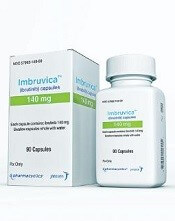
Photo from Janssen Biotech
The European Commission (EC) has broadened the indication for ibrutinib (Imbruvica) to include newly diagnosed patients with chronic lymphocytic leukemia (CLL).
The drug had already been approved in the European Union to treat adults with CLL who have received at least one prior therapy and adults with previously untreated CLL who have 17p deletion or TP53 mutation and are unsuitable for chemo-immunotherapy.
Ibrutinib is now approved for all patients with CLL.
The EC is following the recommendation of the European Medicines Agency’s Committee for Medicinal Products for Human Use (CHMP), which had previously sent its endorsement to the EC.
This approval also follows the decision by the US Food and Drug Administration in March to approve the expanded use of ibrutinib capsules for treatment-naïve patients with CLL.
Ibrutinib is also approved to treat adults with relapsed or refractory mantle cell lymphoma, adults with Waldenström’s macroglobulinemia who have received at least one prior therapy, and previously untreated adults with Waldenström’s macroglobulinemia who are unsuitable for chemo-immunotherapy.
RESONATE-2 trial
The expanded ibrutinib indication is based on data from the phase 3, randomized, open-label RESONATE-2 trial, published in NEJM in 2015.
Results from the RESONATE-2 study showed that ibrutinib significantly prolonged overall survival (OS) (HR=0.16, 95 percent CI 0.05 to 0.56; P=0.001).
Ninety-eight percent of patients were still alive after 2 years, compared to 85% percent for patients randomized to the chlorambucil arm.
Median progression-free survival (PFS) was not reached for patients receiving ibrutinib versus 18.9 months for those in the chlorambucil arm. This represented a statistically significant 84% reduction in the risk of death or progression in the ibrutinib arm (HR=0.16, 95 percent CI 0.09 to 0.28; P<0.001).
“Ibrutinib has shown remarkable improvements in overall survival, progression-free survival, and response rates compared with chlorambucil,” said Paolo Ghia, MD, PhD, one of the RESONATE-2 investigators.
The overall safety of ibrutinib in the treatment-naïve CLL patient population was consistent with previously reported studies.
The most common adverse events for ibrutinib of any grade occurring in 20% or more of the patients were diarrhea (42%), fatigue (30%), cough (22%), and nausea (22%).
“The RESONATE-2 data indicate that ibrutinib can provide a much-needed first line treatment alternative for many patients,” Dr Ghia affirmed.
Ibrutinib is co-developed by Cilag GmbH International, a member of the Janssen Pharmaceutical Companies, and Pharmacyclics LLC, an AbbVie company. Janssen affiliates market ibrutinib in all approved countries except the US. In the US, Janssen Biotech, Inc. and Pharmacyclics co-market it.
Photo from Janssen Biotech
The European Commission (EC) has broadened the indication for ibrutinib (Imbruvica) to include newly diagnosed patients with chronic lymphocytic leukemia (CLL).
The drug had already been approved in the European Union to treat adults with CLL who have received at least one prior therapy and adults with previously untreated CLL who have 17p deletion or TP53 mutation and are unsuitable for chemo-immunotherapy.
Ibrutinib is now approved for all patients with CLL.
The EC is following the recommendation of the European Medicines Agency’s Committee for Medicinal Products for Human Use (CHMP), which had previously sent its endorsement to the EC.
This approval also follows the decision by the US Food and Drug Administration in March to approve the expanded use of ibrutinib capsules for treatment-naïve patients with CLL.
Ibrutinib is also approved to treat adults with relapsed or refractory mantle cell lymphoma, adults with Waldenström’s macroglobulinemia who have received at least one prior therapy, and previously untreated adults with Waldenström’s macroglobulinemia who are unsuitable for chemo-immunotherapy.
RESONATE-2 trial
The expanded ibrutinib indication is based on data from the phase 3, randomized, open-label RESONATE-2 trial, published in NEJM in 2015.
Results from the RESONATE-2 study showed that ibrutinib significantly prolonged overall survival (OS) (HR=0.16, 95 percent CI 0.05 to 0.56; P=0.001).
Ninety-eight percent of patients were still alive after 2 years, compared to 85% percent for patients randomized to the chlorambucil arm.
Median progression-free survival (PFS) was not reached for patients receiving ibrutinib versus 18.9 months for those in the chlorambucil arm. This represented a statistically significant 84% reduction in the risk of death or progression in the ibrutinib arm (HR=0.16, 95 percent CI 0.09 to 0.28; P<0.001).
“Ibrutinib has shown remarkable improvements in overall survival, progression-free survival, and response rates compared with chlorambucil,” said Paolo Ghia, MD, PhD, one of the RESONATE-2 investigators.
The overall safety of ibrutinib in the treatment-naïve CLL patient population was consistent with previously reported studies.
The most common adverse events for ibrutinib of any grade occurring in 20% or more of the patients were diarrhea (42%), fatigue (30%), cough (22%), and nausea (22%).
“The RESONATE-2 data indicate that ibrutinib can provide a much-needed first line treatment alternative for many patients,” Dr Ghia affirmed.
Ibrutinib is co-developed by Cilag GmbH International, a member of the Janssen Pharmaceutical Companies, and Pharmacyclics LLC, an AbbVie company. Janssen affiliates market ibrutinib in all approved countries except the US. In the US, Janssen Biotech, Inc. and Pharmacyclics co-market it.
Photo from Janssen Biotech
The European Commission (EC) has broadened the indication for ibrutinib (Imbruvica) to include newly diagnosed patients with chronic lymphocytic leukemia (CLL).
The drug had already been approved in the European Union to treat adults with CLL who have received at least one prior therapy and adults with previously untreated CLL who have 17p deletion or TP53 mutation and are unsuitable for chemo-immunotherapy.
Ibrutinib is now approved for all patients with CLL.
The EC is following the recommendation of the European Medicines Agency’s Committee for Medicinal Products for Human Use (CHMP), which had previously sent its endorsement to the EC.
This approval also follows the decision by the US Food and Drug Administration in March to approve the expanded use of ibrutinib capsules for treatment-naïve patients with CLL.
Ibrutinib is also approved to treat adults with relapsed or refractory mantle cell lymphoma, adults with Waldenström’s macroglobulinemia who have received at least one prior therapy, and previously untreated adults with Waldenström’s macroglobulinemia who are unsuitable for chemo-immunotherapy.
RESONATE-2 trial
The expanded ibrutinib indication is based on data from the phase 3, randomized, open-label RESONATE-2 trial, published in NEJM in 2015.
Results from the RESONATE-2 study showed that ibrutinib significantly prolonged overall survival (OS) (HR=0.16, 95 percent CI 0.05 to 0.56; P=0.001).
Ninety-eight percent of patients were still alive after 2 years, compared to 85% percent for patients randomized to the chlorambucil arm.
Median progression-free survival (PFS) was not reached for patients receiving ibrutinib versus 18.9 months for those in the chlorambucil arm. This represented a statistically significant 84% reduction in the risk of death or progression in the ibrutinib arm (HR=0.16, 95 percent CI 0.09 to 0.28; P<0.001).
“Ibrutinib has shown remarkable improvements in overall survival, progression-free survival, and response rates compared with chlorambucil,” said Paolo Ghia, MD, PhD, one of the RESONATE-2 investigators.
The overall safety of ibrutinib in the treatment-naïve CLL patient population was consistent with previously reported studies.
The most common adverse events for ibrutinib of any grade occurring in 20% or more of the patients were diarrhea (42%), fatigue (30%), cough (22%), and nausea (22%).
“The RESONATE-2 data indicate that ibrutinib can provide a much-needed first line treatment alternative for many patients,” Dr Ghia affirmed.
Ibrutinib is co-developed by Cilag GmbH International, a member of the Janssen Pharmaceutical Companies, and Pharmacyclics LLC, an AbbVie company. Janssen affiliates market ibrutinib in all approved countries except the US. In the US, Janssen Biotech, Inc. and Pharmacyclics co-market it.
Sodium influx may be key to killing Plasmodium parasites
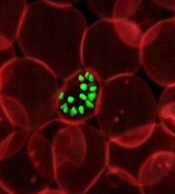
invading an RBC
Credit: St Jude Children's
Research Hospital
Two new anti-malaria drug candidates with different mechanisms of action—a pyrazoleamide and a spiroindolone—promote an influx of sodium ions into Plasmodium parasites that have invaded red blood cells and multiply there.
Within minutes, the increase in sodium kills the parasites, investigators believe, by changing its outer membrane and promoting division before its genome has been replicated.
Akhil Vaidya, PhD, of Drexel University College of Medicine in Philadelphia, and members of the research team published details of their findings in PLOS Pathogens.
The Plasmodium plasma membrane contains very low levels of cholesterol, which is a major lipid component of most other cell membranes.
Saponin, a detergent that can dissolve cholesterol-containing membranes, dissolves red blood cells infected by Plasmodium and releases intact parasites into the bloodstream. The detergent is unable to destroy the parasites because their membranes have low cholesterol content.
However, when researchers exposed the parasite cell membranes to the 2 drugs, they became permeable by saponin. The researchers deemed this to be a function of the increased amount of cholesterol incorporated into the parasite membrane.
“We believe that the cholesterol makes the parasite rigid, and then the parasite can no longer pass through very small spaces in the bloodstream,” Dr Vaidya said. The parasite cannot continue its lifecycle if it cannot enter red blood cells.
Researchers also discovered that when drug exposure is short, the changes in membrane composition are reversible. The parasites regain their resistance to saponin most likely because the additional membrane cholesterol washes off.
After 2 hours of treatment with either drug, many of the parasites had fragmented nuclei and interior membranes. Researchers did not observe any sign of multiplication of the parasite genome, which is necessary to create daughter cells and precedes other cell division events.
The researchers were surprised by the findings. They had assumed that the spiroindolone, KAE609 (cipargamin), which is being investigated in clinical trials, killed parasites through a different mechanism.
The investigators maintain that by understanding exactly how new drug candidates stop malaria, they will learn more about the parasite’s vulnerabilities and be able to determine the origin of drug resistance as soon as it arises.
“We want to find the best ways to keep new drugs effective as long as we can,” Dr Vaidya said.
This study was funded by National Institutes of Health Grant R01-AI98413 and Medicines for Malaria Venture Grant MMV/08/0027.
invading an RBC
Credit: St Jude Children's
Research Hospital
Two new anti-malaria drug candidates with different mechanisms of action—a pyrazoleamide and a spiroindolone—promote an influx of sodium ions into Plasmodium parasites that have invaded red blood cells and multiply there.
Within minutes, the increase in sodium kills the parasites, investigators believe, by changing its outer membrane and promoting division before its genome has been replicated.
Akhil Vaidya, PhD, of Drexel University College of Medicine in Philadelphia, and members of the research team published details of their findings in PLOS Pathogens.
The Plasmodium plasma membrane contains very low levels of cholesterol, which is a major lipid component of most other cell membranes.
Saponin, a detergent that can dissolve cholesterol-containing membranes, dissolves red blood cells infected by Plasmodium and releases intact parasites into the bloodstream. The detergent is unable to destroy the parasites because their membranes have low cholesterol content.
However, when researchers exposed the parasite cell membranes to the 2 drugs, they became permeable by saponin. The researchers deemed this to be a function of the increased amount of cholesterol incorporated into the parasite membrane.
“We believe that the cholesterol makes the parasite rigid, and then the parasite can no longer pass through very small spaces in the bloodstream,” Dr Vaidya said. The parasite cannot continue its lifecycle if it cannot enter red blood cells.
Researchers also discovered that when drug exposure is short, the changes in membrane composition are reversible. The parasites regain their resistance to saponin most likely because the additional membrane cholesterol washes off.
After 2 hours of treatment with either drug, many of the parasites had fragmented nuclei and interior membranes. Researchers did not observe any sign of multiplication of the parasite genome, which is necessary to create daughter cells and precedes other cell division events.
The researchers were surprised by the findings. They had assumed that the spiroindolone, KAE609 (cipargamin), which is being investigated in clinical trials, killed parasites through a different mechanism.
The investigators maintain that by understanding exactly how new drug candidates stop malaria, they will learn more about the parasite’s vulnerabilities and be able to determine the origin of drug resistance as soon as it arises.
“We want to find the best ways to keep new drugs effective as long as we can,” Dr Vaidya said.
This study was funded by National Institutes of Health Grant R01-AI98413 and Medicines for Malaria Venture Grant MMV/08/0027.
invading an RBC
Credit: St Jude Children's
Research Hospital
Two new anti-malaria drug candidates with different mechanisms of action—a pyrazoleamide and a spiroindolone—promote an influx of sodium ions into Plasmodium parasites that have invaded red blood cells and multiply there.
Within minutes, the increase in sodium kills the parasites, investigators believe, by changing its outer membrane and promoting division before its genome has been replicated.
Akhil Vaidya, PhD, of Drexel University College of Medicine in Philadelphia, and members of the research team published details of their findings in PLOS Pathogens.
The Plasmodium plasma membrane contains very low levels of cholesterol, which is a major lipid component of most other cell membranes.
Saponin, a detergent that can dissolve cholesterol-containing membranes, dissolves red blood cells infected by Plasmodium and releases intact parasites into the bloodstream. The detergent is unable to destroy the parasites because their membranes have low cholesterol content.
However, when researchers exposed the parasite cell membranes to the 2 drugs, they became permeable by saponin. The researchers deemed this to be a function of the increased amount of cholesterol incorporated into the parasite membrane.
“We believe that the cholesterol makes the parasite rigid, and then the parasite can no longer pass through very small spaces in the bloodstream,” Dr Vaidya said. The parasite cannot continue its lifecycle if it cannot enter red blood cells.
Researchers also discovered that when drug exposure is short, the changes in membrane composition are reversible. The parasites regain their resistance to saponin most likely because the additional membrane cholesterol washes off.
After 2 hours of treatment with either drug, many of the parasites had fragmented nuclei and interior membranes. Researchers did not observe any sign of multiplication of the parasite genome, which is necessary to create daughter cells and precedes other cell division events.
The researchers were surprised by the findings. They had assumed that the spiroindolone, KAE609 (cipargamin), which is being investigated in clinical trials, killed parasites through a different mechanism.
The investigators maintain that by understanding exactly how new drug candidates stop malaria, they will learn more about the parasite’s vulnerabilities and be able to determine the origin of drug resistance as soon as it arises.
“We want to find the best ways to keep new drugs effective as long as we can,” Dr Vaidya said.
This study was funded by National Institutes of Health Grant R01-AI98413 and Medicines for Malaria Venture Grant MMV/08/0027.
Women with AF less likely to get blood thinners
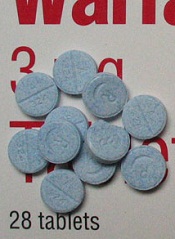
Using an Atrial Fibrillation Decision Support Tool (AFDST), investigators determined that 45% of women and 39% of men in the study population were not being treated according to the tool’s recommended treatments to prevent stroke resulting from atrial fibrillation (AF).
Investigators wanted to achieve a better understanding of the appropriateness of antithrombotic therapy for thromboprophylaxis in women and elderly adults.
So they studied a cohort of individuals with AF to determine whether they were treated according to recommendations.
According to lead author Mark Eckman, MD, of the University of Cincinnati in Ohio, under treatment of patients with AF is a national problem.
And ironically, “[W]omen have a higher risk of AF-related stroke,” he said, “controlling for other risk factors such as hypertension, diabetes, congestive heart failure, yet women are being under treated.”
The team retrospectively studied 1585 adults aged 28 to 93 with nonvalvular AF or flutter cared for in an ambulatory setting in the University of Cincinnati Health primary care network.
The primary care doctors were testing the computerized AFDST, which uses patient information and characteristics to help with decisions about anticoagulant therapy to prevent stroke in AF patients.
The AFDST calculates for the individual patient the risk of AF-related stroke and major bleeding while taking blood thinning therapy. Based on this information, the AFDST makes suggestions for the best treatment to prevent AF-related stroke.
Demographics
Of the 1585 study participants, 46% were women.
Half of the participants were receiving some form of oral anticoagulant, primarily warfarin (39%), 36% were on aspirin only, and 11% were receiving other oral anticoagulants.
The investigators noted a trend in the study population toward lower levels of oral anticoagulant use in women (48%) as compared to men (52%), but the trend was not statistically significant (P=0.06).
Results
The AFDST recommended oral anticoagulation for 87% of the participants, aspirin for 4%, and no antithrombitic therapy for 9%.
Patients' antithrombotic therapy was concordant with the AFDST recommendation in 58% of the participants.
Of the 42% for whom therapy was discordant with the AFDST, 37% were receiving aspirin only or no antithrombotic therapy when the tool recommended oral anticoagulation; 2% were receiving no antithrombotic therapy when the tool recommended aspirin; and 3% were receiving aspirin or oral anticoagulation when the tool recommended no antithrombotic therapy.
And as mentioned above, current treatment was discordant from recommended treatment in 45% of women and 39% of men (P=0.02).
Forty-four percent of women were under treated, receiving aspirin only when oral anticoagulation was recommended, compared with 31% of men who were under treated (P<0.001). Women were 1.8 times as likely to be under treated as men.
"Doctors need to realize we have mental biases that women are healthier and at lower risk of stroke,” Dr Eckman said.
“We think women are at lower risk and we ignore warning signs,” he continued. “Thus, when we are making decisions for blood thinning therapy for patients with atrial fibrillation, we need to remember that women are at higher risk and we need to make sure we treat them aggressively enough to prevent stroke."
Overall, the use of oral anticoagulants did not differ significantly by age, with 55% of the patients 85 years and older receiving anticoagulation and 49% of the patients younger than 85 receiving it (P=0.13).
In 35% of the older population, treatment was discordant with recommendations compared with 43% in the younger (P = 0.009). Similar proportions in the younger and older groups were undertreated (P=0.30).
According to investigators, one surprising finding was that the proportion of patients receiving discordant treatment was larger in the younger group than in the over-85 group. They attributed this largely to overtreatment in the 31 to 50 age group.
Dr Eckman and colleagues published these findings in Journal of the American Geriatrics Society.
The research was supported in part by grants from Bristol-Myers Squibb/Pfizer Education Consortium, Pfizer Medical Education Group, Informed Medical Decisions Foundation, and the National Institutes of Health/National Center for Advancing Translational Sciences.
Using an Atrial Fibrillation Decision Support Tool (AFDST), investigators determined that 45% of women and 39% of men in the study population were not being treated according to the tool’s recommended treatments to prevent stroke resulting from atrial fibrillation (AF).
Investigators wanted to achieve a better understanding of the appropriateness of antithrombotic therapy for thromboprophylaxis in women and elderly adults.
So they studied a cohort of individuals with AF to determine whether they were treated according to recommendations.
According to lead author Mark Eckman, MD, of the University of Cincinnati in Ohio, under treatment of patients with AF is a national problem.
And ironically, “[W]omen have a higher risk of AF-related stroke,” he said, “controlling for other risk factors such as hypertension, diabetes, congestive heart failure, yet women are being under treated.”
The team retrospectively studied 1585 adults aged 28 to 93 with nonvalvular AF or flutter cared for in an ambulatory setting in the University of Cincinnati Health primary care network.
The primary care doctors were testing the computerized AFDST, which uses patient information and characteristics to help with decisions about anticoagulant therapy to prevent stroke in AF patients.
The AFDST calculates for the individual patient the risk of AF-related stroke and major bleeding while taking blood thinning therapy. Based on this information, the AFDST makes suggestions for the best treatment to prevent AF-related stroke.
Demographics
Of the 1585 study participants, 46% were women.
Half of the participants were receiving some form of oral anticoagulant, primarily warfarin (39%), 36% were on aspirin only, and 11% were receiving other oral anticoagulants.
The investigators noted a trend in the study population toward lower levels of oral anticoagulant use in women (48%) as compared to men (52%), but the trend was not statistically significant (P=0.06).
Results
The AFDST recommended oral anticoagulation for 87% of the participants, aspirin for 4%, and no antithrombitic therapy for 9%.
Patients' antithrombotic therapy was concordant with the AFDST recommendation in 58% of the participants.
Of the 42% for whom therapy was discordant with the AFDST, 37% were receiving aspirin only or no antithrombotic therapy when the tool recommended oral anticoagulation; 2% were receiving no antithrombotic therapy when the tool recommended aspirin; and 3% were receiving aspirin or oral anticoagulation when the tool recommended no antithrombotic therapy.
And as mentioned above, current treatment was discordant from recommended treatment in 45% of women and 39% of men (P=0.02).
Forty-four percent of women were under treated, receiving aspirin only when oral anticoagulation was recommended, compared with 31% of men who were under treated (P<0.001). Women were 1.8 times as likely to be under treated as men.
"Doctors need to realize we have mental biases that women are healthier and at lower risk of stroke,” Dr Eckman said.
“We think women are at lower risk and we ignore warning signs,” he continued. “Thus, when we are making decisions for blood thinning therapy for patients with atrial fibrillation, we need to remember that women are at higher risk and we need to make sure we treat them aggressively enough to prevent stroke."
Overall, the use of oral anticoagulants did not differ significantly by age, with 55% of the patients 85 years and older receiving anticoagulation and 49% of the patients younger than 85 receiving it (P=0.13).
In 35% of the older population, treatment was discordant with recommendations compared with 43% in the younger (P = 0.009). Similar proportions in the younger and older groups were undertreated (P=0.30).
According to investigators, one surprising finding was that the proportion of patients receiving discordant treatment was larger in the younger group than in the over-85 group. They attributed this largely to overtreatment in the 31 to 50 age group.
Dr Eckman and colleagues published these findings in Journal of the American Geriatrics Society.
The research was supported in part by grants from Bristol-Myers Squibb/Pfizer Education Consortium, Pfizer Medical Education Group, Informed Medical Decisions Foundation, and the National Institutes of Health/National Center for Advancing Translational Sciences.
Using an Atrial Fibrillation Decision Support Tool (AFDST), investigators determined that 45% of women and 39% of men in the study population were not being treated according to the tool’s recommended treatments to prevent stroke resulting from atrial fibrillation (AF).
Investigators wanted to achieve a better understanding of the appropriateness of antithrombotic therapy for thromboprophylaxis in women and elderly adults.
So they studied a cohort of individuals with AF to determine whether they were treated according to recommendations.
According to lead author Mark Eckman, MD, of the University of Cincinnati in Ohio, under treatment of patients with AF is a national problem.
And ironically, “[W]omen have a higher risk of AF-related stroke,” he said, “controlling for other risk factors such as hypertension, diabetes, congestive heart failure, yet women are being under treated.”
The team retrospectively studied 1585 adults aged 28 to 93 with nonvalvular AF or flutter cared for in an ambulatory setting in the University of Cincinnati Health primary care network.
The primary care doctors were testing the computerized AFDST, which uses patient information and characteristics to help with decisions about anticoagulant therapy to prevent stroke in AF patients.
The AFDST calculates for the individual patient the risk of AF-related stroke and major bleeding while taking blood thinning therapy. Based on this information, the AFDST makes suggestions for the best treatment to prevent AF-related stroke.
Demographics
Of the 1585 study participants, 46% were women.
Half of the participants were receiving some form of oral anticoagulant, primarily warfarin (39%), 36% were on aspirin only, and 11% were receiving other oral anticoagulants.
The investigators noted a trend in the study population toward lower levels of oral anticoagulant use in women (48%) as compared to men (52%), but the trend was not statistically significant (P=0.06).
Results
The AFDST recommended oral anticoagulation for 87% of the participants, aspirin for 4%, and no antithrombitic therapy for 9%.
Patients' antithrombotic therapy was concordant with the AFDST recommendation in 58% of the participants.
Of the 42% for whom therapy was discordant with the AFDST, 37% were receiving aspirin only or no antithrombotic therapy when the tool recommended oral anticoagulation; 2% were receiving no antithrombotic therapy when the tool recommended aspirin; and 3% were receiving aspirin or oral anticoagulation when the tool recommended no antithrombotic therapy.
And as mentioned above, current treatment was discordant from recommended treatment in 45% of women and 39% of men (P=0.02).
Forty-four percent of women were under treated, receiving aspirin only when oral anticoagulation was recommended, compared with 31% of men who were under treated (P<0.001). Women were 1.8 times as likely to be under treated as men.
"Doctors need to realize we have mental biases that women are healthier and at lower risk of stroke,” Dr Eckman said.
“We think women are at lower risk and we ignore warning signs,” he continued. “Thus, when we are making decisions for blood thinning therapy for patients with atrial fibrillation, we need to remember that women are at higher risk and we need to make sure we treat them aggressively enough to prevent stroke."
Overall, the use of oral anticoagulants did not differ significantly by age, with 55% of the patients 85 years and older receiving anticoagulation and 49% of the patients younger than 85 receiving it (P=0.13).
In 35% of the older population, treatment was discordant with recommendations compared with 43% in the younger (P = 0.009). Similar proportions in the younger and older groups were undertreated (P=0.30).
According to investigators, one surprising finding was that the proportion of patients receiving discordant treatment was larger in the younger group than in the over-85 group. They attributed this largely to overtreatment in the 31 to 50 age group.
Dr Eckman and colleagues published these findings in Journal of the American Geriatrics Society.
The research was supported in part by grants from Bristol-Myers Squibb/Pfizer Education Consortium, Pfizer Medical Education Group, Informed Medical Decisions Foundation, and the National Institutes of Health/National Center for Advancing Translational Sciences.
Ingredient in aspirin may help fight leukemia

Photo credit: Jill Watson
Researchers say they may have found a new use for an ancient anti-inflammatory drug, salicylate, which was first described by the Greek physician Hippocrates.
“Salicylic acid is one of the oldest drugs on the planet,” said senior author Eric Verdin, MD, of the Gladstone Institutes/UCSF, “dating back to the Egyptians and the Greeks, but we're still discovering new things about it.”
Its derivatives, acetylsalicylic acid, or aspirin, and diflunisal suppress 2 key proteins, CREB-binding protein (CBP) and p300, which control levels of proteins that cause inflammation or are involved in cell growth.
By inhibiting p300 and CBP, salicylic acid and diflunisal block the activation of these proteins and prevent cellular damage caused by inflammation. The research team believes that both p300 and CBP can be targeted by drugs, which would have important clinical implications.
Earlier research conducted by coauthor Stephen D. Nimer, MD, of the University of Miami Miller School of Medicine in Florida, and colleagues found a link between p300 and the leukemia-promoting protein AML1-ETO.
In the current study, published in eLife, researchers tested whether suppressing p300 with diflunisal would suppress leukemia growth in mice.
The research team inoculated SCID mice with Kasumi-1 cells, an AML cell line with the t(8;21) translocation, which represents one of the subtypes of CBF leukemia.
Three weeks later, they started treating the mice with diflunisal. Diflunisal reduced tumor size in a dose-dependent manner, and after 3 weeks of treatment, the tumors were significantly smaller than in the vehicle-treated control mice.
In fact, the researchers noted most tumors disappeared in mice treated with higher doses of diflunisal. The researchers also pointed out that diflunisal, an FDA-approved drug containing a salicylic acid substructure, inhibited CBP/p300 more potently than salicylate.
The researchers concluded that diflunisal and salicylate have promise as an oral therapy for AML patients with a t(8;21) translocation, and called it “an exciting potential application” for this new characterization of older drugs.
“Uncovering this pathway of inflammation that salicylic acid acts upon opens up a host of new clinical possibilities for these drugs,” Dr Verdin added.
The scientists are now pursuing a clinical trial to test whether salicylic acid can treat patients with leukemia as part of novel combination therapies.
Photo credit: Jill Watson
Researchers say they may have found a new use for an ancient anti-inflammatory drug, salicylate, which was first described by the Greek physician Hippocrates.
“Salicylic acid is one of the oldest drugs on the planet,” said senior author Eric Verdin, MD, of the Gladstone Institutes/UCSF, “dating back to the Egyptians and the Greeks, but we're still discovering new things about it.”
Its derivatives, acetylsalicylic acid, or aspirin, and diflunisal suppress 2 key proteins, CREB-binding protein (CBP) and p300, which control levels of proteins that cause inflammation or are involved in cell growth.
By inhibiting p300 and CBP, salicylic acid and diflunisal block the activation of these proteins and prevent cellular damage caused by inflammation. The research team believes that both p300 and CBP can be targeted by drugs, which would have important clinical implications.
Earlier research conducted by coauthor Stephen D. Nimer, MD, of the University of Miami Miller School of Medicine in Florida, and colleagues found a link between p300 and the leukemia-promoting protein AML1-ETO.
In the current study, published in eLife, researchers tested whether suppressing p300 with diflunisal would suppress leukemia growth in mice.
The research team inoculated SCID mice with Kasumi-1 cells, an AML cell line with the t(8;21) translocation, which represents one of the subtypes of CBF leukemia.
Three weeks later, they started treating the mice with diflunisal. Diflunisal reduced tumor size in a dose-dependent manner, and after 3 weeks of treatment, the tumors were significantly smaller than in the vehicle-treated control mice.
In fact, the researchers noted most tumors disappeared in mice treated with higher doses of diflunisal. The researchers also pointed out that diflunisal, an FDA-approved drug containing a salicylic acid substructure, inhibited CBP/p300 more potently than salicylate.
The researchers concluded that diflunisal and salicylate have promise as an oral therapy for AML patients with a t(8;21) translocation, and called it “an exciting potential application” for this new characterization of older drugs.
“Uncovering this pathway of inflammation that salicylic acid acts upon opens up a host of new clinical possibilities for these drugs,” Dr Verdin added.
The scientists are now pursuing a clinical trial to test whether salicylic acid can treat patients with leukemia as part of novel combination therapies.
Photo credit: Jill Watson
Researchers say they may have found a new use for an ancient anti-inflammatory drug, salicylate, which was first described by the Greek physician Hippocrates.
“Salicylic acid is one of the oldest drugs on the planet,” said senior author Eric Verdin, MD, of the Gladstone Institutes/UCSF, “dating back to the Egyptians and the Greeks, but we're still discovering new things about it.”
Its derivatives, acetylsalicylic acid, or aspirin, and diflunisal suppress 2 key proteins, CREB-binding protein (CBP) and p300, which control levels of proteins that cause inflammation or are involved in cell growth.
By inhibiting p300 and CBP, salicylic acid and diflunisal block the activation of these proteins and prevent cellular damage caused by inflammation. The research team believes that both p300 and CBP can be targeted by drugs, which would have important clinical implications.
Earlier research conducted by coauthor Stephen D. Nimer, MD, of the University of Miami Miller School of Medicine in Florida, and colleagues found a link between p300 and the leukemia-promoting protein AML1-ETO.
In the current study, published in eLife, researchers tested whether suppressing p300 with diflunisal would suppress leukemia growth in mice.
The research team inoculated SCID mice with Kasumi-1 cells, an AML cell line with the t(8;21) translocation, which represents one of the subtypes of CBF leukemia.
Three weeks later, they started treating the mice with diflunisal. Diflunisal reduced tumor size in a dose-dependent manner, and after 3 weeks of treatment, the tumors were significantly smaller than in the vehicle-treated control mice.
In fact, the researchers noted most tumors disappeared in mice treated with higher doses of diflunisal. The researchers also pointed out that diflunisal, an FDA-approved drug containing a salicylic acid substructure, inhibited CBP/p300 more potently than salicylate.
The researchers concluded that diflunisal and salicylate have promise as an oral therapy for AML patients with a t(8;21) translocation, and called it “an exciting potential application” for this new characterization of older drugs.
“Uncovering this pathway of inflammation that salicylic acid acts upon opens up a host of new clinical possibilities for these drugs,” Dr Verdin added.
The scientists are now pursuing a clinical trial to test whether salicylic acid can treat patients with leukemia as part of novel combination therapies.
Team develops new approach to programming T cells

Using mouse models, researchers have developed a new cellular programming approach to create alloreactive T cells they say eliminate leukemic cells without causing graft-versus-host disease (GVHD).
They created the T cells using the donor key immune cell. When used in allogeneic hematopoietic stem cell transplantation and anti-leukemia therapy, the new approach reduced the toxicities that cause GVHD while preserving the anti-leukemia activity of the immune cell.
“This approach will be useful in the future when developing novel methods for immunotherapy,” said Yi Zhang, MD, PhD, of Temple University in Philadelphia, Pennsylvania.
Dr Zhang and colleagues took murine bone marrow using Flt3 ligand and Toll-like receptor agonists to produce δ-like ligand 4-positive dendritic cells (Dll4hiDCs). When the dendritic cells were stimulated, CD4+ naïve T cells underwent effector differentiation and produced high levels of IFN-γ and IL-17 in vitro.
The team then transferred the allogeneic Dll4hiDC-induced T cells into the mice. The cells did not induce severe GVHD and preserved anti-leukemic activity, “significantly improving the survival of leukemic mice undergoing allogeneic HSCT,” they said.
They noted that the IFN-γ was important for Dll4hiDC programming in reducing the GVHD toxicities of alloreactive T cells. When the researchers transferred unstimulated T cells into mice, 5 of 8 mice died from GVHD and 3 of 8 died with tumor. Those that received Dll4hiDC-induced T cells did not develop GVHD.
They also emphasized that this platform does not require transfection with viral vectors, which has limitations of safety and efficiency.
“This system will not only be useful for reducing GvHD,” Dr Zhang said, “but can also be used in the identification of T cells for the improvement of other types of immunotherapy for advanced cancer.”
The team published this research in Blood.
Using mouse models, researchers have developed a new cellular programming approach to create alloreactive T cells they say eliminate leukemic cells without causing graft-versus-host disease (GVHD).
They created the T cells using the donor key immune cell. When used in allogeneic hematopoietic stem cell transplantation and anti-leukemia therapy, the new approach reduced the toxicities that cause GVHD while preserving the anti-leukemia activity of the immune cell.
“This approach will be useful in the future when developing novel methods for immunotherapy,” said Yi Zhang, MD, PhD, of Temple University in Philadelphia, Pennsylvania.
Dr Zhang and colleagues took murine bone marrow using Flt3 ligand and Toll-like receptor agonists to produce δ-like ligand 4-positive dendritic cells (Dll4hiDCs). When the dendritic cells were stimulated, CD4+ naïve T cells underwent effector differentiation and produced high levels of IFN-γ and IL-17 in vitro.
The team then transferred the allogeneic Dll4hiDC-induced T cells into the mice. The cells did not induce severe GVHD and preserved anti-leukemic activity, “significantly improving the survival of leukemic mice undergoing allogeneic HSCT,” they said.
They noted that the IFN-γ was important for Dll4hiDC programming in reducing the GVHD toxicities of alloreactive T cells. When the researchers transferred unstimulated T cells into mice, 5 of 8 mice died from GVHD and 3 of 8 died with tumor. Those that received Dll4hiDC-induced T cells did not develop GVHD.
They also emphasized that this platform does not require transfection with viral vectors, which has limitations of safety and efficiency.
“This system will not only be useful for reducing GvHD,” Dr Zhang said, “but can also be used in the identification of T cells for the improvement of other types of immunotherapy for advanced cancer.”
The team published this research in Blood.
Using mouse models, researchers have developed a new cellular programming approach to create alloreactive T cells they say eliminate leukemic cells without causing graft-versus-host disease (GVHD).
They created the T cells using the donor key immune cell. When used in allogeneic hematopoietic stem cell transplantation and anti-leukemia therapy, the new approach reduced the toxicities that cause GVHD while preserving the anti-leukemia activity of the immune cell.
“This approach will be useful in the future when developing novel methods for immunotherapy,” said Yi Zhang, MD, PhD, of Temple University in Philadelphia, Pennsylvania.
Dr Zhang and colleagues took murine bone marrow using Flt3 ligand and Toll-like receptor agonists to produce δ-like ligand 4-positive dendritic cells (Dll4hiDCs). When the dendritic cells were stimulated, CD4+ naïve T cells underwent effector differentiation and produced high levels of IFN-γ and IL-17 in vitro.
The team then transferred the allogeneic Dll4hiDC-induced T cells into the mice. The cells did not induce severe GVHD and preserved anti-leukemic activity, “significantly improving the survival of leukemic mice undergoing allogeneic HSCT,” they said.
They noted that the IFN-γ was important for Dll4hiDC programming in reducing the GVHD toxicities of alloreactive T cells. When the researchers transferred unstimulated T cells into mice, 5 of 8 mice died from GVHD and 3 of 8 died with tumor. Those that received Dll4hiDC-induced T cells did not develop GVHD.
They also emphasized that this platform does not require transfection with viral vectors, which has limitations of safety and efficiency.
“This system will not only be useful for reducing GvHD,” Dr Zhang said, “but can also be used in the identification of T cells for the improvement of other types of immunotherapy for advanced cancer.”
The team published this research in Blood.