User login
How willing are dermatologists to embrace new technologies and incorporate them into their practice?
"As in all areas, there are individuals that are comfortable in their ways and don’t feel the need to add ‘complexity’ to their practice since they have a system that ‘already works,’ " said Dr. Ashish Bhatia of the department of clinical dermatology at Northwestern University, Chicago.

But dermatologists are a "creative group, often seeking out new ways to utilize technology to improve their patient care," said Dr. Bhatia in an interview. Interestingly, it’s not just the "younger, tech-savvy, recent graduates" who embrace new technologies.
As for which technologies are most popular, he noted that tablet computers have become ubiquitous.
"If you are not using one to share information with your patients, you are missing out on a great opportunity. Even elderly patients love flipping through before and after pictures that help them understand an upcoming procedure. Most patients find it easy to use, and it often sparks conversation about other procedures," Dr. Bhatia said.
He was a guest editor of the September issue of Seminars in Cutaneous Medicine and Surgery, which focused on "Information Technology in Dermatology and Dermatologic Surgery." He and his colleagues delved into technologies that can help modernize today’s practice.
YouTube
"If a picture is worth 1,000 words, a video is worth 100,000 or more," wrote Dr. Bhatia and his colleagues. YouTube and other video resources provide an invaluable and revolutionary tool for educating students.
"Thousands of videos scattered on the Internet depict everything from drawing blood to performing an appendectomy, and students can access these videos to better prepare themselves for reality, that is, standing at a patient’s bedside or performing in the operating room," they noted.
Online videos, along with textbook reviews and discussions of procedural steps, have become a "routine and important tool in preparing a student," and studies have demonstrated the value of online learning (Sem. Cut. Med. Surg. 2012;31:163-7).
Advantages of this type of online learning include convenience, freedom of navigation, the option of repeated practice or viewing, and access to high-quality videos and images. This Internet resource, which allows for storage and retrieval of vast amounts of information, can greatly enhance the learning experience of both students and medical professionals if used properly.
The use of video-based online learning is increasing in dermatologic surgery, but the field remains "behind the times," – compared with gynecology and plastic surgery – in terms of the volume of high-quality videos and associated blog posts found online, they noted.
Nonetheless, there are a number of available video resources, in addition to YouTube. Keep in mind that there is a link between quality and price, they warned.
"Sites that are free to users are unregulated, content is posted in a haphazard and disorganized fashion, and [the sites] leave it up to the user to search for desired information," wrote Dr. Bhatia and his colleagues, noting that paid sites tend to have a clear focus on education, while the goal of free user-generated sites tends to be unclear.
Still, YouTube is the leading source of videographic information, including surgical videos. Surgery posts from physicians, patients, surgical equipment manufacturers, and dermatologic societies such as the American Society for Dermatologic Surgery and the American College of Mohs Surgery, can be found there.
And while YouTube serves as a new medium for education and awareness, it appears that its primary use by physicians is for advertising. "Several individual and/or group practices are leveraging the new channel to reach customers and educate them about their services. Marketing-savvy physicians are also posting patient testimonials and videos of patients discussing procedures they have undergone, such as surgical excision and Mohs surgery/reconstruction," the authors noted. Comment threads for videos indicate that patients are also using YouTube as a forum to discuss fears about upcoming procedures and to share experiences and obtain information.
"The Internet serves as a paradigm shift in how we access and share information in written form. YouTube has the potential to add to this paradigm shift in terms of visual information. However academic institutions, especially in the field of medicine and surgery, have not yet harnessed this potential," they wrote, adding that organizations with readily available educational videos, and thought leaders in dermatologic surgery could be making material available online to help self-learning physicians enhance their skill set.
Surgical Video Sources
• YouTube (Google)
• Virtual Dermsurg (Derm Education Foundation)
• Procedures Consult (Elsevier)
• MedClip (Medical Videos)
• ORLive (BroadcastMed)
• AccessSurgery (McGraw Hill)
• MedlinePlus (U.S. National Library of Medicine and National Institutes of Health)
• Medical Videos (Bliss)
Dr. Ashish Bhatia and one of his coauthors, Mr. Kyle Bhatia, are unpaid authors and editors for video content on www.VirtualDermSurg.com.
Decision Support Tools
Clinical decision support (CDS) tools have come a long way in recent years, and with increasing use and acceptance of electronic resources and mobile devices, the growing number of CDS systems can be of great benefit, according to Dr. Art Papier.

"CDS systems have the potential to increase a physician’s cognitive awareness, help them recognize their knowledge limitations, and assist with problem solving and decision making in a specific patient context," wrote Dr. Papier, of the University of Rochester, N.Y.
Specific areas of diagnostic CDS addressed by Dr. Papier include those that relate to medication reactions, geographic relationships, and allergic contact dermatitis (Sem. Cut. Med. Surg. 2012;31:153-9).
• Medication reactions. Clinicians too often fail to promptly identify, classify, and diagnose a problem, and many available CDS systems provide too little information to help. However, two CDS systems that provide fuller differentials for possible adverse drug reactions are Litt’s DERM (Drug Eruption Reference Manual) Database and the drug eruption module in VisualDx.
• Geographic relationships. There are two designed CDS systems that search by state or country for infectious disease relationships: GIDEON (Global Infectious Diseases and Epidemiology Online Network) and VisualDx. "GIDEON is a diagnostic Web application covering the relationships of more than 340 infectious diseases and 231 countries. The database is searchable by country, symptom, exposure, or medication," wrote Dr. Papier. VisualDx is similar, and also covers infectious diseases that present with cutaneous findings, and allows users to search by lesion type, endemic country, exposures, medications, laboratory findings, and body location. The systems can be especially useful for recalling the relationships between foreign travel and infectious disease exposure.
• Allergic contact dermatitis. Dr. Papier recommended the American Contact Dermatitis Society’s CARD (Contact Allergen Replacement Database), which is part of the Society’s CAMP (Contact Allergen Management Program) database. This CDS has "great potential to guide the patient history, assessment, and eventual patient recommendations" in these cases, he said.
Technology has much to offer dermatology practices.
"As we are still at the beginning of this digital revolution in health care, a future with further innovation is certain. This future will certainly lead to new approaches and care delivery methods that will make our dermatology practices safer, more reliable, and consistent in care delivery," he wrote. "Our patients will wonder what took us so long."
Dr. Papier is the chief medical information officer for Logical Images, developer of VisualDx.
Smart Phone Apps
The number of available applications for smart phones and tablet computers has increased by more than 500% since 2009, according to Dr. Suneel Chikukuri of Baylor College of Medicine, Houston, and his colleague.
Determining which mobile applications provide the most benefit can be an overwhelming task. However, they narrowed it down, and recommended several apps most relevant for the dermatologist (Sem. Cut. Med. Surg. 2012;31:174-82).
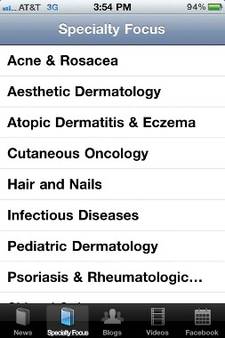
The "textbook" apps Dr. Chikukuri and his colleague recommended included Fitzpatrick’s Color Atlas & Synopsis of Clinical Dermatology ($74.99), Derm Atlas ($7.99), A2Z of Dermatology ($3.99 iPhone and $2.99 iPad), and Color Atlas of Pediatric Dermatology ($129.99).
Among the continuing medical education apps they recommend are iMCQs in Dermatology ($2.99) and Dermatology In-Review Kodachrome Flashcard Series (free).
The authors also reviewed a number of diagnostic apps, specifically recommending Pocket Derm ($0.99), iRash ($2.99), Visual Dx Mobile ($150 per year), and Derm 101 (free with http://derm101.com subscription);
As for resource apps for patients, they recommended UV Index ($0.99), Skin of Mine (free), Skin Advocate (free), and CARD (free).
And lastly, for journal and news apps, they recommended Skin & Allergy News (free) and Skin Therapy Letter (free).
"Mobile platforms are revolutionizing the practice of medicine by providing convenient access to information. The aforementioned apps will help the practitioner improve their diagnostic resources without cumbersome textbooks. Patients will appreciate the up-to-date information, and the ability to better understand their diagnosis and treatments without access to a medical library," they concluded.
Dr. Chikukuri and his colleague reported having no conflicts of interest.
The iPad
The use of portable tablet computers, such as the iPad, is expanding in the clinical setting, with the devices serving as both a reference and patient education tool, reported Dr. Jeffrey T.S. Hsu of the department of dermatology at Dartmouth Medical School, Hanover, N.H, and his colleagues.

Whether the devices are used for sharing before and after photographs of cosmetic procedures, allowing patients to watch informational videos about specific procedures, or offering them the opportunity to watch a movie while waiting for topical anesthetic to take effect, tablets have the potential to increase patient satisfaction, optimize patient education, increase clinic efficiency, and enhance the overall patient experience (Sem. Cut. Med. Surg. 2012;31:200-2).
"Patients coming into the clinic for cosmetic procedures have questions, such as, ‘What will I look like after the procedure?’ and ‘Will there be scarring?’ Instead of describing the result and fueling their imagination, we give them an iPad to browse through numerous before and after photographs that serve as examples of patients who have had the same procedure," Dr. Hsu and his colleagues reported. Choosing a representative set of before and after pictures sets realistic expectations.
Among the "pros" of using the iPad is its ease of use. The device is lightweight and well suited for patients to hold one-handed while standing, sitting, or lying down. The touch screen allows for easy scrolling and zooming while viewing images. "It also simplifies categorization of photographs, allowing patients to review different examples of procedures based on location, size, gender, and ethnicity," the authors noted.
Disadvantages include the price, which is higher than many traditional notebook computers that can also be used to display pictures. Some users also find the virtual keyboard of the iPad to be cumbersome. The device can be damaged more easily than traditional notebooks, but a protective case can reduce the risk.
Optimal use of the iPad requires proper set-up with separate folders for each procedure and perhaps additional folders based on gender and ethnicity. Privacy and security are also paramount.
"Regardless of the method used to display the pictures, informed consent for using a patient’s pictures for educational purposes must be obtained prior to displaying the pictures," they wrote, noting that the device should be password protected in case it is lost or stolen.
The authors noted positive feedback from patients regarding the addition of the tablet computer during consultations. They reported having no conflicts of interest.
Digital Clinical Photography
The use of clinical photography in dermatologic practice is nothing new, and in fact has been accepted for decades as a standard means for documenting dermatologic conditions and as an adjunct to treatment. However, the emergence of high-quality, low-cost, digital imaging systems is making quality imaging more accessible to practitioners, and expanding its applications, according to William K. Witmer, director of DermaTrak Skin Imaging Centers in Fairfield, N.J., and his colleague.
Not only is clinical photography useful for documenting conditions and treatment, it is also valuable for monitoring at-risk patients and for professional and business development (Sem. Cut. Med. Surg. 2012;31:191-9).
Mr. Witmer and his colleague provided a number of tips for optimizing use, including how to select the right equipment for a particular practice – a special purpose system such as a dermatoscopic or a 3-D system may be useful for certain highly specialized practices, for example.
As for lighting systems, they recommended purchasing a camera-mounted flash for close-up photos and external studio lighting if space permits. Also, consider special purpose systems, such as ultraviolet systems, for imaging subsurface pigmentation.
"Because the outcomes of dermatology treatments typically result in a visible change to the patient’s appearance, photography is a natural adjunct to these procedures. For almost any procedure, you’ll want pictures before the treatment to establish a baseline, during the treatment to monitor progress, and at completion to document the results. Over time, these photographs will comprise a valuable professional resource," they wrote. They will also form an important part of the patient records and enable clear evidence-based communications.
Mr. Witmer’s colleague, Peter J. Lebovitz, is marketing manager at Canfield Imaging Systems in Fairfield. Mr. Witmer disclosed receiving payment for lectures from the Nevus Outreach Program.
Social Media
Patients’ use of social media for accessing medical information has accelerated, and dermatologists would do well to keep pace, according to Dr. Robin Travers.
Dr. Travers, in private practice in Chestnut Hill, Mass., provided a five-step plan for active engagement in social media applications.
Step 1: Identify audience and goals. Step 2: Research and test the waters. Step 3: Identify staff members and patients who are social media enthusiasts and enlist their help in developing social media programs. Step 4: Assess resources and select one or two platforms to focus on. Step 5: Define what success will look like and monitor progress (Sem. Cut. Med. Surg. 2012;31:168-173).
"Social Media has the potential to empower, engage, and educate patients and physicians alike. The environment has evolved beyond the simple information-retrieval capabilities of ‘Web 1.0’ to the newer ‘Web 2.0’ concept, which allows users of these social media platforms to expand certain aspects of the doctor-patient relationship well beyond the exam-room door," she wrote.
Practice strategies should facilitate awareness and management of online reputation. Professional and privacy concerns should be heeded.
Dr. Travers reported having no conflicts of interest.
Finding the Right EHR System
Electronic health records are among the hottest of hot-button issues when it comes to incorporating the latest technology into practice.
"Few issues in dermatology practice management evoke as much emotion as the topic of the use of electronic health records (EHRs)," according to Dr. Mark D. Kaufmann of the department of dermatology at Mount Sinai School of Medicine in New York, and his coauthor.
EHR systems were originally developed for primary care physicians, but the unique aspects of dermatology require a specialty-specific system.
The American Recovery and Reinvestment Act of 2009 has created incentives for adoption of EHRs. To meet the Centers for Medicare and Medicaid definition of "meaningful use," EHRS must include documentation of problem lists and active diagnoses, e-prescribing, and order entry with drug-drug interaction checks to help facilitate their use (Sem. Cut. Med. Surg. 2012;31:160-2).
"Regardless of these interventions, many practitioners are still hesitant to implement the programs. To be useful, additional dermatology-specific ER criteria must be met. This is because of the field’s broad coverage of both surgical and medical care, heavy reliance on clinical photos and diagrams, and close interaction with other specialists," they wrote.
"Consequently, EHRs that include a drawing tool function, the capability to upload and annotate files and photos, and easily interface with specialists would be most beneficial," they added.
In the long run, the advantage of a complete EHR system will outweigh the disadvantages – as long as the EHR system being used is the right one.
In addition to the basic templates and functions of a standard program, some other important EHR features for dermatologists are:
• Anatomic drawing templates – rather than typed, lengthy descriptions of anatomic locations – with full anterior and posterior views along with a close-up of the face (with anterior and lateral views), hands (with dorsal and palmar views), feet (with dorsal and plantar views), and the ear.
• Easy and accurate accessibility to biopsy results. For private dermatologists who outsource biopsies to stand-alone companies, an EHR system that provides results electronically is of great benefit.
• The ability to upload, de-identify, annotate, and attach clinical images to a patient’s record, with accessibility to the images by any physician at the institution. For specialists not in the same center, the ability to print or securely e-mail the images and annotated anatomic templates also would be helpful for correctly identifying sites of interest and for aiding in diagnosis.
• The ability to include information about distinct data, such as skin cancer type, location, size, pathology reports, date of biopsy, number of layers, and closure types. A system that collects and incorporates this data into the patient’s medical record is integral to practice efficiency.
An effective EHR system would be easy to use by all staff members and effortlessly annotated. With new tablet technology that can be easily transported to and from patient rooms, a system should allow for direct download.
With the new tablet technology, the Apple iPad and Samsung Galaxy (among others) can be integrated ino the office. EHRs can be downloaded directly onto the tablets, which can be easily transported to and from patient rooms," they wrote.
Given the current incentives – and looming disincentives – now is the time to make the switch from paper-based practices to EHRs, according to the authors. "Although initial adoption may be slow, practices will more than likely increase their efficiency in the long run," they noted.
Dr. Kaufmann reported receiving stock options from Modernizing Medicine as a member of its medical advisory board. He is chairman of the American Academy of Dermatology’s EHR Implementation Task Force, for which he receives no compensation. His colleague, Dr. Shraddha Desai, reported having no disclosures.
How willing are dermatologists to embrace new technologies and incorporate them into their practice?
"As in all areas, there are individuals that are comfortable in their ways and don’t feel the need to add ‘complexity’ to their practice since they have a system that ‘already works,’ " said Dr. Ashish Bhatia of the department of clinical dermatology at Northwestern University, Chicago.
But dermatologists are a "creative group, often seeking out new ways to utilize technology to improve their patient care," said Dr. Bhatia in an interview. Interestingly, it’s not just the "younger, tech-savvy, recent graduates" who embrace new technologies.
As for which technologies are most popular, he noted that tablet computers have become ubiquitous.
"If you are not using one to share information with your patients, you are missing out on a great opportunity. Even elderly patients love flipping through before and after pictures that help them understand an upcoming procedure. Most patients find it easy to use, and it often sparks conversation about other procedures," Dr. Bhatia said.
He was a guest editor of the September issue of Seminars in Cutaneous Medicine and Surgery, which focused on "Information Technology in Dermatology and Dermatologic Surgery." He and his colleagues delved into technologies that can help modernize today’s practice.
YouTube
"If a picture is worth 1,000 words, a video is worth 100,000 or more," wrote Dr. Bhatia and his colleagues. YouTube and other video resources provide an invaluable and revolutionary tool for educating students.
"Thousands of videos scattered on the Internet depict everything from drawing blood to performing an appendectomy, and students can access these videos to better prepare themselves for reality, that is, standing at a patient’s bedside or performing in the operating room," they noted.
Online videos, along with textbook reviews and discussions of procedural steps, have become a "routine and important tool in preparing a student," and studies have demonstrated the value of online learning (Sem. Cut. Med. Surg. 2012;31:163-7).
Advantages of this type of online learning include convenience, freedom of navigation, the option of repeated practice or viewing, and access to high-quality videos and images. This Internet resource, which allows for storage and retrieval of vast amounts of information, can greatly enhance the learning experience of both students and medical professionals if used properly.
The use of video-based online learning is increasing in dermatologic surgery, but the field remains "behind the times," – compared with gynecology and plastic surgery – in terms of the volume of high-quality videos and associated blog posts found online, they noted.
Nonetheless, there are a number of available video resources, in addition to YouTube. Keep in mind that there is a link between quality and price, they warned.
"Sites that are free to users are unregulated, content is posted in a haphazard and disorganized fashion, and [the sites] leave it up to the user to search for desired information," wrote Dr. Bhatia and his colleagues, noting that paid sites tend to have a clear focus on education, while the goal of free user-generated sites tends to be unclear.
Still, YouTube is the leading source of videographic information, including surgical videos. Surgery posts from physicians, patients, surgical equipment manufacturers, and dermatologic societies such as the American Society for Dermatologic Surgery and the American College of Mohs Surgery, can be found there.
And while YouTube serves as a new medium for education and awareness, it appears that its primary use by physicians is for advertising. "Several individual and/or group practices are leveraging the new channel to reach customers and educate them about their services. Marketing-savvy physicians are also posting patient testimonials and videos of patients discussing procedures they have undergone, such as surgical excision and Mohs surgery/reconstruction," the authors noted. Comment threads for videos indicate that patients are also using YouTube as a forum to discuss fears about upcoming procedures and to share experiences and obtain information.
"The Internet serves as a paradigm shift in how we access and share information in written form. YouTube has the potential to add to this paradigm shift in terms of visual information. However academic institutions, especially in the field of medicine and surgery, have not yet harnessed this potential," they wrote, adding that organizations with readily available educational videos, and thought leaders in dermatologic surgery could be making material available online to help self-learning physicians enhance their skill set.
Surgical Video Sources
• YouTube (Google)
• Virtual Dermsurg (Derm Education Foundation)
• Procedures Consult (Elsevier)
• MedClip (Medical Videos)
• ORLive (BroadcastMed)
• AccessSurgery (McGraw Hill)
• MedlinePlus (U.S. National Library of Medicine and National Institutes of Health)
• Medical Videos (Bliss)
Dr. Ashish Bhatia and one of his coauthors, Mr. Kyle Bhatia, are unpaid authors and editors for video content on www.VirtualDermSurg.com.
Decision Support Tools
Clinical decision support (CDS) tools have come a long way in recent years, and with increasing use and acceptance of electronic resources and mobile devices, the growing number of CDS systems can be of great benefit, according to Dr. Art Papier.
"CDS systems have the potential to increase a physician’s cognitive awareness, help them recognize their knowledge limitations, and assist with problem solving and decision making in a specific patient context," wrote Dr. Papier, of the University of Rochester, N.Y.
Specific areas of diagnostic CDS addressed by Dr. Papier include those that relate to medication reactions, geographic relationships, and allergic contact dermatitis (Sem. Cut. Med. Surg. 2012;31:153-9).
• Medication reactions. Clinicians too often fail to promptly identify, classify, and diagnose a problem, and many available CDS systems provide too little information to help. However, two CDS systems that provide fuller differentials for possible adverse drug reactions are Litt’s DERM (Drug Eruption Reference Manual) Database and the drug eruption module in VisualDx.
• Geographic relationships. There are two designed CDS systems that search by state or country for infectious disease relationships: GIDEON (Global Infectious Diseases and Epidemiology Online Network) and VisualDx. "GIDEON is a diagnostic Web application covering the relationships of more than 340 infectious diseases and 231 countries. The database is searchable by country, symptom, exposure, or medication," wrote Dr. Papier. VisualDx is similar, and also covers infectious diseases that present with cutaneous findings, and allows users to search by lesion type, endemic country, exposures, medications, laboratory findings, and body location. The systems can be especially useful for recalling the relationships between foreign travel and infectious disease exposure.
• Allergic contact dermatitis. Dr. Papier recommended the American Contact Dermatitis Society’s CARD (Contact Allergen Replacement Database), which is part of the Society’s CAMP (Contact Allergen Management Program) database. This CDS has "great potential to guide the patient history, assessment, and eventual patient recommendations" in these cases, he said.
Technology has much to offer dermatology practices.
"As we are still at the beginning of this digital revolution in health care, a future with further innovation is certain. This future will certainly lead to new approaches and care delivery methods that will make our dermatology practices safer, more reliable, and consistent in care delivery," he wrote. "Our patients will wonder what took us so long."
Dr. Papier is the chief medical information officer for Logical Images, developer of VisualDx.
Smart Phone Apps
The number of available applications for smart phones and tablet computers has increased by more than 500% since 2009, according to Dr. Suneel Chikukuri of Baylor College of Medicine, Houston, and his colleague.
Determining which mobile applications provide the most benefit can be an overwhelming task. However, they narrowed it down, and recommended several apps most relevant for the dermatologist (Sem. Cut. Med. Surg. 2012;31:174-82).
The "textbook" apps Dr. Chikukuri and his colleague recommended included Fitzpatrick’s Color Atlas & Synopsis of Clinical Dermatology ($74.99), Derm Atlas ($7.99), A2Z of Dermatology ($3.99 iPhone and $2.99 iPad), and Color Atlas of Pediatric Dermatology ($129.99).
Among the continuing medical education apps they recommend are iMCQs in Dermatology ($2.99) and Dermatology In-Review Kodachrome Flashcard Series (free).
The authors also reviewed a number of diagnostic apps, specifically recommending Pocket Derm ($0.99), iRash ($2.99), Visual Dx Mobile ($150 per year), and Derm 101 (free with http://derm101.com subscription);
As for resource apps for patients, they recommended UV Index ($0.99), Skin of Mine (free), Skin Advocate (free), and CARD (free).
And lastly, for journal and news apps, they recommended Skin & Allergy News (free) and Skin Therapy Letter (free).
"Mobile platforms are revolutionizing the practice of medicine by providing convenient access to information. The aforementioned apps will help the practitioner improve their diagnostic resources without cumbersome textbooks. Patients will appreciate the up-to-date information, and the ability to better understand their diagnosis and treatments without access to a medical library," they concluded.
Dr. Chikukuri and his colleague reported having no conflicts of interest.
The iPad
The use of portable tablet computers, such as the iPad, is expanding in the clinical setting, with the devices serving as both a reference and patient education tool, reported Dr. Jeffrey T.S. Hsu of the department of dermatology at Dartmouth Medical School, Hanover, N.H, and his colleagues.
Whether the devices are used for sharing before and after photographs of cosmetic procedures, allowing patients to watch informational videos about specific procedures, or offering them the opportunity to watch a movie while waiting for topical anesthetic to take effect, tablets have the potential to increase patient satisfaction, optimize patient education, increase clinic efficiency, and enhance the overall patient experience (Sem. Cut. Med. Surg. 2012;31:200-2).
"Patients coming into the clinic for cosmetic procedures have questions, such as, ‘What will I look like after the procedure?’ and ‘Will there be scarring?’ Instead of describing the result and fueling their imagination, we give them an iPad to browse through numerous before and after photographs that serve as examples of patients who have had the same procedure," Dr. Hsu and his colleagues reported. Choosing a representative set of before and after pictures sets realistic expectations.
Among the "pros" of using the iPad is its ease of use. The device is lightweight and well suited for patients to hold one-handed while standing, sitting, or lying down. The touch screen allows for easy scrolling and zooming while viewing images. "It also simplifies categorization of photographs, allowing patients to review different examples of procedures based on location, size, gender, and ethnicity," the authors noted.
Disadvantages include the price, which is higher than many traditional notebook computers that can also be used to display pictures. Some users also find the virtual keyboard of the iPad to be cumbersome. The device can be damaged more easily than traditional notebooks, but a protective case can reduce the risk.
Optimal use of the iPad requires proper set-up with separate folders for each procedure and perhaps additional folders based on gender and ethnicity. Privacy and security are also paramount.
"Regardless of the method used to display the pictures, informed consent for using a patient’s pictures for educational purposes must be obtained prior to displaying the pictures," they wrote, noting that the device should be password protected in case it is lost or stolen.
The authors noted positive feedback from patients regarding the addition of the tablet computer during consultations. They reported having no conflicts of interest.
Digital Clinical Photography
The use of clinical photography in dermatologic practice is nothing new, and in fact has been accepted for decades as a standard means for documenting dermatologic conditions and as an adjunct to treatment. However, the emergence of high-quality, low-cost, digital imaging systems is making quality imaging more accessible to practitioners, and expanding its applications, according to William K. Witmer, director of DermaTrak Skin Imaging Centers in Fairfield, N.J., and his colleague.
Not only is clinical photography useful for documenting conditions and treatment, it is also valuable for monitoring at-risk patients and for professional and business development (Sem. Cut. Med. Surg. 2012;31:191-9).
Mr. Witmer and his colleague provided a number of tips for optimizing use, including how to select the right equipment for a particular practice – a special purpose system such as a dermatoscopic or a 3-D system may be useful for certain highly specialized practices, for example.
As for lighting systems, they recommended purchasing a camera-mounted flash for close-up photos and external studio lighting if space permits. Also, consider special purpose systems, such as ultraviolet systems, for imaging subsurface pigmentation.
"Because the outcomes of dermatology treatments typically result in a visible change to the patient’s appearance, photography is a natural adjunct to these procedures. For almost any procedure, you’ll want pictures before the treatment to establish a baseline, during the treatment to monitor progress, and at completion to document the results. Over time, these photographs will comprise a valuable professional resource," they wrote. They will also form an important part of the patient records and enable clear evidence-based communications.
Mr. Witmer’s colleague, Peter J. Lebovitz, is marketing manager at Canfield Imaging Systems in Fairfield. Mr. Witmer disclosed receiving payment for lectures from the Nevus Outreach Program.
Social Media
Patients’ use of social media for accessing medical information has accelerated, and dermatologists would do well to keep pace, according to Dr. Robin Travers.
Dr. Travers, in private practice in Chestnut Hill, Mass., provided a five-step plan for active engagement in social media applications.
Step 1: Identify audience and goals. Step 2: Research and test the waters. Step 3: Identify staff members and patients who are social media enthusiasts and enlist their help in developing social media programs. Step 4: Assess resources and select one or two platforms to focus on. Step 5: Define what success will look like and monitor progress (Sem. Cut. Med. Surg. 2012;31:168-173).
"Social Media has the potential to empower, engage, and educate patients and physicians alike. The environment has evolved beyond the simple information-retrieval capabilities of ‘Web 1.0’ to the newer ‘Web 2.0’ concept, which allows users of these social media platforms to expand certain aspects of the doctor-patient relationship well beyond the exam-room door," she wrote.
Practice strategies should facilitate awareness and management of online reputation. Professional and privacy concerns should be heeded.
Dr. Travers reported having no conflicts of interest.
Finding the Right EHR System
Electronic health records are among the hottest of hot-button issues when it comes to incorporating the latest technology into practice.
"Few issues in dermatology practice management evoke as much emotion as the topic of the use of electronic health records (EHRs)," according to Dr. Mark D. Kaufmann of the department of dermatology at Mount Sinai School of Medicine in New York, and his coauthor.
EHR systems were originally developed for primary care physicians, but the unique aspects of dermatology require a specialty-specific system.
The American Recovery and Reinvestment Act of 2009 has created incentives for adoption of EHRs. To meet the Centers for Medicare and Medicaid definition of "meaningful use," EHRS must include documentation of problem lists and active diagnoses, e-prescribing, and order entry with drug-drug interaction checks to help facilitate their use (Sem. Cut. Med. Surg. 2012;31:160-2).
"Regardless of these interventions, many practitioners are still hesitant to implement the programs. To be useful, additional dermatology-specific ER criteria must be met. This is because of the field’s broad coverage of both surgical and medical care, heavy reliance on clinical photos and diagrams, and close interaction with other specialists," they wrote.
"Consequently, EHRs that include a drawing tool function, the capability to upload and annotate files and photos, and easily interface with specialists would be most beneficial," they added.
In the long run, the advantage of a complete EHR system will outweigh the disadvantages – as long as the EHR system being used is the right one.
In addition to the basic templates and functions of a standard program, some other important EHR features for dermatologists are:
• Anatomic drawing templates – rather than typed, lengthy descriptions of anatomic locations – with full anterior and posterior views along with a close-up of the face (with anterior and lateral views), hands (with dorsal and palmar views), feet (with dorsal and plantar views), and the ear.
• Easy and accurate accessibility to biopsy results. For private dermatologists who outsource biopsies to stand-alone companies, an EHR system that provides results electronically is of great benefit.
• The ability to upload, de-identify, annotate, and attach clinical images to a patient’s record, with accessibility to the images by any physician at the institution. For specialists not in the same center, the ability to print or securely e-mail the images and annotated anatomic templates also would be helpful for correctly identifying sites of interest and for aiding in diagnosis.
• The ability to include information about distinct data, such as skin cancer type, location, size, pathology reports, date of biopsy, number of layers, and closure types. A system that collects and incorporates this data into the patient’s medical record is integral to practice efficiency.
An effective EHR system would be easy to use by all staff members and effortlessly annotated. With new tablet technology that can be easily transported to and from patient rooms, a system should allow for direct download.
With the new tablet technology, the Apple iPad and Samsung Galaxy (among others) can be integrated ino the office. EHRs can be downloaded directly onto the tablets, which can be easily transported to and from patient rooms," they wrote.
Given the current incentives – and looming disincentives – now is the time to make the switch from paper-based practices to EHRs, according to the authors. "Although initial adoption may be slow, practices will more than likely increase their efficiency in the long run," they noted.
Dr. Kaufmann reported receiving stock options from Modernizing Medicine as a member of its medical advisory board. He is chairman of the American Academy of Dermatology’s EHR Implementation Task Force, for which he receives no compensation. His colleague, Dr. Shraddha Desai, reported having no disclosures.
How willing are dermatologists to embrace new technologies and incorporate them into their practice?
"As in all areas, there are individuals that are comfortable in their ways and don’t feel the need to add ‘complexity’ to their practice since they have a system that ‘already works,’ " said Dr. Ashish Bhatia of the department of clinical dermatology at Northwestern University, Chicago.
But dermatologists are a "creative group, often seeking out new ways to utilize technology to improve their patient care," said Dr. Bhatia in an interview. Interestingly, it’s not just the "younger, tech-savvy, recent graduates" who embrace new technologies.
As for which technologies are most popular, he noted that tablet computers have become ubiquitous.
"If you are not using one to share information with your patients, you are missing out on a great opportunity. Even elderly patients love flipping through before and after pictures that help them understand an upcoming procedure. Most patients find it easy to use, and it often sparks conversation about other procedures," Dr. Bhatia said.
He was a guest editor of the September issue of Seminars in Cutaneous Medicine and Surgery, which focused on "Information Technology in Dermatology and Dermatologic Surgery." He and his colleagues delved into technologies that can help modernize today’s practice.
YouTube
"If a picture is worth 1,000 words, a video is worth 100,000 or more," wrote Dr. Bhatia and his colleagues. YouTube and other video resources provide an invaluable and revolutionary tool for educating students.
"Thousands of videos scattered on the Internet depict everything from drawing blood to performing an appendectomy, and students can access these videos to better prepare themselves for reality, that is, standing at a patient’s bedside or performing in the operating room," they noted.
Online videos, along with textbook reviews and discussions of procedural steps, have become a "routine and important tool in preparing a student," and studies have demonstrated the value of online learning (Sem. Cut. Med. Surg. 2012;31:163-7).
Advantages of this type of online learning include convenience, freedom of navigation, the option of repeated practice or viewing, and access to high-quality videos and images. This Internet resource, which allows for storage and retrieval of vast amounts of information, can greatly enhance the learning experience of both students and medical professionals if used properly.
The use of video-based online learning is increasing in dermatologic surgery, but the field remains "behind the times," – compared with gynecology and plastic surgery – in terms of the volume of high-quality videos and associated blog posts found online, they noted.
Nonetheless, there are a number of available video resources, in addition to YouTube. Keep in mind that there is a link between quality and price, they warned.
"Sites that are free to users are unregulated, content is posted in a haphazard and disorganized fashion, and [the sites] leave it up to the user to search for desired information," wrote Dr. Bhatia and his colleagues, noting that paid sites tend to have a clear focus on education, while the goal of free user-generated sites tends to be unclear.
Still, YouTube is the leading source of videographic information, including surgical videos. Surgery posts from physicians, patients, surgical equipment manufacturers, and dermatologic societies such as the American Society for Dermatologic Surgery and the American College of Mohs Surgery, can be found there.
And while YouTube serves as a new medium for education and awareness, it appears that its primary use by physicians is for advertising. "Several individual and/or group practices are leveraging the new channel to reach customers and educate them about their services. Marketing-savvy physicians are also posting patient testimonials and videos of patients discussing procedures they have undergone, such as surgical excision and Mohs surgery/reconstruction," the authors noted. Comment threads for videos indicate that patients are also using YouTube as a forum to discuss fears about upcoming procedures and to share experiences and obtain information.
"The Internet serves as a paradigm shift in how we access and share information in written form. YouTube has the potential to add to this paradigm shift in terms of visual information. However academic institutions, especially in the field of medicine and surgery, have not yet harnessed this potential," they wrote, adding that organizations with readily available educational videos, and thought leaders in dermatologic surgery could be making material available online to help self-learning physicians enhance their skill set.
Surgical Video Sources
• YouTube (Google)
• Virtual Dermsurg (Derm Education Foundation)
• Procedures Consult (Elsevier)
• MedClip (Medical Videos)
• ORLive (BroadcastMed)
• AccessSurgery (McGraw Hill)
• MedlinePlus (U.S. National Library of Medicine and National Institutes of Health)
• Medical Videos (Bliss)
Dr. Ashish Bhatia and one of his coauthors, Mr. Kyle Bhatia, are unpaid authors and editors for video content on www.VirtualDermSurg.com.
Decision Support Tools
Clinical decision support (CDS) tools have come a long way in recent years, and with increasing use and acceptance of electronic resources and mobile devices, the growing number of CDS systems can be of great benefit, according to Dr. Art Papier.
"CDS systems have the potential to increase a physician’s cognitive awareness, help them recognize their knowledge limitations, and assist with problem solving and decision making in a specific patient context," wrote Dr. Papier, of the University of Rochester, N.Y.
Specific areas of diagnostic CDS addressed by Dr. Papier include those that relate to medication reactions, geographic relationships, and allergic contact dermatitis (Sem. Cut. Med. Surg. 2012;31:153-9).
• Medication reactions. Clinicians too often fail to promptly identify, classify, and diagnose a problem, and many available CDS systems provide too little information to help. However, two CDS systems that provide fuller differentials for possible adverse drug reactions are Litt’s DERM (Drug Eruption Reference Manual) Database and the drug eruption module in VisualDx.
• Geographic relationships. There are two designed CDS systems that search by state or country for infectious disease relationships: GIDEON (Global Infectious Diseases and Epidemiology Online Network) and VisualDx. "GIDEON is a diagnostic Web application covering the relationships of more than 340 infectious diseases and 231 countries. The database is searchable by country, symptom, exposure, or medication," wrote Dr. Papier. VisualDx is similar, and also covers infectious diseases that present with cutaneous findings, and allows users to search by lesion type, endemic country, exposures, medications, laboratory findings, and body location. The systems can be especially useful for recalling the relationships between foreign travel and infectious disease exposure.
• Allergic contact dermatitis. Dr. Papier recommended the American Contact Dermatitis Society’s CARD (Contact Allergen Replacement Database), which is part of the Society’s CAMP (Contact Allergen Management Program) database. This CDS has "great potential to guide the patient history, assessment, and eventual patient recommendations" in these cases, he said.
Technology has much to offer dermatology practices.
"As we are still at the beginning of this digital revolution in health care, a future with further innovation is certain. This future will certainly lead to new approaches and care delivery methods that will make our dermatology practices safer, more reliable, and consistent in care delivery," he wrote. "Our patients will wonder what took us so long."
Dr. Papier is the chief medical information officer for Logical Images, developer of VisualDx.
Smart Phone Apps
The number of available applications for smart phones and tablet computers has increased by more than 500% since 2009, according to Dr. Suneel Chikukuri of Baylor College of Medicine, Houston, and his colleague.
Determining which mobile applications provide the most benefit can be an overwhelming task. However, they narrowed it down, and recommended several apps most relevant for the dermatologist (Sem. Cut. Med. Surg. 2012;31:174-82).
The "textbook" apps Dr. Chikukuri and his colleague recommended included Fitzpatrick’s Color Atlas & Synopsis of Clinical Dermatology ($74.99), Derm Atlas ($7.99), A2Z of Dermatology ($3.99 iPhone and $2.99 iPad), and Color Atlas of Pediatric Dermatology ($129.99).
Among the continuing medical education apps they recommend are iMCQs in Dermatology ($2.99) and Dermatology In-Review Kodachrome Flashcard Series (free).
The authors also reviewed a number of diagnostic apps, specifically recommending Pocket Derm ($0.99), iRash ($2.99), Visual Dx Mobile ($150 per year), and Derm 101 (free with http://derm101.com subscription);
As for resource apps for patients, they recommended UV Index ($0.99), Skin of Mine (free), Skin Advocate (free), and CARD (free).
And lastly, for journal and news apps, they recommended Skin & Allergy News (free) and Skin Therapy Letter (free).
"Mobile platforms are revolutionizing the practice of medicine by providing convenient access to information. The aforementioned apps will help the practitioner improve their diagnostic resources without cumbersome textbooks. Patients will appreciate the up-to-date information, and the ability to better understand their diagnosis and treatments without access to a medical library," they concluded.
Dr. Chikukuri and his colleague reported having no conflicts of interest.
The iPad
The use of portable tablet computers, such as the iPad, is expanding in the clinical setting, with the devices serving as both a reference and patient education tool, reported Dr. Jeffrey T.S. Hsu of the department of dermatology at Dartmouth Medical School, Hanover, N.H, and his colleagues.
Whether the devices are used for sharing before and after photographs of cosmetic procedures, allowing patients to watch informational videos about specific procedures, or offering them the opportunity to watch a movie while waiting for topical anesthetic to take effect, tablets have the potential to increase patient satisfaction, optimize patient education, increase clinic efficiency, and enhance the overall patient experience (Sem. Cut. Med. Surg. 2012;31:200-2).
"Patients coming into the clinic for cosmetic procedures have questions, such as, ‘What will I look like after the procedure?’ and ‘Will there be scarring?’ Instead of describing the result and fueling their imagination, we give them an iPad to browse through numerous before and after photographs that serve as examples of patients who have had the same procedure," Dr. Hsu and his colleagues reported. Choosing a representative set of before and after pictures sets realistic expectations.
Among the "pros" of using the iPad is its ease of use. The device is lightweight and well suited for patients to hold one-handed while standing, sitting, or lying down. The touch screen allows for easy scrolling and zooming while viewing images. "It also simplifies categorization of photographs, allowing patients to review different examples of procedures based on location, size, gender, and ethnicity," the authors noted.
Disadvantages include the price, which is higher than many traditional notebook computers that can also be used to display pictures. Some users also find the virtual keyboard of the iPad to be cumbersome. The device can be damaged more easily than traditional notebooks, but a protective case can reduce the risk.
Optimal use of the iPad requires proper set-up with separate folders for each procedure and perhaps additional folders based on gender and ethnicity. Privacy and security are also paramount.
"Regardless of the method used to display the pictures, informed consent for using a patient’s pictures for educational purposes must be obtained prior to displaying the pictures," they wrote, noting that the device should be password protected in case it is lost or stolen.
The authors noted positive feedback from patients regarding the addition of the tablet computer during consultations. They reported having no conflicts of interest.
Digital Clinical Photography
The use of clinical photography in dermatologic practice is nothing new, and in fact has been accepted for decades as a standard means for documenting dermatologic conditions and as an adjunct to treatment. However, the emergence of high-quality, low-cost, digital imaging systems is making quality imaging more accessible to practitioners, and expanding its applications, according to William K. Witmer, director of DermaTrak Skin Imaging Centers in Fairfield, N.J., and his colleague.
Not only is clinical photography useful for documenting conditions and treatment, it is also valuable for monitoring at-risk patients and for professional and business development (Sem. Cut. Med. Surg. 2012;31:191-9).
Mr. Witmer and his colleague provided a number of tips for optimizing use, including how to select the right equipment for a particular practice – a special purpose system such as a dermatoscopic or a 3-D system may be useful for certain highly specialized practices, for example.
As for lighting systems, they recommended purchasing a camera-mounted flash for close-up photos and external studio lighting if space permits. Also, consider special purpose systems, such as ultraviolet systems, for imaging subsurface pigmentation.
"Because the outcomes of dermatology treatments typically result in a visible change to the patient’s appearance, photography is a natural adjunct to these procedures. For almost any procedure, you’ll want pictures before the treatment to establish a baseline, during the treatment to monitor progress, and at completion to document the results. Over time, these photographs will comprise a valuable professional resource," they wrote. They will also form an important part of the patient records and enable clear evidence-based communications.
Mr. Witmer’s colleague, Peter J. Lebovitz, is marketing manager at Canfield Imaging Systems in Fairfield. Mr. Witmer disclosed receiving payment for lectures from the Nevus Outreach Program.
Social Media
Patients’ use of social media for accessing medical information has accelerated, and dermatologists would do well to keep pace, according to Dr. Robin Travers.
Dr. Travers, in private practice in Chestnut Hill, Mass., provided a five-step plan for active engagement in social media applications.
Step 1: Identify audience and goals. Step 2: Research and test the waters. Step 3: Identify staff members and patients who are social media enthusiasts and enlist their help in developing social media programs. Step 4: Assess resources and select one or two platforms to focus on. Step 5: Define what success will look like and monitor progress (Sem. Cut. Med. Surg. 2012;31:168-173).
"Social Media has the potential to empower, engage, and educate patients and physicians alike. The environment has evolved beyond the simple information-retrieval capabilities of ‘Web 1.0’ to the newer ‘Web 2.0’ concept, which allows users of these social media platforms to expand certain aspects of the doctor-patient relationship well beyond the exam-room door," she wrote.
Practice strategies should facilitate awareness and management of online reputation. Professional and privacy concerns should be heeded.
Dr. Travers reported having no conflicts of interest.
Finding the Right EHR System
Electronic health records are among the hottest of hot-button issues when it comes to incorporating the latest technology into practice.
"Few issues in dermatology practice management evoke as much emotion as the topic of the use of electronic health records (EHRs)," according to Dr. Mark D. Kaufmann of the department of dermatology at Mount Sinai School of Medicine in New York, and his coauthor.
EHR systems were originally developed for primary care physicians, but the unique aspects of dermatology require a specialty-specific system.
The American Recovery and Reinvestment Act of 2009 has created incentives for adoption of EHRs. To meet the Centers for Medicare and Medicaid definition of "meaningful use," EHRS must include documentation of problem lists and active diagnoses, e-prescribing, and order entry with drug-drug interaction checks to help facilitate their use (Sem. Cut. Med. Surg. 2012;31:160-2).
"Regardless of these interventions, many practitioners are still hesitant to implement the programs. To be useful, additional dermatology-specific ER criteria must be met. This is because of the field’s broad coverage of both surgical and medical care, heavy reliance on clinical photos and diagrams, and close interaction with other specialists," they wrote.
"Consequently, EHRs that include a drawing tool function, the capability to upload and annotate files and photos, and easily interface with specialists would be most beneficial," they added.
In the long run, the advantage of a complete EHR system will outweigh the disadvantages – as long as the EHR system being used is the right one.
In addition to the basic templates and functions of a standard program, some other important EHR features for dermatologists are:
• Anatomic drawing templates – rather than typed, lengthy descriptions of anatomic locations – with full anterior and posterior views along with a close-up of the face (with anterior and lateral views), hands (with dorsal and palmar views), feet (with dorsal and plantar views), and the ear.
• Easy and accurate accessibility to biopsy results. For private dermatologists who outsource biopsies to stand-alone companies, an EHR system that provides results electronically is of great benefit.
• The ability to upload, de-identify, annotate, and attach clinical images to a patient’s record, with accessibility to the images by any physician at the institution. For specialists not in the same center, the ability to print or securely e-mail the images and annotated anatomic templates also would be helpful for correctly identifying sites of interest and for aiding in diagnosis.
• The ability to include information about distinct data, such as skin cancer type, location, size, pathology reports, date of biopsy, number of layers, and closure types. A system that collects and incorporates this data into the patient’s medical record is integral to practice efficiency.
An effective EHR system would be easy to use by all staff members and effortlessly annotated. With new tablet technology that can be easily transported to and from patient rooms, a system should allow for direct download.
With the new tablet technology, the Apple iPad and Samsung Galaxy (among others) can be integrated ino the office. EHRs can be downloaded directly onto the tablets, which can be easily transported to and from patient rooms," they wrote.
Given the current incentives – and looming disincentives – now is the time to make the switch from paper-based practices to EHRs, according to the authors. "Although initial adoption may be slow, practices will more than likely increase their efficiency in the long run," they noted.
Dr. Kaufmann reported receiving stock options from Modernizing Medicine as a member of its medical advisory board. He is chairman of the American Academy of Dermatology’s EHR Implementation Task Force, for which he receives no compensation. His colleague, Dr. Shraddha Desai, reported having no disclosures.
FROM SEMINARS IN CUTANEOUS MEDICINE AND SURGERY