User login
Sharon Worcester is an award-winning medical journalist for MDedge News. She has been with the company since 1996, first as the Southeast Bureau Chief (1996-2009) when the company was known as International Medical News Group, then as a freelance writer (2010-2015) before returning as a reporter in 2015. She previously worked as a daily newspaper reporter covering health and local government. Sharon currently reports primarily on oncology and hematology. She has a BA from Eckerd College and an MA in Mass Communication/Print Journalism from the University of Florida. Connect with her via LinkedIn and follow her on twitter @SW_MedReporter.
Next-generation sequencing highlights evolution of ER+ breast cancer
SAN ANTONIO – The “genomic landscape” of resistant estrogen receptor–positive (ER+) metastatic breast cancer differs significantly from that of ER+ primary breast cancer, according to findings from a study involving whole-exome sequencing and transcriptome sequencing of such cancers.
Multiple genes were recurrently altered in ER+ metastatic breast cancers at a rate significantly higher than in ER+ primary breast cancers (with 3- to 33-fold enrichment in metastatic vs. primary samples), Ofir Cohen, PhD, explained at the San Antonio Breast Cancer Symposium.
This finding, which suggests that recurrent alterations in genes in ER+ metastatic breast cancers are often acquired after treatment and thus may play a role in resistance to ER-directed therapies and/or metastasis, highlights the value of genomic profiling of metastatic biopsies and has implications for drug development, said Dr. Cohen of the Broad Institute of MIT (Massachusetts Institute of Technology) and Harvard in Cambridge.
Although the genomic and molecular landscape of ER+ primary breast cancer is better understood, that of ER+ metastatic breast cancer is underexplored, he noted.
Thus, he and his colleagues performed whole-exome sequencing on 149 metastatic tumor biopsies from patients with ER+ metastatic tumors and resistance to at least one ER-directed therapy and compared the results with those from 44 matched primary samples from the same patient. They also performed transcriptome sequencing (RNA-seq) of 128 metastatic biopsies.
A key observation from the study is that ESR1 genes were mutated in 24% of the cohort, and the mutations were acquired in 14 of the 15 samples with matched primary samples.
“This emphasized the important role that these mutations may play, specifically in the metastatic and drug-resistant settings,” Dr. Cohen said.
Similarly, ERBB2 mutations occurred in 7% of samples, and seemed to be acquired in five of six metastatic samples with matched primary samples, he said.
“For both of these genes, other than being acquired and suggestive of importance, they also have clear clinical implications, as finding those mutations may guide treatment choices for those patients,” he said.
Another example involves RB1 mutations, which were found in 5% of samples, and which appeared to be acquired in three of five of those with matched primaries. More frequent alterations were also found in PIK3CA, PTEN, and AKTI genes, among others, in metastatic vs. primary cancers.
The observation that these tumors evolve and have different mutations in the primary and metastatic settings may be important, because this suggests that knowledge of the alterations and mutations in the primary setting is insufficient to guide treatment in the metastatic setting.
“So the take-home message here is that tumors do evolve, and that the metastatic setting is different than the primary setting,” Dr. Cohen said.
Sequencing both the exome and the transcriptome may “give us a handle to assess that,” he said.
“Our goal is really to understand evolved resistance. That is, to try and understand the mechanisms that drive the evolution of resistance in ER+ metastatic breast cancer, and, once we understand that, [to determine] how we can translate that knowledge in the clinic,” he said, noting that resistance also may develop through other nongenomic mechanisms, such as epigenetic and regulatory mechanisms.
“As long as those mechanisms leave a footprint on the transcriptome … sequencing the transcriptome together with the exome may yield relevant insights into resistance states that do not derive specifically from exome mutations,” he added.
The findings are important because, despite tremendous advances in the treatment of ER+ metastatic breast cancer, therapeutic resistance remains a common problem, and improved understanding of the underlying resistance mechanisms is critical for enabling durable control of this disease, Dr. Cohen said, explaining that resistant tumors remain the most common cause of breast cancer death and that there is an urgent need to develop new therapeutic strategies for patients who no longer respond to existing therapies.
In a written statement, senior investigator Nikhil Wagle, MD, of Dana-Farber Cancer Institute and Harvard Medical School, Boston, said that the ultimate goal of the project is “to integrate the functional and clinical findings into a unified ‘Resistance Atlas’ for ER+ metastatic breast cancer, which should help inform treatment decisions for individual patients as well as propel the development of new combination treatment strategies for ER-positive metastatic breast cancer.”
This study was funded by the National Cancer Institute, the National Human Genome Research Institute, the Department of Defense Breast Cancer Research Program, Susan G. Komen, the V Foundation, the Breast Cancer Alliance, the AACR-Landon Foundation, the Friends of Dana-Farber Cancer Institute, and the Breast Cancer Research Foundation. Dr. Cohen reported having no conflicts of interest. Dr. Wagle is an equity holder in Foundation Medicine, a consultant to Novartis, and a recipient of sponsored research support from Novartis, Genentech, and Merck.
SAN ANTONIO – The “genomic landscape” of resistant estrogen receptor–positive (ER+) metastatic breast cancer differs significantly from that of ER+ primary breast cancer, according to findings from a study involving whole-exome sequencing and transcriptome sequencing of such cancers.
Multiple genes were recurrently altered in ER+ metastatic breast cancers at a rate significantly higher than in ER+ primary breast cancers (with 3- to 33-fold enrichment in metastatic vs. primary samples), Ofir Cohen, PhD, explained at the San Antonio Breast Cancer Symposium.
This finding, which suggests that recurrent alterations in genes in ER+ metastatic breast cancers are often acquired after treatment and thus may play a role in resistance to ER-directed therapies and/or metastasis, highlights the value of genomic profiling of metastatic biopsies and has implications for drug development, said Dr. Cohen of the Broad Institute of MIT (Massachusetts Institute of Technology) and Harvard in Cambridge.
Although the genomic and molecular landscape of ER+ primary breast cancer is better understood, that of ER+ metastatic breast cancer is underexplored, he noted.
Thus, he and his colleagues performed whole-exome sequencing on 149 metastatic tumor biopsies from patients with ER+ metastatic tumors and resistance to at least one ER-directed therapy and compared the results with those from 44 matched primary samples from the same patient. They also performed transcriptome sequencing (RNA-seq) of 128 metastatic biopsies.
A key observation from the study is that ESR1 genes were mutated in 24% of the cohort, and the mutations were acquired in 14 of the 15 samples with matched primary samples.
“This emphasized the important role that these mutations may play, specifically in the metastatic and drug-resistant settings,” Dr. Cohen said.
Similarly, ERBB2 mutations occurred in 7% of samples, and seemed to be acquired in five of six metastatic samples with matched primary samples, he said.
“For both of these genes, other than being acquired and suggestive of importance, they also have clear clinical implications, as finding those mutations may guide treatment choices for those patients,” he said.
Another example involves RB1 mutations, which were found in 5% of samples, and which appeared to be acquired in three of five of those with matched primaries. More frequent alterations were also found in PIK3CA, PTEN, and AKTI genes, among others, in metastatic vs. primary cancers.
The observation that these tumors evolve and have different mutations in the primary and metastatic settings may be important, because this suggests that knowledge of the alterations and mutations in the primary setting is insufficient to guide treatment in the metastatic setting.
“So the take-home message here is that tumors do evolve, and that the metastatic setting is different than the primary setting,” Dr. Cohen said.
Sequencing both the exome and the transcriptome may “give us a handle to assess that,” he said.
“Our goal is really to understand evolved resistance. That is, to try and understand the mechanisms that drive the evolution of resistance in ER+ metastatic breast cancer, and, once we understand that, [to determine] how we can translate that knowledge in the clinic,” he said, noting that resistance also may develop through other nongenomic mechanisms, such as epigenetic and regulatory mechanisms.
“As long as those mechanisms leave a footprint on the transcriptome … sequencing the transcriptome together with the exome may yield relevant insights into resistance states that do not derive specifically from exome mutations,” he added.
The findings are important because, despite tremendous advances in the treatment of ER+ metastatic breast cancer, therapeutic resistance remains a common problem, and improved understanding of the underlying resistance mechanisms is critical for enabling durable control of this disease, Dr. Cohen said, explaining that resistant tumors remain the most common cause of breast cancer death and that there is an urgent need to develop new therapeutic strategies for patients who no longer respond to existing therapies.
In a written statement, senior investigator Nikhil Wagle, MD, of Dana-Farber Cancer Institute and Harvard Medical School, Boston, said that the ultimate goal of the project is “to integrate the functional and clinical findings into a unified ‘Resistance Atlas’ for ER+ metastatic breast cancer, which should help inform treatment decisions for individual patients as well as propel the development of new combination treatment strategies for ER-positive metastatic breast cancer.”
This study was funded by the National Cancer Institute, the National Human Genome Research Institute, the Department of Defense Breast Cancer Research Program, Susan G. Komen, the V Foundation, the Breast Cancer Alliance, the AACR-Landon Foundation, the Friends of Dana-Farber Cancer Institute, and the Breast Cancer Research Foundation. Dr. Cohen reported having no conflicts of interest. Dr. Wagle is an equity holder in Foundation Medicine, a consultant to Novartis, and a recipient of sponsored research support from Novartis, Genentech, and Merck.
SAN ANTONIO – The “genomic landscape” of resistant estrogen receptor–positive (ER+) metastatic breast cancer differs significantly from that of ER+ primary breast cancer, according to findings from a study involving whole-exome sequencing and transcriptome sequencing of such cancers.
Multiple genes were recurrently altered in ER+ metastatic breast cancers at a rate significantly higher than in ER+ primary breast cancers (with 3- to 33-fold enrichment in metastatic vs. primary samples), Ofir Cohen, PhD, explained at the San Antonio Breast Cancer Symposium.
This finding, which suggests that recurrent alterations in genes in ER+ metastatic breast cancers are often acquired after treatment and thus may play a role in resistance to ER-directed therapies and/or metastasis, highlights the value of genomic profiling of metastatic biopsies and has implications for drug development, said Dr. Cohen of the Broad Institute of MIT (Massachusetts Institute of Technology) and Harvard in Cambridge.
Although the genomic and molecular landscape of ER+ primary breast cancer is better understood, that of ER+ metastatic breast cancer is underexplored, he noted.
Thus, he and his colleagues performed whole-exome sequencing on 149 metastatic tumor biopsies from patients with ER+ metastatic tumors and resistance to at least one ER-directed therapy and compared the results with those from 44 matched primary samples from the same patient. They also performed transcriptome sequencing (RNA-seq) of 128 metastatic biopsies.
A key observation from the study is that ESR1 genes were mutated in 24% of the cohort, and the mutations were acquired in 14 of the 15 samples with matched primary samples.
“This emphasized the important role that these mutations may play, specifically in the metastatic and drug-resistant settings,” Dr. Cohen said.
Similarly, ERBB2 mutations occurred in 7% of samples, and seemed to be acquired in five of six metastatic samples with matched primary samples, he said.
“For both of these genes, other than being acquired and suggestive of importance, they also have clear clinical implications, as finding those mutations may guide treatment choices for those patients,” he said.
Another example involves RB1 mutations, which were found in 5% of samples, and which appeared to be acquired in three of five of those with matched primaries. More frequent alterations were also found in PIK3CA, PTEN, and AKTI genes, among others, in metastatic vs. primary cancers.
The observation that these tumors evolve and have different mutations in the primary and metastatic settings may be important, because this suggests that knowledge of the alterations and mutations in the primary setting is insufficient to guide treatment in the metastatic setting.
“So the take-home message here is that tumors do evolve, and that the metastatic setting is different than the primary setting,” Dr. Cohen said.
Sequencing both the exome and the transcriptome may “give us a handle to assess that,” he said.
“Our goal is really to understand evolved resistance. That is, to try and understand the mechanisms that drive the evolution of resistance in ER+ metastatic breast cancer, and, once we understand that, [to determine] how we can translate that knowledge in the clinic,” he said, noting that resistance also may develop through other nongenomic mechanisms, such as epigenetic and regulatory mechanisms.
“As long as those mechanisms leave a footprint on the transcriptome … sequencing the transcriptome together with the exome may yield relevant insights into resistance states that do not derive specifically from exome mutations,” he added.
The findings are important because, despite tremendous advances in the treatment of ER+ metastatic breast cancer, therapeutic resistance remains a common problem, and improved understanding of the underlying resistance mechanisms is critical for enabling durable control of this disease, Dr. Cohen said, explaining that resistant tumors remain the most common cause of breast cancer death and that there is an urgent need to develop new therapeutic strategies for patients who no longer respond to existing therapies.
In a written statement, senior investigator Nikhil Wagle, MD, of Dana-Farber Cancer Institute and Harvard Medical School, Boston, said that the ultimate goal of the project is “to integrate the functional and clinical findings into a unified ‘Resistance Atlas’ for ER+ metastatic breast cancer, which should help inform treatment decisions for individual patients as well as propel the development of new combination treatment strategies for ER-positive metastatic breast cancer.”
This study was funded by the National Cancer Institute, the National Human Genome Research Institute, the Department of Defense Breast Cancer Research Program, Susan G. Komen, the V Foundation, the Breast Cancer Alliance, the AACR-Landon Foundation, the Friends of Dana-Farber Cancer Institute, and the Breast Cancer Research Foundation. Dr. Cohen reported having no conflicts of interest. Dr. Wagle is an equity holder in Foundation Medicine, a consultant to Novartis, and a recipient of sponsored research support from Novartis, Genentech, and Merck.
AT SABCS 2016
Key clinical point:
Major finding: ESR1 genes were mutated in 24% of the cohort, and the mutations were acquired in 14 of the 15 samples with matched primary samples.
Data source: Whole-exome sequencing of 149 metastatic breast cancer biopsies and 44 matched primary tumor biopsies, and transcriptome sequencing of 128 metastatic biopsies.
Disclosures: This study was funded by the National Cancer Institute, the National Human Genome Research Institute, the Department of Defense Breast Cancer Research Program, Susan G. Komen, the V Foundation, the Breast Cancer Alliance, the AACR-Landon Foundation, the Friends of Dana-Farber Cancer Institute, and the Breast Cancer Research Foundation. Dr. Cohen reported having no conflicts of interest. Dr. Wagle is an equity holder in Foundation Medicine, a consultant to Novartis, and a recipient of sponsored research support from Novartis, Genentech, and Merck.
VIDEO: Veliparib misses PFS endpoint, advances to phase III trial
SAN ANTONIO – The investigational selective PARP-1 and PARP-2 inhibitor veliparib failed to significantly improve progression-free or overall survival, compared with placebo, when added to carboplatin and paclitaxel in patients with BRCA1 or BRCA2 mutations and locally recurrent or metastatic breast cancer in the randomized phase II BROCADE study.
The potent, orally bioavailable drug did, however, show a trend toward improvement on these measures, as well as a significant improvement in overall response-rate findings that warrant further investigation in a phase III trial, Hyo Han, MD, said at the San Antonio Breast Cancer Symposium.
Patients were randomized to receive placebo (98 patients) or 120 mg veliparib twice daily on days 1-7 (95 patients) in addition to carboplatin and 175 mg/m2 of paclitaxel every 3 weeks.
Median progression-free survival – the primary endpoint of the study – was 12.3 months in the placebo group and 14.1 months in the veliparib group (hazard ratio, 0.789), and overall survival was 25.9 and 28.3 months, respectively (HR, 0.750), said Dr. Han of Moffitt Cancer Center, Tampa, Fla.
The overall response rate was 61.3% vs. 77.8% in the groups, respectively.
Although the study did not meet its primary endpoint, the findings are encouraging as it was powered to detect only dramatic differences between the groups, Dr. Han said.
In a video interview, she discussed veliparib, its safety, the BROCADE findings – including data from a third study arm looking at veliparib in combination with temozolomide, and plans for evaluating veliparib in the ongoing phase III BROCADE3 trial.
The video associated with this article is no longer available on this site. Please view all of our videos on the MDedge YouTube channel
SAN ANTONIO – The investigational selective PARP-1 and PARP-2 inhibitor veliparib failed to significantly improve progression-free or overall survival, compared with placebo, when added to carboplatin and paclitaxel in patients with BRCA1 or BRCA2 mutations and locally recurrent or metastatic breast cancer in the randomized phase II BROCADE study.
The potent, orally bioavailable drug did, however, show a trend toward improvement on these measures, as well as a significant improvement in overall response-rate findings that warrant further investigation in a phase III trial, Hyo Han, MD, said at the San Antonio Breast Cancer Symposium.
Patients were randomized to receive placebo (98 patients) or 120 mg veliparib twice daily on days 1-7 (95 patients) in addition to carboplatin and 175 mg/m2 of paclitaxel every 3 weeks.
Median progression-free survival – the primary endpoint of the study – was 12.3 months in the placebo group and 14.1 months in the veliparib group (hazard ratio, 0.789), and overall survival was 25.9 and 28.3 months, respectively (HR, 0.750), said Dr. Han of Moffitt Cancer Center, Tampa, Fla.
The overall response rate was 61.3% vs. 77.8% in the groups, respectively.
Although the study did not meet its primary endpoint, the findings are encouraging as it was powered to detect only dramatic differences between the groups, Dr. Han said.
In a video interview, she discussed veliparib, its safety, the BROCADE findings – including data from a third study arm looking at veliparib in combination with temozolomide, and plans for evaluating veliparib in the ongoing phase III BROCADE3 trial.
The video associated with this article is no longer available on this site. Please view all of our videos on the MDedge YouTube channel
SAN ANTONIO – The investigational selective PARP-1 and PARP-2 inhibitor veliparib failed to significantly improve progression-free or overall survival, compared with placebo, when added to carboplatin and paclitaxel in patients with BRCA1 or BRCA2 mutations and locally recurrent or metastatic breast cancer in the randomized phase II BROCADE study.
The potent, orally bioavailable drug did, however, show a trend toward improvement on these measures, as well as a significant improvement in overall response-rate findings that warrant further investigation in a phase III trial, Hyo Han, MD, said at the San Antonio Breast Cancer Symposium.
Patients were randomized to receive placebo (98 patients) or 120 mg veliparib twice daily on days 1-7 (95 patients) in addition to carboplatin and 175 mg/m2 of paclitaxel every 3 weeks.
Median progression-free survival – the primary endpoint of the study – was 12.3 months in the placebo group and 14.1 months in the veliparib group (hazard ratio, 0.789), and overall survival was 25.9 and 28.3 months, respectively (HR, 0.750), said Dr. Han of Moffitt Cancer Center, Tampa, Fla.
The overall response rate was 61.3% vs. 77.8% in the groups, respectively.
Although the study did not meet its primary endpoint, the findings are encouraging as it was powered to detect only dramatic differences between the groups, Dr. Han said.
In a video interview, she discussed veliparib, its safety, the BROCADE findings – including data from a third study arm looking at veliparib in combination with temozolomide, and plans for evaluating veliparib in the ongoing phase III BROCADE3 trial.
The video associated with this article is no longer available on this site. Please view all of our videos on the MDedge YouTube channel
AT SABCS 2016

Low-dose IL-2 shows promise for refractory lupus
WASHINGTON – A novel biologic treatment strategy involving subcutaneous low-dose interleukin-2 therapy for refractory systemic lupus erythematosus (SLE) showed promise in a single-center, combined phase I/IIa trial.
In 12 patients with active and refractory SLE – that is, patients with SLE disease activity index (SLEDAI) score of at least 6 who were on at least two different immunosuppressive therapies – low-dose IL-2 treatment led to an effective and cycle-dependent increase in the percentage of CD25hi cells among regulatory T cells (Treg). The increase was statistically significant (P less than .001), Jens Humrich, MD, and his colleagues reported in a late-breaking poster at the annual meeting of the American College of Rheumatology.
However, a reduction in levels of anti-dsDNA antibodies was not observed, said Dr. Humrich of University Hospital Schleswig-Holstein in Lubeck, Germany.
Treatment was safe; treatment-related adverse events were generally mild and transient, Dr. Humrich noted.
Study subjects received four treatment cycles each, with daily subcutaneous injections of recombinant human IL-2 (aldesleukin) at single doses of 0.75, 1.5, or 3.0 million IU on 5 consecutive days. Cycles were separated by a washout period of 9-16 days. Subjects were then followed for 9 weeks.
IL-2 is crucial for the growth and survival of Treg (and thus for the control of autoimmunity). Prior studies demonstrated the significance of acquired IL-2 deficiency and related Treg defects in the pathogenesis of SLE – and that compensation for IL-2 deficiency with low-dose IL-2 can correct these defects, he explained.
In the current study, the primary aim was to show at least a twofold increase in the percentage of CD25hi cells among CD3+CD4+Foxp3+CD127lo Treg cells after the fourth treatment cycle vs. baseline, and secondary aims included clinical responses assessed by SLEDAI and changes in serologic and other immunologic parameters, he said.
The findings suggest that low-dose IL-2 therapy can safely and selectively expand the Treg population and decrease disease activity in patients with active and refractory SLE.
“This study provides the basis for larger and placebo-controlled clinical studies aiming to prove the efficacy of this novel biologic treatment strategy,” the investigators concluded.
Dr. Humrich reported having no disclosures.
WASHINGTON – A novel biologic treatment strategy involving subcutaneous low-dose interleukin-2 therapy for refractory systemic lupus erythematosus (SLE) showed promise in a single-center, combined phase I/IIa trial.
In 12 patients with active and refractory SLE – that is, patients with SLE disease activity index (SLEDAI) score of at least 6 who were on at least two different immunosuppressive therapies – low-dose IL-2 treatment led to an effective and cycle-dependent increase in the percentage of CD25hi cells among regulatory T cells (Treg). The increase was statistically significant (P less than .001), Jens Humrich, MD, and his colleagues reported in a late-breaking poster at the annual meeting of the American College of Rheumatology.
However, a reduction in levels of anti-dsDNA antibodies was not observed, said Dr. Humrich of University Hospital Schleswig-Holstein in Lubeck, Germany.
Treatment was safe; treatment-related adverse events were generally mild and transient, Dr. Humrich noted.
Study subjects received four treatment cycles each, with daily subcutaneous injections of recombinant human IL-2 (aldesleukin) at single doses of 0.75, 1.5, or 3.0 million IU on 5 consecutive days. Cycles were separated by a washout period of 9-16 days. Subjects were then followed for 9 weeks.
IL-2 is crucial for the growth and survival of Treg (and thus for the control of autoimmunity). Prior studies demonstrated the significance of acquired IL-2 deficiency and related Treg defects in the pathogenesis of SLE – and that compensation for IL-2 deficiency with low-dose IL-2 can correct these defects, he explained.
In the current study, the primary aim was to show at least a twofold increase in the percentage of CD25hi cells among CD3+CD4+Foxp3+CD127lo Treg cells after the fourth treatment cycle vs. baseline, and secondary aims included clinical responses assessed by SLEDAI and changes in serologic and other immunologic parameters, he said.
The findings suggest that low-dose IL-2 therapy can safely and selectively expand the Treg population and decrease disease activity in patients with active and refractory SLE.
“This study provides the basis for larger and placebo-controlled clinical studies aiming to prove the efficacy of this novel biologic treatment strategy,” the investigators concluded.
Dr. Humrich reported having no disclosures.
WASHINGTON – A novel biologic treatment strategy involving subcutaneous low-dose interleukin-2 therapy for refractory systemic lupus erythematosus (SLE) showed promise in a single-center, combined phase I/IIa trial.
In 12 patients with active and refractory SLE – that is, patients with SLE disease activity index (SLEDAI) score of at least 6 who were on at least two different immunosuppressive therapies – low-dose IL-2 treatment led to an effective and cycle-dependent increase in the percentage of CD25hi cells among regulatory T cells (Treg). The increase was statistically significant (P less than .001), Jens Humrich, MD, and his colleagues reported in a late-breaking poster at the annual meeting of the American College of Rheumatology.
However, a reduction in levels of anti-dsDNA antibodies was not observed, said Dr. Humrich of University Hospital Schleswig-Holstein in Lubeck, Germany.
Treatment was safe; treatment-related adverse events were generally mild and transient, Dr. Humrich noted.
Study subjects received four treatment cycles each, with daily subcutaneous injections of recombinant human IL-2 (aldesleukin) at single doses of 0.75, 1.5, or 3.0 million IU on 5 consecutive days. Cycles were separated by a washout period of 9-16 days. Subjects were then followed for 9 weeks.
IL-2 is crucial for the growth and survival of Treg (and thus for the control of autoimmunity). Prior studies demonstrated the significance of acquired IL-2 deficiency and related Treg defects in the pathogenesis of SLE – and that compensation for IL-2 deficiency with low-dose IL-2 can correct these defects, he explained.
In the current study, the primary aim was to show at least a twofold increase in the percentage of CD25hi cells among CD3+CD4+Foxp3+CD127lo Treg cells after the fourth treatment cycle vs. baseline, and secondary aims included clinical responses assessed by SLEDAI and changes in serologic and other immunologic parameters, he said.
The findings suggest that low-dose IL-2 therapy can safely and selectively expand the Treg population and decrease disease activity in patients with active and refractory SLE.
“This study provides the basis for larger and placebo-controlled clinical studies aiming to prove the efficacy of this novel biologic treatment strategy,” the investigators concluded.
Dr. Humrich reported having no disclosures.
Key clinical point:
Major finding: A reduction in SLEDAI was seen in 10 patients (83.3%), and a clinical response occurred in 8 (66.7%).
Data source: A combined phase I/IIa trial involving 12 patients.
Disclosures: Dr. Humrich reported having no disclosures.
Myeloablative HSCT bests IV CYC for systemic scleroderma
WASHINGTON – Myeloablative autologous hematopoietic stem cell transplantation was superior to monthly intravenous cyclophosphamide in patients with severe scleroderma with internal organ involvement in the randomized, multicenter Scleroderma: Cyclophosphamide or Transplantation (SCOT) trial.
At both 54 and 48 months, a comparison of global rank composite scores favored myeloablation followed by CD34+-selected autologous hematopoietic stem cell transplantation (HSCT) over 12 monthly pulses of 750 mg/m2 cyclophosphamide in the intention-to-treat population of 36 and 39 subjects with diffuse cutaneous systemic sclerosis and high-risk lung and/or renal involvement who were randomized to the groups, respectively (P = .013 at 54 months and P = .008 at 48 months). In subjects who actually underwent HSCT or received at least nine cyclophosphamide doses, the effect was even stronger (P = .004 at 54 months and P = .003 at 48 months), Keith M. Sullivan, MD, reported at the annual meeting of the American College of Rheumatology.
The global rank composite scores were derived based on a hierarchy of outcomes including – in rank order – death, event-free survival, forced vital capacity, scleroderma health assessment questionnaire score, and modified Rodnan skin score (mRSS); each patient was compared, based on the hierarchy, with every other patient in the study.
HSCT was superior overall and within each of the components of the score, Dr. Sullivan said.
The findings were supported by secondary analyses showing that at 54 months, event-free survival was 79% in the HSCT group vs. 50% in the cyclophosphamide group, and overall survival was 91% vs. 77% in the groups, respectively; the differences between the groups were statistically significant, said Dr. Sullivan of Duke University, Durham, N.C.
“In advanced scleroderma, that is a remarkable finding,” he said of the nearly 30-point difference in event-free survival rates between the groups.
Further, disease-modifying antirheumatic drugs were initiated by 54 months in 9% of the HSCT recipients vs. 44% of those in the cyclophosphamide group, he noted.
The rate of serious adverse events was similar in the two groups, although grade 3 or greater adverse events, including treatment-related cytopenias, were more common in the HSCT group, as was herpes zoster. Remarkably, most serious adverse events and adverse events occurred in the first 14 months, Dr. Sullivan noted.
Treatment-related mortality at 54 months was 3% in the HSCT group, and 0% in the cyclophosphamide group, he said.
Study subjects were adults aged 18-69 years with mean baseline modified Rodnan skin score of 30, mean baseline forced vital capacity of 74%, and mean diffusing capacity of the lung for carbon monoxide (DLCO) of 53% of predicted. All but two had lung involvement.
“So [there was] significant skin and pulmonary impairment,” he said.
There are, unquestionably, risks with transplant, but the SCOT findings support myeloablative autologous HSCT as a significant advance in the care of diffuse cutaneous systemic scleroderma with internal organ involvement, as this approach provided superior long-term outcomes, compared with 12 months of IV cyclophosphamide, he said, adding that the global rank composite score developed for this study was a useful measure of scleroderma outcomes.
“Therefore it would be prudent to consider early referral to the transplant center for consultation, which would allow patients, earlier in their disease – before the mRSS hit 30 and the DLCOs hit 50 – to make informed decisions,” he concluded.
The SCOT trial was funded by the National Institute of Allergy and Infectious Diseases. The authors reported having no disclosures.
WASHINGTON – Myeloablative autologous hematopoietic stem cell transplantation was superior to monthly intravenous cyclophosphamide in patients with severe scleroderma with internal organ involvement in the randomized, multicenter Scleroderma: Cyclophosphamide or Transplantation (SCOT) trial.
At both 54 and 48 months, a comparison of global rank composite scores favored myeloablation followed by CD34+-selected autologous hematopoietic stem cell transplantation (HSCT) over 12 monthly pulses of 750 mg/m2 cyclophosphamide in the intention-to-treat population of 36 and 39 subjects with diffuse cutaneous systemic sclerosis and high-risk lung and/or renal involvement who were randomized to the groups, respectively (P = .013 at 54 months and P = .008 at 48 months). In subjects who actually underwent HSCT or received at least nine cyclophosphamide doses, the effect was even stronger (P = .004 at 54 months and P = .003 at 48 months), Keith M. Sullivan, MD, reported at the annual meeting of the American College of Rheumatology.
The global rank composite scores were derived based on a hierarchy of outcomes including – in rank order – death, event-free survival, forced vital capacity, scleroderma health assessment questionnaire score, and modified Rodnan skin score (mRSS); each patient was compared, based on the hierarchy, with every other patient in the study.
HSCT was superior overall and within each of the components of the score, Dr. Sullivan said.
The findings were supported by secondary analyses showing that at 54 months, event-free survival was 79% in the HSCT group vs. 50% in the cyclophosphamide group, and overall survival was 91% vs. 77% in the groups, respectively; the differences between the groups were statistically significant, said Dr. Sullivan of Duke University, Durham, N.C.
“In advanced scleroderma, that is a remarkable finding,” he said of the nearly 30-point difference in event-free survival rates between the groups.
Further, disease-modifying antirheumatic drugs were initiated by 54 months in 9% of the HSCT recipients vs. 44% of those in the cyclophosphamide group, he noted.
The rate of serious adverse events was similar in the two groups, although grade 3 or greater adverse events, including treatment-related cytopenias, were more common in the HSCT group, as was herpes zoster. Remarkably, most serious adverse events and adverse events occurred in the first 14 months, Dr. Sullivan noted.
Treatment-related mortality at 54 months was 3% in the HSCT group, and 0% in the cyclophosphamide group, he said.
Study subjects were adults aged 18-69 years with mean baseline modified Rodnan skin score of 30, mean baseline forced vital capacity of 74%, and mean diffusing capacity of the lung for carbon monoxide (DLCO) of 53% of predicted. All but two had lung involvement.
“So [there was] significant skin and pulmonary impairment,” he said.
There are, unquestionably, risks with transplant, but the SCOT findings support myeloablative autologous HSCT as a significant advance in the care of diffuse cutaneous systemic scleroderma with internal organ involvement, as this approach provided superior long-term outcomes, compared with 12 months of IV cyclophosphamide, he said, adding that the global rank composite score developed for this study was a useful measure of scleroderma outcomes.
“Therefore it would be prudent to consider early referral to the transplant center for consultation, which would allow patients, earlier in their disease – before the mRSS hit 30 and the DLCOs hit 50 – to make informed decisions,” he concluded.
The SCOT trial was funded by the National Institute of Allergy and Infectious Diseases. The authors reported having no disclosures.
WASHINGTON – Myeloablative autologous hematopoietic stem cell transplantation was superior to monthly intravenous cyclophosphamide in patients with severe scleroderma with internal organ involvement in the randomized, multicenter Scleroderma: Cyclophosphamide or Transplantation (SCOT) trial.
At both 54 and 48 months, a comparison of global rank composite scores favored myeloablation followed by CD34+-selected autologous hematopoietic stem cell transplantation (HSCT) over 12 monthly pulses of 750 mg/m2 cyclophosphamide in the intention-to-treat population of 36 and 39 subjects with diffuse cutaneous systemic sclerosis and high-risk lung and/or renal involvement who were randomized to the groups, respectively (P = .013 at 54 months and P = .008 at 48 months). In subjects who actually underwent HSCT or received at least nine cyclophosphamide doses, the effect was even stronger (P = .004 at 54 months and P = .003 at 48 months), Keith M. Sullivan, MD, reported at the annual meeting of the American College of Rheumatology.
The global rank composite scores were derived based on a hierarchy of outcomes including – in rank order – death, event-free survival, forced vital capacity, scleroderma health assessment questionnaire score, and modified Rodnan skin score (mRSS); each patient was compared, based on the hierarchy, with every other patient in the study.
HSCT was superior overall and within each of the components of the score, Dr. Sullivan said.
The findings were supported by secondary analyses showing that at 54 months, event-free survival was 79% in the HSCT group vs. 50% in the cyclophosphamide group, and overall survival was 91% vs. 77% in the groups, respectively; the differences between the groups were statistically significant, said Dr. Sullivan of Duke University, Durham, N.C.
“In advanced scleroderma, that is a remarkable finding,” he said of the nearly 30-point difference in event-free survival rates between the groups.
Further, disease-modifying antirheumatic drugs were initiated by 54 months in 9% of the HSCT recipients vs. 44% of those in the cyclophosphamide group, he noted.
The rate of serious adverse events was similar in the two groups, although grade 3 or greater adverse events, including treatment-related cytopenias, were more common in the HSCT group, as was herpes zoster. Remarkably, most serious adverse events and adverse events occurred in the first 14 months, Dr. Sullivan noted.
Treatment-related mortality at 54 months was 3% in the HSCT group, and 0% in the cyclophosphamide group, he said.
Study subjects were adults aged 18-69 years with mean baseline modified Rodnan skin score of 30, mean baseline forced vital capacity of 74%, and mean diffusing capacity of the lung for carbon monoxide (DLCO) of 53% of predicted. All but two had lung involvement.
“So [there was] significant skin and pulmonary impairment,” he said.
There are, unquestionably, risks with transplant, but the SCOT findings support myeloablative autologous HSCT as a significant advance in the care of diffuse cutaneous systemic scleroderma with internal organ involvement, as this approach provided superior long-term outcomes, compared with 12 months of IV cyclophosphamide, he said, adding that the global rank composite score developed for this study was a useful measure of scleroderma outcomes.
“Therefore it would be prudent to consider early referral to the transplant center for consultation, which would allow patients, earlier in their disease – before the mRSS hit 30 and the DLCOs hit 50 – to make informed decisions,” he concluded.
The SCOT trial was funded by the National Institute of Allergy and Infectious Diseases. The authors reported having no disclosures.
AT THE ACR ANNUAL MEETING
Key clinical point:
Major finding: Event-free survival was 79% in the HSCT group vs. 50% in the cyclophosphamide group, and overall survival was 91% vs. 77% in the groups, respectively.
Data source: The randomized, multicenter SCOT trial of 75 systemic scleroderma patients.
Disclosures: The SCOT trial was funded by the National Institute of Allergy and Infectious Diseases. The authors reported having no disclosures.
ADDRESS II study: Atacicept shows promise for SLE
WASHINGTON – The recombinant fusion protein atacicept, which targets B-cell stimulating factors BLyS and APRIL, had a favorable safety profile and showed some evidence of efficacy in systemic lupus erythematosus patients – particularly those with high disease activity and serologically active disease – in the randomized, phase IIb ADDRESS II study.
Although the primary endpoint of the study – percentage of patients achieving SLE responder index-4 (SRI-4) response at 24 weeks – was not met, a reduction in both disease activity and severe flares was observed in patients in the multicenter study who received atacicept vs. placebo, Joan T. Merrill, MD, of the Oklahoma Medical Research Foundation, Oklahoma City, reported in a late-breaking poster at the annual meeting of the American College of Rheumatology.

However, in a prespecified sensitivity analysis using study day 1 rather than screening visit as baseline, significantly more patients in the atacicept groups achieved SRI-4 response at week 24. For example, compared with a 41% SRI-4 response rate in the placebo group, the rate was 55.9% for the 75-mg atacicept group (odds ratio, 1.88) and 55.8% for the 150-mg atacicept group (odds ratio, 1.96), Dr. Merrill said.
Further, enhanced improvements in both SRI-4 and SRI-6 (a composite measure including reduction of at least 6 points on the SLEDAI-2K) were seen in the atacicept groups vs. the placebo group in 158 patients with high disease activity (defined as SLEDAI-2K of 10 or greater), in 84 patients with serologically active disease (those with dsDNA antibody-positive disease and low complement), and in 69 patients with both.
For example, SRI-4 response rates in patients with high disease activity were significantly greater with atacicept 150 mg vs. placebo at week 24 (62.7% vs. 42.3%; odds ratio, 2.43), and the corresponding SRI-6 rates were 54.9% vs. 28.8% with an odds ratio of 3.30.
The SRI-4 rates at week 24 in those with both high disease activity and serologically active disease who received 150 mg atacicept vs. placebo were 65% vs. 25% (odds ratio, 7.48), and the SRI-6 rates in those patients were 55% vs. 16.7% (odds ratio, 7.13).
In patients with high disease activity, severe flare was reduced with both the 75-mg and 150-mg doses of atacicept, Dr. Merrill said, noting that in the intent-to-treat population, BILAG A flare was significantly reduced with atacicept 75 mg vs. placebo, and severe flares (as measured with the SLEDAI flare index) was reduced with atacicept 150 mg.
Atacicept was associated with increased serum complement C3/C4, and with decreased IgG, IgM, IgA, and anti-dsDNA antibodies over time, she said.
Treatment-emergent adverse events occurred in similar percentages of patients in the groups (71% with placebo, 81.4% with 75 mg atacicept, and 80.8% with 150 mg atacicept). Serious treatment-emergent adverse events occurred in 11%, 8.8%, and 5.8%, respectively.
In a press statement, Dr. Merrill said the results are impressive, particularly for a small, 24-week study.
“If confirmed in future studies, this could hold exciting possibilities for our patients,” she said.
ADDRESS II was sponsored by EMD Serono. Dr. Merrill reported financial relationships with Anthera Pharmaceuticals and Lilly. Other authors reported financial relationships with EMD Serono/Merck Serono.
WASHINGTON – The recombinant fusion protein atacicept, which targets B-cell stimulating factors BLyS and APRIL, had a favorable safety profile and showed some evidence of efficacy in systemic lupus erythematosus patients – particularly those with high disease activity and serologically active disease – in the randomized, phase IIb ADDRESS II study.
Although the primary endpoint of the study – percentage of patients achieving SLE responder index-4 (SRI-4) response at 24 weeks – was not met, a reduction in both disease activity and severe flares was observed in patients in the multicenter study who received atacicept vs. placebo, Joan T. Merrill, MD, of the Oklahoma Medical Research Foundation, Oklahoma City, reported in a late-breaking poster at the annual meeting of the American College of Rheumatology.
However, in a prespecified sensitivity analysis using study day 1 rather than screening visit as baseline, significantly more patients in the atacicept groups achieved SRI-4 response at week 24. For example, compared with a 41% SRI-4 response rate in the placebo group, the rate was 55.9% for the 75-mg atacicept group (odds ratio, 1.88) and 55.8% for the 150-mg atacicept group (odds ratio, 1.96), Dr. Merrill said.
Further, enhanced improvements in both SRI-4 and SRI-6 (a composite measure including reduction of at least 6 points on the SLEDAI-2K) were seen in the atacicept groups vs. the placebo group in 158 patients with high disease activity (defined as SLEDAI-2K of 10 or greater), in 84 patients with serologically active disease (those with dsDNA antibody-positive disease and low complement), and in 69 patients with both.
For example, SRI-4 response rates in patients with high disease activity were significantly greater with atacicept 150 mg vs. placebo at week 24 (62.7% vs. 42.3%; odds ratio, 2.43), and the corresponding SRI-6 rates were 54.9% vs. 28.8% with an odds ratio of 3.30.
The SRI-4 rates at week 24 in those with both high disease activity and serologically active disease who received 150 mg atacicept vs. placebo were 65% vs. 25% (odds ratio, 7.48), and the SRI-6 rates in those patients were 55% vs. 16.7% (odds ratio, 7.13).
In patients with high disease activity, severe flare was reduced with both the 75-mg and 150-mg doses of atacicept, Dr. Merrill said, noting that in the intent-to-treat population, BILAG A flare was significantly reduced with atacicept 75 mg vs. placebo, and severe flares (as measured with the SLEDAI flare index) was reduced with atacicept 150 mg.
Atacicept was associated with increased serum complement C3/C4, and with decreased IgG, IgM, IgA, and anti-dsDNA antibodies over time, she said.
Treatment-emergent adverse events occurred in similar percentages of patients in the groups (71% with placebo, 81.4% with 75 mg atacicept, and 80.8% with 150 mg atacicept). Serious treatment-emergent adverse events occurred in 11%, 8.8%, and 5.8%, respectively.
In a press statement, Dr. Merrill said the results are impressive, particularly for a small, 24-week study.
“If confirmed in future studies, this could hold exciting possibilities for our patients,” she said.
ADDRESS II was sponsored by EMD Serono. Dr. Merrill reported financial relationships with Anthera Pharmaceuticals and Lilly. Other authors reported financial relationships with EMD Serono/Merck Serono.
WASHINGTON – The recombinant fusion protein atacicept, which targets B-cell stimulating factors BLyS and APRIL, had a favorable safety profile and showed some evidence of efficacy in systemic lupus erythematosus patients – particularly those with high disease activity and serologically active disease – in the randomized, phase IIb ADDRESS II study.
Although the primary endpoint of the study – percentage of patients achieving SLE responder index-4 (SRI-4) response at 24 weeks – was not met, a reduction in both disease activity and severe flares was observed in patients in the multicenter study who received atacicept vs. placebo, Joan T. Merrill, MD, of the Oklahoma Medical Research Foundation, Oklahoma City, reported in a late-breaking poster at the annual meeting of the American College of Rheumatology.
However, in a prespecified sensitivity analysis using study day 1 rather than screening visit as baseline, significantly more patients in the atacicept groups achieved SRI-4 response at week 24. For example, compared with a 41% SRI-4 response rate in the placebo group, the rate was 55.9% for the 75-mg atacicept group (odds ratio, 1.88) and 55.8% for the 150-mg atacicept group (odds ratio, 1.96), Dr. Merrill said.
Further, enhanced improvements in both SRI-4 and SRI-6 (a composite measure including reduction of at least 6 points on the SLEDAI-2K) were seen in the atacicept groups vs. the placebo group in 158 patients with high disease activity (defined as SLEDAI-2K of 10 or greater), in 84 patients with serologically active disease (those with dsDNA antibody-positive disease and low complement), and in 69 patients with both.
For example, SRI-4 response rates in patients with high disease activity were significantly greater with atacicept 150 mg vs. placebo at week 24 (62.7% vs. 42.3%; odds ratio, 2.43), and the corresponding SRI-6 rates were 54.9% vs. 28.8% with an odds ratio of 3.30.
The SRI-4 rates at week 24 in those with both high disease activity and serologically active disease who received 150 mg atacicept vs. placebo were 65% vs. 25% (odds ratio, 7.48), and the SRI-6 rates in those patients were 55% vs. 16.7% (odds ratio, 7.13).
In patients with high disease activity, severe flare was reduced with both the 75-mg and 150-mg doses of atacicept, Dr. Merrill said, noting that in the intent-to-treat population, BILAG A flare was significantly reduced with atacicept 75 mg vs. placebo, and severe flares (as measured with the SLEDAI flare index) was reduced with atacicept 150 mg.
Atacicept was associated with increased serum complement C3/C4, and with decreased IgG, IgM, IgA, and anti-dsDNA antibodies over time, she said.
Treatment-emergent adverse events occurred in similar percentages of patients in the groups (71% with placebo, 81.4% with 75 mg atacicept, and 80.8% with 150 mg atacicept). Serious treatment-emergent adverse events occurred in 11%, 8.8%, and 5.8%, respectively.
In a press statement, Dr. Merrill said the results are impressive, particularly for a small, 24-week study.
“If confirmed in future studies, this could hold exciting possibilities for our patients,” she said.
ADDRESS II was sponsored by EMD Serono. Dr. Merrill reported financial relationships with Anthera Pharmaceuticals and Lilly. Other authors reported financial relationships with EMD Serono/Merck Serono.
AT THE ACR ANNUAL MEETING
Key clinical point:
Major finding: In a prespecified sensitivity analysis, SLI-4 response was 41% with placebo, 55.9% with atacicept 75 mg (odds ratio, 1.88), and 55.8% with atacicept 150 mg (odds ratio 1.96).
Data source: The multicenter, randomized, phase IIb ADDRESS II study of 306 patients.
Disclosures: ADDRESS II was sponsored by EMD Serono. Dr. Merrill reported financial relationships with Anthera Pharmaceuticals and Lilly. Other authors reported financial relationships with EMD Serono/Merck Serono.
Idelalisib held unlikely to become frontline therapy for CLL
NEW YORK – Safety issues with idelalisib, a first-in-class PI3K delta inhibitor, are an important concern in patients with chronic lymphocytic leukemia – particularly those aged 65 years and younger, according to Steven Coutre, MD.
Findings from the second interim analysis of the pivotal trial for idelalisib as reported at the 2014 annual meeting of the American Society of Hematology (Sharman J., et al. Abstract 330) and a recent update from an open-label extension represent the longest reported follow-up of idelalisib-treated patients to date. Those analyses showed substantial progression-free and overall survival advantages with idelalisib plus rituximab vs. placebo plus rituximab (progression-free survival in the latest update was 19.4 vs. 7.3 months, respectively; hazard ratio 0.25), said Dr. Coutre, professor of medicine at Stanford (Calif.) University.
“Still, even with that report, the follow-up on that initial study was relatively short, and I think it really underreports some of the safety issues of the toxicities that we see,” he said at an international congress on hematologic malignancies.
To further investigate those safety issues, Dr. Coutre and his colleagues performed an integrated analysis of eight clinical trials, including the pivotal trial. That analysis found idelalisib to be efficacious, but significant toxicities were noted, “particularly in younger less heavily-pretreated patients. [Idelalisib] should not be used as frontline therapy ... and I don’t think it will be developed in the future as frontline therapy,” Dr. Coutre said.
“At least in the relapse setting, idelalisib plus rituximab is a choice for all of our patients, but it has to be a considered choice; you have to put it in the context of other therapies that the patients have available to them and make a decision based on your individual patient.”
In the analysis, Dr. Coutre and his colleagues found numerous adverse events occurring in 15% or more of idelalisib-treated patients. These included diarrhea/colitis – with median onset at 7.1 months – in 37% who received monotherapy and 40% who received combination therapy (grade 3 or greater diarrhea/colitis in 11% and 17%, respectively), and pneumonia in 13% and 18% of patients (grade 3 or greater in 11% and 14%, respectively), Dr. Coutre said.
Transaminitis – which was observed early in the studies, usually within the first 8 weeks of treatment – also was common, occurring in 50% and 47% of those with monotherapy and combination therapy, respectively (grade 3 or greater, 16% and 13%, respectively).
Pneumonitis occurred in about 3% of patients, and usually within the first 6 months of therapy.
“So that’s sort of where things were until earlier this year when we learned from several ongoing studies, very important studies in both previously treated patients with low-grade lymphomas and previously untreated patients, that there was a further problem – and that is a difference in mortality,” he said.
Patients in many of these studies, including all of those where it was being used for previously untreated patients, were taken off the drug because of this finding.
“As a result of further analysis of these studies, there’s a new safety label indication,” he said.
Of note, in another idelalisib study reported at ASH 2015 an age-related toxicity concern emerged.
“Idelalisib was used for previously untreated patients. But the distinction here is that for the first time it was being used in younger patients – patients under the age of 65,” he said, noting that severe transaminitis occurred in a significant number of the younger patients.
More than half (52%) of patients had grade 3 or greater hepatotoxicity and all 7 subjects aged 65 years and younger required systemic steroids for toxicities.
Age was found in the study to be a significant risk factor for early hepatotoxicity.
“We’re finally starting to understand the mechanisms behind this, or at least the likely mechanisms, and this seems to be immune mediated,” he said, adding, “you see a lymphocytic infiltrate on liver biopsies, you see a lymphocytic colitis in patients who receive idelalisib.”
Typically, toxicities in these patients can be managed with corticosteroids, but in some cases of severe toxicity even steroids seem to be insufficient, he said.
Further, rapid recurrence is often seen upon re-exposure to the drug, especially with respect to hepatotoxicity, he added.
Preclinical data from mouse models supports this mechanism.
“And importantly [those models] demonstrated a decrease in regulatory T cells in patients treated with idelalisib,” he said.
Dr. Coutre reported consulting for Abbvie, Celgene, Gilead, Janssen, and Pharmacyclics.
NEW YORK – Safety issues with idelalisib, a first-in-class PI3K delta inhibitor, are an important concern in patients with chronic lymphocytic leukemia – particularly those aged 65 years and younger, according to Steven Coutre, MD.
Findings from the second interim analysis of the pivotal trial for idelalisib as reported at the 2014 annual meeting of the American Society of Hematology (Sharman J., et al. Abstract 330) and a recent update from an open-label extension represent the longest reported follow-up of idelalisib-treated patients to date. Those analyses showed substantial progression-free and overall survival advantages with idelalisib plus rituximab vs. placebo plus rituximab (progression-free survival in the latest update was 19.4 vs. 7.3 months, respectively; hazard ratio 0.25), said Dr. Coutre, professor of medicine at Stanford (Calif.) University.
“Still, even with that report, the follow-up on that initial study was relatively short, and I think it really underreports some of the safety issues of the toxicities that we see,” he said at an international congress on hematologic malignancies.
To further investigate those safety issues, Dr. Coutre and his colleagues performed an integrated analysis of eight clinical trials, including the pivotal trial. That analysis found idelalisib to be efficacious, but significant toxicities were noted, “particularly in younger less heavily-pretreated patients. [Idelalisib] should not be used as frontline therapy ... and I don’t think it will be developed in the future as frontline therapy,” Dr. Coutre said.
“At least in the relapse setting, idelalisib plus rituximab is a choice for all of our patients, but it has to be a considered choice; you have to put it in the context of other therapies that the patients have available to them and make a decision based on your individual patient.”
In the analysis, Dr. Coutre and his colleagues found numerous adverse events occurring in 15% or more of idelalisib-treated patients. These included diarrhea/colitis – with median onset at 7.1 months – in 37% who received monotherapy and 40% who received combination therapy (grade 3 or greater diarrhea/colitis in 11% and 17%, respectively), and pneumonia in 13% and 18% of patients (grade 3 or greater in 11% and 14%, respectively), Dr. Coutre said.
Transaminitis – which was observed early in the studies, usually within the first 8 weeks of treatment – also was common, occurring in 50% and 47% of those with monotherapy and combination therapy, respectively (grade 3 or greater, 16% and 13%, respectively).
Pneumonitis occurred in about 3% of patients, and usually within the first 6 months of therapy.
“So that’s sort of where things were until earlier this year when we learned from several ongoing studies, very important studies in both previously treated patients with low-grade lymphomas and previously untreated patients, that there was a further problem – and that is a difference in mortality,” he said.
Patients in many of these studies, including all of those where it was being used for previously untreated patients, were taken off the drug because of this finding.
“As a result of further analysis of these studies, there’s a new safety label indication,” he said.
Of note, in another idelalisib study reported at ASH 2015 an age-related toxicity concern emerged.
“Idelalisib was used for previously untreated patients. But the distinction here is that for the first time it was being used in younger patients – patients under the age of 65,” he said, noting that severe transaminitis occurred in a significant number of the younger patients.
More than half (52%) of patients had grade 3 or greater hepatotoxicity and all 7 subjects aged 65 years and younger required systemic steroids for toxicities.
Age was found in the study to be a significant risk factor for early hepatotoxicity.
“We’re finally starting to understand the mechanisms behind this, or at least the likely mechanisms, and this seems to be immune mediated,” he said, adding, “you see a lymphocytic infiltrate on liver biopsies, you see a lymphocytic colitis in patients who receive idelalisib.”
Typically, toxicities in these patients can be managed with corticosteroids, but in some cases of severe toxicity even steroids seem to be insufficient, he said.
Further, rapid recurrence is often seen upon re-exposure to the drug, especially with respect to hepatotoxicity, he added.
Preclinical data from mouse models supports this mechanism.
“And importantly [those models] demonstrated a decrease in regulatory T cells in patients treated with idelalisib,” he said.
Dr. Coutre reported consulting for Abbvie, Celgene, Gilead, Janssen, and Pharmacyclics.
NEW YORK – Safety issues with idelalisib, a first-in-class PI3K delta inhibitor, are an important concern in patients with chronic lymphocytic leukemia – particularly those aged 65 years and younger, according to Steven Coutre, MD.
Findings from the second interim analysis of the pivotal trial for idelalisib as reported at the 2014 annual meeting of the American Society of Hematology (Sharman J., et al. Abstract 330) and a recent update from an open-label extension represent the longest reported follow-up of idelalisib-treated patients to date. Those analyses showed substantial progression-free and overall survival advantages with idelalisib plus rituximab vs. placebo plus rituximab (progression-free survival in the latest update was 19.4 vs. 7.3 months, respectively; hazard ratio 0.25), said Dr. Coutre, professor of medicine at Stanford (Calif.) University.
“Still, even with that report, the follow-up on that initial study was relatively short, and I think it really underreports some of the safety issues of the toxicities that we see,” he said at an international congress on hematologic malignancies.
To further investigate those safety issues, Dr. Coutre and his colleagues performed an integrated analysis of eight clinical trials, including the pivotal trial. That analysis found idelalisib to be efficacious, but significant toxicities were noted, “particularly in younger less heavily-pretreated patients. [Idelalisib] should not be used as frontline therapy ... and I don’t think it will be developed in the future as frontline therapy,” Dr. Coutre said.
“At least in the relapse setting, idelalisib plus rituximab is a choice for all of our patients, but it has to be a considered choice; you have to put it in the context of other therapies that the patients have available to them and make a decision based on your individual patient.”
In the analysis, Dr. Coutre and his colleagues found numerous adverse events occurring in 15% or more of idelalisib-treated patients. These included diarrhea/colitis – with median onset at 7.1 months – in 37% who received monotherapy and 40% who received combination therapy (grade 3 or greater diarrhea/colitis in 11% and 17%, respectively), and pneumonia in 13% and 18% of patients (grade 3 or greater in 11% and 14%, respectively), Dr. Coutre said.
Transaminitis – which was observed early in the studies, usually within the first 8 weeks of treatment – also was common, occurring in 50% and 47% of those with monotherapy and combination therapy, respectively (grade 3 or greater, 16% and 13%, respectively).
Pneumonitis occurred in about 3% of patients, and usually within the first 6 months of therapy.
“So that’s sort of where things were until earlier this year when we learned from several ongoing studies, very important studies in both previously treated patients with low-grade lymphomas and previously untreated patients, that there was a further problem – and that is a difference in mortality,” he said.
Patients in many of these studies, including all of those where it was being used for previously untreated patients, were taken off the drug because of this finding.
“As a result of further analysis of these studies, there’s a new safety label indication,” he said.
Of note, in another idelalisib study reported at ASH 2015 an age-related toxicity concern emerged.
“Idelalisib was used for previously untreated patients. But the distinction here is that for the first time it was being used in younger patients – patients under the age of 65,” he said, noting that severe transaminitis occurred in a significant number of the younger patients.
More than half (52%) of patients had grade 3 or greater hepatotoxicity and all 7 subjects aged 65 years and younger required systemic steroids for toxicities.
Age was found in the study to be a significant risk factor for early hepatotoxicity.
“We’re finally starting to understand the mechanisms behind this, or at least the likely mechanisms, and this seems to be immune mediated,” he said, adding, “you see a lymphocytic infiltrate on liver biopsies, you see a lymphocytic colitis in patients who receive idelalisib.”
Typically, toxicities in these patients can be managed with corticosteroids, but in some cases of severe toxicity even steroids seem to be insufficient, he said.
Further, rapid recurrence is often seen upon re-exposure to the drug, especially with respect to hepatotoxicity, he added.
Preclinical data from mouse models supports this mechanism.
“And importantly [those models] demonstrated a decrease in regulatory T cells in patients treated with idelalisib,” he said.
Dr. Coutre reported consulting for Abbvie, Celgene, Gilead, Janssen, and Pharmacyclics.
EXPERT ANALYSIS FROM LYMPHOMA & MYELOMA
Ph-like ALL is highly prevalent in adults
Philadelphia chromosome–like acute lymphoblastic leukemia, a high-risk subtype of childhood ALL, accounts for more than 24% of ALL in adults and is associated with poor outcome, according to gene-expression profiling in nearly 800 adults with B-cell ALL.
In the 798 subjects aged 21-86 years, Philadelphia chromosome–like (Ph-like) ALL accounted for 27.9% of ALL cases in those aged 21-39 years, 20.4% of cases in those aged 40-59 years, and 24% of cases in those aged 60-86 years. The overall 5-year event-free survival rate was inferior in those with Ph-like ALL vs. non–Ph-like ALL (22.5% vs. 49.3%), as was the 5-year overall survival (23.8% vs. 52.4%). Increasing age also was associated with inferior outcomes: 5-year event-free survival was 40.4%, 29.8%, and 18.9% in the age groups, respectively, and 5-year overall survival was 45.2%, 35.1%, and 28.4% in the groups, respectively, Kathryn G. Roberts, Ph.D., of St. Jude Children’s Research Hospital in Memphis and her colleagues reported online ahead of print (J Clin Oncol. 2016 Nov 21. doi: 10.1200/JCO.2016.69.0073).

Ph-like ALL in children is characterized by kinase-activating alterations amenable to treatment with tyrosine kinase inhibitors, but the prevalence in adults was unclear.
“These findings warrant the development of clinical trials in adults that assess the efficacy of TKIs, similar to those that are being established for pediatric ALL,” Dr. Roberts and her associates wrote.
This study was supported by grants and other awards, some to individual authors, from the American Lebanese Syrian Associated Charities of St. Jude Children’s Research Hospital; Stand Up to Cancer, St. Baldrick’s Foundation, the American Society of Hematology, the Lady Tata Memorial Trust, the Leukemia Research Foundation, the National Cancer Institute, and the National Institutes of Health. Dr. Roberts reported that she is the inventor on a pending patent application related to gene-expression signatures for detection of underlying Philadelphia chromosome-live events and therapeutic targeting in leukemia.
Philadelphia chromosome–like acute lymphoblastic leukemia, a high-risk subtype of childhood ALL, accounts for more than 24% of ALL in adults and is associated with poor outcome, according to gene-expression profiling in nearly 800 adults with B-cell ALL.
In the 798 subjects aged 21-86 years, Philadelphia chromosome–like (Ph-like) ALL accounted for 27.9% of ALL cases in those aged 21-39 years, 20.4% of cases in those aged 40-59 years, and 24% of cases in those aged 60-86 years. The overall 5-year event-free survival rate was inferior in those with Ph-like ALL vs. non–Ph-like ALL (22.5% vs. 49.3%), as was the 5-year overall survival (23.8% vs. 52.4%). Increasing age also was associated with inferior outcomes: 5-year event-free survival was 40.4%, 29.8%, and 18.9% in the age groups, respectively, and 5-year overall survival was 45.2%, 35.1%, and 28.4% in the groups, respectively, Kathryn G. Roberts, Ph.D., of St. Jude Children’s Research Hospital in Memphis and her colleagues reported online ahead of print (J Clin Oncol. 2016 Nov 21. doi: 10.1200/JCO.2016.69.0073).
Ph-like ALL in children is characterized by kinase-activating alterations amenable to treatment with tyrosine kinase inhibitors, but the prevalence in adults was unclear.
“These findings warrant the development of clinical trials in adults that assess the efficacy of TKIs, similar to those that are being established for pediatric ALL,” Dr. Roberts and her associates wrote.
This study was supported by grants and other awards, some to individual authors, from the American Lebanese Syrian Associated Charities of St. Jude Children’s Research Hospital; Stand Up to Cancer, St. Baldrick’s Foundation, the American Society of Hematology, the Lady Tata Memorial Trust, the Leukemia Research Foundation, the National Cancer Institute, and the National Institutes of Health. Dr. Roberts reported that she is the inventor on a pending patent application related to gene-expression signatures for detection of underlying Philadelphia chromosome-live events and therapeutic targeting in leukemia.
Philadelphia chromosome–like acute lymphoblastic leukemia, a high-risk subtype of childhood ALL, accounts for more than 24% of ALL in adults and is associated with poor outcome, according to gene-expression profiling in nearly 800 adults with B-cell ALL.
In the 798 subjects aged 21-86 years, Philadelphia chromosome–like (Ph-like) ALL accounted for 27.9% of ALL cases in those aged 21-39 years, 20.4% of cases in those aged 40-59 years, and 24% of cases in those aged 60-86 years. The overall 5-year event-free survival rate was inferior in those with Ph-like ALL vs. non–Ph-like ALL (22.5% vs. 49.3%), as was the 5-year overall survival (23.8% vs. 52.4%). Increasing age also was associated with inferior outcomes: 5-year event-free survival was 40.4%, 29.8%, and 18.9% in the age groups, respectively, and 5-year overall survival was 45.2%, 35.1%, and 28.4% in the groups, respectively, Kathryn G. Roberts, Ph.D., of St. Jude Children’s Research Hospital in Memphis and her colleagues reported online ahead of print (J Clin Oncol. 2016 Nov 21. doi: 10.1200/JCO.2016.69.0073).
Ph-like ALL in children is characterized by kinase-activating alterations amenable to treatment with tyrosine kinase inhibitors, but the prevalence in adults was unclear.
“These findings warrant the development of clinical trials in adults that assess the efficacy of TKIs, similar to those that are being established for pediatric ALL,” Dr. Roberts and her associates wrote.
This study was supported by grants and other awards, some to individual authors, from the American Lebanese Syrian Associated Charities of St. Jude Children’s Research Hospital; Stand Up to Cancer, St. Baldrick’s Foundation, the American Society of Hematology, the Lady Tata Memorial Trust, the Leukemia Research Foundation, the National Cancer Institute, and the National Institutes of Health. Dr. Roberts reported that she is the inventor on a pending patent application related to gene-expression signatures for detection of underlying Philadelphia chromosome-live events and therapeutic targeting in leukemia.
FROM THE JOURNAL OF CLINICAL ONCOLOGY
Key clinical point:
Major finding: Ph-like ALL accounted for 27.9% of ALL cases in adults aged 21-39 years, 20.4% of cases in those aged 40-59 years, and 24% of cases in those aged 60-86 years.
Data source: Gene-expression profiling of 798 patients.
Disclosures: This study was supported by grants and other awards, some to individual authors, from the American Lebanese Syrian Associated Charities of St. Jude Children’s Research Hospital; Stand Up to Cancer, St. Baldrick’s Foundation, the American Society of Hematology, the Lady Tata Memorial Trust, the Leukemia Research Foundation, the National Cancer Institute, and the National Institutes of Health. Dr. Roberts reported that she is the inventor on a pending patent application related to gene-expression signatures for detection of underlying Philadelphia chromosome–like events and therapeutic targeting in leukemia.
AURA-LV study: Rapid remission with voclosporin for lupus nephritis
WASHINGTON – The investigational calcineurin inhibitor voclosporin, given in addition to mycophenolate mofetil and low-dose steroids, was associated with rapid and complete remissions in lupus nephritis patients in the randomized, controlled AURA-LV study.
Aurinia Urinary Protein Reduction Active – Lupus With Voclosporin (AURA-LV) included 265 subjects in over 20 countries with active lupus nephritis. Trial participants received low-dose voclosporin (23.7 mg b.i.d.) or high-dose voclosporin (39.5 mg b.i.d.) in addition to mycophenolate mofetil (2 g/day) and low-dose steroids. Patients began on 20-25 mg of a steroid with a taper to 5 mg at week 8 and 2.5 mg at week 16-24.
Complete remission occurred at 24 weeks in 32.6% of 89 subjects who received 23.7 mg of voclosporin twice daily and standard of care therapy and in 19.3% of 88 control subjects who received placebo and standard of care therapy (odds ratio, 2.03), Mary Anne Dooley, MD, reported at the annual meeting of the American College of Rheumatology.
The complete remission rate was 27.3% in the 88 subjects who received the higher dose (39.5 mg b.i.d.) of voclosporin. The difference between the high-dose voclosporin group and the control group was not statistically significant.
The “very exciting findings” of this study – the first lupus nephritis study to meet its primary endpoint of complete remission – are important, because “partial remission is insufficient for our patients,” she said.
“Clinical trials over the past 10 years have really shown that we’re not reaching a large group of patients. ... more than 40% of patients are complete nonresponders at 6 months,” she said. While attainment of partial remission has improved, half of those who achieve partial remission have been shown to have a 50% increase in the risk of end-stage renal disease in 10 years.
Complete remission was defined as urine protein/creatinine ratio of no more than 0.5 mg/mg using first morning void with an estimated glomerular filtration rate of at least 60 mL/min without a decrease of 20% or more, sustained low-dose steroids (at or below 10 mg/day) and no use of rescue medications.
Partial remission was a composite of reduction in protein/creatinine ratio of at least 50%, no use of rescue medication, and stability of renal function. Both the low- and high-dose voclosporin groups had outcomes that were superior to standard-of-care therapy, with 69.7% partial remission with low-dose voclosporin, 65.9% partial remission with high-dose voclosporin, and 49.4% partial remission with placebo, said Dr. Dooley, a rheumatologist in Chapel Hill, N.C.
“Patients began responding literally within weeks [to voclosporin] ... and we saw significant responses by 7-8 weeks. This was during the time period when the steroids rapidly decreased,” she said, noting that the steroid dosing at baseline was a median of 25 mg vs. 2.5 mg at 16 weeks.
Study subjects met ACR criteria for lupus and had biopsy-proven lupus nephritis, including proliferative nephritis class III/IV or class V alone or in combination with proliferative disease. All were treated with 2 g/day of mycophenolate mofetil, and the steroid taper “was such that by 10 weeks, patients were down to 5 mg, and that by 24 weeks the median dose was 2.5 mg,” she said.
Adverse events, most commonly infection and gastrointestinal disorders, occurred in 90% of study subjects. Infections occurred in 56.2% of those in the low-dose group, 63.6% of those in the high-dose group, and 50% of controls. GI disorders occurred in 41.6%, 52.3%, and 36.4% of patients in the groups, respectively.
Serious adverse events were more common in the voclosporin groups, occurring in 25.8% and 25% of patients in the low- and high-dose groups, respectively, compared with 15.8% of patients in the control group.
Ten of the 13 deaths occurred in the low-dose voclosporin group (3 due to infection, 3 due to thromboembolism, and 4 due to “other” causes); 2 occurred in the high-dose voclosporin group (1 each due to infection and thromboembolism); and 1 death due to thromboembolism occurred in the control group. As most of the deaths were clustered in the low-dose arm, and 11 of the 13 deaths occurred in areas with “compromised access to standard of care,” the deaths were not considered to be directly related to voclosporin therapy.
Patients who died had “a statistically different clinical baseline picture with higher levels of proteinuria or difficulty with comorbid conditions and some signs of poor nutrition,” Dr. Dooley said.
The findings of the study will be used as the basis for planned subsequent studies of the use of voclosporin in lupus nephritis, she said.
Voclosporin is an analogue of cyclosporin A that may allow flat dosing and a potentially improved safety profile compared with other calcineurin inhibitors.
Aurinia Pharmaceuticals, the maker of voclosporin, announced in early November 2016 that the twice-daily 23.7 mg voclosporin dose will advance to a global 52-week double-blind, placebo-controlled phase III study in the second quarter of 2017. Voclosporin has already received fast track designation from the Food and Drug Administration.
Dr. Dooley reported a financial relationship with Aurinia, which sponsored the study.
WASHINGTON – The investigational calcineurin inhibitor voclosporin, given in addition to mycophenolate mofetil and low-dose steroids, was associated with rapid and complete remissions in lupus nephritis patients in the randomized, controlled AURA-LV study.
Aurinia Urinary Protein Reduction Active – Lupus With Voclosporin (AURA-LV) included 265 subjects in over 20 countries with active lupus nephritis. Trial participants received low-dose voclosporin (23.7 mg b.i.d.) or high-dose voclosporin (39.5 mg b.i.d.) in addition to mycophenolate mofetil (2 g/day) and low-dose steroids. Patients began on 20-25 mg of a steroid with a taper to 5 mg at week 8 and 2.5 mg at week 16-24.
Complete remission occurred at 24 weeks in 32.6% of 89 subjects who received 23.7 mg of voclosporin twice daily and standard of care therapy and in 19.3% of 88 control subjects who received placebo and standard of care therapy (odds ratio, 2.03), Mary Anne Dooley, MD, reported at the annual meeting of the American College of Rheumatology.
The complete remission rate was 27.3% in the 88 subjects who received the higher dose (39.5 mg b.i.d.) of voclosporin. The difference between the high-dose voclosporin group and the control group was not statistically significant.
The “very exciting findings” of this study – the first lupus nephritis study to meet its primary endpoint of complete remission – are important, because “partial remission is insufficient for our patients,” she said.
“Clinical trials over the past 10 years have really shown that we’re not reaching a large group of patients. ... more than 40% of patients are complete nonresponders at 6 months,” she said. While attainment of partial remission has improved, half of those who achieve partial remission have been shown to have a 50% increase in the risk of end-stage renal disease in 10 years.
Complete remission was defined as urine protein/creatinine ratio of no more than 0.5 mg/mg using first morning void with an estimated glomerular filtration rate of at least 60 mL/min without a decrease of 20% or more, sustained low-dose steroids (at or below 10 mg/day) and no use of rescue medications.
Partial remission was a composite of reduction in protein/creatinine ratio of at least 50%, no use of rescue medication, and stability of renal function. Both the low- and high-dose voclosporin groups had outcomes that were superior to standard-of-care therapy, with 69.7% partial remission with low-dose voclosporin, 65.9% partial remission with high-dose voclosporin, and 49.4% partial remission with placebo, said Dr. Dooley, a rheumatologist in Chapel Hill, N.C.
“Patients began responding literally within weeks [to voclosporin] ... and we saw significant responses by 7-8 weeks. This was during the time period when the steroids rapidly decreased,” she said, noting that the steroid dosing at baseline was a median of 25 mg vs. 2.5 mg at 16 weeks.
Study subjects met ACR criteria for lupus and had biopsy-proven lupus nephritis, including proliferative nephritis class III/IV or class V alone or in combination with proliferative disease. All were treated with 2 g/day of mycophenolate mofetil, and the steroid taper “was such that by 10 weeks, patients were down to 5 mg, and that by 24 weeks the median dose was 2.5 mg,” she said.
Adverse events, most commonly infection and gastrointestinal disorders, occurred in 90% of study subjects. Infections occurred in 56.2% of those in the low-dose group, 63.6% of those in the high-dose group, and 50% of controls. GI disorders occurred in 41.6%, 52.3%, and 36.4% of patients in the groups, respectively.
Serious adverse events were more common in the voclosporin groups, occurring in 25.8% and 25% of patients in the low- and high-dose groups, respectively, compared with 15.8% of patients in the control group.
Ten of the 13 deaths occurred in the low-dose voclosporin group (3 due to infection, 3 due to thromboembolism, and 4 due to “other” causes); 2 occurred in the high-dose voclosporin group (1 each due to infection and thromboembolism); and 1 death due to thromboembolism occurred in the control group. As most of the deaths were clustered in the low-dose arm, and 11 of the 13 deaths occurred in areas with “compromised access to standard of care,” the deaths were not considered to be directly related to voclosporin therapy.
Patients who died had “a statistically different clinical baseline picture with higher levels of proteinuria or difficulty with comorbid conditions and some signs of poor nutrition,” Dr. Dooley said.
The findings of the study will be used as the basis for planned subsequent studies of the use of voclosporin in lupus nephritis, she said.
Voclosporin is an analogue of cyclosporin A that may allow flat dosing and a potentially improved safety profile compared with other calcineurin inhibitors.
Aurinia Pharmaceuticals, the maker of voclosporin, announced in early November 2016 that the twice-daily 23.7 mg voclosporin dose will advance to a global 52-week double-blind, placebo-controlled phase III study in the second quarter of 2017. Voclosporin has already received fast track designation from the Food and Drug Administration.
Dr. Dooley reported a financial relationship with Aurinia, which sponsored the study.
WASHINGTON – The investigational calcineurin inhibitor voclosporin, given in addition to mycophenolate mofetil and low-dose steroids, was associated with rapid and complete remissions in lupus nephritis patients in the randomized, controlled AURA-LV study.
Aurinia Urinary Protein Reduction Active – Lupus With Voclosporin (AURA-LV) included 265 subjects in over 20 countries with active lupus nephritis. Trial participants received low-dose voclosporin (23.7 mg b.i.d.) or high-dose voclosporin (39.5 mg b.i.d.) in addition to mycophenolate mofetil (2 g/day) and low-dose steroids. Patients began on 20-25 mg of a steroid with a taper to 5 mg at week 8 and 2.5 mg at week 16-24.
Complete remission occurred at 24 weeks in 32.6% of 89 subjects who received 23.7 mg of voclosporin twice daily and standard of care therapy and in 19.3% of 88 control subjects who received placebo and standard of care therapy (odds ratio, 2.03), Mary Anne Dooley, MD, reported at the annual meeting of the American College of Rheumatology.
The complete remission rate was 27.3% in the 88 subjects who received the higher dose (39.5 mg b.i.d.) of voclosporin. The difference between the high-dose voclosporin group and the control group was not statistically significant.
The “very exciting findings” of this study – the first lupus nephritis study to meet its primary endpoint of complete remission – are important, because “partial remission is insufficient for our patients,” she said.
“Clinical trials over the past 10 years have really shown that we’re not reaching a large group of patients. ... more than 40% of patients are complete nonresponders at 6 months,” she said. While attainment of partial remission has improved, half of those who achieve partial remission have been shown to have a 50% increase in the risk of end-stage renal disease in 10 years.
Complete remission was defined as urine protein/creatinine ratio of no more than 0.5 mg/mg using first morning void with an estimated glomerular filtration rate of at least 60 mL/min without a decrease of 20% or more, sustained low-dose steroids (at or below 10 mg/day) and no use of rescue medications.
Partial remission was a composite of reduction in protein/creatinine ratio of at least 50%, no use of rescue medication, and stability of renal function. Both the low- and high-dose voclosporin groups had outcomes that were superior to standard-of-care therapy, with 69.7% partial remission with low-dose voclosporin, 65.9% partial remission with high-dose voclosporin, and 49.4% partial remission with placebo, said Dr. Dooley, a rheumatologist in Chapel Hill, N.C.
“Patients began responding literally within weeks [to voclosporin] ... and we saw significant responses by 7-8 weeks. This was during the time period when the steroids rapidly decreased,” she said, noting that the steroid dosing at baseline was a median of 25 mg vs. 2.5 mg at 16 weeks.
Study subjects met ACR criteria for lupus and had biopsy-proven lupus nephritis, including proliferative nephritis class III/IV or class V alone or in combination with proliferative disease. All were treated with 2 g/day of mycophenolate mofetil, and the steroid taper “was such that by 10 weeks, patients were down to 5 mg, and that by 24 weeks the median dose was 2.5 mg,” she said.
Adverse events, most commonly infection and gastrointestinal disorders, occurred in 90% of study subjects. Infections occurred in 56.2% of those in the low-dose group, 63.6% of those in the high-dose group, and 50% of controls. GI disorders occurred in 41.6%, 52.3%, and 36.4% of patients in the groups, respectively.
Serious adverse events were more common in the voclosporin groups, occurring in 25.8% and 25% of patients in the low- and high-dose groups, respectively, compared with 15.8% of patients in the control group.
Ten of the 13 deaths occurred in the low-dose voclosporin group (3 due to infection, 3 due to thromboembolism, and 4 due to “other” causes); 2 occurred in the high-dose voclosporin group (1 each due to infection and thromboembolism); and 1 death due to thromboembolism occurred in the control group. As most of the deaths were clustered in the low-dose arm, and 11 of the 13 deaths occurred in areas with “compromised access to standard of care,” the deaths were not considered to be directly related to voclosporin therapy.
Patients who died had “a statistically different clinical baseline picture with higher levels of proteinuria or difficulty with comorbid conditions and some signs of poor nutrition,” Dr. Dooley said.
The findings of the study will be used as the basis for planned subsequent studies of the use of voclosporin in lupus nephritis, she said.
Voclosporin is an analogue of cyclosporin A that may allow flat dosing and a potentially improved safety profile compared with other calcineurin inhibitors.
Aurinia Pharmaceuticals, the maker of voclosporin, announced in early November 2016 that the twice-daily 23.7 mg voclosporin dose will advance to a global 52-week double-blind, placebo-controlled phase III study in the second quarter of 2017. Voclosporin has already received fast track designation from the Food and Drug Administration.
Dr. Dooley reported a financial relationship with Aurinia, which sponsored the study.
AT THE ACR ANNUAL MEETING
Key clinical point:
Major finding: The complete remission rate at 24 weeks was 32.6% vs. 19.3% in patients receiving low-dose voclosporin vs. controls (odds ratio, 2.03).
Data source: The randomized, controlled AURA-LV study of 265 lupus nephritis patients.
Disclosures: Dr. Dooley reported a financial relationship with Aurinia Pharmaceuticals, which sponsored the study.
Tofacitinib effective after TNFi failure
WASHINGTON – The oral Janus kinase inhibitor tofacitinib is safe and effective in patients with active psoriatic arthritis and an inadequate response to tumor necrosis factor inhibitors, according to findings from the phase III OPAL Beyond trial.
Both the American College of Rheumatology 20% improvement criteria (ACR20) response rate and change from baseline in Health Assessment Questionnaire Disability Index (HAQ-DI) scores at month 3 – the primary endpoints of the study – were superior with tofacitinib (Xeljanz) versus placebo in the 6-month, double-blind, randomized, multicenter trial, Dafna D. Gladman, MD, reported in a late-breaking poster at the annual meeting of the American College of Rheumatology.
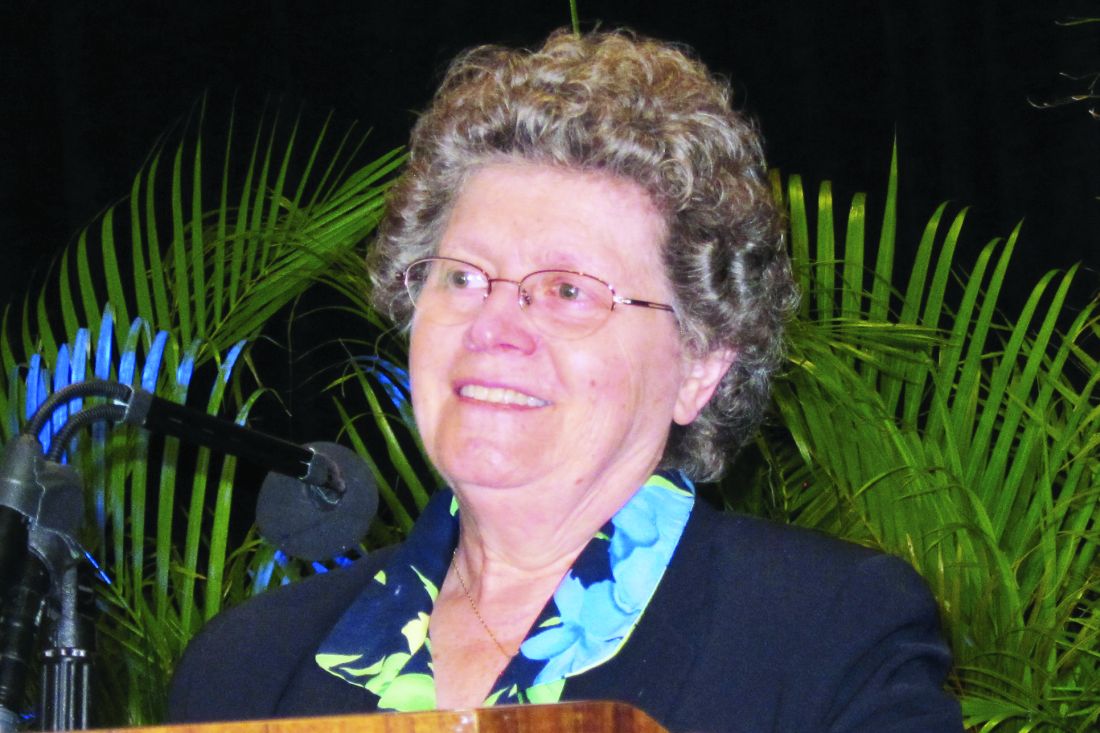
The superiority of tofacitinib over placebo in achieving an ACR20 response was evident as early as 2 weeks when the response rates were 13% in 131 patients who received placebo, 26.7% in 131 patients who received 5 mg of tofacitinib twice daily, and 28.8% in 132 patients who received 10 mg of tofacitinib twice daily, Dr. Gladman said. Later on at 3 months, the ACR20 response rates were 23.7% for placebo, 49.6% for 5 mg of tofacitinib twice daily, and 47% for 10 mg of tofacitinib twice daily.
The change from baseline in HAQ-DI scores was –0.14 with placebo, –0.39 with 5 mg tofacitinib, and –0.35 with 10 mg tofacitinib.
Study subjects had a 6-month or greater psoriatic arthritis diagnosis, fulfilled classification criteria for psoriatic arthritis, had active arthritis at screening and baseline and active plaque psoriasis at screening, and inadequate response to TNF inhibitors, which was defined as discontinuation for inadequate efficacy or due to an adverse event. All had ongoing treatment with a conventional synthetic disease-modifying antirheumatic agent, and those in the placebo group were advanced after 3 months to receive either 5 mg or 10 mg of tofacitinib twice daily (66 and 65 patients, respectively).
The effects of treatment on secondary efficacy endpoints were generally consistent with the findings with respect to the primary endpoints, Dr. Gladman said.
As for safety endpoints, serious adverse events and drug discontinuations due to adverse events were rare. Serious adverse event rates at 6 months were 3% in the placebo group who advanced to 5 mg tofacitinib, 1.5% in those who advanced to 10 mg tofacitinib, 3.8% in the original 5 mg tofacitinib group, and 6.1% in the original 10 mg tofacitinib group. Corresponding rates for all adverse events were 60.6%, 58.5%, 71%, and 72.7%. The most common adverse events were upper respiratory tract infections, nasopharyngitis, and headache.
OPAL Beyond was sponsored by Pfizer. Dr. Gladman disclosed financial relationships with AbbVie, Amgen, Bristol-Myers Squibb, Celgene, Janssen, Novartis, Pfizer, and UCB. Several other authors disclosed financial relationships with pharmaceutical companies, including Pfizer. Five of the 11 authors were employees of Pfizer.
sworcester@frontlinemedcom.com
WASHINGTON – The oral Janus kinase inhibitor tofacitinib is safe and effective in patients with active psoriatic arthritis and an inadequate response to tumor necrosis factor inhibitors, according to findings from the phase III OPAL Beyond trial.
Both the American College of Rheumatology 20% improvement criteria (ACR20) response rate and change from baseline in Health Assessment Questionnaire Disability Index (HAQ-DI) scores at month 3 – the primary endpoints of the study – were superior with tofacitinib (Xeljanz) versus placebo in the 6-month, double-blind, randomized, multicenter trial, Dafna D. Gladman, MD, reported in a late-breaking poster at the annual meeting of the American College of Rheumatology.
The superiority of tofacitinib over placebo in achieving an ACR20 response was evident as early as 2 weeks when the response rates were 13% in 131 patients who received placebo, 26.7% in 131 patients who received 5 mg of tofacitinib twice daily, and 28.8% in 132 patients who received 10 mg of tofacitinib twice daily, Dr. Gladman said. Later on at 3 months, the ACR20 response rates were 23.7% for placebo, 49.6% for 5 mg of tofacitinib twice daily, and 47% for 10 mg of tofacitinib twice daily.
The change from baseline in HAQ-DI scores was –0.14 with placebo, –0.39 with 5 mg tofacitinib, and –0.35 with 10 mg tofacitinib.
Study subjects had a 6-month or greater psoriatic arthritis diagnosis, fulfilled classification criteria for psoriatic arthritis, had active arthritis at screening and baseline and active plaque psoriasis at screening, and inadequate response to TNF inhibitors, which was defined as discontinuation for inadequate efficacy or due to an adverse event. All had ongoing treatment with a conventional synthetic disease-modifying antirheumatic agent, and those in the placebo group were advanced after 3 months to receive either 5 mg or 10 mg of tofacitinib twice daily (66 and 65 patients, respectively).
The effects of treatment on secondary efficacy endpoints were generally consistent with the findings with respect to the primary endpoints, Dr. Gladman said.
As for safety endpoints, serious adverse events and drug discontinuations due to adverse events were rare. Serious adverse event rates at 6 months were 3% in the placebo group who advanced to 5 mg tofacitinib, 1.5% in those who advanced to 10 mg tofacitinib, 3.8% in the original 5 mg tofacitinib group, and 6.1% in the original 10 mg tofacitinib group. Corresponding rates for all adverse events were 60.6%, 58.5%, 71%, and 72.7%. The most common adverse events were upper respiratory tract infections, nasopharyngitis, and headache.
OPAL Beyond was sponsored by Pfizer. Dr. Gladman disclosed financial relationships with AbbVie, Amgen, Bristol-Myers Squibb, Celgene, Janssen, Novartis, Pfizer, and UCB. Several other authors disclosed financial relationships with pharmaceutical companies, including Pfizer. Five of the 11 authors were employees of Pfizer.
sworcester@frontlinemedcom.com
WASHINGTON – The oral Janus kinase inhibitor tofacitinib is safe and effective in patients with active psoriatic arthritis and an inadequate response to tumor necrosis factor inhibitors, according to findings from the phase III OPAL Beyond trial.
Both the American College of Rheumatology 20% improvement criteria (ACR20) response rate and change from baseline in Health Assessment Questionnaire Disability Index (HAQ-DI) scores at month 3 – the primary endpoints of the study – were superior with tofacitinib (Xeljanz) versus placebo in the 6-month, double-blind, randomized, multicenter trial, Dafna D. Gladman, MD, reported in a late-breaking poster at the annual meeting of the American College of Rheumatology.
The superiority of tofacitinib over placebo in achieving an ACR20 response was evident as early as 2 weeks when the response rates were 13% in 131 patients who received placebo, 26.7% in 131 patients who received 5 mg of tofacitinib twice daily, and 28.8% in 132 patients who received 10 mg of tofacitinib twice daily, Dr. Gladman said. Later on at 3 months, the ACR20 response rates were 23.7% for placebo, 49.6% for 5 mg of tofacitinib twice daily, and 47% for 10 mg of tofacitinib twice daily.
The change from baseline in HAQ-DI scores was –0.14 with placebo, –0.39 with 5 mg tofacitinib, and –0.35 with 10 mg tofacitinib.
Study subjects had a 6-month or greater psoriatic arthritis diagnosis, fulfilled classification criteria for psoriatic arthritis, had active arthritis at screening and baseline and active plaque psoriasis at screening, and inadequate response to TNF inhibitors, which was defined as discontinuation for inadequate efficacy or due to an adverse event. All had ongoing treatment with a conventional synthetic disease-modifying antirheumatic agent, and those in the placebo group were advanced after 3 months to receive either 5 mg or 10 mg of tofacitinib twice daily (66 and 65 patients, respectively).
The effects of treatment on secondary efficacy endpoints were generally consistent with the findings with respect to the primary endpoints, Dr. Gladman said.
As for safety endpoints, serious adverse events and drug discontinuations due to adverse events were rare. Serious adverse event rates at 6 months were 3% in the placebo group who advanced to 5 mg tofacitinib, 1.5% in those who advanced to 10 mg tofacitinib, 3.8% in the original 5 mg tofacitinib group, and 6.1% in the original 10 mg tofacitinib group. Corresponding rates for all adverse events were 60.6%, 58.5%, 71%, and 72.7%. The most common adverse events were upper respiratory tract infections, nasopharyngitis, and headache.
OPAL Beyond was sponsored by Pfizer. Dr. Gladman disclosed financial relationships with AbbVie, Amgen, Bristol-Myers Squibb, Celgene, Janssen, Novartis, Pfizer, and UCB. Several other authors disclosed financial relationships with pharmaceutical companies, including Pfizer. Five of the 11 authors were employees of Pfizer.
sworcester@frontlinemedcom.com
AT THE ACR ANNUAL MEETING
Key clinical point:
Major finding: ACR20 response rates at 3 months were 23.7%, 49.6%, and 47% with placebo, 5 mg, and 10 mg of tofacitinib twice daily, respectively.
Data source: The phase III, double-blind, randomized, placebo-controlled OPAL Beyond trial.
Disclosures: OPAL Beyond was sponsored by Pfizer. Dr. Gladman disclosed financial relationships with AbbVie, Amgen, Bristol-Myers Squibb, Celgene, Janssen, Novartis, Pfizer, and UCB. Several other authors disclosed financial relationships with pharmaceutical companies, including Pfizer. Five of the 11 authors were employees of Pfizer.
Guselkumab appears safe, effective for psoriatic arthritis
WASHINGTON – The investigational anti-interleukin-23 monoclonal antibody guselkumab was safe and well tolerated, and demonstrated significant improvement on a variety of measures in patients with active psoriatic arthritis in a randomized, placebo-controlled phase IIa study.
The primary endpoint of ACR20 at 24 weeks was achieved in 58% of 100 patients randomized to receive treatment with guselkumab versus 18.4% of 49 patients who received placebo, Atul A. Deodhar, MD, reported in a late-breaking abstract presentation at the annual meeting of the American College of Rheumatology.
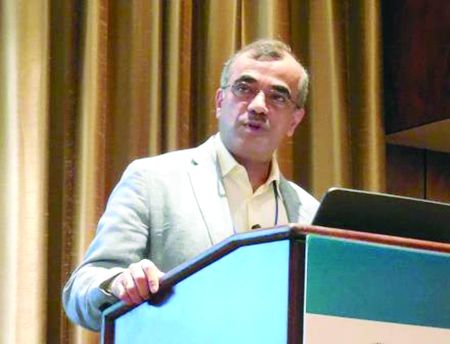
For example, PASI75 response at 24 weeks was 78.6% for guselkumab and 12.5% for placebo, and the ACR50 response at 24 weeks was 34% vs. 10.2%, respectively. The HAQ-DI score mean change from baseline was –0.42 vs. –0.06, respectively.
Further, ACR20 response was seen as early as week 4 (21% vs. 0% for placebo), and the effect increased over time, reaching the maximum effect by week 16 (60% vs. 16.3%), Dr. Deodhar said.
Subjects in the double-blind, multicenter study had active psoriatic arthritis and at least 3% body surface area of plaque psoriasis despite treatment with standard-of-care therapies. Patients with prior exposure to anti–tumor necrosis factor–alpha agents were included. They received either 100 mg guselkumab delivered subcutaneously or placebo at week 0 and 4, then every 8 weeks thereafter through week 44.
Patients with less than 5% improvement in swollen and tender joint count at week 16 were allowed early escape to open-label ustekinumab (Stelara), and at week 24 all remaining patients crossed over to receive guselkumab, which was repeated at week 28 and every 8 weeks thereafter through week 44.
Treatment was well tolerated; the proportion of patients with one or more adverse events was similar in the treatment and placebo groups (36% and 32.7%, respectively), with infections being the most common adverse event, occurring in 17% and 20.4% of patients in the groups, respectively.
“And even though 10% and 14% of the patients received systemic treatment, no patient received [intravenous] antibiotics,” he said.
Severe adverse events occurred in two patients – one in each group – and included a knee injury and myocardial infarction. Specific information about which group these occurred in is not available as the study is ongoing and investigators remain blinded, Dr. Deodhar noted.
No serious infections, malignancies, or deaths occurred through week 24, he said.
“Guselkumab is the first anti-IL23 biologic to demonstrate efficacy in psoriatic arthritis. In patients with active psoriatic arthritis ... treatment with guselkumab shows significant improvements in joint symptoms, physical function, psoriasis, enthesitis, dactylitis, and quality of life,” he concluded, adding that there were no unexpected safety findings in this population.
On Nov. 17, Janssen Biotech, Inc. announced the submission of a Biologics License Application to the Food and Drug Administration seeking approval of guselkumab for the treatment of adults with moderate to severe plaque psoriasis based on findings from prior studies for that indication.
The current study was sponsored by Janssen Research & Development. Dr. Deodhar reported financial relationships with AbbVie, Amgen, Boehringer Ingelheim, Janssen, Novartis, Pfizer, and UCB. Two other authors also reported financial ties to industry, including Janssen. Four of the seven authors of the abstract were employees of Janssen.
WASHINGTON – The investigational anti-interleukin-23 monoclonal antibody guselkumab was safe and well tolerated, and demonstrated significant improvement on a variety of measures in patients with active psoriatic arthritis in a randomized, placebo-controlled phase IIa study.
The primary endpoint of ACR20 at 24 weeks was achieved in 58% of 100 patients randomized to receive treatment with guselkumab versus 18.4% of 49 patients who received placebo, Atul A. Deodhar, MD, reported in a late-breaking abstract presentation at the annual meeting of the American College of Rheumatology.
For example, PASI75 response at 24 weeks was 78.6% for guselkumab and 12.5% for placebo, and the ACR50 response at 24 weeks was 34% vs. 10.2%, respectively. The HAQ-DI score mean change from baseline was –0.42 vs. –0.06, respectively.
Further, ACR20 response was seen as early as week 4 (21% vs. 0% for placebo), and the effect increased over time, reaching the maximum effect by week 16 (60% vs. 16.3%), Dr. Deodhar said.
Subjects in the double-blind, multicenter study had active psoriatic arthritis and at least 3% body surface area of plaque psoriasis despite treatment with standard-of-care therapies. Patients with prior exposure to anti–tumor necrosis factor–alpha agents were included. They received either 100 mg guselkumab delivered subcutaneously or placebo at week 0 and 4, then every 8 weeks thereafter through week 44.
Patients with less than 5% improvement in swollen and tender joint count at week 16 were allowed early escape to open-label ustekinumab (Stelara), and at week 24 all remaining patients crossed over to receive guselkumab, which was repeated at week 28 and every 8 weeks thereafter through week 44.
Treatment was well tolerated; the proportion of patients with one or more adverse events was similar in the treatment and placebo groups (36% and 32.7%, respectively), with infections being the most common adverse event, occurring in 17% and 20.4% of patients in the groups, respectively.
“And even though 10% and 14% of the patients received systemic treatment, no patient received [intravenous] antibiotics,” he said.
Severe adverse events occurred in two patients – one in each group – and included a knee injury and myocardial infarction. Specific information about which group these occurred in is not available as the study is ongoing and investigators remain blinded, Dr. Deodhar noted.
No serious infections, malignancies, or deaths occurred through week 24, he said.
“Guselkumab is the first anti-IL23 biologic to demonstrate efficacy in psoriatic arthritis. In patients with active psoriatic arthritis ... treatment with guselkumab shows significant improvements in joint symptoms, physical function, psoriasis, enthesitis, dactylitis, and quality of life,” he concluded, adding that there were no unexpected safety findings in this population.
On Nov. 17, Janssen Biotech, Inc. announced the submission of a Biologics License Application to the Food and Drug Administration seeking approval of guselkumab for the treatment of adults with moderate to severe plaque psoriasis based on findings from prior studies for that indication.
The current study was sponsored by Janssen Research & Development. Dr. Deodhar reported financial relationships with AbbVie, Amgen, Boehringer Ingelheim, Janssen, Novartis, Pfizer, and UCB. Two other authors also reported financial ties to industry, including Janssen. Four of the seven authors of the abstract were employees of Janssen.
WASHINGTON – The investigational anti-interleukin-23 monoclonal antibody guselkumab was safe and well tolerated, and demonstrated significant improvement on a variety of measures in patients with active psoriatic arthritis in a randomized, placebo-controlled phase IIa study.
The primary endpoint of ACR20 at 24 weeks was achieved in 58% of 100 patients randomized to receive treatment with guselkumab versus 18.4% of 49 patients who received placebo, Atul A. Deodhar, MD, reported in a late-breaking abstract presentation at the annual meeting of the American College of Rheumatology.
For example, PASI75 response at 24 weeks was 78.6% for guselkumab and 12.5% for placebo, and the ACR50 response at 24 weeks was 34% vs. 10.2%, respectively. The HAQ-DI score mean change from baseline was –0.42 vs. –0.06, respectively.
Further, ACR20 response was seen as early as week 4 (21% vs. 0% for placebo), and the effect increased over time, reaching the maximum effect by week 16 (60% vs. 16.3%), Dr. Deodhar said.
Subjects in the double-blind, multicenter study had active psoriatic arthritis and at least 3% body surface area of plaque psoriasis despite treatment with standard-of-care therapies. Patients with prior exposure to anti–tumor necrosis factor–alpha agents were included. They received either 100 mg guselkumab delivered subcutaneously or placebo at week 0 and 4, then every 8 weeks thereafter through week 44.
Patients with less than 5% improvement in swollen and tender joint count at week 16 were allowed early escape to open-label ustekinumab (Stelara), and at week 24 all remaining patients crossed over to receive guselkumab, which was repeated at week 28 and every 8 weeks thereafter through week 44.
Treatment was well tolerated; the proportion of patients with one or more adverse events was similar in the treatment and placebo groups (36% and 32.7%, respectively), with infections being the most common adverse event, occurring in 17% and 20.4% of patients in the groups, respectively.
“And even though 10% and 14% of the patients received systemic treatment, no patient received [intravenous] antibiotics,” he said.
Severe adverse events occurred in two patients – one in each group – and included a knee injury and myocardial infarction. Specific information about which group these occurred in is not available as the study is ongoing and investigators remain blinded, Dr. Deodhar noted.
No serious infections, malignancies, or deaths occurred through week 24, he said.
“Guselkumab is the first anti-IL23 biologic to demonstrate efficacy in psoriatic arthritis. In patients with active psoriatic arthritis ... treatment with guselkumab shows significant improvements in joint symptoms, physical function, psoriasis, enthesitis, dactylitis, and quality of life,” he concluded, adding that there were no unexpected safety findings in this population.
On Nov. 17, Janssen Biotech, Inc. announced the submission of a Biologics License Application to the Food and Drug Administration seeking approval of guselkumab for the treatment of adults with moderate to severe plaque psoriasis based on findings from prior studies for that indication.
The current study was sponsored by Janssen Research & Development. Dr. Deodhar reported financial relationships with AbbVie, Amgen, Boehringer Ingelheim, Janssen, Novartis, Pfizer, and UCB. Two other authors also reported financial ties to industry, including Janssen. Four of the seven authors of the abstract were employees of Janssen.
AT THE ACR ANNUAL MEETING
Key clinical point:
Major finding: ACR20 at 24 weeks was achieved in 58% of 100 patients randomized to receive treatment with guselkumab vs. 18.4% of 49 patients who received placebo.
Data source: A randomized, placebo-controlled phase IIa study of 149 patients.
Disclosures: The current study was sponsored by Janssen Research & Development. Dr. Deodhar reported financial relationships with AbbVie, Amgen, Boehringer Ingelheim, Janssen, Novartis, Pfizer, and UCB. Two other authors also reported financial ties to industry, including Janssen. Four of the seven authors of the abstract were employees of Janssen.