User login
Sharon Worcester is an award-winning medical journalist for MDedge News. She has been with the company since 1996, first as the Southeast Bureau Chief (1996-2009) when the company was known as International Medical News Group, then as a freelance writer (2010-2015) before returning as a reporter in 2015. She previously worked as a daily newspaper reporter covering health and local government. Sharon currently reports primarily on oncology and hematology. She has a BA from Eckerd College and an MA in Mass Communication/Print Journalism from the University of Florida. Connect with her via LinkedIn and follow her on twitter @SW_MedReporter.
Vein Sealed With Superglue-Based Implant
ATLANTA – A cyanoacrylate adhesive–based implant is feasible, safe, and effective for the treatment of great saphenous vein incompetence, according to 1-year follow-up data from the first study of the product in humans.
The treatment requires neither local anesthesia nor use of medical compression stockings, Dr. Thomas Proebstle reported at the annual meeting of the American Society for Dermatologic Surgery.
Of 38 patients with an incompetent great saphenous vein who were treated with a proprietary formulation of cyanoacrylate adhesive (commonly known as superglue), 100% demonstrated complete closure of the vein immediately and at the 48-hour follow-up, as measured using duplex ultrasound and clinical examination; at 1-year follow-up, 92% maintained complete closure of the vein, said Dr. Proebstle of Hirschberg, Germany. One complete recanalization and two partial recanalizations occurred during follow-up – at 1, 3, and 6 months, respectively, he noted.
Most patients (89%) had improvement in leg edema within 48 hours, and all had venous clinical severity score improvement, which changed from a mean of 6.1 at baseline to a mean of 1.1 at 6 months.
The study involved 29 women and 9 men with a median age of 51 years. Treatment was administered by catheter deployment under ultrasound guidance via a repetitive bolus injection algorithm, Dr. Proebstle noted. No tumescent anesthesia or compression stockings were used.
For this study, the mean total volume of endovenous cyanoacrylate adhesive delivered was 1.26 mL. Side effects were mild and self-limited.
The cyanoacrylate adhesive implant, known as the VenaSeal Sapheon closure system, has received European Union regulatory approval. The manufacturer, Sapheon, is currently preparing for U.S. clinical trials and Food and Drug Administration approval, according to the company’s website.
Dr. Proebstle is a consultant for Sapheon. He also owns stock in the company.
ATLANTA – A cyanoacrylate adhesive–based implant is feasible, safe, and effective for the treatment of great saphenous vein incompetence, according to 1-year follow-up data from the first study of the product in humans.
The treatment requires neither local anesthesia nor use of medical compression stockings, Dr. Thomas Proebstle reported at the annual meeting of the American Society for Dermatologic Surgery.
Of 38 patients with an incompetent great saphenous vein who were treated with a proprietary formulation of cyanoacrylate adhesive (commonly known as superglue), 100% demonstrated complete closure of the vein immediately and at the 48-hour follow-up, as measured using duplex ultrasound and clinical examination; at 1-year follow-up, 92% maintained complete closure of the vein, said Dr. Proebstle of Hirschberg, Germany. One complete recanalization and two partial recanalizations occurred during follow-up – at 1, 3, and 6 months, respectively, he noted.
Most patients (89%) had improvement in leg edema within 48 hours, and all had venous clinical severity score improvement, which changed from a mean of 6.1 at baseline to a mean of 1.1 at 6 months.
The study involved 29 women and 9 men with a median age of 51 years. Treatment was administered by catheter deployment under ultrasound guidance via a repetitive bolus injection algorithm, Dr. Proebstle noted. No tumescent anesthesia or compression stockings were used.
For this study, the mean total volume of endovenous cyanoacrylate adhesive delivered was 1.26 mL. Side effects were mild and self-limited.
The cyanoacrylate adhesive implant, known as the VenaSeal Sapheon closure system, has received European Union regulatory approval. The manufacturer, Sapheon, is currently preparing for U.S. clinical trials and Food and Drug Administration approval, according to the company’s website.
Dr. Proebstle is a consultant for Sapheon. He also owns stock in the company.
ATLANTA – A cyanoacrylate adhesive–based implant is feasible, safe, and effective for the treatment of great saphenous vein incompetence, according to 1-year follow-up data from the first study of the product in humans.
The treatment requires neither local anesthesia nor use of medical compression stockings, Dr. Thomas Proebstle reported at the annual meeting of the American Society for Dermatologic Surgery.
Of 38 patients with an incompetent great saphenous vein who were treated with a proprietary formulation of cyanoacrylate adhesive (commonly known as superglue), 100% demonstrated complete closure of the vein immediately and at the 48-hour follow-up, as measured using duplex ultrasound and clinical examination; at 1-year follow-up, 92% maintained complete closure of the vein, said Dr. Proebstle of Hirschberg, Germany. One complete recanalization and two partial recanalizations occurred during follow-up – at 1, 3, and 6 months, respectively, he noted.
Most patients (89%) had improvement in leg edema within 48 hours, and all had venous clinical severity score improvement, which changed from a mean of 6.1 at baseline to a mean of 1.1 at 6 months.
The study involved 29 women and 9 men with a median age of 51 years. Treatment was administered by catheter deployment under ultrasound guidance via a repetitive bolus injection algorithm, Dr. Proebstle noted. No tumescent anesthesia or compression stockings were used.
For this study, the mean total volume of endovenous cyanoacrylate adhesive delivered was 1.26 mL. Side effects were mild and self-limited.
The cyanoacrylate adhesive implant, known as the VenaSeal Sapheon closure system, has received European Union regulatory approval. The manufacturer, Sapheon, is currently preparing for U.S. clinical trials and Food and Drug Administration approval, according to the company’s website.
Dr. Proebstle is a consultant for Sapheon. He also owns stock in the company.
AT THE ANNUAL MEETING OF THE AMERICAN SOCIETY FOR DERMATOLOGIC SURGERY
Major Finding: Of 38 patients with an incompetent great saphenous vein who were treated with a proprietary formulation of cyanoacrylate adhesive, 100% demonstrated complete closure of the vein immediately and at the 48-hour follow-up.
Data Source: Data are from a prospective study involving 38 patients.
Disclosures: Dr. Proebstle is a consultant for Sapheon. He also owns stock in the company.
Perceived Dyspnea Affects COPD Quality of Life Outcomes
ATLANTA – The perception of dyspnea among patients with chronic obstructive pulmonary disorder plays a bigger role in quality of life, functional status, and depression than do objective measures of disease severity, according to findings from cross-sectional study involving 158 patients.
The findings suggest that assessing and addressing dyspnea in COPD patients could play an important role in improving quality of life outcomes, Dr. Sandra Adams reported at the annual meeting of the American College of Chest Physicians.
The patients included in this analysis are part of the CASCADE study, a 2-year longitudinal observational study of genes and depression in COPD. They completed spirometry, the modified Medical Research Council (mMRC) dyspnea scale, questions related to exacerbation risk within the last year, the Chronic Respiratory Questionnaire (CRQ), a nine-item depression interview, the Personal Health Questionnaire (PHQ-9), and a 6-minute walk test at baseline.
Study participants had a mean age of about 67 years, about 25% were women, 40% were on supplemental oxygen, and the mean forced expiratory volume in 1 second (FEV1) percent predicted was 43%. Exacerbations were self-reported.
More than 60% had a self-reported physician diagnosis of depression.
About 20% of the patients were found to be grade A patients, based on the revised Global Initiative for Chronic Obstructive Lung Disease (GOLD) released in December 2011, about 10% were grade B patients, about 20% were grade C patients, and about 50% were grade D patients, said Dr. Adams of the University of Texas Health Science Center, San Antonio.
Patients with grade A disease have mild disease severity, airflow limitation, and few exacerbations; those with grade B disease are similar to those with grade A, except they have more symptoms (in this study, the grade B patients had no exacerbations). Those with grade C disease have minimal symptoms, severe airflow limitation, and/or two or more exacerbations each year; those with grade D disease are similar to those with grade C disease, except they have more symptoms.
"One thing we were actually really surprised to find is that the group of A and C with minimal symptoms may be a lot more similar than we think, whereas D and B with the severe symptoms – even though they have significant differences in exacerbations and/or airflow limitation, may be very similar," she said.
Indeed, no differences on the various measures used in this study were seen between the A and C patients, and between the B and D patients. But when the A and C patients were combined and compared with the combined group of B and D patients, significant differences emerged for every measure.
"Again, the big difference is symptoms; A and C have minimal symptoms and B and D have severe symptoms," Dr. Adams said.
As it turned out, grades A and C patients had significantly higher CRQ scores (higher scores are better) than did grades B and D patients (mean of 105 and 98 for A and C vs. 80 and 84 for B and D, respectively). Grades A and C also had statistically and clinically significantly greater 6-minute walk test distances, Dr. Adams noted.
On a physical function measure of steps walked in a day, the A and C patients averaged 7,900, and the B and D patients averaged only 4,800, she added.
That’s 3,900 fewer steps despite inclusion of B-group patient (10% of the total study population) in the B/D combined group, Dr. Adams noted.
"Again ... grade B had relatively normal lung function and no exacerbations, but yet they’re severely dyspneic," she noted.
As for depression, the history was similar across all grades, although more grade B and D patients than A and C patients had PHQ-9 scores of 10 or greater, which indicates significant depression. On linear regression, an mMRC dyspnea scale score of 2 or higher was associated with a significant increase in depression (odds ratio, 2.8).
"So the bottom line to this is grades A and C have similar levels of depression, quality of life, physical function, and physical activity despite significant differences in FEV1 percent predicted and and/or the number of exacerbations," she said, explaining that it appears that the perception of dyspnea is the main factor associated with these outcomes.
"And, in fact, those who report severe dyspnea may be even more limited than those with frequent exacerbations," she said.
What are the clinical implications of the findings?
"We ask our patients, ‘How are you doing? How is your shortness of breath?’ but actually getting an assessment and also trying to really address the dyspnea in addition to the exacerbations is going to be really key in this population," Dr. Adams concluded.
Dr. Adams disclosed that she has received grant money for research from the Chest Foundation, the NIH, the Veterans Affairs Cooperative Studies Program, Bayer, Boehringer Ingelheim, Centocor, GlaxoSmithKline, Novartis, Pfizer, and Schering-Plough. She also has received honoraria for speaking from ABCam, Altana, AstraZeneca, Aventis, Bayer, Boehringer Ingelheim, GSK, Novartis, AG, Mycomed, Pfizer, and Schering-Plough.
ATLANTA – The perception of dyspnea among patients with chronic obstructive pulmonary disorder plays a bigger role in quality of life, functional status, and depression than do objective measures of disease severity, according to findings from cross-sectional study involving 158 patients.
The findings suggest that assessing and addressing dyspnea in COPD patients could play an important role in improving quality of life outcomes, Dr. Sandra Adams reported at the annual meeting of the American College of Chest Physicians.
The patients included in this analysis are part of the CASCADE study, a 2-year longitudinal observational study of genes and depression in COPD. They completed spirometry, the modified Medical Research Council (mMRC) dyspnea scale, questions related to exacerbation risk within the last year, the Chronic Respiratory Questionnaire (CRQ), a nine-item depression interview, the Personal Health Questionnaire (PHQ-9), and a 6-minute walk test at baseline.
Study participants had a mean age of about 67 years, about 25% were women, 40% were on supplemental oxygen, and the mean forced expiratory volume in 1 second (FEV1) percent predicted was 43%. Exacerbations were self-reported.
More than 60% had a self-reported physician diagnosis of depression.
About 20% of the patients were found to be grade A patients, based on the revised Global Initiative for Chronic Obstructive Lung Disease (GOLD) released in December 2011, about 10% were grade B patients, about 20% were grade C patients, and about 50% were grade D patients, said Dr. Adams of the University of Texas Health Science Center, San Antonio.
Patients with grade A disease have mild disease severity, airflow limitation, and few exacerbations; those with grade B disease are similar to those with grade A, except they have more symptoms (in this study, the grade B patients had no exacerbations). Those with grade C disease have minimal symptoms, severe airflow limitation, and/or two or more exacerbations each year; those with grade D disease are similar to those with grade C disease, except they have more symptoms.
"One thing we were actually really surprised to find is that the group of A and C with minimal symptoms may be a lot more similar than we think, whereas D and B with the severe symptoms – even though they have significant differences in exacerbations and/or airflow limitation, may be very similar," she said.
Indeed, no differences on the various measures used in this study were seen between the A and C patients, and between the B and D patients. But when the A and C patients were combined and compared with the combined group of B and D patients, significant differences emerged for every measure.
"Again, the big difference is symptoms; A and C have minimal symptoms and B and D have severe symptoms," Dr. Adams said.
As it turned out, grades A and C patients had significantly higher CRQ scores (higher scores are better) than did grades B and D patients (mean of 105 and 98 for A and C vs. 80 and 84 for B and D, respectively). Grades A and C also had statistically and clinically significantly greater 6-minute walk test distances, Dr. Adams noted.
On a physical function measure of steps walked in a day, the A and C patients averaged 7,900, and the B and D patients averaged only 4,800, she added.
That’s 3,900 fewer steps despite inclusion of B-group patient (10% of the total study population) in the B/D combined group, Dr. Adams noted.
"Again ... grade B had relatively normal lung function and no exacerbations, but yet they’re severely dyspneic," she noted.
As for depression, the history was similar across all grades, although more grade B and D patients than A and C patients had PHQ-9 scores of 10 or greater, which indicates significant depression. On linear regression, an mMRC dyspnea scale score of 2 or higher was associated with a significant increase in depression (odds ratio, 2.8).
"So the bottom line to this is grades A and C have similar levels of depression, quality of life, physical function, and physical activity despite significant differences in FEV1 percent predicted and and/or the number of exacerbations," she said, explaining that it appears that the perception of dyspnea is the main factor associated with these outcomes.
"And, in fact, those who report severe dyspnea may be even more limited than those with frequent exacerbations," she said.
What are the clinical implications of the findings?
"We ask our patients, ‘How are you doing? How is your shortness of breath?’ but actually getting an assessment and also trying to really address the dyspnea in addition to the exacerbations is going to be really key in this population," Dr. Adams concluded.
Dr. Adams disclosed that she has received grant money for research from the Chest Foundation, the NIH, the Veterans Affairs Cooperative Studies Program, Bayer, Boehringer Ingelheim, Centocor, GlaxoSmithKline, Novartis, Pfizer, and Schering-Plough. She also has received honoraria for speaking from ABCam, Altana, AstraZeneca, Aventis, Bayer, Boehringer Ingelheim, GSK, Novartis, AG, Mycomed, Pfizer, and Schering-Plough.
ATLANTA – The perception of dyspnea among patients with chronic obstructive pulmonary disorder plays a bigger role in quality of life, functional status, and depression than do objective measures of disease severity, according to findings from cross-sectional study involving 158 patients.
The findings suggest that assessing and addressing dyspnea in COPD patients could play an important role in improving quality of life outcomes, Dr. Sandra Adams reported at the annual meeting of the American College of Chest Physicians.
The patients included in this analysis are part of the CASCADE study, a 2-year longitudinal observational study of genes and depression in COPD. They completed spirometry, the modified Medical Research Council (mMRC) dyspnea scale, questions related to exacerbation risk within the last year, the Chronic Respiratory Questionnaire (CRQ), a nine-item depression interview, the Personal Health Questionnaire (PHQ-9), and a 6-minute walk test at baseline.
Study participants had a mean age of about 67 years, about 25% were women, 40% were on supplemental oxygen, and the mean forced expiratory volume in 1 second (FEV1) percent predicted was 43%. Exacerbations were self-reported.
More than 60% had a self-reported physician diagnosis of depression.
About 20% of the patients were found to be grade A patients, based on the revised Global Initiative for Chronic Obstructive Lung Disease (GOLD) released in December 2011, about 10% were grade B patients, about 20% were grade C patients, and about 50% were grade D patients, said Dr. Adams of the University of Texas Health Science Center, San Antonio.
Patients with grade A disease have mild disease severity, airflow limitation, and few exacerbations; those with grade B disease are similar to those with grade A, except they have more symptoms (in this study, the grade B patients had no exacerbations). Those with grade C disease have minimal symptoms, severe airflow limitation, and/or two or more exacerbations each year; those with grade D disease are similar to those with grade C disease, except they have more symptoms.
"One thing we were actually really surprised to find is that the group of A and C with minimal symptoms may be a lot more similar than we think, whereas D and B with the severe symptoms – even though they have significant differences in exacerbations and/or airflow limitation, may be very similar," she said.
Indeed, no differences on the various measures used in this study were seen between the A and C patients, and between the B and D patients. But when the A and C patients were combined and compared with the combined group of B and D patients, significant differences emerged for every measure.
"Again, the big difference is symptoms; A and C have minimal symptoms and B and D have severe symptoms," Dr. Adams said.
As it turned out, grades A and C patients had significantly higher CRQ scores (higher scores are better) than did grades B and D patients (mean of 105 and 98 for A and C vs. 80 and 84 for B and D, respectively). Grades A and C also had statistically and clinically significantly greater 6-minute walk test distances, Dr. Adams noted.
On a physical function measure of steps walked in a day, the A and C patients averaged 7,900, and the B and D patients averaged only 4,800, she added.
That’s 3,900 fewer steps despite inclusion of B-group patient (10% of the total study population) in the B/D combined group, Dr. Adams noted.
"Again ... grade B had relatively normal lung function and no exacerbations, but yet they’re severely dyspneic," she noted.
As for depression, the history was similar across all grades, although more grade B and D patients than A and C patients had PHQ-9 scores of 10 or greater, which indicates significant depression. On linear regression, an mMRC dyspnea scale score of 2 or higher was associated with a significant increase in depression (odds ratio, 2.8).
"So the bottom line to this is grades A and C have similar levels of depression, quality of life, physical function, and physical activity despite significant differences in FEV1 percent predicted and and/or the number of exacerbations," she said, explaining that it appears that the perception of dyspnea is the main factor associated with these outcomes.
"And, in fact, those who report severe dyspnea may be even more limited than those with frequent exacerbations," she said.
What are the clinical implications of the findings?
"We ask our patients, ‘How are you doing? How is your shortness of breath?’ but actually getting an assessment and also trying to really address the dyspnea in addition to the exacerbations is going to be really key in this population," Dr. Adams concluded.
Dr. Adams disclosed that she has received grant money for research from the Chest Foundation, the NIH, the Veterans Affairs Cooperative Studies Program, Bayer, Boehringer Ingelheim, Centocor, GlaxoSmithKline, Novartis, Pfizer, and Schering-Plough. She also has received honoraria for speaking from ABCam, Altana, AstraZeneca, Aventis, Bayer, Boehringer Ingelheim, GSK, Novartis, AG, Mycomed, Pfizer, and Schering-Plough.
AT THE ANNUAL MEETING OF THE AMERICAN COLLEGE OF CHEST PHYSICIANS
Major Finding: Patients with more perceived dyspnea had poorer outcomes on measures of quality of life, functional status, and depression.
Data Source: Results were taken from a cross-sectional study of 158 patients from the CASCADE trial.
Disclosures: Dr. Adams disclosed that she has received grant money for research from the Chest Foundation, the NIH, the VA Cooperative Studies Program, Bayer, Boehringer Ingelheim, Centocor, GlaxoSmithKline, Novartis, Pfizer, and Schering-Plough. She also has received honoraria for speaking from ABCam, Altana, AstraZeneca, Aventis, Bayer, Boehringer Ingelheim, GSK, Novartis Pharmaceuticals, AG, Mycomed, Pfizer, and Schering-Plough.
Even Simple Exanthems Warrant Thorough Evaluation
Exanthems in children are often benign and self-limited, but not always.
In some cases – particularly those involving purpura, blisters, mucosal involvement, a high fever, or extracutaneous organ involvement – it is important to thoroughly evaluate the child for more serious disease, Dr. Anthony J. Mancini said at the seminar, sponsored by the Skin Disease Education Foundation (SDEF).

Dr. Mancini, head of the division of dermatology at the Ann and Robert H. Lurie Children’s Hospital of Chicago and professor of pediatrics and dermatology at Northwestern University, Chicago, provided tips for assessing the child presenting with an exanthem:
• If purpura is present, consider parvovirus, enterovirus, rickettsia, Neisseria meningitidis, Henoch-Schönlein purpura, and even group A strep.
• If edema is present, consider Kawasaki disease, serum sickness-like reactions (most often distal edema), or drug hypersensitivity syndrome (notable for facial edema, especially periorbitally).
• If an associated enanthem is present, consider Kawasaki disease, drug hypersensitivity, measles, rubella, enterovirus, parvovirus, adenovirus, group A strep, and Epstein-Barr virus (EBV).
• If conjunctivitis is present, consider Kawasaki disease, drug hypersensitivity, measles, and adenovirus (the most common mimicker of Kawasaki disease in children).
Parvovirus B19 Infection
Among the exanthems that Dr. Mancini discussed were those related to parvovirus B19 infection, including erythema infectiosum (fifth disease) and papular-purpuric gloves and socks syndrome. The latter entity is notable for symmetric swelling of the hands and feet, with palmoplantar purpuric erythema and a sharp demarcation at the wrists and ankles.
Children with gloves and socks syndrome may also present with enanthem of the soft and hard palate, and importantly, children with this exanthem may still be viremic (and hence contagious), compared with those who have classic fifth disease, he said.
Parvovirus B19 can also be associated with a bathing trunk eruption with petechiae, notable for accentuation in the flexures and a prominent petechial component. The infection was found to be the culprit in 13 of 17 children who presented with generalized petechial exanthems in a study based in Wisconsin, Dr. Mancini said. These exanthems also revealed accentuation in the fold areas, as well as the acral extremities. Fever was present in 85% of patients, and many had a history of mild upper respiratory symptoms. Additionally, most of the children (83%) had leukopenia (Pediatrics 2010;125:e787).
Breakthrough Varicella
Breakthrough varicella still occurs in a significant proportion of varicella vaccinees, especially in children from countries with a one-dose vaccination schedule, such as Taiwan.
This association is important to recognize, given that many practicing clinicians may have never seen acute varicella. The "dewdrop on a rose petal" presentation is characteristic, but lesions may also develop severe crusting or ulceration when secondary bacterial infection is present. Acute varicella may also accentuate in sites of trauma or sunburn, and has been termed "occult varicella," he noted.
Herpes zoster, caused by reactivation of latent varicella zoster virus (VZV) in the dorsal sensory or cranial nerve ganglia, is not unusual in healthy children and may be caused by either the wild type or vaccine strain of VZV, he said.
The greatest risk factor for having herpes zoster during childhood is a history of acute varicella under 1 year of age. Fortunately, postherpetic neuralgia following herpes zoster is rare in children.
Hand-Foot-and-Mouth Disease
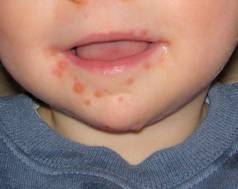
In a recent nationwide epidemic of severe hand-foot-and-mouth disease (HFMD), patients presented in clusters with fevers and a more widespread HFMD eruption than is characteristic of the self-limited disease, noted Dr. Mancini. Hospitalization was common, and blistering was prominent, with frequent perioral involvement and lesions on the arms and legs in nearly half of patients.
Of note, post-HFMD nail matrix arrest, first recognized by Dr. Mancini and his colleague (Pediatr. Dermatol. 2000;17:7-11), presents on average 40 days after exanthematous illness. Deep transverse ridges with nail shedding occur, more often affecting fingers than toes, and the process is self-limited with eventual spontaneous nail regrowth.
Gianotti-Crosti Syndrome
This syndrome was classically described in association with acute hepatitis B infection, although it is becoming exceedingly uncommon in the United States, where EBV appears to be the most common cause. Patients present with upper respiratory infection prodrome and monomorphous edematous papules on the cheeks, extensor extremities, and buttocks.
While the patient should be assessed for gastrointestinal symptoms, hepatosplenomegaly, lymphadenopathy, and hepatitis risk factors, blind hepatitis blood evaluations are not warranted in this country, Dr. Mancini said. The condition typically resolves in 3-12 weeks with supportive therapy.
Unilateral Laterothoracic Exanthem
Another atypical, parainfectious exanthem, unilateral laterothoracic exanthem, also known as "asymmetric periflexural exanthem," usually presents in children 1-5 years of age. It is initially unilateral in distribution, most often starting in the axilla or on the trunk or flank. At this stage, it may be misdiagnosed as contact dermatitis. The process eventually becomes more generalized, although it tends to maintain a unilateral predominance. Sixty percent of children have associated pruritus, Dr. Mancini said.
A prodrome occurs in 60%-75% of patients, and may include rhinitis, pharyngitis, and gastrointestinal complaints. Fever occurs in roughly 50% of patients, and while the etiology is unknown, it is believed to be a viral-associated exanthem. unilateral laterothoracic exanthem resolves over a 4- to 8-week period with supportive therapy.
Dr. Mancini reported having no relevant financial disclosures. SDEF and this news organization are owned by Frontline Medical Communications.
Exanthems in children are often benign and self-limited, but not always.
In some cases – particularly those involving purpura, blisters, mucosal involvement, a high fever, or extracutaneous organ involvement – it is important to thoroughly evaluate the child for more serious disease, Dr. Anthony J. Mancini said at the seminar, sponsored by the Skin Disease Education Foundation (SDEF).
Dr. Mancini, head of the division of dermatology at the Ann and Robert H. Lurie Children’s Hospital of Chicago and professor of pediatrics and dermatology at Northwestern University, Chicago, provided tips for assessing the child presenting with an exanthem:
• If purpura is present, consider parvovirus, enterovirus, rickettsia, Neisseria meningitidis, Henoch-Schönlein purpura, and even group A strep.
• If edema is present, consider Kawasaki disease, serum sickness-like reactions (most often distal edema), or drug hypersensitivity syndrome (notable for facial edema, especially periorbitally).
• If an associated enanthem is present, consider Kawasaki disease, drug hypersensitivity, measles, rubella, enterovirus, parvovirus, adenovirus, group A strep, and Epstein-Barr virus (EBV).
• If conjunctivitis is present, consider Kawasaki disease, drug hypersensitivity, measles, and adenovirus (the most common mimicker of Kawasaki disease in children).
Parvovirus B19 Infection
Among the exanthems that Dr. Mancini discussed were those related to parvovirus B19 infection, including erythema infectiosum (fifth disease) and papular-purpuric gloves and socks syndrome. The latter entity is notable for symmetric swelling of the hands and feet, with palmoplantar purpuric erythema and a sharp demarcation at the wrists and ankles.
Children with gloves and socks syndrome may also present with enanthem of the soft and hard palate, and importantly, children with this exanthem may still be viremic (and hence contagious), compared with those who have classic fifth disease, he said.
Parvovirus B19 can also be associated with a bathing trunk eruption with petechiae, notable for accentuation in the flexures and a prominent petechial component. The infection was found to be the culprit in 13 of 17 children who presented with generalized petechial exanthems in a study based in Wisconsin, Dr. Mancini said. These exanthems also revealed accentuation in the fold areas, as well as the acral extremities. Fever was present in 85% of patients, and many had a history of mild upper respiratory symptoms. Additionally, most of the children (83%) had leukopenia (Pediatrics 2010;125:e787).
Breakthrough Varicella
Breakthrough varicella still occurs in a significant proportion of varicella vaccinees, especially in children from countries with a one-dose vaccination schedule, such as Taiwan.
This association is important to recognize, given that many practicing clinicians may have never seen acute varicella. The "dewdrop on a rose petal" presentation is characteristic, but lesions may also develop severe crusting or ulceration when secondary bacterial infection is present. Acute varicella may also accentuate in sites of trauma or sunburn, and has been termed "occult varicella," he noted.
Herpes zoster, caused by reactivation of latent varicella zoster virus (VZV) in the dorsal sensory or cranial nerve ganglia, is not unusual in healthy children and may be caused by either the wild type or vaccine strain of VZV, he said.
The greatest risk factor for having herpes zoster during childhood is a history of acute varicella under 1 year of age. Fortunately, postherpetic neuralgia following herpes zoster is rare in children.
Hand-Foot-and-Mouth Disease
In a recent nationwide epidemic of severe hand-foot-and-mouth disease (HFMD), patients presented in clusters with fevers and a more widespread HFMD eruption than is characteristic of the self-limited disease, noted Dr. Mancini. Hospitalization was common, and blistering was prominent, with frequent perioral involvement and lesions on the arms and legs in nearly half of patients.
Of note, post-HFMD nail matrix arrest, first recognized by Dr. Mancini and his colleague (Pediatr. Dermatol. 2000;17:7-11), presents on average 40 days after exanthematous illness. Deep transverse ridges with nail shedding occur, more often affecting fingers than toes, and the process is self-limited with eventual spontaneous nail regrowth.
Gianotti-Crosti Syndrome
This syndrome was classically described in association with acute hepatitis B infection, although it is becoming exceedingly uncommon in the United States, where EBV appears to be the most common cause. Patients present with upper respiratory infection prodrome and monomorphous edematous papules on the cheeks, extensor extremities, and buttocks.
While the patient should be assessed for gastrointestinal symptoms, hepatosplenomegaly, lymphadenopathy, and hepatitis risk factors, blind hepatitis blood evaluations are not warranted in this country, Dr. Mancini said. The condition typically resolves in 3-12 weeks with supportive therapy.
Unilateral Laterothoracic Exanthem
Another atypical, parainfectious exanthem, unilateral laterothoracic exanthem, also known as "asymmetric periflexural exanthem," usually presents in children 1-5 years of age. It is initially unilateral in distribution, most often starting in the axilla or on the trunk or flank. At this stage, it may be misdiagnosed as contact dermatitis. The process eventually becomes more generalized, although it tends to maintain a unilateral predominance. Sixty percent of children have associated pruritus, Dr. Mancini said.
A prodrome occurs in 60%-75% of patients, and may include rhinitis, pharyngitis, and gastrointestinal complaints. Fever occurs in roughly 50% of patients, and while the etiology is unknown, it is believed to be a viral-associated exanthem. unilateral laterothoracic exanthem resolves over a 4- to 8-week period with supportive therapy.
Dr. Mancini reported having no relevant financial disclosures. SDEF and this news organization are owned by Frontline Medical Communications.
Exanthems in children are often benign and self-limited, but not always.
In some cases – particularly those involving purpura, blisters, mucosal involvement, a high fever, or extracutaneous organ involvement – it is important to thoroughly evaluate the child for more serious disease, Dr. Anthony J. Mancini said at the seminar, sponsored by the Skin Disease Education Foundation (SDEF).
Dr. Mancini, head of the division of dermatology at the Ann and Robert H. Lurie Children’s Hospital of Chicago and professor of pediatrics and dermatology at Northwestern University, Chicago, provided tips for assessing the child presenting with an exanthem:
• If purpura is present, consider parvovirus, enterovirus, rickettsia, Neisseria meningitidis, Henoch-Schönlein purpura, and even group A strep.
• If edema is present, consider Kawasaki disease, serum sickness-like reactions (most often distal edema), or drug hypersensitivity syndrome (notable for facial edema, especially periorbitally).
• If an associated enanthem is present, consider Kawasaki disease, drug hypersensitivity, measles, rubella, enterovirus, parvovirus, adenovirus, group A strep, and Epstein-Barr virus (EBV).
• If conjunctivitis is present, consider Kawasaki disease, drug hypersensitivity, measles, and adenovirus (the most common mimicker of Kawasaki disease in children).
Parvovirus B19 Infection
Among the exanthems that Dr. Mancini discussed were those related to parvovirus B19 infection, including erythema infectiosum (fifth disease) and papular-purpuric gloves and socks syndrome. The latter entity is notable for symmetric swelling of the hands and feet, with palmoplantar purpuric erythema and a sharp demarcation at the wrists and ankles.
Children with gloves and socks syndrome may also present with enanthem of the soft and hard palate, and importantly, children with this exanthem may still be viremic (and hence contagious), compared with those who have classic fifth disease, he said.
Parvovirus B19 can also be associated with a bathing trunk eruption with petechiae, notable for accentuation in the flexures and a prominent petechial component. The infection was found to be the culprit in 13 of 17 children who presented with generalized petechial exanthems in a study based in Wisconsin, Dr. Mancini said. These exanthems also revealed accentuation in the fold areas, as well as the acral extremities. Fever was present in 85% of patients, and many had a history of mild upper respiratory symptoms. Additionally, most of the children (83%) had leukopenia (Pediatrics 2010;125:e787).
Breakthrough Varicella
Breakthrough varicella still occurs in a significant proportion of varicella vaccinees, especially in children from countries with a one-dose vaccination schedule, such as Taiwan.
This association is important to recognize, given that many practicing clinicians may have never seen acute varicella. The "dewdrop on a rose petal" presentation is characteristic, but lesions may also develop severe crusting or ulceration when secondary bacterial infection is present. Acute varicella may also accentuate in sites of trauma or sunburn, and has been termed "occult varicella," he noted.
Herpes zoster, caused by reactivation of latent varicella zoster virus (VZV) in the dorsal sensory or cranial nerve ganglia, is not unusual in healthy children and may be caused by either the wild type or vaccine strain of VZV, he said.
The greatest risk factor for having herpes zoster during childhood is a history of acute varicella under 1 year of age. Fortunately, postherpetic neuralgia following herpes zoster is rare in children.
Hand-Foot-and-Mouth Disease
In a recent nationwide epidemic of severe hand-foot-and-mouth disease (HFMD), patients presented in clusters with fevers and a more widespread HFMD eruption than is characteristic of the self-limited disease, noted Dr. Mancini. Hospitalization was common, and blistering was prominent, with frequent perioral involvement and lesions on the arms and legs in nearly half of patients.
Of note, post-HFMD nail matrix arrest, first recognized by Dr. Mancini and his colleague (Pediatr. Dermatol. 2000;17:7-11), presents on average 40 days after exanthematous illness. Deep transverse ridges with nail shedding occur, more often affecting fingers than toes, and the process is self-limited with eventual spontaneous nail regrowth.
Gianotti-Crosti Syndrome
This syndrome was classically described in association with acute hepatitis B infection, although it is becoming exceedingly uncommon in the United States, where EBV appears to be the most common cause. Patients present with upper respiratory infection prodrome and monomorphous edematous papules on the cheeks, extensor extremities, and buttocks.
While the patient should be assessed for gastrointestinal symptoms, hepatosplenomegaly, lymphadenopathy, and hepatitis risk factors, blind hepatitis blood evaluations are not warranted in this country, Dr. Mancini said. The condition typically resolves in 3-12 weeks with supportive therapy.
Unilateral Laterothoracic Exanthem
Another atypical, parainfectious exanthem, unilateral laterothoracic exanthem, also known as "asymmetric periflexural exanthem," usually presents in children 1-5 years of age. It is initially unilateral in distribution, most often starting in the axilla or on the trunk or flank. At this stage, it may be misdiagnosed as contact dermatitis. The process eventually becomes more generalized, although it tends to maintain a unilateral predominance. Sixty percent of children have associated pruritus, Dr. Mancini said.
A prodrome occurs in 60%-75% of patients, and may include rhinitis, pharyngitis, and gastrointestinal complaints. Fever occurs in roughly 50% of patients, and while the etiology is unknown, it is believed to be a viral-associated exanthem. unilateral laterothoracic exanthem resolves over a 4- to 8-week period with supportive therapy.
Dr. Mancini reported having no relevant financial disclosures. SDEF and this news organization are owned by Frontline Medical Communications.
EXPERT ANALYSIS FROM THE SDEF WOMEN'S AND PEDIATRIC DERMATOLOGY SEMINAR

Topical Fluorocarbon Speeds Tattoo Removal Process
ATLANTA – Applying the topical fluorocarbon perfluorodecalin prior to Q-switched laser treatment for tattoo removal allows for immediate retreatment of the tattoo, thereby improving results while decreasing overall treatment time, according to Dr. Roy Geronemus.
The findings have important implications for improving outcomes and patient satisfaction, given that tattoo removal can require 10-20 sessions, depending on factors such as the age and colors of the tattoo, and that tattoos – and thus tattoo removal – continue to increase in popularity, he said. "For a busy practice or impatient patients like we have in New York, this has been a nice advance," Dr. Geronemus said at the annual meeting of the American Society for Dermatologic Surgery.

The approach builds on the "R20 technique" described earlier this year in a study published in the Journal of the American Academy of Dermatology. R20 involves the use of multiple treatment passes that are made at 20-minute intervals.
Typically, after an initial pass, tiny white bubbles form in the superficial papillary dermis, appearing as a whitening of the skin. Retreatment while these bubbles are present elicits a limited reaction.
The R20 technique was developed when investigators found that the bubbles disappear after 20 minutes, and, thus, tested the technique in a study of 12 adults. The patients were randomized to a single treatment pass with a Q-switched alexandrite laser (5.5 J/cm2, 755 nm, 100-nanosecond pulse duration, 3-mm spot size) or to four passes at 20 minute intervals.
The first treatment caused an immediate whitening reaction, but little or no whitening occurred after subsequent passes at 20-minute intervals. However, at 90-day follow-up, significant improvement was seen in the R20 group, compared with the single-treatment group, and light microscopy demonstrated greater dispersion of tattoo ink with the R20 approach. (J. Am. Acad. Dermatol. 2012;66:271-7).
Despite the increased efficacy using this approach, the time required to complete four passes at 20-minute intervals makes it impractical in the clinical setting, said Dr. Geronemus, a dermatologist in private practice in New York.
"So with this idea in mind, we began to look at a concept that would allow us to re-treat tattoos immediately without waiting 20 minutes," he said, explaining that topical perfluorodecalin helps dissolve the gas seen after the application of the Q-switched laser and speeds the resolution of the whitening.
"Rather than waiting 20 minutes, the gas dissolves almost immediately, allowing you to re-treat, and we’re now re-treating three or four times in a matter of minutes rather than waiting the 80 minutes that the R20 technique would take for a four-time treatment session," he said.
In his experience, results with perfluorodecalin are comparable to those seen with the R20 technique – but with greater convenience for the patient.
His observations were confirmed on optical coherence tomography scanning, which demonstrated that cavitation levels are indeed reduced by the use of perfluorodecalin.
Dr. Geronemus is an investigator for Cutera, Cynosure, Palomar, Solta Medical, and Syneron. He is also on the medical advisory board for Cynosure, Lumenis, Photomedex, Syneron, and Zeltiq. He reported that he is a Zeltiq shareholder.
ATLANTA – Applying the topical fluorocarbon perfluorodecalin prior to Q-switched laser treatment for tattoo removal allows for immediate retreatment of the tattoo, thereby improving results while decreasing overall treatment time, according to Dr. Roy Geronemus.
The findings have important implications for improving outcomes and patient satisfaction, given that tattoo removal can require 10-20 sessions, depending on factors such as the age and colors of the tattoo, and that tattoos – and thus tattoo removal – continue to increase in popularity, he said. "For a busy practice or impatient patients like we have in New York, this has been a nice advance," Dr. Geronemus said at the annual meeting of the American Society for Dermatologic Surgery.
The approach builds on the "R20 technique" described earlier this year in a study published in the Journal of the American Academy of Dermatology. R20 involves the use of multiple treatment passes that are made at 20-minute intervals.
Typically, after an initial pass, tiny white bubbles form in the superficial papillary dermis, appearing as a whitening of the skin. Retreatment while these bubbles are present elicits a limited reaction.
The R20 technique was developed when investigators found that the bubbles disappear after 20 minutes, and, thus, tested the technique in a study of 12 adults. The patients were randomized to a single treatment pass with a Q-switched alexandrite laser (5.5 J/cm2, 755 nm, 100-nanosecond pulse duration, 3-mm spot size) or to four passes at 20 minute intervals.
The first treatment caused an immediate whitening reaction, but little or no whitening occurred after subsequent passes at 20-minute intervals. However, at 90-day follow-up, significant improvement was seen in the R20 group, compared with the single-treatment group, and light microscopy demonstrated greater dispersion of tattoo ink with the R20 approach. (J. Am. Acad. Dermatol. 2012;66:271-7).
Despite the increased efficacy using this approach, the time required to complete four passes at 20-minute intervals makes it impractical in the clinical setting, said Dr. Geronemus, a dermatologist in private practice in New York.
"So with this idea in mind, we began to look at a concept that would allow us to re-treat tattoos immediately without waiting 20 minutes," he said, explaining that topical perfluorodecalin helps dissolve the gas seen after the application of the Q-switched laser and speeds the resolution of the whitening.
"Rather than waiting 20 minutes, the gas dissolves almost immediately, allowing you to re-treat, and we’re now re-treating three or four times in a matter of minutes rather than waiting the 80 minutes that the R20 technique would take for a four-time treatment session," he said.
In his experience, results with perfluorodecalin are comparable to those seen with the R20 technique – but with greater convenience for the patient.
His observations were confirmed on optical coherence tomography scanning, which demonstrated that cavitation levels are indeed reduced by the use of perfluorodecalin.
Dr. Geronemus is an investigator for Cutera, Cynosure, Palomar, Solta Medical, and Syneron. He is also on the medical advisory board for Cynosure, Lumenis, Photomedex, Syneron, and Zeltiq. He reported that he is a Zeltiq shareholder.
ATLANTA – Applying the topical fluorocarbon perfluorodecalin prior to Q-switched laser treatment for tattoo removal allows for immediate retreatment of the tattoo, thereby improving results while decreasing overall treatment time, according to Dr. Roy Geronemus.
The findings have important implications for improving outcomes and patient satisfaction, given that tattoo removal can require 10-20 sessions, depending on factors such as the age and colors of the tattoo, and that tattoos – and thus tattoo removal – continue to increase in popularity, he said. "For a busy practice or impatient patients like we have in New York, this has been a nice advance," Dr. Geronemus said at the annual meeting of the American Society for Dermatologic Surgery.
The approach builds on the "R20 technique" described earlier this year in a study published in the Journal of the American Academy of Dermatology. R20 involves the use of multiple treatment passes that are made at 20-minute intervals.
Typically, after an initial pass, tiny white bubbles form in the superficial papillary dermis, appearing as a whitening of the skin. Retreatment while these bubbles are present elicits a limited reaction.
The R20 technique was developed when investigators found that the bubbles disappear after 20 minutes, and, thus, tested the technique in a study of 12 adults. The patients were randomized to a single treatment pass with a Q-switched alexandrite laser (5.5 J/cm2, 755 nm, 100-nanosecond pulse duration, 3-mm spot size) or to four passes at 20 minute intervals.
The first treatment caused an immediate whitening reaction, but little or no whitening occurred after subsequent passes at 20-minute intervals. However, at 90-day follow-up, significant improvement was seen in the R20 group, compared with the single-treatment group, and light microscopy demonstrated greater dispersion of tattoo ink with the R20 approach. (J. Am. Acad. Dermatol. 2012;66:271-7).
Despite the increased efficacy using this approach, the time required to complete four passes at 20-minute intervals makes it impractical in the clinical setting, said Dr. Geronemus, a dermatologist in private practice in New York.
"So with this idea in mind, we began to look at a concept that would allow us to re-treat tattoos immediately without waiting 20 minutes," he said, explaining that topical perfluorodecalin helps dissolve the gas seen after the application of the Q-switched laser and speeds the resolution of the whitening.
"Rather than waiting 20 minutes, the gas dissolves almost immediately, allowing you to re-treat, and we’re now re-treating three or four times in a matter of minutes rather than waiting the 80 minutes that the R20 technique would take for a four-time treatment session," he said.
In his experience, results with perfluorodecalin are comparable to those seen with the R20 technique – but with greater convenience for the patient.
His observations were confirmed on optical coherence tomography scanning, which demonstrated that cavitation levels are indeed reduced by the use of perfluorodecalin.
Dr. Geronemus is an investigator for Cutera, Cynosure, Palomar, Solta Medical, and Syneron. He is also on the medical advisory board for Cynosure, Lumenis, Photomedex, Syneron, and Zeltiq. He reported that he is a Zeltiq shareholder.
EXPERT ANALYSIS FROM THE ANNUAL MEETING OF THE AMERICAN SOCIETY FOR DERMATOLOGIC SURGERY

Parents May Fail to Recognize Overweight, Obesity as Problem in Kids
SAN ANTONIO – Parents tend to fall short when it comes to accurately reporting the height and weight of their overweight or obese children, findings from a recent survey suggest.
The findings are of concern because failure to recognize when a child is overweight may prevent parents from seeking appropriate treatment or taking steps to address the problem, Craig A. Johnston, Ph.D., reported in a poster at the annual meeting of the Obesity Society.
The mean parent-reported weight for 118 children aged 5-12 years who were included in the study was 39.97 kg, which was slightly but not significantly greater than the actual mean weight of 39.62 kg. Reported mean height, however, was significantly greater than actual mean height (142.2 cm vs. 140.79 cm), resulting in a discrepancy in actual vs. reported body mass index, BMI as translated into a standardized z score, and body mass index percentile.
For example, zBMI based on parental report vs. actual measurement was 0.55 vs. 0.76, and BMI percentile was 65.12 vs. 70.55, respectively, said Dr. Johnston of the Children’s Nutrition Research Center at Baylor College of Medicine in Houston.
In addition to underreporting their child’s BMI percentile by about 5 percentile points, only about 70% of parents correctly identified the presence or absence of a weight problem in their child, and of those who misclassified their child, 71% underreported BMI, Dr. Johnston said in an interview.
A closer look at the numbers shows that, while all parents of normal and underweight children correctly classified their children as not having a weight problem, the same was not true for parents of overweight and obese children. Parents of overweight children denied that their child had a weight problem in 94% of cases; parents of obese children denied that their child had a weight problem in 48% of cases, he said.
The findings suggest that some parents recognize when their child is overweight or obese but don’t see it as the problem that it is, Dr. Johnston said.
Survey respondents were mostly women (77%). Their children, 55% of whom were girls, had a mean age of 9.4 years.
The findings, which are concerning given that about a third of children in the United States are either overweight or obese, underscore the need for physicians to discuss weight issues with parents. Research has demonstrated that patients are more likely to engage in healthier behaviors when physicians address weight than when physicians do not address weight, he noted.
The findings also highlight a need for better education of parents about recognizing weight problems, as well as about the implications of their child’s overweight or obese status, he said, adding that physicians, schools, and community organizations can all play a role in providing that education.
The study was supported by a grant from the U.S. Department of Agriculture and the American Heart Association. Dr. Johnston said he had no relevant financial conflicts to report.
SAN ANTONIO – Parents tend to fall short when it comes to accurately reporting the height and weight of their overweight or obese children, findings from a recent survey suggest.
The findings are of concern because failure to recognize when a child is overweight may prevent parents from seeking appropriate treatment or taking steps to address the problem, Craig A. Johnston, Ph.D., reported in a poster at the annual meeting of the Obesity Society.
The mean parent-reported weight for 118 children aged 5-12 years who were included in the study was 39.97 kg, which was slightly but not significantly greater than the actual mean weight of 39.62 kg. Reported mean height, however, was significantly greater than actual mean height (142.2 cm vs. 140.79 cm), resulting in a discrepancy in actual vs. reported body mass index, BMI as translated into a standardized z score, and body mass index percentile.
For example, zBMI based on parental report vs. actual measurement was 0.55 vs. 0.76, and BMI percentile was 65.12 vs. 70.55, respectively, said Dr. Johnston of the Children’s Nutrition Research Center at Baylor College of Medicine in Houston.
In addition to underreporting their child’s BMI percentile by about 5 percentile points, only about 70% of parents correctly identified the presence or absence of a weight problem in their child, and of those who misclassified their child, 71% underreported BMI, Dr. Johnston said in an interview.
A closer look at the numbers shows that, while all parents of normal and underweight children correctly classified their children as not having a weight problem, the same was not true for parents of overweight and obese children. Parents of overweight children denied that their child had a weight problem in 94% of cases; parents of obese children denied that their child had a weight problem in 48% of cases, he said.
The findings suggest that some parents recognize when their child is overweight or obese but don’t see it as the problem that it is, Dr. Johnston said.
Survey respondents were mostly women (77%). Their children, 55% of whom were girls, had a mean age of 9.4 years.
The findings, which are concerning given that about a third of children in the United States are either overweight or obese, underscore the need for physicians to discuss weight issues with parents. Research has demonstrated that patients are more likely to engage in healthier behaviors when physicians address weight than when physicians do not address weight, he noted.
The findings also highlight a need for better education of parents about recognizing weight problems, as well as about the implications of their child’s overweight or obese status, he said, adding that physicians, schools, and community organizations can all play a role in providing that education.
The study was supported by a grant from the U.S. Department of Agriculture and the American Heart Association. Dr. Johnston said he had no relevant financial conflicts to report.
SAN ANTONIO – Parents tend to fall short when it comes to accurately reporting the height and weight of their overweight or obese children, findings from a recent survey suggest.
The findings are of concern because failure to recognize when a child is overweight may prevent parents from seeking appropriate treatment or taking steps to address the problem, Craig A. Johnston, Ph.D., reported in a poster at the annual meeting of the Obesity Society.
The mean parent-reported weight for 118 children aged 5-12 years who were included in the study was 39.97 kg, which was slightly but not significantly greater than the actual mean weight of 39.62 kg. Reported mean height, however, was significantly greater than actual mean height (142.2 cm vs. 140.79 cm), resulting in a discrepancy in actual vs. reported body mass index, BMI as translated into a standardized z score, and body mass index percentile.
For example, zBMI based on parental report vs. actual measurement was 0.55 vs. 0.76, and BMI percentile was 65.12 vs. 70.55, respectively, said Dr. Johnston of the Children’s Nutrition Research Center at Baylor College of Medicine in Houston.
In addition to underreporting their child’s BMI percentile by about 5 percentile points, only about 70% of parents correctly identified the presence or absence of a weight problem in their child, and of those who misclassified their child, 71% underreported BMI, Dr. Johnston said in an interview.
A closer look at the numbers shows that, while all parents of normal and underweight children correctly classified their children as not having a weight problem, the same was not true for parents of overweight and obese children. Parents of overweight children denied that their child had a weight problem in 94% of cases; parents of obese children denied that their child had a weight problem in 48% of cases, he said.
The findings suggest that some parents recognize when their child is overweight or obese but don’t see it as the problem that it is, Dr. Johnston said.
Survey respondents were mostly women (77%). Their children, 55% of whom were girls, had a mean age of 9.4 years.
The findings, which are concerning given that about a third of children in the United States are either overweight or obese, underscore the need for physicians to discuss weight issues with parents. Research has demonstrated that patients are more likely to engage in healthier behaviors when physicians address weight than when physicians do not address weight, he noted.
The findings also highlight a need for better education of parents about recognizing weight problems, as well as about the implications of their child’s overweight or obese status, he said, adding that physicians, schools, and community organizations can all play a role in providing that education.
The study was supported by a grant from the U.S. Department of Agriculture and the American Heart Association. Dr. Johnston said he had no relevant financial conflicts to report.
AT THE ANNUAL MEETING OF THE OBESITY SOCIETY
Major Finding: zBMI and BMI percentile based on parental report vs. actual measurement were 0.55 vs. 0.76, and 65.12 vs. 70.55, respectively.
Data Source: This was a survey of 118 parents of children aged 5-12 years.
Disclosures: The study was supported by a grant from the United States Department of Agriculture and the American Heart Association. Dr. Johnston said he had no relevant financial conflicts to report.
Bariatric Surgery May Benefit Extremely Obese Adolescents
SAN ANTONIO – Earlier may be better when it comes to bariatric surgery for obesity.
Data increasingly suggest that surgery for extreme obesity during adolescence is associated with prevention or reversal of obesity-related health problems, including diabetes, frequently seen in those who remain obese into adulthood, Dr. Thomas Inge said at the annual meeting of the Obesity Society.
Currently, an estimated 4%-7% of adolescents are extremely obese, and a number of researchers have noted significant detrimental effects decades down the road and even early in adulthood for those affected by obesity and diabetes, he said.
"Bariatric surgery earlier in life may be better than waiting until many more decades have eroded the important metabolic systems in the body."
These effects include years of life lost and "typical adult life complications of diabetes," such as amputation and renal disease, said Dr. Inge, a surgeon and director of the Center for Bariatric Research and Innovation at Cincinnati Children’s Hospital Medical Center.
Particularly disturbing is the fact that as many as 50% of children in some racial subgroups – including very young children – may develop diabetes in their lifetime, he added, noting that managing diabetes and obesity in this age group is quite challenging and that outcomes are often suboptimal.
Further, school-based studies suggest that morbidly obese children and teens tend to continue to gain weight over time, adding about 1 point of body mass index and 1 inch of waist circumference each year.
In a retrospective study designed to assess the association between adolescent weight status and adult health status, Dr. Inge found that obesity at age 18 based on participant recall increased the risk of diabetes and related comorbidities in adulthood by 37%, and increased the risk of renal disease fivefold.
The study, which involved nearly 1,500 adults who were part of the Longitudinal Assessment of Bariatric Surgery (LABS) 2 study, was reported in a poster at the meeting.
"By having been severely obese as an adolescent, they really did face quite significant problems later in life," he said.
The dilemma when it comes to treating obese adolescents is that medical treatment often fails. In one study, adolescents were found to have a greater risk of failure on metformin monotherapy at every time point compared with adults. Similar, but less striking, findings have been reported with rosiglitazone.
"One might propose, then, that adolescent diabetes is a more virulent condition, and if that’s the case, shouldn’t we really be thinking about more aggressive treatment – particularly today, in light of the fact that we do have surgical therapies with very high-powered evidence of demonstrated effectiveness?" he said.
Not only have studies in adults shown that gastric bypass surgery, for example, is highly effective for reducing fat mass and improving insulin resistance and beta-cell function, but adolescent data also show a benefit.
In a small retrospective study of 11 adolescent teens with type 2 diabetes and a preoperative BMI of about 50 kg/m2, Dr. Inge found that BMI and weight decreased by 34% at 1 year follow-up.
Additionally, all participants were using medication at baseline, including one who was on insulin, and all but that one patient were off their medications at follow-up, he said, noting that the patient on insulin had successfully reduced medication dosages by 50% at follow-up. Mean glucose levels in the participants fell from 140 to 84 mmol/L, mean insulin values normalized, and insulin sensitivity measures improved dramatically. Glycosylated hemoglobin normalized, on average, and cardiovascular measures also improved.
"So this leads to the question: What could be responsible for the reduced efficacy of medical treatment in adolescents?" Dr. Inge said.
Because compliance has been good in the studies looking at this, it is possible that biological factors are involved that affect insulin resistance, and this suggests there may be an even greater role for surgery in adolescents. In both adults and adolescents, surgery has been found to dramatically improve insulin resistance.
In fact, in one study gastric bypass seemed to restore a more normal relationship between insulin sensitivity and the first-phase response – even though participants still had "impressive obesity," with a BMI of nearly 40 on average after surgery, he said.
This suggests that in adolescents something more happens as a result of bariatric surgery than just weight loss or "a change in the plumbing."
"It’s changing, perhaps, something more fundamentally important. I think it’s true that these operations are doing something fundamentally metabolic to improve the patient’s response to whatever this pathologic obesity milieu is," Dr. Inge said, noting that additional study via the Teen-LABS multisite consortium and registry is underway.
Teen-LABS, which aims to facilitate coordinated clinical, epidemiological, and behavioral research in the field of adolescent bariatric surgery, recently finished recruitment.
"We’re really testing the hypothesis that bariatric surgery earlier in life may be better than waiting until many more decades have eroded the important metabolic systems in the body," Dr. Inge said, concluding that the future health of obese and severely obese children is of great concern, and that aggressive intervention will be increasingly needed and warranted.
"We need to build upon the evidence base for this, and really describe in detail the risks and benefits to be expected. After gastric bypass, I’m becoming more and more convinced that metabolic defects can dramatically improve. We don’t know exactly why ... but for now, it is fairly clear that this is metabolic surgery," he said, adding that he expects surgical models will provide important clues to mechanisms which can be exploited to expand the armamentarium for fighting pediatric obesity.
Dr. Inge’s research is supported by the National Institutes of Health. He had no other disclosures to report.
SAN ANTONIO – Earlier may be better when it comes to bariatric surgery for obesity.
Data increasingly suggest that surgery for extreme obesity during adolescence is associated with prevention or reversal of obesity-related health problems, including diabetes, frequently seen in those who remain obese into adulthood, Dr. Thomas Inge said at the annual meeting of the Obesity Society.
Currently, an estimated 4%-7% of adolescents are extremely obese, and a number of researchers have noted significant detrimental effects decades down the road and even early in adulthood for those affected by obesity and diabetes, he said.
"Bariatric surgery earlier in life may be better than waiting until many more decades have eroded the important metabolic systems in the body."
These effects include years of life lost and "typical adult life complications of diabetes," such as amputation and renal disease, said Dr. Inge, a surgeon and director of the Center for Bariatric Research and Innovation at Cincinnati Children’s Hospital Medical Center.
Particularly disturbing is the fact that as many as 50% of children in some racial subgroups – including very young children – may develop diabetes in their lifetime, he added, noting that managing diabetes and obesity in this age group is quite challenging and that outcomes are often suboptimal.
Further, school-based studies suggest that morbidly obese children and teens tend to continue to gain weight over time, adding about 1 point of body mass index and 1 inch of waist circumference each year.
In a retrospective study designed to assess the association between adolescent weight status and adult health status, Dr. Inge found that obesity at age 18 based on participant recall increased the risk of diabetes and related comorbidities in adulthood by 37%, and increased the risk of renal disease fivefold.
The study, which involved nearly 1,500 adults who were part of the Longitudinal Assessment of Bariatric Surgery (LABS) 2 study, was reported in a poster at the meeting.
"By having been severely obese as an adolescent, they really did face quite significant problems later in life," he said.
The dilemma when it comes to treating obese adolescents is that medical treatment often fails. In one study, adolescents were found to have a greater risk of failure on metformin monotherapy at every time point compared with adults. Similar, but less striking, findings have been reported with rosiglitazone.
"One might propose, then, that adolescent diabetes is a more virulent condition, and if that’s the case, shouldn’t we really be thinking about more aggressive treatment – particularly today, in light of the fact that we do have surgical therapies with very high-powered evidence of demonstrated effectiveness?" he said.
Not only have studies in adults shown that gastric bypass surgery, for example, is highly effective for reducing fat mass and improving insulin resistance and beta-cell function, but adolescent data also show a benefit.
In a small retrospective study of 11 adolescent teens with type 2 diabetes and a preoperative BMI of about 50 kg/m2, Dr. Inge found that BMI and weight decreased by 34% at 1 year follow-up.
Additionally, all participants were using medication at baseline, including one who was on insulin, and all but that one patient were off their medications at follow-up, he said, noting that the patient on insulin had successfully reduced medication dosages by 50% at follow-up. Mean glucose levels in the participants fell from 140 to 84 mmol/L, mean insulin values normalized, and insulin sensitivity measures improved dramatically. Glycosylated hemoglobin normalized, on average, and cardiovascular measures also improved.
"So this leads to the question: What could be responsible for the reduced efficacy of medical treatment in adolescents?" Dr. Inge said.
Because compliance has been good in the studies looking at this, it is possible that biological factors are involved that affect insulin resistance, and this suggests there may be an even greater role for surgery in adolescents. In both adults and adolescents, surgery has been found to dramatically improve insulin resistance.
In fact, in one study gastric bypass seemed to restore a more normal relationship between insulin sensitivity and the first-phase response – even though participants still had "impressive obesity," with a BMI of nearly 40 on average after surgery, he said.
This suggests that in adolescents something more happens as a result of bariatric surgery than just weight loss or "a change in the plumbing."
"It’s changing, perhaps, something more fundamentally important. I think it’s true that these operations are doing something fundamentally metabolic to improve the patient’s response to whatever this pathologic obesity milieu is," Dr. Inge said, noting that additional study via the Teen-LABS multisite consortium and registry is underway.
Teen-LABS, which aims to facilitate coordinated clinical, epidemiological, and behavioral research in the field of adolescent bariatric surgery, recently finished recruitment.
"We’re really testing the hypothesis that bariatric surgery earlier in life may be better than waiting until many more decades have eroded the important metabolic systems in the body," Dr. Inge said, concluding that the future health of obese and severely obese children is of great concern, and that aggressive intervention will be increasingly needed and warranted.
"We need to build upon the evidence base for this, and really describe in detail the risks and benefits to be expected. After gastric bypass, I’m becoming more and more convinced that metabolic defects can dramatically improve. We don’t know exactly why ... but for now, it is fairly clear that this is metabolic surgery," he said, adding that he expects surgical models will provide important clues to mechanisms which can be exploited to expand the armamentarium for fighting pediatric obesity.
Dr. Inge’s research is supported by the National Institutes of Health. He had no other disclosures to report.
SAN ANTONIO – Earlier may be better when it comes to bariatric surgery for obesity.
Data increasingly suggest that surgery for extreme obesity during adolescence is associated with prevention or reversal of obesity-related health problems, including diabetes, frequently seen in those who remain obese into adulthood, Dr. Thomas Inge said at the annual meeting of the Obesity Society.
Currently, an estimated 4%-7% of adolescents are extremely obese, and a number of researchers have noted significant detrimental effects decades down the road and even early in adulthood for those affected by obesity and diabetes, he said.
"Bariatric surgery earlier in life may be better than waiting until many more decades have eroded the important metabolic systems in the body."
These effects include years of life lost and "typical adult life complications of diabetes," such as amputation and renal disease, said Dr. Inge, a surgeon and director of the Center for Bariatric Research and Innovation at Cincinnati Children’s Hospital Medical Center.
Particularly disturbing is the fact that as many as 50% of children in some racial subgroups – including very young children – may develop diabetes in their lifetime, he added, noting that managing diabetes and obesity in this age group is quite challenging and that outcomes are often suboptimal.
Further, school-based studies suggest that morbidly obese children and teens tend to continue to gain weight over time, adding about 1 point of body mass index and 1 inch of waist circumference each year.
In a retrospective study designed to assess the association between adolescent weight status and adult health status, Dr. Inge found that obesity at age 18 based on participant recall increased the risk of diabetes and related comorbidities in adulthood by 37%, and increased the risk of renal disease fivefold.
The study, which involved nearly 1,500 adults who were part of the Longitudinal Assessment of Bariatric Surgery (LABS) 2 study, was reported in a poster at the meeting.
"By having been severely obese as an adolescent, they really did face quite significant problems later in life," he said.
The dilemma when it comes to treating obese adolescents is that medical treatment often fails. In one study, adolescents were found to have a greater risk of failure on metformin monotherapy at every time point compared with adults. Similar, but less striking, findings have been reported with rosiglitazone.
"One might propose, then, that adolescent diabetes is a more virulent condition, and if that’s the case, shouldn’t we really be thinking about more aggressive treatment – particularly today, in light of the fact that we do have surgical therapies with very high-powered evidence of demonstrated effectiveness?" he said.
Not only have studies in adults shown that gastric bypass surgery, for example, is highly effective for reducing fat mass and improving insulin resistance and beta-cell function, but adolescent data also show a benefit.
In a small retrospective study of 11 adolescent teens with type 2 diabetes and a preoperative BMI of about 50 kg/m2, Dr. Inge found that BMI and weight decreased by 34% at 1 year follow-up.
Additionally, all participants were using medication at baseline, including one who was on insulin, and all but that one patient were off their medications at follow-up, he said, noting that the patient on insulin had successfully reduced medication dosages by 50% at follow-up. Mean glucose levels in the participants fell from 140 to 84 mmol/L, mean insulin values normalized, and insulin sensitivity measures improved dramatically. Glycosylated hemoglobin normalized, on average, and cardiovascular measures also improved.
"So this leads to the question: What could be responsible for the reduced efficacy of medical treatment in adolescents?" Dr. Inge said.
Because compliance has been good in the studies looking at this, it is possible that biological factors are involved that affect insulin resistance, and this suggests there may be an even greater role for surgery in adolescents. In both adults and adolescents, surgery has been found to dramatically improve insulin resistance.
In fact, in one study gastric bypass seemed to restore a more normal relationship between insulin sensitivity and the first-phase response – even though participants still had "impressive obesity," with a BMI of nearly 40 on average after surgery, he said.
This suggests that in adolescents something more happens as a result of bariatric surgery than just weight loss or "a change in the plumbing."
"It’s changing, perhaps, something more fundamentally important. I think it’s true that these operations are doing something fundamentally metabolic to improve the patient’s response to whatever this pathologic obesity milieu is," Dr. Inge said, noting that additional study via the Teen-LABS multisite consortium and registry is underway.
Teen-LABS, which aims to facilitate coordinated clinical, epidemiological, and behavioral research in the field of adolescent bariatric surgery, recently finished recruitment.
"We’re really testing the hypothesis that bariatric surgery earlier in life may be better than waiting until many more decades have eroded the important metabolic systems in the body," Dr. Inge said, concluding that the future health of obese and severely obese children is of great concern, and that aggressive intervention will be increasingly needed and warranted.
"We need to build upon the evidence base for this, and really describe in detail the risks and benefits to be expected. After gastric bypass, I’m becoming more and more convinced that metabolic defects can dramatically improve. We don’t know exactly why ... but for now, it is fairly clear that this is metabolic surgery," he said, adding that he expects surgical models will provide important clues to mechanisms which can be exploited to expand the armamentarium for fighting pediatric obesity.
Dr. Inge’s research is supported by the National Institutes of Health. He had no other disclosures to report.
EXPERT ANALYSIS FROM THE ANNUAL MEETING OF THE OBESITY SOCIETY
Visceral Fat, Insulin Resistance, Weight Gain Predict Diabetes
SAN ANTONIO – Excess visceral fat at baseline, subsequent weight gain, and markers of insulin resistance were among factors independently associated with incident prediabetes and type 2 diabetes in obese adults in the Dallas Heart Study.
General adiposity was not found to be associated with increased prediabetes and type 2 diabetes risk, Dr. James A. de Lemos reported at the annual meeting of the Obesity Society.

The findings provide insight as to why some obese individuals develop diabetes while others do not, said Dr. de Lemos of the University of Texas Southwestern Medical Center, Dallas.
The epidemic of obesity has led to a secondary epidemic in diabetes that has offset any improvements that would have occurred to the cardiovascular event rate due to lower rates of smoking, lower levels of low-density lipoprotein cholesterol, and less hypertension in the population, Dr. de Lemos explained. Diabetes manifestations are heterogeneous among obese individuals, and body mass index doesn’t help discriminate individuals who are at risk for diabetes versus those who aren’t, he added.
"Our hypothesis was that markers of adipose tissue dysfunction may better predict diabetes and prediabetes onset than general adiposity markers in a specifically obese population," he said.
Of 732 participants in the multiethnic population-based cohort study who were obese at baseline, 84 (11.5%) developed diabetes.
Independent predictors of diabetes on multivariate analysis included higher baseline visceral fat mass (odds ratio per 1 standard deviation 1.4 kg, 2.4), fructosamine level (1.1 micromol/L, 2.0), fasting glucose level (1.1 micromol/L, 1.9), family history of diabetes (OR 2.3), systolic blood pressure (OR per 10 mm Hg, 1.3), and weight gain over follow-up (OR per 1 kg, 1.06). No associations were noted for body mass index, total body fat, or abdominal subcutaneous fat, Dr. de Lemos and his colleagues found (JAMA. 2012; 308: 1150-9).
Conversely, lower body fat mass and adiponectin level showed significant graded, inverse associations with incident prediabetes and diabetes.
Among 512 study participants with normal baseline glucose values, 39% experienced a composite outcome of prediabetes or diabetes. Factors significantly associated with this outcome included baseline measurements of visceral fat mass, fasting glucose level, insulin, and fructosamine, as well as older age, nonwhite race, family history of diabetes, and weight gain over follow-up, Dr. de Lemos said, noting that this composite outcome also was not associated with measures of general adiposity.
Notably, weight gain in this subgroup was the most powerful predictor of prediabetes and diabetes risk over the follow-up period, Dr. de Lemos said.
Also, an evaluation of measures of subclinical cardiovascular disease showed that those who went on to develop prediabetes or diabetes had a greater prevalence of coronary calcium and left ventricular hypertrophy well before onset of these conditions.
"This suggests that some of the factors that contribute to the development of prediabetes and diabetes may be contributing to the development of subclinical cardiovascular disease even before prediabetes and diabetes are manifest," he said.
The Dallas Heart Study enrolled more than 6,100 patients, with oversampling of African Americans, who made up half of the study population. The subset of participants included in the current analysis were adults aged 30-65 years with a BMI of 30 or higher who were enrolled between 2000 and 2002 and followed for a median of 7 years. Body composition was measured using dual energy x-ray absorptiometry scanning and magnetic resonance imaging; subclinical atherosclerosis and cardiac structure and function were measured by computed tomography and MRI. Circulating adipokines and biomarkers of insulin resistance, dyslipidemia, and inflammation also were measured.
The findings indicate that a dysfunctional adiposity phenotype, characterized by excess visceral fat mass and insulin resistance, is associated with both incident prediabetes and diabetes in a specifically obese population, Dr. de Lemos said. This, along with the absence of an association between markers of general adiposity and incident prediabetes and diabetes, suggests that obesity is a "heterogeneous disorder with a distinct adiposity set of phenotypes.
"Important is the fact that many of our obese participants over this 8-year period did not develop diabetes or prediabetes, and it remains likely that some favorable metabolic phenotypes exist within the obese population," he added.
Although caution must be taken in drawing direct clinical implications with respect to therapy from an observational study such as this, it is reasonable to consider the possibility that incorporating measures of visceral fat mass and biomarkers of insulin resistance may help to characterize the risk of diabetes among obese individuals, and might be used to identify individuals who would most benefit from intensive lifestyle therapy, he said.
More importantly, they could be used to target those in whom drug therapy or bariatric surgery would be of the most benefit. The observation that continued weight gain among the already obese is a powerful predictor of diabetes onset also holds implications for patient management.
Even if [obese patients] can’t lose weight, "if we can prevent additional weight gain we can modulate their subsequent risk for prediabetes and diabetes," he said.
The Dallas Heart Study received grant support from the Donald W. Reynolds Foundation, the U.S. Public Health Service General Clinical Research Center, and the National Institutes of Health. Dr de Lemos reported receiving grant support from Roche Diagnostics, Abbott Diagnostics, and Alere. He also received consulting income from Tethys Bioscience, AstraZeneca, and Daiichi Sankyo; and lecture honoraria from Bristol-Myers Squibb/Sanofi-Aventis.
SAN ANTONIO – Excess visceral fat at baseline, subsequent weight gain, and markers of insulin resistance were among factors independently associated with incident prediabetes and type 2 diabetes in obese adults in the Dallas Heart Study.
General adiposity was not found to be associated with increased prediabetes and type 2 diabetes risk, Dr. James A. de Lemos reported at the annual meeting of the Obesity Society.
The findings provide insight as to why some obese individuals develop diabetes while others do not, said Dr. de Lemos of the University of Texas Southwestern Medical Center, Dallas.
The epidemic of obesity has led to a secondary epidemic in diabetes that has offset any improvements that would have occurred to the cardiovascular event rate due to lower rates of smoking, lower levels of low-density lipoprotein cholesterol, and less hypertension in the population, Dr. de Lemos explained. Diabetes manifestations are heterogeneous among obese individuals, and body mass index doesn’t help discriminate individuals who are at risk for diabetes versus those who aren’t, he added.
"Our hypothesis was that markers of adipose tissue dysfunction may better predict diabetes and prediabetes onset than general adiposity markers in a specifically obese population," he said.
Of 732 participants in the multiethnic population-based cohort study who were obese at baseline, 84 (11.5%) developed diabetes.
Independent predictors of diabetes on multivariate analysis included higher baseline visceral fat mass (odds ratio per 1 standard deviation 1.4 kg, 2.4), fructosamine level (1.1 micromol/L, 2.0), fasting glucose level (1.1 micromol/L, 1.9), family history of diabetes (OR 2.3), systolic blood pressure (OR per 10 mm Hg, 1.3), and weight gain over follow-up (OR per 1 kg, 1.06). No associations were noted for body mass index, total body fat, or abdominal subcutaneous fat, Dr. de Lemos and his colleagues found (JAMA. 2012; 308: 1150-9).
Conversely, lower body fat mass and adiponectin level showed significant graded, inverse associations with incident prediabetes and diabetes.
Among 512 study participants with normal baseline glucose values, 39% experienced a composite outcome of prediabetes or diabetes. Factors significantly associated with this outcome included baseline measurements of visceral fat mass, fasting glucose level, insulin, and fructosamine, as well as older age, nonwhite race, family history of diabetes, and weight gain over follow-up, Dr. de Lemos said, noting that this composite outcome also was not associated with measures of general adiposity.
Notably, weight gain in this subgroup was the most powerful predictor of prediabetes and diabetes risk over the follow-up period, Dr. de Lemos said.
Also, an evaluation of measures of subclinical cardiovascular disease showed that those who went on to develop prediabetes or diabetes had a greater prevalence of coronary calcium and left ventricular hypertrophy well before onset of these conditions.
"This suggests that some of the factors that contribute to the development of prediabetes and diabetes may be contributing to the development of subclinical cardiovascular disease even before prediabetes and diabetes are manifest," he said.
The Dallas Heart Study enrolled more than 6,100 patients, with oversampling of African Americans, who made up half of the study population. The subset of participants included in the current analysis were adults aged 30-65 years with a BMI of 30 or higher who were enrolled between 2000 and 2002 and followed for a median of 7 years. Body composition was measured using dual energy x-ray absorptiometry scanning and magnetic resonance imaging; subclinical atherosclerosis and cardiac structure and function were measured by computed tomography and MRI. Circulating adipokines and biomarkers of insulin resistance, dyslipidemia, and inflammation also were measured.
The findings indicate that a dysfunctional adiposity phenotype, characterized by excess visceral fat mass and insulin resistance, is associated with both incident prediabetes and diabetes in a specifically obese population, Dr. de Lemos said. This, along with the absence of an association between markers of general adiposity and incident prediabetes and diabetes, suggests that obesity is a "heterogeneous disorder with a distinct adiposity set of phenotypes.
"Important is the fact that many of our obese participants over this 8-year period did not develop diabetes or prediabetes, and it remains likely that some favorable metabolic phenotypes exist within the obese population," he added.
Although caution must be taken in drawing direct clinical implications with respect to therapy from an observational study such as this, it is reasonable to consider the possibility that incorporating measures of visceral fat mass and biomarkers of insulin resistance may help to characterize the risk of diabetes among obese individuals, and might be used to identify individuals who would most benefit from intensive lifestyle therapy, he said.
More importantly, they could be used to target those in whom drug therapy or bariatric surgery would be of the most benefit. The observation that continued weight gain among the already obese is a powerful predictor of diabetes onset also holds implications for patient management.
Even if [obese patients] can’t lose weight, "if we can prevent additional weight gain we can modulate their subsequent risk for prediabetes and diabetes," he said.
The Dallas Heart Study received grant support from the Donald W. Reynolds Foundation, the U.S. Public Health Service General Clinical Research Center, and the National Institutes of Health. Dr de Lemos reported receiving grant support from Roche Diagnostics, Abbott Diagnostics, and Alere. He also received consulting income from Tethys Bioscience, AstraZeneca, and Daiichi Sankyo; and lecture honoraria from Bristol-Myers Squibb/Sanofi-Aventis.
SAN ANTONIO – Excess visceral fat at baseline, subsequent weight gain, and markers of insulin resistance were among factors independently associated with incident prediabetes and type 2 diabetes in obese adults in the Dallas Heart Study.
General adiposity was not found to be associated with increased prediabetes and type 2 diabetes risk, Dr. James A. de Lemos reported at the annual meeting of the Obesity Society.
The findings provide insight as to why some obese individuals develop diabetes while others do not, said Dr. de Lemos of the University of Texas Southwestern Medical Center, Dallas.
The epidemic of obesity has led to a secondary epidemic in diabetes that has offset any improvements that would have occurred to the cardiovascular event rate due to lower rates of smoking, lower levels of low-density lipoprotein cholesterol, and less hypertension in the population, Dr. de Lemos explained. Diabetes manifestations are heterogeneous among obese individuals, and body mass index doesn’t help discriminate individuals who are at risk for diabetes versus those who aren’t, he added.
"Our hypothesis was that markers of adipose tissue dysfunction may better predict diabetes and prediabetes onset than general adiposity markers in a specifically obese population," he said.
Of 732 participants in the multiethnic population-based cohort study who were obese at baseline, 84 (11.5%) developed diabetes.
Independent predictors of diabetes on multivariate analysis included higher baseline visceral fat mass (odds ratio per 1 standard deviation 1.4 kg, 2.4), fructosamine level (1.1 micromol/L, 2.0), fasting glucose level (1.1 micromol/L, 1.9), family history of diabetes (OR 2.3), systolic blood pressure (OR per 10 mm Hg, 1.3), and weight gain over follow-up (OR per 1 kg, 1.06). No associations were noted for body mass index, total body fat, or abdominal subcutaneous fat, Dr. de Lemos and his colleagues found (JAMA. 2012; 308: 1150-9).
Conversely, lower body fat mass and adiponectin level showed significant graded, inverse associations with incident prediabetes and diabetes.
Among 512 study participants with normal baseline glucose values, 39% experienced a composite outcome of prediabetes or diabetes. Factors significantly associated with this outcome included baseline measurements of visceral fat mass, fasting glucose level, insulin, and fructosamine, as well as older age, nonwhite race, family history of diabetes, and weight gain over follow-up, Dr. de Lemos said, noting that this composite outcome also was not associated with measures of general adiposity.
Notably, weight gain in this subgroup was the most powerful predictor of prediabetes and diabetes risk over the follow-up period, Dr. de Lemos said.
Also, an evaluation of measures of subclinical cardiovascular disease showed that those who went on to develop prediabetes or diabetes had a greater prevalence of coronary calcium and left ventricular hypertrophy well before onset of these conditions.
"This suggests that some of the factors that contribute to the development of prediabetes and diabetes may be contributing to the development of subclinical cardiovascular disease even before prediabetes and diabetes are manifest," he said.
The Dallas Heart Study enrolled more than 6,100 patients, with oversampling of African Americans, who made up half of the study population. The subset of participants included in the current analysis were adults aged 30-65 years with a BMI of 30 or higher who were enrolled between 2000 and 2002 and followed for a median of 7 years. Body composition was measured using dual energy x-ray absorptiometry scanning and magnetic resonance imaging; subclinical atherosclerosis and cardiac structure and function were measured by computed tomography and MRI. Circulating adipokines and biomarkers of insulin resistance, dyslipidemia, and inflammation also were measured.
The findings indicate that a dysfunctional adiposity phenotype, characterized by excess visceral fat mass and insulin resistance, is associated with both incident prediabetes and diabetes in a specifically obese population, Dr. de Lemos said. This, along with the absence of an association between markers of general adiposity and incident prediabetes and diabetes, suggests that obesity is a "heterogeneous disorder with a distinct adiposity set of phenotypes.
"Important is the fact that many of our obese participants over this 8-year period did not develop diabetes or prediabetes, and it remains likely that some favorable metabolic phenotypes exist within the obese population," he added.
Although caution must be taken in drawing direct clinical implications with respect to therapy from an observational study such as this, it is reasonable to consider the possibility that incorporating measures of visceral fat mass and biomarkers of insulin resistance may help to characterize the risk of diabetes among obese individuals, and might be used to identify individuals who would most benefit from intensive lifestyle therapy, he said.
More importantly, they could be used to target those in whom drug therapy or bariatric surgery would be of the most benefit. The observation that continued weight gain among the already obese is a powerful predictor of diabetes onset also holds implications for patient management.
Even if [obese patients] can’t lose weight, "if we can prevent additional weight gain we can modulate their subsequent risk for prediabetes and diabetes," he said.
The Dallas Heart Study received grant support from the Donald W. Reynolds Foundation, the U.S. Public Health Service General Clinical Research Center, and the National Institutes of Health. Dr de Lemos reported receiving grant support from Roche Diagnostics, Abbott Diagnostics, and Alere. He also received consulting income from Tethys Bioscience, AstraZeneca, and Daiichi Sankyo; and lecture honoraria from Bristol-Myers Squibb/Sanofi-Aventis.
AT THE ANNUAL MEETING OF THE OBESITY SOCIETY
Major Finding: Of 732 participants in the multiethnic population-based cohort study who were obese at baseline, 84 (11.5%) developed diabetes. Independent predictors of diabetes on multivariate analysis included higher baseline visceral fat mass (odds ratio per 1 standard deviation 1.4 kg, 2.4), fructosamine level (OR per 1 SD 1.1 micromol/L, 2.0), fasting glucose level (OR per 1 SD 1.1 micromol/L, 1.9), family history of diabetes (OR, 2.3), systolic blood pressure (OR per 10 mm Hg, 1.3), and weight gain over follow-up (OR per 1 kg, 1.06). No associations were noted for body mass index, total body fat, or abdominal subcutaneous fat.
Data Source: Findings are based on a longitudinal population-based cohort study (The Dallas Heart Study) that tracked more than more than 6,100 patients for a median of 7 years.
Disclosures: The Dallas Heart Study received grant support from the Donald W. Reynolds Foundation, the U.S. Public Health Service General Clinical Research Center, and the National Institutes of Health. Dr de Lemos reported receiving grant support from Roche Diagnostics, Abbott Diagnostics, and Alere. He also received consulting income from Tethys Bioscience, AstraZeneca, and Daiichi Sankyo; and lecture honoraria from Bristol-Myers Squibb/Sanofi-Aventis.
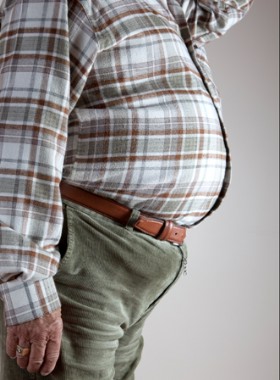
Weight Gain Intervention in Pregnancy Has Enduring Impact
SAN ANTONIO – Education about appropriate weight gain, healthy eating, and exercise during pregnancy improves dietary restraint and self-weighing, and prevents postpartum weight retention, according to 12-month findings from the randomized, controlled Fit for Delivery study.
Benefits accrued even after the "pretty practical, low-intensity intervention" ended, suggesting that "pregnancy may be a teachable moment for promoting continued behavioral changes," Suzanne Phelan, Ph.D., of California Polytechnic State University, San Luis Obispo, reported at the annual meeting of the Obesity Society.

Among 201 normal-weight study participants, 40% of those randomized to receive standard care plus a lifestyle modification intervention exceeded 1990 Institute of Medicine recommendations for weight gain during pregnancy, compared with 52% of those randomized to receive standard care as part of a control group.
No such difference was seen among 200 overweight or obese participants in the intervention and control groups (67% and 61%). Regardless of weight status at study entry, 31% of 201 women in the intervention group returned to their prepregnancy weight by 6 months post partum, compared with 19% of 200 women in the control group.
The 6-month results of the Fit for Delivery study were published last year in the American Journal of Clinical Nutrition (2011;93:772-9). Dr. Phelan’s presentation included findings at 12 months’ follow-up.
At 12 months post partum, 45% of normal-weight and overweight/obese participants in the intervention group and 35% in the control group reached their prepregnancy weight. The women in the intervention group may have been more successful because they exhibited significantly greater dietary restraint and were significantly more likely to monitor their weight throughout the study period. For example, the intervention group reduced calories consumed from soft drinks during pregnancy and until 6 months’ follow-up.
More sophisticated analyses to explore the complex relationships between potential mediators of treatment effects are underway, she added.
Fit for Delivery study participants were pregnant women recruited from six obstetrics practices between 2006 and 2008. At study entry, their mean age was 29 years and mean gestation was 13.5 weeks. Two-thirds were non-Hispanic white women and 77% were primiparous. Half were normal weight and half were overweight or obese.
Those in the intervention group had one 30-minute face-to-face visit, three phone calls throughout pregnancy (with more for those gaining more or less than the recommended amount of weight), and mail delivery of "challenge cards" highlighting key behavioral targets such as healthy eating and physical activity. The intervention group also received a scale, pedometer, and nutritional resources such as calorie-counting booklets.
A motivational approach to the intervention, which ended at delivery, aimed to teach participants to consider the impact of their behavior on the health of their growing baby, Dr. Phelan noted.
Participants in the control group had one face-to-face visit with a dietitian, and received general educational brochures and newsletters about pregnancy-related topics.
The final analysis excluded 6 women who experienced a miscarriage, 32 who developed gestational diabetes, 5 who became pregnant within 6 months of delivery, and an additional 36 who became pregnant within 12 months of delivery.
Excessive gestational weight gain is a major determinant of high postpartum weight retention as well as long-term obesity and several adverse maternal and offspring outcomes, Dr. Phelan said. About half of normal-weight women and 65% of overweight or obese women gain more weight than recommended during pregnancy.
This type of program could be useful in the clinical setting, she added, noting that additional research to evaluate the effects of higher-intensity programs is needed.
The Fit for Delivery study was supported by the National Institutes of Health. Dr. Phelan and her colleagues reported having no relevant financial disclosures.
SAN ANTONIO – Education about appropriate weight gain, healthy eating, and exercise during pregnancy improves dietary restraint and self-weighing, and prevents postpartum weight retention, according to 12-month findings from the randomized, controlled Fit for Delivery study.
Benefits accrued even after the "pretty practical, low-intensity intervention" ended, suggesting that "pregnancy may be a teachable moment for promoting continued behavioral changes," Suzanne Phelan, Ph.D., of California Polytechnic State University, San Luis Obispo, reported at the annual meeting of the Obesity Society.
Among 201 normal-weight study participants, 40% of those randomized to receive standard care plus a lifestyle modification intervention exceeded 1990 Institute of Medicine recommendations for weight gain during pregnancy, compared with 52% of those randomized to receive standard care as part of a control group.
No such difference was seen among 200 overweight or obese participants in the intervention and control groups (67% and 61%). Regardless of weight status at study entry, 31% of 201 women in the intervention group returned to their prepregnancy weight by 6 months post partum, compared with 19% of 200 women in the control group.
The 6-month results of the Fit for Delivery study were published last year in the American Journal of Clinical Nutrition (2011;93:772-9). Dr. Phelan’s presentation included findings at 12 months’ follow-up.
At 12 months post partum, 45% of normal-weight and overweight/obese participants in the intervention group and 35% in the control group reached their prepregnancy weight. The women in the intervention group may have been more successful because they exhibited significantly greater dietary restraint and were significantly more likely to monitor their weight throughout the study period. For example, the intervention group reduced calories consumed from soft drinks during pregnancy and until 6 months’ follow-up.
More sophisticated analyses to explore the complex relationships between potential mediators of treatment effects are underway, she added.
Fit for Delivery study participants were pregnant women recruited from six obstetrics practices between 2006 and 2008. At study entry, their mean age was 29 years and mean gestation was 13.5 weeks. Two-thirds were non-Hispanic white women and 77% were primiparous. Half were normal weight and half were overweight or obese.
Those in the intervention group had one 30-minute face-to-face visit, three phone calls throughout pregnancy (with more for those gaining more or less than the recommended amount of weight), and mail delivery of "challenge cards" highlighting key behavioral targets such as healthy eating and physical activity. The intervention group also received a scale, pedometer, and nutritional resources such as calorie-counting booklets.
A motivational approach to the intervention, which ended at delivery, aimed to teach participants to consider the impact of their behavior on the health of their growing baby, Dr. Phelan noted.
Participants in the control group had one face-to-face visit with a dietitian, and received general educational brochures and newsletters about pregnancy-related topics.
The final analysis excluded 6 women who experienced a miscarriage, 32 who developed gestational diabetes, 5 who became pregnant within 6 months of delivery, and an additional 36 who became pregnant within 12 months of delivery.
Excessive gestational weight gain is a major determinant of high postpartum weight retention as well as long-term obesity and several adverse maternal and offspring outcomes, Dr. Phelan said. About half of normal-weight women and 65% of overweight or obese women gain more weight than recommended during pregnancy.
This type of program could be useful in the clinical setting, she added, noting that additional research to evaluate the effects of higher-intensity programs is needed.
The Fit for Delivery study was supported by the National Institutes of Health. Dr. Phelan and her colleagues reported having no relevant financial disclosures.
SAN ANTONIO – Education about appropriate weight gain, healthy eating, and exercise during pregnancy improves dietary restraint and self-weighing, and prevents postpartum weight retention, according to 12-month findings from the randomized, controlled Fit for Delivery study.
Benefits accrued even after the "pretty practical, low-intensity intervention" ended, suggesting that "pregnancy may be a teachable moment for promoting continued behavioral changes," Suzanne Phelan, Ph.D., of California Polytechnic State University, San Luis Obispo, reported at the annual meeting of the Obesity Society.
Among 201 normal-weight study participants, 40% of those randomized to receive standard care plus a lifestyle modification intervention exceeded 1990 Institute of Medicine recommendations for weight gain during pregnancy, compared with 52% of those randomized to receive standard care as part of a control group.
No such difference was seen among 200 overweight or obese participants in the intervention and control groups (67% and 61%). Regardless of weight status at study entry, 31% of 201 women in the intervention group returned to their prepregnancy weight by 6 months post partum, compared with 19% of 200 women in the control group.
The 6-month results of the Fit for Delivery study were published last year in the American Journal of Clinical Nutrition (2011;93:772-9). Dr. Phelan’s presentation included findings at 12 months’ follow-up.
At 12 months post partum, 45% of normal-weight and overweight/obese participants in the intervention group and 35% in the control group reached their prepregnancy weight. The women in the intervention group may have been more successful because they exhibited significantly greater dietary restraint and were significantly more likely to monitor their weight throughout the study period. For example, the intervention group reduced calories consumed from soft drinks during pregnancy and until 6 months’ follow-up.
More sophisticated analyses to explore the complex relationships between potential mediators of treatment effects are underway, she added.
Fit for Delivery study participants were pregnant women recruited from six obstetrics practices between 2006 and 2008. At study entry, their mean age was 29 years and mean gestation was 13.5 weeks. Two-thirds were non-Hispanic white women and 77% were primiparous. Half were normal weight and half were overweight or obese.
Those in the intervention group had one 30-minute face-to-face visit, three phone calls throughout pregnancy (with more for those gaining more or less than the recommended amount of weight), and mail delivery of "challenge cards" highlighting key behavioral targets such as healthy eating and physical activity. The intervention group also received a scale, pedometer, and nutritional resources such as calorie-counting booklets.
A motivational approach to the intervention, which ended at delivery, aimed to teach participants to consider the impact of their behavior on the health of their growing baby, Dr. Phelan noted.
Participants in the control group had one face-to-face visit with a dietitian, and received general educational brochures and newsletters about pregnancy-related topics.
The final analysis excluded 6 women who experienced a miscarriage, 32 who developed gestational diabetes, 5 who became pregnant within 6 months of delivery, and an additional 36 who became pregnant within 12 months of delivery.
Excessive gestational weight gain is a major determinant of high postpartum weight retention as well as long-term obesity and several adverse maternal and offspring outcomes, Dr. Phelan said. About half of normal-weight women and 65% of overweight or obese women gain more weight than recommended during pregnancy.
This type of program could be useful in the clinical setting, she added, noting that additional research to evaluate the effects of higher-intensity programs is needed.
The Fit for Delivery study was supported by the National Institutes of Health. Dr. Phelan and her colleagues reported having no relevant financial disclosures.
AT THE ANNUAL MEETING OF THE OBESITY SOCIETY
Major Finding: At 12 months post partum, 45% of normal-weight and overweight/obese participants in the intervention group and 35% in the control group reached their prepregnancy weight.
Data Source: Fit for Delivery study participants were 401 pregnant women recruited from six obstetrics practices between 2006 and 2008.
Disclosures: The Fit for Delivery study was supported by the National Institutes of Health. Dr. Phelan and her colleagues reported having no relevant financial disclosures.

Child's Cardiovascular Risks Are Measured, but Seldom Managed
SAN ANTONIO – Pediatric cardiovascular risk reduction guidelines are underutilized, according to data from an ongoing study.
Data from a 2-year trial conducted in 32 practices show that most are recording body mass index and blood pressure in children as recommended by 2011 guidelines from the National Heart, Lung, and Blood Institute (NHLBI). However, more work is needed with respect to interpreting blood pressure results, initiating management of increased BMI and blood pressure, and addressing tobacco and second-hand smoke exposures, Lauren M. Whetstone, Ph.D., reported in a poster at the annual meeting of the Obesity Society.
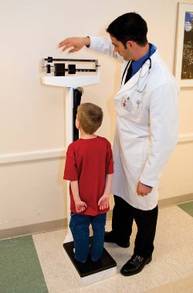
The findings were derived from a chart review of 963 well-child checks at 32 primary care practices. Specifically, 88% of the charts included a record of BMI, 83% included interpretation of the BMI findings, and 98% included a record of blood pressure. But only 30% of the charts included recommendations for managing children with an elevated BMI percentile, and none of the charts included an interpretation of the blood pressure findings or recommendations for management, Dr. Whetstone, of East Carolina University in Greenville, N.C., said in an interview.
Furthermore, 14% of charts documented counseling about a smoke-free environment to parents of 3- to 4-year-olds, and 2% documented assessment for a smoke-free environment and child smoking in 5- to 11-year-olds. Counseling about the importance of a smoke-free environment and about the importance of avoiding smoking was documented in 4% of the charts, she noted.
"The findings identify a real need for making it easier to interpret blood pressure for children. That appears to be a place where physicians can use help," she said, noting that assessment for, and counseling about tobacco exposure is another area where resources are needed.
The project focuses specifically on improving primary provider care for the BMI, blood pressure, and tobacco components of the NHLBI guidelines, Dr. Whetstone noted. The 32 practices from North Carolina and Illinois that are participating in the trial were randomly assigned to a control group or to participate in an academic detailing session that reviewed the NHLBI guidelines and offered a toolkit that included a copy of the guidelines, a clinical decision support tool for mobile devices and computers, and a patient and family engagement workbook. The intervention practices also participate in monthly webinars and collaborative calls for sharing best practices and building quality improvement skills.
The 16 practices in the intervention group and the 16 that make up the control group all underwent a baseline chart abstraction detailed by Dr. Whetstone in her poster, and received data feedback. The 12-month intervention is currently ongoing, and a follow-up chart review will be conducted in November and December.
The baseline chart review for the study included 30 randomly selected charts per participating practice for patients aged 3-11 years who were seen for a well visit. At follow-up, 40 charts per practice will be reviewed, and the efficacy of the tools and training used in the intervention will be reviewed. Based on this review and feedback from participating practices, the decision support tools will be refined and modified for anticipated release by the NHLBI to the public upon project completion, Dr. Whetstone said.
All practices participating in the study receive credit for the Quality Improvement component of Maintenance of Board Certification, a component that may have facilitated recruitment, Dr. Whetstone noted.
The trial is funded by the NHLBI. Dr. Whetstone had no disclosures to report.
SAN ANTONIO – Pediatric cardiovascular risk reduction guidelines are underutilized, according to data from an ongoing study.
Data from a 2-year trial conducted in 32 practices show that most are recording body mass index and blood pressure in children as recommended by 2011 guidelines from the National Heart, Lung, and Blood Institute (NHLBI). However, more work is needed with respect to interpreting blood pressure results, initiating management of increased BMI and blood pressure, and addressing tobacco and second-hand smoke exposures, Lauren M. Whetstone, Ph.D., reported in a poster at the annual meeting of the Obesity Society.
The findings were derived from a chart review of 963 well-child checks at 32 primary care practices. Specifically, 88% of the charts included a record of BMI, 83% included interpretation of the BMI findings, and 98% included a record of blood pressure. But only 30% of the charts included recommendations for managing children with an elevated BMI percentile, and none of the charts included an interpretation of the blood pressure findings or recommendations for management, Dr. Whetstone, of East Carolina University in Greenville, N.C., said in an interview.
Furthermore, 14% of charts documented counseling about a smoke-free environment to parents of 3- to 4-year-olds, and 2% documented assessment for a smoke-free environment and child smoking in 5- to 11-year-olds. Counseling about the importance of a smoke-free environment and about the importance of avoiding smoking was documented in 4% of the charts, she noted.
"The findings identify a real need for making it easier to interpret blood pressure for children. That appears to be a place where physicians can use help," she said, noting that assessment for, and counseling about tobacco exposure is another area where resources are needed.
The project focuses specifically on improving primary provider care for the BMI, blood pressure, and tobacco components of the NHLBI guidelines, Dr. Whetstone noted. The 32 practices from North Carolina and Illinois that are participating in the trial were randomly assigned to a control group or to participate in an academic detailing session that reviewed the NHLBI guidelines and offered a toolkit that included a copy of the guidelines, a clinical decision support tool for mobile devices and computers, and a patient and family engagement workbook. The intervention practices also participate in monthly webinars and collaborative calls for sharing best practices and building quality improvement skills.
The 16 practices in the intervention group and the 16 that make up the control group all underwent a baseline chart abstraction detailed by Dr. Whetstone in her poster, and received data feedback. The 12-month intervention is currently ongoing, and a follow-up chart review will be conducted in November and December.
The baseline chart review for the study included 30 randomly selected charts per participating practice for patients aged 3-11 years who were seen for a well visit. At follow-up, 40 charts per practice will be reviewed, and the efficacy of the tools and training used in the intervention will be reviewed. Based on this review and feedback from participating practices, the decision support tools will be refined and modified for anticipated release by the NHLBI to the public upon project completion, Dr. Whetstone said.
All practices participating in the study receive credit for the Quality Improvement component of Maintenance of Board Certification, a component that may have facilitated recruitment, Dr. Whetstone noted.
The trial is funded by the NHLBI. Dr. Whetstone had no disclosures to report.
SAN ANTONIO – Pediatric cardiovascular risk reduction guidelines are underutilized, according to data from an ongoing study.
Data from a 2-year trial conducted in 32 practices show that most are recording body mass index and blood pressure in children as recommended by 2011 guidelines from the National Heart, Lung, and Blood Institute (NHLBI). However, more work is needed with respect to interpreting blood pressure results, initiating management of increased BMI and blood pressure, and addressing tobacco and second-hand smoke exposures, Lauren M. Whetstone, Ph.D., reported in a poster at the annual meeting of the Obesity Society.
The findings were derived from a chart review of 963 well-child checks at 32 primary care practices. Specifically, 88% of the charts included a record of BMI, 83% included interpretation of the BMI findings, and 98% included a record of blood pressure. But only 30% of the charts included recommendations for managing children with an elevated BMI percentile, and none of the charts included an interpretation of the blood pressure findings or recommendations for management, Dr. Whetstone, of East Carolina University in Greenville, N.C., said in an interview.
Furthermore, 14% of charts documented counseling about a smoke-free environment to parents of 3- to 4-year-olds, and 2% documented assessment for a smoke-free environment and child smoking in 5- to 11-year-olds. Counseling about the importance of a smoke-free environment and about the importance of avoiding smoking was documented in 4% of the charts, she noted.
"The findings identify a real need for making it easier to interpret blood pressure for children. That appears to be a place where physicians can use help," she said, noting that assessment for, and counseling about tobacco exposure is another area where resources are needed.
The project focuses specifically on improving primary provider care for the BMI, blood pressure, and tobacco components of the NHLBI guidelines, Dr. Whetstone noted. The 32 practices from North Carolina and Illinois that are participating in the trial were randomly assigned to a control group or to participate in an academic detailing session that reviewed the NHLBI guidelines and offered a toolkit that included a copy of the guidelines, a clinical decision support tool for mobile devices and computers, and a patient and family engagement workbook. The intervention practices also participate in monthly webinars and collaborative calls for sharing best practices and building quality improvement skills.
The 16 practices in the intervention group and the 16 that make up the control group all underwent a baseline chart abstraction detailed by Dr. Whetstone in her poster, and received data feedback. The 12-month intervention is currently ongoing, and a follow-up chart review will be conducted in November and December.
The baseline chart review for the study included 30 randomly selected charts per participating practice for patients aged 3-11 years who were seen for a well visit. At follow-up, 40 charts per practice will be reviewed, and the efficacy of the tools and training used in the intervention will be reviewed. Based on this review and feedback from participating practices, the decision support tools will be refined and modified for anticipated release by the NHLBI to the public upon project completion, Dr. Whetstone said.
All practices participating in the study receive credit for the Quality Improvement component of Maintenance of Board Certification, a component that may have facilitated recruitment, Dr. Whetstone noted.
The trial is funded by the NHLBI. Dr. Whetstone had no disclosures to report.
AT THE ANNUAL MEETING OF THE OBESITY SOCIETY
Major Finding: A chart review showed that 88% of charts included a record of BMI and 98% included a record of blood pressure. But only 30% of the charts included recommendations for managing an elevated BMI percentile, and none included an interpretation of the blood pressure findings or recommendations for management.
Data Source: The findings are derived from a chart review of 963 well-child checks at 32 primary care practices.
Disclosures: The trial is funded by the NHLBI. Dr. Whetstone had no disclosures to report.
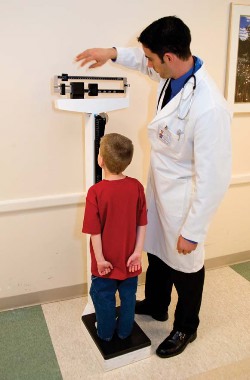
Sugar-Sweetened Beverages Amplify Genetic Risk of Obesity
SAN ANTONIO – Sugar-sweetened beverages may take a bigger toll on those genetically predisposed to obesity, according to an analysis of data from the Nurses’ Health Study and the Health Professionals Follow-up Study.
In a combined cohort of 6,934 women and 4,423 men from those prospective longitudinal studies, intake of sugar-sweetened beverages had an impact on a genetic-predisposition score for adiposity. The score was calculated based on single nucleotide polymorphisms representing 32 loci that have an established association with body mass index.

The increases in BMI per increment of 10 risk alleles were 1.00 for those who drank less than one serving of sugar-sweetened beverages per month, 1.20 for those who drank 1-4 servings, and 1.37 for those who drank 4-6 servings. For those who drank one or more servings each day, the risk was 1.85, Dr. Lu Qi reported at the annual meeting of the Obesity Society.
The relative risks of incident obesity per increment of 10 risk alleles were 1.19, 1.67, 1.58, and 5.06 for those same intake categories, respectively, said Dr. Qi of the Harvard School of Public Health, Boston.
Similar findings were seen in a replication cohort of 21,740 women in the Women’s Genome Health Study, another prospective longitudinal cohort study of initially healthy women. The increases in BMI per increment of 10 risk alleles in this cohort were 1.39, 1.64, 1.90, and 2.53 for the four categories of intake, respectively, and the relative risks for incident obesity were 1.40, 1.50, 1.16, 1.54, and 3.16, respectively.
"In all three cohorts, the combined genetic effects on BMI and obesity risk among persons consuming one or more servings of sugar-sweetened beverages per day were approximately twice as large as those among persons consuming less than one serving per month. These data suggest that persons with greater consumption of sugar-sweetened beverages may be more susceptible to genetic effects on adiposity. Viewed differently, persons with a greater genetic predisposition to obesity appeared to be more susceptible to the deleterious effects of sugar-sweetened beverages on BMI," according to Dr. Qi and his colleagues.
The presentation of the findings coincided with their publication online (N. Engl. J. Med. 2012 Sept. 21 [doi: 10.1056/NEJMoa1203039]).
The consumption of sugar-sweetened beverages has increased dramatically over the past three decades, as has the prevalence of obesity.
One strength of this study is the use of the genetic-predisposition score comprised of multiple genetic variants.
Dr. Qi said that sugar-sweetened beverages have high calorie content but are associated with low satiety and incomplete compensation for the liquid-calorie increases in total energy intake. Also, the large amount of rapidly absorbable carbohydrates in these beverages may increase risk of insulin resistance, beta-cell dysfunction, inflammation, visceral adiposity, and other metabolic disorders.
Future studies are needed to clarify the underlying mechanisms of the interaction between the intake of sugar-sweetened beverages and a genetic predisposition to elevated adiposity or obesity, as the biologic functions of most established BMI-associated loci remain largely unknown.
The findings nonetheless underscore the need to test interventions that may reduce the intake of sugar-sweetened beverages as a means for reducing obesity risk and for preventing related diseases, Dr. Qi said.
This study was supported by the National Institutes of Health, Merck Research Laboratories, the American Heart Association Scientist, and the Harvard Glaucoma Center of Excellence. Dr. Qi reported receiving lecture fees from Kellogg. Complete author disclosures are available with the full text of the article at www.NEJM.org.
SAN ANTONIO – Sugar-sweetened beverages may take a bigger toll on those genetically predisposed to obesity, according to an analysis of data from the Nurses’ Health Study and the Health Professionals Follow-up Study.
In a combined cohort of 6,934 women and 4,423 men from those prospective longitudinal studies, intake of sugar-sweetened beverages had an impact on a genetic-predisposition score for adiposity. The score was calculated based on single nucleotide polymorphisms representing 32 loci that have an established association with body mass index.
The increases in BMI per increment of 10 risk alleles were 1.00 for those who drank less than one serving of sugar-sweetened beverages per month, 1.20 for those who drank 1-4 servings, and 1.37 for those who drank 4-6 servings. For those who drank one or more servings each day, the risk was 1.85, Dr. Lu Qi reported at the annual meeting of the Obesity Society.
The relative risks of incident obesity per increment of 10 risk alleles were 1.19, 1.67, 1.58, and 5.06 for those same intake categories, respectively, said Dr. Qi of the Harvard School of Public Health, Boston.
Similar findings were seen in a replication cohort of 21,740 women in the Women’s Genome Health Study, another prospective longitudinal cohort study of initially healthy women. The increases in BMI per increment of 10 risk alleles in this cohort were 1.39, 1.64, 1.90, and 2.53 for the four categories of intake, respectively, and the relative risks for incident obesity were 1.40, 1.50, 1.16, 1.54, and 3.16, respectively.
"In all three cohorts, the combined genetic effects on BMI and obesity risk among persons consuming one or more servings of sugar-sweetened beverages per day were approximately twice as large as those among persons consuming less than one serving per month. These data suggest that persons with greater consumption of sugar-sweetened beverages may be more susceptible to genetic effects on adiposity. Viewed differently, persons with a greater genetic predisposition to obesity appeared to be more susceptible to the deleterious effects of sugar-sweetened beverages on BMI," according to Dr. Qi and his colleagues.
The presentation of the findings coincided with their publication online (N. Engl. J. Med. 2012 Sept. 21 [doi: 10.1056/NEJMoa1203039]).
The consumption of sugar-sweetened beverages has increased dramatically over the past three decades, as has the prevalence of obesity.
One strength of this study is the use of the genetic-predisposition score comprised of multiple genetic variants.
Dr. Qi said that sugar-sweetened beverages have high calorie content but are associated with low satiety and incomplete compensation for the liquid-calorie increases in total energy intake. Also, the large amount of rapidly absorbable carbohydrates in these beverages may increase risk of insulin resistance, beta-cell dysfunction, inflammation, visceral adiposity, and other metabolic disorders.
Future studies are needed to clarify the underlying mechanisms of the interaction between the intake of sugar-sweetened beverages and a genetic predisposition to elevated adiposity or obesity, as the biologic functions of most established BMI-associated loci remain largely unknown.
The findings nonetheless underscore the need to test interventions that may reduce the intake of sugar-sweetened beverages as a means for reducing obesity risk and for preventing related diseases, Dr. Qi said.
This study was supported by the National Institutes of Health, Merck Research Laboratories, the American Heart Association Scientist, and the Harvard Glaucoma Center of Excellence. Dr. Qi reported receiving lecture fees from Kellogg. Complete author disclosures are available with the full text of the article at www.NEJM.org.
SAN ANTONIO – Sugar-sweetened beverages may take a bigger toll on those genetically predisposed to obesity, according to an analysis of data from the Nurses’ Health Study and the Health Professionals Follow-up Study.
In a combined cohort of 6,934 women and 4,423 men from those prospective longitudinal studies, intake of sugar-sweetened beverages had an impact on a genetic-predisposition score for adiposity. The score was calculated based on single nucleotide polymorphisms representing 32 loci that have an established association with body mass index.
The increases in BMI per increment of 10 risk alleles were 1.00 for those who drank less than one serving of sugar-sweetened beverages per month, 1.20 for those who drank 1-4 servings, and 1.37 for those who drank 4-6 servings. For those who drank one or more servings each day, the risk was 1.85, Dr. Lu Qi reported at the annual meeting of the Obesity Society.
The relative risks of incident obesity per increment of 10 risk alleles were 1.19, 1.67, 1.58, and 5.06 for those same intake categories, respectively, said Dr. Qi of the Harvard School of Public Health, Boston.
Similar findings were seen in a replication cohort of 21,740 women in the Women’s Genome Health Study, another prospective longitudinal cohort study of initially healthy women. The increases in BMI per increment of 10 risk alleles in this cohort were 1.39, 1.64, 1.90, and 2.53 for the four categories of intake, respectively, and the relative risks for incident obesity were 1.40, 1.50, 1.16, 1.54, and 3.16, respectively.
"In all three cohorts, the combined genetic effects on BMI and obesity risk among persons consuming one or more servings of sugar-sweetened beverages per day were approximately twice as large as those among persons consuming less than one serving per month. These data suggest that persons with greater consumption of sugar-sweetened beverages may be more susceptible to genetic effects on adiposity. Viewed differently, persons with a greater genetic predisposition to obesity appeared to be more susceptible to the deleterious effects of sugar-sweetened beverages on BMI," according to Dr. Qi and his colleagues.
The presentation of the findings coincided with their publication online (N. Engl. J. Med. 2012 Sept. 21 [doi: 10.1056/NEJMoa1203039]).
The consumption of sugar-sweetened beverages has increased dramatically over the past three decades, as has the prevalence of obesity.
One strength of this study is the use of the genetic-predisposition score comprised of multiple genetic variants.
Dr. Qi said that sugar-sweetened beverages have high calorie content but are associated with low satiety and incomplete compensation for the liquid-calorie increases in total energy intake. Also, the large amount of rapidly absorbable carbohydrates in these beverages may increase risk of insulin resistance, beta-cell dysfunction, inflammation, visceral adiposity, and other metabolic disorders.
Future studies are needed to clarify the underlying mechanisms of the interaction between the intake of sugar-sweetened beverages and a genetic predisposition to elevated adiposity or obesity, as the biologic functions of most established BMI-associated loci remain largely unknown.
The findings nonetheless underscore the need to test interventions that may reduce the intake of sugar-sweetened beverages as a means for reducing obesity risk and for preventing related diseases, Dr. Qi said.
This study was supported by the National Institutes of Health, Merck Research Laboratories, the American Heart Association Scientist, and the Harvard Glaucoma Center of Excellence. Dr. Qi reported receiving lecture fees from Kellogg. Complete author disclosures are available with the full text of the article at www.NEJM.org.
AT THE ANNUAL MEETING OF THE OBESITY SOCIETY
Major Finding: Increase in BMI per increment of 10 risk alleles for adiposity was 1.00 for those who drank less than one serving of sugar-sweetened beverages per month, 1.20 for those who drank 1-4 servings, 1.37 for those who drank 4-6 servings, and 1.85 for those who drank one or more servings each day.
Data Source: The analysis involved a combined cohort of 6,934 women and 4,423 men from the Nurses’ Health Study and the Health Professionals Follow-up Study.
Disclosures: This study was supported by the National Institutes of Health, Merck Research Laboratories, the American Heart Association Scientist, and the Harvard Glaucoma Center of Excellence. Dr. Qi reported receiving lecture fees from Kellogg.