User login
Sharon Worcester is an award-winning medical journalist for MDedge News. She has been with the company since 1996, first as the Southeast Bureau Chief (1996-2009) when the company was known as International Medical News Group, then as a freelance writer (2010-2015) before returning as a reporter in 2015. She previously worked as a daily newspaper reporter covering health and local government. Sharon currently reports primarily on oncology and hematology. She has a BA from Eckerd College and an MA in Mass Communication/Print Journalism from the University of Florida. Connect with her via LinkedIn and follow her on twitter @SW_MedReporter.
Cryolipolysis Appears Safe for All Skin Types
ATLANTA – Cryolipolysis appears as safe and effective in dark skin types as in lighter skin types, according to a review of outcomes in 396 patients.
The primary goal of the study was to assess whether this technology is safe in patients with dark skin types, given their increased risk for developing postinflammatory hyperpigmentation with cold exposure and other treatments such as laser treatments, Dr. Ava Shamban said at the annual meeting of the American Society for Dermatologic Surgery.
However, no differences were seen in efficacy or safety based on skin type or ethnicity in the patients who participated in the multicenter study, she said.
"Cryolipolysis is, indeed, a color-blind technology."
In fact, patients with darker skin types had slightly higher satisfaction with the procedure, raising the question of whether the treatment might even be more effective in these patients, said Dr. Shamban, a dermatologist in private practice in Santa Monica, Calif.
The patients were treated on the back, flank, and/or abdomen, with most having multiple areas treated. Fitzpatrick skin types II-VI were represented: 85 had type II, 185 had type III, 104 had type IV, 18 had type V, and 4 had type VI.
Numerous ethnicities also were represented: 7 patients were African American, 38 were Asian, 295 were white, 37 were Latino, 5 were Mediterranean, and 14 were of Middle Eastern descent.
Women comprised 84% of the study population, and patients ranged in age from 24 to 74 years, with most in their late 40s to early 50s, Dr. Shamban noted.
No major adverse events occurred. Some patients did, however, experience minor effects, including bruising in 16%, swelling in 20%, and both bruising and swelling in 4%, she said, adding that the incidence of these effects did not differ between those with Fitzpatrick skin types II-III and those with type IV-VI.
Satisfaction with the procedure and outcomes also did not differ between those groups in 201 patients who completed a patient-satisfaction assessment. Only 7% of 122 patients with skin types II-III and 4% of 79 patients with skin types IV-VI were unsatisfied with the results, Dr. Shamban said.
"Cryolipolysis is, indeed, a color-blind technology, and it is a safe and effective method to reduce fat and thickening in patients of all skin types and ethnicities," she concluded.
Dr. Shamban had no disclosures to report. Her coauthor, Dr. Vic Narurkar, reported serving as a consultant for Zeltiq, the maker of the CoolSculpting cryolipolysis system used in this study.
ATLANTA – Cryolipolysis appears as safe and effective in dark skin types as in lighter skin types, according to a review of outcomes in 396 patients.
The primary goal of the study was to assess whether this technology is safe in patients with dark skin types, given their increased risk for developing postinflammatory hyperpigmentation with cold exposure and other treatments such as laser treatments, Dr. Ava Shamban said at the annual meeting of the American Society for Dermatologic Surgery.
However, no differences were seen in efficacy or safety based on skin type or ethnicity in the patients who participated in the multicenter study, she said.
"Cryolipolysis is, indeed, a color-blind technology."
In fact, patients with darker skin types had slightly higher satisfaction with the procedure, raising the question of whether the treatment might even be more effective in these patients, said Dr. Shamban, a dermatologist in private practice in Santa Monica, Calif.
The patients were treated on the back, flank, and/or abdomen, with most having multiple areas treated. Fitzpatrick skin types II-VI were represented: 85 had type II, 185 had type III, 104 had type IV, 18 had type V, and 4 had type VI.
Numerous ethnicities also were represented: 7 patients were African American, 38 were Asian, 295 were white, 37 were Latino, 5 were Mediterranean, and 14 were of Middle Eastern descent.
Women comprised 84% of the study population, and patients ranged in age from 24 to 74 years, with most in their late 40s to early 50s, Dr. Shamban noted.
No major adverse events occurred. Some patients did, however, experience minor effects, including bruising in 16%, swelling in 20%, and both bruising and swelling in 4%, she said, adding that the incidence of these effects did not differ between those with Fitzpatrick skin types II-III and those with type IV-VI.
Satisfaction with the procedure and outcomes also did not differ between those groups in 201 patients who completed a patient-satisfaction assessment. Only 7% of 122 patients with skin types II-III and 4% of 79 patients with skin types IV-VI were unsatisfied with the results, Dr. Shamban said.
"Cryolipolysis is, indeed, a color-blind technology, and it is a safe and effective method to reduce fat and thickening in patients of all skin types and ethnicities," she concluded.
Dr. Shamban had no disclosures to report. Her coauthor, Dr. Vic Narurkar, reported serving as a consultant for Zeltiq, the maker of the CoolSculpting cryolipolysis system used in this study.
ATLANTA – Cryolipolysis appears as safe and effective in dark skin types as in lighter skin types, according to a review of outcomes in 396 patients.
The primary goal of the study was to assess whether this technology is safe in patients with dark skin types, given their increased risk for developing postinflammatory hyperpigmentation with cold exposure and other treatments such as laser treatments, Dr. Ava Shamban said at the annual meeting of the American Society for Dermatologic Surgery.
However, no differences were seen in efficacy or safety based on skin type or ethnicity in the patients who participated in the multicenter study, she said.
"Cryolipolysis is, indeed, a color-blind technology."
In fact, patients with darker skin types had slightly higher satisfaction with the procedure, raising the question of whether the treatment might even be more effective in these patients, said Dr. Shamban, a dermatologist in private practice in Santa Monica, Calif.
The patients were treated on the back, flank, and/or abdomen, with most having multiple areas treated. Fitzpatrick skin types II-VI were represented: 85 had type II, 185 had type III, 104 had type IV, 18 had type V, and 4 had type VI.
Numerous ethnicities also were represented: 7 patients were African American, 38 were Asian, 295 were white, 37 were Latino, 5 were Mediterranean, and 14 were of Middle Eastern descent.
Women comprised 84% of the study population, and patients ranged in age from 24 to 74 years, with most in their late 40s to early 50s, Dr. Shamban noted.
No major adverse events occurred. Some patients did, however, experience minor effects, including bruising in 16%, swelling in 20%, and both bruising and swelling in 4%, she said, adding that the incidence of these effects did not differ between those with Fitzpatrick skin types II-III and those with type IV-VI.
Satisfaction with the procedure and outcomes also did not differ between those groups in 201 patients who completed a patient-satisfaction assessment. Only 7% of 122 patients with skin types II-III and 4% of 79 patients with skin types IV-VI were unsatisfied with the results, Dr. Shamban said.
"Cryolipolysis is, indeed, a color-blind technology, and it is a safe and effective method to reduce fat and thickening in patients of all skin types and ethnicities," she concluded.
Dr. Shamban had no disclosures to report. Her coauthor, Dr. Vic Narurkar, reported serving as a consultant for Zeltiq, the maker of the CoolSculpting cryolipolysis system used in this study.
AT THE ANNUAL MEETING OF THE AMERICAN SOCIETY FOR DERMATOLOGIC SURGERY
Major Finding: No differences were seen in efficacy or safety based on skin type or ethnicity.
Data Source: This review of outcomes involved 396 patients.
Disclosures: Dr. Shamban had no disclosures to report. Her coauthor, Dr. Vic Narurkar, reported serving as a consultant for Zeltiq, the maker of the CoolSculpting cryolipolysis system used in this study.
Macitentan Promising for Long-Term Outcomes in PAH
ATLANTA – Macitentan, a novel dual endothelin receptor antagonist with enhanced tissue penetration, significantly improves morbidity and mortality in patients with pulmonary arterial hypertension, according to findings from an industry-sponsored, randomized controlled phase III SERAPHIN study.
Macitentan treatment reduced the risk of occurrence of combined morbidity and mortality events by 30% in 250 patients randomized to receive 3 mg once daily and by 45% in 242 patients randomized to receive 10 mg once daily, compared with 250 patients who received placebo, Dr. Lewis Rubin reported at the annual meeting of the American College of Chest Physicians.

The differences were highly significant for both macitentan doses, and the effect of treatment on this novel primary end point was observed irrespective of background therapy, which consisted mainly of phosphodiesterase type-5 (PDE-5) inhibitors.
Among patients using background therapy, risk was reduced by 17% and 38% for the 3 mg and 10 mg groups, respectively; in treatment-naive patients, the risk was reduced by 47% and 55% in the dosage groups, respectively, said Dr. Rubin of the University of California, San Diego.
The findings hold promise for improved long-term outcomes in patients with pulmonary arterial hypertension (PAH), Dr. Rubin said. "This primary morbidity/mortality end point captures clinically relevant events that reflect true disease progression," he noted, explaining that the end point included time to death, atrial septostomy, lung transplantation, initiation of intravenous/subcutaneous prostanoids, or worsening of PAH.
To meet the criteria for PAH worsening, participants had to experience a confirmed 15% or greater decrease in 6-minute walk distance and worsening of symptoms as defined by either a worsening in functional class, worsening symptoms of right heart failure, need for a new PAH treatment, or need for an intravenous diuretic. The majority of events contributing to achievement of the primary end point were associated with worsening of PAH, rather than death, he noted.
In addition to improvements with respect to the primary end point, macitentan treatment also was associated with improvement on the secondary end point of the composite of mortality or hospitalization due to PAH, with risk reduction of 33% and 50% in the 3-mg and 10-mg groups, respectively, compared with placebo, Dr. Rubin said.
Macitentan was well tolerated, with both the treatment group and the placebo group experiencing similar incidences of elevated liver aminotransferases and peripheral edema, although headache, nasopharyngitis, and anemia all occurred more frequently in the treatment groups.
Participants in the double-blind, event-driven SERAPHIN study (Study with an Endothelin Receptor Antagonist in Pulmonary Arterial Hypertension to Improve Clinical Outcome) were individuals aged 12 years or older with PAH. Randomization began in May of 2008, and study end was predefined as the occurrence of 285 morbidity/mortality events, which occurred as of March 2012.
The findings are notable because existing PAH therapies, including bosentan and ambrisentan, have been approved based only on short-term trials with exercise capacity as the primary end point, and have potential for adverse events that can limit tolerability, Dr. Rubin said.
"So an endothelin receptor antagonist that has a better tolerability profile would be potentially desirable," he said.
Indeed, macitentan, which is a product of a tailored discovery program, has not only been shown to have enhanced tissue penetration and "superior in vivo efficacy in a number of animal models," but also to have no effect on bile salts. It, therefore, has diminished adverse effects on the rate of hepatic dysfunction that is seen, with varying degrees, as a manifestation of endothelin receptor antagonism, he explained.
"In addition, it has demonstrated unique sustained receptor binding, which also may be beneficial in long-term therapy," he said.
The SERAPHIN study was sponsored by Actelion, the maker of macitentan. Dr. Rubin disclosed that he has received payment for consulting and/or serving on speaker bureaus or advisory committees for Actelion, Pfizer, United Therapeutics, Lung LLC, Gilead, GlaxoSmithKline, Bayer, and GeNo.
ATLANTA – Macitentan, a novel dual endothelin receptor antagonist with enhanced tissue penetration, significantly improves morbidity and mortality in patients with pulmonary arterial hypertension, according to findings from an industry-sponsored, randomized controlled phase III SERAPHIN study.
Macitentan treatment reduced the risk of occurrence of combined morbidity and mortality events by 30% in 250 patients randomized to receive 3 mg once daily and by 45% in 242 patients randomized to receive 10 mg once daily, compared with 250 patients who received placebo, Dr. Lewis Rubin reported at the annual meeting of the American College of Chest Physicians.
The differences were highly significant for both macitentan doses, and the effect of treatment on this novel primary end point was observed irrespective of background therapy, which consisted mainly of phosphodiesterase type-5 (PDE-5) inhibitors.
Among patients using background therapy, risk was reduced by 17% and 38% for the 3 mg and 10 mg groups, respectively; in treatment-naive patients, the risk was reduced by 47% and 55% in the dosage groups, respectively, said Dr. Rubin of the University of California, San Diego.
The findings hold promise for improved long-term outcomes in patients with pulmonary arterial hypertension (PAH), Dr. Rubin said. "This primary morbidity/mortality end point captures clinically relevant events that reflect true disease progression," he noted, explaining that the end point included time to death, atrial septostomy, lung transplantation, initiation of intravenous/subcutaneous prostanoids, or worsening of PAH.
To meet the criteria for PAH worsening, participants had to experience a confirmed 15% or greater decrease in 6-minute walk distance and worsening of symptoms as defined by either a worsening in functional class, worsening symptoms of right heart failure, need for a new PAH treatment, or need for an intravenous diuretic. The majority of events contributing to achievement of the primary end point were associated with worsening of PAH, rather than death, he noted.
In addition to improvements with respect to the primary end point, macitentan treatment also was associated with improvement on the secondary end point of the composite of mortality or hospitalization due to PAH, with risk reduction of 33% and 50% in the 3-mg and 10-mg groups, respectively, compared with placebo, Dr. Rubin said.
Macitentan was well tolerated, with both the treatment group and the placebo group experiencing similar incidences of elevated liver aminotransferases and peripheral edema, although headache, nasopharyngitis, and anemia all occurred more frequently in the treatment groups.
Participants in the double-blind, event-driven SERAPHIN study (Study with an Endothelin Receptor Antagonist in Pulmonary Arterial Hypertension to Improve Clinical Outcome) were individuals aged 12 years or older with PAH. Randomization began in May of 2008, and study end was predefined as the occurrence of 285 morbidity/mortality events, which occurred as of March 2012.
The findings are notable because existing PAH therapies, including bosentan and ambrisentan, have been approved based only on short-term trials with exercise capacity as the primary end point, and have potential for adverse events that can limit tolerability, Dr. Rubin said.
"So an endothelin receptor antagonist that has a better tolerability profile would be potentially desirable," he said.
Indeed, macitentan, which is a product of a tailored discovery program, has not only been shown to have enhanced tissue penetration and "superior in vivo efficacy in a number of animal models," but also to have no effect on bile salts. It, therefore, has diminished adverse effects on the rate of hepatic dysfunction that is seen, with varying degrees, as a manifestation of endothelin receptor antagonism, he explained.
"In addition, it has demonstrated unique sustained receptor binding, which also may be beneficial in long-term therapy," he said.
The SERAPHIN study was sponsored by Actelion, the maker of macitentan. Dr. Rubin disclosed that he has received payment for consulting and/or serving on speaker bureaus or advisory committees for Actelion, Pfizer, United Therapeutics, Lung LLC, Gilead, GlaxoSmithKline, Bayer, and GeNo.
ATLANTA – Macitentan, a novel dual endothelin receptor antagonist with enhanced tissue penetration, significantly improves morbidity and mortality in patients with pulmonary arterial hypertension, according to findings from an industry-sponsored, randomized controlled phase III SERAPHIN study.
Macitentan treatment reduced the risk of occurrence of combined morbidity and mortality events by 30% in 250 patients randomized to receive 3 mg once daily and by 45% in 242 patients randomized to receive 10 mg once daily, compared with 250 patients who received placebo, Dr. Lewis Rubin reported at the annual meeting of the American College of Chest Physicians.
The differences were highly significant for both macitentan doses, and the effect of treatment on this novel primary end point was observed irrespective of background therapy, which consisted mainly of phosphodiesterase type-5 (PDE-5) inhibitors.
Among patients using background therapy, risk was reduced by 17% and 38% for the 3 mg and 10 mg groups, respectively; in treatment-naive patients, the risk was reduced by 47% and 55% in the dosage groups, respectively, said Dr. Rubin of the University of California, San Diego.
The findings hold promise for improved long-term outcomes in patients with pulmonary arterial hypertension (PAH), Dr. Rubin said. "This primary morbidity/mortality end point captures clinically relevant events that reflect true disease progression," he noted, explaining that the end point included time to death, atrial septostomy, lung transplantation, initiation of intravenous/subcutaneous prostanoids, or worsening of PAH.
To meet the criteria for PAH worsening, participants had to experience a confirmed 15% or greater decrease in 6-minute walk distance and worsening of symptoms as defined by either a worsening in functional class, worsening symptoms of right heart failure, need for a new PAH treatment, or need for an intravenous diuretic. The majority of events contributing to achievement of the primary end point were associated with worsening of PAH, rather than death, he noted.
In addition to improvements with respect to the primary end point, macitentan treatment also was associated with improvement on the secondary end point of the composite of mortality or hospitalization due to PAH, with risk reduction of 33% and 50% in the 3-mg and 10-mg groups, respectively, compared with placebo, Dr. Rubin said.
Macitentan was well tolerated, with both the treatment group and the placebo group experiencing similar incidences of elevated liver aminotransferases and peripheral edema, although headache, nasopharyngitis, and anemia all occurred more frequently in the treatment groups.
Participants in the double-blind, event-driven SERAPHIN study (Study with an Endothelin Receptor Antagonist in Pulmonary Arterial Hypertension to Improve Clinical Outcome) were individuals aged 12 years or older with PAH. Randomization began in May of 2008, and study end was predefined as the occurrence of 285 morbidity/mortality events, which occurred as of March 2012.
The findings are notable because existing PAH therapies, including bosentan and ambrisentan, have been approved based only on short-term trials with exercise capacity as the primary end point, and have potential for adverse events that can limit tolerability, Dr. Rubin said.
"So an endothelin receptor antagonist that has a better tolerability profile would be potentially desirable," he said.
Indeed, macitentan, which is a product of a tailored discovery program, has not only been shown to have enhanced tissue penetration and "superior in vivo efficacy in a number of animal models," but also to have no effect on bile salts. It, therefore, has diminished adverse effects on the rate of hepatic dysfunction that is seen, with varying degrees, as a manifestation of endothelin receptor antagonism, he explained.
"In addition, it has demonstrated unique sustained receptor binding, which also may be beneficial in long-term therapy," he said.
The SERAPHIN study was sponsored by Actelion, the maker of macitentan. Dr. Rubin disclosed that he has received payment for consulting and/or serving on speaker bureaus or advisory committees for Actelion, Pfizer, United Therapeutics, Lung LLC, Gilead, GlaxoSmithKline, Bayer, and GeNo.
FROM THE ANNUAL MEETING OF THE AMERICAN COLLEGE OF CHEST PHYSICIANS
Major Finding: Macitentan treatment reduced the risk of morbidity and mortality by 30% in patients who received 3 mg once daily and by 45% in those who received 10 mg once daily, compared patients who received placebo.
Data Source: The randomized controlled phase III SERAPHIN study included 250 and 242 patients in the 3-mg and 10-mg treatment groups, respectively, and 250 patients in the placebo group.
Disclosures: The SERAPHIN study was sponsored by Actelion, the maker of macitentan. Dr. Rubin has received payment for consulting and/or serving on speaker bureaus or advisory committees for Actelion, Pfizer, United Therapeutics, Lung LLC, Gilead, GlaxoSmithKline, Bayer, and GeNo.

New Gene-Expression Test Improves Diagnostic Yield of Bronchoscopy
ATLANTA – The combined use of a novel bronchial airway gene-expression test and bronchoscopy improves the ability to rule out lung cancer in patients with benign disease, compared with bronchoscopy alone, according to findings from the prospective case-controlled AEGIS-1 trial.
Because bronchoscopy, which plays a central role in lung cancer diagnosis, has varying diagnostic yield based on factors such as the size and location of the lesion, the method used to collect cells, and pathological processing methods, the findings suggest that the test (BronchoGen) could minimize the need for additional invasive procedures in these patients, Duncan Whitney, Ph.D., said at the annual meeting of the American College of Chest Physicians.
The AEGIS-1 (Airway Epithelium Gene Expression in the Diagnosis of Lung Cancer 1) trial included more than 700 current or former smokers undergoing bronchoscopy for suspicion of lung cancer. It was designed to evaluate the diagnostic accuracy of the genomic test, which detects gene expression of cytologically normal bronchial airway epithelial cells.
The investigators collected mainstem bronchial airway brushings from 330 patients, including 240 with confirmed primary lung cancer and 90 controls, and performed microarray analysis. The sample set was then split into an independent training sample of 220 cases and a test set of 110 cases, and the gene-expression prediction model was optimized.
Next, reverse transcription polymerase chain reaction (RT-PCR) assays were developed for candidate biomarker genes, and a multivariate test algorithm was reoptimized using the RT-PCR data generated by a reanalysis of 153 of the samples from cancer patients and 64 of the samples from controls, explained Dr. Whitney.
The test, which ultimately focused on 30 genes, yielded a sensitivity of 77%, compared with 74% for bronchoscopy alone. The combined use of the test and bronchoscopy yielded a sensitivity of 96% and a specificity of 73%.
The negative predictive value of the combined test also was better than that of bronchoscopy alone (0.85 vs. 0.65, respectively), said Dr. Whitney.
"So in essence, we’re reducing the false negative rate from 26% down to 4%," he said.
The BronchoGen test was developed based on the airway "field of injury" principle, which refers to the common molecular response that occurs throughout the respiratory tract in current and former smokers with lung cancer, Dr. Whitney explained.
These changes are detected in a gene-expression signature from normal airway cells, even decades after smoking cessation, he noted.
Despite tremendous work done in this area, which has dramatically improved the diagnostic yield and sensitivity of bronchoscopy in the past few years, the procedure is either inconclusive or not diagnostic in up to 50% of cases, he said.
Thus, a "fairly large need" exists in the medical community, given that about 300,000 bronchoscopy procedures are performed each year for suspicion of lung cancer, he added.
Complete results from AEGIS-1, as well as clinical validation of the BronchoGen test, are expected to be released later this year. An additional 1,300 patients have been enrolled in the ongoing AEGIS-II trial.
Allegro Diagnostics, which developed the BronchoGen test, reports that it plans to commercialize it for use with bronchoscopy beginning in 2013.
This study was sponsored by Allegro Diagnostics. Dr. Whitney is an employee of the company, and had no other disclosures to report.
ATLANTA – The combined use of a novel bronchial airway gene-expression test and bronchoscopy improves the ability to rule out lung cancer in patients with benign disease, compared with bronchoscopy alone, according to findings from the prospective case-controlled AEGIS-1 trial.
Because bronchoscopy, which plays a central role in lung cancer diagnosis, has varying diagnostic yield based on factors such as the size and location of the lesion, the method used to collect cells, and pathological processing methods, the findings suggest that the test (BronchoGen) could minimize the need for additional invasive procedures in these patients, Duncan Whitney, Ph.D., said at the annual meeting of the American College of Chest Physicians.
The AEGIS-1 (Airway Epithelium Gene Expression in the Diagnosis of Lung Cancer 1) trial included more than 700 current or former smokers undergoing bronchoscopy for suspicion of lung cancer. It was designed to evaluate the diagnostic accuracy of the genomic test, which detects gene expression of cytologically normal bronchial airway epithelial cells.
The investigators collected mainstem bronchial airway brushings from 330 patients, including 240 with confirmed primary lung cancer and 90 controls, and performed microarray analysis. The sample set was then split into an independent training sample of 220 cases and a test set of 110 cases, and the gene-expression prediction model was optimized.
Next, reverse transcription polymerase chain reaction (RT-PCR) assays were developed for candidate biomarker genes, and a multivariate test algorithm was reoptimized using the RT-PCR data generated by a reanalysis of 153 of the samples from cancer patients and 64 of the samples from controls, explained Dr. Whitney.
The test, which ultimately focused on 30 genes, yielded a sensitivity of 77%, compared with 74% for bronchoscopy alone. The combined use of the test and bronchoscopy yielded a sensitivity of 96% and a specificity of 73%.
The negative predictive value of the combined test also was better than that of bronchoscopy alone (0.85 vs. 0.65, respectively), said Dr. Whitney.
"So in essence, we’re reducing the false negative rate from 26% down to 4%," he said.
The BronchoGen test was developed based on the airway "field of injury" principle, which refers to the common molecular response that occurs throughout the respiratory tract in current and former smokers with lung cancer, Dr. Whitney explained.
These changes are detected in a gene-expression signature from normal airway cells, even decades after smoking cessation, he noted.
Despite tremendous work done in this area, which has dramatically improved the diagnostic yield and sensitivity of bronchoscopy in the past few years, the procedure is either inconclusive or not diagnostic in up to 50% of cases, he said.
Thus, a "fairly large need" exists in the medical community, given that about 300,000 bronchoscopy procedures are performed each year for suspicion of lung cancer, he added.
Complete results from AEGIS-1, as well as clinical validation of the BronchoGen test, are expected to be released later this year. An additional 1,300 patients have been enrolled in the ongoing AEGIS-II trial.
Allegro Diagnostics, which developed the BronchoGen test, reports that it plans to commercialize it for use with bronchoscopy beginning in 2013.
This study was sponsored by Allegro Diagnostics. Dr. Whitney is an employee of the company, and had no other disclosures to report.
ATLANTA – The combined use of a novel bronchial airway gene-expression test and bronchoscopy improves the ability to rule out lung cancer in patients with benign disease, compared with bronchoscopy alone, according to findings from the prospective case-controlled AEGIS-1 trial.
Because bronchoscopy, which plays a central role in lung cancer diagnosis, has varying diagnostic yield based on factors such as the size and location of the lesion, the method used to collect cells, and pathological processing methods, the findings suggest that the test (BronchoGen) could minimize the need for additional invasive procedures in these patients, Duncan Whitney, Ph.D., said at the annual meeting of the American College of Chest Physicians.
The AEGIS-1 (Airway Epithelium Gene Expression in the Diagnosis of Lung Cancer 1) trial included more than 700 current or former smokers undergoing bronchoscopy for suspicion of lung cancer. It was designed to evaluate the diagnostic accuracy of the genomic test, which detects gene expression of cytologically normal bronchial airway epithelial cells.
The investigators collected mainstem bronchial airway brushings from 330 patients, including 240 with confirmed primary lung cancer and 90 controls, and performed microarray analysis. The sample set was then split into an independent training sample of 220 cases and a test set of 110 cases, and the gene-expression prediction model was optimized.
Next, reverse transcription polymerase chain reaction (RT-PCR) assays were developed for candidate biomarker genes, and a multivariate test algorithm was reoptimized using the RT-PCR data generated by a reanalysis of 153 of the samples from cancer patients and 64 of the samples from controls, explained Dr. Whitney.
The test, which ultimately focused on 30 genes, yielded a sensitivity of 77%, compared with 74% for bronchoscopy alone. The combined use of the test and bronchoscopy yielded a sensitivity of 96% and a specificity of 73%.
The negative predictive value of the combined test also was better than that of bronchoscopy alone (0.85 vs. 0.65, respectively), said Dr. Whitney.
"So in essence, we’re reducing the false negative rate from 26% down to 4%," he said.
The BronchoGen test was developed based on the airway "field of injury" principle, which refers to the common molecular response that occurs throughout the respiratory tract in current and former smokers with lung cancer, Dr. Whitney explained.
These changes are detected in a gene-expression signature from normal airway cells, even decades after smoking cessation, he noted.
Despite tremendous work done in this area, which has dramatically improved the diagnostic yield and sensitivity of bronchoscopy in the past few years, the procedure is either inconclusive or not diagnostic in up to 50% of cases, he said.
Thus, a "fairly large need" exists in the medical community, given that about 300,000 bronchoscopy procedures are performed each year for suspicion of lung cancer, he added.
Complete results from AEGIS-1, as well as clinical validation of the BronchoGen test, are expected to be released later this year. An additional 1,300 patients have been enrolled in the ongoing AEGIS-II trial.
Allegro Diagnostics, which developed the BronchoGen test, reports that it plans to commercialize it for use with bronchoscopy beginning in 2013.
This study was sponsored by Allegro Diagnostics. Dr. Whitney is an employee of the company, and had no other disclosures to report.
AT THE ANNUAL MEETING OF THE AMERICAN COLLEGE OF CHEST PHYSICIANS
Major Finding: The test, which focused on 30 genes, yielded a sensitivity of 77% for lung cancer, compared with 74% for bronchoscopy alone. The combined use of the test and bronchoscopy yielded a sensitivity of 96% and a specificity of 73%.
Data Source: This was a prospective case-controlled trial (AEGIS-1).
Disclosures: This study was sponsored by Allegro Diagnostics. Dr. Whitney is an employee of the company, and had no other disclosures to report.
Lung-Volume Reduction Coils Boost Walk Distance
ATLANTA – The implantation of nitinol coils that grab and compress diseased lung tissue, thereby allowing for better functioning of healthy tissue, significantly improved quality of life, exercise capacity, and pulmonary lung function in a randomized controlled trial of patients with severe emphysema and hyperinflation.
Specifically, use of the investigational self-actuating, implantable devices in the RESET (Randomized Controlled Trial of RePneu Endobronchial Coils for the Treatment of Severe Emphysema with Hyperinflation) study was associated with a significantly improved mean St. George’s Respiratory Questionnaire score at 90 days after the final treatment in 23 patients who received active treatment, compared with 24 controls who received best medical care.
After adjustment for baseline variables, the between-group difference in the scores was 8.35 points in favor of the treatment group, Dr. Zaid Zoumot reported at the annual meeting of the American College of Chest Physicians.
The lung-volume reduction coils also were associated with significant improvements in mean 6-minute walk distance (mean between-group difference of 63.5 m in favor of the treatment group) and forced expiratory volume in 1 second (FEV1, mean between-group difference of 12% in favor of the treatment group), said Dr. Zoumot of Royal Brompton and Harefield Hospital Trust, London.
The between-group difference in change in mean residual volume did not reach statistical significance, despite a 0.64-L reduction in the treatment group compared with the control group, he noted.
RESET participants were adults with severe emphysema and hyperinflation with significant dyspnea and gas trapping who were screened at three participating centers in the United Kingdom. Those randomized to the treatment group initially underwent implantation of the coils in one lung, with treatment of the contralateral lung after 1 month if appropriate.
Treatment was generally safe and well tolerated; three patients in the treatment group had pneumothoraces, which were picked up on chest x-ray routinely performed 1 hour following the procedure and treated successfully, Dr. Zoumot said. No differences in adverse effects occurred between the groups after the first month of follow-up, including in exacerbations of chronic obstructive pulmonary disorder, he added.
"The safety profile was definitely acceptable, and in fact, the procedures were a lot safer than other endobronchial lung-volume reduction devices at this same stage of development, and certainly a lot safer than lung-volume reduction surgery, which has a quite high morbidity and mortality rate," he said.
The findings are encouraging given the limited therapeutic options for patients with severe emphysema with gas trapping and hyperinflation – particularly those with heterogeneous disease, he said.
Drug therapy is typically of little benefit in these patients, and although lung-volume reduction surgery and endobronchial valve treatment can be helpful in some patients, their use is precluded in many patients, including those with heterogeneous disease in the absence of collateral ventilation, he explained.
The RePneu lung-volume reduction coils, however, provide a minimally invasive mechanical approach to lung-volume reduction that is effective in both homogeneous and heterogeneous emphysema, with benefits unaffected by collateral ventilation, he said.
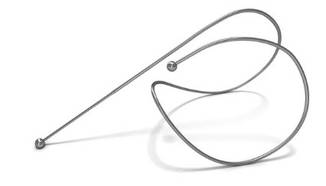
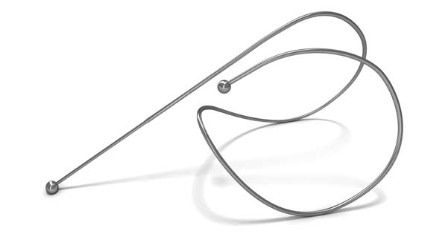
The coils, which are made entirely of nitinol – a highly biocompatible "shape memory" material used in numerous implantable devices – are deployed to the lung bronchoscopically using a proprietary delivery system. Initially, the coils are encased in a sheath to allow delivery in a straight configuration, but once they are in place they return to their original coil configuration, gathering and compressing the diseased tissue as they recoil.
The goal is to implant 10 coils per lobe in a fanlike distribution, Dr. Zoumot said. The procedure, which took about 45 minutes on average in this study, is typically performed under conscious sedation, he added.
Patients in the current study will be followed until 12 months after their final treatment, with results reported at both 6 and 12 months. A larger, multicenter randomized controlled trial with longer follow-up is also set to begin recruiting, Dr. Zoumot said.
This study was funded by PneumRx, the maker of the RePneu coils, and the study sites. Dr. Zoumot reported receiving grant funding and payment for travel expenses from PneumRx.
ATLANTA – The implantation of nitinol coils that grab and compress diseased lung tissue, thereby allowing for better functioning of healthy tissue, significantly improved quality of life, exercise capacity, and pulmonary lung function in a randomized controlled trial of patients with severe emphysema and hyperinflation.
Specifically, use of the investigational self-actuating, implantable devices in the RESET (Randomized Controlled Trial of RePneu Endobronchial Coils for the Treatment of Severe Emphysema with Hyperinflation) study was associated with a significantly improved mean St. George’s Respiratory Questionnaire score at 90 days after the final treatment in 23 patients who received active treatment, compared with 24 controls who received best medical care.
After adjustment for baseline variables, the between-group difference in the scores was 8.35 points in favor of the treatment group, Dr. Zaid Zoumot reported at the annual meeting of the American College of Chest Physicians.
The lung-volume reduction coils also were associated with significant improvements in mean 6-minute walk distance (mean between-group difference of 63.5 m in favor of the treatment group) and forced expiratory volume in 1 second (FEV1, mean between-group difference of 12% in favor of the treatment group), said Dr. Zoumot of Royal Brompton and Harefield Hospital Trust, London.
The between-group difference in change in mean residual volume did not reach statistical significance, despite a 0.64-L reduction in the treatment group compared with the control group, he noted.
RESET participants were adults with severe emphysema and hyperinflation with significant dyspnea and gas trapping who were screened at three participating centers in the United Kingdom. Those randomized to the treatment group initially underwent implantation of the coils in one lung, with treatment of the contralateral lung after 1 month if appropriate.
Treatment was generally safe and well tolerated; three patients in the treatment group had pneumothoraces, which were picked up on chest x-ray routinely performed 1 hour following the procedure and treated successfully, Dr. Zoumot said. No differences in adverse effects occurred between the groups after the first month of follow-up, including in exacerbations of chronic obstructive pulmonary disorder, he added.
"The safety profile was definitely acceptable, and in fact, the procedures were a lot safer than other endobronchial lung-volume reduction devices at this same stage of development, and certainly a lot safer than lung-volume reduction surgery, which has a quite high morbidity and mortality rate," he said.
The findings are encouraging given the limited therapeutic options for patients with severe emphysema with gas trapping and hyperinflation – particularly those with heterogeneous disease, he said.
Drug therapy is typically of little benefit in these patients, and although lung-volume reduction surgery and endobronchial valve treatment can be helpful in some patients, their use is precluded in many patients, including those with heterogeneous disease in the absence of collateral ventilation, he explained.
The RePneu lung-volume reduction coils, however, provide a minimally invasive mechanical approach to lung-volume reduction that is effective in both homogeneous and heterogeneous emphysema, with benefits unaffected by collateral ventilation, he said.
The coils, which are made entirely of nitinol – a highly biocompatible "shape memory" material used in numerous implantable devices – are deployed to the lung bronchoscopically using a proprietary delivery system. Initially, the coils are encased in a sheath to allow delivery in a straight configuration, but once they are in place they return to their original coil configuration, gathering and compressing the diseased tissue as they recoil.
The goal is to implant 10 coils per lobe in a fanlike distribution, Dr. Zoumot said. The procedure, which took about 45 minutes on average in this study, is typically performed under conscious sedation, he added.
Patients in the current study will be followed until 12 months after their final treatment, with results reported at both 6 and 12 months. A larger, multicenter randomized controlled trial with longer follow-up is also set to begin recruiting, Dr. Zoumot said.
This study was funded by PneumRx, the maker of the RePneu coils, and the study sites. Dr. Zoumot reported receiving grant funding and payment for travel expenses from PneumRx.
ATLANTA – The implantation of nitinol coils that grab and compress diseased lung tissue, thereby allowing for better functioning of healthy tissue, significantly improved quality of life, exercise capacity, and pulmonary lung function in a randomized controlled trial of patients with severe emphysema and hyperinflation.
Specifically, use of the investigational self-actuating, implantable devices in the RESET (Randomized Controlled Trial of RePneu Endobronchial Coils for the Treatment of Severe Emphysema with Hyperinflation) study was associated with a significantly improved mean St. George’s Respiratory Questionnaire score at 90 days after the final treatment in 23 patients who received active treatment, compared with 24 controls who received best medical care.
After adjustment for baseline variables, the between-group difference in the scores was 8.35 points in favor of the treatment group, Dr. Zaid Zoumot reported at the annual meeting of the American College of Chest Physicians.
The lung-volume reduction coils also were associated with significant improvements in mean 6-minute walk distance (mean between-group difference of 63.5 m in favor of the treatment group) and forced expiratory volume in 1 second (FEV1, mean between-group difference of 12% in favor of the treatment group), said Dr. Zoumot of Royal Brompton and Harefield Hospital Trust, London.
The between-group difference in change in mean residual volume did not reach statistical significance, despite a 0.64-L reduction in the treatment group compared with the control group, he noted.
RESET participants were adults with severe emphysema and hyperinflation with significant dyspnea and gas trapping who were screened at three participating centers in the United Kingdom. Those randomized to the treatment group initially underwent implantation of the coils in one lung, with treatment of the contralateral lung after 1 month if appropriate.
Treatment was generally safe and well tolerated; three patients in the treatment group had pneumothoraces, which were picked up on chest x-ray routinely performed 1 hour following the procedure and treated successfully, Dr. Zoumot said. No differences in adverse effects occurred between the groups after the first month of follow-up, including in exacerbations of chronic obstructive pulmonary disorder, he added.
"The safety profile was definitely acceptable, and in fact, the procedures were a lot safer than other endobronchial lung-volume reduction devices at this same stage of development, and certainly a lot safer than lung-volume reduction surgery, which has a quite high morbidity and mortality rate," he said.
The findings are encouraging given the limited therapeutic options for patients with severe emphysema with gas trapping and hyperinflation – particularly those with heterogeneous disease, he said.
Drug therapy is typically of little benefit in these patients, and although lung-volume reduction surgery and endobronchial valve treatment can be helpful in some patients, their use is precluded in many patients, including those with heterogeneous disease in the absence of collateral ventilation, he explained.
The RePneu lung-volume reduction coils, however, provide a minimally invasive mechanical approach to lung-volume reduction that is effective in both homogeneous and heterogeneous emphysema, with benefits unaffected by collateral ventilation, he said.
The coils, which are made entirely of nitinol – a highly biocompatible "shape memory" material used in numerous implantable devices – are deployed to the lung bronchoscopically using a proprietary delivery system. Initially, the coils are encased in a sheath to allow delivery in a straight configuration, but once they are in place they return to their original coil configuration, gathering and compressing the diseased tissue as they recoil.
The goal is to implant 10 coils per lobe in a fanlike distribution, Dr. Zoumot said. The procedure, which took about 45 minutes on average in this study, is typically performed under conscious sedation, he added.
Patients in the current study will be followed until 12 months after their final treatment, with results reported at both 6 and 12 months. A larger, multicenter randomized controlled trial with longer follow-up is also set to begin recruiting, Dr. Zoumot said.
This study was funded by PneumRx, the maker of the RePneu coils, and the study sites. Dr. Zoumot reported receiving grant funding and payment for travel expenses from PneumRx.
FROM THE ANNUAL MEETING OF THE AMERICAN COLLEGE OF CHEST PHYSICIANS
Major Finding: Implantation of lung-volume reduction coils was associated with a mean between-group difference of 63.5 m in 6-minute walk distance and a mean between-group difference of 12% in FEV1 in favor of the treatment group.
Data Source: This was a randomized controlled trial (RESET) of 23 patients who received active treatment and 24 controls who received best medical care.
Disclosures: This study was funded by PneumRx, the maker of the RePneu coils, and the study sites. Dr. Zoumot reported receiving grant funding and payment for travel expenses from PneumRx.
Focus on Obesity Prevention in Early Childhood
SAN ANTONIO – Early childhood presents one of the most promising opportunities for addressing the problem of obesity, according to Dr. Elsie Taveras.
Not only is interaction with the health care system at its highest from the prenatal period through the second year of life, but early childhood also is a time when healthy choices can be made on behalf of children, she explained at the annual meeting of the Obesity Society.

"This is a time when children are not making autonomous choices in eating and physical activity. ... This is a time when we can get children and families – but especially children – on a healthy weight trajectory," said Dr. Taveras, a pediatrician who is codirector of the obesity prevention program in the department of population medicine at Harvard Medical School, Boston.
Since monitoring at this stage is fairly continuous, healthy practices can be established and risks can be identified early, she added, noting that prevention is much easier than management.
The importance of prevention is underscored by 2007-2008 National Health and Nutrition Examination Survey (NHANES) data showing that 17% of children aged 2-19 years in the United States are obese, with a disproportionate effect on racial and ethnic minorities. As of 2010, obesity affected 14% of non-Hispanic white children, 24% of black children, and 22% of Hispanic children.
"The other thing that’s starting to gain more attention in the national discourse is that the obesity epidemic has not spared even the youngest of the nation’s children. Almost 10% of infants and toddlers have high weight for length, slightly more than 20% of those aged 2-5 years are overweight or obese, and approximately one to five are carrying extra weight when they enter kindergarten," she said.
Fortunately, quality data exist to help guide efforts to address obesity in these early childhood years, she said.
An Institute of Medicine report released in June 2011 draws on that data to outline important steps that can be taken in early childhood. The "evidence-informed" report specifically addresses the importance of growth monitoring, physical activity, healthy eating, limited screen time (and thus limited exposure to "toxic" food and beverage marketing), and appropriate sleep duration, said Dr. Taveras, who served on the IOM committee on obesity prevention policies for young children, which developed the recommendations in the report.
One thing that stands out based on the data included in the IOM report, as well as from other recent research, is the importance of identifying children at high risk for obesity based on accelerated weight gain during the first 6 months of life, Dr. Taveras said.
Data – including findings from her own recent research – consistently show that accelerated weight-for-length gain in the first 6 months of life is associated with increased obesity risk at age 4 years, she said.
Plot weight and length on a Centers for Disease Control growth chart, and consider it a red flag if the plot crosses two or more growth percentiles very quickly, she advised.
Good evidence also is emerging about the importance of responsiveness to infant satiety and hunger cues, she said, noting that allowing for self-regulation in several areas, including dietary and sleep patterns, appears to have long-term benefits with respect to weight and health in children.
Regarding sleep, CDC data show that insufficient sleep among adults is reported more often in areas where obesity rates are highest, and other data have also suggested a link between sleep deprivation and obesity. Most of the available data are from studies in adults, so additional study to increase understanding of the relationship between obesity and sleep in children is needed, Dr. Taveras said.
The data that are available in children, however, suggest that the worst combination is too little sleep and too much television time. Not only do children who spend a lot of time in front of the television or computer have reduced physical activity levels, but they also have increased exposures to unhealthy food and beverage marketing. Such exposures have been shown to influence food preferences, food requests, and short-term food consumption in children aged 2-12 years, and to be associated with increased body fat percentages in this age group.
Companies are getting very creative when it comes to targeting children, and a particularly disturbing trend, considering the existing disparities in racial and ethnic minorities with respect to obesity, is an increase in marketing to Hispanic youth, Dr. Taveras noted.
Spending on Spanish language television food and beverage advertising has more than doubled, as has exposure in this population.
"There is good reason to be concerned about food marketing," she said.
Taken together, the available data underscore the importance of addressing childhood obesity at a multisector population level.
"For obesity prevention we need to step outside of our comfort zone, out of the clinical setting where we can really reach children where they chiefly spend their time – in the home and community, really thinking about how to develop and implement multisector interventions," she said.
Dr. Taveras said she had no relevant financial disclosures to report.
SAN ANTONIO – Early childhood presents one of the most promising opportunities for addressing the problem of obesity, according to Dr. Elsie Taveras.
Not only is interaction with the health care system at its highest from the prenatal period through the second year of life, but early childhood also is a time when healthy choices can be made on behalf of children, she explained at the annual meeting of the Obesity Society.
"This is a time when children are not making autonomous choices in eating and physical activity. ... This is a time when we can get children and families – but especially children – on a healthy weight trajectory," said Dr. Taveras, a pediatrician who is codirector of the obesity prevention program in the department of population medicine at Harvard Medical School, Boston.
Since monitoring at this stage is fairly continuous, healthy practices can be established and risks can be identified early, she added, noting that prevention is much easier than management.
The importance of prevention is underscored by 2007-2008 National Health and Nutrition Examination Survey (NHANES) data showing that 17% of children aged 2-19 years in the United States are obese, with a disproportionate effect on racial and ethnic minorities. As of 2010, obesity affected 14% of non-Hispanic white children, 24% of black children, and 22% of Hispanic children.
"The other thing that’s starting to gain more attention in the national discourse is that the obesity epidemic has not spared even the youngest of the nation’s children. Almost 10% of infants and toddlers have high weight for length, slightly more than 20% of those aged 2-5 years are overweight or obese, and approximately one to five are carrying extra weight when they enter kindergarten," she said.
Fortunately, quality data exist to help guide efforts to address obesity in these early childhood years, she said.
An Institute of Medicine report released in June 2011 draws on that data to outline important steps that can be taken in early childhood. The "evidence-informed" report specifically addresses the importance of growth monitoring, physical activity, healthy eating, limited screen time (and thus limited exposure to "toxic" food and beverage marketing), and appropriate sleep duration, said Dr. Taveras, who served on the IOM committee on obesity prevention policies for young children, which developed the recommendations in the report.
One thing that stands out based on the data included in the IOM report, as well as from other recent research, is the importance of identifying children at high risk for obesity based on accelerated weight gain during the first 6 months of life, Dr. Taveras said.
Data – including findings from her own recent research – consistently show that accelerated weight-for-length gain in the first 6 months of life is associated with increased obesity risk at age 4 years, she said.
Plot weight and length on a Centers for Disease Control growth chart, and consider it a red flag if the plot crosses two or more growth percentiles very quickly, she advised.
Good evidence also is emerging about the importance of responsiveness to infant satiety and hunger cues, she said, noting that allowing for self-regulation in several areas, including dietary and sleep patterns, appears to have long-term benefits with respect to weight and health in children.
Regarding sleep, CDC data show that insufficient sleep among adults is reported more often in areas where obesity rates are highest, and other data have also suggested a link between sleep deprivation and obesity. Most of the available data are from studies in adults, so additional study to increase understanding of the relationship between obesity and sleep in children is needed, Dr. Taveras said.
The data that are available in children, however, suggest that the worst combination is too little sleep and too much television time. Not only do children who spend a lot of time in front of the television or computer have reduced physical activity levels, but they also have increased exposures to unhealthy food and beverage marketing. Such exposures have been shown to influence food preferences, food requests, and short-term food consumption in children aged 2-12 years, and to be associated with increased body fat percentages in this age group.
Companies are getting very creative when it comes to targeting children, and a particularly disturbing trend, considering the existing disparities in racial and ethnic minorities with respect to obesity, is an increase in marketing to Hispanic youth, Dr. Taveras noted.
Spending on Spanish language television food and beverage advertising has more than doubled, as has exposure in this population.
"There is good reason to be concerned about food marketing," she said.
Taken together, the available data underscore the importance of addressing childhood obesity at a multisector population level.
"For obesity prevention we need to step outside of our comfort zone, out of the clinical setting where we can really reach children where they chiefly spend their time – in the home and community, really thinking about how to develop and implement multisector interventions," she said.
Dr. Taveras said she had no relevant financial disclosures to report.
SAN ANTONIO – Early childhood presents one of the most promising opportunities for addressing the problem of obesity, according to Dr. Elsie Taveras.
Not only is interaction with the health care system at its highest from the prenatal period through the second year of life, but early childhood also is a time when healthy choices can be made on behalf of children, she explained at the annual meeting of the Obesity Society.
"This is a time when children are not making autonomous choices in eating and physical activity. ... This is a time when we can get children and families – but especially children – on a healthy weight trajectory," said Dr. Taveras, a pediatrician who is codirector of the obesity prevention program in the department of population medicine at Harvard Medical School, Boston.
Since monitoring at this stage is fairly continuous, healthy practices can be established and risks can be identified early, she added, noting that prevention is much easier than management.
The importance of prevention is underscored by 2007-2008 National Health and Nutrition Examination Survey (NHANES) data showing that 17% of children aged 2-19 years in the United States are obese, with a disproportionate effect on racial and ethnic minorities. As of 2010, obesity affected 14% of non-Hispanic white children, 24% of black children, and 22% of Hispanic children.
"The other thing that’s starting to gain more attention in the national discourse is that the obesity epidemic has not spared even the youngest of the nation’s children. Almost 10% of infants and toddlers have high weight for length, slightly more than 20% of those aged 2-5 years are overweight or obese, and approximately one to five are carrying extra weight when they enter kindergarten," she said.
Fortunately, quality data exist to help guide efforts to address obesity in these early childhood years, she said.
An Institute of Medicine report released in June 2011 draws on that data to outline important steps that can be taken in early childhood. The "evidence-informed" report specifically addresses the importance of growth monitoring, physical activity, healthy eating, limited screen time (and thus limited exposure to "toxic" food and beverage marketing), and appropriate sleep duration, said Dr. Taveras, who served on the IOM committee on obesity prevention policies for young children, which developed the recommendations in the report.
One thing that stands out based on the data included in the IOM report, as well as from other recent research, is the importance of identifying children at high risk for obesity based on accelerated weight gain during the first 6 months of life, Dr. Taveras said.
Data – including findings from her own recent research – consistently show that accelerated weight-for-length gain in the first 6 months of life is associated with increased obesity risk at age 4 years, she said.
Plot weight and length on a Centers for Disease Control growth chart, and consider it a red flag if the plot crosses two or more growth percentiles very quickly, she advised.
Good evidence also is emerging about the importance of responsiveness to infant satiety and hunger cues, she said, noting that allowing for self-regulation in several areas, including dietary and sleep patterns, appears to have long-term benefits with respect to weight and health in children.
Regarding sleep, CDC data show that insufficient sleep among adults is reported more often in areas where obesity rates are highest, and other data have also suggested a link between sleep deprivation and obesity. Most of the available data are from studies in adults, so additional study to increase understanding of the relationship between obesity and sleep in children is needed, Dr. Taveras said.
The data that are available in children, however, suggest that the worst combination is too little sleep and too much television time. Not only do children who spend a lot of time in front of the television or computer have reduced physical activity levels, but they also have increased exposures to unhealthy food and beverage marketing. Such exposures have been shown to influence food preferences, food requests, and short-term food consumption in children aged 2-12 years, and to be associated with increased body fat percentages in this age group.
Companies are getting very creative when it comes to targeting children, and a particularly disturbing trend, considering the existing disparities in racial and ethnic minorities with respect to obesity, is an increase in marketing to Hispanic youth, Dr. Taveras noted.
Spending on Spanish language television food and beverage advertising has more than doubled, as has exposure in this population.
"There is good reason to be concerned about food marketing," she said.
Taken together, the available data underscore the importance of addressing childhood obesity at a multisector population level.
"For obesity prevention we need to step outside of our comfort zone, out of the clinical setting where we can really reach children where they chiefly spend their time – in the home and community, really thinking about how to develop and implement multisector interventions," she said.
Dr. Taveras said she had no relevant financial disclosures to report.
EXPERT ANALYSIS FROM THE ANNUAL MEETING OF THE OBESITY SOCIETY

Imaging Unwarranted in Primary Cutaneous Melanoma
ATLANTA – The routine use of imaging for the staging or surveillance of asymptomatic patients with primary cutaneous melanoma appears unwarranted, according to findings from a comprehensive literature review.
Even in high-risk patients, the use of chest x-ray (CXR), computed tomography (CT), magnetic resonance imaging (MRI), and positron emission tomography (PET), or PET-CT, yields unacceptably high rates of false positive results and has minimal impact on treatment plans, Dr. Daniel Eisen reported at the annual meeting of the American Society for Dermatologic Surgery.
The findings, which are based on an extensive systematic search of the Medline database for all relevant imaging studies conducted from 1970 to 2011, did suggest that high-frequency ultrasonography might be of diagnostic value for the early detection of subclinical lymph node metastases when used with routine follow-up in high-risk patients, but additional comparative prospective studies are needed to confirm this, said Dr. Eisen of the University of California, Davis.
Among the notable findings, CXR for staging yielded 14 true positive results in 4,320 patients (0.3%) in the reviewed studies. None of these was mentioned as amenable to surgical intervention. In addition, 326 false positives were reported in 3,447 (9.4%) patients with relevant data.
"So, [with CXR for staging] you have about a 20-fold chance of causing your patient undue psychological or iatrogenic harm," Dr. Eisen said.
CXR for surveillance yielded 198 true positive results in 10,046 patients (2%), and false positive results in 384 of 4,055 patients (9.5%).
Based on findings from studies that reported true positives as well as the number of patients who were eligible for or who underwent surgery as a result, 47 of 4,849 patients (1%) may have benefited from CXR surveillance, Dr. Eisen said.
The literature included fewer studies for CT than for CXR, likely because of the increased expense for CT, he noted.
CT was slightly more sensitive for staging, but false positives still outweighed true positives by at least threefold for staging; among 1,111 patients, there were 112 (10%) false positives vs. 41 (3.6%) true positives. CT results altered treatment in 1 of 338 patients (0.3%).
CT for routine surveillance yielded true positives in 63 of 467 patients (13.5%), and false positives in 13 of 127 patients (10.2%). There were no data on the number of patients eligible for surgical intervention based on CT surveillance, Dr. Eisen said.
Even fewer studies were available for MRI, which was almost exclusively used for cerebral imaging. MRI yielded true positives in 13 of 285 patients (4.5%), and false positives in 1 of 185 patients (0.5%). MRI for routine surveillance was addressed in only one study, which showed a true positive rate in 1 of 43 patients (2.3%).
PET for staging yielded true positives in 40 of 821 patients (4.9%), and false positives in 87 of 821 patients (10.6%). PET failed to detect disease in 159 of the patients, for a false negative rate of 19.3%, and changed management decisions in 21 of 191 patients (11%). Only 2 of these patients (1%) were eligible for surgery, however.
PET for post-treatment surveillance yielded true positives in 10 of 252 patients (4%), false positives in 16 of 218 patients (7.3%), and false negatives in 30 of 204 patients (14.7%).
Based on one study, 3 of 30 patients (10%) were found to be eligible for surgery as a result of PET imaging. PET-CT was more sensitive, but results were similarly disappointing, Dr. Eisen said.
Findings were slightly more encouraging for lymph node ultrasonography. In 11 studies, ultrasound staging yielded true positive rates in 100 of 1,035 patients (10%), and false positive results in 73 of 1,035 patients (7%); 44 patients were spared sentinel lymph node biopsies as a result of ultrasound imaging, and instead, proceeded to complete lymph node dissection, Dr. Eisen said. However, ultrasound for staging yielded a false negative result in 120 of 688 patients (17.4%).
Based on 9 studies, ultrasound for surveillance yielded true positive results in the absence of clinical findings in 79 of 1,266 patients (6.2%), false positive results in 12 of 966 patients for whom data were reported (1.2%), and false negative results in 5 of 806 patients (0.62%).
The data are imperfect, but seem to suggest that use of these imaging technologies can do more harm than good, Dr. Eisen said.
While patients may specifically request imaging to alleviate concerns that their primary cutaneous melanoma has advanced or will advance, it is important to keep in mind that, based on these results, the risk of causing unnecessary stress and iatrogenic harm outweigh the potential benefits, he concluded.
Dr. Eisen reported having no disclosures.
ATLANTA – The routine use of imaging for the staging or surveillance of asymptomatic patients with primary cutaneous melanoma appears unwarranted, according to findings from a comprehensive literature review.
Even in high-risk patients, the use of chest x-ray (CXR), computed tomography (CT), magnetic resonance imaging (MRI), and positron emission tomography (PET), or PET-CT, yields unacceptably high rates of false positive results and has minimal impact on treatment plans, Dr. Daniel Eisen reported at the annual meeting of the American Society for Dermatologic Surgery.
The findings, which are based on an extensive systematic search of the Medline database for all relevant imaging studies conducted from 1970 to 2011, did suggest that high-frequency ultrasonography might be of diagnostic value for the early detection of subclinical lymph node metastases when used with routine follow-up in high-risk patients, but additional comparative prospective studies are needed to confirm this, said Dr. Eisen of the University of California, Davis.
Among the notable findings, CXR for staging yielded 14 true positive results in 4,320 patients (0.3%) in the reviewed studies. None of these was mentioned as amenable to surgical intervention. In addition, 326 false positives were reported in 3,447 (9.4%) patients with relevant data.
"So, [with CXR for staging] you have about a 20-fold chance of causing your patient undue psychological or iatrogenic harm," Dr. Eisen said.
CXR for surveillance yielded 198 true positive results in 10,046 patients (2%), and false positive results in 384 of 4,055 patients (9.5%).
Based on findings from studies that reported true positives as well as the number of patients who were eligible for or who underwent surgery as a result, 47 of 4,849 patients (1%) may have benefited from CXR surveillance, Dr. Eisen said.
The literature included fewer studies for CT than for CXR, likely because of the increased expense for CT, he noted.
CT was slightly more sensitive for staging, but false positives still outweighed true positives by at least threefold for staging; among 1,111 patients, there were 112 (10%) false positives vs. 41 (3.6%) true positives. CT results altered treatment in 1 of 338 patients (0.3%).
CT for routine surveillance yielded true positives in 63 of 467 patients (13.5%), and false positives in 13 of 127 patients (10.2%). There were no data on the number of patients eligible for surgical intervention based on CT surveillance, Dr. Eisen said.
Even fewer studies were available for MRI, which was almost exclusively used for cerebral imaging. MRI yielded true positives in 13 of 285 patients (4.5%), and false positives in 1 of 185 patients (0.5%). MRI for routine surveillance was addressed in only one study, which showed a true positive rate in 1 of 43 patients (2.3%).
PET for staging yielded true positives in 40 of 821 patients (4.9%), and false positives in 87 of 821 patients (10.6%). PET failed to detect disease in 159 of the patients, for a false negative rate of 19.3%, and changed management decisions in 21 of 191 patients (11%). Only 2 of these patients (1%) were eligible for surgery, however.
PET for post-treatment surveillance yielded true positives in 10 of 252 patients (4%), false positives in 16 of 218 patients (7.3%), and false negatives in 30 of 204 patients (14.7%).
Based on one study, 3 of 30 patients (10%) were found to be eligible for surgery as a result of PET imaging. PET-CT was more sensitive, but results were similarly disappointing, Dr. Eisen said.
Findings were slightly more encouraging for lymph node ultrasonography. In 11 studies, ultrasound staging yielded true positive rates in 100 of 1,035 patients (10%), and false positive results in 73 of 1,035 patients (7%); 44 patients were spared sentinel lymph node biopsies as a result of ultrasound imaging, and instead, proceeded to complete lymph node dissection, Dr. Eisen said. However, ultrasound for staging yielded a false negative result in 120 of 688 patients (17.4%).
Based on 9 studies, ultrasound for surveillance yielded true positive results in the absence of clinical findings in 79 of 1,266 patients (6.2%), false positive results in 12 of 966 patients for whom data were reported (1.2%), and false negative results in 5 of 806 patients (0.62%).
The data are imperfect, but seem to suggest that use of these imaging technologies can do more harm than good, Dr. Eisen said.
While patients may specifically request imaging to alleviate concerns that their primary cutaneous melanoma has advanced or will advance, it is important to keep in mind that, based on these results, the risk of causing unnecessary stress and iatrogenic harm outweigh the potential benefits, he concluded.
Dr. Eisen reported having no disclosures.
ATLANTA – The routine use of imaging for the staging or surveillance of asymptomatic patients with primary cutaneous melanoma appears unwarranted, according to findings from a comprehensive literature review.
Even in high-risk patients, the use of chest x-ray (CXR), computed tomography (CT), magnetic resonance imaging (MRI), and positron emission tomography (PET), or PET-CT, yields unacceptably high rates of false positive results and has minimal impact on treatment plans, Dr. Daniel Eisen reported at the annual meeting of the American Society for Dermatologic Surgery.
The findings, which are based on an extensive systematic search of the Medline database for all relevant imaging studies conducted from 1970 to 2011, did suggest that high-frequency ultrasonography might be of diagnostic value for the early detection of subclinical lymph node metastases when used with routine follow-up in high-risk patients, but additional comparative prospective studies are needed to confirm this, said Dr. Eisen of the University of California, Davis.
Among the notable findings, CXR for staging yielded 14 true positive results in 4,320 patients (0.3%) in the reviewed studies. None of these was mentioned as amenable to surgical intervention. In addition, 326 false positives were reported in 3,447 (9.4%) patients with relevant data.
"So, [with CXR for staging] you have about a 20-fold chance of causing your patient undue psychological or iatrogenic harm," Dr. Eisen said.
CXR for surveillance yielded 198 true positive results in 10,046 patients (2%), and false positive results in 384 of 4,055 patients (9.5%).
Based on findings from studies that reported true positives as well as the number of patients who were eligible for or who underwent surgery as a result, 47 of 4,849 patients (1%) may have benefited from CXR surveillance, Dr. Eisen said.
The literature included fewer studies for CT than for CXR, likely because of the increased expense for CT, he noted.
CT was slightly more sensitive for staging, but false positives still outweighed true positives by at least threefold for staging; among 1,111 patients, there were 112 (10%) false positives vs. 41 (3.6%) true positives. CT results altered treatment in 1 of 338 patients (0.3%).
CT for routine surveillance yielded true positives in 63 of 467 patients (13.5%), and false positives in 13 of 127 patients (10.2%). There were no data on the number of patients eligible for surgical intervention based on CT surveillance, Dr. Eisen said.
Even fewer studies were available for MRI, which was almost exclusively used for cerebral imaging. MRI yielded true positives in 13 of 285 patients (4.5%), and false positives in 1 of 185 patients (0.5%). MRI for routine surveillance was addressed in only one study, which showed a true positive rate in 1 of 43 patients (2.3%).
PET for staging yielded true positives in 40 of 821 patients (4.9%), and false positives in 87 of 821 patients (10.6%). PET failed to detect disease in 159 of the patients, for a false negative rate of 19.3%, and changed management decisions in 21 of 191 patients (11%). Only 2 of these patients (1%) were eligible for surgery, however.
PET for post-treatment surveillance yielded true positives in 10 of 252 patients (4%), false positives in 16 of 218 patients (7.3%), and false negatives in 30 of 204 patients (14.7%).
Based on one study, 3 of 30 patients (10%) were found to be eligible for surgery as a result of PET imaging. PET-CT was more sensitive, but results were similarly disappointing, Dr. Eisen said.
Findings were slightly more encouraging for lymph node ultrasonography. In 11 studies, ultrasound staging yielded true positive rates in 100 of 1,035 patients (10%), and false positive results in 73 of 1,035 patients (7%); 44 patients were spared sentinel lymph node biopsies as a result of ultrasound imaging, and instead, proceeded to complete lymph node dissection, Dr. Eisen said. However, ultrasound for staging yielded a false negative result in 120 of 688 patients (17.4%).
Based on 9 studies, ultrasound for surveillance yielded true positive results in the absence of clinical findings in 79 of 1,266 patients (6.2%), false positive results in 12 of 966 patients for whom data were reported (1.2%), and false negative results in 5 of 806 patients (0.62%).
The data are imperfect, but seem to suggest that use of these imaging technologies can do more harm than good, Dr. Eisen said.
While patients may specifically request imaging to alleviate concerns that their primary cutaneous melanoma has advanced or will advance, it is important to keep in mind that, based on these results, the risk of causing unnecessary stress and iatrogenic harm outweigh the potential benefits, he concluded.
Dr. Eisen reported having no disclosures.
AT THE ANNUAL MEETING OF THE AMERICAN SOCIETY FOR DERMATOLOGIC SURGERY
Major Finding: Among the imaging modalities studied, the use of chest x-ray for staging primary cutaneous melanoma yielded true positives in 0.3% of patients and false positives in 9.4%.
Data Source: The data are derived from a comprehensive review of the Medline database.
Disclosures: Dr. Eisen reported having no disclosures.
School-Based Obesity Prevention: One Piece of the Puzzle
SAN ANTONIO – School-based interventions for reducing obesity and diabetes risk can have a positive impact, but should be viewed as just one piece of the puzzle, according to Gary Foster, Ph.D.
Findings from the HEALTHY study provide some insight into how and why this is so, Dr. Foster said at the annual meeting of the Obesity Society.
As an investigator on that cluster design, multicomponent, school-based trial, he saw firsthand how school-based interventions can make a difference, but the overall results of that trial, which were published in the New England Journal of Medicine in 2010, underscore the importance of a more comprehensive approach for combating childhood obesity and the development of diabetes, he said.

In more than 4,600 6th grade students from 42 schools that participated in the 3-year randomized, controlled trial, an "incredibly comprehensive and robust intervention" that addressed nutrition, physical activity, behavioral knowledge and skills, and communications and social marketing did not lead to a significant difference between the intervention and control groups with respect to the combined prevalence of overweight and obesity. However, on the obesity measure alone, the difference between the intervention and control groups approached significance, with those in the intervention group having a 19% lower odds of being obese at the end of the study, compared with the students in the control schools (odds ratio, 0.81), the investigators reported (N. Engl. J. Med. 2010;363:443-53).
Also, students in both groups who were overweight or obese at baseline (about 50% of the study population) had about a 16% decrease in the prevalence of overweight and obesity at the end of the study.
The intervention schools also had significantly greater improvements on several secondary outcomes, including body mass index (BMI) z score, insulin, and percentage of students with waist circumference at or above the 90th percentile – "a big deal from a public health point of view," said Dr. Foster, director of the center for obesity research and education at Temple University, Philadelphia.
Why does moving students from the obese to the overweight category make such an impact – perhaps even more of an impact than moving them from the overweight to the healthy category?
"The data are quite compelling," he said, explaining that in this study population, only 2% of students in the healthy range, and only 6% in the overweight range, had elevated insulin levels.
"But a whopping 35% in the obese range had elevated insulin levels ... so if you can modify insulin levels by moving from the obese to the overweight range ... boy, what an impact that would have on diabetes," he said.
Similarly, glucose levels increased with weight range, although the differences were less pronounced. Still, there was a "pretty sharp uptick" in the obese versus the overweight and healthy groups, he noted.
"It’s very troubling that 30% of kids going to school are already obese in 6th grade," Dr. Foster said, but the successes seen in the HEALTHY trial – including the improvement of measures of adiposity that could affect diabetes outcomes, are encouraging, he noted.
Also encouraging was the fact that all schools completed the study, attesting to the value of the cluster design of the trial, and the innovative approach that targeted numerous factors that could contribute to obesity and diabetes risk – from nutritional goals to activity levels to food-based school fundraisers.
Although some resistance was encountered (removing French fries from school lunches didn’t always go over well, Dr. Foster noted), schools, for the most part, were able to effectively enact change.
Programs should take care, however, to avoid targeting only overweight and obese students (and to instead target appropriate outcomes) as it remains important to work to decrease the stigma and discrimination associated with obesity, he said.
School-based programs can indeed be of benefit, although results are mixed, he said, adding that it "really is a comprehensive approach that’s needed."
"Schools are just one piece of this, and there are a lot of pieces to the puzzle," he said.
Dr. Foster disclosed that he is an adviser for Con Agra, United Health Group, Medtronic, and Nutrisystem. The complete list of disclosures for HEALTHY trial investigators is available with the full text of the article at NEJM.org.
SAN ANTONIO – School-based interventions for reducing obesity and diabetes risk can have a positive impact, but should be viewed as just one piece of the puzzle, according to Gary Foster, Ph.D.
Findings from the HEALTHY study provide some insight into how and why this is so, Dr. Foster said at the annual meeting of the Obesity Society.
As an investigator on that cluster design, multicomponent, school-based trial, he saw firsthand how school-based interventions can make a difference, but the overall results of that trial, which were published in the New England Journal of Medicine in 2010, underscore the importance of a more comprehensive approach for combating childhood obesity and the development of diabetes, he said.
In more than 4,600 6th grade students from 42 schools that participated in the 3-year randomized, controlled trial, an "incredibly comprehensive and robust intervention" that addressed nutrition, physical activity, behavioral knowledge and skills, and communications and social marketing did not lead to a significant difference between the intervention and control groups with respect to the combined prevalence of overweight and obesity. However, on the obesity measure alone, the difference between the intervention and control groups approached significance, with those in the intervention group having a 19% lower odds of being obese at the end of the study, compared with the students in the control schools (odds ratio, 0.81), the investigators reported (N. Engl. J. Med. 2010;363:443-53).
Also, students in both groups who were overweight or obese at baseline (about 50% of the study population) had about a 16% decrease in the prevalence of overweight and obesity at the end of the study.
The intervention schools also had significantly greater improvements on several secondary outcomes, including body mass index (BMI) z score, insulin, and percentage of students with waist circumference at or above the 90th percentile – "a big deal from a public health point of view," said Dr. Foster, director of the center for obesity research and education at Temple University, Philadelphia.
Why does moving students from the obese to the overweight category make such an impact – perhaps even more of an impact than moving them from the overweight to the healthy category?
"The data are quite compelling," he said, explaining that in this study population, only 2% of students in the healthy range, and only 6% in the overweight range, had elevated insulin levels.
"But a whopping 35% in the obese range had elevated insulin levels ... so if you can modify insulin levels by moving from the obese to the overweight range ... boy, what an impact that would have on diabetes," he said.
Similarly, glucose levels increased with weight range, although the differences were less pronounced. Still, there was a "pretty sharp uptick" in the obese versus the overweight and healthy groups, he noted.
"It’s very troubling that 30% of kids going to school are already obese in 6th grade," Dr. Foster said, but the successes seen in the HEALTHY trial – including the improvement of measures of adiposity that could affect diabetes outcomes, are encouraging, he noted.
Also encouraging was the fact that all schools completed the study, attesting to the value of the cluster design of the trial, and the innovative approach that targeted numerous factors that could contribute to obesity and diabetes risk – from nutritional goals to activity levels to food-based school fundraisers.
Although some resistance was encountered (removing French fries from school lunches didn’t always go over well, Dr. Foster noted), schools, for the most part, were able to effectively enact change.
Programs should take care, however, to avoid targeting only overweight and obese students (and to instead target appropriate outcomes) as it remains important to work to decrease the stigma and discrimination associated with obesity, he said.
School-based programs can indeed be of benefit, although results are mixed, he said, adding that it "really is a comprehensive approach that’s needed."
"Schools are just one piece of this, and there are a lot of pieces to the puzzle," he said.
Dr. Foster disclosed that he is an adviser for Con Agra, United Health Group, Medtronic, and Nutrisystem. The complete list of disclosures for HEALTHY trial investigators is available with the full text of the article at NEJM.org.
SAN ANTONIO – School-based interventions for reducing obesity and diabetes risk can have a positive impact, but should be viewed as just one piece of the puzzle, according to Gary Foster, Ph.D.
Findings from the HEALTHY study provide some insight into how and why this is so, Dr. Foster said at the annual meeting of the Obesity Society.
As an investigator on that cluster design, multicomponent, school-based trial, he saw firsthand how school-based interventions can make a difference, but the overall results of that trial, which were published in the New England Journal of Medicine in 2010, underscore the importance of a more comprehensive approach for combating childhood obesity and the development of diabetes, he said.
In more than 4,600 6th grade students from 42 schools that participated in the 3-year randomized, controlled trial, an "incredibly comprehensive and robust intervention" that addressed nutrition, physical activity, behavioral knowledge and skills, and communications and social marketing did not lead to a significant difference between the intervention and control groups with respect to the combined prevalence of overweight and obesity. However, on the obesity measure alone, the difference between the intervention and control groups approached significance, with those in the intervention group having a 19% lower odds of being obese at the end of the study, compared with the students in the control schools (odds ratio, 0.81), the investigators reported (N. Engl. J. Med. 2010;363:443-53).
Also, students in both groups who were overweight or obese at baseline (about 50% of the study population) had about a 16% decrease in the prevalence of overweight and obesity at the end of the study.
The intervention schools also had significantly greater improvements on several secondary outcomes, including body mass index (BMI) z score, insulin, and percentage of students with waist circumference at or above the 90th percentile – "a big deal from a public health point of view," said Dr. Foster, director of the center for obesity research and education at Temple University, Philadelphia.
Why does moving students from the obese to the overweight category make such an impact – perhaps even more of an impact than moving them from the overweight to the healthy category?
"The data are quite compelling," he said, explaining that in this study population, only 2% of students in the healthy range, and only 6% in the overweight range, had elevated insulin levels.
"But a whopping 35% in the obese range had elevated insulin levels ... so if you can modify insulin levels by moving from the obese to the overweight range ... boy, what an impact that would have on diabetes," he said.
Similarly, glucose levels increased with weight range, although the differences were less pronounced. Still, there was a "pretty sharp uptick" in the obese versus the overweight and healthy groups, he noted.
"It’s very troubling that 30% of kids going to school are already obese in 6th grade," Dr. Foster said, but the successes seen in the HEALTHY trial – including the improvement of measures of adiposity that could affect diabetes outcomes, are encouraging, he noted.
Also encouraging was the fact that all schools completed the study, attesting to the value of the cluster design of the trial, and the innovative approach that targeted numerous factors that could contribute to obesity and diabetes risk – from nutritional goals to activity levels to food-based school fundraisers.
Although some resistance was encountered (removing French fries from school lunches didn’t always go over well, Dr. Foster noted), schools, for the most part, were able to effectively enact change.
Programs should take care, however, to avoid targeting only overweight and obese students (and to instead target appropriate outcomes) as it remains important to work to decrease the stigma and discrimination associated with obesity, he said.
School-based programs can indeed be of benefit, although results are mixed, he said, adding that it "really is a comprehensive approach that’s needed."
"Schools are just one piece of this, and there are a lot of pieces to the puzzle," he said.
Dr. Foster disclosed that he is an adviser for Con Agra, United Health Group, Medtronic, and Nutrisystem. The complete list of disclosures for HEALTHY trial investigators is available with the full text of the article at NEJM.org.
EXPERT ANALYSIS FROM THE ANNUAL MEETING OF THE OBESITY SOCIETY

CHEST-1 Study: Riociguat Shows Efficacy in CTEPH
ATLANTA – Riociguat, a novel first-in-class soluble guanylate cyclase stimulator, significantly improved 6-minute walk distance in patients with inoperable chronic thromboembolic pulmonary hypertension in the randomized, placebo-controlled phase III CHEST-1 study.
The overall 46-m improvement in 6-minute walk distance at 16 weeks in the study population was largely attributable to improvements in the 173 patients randomized to receive riociguat treatment, as opposed to improvements in 88 patients who received placebo, Dr. Hossein A. Ghofrani reported at the annual meeting of the American College of Chest Physicians.
The improvement in the treatment group was progressive and had not reached a plateau at 16 weeks after treatment initiation. Meanwhile, an initial improvement in the placebo group was followed by a constant decline in the placebo group, said Dr. Ghofrani of University Hospital Giessen and Marburg in Germany.
Treatment also was associated with consistent, significant improvements in a number of secondary end points, including change in pulmonary vascular resistance (PVR), change in World Health Organization functional class, time to clinical worsening, change in Borg dyspnea score, and quality of life assessments, he said.
Hemodynamics were robustly improved, he added, noting that treatment was associated with a 32% reduction in PVR, which translated into a highly significant 246-dyne reduction.
Patients enrolled in the multicenter CHEST-1 study – the largest placebo-controlled study to date of chronic thromboembolic pulmonary hypertension (CTEPH), for which there are currently no approved medical treatments – were aged 18-80 years with either inoperable disease or persistent or recurrent pulmonary hypertension after pulmonary endarterectomy. They had a mean PVR of greater than 480 dyn.s/cm5.
Treatment with riociguat was initiated at an oral dose of 1 mg three times daily titrated up to a maximum of 2.5 mg three times daily as tolerated according to systolic blood pressure; 90% achieved the highest dose, attesting to the tolerability of the drug, Dr. Ghofrani said.
In fact, the adverse event rate was very low, and side effects were similar to those seen in the PATENT-1 trial of riociguat for pulmonary arterial hypertension (PAH), which also was reported at the meeting.
These included headache, dizziness, peripheral edema (which occurred more often in the placebo group), cough, dyspnea, nasopharyngitis, nausea, diarrhea, and vomiting.
The findings are encouraging given the lack of medical treatments for CETPH patients who either are ineligible for surgical treatment or have persistent pulmonary hypertension after surgery, Dr. Ghofrani said.
The study of riociguat for CETPH is ongoing. CHEST-1 completers were allowed to enroll in a long-term extension study (CHEST-2), and results of that study will be reported next year, Dr. Ghofrani said.
As for how it is that a single molecule appears to have efficacy for two distinct pulmonary hypertension subgroups (PAH and CETPH), which are believed to have differing pathophysiological mechanisms, he explained that the disease might have some "common denominators."
"After a certain level of severity, they have a lot of commonalities, and the progressive component, for instance for pulmonary vascular remodeling beyond a certain point of no return, becomes very much alike in the different disease entities. The lack of the endogenous [nitric oxide] signaling pathway has been proven for many of these diseases. ... I think there may be a common denominator for the disease, even if the underlying pathophysiology may be different," he explained.
This is not to say riociguat is a "magic bullet" for all pulmonary hypertension subgroups, he added.
The drug’s efficacy "has to be proven in each single indication with a proper randomized controlled trial," he said.
In addition to the PATENT-1 and CHEST-1 studies showing efficacy in PAH and CETPH, respectively, studies of other pulmonary hypertension disease subgroups are underway, including one involving patients with left heart systolic disorders and PAH; phase II data from that study will be presented at an upcoming meeting of the American Heart Association, he said.
The PATENT and CHEST trials are supported by Bayer, the maker of riociguat. Dr. Ghofrani disclosed that he has received grants from the German Research Foundation, Excellence Cluster Cardiopulmonary Research, and German Ministry for Education and Research; and from Bayer HealthCare, Aires, and other companies. He also has received payment for consulting and serving on speakers bureaus or advisory committees of several pharmaceutical companies.
ATLANTA – Riociguat, a novel first-in-class soluble guanylate cyclase stimulator, significantly improved 6-minute walk distance in patients with inoperable chronic thromboembolic pulmonary hypertension in the randomized, placebo-controlled phase III CHEST-1 study.
The overall 46-m improvement in 6-minute walk distance at 16 weeks in the study population was largely attributable to improvements in the 173 patients randomized to receive riociguat treatment, as opposed to improvements in 88 patients who received placebo, Dr. Hossein A. Ghofrani reported at the annual meeting of the American College of Chest Physicians.
The improvement in the treatment group was progressive and had not reached a plateau at 16 weeks after treatment initiation. Meanwhile, an initial improvement in the placebo group was followed by a constant decline in the placebo group, said Dr. Ghofrani of University Hospital Giessen and Marburg in Germany.
Treatment also was associated with consistent, significant improvements in a number of secondary end points, including change in pulmonary vascular resistance (PVR), change in World Health Organization functional class, time to clinical worsening, change in Borg dyspnea score, and quality of life assessments, he said.
Hemodynamics were robustly improved, he added, noting that treatment was associated with a 32% reduction in PVR, which translated into a highly significant 246-dyne reduction.
Patients enrolled in the multicenter CHEST-1 study – the largest placebo-controlled study to date of chronic thromboembolic pulmonary hypertension (CTEPH), for which there are currently no approved medical treatments – were aged 18-80 years with either inoperable disease or persistent or recurrent pulmonary hypertension after pulmonary endarterectomy. They had a mean PVR of greater than 480 dyn.s/cm5.
Treatment with riociguat was initiated at an oral dose of 1 mg three times daily titrated up to a maximum of 2.5 mg three times daily as tolerated according to systolic blood pressure; 90% achieved the highest dose, attesting to the tolerability of the drug, Dr. Ghofrani said.
In fact, the adverse event rate was very low, and side effects were similar to those seen in the PATENT-1 trial of riociguat for pulmonary arterial hypertension (PAH), which also was reported at the meeting.
These included headache, dizziness, peripheral edema (which occurred more often in the placebo group), cough, dyspnea, nasopharyngitis, nausea, diarrhea, and vomiting.
The findings are encouraging given the lack of medical treatments for CETPH patients who either are ineligible for surgical treatment or have persistent pulmonary hypertension after surgery, Dr. Ghofrani said.
The study of riociguat for CETPH is ongoing. CHEST-1 completers were allowed to enroll in a long-term extension study (CHEST-2), and results of that study will be reported next year, Dr. Ghofrani said.
As for how it is that a single molecule appears to have efficacy for two distinct pulmonary hypertension subgroups (PAH and CETPH), which are believed to have differing pathophysiological mechanisms, he explained that the disease might have some "common denominators."
"After a certain level of severity, they have a lot of commonalities, and the progressive component, for instance for pulmonary vascular remodeling beyond a certain point of no return, becomes very much alike in the different disease entities. The lack of the endogenous [nitric oxide] signaling pathway has been proven for many of these diseases. ... I think there may be a common denominator for the disease, even if the underlying pathophysiology may be different," he explained.
This is not to say riociguat is a "magic bullet" for all pulmonary hypertension subgroups, he added.
The drug’s efficacy "has to be proven in each single indication with a proper randomized controlled trial," he said.
In addition to the PATENT-1 and CHEST-1 studies showing efficacy in PAH and CETPH, respectively, studies of other pulmonary hypertension disease subgroups are underway, including one involving patients with left heart systolic disorders and PAH; phase II data from that study will be presented at an upcoming meeting of the American Heart Association, he said.
The PATENT and CHEST trials are supported by Bayer, the maker of riociguat. Dr. Ghofrani disclosed that he has received grants from the German Research Foundation, Excellence Cluster Cardiopulmonary Research, and German Ministry for Education and Research; and from Bayer HealthCare, Aires, and other companies. He also has received payment for consulting and serving on speakers bureaus or advisory committees of several pharmaceutical companies.
ATLANTA – Riociguat, a novel first-in-class soluble guanylate cyclase stimulator, significantly improved 6-minute walk distance in patients with inoperable chronic thromboembolic pulmonary hypertension in the randomized, placebo-controlled phase III CHEST-1 study.
The overall 46-m improvement in 6-minute walk distance at 16 weeks in the study population was largely attributable to improvements in the 173 patients randomized to receive riociguat treatment, as opposed to improvements in 88 patients who received placebo, Dr. Hossein A. Ghofrani reported at the annual meeting of the American College of Chest Physicians.
The improvement in the treatment group was progressive and had not reached a plateau at 16 weeks after treatment initiation. Meanwhile, an initial improvement in the placebo group was followed by a constant decline in the placebo group, said Dr. Ghofrani of University Hospital Giessen and Marburg in Germany.
Treatment also was associated with consistent, significant improvements in a number of secondary end points, including change in pulmonary vascular resistance (PVR), change in World Health Organization functional class, time to clinical worsening, change in Borg dyspnea score, and quality of life assessments, he said.
Hemodynamics were robustly improved, he added, noting that treatment was associated with a 32% reduction in PVR, which translated into a highly significant 246-dyne reduction.
Patients enrolled in the multicenter CHEST-1 study – the largest placebo-controlled study to date of chronic thromboembolic pulmonary hypertension (CTEPH), for which there are currently no approved medical treatments – were aged 18-80 years with either inoperable disease or persistent or recurrent pulmonary hypertension after pulmonary endarterectomy. They had a mean PVR of greater than 480 dyn.s/cm5.
Treatment with riociguat was initiated at an oral dose of 1 mg three times daily titrated up to a maximum of 2.5 mg three times daily as tolerated according to systolic blood pressure; 90% achieved the highest dose, attesting to the tolerability of the drug, Dr. Ghofrani said.
In fact, the adverse event rate was very low, and side effects were similar to those seen in the PATENT-1 trial of riociguat for pulmonary arterial hypertension (PAH), which also was reported at the meeting.
These included headache, dizziness, peripheral edema (which occurred more often in the placebo group), cough, dyspnea, nasopharyngitis, nausea, diarrhea, and vomiting.
The findings are encouraging given the lack of medical treatments for CETPH patients who either are ineligible for surgical treatment or have persistent pulmonary hypertension after surgery, Dr. Ghofrani said.
The study of riociguat for CETPH is ongoing. CHEST-1 completers were allowed to enroll in a long-term extension study (CHEST-2), and results of that study will be reported next year, Dr. Ghofrani said.
As for how it is that a single molecule appears to have efficacy for two distinct pulmonary hypertension subgroups (PAH and CETPH), which are believed to have differing pathophysiological mechanisms, he explained that the disease might have some "common denominators."
"After a certain level of severity, they have a lot of commonalities, and the progressive component, for instance for pulmonary vascular remodeling beyond a certain point of no return, becomes very much alike in the different disease entities. The lack of the endogenous [nitric oxide] signaling pathway has been proven for many of these diseases. ... I think there may be a common denominator for the disease, even if the underlying pathophysiology may be different," he explained.
This is not to say riociguat is a "magic bullet" for all pulmonary hypertension subgroups, he added.
The drug’s efficacy "has to be proven in each single indication with a proper randomized controlled trial," he said.
In addition to the PATENT-1 and CHEST-1 studies showing efficacy in PAH and CETPH, respectively, studies of other pulmonary hypertension disease subgroups are underway, including one involving patients with left heart systolic disorders and PAH; phase II data from that study will be presented at an upcoming meeting of the American Heart Association, he said.
The PATENT and CHEST trials are supported by Bayer, the maker of riociguat. Dr. Ghofrani disclosed that he has received grants from the German Research Foundation, Excellence Cluster Cardiopulmonary Research, and German Ministry for Education and Research; and from Bayer HealthCare, Aires, and other companies. He also has received payment for consulting and serving on speakers bureaus or advisory committees of several pharmaceutical companies.
AT THE ANNUAL MEETING OF THE AMERICAN COLLEGE OF CHEST PHYSICIANS
Major Finding: An overall 46-m improvement in 6-minute walk distance at 16 weeks in the study population was largely attributable to improvements in the 173 patients randomized to receive riociguat treatment, as opposed to fleeting improvements in 88 patients who received placebo.
Data Source: Data are from the randomized, controlled, phase III CHEST-1 trial.
Disclosures: The PATENT and CHEST trials are supported by Bayer, the maker of riociguat. Dr. Ghofrani disclosed that he has received grants from the German Research Foundation, Excellence Cluster Cardiopulmonary Research, and German Ministry for Education and Research; and from Bayer HealthCare, Aires, and other companies. He also has received payment for consulting and serving on speakers bureaus or advisory committees of several pharmaceutical companies.
Bariatric Surgery May Benefit Extremely Obese Teens
SAN ANTONIO – Earlier may be better when it comes to bariatric surgery for obesity.
Data increasingly suggest that surgery for extreme obesity during adolescence is associated with prevention or reversal of obesity-related health problems, including diabetes, frequently seen in those who remain obese into adulthood, Dr. Thomas Inge said at the annual meeting of the Obesity Society.
Currently, an estimated 4%-7% of adolescents are extremely obese, and a number of researchers have noted significant detrimental effects decades down the road and even early in adulthood for those affected by obesity and diabetes, he said.
These effects include years of life lost and "typical adult life complications of diabetes," such as amputation and renal disease, said Dr. Inge, a surgeon and director of the Center for Bariatric Research and Innovation at Cincinnati Children’s Hospital Medical Center.
Particularly disturbing is the fact that as many as 50% of children in some racial subgroups – including very young children – may develop diabetes in their lifetime, he added, noting that managing diabetes and obesity in this age group is quite challenging and that outcomes are often suboptimal.
Further, school-based studies suggest that morbidly obese children and teens tend to continue to gain weight over time, adding about 1 point of body mass index and 1 inch of waist circumference each year.
In a retrospective study designed to assess the association between adolescent weight status and adult health status, Dr. Inge found that obesity at age 18 based on participant recall increased the risk of diabetes and related comorbidities in adulthood by 37%, and increased the risk of renal disease fivefold.
The study, which involved nearly 1,500 adults who were part of the Longitudinal Assessment of Bariatric Surgery (LABS) 2 study, was reported in a poster at the meeting.
"By having been severely obese as an adolescent, they really did face quite significant problems later in life," he said.
The dilemma when it comes to treating obese adolescents is that medical treatment often fails. In one study, adolescents were found to have a greater risk of failure on metformin monotherapy at every time point compared with adults. Similar, but less striking, findings have been reported with rosiglitazone.
"One might propose, then, that adolescent diabetes is a more virulent condition, and if that’s the case, shouldn’t we really be thinking about more aggressive treatment – particularly today, in light of the fact that we do have surgical therapies with very high-powered evidence of demonstrated effectiveness?" he said.
Not only have studies in adults shown that gastric bypass surgery, for example, is highly effective for reducing fat mass and improving insulin resistance and beta-cell function, but adolescent data also show a benefit.
In a small retrospective study of 11 adolescent teens with type 2 diabetes and a preoperative BMI of about 50 kg/m2, Dr. Inge found that BMI and weight decreased by 34% at 1 year follow-up.
Additionally, all participants were using medication at baseline, including one who was on insulin, and all but that one patient were off their medications at follow-up, he said, noting that the patient on insulin had successfully reduced medication dosages by 50% at follow-up. Mean glucose levels in the participants fell from 140 to 84 mmol/L, mean insulin values normalized, and insulin sensitivity measures improved dramatically. Glycosylated hemoglobin normalized, on average, and cardiovascular measures also improved.
"So this leads to the question: What could be responsible for the reduced efficacy of medical treatment in adolescents?" Dr. Inge said.
Because compliance has been good in the studies looking at this, it is possible that biological factors are involved that affect insulin resistance, and this suggests there may be an even greater role for surgery in adolescents. In both adults and adolescents, surgery has been found to dramatically improve insulin resistance.
In fact, in one study gastric bypass seemed to restore a more normal relationship between insulin sensitivity and the first-phase response – even though participants still had "impressive obesity," with a BMI of nearly 40 on average after surgery, he said.
This suggests that in adolescents something more happens as a result of bariatric surgery than just weight loss or "a change in the plumbing."
"It’s changing, perhaps, something more fundamentally important. I think it’s true that these operations are doing something fundamentally metabolic to improve the patient’s response to whatever this pathologic obesity milieu is," Dr. Inge said, noting that additional study via the Teen-LABS multisite consortium and registry is underway.
Teen-LABS, which aims to facilitate coordinated clinical, epidemiological, and behavioral research in the field of adolescent bariatric surgery, recently finished recruitment.
"We’re really testing the hypothesis that bariatric surgery earlier in life may be better than waiting until many more decades have eroded the important metabolic systems in the body," Dr. Inge said, concluding that the future health of obese and severely obese children is of great concern, and that aggressive intervention will be increasingly needed and warranted.
"We need to build upon the evidence base for this, and really describe in detail the risks and benefits to be expected. After gastric bypass, I’m becoming more and more convinced that metabolic defects can dramatically improve. We don’t know exactly why ... but for now, it is fairly clear that this is metabolic surgery," he said, adding that he expects surgical models will provide important clues to mechanisms which can be exploited to expand the armamentarium for fighting pediatric obesity.
Dr. Inge’s research is supported by the National Institutes of Health. He had no other disclosures to report.
SAN ANTONIO – Earlier may be better when it comes to bariatric surgery for obesity.
Data increasingly suggest that surgery for extreme obesity during adolescence is associated with prevention or reversal of obesity-related health problems, including diabetes, frequently seen in those who remain obese into adulthood, Dr. Thomas Inge said at the annual meeting of the Obesity Society.
Currently, an estimated 4%-7% of adolescents are extremely obese, and a number of researchers have noted significant detrimental effects decades down the road and even early in adulthood for those affected by obesity and diabetes, he said.
These effects include years of life lost and "typical adult life complications of diabetes," such as amputation and renal disease, said Dr. Inge, a surgeon and director of the Center for Bariatric Research and Innovation at Cincinnati Children’s Hospital Medical Center.
Particularly disturbing is the fact that as many as 50% of children in some racial subgroups – including very young children – may develop diabetes in their lifetime, he added, noting that managing diabetes and obesity in this age group is quite challenging and that outcomes are often suboptimal.
Further, school-based studies suggest that morbidly obese children and teens tend to continue to gain weight over time, adding about 1 point of body mass index and 1 inch of waist circumference each year.
In a retrospective study designed to assess the association between adolescent weight status and adult health status, Dr. Inge found that obesity at age 18 based on participant recall increased the risk of diabetes and related comorbidities in adulthood by 37%, and increased the risk of renal disease fivefold.
The study, which involved nearly 1,500 adults who were part of the Longitudinal Assessment of Bariatric Surgery (LABS) 2 study, was reported in a poster at the meeting.
"By having been severely obese as an adolescent, they really did face quite significant problems later in life," he said.
The dilemma when it comes to treating obese adolescents is that medical treatment often fails. In one study, adolescents were found to have a greater risk of failure on metformin monotherapy at every time point compared with adults. Similar, but less striking, findings have been reported with rosiglitazone.
"One might propose, then, that adolescent diabetes is a more virulent condition, and if that’s the case, shouldn’t we really be thinking about more aggressive treatment – particularly today, in light of the fact that we do have surgical therapies with very high-powered evidence of demonstrated effectiveness?" he said.
Not only have studies in adults shown that gastric bypass surgery, for example, is highly effective for reducing fat mass and improving insulin resistance and beta-cell function, but adolescent data also show a benefit.
In a small retrospective study of 11 adolescent teens with type 2 diabetes and a preoperative BMI of about 50 kg/m2, Dr. Inge found that BMI and weight decreased by 34% at 1 year follow-up.
Additionally, all participants were using medication at baseline, including one who was on insulin, and all but that one patient were off their medications at follow-up, he said, noting that the patient on insulin had successfully reduced medication dosages by 50% at follow-up. Mean glucose levels in the participants fell from 140 to 84 mmol/L, mean insulin values normalized, and insulin sensitivity measures improved dramatically. Glycosylated hemoglobin normalized, on average, and cardiovascular measures also improved.
"So this leads to the question: What could be responsible for the reduced efficacy of medical treatment in adolescents?" Dr. Inge said.
Because compliance has been good in the studies looking at this, it is possible that biological factors are involved that affect insulin resistance, and this suggests there may be an even greater role for surgery in adolescents. In both adults and adolescents, surgery has been found to dramatically improve insulin resistance.
In fact, in one study gastric bypass seemed to restore a more normal relationship between insulin sensitivity and the first-phase response – even though participants still had "impressive obesity," with a BMI of nearly 40 on average after surgery, he said.
This suggests that in adolescents something more happens as a result of bariatric surgery than just weight loss or "a change in the plumbing."
"It’s changing, perhaps, something more fundamentally important. I think it’s true that these operations are doing something fundamentally metabolic to improve the patient’s response to whatever this pathologic obesity milieu is," Dr. Inge said, noting that additional study via the Teen-LABS multisite consortium and registry is underway.
Teen-LABS, which aims to facilitate coordinated clinical, epidemiological, and behavioral research in the field of adolescent bariatric surgery, recently finished recruitment.
"We’re really testing the hypothesis that bariatric surgery earlier in life may be better than waiting until many more decades have eroded the important metabolic systems in the body," Dr. Inge said, concluding that the future health of obese and severely obese children is of great concern, and that aggressive intervention will be increasingly needed and warranted.
"We need to build upon the evidence base for this, and really describe in detail the risks and benefits to be expected. After gastric bypass, I’m becoming more and more convinced that metabolic defects can dramatically improve. We don’t know exactly why ... but for now, it is fairly clear that this is metabolic surgery," he said, adding that he expects surgical models will provide important clues to mechanisms which can be exploited to expand the armamentarium for fighting pediatric obesity.
Dr. Inge’s research is supported by the National Institutes of Health. He had no other disclosures to report.
SAN ANTONIO – Earlier may be better when it comes to bariatric surgery for obesity.
Data increasingly suggest that surgery for extreme obesity during adolescence is associated with prevention or reversal of obesity-related health problems, including diabetes, frequently seen in those who remain obese into adulthood, Dr. Thomas Inge said at the annual meeting of the Obesity Society.
Currently, an estimated 4%-7% of adolescents are extremely obese, and a number of researchers have noted significant detrimental effects decades down the road and even early in adulthood for those affected by obesity and diabetes, he said.
These effects include years of life lost and "typical adult life complications of diabetes," such as amputation and renal disease, said Dr. Inge, a surgeon and director of the Center for Bariatric Research and Innovation at Cincinnati Children’s Hospital Medical Center.
Particularly disturbing is the fact that as many as 50% of children in some racial subgroups – including very young children – may develop diabetes in their lifetime, he added, noting that managing diabetes and obesity in this age group is quite challenging and that outcomes are often suboptimal.
Further, school-based studies suggest that morbidly obese children and teens tend to continue to gain weight over time, adding about 1 point of body mass index and 1 inch of waist circumference each year.
In a retrospective study designed to assess the association between adolescent weight status and adult health status, Dr. Inge found that obesity at age 18 based on participant recall increased the risk of diabetes and related comorbidities in adulthood by 37%, and increased the risk of renal disease fivefold.
The study, which involved nearly 1,500 adults who were part of the Longitudinal Assessment of Bariatric Surgery (LABS) 2 study, was reported in a poster at the meeting.
"By having been severely obese as an adolescent, they really did face quite significant problems later in life," he said.
The dilemma when it comes to treating obese adolescents is that medical treatment often fails. In one study, adolescents were found to have a greater risk of failure on metformin monotherapy at every time point compared with adults. Similar, but less striking, findings have been reported with rosiglitazone.
"One might propose, then, that adolescent diabetes is a more virulent condition, and if that’s the case, shouldn’t we really be thinking about more aggressive treatment – particularly today, in light of the fact that we do have surgical therapies with very high-powered evidence of demonstrated effectiveness?" he said.
Not only have studies in adults shown that gastric bypass surgery, for example, is highly effective for reducing fat mass and improving insulin resistance and beta-cell function, but adolescent data also show a benefit.
In a small retrospective study of 11 adolescent teens with type 2 diabetes and a preoperative BMI of about 50 kg/m2, Dr. Inge found that BMI and weight decreased by 34% at 1 year follow-up.
Additionally, all participants were using medication at baseline, including one who was on insulin, and all but that one patient were off their medications at follow-up, he said, noting that the patient on insulin had successfully reduced medication dosages by 50% at follow-up. Mean glucose levels in the participants fell from 140 to 84 mmol/L, mean insulin values normalized, and insulin sensitivity measures improved dramatically. Glycosylated hemoglobin normalized, on average, and cardiovascular measures also improved.
"So this leads to the question: What could be responsible for the reduced efficacy of medical treatment in adolescents?" Dr. Inge said.
Because compliance has been good in the studies looking at this, it is possible that biological factors are involved that affect insulin resistance, and this suggests there may be an even greater role for surgery in adolescents. In both adults and adolescents, surgery has been found to dramatically improve insulin resistance.
In fact, in one study gastric bypass seemed to restore a more normal relationship between insulin sensitivity and the first-phase response – even though participants still had "impressive obesity," with a BMI of nearly 40 on average after surgery, he said.
This suggests that in adolescents something more happens as a result of bariatric surgery than just weight loss or "a change in the plumbing."
"It’s changing, perhaps, something more fundamentally important. I think it’s true that these operations are doing something fundamentally metabolic to improve the patient’s response to whatever this pathologic obesity milieu is," Dr. Inge said, noting that additional study via the Teen-LABS multisite consortium and registry is underway.
Teen-LABS, which aims to facilitate coordinated clinical, epidemiological, and behavioral research in the field of adolescent bariatric surgery, recently finished recruitment.
"We’re really testing the hypothesis that bariatric surgery earlier in life may be better than waiting until many more decades have eroded the important metabolic systems in the body," Dr. Inge said, concluding that the future health of obese and severely obese children is of great concern, and that aggressive intervention will be increasingly needed and warranted.
"We need to build upon the evidence base for this, and really describe in detail the risks and benefits to be expected. After gastric bypass, I’m becoming more and more convinced that metabolic defects can dramatically improve. We don’t know exactly why ... but for now, it is fairly clear that this is metabolic surgery," he said, adding that he expects surgical models will provide important clues to mechanisms which can be exploited to expand the armamentarium for fighting pediatric obesity.
Dr. Inge’s research is supported by the National Institutes of Health. He had no other disclosures to report.
Riociguat Improved Walk Distance and More in PAH Patients
ATLANTA – The investigational drug riociguat significantly improved 6-minute walk distance in patients with symptomatic pulmonary arterial hypertension in the phase III PATENT-1 trial.
Of 443 patients who participated in the randomized, double-blind trial, those who received active treatment with the novel oral soluble guanylate cyclase (sCG) stimulator experienced a 36-m improvement in 6-minute walk distance, compared with those who received placebo, after 12 weeks. This "clinically meaningful as well as highly statistically significant" improvement was evident in both treatment-naive patients and pretreated patients, who each comprised about 50% of the study population, Dr. Hossein Ghofrani reported at the annual meeting of the American College of Chest Physicians.
Treatment also resulted in "significant and robust" improvements on several secondary endpoints, including pulmonary vascular resistance, N-terminal prohormone brain natriuretic peptide, World Health Organization functional class, time to clinical worsening, and Borg dyspnea score, said Dr. Ghofrani of University Hospital Giessen and Marburg in Giessen, Germany.
For pulmonary vascular resistance, for example, a 29% reduction was noted in the treatment group, compared with the placebo group. This translated into a 226-dyne reduction, with more than a half liter increase in cardiac output and a highly statistically significant reduction of 432 ng/L in the serum biomarker, he said.
The findings suggest that riociguat – the first of the new sGC-stimulator class of drugs – represents a new treatment option for patients with PAH.
Riociguat has a dual mode of action, as it synergizes with endogenous nitric oxide and directly stimulates sGC independent of nitric oxide availability. Therefore, it may restore the NO-sGC-cGMP pathway, Dr. Ghofrani explained.
"I think it is well appreciated that, despite the major achievement over the past two decades in the field of the treatment of PAH, there is still a high mortality in this devastating progressive disease, which welcomes this representative of a new class of drug to the therapeutic armamentarium of this very special disease form," he said, noting that study of riociguat is ongoing.
Patients who participated in the multicenter, multinational PATENT-1 trial (Pulmonary Arterial Hypertension sGC-Stimulator Trial) were adults aged 18-80 years (with an average of about 50 years), including both treatment naive patients and patients pretreated with endothelin receptor antagonists or prostanoids. They were randomized to receive placebo or treatment with riociguat at a starting dose of 1 mg three times daily titrated over 8 weeks in 0.5-mg increments up to 2.5 mg three times daily.
The completion rate among participants was high, at about 93% for the treatment group and 88% for the placebo group, with 90% in the treatment group achieving the maximum dose, which reflected the tolerability of the drug, Dr. Ghofrani said.
The drug was also safe, with only 1.2% of patients experiencing an adverse event, although it is important to note that the observation period was relatively short, he added.
The 10 most frequently reported treatment-emergent adverse events occurring more often in the treatment group were headache, dyspepsia, peripheral edema, nausea, dizziness, diarrhea, nasopharyngitis, dyspnea, cough, and vomiting, he said.
When combined with phase II study data, PATENT-1 now has 5 years of follow-up, and it appears that the treatment effect is preserved for up to 12 months. Those who completed phase III had the option of continuing in an open-label phase, and results from that study are expected to be reported next year.
Additionally, riociguat was found in the phase III CHEST-1 trial to improve 6-minute walk distance in patients with inoperable chronic thromboembolic pulmonary hypertension. Thus, riociguat appears to be the first-ever drug to demonstrate robust efficacy in two distinct pulmonary hypertension groups, Dr. Ghofrani said.
The PATENT and CHEST trials are supported by Bayer, the maker of riocigualt. Dr. Ghofrani disclosed that he has received sponsored grants over the past 3 years from the German Research Foundation, Excellence Cluster Cardiopulmonary Research, and the Germany Ministry for Education and Research. He has also received industry-sponsored grants over the last 3 years from Bayer HealthCare AG, Aires, Encysive/Pfizer, and Novartis, and has received payment for consulting and serving on speaker bureaus and/or advisory committees for Bayer HealthCare AG, Actelion, Encysive, Pfizer, Ergonex, Novartis, and GlaxoSmithKline.
ATLANTA – The investigational drug riociguat significantly improved 6-minute walk distance in patients with symptomatic pulmonary arterial hypertension in the phase III PATENT-1 trial.
Of 443 patients who participated in the randomized, double-blind trial, those who received active treatment with the novel oral soluble guanylate cyclase (sCG) stimulator experienced a 36-m improvement in 6-minute walk distance, compared with those who received placebo, after 12 weeks. This "clinically meaningful as well as highly statistically significant" improvement was evident in both treatment-naive patients and pretreated patients, who each comprised about 50% of the study population, Dr. Hossein Ghofrani reported at the annual meeting of the American College of Chest Physicians.
Treatment also resulted in "significant and robust" improvements on several secondary endpoints, including pulmonary vascular resistance, N-terminal prohormone brain natriuretic peptide, World Health Organization functional class, time to clinical worsening, and Borg dyspnea score, said Dr. Ghofrani of University Hospital Giessen and Marburg in Giessen, Germany.
For pulmonary vascular resistance, for example, a 29% reduction was noted in the treatment group, compared with the placebo group. This translated into a 226-dyne reduction, with more than a half liter increase in cardiac output and a highly statistically significant reduction of 432 ng/L in the serum biomarker, he said.
The findings suggest that riociguat – the first of the new sGC-stimulator class of drugs – represents a new treatment option for patients with PAH.
Riociguat has a dual mode of action, as it synergizes with endogenous nitric oxide and directly stimulates sGC independent of nitric oxide availability. Therefore, it may restore the NO-sGC-cGMP pathway, Dr. Ghofrani explained.
"I think it is well appreciated that, despite the major achievement over the past two decades in the field of the treatment of PAH, there is still a high mortality in this devastating progressive disease, which welcomes this representative of a new class of drug to the therapeutic armamentarium of this very special disease form," he said, noting that study of riociguat is ongoing.
Patients who participated in the multicenter, multinational PATENT-1 trial (Pulmonary Arterial Hypertension sGC-Stimulator Trial) were adults aged 18-80 years (with an average of about 50 years), including both treatment naive patients and patients pretreated with endothelin receptor antagonists or prostanoids. They were randomized to receive placebo or treatment with riociguat at a starting dose of 1 mg three times daily titrated over 8 weeks in 0.5-mg increments up to 2.5 mg three times daily.
The completion rate among participants was high, at about 93% for the treatment group and 88% for the placebo group, with 90% in the treatment group achieving the maximum dose, which reflected the tolerability of the drug, Dr. Ghofrani said.
The drug was also safe, with only 1.2% of patients experiencing an adverse event, although it is important to note that the observation period was relatively short, he added.
The 10 most frequently reported treatment-emergent adverse events occurring more often in the treatment group were headache, dyspepsia, peripheral edema, nausea, dizziness, diarrhea, nasopharyngitis, dyspnea, cough, and vomiting, he said.
When combined with phase II study data, PATENT-1 now has 5 years of follow-up, and it appears that the treatment effect is preserved for up to 12 months. Those who completed phase III had the option of continuing in an open-label phase, and results from that study are expected to be reported next year.
Additionally, riociguat was found in the phase III CHEST-1 trial to improve 6-minute walk distance in patients with inoperable chronic thromboembolic pulmonary hypertension. Thus, riociguat appears to be the first-ever drug to demonstrate robust efficacy in two distinct pulmonary hypertension groups, Dr. Ghofrani said.
The PATENT and CHEST trials are supported by Bayer, the maker of riocigualt. Dr. Ghofrani disclosed that he has received sponsored grants over the past 3 years from the German Research Foundation, Excellence Cluster Cardiopulmonary Research, and the Germany Ministry for Education and Research. He has also received industry-sponsored grants over the last 3 years from Bayer HealthCare AG, Aires, Encysive/Pfizer, and Novartis, and has received payment for consulting and serving on speaker bureaus and/or advisory committees for Bayer HealthCare AG, Actelion, Encysive, Pfizer, Ergonex, Novartis, and GlaxoSmithKline.
ATLANTA – The investigational drug riociguat significantly improved 6-minute walk distance in patients with symptomatic pulmonary arterial hypertension in the phase III PATENT-1 trial.
Of 443 patients who participated in the randomized, double-blind trial, those who received active treatment with the novel oral soluble guanylate cyclase (sCG) stimulator experienced a 36-m improvement in 6-minute walk distance, compared with those who received placebo, after 12 weeks. This "clinically meaningful as well as highly statistically significant" improvement was evident in both treatment-naive patients and pretreated patients, who each comprised about 50% of the study population, Dr. Hossein Ghofrani reported at the annual meeting of the American College of Chest Physicians.
Treatment also resulted in "significant and robust" improvements on several secondary endpoints, including pulmonary vascular resistance, N-terminal prohormone brain natriuretic peptide, World Health Organization functional class, time to clinical worsening, and Borg dyspnea score, said Dr. Ghofrani of University Hospital Giessen and Marburg in Giessen, Germany.
For pulmonary vascular resistance, for example, a 29% reduction was noted in the treatment group, compared with the placebo group. This translated into a 226-dyne reduction, with more than a half liter increase in cardiac output and a highly statistically significant reduction of 432 ng/L in the serum biomarker, he said.
The findings suggest that riociguat – the first of the new sGC-stimulator class of drugs – represents a new treatment option for patients with PAH.
Riociguat has a dual mode of action, as it synergizes with endogenous nitric oxide and directly stimulates sGC independent of nitric oxide availability. Therefore, it may restore the NO-sGC-cGMP pathway, Dr. Ghofrani explained.
"I think it is well appreciated that, despite the major achievement over the past two decades in the field of the treatment of PAH, there is still a high mortality in this devastating progressive disease, which welcomes this representative of a new class of drug to the therapeutic armamentarium of this very special disease form," he said, noting that study of riociguat is ongoing.
Patients who participated in the multicenter, multinational PATENT-1 trial (Pulmonary Arterial Hypertension sGC-Stimulator Trial) were adults aged 18-80 years (with an average of about 50 years), including both treatment naive patients and patients pretreated with endothelin receptor antagonists or prostanoids. They were randomized to receive placebo or treatment with riociguat at a starting dose of 1 mg three times daily titrated over 8 weeks in 0.5-mg increments up to 2.5 mg three times daily.
The completion rate among participants was high, at about 93% for the treatment group and 88% for the placebo group, with 90% in the treatment group achieving the maximum dose, which reflected the tolerability of the drug, Dr. Ghofrani said.
The drug was also safe, with only 1.2% of patients experiencing an adverse event, although it is important to note that the observation period was relatively short, he added.
The 10 most frequently reported treatment-emergent adverse events occurring more often in the treatment group were headache, dyspepsia, peripheral edema, nausea, dizziness, diarrhea, nasopharyngitis, dyspnea, cough, and vomiting, he said.
When combined with phase II study data, PATENT-1 now has 5 years of follow-up, and it appears that the treatment effect is preserved for up to 12 months. Those who completed phase III had the option of continuing in an open-label phase, and results from that study are expected to be reported next year.
Additionally, riociguat was found in the phase III CHEST-1 trial to improve 6-minute walk distance in patients with inoperable chronic thromboembolic pulmonary hypertension. Thus, riociguat appears to be the first-ever drug to demonstrate robust efficacy in two distinct pulmonary hypertension groups, Dr. Ghofrani said.
The PATENT and CHEST trials are supported by Bayer, the maker of riocigualt. Dr. Ghofrani disclosed that he has received sponsored grants over the past 3 years from the German Research Foundation, Excellence Cluster Cardiopulmonary Research, and the Germany Ministry for Education and Research. He has also received industry-sponsored grants over the last 3 years from Bayer HealthCare AG, Aires, Encysive/Pfizer, and Novartis, and has received payment for consulting and serving on speaker bureaus and/or advisory committees for Bayer HealthCare AG, Actelion, Encysive, Pfizer, Ergonex, Novartis, and GlaxoSmithKline.
AT THE ANNUAL MEETING OF THE AMERICAN COLLEGE OF CHEST PHYSICIANS
Major Finding: Pulmonary arterial hypertension patients who received active treatment with the novel oral soluble guanylate cyclase (sCG) stimulator experienced a 36-m improvement in 6-minute walk distance, compared with those who received placebo, after 12 weeks.
Data Source: The randomized, controlled, double-blind PATENT-1 trial involved 443 patients.
Disclosures: The PATENT and CHEST trials are supported by Bayer, the maker of riociguat. Dr. Ghofrani disclosed that he has received sponsored grants over the past 3 years from the German Research Foundation, Excellence Cluster Cardiopulmonary Research, and the Germany Ministry for Education and Research. He has also received industry-sponsored grants over the last 3 years from Bayer HealthCare AG, Aires, Encysive/Pfizer, and Novartis, and has received payment for consulting and serving on speaker bureaus and/or advisory committees for Bayer HealthCare AG, Actelion, Encysive, Pfizer, Ergonex, Novartis, and GlaxoSmithKline.