User login
Being postmenopausal doubles hepatic steatosis risk
SAN FRANCISCO – Postmenopausal status is independently associated with a twofold increased risk of hepatic steatosis, the Dallas Heart Study has shown.
Among 1,018 women aged 30-65 years enrolled in the population-based study, 48% were postmenopausal. Their prevalence of hepatic steatosis as defined by greater than 5.5% hepatic fat content measured by magnetic resonance spectroscopy was 34%. In contrast, the prevalence was significantly less at 24% in the premenopausal women, Dr. Monika Sanghavi reported at the annual meeting of the American College of Cardiology.
The absolute hepatic triglyceride content in the postmenopausal cohort was 4.0%, significantly more than the 2.9% value in premenopausal women.
Of note, the prevalence of hepatic steatosis rose with greater time since the last menstrual period (LMP). The prevalence was 22% among women whose LMP was less than 2 months earlier, 31% in those whose LMP was 2-12 months earlier, and 35% in women whose LMP was more than 12 months prior, according to Dr. Sanghavi of the University of Texas Southwestern Medical Center, Dallas.
Women who were postmenopausal were, of course, substantially older on average than premenopausal women. However, they also had significantly higher average systolic blood pressure, 129 compared with 117 mm Hg; a greater prevalence of diabetes, 16% vs. 7%; a mean LDL cholesterol of 113 compared with 98 mg/dL, and an average serum triglyceride level of 107 mg/dL compared with 81 mg/dL in premenopausal women. In a multivariate analysis adjusted for these variables as well as smoking status, body mass index, and C-reactive protein level, being postmenopausal remained independently associated with a twofold increased likelihood of hepatic steatosis (odds ratio, 2.0).
Hepatic steatosis has come under increasing research scrutiny of late because it appears to be a marker of increased atherosclerotic risk. The liver abnormality is associated with the metabolic syndrome, but as the Dallas Heart Study data show, postmenopausal status confers an increased risk of hepatic steatosis through a mechanism independent of obesity, hyperlipidemia, and other conventional cardiovascular risk factors.
Dr. Sanghavi reported having no relevant financial conflicts.
SAN FRANCISCO – Postmenopausal status is independently associated with a twofold increased risk of hepatic steatosis, the Dallas Heart Study has shown.
Among 1,018 women aged 30-65 years enrolled in the population-based study, 48% were postmenopausal. Their prevalence of hepatic steatosis as defined by greater than 5.5% hepatic fat content measured by magnetic resonance spectroscopy was 34%. In contrast, the prevalence was significantly less at 24% in the premenopausal women, Dr. Monika Sanghavi reported at the annual meeting of the American College of Cardiology.
The absolute hepatic triglyceride content in the postmenopausal cohort was 4.0%, significantly more than the 2.9% value in premenopausal women.
Of note, the prevalence of hepatic steatosis rose with greater time since the last menstrual period (LMP). The prevalence was 22% among women whose LMP was less than 2 months earlier, 31% in those whose LMP was 2-12 months earlier, and 35% in women whose LMP was more than 12 months prior, according to Dr. Sanghavi of the University of Texas Southwestern Medical Center, Dallas.
Women who were postmenopausal were, of course, substantially older on average than premenopausal women. However, they also had significantly higher average systolic blood pressure, 129 compared with 117 mm Hg; a greater prevalence of diabetes, 16% vs. 7%; a mean LDL cholesterol of 113 compared with 98 mg/dL, and an average serum triglyceride level of 107 mg/dL compared with 81 mg/dL in premenopausal women. In a multivariate analysis adjusted for these variables as well as smoking status, body mass index, and C-reactive protein level, being postmenopausal remained independently associated with a twofold increased likelihood of hepatic steatosis (odds ratio, 2.0).
Hepatic steatosis has come under increasing research scrutiny of late because it appears to be a marker of increased atherosclerotic risk. The liver abnormality is associated with the metabolic syndrome, but as the Dallas Heart Study data show, postmenopausal status confers an increased risk of hepatic steatosis through a mechanism independent of obesity, hyperlipidemia, and other conventional cardiovascular risk factors.
Dr. Sanghavi reported having no relevant financial conflicts.
SAN FRANCISCO – Postmenopausal status is independently associated with a twofold increased risk of hepatic steatosis, the Dallas Heart Study has shown.
Among 1,018 women aged 30-65 years enrolled in the population-based study, 48% were postmenopausal. Their prevalence of hepatic steatosis as defined by greater than 5.5% hepatic fat content measured by magnetic resonance spectroscopy was 34%. In contrast, the prevalence was significantly less at 24% in the premenopausal women, Dr. Monika Sanghavi reported at the annual meeting of the American College of Cardiology.
The absolute hepatic triglyceride content in the postmenopausal cohort was 4.0%, significantly more than the 2.9% value in premenopausal women.
Of note, the prevalence of hepatic steatosis rose with greater time since the last menstrual period (LMP). The prevalence was 22% among women whose LMP was less than 2 months earlier, 31% in those whose LMP was 2-12 months earlier, and 35% in women whose LMP was more than 12 months prior, according to Dr. Sanghavi of the University of Texas Southwestern Medical Center, Dallas.
Women who were postmenopausal were, of course, substantially older on average than premenopausal women. However, they also had significantly higher average systolic blood pressure, 129 compared with 117 mm Hg; a greater prevalence of diabetes, 16% vs. 7%; a mean LDL cholesterol of 113 compared with 98 mg/dL, and an average serum triglyceride level of 107 mg/dL compared with 81 mg/dL in premenopausal women. In a multivariate analysis adjusted for these variables as well as smoking status, body mass index, and C-reactive protein level, being postmenopausal remained independently associated with a twofold increased likelihood of hepatic steatosis (odds ratio, 2.0).
Hepatic steatosis has come under increasing research scrutiny of late because it appears to be a marker of increased atherosclerotic risk. The liver abnormality is associated with the metabolic syndrome, but as the Dallas Heart Study data show, postmenopausal status confers an increased risk of hepatic steatosis through a mechanism independent of obesity, hyperlipidemia, and other conventional cardiovascular risk factors.
Dr. Sanghavi reported having no relevant financial conflicts.
AT ACC13
Major Finding: Postmenopausal women had a significantly greater prevalence of hepatic steatosis (34%) than did premenopausal women (24%). After multivariate adjustment, the risk of steatosis was doubled in postmenopausal women.
Data Source: The Dallas Heart Study, a multiethnic, population-based study, including 1,018 women aged 30-65.
Disclosures: The presenter reported having no relevant financial conflicts.
Progress, obstacles cited in building STEMI networks
SNOWMASS, COLO. – Competition among hospitals and between cardiology groups constitutes the greatest barrier to well-functioning regional networks for ST-elevation myocardial infarction therapy, according to Dr. Bernard J. Gersh.
"We’ve got the resources in this country, but we are competitive. That’s the name of the game. So this is a real challenge. It’s an area where the state chapters of the American College of Cardiology could really help," said Dr. Gersh, professor of medicine at the Mayo Clinic, Rochester, Minn.

The 2013 ACC/American Heart Association STEMI (ST-elevation myocardial infarction) guidelines list as a class I recommendation that "each community should develop a STEMI system of care." But a one-size-fits-all approach won’t work. Creating an efficient network to deliver reperfusion therapy to as many STEMI patients as quickly as possible in Los Angeles, where there is seemingly a percutaneous coronary intervention (PCI) center every few blocks, poses a very different set of challenges than in, say, Wyoming, with two cardiac catheterization laboratories to serve nearly a 100,000–square mile area, the cardiologist said.
He recalled a recent conversation with a colleague from a midsize Eastern city with four PCI hospitals. All four run three call schedules per 24 hours so an interventional cardiologist is always available. But collectively the hospitals handle an average of only five or six STEMIs per week.
"Can you really justify that? It’s just not a good allocation of resources. Furthermore, if you look at all the epidemiology coming out of the U.S. and the Western World, STEMI is in decline. Only about 30% of MIs now are STEMIs, and it’s going to be less and less," Dr. Gersh continued.
He said he admires the approach taken in Vienna. Three hospital systems serve this capital city of 1.7 million. Each system keeps its PCI center open from 8 a.m. to 5 p.m. After 5, however, the three PCI hospitals alternate call. The ambulance is diverted to go directly to the hospital whose catheterization lab is kept open that night.
"They can do that in Vienna. Can we do that here? I don’t know," he said at the annual cardiovascular conference at Snowmass.
Dr. Gersh noted that the American Heart Association Mission: Lifeline program, which was created to increase timely access to PCI for STEMI patients, recently published the first-ever national survey of regional STEMI systems. The purpose was to identify best practices, financing strategies, and barriers to system implementation. Responses were obtained from 381 STEMI networks with 899 PCI hospitals.
The single most commonly cited barrier to network implementation and optimal functioning was hospital competition, identified as a significant problem in 37% of the systems. Next came emergency medical services (EMS) transport and finances, cited by 26% of respondents. The third most common barrier was competition between cardiology groups, which was an issue in 21% of networks.
The predominant funding sources for STEMI systems were PCI hospitals and cardiology practices.
Based on his favorable personal experience with the Mayo Clinic STEMI network, which uses three helicopters, an airplane, and ground ambulances to serve 28 hospitals as far as 150 miles away, Dr. Gersh said it’s clear from the national survey results that most STEMI systems around the country are doing a lot of the important things right.
For example, 92% of systems activate the cath lab with a single phone call, 97% of PCI hospitals accept a STEMI patient 24/7 regardless of bed availability, and 84% of programs operate a data registry with continuous audit. Two-thirds of STEMI systems have the capability to transmit ECGs from at least some of their ambulances (Circ. Cardiovasc. Qual. Outcomes 2012;5:423-8).
In 87% of the networks nationwide, an emergency department physician can activate the cath lab without cardiology consultation. However, the Mayo Clinic network takes a different approach: Transferred patients bypass the emergency department and are taken straight to the coronary care unit or cath lab, according to Dr. Gersh.
In an editorial accompanying the Mission: Lifeline survey report, Dr. Timothy D. Henry, who in 2002 helped organize the nation’s first regional STEMI system at the Minneapolis Heart Institute, said, "The growth of regional STEMI systems in the United States over the past decade has clearly exceeded our expectations."
"Seven years ago," he added, "we published an article raising the question whether it was time for a national policy concerning the treatment of STEMI patients. Today, we are no closer to that policy, but I am no longer certain it is either necessary or if it would be helpful. Certainly, state and national legislation to support our financially strapped EMS would be welcome, including a 12-lead ECG in each ambulance, [an] automated external defibrillator in all public places, and support for both EMS training and data collection, as well. Public policy changes to provide financial incentives for more rational use of resources to support regional STEMI systems rather than building more catheterization laboratories would also be helpful" (Circulation 2012;126:166-8).
Dr. Gersh reported that he serves as a consultant to Abbott, Boston Scientific, GE Healthcare, Medispec, Merck, Ortho-McNeil-Janssen, and St. Jude Medical.
SNOWMASS, COLO. – Competition among hospitals and between cardiology groups constitutes the greatest barrier to well-functioning regional networks for ST-elevation myocardial infarction therapy, according to Dr. Bernard J. Gersh.
"We’ve got the resources in this country, but we are competitive. That’s the name of the game. So this is a real challenge. It’s an area where the state chapters of the American College of Cardiology could really help," said Dr. Gersh, professor of medicine at the Mayo Clinic, Rochester, Minn.
The 2013 ACC/American Heart Association STEMI (ST-elevation myocardial infarction) guidelines list as a class I recommendation that "each community should develop a STEMI system of care." But a one-size-fits-all approach won’t work. Creating an efficient network to deliver reperfusion therapy to as many STEMI patients as quickly as possible in Los Angeles, where there is seemingly a percutaneous coronary intervention (PCI) center every few blocks, poses a very different set of challenges than in, say, Wyoming, with two cardiac catheterization laboratories to serve nearly a 100,000–square mile area, the cardiologist said.
He recalled a recent conversation with a colleague from a midsize Eastern city with four PCI hospitals. All four run three call schedules per 24 hours so an interventional cardiologist is always available. But collectively the hospitals handle an average of only five or six STEMIs per week.
"Can you really justify that? It’s just not a good allocation of resources. Furthermore, if you look at all the epidemiology coming out of the U.S. and the Western World, STEMI is in decline. Only about 30% of MIs now are STEMIs, and it’s going to be less and less," Dr. Gersh continued.
He said he admires the approach taken in Vienna. Three hospital systems serve this capital city of 1.7 million. Each system keeps its PCI center open from 8 a.m. to 5 p.m. After 5, however, the three PCI hospitals alternate call. The ambulance is diverted to go directly to the hospital whose catheterization lab is kept open that night.
"They can do that in Vienna. Can we do that here? I don’t know," he said at the annual cardiovascular conference at Snowmass.
Dr. Gersh noted that the American Heart Association Mission: Lifeline program, which was created to increase timely access to PCI for STEMI patients, recently published the first-ever national survey of regional STEMI systems. The purpose was to identify best practices, financing strategies, and barriers to system implementation. Responses were obtained from 381 STEMI networks with 899 PCI hospitals.
The single most commonly cited barrier to network implementation and optimal functioning was hospital competition, identified as a significant problem in 37% of the systems. Next came emergency medical services (EMS) transport and finances, cited by 26% of respondents. The third most common barrier was competition between cardiology groups, which was an issue in 21% of networks.
The predominant funding sources for STEMI systems were PCI hospitals and cardiology practices.
Based on his favorable personal experience with the Mayo Clinic STEMI network, which uses three helicopters, an airplane, and ground ambulances to serve 28 hospitals as far as 150 miles away, Dr. Gersh said it’s clear from the national survey results that most STEMI systems around the country are doing a lot of the important things right.
For example, 92% of systems activate the cath lab with a single phone call, 97% of PCI hospitals accept a STEMI patient 24/7 regardless of bed availability, and 84% of programs operate a data registry with continuous audit. Two-thirds of STEMI systems have the capability to transmit ECGs from at least some of their ambulances (Circ. Cardiovasc. Qual. Outcomes 2012;5:423-8).
In 87% of the networks nationwide, an emergency department physician can activate the cath lab without cardiology consultation. However, the Mayo Clinic network takes a different approach: Transferred patients bypass the emergency department and are taken straight to the coronary care unit or cath lab, according to Dr. Gersh.
In an editorial accompanying the Mission: Lifeline survey report, Dr. Timothy D. Henry, who in 2002 helped organize the nation’s first regional STEMI system at the Minneapolis Heart Institute, said, "The growth of regional STEMI systems in the United States over the past decade has clearly exceeded our expectations."
"Seven years ago," he added, "we published an article raising the question whether it was time for a national policy concerning the treatment of STEMI patients. Today, we are no closer to that policy, but I am no longer certain it is either necessary or if it would be helpful. Certainly, state and national legislation to support our financially strapped EMS would be welcome, including a 12-lead ECG in each ambulance, [an] automated external defibrillator in all public places, and support for both EMS training and data collection, as well. Public policy changes to provide financial incentives for more rational use of resources to support regional STEMI systems rather than building more catheterization laboratories would also be helpful" (Circulation 2012;126:166-8).
Dr. Gersh reported that he serves as a consultant to Abbott, Boston Scientific, GE Healthcare, Medispec, Merck, Ortho-McNeil-Janssen, and St. Jude Medical.
SNOWMASS, COLO. – Competition among hospitals and between cardiology groups constitutes the greatest barrier to well-functioning regional networks for ST-elevation myocardial infarction therapy, according to Dr. Bernard J. Gersh.
"We’ve got the resources in this country, but we are competitive. That’s the name of the game. So this is a real challenge. It’s an area where the state chapters of the American College of Cardiology could really help," said Dr. Gersh, professor of medicine at the Mayo Clinic, Rochester, Minn.
The 2013 ACC/American Heart Association STEMI (ST-elevation myocardial infarction) guidelines list as a class I recommendation that "each community should develop a STEMI system of care." But a one-size-fits-all approach won’t work. Creating an efficient network to deliver reperfusion therapy to as many STEMI patients as quickly as possible in Los Angeles, where there is seemingly a percutaneous coronary intervention (PCI) center every few blocks, poses a very different set of challenges than in, say, Wyoming, with two cardiac catheterization laboratories to serve nearly a 100,000–square mile area, the cardiologist said.
He recalled a recent conversation with a colleague from a midsize Eastern city with four PCI hospitals. All four run three call schedules per 24 hours so an interventional cardiologist is always available. But collectively the hospitals handle an average of only five or six STEMIs per week.
"Can you really justify that? It’s just not a good allocation of resources. Furthermore, if you look at all the epidemiology coming out of the U.S. and the Western World, STEMI is in decline. Only about 30% of MIs now are STEMIs, and it’s going to be less and less," Dr. Gersh continued.
He said he admires the approach taken in Vienna. Three hospital systems serve this capital city of 1.7 million. Each system keeps its PCI center open from 8 a.m. to 5 p.m. After 5, however, the three PCI hospitals alternate call. The ambulance is diverted to go directly to the hospital whose catheterization lab is kept open that night.
"They can do that in Vienna. Can we do that here? I don’t know," he said at the annual cardiovascular conference at Snowmass.
Dr. Gersh noted that the American Heart Association Mission: Lifeline program, which was created to increase timely access to PCI for STEMI patients, recently published the first-ever national survey of regional STEMI systems. The purpose was to identify best practices, financing strategies, and barriers to system implementation. Responses were obtained from 381 STEMI networks with 899 PCI hospitals.
The single most commonly cited barrier to network implementation and optimal functioning was hospital competition, identified as a significant problem in 37% of the systems. Next came emergency medical services (EMS) transport and finances, cited by 26% of respondents. The third most common barrier was competition between cardiology groups, which was an issue in 21% of networks.
The predominant funding sources for STEMI systems were PCI hospitals and cardiology practices.
Based on his favorable personal experience with the Mayo Clinic STEMI network, which uses three helicopters, an airplane, and ground ambulances to serve 28 hospitals as far as 150 miles away, Dr. Gersh said it’s clear from the national survey results that most STEMI systems around the country are doing a lot of the important things right.
For example, 92% of systems activate the cath lab with a single phone call, 97% of PCI hospitals accept a STEMI patient 24/7 regardless of bed availability, and 84% of programs operate a data registry with continuous audit. Two-thirds of STEMI systems have the capability to transmit ECGs from at least some of their ambulances (Circ. Cardiovasc. Qual. Outcomes 2012;5:423-8).
In 87% of the networks nationwide, an emergency department physician can activate the cath lab without cardiology consultation. However, the Mayo Clinic network takes a different approach: Transferred patients bypass the emergency department and are taken straight to the coronary care unit or cath lab, according to Dr. Gersh.
In an editorial accompanying the Mission: Lifeline survey report, Dr. Timothy D. Henry, who in 2002 helped organize the nation’s first regional STEMI system at the Minneapolis Heart Institute, said, "The growth of regional STEMI systems in the United States over the past decade has clearly exceeded our expectations."
"Seven years ago," he added, "we published an article raising the question whether it was time for a national policy concerning the treatment of STEMI patients. Today, we are no closer to that policy, but I am no longer certain it is either necessary or if it would be helpful. Certainly, state and national legislation to support our financially strapped EMS would be welcome, including a 12-lead ECG in each ambulance, [an] automated external defibrillator in all public places, and support for both EMS training and data collection, as well. Public policy changes to provide financial incentives for more rational use of resources to support regional STEMI systems rather than building more catheterization laboratories would also be helpful" (Circulation 2012;126:166-8).
Dr. Gersh reported that he serves as a consultant to Abbott, Boston Scientific, GE Healthcare, Medispec, Merck, Ortho-McNeil-Janssen, and St. Jude Medical.
EXPERT ANALYSIS FROM THE ANNUAL CARDIOVASCULAR CONFERENCE AT SNOWMASS

Subclinical hypothyroidism predicts cardiovascular mortality in NHANES
SAN FRANCISCO – Subclinical hypothyroidism is a strong independent predictor of cardiovascular mortality in a healthy population at baseline, a national study indicated.
Among 7,883 participants in the National Health and Nutrition Examination Survey III (NHANES III) who were over age 40 years and free of overt hyper- or hypothyroidism, 5.3% had subclinical hypothyroidism as defined by a thyroid-stimulating hormone level of 5-19.99 mIU/L and a thyroxine level of 5-12 mcg/dL. During a mean 12.3 years of follow-up, 25.2% of the subclinical hypothyroid group died of cardiovascular causes, compared with 16.9% of euthyroid controls, Dr. Tushar A. Tuliani reported at the annual meeting of the American College of Cardiology.
Similarly, death due specifically to ischemic heart disease occurred in 15.4% of the subjects with subclinical hypothyroidism, compared with 9.6% of euthyroid controls, added Dr. Tuliani of Wayne State University–Detroit Medical Center.
In a multivariate analysis that adjusted for standard cardiovascular risk factors and demographic variables, individuals with subclinical hypothyroidism had a 20% increased risk of all-cause mortality, a 24% increase in cardiovascular mortality, and a 34% increased risk of death from ischemic heart disease. All of these increases were statistically significant and clinically meaningful, he noted.
NHANES III is an in-depth weighted survey conducted by the Centers for Disease Control and Prevention in a nationally representative population.
Dr. Tuliani reported having no financial conflicts.
SAN FRANCISCO – Subclinical hypothyroidism is a strong independent predictor of cardiovascular mortality in a healthy population at baseline, a national study indicated.
Among 7,883 participants in the National Health and Nutrition Examination Survey III (NHANES III) who were over age 40 years and free of overt hyper- or hypothyroidism, 5.3% had subclinical hypothyroidism as defined by a thyroid-stimulating hormone level of 5-19.99 mIU/L and a thyroxine level of 5-12 mcg/dL. During a mean 12.3 years of follow-up, 25.2% of the subclinical hypothyroid group died of cardiovascular causes, compared with 16.9% of euthyroid controls, Dr. Tushar A. Tuliani reported at the annual meeting of the American College of Cardiology.
Similarly, death due specifically to ischemic heart disease occurred in 15.4% of the subjects with subclinical hypothyroidism, compared with 9.6% of euthyroid controls, added Dr. Tuliani of Wayne State University–Detroit Medical Center.
In a multivariate analysis that adjusted for standard cardiovascular risk factors and demographic variables, individuals with subclinical hypothyroidism had a 20% increased risk of all-cause mortality, a 24% increase in cardiovascular mortality, and a 34% increased risk of death from ischemic heart disease. All of these increases were statistically significant and clinically meaningful, he noted.
NHANES III is an in-depth weighted survey conducted by the Centers for Disease Control and Prevention in a nationally representative population.
Dr. Tuliani reported having no financial conflicts.
SAN FRANCISCO – Subclinical hypothyroidism is a strong independent predictor of cardiovascular mortality in a healthy population at baseline, a national study indicated.
Among 7,883 participants in the National Health and Nutrition Examination Survey III (NHANES III) who were over age 40 years and free of overt hyper- or hypothyroidism, 5.3% had subclinical hypothyroidism as defined by a thyroid-stimulating hormone level of 5-19.99 mIU/L and a thyroxine level of 5-12 mcg/dL. During a mean 12.3 years of follow-up, 25.2% of the subclinical hypothyroid group died of cardiovascular causes, compared with 16.9% of euthyroid controls, Dr. Tushar A. Tuliani reported at the annual meeting of the American College of Cardiology.
Similarly, death due specifically to ischemic heart disease occurred in 15.4% of the subjects with subclinical hypothyroidism, compared with 9.6% of euthyroid controls, added Dr. Tuliani of Wayne State University–Detroit Medical Center.
In a multivariate analysis that adjusted for standard cardiovascular risk factors and demographic variables, individuals with subclinical hypothyroidism had a 20% increased risk of all-cause mortality, a 24% increase in cardiovascular mortality, and a 34% increased risk of death from ischemic heart disease. All of these increases were statistically significant and clinically meaningful, he noted.
NHANES III is an in-depth weighted survey conducted by the Centers for Disease Control and Prevention in a nationally representative population.
Dr. Tuliani reported having no financial conflicts.
AT ACC 13
Major finding: Healthy adults with subclinical hypothyroidism had a 24% greater risk of cardiovascular death than did euthyroid individuals during a mean 12.3 years of follow-up.
Data source: Analysis of 7,883 participants in the National Health and Nutrition Examination Survey III, a weighted, nationally representative sample.
Disclosures: NHANES III is sponsored by the Centers for Disease Control and Prevention. The presenter reported having no relevant financial interests.
Few preventable readmissions found after stroke
HONOLULU – Health care reformers looking to drive down preventable 30-day readmission rates will find slim pickings among the nation’s elderly hospitalized for ischemic stroke, according to Judith H. Lichtman, Ph.D.
An analysis of national fee-for-service Medicare data concluded that a mere 1.7% of patients hospitalized for ischemic stroke in 2006 had a potentially preventable readmission within 30 days of discharge, she reported at the International Stroke Conference sponsored by the American Heart Association.
"National programs aimed at reducing 30-day poststroke readmissions may have limited impact unless they focus on the small subset of potentially preventable readmissions. Identifying patients at greatest risk is an important first step for developing postdischarge interventions to minimize preventable readmissions and improve the care transitions for our stroke patients," said Dr. Lichtman of the department of epidemiology at Yale University, New Haven, Conn.
Toward that goal, she and her coinvestigators identified several strong predictors of preventable readmissions following ischemic stroke discharge. These included diabetes, heart failure, age greater than 85, black race, female gender, and prior MI, each of which was independently associated with a 1.4- to 2.3-fold increased risk.
Dr. Lichtman’s study included all 302,565 fee-for-service Medicare patients discharged alive after hospitalization for ischemic stroke in 2006. Of this group, 12.9% had at least one readmission within 30 days, of which 1.7% (5,322) were determined to be potentially preventable using evidence-based measures established by the Agency for Healthcare Research and Quality.
Potentially preventable readmission rates were slightly but statistically significantly higher in the Southeast and Mid-Atlantic states and lower than average in the Mountain and Pacific regions. But outlier hospitals with significantly higher-than-average rates were identified throughout the United States.
Patients deemed by AHRQ criteria to have had a potentially preventable readmission had significantly more comorbid conditions than those who weren’t rehospitalized within 30 days of discharge. For example, they had a 34% prevalence of heart failure and a 36% prevalence of diabetes, compared with 15% and 28% rates, respectively, in those without readmission.
Session cochair Dr. Cheryl Bushnell honed in on this finding, asking whether patients who are already sicker when they have their stroke are less able to withstand the rigors of the hospital experience, and therefore more likely to require early readmission.
"Stroke patients frequently don’t get much sleep in the hospital. They’re NPO until their swallowing status is established, so they’re not getting nutrition. They’re exposed to the risk of infections in the hospital environment. How many of these readmissions are due to the so-called posthospital syndrome – that is, once you’ve been in the hospital and subjected to all the things we need to do to people in the hospital, you’re basically at risk for anything?" commented Dr. Bushnell of Wake Forest University in Winston-Salem, N.C.
Point well taken, replied Dr. Lichtman. The fact is that it’s not at all clear as of yet how many so-called preventable readmissions truly are preventable and thus a quality-of-care problem. This is a hot issue for hospitals now with regard to acute MI because they’re starting to receive financial penalties for higher-than-expected early readmission rates after MI.
Dr. Lichtman’s study was funded by the National Institute of Neurological Disorders and Stroke. She reported having no relevant financial conflicts.
HONOLULU – Health care reformers looking to drive down preventable 30-day readmission rates will find slim pickings among the nation’s elderly hospitalized for ischemic stroke, according to Judith H. Lichtman, Ph.D.
An analysis of national fee-for-service Medicare data concluded that a mere 1.7% of patients hospitalized for ischemic stroke in 2006 had a potentially preventable readmission within 30 days of discharge, she reported at the International Stroke Conference sponsored by the American Heart Association.
"National programs aimed at reducing 30-day poststroke readmissions may have limited impact unless they focus on the small subset of potentially preventable readmissions. Identifying patients at greatest risk is an important first step for developing postdischarge interventions to minimize preventable readmissions and improve the care transitions for our stroke patients," said Dr. Lichtman of the department of epidemiology at Yale University, New Haven, Conn.
Toward that goal, she and her coinvestigators identified several strong predictors of preventable readmissions following ischemic stroke discharge. These included diabetes, heart failure, age greater than 85, black race, female gender, and prior MI, each of which was independently associated with a 1.4- to 2.3-fold increased risk.
Dr. Lichtman’s study included all 302,565 fee-for-service Medicare patients discharged alive after hospitalization for ischemic stroke in 2006. Of this group, 12.9% had at least one readmission within 30 days, of which 1.7% (5,322) were determined to be potentially preventable using evidence-based measures established by the Agency for Healthcare Research and Quality.
Potentially preventable readmission rates were slightly but statistically significantly higher in the Southeast and Mid-Atlantic states and lower than average in the Mountain and Pacific regions. But outlier hospitals with significantly higher-than-average rates were identified throughout the United States.
Patients deemed by AHRQ criteria to have had a potentially preventable readmission had significantly more comorbid conditions than those who weren’t rehospitalized within 30 days of discharge. For example, they had a 34% prevalence of heart failure and a 36% prevalence of diabetes, compared with 15% and 28% rates, respectively, in those without readmission.
Session cochair Dr. Cheryl Bushnell honed in on this finding, asking whether patients who are already sicker when they have their stroke are less able to withstand the rigors of the hospital experience, and therefore more likely to require early readmission.
"Stroke patients frequently don’t get much sleep in the hospital. They’re NPO until their swallowing status is established, so they’re not getting nutrition. They’re exposed to the risk of infections in the hospital environment. How many of these readmissions are due to the so-called posthospital syndrome – that is, once you’ve been in the hospital and subjected to all the things we need to do to people in the hospital, you’re basically at risk for anything?" commented Dr. Bushnell of Wake Forest University in Winston-Salem, N.C.
Point well taken, replied Dr. Lichtman. The fact is that it’s not at all clear as of yet how many so-called preventable readmissions truly are preventable and thus a quality-of-care problem. This is a hot issue for hospitals now with regard to acute MI because they’re starting to receive financial penalties for higher-than-expected early readmission rates after MI.
Dr. Lichtman’s study was funded by the National Institute of Neurological Disorders and Stroke. She reported having no relevant financial conflicts.
HONOLULU – Health care reformers looking to drive down preventable 30-day readmission rates will find slim pickings among the nation’s elderly hospitalized for ischemic stroke, according to Judith H. Lichtman, Ph.D.
An analysis of national fee-for-service Medicare data concluded that a mere 1.7% of patients hospitalized for ischemic stroke in 2006 had a potentially preventable readmission within 30 days of discharge, she reported at the International Stroke Conference sponsored by the American Heart Association.
"National programs aimed at reducing 30-day poststroke readmissions may have limited impact unless they focus on the small subset of potentially preventable readmissions. Identifying patients at greatest risk is an important first step for developing postdischarge interventions to minimize preventable readmissions and improve the care transitions for our stroke patients," said Dr. Lichtman of the department of epidemiology at Yale University, New Haven, Conn.
Toward that goal, she and her coinvestigators identified several strong predictors of preventable readmissions following ischemic stroke discharge. These included diabetes, heart failure, age greater than 85, black race, female gender, and prior MI, each of which was independently associated with a 1.4- to 2.3-fold increased risk.
Dr. Lichtman’s study included all 302,565 fee-for-service Medicare patients discharged alive after hospitalization for ischemic stroke in 2006. Of this group, 12.9% had at least one readmission within 30 days, of which 1.7% (5,322) were determined to be potentially preventable using evidence-based measures established by the Agency for Healthcare Research and Quality.
Potentially preventable readmission rates were slightly but statistically significantly higher in the Southeast and Mid-Atlantic states and lower than average in the Mountain and Pacific regions. But outlier hospitals with significantly higher-than-average rates were identified throughout the United States.
Patients deemed by AHRQ criteria to have had a potentially preventable readmission had significantly more comorbid conditions than those who weren’t rehospitalized within 30 days of discharge. For example, they had a 34% prevalence of heart failure and a 36% prevalence of diabetes, compared with 15% and 28% rates, respectively, in those without readmission.
Session cochair Dr. Cheryl Bushnell honed in on this finding, asking whether patients who are already sicker when they have their stroke are less able to withstand the rigors of the hospital experience, and therefore more likely to require early readmission.
"Stroke patients frequently don’t get much sleep in the hospital. They’re NPO until their swallowing status is established, so they’re not getting nutrition. They’re exposed to the risk of infections in the hospital environment. How many of these readmissions are due to the so-called posthospital syndrome – that is, once you’ve been in the hospital and subjected to all the things we need to do to people in the hospital, you’re basically at risk for anything?" commented Dr. Bushnell of Wake Forest University in Winston-Salem, N.C.
Point well taken, replied Dr. Lichtman. The fact is that it’s not at all clear as of yet how many so-called preventable readmissions truly are preventable and thus a quality-of-care problem. This is a hot issue for hospitals now with regard to acute MI because they’re starting to receive financial penalties for higher-than-expected early readmission rates after MI.
Dr. Lichtman’s study was funded by the National Institute of Neurological Disorders and Stroke. She reported having no relevant financial conflicts.
AT THE INTERNATIONAL STROKE CONFERENCE
Major Finding: Only 1.7% of more than 300,000 consecutive Medicare patients discharged following hospitalization for ischemic stroke were judged to have had a potentially preventable readmission within 30 days.
Data Source: A retrospective study of all fee-for-service Medicare beneficiaries discharged alive with a primary diagnosis of ischemic stroke in 2006.
Disclosures: This study was funded by the National Institute of Neurological Disorders and Stroke. The presenter reported having no relevant financial conflicts.
Dual therapy shows promise for secondary cardiovascular prevention
SNOWMASS, COLORADO – The hypothesis that long-term dual antiplatelet therapy is beneficial for secondary prevention of thrombotic events in an identifiable subset of patients with stable atherosclerosis is now being put to the test in a definitive 24,000-subject megatrial.
Results of the ongoing PEGASUS TIMI 54 trial, conducted in more than 30 countries, are anticipated next year.

Current ACC/American Heart Association/Society for Cardiovascular Angiography and Interventions guidelines recommend 1 year of dual antiplatelet therapy (DAPT) following stenting for acute coronary syndrome in order to protect against late stent thrombosis. Beyond 1 year, however, the risk of stent thrombosis is so low that it’s believed to be outweighed by the bleeding risks associated with DAPT.
The idea that intensified long-term antiplatelet therapy might be superior to aspirin alone for secondary cardiovascular prevention in certain vulnerable patients with stable ischemic heart disease was initially raised in a post hoc analysis of the CHARISMA (Clopidogrel for High Atherothrombotic Risk and Ischemic Stabilization, Management, and Avoidance) trial, Dr. Patrick T. O’Gara noted at the annual cardiovascular conference at Snowmass sponsored by the American College of Cardiology.
CHARISMA randomized 15,603 subjects with a broad range of cardiovascular risk to 28 months of clopidogrel plus aspirin or aspirin plus placebo. The overall trial was negative, that is, DAPT provided no significant advantage over aspirin alone in terms of the primary endpoint of cardiovascular death, MI, or stroke in this diverse population (N. Engl. J. Med. 2006;354:1706-17).
However, when the CHARISMA investigators conducted a post hoc analysis restricted to the 9,478 participants with baseline documented prior MI, ischemic stroke, or symptomatic peripheral arterial disease, they found a significantly lower rate of the composite primary endpoint in the DAPT group: 7.3%, compared with 8.8% with aspirin alone. This translated to a 17% relative risk reduction. Reassuringly, there was no significant difference in the rate of severe bleeding in the two study arms.
“Such patients may benefit from intensification of antithrombotic therapy beyond aspirin alone, a concept that future trials will need to validate,” the investigators noted (J. Am. Coll. Cardiol. 2007;49:1982-8).
The benefit of DAPT was particularly robust in the 3,846 CHARISMA participants with a history of prior MI. In this subgroup, the rate of the primary composite endpoint was 6.6% with DAPT and 8.3% with aspirin alone, for a 23% reduction in relative risk.
That signal of long-term DAPT having its greatest benefit in stable patients with a history of MI has since been noted repeatedly in secondary analyses of other large trials, observed Dr. O’Gara, executive medical director of the cardiovascular center at Brigham and Women’s Hospital, and professor of medicine at Harvard Medical School, both in Boston.
“Such a history is possibly indicative of a heavier burden of atherosclerotic disease,” mused Dr. O’Gara, the incoming ACC president.
The CHARISMA post hoc analysis was a major impetus for the TRA 2°P- (Thrombin Receptor Antagonist in Secondary Prevention of Atherothrombotic Ischemic Events) TIMI 50 trial, in which 26,449 patients with a history of MI, ischemic stroke, or peripheral arterial disease were randomized to the novel investigational thrombin-receptor antagonist vorapaxar or placebo on top of background daily aspirin.
In TRA 2°P–TIMI 50, the rate of the same primary composite endpoint used in CHARISMA was 9.3% during a median follow-up of 2.5 years in the group on DAPT with vorapaxar, for a highly statistically significant 13% relative risk reduction, compared with the 10.5% rate with standard therapy. However, this benefit came at the cost of significantly increased rates of moderate or severe bleeding – 4.2%, compared with 2.5% – and intracranial hemorrhage – 1.0% vs. 0.5% (N. Engl. J. Med. 2012;366:1404-13).
Based largely on the findings seen in the CHARISMA post hoc analysis, the TRA 2°P TIMI 50 investigators conducted a prespecified subgroup analysis restricted to the 17,779 patients who qualified for the study on the basis of an acute MI within the past year. Again, as in CHARISMA, the benefit of DAPT appeared to be greatest in patients with a history of MI. Their rate of the primary endpoint was 8.1% compared to 9.7% with standard therapy, for a 20% relative risk reduction (Lancet 2012;380:1317-24).
Because of this consistent signal that the benefit of DAPT is greatest in the setting of a history of MI, the PEGASUS TIMI 54 trial is restricted to stable patients with a history of acute MI 1-3 years prior to enrollment. In addition, they need to have one or more of the following atherothrombosis risk factors: aged 65 years or older, a second prior MI, diabetes, multivessel coronary artery disease, or non–end-stage chronic kidney disease.
The roughly 24,000 participants have been randomized to the potent platelet aggregation inhibitor ticagrelor at 90 or 60 mg b.i.d. or to placebo for a planned 28 months. All are on background daily aspirin. The expectation is that major bleeding, the primary safety endpoint, will be less of an issue than with vorapaxar.
Still, ticagrelor may not be the optimal potent antiplatelet drug for long-term use in combination with aspirin, in Dr. O’Gara’s view.
“There are issues, in our practice at least, with ticagrelor. It’s difficult for patients to take a medication twice a day. There’s some excess incidence of dyspnea, and an excess of bradycardia that can aggravate clinical outcomes in some patients. And there’s a signal of a possible increased risk of intracranial hemorrhage compared to clopidogrel,” he said.
The principal investigator in PEGASUS TIMI 54 is Dr. Marc S. Sabatine of Brigham and Women’s Hospital.
Dr. O’Gara reported having no financial conflicts.
SNOWMASS, COLORADO – The hypothesis that long-term dual antiplatelet therapy is beneficial for secondary prevention of thrombotic events in an identifiable subset of patients with stable atherosclerosis is now being put to the test in a definitive 24,000-subject megatrial.
Results of the ongoing PEGASUS TIMI 54 trial, conducted in more than 30 countries, are anticipated next year.
Current ACC/American Heart Association/Society for Cardiovascular Angiography and Interventions guidelines recommend 1 year of dual antiplatelet therapy (DAPT) following stenting for acute coronary syndrome in order to protect against late stent thrombosis. Beyond 1 year, however, the risk of stent thrombosis is so low that it’s believed to be outweighed by the bleeding risks associated with DAPT.
The idea that intensified long-term antiplatelet therapy might be superior to aspirin alone for secondary cardiovascular prevention in certain vulnerable patients with stable ischemic heart disease was initially raised in a post hoc analysis of the CHARISMA (Clopidogrel for High Atherothrombotic Risk and Ischemic Stabilization, Management, and Avoidance) trial, Dr. Patrick T. O’Gara noted at the annual cardiovascular conference at Snowmass sponsored by the American College of Cardiology.
CHARISMA randomized 15,603 subjects with a broad range of cardiovascular risk to 28 months of clopidogrel plus aspirin or aspirin plus placebo. The overall trial was negative, that is, DAPT provided no significant advantage over aspirin alone in terms of the primary endpoint of cardiovascular death, MI, or stroke in this diverse population (N. Engl. J. Med. 2006;354:1706-17).
However, when the CHARISMA investigators conducted a post hoc analysis restricted to the 9,478 participants with baseline documented prior MI, ischemic stroke, or symptomatic peripheral arterial disease, they found a significantly lower rate of the composite primary endpoint in the DAPT group: 7.3%, compared with 8.8% with aspirin alone. This translated to a 17% relative risk reduction. Reassuringly, there was no significant difference in the rate of severe bleeding in the two study arms.
“Such patients may benefit from intensification of antithrombotic therapy beyond aspirin alone, a concept that future trials will need to validate,” the investigators noted (J. Am. Coll. Cardiol. 2007;49:1982-8).
The benefit of DAPT was particularly robust in the 3,846 CHARISMA participants with a history of prior MI. In this subgroup, the rate of the primary composite endpoint was 6.6% with DAPT and 8.3% with aspirin alone, for a 23% reduction in relative risk.
That signal of long-term DAPT having its greatest benefit in stable patients with a history of MI has since been noted repeatedly in secondary analyses of other large trials, observed Dr. O’Gara, executive medical director of the cardiovascular center at Brigham and Women’s Hospital, and professor of medicine at Harvard Medical School, both in Boston.
“Such a history is possibly indicative of a heavier burden of atherosclerotic disease,” mused Dr. O’Gara, the incoming ACC president.
The CHARISMA post hoc analysis was a major impetus for the TRA 2°P- (Thrombin Receptor Antagonist in Secondary Prevention of Atherothrombotic Ischemic Events) TIMI 50 trial, in which 26,449 patients with a history of MI, ischemic stroke, or peripheral arterial disease were randomized to the novel investigational thrombin-receptor antagonist vorapaxar or placebo on top of background daily aspirin.
In TRA 2°P–TIMI 50, the rate of the same primary composite endpoint used in CHARISMA was 9.3% during a median follow-up of 2.5 years in the group on DAPT with vorapaxar, for a highly statistically significant 13% relative risk reduction, compared with the 10.5% rate with standard therapy. However, this benefit came at the cost of significantly increased rates of moderate or severe bleeding – 4.2%, compared with 2.5% – and intracranial hemorrhage – 1.0% vs. 0.5% (N. Engl. J. Med. 2012;366:1404-13).
Based largely on the findings seen in the CHARISMA post hoc analysis, the TRA 2°P TIMI 50 investigators conducted a prespecified subgroup analysis restricted to the 17,779 patients who qualified for the study on the basis of an acute MI within the past year. Again, as in CHARISMA, the benefit of DAPT appeared to be greatest in patients with a history of MI. Their rate of the primary endpoint was 8.1% compared to 9.7% with standard therapy, for a 20% relative risk reduction (Lancet 2012;380:1317-24).
Because of this consistent signal that the benefit of DAPT is greatest in the setting of a history of MI, the PEGASUS TIMI 54 trial is restricted to stable patients with a history of acute MI 1-3 years prior to enrollment. In addition, they need to have one or more of the following atherothrombosis risk factors: aged 65 years or older, a second prior MI, diabetes, multivessel coronary artery disease, or non–end-stage chronic kidney disease.
The roughly 24,000 participants have been randomized to the potent platelet aggregation inhibitor ticagrelor at 90 or 60 mg b.i.d. or to placebo for a planned 28 months. All are on background daily aspirin. The expectation is that major bleeding, the primary safety endpoint, will be less of an issue than with vorapaxar.
Still, ticagrelor may not be the optimal potent antiplatelet drug for long-term use in combination with aspirin, in Dr. O’Gara’s view.
“There are issues, in our practice at least, with ticagrelor. It’s difficult for patients to take a medication twice a day. There’s some excess incidence of dyspnea, and an excess of bradycardia that can aggravate clinical outcomes in some patients. And there’s a signal of a possible increased risk of intracranial hemorrhage compared to clopidogrel,” he said.
The principal investigator in PEGASUS TIMI 54 is Dr. Marc S. Sabatine of Brigham and Women’s Hospital.
Dr. O’Gara reported having no financial conflicts.
SNOWMASS, COLORADO – The hypothesis that long-term dual antiplatelet therapy is beneficial for secondary prevention of thrombotic events in an identifiable subset of patients with stable atherosclerosis is now being put to the test in a definitive 24,000-subject megatrial.
Results of the ongoing PEGASUS TIMI 54 trial, conducted in more than 30 countries, are anticipated next year.
Current ACC/American Heart Association/Society for Cardiovascular Angiography and Interventions guidelines recommend 1 year of dual antiplatelet therapy (DAPT) following stenting for acute coronary syndrome in order to protect against late stent thrombosis. Beyond 1 year, however, the risk of stent thrombosis is so low that it’s believed to be outweighed by the bleeding risks associated with DAPT.
The idea that intensified long-term antiplatelet therapy might be superior to aspirin alone for secondary cardiovascular prevention in certain vulnerable patients with stable ischemic heart disease was initially raised in a post hoc analysis of the CHARISMA (Clopidogrel for High Atherothrombotic Risk and Ischemic Stabilization, Management, and Avoidance) trial, Dr. Patrick T. O’Gara noted at the annual cardiovascular conference at Snowmass sponsored by the American College of Cardiology.
CHARISMA randomized 15,603 subjects with a broad range of cardiovascular risk to 28 months of clopidogrel plus aspirin or aspirin plus placebo. The overall trial was negative, that is, DAPT provided no significant advantage over aspirin alone in terms of the primary endpoint of cardiovascular death, MI, or stroke in this diverse population (N. Engl. J. Med. 2006;354:1706-17).
However, when the CHARISMA investigators conducted a post hoc analysis restricted to the 9,478 participants with baseline documented prior MI, ischemic stroke, or symptomatic peripheral arterial disease, they found a significantly lower rate of the composite primary endpoint in the DAPT group: 7.3%, compared with 8.8% with aspirin alone. This translated to a 17% relative risk reduction. Reassuringly, there was no significant difference in the rate of severe bleeding in the two study arms.
“Such patients may benefit from intensification of antithrombotic therapy beyond aspirin alone, a concept that future trials will need to validate,” the investigators noted (J. Am. Coll. Cardiol. 2007;49:1982-8).
The benefit of DAPT was particularly robust in the 3,846 CHARISMA participants with a history of prior MI. In this subgroup, the rate of the primary composite endpoint was 6.6% with DAPT and 8.3% with aspirin alone, for a 23% reduction in relative risk.
That signal of long-term DAPT having its greatest benefit in stable patients with a history of MI has since been noted repeatedly in secondary analyses of other large trials, observed Dr. O’Gara, executive medical director of the cardiovascular center at Brigham and Women’s Hospital, and professor of medicine at Harvard Medical School, both in Boston.
“Such a history is possibly indicative of a heavier burden of atherosclerotic disease,” mused Dr. O’Gara, the incoming ACC president.
The CHARISMA post hoc analysis was a major impetus for the TRA 2°P- (Thrombin Receptor Antagonist in Secondary Prevention of Atherothrombotic Ischemic Events) TIMI 50 trial, in which 26,449 patients with a history of MI, ischemic stroke, or peripheral arterial disease were randomized to the novel investigational thrombin-receptor antagonist vorapaxar or placebo on top of background daily aspirin.
In TRA 2°P–TIMI 50, the rate of the same primary composite endpoint used in CHARISMA was 9.3% during a median follow-up of 2.5 years in the group on DAPT with vorapaxar, for a highly statistically significant 13% relative risk reduction, compared with the 10.5% rate with standard therapy. However, this benefit came at the cost of significantly increased rates of moderate or severe bleeding – 4.2%, compared with 2.5% – and intracranial hemorrhage – 1.0% vs. 0.5% (N. Engl. J. Med. 2012;366:1404-13).
Based largely on the findings seen in the CHARISMA post hoc analysis, the TRA 2°P TIMI 50 investigators conducted a prespecified subgroup analysis restricted to the 17,779 patients who qualified for the study on the basis of an acute MI within the past year. Again, as in CHARISMA, the benefit of DAPT appeared to be greatest in patients with a history of MI. Their rate of the primary endpoint was 8.1% compared to 9.7% with standard therapy, for a 20% relative risk reduction (Lancet 2012;380:1317-24).
Because of this consistent signal that the benefit of DAPT is greatest in the setting of a history of MI, the PEGASUS TIMI 54 trial is restricted to stable patients with a history of acute MI 1-3 years prior to enrollment. In addition, they need to have one or more of the following atherothrombosis risk factors: aged 65 years or older, a second prior MI, diabetes, multivessel coronary artery disease, or non–end-stage chronic kidney disease.
The roughly 24,000 participants have been randomized to the potent platelet aggregation inhibitor ticagrelor at 90 or 60 mg b.i.d. or to placebo for a planned 28 months. All are on background daily aspirin. The expectation is that major bleeding, the primary safety endpoint, will be less of an issue than with vorapaxar.
Still, ticagrelor may not be the optimal potent antiplatelet drug for long-term use in combination with aspirin, in Dr. O’Gara’s view.
“There are issues, in our practice at least, with ticagrelor. It’s difficult for patients to take a medication twice a day. There’s some excess incidence of dyspnea, and an excess of bradycardia that can aggravate clinical outcomes in some patients. And there’s a signal of a possible increased risk of intracranial hemorrhage compared to clopidogrel,” he said.
The principal investigator in PEGASUS TIMI 54 is Dr. Marc S. Sabatine of Brigham and Women’s Hospital.
Dr. O’Gara reported having no financial conflicts.
EXPERT ANALYSIS FROM THE CARDIOVASCULAR CONFERENCE AT SNOWMASS
Old gout drug learns new cardiac tricks
SAN FRANCISCO – The venerable antihyperuricemic agent allopurinol has shown early promise for two novel cardiovascular applications: prevention of atrial fibrillation in the setting of heart failure and reduction of left ventricular hypertrophy in patients with type 2 diabetes.
Allopurinol is a xanthine oxidase inhibitor and antigout drug. The rationale for the drug’s use in reducing the incidence of atrial fibrillation in patients with heart failure lies in the observation that serum uric acid has emerged as an independent marker of mortality and a predictor of new-onset atrial fibrillation in heart failure. Xanthine oxidase is not only a source of reactive oxygen species that adversely affect myocardial function, but it also catalyzes the conversion of xanthine to uric acid, Dr. Fernando E. Hernandez explained at the annual meeting of the American College of Cardiology.
He presented a retrospective cohort study involving 603 patients enrolled in the Miami Veterans Affairs heart failure clinic. The 103 on allopurinol, and the 500 who were not, matched up well in terms of baseline characteristics including age, prevalence of coronary artery disease, median left ventricular ejection, left atrial size, and use of guideline-recommended ACE inhibitors and beta-blockers.
During up to 5 years of follow-up, the incidence of new-onset atrial fibrillation was 184 cases/1,000 person-years in the allopurinol users compared with 252/1,000 person-years in controls. In a Cox proportional hazards analysis adjusted for small differences in potential confounders, the use of allopurinol was independently associated with a 47% reduction in the risk of atrial fibrillation (P = .04), reported Dr. Hernandez of the University of Miami.
This intriguing finding needs to be confirmed in randomized prospective trials, he noted.
In a separate presentation, Dr. Benjamin R. Szwejkowski noted that left ventricular hypertrophy (LVH) is common in patients with type 2 diabetes and contributes to their elevated risk of cardiovascular morbidity and mortality.
Based on their hypothesis that LVH is related in part to oxidative stress and reducing that stress via xanthine oxidase inhibition using allopurinol can cause LVH regression, the investigators conducted a randomized, double-blind placebo-controlled clinical trial. Sixty-six patients with type 2 diabetes and echocardiographic evidence of LVH were randomized to allopurinol at 600 mg/day or placebo for 9 months.
The primary study endpoint was change in left ventricular mass between baseline and 9 months, as measured by cardiac MRI. Allopurinol resulted in a significant mean 2.65-g reduction in LV mass, while in the control group LV mass increased by 1.21 g. Similarly, LV mass indexed to body surface area fell significantly by 1.32 g/m2 in the allopurinol group while increasing by 0.65 g/m2 in the placebo arm, reported Dr. Szwejkowski of the University of Dundee(Scotland).
"Allopurinol may be a useful therapy to reduce cardiovascular risk in type 2 diabetic patients with LVH," according to the cardiologist.
Flow-mediated dilatation didn’t change significantly over time in either study group.
Dr. Szwejkowski and Dr. Hernandez reported having no relevant financial conflicts.
SAN FRANCISCO – The venerable antihyperuricemic agent allopurinol has shown early promise for two novel cardiovascular applications: prevention of atrial fibrillation in the setting of heart failure and reduction of left ventricular hypertrophy in patients with type 2 diabetes.
Allopurinol is a xanthine oxidase inhibitor and antigout drug. The rationale for the drug’s use in reducing the incidence of atrial fibrillation in patients with heart failure lies in the observation that serum uric acid has emerged as an independent marker of mortality and a predictor of new-onset atrial fibrillation in heart failure. Xanthine oxidase is not only a source of reactive oxygen species that adversely affect myocardial function, but it also catalyzes the conversion of xanthine to uric acid, Dr. Fernando E. Hernandez explained at the annual meeting of the American College of Cardiology.
He presented a retrospective cohort study involving 603 patients enrolled in the Miami Veterans Affairs heart failure clinic. The 103 on allopurinol, and the 500 who were not, matched up well in terms of baseline characteristics including age, prevalence of coronary artery disease, median left ventricular ejection, left atrial size, and use of guideline-recommended ACE inhibitors and beta-blockers.
During up to 5 years of follow-up, the incidence of new-onset atrial fibrillation was 184 cases/1,000 person-years in the allopurinol users compared with 252/1,000 person-years in controls. In a Cox proportional hazards analysis adjusted for small differences in potential confounders, the use of allopurinol was independently associated with a 47% reduction in the risk of atrial fibrillation (P = .04), reported Dr. Hernandez of the University of Miami.
This intriguing finding needs to be confirmed in randomized prospective trials, he noted.
In a separate presentation, Dr. Benjamin R. Szwejkowski noted that left ventricular hypertrophy (LVH) is common in patients with type 2 diabetes and contributes to their elevated risk of cardiovascular morbidity and mortality.
Based on their hypothesis that LVH is related in part to oxidative stress and reducing that stress via xanthine oxidase inhibition using allopurinol can cause LVH regression, the investigators conducted a randomized, double-blind placebo-controlled clinical trial. Sixty-six patients with type 2 diabetes and echocardiographic evidence of LVH were randomized to allopurinol at 600 mg/day or placebo for 9 months.
The primary study endpoint was change in left ventricular mass between baseline and 9 months, as measured by cardiac MRI. Allopurinol resulted in a significant mean 2.65-g reduction in LV mass, while in the control group LV mass increased by 1.21 g. Similarly, LV mass indexed to body surface area fell significantly by 1.32 g/m2 in the allopurinol group while increasing by 0.65 g/m2 in the placebo arm, reported Dr. Szwejkowski of the University of Dundee(Scotland).
"Allopurinol may be a useful therapy to reduce cardiovascular risk in type 2 diabetic patients with LVH," according to the cardiologist.
Flow-mediated dilatation didn’t change significantly over time in either study group.
Dr. Szwejkowski and Dr. Hernandez reported having no relevant financial conflicts.
SAN FRANCISCO – The venerable antihyperuricemic agent allopurinol has shown early promise for two novel cardiovascular applications: prevention of atrial fibrillation in the setting of heart failure and reduction of left ventricular hypertrophy in patients with type 2 diabetes.
Allopurinol is a xanthine oxidase inhibitor and antigout drug. The rationale for the drug’s use in reducing the incidence of atrial fibrillation in patients with heart failure lies in the observation that serum uric acid has emerged as an independent marker of mortality and a predictor of new-onset atrial fibrillation in heart failure. Xanthine oxidase is not only a source of reactive oxygen species that adversely affect myocardial function, but it also catalyzes the conversion of xanthine to uric acid, Dr. Fernando E. Hernandez explained at the annual meeting of the American College of Cardiology.
He presented a retrospective cohort study involving 603 patients enrolled in the Miami Veterans Affairs heart failure clinic. The 103 on allopurinol, and the 500 who were not, matched up well in terms of baseline characteristics including age, prevalence of coronary artery disease, median left ventricular ejection, left atrial size, and use of guideline-recommended ACE inhibitors and beta-blockers.
During up to 5 years of follow-up, the incidence of new-onset atrial fibrillation was 184 cases/1,000 person-years in the allopurinol users compared with 252/1,000 person-years in controls. In a Cox proportional hazards analysis adjusted for small differences in potential confounders, the use of allopurinol was independently associated with a 47% reduction in the risk of atrial fibrillation (P = .04), reported Dr. Hernandez of the University of Miami.
This intriguing finding needs to be confirmed in randomized prospective trials, he noted.
In a separate presentation, Dr. Benjamin R. Szwejkowski noted that left ventricular hypertrophy (LVH) is common in patients with type 2 diabetes and contributes to their elevated risk of cardiovascular morbidity and mortality.
Based on their hypothesis that LVH is related in part to oxidative stress and reducing that stress via xanthine oxidase inhibition using allopurinol can cause LVH regression, the investigators conducted a randomized, double-blind placebo-controlled clinical trial. Sixty-six patients with type 2 diabetes and echocardiographic evidence of LVH were randomized to allopurinol at 600 mg/day or placebo for 9 months.
The primary study endpoint was change in left ventricular mass between baseline and 9 months, as measured by cardiac MRI. Allopurinol resulted in a significant mean 2.65-g reduction in LV mass, while in the control group LV mass increased by 1.21 g. Similarly, LV mass indexed to body surface area fell significantly by 1.32 g/m2 in the allopurinol group while increasing by 0.65 g/m2 in the placebo arm, reported Dr. Szwejkowski of the University of Dundee(Scotland).
"Allopurinol may be a useful therapy to reduce cardiovascular risk in type 2 diabetic patients with LVH," according to the cardiologist.
Flow-mediated dilatation didn’t change significantly over time in either study group.
Dr. Szwejkowski and Dr. Hernandez reported having no relevant financial conflicts.
AT ACC 13
Major finding: At the end of 5 years of allopurinol use, the incidence of new-onset atrial fibrillation was 184 cases/1,000 person-years in the allopurinol users compared with 252/1,000 person-years in controls.
Data source: A retrospective cohort study involving 603 patients with heart failure.
Disclosures: The study presenters reported having no relevant financial conflicts.
TERISA targets diabetes as potential new market for ranolazine
SAN FRANCISCO – Ranolazine is being groomed as potentially the first drug to provide dual antianginal and glucose-lowering benefits in type 2 diabetic patients with coronary artery disease.
Results of the TERISA (Type 2 Diabetes Evaluation of Ranolazine in Subjects With Chronic Stable Angina) trial presented by Dr. Mikhail Kosiborod at the annual meeting of the American College of Cardiology have established the first part of the sought-after demonstration of dual benefit.
The second step in winning an expanded indication for ranolazine (Ranexa) specifically in patients with type 2 diabetes and stable angina is to demonstrate that the drug also lowers fasting blood glucose and hemoglobin A1c. Three ongoing phase III randomized clinical trials are addressing that issue, according to Dr. Kosiborod, a cardiologist at the Saint Luke’s Mid-America Heart Institute and the University of Missouri, Kansas City.
There is a compelling need for targeted, more effective therapies in patients with angina and type 2 diabetes. They often have more extensive and diffuse coronary artery disease (CAD) than do nondiabetic patients with CAD, and they have worse outcomes as well, including more repeat hospitalizations and higher health care costs, he observed.
TERISA was a randomized, double-blind, placebo-controlled trial in 927 patients with type 2 diabetes, coronary artery disease, and stable angina with symptoms despite treatment with one or two other antianginal agents. The trial was conducted in 105 centers in 14 countries.
The target dose of ranolazine was 1,000 mg twice daily in this 8-week trial. The primary outcome was the average number of anginal episodes during weeks 2-8 as captured by patients using a novel electronic diary with daily entries. Participants had a mean diabetes duration of 7.5 years and a baseline HbA1c of 7.3%.
From a baseline anginal frequency of 6.7 episodes/week, the ranolazine group improved to 3.8 episodes/week. The control group averaged 4.3 episodes/week, demonstrating the profound placebo effect commonly noted in angina clinical trials. The half-episode per week advantage in the ranolazine group, compared with placebo was highly significant (P = .008).
The secondary endpoint in TERISA was change in weekly use of sublingual nitroglycerin. From a baseline mean of 4.3 doses/week, it improved to 1.7 episodes/week in the ranolazine group and 2.1 episodes/week in controls. Once again, the between-group difference was significant.
Ranolazine was extremely well tolerated, said Dr. Kosiborod. The only side effects that were more common than in the placebo arm were dizziness and nausea, each affecting fewer than 4% of patients on ranolazine.
Dr. Kosiborod highlighted two intriguing TERISA subgroup analyses. One showed that ranolazine’s antianginal effect was greater among patients with higher baseline HbA1c values. The potential mechanism is under study. If confirmed in other clinical trials, this finding would suggest that ranolazine is particularly beneficial in type 2 diabetic patients with angina and suboptimal glucose control.
Another prespecified subgroup analysis revealed that ranolazine was significantly more effective than placebo at all study sites except for selected locations in Russia. When the Russian sites were excluded from the study analysis, the average number of weekly anginal episodes in the ranolazine group dropped from 3.8 to 3.1.
"There’s a very active investigation underway to find out what was going on at those Russian sites that created a geographic difference in outcome," according to Dr. Kosiborod.

Discussant C. Michael Gibson, professor of medicine at Harvard Medical School, Boston, said he’d really have like to have seen data on the duration as well as the number of anginal episodes. Objective measurement of total ischemic burden, as by Holter monitoring, is particularly important in diabetes patients because they have notoriously poor anginal warning systems.
Dr. Kosiborod replied that he and his coinvestigators opted to go with change in the number of anginal episodes as a more clinically meaningful, patient-centered outcome.
"I would say the reason we prescribe antianginal medications is based upon patient symptoms, not how long they can go on the treadmill or what their Holter monitor looks like," he added.
Dr. Miguel A. Quinones, cochair of the ACC conference and chairman of the department of cardiology at Methodist Hospital, Houston, commented that ranolazine’s 0.5 episode/week greater decrease in angina episodes than with placebo is a rather modest effect. Dr. Kosiborod was quick to respond that it’s in the same ballpark as has been shown in studies of percutaneous coronary intervention to improve angina, a widely accepted form of treatment.
Simultaneously with Dr. Kosiborod’s presentation at the San Francisco conference, the TERISA findings were published online (J. Am. Coll. Cardiol. 2013 [doi:10.1016/j.jacc.2013.02.011]).
TERISA was sponsored by Gilead Sciences. Dr. Kosiborod reported serving as a consultant to Gilead and several other pharmaceutical and medical device companies. Dr. Gibson reported having financial ties to numerous pharmaceutical and device manufacturers, but not Gilead. Dr. Quinones reported having no relevant industry relationships.
SAN FRANCISCO – Ranolazine is being groomed as potentially the first drug to provide dual antianginal and glucose-lowering benefits in type 2 diabetic patients with coronary artery disease.
Results of the TERISA (Type 2 Diabetes Evaluation of Ranolazine in Subjects With Chronic Stable Angina) trial presented by Dr. Mikhail Kosiborod at the annual meeting of the American College of Cardiology have established the first part of the sought-after demonstration of dual benefit.
The second step in winning an expanded indication for ranolazine (Ranexa) specifically in patients with type 2 diabetes and stable angina is to demonstrate that the drug also lowers fasting blood glucose and hemoglobin A1c. Three ongoing phase III randomized clinical trials are addressing that issue, according to Dr. Kosiborod, a cardiologist at the Saint Luke’s Mid-America Heart Institute and the University of Missouri, Kansas City.
There is a compelling need for targeted, more effective therapies in patients with angina and type 2 diabetes. They often have more extensive and diffuse coronary artery disease (CAD) than do nondiabetic patients with CAD, and they have worse outcomes as well, including more repeat hospitalizations and higher health care costs, he observed.
TERISA was a randomized, double-blind, placebo-controlled trial in 927 patients with type 2 diabetes, coronary artery disease, and stable angina with symptoms despite treatment with one or two other antianginal agents. The trial was conducted in 105 centers in 14 countries.
The target dose of ranolazine was 1,000 mg twice daily in this 8-week trial. The primary outcome was the average number of anginal episodes during weeks 2-8 as captured by patients using a novel electronic diary with daily entries. Participants had a mean diabetes duration of 7.5 years and a baseline HbA1c of 7.3%.
From a baseline anginal frequency of 6.7 episodes/week, the ranolazine group improved to 3.8 episodes/week. The control group averaged 4.3 episodes/week, demonstrating the profound placebo effect commonly noted in angina clinical trials. The half-episode per week advantage in the ranolazine group, compared with placebo was highly significant (P = .008).
The secondary endpoint in TERISA was change in weekly use of sublingual nitroglycerin. From a baseline mean of 4.3 doses/week, it improved to 1.7 episodes/week in the ranolazine group and 2.1 episodes/week in controls. Once again, the between-group difference was significant.
Ranolazine was extremely well tolerated, said Dr. Kosiborod. The only side effects that were more common than in the placebo arm were dizziness and nausea, each affecting fewer than 4% of patients on ranolazine.
Dr. Kosiborod highlighted two intriguing TERISA subgroup analyses. One showed that ranolazine’s antianginal effect was greater among patients with higher baseline HbA1c values. The potential mechanism is under study. If confirmed in other clinical trials, this finding would suggest that ranolazine is particularly beneficial in type 2 diabetic patients with angina and suboptimal glucose control.
Another prespecified subgroup analysis revealed that ranolazine was significantly more effective than placebo at all study sites except for selected locations in Russia. When the Russian sites were excluded from the study analysis, the average number of weekly anginal episodes in the ranolazine group dropped from 3.8 to 3.1.
"There’s a very active investigation underway to find out what was going on at those Russian sites that created a geographic difference in outcome," according to Dr. Kosiborod.
Discussant C. Michael Gibson, professor of medicine at Harvard Medical School, Boston, said he’d really have like to have seen data on the duration as well as the number of anginal episodes. Objective measurement of total ischemic burden, as by Holter monitoring, is particularly important in diabetes patients because they have notoriously poor anginal warning systems.
Dr. Kosiborod replied that he and his coinvestigators opted to go with change in the number of anginal episodes as a more clinically meaningful, patient-centered outcome.
"I would say the reason we prescribe antianginal medications is based upon patient symptoms, not how long they can go on the treadmill or what their Holter monitor looks like," he added.
Dr. Miguel A. Quinones, cochair of the ACC conference and chairman of the department of cardiology at Methodist Hospital, Houston, commented that ranolazine’s 0.5 episode/week greater decrease in angina episodes than with placebo is a rather modest effect. Dr. Kosiborod was quick to respond that it’s in the same ballpark as has been shown in studies of percutaneous coronary intervention to improve angina, a widely accepted form of treatment.
Simultaneously with Dr. Kosiborod’s presentation at the San Francisco conference, the TERISA findings were published online (J. Am. Coll. Cardiol. 2013 [doi:10.1016/j.jacc.2013.02.011]).
TERISA was sponsored by Gilead Sciences. Dr. Kosiborod reported serving as a consultant to Gilead and several other pharmaceutical and medical device companies. Dr. Gibson reported having financial ties to numerous pharmaceutical and device manufacturers, but not Gilead. Dr. Quinones reported having no relevant industry relationships.
SAN FRANCISCO – Ranolazine is being groomed as potentially the first drug to provide dual antianginal and glucose-lowering benefits in type 2 diabetic patients with coronary artery disease.
Results of the TERISA (Type 2 Diabetes Evaluation of Ranolazine in Subjects With Chronic Stable Angina) trial presented by Dr. Mikhail Kosiborod at the annual meeting of the American College of Cardiology have established the first part of the sought-after demonstration of dual benefit.
The second step in winning an expanded indication for ranolazine (Ranexa) specifically in patients with type 2 diabetes and stable angina is to demonstrate that the drug also lowers fasting blood glucose and hemoglobin A1c. Three ongoing phase III randomized clinical trials are addressing that issue, according to Dr. Kosiborod, a cardiologist at the Saint Luke’s Mid-America Heart Institute and the University of Missouri, Kansas City.
There is a compelling need for targeted, more effective therapies in patients with angina and type 2 diabetes. They often have more extensive and diffuse coronary artery disease (CAD) than do nondiabetic patients with CAD, and they have worse outcomes as well, including more repeat hospitalizations and higher health care costs, he observed.
TERISA was a randomized, double-blind, placebo-controlled trial in 927 patients with type 2 diabetes, coronary artery disease, and stable angina with symptoms despite treatment with one or two other antianginal agents. The trial was conducted in 105 centers in 14 countries.
The target dose of ranolazine was 1,000 mg twice daily in this 8-week trial. The primary outcome was the average number of anginal episodes during weeks 2-8 as captured by patients using a novel electronic diary with daily entries. Participants had a mean diabetes duration of 7.5 years and a baseline HbA1c of 7.3%.
From a baseline anginal frequency of 6.7 episodes/week, the ranolazine group improved to 3.8 episodes/week. The control group averaged 4.3 episodes/week, demonstrating the profound placebo effect commonly noted in angina clinical trials. The half-episode per week advantage in the ranolazine group, compared with placebo was highly significant (P = .008).
The secondary endpoint in TERISA was change in weekly use of sublingual nitroglycerin. From a baseline mean of 4.3 doses/week, it improved to 1.7 episodes/week in the ranolazine group and 2.1 episodes/week in controls. Once again, the between-group difference was significant.
Ranolazine was extremely well tolerated, said Dr. Kosiborod. The only side effects that were more common than in the placebo arm were dizziness and nausea, each affecting fewer than 4% of patients on ranolazine.
Dr. Kosiborod highlighted two intriguing TERISA subgroup analyses. One showed that ranolazine’s antianginal effect was greater among patients with higher baseline HbA1c values. The potential mechanism is under study. If confirmed in other clinical trials, this finding would suggest that ranolazine is particularly beneficial in type 2 diabetic patients with angina and suboptimal glucose control.
Another prespecified subgroup analysis revealed that ranolazine was significantly more effective than placebo at all study sites except for selected locations in Russia. When the Russian sites were excluded from the study analysis, the average number of weekly anginal episodes in the ranolazine group dropped from 3.8 to 3.1.
"There’s a very active investigation underway to find out what was going on at those Russian sites that created a geographic difference in outcome," according to Dr. Kosiborod.
Discussant C. Michael Gibson, professor of medicine at Harvard Medical School, Boston, said he’d really have like to have seen data on the duration as well as the number of anginal episodes. Objective measurement of total ischemic burden, as by Holter monitoring, is particularly important in diabetes patients because they have notoriously poor anginal warning systems.
Dr. Kosiborod replied that he and his coinvestigators opted to go with change in the number of anginal episodes as a more clinically meaningful, patient-centered outcome.
"I would say the reason we prescribe antianginal medications is based upon patient symptoms, not how long they can go on the treadmill or what their Holter monitor looks like," he added.
Dr. Miguel A. Quinones, cochair of the ACC conference and chairman of the department of cardiology at Methodist Hospital, Houston, commented that ranolazine’s 0.5 episode/week greater decrease in angina episodes than with placebo is a rather modest effect. Dr. Kosiborod was quick to respond that it’s in the same ballpark as has been shown in studies of percutaneous coronary intervention to improve angina, a widely accepted form of treatment.
Simultaneously with Dr. Kosiborod’s presentation at the San Francisco conference, the TERISA findings were published online (J. Am. Coll. Cardiol. 2013 [doi:10.1016/j.jacc.2013.02.011]).
TERISA was sponsored by Gilead Sciences. Dr. Kosiborod reported serving as a consultant to Gilead and several other pharmaceutical and medical device companies. Dr. Gibson reported having financial ties to numerous pharmaceutical and device manufacturers, but not Gilead. Dr. Quinones reported having no relevant industry relationships.
AT ACC 13
Major finding: Weekly frequency of anginal episodes in type 2 diabetic patients with coronary artery disease and angina despite the use of one or two antianginal agents dropped from 6.7 to 3.8 episodes with ranolazine, a significantly greater benefit than with placebo.
Data source: TERISA, an international, randomized, double-blind trial of ranolazine vs. placebo in 927 patients with type 2 diabetes.
Disclosures: TERISA was sponsored by Gilead Sciences. Dr. Kosiborod reported serving as a consultant to Gilead and several other pharmaceutical and medical device companies.
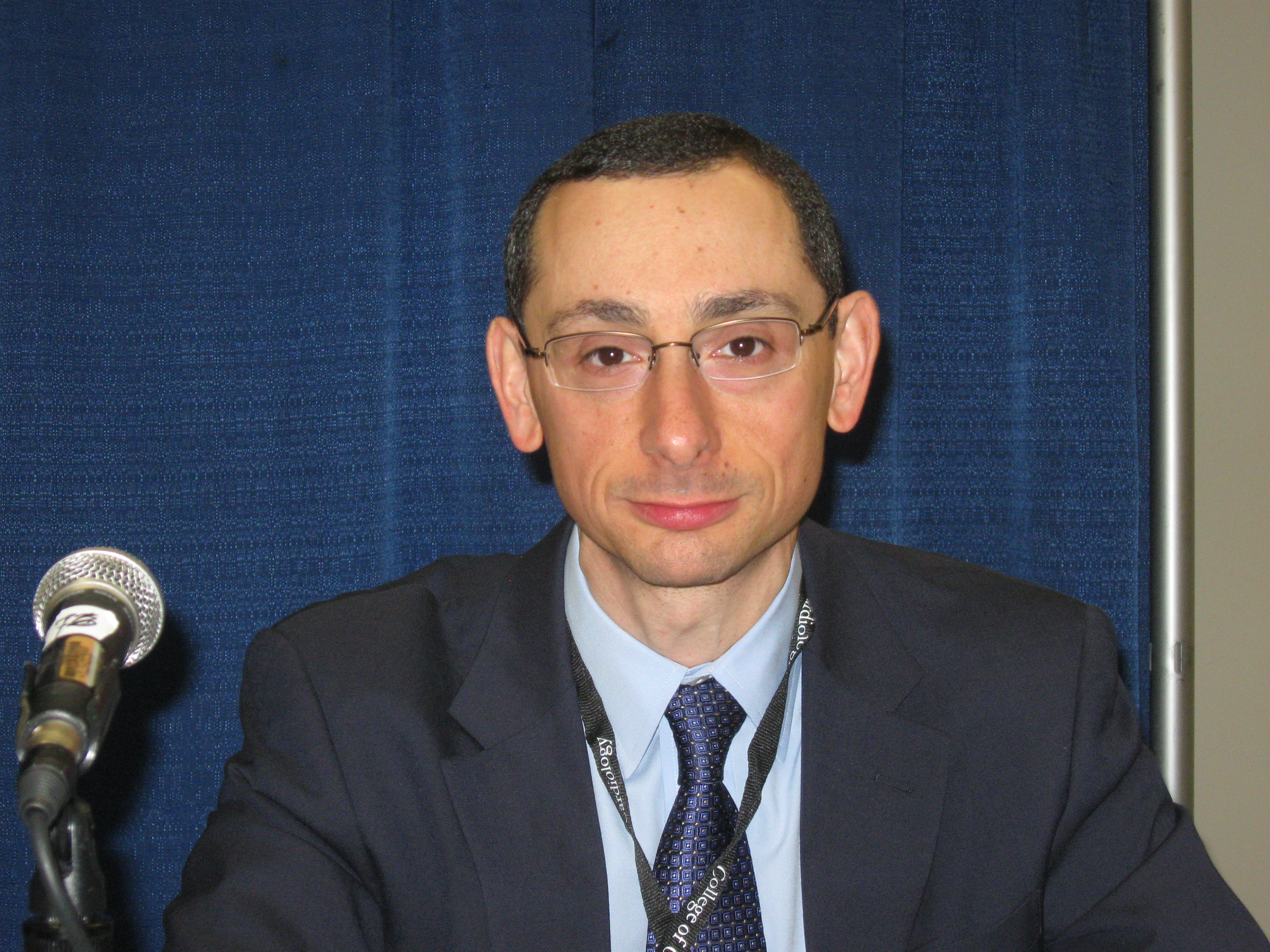
Big trials deflate off-pump CABG
SAN FRANCISCO – Off-pump coronary artery bypass graft surgery offered no advantages over on-pump CABG in any major endpoints at 1 year of follow-up in two major prospective randomized trials totaling more than 7,000 patients.
Among the key 1-year outcomes – which didn’t differ between off- and on-pump CABG patients in the GOPCABE and CORONARY trials – were death, MI, stroke, neurocognitive function, quality of life, renal failure, and repeat revascularization, investigators reported at the annual meeting of the American College of Cardiology.

A third randomized trial presented at the same session of the ACC meeting did find a significant outcome advantage favoring off-pump CABG in high-operative-risk patients at 1 year. However, experts discounted this Czech study because it was small, single center, reported only 30-day results, and the advantage found for off-pump surgery hinged on an outdated and inadequate definition of MI.
The new study findings signal a striking fall from grace for off-pump CABG. Not long ago, this technique, while controversial, was viewed by many as a progressive development within heart surgery, one that would revitalize a mature operation whose annual case numbers were declining in the face of stiff competition from percutaneous coronary intervention by cardiologists. Off-pump CABG was an innovation designed to avoid the perioperative complications related to aortic cross-clamping and the heart-lung machine, including the lingering neurocognitive dysfunction known informally in surgical circles as “pump head.”
However, the resounding lack of any demonstrable advantages for off-pump CABG in the two large trials presented in San Francisco left analysts scratching their heads as to the role remaining for this beating heart surgical technique, which is more difficult to learn and perform skillfully than on-pump bypass.
Speaking perhaps for many puzzled cardiologists in the packed audience in San Francisco, Dr. Christopher P. Cannon of Harvard Medical School, Boston, asked the surgeon-presenters of the CORONARY and GOPCABE trials, “Why would you want to do off-pump surgery if it doesn’t seem to help and it’s harder to do?”
Discussant Dr. Michael J. Mack, a cardiac surgeon, voiced a similar sentiment.
“I was an early advocate of off-pump surgery. But as a card-carrying off-pump bypass surgeon, it’s getting harder and harder for me to maintain enthusiasm for a potential benefit from this,” declared Dr. Mack, medical director of cardiovascular surgery for the Baylor Health Care System and director of cardiovascular research at the Heart Hospital in Plano, Tex.
He noted that the GOPCABE and CORONARY trials follow upon the earlier ROOBY (Randomized On/Off Bypass) trial, which actually showed worse outcomes in the off-pump group. ROOBY enrolled 2,203 Veterans Affairs patients, with the off-pump CABG group having a significantly higher 1-year rate of the primary composite endpoint comprising death, nonfatal MI, or repeat revascularization, along with worse graft patency (N. Engl. J. Med. 2009;361:1827-37).
GOPCABE and CORONARY were designed in part to answer critics of ROOBY, who have argued that the VA trial used insufficiently experienced off-pump CABG surgeons and featured a patient population at too low an operative risk to detect a signal of benefit favoring off-pump surgery.
The GOPCABE (German Off-Pump Coronary Artery Bypass Grafting in Elderly Patients) study involved 2,539 patients aged 75 years or older randomized at 12 German centers. A total of 60% of patients had triple-vessel disease, and no one was excluded from the trial because of left ventricular function or coronary artery anatomy.
Participating surgeons were highly experienced. Those who performed off-pump CABG in the study had previously done an average of 514 of them, while the on-pump surgeons had done an average of 1,378 of those operations.

“We wanted to have the best off-pump vs. the best on-pump surgeons, like in a competition,” explained Dr. Anno Diegeler, a surgeon at the Bad Neustadt (Germany) Heart Center.
He and his coinvestigators conducted GOPCABE because they believed it would be easier to show advantages for off-pump CABG in a population at high operative risk, such as elderly patients with many comorbidities. Indeed, the study hypothesis was that the off-pump group would show a robust 30% reduction in the primary endpoint, a composite of death, stroke, myocardial infarction, repeat revascularization, or new renal-replacement therapy at 1 year.
That didn’t happen. The 30-day rate of the primary endpoint was 7.8% in the off-pump group and 8.2% with on-pump CABG, while the 1-year rates were 13.1% and 14.0%, respectively. None of the individual components of the composite endpoint differed significantly between the groups, either.
Neurocognitive function wasn’t measured in GOPCABE, but it was in CORONARY (the CABG Off or On Pump Revascularization Study), which involved 4,752 randomized patients in 19 countries.

Dr. Andre Lamy presented the 1-year results. The primary endpoint was a composite of death, MI, stroke, or new renal failure requiring dialysis. The rate was 12.1% in patients in the off-pump group and similar at 13.3% in the on-pump group.
As in GOPCABE, the surgeons participating in CORONARY were highly proficient. They had to have at least 2 years’ experience as a staff cardiac surgeon and at least 100 prior cases of whichever operation they were assigned to. The vast majority met that standard for both procedures.
Quality of life and neurocognitive tests were conducted preoperatively, at discharge, at 30 days, and again at 1 year. Quality of life as assessed by the European Quality of Life-5 Dimensions (EQ-5D) questionnaire showed significant improvement over time in both study arms, with no difference between the two groups.
Nor were there any significant between-group differences in neurocognitive function as assessed using the Montreal Cognitive Assessment, the Digit Symbol Substitution Test, and the Trail Making Test Part B. However, neurocognitive testing was declared optional because it’s so time consuming, and many patients opted out. For example, only 1,273 of the original 4,752 patients returned to take the Montreal Cognitive Assessment at 1 year, noted Dr. Lamy, a heart surgeon at the Population Health Research Institute at McMaster University in Hamilton, Ont.
Discussant Dr. Bernard Gersh zeroed in on the incomplete neurocognitive testing.
“I think this is really a significant limitation. There’s a huge bias. If there’s any advantage to off-pump CABG, it may be in neurocognitive dysfunction,” commented Dr. Gersh, professor of medicine at the Mayo Clinic, Rochester, Minn.
In response to the discussants’ questioning as to where off-pump CABG fits into clinical practice in light of the disappointing CORONARY and GOPCABE findings, Dr. Diegeler said he remains convinced that some high-operative-risk patients – those with aortic calcification or other evidence of generalized vascular disease ‑ do benefit preferentially from off-pump surgery when performed by expert surgeons.
“It’s hard to prove that in a randomized clinical trial, though,” the surgeon conceded.
Dr. Lamy said a post hoc analysis of the CORONARY data showed that low-operative-risk patients as defined by a EuroScore of 0-2 tended to do better with on- than off-pump CABG, while the converse was true in those with moderate- or high-risk scores.
“In my personal practice now, my low-risk patients go on-pump and my moderate- and high-risk patients go off-pump,” he added.

Both surgeons were firmly in favor of off-pump CABG continuing to be available at expert centers so that surgeons can individualize their operation to suit a patient’s needs.
Dr. Jan Hlavicka presented the results of the PRAGUE-6 trial, in which 206 patients at high operative risk – a EuroScore of 6 or greater – were randomized to off- or on-pump CABG at Charles University, Prague. The operations were performed by five surgeons proficient in both procedures.
The 30-day primary composite endpoint comprising death, MI, stroke, or new renal failure requiring dialysis occurred in 20.6% of the on-pump group, compared with 9.2% of off-pump patients.
The off-pump group required significantly fewer RBC transfusions. However, there were no significant differences between the two groups in terms of average hospital length of stay, wound infection rates, or total hospital costs.
“We believe off-pump bypass in high-risk patients has a lower incidence of serious complications and is a safer means of direct revascularization in these patients,” concluded Dr. Hlavicka, a cardiac surgeon at the university.
Dr. Gersh noted that the only significant difference between the two groups in the individual components of the primary endpoint was in acute MI rates: 12.1% in the on- vs. 4.1% in the off-pump CABG group. He took issue with the Czech investigators’ use of the 2004 Society of Thoracic Surgeons definition of acute MI, which in the first 24 hours after surgery requires only an elevation of creatine kinase–MB at least five times the upper limit of normal with no need for new Q waves. That’s not sufficiently stringent. It surely captures many patients who don’t really have an acute MI. The data should be reanalyzed using a contemporary definition which requires new Q waves, he added.
The CORONARY trial was funded by the Canadian Institutes of Health Research; simultaneous with Dr. Lamy’s presentation of the data in San Francisco, the study was published online (N. Engl. J. Med. 2013 [doi:10.1056/NEJMoa1301228]).
The GOPCABE trial was sponsored by the German Society for Cardiovascular Surgery with funding support by Maquet. It was published online simultaneously with Dr. Diegeler’s ACC presentation (N. Engl. J. Med. 2013 [doi:10.1056/NEJMoa1211666]).
Dr. Hlavicka, Dr. Lamy, and Dr. Diegeler declared having no financial conflicts.
SAN FRANCISCO – Off-pump coronary artery bypass graft surgery offered no advantages over on-pump CABG in any major endpoints at 1 year of follow-up in two major prospective randomized trials totaling more than 7,000 patients.
Among the key 1-year outcomes – which didn’t differ between off- and on-pump CABG patients in the GOPCABE and CORONARY trials – were death, MI, stroke, neurocognitive function, quality of life, renal failure, and repeat revascularization, investigators reported at the annual meeting of the American College of Cardiology.
A third randomized trial presented at the same session of the ACC meeting did find a significant outcome advantage favoring off-pump CABG in high-operative-risk patients at 1 year. However, experts discounted this Czech study because it was small, single center, reported only 30-day results, and the advantage found for off-pump surgery hinged on an outdated and inadequate definition of MI.
The new study findings signal a striking fall from grace for off-pump CABG. Not long ago, this technique, while controversial, was viewed by many as a progressive development within heart surgery, one that would revitalize a mature operation whose annual case numbers were declining in the face of stiff competition from percutaneous coronary intervention by cardiologists. Off-pump CABG was an innovation designed to avoid the perioperative complications related to aortic cross-clamping and the heart-lung machine, including the lingering neurocognitive dysfunction known informally in surgical circles as “pump head.”
However, the resounding lack of any demonstrable advantages for off-pump CABG in the two large trials presented in San Francisco left analysts scratching their heads as to the role remaining for this beating heart surgical technique, which is more difficult to learn and perform skillfully than on-pump bypass.
Speaking perhaps for many puzzled cardiologists in the packed audience in San Francisco, Dr. Christopher P. Cannon of Harvard Medical School, Boston, asked the surgeon-presenters of the CORONARY and GOPCABE trials, “Why would you want to do off-pump surgery if it doesn’t seem to help and it’s harder to do?”
Discussant Dr. Michael J. Mack, a cardiac surgeon, voiced a similar sentiment.
“I was an early advocate of off-pump surgery. But as a card-carrying off-pump bypass surgeon, it’s getting harder and harder for me to maintain enthusiasm for a potential benefit from this,” declared Dr. Mack, medical director of cardiovascular surgery for the Baylor Health Care System and director of cardiovascular research at the Heart Hospital in Plano, Tex.
He noted that the GOPCABE and CORONARY trials follow upon the earlier ROOBY (Randomized On/Off Bypass) trial, which actually showed worse outcomes in the off-pump group. ROOBY enrolled 2,203 Veterans Affairs patients, with the off-pump CABG group having a significantly higher 1-year rate of the primary composite endpoint comprising death, nonfatal MI, or repeat revascularization, along with worse graft patency (N. Engl. J. Med. 2009;361:1827-37).
GOPCABE and CORONARY were designed in part to answer critics of ROOBY, who have argued that the VA trial used insufficiently experienced off-pump CABG surgeons and featured a patient population at too low an operative risk to detect a signal of benefit favoring off-pump surgery.
The GOPCABE (German Off-Pump Coronary Artery Bypass Grafting in Elderly Patients) study involved 2,539 patients aged 75 years or older randomized at 12 German centers. A total of 60% of patients had triple-vessel disease, and no one was excluded from the trial because of left ventricular function or coronary artery anatomy.
Participating surgeons were highly experienced. Those who performed off-pump CABG in the study had previously done an average of 514 of them, while the on-pump surgeons had done an average of 1,378 of those operations.
“We wanted to have the best off-pump vs. the best on-pump surgeons, like in a competition,” explained Dr. Anno Diegeler, a surgeon at the Bad Neustadt (Germany) Heart Center.
He and his coinvestigators conducted GOPCABE because they believed it would be easier to show advantages for off-pump CABG in a population at high operative risk, such as elderly patients with many comorbidities. Indeed, the study hypothesis was that the off-pump group would show a robust 30% reduction in the primary endpoint, a composite of death, stroke, myocardial infarction, repeat revascularization, or new renal-replacement therapy at 1 year.
That didn’t happen. The 30-day rate of the primary endpoint was 7.8% in the off-pump group and 8.2% with on-pump CABG, while the 1-year rates were 13.1% and 14.0%, respectively. None of the individual components of the composite endpoint differed significantly between the groups, either.
Neurocognitive function wasn’t measured in GOPCABE, but it was in CORONARY (the CABG Off or On Pump Revascularization Study), which involved 4,752 randomized patients in 19 countries.
Dr. Andre Lamy presented the 1-year results. The primary endpoint was a composite of death, MI, stroke, or new renal failure requiring dialysis. The rate was 12.1% in patients in the off-pump group and similar at 13.3% in the on-pump group.
As in GOPCABE, the surgeons participating in CORONARY were highly proficient. They had to have at least 2 years’ experience as a staff cardiac surgeon and at least 100 prior cases of whichever operation they were assigned to. The vast majority met that standard for both procedures.
Quality of life and neurocognitive tests were conducted preoperatively, at discharge, at 30 days, and again at 1 year. Quality of life as assessed by the European Quality of Life-5 Dimensions (EQ-5D) questionnaire showed significant improvement over time in both study arms, with no difference between the two groups.
Nor were there any significant between-group differences in neurocognitive function as assessed using the Montreal Cognitive Assessment, the Digit Symbol Substitution Test, and the Trail Making Test Part B. However, neurocognitive testing was declared optional because it’s so time consuming, and many patients opted out. For example, only 1,273 of the original 4,752 patients returned to take the Montreal Cognitive Assessment at 1 year, noted Dr. Lamy, a heart surgeon at the Population Health Research Institute at McMaster University in Hamilton, Ont.
Discussant Dr. Bernard Gersh zeroed in on the incomplete neurocognitive testing.
“I think this is really a significant limitation. There’s a huge bias. If there’s any advantage to off-pump CABG, it may be in neurocognitive dysfunction,” commented Dr. Gersh, professor of medicine at the Mayo Clinic, Rochester, Minn.
In response to the discussants’ questioning as to where off-pump CABG fits into clinical practice in light of the disappointing CORONARY and GOPCABE findings, Dr. Diegeler said he remains convinced that some high-operative-risk patients – those with aortic calcification or other evidence of generalized vascular disease ‑ do benefit preferentially from off-pump surgery when performed by expert surgeons.
“It’s hard to prove that in a randomized clinical trial, though,” the surgeon conceded.
Dr. Lamy said a post hoc analysis of the CORONARY data showed that low-operative-risk patients as defined by a EuroScore of 0-2 tended to do better with on- than off-pump CABG, while the converse was true in those with moderate- or high-risk scores.
“In my personal practice now, my low-risk patients go on-pump and my moderate- and high-risk patients go off-pump,” he added.
Both surgeons were firmly in favor of off-pump CABG continuing to be available at expert centers so that surgeons can individualize their operation to suit a patient’s needs.
Dr. Jan Hlavicka presented the results of the PRAGUE-6 trial, in which 206 patients at high operative risk – a EuroScore of 6 or greater – were randomized to off- or on-pump CABG at Charles University, Prague. The operations were performed by five surgeons proficient in both procedures.
The 30-day primary composite endpoint comprising death, MI, stroke, or new renal failure requiring dialysis occurred in 20.6% of the on-pump group, compared with 9.2% of off-pump patients.
The off-pump group required significantly fewer RBC transfusions. However, there were no significant differences between the two groups in terms of average hospital length of stay, wound infection rates, or total hospital costs.
“We believe off-pump bypass in high-risk patients has a lower incidence of serious complications and is a safer means of direct revascularization in these patients,” concluded Dr. Hlavicka, a cardiac surgeon at the university.
Dr. Gersh noted that the only significant difference between the two groups in the individual components of the primary endpoint was in acute MI rates: 12.1% in the on- vs. 4.1% in the off-pump CABG group. He took issue with the Czech investigators’ use of the 2004 Society of Thoracic Surgeons definition of acute MI, which in the first 24 hours after surgery requires only an elevation of creatine kinase–MB at least five times the upper limit of normal with no need for new Q waves. That’s not sufficiently stringent. It surely captures many patients who don’t really have an acute MI. The data should be reanalyzed using a contemporary definition which requires new Q waves, he added.
The CORONARY trial was funded by the Canadian Institutes of Health Research; simultaneous with Dr. Lamy’s presentation of the data in San Francisco, the study was published online (N. Engl. J. Med. 2013 [doi:10.1056/NEJMoa1301228]).
The GOPCABE trial was sponsored by the German Society for Cardiovascular Surgery with funding support by Maquet. It was published online simultaneously with Dr. Diegeler’s ACC presentation (N. Engl. J. Med. 2013 [doi:10.1056/NEJMoa1211666]).
Dr. Hlavicka, Dr. Lamy, and Dr. Diegeler declared having no financial conflicts.
SAN FRANCISCO – Off-pump coronary artery bypass graft surgery offered no advantages over on-pump CABG in any major endpoints at 1 year of follow-up in two major prospective randomized trials totaling more than 7,000 patients.
Among the key 1-year outcomes – which didn’t differ between off- and on-pump CABG patients in the GOPCABE and CORONARY trials – were death, MI, stroke, neurocognitive function, quality of life, renal failure, and repeat revascularization, investigators reported at the annual meeting of the American College of Cardiology.
A third randomized trial presented at the same session of the ACC meeting did find a significant outcome advantage favoring off-pump CABG in high-operative-risk patients at 1 year. However, experts discounted this Czech study because it was small, single center, reported only 30-day results, and the advantage found for off-pump surgery hinged on an outdated and inadequate definition of MI.
The new study findings signal a striking fall from grace for off-pump CABG. Not long ago, this technique, while controversial, was viewed by many as a progressive development within heart surgery, one that would revitalize a mature operation whose annual case numbers were declining in the face of stiff competition from percutaneous coronary intervention by cardiologists. Off-pump CABG was an innovation designed to avoid the perioperative complications related to aortic cross-clamping and the heart-lung machine, including the lingering neurocognitive dysfunction known informally in surgical circles as “pump head.”
However, the resounding lack of any demonstrable advantages for off-pump CABG in the two large trials presented in San Francisco left analysts scratching their heads as to the role remaining for this beating heart surgical technique, which is more difficult to learn and perform skillfully than on-pump bypass.
Speaking perhaps for many puzzled cardiologists in the packed audience in San Francisco, Dr. Christopher P. Cannon of Harvard Medical School, Boston, asked the surgeon-presenters of the CORONARY and GOPCABE trials, “Why would you want to do off-pump surgery if it doesn’t seem to help and it’s harder to do?”
Discussant Dr. Michael J. Mack, a cardiac surgeon, voiced a similar sentiment.
“I was an early advocate of off-pump surgery. But as a card-carrying off-pump bypass surgeon, it’s getting harder and harder for me to maintain enthusiasm for a potential benefit from this,” declared Dr. Mack, medical director of cardiovascular surgery for the Baylor Health Care System and director of cardiovascular research at the Heart Hospital in Plano, Tex.
He noted that the GOPCABE and CORONARY trials follow upon the earlier ROOBY (Randomized On/Off Bypass) trial, which actually showed worse outcomes in the off-pump group. ROOBY enrolled 2,203 Veterans Affairs patients, with the off-pump CABG group having a significantly higher 1-year rate of the primary composite endpoint comprising death, nonfatal MI, or repeat revascularization, along with worse graft patency (N. Engl. J. Med. 2009;361:1827-37).
GOPCABE and CORONARY were designed in part to answer critics of ROOBY, who have argued that the VA trial used insufficiently experienced off-pump CABG surgeons and featured a patient population at too low an operative risk to detect a signal of benefit favoring off-pump surgery.
The GOPCABE (German Off-Pump Coronary Artery Bypass Grafting in Elderly Patients) study involved 2,539 patients aged 75 years or older randomized at 12 German centers. A total of 60% of patients had triple-vessel disease, and no one was excluded from the trial because of left ventricular function or coronary artery anatomy.
Participating surgeons were highly experienced. Those who performed off-pump CABG in the study had previously done an average of 514 of them, while the on-pump surgeons had done an average of 1,378 of those operations.
“We wanted to have the best off-pump vs. the best on-pump surgeons, like in a competition,” explained Dr. Anno Diegeler, a surgeon at the Bad Neustadt (Germany) Heart Center.
He and his coinvestigators conducted GOPCABE because they believed it would be easier to show advantages for off-pump CABG in a population at high operative risk, such as elderly patients with many comorbidities. Indeed, the study hypothesis was that the off-pump group would show a robust 30% reduction in the primary endpoint, a composite of death, stroke, myocardial infarction, repeat revascularization, or new renal-replacement therapy at 1 year.
That didn’t happen. The 30-day rate of the primary endpoint was 7.8% in the off-pump group and 8.2% with on-pump CABG, while the 1-year rates were 13.1% and 14.0%, respectively. None of the individual components of the composite endpoint differed significantly between the groups, either.
Neurocognitive function wasn’t measured in GOPCABE, but it was in CORONARY (the CABG Off or On Pump Revascularization Study), which involved 4,752 randomized patients in 19 countries.
Dr. Andre Lamy presented the 1-year results. The primary endpoint was a composite of death, MI, stroke, or new renal failure requiring dialysis. The rate was 12.1% in patients in the off-pump group and similar at 13.3% in the on-pump group.
As in GOPCABE, the surgeons participating in CORONARY were highly proficient. They had to have at least 2 years’ experience as a staff cardiac surgeon and at least 100 prior cases of whichever operation they were assigned to. The vast majority met that standard for both procedures.
Quality of life and neurocognitive tests were conducted preoperatively, at discharge, at 30 days, and again at 1 year. Quality of life as assessed by the European Quality of Life-5 Dimensions (EQ-5D) questionnaire showed significant improvement over time in both study arms, with no difference between the two groups.
Nor were there any significant between-group differences in neurocognitive function as assessed using the Montreal Cognitive Assessment, the Digit Symbol Substitution Test, and the Trail Making Test Part B. However, neurocognitive testing was declared optional because it’s so time consuming, and many patients opted out. For example, only 1,273 of the original 4,752 patients returned to take the Montreal Cognitive Assessment at 1 year, noted Dr. Lamy, a heart surgeon at the Population Health Research Institute at McMaster University in Hamilton, Ont.
Discussant Dr. Bernard Gersh zeroed in on the incomplete neurocognitive testing.
“I think this is really a significant limitation. There’s a huge bias. If there’s any advantage to off-pump CABG, it may be in neurocognitive dysfunction,” commented Dr. Gersh, professor of medicine at the Mayo Clinic, Rochester, Minn.
In response to the discussants’ questioning as to where off-pump CABG fits into clinical practice in light of the disappointing CORONARY and GOPCABE findings, Dr. Diegeler said he remains convinced that some high-operative-risk patients – those with aortic calcification or other evidence of generalized vascular disease ‑ do benefit preferentially from off-pump surgery when performed by expert surgeons.
“It’s hard to prove that in a randomized clinical trial, though,” the surgeon conceded.
Dr. Lamy said a post hoc analysis of the CORONARY data showed that low-operative-risk patients as defined by a EuroScore of 0-2 tended to do better with on- than off-pump CABG, while the converse was true in those with moderate- or high-risk scores.
“In my personal practice now, my low-risk patients go on-pump and my moderate- and high-risk patients go off-pump,” he added.
Both surgeons were firmly in favor of off-pump CABG continuing to be available at expert centers so that surgeons can individualize their operation to suit a patient’s needs.
Dr. Jan Hlavicka presented the results of the PRAGUE-6 trial, in which 206 patients at high operative risk – a EuroScore of 6 or greater – were randomized to off- or on-pump CABG at Charles University, Prague. The operations were performed by five surgeons proficient in both procedures.
The 30-day primary composite endpoint comprising death, MI, stroke, or new renal failure requiring dialysis occurred in 20.6% of the on-pump group, compared with 9.2% of off-pump patients.
The off-pump group required significantly fewer RBC transfusions. However, there were no significant differences between the two groups in terms of average hospital length of stay, wound infection rates, or total hospital costs.
“We believe off-pump bypass in high-risk patients has a lower incidence of serious complications and is a safer means of direct revascularization in these patients,” concluded Dr. Hlavicka, a cardiac surgeon at the university.
Dr. Gersh noted that the only significant difference between the two groups in the individual components of the primary endpoint was in acute MI rates: 12.1% in the on- vs. 4.1% in the off-pump CABG group. He took issue with the Czech investigators’ use of the 2004 Society of Thoracic Surgeons definition of acute MI, which in the first 24 hours after surgery requires only an elevation of creatine kinase–MB at least five times the upper limit of normal with no need for new Q waves. That’s not sufficiently stringent. It surely captures many patients who don’t really have an acute MI. The data should be reanalyzed using a contemporary definition which requires new Q waves, he added.
The CORONARY trial was funded by the Canadian Institutes of Health Research; simultaneous with Dr. Lamy’s presentation of the data in San Francisco, the study was published online (N. Engl. J. Med. 2013 [doi:10.1056/NEJMoa1301228]).
The GOPCABE trial was sponsored by the German Society for Cardiovascular Surgery with funding support by Maquet. It was published online simultaneously with Dr. Diegeler’s ACC presentation (N. Engl. J. Med. 2013 [doi:10.1056/NEJMoa1211666]).
Dr. Hlavicka, Dr. Lamy, and Dr. Diegeler declared having no financial conflicts.
Major finding: Off-pump coronary artery bypass
graft surgery did not differ significantly from on-pump bypass in 1-year rates
of death, stroke, MI, or any other important outcomes in two large,
prospective, randomized trials.
Data source: The GOPCABE trial, in 2,539 randomized
patients; and the CORONARY trial, in 4,752 patients in 19 countries.
Disclosures: CORONARY was sponsored by the Canadian
Institutes of Health Research. GOPCABE was sponsored by the German Society for
Cardiovascular Surgery with funding support from Maquet. The presenters
reported having no financial conflicts.

No. 1 comorbidity in psoriasis is depression
MAUI, HAWAII – The cardiovascular comorbidity associated with psoriasis has drawn much attention, yet depression is arguably an even more important psoriatic comorbid condition.
"I think the most important comorbidity of psoriasis is depression. We all talk about heart disease, we talk about diabetes, but depression is something that we see every day in the office. It’s a big, massively important issue in our psoriasis patients," Dr. Kenneth B. Gordon said at the Hawaii Dermatology Seminar sponsored by the Global Academy for Medical Education/Skin Disease Education Foundation.
Moreover, depression also is the comorbidity in which dermatologists can clearly make the biggest difference. While there is great hope that effective treatment of psoriasis will reduce comorbid cardiovascular morbidity and mortality, that hasn’t yet been proved true. In contrast, there are persuasive clinical trials data demonstrating that effectively treating psoriasis markedly improves patients’ comorbid depression, according to Dr. Gordon, professor of dermatology at Northwestern University, Chicago.
For example, a clinical trial involving 1,230 psoriasis patients randomized to ustekinumab or placebo showed that at baseline 27% of subjects had clinically significant depression based upon the Hospital Anxiety and Depression Scale (HADS). After 12 weeks of therapy, the ustekinumab group showed a highly significant 29% decrease in mean HADS scores, compared with baseline. At the 12-week mark, 8.7% of placebo-treated controls had moderate depression as defined by a HADS score of 11-14, compared with 3.9% on ustekinumab. Severe depression, with a HADS score of 15-21, was present in 2.7% of controls and just 0.8% of patients on ustekinumab (J. Am. Acad. Dermatol. 2010;63:457-65).
"Maybe you don’t think of ustekinumab as a treatment for depression, but the size of the severely depressed group on ustekinumab markedly diminished over time. You’re taking people with clinically very significant depression and making it better," Dr. Gordon observed.
Similarly, a randomized trial in which 96 psoriasis patients received 40 mg of adalimumab or placebo every 2 weeks showed that patients with a 75% or greater decrease in baseline Psoriasis Area and Severity Index scores, or PASI-75 response, at 12 weeks averaged a 10.6-point reduction on the Zung Self-Rating Depression Scale. Nonresponders to the tumor necrosis factor inhibitor had a nonsignificant 1.4-point drop in Zung scores (J. Am. Acad. Dermatol. 2010;62:812-8).
This antidepressant effect of psoriasis treatment is not limited to the biologic agents, either, the dermatologist noted. He pointed to a recent study in which patients with refractory psoriasis were placed on the Goeckerman regimen involving UV phototherapy and coal tar. They received an average of 30 treatment sessions over 4-6 weeks. As their mean PASI scores fell from 27.1 to 6.9, their mean HADS depression scores dropped from 9.1 to 6.8 (Acta Derm. Venereol. 2011;91:447-51).
Based upon these and other data, Dr. Gordon proposed that the quality measures now being developed for psoriasis management ought to include identification of comorbid depression and demonstration of its improvement during psoriasis therapy.
The SDEF and this news organization are owned by the same parent company.
Dr. Gordon reported receiving research support and/or serving as a consultant to seven pharmaceutical companies but is not on any speakers bureaus.
MAUI, HAWAII – The cardiovascular comorbidity associated with psoriasis has drawn much attention, yet depression is arguably an even more important psoriatic comorbid condition.
"I think the most important comorbidity of psoriasis is depression. We all talk about heart disease, we talk about diabetes, but depression is something that we see every day in the office. It’s a big, massively important issue in our psoriasis patients," Dr. Kenneth B. Gordon said at the Hawaii Dermatology Seminar sponsored by the Global Academy for Medical Education/Skin Disease Education Foundation.
Moreover, depression also is the comorbidity in which dermatologists can clearly make the biggest difference. While there is great hope that effective treatment of psoriasis will reduce comorbid cardiovascular morbidity and mortality, that hasn’t yet been proved true. In contrast, there are persuasive clinical trials data demonstrating that effectively treating psoriasis markedly improves patients’ comorbid depression, according to Dr. Gordon, professor of dermatology at Northwestern University, Chicago.
For example, a clinical trial involving 1,230 psoriasis patients randomized to ustekinumab or placebo showed that at baseline 27% of subjects had clinically significant depression based upon the Hospital Anxiety and Depression Scale (HADS). After 12 weeks of therapy, the ustekinumab group showed a highly significant 29% decrease in mean HADS scores, compared with baseline. At the 12-week mark, 8.7% of placebo-treated controls had moderate depression as defined by a HADS score of 11-14, compared with 3.9% on ustekinumab. Severe depression, with a HADS score of 15-21, was present in 2.7% of controls and just 0.8% of patients on ustekinumab (J. Am. Acad. Dermatol. 2010;63:457-65).
"Maybe you don’t think of ustekinumab as a treatment for depression, but the size of the severely depressed group on ustekinumab markedly diminished over time. You’re taking people with clinically very significant depression and making it better," Dr. Gordon observed.
Similarly, a randomized trial in which 96 psoriasis patients received 40 mg of adalimumab or placebo every 2 weeks showed that patients with a 75% or greater decrease in baseline Psoriasis Area and Severity Index scores, or PASI-75 response, at 12 weeks averaged a 10.6-point reduction on the Zung Self-Rating Depression Scale. Nonresponders to the tumor necrosis factor inhibitor had a nonsignificant 1.4-point drop in Zung scores (J. Am. Acad. Dermatol. 2010;62:812-8).
This antidepressant effect of psoriasis treatment is not limited to the biologic agents, either, the dermatologist noted. He pointed to a recent study in which patients with refractory psoriasis were placed on the Goeckerman regimen involving UV phototherapy and coal tar. They received an average of 30 treatment sessions over 4-6 weeks. As their mean PASI scores fell from 27.1 to 6.9, their mean HADS depression scores dropped from 9.1 to 6.8 (Acta Derm. Venereol. 2011;91:447-51).
Based upon these and other data, Dr. Gordon proposed that the quality measures now being developed for psoriasis management ought to include identification of comorbid depression and demonstration of its improvement during psoriasis therapy.
The SDEF and this news organization are owned by the same parent company.
Dr. Gordon reported receiving research support and/or serving as a consultant to seven pharmaceutical companies but is not on any speakers bureaus.
MAUI, HAWAII – The cardiovascular comorbidity associated with psoriasis has drawn much attention, yet depression is arguably an even more important psoriatic comorbid condition.
"I think the most important comorbidity of psoriasis is depression. We all talk about heart disease, we talk about diabetes, but depression is something that we see every day in the office. It’s a big, massively important issue in our psoriasis patients," Dr. Kenneth B. Gordon said at the Hawaii Dermatology Seminar sponsored by the Global Academy for Medical Education/Skin Disease Education Foundation.
Moreover, depression also is the comorbidity in which dermatologists can clearly make the biggest difference. While there is great hope that effective treatment of psoriasis will reduce comorbid cardiovascular morbidity and mortality, that hasn’t yet been proved true. In contrast, there are persuasive clinical trials data demonstrating that effectively treating psoriasis markedly improves patients’ comorbid depression, according to Dr. Gordon, professor of dermatology at Northwestern University, Chicago.
For example, a clinical trial involving 1,230 psoriasis patients randomized to ustekinumab or placebo showed that at baseline 27% of subjects had clinically significant depression based upon the Hospital Anxiety and Depression Scale (HADS). After 12 weeks of therapy, the ustekinumab group showed a highly significant 29% decrease in mean HADS scores, compared with baseline. At the 12-week mark, 8.7% of placebo-treated controls had moderate depression as defined by a HADS score of 11-14, compared with 3.9% on ustekinumab. Severe depression, with a HADS score of 15-21, was present in 2.7% of controls and just 0.8% of patients on ustekinumab (J. Am. Acad. Dermatol. 2010;63:457-65).
"Maybe you don’t think of ustekinumab as a treatment for depression, but the size of the severely depressed group on ustekinumab markedly diminished over time. You’re taking people with clinically very significant depression and making it better," Dr. Gordon observed.
Similarly, a randomized trial in which 96 psoriasis patients received 40 mg of adalimumab or placebo every 2 weeks showed that patients with a 75% or greater decrease in baseline Psoriasis Area and Severity Index scores, or PASI-75 response, at 12 weeks averaged a 10.6-point reduction on the Zung Self-Rating Depression Scale. Nonresponders to the tumor necrosis factor inhibitor had a nonsignificant 1.4-point drop in Zung scores (J. Am. Acad. Dermatol. 2010;62:812-8).
This antidepressant effect of psoriasis treatment is not limited to the biologic agents, either, the dermatologist noted. He pointed to a recent study in which patients with refractory psoriasis were placed on the Goeckerman regimen involving UV phototherapy and coal tar. They received an average of 30 treatment sessions over 4-6 weeks. As their mean PASI scores fell from 27.1 to 6.9, their mean HADS depression scores dropped from 9.1 to 6.8 (Acta Derm. Venereol. 2011;91:447-51).
Based upon these and other data, Dr. Gordon proposed that the quality measures now being developed for psoriasis management ought to include identification of comorbid depression and demonstration of its improvement during psoriasis therapy.
The SDEF and this news organization are owned by the same parent company.
Dr. Gordon reported receiving research support and/or serving as a consultant to seven pharmaceutical companies but is not on any speakers bureaus.
EXPERT ANALYSIS FROM THE SDEF HAWAII DERMATOLOGY SEMINAR
PREVAIL trial of Watchman device meets safety endpoint
SAN FRANCISCO – The annual meeting of the American College of Cardiology got off to a rocky start as the first late-breaking clinical trial in the opening plenary session – the eagerly anticipated PREVAIL study of the Watchman device for prevention of thromboembolic events in patients with atrial fibrillation – was removed from the program at the last minute because of a news embargo violation by the study sponsor.
A Boston Scientific employee triggered the ACC action by releasing PREVAIL results in an investors’ newsletter several hours before the study’s scheduled presentation by Dr. David R. Holmes Jr., professor of medicine at the Mayo Clinic in Rochester, Minn., and a former ACC president.
The Watchman device is an umbrella-like, self-expanding nitinol frame with anchors and a permeable fabric cover. It is deployed via a transseptal catheter-based approach. The device is designed to seal off the left atrial appendage to help prevent the estimated 80%-90% of strokes in patients with atrial fibrillation that are believed to be caused by emboli formed in the left atrial appendage.
PREVAIL (Prospective Randomized EVAluation of the Watchman left atrial appendage closure device In patients with atrial fibrillation versus Long-term warfarin therapy) had been expected to be a meeting highlight, given the Watchman’s potential as an alternative to lifelong oral anticoagulation. The study was conducted in response to a Food and Drug Administration request for additional safety data because of concerns raised in the earlier PROTECT AF trial.
In a recent update of the 707-patient PROTECT AF, the adverse event rate after a mean of 2.3 years of follow-up was 5.5 cases of major bleeding, pericardial effusion, or device embolization per 100 patient-years in the Watchman arm and 3.6 per 100 patient-years in the warfarin-treated control arm, for a 53% increase in risk with device therapy.
On the other hand, the primary treatment efficacy endpoint comprised of stroke, systemic embolization, or cardiovascular death occurred at a rate of 3 cases per 100 patient-years in the Watchman group compared to 4.3 per 100 patient-years in the control group, representing a 29% reduction in risk (Circulation 2013;127:720-9).
The PREVAIL trial involved 407 patients with atrial fibrillation who were randomized 2-to-1 at 41 U.S. centers to the Watchman device or warfarin therapy. Study investigators, denied the high-profile ACC forum, nonetheless made the data available.
The Watchman was implanted both by interventional cardiologists and electrophysiologists. As a result of procedural refinements, the implant success rate in PREVAIL was 95.1%, significantly better than the 90.9% rate in PROTECT AF. New operators had procedural success and complication rates similar to experienced ones.
PREVAIL featured multiple study endpoints. The primary safety endpoint, the 7-day composite rate of death, ischemic stroke, systemic embolism, or device-related complications requiring major interventions, was 2.2% in device recipients.
One efficacy endpoint, the 18-month combined rate of stroke, systemic embolism, or cardiovascular death, occurred at a rate of 0.064 cases per 100 patient-years in both study arms in PREVAIL. Despite the identical rates, this endpoint didn’t meet the statistical criterion for noninferiority.
Another efficacy endpoint, the rate of ischemic stroke or systemic embolism after 7 days and continuing out to 18 months, occurred at a rate of 0.025 cases per 100 patient-years in the Watchman group and 0.02 cases per 100 patient-years in controls, which did meet the noninferiority standard.
In an interview, American Heart Association immediate past-president Dr. Gordon Tomaselli, who was not involved in the Watchman trials, said he doesn’t think they establish a persuasive case for the device as an alternative to lifelong anticoagulation in the broad population of patients with atrial fibrillation.
“My prediction is the FDA device panel will probably recommend approval with a narrow indication: for patients who have a reason that they can’t be anticoagulated,” said Dr. Tomaselli, professor of medicine and chief of the division of cardiology at Johns Hopkins University, Baltimore.
He estimated that 5%-10% of patients with atrial fibrillation in his own practice fall into that category, either because they are at high bleeding risk or they have developed an embolism while on warfarin or another anticoagulant.
Dr. Tomaselli reported having no financial conflicts. Dr. Holmes has a financial interest in the Watchman technology.
SAN FRANCISCO – The annual meeting of the American College of Cardiology got off to a rocky start as the first late-breaking clinical trial in the opening plenary session – the eagerly anticipated PREVAIL study of the Watchman device for prevention of thromboembolic events in patients with atrial fibrillation – was removed from the program at the last minute because of a news embargo violation by the study sponsor.
A Boston Scientific employee triggered the ACC action by releasing PREVAIL results in an investors’ newsletter several hours before the study’s scheduled presentation by Dr. David R. Holmes Jr., professor of medicine at the Mayo Clinic in Rochester, Minn., and a former ACC president.
The Watchman device is an umbrella-like, self-expanding nitinol frame with anchors and a permeable fabric cover. It is deployed via a transseptal catheter-based approach. The device is designed to seal off the left atrial appendage to help prevent the estimated 80%-90% of strokes in patients with atrial fibrillation that are believed to be caused by emboli formed in the left atrial appendage.
PREVAIL (Prospective Randomized EVAluation of the Watchman left atrial appendage closure device In patients with atrial fibrillation versus Long-term warfarin therapy) had been expected to be a meeting highlight, given the Watchman’s potential as an alternative to lifelong oral anticoagulation. The study was conducted in response to a Food and Drug Administration request for additional safety data because of concerns raised in the earlier PROTECT AF trial.
In a recent update of the 707-patient PROTECT AF, the adverse event rate after a mean of 2.3 years of follow-up was 5.5 cases of major bleeding, pericardial effusion, or device embolization per 100 patient-years in the Watchman arm and 3.6 per 100 patient-years in the warfarin-treated control arm, for a 53% increase in risk with device therapy.
On the other hand, the primary treatment efficacy endpoint comprised of stroke, systemic embolization, or cardiovascular death occurred at a rate of 3 cases per 100 patient-years in the Watchman group compared to 4.3 per 100 patient-years in the control group, representing a 29% reduction in risk (Circulation 2013;127:720-9).
The PREVAIL trial involved 407 patients with atrial fibrillation who were randomized 2-to-1 at 41 U.S. centers to the Watchman device or warfarin therapy. Study investigators, denied the high-profile ACC forum, nonetheless made the data available.
The Watchman was implanted both by interventional cardiologists and electrophysiologists. As a result of procedural refinements, the implant success rate in PREVAIL was 95.1%, significantly better than the 90.9% rate in PROTECT AF. New operators had procedural success and complication rates similar to experienced ones.
PREVAIL featured multiple study endpoints. The primary safety endpoint, the 7-day composite rate of death, ischemic stroke, systemic embolism, or device-related complications requiring major interventions, was 2.2% in device recipients.
One efficacy endpoint, the 18-month combined rate of stroke, systemic embolism, or cardiovascular death, occurred at a rate of 0.064 cases per 100 patient-years in both study arms in PREVAIL. Despite the identical rates, this endpoint didn’t meet the statistical criterion for noninferiority.
Another efficacy endpoint, the rate of ischemic stroke or systemic embolism after 7 days and continuing out to 18 months, occurred at a rate of 0.025 cases per 100 patient-years in the Watchman group and 0.02 cases per 100 patient-years in controls, which did meet the noninferiority standard.
In an interview, American Heart Association immediate past-president Dr. Gordon Tomaselli, who was not involved in the Watchman trials, said he doesn’t think they establish a persuasive case for the device as an alternative to lifelong anticoagulation in the broad population of patients with atrial fibrillation.
“My prediction is the FDA device panel will probably recommend approval with a narrow indication: for patients who have a reason that they can’t be anticoagulated,” said Dr. Tomaselli, professor of medicine and chief of the division of cardiology at Johns Hopkins University, Baltimore.
He estimated that 5%-10% of patients with atrial fibrillation in his own practice fall into that category, either because they are at high bleeding risk or they have developed an embolism while on warfarin or another anticoagulant.
Dr. Tomaselli reported having no financial conflicts. Dr. Holmes has a financial interest in the Watchman technology.
SAN FRANCISCO – The annual meeting of the American College of Cardiology got off to a rocky start as the first late-breaking clinical trial in the opening plenary session – the eagerly anticipated PREVAIL study of the Watchman device for prevention of thromboembolic events in patients with atrial fibrillation – was removed from the program at the last minute because of a news embargo violation by the study sponsor.
A Boston Scientific employee triggered the ACC action by releasing PREVAIL results in an investors’ newsletter several hours before the study’s scheduled presentation by Dr. David R. Holmes Jr., professor of medicine at the Mayo Clinic in Rochester, Minn., and a former ACC president.
The Watchman device is an umbrella-like, self-expanding nitinol frame with anchors and a permeable fabric cover. It is deployed via a transseptal catheter-based approach. The device is designed to seal off the left atrial appendage to help prevent the estimated 80%-90% of strokes in patients with atrial fibrillation that are believed to be caused by emboli formed in the left atrial appendage.
PREVAIL (Prospective Randomized EVAluation of the Watchman left atrial appendage closure device In patients with atrial fibrillation versus Long-term warfarin therapy) had been expected to be a meeting highlight, given the Watchman’s potential as an alternative to lifelong oral anticoagulation. The study was conducted in response to a Food and Drug Administration request for additional safety data because of concerns raised in the earlier PROTECT AF trial.
In a recent update of the 707-patient PROTECT AF, the adverse event rate after a mean of 2.3 years of follow-up was 5.5 cases of major bleeding, pericardial effusion, or device embolization per 100 patient-years in the Watchman arm and 3.6 per 100 patient-years in the warfarin-treated control arm, for a 53% increase in risk with device therapy.
On the other hand, the primary treatment efficacy endpoint comprised of stroke, systemic embolization, or cardiovascular death occurred at a rate of 3 cases per 100 patient-years in the Watchman group compared to 4.3 per 100 patient-years in the control group, representing a 29% reduction in risk (Circulation 2013;127:720-9).
The PREVAIL trial involved 407 patients with atrial fibrillation who were randomized 2-to-1 at 41 U.S. centers to the Watchman device or warfarin therapy. Study investigators, denied the high-profile ACC forum, nonetheless made the data available.
The Watchman was implanted both by interventional cardiologists and electrophysiologists. As a result of procedural refinements, the implant success rate in PREVAIL was 95.1%, significantly better than the 90.9% rate in PROTECT AF. New operators had procedural success and complication rates similar to experienced ones.
PREVAIL featured multiple study endpoints. The primary safety endpoint, the 7-day composite rate of death, ischemic stroke, systemic embolism, or device-related complications requiring major interventions, was 2.2% in device recipients.
One efficacy endpoint, the 18-month combined rate of stroke, systemic embolism, or cardiovascular death, occurred at a rate of 0.064 cases per 100 patient-years in both study arms in PREVAIL. Despite the identical rates, this endpoint didn’t meet the statistical criterion for noninferiority.
Another efficacy endpoint, the rate of ischemic stroke or systemic embolism after 7 days and continuing out to 18 months, occurred at a rate of 0.025 cases per 100 patient-years in the Watchman group and 0.02 cases per 100 patient-years in controls, which did meet the noninferiority standard.
In an interview, American Heart Association immediate past-president Dr. Gordon Tomaselli, who was not involved in the Watchman trials, said he doesn’t think they establish a persuasive case for the device as an alternative to lifelong anticoagulation in the broad population of patients with atrial fibrillation.
“My prediction is the FDA device panel will probably recommend approval with a narrow indication: for patients who have a reason that they can’t be anticoagulated,” said Dr. Tomaselli, professor of medicine and chief of the division of cardiology at Johns Hopkins University, Baltimore.
He estimated that 5%-10% of patients with atrial fibrillation in his own practice fall into that category, either because they are at high bleeding risk or they have developed an embolism while on warfarin or another anticoagulant.
Dr. Tomaselli reported having no financial conflicts. Dr. Holmes has a financial interest in the Watchman technology.
AT ACC 13
Major finding: The primary safety endpoint, The 7-day composite rate of death, ischemic
stroke, systemic embolism, or device-related complications requiring
major interventions, was 2.2% in device recipients.
Data source: The PREVAIL trial involved 407 patients with atrial fibrillation who
were randomized 2-to-1 at 41 U.S. centers to the Watchman device or
warfarin therapy.
Disclosures: Dr. Tomaselli reported having no financial conflicts. Dr. Holmes has a financial interest in the Watchman technology.