User login
Rethinking the postop patient-surgeon visit
LAS VEGAS– Telephone follow-up by a midlevel provider after laparoscopic inguinal hernia repair is a possible alternative to the traditional surgeon-patient clinic visit, a pilot study indicates.
“It is feasible and seems effective. It is well received by patients, and it’s especially attractive for patients traveling long distances to receive their medical care. It may well prove to be the most efficient method for follow-up after laparoscopic inguinal hernia repair. It frees up clinic time: More than 80% of patients in our study were spared a clinic visit, and this allowed us to increase the number of our outpatient encounters,” Dr. Dan Eisenberg said at the annual Minimally Invasive Surgery Week.
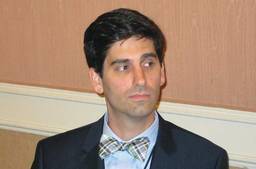
He presented a prospective study of 62 consecutive patients who underwent laparoscopic inguinal hernia repair at the Veterans Affairs Palo Alto (Calif.) Health Care System and agreed to follow-up by a physician assistant 2-3 weeks after surgery in lieu of the traditional face-to-face clinic visit with the surgeon. The phone interview involved a predetermined nine-question script. A single “yes” answer prompted an appointment for a clinic visit.
Of the 62 patients, 3 were lost to follow-up. Because of a scheduling error, another four showed up at the VA clinic for a follow-up visit before the planned phone call. Of the remaining 55 patients, 50 (91%) were satisfied with their telephone follow-up experience.
Five patients were seen face to face at the clinic as a result of their telephone follow-up. Three did so because of self-limited groin discomfort, one for a large seroma, and one for early hernia recurrence treated by the total extraperitoneal approach, reported Dr. Eisenberg, a general surgeon at the Palo Alto VA.
Session chair Vincenzo Neri voiced a misgiving about the study.
“The only problem I see is that it contributes to the dehumanization of surgery,” commented Dr. Neri, professor and director of the division of general surgery at the University of Foggia (Italy). “The follow-up contact that you have in the clinic when you actually see the patient can be important because so many things can happen to the patient that he has no awareness of. Your way, the follow-up is basically gone.”
Dr. Eisenberg was quick to concur that the patient-surgeon relationship is basic to clinical medicine, and that the postop clinic visit is a fundamental part of this relationship.
“It is unfortunate to see that in the U.S., external constraints are changing the way we practice medicine,” he added, “but these external pressures are demanding more time efficiency and more resource efficiency, ultimately culminating, hopefully, in cost efficiency. The VA system is single payer. At the Palo Alto VA, we’ve noticed an increase in resource constraint limiting clinic access, and financial constraints going along with it.”
The Palo Alto VA Health Care System serves an enormous geographic area running north to the Oregon border and east into Nevada. The average roundtrip distance to the VA hospital for the study participants was 122 miles, and they were happy to forgo the journey.
“In Bay Area traffic, that corresponds to 3 to 3 1/2 hours on the road,” Dr. Eisenberg noted at the meeting presented by the Society of Laparoscopic Surgeons and affiliated societies.
His future research plans include randomizing patients to telephone follow-up or a face-to-face clinic visit after laparoscopic inguinal hernia repair in order to quantify the impact of the novel alternative on clinic flow and patient satisfaction. He also plans to extend the practice of telephone follow-up by a midlevel provider to other surgical procedures. He and his coworkers have already applied it to patients after laparoscopic cholecystectomy, where it also appears to be safe and efficient.
“It raises the question of how much further we can push this. Maybe it doesn’t have to be just for outpatient surgery,” according to Dr. Eisenberg.
Dr. Eisenberg reported having no financial conflicts with regard to the study, which was funded by the Department of Veterans Affairs.
The nine yes/no telephone follow-up questions
Do you feel unwell?
Are you requiring frequent analgesics?
Are you having trouble returning to your normal activities?
Do you have fever or chills?
Is there increasing redness or swelling at the incision site?
Do you have testicular swelling or pain?
Are you having trouble tolerating a regular diet?
Do you have any concerns?
Would you like a face-to-face clinic visit?
A “yes” answer to any of the above triggers a clinic visit.
Source: Dr. Eisenberg
LAS VEGAS– Telephone follow-up by a midlevel provider after laparoscopic inguinal hernia repair is a possible alternative to the traditional surgeon-patient clinic visit, a pilot study indicates.
“It is feasible and seems effective. It is well received by patients, and it’s especially attractive for patients traveling long distances to receive their medical care. It may well prove to be the most efficient method for follow-up after laparoscopic inguinal hernia repair. It frees up clinic time: More than 80% of patients in our study were spared a clinic visit, and this allowed us to increase the number of our outpatient encounters,” Dr. Dan Eisenberg said at the annual Minimally Invasive Surgery Week.
He presented a prospective study of 62 consecutive patients who underwent laparoscopic inguinal hernia repair at the Veterans Affairs Palo Alto (Calif.) Health Care System and agreed to follow-up by a physician assistant 2-3 weeks after surgery in lieu of the traditional face-to-face clinic visit with the surgeon. The phone interview involved a predetermined nine-question script. A single “yes” answer prompted an appointment for a clinic visit.
Of the 62 patients, 3 were lost to follow-up. Because of a scheduling error, another four showed up at the VA clinic for a follow-up visit before the planned phone call. Of the remaining 55 patients, 50 (91%) were satisfied with their telephone follow-up experience.
Five patients were seen face to face at the clinic as a result of their telephone follow-up. Three did so because of self-limited groin discomfort, one for a large seroma, and one for early hernia recurrence treated by the total extraperitoneal approach, reported Dr. Eisenberg, a general surgeon at the Palo Alto VA.
Session chair Vincenzo Neri voiced a misgiving about the study.
“The only problem I see is that it contributes to the dehumanization of surgery,” commented Dr. Neri, professor and director of the division of general surgery at the University of Foggia (Italy). “The follow-up contact that you have in the clinic when you actually see the patient can be important because so many things can happen to the patient that he has no awareness of. Your way, the follow-up is basically gone.”
Dr. Eisenberg was quick to concur that the patient-surgeon relationship is basic to clinical medicine, and that the postop clinic visit is a fundamental part of this relationship.
“It is unfortunate to see that in the U.S., external constraints are changing the way we practice medicine,” he added, “but these external pressures are demanding more time efficiency and more resource efficiency, ultimately culminating, hopefully, in cost efficiency. The VA system is single payer. At the Palo Alto VA, we’ve noticed an increase in resource constraint limiting clinic access, and financial constraints going along with it.”
The Palo Alto VA Health Care System serves an enormous geographic area running north to the Oregon border and east into Nevada. The average roundtrip distance to the VA hospital for the study participants was 122 miles, and they were happy to forgo the journey.
“In Bay Area traffic, that corresponds to 3 to 3 1/2 hours on the road,” Dr. Eisenberg noted at the meeting presented by the Society of Laparoscopic Surgeons and affiliated societies.
His future research plans include randomizing patients to telephone follow-up or a face-to-face clinic visit after laparoscopic inguinal hernia repair in order to quantify the impact of the novel alternative on clinic flow and patient satisfaction. He also plans to extend the practice of telephone follow-up by a midlevel provider to other surgical procedures. He and his coworkers have already applied it to patients after laparoscopic cholecystectomy, where it also appears to be safe and efficient.
“It raises the question of how much further we can push this. Maybe it doesn’t have to be just for outpatient surgery,” according to Dr. Eisenberg.
Dr. Eisenberg reported having no financial conflicts with regard to the study, which was funded by the Department of Veterans Affairs.
The nine yes/no telephone follow-up questions
Do you feel unwell?
Are you requiring frequent analgesics?
Are you having trouble returning to your normal activities?
Do you have fever or chills?
Is there increasing redness or swelling at the incision site?
Do you have testicular swelling or pain?
Are you having trouble tolerating a regular diet?
Do you have any concerns?
Would you like a face-to-face clinic visit?
A “yes” answer to any of the above triggers a clinic visit.
Source: Dr. Eisenberg
LAS VEGAS– Telephone follow-up by a midlevel provider after laparoscopic inguinal hernia repair is a possible alternative to the traditional surgeon-patient clinic visit, a pilot study indicates.
“It is feasible and seems effective. It is well received by patients, and it’s especially attractive for patients traveling long distances to receive their medical care. It may well prove to be the most efficient method for follow-up after laparoscopic inguinal hernia repair. It frees up clinic time: More than 80% of patients in our study were spared a clinic visit, and this allowed us to increase the number of our outpatient encounters,” Dr. Dan Eisenberg said at the annual Minimally Invasive Surgery Week.
He presented a prospective study of 62 consecutive patients who underwent laparoscopic inguinal hernia repair at the Veterans Affairs Palo Alto (Calif.) Health Care System and agreed to follow-up by a physician assistant 2-3 weeks after surgery in lieu of the traditional face-to-face clinic visit with the surgeon. The phone interview involved a predetermined nine-question script. A single “yes” answer prompted an appointment for a clinic visit.
Of the 62 patients, 3 were lost to follow-up. Because of a scheduling error, another four showed up at the VA clinic for a follow-up visit before the planned phone call. Of the remaining 55 patients, 50 (91%) were satisfied with their telephone follow-up experience.
Five patients were seen face to face at the clinic as a result of their telephone follow-up. Three did so because of self-limited groin discomfort, one for a large seroma, and one for early hernia recurrence treated by the total extraperitoneal approach, reported Dr. Eisenberg, a general surgeon at the Palo Alto VA.
Session chair Vincenzo Neri voiced a misgiving about the study.
“The only problem I see is that it contributes to the dehumanization of surgery,” commented Dr. Neri, professor and director of the division of general surgery at the University of Foggia (Italy). “The follow-up contact that you have in the clinic when you actually see the patient can be important because so many things can happen to the patient that he has no awareness of. Your way, the follow-up is basically gone.”
Dr. Eisenberg was quick to concur that the patient-surgeon relationship is basic to clinical medicine, and that the postop clinic visit is a fundamental part of this relationship.
“It is unfortunate to see that in the U.S., external constraints are changing the way we practice medicine,” he added, “but these external pressures are demanding more time efficiency and more resource efficiency, ultimately culminating, hopefully, in cost efficiency. The VA system is single payer. At the Palo Alto VA, we’ve noticed an increase in resource constraint limiting clinic access, and financial constraints going along with it.”
The Palo Alto VA Health Care System serves an enormous geographic area running north to the Oregon border and east into Nevada. The average roundtrip distance to the VA hospital for the study participants was 122 miles, and they were happy to forgo the journey.
“In Bay Area traffic, that corresponds to 3 to 3 1/2 hours on the road,” Dr. Eisenberg noted at the meeting presented by the Society of Laparoscopic Surgeons and affiliated societies.
His future research plans include randomizing patients to telephone follow-up or a face-to-face clinic visit after laparoscopic inguinal hernia repair in order to quantify the impact of the novel alternative on clinic flow and patient satisfaction. He also plans to extend the practice of telephone follow-up by a midlevel provider to other surgical procedures. He and his coworkers have already applied it to patients after laparoscopic cholecystectomy, where it also appears to be safe and efficient.
“It raises the question of how much further we can push this. Maybe it doesn’t have to be just for outpatient surgery,” according to Dr. Eisenberg.
Dr. Eisenberg reported having no financial conflicts with regard to the study, which was funded by the Department of Veterans Affairs.
The nine yes/no telephone follow-up questions
Do you feel unwell?
Are you requiring frequent analgesics?
Are you having trouble returning to your normal activities?
Do you have fever or chills?
Is there increasing redness or swelling at the incision site?
Do you have testicular swelling or pain?
Are you having trouble tolerating a regular diet?
Do you have any concerns?
Would you like a face-to-face clinic visit?
A “yes” answer to any of the above triggers a clinic visit.
Source: Dr. Eisenberg
AT MINIMALLY INVASIVE SURGERY WEEK
Key clinical point: Scripted telephone follow-up by a midlevel provider after laparoscopic inguinal hernia repair is a safe, effective, and resource-sparing alternative to the traditional face-to-face surgeon-patient follow-up visit.
Major finding: Fifty of 55 patients who underwent laparoscopic inguinal hernia repair were safely able to be spared a follow-up clinic visit as a result of telephone follow-up by a physician assistant several weeks after surgery.
Data source: This was a prospective observational study in which patients who had laparoscopic repair of an inguinal hernia agreed to a scripted telephone follow-up by a physician assistant instead of returning to the clinic for the traditional surgeon-patient face-to-face encounter.
Disclosures: The presenter reported having no financial conflicts with regard to the study, which was funded by the Department of Veterans Affairs.
Heart failure hospitalizations jump after major holidays
LAS VEGAS – Ah, Christmas. The lights, the good cheer, the presents under the tree. And something extra: a 14% bump in heart failure hospitalizations in the days that follow.
“Holiday heart” is a real phenomenon among patients with heart failure, Dr. Mahek Shah reported at the annual meeting of the Heart Failure Society of America.

He and his coinvestigators retrospectively analyzed the records of all 22,728 patients admitted for heart failure to Einstein Medical Center in Philadelphia in a recent 10-year period. The purpose was to learn if admission rates climbed in conjunction with national holidays, as has previously been reported for acute MI.
Sure enough, the mean daily admission rate for heart failure was 6.5 cases per day for Dec. 26-29, compared with 5.7 per day during the rest of the month. That’s a 14% jump.
Similarly, the mean daily heart failure admission rate was 11.4% greater during July 5-8 than in the rest of July, and 11% higher on the 4 days following Super Bowl Sunday than the rest of that month. Daily admissions rose by 3.3% on Jan. 2-5, compared with the rest of January, and by 2% on the 4 days following Thanksgiving, compared with the daily average for the rest of November, according to Dr. Shah of Einstein Medical Center.
Mean lengths of stay, however, weren’t significantly different for patients admitted in the 4 days post holiday than in the rest of the month, he added.
Dr. Shah offered two hypotheses for the holiday heart hospitalization phenomenon that he and his colleagues documented. One, it’s likely that many heart failure patients – just like the rest of America – overindulge in rich, salty foods at holiday celebrations that, in the case of individuals with heart failure, wreaks havoc with their extracellular fluid volume. Second, some heart failure patients probably delay in seeking medical care at holiday time because they don’t want to miss or spoil the party.
Dr. Shah reported having no financial conflicts regarding this study.
LAS VEGAS – Ah, Christmas. The lights, the good cheer, the presents under the tree. And something extra: a 14% bump in heart failure hospitalizations in the days that follow.
“Holiday heart” is a real phenomenon among patients with heart failure, Dr. Mahek Shah reported at the annual meeting of the Heart Failure Society of America.
He and his coinvestigators retrospectively analyzed the records of all 22,728 patients admitted for heart failure to Einstein Medical Center in Philadelphia in a recent 10-year period. The purpose was to learn if admission rates climbed in conjunction with national holidays, as has previously been reported for acute MI.
Sure enough, the mean daily admission rate for heart failure was 6.5 cases per day for Dec. 26-29, compared with 5.7 per day during the rest of the month. That’s a 14% jump.
Similarly, the mean daily heart failure admission rate was 11.4% greater during July 5-8 than in the rest of July, and 11% higher on the 4 days following Super Bowl Sunday than the rest of that month. Daily admissions rose by 3.3% on Jan. 2-5, compared with the rest of January, and by 2% on the 4 days following Thanksgiving, compared with the daily average for the rest of November, according to Dr. Shah of Einstein Medical Center.
Mean lengths of stay, however, weren’t significantly different for patients admitted in the 4 days post holiday than in the rest of the month, he added.
Dr. Shah offered two hypotheses for the holiday heart hospitalization phenomenon that he and his colleagues documented. One, it’s likely that many heart failure patients – just like the rest of America – overindulge in rich, salty foods at holiday celebrations that, in the case of individuals with heart failure, wreaks havoc with their extracellular fluid volume. Second, some heart failure patients probably delay in seeking medical care at holiday time because they don’t want to miss or spoil the party.
Dr. Shah reported having no financial conflicts regarding this study.
LAS VEGAS – Ah, Christmas. The lights, the good cheer, the presents under the tree. And something extra: a 14% bump in heart failure hospitalizations in the days that follow.
“Holiday heart” is a real phenomenon among patients with heart failure, Dr. Mahek Shah reported at the annual meeting of the Heart Failure Society of America.
He and his coinvestigators retrospectively analyzed the records of all 22,728 patients admitted for heart failure to Einstein Medical Center in Philadelphia in a recent 10-year period. The purpose was to learn if admission rates climbed in conjunction with national holidays, as has previously been reported for acute MI.
Sure enough, the mean daily admission rate for heart failure was 6.5 cases per day for Dec. 26-29, compared with 5.7 per day during the rest of the month. That’s a 14% jump.
Similarly, the mean daily heart failure admission rate was 11.4% greater during July 5-8 than in the rest of July, and 11% higher on the 4 days following Super Bowl Sunday than the rest of that month. Daily admissions rose by 3.3% on Jan. 2-5, compared with the rest of January, and by 2% on the 4 days following Thanksgiving, compared with the daily average for the rest of November, according to Dr. Shah of Einstein Medical Center.
Mean lengths of stay, however, weren’t significantly different for patients admitted in the 4 days post holiday than in the rest of the month, he added.
Dr. Shah offered two hypotheses for the holiday heart hospitalization phenomenon that he and his colleagues documented. One, it’s likely that many heart failure patients – just like the rest of America – overindulge in rich, salty foods at holiday celebrations that, in the case of individuals with heart failure, wreaks havoc with their extracellular fluid volume. Second, some heart failure patients probably delay in seeking medical care at holiday time because they don’t want to miss or spoil the party.
Dr. Shah reported having no financial conflicts regarding this study.
AT THE HFSA ANNUAL SCIENTIFIC MEETING
Key clinical point: Expect a noticeable spike in hospitalizations for heart failure in the 4 days following major national holidays such as Christmas, the Fourth of July, or the Super Bowl.
Major finding: Daily hospitalization rates for heart failure climb by 14% during the 4 days after Christmas and by 11% following Super Bowl Sunday and on July 5-8, compared with the daily rates or the rest of those months.
Data source: Review of daily admission rates for nearly 23,000 patients hospitalized for heart failure during a decade-long period at a large medical center.
Disclosures: Dr. Shah reported having no financial conflicts regarding this study.

Drink More Coffee To Prevent a Second BCC
AMSTERDAM – Liberal coffee consumption was independently associated with a reduced risk of developing a second basal cell carcinoma in individuals who’ve already had a first in an analysis from the Rotterdam Study.
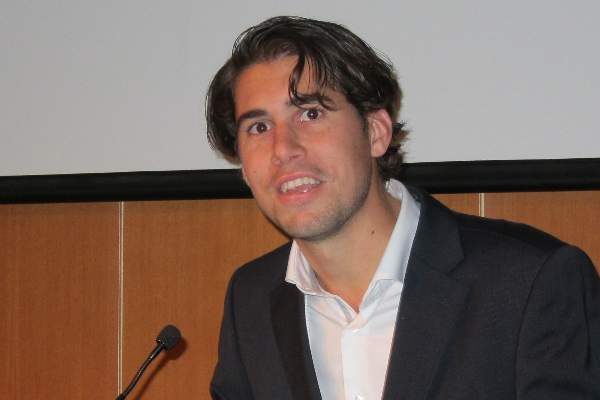
“This might seem surprising, but several recent studies done in both humans and mice have shown this protective effect as well. The mechanism behind it is still unclear, but we think that caffeine might help to prevent UV-induced carcinogenesis,” Dr. Joris Verkouteren said in presenting the Rotterdam Study findings at the annual congress of the European Academy of Dermatology and Venereology.
Drinking more coffee was the only protective factor identified in the study. In a multivariate regression analysis, it was associated with a 30% reduction in the relative risk of developing at least a second BCC.
In contrast, two major predictors of increased likelihood of a second BCC emerged. The strongest was having more than one primary BCC at initial presentation, which carried an associated 2.5-fold increased risk. The other risk factor was older age at diagnosis of the first BCC, associated with a 60% increase in risk, reported Dr. Verkouteren of Ermasus University, Rotterdam.
Basal cell carcinoma is the most common of all malignancies. Roughly one-third of patients who present with a first one will develop a second BCC, most often within the next couple years. This makes BCC a logical target for secondary prevention measures. The purpose of this analysis of the Rotterdam Study was to identify factors to help physicians differentiate between patients who are likely to have just one primary BCC and those who will go on to develop multiple BCCs. This would aid clinicians in selecting patients for closer monitoring and in identifying good candidates for aggressive secondary prevention interventions, such as photodynamic therapy to address the field cancerization which results from lifetime exposure to UV, he explained.
The Rotterdam Study is an ongoing prospective population-based cohort study started in 1989. This analysis included 14,976 Rotterdam residents, all at least age 45 years at entry, who have been evaluated by physican examination and detailed questionnaires every 3-4 years. Through linkage to the Dutch national histopathologic database, it was possible to identify all study participants diagnosed with BCC.
The 784 study participants who developed a first primary BCC were prospectively followed for a median of more than 4 years, during which 293 developed at least a second BCC.
Individuals who developed a second BCC at least 6 months after their first drank an average of 2 cups of joe daily, while those who did not have another BCC quaffed an average of 5 cups per day.
The median age at the time of diagnosis of a first BCC was 67.6 years in individuals who didn’t develop a second one, compared to 80.7 years in those who did.
A particularly noteworthy study finding, in Dr. Verkouteren’s view, was that many of the well-established risk factors for a first BCC were not significant predictors of a second one. A tendency to sunburn easily, light hair and eye color, male gender, smoking, a history of outdoor work -- none of these factors proved helpful in predicting which patients with a first BCC would develop another.
Dr. Tamar Nijsten, senior coinvestigator in the study, said that he is skeptical of Dr. Verkouteren’s assertion that the observed association between greater coffee consumption and reduced risk of a second BCC is probably due to a some intrinsic anti-carcinogenic effect of caffeine.
“There are people – and I am one of them – who believe that coffee consumption is associated with health status. So people who drink more coffee have, on average, a more healthy lifestyle,” said Dr. Nijsten, professor and chair of the department of dermatology at Erasmus University Medical Center, Rotterdam.
Dr. Verkouteren and Dr. Nijsten reported having no financial conflicts regarding the Rotterdam Study.
AMSTERDAM – Liberal coffee consumption was independently associated with a reduced risk of developing a second basal cell carcinoma in individuals who’ve already had a first in an analysis from the Rotterdam Study.
“This might seem surprising, but several recent studies done in both humans and mice have shown this protective effect as well. The mechanism behind it is still unclear, but we think that caffeine might help to prevent UV-induced carcinogenesis,” Dr. Joris Verkouteren said in presenting the Rotterdam Study findings at the annual congress of the European Academy of Dermatology and Venereology.
Drinking more coffee was the only protective factor identified in the study. In a multivariate regression analysis, it was associated with a 30% reduction in the relative risk of developing at least a second BCC.
In contrast, two major predictors of increased likelihood of a second BCC emerged. The strongest was having more than one primary BCC at initial presentation, which carried an associated 2.5-fold increased risk. The other risk factor was older age at diagnosis of the first BCC, associated with a 60% increase in risk, reported Dr. Verkouteren of Ermasus University, Rotterdam.
Basal cell carcinoma is the most common of all malignancies. Roughly one-third of patients who present with a first one will develop a second BCC, most often within the next couple years. This makes BCC a logical target for secondary prevention measures. The purpose of this analysis of the Rotterdam Study was to identify factors to help physicians differentiate between patients who are likely to have just one primary BCC and those who will go on to develop multiple BCCs. This would aid clinicians in selecting patients for closer monitoring and in identifying good candidates for aggressive secondary prevention interventions, such as photodynamic therapy to address the field cancerization which results from lifetime exposure to UV, he explained.
The Rotterdam Study is an ongoing prospective population-based cohort study started in 1989. This analysis included 14,976 Rotterdam residents, all at least age 45 years at entry, who have been evaluated by physican examination and detailed questionnaires every 3-4 years. Through linkage to the Dutch national histopathologic database, it was possible to identify all study participants diagnosed with BCC.
The 784 study participants who developed a first primary BCC were prospectively followed for a median of more than 4 years, during which 293 developed at least a second BCC.
Individuals who developed a second BCC at least 6 months after their first drank an average of 2 cups of joe daily, while those who did not have another BCC quaffed an average of 5 cups per day.
The median age at the time of diagnosis of a first BCC was 67.6 years in individuals who didn’t develop a second one, compared to 80.7 years in those who did.
A particularly noteworthy study finding, in Dr. Verkouteren’s view, was that many of the well-established risk factors for a first BCC were not significant predictors of a second one. A tendency to sunburn easily, light hair and eye color, male gender, smoking, a history of outdoor work -- none of these factors proved helpful in predicting which patients with a first BCC would develop another.
Dr. Tamar Nijsten, senior coinvestigator in the study, said that he is skeptical of Dr. Verkouteren’s assertion that the observed association between greater coffee consumption and reduced risk of a second BCC is probably due to a some intrinsic anti-carcinogenic effect of caffeine.
“There are people – and I am one of them – who believe that coffee consumption is associated with health status. So people who drink more coffee have, on average, a more healthy lifestyle,” said Dr. Nijsten, professor and chair of the department of dermatology at Erasmus University Medical Center, Rotterdam.
Dr. Verkouteren and Dr. Nijsten reported having no financial conflicts regarding the Rotterdam Study.
AMSTERDAM – Liberal coffee consumption was independently associated with a reduced risk of developing a second basal cell carcinoma in individuals who’ve already had a first in an analysis from the Rotterdam Study.
“This might seem surprising, but several recent studies done in both humans and mice have shown this protective effect as well. The mechanism behind it is still unclear, but we think that caffeine might help to prevent UV-induced carcinogenesis,” Dr. Joris Verkouteren said in presenting the Rotterdam Study findings at the annual congress of the European Academy of Dermatology and Venereology.
Drinking more coffee was the only protective factor identified in the study. In a multivariate regression analysis, it was associated with a 30% reduction in the relative risk of developing at least a second BCC.
In contrast, two major predictors of increased likelihood of a second BCC emerged. The strongest was having more than one primary BCC at initial presentation, which carried an associated 2.5-fold increased risk. The other risk factor was older age at diagnosis of the first BCC, associated with a 60% increase in risk, reported Dr. Verkouteren of Ermasus University, Rotterdam.
Basal cell carcinoma is the most common of all malignancies. Roughly one-third of patients who present with a first one will develop a second BCC, most often within the next couple years. This makes BCC a logical target for secondary prevention measures. The purpose of this analysis of the Rotterdam Study was to identify factors to help physicians differentiate between patients who are likely to have just one primary BCC and those who will go on to develop multiple BCCs. This would aid clinicians in selecting patients for closer monitoring and in identifying good candidates for aggressive secondary prevention interventions, such as photodynamic therapy to address the field cancerization which results from lifetime exposure to UV, he explained.
The Rotterdam Study is an ongoing prospective population-based cohort study started in 1989. This analysis included 14,976 Rotterdam residents, all at least age 45 years at entry, who have been evaluated by physican examination and detailed questionnaires every 3-4 years. Through linkage to the Dutch national histopathologic database, it was possible to identify all study participants diagnosed with BCC.
The 784 study participants who developed a first primary BCC were prospectively followed for a median of more than 4 years, during which 293 developed at least a second BCC.
Individuals who developed a second BCC at least 6 months after their first drank an average of 2 cups of joe daily, while those who did not have another BCC quaffed an average of 5 cups per day.
The median age at the time of diagnosis of a first BCC was 67.6 years in individuals who didn’t develop a second one, compared to 80.7 years in those who did.
A particularly noteworthy study finding, in Dr. Verkouteren’s view, was that many of the well-established risk factors for a first BCC were not significant predictors of a second one. A tendency to sunburn easily, light hair and eye color, male gender, smoking, a history of outdoor work -- none of these factors proved helpful in predicting which patients with a first BCC would develop another.
Dr. Tamar Nijsten, senior coinvestigator in the study, said that he is skeptical of Dr. Verkouteren’s assertion that the observed association between greater coffee consumption and reduced risk of a second BCC is probably due to a some intrinsic anti-carcinogenic effect of caffeine.
“There are people – and I am one of them – who believe that coffee consumption is associated with health status. So people who drink more coffee have, on average, a more healthy lifestyle,” said Dr. Nijsten, professor and chair of the department of dermatology at Erasmus University Medical Center, Rotterdam.
Dr. Verkouteren and Dr. Nijsten reported having no financial conflicts regarding the Rotterdam Study.
AT THE EADV CONGRESS
Drink more coffee to prevent a second BCC
AMSTERDAM – Liberal coffee consumption was independently associated with a reduced risk of developing a second basal cell carcinoma in individuals who’ve already had a first in an analysis from the Rotterdam Study.
“This might seem surprising, but several recent studies done in both humans and mice have shown this protective effect as well. The mechanism behind it is still unclear, but we think that caffeine might help to prevent UV-induced carcinogenesis,” Dr. Joris Verkouteren said in presenting the Rotterdam Study findings at the annual congress of the European Academy of Dermatology and Venereology.

Drinking more coffee was the only protective factor identified in the study. In a multivariate regression analysis, it was associated with a 30% reduction in the relative risk of developing at least a second BCC.
In contrast, two major predictors of increased likelihood of a second BCC emerged. The strongest was having more than one primary BCC at initial presentation, which carried an associated 2.5-fold increased risk. The other risk factor was older age at diagnosis of the first BCC, associated with a 60% increase in risk, reported Dr. Verkouteren of Ermasus University, Rotterdam.
Basal cell carcinoma is the most common of all malignancies. Roughly one-third of patients who present with a first one will develop a second BCC, most often within the next couple years. This makes BCC a logical target for secondary prevention measures. The purpose of this analysis of the Rotterdam Study was to identify factors to help physicians differentiate between patients who are likely to have just one primary BCC and those who will go on to develop multiple BCCs. This would aid clinicians in selecting patients for closer monitoring and in identifying good candidates for aggressive secondary prevention interventions, such as photodynamic therapy to address the field cancerization which results from lifetime exposure to UV, he explained.
The Rotterdam Study is an ongoing prospective population-based cohort study started in 1989. This analysis included 14,976 Rotterdam residents, all at least age 45 years at entry, who have been evaluated by physican examination and detailed questionnaires every 3-4 years. Through linkage to the Dutch national histopathologic database, it was possible to identify all study participants diagnosed with BCC.
The 784 study participants who developed a first primary BCC were prospectively followed for a median of more than 4 years, during which 293 developed at least a second BCC.
Individuals who developed a second BCC at least 6 months after their first drank an average of 2 cups of joe daily, while those who did not have another BCC quaffed an average of 5 cups per day.
The median age at the time of diagnosis of a first BCC was 67.6 years in individuals who didn’t develop a second one, compared to 80.7 years in those who did.
A particularly noteworthy study finding, in Dr. Verkouteren’s view, was that many of the well-established risk factors for a first BCC were not significant predictors of a second one. A tendency to sunburn easily, light hair and eye color, male gender, smoking, a history of outdoor work -- none of these factors proved helpful in predicting which patients with a first BCC would develop another.
Dr. Tamar Nijsten, senior coinvestigator in the study, said that he is skeptical of Dr. Verkouteren’s assertion that the observed association between greater coffee consumption and reduced risk of a second BCC is probably due to a some intrinsic anti-carcinogenic effect of caffeine.
“There are people – and I am one of them – who believe that coffee consumption is associated with health status. So people who drink more coffee have, on average, a more healthy lifestyle,” said Dr. Nijsten, professor and chair of the department of dermatology at Erasmus University Medical Center, Rotterdam.
Dr. Verkouteren and Dr. Nijsten reported having no financial conflicts regarding the Rotterdam Study.
AMSTERDAM – Liberal coffee consumption was independently associated with a reduced risk of developing a second basal cell carcinoma in individuals who’ve already had a first in an analysis from the Rotterdam Study.
“This might seem surprising, but several recent studies done in both humans and mice have shown this protective effect as well. The mechanism behind it is still unclear, but we think that caffeine might help to prevent UV-induced carcinogenesis,” Dr. Joris Verkouteren said in presenting the Rotterdam Study findings at the annual congress of the European Academy of Dermatology and Venereology.
Drinking more coffee was the only protective factor identified in the study. In a multivariate regression analysis, it was associated with a 30% reduction in the relative risk of developing at least a second BCC.
In contrast, two major predictors of increased likelihood of a second BCC emerged. The strongest was having more than one primary BCC at initial presentation, which carried an associated 2.5-fold increased risk. The other risk factor was older age at diagnosis of the first BCC, associated with a 60% increase in risk, reported Dr. Verkouteren of Ermasus University, Rotterdam.
Basal cell carcinoma is the most common of all malignancies. Roughly one-third of patients who present with a first one will develop a second BCC, most often within the next couple years. This makes BCC a logical target for secondary prevention measures. The purpose of this analysis of the Rotterdam Study was to identify factors to help physicians differentiate between patients who are likely to have just one primary BCC and those who will go on to develop multiple BCCs. This would aid clinicians in selecting patients for closer monitoring and in identifying good candidates for aggressive secondary prevention interventions, such as photodynamic therapy to address the field cancerization which results from lifetime exposure to UV, he explained.
The Rotterdam Study is an ongoing prospective population-based cohort study started in 1989. This analysis included 14,976 Rotterdam residents, all at least age 45 years at entry, who have been evaluated by physican examination and detailed questionnaires every 3-4 years. Through linkage to the Dutch national histopathologic database, it was possible to identify all study participants diagnosed with BCC.
The 784 study participants who developed a first primary BCC were prospectively followed for a median of more than 4 years, during which 293 developed at least a second BCC.
Individuals who developed a second BCC at least 6 months after their first drank an average of 2 cups of joe daily, while those who did not have another BCC quaffed an average of 5 cups per day.
The median age at the time of diagnosis of a first BCC was 67.6 years in individuals who didn’t develop a second one, compared to 80.7 years in those who did.
A particularly noteworthy study finding, in Dr. Verkouteren’s view, was that many of the well-established risk factors for a first BCC were not significant predictors of a second one. A tendency to sunburn easily, light hair and eye color, male gender, smoking, a history of outdoor work -- none of these factors proved helpful in predicting which patients with a first BCC would develop another.
Dr. Tamar Nijsten, senior coinvestigator in the study, said that he is skeptical of Dr. Verkouteren’s assertion that the observed association between greater coffee consumption and reduced risk of a second BCC is probably due to a some intrinsic anti-carcinogenic effect of caffeine.
“There are people – and I am one of them – who believe that coffee consumption is associated with health status. So people who drink more coffee have, on average, a more healthy lifestyle,” said Dr. Nijsten, professor and chair of the department of dermatology at Erasmus University Medical Center, Rotterdam.
Dr. Verkouteren and Dr. Nijsten reported having no financial conflicts regarding the Rotterdam Study.
AMSTERDAM – Liberal coffee consumption was independently associated with a reduced risk of developing a second basal cell carcinoma in individuals who’ve already had a first in an analysis from the Rotterdam Study.
“This might seem surprising, but several recent studies done in both humans and mice have shown this protective effect as well. The mechanism behind it is still unclear, but we think that caffeine might help to prevent UV-induced carcinogenesis,” Dr. Joris Verkouteren said in presenting the Rotterdam Study findings at the annual congress of the European Academy of Dermatology and Venereology.
Drinking more coffee was the only protective factor identified in the study. In a multivariate regression analysis, it was associated with a 30% reduction in the relative risk of developing at least a second BCC.
In contrast, two major predictors of increased likelihood of a second BCC emerged. The strongest was having more than one primary BCC at initial presentation, which carried an associated 2.5-fold increased risk. The other risk factor was older age at diagnosis of the first BCC, associated with a 60% increase in risk, reported Dr. Verkouteren of Ermasus University, Rotterdam.
Basal cell carcinoma is the most common of all malignancies. Roughly one-third of patients who present with a first one will develop a second BCC, most often within the next couple years. This makes BCC a logical target for secondary prevention measures. The purpose of this analysis of the Rotterdam Study was to identify factors to help physicians differentiate between patients who are likely to have just one primary BCC and those who will go on to develop multiple BCCs. This would aid clinicians in selecting patients for closer monitoring and in identifying good candidates for aggressive secondary prevention interventions, such as photodynamic therapy to address the field cancerization which results from lifetime exposure to UV, he explained.
The Rotterdam Study is an ongoing prospective population-based cohort study started in 1989. This analysis included 14,976 Rotterdam residents, all at least age 45 years at entry, who have been evaluated by physican examination and detailed questionnaires every 3-4 years. Through linkage to the Dutch national histopathologic database, it was possible to identify all study participants diagnosed with BCC.
The 784 study participants who developed a first primary BCC were prospectively followed for a median of more than 4 years, during which 293 developed at least a second BCC.
Individuals who developed a second BCC at least 6 months after their first drank an average of 2 cups of joe daily, while those who did not have another BCC quaffed an average of 5 cups per day.
The median age at the time of diagnosis of a first BCC was 67.6 years in individuals who didn’t develop a second one, compared to 80.7 years in those who did.
A particularly noteworthy study finding, in Dr. Verkouteren’s view, was that many of the well-established risk factors for a first BCC were not significant predictors of a second one. A tendency to sunburn easily, light hair and eye color, male gender, smoking, a history of outdoor work -- none of these factors proved helpful in predicting which patients with a first BCC would develop another.
Dr. Tamar Nijsten, senior coinvestigator in the study, said that he is skeptical of Dr. Verkouteren’s assertion that the observed association between greater coffee consumption and reduced risk of a second BCC is probably due to a some intrinsic anti-carcinogenic effect of caffeine.
“There are people – and I am one of them – who believe that coffee consumption is associated with health status. So people who drink more coffee have, on average, a more healthy lifestyle,” said Dr. Nijsten, professor and chair of the department of dermatology at Erasmus University Medical Center, Rotterdam.
Dr. Verkouteren and Dr. Nijsten reported having no financial conflicts regarding the Rotterdam Study.
AT THE EADV CONGRESS
Key clinical point: The more coffee you drink, the less likely you will develop a second basal cell carcinoma after being diagnosed with a first one.
Major finding: Increased coffee consumption was associated with a 30% relative risk reduction for diagnosis of a second BCC.
Data source: Analysis involving more than 14,000 participants in the Rotterdam Study, an ongoing prospective population-based cohort study.
Disclosures: The presenter reported having no financial conflicts of interest.
Heart failure readmission cuts may be a phone call away
LAS VEGAS – A structured follow-up telephone call to heart failure patients made within 48 hours post discharge can reduce 30-day readmissions by fully one-half to two-thirds.
That’s been the experience at Stanford (Calif.) University Medical Center, where the 30-day heart failure readmission rate dropped from 20% in 524 patients at baseline to 10% among 341 patients discharged since the follow-up phone call practice was introduced, clinical nurse specialist Christine Thompson reported at the annual meeting of the Heart Failure Society of America.

The telephone call follows a scripted template embedded in the patient’s electronic health record. The template incorporates “smart text” questions that assist in identifying gaps in patient care. For example, when Ms. Thompson or another caller asks, “How have you been feeling since discharge?” it provides an opportunity to review the typical symptoms of heart failure and make sure the patient knows how to recognize them.
Other questions review medications and address the patient’s activity level, adherence to the recommended low-sodium diet, and self-weighing at home with tracking of the results. The interviewer also makes sure the patient knows his or her physician’s name, phone number, the date of the next scheduled appointment, and understands the circumstances when it’s important to call the doctor because the clinical picture is beginning to deteriorate, explained Ms. Thompson, who works in the Stanford heart failure program.
The structured telephone follow-up call was merely one element of a whole set of interventions developed by a multidisciplinary Stanford team in an effort to reduce heart failure readmissions. Other interventions included medication reconciliation, routinely scheduling an early postdischarge clinic visit, and an increased emphasis upon patient education using patient “teach back” techniques to promote mastery of key information.
In the first 14 months since the full readmission-reduction program was launched, 96% of patients reached via a postdischarge phone call demonstrated that they understood their discharge medications and how to take them.
It was possible to determine the specific contribution that the early postdischarge phone call made to the observed sharp decrease in 30-day readmissions because 61 patients didn’t get the follow-up phone call but did receive the other interventions. Their 30-day readmission rate was 28%, compared with 10% in those who did get the phone call, which translates to a 66% relative risk reduction. In a multivariate logistic regression analysis adjusted for the other interventions as well as patient age, sex, marital status, length of stay, and discharge destination, the early postdischarge follow-up phone call was independently associated with a 72% reduction in the risk of readmission within 30 days, according to Ms. Thompson.
She reported having no financial conflicts regarding this study.
LAS VEGAS – A structured follow-up telephone call to heart failure patients made within 48 hours post discharge can reduce 30-day readmissions by fully one-half to two-thirds.
That’s been the experience at Stanford (Calif.) University Medical Center, where the 30-day heart failure readmission rate dropped from 20% in 524 patients at baseline to 10% among 341 patients discharged since the follow-up phone call practice was introduced, clinical nurse specialist Christine Thompson reported at the annual meeting of the Heart Failure Society of America.
The telephone call follows a scripted template embedded in the patient’s electronic health record. The template incorporates “smart text” questions that assist in identifying gaps in patient care. For example, when Ms. Thompson or another caller asks, “How have you been feeling since discharge?” it provides an opportunity to review the typical symptoms of heart failure and make sure the patient knows how to recognize them.
Other questions review medications and address the patient’s activity level, adherence to the recommended low-sodium diet, and self-weighing at home with tracking of the results. The interviewer also makes sure the patient knows his or her physician’s name, phone number, the date of the next scheduled appointment, and understands the circumstances when it’s important to call the doctor because the clinical picture is beginning to deteriorate, explained Ms. Thompson, who works in the Stanford heart failure program.
The structured telephone follow-up call was merely one element of a whole set of interventions developed by a multidisciplinary Stanford team in an effort to reduce heart failure readmissions. Other interventions included medication reconciliation, routinely scheduling an early postdischarge clinic visit, and an increased emphasis upon patient education using patient “teach back” techniques to promote mastery of key information.
In the first 14 months since the full readmission-reduction program was launched, 96% of patients reached via a postdischarge phone call demonstrated that they understood their discharge medications and how to take them.
It was possible to determine the specific contribution that the early postdischarge phone call made to the observed sharp decrease in 30-day readmissions because 61 patients didn’t get the follow-up phone call but did receive the other interventions. Their 30-day readmission rate was 28%, compared with 10% in those who did get the phone call, which translates to a 66% relative risk reduction. In a multivariate logistic regression analysis adjusted for the other interventions as well as patient age, sex, marital status, length of stay, and discharge destination, the early postdischarge follow-up phone call was independently associated with a 72% reduction in the risk of readmission within 30 days, according to Ms. Thompson.
She reported having no financial conflicts regarding this study.
LAS VEGAS – A structured follow-up telephone call to heart failure patients made within 48 hours post discharge can reduce 30-day readmissions by fully one-half to two-thirds.
That’s been the experience at Stanford (Calif.) University Medical Center, where the 30-day heart failure readmission rate dropped from 20% in 524 patients at baseline to 10% among 341 patients discharged since the follow-up phone call practice was introduced, clinical nurse specialist Christine Thompson reported at the annual meeting of the Heart Failure Society of America.
The telephone call follows a scripted template embedded in the patient’s electronic health record. The template incorporates “smart text” questions that assist in identifying gaps in patient care. For example, when Ms. Thompson or another caller asks, “How have you been feeling since discharge?” it provides an opportunity to review the typical symptoms of heart failure and make sure the patient knows how to recognize them.
Other questions review medications and address the patient’s activity level, adherence to the recommended low-sodium diet, and self-weighing at home with tracking of the results. The interviewer also makes sure the patient knows his or her physician’s name, phone number, the date of the next scheduled appointment, and understands the circumstances when it’s important to call the doctor because the clinical picture is beginning to deteriorate, explained Ms. Thompson, who works in the Stanford heart failure program.
The structured telephone follow-up call was merely one element of a whole set of interventions developed by a multidisciplinary Stanford team in an effort to reduce heart failure readmissions. Other interventions included medication reconciliation, routinely scheduling an early postdischarge clinic visit, and an increased emphasis upon patient education using patient “teach back” techniques to promote mastery of key information.
In the first 14 months since the full readmission-reduction program was launched, 96% of patients reached via a postdischarge phone call demonstrated that they understood their discharge medications and how to take them.
It was possible to determine the specific contribution that the early postdischarge phone call made to the observed sharp decrease in 30-day readmissions because 61 patients didn’t get the follow-up phone call but did receive the other interventions. Their 30-day readmission rate was 28%, compared with 10% in those who did get the phone call, which translates to a 66% relative risk reduction. In a multivariate logistic regression analysis adjusted for the other interventions as well as patient age, sex, marital status, length of stay, and discharge destination, the early postdischarge follow-up phone call was independently associated with a 72% reduction in the risk of readmission within 30 days, according to Ms. Thompson.
She reported having no financial conflicts regarding this study.
AT THE HFSA ANNUAL SCIENTIFIC MEETING
Key clinical point: A phone call within 48 hours of discharge cut 30-day readmission rates for heart failure.
Major finding: The follow-up phone call was independently associated with a 72% reduction in risk.
Data source: This was a retrospective single-center analysis of prospectively collected data on heart failure readmissions before and after introduction of a scripted telephone follow-up call.
Disclosures: The presenter reported having no financial conflicts regarding this study.

CardioMEMS Heralds New Proactive Era in Heart Failure Management
LAS VEGAS – Clinical roll-out of a recently approved first-in-class implantable pulmonary artery measurement device ushers in a true breakthrough in the management of heart failure patients, experts forecast at the annual meeting of the Heart Failure Society of America.
Noting that in the pivotal phase III CHAMPION trial the use of the wireless implantable CardioMEMS system reduced heart failure–related admissions by 37% with a number needed to treat of just four patients for 1 year in order to avoid one hospitalization, Dr. Phillip B. Adamson declared, “It shifts us from a strategy of crisis management to one of stability management.”
Earlier this year, the Food and Drug Administration approved the implantable pulmonary artery measurement system for use in patients with New York Heart Association class III heart failure and a heart failure–related hospitalization within the previous 12 months, which defined the study population in the 550-patient randomized, single-blind, pivotal CHAMPION trial. The study included patients with heart failure with preserved ejection fraction (HFpEF) as well as those with reduced ejection fraction (HFrEF). Notably, the intervention was at least as effective in HFpEF as HFrEF.
“We saw roughly a 50% reduction in heart failure hospitalizations with a number needed to treat of two in order to prevent one hospitalization in patients with HFpEF. That’s a pretty profound result in a population of patients for which there’s been no strategy to keep them well and out of hospital,” observed Dr. Adamson, medical director of the Heart Failure Institute at Oklahoma Heart Hospital, Oklahoma City.
The 6-month results of CHAMPION have been published (Lancet 2011;377:658-66). At the heart failure meeting, Dr. Adamson and Dr. William T. Abraham presented updated results of the extended longitudinal analysis of CHAMPION. While heart failure hospitalizations were reduced by 28% during the first 6 months of the study in patients with the device turned on as compared to controls with the device off, the magnitude of benefit grew over time such that for months 6-18 in the randomized phase of the study, the relative risk reduction increased to 45%.
“It looks like we all got better over time at using this pulmonary artery pressure information,” observed Dr. Abraham, professor of internal medicine and physiology and cell biology and director of the division of cardiovascular medicine at Ohio State University, Columbus.
He drew particular attention to the highly significant 16% reduction in the risk of the combined secondary endpoint of death or all-cause hospitalization with the device on over the full duration of the randomized study; that’s an outcome many current standard-of-care pharmacologic and device therapies haven’t been able to achieve.
When former control subjects were crossed over to device-on for 13 months of open-label management, their annualized rate of heart failure hospitalizations dropped by 48%, he continued.
The principle behind this management strategy is that measurable changes in pulmonary artery pressures occur at least several weeks before patients experience symptomatic deterioration and weight gain. And these pressure changes are actionable. By remotely monitoring hemodynamic pressures via the implanted device and promptly adjusting medications in order bring elevated pressures back into target range – for example, to a mean arterial pressure of 10-25 mm Hg – heart failure hospitalizations are avoided.
“In CHAMPION, even if the patient looked good and felt good, if the pressures were elevated the protocol required that they be lowered to target ranges,” Dr. Abraham explained.
The system works like this: On a daily basis, a patient lies down on a special pillow that interrogates the device for 18 seconds, then transmits the pressure readings to an Internet website. If the readings fall outside target range, an e-mail notification is automatically sent to the patient’s health care provider. Once the office receives the message then a nurse, nurse practitioner, or physician assistant phones the patient and adjusts medications according to a defined protocol based on scripted questions.
On the other hand, if the patient’s pressures are stable, once-weekly review of the readings is generally sufficient. That was the protocol in CHAMPION.
“Patients don’t decompensate overnight,” Dr. Abraham observed. “They decompensate over many days to weeks.”
Audience members had lots of questions about billing. Dr. Adamson explained that remote pulmonary artery pressure monitoring is billable every 31 days, although a physician can’t bill for both pulmonary artery pressure and impedance monitoring.
“You have to have a documented encounter in the patient’s chart in which you reviewed the pressures and what your decision-making process was: either the patient was contacted and the medications increased, or you decided not to change the medications,” he said.
Also, as of October, Medicare covers the device implantation procedure under a new-technology add-on. Large private insurers are expected to follow suit. A reimbursable procedure is something of a rarity for heart failure specialists, although surgeons and general cardiologists can readily perform the implantation as well, according to Dr. Adamson.
Although for now the device is indicated in patients with NYHA class III heart failure, consideration is now being given to a possible extension of the indication to patients with class II disease as well. That’s largely because of an analysis of Medicare data led by Dr. Adamson that showed that nationally, patients with class II or III heart failure averaged a 24.7% 30-day hospital readmission rate as compared to an 18.5% rate among Medicare participants in CHAMPION.
Asked about patient acceptance of the monitoring program, Dr. Abraham said it was excellent in CHAMPION.
“In the trial, we asked patients to take a measurement daily, and on average, we got measurements on 6 out of 7 days,” he noted.
That high adherence rate came as no surprise to Sara Paul, a registered nurse who serves as director of the heart function clinic at Catawba Valley Medical Center in Conover, N.C.
“I think when patients find something that makes them feel better, they’re going to do it. I’m actually a little more concerned about the opposite: the patient who decides to freely partake of salty, fatty foods like pizza and hot dogs, because they know you’re going to be watching them and taking care of them. That’s my concern,” she said.
Under the medication adjustment protocols used in CHAMPION, the initial presumption was that elevated pressures were due to volume overload, so the first step was a simple increase in diuretic therapy. Many patients responded to that, according to Dr. Abraham. If not, the second-line maneuver was to add or increase a nitrate vasodilator on the presumption that the elevated pressures were most likely related to a change in venous capacitance.
Ms. Paul stressed one major caveat regarding pulmonary artery pressure–guided therapy via remote hemodynamic monitoring: The device itself is not directly therapeutic.
“This is not a device that administers treatment. So if you’re going to put this device in a patient, you’d better use the information,” she said.
Dr. Adamson and Dr. Abraham reported receiving speakers honoraria from St. Jude Medical, which markets the CardioMEMS system, as well as serving as consultants to numerous other health care companies. Ms. Paul reported having no financial conflicts.
LAS VEGAS – Clinical roll-out of a recently approved first-in-class implantable pulmonary artery measurement device ushers in a true breakthrough in the management of heart failure patients, experts forecast at the annual meeting of the Heart Failure Society of America.
Noting that in the pivotal phase III CHAMPION trial the use of the wireless implantable CardioMEMS system reduced heart failure–related admissions by 37% with a number needed to treat of just four patients for 1 year in order to avoid one hospitalization, Dr. Phillip B. Adamson declared, “It shifts us from a strategy of crisis management to one of stability management.”
Earlier this year, the Food and Drug Administration approved the implantable pulmonary artery measurement system for use in patients with New York Heart Association class III heart failure and a heart failure–related hospitalization within the previous 12 months, which defined the study population in the 550-patient randomized, single-blind, pivotal CHAMPION trial. The study included patients with heart failure with preserved ejection fraction (HFpEF) as well as those with reduced ejection fraction (HFrEF). Notably, the intervention was at least as effective in HFpEF as HFrEF.
“We saw roughly a 50% reduction in heart failure hospitalizations with a number needed to treat of two in order to prevent one hospitalization in patients with HFpEF. That’s a pretty profound result in a population of patients for which there’s been no strategy to keep them well and out of hospital,” observed Dr. Adamson, medical director of the Heart Failure Institute at Oklahoma Heart Hospital, Oklahoma City.
The 6-month results of CHAMPION have been published (Lancet 2011;377:658-66). At the heart failure meeting, Dr. Adamson and Dr. William T. Abraham presented updated results of the extended longitudinal analysis of CHAMPION. While heart failure hospitalizations were reduced by 28% during the first 6 months of the study in patients with the device turned on as compared to controls with the device off, the magnitude of benefit grew over time such that for months 6-18 in the randomized phase of the study, the relative risk reduction increased to 45%.
“It looks like we all got better over time at using this pulmonary artery pressure information,” observed Dr. Abraham, professor of internal medicine and physiology and cell biology and director of the division of cardiovascular medicine at Ohio State University, Columbus.
He drew particular attention to the highly significant 16% reduction in the risk of the combined secondary endpoint of death or all-cause hospitalization with the device on over the full duration of the randomized study; that’s an outcome many current standard-of-care pharmacologic and device therapies haven’t been able to achieve.
When former control subjects were crossed over to device-on for 13 months of open-label management, their annualized rate of heart failure hospitalizations dropped by 48%, he continued.
The principle behind this management strategy is that measurable changes in pulmonary artery pressures occur at least several weeks before patients experience symptomatic deterioration and weight gain. And these pressure changes are actionable. By remotely monitoring hemodynamic pressures via the implanted device and promptly adjusting medications in order bring elevated pressures back into target range – for example, to a mean arterial pressure of 10-25 mm Hg – heart failure hospitalizations are avoided.
“In CHAMPION, even if the patient looked good and felt good, if the pressures were elevated the protocol required that they be lowered to target ranges,” Dr. Abraham explained.
The system works like this: On a daily basis, a patient lies down on a special pillow that interrogates the device for 18 seconds, then transmits the pressure readings to an Internet website. If the readings fall outside target range, an e-mail notification is automatically sent to the patient’s health care provider. Once the office receives the message then a nurse, nurse practitioner, or physician assistant phones the patient and adjusts medications according to a defined protocol based on scripted questions.
On the other hand, if the patient’s pressures are stable, once-weekly review of the readings is generally sufficient. That was the protocol in CHAMPION.
“Patients don’t decompensate overnight,” Dr. Abraham observed. “They decompensate over many days to weeks.”
Audience members had lots of questions about billing. Dr. Adamson explained that remote pulmonary artery pressure monitoring is billable every 31 days, although a physician can’t bill for both pulmonary artery pressure and impedance monitoring.
“You have to have a documented encounter in the patient’s chart in which you reviewed the pressures and what your decision-making process was: either the patient was contacted and the medications increased, or you decided not to change the medications,” he said.
Also, as of October, Medicare covers the device implantation procedure under a new-technology add-on. Large private insurers are expected to follow suit. A reimbursable procedure is something of a rarity for heart failure specialists, although surgeons and general cardiologists can readily perform the implantation as well, according to Dr. Adamson.
Although for now the device is indicated in patients with NYHA class III heart failure, consideration is now being given to a possible extension of the indication to patients with class II disease as well. That’s largely because of an analysis of Medicare data led by Dr. Adamson that showed that nationally, patients with class II or III heart failure averaged a 24.7% 30-day hospital readmission rate as compared to an 18.5% rate among Medicare participants in CHAMPION.
Asked about patient acceptance of the monitoring program, Dr. Abraham said it was excellent in CHAMPION.
“In the trial, we asked patients to take a measurement daily, and on average, we got measurements on 6 out of 7 days,” he noted.
That high adherence rate came as no surprise to Sara Paul, a registered nurse who serves as director of the heart function clinic at Catawba Valley Medical Center in Conover, N.C.
“I think when patients find something that makes them feel better, they’re going to do it. I’m actually a little more concerned about the opposite: the patient who decides to freely partake of salty, fatty foods like pizza and hot dogs, because they know you’re going to be watching them and taking care of them. That’s my concern,” she said.
Under the medication adjustment protocols used in CHAMPION, the initial presumption was that elevated pressures were due to volume overload, so the first step was a simple increase in diuretic therapy. Many patients responded to that, according to Dr. Abraham. If not, the second-line maneuver was to add or increase a nitrate vasodilator on the presumption that the elevated pressures were most likely related to a change in venous capacitance.
Ms. Paul stressed one major caveat regarding pulmonary artery pressure–guided therapy via remote hemodynamic monitoring: The device itself is not directly therapeutic.
“This is not a device that administers treatment. So if you’re going to put this device in a patient, you’d better use the information,” she said.
Dr. Adamson and Dr. Abraham reported receiving speakers honoraria from St. Jude Medical, which markets the CardioMEMS system, as well as serving as consultants to numerous other health care companies. Ms. Paul reported having no financial conflicts.
LAS VEGAS – Clinical roll-out of a recently approved first-in-class implantable pulmonary artery measurement device ushers in a true breakthrough in the management of heart failure patients, experts forecast at the annual meeting of the Heart Failure Society of America.
Noting that in the pivotal phase III CHAMPION trial the use of the wireless implantable CardioMEMS system reduced heart failure–related admissions by 37% with a number needed to treat of just four patients for 1 year in order to avoid one hospitalization, Dr. Phillip B. Adamson declared, “It shifts us from a strategy of crisis management to one of stability management.”
Earlier this year, the Food and Drug Administration approved the implantable pulmonary artery measurement system for use in patients with New York Heart Association class III heart failure and a heart failure–related hospitalization within the previous 12 months, which defined the study population in the 550-patient randomized, single-blind, pivotal CHAMPION trial. The study included patients with heart failure with preserved ejection fraction (HFpEF) as well as those with reduced ejection fraction (HFrEF). Notably, the intervention was at least as effective in HFpEF as HFrEF.
“We saw roughly a 50% reduction in heart failure hospitalizations with a number needed to treat of two in order to prevent one hospitalization in patients with HFpEF. That’s a pretty profound result in a population of patients for which there’s been no strategy to keep them well and out of hospital,” observed Dr. Adamson, medical director of the Heart Failure Institute at Oklahoma Heart Hospital, Oklahoma City.
The 6-month results of CHAMPION have been published (Lancet 2011;377:658-66). At the heart failure meeting, Dr. Adamson and Dr. William T. Abraham presented updated results of the extended longitudinal analysis of CHAMPION. While heart failure hospitalizations were reduced by 28% during the first 6 months of the study in patients with the device turned on as compared to controls with the device off, the magnitude of benefit grew over time such that for months 6-18 in the randomized phase of the study, the relative risk reduction increased to 45%.
“It looks like we all got better over time at using this pulmonary artery pressure information,” observed Dr. Abraham, professor of internal medicine and physiology and cell biology and director of the division of cardiovascular medicine at Ohio State University, Columbus.
He drew particular attention to the highly significant 16% reduction in the risk of the combined secondary endpoint of death or all-cause hospitalization with the device on over the full duration of the randomized study; that’s an outcome many current standard-of-care pharmacologic and device therapies haven’t been able to achieve.
When former control subjects were crossed over to device-on for 13 months of open-label management, their annualized rate of heart failure hospitalizations dropped by 48%, he continued.
The principle behind this management strategy is that measurable changes in pulmonary artery pressures occur at least several weeks before patients experience symptomatic deterioration and weight gain. And these pressure changes are actionable. By remotely monitoring hemodynamic pressures via the implanted device and promptly adjusting medications in order bring elevated pressures back into target range – for example, to a mean arterial pressure of 10-25 mm Hg – heart failure hospitalizations are avoided.
“In CHAMPION, even if the patient looked good and felt good, if the pressures were elevated the protocol required that they be lowered to target ranges,” Dr. Abraham explained.
The system works like this: On a daily basis, a patient lies down on a special pillow that interrogates the device for 18 seconds, then transmits the pressure readings to an Internet website. If the readings fall outside target range, an e-mail notification is automatically sent to the patient’s health care provider. Once the office receives the message then a nurse, nurse practitioner, or physician assistant phones the patient and adjusts medications according to a defined protocol based on scripted questions.
On the other hand, if the patient’s pressures are stable, once-weekly review of the readings is generally sufficient. That was the protocol in CHAMPION.
“Patients don’t decompensate overnight,” Dr. Abraham observed. “They decompensate over many days to weeks.”
Audience members had lots of questions about billing. Dr. Adamson explained that remote pulmonary artery pressure monitoring is billable every 31 days, although a physician can’t bill for both pulmonary artery pressure and impedance monitoring.
“You have to have a documented encounter in the patient’s chart in which you reviewed the pressures and what your decision-making process was: either the patient was contacted and the medications increased, or you decided not to change the medications,” he said.
Also, as of October, Medicare covers the device implantation procedure under a new-technology add-on. Large private insurers are expected to follow suit. A reimbursable procedure is something of a rarity for heart failure specialists, although surgeons and general cardiologists can readily perform the implantation as well, according to Dr. Adamson.
Although for now the device is indicated in patients with NYHA class III heart failure, consideration is now being given to a possible extension of the indication to patients with class II disease as well. That’s largely because of an analysis of Medicare data led by Dr. Adamson that showed that nationally, patients with class II or III heart failure averaged a 24.7% 30-day hospital readmission rate as compared to an 18.5% rate among Medicare participants in CHAMPION.
Asked about patient acceptance of the monitoring program, Dr. Abraham said it was excellent in CHAMPION.
“In the trial, we asked patients to take a measurement daily, and on average, we got measurements on 6 out of 7 days,” he noted.
That high adherence rate came as no surprise to Sara Paul, a registered nurse who serves as director of the heart function clinic at Catawba Valley Medical Center in Conover, N.C.
“I think when patients find something that makes them feel better, they’re going to do it. I’m actually a little more concerned about the opposite: the patient who decides to freely partake of salty, fatty foods like pizza and hot dogs, because they know you’re going to be watching them and taking care of them. That’s my concern,” she said.
Under the medication adjustment protocols used in CHAMPION, the initial presumption was that elevated pressures were due to volume overload, so the first step was a simple increase in diuretic therapy. Many patients responded to that, according to Dr. Abraham. If not, the second-line maneuver was to add or increase a nitrate vasodilator on the presumption that the elevated pressures were most likely related to a change in venous capacitance.
Ms. Paul stressed one major caveat regarding pulmonary artery pressure–guided therapy via remote hemodynamic monitoring: The device itself is not directly therapeutic.
“This is not a device that administers treatment. So if you’re going to put this device in a patient, you’d better use the information,” she said.
Dr. Adamson and Dr. Abraham reported receiving speakers honoraria from St. Jude Medical, which markets the CardioMEMS system, as well as serving as consultants to numerous other health care companies. Ms. Paul reported having no financial conflicts.
EXPERT ANALYSIS FROM THE HFSA ANNUAL SCIENTIFIC MEETING

CardioMEMS heralds new proactive era in heart failure management
LAS VEGAS – Clinical roll-out of a recently approved first-in-class implantable pulmonary artery measurement device ushers in a true breakthrough in the management of heart failure patients, experts forecast at the annual meeting of the Heart Failure Society of America.
Noting that in the pivotal phase III CHAMPION trial the use of the wireless implantable CardioMEMS system reduced heart failure–related admissions by 37% with a number needed to treat of just four patients for 1 year in order to avoid one hospitalization, Dr. Phillip B. Adamson declared, “It shifts us from a strategy of crisis management to one of stability management.”

Earlier this year, the Food and Drug Administration approved the implantable pulmonary artery measurement system for use in patients with New York Heart Association class III heart failure and a heart failure–related hospitalization within the previous 12 months, which defined the study population in the 550-patient randomized, single-blind, pivotal CHAMPION trial. The study included patients with heart failure with preserved ejection fraction (HFpEF) as well as those with reduced ejection fraction (HFrEF). Notably, the intervention was at least as effective in HFpEF as HFrEF.
“We saw roughly a 50% reduction in heart failure hospitalizations with a number needed to treat of two in order to prevent one hospitalization in patients with HFpEF. That’s a pretty profound result in a population of patients for which there’s been no strategy to keep them well and out of hospital,” observed Dr. Adamson, medical director of the Heart Failure Institute at Oklahoma Heart Hospital, Oklahoma City.
The 6-month results of CHAMPION have been published (Lancet 2011;377:658-66). At the heart failure meeting, Dr. Adamson and Dr. William T. Abraham presented updated results of the extended longitudinal analysis of CHAMPION. While heart failure hospitalizations were reduced by 28% during the first 6 months of the study in patients with the device turned on as compared to controls with the device off, the magnitude of benefit grew over time such that for months 6-18 in the randomized phase of the study, the relative risk reduction increased to 45%.
“It looks like we all got better over time at using this pulmonary artery pressure information,” observed Dr. Abraham, professor of internal medicine and physiology and cell biology and director of the division of cardiovascular medicine at Ohio State University, Columbus.
He drew particular attention to the highly significant 16% reduction in the risk of the combined secondary endpoint of death or all-cause hospitalization with the device on over the full duration of the randomized study; that’s an outcome many current standard-of-care pharmacologic and device therapies haven’t been able to achieve.
When former control subjects were crossed over to device-on for 13 months of open-label management, their annualized rate of heart failure hospitalizations dropped by 48%, he continued.
The principle behind this management strategy is that measurable changes in pulmonary artery pressures occur at least several weeks before patients experience symptomatic deterioration and weight gain. And these pressure changes are actionable. By remotely monitoring hemodynamic pressures via the implanted device and promptly adjusting medications in order bring elevated pressures back into target range – for example, to a mean arterial pressure of 10-25 mm Hg – heart failure hospitalizations are avoided.

“In CHAMPION, even if the patient looked good and felt good, if the pressures were elevated the protocol required that they be lowered to target ranges,” Dr. Abraham explained.
The system works like this: On a daily basis, a patient lies down on a special pillow that interrogates the device for 18 seconds, then transmits the pressure readings to an Internet website. If the readings fall outside target range, an e-mail notification is automatically sent to the patient’s health care provider. Once the office receives the message then a nurse, nurse practitioner, or physician assistant phones the patient and adjusts medications according to a defined protocol based on scripted questions.
On the other hand, if the patient’s pressures are stable, once-weekly review of the readings is generally sufficient. That was the protocol in CHAMPION.
“Patients don’t decompensate overnight,” Dr. Abraham observed. “They decompensate over many days to weeks.”
Audience members had lots of questions about billing. Dr. Adamson explained that remote pulmonary artery pressure monitoring is billable every 31 days, although a physician can’t bill for both pulmonary artery pressure and impedance monitoring.
“You have to have a documented encounter in the patient’s chart in which you reviewed the pressures and what your decision-making process was: either the patient was contacted and the medications increased, or you decided not to change the medications,” he said.
Also, as of October, Medicare covers the device implantation procedure under a new-technology add-on. Large private insurers are expected to follow suit. A reimbursable procedure is something of a rarity for heart failure specialists, although surgeons and general cardiologists can readily perform the implantation as well, according to Dr. Adamson.
Although for now the device is indicated in patients with NYHA class III heart failure, consideration is now being given to a possible extension of the indication to patients with class II disease as well. That’s largely because of an analysis of Medicare data led by Dr. Adamson that showed that nationally, patients with class II or III heart failure averaged a 24.7% 30-day hospital readmission rate as compared to an 18.5% rate among Medicare participants in CHAMPION.
Asked about patient acceptance of the monitoring program, Dr. Abraham said it was excellent in CHAMPION.
“In the trial, we asked patients to take a measurement daily, and on average, we got measurements on 6 out of 7 days,” he noted.

That high adherence rate came as no surprise to Sara Paul, a registered nurse who serves as director of the heart function clinic at Catawba Valley Medical Center in Conover, N.C.
“I think when patients find something that makes them feel better, they’re going to do it. I’m actually a little more concerned about the opposite: the patient who decides to freely partake of salty, fatty foods like pizza and hot dogs, because they know you’re going to be watching them and taking care of them. That’s my concern,” she said.
Under the medication adjustment protocols used in CHAMPION, the initial presumption was that elevated pressures were due to volume overload, so the first step was a simple increase in diuretic therapy. Many patients responded to that, according to Dr. Abraham. If not, the second-line maneuver was to add or increase a nitrate vasodilator on the presumption that the elevated pressures were most likely related to a change in venous capacitance.
Ms. Paul stressed one major caveat regarding pulmonary artery pressure–guided therapy via remote hemodynamic monitoring: The device itself is not directly therapeutic.
“This is not a device that administers treatment. So if you’re going to put this device in a patient, you’d better use the information,” she said.
Dr. Adamson and Dr. Abraham reported receiving speakers honoraria from St. Jude Medical, which markets the CardioMEMS system, as well as serving as consultants to numerous other health care companies. Ms. Paul reported having no financial conflicts.
LAS VEGAS – Clinical roll-out of a recently approved first-in-class implantable pulmonary artery measurement device ushers in a true breakthrough in the management of heart failure patients, experts forecast at the annual meeting of the Heart Failure Society of America.
Noting that in the pivotal phase III CHAMPION trial the use of the wireless implantable CardioMEMS system reduced heart failure–related admissions by 37% with a number needed to treat of just four patients for 1 year in order to avoid one hospitalization, Dr. Phillip B. Adamson declared, “It shifts us from a strategy of crisis management to one of stability management.”
Earlier this year, the Food and Drug Administration approved the implantable pulmonary artery measurement system for use in patients with New York Heart Association class III heart failure and a heart failure–related hospitalization within the previous 12 months, which defined the study population in the 550-patient randomized, single-blind, pivotal CHAMPION trial. The study included patients with heart failure with preserved ejection fraction (HFpEF) as well as those with reduced ejection fraction (HFrEF). Notably, the intervention was at least as effective in HFpEF as HFrEF.
“We saw roughly a 50% reduction in heart failure hospitalizations with a number needed to treat of two in order to prevent one hospitalization in patients with HFpEF. That’s a pretty profound result in a population of patients for which there’s been no strategy to keep them well and out of hospital,” observed Dr. Adamson, medical director of the Heart Failure Institute at Oklahoma Heart Hospital, Oklahoma City.
The 6-month results of CHAMPION have been published (Lancet 2011;377:658-66). At the heart failure meeting, Dr. Adamson and Dr. William T. Abraham presented updated results of the extended longitudinal analysis of CHAMPION. While heart failure hospitalizations were reduced by 28% during the first 6 months of the study in patients with the device turned on as compared to controls with the device off, the magnitude of benefit grew over time such that for months 6-18 in the randomized phase of the study, the relative risk reduction increased to 45%.
“It looks like we all got better over time at using this pulmonary artery pressure information,” observed Dr. Abraham, professor of internal medicine and physiology and cell biology and director of the division of cardiovascular medicine at Ohio State University, Columbus.
He drew particular attention to the highly significant 16% reduction in the risk of the combined secondary endpoint of death or all-cause hospitalization with the device on over the full duration of the randomized study; that’s an outcome many current standard-of-care pharmacologic and device therapies haven’t been able to achieve.
When former control subjects were crossed over to device-on for 13 months of open-label management, their annualized rate of heart failure hospitalizations dropped by 48%, he continued.
The principle behind this management strategy is that measurable changes in pulmonary artery pressures occur at least several weeks before patients experience symptomatic deterioration and weight gain. And these pressure changes are actionable. By remotely monitoring hemodynamic pressures via the implanted device and promptly adjusting medications in order bring elevated pressures back into target range – for example, to a mean arterial pressure of 10-25 mm Hg – heart failure hospitalizations are avoided.
“In CHAMPION, even if the patient looked good and felt good, if the pressures were elevated the protocol required that they be lowered to target ranges,” Dr. Abraham explained.
The system works like this: On a daily basis, a patient lies down on a special pillow that interrogates the device for 18 seconds, then transmits the pressure readings to an Internet website. If the readings fall outside target range, an e-mail notification is automatically sent to the patient’s health care provider. Once the office receives the message then a nurse, nurse practitioner, or physician assistant phones the patient and adjusts medications according to a defined protocol based on scripted questions.
On the other hand, if the patient’s pressures are stable, once-weekly review of the readings is generally sufficient. That was the protocol in CHAMPION.
“Patients don’t decompensate overnight,” Dr. Abraham observed. “They decompensate over many days to weeks.”
Audience members had lots of questions about billing. Dr. Adamson explained that remote pulmonary artery pressure monitoring is billable every 31 days, although a physician can’t bill for both pulmonary artery pressure and impedance monitoring.
“You have to have a documented encounter in the patient’s chart in which you reviewed the pressures and what your decision-making process was: either the patient was contacted and the medications increased, or you decided not to change the medications,” he said.
Also, as of October, Medicare covers the device implantation procedure under a new-technology add-on. Large private insurers are expected to follow suit. A reimbursable procedure is something of a rarity for heart failure specialists, although surgeons and general cardiologists can readily perform the implantation as well, according to Dr. Adamson.
Although for now the device is indicated in patients with NYHA class III heart failure, consideration is now being given to a possible extension of the indication to patients with class II disease as well. That’s largely because of an analysis of Medicare data led by Dr. Adamson that showed that nationally, patients with class II or III heart failure averaged a 24.7% 30-day hospital readmission rate as compared to an 18.5% rate among Medicare participants in CHAMPION.
Asked about patient acceptance of the monitoring program, Dr. Abraham said it was excellent in CHAMPION.
“In the trial, we asked patients to take a measurement daily, and on average, we got measurements on 6 out of 7 days,” he noted.
That high adherence rate came as no surprise to Sara Paul, a registered nurse who serves as director of the heart function clinic at Catawba Valley Medical Center in Conover, N.C.
“I think when patients find something that makes them feel better, they’re going to do it. I’m actually a little more concerned about the opposite: the patient who decides to freely partake of salty, fatty foods like pizza and hot dogs, because they know you’re going to be watching them and taking care of them. That’s my concern,” she said.
Under the medication adjustment protocols used in CHAMPION, the initial presumption was that elevated pressures were due to volume overload, so the first step was a simple increase in diuretic therapy. Many patients responded to that, according to Dr. Abraham. If not, the second-line maneuver was to add or increase a nitrate vasodilator on the presumption that the elevated pressures were most likely related to a change in venous capacitance.
Ms. Paul stressed one major caveat regarding pulmonary artery pressure–guided therapy via remote hemodynamic monitoring: The device itself is not directly therapeutic.
“This is not a device that administers treatment. So if you’re going to put this device in a patient, you’d better use the information,” she said.
Dr. Adamson and Dr. Abraham reported receiving speakers honoraria from St. Jude Medical, which markets the CardioMEMS system, as well as serving as consultants to numerous other health care companies. Ms. Paul reported having no financial conflicts.
LAS VEGAS – Clinical roll-out of a recently approved first-in-class implantable pulmonary artery measurement device ushers in a true breakthrough in the management of heart failure patients, experts forecast at the annual meeting of the Heart Failure Society of America.
Noting that in the pivotal phase III CHAMPION trial the use of the wireless implantable CardioMEMS system reduced heart failure–related admissions by 37% with a number needed to treat of just four patients for 1 year in order to avoid one hospitalization, Dr. Phillip B. Adamson declared, “It shifts us from a strategy of crisis management to one of stability management.”
Earlier this year, the Food and Drug Administration approved the implantable pulmonary artery measurement system for use in patients with New York Heart Association class III heart failure and a heart failure–related hospitalization within the previous 12 months, which defined the study population in the 550-patient randomized, single-blind, pivotal CHAMPION trial. The study included patients with heart failure with preserved ejection fraction (HFpEF) as well as those with reduced ejection fraction (HFrEF). Notably, the intervention was at least as effective in HFpEF as HFrEF.
“We saw roughly a 50% reduction in heart failure hospitalizations with a number needed to treat of two in order to prevent one hospitalization in patients with HFpEF. That’s a pretty profound result in a population of patients for which there’s been no strategy to keep them well and out of hospital,” observed Dr. Adamson, medical director of the Heart Failure Institute at Oklahoma Heart Hospital, Oklahoma City.
The 6-month results of CHAMPION have been published (Lancet 2011;377:658-66). At the heart failure meeting, Dr. Adamson and Dr. William T. Abraham presented updated results of the extended longitudinal analysis of CHAMPION. While heart failure hospitalizations were reduced by 28% during the first 6 months of the study in patients with the device turned on as compared to controls with the device off, the magnitude of benefit grew over time such that for months 6-18 in the randomized phase of the study, the relative risk reduction increased to 45%.
“It looks like we all got better over time at using this pulmonary artery pressure information,” observed Dr. Abraham, professor of internal medicine and physiology and cell biology and director of the division of cardiovascular medicine at Ohio State University, Columbus.
He drew particular attention to the highly significant 16% reduction in the risk of the combined secondary endpoint of death or all-cause hospitalization with the device on over the full duration of the randomized study; that’s an outcome many current standard-of-care pharmacologic and device therapies haven’t been able to achieve.
When former control subjects were crossed over to device-on for 13 months of open-label management, their annualized rate of heart failure hospitalizations dropped by 48%, he continued.
The principle behind this management strategy is that measurable changes in pulmonary artery pressures occur at least several weeks before patients experience symptomatic deterioration and weight gain. And these pressure changes are actionable. By remotely monitoring hemodynamic pressures via the implanted device and promptly adjusting medications in order bring elevated pressures back into target range – for example, to a mean arterial pressure of 10-25 mm Hg – heart failure hospitalizations are avoided.
“In CHAMPION, even if the patient looked good and felt good, if the pressures were elevated the protocol required that they be lowered to target ranges,” Dr. Abraham explained.
The system works like this: On a daily basis, a patient lies down on a special pillow that interrogates the device for 18 seconds, then transmits the pressure readings to an Internet website. If the readings fall outside target range, an e-mail notification is automatically sent to the patient’s health care provider. Once the office receives the message then a nurse, nurse practitioner, or physician assistant phones the patient and adjusts medications according to a defined protocol based on scripted questions.
On the other hand, if the patient’s pressures are stable, once-weekly review of the readings is generally sufficient. That was the protocol in CHAMPION.
“Patients don’t decompensate overnight,” Dr. Abraham observed. “They decompensate over many days to weeks.”
Audience members had lots of questions about billing. Dr. Adamson explained that remote pulmonary artery pressure monitoring is billable every 31 days, although a physician can’t bill for both pulmonary artery pressure and impedance monitoring.
“You have to have a documented encounter in the patient’s chart in which you reviewed the pressures and what your decision-making process was: either the patient was contacted and the medications increased, or you decided not to change the medications,” he said.
Also, as of October, Medicare covers the device implantation procedure under a new-technology add-on. Large private insurers are expected to follow suit. A reimbursable procedure is something of a rarity for heart failure specialists, although surgeons and general cardiologists can readily perform the implantation as well, according to Dr. Adamson.
Although for now the device is indicated in patients with NYHA class III heart failure, consideration is now being given to a possible extension of the indication to patients with class II disease as well. That’s largely because of an analysis of Medicare data led by Dr. Adamson that showed that nationally, patients with class II or III heart failure averaged a 24.7% 30-day hospital readmission rate as compared to an 18.5% rate among Medicare participants in CHAMPION.
Asked about patient acceptance of the monitoring program, Dr. Abraham said it was excellent in CHAMPION.
“In the trial, we asked patients to take a measurement daily, and on average, we got measurements on 6 out of 7 days,” he noted.
That high adherence rate came as no surprise to Sara Paul, a registered nurse who serves as director of the heart function clinic at Catawba Valley Medical Center in Conover, N.C.
“I think when patients find something that makes them feel better, they’re going to do it. I’m actually a little more concerned about the opposite: the patient who decides to freely partake of salty, fatty foods like pizza and hot dogs, because they know you’re going to be watching them and taking care of them. That’s my concern,” she said.
Under the medication adjustment protocols used in CHAMPION, the initial presumption was that elevated pressures were due to volume overload, so the first step was a simple increase in diuretic therapy. Many patients responded to that, according to Dr. Abraham. If not, the second-line maneuver was to add or increase a nitrate vasodilator on the presumption that the elevated pressures were most likely related to a change in venous capacitance.
Ms. Paul stressed one major caveat regarding pulmonary artery pressure–guided therapy via remote hemodynamic monitoring: The device itself is not directly therapeutic.
“This is not a device that administers treatment. So if you’re going to put this device in a patient, you’d better use the information,” she said.
Dr. Adamson and Dr. Abraham reported receiving speakers honoraria from St. Jude Medical, which markets the CardioMEMS system, as well as serving as consultants to numerous other health care companies. Ms. Paul reported having no financial conflicts.
EXPERT ANALYSIS FROM THE HFSA ANNUAL SCIENTIFIC MEETING

Should LCZ696 receive a level I indication?
LAS VEGAS – Additional findings from the landmark PARADIGM-HF trial presented at the annual meeting of the Heart Failure Society of America provided what many observers deemed a persuasive case for the novel angiotensin receptor neprilysin inhibitor known for now as LCZ696 as deserving of a level I indication in the next update of the major heart failure management guidelines.
At a special session added late to the meeting program in the wake of the spectacularly positive top-line results of PARADIGM-HF presented just a few weeks earlier at the European Society of Cardiology meeting in Barcelona, an international panel of heart failure heavyweights tackled questions about the study’s implications, including whether the results need replication in a second randomized controlled trial before LCZ696 can win regulatory approval. And once approved, should guidelines committees give it a level I, must-use indication? How applicable are the PARADIGM-HF results to the broader population of heart failure patients, and in particular black patients and older individuals with class III/IV heart failure? And what about patients with heart failure with preserved ejection fraction (HFpEF) ?
In other words, does PARADIGM-HF, with more than 8,400 randomized subjects, represent a true paradigm shift in heart failure management?
For coprincipal investigator Dr. Milton Packer, the answer is a resounding yes.
“For the past 25 years, the magnitude of the effect of ACE inhibitors on cardiovascular mortality – about an 18% reduction – has created an ethical mandate for their use in all patients with chronic heart failure who could tolerate treatment with these drugs. The finding that LCZ696 has a 20% greater effect on cardiovascular mortality than ACE inhibitors strongly supports the conclusion that LCZ696 should replace the current use of ACE inhibitors and angiotensin receptor blockers in the management of chronic heart failure,” said Dr. Packer, professor and chair of the department of clinical sciences at University of Texas Southwestern Medical Center, Dallas.

His coprincipal investigator, Dr. John J.V. McMurray, cited the statistical strength of the PARADIGM-HF results for the primary composite outcome of cardiovascular death or heart failure hospitalization, which had an extraordinary P value of .0000004, in making the case that the trial findings are sufficient to win regulatory approval without a confirmatory study.
He noted that the regulatory standard in the United States and Europe is that a positive clinical trial having a P value of less than .05 requires replication in a second study that also yields outcomes with a P value of less than .05.
“If, however, you have a large single trial, you can win approval by meeting a standard of P less than .00125. The strength of the result of PARADIGM-HF, with a P of .0000004, is equivalent to between four and five single trials replicated at P less than .05. And for the endpoint of cardiovascular mortality, where the PARADIGM-HF result was significant at a P of .00008, that’s equivalent to between two and three trials replicated at P less than .05. So in my view PARADIGM-HF easily meets the criteria for a level IA indication,” said Dr. McMurray, professor of cardiology at the University of Glasgow.
He presented for the first time a new analysis with a major wow factor. This was an imputed placebo analysis providing the answer to a question many cardiologists have asked him since the presentation of the top-line PARADIGM-HF results in Barcelona: namely, how would LCZ696 have stacked up in a placebo-controlled trial?
Such a study wouldn’t be ethical now, of course, but it’s possible to make inferences by comparing LCZ696’s superiority to enalapril at 10 mg b.i.d. in PARADIGM-HF to enalapril’s performance at the same dose relative to placebo in the earlier 2,569-patient SOLVD-Treatment trial, which featured the same composite primary endpoint (N. Engl. J. Med. 1991;325:293-302).
In SOLVD-Treatment, enalapril resulted in a 28% relative risk reduction in the composite endpoint, compared with placebo. Through indirect comparison, LCZ696 would have an imputed 43% relative risk reduction, compared with placebo. For the endpoint of cardiovascular mortality, enalapril showed a 17% risk reduction relative to placebo; when the PARADIGM-HF results are factored in, this translates to an inferred 34% relative risk reduction for LCZ696 versus placebo.
Similarly, in the CHARM-Alternative trial (Lancet 2003;362:772-6), which featured 2,028 patients on more contemporary guideline–recommended background therapy than in SOLVD-Treatment, patients on the angiotensin receptor blocker candesartan showed a 23% relative risk reduction in the composite endpoint, compared with placebo, along with a 15% reduction in cardiovascular mortality. In the imputed placebo analysis, this translated to relative risk reductions of 49% and 34%, respectively, for LCZ696 versus placebo.
“We see a doubling in the reduction in cardiovascular mortality with this new therapy over and above that obtained with an ACE inhibitor or ARB [angiotensin receptor blocker],” Dr. McMurray emphasized.
Panelist Dr. Lynne W. Stevenson wasn’t convinced.
“I don’t believe it is time to replace ACE inhibitors and ARBs. I don’t think LCZ696 is ready for a level I [treatment should be performed] indication; that is a higher bar. ... I think we could see a level IIa [treatment is reasonable to perform] indication based on the strong results that we’ve seen,” said Dr. Stevenson, director of the heart failure and cardiomyopathy program at Brigham and Women’s Hospital and professor of medicine at Harvard Medical School, Boston.
She estimated that fewer than 10% of U.S. heart failure patients fit the description of PARADIGM-HF participants, with mild to moderate heart failure with reduced ejection fraction. Importantly, the run-in process employed in the study ensured that only patients with a demonstrated ability to tolerate enalapril in therapeutic doses were enrolled. And even in that filtered population, there was a substantial dropout rate in the LCZ696 arm due to hypotension during follow-up.
“I certainly don’t think we have any information about patients newly diagnosed with heart failure. I don’t think if you put new heart failure patients on LCZ696, they’d necessarily be able to stand up, and if they could stand up I’m not sure we could get them on the appropriate dose of beta blockers,” Dr. Stevenson added.
Noting that only 5% of PARADIGM-HF participants were black, she said that “clearly this is something we will need to watch as we get more experience with this drug, but there was no signal of concern.”
Dr. Marvin A. Konstam, professor of medicine at Tufts University, Boston, shared one of Dr. Stevenson’s concerns: “How do we know what will happen with ACE inhibitor virgins in the real world where you don’t get a run-in period?”
Panelist Dr. John G.F. Cleland said, “I don’t want to second-guess the guideline committees, but surely this must be a IA [data derived from multiple clinical trials or meta-analyses] indication. What intrigues me is what will the indication for ACE inhibitors look like in future guidelines? Is it also going to be IA in the same group of patients? That’s something the guidelines committees are going to have to sort out.”
“A lot of these questions and people’s concerns will either be increased or reduced once we start to get the medicine into clinical practice. What I find quite distressing is that we might be sitting here at this time next year and still not be in a position to prescribe this agent because it may still be going through the regulatory process,” said Dr. Cleland, professor of cardiology at the University of Hull (England).
LAS VEGAS – Additional findings from the landmark PARADIGM-HF trial presented at the annual meeting of the Heart Failure Society of America provided what many observers deemed a persuasive case for the novel angiotensin receptor neprilysin inhibitor known for now as LCZ696 as deserving of a level I indication in the next update of the major heart failure management guidelines.
At a special session added late to the meeting program in the wake of the spectacularly positive top-line results of PARADIGM-HF presented just a few weeks earlier at the European Society of Cardiology meeting in Barcelona, an international panel of heart failure heavyweights tackled questions about the study’s implications, including whether the results need replication in a second randomized controlled trial before LCZ696 can win regulatory approval. And once approved, should guidelines committees give it a level I, must-use indication? How applicable are the PARADIGM-HF results to the broader population of heart failure patients, and in particular black patients and older individuals with class III/IV heart failure? And what about patients with heart failure with preserved ejection fraction (HFpEF) ?
In other words, does PARADIGM-HF, with more than 8,400 randomized subjects, represent a true paradigm shift in heart failure management?
For coprincipal investigator Dr. Milton Packer, the answer is a resounding yes.
“For the past 25 years, the magnitude of the effect of ACE inhibitors on cardiovascular mortality – about an 18% reduction – has created an ethical mandate for their use in all patients with chronic heart failure who could tolerate treatment with these drugs. The finding that LCZ696 has a 20% greater effect on cardiovascular mortality than ACE inhibitors strongly supports the conclusion that LCZ696 should replace the current use of ACE inhibitors and angiotensin receptor blockers in the management of chronic heart failure,” said Dr. Packer, professor and chair of the department of clinical sciences at University of Texas Southwestern Medical Center, Dallas.
His coprincipal investigator, Dr. John J.V. McMurray, cited the statistical strength of the PARADIGM-HF results for the primary composite outcome of cardiovascular death or heart failure hospitalization, which had an extraordinary P value of .0000004, in making the case that the trial findings are sufficient to win regulatory approval without a confirmatory study.
He noted that the regulatory standard in the United States and Europe is that a positive clinical trial having a P value of less than .05 requires replication in a second study that also yields outcomes with a P value of less than .05.
“If, however, you have a large single trial, you can win approval by meeting a standard of P less than .00125. The strength of the result of PARADIGM-HF, with a P of .0000004, is equivalent to between four and five single trials replicated at P less than .05. And for the endpoint of cardiovascular mortality, where the PARADIGM-HF result was significant at a P of .00008, that’s equivalent to between two and three trials replicated at P less than .05. So in my view PARADIGM-HF easily meets the criteria for a level IA indication,” said Dr. McMurray, professor of cardiology at the University of Glasgow.
He presented for the first time a new analysis with a major wow factor. This was an imputed placebo analysis providing the answer to a question many cardiologists have asked him since the presentation of the top-line PARADIGM-HF results in Barcelona: namely, how would LCZ696 have stacked up in a placebo-controlled trial?
Such a study wouldn’t be ethical now, of course, but it’s possible to make inferences by comparing LCZ696’s superiority to enalapril at 10 mg b.i.d. in PARADIGM-HF to enalapril’s performance at the same dose relative to placebo in the earlier 2,569-patient SOLVD-Treatment trial, which featured the same composite primary endpoint (N. Engl. J. Med. 1991;325:293-302).
In SOLVD-Treatment, enalapril resulted in a 28% relative risk reduction in the composite endpoint, compared with placebo. Through indirect comparison, LCZ696 would have an imputed 43% relative risk reduction, compared with placebo. For the endpoint of cardiovascular mortality, enalapril showed a 17% risk reduction relative to placebo; when the PARADIGM-HF results are factored in, this translates to an inferred 34% relative risk reduction for LCZ696 versus placebo.
Similarly, in the CHARM-Alternative trial (Lancet 2003;362:772-6), which featured 2,028 patients on more contemporary guideline–recommended background therapy than in SOLVD-Treatment, patients on the angiotensin receptor blocker candesartan showed a 23% relative risk reduction in the composite endpoint, compared with placebo, along with a 15% reduction in cardiovascular mortality. In the imputed placebo analysis, this translated to relative risk reductions of 49% and 34%, respectively, for LCZ696 versus placebo.
“We see a doubling in the reduction in cardiovascular mortality with this new therapy over and above that obtained with an ACE inhibitor or ARB [angiotensin receptor blocker],” Dr. McMurray emphasized.
Panelist Dr. Lynne W. Stevenson wasn’t convinced.
“I don’t believe it is time to replace ACE inhibitors and ARBs. I don’t think LCZ696 is ready for a level I [treatment should be performed] indication; that is a higher bar. ... I think we could see a level IIa [treatment is reasonable to perform] indication based on the strong results that we’ve seen,” said Dr. Stevenson, director of the heart failure and cardiomyopathy program at Brigham and Women’s Hospital and professor of medicine at Harvard Medical School, Boston.
She estimated that fewer than 10% of U.S. heart failure patients fit the description of PARADIGM-HF participants, with mild to moderate heart failure with reduced ejection fraction. Importantly, the run-in process employed in the study ensured that only patients with a demonstrated ability to tolerate enalapril in therapeutic doses were enrolled. And even in that filtered population, there was a substantial dropout rate in the LCZ696 arm due to hypotension during follow-up.
“I certainly don’t think we have any information about patients newly diagnosed with heart failure. I don’t think if you put new heart failure patients on LCZ696, they’d necessarily be able to stand up, and if they could stand up I’m not sure we could get them on the appropriate dose of beta blockers,” Dr. Stevenson added.
Noting that only 5% of PARADIGM-HF participants were black, she said that “clearly this is something we will need to watch as we get more experience with this drug, but there was no signal of concern.”
Dr. Marvin A. Konstam, professor of medicine at Tufts University, Boston, shared one of Dr. Stevenson’s concerns: “How do we know what will happen with ACE inhibitor virgins in the real world where you don’t get a run-in period?”
Panelist Dr. John G.F. Cleland said, “I don’t want to second-guess the guideline committees, but surely this must be a IA [data derived from multiple clinical trials or meta-analyses] indication. What intrigues me is what will the indication for ACE inhibitors look like in future guidelines? Is it also going to be IA in the same group of patients? That’s something the guidelines committees are going to have to sort out.”
“A lot of these questions and people’s concerns will either be increased or reduced once we start to get the medicine into clinical practice. What I find quite distressing is that we might be sitting here at this time next year and still not be in a position to prescribe this agent because it may still be going through the regulatory process,” said Dr. Cleland, professor of cardiology at the University of Hull (England).
LAS VEGAS – Additional findings from the landmark PARADIGM-HF trial presented at the annual meeting of the Heart Failure Society of America provided what many observers deemed a persuasive case for the novel angiotensin receptor neprilysin inhibitor known for now as LCZ696 as deserving of a level I indication in the next update of the major heart failure management guidelines.
At a special session added late to the meeting program in the wake of the spectacularly positive top-line results of PARADIGM-HF presented just a few weeks earlier at the European Society of Cardiology meeting in Barcelona, an international panel of heart failure heavyweights tackled questions about the study’s implications, including whether the results need replication in a second randomized controlled trial before LCZ696 can win regulatory approval. And once approved, should guidelines committees give it a level I, must-use indication? How applicable are the PARADIGM-HF results to the broader population of heart failure patients, and in particular black patients and older individuals with class III/IV heart failure? And what about patients with heart failure with preserved ejection fraction (HFpEF) ?
In other words, does PARADIGM-HF, with more than 8,400 randomized subjects, represent a true paradigm shift in heart failure management?
For coprincipal investigator Dr. Milton Packer, the answer is a resounding yes.
“For the past 25 years, the magnitude of the effect of ACE inhibitors on cardiovascular mortality – about an 18% reduction – has created an ethical mandate for their use in all patients with chronic heart failure who could tolerate treatment with these drugs. The finding that LCZ696 has a 20% greater effect on cardiovascular mortality than ACE inhibitors strongly supports the conclusion that LCZ696 should replace the current use of ACE inhibitors and angiotensin receptor blockers in the management of chronic heart failure,” said Dr. Packer, professor and chair of the department of clinical sciences at University of Texas Southwestern Medical Center, Dallas.
His coprincipal investigator, Dr. John J.V. McMurray, cited the statistical strength of the PARADIGM-HF results for the primary composite outcome of cardiovascular death or heart failure hospitalization, which had an extraordinary P value of .0000004, in making the case that the trial findings are sufficient to win regulatory approval without a confirmatory study.
He noted that the regulatory standard in the United States and Europe is that a positive clinical trial having a P value of less than .05 requires replication in a second study that also yields outcomes with a P value of less than .05.
“If, however, you have a large single trial, you can win approval by meeting a standard of P less than .00125. The strength of the result of PARADIGM-HF, with a P of .0000004, is equivalent to between four and five single trials replicated at P less than .05. And for the endpoint of cardiovascular mortality, where the PARADIGM-HF result was significant at a P of .00008, that’s equivalent to between two and three trials replicated at P less than .05. So in my view PARADIGM-HF easily meets the criteria for a level IA indication,” said Dr. McMurray, professor of cardiology at the University of Glasgow.
He presented for the first time a new analysis with a major wow factor. This was an imputed placebo analysis providing the answer to a question many cardiologists have asked him since the presentation of the top-line PARADIGM-HF results in Barcelona: namely, how would LCZ696 have stacked up in a placebo-controlled trial?
Such a study wouldn’t be ethical now, of course, but it’s possible to make inferences by comparing LCZ696’s superiority to enalapril at 10 mg b.i.d. in PARADIGM-HF to enalapril’s performance at the same dose relative to placebo in the earlier 2,569-patient SOLVD-Treatment trial, which featured the same composite primary endpoint (N. Engl. J. Med. 1991;325:293-302).
In SOLVD-Treatment, enalapril resulted in a 28% relative risk reduction in the composite endpoint, compared with placebo. Through indirect comparison, LCZ696 would have an imputed 43% relative risk reduction, compared with placebo. For the endpoint of cardiovascular mortality, enalapril showed a 17% risk reduction relative to placebo; when the PARADIGM-HF results are factored in, this translates to an inferred 34% relative risk reduction for LCZ696 versus placebo.
Similarly, in the CHARM-Alternative trial (Lancet 2003;362:772-6), which featured 2,028 patients on more contemporary guideline–recommended background therapy than in SOLVD-Treatment, patients on the angiotensin receptor blocker candesartan showed a 23% relative risk reduction in the composite endpoint, compared with placebo, along with a 15% reduction in cardiovascular mortality. In the imputed placebo analysis, this translated to relative risk reductions of 49% and 34%, respectively, for LCZ696 versus placebo.
“We see a doubling in the reduction in cardiovascular mortality with this new therapy over and above that obtained with an ACE inhibitor or ARB [angiotensin receptor blocker],” Dr. McMurray emphasized.
Panelist Dr. Lynne W. Stevenson wasn’t convinced.
“I don’t believe it is time to replace ACE inhibitors and ARBs. I don’t think LCZ696 is ready for a level I [treatment should be performed] indication; that is a higher bar. ... I think we could see a level IIa [treatment is reasonable to perform] indication based on the strong results that we’ve seen,” said Dr. Stevenson, director of the heart failure and cardiomyopathy program at Brigham and Women’s Hospital and professor of medicine at Harvard Medical School, Boston.
She estimated that fewer than 10% of U.S. heart failure patients fit the description of PARADIGM-HF participants, with mild to moderate heart failure with reduced ejection fraction. Importantly, the run-in process employed in the study ensured that only patients with a demonstrated ability to tolerate enalapril in therapeutic doses were enrolled. And even in that filtered population, there was a substantial dropout rate in the LCZ696 arm due to hypotension during follow-up.
“I certainly don’t think we have any information about patients newly diagnosed with heart failure. I don’t think if you put new heart failure patients on LCZ696, they’d necessarily be able to stand up, and if they could stand up I’m not sure we could get them on the appropriate dose of beta blockers,” Dr. Stevenson added.
Noting that only 5% of PARADIGM-HF participants were black, she said that “clearly this is something we will need to watch as we get more experience with this drug, but there was no signal of concern.”
Dr. Marvin A. Konstam, professor of medicine at Tufts University, Boston, shared one of Dr. Stevenson’s concerns: “How do we know what will happen with ACE inhibitor virgins in the real world where you don’t get a run-in period?”
Panelist Dr. John G.F. Cleland said, “I don’t want to second-guess the guideline committees, but surely this must be a IA [data derived from multiple clinical trials or meta-analyses] indication. What intrigues me is what will the indication for ACE inhibitors look like in future guidelines? Is it also going to be IA in the same group of patients? That’s something the guidelines committees are going to have to sort out.”
“A lot of these questions and people’s concerns will either be increased or reduced once we start to get the medicine into clinical practice. What I find quite distressing is that we might be sitting here at this time next year and still not be in a position to prescribe this agent because it may still be going through the regulatory process,” said Dr. Cleland, professor of cardiology at the University of Hull (England).
EXPERT OPINION FROM THE HFSA ANNUAL SCIENTIFIC MEETING
Variants of hypogonadism in aging men warrant different treatments
CHICAGO – Two divergent pathways of hypothalamic-pituitary-testicular axis dysfunction underlie declining testosterone levels in aging men.
“There appear to be two separate tracks to primary hypogonadism marked by testicular dysfunction: secondary hypogonadism and compensated hypogonadism. Not only do they have different etiologies, they also have different clinical features and outcomes, and they therefore require different management strategies,” Dr. Frederick C. Wu said at the joint meeting of the International Congress of Endocrinology and the Endocrine Society.

He cited new data from the European Male Ageing Study (EMAS), a prospective observational cohort study of 3,369 community-dwelling men aged 40-79 years in eight countries. At baseline, they were categorized in four different biochemical classes: 78.4% were eugonadal; 9.6% had compensated hypogonadism marked by a normal serum testosterone level of 10.5 nmol/L or more but a serum luteinizing hormone value above 9.4 IU/L; 10.4% had secondary hypogonadism characterized by low serum testosterone and low serum LH due to pituitary or hypothalamic causes; and 1.7% had primary hypogonadism marked by a serum testosterone less than 10.5 nmol/L and LH greater than 9.4 IU/L due to a testicular condition.
Secondary hypogonadism is strongly associated with obesity and the development of symptoms of sexual dysfunction. Compensated hypogonadism is associated with aging but is independent of obesity. In EMAS, 2% of individuals with secondary hypogonadism progressed to primary hypogonadism during 4.3 years of follow-up.
Avoidance of obesity is “by far” the most important preventive measure to maintain normal testosterone in aging men; in EMAS, men who were not obese were 3.5-fold less likely to develop hypogonadism, Dr. Wu observed.
“Weight loss should be the first-line standard of care for obese men with low testosterone. The role of testosterone replacement remains unclear, and both modalities should be assessed in randomized controlled trials,” he said.
Dr. Wu added that he’d consider testosterone replacement therapy on a time-limited basis in patients with secondary hypogonadism unresponsive to lifestyle interventions. However, in patients with compensated hypogonadism, “there is no current indication for testosterone therapy.”
A key clinical message: Hypogonadism is a marker of poor health and increased mortality risk. During 4.3 years of prospective follow-up, the group with baseline primary hypogonadism had a 21% all-cause mortality rate, fourfold greater than the eugonadal group. Mortality was increased threefold in subjects with compensated hypogonadism and twofold in those with secondary hypogonadism, according to Dr. Wu, professor of medicine at the University of Manchester (England).
He focused particular attention on the group with compensated hypogonadism because this abnormality is a relatively new concept in endocrinology.
“It’s a concept similar to compensated hypothyroidism, but it hasn’t really been studied before to any extent in the gonadal axis,” Dr. Wu explained in an interview.
Compensated hypogonadism can be viewed as a transitional state during progression from eugonadism to primary hypogonadism. Affected aging men maintain normal testosterone levels by increasing their LH in order to compensate for testicular defects. Over a period of years, however, some of these men decompensate and progress to primary hypogonadism. In EMAS, this occurred at a rate of 1.4% per year. Compared with eugonadal men, men with compensated hypogonadism at baseline had a 10-fold greater risk of progressing to primary hypogonadism after adjustment for age, comorbid conditions, smoking status, and body mass index.
To date, no predictors of decompensation have been identified. However, elevated LH in older men with normal testosterone can be viewed as a highly sensitive biomarker for poor health and increased risk of mortality – and an opportunity for preventive intervention targeting cardiometabolic health, according to Dr. Wu.
The EMAS study was funded by the European Union. Dr. Wu reported serving on the speakers bureau for Bayer Schering Pharma.
CHICAGO – Two divergent pathways of hypothalamic-pituitary-testicular axis dysfunction underlie declining testosterone levels in aging men.
“There appear to be two separate tracks to primary hypogonadism marked by testicular dysfunction: secondary hypogonadism and compensated hypogonadism. Not only do they have different etiologies, they also have different clinical features and outcomes, and they therefore require different management strategies,” Dr. Frederick C. Wu said at the joint meeting of the International Congress of Endocrinology and the Endocrine Society.
He cited new data from the European Male Ageing Study (EMAS), a prospective observational cohort study of 3,369 community-dwelling men aged 40-79 years in eight countries. At baseline, they were categorized in four different biochemical classes: 78.4% were eugonadal; 9.6% had compensated hypogonadism marked by a normal serum testosterone level of 10.5 nmol/L or more but a serum luteinizing hormone value above 9.4 IU/L; 10.4% had secondary hypogonadism characterized by low serum testosterone and low serum LH due to pituitary or hypothalamic causes; and 1.7% had primary hypogonadism marked by a serum testosterone less than 10.5 nmol/L and LH greater than 9.4 IU/L due to a testicular condition.
Secondary hypogonadism is strongly associated with obesity and the development of symptoms of sexual dysfunction. Compensated hypogonadism is associated with aging but is independent of obesity. In EMAS, 2% of individuals with secondary hypogonadism progressed to primary hypogonadism during 4.3 years of follow-up.
Avoidance of obesity is “by far” the most important preventive measure to maintain normal testosterone in aging men; in EMAS, men who were not obese were 3.5-fold less likely to develop hypogonadism, Dr. Wu observed.
“Weight loss should be the first-line standard of care for obese men with low testosterone. The role of testosterone replacement remains unclear, and both modalities should be assessed in randomized controlled trials,” he said.
Dr. Wu added that he’d consider testosterone replacement therapy on a time-limited basis in patients with secondary hypogonadism unresponsive to lifestyle interventions. However, in patients with compensated hypogonadism, “there is no current indication for testosterone therapy.”
A key clinical message: Hypogonadism is a marker of poor health and increased mortality risk. During 4.3 years of prospective follow-up, the group with baseline primary hypogonadism had a 21% all-cause mortality rate, fourfold greater than the eugonadal group. Mortality was increased threefold in subjects with compensated hypogonadism and twofold in those with secondary hypogonadism, according to Dr. Wu, professor of medicine at the University of Manchester (England).
He focused particular attention on the group with compensated hypogonadism because this abnormality is a relatively new concept in endocrinology.
“It’s a concept similar to compensated hypothyroidism, but it hasn’t really been studied before to any extent in the gonadal axis,” Dr. Wu explained in an interview.
Compensated hypogonadism can be viewed as a transitional state during progression from eugonadism to primary hypogonadism. Affected aging men maintain normal testosterone levels by increasing their LH in order to compensate for testicular defects. Over a period of years, however, some of these men decompensate and progress to primary hypogonadism. In EMAS, this occurred at a rate of 1.4% per year. Compared with eugonadal men, men with compensated hypogonadism at baseline had a 10-fold greater risk of progressing to primary hypogonadism after adjustment for age, comorbid conditions, smoking status, and body mass index.
To date, no predictors of decompensation have been identified. However, elevated LH in older men with normal testosterone can be viewed as a highly sensitive biomarker for poor health and increased risk of mortality – and an opportunity for preventive intervention targeting cardiometabolic health, according to Dr. Wu.
The EMAS study was funded by the European Union. Dr. Wu reported serving on the speakers bureau for Bayer Schering Pharma.
CHICAGO – Two divergent pathways of hypothalamic-pituitary-testicular axis dysfunction underlie declining testosterone levels in aging men.
“There appear to be two separate tracks to primary hypogonadism marked by testicular dysfunction: secondary hypogonadism and compensated hypogonadism. Not only do they have different etiologies, they also have different clinical features and outcomes, and they therefore require different management strategies,” Dr. Frederick C. Wu said at the joint meeting of the International Congress of Endocrinology and the Endocrine Society.
He cited new data from the European Male Ageing Study (EMAS), a prospective observational cohort study of 3,369 community-dwelling men aged 40-79 years in eight countries. At baseline, they were categorized in four different biochemical classes: 78.4% were eugonadal; 9.6% had compensated hypogonadism marked by a normal serum testosterone level of 10.5 nmol/L or more but a serum luteinizing hormone value above 9.4 IU/L; 10.4% had secondary hypogonadism characterized by low serum testosterone and low serum LH due to pituitary or hypothalamic causes; and 1.7% had primary hypogonadism marked by a serum testosterone less than 10.5 nmol/L and LH greater than 9.4 IU/L due to a testicular condition.
Secondary hypogonadism is strongly associated with obesity and the development of symptoms of sexual dysfunction. Compensated hypogonadism is associated with aging but is independent of obesity. In EMAS, 2% of individuals with secondary hypogonadism progressed to primary hypogonadism during 4.3 years of follow-up.
Avoidance of obesity is “by far” the most important preventive measure to maintain normal testosterone in aging men; in EMAS, men who were not obese were 3.5-fold less likely to develop hypogonadism, Dr. Wu observed.
“Weight loss should be the first-line standard of care for obese men with low testosterone. The role of testosterone replacement remains unclear, and both modalities should be assessed in randomized controlled trials,” he said.
Dr. Wu added that he’d consider testosterone replacement therapy on a time-limited basis in patients with secondary hypogonadism unresponsive to lifestyle interventions. However, in patients with compensated hypogonadism, “there is no current indication for testosterone therapy.”
A key clinical message: Hypogonadism is a marker of poor health and increased mortality risk. During 4.3 years of prospective follow-up, the group with baseline primary hypogonadism had a 21% all-cause mortality rate, fourfold greater than the eugonadal group. Mortality was increased threefold in subjects with compensated hypogonadism and twofold in those with secondary hypogonadism, according to Dr. Wu, professor of medicine at the University of Manchester (England).
He focused particular attention on the group with compensated hypogonadism because this abnormality is a relatively new concept in endocrinology.
“It’s a concept similar to compensated hypothyroidism, but it hasn’t really been studied before to any extent in the gonadal axis,” Dr. Wu explained in an interview.
Compensated hypogonadism can be viewed as a transitional state during progression from eugonadism to primary hypogonadism. Affected aging men maintain normal testosterone levels by increasing their LH in order to compensate for testicular defects. Over a period of years, however, some of these men decompensate and progress to primary hypogonadism. In EMAS, this occurred at a rate of 1.4% per year. Compared with eugonadal men, men with compensated hypogonadism at baseline had a 10-fold greater risk of progressing to primary hypogonadism after adjustment for age, comorbid conditions, smoking status, and body mass index.
To date, no predictors of decompensation have been identified. However, elevated LH in older men with normal testosterone can be viewed as a highly sensitive biomarker for poor health and increased risk of mortality – and an opportunity for preventive intervention targeting cardiometabolic health, according to Dr. Wu.
The EMAS study was funded by the European Union. Dr. Wu reported serving on the speakers bureau for Bayer Schering Pharma.
AT ICE/ENDO 2014
Key clinical point: Weight loss should be the first-line standard of care for obese men with low testosterone.
Major finding: Men with compensated hypogonadism at baseline had a 10-fold increased risk of developing primary hypogonadism during 4.3 years of follow-up, compared with eugonadal men.
Data source: The European Male Aging Study is a prospective observational cohort study of 3,369 men aged 40-79 years.
Disclosures: The study was sponsored by the European Union. The presenter is on the speakers bureau for Bayer Schering Pharma.

What about LCZ696 for heart failure with preserved ejection fraction?
LAS VEGAS – Having scored a spectacular success with its investigational agent LCZ696 for the treatment of heart failure with reduced ejection fraction in the landmark PARADIGM-HF trial, Novartis has placed a large bet that it can do the same in patients with heart failure with preserved ejection fraction in the ongoing PARAGON trial.
The phase III study, which began this summer, will enroll roughly 4,300 patients with symptomatic heart failure with preserved ejection fraction (HFpEF) in 37 countries. They are being randomized to the novel, first-in-class angiotensin receptor neprilysin inhibitor (ARNI) known for now as LCZ696 at 200 mg b.i.d. or valsartan at 160 mg b.i.d., PARAGON principal investigator Dr. Scott D. Solomon explained at the annual meeting of the Heart Failure Society of America.
The study is a bit of a gamble because, to date, there is no effective treatment for HFpEF, which accounts for at least half of all cases of heart failure. Four prior major clinical trials testing various candidate therapies have all gone down in flames, failing to achieve their primary endpoints, but there are multiple reasons to believe PARAGON will be different, according to Dr. Solomon, professor of medicine at Harvard Medical School, Boston.
For one thing, previous major trials enrolled some participants without clear evidence that they even had HFpEF. Not so in PARAGON, which requires subjects to have symptomatic heart failure, an ejection fraction of 45% or more, and evidence of structural heart disease along with either a hospitalization for heart failure within the previous 9 months or elevated natriuretic peptides.
Also, unlike the prior disappointing studies involving other agents, PARAGON is supported by positive findings in a phase II proof-of-concept study. In the phase II, double-blind PARAMOUNT trial, also led by Dr. Solomon, 301 patients with HFpEF were randomized to LCZ696 or valsartan for 36 weeks. The primary study endpoint was change in N-terminal of the prohormone brain natriuretic hormone (NT-proBNP), a biomarker of left ventricular wall stress, through 12 weeks. The result was positive, with a 23% greater reduction in elevated baseline levels in the LCZ696 group, compared with those on valsartan (Lancet 2012;380:1387-95).
By 36 weeks, the ARNI-treated patients also showed a significant reduction in left atrial volume as well as improvement in New York Heart Association functional class, the cardiologist added.
PARAGON features a novel primary endpoint: a composite of cardiovascular death and total hospitalizations for heart failure, rather than time to the first hospitalization, as used in previous trials. “Total hospitalizations for heart failure better captures the full burden of the disease,” Dr. Solomon explained.
Results of PARAGON are expected in 2019.
Dr. Solomon has received research grants and honoraria from Novartis, which is funding the PARAGON trial.
LAS VEGAS – Having scored a spectacular success with its investigational agent LCZ696 for the treatment of heart failure with reduced ejection fraction in the landmark PARADIGM-HF trial, Novartis has placed a large bet that it can do the same in patients with heart failure with preserved ejection fraction in the ongoing PARAGON trial.
The phase III study, which began this summer, will enroll roughly 4,300 patients with symptomatic heart failure with preserved ejection fraction (HFpEF) in 37 countries. They are being randomized to the novel, first-in-class angiotensin receptor neprilysin inhibitor (ARNI) known for now as LCZ696 at 200 mg b.i.d. or valsartan at 160 mg b.i.d., PARAGON principal investigator Dr. Scott D. Solomon explained at the annual meeting of the Heart Failure Society of America.
The study is a bit of a gamble because, to date, there is no effective treatment for HFpEF, which accounts for at least half of all cases of heart failure. Four prior major clinical trials testing various candidate therapies have all gone down in flames, failing to achieve their primary endpoints, but there are multiple reasons to believe PARAGON will be different, according to Dr. Solomon, professor of medicine at Harvard Medical School, Boston.
For one thing, previous major trials enrolled some participants without clear evidence that they even had HFpEF. Not so in PARAGON, which requires subjects to have symptomatic heart failure, an ejection fraction of 45% or more, and evidence of structural heart disease along with either a hospitalization for heart failure within the previous 9 months or elevated natriuretic peptides.
Also, unlike the prior disappointing studies involving other agents, PARAGON is supported by positive findings in a phase II proof-of-concept study. In the phase II, double-blind PARAMOUNT trial, also led by Dr. Solomon, 301 patients with HFpEF were randomized to LCZ696 or valsartan for 36 weeks. The primary study endpoint was change in N-terminal of the prohormone brain natriuretic hormone (NT-proBNP), a biomarker of left ventricular wall stress, through 12 weeks. The result was positive, with a 23% greater reduction in elevated baseline levels in the LCZ696 group, compared with those on valsartan (Lancet 2012;380:1387-95).
By 36 weeks, the ARNI-treated patients also showed a significant reduction in left atrial volume as well as improvement in New York Heart Association functional class, the cardiologist added.
PARAGON features a novel primary endpoint: a composite of cardiovascular death and total hospitalizations for heart failure, rather than time to the first hospitalization, as used in previous trials. “Total hospitalizations for heart failure better captures the full burden of the disease,” Dr. Solomon explained.
Results of PARAGON are expected in 2019.
Dr. Solomon has received research grants and honoraria from Novartis, which is funding the PARAGON trial.
LAS VEGAS – Having scored a spectacular success with its investigational agent LCZ696 for the treatment of heart failure with reduced ejection fraction in the landmark PARADIGM-HF trial, Novartis has placed a large bet that it can do the same in patients with heart failure with preserved ejection fraction in the ongoing PARAGON trial.
The phase III study, which began this summer, will enroll roughly 4,300 patients with symptomatic heart failure with preserved ejection fraction (HFpEF) in 37 countries. They are being randomized to the novel, first-in-class angiotensin receptor neprilysin inhibitor (ARNI) known for now as LCZ696 at 200 mg b.i.d. or valsartan at 160 mg b.i.d., PARAGON principal investigator Dr. Scott D. Solomon explained at the annual meeting of the Heart Failure Society of America.
The study is a bit of a gamble because, to date, there is no effective treatment for HFpEF, which accounts for at least half of all cases of heart failure. Four prior major clinical trials testing various candidate therapies have all gone down in flames, failing to achieve their primary endpoints, but there are multiple reasons to believe PARAGON will be different, according to Dr. Solomon, professor of medicine at Harvard Medical School, Boston.
For one thing, previous major trials enrolled some participants without clear evidence that they even had HFpEF. Not so in PARAGON, which requires subjects to have symptomatic heart failure, an ejection fraction of 45% or more, and evidence of structural heart disease along with either a hospitalization for heart failure within the previous 9 months or elevated natriuretic peptides.
Also, unlike the prior disappointing studies involving other agents, PARAGON is supported by positive findings in a phase II proof-of-concept study. In the phase II, double-blind PARAMOUNT trial, also led by Dr. Solomon, 301 patients with HFpEF were randomized to LCZ696 or valsartan for 36 weeks. The primary study endpoint was change in N-terminal of the prohormone brain natriuretic hormone (NT-proBNP), a biomarker of left ventricular wall stress, through 12 weeks. The result was positive, with a 23% greater reduction in elevated baseline levels in the LCZ696 group, compared with those on valsartan (Lancet 2012;380:1387-95).
By 36 weeks, the ARNI-treated patients also showed a significant reduction in left atrial volume as well as improvement in New York Heart Association functional class, the cardiologist added.
PARAGON features a novel primary endpoint: a composite of cardiovascular death and total hospitalizations for heart failure, rather than time to the first hospitalization, as used in previous trials. “Total hospitalizations for heart failure better captures the full burden of the disease,” Dr. Solomon explained.
Results of PARAGON are expected in 2019.
Dr. Solomon has received research grants and honoraria from Novartis, which is funding the PARAGON trial.
EXPERT ANALYSIS FROM THE HFSA ANNUAL SCIENTIFIC MEETING