User login
Patient-related factors are key to nevus suspiciousness
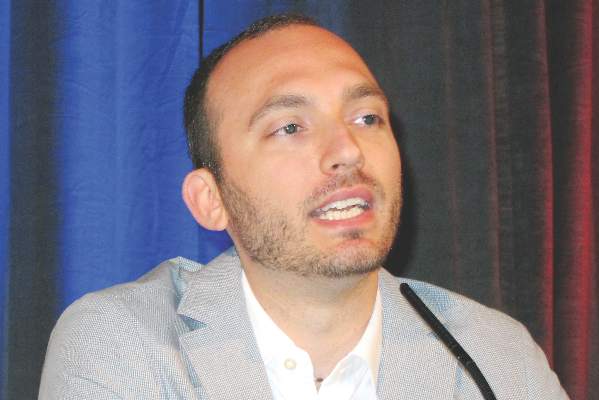
WAIKOLOA, HAWAII – Some melanomas can be diagnosed from the examination room doorway. Others are evident only upon close visual inspection. But the most challenging cases require integration of information regarding the lesion’s dermoscopic pattern in the context of the clues provided by key patient-specific characteristics, according to Dr. Michael A. Marchetti.
“Consider a melanoma diagnosis when a lesion is wrong for the patient’s age, the anatomic location, or skin type, or if it deviates from the patient’s expected signature pattern of nevi,” noted Dr. Marchetti, a dermatologist at Memorial Sloan-Kettering Cancer Center in New York.
A landmark study that provides guidance in this area was conducted several years ago at dermatology centers in four European countries and at Memorial Sloan-Kettering. The investigators enrolled 480 consecutive children and adults with a total of 5,481 melanocytic nevi. The study showcased significant age- and anatomic site–related differences in the distribution of nevi categorized according to dermoscopic subgroups (Arch Dermatol. 2011;147[6]:663-70).
For example, nevi characterized dermoscopically by a peripheral rim of globules were found to be vastly more common during the first 3 decades of life than later. Based upon this study and other data, Dr. Marchetti’s suggested management strategy for peripheral globular nevus with no other concerning features in patients up to age 30 is reassurance that the lesion is not going to be a problem and doesn’t require careful monitoring or biopsy. In a patient beyond age 30, however, frequent monitoring or biopsy is appropriate – and the older the patient with a peripheral globular nevus, the lower the threshold for biopsy.
A peripheral globular nevus is typically a nevus in its radial growth phase, which can continue for years before the nevus enters senescence. The same is true of a nevus that exhibits a Spitzoid starbust pattern on dermoscopy. It is growing radially, and the pretest probability that it’s malignant is highly age dependent.
“In a child, it’s very likely to be a Spitz nevus. In an adult, it’s very likely to be a melanoma. Based upon morphology alone, you really can’t make a distinction between these lesions,” Dr. Marchetti said.
The importance of age in differentiating these starburst lesions was underscored in a recent Italian study involving 384 symmetric, dermoscopically Spitzoid-looking lesions in patients aged 12 or older. Histopathologically, 13.3% of the lesions were diagnosed as melanoma. The probability increased with advancing age, reaching 50% or more after age 50 years. The investigators concluded that the only safe strategy to avoid missing a melanoma is to excise all Spitzoid-looking lesions in patients aged 12 years or older (J Am Acad Dermatol. 2015;72[1]:47-53).
“That concurs with our practice at Memorial Sloan-Kettering. We tend to biopsy all lesions with this particular morphology because you just can’t tell,” Dr. Marchetti said at the Hawaii Dermatology Seminar provided by Global Academy for Medical Education/Skin Disease Education Foundation.
Nevi with a globular dermoscopic pattern occur mostly in children and mainly on the upper back. A globular lesion that develops in an adult or on an extremity is “wrong,” and therefore biopsy should be seriously considered.
In contrast, nevi classified dermoscopically as reticular occur on the trunk and extremities with similar frequency, he continued.
Age and anatomic location are also important considerations in deciding whether a lesion might be a case of nested melanoma of the elderly. This is a form of melanoma first described only a few years ago. It takes the form of a large flat pigmented lesion showing a dermoscopic pattern of irregular globules throughout in a patient over aged 60 years. Notably, three-quarters of cases of nested melanoma of the elderly occur on the extremities (JAMA Dermatol. 2013;149[8]:941-5).
Skin type can raise or diminish the concern that a pigmented lesion is a melanoma. Patients with a lighter skin type tend to have light brown nevi with a patchy reticular network and central hypopigmentation; dark nevi are relatively uncommon in lighter-skinned patients and thus stand out as suspicious outliers. The flip side is also true: Patients with darker skin types tend to have dark nevi with central hyperpigmentation.
A nevus that deviates from a patient’s signature pattern is often referred to as the ugly duckling sign of melanoma.
“It’s the context provided by the background nevi which informs you if there’s an outlier. This can be helpful not only in detecting melanoma, but also in reducing unnecessary biopsies. If a lesion you’re wondering about looks dermoscopically like the patient’s other nevi, that’s reassuring,” Dr. Marchetti said.
He reported having no financial conflicts regarding his presentation. SDEF and this news organization are owned by the same parent company.
WAIKOLOA, HAWAII – Some melanomas can be diagnosed from the examination room doorway. Others are evident only upon close visual inspection. But the most challenging cases require integration of information regarding the lesion’s dermoscopic pattern in the context of the clues provided by key patient-specific characteristics, according to Dr. Michael A. Marchetti.
“Consider a melanoma diagnosis when a lesion is wrong for the patient’s age, the anatomic location, or skin type, or if it deviates from the patient’s expected signature pattern of nevi,” noted Dr. Marchetti, a dermatologist at Memorial Sloan-Kettering Cancer Center in New York.
A landmark study that provides guidance in this area was conducted several years ago at dermatology centers in four European countries and at Memorial Sloan-Kettering. The investigators enrolled 480 consecutive children and adults with a total of 5,481 melanocytic nevi. The study showcased significant age- and anatomic site–related differences in the distribution of nevi categorized according to dermoscopic subgroups (Arch Dermatol. 2011;147[6]:663-70).
For example, nevi characterized dermoscopically by a peripheral rim of globules were found to be vastly more common during the first 3 decades of life than later. Based upon this study and other data, Dr. Marchetti’s suggested management strategy for peripheral globular nevus with no other concerning features in patients up to age 30 is reassurance that the lesion is not going to be a problem and doesn’t require careful monitoring or biopsy. In a patient beyond age 30, however, frequent monitoring or biopsy is appropriate – and the older the patient with a peripheral globular nevus, the lower the threshold for biopsy.
A peripheral globular nevus is typically a nevus in its radial growth phase, which can continue for years before the nevus enters senescence. The same is true of a nevus that exhibits a Spitzoid starbust pattern on dermoscopy. It is growing radially, and the pretest probability that it’s malignant is highly age dependent.
“In a child, it’s very likely to be a Spitz nevus. In an adult, it’s very likely to be a melanoma. Based upon morphology alone, you really can’t make a distinction between these lesions,” Dr. Marchetti said.
The importance of age in differentiating these starburst lesions was underscored in a recent Italian study involving 384 symmetric, dermoscopically Spitzoid-looking lesions in patients aged 12 or older. Histopathologically, 13.3% of the lesions were diagnosed as melanoma. The probability increased with advancing age, reaching 50% or more after age 50 years. The investigators concluded that the only safe strategy to avoid missing a melanoma is to excise all Spitzoid-looking lesions in patients aged 12 years or older (J Am Acad Dermatol. 2015;72[1]:47-53).
“That concurs with our practice at Memorial Sloan-Kettering. We tend to biopsy all lesions with this particular morphology because you just can’t tell,” Dr. Marchetti said at the Hawaii Dermatology Seminar provided by Global Academy for Medical Education/Skin Disease Education Foundation.
Nevi with a globular dermoscopic pattern occur mostly in children and mainly on the upper back. A globular lesion that develops in an adult or on an extremity is “wrong,” and therefore biopsy should be seriously considered.
In contrast, nevi classified dermoscopically as reticular occur on the trunk and extremities with similar frequency, he continued.
Age and anatomic location are also important considerations in deciding whether a lesion might be a case of nested melanoma of the elderly. This is a form of melanoma first described only a few years ago. It takes the form of a large flat pigmented lesion showing a dermoscopic pattern of irregular globules throughout in a patient over aged 60 years. Notably, three-quarters of cases of nested melanoma of the elderly occur on the extremities (JAMA Dermatol. 2013;149[8]:941-5).
Skin type can raise or diminish the concern that a pigmented lesion is a melanoma. Patients with a lighter skin type tend to have light brown nevi with a patchy reticular network and central hypopigmentation; dark nevi are relatively uncommon in lighter-skinned patients and thus stand out as suspicious outliers. The flip side is also true: Patients with darker skin types tend to have dark nevi with central hyperpigmentation.
A nevus that deviates from a patient’s signature pattern is often referred to as the ugly duckling sign of melanoma.
“It’s the context provided by the background nevi which informs you if there’s an outlier. This can be helpful not only in detecting melanoma, but also in reducing unnecessary biopsies. If a lesion you’re wondering about looks dermoscopically like the patient’s other nevi, that’s reassuring,” Dr. Marchetti said.
He reported having no financial conflicts regarding his presentation. SDEF and this news organization are owned by the same parent company.
WAIKOLOA, HAWAII – Some melanomas can be diagnosed from the examination room doorway. Others are evident only upon close visual inspection. But the most challenging cases require integration of information regarding the lesion’s dermoscopic pattern in the context of the clues provided by key patient-specific characteristics, according to Dr. Michael A. Marchetti.
“Consider a melanoma diagnosis when a lesion is wrong for the patient’s age, the anatomic location, or skin type, or if it deviates from the patient’s expected signature pattern of nevi,” noted Dr. Marchetti, a dermatologist at Memorial Sloan-Kettering Cancer Center in New York.
A landmark study that provides guidance in this area was conducted several years ago at dermatology centers in four European countries and at Memorial Sloan-Kettering. The investigators enrolled 480 consecutive children and adults with a total of 5,481 melanocytic nevi. The study showcased significant age- and anatomic site–related differences in the distribution of nevi categorized according to dermoscopic subgroups (Arch Dermatol. 2011;147[6]:663-70).
For example, nevi characterized dermoscopically by a peripheral rim of globules were found to be vastly more common during the first 3 decades of life than later. Based upon this study and other data, Dr. Marchetti’s suggested management strategy for peripheral globular nevus with no other concerning features in patients up to age 30 is reassurance that the lesion is not going to be a problem and doesn’t require careful monitoring or biopsy. In a patient beyond age 30, however, frequent monitoring or biopsy is appropriate – and the older the patient with a peripheral globular nevus, the lower the threshold for biopsy.
A peripheral globular nevus is typically a nevus in its radial growth phase, which can continue for years before the nevus enters senescence. The same is true of a nevus that exhibits a Spitzoid starbust pattern on dermoscopy. It is growing radially, and the pretest probability that it’s malignant is highly age dependent.
“In a child, it’s very likely to be a Spitz nevus. In an adult, it’s very likely to be a melanoma. Based upon morphology alone, you really can’t make a distinction between these lesions,” Dr. Marchetti said.
The importance of age in differentiating these starburst lesions was underscored in a recent Italian study involving 384 symmetric, dermoscopically Spitzoid-looking lesions in patients aged 12 or older. Histopathologically, 13.3% of the lesions were diagnosed as melanoma. The probability increased with advancing age, reaching 50% or more after age 50 years. The investigators concluded that the only safe strategy to avoid missing a melanoma is to excise all Spitzoid-looking lesions in patients aged 12 years or older (J Am Acad Dermatol. 2015;72[1]:47-53).
“That concurs with our practice at Memorial Sloan-Kettering. We tend to biopsy all lesions with this particular morphology because you just can’t tell,” Dr. Marchetti said at the Hawaii Dermatology Seminar provided by Global Academy for Medical Education/Skin Disease Education Foundation.
Nevi with a globular dermoscopic pattern occur mostly in children and mainly on the upper back. A globular lesion that develops in an adult or on an extremity is “wrong,” and therefore biopsy should be seriously considered.
In contrast, nevi classified dermoscopically as reticular occur on the trunk and extremities with similar frequency, he continued.
Age and anatomic location are also important considerations in deciding whether a lesion might be a case of nested melanoma of the elderly. This is a form of melanoma first described only a few years ago. It takes the form of a large flat pigmented lesion showing a dermoscopic pattern of irregular globules throughout in a patient over aged 60 years. Notably, three-quarters of cases of nested melanoma of the elderly occur on the extremities (JAMA Dermatol. 2013;149[8]:941-5).
Skin type can raise or diminish the concern that a pigmented lesion is a melanoma. Patients with a lighter skin type tend to have light brown nevi with a patchy reticular network and central hypopigmentation; dark nevi are relatively uncommon in lighter-skinned patients and thus stand out as suspicious outliers. The flip side is also true: Patients with darker skin types tend to have dark nevi with central hyperpigmentation.
A nevus that deviates from a patient’s signature pattern is often referred to as the ugly duckling sign of melanoma.
“It’s the context provided by the background nevi which informs you if there’s an outlier. This can be helpful not only in detecting melanoma, but also in reducing unnecessary biopsies. If a lesion you’re wondering about looks dermoscopically like the patient’s other nevi, that’s reassuring,” Dr. Marchetti said.
He reported having no financial conflicts regarding his presentation. SDEF and this news organization are owned by the same parent company.
EXPERT ANALYSIS FROM SDEF HAWAII DERMATOLOGY SEMINAR
Infantile Hemangiomas Increasing, Linked to Prematurity, Low Birth Weight
WAIKOLOA, HAWAII – The incidence of infantile hemangiomas has climbed steadily in recent decades in concert with rising rates of prematurity and low birth weight, Dr. Sheila Fallon Friedlander said at the Hawaii Dermatology Seminar provided by Global Academy for Medical Education/Skin Disease Education Foundation.
“We spend a lot of time talking about port wine stains, but guess what? They’re much less frequent than are infantile hemangiomas, which most studies agree have an incidence of about 5%, as compared to 0.1%-0.3% for port wine stains,” observed Dr. Friedlander, professor of dermatology and pediatrics at the University of California, San Diego.

Most of these lesions resolve over time, but some are disfiguring or even life threatening. With the availability of safe and effective therapies in the form of propranolol, nadolol, timolol, and lasers, it’s incumbent on physicians to make the diagnosis early and intervene in a timely manner when appropriate to avoid complications, the pediatric dermatologist emphasized.
She highlighted a recent population-based study of infants born in Olmsted County, Minn., during 1976-2010. The Mayo Clinic investigators found that the incidence of infantile hemangiomas climbed from 0.97 to 1.97 per 100 person-years over that time span. Meanwhile, the average gestational age at birth among babies with infantile hemangiomas in the county fell from 39.2 weeks to 38.3 weeks, and their average birth weight dropped from 3,383 g to 3,185 g (J Am Acad Dermatol. 2016;74[1]:120-6).
Dr. Friedlander was senior investigator for a unique study, the first prospective U.S. study to track the incidence of infantile hemangiomas from birth through 9 months of age. The study included 578 mothers enrolled in pregnancy and their 594 offspring. All of the neonates were examined by a pediatric dermatologist within 48 hours after delivery, allowing for precise differentiation between infantile hemangiomas and other neonatal vascular lesions.
The incidence of infantile hemangiomas was 4.5%. The majority of the lesions occurred on the trunk or extremities. Of note, only one infantile hemangioma required intervention. Twenty percent of the infantile hemangiomas were small focal lesions with abortive or telangiectatic morphology that stopped growing by 3 months of age.
As in the Mayo Clinic study, Dr. Friedlander noted, the risk of infantile hemangioma in this San Diego–area study population increased with decreasing gestational age and weight. The incidence was 3.9% in term infants, 7.4% in premature infants, and 14.3% in those who were very premature. Similarly, infantile hemangiomas occurred in 4% of normal-birth-weight babies but in 16.6% of those who were very low birth weight (Br J Dermatol. 2014;170[4]:907-13).
Abnormalities of placental perfusion occurred in nearly 35% of pregnancies that produced babies with infantile hemangiomas, a rate twice that seen in pregnancies not associated with a subsequent infantile hemangioma. This and other evidence points to hypoxia as a key factor in precipitating the development of infantile hemangiomas.
“We believe that these lesions are related to embolization of tissue, perhaps placental, or hypoxia in utero,” Dr. Friedlander said. “Extreme prematurity, low birth weight, Caucasian race, placental anomalies, increased maternal age, use of fertility drugs – these are all things that will up your ante for having a child with an infantile hemangioma.”
She reported receiving grant/research support from Merz and Valeant Pharmaceuticals, and serving as a consultant for Sandoz.
SDEF and this news organization are owned by the same parent company.
WAIKOLOA, HAWAII – The incidence of infantile hemangiomas has climbed steadily in recent decades in concert with rising rates of prematurity and low birth weight, Dr. Sheila Fallon Friedlander said at the Hawaii Dermatology Seminar provided by Global Academy for Medical Education/Skin Disease Education Foundation.
“We spend a lot of time talking about port wine stains, but guess what? They’re much less frequent than are infantile hemangiomas, which most studies agree have an incidence of about 5%, as compared to 0.1%-0.3% for port wine stains,” observed Dr. Friedlander, professor of dermatology and pediatrics at the University of California, San Diego.
Most of these lesions resolve over time, but some are disfiguring or even life threatening. With the availability of safe and effective therapies in the form of propranolol, nadolol, timolol, and lasers, it’s incumbent on physicians to make the diagnosis early and intervene in a timely manner when appropriate to avoid complications, the pediatric dermatologist emphasized.
She highlighted a recent population-based study of infants born in Olmsted County, Minn., during 1976-2010. The Mayo Clinic investigators found that the incidence of infantile hemangiomas climbed from 0.97 to 1.97 per 100 person-years over that time span. Meanwhile, the average gestational age at birth among babies with infantile hemangiomas in the county fell from 39.2 weeks to 38.3 weeks, and their average birth weight dropped from 3,383 g to 3,185 g (J Am Acad Dermatol. 2016;74[1]:120-6).
Dr. Friedlander was senior investigator for a unique study, the first prospective U.S. study to track the incidence of infantile hemangiomas from birth through 9 months of age. The study included 578 mothers enrolled in pregnancy and their 594 offspring. All of the neonates were examined by a pediatric dermatologist within 48 hours after delivery, allowing for precise differentiation between infantile hemangiomas and other neonatal vascular lesions.
The incidence of infantile hemangiomas was 4.5%. The majority of the lesions occurred on the trunk or extremities. Of note, only one infantile hemangioma required intervention. Twenty percent of the infantile hemangiomas were small focal lesions with abortive or telangiectatic morphology that stopped growing by 3 months of age.
As in the Mayo Clinic study, Dr. Friedlander noted, the risk of infantile hemangioma in this San Diego–area study population increased with decreasing gestational age and weight. The incidence was 3.9% in term infants, 7.4% in premature infants, and 14.3% in those who were very premature. Similarly, infantile hemangiomas occurred in 4% of normal-birth-weight babies but in 16.6% of those who were very low birth weight (Br J Dermatol. 2014;170[4]:907-13).
Abnormalities of placental perfusion occurred in nearly 35% of pregnancies that produced babies with infantile hemangiomas, a rate twice that seen in pregnancies not associated with a subsequent infantile hemangioma. This and other evidence points to hypoxia as a key factor in precipitating the development of infantile hemangiomas.
“We believe that these lesions are related to embolization of tissue, perhaps placental, or hypoxia in utero,” Dr. Friedlander said. “Extreme prematurity, low birth weight, Caucasian race, placental anomalies, increased maternal age, use of fertility drugs – these are all things that will up your ante for having a child with an infantile hemangioma.”
She reported receiving grant/research support from Merz and Valeant Pharmaceuticals, and serving as a consultant for Sandoz.
SDEF and this news organization are owned by the same parent company.
WAIKOLOA, HAWAII – The incidence of infantile hemangiomas has climbed steadily in recent decades in concert with rising rates of prematurity and low birth weight, Dr. Sheila Fallon Friedlander said at the Hawaii Dermatology Seminar provided by Global Academy for Medical Education/Skin Disease Education Foundation.
“We spend a lot of time talking about port wine stains, but guess what? They’re much less frequent than are infantile hemangiomas, which most studies agree have an incidence of about 5%, as compared to 0.1%-0.3% for port wine stains,” observed Dr. Friedlander, professor of dermatology and pediatrics at the University of California, San Diego.
Most of these lesions resolve over time, but some are disfiguring or even life threatening. With the availability of safe and effective therapies in the form of propranolol, nadolol, timolol, and lasers, it’s incumbent on physicians to make the diagnosis early and intervene in a timely manner when appropriate to avoid complications, the pediatric dermatologist emphasized.
She highlighted a recent population-based study of infants born in Olmsted County, Minn., during 1976-2010. The Mayo Clinic investigators found that the incidence of infantile hemangiomas climbed from 0.97 to 1.97 per 100 person-years over that time span. Meanwhile, the average gestational age at birth among babies with infantile hemangiomas in the county fell from 39.2 weeks to 38.3 weeks, and their average birth weight dropped from 3,383 g to 3,185 g (J Am Acad Dermatol. 2016;74[1]:120-6).
Dr. Friedlander was senior investigator for a unique study, the first prospective U.S. study to track the incidence of infantile hemangiomas from birth through 9 months of age. The study included 578 mothers enrolled in pregnancy and their 594 offspring. All of the neonates were examined by a pediatric dermatologist within 48 hours after delivery, allowing for precise differentiation between infantile hemangiomas and other neonatal vascular lesions.
The incidence of infantile hemangiomas was 4.5%. The majority of the lesions occurred on the trunk or extremities. Of note, only one infantile hemangioma required intervention. Twenty percent of the infantile hemangiomas were small focal lesions with abortive or telangiectatic morphology that stopped growing by 3 months of age.
As in the Mayo Clinic study, Dr. Friedlander noted, the risk of infantile hemangioma in this San Diego–area study population increased with decreasing gestational age and weight. The incidence was 3.9% in term infants, 7.4% in premature infants, and 14.3% in those who were very premature. Similarly, infantile hemangiomas occurred in 4% of normal-birth-weight babies but in 16.6% of those who were very low birth weight (Br J Dermatol. 2014;170[4]:907-13).
Abnormalities of placental perfusion occurred in nearly 35% of pregnancies that produced babies with infantile hemangiomas, a rate twice that seen in pregnancies not associated with a subsequent infantile hemangioma. This and other evidence points to hypoxia as a key factor in precipitating the development of infantile hemangiomas.
“We believe that these lesions are related to embolization of tissue, perhaps placental, or hypoxia in utero,” Dr. Friedlander said. “Extreme prematurity, low birth weight, Caucasian race, placental anomalies, increased maternal age, use of fertility drugs – these are all things that will up your ante for having a child with an infantile hemangioma.”
She reported receiving grant/research support from Merz and Valeant Pharmaceuticals, and serving as a consultant for Sandoz.
SDEF and this news organization are owned by the same parent company.
EXPERT ANALYSIS FROM SDEF HAWAII DERMATOLOGY SEMINAR

Infantile hemangiomas increasing, linked to prematurity, low birth weight
WAIKOLOA, HAWAII – The incidence of infantile hemangiomas has climbed steadily in recent decades in concert with rising rates of prematurity and low birth weight, Dr. Sheila Fallon Friedlander said at the Hawaii Dermatology Seminar provided by Global Academy for Medical Education/Skin Disease Education Foundation.
“We spend a lot of time talking about port wine stains, but guess what? They’re much less frequent than are infantile hemangiomas, which most studies agree have an incidence of about 5%, as compared to 0.1%-0.3% for port wine stains,” observed Dr. Friedlander, professor of dermatology and pediatrics at the University of California, San Diego.

Most of these lesions resolve over time, but some are disfiguring or even life threatening. With the availability of safe and effective therapies in the form of propranolol, nadolol, timolol, and lasers, it’s incumbent on physicians to make the diagnosis early and intervene in a timely manner when appropriate to avoid complications, the pediatric dermatologist emphasized.
She highlighted a recent population-based study of infants born in Olmsted County, Minn., during 1976-2010. The Mayo Clinic investigators found that the incidence of infantile hemangiomas climbed from 0.97 to 1.97 per 100 person-years over that time span. Meanwhile, the average gestational age at birth among babies with infantile hemangiomas in the county fell from 39.2 weeks to 38.3 weeks, and their average birth weight dropped from 3,383 g to 3,185 g (J Am Acad Dermatol. 2016;74[1]:120-6).
Dr. Friedlander was senior investigator for a unique study, the first prospective U.S. study to track the incidence of infantile hemangiomas from birth through 9 months of age. The study included 578 mothers enrolled in pregnancy and their 594 offspring. All of the neonates were examined by a pediatric dermatologist within 48 hours after delivery, allowing for precise differentiation between infantile hemangiomas and other neonatal vascular lesions.
The incidence of infantile hemangiomas was 4.5%. The majority of the lesions occurred on the trunk or extremities. Of note, only one infantile hemangioma required intervention. Twenty percent of the infantile hemangiomas were small focal lesions with abortive or telangiectatic morphology that stopped growing by 3 months of age.
As in the Mayo Clinic study, Dr. Friedlander noted, the risk of infantile hemangioma in this San Diego–area study population increased with decreasing gestational age and weight. The incidence was 3.9% in term infants, 7.4% in premature infants, and 14.3% in those who were very premature. Similarly, infantile hemangiomas occurred in 4% of normal-birth-weight babies but in 16.6% of those who were very low birth weight (Br J Dermatol. 2014;170[4]:907-13).
Abnormalities of placental perfusion occurred in nearly 35% of pregnancies that produced babies with infantile hemangiomas, a rate twice that seen in pregnancies not associated with a subsequent infantile hemangioma. This and other evidence points to hypoxia as a key factor in precipitating the development of infantile hemangiomas.
“We believe that these lesions are related to embolization of tissue, perhaps placental, or hypoxia in utero,” Dr. Friedlander said. “Extreme prematurity, low birth weight, Caucasian race, placental anomalies, increased maternal age, use of fertility drugs – these are all things that will up your ante for having a child with an infantile hemangioma.”
She reported receiving grant/research support from Merz and Valeant Pharmaceuticals, and serving as a consultant for Sandoz.
SDEF and this news organization are owned by the same parent company.
WAIKOLOA, HAWAII – The incidence of infantile hemangiomas has climbed steadily in recent decades in concert with rising rates of prematurity and low birth weight, Dr. Sheila Fallon Friedlander said at the Hawaii Dermatology Seminar provided by Global Academy for Medical Education/Skin Disease Education Foundation.
“We spend a lot of time talking about port wine stains, but guess what? They’re much less frequent than are infantile hemangiomas, which most studies agree have an incidence of about 5%, as compared to 0.1%-0.3% for port wine stains,” observed Dr. Friedlander, professor of dermatology and pediatrics at the University of California, San Diego.
Most of these lesions resolve over time, but some are disfiguring or even life threatening. With the availability of safe and effective therapies in the form of propranolol, nadolol, timolol, and lasers, it’s incumbent on physicians to make the diagnosis early and intervene in a timely manner when appropriate to avoid complications, the pediatric dermatologist emphasized.
She highlighted a recent population-based study of infants born in Olmsted County, Minn., during 1976-2010. The Mayo Clinic investigators found that the incidence of infantile hemangiomas climbed from 0.97 to 1.97 per 100 person-years over that time span. Meanwhile, the average gestational age at birth among babies with infantile hemangiomas in the county fell from 39.2 weeks to 38.3 weeks, and their average birth weight dropped from 3,383 g to 3,185 g (J Am Acad Dermatol. 2016;74[1]:120-6).
Dr. Friedlander was senior investigator for a unique study, the first prospective U.S. study to track the incidence of infantile hemangiomas from birth through 9 months of age. The study included 578 mothers enrolled in pregnancy and their 594 offspring. All of the neonates were examined by a pediatric dermatologist within 48 hours after delivery, allowing for precise differentiation between infantile hemangiomas and other neonatal vascular lesions.
The incidence of infantile hemangiomas was 4.5%. The majority of the lesions occurred on the trunk or extremities. Of note, only one infantile hemangioma required intervention. Twenty percent of the infantile hemangiomas were small focal lesions with abortive or telangiectatic morphology that stopped growing by 3 months of age.
As in the Mayo Clinic study, Dr. Friedlander noted, the risk of infantile hemangioma in this San Diego–area study population increased with decreasing gestational age and weight. The incidence was 3.9% in term infants, 7.4% in premature infants, and 14.3% in those who were very premature. Similarly, infantile hemangiomas occurred in 4% of normal-birth-weight babies but in 16.6% of those who were very low birth weight (Br J Dermatol. 2014;170[4]:907-13).
Abnormalities of placental perfusion occurred in nearly 35% of pregnancies that produced babies with infantile hemangiomas, a rate twice that seen in pregnancies not associated with a subsequent infantile hemangioma. This and other evidence points to hypoxia as a key factor in precipitating the development of infantile hemangiomas.
“We believe that these lesions are related to embolization of tissue, perhaps placental, or hypoxia in utero,” Dr. Friedlander said. “Extreme prematurity, low birth weight, Caucasian race, placental anomalies, increased maternal age, use of fertility drugs – these are all things that will up your ante for having a child with an infantile hemangioma.”
She reported receiving grant/research support from Merz and Valeant Pharmaceuticals, and serving as a consultant for Sandoz.
SDEF and this news organization are owned by the same parent company.
WAIKOLOA, HAWAII – The incidence of infantile hemangiomas has climbed steadily in recent decades in concert with rising rates of prematurity and low birth weight, Dr. Sheila Fallon Friedlander said at the Hawaii Dermatology Seminar provided by Global Academy for Medical Education/Skin Disease Education Foundation.
“We spend a lot of time talking about port wine stains, but guess what? They’re much less frequent than are infantile hemangiomas, which most studies agree have an incidence of about 5%, as compared to 0.1%-0.3% for port wine stains,” observed Dr. Friedlander, professor of dermatology and pediatrics at the University of California, San Diego.
Most of these lesions resolve over time, but some are disfiguring or even life threatening. With the availability of safe and effective therapies in the form of propranolol, nadolol, timolol, and lasers, it’s incumbent on physicians to make the diagnosis early and intervene in a timely manner when appropriate to avoid complications, the pediatric dermatologist emphasized.
She highlighted a recent population-based study of infants born in Olmsted County, Minn., during 1976-2010. The Mayo Clinic investigators found that the incidence of infantile hemangiomas climbed from 0.97 to 1.97 per 100 person-years over that time span. Meanwhile, the average gestational age at birth among babies with infantile hemangiomas in the county fell from 39.2 weeks to 38.3 weeks, and their average birth weight dropped from 3,383 g to 3,185 g (J Am Acad Dermatol. 2016;74[1]:120-6).
Dr. Friedlander was senior investigator for a unique study, the first prospective U.S. study to track the incidence of infantile hemangiomas from birth through 9 months of age. The study included 578 mothers enrolled in pregnancy and their 594 offspring. All of the neonates were examined by a pediatric dermatologist within 48 hours after delivery, allowing for precise differentiation between infantile hemangiomas and other neonatal vascular lesions.
The incidence of infantile hemangiomas was 4.5%. The majority of the lesions occurred on the trunk or extremities. Of note, only one infantile hemangioma required intervention. Twenty percent of the infantile hemangiomas were small focal lesions with abortive or telangiectatic morphology that stopped growing by 3 months of age.
As in the Mayo Clinic study, Dr. Friedlander noted, the risk of infantile hemangioma in this San Diego–area study population increased with decreasing gestational age and weight. The incidence was 3.9% in term infants, 7.4% in premature infants, and 14.3% in those who were very premature. Similarly, infantile hemangiomas occurred in 4% of normal-birth-weight babies but in 16.6% of those who were very low birth weight (Br J Dermatol. 2014;170[4]:907-13).
Abnormalities of placental perfusion occurred in nearly 35% of pregnancies that produced babies with infantile hemangiomas, a rate twice that seen in pregnancies not associated with a subsequent infantile hemangioma. This and other evidence points to hypoxia as a key factor in precipitating the development of infantile hemangiomas.
“We believe that these lesions are related to embolization of tissue, perhaps placental, or hypoxia in utero,” Dr. Friedlander said. “Extreme prematurity, low birth weight, Caucasian race, placental anomalies, increased maternal age, use of fertility drugs – these are all things that will up your ante for having a child with an infantile hemangioma.”
She reported receiving grant/research support from Merz and Valeant Pharmaceuticals, and serving as a consultant for Sandoz.
SDEF and this news organization are owned by the same parent company.
EXPERT ANALYSIS FROM SDEF HAWAII DERMATOLOGY SEMINAR

New treatments bring hope for severe atopic dermatitis
LOS ANGELES – For patients with severe atopic dermatitis and their families and treating physicians, there is big news: finally, there is light at the end of the tunnel, Dr. Lisa A. Beck declared in a plenary lecture at the annual meeting of the American Academy of Allergy, Asthma, and Immunology.
Better drugs are on the way. The new agents in the developmental pipeline target specific immunologic pathways that appear to be central to atopic dermatitis. Moreover, exciting recent evidence indicates it’s possible to noninvasively identify children at high risk for atopic dermatitis and intervene preventively to reduce the likelihood of actually developing the disease, according to Dr. Beck, professor of dermatology and medicine at the University of Rochester (N.Y.).

“Many pharmaceutical companies have now turned their attention to atopic dermatitis and aren’t just focusing on asthma anymore. The biggest pipeline appears to involve drugs that might target the Th2 [T helper 2 cells] pathway, either by trying to eliminate alarmins such as TSLP [thymic stromal lymphopoietin], or reverse the effects of the Th2 cytokines interleukin-4 and -13, either alone or together, or prevent the recruitment of activated T cells,” she said.
Dr. Beck presented an update on three such promising investigational approaches on the horizon: the IL-4 and IL-13 inhibitor dupilumab; oral and topical Janus associated kinase (JAK) inhibitors; and anti-IgE therapies.
Dupilumab: This fully human monoclonal antibody that blocks IL-4 and IL-13 is also being developed as a treatment for eosinophilic asthma. Dr. Beck was first author of a report on a series of four phase II randomized trials of dupilumab for moderate to severe atopic dermatitis in adults. The publication caused a stir, with dupilumab-treated patients showing marked and rapid improvement to a degree previously unseen in the treatment of this disease (N Engl J Med. 2014;371[2]:130-9).
In the 12-week study, for example, 85% of dupilumab-treated patients achieved at least a 50% improvement in the Eczema Area and Severity Index (EASI) score, compared with 35% of placebo-treated controls, with a significant between-group difference seen in the first week. Maximum improvement – a 75%-80% reduction in EASI scores – was noted at 6-8 weeks. Forty percent of dupilumab-treated patients achieved clear or near-clear skin by investigator’s global assessment, compared with just 7% of controls.
Itching decreased markedly beginning in the first week, too. The investigational agent’s side effect profile was similar to placebo. Phase III clinical trials in atopic dermatitis are ongoing.
A study by other investigators found that dupilumab resulted in rapid improvement in the molecular signature of atopic dermatitis in skin biopsy specimens (J Allergy Clin Immunol. 2014 Dec;134[6]:1293-300). The observed changes in gene expression suggest that dupilumab might have a beneficial effect on the dysfunctional skin barrier that is a hallmark of atopic dermatitis. Further studies are now being planned to take a closer look at that possibility.
JAK inhibitors: “We’re all really excited about this approach because dogs, too, get allergic dermatitis, and in 2013 a JAK 1 and 3 inhibitor [oclacitinib, Apoquel] was approved as a veterinary medicine therapy. It has resulted in dramatic improvement in itch within 1 week of administration, as well as significant improvement in the dermatitis,” Dr. Beck said.
Three JAK inhibitors are now in phase II clinical trials for atopic dermatitis in humans: the JAK 1 and 3 inhibitor tofacitinib (Xeljanz), both as a topical ointment and the familiar oral formulation; baricitinib, an oral JAK 1 and 2 inhibitor; and an agent known for now as PF-04965842, which is an oral inhibitor specifically of JAK 1.
“JAK inhibitors have been quite effective in treating a number of other inflammatory conditions, as well as cancers. I think they will have a role in the treatment of atopic dermatitis. The biggest concerns will be the off-target effects,” she predicted.
Anti-IgE agents: Omalizumab (Xolair), a humanized monoclonal antibody that binds to IgE, has gotten mixed reviews as an investigational treatment for atopic dermatitis. The best study to date, a randomized, single-center, placebo-controlled, double-blind, 16-week clinical trial, found that omalizumab depleted IgE but didn’t improve the clinical course of atopic dermatitis (J Dtsch Dermatol Ges. 2010 Dec;8[12]:990-8). Nonetheless, a phase II trial of omalizumab is ongoing. Plus, ligelizumab, an anti-IgE monoclonal antibody with a higher affinity for IgE than omalizumab, is also in a phase II trial for adult atopic dermatitis.
“Anti-IgE therapy, I think, is still not dead in atopic dermatitis. I look forward to seeing whether omalizumab will work in unique subsets of patients, or whether a more potent anti-IgE molecule will be more beneficial,” Dr. Beck commented.
As exciting as the prospects are for these investigational agents, there also have been several recent important advances in the prevention of atopic dermatitis, she continued. Investigators led by Dr. Alan D. Irvine of Trinity College, Dublin, noninvasively measured transepidermal water loss in early infancy in more than 1,900 Irish 2-day-old infants and found that those in the 75th percentile for this early marker of skin barrier dysfunction were at 3.1-fold increased risk for diagnosis of atopic dermatitis by age 2 years (J Allergy Clin Immunol. 2016 Apr;137[4]:1111-6). This new-found ability to identify at-risk infants will be extremely helpful in designing atopic dermatitis prevention studies, according to Dr. Beck.
The other advance in prevention was provided via a randomized trial by Dr. Eric L. Simpson of Oregon Health and Science University, Portland, and his coinvestigators. They randomized a group of infants at high risk for atopic dermatitis to daily application of any of five OTC skin moisturizers or a no-moisturizer control group from 2 weeks through 6 months of age. The study hypothesis was that the moisturizers would help reverse the skin barrier abnormalities that play a key role in atopic dermatitis. The hypothesis was borne out by the finding that there was at least a 50% reduction in physician-diagnosed atopic dermatitis by age 6 months in the daily moisturizer group (J Allergy Clin Immunol. 2014 Oct;134[4]:818-23).
Dr. Beck concluded by describing a likely near-term atopic dermatitis prevention and management scenario: High-risk infants will be identified on the basis of noninvasive assessment of epithelial features, such as transepidermal water loss or the presence of high levels of thymic stromal lymphopoietin on the skin surface. Encouragement of daily moisturizing for these high-risk infants will prevent some of them from going on to develop eczema.
For those who do get eczema, dilute bleach baths will help in restoring normal skin barrier function, as was confirmed in an in-press study by Dr. Beck and her coinvestigators, who found that 46% of a group of adults with atopic dermatitis experienced at least a 50% improvement in EASI scores, a big improvement in itch, and reduced transepidermal water loss after 12 weeks of the bleach baths. As other investigators have reported, the bleach baths were very well tolerated and safe.
Dr. Beck reported serving as a consultant to eight pharmaceutical companies with an interest in developing new treatments for atopic dermatitis.
LOS ANGELES – For patients with severe atopic dermatitis and their families and treating physicians, there is big news: finally, there is light at the end of the tunnel, Dr. Lisa A. Beck declared in a plenary lecture at the annual meeting of the American Academy of Allergy, Asthma, and Immunology.
Better drugs are on the way. The new agents in the developmental pipeline target specific immunologic pathways that appear to be central to atopic dermatitis. Moreover, exciting recent evidence indicates it’s possible to noninvasively identify children at high risk for atopic dermatitis and intervene preventively to reduce the likelihood of actually developing the disease, according to Dr. Beck, professor of dermatology and medicine at the University of Rochester (N.Y.).
“Many pharmaceutical companies have now turned their attention to atopic dermatitis and aren’t just focusing on asthma anymore. The biggest pipeline appears to involve drugs that might target the Th2 [T helper 2 cells] pathway, either by trying to eliminate alarmins such as TSLP [thymic stromal lymphopoietin], or reverse the effects of the Th2 cytokines interleukin-4 and -13, either alone or together, or prevent the recruitment of activated T cells,” she said.
Dr. Beck presented an update on three such promising investigational approaches on the horizon: the IL-4 and IL-13 inhibitor dupilumab; oral and topical Janus associated kinase (JAK) inhibitors; and anti-IgE therapies.
Dupilumab: This fully human monoclonal antibody that blocks IL-4 and IL-13 is also being developed as a treatment for eosinophilic asthma. Dr. Beck was first author of a report on a series of four phase II randomized trials of dupilumab for moderate to severe atopic dermatitis in adults. The publication caused a stir, with dupilumab-treated patients showing marked and rapid improvement to a degree previously unseen in the treatment of this disease (N Engl J Med. 2014;371[2]:130-9).
In the 12-week study, for example, 85% of dupilumab-treated patients achieved at least a 50% improvement in the Eczema Area and Severity Index (EASI) score, compared with 35% of placebo-treated controls, with a significant between-group difference seen in the first week. Maximum improvement – a 75%-80% reduction in EASI scores – was noted at 6-8 weeks. Forty percent of dupilumab-treated patients achieved clear or near-clear skin by investigator’s global assessment, compared with just 7% of controls.
Itching decreased markedly beginning in the first week, too. The investigational agent’s side effect profile was similar to placebo. Phase III clinical trials in atopic dermatitis are ongoing.
A study by other investigators found that dupilumab resulted in rapid improvement in the molecular signature of atopic dermatitis in skin biopsy specimens (J Allergy Clin Immunol. 2014 Dec;134[6]:1293-300). The observed changes in gene expression suggest that dupilumab might have a beneficial effect on the dysfunctional skin barrier that is a hallmark of atopic dermatitis. Further studies are now being planned to take a closer look at that possibility.
JAK inhibitors: “We’re all really excited about this approach because dogs, too, get allergic dermatitis, and in 2013 a JAK 1 and 3 inhibitor [oclacitinib, Apoquel] was approved as a veterinary medicine therapy. It has resulted in dramatic improvement in itch within 1 week of administration, as well as significant improvement in the dermatitis,” Dr. Beck said.
Three JAK inhibitors are now in phase II clinical trials for atopic dermatitis in humans: the JAK 1 and 3 inhibitor tofacitinib (Xeljanz), both as a topical ointment and the familiar oral formulation; baricitinib, an oral JAK 1 and 2 inhibitor; and an agent known for now as PF-04965842, which is an oral inhibitor specifically of JAK 1.
“JAK inhibitors have been quite effective in treating a number of other inflammatory conditions, as well as cancers. I think they will have a role in the treatment of atopic dermatitis. The biggest concerns will be the off-target effects,” she predicted.
Anti-IgE agents: Omalizumab (Xolair), a humanized monoclonal antibody that binds to IgE, has gotten mixed reviews as an investigational treatment for atopic dermatitis. The best study to date, a randomized, single-center, placebo-controlled, double-blind, 16-week clinical trial, found that omalizumab depleted IgE but didn’t improve the clinical course of atopic dermatitis (J Dtsch Dermatol Ges. 2010 Dec;8[12]:990-8). Nonetheless, a phase II trial of omalizumab is ongoing. Plus, ligelizumab, an anti-IgE monoclonal antibody with a higher affinity for IgE than omalizumab, is also in a phase II trial for adult atopic dermatitis.
“Anti-IgE therapy, I think, is still not dead in atopic dermatitis. I look forward to seeing whether omalizumab will work in unique subsets of patients, or whether a more potent anti-IgE molecule will be more beneficial,” Dr. Beck commented.
As exciting as the prospects are for these investigational agents, there also have been several recent important advances in the prevention of atopic dermatitis, she continued. Investigators led by Dr. Alan D. Irvine of Trinity College, Dublin, noninvasively measured transepidermal water loss in early infancy in more than 1,900 Irish 2-day-old infants and found that those in the 75th percentile for this early marker of skin barrier dysfunction were at 3.1-fold increased risk for diagnosis of atopic dermatitis by age 2 years (J Allergy Clin Immunol. 2016 Apr;137[4]:1111-6). This new-found ability to identify at-risk infants will be extremely helpful in designing atopic dermatitis prevention studies, according to Dr. Beck.
The other advance in prevention was provided via a randomized trial by Dr. Eric L. Simpson of Oregon Health and Science University, Portland, and his coinvestigators. They randomized a group of infants at high risk for atopic dermatitis to daily application of any of five OTC skin moisturizers or a no-moisturizer control group from 2 weeks through 6 months of age. The study hypothesis was that the moisturizers would help reverse the skin barrier abnormalities that play a key role in atopic dermatitis. The hypothesis was borne out by the finding that there was at least a 50% reduction in physician-diagnosed atopic dermatitis by age 6 months in the daily moisturizer group (J Allergy Clin Immunol. 2014 Oct;134[4]:818-23).
Dr. Beck concluded by describing a likely near-term atopic dermatitis prevention and management scenario: High-risk infants will be identified on the basis of noninvasive assessment of epithelial features, such as transepidermal water loss or the presence of high levels of thymic stromal lymphopoietin on the skin surface. Encouragement of daily moisturizing for these high-risk infants will prevent some of them from going on to develop eczema.
For those who do get eczema, dilute bleach baths will help in restoring normal skin barrier function, as was confirmed in an in-press study by Dr. Beck and her coinvestigators, who found that 46% of a group of adults with atopic dermatitis experienced at least a 50% improvement in EASI scores, a big improvement in itch, and reduced transepidermal water loss after 12 weeks of the bleach baths. As other investigators have reported, the bleach baths were very well tolerated and safe.
Dr. Beck reported serving as a consultant to eight pharmaceutical companies with an interest in developing new treatments for atopic dermatitis.
LOS ANGELES – For patients with severe atopic dermatitis and their families and treating physicians, there is big news: finally, there is light at the end of the tunnel, Dr. Lisa A. Beck declared in a plenary lecture at the annual meeting of the American Academy of Allergy, Asthma, and Immunology.
Better drugs are on the way. The new agents in the developmental pipeline target specific immunologic pathways that appear to be central to atopic dermatitis. Moreover, exciting recent evidence indicates it’s possible to noninvasively identify children at high risk for atopic dermatitis and intervene preventively to reduce the likelihood of actually developing the disease, according to Dr. Beck, professor of dermatology and medicine at the University of Rochester (N.Y.).
“Many pharmaceutical companies have now turned their attention to atopic dermatitis and aren’t just focusing on asthma anymore. The biggest pipeline appears to involve drugs that might target the Th2 [T helper 2 cells] pathway, either by trying to eliminate alarmins such as TSLP [thymic stromal lymphopoietin], or reverse the effects of the Th2 cytokines interleukin-4 and -13, either alone or together, or prevent the recruitment of activated T cells,” she said.
Dr. Beck presented an update on three such promising investigational approaches on the horizon: the IL-4 and IL-13 inhibitor dupilumab; oral and topical Janus associated kinase (JAK) inhibitors; and anti-IgE therapies.
Dupilumab: This fully human monoclonal antibody that blocks IL-4 and IL-13 is also being developed as a treatment for eosinophilic asthma. Dr. Beck was first author of a report on a series of four phase II randomized trials of dupilumab for moderate to severe atopic dermatitis in adults. The publication caused a stir, with dupilumab-treated patients showing marked and rapid improvement to a degree previously unseen in the treatment of this disease (N Engl J Med. 2014;371[2]:130-9).
In the 12-week study, for example, 85% of dupilumab-treated patients achieved at least a 50% improvement in the Eczema Area and Severity Index (EASI) score, compared with 35% of placebo-treated controls, with a significant between-group difference seen in the first week. Maximum improvement – a 75%-80% reduction in EASI scores – was noted at 6-8 weeks. Forty percent of dupilumab-treated patients achieved clear or near-clear skin by investigator’s global assessment, compared with just 7% of controls.
Itching decreased markedly beginning in the first week, too. The investigational agent’s side effect profile was similar to placebo. Phase III clinical trials in atopic dermatitis are ongoing.
A study by other investigators found that dupilumab resulted in rapid improvement in the molecular signature of atopic dermatitis in skin biopsy specimens (J Allergy Clin Immunol. 2014 Dec;134[6]:1293-300). The observed changes in gene expression suggest that dupilumab might have a beneficial effect on the dysfunctional skin barrier that is a hallmark of atopic dermatitis. Further studies are now being planned to take a closer look at that possibility.
JAK inhibitors: “We’re all really excited about this approach because dogs, too, get allergic dermatitis, and in 2013 a JAK 1 and 3 inhibitor [oclacitinib, Apoquel] was approved as a veterinary medicine therapy. It has resulted in dramatic improvement in itch within 1 week of administration, as well as significant improvement in the dermatitis,” Dr. Beck said.
Three JAK inhibitors are now in phase II clinical trials for atopic dermatitis in humans: the JAK 1 and 3 inhibitor tofacitinib (Xeljanz), both as a topical ointment and the familiar oral formulation; baricitinib, an oral JAK 1 and 2 inhibitor; and an agent known for now as PF-04965842, which is an oral inhibitor specifically of JAK 1.
“JAK inhibitors have been quite effective in treating a number of other inflammatory conditions, as well as cancers. I think they will have a role in the treatment of atopic dermatitis. The biggest concerns will be the off-target effects,” she predicted.
Anti-IgE agents: Omalizumab (Xolair), a humanized monoclonal antibody that binds to IgE, has gotten mixed reviews as an investigational treatment for atopic dermatitis. The best study to date, a randomized, single-center, placebo-controlled, double-blind, 16-week clinical trial, found that omalizumab depleted IgE but didn’t improve the clinical course of atopic dermatitis (J Dtsch Dermatol Ges. 2010 Dec;8[12]:990-8). Nonetheless, a phase II trial of omalizumab is ongoing. Plus, ligelizumab, an anti-IgE monoclonal antibody with a higher affinity for IgE than omalizumab, is also in a phase II trial for adult atopic dermatitis.
“Anti-IgE therapy, I think, is still not dead in atopic dermatitis. I look forward to seeing whether omalizumab will work in unique subsets of patients, or whether a more potent anti-IgE molecule will be more beneficial,” Dr. Beck commented.
As exciting as the prospects are for these investigational agents, there also have been several recent important advances in the prevention of atopic dermatitis, she continued. Investigators led by Dr. Alan D. Irvine of Trinity College, Dublin, noninvasively measured transepidermal water loss in early infancy in more than 1,900 Irish 2-day-old infants and found that those in the 75th percentile for this early marker of skin barrier dysfunction were at 3.1-fold increased risk for diagnosis of atopic dermatitis by age 2 years (J Allergy Clin Immunol. 2016 Apr;137[4]:1111-6). This new-found ability to identify at-risk infants will be extremely helpful in designing atopic dermatitis prevention studies, according to Dr. Beck.
The other advance in prevention was provided via a randomized trial by Dr. Eric L. Simpson of Oregon Health and Science University, Portland, and his coinvestigators. They randomized a group of infants at high risk for atopic dermatitis to daily application of any of five OTC skin moisturizers or a no-moisturizer control group from 2 weeks through 6 months of age. The study hypothesis was that the moisturizers would help reverse the skin barrier abnormalities that play a key role in atopic dermatitis. The hypothesis was borne out by the finding that there was at least a 50% reduction in physician-diagnosed atopic dermatitis by age 6 months in the daily moisturizer group (J Allergy Clin Immunol. 2014 Oct;134[4]:818-23).
Dr. Beck concluded by describing a likely near-term atopic dermatitis prevention and management scenario: High-risk infants will be identified on the basis of noninvasive assessment of epithelial features, such as transepidermal water loss or the presence of high levels of thymic stromal lymphopoietin on the skin surface. Encouragement of daily moisturizing for these high-risk infants will prevent some of them from going on to develop eczema.
For those who do get eczema, dilute bleach baths will help in restoring normal skin barrier function, as was confirmed in an in-press study by Dr. Beck and her coinvestigators, who found that 46% of a group of adults with atopic dermatitis experienced at least a 50% improvement in EASI scores, a big improvement in itch, and reduced transepidermal water loss after 12 weeks of the bleach baths. As other investigators have reported, the bleach baths were very well tolerated and safe.
Dr. Beck reported serving as a consultant to eight pharmaceutical companies with an interest in developing new treatments for atopic dermatitis.
EXPERT ANALYSIS FROM THE 2016 AAAAI ANNUAL MEETING

Cochrane Review Nixes Specific Allergen Immunotherapy for Atopic Dermatitis
LOS ANGELES – A new Cochrane systematic review and meta-analysis has concluded there is no consistent evidence that specific allergen immunotherapy is beneficial in patients with atopic dermatitis, Dr. Herman H. Tam reported at the annual meeting of the American Academy of Allergy, Asthma, and Immunology.
“We know that for specific allergen immunotherapy, there have been really good results in allergic rhinitis and venom allergy. For atopic dermatitis, however, dating back almost 40 years, we found there have only been 12 randomized trials using standardized allergen extracts. The quality of evidence was low, and the study findings have been inconsistent,” Dr. Tam, first author of the Cochrane review, said in an interview.

The dozen trials included a total of 733 children and adults in nine countries. Because of insufficient follow-up in most of the studies, coupled with the use of a variety of endpoints, the analysis concluded that “specific allergen immunotherapy cannot be recommended for atopic eczema at present” (Cochrane Database Syst Rev. 2016 Feb 12;2:CD008774).
“We found no consistent evidence that specific allergen immunotherapy provides a treatment benefit for people with allergic eczema, compared with placebo or no treatment. The message of this review is that we need more large randomized trials with better controls, modern high-quality allergen extracts that have proven themselves in other allergic diseases, and patient-centered outcome measures,” according to Dr. Tam, who participated in the Cochrane review while at Imperial College London and is now a pediatric resident at the University of Manitoba, Winnipeg.
He reported having no relevant financial conflicts.
LOS ANGELES – A new Cochrane systematic review and meta-analysis has concluded there is no consistent evidence that specific allergen immunotherapy is beneficial in patients with atopic dermatitis, Dr. Herman H. Tam reported at the annual meeting of the American Academy of Allergy, Asthma, and Immunology.
“We know that for specific allergen immunotherapy, there have been really good results in allergic rhinitis and venom allergy. For atopic dermatitis, however, dating back almost 40 years, we found there have only been 12 randomized trials using standardized allergen extracts. The quality of evidence was low, and the study findings have been inconsistent,” Dr. Tam, first author of the Cochrane review, said in an interview.
The dozen trials included a total of 733 children and adults in nine countries. Because of insufficient follow-up in most of the studies, coupled with the use of a variety of endpoints, the analysis concluded that “specific allergen immunotherapy cannot be recommended for atopic eczema at present” (Cochrane Database Syst Rev. 2016 Feb 12;2:CD008774).
“We found no consistent evidence that specific allergen immunotherapy provides a treatment benefit for people with allergic eczema, compared with placebo or no treatment. The message of this review is that we need more large randomized trials with better controls, modern high-quality allergen extracts that have proven themselves in other allergic diseases, and patient-centered outcome measures,” according to Dr. Tam, who participated in the Cochrane review while at Imperial College London and is now a pediatric resident at the University of Manitoba, Winnipeg.
He reported having no relevant financial conflicts.
LOS ANGELES – A new Cochrane systematic review and meta-analysis has concluded there is no consistent evidence that specific allergen immunotherapy is beneficial in patients with atopic dermatitis, Dr. Herman H. Tam reported at the annual meeting of the American Academy of Allergy, Asthma, and Immunology.
“We know that for specific allergen immunotherapy, there have been really good results in allergic rhinitis and venom allergy. For atopic dermatitis, however, dating back almost 40 years, we found there have only been 12 randomized trials using standardized allergen extracts. The quality of evidence was low, and the study findings have been inconsistent,” Dr. Tam, first author of the Cochrane review, said in an interview.
The dozen trials included a total of 733 children and adults in nine countries. Because of insufficient follow-up in most of the studies, coupled with the use of a variety of endpoints, the analysis concluded that “specific allergen immunotherapy cannot be recommended for atopic eczema at present” (Cochrane Database Syst Rev. 2016 Feb 12;2:CD008774).
“We found no consistent evidence that specific allergen immunotherapy provides a treatment benefit for people with allergic eczema, compared with placebo or no treatment. The message of this review is that we need more large randomized trials with better controls, modern high-quality allergen extracts that have proven themselves in other allergic diseases, and patient-centered outcome measures,” according to Dr. Tam, who participated in the Cochrane review while at Imperial College London and is now a pediatric resident at the University of Manitoba, Winnipeg.
He reported having no relevant financial conflicts.
AT 2016 AAAAI ANNUAL MEETING

Cochrane Review nixes specific allergen immunotherapy for atopic dermatitis
LOS ANGELES – A new Cochrane systematic review and meta-analysis has concluded there is no consistent evidence that specific allergen immunotherapy is beneficial in patients with atopic dermatitis, Dr. Herman H. Tam reported at the annual meeting of the American Academy of Allergy, Asthma, and Immunology.
“We know that for specific allergen immunotherapy, there have been really good results in allergic rhinitis and venom allergy. For atopic dermatitis, however, dating back almost 40 years, we found there have only been 12 randomized trials using standardized allergen extracts. The quality of evidence was low, and the study findings have been inconsistent,” Dr. Tam, first author of the Cochrane review, said in an interview.

The dozen trials included a total of 733 children and adults in nine countries. Because of insufficient follow-up in most of the studies, coupled with the use of a variety of endpoints, the analysis concluded that “specific allergen immunotherapy cannot be recommended for atopic eczema at present” (Cochrane Database Syst Rev. 2016 Feb 12;2:CD008774).
“We found no consistent evidence that specific allergen immunotherapy provides a treatment benefit for people with allergic eczema, compared with placebo or no treatment. The message of this review is that we need more large randomized trials with better controls, modern high-quality allergen extracts that have proven themselves in other allergic diseases, and patient-centered outcome measures,” according to Dr. Tam, who participated in the Cochrane review while at Imperial College London and is now a pediatric resident at the University of Manitoba, Winnipeg.
He reported having no relevant financial conflicts.
LOS ANGELES – A new Cochrane systematic review and meta-analysis has concluded there is no consistent evidence that specific allergen immunotherapy is beneficial in patients with atopic dermatitis, Dr. Herman H. Tam reported at the annual meeting of the American Academy of Allergy, Asthma, and Immunology.
“We know that for specific allergen immunotherapy, there have been really good results in allergic rhinitis and venom allergy. For atopic dermatitis, however, dating back almost 40 years, we found there have only been 12 randomized trials using standardized allergen extracts. The quality of evidence was low, and the study findings have been inconsistent,” Dr. Tam, first author of the Cochrane review, said in an interview.
The dozen trials included a total of 733 children and adults in nine countries. Because of insufficient follow-up in most of the studies, coupled with the use of a variety of endpoints, the analysis concluded that “specific allergen immunotherapy cannot be recommended for atopic eczema at present” (Cochrane Database Syst Rev. 2016 Feb 12;2:CD008774).
“We found no consistent evidence that specific allergen immunotherapy provides a treatment benefit for people with allergic eczema, compared with placebo or no treatment. The message of this review is that we need more large randomized trials with better controls, modern high-quality allergen extracts that have proven themselves in other allergic diseases, and patient-centered outcome measures,” according to Dr. Tam, who participated in the Cochrane review while at Imperial College London and is now a pediatric resident at the University of Manitoba, Winnipeg.
He reported having no relevant financial conflicts.
LOS ANGELES – A new Cochrane systematic review and meta-analysis has concluded there is no consistent evidence that specific allergen immunotherapy is beneficial in patients with atopic dermatitis, Dr. Herman H. Tam reported at the annual meeting of the American Academy of Allergy, Asthma, and Immunology.
“We know that for specific allergen immunotherapy, there have been really good results in allergic rhinitis and venom allergy. For atopic dermatitis, however, dating back almost 40 years, we found there have only been 12 randomized trials using standardized allergen extracts. The quality of evidence was low, and the study findings have been inconsistent,” Dr. Tam, first author of the Cochrane review, said in an interview.
The dozen trials included a total of 733 children and adults in nine countries. Because of insufficient follow-up in most of the studies, coupled with the use of a variety of endpoints, the analysis concluded that “specific allergen immunotherapy cannot be recommended for atopic eczema at present” (Cochrane Database Syst Rev. 2016 Feb 12;2:CD008774).
“We found no consistent evidence that specific allergen immunotherapy provides a treatment benefit for people with allergic eczema, compared with placebo or no treatment. The message of this review is that we need more large randomized trials with better controls, modern high-quality allergen extracts that have proven themselves in other allergic diseases, and patient-centered outcome measures,” according to Dr. Tam, who participated in the Cochrane review while at Imperial College London and is now a pediatric resident at the University of Manitoba, Winnipeg.
He reported having no relevant financial conflicts.
AT 2016 AAAAI ANNUAL MEETING
Key clinical point: The available evidence doesn’t support using specific allergen immunotherapy for atopic dermatitis.
Major finding: A new Cochrane systematic review and meta-analysis has found “no consistent evidence” that specific allergen immunotherapy is more effective than placebo in treating atopic dermatitis.
Data source: This was a Cochrane systematic review and meta-analysis of 12 randomized controlled trials of specific allergen immunotherapy in 733 pediatric and adult atopic dermatitis patients.
Disclosures: The presenter reported having no relevant financial conflicts of interest.

The year in gout brings a controversial new drug
MAUI, HAWAII – The recently approved uric acid–lowering drug lesinurad received a lukewarm reception at best when introduced during a ‘highlights of the year in gout’ session presented at the 2016 Rheumatology Winter Clinical Symposium.
Panelist Martin J. Bergman presented a dispassionate overview of the data from four pivotal randomized trials which in late December 2015 resulted in Food and Drug Administration approval of lesinurad (Zurampic) at 200 mg/day in combination with a xanthine oxidase inhibitor, but not as monotherapy at 400 mg/day.

After highlighting the drug’s safety concerns, including the black box warning about lesinurad’s risk of acute renal failure and its numerous potential drug interactions, Dr. Bergman opened the floor to discussion. An audience member immediately shot up his hand and asked, “Isn’t this drug a crappy drug?”
Dr. Bergman, chief of rheumatology at Taylor Hospital in Ridley Park, Pa., answered diplomatically: “It’s not the strongest drug, it’s not the best. Is this going to be something which revolutionizes the care of gout? I don’t think so. But it does give us a way to get to the treatment goal of a serum uric acid below 6.0 mg/dL in gout patients unable to get there on allopurinol or febuxostat [Uloric] alone. “
Faculty member Dr. Eric M. Ruderman was blunt in his appraisal of lesinurad: “I really don’t understand the place for this drug.”
“In the trial of combination therapy with febuxostat [the 324-patient CRYSTAL study] it didn’t meet the primary endpoint at the 200 mg/day dose. It’s amazing to me that the FDA will approve a drug when one of the pivotal trials didn’t meet the primary endpoint at the dose they approved. That’s bizarre. And in the trials with allopurinol [CLEAR 1 and 2, with a total of 1,213 patients] they didn’t use maximum-dose allopurinol. So I don’t see where this drug adds anything to our treatment paradigm,” said Dr. Ruderman, professor of medicine at Northwestern University in Chicago.
In the pivotal clinical trials, the 400 mg/day dose was more effective than 200 mg/day, but it was also associated with a doubling of serum creatinine in 1 in every 12 treated patients, as compared with a 1%-2% incidence at 200 mg. That’s why the FDA didn’t approve the higher dose.

Lesinurad is a selective inhibitor of uric acid resorption which acts in the proximal tubule on URAT1, an inhibitor of uric acid transport.
Arhalofenate, a promising investigational gout drug, shares the same mechanism of action, but in addition it blocks release of interleukin-1beta. In a 239-patient, phase IIb trial presented at the 2015 annual meeting of the American College of Rheumatology, arhalofenate effectively reduced the rate of gout flares while lowering serum uric acid levels, and most notably it did so with no treatment-related serious adverse events and no cases of elevated serum creatinine. This is a drug to keep an eye on, according to Dr. Bergman.
Copanelist Dr. Orrin M. Troum of the University of Southern California, Los Angeles, presented highlights of other significant recent studies in the field of gout, some of them quite surprising:
• Colchicine reduces cardiovascular events in gout patients. A comparison between 501 Medicare gout patients on colchicine and an equal number of matched gout patients not on colchicine showed that during a median 16.5 months of follow-up, the colchicine users had an adjusted 49% reduction in the composite endpoint of acute MI, stroke, or TIA. They also had a 73% reduction in all-cause mortality, according to Dr. Daniel H. Solomon, professor of medicine at Harvard Medical School, Boston, and coinvestigators (Ann Rheum Dis. 2015 Nov 18. doi: 10.1136/annrheumdis-2015-207984).
“Once my gout patients stop clutching their chest when they see the price of colchicine, which actually increases their cardiovascular risk, they are very excited when I tell them about this study,” Dr. Bergman quipped. “This study controlled for other comorbidities and for serum uric acid levels. Those relative risk reductions are not to be sneezed at.”
• Treating gout improves survival. In a prospective case-matched cohort study, Taiwanese investigators compared 764 gout patients on urate-lowering therapy with an equal number of matched gout patients who did not take a urate-lowering drug. During 6.5 years of follow-up, the group on urate-lowering medication had a 71% lower risk of cardiovascular mortality and a 53% reduction in all-cause mortality, compared with gout patients not on urate-lowering therapy. Moreover, in a separate analysis comparing 1,189 gout patients not taking urate-lowering therapy and three times as many matched controls without gout, the gout patients had a 2.43-fold greater rate of cardiovascular mortality and a 1.45-fold increased risk of all-cause mortality (J Rheumatol. 2015 Sep;42[9]:1694-701).
• Gout is associated with reduced risk of Alzheimer’s disease. Using a U.K. electronic medical record database to track nearly 60,000 patients with gout and 239,000 matched controls, investigators determined that the incidence of Alzheimer’s disease during a median 5 years of follow-up was reduced by 24% in an analysis extensively adjusted for smoking, alcohol intake, medications, comorbid conditions, social deprivation, and other potential confounders. The researchers concluded based upon this and other evidence that uric acid appears to be neuroprotective (Ann Rheum Dis. 2016 Mar;75[3]:547-51).
• Sleep apnea is an independent risk factor for gout. Patients newly diagnosed with sleep apnea had a 50% greater risk of developing gout in the next year, compared with BMI-matched controls without sleep apnea in a population-based study conducted by investigators in Boston and the United Kingdom. The study included 9,865 patients with a new physician diagnosis of sleep apnea and nearly 44,000 matched controls. The incidence of newly diagnosed gout was 8.4 per 1,000 person-years in the group with sleep apnea and 4.8 per 1,000 person-years in the comparison group.
In a multivariate analysis adjusted for numerous potential confounders, new-onset sleep apnea remained an independent predictor of increased risk for gout. The results raise the testable hypothesis that effective treatment of sleep apnea might reduce the risk of hyperuricemia and gout flares (Arthritis Rheumatol. 2015 Dec;67[12]:3298-302).
• Gout linked to increased risk of septic arthritis. In a population-based study, investigators at Boston University and Massachusetts General Hospital turned to the U.K. Health Improvement Network general practice database, where they identified 72,073 new-onset gout patients and 358,342 matched controls without gout. The incidence rate of a septic arthritis diagnosis during follow-up was 0.24 cases per 1,000 person-years in the gout group and 0.09 per 1,000 person-years in controls. In a multivariate regression analysis, gout patients were at 2.6-fold greater risk of septic arthritis (Rheumatology [Oxford]. 2015 Nov;54[11]:2095-9).
• Gout is associated with increased risk of new-onset atrial fibrillation. A cohort study conducted using a U.S. commercial health insurance database identified 70,015 patients with gout and 210,045 with osteoarthritis. During a mean 2 years of follow-up, newly diagnosed atrial fibrillation occurred at a rate of 7.19 cases per 1,000 person-years in the gout group and 5.87 per 1,000 in the osteoarthritis patients. In a multivariate regression analysis, patients with gout had a 13% increased risk of new-onset atrial fibrillation, compared with the osteoarthritis group (Ann Rheum Dis. 2015 Aug 31. doi: 10.1136/annrheumdis-2015-208161).
• Genetic screening test enables patients to avoid allopurinol-induced severe cutaneous adverse reactions. In a prospective cohort study, Taiwanese investigators performed screening for the HLA-B*58:01 allele in 2,926 patients of Han Chinese descent who had an indication for treatment with allopurinol. Those who tested positive – 571 patients, or 19.6% – received some alternative drug, while those who were HLA-B*58:01-negative were placed on allopurinol. All subjects were interviewed once weekly for the next 2 months, and hospital admissions for adverse drug reactions were monitored nationwide. Not a single study participant developed an allopurinol-induced severe cutaneous adverse reaction. Based upon historical incidence, seven cases would have been expected in the study population (BMJ. 2015 Sep 23;351:h4848. doi: 10.1136/bmj.h4848).
Dr. Bergman and Dr. Troum reported having no financial conflicts regarding their presentation.
MAUI, HAWAII – The recently approved uric acid–lowering drug lesinurad received a lukewarm reception at best when introduced during a ‘highlights of the year in gout’ session presented at the 2016 Rheumatology Winter Clinical Symposium.
Panelist Martin J. Bergman presented a dispassionate overview of the data from four pivotal randomized trials which in late December 2015 resulted in Food and Drug Administration approval of lesinurad (Zurampic) at 200 mg/day in combination with a xanthine oxidase inhibitor, but not as monotherapy at 400 mg/day.
After highlighting the drug’s safety concerns, including the black box warning about lesinurad’s risk of acute renal failure and its numerous potential drug interactions, Dr. Bergman opened the floor to discussion. An audience member immediately shot up his hand and asked, “Isn’t this drug a crappy drug?”
Dr. Bergman, chief of rheumatology at Taylor Hospital in Ridley Park, Pa., answered diplomatically: “It’s not the strongest drug, it’s not the best. Is this going to be something which revolutionizes the care of gout? I don’t think so. But it does give us a way to get to the treatment goal of a serum uric acid below 6.0 mg/dL in gout patients unable to get there on allopurinol or febuxostat [Uloric] alone. “
Faculty member Dr. Eric M. Ruderman was blunt in his appraisal of lesinurad: “I really don’t understand the place for this drug.”
“In the trial of combination therapy with febuxostat [the 324-patient CRYSTAL study] it didn’t meet the primary endpoint at the 200 mg/day dose. It’s amazing to me that the FDA will approve a drug when one of the pivotal trials didn’t meet the primary endpoint at the dose they approved. That’s bizarre. And in the trials with allopurinol [CLEAR 1 and 2, with a total of 1,213 patients] they didn’t use maximum-dose allopurinol. So I don’t see where this drug adds anything to our treatment paradigm,” said Dr. Ruderman, professor of medicine at Northwestern University in Chicago.
In the pivotal clinical trials, the 400 mg/day dose was more effective than 200 mg/day, but it was also associated with a doubling of serum creatinine in 1 in every 12 treated patients, as compared with a 1%-2% incidence at 200 mg. That’s why the FDA didn’t approve the higher dose.
Lesinurad is a selective inhibitor of uric acid resorption which acts in the proximal tubule on URAT1, an inhibitor of uric acid transport.
Arhalofenate, a promising investigational gout drug, shares the same mechanism of action, but in addition it blocks release of interleukin-1beta. In a 239-patient, phase IIb trial presented at the 2015 annual meeting of the American College of Rheumatology, arhalofenate effectively reduced the rate of gout flares while lowering serum uric acid levels, and most notably it did so with no treatment-related serious adverse events and no cases of elevated serum creatinine. This is a drug to keep an eye on, according to Dr. Bergman.
Copanelist Dr. Orrin M. Troum of the University of Southern California, Los Angeles, presented highlights of other significant recent studies in the field of gout, some of them quite surprising:
• Colchicine reduces cardiovascular events in gout patients. A comparison between 501 Medicare gout patients on colchicine and an equal number of matched gout patients not on colchicine showed that during a median 16.5 months of follow-up, the colchicine users had an adjusted 49% reduction in the composite endpoint of acute MI, stroke, or TIA. They also had a 73% reduction in all-cause mortality, according to Dr. Daniel H. Solomon, professor of medicine at Harvard Medical School, Boston, and coinvestigators (Ann Rheum Dis. 2015 Nov 18. doi: 10.1136/annrheumdis-2015-207984).
“Once my gout patients stop clutching their chest when they see the price of colchicine, which actually increases their cardiovascular risk, they are very excited when I tell them about this study,” Dr. Bergman quipped. “This study controlled for other comorbidities and for serum uric acid levels. Those relative risk reductions are not to be sneezed at.”
• Treating gout improves survival. In a prospective case-matched cohort study, Taiwanese investigators compared 764 gout patients on urate-lowering therapy with an equal number of matched gout patients who did not take a urate-lowering drug. During 6.5 years of follow-up, the group on urate-lowering medication had a 71% lower risk of cardiovascular mortality and a 53% reduction in all-cause mortality, compared with gout patients not on urate-lowering therapy. Moreover, in a separate analysis comparing 1,189 gout patients not taking urate-lowering therapy and three times as many matched controls without gout, the gout patients had a 2.43-fold greater rate of cardiovascular mortality and a 1.45-fold increased risk of all-cause mortality (J Rheumatol. 2015 Sep;42[9]:1694-701).
• Gout is associated with reduced risk of Alzheimer’s disease. Using a U.K. electronic medical record database to track nearly 60,000 patients with gout and 239,000 matched controls, investigators determined that the incidence of Alzheimer’s disease during a median 5 years of follow-up was reduced by 24% in an analysis extensively adjusted for smoking, alcohol intake, medications, comorbid conditions, social deprivation, and other potential confounders. The researchers concluded based upon this and other evidence that uric acid appears to be neuroprotective (Ann Rheum Dis. 2016 Mar;75[3]:547-51).
• Sleep apnea is an independent risk factor for gout. Patients newly diagnosed with sleep apnea had a 50% greater risk of developing gout in the next year, compared with BMI-matched controls without sleep apnea in a population-based study conducted by investigators in Boston and the United Kingdom. The study included 9,865 patients with a new physician diagnosis of sleep apnea and nearly 44,000 matched controls. The incidence of newly diagnosed gout was 8.4 per 1,000 person-years in the group with sleep apnea and 4.8 per 1,000 person-years in the comparison group.
In a multivariate analysis adjusted for numerous potential confounders, new-onset sleep apnea remained an independent predictor of increased risk for gout. The results raise the testable hypothesis that effective treatment of sleep apnea might reduce the risk of hyperuricemia and gout flares (Arthritis Rheumatol. 2015 Dec;67[12]:3298-302).
• Gout linked to increased risk of septic arthritis. In a population-based study, investigators at Boston University and Massachusetts General Hospital turned to the U.K. Health Improvement Network general practice database, where they identified 72,073 new-onset gout patients and 358,342 matched controls without gout. The incidence rate of a septic arthritis diagnosis during follow-up was 0.24 cases per 1,000 person-years in the gout group and 0.09 per 1,000 person-years in controls. In a multivariate regression analysis, gout patients were at 2.6-fold greater risk of septic arthritis (Rheumatology [Oxford]. 2015 Nov;54[11]:2095-9).
• Gout is associated with increased risk of new-onset atrial fibrillation. A cohort study conducted using a U.S. commercial health insurance database identified 70,015 patients with gout and 210,045 with osteoarthritis. During a mean 2 years of follow-up, newly diagnosed atrial fibrillation occurred at a rate of 7.19 cases per 1,000 person-years in the gout group and 5.87 per 1,000 in the osteoarthritis patients. In a multivariate regression analysis, patients with gout had a 13% increased risk of new-onset atrial fibrillation, compared with the osteoarthritis group (Ann Rheum Dis. 2015 Aug 31. doi: 10.1136/annrheumdis-2015-208161).
• Genetic screening test enables patients to avoid allopurinol-induced severe cutaneous adverse reactions. In a prospective cohort study, Taiwanese investigators performed screening for the HLA-B*58:01 allele in 2,926 patients of Han Chinese descent who had an indication for treatment with allopurinol. Those who tested positive – 571 patients, or 19.6% – received some alternative drug, while those who were HLA-B*58:01-negative were placed on allopurinol. All subjects were interviewed once weekly for the next 2 months, and hospital admissions for adverse drug reactions were monitored nationwide. Not a single study participant developed an allopurinol-induced severe cutaneous adverse reaction. Based upon historical incidence, seven cases would have been expected in the study population (BMJ. 2015 Sep 23;351:h4848. doi: 10.1136/bmj.h4848).
Dr. Bergman and Dr. Troum reported having no financial conflicts regarding their presentation.
MAUI, HAWAII – The recently approved uric acid–lowering drug lesinurad received a lukewarm reception at best when introduced during a ‘highlights of the year in gout’ session presented at the 2016 Rheumatology Winter Clinical Symposium.
Panelist Martin J. Bergman presented a dispassionate overview of the data from four pivotal randomized trials which in late December 2015 resulted in Food and Drug Administration approval of lesinurad (Zurampic) at 200 mg/day in combination with a xanthine oxidase inhibitor, but not as monotherapy at 400 mg/day.
After highlighting the drug’s safety concerns, including the black box warning about lesinurad’s risk of acute renal failure and its numerous potential drug interactions, Dr. Bergman opened the floor to discussion. An audience member immediately shot up his hand and asked, “Isn’t this drug a crappy drug?”
Dr. Bergman, chief of rheumatology at Taylor Hospital in Ridley Park, Pa., answered diplomatically: “It’s not the strongest drug, it’s not the best. Is this going to be something which revolutionizes the care of gout? I don’t think so. But it does give us a way to get to the treatment goal of a serum uric acid below 6.0 mg/dL in gout patients unable to get there on allopurinol or febuxostat [Uloric] alone. “
Faculty member Dr. Eric M. Ruderman was blunt in his appraisal of lesinurad: “I really don’t understand the place for this drug.”
“In the trial of combination therapy with febuxostat [the 324-patient CRYSTAL study] it didn’t meet the primary endpoint at the 200 mg/day dose. It’s amazing to me that the FDA will approve a drug when one of the pivotal trials didn’t meet the primary endpoint at the dose they approved. That’s bizarre. And in the trials with allopurinol [CLEAR 1 and 2, with a total of 1,213 patients] they didn’t use maximum-dose allopurinol. So I don’t see where this drug adds anything to our treatment paradigm,” said Dr. Ruderman, professor of medicine at Northwestern University in Chicago.
In the pivotal clinical trials, the 400 mg/day dose was more effective than 200 mg/day, but it was also associated with a doubling of serum creatinine in 1 in every 12 treated patients, as compared with a 1%-2% incidence at 200 mg. That’s why the FDA didn’t approve the higher dose.
Lesinurad is a selective inhibitor of uric acid resorption which acts in the proximal tubule on URAT1, an inhibitor of uric acid transport.
Arhalofenate, a promising investigational gout drug, shares the same mechanism of action, but in addition it blocks release of interleukin-1beta. In a 239-patient, phase IIb trial presented at the 2015 annual meeting of the American College of Rheumatology, arhalofenate effectively reduced the rate of gout flares while lowering serum uric acid levels, and most notably it did so with no treatment-related serious adverse events and no cases of elevated serum creatinine. This is a drug to keep an eye on, according to Dr. Bergman.
Copanelist Dr. Orrin M. Troum of the University of Southern California, Los Angeles, presented highlights of other significant recent studies in the field of gout, some of them quite surprising:
• Colchicine reduces cardiovascular events in gout patients. A comparison between 501 Medicare gout patients on colchicine and an equal number of matched gout patients not on colchicine showed that during a median 16.5 months of follow-up, the colchicine users had an adjusted 49% reduction in the composite endpoint of acute MI, stroke, or TIA. They also had a 73% reduction in all-cause mortality, according to Dr. Daniel H. Solomon, professor of medicine at Harvard Medical School, Boston, and coinvestigators (Ann Rheum Dis. 2015 Nov 18. doi: 10.1136/annrheumdis-2015-207984).
“Once my gout patients stop clutching their chest when they see the price of colchicine, which actually increases their cardiovascular risk, they are very excited when I tell them about this study,” Dr. Bergman quipped. “This study controlled for other comorbidities and for serum uric acid levels. Those relative risk reductions are not to be sneezed at.”
• Treating gout improves survival. In a prospective case-matched cohort study, Taiwanese investigators compared 764 gout patients on urate-lowering therapy with an equal number of matched gout patients who did not take a urate-lowering drug. During 6.5 years of follow-up, the group on urate-lowering medication had a 71% lower risk of cardiovascular mortality and a 53% reduction in all-cause mortality, compared with gout patients not on urate-lowering therapy. Moreover, in a separate analysis comparing 1,189 gout patients not taking urate-lowering therapy and three times as many matched controls without gout, the gout patients had a 2.43-fold greater rate of cardiovascular mortality and a 1.45-fold increased risk of all-cause mortality (J Rheumatol. 2015 Sep;42[9]:1694-701).
• Gout is associated with reduced risk of Alzheimer’s disease. Using a U.K. electronic medical record database to track nearly 60,000 patients with gout and 239,000 matched controls, investigators determined that the incidence of Alzheimer’s disease during a median 5 years of follow-up was reduced by 24% in an analysis extensively adjusted for smoking, alcohol intake, medications, comorbid conditions, social deprivation, and other potential confounders. The researchers concluded based upon this and other evidence that uric acid appears to be neuroprotective (Ann Rheum Dis. 2016 Mar;75[3]:547-51).
• Sleep apnea is an independent risk factor for gout. Patients newly diagnosed with sleep apnea had a 50% greater risk of developing gout in the next year, compared with BMI-matched controls without sleep apnea in a population-based study conducted by investigators in Boston and the United Kingdom. The study included 9,865 patients with a new physician diagnosis of sleep apnea and nearly 44,000 matched controls. The incidence of newly diagnosed gout was 8.4 per 1,000 person-years in the group with sleep apnea and 4.8 per 1,000 person-years in the comparison group.
In a multivariate analysis adjusted for numerous potential confounders, new-onset sleep apnea remained an independent predictor of increased risk for gout. The results raise the testable hypothesis that effective treatment of sleep apnea might reduce the risk of hyperuricemia and gout flares (Arthritis Rheumatol. 2015 Dec;67[12]:3298-302).
• Gout linked to increased risk of septic arthritis. In a population-based study, investigators at Boston University and Massachusetts General Hospital turned to the U.K. Health Improvement Network general practice database, where they identified 72,073 new-onset gout patients and 358,342 matched controls without gout. The incidence rate of a septic arthritis diagnosis during follow-up was 0.24 cases per 1,000 person-years in the gout group and 0.09 per 1,000 person-years in controls. In a multivariate regression analysis, gout patients were at 2.6-fold greater risk of septic arthritis (Rheumatology [Oxford]. 2015 Nov;54[11]:2095-9).
• Gout is associated with increased risk of new-onset atrial fibrillation. A cohort study conducted using a U.S. commercial health insurance database identified 70,015 patients with gout and 210,045 with osteoarthritis. During a mean 2 years of follow-up, newly diagnosed atrial fibrillation occurred at a rate of 7.19 cases per 1,000 person-years in the gout group and 5.87 per 1,000 in the osteoarthritis patients. In a multivariate regression analysis, patients with gout had a 13% increased risk of new-onset atrial fibrillation, compared with the osteoarthritis group (Ann Rheum Dis. 2015 Aug 31. doi: 10.1136/annrheumdis-2015-208161).
• Genetic screening test enables patients to avoid allopurinol-induced severe cutaneous adverse reactions. In a prospective cohort study, Taiwanese investigators performed screening for the HLA-B*58:01 allele in 2,926 patients of Han Chinese descent who had an indication for treatment with allopurinol. Those who tested positive – 571 patients, or 19.6% – received some alternative drug, while those who were HLA-B*58:01-negative were placed on allopurinol. All subjects were interviewed once weekly for the next 2 months, and hospital admissions for adverse drug reactions were monitored nationwide. Not a single study participant developed an allopurinol-induced severe cutaneous adverse reaction. Based upon historical incidence, seven cases would have been expected in the study population (BMJ. 2015 Sep 23;351:h4848. doi: 10.1136/bmj.h4848).
Dr. Bergman and Dr. Troum reported having no financial conflicts regarding their presentation.
EXPERT ANALYSIS FROM RWCS 2016

In Rosacea, Flushing and Inflammation Need to Be Addressed
WAIKOLOA, HAWAII – The topical vasoconstrictor brimonidine 0.33% gel brings impressive improvement in the facial redness component of rosacea, but it does nothing to address the inflammatory lesions of the disease, Dr. Joseph F. Fowler, Jr., said at the Hawaii Dermatology Seminar provided by the Global Academy for Medical Education/Skin Disease Education Foundation.
Rebound flushing wasn’t seen in the 52-week, large, open-label safety study of brimonidine gel, but has been anecdotally reported since its approval. Flushing occurs 12-24 hours after application, and usually lasts a day or two, according to Dr. Fowler, who was the first author of several multicenter randomized trials of the therapy.

“The rebound phenomenon is not something that frightens me or others I know who use the medication routinely, because it’s not something that’s going to cause a long-term problem,” he declared. Indeed, once brimonidine gel (Mirvaso) has quelled the erythema, the inflammatory lesions will stand out even more prominently, noted Dr. Fowler, the conference co-director and a dermatologist at the University of Louisville. “You’ve got to do something about the inflammatory component.”
Two topical therapies that address the inflammatory component include ivermectin 1% cream (Soolantra), shown to reduce counts of papules and pustules in two 40-week extension studies of phase III trials (J Drugs Dermatol. 2014 Nov;13[11]:1380-6), and azelaic acid 15% foam (Finacea), which also achieved an impressive reduction in inflammatory lesion counts in a phase III trial (Cutis. 2015 Jul;96[1]:54-61).
Both agents were well tolerated in those studies. That’s a major treatment consideration because rosacea patients have elevated facial skin sensitivity and often can’t tolerate older off-label topical therapies because of stinging and burning, according to Dr. Fowler.
Some rosacea patients are so intolerant of topicals that they prefer oral therapy. For those patients, subantimicrobial-dose doxycycline is a good option, Dr. Fowler said.
In addition to its anti-inflammatory effects, topical ivermectin kills Demodex. While rosacea is an inflammatory disorder, not an infection, drugs like ivermectin and crotamiton 10% cream (Eurax) that kill Demodex also improve rosacea, he observed.
The initial irritation event rate with azelaic acid 15% foam in the phase III trial was in the 2%-5% range, and those events were short lived. Irritation is a much bigger problem with the older azelaic acid 15% gel, with event rates in the 15%-25% range.
Dr. Fowler has also had good results using topical calcineurin inhibitors off-label for rosacea. Pimecrolimus cream (Elidel) is in ongoing studies for treatment of seborrheic dermatitis, which often coexists with rosacea, he noted.
He reported serving as a consultant to half a dozen pharmaceutical companies, including Galderma, which markets ivermectin cream and brimonidine gel, and Bayer, which markets azelaic acid foam.
SDEF and this news organization are owned by the same parent company.
WAIKOLOA, HAWAII – The topical vasoconstrictor brimonidine 0.33% gel brings impressive improvement in the facial redness component of rosacea, but it does nothing to address the inflammatory lesions of the disease, Dr. Joseph F. Fowler, Jr., said at the Hawaii Dermatology Seminar provided by the Global Academy for Medical Education/Skin Disease Education Foundation.
Rebound flushing wasn’t seen in the 52-week, large, open-label safety study of brimonidine gel, but has been anecdotally reported since its approval. Flushing occurs 12-24 hours after application, and usually lasts a day or two, according to Dr. Fowler, who was the first author of several multicenter randomized trials of the therapy.
“The rebound phenomenon is not something that frightens me or others I know who use the medication routinely, because it’s not something that’s going to cause a long-term problem,” he declared. Indeed, once brimonidine gel (Mirvaso) has quelled the erythema, the inflammatory lesions will stand out even more prominently, noted Dr. Fowler, the conference co-director and a dermatologist at the University of Louisville. “You’ve got to do something about the inflammatory component.”
Two topical therapies that address the inflammatory component include ivermectin 1% cream (Soolantra), shown to reduce counts of papules and pustules in two 40-week extension studies of phase III trials (J Drugs Dermatol. 2014 Nov;13[11]:1380-6), and azelaic acid 15% foam (Finacea), which also achieved an impressive reduction in inflammatory lesion counts in a phase III trial (Cutis. 2015 Jul;96[1]:54-61).
Both agents were well tolerated in those studies. That’s a major treatment consideration because rosacea patients have elevated facial skin sensitivity and often can’t tolerate older off-label topical therapies because of stinging and burning, according to Dr. Fowler.
Some rosacea patients are so intolerant of topicals that they prefer oral therapy. For those patients, subantimicrobial-dose doxycycline is a good option, Dr. Fowler said.
In addition to its anti-inflammatory effects, topical ivermectin kills Demodex. While rosacea is an inflammatory disorder, not an infection, drugs like ivermectin and crotamiton 10% cream (Eurax) that kill Demodex also improve rosacea, he observed.
The initial irritation event rate with azelaic acid 15% foam in the phase III trial was in the 2%-5% range, and those events were short lived. Irritation is a much bigger problem with the older azelaic acid 15% gel, with event rates in the 15%-25% range.
Dr. Fowler has also had good results using topical calcineurin inhibitors off-label for rosacea. Pimecrolimus cream (Elidel) is in ongoing studies for treatment of seborrheic dermatitis, which often coexists with rosacea, he noted.
He reported serving as a consultant to half a dozen pharmaceutical companies, including Galderma, which markets ivermectin cream and brimonidine gel, and Bayer, which markets azelaic acid foam.
SDEF and this news organization are owned by the same parent company.
WAIKOLOA, HAWAII – The topical vasoconstrictor brimonidine 0.33% gel brings impressive improvement in the facial redness component of rosacea, but it does nothing to address the inflammatory lesions of the disease, Dr. Joseph F. Fowler, Jr., said at the Hawaii Dermatology Seminar provided by the Global Academy for Medical Education/Skin Disease Education Foundation.
Rebound flushing wasn’t seen in the 52-week, large, open-label safety study of brimonidine gel, but has been anecdotally reported since its approval. Flushing occurs 12-24 hours after application, and usually lasts a day or two, according to Dr. Fowler, who was the first author of several multicenter randomized trials of the therapy.
“The rebound phenomenon is not something that frightens me or others I know who use the medication routinely, because it’s not something that’s going to cause a long-term problem,” he declared. Indeed, once brimonidine gel (Mirvaso) has quelled the erythema, the inflammatory lesions will stand out even more prominently, noted Dr. Fowler, the conference co-director and a dermatologist at the University of Louisville. “You’ve got to do something about the inflammatory component.”
Two topical therapies that address the inflammatory component include ivermectin 1% cream (Soolantra), shown to reduce counts of papules and pustules in two 40-week extension studies of phase III trials (J Drugs Dermatol. 2014 Nov;13[11]:1380-6), and azelaic acid 15% foam (Finacea), which also achieved an impressive reduction in inflammatory lesion counts in a phase III trial (Cutis. 2015 Jul;96[1]:54-61).
Both agents were well tolerated in those studies. That’s a major treatment consideration because rosacea patients have elevated facial skin sensitivity and often can’t tolerate older off-label topical therapies because of stinging and burning, according to Dr. Fowler.
Some rosacea patients are so intolerant of topicals that they prefer oral therapy. For those patients, subantimicrobial-dose doxycycline is a good option, Dr. Fowler said.
In addition to its anti-inflammatory effects, topical ivermectin kills Demodex. While rosacea is an inflammatory disorder, not an infection, drugs like ivermectin and crotamiton 10% cream (Eurax) that kill Demodex also improve rosacea, he observed.
The initial irritation event rate with azelaic acid 15% foam in the phase III trial was in the 2%-5% range, and those events were short lived. Irritation is a much bigger problem with the older azelaic acid 15% gel, with event rates in the 15%-25% range.
Dr. Fowler has also had good results using topical calcineurin inhibitors off-label for rosacea. Pimecrolimus cream (Elidel) is in ongoing studies for treatment of seborrheic dermatitis, which often coexists with rosacea, he noted.
He reported serving as a consultant to half a dozen pharmaceutical companies, including Galderma, which markets ivermectin cream and brimonidine gel, and Bayer, which markets azelaic acid foam.
SDEF and this news organization are owned by the same parent company.
EXPERT ANALYSIS FROM THE SDEF HAWAII DERMATOLOGY SEMINAR

In rosacea, flushing and inflammation need to be addressed
WAIKOLOA, HAWAII – The topical vasoconstrictor brimonidine 0.33% gel brings impressive improvement in the facial redness component of rosacea, but it does nothing to address the inflammatory lesions of the disease, Dr. Joseph F. Fowler, Jr., said at the Hawaii Dermatology Seminar provided by the Global Academy for Medical Education/Skin Disease Education Foundation.
Rebound flushing wasn’t seen in the 52-week, large, open-label safety study of brimonidine gel, but has been anecdotally reported since its approval. Flushing occurs 12-24 hours after application, and usually lasts a day or two, according to Dr. Fowler, who was the first author of several multicenter randomized trials of the therapy.

“The rebound phenomenon is not something that frightens me or others I know who use the medication routinely, because it’s not something that’s going to cause a long-term problem,” he declared. Indeed, once brimonidine gel (Mirvaso) has quelled the erythema, the inflammatory lesions will stand out even more prominently, noted Dr. Fowler, the conference co-director and a dermatologist at the University of Louisville. “You’ve got to do something about the inflammatory component.”
Two topical therapies that address the inflammatory component include ivermectin 1% cream (Soolantra), shown to reduce counts of papules and pustules in two 40-week extension studies of phase III trials (J Drugs Dermatol. 2014 Nov;13[11]:1380-6), and azelaic acid 15% foam (Finacea), which also achieved an impressive reduction in inflammatory lesion counts in a phase III trial (Cutis. 2015 Jul;96[1]:54-61).
Both agents were well tolerated in those studies. That’s a major treatment consideration because rosacea patients have elevated facial skin sensitivity and often can’t tolerate older off-label topical therapies because of stinging and burning, according to Dr. Fowler.
Some rosacea patients are so intolerant of topicals that they prefer oral therapy. For those patients, subantimicrobial-dose doxycycline is a good option, Dr. Fowler said.
In addition to its anti-inflammatory effects, topical ivermectin kills Demodex. While rosacea is an inflammatory disorder, not an infection, drugs like ivermectin and crotamiton 10% cream (Eurax) that kill Demodex also improve rosacea, he observed.
The initial irritation event rate with azelaic acid 15% foam in the phase III trial was in the 2%-5% range, and those events were short lived. Irritation is a much bigger problem with the older azelaic acid 15% gel, with event rates in the 15%-25% range.
Dr. Fowler has also had good results using topical calcineurin inhibitors off-label for rosacea. Pimecrolimus cream (Elidel) is in ongoing studies for treatment of seborrheic dermatitis, which often coexists with rosacea, he noted.
He reported serving as a consultant to half a dozen pharmaceutical companies, including Galderma, which markets ivermectin cream and brimonidine gel, and Bayer, which markets azelaic acid foam.
SDEF and this news organization are owned by the same parent company.
WAIKOLOA, HAWAII – The topical vasoconstrictor brimonidine 0.33% gel brings impressive improvement in the facial redness component of rosacea, but it does nothing to address the inflammatory lesions of the disease, Dr. Joseph F. Fowler, Jr., said at the Hawaii Dermatology Seminar provided by the Global Academy for Medical Education/Skin Disease Education Foundation.
Rebound flushing wasn’t seen in the 52-week, large, open-label safety study of brimonidine gel, but has been anecdotally reported since its approval. Flushing occurs 12-24 hours after application, and usually lasts a day or two, according to Dr. Fowler, who was the first author of several multicenter randomized trials of the therapy.
“The rebound phenomenon is not something that frightens me or others I know who use the medication routinely, because it’s not something that’s going to cause a long-term problem,” he declared. Indeed, once brimonidine gel (Mirvaso) has quelled the erythema, the inflammatory lesions will stand out even more prominently, noted Dr. Fowler, the conference co-director and a dermatologist at the University of Louisville. “You’ve got to do something about the inflammatory component.”
Two topical therapies that address the inflammatory component include ivermectin 1% cream (Soolantra), shown to reduce counts of papules and pustules in two 40-week extension studies of phase III trials (J Drugs Dermatol. 2014 Nov;13[11]:1380-6), and azelaic acid 15% foam (Finacea), which also achieved an impressive reduction in inflammatory lesion counts in a phase III trial (Cutis. 2015 Jul;96[1]:54-61).
Both agents were well tolerated in those studies. That’s a major treatment consideration because rosacea patients have elevated facial skin sensitivity and often can’t tolerate older off-label topical therapies because of stinging and burning, according to Dr. Fowler.
Some rosacea patients are so intolerant of topicals that they prefer oral therapy. For those patients, subantimicrobial-dose doxycycline is a good option, Dr. Fowler said.
In addition to its anti-inflammatory effects, topical ivermectin kills Demodex. While rosacea is an inflammatory disorder, not an infection, drugs like ivermectin and crotamiton 10% cream (Eurax) that kill Demodex also improve rosacea, he observed.
The initial irritation event rate with azelaic acid 15% foam in the phase III trial was in the 2%-5% range, and those events were short lived. Irritation is a much bigger problem with the older azelaic acid 15% gel, with event rates in the 15%-25% range.
Dr. Fowler has also had good results using topical calcineurin inhibitors off-label for rosacea. Pimecrolimus cream (Elidel) is in ongoing studies for treatment of seborrheic dermatitis, which often coexists with rosacea, he noted.
He reported serving as a consultant to half a dozen pharmaceutical companies, including Galderma, which markets ivermectin cream and brimonidine gel, and Bayer, which markets azelaic acid foam.
SDEF and this news organization are owned by the same parent company.
WAIKOLOA, HAWAII – The topical vasoconstrictor brimonidine 0.33% gel brings impressive improvement in the facial redness component of rosacea, but it does nothing to address the inflammatory lesions of the disease, Dr. Joseph F. Fowler, Jr., said at the Hawaii Dermatology Seminar provided by the Global Academy for Medical Education/Skin Disease Education Foundation.
Rebound flushing wasn’t seen in the 52-week, large, open-label safety study of brimonidine gel, but has been anecdotally reported since its approval. Flushing occurs 12-24 hours after application, and usually lasts a day or two, according to Dr. Fowler, who was the first author of several multicenter randomized trials of the therapy.
“The rebound phenomenon is not something that frightens me or others I know who use the medication routinely, because it’s not something that’s going to cause a long-term problem,” he declared. Indeed, once brimonidine gel (Mirvaso) has quelled the erythema, the inflammatory lesions will stand out even more prominently, noted Dr. Fowler, the conference co-director and a dermatologist at the University of Louisville. “You’ve got to do something about the inflammatory component.”
Two topical therapies that address the inflammatory component include ivermectin 1% cream (Soolantra), shown to reduce counts of papules and pustules in two 40-week extension studies of phase III trials (J Drugs Dermatol. 2014 Nov;13[11]:1380-6), and azelaic acid 15% foam (Finacea), which also achieved an impressive reduction in inflammatory lesion counts in a phase III trial (Cutis. 2015 Jul;96[1]:54-61).
Both agents were well tolerated in those studies. That’s a major treatment consideration because rosacea patients have elevated facial skin sensitivity and often can’t tolerate older off-label topical therapies because of stinging and burning, according to Dr. Fowler.
Some rosacea patients are so intolerant of topicals that they prefer oral therapy. For those patients, subantimicrobial-dose doxycycline is a good option, Dr. Fowler said.
In addition to its anti-inflammatory effects, topical ivermectin kills Demodex. While rosacea is an inflammatory disorder, not an infection, drugs like ivermectin and crotamiton 10% cream (Eurax) that kill Demodex also improve rosacea, he observed.
The initial irritation event rate with azelaic acid 15% foam in the phase III trial was in the 2%-5% range, and those events were short lived. Irritation is a much bigger problem with the older azelaic acid 15% gel, with event rates in the 15%-25% range.
Dr. Fowler has also had good results using topical calcineurin inhibitors off-label for rosacea. Pimecrolimus cream (Elidel) is in ongoing studies for treatment of seborrheic dermatitis, which often coexists with rosacea, he noted.
He reported serving as a consultant to half a dozen pharmaceutical companies, including Galderma, which markets ivermectin cream and brimonidine gel, and Bayer, which markets azelaic acid foam.
SDEF and this news organization are owned by the same parent company.
EXPERT ANALYSIS FROM THE SDEF HAWAII DERMATOLOGY SEMINAR

For BCC, consider curettage only
WAIKOLOA, HAWAII – Curettage alone for the treatment of basal cell carcinomas offers several distinct advantages over the widely accepted technique of curettage followed by electrodesiccation, Dr. David L. Swanson said at the Hawaii Dermatology Seminar provided by the Global Academy for Medical Education/Skin Disease Education Foundation.
When he asked for an audience show of hands as to who treats BCCs using curettage without electrodesiccation, the packed auditorium full of dermatologists remained hands-down. But there is good evidence that curettage alone provides cure rates similar to published rates for curettage and electrodesiccation, along with improved cosmesis, faster healing, and fewer problems with scarring and hypopigmentation, according to Dr. Swanson, a dermatologist at Mayo Clinic Arizona, Scottsdale.

He cited a persuasive study by other dermatologists at Mayo Clinic Arizona (J Am Acad Dermatol. 2006 Jun;54[6]:1039-45).
“This article was transformative for my practice,” said Dr. Swanson, who wasn’t involved in the study.
The investigators reviewed the records of 302 biopsy-proven BCCs in 136 patients. All were amenable to curettage and electrodesiccation but were instead treated by curettage alone during 1993-1998. The BCCs lacked histopathologic high-risk features; most were superficial or nodular lesions. Nearly one-quarter of the BCCs, however, were located on high-risk anatomic sites.
The 5-year cure rate was 96%. The authors’ review of 10 published series of BCCs treated using curettage and electrodesiccation showed recurrence rates mostly in the 3%-7% range.
Among the advantages cited by the investigators of going with curettage alone were its simplicity, reduced equipment requirement, cost effectiveness, lack of electrical interference with implantable cardiac devices, the avoidance of potentially hazardous viral smoke plumes, and reduced rates of hypopigmentation and scarring.
This was a retrospective study. Its other significant limitation was that all 302 BCCs were treated by the same dermatologist: Dr. Mark J. Zalla, who Dr. Swanson considers to be a dermatologic surgeon of exceptional talent.
“I’m not Mark Zalla. Nobody else in this room is Mark Zalla, so we can’t necessarily extrapolate from this study what your outcomes are going to be. That said, I’ve adopted this technique, and most of my colleagues do not do electrodesiccation anymore. I take off several basal cell carcinomas per day with curettage, and it’s my sense that I don’t have higher recurrence rates and that it does heal better with less scarring,” Dr. Swanson said.
He reported having no financial conflicts of interest regarding his presentation. SDEF and this news organization are owned by the same parent company.
WAIKOLOA, HAWAII – Curettage alone for the treatment of basal cell carcinomas offers several distinct advantages over the widely accepted technique of curettage followed by electrodesiccation, Dr. David L. Swanson said at the Hawaii Dermatology Seminar provided by the Global Academy for Medical Education/Skin Disease Education Foundation.
When he asked for an audience show of hands as to who treats BCCs using curettage without electrodesiccation, the packed auditorium full of dermatologists remained hands-down. But there is good evidence that curettage alone provides cure rates similar to published rates for curettage and electrodesiccation, along with improved cosmesis, faster healing, and fewer problems with scarring and hypopigmentation, according to Dr. Swanson, a dermatologist at Mayo Clinic Arizona, Scottsdale.
He cited a persuasive study by other dermatologists at Mayo Clinic Arizona (J Am Acad Dermatol. 2006 Jun;54[6]:1039-45).
“This article was transformative for my practice,” said Dr. Swanson, who wasn’t involved in the study.
The investigators reviewed the records of 302 biopsy-proven BCCs in 136 patients. All were amenable to curettage and electrodesiccation but were instead treated by curettage alone during 1993-1998. The BCCs lacked histopathologic high-risk features; most were superficial or nodular lesions. Nearly one-quarter of the BCCs, however, were located on high-risk anatomic sites.
The 5-year cure rate was 96%. The authors’ review of 10 published series of BCCs treated using curettage and electrodesiccation showed recurrence rates mostly in the 3%-7% range.
Among the advantages cited by the investigators of going with curettage alone were its simplicity, reduced equipment requirement, cost effectiveness, lack of electrical interference with implantable cardiac devices, the avoidance of potentially hazardous viral smoke plumes, and reduced rates of hypopigmentation and scarring.
This was a retrospective study. Its other significant limitation was that all 302 BCCs were treated by the same dermatologist: Dr. Mark J. Zalla, who Dr. Swanson considers to be a dermatologic surgeon of exceptional talent.
“I’m not Mark Zalla. Nobody else in this room is Mark Zalla, so we can’t necessarily extrapolate from this study what your outcomes are going to be. That said, I’ve adopted this technique, and most of my colleagues do not do electrodesiccation anymore. I take off several basal cell carcinomas per day with curettage, and it’s my sense that I don’t have higher recurrence rates and that it does heal better with less scarring,” Dr. Swanson said.
He reported having no financial conflicts of interest regarding his presentation. SDEF and this news organization are owned by the same parent company.
WAIKOLOA, HAWAII – Curettage alone for the treatment of basal cell carcinomas offers several distinct advantages over the widely accepted technique of curettage followed by electrodesiccation, Dr. David L. Swanson said at the Hawaii Dermatology Seminar provided by the Global Academy for Medical Education/Skin Disease Education Foundation.
When he asked for an audience show of hands as to who treats BCCs using curettage without electrodesiccation, the packed auditorium full of dermatologists remained hands-down. But there is good evidence that curettage alone provides cure rates similar to published rates for curettage and electrodesiccation, along with improved cosmesis, faster healing, and fewer problems with scarring and hypopigmentation, according to Dr. Swanson, a dermatologist at Mayo Clinic Arizona, Scottsdale.
He cited a persuasive study by other dermatologists at Mayo Clinic Arizona (J Am Acad Dermatol. 2006 Jun;54[6]:1039-45).
“This article was transformative for my practice,” said Dr. Swanson, who wasn’t involved in the study.
The investigators reviewed the records of 302 biopsy-proven BCCs in 136 patients. All were amenable to curettage and electrodesiccation but were instead treated by curettage alone during 1993-1998. The BCCs lacked histopathologic high-risk features; most were superficial or nodular lesions. Nearly one-quarter of the BCCs, however, were located on high-risk anatomic sites.
The 5-year cure rate was 96%. The authors’ review of 10 published series of BCCs treated using curettage and electrodesiccation showed recurrence rates mostly in the 3%-7% range.
Among the advantages cited by the investigators of going with curettage alone were its simplicity, reduced equipment requirement, cost effectiveness, lack of electrical interference with implantable cardiac devices, the avoidance of potentially hazardous viral smoke plumes, and reduced rates of hypopigmentation and scarring.
This was a retrospective study. Its other significant limitation was that all 302 BCCs were treated by the same dermatologist: Dr. Mark J. Zalla, who Dr. Swanson considers to be a dermatologic surgeon of exceptional talent.
“I’m not Mark Zalla. Nobody else in this room is Mark Zalla, so we can’t necessarily extrapolate from this study what your outcomes are going to be. That said, I’ve adopted this technique, and most of my colleagues do not do electrodesiccation anymore. I take off several basal cell carcinomas per day with curettage, and it’s my sense that I don’t have higher recurrence rates and that it does heal better with less scarring,” Dr. Swanson said.
He reported having no financial conflicts of interest regarding his presentation. SDEF and this news organization are owned by the same parent company.
EXPERT ANALYSIS FROM SDEF HAWAII DERMATOLOGY SEMINAR