User login
FDA approves PDE-4 inhibitor for treating psoriatic arthritis
Apremilast, an oral phosphodiesterase-4 inhibitor, has been approved for treating adults with active psoriatic arthritis, based on the results of three studies of 1,493 patients, the Food and Drug Administration announced on March 21.
As a postmarketing requirement, the manufacturer will evaluate the effects of exposure to treatment in pregnant women with a pregnancy registry, according to an FDA statement.

In the three studies, the signs and symptoms of psoriatic arthritis improved among patients treated with apremilast, compared with those on placebo. Diarrhea, nausea, and headache were the most common adverse events associated with treatment. Depression was reported more frequently among those treated with apremilast in the studies, according to the FDA.
Results of the phase III studies were reported in 2013 at the American College of Rheumatology annual meeting and at the annual European Congress of Rheumatology.
During treatment, health care professionals are advised to regularly monitor the weight of patients, and "if unexplained or clinically significant weight loss occurs, the weight loss should be evaluated and discontinuation of treatment should be considered," the statement said. Celgene Corporation will market apremilast under the brand name Otezla.
Apremilast, an oral phosphodiesterase-4 inhibitor, has been approved for treating adults with active psoriatic arthritis, based on the results of three studies of 1,493 patients, the Food and Drug Administration announced on March 21.
As a postmarketing requirement, the manufacturer will evaluate the effects of exposure to treatment in pregnant women with a pregnancy registry, according to an FDA statement.
In the three studies, the signs and symptoms of psoriatic arthritis improved among patients treated with apremilast, compared with those on placebo. Diarrhea, nausea, and headache were the most common adverse events associated with treatment. Depression was reported more frequently among those treated with apremilast in the studies, according to the FDA.
Results of the phase III studies were reported in 2013 at the American College of Rheumatology annual meeting and at the annual European Congress of Rheumatology.
During treatment, health care professionals are advised to regularly monitor the weight of patients, and "if unexplained or clinically significant weight loss occurs, the weight loss should be evaluated and discontinuation of treatment should be considered," the statement said. Celgene Corporation will market apremilast under the brand name Otezla.
Apremilast, an oral phosphodiesterase-4 inhibitor, has been approved for treating adults with active psoriatic arthritis, based on the results of three studies of 1,493 patients, the Food and Drug Administration announced on March 21.
As a postmarketing requirement, the manufacturer will evaluate the effects of exposure to treatment in pregnant women with a pregnancy registry, according to an FDA statement.
In the three studies, the signs and symptoms of psoriatic arthritis improved among patients treated with apremilast, compared with those on placebo. Diarrhea, nausea, and headache were the most common adverse events associated with treatment. Depression was reported more frequently among those treated with apremilast in the studies, according to the FDA.
Results of the phase III studies were reported in 2013 at the American College of Rheumatology annual meeting and at the annual European Congress of Rheumatology.
During treatment, health care professionals are advised to regularly monitor the weight of patients, and "if unexplained or clinically significant weight loss occurs, the weight loss should be evaluated and discontinuation of treatment should be considered," the statement said. Celgene Corporation will market apremilast under the brand name Otezla.

Benzophenones named 2014 Contact Allergen of the Year
Benzophenones, chemical ultraviolet light absorbers used in products ranging from sunscreens and hair sprays to plastic lens filters for color photography, have been named the American Contact Dermatitis Society’s 2014 Contact Allergen of the Year.
First used as a preserver to extend the shelf life of paints, varnishes, and other industrial products, benzophenones were added to sunscreens in the 1950s. Other personal care products that may contain benzophenones are hair dyes, perfumes, shampoos, detergent bars, and nail polishes. The agents are still used in number of industrial applications, including plastic lens filters for color photography, aerosol sprays to protect color prints, and transparent shades to protect window displays. According to a feature article in the January/February 2014 issue of the journal Dermatitis, benzophenones-3, -4, -8, and -10 rank as the four agents most commonly used in personal care products. In addition, the amount of benzophenone-3 used in United States sunscreens is more than all other benzophenones combined (Dermatitis 2014;25:3-10).

Today, benzophenone-3 "is not only the most common benzophenone to cause positive patch test reactions, but it also is the most common UV filter, overall, to cause allergy," wrote lead author Ashley R. Heurung, a fourth-year student at the University of Minnesota, Minneapolis, and her associates. "The most recent 10-year retrospective analysis of the North American Contact Dermatitis Group Data (NACDG; 2001-2010) found that of the 219 of 23,908 patch-tested patients with sunscreen listed as an allergen source, 70.2% had positive patch test reactions to benzophenone-3" (Dermatitis 2013;24:176-82).
In an interview, coauthor Erin M. Warshaw, chief of dermatology at the Minneapolis Veterans Affairs Medical Center, said that benzophenones were chosen as Allergen of the Year "to raise awareness that they are becoming more of a common allergen, and [to recommend] that they should be on a standard screening series, because they’re in so many products like sunscreen, shampoo, conditioner, perfumes, and hand sanitizers. If you’re not thinking about sunscreen [as a potential allergen], you’ll miss it," Dr. Warshaw said.
The American Contact Dermatitis Society’s Core Screening Series includes benzophenones, "but most dermatologists use T.R.U.E. Test, a prepackaged kit of 36 allergens," Dr. Warshaw noted. "Benzophenones are not on that series."
Reports of contact dermatitis triggered by benzophenone-4 have appeared in recent medical literature, but data regarding adverse reactions of benzophenones-8 and -10 are scarce. The authors noted that benzophenone-3 is the culprit in more photoallergic contact dermatitis reactions than any other UV filter available, although large photopatch studies have shown that benzophenone-4 is a leading cause of photoallergy in patients with adverse reactions to sunscreens. Benzophenones-10 and -2 also have been implicated in photopatch reaction tests, but no reports of photoallergy to benzophenone-8 have been documented.
The authors added that benzophenone-3 shows high rates of cross-reactivity with octocrylene and ketoprofen, and that at least two cases of anaphylaxis from topical application of benzophenone-3 have been published (J. Allergy Clin. Immunol. 2001;107:556-7 and Contact Dermatitis 2002;46:55-6). "Both cases resulted in generalized wheal and flare reactions and syncope after widespread application of a sunscreen or sunless tanning product with this filter," they wrote. "Contact urticaria developed after more limited exposure to benzophenone-3 in both cases."
The authors stated that they had relevant conflicts to disclose.
Benzophenones, chemical ultraviolet light absorbers used in products ranging from sunscreens and hair sprays to plastic lens filters for color photography, have been named the American Contact Dermatitis Society’s 2014 Contact Allergen of the Year.
First used as a preserver to extend the shelf life of paints, varnishes, and other industrial products, benzophenones were added to sunscreens in the 1950s. Other personal care products that may contain benzophenones are hair dyes, perfumes, shampoos, detergent bars, and nail polishes. The agents are still used in number of industrial applications, including plastic lens filters for color photography, aerosol sprays to protect color prints, and transparent shades to protect window displays. According to a feature article in the January/February 2014 issue of the journal Dermatitis, benzophenones-3, -4, -8, and -10 rank as the four agents most commonly used in personal care products. In addition, the amount of benzophenone-3 used in United States sunscreens is more than all other benzophenones combined (Dermatitis 2014;25:3-10).
Today, benzophenone-3 "is not only the most common benzophenone to cause positive patch test reactions, but it also is the most common UV filter, overall, to cause allergy," wrote lead author Ashley R. Heurung, a fourth-year student at the University of Minnesota, Minneapolis, and her associates. "The most recent 10-year retrospective analysis of the North American Contact Dermatitis Group Data (NACDG; 2001-2010) found that of the 219 of 23,908 patch-tested patients with sunscreen listed as an allergen source, 70.2% had positive patch test reactions to benzophenone-3" (Dermatitis 2013;24:176-82).
In an interview, coauthor Erin M. Warshaw, chief of dermatology at the Minneapolis Veterans Affairs Medical Center, said that benzophenones were chosen as Allergen of the Year "to raise awareness that they are becoming more of a common allergen, and [to recommend] that they should be on a standard screening series, because they’re in so many products like sunscreen, shampoo, conditioner, perfumes, and hand sanitizers. If you’re not thinking about sunscreen [as a potential allergen], you’ll miss it," Dr. Warshaw said.
The American Contact Dermatitis Society’s Core Screening Series includes benzophenones, "but most dermatologists use T.R.U.E. Test, a prepackaged kit of 36 allergens," Dr. Warshaw noted. "Benzophenones are not on that series."
Reports of contact dermatitis triggered by benzophenone-4 have appeared in recent medical literature, but data regarding adverse reactions of benzophenones-8 and -10 are scarce. The authors noted that benzophenone-3 is the culprit in more photoallergic contact dermatitis reactions than any other UV filter available, although large photopatch studies have shown that benzophenone-4 is a leading cause of photoallergy in patients with adverse reactions to sunscreens. Benzophenones-10 and -2 also have been implicated in photopatch reaction tests, but no reports of photoallergy to benzophenone-8 have been documented.
The authors added that benzophenone-3 shows high rates of cross-reactivity with octocrylene and ketoprofen, and that at least two cases of anaphylaxis from topical application of benzophenone-3 have been published (J. Allergy Clin. Immunol. 2001;107:556-7 and Contact Dermatitis 2002;46:55-6). "Both cases resulted in generalized wheal and flare reactions and syncope after widespread application of a sunscreen or sunless tanning product with this filter," they wrote. "Contact urticaria developed after more limited exposure to benzophenone-3 in both cases."
The authors stated that they had relevant conflicts to disclose.
Benzophenones, chemical ultraviolet light absorbers used in products ranging from sunscreens and hair sprays to plastic lens filters for color photography, have been named the American Contact Dermatitis Society’s 2014 Contact Allergen of the Year.
First used as a preserver to extend the shelf life of paints, varnishes, and other industrial products, benzophenones were added to sunscreens in the 1950s. Other personal care products that may contain benzophenones are hair dyes, perfumes, shampoos, detergent bars, and nail polishes. The agents are still used in number of industrial applications, including plastic lens filters for color photography, aerosol sprays to protect color prints, and transparent shades to protect window displays. According to a feature article in the January/February 2014 issue of the journal Dermatitis, benzophenones-3, -4, -8, and -10 rank as the four agents most commonly used in personal care products. In addition, the amount of benzophenone-3 used in United States sunscreens is more than all other benzophenones combined (Dermatitis 2014;25:3-10).
Today, benzophenone-3 "is not only the most common benzophenone to cause positive patch test reactions, but it also is the most common UV filter, overall, to cause allergy," wrote lead author Ashley R. Heurung, a fourth-year student at the University of Minnesota, Minneapolis, and her associates. "The most recent 10-year retrospective analysis of the North American Contact Dermatitis Group Data (NACDG; 2001-2010) found that of the 219 of 23,908 patch-tested patients with sunscreen listed as an allergen source, 70.2% had positive patch test reactions to benzophenone-3" (Dermatitis 2013;24:176-82).
In an interview, coauthor Erin M. Warshaw, chief of dermatology at the Minneapolis Veterans Affairs Medical Center, said that benzophenones were chosen as Allergen of the Year "to raise awareness that they are becoming more of a common allergen, and [to recommend] that they should be on a standard screening series, because they’re in so many products like sunscreen, shampoo, conditioner, perfumes, and hand sanitizers. If you’re not thinking about sunscreen [as a potential allergen], you’ll miss it," Dr. Warshaw said.
The American Contact Dermatitis Society’s Core Screening Series includes benzophenones, "but most dermatologists use T.R.U.E. Test, a prepackaged kit of 36 allergens," Dr. Warshaw noted. "Benzophenones are not on that series."
Reports of contact dermatitis triggered by benzophenone-4 have appeared in recent medical literature, but data regarding adverse reactions of benzophenones-8 and -10 are scarce. The authors noted that benzophenone-3 is the culprit in more photoallergic contact dermatitis reactions than any other UV filter available, although large photopatch studies have shown that benzophenone-4 is a leading cause of photoallergy in patients with adverse reactions to sunscreens. Benzophenones-10 and -2 also have been implicated in photopatch reaction tests, but no reports of photoallergy to benzophenone-8 have been documented.
The authors added that benzophenone-3 shows high rates of cross-reactivity with octocrylene and ketoprofen, and that at least two cases of anaphylaxis from topical application of benzophenone-3 have been published (J. Allergy Clin. Immunol. 2001;107:556-7 and Contact Dermatitis 2002;46:55-6). "Both cases resulted in generalized wheal and flare reactions and syncope after widespread application of a sunscreen or sunless tanning product with this filter," they wrote. "Contact urticaria developed after more limited exposure to benzophenone-3 in both cases."
The authors stated that they had relevant conflicts to disclose.
FROM DERMATITIS

In the Pipeline for Psoriasis: Upcoming Psoriasis Treatments

Polyarteritis nodosa gene discovery raises new possibilities for field
Autosomal recessive mutations in the gene CECR1 cause an inflammatory vasculopathy with a highly varied clinical presentation that often meets the criteria for polyarteritis nodosa and can occur with early-onset strokes, according to findings from two separate reports on families with several affected members as well as unrelated affected persons.
All but 2 of the combined total of 33 patients in both studies were younger than 18 years at the onset of disease, including 13 with a history of lacunar strokes and 12 who met criteria for polyarteritis nodosa (PAN) from the Paediatric Rheumatology European Society and the European League Against Rheumatism for those with an onset before 18 years of age or from the American College of Rheumatology at an onset of 18 years of age or older.
The studies identified 12 CECR1 (cat eye syndrome chromosome region, candidate 1) variants that encoded dysfunctional adenosine deaminase 2 (ADA2) proteins. In one report, Israeli and German researchers described individuals who presented primarily with features of polyarteritis nodosa. They identified mutations in 16 patients from five families of Georgian Jewish ancestry and four siblings from one family of German ancestry, as well as single cases in three unrelated patients of Georgian Jewish ancestry and 1 Turkish patient who had been referred to them (N. Engl. J. Med. 2014;370:921-31).

In the other report, researchers from the National Institutes of Health studied nine patients with pediatric onset of disease, including five patients from the United States, one from the United Kingdom, and three from Turkey, including one pair of siblings. Eight of the patients presented with a history of lacunar strokes (N. Engl. J. Med. 2014;370:911-20).
Both reports used whole-exome sequencing in most cases and candidate-gene sequencing in others to detect autosomally recessive mutations in CECR1 (cat’s eye syndrome chromosome region, candidate 1) that cause a deficiency in adenosine deaminase 2 (ADA2), including cases with heterozygous compound mutations. Cell culture experiments indicated that ADA2 is a growth factor for endothelial and leukocyte development and differentiation, and modeling of the mutations’ effects in zebrafish resulted in intracranial hemorrhages.
One of the main differences between the two studies was in the differing presentation of patients, with mainly strokes in the NIH study but more PAN-like disease and peripheral nervous system involvement in the Israeli and German study.
All of the patients in the Israeli and German study had highly variable disease severity, even within families. Of the 19 Georgian Jewish patients, 18 had cutaneous manifestation of the disease, mainly livedo reticularis, although some had ischemia and necrosis of the fingers and toes. Fever was present in 11, and myalgia and/or arthralgia occurred in 12. Ten had visceral features, six of which were gastrointestinal, and eight had neurologic disease, most of which occurred peripherally. Among the four German siblings, all had peripheral neuropathy, three had symptomatic or subclinical brain infarctions, three had cutaneous manifestations, and three had myalgia and/or arthralgia, but none had visceral involvement. The single Turkish patient had most of these clinical manifestations except for peripheral or central nervous system involvement. Not all of the 24 patients in the Israeli and German study were fully evaluated for PAN, but nearly all were suspected of having the disease.
The NIH team compiled cases that were most striking for the history of early-onset ischemic lacunar stroke in eight of the nine patients, including five from the United States who had strokes before the age of 5 years but showed no signs of cerebral vasculitis on MR angiography. Three patients also had hemorrhagic stroke or hemorrhagic transformation. All patients had recurrent fever, eight had livedo racemosa, and five had ophthalmologic involvement. Only the two Turkish siblings had a diagnosis of PAN.
The spectrum of disease observed in the studies could be related to what CECR1 mutation is present, with 12 overall reported in the two studies, according to one of the NIH study investigators, Dr. Daniel L. Kastner, a rheumatologist and scientific director of the National Human Genome Research Institute. He also is head of the inflammatory diseases section in the medical genetics branch of the Institute.
"It wouldn’t be surprising to me if certain mutations are associated with certain clinical presentations," he said in an interview.
The most common mutation reported among the Georgian Jewish patients – all of whom were diagnosed with PAN – was also found in the NIH study’s three Turkish patients, two of whom had a PAN diagnosis. This variant had a carrier frequency of about 10% in a control group of 246 unrelated Georgian Jewish controls, which would predict based on Mendelian genetic principles that 1 in 400 individuals in the Georgian Jewish population in Israel would carry two copies of the variant. The individuals who were homozygous for that variant in the Israeli and German study showed variability in phenotype, ranging from a diagnosis of diagnosed PAN to milder disease not meeting the full criteria for PAN. Given the relative commonality of the variant, ADA2-associated disease in Georgian Jewish people and other populations is likely underdiagnosed or being misdiagnosed for other conditions because of the clinical variability, Dr. Kastner said.
NIH investigators have talked with Dr. Peter Merkel, principal investigator and director of the Vasculitis Clinical Research Consortium, about conducting collaborative studies to look for variants of ADA2 in others who have nonfamilial PAN and did not have early-onset disease. "Even if they don’t [have variants in ADA2], it may still be the case that the pathway is somehow important and studies of biopsies from those patients would in some way allow us to connect that pathway to their disease. But that’s unknown," Dr. Kastner said.
When Dr. Kastner and his associates were looking for the mutations in other genetics databases, they found that whole-exome sequencing of 47 pairs of siblings with late-onset ischemic stroke in the Siblings With Ischemic Stroke Study had detected two brothers who each were heterozygous carriers of one of the mutations discovered in the study. Their ischemic strokes were similar in distribution to those seen in children with two mutations. "So it’s at least possible, although at this point it’s not formally proven, [that] that perhaps carrying one copy of this mutation, as opposed to having two as these kids have, could put you at some risk for having stroke later on in life. And it may be that, similarly, having one copy of a variant in this gene would predispose to other forms of vasculitis as well."
In three of the patients in the NIH study, treatment with low doses of fresh frozen plasma as a replacement therapy for ADA2 deficiency has appeared to be safe, but getting enough of it into patients and knowing whether it will last long enough are questions that the investigators are currently trying to answer, Dr. Kastner said. Initially, Dr. Kastner said his group was hesitant to use anti–tumor necrosis factor-alpha agents to treat patients because of the known, but small risk of demyelination with their use, which would not have been appropriate to try in patients who already had neurologic problems, because it would be very hard to tell if further lesions would be caused by underlying disease or the drug. However, when the Israeli group reported success with anti-TNF-alpha agents in their patients (and ultimately reported that 10 patients had a clinically significant therapeutic response), the NIH investigators decided to try them. Treatment with etanercept in five patients has reduced the occurrence of fevers in all and improved urticarial papules and plaques observed in three patients.
Pediatric rheumatologists who have patients with vasculitis or are suspected of having vasculitis should keep CECR1 mutations in mind now that the cause and some of the natural history and possible treatments for early-onset disease are known. Rheumatologists seeing adult patients with PAN could consider these mutations as a possible cause and at least note that some of these pathways may be important in their patients even if they don’t have mutations in CECR1, advised Dr. Kastner. He had no financial conflicts to disclose.
Autosomal recessive mutations in the gene CECR1 cause an inflammatory vasculopathy with a highly varied clinical presentation that often meets the criteria for polyarteritis nodosa and can occur with early-onset strokes, according to findings from two separate reports on families with several affected members as well as unrelated affected persons.
All but 2 of the combined total of 33 patients in both studies were younger than 18 years at the onset of disease, including 13 with a history of lacunar strokes and 12 who met criteria for polyarteritis nodosa (PAN) from the Paediatric Rheumatology European Society and the European League Against Rheumatism for those with an onset before 18 years of age or from the American College of Rheumatology at an onset of 18 years of age or older.
The studies identified 12 CECR1 (cat eye syndrome chromosome region, candidate 1) variants that encoded dysfunctional adenosine deaminase 2 (ADA2) proteins. In one report, Israeli and German researchers described individuals who presented primarily with features of polyarteritis nodosa. They identified mutations in 16 patients from five families of Georgian Jewish ancestry and four siblings from one family of German ancestry, as well as single cases in three unrelated patients of Georgian Jewish ancestry and 1 Turkish patient who had been referred to them (N. Engl. J. Med. 2014;370:921-31).
In the other report, researchers from the National Institutes of Health studied nine patients with pediatric onset of disease, including five patients from the United States, one from the United Kingdom, and three from Turkey, including one pair of siblings. Eight of the patients presented with a history of lacunar strokes (N. Engl. J. Med. 2014;370:911-20).
Both reports used whole-exome sequencing in most cases and candidate-gene sequencing in others to detect autosomally recessive mutations in CECR1 (cat’s eye syndrome chromosome region, candidate 1) that cause a deficiency in adenosine deaminase 2 (ADA2), including cases with heterozygous compound mutations. Cell culture experiments indicated that ADA2 is a growth factor for endothelial and leukocyte development and differentiation, and modeling of the mutations’ effects in zebrafish resulted in intracranial hemorrhages.
One of the main differences between the two studies was in the differing presentation of patients, with mainly strokes in the NIH study but more PAN-like disease and peripheral nervous system involvement in the Israeli and German study.
All of the patients in the Israeli and German study had highly variable disease severity, even within families. Of the 19 Georgian Jewish patients, 18 had cutaneous manifestation of the disease, mainly livedo reticularis, although some had ischemia and necrosis of the fingers and toes. Fever was present in 11, and myalgia and/or arthralgia occurred in 12. Ten had visceral features, six of which were gastrointestinal, and eight had neurologic disease, most of which occurred peripherally. Among the four German siblings, all had peripheral neuropathy, three had symptomatic or subclinical brain infarctions, three had cutaneous manifestations, and three had myalgia and/or arthralgia, but none had visceral involvement. The single Turkish patient had most of these clinical manifestations except for peripheral or central nervous system involvement. Not all of the 24 patients in the Israeli and German study were fully evaluated for PAN, but nearly all were suspected of having the disease.
The NIH team compiled cases that were most striking for the history of early-onset ischemic lacunar stroke in eight of the nine patients, including five from the United States who had strokes before the age of 5 years but showed no signs of cerebral vasculitis on MR angiography. Three patients also had hemorrhagic stroke or hemorrhagic transformation. All patients had recurrent fever, eight had livedo racemosa, and five had ophthalmologic involvement. Only the two Turkish siblings had a diagnosis of PAN.
The spectrum of disease observed in the studies could be related to what CECR1 mutation is present, with 12 overall reported in the two studies, according to one of the NIH study investigators, Dr. Daniel L. Kastner, a rheumatologist and scientific director of the National Human Genome Research Institute. He also is head of the inflammatory diseases section in the medical genetics branch of the Institute.
"It wouldn’t be surprising to me if certain mutations are associated with certain clinical presentations," he said in an interview.
The most common mutation reported among the Georgian Jewish patients – all of whom were diagnosed with PAN – was also found in the NIH study’s three Turkish patients, two of whom had a PAN diagnosis. This variant had a carrier frequency of about 10% in a control group of 246 unrelated Georgian Jewish controls, which would predict based on Mendelian genetic principles that 1 in 400 individuals in the Georgian Jewish population in Israel would carry two copies of the variant. The individuals who were homozygous for that variant in the Israeli and German study showed variability in phenotype, ranging from a diagnosis of diagnosed PAN to milder disease not meeting the full criteria for PAN. Given the relative commonality of the variant, ADA2-associated disease in Georgian Jewish people and other populations is likely underdiagnosed or being misdiagnosed for other conditions because of the clinical variability, Dr. Kastner said.
NIH investigators have talked with Dr. Peter Merkel, principal investigator and director of the Vasculitis Clinical Research Consortium, about conducting collaborative studies to look for variants of ADA2 in others who have nonfamilial PAN and did not have early-onset disease. "Even if they don’t [have variants in ADA2], it may still be the case that the pathway is somehow important and studies of biopsies from those patients would in some way allow us to connect that pathway to their disease. But that’s unknown," Dr. Kastner said.
When Dr. Kastner and his associates were looking for the mutations in other genetics databases, they found that whole-exome sequencing of 47 pairs of siblings with late-onset ischemic stroke in the Siblings With Ischemic Stroke Study had detected two brothers who each were heterozygous carriers of one of the mutations discovered in the study. Their ischemic strokes were similar in distribution to those seen in children with two mutations. "So it’s at least possible, although at this point it’s not formally proven, [that] that perhaps carrying one copy of this mutation, as opposed to having two as these kids have, could put you at some risk for having stroke later on in life. And it may be that, similarly, having one copy of a variant in this gene would predispose to other forms of vasculitis as well."
In three of the patients in the NIH study, treatment with low doses of fresh frozen plasma as a replacement therapy for ADA2 deficiency has appeared to be safe, but getting enough of it into patients and knowing whether it will last long enough are questions that the investigators are currently trying to answer, Dr. Kastner said. Initially, Dr. Kastner said his group was hesitant to use anti–tumor necrosis factor-alpha agents to treat patients because of the known, but small risk of demyelination with their use, which would not have been appropriate to try in patients who already had neurologic problems, because it would be very hard to tell if further lesions would be caused by underlying disease or the drug. However, when the Israeli group reported success with anti-TNF-alpha agents in their patients (and ultimately reported that 10 patients had a clinically significant therapeutic response), the NIH investigators decided to try them. Treatment with etanercept in five patients has reduced the occurrence of fevers in all and improved urticarial papules and plaques observed in three patients.
Pediatric rheumatologists who have patients with vasculitis or are suspected of having vasculitis should keep CECR1 mutations in mind now that the cause and some of the natural history and possible treatments for early-onset disease are known. Rheumatologists seeing adult patients with PAN could consider these mutations as a possible cause and at least note that some of these pathways may be important in their patients even if they don’t have mutations in CECR1, advised Dr. Kastner. He had no financial conflicts to disclose.
Autosomal recessive mutations in the gene CECR1 cause an inflammatory vasculopathy with a highly varied clinical presentation that often meets the criteria for polyarteritis nodosa and can occur with early-onset strokes, according to findings from two separate reports on families with several affected members as well as unrelated affected persons.
All but 2 of the combined total of 33 patients in both studies were younger than 18 years at the onset of disease, including 13 with a history of lacunar strokes and 12 who met criteria for polyarteritis nodosa (PAN) from the Paediatric Rheumatology European Society and the European League Against Rheumatism for those with an onset before 18 years of age or from the American College of Rheumatology at an onset of 18 years of age or older.
The studies identified 12 CECR1 (cat eye syndrome chromosome region, candidate 1) variants that encoded dysfunctional adenosine deaminase 2 (ADA2) proteins. In one report, Israeli and German researchers described individuals who presented primarily with features of polyarteritis nodosa. They identified mutations in 16 patients from five families of Georgian Jewish ancestry and four siblings from one family of German ancestry, as well as single cases in three unrelated patients of Georgian Jewish ancestry and 1 Turkish patient who had been referred to them (N. Engl. J. Med. 2014;370:921-31).
In the other report, researchers from the National Institutes of Health studied nine patients with pediatric onset of disease, including five patients from the United States, one from the United Kingdom, and three from Turkey, including one pair of siblings. Eight of the patients presented with a history of lacunar strokes (N. Engl. J. Med. 2014;370:911-20).
Both reports used whole-exome sequencing in most cases and candidate-gene sequencing in others to detect autosomally recessive mutations in CECR1 (cat’s eye syndrome chromosome region, candidate 1) that cause a deficiency in adenosine deaminase 2 (ADA2), including cases with heterozygous compound mutations. Cell culture experiments indicated that ADA2 is a growth factor for endothelial and leukocyte development and differentiation, and modeling of the mutations’ effects in zebrafish resulted in intracranial hemorrhages.
One of the main differences between the two studies was in the differing presentation of patients, with mainly strokes in the NIH study but more PAN-like disease and peripheral nervous system involvement in the Israeli and German study.
All of the patients in the Israeli and German study had highly variable disease severity, even within families. Of the 19 Georgian Jewish patients, 18 had cutaneous manifestation of the disease, mainly livedo reticularis, although some had ischemia and necrosis of the fingers and toes. Fever was present in 11, and myalgia and/or arthralgia occurred in 12. Ten had visceral features, six of which were gastrointestinal, and eight had neurologic disease, most of which occurred peripherally. Among the four German siblings, all had peripheral neuropathy, three had symptomatic or subclinical brain infarctions, three had cutaneous manifestations, and three had myalgia and/or arthralgia, but none had visceral involvement. The single Turkish patient had most of these clinical manifestations except for peripheral or central nervous system involvement. Not all of the 24 patients in the Israeli and German study were fully evaluated for PAN, but nearly all were suspected of having the disease.
The NIH team compiled cases that were most striking for the history of early-onset ischemic lacunar stroke in eight of the nine patients, including five from the United States who had strokes before the age of 5 years but showed no signs of cerebral vasculitis on MR angiography. Three patients also had hemorrhagic stroke or hemorrhagic transformation. All patients had recurrent fever, eight had livedo racemosa, and five had ophthalmologic involvement. Only the two Turkish siblings had a diagnosis of PAN.
The spectrum of disease observed in the studies could be related to what CECR1 mutation is present, with 12 overall reported in the two studies, according to one of the NIH study investigators, Dr. Daniel L. Kastner, a rheumatologist and scientific director of the National Human Genome Research Institute. He also is head of the inflammatory diseases section in the medical genetics branch of the Institute.
"It wouldn’t be surprising to me if certain mutations are associated with certain clinical presentations," he said in an interview.
The most common mutation reported among the Georgian Jewish patients – all of whom were diagnosed with PAN – was also found in the NIH study’s three Turkish patients, two of whom had a PAN diagnosis. This variant had a carrier frequency of about 10% in a control group of 246 unrelated Georgian Jewish controls, which would predict based on Mendelian genetic principles that 1 in 400 individuals in the Georgian Jewish population in Israel would carry two copies of the variant. The individuals who were homozygous for that variant in the Israeli and German study showed variability in phenotype, ranging from a diagnosis of diagnosed PAN to milder disease not meeting the full criteria for PAN. Given the relative commonality of the variant, ADA2-associated disease in Georgian Jewish people and other populations is likely underdiagnosed or being misdiagnosed for other conditions because of the clinical variability, Dr. Kastner said.
NIH investigators have talked with Dr. Peter Merkel, principal investigator and director of the Vasculitis Clinical Research Consortium, about conducting collaborative studies to look for variants of ADA2 in others who have nonfamilial PAN and did not have early-onset disease. "Even if they don’t [have variants in ADA2], it may still be the case that the pathway is somehow important and studies of biopsies from those patients would in some way allow us to connect that pathway to their disease. But that’s unknown," Dr. Kastner said.
When Dr. Kastner and his associates were looking for the mutations in other genetics databases, they found that whole-exome sequencing of 47 pairs of siblings with late-onset ischemic stroke in the Siblings With Ischemic Stroke Study had detected two brothers who each were heterozygous carriers of one of the mutations discovered in the study. Their ischemic strokes were similar in distribution to those seen in children with two mutations. "So it’s at least possible, although at this point it’s not formally proven, [that] that perhaps carrying one copy of this mutation, as opposed to having two as these kids have, could put you at some risk for having stroke later on in life. And it may be that, similarly, having one copy of a variant in this gene would predispose to other forms of vasculitis as well."
In three of the patients in the NIH study, treatment with low doses of fresh frozen plasma as a replacement therapy for ADA2 deficiency has appeared to be safe, but getting enough of it into patients and knowing whether it will last long enough are questions that the investigators are currently trying to answer, Dr. Kastner said. Initially, Dr. Kastner said his group was hesitant to use anti–tumor necrosis factor-alpha agents to treat patients because of the known, but small risk of demyelination with their use, which would not have been appropriate to try in patients who already had neurologic problems, because it would be very hard to tell if further lesions would be caused by underlying disease or the drug. However, when the Israeli group reported success with anti-TNF-alpha agents in their patients (and ultimately reported that 10 patients had a clinically significant therapeutic response), the NIH investigators decided to try them. Treatment with etanercept in five patients has reduced the occurrence of fevers in all and improved urticarial papules and plaques observed in three patients.
Pediatric rheumatologists who have patients with vasculitis or are suspected of having vasculitis should keep CECR1 mutations in mind now that the cause and some of the natural history and possible treatments for early-onset disease are known. Rheumatologists seeing adult patients with PAN could consider these mutations as a possible cause and at least note that some of these pathways may be important in their patients even if they don’t have mutations in CECR1, advised Dr. Kastner. He had no financial conflicts to disclose.
FROM NEW ENGLAND JOURNAL OF MEDICINE

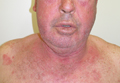
Pityriasis Rubra Pilaris Triggered by Photodynamic Therapy With Response to Tumor Necrosis Factor α–Blocking Agents and Acitretin
Comorbidities: The List Grows
There is a growing amount of literature demonstrating that psoriasis is a chronic and debilitating inflammatory disease associated with serious comorbidities. Emerging comorbidities of psoriasis include cardiovascular disease and metabolic syndrome. Psoriasis patients have an increased prevalence of the core components of metabolic syndrome, including obesity, dyslipidemia, and insulin resistance.
According to van der Voort et al (J Am Acad Dermatol. 2014;70:517-524), prior case-controlled studies observed an increased prevalence of nonalcoholic fatty liver disease (NAFLD) in patients with psoriasis, which they noted as a relevant factor in selecting optimal psoriasis treatment. Their study sought to compare the prevalence of NAFLD in participants with psoriasis and those without psoriasis. They conducted a large prospective population-based cohort study that enrolled elderly participants (>55 years). Nonalcoholic fatty liver disease was diagnosed as fatty liver on ultrasonography in the absence of other liver diseases. A multivariable logistic regression model was used to assess if psoriasis was associated with NAFLD after adjusting for demographic and lifestyle characteristics as well as laboratory findings.
In total, 2292 participants were included in the study; 118 (5.1%) participants had psoriasis. The prevalence of NAFLD was 46.2% in participants with psoriasis compared to 33.3% in those without psoriasis (P=.005); psoriasis was significantly associated with NAFLD. After the authors adjusted for alcohol consumption, pack-years and smoking status, presence of metabolic syndrome, and alanine aminotransferase levels, psoriasis remained a significant predictor of NAFLD (adjusted odds ratio, 1.7; 95% confidence interval, 1.1-2.6). The authors concluded that elderly participants with psoriasis were 70% more likely to have NAFLD than those without psoriasis independent of common NAFLD risk factors.
What’s the issue?
This study gives us a new comorbidity to be aware of and monitor. In considering therapy in this population, it also is important to consider the risk for NAFLD when selecting treatments that may have hepatic toxicity or are metabolized by the liver. How will this study change your approach to patients with psoriasis?
There is a growing amount of literature demonstrating that psoriasis is a chronic and debilitating inflammatory disease associated with serious comorbidities. Emerging comorbidities of psoriasis include cardiovascular disease and metabolic syndrome. Psoriasis patients have an increased prevalence of the core components of metabolic syndrome, including obesity, dyslipidemia, and insulin resistance.
According to van der Voort et al (J Am Acad Dermatol. 2014;70:517-524), prior case-controlled studies observed an increased prevalence of nonalcoholic fatty liver disease (NAFLD) in patients with psoriasis, which they noted as a relevant factor in selecting optimal psoriasis treatment. Their study sought to compare the prevalence of NAFLD in participants with psoriasis and those without psoriasis. They conducted a large prospective population-based cohort study that enrolled elderly participants (>55 years). Nonalcoholic fatty liver disease was diagnosed as fatty liver on ultrasonography in the absence of other liver diseases. A multivariable logistic regression model was used to assess if psoriasis was associated with NAFLD after adjusting for demographic and lifestyle characteristics as well as laboratory findings.
In total, 2292 participants were included in the study; 118 (5.1%) participants had psoriasis. The prevalence of NAFLD was 46.2% in participants with psoriasis compared to 33.3% in those without psoriasis (P=.005); psoriasis was significantly associated with NAFLD. After the authors adjusted for alcohol consumption, pack-years and smoking status, presence of metabolic syndrome, and alanine aminotransferase levels, psoriasis remained a significant predictor of NAFLD (adjusted odds ratio, 1.7; 95% confidence interval, 1.1-2.6). The authors concluded that elderly participants with psoriasis were 70% more likely to have NAFLD than those without psoriasis independent of common NAFLD risk factors.
What’s the issue?
This study gives us a new comorbidity to be aware of and monitor. In considering therapy in this population, it also is important to consider the risk for NAFLD when selecting treatments that may have hepatic toxicity or are metabolized by the liver. How will this study change your approach to patients with psoriasis?
There is a growing amount of literature demonstrating that psoriasis is a chronic and debilitating inflammatory disease associated with serious comorbidities. Emerging comorbidities of psoriasis include cardiovascular disease and metabolic syndrome. Psoriasis patients have an increased prevalence of the core components of metabolic syndrome, including obesity, dyslipidemia, and insulin resistance.
According to van der Voort et al (J Am Acad Dermatol. 2014;70:517-524), prior case-controlled studies observed an increased prevalence of nonalcoholic fatty liver disease (NAFLD) in patients with psoriasis, which they noted as a relevant factor in selecting optimal psoriasis treatment. Their study sought to compare the prevalence of NAFLD in participants with psoriasis and those without psoriasis. They conducted a large prospective population-based cohort study that enrolled elderly participants (>55 years). Nonalcoholic fatty liver disease was diagnosed as fatty liver on ultrasonography in the absence of other liver diseases. A multivariable logistic regression model was used to assess if psoriasis was associated with NAFLD after adjusting for demographic and lifestyle characteristics as well as laboratory findings.
In total, 2292 participants were included in the study; 118 (5.1%) participants had psoriasis. The prevalence of NAFLD was 46.2% in participants with psoriasis compared to 33.3% in those without psoriasis (P=.005); psoriasis was significantly associated with NAFLD. After the authors adjusted for alcohol consumption, pack-years and smoking status, presence of metabolic syndrome, and alanine aminotransferase levels, psoriasis remained a significant predictor of NAFLD (adjusted odds ratio, 1.7; 95% confidence interval, 1.1-2.6). The authors concluded that elderly participants with psoriasis were 70% more likely to have NAFLD than those without psoriasis independent of common NAFLD risk factors.
What’s the issue?
This study gives us a new comorbidity to be aware of and monitor. In considering therapy in this population, it also is important to consider the risk for NAFLD when selecting treatments that may have hepatic toxicity or are metabolized by the liver. How will this study change your approach to patients with psoriasis?

Gut-joint connection promising in psoriatic arthritis
SNOWMASS, COLO. – Mounting circumstantial evidence points to perturbation of bacterial communities in the gut and skin as important environmental triggers for psoriasis and psoriatic arthritis.
A distinctive pattern of alterations in the skin microbiota, termed bacterial "cutaneotypes," has recently been documented in lesional and uninvolved skin of psoriasis patients. Similarly, psoriatic arthritis patients show decreased diversity of their intestinal bacterial community in a pattern similar to patients with inflammatory bowel disease, Dr. Jose U. Scher said at the Winter Rheumatology Symposium sponsored by the American College of Rheumatology.

The current working hypothesis of disease pathogenesis is that, in individuals genetically predisposed to psoriasis or psoriatic arthritis, this microbial dysbiosis at the cutaneous and gut levels provides an environmental trigger for overt expression of clinical disease.
"This dysbiosis is potentially relevant as a diagnostic and/or therapeutic target in psoriasis and psoriatic arthritis. For example, it may eventually become possible to assess the gut microbiota to predict which psoriasis patients will later develop psoriatic arthritis. And reconstituting the gut flora may turn out to have therapeutic benefit. But much more work is needed," explained Dr. Scher, director of the Microbiome Center for Rheumatology and Autoimmunity at New York University.
About 25%-30% of psoriasis patients develop inflammatory psoriatic arthritis, most often roughly 7 years after onset of their skin disease. Genetics clearly plays a role, as shown in a classic Danish twin registry study with more than 21,000 subjects. Fifty-five percent of the siblings of monozygotic twins with psoriatic arthritis had skin psoriasis, but only 10% of the siblings had psoriatic arthritis, as did 3.8% of siblings of dizygotic twins with psoriatic arthritis. The lesser concordance rate seen for psoriatic arthritis hinted at the importance of environmental factors in disease genesis (Ann. Rheum. Dis. 2008;67:1417-21).
Subclinical gut inflammation is common in psoriatic arthritis. In one early study, histologic evidence of mild or moderate gut mucosal inflammation was detected in 45% of a group of psoriatic arthritis patients, compared with 15% of patients with rheumatoid arthritis and 0% of controls (Scand. J. Rheumatol. 1997;26:92-8).
Also, psoriasis patients are at a roughly 3.5-fold increased risk of developing Crohn’s disease. Among patients with established psoriatic arthritis, this risk climbs to 6.5-fold greater than in nonpsoriatic controls (Ann. Rheum. Dis. 2013;72:1200-5).
In a soon-to-be-published study, Dr. Scher and his coworkers have taken the field a step further, employing high-throughput gene sequencing to analyze the gut bacterial communities of psoriatic arthritis patients and controls. These were all new-onset psoriatic arthritis patients who had never been exposed to systemic corticosteroids, biologic agents, or conventional disease-modifying antirheumatic drugs.
Compared with the stool samples of healthy controls, several major bacterial species were underrepresented or absent in the gut microbiota of psoriatic arthritis patients. These included Akkermansia, the most common mucolytic bacterium in healthy subjects. Intriguingly, Akkermansia counts are decreased 15-fold in Crohn’s disease and 92-fold in ulcerative colitis, according to the rheumatologist.
Other bacterial species markedly less abundant in the psoriatic arthritis patients’ gut flora were Ruminoccocus, Alistipes, and Roseburia. Like Akkermansia, these are mucin-degrading bacteria that promote a healthy gut environment, and they, too, are reduced in inflammatory bowel disease, Dr. Scher said.
He theorized that these disruptions of the bacterial ecosystem might arise from a course of antibiotics, a change in diet, or other insults. The result is activation of dendritic cells to produce interleukin-23, which triggers a proinflammatory cascade including tumor necrosis factor-alpha, interleukin-22, and antimicrobial peptides.
As shown by other investigators (Mucosal Immunol. 2013;6:666-77), these proinflammatory cytokines inhibit RANK ligand, which is the critical factor for differentiation of microfold cells in the gut. These microfold cells, or M cells, are specialized epithelial cells that transport antigens across the gut epithelium and play an important role in maintenance of an efficient immune response. It’s plausible that, when these M cells are defective, the resultant loss of tolerance and chronic inflammatory state can result in psoriatic arthritis, he explained.
Dr. Scher’s colleagues at New York University have used high-throughput gene sequencing to analyze the cutaneous microbiota of lesional and nonlesional skin in psoriasis patients, as well as skin samples from the same sites in healthy controls. The impetus for this study was a hypothesis that psoriasis might represent an inappropriate cutaneous immune response directed against offending bacteria in the skin microbiota.
Sure enough, the bacterial community present in psoriatic lesions displayed a markedly decreased diversity, compared with controls. This decreased diversity also was present, albeit to a lesser extent, in the psoriasis patients’ nonlesional skin. Both the lesional and nonlesional skin of psoriasis patients contained an increased abundance of Corynebacterium, Staphylococcus, and Streptococcus, compared with controls.
In addition, the skin microbiota could be classified into one of two characteristic patterns, which the investigators termed "cutaneotypes." Cutaneotype 1, which predominated in the skin of normal controls, contained an abundance of Proteobacteria. In contrast, cutaneotype 2, which was 3.5-fold more prevalent in psoriatic lesions than in controls, was enriched in Firmicutes and Actinobacteria. The psoriatic patients’ nonlesional skin contained a balance of cutaneotypes 1 and 2 (Microbiome 2013 Dec. 23 [doi:10.1186/2049-2618-1-31]).
Dr. Scher said that the next step in his own research is to learn whether the gut microbiota of psoriasis patients differs from that of psoriatic arthritis patients.
"That’s to me the most important piece of data. I think there’s a lot of work to do, and we’re doing it now, in prospective fashion. We’re following patients with psoriasis, and for those who later convert to psoriatic arthritis we’ll want to know if there’s alteration of their bacterial immunity, both in the gut and the skin," he explained.
Dr. Scher reported having no financial conflicts.
SNOWMASS, COLO. – Mounting circumstantial evidence points to perturbation of bacterial communities in the gut and skin as important environmental triggers for psoriasis and psoriatic arthritis.
A distinctive pattern of alterations in the skin microbiota, termed bacterial "cutaneotypes," has recently been documented in lesional and uninvolved skin of psoriasis patients. Similarly, psoriatic arthritis patients show decreased diversity of their intestinal bacterial community in a pattern similar to patients with inflammatory bowel disease, Dr. Jose U. Scher said at the Winter Rheumatology Symposium sponsored by the American College of Rheumatology.
The current working hypothesis of disease pathogenesis is that, in individuals genetically predisposed to psoriasis or psoriatic arthritis, this microbial dysbiosis at the cutaneous and gut levels provides an environmental trigger for overt expression of clinical disease.
"This dysbiosis is potentially relevant as a diagnostic and/or therapeutic target in psoriasis and psoriatic arthritis. For example, it may eventually become possible to assess the gut microbiota to predict which psoriasis patients will later develop psoriatic arthritis. And reconstituting the gut flora may turn out to have therapeutic benefit. But much more work is needed," explained Dr. Scher, director of the Microbiome Center for Rheumatology and Autoimmunity at New York University.
About 25%-30% of psoriasis patients develop inflammatory psoriatic arthritis, most often roughly 7 years after onset of their skin disease. Genetics clearly plays a role, as shown in a classic Danish twin registry study with more than 21,000 subjects. Fifty-five percent of the siblings of monozygotic twins with psoriatic arthritis had skin psoriasis, but only 10% of the siblings had psoriatic arthritis, as did 3.8% of siblings of dizygotic twins with psoriatic arthritis. The lesser concordance rate seen for psoriatic arthritis hinted at the importance of environmental factors in disease genesis (Ann. Rheum. Dis. 2008;67:1417-21).
Subclinical gut inflammation is common in psoriatic arthritis. In one early study, histologic evidence of mild or moderate gut mucosal inflammation was detected in 45% of a group of psoriatic arthritis patients, compared with 15% of patients with rheumatoid arthritis and 0% of controls (Scand. J. Rheumatol. 1997;26:92-8).
Also, psoriasis patients are at a roughly 3.5-fold increased risk of developing Crohn’s disease. Among patients with established psoriatic arthritis, this risk climbs to 6.5-fold greater than in nonpsoriatic controls (Ann. Rheum. Dis. 2013;72:1200-5).
In a soon-to-be-published study, Dr. Scher and his coworkers have taken the field a step further, employing high-throughput gene sequencing to analyze the gut bacterial communities of psoriatic arthritis patients and controls. These were all new-onset psoriatic arthritis patients who had never been exposed to systemic corticosteroids, biologic agents, or conventional disease-modifying antirheumatic drugs.
Compared with the stool samples of healthy controls, several major bacterial species were underrepresented or absent in the gut microbiota of psoriatic arthritis patients. These included Akkermansia, the most common mucolytic bacterium in healthy subjects. Intriguingly, Akkermansia counts are decreased 15-fold in Crohn’s disease and 92-fold in ulcerative colitis, according to the rheumatologist.
Other bacterial species markedly less abundant in the psoriatic arthritis patients’ gut flora were Ruminoccocus, Alistipes, and Roseburia. Like Akkermansia, these are mucin-degrading bacteria that promote a healthy gut environment, and they, too, are reduced in inflammatory bowel disease, Dr. Scher said.
He theorized that these disruptions of the bacterial ecosystem might arise from a course of antibiotics, a change in diet, or other insults. The result is activation of dendritic cells to produce interleukin-23, which triggers a proinflammatory cascade including tumor necrosis factor-alpha, interleukin-22, and antimicrobial peptides.
As shown by other investigators (Mucosal Immunol. 2013;6:666-77), these proinflammatory cytokines inhibit RANK ligand, which is the critical factor for differentiation of microfold cells in the gut. These microfold cells, or M cells, are specialized epithelial cells that transport antigens across the gut epithelium and play an important role in maintenance of an efficient immune response. It’s plausible that, when these M cells are defective, the resultant loss of tolerance and chronic inflammatory state can result in psoriatic arthritis, he explained.
Dr. Scher’s colleagues at New York University have used high-throughput gene sequencing to analyze the cutaneous microbiota of lesional and nonlesional skin in psoriasis patients, as well as skin samples from the same sites in healthy controls. The impetus for this study was a hypothesis that psoriasis might represent an inappropriate cutaneous immune response directed against offending bacteria in the skin microbiota.
Sure enough, the bacterial community present in psoriatic lesions displayed a markedly decreased diversity, compared with controls. This decreased diversity also was present, albeit to a lesser extent, in the psoriasis patients’ nonlesional skin. Both the lesional and nonlesional skin of psoriasis patients contained an increased abundance of Corynebacterium, Staphylococcus, and Streptococcus, compared with controls.
In addition, the skin microbiota could be classified into one of two characteristic patterns, which the investigators termed "cutaneotypes." Cutaneotype 1, which predominated in the skin of normal controls, contained an abundance of Proteobacteria. In contrast, cutaneotype 2, which was 3.5-fold more prevalent in psoriatic lesions than in controls, was enriched in Firmicutes and Actinobacteria. The psoriatic patients’ nonlesional skin contained a balance of cutaneotypes 1 and 2 (Microbiome 2013 Dec. 23 [doi:10.1186/2049-2618-1-31]).
Dr. Scher said that the next step in his own research is to learn whether the gut microbiota of psoriasis patients differs from that of psoriatic arthritis patients.
"That’s to me the most important piece of data. I think there’s a lot of work to do, and we’re doing it now, in prospective fashion. We’re following patients with psoriasis, and for those who later convert to psoriatic arthritis we’ll want to know if there’s alteration of their bacterial immunity, both in the gut and the skin," he explained.
Dr. Scher reported having no financial conflicts.
SNOWMASS, COLO. – Mounting circumstantial evidence points to perturbation of bacterial communities in the gut and skin as important environmental triggers for psoriasis and psoriatic arthritis.
A distinctive pattern of alterations in the skin microbiota, termed bacterial "cutaneotypes," has recently been documented in lesional and uninvolved skin of psoriasis patients. Similarly, psoriatic arthritis patients show decreased diversity of their intestinal bacterial community in a pattern similar to patients with inflammatory bowel disease, Dr. Jose U. Scher said at the Winter Rheumatology Symposium sponsored by the American College of Rheumatology.
The current working hypothesis of disease pathogenesis is that, in individuals genetically predisposed to psoriasis or psoriatic arthritis, this microbial dysbiosis at the cutaneous and gut levels provides an environmental trigger for overt expression of clinical disease.
"This dysbiosis is potentially relevant as a diagnostic and/or therapeutic target in psoriasis and psoriatic arthritis. For example, it may eventually become possible to assess the gut microbiota to predict which psoriasis patients will later develop psoriatic arthritis. And reconstituting the gut flora may turn out to have therapeutic benefit. But much more work is needed," explained Dr. Scher, director of the Microbiome Center for Rheumatology and Autoimmunity at New York University.
About 25%-30% of psoriasis patients develop inflammatory psoriatic arthritis, most often roughly 7 years after onset of their skin disease. Genetics clearly plays a role, as shown in a classic Danish twin registry study with more than 21,000 subjects. Fifty-five percent of the siblings of monozygotic twins with psoriatic arthritis had skin psoriasis, but only 10% of the siblings had psoriatic arthritis, as did 3.8% of siblings of dizygotic twins with psoriatic arthritis. The lesser concordance rate seen for psoriatic arthritis hinted at the importance of environmental factors in disease genesis (Ann. Rheum. Dis. 2008;67:1417-21).
Subclinical gut inflammation is common in psoriatic arthritis. In one early study, histologic evidence of mild or moderate gut mucosal inflammation was detected in 45% of a group of psoriatic arthritis patients, compared with 15% of patients with rheumatoid arthritis and 0% of controls (Scand. J. Rheumatol. 1997;26:92-8).
Also, psoriasis patients are at a roughly 3.5-fold increased risk of developing Crohn’s disease. Among patients with established psoriatic arthritis, this risk climbs to 6.5-fold greater than in nonpsoriatic controls (Ann. Rheum. Dis. 2013;72:1200-5).
In a soon-to-be-published study, Dr. Scher and his coworkers have taken the field a step further, employing high-throughput gene sequencing to analyze the gut bacterial communities of psoriatic arthritis patients and controls. These were all new-onset psoriatic arthritis patients who had never been exposed to systemic corticosteroids, biologic agents, or conventional disease-modifying antirheumatic drugs.
Compared with the stool samples of healthy controls, several major bacterial species were underrepresented or absent in the gut microbiota of psoriatic arthritis patients. These included Akkermansia, the most common mucolytic bacterium in healthy subjects. Intriguingly, Akkermansia counts are decreased 15-fold in Crohn’s disease and 92-fold in ulcerative colitis, according to the rheumatologist.
Other bacterial species markedly less abundant in the psoriatic arthritis patients’ gut flora were Ruminoccocus, Alistipes, and Roseburia. Like Akkermansia, these are mucin-degrading bacteria that promote a healthy gut environment, and they, too, are reduced in inflammatory bowel disease, Dr. Scher said.
He theorized that these disruptions of the bacterial ecosystem might arise from a course of antibiotics, a change in diet, or other insults. The result is activation of dendritic cells to produce interleukin-23, which triggers a proinflammatory cascade including tumor necrosis factor-alpha, interleukin-22, and antimicrobial peptides.
As shown by other investigators (Mucosal Immunol. 2013;6:666-77), these proinflammatory cytokines inhibit RANK ligand, which is the critical factor for differentiation of microfold cells in the gut. These microfold cells, or M cells, are specialized epithelial cells that transport antigens across the gut epithelium and play an important role in maintenance of an efficient immune response. It’s plausible that, when these M cells are defective, the resultant loss of tolerance and chronic inflammatory state can result in psoriatic arthritis, he explained.
Dr. Scher’s colleagues at New York University have used high-throughput gene sequencing to analyze the cutaneous microbiota of lesional and nonlesional skin in psoriasis patients, as well as skin samples from the same sites in healthy controls. The impetus for this study was a hypothesis that psoriasis might represent an inappropriate cutaneous immune response directed against offending bacteria in the skin microbiota.
Sure enough, the bacterial community present in psoriatic lesions displayed a markedly decreased diversity, compared with controls. This decreased diversity also was present, albeit to a lesser extent, in the psoriasis patients’ nonlesional skin. Both the lesional and nonlesional skin of psoriasis patients contained an increased abundance of Corynebacterium, Staphylococcus, and Streptococcus, compared with controls.
In addition, the skin microbiota could be classified into one of two characteristic patterns, which the investigators termed "cutaneotypes." Cutaneotype 1, which predominated in the skin of normal controls, contained an abundance of Proteobacteria. In contrast, cutaneotype 2, which was 3.5-fold more prevalent in psoriatic lesions than in controls, was enriched in Firmicutes and Actinobacteria. The psoriatic patients’ nonlesional skin contained a balance of cutaneotypes 1 and 2 (Microbiome 2013 Dec. 23 [doi:10.1186/2049-2618-1-31]).
Dr. Scher said that the next step in his own research is to learn whether the gut microbiota of psoriasis patients differs from that of psoriatic arthritis patients.
"That’s to me the most important piece of data. I think there’s a lot of work to do, and we’re doing it now, in prospective fashion. We’re following patients with psoriasis, and for those who later convert to psoriatic arthritis we’ll want to know if there’s alteration of their bacterial immunity, both in the gut and the skin," he explained.
Dr. Scher reported having no financial conflicts.
EXPERT ANALYSIS FROM THE WINTER RHEUMATOLOGY SYMPOSIUM

VIDEO: Don’t overlook the signs of psoriatic arthritis
PALM BEACH, ARUBA – When evaluating patients for psoriasis, don’t forget to ask them about potential symptoms of psoriatic arthritis, cautions Dr. Mark Jackson of the University of Louisville. In an interview at the Caribbean Dermatology Seminar, Dr. Jackson also discusses the need to have psoriasis patients without psoriatic arthritis be alert to the development of potential symptoms of the joint disease.
The video associated with this article is no longer available on this site. Please view all of our videos on the MDedge YouTube channel
PALM BEACH, ARUBA – When evaluating patients for psoriasis, don’t forget to ask them about potential symptoms of psoriatic arthritis, cautions Dr. Mark Jackson of the University of Louisville. In an interview at the Caribbean Dermatology Seminar, Dr. Jackson also discusses the need to have psoriasis patients without psoriatic arthritis be alert to the development of potential symptoms of the joint disease.
The video associated with this article is no longer available on this site. Please view all of our videos on the MDedge YouTube channel
PALM BEACH, ARUBA – When evaluating patients for psoriasis, don’t forget to ask them about potential symptoms of psoriatic arthritis, cautions Dr. Mark Jackson of the University of Louisville. In an interview at the Caribbean Dermatology Seminar, Dr. Jackson also discusses the need to have psoriasis patients without psoriatic arthritis be alert to the development of potential symptoms of the joint disease.
The video associated with this article is no longer available on this site. Please view all of our videos on the MDedge YouTube channel
FROM THE CARIBBEAN DERMATOLOGY SEMINAR

VIDEO: How to evaluate the need for systemic psoriasis therapy
PALM BEACH, ARUBA – When is it time to transition a patient with psoriasis from topical therapy to systemic therapy? Dr. Mark Jackson of the University of Louisville (Ky.) discusses how to evaluate the need for a new treatment approach, and how to help patients make the transition to systemic therapy. We caught up with Dr. Jackson in this video interview at the Caribbean Dermatology Seminar.
The video associated with this article is no longer available on this site. Please view all of our videos on the MDedge YouTube channel
PALM BEACH, ARUBA – When is it time to transition a patient with psoriasis from topical therapy to systemic therapy? Dr. Mark Jackson of the University of Louisville (Ky.) discusses how to evaluate the need for a new treatment approach, and how to help patients make the transition to systemic therapy. We caught up with Dr. Jackson in this video interview at the Caribbean Dermatology Seminar.
The video associated with this article is no longer available on this site. Please view all of our videos on the MDedge YouTube channel
PALM BEACH, ARUBA – When is it time to transition a patient with psoriasis from topical therapy to systemic therapy? Dr. Mark Jackson of the University of Louisville (Ky.) discusses how to evaluate the need for a new treatment approach, and how to help patients make the transition to systemic therapy. We caught up with Dr. Jackson in this video interview at the Caribbean Dermatology Seminar.
The video associated with this article is no longer available on this site. Please view all of our videos on the MDedge YouTube channel
EXPERT ANALYSIS FROM THE CARIBBEAN DERMATOLOGY SEMINAR

VIDEO: Take the ‘whole’ approach to treating psoriasis patients
PALM BEACH, ARUBA – Dr. Kenneth Gordon, professor of dermatology at Northwestern University, Chicago, explains why it’s important to treat not just the physical manifestations of psoriasis, but also to consider the condition’s emotional and practical aspects for patients. He made his comments in a video interview during the Caribbean Dermatology Symposium.
The video associated with this article is no longer available on this site. Please view all of our videos on the MDedge YouTube channel
PALM BEACH, ARUBA – Dr. Kenneth Gordon, professor of dermatology at Northwestern University, Chicago, explains why it’s important to treat not just the physical manifestations of psoriasis, but also to consider the condition’s emotional and practical aspects for patients. He made his comments in a video interview during the Caribbean Dermatology Symposium.
The video associated with this article is no longer available on this site. Please view all of our videos on the MDedge YouTube channel
PALM BEACH, ARUBA – Dr. Kenneth Gordon, professor of dermatology at Northwestern University, Chicago, explains why it’s important to treat not just the physical manifestations of psoriasis, but also to consider the condition’s emotional and practical aspects for patients. He made his comments in a video interview during the Caribbean Dermatology Symposium.
The video associated with this article is no longer available on this site. Please view all of our videos on the MDedge YouTube channel
ANALYSIS FROM THE CARIBBEAN DERMATOLOGY SYMPOSIUM