User login
Tips for addressing uptick in mental health visits: Primary care providers collaborate, innovate
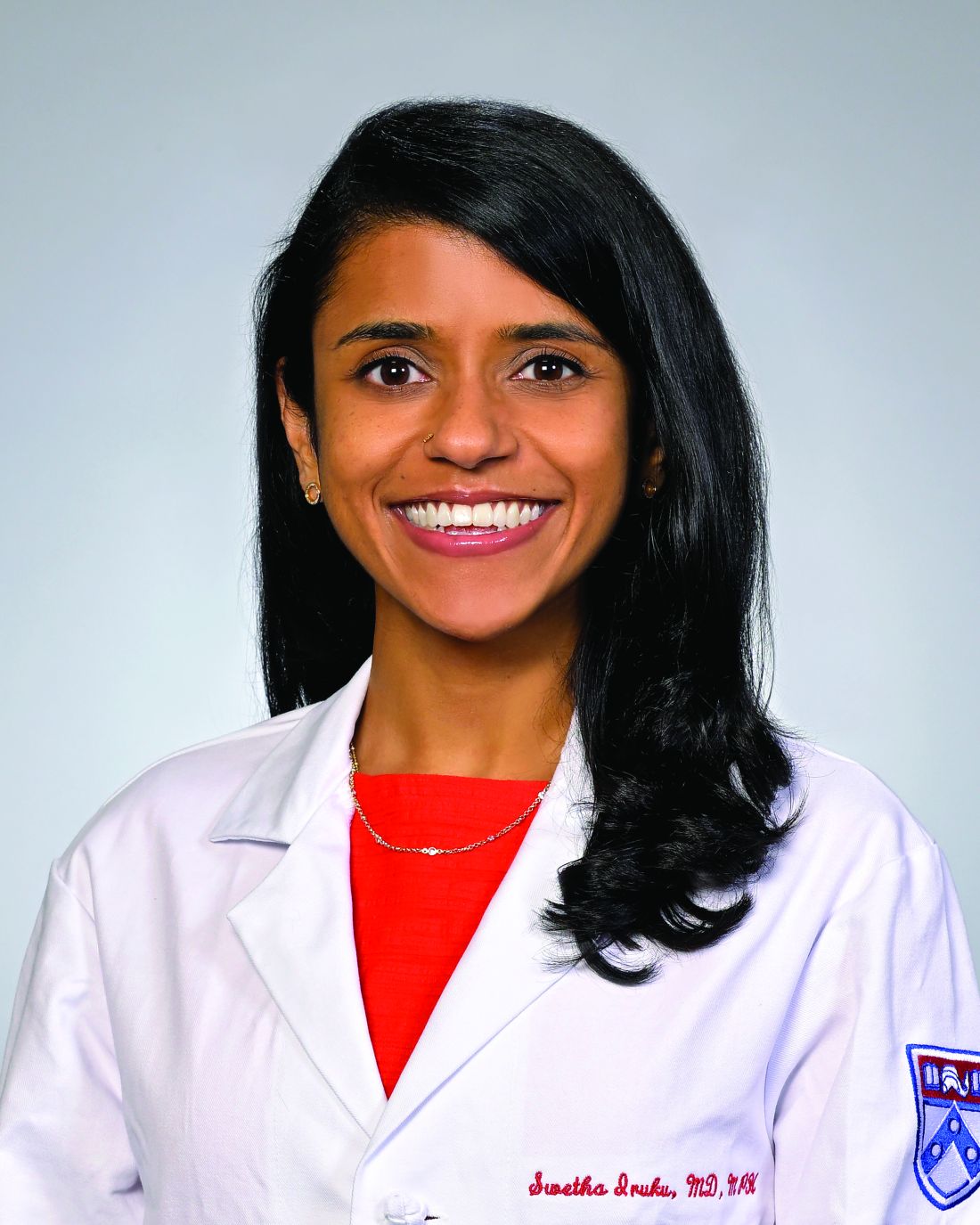
This growth in the number of patients needing behavioral health–related care is likely driven by multiple factors, including a shortage of mental health care providers, an increasing incidence of psychiatric illness, and destigmatization of mental health in general, suggested Swetha P. Iruku, MD, MPH, associate professor of family medicine and community health at the University of Pennsylvania and Penn Medicine family physician in Philadelphia.
The Centers for Disease Control and Prevention noted that “the COVID-19 pandemic has been associated with mental health challenges related to the morbidity and mortality caused by the disease and to mitigation activities, including the impact of physical distancing and stay-at-home orders,” in a Morbidity and Mortality Weekly Report.
From June 24 to 30, 2020, U.S. adults reported considerably elevated adverse mental health conditions associated with COVID-19, and symptoms of anxiety disorder and depressive disorder climbed during the months of April through June of the same year, compared with the same period in 2019, they wrote.
Even before the pandemic got underway, multiple studies of national data published this year suggested mental issues were on the rise in the United States. For example, the proportion of adult patient visits to primary care providers that addressed mental health concerns rose from 10.7% to 15.9% from 2006 to 2018, according to research published in Health Affairs. Plus, the number and proportion of pediatric acute care hospitalizations because of mental health diagnoses increased significantly between 2009 and 2019, according to a paper published in JAMA.
“I truly believe that we can’t, as primary care physicians, take care of someone’s physical health without also taking care of their mental health,” Dr. Iruku said in an interview. “It’s all intertwined.”
To rise to this challenge, PCPs first need a collaborative mindset, she suggested, as well as familiarity with available resources, both locally and virtually.
This article examines strategies for managing mental illness in primary care, outlines clinical resources, and reviews related educational opportunities.
In addition, clinical pearls are shared by Dr. Iruku and five other clinicians who provide or have provided mental health care to primary care patients or work in close collaboration with a primary care practice, including a clinical psychologist, a nurse practitioner licensed in psychiatric health, a pediatrician, and a licensed clinical social worker.
Build a network
Most of the providers interviewed cited the importance of collaboration in mental health care, particularly for complex cases.
“I would recommend [that primary care providers get] to know the psychiatric providers [in their area],” said Jessica Viton, DNP, FNP, PMHNP, who delivers mental health care through a community-based primary care practice in Colorado which she requested remain anonymous.
Dr. Iruku suggested making an in-person connection first, if possible.
“So much of what we do is ‘see one, do one, teach one,’ so learn a little bit, then go off and trial,” she said. “[It can be valuable] having someone in your back pocket that you can contact in the case of an emergency, or in a situation where you just don’t know how to tackle it.”
Screen for depression and anxiety
William J. Sieber, PhD, a clinical psychologist, director of integrated behavioral health, and professor in the department of family medicine and public health and the department of psychiatry at the University of California, San Diego, said primary care providers should screen all adult patients for depression and anxiety with the Patient Health Questionnaire (PHQ-9) and General Anxiety Disorder Assessment (GAD-7), respectively.

To save time, he suggested a cascading approach.
“In primary care, everybody’s in a hurry,” Dr. Sieber said. “[With the cascading approach,] the first two items [from each questionnaire] are given, and if a person endorses either of those items … then they are asked to complete the other items.”
Jennifer Mullally, MD, a pediatrician at Sanford Health in Fargo, N.D., uses this cascading approach to depression and anxiety screening with all her patients aged 13-18. For younger kids, she screens only those who present with signs or symptoms of mental health issues, or if the parent shares a concern.
This approach differs slightly from U.S. Preventive Services Task Force recommendations, which suggest screening for anxiety in patients aged 8-18 years and depression in patients aged 12-18 years.
Use other screening tools only as needed
Dr. Sieber, the research director for the division of family medicine at UC San Diego, collaborates regularly with primary care providers via hallway consultations, by sharing cases, and through providing oversight of psychiatric care at 13 primary care practices within the UC San Diego network. He recommended against routine screening beyond depression and anxiety in the primary care setting.
“There are a lot of screening tools,” Dr. Sieber said. “It depends on what you’re presented with. The challenge in primary care is you’re going to see all kinds of things. It’s not like running a depression clinic.”
Other than the PHQ-9 and GAD-7, he suggested primary care providers establish familiarity with screening tools for posttraumatic stress disorder and attention-deficit/hyperactivity disorder, noting again that these should be used only when one of the conditions is already suspected.
Dr. Mullally follows a similar approach with her pediatric population. In addition to the GAD-7, she investigates whether a patient has anxiety with the Screen for Child Anxiety Related Disorders (SCARED). For depression, she couples the PHQ-9 with the Columbia Suicide Severity Rating Scale.
While additional screening tools like these are readily available online, Dr. Viton suggested that they should be employed only if the provider is trained to interpret and respond to those findings, and only if they know which tool to use, and when.
For example, she has recently observed PCPs diagnosing adults with ADHD using a three-question test, when in fact a full-length, standardized instrument should be administered by a provider with necessary training.
She also pointed out that bipolar disorder continues to be underdiagnosed, possibly because of providers detecting depression using a questionnaire like the PHQ-9, while failing to inquire about manic episodes.
Leverage online resources
If depression is confirmed, Dr. Iruku often directs the patient to the Mayo Clinic Depression Medication Choice Decision Aid. This website steers patients through medication options based on their answers to a questionnaire. Choices are listed alongside possible adverse effects.
For clinician use, Dr. Iruku recommended The Waco Guide to Psychopharmacology in Primary Care, which aids clinical decision-making for mental illness and substance abuse. The app processes case details to suggest first-, second-, and third-line pharmacotherapies, as well as modifications based on patient needs.
Even with tools like these, however, a referral may be needed.
“[Primary care providers] may not be the best fit for what the patient is looking for, from a mental health or behavioral standpoint,” Dr. Sieber said.
In this case, he encourages patients to visit Psychology Today, a “quite popular portal” that helps patients locate a suitable provider based on location, insurance, driving radius, and mental health concern. This usually generates 10-20 options, Dr. Sieber said, although results can vary.
“It may be discouraging, because maybe only three [providers] pop up based on your criteria, and the closest one is miles away,” he said.
Consider virtual support
If no local psychiatric help is available, Dr. Sieber suggested virtual support, highlighting that “it’s much easier now than it was 3 or 4 years ago” to connect patients with external mental health care.
But this strategy should be reserved for cases of actual need instead of pure convenience, cautioned Dr. Viton, who noted that virtual visits may fail to capture the nuance of an in-person meeting, as body language, mode of dress, and other clues can provide insights into mental health status.
“Occasionally, I think you do have to have an in-person visit, especially when you’re developing a rapport with someone,” Dr. Viton said.
Claire McArdle, a licensed clinical social worker in Fort Collins, Colo., noted that virtual care from an outside provider may also impede the collaboration needed to effectively address mental illness.
In her 11 years in primary care at Associates in Family Medicine, Ms. McArdle had countless interactions with colleagues seeking support when managing a complex case. “I’m coaching providers, front desk staff, and nursing staff on how to interact with patients [with] behavioral health needs,” she said, citing the multitude of nonmedical factors that need to be considered, such as family relationships and patient preferences.
These unscheduled conversations with colleagues throughout the day are impossible to have when sharing a case with an unknown, remote peer.
Ms. McArdle speaks from experience. She recently resigned from Associates in Family Medicine to start her own private therapy practice after her former employer was acquired by VillageMD, a national provider that terminated employment of most other social workers in the practice and began outsourcing mental health care to Mindoula Health, a virtual provider.
Dr. Sieber offered a similar perspective on in-person collaboration as the psychiatric specialist at his center. He routinely offers on-site support for both providers and patients, serving as “another set of eyes and ears” when there is a concern about patient safety or directly managing care when a patient is hospitalized for mental illness.
While virtual solutions may fall short of in-person management, they can offer care at a scale and cost impossible through traditional practice.
This could even be free. Zero-cost, automated software now allows individuals who are uninsured or unable to afford care at least one avenue to manage their mental health concerns.
For example, Bliss is a free, 8-session, interactive online therapy program for depression that was created by the Centre for Interactive Mental Health Solutions. The program offers a tool for monitoring mood and quizzes to test understanding of personal mental health management, among other features.
More advanced programs are emerging as artificial intelligence (AI) enables dialogues between humans and machines. This is the case with Woebot, an app that asks the user about their mood throughout the day, and responds with evidence-based strategies for managing concerns, all for free at press time.
Keep learning
A range of educational options and professional resources are available for primary care providers who would like to improve their knowledge of mental health care. These include formal fellowships in primary care psychiatry/behavioral health integration, free mental health webinars, and various other opportunities.
Eric Eschweiler, DNP, APRN, FNP-C, PHN, completed the University of California, Irvine, Train New Trainers (TNT) Primary Care Psychiatry (PCP) Fellowship in 2016, when he was working as a solo nurse practitioner.
“I was drowning in practice,” said Dr. Eschweiler, director of nursing and public health outreach services at Riverside-San Bernardino County Indian Health, Grand Terrace, Calif., in an interview. “I was a solo NP. There was no physician on site. We were seeing a lot of [individuals with] schizoaffective [disorder] in downtown San Bernardino, the homeless, unhoused – a lot of substance use. I felt I needed to have the skills to be able to treat them effectively. That’s what the fellowship did.”
The skills Dr. Eschweiler learned from participating in his fellowship allowed him to manage more cases of mental illness without need for referral. When a referral was needed for a complex or severe case, he had the confidence to bridge care and collaborate more effectively with psychiatric specialists.
“It was awesome, because we were able to communicate using the same language,” Dr. Eschweiler said of these collaborations. “It’s [about] talking that same language, starting those initial treatments, and then moving forward with specialty care, and vice versa. [Psychiatric specialists] would send me patients that needed medical care because of the types of medications they were taking. And I was then very well aware of those side effects and other issues that might come up from those treatments. So it’s a two-way street.”
Dr. Eschweiler was so impressed by his fellowship that he has since ushered multiple providers through the program since transitioning to an administrative role as director of nursing.
In Fargo, where psychiatric care is sparse and wait times for referral can be months long, Dr. Mullally, like Dr. Eschweiler, knew that she needed more training in mental health.
“I don’t feel like we get enough training in residency,” Dr. Mullally said. “So you do need to look at your options for further CME.”
Out of several CME courses she has taken to further her understanding of pediatric psychiatry, Dr. Mullally recommended The Reach Institute above all others, as their courses involve in-depth discussions and valuable handouts, particularly for medication selection.
“I think that a lot of the other CMEs tend to involve a lot more PowerPoint presentations,” Dr. Mullally said. “And you don’t necessarily leave with a lot of good documents. I still use my Reach handouts. I have them sitting right next to me. I use them every single day.”
Providers interested in The Reach Institute, however, should be prepared to invest both time and money, she added, citing a 2-3 day commitment, and calling it “not cheap.” To overcome these barriers, she suggested that providers get their institution to support their attendance.
For a lighter commitment, Dr. Iruku recommended the American Academy of Family Physicians CME portal, as this offers 13 online, accredited courses covering a range of topics, from adolescent health to substance abuse disorders.
Dr. Sieber suggested that primary care providers join the Collaborative Family Healthcare Association, which aims to integrate physical and behavioral health in routine practice. CFHA, of which he is a member, offers a “bevy of different resources” for interested providers, including a conference in Phoenix this October.
The interviewees disclosed no conflicts of interest.
This growth in the number of patients needing behavioral health–related care is likely driven by multiple factors, including a shortage of mental health care providers, an increasing incidence of psychiatric illness, and destigmatization of mental health in general, suggested Swetha P. Iruku, MD, MPH, associate professor of family medicine and community health at the University of Pennsylvania and Penn Medicine family physician in Philadelphia.
The Centers for Disease Control and Prevention noted that “the COVID-19 pandemic has been associated with mental health challenges related to the morbidity and mortality caused by the disease and to mitigation activities, including the impact of physical distancing and stay-at-home orders,” in a Morbidity and Mortality Weekly Report.
From June 24 to 30, 2020, U.S. adults reported considerably elevated adverse mental health conditions associated with COVID-19, and symptoms of anxiety disorder and depressive disorder climbed during the months of April through June of the same year, compared with the same period in 2019, they wrote.
Even before the pandemic got underway, multiple studies of national data published this year suggested mental issues were on the rise in the United States. For example, the proportion of adult patient visits to primary care providers that addressed mental health concerns rose from 10.7% to 15.9% from 2006 to 2018, according to research published in Health Affairs. Plus, the number and proportion of pediatric acute care hospitalizations because of mental health diagnoses increased significantly between 2009 and 2019, according to a paper published in JAMA.
“I truly believe that we can’t, as primary care physicians, take care of someone’s physical health without also taking care of their mental health,” Dr. Iruku said in an interview. “It’s all intertwined.”
To rise to this challenge, PCPs first need a collaborative mindset, she suggested, as well as familiarity with available resources, both locally and virtually.
This article examines strategies for managing mental illness in primary care, outlines clinical resources, and reviews related educational opportunities.
In addition, clinical pearls are shared by Dr. Iruku and five other clinicians who provide or have provided mental health care to primary care patients or work in close collaboration with a primary care practice, including a clinical psychologist, a nurse practitioner licensed in psychiatric health, a pediatrician, and a licensed clinical social worker.
Build a network
Most of the providers interviewed cited the importance of collaboration in mental health care, particularly for complex cases.
“I would recommend [that primary care providers get] to know the psychiatric providers [in their area],” said Jessica Viton, DNP, FNP, PMHNP, who delivers mental health care through a community-based primary care practice in Colorado which she requested remain anonymous.
Dr. Iruku suggested making an in-person connection first, if possible.
“So much of what we do is ‘see one, do one, teach one,’ so learn a little bit, then go off and trial,” she said. “[It can be valuable] having someone in your back pocket that you can contact in the case of an emergency, or in a situation where you just don’t know how to tackle it.”
Screen for depression and anxiety
William J. Sieber, PhD, a clinical psychologist, director of integrated behavioral health, and professor in the department of family medicine and public health and the department of psychiatry at the University of California, San Diego, said primary care providers should screen all adult patients for depression and anxiety with the Patient Health Questionnaire (PHQ-9) and General Anxiety Disorder Assessment (GAD-7), respectively.
To save time, he suggested a cascading approach.
“In primary care, everybody’s in a hurry,” Dr. Sieber said. “[With the cascading approach,] the first two items [from each questionnaire] are given, and if a person endorses either of those items … then they are asked to complete the other items.”
Jennifer Mullally, MD, a pediatrician at Sanford Health in Fargo, N.D., uses this cascading approach to depression and anxiety screening with all her patients aged 13-18. For younger kids, she screens only those who present with signs or symptoms of mental health issues, or if the parent shares a concern.
This approach differs slightly from U.S. Preventive Services Task Force recommendations, which suggest screening for anxiety in patients aged 8-18 years and depression in patients aged 12-18 years.
Use other screening tools only as needed
Dr. Sieber, the research director for the division of family medicine at UC San Diego, collaborates regularly with primary care providers via hallway consultations, by sharing cases, and through providing oversight of psychiatric care at 13 primary care practices within the UC San Diego network. He recommended against routine screening beyond depression and anxiety in the primary care setting.
“There are a lot of screening tools,” Dr. Sieber said. “It depends on what you’re presented with. The challenge in primary care is you’re going to see all kinds of things. It’s not like running a depression clinic.”
Other than the PHQ-9 and GAD-7, he suggested primary care providers establish familiarity with screening tools for posttraumatic stress disorder and attention-deficit/hyperactivity disorder, noting again that these should be used only when one of the conditions is already suspected.
Dr. Mullally follows a similar approach with her pediatric population. In addition to the GAD-7, she investigates whether a patient has anxiety with the Screen for Child Anxiety Related Disorders (SCARED). For depression, she couples the PHQ-9 with the Columbia Suicide Severity Rating Scale.
While additional screening tools like these are readily available online, Dr. Viton suggested that they should be employed only if the provider is trained to interpret and respond to those findings, and only if they know which tool to use, and when.
For example, she has recently observed PCPs diagnosing adults with ADHD using a three-question test, when in fact a full-length, standardized instrument should be administered by a provider with necessary training.
She also pointed out that bipolar disorder continues to be underdiagnosed, possibly because of providers detecting depression using a questionnaire like the PHQ-9, while failing to inquire about manic episodes.
Leverage online resources
If depression is confirmed, Dr. Iruku often directs the patient to the Mayo Clinic Depression Medication Choice Decision Aid. This website steers patients through medication options based on their answers to a questionnaire. Choices are listed alongside possible adverse effects.
For clinician use, Dr. Iruku recommended The Waco Guide to Psychopharmacology in Primary Care, which aids clinical decision-making for mental illness and substance abuse. The app processes case details to suggest first-, second-, and third-line pharmacotherapies, as well as modifications based on patient needs.
Even with tools like these, however, a referral may be needed.
“[Primary care providers] may not be the best fit for what the patient is looking for, from a mental health or behavioral standpoint,” Dr. Sieber said.
In this case, he encourages patients to visit Psychology Today, a “quite popular portal” that helps patients locate a suitable provider based on location, insurance, driving radius, and mental health concern. This usually generates 10-20 options, Dr. Sieber said, although results can vary.
“It may be discouraging, because maybe only three [providers] pop up based on your criteria, and the closest one is miles away,” he said.
Consider virtual support
If no local psychiatric help is available, Dr. Sieber suggested virtual support, highlighting that “it’s much easier now than it was 3 or 4 years ago” to connect patients with external mental health care.
But this strategy should be reserved for cases of actual need instead of pure convenience, cautioned Dr. Viton, who noted that virtual visits may fail to capture the nuance of an in-person meeting, as body language, mode of dress, and other clues can provide insights into mental health status.
“Occasionally, I think you do have to have an in-person visit, especially when you’re developing a rapport with someone,” Dr. Viton said.
Claire McArdle, a licensed clinical social worker in Fort Collins, Colo., noted that virtual care from an outside provider may also impede the collaboration needed to effectively address mental illness.
In her 11 years in primary care at Associates in Family Medicine, Ms. McArdle had countless interactions with colleagues seeking support when managing a complex case. “I’m coaching providers, front desk staff, and nursing staff on how to interact with patients [with] behavioral health needs,” she said, citing the multitude of nonmedical factors that need to be considered, such as family relationships and patient preferences.
These unscheduled conversations with colleagues throughout the day are impossible to have when sharing a case with an unknown, remote peer.
Ms. McArdle speaks from experience. She recently resigned from Associates in Family Medicine to start her own private therapy practice after her former employer was acquired by VillageMD, a national provider that terminated employment of most other social workers in the practice and began outsourcing mental health care to Mindoula Health, a virtual provider.
Dr. Sieber offered a similar perspective on in-person collaboration as the psychiatric specialist at his center. He routinely offers on-site support for both providers and patients, serving as “another set of eyes and ears” when there is a concern about patient safety or directly managing care when a patient is hospitalized for mental illness.
While virtual solutions may fall short of in-person management, they can offer care at a scale and cost impossible through traditional practice.
This could even be free. Zero-cost, automated software now allows individuals who are uninsured or unable to afford care at least one avenue to manage their mental health concerns.
For example, Bliss is a free, 8-session, interactive online therapy program for depression that was created by the Centre for Interactive Mental Health Solutions. The program offers a tool for monitoring mood and quizzes to test understanding of personal mental health management, among other features.
More advanced programs are emerging as artificial intelligence (AI) enables dialogues between humans and machines. This is the case with Woebot, an app that asks the user about their mood throughout the day, and responds with evidence-based strategies for managing concerns, all for free at press time.
Keep learning
A range of educational options and professional resources are available for primary care providers who would like to improve their knowledge of mental health care. These include formal fellowships in primary care psychiatry/behavioral health integration, free mental health webinars, and various other opportunities.
Eric Eschweiler, DNP, APRN, FNP-C, PHN, completed the University of California, Irvine, Train New Trainers (TNT) Primary Care Psychiatry (PCP) Fellowship in 2016, when he was working as a solo nurse practitioner.
“I was drowning in practice,” said Dr. Eschweiler, director of nursing and public health outreach services at Riverside-San Bernardino County Indian Health, Grand Terrace, Calif., in an interview. “I was a solo NP. There was no physician on site. We were seeing a lot of [individuals with] schizoaffective [disorder] in downtown San Bernardino, the homeless, unhoused – a lot of substance use. I felt I needed to have the skills to be able to treat them effectively. That’s what the fellowship did.”
The skills Dr. Eschweiler learned from participating in his fellowship allowed him to manage more cases of mental illness without need for referral. When a referral was needed for a complex or severe case, he had the confidence to bridge care and collaborate more effectively with psychiatric specialists.
“It was awesome, because we were able to communicate using the same language,” Dr. Eschweiler said of these collaborations. “It’s [about] talking that same language, starting those initial treatments, and then moving forward with specialty care, and vice versa. [Psychiatric specialists] would send me patients that needed medical care because of the types of medications they were taking. And I was then very well aware of those side effects and other issues that might come up from those treatments. So it’s a two-way street.”
Dr. Eschweiler was so impressed by his fellowship that he has since ushered multiple providers through the program since transitioning to an administrative role as director of nursing.
In Fargo, where psychiatric care is sparse and wait times for referral can be months long, Dr. Mullally, like Dr. Eschweiler, knew that she needed more training in mental health.
“I don’t feel like we get enough training in residency,” Dr. Mullally said. “So you do need to look at your options for further CME.”
Out of several CME courses she has taken to further her understanding of pediatric psychiatry, Dr. Mullally recommended The Reach Institute above all others, as their courses involve in-depth discussions and valuable handouts, particularly for medication selection.
“I think that a lot of the other CMEs tend to involve a lot more PowerPoint presentations,” Dr. Mullally said. “And you don’t necessarily leave with a lot of good documents. I still use my Reach handouts. I have them sitting right next to me. I use them every single day.”
Providers interested in The Reach Institute, however, should be prepared to invest both time and money, she added, citing a 2-3 day commitment, and calling it “not cheap.” To overcome these barriers, she suggested that providers get their institution to support their attendance.
For a lighter commitment, Dr. Iruku recommended the American Academy of Family Physicians CME portal, as this offers 13 online, accredited courses covering a range of topics, from adolescent health to substance abuse disorders.
Dr. Sieber suggested that primary care providers join the Collaborative Family Healthcare Association, which aims to integrate physical and behavioral health in routine practice. CFHA, of which he is a member, offers a “bevy of different resources” for interested providers, including a conference in Phoenix this October.
The interviewees disclosed no conflicts of interest.
This growth in the number of patients needing behavioral health–related care is likely driven by multiple factors, including a shortage of mental health care providers, an increasing incidence of psychiatric illness, and destigmatization of mental health in general, suggested Swetha P. Iruku, MD, MPH, associate professor of family medicine and community health at the University of Pennsylvania and Penn Medicine family physician in Philadelphia.
The Centers for Disease Control and Prevention noted that “the COVID-19 pandemic has been associated with mental health challenges related to the morbidity and mortality caused by the disease and to mitigation activities, including the impact of physical distancing and stay-at-home orders,” in a Morbidity and Mortality Weekly Report.
From June 24 to 30, 2020, U.S. adults reported considerably elevated adverse mental health conditions associated with COVID-19, and symptoms of anxiety disorder and depressive disorder climbed during the months of April through June of the same year, compared with the same period in 2019, they wrote.
Even before the pandemic got underway, multiple studies of national data published this year suggested mental issues were on the rise in the United States. For example, the proportion of adult patient visits to primary care providers that addressed mental health concerns rose from 10.7% to 15.9% from 2006 to 2018, according to research published in Health Affairs. Plus, the number and proportion of pediatric acute care hospitalizations because of mental health diagnoses increased significantly between 2009 and 2019, according to a paper published in JAMA.
“I truly believe that we can’t, as primary care physicians, take care of someone’s physical health without also taking care of their mental health,” Dr. Iruku said in an interview. “It’s all intertwined.”
To rise to this challenge, PCPs first need a collaborative mindset, she suggested, as well as familiarity with available resources, both locally and virtually.
This article examines strategies for managing mental illness in primary care, outlines clinical resources, and reviews related educational opportunities.
In addition, clinical pearls are shared by Dr. Iruku and five other clinicians who provide or have provided mental health care to primary care patients or work in close collaboration with a primary care practice, including a clinical psychologist, a nurse practitioner licensed in psychiatric health, a pediatrician, and a licensed clinical social worker.
Build a network
Most of the providers interviewed cited the importance of collaboration in mental health care, particularly for complex cases.
“I would recommend [that primary care providers get] to know the psychiatric providers [in their area],” said Jessica Viton, DNP, FNP, PMHNP, who delivers mental health care through a community-based primary care practice in Colorado which she requested remain anonymous.
Dr. Iruku suggested making an in-person connection first, if possible.
“So much of what we do is ‘see one, do one, teach one,’ so learn a little bit, then go off and trial,” she said. “[It can be valuable] having someone in your back pocket that you can contact in the case of an emergency, or in a situation where you just don’t know how to tackle it.”
Screen for depression and anxiety
William J. Sieber, PhD, a clinical psychologist, director of integrated behavioral health, and professor in the department of family medicine and public health and the department of psychiatry at the University of California, San Diego, said primary care providers should screen all adult patients for depression and anxiety with the Patient Health Questionnaire (PHQ-9) and General Anxiety Disorder Assessment (GAD-7), respectively.
To save time, he suggested a cascading approach.
“In primary care, everybody’s in a hurry,” Dr. Sieber said. “[With the cascading approach,] the first two items [from each questionnaire] are given, and if a person endorses either of those items … then they are asked to complete the other items.”
Jennifer Mullally, MD, a pediatrician at Sanford Health in Fargo, N.D., uses this cascading approach to depression and anxiety screening with all her patients aged 13-18. For younger kids, she screens only those who present with signs or symptoms of mental health issues, or if the parent shares a concern.
This approach differs slightly from U.S. Preventive Services Task Force recommendations, which suggest screening for anxiety in patients aged 8-18 years and depression in patients aged 12-18 years.
Use other screening tools only as needed
Dr. Sieber, the research director for the division of family medicine at UC San Diego, collaborates regularly with primary care providers via hallway consultations, by sharing cases, and through providing oversight of psychiatric care at 13 primary care practices within the UC San Diego network. He recommended against routine screening beyond depression and anxiety in the primary care setting.
“There are a lot of screening tools,” Dr. Sieber said. “It depends on what you’re presented with. The challenge in primary care is you’re going to see all kinds of things. It’s not like running a depression clinic.”
Other than the PHQ-9 and GAD-7, he suggested primary care providers establish familiarity with screening tools for posttraumatic stress disorder and attention-deficit/hyperactivity disorder, noting again that these should be used only when one of the conditions is already suspected.
Dr. Mullally follows a similar approach with her pediatric population. In addition to the GAD-7, she investigates whether a patient has anxiety with the Screen for Child Anxiety Related Disorders (SCARED). For depression, she couples the PHQ-9 with the Columbia Suicide Severity Rating Scale.
While additional screening tools like these are readily available online, Dr. Viton suggested that they should be employed only if the provider is trained to interpret and respond to those findings, and only if they know which tool to use, and when.
For example, she has recently observed PCPs diagnosing adults with ADHD using a three-question test, when in fact a full-length, standardized instrument should be administered by a provider with necessary training.
She also pointed out that bipolar disorder continues to be underdiagnosed, possibly because of providers detecting depression using a questionnaire like the PHQ-9, while failing to inquire about manic episodes.
Leverage online resources
If depression is confirmed, Dr. Iruku often directs the patient to the Mayo Clinic Depression Medication Choice Decision Aid. This website steers patients through medication options based on their answers to a questionnaire. Choices are listed alongside possible adverse effects.
For clinician use, Dr. Iruku recommended The Waco Guide to Psychopharmacology in Primary Care, which aids clinical decision-making for mental illness and substance abuse. The app processes case details to suggest first-, second-, and third-line pharmacotherapies, as well as modifications based on patient needs.
Even with tools like these, however, a referral may be needed.
“[Primary care providers] may not be the best fit for what the patient is looking for, from a mental health or behavioral standpoint,” Dr. Sieber said.
In this case, he encourages patients to visit Psychology Today, a “quite popular portal” that helps patients locate a suitable provider based on location, insurance, driving radius, and mental health concern. This usually generates 10-20 options, Dr. Sieber said, although results can vary.
“It may be discouraging, because maybe only three [providers] pop up based on your criteria, and the closest one is miles away,” he said.
Consider virtual support
If no local psychiatric help is available, Dr. Sieber suggested virtual support, highlighting that “it’s much easier now than it was 3 or 4 years ago” to connect patients with external mental health care.
But this strategy should be reserved for cases of actual need instead of pure convenience, cautioned Dr. Viton, who noted that virtual visits may fail to capture the nuance of an in-person meeting, as body language, mode of dress, and other clues can provide insights into mental health status.
“Occasionally, I think you do have to have an in-person visit, especially when you’re developing a rapport with someone,” Dr. Viton said.
Claire McArdle, a licensed clinical social worker in Fort Collins, Colo., noted that virtual care from an outside provider may also impede the collaboration needed to effectively address mental illness.
In her 11 years in primary care at Associates in Family Medicine, Ms. McArdle had countless interactions with colleagues seeking support when managing a complex case. “I’m coaching providers, front desk staff, and nursing staff on how to interact with patients [with] behavioral health needs,” she said, citing the multitude of nonmedical factors that need to be considered, such as family relationships and patient preferences.
These unscheduled conversations with colleagues throughout the day are impossible to have when sharing a case with an unknown, remote peer.
Ms. McArdle speaks from experience. She recently resigned from Associates in Family Medicine to start her own private therapy practice after her former employer was acquired by VillageMD, a national provider that terminated employment of most other social workers in the practice and began outsourcing mental health care to Mindoula Health, a virtual provider.
Dr. Sieber offered a similar perspective on in-person collaboration as the psychiatric specialist at his center. He routinely offers on-site support for both providers and patients, serving as “another set of eyes and ears” when there is a concern about patient safety or directly managing care when a patient is hospitalized for mental illness.
While virtual solutions may fall short of in-person management, they can offer care at a scale and cost impossible through traditional practice.
This could even be free. Zero-cost, automated software now allows individuals who are uninsured or unable to afford care at least one avenue to manage their mental health concerns.
For example, Bliss is a free, 8-session, interactive online therapy program for depression that was created by the Centre for Interactive Mental Health Solutions. The program offers a tool for monitoring mood and quizzes to test understanding of personal mental health management, among other features.
More advanced programs are emerging as artificial intelligence (AI) enables dialogues between humans and machines. This is the case with Woebot, an app that asks the user about their mood throughout the day, and responds with evidence-based strategies for managing concerns, all for free at press time.
Keep learning
A range of educational options and professional resources are available for primary care providers who would like to improve their knowledge of mental health care. These include formal fellowships in primary care psychiatry/behavioral health integration, free mental health webinars, and various other opportunities.
Eric Eschweiler, DNP, APRN, FNP-C, PHN, completed the University of California, Irvine, Train New Trainers (TNT) Primary Care Psychiatry (PCP) Fellowship in 2016, when he was working as a solo nurse practitioner.
“I was drowning in practice,” said Dr. Eschweiler, director of nursing and public health outreach services at Riverside-San Bernardino County Indian Health, Grand Terrace, Calif., in an interview. “I was a solo NP. There was no physician on site. We were seeing a lot of [individuals with] schizoaffective [disorder] in downtown San Bernardino, the homeless, unhoused – a lot of substance use. I felt I needed to have the skills to be able to treat them effectively. That’s what the fellowship did.”
The skills Dr. Eschweiler learned from participating in his fellowship allowed him to manage more cases of mental illness without need for referral. When a referral was needed for a complex or severe case, he had the confidence to bridge care and collaborate more effectively with psychiatric specialists.
“It was awesome, because we were able to communicate using the same language,” Dr. Eschweiler said of these collaborations. “It’s [about] talking that same language, starting those initial treatments, and then moving forward with specialty care, and vice versa. [Psychiatric specialists] would send me patients that needed medical care because of the types of medications they were taking. And I was then very well aware of those side effects and other issues that might come up from those treatments. So it’s a two-way street.”
Dr. Eschweiler was so impressed by his fellowship that he has since ushered multiple providers through the program since transitioning to an administrative role as director of nursing.
In Fargo, where psychiatric care is sparse and wait times for referral can be months long, Dr. Mullally, like Dr. Eschweiler, knew that she needed more training in mental health.
“I don’t feel like we get enough training in residency,” Dr. Mullally said. “So you do need to look at your options for further CME.”
Out of several CME courses she has taken to further her understanding of pediatric psychiatry, Dr. Mullally recommended The Reach Institute above all others, as their courses involve in-depth discussions and valuable handouts, particularly for medication selection.
“I think that a lot of the other CMEs tend to involve a lot more PowerPoint presentations,” Dr. Mullally said. “And you don’t necessarily leave with a lot of good documents. I still use my Reach handouts. I have them sitting right next to me. I use them every single day.”
Providers interested in The Reach Institute, however, should be prepared to invest both time and money, she added, citing a 2-3 day commitment, and calling it “not cheap.” To overcome these barriers, she suggested that providers get their institution to support their attendance.
For a lighter commitment, Dr. Iruku recommended the American Academy of Family Physicians CME portal, as this offers 13 online, accredited courses covering a range of topics, from adolescent health to substance abuse disorders.
Dr. Sieber suggested that primary care providers join the Collaborative Family Healthcare Association, which aims to integrate physical and behavioral health in routine practice. CFHA, of which he is a member, offers a “bevy of different resources” for interested providers, including a conference in Phoenix this October.
The interviewees disclosed no conflicts of interest.
Probiotics an effective adjunct to antidepressants for major depression
By the end of the 8-week pilot study, participants who had an incomplete response to antidepressants prior to taking probiotics scored better on measures of anxiety and depression versus placebo.
“This was a pilot study, designed as an initial exploration of whether improving gut health with probiotics could act as a new pathway for supporting mood and mental health,” study investigator Viktoriya Nikolova, PhD, Institute of Psychiatry, Psychology and Neuroscience at King’s College London, said in an interview.
“While very promising and exciting, our findings are only the first step, and larger trials are needed,” she noted.
The findings were published online in JAMA Psychiatry.
Gut-brain axis
It is estimated that up to 60% of people taking antidepressants for major depressive disorder (MDD) do not achieve full response.
With an eye on the so-called gut-brain axis as a treatment target for depression, the researchers conducted a meta-analysis of seven randomized controlled trials (RCT) in 2021 and found that probiotics appeared effective in reducing depressive symptoms when taken alongside antidepressants. The studies in this meta-analysis either reported poor adherence rates or did not investigate how well study participants tolerated probiotics.
To further investigate, Dr. Nikolova and team launched a pilot RCT by recruiting study participants from primary and secondary health care services, and through general advertising in London. Data were collected from September 2019 to May 2022.
They included 49 adults diagnosed with MDD with an incomplete antidepressant response, indicated by a score of greater than 13 on the Hamilton Depression Rating Scale-17 (HAMD-17).
Half of the participants were randomly assigned to receive a widely available, proprietary, 14-strain blend probiotic supplement, and half received placebo. Both groups took their study drug four times per day during the 8-week trial.
At baseline, 4 weeks, and 8 weeks, investigators assessed the participants for depression with the HAMD-17, the Inventory of Depressive Symptomatology (IDS) Self-Report, and anxiety with the Hamilton Anxiety Rating Scale (HAMA).
The majority of participants (80%) were female with a mean age of 32 years. Adherence was high, with 97% of the doses taken as required, and no adverse events were reported.
Standardized effect sizes from linear mixed models demonstrated that, when compared with the placebo group, the probiotic group had more improvement in depressive symptoms according to the HAMD-17 (week 4: SES, 0.70; 95% confidence interval, 0.01-0.98) and IDS Self Report (week 8: SES, 0.64; 95% CI, 0.03-0.87).
When compared with the placebo group, the probiotic group also experienced greater improvements in anxiety symptoms according to the HAMA (week 4: SES, 0.67; 95% CI, 0-0.95; week 8: SES, 0.79; 95% CI, 0.06-1.05).
Dr. Nikolova said a large follow-up trial is planned to further confirm the results.
Nutritional psychiatrist Drew Ramsey, MD, author of Eat to Beat Depression and Anxiety and assistant clinical professor of psychiatry at Columbia University, New York, said in an interview: “This randomized clinical trial adds to the considerable evidence that food choices impact depression outcomes.”
He further noted that, “in nutritional psychiatry, we recommend eating fermented foods as they have been shown to improve microbiome diversity and decrease markers of inflammation.”
Dr. Ramsey noted that the RCT used the equivalent colony-forming unit of a “single serving of kombucha.”
“In our clinical group and our nutritional psychiatry course for clinicians, we recommend fermented foods over probiotics as this is the most sustainable, evidence-based way to improve microbiome diversity,” said Dr. Ramsey, citing recent research by Gardner and colleagues at Stanford (Calif.) University.
“This is an industry-funded trial that adds to the evidence base but should be interpreted by patients and clinicians as promoting consumption of more kefir, kimchi, and kombucha, not that patients should take probiotics,” he said.
A key place for probiotics in mental health
Commenting on the study, Uma Naidoo, MD, said: “As I shared throughout my first book, This is Your Brain on Food, there is a real place for the use of probiotics in mental health, including the importance of the gut-brain connection.”
Dr. Naidoo is the director of nutritional and metabolic psychiatry at Massachusetts General Hospital and of nutritional psychiatry at the MGH Academy, both in Boston.
She noted that, when a person stops using a probiotic after trying it out, the positive changes in the gut are reversed, so “remaining consistent in taking the probiotic is important if you have found it helpful for your mood.”
Dr. Naidoo added that “each person’s gut microbiome is so unique that it is likely not every human being will have the same reaction to a probiotic.”
“Eating foods with live probiotics may also benefit gut health and, therefore, mood,” she said. The same goes with eating fermented foods with live active cultures.”
The study was funded by a Medical Research Council Industrial CASE PhD Studentship with ADM Protexin (supplier of the probiotics) as the industry partner and additional support from Freya Green. Dr. Nikolova has received grants from the Medical Research Council and ADM Protexin during the conduct of the study as well as personal fees from Janssen outside the submitted work.
A version of this article first appeared on Medscape.com.
By the end of the 8-week pilot study, participants who had an incomplete response to antidepressants prior to taking probiotics scored better on measures of anxiety and depression versus placebo.
“This was a pilot study, designed as an initial exploration of whether improving gut health with probiotics could act as a new pathway for supporting mood and mental health,” study investigator Viktoriya Nikolova, PhD, Institute of Psychiatry, Psychology and Neuroscience at King’s College London, said in an interview.
“While very promising and exciting, our findings are only the first step, and larger trials are needed,” she noted.
The findings were published online in JAMA Psychiatry.
Gut-brain axis
It is estimated that up to 60% of people taking antidepressants for major depressive disorder (MDD) do not achieve full response.
With an eye on the so-called gut-brain axis as a treatment target for depression, the researchers conducted a meta-analysis of seven randomized controlled trials (RCT) in 2021 and found that probiotics appeared effective in reducing depressive symptoms when taken alongside antidepressants. The studies in this meta-analysis either reported poor adherence rates or did not investigate how well study participants tolerated probiotics.
To further investigate, Dr. Nikolova and team launched a pilot RCT by recruiting study participants from primary and secondary health care services, and through general advertising in London. Data were collected from September 2019 to May 2022.
They included 49 adults diagnosed with MDD with an incomplete antidepressant response, indicated by a score of greater than 13 on the Hamilton Depression Rating Scale-17 (HAMD-17).
Half of the participants were randomly assigned to receive a widely available, proprietary, 14-strain blend probiotic supplement, and half received placebo. Both groups took their study drug four times per day during the 8-week trial.
At baseline, 4 weeks, and 8 weeks, investigators assessed the participants for depression with the HAMD-17, the Inventory of Depressive Symptomatology (IDS) Self-Report, and anxiety with the Hamilton Anxiety Rating Scale (HAMA).
The majority of participants (80%) were female with a mean age of 32 years. Adherence was high, with 97% of the doses taken as required, and no adverse events were reported.
Standardized effect sizes from linear mixed models demonstrated that, when compared with the placebo group, the probiotic group had more improvement in depressive symptoms according to the HAMD-17 (week 4: SES, 0.70; 95% confidence interval, 0.01-0.98) and IDS Self Report (week 8: SES, 0.64; 95% CI, 0.03-0.87).
When compared with the placebo group, the probiotic group also experienced greater improvements in anxiety symptoms according to the HAMA (week 4: SES, 0.67; 95% CI, 0-0.95; week 8: SES, 0.79; 95% CI, 0.06-1.05).
Dr. Nikolova said a large follow-up trial is planned to further confirm the results.
Nutritional psychiatrist Drew Ramsey, MD, author of Eat to Beat Depression and Anxiety and assistant clinical professor of psychiatry at Columbia University, New York, said in an interview: “This randomized clinical trial adds to the considerable evidence that food choices impact depression outcomes.”
He further noted that, “in nutritional psychiatry, we recommend eating fermented foods as they have been shown to improve microbiome diversity and decrease markers of inflammation.”
Dr. Ramsey noted that the RCT used the equivalent colony-forming unit of a “single serving of kombucha.”
“In our clinical group and our nutritional psychiatry course for clinicians, we recommend fermented foods over probiotics as this is the most sustainable, evidence-based way to improve microbiome diversity,” said Dr. Ramsey, citing recent research by Gardner and colleagues at Stanford (Calif.) University.
“This is an industry-funded trial that adds to the evidence base but should be interpreted by patients and clinicians as promoting consumption of more kefir, kimchi, and kombucha, not that patients should take probiotics,” he said.
A key place for probiotics in mental health
Commenting on the study, Uma Naidoo, MD, said: “As I shared throughout my first book, This is Your Brain on Food, there is a real place for the use of probiotics in mental health, including the importance of the gut-brain connection.”
Dr. Naidoo is the director of nutritional and metabolic psychiatry at Massachusetts General Hospital and of nutritional psychiatry at the MGH Academy, both in Boston.
She noted that, when a person stops using a probiotic after trying it out, the positive changes in the gut are reversed, so “remaining consistent in taking the probiotic is important if you have found it helpful for your mood.”
Dr. Naidoo added that “each person’s gut microbiome is so unique that it is likely not every human being will have the same reaction to a probiotic.”
“Eating foods with live probiotics may also benefit gut health and, therefore, mood,” she said. The same goes with eating fermented foods with live active cultures.”
The study was funded by a Medical Research Council Industrial CASE PhD Studentship with ADM Protexin (supplier of the probiotics) as the industry partner and additional support from Freya Green. Dr. Nikolova has received grants from the Medical Research Council and ADM Protexin during the conduct of the study as well as personal fees from Janssen outside the submitted work.
A version of this article first appeared on Medscape.com.
By the end of the 8-week pilot study, participants who had an incomplete response to antidepressants prior to taking probiotics scored better on measures of anxiety and depression versus placebo.
“This was a pilot study, designed as an initial exploration of whether improving gut health with probiotics could act as a new pathway for supporting mood and mental health,” study investigator Viktoriya Nikolova, PhD, Institute of Psychiatry, Psychology and Neuroscience at King’s College London, said in an interview.
“While very promising and exciting, our findings are only the first step, and larger trials are needed,” she noted.
The findings were published online in JAMA Psychiatry.
Gut-brain axis
It is estimated that up to 60% of people taking antidepressants for major depressive disorder (MDD) do not achieve full response.
With an eye on the so-called gut-brain axis as a treatment target for depression, the researchers conducted a meta-analysis of seven randomized controlled trials (RCT) in 2021 and found that probiotics appeared effective in reducing depressive symptoms when taken alongside antidepressants. The studies in this meta-analysis either reported poor adherence rates or did not investigate how well study participants tolerated probiotics.
To further investigate, Dr. Nikolova and team launched a pilot RCT by recruiting study participants from primary and secondary health care services, and through general advertising in London. Data were collected from September 2019 to May 2022.
They included 49 adults diagnosed with MDD with an incomplete antidepressant response, indicated by a score of greater than 13 on the Hamilton Depression Rating Scale-17 (HAMD-17).
Half of the participants were randomly assigned to receive a widely available, proprietary, 14-strain blend probiotic supplement, and half received placebo. Both groups took their study drug four times per day during the 8-week trial.
At baseline, 4 weeks, and 8 weeks, investigators assessed the participants for depression with the HAMD-17, the Inventory of Depressive Symptomatology (IDS) Self-Report, and anxiety with the Hamilton Anxiety Rating Scale (HAMA).
The majority of participants (80%) were female with a mean age of 32 years. Adherence was high, with 97% of the doses taken as required, and no adverse events were reported.
Standardized effect sizes from linear mixed models demonstrated that, when compared with the placebo group, the probiotic group had more improvement in depressive symptoms according to the HAMD-17 (week 4: SES, 0.70; 95% confidence interval, 0.01-0.98) and IDS Self Report (week 8: SES, 0.64; 95% CI, 0.03-0.87).
When compared with the placebo group, the probiotic group also experienced greater improvements in anxiety symptoms according to the HAMA (week 4: SES, 0.67; 95% CI, 0-0.95; week 8: SES, 0.79; 95% CI, 0.06-1.05).
Dr. Nikolova said a large follow-up trial is planned to further confirm the results.
Nutritional psychiatrist Drew Ramsey, MD, author of Eat to Beat Depression and Anxiety and assistant clinical professor of psychiatry at Columbia University, New York, said in an interview: “This randomized clinical trial adds to the considerable evidence that food choices impact depression outcomes.”
He further noted that, “in nutritional psychiatry, we recommend eating fermented foods as they have been shown to improve microbiome diversity and decrease markers of inflammation.”
Dr. Ramsey noted that the RCT used the equivalent colony-forming unit of a “single serving of kombucha.”
“In our clinical group and our nutritional psychiatry course for clinicians, we recommend fermented foods over probiotics as this is the most sustainable, evidence-based way to improve microbiome diversity,” said Dr. Ramsey, citing recent research by Gardner and colleagues at Stanford (Calif.) University.
“This is an industry-funded trial that adds to the evidence base but should be interpreted by patients and clinicians as promoting consumption of more kefir, kimchi, and kombucha, not that patients should take probiotics,” he said.
A key place for probiotics in mental health
Commenting on the study, Uma Naidoo, MD, said: “As I shared throughout my first book, This is Your Brain on Food, there is a real place for the use of probiotics in mental health, including the importance of the gut-brain connection.”
Dr. Naidoo is the director of nutritional and metabolic psychiatry at Massachusetts General Hospital and of nutritional psychiatry at the MGH Academy, both in Boston.
She noted that, when a person stops using a probiotic after trying it out, the positive changes in the gut are reversed, so “remaining consistent in taking the probiotic is important if you have found it helpful for your mood.”
Dr. Naidoo added that “each person’s gut microbiome is so unique that it is likely not every human being will have the same reaction to a probiotic.”
“Eating foods with live probiotics may also benefit gut health and, therefore, mood,” she said. The same goes with eating fermented foods with live active cultures.”
The study was funded by a Medical Research Council Industrial CASE PhD Studentship with ADM Protexin (supplier of the probiotics) as the industry partner and additional support from Freya Green. Dr. Nikolova has received grants from the Medical Research Council and ADM Protexin during the conduct of the study as well as personal fees from Janssen outside the submitted work.
A version of this article first appeared on Medscape.com.
FROM JAMA PSYCHIATRY
Are you a physician ... or a vending machine?
When we address this problem with patients, some become immediately defensive, making it difficult to modify treatment regimens. It’s almost as if people believe that they have a “right” to their medications and nobody should dare take them away. Even when I think the interaction goes relatively smoothly, the outcome usually shows otherwise.
I will decrease gabapentin from 3,200 mg per day and they will come back with cyclobenzaprine from the urgent care center down the block.
I try to stop an abused amphetamine and dextroamphetamine, and not only do the drugs show up in the urine toxicology test a month later (from the brother’s girlfriend’s sister) but the screening will be positive for cocaine (from the sister’s boyfriend’s brother) and probably alprazolam, too.
People want what they want, and I believe what they want is the overwhelming need not to feel, and especially to not feel our natural and uncomfortable states of pain, sadness, anxiety, fatigue, and discomfort (sometimes all at once). They will use anything orally or intravenously or nasally to make those feelings go away.
I am an addiction specialist so I write this commentary out of care and concern and recognition of how much, pain both physical and psychic, people suffer.
Perhaps we as physicians are conditioned to believe that we must prescribe “something” to the patient who is uncomfortable and sitting in front of us. In general we are sympathetic to the needs of those who come to us in distress, and we try our best to help reduce their symptoms.
I know that we cannot simply “fire” people, because these patients are ours to take care of; they are our responsibility, though this is our overused response to “difficult” patients.
And I know that we have insufficient replacements for these medications. We stopped prescribing oxycodone and now people are on gabapentin in the highest doses, diversion is up, and so is its abuse.
Many of us regularly teach about breathing and mindfulness. I discuss trauma and talk therapy. I order physical therapy and walking regimens and podcasts. But our relationship is transactional, and in prescribing a medication, I have shown them that I am hearing them. I hate this feeling of being trapped.
I spend much of my day negotiating and drive home at night feeling like nothing more than a vending machine.
Dr. Hambright is with the department of addiction medicine at Samaritan Daytop Village, Ellenville, N.Y., and Samadhi Recovery Community Outreach Center, Kingston, N.Y. She disclosed no relevant conflicts of interest.
A version of this article first appeared on Medscape.com.
When we address this problem with patients, some become immediately defensive, making it difficult to modify treatment regimens. It’s almost as if people believe that they have a “right” to their medications and nobody should dare take them away. Even when I think the interaction goes relatively smoothly, the outcome usually shows otherwise.
I will decrease gabapentin from 3,200 mg per day and they will come back with cyclobenzaprine from the urgent care center down the block.
I try to stop an abused amphetamine and dextroamphetamine, and not only do the drugs show up in the urine toxicology test a month later (from the brother’s girlfriend’s sister) but the screening will be positive for cocaine (from the sister’s boyfriend’s brother) and probably alprazolam, too.
People want what they want, and I believe what they want is the overwhelming need not to feel, and especially to not feel our natural and uncomfortable states of pain, sadness, anxiety, fatigue, and discomfort (sometimes all at once). They will use anything orally or intravenously or nasally to make those feelings go away.
I am an addiction specialist so I write this commentary out of care and concern and recognition of how much, pain both physical and psychic, people suffer.
Perhaps we as physicians are conditioned to believe that we must prescribe “something” to the patient who is uncomfortable and sitting in front of us. In general we are sympathetic to the needs of those who come to us in distress, and we try our best to help reduce their symptoms.
I know that we cannot simply “fire” people, because these patients are ours to take care of; they are our responsibility, though this is our overused response to “difficult” patients.
And I know that we have insufficient replacements for these medications. We stopped prescribing oxycodone and now people are on gabapentin in the highest doses, diversion is up, and so is its abuse.
Many of us regularly teach about breathing and mindfulness. I discuss trauma and talk therapy. I order physical therapy and walking regimens and podcasts. But our relationship is transactional, and in prescribing a medication, I have shown them that I am hearing them. I hate this feeling of being trapped.
I spend much of my day negotiating and drive home at night feeling like nothing more than a vending machine.
Dr. Hambright is with the department of addiction medicine at Samaritan Daytop Village, Ellenville, N.Y., and Samadhi Recovery Community Outreach Center, Kingston, N.Y. She disclosed no relevant conflicts of interest.
A version of this article first appeared on Medscape.com.
When we address this problem with patients, some become immediately defensive, making it difficult to modify treatment regimens. It’s almost as if people believe that they have a “right” to their medications and nobody should dare take them away. Even when I think the interaction goes relatively smoothly, the outcome usually shows otherwise.
I will decrease gabapentin from 3,200 mg per day and they will come back with cyclobenzaprine from the urgent care center down the block.
I try to stop an abused amphetamine and dextroamphetamine, and not only do the drugs show up in the urine toxicology test a month later (from the brother’s girlfriend’s sister) but the screening will be positive for cocaine (from the sister’s boyfriend’s brother) and probably alprazolam, too.
People want what they want, and I believe what they want is the overwhelming need not to feel, and especially to not feel our natural and uncomfortable states of pain, sadness, anxiety, fatigue, and discomfort (sometimes all at once). They will use anything orally or intravenously or nasally to make those feelings go away.
I am an addiction specialist so I write this commentary out of care and concern and recognition of how much, pain both physical and psychic, people suffer.
Perhaps we as physicians are conditioned to believe that we must prescribe “something” to the patient who is uncomfortable and sitting in front of us. In general we are sympathetic to the needs of those who come to us in distress, and we try our best to help reduce their symptoms.
I know that we cannot simply “fire” people, because these patients are ours to take care of; they are our responsibility, though this is our overused response to “difficult” patients.
And I know that we have insufficient replacements for these medications. We stopped prescribing oxycodone and now people are on gabapentin in the highest doses, diversion is up, and so is its abuse.
Many of us regularly teach about breathing and mindfulness. I discuss trauma and talk therapy. I order physical therapy and walking regimens and podcasts. But our relationship is transactional, and in prescribing a medication, I have shown them that I am hearing them. I hate this feeling of being trapped.
I spend much of my day negotiating and drive home at night feeling like nothing more than a vending machine.
Dr. Hambright is with the department of addiction medicine at Samaritan Daytop Village, Ellenville, N.Y., and Samadhi Recovery Community Outreach Center, Kingston, N.Y. She disclosed no relevant conflicts of interest.
A version of this article first appeared on Medscape.com.
Teen depression and dyslipidemia: New data
TOPLINE
Mean lipid levels are similar among adolescents with and without major depressive disorder (MDD), as is the proportion of adolescents with borderline-high lipid levels.
METHODOLOGY
Teen depression is associated with an increased likelihood of experiencing cardiovascular (CV) events, with dyslipidemia being a potentially modifiable risk factor.
Only a few studies have examined the association between depression and lipids during adolescence, when confounding comorbidities such as obesity and diabetes are less common.
The study included 243 adolescents (186 with MDD and 57 healthy controls [HCs]) who were mostly female and had a mean age of 15 years.
Researchers assessed CV risk factors including body mass index (BMI), blood pressure, smoking status, total cholesterol, high-density lipoprotein cholesterol, low-density lipoprotein cholesterol, and triglyceride (TG), which were classified as acceptable or borderline high.
Dyslipidemia was defined as having concentration of at least one lipid outside the acceptable range.
TAKEAWAY
Most participants in both groups had lipid concentrations within the acceptable range.
There were no differences between study groups in mean lipid levels after adjusting for age, sex, and standardized BMI.
There were also no differences in the proportion of adolescents with borderline-high lipid concentrations.
IN PRACTICE
“Taken together, results of the current study support the need for further examination of the relationship between gender, depression, and cholesterol,” the authors write.
STUDY DETAILS
The study was conducted by Anisa F. Khalfan, Neurosciences and Mental Health research program, SickKids Research Institute, Toronto, Canada, and colleagues. It was published online in the Journal of Affective Disorders.
LIMITATIONS
The HC group was relatively small, which might have contributed to the null findings. The mean Center for Epidemiologic Studies Depression Scale for Children (CES-DC) score was 8.3 among healthy youth, compared with 37.5 among MDD youth, limiting detection of an association related to depression severity.
DISCLOSURES
The study was supported by the Lunenfeld Summer Studentship. The authors report no relevant financial relationships.
A version of this article first appeared on Medscape.com.
TOPLINE
Mean lipid levels are similar among adolescents with and without major depressive disorder (MDD), as is the proportion of adolescents with borderline-high lipid levels.
METHODOLOGY
Teen depression is associated with an increased likelihood of experiencing cardiovascular (CV) events, with dyslipidemia being a potentially modifiable risk factor.
Only a few studies have examined the association between depression and lipids during adolescence, when confounding comorbidities such as obesity and diabetes are less common.
The study included 243 adolescents (186 with MDD and 57 healthy controls [HCs]) who were mostly female and had a mean age of 15 years.
Researchers assessed CV risk factors including body mass index (BMI), blood pressure, smoking status, total cholesterol, high-density lipoprotein cholesterol, low-density lipoprotein cholesterol, and triglyceride (TG), which were classified as acceptable or borderline high.
Dyslipidemia was defined as having concentration of at least one lipid outside the acceptable range.
TAKEAWAY
Most participants in both groups had lipid concentrations within the acceptable range.
There were no differences between study groups in mean lipid levels after adjusting for age, sex, and standardized BMI.
There were also no differences in the proportion of adolescents with borderline-high lipid concentrations.
IN PRACTICE
“Taken together, results of the current study support the need for further examination of the relationship between gender, depression, and cholesterol,” the authors write.
STUDY DETAILS
The study was conducted by Anisa F. Khalfan, Neurosciences and Mental Health research program, SickKids Research Institute, Toronto, Canada, and colleagues. It was published online in the Journal of Affective Disorders.
LIMITATIONS
The HC group was relatively small, which might have contributed to the null findings. The mean Center for Epidemiologic Studies Depression Scale for Children (CES-DC) score was 8.3 among healthy youth, compared with 37.5 among MDD youth, limiting detection of an association related to depression severity.
DISCLOSURES
The study was supported by the Lunenfeld Summer Studentship. The authors report no relevant financial relationships.
A version of this article first appeared on Medscape.com.
TOPLINE
Mean lipid levels are similar among adolescents with and without major depressive disorder (MDD), as is the proportion of adolescents with borderline-high lipid levels.
METHODOLOGY
Teen depression is associated with an increased likelihood of experiencing cardiovascular (CV) events, with dyslipidemia being a potentially modifiable risk factor.
Only a few studies have examined the association between depression and lipids during adolescence, when confounding comorbidities such as obesity and diabetes are less common.
The study included 243 adolescents (186 with MDD and 57 healthy controls [HCs]) who were mostly female and had a mean age of 15 years.
Researchers assessed CV risk factors including body mass index (BMI), blood pressure, smoking status, total cholesterol, high-density lipoprotein cholesterol, low-density lipoprotein cholesterol, and triglyceride (TG), which were classified as acceptable or borderline high.
Dyslipidemia was defined as having concentration of at least one lipid outside the acceptable range.
TAKEAWAY
Most participants in both groups had lipid concentrations within the acceptable range.
There were no differences between study groups in mean lipid levels after adjusting for age, sex, and standardized BMI.
There were also no differences in the proportion of adolescents with borderline-high lipid concentrations.
IN PRACTICE
“Taken together, results of the current study support the need for further examination of the relationship between gender, depression, and cholesterol,” the authors write.
STUDY DETAILS
The study was conducted by Anisa F. Khalfan, Neurosciences and Mental Health research program, SickKids Research Institute, Toronto, Canada, and colleagues. It was published online in the Journal of Affective Disorders.
LIMITATIONS
The HC group was relatively small, which might have contributed to the null findings. The mean Center for Epidemiologic Studies Depression Scale for Children (CES-DC) score was 8.3 among healthy youth, compared with 37.5 among MDD youth, limiting detection of an association related to depression severity.
DISCLOSURES
The study was supported by the Lunenfeld Summer Studentship. The authors report no relevant financial relationships.
A version of this article first appeared on Medscape.com.
Depression drives metabolic syndrome
Previous research has established a connection between metabolic syndrome and depression, but data on the increased risk for depressed individuals to develop metabolic syndrome (MetS) are lacking, wrote Lara Onofre Ferriani, PhD, of Federal University of Espírito Santo, Vitoria, Brazil, and colleagues.
“Individuals with MetS and depression have increased levels of inflammatory markers, and it is speculated that inflammation could mediate this comorbidity,” they said.
In a study published in the Journal of Psychiatric Research, the investigators reviewed data from 13,883 participants in the Brazilian Longitudinal Study of Adult Health; all were civil servants at universities in Brazil. The participants ranged from 35 to 74 years of age, with a mean age of 51.9 years; 54.3% were women; and 52.4% were white; the mean follow-up period was 3.8 years.
The primary outcome was the association between depression diagnosis and severity on components of MetS at baseline and over a 4-year period. Participants were classified by MetS trajectory as recovered, incident, or persistent, and classified by depression status as without depression or with a mild, moderate, or severe current depressive episode. Depression status was based on the Clinical Interview Schedule Revised. MetS components and diagnosis were based on the National Cholesterol Education Program Adult Treatment Panel III.
In a logistic regression analysis, baseline depression was positively associated with recovered, incident, and persistent MetS (odds ratios, 1.59, 1.45, and 1.70, respectively).
Depression at baseline also was significantly associated with separate components of MetS: large waist circumference, high triglycerides, low high-density lipoprotein cholesterol, and hyperglycemia, with odds ratios of 1.47, 1.23, 1.30, and 1.38, respectively.
Although not seen at baseline, a significant positive association between baseline depression and the presence of three or more MetS components was noted at follow-up, with a positive dose-response effect, the researchers wrote in their discussion.
Not all associations were statistically significant, but this was mainly because of the small number of cases of moderate and severe depression, they said. However, the magnitude of associations was greater in severe depression, when compared with moderate and mild, which suggests that the risk of MetS may be higher in this population, they added.
The study findings were limited by several factors including the possible misclassification of depression, inability to differentiate among depressive subtypes, and the potential lack of generalizability to other populations beyond Brazilian civil servants, the researchers noted.
However, the results were strengthened by the large sample size and support the role of depression as a risk factor for MetS, they said. More research is needed to determine a bidirectional relationship and to assess the trajectory of depression after MetS develops, but the findings “highlight the need to investigate and manage metabolic and cardiovascular alterations in the presence of depression in clinical settings,” they concluded.
The study was supported by the Brazilian Ministry of Health (Science and Technology Department) and the Brazilian Ministry of Science, Technology and Innovation FINEP and CNPq, and by the Coordenaçaõ de Aperfeiçoamento de Pessoal de Nível Superior – Brasil (CAPES). The researchers had no financial conflicts to disclose.
Previous research has established a connection between metabolic syndrome and depression, but data on the increased risk for depressed individuals to develop metabolic syndrome (MetS) are lacking, wrote Lara Onofre Ferriani, PhD, of Federal University of Espírito Santo, Vitoria, Brazil, and colleagues.
“Individuals with MetS and depression have increased levels of inflammatory markers, and it is speculated that inflammation could mediate this comorbidity,” they said.
In a study published in the Journal of Psychiatric Research, the investigators reviewed data from 13,883 participants in the Brazilian Longitudinal Study of Adult Health; all were civil servants at universities in Brazil. The participants ranged from 35 to 74 years of age, with a mean age of 51.9 years; 54.3% were women; and 52.4% were white; the mean follow-up period was 3.8 years.
The primary outcome was the association between depression diagnosis and severity on components of MetS at baseline and over a 4-year period. Participants were classified by MetS trajectory as recovered, incident, or persistent, and classified by depression status as without depression or with a mild, moderate, or severe current depressive episode. Depression status was based on the Clinical Interview Schedule Revised. MetS components and diagnosis were based on the National Cholesterol Education Program Adult Treatment Panel III.
In a logistic regression analysis, baseline depression was positively associated with recovered, incident, and persistent MetS (odds ratios, 1.59, 1.45, and 1.70, respectively).
Depression at baseline also was significantly associated with separate components of MetS: large waist circumference, high triglycerides, low high-density lipoprotein cholesterol, and hyperglycemia, with odds ratios of 1.47, 1.23, 1.30, and 1.38, respectively.
Although not seen at baseline, a significant positive association between baseline depression and the presence of three or more MetS components was noted at follow-up, with a positive dose-response effect, the researchers wrote in their discussion.
Not all associations were statistically significant, but this was mainly because of the small number of cases of moderate and severe depression, they said. However, the magnitude of associations was greater in severe depression, when compared with moderate and mild, which suggests that the risk of MetS may be higher in this population, they added.
The study findings were limited by several factors including the possible misclassification of depression, inability to differentiate among depressive subtypes, and the potential lack of generalizability to other populations beyond Brazilian civil servants, the researchers noted.
However, the results were strengthened by the large sample size and support the role of depression as a risk factor for MetS, they said. More research is needed to determine a bidirectional relationship and to assess the trajectory of depression after MetS develops, but the findings “highlight the need to investigate and manage metabolic and cardiovascular alterations in the presence of depression in clinical settings,” they concluded.
The study was supported by the Brazilian Ministry of Health (Science and Technology Department) and the Brazilian Ministry of Science, Technology and Innovation FINEP and CNPq, and by the Coordenaçaõ de Aperfeiçoamento de Pessoal de Nível Superior – Brasil (CAPES). The researchers had no financial conflicts to disclose.
Previous research has established a connection between metabolic syndrome and depression, but data on the increased risk for depressed individuals to develop metabolic syndrome (MetS) are lacking, wrote Lara Onofre Ferriani, PhD, of Federal University of Espírito Santo, Vitoria, Brazil, and colleagues.
“Individuals with MetS and depression have increased levels of inflammatory markers, and it is speculated that inflammation could mediate this comorbidity,” they said.
In a study published in the Journal of Psychiatric Research, the investigators reviewed data from 13,883 participants in the Brazilian Longitudinal Study of Adult Health; all were civil servants at universities in Brazil. The participants ranged from 35 to 74 years of age, with a mean age of 51.9 years; 54.3% were women; and 52.4% were white; the mean follow-up period was 3.8 years.
The primary outcome was the association between depression diagnosis and severity on components of MetS at baseline and over a 4-year period. Participants were classified by MetS trajectory as recovered, incident, or persistent, and classified by depression status as without depression or with a mild, moderate, or severe current depressive episode. Depression status was based on the Clinical Interview Schedule Revised. MetS components and diagnosis were based on the National Cholesterol Education Program Adult Treatment Panel III.
In a logistic regression analysis, baseline depression was positively associated with recovered, incident, and persistent MetS (odds ratios, 1.59, 1.45, and 1.70, respectively).
Depression at baseline also was significantly associated with separate components of MetS: large waist circumference, high triglycerides, low high-density lipoprotein cholesterol, and hyperglycemia, with odds ratios of 1.47, 1.23, 1.30, and 1.38, respectively.
Although not seen at baseline, a significant positive association between baseline depression and the presence of three or more MetS components was noted at follow-up, with a positive dose-response effect, the researchers wrote in their discussion.
Not all associations were statistically significant, but this was mainly because of the small number of cases of moderate and severe depression, they said. However, the magnitude of associations was greater in severe depression, when compared with moderate and mild, which suggests that the risk of MetS may be higher in this population, they added.
The study findings were limited by several factors including the possible misclassification of depression, inability to differentiate among depressive subtypes, and the potential lack of generalizability to other populations beyond Brazilian civil servants, the researchers noted.
However, the results were strengthened by the large sample size and support the role of depression as a risk factor for MetS, they said. More research is needed to determine a bidirectional relationship and to assess the trajectory of depression after MetS develops, but the findings “highlight the need to investigate and manage metabolic and cardiovascular alterations in the presence of depression in clinical settings,” they concluded.
The study was supported by the Brazilian Ministry of Health (Science and Technology Department) and the Brazilian Ministry of Science, Technology and Innovation FINEP and CNPq, and by the Coordenaçaõ de Aperfeiçoamento de Pessoal de Nível Superior – Brasil (CAPES). The researchers had no financial conflicts to disclose.
FROM THE JOURNAL OF PSYCHIATRIC RESEARCH
Dramatic rise in hallucinogen use among young adults
With the exception of lysergic acid diethylamide,
In 2018, the prevalence of young adults’ past-year use of non-LSD hallucinogens was 3.4%. By 2021, it had jumped to 6.6%.
The increase in non-LSD hallucinogen use occurred while LSD use remained stable at around 4% in 2018 and 2021.
“While non-LSD hallucinogen use remains substantially less prevalent than use of substances such as alcohol and cannabis, a doubling of prevalence in just three years is a dramatic increase and raises possible public health concerns,” co-author Megan Patrick, PhD, with the University of Michigan Institute for Social Research, Ann Arbor, said in a news release.
The results were published online in the journal Addiction.
Health concerns
The estimates are derived from the Monitoring the Future study, which includes annual assessments of adolescent and adult health in the United States.
The analysis focused on 11,304 persons (52% female) aged 9-30 years from the U.S. general population who were interviewed between 2018 and 2021.
Participants were asked about past 12-month use of LSD, as well as use of non-LSD hallucinogens, such as psilocybin.
From 2018 to 2021, past 12-month use of LSD remained relatively stable; it was 3.7% in 2018 and 4.2% in 2021.
However, non-LSD hallucinogen use increased in prevalence from 3.4% to 6.6% from 2018 to 2021.
Across years, the odds of non-LSD use were higher among males, White people, and individuals from households with higher parental education – a proxy for higher socioeconomic status.
The most commonly used non-LSD hallucinogen was psilocybin.
The survey did not ask whether young adults used non-LSD hallucinogens for therapeutic or medical reasons.
“The use of psychedelic and hallucinogenic drugs for a range of therapeutic uses is increasing, given accumulating yet still preliminary data from randomized trials on clinical effectiveness,” lead author Katherine Keyes, PhD, with Columbia University Mailman School of Public Health, New York, said in the release.
“With increased visibility for medical and therapeutic use, however, potentially comes diversion and unregulated product availability, as well as a lack of understanding among the public of potential risks,” Dr. Keyes added.
“However, approved therapeutic use of psychedelics under a trained health professional’s care remains uncommon in the United States, thus the trends we observe here are undoubtedly in nonmedical and nontherapeutic use,” Dr. Keyes noted.
Dr. Patrick said the increased use of hallucinogens raises “concern for young adult health” and is not without risk. While hallucinogen dependence has historically been rare in the U.S. population, it could become more common as use increases, she noted.
The researchers will continue to track these trends to see whether the increases continue.
“We need additional research, including about the motives for hallucinogen use and how young adults are using these substances, in order to be able to mitigate the associated negative consequences,” Dr. Patrick said.
The study was funded by the National Institute on Drug Abuse, part of the National Institutes of Health. Dr. Keyes and Dr. Patrick have disclosed no relevant financial relationships.
A version of this article first appeared on Medscape.com.
With the exception of lysergic acid diethylamide,
In 2018, the prevalence of young adults’ past-year use of non-LSD hallucinogens was 3.4%. By 2021, it had jumped to 6.6%.
The increase in non-LSD hallucinogen use occurred while LSD use remained stable at around 4% in 2018 and 2021.
“While non-LSD hallucinogen use remains substantially less prevalent than use of substances such as alcohol and cannabis, a doubling of prevalence in just three years is a dramatic increase and raises possible public health concerns,” co-author Megan Patrick, PhD, with the University of Michigan Institute for Social Research, Ann Arbor, said in a news release.
The results were published online in the journal Addiction.
Health concerns
The estimates are derived from the Monitoring the Future study, which includes annual assessments of adolescent and adult health in the United States.
The analysis focused on 11,304 persons (52% female) aged 9-30 years from the U.S. general population who were interviewed between 2018 and 2021.
Participants were asked about past 12-month use of LSD, as well as use of non-LSD hallucinogens, such as psilocybin.
From 2018 to 2021, past 12-month use of LSD remained relatively stable; it was 3.7% in 2018 and 4.2% in 2021.
However, non-LSD hallucinogen use increased in prevalence from 3.4% to 6.6% from 2018 to 2021.
Across years, the odds of non-LSD use were higher among males, White people, and individuals from households with higher parental education – a proxy for higher socioeconomic status.
The most commonly used non-LSD hallucinogen was psilocybin.
The survey did not ask whether young adults used non-LSD hallucinogens for therapeutic or medical reasons.
“The use of psychedelic and hallucinogenic drugs for a range of therapeutic uses is increasing, given accumulating yet still preliminary data from randomized trials on clinical effectiveness,” lead author Katherine Keyes, PhD, with Columbia University Mailman School of Public Health, New York, said in the release.
“With increased visibility for medical and therapeutic use, however, potentially comes diversion and unregulated product availability, as well as a lack of understanding among the public of potential risks,” Dr. Keyes added.
“However, approved therapeutic use of psychedelics under a trained health professional’s care remains uncommon in the United States, thus the trends we observe here are undoubtedly in nonmedical and nontherapeutic use,” Dr. Keyes noted.
Dr. Patrick said the increased use of hallucinogens raises “concern for young adult health” and is not without risk. While hallucinogen dependence has historically been rare in the U.S. population, it could become more common as use increases, she noted.
The researchers will continue to track these trends to see whether the increases continue.
“We need additional research, including about the motives for hallucinogen use and how young adults are using these substances, in order to be able to mitigate the associated negative consequences,” Dr. Patrick said.
The study was funded by the National Institute on Drug Abuse, part of the National Institutes of Health. Dr. Keyes and Dr. Patrick have disclosed no relevant financial relationships.
A version of this article first appeared on Medscape.com.
With the exception of lysergic acid diethylamide,
In 2018, the prevalence of young adults’ past-year use of non-LSD hallucinogens was 3.4%. By 2021, it had jumped to 6.6%.
The increase in non-LSD hallucinogen use occurred while LSD use remained stable at around 4% in 2018 and 2021.
“While non-LSD hallucinogen use remains substantially less prevalent than use of substances such as alcohol and cannabis, a doubling of prevalence in just three years is a dramatic increase and raises possible public health concerns,” co-author Megan Patrick, PhD, with the University of Michigan Institute for Social Research, Ann Arbor, said in a news release.
The results were published online in the journal Addiction.
Health concerns
The estimates are derived from the Monitoring the Future study, which includes annual assessments of adolescent and adult health in the United States.
The analysis focused on 11,304 persons (52% female) aged 9-30 years from the U.S. general population who were interviewed between 2018 and 2021.
Participants were asked about past 12-month use of LSD, as well as use of non-LSD hallucinogens, such as psilocybin.
From 2018 to 2021, past 12-month use of LSD remained relatively stable; it was 3.7% in 2018 and 4.2% in 2021.
However, non-LSD hallucinogen use increased in prevalence from 3.4% to 6.6% from 2018 to 2021.
Across years, the odds of non-LSD use were higher among males, White people, and individuals from households with higher parental education – a proxy for higher socioeconomic status.
The most commonly used non-LSD hallucinogen was psilocybin.
The survey did not ask whether young adults used non-LSD hallucinogens for therapeutic or medical reasons.
“The use of psychedelic and hallucinogenic drugs for a range of therapeutic uses is increasing, given accumulating yet still preliminary data from randomized trials on clinical effectiveness,” lead author Katherine Keyes, PhD, with Columbia University Mailman School of Public Health, New York, said in the release.
“With increased visibility for medical and therapeutic use, however, potentially comes diversion and unregulated product availability, as well as a lack of understanding among the public of potential risks,” Dr. Keyes added.
“However, approved therapeutic use of psychedelics under a trained health professional’s care remains uncommon in the United States, thus the trends we observe here are undoubtedly in nonmedical and nontherapeutic use,” Dr. Keyes noted.
Dr. Patrick said the increased use of hallucinogens raises “concern for young adult health” and is not without risk. While hallucinogen dependence has historically been rare in the U.S. population, it could become more common as use increases, she noted.
The researchers will continue to track these trends to see whether the increases continue.
“We need additional research, including about the motives for hallucinogen use and how young adults are using these substances, in order to be able to mitigate the associated negative consequences,” Dr. Patrick said.
The study was funded by the National Institute on Drug Abuse, part of the National Institutes of Health. Dr. Keyes and Dr. Patrick have disclosed no relevant financial relationships.
A version of this article first appeared on Medscape.com.
FROM ADDICTION
New insight into drivers of self-harm in teens
TOPLINE:
METHODOLOGY:
The analysis included 64 mostly White and middle class or upper middle class female patients in Minneapolis, Minnesota (mean age, 16.2 years) who were part of a larger study of the neurobiology of NSSI.
Before the pandemic, researchers assessed the presence of NSSI and measured cortisol levels in saliva while the participant was experiencing stress, such as when giving a speech (less cortisol in response to stress is a sign of HPA axis hyporeactivity); adolescents were assessed for depression and underwent neuroimaging.
In the early stages of the pandemic, adolescents were assessed for recent engagement in NSSI.
Researchers classified adolescents into three NSSI groups: never (n = 17), desist (a history of NSSI but did not report it during the pandemic; n = 26), or persist (a history of NSSI and reported it during the pandemic; n = 21).
TAKEAWAY:
Lower prepandemic levels of under the curve ground (AUCg), an index of overall activation of cortisol levels (B = −0.250; standard error, 0.109; P = .022) and lower prepandemic amygdala activation (B = −0.789; SE = 0.352; P = .025) predicted desistance of NSSI, compared to persistence of NSSI, during the pandemic.
This remained significant after controlling for pandemic-related stressors that could exacerbate underlying risk factors
When depression was included as a covariate, decreased cortisol AUCg and amygdala activation remained significantly predictive of desistance. Decreased medial prefrontal cortex resting state functional connectivity and decreased depressive symptoms were also predictive of desistance of NSSI.
IN PRACTICE:
The results “may give insight into predictors of maladaptive patterns of coping with negative emotions” for those with a history of NSSI, the authors noted.
STUDY DETAILS:
The study was conducted by Katherine A. Carosella, department of psychology, University of Minnesota, Minneapolis, and colleagues. It was published online in Psychoneuroendocrinology.
LIMITATIONS:
The study was relatively small, and the investigators could not make causal inferences or rule out the possibility that different stages of development affected the data. Measures employed during COVID were not identical to those used in the prepandemic assessment.
DISCLOSURES:
The study received support from the National Institute of Mental Health and the University of Minnesota. The authors have disclosed no relevant financial relationships.
A version of this article first appeared on Medscape.com.
TOPLINE:
METHODOLOGY:
The analysis included 64 mostly White and middle class or upper middle class female patients in Minneapolis, Minnesota (mean age, 16.2 years) who were part of a larger study of the neurobiology of NSSI.
Before the pandemic, researchers assessed the presence of NSSI and measured cortisol levels in saliva while the participant was experiencing stress, such as when giving a speech (less cortisol in response to stress is a sign of HPA axis hyporeactivity); adolescents were assessed for depression and underwent neuroimaging.
In the early stages of the pandemic, adolescents were assessed for recent engagement in NSSI.
Researchers classified adolescents into three NSSI groups: never (n = 17), desist (a history of NSSI but did not report it during the pandemic; n = 26), or persist (a history of NSSI and reported it during the pandemic; n = 21).
TAKEAWAY:
Lower prepandemic levels of under the curve ground (AUCg), an index of overall activation of cortisol levels (B = −0.250; standard error, 0.109; P = .022) and lower prepandemic amygdala activation (B = −0.789; SE = 0.352; P = .025) predicted desistance of NSSI, compared to persistence of NSSI, during the pandemic.
This remained significant after controlling for pandemic-related stressors that could exacerbate underlying risk factors
When depression was included as a covariate, decreased cortisol AUCg and amygdala activation remained significantly predictive of desistance. Decreased medial prefrontal cortex resting state functional connectivity and decreased depressive symptoms were also predictive of desistance of NSSI.
IN PRACTICE:
The results “may give insight into predictors of maladaptive patterns of coping with negative emotions” for those with a history of NSSI, the authors noted.
STUDY DETAILS:
The study was conducted by Katherine A. Carosella, department of psychology, University of Minnesota, Minneapolis, and colleagues. It was published online in Psychoneuroendocrinology.
LIMITATIONS:
The study was relatively small, and the investigators could not make causal inferences or rule out the possibility that different stages of development affected the data. Measures employed during COVID were not identical to those used in the prepandemic assessment.
DISCLOSURES:
The study received support from the National Institute of Mental Health and the University of Minnesota. The authors have disclosed no relevant financial relationships.
A version of this article first appeared on Medscape.com.
TOPLINE:
METHODOLOGY:
The analysis included 64 mostly White and middle class or upper middle class female patients in Minneapolis, Minnesota (mean age, 16.2 years) who were part of a larger study of the neurobiology of NSSI.
Before the pandemic, researchers assessed the presence of NSSI and measured cortisol levels in saliva while the participant was experiencing stress, such as when giving a speech (less cortisol in response to stress is a sign of HPA axis hyporeactivity); adolescents were assessed for depression and underwent neuroimaging.
In the early stages of the pandemic, adolescents were assessed for recent engagement in NSSI.
Researchers classified adolescents into three NSSI groups: never (n = 17), desist (a history of NSSI but did not report it during the pandemic; n = 26), or persist (a history of NSSI and reported it during the pandemic; n = 21).
TAKEAWAY:
Lower prepandemic levels of under the curve ground (AUCg), an index of overall activation of cortisol levels (B = −0.250; standard error, 0.109; P = .022) and lower prepandemic amygdala activation (B = −0.789; SE = 0.352; P = .025) predicted desistance of NSSI, compared to persistence of NSSI, during the pandemic.
This remained significant after controlling for pandemic-related stressors that could exacerbate underlying risk factors
When depression was included as a covariate, decreased cortisol AUCg and amygdala activation remained significantly predictive of desistance. Decreased medial prefrontal cortex resting state functional connectivity and decreased depressive symptoms were also predictive of desistance of NSSI.
IN PRACTICE:
The results “may give insight into predictors of maladaptive patterns of coping with negative emotions” for those with a history of NSSI, the authors noted.
STUDY DETAILS:
The study was conducted by Katherine A. Carosella, department of psychology, University of Minnesota, Minneapolis, and colleagues. It was published online in Psychoneuroendocrinology.
LIMITATIONS:
The study was relatively small, and the investigators could not make causal inferences or rule out the possibility that different stages of development affected the data. Measures employed during COVID were not identical to those used in the prepandemic assessment.
DISCLOSURES:
The study received support from the National Institute of Mental Health and the University of Minnesota. The authors have disclosed no relevant financial relationships.
A version of this article first appeared on Medscape.com.
PTSD: Children, adolescents, and all of us may be at risk
Not everyone will suffer an episode of posttraumatic stress disorder, even though everyday American life is characterized by a lot of uncertainty these days, particularly considering the proliferation of gun violence.
Also, everyone who does experience a traumatic event will not suffer an episode of PTSD – just as not everyone develops a heart attack or cancer, nor will everyone get every illness.
The data suggest that of those exposed to trauma, up to 25% of people will develop PTSD, according to Massachusetts General/McLean Hospital, Belmont, psychiatrist Kerry J. Ressler, MD, PhD, chief of the division of depression and anxiety disorders.
As I wrote in December 2022, our “kids” are not all right and psychiatry can help. I would say that many adolescents, and adults as well, may not be all right as we are terrorized not only by mass school shootings, but shootings happening almost anywhere and everywhere in our country: in supermarkets, hospitals, and shopping malls, at graduation parties, and on the streets.
According to a report published in Clinical Psychiatry News, a poll conducted by the American Psychiatric Association showed that most American adults [70%] reported that they were anxious or extremely anxious about keeping themselves or their families safe. APA President Rebecca W. Brendel, MD, JD, pointed out that there is “a lot of worry out there about economic uncertainty, about violence and how we are going to come out of this time period.”
Meanwhile, PTSD is still defined in the DSM-5 as exposure to actual or threatened death, serious injury, or sexual violence experienced directly, witnessing the traumatic event as it occurs to others, learning that a traumatic event occurred to a close family member or friend, or experiencing of traumatic events plus extreme exposure to aversive details of the event.
Examples of traumatic events can be numerous. They include natural disasters, man-made disasters, various types of assaults, war trauma, and severe illness with ICU experiences. I would add encounters with racism and bigotry – including homophobia when one fears for their very life or physical injury. This list includes only a few triggers that may invoke this disorder.
Interestingly, the DSM-5 excludes aversive exposure through electronic media, television, movies, or pictures. Including these aspects of trauma exposure would indeed increase PTSD diagnoses, and I believe this type of exposure needs to be included, especially considering how different people process information. Some viewers of media remain “outside” the events depicted on television, movies, or electronic media while others fit directly “into” the film or TV show. Even, for example, a news program, as evidenced by those people suffering from PTSD after viewing the Sept. 11, 2001, disaster on TV.
I have interviewed numerous people who witnessed Sept. 11 tragedies on TV, some during and some after the event, and they genuinely had experienced key factors of PTSD, including nightmares and intrusive recollections of the event. It’s important to include the ways in which people process information and events in order to make a correct diagnosis, in that “one [diagnostic] size does not fit all.”
PTSD at school
In my December column, I noted the fear of death that my generation and beyond experienced with the endless threat of nuclear war, which by its very nature meant death, and if not, the saying went “the living would envy the dead” – that is, in post–nuclear war.
As I pointed out in the column, that war never came and hopefully never will, yet the intensity of those many decades of threatened terror with regular school exercises of “hide under the desk” and “don’t look at the flash” left some with intrusive fearful thoughts, nightmares, and even visualization of atomic destruction, as well as the many scenes of destruction portrayed in news casts and films of nuclear explosions.
Clearly, most U.S. school children who participate in school lockdown drills will not suffer from PTSD episodes, but some will. If that “some” approaches 20% or even 10% or less, that will amount to a lot of kids.
I decided to interview two of my grandchildren, each living in different communities and attending different school systems, but both experiencing “lockdown drills.”
Jack, who is 13 and going into eighth grade, was quite clear regarding the drills and reported that in his age group, both he and the kids in his class felt scared while in lockdown. He told me some kids looked nervous. He mentioned that they were taught in school that if the “real thing” happened, the message was “hide, run, and fight.” I was curious and asked why not run first. He was quick to answer and said if you run, you might run into danger, so it’s better to hide and wait for help to arrive. I said to myself, if not PTSD, then being scared or nervous may also lead to anxiety or even to an anxiety disorder.
Next, I interviewed almost 11-year-old Charley, who is going into sixth grade. She was very clear about not at all being fearful or nervous during these drills and was confident that her classmates felt the same way. Then she explained that the school did a great job with a security officer and had locked doors all around that only opened from the inside. She was proud of the school and not fearful or worried at all.
The diverse views of these two young people surprised me but confirm that PTSD is not at all a given based on what is occurring in society. However, it should always be considered by clinicians if a child or adolescent begins to show signs consistent with PTSD.
These two interviews were quite short, but after I finished talking with Charley, she reported spontaneously that while she and her classmates were neither worried nor scared, some of their teachers did look nervous and seemed scared.
I was quite impressed with her sharpness and nuanced observation, and as noted, adults as well may be adversely affected by the entire concept of school lockdowns, as the awareness of their purpose rests in the forefront of their minds.
The way forward
So how do we prepare kids and adolescents for potential emotional problems like PTSD arising from lockdowns, even though most children or adults will not suffer any of these PTSD issues?
First, I believe that Second, it is important that school children be aware that if they feel bad in any way emotionally, they should speak to their parents, guardians, teachers, or school nurses.
Clearly, communicating simple problems without embarrassment or shame can lead to solutions, often quickly. Larger, more complicated issues may need professional intervention. Equally important, many mental health interventions need not be long in duration but client-centered, focused, and short term.
But what needs to be emphasized is that speaking and addressing what’s going on, if your thoughts and emotions are troubling, are in themselves therapeutic. Talk therapy works – especially if you get a new perspective on the old set of problems.
Dr. London is a practicing psychiatrist and has been a newspaper columnist for 35 years, specializing in and writing about short-term therapy, including cognitive-behavioral therapy and guided imagery. He is author of “Find Freedom Fast” (New York: Kettlehole Publishing, 2019). He has no conflicts of interest.
Not everyone will suffer an episode of posttraumatic stress disorder, even though everyday American life is characterized by a lot of uncertainty these days, particularly considering the proliferation of gun violence.
Also, everyone who does experience a traumatic event will not suffer an episode of PTSD – just as not everyone develops a heart attack or cancer, nor will everyone get every illness.
The data suggest that of those exposed to trauma, up to 25% of people will develop PTSD, according to Massachusetts General/McLean Hospital, Belmont, psychiatrist Kerry J. Ressler, MD, PhD, chief of the division of depression and anxiety disorders.
As I wrote in December 2022, our “kids” are not all right and psychiatry can help. I would say that many adolescents, and adults as well, may not be all right as we are terrorized not only by mass school shootings, but shootings happening almost anywhere and everywhere in our country: in supermarkets, hospitals, and shopping malls, at graduation parties, and on the streets.
According to a report published in Clinical Psychiatry News, a poll conducted by the American Psychiatric Association showed that most American adults [70%] reported that they were anxious or extremely anxious about keeping themselves or their families safe. APA President Rebecca W. Brendel, MD, JD, pointed out that there is “a lot of worry out there about economic uncertainty, about violence and how we are going to come out of this time period.”
Meanwhile, PTSD is still defined in the DSM-5 as exposure to actual or threatened death, serious injury, or sexual violence experienced directly, witnessing the traumatic event as it occurs to others, learning that a traumatic event occurred to a close family member or friend, or experiencing of traumatic events plus extreme exposure to aversive details of the event.
Examples of traumatic events can be numerous. They include natural disasters, man-made disasters, various types of assaults, war trauma, and severe illness with ICU experiences. I would add encounters with racism and bigotry – including homophobia when one fears for their very life or physical injury. This list includes only a few triggers that may invoke this disorder.
Interestingly, the DSM-5 excludes aversive exposure through electronic media, television, movies, or pictures. Including these aspects of trauma exposure would indeed increase PTSD diagnoses, and I believe this type of exposure needs to be included, especially considering how different people process information. Some viewers of media remain “outside” the events depicted on television, movies, or electronic media while others fit directly “into” the film or TV show. Even, for example, a news program, as evidenced by those people suffering from PTSD after viewing the Sept. 11, 2001, disaster on TV.
I have interviewed numerous people who witnessed Sept. 11 tragedies on TV, some during and some after the event, and they genuinely had experienced key factors of PTSD, including nightmares and intrusive recollections of the event. It’s important to include the ways in which people process information and events in order to make a correct diagnosis, in that “one [diagnostic] size does not fit all.”
PTSD at school
In my December column, I noted the fear of death that my generation and beyond experienced with the endless threat of nuclear war, which by its very nature meant death, and if not, the saying went “the living would envy the dead” – that is, in post–nuclear war.
As I pointed out in the column, that war never came and hopefully never will, yet the intensity of those many decades of threatened terror with regular school exercises of “hide under the desk” and “don’t look at the flash” left some with intrusive fearful thoughts, nightmares, and even visualization of atomic destruction, as well as the many scenes of destruction portrayed in news casts and films of nuclear explosions.
Clearly, most U.S. school children who participate in school lockdown drills will not suffer from PTSD episodes, but some will. If that “some” approaches 20% or even 10% or less, that will amount to a lot of kids.
I decided to interview two of my grandchildren, each living in different communities and attending different school systems, but both experiencing “lockdown drills.”
Jack, who is 13 and going into eighth grade, was quite clear regarding the drills and reported that in his age group, both he and the kids in his class felt scared while in lockdown. He told me some kids looked nervous. He mentioned that they were taught in school that if the “real thing” happened, the message was “hide, run, and fight.” I was curious and asked why not run first. He was quick to answer and said if you run, you might run into danger, so it’s better to hide and wait for help to arrive. I said to myself, if not PTSD, then being scared or nervous may also lead to anxiety or even to an anxiety disorder.
Next, I interviewed almost 11-year-old Charley, who is going into sixth grade. She was very clear about not at all being fearful or nervous during these drills and was confident that her classmates felt the same way. Then she explained that the school did a great job with a security officer and had locked doors all around that only opened from the inside. She was proud of the school and not fearful or worried at all.
The diverse views of these two young people surprised me but confirm that PTSD is not at all a given based on what is occurring in society. However, it should always be considered by clinicians if a child or adolescent begins to show signs consistent with PTSD.
These two interviews were quite short, but after I finished talking with Charley, she reported spontaneously that while she and her classmates were neither worried nor scared, some of their teachers did look nervous and seemed scared.
I was quite impressed with her sharpness and nuanced observation, and as noted, adults as well may be adversely affected by the entire concept of school lockdowns, as the awareness of their purpose rests in the forefront of their minds.
The way forward
So how do we prepare kids and adolescents for potential emotional problems like PTSD arising from lockdowns, even though most children or adults will not suffer any of these PTSD issues?
First, I believe that Second, it is important that school children be aware that if they feel bad in any way emotionally, they should speak to their parents, guardians, teachers, or school nurses.
Clearly, communicating simple problems without embarrassment or shame can lead to solutions, often quickly. Larger, more complicated issues may need professional intervention. Equally important, many mental health interventions need not be long in duration but client-centered, focused, and short term.
But what needs to be emphasized is that speaking and addressing what’s going on, if your thoughts and emotions are troubling, are in themselves therapeutic. Talk therapy works – especially if you get a new perspective on the old set of problems.
Dr. London is a practicing psychiatrist and has been a newspaper columnist for 35 years, specializing in and writing about short-term therapy, including cognitive-behavioral therapy and guided imagery. He is author of “Find Freedom Fast” (New York: Kettlehole Publishing, 2019). He has no conflicts of interest.
Not everyone will suffer an episode of posttraumatic stress disorder, even though everyday American life is characterized by a lot of uncertainty these days, particularly considering the proliferation of gun violence.
Also, everyone who does experience a traumatic event will not suffer an episode of PTSD – just as not everyone develops a heart attack or cancer, nor will everyone get every illness.
The data suggest that of those exposed to trauma, up to 25% of people will develop PTSD, according to Massachusetts General/McLean Hospital, Belmont, psychiatrist Kerry J. Ressler, MD, PhD, chief of the division of depression and anxiety disorders.
As I wrote in December 2022, our “kids” are not all right and psychiatry can help. I would say that many adolescents, and adults as well, may not be all right as we are terrorized not only by mass school shootings, but shootings happening almost anywhere and everywhere in our country: in supermarkets, hospitals, and shopping malls, at graduation parties, and on the streets.
According to a report published in Clinical Psychiatry News, a poll conducted by the American Psychiatric Association showed that most American adults [70%] reported that they were anxious or extremely anxious about keeping themselves or their families safe. APA President Rebecca W. Brendel, MD, JD, pointed out that there is “a lot of worry out there about economic uncertainty, about violence and how we are going to come out of this time period.”
Meanwhile, PTSD is still defined in the DSM-5 as exposure to actual or threatened death, serious injury, or sexual violence experienced directly, witnessing the traumatic event as it occurs to others, learning that a traumatic event occurred to a close family member or friend, or experiencing of traumatic events plus extreme exposure to aversive details of the event.
Examples of traumatic events can be numerous. They include natural disasters, man-made disasters, various types of assaults, war trauma, and severe illness with ICU experiences. I would add encounters with racism and bigotry – including homophobia when one fears for their very life or physical injury. This list includes only a few triggers that may invoke this disorder.
Interestingly, the DSM-5 excludes aversive exposure through electronic media, television, movies, or pictures. Including these aspects of trauma exposure would indeed increase PTSD diagnoses, and I believe this type of exposure needs to be included, especially considering how different people process information. Some viewers of media remain “outside” the events depicted on television, movies, or electronic media while others fit directly “into” the film or TV show. Even, for example, a news program, as evidenced by those people suffering from PTSD after viewing the Sept. 11, 2001, disaster on TV.
I have interviewed numerous people who witnessed Sept. 11 tragedies on TV, some during and some after the event, and they genuinely had experienced key factors of PTSD, including nightmares and intrusive recollections of the event. It’s important to include the ways in which people process information and events in order to make a correct diagnosis, in that “one [diagnostic] size does not fit all.”
PTSD at school
In my December column, I noted the fear of death that my generation and beyond experienced with the endless threat of nuclear war, which by its very nature meant death, and if not, the saying went “the living would envy the dead” – that is, in post–nuclear war.
As I pointed out in the column, that war never came and hopefully never will, yet the intensity of those many decades of threatened terror with regular school exercises of “hide under the desk” and “don’t look at the flash” left some with intrusive fearful thoughts, nightmares, and even visualization of atomic destruction, as well as the many scenes of destruction portrayed in news casts and films of nuclear explosions.
Clearly, most U.S. school children who participate in school lockdown drills will not suffer from PTSD episodes, but some will. If that “some” approaches 20% or even 10% or less, that will amount to a lot of kids.
I decided to interview two of my grandchildren, each living in different communities and attending different school systems, but both experiencing “lockdown drills.”
Jack, who is 13 and going into eighth grade, was quite clear regarding the drills and reported that in his age group, both he and the kids in his class felt scared while in lockdown. He told me some kids looked nervous. He mentioned that they were taught in school that if the “real thing” happened, the message was “hide, run, and fight.” I was curious and asked why not run first. He was quick to answer and said if you run, you might run into danger, so it’s better to hide and wait for help to arrive. I said to myself, if not PTSD, then being scared or nervous may also lead to anxiety or even to an anxiety disorder.
Next, I interviewed almost 11-year-old Charley, who is going into sixth grade. She was very clear about not at all being fearful or nervous during these drills and was confident that her classmates felt the same way. Then she explained that the school did a great job with a security officer and had locked doors all around that only opened from the inside. She was proud of the school and not fearful or worried at all.
The diverse views of these two young people surprised me but confirm that PTSD is not at all a given based on what is occurring in society. However, it should always be considered by clinicians if a child or adolescent begins to show signs consistent with PTSD.
These two interviews were quite short, but after I finished talking with Charley, she reported spontaneously that while she and her classmates were neither worried nor scared, some of their teachers did look nervous and seemed scared.
I was quite impressed with her sharpness and nuanced observation, and as noted, adults as well may be adversely affected by the entire concept of school lockdowns, as the awareness of their purpose rests in the forefront of their minds.
The way forward
So how do we prepare kids and adolescents for potential emotional problems like PTSD arising from lockdowns, even though most children or adults will not suffer any of these PTSD issues?
First, I believe that Second, it is important that school children be aware that if they feel bad in any way emotionally, they should speak to their parents, guardians, teachers, or school nurses.
Clearly, communicating simple problems without embarrassment or shame can lead to solutions, often quickly. Larger, more complicated issues may need professional intervention. Equally important, many mental health interventions need not be long in duration but client-centered, focused, and short term.
But what needs to be emphasized is that speaking and addressing what’s going on, if your thoughts and emotions are troubling, are in themselves therapeutic. Talk therapy works – especially if you get a new perspective on the old set of problems.
Dr. London is a practicing psychiatrist and has been a newspaper columnist for 35 years, specializing in and writing about short-term therapy, including cognitive-behavioral therapy and guided imagery. He is author of “Find Freedom Fast” (New York: Kettlehole Publishing, 2019). He has no conflicts of interest.
Concomitant med use may explain poor antidepressant response
Investigators studied over 800 patients who were taking antidepressants for major depressive disorder (MDD) and found that close to two-thirds were taking at least one nonpsychiatric medication with potential depressive symptom side effects (PDSS), more than 30% were taking two or more such medications, and 20% at least three such medications.
These medications, which included antihypertensive medications and corticosteroids, among others, were associated with higher odds of moderate-to-severe depressive symptoms, compared with medications without PDSS.
“When evaluating the reasons for inadequate response to treatment for depression, clinicians should consider whether their patient is also receiving a nonpsychiatric medication with a potential for depressive symptom side effects,” study investigator Mark Olfson, MD, MPH, Elizabeth K. Dollard professor of psychiatry, medicine, and law and professor of epidemiology, Columbia University Irving Medical Center, New York, said in an interview.
The study was published online in the Journal of Clinical Psychiatry.
Previous research limited
“In earlier research, we found that people who were taking medications with a potential to cause depressive symptom side effects were at increased risk of depression, especially those adults who were taking more than one of these medications,” said Dr. Olfson.
This finding led Dr. Olfson and his team to “wonder whether the risks of depressive symptoms associated with these medications extended to people who were being actively treated with antidepressants for depression.”
To investigate, they turned to the National Health and Nutrition Examination Survey (NHANES) – a nationally representative cross-sectional survey of the United States general population.
The study was based on the 2013-2014, 2015-2016, and 2017-2018 waves and included 885 adults who reported using antidepressant medications for greater than or equal to 6 weeks for depression and whose depression could be ascertained.
Prescription medications with PDSS were identified through Micromedex, whose accuracy is “established” and primarily based on the U.S. Food and Drug Administration’s labeled side effects.
Nonantidepressant psychiatric medications and medications for Alzheimer’s disease or substance use disorders were not included in the analysis.
Antidepressant-treated MDD was defined as taking an antidepressant for MDD for greater than or equal to 6 weeks. Depressive symptoms were ascertained using the Patient Health Questionnaire-9 (PHQ-9) with a score of less than 5 representing no/minimal depressive symptoms and a score of greater than or equal to 10 indicating moderate/severe symptoms.
Other variables included self-reported sex, age, race/ethnicity, income, education, health insurance, and common chronic medical conditions such as hypertension, arthritis, lung disease, diabetes mellitus, thyroid disease, cancer, heart disease, liver disease, stroke, and congestive heart failure.
Recovery interrupted
Of the patients in the study treated with antidepressants, most were female, greater than or equal to 50 years, non-Hispanic White, and with a college education (70.55, 62.0%, 81.7%, and 69.4%, respectively).
Selective serotonin reuptake inhibitors were used by 67.9% of participants with MDD. Most had been on the same antidepressant medication for a “long time,” the authors report, with 79.2% and 67.8% taking them for greater than 1 year and greater than 2 years, respectively.
Despite the large number of patients on antidepressants, only 43.0% scored in the no/minimal symptoms range, based on the PHQ-9, while 28.4% scored in the moderate/severe range.
Most patients (85%) took at least one medication for medical conditions, with the majority medications with PDSS: 66.7% took at least one medication with PDSS, 37.3% took at least two, 21.6% took at least three, 10.7% took at least four, and 4.9% took at least five.
Almost 75% were using greater than or equal to 1 medication without PDSS, and about 50% were using greater than 1.
The number of medications with PDSS was significantly associated with lower odds of no/minimal depressive symptoms (AOR, 0.75 [95% CI, 0.64-0.87]; P < .001) and higher odds of moderate/severe symptoms (AOR, 1.14 [1.004-1.29]; P = .044).
“The predicted probability of no/minimal symptoms in those taking 5 medications with PDSS was less than half the predicted probability in those taking no medications with PDSS (0.23 vs. 0.52),” the authors report.
Conversely, the predicted probability of moderate/severe symptoms was ~50% higher in individuals taking 5 versus 0 medications with PDSS (0.36 vs. 0.24).
No corresponding associations were found for medications without PDSS.
The results were even stronger when the researchers repeated their adjusted regression analyses to focus on the 10 individual medications most associated with the severity of depressive symptoms. These were omeprazole, gabapentin, meloxicam, tramadol, ranitidine, baclofen, oxycodone, tizanidine, propranolol, and morphine, with an AOR of 0.42 [0.30-0.60] for no/minimal symptoms and 1.68 [1.24-2.27] for moderate/severe symptoms.
“Many widely prescribed medications, from antihypertensives, such as atenolol and metoprolol to corticosteroids, such as dexamethasone and triamcinolone, are associated with depression side effects,” said Dr. Olfson.
“These medications could interfere with recovery from depression. When available, consideration should be given to selecting a substitute with lower risk for depressive symptoms,” he said.
Role in treatment-resistant depression
In a comment, Dima Qato, PharmD, MPH, PhD, Hygeia Centennial chair and associate professor, University of Southern California School of Pharmacy, Los Angeles, said the study “is an important reminder that the use of medications with depressive symptoms side effects is increasingly common and may contribute to delays in responsiveness or worsen depressive symptoms among individuals being treated for depression.”

Dr. Qato, who is also the director of the Program on Medicines and Public Health, USC School of Pharmacy, and was not involved with the study, recommended that clinicians “consider the role of medications with depression side effects when evaluating patients with treatment-resistant depression.”
The study was not supported by any funding agency. Dr. Olfson and coauthors have disclosed no relevant financial relationships. Dr. Qato is a consultant for the Public Citizen Health Research Group.
A version of this article first appeared on Medscape.com.
Investigators studied over 800 patients who were taking antidepressants for major depressive disorder (MDD) and found that close to two-thirds were taking at least one nonpsychiatric medication with potential depressive symptom side effects (PDSS), more than 30% were taking two or more such medications, and 20% at least three such medications.
These medications, which included antihypertensive medications and corticosteroids, among others, were associated with higher odds of moderate-to-severe depressive symptoms, compared with medications without PDSS.
“When evaluating the reasons for inadequate response to treatment for depression, clinicians should consider whether their patient is also receiving a nonpsychiatric medication with a potential for depressive symptom side effects,” study investigator Mark Olfson, MD, MPH, Elizabeth K. Dollard professor of psychiatry, medicine, and law and professor of epidemiology, Columbia University Irving Medical Center, New York, said in an interview.
The study was published online in the Journal of Clinical Psychiatry.
Previous research limited
“In earlier research, we found that people who were taking medications with a potential to cause depressive symptom side effects were at increased risk of depression, especially those adults who were taking more than one of these medications,” said Dr. Olfson.
This finding led Dr. Olfson and his team to “wonder whether the risks of depressive symptoms associated with these medications extended to people who were being actively treated with antidepressants for depression.”
To investigate, they turned to the National Health and Nutrition Examination Survey (NHANES) – a nationally representative cross-sectional survey of the United States general population.
The study was based on the 2013-2014, 2015-2016, and 2017-2018 waves and included 885 adults who reported using antidepressant medications for greater than or equal to 6 weeks for depression and whose depression could be ascertained.
Prescription medications with PDSS were identified through Micromedex, whose accuracy is “established” and primarily based on the U.S. Food and Drug Administration’s labeled side effects.
Nonantidepressant psychiatric medications and medications for Alzheimer’s disease or substance use disorders were not included in the analysis.
Antidepressant-treated MDD was defined as taking an antidepressant for MDD for greater than or equal to 6 weeks. Depressive symptoms were ascertained using the Patient Health Questionnaire-9 (PHQ-9) with a score of less than 5 representing no/minimal depressive symptoms and a score of greater than or equal to 10 indicating moderate/severe symptoms.
Other variables included self-reported sex, age, race/ethnicity, income, education, health insurance, and common chronic medical conditions such as hypertension, arthritis, lung disease, diabetes mellitus, thyroid disease, cancer, heart disease, liver disease, stroke, and congestive heart failure.
Recovery interrupted
Of the patients in the study treated with antidepressants, most were female, greater than or equal to 50 years, non-Hispanic White, and with a college education (70.55, 62.0%, 81.7%, and 69.4%, respectively).
Selective serotonin reuptake inhibitors were used by 67.9% of participants with MDD. Most had been on the same antidepressant medication for a “long time,” the authors report, with 79.2% and 67.8% taking them for greater than 1 year and greater than 2 years, respectively.
Despite the large number of patients on antidepressants, only 43.0% scored in the no/minimal symptoms range, based on the PHQ-9, while 28.4% scored in the moderate/severe range.
Most patients (85%) took at least one medication for medical conditions, with the majority medications with PDSS: 66.7% took at least one medication with PDSS, 37.3% took at least two, 21.6% took at least three, 10.7% took at least four, and 4.9% took at least five.
Almost 75% were using greater than or equal to 1 medication without PDSS, and about 50% were using greater than 1.
The number of medications with PDSS was significantly associated with lower odds of no/minimal depressive symptoms (AOR, 0.75 [95% CI, 0.64-0.87]; P < .001) and higher odds of moderate/severe symptoms (AOR, 1.14 [1.004-1.29]; P = .044).
“The predicted probability of no/minimal symptoms in those taking 5 medications with PDSS was less than half the predicted probability in those taking no medications with PDSS (0.23 vs. 0.52),” the authors report.
Conversely, the predicted probability of moderate/severe symptoms was ~50% higher in individuals taking 5 versus 0 medications with PDSS (0.36 vs. 0.24).
No corresponding associations were found for medications without PDSS.
The results were even stronger when the researchers repeated their adjusted regression analyses to focus on the 10 individual medications most associated with the severity of depressive symptoms. These were omeprazole, gabapentin, meloxicam, tramadol, ranitidine, baclofen, oxycodone, tizanidine, propranolol, and morphine, with an AOR of 0.42 [0.30-0.60] for no/minimal symptoms and 1.68 [1.24-2.27] for moderate/severe symptoms.
“Many widely prescribed medications, from antihypertensives, such as atenolol and metoprolol to corticosteroids, such as dexamethasone and triamcinolone, are associated with depression side effects,” said Dr. Olfson.
“These medications could interfere with recovery from depression. When available, consideration should be given to selecting a substitute with lower risk for depressive symptoms,” he said.
Role in treatment-resistant depression
In a comment, Dima Qato, PharmD, MPH, PhD, Hygeia Centennial chair and associate professor, University of Southern California School of Pharmacy, Los Angeles, said the study “is an important reminder that the use of medications with depressive symptoms side effects is increasingly common and may contribute to delays in responsiveness or worsen depressive symptoms among individuals being treated for depression.”
Dr. Qato, who is also the director of the Program on Medicines and Public Health, USC School of Pharmacy, and was not involved with the study, recommended that clinicians “consider the role of medications with depression side effects when evaluating patients with treatment-resistant depression.”
The study was not supported by any funding agency. Dr. Olfson and coauthors have disclosed no relevant financial relationships. Dr. Qato is a consultant for the Public Citizen Health Research Group.
A version of this article first appeared on Medscape.com.
Investigators studied over 800 patients who were taking antidepressants for major depressive disorder (MDD) and found that close to two-thirds were taking at least one nonpsychiatric medication with potential depressive symptom side effects (PDSS), more than 30% were taking two or more such medications, and 20% at least three such medications.
These medications, which included antihypertensive medications and corticosteroids, among others, were associated with higher odds of moderate-to-severe depressive symptoms, compared with medications without PDSS.
“When evaluating the reasons for inadequate response to treatment for depression, clinicians should consider whether their patient is also receiving a nonpsychiatric medication with a potential for depressive symptom side effects,” study investigator Mark Olfson, MD, MPH, Elizabeth K. Dollard professor of psychiatry, medicine, and law and professor of epidemiology, Columbia University Irving Medical Center, New York, said in an interview.
The study was published online in the Journal of Clinical Psychiatry.
Previous research limited
“In earlier research, we found that people who were taking medications with a potential to cause depressive symptom side effects were at increased risk of depression, especially those adults who were taking more than one of these medications,” said Dr. Olfson.
This finding led Dr. Olfson and his team to “wonder whether the risks of depressive symptoms associated with these medications extended to people who were being actively treated with antidepressants for depression.”
To investigate, they turned to the National Health and Nutrition Examination Survey (NHANES) – a nationally representative cross-sectional survey of the United States general population.
The study was based on the 2013-2014, 2015-2016, and 2017-2018 waves and included 885 adults who reported using antidepressant medications for greater than or equal to 6 weeks for depression and whose depression could be ascertained.
Prescription medications with PDSS were identified through Micromedex, whose accuracy is “established” and primarily based on the U.S. Food and Drug Administration’s labeled side effects.
Nonantidepressant psychiatric medications and medications for Alzheimer’s disease or substance use disorders were not included in the analysis.
Antidepressant-treated MDD was defined as taking an antidepressant for MDD for greater than or equal to 6 weeks. Depressive symptoms were ascertained using the Patient Health Questionnaire-9 (PHQ-9) with a score of less than 5 representing no/minimal depressive symptoms and a score of greater than or equal to 10 indicating moderate/severe symptoms.
Other variables included self-reported sex, age, race/ethnicity, income, education, health insurance, and common chronic medical conditions such as hypertension, arthritis, lung disease, diabetes mellitus, thyroid disease, cancer, heart disease, liver disease, stroke, and congestive heart failure.
Recovery interrupted
Of the patients in the study treated with antidepressants, most were female, greater than or equal to 50 years, non-Hispanic White, and with a college education (70.55, 62.0%, 81.7%, and 69.4%, respectively).
Selective serotonin reuptake inhibitors were used by 67.9% of participants with MDD. Most had been on the same antidepressant medication for a “long time,” the authors report, with 79.2% and 67.8% taking them for greater than 1 year and greater than 2 years, respectively.
Despite the large number of patients on antidepressants, only 43.0% scored in the no/minimal symptoms range, based on the PHQ-9, while 28.4% scored in the moderate/severe range.
Most patients (85%) took at least one medication for medical conditions, with the majority medications with PDSS: 66.7% took at least one medication with PDSS, 37.3% took at least two, 21.6% took at least three, 10.7% took at least four, and 4.9% took at least five.
Almost 75% were using greater than or equal to 1 medication without PDSS, and about 50% were using greater than 1.
The number of medications with PDSS was significantly associated with lower odds of no/minimal depressive symptoms (AOR, 0.75 [95% CI, 0.64-0.87]; P < .001) and higher odds of moderate/severe symptoms (AOR, 1.14 [1.004-1.29]; P = .044).
“The predicted probability of no/minimal symptoms in those taking 5 medications with PDSS was less than half the predicted probability in those taking no medications with PDSS (0.23 vs. 0.52),” the authors report.
Conversely, the predicted probability of moderate/severe symptoms was ~50% higher in individuals taking 5 versus 0 medications with PDSS (0.36 vs. 0.24).
No corresponding associations were found for medications without PDSS.
The results were even stronger when the researchers repeated their adjusted regression analyses to focus on the 10 individual medications most associated with the severity of depressive symptoms. These were omeprazole, gabapentin, meloxicam, tramadol, ranitidine, baclofen, oxycodone, tizanidine, propranolol, and morphine, with an AOR of 0.42 [0.30-0.60] for no/minimal symptoms and 1.68 [1.24-2.27] for moderate/severe symptoms.
“Many widely prescribed medications, from antihypertensives, such as atenolol and metoprolol to corticosteroids, such as dexamethasone and triamcinolone, are associated with depression side effects,” said Dr. Olfson.
“These medications could interfere with recovery from depression. When available, consideration should be given to selecting a substitute with lower risk for depressive symptoms,” he said.
Role in treatment-resistant depression
In a comment, Dima Qato, PharmD, MPH, PhD, Hygeia Centennial chair and associate professor, University of Southern California School of Pharmacy, Los Angeles, said the study “is an important reminder that the use of medications with depressive symptoms side effects is increasingly common and may contribute to delays in responsiveness or worsen depressive symptoms among individuals being treated for depression.”
Dr. Qato, who is also the director of the Program on Medicines and Public Health, USC School of Pharmacy, and was not involved with the study, recommended that clinicians “consider the role of medications with depression side effects when evaluating patients with treatment-resistant depression.”
The study was not supported by any funding agency. Dr. Olfson and coauthors have disclosed no relevant financial relationships. Dr. Qato is a consultant for the Public Citizen Health Research Group.
A version of this article first appeared on Medscape.com.
FROM THE JOURNAL OF CLINICAL PSYCHIATRY
Novel agent promising for major depression: Phase 3 data
TOPLINE
Patients who received zuranolone 50 mg/d demonstrated significantly greater improvement in depressive symptoms than those who received placebo, with a rapid onset of effect.
METHODOLOGY
The Food and Drug Administration has accepted filing of a new drug application for zuranolone, a neuroactive steroid that targets g-aminobutyric acid type A receptors (GABAAR), for the treatment of major depressive disorder (MDD) and postpartum depression.
The study included 543 mostly White female patients with MDD. The mean age of the patients was 40 years. Participants were randomly assigned to receive oral zuranolone 50 mg or placebo once daily for 14 days.
About 30% of patients were taking an antidepressant.
The primary endpoint was change in Hamilton Depression Rating Scale (HAM-D) score at day 15.
TAKEAWAY
The zuranolone group showed significantly greater improvement in depressive symptoms at 15 days compared with the placebo group (least square mean [LSM] change on HAM-D, –14.1, vs. –12.3; P = .01; Cohen’s d = 0.23).
Improvements were observed on day 3, the earliest assessment, and were sustained at all subsequent visits during the treatment and follow-up period (through day 42).
Results favored zuranolone regardless of the use of antidepressant therapies.
Patients with anxiety who received the active drug experienced improvement in anxiety symptoms compared to the patients who received placebo.
The drug was well tolerated, and there were no new safety findings. The most common treatment-emergent adverse events were somnolence and headache. There was no weight gain, sexual dysfunction, withdrawal symptoms, or increased suicidal ideation or behavior.
IN PRACTICE
The study adds to evidence suggesting zuranolone is a promising novel therapy for treating MDD, the authors noted.
STUDY DETAILS
The study was conducted by Anita H. Clayton, MD, department of psychiatry and neurobehavioral sciences, University of Virginia, Charlottesville, and colleagues. It was published online May 3 in The American Journal of Psychiatry.
LIMITATIONS
The study was short term, and the patient population was severely depressed at study entry, which may limit application to those with mild or moderate symptoms. There was a robust placebo response, possibly partly due to the COVID-19 pandemic, when there was an increase in depressive symptoms in the U.S. population, and so frequent in-person visits may have led to an improvement in symptoms even if the patient was receiving placebo.
DISCLOSURES
The study was funded by Sage Therapeutics and Biogen.
A version of this article first appeared on Medscape.com.
TOPLINE
Patients who received zuranolone 50 mg/d demonstrated significantly greater improvement in depressive symptoms than those who received placebo, with a rapid onset of effect.
METHODOLOGY
The Food and Drug Administration has accepted filing of a new drug application for zuranolone, a neuroactive steroid that targets g-aminobutyric acid type A receptors (GABAAR), for the treatment of major depressive disorder (MDD) and postpartum depression.
The study included 543 mostly White female patients with MDD. The mean age of the patients was 40 years. Participants were randomly assigned to receive oral zuranolone 50 mg or placebo once daily for 14 days.
About 30% of patients were taking an antidepressant.
The primary endpoint was change in Hamilton Depression Rating Scale (HAM-D) score at day 15.
TAKEAWAY
The zuranolone group showed significantly greater improvement in depressive symptoms at 15 days compared with the placebo group (least square mean [LSM] change on HAM-D, –14.1, vs. –12.3; P = .01; Cohen’s d = 0.23).
Improvements were observed on day 3, the earliest assessment, and were sustained at all subsequent visits during the treatment and follow-up period (through day 42).
Results favored zuranolone regardless of the use of antidepressant therapies.
Patients with anxiety who received the active drug experienced improvement in anxiety symptoms compared to the patients who received placebo.
The drug was well tolerated, and there were no new safety findings. The most common treatment-emergent adverse events were somnolence and headache. There was no weight gain, sexual dysfunction, withdrawal symptoms, or increased suicidal ideation or behavior.
IN PRACTICE
The study adds to evidence suggesting zuranolone is a promising novel therapy for treating MDD, the authors noted.
STUDY DETAILS
The study was conducted by Anita H. Clayton, MD, department of psychiatry and neurobehavioral sciences, University of Virginia, Charlottesville, and colleagues. It was published online May 3 in The American Journal of Psychiatry.
LIMITATIONS
The study was short term, and the patient population was severely depressed at study entry, which may limit application to those with mild or moderate symptoms. There was a robust placebo response, possibly partly due to the COVID-19 pandemic, when there was an increase in depressive symptoms in the U.S. population, and so frequent in-person visits may have led to an improvement in symptoms even if the patient was receiving placebo.
DISCLOSURES
The study was funded by Sage Therapeutics and Biogen.
A version of this article first appeared on Medscape.com.
TOPLINE
Patients who received zuranolone 50 mg/d demonstrated significantly greater improvement in depressive symptoms than those who received placebo, with a rapid onset of effect.
METHODOLOGY
The Food and Drug Administration has accepted filing of a new drug application for zuranolone, a neuroactive steroid that targets g-aminobutyric acid type A receptors (GABAAR), for the treatment of major depressive disorder (MDD) and postpartum depression.
The study included 543 mostly White female patients with MDD. The mean age of the patients was 40 years. Participants were randomly assigned to receive oral zuranolone 50 mg or placebo once daily for 14 days.
About 30% of patients were taking an antidepressant.
The primary endpoint was change in Hamilton Depression Rating Scale (HAM-D) score at day 15.
TAKEAWAY
The zuranolone group showed significantly greater improvement in depressive symptoms at 15 days compared with the placebo group (least square mean [LSM] change on HAM-D, –14.1, vs. –12.3; P = .01; Cohen’s d = 0.23).
Improvements were observed on day 3, the earliest assessment, and were sustained at all subsequent visits during the treatment and follow-up period (through day 42).
Results favored zuranolone regardless of the use of antidepressant therapies.
Patients with anxiety who received the active drug experienced improvement in anxiety symptoms compared to the patients who received placebo.
The drug was well tolerated, and there were no new safety findings. The most common treatment-emergent adverse events were somnolence and headache. There was no weight gain, sexual dysfunction, withdrawal symptoms, or increased suicidal ideation or behavior.
IN PRACTICE
The study adds to evidence suggesting zuranolone is a promising novel therapy for treating MDD, the authors noted.
STUDY DETAILS
The study was conducted by Anita H. Clayton, MD, department of psychiatry and neurobehavioral sciences, University of Virginia, Charlottesville, and colleagues. It was published online May 3 in The American Journal of Psychiatry.
LIMITATIONS
The study was short term, and the patient population was severely depressed at study entry, which may limit application to those with mild or moderate symptoms. There was a robust placebo response, possibly partly due to the COVID-19 pandemic, when there was an increase in depressive symptoms in the U.S. population, and so frequent in-person visits may have led to an improvement in symptoms even if the patient was receiving placebo.
DISCLOSURES
The study was funded by Sage Therapeutics and Biogen.
A version of this article first appeared on Medscape.com.