User login
What is the Future of Emergency Medicine?
Acute Abdominal Pain
Left Testicular Pain and Swelling
Rheumatoid Arthritis
In rheumatoid arthritis, imaging often helps contribute to early diagnosis, and can assess response to treatment. But all forms of imaging are not equal in RA.
While both ultrasound and MRI can visualize synovitis and erosions, only MRI can show osteitis.
Dr. Norman B. Gaylis, a practicing rheumatologist in Aventura, Fla., and the president of International Society of Extremity MRI in Rheumatology (ISEMIR), has been using imaging in his practice for many years.
He has a small-magnet (0.27 T) MRI extremity scanner, which he uses not only to diagnose RA but also to monitor patient response to treatment.
He also uses in-office ultrasound. “I think MRI and ultrasound are very different modalities. Everyone tries to compare them … but that's not how they're meant to be used. They should complement each other, not be alternatives.”
Here are Dr. Gaylis' thoughts on how different imaging modalities can help to better manage RA.
MRI
MRI is useful for much more than simply making an early diagnosis. MRI is also a powerful tool for helping to manage, maintain, and adjust a patient's treatment regimen.
We have 10 years' experience using MRI to evaluate and monitor rheumatoid arthritis changes. The detection of erosions that are not present on x-ray is not the exclusive reason for using MRI. Visualization of bone marrow edema is equally important, Dr. Gaylis noted.
In fact, osteitis and synovitis “are almost markers for disease activity in RA,” particularly in patients who appear to be free of inflammation by other indicators (sedimentation rates, CRP levels, and subjective perception of wellness). “On MRI, the presence of synovitis or osteitis may be a reason to continue treatment,” said Dr. Gaylis.
On the other hand, when no osteitis, synovitis, or active erosions are visible using MRI, it suggests the time has come to discontinue biologic treatment. If, on repeat MRI in 6-12 months, there are no signs of active disease, the patient is in remission. On the other hand, if there are signs of disease activity on repeat MRI, biologic treatment needs to be restarted.
It's generally adequate to repeat MRI scans on a yearly basis, regardless of the treatment. However, clinical or serologic findings may prompt rescanning sooner.
Some patients who are clinically and serologically in remission with no progression on MRI for several years of observation may not require continued yearly imaging, Dr. Gaylis said.
Getting paid for performing MRI scans for RA remains a challenge, largely because of the American College of Rheumatology white paper, “Evaluation of Low Field Extremity Magnetic Resonance Imaging (MRI),” which has been used as a basis to deny reimbursement.
In May 2008, however, the ACR issued a letter (see resources box), in which the organization stated that insurance companies should not be using the white paper to deny coverage or reimbursement for MRI scans to evaluate RA. “It's clear that MRI imaging, both high field and low field, is more sensitive than plain x-ray in detection of erosions and osteitis,” the letter stated.
“One still has to recognize that this is a problem with some insurance companies. There are other insurance companies that are very up to date with the literature,” he said. For the majority of insurance companies with which Dr. Gaylis works, “once I have documented the reason why, they are actually reimbursing.”
In-office MRI can be attractive to some rheumatologists. “The bulk of [RA] patients who need an MRI in a community environment would have to be referred to an MRI center,” said Dr. Gaylis. These facilities have a number of drawbacks. The first is scheduling, because RA patients must compete with patients from a number of other specialties.
In addition, these facilities typically use large, whole-body, high-field scanners. Positioning is very uncomfortable for RA patients in these large machines, which require hands above the head.
These scans are usually read by radiologists who do not have specific musculoskeletal training. These radiologists “are never going to have the ability to interpret and understand the nuances of RA findings to the same extent as someone who is a board-certified musculoskeletal radiologist, who is reading the scans of 100 RA patients a week,” he said.
Ultrasound
Ultrasound “definitely does help us see syno-vitis,” said Dr. Gaylis. “We know that clinically there may be no evidence of synovitis and yet in many cases the Doppler ultrasound imaging is going to be positive.” Ultrasound is very helpful in following disease activity by measuring synovial inflammation.
Ultrasound is a good option when you're not sure what is going on with your patient and you need to know right away if there is inflammation that needs to be addressed. “We use it in the in-between periods for that reason,” he said.
Ultrasound's convenience makes it an attractive imaging modality. “The beauty of ultrasound is that you can pull out the ultrasound machine while the patient is in the office. You can look at a few joints in the hand or the wrist or the elbow. You don't have to go through the process of MRI,” said Dr. Gaylis.
Ultrasound also can be used to visualize erosions, though this is very dependent on the experience of the technician and viewer. “Having experience in ultrasound is something that is critical for the management of these patients.”
Dr. Gaylis has an ultrasound technician in his office. He finds that it is easier to read the image if someone else is handling the technical component. He and the technologist will discuss the reading while it's being done. However, many rheumatologists perform their own ultrasound imaging.
It's almost mandatory to go to ultrasound courses to learn how to perform and read. He recommends 6 months of ultrasound practice without billing, just to become comfortable with the technique.
X-Ray
“X-rays don't help me much if at all in the diagnosis and management of rheumatoid arthritis, especially in the peripheral joints,” said Dr. Gaylis. X-ray doesn't help rheumatologists make biologic treatment choices for their patients with RA. “Changes occur so slowly on x-ray that it really just doesn't fit the rhythm of biologic therapy,” he said.
X-rays allow visualization of erosions and joint space narrowing. “I think if you were doing a SHARP score on every patient, then x-rays would have more validity because then you would be looking at joint-space narrowing and erosions in many joints. But that's a measurement used primarily in research alone and is totally impractical in clinical practice,” he said.
To view a video interview of Dr. Gaylis, go to
http://www.youtube.com/watch?v=8Q6iRPzJ3a8
Ultrasound is a good option when you're not sure what is going on with your patient and you need to know right away. DR. GAYLIS
T1 (left) and STIR imaging (right) reveal a profound, diffusely abnormal signal consistent with osteitis (arrows).
Near complete resolution of osteitis throughout the carpal bones and metacarpal bases (arrows) can be seen. Images courtesy Dr. Steven D. Needell
Resources
▸ ACR letter addressed to insurance companies clarifying the college's position on extremity MRI for rheumatologic conditions:
http://rheumatology.org/practice/advocacy/asc/letters/index.asp
▸ International Society of Extremity MRI in Rheumatology:
▸ American College of Radiology meetings:
www.acr.org/SecondaryMainMenuCategories/
Meetings andEvents.aspx
▸ American College of Radiology accreditation:
www.acr.org/accreditation/mri/mri_reqs.aspx
▸ Intersocietal Commission for the Accreditation of Magnetic Resonance Laboratories:
In rheumatoid arthritis, imaging often helps contribute to early diagnosis, and can assess response to treatment. But all forms of imaging are not equal in RA.
While both ultrasound and MRI can visualize synovitis and erosions, only MRI can show osteitis.
Dr. Norman B. Gaylis, a practicing rheumatologist in Aventura, Fla., and the president of International Society of Extremity MRI in Rheumatology (ISEMIR), has been using imaging in his practice for many years.
He has a small-magnet (0.27 T) MRI extremity scanner, which he uses not only to diagnose RA but also to monitor patient response to treatment.
He also uses in-office ultrasound. “I think MRI and ultrasound are very different modalities. Everyone tries to compare them … but that's not how they're meant to be used. They should complement each other, not be alternatives.”
Here are Dr. Gaylis' thoughts on how different imaging modalities can help to better manage RA.
MRI
MRI is useful for much more than simply making an early diagnosis. MRI is also a powerful tool for helping to manage, maintain, and adjust a patient's treatment regimen.
We have 10 years' experience using MRI to evaluate and monitor rheumatoid arthritis changes. The detection of erosions that are not present on x-ray is not the exclusive reason for using MRI. Visualization of bone marrow edema is equally important, Dr. Gaylis noted.
In fact, osteitis and synovitis “are almost markers for disease activity in RA,” particularly in patients who appear to be free of inflammation by other indicators (sedimentation rates, CRP levels, and subjective perception of wellness). “On MRI, the presence of synovitis or osteitis may be a reason to continue treatment,” said Dr. Gaylis.
On the other hand, when no osteitis, synovitis, or active erosions are visible using MRI, it suggests the time has come to discontinue biologic treatment. If, on repeat MRI in 6-12 months, there are no signs of active disease, the patient is in remission. On the other hand, if there are signs of disease activity on repeat MRI, biologic treatment needs to be restarted.
It's generally adequate to repeat MRI scans on a yearly basis, regardless of the treatment. However, clinical or serologic findings may prompt rescanning sooner.
Some patients who are clinically and serologically in remission with no progression on MRI for several years of observation may not require continued yearly imaging, Dr. Gaylis said.
Getting paid for performing MRI scans for RA remains a challenge, largely because of the American College of Rheumatology white paper, “Evaluation of Low Field Extremity Magnetic Resonance Imaging (MRI),” which has been used as a basis to deny reimbursement.
In May 2008, however, the ACR issued a letter (see resources box), in which the organization stated that insurance companies should not be using the white paper to deny coverage or reimbursement for MRI scans to evaluate RA. “It's clear that MRI imaging, both high field and low field, is more sensitive than plain x-ray in detection of erosions and osteitis,” the letter stated.
“One still has to recognize that this is a problem with some insurance companies. There are other insurance companies that are very up to date with the literature,” he said. For the majority of insurance companies with which Dr. Gaylis works, “once I have documented the reason why, they are actually reimbursing.”
In-office MRI can be attractive to some rheumatologists. “The bulk of [RA] patients who need an MRI in a community environment would have to be referred to an MRI center,” said Dr. Gaylis. These facilities have a number of drawbacks. The first is scheduling, because RA patients must compete with patients from a number of other specialties.
In addition, these facilities typically use large, whole-body, high-field scanners. Positioning is very uncomfortable for RA patients in these large machines, which require hands above the head.
These scans are usually read by radiologists who do not have specific musculoskeletal training. These radiologists “are never going to have the ability to interpret and understand the nuances of RA findings to the same extent as someone who is a board-certified musculoskeletal radiologist, who is reading the scans of 100 RA patients a week,” he said.
Ultrasound
Ultrasound “definitely does help us see syno-vitis,” said Dr. Gaylis. “We know that clinically there may be no evidence of synovitis and yet in many cases the Doppler ultrasound imaging is going to be positive.” Ultrasound is very helpful in following disease activity by measuring synovial inflammation.
Ultrasound is a good option when you're not sure what is going on with your patient and you need to know right away if there is inflammation that needs to be addressed. “We use it in the in-between periods for that reason,” he said.
Ultrasound's convenience makes it an attractive imaging modality. “The beauty of ultrasound is that you can pull out the ultrasound machine while the patient is in the office. You can look at a few joints in the hand or the wrist or the elbow. You don't have to go through the process of MRI,” said Dr. Gaylis.
Ultrasound also can be used to visualize erosions, though this is very dependent on the experience of the technician and viewer. “Having experience in ultrasound is something that is critical for the management of these patients.”
Dr. Gaylis has an ultrasound technician in his office. He finds that it is easier to read the image if someone else is handling the technical component. He and the technologist will discuss the reading while it's being done. However, many rheumatologists perform their own ultrasound imaging.
It's almost mandatory to go to ultrasound courses to learn how to perform and read. He recommends 6 months of ultrasound practice without billing, just to become comfortable with the technique.
X-Ray
“X-rays don't help me much if at all in the diagnosis and management of rheumatoid arthritis, especially in the peripheral joints,” said Dr. Gaylis. X-ray doesn't help rheumatologists make biologic treatment choices for their patients with RA. “Changes occur so slowly on x-ray that it really just doesn't fit the rhythm of biologic therapy,” he said.
X-rays allow visualization of erosions and joint space narrowing. “I think if you were doing a SHARP score on every patient, then x-rays would have more validity because then you would be looking at joint-space narrowing and erosions in many joints. But that's a measurement used primarily in research alone and is totally impractical in clinical practice,” he said.
To view a video interview of Dr. Gaylis, go to
http://www.youtube.com/watch?v=8Q6iRPzJ3a8
Ultrasound is a good option when you're not sure what is going on with your patient and you need to know right away. DR. GAYLIS
T1 (left) and STIR imaging (right) reveal a profound, diffusely abnormal signal consistent with osteitis (arrows).
Near complete resolution of osteitis throughout the carpal bones and metacarpal bases (arrows) can be seen. Images courtesy Dr. Steven D. Needell
Resources
▸ ACR letter addressed to insurance companies clarifying the college's position on extremity MRI for rheumatologic conditions:
http://rheumatology.org/practice/advocacy/asc/letters/index.asp
▸ International Society of Extremity MRI in Rheumatology:
▸ American College of Radiology meetings:
www.acr.org/SecondaryMainMenuCategories/
Meetings andEvents.aspx
▸ American College of Radiology accreditation:
www.acr.org/accreditation/mri/mri_reqs.aspx
▸ Intersocietal Commission for the Accreditation of Magnetic Resonance Laboratories:
In rheumatoid arthritis, imaging often helps contribute to early diagnosis, and can assess response to treatment. But all forms of imaging are not equal in RA.
While both ultrasound and MRI can visualize synovitis and erosions, only MRI can show osteitis.
Dr. Norman B. Gaylis, a practicing rheumatologist in Aventura, Fla., and the president of International Society of Extremity MRI in Rheumatology (ISEMIR), has been using imaging in his practice for many years.
He has a small-magnet (0.27 T) MRI extremity scanner, which he uses not only to diagnose RA but also to monitor patient response to treatment.
He also uses in-office ultrasound. “I think MRI and ultrasound are very different modalities. Everyone tries to compare them … but that's not how they're meant to be used. They should complement each other, not be alternatives.”
Here are Dr. Gaylis' thoughts on how different imaging modalities can help to better manage RA.
MRI
MRI is useful for much more than simply making an early diagnosis. MRI is also a powerful tool for helping to manage, maintain, and adjust a patient's treatment regimen.
We have 10 years' experience using MRI to evaluate and monitor rheumatoid arthritis changes. The detection of erosions that are not present on x-ray is not the exclusive reason for using MRI. Visualization of bone marrow edema is equally important, Dr. Gaylis noted.
In fact, osteitis and synovitis “are almost markers for disease activity in RA,” particularly in patients who appear to be free of inflammation by other indicators (sedimentation rates, CRP levels, and subjective perception of wellness). “On MRI, the presence of synovitis or osteitis may be a reason to continue treatment,” said Dr. Gaylis.
On the other hand, when no osteitis, synovitis, or active erosions are visible using MRI, it suggests the time has come to discontinue biologic treatment. If, on repeat MRI in 6-12 months, there are no signs of active disease, the patient is in remission. On the other hand, if there are signs of disease activity on repeat MRI, biologic treatment needs to be restarted.
It's generally adequate to repeat MRI scans on a yearly basis, regardless of the treatment. However, clinical or serologic findings may prompt rescanning sooner.
Some patients who are clinically and serologically in remission with no progression on MRI for several years of observation may not require continued yearly imaging, Dr. Gaylis said.
Getting paid for performing MRI scans for RA remains a challenge, largely because of the American College of Rheumatology white paper, “Evaluation of Low Field Extremity Magnetic Resonance Imaging (MRI),” which has been used as a basis to deny reimbursement.
In May 2008, however, the ACR issued a letter (see resources box), in which the organization stated that insurance companies should not be using the white paper to deny coverage or reimbursement for MRI scans to evaluate RA. “It's clear that MRI imaging, both high field and low field, is more sensitive than plain x-ray in detection of erosions and osteitis,” the letter stated.
“One still has to recognize that this is a problem with some insurance companies. There are other insurance companies that are very up to date with the literature,” he said. For the majority of insurance companies with which Dr. Gaylis works, “once I have documented the reason why, they are actually reimbursing.”
In-office MRI can be attractive to some rheumatologists. “The bulk of [RA] patients who need an MRI in a community environment would have to be referred to an MRI center,” said Dr. Gaylis. These facilities have a number of drawbacks. The first is scheduling, because RA patients must compete with patients from a number of other specialties.
In addition, these facilities typically use large, whole-body, high-field scanners. Positioning is very uncomfortable for RA patients in these large machines, which require hands above the head.
These scans are usually read by radiologists who do not have specific musculoskeletal training. These radiologists “are never going to have the ability to interpret and understand the nuances of RA findings to the same extent as someone who is a board-certified musculoskeletal radiologist, who is reading the scans of 100 RA patients a week,” he said.
Ultrasound
Ultrasound “definitely does help us see syno-vitis,” said Dr. Gaylis. “We know that clinically there may be no evidence of synovitis and yet in many cases the Doppler ultrasound imaging is going to be positive.” Ultrasound is very helpful in following disease activity by measuring synovial inflammation.
Ultrasound is a good option when you're not sure what is going on with your patient and you need to know right away if there is inflammation that needs to be addressed. “We use it in the in-between periods for that reason,” he said.
Ultrasound's convenience makes it an attractive imaging modality. “The beauty of ultrasound is that you can pull out the ultrasound machine while the patient is in the office. You can look at a few joints in the hand or the wrist or the elbow. You don't have to go through the process of MRI,” said Dr. Gaylis.
Ultrasound also can be used to visualize erosions, though this is very dependent on the experience of the technician and viewer. “Having experience in ultrasound is something that is critical for the management of these patients.”
Dr. Gaylis has an ultrasound technician in his office. He finds that it is easier to read the image if someone else is handling the technical component. He and the technologist will discuss the reading while it's being done. However, many rheumatologists perform their own ultrasound imaging.
It's almost mandatory to go to ultrasound courses to learn how to perform and read. He recommends 6 months of ultrasound practice without billing, just to become comfortable with the technique.
X-Ray
“X-rays don't help me much if at all in the diagnosis and management of rheumatoid arthritis, especially in the peripheral joints,” said Dr. Gaylis. X-ray doesn't help rheumatologists make biologic treatment choices for their patients with RA. “Changes occur so slowly on x-ray that it really just doesn't fit the rhythm of biologic therapy,” he said.
X-rays allow visualization of erosions and joint space narrowing. “I think if you were doing a SHARP score on every patient, then x-rays would have more validity because then you would be looking at joint-space narrowing and erosions in many joints. But that's a measurement used primarily in research alone and is totally impractical in clinical practice,” he said.
To view a video interview of Dr. Gaylis, go to
http://www.youtube.com/watch?v=8Q6iRPzJ3a8
Ultrasound is a good option when you're not sure what is going on with your patient and you need to know right away. DR. GAYLIS
T1 (left) and STIR imaging (right) reveal a profound, diffusely abnormal signal consistent with osteitis (arrows).
Near complete resolution of osteitis throughout the carpal bones and metacarpal bases (arrows) can be seen. Images courtesy Dr. Steven D. Needell
Resources
▸ ACR letter addressed to insurance companies clarifying the college's position on extremity MRI for rheumatologic conditions:
http://rheumatology.org/practice/advocacy/asc/letters/index.asp
▸ International Society of Extremity MRI in Rheumatology:
▸ American College of Radiology meetings:
www.acr.org/SecondaryMainMenuCategories/
Meetings andEvents.aspx
▸ American College of Radiology accreditation:
www.acr.org/accreditation/mri/mri_reqs.aspx
▸ Intersocietal Commission for the Accreditation of Magnetic Resonance Laboratories:
Acetabular Labral Tears
CTA Sees Plaque in Patients With Low Clinical Risk
BOSTON — Direct screening for atherosclerosis using CT coronary angiography may provide a more accurate cardiovascular risk picture than do routine clinical predictors, including the Framingham risk score.
However, the value of the imaging method in asymptomatic patients must be demonstrated in clinical trials before it can be used to modify therapy, said Dr. Benjamin Chow at the annual meeting of the American Society of Nuclear Cardiology.
Dr. Chow and associates conducted an imaging study that was designed to determine the prevalence of coronary atherosclerosis in patients with varying clinical predictors, as well as to identify the limitations of traditional cardiac risk factors for predicting individual atherosclerotic burden using computed tomographic angiography (CTA).
The study revealed evidence of calcific and noncalcific coronary atherosclerosis in a cohort of consecutive patients with low to intermediate Framingham risk scores (FRS).
This finding, together with the absence of atherosclerotic plaques in some patients with high FRS, suggests that the use of routine clinical predictors may be insufficient for identifying patients who might benefit from aggressive risk factor modification, Dr. Chow reported.
Of 1,247 consecutive patients who underwent CTA at the University of Ottawa (Ont.) Heart Institute between February 2006 and March 2008, Dr. Chow and his coinvestigators identified 554 patients (mean age, 55 years) who did not have a history of myocardial infarction, revascularization, or diabetes mellitus, and who were not on current statin therapy. Approximately half of the patients were men, and the mean body mass index was 28.5 kg/m
Using a 17-segment model of the coronary arteries to assess for the presence of calcific or noncalcific plaque, the investigators calculated a total plaque score by summing the number of coronary segments with visible atherosclerotic plaque. They calculated the FRS using age, sex, total cholesterol, high-density lipoprotein cholesterol, smoking history, and blood pressure.
Based on the FRS, 408 of the patients were considered to have a very low (5% or less) or low (10% or less) 10-year risk for cardiac events, whereas 93 patients had an intermediate risk (11%–19%) and 53 were considered high risk (20% or greater), said Dr. Chow. Of the patients in the very-low- and low-risk groups, more than half had visible evidence of atherosclerotic plaque on CTA, he said. Additionally, about 9% of patients in the high-risk category had no evidence of calcific or noncalcific plaques.
“Although the mean atherosclerotic plaque burden did increase with the 10-year Framingham risk, the correlation between [the FRS] and plaque was fair,” Dr. Chow reported. The findings suggest that, although the FRS is moderately predictive of plaque burden in this patient population, “it may underestimate total plaque burden,” he said.
The value of identifying subclinical coronary atherosclerosis through CTA has yet to be established in clinical trials, said Dr. Chow of the institute. “Although many would argue that more aggressive risk-factor modification is warranted for patients with evidence of coronary atherosclerosis, prospective studies are needed to determine whether modifying therapy [based on imaging evidence] is appropriate.”
Currently, the main suggested indication for CTA is for symptomatic patients or those with equivocal stress tests, Dr. Chow noted. CTA “is not currently indicated to screen for coronary atherosclerosis because the benefit of doing so has yet to be [proved].”
Dr. Chow reported no conflicts of interest with respect to his presentation.
BOSTON — Direct screening for atherosclerosis using CT coronary angiography may provide a more accurate cardiovascular risk picture than do routine clinical predictors, including the Framingham risk score.
However, the value of the imaging method in asymptomatic patients must be demonstrated in clinical trials before it can be used to modify therapy, said Dr. Benjamin Chow at the annual meeting of the American Society of Nuclear Cardiology.
Dr. Chow and associates conducted an imaging study that was designed to determine the prevalence of coronary atherosclerosis in patients with varying clinical predictors, as well as to identify the limitations of traditional cardiac risk factors for predicting individual atherosclerotic burden using computed tomographic angiography (CTA).
The study revealed evidence of calcific and noncalcific coronary atherosclerosis in a cohort of consecutive patients with low to intermediate Framingham risk scores (FRS).
This finding, together with the absence of atherosclerotic plaques in some patients with high FRS, suggests that the use of routine clinical predictors may be insufficient for identifying patients who might benefit from aggressive risk factor modification, Dr. Chow reported.
Of 1,247 consecutive patients who underwent CTA at the University of Ottawa (Ont.) Heart Institute between February 2006 and March 2008, Dr. Chow and his coinvestigators identified 554 patients (mean age, 55 years) who did not have a history of myocardial infarction, revascularization, or diabetes mellitus, and who were not on current statin therapy. Approximately half of the patients were men, and the mean body mass index was 28.5 kg/m
Using a 17-segment model of the coronary arteries to assess for the presence of calcific or noncalcific plaque, the investigators calculated a total plaque score by summing the number of coronary segments with visible atherosclerotic plaque. They calculated the FRS using age, sex, total cholesterol, high-density lipoprotein cholesterol, smoking history, and blood pressure.
Based on the FRS, 408 of the patients were considered to have a very low (5% or less) or low (10% or less) 10-year risk for cardiac events, whereas 93 patients had an intermediate risk (11%–19%) and 53 were considered high risk (20% or greater), said Dr. Chow. Of the patients in the very-low- and low-risk groups, more than half had visible evidence of atherosclerotic plaque on CTA, he said. Additionally, about 9% of patients in the high-risk category had no evidence of calcific or noncalcific plaques.
“Although the mean atherosclerotic plaque burden did increase with the 10-year Framingham risk, the correlation between [the FRS] and plaque was fair,” Dr. Chow reported. The findings suggest that, although the FRS is moderately predictive of plaque burden in this patient population, “it may underestimate total plaque burden,” he said.
The value of identifying subclinical coronary atherosclerosis through CTA has yet to be established in clinical trials, said Dr. Chow of the institute. “Although many would argue that more aggressive risk-factor modification is warranted for patients with evidence of coronary atherosclerosis, prospective studies are needed to determine whether modifying therapy [based on imaging evidence] is appropriate.”
Currently, the main suggested indication for CTA is for symptomatic patients or those with equivocal stress tests, Dr. Chow noted. CTA “is not currently indicated to screen for coronary atherosclerosis because the benefit of doing so has yet to be [proved].”
Dr. Chow reported no conflicts of interest with respect to his presentation.
BOSTON — Direct screening for atherosclerosis using CT coronary angiography may provide a more accurate cardiovascular risk picture than do routine clinical predictors, including the Framingham risk score.
However, the value of the imaging method in asymptomatic patients must be demonstrated in clinical trials before it can be used to modify therapy, said Dr. Benjamin Chow at the annual meeting of the American Society of Nuclear Cardiology.
Dr. Chow and associates conducted an imaging study that was designed to determine the prevalence of coronary atherosclerosis in patients with varying clinical predictors, as well as to identify the limitations of traditional cardiac risk factors for predicting individual atherosclerotic burden using computed tomographic angiography (CTA).
The study revealed evidence of calcific and noncalcific coronary atherosclerosis in a cohort of consecutive patients with low to intermediate Framingham risk scores (FRS).
This finding, together with the absence of atherosclerotic plaques in some patients with high FRS, suggests that the use of routine clinical predictors may be insufficient for identifying patients who might benefit from aggressive risk factor modification, Dr. Chow reported.
Of 1,247 consecutive patients who underwent CTA at the University of Ottawa (Ont.) Heart Institute between February 2006 and March 2008, Dr. Chow and his coinvestigators identified 554 patients (mean age, 55 years) who did not have a history of myocardial infarction, revascularization, or diabetes mellitus, and who were not on current statin therapy. Approximately half of the patients were men, and the mean body mass index was 28.5 kg/m
Using a 17-segment model of the coronary arteries to assess for the presence of calcific or noncalcific plaque, the investigators calculated a total plaque score by summing the number of coronary segments with visible atherosclerotic plaque. They calculated the FRS using age, sex, total cholesterol, high-density lipoprotein cholesterol, smoking history, and blood pressure.
Based on the FRS, 408 of the patients were considered to have a very low (5% or less) or low (10% or less) 10-year risk for cardiac events, whereas 93 patients had an intermediate risk (11%–19%) and 53 were considered high risk (20% or greater), said Dr. Chow. Of the patients in the very-low- and low-risk groups, more than half had visible evidence of atherosclerotic plaque on CTA, he said. Additionally, about 9% of patients in the high-risk category had no evidence of calcific or noncalcific plaques.
“Although the mean atherosclerotic plaque burden did increase with the 10-year Framingham risk, the correlation between [the FRS] and plaque was fair,” Dr. Chow reported. The findings suggest that, although the FRS is moderately predictive of plaque burden in this patient population, “it may underestimate total plaque burden,” he said.
The value of identifying subclinical coronary atherosclerosis through CTA has yet to be established in clinical trials, said Dr. Chow of the institute. “Although many would argue that more aggressive risk-factor modification is warranted for patients with evidence of coronary atherosclerosis, prospective studies are needed to determine whether modifying therapy [based on imaging evidence] is appropriate.”
Currently, the main suggested indication for CTA is for symptomatic patients or those with equivocal stress tests, Dr. Chow noted. CTA “is not currently indicated to screen for coronary atherosclerosis because the benefit of doing so has yet to be [proved].”
Dr. Chow reported no conflicts of interest with respect to his presentation.
Evaluation and management of pituitary incidentalomas
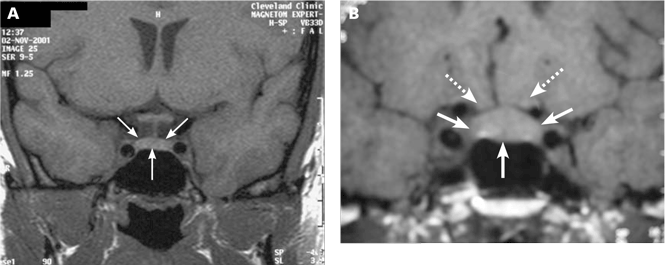
A 39-year-old woman is referred for evaluation of a pituitary mass, which was found on magnetic resonance imaging (MRI) performed because of persistent vertigo. The mass, measuring 1.1 by 1.0 cm, arises from the right portion of the sella turcica and does not reach the optic chiasm (Figure 1). It appears hypointense on MRI and enhances after contrast is given, suggesting it is a pituitary adenoma.
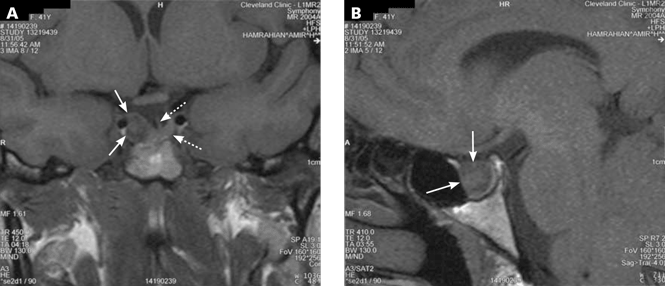
On physical examination she does not have any stigmata of Cushing syndrome or of acromegaly. Her blood pressure is 116/72 mm Hg and her heart rate is regular at 68 beats per minute. Her visual fields are normal as assessed by confrontation, and she has no galactorrhea.
How should this patient be evaluated?
BY DEFINITION, INCIDENTALOMAS ARE UNSUSPECTED
Pituitary “incidentalomas” are, by definition, masses that are discovered by computed tomography (CT) or MRI performed to evaluate unrelated disorders (such as head trauma), for cancer staging, or because of nonspecific symptoms such as dizziness and headache. In some series, headache was the most common reason for imaging studies that led to the discovery of pituitary incidentalomas.1
With more patients undergoing computed tomography (CT) and MRI, more incidentalomas are being discovered. Incidentally discovered pituitary adenomas accounted for 12% of the pituitary tumors in a series of 353 consecutive patients with a presumptive diagnosis of pituitary tumor at one institution over a 14-year period.2 Pituitary masses other than adenomas are discussed later in this paper.
Microadenomas are common, macroadenomas less so
Autopsy studies have revealed pituitary microadenomas (ie, < 10 mm in greatest dimension) in 3% to 27% of patients with no history of pituitary disorders. Macroadenomas (10 mm or larger), on the other hand, are found in fewer than 0.5% of people.3,4 Recently, a study of MRI in 2,000 healthy adult volunteers, age 45 to 97 years, found pituitary macroadenomas in 0.3%.5
Hall et al6 found that 10% of relatively young (< 60 years old) healthy volunteers harbored a pituitary microadenoma on pituitary MRI, but none had a macroadenoma. In a meta-analysis by Ezzat and colleagues,3 adenomas of all sizes were found in 1% to 40% of imaging or postmortem studies (for an average of 16.7%), but macroadenomas were found in only 0.16% to 0.2% of the population.
Although the natural history of pituitary incidentalomas is not well characterized, the numbers suggest that microadenomas rarely grow into macroadenomas.7 Another possibility is that most macroadenomas cause symptoms and therefore come to clinical attention, and thus are not incidentalomas per se.
THE INITIAL EVALUATION: TWO QUESTIONS
The initial approach to a patient with a pituitary incidentaloma should be guided by two questions:
- Is the tumor hormonally active?
- Is it causing a mass effect (ie, is it exerting pressure on adjacent structures)?
IS THE TUMOR HORMONALLY ACTIVE?
A careful history and physical examination may reveal overlooked symptoms or signs of hypersecretion of a specific hormone, which can be evaluated in detail to establish the diagnosis. However, most patients with pituitary incidentalomas have no symptoms, and for them there is no real consensus about the optimal workup strategy.
Prolactin excess
King et al8 calculated that the serum prolactin level is the single most cost-effective screening test for hormonal activity in patients with incidentally discovered pituitary microadenomas. They also suggested, however, that it may be cost-effective to measure multiple hormones in very anxious patients, since a negative test may provide reassurance and improve quality of life.
One should be careful in interpreting elevated prolactin levels in patients with pituitary incidentalomas, since a number of medications (eg, metoclopramide [Reglan], verapamil [Calan], phenothiazines) and disorders (eg, hypothyroidism, cirrhosis, renal failure) can cause mild to moderate elevations of prolactin. In general, a prolactin level of more than 200 ng/mL is almost always diagnostic of prolactinomas. In our experience, a prolactin level above 100 ng/mL is almost always due to a prolactin-secreting pituitary adenoma, except during pregnancy and in some patients who receive antipsychotics or metoclopramide. For these patients, if it is clinically safe to hold or switch medications, retesting after a drug holiday may prove useful and diagnostic.
Growth hormone excess
Growth hormone hypersecretion has been reported in patients with pituitary tumors who have no clinical stigmata of acromegaly.9,10 Moreover, acral changes may not correlate with the metabolic consequences of growth hormone excess.11 In a study by Reincke et al,12 one of 18 patients with pituitary incidentalomas and no apparent acromegalic features had a growth hormone-secreting pituitary adenoma. For this reason, looking for so-called silent growth hormone hypersecretion may be warranted in patients with pituitary tumors, especially in those with macroadenomas.9
The best initial test for growth hormone hypersecretion is the measurement of insulin-like growth factor-1 (IGF-1).13 A normal age- and sex-adjusted IGF-1 level almost always rules out acromegaly.
Further hormonal evaluation
Further hormonal evaluation should be guided by the clinical picture.
Cortisol. In a patient with excess weight gain, central obesity, proximal myopathy, and skin manifestations that suggest hypercortisolism, appropriate initial tests would be a midnight salivary cortisol level, an overnight 1-mg (low-dose) dexamethasone suppression test, or a 24-hour urinary free cortisol level.
Thyroid hormones. Patients with symptoms that suggest hyperthyroidism should have their thyroid-stimulating hormone (TSH; thyrotropin) and free thyroxine (T4) levels measured to rule out a TSH-secreting pituitary adenoma, a very rare tumor.
Gonadotropins. Screening for a gonadotropin-secreting pituitary adenoma by measuring follicle-stimulating hormone, luteinizing hormone, and gonadotropin alpha subunit is not routinely indicated, since almost all of such tumors are clinically silent and generally come to clinical attention only because of a mass effect (see below).
IS THERE A MASS EFFECT?
Pituitary macroadenomas can also cause problems via a mass effect. Examples: hypopituitarism, visual field defects (by compressing the optic chiasm), cranial neuropathy (eg, diplopia, eyelid ptosis secondary to lateral extension of the tumor into a cavernous sinus), and headache.
Hypopituitarism
Hypopituitarism can range from deficiency of one pituitary hormone to the loss of all anterior pituitary hormones (panhypopituitarism).
Hypopituitarism from a mass effect is rare in patients with microadenomas, but one or more anterior pituitary hormone deficiencies are found in more than 30% of patients with a pituitary macroadenoma.3,12,14 With some exceptions, including pituitary apoplexy, the loss of pituitary hormone secretion is slowly progressive; symptoms tend to be nonspecific and often are not noticed at first.
Increased intrasellar pressure may play a role in the pathogenesis of hypopituitarism in patients with pituitary masses.15 Blood flow through the portal vessels is decreased, possibly resulting in diminished delivery of hypo-thalamic hormones to pituitary cells or leading to variable ischemia or necrosis of the normal gland, or both.
All patients with a pituitary macroadenoma should undergo a hormonal evaluation to look for pituitary hormone deficiency.
Growth hormone, gonadotropin deficiencies. In general, pituitary hormone deficiencies from an expanding pituitary tumor tend to begin with growth hormone or the gonadotropins (luteinizing hormone and follicle-stimulating hormone), or both.
Low serum testosterone levels in men (estradiol in women) along with normal or low follicle-stimulating hormone and luteinizing hormone levels are consistent with gonadotropin deficiency in men and amenorrheic premenopausal women.
Failure of the follicle-stimulating hormone and luteinizing hormone levels to rise after menopause is also consistent with gonadotropin deficiency. The presence of regular menses almost always indicates a normal gonadotropin axis. In women with irregular menstruation, hormonal evaluation can be challenging for evaluation of the gonadotropin axis and usually is not indicated.
Patients with deficiencies of two or more pituitary axes and low IGF-1 levels can be presumed to have growth hormone deficiency and usually do not need dynamic testing. But when testing is indicated, the growth hormone axis is best evaluated by dynamic testing, using either a growth hormone-releasing hormone/ arginine stimulation test or the insulin tolerance test.
Thyroid deficiencies. As the tumor expands, deficiencies of thyrotropin and adrenocorticotropic hormone (ACTH) secretion may follow those of growth hormone and gonadotropins. In our experience, the thyrotropin axis is usually affected before the corticotropin axis.
To evaluate the thyrotropin axis, the serum thyrotropin level should be measured along with the free thyroxine level or the free thyroxine index. A low free thyroxine level with a low or normal thyrotropin level is consistent with secondary hypothyroidism. It is inappropriate to measure thyrotropin without also measuring thyroxine in a patient with pituitary disorder, since a normal thyrotropin level in a patient with hypopituitarism is not uncommon.
Adrenal insufficiency. The ACTH stimulation test or an early morning (8 am) plasma cortisol level are both reasonable initial tests to evaluate the hypothalamic-pituitary-adrenal axis. An early morning cortisol level lower than 3 μg/dL confirms adrenal insufficiency, while a value higher than 15 μg/dL makes the diagnosis highly unlikely. Cortisol levels in the range of 3 to 15 μg/dL are indeterminate and should be further evaluated by an ACTH stimulation test, which can be performed anytime during the day.
The standard-dose ACTH stimulation test uses an intravenous or intramuscular injection of 250 μg of cosyntropin (Cortrosyn; ACTH 1–24). A normal response is a plasma cortisol concentration higher than 18 μg/dL at 30 minutes.
The sensitivity of the ACTH stimulation test in detecting mild, partial adrenal insufficiency is higher if a lower dose of cosyntropin is used (1 μg intravenously). However, the low-dose test has a higher false-positive rate. In most clinical situations, the 30-minute cortisol value during a standard-dose ACTH stimulation test has a diagnostic accuracy close to that of the low-dose ACTH stimulation test.16 Patients with recent-onset ACTH deficiency (eg, in pituitary apoplexy or within 2 to 4 weeks following pituitary surgery) may have a normal response to the ACTH stimulation test, since their adrenal glands have not undergone sufficient atrophy and still respond to ACTH stimulation.
The insulin tolerance test is considered the gold standard for evaluating the hypothalamic-pituitary-adrenal axis, but it needs to be performed by an experienced clinician and is usually not needed for everyday clinical practice.
Visual field defects
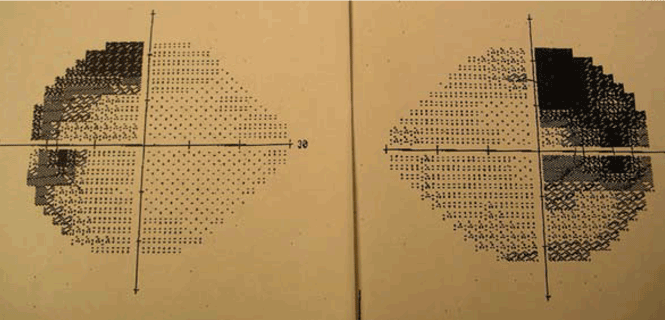
Visual field loss generally begins in the superior temporal fields, which explains why the patient may not notice it at first. Then, with continued growth and compression, vision loss extends into the inferior temporal fields, then into the nasal fields as a late effect.
Because the patient may not notice the visual field defect, formal visual field testing is warranted if the tumor compresses or abuts the optic chiasm. While bitemporal hemianopia is the classic manifestation of chiasmal compression, variable visual field defects may occur depending on which portion of the optic apparatus is involved.
Cranial neuropathy
Abnormal eye movements, which may cause diplopia, result from extension of a pituitary tumor into one or both cavernous sinuses. Compression of the third (occulomotor, the cranial nerve most often affected), fourth (trochlear), and sixth (abducens) cranial nerves leads to eye movement deviations as well as eyelid ptosis due to third nerve dysfunction. Cranial neuropathy most commonly occurs in the setting of pituitary apoplexy (see below) but may occur without it.
Headache
Headache can be associated with pituitary tumors, but the underlying pathophysiology remains uncertain. Possible mechanisms include structural causes such as dural stretching or cavernous sinus invasion.17 Other possible mechanisms are an increase in the intrasellar pressure and tumor activity.15,18 The link between headache and tumor activity is supported by the observation that headaches resolve in some patients with acromegaly shortly after they start taking somatostatin analogues.19
Migraine may be the most common type of headache reported in patients with pituitary adenomas; however, short-lasting unilateral neuralgiform headache with conjunctival injection and tearing (SUNCT) has also been reported.19
Of interest, there seems to be a strong association between pituitary-associated headache and a family history of headache.19 That said, headache is a common symptom in the general population, and establishing a cause-and-effect relationship prior to surgical removal of a pituitary tumor can be challenging. Approximately 50% of patients with headache who undergo an operation for a pituitary tumor have relief after surgery; however, 35% may not have relief, and up to 15% have a worsening of their headaches.19
OUR PATIENT’S HORMONAL EVALUATION
In the patient we described earlier, hormonal evaluation revealed the following:
- Prolactin 12.2 ng/mL (reference range 2–17.4)
- IGF-1 189 ng/mL (114–492)
- Thyrotropin 1.63 μU/mL (0.4–5.5)
- Free thyroxine index 9.5 μg/L (6–11)
- Maximum cortisol during a low-dose ACTH stimulation test 18.4 μg/dL. In short, all her test results were normal.
A formal visual field test was not performed, since the pituitary mass did not reach the optic chiasm (Figure 1).
ADENOMAS VS OTHER SELLAR MASSES
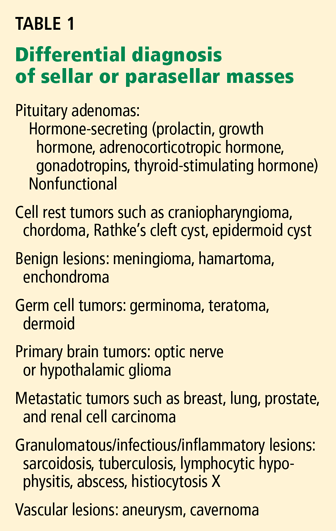
In some cases, it may be difficult to distinguish a nonadenomatous lesion from a nonfunctioning pituitary adenoma. However, several endocrine, radiographic, and neurologic features may help to differentiate pituitary tumors from other, less common sellar disorders.20
For instance, diabetes insipidus is extremely rare in patients with pituitary adenomas at presentation without significant suprasellar extension of the tumor. Therefore, its presence strongly suggests a nonpituitary cause such as hypophysitis, sarcoidosis, or a meta-static lesion.21
Some radiographic features that suggest sellar masses other than pituitary tumors include calcifications on CT in patients with craniopharyngiomas and meningiomas or a rapidly enlarging mass with lack of sellar enlargement (sellar remodeling), which suggests a metastatic lesion. While a dural tail sign (a linear enhanced structure or “tail” extending away from the tumor mass along the dural surface) may be seen with some meningiomas, peripheral enhancement of the dura is not specific for meningioma and may be seen with pituitary apoplexy as well.22,23
Cranial neuropathy is less common in patients with pituitary adenomas than in those with nonadenomatous masses (for example a metastasis or a meningioma), although the acute onset of cranial neuropathy often accompanies a hemorrhagic infarction of a preexisting pituitary adenoma (pituitary apoplexy).20
OUR RECOMMENDATIONS
Our approach to a patient with a pituitary incidentaloma is summarized in Figure 4.
If the tumor is hormonally active
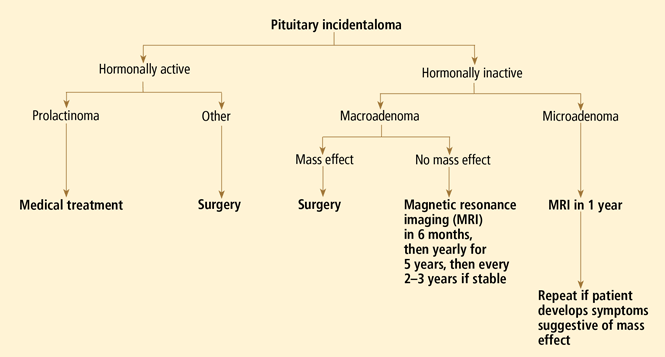
Prolactinoma is the exception. For this tumor, dopamine agonists can resolve symptoms and shrink the tumor in most cases. Even in patients with a visual field defect associated with a macroprolactinoma, vision usually improves within days after starting a dopamine agonist, before the tumor has observably shrunk. However, a follow-up visual field test is necessary 2 to 6 weeks after starting therapy to establish that the tumor is responding to therapy; if the tumor does not respond, surgery may be necessary.
If the tumor is hormonally inactive
If the tumor is hormonally inactive, its further evaluation depends on its size and whether there is a mass effect. In patients with a nonfunctioning pituitary macroadenoma, a comprehensive hormonal evaluation for hypopituitarism should be done. Patients with a visual field defect or cranial neuropathy should undergo surgical tumor resection. If there is no mass effect, observation may be an acceptable strategy. We, and others,1,25 recommend surgery for most patients with pituitary macroadenomas abutting the optic chiasm.
If the tumor is small
If the tumor is small (ie, a microadenoma), the risk of its growing is low. Three small studies followed such patients prospectively and found a 0 to 14% risk of tumor enlargement over a mean follow-up period of 1.8 to 6.7 years.12,25,26 While there is no consensus about how soon to follow up patients with nonfunctioning pituitary microadenomas, we obtain a follow-up MRI study in 1 year, with no further routine imaging if the tumor has remained stable, unless the patient develops symptoms or signs suggesting a mass effect.
If the tumor is large
If the tumor is large (ie, a macroadenoma), the risk of further growth is expected to be higher, since the tumor has already shown the propensity to grow. In the same three series discussed above, the risk of tumor growth for a pituitary macroadenomas was about 30% over the mean follow-up of 1.8 to 6.7 years.12,25,26
Furthermore, several recent studies have suggested a higher propensity to grow and to cause symptoms and signs than previously thought. For example, Karavitaki et al7 studied 24 patients who had nonfunctional macroadenomas and found that the 48-month probability of enlargement was 44%; of this group, 57% showed new or worsening visual field defects, and an additional 21% showed new chiasmatic compression without vision loss. Similarly, Arita and colleagues27 found that 21 (50%) of 42 nonfunctional adenomas (mean size 18.3 ± 7 mm) increased by at least 10% over an average of 32 months after the initial evaluation. Ten patients became symptomatic over a mean of about 5 years, with 4 of these 10 (9.5% of the entire cohort) suffering symptomatic pituitary apoplexy. Therefore, one may argue for surgery (especially in young patients) for pituitary macroadenomas even in the absence of mass effect.
We would obtain a follow-up MRI study at 6 months, then yearly for 5 years, and then every 2 to 3 years if the tumor is stable. Surgery would be indicated if there is evidence of tumor growth or a mass effect.
While tumor growth has been found to be independent of age in some studies,27 others have found longer tumor doubling time in patients older than 60 years.28
The risk of pituitary apoplexy
Pituitary apoplexy results from a hemorrhagic infarction of the tumor and manifests clinically as the sudden onset of severe headache, nausea, vomiting, vision loss, and cranial nerve palsies. While most cases of pituitary apoplexy are spontaneous, precipitating factors may include head injury, anticoagulant therapy, dopamine agonists, radiation therapy, or dynamic endocrine tests.29
It is important to educate patients and their families about the symptoms of pituitary apoplexy, especially patients with pituitary macroadenomas. If the condition is unrecognized and untreated, patients can develop hypotension and shock secondary to adrenal insufficiency, as well as irreversible vision loss or diplopia.
Surgery is generally recommended in cases of progressive vision loss or cranial neuropathy, preferably within 24 or 48 hours of onset if feasible, to minimize the risk of a permanent neurologic deficit.
Clinically significant pituitary apoplexy is rare in patients with pituitary microadenomas. In the study by Arita et al,27 the risk of pituitary apoplexy during 5 years of follow-up was 9.5%, and all of the tumors involved were macroadenomas. This rate is higher than in some other studies, in which the risk of apoplexy ranged from 0.4% to 7% during a mean follow-up of 2 to 6 years.1,25,30
CASE FOLLOW-UP
Since our patient had no evidence of hormonal hypersecretion or mass effect and no hypopituitarism, we asked her to return in 6 months. A repeat MRI study showed the tumor to be stable, with no evidence of growth. The patient was scheduled for a return visit in 1 year.
- Sanno N, Oyama K, Tahara S, Teramoto A, Kato Y. A survey of pituitary incidentaloma in Japan. Eur J Endocrinol 2003; 149:123–127.
- Gsponer J, De Tribolet N, Déruaz JP, et al. Diagnosis, treatment, and outcome of pituitary tumors and other abnormal intrasellar masses. Retrospective analysis of 353 patients. Medicine (Baltimore) 1999; 78:236–269.
- Ezzat S, Asa SL, Couldwell WT, et al. The prevalence of pituitary adenomas: a systematic review. Cancer 2004; 101:613–619.
- Molitch ME, Russell EJ. The pituitary “incidentaloma.” Ann Intern Med 1990; 112:925–931.
- Vernooij MW, Ikram MA, Tanghe HL, et al. Incidental findings on brain MRI in the general population. N Engl J Med 2007; 357:1821–1828.
- Hall WA, Luciano MG, Doppman JL, Patronas NJ, Oldfield EH. Pituitary magnetic resonance imaging in normal human volunteers: occult adenomas in the general population. Ann Intern Med 1994; 120:817–820.
- Karavitaki N, Collison K, Halliday J, et al. What is the natural history of nonoperated nonfunctioning pituitary adenomas? Clin Endocrinol (Oxf) 2007; 67:938–943.
- King JT, Justice AC, Aron DC. Management of incidental pituitary microadenomas: a cost-effectiveness analysis. J Clin Endocrinol Metab 1997; 82:3625–3632.
- Klibanski A, Zervas NT, Kovacs K, Ridgway EC. Clinically silent hypersecretion of growth hormone in patients with pituitary tumors. J Neurosurg 1987; 66:806–811.
- Trouillas J, Sassolas G, Loras B, et al. Somatotropic adenomas without acromegaly. Pathol Res Pract 1991; 187:943–949.
- Cryer PE, Daughaday WH. Regulation of growth hormone secretion in acromegaly. J Clin Endocrinol Metab 1969; 29:386–393.
- Reincke M, Allolio B, Saeger W, Menzel J, Winkelmann W. The ‘incidentaloma’ of the pituitary gland. Is neurosurgery required? JAMA 1990; 263:2772–2776.
- Giustina A, Barkan A, Casanueva FF, et al. Criteria for cure of acromegaly: a consensus statement. J Clin Endocrinol Metab 2000; 85:526–529.
- Nammour GM, Ybarra J, Naheedy MH, Romeo JH, Aron DC. Incidental pituitary macroadenoma: a population-based study. Am J Med Sci 1997; 314:287–291.
- Arafah BM, Prunty D, Ybarra J, Hlavin ML, Selman WR. The dominant role of increased intrasellar pressure in the pathogenesis of hypopituitarism, hyperprolactinemia, and headaches in patients with pituitary adenomas. J Clin Endocrinol Metab 2000; 85:1789–1793.
- Mayenknecht J, Diederich S, Bahr V, Plockinger U, Oelkers W. Comparison of low and high dose corticotropin stimulation tests in patients with pituitary disease. J Clin Endocrinol Metab 1998; 83:1558–1562.
- Forsyth PA, Posner JB. Headaches in patients with brain tumors: a study of 111 patients. Neurology 1993; 43:1678–1683.
- Abe T, Matsumoto K, Kuwazawa J, Toyoda I, Sasaki K. Headache associated with pituitary adenomas. Headache 1998; 38:782–786.
- Levy MJ, Matharu MS, Meeran K, Powell M, Goadsby PJ. The clinical characteristics of headache in patients with pituitary tumours. Brain 2005; 128:1921–1930.
- Freda PU, Post KD. Differential diagnosis of sellar masses. Endocrinol Metab Clin North Am 1999; 28:81–117.
- Gopan T, Toms SA, Prayson RA, Suh JH, Hamrahian AH, Weil RJ. Symptomatic pituitary metastases from renal cell carcinoma. Pituitary 2007; 10:251–259.
- Moore AF, Grinspoon SK. A dural tale. J Clin Endocrinol Metab 2007; 92:3367–3368.
- Smirniotopoulos JG, Murphy FM, Rushing EJ, Rees JH, Schroeder JW. Patterns of contrast enhancement in the brain and meninges. Radiographics 2007; 27:525–551.
- Chanson P, Daujat F, Young J, et al. Normal pituitary hypertrophy as a frequent cause of pituitary incidentaloma: a follow-up study. J Clin Endocrinol Metab 2001; 86:3009–3015.
- Donovan LE, Corenblum B. The natural history of the pituitary incidentaloma. Arch Intern Med 1995; 155:181–183.
- Feldkamp J, Santen R, Harms E, Aulich A, Modder U, Scherbaum WA. Incidentally discovered pituitary lesions: high frequency of macroadenomas and hormone-secreting adenomas—results of a prospective study. Clin Endocrinol (Oxf) 1999; 51:109–113.
- Arita K, Tominaga A, Sugiyama K, et al. Natural course of incidentally found nonfunctioning pituitary adenoma, with special reference to pituitary apoplexy during follow-up examination. J Neurosurg 2006; 104:884–891.
- Tanaka Y, Hongo K, Tada T, Sakai K, Kakizawa Y, Kobayashi S. Growth pattern and rate in residual nonfunctioning pituitary adenomas: correlations among tumor volume doubling time, patient age, and MIB-1 index. J Neurosurg 2003; 98:359–365.
- Biousse V, Newman NJ, Oyesiku NM. Precipitating factors in pituitary apoplexy. J Neurol Neurosurg Psychiatry 2001; 71:542–545.
- Nishizawa S, Ohta S, Yokoyama T, Uemura K. Therapeutic strategy for incidentally found pituitary tumors (“pituitary incidentalomas”). Neurosurgery 1998; 43:1344–1348.
A 39-year-old woman is referred for evaluation of a pituitary mass, which was found on magnetic resonance imaging (MRI) performed because of persistent vertigo. The mass, measuring 1.1 by 1.0 cm, arises from the right portion of the sella turcica and does not reach the optic chiasm (Figure 1). It appears hypointense on MRI and enhances after contrast is given, suggesting it is a pituitary adenoma.
On physical examination she does not have any stigmata of Cushing syndrome or of acromegaly. Her blood pressure is 116/72 mm Hg and her heart rate is regular at 68 beats per minute. Her visual fields are normal as assessed by confrontation, and she has no galactorrhea.
How should this patient be evaluated?
BY DEFINITION, INCIDENTALOMAS ARE UNSUSPECTED
Pituitary “incidentalomas” are, by definition, masses that are discovered by computed tomography (CT) or MRI performed to evaluate unrelated disorders (such as head trauma), for cancer staging, or because of nonspecific symptoms such as dizziness and headache. In some series, headache was the most common reason for imaging studies that led to the discovery of pituitary incidentalomas.1
With more patients undergoing computed tomography (CT) and MRI, more incidentalomas are being discovered. Incidentally discovered pituitary adenomas accounted for 12% of the pituitary tumors in a series of 353 consecutive patients with a presumptive diagnosis of pituitary tumor at one institution over a 14-year period.2 Pituitary masses other than adenomas are discussed later in this paper.
Microadenomas are common, macroadenomas less so
Autopsy studies have revealed pituitary microadenomas (ie, < 10 mm in greatest dimension) in 3% to 27% of patients with no history of pituitary disorders. Macroadenomas (10 mm or larger), on the other hand, are found in fewer than 0.5% of people.3,4 Recently, a study of MRI in 2,000 healthy adult volunteers, age 45 to 97 years, found pituitary macroadenomas in 0.3%.5
Hall et al6 found that 10% of relatively young (< 60 years old) healthy volunteers harbored a pituitary microadenoma on pituitary MRI, but none had a macroadenoma. In a meta-analysis by Ezzat and colleagues,3 adenomas of all sizes were found in 1% to 40% of imaging or postmortem studies (for an average of 16.7%), but macroadenomas were found in only 0.16% to 0.2% of the population.
Although the natural history of pituitary incidentalomas is not well characterized, the numbers suggest that microadenomas rarely grow into macroadenomas.7 Another possibility is that most macroadenomas cause symptoms and therefore come to clinical attention, and thus are not incidentalomas per se.
THE INITIAL EVALUATION: TWO QUESTIONS
The initial approach to a patient with a pituitary incidentaloma should be guided by two questions:
- Is the tumor hormonally active?
- Is it causing a mass effect (ie, is it exerting pressure on adjacent structures)?
IS THE TUMOR HORMONALLY ACTIVE?
A careful history and physical examination may reveal overlooked symptoms or signs of hypersecretion of a specific hormone, which can be evaluated in detail to establish the diagnosis. However, most patients with pituitary incidentalomas have no symptoms, and for them there is no real consensus about the optimal workup strategy.
Prolactin excess
King et al8 calculated that the serum prolactin level is the single most cost-effective screening test for hormonal activity in patients with incidentally discovered pituitary microadenomas. They also suggested, however, that it may be cost-effective to measure multiple hormones in very anxious patients, since a negative test may provide reassurance and improve quality of life.
One should be careful in interpreting elevated prolactin levels in patients with pituitary incidentalomas, since a number of medications (eg, metoclopramide [Reglan], verapamil [Calan], phenothiazines) and disorders (eg, hypothyroidism, cirrhosis, renal failure) can cause mild to moderate elevations of prolactin. In general, a prolactin level of more than 200 ng/mL is almost always diagnostic of prolactinomas. In our experience, a prolactin level above 100 ng/mL is almost always due to a prolactin-secreting pituitary adenoma, except during pregnancy and in some patients who receive antipsychotics or metoclopramide. For these patients, if it is clinically safe to hold or switch medications, retesting after a drug holiday may prove useful and diagnostic.
Growth hormone excess
Growth hormone hypersecretion has been reported in patients with pituitary tumors who have no clinical stigmata of acromegaly.9,10 Moreover, acral changes may not correlate with the metabolic consequences of growth hormone excess.11 In a study by Reincke et al,12 one of 18 patients with pituitary incidentalomas and no apparent acromegalic features had a growth hormone-secreting pituitary adenoma. For this reason, looking for so-called silent growth hormone hypersecretion may be warranted in patients with pituitary tumors, especially in those with macroadenomas.9
The best initial test for growth hormone hypersecretion is the measurement of insulin-like growth factor-1 (IGF-1).13 A normal age- and sex-adjusted IGF-1 level almost always rules out acromegaly.
Further hormonal evaluation
Further hormonal evaluation should be guided by the clinical picture.
Cortisol. In a patient with excess weight gain, central obesity, proximal myopathy, and skin manifestations that suggest hypercortisolism, appropriate initial tests would be a midnight salivary cortisol level, an overnight 1-mg (low-dose) dexamethasone suppression test, or a 24-hour urinary free cortisol level.
Thyroid hormones. Patients with symptoms that suggest hyperthyroidism should have their thyroid-stimulating hormone (TSH; thyrotropin) and free thyroxine (T4) levels measured to rule out a TSH-secreting pituitary adenoma, a very rare tumor.
Gonadotropins. Screening for a gonadotropin-secreting pituitary adenoma by measuring follicle-stimulating hormone, luteinizing hormone, and gonadotropin alpha subunit is not routinely indicated, since almost all of such tumors are clinically silent and generally come to clinical attention only because of a mass effect (see below).
IS THERE A MASS EFFECT?
Pituitary macroadenomas can also cause problems via a mass effect. Examples: hypopituitarism, visual field defects (by compressing the optic chiasm), cranial neuropathy (eg, diplopia, eyelid ptosis secondary to lateral extension of the tumor into a cavernous sinus), and headache.
Hypopituitarism
Hypopituitarism can range from deficiency of one pituitary hormone to the loss of all anterior pituitary hormones (panhypopituitarism).
Hypopituitarism from a mass effect is rare in patients with microadenomas, but one or more anterior pituitary hormone deficiencies are found in more than 30% of patients with a pituitary macroadenoma.3,12,14 With some exceptions, including pituitary apoplexy, the loss of pituitary hormone secretion is slowly progressive; symptoms tend to be nonspecific and often are not noticed at first.
Increased intrasellar pressure may play a role in the pathogenesis of hypopituitarism in patients with pituitary masses.15 Blood flow through the portal vessels is decreased, possibly resulting in diminished delivery of hypo-thalamic hormones to pituitary cells or leading to variable ischemia or necrosis of the normal gland, or both.
All patients with a pituitary macroadenoma should undergo a hormonal evaluation to look for pituitary hormone deficiency.
Growth hormone, gonadotropin deficiencies. In general, pituitary hormone deficiencies from an expanding pituitary tumor tend to begin with growth hormone or the gonadotropins (luteinizing hormone and follicle-stimulating hormone), or both.
Low serum testosterone levels in men (estradiol in women) along with normal or low follicle-stimulating hormone and luteinizing hormone levels are consistent with gonadotropin deficiency in men and amenorrheic premenopausal women.
Failure of the follicle-stimulating hormone and luteinizing hormone levels to rise after menopause is also consistent with gonadotropin deficiency. The presence of regular menses almost always indicates a normal gonadotropin axis. In women with irregular menstruation, hormonal evaluation can be challenging for evaluation of the gonadotropin axis and usually is not indicated.
Patients with deficiencies of two or more pituitary axes and low IGF-1 levels can be presumed to have growth hormone deficiency and usually do not need dynamic testing. But when testing is indicated, the growth hormone axis is best evaluated by dynamic testing, using either a growth hormone-releasing hormone/ arginine stimulation test or the insulin tolerance test.
Thyroid deficiencies. As the tumor expands, deficiencies of thyrotropin and adrenocorticotropic hormone (ACTH) secretion may follow those of growth hormone and gonadotropins. In our experience, the thyrotropin axis is usually affected before the corticotropin axis.
To evaluate the thyrotropin axis, the serum thyrotropin level should be measured along with the free thyroxine level or the free thyroxine index. A low free thyroxine level with a low or normal thyrotropin level is consistent with secondary hypothyroidism. It is inappropriate to measure thyrotropin without also measuring thyroxine in a patient with pituitary disorder, since a normal thyrotropin level in a patient with hypopituitarism is not uncommon.
Adrenal insufficiency. The ACTH stimulation test or an early morning (8 am) plasma cortisol level are both reasonable initial tests to evaluate the hypothalamic-pituitary-adrenal axis. An early morning cortisol level lower than 3 μg/dL confirms adrenal insufficiency, while a value higher than 15 μg/dL makes the diagnosis highly unlikely. Cortisol levels in the range of 3 to 15 μg/dL are indeterminate and should be further evaluated by an ACTH stimulation test, which can be performed anytime during the day.
The standard-dose ACTH stimulation test uses an intravenous or intramuscular injection of 250 μg of cosyntropin (Cortrosyn; ACTH 1–24). A normal response is a plasma cortisol concentration higher than 18 μg/dL at 30 minutes.
The sensitivity of the ACTH stimulation test in detecting mild, partial adrenal insufficiency is higher if a lower dose of cosyntropin is used (1 μg intravenously). However, the low-dose test has a higher false-positive rate. In most clinical situations, the 30-minute cortisol value during a standard-dose ACTH stimulation test has a diagnostic accuracy close to that of the low-dose ACTH stimulation test.16 Patients with recent-onset ACTH deficiency (eg, in pituitary apoplexy or within 2 to 4 weeks following pituitary surgery) may have a normal response to the ACTH stimulation test, since their adrenal glands have not undergone sufficient atrophy and still respond to ACTH stimulation.
The insulin tolerance test is considered the gold standard for evaluating the hypothalamic-pituitary-adrenal axis, but it needs to be performed by an experienced clinician and is usually not needed for everyday clinical practice.
Visual field defects
Visual field loss generally begins in the superior temporal fields, which explains why the patient may not notice it at first. Then, with continued growth and compression, vision loss extends into the inferior temporal fields, then into the nasal fields as a late effect.
Because the patient may not notice the visual field defect, formal visual field testing is warranted if the tumor compresses or abuts the optic chiasm. While bitemporal hemianopia is the classic manifestation of chiasmal compression, variable visual field defects may occur depending on which portion of the optic apparatus is involved.
Cranial neuropathy
Abnormal eye movements, which may cause diplopia, result from extension of a pituitary tumor into one or both cavernous sinuses. Compression of the third (occulomotor, the cranial nerve most often affected), fourth (trochlear), and sixth (abducens) cranial nerves leads to eye movement deviations as well as eyelid ptosis due to third nerve dysfunction. Cranial neuropathy most commonly occurs in the setting of pituitary apoplexy (see below) but may occur without it.
Headache
Headache can be associated with pituitary tumors, but the underlying pathophysiology remains uncertain. Possible mechanisms include structural causes such as dural stretching or cavernous sinus invasion.17 Other possible mechanisms are an increase in the intrasellar pressure and tumor activity.15,18 The link between headache and tumor activity is supported by the observation that headaches resolve in some patients with acromegaly shortly after they start taking somatostatin analogues.19
Migraine may be the most common type of headache reported in patients with pituitary adenomas; however, short-lasting unilateral neuralgiform headache with conjunctival injection and tearing (SUNCT) has also been reported.19
Of interest, there seems to be a strong association between pituitary-associated headache and a family history of headache.19 That said, headache is a common symptom in the general population, and establishing a cause-and-effect relationship prior to surgical removal of a pituitary tumor can be challenging. Approximately 50% of patients with headache who undergo an operation for a pituitary tumor have relief after surgery; however, 35% may not have relief, and up to 15% have a worsening of their headaches.19
OUR PATIENT’S HORMONAL EVALUATION
In the patient we described earlier, hormonal evaluation revealed the following:
- Prolactin 12.2 ng/mL (reference range 2–17.4)
- IGF-1 189 ng/mL (114–492)
- Thyrotropin 1.63 μU/mL (0.4–5.5)
- Free thyroxine index 9.5 μg/L (6–11)
- Maximum cortisol during a low-dose ACTH stimulation test 18.4 μg/dL. In short, all her test results were normal.
A formal visual field test was not performed, since the pituitary mass did not reach the optic chiasm (Figure 1).
ADENOMAS VS OTHER SELLAR MASSES
In some cases, it may be difficult to distinguish a nonadenomatous lesion from a nonfunctioning pituitary adenoma. However, several endocrine, radiographic, and neurologic features may help to differentiate pituitary tumors from other, less common sellar disorders.20
For instance, diabetes insipidus is extremely rare in patients with pituitary adenomas at presentation without significant suprasellar extension of the tumor. Therefore, its presence strongly suggests a nonpituitary cause such as hypophysitis, sarcoidosis, or a meta-static lesion.21
Some radiographic features that suggest sellar masses other than pituitary tumors include calcifications on CT in patients with craniopharyngiomas and meningiomas or a rapidly enlarging mass with lack of sellar enlargement (sellar remodeling), which suggests a metastatic lesion. While a dural tail sign (a linear enhanced structure or “tail” extending away from the tumor mass along the dural surface) may be seen with some meningiomas, peripheral enhancement of the dura is not specific for meningioma and may be seen with pituitary apoplexy as well.22,23
Cranial neuropathy is less common in patients with pituitary adenomas than in those with nonadenomatous masses (for example a metastasis or a meningioma), although the acute onset of cranial neuropathy often accompanies a hemorrhagic infarction of a preexisting pituitary adenoma (pituitary apoplexy).20
OUR RECOMMENDATIONS
Our approach to a patient with a pituitary incidentaloma is summarized in Figure 4.
If the tumor is hormonally active
Prolactinoma is the exception. For this tumor, dopamine agonists can resolve symptoms and shrink the tumor in most cases. Even in patients with a visual field defect associated with a macroprolactinoma, vision usually improves within days after starting a dopamine agonist, before the tumor has observably shrunk. However, a follow-up visual field test is necessary 2 to 6 weeks after starting therapy to establish that the tumor is responding to therapy; if the tumor does not respond, surgery may be necessary.
If the tumor is hormonally inactive
If the tumor is hormonally inactive, its further evaluation depends on its size and whether there is a mass effect. In patients with a nonfunctioning pituitary macroadenoma, a comprehensive hormonal evaluation for hypopituitarism should be done. Patients with a visual field defect or cranial neuropathy should undergo surgical tumor resection. If there is no mass effect, observation may be an acceptable strategy. We, and others,1,25 recommend surgery for most patients with pituitary macroadenomas abutting the optic chiasm.
If the tumor is small
If the tumor is small (ie, a microadenoma), the risk of its growing is low. Three small studies followed such patients prospectively and found a 0 to 14% risk of tumor enlargement over a mean follow-up period of 1.8 to 6.7 years.12,25,26 While there is no consensus about how soon to follow up patients with nonfunctioning pituitary microadenomas, we obtain a follow-up MRI study in 1 year, with no further routine imaging if the tumor has remained stable, unless the patient develops symptoms or signs suggesting a mass effect.
If the tumor is large
If the tumor is large (ie, a macroadenoma), the risk of further growth is expected to be higher, since the tumor has already shown the propensity to grow. In the same three series discussed above, the risk of tumor growth for a pituitary macroadenomas was about 30% over the mean follow-up of 1.8 to 6.7 years.12,25,26
Furthermore, several recent studies have suggested a higher propensity to grow and to cause symptoms and signs than previously thought. For example, Karavitaki et al7 studied 24 patients who had nonfunctional macroadenomas and found that the 48-month probability of enlargement was 44%; of this group, 57% showed new or worsening visual field defects, and an additional 21% showed new chiasmatic compression without vision loss. Similarly, Arita and colleagues27 found that 21 (50%) of 42 nonfunctional adenomas (mean size 18.3 ± 7 mm) increased by at least 10% over an average of 32 months after the initial evaluation. Ten patients became symptomatic over a mean of about 5 years, with 4 of these 10 (9.5% of the entire cohort) suffering symptomatic pituitary apoplexy. Therefore, one may argue for surgery (especially in young patients) for pituitary macroadenomas even in the absence of mass effect.
We would obtain a follow-up MRI study at 6 months, then yearly for 5 years, and then every 2 to 3 years if the tumor is stable. Surgery would be indicated if there is evidence of tumor growth or a mass effect.
While tumor growth has been found to be independent of age in some studies,27 others have found longer tumor doubling time in patients older than 60 years.28
The risk of pituitary apoplexy
Pituitary apoplexy results from a hemorrhagic infarction of the tumor and manifests clinically as the sudden onset of severe headache, nausea, vomiting, vision loss, and cranial nerve palsies. While most cases of pituitary apoplexy are spontaneous, precipitating factors may include head injury, anticoagulant therapy, dopamine agonists, radiation therapy, or dynamic endocrine tests.29
It is important to educate patients and their families about the symptoms of pituitary apoplexy, especially patients with pituitary macroadenomas. If the condition is unrecognized and untreated, patients can develop hypotension and shock secondary to adrenal insufficiency, as well as irreversible vision loss or diplopia.
Surgery is generally recommended in cases of progressive vision loss or cranial neuropathy, preferably within 24 or 48 hours of onset if feasible, to minimize the risk of a permanent neurologic deficit.
Clinically significant pituitary apoplexy is rare in patients with pituitary microadenomas. In the study by Arita et al,27 the risk of pituitary apoplexy during 5 years of follow-up was 9.5%, and all of the tumors involved were macroadenomas. This rate is higher than in some other studies, in which the risk of apoplexy ranged from 0.4% to 7% during a mean follow-up of 2 to 6 years.1,25,30
CASE FOLLOW-UP
Since our patient had no evidence of hormonal hypersecretion or mass effect and no hypopituitarism, we asked her to return in 6 months. A repeat MRI study showed the tumor to be stable, with no evidence of growth. The patient was scheduled for a return visit in 1 year.
A 39-year-old woman is referred for evaluation of a pituitary mass, which was found on magnetic resonance imaging (MRI) performed because of persistent vertigo. The mass, measuring 1.1 by 1.0 cm, arises from the right portion of the sella turcica and does not reach the optic chiasm (Figure 1). It appears hypointense on MRI and enhances after contrast is given, suggesting it is a pituitary adenoma.
On physical examination she does not have any stigmata of Cushing syndrome or of acromegaly. Her blood pressure is 116/72 mm Hg and her heart rate is regular at 68 beats per minute. Her visual fields are normal as assessed by confrontation, and she has no galactorrhea.
How should this patient be evaluated?
BY DEFINITION, INCIDENTALOMAS ARE UNSUSPECTED
Pituitary “incidentalomas” are, by definition, masses that are discovered by computed tomography (CT) or MRI performed to evaluate unrelated disorders (such as head trauma), for cancer staging, or because of nonspecific symptoms such as dizziness and headache. In some series, headache was the most common reason for imaging studies that led to the discovery of pituitary incidentalomas.1
With more patients undergoing computed tomography (CT) and MRI, more incidentalomas are being discovered. Incidentally discovered pituitary adenomas accounted for 12% of the pituitary tumors in a series of 353 consecutive patients with a presumptive diagnosis of pituitary tumor at one institution over a 14-year period.2 Pituitary masses other than adenomas are discussed later in this paper.
Microadenomas are common, macroadenomas less so
Autopsy studies have revealed pituitary microadenomas (ie, < 10 mm in greatest dimension) in 3% to 27% of patients with no history of pituitary disorders. Macroadenomas (10 mm or larger), on the other hand, are found in fewer than 0.5% of people.3,4 Recently, a study of MRI in 2,000 healthy adult volunteers, age 45 to 97 years, found pituitary macroadenomas in 0.3%.5
Hall et al6 found that 10% of relatively young (< 60 years old) healthy volunteers harbored a pituitary microadenoma on pituitary MRI, but none had a macroadenoma. In a meta-analysis by Ezzat and colleagues,3 adenomas of all sizes were found in 1% to 40% of imaging or postmortem studies (for an average of 16.7%), but macroadenomas were found in only 0.16% to 0.2% of the population.
Although the natural history of pituitary incidentalomas is not well characterized, the numbers suggest that microadenomas rarely grow into macroadenomas.7 Another possibility is that most macroadenomas cause symptoms and therefore come to clinical attention, and thus are not incidentalomas per se.
THE INITIAL EVALUATION: TWO QUESTIONS
The initial approach to a patient with a pituitary incidentaloma should be guided by two questions:
- Is the tumor hormonally active?
- Is it causing a mass effect (ie, is it exerting pressure on adjacent structures)?
IS THE TUMOR HORMONALLY ACTIVE?
A careful history and physical examination may reveal overlooked symptoms or signs of hypersecretion of a specific hormone, which can be evaluated in detail to establish the diagnosis. However, most patients with pituitary incidentalomas have no symptoms, and for them there is no real consensus about the optimal workup strategy.
Prolactin excess
King et al8 calculated that the serum prolactin level is the single most cost-effective screening test for hormonal activity in patients with incidentally discovered pituitary microadenomas. They also suggested, however, that it may be cost-effective to measure multiple hormones in very anxious patients, since a negative test may provide reassurance and improve quality of life.
One should be careful in interpreting elevated prolactin levels in patients with pituitary incidentalomas, since a number of medications (eg, metoclopramide [Reglan], verapamil [Calan], phenothiazines) and disorders (eg, hypothyroidism, cirrhosis, renal failure) can cause mild to moderate elevations of prolactin. In general, a prolactin level of more than 200 ng/mL is almost always diagnostic of prolactinomas. In our experience, a prolactin level above 100 ng/mL is almost always due to a prolactin-secreting pituitary adenoma, except during pregnancy and in some patients who receive antipsychotics or metoclopramide. For these patients, if it is clinically safe to hold or switch medications, retesting after a drug holiday may prove useful and diagnostic.
Growth hormone excess
Growth hormone hypersecretion has been reported in patients with pituitary tumors who have no clinical stigmata of acromegaly.9,10 Moreover, acral changes may not correlate with the metabolic consequences of growth hormone excess.11 In a study by Reincke et al,12 one of 18 patients with pituitary incidentalomas and no apparent acromegalic features had a growth hormone-secreting pituitary adenoma. For this reason, looking for so-called silent growth hormone hypersecretion may be warranted in patients with pituitary tumors, especially in those with macroadenomas.9
The best initial test for growth hormone hypersecretion is the measurement of insulin-like growth factor-1 (IGF-1).13 A normal age- and sex-adjusted IGF-1 level almost always rules out acromegaly.
Further hormonal evaluation
Further hormonal evaluation should be guided by the clinical picture.
Cortisol. In a patient with excess weight gain, central obesity, proximal myopathy, and skin manifestations that suggest hypercortisolism, appropriate initial tests would be a midnight salivary cortisol level, an overnight 1-mg (low-dose) dexamethasone suppression test, or a 24-hour urinary free cortisol level.
Thyroid hormones. Patients with symptoms that suggest hyperthyroidism should have their thyroid-stimulating hormone (TSH; thyrotropin) and free thyroxine (T4) levels measured to rule out a TSH-secreting pituitary adenoma, a very rare tumor.
Gonadotropins. Screening for a gonadotropin-secreting pituitary adenoma by measuring follicle-stimulating hormone, luteinizing hormone, and gonadotropin alpha subunit is not routinely indicated, since almost all of such tumors are clinically silent and generally come to clinical attention only because of a mass effect (see below).
IS THERE A MASS EFFECT?
Pituitary macroadenomas can also cause problems via a mass effect. Examples: hypopituitarism, visual field defects (by compressing the optic chiasm), cranial neuropathy (eg, diplopia, eyelid ptosis secondary to lateral extension of the tumor into a cavernous sinus), and headache.
Hypopituitarism
Hypopituitarism can range from deficiency of one pituitary hormone to the loss of all anterior pituitary hormones (panhypopituitarism).
Hypopituitarism from a mass effect is rare in patients with microadenomas, but one or more anterior pituitary hormone deficiencies are found in more than 30% of patients with a pituitary macroadenoma.3,12,14 With some exceptions, including pituitary apoplexy, the loss of pituitary hormone secretion is slowly progressive; symptoms tend to be nonspecific and often are not noticed at first.
Increased intrasellar pressure may play a role in the pathogenesis of hypopituitarism in patients with pituitary masses.15 Blood flow through the portal vessels is decreased, possibly resulting in diminished delivery of hypo-thalamic hormones to pituitary cells or leading to variable ischemia or necrosis of the normal gland, or both.
All patients with a pituitary macroadenoma should undergo a hormonal evaluation to look for pituitary hormone deficiency.
Growth hormone, gonadotropin deficiencies. In general, pituitary hormone deficiencies from an expanding pituitary tumor tend to begin with growth hormone or the gonadotropins (luteinizing hormone and follicle-stimulating hormone), or both.
Low serum testosterone levels in men (estradiol in women) along with normal or low follicle-stimulating hormone and luteinizing hormone levels are consistent with gonadotropin deficiency in men and amenorrheic premenopausal women.
Failure of the follicle-stimulating hormone and luteinizing hormone levels to rise after menopause is also consistent with gonadotropin deficiency. The presence of regular menses almost always indicates a normal gonadotropin axis. In women with irregular menstruation, hormonal evaluation can be challenging for evaluation of the gonadotropin axis and usually is not indicated.
Patients with deficiencies of two or more pituitary axes and low IGF-1 levels can be presumed to have growth hormone deficiency and usually do not need dynamic testing. But when testing is indicated, the growth hormone axis is best evaluated by dynamic testing, using either a growth hormone-releasing hormone/ arginine stimulation test or the insulin tolerance test.
Thyroid deficiencies. As the tumor expands, deficiencies of thyrotropin and adrenocorticotropic hormone (ACTH) secretion may follow those of growth hormone and gonadotropins. In our experience, the thyrotropin axis is usually affected before the corticotropin axis.
To evaluate the thyrotropin axis, the serum thyrotropin level should be measured along with the free thyroxine level or the free thyroxine index. A low free thyroxine level with a low or normal thyrotropin level is consistent with secondary hypothyroidism. It is inappropriate to measure thyrotropin without also measuring thyroxine in a patient with pituitary disorder, since a normal thyrotropin level in a patient with hypopituitarism is not uncommon.
Adrenal insufficiency. The ACTH stimulation test or an early morning (8 am) plasma cortisol level are both reasonable initial tests to evaluate the hypothalamic-pituitary-adrenal axis. An early morning cortisol level lower than 3 μg/dL confirms adrenal insufficiency, while a value higher than 15 μg/dL makes the diagnosis highly unlikely. Cortisol levels in the range of 3 to 15 μg/dL are indeterminate and should be further evaluated by an ACTH stimulation test, which can be performed anytime during the day.
The standard-dose ACTH stimulation test uses an intravenous or intramuscular injection of 250 μg of cosyntropin (Cortrosyn; ACTH 1–24). A normal response is a plasma cortisol concentration higher than 18 μg/dL at 30 minutes.
The sensitivity of the ACTH stimulation test in detecting mild, partial adrenal insufficiency is higher if a lower dose of cosyntropin is used (1 μg intravenously). However, the low-dose test has a higher false-positive rate. In most clinical situations, the 30-minute cortisol value during a standard-dose ACTH stimulation test has a diagnostic accuracy close to that of the low-dose ACTH stimulation test.16 Patients with recent-onset ACTH deficiency (eg, in pituitary apoplexy or within 2 to 4 weeks following pituitary surgery) may have a normal response to the ACTH stimulation test, since their adrenal glands have not undergone sufficient atrophy and still respond to ACTH stimulation.
The insulin tolerance test is considered the gold standard for evaluating the hypothalamic-pituitary-adrenal axis, but it needs to be performed by an experienced clinician and is usually not needed for everyday clinical practice.
Visual field defects
Visual field loss generally begins in the superior temporal fields, which explains why the patient may not notice it at first. Then, with continued growth and compression, vision loss extends into the inferior temporal fields, then into the nasal fields as a late effect.
Because the patient may not notice the visual field defect, formal visual field testing is warranted if the tumor compresses or abuts the optic chiasm. While bitemporal hemianopia is the classic manifestation of chiasmal compression, variable visual field defects may occur depending on which portion of the optic apparatus is involved.
Cranial neuropathy
Abnormal eye movements, which may cause diplopia, result from extension of a pituitary tumor into one or both cavernous sinuses. Compression of the third (occulomotor, the cranial nerve most often affected), fourth (trochlear), and sixth (abducens) cranial nerves leads to eye movement deviations as well as eyelid ptosis due to third nerve dysfunction. Cranial neuropathy most commonly occurs in the setting of pituitary apoplexy (see below) but may occur without it.
Headache
Headache can be associated with pituitary tumors, but the underlying pathophysiology remains uncertain. Possible mechanisms include structural causes such as dural stretching or cavernous sinus invasion.17 Other possible mechanisms are an increase in the intrasellar pressure and tumor activity.15,18 The link between headache and tumor activity is supported by the observation that headaches resolve in some patients with acromegaly shortly after they start taking somatostatin analogues.19
Migraine may be the most common type of headache reported in patients with pituitary adenomas; however, short-lasting unilateral neuralgiform headache with conjunctival injection and tearing (SUNCT) has also been reported.19
Of interest, there seems to be a strong association between pituitary-associated headache and a family history of headache.19 That said, headache is a common symptom in the general population, and establishing a cause-and-effect relationship prior to surgical removal of a pituitary tumor can be challenging. Approximately 50% of patients with headache who undergo an operation for a pituitary tumor have relief after surgery; however, 35% may not have relief, and up to 15% have a worsening of their headaches.19
OUR PATIENT’S HORMONAL EVALUATION
In the patient we described earlier, hormonal evaluation revealed the following:
- Prolactin 12.2 ng/mL (reference range 2–17.4)
- IGF-1 189 ng/mL (114–492)
- Thyrotropin 1.63 μU/mL (0.4–5.5)
- Free thyroxine index 9.5 μg/L (6–11)
- Maximum cortisol during a low-dose ACTH stimulation test 18.4 μg/dL. In short, all her test results were normal.
A formal visual field test was not performed, since the pituitary mass did not reach the optic chiasm (Figure 1).
ADENOMAS VS OTHER SELLAR MASSES
In some cases, it may be difficult to distinguish a nonadenomatous lesion from a nonfunctioning pituitary adenoma. However, several endocrine, radiographic, and neurologic features may help to differentiate pituitary tumors from other, less common sellar disorders.20
For instance, diabetes insipidus is extremely rare in patients with pituitary adenomas at presentation without significant suprasellar extension of the tumor. Therefore, its presence strongly suggests a nonpituitary cause such as hypophysitis, sarcoidosis, or a meta-static lesion.21
Some radiographic features that suggest sellar masses other than pituitary tumors include calcifications on CT in patients with craniopharyngiomas and meningiomas or a rapidly enlarging mass with lack of sellar enlargement (sellar remodeling), which suggests a metastatic lesion. While a dural tail sign (a linear enhanced structure or “tail” extending away from the tumor mass along the dural surface) may be seen with some meningiomas, peripheral enhancement of the dura is not specific for meningioma and may be seen with pituitary apoplexy as well.22,23
Cranial neuropathy is less common in patients with pituitary adenomas than in those with nonadenomatous masses (for example a metastasis or a meningioma), although the acute onset of cranial neuropathy often accompanies a hemorrhagic infarction of a preexisting pituitary adenoma (pituitary apoplexy).20
OUR RECOMMENDATIONS
Our approach to a patient with a pituitary incidentaloma is summarized in Figure 4.
If the tumor is hormonally active
Prolactinoma is the exception. For this tumor, dopamine agonists can resolve symptoms and shrink the tumor in most cases. Even in patients with a visual field defect associated with a macroprolactinoma, vision usually improves within days after starting a dopamine agonist, before the tumor has observably shrunk. However, a follow-up visual field test is necessary 2 to 6 weeks after starting therapy to establish that the tumor is responding to therapy; if the tumor does not respond, surgery may be necessary.
If the tumor is hormonally inactive
If the tumor is hormonally inactive, its further evaluation depends on its size and whether there is a mass effect. In patients with a nonfunctioning pituitary macroadenoma, a comprehensive hormonal evaluation for hypopituitarism should be done. Patients with a visual field defect or cranial neuropathy should undergo surgical tumor resection. If there is no mass effect, observation may be an acceptable strategy. We, and others,1,25 recommend surgery for most patients with pituitary macroadenomas abutting the optic chiasm.
If the tumor is small
If the tumor is small (ie, a microadenoma), the risk of its growing is low. Three small studies followed such patients prospectively and found a 0 to 14% risk of tumor enlargement over a mean follow-up period of 1.8 to 6.7 years.12,25,26 While there is no consensus about how soon to follow up patients with nonfunctioning pituitary microadenomas, we obtain a follow-up MRI study in 1 year, with no further routine imaging if the tumor has remained stable, unless the patient develops symptoms or signs suggesting a mass effect.
If the tumor is large
If the tumor is large (ie, a macroadenoma), the risk of further growth is expected to be higher, since the tumor has already shown the propensity to grow. In the same three series discussed above, the risk of tumor growth for a pituitary macroadenomas was about 30% over the mean follow-up of 1.8 to 6.7 years.12,25,26
Furthermore, several recent studies have suggested a higher propensity to grow and to cause symptoms and signs than previously thought. For example, Karavitaki et al7 studied 24 patients who had nonfunctional macroadenomas and found that the 48-month probability of enlargement was 44%; of this group, 57% showed new or worsening visual field defects, and an additional 21% showed new chiasmatic compression without vision loss. Similarly, Arita and colleagues27 found that 21 (50%) of 42 nonfunctional adenomas (mean size 18.3 ± 7 mm) increased by at least 10% over an average of 32 months after the initial evaluation. Ten patients became symptomatic over a mean of about 5 years, with 4 of these 10 (9.5% of the entire cohort) suffering symptomatic pituitary apoplexy. Therefore, one may argue for surgery (especially in young patients) for pituitary macroadenomas even in the absence of mass effect.
We would obtain a follow-up MRI study at 6 months, then yearly for 5 years, and then every 2 to 3 years if the tumor is stable. Surgery would be indicated if there is evidence of tumor growth or a mass effect.
While tumor growth has been found to be independent of age in some studies,27 others have found longer tumor doubling time in patients older than 60 years.28
The risk of pituitary apoplexy
Pituitary apoplexy results from a hemorrhagic infarction of the tumor and manifests clinically as the sudden onset of severe headache, nausea, vomiting, vision loss, and cranial nerve palsies. While most cases of pituitary apoplexy are spontaneous, precipitating factors may include head injury, anticoagulant therapy, dopamine agonists, radiation therapy, or dynamic endocrine tests.29
It is important to educate patients and their families about the symptoms of pituitary apoplexy, especially patients with pituitary macroadenomas. If the condition is unrecognized and untreated, patients can develop hypotension and shock secondary to adrenal insufficiency, as well as irreversible vision loss or diplopia.
Surgery is generally recommended in cases of progressive vision loss or cranial neuropathy, preferably within 24 or 48 hours of onset if feasible, to minimize the risk of a permanent neurologic deficit.
Clinically significant pituitary apoplexy is rare in patients with pituitary microadenomas. In the study by Arita et al,27 the risk of pituitary apoplexy during 5 years of follow-up was 9.5%, and all of the tumors involved were macroadenomas. This rate is higher than in some other studies, in which the risk of apoplexy ranged from 0.4% to 7% during a mean follow-up of 2 to 6 years.1,25,30
CASE FOLLOW-UP
Since our patient had no evidence of hormonal hypersecretion or mass effect and no hypopituitarism, we asked her to return in 6 months. A repeat MRI study showed the tumor to be stable, with no evidence of growth. The patient was scheduled for a return visit in 1 year.
- Sanno N, Oyama K, Tahara S, Teramoto A, Kato Y. A survey of pituitary incidentaloma in Japan. Eur J Endocrinol 2003; 149:123–127.
- Gsponer J, De Tribolet N, Déruaz JP, et al. Diagnosis, treatment, and outcome of pituitary tumors and other abnormal intrasellar masses. Retrospective analysis of 353 patients. Medicine (Baltimore) 1999; 78:236–269.
- Ezzat S, Asa SL, Couldwell WT, et al. The prevalence of pituitary adenomas: a systematic review. Cancer 2004; 101:613–619.
- Molitch ME, Russell EJ. The pituitary “incidentaloma.” Ann Intern Med 1990; 112:925–931.
- Vernooij MW, Ikram MA, Tanghe HL, et al. Incidental findings on brain MRI in the general population. N Engl J Med 2007; 357:1821–1828.
- Hall WA, Luciano MG, Doppman JL, Patronas NJ, Oldfield EH. Pituitary magnetic resonance imaging in normal human volunteers: occult adenomas in the general population. Ann Intern Med 1994; 120:817–820.
- Karavitaki N, Collison K, Halliday J, et al. What is the natural history of nonoperated nonfunctioning pituitary adenomas? Clin Endocrinol (Oxf) 2007; 67:938–943.
- King JT, Justice AC, Aron DC. Management of incidental pituitary microadenomas: a cost-effectiveness analysis. J Clin Endocrinol Metab 1997; 82:3625–3632.
- Klibanski A, Zervas NT, Kovacs K, Ridgway EC. Clinically silent hypersecretion of growth hormone in patients with pituitary tumors. J Neurosurg 1987; 66:806–811.
- Trouillas J, Sassolas G, Loras B, et al. Somatotropic adenomas without acromegaly. Pathol Res Pract 1991; 187:943–949.
- Cryer PE, Daughaday WH. Regulation of growth hormone secretion in acromegaly. J Clin Endocrinol Metab 1969; 29:386–393.
- Reincke M, Allolio B, Saeger W, Menzel J, Winkelmann W. The ‘incidentaloma’ of the pituitary gland. Is neurosurgery required? JAMA 1990; 263:2772–2776.
- Giustina A, Barkan A, Casanueva FF, et al. Criteria for cure of acromegaly: a consensus statement. J Clin Endocrinol Metab 2000; 85:526–529.
- Nammour GM, Ybarra J, Naheedy MH, Romeo JH, Aron DC. Incidental pituitary macroadenoma: a population-based study. Am J Med Sci 1997; 314:287–291.
- Arafah BM, Prunty D, Ybarra J, Hlavin ML, Selman WR. The dominant role of increased intrasellar pressure in the pathogenesis of hypopituitarism, hyperprolactinemia, and headaches in patients with pituitary adenomas. J Clin Endocrinol Metab 2000; 85:1789–1793.
- Mayenknecht J, Diederich S, Bahr V, Plockinger U, Oelkers W. Comparison of low and high dose corticotropin stimulation tests in patients with pituitary disease. J Clin Endocrinol Metab 1998; 83:1558–1562.
- Forsyth PA, Posner JB. Headaches in patients with brain tumors: a study of 111 patients. Neurology 1993; 43:1678–1683.
- Abe T, Matsumoto K, Kuwazawa J, Toyoda I, Sasaki K. Headache associated with pituitary adenomas. Headache 1998; 38:782–786.
- Levy MJ, Matharu MS, Meeran K, Powell M, Goadsby PJ. The clinical characteristics of headache in patients with pituitary tumours. Brain 2005; 128:1921–1930.
- Freda PU, Post KD. Differential diagnosis of sellar masses. Endocrinol Metab Clin North Am 1999; 28:81–117.
- Gopan T, Toms SA, Prayson RA, Suh JH, Hamrahian AH, Weil RJ. Symptomatic pituitary metastases from renal cell carcinoma. Pituitary 2007; 10:251–259.
- Moore AF, Grinspoon SK. A dural tale. J Clin Endocrinol Metab 2007; 92:3367–3368.
- Smirniotopoulos JG, Murphy FM, Rushing EJ, Rees JH, Schroeder JW. Patterns of contrast enhancement in the brain and meninges. Radiographics 2007; 27:525–551.
- Chanson P, Daujat F, Young J, et al. Normal pituitary hypertrophy as a frequent cause of pituitary incidentaloma: a follow-up study. J Clin Endocrinol Metab 2001; 86:3009–3015.
- Donovan LE, Corenblum B. The natural history of the pituitary incidentaloma. Arch Intern Med 1995; 155:181–183.
- Feldkamp J, Santen R, Harms E, Aulich A, Modder U, Scherbaum WA. Incidentally discovered pituitary lesions: high frequency of macroadenomas and hormone-secreting adenomas—results of a prospective study. Clin Endocrinol (Oxf) 1999; 51:109–113.
- Arita K, Tominaga A, Sugiyama K, et al. Natural course of incidentally found nonfunctioning pituitary adenoma, with special reference to pituitary apoplexy during follow-up examination. J Neurosurg 2006; 104:884–891.
- Tanaka Y, Hongo K, Tada T, Sakai K, Kakizawa Y, Kobayashi S. Growth pattern and rate in residual nonfunctioning pituitary adenomas: correlations among tumor volume doubling time, patient age, and MIB-1 index. J Neurosurg 2003; 98:359–365.
- Biousse V, Newman NJ, Oyesiku NM. Precipitating factors in pituitary apoplexy. J Neurol Neurosurg Psychiatry 2001; 71:542–545.
- Nishizawa S, Ohta S, Yokoyama T, Uemura K. Therapeutic strategy for incidentally found pituitary tumors (“pituitary incidentalomas”). Neurosurgery 1998; 43:1344–1348.
- Sanno N, Oyama K, Tahara S, Teramoto A, Kato Y. A survey of pituitary incidentaloma in Japan. Eur J Endocrinol 2003; 149:123–127.
- Gsponer J, De Tribolet N, Déruaz JP, et al. Diagnosis, treatment, and outcome of pituitary tumors and other abnormal intrasellar masses. Retrospective analysis of 353 patients. Medicine (Baltimore) 1999; 78:236–269.
- Ezzat S, Asa SL, Couldwell WT, et al. The prevalence of pituitary adenomas: a systematic review. Cancer 2004; 101:613–619.
- Molitch ME, Russell EJ. The pituitary “incidentaloma.” Ann Intern Med 1990; 112:925–931.
- Vernooij MW, Ikram MA, Tanghe HL, et al. Incidental findings on brain MRI in the general population. N Engl J Med 2007; 357:1821–1828.
- Hall WA, Luciano MG, Doppman JL, Patronas NJ, Oldfield EH. Pituitary magnetic resonance imaging in normal human volunteers: occult adenomas in the general population. Ann Intern Med 1994; 120:817–820.
- Karavitaki N, Collison K, Halliday J, et al. What is the natural history of nonoperated nonfunctioning pituitary adenomas? Clin Endocrinol (Oxf) 2007; 67:938–943.
- King JT, Justice AC, Aron DC. Management of incidental pituitary microadenomas: a cost-effectiveness analysis. J Clin Endocrinol Metab 1997; 82:3625–3632.
- Klibanski A, Zervas NT, Kovacs K, Ridgway EC. Clinically silent hypersecretion of growth hormone in patients with pituitary tumors. J Neurosurg 1987; 66:806–811.
- Trouillas J, Sassolas G, Loras B, et al. Somatotropic adenomas without acromegaly. Pathol Res Pract 1991; 187:943–949.
- Cryer PE, Daughaday WH. Regulation of growth hormone secretion in acromegaly. J Clin Endocrinol Metab 1969; 29:386–393.
- Reincke M, Allolio B, Saeger W, Menzel J, Winkelmann W. The ‘incidentaloma’ of the pituitary gland. Is neurosurgery required? JAMA 1990; 263:2772–2776.
- Giustina A, Barkan A, Casanueva FF, et al. Criteria for cure of acromegaly: a consensus statement. J Clin Endocrinol Metab 2000; 85:526–529.
- Nammour GM, Ybarra J, Naheedy MH, Romeo JH, Aron DC. Incidental pituitary macroadenoma: a population-based study. Am J Med Sci 1997; 314:287–291.
- Arafah BM, Prunty D, Ybarra J, Hlavin ML, Selman WR. The dominant role of increased intrasellar pressure in the pathogenesis of hypopituitarism, hyperprolactinemia, and headaches in patients with pituitary adenomas. J Clin Endocrinol Metab 2000; 85:1789–1793.
- Mayenknecht J, Diederich S, Bahr V, Plockinger U, Oelkers W. Comparison of low and high dose corticotropin stimulation tests in patients with pituitary disease. J Clin Endocrinol Metab 1998; 83:1558–1562.
- Forsyth PA, Posner JB. Headaches in patients with brain tumors: a study of 111 patients. Neurology 1993; 43:1678–1683.
- Abe T, Matsumoto K, Kuwazawa J, Toyoda I, Sasaki K. Headache associated with pituitary adenomas. Headache 1998; 38:782–786.
- Levy MJ, Matharu MS, Meeran K, Powell M, Goadsby PJ. The clinical characteristics of headache in patients with pituitary tumours. Brain 2005; 128:1921–1930.
- Freda PU, Post KD. Differential diagnosis of sellar masses. Endocrinol Metab Clin North Am 1999; 28:81–117.
- Gopan T, Toms SA, Prayson RA, Suh JH, Hamrahian AH, Weil RJ. Symptomatic pituitary metastases from renal cell carcinoma. Pituitary 2007; 10:251–259.
- Moore AF, Grinspoon SK. A dural tale. J Clin Endocrinol Metab 2007; 92:3367–3368.
- Smirniotopoulos JG, Murphy FM, Rushing EJ, Rees JH, Schroeder JW. Patterns of contrast enhancement in the brain and meninges. Radiographics 2007; 27:525–551.
- Chanson P, Daujat F, Young J, et al. Normal pituitary hypertrophy as a frequent cause of pituitary incidentaloma: a follow-up study. J Clin Endocrinol Metab 2001; 86:3009–3015.
- Donovan LE, Corenblum B. The natural history of the pituitary incidentaloma. Arch Intern Med 1995; 155:181–183.
- Feldkamp J, Santen R, Harms E, Aulich A, Modder U, Scherbaum WA. Incidentally discovered pituitary lesions: high frequency of macroadenomas and hormone-secreting adenomas—results of a prospective study. Clin Endocrinol (Oxf) 1999; 51:109–113.
- Arita K, Tominaga A, Sugiyama K, et al. Natural course of incidentally found nonfunctioning pituitary adenoma, with special reference to pituitary apoplexy during follow-up examination. J Neurosurg 2006; 104:884–891.
- Tanaka Y, Hongo K, Tada T, Sakai K, Kakizawa Y, Kobayashi S. Growth pattern and rate in residual nonfunctioning pituitary adenomas: correlations among tumor volume doubling time, patient age, and MIB-1 index. J Neurosurg 2003; 98:359–365.
- Biousse V, Newman NJ, Oyesiku NM. Precipitating factors in pituitary apoplexy. J Neurol Neurosurg Psychiatry 2001; 71:542–545.
- Nishizawa S, Ohta S, Yokoyama T, Uemura K. Therapeutic strategy for incidentally found pituitary tumors (“pituitary incidentalomas”). Neurosurgery 1998; 43:1344–1348.
KEY POINTS
- Two key questions that must be answered when a pituitary incidentaloma is discovered are whether it is hormonally active and whether it is causing a mass effect (eg, a visual field defect due to pressure on the optic chiasm).
- Incidentalomas that are not hormonally active and that are not causing a mass effect can generally be managed by watchful waiting.
- Hormonally active prolactin-secreting tumors can be treated with dopamine agonists. Other hormonally active tumors and those that are causing a mass effect should be surgically removed.
- The risks of further tumor growth and of pituitary apoplexy are higher in tumors that are larger when discovered.
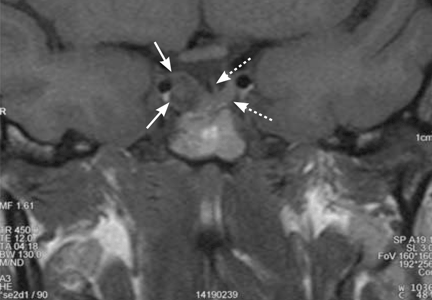


Hamstring Injuries
Stress SPECT MPI Has Prognostic Value in Practice
BOSTON — The prognostic performance of pharmacologic stress myocardial perfusion single-photon emission CT shown in academic studies generalizes to daily practice, a study has shown.
“The current prognostic literature indicates that [the imaging technology] is an effective tool for coronary artery disease risk stratification, but the majority of these studies come from single institutions using expert readers. We wanted to investigate the prognostic power of the perfusion imaging variables as read by local readers in many sites across the world,” Dr. James Udelson said at the annual meeting of the American Society of Nuclear Cardiology.
To do this, Dr. Udelson of Tufts University, Boston, along with lead investigator Dr. Rory Hachamovitch, who is in private practice in Los Angeles, and their colleagues, conducted a prospective study comprising 4,989 patients with known or suspected coronary artery disease recruited from 89 centers in eight countries during 20 consecutive work days. All of the patients had been referred for clinically indicated pharmacologic stress myocardial perfusion imaging by single-photon emission CT (PS SPECT MPI). Of the study population, 48% of the patients were tested in tertiary care centers, and 26% each underwent testing in private and community centers.
The investigators did not dictate the imaging protocol for the study; rather, “each center used its own standard protocol for stress isotope image acquisition,” said Dr. Udelson. “This was an effectiveness study of real life practices,” he added. Toward this end, approximately 150 local readers from the different sites interpreted the images and reported segmental scores using the 17-segment, 4-point scoring model from which nuclear variables were converted into percent myocardium ischemic and percent myocardium fixed, as has been done in the literature, he said.
The primary end point of the study was all-cause death, “with the simple goal of identifying the incremental value of perfusion imaging data over all other data,” said Dr. Udelson.
Using scripted phone calls to each site, the investigators followed the patients for revascularization and all-cause death for 1 year after the imaging study. Excluded from the study were 212 patients who had undergone early revascularization (within 90 days after testing) and thus were excluded from the final analysis. All-cause death was reported for 155 of the remaining patients, said Dr. Udelson. The all-cause death rate in patients with abnormal MPI was 3.7%, significantly higher than the 2.2% observed in patients with normal MPI, he said, noting that the risk of all-cause death was greatest in patients with both reversible and fixed perfusion defects (5.4%), compared with patients with fixed but no reversible defects (3.2%) and patients with reversible but no fixed defects (2.5%).
In addition to abnormal MPI, other predictors of all-cause death were history of heart failure, chronic obstructive pulmonary disease, and diabetes. Controlling for these clinical variables as well as for demographic and historical data, “the MPI results were highly predictive of 1-year all-cause death,” Dr. Udelson said.
In the final multivariate model, both the percent myocardium with reversible defects and percent with fixed defects had statistically significant increased hazard ratios, expressed per 1% change, Dr. Udelson explained. “For example, an increase in the percent myocardium reversible, or ischemic, of 3% would be associated with a 15% increased risk [of all-cause death].”
“The findings indicate that the perfusion imaging variables, as read by local readers from many sites across the world, have prognostic power incremental to all of the clinical data,” said Dr. Udelson. “This generalizability has not been shown for other imaging modalities.”
This study was funded by King Pharmaceuticals Research & Development Inc., for which Dr. Udelson and Dr. Hachamovitch are paid consultants.

The multicener, internationaltrial 'was an effectiveness study of real life practices.' DR. UDELSON
BOSTON — The prognostic performance of pharmacologic stress myocardial perfusion single-photon emission CT shown in academic studies generalizes to daily practice, a study has shown.
“The current prognostic literature indicates that [the imaging technology] is an effective tool for coronary artery disease risk stratification, but the majority of these studies come from single institutions using expert readers. We wanted to investigate the prognostic power of the perfusion imaging variables as read by local readers in many sites across the world,” Dr. James Udelson said at the annual meeting of the American Society of Nuclear Cardiology.
To do this, Dr. Udelson of Tufts University, Boston, along with lead investigator Dr. Rory Hachamovitch, who is in private practice in Los Angeles, and their colleagues, conducted a prospective study comprising 4,989 patients with known or suspected coronary artery disease recruited from 89 centers in eight countries during 20 consecutive work days. All of the patients had been referred for clinically indicated pharmacologic stress myocardial perfusion imaging by single-photon emission CT (PS SPECT MPI). Of the study population, 48% of the patients were tested in tertiary care centers, and 26% each underwent testing in private and community centers.
The investigators did not dictate the imaging protocol for the study; rather, “each center used its own standard protocol for stress isotope image acquisition,” said Dr. Udelson. “This was an effectiveness study of real life practices,” he added. Toward this end, approximately 150 local readers from the different sites interpreted the images and reported segmental scores using the 17-segment, 4-point scoring model from which nuclear variables were converted into percent myocardium ischemic and percent myocardium fixed, as has been done in the literature, he said.
The primary end point of the study was all-cause death, “with the simple goal of identifying the incremental value of perfusion imaging data over all other data,” said Dr. Udelson.
Using scripted phone calls to each site, the investigators followed the patients for revascularization and all-cause death for 1 year after the imaging study. Excluded from the study were 212 patients who had undergone early revascularization (within 90 days after testing) and thus were excluded from the final analysis. All-cause death was reported for 155 of the remaining patients, said Dr. Udelson. The all-cause death rate in patients with abnormal MPI was 3.7%, significantly higher than the 2.2% observed in patients with normal MPI, he said, noting that the risk of all-cause death was greatest in patients with both reversible and fixed perfusion defects (5.4%), compared with patients with fixed but no reversible defects (3.2%) and patients with reversible but no fixed defects (2.5%).
In addition to abnormal MPI, other predictors of all-cause death were history of heart failure, chronic obstructive pulmonary disease, and diabetes. Controlling for these clinical variables as well as for demographic and historical data, “the MPI results were highly predictive of 1-year all-cause death,” Dr. Udelson said.
In the final multivariate model, both the percent myocardium with reversible defects and percent with fixed defects had statistically significant increased hazard ratios, expressed per 1% change, Dr. Udelson explained. “For example, an increase in the percent myocardium reversible, or ischemic, of 3% would be associated with a 15% increased risk [of all-cause death].”
“The findings indicate that the perfusion imaging variables, as read by local readers from many sites across the world, have prognostic power incremental to all of the clinical data,” said Dr. Udelson. “This generalizability has not been shown for other imaging modalities.”
This study was funded by King Pharmaceuticals Research & Development Inc., for which Dr. Udelson and Dr. Hachamovitch are paid consultants.
The multicener, internationaltrial 'was an effectiveness study of real life practices.' DR. UDELSON
BOSTON — The prognostic performance of pharmacologic stress myocardial perfusion single-photon emission CT shown in academic studies generalizes to daily practice, a study has shown.
“The current prognostic literature indicates that [the imaging technology] is an effective tool for coronary artery disease risk stratification, but the majority of these studies come from single institutions using expert readers. We wanted to investigate the prognostic power of the perfusion imaging variables as read by local readers in many sites across the world,” Dr. James Udelson said at the annual meeting of the American Society of Nuclear Cardiology.
To do this, Dr. Udelson of Tufts University, Boston, along with lead investigator Dr. Rory Hachamovitch, who is in private practice in Los Angeles, and their colleagues, conducted a prospective study comprising 4,989 patients with known or suspected coronary artery disease recruited from 89 centers in eight countries during 20 consecutive work days. All of the patients had been referred for clinically indicated pharmacologic stress myocardial perfusion imaging by single-photon emission CT (PS SPECT MPI). Of the study population, 48% of the patients were tested in tertiary care centers, and 26% each underwent testing in private and community centers.
The investigators did not dictate the imaging protocol for the study; rather, “each center used its own standard protocol for stress isotope image acquisition,” said Dr. Udelson. “This was an effectiveness study of real life practices,” he added. Toward this end, approximately 150 local readers from the different sites interpreted the images and reported segmental scores using the 17-segment, 4-point scoring model from which nuclear variables were converted into percent myocardium ischemic and percent myocardium fixed, as has been done in the literature, he said.
The primary end point of the study was all-cause death, “with the simple goal of identifying the incremental value of perfusion imaging data over all other data,” said Dr. Udelson.
Using scripted phone calls to each site, the investigators followed the patients for revascularization and all-cause death for 1 year after the imaging study. Excluded from the study were 212 patients who had undergone early revascularization (within 90 days after testing) and thus were excluded from the final analysis. All-cause death was reported for 155 of the remaining patients, said Dr. Udelson. The all-cause death rate in patients with abnormal MPI was 3.7%, significantly higher than the 2.2% observed in patients with normal MPI, he said, noting that the risk of all-cause death was greatest in patients with both reversible and fixed perfusion defects (5.4%), compared with patients with fixed but no reversible defects (3.2%) and patients with reversible but no fixed defects (2.5%).
In addition to abnormal MPI, other predictors of all-cause death were history of heart failure, chronic obstructive pulmonary disease, and diabetes. Controlling for these clinical variables as well as for demographic and historical data, “the MPI results were highly predictive of 1-year all-cause death,” Dr. Udelson said.
In the final multivariate model, both the percent myocardium with reversible defects and percent with fixed defects had statistically significant increased hazard ratios, expressed per 1% change, Dr. Udelson explained. “For example, an increase in the percent myocardium reversible, or ischemic, of 3% would be associated with a 15% increased risk [of all-cause death].”
“The findings indicate that the perfusion imaging variables, as read by local readers from many sites across the world, have prognostic power incremental to all of the clinical data,” said Dr. Udelson. “This generalizability has not been shown for other imaging modalities.”
This study was funded by King Pharmaceuticals Research & Development Inc., for which Dr. Udelson and Dr. Hachamovitch are paid consultants.
The multicener, internationaltrial 'was an effectiveness study of real life practices.' DR. UDELSON
PCI or Drug Therapy: Consider Ischemic Burden
BOSTON — In the ongoing debate over whether patients with chronic, stable angina are better served by revascularization with percutaneous coronary intervention in addition to drug treatment or optimal medical therapy alone, the key variable appears to be ischemic burden, Dr. Daniel S. Berman reported at the annual meeting of the American Society of Nuclear Cardiology.
Last year, investigators in the Clinical Outcomes Using Revascularization and Aggressive Drug Evaluation (COURAGE) trial reported that adding percutaneous coronary intervention (PCI) to optimal medical therapy in patients with stable coronary artery disease did not improve clinical end points, compared with optimal medical therapy alone (N. Engl. J. Med. 2007;356:1503–16). The results sparked a controversy that led some experts to conclude that PCI is overused and unnecessary in stable coronary disease.
More recently, however, a substudy of the COURAGE trial comprising 314 patients equally distributed between groups treated with PCI plus optical medical therapy and optimal medical therapy alone showed that the PCI strategy produced a greater ischemia reduction than the optimal medical therapy-only (OMT-only) intervention—particularly among patients with moderate to severe ischemia at baseline.
“Importantly, patients in both groups who experienced ischemia reduction had a significantly lower risk for death or myocardial infarction than patients without ischemia reduction, and the magnitude of residual ischemia was proportional to the overall risk of subsequent cardiac event,” said Dr. Berman, chief of cardiac imaging and nuclear cardiology at Cedars-Sinai Heart Center in Los Angeles.
The main COURAGE trial included 2,287 patients, with a history of angina or documented myocardial ischemia and at least one significant coronary lesion, who were stable on medical therapy. Participants were randomized to continue their medication alone or with PCI, and the study's combined end points were death or nonfatal myocardial infarction. The composite rates of death or nonfatal myocardial infarction over 4.6 years of follow-up were statistically similar in both groups, at 19.0% for the PCI group and at in18.5%, the patients who received only optimal medical therapy, showing no benefit of PCI over optical medical therapy in stable coronary artery disease.
In the nuclear imaging substudy, the 314 patients were equally distributed between the PCI and OMT groups and they were well matched with respect to demographics and risk factors, said Dr. Berman.
All of the patients were on medication for a mean 374 days from baseline and all underwent serial myocardial perfusion single-photon emission computed tomography (SPECT-MPI) studies 6–18 months following the baseline examination to assess the extent and severity of the perfusion defect in the global myocardium, he said.
With myocardial ischemia defined as the total perfusion deficit at stress minus the perfusion deficit at rest, 33% of patients in the PCI group and 20% in the OMT-only group showed a 5% or greater reduction in ischemia.
Among the patients in the imaging substudy with moderate to severe pretreatment ischemia, defined as a perfusion defect involving 10% or more of myocardium, “78% of the PCI patients demonstrated 5% improvement or greater, compared to 52% of the [OMT-only] patients,” Dr. Berman reported.
In considering these changes in terms of their relationship to subsequent outcomes, “we looked at the myocardial infarction rates in patients with and without ischemia reduction and determined that patients in both groups with 5% improvement in ischemia had approximately 50% lower cardiac event rate,” he said.
A similarly reduced cardiac event rate was observed in the 105 patients from both groups with moderate to severe ischemia and a greater than 5% reduction in ischemia observed post treatment, he said.
Although the substudy was not sufficiently powered to generalize that reducing ischemia will prevent later cardiac events, “we did see a striking relationship between amount of residual ischemia and the subsequent death or myocardial infarction rate,” Dr. Berman stated.
This observation is “definitely a hypothesis generator,” warranting a controlled trial comparing the PCI-based strategy with optimal medical therapy alone in patients with chronic stable angina who would be randomized based on the presence of moderate to severe ischemia, he said.
“We should be studying patients with 10% or more ischemia to determine if there is a subset of patients who would have improved angina and quality-of-life outcomes with revascularization.” The findings would be especially important to those patients with documented large amounts of jeopardized myocardia in whom medical therapy does not provide adequate relief, he concluded.
The COURAGE nuclear imaging substudy was supported by Bristol-Myers Squibb Medical Imaging and Astellas Healthcare.

COURAGE patients with moderate to severe ischemia showed greater improvement after PCIthan after OMT only. DR. BERMAN

The above SPECT-MPIimage shows the first and second stress myocardial perfusion from a patient in the nuclear substudy of the COURAGE trial who received optimal medical therapy only. Total perfusion deficit was reduced from 16% to 6%. Patients in both the PCI and OMT-only groups with 5% improvement in ischemia had 50% lower cardiac event rates. Images courtesy Dr. Daniel S. Berman
BOSTON — In the ongoing debate over whether patients with chronic, stable angina are better served by revascularization with percutaneous coronary intervention in addition to drug treatment or optimal medical therapy alone, the key variable appears to be ischemic burden, Dr. Daniel S. Berman reported at the annual meeting of the American Society of Nuclear Cardiology.
Last year, investigators in the Clinical Outcomes Using Revascularization and Aggressive Drug Evaluation (COURAGE) trial reported that adding percutaneous coronary intervention (PCI) to optimal medical therapy in patients with stable coronary artery disease did not improve clinical end points, compared with optimal medical therapy alone (N. Engl. J. Med. 2007;356:1503–16). The results sparked a controversy that led some experts to conclude that PCI is overused and unnecessary in stable coronary disease.
More recently, however, a substudy of the COURAGE trial comprising 314 patients equally distributed between groups treated with PCI plus optical medical therapy and optimal medical therapy alone showed that the PCI strategy produced a greater ischemia reduction than the optimal medical therapy-only (OMT-only) intervention—particularly among patients with moderate to severe ischemia at baseline.
“Importantly, patients in both groups who experienced ischemia reduction had a significantly lower risk for death or myocardial infarction than patients without ischemia reduction, and the magnitude of residual ischemia was proportional to the overall risk of subsequent cardiac event,” said Dr. Berman, chief of cardiac imaging and nuclear cardiology at Cedars-Sinai Heart Center in Los Angeles.
The main COURAGE trial included 2,287 patients, with a history of angina or documented myocardial ischemia and at least one significant coronary lesion, who were stable on medical therapy. Participants were randomized to continue their medication alone or with PCI, and the study's combined end points were death or nonfatal myocardial infarction. The composite rates of death or nonfatal myocardial infarction over 4.6 years of follow-up were statistically similar in both groups, at 19.0% for the PCI group and at in18.5%, the patients who received only optimal medical therapy, showing no benefit of PCI over optical medical therapy in stable coronary artery disease.
In the nuclear imaging substudy, the 314 patients were equally distributed between the PCI and OMT groups and they were well matched with respect to demographics and risk factors, said Dr. Berman.
All of the patients were on medication for a mean 374 days from baseline and all underwent serial myocardial perfusion single-photon emission computed tomography (SPECT-MPI) studies 6–18 months following the baseline examination to assess the extent and severity of the perfusion defect in the global myocardium, he said.
With myocardial ischemia defined as the total perfusion deficit at stress minus the perfusion deficit at rest, 33% of patients in the PCI group and 20% in the OMT-only group showed a 5% or greater reduction in ischemia.
Among the patients in the imaging substudy with moderate to severe pretreatment ischemia, defined as a perfusion defect involving 10% or more of myocardium, “78% of the PCI patients demonstrated 5% improvement or greater, compared to 52% of the [OMT-only] patients,” Dr. Berman reported.
In considering these changes in terms of their relationship to subsequent outcomes, “we looked at the myocardial infarction rates in patients with and without ischemia reduction and determined that patients in both groups with 5% improvement in ischemia had approximately 50% lower cardiac event rate,” he said.
A similarly reduced cardiac event rate was observed in the 105 patients from both groups with moderate to severe ischemia and a greater than 5% reduction in ischemia observed post treatment, he said.
Although the substudy was not sufficiently powered to generalize that reducing ischemia will prevent later cardiac events, “we did see a striking relationship between amount of residual ischemia and the subsequent death or myocardial infarction rate,” Dr. Berman stated.
This observation is “definitely a hypothesis generator,” warranting a controlled trial comparing the PCI-based strategy with optimal medical therapy alone in patients with chronic stable angina who would be randomized based on the presence of moderate to severe ischemia, he said.
“We should be studying patients with 10% or more ischemia to determine if there is a subset of patients who would have improved angina and quality-of-life outcomes with revascularization.” The findings would be especially important to those patients with documented large amounts of jeopardized myocardia in whom medical therapy does not provide adequate relief, he concluded.
The COURAGE nuclear imaging substudy was supported by Bristol-Myers Squibb Medical Imaging and Astellas Healthcare.
COURAGE patients with moderate to severe ischemia showed greater improvement after PCIthan after OMT only. DR. BERMAN
The above SPECT-MPIimage shows the first and second stress myocardial perfusion from a patient in the nuclear substudy of the COURAGE trial who received optimal medical therapy only. Total perfusion deficit was reduced from 16% to 6%. Patients in both the PCI and OMT-only groups with 5% improvement in ischemia had 50% lower cardiac event rates. Images courtesy Dr. Daniel S. Berman
BOSTON — In the ongoing debate over whether patients with chronic, stable angina are better served by revascularization with percutaneous coronary intervention in addition to drug treatment or optimal medical therapy alone, the key variable appears to be ischemic burden, Dr. Daniel S. Berman reported at the annual meeting of the American Society of Nuclear Cardiology.
Last year, investigators in the Clinical Outcomes Using Revascularization and Aggressive Drug Evaluation (COURAGE) trial reported that adding percutaneous coronary intervention (PCI) to optimal medical therapy in patients with stable coronary artery disease did not improve clinical end points, compared with optimal medical therapy alone (N. Engl. J. Med. 2007;356:1503–16). The results sparked a controversy that led some experts to conclude that PCI is overused and unnecessary in stable coronary disease.
More recently, however, a substudy of the COURAGE trial comprising 314 patients equally distributed between groups treated with PCI plus optical medical therapy and optimal medical therapy alone showed that the PCI strategy produced a greater ischemia reduction than the optimal medical therapy-only (OMT-only) intervention—particularly among patients with moderate to severe ischemia at baseline.
“Importantly, patients in both groups who experienced ischemia reduction had a significantly lower risk for death or myocardial infarction than patients without ischemia reduction, and the magnitude of residual ischemia was proportional to the overall risk of subsequent cardiac event,” said Dr. Berman, chief of cardiac imaging and nuclear cardiology at Cedars-Sinai Heart Center in Los Angeles.
The main COURAGE trial included 2,287 patients, with a history of angina or documented myocardial ischemia and at least one significant coronary lesion, who were stable on medical therapy. Participants were randomized to continue their medication alone or with PCI, and the study's combined end points were death or nonfatal myocardial infarction. The composite rates of death or nonfatal myocardial infarction over 4.6 years of follow-up were statistically similar in both groups, at 19.0% for the PCI group and at in18.5%, the patients who received only optimal medical therapy, showing no benefit of PCI over optical medical therapy in stable coronary artery disease.
In the nuclear imaging substudy, the 314 patients were equally distributed between the PCI and OMT groups and they were well matched with respect to demographics and risk factors, said Dr. Berman.
All of the patients were on medication for a mean 374 days from baseline and all underwent serial myocardial perfusion single-photon emission computed tomography (SPECT-MPI) studies 6–18 months following the baseline examination to assess the extent and severity of the perfusion defect in the global myocardium, he said.
With myocardial ischemia defined as the total perfusion deficit at stress minus the perfusion deficit at rest, 33% of patients in the PCI group and 20% in the OMT-only group showed a 5% or greater reduction in ischemia.
Among the patients in the imaging substudy with moderate to severe pretreatment ischemia, defined as a perfusion defect involving 10% or more of myocardium, “78% of the PCI patients demonstrated 5% improvement or greater, compared to 52% of the [OMT-only] patients,” Dr. Berman reported.
In considering these changes in terms of their relationship to subsequent outcomes, “we looked at the myocardial infarction rates in patients with and without ischemia reduction and determined that patients in both groups with 5% improvement in ischemia had approximately 50% lower cardiac event rate,” he said.
A similarly reduced cardiac event rate was observed in the 105 patients from both groups with moderate to severe ischemia and a greater than 5% reduction in ischemia observed post treatment, he said.
Although the substudy was not sufficiently powered to generalize that reducing ischemia will prevent later cardiac events, “we did see a striking relationship between amount of residual ischemia and the subsequent death or myocardial infarction rate,” Dr. Berman stated.
This observation is “definitely a hypothesis generator,” warranting a controlled trial comparing the PCI-based strategy with optimal medical therapy alone in patients with chronic stable angina who would be randomized based on the presence of moderate to severe ischemia, he said.
“We should be studying patients with 10% or more ischemia to determine if there is a subset of patients who would have improved angina and quality-of-life outcomes with revascularization.” The findings would be especially important to those patients with documented large amounts of jeopardized myocardia in whom medical therapy does not provide adequate relief, he concluded.
The COURAGE nuclear imaging substudy was supported by Bristol-Myers Squibb Medical Imaging and Astellas Healthcare.
COURAGE patients with moderate to severe ischemia showed greater improvement after PCIthan after OMT only. DR. BERMAN
The above SPECT-MPIimage shows the first and second stress myocardial perfusion from a patient in the nuclear substudy of the COURAGE trial who received optimal medical therapy only. Total perfusion deficit was reduced from 16% to 6%. Patients in both the PCI and OMT-only groups with 5% improvement in ischemia had 50% lower cardiac event rates. Images courtesy Dr. Daniel S. Berman