User login
Teduglutide cut parenteral intake at 52 weeks
Two-thirds of patients with short bowel intestinal failure who took teduglutide reduced their parenteral nutrition intake by 20% or more, for an average reduction of 5 L of parenteral nutrition per week.
Moreover, once-daily dosing was safe and effective, reported Dr. Stephen J.D. O’Keefe and his coauthors in the July issue of Clinical Gastroenterology and Hepatology.
According to the authors, teduglutide, a glucagon-like peptide-2 analogue, produces villous hypertrophy, retards gastric secretion and emptying, and increases mucosal blood flow and absorption.
Source: American Gastroenterological Association
In a 28-week extension study of an initial 24-week, double-blind, randomized controlled trial of teduglutide, Dr. O’Keefe, of the University of Pittsburgh, looked at adult patients with small bowel intestinal failure caused by intestinal resection.
All patients were dependent on parenteral nutrition (PN) or fluid and electrolytes at least 3 times per week, for at least 12 months before the start of the study.
Antimotility and antidiarrheal agents were permitted, but only if their use was stable for 4 or more weeks prior to study baseline.
At the start of the study, published online in January (doi: 10.1016/j.cgh.2012.12.029), all patients’ fluid intakes were optimized to maintain a urine output of between 1 and 2 L daily, with stable blood creatinine concentrations and a urine sodium content of at least 20 mEq/L.
Patients were then randomized to receive subcutaneous, once-daily injections of teduglutide (dosed at either 0.05 or 0.10 mg/kg per day) or placebo.
The 56 patients who received the drug in the initial 24-week study (Gut 2011;60:902-14) were then invited to participate in a 28-week extension trial. Of these, 52 agreed (25 patients taking 0.05 mg/kg per day and 27 patients taking 0.10 mg/kg per day).
By 52 weeks, 68% of patients in the teduglutide 0.05-mg/kg per day group and 52% of patients in the 0.10-mg/kg per day group were responders, defined as achieving the endpoint of reductions of 20% or greater of baseline PN volume, according to the authors.
Indeed, the authors reported that patients on teduglutide 0.05 mg/kg per day decreased their PN volume by 4.9 L/week (52%), while patients taking teduglutide 0.10 mg/kg per day decreased their PN volume by 3.3 L/week (26%).
Four subjects in the study were completely weaned from PN. "Three patients in the teduglutide 0.05-mg/kg per day treatment group became completely independent of PN after 25, 2, and 6.5 years [of parenteral support], receiving 5.4, 3.5, and 12.0 L/d parenteral support per week at baseline, respectively," wrote the authors. "Another patient receiving the teduglutide 0.10-mg/kg per day dose had been receiving parenteral support for 3.7 years and received 4.5 L/day parenteral support at baseline."
Looking at safety, although no "clinically meaningful differences" were observed through the study period in terms of patient vital signs, electrocardiograms, body weight, and physical examinations, the authors did report that 50 of the 52 patients reported at least one treatment-emergent adverse event, most commonly headache (35%), nausea (31%), or abdominal pain (25%).
The authors conceded that while they assume that reductions in PN requirements would translate to improvements in quality of life, the study was not sufficiently powered to address that question.
"It remains to be seen what the overall applicability of this product will be in clinical practice," they added.
The study was sponsored by NPS Pharmaceuticals, maker of teduglutide. Dr. O’Keefe and all his coauthors disclosed financial ties to NPS.
Two-thirds of patients with short bowel intestinal failure who took teduglutide reduced their parenteral nutrition intake by 20% or more, for an average reduction of 5 L of parenteral nutrition per week.
Moreover, once-daily dosing was safe and effective, reported Dr. Stephen J.D. O’Keefe and his coauthors in the July issue of Clinical Gastroenterology and Hepatology.
According to the authors, teduglutide, a glucagon-like peptide-2 analogue, produces villous hypertrophy, retards gastric secretion and emptying, and increases mucosal blood flow and absorption.
Source: American Gastroenterological Association
In a 28-week extension study of an initial 24-week, double-blind, randomized controlled trial of teduglutide, Dr. O’Keefe, of the University of Pittsburgh, looked at adult patients with small bowel intestinal failure caused by intestinal resection.
All patients were dependent on parenteral nutrition (PN) or fluid and electrolytes at least 3 times per week, for at least 12 months before the start of the study.
Antimotility and antidiarrheal agents were permitted, but only if their use was stable for 4 or more weeks prior to study baseline.
At the start of the study, published online in January (doi: 10.1016/j.cgh.2012.12.029), all patients’ fluid intakes were optimized to maintain a urine output of between 1 and 2 L daily, with stable blood creatinine concentrations and a urine sodium content of at least 20 mEq/L.
Patients were then randomized to receive subcutaneous, once-daily injections of teduglutide (dosed at either 0.05 or 0.10 mg/kg per day) or placebo.
The 56 patients who received the drug in the initial 24-week study (Gut 2011;60:902-14) were then invited to participate in a 28-week extension trial. Of these, 52 agreed (25 patients taking 0.05 mg/kg per day and 27 patients taking 0.10 mg/kg per day).
By 52 weeks, 68% of patients in the teduglutide 0.05-mg/kg per day group and 52% of patients in the 0.10-mg/kg per day group were responders, defined as achieving the endpoint of reductions of 20% or greater of baseline PN volume, according to the authors.
Indeed, the authors reported that patients on teduglutide 0.05 mg/kg per day decreased their PN volume by 4.9 L/week (52%), while patients taking teduglutide 0.10 mg/kg per day decreased their PN volume by 3.3 L/week (26%).
Four subjects in the study were completely weaned from PN. "Three patients in the teduglutide 0.05-mg/kg per day treatment group became completely independent of PN after 25, 2, and 6.5 years [of parenteral support], receiving 5.4, 3.5, and 12.0 L/d parenteral support per week at baseline, respectively," wrote the authors. "Another patient receiving the teduglutide 0.10-mg/kg per day dose had been receiving parenteral support for 3.7 years and received 4.5 L/day parenteral support at baseline."
Looking at safety, although no "clinically meaningful differences" were observed through the study period in terms of patient vital signs, electrocardiograms, body weight, and physical examinations, the authors did report that 50 of the 52 patients reported at least one treatment-emergent adverse event, most commonly headache (35%), nausea (31%), or abdominal pain (25%).
The authors conceded that while they assume that reductions in PN requirements would translate to improvements in quality of life, the study was not sufficiently powered to address that question.
"It remains to be seen what the overall applicability of this product will be in clinical practice," they added.
The study was sponsored by NPS Pharmaceuticals, maker of teduglutide. Dr. O’Keefe and all his coauthors disclosed financial ties to NPS.
Two-thirds of patients with short bowel intestinal failure who took teduglutide reduced their parenteral nutrition intake by 20% or more, for an average reduction of 5 L of parenteral nutrition per week.
Moreover, once-daily dosing was safe and effective, reported Dr. Stephen J.D. O’Keefe and his coauthors in the July issue of Clinical Gastroenterology and Hepatology.
According to the authors, teduglutide, a glucagon-like peptide-2 analogue, produces villous hypertrophy, retards gastric secretion and emptying, and increases mucosal blood flow and absorption.
Source: American Gastroenterological Association
In a 28-week extension study of an initial 24-week, double-blind, randomized controlled trial of teduglutide, Dr. O’Keefe, of the University of Pittsburgh, looked at adult patients with small bowel intestinal failure caused by intestinal resection.
All patients were dependent on parenteral nutrition (PN) or fluid and electrolytes at least 3 times per week, for at least 12 months before the start of the study.
Antimotility and antidiarrheal agents were permitted, but only if their use was stable for 4 or more weeks prior to study baseline.
At the start of the study, published online in January (doi: 10.1016/j.cgh.2012.12.029), all patients’ fluid intakes were optimized to maintain a urine output of between 1 and 2 L daily, with stable blood creatinine concentrations and a urine sodium content of at least 20 mEq/L.
Patients were then randomized to receive subcutaneous, once-daily injections of teduglutide (dosed at either 0.05 or 0.10 mg/kg per day) or placebo.
The 56 patients who received the drug in the initial 24-week study (Gut 2011;60:902-14) were then invited to participate in a 28-week extension trial. Of these, 52 agreed (25 patients taking 0.05 mg/kg per day and 27 patients taking 0.10 mg/kg per day).
By 52 weeks, 68% of patients in the teduglutide 0.05-mg/kg per day group and 52% of patients in the 0.10-mg/kg per day group were responders, defined as achieving the endpoint of reductions of 20% or greater of baseline PN volume, according to the authors.
Indeed, the authors reported that patients on teduglutide 0.05 mg/kg per day decreased their PN volume by 4.9 L/week (52%), while patients taking teduglutide 0.10 mg/kg per day decreased their PN volume by 3.3 L/week (26%).
Four subjects in the study were completely weaned from PN. "Three patients in the teduglutide 0.05-mg/kg per day treatment group became completely independent of PN after 25, 2, and 6.5 years [of parenteral support], receiving 5.4, 3.5, and 12.0 L/d parenteral support per week at baseline, respectively," wrote the authors. "Another patient receiving the teduglutide 0.10-mg/kg per day dose had been receiving parenteral support for 3.7 years and received 4.5 L/day parenteral support at baseline."
Looking at safety, although no "clinically meaningful differences" were observed through the study period in terms of patient vital signs, electrocardiograms, body weight, and physical examinations, the authors did report that 50 of the 52 patients reported at least one treatment-emergent adverse event, most commonly headache (35%), nausea (31%), or abdominal pain (25%).
The authors conceded that while they assume that reductions in PN requirements would translate to improvements in quality of life, the study was not sufficiently powered to address that question.
"It remains to be seen what the overall applicability of this product will be in clinical practice," they added.
The study was sponsored by NPS Pharmaceuticals, maker of teduglutide. Dr. O’Keefe and all his coauthors disclosed financial ties to NPS.
FROM CLINICAL GASTROENTEROLOGY AND HEPATOLOGY
Major finding: By 52 weeks, 68% of small bowel intestinal failure patients taking teduglutide 0.05 mg/kg per day achieved reductions of 20% or greater in their required parenteral nutrition volume.
Data source: A 24-week, double-blind, randomized controlled study of teduglutide, plus a 28-week double-blind extension study, for a total 52 weeks.
Disclosures: The study was sponsored by NPS Pharmaceuticals, maker of teduglutide. Dr. O’Keefe and all his coauthors disclosed financial ties to NPS.

Extended postoperative VTE prophylaxis appears warranted for IBD patients
PHOENIX – Patients with inflammatory bowel disease undergoing major abdominal surgery have a persistent elevation of the risk of blood clots postoperatively that warrants extended prophylaxis similar to that recommended for patients with colorectal cancer, new data suggest.
Investigators led by Dr. Molly Gross, a colorectal surgeon at the University of Utah in Salt Lake City, retrospectively analyzed data from the National Surgical Quality Improvement Program (NSQIP) database, assessing rates of venous thromboembolism (VTE) among nearly 46,000 patients with inflammatory bowel disease (IBD) or colorectal cancer who had major abdominal surgery.

Study results, reported at the annual meeting of the American Society of Colon and Rectal Surgeons, showed that the IBD group had a 35% higher adjusted risk of VTE at 30 days relative to the colorectal cancer group. Also, the majority of the events in the IBD group occurred a week or more after surgery, by which time most patients would have been leaving the hospital or already home.
"The National Comprehensive Cancer Network (NCCN) currently recommends that colorectal cancer patients undergoing major abdominal surgery receive up to 4 weeks of postoperative out-of-hospital prophylaxis with either subcutaneous heparin or Lovenox [enoxaparin]," Dr. Gross commented. "There are currently no such recommendations for IBD patients undergoing similar operations."
Taken together, the study’s findings "lead to our conclusion that postdischarge VTE prophylaxis recommendations for IBD patients should mirror those for colorectal cancer patients," she maintained. "This would suggest a change in clinical practice to extend out-of-hospital VTE prophylaxis in IBD patients."
"You have done excellent work, and I congratulate you on the statistical rigor that’s quite evident in your study," said Dr. Justin Lee, of St. Elizabeth’s Medical Center in Brighton, Mass., who was invited to discuss the study.
However, he questioned the low absolute 30-day rates of VTE seen in the study – 2.7% in the IBD group and 2.1% in the colorectal cancer group – as compared with those reported in other studies.
The NCCN guidelines for patients with colorectal cancer "are based on large prospective studies considered to be closer to real-time data than NSQIP. If you look at those studies, they show anywhere from a 7% to 12% 30-day rate of deep vein thrombosis in colorectal cancer patients. And if you treat them with long-term prophylaxis within 30 days after surgery, it brings the rate down to 4% or 4.5%," he explained – about twice that in the presented study.
"How do you reconcile [these rates]?" Dr. Lee asked. "And should you apply your recommended 30-day postop prophylaxis to all IBD surgical patients when in fact the 2.7% is actually lower than the literature-quoted rate of deep vein thrombosis" in patients with colorectal cancer on anticoagulation?
Dr. Gross speculated that the difference in rates between the cancer studies and the current study was multifactorial in origin, stemming from differing study designs (randomized controlled trial vs. retrospective review), differing surgical populations (patients undergoing open surgery only in an older era vs. patients undergoing open or laparoscopic surgery in the current era), and uncertainty in their study about how many patients with colorectal cancer received extended prophylaxis.
Given the generally low rates of VTE events, "it would be difficult to adequately power a large randomized controlled trial," she added. "So we are kind of making a lot of assumptions that we hope we could decrease morbidity and mortality in IBD patients without significantly causing increased cost or bleeding complications" by using extended prophylaxis.
Dr. John Migaly of the Duke University Medical Center in Durham, N.C., who comoderated the session, noted that the incidence of VTE after surgery showed a sharp drop-off at approximately day 20. "That would be about 2 weeks after discharge. Is there an optimal length, in your opinion, of VTE prophylaxis, instead of just saying 4 weeks is fine?" he asked.
The investigators based that 4-week recommendation on the conclusions of a trial among oncology patients (N. Engl. J. Med. 2002;346:975-80), according to Dr. Gross. "It is probably variable based on patient condition: how much they are ambulating, how much they are back to their regular status, and how active their IBD is. So I think it would be difficult to come up with an ideal for every patient; that [4 weeks] is an arbitrary number created from that study."
For the study, Dr. Gross’ team analyzed data from the NSQIP database for the years 2005 through 2010, restricting analyses to 8,888 patients with IBD and 37,076 patients with colorectal cancer who had major abdominal surgery.
"Previous studies looking at IBD and VTE risk included perineal and benign anorectal procedures, as well as open procedures," Dr. Gross noted. "But we only included open and laparoscopic abdominal procedures that involved resection of bowel."
The 30-day rate of VTE (deep vein thrombosis and/or pulmonary embolism) was significantly higher in the IBD group than in the colorectal cancer group (2.7% vs. 2.1%, P less than .001).
In a multivariate analysis, relative to their peers with colorectal cancer, patients with IBD still had a significantly elevated risk of this outcome (odds ratio, 1.35; P = .005).
"The [temporal] distribution of VTE events in IBD patients mirrors that in colorectal cancer patients," commented Dr. Gross, who disclosed no conflicts of interest related to the research; in both groups, events continued to occur out to 30 days.
In the IBD group, fully 55% of events occurred on day 7 or later. "At this time, most patients will have been discharged or will be discharged soon," she pointed out.
PHOENIX – Patients with inflammatory bowel disease undergoing major abdominal surgery have a persistent elevation of the risk of blood clots postoperatively that warrants extended prophylaxis similar to that recommended for patients with colorectal cancer, new data suggest.
Investigators led by Dr. Molly Gross, a colorectal surgeon at the University of Utah in Salt Lake City, retrospectively analyzed data from the National Surgical Quality Improvement Program (NSQIP) database, assessing rates of venous thromboembolism (VTE) among nearly 46,000 patients with inflammatory bowel disease (IBD) or colorectal cancer who had major abdominal surgery.
Study results, reported at the annual meeting of the American Society of Colon and Rectal Surgeons, showed that the IBD group had a 35% higher adjusted risk of VTE at 30 days relative to the colorectal cancer group. Also, the majority of the events in the IBD group occurred a week or more after surgery, by which time most patients would have been leaving the hospital or already home.
"The National Comprehensive Cancer Network (NCCN) currently recommends that colorectal cancer patients undergoing major abdominal surgery receive up to 4 weeks of postoperative out-of-hospital prophylaxis with either subcutaneous heparin or Lovenox [enoxaparin]," Dr. Gross commented. "There are currently no such recommendations for IBD patients undergoing similar operations."
Taken together, the study’s findings "lead to our conclusion that postdischarge VTE prophylaxis recommendations for IBD patients should mirror those for colorectal cancer patients," she maintained. "This would suggest a change in clinical practice to extend out-of-hospital VTE prophylaxis in IBD patients."
"You have done excellent work, and I congratulate you on the statistical rigor that’s quite evident in your study," said Dr. Justin Lee, of St. Elizabeth’s Medical Center in Brighton, Mass., who was invited to discuss the study.
However, he questioned the low absolute 30-day rates of VTE seen in the study – 2.7% in the IBD group and 2.1% in the colorectal cancer group – as compared with those reported in other studies.
The NCCN guidelines for patients with colorectal cancer "are based on large prospective studies considered to be closer to real-time data than NSQIP. If you look at those studies, they show anywhere from a 7% to 12% 30-day rate of deep vein thrombosis in colorectal cancer patients. And if you treat them with long-term prophylaxis within 30 days after surgery, it brings the rate down to 4% or 4.5%," he explained – about twice that in the presented study.
"How do you reconcile [these rates]?" Dr. Lee asked. "And should you apply your recommended 30-day postop prophylaxis to all IBD surgical patients when in fact the 2.7% is actually lower than the literature-quoted rate of deep vein thrombosis" in patients with colorectal cancer on anticoagulation?
Dr. Gross speculated that the difference in rates between the cancer studies and the current study was multifactorial in origin, stemming from differing study designs (randomized controlled trial vs. retrospective review), differing surgical populations (patients undergoing open surgery only in an older era vs. patients undergoing open or laparoscopic surgery in the current era), and uncertainty in their study about how many patients with colorectal cancer received extended prophylaxis.
Given the generally low rates of VTE events, "it would be difficult to adequately power a large randomized controlled trial," she added. "So we are kind of making a lot of assumptions that we hope we could decrease morbidity and mortality in IBD patients without significantly causing increased cost or bleeding complications" by using extended prophylaxis.
Dr. John Migaly of the Duke University Medical Center in Durham, N.C., who comoderated the session, noted that the incidence of VTE after surgery showed a sharp drop-off at approximately day 20. "That would be about 2 weeks after discharge. Is there an optimal length, in your opinion, of VTE prophylaxis, instead of just saying 4 weeks is fine?" he asked.
The investigators based that 4-week recommendation on the conclusions of a trial among oncology patients (N. Engl. J. Med. 2002;346:975-80), according to Dr. Gross. "It is probably variable based on patient condition: how much they are ambulating, how much they are back to their regular status, and how active their IBD is. So I think it would be difficult to come up with an ideal for every patient; that [4 weeks] is an arbitrary number created from that study."
For the study, Dr. Gross’ team analyzed data from the NSQIP database for the years 2005 through 2010, restricting analyses to 8,888 patients with IBD and 37,076 patients with colorectal cancer who had major abdominal surgery.
"Previous studies looking at IBD and VTE risk included perineal and benign anorectal procedures, as well as open procedures," Dr. Gross noted. "But we only included open and laparoscopic abdominal procedures that involved resection of bowel."
The 30-day rate of VTE (deep vein thrombosis and/or pulmonary embolism) was significantly higher in the IBD group than in the colorectal cancer group (2.7% vs. 2.1%, P less than .001).
In a multivariate analysis, relative to their peers with colorectal cancer, patients with IBD still had a significantly elevated risk of this outcome (odds ratio, 1.35; P = .005).
"The [temporal] distribution of VTE events in IBD patients mirrors that in colorectal cancer patients," commented Dr. Gross, who disclosed no conflicts of interest related to the research; in both groups, events continued to occur out to 30 days.
In the IBD group, fully 55% of events occurred on day 7 or later. "At this time, most patients will have been discharged or will be discharged soon," she pointed out.
PHOENIX – Patients with inflammatory bowel disease undergoing major abdominal surgery have a persistent elevation of the risk of blood clots postoperatively that warrants extended prophylaxis similar to that recommended for patients with colorectal cancer, new data suggest.
Investigators led by Dr. Molly Gross, a colorectal surgeon at the University of Utah in Salt Lake City, retrospectively analyzed data from the National Surgical Quality Improvement Program (NSQIP) database, assessing rates of venous thromboembolism (VTE) among nearly 46,000 patients with inflammatory bowel disease (IBD) or colorectal cancer who had major abdominal surgery.
Study results, reported at the annual meeting of the American Society of Colon and Rectal Surgeons, showed that the IBD group had a 35% higher adjusted risk of VTE at 30 days relative to the colorectal cancer group. Also, the majority of the events in the IBD group occurred a week or more after surgery, by which time most patients would have been leaving the hospital or already home.
"The National Comprehensive Cancer Network (NCCN) currently recommends that colorectal cancer patients undergoing major abdominal surgery receive up to 4 weeks of postoperative out-of-hospital prophylaxis with either subcutaneous heparin or Lovenox [enoxaparin]," Dr. Gross commented. "There are currently no such recommendations for IBD patients undergoing similar operations."
Taken together, the study’s findings "lead to our conclusion that postdischarge VTE prophylaxis recommendations for IBD patients should mirror those for colorectal cancer patients," she maintained. "This would suggest a change in clinical practice to extend out-of-hospital VTE prophylaxis in IBD patients."
"You have done excellent work, and I congratulate you on the statistical rigor that’s quite evident in your study," said Dr. Justin Lee, of St. Elizabeth’s Medical Center in Brighton, Mass., who was invited to discuss the study.
However, he questioned the low absolute 30-day rates of VTE seen in the study – 2.7% in the IBD group and 2.1% in the colorectal cancer group – as compared with those reported in other studies.
The NCCN guidelines for patients with colorectal cancer "are based on large prospective studies considered to be closer to real-time data than NSQIP. If you look at those studies, they show anywhere from a 7% to 12% 30-day rate of deep vein thrombosis in colorectal cancer patients. And if you treat them with long-term prophylaxis within 30 days after surgery, it brings the rate down to 4% or 4.5%," he explained – about twice that in the presented study.
"How do you reconcile [these rates]?" Dr. Lee asked. "And should you apply your recommended 30-day postop prophylaxis to all IBD surgical patients when in fact the 2.7% is actually lower than the literature-quoted rate of deep vein thrombosis" in patients with colorectal cancer on anticoagulation?
Dr. Gross speculated that the difference in rates between the cancer studies and the current study was multifactorial in origin, stemming from differing study designs (randomized controlled trial vs. retrospective review), differing surgical populations (patients undergoing open surgery only in an older era vs. patients undergoing open or laparoscopic surgery in the current era), and uncertainty in their study about how many patients with colorectal cancer received extended prophylaxis.
Given the generally low rates of VTE events, "it would be difficult to adequately power a large randomized controlled trial," she added. "So we are kind of making a lot of assumptions that we hope we could decrease morbidity and mortality in IBD patients without significantly causing increased cost or bleeding complications" by using extended prophylaxis.
Dr. John Migaly of the Duke University Medical Center in Durham, N.C., who comoderated the session, noted that the incidence of VTE after surgery showed a sharp drop-off at approximately day 20. "That would be about 2 weeks after discharge. Is there an optimal length, in your opinion, of VTE prophylaxis, instead of just saying 4 weeks is fine?" he asked.
The investigators based that 4-week recommendation on the conclusions of a trial among oncology patients (N. Engl. J. Med. 2002;346:975-80), according to Dr. Gross. "It is probably variable based on patient condition: how much they are ambulating, how much they are back to their regular status, and how active their IBD is. So I think it would be difficult to come up with an ideal for every patient; that [4 weeks] is an arbitrary number created from that study."
For the study, Dr. Gross’ team analyzed data from the NSQIP database for the years 2005 through 2010, restricting analyses to 8,888 patients with IBD and 37,076 patients with colorectal cancer who had major abdominal surgery.
"Previous studies looking at IBD and VTE risk included perineal and benign anorectal procedures, as well as open procedures," Dr. Gross noted. "But we only included open and laparoscopic abdominal procedures that involved resection of bowel."
The 30-day rate of VTE (deep vein thrombosis and/or pulmonary embolism) was significantly higher in the IBD group than in the colorectal cancer group (2.7% vs. 2.1%, P less than .001).
In a multivariate analysis, relative to their peers with colorectal cancer, patients with IBD still had a significantly elevated risk of this outcome (odds ratio, 1.35; P = .005).
"The [temporal] distribution of VTE events in IBD patients mirrors that in colorectal cancer patients," commented Dr. Gross, who disclosed no conflicts of interest related to the research; in both groups, events continued to occur out to 30 days.
In the IBD group, fully 55% of events occurred on day 7 or later. "At this time, most patients will have been discharged or will be discharged soon," she pointed out.
AT THE ASCRS ANNUAL MEETING
Major finding: Compared with patients with colorectal cancer, patients with IBD had a 35% higher risk of venous thromboembolism. In the IBD group, 55% of venous thromboembolic events occurred a week or more after surgery.
Data source: A retrospective population-based cohort study comparing patients with IBD (n = 8,888) and patients with colorectal cancer (n = 37,076) undergoing major abdominal surgery
Disclosures: Dr. Gross disclosed no relevant conflicts of interest.

Anemia signals greater severity of celiac disease
Among patients with celiac disease, those who present with anemia have more severe clinical, serologic, and histologic features than do those who present with diarrhea, according to a report published online in Clinical Gastroenterology and Hepatology.
In particular, patients who presented with anemia and were found to have celiac disease had more severe damage of the small bowel mucosa and had higher levels of immune and inflammatory markers, compared with patients who presented with diarrhea and were found to have celiac disease, said Dr. Hussein Abu Daya of the Celiac Disease Center, Columbia University, New York, and his associates.
Patients who presented with anemia also were more likely to show reduced bone mineral density at the time of diagnosis.
At present, there is no standard method for assessing global celiac disease severity, as there is with, for example, inflammatory bowel disease. Until now, patients who had the classical presentation of diarrhea and malabsorption usually were assumed to be more severely affected than those with less typical presentations, the researchers noted.
To test this assumption, Dr. Abu Daya and his colleagues assessed the medical records of 727 patients who presented to their tertiary referral center for evaluation between 1990 and 2011. A total of 562 of these study subjects (77%) presented with diarrhea, and 165 (23%) presented with anemia, almost every case of which was attributed to iron deficiency.
The two study groups were remarkably similar. Both were predominantly female (about 70% of both groups) and had a similar average body mass index (about 23 kg/m2). The same percentage of subjects in each group initially had been diagnosed in childhood (7%), and the same percentage had a family history of celiac disease (21%).
However, patients who presented with anemia showed significantly more mucosal damage on histologic assessment than did those who presented with diarrhea. Severe villous atrophy was found in 53% of the first group, compared with only 34% of the latter group, the investigators said (Clin. Gastro. Hepatol. 2013 June 10 [doi: 10.1016/j.cgh.2013.05.030]).
Patients who presented with anemia also had higher erythrocyte sedimentation rates, indicating inflammation. The mean ESR was 24 mm/hr in the anemia group, compared with 10 mm/hr in the diarrhea group.
In addition, patients who presented with anemia had higher tissue transglutaminase antibody (anti-tTG) ratios (7 vs. 5).
The anemia group also showed more greatly decreased bone mineral density. Both osteopenia (56%) and osteoporosis (26%) were more common in the anemia group than in the diarrhea group (35% and 21%, respectively).
Derangements in lipid profiles – chiefly decreases in total cholesterol and high-density lipoprotein (HDL) cholesterol – also were more common in patients who presented with anemia. These are thought to be due mainly to malabsorption, steatorrhea, and, to a lesser extent, enhanced biliary lipid secretion, Dr. Abu Daya and his associates said.
Their findings highlight the need for an index of severity that is specific for celiac disease. Such an index would ideally include quality-of-life measures and mortality risk, which were not addressed in this study, they added.
No financial conflicts of interest were reported.
Among patients with celiac disease, those who present with anemia have more severe clinical, serologic, and histologic features than do those who present with diarrhea, according to a report published online in Clinical Gastroenterology and Hepatology.
In particular, patients who presented with anemia and were found to have celiac disease had more severe damage of the small bowel mucosa and had higher levels of immune and inflammatory markers, compared with patients who presented with diarrhea and were found to have celiac disease, said Dr. Hussein Abu Daya of the Celiac Disease Center, Columbia University, New York, and his associates.
Patients who presented with anemia also were more likely to show reduced bone mineral density at the time of diagnosis.
At present, there is no standard method for assessing global celiac disease severity, as there is with, for example, inflammatory bowel disease. Until now, patients who had the classical presentation of diarrhea and malabsorption usually were assumed to be more severely affected than those with less typical presentations, the researchers noted.
To test this assumption, Dr. Abu Daya and his colleagues assessed the medical records of 727 patients who presented to their tertiary referral center for evaluation between 1990 and 2011. A total of 562 of these study subjects (77%) presented with diarrhea, and 165 (23%) presented with anemia, almost every case of which was attributed to iron deficiency.
The two study groups were remarkably similar. Both were predominantly female (about 70% of both groups) and had a similar average body mass index (about 23 kg/m2). The same percentage of subjects in each group initially had been diagnosed in childhood (7%), and the same percentage had a family history of celiac disease (21%).
However, patients who presented with anemia showed significantly more mucosal damage on histologic assessment than did those who presented with diarrhea. Severe villous atrophy was found in 53% of the first group, compared with only 34% of the latter group, the investigators said (Clin. Gastro. Hepatol. 2013 June 10 [doi: 10.1016/j.cgh.2013.05.030]).
Patients who presented with anemia also had higher erythrocyte sedimentation rates, indicating inflammation. The mean ESR was 24 mm/hr in the anemia group, compared with 10 mm/hr in the diarrhea group.
In addition, patients who presented with anemia had higher tissue transglutaminase antibody (anti-tTG) ratios (7 vs. 5).
The anemia group also showed more greatly decreased bone mineral density. Both osteopenia (56%) and osteoporosis (26%) were more common in the anemia group than in the diarrhea group (35% and 21%, respectively).
Derangements in lipid profiles – chiefly decreases in total cholesterol and high-density lipoprotein (HDL) cholesterol – also were more common in patients who presented with anemia. These are thought to be due mainly to malabsorption, steatorrhea, and, to a lesser extent, enhanced biliary lipid secretion, Dr. Abu Daya and his associates said.
Their findings highlight the need for an index of severity that is specific for celiac disease. Such an index would ideally include quality-of-life measures and mortality risk, which were not addressed in this study, they added.
No financial conflicts of interest were reported.
Among patients with celiac disease, those who present with anemia have more severe clinical, serologic, and histologic features than do those who present with diarrhea, according to a report published online in Clinical Gastroenterology and Hepatology.
In particular, patients who presented with anemia and were found to have celiac disease had more severe damage of the small bowel mucosa and had higher levels of immune and inflammatory markers, compared with patients who presented with diarrhea and were found to have celiac disease, said Dr. Hussein Abu Daya of the Celiac Disease Center, Columbia University, New York, and his associates.
Patients who presented with anemia also were more likely to show reduced bone mineral density at the time of diagnosis.
At present, there is no standard method for assessing global celiac disease severity, as there is with, for example, inflammatory bowel disease. Until now, patients who had the classical presentation of diarrhea and malabsorption usually were assumed to be more severely affected than those with less typical presentations, the researchers noted.
To test this assumption, Dr. Abu Daya and his colleagues assessed the medical records of 727 patients who presented to their tertiary referral center for evaluation between 1990 and 2011. A total of 562 of these study subjects (77%) presented with diarrhea, and 165 (23%) presented with anemia, almost every case of which was attributed to iron deficiency.
The two study groups were remarkably similar. Both were predominantly female (about 70% of both groups) and had a similar average body mass index (about 23 kg/m2). The same percentage of subjects in each group initially had been diagnosed in childhood (7%), and the same percentage had a family history of celiac disease (21%).
However, patients who presented with anemia showed significantly more mucosal damage on histologic assessment than did those who presented with diarrhea. Severe villous atrophy was found in 53% of the first group, compared with only 34% of the latter group, the investigators said (Clin. Gastro. Hepatol. 2013 June 10 [doi: 10.1016/j.cgh.2013.05.030]).
Patients who presented with anemia also had higher erythrocyte sedimentation rates, indicating inflammation. The mean ESR was 24 mm/hr in the anemia group, compared with 10 mm/hr in the diarrhea group.
In addition, patients who presented with anemia had higher tissue transglutaminase antibody (anti-tTG) ratios (7 vs. 5).
The anemia group also showed more greatly decreased bone mineral density. Both osteopenia (56%) and osteoporosis (26%) were more common in the anemia group than in the diarrhea group (35% and 21%, respectively).
Derangements in lipid profiles – chiefly decreases in total cholesterol and high-density lipoprotein (HDL) cholesterol – also were more common in patients who presented with anemia. These are thought to be due mainly to malabsorption, steatorrhea, and, to a lesser extent, enhanced biliary lipid secretion, Dr. Abu Daya and his associates said.
Their findings highlight the need for an index of severity that is specific for celiac disease. Such an index would ideally include quality-of-life measures and mortality risk, which were not addressed in this study, they added.
No financial conflicts of interest were reported.
FROM CLINICAL GASTROENTEROLOGY AND HEPATOLOGY
Major finding: Among patients with celiac disease who presented with anemia, 53% had severe villous atrophy and 56% had osteopenia; the corresponding percentages in those who presented with diarrhea were 34% and 35%.
Data source: A comparison of disease severity between 562 celiac disease patients who presented with diarrhea and 165 who presented with anemia to a single referral center during the period 1990-2011.
Disclosures: No financial conflicts of interest were reported.
FDA eases some fecal transplant restrictions
Only a month after requiring a restrictive new-drug permit to treat Clostridium difficile infection with fecal transplants, the Food and Drug Administration has changed course.
Citing public pressure, the agency announced June 17 that it "intends to exercise enforcement discretion" regarding the investigational new drug (IND) requirements while the agency develops appropriate policies for the use of fecal microbiota for transplantation (FMT) products under IND.
The change applies only to those using FMT to treat C. difficile infection that fails to respond to standard therapy. Those using FMT for other indications or for research purposes must abide by the IND requirements.
The FDA first announced the biologic designation following a 2-day public workshop in May, stating that the intent of the IND requirement was to ensure safe, effective, and data-driven use of FMT, which is used primarily to treat recurrent C. difficile infection.
"During that workshop, and in subsequent communications, physicians and scientists have expressed concern to FDA that FMT is not appropriate for study under FDA’s investigational new drug application regulations," the latest FDA statement noted. "Some health care providers have stated that applying IND requirements will make FMT unavailable and have suggested that an alternative regulatory approach is needed to ensure the widespread availability of FMT for individuals with C. difficile infection unresponsive to standard therapies."
Treating physicians are strongly encouraged to comply with the IND regulation and must continue to obtain informed consent for the use of FMT products, including, at minimum, information about the investigational status of the products and a discussion of the potential risks associated with their use.
Guidance will be issued regarding the agency’s intentions with respect to "exercising enforcement discretion," according to the FDA statement.
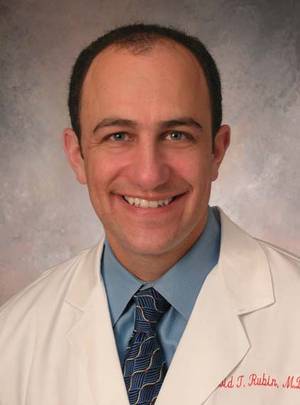
"A lot of people were upset about the IND requirement because it was a barrier to the most effective treatment available for C. difficile infection," Dr. David T. Rubin said in an interview.
Although Dr. Rubin’s area of focus is ulcerative colitis – he developed a protocol for using FMT in that disease and last month obtained an IND permit for a phase I study of its safety and feasibility in ulcerative colitis patients – he explained that C. difficile infection is the condition for which the most data exist.
People who have suffered for years are experiencing significant improvement and even cure with this treatment, said Dr. Rubin, professor of medicine and codirector of the inflammatory bowel disease center at the University of Chicago.
"C. difficile is where it seems to have its best efficacy, and it looks very safe," he said. "Even one dose of the treatment has a greater than 90% success rate."
Because obtaining an IND permit is a rigorous process – it took Dr. Rubin 2 years to obtain his permit – those using FMT for their patients were understandably concerned that patient access to treatment would be hampered. It’s one thing for a pharmaceutical company making an investment in a future salable product to jump through those kind of hoops, he explained, but it’s another entirely for a private physician who wants to offer patients the best available treatment.
The FDA’s decision is one that considers the importance of FMT for the treatment of patients with recurrent C. difficile infection while at the same time working to ensure patient safety and promote high-quality research, he said.
"There is still a whole lot we don’t know about FMT," he added.
Dr. Rubin had no relevant financial disclosures.
Only a month after requiring a restrictive new-drug permit to treat Clostridium difficile infection with fecal transplants, the Food and Drug Administration has changed course.
Citing public pressure, the agency announced June 17 that it "intends to exercise enforcement discretion" regarding the investigational new drug (IND) requirements while the agency develops appropriate policies for the use of fecal microbiota for transplantation (FMT) products under IND.
The change applies only to those using FMT to treat C. difficile infection that fails to respond to standard therapy. Those using FMT for other indications or for research purposes must abide by the IND requirements.
The FDA first announced the biologic designation following a 2-day public workshop in May, stating that the intent of the IND requirement was to ensure safe, effective, and data-driven use of FMT, which is used primarily to treat recurrent C. difficile infection.
"During that workshop, and in subsequent communications, physicians and scientists have expressed concern to FDA that FMT is not appropriate for study under FDA’s investigational new drug application regulations," the latest FDA statement noted. "Some health care providers have stated that applying IND requirements will make FMT unavailable and have suggested that an alternative regulatory approach is needed to ensure the widespread availability of FMT for individuals with C. difficile infection unresponsive to standard therapies."
Treating physicians are strongly encouraged to comply with the IND regulation and must continue to obtain informed consent for the use of FMT products, including, at minimum, information about the investigational status of the products and a discussion of the potential risks associated with their use.
Guidance will be issued regarding the agency’s intentions with respect to "exercising enforcement discretion," according to the FDA statement.
"A lot of people were upset about the IND requirement because it was a barrier to the most effective treatment available for C. difficile infection," Dr. David T. Rubin said in an interview.
Although Dr. Rubin’s area of focus is ulcerative colitis – he developed a protocol for using FMT in that disease and last month obtained an IND permit for a phase I study of its safety and feasibility in ulcerative colitis patients – he explained that C. difficile infection is the condition for which the most data exist.
People who have suffered for years are experiencing significant improvement and even cure with this treatment, said Dr. Rubin, professor of medicine and codirector of the inflammatory bowel disease center at the University of Chicago.
"C. difficile is where it seems to have its best efficacy, and it looks very safe," he said. "Even one dose of the treatment has a greater than 90% success rate."
Because obtaining an IND permit is a rigorous process – it took Dr. Rubin 2 years to obtain his permit – those using FMT for their patients were understandably concerned that patient access to treatment would be hampered. It’s one thing for a pharmaceutical company making an investment in a future salable product to jump through those kind of hoops, he explained, but it’s another entirely for a private physician who wants to offer patients the best available treatment.
The FDA’s decision is one that considers the importance of FMT for the treatment of patients with recurrent C. difficile infection while at the same time working to ensure patient safety and promote high-quality research, he said.
"There is still a whole lot we don’t know about FMT," he added.
Dr. Rubin had no relevant financial disclosures.
Only a month after requiring a restrictive new-drug permit to treat Clostridium difficile infection with fecal transplants, the Food and Drug Administration has changed course.
Citing public pressure, the agency announced June 17 that it "intends to exercise enforcement discretion" regarding the investigational new drug (IND) requirements while the agency develops appropriate policies for the use of fecal microbiota for transplantation (FMT) products under IND.
The change applies only to those using FMT to treat C. difficile infection that fails to respond to standard therapy. Those using FMT for other indications or for research purposes must abide by the IND requirements.
The FDA first announced the biologic designation following a 2-day public workshop in May, stating that the intent of the IND requirement was to ensure safe, effective, and data-driven use of FMT, which is used primarily to treat recurrent C. difficile infection.
"During that workshop, and in subsequent communications, physicians and scientists have expressed concern to FDA that FMT is not appropriate for study under FDA’s investigational new drug application regulations," the latest FDA statement noted. "Some health care providers have stated that applying IND requirements will make FMT unavailable and have suggested that an alternative regulatory approach is needed to ensure the widespread availability of FMT for individuals with C. difficile infection unresponsive to standard therapies."
Treating physicians are strongly encouraged to comply with the IND regulation and must continue to obtain informed consent for the use of FMT products, including, at minimum, information about the investigational status of the products and a discussion of the potential risks associated with their use.
Guidance will be issued regarding the agency’s intentions with respect to "exercising enforcement discretion," according to the FDA statement.
"A lot of people were upset about the IND requirement because it was a barrier to the most effective treatment available for C. difficile infection," Dr. David T. Rubin said in an interview.
Although Dr. Rubin’s area of focus is ulcerative colitis – he developed a protocol for using FMT in that disease and last month obtained an IND permit for a phase I study of its safety and feasibility in ulcerative colitis patients – he explained that C. difficile infection is the condition for which the most data exist.
People who have suffered for years are experiencing significant improvement and even cure with this treatment, said Dr. Rubin, professor of medicine and codirector of the inflammatory bowel disease center at the University of Chicago.
"C. difficile is where it seems to have its best efficacy, and it looks very safe," he said. "Even one dose of the treatment has a greater than 90% success rate."
Because obtaining an IND permit is a rigorous process – it took Dr. Rubin 2 years to obtain his permit – those using FMT for their patients were understandably concerned that patient access to treatment would be hampered. It’s one thing for a pharmaceutical company making an investment in a future salable product to jump through those kind of hoops, he explained, but it’s another entirely for a private physician who wants to offer patients the best available treatment.
The FDA’s decision is one that considers the importance of FMT for the treatment of patients with recurrent C. difficile infection while at the same time working to ensure patient safety and promote high-quality research, he said.
"There is still a whole lot we don’t know about FMT," he added.
Dr. Rubin had no relevant financial disclosures.
H. pylori test OK for people on PPIs, with caution
The Helicobacter pylori breath test can now be used in patients who have taken proton pump inhibitors within the previous 2 weeks, according to the manufacturer, Otsuka America Pharmaceutical Inc.
In a June 4 statement, the company said that the labeling of the BreathTek UBT for H. pylori kit has been updated to include this information, which is based on studies that evaluated the effects of PPI use in people taking the test. However, in this scenario, "the test result needs to be interpreted with caution," and the recommendation that patients not take antimicrobials, PPIs, and bismuth preparations within 2 weeks of the test still stands, the statement adds.
The label change makes it possible to test patients on a PPI for an initial diagnosis of H. pylori infection without stopping the PPI, providing "an opportunity of earlier detection and start of eradication therapy for H. pylori infection," according to Otsuka. Ingestion of PPIs within 2 weeks of the test can cause a false negative result, and the test should be repeated 2 weeks after the PPI therapy is stopped, if a patient has a negative test while taking a PPI, according to the warnings and precautions for the product.
Ingestion of bismuth preparations or antimicrobials can also cause a false negative result, if taken within 2 weeks of the test.
The Helicobacter pylori breath test can now be used in patients who have taken proton pump inhibitors within the previous 2 weeks, according to the manufacturer, Otsuka America Pharmaceutical Inc.
In a June 4 statement, the company said that the labeling of the BreathTek UBT for H. pylori kit has been updated to include this information, which is based on studies that evaluated the effects of PPI use in people taking the test. However, in this scenario, "the test result needs to be interpreted with caution," and the recommendation that patients not take antimicrobials, PPIs, and bismuth preparations within 2 weeks of the test still stands, the statement adds.
The label change makes it possible to test patients on a PPI for an initial diagnosis of H. pylori infection without stopping the PPI, providing "an opportunity of earlier detection and start of eradication therapy for H. pylori infection," according to Otsuka. Ingestion of PPIs within 2 weeks of the test can cause a false negative result, and the test should be repeated 2 weeks after the PPI therapy is stopped, if a patient has a negative test while taking a PPI, according to the warnings and precautions for the product.
Ingestion of bismuth preparations or antimicrobials can also cause a false negative result, if taken within 2 weeks of the test.
The Helicobacter pylori breath test can now be used in patients who have taken proton pump inhibitors within the previous 2 weeks, according to the manufacturer, Otsuka America Pharmaceutical Inc.
In a June 4 statement, the company said that the labeling of the BreathTek UBT for H. pylori kit has been updated to include this information, which is based on studies that evaluated the effects of PPI use in people taking the test. However, in this scenario, "the test result needs to be interpreted with caution," and the recommendation that patients not take antimicrobials, PPIs, and bismuth preparations within 2 weeks of the test still stands, the statement adds.
The label change makes it possible to test patients on a PPI for an initial diagnosis of H. pylori infection without stopping the PPI, providing "an opportunity of earlier detection and start of eradication therapy for H. pylori infection," according to Otsuka. Ingestion of PPIs within 2 weeks of the test can cause a false negative result, and the test should be repeated 2 weeks after the PPI therapy is stopped, if a patient has a negative test while taking a PPI, according to the warnings and precautions for the product.
Ingestion of bismuth preparations or antimicrobials can also cause a false negative result, if taken within 2 weeks of the test.
TLR9 agonist active against ulcerative colitis in small study
ORLANDO – An investigational immunomodulator prosaically named DIMS 0150 was associated with sustained remissions in some patients with ulcerative colitis, reported investigators at the annual Digestive Disease Week.
Among patients with ulcerative colitis (UC) randomized to receive a single rectally delivered dose of DIMS 0150 or placebo, 5 of 16 patients available for 3-month follow-up had a sustained clinical response, compared with none of the eight control patients who received a placebo enema, said Dr. Thomas Knittel from InDex Pharmaceuticals in Stockholm.
The drug contains a single-stranded oligonucleotide that acts as a Toll-like receptor 9 (TLR9) agonist by activating TLR9 when the drug is administered to mucosal surfaces. TLR9 (also called CD289) encodes a protein involved in innate immunity and pathogen recognition and in mediation of anti-inflammatory cytokines, primarily interleukin 10 and interferon-alpha.
In animal studies, activation of TLR9 has been shown to promote healing of UC.
The investigators conducted a randomized, double-blind, placebo-controlled trial of the agent in patients with UC refractory to steroids. A total of 34 patients were randomized to receive on a 2:1 basis (22:12) either a single 30-mg dose of DIMS 0150 delivered via enema, or a placebo enema consisting of only water.
The patients had Disease Activity Index (DAI) scores of 6-11 pts were taking at least 5 mg steroids/day and were judged as either steroid dependent or steroid resistant.
At the end of the first follow-up week, 7 of 17 patients on DIMS 0150 had a clinical response (decrease in DAI score of at least 3 points from baseline), compared with 1 of 11 patients on placebo. By week 4, two additional patients on the TLR9 agonist had achieved a clinical response (9 of 17), as did three additional patients on placebo (4 of 11).
By week 12, 5 of 16 patients who had received DIMS 0150 and completed 12 weeks of therapy still had a clinical response, in contrast to none of the eight patients on placebo who completed 12 weeks of follow-up. However, neither the 4-week nor 12-week follow-up differences in sustained response between the active drug and placebo groups were significant.
Two of 17 patients on DIMS 0150 had a clinical remission (total DAI score of 2 points or less, with no individual subscore higher than 1) at week 1, 3 of 17 were in remission at week 4, and 6 of 16 were in remission at 12 weeks. In contrast, none of the control patients had remissions at either week 1 or week 4, but two of eight controls were in remission at week 12.
The authors also looked at histologic remission (improvement to a score of 0) at all three time points and found that at week 4, 6 of 17 patients on the TLR9 agonist had a remission, vs. 0 of 11 on placebo, a difference that teetered on the edge of statistical significance (P = .055).
Dr. Knittel did not present safety data, but said that in previous studies, the drug at the 30-mg dose has been shown to be safe and that patients tolerated it well.
In response to a question following his presentation, Dr. Knittel noted that the investigators had not measured cytokine levels to determine whether the drug was having its intended effect, but instead relied on clinical findings to determine efficacy.
The phase II study Dr. Knittel presented confirms clinical data obtained in earlier studies of this agent, and "indicates that a single dose of a TLR9 agonist can be effective, and efficacy was observed with respect to clinical response, clinical remission, and histological healing," he said.
But a gastroenterologist who was not involved in the study says that it was lacking data in several key areas, because the investigators did not measure baseline or post-treatment levels of anti-inflammatory cytokines or C-reactive protein and did not perform endoscopies to assess colonic mucosa.
"In ulcerative colitis, that’s where the rubber hits the road: whether the mucosa gets better," said Dr. Maria T. Abreu, chief of gastroenterology and professor of medicine at the University of Miami.
"I don’t expect it to completely resolve, because even in studies of anti-TNF [tumor necrosis factor–alpha], which we believe to be the most potent therapy we have now for mucosal healing, the numbers of patients that actually have the mucosa heal completely in ulcerative colitis is low – only about a quarter of patients have that happen. ... But these investigators didn’t report any change in the endoscopy," Dr. Abreu said.
The study was funded by InDex Pharmaceuticals. Dr. Knittel is chief medical officer and consultant for the company, and two of his coauthors are employees.
ORLANDO – An investigational immunomodulator prosaically named DIMS 0150 was associated with sustained remissions in some patients with ulcerative colitis, reported investigators at the annual Digestive Disease Week.
Among patients with ulcerative colitis (UC) randomized to receive a single rectally delivered dose of DIMS 0150 or placebo, 5 of 16 patients available for 3-month follow-up had a sustained clinical response, compared with none of the eight control patients who received a placebo enema, said Dr. Thomas Knittel from InDex Pharmaceuticals in Stockholm.
The drug contains a single-stranded oligonucleotide that acts as a Toll-like receptor 9 (TLR9) agonist by activating TLR9 when the drug is administered to mucosal surfaces. TLR9 (also called CD289) encodes a protein involved in innate immunity and pathogen recognition and in mediation of anti-inflammatory cytokines, primarily interleukin 10 and interferon-alpha.
In animal studies, activation of TLR9 has been shown to promote healing of UC.
The investigators conducted a randomized, double-blind, placebo-controlled trial of the agent in patients with UC refractory to steroids. A total of 34 patients were randomized to receive on a 2:1 basis (22:12) either a single 30-mg dose of DIMS 0150 delivered via enema, or a placebo enema consisting of only water.
The patients had Disease Activity Index (DAI) scores of 6-11 pts were taking at least 5 mg steroids/day and were judged as either steroid dependent or steroid resistant.
At the end of the first follow-up week, 7 of 17 patients on DIMS 0150 had a clinical response (decrease in DAI score of at least 3 points from baseline), compared with 1 of 11 patients on placebo. By week 4, two additional patients on the TLR9 agonist had achieved a clinical response (9 of 17), as did three additional patients on placebo (4 of 11).
By week 12, 5 of 16 patients who had received DIMS 0150 and completed 12 weeks of therapy still had a clinical response, in contrast to none of the eight patients on placebo who completed 12 weeks of follow-up. However, neither the 4-week nor 12-week follow-up differences in sustained response between the active drug and placebo groups were significant.
Two of 17 patients on DIMS 0150 had a clinical remission (total DAI score of 2 points or less, with no individual subscore higher than 1) at week 1, 3 of 17 were in remission at week 4, and 6 of 16 were in remission at 12 weeks. In contrast, none of the control patients had remissions at either week 1 or week 4, but two of eight controls were in remission at week 12.
The authors also looked at histologic remission (improvement to a score of 0) at all three time points and found that at week 4, 6 of 17 patients on the TLR9 agonist had a remission, vs. 0 of 11 on placebo, a difference that teetered on the edge of statistical significance (P = .055).
Dr. Knittel did not present safety data, but said that in previous studies, the drug at the 30-mg dose has been shown to be safe and that patients tolerated it well.
In response to a question following his presentation, Dr. Knittel noted that the investigators had not measured cytokine levels to determine whether the drug was having its intended effect, but instead relied on clinical findings to determine efficacy.
The phase II study Dr. Knittel presented confirms clinical data obtained in earlier studies of this agent, and "indicates that a single dose of a TLR9 agonist can be effective, and efficacy was observed with respect to clinical response, clinical remission, and histological healing," he said.
But a gastroenterologist who was not involved in the study says that it was lacking data in several key areas, because the investigators did not measure baseline or post-treatment levels of anti-inflammatory cytokines or C-reactive protein and did not perform endoscopies to assess colonic mucosa.
"In ulcerative colitis, that’s where the rubber hits the road: whether the mucosa gets better," said Dr. Maria T. Abreu, chief of gastroenterology and professor of medicine at the University of Miami.
"I don’t expect it to completely resolve, because even in studies of anti-TNF [tumor necrosis factor–alpha], which we believe to be the most potent therapy we have now for mucosal healing, the numbers of patients that actually have the mucosa heal completely in ulcerative colitis is low – only about a quarter of patients have that happen. ... But these investigators didn’t report any change in the endoscopy," Dr. Abreu said.
The study was funded by InDex Pharmaceuticals. Dr. Knittel is chief medical officer and consultant for the company, and two of his coauthors are employees.
ORLANDO – An investigational immunomodulator prosaically named DIMS 0150 was associated with sustained remissions in some patients with ulcerative colitis, reported investigators at the annual Digestive Disease Week.
Among patients with ulcerative colitis (UC) randomized to receive a single rectally delivered dose of DIMS 0150 or placebo, 5 of 16 patients available for 3-month follow-up had a sustained clinical response, compared with none of the eight control patients who received a placebo enema, said Dr. Thomas Knittel from InDex Pharmaceuticals in Stockholm.
The drug contains a single-stranded oligonucleotide that acts as a Toll-like receptor 9 (TLR9) agonist by activating TLR9 when the drug is administered to mucosal surfaces. TLR9 (also called CD289) encodes a protein involved in innate immunity and pathogen recognition and in mediation of anti-inflammatory cytokines, primarily interleukin 10 and interferon-alpha.
In animal studies, activation of TLR9 has been shown to promote healing of UC.
The investigators conducted a randomized, double-blind, placebo-controlled trial of the agent in patients with UC refractory to steroids. A total of 34 patients were randomized to receive on a 2:1 basis (22:12) either a single 30-mg dose of DIMS 0150 delivered via enema, or a placebo enema consisting of only water.
The patients had Disease Activity Index (DAI) scores of 6-11 pts were taking at least 5 mg steroids/day and were judged as either steroid dependent or steroid resistant.
At the end of the first follow-up week, 7 of 17 patients on DIMS 0150 had a clinical response (decrease in DAI score of at least 3 points from baseline), compared with 1 of 11 patients on placebo. By week 4, two additional patients on the TLR9 agonist had achieved a clinical response (9 of 17), as did three additional patients on placebo (4 of 11).
By week 12, 5 of 16 patients who had received DIMS 0150 and completed 12 weeks of therapy still had a clinical response, in contrast to none of the eight patients on placebo who completed 12 weeks of follow-up. However, neither the 4-week nor 12-week follow-up differences in sustained response between the active drug and placebo groups were significant.
Two of 17 patients on DIMS 0150 had a clinical remission (total DAI score of 2 points or less, with no individual subscore higher than 1) at week 1, 3 of 17 were in remission at week 4, and 6 of 16 were in remission at 12 weeks. In contrast, none of the control patients had remissions at either week 1 or week 4, but two of eight controls were in remission at week 12.
The authors also looked at histologic remission (improvement to a score of 0) at all three time points and found that at week 4, 6 of 17 patients on the TLR9 agonist had a remission, vs. 0 of 11 on placebo, a difference that teetered on the edge of statistical significance (P = .055).
Dr. Knittel did not present safety data, but said that in previous studies, the drug at the 30-mg dose has been shown to be safe and that patients tolerated it well.
In response to a question following his presentation, Dr. Knittel noted that the investigators had not measured cytokine levels to determine whether the drug was having its intended effect, but instead relied on clinical findings to determine efficacy.
The phase II study Dr. Knittel presented confirms clinical data obtained in earlier studies of this agent, and "indicates that a single dose of a TLR9 agonist can be effective, and efficacy was observed with respect to clinical response, clinical remission, and histological healing," he said.
But a gastroenterologist who was not involved in the study says that it was lacking data in several key areas, because the investigators did not measure baseline or post-treatment levels of anti-inflammatory cytokines or C-reactive protein and did not perform endoscopies to assess colonic mucosa.
"In ulcerative colitis, that’s where the rubber hits the road: whether the mucosa gets better," said Dr. Maria T. Abreu, chief of gastroenterology and professor of medicine at the University of Miami.
"I don’t expect it to completely resolve, because even in studies of anti-TNF [tumor necrosis factor–alpha], which we believe to be the most potent therapy we have now for mucosal healing, the numbers of patients that actually have the mucosa heal completely in ulcerative colitis is low – only about a quarter of patients have that happen. ... But these investigators didn’t report any change in the endoscopy," Dr. Abreu said.
The study was funded by InDex Pharmaceuticals. Dr. Knittel is chief medical officer and consultant for the company, and two of his coauthors are employees.
AT DDW 2013
Major finding: Five of 16 patients available for 3-month follow-up had a sustained clinical response to the TLR9 agonist DIMS0150, compared with none of eight controls.
Data source: Randomized, placebo-controlled, double-blind study in 34 patients.
Disclosures: The study was funded by InDex Pharmaceuticals. Dr. Knittel is chief medical officer and consultant for the company, and two of his coauthors are employees of the company.
Mesalamine a bust at diverticulitis prevention
ORLANDO – In a case of nothing being better than something, mesalamine granules proved to be less effective than placebo at preventing the recurrence of diverticulitis, an investigator reported at the annual Digestive Disease Week.
Among 333 patients with diverticulitis in an intention-to-treat population, 67.9% of patients randomly assigned to mesalamine granules (Salofalk) had 48 relapse-free weeks of follow-up, compared with 74.4% of patients assigned to placebo. This difference was not significant, but in a per-protocol population, placebo was significantly better (P = .018), said lead investigator Dr. Wolfgang Kruis from the University of Cologne, Germany.

The trial was stopped early after an interim analysis showed no benefit for mesalamine.
"The results of this trial do not support the use of mesalamine for the maintenance of relapse-free diverticular disease," Dr. Kruis said.
Mesalamine, whose chemical name is 5-aminosalicylic acid (5-ASA), appeared to have no effect on biomarkers of inflammation, but the therapy was safe and was not associated with unexpected adverse events, he noted.
Mesalamine and other 5-ASA drugs are commonly prescribed to treat ulcerative colitis, and previous open-label studies have shown clinical benefit of these agents in patients with recurrent diverticulitis, Dr. Kruis said.
To see whether those findings would stand up to a more rigorous randomized, double-blind, controlled trial, he and his colleagues from 57 centers in 11 countries compared mesalamine granules delivered 3 g by mouth daily to placebo in 333 patients (165 assigned to mesalamine and 168 to placebo) for whom complete information was available (the full-analysis population). A total of 270 patients completed the 48 weeks of therapy, 133 of whom were assigned to mesalamine and 137 to placebo (the per-protocol population).
As noted before, numerically but not significantly more patients on placebo in the full-analysis population were recurrence free at 48 weeks, where recurrence was defined as a C-reactive protein (CRP) level above the upper limit of normal, or leukocytosis plus the presence of diverticulitis-like clinical signs plus typical findings on CT scans or ultrasound.
But in the per-protocol analysis, 78.9% of patients on the 5-ASA agent had no recurrent diverticulitis after 48 weeks, compared with 89.8% of placebo-treated controls (P = .018).
There was no significant difference in mean time in days to recurrence, mean erythrocyte sedimentation rate, mean CRP levels, or mean leukocytosis throughout the study.
"It really was remarkable that [patients on mesalamine] did worse," commented Dr. Nicholas J. Talley from the Mayo Clinic in Rochester, Minn., who was not involved in the study.
In an interview, Dr. Talley speculated that the difference seen in the per-protocol analysis suggests that "perhaps suppressing inflammation in this setting actually sets up a different cascade for some reason that makes people worse."
Dr. Talley noted that the authors did not perform baseline colonic biopsies, and it is possible that there was some undetected heterogeneity in the population that might explain the lack of a benefit from the active drug.
"Diverticular disease and diverticulitis are probably not one entity," he said.
The study was funded by Dr. Falk Pharma. Dr. Kruis disclosed receiving speaking and teaching fees from the company, and three of his coauthors are company employees.
ORLANDO – In a case of nothing being better than something, mesalamine granules proved to be less effective than placebo at preventing the recurrence of diverticulitis, an investigator reported at the annual Digestive Disease Week.
Among 333 patients with diverticulitis in an intention-to-treat population, 67.9% of patients randomly assigned to mesalamine granules (Salofalk) had 48 relapse-free weeks of follow-up, compared with 74.4% of patients assigned to placebo. This difference was not significant, but in a per-protocol population, placebo was significantly better (P = .018), said lead investigator Dr. Wolfgang Kruis from the University of Cologne, Germany.
The trial was stopped early after an interim analysis showed no benefit for mesalamine.
"The results of this trial do not support the use of mesalamine for the maintenance of relapse-free diverticular disease," Dr. Kruis said.
Mesalamine, whose chemical name is 5-aminosalicylic acid (5-ASA), appeared to have no effect on biomarkers of inflammation, but the therapy was safe and was not associated with unexpected adverse events, he noted.
Mesalamine and other 5-ASA drugs are commonly prescribed to treat ulcerative colitis, and previous open-label studies have shown clinical benefit of these agents in patients with recurrent diverticulitis, Dr. Kruis said.
To see whether those findings would stand up to a more rigorous randomized, double-blind, controlled trial, he and his colleagues from 57 centers in 11 countries compared mesalamine granules delivered 3 g by mouth daily to placebo in 333 patients (165 assigned to mesalamine and 168 to placebo) for whom complete information was available (the full-analysis population). A total of 270 patients completed the 48 weeks of therapy, 133 of whom were assigned to mesalamine and 137 to placebo (the per-protocol population).
As noted before, numerically but not significantly more patients on placebo in the full-analysis population were recurrence free at 48 weeks, where recurrence was defined as a C-reactive protein (CRP) level above the upper limit of normal, or leukocytosis plus the presence of diverticulitis-like clinical signs plus typical findings on CT scans or ultrasound.
But in the per-protocol analysis, 78.9% of patients on the 5-ASA agent had no recurrent diverticulitis after 48 weeks, compared with 89.8% of placebo-treated controls (P = .018).
There was no significant difference in mean time in days to recurrence, mean erythrocyte sedimentation rate, mean CRP levels, or mean leukocytosis throughout the study.
"It really was remarkable that [patients on mesalamine] did worse," commented Dr. Nicholas J. Talley from the Mayo Clinic in Rochester, Minn., who was not involved in the study.
In an interview, Dr. Talley speculated that the difference seen in the per-protocol analysis suggests that "perhaps suppressing inflammation in this setting actually sets up a different cascade for some reason that makes people worse."
Dr. Talley noted that the authors did not perform baseline colonic biopsies, and it is possible that there was some undetected heterogeneity in the population that might explain the lack of a benefit from the active drug.
"Diverticular disease and diverticulitis are probably not one entity," he said.
The study was funded by Dr. Falk Pharma. Dr. Kruis disclosed receiving speaking and teaching fees from the company, and three of his coauthors are company employees.
ORLANDO – In a case of nothing being better than something, mesalamine granules proved to be less effective than placebo at preventing the recurrence of diverticulitis, an investigator reported at the annual Digestive Disease Week.
Among 333 patients with diverticulitis in an intention-to-treat population, 67.9% of patients randomly assigned to mesalamine granules (Salofalk) had 48 relapse-free weeks of follow-up, compared with 74.4% of patients assigned to placebo. This difference was not significant, but in a per-protocol population, placebo was significantly better (P = .018), said lead investigator Dr. Wolfgang Kruis from the University of Cologne, Germany.
The trial was stopped early after an interim analysis showed no benefit for mesalamine.
"The results of this trial do not support the use of mesalamine for the maintenance of relapse-free diverticular disease," Dr. Kruis said.
Mesalamine, whose chemical name is 5-aminosalicylic acid (5-ASA), appeared to have no effect on biomarkers of inflammation, but the therapy was safe and was not associated with unexpected adverse events, he noted.
Mesalamine and other 5-ASA drugs are commonly prescribed to treat ulcerative colitis, and previous open-label studies have shown clinical benefit of these agents in patients with recurrent diverticulitis, Dr. Kruis said.
To see whether those findings would stand up to a more rigorous randomized, double-blind, controlled trial, he and his colleagues from 57 centers in 11 countries compared mesalamine granules delivered 3 g by mouth daily to placebo in 333 patients (165 assigned to mesalamine and 168 to placebo) for whom complete information was available (the full-analysis population). A total of 270 patients completed the 48 weeks of therapy, 133 of whom were assigned to mesalamine and 137 to placebo (the per-protocol population).
As noted before, numerically but not significantly more patients on placebo in the full-analysis population were recurrence free at 48 weeks, where recurrence was defined as a C-reactive protein (CRP) level above the upper limit of normal, or leukocytosis plus the presence of diverticulitis-like clinical signs plus typical findings on CT scans or ultrasound.
But in the per-protocol analysis, 78.9% of patients on the 5-ASA agent had no recurrent diverticulitis after 48 weeks, compared with 89.8% of placebo-treated controls (P = .018).
There was no significant difference in mean time in days to recurrence, mean erythrocyte sedimentation rate, mean CRP levels, or mean leukocytosis throughout the study.
"It really was remarkable that [patients on mesalamine] did worse," commented Dr. Nicholas J. Talley from the Mayo Clinic in Rochester, Minn., who was not involved in the study.
In an interview, Dr. Talley speculated that the difference seen in the per-protocol analysis suggests that "perhaps suppressing inflammation in this setting actually sets up a different cascade for some reason that makes people worse."
Dr. Talley noted that the authors did not perform baseline colonic biopsies, and it is possible that there was some undetected heterogeneity in the population that might explain the lack of a benefit from the active drug.
"Diverticular disease and diverticulitis are probably not one entity," he said.
The study was funded by Dr. Falk Pharma. Dr. Kruis disclosed receiving speaking and teaching fees from the company, and three of his coauthors are company employees.
AT DDW 2013
Major finding: In a per-protocol analysis, 78.9% of patients on the 5-aminosalicylic acid agent mesalamine had no recurrent diverticulitis after 48 weeks, compared with 89.8% of placebo-treated controls (P = .018).
Data source: Randomized, double-blind, placebo-controlled trial in 333 patients.
Disclosures: The study was funded by Dr. Falk Pharma. Dr. Kruis disclosed receiving speaking and teaching fees from the company, and three of his coauthors are company employees.

Risk-based strategy bests drug therapy after Crohn's surgery
ORLANDO – Risk-based drug treatment with colonoscopy at 6 months – and treatment step-up for recurrence – was significantly more effective in preventing postoperative recurrence of Crohn’s disease, compared with standard drug therapy alone, based on data from the POCER (Post-Operative Crohn’s Endoscopic Recurrence) study.
At an 18-month follow-up colonoscopy, 49% of patients randomized to a risk-based intervention had endoscopic recurrence, compared with 67% of those in a standard drug therapy arm, Dr. Peter De Cruz reported during a late-breaking abstract session at the annual Digestive Disease Week.
Researchers compared the two recurrence-prevention strategies in 174 subjects who were stratified as high risk or low risk based on smoking status, presence of perforating disease, and previous surgeries. The participants were randomized 2:1 to either active care or standard drug therapy. Approximately one-third of patients in the active care arm showed signs of early recurrence at a 6-month colonoscopy and thus received step-up treatment.
Complete mucosal normality was observed in 22% of those in the risk-based treatment arm, compared with 8% in the standard therapy arm; no significant differences were noted with respect to severe endoscopic recurrence or clinical recurrence, said Dr. De Cruz of St. Vincent’s Hospital, Melbourne, Australia.
Patients in the multicenter POCER study were adults undergoing intestinal resection of all macroscopic disease. The treatment arms were similar in terms of demographics, disease characteristics, and prior drug therapy. Of 122 patients in the risk-based treatment arm, 101 were high-risk, and 21 were low-risk. Of 52 patients in the standard drug therapy arm, 44 were high-risk, and 8 were low-risk.
All patients were treated beginning postoperatively with 3 months of 400 mg metronidazole twice daily. High-risk patients also received 2 mg/kg of azathioprine daily, or 1.5 mg/kg of 6 mercaptopurine. Those intolerant of thiopurine were treated with adalimumab induction, followed by 40 mg every 2 weeks. Low-risk patients received no additional treatment following the 3 months of metronidazole.
For recurrence at 6 months, low-risk patients were stepped up to thiopurine; high-risk patients on thiopurine were stepped up to 40 mg adalimumab every 2 weeks, and high-risk patients on adalimumab every 2 weeks stepped up to weekly adalimumab.
The endoscopic remission rate at 18 months was 25% for the low-risk patients who stepped up to thiopurine 41% for high-risk patients who stepped up to thiopurine, and 50% for those who stepped up to weekly adalimumab.
Overall, 39% of patients who stepped up at 6 months were in remission at 1 year. Notably, 31% of the low-risk patients with endoscopic remission at the 6-month colonoscopy, 46% of the high-risk patients on thiopurine, and 41% of the high-risk patients on adalimumab with endoscopic remission at 6 months had endoscopic recurrence 1 year later.
"We can’t afford to relax," Dr. De Cruz said regarding those patients with remission 6 months postoperatively.
This study also allowed for comparison of the efficacy of adalimumab and thiopurine given immediately postoperatively in the high-risk patients. At 6 months, adalimumab was associated with a nearly 80% endoscopic remission rate, compared with 55% for thiopurine, Dr. De Cruz noted.
At 18 months, there was no significant difference in the recurrence rates between patients treated with adalimumab immediately postoperatively and those stepped up to adalimumab in combination with thiopurine. There was, however, a trend toward reduced recurrence rates among those on immediate postoperative adalimumab.
A multivariate analysis showed that active smoking was significantly associated with an increased endoscopic recurrence rate at 18 months, whereas the intervention of endoscopy at 6 months was significantly associated with a reduced recurrence risk at 18 months.
Most prior studies of postoperative recurrence prevention in Crohn’s surgery patients have focused on drug therapy compared with placebo; few have focused on risk-based strategies, Dr. De Cruz noted.
The findings indicate that step-up therapy based on endoscopy is a viable postoperative strategy in patients at high risk of recurrence, he said. No unexpected serious adverse events occurred in this study.
Dr. De Cruz warned, however, that remission at 6 months is no guarantee of remission 1 year later.
"Intensifying treatment at 6 months brings about 40% of patients with recurrence into remission, and we found that a small group of patients had recurrent disease despite endoscopic monitoring and intense treatment," he said.
Dr. De Cruz reported having no disclosures. Several study coauthors disclosed relationships with multiple pharmaceutical companies.
ORLANDO – Risk-based drug treatment with colonoscopy at 6 months – and treatment step-up for recurrence – was significantly more effective in preventing postoperative recurrence of Crohn’s disease, compared with standard drug therapy alone, based on data from the POCER (Post-Operative Crohn’s Endoscopic Recurrence) study.
At an 18-month follow-up colonoscopy, 49% of patients randomized to a risk-based intervention had endoscopic recurrence, compared with 67% of those in a standard drug therapy arm, Dr. Peter De Cruz reported during a late-breaking abstract session at the annual Digestive Disease Week.
Researchers compared the two recurrence-prevention strategies in 174 subjects who were stratified as high risk or low risk based on smoking status, presence of perforating disease, and previous surgeries. The participants were randomized 2:1 to either active care or standard drug therapy. Approximately one-third of patients in the active care arm showed signs of early recurrence at a 6-month colonoscopy and thus received step-up treatment.
Complete mucosal normality was observed in 22% of those in the risk-based treatment arm, compared with 8% in the standard therapy arm; no significant differences were noted with respect to severe endoscopic recurrence or clinical recurrence, said Dr. De Cruz of St. Vincent’s Hospital, Melbourne, Australia.
Patients in the multicenter POCER study were adults undergoing intestinal resection of all macroscopic disease. The treatment arms were similar in terms of demographics, disease characteristics, and prior drug therapy. Of 122 patients in the risk-based treatment arm, 101 were high-risk, and 21 were low-risk. Of 52 patients in the standard drug therapy arm, 44 were high-risk, and 8 were low-risk.
All patients were treated beginning postoperatively with 3 months of 400 mg metronidazole twice daily. High-risk patients also received 2 mg/kg of azathioprine daily, or 1.5 mg/kg of 6 mercaptopurine. Those intolerant of thiopurine were treated with adalimumab induction, followed by 40 mg every 2 weeks. Low-risk patients received no additional treatment following the 3 months of metronidazole.
For recurrence at 6 months, low-risk patients were stepped up to thiopurine; high-risk patients on thiopurine were stepped up to 40 mg adalimumab every 2 weeks, and high-risk patients on adalimumab every 2 weeks stepped up to weekly adalimumab.
The endoscopic remission rate at 18 months was 25% for the low-risk patients who stepped up to thiopurine 41% for high-risk patients who stepped up to thiopurine, and 50% for those who stepped up to weekly adalimumab.
Overall, 39% of patients who stepped up at 6 months were in remission at 1 year. Notably, 31% of the low-risk patients with endoscopic remission at the 6-month colonoscopy, 46% of the high-risk patients on thiopurine, and 41% of the high-risk patients on adalimumab with endoscopic remission at 6 months had endoscopic recurrence 1 year later.
"We can’t afford to relax," Dr. De Cruz said regarding those patients with remission 6 months postoperatively.
This study also allowed for comparison of the efficacy of adalimumab and thiopurine given immediately postoperatively in the high-risk patients. At 6 months, adalimumab was associated with a nearly 80% endoscopic remission rate, compared with 55% for thiopurine, Dr. De Cruz noted.
At 18 months, there was no significant difference in the recurrence rates between patients treated with adalimumab immediately postoperatively and those stepped up to adalimumab in combination with thiopurine. There was, however, a trend toward reduced recurrence rates among those on immediate postoperative adalimumab.
A multivariate analysis showed that active smoking was significantly associated with an increased endoscopic recurrence rate at 18 months, whereas the intervention of endoscopy at 6 months was significantly associated with a reduced recurrence risk at 18 months.
Most prior studies of postoperative recurrence prevention in Crohn’s surgery patients have focused on drug therapy compared with placebo; few have focused on risk-based strategies, Dr. De Cruz noted.
The findings indicate that step-up therapy based on endoscopy is a viable postoperative strategy in patients at high risk of recurrence, he said. No unexpected serious adverse events occurred in this study.
Dr. De Cruz warned, however, that remission at 6 months is no guarantee of remission 1 year later.
"Intensifying treatment at 6 months brings about 40% of patients with recurrence into remission, and we found that a small group of patients had recurrent disease despite endoscopic monitoring and intense treatment," he said.
Dr. De Cruz reported having no disclosures. Several study coauthors disclosed relationships with multiple pharmaceutical companies.
ORLANDO – Risk-based drug treatment with colonoscopy at 6 months – and treatment step-up for recurrence – was significantly more effective in preventing postoperative recurrence of Crohn’s disease, compared with standard drug therapy alone, based on data from the POCER (Post-Operative Crohn’s Endoscopic Recurrence) study.
At an 18-month follow-up colonoscopy, 49% of patients randomized to a risk-based intervention had endoscopic recurrence, compared with 67% of those in a standard drug therapy arm, Dr. Peter De Cruz reported during a late-breaking abstract session at the annual Digestive Disease Week.
Researchers compared the two recurrence-prevention strategies in 174 subjects who were stratified as high risk or low risk based on smoking status, presence of perforating disease, and previous surgeries. The participants were randomized 2:1 to either active care or standard drug therapy. Approximately one-third of patients in the active care arm showed signs of early recurrence at a 6-month colonoscopy and thus received step-up treatment.
Complete mucosal normality was observed in 22% of those in the risk-based treatment arm, compared with 8% in the standard therapy arm; no significant differences were noted with respect to severe endoscopic recurrence or clinical recurrence, said Dr. De Cruz of St. Vincent’s Hospital, Melbourne, Australia.
Patients in the multicenter POCER study were adults undergoing intestinal resection of all macroscopic disease. The treatment arms were similar in terms of demographics, disease characteristics, and prior drug therapy. Of 122 patients in the risk-based treatment arm, 101 were high-risk, and 21 were low-risk. Of 52 patients in the standard drug therapy arm, 44 were high-risk, and 8 were low-risk.
All patients were treated beginning postoperatively with 3 months of 400 mg metronidazole twice daily. High-risk patients also received 2 mg/kg of azathioprine daily, or 1.5 mg/kg of 6 mercaptopurine. Those intolerant of thiopurine were treated with adalimumab induction, followed by 40 mg every 2 weeks. Low-risk patients received no additional treatment following the 3 months of metronidazole.
For recurrence at 6 months, low-risk patients were stepped up to thiopurine; high-risk patients on thiopurine were stepped up to 40 mg adalimumab every 2 weeks, and high-risk patients on adalimumab every 2 weeks stepped up to weekly adalimumab.
The endoscopic remission rate at 18 months was 25% for the low-risk patients who stepped up to thiopurine 41% for high-risk patients who stepped up to thiopurine, and 50% for those who stepped up to weekly adalimumab.
Overall, 39% of patients who stepped up at 6 months were in remission at 1 year. Notably, 31% of the low-risk patients with endoscopic remission at the 6-month colonoscopy, 46% of the high-risk patients on thiopurine, and 41% of the high-risk patients on adalimumab with endoscopic remission at 6 months had endoscopic recurrence 1 year later.
"We can’t afford to relax," Dr. De Cruz said regarding those patients with remission 6 months postoperatively.
This study also allowed for comparison of the efficacy of adalimumab and thiopurine given immediately postoperatively in the high-risk patients. At 6 months, adalimumab was associated with a nearly 80% endoscopic remission rate, compared with 55% for thiopurine, Dr. De Cruz noted.
At 18 months, there was no significant difference in the recurrence rates between patients treated with adalimumab immediately postoperatively and those stepped up to adalimumab in combination with thiopurine. There was, however, a trend toward reduced recurrence rates among those on immediate postoperative adalimumab.
A multivariate analysis showed that active smoking was significantly associated with an increased endoscopic recurrence rate at 18 months, whereas the intervention of endoscopy at 6 months was significantly associated with a reduced recurrence risk at 18 months.
Most prior studies of postoperative recurrence prevention in Crohn’s surgery patients have focused on drug therapy compared with placebo; few have focused on risk-based strategies, Dr. De Cruz noted.
The findings indicate that step-up therapy based on endoscopy is a viable postoperative strategy in patients at high risk of recurrence, he said. No unexpected serious adverse events occurred in this study.
Dr. De Cruz warned, however, that remission at 6 months is no guarantee of remission 1 year later.
"Intensifying treatment at 6 months brings about 40% of patients with recurrence into remission, and we found that a small group of patients had recurrent disease despite endoscopic monitoring and intense treatment," he said.
Dr. De Cruz reported having no disclosures. Several study coauthors disclosed relationships with multiple pharmaceutical companies.
AT DDW 2013
Major finding: 49% vs. 67% 18-month recurrence rates for risk-based vs. standard drug therapy.
Data source: Data from 174 adults in the randomized, controlled POCER study.
Disclosures: Dr. De Cruz reported having no disclosures. Several study co-authors disclosed relationships with multiple pharmaceutical companies.
Plecanatide may be safe, effective for chronic idiopathic constipation
ORLANDO – The investigational drug plecanatide appears to be safe and effective for patients with chronic idiopathic constipation, according to a 12-week randomized, double-blind, placebo-controlled trial.
Patients who received 3.0 mg of plecanatide daily had a statistically significant improvement in the number of complete spontaneous bowel movements (CSBMs), compared with the placebo group, reported Dr. Philip B. Miner, who is a consultant and researcher for the drug’s developer, Synergy Pharmaceuticals. He presented the abstract at the annual Digestive Disease Week.
Patients receiving 0.3 mg or 1.0 mg of plecanatide daily also achieved statistical significance in some of the other primary and secondary endpoints of the study, said Dr. Miner, president and medical director of the Oklahoma Foundation for Digestive Research. The reported diarrhea rate was roughly 10% at the highest dose.

But from the results so far, "I can’t tell if it’s any different compared to what we have available now," said Dr. Lauren B. Gerson, an assistant professor at Stanford (Calif.) University, who was not involved in the study. "It looks like it’ll probably be as efficacious, but you have to do a head-to-head trial to see if it’s any better. So it’s another drug we can use, but I’m not sure if it has additional benefits."
Plecanatide belongs to a new class of essentially nonsystemic oral drugs, guanylate cyclase C (GC-C) receptor agonists. The investigational drug mimics the natriuretic peptide uroguanylin, and induces intestinal fluid secretion into the lumen of the gastrointestinal tract.
Phase I and IIa trials have suggested that the drug will be useful in treating chronic idiopathic constipation (CIC) and irritable bowel syndrome with constipation (IBS-C), said Dr. Miner (Dig. Dis. Sci. 2013 April 27). The phase II trial, completed in December 2012, aimed to evaluate the safety, effectiveness, and dose-response profile of plecanatide in CIC patients.
The primary efficacy endpoint was the number of CSBMs per week. A weekly responder had more than three CSBMs per week and an increase of more than one CSBM from baseline.
Secondary endpoints included time to first spontaneous bowel movement (SBM) or CSBM; stool consistency, straining, and severity of constipation; Patient Assessment of Constipation Symptoms (PAC-SYM); and quality of life.
The 12-week study enrolled 951 patients with CIC, 946 of whom received the drug or placebo. The patients were randomized to four arms: 0.3 mg of plecanatide (237 patients), 1.0 mg (238), 3.0 mg (237), and placebo (234). The patients had fewer than three CSBMs per week, according to the modified Rome III CIC criteria. Patients were excluded if they had a Rome III IBS-C diagnosis; a previous major GI surgical history; or recognized causes of constipation, such as opioid use or hypothyroidism.
The majority of the patients were white women (85%), the mean patient age was 47 years, and the mean BMI was 27 kg/m2.
The trial included a 5-week screening, a 2-week run-in, 12 weeks of treatment, and 2 weeks of post-treatment evaluation.
Of the 951 enrollees, 738 patients (77.3%) completed the treatment. The main reasons for withdrawal included adverse events (46 patients), administrative issues (95), and lack of efficacy (51), Dr. Miner reported.
Results showed that there were significantly more responders in the plecanatide groups in at least 9 of 12 weeks of the study. The greatest response was observed among patients on 3.0 mg of plecanatide (21.5%), compared with placebo (11.5%; P = .003). In the other two arms, 17.2% of the patients on 1.0 mg of plecanatide (P greater than .05), and 19% on 0.3 mg of plecanatide (P less than .05) were responders.
The durable responder rate – defined as responders in at least 9 of 12 weeks and in at least 3 of the last 4 weeks of treatment – was 19% for 3.0 mg of plecanatide, compared with 10.7% for placebo (P = .009).
The weekly responder rates for 3.0 mg of plecanatide were significantly superior to placebo from week 1 through 12, the results showed. More than half of patients had one or more CSBM weekly compared with baseline, over 12 weeks (52.3% of 3.0 mg vs. 36.8% of placebo, P less than .001).
Patients on 3.0 mg of plecanatide also achieved their first CSBM in nearly half the time of patients in the placebo group (54.7 hours vs. 124.5 hours for placebo, P less than .001). They also achieved their first SBM sooner (12.5 hours vs. 27.3 hours, P less than .001).
The median time to first SBM was 9.6 hours at 3.0 mg of plecanatide, compared with 25.1 hours for placebo (P less than .001).
The 3.0-mg plecanatide arm also showed significant improvements in secondary endpoints, including stool consistency and straining, compared with placebo (P less than .001). In addition, that arm had significant improvements in constipation-associated symptoms and quality of life relative to baseline (P less than .001), the results showed.
The cumulative days that rescue medication was used per month also significantly decreased among patients on 3.0 mg of plecanatide, compared with placebo (P less than .001).
Patients on 3.0 mg of plecanatide had the highest percentage of treatment-emergent adverse events (106 patients or 44.7%), compared with 1.0 mg of plecanatide (103 patients or 43.3%), 0.3 mg (99 or 31.8%), and placebo (96 or 40.7%).
The most common adverse event on the drug was diarrhea (9.7% on 3.0 mg of plecanatide vs. 1.3% on placebo). Seven patients (3%) on 3.0 mg of plecanatide withdrew due to diarrhea, compared with eight patients (3.4%) on 1.0 mg of plecanatide, two patients (0.8%) on 0.3 mg, and 1 patient (0.4%) in the placebo group.
Other adverse events included flatulence, abdominal pain, abdominal distention, nausea, nasopharyngitis, urinary tract infection, and headache. Serious adverse events, which were considered unrelated to the treatment, included noncardiac chest pain (1 patient on 0.3 mg of plecanatide), endometriosis (1 patient on 1.0 mg), and acute cholecystitis and hypoaesthesia with weakness (2 patients on 3.0 mg). Five patients in the placebo group experienced hypertension exacerbation, gastroenteritis, spontaneous abortion, atypical chest pain, and asthma exacerbation. Dr. Miner said he could not share the bloating data at the time of his presentation.
Dr. Gerson said that the ideal drug would "relieve constipation and other symptoms, but doesn’t have a lot of side effects. It’ll be nice to have a drug that is better tolerated than what’s available out there."
Synergy is preparing a clinical study report for submission to the Food and Drug Administration. It is presenting additional data in upcoming scientific meetings in 2013, according to a company news release.
The FDA approved linaclotide (Linzess) in August 2012 for treatment of CIC and IBS-C. Linaclotide, also a guanylate cyclase C agonist, is comarketed by Ironwood Pharmaceuticals and Forest Pharmaceuticals.
Dr. Miner is a consultant and has done research for Ventrus Biosciences and Synergy Pharmaceuticals. Dr. Gerson had no disclosures.
On Twitter @naseemsmiller
Patients who received 3.0 mg of plecanatide daily had a statistically significant improvement in the number of complete spontaneous bowel movements (CSBMs), compared with the placebo group, reported Dr. Philip B. Miner, who is a consultant and researcher for the drug’s developer, Synergy Pharmaceuticals. He presented the abstract at the annual Digestive Disease Week.
ORLANDO – The investigational drug plecanatide appears to be safe and effective for patients with chronic idiopathic constipation, according to a 12-week randomized, double-blind, placebo-controlled trial.
Patients who received 3.0 mg of plecanatide daily had a statistically significant improvement in the number of complete spontaneous bowel movements (CSBMs), compared with the placebo group, reported Dr. Philip B. Miner, who is a consultant and researcher for the drug’s developer, Synergy Pharmaceuticals. He presented the abstract at the annual Digestive Disease Week.
Patients receiving 0.3 mg or 1.0 mg of plecanatide daily also achieved statistical significance in some of the other primary and secondary endpoints of the study, said Dr. Miner, president and medical director of the Oklahoma Foundation for Digestive Research. The reported diarrhea rate was roughly 10% at the highest dose.
But from the results so far, "I can’t tell if it’s any different compared to what we have available now," said Dr. Lauren B. Gerson, an assistant professor at Stanford (Calif.) University, who was not involved in the study. "It looks like it’ll probably be as efficacious, but you have to do a head-to-head trial to see if it’s any better. So it’s another drug we can use, but I’m not sure if it has additional benefits."
Plecanatide belongs to a new class of essentially nonsystemic oral drugs, guanylate cyclase C (GC-C) receptor agonists. The investigational drug mimics the natriuretic peptide uroguanylin, and induces intestinal fluid secretion into the lumen of the gastrointestinal tract.
Phase I and IIa trials have suggested that the drug will be useful in treating chronic idiopathic constipation (CIC) and irritable bowel syndrome with constipation (IBS-C), said Dr. Miner (Dig. Dis. Sci. 2013 April 27). The phase II trial, completed in December 2012, aimed to evaluate the safety, effectiveness, and dose-response profile of plecanatide in CIC patients.
The primary efficacy endpoint was the number of CSBMs per week. A weekly responder had more than three CSBMs per week and an increase of more than one CSBM from baseline.
Secondary endpoints included time to first spontaneous bowel movement (SBM) or CSBM; stool consistency, straining, and severity of constipation; Patient Assessment of Constipation Symptoms (PAC-SYM); and quality of life.
The 12-week study enrolled 951 patients with CIC, 946 of whom received the drug or placebo. The patients were randomized to four arms: 0.3 mg of plecanatide (237 patients), 1.0 mg (238), 3.0 mg (237), and placebo (234). The patients had fewer than three CSBMs per week, according to the modified Rome III CIC criteria. Patients were excluded if they had a Rome III IBS-C diagnosis; a previous major GI surgical history; or recognized causes of constipation, such as opioid use or hypothyroidism.
The majority of the patients were white women (85%), the mean patient age was 47 years, and the mean BMI was 27 kg/m2.
The trial included a 5-week screening, a 2-week run-in, 12 weeks of treatment, and 2 weeks of post-treatment evaluation.
Of the 951 enrollees, 738 patients (77.3%) completed the treatment. The main reasons for withdrawal included adverse events (46 patients), administrative issues (95), and lack of efficacy (51), Dr. Miner reported.
Results showed that there were significantly more responders in the plecanatide groups in at least 9 of 12 weeks of the study. The greatest response was observed among patients on 3.0 mg of plecanatide (21.5%), compared with placebo (11.5%; P = .003). In the other two arms, 17.2% of the patients on 1.0 mg of plecanatide (P greater than .05), and 19% on 0.3 mg of plecanatide (P less than .05) were responders.
The durable responder rate – defined as responders in at least 9 of 12 weeks and in at least 3 of the last 4 weeks of treatment – was 19% for 3.0 mg of plecanatide, compared with 10.7% for placebo (P = .009).
The weekly responder rates for 3.0 mg of plecanatide were significantly superior to placebo from week 1 through 12, the results showed. More than half of patients had one or more CSBM weekly compared with baseline, over 12 weeks (52.3% of 3.0 mg vs. 36.8% of placebo, P less than .001).
Patients on 3.0 mg of plecanatide also achieved their first CSBM in nearly half the time of patients in the placebo group (54.7 hours vs. 124.5 hours for placebo, P less than .001). They also achieved their first SBM sooner (12.5 hours vs. 27.3 hours, P less than .001).
The median time to first SBM was 9.6 hours at 3.0 mg of plecanatide, compared with 25.1 hours for placebo (P less than .001).
The 3.0-mg plecanatide arm also showed significant improvements in secondary endpoints, including stool consistency and straining, compared with placebo (P less than .001). In addition, that arm had significant improvements in constipation-associated symptoms and quality of life relative to baseline (P less than .001), the results showed.
The cumulative days that rescue medication was used per month also significantly decreased among patients on 3.0 mg of plecanatide, compared with placebo (P less than .001).
Patients on 3.0 mg of plecanatide had the highest percentage of treatment-emergent adverse events (106 patients or 44.7%), compared with 1.0 mg of plecanatide (103 patients or 43.3%), 0.3 mg (99 or 31.8%), and placebo (96 or 40.7%).
The most common adverse event on the drug was diarrhea (9.7% on 3.0 mg of plecanatide vs. 1.3% on placebo). Seven patients (3%) on 3.0 mg of plecanatide withdrew due to diarrhea, compared with eight patients (3.4%) on 1.0 mg of plecanatide, two patients (0.8%) on 0.3 mg, and 1 patient (0.4%) in the placebo group.
Other adverse events included flatulence, abdominal pain, abdominal distention, nausea, nasopharyngitis, urinary tract infection, and headache. Serious adverse events, which were considered unrelated to the treatment, included noncardiac chest pain (1 patient on 0.3 mg of plecanatide), endometriosis (1 patient on 1.0 mg), and acute cholecystitis and hypoaesthesia with weakness (2 patients on 3.0 mg). Five patients in the placebo group experienced hypertension exacerbation, gastroenteritis, spontaneous abortion, atypical chest pain, and asthma exacerbation. Dr. Miner said he could not share the bloating data at the time of his presentation.
Dr. Gerson said that the ideal drug would "relieve constipation and other symptoms, but doesn’t have a lot of side effects. It’ll be nice to have a drug that is better tolerated than what’s available out there."
Synergy is preparing a clinical study report for submission to the Food and Drug Administration. It is presenting additional data in upcoming scientific meetings in 2013, according to a company news release.
The FDA approved linaclotide (Linzess) in August 2012 for treatment of CIC and IBS-C. Linaclotide, also a guanylate cyclase C agonist, is comarketed by Ironwood Pharmaceuticals and Forest Pharmaceuticals.
Dr. Miner is a consultant and has done research for Ventrus Biosciences and Synergy Pharmaceuticals. Dr. Gerson had no disclosures.
On Twitter @naseemsmiller
ORLANDO – The investigational drug plecanatide appears to be safe and effective for patients with chronic idiopathic constipation, according to a 12-week randomized, double-blind, placebo-controlled trial.
Patients who received 3.0 mg of plecanatide daily had a statistically significant improvement in the number of complete spontaneous bowel movements (CSBMs), compared with the placebo group, reported Dr. Philip B. Miner, who is a consultant and researcher for the drug’s developer, Synergy Pharmaceuticals. He presented the abstract at the annual Digestive Disease Week.
Patients receiving 0.3 mg or 1.0 mg of plecanatide daily also achieved statistical significance in some of the other primary and secondary endpoints of the study, said Dr. Miner, president and medical director of the Oklahoma Foundation for Digestive Research. The reported diarrhea rate was roughly 10% at the highest dose.
But from the results so far, "I can’t tell if it’s any different compared to what we have available now," said Dr. Lauren B. Gerson, an assistant professor at Stanford (Calif.) University, who was not involved in the study. "It looks like it’ll probably be as efficacious, but you have to do a head-to-head trial to see if it’s any better. So it’s another drug we can use, but I’m not sure if it has additional benefits."
Plecanatide belongs to a new class of essentially nonsystemic oral drugs, guanylate cyclase C (GC-C) receptor agonists. The investigational drug mimics the natriuretic peptide uroguanylin, and induces intestinal fluid secretion into the lumen of the gastrointestinal tract.
Phase I and IIa trials have suggested that the drug will be useful in treating chronic idiopathic constipation (CIC) and irritable bowel syndrome with constipation (IBS-C), said Dr. Miner (Dig. Dis. Sci. 2013 April 27). The phase II trial, completed in December 2012, aimed to evaluate the safety, effectiveness, and dose-response profile of plecanatide in CIC patients.
The primary efficacy endpoint was the number of CSBMs per week. A weekly responder had more than three CSBMs per week and an increase of more than one CSBM from baseline.
Secondary endpoints included time to first spontaneous bowel movement (SBM) or CSBM; stool consistency, straining, and severity of constipation; Patient Assessment of Constipation Symptoms (PAC-SYM); and quality of life.
The 12-week study enrolled 951 patients with CIC, 946 of whom received the drug or placebo. The patients were randomized to four arms: 0.3 mg of plecanatide (237 patients), 1.0 mg (238), 3.0 mg (237), and placebo (234). The patients had fewer than three CSBMs per week, according to the modified Rome III CIC criteria. Patients were excluded if they had a Rome III IBS-C diagnosis; a previous major GI surgical history; or recognized causes of constipation, such as opioid use or hypothyroidism.
The majority of the patients were white women (85%), the mean patient age was 47 years, and the mean BMI was 27 kg/m2.
The trial included a 5-week screening, a 2-week run-in, 12 weeks of treatment, and 2 weeks of post-treatment evaluation.
Of the 951 enrollees, 738 patients (77.3%) completed the treatment. The main reasons for withdrawal included adverse events (46 patients), administrative issues (95), and lack of efficacy (51), Dr. Miner reported.
Results showed that there were significantly more responders in the plecanatide groups in at least 9 of 12 weeks of the study. The greatest response was observed among patients on 3.0 mg of plecanatide (21.5%), compared with placebo (11.5%; P = .003). In the other two arms, 17.2% of the patients on 1.0 mg of plecanatide (P greater than .05), and 19% on 0.3 mg of plecanatide (P less than .05) were responders.
The durable responder rate – defined as responders in at least 9 of 12 weeks and in at least 3 of the last 4 weeks of treatment – was 19% for 3.0 mg of plecanatide, compared with 10.7% for placebo (P = .009).
The weekly responder rates for 3.0 mg of plecanatide were significantly superior to placebo from week 1 through 12, the results showed. More than half of patients had one or more CSBM weekly compared with baseline, over 12 weeks (52.3% of 3.0 mg vs. 36.8% of placebo, P less than .001).
Patients on 3.0 mg of plecanatide also achieved their first CSBM in nearly half the time of patients in the placebo group (54.7 hours vs. 124.5 hours for placebo, P less than .001). They also achieved their first SBM sooner (12.5 hours vs. 27.3 hours, P less than .001).
The median time to first SBM was 9.6 hours at 3.0 mg of plecanatide, compared with 25.1 hours for placebo (P less than .001).
The 3.0-mg plecanatide arm also showed significant improvements in secondary endpoints, including stool consistency and straining, compared with placebo (P less than .001). In addition, that arm had significant improvements in constipation-associated symptoms and quality of life relative to baseline (P less than .001), the results showed.
The cumulative days that rescue medication was used per month also significantly decreased among patients on 3.0 mg of plecanatide, compared with placebo (P less than .001).
Patients on 3.0 mg of plecanatide had the highest percentage of treatment-emergent adverse events (106 patients or 44.7%), compared with 1.0 mg of plecanatide (103 patients or 43.3%), 0.3 mg (99 or 31.8%), and placebo (96 or 40.7%).
The most common adverse event on the drug was diarrhea (9.7% on 3.0 mg of plecanatide vs. 1.3% on placebo). Seven patients (3%) on 3.0 mg of plecanatide withdrew due to diarrhea, compared with eight patients (3.4%) on 1.0 mg of plecanatide, two patients (0.8%) on 0.3 mg, and 1 patient (0.4%) in the placebo group.
Other adverse events included flatulence, abdominal pain, abdominal distention, nausea, nasopharyngitis, urinary tract infection, and headache. Serious adverse events, which were considered unrelated to the treatment, included noncardiac chest pain (1 patient on 0.3 mg of plecanatide), endometriosis (1 patient on 1.0 mg), and acute cholecystitis and hypoaesthesia with weakness (2 patients on 3.0 mg). Five patients in the placebo group experienced hypertension exacerbation, gastroenteritis, spontaneous abortion, atypical chest pain, and asthma exacerbation. Dr. Miner said he could not share the bloating data at the time of his presentation.
Dr. Gerson said that the ideal drug would "relieve constipation and other symptoms, but doesn’t have a lot of side effects. It’ll be nice to have a drug that is better tolerated than what’s available out there."
Synergy is preparing a clinical study report for submission to the Food and Drug Administration. It is presenting additional data in upcoming scientific meetings in 2013, according to a company news release.
The FDA approved linaclotide (Linzess) in August 2012 for treatment of CIC and IBS-C. Linaclotide, also a guanylate cyclase C agonist, is comarketed by Ironwood Pharmaceuticals and Forest Pharmaceuticals.
Dr. Miner is a consultant and has done research for Ventrus Biosciences and Synergy Pharmaceuticals. Dr. Gerson had no disclosures.
On Twitter @naseemsmiller
Patients who received 3.0 mg of plecanatide daily had a statistically significant improvement in the number of complete spontaneous bowel movements (CSBMs), compared with the placebo group, reported Dr. Philip B. Miner, who is a consultant and researcher for the drug’s developer, Synergy Pharmaceuticals. He presented the abstract at the annual Digestive Disease Week.
Patients who received 3.0 mg of plecanatide daily had a statistically significant improvement in the number of complete spontaneous bowel movements (CSBMs), compared with the placebo group, reported Dr. Philip B. Miner, who is a consultant and researcher for the drug’s developer, Synergy Pharmaceuticals. He presented the abstract at the annual Digestive Disease Week.
AT DDW 2013
Major finding: A total of 21.5% of patients on 3.0 mg of plecanatide responded to treatment, compared with 11.5% of those on placebo (P = .003).
Data source: A 12-week randomized, double-blind, placebo-controlled trial of 951 patients with chronic idiopathic constipation.
Disclosures: Dr. Miner is a consultant and has done research for Ventrus Biosciences and Synergy Pharmaceuticals. Dr. Gerson had no disclosures.
Stem cell transplantation offers hope for resistant Crohn's
ORLANDO – Immunoablation and hematopoietic stem cell transplantation is highly effective – but also risky – for patients with intractable Crohn’s disease, according to interim findings from the randomized controlled ASTIC (Autologous Stem Cell Transplantation International Crohn’s Disease) trial.
At 1-year follow-up in the 5-year study, the treatment was associated with significant improvements as measured by the Crohn’s Disease Activity Index (CDAI) and Simple Endoscopic Score for Crohn’s Disease (SES-CD), Dr. Christopher J. Hawkey reported at the annual Digestive Disease Week. However, patients experienced more than three serious adverse events per person, and one death occurred 2 weeks after transplantation, he said.
Of 45 patients with impaired quality of life due to moderate to severe Crohn’s disease activity despite treatment with at least three immunosuppressive agents, all underwent stem cell mobilization treatment and were then randomized to receive either immediate or delayed immunoablation and hematopoietic stem cell transplantation (HSCT). The delayed-treatment group served as a control group.
In 22 patients who received immediate treatment and survived until 1-year follow-up, the CDAI score was halved to a median value of 162, compared with only about a 50-point drop in 13 patients in the control group who continued in the study (9 patients withdrew early – mainly because of disease worsening – and some went on to early HSCT). Furthermore, an "encouraging number" of patients in the treatment group were able to discontinue all immunosuppressive drugs and steroids (about two-thirds of patients, compared with 15% in the control group), said Dr. Hawkey of the University of Nottingham, England.
Almost half of the patients in the treatment group achieved a CDAI score of 150 or less, signaling clinical remission.
"Strikingly, most of these patients were not taking any drugs at the time, either," Dr. Hawkey said.
The SES-CD score also decreased markedly in the treatment group, falling from a mean of 13 to 4 points, with four patients achieving complete absence of any evidence of involvement or ulceration, compared with no patients in the control group.
Complete mucosal healing, defined as lack of erosions or ulcerations on endoscopy, occurred in 40% of treatment-group patients, compared with only 15% of control-group patients, but several of these patients were still taking anti–tumor necrosis factor (anti-TNF) drugs or steroids, Dr. Hawkey said.
"Nevertheless, these are quite substantial findings," he said.
Patients included in the trial were adults who had undergone up to 12 surgeries each but who still had disease-related impairments to quality of life.
"For such an extreme technique, we wanted to enroll the most resistant patients," Dr. Hawkey said.
The treatment and control groups were well matched with respect to major demographics as well as CDAI and SES-CD scores, and patients were relatively young, having been diagnosed with Crohn’s disease at an early age, he noted.
Stem cell mobilization was achieved using 4 g/m2 of intravenous cyclophosphamide delivered over 2 days, followed by 10 mcg/kg filgrastim daily until randomization. The conditioning regimen in the treatment group was 50 mg/kg per day of intravenous cyclophosphamide for 4 days, 2.5 mg/kg per day of antithymocyte globulin, and 1 mg/kg of methyl prednisolone on days 3-5. The bone marrow was reconstituted by infusion of an unselected graft of 3-8 × 10⁶ CD34-positive cells/kg.
One patient in the treatment group died 2 weeks after HSCT due to sepsis, and a significantly greater number of serious adverse events – usually infectious – occurred during follow-up in the treatment group than in the control group (an average of 3.3 per person).
The findings could have important implications for the treatment of Crohn’s disease.
"Immunoablation and repopulation of the bone marrow by uncommitted stem cells has excited a lot of interest in Crohn’s disease lately, and some of the case reports are undoubtedly so dramatic that it’s reasonable to talk about a cure in those patients," Dr. Hawkey said.
HSCT has been shown in controlled clinical trials to be effective – albeit with major toxicities – in systemic sclerosis and multiple sclerosis, but this is the first randomized controlled trial to evaluate the technique in Crohn’s disease.
"Our goal was quite an ambitious one. If we could achieve clinical remission, and patients were off drugs, that would be something of a game-changer," he said.
Indeed, the findings thus far suggest that stem cell transplantation is highly effective for patients with resistant Crohn’s disease, but in most cases, there is evidence of disease persistence.
"So this is seldom a cure, although sometimes it clearly is," he said, adding that given the significant number of serious adverse events, weighing the risks and benefits will be the key to successful clinical use in the future.
Outcomes following HSCT in the delayed-treatment group will be presented at a later date, he said.
Dr. Hawkey serves on advisory committees or review panels for Atlantic Healthcare, Bayer AG, GlaxoSmithKline, Novartis Pharmaceuticals, Boehringer Ingelheim, and Takeda Pharmaceuticals.
ORLANDO – Immunoablation and hematopoietic stem cell transplantation is highly effective – but also risky – for patients with intractable Crohn’s disease, according to interim findings from the randomized controlled ASTIC (Autologous Stem Cell Transplantation International Crohn’s Disease) trial.
At 1-year follow-up in the 5-year study, the treatment was associated with significant improvements as measured by the Crohn’s Disease Activity Index (CDAI) and Simple Endoscopic Score for Crohn’s Disease (SES-CD), Dr. Christopher J. Hawkey reported at the annual Digestive Disease Week. However, patients experienced more than three serious adverse events per person, and one death occurred 2 weeks after transplantation, he said.
Of 45 patients with impaired quality of life due to moderate to severe Crohn’s disease activity despite treatment with at least three immunosuppressive agents, all underwent stem cell mobilization treatment and were then randomized to receive either immediate or delayed immunoablation and hematopoietic stem cell transplantation (HSCT). The delayed-treatment group served as a control group.
In 22 patients who received immediate treatment and survived until 1-year follow-up, the CDAI score was halved to a median value of 162, compared with only about a 50-point drop in 13 patients in the control group who continued in the study (9 patients withdrew early – mainly because of disease worsening – and some went on to early HSCT). Furthermore, an "encouraging number" of patients in the treatment group were able to discontinue all immunosuppressive drugs and steroids (about two-thirds of patients, compared with 15% in the control group), said Dr. Hawkey of the University of Nottingham, England.
Almost half of the patients in the treatment group achieved a CDAI score of 150 or less, signaling clinical remission.
"Strikingly, most of these patients were not taking any drugs at the time, either," Dr. Hawkey said.
The SES-CD score also decreased markedly in the treatment group, falling from a mean of 13 to 4 points, with four patients achieving complete absence of any evidence of involvement or ulceration, compared with no patients in the control group.
Complete mucosal healing, defined as lack of erosions or ulcerations on endoscopy, occurred in 40% of treatment-group patients, compared with only 15% of control-group patients, but several of these patients were still taking anti–tumor necrosis factor (anti-TNF) drugs or steroids, Dr. Hawkey said.
"Nevertheless, these are quite substantial findings," he said.
Patients included in the trial were adults who had undergone up to 12 surgeries each but who still had disease-related impairments to quality of life.
"For such an extreme technique, we wanted to enroll the most resistant patients," Dr. Hawkey said.
The treatment and control groups were well matched with respect to major demographics as well as CDAI and SES-CD scores, and patients were relatively young, having been diagnosed with Crohn’s disease at an early age, he noted.
Stem cell mobilization was achieved using 4 g/m2 of intravenous cyclophosphamide delivered over 2 days, followed by 10 mcg/kg filgrastim daily until randomization. The conditioning regimen in the treatment group was 50 mg/kg per day of intravenous cyclophosphamide for 4 days, 2.5 mg/kg per day of antithymocyte globulin, and 1 mg/kg of methyl prednisolone on days 3-5. The bone marrow was reconstituted by infusion of an unselected graft of 3-8 × 10⁶ CD34-positive cells/kg.
One patient in the treatment group died 2 weeks after HSCT due to sepsis, and a significantly greater number of serious adverse events – usually infectious – occurred during follow-up in the treatment group than in the control group (an average of 3.3 per person).
The findings could have important implications for the treatment of Crohn’s disease.
"Immunoablation and repopulation of the bone marrow by uncommitted stem cells has excited a lot of interest in Crohn’s disease lately, and some of the case reports are undoubtedly so dramatic that it’s reasonable to talk about a cure in those patients," Dr. Hawkey said.
HSCT has been shown in controlled clinical trials to be effective – albeit with major toxicities – in systemic sclerosis and multiple sclerosis, but this is the first randomized controlled trial to evaluate the technique in Crohn’s disease.
"Our goal was quite an ambitious one. If we could achieve clinical remission, and patients were off drugs, that would be something of a game-changer," he said.
Indeed, the findings thus far suggest that stem cell transplantation is highly effective for patients with resistant Crohn’s disease, but in most cases, there is evidence of disease persistence.
"So this is seldom a cure, although sometimes it clearly is," he said, adding that given the significant number of serious adverse events, weighing the risks and benefits will be the key to successful clinical use in the future.
Outcomes following HSCT in the delayed-treatment group will be presented at a later date, he said.
Dr. Hawkey serves on advisory committees or review panels for Atlantic Healthcare, Bayer AG, GlaxoSmithKline, Novartis Pharmaceuticals, Boehringer Ingelheim, and Takeda Pharmaceuticals.
ORLANDO – Immunoablation and hematopoietic stem cell transplantation is highly effective – but also risky – for patients with intractable Crohn’s disease, according to interim findings from the randomized controlled ASTIC (Autologous Stem Cell Transplantation International Crohn’s Disease) trial.
At 1-year follow-up in the 5-year study, the treatment was associated with significant improvements as measured by the Crohn’s Disease Activity Index (CDAI) and Simple Endoscopic Score for Crohn’s Disease (SES-CD), Dr. Christopher J. Hawkey reported at the annual Digestive Disease Week. However, patients experienced more than three serious adverse events per person, and one death occurred 2 weeks after transplantation, he said.
Of 45 patients with impaired quality of life due to moderate to severe Crohn’s disease activity despite treatment with at least three immunosuppressive agents, all underwent stem cell mobilization treatment and were then randomized to receive either immediate or delayed immunoablation and hematopoietic stem cell transplantation (HSCT). The delayed-treatment group served as a control group.
In 22 patients who received immediate treatment and survived until 1-year follow-up, the CDAI score was halved to a median value of 162, compared with only about a 50-point drop in 13 patients in the control group who continued in the study (9 patients withdrew early – mainly because of disease worsening – and some went on to early HSCT). Furthermore, an "encouraging number" of patients in the treatment group were able to discontinue all immunosuppressive drugs and steroids (about two-thirds of patients, compared with 15% in the control group), said Dr. Hawkey of the University of Nottingham, England.
Almost half of the patients in the treatment group achieved a CDAI score of 150 or less, signaling clinical remission.
"Strikingly, most of these patients were not taking any drugs at the time, either," Dr. Hawkey said.
The SES-CD score also decreased markedly in the treatment group, falling from a mean of 13 to 4 points, with four patients achieving complete absence of any evidence of involvement or ulceration, compared with no patients in the control group.
Complete mucosal healing, defined as lack of erosions or ulcerations on endoscopy, occurred in 40% of treatment-group patients, compared with only 15% of control-group patients, but several of these patients were still taking anti–tumor necrosis factor (anti-TNF) drugs or steroids, Dr. Hawkey said.
"Nevertheless, these are quite substantial findings," he said.
Patients included in the trial were adults who had undergone up to 12 surgeries each but who still had disease-related impairments to quality of life.
"For such an extreme technique, we wanted to enroll the most resistant patients," Dr. Hawkey said.
The treatment and control groups were well matched with respect to major demographics as well as CDAI and SES-CD scores, and patients were relatively young, having been diagnosed with Crohn’s disease at an early age, he noted.
Stem cell mobilization was achieved using 4 g/m2 of intravenous cyclophosphamide delivered over 2 days, followed by 10 mcg/kg filgrastim daily until randomization. The conditioning regimen in the treatment group was 50 mg/kg per day of intravenous cyclophosphamide for 4 days, 2.5 mg/kg per day of antithymocyte globulin, and 1 mg/kg of methyl prednisolone on days 3-5. The bone marrow was reconstituted by infusion of an unselected graft of 3-8 × 10⁶ CD34-positive cells/kg.
One patient in the treatment group died 2 weeks after HSCT due to sepsis, and a significantly greater number of serious adverse events – usually infectious – occurred during follow-up in the treatment group than in the control group (an average of 3.3 per person).
The findings could have important implications for the treatment of Crohn’s disease.
"Immunoablation and repopulation of the bone marrow by uncommitted stem cells has excited a lot of interest in Crohn’s disease lately, and some of the case reports are undoubtedly so dramatic that it’s reasonable to talk about a cure in those patients," Dr. Hawkey said.
HSCT has been shown in controlled clinical trials to be effective – albeit with major toxicities – in systemic sclerosis and multiple sclerosis, but this is the first randomized controlled trial to evaluate the technique in Crohn’s disease.
"Our goal was quite an ambitious one. If we could achieve clinical remission, and patients were off drugs, that would be something of a game-changer," he said.
Indeed, the findings thus far suggest that stem cell transplantation is highly effective for patients with resistant Crohn’s disease, but in most cases, there is evidence of disease persistence.
"So this is seldom a cure, although sometimes it clearly is," he said, adding that given the significant number of serious adverse events, weighing the risks and benefits will be the key to successful clinical use in the future.
Outcomes following HSCT in the delayed-treatment group will be presented at a later date, he said.
Dr. Hawkey serves on advisory committees or review panels for Atlantic Healthcare, Bayer AG, GlaxoSmithKline, Novartis Pharmaceuticals, Boehringer Ingelheim, and Takeda Pharmaceuticals.
AT DDW 2013
Major finding: Hematopoietic stem cell transplantation was associated with significant reductions in CDAI and SES-CD scores.
Data source: A randomized controlled study (ASTIC trial) of 45 patients.
Disclosures: Dr. Hawkey serves on advisory committees or review panels for Atlantic Healthcare, Bayer AG, GlaxoSmithKline, Novartis Pharmaceuticals, Boehringer Ingelheim, and Takeda Pharmaceuticals.