User login
VIDEO: Patients use CardioMEMS feedback to improve self-management
Some of the highly selected heart failure patients who have received the CardioMEMS device at Brigham and Women’s Hospital in Boston have shown clinically meaningful behavior changes in response to the feedback they receive on fluctuations in their pulmonary artery pressures. This feedback has prompted patients to change things like their salt and fluid intake so that they have fewer spikes in their pulmonary-artery diastolic pressure, an important step toward reducing their need for hospitalization because of acute decompensation episodes and possibly improving their long-term outcomes, Dr. Eldrin F. Lewis said in an interview.
“In our clinical practice we notice that when patients get feedback on their pulmonary-artery pressure they often change their behavior. In some patients their pulmonary-artery pressures normalized and stayed in the normal range more consistently,” said Dr. Lewis, a heart failure cardiologist at Brigham and Women’s. This apparent effect of daily monitoring of pulmonary artery pressure using CardioMEMS on patient behavior had not previously been assessed in the device’s clinical trials.
Those trials documented that diligent monitoring of pulmonary artery pressures and tweaking therapy to optimize those pressures led to significant reduction in heart failure hospitalizations, but Dr. Lewis and other heart failure specialists speculate that patients may reap other benefits.
“If we can dramatically reduce heart failure hospitalization rates in these patients, that should eventually translate into improved survival, and I think that by keeping fluid levels down it should also improve exercise capacity and quality of life,” he said.
The CardioMEMS monitoring system is marketed by St. Jude Medical. Dr. Lewis has no disclosures that involve St. Jude. He has received research grants from Amgen, Novartis, and Sanofi.
The video associated with this article is no longer available on this site. Please view all of our videos on the MDedge YouTube channel
On Twitter @mitchelzoler
Some of the highly selected heart failure patients who have received the CardioMEMS device at Brigham and Women’s Hospital in Boston have shown clinically meaningful behavior changes in response to the feedback they receive on fluctuations in their pulmonary artery pressures. This feedback has prompted patients to change things like their salt and fluid intake so that they have fewer spikes in their pulmonary-artery diastolic pressure, an important step toward reducing their need for hospitalization because of acute decompensation episodes and possibly improving their long-term outcomes, Dr. Eldrin F. Lewis said in an interview.
“In our clinical practice we notice that when patients get feedback on their pulmonary-artery pressure they often change their behavior. In some patients their pulmonary-artery pressures normalized and stayed in the normal range more consistently,” said Dr. Lewis, a heart failure cardiologist at Brigham and Women’s. This apparent effect of daily monitoring of pulmonary artery pressure using CardioMEMS on patient behavior had not previously been assessed in the device’s clinical trials.
Those trials documented that diligent monitoring of pulmonary artery pressures and tweaking therapy to optimize those pressures led to significant reduction in heart failure hospitalizations, but Dr. Lewis and other heart failure specialists speculate that patients may reap other benefits.
“If we can dramatically reduce heart failure hospitalization rates in these patients, that should eventually translate into improved survival, and I think that by keeping fluid levels down it should also improve exercise capacity and quality of life,” he said.
The CardioMEMS monitoring system is marketed by St. Jude Medical. Dr. Lewis has no disclosures that involve St. Jude. He has received research grants from Amgen, Novartis, and Sanofi.
The video associated with this article is no longer available on this site. Please view all of our videos on the MDedge YouTube channel
On Twitter @mitchelzoler
Some of the highly selected heart failure patients who have received the CardioMEMS device at Brigham and Women’s Hospital in Boston have shown clinically meaningful behavior changes in response to the feedback they receive on fluctuations in their pulmonary artery pressures. This feedback has prompted patients to change things like their salt and fluid intake so that they have fewer spikes in their pulmonary-artery diastolic pressure, an important step toward reducing their need for hospitalization because of acute decompensation episodes and possibly improving their long-term outcomes, Dr. Eldrin F. Lewis said in an interview.
“In our clinical practice we notice that when patients get feedback on their pulmonary-artery pressure they often change their behavior. In some patients their pulmonary-artery pressures normalized and stayed in the normal range more consistently,” said Dr. Lewis, a heart failure cardiologist at Brigham and Women’s. This apparent effect of daily monitoring of pulmonary artery pressure using CardioMEMS on patient behavior had not previously been assessed in the device’s clinical trials.
Those trials documented that diligent monitoring of pulmonary artery pressures and tweaking therapy to optimize those pressures led to significant reduction in heart failure hospitalizations, but Dr. Lewis and other heart failure specialists speculate that patients may reap other benefits.
“If we can dramatically reduce heart failure hospitalization rates in these patients, that should eventually translate into improved survival, and I think that by keeping fluid levels down it should also improve exercise capacity and quality of life,” he said.
The CardioMEMS monitoring system is marketed by St. Jude Medical. Dr. Lewis has no disclosures that involve St. Jude. He has received research grants from Amgen, Novartis, and Sanofi.
The video associated with this article is no longer available on this site. Please view all of our videos on the MDedge YouTube channel
On Twitter @mitchelzoler

ESC: Most heart failure patients’ rehospitalizations are for other reasons
LONDON – More than half of all patients hospitalized for heart failure were readmitted within 1 year of discharge in a large Italian population-based study.
Results from the ARNO-CORE CardioVascular Observatory database showed that 56.6% of 41,417 patients with heart failure who were discharged alive and prescribed at least one drug for heart failure were readmitted to the hospital at least once in the following year, Dr. Aldo Maggioni said at the annual congress of the European Society of Cardiology.
This averaged out to 2.1 readmissions per person, and importantly, those readmissions were frequently for noncardiovascular reasons, he said. Indeed, 23,826 (49.1%) of rehospitalizations were due to respiratory disease, gastrointestinal disease, cancer, trauma, or other reasons.
“This clearly implies that if we want to impact the total burden of [heart failure], we are not to just consider the reduction in hospitalization for heart failure, but we have to take into account the multiplicity of causes that these patients have,” commented Dr. Maggioni of the National Association of Hospital Cardiologists Research Center in Florence, Italy.
The ARNO-CORE CardioVascular Observatory is a large, retrospective observational study looking at the clinical epidemiology of patients with heart failure. Unlike clinical trial populations and even specialty-run heart failure registries, the ARNO database aims to provide a more representative picture of heart failure and its treatment in a routine practice setting, Dr. Maggioni noted.
Of the 41,413 patients with acute heart failure during 2008-2012 included in the present analysis, just over one-quarter (27%) were admitted to a cardiology unit, with the majority (50%) admitted to internal medicine or general medicine practices, and 14% seen in geriatric departments, 2% in functional recovery or rehabilitation units, 2% in pulmonary units, and the remainder in other practices.
The mean age of patients was 78 years, which was older than that seen in heart failure trials such as the RELAX-AHF study (72 years) and the ESC-HF Long-Term Registry(71 years). There was also a higher percentage of women, compared with the percentage for the trial and the other registry population (51% vs. 38% and 27%, respectively), and there were higher incidences of chronic obstructive pulmonary disease (31% vs. 16% and 20%) and depression (21% in the ARNO population vs. 8% in the ESC-HF Long-Term Registry). A substantial percentage (31%) had diabetes (48% in RELAX-AHF and 39% in the ESC registry), but a lower percentage was found to have coexistent chronic kidney disease (4% vs. 26% in the ESC registry). The reason for the latter difference was perhaps that it was possible to more accurately include only those patients with chronic kidney disease using the administrative coding, Dr. Maggioni said.
In terms of pharmacologic treatments, fewer patients treated in routine practice than in the clinical trial or ESC registry settings received guideline-recommended therapies. Two-thirds (66%) of patients in the ARNO database were taking ACE inhibitors or angiotensin II receptor blockers (ARBs), compared with 72% and 77% of the RELAX-AHF and ESC registry populations. Furthermore only about half (52%) were taking beta-blockers, compared with 89% and 72% of the trial and other ESC registry populations.
Importantly, patients were being treated with suboptimal doses, he said, and adherence rates at 1 year were 58% for ACE inhibitors and ARBs and 62% for beta-blockers.
All-cause mortality at 1 year was 28.7%, which was higher than that seen in clinical studies such as EVEREST (26.1%) and at 6 months in the RELAX-AHF study (9.2%). It was also slightly higher than that seen in the ESC-HF Long-Term Registry (23.6%).
“The yearly cost for a patient with heart failure is high and mainly driven by hospitalizations,” Dr. Maggioni said. The estimated costs per patient per year were $13,295.04, which is higher than that for cardiovascular disease in general ($10,689.59) and lower than for acute coronary syndrome ($16,664.74). Of this cost, roughly 83% is linked to hospitalization and less than 10% to medications and 7% to specialist diagnostic procedures.
“Given the poor prognosis and the high health care costs associated with hospital readmissions, even small improvements in the global heart failure patient care can have a substantial impact on patient quality of life and health care costs,” Dr. Maggioni suggested. He added that better adherence to guideline-recommended medications could also play a vital role.The study was partially supported by Novartis Pharma Italy. Dr. Maggioni disclosed serving on committees of heart failure trials sponsored by Bayer Healthcare, Cardiorentis, and Novartis Pharma Italy.
*This story was updated 9/10/2015.
LONDON – More than half of all patients hospitalized for heart failure were readmitted within 1 year of discharge in a large Italian population-based study.
Results from the ARNO-CORE CardioVascular Observatory database showed that 56.6% of 41,417 patients with heart failure who were discharged alive and prescribed at least one drug for heart failure were readmitted to the hospital at least once in the following year, Dr. Aldo Maggioni said at the annual congress of the European Society of Cardiology.
This averaged out to 2.1 readmissions per person, and importantly, those readmissions were frequently for noncardiovascular reasons, he said. Indeed, 23,826 (49.1%) of rehospitalizations were due to respiratory disease, gastrointestinal disease, cancer, trauma, or other reasons.
“This clearly implies that if we want to impact the total burden of [heart failure], we are not to just consider the reduction in hospitalization for heart failure, but we have to take into account the multiplicity of causes that these patients have,” commented Dr. Maggioni of the National Association of Hospital Cardiologists Research Center in Florence, Italy.
The ARNO-CORE CardioVascular Observatory is a large, retrospective observational study looking at the clinical epidemiology of patients with heart failure. Unlike clinical trial populations and even specialty-run heart failure registries, the ARNO database aims to provide a more representative picture of heart failure and its treatment in a routine practice setting, Dr. Maggioni noted.
Of the 41,413 patients with acute heart failure during 2008-2012 included in the present analysis, just over one-quarter (27%) were admitted to a cardiology unit, with the majority (50%) admitted to internal medicine or general medicine practices, and 14% seen in geriatric departments, 2% in functional recovery or rehabilitation units, 2% in pulmonary units, and the remainder in other practices.
The mean age of patients was 78 years, which was older than that seen in heart failure trials such as the RELAX-AHF study (72 years) and the ESC-HF Long-Term Registry(71 years). There was also a higher percentage of women, compared with the percentage for the trial and the other registry population (51% vs. 38% and 27%, respectively), and there were higher incidences of chronic obstructive pulmonary disease (31% vs. 16% and 20%) and depression (21% in the ARNO population vs. 8% in the ESC-HF Long-Term Registry). A substantial percentage (31%) had diabetes (48% in RELAX-AHF and 39% in the ESC registry), but a lower percentage was found to have coexistent chronic kidney disease (4% vs. 26% in the ESC registry). The reason for the latter difference was perhaps that it was possible to more accurately include only those patients with chronic kidney disease using the administrative coding, Dr. Maggioni said.
In terms of pharmacologic treatments, fewer patients treated in routine practice than in the clinical trial or ESC registry settings received guideline-recommended therapies. Two-thirds (66%) of patients in the ARNO database were taking ACE inhibitors or angiotensin II receptor blockers (ARBs), compared with 72% and 77% of the RELAX-AHF and ESC registry populations. Furthermore only about half (52%) were taking beta-blockers, compared with 89% and 72% of the trial and other ESC registry populations.
Importantly, patients were being treated with suboptimal doses, he said, and adherence rates at 1 year were 58% for ACE inhibitors and ARBs and 62% for beta-blockers.
All-cause mortality at 1 year was 28.7%, which was higher than that seen in clinical studies such as EVEREST (26.1%) and at 6 months in the RELAX-AHF study (9.2%). It was also slightly higher than that seen in the ESC-HF Long-Term Registry (23.6%).
“The yearly cost for a patient with heart failure is high and mainly driven by hospitalizations,” Dr. Maggioni said. The estimated costs per patient per year were $13,295.04, which is higher than that for cardiovascular disease in general ($10,689.59) and lower than for acute coronary syndrome ($16,664.74). Of this cost, roughly 83% is linked to hospitalization and less than 10% to medications and 7% to specialist diagnostic procedures.
“Given the poor prognosis and the high health care costs associated with hospital readmissions, even small improvements in the global heart failure patient care can have a substantial impact on patient quality of life and health care costs,” Dr. Maggioni suggested. He added that better adherence to guideline-recommended medications could also play a vital role.The study was partially supported by Novartis Pharma Italy. Dr. Maggioni disclosed serving on committees of heart failure trials sponsored by Bayer Healthcare, Cardiorentis, and Novartis Pharma Italy.
*This story was updated 9/10/2015.
LONDON – More than half of all patients hospitalized for heart failure were readmitted within 1 year of discharge in a large Italian population-based study.
Results from the ARNO-CORE CardioVascular Observatory database showed that 56.6% of 41,417 patients with heart failure who were discharged alive and prescribed at least one drug for heart failure were readmitted to the hospital at least once in the following year, Dr. Aldo Maggioni said at the annual congress of the European Society of Cardiology.
This averaged out to 2.1 readmissions per person, and importantly, those readmissions were frequently for noncardiovascular reasons, he said. Indeed, 23,826 (49.1%) of rehospitalizations were due to respiratory disease, gastrointestinal disease, cancer, trauma, or other reasons.
“This clearly implies that if we want to impact the total burden of [heart failure], we are not to just consider the reduction in hospitalization for heart failure, but we have to take into account the multiplicity of causes that these patients have,” commented Dr. Maggioni of the National Association of Hospital Cardiologists Research Center in Florence, Italy.
The ARNO-CORE CardioVascular Observatory is a large, retrospective observational study looking at the clinical epidemiology of patients with heart failure. Unlike clinical trial populations and even specialty-run heart failure registries, the ARNO database aims to provide a more representative picture of heart failure and its treatment in a routine practice setting, Dr. Maggioni noted.
Of the 41,413 patients with acute heart failure during 2008-2012 included in the present analysis, just over one-quarter (27%) were admitted to a cardiology unit, with the majority (50%) admitted to internal medicine or general medicine practices, and 14% seen in geriatric departments, 2% in functional recovery or rehabilitation units, 2% in pulmonary units, and the remainder in other practices.
The mean age of patients was 78 years, which was older than that seen in heart failure trials such as the RELAX-AHF study (72 years) and the ESC-HF Long-Term Registry(71 years). There was also a higher percentage of women, compared with the percentage for the trial and the other registry population (51% vs. 38% and 27%, respectively), and there were higher incidences of chronic obstructive pulmonary disease (31% vs. 16% and 20%) and depression (21% in the ARNO population vs. 8% in the ESC-HF Long-Term Registry). A substantial percentage (31%) had diabetes (48% in RELAX-AHF and 39% in the ESC registry), but a lower percentage was found to have coexistent chronic kidney disease (4% vs. 26% in the ESC registry). The reason for the latter difference was perhaps that it was possible to more accurately include only those patients with chronic kidney disease using the administrative coding, Dr. Maggioni said.
In terms of pharmacologic treatments, fewer patients treated in routine practice than in the clinical trial or ESC registry settings received guideline-recommended therapies. Two-thirds (66%) of patients in the ARNO database were taking ACE inhibitors or angiotensin II receptor blockers (ARBs), compared with 72% and 77% of the RELAX-AHF and ESC registry populations. Furthermore only about half (52%) were taking beta-blockers, compared with 89% and 72% of the trial and other ESC registry populations.
Importantly, patients were being treated with suboptimal doses, he said, and adherence rates at 1 year were 58% for ACE inhibitors and ARBs and 62% for beta-blockers.
All-cause mortality at 1 year was 28.7%, which was higher than that seen in clinical studies such as EVEREST (26.1%) and at 6 months in the RELAX-AHF study (9.2%). It was also slightly higher than that seen in the ESC-HF Long-Term Registry (23.6%).
“The yearly cost for a patient with heart failure is high and mainly driven by hospitalizations,” Dr. Maggioni said. The estimated costs per patient per year were $13,295.04, which is higher than that for cardiovascular disease in general ($10,689.59) and lower than for acute coronary syndrome ($16,664.74). Of this cost, roughly 83% is linked to hospitalization and less than 10% to medications and 7% to specialist diagnostic procedures.
“Given the poor prognosis and the high health care costs associated with hospital readmissions, even small improvements in the global heart failure patient care can have a substantial impact on patient quality of life and health care costs,” Dr. Maggioni suggested. He added that better adherence to guideline-recommended medications could also play a vital role.The study was partially supported by Novartis Pharma Italy. Dr. Maggioni disclosed serving on committees of heart failure trials sponsored by Bayer Healthcare, Cardiorentis, and Novartis Pharma Italy.
*This story was updated 9/10/2015.
AT THE ESC CONGRESS 2015
Key clinical point: Hospital readmission in patients with heart failure is often a result of noncardiovascular causes, warranting a multidisciplinary approach.
Major finding: More than half (56.6%) of 41,417 patients with heart failure studied were rehospitalized within 1 year, mostly for noncardiovascular reasons (49.1%).
Data source: The ARNO-CORE CardioVascular Observatory, a large retrospective observational study looking at the clinical epidemiology of patients with heart failure.
Disclosures: The study was partially supported by Novartis Pharma Italy. Dr. Maggioni disclosed serving on committees of heart failure trials sponsored by Bayer Healthcare, Cardiorentis, and Novartis Pharma Italy.
Collaboration helped reduce heart failure readmissions
Hospitals that participated in the Southeast Michigan “See You in 7 Collaborative” experienced substantial reductions in 30-day readmission rates and Medicare payments related to heart failure (HF) care.
Increases in postdischarge 7-day follow-up were modest “but associated processes aimed at this goal may have improved the overall transition from inpatient to outpatient care,” Dr. Scott L. Hummel reported online Sept. 9 in JACC: Heart Failure. “Our study suggests that regional hospital collaboration to share best practices can be an effective strategy to reduce HF readmissions and associated costs.”
Established in 2011, the Southeast Michigan See You in 7 Collaborative is an effort by the Greater Detroit Area Council, the American College of Cardiology’s Michigan Chapter, the Michigan Peer Review Organization, and 11 previously nonaffiliated hospitals to increase 7-day postdischarge follow-up and reduce all-cause 30-day readmission rates in HF patients. Over a 1-year period, Dr. Hummel, a cardiologist at the University of Michigan, Ann Arbor, and his associates examined the rates of 7-day follow-up and 30-day readmissions in Medicare fee-for-service HF patients among the 10 collaborating hospitals, and compared the findings to trends in the state’s 82 nonparticipating hospitals. The preintervention period studied was May 2011-April 2012; the intervention occurred from May 2012-April 2013.
During the intervention period, the rates of 7-day postdischarge follow-up increased significantly but remained low in both groups (from 31.1% to 34.4% in collaborating hospitals, and from 30.2% to 32.6% in nonparticipating hospitals). At the same time, the rates of unadjusted readmissions significantly decreased in both groups (from 29% to 27.3% in collaborating hospitals and from 26.4% to 25.8% in nonparticipating hospitals). The researchers also found that the mean risk-standardized 30-day, all-cause readmission rates improved significantly among collaborating hospitals (from 31.1% to 28.5%), but significantly less so among nonparticipating hospitals (from 26.7% to 26.1%).
Finally, combined Medicare payments for inpatient and 30 days of postdischarge care decreased by an average of $182 per beneficiary in collaborating hospitals and by $63 in nonparticipating hospitals (JACC Heart Fail. 2015 Sept 9; [doi:10.1016/j.jchf.2015.06.007]).
The researchers acknowledged certain limitations of the study, including its observational design and the fact that administrative data sets were used to determine the outcomes of interest. “Given the observational nature of the study, we cannot confirm that improvements in 7-day follow-up or 30-day readmission rates directly resulted from See You in 7 Collaborative participation,” they noted.
The study was funded in part by the Robert Wood Johnson Foundation. Dr. Hummel disclosed that he is supported by a grant from the National Heart, Lung, and Blood Institute. The remaining study authors reported having no financial disclosures.
The investigators should be congratulated for a well-designed intervention that was multifaceted, allowing hospitals to experiment locally with the innovations that proved most useful to the individual health care environment. Unfortunately, the hospitals in the Collaborative were unable to significantly increase 7-day follow-up over the course of 1 year; 7-day follow-up rose from 31% to 34% only, compared with 32% to 34% in matched hospitals in Michigan. Even 14-day follow-up was less than 50% for various hospital groups in the study. These rates are consistent with other national data and are an important reflection of the current state of health care in the United States, yet it remains unclear why it is so difficult to move the needle.
Despite the lack of improvement in early follow-up, all-cause 30-day, risk-standardized readmission rates decreased more in Collaborative hospitals (31.1% to 28.5%), compared with other hospitals in Michigan (26.7% to 26.1%) during the 1-year study, including a cohort of hospitals matched for size, region, and demographics. Nevertheless, it is unclear which tools in the toolkit led to this improvement. Because of other changes noted in the environment, these results were possibly brought about by overall cultural or environmental attention toward readmission among more motivated hospitals. To address this important source of bias, future studies should consider randomization schemes of different interventions, such as cluster-randomized trials or embedded randomization.
There will undoubtedly be more opportunities to establish a better evidence base leveraging national, reusable research infrastructure such as the National Patient-Centered Clinical Research Network (PCORnet), which can serve as a platform for testing new health system delivery models.
Dr. Adrian F. Hernandez and Dr. Adam D. Devore are with the department of medicine at Duke University, as well as the Duke Clinical Research Institute, both in Durham, N.C. They made these comments in an accompanying editorial (JACC Heart Fail. 2015 Sept 9; [doi:10.1016/j.jchf.2015.07.004]). Dr. Hernandez reported receiving honoraria from Amgen, AstraZeneca, Janssen, Merck and Novartis; and research support from the Agency for Healthcare Research and Quality, American Heart Association, Amgen, AstraZeneca, Novartis, Merck, the National Heart, Lung, and Blood Institute, and the Patient Centered Outcomes Research Institute. Dr. Devore reported research funding from Amgen, AHA, Maquet, Novartis, and Thoratec; and consultant fees from Maquet.
The investigators should be congratulated for a well-designed intervention that was multifaceted, allowing hospitals to experiment locally with the innovations that proved most useful to the individual health care environment. Unfortunately, the hospitals in the Collaborative were unable to significantly increase 7-day follow-up over the course of 1 year; 7-day follow-up rose from 31% to 34% only, compared with 32% to 34% in matched hospitals in Michigan. Even 14-day follow-up was less than 50% for various hospital groups in the study. These rates are consistent with other national data and are an important reflection of the current state of health care in the United States, yet it remains unclear why it is so difficult to move the needle.
Despite the lack of improvement in early follow-up, all-cause 30-day, risk-standardized readmission rates decreased more in Collaborative hospitals (31.1% to 28.5%), compared with other hospitals in Michigan (26.7% to 26.1%) during the 1-year study, including a cohort of hospitals matched for size, region, and demographics. Nevertheless, it is unclear which tools in the toolkit led to this improvement. Because of other changes noted in the environment, these results were possibly brought about by overall cultural or environmental attention toward readmission among more motivated hospitals. To address this important source of bias, future studies should consider randomization schemes of different interventions, such as cluster-randomized trials or embedded randomization.
There will undoubtedly be more opportunities to establish a better evidence base leveraging national, reusable research infrastructure such as the National Patient-Centered Clinical Research Network (PCORnet), which can serve as a platform for testing new health system delivery models.
Dr. Adrian F. Hernandez and Dr. Adam D. Devore are with the department of medicine at Duke University, as well as the Duke Clinical Research Institute, both in Durham, N.C. They made these comments in an accompanying editorial (JACC Heart Fail. 2015 Sept 9; [doi:10.1016/j.jchf.2015.07.004]). Dr. Hernandez reported receiving honoraria from Amgen, AstraZeneca, Janssen, Merck and Novartis; and research support from the Agency for Healthcare Research and Quality, American Heart Association, Amgen, AstraZeneca, Novartis, Merck, the National Heart, Lung, and Blood Institute, and the Patient Centered Outcomes Research Institute. Dr. Devore reported research funding from Amgen, AHA, Maquet, Novartis, and Thoratec; and consultant fees from Maquet.
The investigators should be congratulated for a well-designed intervention that was multifaceted, allowing hospitals to experiment locally with the innovations that proved most useful to the individual health care environment. Unfortunately, the hospitals in the Collaborative were unable to significantly increase 7-day follow-up over the course of 1 year; 7-day follow-up rose from 31% to 34% only, compared with 32% to 34% in matched hospitals in Michigan. Even 14-day follow-up was less than 50% for various hospital groups in the study. These rates are consistent with other national data and are an important reflection of the current state of health care in the United States, yet it remains unclear why it is so difficult to move the needle.
Despite the lack of improvement in early follow-up, all-cause 30-day, risk-standardized readmission rates decreased more in Collaborative hospitals (31.1% to 28.5%), compared with other hospitals in Michigan (26.7% to 26.1%) during the 1-year study, including a cohort of hospitals matched for size, region, and demographics. Nevertheless, it is unclear which tools in the toolkit led to this improvement. Because of other changes noted in the environment, these results were possibly brought about by overall cultural or environmental attention toward readmission among more motivated hospitals. To address this important source of bias, future studies should consider randomization schemes of different interventions, such as cluster-randomized trials or embedded randomization.
There will undoubtedly be more opportunities to establish a better evidence base leveraging national, reusable research infrastructure such as the National Patient-Centered Clinical Research Network (PCORnet), which can serve as a platform for testing new health system delivery models.
Dr. Adrian F. Hernandez and Dr. Adam D. Devore are with the department of medicine at Duke University, as well as the Duke Clinical Research Institute, both in Durham, N.C. They made these comments in an accompanying editorial (JACC Heart Fail. 2015 Sept 9; [doi:10.1016/j.jchf.2015.07.004]). Dr. Hernandez reported receiving honoraria from Amgen, AstraZeneca, Janssen, Merck and Novartis; and research support from the Agency for Healthcare Research and Quality, American Heart Association, Amgen, AstraZeneca, Novartis, Merck, the National Heart, Lung, and Blood Institute, and the Patient Centered Outcomes Research Institute. Dr. Devore reported research funding from Amgen, AHA, Maquet, Novartis, and Thoratec; and consultant fees from Maquet.
Hospitals that participated in the Southeast Michigan “See You in 7 Collaborative” experienced substantial reductions in 30-day readmission rates and Medicare payments related to heart failure (HF) care.
Increases in postdischarge 7-day follow-up were modest “but associated processes aimed at this goal may have improved the overall transition from inpatient to outpatient care,” Dr. Scott L. Hummel reported online Sept. 9 in JACC: Heart Failure. “Our study suggests that regional hospital collaboration to share best practices can be an effective strategy to reduce HF readmissions and associated costs.”
Established in 2011, the Southeast Michigan See You in 7 Collaborative is an effort by the Greater Detroit Area Council, the American College of Cardiology’s Michigan Chapter, the Michigan Peer Review Organization, and 11 previously nonaffiliated hospitals to increase 7-day postdischarge follow-up and reduce all-cause 30-day readmission rates in HF patients. Over a 1-year period, Dr. Hummel, a cardiologist at the University of Michigan, Ann Arbor, and his associates examined the rates of 7-day follow-up and 30-day readmissions in Medicare fee-for-service HF patients among the 10 collaborating hospitals, and compared the findings to trends in the state’s 82 nonparticipating hospitals. The preintervention period studied was May 2011-April 2012; the intervention occurred from May 2012-April 2013.
During the intervention period, the rates of 7-day postdischarge follow-up increased significantly but remained low in both groups (from 31.1% to 34.4% in collaborating hospitals, and from 30.2% to 32.6% in nonparticipating hospitals). At the same time, the rates of unadjusted readmissions significantly decreased in both groups (from 29% to 27.3% in collaborating hospitals and from 26.4% to 25.8% in nonparticipating hospitals). The researchers also found that the mean risk-standardized 30-day, all-cause readmission rates improved significantly among collaborating hospitals (from 31.1% to 28.5%), but significantly less so among nonparticipating hospitals (from 26.7% to 26.1%).
Finally, combined Medicare payments for inpatient and 30 days of postdischarge care decreased by an average of $182 per beneficiary in collaborating hospitals and by $63 in nonparticipating hospitals (JACC Heart Fail. 2015 Sept 9; [doi:10.1016/j.jchf.2015.06.007]).
The researchers acknowledged certain limitations of the study, including its observational design and the fact that administrative data sets were used to determine the outcomes of interest. “Given the observational nature of the study, we cannot confirm that improvements in 7-day follow-up or 30-day readmission rates directly resulted from See You in 7 Collaborative participation,” they noted.
The study was funded in part by the Robert Wood Johnson Foundation. Dr. Hummel disclosed that he is supported by a grant from the National Heart, Lung, and Blood Institute. The remaining study authors reported having no financial disclosures.
Hospitals that participated in the Southeast Michigan “See You in 7 Collaborative” experienced substantial reductions in 30-day readmission rates and Medicare payments related to heart failure (HF) care.
Increases in postdischarge 7-day follow-up were modest “but associated processes aimed at this goal may have improved the overall transition from inpatient to outpatient care,” Dr. Scott L. Hummel reported online Sept. 9 in JACC: Heart Failure. “Our study suggests that regional hospital collaboration to share best practices can be an effective strategy to reduce HF readmissions and associated costs.”
Established in 2011, the Southeast Michigan See You in 7 Collaborative is an effort by the Greater Detroit Area Council, the American College of Cardiology’s Michigan Chapter, the Michigan Peer Review Organization, and 11 previously nonaffiliated hospitals to increase 7-day postdischarge follow-up and reduce all-cause 30-day readmission rates in HF patients. Over a 1-year period, Dr. Hummel, a cardiologist at the University of Michigan, Ann Arbor, and his associates examined the rates of 7-day follow-up and 30-day readmissions in Medicare fee-for-service HF patients among the 10 collaborating hospitals, and compared the findings to trends in the state’s 82 nonparticipating hospitals. The preintervention period studied was May 2011-April 2012; the intervention occurred from May 2012-April 2013.
During the intervention period, the rates of 7-day postdischarge follow-up increased significantly but remained low in both groups (from 31.1% to 34.4% in collaborating hospitals, and from 30.2% to 32.6% in nonparticipating hospitals). At the same time, the rates of unadjusted readmissions significantly decreased in both groups (from 29% to 27.3% in collaborating hospitals and from 26.4% to 25.8% in nonparticipating hospitals). The researchers also found that the mean risk-standardized 30-day, all-cause readmission rates improved significantly among collaborating hospitals (from 31.1% to 28.5%), but significantly less so among nonparticipating hospitals (from 26.7% to 26.1%).
Finally, combined Medicare payments for inpatient and 30 days of postdischarge care decreased by an average of $182 per beneficiary in collaborating hospitals and by $63 in nonparticipating hospitals (JACC Heart Fail. 2015 Sept 9; [doi:10.1016/j.jchf.2015.06.007]).
The researchers acknowledged certain limitations of the study, including its observational design and the fact that administrative data sets were used to determine the outcomes of interest. “Given the observational nature of the study, we cannot confirm that improvements in 7-day follow-up or 30-day readmission rates directly resulted from See You in 7 Collaborative participation,” they noted.
The study was funded in part by the Robert Wood Johnson Foundation. Dr. Hummel disclosed that he is supported by a grant from the National Heart, Lung, and Blood Institute. The remaining study authors reported having no financial disclosures.
FROM JACC: HEART FAILURE
Key clinical point: An interhospital collaborative approach was associated with substantial reductions in 30-day readmission rates and Medicare payments among heart failure patients.
Major finding: Over the course of 1 year, all-cause 30-day, risk-standardized readmission rates decreased more in collaborating hospitals (31.1% to 28.5%; P less than .001), compared with other hospitals in Michigan (26.7% to 26.1%; P = .02).
Data source: An observational study of Medicare heart failure patients discharged from 10 collaborating hospitals participating in the Southeast Michigan See You in 7 Collaborative.
Disclosures: The study was funded in part by the Robert Wood Johnson Foundation. Dr. Hummel disclosed that he is supported by a grant from the National Heart, Lung, and Blood Institute. The remaining study authors reported having no financial disclosures.
ESC: CERTITUDE casts doubt on defibrillator benefit in CRT
LONDON – Heart failure patients who are candidates for cardiac resynchronization therapy in a routine clinical practice setting will likely not benefit from the addition of a defibrillator to a pacemaker, according to results of the CERTITUDE cohort study.
In CERTITUDE, most of the deaths in patients fitted with a cardiac resynchronization therapy–pacemaker (CRT-P) device were predominantly from causes other than sudden cardiac death (SCD), which is the main rationale for using a CRT-defibrillator (CRT-D) device, said lead investigator Jean-Yves Le Heuzey at the annual congress of the European Society of Cardiology.

“Our results should not be interpreted as a general lack of benefit from CRT-D vs. CRT-P or vice versa. Rather we demonstrate that given currently selected CRT-P patients in the French population, addition of a defibrillator may not significantly add to survival.” Therefore, patients who may be eligible for CRT should not “automatically” be considered as requiring a CRT-D, suggested Dr. Le Heuzey and his coinvestigators in an article that was published online at the time of the study’s presentation (Eur Heart J. 2015 Sep 1. doi: 10.1093/eurheartj/ehv455).
Current ESC guidelines on cardiac pacing and cardiac resynchronization therapy “leave flexibility for the physician” on the use of CRT-P and CRT-D” because there was no evidence of a superior effect of the latter over CRT alone, said Dr. Le Heuzey of René Descartes University in Paris at the meeting. A randomized, controlled trial would be the only way to determine this, but such a trial is unlikely to ever be conducted, he noted.
Despite the lack of evidence, however, CRT-D is widely used, more so in the United States than in Europe, Dr. Le Heuzey observed, where more than 90% of patients needing CRT would likely have a CRT-D rather than a CRT-P device implanted.
The aims of the CERTITUDE cohort study were to look at the extent to which CRT-P patients differ from CRT-D patients in a real-life setting, and to also see if there were patients in the CRT-P group that might have benefited from CRT-D.
The prospective, observational study involved 1,705 patients who were recruited at 41 centers throughout France over a 2-year period starting in January 2008. Of these, 31% were fitted with a CRT-P device and 69% with a CRT-D.
Results showed that patients who had a CRT-P versus a CRT-D implanted were significantly older, more often female, and more symptomatic. They were also significantly less likely to have coronary artery disease, more likely to have wider QRS intervals and to have atrial fibrillation, and more often had at least two comorbidities.
Analysis of the causes of death was performed at 2 years’ follow-up, which Dr. Le Heuzey conceded was a short period of time. At this point, 267 of 1,611 patients with complete follow-up data had died, giving an overall mortality rate of 8.4% per 100 patient-years for the entire cohort.
The crude mortality rate was found to be higher among CRT-P than CRT-D patients, at 13.1% versus 6.5% per 100 patient-years (relative risk, 2.01; 95% confidence interval, 1.56-2.58; P less than .0001). But when the cause of death was examined more closely, there was no significant difference in the number of SCDs between the groups (RR, 1.57; 95% CI, 0.71-3.46; P = .42) and no significant difference when a specific cause of death analysis was performed.
The main reasons for the almost doubled risk of death in the CRT-P group was an increase in non-SCD cardiovascular mortality, mainly progressive heart failure (RR, 0.27; 95% CI, 1.62-3.18) and other cardiovascular causes (RR, 4.4; 95% CI, 1.29-15.03), Dr. Le Heuzey and associates noted in the article.
“Overall, 95% of the excess mortality among CRT-P recipients was not related to SCD,” they wrote, noting that this “suggests that the presence of a back-up defibrillator would probably not have been beneficial in terms of improving survival for these patients.”
So where does this leave clinicians? Dr. Le Heuzey referred to Table 17 in the European guidelines (Eur Heart J. 2013;34:2281-2329) with guidance on factors favoring CRT-P or CRT-D. For instance, CRT-P might be favorable in a patient with advanced heart failure or one with severe renal insufficiency or on dialysis. Other major comorbidities or frailty or cachexia might veer a decision towards CRT without a defibrillator. On the other hand, factors favoring CRT-D include a life expectancy of more than 1 year; stable, moderate (New York Heart Association class II) disease; or low to moderate–risk ischemic heart disease, with a lack of comorbidities.
CERTITUDE was funded by grants from the French Institute of Health and Medical Research (INSERM) and from the French Cardiology Society. The latter received specific grants from Biotronik, Boston Scientific, Medtronic, Saint Jude Medical, and Sorin in order to perform the study. Dr. Le Heuzey disclosed receiving fees for participation in advisory boards and conferences from AstraZeneca, Bayer, Boehringer-Ingelheim, Bristol Myers Squibb/Pfizer, Correvio, Daiichi-Sankyo, Meda, Sanofi, and Servier.
LONDON – Heart failure patients who are candidates for cardiac resynchronization therapy in a routine clinical practice setting will likely not benefit from the addition of a defibrillator to a pacemaker, according to results of the CERTITUDE cohort study.
In CERTITUDE, most of the deaths in patients fitted with a cardiac resynchronization therapy–pacemaker (CRT-P) device were predominantly from causes other than sudden cardiac death (SCD), which is the main rationale for using a CRT-defibrillator (CRT-D) device, said lead investigator Jean-Yves Le Heuzey at the annual congress of the European Society of Cardiology.
“Our results should not be interpreted as a general lack of benefit from CRT-D vs. CRT-P or vice versa. Rather we demonstrate that given currently selected CRT-P patients in the French population, addition of a defibrillator may not significantly add to survival.” Therefore, patients who may be eligible for CRT should not “automatically” be considered as requiring a CRT-D, suggested Dr. Le Heuzey and his coinvestigators in an article that was published online at the time of the study’s presentation (Eur Heart J. 2015 Sep 1. doi: 10.1093/eurheartj/ehv455).
Current ESC guidelines on cardiac pacing and cardiac resynchronization therapy “leave flexibility for the physician” on the use of CRT-P and CRT-D” because there was no evidence of a superior effect of the latter over CRT alone, said Dr. Le Heuzey of René Descartes University in Paris at the meeting. A randomized, controlled trial would be the only way to determine this, but such a trial is unlikely to ever be conducted, he noted.
Despite the lack of evidence, however, CRT-D is widely used, more so in the United States than in Europe, Dr. Le Heuzey observed, where more than 90% of patients needing CRT would likely have a CRT-D rather than a CRT-P device implanted.
The aims of the CERTITUDE cohort study were to look at the extent to which CRT-P patients differ from CRT-D patients in a real-life setting, and to also see if there were patients in the CRT-P group that might have benefited from CRT-D.
The prospective, observational study involved 1,705 patients who were recruited at 41 centers throughout France over a 2-year period starting in January 2008. Of these, 31% were fitted with a CRT-P device and 69% with a CRT-D.
Results showed that patients who had a CRT-P versus a CRT-D implanted were significantly older, more often female, and more symptomatic. They were also significantly less likely to have coronary artery disease, more likely to have wider QRS intervals and to have atrial fibrillation, and more often had at least two comorbidities.
Analysis of the causes of death was performed at 2 years’ follow-up, which Dr. Le Heuzey conceded was a short period of time. At this point, 267 of 1,611 patients with complete follow-up data had died, giving an overall mortality rate of 8.4% per 100 patient-years for the entire cohort.
The crude mortality rate was found to be higher among CRT-P than CRT-D patients, at 13.1% versus 6.5% per 100 patient-years (relative risk, 2.01; 95% confidence interval, 1.56-2.58; P less than .0001). But when the cause of death was examined more closely, there was no significant difference in the number of SCDs between the groups (RR, 1.57; 95% CI, 0.71-3.46; P = .42) and no significant difference when a specific cause of death analysis was performed.
The main reasons for the almost doubled risk of death in the CRT-P group was an increase in non-SCD cardiovascular mortality, mainly progressive heart failure (RR, 0.27; 95% CI, 1.62-3.18) and other cardiovascular causes (RR, 4.4; 95% CI, 1.29-15.03), Dr. Le Heuzey and associates noted in the article.
“Overall, 95% of the excess mortality among CRT-P recipients was not related to SCD,” they wrote, noting that this “suggests that the presence of a back-up defibrillator would probably not have been beneficial in terms of improving survival for these patients.”
So where does this leave clinicians? Dr. Le Heuzey referred to Table 17 in the European guidelines (Eur Heart J. 2013;34:2281-2329) with guidance on factors favoring CRT-P or CRT-D. For instance, CRT-P might be favorable in a patient with advanced heart failure or one with severe renal insufficiency or on dialysis. Other major comorbidities or frailty or cachexia might veer a decision towards CRT without a defibrillator. On the other hand, factors favoring CRT-D include a life expectancy of more than 1 year; stable, moderate (New York Heart Association class II) disease; or low to moderate–risk ischemic heart disease, with a lack of comorbidities.
CERTITUDE was funded by grants from the French Institute of Health and Medical Research (INSERM) and from the French Cardiology Society. The latter received specific grants from Biotronik, Boston Scientific, Medtronic, Saint Jude Medical, and Sorin in order to perform the study. Dr. Le Heuzey disclosed receiving fees for participation in advisory boards and conferences from AstraZeneca, Bayer, Boehringer-Ingelheim, Bristol Myers Squibb/Pfizer, Correvio, Daiichi-Sankyo, Meda, Sanofi, and Servier.
LONDON – Heart failure patients who are candidates for cardiac resynchronization therapy in a routine clinical practice setting will likely not benefit from the addition of a defibrillator to a pacemaker, according to results of the CERTITUDE cohort study.
In CERTITUDE, most of the deaths in patients fitted with a cardiac resynchronization therapy–pacemaker (CRT-P) device were predominantly from causes other than sudden cardiac death (SCD), which is the main rationale for using a CRT-defibrillator (CRT-D) device, said lead investigator Jean-Yves Le Heuzey at the annual congress of the European Society of Cardiology.
“Our results should not be interpreted as a general lack of benefit from CRT-D vs. CRT-P or vice versa. Rather we demonstrate that given currently selected CRT-P patients in the French population, addition of a defibrillator may not significantly add to survival.” Therefore, patients who may be eligible for CRT should not “automatically” be considered as requiring a CRT-D, suggested Dr. Le Heuzey and his coinvestigators in an article that was published online at the time of the study’s presentation (Eur Heart J. 2015 Sep 1. doi: 10.1093/eurheartj/ehv455).
Current ESC guidelines on cardiac pacing and cardiac resynchronization therapy “leave flexibility for the physician” on the use of CRT-P and CRT-D” because there was no evidence of a superior effect of the latter over CRT alone, said Dr. Le Heuzey of René Descartes University in Paris at the meeting. A randomized, controlled trial would be the only way to determine this, but such a trial is unlikely to ever be conducted, he noted.
Despite the lack of evidence, however, CRT-D is widely used, more so in the United States than in Europe, Dr. Le Heuzey observed, where more than 90% of patients needing CRT would likely have a CRT-D rather than a CRT-P device implanted.
The aims of the CERTITUDE cohort study were to look at the extent to which CRT-P patients differ from CRT-D patients in a real-life setting, and to also see if there were patients in the CRT-P group that might have benefited from CRT-D.
The prospective, observational study involved 1,705 patients who were recruited at 41 centers throughout France over a 2-year period starting in January 2008. Of these, 31% were fitted with a CRT-P device and 69% with a CRT-D.
Results showed that patients who had a CRT-P versus a CRT-D implanted were significantly older, more often female, and more symptomatic. They were also significantly less likely to have coronary artery disease, more likely to have wider QRS intervals and to have atrial fibrillation, and more often had at least two comorbidities.
Analysis of the causes of death was performed at 2 years’ follow-up, which Dr. Le Heuzey conceded was a short period of time. At this point, 267 of 1,611 patients with complete follow-up data had died, giving an overall mortality rate of 8.4% per 100 patient-years for the entire cohort.
The crude mortality rate was found to be higher among CRT-P than CRT-D patients, at 13.1% versus 6.5% per 100 patient-years (relative risk, 2.01; 95% confidence interval, 1.56-2.58; P less than .0001). But when the cause of death was examined more closely, there was no significant difference in the number of SCDs between the groups (RR, 1.57; 95% CI, 0.71-3.46; P = .42) and no significant difference when a specific cause of death analysis was performed.
The main reasons for the almost doubled risk of death in the CRT-P group was an increase in non-SCD cardiovascular mortality, mainly progressive heart failure (RR, 0.27; 95% CI, 1.62-3.18) and other cardiovascular causes (RR, 4.4; 95% CI, 1.29-15.03), Dr. Le Heuzey and associates noted in the article.
“Overall, 95% of the excess mortality among CRT-P recipients was not related to SCD,” they wrote, noting that this “suggests that the presence of a back-up defibrillator would probably not have been beneficial in terms of improving survival for these patients.”
So where does this leave clinicians? Dr. Le Heuzey referred to Table 17 in the European guidelines (Eur Heart J. 2013;34:2281-2329) with guidance on factors favoring CRT-P or CRT-D. For instance, CRT-P might be favorable in a patient with advanced heart failure or one with severe renal insufficiency or on dialysis. Other major comorbidities or frailty or cachexia might veer a decision towards CRT without a defibrillator. On the other hand, factors favoring CRT-D include a life expectancy of more than 1 year; stable, moderate (New York Heart Association class II) disease; or low to moderate–risk ischemic heart disease, with a lack of comorbidities.
CERTITUDE was funded by grants from the French Institute of Health and Medical Research (INSERM) and from the French Cardiology Society. The latter received specific grants from Biotronik, Boston Scientific, Medtronic, Saint Jude Medical, and Sorin in order to perform the study. Dr. Le Heuzey disclosed receiving fees for participation in advisory boards and conferences from AstraZeneca, Bayer, Boehringer-Ingelheim, Bristol Myers Squibb/Pfizer, Correvio, Daiichi-Sankyo, Meda, Sanofi, and Servier.
AT THE ESC CONGRESS 2015
Key clinical point:There appears to be no survival benefit of cardiac resynchronization therapy with a defibrillator CRT-D over a pacemaker (CRT-P).
Major finding: Although there was a higher death rate among CRT-P recipients, 95% of the excess mortality, compared with CRT-D recipients, was not related to sudden cardiac death.
Data source: The prospective, observational CERTITUDE cohort study in 1,705 French patients fitted with a CRT-P or CRT-D.
Disclosures: CERTITUDE was funded by grants from the French Institute of Health and Medical Research (INSERM) and from the French Cardiology Society. The latter received specific grants from Biotronik, Boston Scientific, Medtronic, St. Jude Medical, and Sorin in order to perform the study. Dr. Le Heuzey disclosed receiving fees for participation in advisory boards and conferences from AstraZeneca, Bayer, Boehringer-Ingelheim, Bristol Myers Squibb/Pfizer, Correvio, Daiichi-Sankyo, Meda, Sanofi, and Servier.

VIDEO: Adverse ventilation effect means rethinking Cheyne-Stokes respiration
LONDON – The management of Cheyne-Stokes respiration in patients with heart failure with reduced ejection fraction needs to be reconsidered following the troubling outcome of a major trial that tested adaptive servo-ventilation as treatment for this symptom, Dr. Lars Køber commented during an interview at the annual congress of the European Society of Cardiology.
Cheyne-Stokes respiration, a form of central sleep apnea, differs from obstructive sleep apnea in that heart failure patients do not seem to derive symptomatic benefit from adaptive servo-ventilation treatment, but “physicians have thought they could treat this sleep apnea [with ventilation] and it would change prognosis,” said Dr. Køber. “Treatment of sleep apnea is possible, so physicians had started doing it.” But instead of helping patients, the trial results strongly suggested that patients were harmed by treatment, which was significantly linked with increased rates of both all-cause and cardiovascular mortality (N Engl J Med. 2015 Sep 1. doi: 10.1056/NEJMoa1506459).
In our video interview, Dr. Køber, professor of cardiology at Rigshospitalet and the University of Copenhagen, discusses the results and what the findings imply for future treatment.
The video associated with this article is no longer available on this site. Please view all of our videos on the MDedge YouTube channel
On Twitter @mitchelzoler
LONDON – The management of Cheyne-Stokes respiration in patients with heart failure with reduced ejection fraction needs to be reconsidered following the troubling outcome of a major trial that tested adaptive servo-ventilation as treatment for this symptom, Dr. Lars Køber commented during an interview at the annual congress of the European Society of Cardiology.
Cheyne-Stokes respiration, a form of central sleep apnea, differs from obstructive sleep apnea in that heart failure patients do not seem to derive symptomatic benefit from adaptive servo-ventilation treatment, but “physicians have thought they could treat this sleep apnea [with ventilation] and it would change prognosis,” said Dr. Køber. “Treatment of sleep apnea is possible, so physicians had started doing it.” But instead of helping patients, the trial results strongly suggested that patients were harmed by treatment, which was significantly linked with increased rates of both all-cause and cardiovascular mortality (N Engl J Med. 2015 Sep 1. doi: 10.1056/NEJMoa1506459).
In our video interview, Dr. Køber, professor of cardiology at Rigshospitalet and the University of Copenhagen, discusses the results and what the findings imply for future treatment.
The video associated with this article is no longer available on this site. Please view all of our videos on the MDedge YouTube channel
On Twitter @mitchelzoler
LONDON – The management of Cheyne-Stokes respiration in patients with heart failure with reduced ejection fraction needs to be reconsidered following the troubling outcome of a major trial that tested adaptive servo-ventilation as treatment for this symptom, Dr. Lars Køber commented during an interview at the annual congress of the European Society of Cardiology.
Cheyne-Stokes respiration, a form of central sleep apnea, differs from obstructive sleep apnea in that heart failure patients do not seem to derive symptomatic benefit from adaptive servo-ventilation treatment, but “physicians have thought they could treat this sleep apnea [with ventilation] and it would change prognosis,” said Dr. Køber. “Treatment of sleep apnea is possible, so physicians had started doing it.” But instead of helping patients, the trial results strongly suggested that patients were harmed by treatment, which was significantly linked with increased rates of both all-cause and cardiovascular mortality (N Engl J Med. 2015 Sep 1. doi: 10.1056/NEJMoa1506459).
In our video interview, Dr. Køber, professor of cardiology at Rigshospitalet and the University of Copenhagen, discusses the results and what the findings imply for future treatment.
The video associated with this article is no longer available on this site. Please view all of our videos on the MDedge YouTube channel
On Twitter @mitchelzoler
AT THE ESC CONGRESS 2015

Heart failure’s surprises keep coming
Heart failure has historically been one of the most poorly understood and hard to treat cardiovascular diseases, and many reports at the annual congress of the European Society of Cardiology in London hammered home how many mysteries remain about heart failure and how many tricks it still keeps up its sleeves.
Probably the most high-profile example was the stunning result of the SERVE-HF trial, reported as a hot-line talk and published concurrently (N Engl J Med. 2015 Sep 1. doi: 10.1056/NEJMoa1506459). The trial randomized more than 1,300 patients with heart failure with reduced ejection fraction and central sleep apnea presenting as Cheyne-Stokes respiration to nocturnal treatment with adaptive servo-ventilation. The idea was simple: These heart failure patients have trouble breathing while asleep, so help them with a ventilator.

“We had a technology that could alleviate central sleep apnea, and we just wanted to prove how large the benefit was,” said Dr. Martin R. Cowie, the trial’s lead investigator. But in results that “surprised us completely,” said Dr. Cowie, ventilation not only failed to produce a significant benefit for the trial’s primary, combined endpoint, it also showed a significant deleterious effect for the secondary endpoints of death by any cause and for cardiovascular death. In short, treating these patients with a ventilator was killing them. “We don’t understand what’s going on here,” Dr. Cowie said. He characterized the outcome as a “game changer” because many physicians had already begun using this form of ventilation on patients as it made such perfect sense.
“It’s unbelievable. We thought it was a slam dunk,” commented Dr. Frank Rushitka when he summed up the congress’ heart failure program at the end of the meeting.
Dr. Athena Poppas, who delivered the invited commentary on SERVE-HF, highlighted the “complexity” of heart failure and how “poorly understood” it is. “We’ve seen so many times where we saw something that we thought was bad [and treated] without fully understanding the mechanisms,” she said in an interview.
A great example was the misbegotten flirtation a couple of decades ago with inotropic therapy. It was another no-brainer: drugs that stimulate the heart’s pumping function will help patients with impaired cardiac output. But then trial results showed that chronic inotropic treatment actually hastened patients’ demise. “Patients felt better but they died faster,” Dr. Poppas noted.
Heart failure’s surprises keep coming. During the congress, heart failure expert Dr. Marriel L. Jessup said, “We used to think the reason why patients with acute heart failure were diuretic resistant was because of poor cardiac output. Now we know that they have a lot of venous congestion that impacts the kidneys and liver.”
Another researcher, Dr. John C. Burnett Jr. added, “It’s not just plumbing” that harms the kidneys and liver, but also “deleterious molecules” released because of venous congestion that causes organ damage. The identity of those molecules is only now being explored. And recognition that liver damage is an important part of the heart failure syndrome occurred only recently.
Heart failure continues to reveal its mysteries slowly and reluctantly. Clinicians who believe they know all they need about how to safely and effectively treat it are fooling themselves and run the risk of hurting their patients.
On Twitter @mitchelzoler
Heart failure has historically been one of the most poorly understood and hard to treat cardiovascular diseases, and many reports at the annual congress of the European Society of Cardiology in London hammered home how many mysteries remain about heart failure and how many tricks it still keeps up its sleeves.
Probably the most high-profile example was the stunning result of the SERVE-HF trial, reported as a hot-line talk and published concurrently (N Engl J Med. 2015 Sep 1. doi: 10.1056/NEJMoa1506459). The trial randomized more than 1,300 patients with heart failure with reduced ejection fraction and central sleep apnea presenting as Cheyne-Stokes respiration to nocturnal treatment with adaptive servo-ventilation. The idea was simple: These heart failure patients have trouble breathing while asleep, so help them with a ventilator.
“We had a technology that could alleviate central sleep apnea, and we just wanted to prove how large the benefit was,” said Dr. Martin R. Cowie, the trial’s lead investigator. But in results that “surprised us completely,” said Dr. Cowie, ventilation not only failed to produce a significant benefit for the trial’s primary, combined endpoint, it also showed a significant deleterious effect for the secondary endpoints of death by any cause and for cardiovascular death. In short, treating these patients with a ventilator was killing them. “We don’t understand what’s going on here,” Dr. Cowie said. He characterized the outcome as a “game changer” because many physicians had already begun using this form of ventilation on patients as it made such perfect sense.
“It’s unbelievable. We thought it was a slam dunk,” commented Dr. Frank Rushitka when he summed up the congress’ heart failure program at the end of the meeting.
Dr. Athena Poppas, who delivered the invited commentary on SERVE-HF, highlighted the “complexity” of heart failure and how “poorly understood” it is. “We’ve seen so many times where we saw something that we thought was bad [and treated] without fully understanding the mechanisms,” she said in an interview.
A great example was the misbegotten flirtation a couple of decades ago with inotropic therapy. It was another no-brainer: drugs that stimulate the heart’s pumping function will help patients with impaired cardiac output. But then trial results showed that chronic inotropic treatment actually hastened patients’ demise. “Patients felt better but they died faster,” Dr. Poppas noted.
Heart failure’s surprises keep coming. During the congress, heart failure expert Dr. Marriel L. Jessup said, “We used to think the reason why patients with acute heart failure were diuretic resistant was because of poor cardiac output. Now we know that they have a lot of venous congestion that impacts the kidneys and liver.”
Another researcher, Dr. John C. Burnett Jr. added, “It’s not just plumbing” that harms the kidneys and liver, but also “deleterious molecules” released because of venous congestion that causes organ damage. The identity of those molecules is only now being explored. And recognition that liver damage is an important part of the heart failure syndrome occurred only recently.
Heart failure continues to reveal its mysteries slowly and reluctantly. Clinicians who believe they know all they need about how to safely and effectively treat it are fooling themselves and run the risk of hurting their patients.
On Twitter @mitchelzoler
Heart failure has historically been one of the most poorly understood and hard to treat cardiovascular diseases, and many reports at the annual congress of the European Society of Cardiology in London hammered home how many mysteries remain about heart failure and how many tricks it still keeps up its sleeves.
Probably the most high-profile example was the stunning result of the SERVE-HF trial, reported as a hot-line talk and published concurrently (N Engl J Med. 2015 Sep 1. doi: 10.1056/NEJMoa1506459). The trial randomized more than 1,300 patients with heart failure with reduced ejection fraction and central sleep apnea presenting as Cheyne-Stokes respiration to nocturnal treatment with adaptive servo-ventilation. The idea was simple: These heart failure patients have trouble breathing while asleep, so help them with a ventilator.
“We had a technology that could alleviate central sleep apnea, and we just wanted to prove how large the benefit was,” said Dr. Martin R. Cowie, the trial’s lead investigator. But in results that “surprised us completely,” said Dr. Cowie, ventilation not only failed to produce a significant benefit for the trial’s primary, combined endpoint, it also showed a significant deleterious effect for the secondary endpoints of death by any cause and for cardiovascular death. In short, treating these patients with a ventilator was killing them. “We don’t understand what’s going on here,” Dr. Cowie said. He characterized the outcome as a “game changer” because many physicians had already begun using this form of ventilation on patients as it made such perfect sense.
“It’s unbelievable. We thought it was a slam dunk,” commented Dr. Frank Rushitka when he summed up the congress’ heart failure program at the end of the meeting.
Dr. Athena Poppas, who delivered the invited commentary on SERVE-HF, highlighted the “complexity” of heart failure and how “poorly understood” it is. “We’ve seen so many times where we saw something that we thought was bad [and treated] without fully understanding the mechanisms,” she said in an interview.
A great example was the misbegotten flirtation a couple of decades ago with inotropic therapy. It was another no-brainer: drugs that stimulate the heart’s pumping function will help patients with impaired cardiac output. But then trial results showed that chronic inotropic treatment actually hastened patients’ demise. “Patients felt better but they died faster,” Dr. Poppas noted.
Heart failure’s surprises keep coming. During the congress, heart failure expert Dr. Marriel L. Jessup said, “We used to think the reason why patients with acute heart failure were diuretic resistant was because of poor cardiac output. Now we know that they have a lot of venous congestion that impacts the kidneys and liver.”
Another researcher, Dr. John C. Burnett Jr. added, “It’s not just plumbing” that harms the kidneys and liver, but also “deleterious molecules” released because of venous congestion that causes organ damage. The identity of those molecules is only now being explored. And recognition that liver damage is an important part of the heart failure syndrome occurred only recently.
Heart failure continues to reveal its mysteries slowly and reluctantly. Clinicians who believe they know all they need about how to safely and effectively treat it are fooling themselves and run the risk of hurting their patients.
On Twitter @mitchelzoler
ESC: New review yields reassuring digoxin data
LONDON – The best-quality available evidence demonstrates that digoxin reduces hospital admissions and has no effect upon all-cause mortality in patients with heart failure with or without atrial fibrillation, Dr. Dipak Kotecha reported at the annual congress of the European Society of Cardiology.
His meta-analysis of all observational and randomized controlled studies published since 1960 included 41 studies with 260,335 digoxin-treated patients, roughly 1 million controls, and more than 4 million person-years of follow-up.

What was unique about this meta-analysis is Dr. Kotecha and coworkers assessed each study in terms of its degree of bias due to confounding by indication and other limitations using two standardized bias scoring systems: the Cochrane Collaboration’s risk of bias tool for randomized controlled trials and the Risk of Bias Assessment tool for Non-randomized Studies (RoBANS).
The level of bias varied greatly among the observational studies. Moreover, the higher an observational study’s bias score, the greater the reported association between digoxin and mortality. In contrast, the seven randomized controlled trials all scored very low on bias and carried a consistent message that digoxin had a neutral effect on mortality, according to Dr. Kotecha of the University of Birmingham (England).
He noted that digoxin was first introduced into clinical cardiology back in 1785 in the form of digitalis. And although digoxin has seen widespread use for heart rate control and symptom reduction in patients with heart failure and/or atrial fibrillation over the years, prescriptions for the venerable drug have markedly declined recently in response to observational studies reporting a link with increased mortality. That purported association, he asserted, is highly dubious.
“Our comprehensive systematic review would suggest that confounding is the main reason why observational studies continue to show increases in mortality associated with digoxin. And this suggests that digoxin should continue to be considered as a treatment option to avoid hospital admissions in patients with heart failure and to achieve heart rate control in those with atrial fibrillation until better randomized data become available,” the cardiologist explained.
“I think that there’s one further important point to make here, and that’s that observational data, particularly when there are systematic differences in the two groups, should not be used to determine clinical efficacy. Propensity matching does not replace a randomized controlled trial in the assessment of efficacy,” he emphasized. “We’ve shown that observational data should be taken with extreme caution because digoxin is a second-line therapy and, like most of us, I tend to give digoxin to patients who are sicker, so we’re bound to see an increase in mortality and hospitalizations in those patients.”
Across all 41 studies, digoxin was associated with a small but clinically meaningful 8% reduction in the rate of all-cause hospitalization.
Asked what data are available regarding optimal dosing of digoxin, the cardiologist replied that the data are limited. “What data there are would suggest lower digoxin doses are better and higher doses tend to cause mortality. So our suggestion would be to continue using low digoxin doses, in combination if necessary with other drugs,” he said.
All of the randomized controlled trials have focused on patients with heart failure, alone or with comorbid atrial fibrillation. None have evaluated the impact of digoxin in patients with atrial fibrillation without heart failure. Given that atrial fibrillation is an emerging modern epidemic and a large chunk of digoxin-prescribing today is for rate control in such patients, this lack of high-quality data constitutes a major unmet need, Dr. Kotecha observed.
The RATE-AF trial, designed to advance knowledge in this area, is due to begin next year. The study, based at the University of Birmingham, will enroll patients with atrial fibrillation without heart failure who need rate control, randomizing them to a beta-blocker or digoxin.
Dr. Kotecha reported having no financial conflicts regarding his meta-analysis, which was funded by a grant from the university’s Arthur Thompson Trust.
Simultaneously with his presentation at the ESC congress, the meta-analysis was published online (BMJ 2105;351:h4451 doi:10.1136/bmj.h4451).
LONDON – The best-quality available evidence demonstrates that digoxin reduces hospital admissions and has no effect upon all-cause mortality in patients with heart failure with or without atrial fibrillation, Dr. Dipak Kotecha reported at the annual congress of the European Society of Cardiology.
His meta-analysis of all observational and randomized controlled studies published since 1960 included 41 studies with 260,335 digoxin-treated patients, roughly 1 million controls, and more than 4 million person-years of follow-up.
What was unique about this meta-analysis is Dr. Kotecha and coworkers assessed each study in terms of its degree of bias due to confounding by indication and other limitations using two standardized bias scoring systems: the Cochrane Collaboration’s risk of bias tool for randomized controlled trials and the Risk of Bias Assessment tool for Non-randomized Studies (RoBANS).
The level of bias varied greatly among the observational studies. Moreover, the higher an observational study’s bias score, the greater the reported association between digoxin and mortality. In contrast, the seven randomized controlled trials all scored very low on bias and carried a consistent message that digoxin had a neutral effect on mortality, according to Dr. Kotecha of the University of Birmingham (England).
He noted that digoxin was first introduced into clinical cardiology back in 1785 in the form of digitalis. And although digoxin has seen widespread use for heart rate control and symptom reduction in patients with heart failure and/or atrial fibrillation over the years, prescriptions for the venerable drug have markedly declined recently in response to observational studies reporting a link with increased mortality. That purported association, he asserted, is highly dubious.
“Our comprehensive systematic review would suggest that confounding is the main reason why observational studies continue to show increases in mortality associated with digoxin. And this suggests that digoxin should continue to be considered as a treatment option to avoid hospital admissions in patients with heart failure and to achieve heart rate control in those with atrial fibrillation until better randomized data become available,” the cardiologist explained.
“I think that there’s one further important point to make here, and that’s that observational data, particularly when there are systematic differences in the two groups, should not be used to determine clinical efficacy. Propensity matching does not replace a randomized controlled trial in the assessment of efficacy,” he emphasized. “We’ve shown that observational data should be taken with extreme caution because digoxin is a second-line therapy and, like most of us, I tend to give digoxin to patients who are sicker, so we’re bound to see an increase in mortality and hospitalizations in those patients.”
Across all 41 studies, digoxin was associated with a small but clinically meaningful 8% reduction in the rate of all-cause hospitalization.
Asked what data are available regarding optimal dosing of digoxin, the cardiologist replied that the data are limited. “What data there are would suggest lower digoxin doses are better and higher doses tend to cause mortality. So our suggestion would be to continue using low digoxin doses, in combination if necessary with other drugs,” he said.
All of the randomized controlled trials have focused on patients with heart failure, alone or with comorbid atrial fibrillation. None have evaluated the impact of digoxin in patients with atrial fibrillation without heart failure. Given that atrial fibrillation is an emerging modern epidemic and a large chunk of digoxin-prescribing today is for rate control in such patients, this lack of high-quality data constitutes a major unmet need, Dr. Kotecha observed.
The RATE-AF trial, designed to advance knowledge in this area, is due to begin next year. The study, based at the University of Birmingham, will enroll patients with atrial fibrillation without heart failure who need rate control, randomizing them to a beta-blocker or digoxin.
Dr. Kotecha reported having no financial conflicts regarding his meta-analysis, which was funded by a grant from the university’s Arthur Thompson Trust.
Simultaneously with his presentation at the ESC congress, the meta-analysis was published online (BMJ 2105;351:h4451 doi:10.1136/bmj.h4451).
LONDON – The best-quality available evidence demonstrates that digoxin reduces hospital admissions and has no effect upon all-cause mortality in patients with heart failure with or without atrial fibrillation, Dr. Dipak Kotecha reported at the annual congress of the European Society of Cardiology.
His meta-analysis of all observational and randomized controlled studies published since 1960 included 41 studies with 260,335 digoxin-treated patients, roughly 1 million controls, and more than 4 million person-years of follow-up.
What was unique about this meta-analysis is Dr. Kotecha and coworkers assessed each study in terms of its degree of bias due to confounding by indication and other limitations using two standardized bias scoring systems: the Cochrane Collaboration’s risk of bias tool for randomized controlled trials and the Risk of Bias Assessment tool for Non-randomized Studies (RoBANS).
The level of bias varied greatly among the observational studies. Moreover, the higher an observational study’s bias score, the greater the reported association between digoxin and mortality. In contrast, the seven randomized controlled trials all scored very low on bias and carried a consistent message that digoxin had a neutral effect on mortality, according to Dr. Kotecha of the University of Birmingham (England).
He noted that digoxin was first introduced into clinical cardiology back in 1785 in the form of digitalis. And although digoxin has seen widespread use for heart rate control and symptom reduction in patients with heart failure and/or atrial fibrillation over the years, prescriptions for the venerable drug have markedly declined recently in response to observational studies reporting a link with increased mortality. That purported association, he asserted, is highly dubious.
“Our comprehensive systematic review would suggest that confounding is the main reason why observational studies continue to show increases in mortality associated with digoxin. And this suggests that digoxin should continue to be considered as a treatment option to avoid hospital admissions in patients with heart failure and to achieve heart rate control in those with atrial fibrillation until better randomized data become available,” the cardiologist explained.
“I think that there’s one further important point to make here, and that’s that observational data, particularly when there are systematic differences in the two groups, should not be used to determine clinical efficacy. Propensity matching does not replace a randomized controlled trial in the assessment of efficacy,” he emphasized. “We’ve shown that observational data should be taken with extreme caution because digoxin is a second-line therapy and, like most of us, I tend to give digoxin to patients who are sicker, so we’re bound to see an increase in mortality and hospitalizations in those patients.”
Across all 41 studies, digoxin was associated with a small but clinically meaningful 8% reduction in the rate of all-cause hospitalization.
Asked what data are available regarding optimal dosing of digoxin, the cardiologist replied that the data are limited. “What data there are would suggest lower digoxin doses are better and higher doses tend to cause mortality. So our suggestion would be to continue using low digoxin doses, in combination if necessary with other drugs,” he said.
All of the randomized controlled trials have focused on patients with heart failure, alone or with comorbid atrial fibrillation. None have evaluated the impact of digoxin in patients with atrial fibrillation without heart failure. Given that atrial fibrillation is an emerging modern epidemic and a large chunk of digoxin-prescribing today is for rate control in such patients, this lack of high-quality data constitutes a major unmet need, Dr. Kotecha observed.
The RATE-AF trial, designed to advance knowledge in this area, is due to begin next year. The study, based at the University of Birmingham, will enroll patients with atrial fibrillation without heart failure who need rate control, randomizing them to a beta-blocker or digoxin.
Dr. Kotecha reported having no financial conflicts regarding his meta-analysis, which was funded by a grant from the university’s Arthur Thompson Trust.
Simultaneously with his presentation at the ESC congress, the meta-analysis was published online (BMJ 2105;351:h4451 doi:10.1136/bmj.h4451).
AT THE ESC CONGRESS 2015
Key clinical point: Digoxin remains safe and effective in patients with heart failure and/or atrial fibrillation, according to a major new review.
Major finding: Using digoxin in patients with heart failure and/or atrial fibrillation reduces all-cause hospitalizations by 8% and has no impact on mortality.
Data source: A meta-analysis of all studies of the impact of digoxin on death and clinical outcomes published since 1960, including 41 studies with more than a quarter million digoxin-treated patients, 1 million controls, and more than 4 million person-years of follow-up.
Disclosures: The presenter reported having no financial conflicts regarding this study, funded by a university grant.

Subclinical heart dysfunction, fatty liver linked
Researchers found an association between nonalcoholic fatty liver disease (NAFLD) and myocardial dysfunction and remodeling, according to a new study published in Hepatology.
“Both NAFLD and heart failure (particularly heart failure with preserved ejection fraction) are obesity-related conditions that have reached epidemic proportions. We know from epidemiologic studies that persons with NAFLD are more likely to die from cardiovascular disease than from liver-related death. This risk seems to be proportional to the amount of fat in the liver and is independent of the presence of nonalcoholic steatohepatitis (NASH). There have been numerous studies that have focused on the relationship between NAFLD and coronary artery disease, but very little work has been done to determine relationships with heart failure,” Dr. Lisa B. VanWagner of Northwestern University in Chicago noted. She continued, “There are several well-established major risk factors for the development of clinical heart failure, including coronary artery disease, diabetes, and hypertension, all of which are also closely associated with NAFLD. However, whether NAFLD is independently associated with subclinical myocardial remodeling or dysfunction that may lead to the development of clinical heart failure is unknown.”
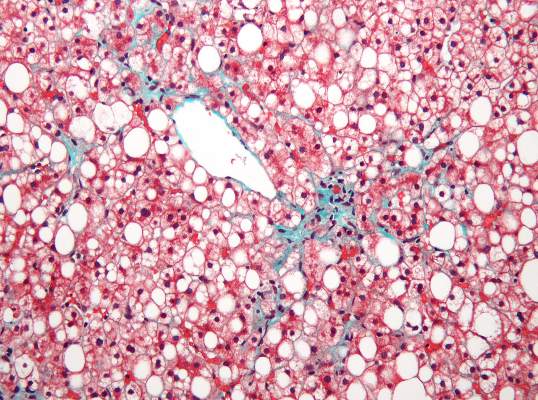
NAFLD and heart failure are both associated with obesity. Likewise, there is evidence that NAFLD may also be related to endothelial dysfunction, coronary plaques, coronary artery calcifications, as well as being an independent risk factor for cardiovascular disease.
Dr. VanWagner and her colleagues conducted a cross-sectional study of 2,713 patients from the CARDIA (Coronary Artery Risk Development in Young Adults) study to understand any associations between NAFLD and abnormalities in left ventricular (LV) function and structure. Study participants completed CT quantification of liver fat and echocardiography with Doppler during the 25-year follow-up to the initial study (Hepatology 2015;62:773-83 [doi:10.1002/hep.27869]). Participants were excluded from analysis if they had missing or incomplete imaging, pregnancy, a history of MI or heart failure, cirrhosis, hepatitis, or chronic liver disease risk factors, or if they weighed more than 450 pounds,
Of the 2,713 subjects included in analysis, 48% were black and 58.8% were female. NAFLD was detected in 10% (n = 271) of participants. Those with NAFLD were more likely to be white males with metabolic syndrome and who were obese and had higher CT-measured levels of visceral adipose tissue, and an increased waist circumference and waist-to-hip ratio. Insulin resistance markers such as elevated fasting glucose, elevated C-reactive protein, and hypertriglyceridemia were more common in the participants with NAFLD.
Study participants with NAFLD had signs of myocardial remodeling such as more left ventricular wall thickness, LV end-diastolic volume, left aortic volume index, and LV mass index. Likewise, NAFLD was associated with more circumferential strain and global longitudinal strain but no differences in ejection fraction.
Subclinical systolic dysfunction (P less than .001 for the trend), subclinical diastolic dysfunction with impaired left ventricular relaxation (34.6% vs. 23.6%; P less than .0001), and elevated LV filling pressures (33.3% vs. 23.7%; P less than .001) was more common in NAFLD participants, compared with non-NAFLD subjects.
After researchers adjusted for health behaviors and demographic factors, evidence of NAFLD was associated with worse GLS (P less than .0001). Finally, NAFLD was associated with subclinical cardiac remodeling and dysfunction even after adjustment for body mass index and heart failure risk factors (P less than .01).
Dr. VanWagner summarized, “NAFLD may not necessarily be a ‘benign condition’ as previously thought. In our study, we determined liver fat by CT scan, which admittedly detects fat at a higher level (typically greater than 30%) than for example on MRI, which can detect fat as low as 5%. A fatty liver detected on CT or even on [ultrasound], which has similar sensitivity as CT for detecting liver fat should prompt evaluation for additional cardiovascular risk factors and treatment of identified abnormalities to reduce [atherosclerotic cardiovascular disease] and [heart failure] risk. Currently, our study only shows associations between liver fat and subclinical changes in the myocardium and causality cannot be determined. [On the basis] of our data, we cannot recommend screening for HF [heart failure] in this population, but future studies are needed to determine if NAFLD in fact lies in the casual pathway for the development of clinical HF.”
The investigators reported multiple supporting sources, including the National Institutes of Health, American Association for the Study of Liver Disease Foundation, and the American Heart Association. Dr. Lewis reported receiving grants from Novo Nordisk.
Researchers found an association between nonalcoholic fatty liver disease (NAFLD) and myocardial dysfunction and remodeling, according to a new study published in Hepatology.
“Both NAFLD and heart failure (particularly heart failure with preserved ejection fraction) are obesity-related conditions that have reached epidemic proportions. We know from epidemiologic studies that persons with NAFLD are more likely to die from cardiovascular disease than from liver-related death. This risk seems to be proportional to the amount of fat in the liver and is independent of the presence of nonalcoholic steatohepatitis (NASH). There have been numerous studies that have focused on the relationship between NAFLD and coronary artery disease, but very little work has been done to determine relationships with heart failure,” Dr. Lisa B. VanWagner of Northwestern University in Chicago noted. She continued, “There are several well-established major risk factors for the development of clinical heart failure, including coronary artery disease, diabetes, and hypertension, all of which are also closely associated with NAFLD. However, whether NAFLD is independently associated with subclinical myocardial remodeling or dysfunction that may lead to the development of clinical heart failure is unknown.”
NAFLD and heart failure are both associated with obesity. Likewise, there is evidence that NAFLD may also be related to endothelial dysfunction, coronary plaques, coronary artery calcifications, as well as being an independent risk factor for cardiovascular disease.
Dr. VanWagner and her colleagues conducted a cross-sectional study of 2,713 patients from the CARDIA (Coronary Artery Risk Development in Young Adults) study to understand any associations between NAFLD and abnormalities in left ventricular (LV) function and structure. Study participants completed CT quantification of liver fat and echocardiography with Doppler during the 25-year follow-up to the initial study (Hepatology 2015;62:773-83 [doi:10.1002/hep.27869]). Participants were excluded from analysis if they had missing or incomplete imaging, pregnancy, a history of MI or heart failure, cirrhosis, hepatitis, or chronic liver disease risk factors, or if they weighed more than 450 pounds,
Of the 2,713 subjects included in analysis, 48% were black and 58.8% were female. NAFLD was detected in 10% (n = 271) of participants. Those with NAFLD were more likely to be white males with metabolic syndrome and who were obese and had higher CT-measured levels of visceral adipose tissue, and an increased waist circumference and waist-to-hip ratio. Insulin resistance markers such as elevated fasting glucose, elevated C-reactive protein, and hypertriglyceridemia were more common in the participants with NAFLD.
Study participants with NAFLD had signs of myocardial remodeling such as more left ventricular wall thickness, LV end-diastolic volume, left aortic volume index, and LV mass index. Likewise, NAFLD was associated with more circumferential strain and global longitudinal strain but no differences in ejection fraction.
Subclinical systolic dysfunction (P less than .001 for the trend), subclinical diastolic dysfunction with impaired left ventricular relaxation (34.6% vs. 23.6%; P less than .0001), and elevated LV filling pressures (33.3% vs. 23.7%; P less than .001) was more common in NAFLD participants, compared with non-NAFLD subjects.
After researchers adjusted for health behaviors and demographic factors, evidence of NAFLD was associated with worse GLS (P less than .0001). Finally, NAFLD was associated with subclinical cardiac remodeling and dysfunction even after adjustment for body mass index and heart failure risk factors (P less than .01).
Dr. VanWagner summarized, “NAFLD may not necessarily be a ‘benign condition’ as previously thought. In our study, we determined liver fat by CT scan, which admittedly detects fat at a higher level (typically greater than 30%) than for example on MRI, which can detect fat as low as 5%. A fatty liver detected on CT or even on [ultrasound], which has similar sensitivity as CT for detecting liver fat should prompt evaluation for additional cardiovascular risk factors and treatment of identified abnormalities to reduce [atherosclerotic cardiovascular disease] and [heart failure] risk. Currently, our study only shows associations between liver fat and subclinical changes in the myocardium and causality cannot be determined. [On the basis] of our data, we cannot recommend screening for HF [heart failure] in this population, but future studies are needed to determine if NAFLD in fact lies in the casual pathway for the development of clinical HF.”
The investigators reported multiple supporting sources, including the National Institutes of Health, American Association for the Study of Liver Disease Foundation, and the American Heart Association. Dr. Lewis reported receiving grants from Novo Nordisk.
Researchers found an association between nonalcoholic fatty liver disease (NAFLD) and myocardial dysfunction and remodeling, according to a new study published in Hepatology.
“Both NAFLD and heart failure (particularly heart failure with preserved ejection fraction) are obesity-related conditions that have reached epidemic proportions. We know from epidemiologic studies that persons with NAFLD are more likely to die from cardiovascular disease than from liver-related death. This risk seems to be proportional to the amount of fat in the liver and is independent of the presence of nonalcoholic steatohepatitis (NASH). There have been numerous studies that have focused on the relationship between NAFLD and coronary artery disease, but very little work has been done to determine relationships with heart failure,” Dr. Lisa B. VanWagner of Northwestern University in Chicago noted. She continued, “There are several well-established major risk factors for the development of clinical heart failure, including coronary artery disease, diabetes, and hypertension, all of which are also closely associated with NAFLD. However, whether NAFLD is independently associated with subclinical myocardial remodeling or dysfunction that may lead to the development of clinical heart failure is unknown.”
NAFLD and heart failure are both associated with obesity. Likewise, there is evidence that NAFLD may also be related to endothelial dysfunction, coronary plaques, coronary artery calcifications, as well as being an independent risk factor for cardiovascular disease.
Dr. VanWagner and her colleagues conducted a cross-sectional study of 2,713 patients from the CARDIA (Coronary Artery Risk Development in Young Adults) study to understand any associations between NAFLD and abnormalities in left ventricular (LV) function and structure. Study participants completed CT quantification of liver fat and echocardiography with Doppler during the 25-year follow-up to the initial study (Hepatology 2015;62:773-83 [doi:10.1002/hep.27869]). Participants were excluded from analysis if they had missing or incomplete imaging, pregnancy, a history of MI or heart failure, cirrhosis, hepatitis, or chronic liver disease risk factors, or if they weighed more than 450 pounds,
Of the 2,713 subjects included in analysis, 48% were black and 58.8% were female. NAFLD was detected in 10% (n = 271) of participants. Those with NAFLD were more likely to be white males with metabolic syndrome and who were obese and had higher CT-measured levels of visceral adipose tissue, and an increased waist circumference and waist-to-hip ratio. Insulin resistance markers such as elevated fasting glucose, elevated C-reactive protein, and hypertriglyceridemia were more common in the participants with NAFLD.
Study participants with NAFLD had signs of myocardial remodeling such as more left ventricular wall thickness, LV end-diastolic volume, left aortic volume index, and LV mass index. Likewise, NAFLD was associated with more circumferential strain and global longitudinal strain but no differences in ejection fraction.
Subclinical systolic dysfunction (P less than .001 for the trend), subclinical diastolic dysfunction with impaired left ventricular relaxation (34.6% vs. 23.6%; P less than .0001), and elevated LV filling pressures (33.3% vs. 23.7%; P less than .001) was more common in NAFLD participants, compared with non-NAFLD subjects.
After researchers adjusted for health behaviors and demographic factors, evidence of NAFLD was associated with worse GLS (P less than .0001). Finally, NAFLD was associated with subclinical cardiac remodeling and dysfunction even after adjustment for body mass index and heart failure risk factors (P less than .01).
Dr. VanWagner summarized, “NAFLD may not necessarily be a ‘benign condition’ as previously thought. In our study, we determined liver fat by CT scan, which admittedly detects fat at a higher level (typically greater than 30%) than for example on MRI, which can detect fat as low as 5%. A fatty liver detected on CT or even on [ultrasound], which has similar sensitivity as CT for detecting liver fat should prompt evaluation for additional cardiovascular risk factors and treatment of identified abnormalities to reduce [atherosclerotic cardiovascular disease] and [heart failure] risk. Currently, our study only shows associations between liver fat and subclinical changes in the myocardium and causality cannot be determined. [On the basis] of our data, we cannot recommend screening for HF [heart failure] in this population, but future studies are needed to determine if NAFLD in fact lies in the casual pathway for the development of clinical HF.”
The investigators reported multiple supporting sources, including the National Institutes of Health, American Association for the Study of Liver Disease Foundation, and the American Heart Association. Dr. Lewis reported receiving grants from Novo Nordisk.
FROM HEPATOLOGY
Key clinical point: Researchers found an association between nonalcoholic fatty liver disease and myocardial dysfunction and remodeling.
Major finding: Subclinical systolic dysfunction (P less than .001 for the trend), subclinical diastolic dysfunction with impaired left ventricular relaxation (P less than .0001), and elevated LV filling pressures (P less than .001) was more common in participants with NAFLD than in those without.
Data source: A cross-sectional study of 2,713 patients from the CARDIA study using CT quantification of liver fat and echocardiography with Doppler during the 25-year follow-up to the initial study.
Disclosures: The investigators reported multiple supporting sources, including the National Institutes of Health, American Association for the Study of Liver Disease Foundation, and the American Heart Association. Dr. Lewis reported receiving grants from Novo Nordisk.
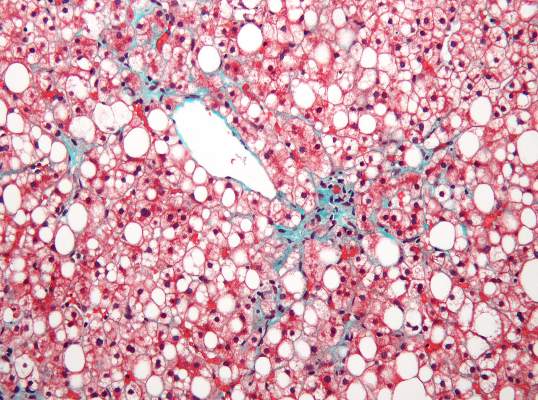
ESC: Novel apnea treatment not helpful, possibly harmful in heart failure
Adaptive servo-ventilation is not beneficial and may even be harmful for patients who have predominantly central sleep apnea accompanying heart failure with reduced ejection fraction, Dr. Martin R. Cowie reported at the annual congress of the European Society of Cardiology.
The noninvasive therapy did control central sleep apnea in a large international randomized controlled trial, but nevertheless did not affect the composite end point of death from any cause, lifesaving cardiovascular intervention, or unplanned hospitalization for worsening HF. Moreover, it unexpectedly raised the risk of cardiovascular death by 34%, and significantly increased all-cause mortality as well, said Dr. Cowie of Imperial College London.

Adaptive servo-ventilation delivers servo-controlled inspiratory pressure on top of expiratory positive airway pressure during sleep, to alleviate central sleep apnea. This form of sleep-disordered breathing, which may manifest as Cheyne-Stokes respiration in patients who have HF with reduced ejection fraction, is reported to affect up to 40% of this patient population. Its prevalence rises as the severity of HF increases, and it is an independent risk marker for poor prognosis and death in HF.
A recent trial showed that continuous positive airway pressure (CPAP) did not improve morbidity or mortality in patients who had HF with central sleep apnea, but suggested that a treatment that could reduce the apnea-hypopnea index (AHI) – the number of apnea or hypopnea events per hour of sleep – to below 15 might be effective. Adaptive servo-ventilation can accomplish this, and small studies and meta-analyses have shown that the treatment improves surrogate markers including plasma concentration of brain natriuretic peptide, left ventricular ejection fraction (LVEF), and functional outcomes in heart failure.
Dr. Cowie and his associates conducted the SERVE-HF trial, assessing the effect of adding adaptive servo-ventilation to guideline-based medical therapy on survival and cardiovascular outcomes. He presented the trial results at the meeting, and they were simultaneously published online (N Engl J Med. 2015 Sep 1. doi:10.1056/NEJMoa1506459).
The industry-sponsored study comprised 1,325 patients aged 22 and older treated and followed at 91 medical centers for a median of 31 months (range, 0-80 months). They were randomly assigned to receive medical therapy plus adaptive servo-ventilation delivered through a face mask for at least 5 hours every night (666 intervention subjects) or medical therapy alone (659 control subjects).
Central sleep apnea was well controlled only in the intervention group. At 1 year, their mean AHI was 6.6 events per hour, and the oxygen desaturation index – the number of times per hour that the blood oxygen level dropped by 3 or more percentage points from baseline level – was 8.6.
Yet the primary composite end point was not significantly different between the two study groups: The rate of death from any cause, lifesaving cardiovascular intervention, and unplanned hospitalization for worsening HF was 54.1% with adaptive servo-ventilation and 50.8% without it. The treatment also had no significant effect on a broad spectrum of secondary measures such as symptoms and quality of life. Six-minute walk distance gradually declined in both groups, but that decline was significantly more pronounced in the intervention group, the investigator said.
Even more worrisome was the significant increase in mortality associated with adaptive servo-ventilation. Cardiovascular mortality was 29.9% with the treatment, compared with 24.0% without it, for a hazard ratio of 1.34. All-cause mortality was 34.8% with the treatment and 29.3% without it, for an HR of 1.28.
The reason for this unexpected result is not yet known. One explanation is that central sleep apnea may be a compensatory mechanism with potentially beneficial effects in patients who have HF. Attenuating those effects with adaptive servo-ventilation may then have been detrimental. For example, central sleep apnea, and particularly Cheyne-Stokes breathing, may beneficially activate the respiratory muscles, increase sympathetic nervous system activity, induce hypercapnic acidosis, increase end-expiratory lung volume, and raise intrinsic positive airway pressure.
Another possibility is that applying positive airway pressure with adaptive servo-ventilation may impair cardiac function in at least a portion of patients who have HF by decreasing cardiac output and stroke volume during treatment.
ResMed, maker of the AutoSet adaptive servo-ventilator, sponsored SERVE-HF, which was also supported by the National Institute for Health Research and the National Institutes of Health. Dr. Cowie disclosed ties with Servier, Novartis, Pfizer, St. Jude Medical, Boston Scientific, Respicardia,Medtronic, and Bayer; his associates reported ties to numerous industry sources.
Adaptive servo-ventilation should not be used outside of clinical trials in heart failure patients who have predominantly central sleep apnea, at least until the reason for the unexpected 34% increase in cardiovascular mortality is understood.
The issue is important because at least one new technique to abolish Cheyne-Stokes respiration that doesn’t use positive pressure therapy – phrenic-nerve stimulation – has already been developed and is being assessed in a clinical trial. If Cheyne-Stokes respiration is actually beneficial in HF, this strategy may prove harmful.
Dr. Ulysses J. Magalang is in the division of pulmonary, allergy, critical care, and sleep medicine at Ohio State University Wexner Medical Center, Columbus. Dr. Allan I. Pack is at the Center for Sleep and Circadian Neurobiology at the University of Pennsylvania, Philadelphia. Dr. Magalang reported grants support from the Rudi Schulte Family Foundation, Hill-Rom, and the Tzagournis Medical Research Endowment; Dr. Pack reported having no relevant financial disclosures. They made these remarks in an editorial accompanying the SERVE-HF report (N Engl J Med. 2015 Sep 1. doi:10.1056/NEJMe1510397Th).
Adaptive servo-ventilation should not be used outside of clinical trials in heart failure patients who have predominantly central sleep apnea, at least until the reason for the unexpected 34% increase in cardiovascular mortality is understood.
The issue is important because at least one new technique to abolish Cheyne-Stokes respiration that doesn’t use positive pressure therapy – phrenic-nerve stimulation – has already been developed and is being assessed in a clinical trial. If Cheyne-Stokes respiration is actually beneficial in HF, this strategy may prove harmful.
Dr. Ulysses J. Magalang is in the division of pulmonary, allergy, critical care, and sleep medicine at Ohio State University Wexner Medical Center, Columbus. Dr. Allan I. Pack is at the Center for Sleep and Circadian Neurobiology at the University of Pennsylvania, Philadelphia. Dr. Magalang reported grants support from the Rudi Schulte Family Foundation, Hill-Rom, and the Tzagournis Medical Research Endowment; Dr. Pack reported having no relevant financial disclosures. They made these remarks in an editorial accompanying the SERVE-HF report (N Engl J Med. 2015 Sep 1. doi:10.1056/NEJMe1510397Th).
Adaptive servo-ventilation should not be used outside of clinical trials in heart failure patients who have predominantly central sleep apnea, at least until the reason for the unexpected 34% increase in cardiovascular mortality is understood.
The issue is important because at least one new technique to abolish Cheyne-Stokes respiration that doesn’t use positive pressure therapy – phrenic-nerve stimulation – has already been developed and is being assessed in a clinical trial. If Cheyne-Stokes respiration is actually beneficial in HF, this strategy may prove harmful.
Dr. Ulysses J. Magalang is in the division of pulmonary, allergy, critical care, and sleep medicine at Ohio State University Wexner Medical Center, Columbus. Dr. Allan I. Pack is at the Center for Sleep and Circadian Neurobiology at the University of Pennsylvania, Philadelphia. Dr. Magalang reported grants support from the Rudi Schulte Family Foundation, Hill-Rom, and the Tzagournis Medical Research Endowment; Dr. Pack reported having no relevant financial disclosures. They made these remarks in an editorial accompanying the SERVE-HF report (N Engl J Med. 2015 Sep 1. doi:10.1056/NEJMe1510397Th).
Adaptive servo-ventilation is not beneficial and may even be harmful for patients who have predominantly central sleep apnea accompanying heart failure with reduced ejection fraction, Dr. Martin R. Cowie reported at the annual congress of the European Society of Cardiology.
The noninvasive therapy did control central sleep apnea in a large international randomized controlled trial, but nevertheless did not affect the composite end point of death from any cause, lifesaving cardiovascular intervention, or unplanned hospitalization for worsening HF. Moreover, it unexpectedly raised the risk of cardiovascular death by 34%, and significantly increased all-cause mortality as well, said Dr. Cowie of Imperial College London.
Adaptive servo-ventilation delivers servo-controlled inspiratory pressure on top of expiratory positive airway pressure during sleep, to alleviate central sleep apnea. This form of sleep-disordered breathing, which may manifest as Cheyne-Stokes respiration in patients who have HF with reduced ejection fraction, is reported to affect up to 40% of this patient population. Its prevalence rises as the severity of HF increases, and it is an independent risk marker for poor prognosis and death in HF.
A recent trial showed that continuous positive airway pressure (CPAP) did not improve morbidity or mortality in patients who had HF with central sleep apnea, but suggested that a treatment that could reduce the apnea-hypopnea index (AHI) – the number of apnea or hypopnea events per hour of sleep – to below 15 might be effective. Adaptive servo-ventilation can accomplish this, and small studies and meta-analyses have shown that the treatment improves surrogate markers including plasma concentration of brain natriuretic peptide, left ventricular ejection fraction (LVEF), and functional outcomes in heart failure.
Dr. Cowie and his associates conducted the SERVE-HF trial, assessing the effect of adding adaptive servo-ventilation to guideline-based medical therapy on survival and cardiovascular outcomes. He presented the trial results at the meeting, and they were simultaneously published online (N Engl J Med. 2015 Sep 1. doi:10.1056/NEJMoa1506459).
The industry-sponsored study comprised 1,325 patients aged 22 and older treated and followed at 91 medical centers for a median of 31 months (range, 0-80 months). They were randomly assigned to receive medical therapy plus adaptive servo-ventilation delivered through a face mask for at least 5 hours every night (666 intervention subjects) or medical therapy alone (659 control subjects).
Central sleep apnea was well controlled only in the intervention group. At 1 year, their mean AHI was 6.6 events per hour, and the oxygen desaturation index – the number of times per hour that the blood oxygen level dropped by 3 or more percentage points from baseline level – was 8.6.
Yet the primary composite end point was not significantly different between the two study groups: The rate of death from any cause, lifesaving cardiovascular intervention, and unplanned hospitalization for worsening HF was 54.1% with adaptive servo-ventilation and 50.8% without it. The treatment also had no significant effect on a broad spectrum of secondary measures such as symptoms and quality of life. Six-minute walk distance gradually declined in both groups, but that decline was significantly more pronounced in the intervention group, the investigator said.
Even more worrisome was the significant increase in mortality associated with adaptive servo-ventilation. Cardiovascular mortality was 29.9% with the treatment, compared with 24.0% without it, for a hazard ratio of 1.34. All-cause mortality was 34.8% with the treatment and 29.3% without it, for an HR of 1.28.
The reason for this unexpected result is not yet known. One explanation is that central sleep apnea may be a compensatory mechanism with potentially beneficial effects in patients who have HF. Attenuating those effects with adaptive servo-ventilation may then have been detrimental. For example, central sleep apnea, and particularly Cheyne-Stokes breathing, may beneficially activate the respiratory muscles, increase sympathetic nervous system activity, induce hypercapnic acidosis, increase end-expiratory lung volume, and raise intrinsic positive airway pressure.
Another possibility is that applying positive airway pressure with adaptive servo-ventilation may impair cardiac function in at least a portion of patients who have HF by decreasing cardiac output and stroke volume during treatment.
ResMed, maker of the AutoSet adaptive servo-ventilator, sponsored SERVE-HF, which was also supported by the National Institute for Health Research and the National Institutes of Health. Dr. Cowie disclosed ties with Servier, Novartis, Pfizer, St. Jude Medical, Boston Scientific, Respicardia,Medtronic, and Bayer; his associates reported ties to numerous industry sources.
Adaptive servo-ventilation is not beneficial and may even be harmful for patients who have predominantly central sleep apnea accompanying heart failure with reduced ejection fraction, Dr. Martin R. Cowie reported at the annual congress of the European Society of Cardiology.
The noninvasive therapy did control central sleep apnea in a large international randomized controlled trial, but nevertheless did not affect the composite end point of death from any cause, lifesaving cardiovascular intervention, or unplanned hospitalization for worsening HF. Moreover, it unexpectedly raised the risk of cardiovascular death by 34%, and significantly increased all-cause mortality as well, said Dr. Cowie of Imperial College London.
Adaptive servo-ventilation delivers servo-controlled inspiratory pressure on top of expiratory positive airway pressure during sleep, to alleviate central sleep apnea. This form of sleep-disordered breathing, which may manifest as Cheyne-Stokes respiration in patients who have HF with reduced ejection fraction, is reported to affect up to 40% of this patient population. Its prevalence rises as the severity of HF increases, and it is an independent risk marker for poor prognosis and death in HF.
A recent trial showed that continuous positive airway pressure (CPAP) did not improve morbidity or mortality in patients who had HF with central sleep apnea, but suggested that a treatment that could reduce the apnea-hypopnea index (AHI) – the number of apnea or hypopnea events per hour of sleep – to below 15 might be effective. Adaptive servo-ventilation can accomplish this, and small studies and meta-analyses have shown that the treatment improves surrogate markers including plasma concentration of brain natriuretic peptide, left ventricular ejection fraction (LVEF), and functional outcomes in heart failure.
Dr. Cowie and his associates conducted the SERVE-HF trial, assessing the effect of adding adaptive servo-ventilation to guideline-based medical therapy on survival and cardiovascular outcomes. He presented the trial results at the meeting, and they were simultaneously published online (N Engl J Med. 2015 Sep 1. doi:10.1056/NEJMoa1506459).
The industry-sponsored study comprised 1,325 patients aged 22 and older treated and followed at 91 medical centers for a median of 31 months (range, 0-80 months). They were randomly assigned to receive medical therapy plus adaptive servo-ventilation delivered through a face mask for at least 5 hours every night (666 intervention subjects) or medical therapy alone (659 control subjects).
Central sleep apnea was well controlled only in the intervention group. At 1 year, their mean AHI was 6.6 events per hour, and the oxygen desaturation index – the number of times per hour that the blood oxygen level dropped by 3 or more percentage points from baseline level – was 8.6.
Yet the primary composite end point was not significantly different between the two study groups: The rate of death from any cause, lifesaving cardiovascular intervention, and unplanned hospitalization for worsening HF was 54.1% with adaptive servo-ventilation and 50.8% without it. The treatment also had no significant effect on a broad spectrum of secondary measures such as symptoms and quality of life. Six-minute walk distance gradually declined in both groups, but that decline was significantly more pronounced in the intervention group, the investigator said.
Even more worrisome was the significant increase in mortality associated with adaptive servo-ventilation. Cardiovascular mortality was 29.9% with the treatment, compared with 24.0% without it, for a hazard ratio of 1.34. All-cause mortality was 34.8% with the treatment and 29.3% without it, for an HR of 1.28.
The reason for this unexpected result is not yet known. One explanation is that central sleep apnea may be a compensatory mechanism with potentially beneficial effects in patients who have HF. Attenuating those effects with adaptive servo-ventilation may then have been detrimental. For example, central sleep apnea, and particularly Cheyne-Stokes breathing, may beneficially activate the respiratory muscles, increase sympathetic nervous system activity, induce hypercapnic acidosis, increase end-expiratory lung volume, and raise intrinsic positive airway pressure.
Another possibility is that applying positive airway pressure with adaptive servo-ventilation may impair cardiac function in at least a portion of patients who have HF by decreasing cardiac output and stroke volume during treatment.
ResMed, maker of the AutoSet adaptive servo-ventilator, sponsored SERVE-HF, which was also supported by the National Institute for Health Research and the National Institutes of Health. Dr. Cowie disclosed ties with Servier, Novartis, Pfizer, St. Jude Medical, Boston Scientific, Respicardia,Medtronic, and Bayer; his associates reported ties to numerous industry sources.
FROM THE ESC CONGRESS 2015
Key clinical point: Adaptive servo-ventilation is not beneficial and may even be harmful for central sleep apnea accompanying heart failure.
Major finding: The composite rate of death from any cause, lifesaving cardiovascular intervention, and unplanned hospitalization for worsening HF was 54.1% with adaptive servo-ventilation and 50.8% without it, a nonsignificant difference.
Data source: An international randomized clinical trial involving 1,325 adults followed for a median of 31 months.
Disclosures: ResMed, maker of the AutoSet adaptive servo-ventilator, sponsored SERVE-HF, which was also supported by the National Institute for Health Research and the National Institutes of Health. Dr. Cowie disclosed ties with Servier, Novartis, Pfizer, St. Jude Medical, Boston Scientific, Respicardia,Medtronic, and Bayer; his associates reported ties to numerous industry sources.

VIDEO: Newer type 2 diabetes drugs pose no significant heart failure risk
LONDON – Neither the GLP-1 receptor agonist lixisenatide nor the DPP-4 inhibitor sitagliptin significantly increased the risk of heart failure or associated hospitalizations in patients with type 2 diabetes, according to data from two large cardiovascular safety trials.
Further analysis from ELIXA (Evaluation of Lixisenatide [Lyxumia] in Acute Coronary Syndrome) showed that the hazard ratios for several secondary heart failure endpoints were 1.00 or below. Although the risk for heart failure hospitalization was found to be nine times higher in patients who had a prior history of heart failure than in those who did not, there was there was no difference between treatment with the GLP-1 (glucagon-like peptide 1) agonist or placebo.
The findings add to those already presented in June at the annual scientific sessions of the American Diabetes Association from the 6,068-patient trial, which enrolled patients with type 2 diabetes who had experienced an acute coronary syndrome within the past 6 months.
Other reassuring data on the safety of newer diabetes medicines came from an updated analysis of TECOS (Trial Evaluating Cardiovascular Outcomes With Sitagliptin [Januvia]). The time to first hospitalization for heart failure did not differ between the placebo and sitagliptin arms, and there were no differences between the treatments in terms of hospitalization for heart failure or cardiovascular death or hospitalization for heart failure or all-cause death with the DPP-4 (dipeptyl peptidase 4) inhibitor. TECOS enrolled nearly 15,000 patients with type 2 diabetes and concurrent cardiovascular disease who were aged 50 years or older and the primary findings have been published (N Engl J Med. 2015 July 15;373:232-42).
These trials provide accumulating evidence that there is no heart failure risk with these particular diabetes medications, Dr. Lars Rydén, professor of cardiology at the Karolinska Institute in Stockholm, commented in an interview at the annual congress of the European Society of Cardiology. Dr. Rydén added that the trial results everyone is waiting to hear about concern the cardiovascular safety of the selective sodium–glucose cotransporter-2 (SGLT-2) inhibitor empagliflozin (Jardiance).
Advance information issued by manufacturer Boehringer-Ingelheim suggests that this drug actually may lower cardiovascular risk in patients at high risk for cardiovascular events, Dr. Rydén observed. “Now, if that is true, it is the only modern glucose-lowering drug to have shown such a capacity.” Results of the EMPA-REG OUTCOME study will be presented in September at the annual meeting of the European Association for the Study of Diabetes in Stockholm.
The video associated with this article is no longer available on this site. Please view all of our videos on the MDedge YouTube channel
LONDON – Neither the GLP-1 receptor agonist lixisenatide nor the DPP-4 inhibitor sitagliptin significantly increased the risk of heart failure or associated hospitalizations in patients with type 2 diabetes, according to data from two large cardiovascular safety trials.
Further analysis from ELIXA (Evaluation of Lixisenatide [Lyxumia] in Acute Coronary Syndrome) showed that the hazard ratios for several secondary heart failure endpoints were 1.00 or below. Although the risk for heart failure hospitalization was found to be nine times higher in patients who had a prior history of heart failure than in those who did not, there was there was no difference between treatment with the GLP-1 (glucagon-like peptide 1) agonist or placebo.
The findings add to those already presented in June at the annual scientific sessions of the American Diabetes Association from the 6,068-patient trial, which enrolled patients with type 2 diabetes who had experienced an acute coronary syndrome within the past 6 months.
Other reassuring data on the safety of newer diabetes medicines came from an updated analysis of TECOS (Trial Evaluating Cardiovascular Outcomes With Sitagliptin [Januvia]). The time to first hospitalization for heart failure did not differ between the placebo and sitagliptin arms, and there were no differences between the treatments in terms of hospitalization for heart failure or cardiovascular death or hospitalization for heart failure or all-cause death with the DPP-4 (dipeptyl peptidase 4) inhibitor. TECOS enrolled nearly 15,000 patients with type 2 diabetes and concurrent cardiovascular disease who were aged 50 years or older and the primary findings have been published (N Engl J Med. 2015 July 15;373:232-42).
These trials provide accumulating evidence that there is no heart failure risk with these particular diabetes medications, Dr. Lars Rydén, professor of cardiology at the Karolinska Institute in Stockholm, commented in an interview at the annual congress of the European Society of Cardiology. Dr. Rydén added that the trial results everyone is waiting to hear about concern the cardiovascular safety of the selective sodium–glucose cotransporter-2 (SGLT-2) inhibitor empagliflozin (Jardiance).
Advance information issued by manufacturer Boehringer-Ingelheim suggests that this drug actually may lower cardiovascular risk in patients at high risk for cardiovascular events, Dr. Rydén observed. “Now, if that is true, it is the only modern glucose-lowering drug to have shown such a capacity.” Results of the EMPA-REG OUTCOME study will be presented in September at the annual meeting of the European Association for the Study of Diabetes in Stockholm.
The video associated with this article is no longer available on this site. Please view all of our videos on the MDedge YouTube channel
LONDON – Neither the GLP-1 receptor agonist lixisenatide nor the DPP-4 inhibitor sitagliptin significantly increased the risk of heart failure or associated hospitalizations in patients with type 2 diabetes, according to data from two large cardiovascular safety trials.
Further analysis from ELIXA (Evaluation of Lixisenatide [Lyxumia] in Acute Coronary Syndrome) showed that the hazard ratios for several secondary heart failure endpoints were 1.00 or below. Although the risk for heart failure hospitalization was found to be nine times higher in patients who had a prior history of heart failure than in those who did not, there was there was no difference between treatment with the GLP-1 (glucagon-like peptide 1) agonist or placebo.
The findings add to those already presented in June at the annual scientific sessions of the American Diabetes Association from the 6,068-patient trial, which enrolled patients with type 2 diabetes who had experienced an acute coronary syndrome within the past 6 months.
Other reassuring data on the safety of newer diabetes medicines came from an updated analysis of TECOS (Trial Evaluating Cardiovascular Outcomes With Sitagliptin [Januvia]). The time to first hospitalization for heart failure did not differ between the placebo and sitagliptin arms, and there were no differences between the treatments in terms of hospitalization for heart failure or cardiovascular death or hospitalization for heart failure or all-cause death with the DPP-4 (dipeptyl peptidase 4) inhibitor. TECOS enrolled nearly 15,000 patients with type 2 diabetes and concurrent cardiovascular disease who were aged 50 years or older and the primary findings have been published (N Engl J Med. 2015 July 15;373:232-42).
These trials provide accumulating evidence that there is no heart failure risk with these particular diabetes medications, Dr. Lars Rydén, professor of cardiology at the Karolinska Institute in Stockholm, commented in an interview at the annual congress of the European Society of Cardiology. Dr. Rydén added that the trial results everyone is waiting to hear about concern the cardiovascular safety of the selective sodium–glucose cotransporter-2 (SGLT-2) inhibitor empagliflozin (Jardiance).
Advance information issued by manufacturer Boehringer-Ingelheim suggests that this drug actually may lower cardiovascular risk in patients at high risk for cardiovascular events, Dr. Rydén observed. “Now, if that is true, it is the only modern glucose-lowering drug to have shown such a capacity.” Results of the EMPA-REG OUTCOME study will be presented in September at the annual meeting of the European Association for the Study of Diabetes in Stockholm.