User login
MDedge conference coverage features onsite reporting of the latest study results and expert perspectives from leading researchers.
Routinely screen for depression in atopic dermatitis
Jonathan I. Silverberg, MD, PhD, declared in a video presentation during a virtual meeting held by the George Washington University department of dermatology.

The virtual meeting included presentations that had been slated for the annual meeting of the American Academy of Dermatology, which was canceled because of the COVID-19 pandemic.
Dr. Silverberg presented highlights of his recent study of depression screening rates in the National Ambulatory Medical Care Survey, an annual population-based survey by the National Center for Health Statistics. He and his coinvestigator analyzed 9,345 office visits for atopic dermatitis (AD) and 2,085 for psoriasis (Br J Dermatol. 2019 Oct 24. doi: 10.1111/bjd.18629.). The picture that emerged showed that there is much room for improvement.
“We found that depression screening rates were abysmally low in atopic dermatitis patients, with less than 2% patients being screened. There was very little difference in screening rates between patients on an advanced therapy, like systemic phototherapy or a biologic, compared to those who were just on topical therapy alone, meaning even the more severe patients aren’t being asked these questions. And no difference between dermatologists and primary care physicians,” said Dr. Silverberg, director of clinical research and contact dermatitis in the department of dermatology at George Washington University, Washington.
For Dr. Silverberg, known for his pioneering work documenting the marked yet often-underappreciated negative impact of AD on quality of life and mental health, these rock-bottom screening rates were particularly galling.
“There are very high rates of anxiety and depression amongst our patients with atopic dermatitis,” the dermatologist emphasized. “Mental health symptoms are an incredibly important domain in atopic dermatitis that we need to ask our patients about. We don’t ask enough.
“This to me is actually a very important symptom to measure. It’s not just a theoretical construct involved in understanding the burden of the disease, it’s something that’s actionable because most of these cases of mental health symptoms are reversible or modifiable with improved control of the atopic dermatitis,” he continued. “I use this as an indication to step up therapy. If a patient is clinically depressed and we believe that’s secondary to their chronic atopic dermatitis, this is a reason to step up therapy to something stronger.”
If the depressive symptoms don’t improve after stepping up the intensity of the dermatologic therapy, it’s probably time for the patient to see a mental health professional, Dr. Silverberg advised, adding, “I’m not telling every dermatology resident out there to become a psychiatrist.”
Depression and anxiety in AD: How common?
In an analysis of multiyear data from the Medical Expenditure Panel Surveys, an annual population-based project conducted by the Agency for Healthcare Research and Quality, Dr. Silverberg and a coinvestigator found that adults with AD were an adjusted 186% more likely than those without AD to screen positive for depressive symptoms on the two-item Patient Health Questionnaire (PHQ-2), with rates of 44.3% and 21.9%, respectively. The AD patients were also 500% more likely to screen positive for severe psychological distress, with a 25.9% rate of having a Kessler-6 index score of 13 or more, compared with 5.5% in adults without AD.
The rate of severe psychological distress was higher in adults with AD than in those with asthma, diabetes, hypertension, urticaria, or psoriasis, and was comparable with the rate in individuals with autoimmune disease (Ann Allergy Asthma Immunol. 2019 Aug;123[2]:179-85).
“It’s surprising when you think that the majority of the cases of atopic dermatitis in the population are mild and yet when you look at a population-based sample such as this you see a strong signal come up. It means that, with all the dilution of mild disease, the signal is still there. It emphasizes that even patients with mild disease get these depressive symptoms and psychosocial distress,” Dr. Silverberg observed.
In a separate analysis of the same national database, this time looking at Short Form-6D health utility scores – a measure of overall quality of life encompassing key domains including vitality, physical function, mental health, fatigue – adults with AD scored markedly worse than individuals with no chronic health disorders. Health utility scores were particularly low in adults with AD and comorbid symptoms of anxiety or depression, suggesting that those affective symptoms are major drivers of the demonstrably poor quality of life in adult AD (Ann Allergy Asthma Immunol. 2020 Jan;124[1]:88-9).
In the Atopic Dermatitis in America Study, Dr. Silverberg and coinvestigators cross-sectionally surveyed 2,893 adults using the seven-item Hospital Anxiety and Depression Scale anxiety (HADS-A) and depression (HADS-D) assessment instruments. Individuals with AD as determined using the modified U.K. Diagnostic Criteria had dramatically higher rates of both depression and anxiety. For example, the prevalence of a HADS-A score of 11 or more, which is considered to be case finding for clinically important anxiety, was 28.6% in adults with AD, nearly twice the 15.5% prevalence in those without the dermatologic disease. A HADS-D score of 11 or greater was present in 13.5% of subjects with AD and 9% of those without.
HADS-A and -D scores were higher in adults with moderate AD, compared with mild disease, and higher still in those with severe AD. Indeed, virtually all individuals with moderate to severe AD had symptoms of anxiety and depression, which in a large proportion had gone undiagnosed. A multivariate analysis strongly suggested that AD severity was the major driver of anxiety and depression in adults with AD (Br J Dermatol. 2019 Sep;181[3]:554-65).
An important finding was that 100% of adults with AD who had scores in the severe range on three validated measures of itch, frequency of symptoms, and lesion severity had borderline or abnormal scores on the HADS-A and -D.
“Of course, if you don’t ask, you’re not going to know about it,” Dr. Silverberg noted.
Dr. Silverberg reported receiving research grants from Galderma and GlaxoSmithKline and serving as a consultant to those pharmaceutical companies and more than a dozen others.
Jonathan I. Silverberg, MD, PhD, declared in a video presentation during a virtual meeting held by the George Washington University department of dermatology.
The virtual meeting included presentations that had been slated for the annual meeting of the American Academy of Dermatology, which was canceled because of the COVID-19 pandemic.
Dr. Silverberg presented highlights of his recent study of depression screening rates in the National Ambulatory Medical Care Survey, an annual population-based survey by the National Center for Health Statistics. He and his coinvestigator analyzed 9,345 office visits for atopic dermatitis (AD) and 2,085 for psoriasis (Br J Dermatol. 2019 Oct 24. doi: 10.1111/bjd.18629.). The picture that emerged showed that there is much room for improvement.
“We found that depression screening rates were abysmally low in atopic dermatitis patients, with less than 2% patients being screened. There was very little difference in screening rates between patients on an advanced therapy, like systemic phototherapy or a biologic, compared to those who were just on topical therapy alone, meaning even the more severe patients aren’t being asked these questions. And no difference between dermatologists and primary care physicians,” said Dr. Silverberg, director of clinical research and contact dermatitis in the department of dermatology at George Washington University, Washington.
For Dr. Silverberg, known for his pioneering work documenting the marked yet often-underappreciated negative impact of AD on quality of life and mental health, these rock-bottom screening rates were particularly galling.
“There are very high rates of anxiety and depression amongst our patients with atopic dermatitis,” the dermatologist emphasized. “Mental health symptoms are an incredibly important domain in atopic dermatitis that we need to ask our patients about. We don’t ask enough.
“This to me is actually a very important symptom to measure. It’s not just a theoretical construct involved in understanding the burden of the disease, it’s something that’s actionable because most of these cases of mental health symptoms are reversible or modifiable with improved control of the atopic dermatitis,” he continued. “I use this as an indication to step up therapy. If a patient is clinically depressed and we believe that’s secondary to their chronic atopic dermatitis, this is a reason to step up therapy to something stronger.”
If the depressive symptoms don’t improve after stepping up the intensity of the dermatologic therapy, it’s probably time for the patient to see a mental health professional, Dr. Silverberg advised, adding, “I’m not telling every dermatology resident out there to become a psychiatrist.”
Depression and anxiety in AD: How common?
In an analysis of multiyear data from the Medical Expenditure Panel Surveys, an annual population-based project conducted by the Agency for Healthcare Research and Quality, Dr. Silverberg and a coinvestigator found that adults with AD were an adjusted 186% more likely than those without AD to screen positive for depressive symptoms on the two-item Patient Health Questionnaire (PHQ-2), with rates of 44.3% and 21.9%, respectively. The AD patients were also 500% more likely to screen positive for severe psychological distress, with a 25.9% rate of having a Kessler-6 index score of 13 or more, compared with 5.5% in adults without AD.
The rate of severe psychological distress was higher in adults with AD than in those with asthma, diabetes, hypertension, urticaria, or psoriasis, and was comparable with the rate in individuals with autoimmune disease (Ann Allergy Asthma Immunol. 2019 Aug;123[2]:179-85).
“It’s surprising when you think that the majority of the cases of atopic dermatitis in the population are mild and yet when you look at a population-based sample such as this you see a strong signal come up. It means that, with all the dilution of mild disease, the signal is still there. It emphasizes that even patients with mild disease get these depressive symptoms and psychosocial distress,” Dr. Silverberg observed.
In a separate analysis of the same national database, this time looking at Short Form-6D health utility scores – a measure of overall quality of life encompassing key domains including vitality, physical function, mental health, fatigue – adults with AD scored markedly worse than individuals with no chronic health disorders. Health utility scores were particularly low in adults with AD and comorbid symptoms of anxiety or depression, suggesting that those affective symptoms are major drivers of the demonstrably poor quality of life in adult AD (Ann Allergy Asthma Immunol. 2020 Jan;124[1]:88-9).
In the Atopic Dermatitis in America Study, Dr. Silverberg and coinvestigators cross-sectionally surveyed 2,893 adults using the seven-item Hospital Anxiety and Depression Scale anxiety (HADS-A) and depression (HADS-D) assessment instruments. Individuals with AD as determined using the modified U.K. Diagnostic Criteria had dramatically higher rates of both depression and anxiety. For example, the prevalence of a HADS-A score of 11 or more, which is considered to be case finding for clinically important anxiety, was 28.6% in adults with AD, nearly twice the 15.5% prevalence in those without the dermatologic disease. A HADS-D score of 11 or greater was present in 13.5% of subjects with AD and 9% of those without.
HADS-A and -D scores were higher in adults with moderate AD, compared with mild disease, and higher still in those with severe AD. Indeed, virtually all individuals with moderate to severe AD had symptoms of anxiety and depression, which in a large proportion had gone undiagnosed. A multivariate analysis strongly suggested that AD severity was the major driver of anxiety and depression in adults with AD (Br J Dermatol. 2019 Sep;181[3]:554-65).
An important finding was that 100% of adults with AD who had scores in the severe range on three validated measures of itch, frequency of symptoms, and lesion severity had borderline or abnormal scores on the HADS-A and -D.
“Of course, if you don’t ask, you’re not going to know about it,” Dr. Silverberg noted.
Dr. Silverberg reported receiving research grants from Galderma and GlaxoSmithKline and serving as a consultant to those pharmaceutical companies and more than a dozen others.
Jonathan I. Silverberg, MD, PhD, declared in a video presentation during a virtual meeting held by the George Washington University department of dermatology.
The virtual meeting included presentations that had been slated for the annual meeting of the American Academy of Dermatology, which was canceled because of the COVID-19 pandemic.
Dr. Silverberg presented highlights of his recent study of depression screening rates in the National Ambulatory Medical Care Survey, an annual population-based survey by the National Center for Health Statistics. He and his coinvestigator analyzed 9,345 office visits for atopic dermatitis (AD) and 2,085 for psoriasis (Br J Dermatol. 2019 Oct 24. doi: 10.1111/bjd.18629.). The picture that emerged showed that there is much room for improvement.
“We found that depression screening rates were abysmally low in atopic dermatitis patients, with less than 2% patients being screened. There was very little difference in screening rates between patients on an advanced therapy, like systemic phototherapy or a biologic, compared to those who were just on topical therapy alone, meaning even the more severe patients aren’t being asked these questions. And no difference between dermatologists and primary care physicians,” said Dr. Silverberg, director of clinical research and contact dermatitis in the department of dermatology at George Washington University, Washington.
For Dr. Silverberg, known for his pioneering work documenting the marked yet often-underappreciated negative impact of AD on quality of life and mental health, these rock-bottom screening rates were particularly galling.
“There are very high rates of anxiety and depression amongst our patients with atopic dermatitis,” the dermatologist emphasized. “Mental health symptoms are an incredibly important domain in atopic dermatitis that we need to ask our patients about. We don’t ask enough.
“This to me is actually a very important symptom to measure. It’s not just a theoretical construct involved in understanding the burden of the disease, it’s something that’s actionable because most of these cases of mental health symptoms are reversible or modifiable with improved control of the atopic dermatitis,” he continued. “I use this as an indication to step up therapy. If a patient is clinically depressed and we believe that’s secondary to their chronic atopic dermatitis, this is a reason to step up therapy to something stronger.”
If the depressive symptoms don’t improve after stepping up the intensity of the dermatologic therapy, it’s probably time for the patient to see a mental health professional, Dr. Silverberg advised, adding, “I’m not telling every dermatology resident out there to become a psychiatrist.”
Depression and anxiety in AD: How common?
In an analysis of multiyear data from the Medical Expenditure Panel Surveys, an annual population-based project conducted by the Agency for Healthcare Research and Quality, Dr. Silverberg and a coinvestigator found that adults with AD were an adjusted 186% more likely than those without AD to screen positive for depressive symptoms on the two-item Patient Health Questionnaire (PHQ-2), with rates of 44.3% and 21.9%, respectively. The AD patients were also 500% more likely to screen positive for severe psychological distress, with a 25.9% rate of having a Kessler-6 index score of 13 or more, compared with 5.5% in adults without AD.
The rate of severe psychological distress was higher in adults with AD than in those with asthma, diabetes, hypertension, urticaria, or psoriasis, and was comparable with the rate in individuals with autoimmune disease (Ann Allergy Asthma Immunol. 2019 Aug;123[2]:179-85).
“It’s surprising when you think that the majority of the cases of atopic dermatitis in the population are mild and yet when you look at a population-based sample such as this you see a strong signal come up. It means that, with all the dilution of mild disease, the signal is still there. It emphasizes that even patients with mild disease get these depressive symptoms and psychosocial distress,” Dr. Silverberg observed.
In a separate analysis of the same national database, this time looking at Short Form-6D health utility scores – a measure of overall quality of life encompassing key domains including vitality, physical function, mental health, fatigue – adults with AD scored markedly worse than individuals with no chronic health disorders. Health utility scores were particularly low in adults with AD and comorbid symptoms of anxiety or depression, suggesting that those affective symptoms are major drivers of the demonstrably poor quality of life in adult AD (Ann Allergy Asthma Immunol. 2020 Jan;124[1]:88-9).
In the Atopic Dermatitis in America Study, Dr. Silverberg and coinvestigators cross-sectionally surveyed 2,893 adults using the seven-item Hospital Anxiety and Depression Scale anxiety (HADS-A) and depression (HADS-D) assessment instruments. Individuals with AD as determined using the modified U.K. Diagnostic Criteria had dramatically higher rates of both depression and anxiety. For example, the prevalence of a HADS-A score of 11 or more, which is considered to be case finding for clinically important anxiety, was 28.6% in adults with AD, nearly twice the 15.5% prevalence in those without the dermatologic disease. A HADS-D score of 11 or greater was present in 13.5% of subjects with AD and 9% of those without.
HADS-A and -D scores were higher in adults with moderate AD, compared with mild disease, and higher still in those with severe AD. Indeed, virtually all individuals with moderate to severe AD had symptoms of anxiety and depression, which in a large proportion had gone undiagnosed. A multivariate analysis strongly suggested that AD severity was the major driver of anxiety and depression in adults with AD (Br J Dermatol. 2019 Sep;181[3]:554-65).
An important finding was that 100% of adults with AD who had scores in the severe range on three validated measures of itch, frequency of symptoms, and lesion severity had borderline or abnormal scores on the HADS-A and -D.
“Of course, if you don’t ask, you’re not going to know about it,” Dr. Silverberg noted.
Dr. Silverberg reported receiving research grants from Galderma and GlaxoSmithKline and serving as a consultant to those pharmaceutical companies and more than a dozen others.
PFAS exposure in pregnancy tied to obesity risk in granddaughters
Exposure during pregnancy to a specific per- and polyfluoroalkyl substance (PFAS), combined with a low cholesterol level, is linked to a heightened risk of abdominal and whole-body obesity in granddaughters, according to a new analysis of the Child Health and Development Studies, which have been ongoing since the 1960s.
Researchers directly measured levels of N-ethyl-perfluorooctane sulfonamido acetic acid (EtFOSAA) in blood samples from the grandmothers, which had been taken shortly after delivery, and then analyzed measures of obesity and other metabolic factors in their daughters at ages 30 years and 50 years, and their granddaughters at age 20.
PFASs are synthetic compounds commonly used as oil and water repellents; coatings for cookware, carpets, and textiles; and as firefighting foams. The compounds do not break down in the environment or the human body and accumulate over time. They are known to disrupt the endocrine system.
EtFOSAA is a metabolite of a raw material used in the manufacturing of packaging and paper products, and itself gets converted to perfluorooctane sulfonic acid (PFOS), which is extremely stable in the environment and within organisms, leading to bioaccumulation that has the potential to span generations, Barbara A. Cohn, PhD, director of child health and development studies at the Public Health Institute in Berkeley, Calif., said during a virtual press conference held by The Endocrine Society. The study was slated for presentation during ENDO 2020, the society’s annual meeting, which was canceled because of the COVID-19 pandemic.
Abdominal obesity was defined as a waist circumference of more than 34.6 inches (88 cm), and whole-body obesity was defined as a body mass index of more than 30 kg/m2. Findings from a previous study drawn from the same cohort showed that exposure to EtFOSAA, combined with high maternal cholesterol levels, was linked to increased risk of breast cancer in daughters.
“I want to emphasize that we don’t understand the mechanism, but we do know that this finding [from the current study], if it is confirmed, has implications for the current epidemic of obesity. Exposure to these compounds is very widespread, [having] started in the 1940s and 50s, and is consistent with the timing of the obesity epidemic,” said Dr. Cohn, during the virtual press conference.

Robert Sargis, MD, professor of endocrinology, diabetes, and metabolism at the University of Illinois at Chicago, said the mechanistic connection could be complex. “It’s a combination of the possibility that the chemicals themselves are passed down either through breast milk or across the placenta, or that the biological impact is somehow coded epigenetically, and then that epigenetic code is somehow passed on to subsequent generations,” he said in an interview. He was not associated with the research.
Dr. Cohn said her team is investigating both of those possibilities through analysis of the existing blood samples. “There are implications for PFAS clean-up if [these findings are] confirmed, and there’s an opportunity for setting up precautions for pregnant women on how they can try to avoid this contamination to [offset] a rekindling of this generational effect 60 years down the road,” Dr. Cohn added.
Daughters of the original participants (now grandmothers) were measured at an average age of 50, and the granddaughters, at an average of 20 (219 dyads, 657 women in total). Daughters also reported their weight at age 30, which was close to the mean age at which they had given birth. This allowed the researchers to control for obesity present during gestation of the granddaughters.
The researchers analyzed EtFOSAA, PFOS, and cholesterol levels from archived blood samples taken from grandmothers within 3 days of delivery. There was an association between EtFOSAA and self-reported obesity at age 30 in daughters, as well as measured abdominal, whole-body obesity, and blood pressure at age 20 in granddaughters, and all were modified by low cholesterol levels (25% interquartile) in grandmothers (P < .05).
In granddaughters, the combined risk of abdominal and whole-body obesity was 2.3-fold higher in those whose grandmothers were in the top 25% of EtFOSAA exposure, compared with those whose grandmothers were in the lowest 25% (95% confidence interval, 1.1-4.8). Those associations remained after adjustments for race, being overweight in early pregnancy (BMI, >25 kg/m2), and serum PFOS levels.
Although the weight of daughters did not affect the association between the granddaughters’ risk for obesity risk and EtFOSAA levels in grandmothers, it did predict high metabolic risk in granddaughters. That suggests that the burden may be building over generations. “Independently, their mothers themselves are heavier and fatter, and that heaviness of the mother is also a source of increasing body size for the granddaughter. We have a multiplying, very ugly situation that may be helping us to understand this really quick rise of obesity,” said Dr. Cohn.
She also emphasized that PFAS may not be the only culprit in fueling obesity. “Most of us believe that there is sufficient data in the animal studies and, now, growing data in human studies, to suggest that these obesogens exist and are contributing to the health problems that are going to be following the obesity epidemic in young people now.”
Dr. Cohn noted that the study is limited by its lack of a control group.
The California Breast Research Foundation, the National Institutes of Health, and the State of California funded the study. Dr. Cohn and Dr. Sargis reported no relevant financial disclosures.
The study abstract will be published in the Journal of the Endocrine Society. In addition to a series of news conferences held on March 30-31, the society will host ENDO Online 2020 during June 8-22 with programming for clinicians and researchers.
SOURCE: Cohn B et al. ENDO 2020, Abstract LB132.
Exposure during pregnancy to a specific per- and polyfluoroalkyl substance (PFAS), combined with a low cholesterol level, is linked to a heightened risk of abdominal and whole-body obesity in granddaughters, according to a new analysis of the Child Health and Development Studies, which have been ongoing since the 1960s.
Researchers directly measured levels of N-ethyl-perfluorooctane sulfonamido acetic acid (EtFOSAA) in blood samples from the grandmothers, which had been taken shortly after delivery, and then analyzed measures of obesity and other metabolic factors in their daughters at ages 30 years and 50 years, and their granddaughters at age 20.
PFASs are synthetic compounds commonly used as oil and water repellents; coatings for cookware, carpets, and textiles; and as firefighting foams. The compounds do not break down in the environment or the human body and accumulate over time. They are known to disrupt the endocrine system.
EtFOSAA is a metabolite of a raw material used in the manufacturing of packaging and paper products, and itself gets converted to perfluorooctane sulfonic acid (PFOS), which is extremely stable in the environment and within organisms, leading to bioaccumulation that has the potential to span generations, Barbara A. Cohn, PhD, director of child health and development studies at the Public Health Institute in Berkeley, Calif., said during a virtual press conference held by The Endocrine Society. The study was slated for presentation during ENDO 2020, the society’s annual meeting, which was canceled because of the COVID-19 pandemic.
Abdominal obesity was defined as a waist circumference of more than 34.6 inches (88 cm), and whole-body obesity was defined as a body mass index of more than 30 kg/m2. Findings from a previous study drawn from the same cohort showed that exposure to EtFOSAA, combined with high maternal cholesterol levels, was linked to increased risk of breast cancer in daughters.
“I want to emphasize that we don’t understand the mechanism, but we do know that this finding [from the current study], if it is confirmed, has implications for the current epidemic of obesity. Exposure to these compounds is very widespread, [having] started in the 1940s and 50s, and is consistent with the timing of the obesity epidemic,” said Dr. Cohn, during the virtual press conference.
Robert Sargis, MD, professor of endocrinology, diabetes, and metabolism at the University of Illinois at Chicago, said the mechanistic connection could be complex. “It’s a combination of the possibility that the chemicals themselves are passed down either through breast milk or across the placenta, or that the biological impact is somehow coded epigenetically, and then that epigenetic code is somehow passed on to subsequent generations,” he said in an interview. He was not associated with the research.
Dr. Cohn said her team is investigating both of those possibilities through analysis of the existing blood samples. “There are implications for PFAS clean-up if [these findings are] confirmed, and there’s an opportunity for setting up precautions for pregnant women on how they can try to avoid this contamination to [offset] a rekindling of this generational effect 60 years down the road,” Dr. Cohn added.
Daughters of the original participants (now grandmothers) were measured at an average age of 50, and the granddaughters, at an average of 20 (219 dyads, 657 women in total). Daughters also reported their weight at age 30, which was close to the mean age at which they had given birth. This allowed the researchers to control for obesity present during gestation of the granddaughters.
The researchers analyzed EtFOSAA, PFOS, and cholesterol levels from archived blood samples taken from grandmothers within 3 days of delivery. There was an association between EtFOSAA and self-reported obesity at age 30 in daughters, as well as measured abdominal, whole-body obesity, and blood pressure at age 20 in granddaughters, and all were modified by low cholesterol levels (25% interquartile) in grandmothers (P < .05).
In granddaughters, the combined risk of abdominal and whole-body obesity was 2.3-fold higher in those whose grandmothers were in the top 25% of EtFOSAA exposure, compared with those whose grandmothers were in the lowest 25% (95% confidence interval, 1.1-4.8). Those associations remained after adjustments for race, being overweight in early pregnancy (BMI, >25 kg/m2), and serum PFOS levels.
Although the weight of daughters did not affect the association between the granddaughters’ risk for obesity risk and EtFOSAA levels in grandmothers, it did predict high metabolic risk in granddaughters. That suggests that the burden may be building over generations. “Independently, their mothers themselves are heavier and fatter, and that heaviness of the mother is also a source of increasing body size for the granddaughter. We have a multiplying, very ugly situation that may be helping us to understand this really quick rise of obesity,” said Dr. Cohn.
She also emphasized that PFAS may not be the only culprit in fueling obesity. “Most of us believe that there is sufficient data in the animal studies and, now, growing data in human studies, to suggest that these obesogens exist and are contributing to the health problems that are going to be following the obesity epidemic in young people now.”
Dr. Cohn noted that the study is limited by its lack of a control group.
The California Breast Research Foundation, the National Institutes of Health, and the State of California funded the study. Dr. Cohn and Dr. Sargis reported no relevant financial disclosures.
The study abstract will be published in the Journal of the Endocrine Society. In addition to a series of news conferences held on March 30-31, the society will host ENDO Online 2020 during June 8-22 with programming for clinicians and researchers.
SOURCE: Cohn B et al. ENDO 2020, Abstract LB132.
Exposure during pregnancy to a specific per- and polyfluoroalkyl substance (PFAS), combined with a low cholesterol level, is linked to a heightened risk of abdominal and whole-body obesity in granddaughters, according to a new analysis of the Child Health and Development Studies, which have been ongoing since the 1960s.
Researchers directly measured levels of N-ethyl-perfluorooctane sulfonamido acetic acid (EtFOSAA) in blood samples from the grandmothers, which had been taken shortly after delivery, and then analyzed measures of obesity and other metabolic factors in their daughters at ages 30 years and 50 years, and their granddaughters at age 20.
PFASs are synthetic compounds commonly used as oil and water repellents; coatings for cookware, carpets, and textiles; and as firefighting foams. The compounds do not break down in the environment or the human body and accumulate over time. They are known to disrupt the endocrine system.
EtFOSAA is a metabolite of a raw material used in the manufacturing of packaging and paper products, and itself gets converted to perfluorooctane sulfonic acid (PFOS), which is extremely stable in the environment and within organisms, leading to bioaccumulation that has the potential to span generations, Barbara A. Cohn, PhD, director of child health and development studies at the Public Health Institute in Berkeley, Calif., said during a virtual press conference held by The Endocrine Society. The study was slated for presentation during ENDO 2020, the society’s annual meeting, which was canceled because of the COVID-19 pandemic.
Abdominal obesity was defined as a waist circumference of more than 34.6 inches (88 cm), and whole-body obesity was defined as a body mass index of more than 30 kg/m2. Findings from a previous study drawn from the same cohort showed that exposure to EtFOSAA, combined with high maternal cholesterol levels, was linked to increased risk of breast cancer in daughters.
“I want to emphasize that we don’t understand the mechanism, but we do know that this finding [from the current study], if it is confirmed, has implications for the current epidemic of obesity. Exposure to these compounds is very widespread, [having] started in the 1940s and 50s, and is consistent with the timing of the obesity epidemic,” said Dr. Cohn, during the virtual press conference.
Robert Sargis, MD, professor of endocrinology, diabetes, and metabolism at the University of Illinois at Chicago, said the mechanistic connection could be complex. “It’s a combination of the possibility that the chemicals themselves are passed down either through breast milk or across the placenta, or that the biological impact is somehow coded epigenetically, and then that epigenetic code is somehow passed on to subsequent generations,” he said in an interview. He was not associated with the research.
Dr. Cohn said her team is investigating both of those possibilities through analysis of the existing blood samples. “There are implications for PFAS clean-up if [these findings are] confirmed, and there’s an opportunity for setting up precautions for pregnant women on how they can try to avoid this contamination to [offset] a rekindling of this generational effect 60 years down the road,” Dr. Cohn added.
Daughters of the original participants (now grandmothers) were measured at an average age of 50, and the granddaughters, at an average of 20 (219 dyads, 657 women in total). Daughters also reported their weight at age 30, which was close to the mean age at which they had given birth. This allowed the researchers to control for obesity present during gestation of the granddaughters.
The researchers analyzed EtFOSAA, PFOS, and cholesterol levels from archived blood samples taken from grandmothers within 3 days of delivery. There was an association between EtFOSAA and self-reported obesity at age 30 in daughters, as well as measured abdominal, whole-body obesity, and blood pressure at age 20 in granddaughters, and all were modified by low cholesterol levels (25% interquartile) in grandmothers (P < .05).
In granddaughters, the combined risk of abdominal and whole-body obesity was 2.3-fold higher in those whose grandmothers were in the top 25% of EtFOSAA exposure, compared with those whose grandmothers were in the lowest 25% (95% confidence interval, 1.1-4.8). Those associations remained after adjustments for race, being overweight in early pregnancy (BMI, >25 kg/m2), and serum PFOS levels.
Although the weight of daughters did not affect the association between the granddaughters’ risk for obesity risk and EtFOSAA levels in grandmothers, it did predict high metabolic risk in granddaughters. That suggests that the burden may be building over generations. “Independently, their mothers themselves are heavier and fatter, and that heaviness of the mother is also a source of increasing body size for the granddaughter. We have a multiplying, very ugly situation that may be helping us to understand this really quick rise of obesity,” said Dr. Cohn.
She also emphasized that PFAS may not be the only culprit in fueling obesity. “Most of us believe that there is sufficient data in the animal studies and, now, growing data in human studies, to suggest that these obesogens exist and are contributing to the health problems that are going to be following the obesity epidemic in young people now.”
Dr. Cohn noted that the study is limited by its lack of a control group.
The California Breast Research Foundation, the National Institutes of Health, and the State of California funded the study. Dr. Cohn and Dr. Sargis reported no relevant financial disclosures.
The study abstract will be published in the Journal of the Endocrine Society. In addition to a series of news conferences held on March 30-31, the society will host ENDO Online 2020 during June 8-22 with programming for clinicians and researchers.
SOURCE: Cohn B et al. ENDO 2020, Abstract LB132.
FROM ENDO 2020
Patients with preexisting diabetes benefit less from bariatric surgery
according to a retrospective review of patients receiving both sleeve gastrectomy and gastric bypass.
The difference was particularly pronounced and persistent for patients who had gastric bypass, Yingying Luo, MD, said during a virtual news conference held by the Endocrine Society. The study was slated for presentation during ENDO 2020, the society’s annual meeting, which was canceled because of the COVID-19 pandemic.
“Our findings demonstrated that having bariatric surgery before developing diabetes may result in greater weight loss from the surgery, especially within the first 3 years after surgery and in patients undergoing gastric bypass surgery,” said Dr. Luo.
More than a third of U.S. adults have obesity, and more than half the population is overweight or has obesity, said Dr. Luo, citing data from the Centers for Disease Control and Prevention.
Bariatric surgery not only reduces body weight, but also “can lead to remission of many metabolic disorders, including diabetes, hypertension, and dyslipidemia,” said Dr. Luo, a visiting scholar at the University of Michigan’s division of metabolism, endocrinology, and diabetes. However, until now, it has not been known how diabetes interacts with bariatric surgery to affect weight loss outcomes.
To address that question, Dr. Luo and her colleagues looked at patients in the Michigan Bariatric Surgery Cohort who were at least 18 years old and had a body mass index (BMI) of more than 40 kg/m2, or of more than 35 kg/m2 with comorbidities.
The researchers followed 380 patients who received gastric bypass and 334 who received sleeve gastrectomy for at least 5 years. Over time, sleeve gastrectomy became the predominant type of surgery conducted, noted Dr. Luo.
At baseline, and yearly for 5 years thereafter, the researchers recorded participants’ BMI as well as their lipid levels and other laboratory values. Medication use was also tracked. Patients with a diagnosis of diabetes also had their hemoglobin A1c levels recorded at each visit.
Overall, patients in the sleeve gastrectomy group were more overweight, and those in the gastric bypass group had higher HbA1c and total cholesterol levels. The mean baseline weight for the sleeve gastrectomy recipients was 141.5 kg, compared with 133.5 kg for those receiving gastric bypass (BMI, 49.9 vs. 47.3 kg/m2, respectively; P < .01 for both measures). Mean HbA1c was 6.5% for the gastric bypass group, compared with 6.3% for the sleeve gastrectomy group (P = .03).
At baseline, 149 (39.2%) of the gastric bypass patients had diabetes, compared with 108 (32.3%) of the sleeve gastrectomy patients, but the difference was not statistically significant.
About two-thirds of the full cohort were tracked for at least 5 years, which is still considered “a good follow-up rate in a real-world study,” said Dr. Luo.
Total weight loss was defined as the difference between initial weight and postoperative weight at a given point in time. Excess weight was the difference between initial weight and an individual’s ideal weight, that is, what their weight would have been if they had a BMI of 25 kg/m2.
“The probability of achieving a BMI of less than 30 kg/m2 or excess weight loss of 50% or more was higher in patients who did not have diabetes diagnosis at baseline. We found that the presence of diabetes at baseline substantially impacted the probability of achieving both indicators,” said Dr. Luo. “Individuals without diabetes had a 1.5 times higher chance of achieving a BMI of under 30 kg/m2, and … [they also] had a 1.6 times higher chance of achieving excess body weight loss of 50%, or more.” Both of those differences were statistically significant on univariate analysis (P = .0249 and .0021, respectively).
The researchers conducted further statistical analysis – adjusted for age, gender, surgery type, and baseline weight – to examine whether diabetes still predicted future weight loss after bariatric surgery. After those adjustments, they still found that “the presence of diabetes before surgery is an indicator of future weight loss outcomes,” said Dr. Luo.
The differences in outcomes for those with and without diabetes tended to diminish over time in looking at the cohort as a whole. However, greater BMI reduction for those without diabetes persisted for the full 5 years of follow-up for the gastric bypass recipients. Those trends held when the researchers looked at the proportion of patients whose BMI dropped to below 30 kg/m2, and those who achieved excess weight loss of more than 50%.
Dr. Luo acknowledged that an ideal study would track patients for longer than 5 years and that studies involving more patients would also be useful. Still, she said, “our study opens the door for further research to understand why diabetes diminishes the weight loss effect of bariatric surgery.”
The research will be published in a special supplemental issue of the Journal of the Endocrine Society. In addition to a series of news conferences on March 30-31, the society will host ENDO Online 2020 during June 8-22, which will present programming for clinicians and researchers.
Dr. Luo reported no outside sources of funding and no conflicts of interest.
SOURCE: Luo Y et al. ENDO 2020, Abstract 590.
according to a retrospective review of patients receiving both sleeve gastrectomy and gastric bypass.
The difference was particularly pronounced and persistent for patients who had gastric bypass, Yingying Luo, MD, said during a virtual news conference held by the Endocrine Society. The study was slated for presentation during ENDO 2020, the society’s annual meeting, which was canceled because of the COVID-19 pandemic.
“Our findings demonstrated that having bariatric surgery before developing diabetes may result in greater weight loss from the surgery, especially within the first 3 years after surgery and in patients undergoing gastric bypass surgery,” said Dr. Luo.
More than a third of U.S. adults have obesity, and more than half the population is overweight or has obesity, said Dr. Luo, citing data from the Centers for Disease Control and Prevention.
Bariatric surgery not only reduces body weight, but also “can lead to remission of many metabolic disorders, including diabetes, hypertension, and dyslipidemia,” said Dr. Luo, a visiting scholar at the University of Michigan’s division of metabolism, endocrinology, and diabetes. However, until now, it has not been known how diabetes interacts with bariatric surgery to affect weight loss outcomes.
To address that question, Dr. Luo and her colleagues looked at patients in the Michigan Bariatric Surgery Cohort who were at least 18 years old and had a body mass index (BMI) of more than 40 kg/m2, or of more than 35 kg/m2 with comorbidities.
The researchers followed 380 patients who received gastric bypass and 334 who received sleeve gastrectomy for at least 5 years. Over time, sleeve gastrectomy became the predominant type of surgery conducted, noted Dr. Luo.
At baseline, and yearly for 5 years thereafter, the researchers recorded participants’ BMI as well as their lipid levels and other laboratory values. Medication use was also tracked. Patients with a diagnosis of diabetes also had their hemoglobin A1c levels recorded at each visit.
Overall, patients in the sleeve gastrectomy group were more overweight, and those in the gastric bypass group had higher HbA1c and total cholesterol levels. The mean baseline weight for the sleeve gastrectomy recipients was 141.5 kg, compared with 133.5 kg for those receiving gastric bypass (BMI, 49.9 vs. 47.3 kg/m2, respectively; P < .01 for both measures). Mean HbA1c was 6.5% for the gastric bypass group, compared with 6.3% for the sleeve gastrectomy group (P = .03).
At baseline, 149 (39.2%) of the gastric bypass patients had diabetes, compared with 108 (32.3%) of the sleeve gastrectomy patients, but the difference was not statistically significant.
About two-thirds of the full cohort were tracked for at least 5 years, which is still considered “a good follow-up rate in a real-world study,” said Dr. Luo.
Total weight loss was defined as the difference between initial weight and postoperative weight at a given point in time. Excess weight was the difference between initial weight and an individual’s ideal weight, that is, what their weight would have been if they had a BMI of 25 kg/m2.
“The probability of achieving a BMI of less than 30 kg/m2 or excess weight loss of 50% or more was higher in patients who did not have diabetes diagnosis at baseline. We found that the presence of diabetes at baseline substantially impacted the probability of achieving both indicators,” said Dr. Luo. “Individuals without diabetes had a 1.5 times higher chance of achieving a BMI of under 30 kg/m2, and … [they also] had a 1.6 times higher chance of achieving excess body weight loss of 50%, or more.” Both of those differences were statistically significant on univariate analysis (P = .0249 and .0021, respectively).
The researchers conducted further statistical analysis – adjusted for age, gender, surgery type, and baseline weight – to examine whether diabetes still predicted future weight loss after bariatric surgery. After those adjustments, they still found that “the presence of diabetes before surgery is an indicator of future weight loss outcomes,” said Dr. Luo.
The differences in outcomes for those with and without diabetes tended to diminish over time in looking at the cohort as a whole. However, greater BMI reduction for those without diabetes persisted for the full 5 years of follow-up for the gastric bypass recipients. Those trends held when the researchers looked at the proportion of patients whose BMI dropped to below 30 kg/m2, and those who achieved excess weight loss of more than 50%.
Dr. Luo acknowledged that an ideal study would track patients for longer than 5 years and that studies involving more patients would also be useful. Still, she said, “our study opens the door for further research to understand why diabetes diminishes the weight loss effect of bariatric surgery.”
The research will be published in a special supplemental issue of the Journal of the Endocrine Society. In addition to a series of news conferences on March 30-31, the society will host ENDO Online 2020 during June 8-22, which will present programming for clinicians and researchers.
Dr. Luo reported no outside sources of funding and no conflicts of interest.
SOURCE: Luo Y et al. ENDO 2020, Abstract 590.
according to a retrospective review of patients receiving both sleeve gastrectomy and gastric bypass.
The difference was particularly pronounced and persistent for patients who had gastric bypass, Yingying Luo, MD, said during a virtual news conference held by the Endocrine Society. The study was slated for presentation during ENDO 2020, the society’s annual meeting, which was canceled because of the COVID-19 pandemic.
“Our findings demonstrated that having bariatric surgery before developing diabetes may result in greater weight loss from the surgery, especially within the first 3 years after surgery and in patients undergoing gastric bypass surgery,” said Dr. Luo.
More than a third of U.S. adults have obesity, and more than half the population is overweight or has obesity, said Dr. Luo, citing data from the Centers for Disease Control and Prevention.
Bariatric surgery not only reduces body weight, but also “can lead to remission of many metabolic disorders, including diabetes, hypertension, and dyslipidemia,” said Dr. Luo, a visiting scholar at the University of Michigan’s division of metabolism, endocrinology, and diabetes. However, until now, it has not been known how diabetes interacts with bariatric surgery to affect weight loss outcomes.
To address that question, Dr. Luo and her colleagues looked at patients in the Michigan Bariatric Surgery Cohort who were at least 18 years old and had a body mass index (BMI) of more than 40 kg/m2, or of more than 35 kg/m2 with comorbidities.
The researchers followed 380 patients who received gastric bypass and 334 who received sleeve gastrectomy for at least 5 years. Over time, sleeve gastrectomy became the predominant type of surgery conducted, noted Dr. Luo.
At baseline, and yearly for 5 years thereafter, the researchers recorded participants’ BMI as well as their lipid levels and other laboratory values. Medication use was also tracked. Patients with a diagnosis of diabetes also had their hemoglobin A1c levels recorded at each visit.
Overall, patients in the sleeve gastrectomy group were more overweight, and those in the gastric bypass group had higher HbA1c and total cholesterol levels. The mean baseline weight for the sleeve gastrectomy recipients was 141.5 kg, compared with 133.5 kg for those receiving gastric bypass (BMI, 49.9 vs. 47.3 kg/m2, respectively; P < .01 for both measures). Mean HbA1c was 6.5% for the gastric bypass group, compared with 6.3% for the sleeve gastrectomy group (P = .03).
At baseline, 149 (39.2%) of the gastric bypass patients had diabetes, compared with 108 (32.3%) of the sleeve gastrectomy patients, but the difference was not statistically significant.
About two-thirds of the full cohort were tracked for at least 5 years, which is still considered “a good follow-up rate in a real-world study,” said Dr. Luo.
Total weight loss was defined as the difference between initial weight and postoperative weight at a given point in time. Excess weight was the difference between initial weight and an individual’s ideal weight, that is, what their weight would have been if they had a BMI of 25 kg/m2.
“The probability of achieving a BMI of less than 30 kg/m2 or excess weight loss of 50% or more was higher in patients who did not have diabetes diagnosis at baseline. We found that the presence of diabetes at baseline substantially impacted the probability of achieving both indicators,” said Dr. Luo. “Individuals without diabetes had a 1.5 times higher chance of achieving a BMI of under 30 kg/m2, and … [they also] had a 1.6 times higher chance of achieving excess body weight loss of 50%, or more.” Both of those differences were statistically significant on univariate analysis (P = .0249 and .0021, respectively).
The researchers conducted further statistical analysis – adjusted for age, gender, surgery type, and baseline weight – to examine whether diabetes still predicted future weight loss after bariatric surgery. After those adjustments, they still found that “the presence of diabetes before surgery is an indicator of future weight loss outcomes,” said Dr. Luo.
The differences in outcomes for those with and without diabetes tended to diminish over time in looking at the cohort as a whole. However, greater BMI reduction for those without diabetes persisted for the full 5 years of follow-up for the gastric bypass recipients. Those trends held when the researchers looked at the proportion of patients whose BMI dropped to below 30 kg/m2, and those who achieved excess weight loss of more than 50%.
Dr. Luo acknowledged that an ideal study would track patients for longer than 5 years and that studies involving more patients would also be useful. Still, she said, “our study opens the door for further research to understand why diabetes diminishes the weight loss effect of bariatric surgery.”
The research will be published in a special supplemental issue of the Journal of the Endocrine Society. In addition to a series of news conferences on March 30-31, the society will host ENDO Online 2020 during June 8-22, which will present programming for clinicians and researchers.
Dr. Luo reported no outside sources of funding and no conflicts of interest.
SOURCE: Luo Y et al. ENDO 2020, Abstract 590.
FROM ENDO 2020
Financial toxicity is a common complication of gynecologic cancers
More than one-fifth of patients being treated for gynecologic malignancies experience financial toxicity, results of a single-center study suggest.
Among 5,188 patients treated for gynecologic cancers, 1,155 (22%) experienced financial toxicity, measured by bills sent to collection, financial assistance, bankruptcy, or similar measures, reported Emeline Aviki, MD, of Memorial Sloan Kettering Cancer Center (MSKCC) in New York, and colleagues.
“In any clinical study reporting that over 20% of patients develop a serious complication as a result of treatment, financial toxicity in this case, future efforts to address the complication are critically important,” Dr. Aviki said in an interview.
Her group’s study is detailed in an abstract that had been slated for presentation at the Society of Gynecologic Oncology’s Annual Meeting on Women’s Cancer. The meeting was canceled because of the COVID-19 pandemic.
Study details
To address financial problems patients with gynecologic cancer face, MSKCC assembled a multidisciplinary team that included the strategy and innovation department, the patient financial services department, medical oncologists, radiation oncologists, and surgical oncologists.
The team’s first priority was to measure the prevalence of financial burden among the center’s patients using readily available institutional data. Financial toxicity was defined as one or more of the following:
- Two or more bills sent for collection.
- Application for and granting of a time-payment plan.
- Bill settlement.
- Bankruptcy.
- Enrollment in a financial assistance plan.
- Finance-related social work visit.
In a univariate analysis, factors significantly associated with financial toxicity, and the proportion of patients in each category affected, included cervical cancer (31%), stage 3 (29%) or 4 disease (27%), age younger than 30 years (32%), nonpartnered marital status (28%), black (38%) or Hispanic (33%) race/ethnicity, self-pay (42%) or commercial insurance (26%), clinical trial participation (27%), nine or more imaging studies (33%), one or more emergency department visits (31%), inpatient stays of 20 days or longer (35%), and 20 or more outpatient clinic visits (35%).
In a multivariate analysis controlling for disease and demographics, factors that remained significantly associated with financial toxicity (P < .05) included younger age, nonpartnered marital status, black and Hispanic race/ethnicity, commercial insurance, more imaging studies, and more outpatient physician visits.
Implications for patients and providers
“We were really surprised to see the significant increase in financial toxicity associated with patients undergoing more frequent imaging studies,” Dr. Aviki said. “There are randomized controlled studies showing that patients with ovarian cancer do not benefit from more frequent surveillance imaging. However, many providers across the country still order scans every 3 or 4 months. With this new data showing increased financial toxicity in patients who undergo more frequent scans, I think many will pause before ordering their next surveillance scan or at least have the conversation with patients to make sure no financial harm is being done.”
Dr. Aviki and colleagues used the data from this study to create a risk-stratification tool that can be employed to identify patients with gynecologic cancers who are at increased risk for financial toxicity, who can then be offered help through patient financial services.
In addition, the investigators are working to improve provider knowledge about the costs and financial implications surveillance imaging can have for patients.
“When considering interventions that might reduce patient financial burden, we questioned what role providers should play in patient affordability issues,” Dr. Aviki said. “Many providers may believe it is unethical to be informed of their patient’s risk of financial toxicity as it may affect their treatment recommendations. Others may believe it is important for them to be fully aware of any and all treatment-related risks their patients face.”
To get a better sense of how providers see their role in patient finances and care affordability, Dr. Aviki and colleagues surveyed more than 350 attending physicians at MSKCC. The investigators plan to use the results to develop provider-focused interventions.
The study was internally funded. Dr. Aviki reported no conflicts of interest.
SOURCE: Aviki EM et al. SGO 2020, Abstract 144.
More than one-fifth of patients being treated for gynecologic malignancies experience financial toxicity, results of a single-center study suggest.
Among 5,188 patients treated for gynecologic cancers, 1,155 (22%) experienced financial toxicity, measured by bills sent to collection, financial assistance, bankruptcy, or similar measures, reported Emeline Aviki, MD, of Memorial Sloan Kettering Cancer Center (MSKCC) in New York, and colleagues.
“In any clinical study reporting that over 20% of patients develop a serious complication as a result of treatment, financial toxicity in this case, future efforts to address the complication are critically important,” Dr. Aviki said in an interview.
Her group’s study is detailed in an abstract that had been slated for presentation at the Society of Gynecologic Oncology’s Annual Meeting on Women’s Cancer. The meeting was canceled because of the COVID-19 pandemic.
Study details
To address financial problems patients with gynecologic cancer face, MSKCC assembled a multidisciplinary team that included the strategy and innovation department, the patient financial services department, medical oncologists, radiation oncologists, and surgical oncologists.
The team’s first priority was to measure the prevalence of financial burden among the center’s patients using readily available institutional data. Financial toxicity was defined as one or more of the following:
- Two or more bills sent for collection.
- Application for and granting of a time-payment plan.
- Bill settlement.
- Bankruptcy.
- Enrollment in a financial assistance plan.
- Finance-related social work visit.
In a univariate analysis, factors significantly associated with financial toxicity, and the proportion of patients in each category affected, included cervical cancer (31%), stage 3 (29%) or 4 disease (27%), age younger than 30 years (32%), nonpartnered marital status (28%), black (38%) or Hispanic (33%) race/ethnicity, self-pay (42%) or commercial insurance (26%), clinical trial participation (27%), nine or more imaging studies (33%), one or more emergency department visits (31%), inpatient stays of 20 days or longer (35%), and 20 or more outpatient clinic visits (35%).
In a multivariate analysis controlling for disease and demographics, factors that remained significantly associated with financial toxicity (P < .05) included younger age, nonpartnered marital status, black and Hispanic race/ethnicity, commercial insurance, more imaging studies, and more outpatient physician visits.
Implications for patients and providers
“We were really surprised to see the significant increase in financial toxicity associated with patients undergoing more frequent imaging studies,” Dr. Aviki said. “There are randomized controlled studies showing that patients with ovarian cancer do not benefit from more frequent surveillance imaging. However, many providers across the country still order scans every 3 or 4 months. With this new data showing increased financial toxicity in patients who undergo more frequent scans, I think many will pause before ordering their next surveillance scan or at least have the conversation with patients to make sure no financial harm is being done.”
Dr. Aviki and colleagues used the data from this study to create a risk-stratification tool that can be employed to identify patients with gynecologic cancers who are at increased risk for financial toxicity, who can then be offered help through patient financial services.
In addition, the investigators are working to improve provider knowledge about the costs and financial implications surveillance imaging can have for patients.
“When considering interventions that might reduce patient financial burden, we questioned what role providers should play in patient affordability issues,” Dr. Aviki said. “Many providers may believe it is unethical to be informed of their patient’s risk of financial toxicity as it may affect their treatment recommendations. Others may believe it is important for them to be fully aware of any and all treatment-related risks their patients face.”
To get a better sense of how providers see their role in patient finances and care affordability, Dr. Aviki and colleagues surveyed more than 350 attending physicians at MSKCC. The investigators plan to use the results to develop provider-focused interventions.
The study was internally funded. Dr. Aviki reported no conflicts of interest.
SOURCE: Aviki EM et al. SGO 2020, Abstract 144.
More than one-fifth of patients being treated for gynecologic malignancies experience financial toxicity, results of a single-center study suggest.
Among 5,188 patients treated for gynecologic cancers, 1,155 (22%) experienced financial toxicity, measured by bills sent to collection, financial assistance, bankruptcy, or similar measures, reported Emeline Aviki, MD, of Memorial Sloan Kettering Cancer Center (MSKCC) in New York, and colleagues.
“In any clinical study reporting that over 20% of patients develop a serious complication as a result of treatment, financial toxicity in this case, future efforts to address the complication are critically important,” Dr. Aviki said in an interview.
Her group’s study is detailed in an abstract that had been slated for presentation at the Society of Gynecologic Oncology’s Annual Meeting on Women’s Cancer. The meeting was canceled because of the COVID-19 pandemic.
Study details
To address financial problems patients with gynecologic cancer face, MSKCC assembled a multidisciplinary team that included the strategy and innovation department, the patient financial services department, medical oncologists, radiation oncologists, and surgical oncologists.
The team’s first priority was to measure the prevalence of financial burden among the center’s patients using readily available institutional data. Financial toxicity was defined as one or more of the following:
- Two or more bills sent for collection.
- Application for and granting of a time-payment plan.
- Bill settlement.
- Bankruptcy.
- Enrollment in a financial assistance plan.
- Finance-related social work visit.
In a univariate analysis, factors significantly associated with financial toxicity, and the proportion of patients in each category affected, included cervical cancer (31%), stage 3 (29%) or 4 disease (27%), age younger than 30 years (32%), nonpartnered marital status (28%), black (38%) or Hispanic (33%) race/ethnicity, self-pay (42%) or commercial insurance (26%), clinical trial participation (27%), nine or more imaging studies (33%), one or more emergency department visits (31%), inpatient stays of 20 days or longer (35%), and 20 or more outpatient clinic visits (35%).
In a multivariate analysis controlling for disease and demographics, factors that remained significantly associated with financial toxicity (P < .05) included younger age, nonpartnered marital status, black and Hispanic race/ethnicity, commercial insurance, more imaging studies, and more outpatient physician visits.
Implications for patients and providers
“We were really surprised to see the significant increase in financial toxicity associated with patients undergoing more frequent imaging studies,” Dr. Aviki said. “There are randomized controlled studies showing that patients with ovarian cancer do not benefit from more frequent surveillance imaging. However, many providers across the country still order scans every 3 or 4 months. With this new data showing increased financial toxicity in patients who undergo more frequent scans, I think many will pause before ordering their next surveillance scan or at least have the conversation with patients to make sure no financial harm is being done.”
Dr. Aviki and colleagues used the data from this study to create a risk-stratification tool that can be employed to identify patients with gynecologic cancers who are at increased risk for financial toxicity, who can then be offered help through patient financial services.
In addition, the investigators are working to improve provider knowledge about the costs and financial implications surveillance imaging can have for patients.
“When considering interventions that might reduce patient financial burden, we questioned what role providers should play in patient affordability issues,” Dr. Aviki said. “Many providers may believe it is unethical to be informed of their patient’s risk of financial toxicity as it may affect their treatment recommendations. Others may believe it is important for them to be fully aware of any and all treatment-related risks their patients face.”
To get a better sense of how providers see their role in patient finances and care affordability, Dr. Aviki and colleagues surveyed more than 350 attending physicians at MSKCC. The investigators plan to use the results to develop provider-focused interventions.
The study was internally funded. Dr. Aviki reported no conflicts of interest.
SOURCE: Aviki EM et al. SGO 2020, Abstract 144.
FROM SGO 2020
Focus on factors that can be controlled during surgery for a good cosmetic result
ORLANDO – Some is to focus on those within a surgeon’s control, Robert H. Gotkin, MD, said at the ODAC Dermatology, Aesthetic, & Surgical Conference.
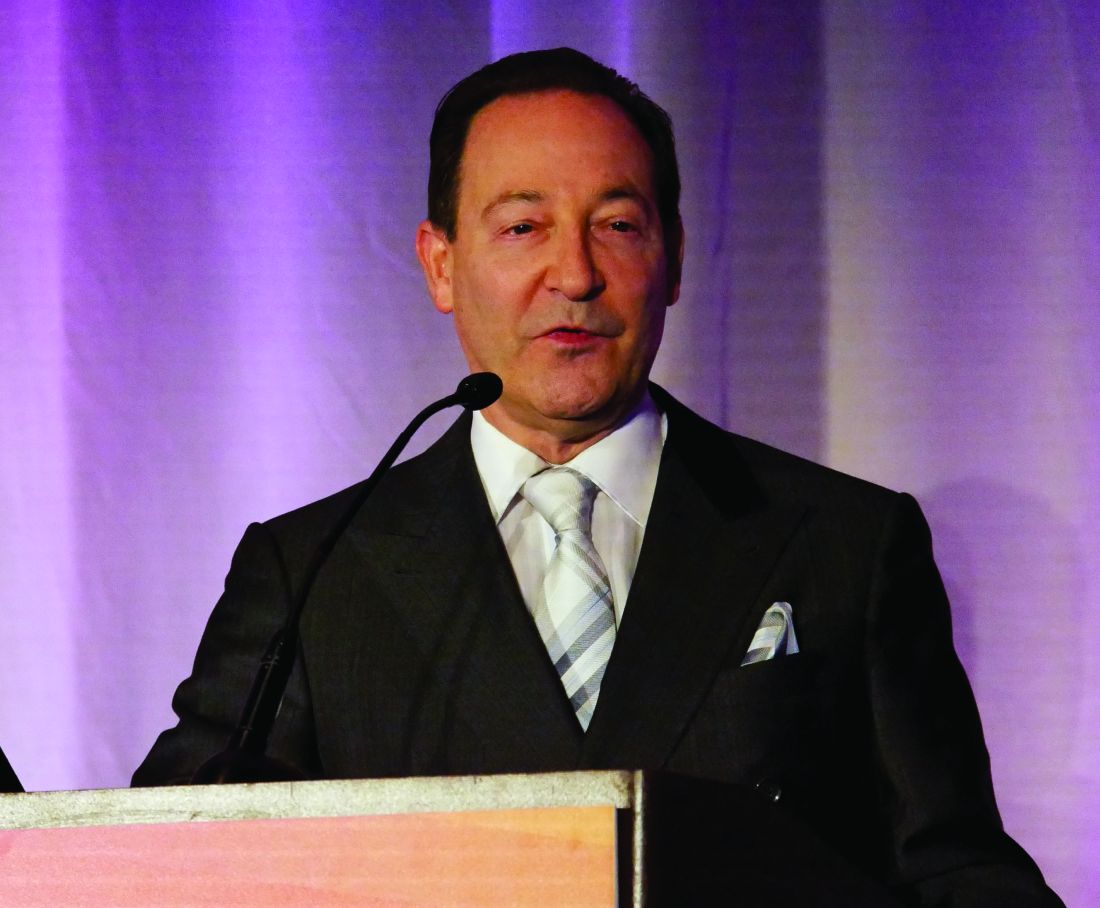
“Patients often judge the surgeon by the appearance of the scar. Not fair, but that’s what happens,” said Dr. Gotkin, director of plastic surgery at a private practice in Greenvale, N.Y.
What’s in a surgeon’s control? An accurate diagnosis, operating plan, knowledge of relevant anatomy, surgical technique, and tools for managing and modulating scars, he noted. Achieving a good cosmetic outcome starts before surgery with proper surgical planning, which includes a backup plan on “how to get out of trouble.” Visualize the ideal outcome of surgery in three dimensions, and know the relevant anatomy to help with surgical marking, as well as relevant muscular and vascular anatomy, and motor nerve danger zones, he advised. When performing facial reconstruction, reconstruct defects using the cosmetic units of the face, and place scars at the borders of cosmetic units, if possible, he said.
An order of priorities during surgery is also important. In the same way a vending machine that spits out ingredients to make a coffee in the wrong order will not result in a cup of coffee, he said, the surgical plan must be in an order that makes sense.
Tension is “one of the greatest enemies in surgery,” Dr. Gotkin said. Too much tension on a closure, for example, can cut off the blood supply and result in tissue ischemia, which could result in infection and dehiscence. It’s important to know one’s limitations during surgery and when in doubt, not to perform the surgery, he added. “Never do today what you can put off until tomorrow, because a lot of things heal and get better on their own,” he said.
Tools for good surgical outcome
A surgeon performing dermatologic procedures needs an operating room with good lighting, and a set of sharp surgical instruments. Use needle holders that do not lock, and handle needles with instruments instead of your fingers to hold the needles with just the right amount of tension, Dr. Gotkin said.
“There is no question” that palming a needle holder should not be done, he added. “Granted, this is a little dogmatic, but there is no use for palming a needle holder in surgery. It makes you much less accurate.”
Suture material is another important consideration. Surgeons have their pick of braided or monofilament sutures available in absorbable and nonabsorbable material. Absorbable sutures are made with synthetic materials such as polyglactin 910 (Vicryl), poliglecaprone 25 (Monocryl) and polydioxanone (PDS), while nonabsorbable sutures include those manufactured with polypropylene (Prolene). Nonabsorbable suture materials made of polyester and stainless steel exist, but are not commonly used in dermatologic surgery, he said.
The most common needles Dr. Gotkin uses in his practice are the Ethicon P-3, P-1, PS-2, and PS-6 types for precision point reverse cutting, and the PC-1 and PC-3 types for precision cosmetic procedures. Other needles that have similar shapes are marketed under different names, he noted. For local anesthesia, surgeons can use either lidocaine hydrochloride with epinephrine, 1% (1:100,000 u) for a rapid-onset, short-acting effect, or bupivacaine hydrochloride with epinephrine, 0.5% (1:200,000 u) for a slower-onset, long-acting effect. Dr. Gotkin recommends using a combination of both in a half-half mixture (1:150,000 epinephrine) with a buffer of sodium bicarbonate since both are acidic. Instead of stretching the skin before inserting the needle, he advised pinching or rubbing the skin to distract the patient from the injection instead of stretching the skin. Small gauge needles (such as 30-gauge or 27-gauge) are best for administering local anesthetic, he said.
Factor patient health into planning
When planning surgery, consider a patient’s comorbidities, previous surgeries, as well as current medications; those include anticoagulants or systemic steroids, which can affect the outcome of surgery. For patients who have had previous surgeries, determine whether they had any surgical complications, or experienced adverse outcomes such as keloids, hypertrophic scars, or soft tissue infections.
When planning your surgical “roadmap,” the general area of the surgery can factor into how a wound heals. Consider the vascularity of local tissues, and any tension in local tissues that can increase tension on the skin such as in the scalp, the foot, the ankle, or the back. Use the patient’s relaxed skin tension lines to minimize scarring. Since they were developed while experimenting on cadavers, the Langer lines of skin tension are not always ideal to use, and Kraissl’s lines, developed by a plastic surgeon, are a better guide for surgical planning, Dr. Gotkin said.
He also advised placing surgical markers on a patient in the way they’ll be lying during surgery. “I always tell people to crosshatch the fusiform design before surgery, because once you make the incision, they may open up and everything gets distorted, particularly when a patient’s lying down,” he said. “We have to put these markings on while the patient is sitting. Then, when you put your sutures in, you can use those lines to line everything up, so that you end up with a scar that fits in how you designed it when the patient was upright.” The rule is a 3:1 or 4:1 ratio for length/width when designing a fusiform incision for excision of a lesion.
Incisions are made perpendicular to the surface of the skin instead of beveled. “Repair in tension” rather than layers, Dr. Gotkin said. “It’s important when you put a needle in the skin, pronate so that the needle goes in at 90 degrees from the skin surface,” he explained. “Follow the curve of the needle through and supinate as you’re putting the needle through. That way, you get the right amount of tension and the right amount of tissue in the grasp of the needle.”
When tying sutures, Dr. Gotkin said he uses a hand tie in addition to an instrument tie, everting the skin edges as he closes subcuticular and cuticular sutures.
During surgery, gentle handling of tissues with forceps that have teeth, rather than a smooth surface, will help avoid crushing the skin. “That’s very important in plastic surgery, and it’s very important in any surgical procedure that you do,” he said.
These technical factors are “completely under the control of the surgeon,” but above all, a good surgical plan following an accurate diagnosis is most likely to yield the best result for patients, Dr. Gotkin said. “An architect wouldn’t build a house without blueprints, so you have to do the same thing when you’re doing surgery.”
Dr. Gotkin reported no relevant financial disclosures.
ORLANDO – Some is to focus on those within a surgeon’s control, Robert H. Gotkin, MD, said at the ODAC Dermatology, Aesthetic, & Surgical Conference.
“Patients often judge the surgeon by the appearance of the scar. Not fair, but that’s what happens,” said Dr. Gotkin, director of plastic surgery at a private practice in Greenvale, N.Y.
What’s in a surgeon’s control? An accurate diagnosis, operating plan, knowledge of relevant anatomy, surgical technique, and tools for managing and modulating scars, he noted. Achieving a good cosmetic outcome starts before surgery with proper surgical planning, which includes a backup plan on “how to get out of trouble.” Visualize the ideal outcome of surgery in three dimensions, and know the relevant anatomy to help with surgical marking, as well as relevant muscular and vascular anatomy, and motor nerve danger zones, he advised. When performing facial reconstruction, reconstruct defects using the cosmetic units of the face, and place scars at the borders of cosmetic units, if possible, he said.
An order of priorities during surgery is also important. In the same way a vending machine that spits out ingredients to make a coffee in the wrong order will not result in a cup of coffee, he said, the surgical plan must be in an order that makes sense.
Tension is “one of the greatest enemies in surgery,” Dr. Gotkin said. Too much tension on a closure, for example, can cut off the blood supply and result in tissue ischemia, which could result in infection and dehiscence. It’s important to know one’s limitations during surgery and when in doubt, not to perform the surgery, he added. “Never do today what you can put off until tomorrow, because a lot of things heal and get better on their own,” he said.
Tools for good surgical outcome
A surgeon performing dermatologic procedures needs an operating room with good lighting, and a set of sharp surgical instruments. Use needle holders that do not lock, and handle needles with instruments instead of your fingers to hold the needles with just the right amount of tension, Dr. Gotkin said.
“There is no question” that palming a needle holder should not be done, he added. “Granted, this is a little dogmatic, but there is no use for palming a needle holder in surgery. It makes you much less accurate.”
Suture material is another important consideration. Surgeons have their pick of braided or monofilament sutures available in absorbable and nonabsorbable material. Absorbable sutures are made with synthetic materials such as polyglactin 910 (Vicryl), poliglecaprone 25 (Monocryl) and polydioxanone (PDS), while nonabsorbable sutures include those manufactured with polypropylene (Prolene). Nonabsorbable suture materials made of polyester and stainless steel exist, but are not commonly used in dermatologic surgery, he said.
The most common needles Dr. Gotkin uses in his practice are the Ethicon P-3, P-1, PS-2, and PS-6 types for precision point reverse cutting, and the PC-1 and PC-3 types for precision cosmetic procedures. Other needles that have similar shapes are marketed under different names, he noted. For local anesthesia, surgeons can use either lidocaine hydrochloride with epinephrine, 1% (1:100,000 u) for a rapid-onset, short-acting effect, or bupivacaine hydrochloride with epinephrine, 0.5% (1:200,000 u) for a slower-onset, long-acting effect. Dr. Gotkin recommends using a combination of both in a half-half mixture (1:150,000 epinephrine) with a buffer of sodium bicarbonate since both are acidic. Instead of stretching the skin before inserting the needle, he advised pinching or rubbing the skin to distract the patient from the injection instead of stretching the skin. Small gauge needles (such as 30-gauge or 27-gauge) are best for administering local anesthetic, he said.
Factor patient health into planning
When planning surgery, consider a patient’s comorbidities, previous surgeries, as well as current medications; those include anticoagulants or systemic steroids, which can affect the outcome of surgery. For patients who have had previous surgeries, determine whether they had any surgical complications, or experienced adverse outcomes such as keloids, hypertrophic scars, or soft tissue infections.
When planning your surgical “roadmap,” the general area of the surgery can factor into how a wound heals. Consider the vascularity of local tissues, and any tension in local tissues that can increase tension on the skin such as in the scalp, the foot, the ankle, or the back. Use the patient’s relaxed skin tension lines to minimize scarring. Since they were developed while experimenting on cadavers, the Langer lines of skin tension are not always ideal to use, and Kraissl’s lines, developed by a plastic surgeon, are a better guide for surgical planning, Dr. Gotkin said.
He also advised placing surgical markers on a patient in the way they’ll be lying during surgery. “I always tell people to crosshatch the fusiform design before surgery, because once you make the incision, they may open up and everything gets distorted, particularly when a patient’s lying down,” he said. “We have to put these markings on while the patient is sitting. Then, when you put your sutures in, you can use those lines to line everything up, so that you end up with a scar that fits in how you designed it when the patient was upright.” The rule is a 3:1 or 4:1 ratio for length/width when designing a fusiform incision for excision of a lesion.
Incisions are made perpendicular to the surface of the skin instead of beveled. “Repair in tension” rather than layers, Dr. Gotkin said. “It’s important when you put a needle in the skin, pronate so that the needle goes in at 90 degrees from the skin surface,” he explained. “Follow the curve of the needle through and supinate as you’re putting the needle through. That way, you get the right amount of tension and the right amount of tissue in the grasp of the needle.”
When tying sutures, Dr. Gotkin said he uses a hand tie in addition to an instrument tie, everting the skin edges as he closes subcuticular and cuticular sutures.
During surgery, gentle handling of tissues with forceps that have teeth, rather than a smooth surface, will help avoid crushing the skin. “That’s very important in plastic surgery, and it’s very important in any surgical procedure that you do,” he said.
These technical factors are “completely under the control of the surgeon,” but above all, a good surgical plan following an accurate diagnosis is most likely to yield the best result for patients, Dr. Gotkin said. “An architect wouldn’t build a house without blueprints, so you have to do the same thing when you’re doing surgery.”
Dr. Gotkin reported no relevant financial disclosures.
ORLANDO – Some is to focus on those within a surgeon’s control, Robert H. Gotkin, MD, said at the ODAC Dermatology, Aesthetic, & Surgical Conference.
“Patients often judge the surgeon by the appearance of the scar. Not fair, but that’s what happens,” said Dr. Gotkin, director of plastic surgery at a private practice in Greenvale, N.Y.
What’s in a surgeon’s control? An accurate diagnosis, operating plan, knowledge of relevant anatomy, surgical technique, and tools for managing and modulating scars, he noted. Achieving a good cosmetic outcome starts before surgery with proper surgical planning, which includes a backup plan on “how to get out of trouble.” Visualize the ideal outcome of surgery in three dimensions, and know the relevant anatomy to help with surgical marking, as well as relevant muscular and vascular anatomy, and motor nerve danger zones, he advised. When performing facial reconstruction, reconstruct defects using the cosmetic units of the face, and place scars at the borders of cosmetic units, if possible, he said.
An order of priorities during surgery is also important. In the same way a vending machine that spits out ingredients to make a coffee in the wrong order will not result in a cup of coffee, he said, the surgical plan must be in an order that makes sense.
Tension is “one of the greatest enemies in surgery,” Dr. Gotkin said. Too much tension on a closure, for example, can cut off the blood supply and result in tissue ischemia, which could result in infection and dehiscence. It’s important to know one’s limitations during surgery and when in doubt, not to perform the surgery, he added. “Never do today what you can put off until tomorrow, because a lot of things heal and get better on their own,” he said.
Tools for good surgical outcome
A surgeon performing dermatologic procedures needs an operating room with good lighting, and a set of sharp surgical instruments. Use needle holders that do not lock, and handle needles with instruments instead of your fingers to hold the needles with just the right amount of tension, Dr. Gotkin said.
“There is no question” that palming a needle holder should not be done, he added. “Granted, this is a little dogmatic, but there is no use for palming a needle holder in surgery. It makes you much less accurate.”
Suture material is another important consideration. Surgeons have their pick of braided or monofilament sutures available in absorbable and nonabsorbable material. Absorbable sutures are made with synthetic materials such as polyglactin 910 (Vicryl), poliglecaprone 25 (Monocryl) and polydioxanone (PDS), while nonabsorbable sutures include those manufactured with polypropylene (Prolene). Nonabsorbable suture materials made of polyester and stainless steel exist, but are not commonly used in dermatologic surgery, he said.
The most common needles Dr. Gotkin uses in his practice are the Ethicon P-3, P-1, PS-2, and PS-6 types for precision point reverse cutting, and the PC-1 and PC-3 types for precision cosmetic procedures. Other needles that have similar shapes are marketed under different names, he noted. For local anesthesia, surgeons can use either lidocaine hydrochloride with epinephrine, 1% (1:100,000 u) for a rapid-onset, short-acting effect, or bupivacaine hydrochloride with epinephrine, 0.5% (1:200,000 u) for a slower-onset, long-acting effect. Dr. Gotkin recommends using a combination of both in a half-half mixture (1:150,000 epinephrine) with a buffer of sodium bicarbonate since both are acidic. Instead of stretching the skin before inserting the needle, he advised pinching or rubbing the skin to distract the patient from the injection instead of stretching the skin. Small gauge needles (such as 30-gauge or 27-gauge) are best for administering local anesthetic, he said.
Factor patient health into planning
When planning surgery, consider a patient’s comorbidities, previous surgeries, as well as current medications; those include anticoagulants or systemic steroids, which can affect the outcome of surgery. For patients who have had previous surgeries, determine whether they had any surgical complications, or experienced adverse outcomes such as keloids, hypertrophic scars, or soft tissue infections.
When planning your surgical “roadmap,” the general area of the surgery can factor into how a wound heals. Consider the vascularity of local tissues, and any tension in local tissues that can increase tension on the skin such as in the scalp, the foot, the ankle, or the back. Use the patient’s relaxed skin tension lines to minimize scarring. Since they were developed while experimenting on cadavers, the Langer lines of skin tension are not always ideal to use, and Kraissl’s lines, developed by a plastic surgeon, are a better guide for surgical planning, Dr. Gotkin said.
He also advised placing surgical markers on a patient in the way they’ll be lying during surgery. “I always tell people to crosshatch the fusiform design before surgery, because once you make the incision, they may open up and everything gets distorted, particularly when a patient’s lying down,” he said. “We have to put these markings on while the patient is sitting. Then, when you put your sutures in, you can use those lines to line everything up, so that you end up with a scar that fits in how you designed it when the patient was upright.” The rule is a 3:1 or 4:1 ratio for length/width when designing a fusiform incision for excision of a lesion.
Incisions are made perpendicular to the surface of the skin instead of beveled. “Repair in tension” rather than layers, Dr. Gotkin said. “It’s important when you put a needle in the skin, pronate so that the needle goes in at 90 degrees from the skin surface,” he explained. “Follow the curve of the needle through and supinate as you’re putting the needle through. That way, you get the right amount of tension and the right amount of tissue in the grasp of the needle.”
When tying sutures, Dr. Gotkin said he uses a hand tie in addition to an instrument tie, everting the skin edges as he closes subcuticular and cuticular sutures.
During surgery, gentle handling of tissues with forceps that have teeth, rather than a smooth surface, will help avoid crushing the skin. “That’s very important in plastic surgery, and it’s very important in any surgical procedure that you do,” he said.
These technical factors are “completely under the control of the surgeon,” but above all, a good surgical plan following an accurate diagnosis is most likely to yield the best result for patients, Dr. Gotkin said. “An architect wouldn’t build a house without blueprints, so you have to do the same thing when you’re doing surgery.”
Dr. Gotkin reported no relevant financial disclosures.
EXPERT ANALYSIS FROM ODAC 2020
Barriers to clinical trial participation revealed by gynecologic cancer patients
A survey of gynecologic cancer survivors has revealed why some of these patients don’t participate in clinical trials.

Half of survey respondents with no history of trial participation said their medical team never mentioned the possibility of a trial. About 27% of respondents who never enrolled in a trial said they were interested in trial participation but didn’t qualify, the trial they wanted wasn’t available, their insurance didn’t cover participation, or the trial site was too far away.
Annie Ellis and Mary (Dicey) Jackson Scroggins, who are both ovarian cancer survivors and patient advocates, reported these findings in an abstract that had been slated for presentation at the Society of Gynecologic Oncology’s Annual Meeting on Women’s Cancer. The meeting was canceled because of the COVID-19 pandemic.

“We thought it was important to hear and learn directly from gynecologic cancer survivors,” Ms. Ellis said in an interview. “So we decided to conduct a survey that would expand knowledge about clinical trial participation from a gynecologic cancer patient–specific perspective.”
Ms. Ellis and Ms. Scroggins used survivor networks and social media to distribute a 26-question survey on trial participation. The survey was completed by 189 survivors of gynecologic cancers, 49.19% of whom experienced recurrent disease. The most common diagnoses were ovarian cancer (69.84%) and endometrial or uterine cancer (23.28%).
Perspectives of nonparticipants
Most respondents (65.61%) had never participated in a clinical trial. The most common reason was that the patient’s doctor or medical team never discussed trial participation (50.40%).
There were patients who were interested in trial participation but couldn’t enroll because they didn’t qualify (14.40%), the location was too far away (7.20%), the trial they wanted wasn’t available (4.00%), or their insurance didn’t cover trial participation (1.60%).
Patients who were not interested in trial participation said they didn’t want to receive a placebo (11.20%), they weren’t interested in experimental therapies (3.20%), or they didn’t want to be randomized (2.40%). One patient (1.60%) said she does not trust the medical system.
“Given the frequent conversations about distrust in the medical system, we were surprised that only 1 of the 189 respondents indicated distrust in the medical system as a reason for not participating in a clinical trial,” Ms. Ellis said.
Perspectives of trial participants

Roughly a third of respondents (34.39%) had participated in a clinical trial. Most (86.15%) said they learned about the trial from their doctor. Other sources included the patient’s own research (13.85%), a trial matching service (3.08%), a family member or friend (3.08%), and a support group (1.54%).
The most common reasons patients participated in trials were: “my doctor recommended it,” “to help women in the future,” “to expand my treatment options,” and “to have a chance to benefit personally.”
Additional responses indicated that patients viewed their trial participation in a positive light.
“We were surprised to find that 100% of the respondents who had participated in a clinical trial indicated either that they would participate again (84.62%) or that they were not sure about future participation (15.38%),” Ms. Ellis said. “No respondent indicated that she would not consider another trial. From open comments in the survey, it was clear that even if they did not obtain the result they hoped for or if the experience wasn’t optimal, they maintained the option of participating again.”
Implications and next steps
The survey results suggest there is a need for more discussions about clinical trials with patients who have gynecologic cancers, according to Ms. Ellis and Ms. Scroggins.
“We feel that conversations about clinical trials, with health care team members, should be included at every care decision point, even if – or perhaps especially if – the patient belongs to a group perceived to be unlikely to agree to participate in a trial,” Ms. Ellis said.
“These conversations are necessary with all patients-survivors,” she said, “but they are particularly important and necessary with patients from populations underrepresented in the clinical trial system if we want more representative trial populations, more generalizable results, and the potential for better outcomes for all.”
For their part, Ms. Ellis and Ms. Scroggins plan to conduct more research on this topic to gain additional insights.
“We’d like to conduct a larger survey looking deeper into barriers to and reasons for participation, and to work with medical professionals to develop models of communication to encourage consideration of clinical trials,” Ms. Ellis said. “Additionally, we will work to have a more diverse respondent pool across many dimensions.”
Ms. Ellis is a research advocate on the scientific advisory committee of the Ovarian Cancer National Alliance in Washington. Ms. Scroggins is the director of global outreach and engagement at the International Gynecologic Cancer Society in Louisville, Ken. They have no conflicts of interest.
SOURCE: Ellis A and Scroggins MJ. SGO 2020, Abstract 540.
A survey of gynecologic cancer survivors has revealed why some of these patients don’t participate in clinical trials.
Half of survey respondents with no history of trial participation said their medical team never mentioned the possibility of a trial. About 27% of respondents who never enrolled in a trial said they were interested in trial participation but didn’t qualify, the trial they wanted wasn’t available, their insurance didn’t cover participation, or the trial site was too far away.
Annie Ellis and Mary (Dicey) Jackson Scroggins, who are both ovarian cancer survivors and patient advocates, reported these findings in an abstract that had been slated for presentation at the Society of Gynecologic Oncology’s Annual Meeting on Women’s Cancer. The meeting was canceled because of the COVID-19 pandemic.
“We thought it was important to hear and learn directly from gynecologic cancer survivors,” Ms. Ellis said in an interview. “So we decided to conduct a survey that would expand knowledge about clinical trial participation from a gynecologic cancer patient–specific perspective.”
Ms. Ellis and Ms. Scroggins used survivor networks and social media to distribute a 26-question survey on trial participation. The survey was completed by 189 survivors of gynecologic cancers, 49.19% of whom experienced recurrent disease. The most common diagnoses were ovarian cancer (69.84%) and endometrial or uterine cancer (23.28%).
Perspectives of nonparticipants
Most respondents (65.61%) had never participated in a clinical trial. The most common reason was that the patient’s doctor or medical team never discussed trial participation (50.40%).
There were patients who were interested in trial participation but couldn’t enroll because they didn’t qualify (14.40%), the location was too far away (7.20%), the trial they wanted wasn’t available (4.00%), or their insurance didn’t cover trial participation (1.60%).
Patients who were not interested in trial participation said they didn’t want to receive a placebo (11.20%), they weren’t interested in experimental therapies (3.20%), or they didn’t want to be randomized (2.40%). One patient (1.60%) said she does not trust the medical system.
“Given the frequent conversations about distrust in the medical system, we were surprised that only 1 of the 189 respondents indicated distrust in the medical system as a reason for not participating in a clinical trial,” Ms. Ellis said.
Perspectives of trial participants
Roughly a third of respondents (34.39%) had participated in a clinical trial. Most (86.15%) said they learned about the trial from their doctor. Other sources included the patient’s own research (13.85%), a trial matching service (3.08%), a family member or friend (3.08%), and a support group (1.54%).
The most common reasons patients participated in trials were: “my doctor recommended it,” “to help women in the future,” “to expand my treatment options,” and “to have a chance to benefit personally.”
Additional responses indicated that patients viewed their trial participation in a positive light.
“We were surprised to find that 100% of the respondents who had participated in a clinical trial indicated either that they would participate again (84.62%) or that they were not sure about future participation (15.38%),” Ms. Ellis said. “No respondent indicated that she would not consider another trial. From open comments in the survey, it was clear that even if they did not obtain the result they hoped for or if the experience wasn’t optimal, they maintained the option of participating again.”
Implications and next steps
The survey results suggest there is a need for more discussions about clinical trials with patients who have gynecologic cancers, according to Ms. Ellis and Ms. Scroggins.
“We feel that conversations about clinical trials, with health care team members, should be included at every care decision point, even if – or perhaps especially if – the patient belongs to a group perceived to be unlikely to agree to participate in a trial,” Ms. Ellis said.
“These conversations are necessary with all patients-survivors,” she said, “but they are particularly important and necessary with patients from populations underrepresented in the clinical trial system if we want more representative trial populations, more generalizable results, and the potential for better outcomes for all.”
For their part, Ms. Ellis and Ms. Scroggins plan to conduct more research on this topic to gain additional insights.
“We’d like to conduct a larger survey looking deeper into barriers to and reasons for participation, and to work with medical professionals to develop models of communication to encourage consideration of clinical trials,” Ms. Ellis said. “Additionally, we will work to have a more diverse respondent pool across many dimensions.”
Ms. Ellis is a research advocate on the scientific advisory committee of the Ovarian Cancer National Alliance in Washington. Ms. Scroggins is the director of global outreach and engagement at the International Gynecologic Cancer Society in Louisville, Ken. They have no conflicts of interest.
SOURCE: Ellis A and Scroggins MJ. SGO 2020, Abstract 540.
A survey of gynecologic cancer survivors has revealed why some of these patients don’t participate in clinical trials.
Half of survey respondents with no history of trial participation said their medical team never mentioned the possibility of a trial. About 27% of respondents who never enrolled in a trial said they were interested in trial participation but didn’t qualify, the trial they wanted wasn’t available, their insurance didn’t cover participation, or the trial site was too far away.
Annie Ellis and Mary (Dicey) Jackson Scroggins, who are both ovarian cancer survivors and patient advocates, reported these findings in an abstract that had been slated for presentation at the Society of Gynecologic Oncology’s Annual Meeting on Women’s Cancer. The meeting was canceled because of the COVID-19 pandemic.
“We thought it was important to hear and learn directly from gynecologic cancer survivors,” Ms. Ellis said in an interview. “So we decided to conduct a survey that would expand knowledge about clinical trial participation from a gynecologic cancer patient–specific perspective.”
Ms. Ellis and Ms. Scroggins used survivor networks and social media to distribute a 26-question survey on trial participation. The survey was completed by 189 survivors of gynecologic cancers, 49.19% of whom experienced recurrent disease. The most common diagnoses were ovarian cancer (69.84%) and endometrial or uterine cancer (23.28%).
Perspectives of nonparticipants
Most respondents (65.61%) had never participated in a clinical trial. The most common reason was that the patient’s doctor or medical team never discussed trial participation (50.40%).
There were patients who were interested in trial participation but couldn’t enroll because they didn’t qualify (14.40%), the location was too far away (7.20%), the trial they wanted wasn’t available (4.00%), or their insurance didn’t cover trial participation (1.60%).
Patients who were not interested in trial participation said they didn’t want to receive a placebo (11.20%), they weren’t interested in experimental therapies (3.20%), or they didn’t want to be randomized (2.40%). One patient (1.60%) said she does not trust the medical system.
“Given the frequent conversations about distrust in the medical system, we were surprised that only 1 of the 189 respondents indicated distrust in the medical system as a reason for not participating in a clinical trial,” Ms. Ellis said.
Perspectives of trial participants
Roughly a third of respondents (34.39%) had participated in a clinical trial. Most (86.15%) said they learned about the trial from their doctor. Other sources included the patient’s own research (13.85%), a trial matching service (3.08%), a family member or friend (3.08%), and a support group (1.54%).
The most common reasons patients participated in trials were: “my doctor recommended it,” “to help women in the future,” “to expand my treatment options,” and “to have a chance to benefit personally.”
Additional responses indicated that patients viewed their trial participation in a positive light.
“We were surprised to find that 100% of the respondents who had participated in a clinical trial indicated either that they would participate again (84.62%) or that they were not sure about future participation (15.38%),” Ms. Ellis said. “No respondent indicated that she would not consider another trial. From open comments in the survey, it was clear that even if they did not obtain the result they hoped for or if the experience wasn’t optimal, they maintained the option of participating again.”
Implications and next steps
The survey results suggest there is a need for more discussions about clinical trials with patients who have gynecologic cancers, according to Ms. Ellis and Ms. Scroggins.
“We feel that conversations about clinical trials, with health care team members, should be included at every care decision point, even if – or perhaps especially if – the patient belongs to a group perceived to be unlikely to agree to participate in a trial,” Ms. Ellis said.
“These conversations are necessary with all patients-survivors,” she said, “but they are particularly important and necessary with patients from populations underrepresented in the clinical trial system if we want more representative trial populations, more generalizable results, and the potential for better outcomes for all.”
For their part, Ms. Ellis and Ms. Scroggins plan to conduct more research on this topic to gain additional insights.
“We’d like to conduct a larger survey looking deeper into barriers to and reasons for participation, and to work with medical professionals to develop models of communication to encourage consideration of clinical trials,” Ms. Ellis said. “Additionally, we will work to have a more diverse respondent pool across many dimensions.”
Ms. Ellis is a research advocate on the scientific advisory committee of the Ovarian Cancer National Alliance in Washington. Ms. Scroggins is the director of global outreach and engagement at the International Gynecologic Cancer Society in Louisville, Ken. They have no conflicts of interest.
SOURCE: Ellis A and Scroggins MJ. SGO 2020, Abstract 540.
FROM SGO 2020
Gene-targeting therapy shown to reduce mastocytosis symptoms
by about 30%, according to early results of a clinical trial scheduled to be presented at the American Academy of Allergy, Asthma, and Immunology annual meeting. The AAAAI canceled the meeting and provided abstracts and access to presenters for press coverage.

“This correlates with reduction from very severe to moderate or from moderate to mild category, and all the reductions in symptoms were statistically significant,” Cem Akin, MD, of the University of Michigan, Ann Arbor, said in an interview. He reported on part 1 of the phase 2 PIONEER trial of the kinase inhibitor avapritinib, described as a potent and highly selective inhibitor of the KIT D816V mutation that affects 90% of patients with systemic mastocytosis.
Currently, Dr. Akin noted, patients with indolent or smoldering systemic mastocytosis must rely on over-the-counter antihistamines used for seasonal allergies. “These patients use antihistamines in higher doses because mastocytosis patients have higher counts of mast cells that release histamines that cause a variety of symptoms,” he said. Symptoms, which can occur suddenly, include flushing and reactions that resemble allergic or anaphylactic reactions.
The purpose of the part 1 study was to evaluate three different dosing levels of avapritinib vs. placebo: 25, 50, and 100 mg. Ten patients were in each dosing group and nine were in the placebo group. The primary outcome was reduction in total symptom scores at 16 weeks as measured by the Indolent SM Symptom Assessment Form. “All three dose groups showed significant reductions in total symptom scores as well as specific symptoms that were most bothersome to the patient, whether skin symptoms or GI or neurocognitive symptoms,” Dr. Akin said. “All three doses were effective; the average reduction was about 30% compared to baseline.” Specifically, 25-mg dosing showed an average 30% reduction, 50-mg dosing showed an average 19% reduction, and 100-mg dosing showed an average 35% reduction.
The researchers determined that the 25-mg daily dose was the most effective and safest, with no patients on the dose reporting grade 3 adverse events, Dr. Akin said. In total 20% and 40% of the 50- and 100-mg dose groups, respectively, reported grade 3 AEs, according to study results.* The 25-mg daily dose will be evaluated in part 2 of the trial. The trial is estimated to enroll 112 total patients, according to the ClinicalTrials.gov filing. In part 3, patients who complete parts 1 or 2, including those initially randomized to placebo, may participate in a long-term open-label extension, receiving 25 mg avapritinib plus best supportive care.
“This is targeting a population whose symptoms are not controlled by antihistamines, based on a minimum total symptom score according to diaries they fill out, and they have to be on at least two different systemic medications – antihistamine or proton-pump inhibitor and leukotriene inhibitor – and they still have significant symptoms,” Dr. Akin said. He estimated that this describes about two-thirds of his patients with indolent or smoldering systematic mastocytosis.
“This is a disease that also takes a psychological toll,” he said. “This is a problem that starts in the bone marrow; it is similar to a hematological stem-cell disorder that affects the mast cell progenitor and it’s caused by a mutation that has not been particularly targeted until this drug,” he said. While most of these patients live with a benign mastocytosis their entire lives, the symptoms can be debilitating to the point where the disease disrupts and restricts social activities and comprises their quality of life, he said.
“This is a groundbreaking therapy that will change the way we think about mastocytosis treatment going forward,” Dr. Akin said. “It’s the first time we are actually targeting the underlying mutation that’s causing the disease, in terms of reducing directly that mutation as opposed to just treating the symptoms in indolent disease.”
Scheduled session moderator Anil Nanda, MD, of the Asthma and Allergy Center in Lewisville, Texas, said the findings are encouraging. “As a practicing allergist and immunologist in the community, it is very exciting to have a potential new treatment option for indolent or smoldering systemic mastocytosis,” he said via email. “Patients appreciate new options in therapy.”
Dr. Akin, the primary investigator, receives funding from and serves as a consultant for Blueprint Medicines, which sponsored the trial. He also disclosed a financial relationship with Novartis.
SOURCE: Akin C et al. AAAAI 2020, Presentation L5.
*Correction, 4/6/2020: An earlier version of this story misstated the percentage of grade 3 adverse events. In total 20% and 40% of the 50- and 100-mg dose groups, respectively, reported grade 3 adverse events.
by about 30%, according to early results of a clinical trial scheduled to be presented at the American Academy of Allergy, Asthma, and Immunology annual meeting. The AAAAI canceled the meeting and provided abstracts and access to presenters for press coverage.
“This correlates with reduction from very severe to moderate or from moderate to mild category, and all the reductions in symptoms were statistically significant,” Cem Akin, MD, of the University of Michigan, Ann Arbor, said in an interview. He reported on part 1 of the phase 2 PIONEER trial of the kinase inhibitor avapritinib, described as a potent and highly selective inhibitor of the KIT D816V mutation that affects 90% of patients with systemic mastocytosis.
Currently, Dr. Akin noted, patients with indolent or smoldering systemic mastocytosis must rely on over-the-counter antihistamines used for seasonal allergies. “These patients use antihistamines in higher doses because mastocytosis patients have higher counts of mast cells that release histamines that cause a variety of symptoms,” he said. Symptoms, which can occur suddenly, include flushing and reactions that resemble allergic or anaphylactic reactions.
The purpose of the part 1 study was to evaluate three different dosing levels of avapritinib vs. placebo: 25, 50, and 100 mg. Ten patients were in each dosing group and nine were in the placebo group. The primary outcome was reduction in total symptom scores at 16 weeks as measured by the Indolent SM Symptom Assessment Form. “All three dose groups showed significant reductions in total symptom scores as well as specific symptoms that were most bothersome to the patient, whether skin symptoms or GI or neurocognitive symptoms,” Dr. Akin said. “All three doses were effective; the average reduction was about 30% compared to baseline.” Specifically, 25-mg dosing showed an average 30% reduction, 50-mg dosing showed an average 19% reduction, and 100-mg dosing showed an average 35% reduction.
The researchers determined that the 25-mg daily dose was the most effective and safest, with no patients on the dose reporting grade 3 adverse events, Dr. Akin said. In total 20% and 40% of the 50- and 100-mg dose groups, respectively, reported grade 3 AEs, according to study results.* The 25-mg daily dose will be evaluated in part 2 of the trial. The trial is estimated to enroll 112 total patients, according to the ClinicalTrials.gov filing. In part 3, patients who complete parts 1 or 2, including those initially randomized to placebo, may participate in a long-term open-label extension, receiving 25 mg avapritinib plus best supportive care.
“This is targeting a population whose symptoms are not controlled by antihistamines, based on a minimum total symptom score according to diaries they fill out, and they have to be on at least two different systemic medications – antihistamine or proton-pump inhibitor and leukotriene inhibitor – and they still have significant symptoms,” Dr. Akin said. He estimated that this describes about two-thirds of his patients with indolent or smoldering systematic mastocytosis.
“This is a disease that also takes a psychological toll,” he said. “This is a problem that starts in the bone marrow; it is similar to a hematological stem-cell disorder that affects the mast cell progenitor and it’s caused by a mutation that has not been particularly targeted until this drug,” he said. While most of these patients live with a benign mastocytosis their entire lives, the symptoms can be debilitating to the point where the disease disrupts and restricts social activities and comprises their quality of life, he said.
“This is a groundbreaking therapy that will change the way we think about mastocytosis treatment going forward,” Dr. Akin said. “It’s the first time we are actually targeting the underlying mutation that’s causing the disease, in terms of reducing directly that mutation as opposed to just treating the symptoms in indolent disease.”
Scheduled session moderator Anil Nanda, MD, of the Asthma and Allergy Center in Lewisville, Texas, said the findings are encouraging. “As a practicing allergist and immunologist in the community, it is very exciting to have a potential new treatment option for indolent or smoldering systemic mastocytosis,” he said via email. “Patients appreciate new options in therapy.”
Dr. Akin, the primary investigator, receives funding from and serves as a consultant for Blueprint Medicines, which sponsored the trial. He also disclosed a financial relationship with Novartis.
SOURCE: Akin C et al. AAAAI 2020, Presentation L5.
*Correction, 4/6/2020: An earlier version of this story misstated the percentage of grade 3 adverse events. In total 20% and 40% of the 50- and 100-mg dose groups, respectively, reported grade 3 adverse events.
by about 30%, according to early results of a clinical trial scheduled to be presented at the American Academy of Allergy, Asthma, and Immunology annual meeting. The AAAAI canceled the meeting and provided abstracts and access to presenters for press coverage.
“This correlates with reduction from very severe to moderate or from moderate to mild category, and all the reductions in symptoms were statistically significant,” Cem Akin, MD, of the University of Michigan, Ann Arbor, said in an interview. He reported on part 1 of the phase 2 PIONEER trial of the kinase inhibitor avapritinib, described as a potent and highly selective inhibitor of the KIT D816V mutation that affects 90% of patients with systemic mastocytosis.
Currently, Dr. Akin noted, patients with indolent or smoldering systemic mastocytosis must rely on over-the-counter antihistamines used for seasonal allergies. “These patients use antihistamines in higher doses because mastocytosis patients have higher counts of mast cells that release histamines that cause a variety of symptoms,” he said. Symptoms, which can occur suddenly, include flushing and reactions that resemble allergic or anaphylactic reactions.
The purpose of the part 1 study was to evaluate three different dosing levels of avapritinib vs. placebo: 25, 50, and 100 mg. Ten patients were in each dosing group and nine were in the placebo group. The primary outcome was reduction in total symptom scores at 16 weeks as measured by the Indolent SM Symptom Assessment Form. “All three dose groups showed significant reductions in total symptom scores as well as specific symptoms that were most bothersome to the patient, whether skin symptoms or GI or neurocognitive symptoms,” Dr. Akin said. “All three doses were effective; the average reduction was about 30% compared to baseline.” Specifically, 25-mg dosing showed an average 30% reduction, 50-mg dosing showed an average 19% reduction, and 100-mg dosing showed an average 35% reduction.
The researchers determined that the 25-mg daily dose was the most effective and safest, with no patients on the dose reporting grade 3 adverse events, Dr. Akin said. In total 20% and 40% of the 50- and 100-mg dose groups, respectively, reported grade 3 AEs, according to study results.* The 25-mg daily dose will be evaluated in part 2 of the trial. The trial is estimated to enroll 112 total patients, according to the ClinicalTrials.gov filing. In part 3, patients who complete parts 1 or 2, including those initially randomized to placebo, may participate in a long-term open-label extension, receiving 25 mg avapritinib plus best supportive care.
“This is targeting a population whose symptoms are not controlled by antihistamines, based on a minimum total symptom score according to diaries they fill out, and they have to be on at least two different systemic medications – antihistamine or proton-pump inhibitor and leukotriene inhibitor – and they still have significant symptoms,” Dr. Akin said. He estimated that this describes about two-thirds of his patients with indolent or smoldering systematic mastocytosis.
“This is a disease that also takes a psychological toll,” he said. “This is a problem that starts in the bone marrow; it is similar to a hematological stem-cell disorder that affects the mast cell progenitor and it’s caused by a mutation that has not been particularly targeted until this drug,” he said. While most of these patients live with a benign mastocytosis their entire lives, the symptoms can be debilitating to the point where the disease disrupts and restricts social activities and comprises their quality of life, he said.
“This is a groundbreaking therapy that will change the way we think about mastocytosis treatment going forward,” Dr. Akin said. “It’s the first time we are actually targeting the underlying mutation that’s causing the disease, in terms of reducing directly that mutation as opposed to just treating the symptoms in indolent disease.”
Scheduled session moderator Anil Nanda, MD, of the Asthma and Allergy Center in Lewisville, Texas, said the findings are encouraging. “As a practicing allergist and immunologist in the community, it is very exciting to have a potential new treatment option for indolent or smoldering systemic mastocytosis,” he said via email. “Patients appreciate new options in therapy.”
Dr. Akin, the primary investigator, receives funding from and serves as a consultant for Blueprint Medicines, which sponsored the trial. He also disclosed a financial relationship with Novartis.
SOURCE: Akin C et al. AAAAI 2020, Presentation L5.
*Correction, 4/6/2020: An earlier version of this story misstated the percentage of grade 3 adverse events. In total 20% and 40% of the 50- and 100-mg dose groups, respectively, reported grade 3 adverse events.
FROM AAAAI
Second trial supports ticagrelor alone in ACS after PCI: TICO
A second trial has shown benefit of stopping aspirin 3 months after stenting and continuing solely with ticagrelor monotherapy.
The Ticagrelor With or Without Aspirin in Acute Coronary Syndrome After PCI (TICO) study shows very similar results as the TWILIGHT trial reported last year. But whereas TWILIGHT enrolled a more general PCI population, TICO included only patients with acute coronary syndrome (ACS).
The South Korean TICO trial was presented today at the “virtual” American College of Cardiology 2020 Scientific Session (ACC.20)/World Congress of Cardiology.
Presenting the study, senior investigator Yangsoo Jang, MD, PhD, professor of cardiology at Yonsei University College of Medicine in Seoul, South Korea, concluded: “Ticagrelor monotherapy after 3-month dual antiplatelet therapy showed a significantly lower risk of net adverse clinical events than currently recommended ticagrelor-based 12-month dual antiplatelet therapy. The reduced risk was mainly due to decreased major bleeding.”
These findings indicate that ticagrelor monotherapy “could be an optimal strategy that balances both ischemic and bleeding risks for patients with ACS,” he added.
Discussant of the TICO study, Deepak Bhatt, MD, Brigham and Women’s Hospital, Boston, said: “This is an independent confirmation of TWILIGHT. To have two independent trials reaching the same conclusion — that the regimen of ticagrelor monotherapy after 3 months dual antiplatelet therapy essentially cuts major bleeding in half — is very comforting.”
Michelle O’Donoghue, MD, also from Brigham and Women’s and chair of the ACC session at which the study was presented, added, “A particular strength of this trial was that you had an all-ACS population.”
Enough to Change Guidelines?
Discussing the trial at an ACC press conference, Claire Duvernoy, MD, University of Michigan, Ann Arbor, suggested that the results from TICO and TWILIGHT together are “enough evidence to change the guidelines. I think we are there,” she added.
“TICO adds to our expanding body of evidence for newer, more potent, P2Y12 inhibitors as monotherapy. This trial stands out as the only exclusive ACS study looking at this and the only trial enrolling a significant population of STEMI patients,” Duvernoy said.
She pointed out one caveat — the need to discontinue ticagrelor because of dyspnea, which she said occurs in around 10%-15% of patients in her practice.
“Also, both TICO and TWILIGHT used the latest second-generation drug-eluting stents, which may have better safety and allows us to get away with less antiplatelet therapy,” Duvernoy noted.
The TICO trial, conducted at 38 centers in South Korea, enrolled 3056 patients with ACS (average age 61 years) undergoing PCI and stenting with the second-generation ultrathin biodegradable polymer-coated sirolimus-eluting stents (Biotronik).
All patients received ticagrelor plus aspirin for 3 months, then were randomly assigned to continue treatment with ticagrelor and aspirin or ticagrelor alone.
The primary study endpoint was a net clinical benefit composite of death, MI, stroke, stent thrombosis, revascularization, or TIMI major bleeding at 12 months. This occurred in 3.9% of those randomly assigned to ticagrelor alone vs 5.9% of those who continued on dual antiplatelet therapy, giving a hazard ratio of 0.66 (P = .01).
The curves separated early with a marked difference in event rate being seen at 3 months after randomization. At this point, rates of the composite endpoint were 1.4% in the ticagrelor monotherapy group vs 3.5% in the dual antiplatelet therapy group (HR, 0.41; P = .001).
The benefit was driven by a reduced risk of major bleeding in the ticagrelor monotherapy group. At 1 year, the rate of TIMI major bleeding was 1.7% in the ticagrelor alone group vs 3% in the dual antiplatelet group (HR, 0.56; P = .02).
There was no difference in ischemic events between the two groups. The rate of death/MI/ stroke/stent thrombosis/revascularization at 1 year was 2.3% in the ticagrelor alone group vs 3.4% for those on dual antiplatelet therapy (P = .09)
Yang noted that limitations of the study included an open-label design, no placebo used, and exclusion of patients with an elevated risk for bleeding (defined as aged 80 years or older, having had a stroke within the past year, or having had brain surgery or a traumatic brain injury within the past 6 months).
As part of his discussion, Bhatt asked how these results can be reconciled with trials such as CHARISMA and PEGASUS, which showed higher rates of MI with abbreviated durations of dual antiplatelet therapy
Jang replied: “Maybe for STEMI patients, if the duration of [dual antiplatelet therapy] is prolonged ischemic events may be reduced, especially if clopidogrel is used. But my opinion is when ticagrelor or prasugrel are used — they are very strong P2Y12 inhibitors — you can reduce duration of dual therapy by dropping aspirin. I think aspirin just makes the bleeding.”
Also commenting on the TICO study, Jacqueline Tamis-Holland, MD, Mount Sinai Saint Luke’s Hospital, New York City, pointed out that there was an interaction between the number of diseased vessels, and asked for more information on the complexity of disease in the patients in this trial.
“We had very few CTOs (total chronic occlusions) and left main disease,” Jang replied. “Dual antiplatelet duration is related to total atherosclerotic burden I think, so if you have very high atherosclerotic burden and multivessel disease, dual therapy may be more important. But our data show that the ticagrelor monotherapy group is not inferior to conventional dual therapy, so this suggests that even in multivessel disease, 3 months dual antiplatelet therapy is enough if you use a potent agent like ticagrelor as monotherapy after.”
This study was funded by Biotronik, manufacturer of the stents used. Jang has disclosed no relevant financial relationships. Bhatt reports consultant fees/honoraria from Elsevier Practice Update Cardiology, Medtelligence/WebMD, MJH Life Sciences, and WebMD; and research grants from Abbott, Afimmune, Amarin, Amgen, Astra Zeneca, Bayer Healthcare Pharmaceuticals, Boehringer Ingelheim, Bristol-Myers Squibb, Cardax, Chiesi, Eisai, Eli Lilly, Ethicon, FlowCo, Forest Laboratories, Fractyl, Idorsia, Ironwood, Ischemix, Lexicon, Medtronic, Novo Nordisk, Pfizer, PhaseBio, PLx Pharma, Regeneron, Roche, sanofi-aventis, Synaptic, Takeda, The Medicines Company.
This article first appeared on Medscape.com.
A second trial has shown benefit of stopping aspirin 3 months after stenting and continuing solely with ticagrelor monotherapy.
The Ticagrelor With or Without Aspirin in Acute Coronary Syndrome After PCI (TICO) study shows very similar results as the TWILIGHT trial reported last year. But whereas TWILIGHT enrolled a more general PCI population, TICO included only patients with acute coronary syndrome (ACS).
The South Korean TICO trial was presented today at the “virtual” American College of Cardiology 2020 Scientific Session (ACC.20)/World Congress of Cardiology.
Presenting the study, senior investigator Yangsoo Jang, MD, PhD, professor of cardiology at Yonsei University College of Medicine in Seoul, South Korea, concluded: “Ticagrelor monotherapy after 3-month dual antiplatelet therapy showed a significantly lower risk of net adverse clinical events than currently recommended ticagrelor-based 12-month dual antiplatelet therapy. The reduced risk was mainly due to decreased major bleeding.”
These findings indicate that ticagrelor monotherapy “could be an optimal strategy that balances both ischemic and bleeding risks for patients with ACS,” he added.
Discussant of the TICO study, Deepak Bhatt, MD, Brigham and Women’s Hospital, Boston, said: “This is an independent confirmation of TWILIGHT. To have two independent trials reaching the same conclusion — that the regimen of ticagrelor monotherapy after 3 months dual antiplatelet therapy essentially cuts major bleeding in half — is very comforting.”
Michelle O’Donoghue, MD, also from Brigham and Women’s and chair of the ACC session at which the study was presented, added, “A particular strength of this trial was that you had an all-ACS population.”
Enough to Change Guidelines?
Discussing the trial at an ACC press conference, Claire Duvernoy, MD, University of Michigan, Ann Arbor, suggested that the results from TICO and TWILIGHT together are “enough evidence to change the guidelines. I think we are there,” she added.
“TICO adds to our expanding body of evidence for newer, more potent, P2Y12 inhibitors as monotherapy. This trial stands out as the only exclusive ACS study looking at this and the only trial enrolling a significant population of STEMI patients,” Duvernoy said.
She pointed out one caveat — the need to discontinue ticagrelor because of dyspnea, which she said occurs in around 10%-15% of patients in her practice.
“Also, both TICO and TWILIGHT used the latest second-generation drug-eluting stents, which may have better safety and allows us to get away with less antiplatelet therapy,” Duvernoy noted.
The TICO trial, conducted at 38 centers in South Korea, enrolled 3056 patients with ACS (average age 61 years) undergoing PCI and stenting with the second-generation ultrathin biodegradable polymer-coated sirolimus-eluting stents (Biotronik).
All patients received ticagrelor plus aspirin for 3 months, then were randomly assigned to continue treatment with ticagrelor and aspirin or ticagrelor alone.
The primary study endpoint was a net clinical benefit composite of death, MI, stroke, stent thrombosis, revascularization, or TIMI major bleeding at 12 months. This occurred in 3.9% of those randomly assigned to ticagrelor alone vs 5.9% of those who continued on dual antiplatelet therapy, giving a hazard ratio of 0.66 (P = .01).
The curves separated early with a marked difference in event rate being seen at 3 months after randomization. At this point, rates of the composite endpoint were 1.4% in the ticagrelor monotherapy group vs 3.5% in the dual antiplatelet therapy group (HR, 0.41; P = .001).
The benefit was driven by a reduced risk of major bleeding in the ticagrelor monotherapy group. At 1 year, the rate of TIMI major bleeding was 1.7% in the ticagrelor alone group vs 3% in the dual antiplatelet group (HR, 0.56; P = .02).
There was no difference in ischemic events between the two groups. The rate of death/MI/ stroke/stent thrombosis/revascularization at 1 year was 2.3% in the ticagrelor alone group vs 3.4% for those on dual antiplatelet therapy (P = .09)
Yang noted that limitations of the study included an open-label design, no placebo used, and exclusion of patients with an elevated risk for bleeding (defined as aged 80 years or older, having had a stroke within the past year, or having had brain surgery or a traumatic brain injury within the past 6 months).
As part of his discussion, Bhatt asked how these results can be reconciled with trials such as CHARISMA and PEGASUS, which showed higher rates of MI with abbreviated durations of dual antiplatelet therapy
Jang replied: “Maybe for STEMI patients, if the duration of [dual antiplatelet therapy] is prolonged ischemic events may be reduced, especially if clopidogrel is used. But my opinion is when ticagrelor or prasugrel are used — they are very strong P2Y12 inhibitors — you can reduce duration of dual therapy by dropping aspirin. I think aspirin just makes the bleeding.”
Also commenting on the TICO study, Jacqueline Tamis-Holland, MD, Mount Sinai Saint Luke’s Hospital, New York City, pointed out that there was an interaction between the number of diseased vessels, and asked for more information on the complexity of disease in the patients in this trial.
“We had very few CTOs (total chronic occlusions) and left main disease,” Jang replied. “Dual antiplatelet duration is related to total atherosclerotic burden I think, so if you have very high atherosclerotic burden and multivessel disease, dual therapy may be more important. But our data show that the ticagrelor monotherapy group is not inferior to conventional dual therapy, so this suggests that even in multivessel disease, 3 months dual antiplatelet therapy is enough if you use a potent agent like ticagrelor as monotherapy after.”
This study was funded by Biotronik, manufacturer of the stents used. Jang has disclosed no relevant financial relationships. Bhatt reports consultant fees/honoraria from Elsevier Practice Update Cardiology, Medtelligence/WebMD, MJH Life Sciences, and WebMD; and research grants from Abbott, Afimmune, Amarin, Amgen, Astra Zeneca, Bayer Healthcare Pharmaceuticals, Boehringer Ingelheim, Bristol-Myers Squibb, Cardax, Chiesi, Eisai, Eli Lilly, Ethicon, FlowCo, Forest Laboratories, Fractyl, Idorsia, Ironwood, Ischemix, Lexicon, Medtronic, Novo Nordisk, Pfizer, PhaseBio, PLx Pharma, Regeneron, Roche, sanofi-aventis, Synaptic, Takeda, The Medicines Company.
This article first appeared on Medscape.com.
A second trial has shown benefit of stopping aspirin 3 months after stenting and continuing solely with ticagrelor monotherapy.
The Ticagrelor With or Without Aspirin in Acute Coronary Syndrome After PCI (TICO) study shows very similar results as the TWILIGHT trial reported last year. But whereas TWILIGHT enrolled a more general PCI population, TICO included only patients with acute coronary syndrome (ACS).
The South Korean TICO trial was presented today at the “virtual” American College of Cardiology 2020 Scientific Session (ACC.20)/World Congress of Cardiology.
Presenting the study, senior investigator Yangsoo Jang, MD, PhD, professor of cardiology at Yonsei University College of Medicine in Seoul, South Korea, concluded: “Ticagrelor monotherapy after 3-month dual antiplatelet therapy showed a significantly lower risk of net adverse clinical events than currently recommended ticagrelor-based 12-month dual antiplatelet therapy. The reduced risk was mainly due to decreased major bleeding.”
These findings indicate that ticagrelor monotherapy “could be an optimal strategy that balances both ischemic and bleeding risks for patients with ACS,” he added.
Discussant of the TICO study, Deepak Bhatt, MD, Brigham and Women’s Hospital, Boston, said: “This is an independent confirmation of TWILIGHT. To have two independent trials reaching the same conclusion — that the regimen of ticagrelor monotherapy after 3 months dual antiplatelet therapy essentially cuts major bleeding in half — is very comforting.”
Michelle O’Donoghue, MD, also from Brigham and Women’s and chair of the ACC session at which the study was presented, added, “A particular strength of this trial was that you had an all-ACS population.”
Enough to Change Guidelines?
Discussing the trial at an ACC press conference, Claire Duvernoy, MD, University of Michigan, Ann Arbor, suggested that the results from TICO and TWILIGHT together are “enough evidence to change the guidelines. I think we are there,” she added.
“TICO adds to our expanding body of evidence for newer, more potent, P2Y12 inhibitors as monotherapy. This trial stands out as the only exclusive ACS study looking at this and the only trial enrolling a significant population of STEMI patients,” Duvernoy said.
She pointed out one caveat — the need to discontinue ticagrelor because of dyspnea, which she said occurs in around 10%-15% of patients in her practice.
“Also, both TICO and TWILIGHT used the latest second-generation drug-eluting stents, which may have better safety and allows us to get away with less antiplatelet therapy,” Duvernoy noted.
The TICO trial, conducted at 38 centers in South Korea, enrolled 3056 patients with ACS (average age 61 years) undergoing PCI and stenting with the second-generation ultrathin biodegradable polymer-coated sirolimus-eluting stents (Biotronik).
All patients received ticagrelor plus aspirin for 3 months, then were randomly assigned to continue treatment with ticagrelor and aspirin or ticagrelor alone.
The primary study endpoint was a net clinical benefit composite of death, MI, stroke, stent thrombosis, revascularization, or TIMI major bleeding at 12 months. This occurred in 3.9% of those randomly assigned to ticagrelor alone vs 5.9% of those who continued on dual antiplatelet therapy, giving a hazard ratio of 0.66 (P = .01).
The curves separated early with a marked difference in event rate being seen at 3 months after randomization. At this point, rates of the composite endpoint were 1.4% in the ticagrelor monotherapy group vs 3.5% in the dual antiplatelet therapy group (HR, 0.41; P = .001).
The benefit was driven by a reduced risk of major bleeding in the ticagrelor monotherapy group. At 1 year, the rate of TIMI major bleeding was 1.7% in the ticagrelor alone group vs 3% in the dual antiplatelet group (HR, 0.56; P = .02).
There was no difference in ischemic events between the two groups. The rate of death/MI/ stroke/stent thrombosis/revascularization at 1 year was 2.3% in the ticagrelor alone group vs 3.4% for those on dual antiplatelet therapy (P = .09)
Yang noted that limitations of the study included an open-label design, no placebo used, and exclusion of patients with an elevated risk for bleeding (defined as aged 80 years or older, having had a stroke within the past year, or having had brain surgery or a traumatic brain injury within the past 6 months).
As part of his discussion, Bhatt asked how these results can be reconciled with trials such as CHARISMA and PEGASUS, which showed higher rates of MI with abbreviated durations of dual antiplatelet therapy
Jang replied: “Maybe for STEMI patients, if the duration of [dual antiplatelet therapy] is prolonged ischemic events may be reduced, especially if clopidogrel is used. But my opinion is when ticagrelor or prasugrel are used — they are very strong P2Y12 inhibitors — you can reduce duration of dual therapy by dropping aspirin. I think aspirin just makes the bleeding.”
Also commenting on the TICO study, Jacqueline Tamis-Holland, MD, Mount Sinai Saint Luke’s Hospital, New York City, pointed out that there was an interaction between the number of diseased vessels, and asked for more information on the complexity of disease in the patients in this trial.
“We had very few CTOs (total chronic occlusions) and left main disease,” Jang replied. “Dual antiplatelet duration is related to total atherosclerotic burden I think, so if you have very high atherosclerotic burden and multivessel disease, dual therapy may be more important. But our data show that the ticagrelor monotherapy group is not inferior to conventional dual therapy, so this suggests that even in multivessel disease, 3 months dual antiplatelet therapy is enough if you use a potent agent like ticagrelor as monotherapy after.”
This study was funded by Biotronik, manufacturer of the stents used. Jang has disclosed no relevant financial relationships. Bhatt reports consultant fees/honoraria from Elsevier Practice Update Cardiology, Medtelligence/WebMD, MJH Life Sciences, and WebMD; and research grants from Abbott, Afimmune, Amarin, Amgen, Astra Zeneca, Bayer Healthcare Pharmaceuticals, Boehringer Ingelheim, Bristol-Myers Squibb, Cardax, Chiesi, Eisai, Eli Lilly, Ethicon, FlowCo, Forest Laboratories, Fractyl, Idorsia, Ironwood, Ischemix, Lexicon, Medtronic, Novo Nordisk, Pfizer, PhaseBio, PLx Pharma, Regeneron, Roche, sanofi-aventis, Synaptic, Takeda, The Medicines Company.
This article first appeared on Medscape.com.
CARAVAGGIO expands DOAC pool in cancer-related VTE
Oral apixaban (Eliquis, Bristol-Myers Squibb/Pfizer) was as effective as subcutaneous dalteparin (Fragmin, Pfizer) for cancer-related venous thromboembolism (VTE) without an increased risk of major bleeding, the CARAVAGGIO study suggests.
Over 6 months of follow-up, the primary efficacy outcome of recurrent thromboembolism occurred in 32 of 576 patients (5.6%) randomly assigned to apixaban and in 46 of 579 patients (7.9%) assigned dalteparin (hazard ratio, 0.63; 95% confidence interval, 0.37-1.07). The risk difference met the criteria for noninferiority (P < .001) but not for superiority (P = .09).
The risk for major bleeding was similar in the apixaban and dalteparin groups (3.8% and 4.0%; P = .60), including major gastrointestinal (GI) bleeds (11 vs 10 events).
There was a numeric excess of clinically relevant nonmajor bleeding in the apixaban group (9.0% vs 6.0%; HR, 1.42; 95% CI, 0.88-2.30).
However, the site of this bleeding “was essentially the genitourinary tract and the upper respiratory tract, so again there was no increase in gastrointestinal bleeding, even when the clinically relevant major bleeding was considered,” said lead author Giancarlo Agnelli, MD, University of Perugia, Italy.
Taken together, “We believe that the findings of CARAVAGGIO expand the proportion of patients with cancer-associated thrombosis who are eligible for treatment with oral direct anticoagulants, including patients with gastrointestinal cancer,” he concluded.
The findings were presented online March 29 at the American College of Cardiology 2020 Scientific Session (ACC.20)/World Congress of Cardiology (WCC) and published simultaneously in the New England Journal of Medicine.
Major guidelines recommend the use of low-molecular-weight heparin (LMWH) for the treatment of cancer-related VTE but also support the use of edoxaban (Savaysa, Daiichi Sankyo) and rivaroxaban (Xarelto, Janssen Pharmaceuticals) as an alternative based on data from the OKUSAI VTE and SELECT-D trials, respectively. But an increased risk for bleeding was observed among patients with GI cancer in both studies.
“The findings are of clinical relevance because we were able to confirm the efficacy of another [novel oral anticoagulant] NOAC but we have the absence of bleeding, GI bleeding in particular. This is an important point; this is what the clinical community is looking for,” Agnelli told theheart.org | Medscape Cardiology.
The recent ADAM VTE trial testing apixaban, a factor Xa inhibitor, vs dalteparin, a LMWH, reported no major bleeding among patients treated with apixaban (primary safety endpoint) and a significant reduction of VTE (secondary efficacy endpoint). But the trial included only 300 patients with cancer and a more selected population compared with the CARAVAGGIO trial, noted Chiara Melloni, MD, MHS, a cardiologist at Duke Clinical Research Institute, Durham, North Carolina, who was not involved with the trial.
“The trial presented today by Prof. Agnelli provides evidence that apixaban represents an additional valid option, next to edoxaban and rivaroxaban, for the treatment of VTE in cancer patients,” she told theheart.org | Medscape Cardiology in an email. “The subgroup analyses showed consistent results across all different subgroups, but a significant interaction was observed between age groups, with a more favorable profile among those less than 75 years old (and mostly among those <65 years old). This may require more investigation.”
The CARAVAGGIO investigators randomly assigned 576 consecutive patients with cancer who had newly diagnosed symptomatic or incidental acute proximal deep-vein thrombosis or pulmonary embolism to receive apixaban 10 mg twice daily for 7 days followed by 5 mg twice daily or subcutaneous dalteparin 200 IU per kg once daily for 1 month followed by 150 U/kg once daily, both for a total of 6 months. Dose reduction was allowed for dalteparin but not for apixaban during the study.
Various types of cancer were included in the trial, including lung, breast, genitourinary, and upper GI.
The incidence of death was similar in the apixaban and dalteparin groups (23.4% vs 26.4%), with most deaths related to cancer (85.2% vs 88.2%, respectively).
During a discussion of the findings, panelist Bonnie Ky, MD, from the Hospital of the University of Pennsylvania in Philadelphia, and editor in chief of JACC: CardioOncology, congratulated the authors on an “excellent, well-done study” in a high-need cancer population suffering from a clinically significant burden of VTE, reported to be anywhere from 8% to 19% depending on tumor type.
“I was particularly impressed by the low rate of bleeding, which has been traditionally a concern with DOACs, as well the demonstration of noninferiority of apixaban,” she said.
Ky asked why the bleeding rate was lower than observed in other published studies and in whom clinicians shouldn’t be considering apixaban now.
Agnelli said that a head-to-head study is needed to compare the various oral anticoagulant agents but that the gastrointestinal bleeding rate is well known to be reduced with apixaban in patients with atrial fibrillation.
“So whether this is related to the drug or the administration twice daily, it’s something that can be discussed, but honestly the final solution would be to have a comparative study,” he said. “It’s going to be difficult, but it’s what we need.”
As to the clinical application of the data, Agnelli said, “The apixaban data actually extend the number of our patients who could receive the oral agents, including patients with GI cancer. So I do believe this indication about using DOACs in cancer patients will change and the indication expanded. But of course, we are building on something that was already known. We did not discover this all by ourselves.”
Panelist Robert M. Carey, MD, a leader in cardiovascular endocrinology and dean emeritus, University of Virginia School of Medicine in Charlottesville, said the study “conclusively shows noninferiority” but asked for more detail on the subset of patients with GI malignancies and the bleeding rate there.
Agnelli replied that the proportion and number of these patients in CARAVAGGIO is the same as, if not slightly higher than, in other studies. “So we have a population that is representative of all the cancer population, including GI cancer,” he said, adding that subanalyses are underway correlating the site of cancer with the type of bleeding.
Agnes Y.Y. Lee, MD, University of British Columbia, Vancouver Coastal Health, and the British Cancer Agency, all in Vancouver, Canada, notes in a linked editorial that CARAVAGGIO excluded patients with primary and metastatic brain lesions and included few patients with cancers of the upper GI tract, with hematologic cancers, or receiving newer cancer therapies, such as checkpoint inhibitors.
She says clinicians will have to choose carefully which anticoagulant to use but that LMWH is “preferred in patients in whom drug-drug interaction is a concern and in those who have undergone surgery involving the upper gastrointestinal tract because absorption of all direct oral anticoagulants occurs in the stomach or proximal small bowel.”
Warfarin may also be the only option when cost is the “decision driver” in patients with cancer facing major financial healthcare burdens, Lee writes.
Duke’s Melloni also said the cost of oral anticoagulants needs to be taken into account and varies widely for patients based on their insurance and availability of other copay assistance programs. “It is therefore important to discuss with the patients upfront because if the patients are started but cannot afford long term, early discontinuation can impact their safety,” she said.
The trial was sponsored by FADOI (Federazione delle Associazioni dei Dirigenti Ospedalieri Internisti) and was funded by an unrestricted grant from the Bristol-Myers Squibb-Pfizer Alliance. Agnelli reports personal fees from Pfizer and Bayer Healthcare, and “other” from Daiichi Sankyo outside the submitted work. Melloni reports having no relevant conflicts of interest. Lee reports personal fees and nonfinancial support from Bayer; grants, personal fees, and nonfinancial support from Bristol-Myers Squibb; and personal fees from LEO Pharma, Pfizer, and Quercegen Pharmaceuticals outside the submitted work.
This article first appeared on Medscape.com.
Oral apixaban (Eliquis, Bristol-Myers Squibb/Pfizer) was as effective as subcutaneous dalteparin (Fragmin, Pfizer) for cancer-related venous thromboembolism (VTE) without an increased risk of major bleeding, the CARAVAGGIO study suggests.
Over 6 months of follow-up, the primary efficacy outcome of recurrent thromboembolism occurred in 32 of 576 patients (5.6%) randomly assigned to apixaban and in 46 of 579 patients (7.9%) assigned dalteparin (hazard ratio, 0.63; 95% confidence interval, 0.37-1.07). The risk difference met the criteria for noninferiority (P < .001) but not for superiority (P = .09).
The risk for major bleeding was similar in the apixaban and dalteparin groups (3.8% and 4.0%; P = .60), including major gastrointestinal (GI) bleeds (11 vs 10 events).
There was a numeric excess of clinically relevant nonmajor bleeding in the apixaban group (9.0% vs 6.0%; HR, 1.42; 95% CI, 0.88-2.30).
However, the site of this bleeding “was essentially the genitourinary tract and the upper respiratory tract, so again there was no increase in gastrointestinal bleeding, even when the clinically relevant major bleeding was considered,” said lead author Giancarlo Agnelli, MD, University of Perugia, Italy.
Taken together, “We believe that the findings of CARAVAGGIO expand the proportion of patients with cancer-associated thrombosis who are eligible for treatment with oral direct anticoagulants, including patients with gastrointestinal cancer,” he concluded.
The findings were presented online March 29 at the American College of Cardiology 2020 Scientific Session (ACC.20)/World Congress of Cardiology (WCC) and published simultaneously in the New England Journal of Medicine.
Major guidelines recommend the use of low-molecular-weight heparin (LMWH) for the treatment of cancer-related VTE but also support the use of edoxaban (Savaysa, Daiichi Sankyo) and rivaroxaban (Xarelto, Janssen Pharmaceuticals) as an alternative based on data from the OKUSAI VTE and SELECT-D trials, respectively. But an increased risk for bleeding was observed among patients with GI cancer in both studies.
“The findings are of clinical relevance because we were able to confirm the efficacy of another [novel oral anticoagulant] NOAC but we have the absence of bleeding, GI bleeding in particular. This is an important point; this is what the clinical community is looking for,” Agnelli told theheart.org | Medscape Cardiology.
The recent ADAM VTE trial testing apixaban, a factor Xa inhibitor, vs dalteparin, a LMWH, reported no major bleeding among patients treated with apixaban (primary safety endpoint) and a significant reduction of VTE (secondary efficacy endpoint). But the trial included only 300 patients with cancer and a more selected population compared with the CARAVAGGIO trial, noted Chiara Melloni, MD, MHS, a cardiologist at Duke Clinical Research Institute, Durham, North Carolina, who was not involved with the trial.
“The trial presented today by Prof. Agnelli provides evidence that apixaban represents an additional valid option, next to edoxaban and rivaroxaban, for the treatment of VTE in cancer patients,” she told theheart.org | Medscape Cardiology in an email. “The subgroup analyses showed consistent results across all different subgroups, but a significant interaction was observed between age groups, with a more favorable profile among those less than 75 years old (and mostly among those <65 years old). This may require more investigation.”
The CARAVAGGIO investigators randomly assigned 576 consecutive patients with cancer who had newly diagnosed symptomatic or incidental acute proximal deep-vein thrombosis or pulmonary embolism to receive apixaban 10 mg twice daily for 7 days followed by 5 mg twice daily or subcutaneous dalteparin 200 IU per kg once daily for 1 month followed by 150 U/kg once daily, both for a total of 6 months. Dose reduction was allowed for dalteparin but not for apixaban during the study.
Various types of cancer were included in the trial, including lung, breast, genitourinary, and upper GI.
The incidence of death was similar in the apixaban and dalteparin groups (23.4% vs 26.4%), with most deaths related to cancer (85.2% vs 88.2%, respectively).
During a discussion of the findings, panelist Bonnie Ky, MD, from the Hospital of the University of Pennsylvania in Philadelphia, and editor in chief of JACC: CardioOncology, congratulated the authors on an “excellent, well-done study” in a high-need cancer population suffering from a clinically significant burden of VTE, reported to be anywhere from 8% to 19% depending on tumor type.
“I was particularly impressed by the low rate of bleeding, which has been traditionally a concern with DOACs, as well the demonstration of noninferiority of apixaban,” she said.
Ky asked why the bleeding rate was lower than observed in other published studies and in whom clinicians shouldn’t be considering apixaban now.
Agnelli said that a head-to-head study is needed to compare the various oral anticoagulant agents but that the gastrointestinal bleeding rate is well known to be reduced with apixaban in patients with atrial fibrillation.
“So whether this is related to the drug or the administration twice daily, it’s something that can be discussed, but honestly the final solution would be to have a comparative study,” he said. “It’s going to be difficult, but it’s what we need.”
As to the clinical application of the data, Agnelli said, “The apixaban data actually extend the number of our patients who could receive the oral agents, including patients with GI cancer. So I do believe this indication about using DOACs in cancer patients will change and the indication expanded. But of course, we are building on something that was already known. We did not discover this all by ourselves.”
Panelist Robert M. Carey, MD, a leader in cardiovascular endocrinology and dean emeritus, University of Virginia School of Medicine in Charlottesville, said the study “conclusively shows noninferiority” but asked for more detail on the subset of patients with GI malignancies and the bleeding rate there.
Agnelli replied that the proportion and number of these patients in CARAVAGGIO is the same as, if not slightly higher than, in other studies. “So we have a population that is representative of all the cancer population, including GI cancer,” he said, adding that subanalyses are underway correlating the site of cancer with the type of bleeding.
Agnes Y.Y. Lee, MD, University of British Columbia, Vancouver Coastal Health, and the British Cancer Agency, all in Vancouver, Canada, notes in a linked editorial that CARAVAGGIO excluded patients with primary and metastatic brain lesions and included few patients with cancers of the upper GI tract, with hematologic cancers, or receiving newer cancer therapies, such as checkpoint inhibitors.
She says clinicians will have to choose carefully which anticoagulant to use but that LMWH is “preferred in patients in whom drug-drug interaction is a concern and in those who have undergone surgery involving the upper gastrointestinal tract because absorption of all direct oral anticoagulants occurs in the stomach or proximal small bowel.”
Warfarin may also be the only option when cost is the “decision driver” in patients with cancer facing major financial healthcare burdens, Lee writes.
Duke’s Melloni also said the cost of oral anticoagulants needs to be taken into account and varies widely for patients based on their insurance and availability of other copay assistance programs. “It is therefore important to discuss with the patients upfront because if the patients are started but cannot afford long term, early discontinuation can impact their safety,” she said.
The trial was sponsored by FADOI (Federazione delle Associazioni dei Dirigenti Ospedalieri Internisti) and was funded by an unrestricted grant from the Bristol-Myers Squibb-Pfizer Alliance. Agnelli reports personal fees from Pfizer and Bayer Healthcare, and “other” from Daiichi Sankyo outside the submitted work. Melloni reports having no relevant conflicts of interest. Lee reports personal fees and nonfinancial support from Bayer; grants, personal fees, and nonfinancial support from Bristol-Myers Squibb; and personal fees from LEO Pharma, Pfizer, and Quercegen Pharmaceuticals outside the submitted work.
This article first appeared on Medscape.com.
Oral apixaban (Eliquis, Bristol-Myers Squibb/Pfizer) was as effective as subcutaneous dalteparin (Fragmin, Pfizer) for cancer-related venous thromboembolism (VTE) without an increased risk of major bleeding, the CARAVAGGIO study suggests.
Over 6 months of follow-up, the primary efficacy outcome of recurrent thromboembolism occurred in 32 of 576 patients (5.6%) randomly assigned to apixaban and in 46 of 579 patients (7.9%) assigned dalteparin (hazard ratio, 0.63; 95% confidence interval, 0.37-1.07). The risk difference met the criteria for noninferiority (P < .001) but not for superiority (P = .09).
The risk for major bleeding was similar in the apixaban and dalteparin groups (3.8% and 4.0%; P = .60), including major gastrointestinal (GI) bleeds (11 vs 10 events).
There was a numeric excess of clinically relevant nonmajor bleeding in the apixaban group (9.0% vs 6.0%; HR, 1.42; 95% CI, 0.88-2.30).
However, the site of this bleeding “was essentially the genitourinary tract and the upper respiratory tract, so again there was no increase in gastrointestinal bleeding, even when the clinically relevant major bleeding was considered,” said lead author Giancarlo Agnelli, MD, University of Perugia, Italy.
Taken together, “We believe that the findings of CARAVAGGIO expand the proportion of patients with cancer-associated thrombosis who are eligible for treatment with oral direct anticoagulants, including patients with gastrointestinal cancer,” he concluded.
The findings were presented online March 29 at the American College of Cardiology 2020 Scientific Session (ACC.20)/World Congress of Cardiology (WCC) and published simultaneously in the New England Journal of Medicine.
Major guidelines recommend the use of low-molecular-weight heparin (LMWH) for the treatment of cancer-related VTE but also support the use of edoxaban (Savaysa, Daiichi Sankyo) and rivaroxaban (Xarelto, Janssen Pharmaceuticals) as an alternative based on data from the OKUSAI VTE and SELECT-D trials, respectively. But an increased risk for bleeding was observed among patients with GI cancer in both studies.
“The findings are of clinical relevance because we were able to confirm the efficacy of another [novel oral anticoagulant] NOAC but we have the absence of bleeding, GI bleeding in particular. This is an important point; this is what the clinical community is looking for,” Agnelli told theheart.org | Medscape Cardiology.
The recent ADAM VTE trial testing apixaban, a factor Xa inhibitor, vs dalteparin, a LMWH, reported no major bleeding among patients treated with apixaban (primary safety endpoint) and a significant reduction of VTE (secondary efficacy endpoint). But the trial included only 300 patients with cancer and a more selected population compared with the CARAVAGGIO trial, noted Chiara Melloni, MD, MHS, a cardiologist at Duke Clinical Research Institute, Durham, North Carolina, who was not involved with the trial.
“The trial presented today by Prof. Agnelli provides evidence that apixaban represents an additional valid option, next to edoxaban and rivaroxaban, for the treatment of VTE in cancer patients,” she told theheart.org | Medscape Cardiology in an email. “The subgroup analyses showed consistent results across all different subgroups, but a significant interaction was observed between age groups, with a more favorable profile among those less than 75 years old (and mostly among those <65 years old). This may require more investigation.”
The CARAVAGGIO investigators randomly assigned 576 consecutive patients with cancer who had newly diagnosed symptomatic or incidental acute proximal deep-vein thrombosis or pulmonary embolism to receive apixaban 10 mg twice daily for 7 days followed by 5 mg twice daily or subcutaneous dalteparin 200 IU per kg once daily for 1 month followed by 150 U/kg once daily, both for a total of 6 months. Dose reduction was allowed for dalteparin but not for apixaban during the study.
Various types of cancer were included in the trial, including lung, breast, genitourinary, and upper GI.
The incidence of death was similar in the apixaban and dalteparin groups (23.4% vs 26.4%), with most deaths related to cancer (85.2% vs 88.2%, respectively).
During a discussion of the findings, panelist Bonnie Ky, MD, from the Hospital of the University of Pennsylvania in Philadelphia, and editor in chief of JACC: CardioOncology, congratulated the authors on an “excellent, well-done study” in a high-need cancer population suffering from a clinically significant burden of VTE, reported to be anywhere from 8% to 19% depending on tumor type.
“I was particularly impressed by the low rate of bleeding, which has been traditionally a concern with DOACs, as well the demonstration of noninferiority of apixaban,” she said.
Ky asked why the bleeding rate was lower than observed in other published studies and in whom clinicians shouldn’t be considering apixaban now.
Agnelli said that a head-to-head study is needed to compare the various oral anticoagulant agents but that the gastrointestinal bleeding rate is well known to be reduced with apixaban in patients with atrial fibrillation.
“So whether this is related to the drug or the administration twice daily, it’s something that can be discussed, but honestly the final solution would be to have a comparative study,” he said. “It’s going to be difficult, but it’s what we need.”
As to the clinical application of the data, Agnelli said, “The apixaban data actually extend the number of our patients who could receive the oral agents, including patients with GI cancer. So I do believe this indication about using DOACs in cancer patients will change and the indication expanded. But of course, we are building on something that was already known. We did not discover this all by ourselves.”
Panelist Robert M. Carey, MD, a leader in cardiovascular endocrinology and dean emeritus, University of Virginia School of Medicine in Charlottesville, said the study “conclusively shows noninferiority” but asked for more detail on the subset of patients with GI malignancies and the bleeding rate there.
Agnelli replied that the proportion and number of these patients in CARAVAGGIO is the same as, if not slightly higher than, in other studies. “So we have a population that is representative of all the cancer population, including GI cancer,” he said, adding that subanalyses are underway correlating the site of cancer with the type of bleeding.
Agnes Y.Y. Lee, MD, University of British Columbia, Vancouver Coastal Health, and the British Cancer Agency, all in Vancouver, Canada, notes in a linked editorial that CARAVAGGIO excluded patients with primary and metastatic brain lesions and included few patients with cancers of the upper GI tract, with hematologic cancers, or receiving newer cancer therapies, such as checkpoint inhibitors.
She says clinicians will have to choose carefully which anticoagulant to use but that LMWH is “preferred in patients in whom drug-drug interaction is a concern and in those who have undergone surgery involving the upper gastrointestinal tract because absorption of all direct oral anticoagulants occurs in the stomach or proximal small bowel.”
Warfarin may also be the only option when cost is the “decision driver” in patients with cancer facing major financial healthcare burdens, Lee writes.
Duke’s Melloni also said the cost of oral anticoagulants needs to be taken into account and varies widely for patients based on their insurance and availability of other copay assistance programs. “It is therefore important to discuss with the patients upfront because if the patients are started but cannot afford long term, early discontinuation can impact their safety,” she said.
The trial was sponsored by FADOI (Federazione delle Associazioni dei Dirigenti Ospedalieri Internisti) and was funded by an unrestricted grant from the Bristol-Myers Squibb-Pfizer Alliance. Agnelli reports personal fees from Pfizer and Bayer Healthcare, and “other” from Daiichi Sankyo outside the submitted work. Melloni reports having no relevant conflicts of interest. Lee reports personal fees and nonfinancial support from Bayer; grants, personal fees, and nonfinancial support from Bristol-Myers Squibb; and personal fees from LEO Pharma, Pfizer, and Quercegen Pharmaceuticals outside the submitted work.
This article first appeared on Medscape.com.
Low-income DC communities have restricted access to iPLEDGE pharmacies
Residents of , results from a survey demonstrated.

Prescription of isotretinoin is regulated by the iPLEDGE program, which strives to ensure that no female patient starts isotretinoin therapy if pregnant and that no female patient on isotretinoin therapy becomes pregnant. “Over the years, many studies have criticized the program by demonstrating that iPLEDGE has promoted health care disparities,” Nidhi Shah said during a virtual meeting held by the George Washington University department of dermatology. “For example, racial minorities and women are more likely to be underprescribed isotretinoin, as well as face more delays in treatment.”
In an effort to evaluate the geographic distribution of iPLEDGE pharmacies in Washington DC, and its correlation with sociodemographic factors, Ms. Shah, a third-year medical student at the George Washington University, Washington, and colleagues obtained a list of active pharmacies in Washington from the local government. They also surveyed each outpatient pharmacy in the District of Columbia to verify their iPLEDGE registration status, for a total of 146 pharmacies.
Ms. Shah reported that 82% of all outpatient pharmacies were enrolled in iPLEDGE. However, enrollment significantly varied by the type of pharmacy. For example, 100% of chain pharmacies were enrolled, compared with 46% of independent pharmacies and 60% of hospital-based pharmacies.
When the researchers evaluated the number and type of iPLEDGE pharmacy by each of the eight wards in Washington, they observed a high density of pharmacies in wards 1 and 2, communities with a generally low proportion of residents who live in poverty, and low density of pharmacies in wards 7 and 8, communities with a higher proportion of residents who live in poverty. In addition, there were more independent than chain pharmacies in wards 7 and 8, and residents in those wards had a greater distance to travel to reach an iPLEDGE pharmacy, compared with residents who live in the other wards.
When Ms. Shah and colleagues examined the correlation between pharmacies per 10,000 residents and specific sociodemographic factors, they observed a strong, positive correlation between iPLEDGE pharmacy density and median household income (P = .0003). On the other hand, there was a strong negative correlation between iPLEDGE pharmacy density and the percentage of individuals with public insurance (P less than .0001), as well as the percentage of nonwhite individuals (P = .0009).
“Our study highlights the lack of isotretinoin-dispensing pharmacies in low-income communities,” Ms. Shah concluded. “Not only are there fewer such pharmacies available in low income communities, but the residents must also travel further to reach them. The spatial heterogeneity of iPLEDGE pharmacies may be an important patient barrier to timely access of isotretinoin, especially for female patients who have a strict 7-day window to collect their medication. We hope that future public health reform works to close this gap.”
The virtual meeting included presentations that had been slated for the annual meeting of the American Academy of Dermatology, which was canceled because of the COVID-19 pandemic. Ms. Shah reported having no disclosures.
Residents of , results from a survey demonstrated.
Prescription of isotretinoin is regulated by the iPLEDGE program, which strives to ensure that no female patient starts isotretinoin therapy if pregnant and that no female patient on isotretinoin therapy becomes pregnant. “Over the years, many studies have criticized the program by demonstrating that iPLEDGE has promoted health care disparities,” Nidhi Shah said during a virtual meeting held by the George Washington University department of dermatology. “For example, racial minorities and women are more likely to be underprescribed isotretinoin, as well as face more delays in treatment.”
In an effort to evaluate the geographic distribution of iPLEDGE pharmacies in Washington DC, and its correlation with sociodemographic factors, Ms. Shah, a third-year medical student at the George Washington University, Washington, and colleagues obtained a list of active pharmacies in Washington from the local government. They also surveyed each outpatient pharmacy in the District of Columbia to verify their iPLEDGE registration status, for a total of 146 pharmacies.
Ms. Shah reported that 82% of all outpatient pharmacies were enrolled in iPLEDGE. However, enrollment significantly varied by the type of pharmacy. For example, 100% of chain pharmacies were enrolled, compared with 46% of independent pharmacies and 60% of hospital-based pharmacies.
When the researchers evaluated the number and type of iPLEDGE pharmacy by each of the eight wards in Washington, they observed a high density of pharmacies in wards 1 and 2, communities with a generally low proportion of residents who live in poverty, and low density of pharmacies in wards 7 and 8, communities with a higher proportion of residents who live in poverty. In addition, there were more independent than chain pharmacies in wards 7 and 8, and residents in those wards had a greater distance to travel to reach an iPLEDGE pharmacy, compared with residents who live in the other wards.
When Ms. Shah and colleagues examined the correlation between pharmacies per 10,000 residents and specific sociodemographic factors, they observed a strong, positive correlation between iPLEDGE pharmacy density and median household income (P = .0003). On the other hand, there was a strong negative correlation between iPLEDGE pharmacy density and the percentage of individuals with public insurance (P less than .0001), as well as the percentage of nonwhite individuals (P = .0009).
“Our study highlights the lack of isotretinoin-dispensing pharmacies in low-income communities,” Ms. Shah concluded. “Not only are there fewer such pharmacies available in low income communities, but the residents must also travel further to reach them. The spatial heterogeneity of iPLEDGE pharmacies may be an important patient barrier to timely access of isotretinoin, especially for female patients who have a strict 7-day window to collect their medication. We hope that future public health reform works to close this gap.”
The virtual meeting included presentations that had been slated for the annual meeting of the American Academy of Dermatology, which was canceled because of the COVID-19 pandemic. Ms. Shah reported having no disclosures.
Residents of , results from a survey demonstrated.
Prescription of isotretinoin is regulated by the iPLEDGE program, which strives to ensure that no female patient starts isotretinoin therapy if pregnant and that no female patient on isotretinoin therapy becomes pregnant. “Over the years, many studies have criticized the program by demonstrating that iPLEDGE has promoted health care disparities,” Nidhi Shah said during a virtual meeting held by the George Washington University department of dermatology. “For example, racial minorities and women are more likely to be underprescribed isotretinoin, as well as face more delays in treatment.”
In an effort to evaluate the geographic distribution of iPLEDGE pharmacies in Washington DC, and its correlation with sociodemographic factors, Ms. Shah, a third-year medical student at the George Washington University, Washington, and colleagues obtained a list of active pharmacies in Washington from the local government. They also surveyed each outpatient pharmacy in the District of Columbia to verify their iPLEDGE registration status, for a total of 146 pharmacies.
Ms. Shah reported that 82% of all outpatient pharmacies were enrolled in iPLEDGE. However, enrollment significantly varied by the type of pharmacy. For example, 100% of chain pharmacies were enrolled, compared with 46% of independent pharmacies and 60% of hospital-based pharmacies.
When the researchers evaluated the number and type of iPLEDGE pharmacy by each of the eight wards in Washington, they observed a high density of pharmacies in wards 1 and 2, communities with a generally low proportion of residents who live in poverty, and low density of pharmacies in wards 7 and 8, communities with a higher proportion of residents who live in poverty. In addition, there were more independent than chain pharmacies in wards 7 and 8, and residents in those wards had a greater distance to travel to reach an iPLEDGE pharmacy, compared with residents who live in the other wards.
When Ms. Shah and colleagues examined the correlation between pharmacies per 10,000 residents and specific sociodemographic factors, they observed a strong, positive correlation between iPLEDGE pharmacy density and median household income (P = .0003). On the other hand, there was a strong negative correlation between iPLEDGE pharmacy density and the percentage of individuals with public insurance (P less than .0001), as well as the percentage of nonwhite individuals (P = .0009).
“Our study highlights the lack of isotretinoin-dispensing pharmacies in low-income communities,” Ms. Shah concluded. “Not only are there fewer such pharmacies available in low income communities, but the residents must also travel further to reach them. The spatial heterogeneity of iPLEDGE pharmacies may be an important patient barrier to timely access of isotretinoin, especially for female patients who have a strict 7-day window to collect their medication. We hope that future public health reform works to close this gap.”
The virtual meeting included presentations that had been slated for the annual meeting of the American Academy of Dermatology, which was canceled because of the COVID-19 pandemic. Ms. Shah reported having no disclosures.