User login
New SHM Members – April 2016
K. Terrell, MD, Alabama
W. Burt, Arkansas
O. Shill, Arizona
S. Akhtar, MD, California
G. Andonian, California
E. Blecharczy, MD, FAAP, California
P. Febres, MD, California
C. Green, MD, California
C. Ha, California
R. Haile-Meskale, California
M. Hakimipour, MD, California
R. Hanemann, California
S. Khachoyan, California
M. Mahig, MD, California
R. Matson, California
K. McBride, California
M. Miles, BSN, MHA, MS, RN, California
P. Morales, California
J. Tannous, California
N. Aryee Tetteh, California
G. Thompson, California
I. Thomlinson, California
R. Valand, MPH, California
G. L. Wergowske, MD, California
S. Clyne, Colorado
J. Valentin, MD, FACP, Colorado
A. Noonan, APRN, Connecticut
J. Samuel, MD, Connecticut
D. Schillinger, Florida
N. Fobi-Nunga, Georgia
C. Troutman, RN, Georgia
I. Molano, MD, Iowa
Z. Abbas, Illinois
J. Burton, Illinois
F. Chowdhury, Illinois
S. Patel, MD, Illinois
M. Knutson, DO, Indiana
E. Wanas, MD, Indiana
B. E. Bradley, MBChB, Kentucky
T. Jetha, Louisiana
N. Melendez-Rios, MD, Massachusetts
A. Miskiv, Massachusetts
K. Nakashima, MD, Massachusetts
P. Pilegi, ACNP, Massachusetts
E. Shannon, Massachusetts
N. Singh, Massachusetts
R. Thatte, MD, Massachusetts
J. Viola, Massachusetts
J. Bie, CRNP, Maryland
C. Lafeer, Maryland
J. Mignano, Maryland
H. Jarawan, Maine
D. Stein, DO, Maine
S. Franso, MD, Michigan
T. LaBonte, MD, Michigan
D. Malaka, MD, MPH, Michigan
A. Miller, Minnesota
M. Usher, MD, PhD, Minnesota
M. Brinkmeier, MD, Missouri
S. Hassan, Missouri
R. Pitts, MD, Missouri
J. Sorg, MD, Missouri
M. Vaughan, Mississippi
C. Brown, ACMPE, North Carolina
D. Ghiassi, North Carolina
J. Hoffman, North Carolina
C. Norman, MS, PA-C, North Carolina
K. McDonald, MD, Nebraska
Y. Melnikova, MD, New Hampshire
J. Adigun, MD, New Jersey
S. Bhatt, MD, New Jersey
K. Bhavsar, New Jersey
S. Griggs, ANP, New York
G. Jabbour, New York
K. Kang, New York
P. Kayi, MD, New York
C. Lopez, MD, MPH, New York
O. Olafisoye, MD, New York
J. K. Salvani, MD, New York
M. Shinwa, New York
P. Wander, New York
S. Boyle, Ohio
S. Goates, Ohio
A. Hochhausler, MD, Ohio
V. Jayanti, Ohio
D. Kassay, CNP, Ohio
K. Welch, Ohio
J. Retson, CCFP, Ontario
V. Cheng, Pennsylvania
G. Chong, Pennsylvania
J. Hart, MD, Pennsylvania
M. M. Scoulos-Hanson, Pennsylvania
M. Shelkin, DO, Pennsylvania
S. Freeman, Rhode Island
G. Hussain, Rhode Island
R. Ulrich, PA-C, South Carolina
K. Inama, APRN-BC, South Dakota
S. Bray, Saskatchewan
D. E. Adams III, MD, Tennessee
I. Ellis, MD, Tennessee
C. Parrish, Tennessee
K. San, MC, USAR, Tennessee
A. Ahmed, MD, Texas
Z. Conrad, Texas
A. Iqbal, MD, Texas
J. Jamullamudi, MD, Texas
W. Mallot, Texas
C. Okoro, MD, Texas
C. Shy, Texas
P. Vankawala, Texas
L. Walker, Texas
D. Glodowski, MD, Utah
K. Brunson, NP, Virginia
E. Caldwell, Virginia
M. H. Chouindard, MD, Virginia
S. Edwards, MD, Virginia
S. Feldmann, Virginia
D. Kadariya, MBBS, MD, Virginia
J. Lachar, MBBS, MD, Virginia
B. Queen, MD, Virginia
A. M. Shamas, MD, Virginia
A. Wong, MD, Virginia
T. Chang, Washington
E. Gorbacheva, MD, Washington
Z. Li, PA-C, Washington
I. Murray, PA-C, Washington
M. Schaffer, MD, Washington
M. Stolzberg, Washington
K. Miller, MD, Wisconsin
C. Ranheim, MD, Wisconsin
A. Vincent, Wisconsin
J. Yi, DO, West Virginia
K. Han
S. Pannick
Y. Tan
K. Terrell, MD, Alabama
W. Burt, Arkansas
O. Shill, Arizona
S. Akhtar, MD, California
G. Andonian, California
E. Blecharczy, MD, FAAP, California
P. Febres, MD, California
C. Green, MD, California
C. Ha, California
R. Haile-Meskale, California
M. Hakimipour, MD, California
R. Hanemann, California
S. Khachoyan, California
M. Mahig, MD, California
R. Matson, California
K. McBride, California
M. Miles, BSN, MHA, MS, RN, California
P. Morales, California
J. Tannous, California
N. Aryee Tetteh, California
G. Thompson, California
I. Thomlinson, California
R. Valand, MPH, California
G. L. Wergowske, MD, California
S. Clyne, Colorado
J. Valentin, MD, FACP, Colorado
A. Noonan, APRN, Connecticut
J. Samuel, MD, Connecticut
D. Schillinger, Florida
N. Fobi-Nunga, Georgia
C. Troutman, RN, Georgia
I. Molano, MD, Iowa
Z. Abbas, Illinois
J. Burton, Illinois
F. Chowdhury, Illinois
S. Patel, MD, Illinois
M. Knutson, DO, Indiana
E. Wanas, MD, Indiana
B. E. Bradley, MBChB, Kentucky
T. Jetha, Louisiana
N. Melendez-Rios, MD, Massachusetts
A. Miskiv, Massachusetts
K. Nakashima, MD, Massachusetts
P. Pilegi, ACNP, Massachusetts
E. Shannon, Massachusetts
N. Singh, Massachusetts
R. Thatte, MD, Massachusetts
J. Viola, Massachusetts
J. Bie, CRNP, Maryland
C. Lafeer, Maryland
J. Mignano, Maryland
H. Jarawan, Maine
D. Stein, DO, Maine
S. Franso, MD, Michigan
T. LaBonte, MD, Michigan
D. Malaka, MD, MPH, Michigan
A. Miller, Minnesota
M. Usher, MD, PhD, Minnesota
M. Brinkmeier, MD, Missouri
S. Hassan, Missouri
R. Pitts, MD, Missouri
J. Sorg, MD, Missouri
M. Vaughan, Mississippi
C. Brown, ACMPE, North Carolina
D. Ghiassi, North Carolina
J. Hoffman, North Carolina
C. Norman, MS, PA-C, North Carolina
K. McDonald, MD, Nebraska
Y. Melnikova, MD, New Hampshire
J. Adigun, MD, New Jersey
S. Bhatt, MD, New Jersey
K. Bhavsar, New Jersey
S. Griggs, ANP, New York
G. Jabbour, New York
K. Kang, New York
P. Kayi, MD, New York
C. Lopez, MD, MPH, New York
O. Olafisoye, MD, New York
J. K. Salvani, MD, New York
M. Shinwa, New York
P. Wander, New York
S. Boyle, Ohio
S. Goates, Ohio
A. Hochhausler, MD, Ohio
V. Jayanti, Ohio
D. Kassay, CNP, Ohio
K. Welch, Ohio
J. Retson, CCFP, Ontario
V. Cheng, Pennsylvania
G. Chong, Pennsylvania
J. Hart, MD, Pennsylvania
M. M. Scoulos-Hanson, Pennsylvania
M. Shelkin, DO, Pennsylvania
S. Freeman, Rhode Island
G. Hussain, Rhode Island
R. Ulrich, PA-C, South Carolina
K. Inama, APRN-BC, South Dakota
S. Bray, Saskatchewan
D. E. Adams III, MD, Tennessee
I. Ellis, MD, Tennessee
C. Parrish, Tennessee
K. San, MC, USAR, Tennessee
A. Ahmed, MD, Texas
Z. Conrad, Texas
A. Iqbal, MD, Texas
J. Jamullamudi, MD, Texas
W. Mallot, Texas
C. Okoro, MD, Texas
C. Shy, Texas
P. Vankawala, Texas
L. Walker, Texas
D. Glodowski, MD, Utah
K. Brunson, NP, Virginia
E. Caldwell, Virginia
M. H. Chouindard, MD, Virginia
S. Edwards, MD, Virginia
S. Feldmann, Virginia
D. Kadariya, MBBS, MD, Virginia
J. Lachar, MBBS, MD, Virginia
B. Queen, MD, Virginia
A. M. Shamas, MD, Virginia
A. Wong, MD, Virginia
T. Chang, Washington
E. Gorbacheva, MD, Washington
Z. Li, PA-C, Washington
I. Murray, PA-C, Washington
M. Schaffer, MD, Washington
M. Stolzberg, Washington
K. Miller, MD, Wisconsin
C. Ranheim, MD, Wisconsin
A. Vincent, Wisconsin
J. Yi, DO, West Virginia
K. Han
S. Pannick
Y. Tan
K. Terrell, MD, Alabama
W. Burt, Arkansas
O. Shill, Arizona
S. Akhtar, MD, California
G. Andonian, California
E. Blecharczy, MD, FAAP, California
P. Febres, MD, California
C. Green, MD, California
C. Ha, California
R. Haile-Meskale, California
M. Hakimipour, MD, California
R. Hanemann, California
S. Khachoyan, California
M. Mahig, MD, California
R. Matson, California
K. McBride, California
M. Miles, BSN, MHA, MS, RN, California
P. Morales, California
J. Tannous, California
N. Aryee Tetteh, California
G. Thompson, California
I. Thomlinson, California
R. Valand, MPH, California
G. L. Wergowske, MD, California
S. Clyne, Colorado
J. Valentin, MD, FACP, Colorado
A. Noonan, APRN, Connecticut
J. Samuel, MD, Connecticut
D. Schillinger, Florida
N. Fobi-Nunga, Georgia
C. Troutman, RN, Georgia
I. Molano, MD, Iowa
Z. Abbas, Illinois
J. Burton, Illinois
F. Chowdhury, Illinois
S. Patel, MD, Illinois
M. Knutson, DO, Indiana
E. Wanas, MD, Indiana
B. E. Bradley, MBChB, Kentucky
T. Jetha, Louisiana
N. Melendez-Rios, MD, Massachusetts
A. Miskiv, Massachusetts
K. Nakashima, MD, Massachusetts
P. Pilegi, ACNP, Massachusetts
E. Shannon, Massachusetts
N. Singh, Massachusetts
R. Thatte, MD, Massachusetts
J. Viola, Massachusetts
J. Bie, CRNP, Maryland
C. Lafeer, Maryland
J. Mignano, Maryland
H. Jarawan, Maine
D. Stein, DO, Maine
S. Franso, MD, Michigan
T. LaBonte, MD, Michigan
D. Malaka, MD, MPH, Michigan
A. Miller, Minnesota
M. Usher, MD, PhD, Minnesota
M. Brinkmeier, MD, Missouri
S. Hassan, Missouri
R. Pitts, MD, Missouri
J. Sorg, MD, Missouri
M. Vaughan, Mississippi
C. Brown, ACMPE, North Carolina
D. Ghiassi, North Carolina
J. Hoffman, North Carolina
C. Norman, MS, PA-C, North Carolina
K. McDonald, MD, Nebraska
Y. Melnikova, MD, New Hampshire
J. Adigun, MD, New Jersey
S. Bhatt, MD, New Jersey
K. Bhavsar, New Jersey
S. Griggs, ANP, New York
G. Jabbour, New York
K. Kang, New York
P. Kayi, MD, New York
C. Lopez, MD, MPH, New York
O. Olafisoye, MD, New York
J. K. Salvani, MD, New York
M. Shinwa, New York
P. Wander, New York
S. Boyle, Ohio
S. Goates, Ohio
A. Hochhausler, MD, Ohio
V. Jayanti, Ohio
D. Kassay, CNP, Ohio
K. Welch, Ohio
J. Retson, CCFP, Ontario
V. Cheng, Pennsylvania
G. Chong, Pennsylvania
J. Hart, MD, Pennsylvania
M. M. Scoulos-Hanson, Pennsylvania
M. Shelkin, DO, Pennsylvania
S. Freeman, Rhode Island
G. Hussain, Rhode Island
R. Ulrich, PA-C, South Carolina
K. Inama, APRN-BC, South Dakota
S. Bray, Saskatchewan
D. E. Adams III, MD, Tennessee
I. Ellis, MD, Tennessee
C. Parrish, Tennessee
K. San, MC, USAR, Tennessee
A. Ahmed, MD, Texas
Z. Conrad, Texas
A. Iqbal, MD, Texas
J. Jamullamudi, MD, Texas
W. Mallot, Texas
C. Okoro, MD, Texas
C. Shy, Texas
P. Vankawala, Texas
L. Walker, Texas
D. Glodowski, MD, Utah
K. Brunson, NP, Virginia
E. Caldwell, Virginia
M. H. Chouindard, MD, Virginia
S. Edwards, MD, Virginia
S. Feldmann, Virginia
D. Kadariya, MBBS, MD, Virginia
J. Lachar, MBBS, MD, Virginia
B. Queen, MD, Virginia
A. M. Shamas, MD, Virginia
A. Wong, MD, Virginia
T. Chang, Washington
E. Gorbacheva, MD, Washington
Z. Li, PA-C, Washington
I. Murray, PA-C, Washington
M. Schaffer, MD, Washington
M. Stolzberg, Washington
K. Miller, MD, Wisconsin
C. Ranheim, MD, Wisconsin
A. Vincent, Wisconsin
J. Yi, DO, West Virginia
K. Han
S. Pannick
Y. Tan
Continuous Chest Compressions Do Not Improve Outcome Compared to Chest Compressions Interrupted for Ventilation
Clinical question: In cardiopulmonary resuscitation, do continuous chest compressions improve survival or neurologic outcome compared to chest compressions interrupted for ventilation?

Background: Animal models have demonstrated that interruptions in chest compressions are associated with decreased survival and worse neurologic outcome in cardiac arrests. Observational studies in humans have suggested that for out-of-hospital cardiac arrests, continuous compressions result in improved survival.
Study Design: Unblinded, randomized, cluster design with crossover.
Setting: One hundred fourteen emergency medical service (EMS) agencies across eight clinical sites in North America.
Synopsis: Patients with out-of-hospital cardiac arrest received either continuous chest compressions with asynchronous positive-pressure ventilations or interrupted compressions at a rate of 30 compressions to two ventilations. EMS agencies were divided into clusters and randomly assigned to deliver either resuscitation strategy. Twice per year, each cluster switched treatment strategies.
During the active enrollment phase, 12,653 patients were enrolled in the intervention arm and 11,058 were enrolled in the control arm. The primary outcome of survival to hospital discharge was comparable between the two groups, with 9.0% survival rate in the intervention group as compared to 9.7% in the control group (P=0.07). The secondary outcome of survivorship with favorable neurologic status was similar at 7.0% in the intervention group and 7.7% in the control group.
There was only a small difference in the proportion of minutes devoted to compressions between the two groups, so the similarity in outcomes may be reflective of high-quality chest compressions. Additional limitations include a lack of standardization of post-resuscitation care and a lack of measurement of oxygen or ventilation delivered.
Bottom line: For out-of-hospital cardiac arrests, continuous chest compressions with positive-pressure ventilation did not increase survival or improve neurologic outcome compared to interrupted chest compressions.
Citation: Nichol G, Lerou B, Wang H, et al. Trial of continuous or interrupted chest compressions during CPR. N Engl J Med. 2015;373(23):2203-2214.
Clinical question: In cardiopulmonary resuscitation, do continuous chest compressions improve survival or neurologic outcome compared to chest compressions interrupted for ventilation?
Background: Animal models have demonstrated that interruptions in chest compressions are associated with decreased survival and worse neurologic outcome in cardiac arrests. Observational studies in humans have suggested that for out-of-hospital cardiac arrests, continuous compressions result in improved survival.
Study Design: Unblinded, randomized, cluster design with crossover.
Setting: One hundred fourteen emergency medical service (EMS) agencies across eight clinical sites in North America.
Synopsis: Patients with out-of-hospital cardiac arrest received either continuous chest compressions with asynchronous positive-pressure ventilations or interrupted compressions at a rate of 30 compressions to two ventilations. EMS agencies were divided into clusters and randomly assigned to deliver either resuscitation strategy. Twice per year, each cluster switched treatment strategies.
During the active enrollment phase, 12,653 patients were enrolled in the intervention arm and 11,058 were enrolled in the control arm. The primary outcome of survival to hospital discharge was comparable between the two groups, with 9.0% survival rate in the intervention group as compared to 9.7% in the control group (P=0.07). The secondary outcome of survivorship with favorable neurologic status was similar at 7.0% in the intervention group and 7.7% in the control group.
There was only a small difference in the proportion of minutes devoted to compressions between the two groups, so the similarity in outcomes may be reflective of high-quality chest compressions. Additional limitations include a lack of standardization of post-resuscitation care and a lack of measurement of oxygen or ventilation delivered.
Bottom line: For out-of-hospital cardiac arrests, continuous chest compressions with positive-pressure ventilation did not increase survival or improve neurologic outcome compared to interrupted chest compressions.
Citation: Nichol G, Lerou B, Wang H, et al. Trial of continuous or interrupted chest compressions during CPR. N Engl J Med. 2015;373(23):2203-2214.
Clinical question: In cardiopulmonary resuscitation, do continuous chest compressions improve survival or neurologic outcome compared to chest compressions interrupted for ventilation?
Background: Animal models have demonstrated that interruptions in chest compressions are associated with decreased survival and worse neurologic outcome in cardiac arrests. Observational studies in humans have suggested that for out-of-hospital cardiac arrests, continuous compressions result in improved survival.
Study Design: Unblinded, randomized, cluster design with crossover.
Setting: One hundred fourteen emergency medical service (EMS) agencies across eight clinical sites in North America.
Synopsis: Patients with out-of-hospital cardiac arrest received either continuous chest compressions with asynchronous positive-pressure ventilations or interrupted compressions at a rate of 30 compressions to two ventilations. EMS agencies were divided into clusters and randomly assigned to deliver either resuscitation strategy. Twice per year, each cluster switched treatment strategies.
During the active enrollment phase, 12,653 patients were enrolled in the intervention arm and 11,058 were enrolled in the control arm. The primary outcome of survival to hospital discharge was comparable between the two groups, with 9.0% survival rate in the intervention group as compared to 9.7% in the control group (P=0.07). The secondary outcome of survivorship with favorable neurologic status was similar at 7.0% in the intervention group and 7.7% in the control group.
There was only a small difference in the proportion of minutes devoted to compressions between the two groups, so the similarity in outcomes may be reflective of high-quality chest compressions. Additional limitations include a lack of standardization of post-resuscitation care and a lack of measurement of oxygen or ventilation delivered.
Bottom line: For out-of-hospital cardiac arrests, continuous chest compressions with positive-pressure ventilation did not increase survival or improve neurologic outcome compared to interrupted chest compressions.
Citation: Nichol G, Lerou B, Wang H, et al. Trial of continuous or interrupted chest compressions during CPR. N Engl J Med. 2015;373(23):2203-2214.

ATRIA Better at Predicting Stroke Risk in Patients with Atrial Fibrillation Than CHADS2, CHA2DS2-VAS
Clinical question: Does the Anticoagulation and Risk Factors in Atrial Fibrillation (ATRIA) risk score more accurately identify patients with atrial fibrillation (Afib) who are at low risk for ischemic stroke than the CHADS2 or CHA2DS2-VASc score?
Background: More accurate and reliable stroke risk prediction tools are needed to optimize anticoagulation decision making in patients with Afib. Recently, a new clinically based risk score, the ATRIA, has been developed and validated. This risk score assigns points based on four age categories (as well as an interaction of age and prior stroke); female gender; renal function; and history of diabetes, congestive heart failure, and hypertension. This study compared the predictive ability of the ATRIA risk score with the CHADS2 and CHA2DS2-VASc risk scores and their implications for anticoagulant treatment in Afib patients.
Study Design: Retrospective cohort study.
Setting: Afib patients not using warfarin from the United Kingdom’s Clinical Practice Research Datalink (CPRD) database, January 1998 to January 2012.
Synopsis: A total of 60,594 patients with Afib were followed until occurrence of ischemic stroke, prescription of warfarin, death, or the study’s end. The annualized stroke rate was 2.99%. Patients with moderate and high-risk CHA2DS2-VASc scores had lower event rates than those with corresponding ATRIA and CHADS2 scores. C-statistics for full point scores were 0.70 (95% CI, 0.69–0.71) for ATRIA and 0.68 (95% CI, 0.67–0.69) for both CHADS2 and CHA2DS2-VASc scores. The net reclassification index of ATRIA compared with CHADS2 and CHA2DS2-VASc risk scores were 0.137 and 0.233, respectively, reflecting that the ATRIA risk score better categorizes patients developing an event.
ATRIA risk score more accurately identified low-risk patients than the CHA2DS2-VASc score assigned to higher-risk categories. The results persisted even after restricting analysis to more recent follow-up, excluding unspecified strokes and excluding renal dysfunction as a predictor. Most improvements with ATRIA were the result of “down classification,” suggesting that using the CHA2DS2-VASc risk score could lead to overtreatment of patients at very low risk of stroke.
Bottom line: The ATRIA risk score better identifies Afib patients who are at low risk for stroke compared to CHADS2 and CHA2DS2-VASc scores.
Citation: van den Ham HA, Klungel OH, Singer DE, Leufkens HG, van Staa TP. Comparative performance of ATRIA, CHADS2, and CHA2DS2-VASc risk scores predicting stroke in patients with atrial fibrillation: results from a national primary care database. J Am Coll Cardiol. 2015;66(17):1851-1959.
Clinical question: Does the Anticoagulation and Risk Factors in Atrial Fibrillation (ATRIA) risk score more accurately identify patients with atrial fibrillation (Afib) who are at low risk for ischemic stroke than the CHADS2 or CHA2DS2-VASc score?
Background: More accurate and reliable stroke risk prediction tools are needed to optimize anticoagulation decision making in patients with Afib. Recently, a new clinically based risk score, the ATRIA, has been developed and validated. This risk score assigns points based on four age categories (as well as an interaction of age and prior stroke); female gender; renal function; and history of diabetes, congestive heart failure, and hypertension. This study compared the predictive ability of the ATRIA risk score with the CHADS2 and CHA2DS2-VASc risk scores and their implications for anticoagulant treatment in Afib patients.
Study Design: Retrospective cohort study.
Setting: Afib patients not using warfarin from the United Kingdom’s Clinical Practice Research Datalink (CPRD) database, January 1998 to January 2012.
Synopsis: A total of 60,594 patients with Afib were followed until occurrence of ischemic stroke, prescription of warfarin, death, or the study’s end. The annualized stroke rate was 2.99%. Patients with moderate and high-risk CHA2DS2-VASc scores had lower event rates than those with corresponding ATRIA and CHADS2 scores. C-statistics for full point scores were 0.70 (95% CI, 0.69–0.71) for ATRIA and 0.68 (95% CI, 0.67–0.69) for both CHADS2 and CHA2DS2-VASc scores. The net reclassification index of ATRIA compared with CHADS2 and CHA2DS2-VASc risk scores were 0.137 and 0.233, respectively, reflecting that the ATRIA risk score better categorizes patients developing an event.
ATRIA risk score more accurately identified low-risk patients than the CHA2DS2-VASc score assigned to higher-risk categories. The results persisted even after restricting analysis to more recent follow-up, excluding unspecified strokes and excluding renal dysfunction as a predictor. Most improvements with ATRIA were the result of “down classification,” suggesting that using the CHA2DS2-VASc risk score could lead to overtreatment of patients at very low risk of stroke.
Bottom line: The ATRIA risk score better identifies Afib patients who are at low risk for stroke compared to CHADS2 and CHA2DS2-VASc scores.
Citation: van den Ham HA, Klungel OH, Singer DE, Leufkens HG, van Staa TP. Comparative performance of ATRIA, CHADS2, and CHA2DS2-VASc risk scores predicting stroke in patients with atrial fibrillation: results from a national primary care database. J Am Coll Cardiol. 2015;66(17):1851-1959.
Clinical question: Does the Anticoagulation and Risk Factors in Atrial Fibrillation (ATRIA) risk score more accurately identify patients with atrial fibrillation (Afib) who are at low risk for ischemic stroke than the CHADS2 or CHA2DS2-VASc score?
Background: More accurate and reliable stroke risk prediction tools are needed to optimize anticoagulation decision making in patients with Afib. Recently, a new clinically based risk score, the ATRIA, has been developed and validated. This risk score assigns points based on four age categories (as well as an interaction of age and prior stroke); female gender; renal function; and history of diabetes, congestive heart failure, and hypertension. This study compared the predictive ability of the ATRIA risk score with the CHADS2 and CHA2DS2-VASc risk scores and their implications for anticoagulant treatment in Afib patients.
Study Design: Retrospective cohort study.
Setting: Afib patients not using warfarin from the United Kingdom’s Clinical Practice Research Datalink (CPRD) database, January 1998 to January 2012.
Synopsis: A total of 60,594 patients with Afib were followed until occurrence of ischemic stroke, prescription of warfarin, death, or the study’s end. The annualized stroke rate was 2.99%. Patients with moderate and high-risk CHA2DS2-VASc scores had lower event rates than those with corresponding ATRIA and CHADS2 scores. C-statistics for full point scores were 0.70 (95% CI, 0.69–0.71) for ATRIA and 0.68 (95% CI, 0.67–0.69) for both CHADS2 and CHA2DS2-VASc scores. The net reclassification index of ATRIA compared with CHADS2 and CHA2DS2-VASc risk scores were 0.137 and 0.233, respectively, reflecting that the ATRIA risk score better categorizes patients developing an event.
ATRIA risk score more accurately identified low-risk patients than the CHA2DS2-VASc score assigned to higher-risk categories. The results persisted even after restricting analysis to more recent follow-up, excluding unspecified strokes and excluding renal dysfunction as a predictor. Most improvements with ATRIA were the result of “down classification,” suggesting that using the CHA2DS2-VASc risk score could lead to overtreatment of patients at very low risk of stroke.
Bottom line: The ATRIA risk score better identifies Afib patients who are at low risk for stroke compared to CHADS2 and CHA2DS2-VASc scores.
Citation: van den Ham HA, Klungel OH, Singer DE, Leufkens HG, van Staa TP. Comparative performance of ATRIA, CHADS2, and CHA2DS2-VASc risk scores predicting stroke in patients with atrial fibrillation: results from a national primary care database. J Am Coll Cardiol. 2015;66(17):1851-1959.
Potential Dangers of Using Technology in Healthcare
The incident that perhaps most fully impressed the potential dangers of electronic health records (EHRs) on hospitalist pioneer Robert Wachter, MD, MHM, came two years ago. It started, innocently and well-intentioned enough, years earlier with the installation of EHR systems at the University of California at San Francisco (UCSF). Flash-forward to 2013 and a 16-year-old boy’s admission to UCSF’s Benioff Children’s Hospital for a routine colonoscopy related to his NEMO deficiency syndrome, a rare genetic disease that affects the bowels. For his nightly medications that evening, the boy was supposed to take a single dose of Septra, a common antibiotic that hospitalists and internists across the nation routinely prescribe for urinary and skin infections.
But this boy took 38.5 doses, one pill at a time.
How could that possibly happen? Hospitalists might rightly ask.

Because the EHR told everyone involved that’s what the dose should be. So every physician, pharmacist, and nurse involved in the boy’s treatment carried out the order to a T, discovering the error only when the teenager later complained of anxiety, mild confusion, and tingling so acute he felt “numb all over.”
In an era when EHR is king, an adverse event such as a 39-fold overdose is just another example of the unintended consequences technology has foisted upon hospitalists and other providers in America’s massive healthcare system. It is the unfortunate underbelly of healthcare’s rapid-fire introduction to EHR, thanks to a flood of federal funding over the past 10 years, Dr. Wachter says.

“Most fields that go digital do so over the course of 10 or 20 years in a very organic way, with the early adopters, the rank and file, and then the laggards,” Dr. Wachter said at SHM’s 2015 annual meeting in Washington, D.C., where he recounted the UCSF overdose in a keynote address. “In that kind of organic adoption curve, you see problems arise, and people begin to deal with them and understand them and mitigate them. What the federal intervention did was essentially turbocharge the digitization of healthcare.”
And with the relative speed of digitization comes unintended consequences, including:
- Unfriendly user interfaces that stymie and frustrate physicians accustomed to comparatively intuitive smartphones and tablets;
- Limited applicability of EHRs to quality improvement (QI) projects, as the systems are, in essence, first constructed as billing and coding constructs;
- Alert fatigue tied to EHRs and such medical devices as ventilators, blood pressure monitors, and electrocardiograms desensitize physicians to true concerns; and
- The “cut-and-paste” phenomenon of transferring daily notes or other orders that’s only growing as EHRs become more ubiquitous (see “CTRL-C + CTRL-V = DANGER”).
“Health IT [HIT] is not the panacea that many have touted it as, and it’s really a question of a reassessment of where exactly we are right now compared with where we thought we would be,” says Kendall Rogers, MD, CPE, SFHM, chief of the division of hospital medicine at the University of New Mexico Health Sciences Center in Albuquerque and chair of SHM’s Information Technology Committee. “I think our endpoint—that we’re going to get to—this is all going to result in better care. But we’re in that middle period of extreme danger right now where we could actually be doing harm to our patients but certainly are frustrating our providers.”
Funding Failure?
HIT’s rapid evolution starts with the creation of the Office of the National Coordinator for Health Information Technology (ONC) in 2004, which began receiving funding in 2009 to the tune of $30 billion to improve health information exchanges between physicians and institutions.
The money “spent in adoption should have been spent in innovation and development and research to show what works and what doesn’t well before you started pushing adoption,” Dr. Rogers says. “But at this stage, we can’t go backward … the plan is in flight, and we have to try to repair it in the air at this point.”
To that end, The Joint Commission in March 2015 issued a Sentinel Event Alert to highlight that the safest use of HIT still needs structural improvement. The Joint Commission analyzed 120 sentinel events (which it defines as unexpected occurrences involving death or serious physical or psychological injury or the risk thereof) that were HIT-related between Jan. 1, 2010, and June 30, 2013. Eighty percent were issues with human-computer interface, workflow and communication, or design or data issues tied to clinical content or decision support.
“As health IT adoption spreads and becomes a critical component of organizational infrastructure, the potential for health IT-related harm will likely increase unless risk-reducing measures are put into place,” the alert stated.
To that end, The Joint Commission recommends:
- Focusing on creating and maintaining a safety culture;
- Developing a proactive approach to process improvement that includes assessing patient safety risk; and
- Enlisting physicians and administrators from multiple disciplines to oversee HIT planning, implementation, and evaluation.

Terry Edwards, chief executive officer of PerfectServe, a Knoxville, Tenn., firm that works on healthcare communications systems, says that a survey his firm conducted in 2015 found that, among clinicians needing to communicate with an in-house colleague about “complex or in-depth information,” an EHR is used 12% of the time. Just 8% of hospitalists surveyed used it. The rest used workarounds, face-to-face conversations, and myriad customized solutions to communicate.
“Workarounds happen all the time in healthcare because many of the tools and technologies impede rather than enhance a clinician’s efficiency,” Edwards says in an email to The Hospitalist. “It’s pretty clear that many physicians are frustrated by EHR technology.”
Backwards Revolution
The natural question around unintended consequences: Why didn’t physicians or others see them coming as EHRs and HIT were burgeoning the past decade? Dr. Rogers says that hospitalists and physicians weren’t involved enough on the front-end design of EHRs.
So instead of systems that have been built to be intuitive to the real-time workflow of hospitalists, nurse practitioners, and physician assistants, the systems are built more for back-office administrative functions, he adds.

“When we have programmers and non-clinical people trying to build products for us, they’re dictating our workflow,” Dr. Rogers says. “In many cases, they don’t understand our workflow, and in many more cases, our workflow differs from the last person or the last hospital they worked at.
“This is where we get into issues around usability.”
Take the overdose patient at UCSF. One wrong number typed into a single field led to the oversize dosage. Safety redundancies built in the system flagged the excessive dosage each time, but at each point, a human decided to keep the dosage at the incorrect size because, essentially, everyone trusted the EHR.
All of those red flags come with their own unintended consequence: alert fatigue.
“When people really get fatigued with all of these alerts, they start to ignore them,” says hospitalist Cheng-Kai Kao, MD, medical director of informatics at the University of Chicago Medicine. “So now here comes the question: How do we properly set the limit or threshold?”
In the airline industry, alerts are often tiered to give pilots an immediate sense of their importance. But Dr. Kao says the typical EHR interface is not that advanced, an often frustrating trait to younger physicians accustomed to user-friendly iPhones and web applications. The same frustration often is found with the litany of medical devices hospitalists interact with each day.
“Everything is a fundamental question: How do we set up an optimal environment for humans to interact with computers?” Dr. Kao adds. “We are talking about usability. We are talking about optimizing the IT system that blends into people’s daily workflow so they don’t feel disrupted and have to develop a workaround.”
Solutions Wanted
One EHR critic suggests that the proliferation of workarounds could be solved by a moratorium on further implementation and rollout of EHR systems.
“During that moratorium, there needs to be a complete rethinking of roles, i.e., who does what with these systems, and what needs to be severely rethought are the roles of who gets to do what, including data entry,” says Scot Silverstein, a health IT consultant in Philadelphia. “There’s just no way you can make entry of information into complex computer systems rapid with multiple computer screens that have to be navigated through ad infinitum. There’s just no way you can make that anywhere near as efficient, and you can’t make it less distracting and untiring compared to paper.
“I’m advocating not a return to paper but a consideration of where a paper intermediary—such as specialized forms—between clinicians and information system are appropriate.”
Silverstein says that the relatively rushed overlay of computer systems on medicine meant that corporate computing models were simply pushed into healthcare, a world that operates very differently than most other industries. He says that is why adverse events will continue to occur; why The Joint Commission felt the need to issue an alert; and why the ECRI Institute, a quasi-Consumer Reports organization for healthcare, listed “data integrity failures with health information technology systems” atop its Top 10 Patient Safety Concerns for 2014. Other EHR concerns have been on the list the past several years as well.
“The business computing model, which dates back to the days of card-punch tabulators that IBM developed in the 1920s and ’30s, really has a completely wrong model of medicine,” Silverstein adds. “Medicine is not a predictable, controlled, regular environment. It is an environment of emergencies, irregular events, unpredictability, poor boundaries. Every possible thing in the world can and does go wrong.”
Dr. Rogers agrees that HIT is not optimal, but he sees little point in a moratorium or trying to stop whatever positive progress has already occurred.
“The train has left,” he says. The best approach now is twofold.
First, Dr. Rogers urges hospitalists to formalize their HIT duties by seeing if they would qualify to take the exam for board certification in medical informatics, which was created in 2013 by the American Board of Medical Specialties (ABMS). The more hospitalists who are recognized for the work they already do with EHRs, the more they can then use their positions to help lobby their institutions for changes.
Second, Dr. Rogers wants hospitalists to work as much as possible with vendors, other clinical informaticians, and related stakeholders to help improve the existing system as much as possible. In particular, improvements could help EHRs integrate clinical decision support better, which could then serve as the foundation for research and quality improvement.
Dr. Rogers uses VTE prophylaxis as an example. Before digitalization, “we were able to build all those flow diagrams onto a sheet of paper that would have logical branching points.” Now, pull-down menus and long, one-dimensional order sets regiment what can be input, and medical logic is not the primary concern.
Often, EHR providers will say issues are tied to a lack of training.
“When a vendor repeatedly says this is a training issue, I guarantee that there is a design issue that can be improved,” Dr. Rogers says.
Instead, he and others urge third-party vendors be allowed to design programs and software that can help. He likens it to independent application developers building programs for iPhones and Androids, as opposed to firms like Apple saying that only their internally developed applications would be used.
“Apple would be nowhere right now” had they done that, Dr. Rogers says. “What made them successful was creating a marketplace that all of these individuals out there—thousands of people—could start designing innovations and applications that would fit what that population needed, no matter how small that population was.”
He says a single system, applicable across all healthcare settings, would make an “even playing field for third-party vendors.”
“I think we could get there much faster,” he says. “Within a five-year period of time, I think we could solve a lot of these issues that we’re having right now.” TH
Richard Quinn is a freelance writer in New Jersey.
CTRL-C + CTRL-V = DANGER
Cut-and-paste is as basic a technique as there is in word processing. But with electronic health records (EHRs), that simple maneuver is becoming a danger as repetitive orders, outdated diagnoses, and other inaccurate information is just moved forward unwittingly.
“It’s almost ubiquitous in many cases,” says Kendall Rogers, MD, CPE, SFHM, chief of the division of hospital medicine at the University of New Mexico Health Sciences Center in Albuquerque and chair of SHM’s Information Technology Committee. “Certainly, almost every note that I see in our EHR has some portion of cut-and-paste in it.”
The phenomenon is one borne of a simple workaround. Much of the daily note input on an admitted patient’s screen is repetitive and time-consuming, says hospitalist Cheng-Kai Kao, MD, medical director of informatics at the University of Chicago Medicine. So it might seem to make sense to reuse yesterday’s note today.
But if the note called for a test or a treatment, mistakes can happen.

“We are trying to create new note templates that allow extracting discrete data for billing and research purposes,” Dr. Kao says. “We don’t allow [users] to copy easily, but we do try to make it much easier for them to write a note. So they wouldn’t be copying exactly the same notes from yesterday, but in the meantime, they are able to put in some meaningful information each day.”
Put more simply: “When the right things are made easier to do, people tend to do the right thing. And that is our goal.”
Dr. Rogers suggests keeping the dangers of cut-and-paste errors front of mind and, similar to other EHR documentation issues, lobbying for improvements to the system itself.
“Copy-and-paste is our workaround for poorly designed documentation systems,” he adds. “That does not make it right to use it, but the way to eradicate it is to build better systems that allow documentation to become a part of providing care.”
—Richard Quinn
The incident that perhaps most fully impressed the potential dangers of electronic health records (EHRs) on hospitalist pioneer Robert Wachter, MD, MHM, came two years ago. It started, innocently and well-intentioned enough, years earlier with the installation of EHR systems at the University of California at San Francisco (UCSF). Flash-forward to 2013 and a 16-year-old boy’s admission to UCSF’s Benioff Children’s Hospital for a routine colonoscopy related to his NEMO deficiency syndrome, a rare genetic disease that affects the bowels. For his nightly medications that evening, the boy was supposed to take a single dose of Septra, a common antibiotic that hospitalists and internists across the nation routinely prescribe for urinary and skin infections.
But this boy took 38.5 doses, one pill at a time.
How could that possibly happen? Hospitalists might rightly ask.
Because the EHR told everyone involved that’s what the dose should be. So every physician, pharmacist, and nurse involved in the boy’s treatment carried out the order to a T, discovering the error only when the teenager later complained of anxiety, mild confusion, and tingling so acute he felt “numb all over.”
In an era when EHR is king, an adverse event such as a 39-fold overdose is just another example of the unintended consequences technology has foisted upon hospitalists and other providers in America’s massive healthcare system. It is the unfortunate underbelly of healthcare’s rapid-fire introduction to EHR, thanks to a flood of federal funding over the past 10 years, Dr. Wachter says.
“Most fields that go digital do so over the course of 10 or 20 years in a very organic way, with the early adopters, the rank and file, and then the laggards,” Dr. Wachter said at SHM’s 2015 annual meeting in Washington, D.C., where he recounted the UCSF overdose in a keynote address. “In that kind of organic adoption curve, you see problems arise, and people begin to deal with them and understand them and mitigate them. What the federal intervention did was essentially turbocharge the digitization of healthcare.”
And with the relative speed of digitization comes unintended consequences, including:
- Unfriendly user interfaces that stymie and frustrate physicians accustomed to comparatively intuitive smartphones and tablets;
- Limited applicability of EHRs to quality improvement (QI) projects, as the systems are, in essence, first constructed as billing and coding constructs;
- Alert fatigue tied to EHRs and such medical devices as ventilators, blood pressure monitors, and electrocardiograms desensitize physicians to true concerns; and
- The “cut-and-paste” phenomenon of transferring daily notes or other orders that’s only growing as EHRs become more ubiquitous (see “CTRL-C + CTRL-V = DANGER”).
“Health IT [HIT] is not the panacea that many have touted it as, and it’s really a question of a reassessment of where exactly we are right now compared with where we thought we would be,” says Kendall Rogers, MD, CPE, SFHM, chief of the division of hospital medicine at the University of New Mexico Health Sciences Center in Albuquerque and chair of SHM’s Information Technology Committee. “I think our endpoint—that we’re going to get to—this is all going to result in better care. But we’re in that middle period of extreme danger right now where we could actually be doing harm to our patients but certainly are frustrating our providers.”
Funding Failure?
HIT’s rapid evolution starts with the creation of the Office of the National Coordinator for Health Information Technology (ONC) in 2004, which began receiving funding in 2009 to the tune of $30 billion to improve health information exchanges between physicians and institutions.
The money “spent in adoption should have been spent in innovation and development and research to show what works and what doesn’t well before you started pushing adoption,” Dr. Rogers says. “But at this stage, we can’t go backward … the plan is in flight, and we have to try to repair it in the air at this point.”
To that end, The Joint Commission in March 2015 issued a Sentinel Event Alert to highlight that the safest use of HIT still needs structural improvement. The Joint Commission analyzed 120 sentinel events (which it defines as unexpected occurrences involving death or serious physical or psychological injury or the risk thereof) that were HIT-related between Jan. 1, 2010, and June 30, 2013. Eighty percent were issues with human-computer interface, workflow and communication, or design or data issues tied to clinical content or decision support.
“As health IT adoption spreads and becomes a critical component of organizational infrastructure, the potential for health IT-related harm will likely increase unless risk-reducing measures are put into place,” the alert stated.
To that end, The Joint Commission recommends:
- Focusing on creating and maintaining a safety culture;
- Developing a proactive approach to process improvement that includes assessing patient safety risk; and
- Enlisting physicians and administrators from multiple disciplines to oversee HIT planning, implementation, and evaluation.
Terry Edwards, chief executive officer of PerfectServe, a Knoxville, Tenn., firm that works on healthcare communications systems, says that a survey his firm conducted in 2015 found that, among clinicians needing to communicate with an in-house colleague about “complex or in-depth information,” an EHR is used 12% of the time. Just 8% of hospitalists surveyed used it. The rest used workarounds, face-to-face conversations, and myriad customized solutions to communicate.
“Workarounds happen all the time in healthcare because many of the tools and technologies impede rather than enhance a clinician’s efficiency,” Edwards says in an email to The Hospitalist. “It’s pretty clear that many physicians are frustrated by EHR technology.”
Backwards Revolution
The natural question around unintended consequences: Why didn’t physicians or others see them coming as EHRs and HIT were burgeoning the past decade? Dr. Rogers says that hospitalists and physicians weren’t involved enough on the front-end design of EHRs.
So instead of systems that have been built to be intuitive to the real-time workflow of hospitalists, nurse practitioners, and physician assistants, the systems are built more for back-office administrative functions, he adds.
“When we have programmers and non-clinical people trying to build products for us, they’re dictating our workflow,” Dr. Rogers says. “In many cases, they don’t understand our workflow, and in many more cases, our workflow differs from the last person or the last hospital they worked at.
“This is where we get into issues around usability.”
Take the overdose patient at UCSF. One wrong number typed into a single field led to the oversize dosage. Safety redundancies built in the system flagged the excessive dosage each time, but at each point, a human decided to keep the dosage at the incorrect size because, essentially, everyone trusted the EHR.
All of those red flags come with their own unintended consequence: alert fatigue.
“When people really get fatigued with all of these alerts, they start to ignore them,” says hospitalist Cheng-Kai Kao, MD, medical director of informatics at the University of Chicago Medicine. “So now here comes the question: How do we properly set the limit or threshold?”
In the airline industry, alerts are often tiered to give pilots an immediate sense of their importance. But Dr. Kao says the typical EHR interface is not that advanced, an often frustrating trait to younger physicians accustomed to user-friendly iPhones and web applications. The same frustration often is found with the litany of medical devices hospitalists interact with each day.
“Everything is a fundamental question: How do we set up an optimal environment for humans to interact with computers?” Dr. Kao adds. “We are talking about usability. We are talking about optimizing the IT system that blends into people’s daily workflow so they don’t feel disrupted and have to develop a workaround.”
Solutions Wanted
One EHR critic suggests that the proliferation of workarounds could be solved by a moratorium on further implementation and rollout of EHR systems.
“During that moratorium, there needs to be a complete rethinking of roles, i.e., who does what with these systems, and what needs to be severely rethought are the roles of who gets to do what, including data entry,” says Scot Silverstein, a health IT consultant in Philadelphia. “There’s just no way you can make entry of information into complex computer systems rapid with multiple computer screens that have to be navigated through ad infinitum. There’s just no way you can make that anywhere near as efficient, and you can’t make it less distracting and untiring compared to paper.
“I’m advocating not a return to paper but a consideration of where a paper intermediary—such as specialized forms—between clinicians and information system are appropriate.”
Silverstein says that the relatively rushed overlay of computer systems on medicine meant that corporate computing models were simply pushed into healthcare, a world that operates very differently than most other industries. He says that is why adverse events will continue to occur; why The Joint Commission felt the need to issue an alert; and why the ECRI Institute, a quasi-Consumer Reports organization for healthcare, listed “data integrity failures with health information technology systems” atop its Top 10 Patient Safety Concerns for 2014. Other EHR concerns have been on the list the past several years as well.
“The business computing model, which dates back to the days of card-punch tabulators that IBM developed in the 1920s and ’30s, really has a completely wrong model of medicine,” Silverstein adds. “Medicine is not a predictable, controlled, regular environment. It is an environment of emergencies, irregular events, unpredictability, poor boundaries. Every possible thing in the world can and does go wrong.”
Dr. Rogers agrees that HIT is not optimal, but he sees little point in a moratorium or trying to stop whatever positive progress has already occurred.
“The train has left,” he says. The best approach now is twofold.
First, Dr. Rogers urges hospitalists to formalize their HIT duties by seeing if they would qualify to take the exam for board certification in medical informatics, which was created in 2013 by the American Board of Medical Specialties (ABMS). The more hospitalists who are recognized for the work they already do with EHRs, the more they can then use their positions to help lobby their institutions for changes.
Second, Dr. Rogers wants hospitalists to work as much as possible with vendors, other clinical informaticians, and related stakeholders to help improve the existing system as much as possible. In particular, improvements could help EHRs integrate clinical decision support better, which could then serve as the foundation for research and quality improvement.
Dr. Rogers uses VTE prophylaxis as an example. Before digitalization, “we were able to build all those flow diagrams onto a sheet of paper that would have logical branching points.” Now, pull-down menus and long, one-dimensional order sets regiment what can be input, and medical logic is not the primary concern.
Often, EHR providers will say issues are tied to a lack of training.
“When a vendor repeatedly says this is a training issue, I guarantee that there is a design issue that can be improved,” Dr. Rogers says.
Instead, he and others urge third-party vendors be allowed to design programs and software that can help. He likens it to independent application developers building programs for iPhones and Androids, as opposed to firms like Apple saying that only their internally developed applications would be used.
“Apple would be nowhere right now” had they done that, Dr. Rogers says. “What made them successful was creating a marketplace that all of these individuals out there—thousands of people—could start designing innovations and applications that would fit what that population needed, no matter how small that population was.”
He says a single system, applicable across all healthcare settings, would make an “even playing field for third-party vendors.”
“I think we could get there much faster,” he says. “Within a five-year period of time, I think we could solve a lot of these issues that we’re having right now.” TH
Richard Quinn is a freelance writer in New Jersey.
CTRL-C + CTRL-V = DANGER
Cut-and-paste is as basic a technique as there is in word processing. But with electronic health records (EHRs), that simple maneuver is becoming a danger as repetitive orders, outdated diagnoses, and other inaccurate information is just moved forward unwittingly.
“It’s almost ubiquitous in many cases,” says Kendall Rogers, MD, CPE, SFHM, chief of the division of hospital medicine at the University of New Mexico Health Sciences Center in Albuquerque and chair of SHM’s Information Technology Committee. “Certainly, almost every note that I see in our EHR has some portion of cut-and-paste in it.”
The phenomenon is one borne of a simple workaround. Much of the daily note input on an admitted patient’s screen is repetitive and time-consuming, says hospitalist Cheng-Kai Kao, MD, medical director of informatics at the University of Chicago Medicine. So it might seem to make sense to reuse yesterday’s note today.
But if the note called for a test or a treatment, mistakes can happen.
“We are trying to create new note templates that allow extracting discrete data for billing and research purposes,” Dr. Kao says. “We don’t allow [users] to copy easily, but we do try to make it much easier for them to write a note. So they wouldn’t be copying exactly the same notes from yesterday, but in the meantime, they are able to put in some meaningful information each day.”
Put more simply: “When the right things are made easier to do, people tend to do the right thing. And that is our goal.”
Dr. Rogers suggests keeping the dangers of cut-and-paste errors front of mind and, similar to other EHR documentation issues, lobbying for improvements to the system itself.
“Copy-and-paste is our workaround for poorly designed documentation systems,” he adds. “That does not make it right to use it, but the way to eradicate it is to build better systems that allow documentation to become a part of providing care.”
—Richard Quinn
The incident that perhaps most fully impressed the potential dangers of electronic health records (EHRs) on hospitalist pioneer Robert Wachter, MD, MHM, came two years ago. It started, innocently and well-intentioned enough, years earlier with the installation of EHR systems at the University of California at San Francisco (UCSF). Flash-forward to 2013 and a 16-year-old boy’s admission to UCSF’s Benioff Children’s Hospital for a routine colonoscopy related to his NEMO deficiency syndrome, a rare genetic disease that affects the bowels. For his nightly medications that evening, the boy was supposed to take a single dose of Septra, a common antibiotic that hospitalists and internists across the nation routinely prescribe for urinary and skin infections.
But this boy took 38.5 doses, one pill at a time.
How could that possibly happen? Hospitalists might rightly ask.
Because the EHR told everyone involved that’s what the dose should be. So every physician, pharmacist, and nurse involved in the boy’s treatment carried out the order to a T, discovering the error only when the teenager later complained of anxiety, mild confusion, and tingling so acute he felt “numb all over.”
In an era when EHR is king, an adverse event such as a 39-fold overdose is just another example of the unintended consequences technology has foisted upon hospitalists and other providers in America’s massive healthcare system. It is the unfortunate underbelly of healthcare’s rapid-fire introduction to EHR, thanks to a flood of federal funding over the past 10 years, Dr. Wachter says.
“Most fields that go digital do so over the course of 10 or 20 years in a very organic way, with the early adopters, the rank and file, and then the laggards,” Dr. Wachter said at SHM’s 2015 annual meeting in Washington, D.C., where he recounted the UCSF overdose in a keynote address. “In that kind of organic adoption curve, you see problems arise, and people begin to deal with them and understand them and mitigate them. What the federal intervention did was essentially turbocharge the digitization of healthcare.”
And with the relative speed of digitization comes unintended consequences, including:
- Unfriendly user interfaces that stymie and frustrate physicians accustomed to comparatively intuitive smartphones and tablets;
- Limited applicability of EHRs to quality improvement (QI) projects, as the systems are, in essence, first constructed as billing and coding constructs;
- Alert fatigue tied to EHRs and such medical devices as ventilators, blood pressure monitors, and electrocardiograms desensitize physicians to true concerns; and
- The “cut-and-paste” phenomenon of transferring daily notes or other orders that’s only growing as EHRs become more ubiquitous (see “CTRL-C + CTRL-V = DANGER”).
“Health IT [HIT] is not the panacea that many have touted it as, and it’s really a question of a reassessment of where exactly we are right now compared with where we thought we would be,” says Kendall Rogers, MD, CPE, SFHM, chief of the division of hospital medicine at the University of New Mexico Health Sciences Center in Albuquerque and chair of SHM’s Information Technology Committee. “I think our endpoint—that we’re going to get to—this is all going to result in better care. But we’re in that middle period of extreme danger right now where we could actually be doing harm to our patients but certainly are frustrating our providers.”
Funding Failure?
HIT’s rapid evolution starts with the creation of the Office of the National Coordinator for Health Information Technology (ONC) in 2004, which began receiving funding in 2009 to the tune of $30 billion to improve health information exchanges between physicians and institutions.
The money “spent in adoption should have been spent in innovation and development and research to show what works and what doesn’t well before you started pushing adoption,” Dr. Rogers says. “But at this stage, we can’t go backward … the plan is in flight, and we have to try to repair it in the air at this point.”
To that end, The Joint Commission in March 2015 issued a Sentinel Event Alert to highlight that the safest use of HIT still needs structural improvement. The Joint Commission analyzed 120 sentinel events (which it defines as unexpected occurrences involving death or serious physical or psychological injury or the risk thereof) that were HIT-related between Jan. 1, 2010, and June 30, 2013. Eighty percent were issues with human-computer interface, workflow and communication, or design or data issues tied to clinical content or decision support.
“As health IT adoption spreads and becomes a critical component of organizational infrastructure, the potential for health IT-related harm will likely increase unless risk-reducing measures are put into place,” the alert stated.
To that end, The Joint Commission recommends:
- Focusing on creating and maintaining a safety culture;
- Developing a proactive approach to process improvement that includes assessing patient safety risk; and
- Enlisting physicians and administrators from multiple disciplines to oversee HIT planning, implementation, and evaluation.
Terry Edwards, chief executive officer of PerfectServe, a Knoxville, Tenn., firm that works on healthcare communications systems, says that a survey his firm conducted in 2015 found that, among clinicians needing to communicate with an in-house colleague about “complex or in-depth information,” an EHR is used 12% of the time. Just 8% of hospitalists surveyed used it. The rest used workarounds, face-to-face conversations, and myriad customized solutions to communicate.
“Workarounds happen all the time in healthcare because many of the tools and technologies impede rather than enhance a clinician’s efficiency,” Edwards says in an email to The Hospitalist. “It’s pretty clear that many physicians are frustrated by EHR technology.”
Backwards Revolution
The natural question around unintended consequences: Why didn’t physicians or others see them coming as EHRs and HIT were burgeoning the past decade? Dr. Rogers says that hospitalists and physicians weren’t involved enough on the front-end design of EHRs.
So instead of systems that have been built to be intuitive to the real-time workflow of hospitalists, nurse practitioners, and physician assistants, the systems are built more for back-office administrative functions, he adds.
“When we have programmers and non-clinical people trying to build products for us, they’re dictating our workflow,” Dr. Rogers says. “In many cases, they don’t understand our workflow, and in many more cases, our workflow differs from the last person or the last hospital they worked at.
“This is where we get into issues around usability.”
Take the overdose patient at UCSF. One wrong number typed into a single field led to the oversize dosage. Safety redundancies built in the system flagged the excessive dosage each time, but at each point, a human decided to keep the dosage at the incorrect size because, essentially, everyone trusted the EHR.
All of those red flags come with their own unintended consequence: alert fatigue.
“When people really get fatigued with all of these alerts, they start to ignore them,” says hospitalist Cheng-Kai Kao, MD, medical director of informatics at the University of Chicago Medicine. “So now here comes the question: How do we properly set the limit or threshold?”
In the airline industry, alerts are often tiered to give pilots an immediate sense of their importance. But Dr. Kao says the typical EHR interface is not that advanced, an often frustrating trait to younger physicians accustomed to user-friendly iPhones and web applications. The same frustration often is found with the litany of medical devices hospitalists interact with each day.
“Everything is a fundamental question: How do we set up an optimal environment for humans to interact with computers?” Dr. Kao adds. “We are talking about usability. We are talking about optimizing the IT system that blends into people’s daily workflow so they don’t feel disrupted and have to develop a workaround.”
Solutions Wanted
One EHR critic suggests that the proliferation of workarounds could be solved by a moratorium on further implementation and rollout of EHR systems.
“During that moratorium, there needs to be a complete rethinking of roles, i.e., who does what with these systems, and what needs to be severely rethought are the roles of who gets to do what, including data entry,” says Scot Silverstein, a health IT consultant in Philadelphia. “There’s just no way you can make entry of information into complex computer systems rapid with multiple computer screens that have to be navigated through ad infinitum. There’s just no way you can make that anywhere near as efficient, and you can’t make it less distracting and untiring compared to paper.
“I’m advocating not a return to paper but a consideration of where a paper intermediary—such as specialized forms—between clinicians and information system are appropriate.”
Silverstein says that the relatively rushed overlay of computer systems on medicine meant that corporate computing models were simply pushed into healthcare, a world that operates very differently than most other industries. He says that is why adverse events will continue to occur; why The Joint Commission felt the need to issue an alert; and why the ECRI Institute, a quasi-Consumer Reports organization for healthcare, listed “data integrity failures with health information technology systems” atop its Top 10 Patient Safety Concerns for 2014. Other EHR concerns have been on the list the past several years as well.
“The business computing model, which dates back to the days of card-punch tabulators that IBM developed in the 1920s and ’30s, really has a completely wrong model of medicine,” Silverstein adds. “Medicine is not a predictable, controlled, regular environment. It is an environment of emergencies, irregular events, unpredictability, poor boundaries. Every possible thing in the world can and does go wrong.”
Dr. Rogers agrees that HIT is not optimal, but he sees little point in a moratorium or trying to stop whatever positive progress has already occurred.
“The train has left,” he says. The best approach now is twofold.
First, Dr. Rogers urges hospitalists to formalize their HIT duties by seeing if they would qualify to take the exam for board certification in medical informatics, which was created in 2013 by the American Board of Medical Specialties (ABMS). The more hospitalists who are recognized for the work they already do with EHRs, the more they can then use their positions to help lobby their institutions for changes.
Second, Dr. Rogers wants hospitalists to work as much as possible with vendors, other clinical informaticians, and related stakeholders to help improve the existing system as much as possible. In particular, improvements could help EHRs integrate clinical decision support better, which could then serve as the foundation for research and quality improvement.
Dr. Rogers uses VTE prophylaxis as an example. Before digitalization, “we were able to build all those flow diagrams onto a sheet of paper that would have logical branching points.” Now, pull-down menus and long, one-dimensional order sets regiment what can be input, and medical logic is not the primary concern.
Often, EHR providers will say issues are tied to a lack of training.
“When a vendor repeatedly says this is a training issue, I guarantee that there is a design issue that can be improved,” Dr. Rogers says.
Instead, he and others urge third-party vendors be allowed to design programs and software that can help. He likens it to independent application developers building programs for iPhones and Androids, as opposed to firms like Apple saying that only their internally developed applications would be used.
“Apple would be nowhere right now” had they done that, Dr. Rogers says. “What made them successful was creating a marketplace that all of these individuals out there—thousands of people—could start designing innovations and applications that would fit what that population needed, no matter how small that population was.”
He says a single system, applicable across all healthcare settings, would make an “even playing field for third-party vendors.”
“I think we could get there much faster,” he says. “Within a five-year period of time, I think we could solve a lot of these issues that we’re having right now.” TH
Richard Quinn is a freelance writer in New Jersey.
CTRL-C + CTRL-V = DANGER
Cut-and-paste is as basic a technique as there is in word processing. But with electronic health records (EHRs), that simple maneuver is becoming a danger as repetitive orders, outdated diagnoses, and other inaccurate information is just moved forward unwittingly.
“It’s almost ubiquitous in many cases,” says Kendall Rogers, MD, CPE, SFHM, chief of the division of hospital medicine at the University of New Mexico Health Sciences Center in Albuquerque and chair of SHM’s Information Technology Committee. “Certainly, almost every note that I see in our EHR has some portion of cut-and-paste in it.”
The phenomenon is one borne of a simple workaround. Much of the daily note input on an admitted patient’s screen is repetitive and time-consuming, says hospitalist Cheng-Kai Kao, MD, medical director of informatics at the University of Chicago Medicine. So it might seem to make sense to reuse yesterday’s note today.
But if the note called for a test or a treatment, mistakes can happen.
“We are trying to create new note templates that allow extracting discrete data for billing and research purposes,” Dr. Kao says. “We don’t allow [users] to copy easily, but we do try to make it much easier for them to write a note. So they wouldn’t be copying exactly the same notes from yesterday, but in the meantime, they are able to put in some meaningful information each day.”
Put more simply: “When the right things are made easier to do, people tend to do the right thing. And that is our goal.”
Dr. Rogers suggests keeping the dangers of cut-and-paste errors front of mind and, similar to other EHR documentation issues, lobbying for improvements to the system itself.
“Copy-and-paste is our workaround for poorly designed documentation systems,” he adds. “That does not make it right to use it, but the way to eradicate it is to build better systems that allow documentation to become a part of providing care.”
—Richard Quinn
New Clinical Guides Available on Anemia, Congestive Heart Failure
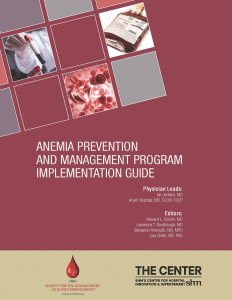
SHM’s implementation tool kits provide hospitalists the information and tools they need to lead quality improvement projects on specific clinical topics, including two recent releases focused on anemia and congestive heart failure.

One third of the world’s population suffers from anemia, and SHM’s Center for Hospital Innovation and Improvement recently released a tool kit to improve outcomes by providing a framework for hospital-based anemia management quality improvement projects. It reviews each step of the process from forming a multidisciplinary team, obtaining institutional support, assessing baseline performance, and defining key metrics to implementing changes and monitoring their effects, with a focus on blood transfusion best practices.
Such projects can be expected to improve patient outcomes, improve the utilization of scarce resources such as allogeneic blood, and decrease transfusion-related adverse events, enabling hospitals to provide a better quality of care at a lower cost. In today’s competitive healthcare environment, these are quality gains and cost savings that hospitals cannot afford to miss.
Another recent release from the center, the congestive heart failure implementation guide, reviews methods to optimize heart failure care during and after hospital admission episodes. Congestive heart failure is responsible for 11 million physician visits annually and more hospitalizations than all forms of cancer combined.

Other recently added tool kits cover COPD, glycemic control, opioid monitoring, delirium, and pain management.
For more information on these tool kits and how the Center for Hospital Innovation and Improvement can share its proven best practices with your hospital, visit www.hospitalmedicine.org/CenterTJ16.
SHM’s implementation tool kits provide hospitalists the information and tools they need to lead quality improvement projects on specific clinical topics, including two recent releases focused on anemia and congestive heart failure.
One third of the world’s population suffers from anemia, and SHM’s Center for Hospital Innovation and Improvement recently released a tool kit to improve outcomes by providing a framework for hospital-based anemia management quality improvement projects. It reviews each step of the process from forming a multidisciplinary team, obtaining institutional support, assessing baseline performance, and defining key metrics to implementing changes and monitoring their effects, with a focus on blood transfusion best practices.
Such projects can be expected to improve patient outcomes, improve the utilization of scarce resources such as allogeneic blood, and decrease transfusion-related adverse events, enabling hospitals to provide a better quality of care at a lower cost. In today’s competitive healthcare environment, these are quality gains and cost savings that hospitals cannot afford to miss.
Another recent release from the center, the congestive heart failure implementation guide, reviews methods to optimize heart failure care during and after hospital admission episodes. Congestive heart failure is responsible for 11 million physician visits annually and more hospitalizations than all forms of cancer combined.
Other recently added tool kits cover COPD, glycemic control, opioid monitoring, delirium, and pain management.
For more information on these tool kits and how the Center for Hospital Innovation and Improvement can share its proven best practices with your hospital, visit www.hospitalmedicine.org/CenterTJ16.
SHM’s implementation tool kits provide hospitalists the information and tools they need to lead quality improvement projects on specific clinical topics, including two recent releases focused on anemia and congestive heart failure.
One third of the world’s population suffers from anemia, and SHM’s Center for Hospital Innovation and Improvement recently released a tool kit to improve outcomes by providing a framework for hospital-based anemia management quality improvement projects. It reviews each step of the process from forming a multidisciplinary team, obtaining institutional support, assessing baseline performance, and defining key metrics to implementing changes and monitoring their effects, with a focus on blood transfusion best practices.
Such projects can be expected to improve patient outcomes, improve the utilization of scarce resources such as allogeneic blood, and decrease transfusion-related adverse events, enabling hospitals to provide a better quality of care at a lower cost. In today’s competitive healthcare environment, these are quality gains and cost savings that hospitals cannot afford to miss.
Another recent release from the center, the congestive heart failure implementation guide, reviews methods to optimize heart failure care during and after hospital admission episodes. Congestive heart failure is responsible for 11 million physician visits annually and more hospitalizations than all forms of cancer combined.
Other recently added tool kits cover COPD, glycemic control, opioid monitoring, delirium, and pain management.
For more information on these tool kits and how the Center for Hospital Innovation and Improvement can share its proven best practices with your hospital, visit www.hospitalmedicine.org/CenterTJ16.
Study Shows Certain Elderly Patients on Warfarin Therapy are at Greater Risk for Traumatic Intracranial Bleeding
NEW YORK (Reuters Health) - Certain older patients on warfarin therapy are at greater risk than others for traumatic intracranial bleeding, Veterans Affairs researchers have reported.
In their study of elderly adults receiving warfarin for atrial fibrillation (AF), five factors - dementia, anemia, depression, anticonvulsant use, and labile international normalized ratio - each made patients more vulnerable to traumatic intracranial bleeding.
"Advanced age is a powerful risk factor for thromboembolic stroke in patients with AF, and oral anticoagulation reduces this risk by almost two-thirds in patients at risk," the authors wrote. "However, up to half of the eligible older adults with AF are not treated with anticoagulant therapy due to health care professionals' concerns about potential treatment-related harms."
The research team reviewed medical and administrative data for 31,951 U.S. veterans with AF. Patients were 75 or older andwere newly referred to an anticoagulation clinic for warfarin therapy. Most had comorbidities, including hypertension (82.5%), coronary artery disease (42.6%) and diabetes (33.8%).
During the 11-year study period, 2002 through 2012, the incidence rate of hospitalization for traumatic intracranial bleeding was 4.80 per 1,000 person-years. The incidence rates for any intracranial bleeding and ischemic stroke were 14.58 and 13.44, respectively, per 1,000 person-years, the researchers reported online March 9 in JAMA Cardiology.
After adjusting for age, sex, race/ethnicity, and common comorbidities, significant predictors for traumatic intracranial bleeding were dementia (hazard ratio 1.76, p<0.01), anemia (HR 1.23, p<0.05), depression (HR 1.30, p<0.05), anticonvulsant use (HR 1.35, p<0.05), and labile international normalized ratio (HR 1.33, p<0.05).
"The differential risk between traumatic intracranial bleeding and ischemic stroke for those on warfarin therapy was lower than in prior studies, although the rate of ischemic stroke in our population was still considerable," senior author Dr. John Dodson, director of the Geriatric Cardiology Program at New York University School of Medicine, New York City, told Reuters Health by email.
"Of note, the most commonly used stroke risk score, CHA2S2-VASc, does a poor job of predicting risk for traumatic intracranial bleeding," he added. "Therefore, the risk factors appear to be distinct."
"For the practicing clinician, I think our findings underscore the need for a personalized approach to patients, potentially incorporating the risk factors we identified for traumatic intracranial bleeding in conversations around the risk versus benefit of warfarin therapy," Dr. Dodson said.
Dr. Dodson further noted that several oral anticoagulants have been approved in recent years that don't require the dose adjustment and monitoring needed with warfarin. "When we began this study, these drugs were very new and we therefore did not have a sufficient length of observation to generate a large enough sample of patients taking these medications."
"There are also implantable devices that have recently been approved that exclude the left atrial appendage, which is where most cerebroembolic phenomena originate from the circulation. We cannot comment on the relative harms of either of these strategies compared with warfarin in our data set," he acknowledged."
The final option would be to not treat - that is, taking a conservative approach with no medications or procedure - in a patient at particularly high risk for treatment-related harms, if this is concordant with the patient's own preferences," he concluded.
Dr. Vivek Reddy, director of Cardiac Arrhythmia Services at the Mount Sinai Health System and professor of medicine at the Icahn School of Medicine at Mount Sinai in New York City, also noted that clinicians have alternatives to warfarin. "We now have new oral anticoagulants (dabigatran, rivaroxaban, apixaban and edoxaban), but since they are also anticoagulants, it is unknown if the risk of traumatic bleeding would be lower in these patients," he told Reuters Health by email.
Of the mechanical left atrial appendage closure device, Dr. Reddy, who was not involved in the study, stated, "the data is quite compelling for patients that are not good candidates for oral anticoagulation - and the elderly population seems to be a population that would particularly benefit."
Dr. Reddy also pointed out, as did the authors, that the findings may not be applicable to women because 98% of those studied were men. He also observed that "virtually all (participants) were Caucasian, so it's not known if there would be differences for other ethnicities."
The National Institutes of Health and a number of other organizations supported this research. One coauthor reported disclosures.
NEW YORK (Reuters Health) - Certain older patients on warfarin therapy are at greater risk than others for traumatic intracranial bleeding, Veterans Affairs researchers have reported.
In their study of elderly adults receiving warfarin for atrial fibrillation (AF), five factors - dementia, anemia, depression, anticonvulsant use, and labile international normalized ratio - each made patients more vulnerable to traumatic intracranial bleeding.
"Advanced age is a powerful risk factor for thromboembolic stroke in patients with AF, and oral anticoagulation reduces this risk by almost two-thirds in patients at risk," the authors wrote. "However, up to half of the eligible older adults with AF are not treated with anticoagulant therapy due to health care professionals' concerns about potential treatment-related harms."
The research team reviewed medical and administrative data for 31,951 U.S. veterans with AF. Patients were 75 or older andwere newly referred to an anticoagulation clinic for warfarin therapy. Most had comorbidities, including hypertension (82.5%), coronary artery disease (42.6%) and diabetes (33.8%).
During the 11-year study period, 2002 through 2012, the incidence rate of hospitalization for traumatic intracranial bleeding was 4.80 per 1,000 person-years. The incidence rates for any intracranial bleeding and ischemic stroke were 14.58 and 13.44, respectively, per 1,000 person-years, the researchers reported online March 9 in JAMA Cardiology.
After adjusting for age, sex, race/ethnicity, and common comorbidities, significant predictors for traumatic intracranial bleeding were dementia (hazard ratio 1.76, p<0.01), anemia (HR 1.23, p<0.05), depression (HR 1.30, p<0.05), anticonvulsant use (HR 1.35, p<0.05), and labile international normalized ratio (HR 1.33, p<0.05).
"The differential risk between traumatic intracranial bleeding and ischemic stroke for those on warfarin therapy was lower than in prior studies, although the rate of ischemic stroke in our population was still considerable," senior author Dr. John Dodson, director of the Geriatric Cardiology Program at New York University School of Medicine, New York City, told Reuters Health by email.
"Of note, the most commonly used stroke risk score, CHA2S2-VASc, does a poor job of predicting risk for traumatic intracranial bleeding," he added. "Therefore, the risk factors appear to be distinct."
"For the practicing clinician, I think our findings underscore the need for a personalized approach to patients, potentially incorporating the risk factors we identified for traumatic intracranial bleeding in conversations around the risk versus benefit of warfarin therapy," Dr. Dodson said.
Dr. Dodson further noted that several oral anticoagulants have been approved in recent years that don't require the dose adjustment and monitoring needed with warfarin. "When we began this study, these drugs were very new and we therefore did not have a sufficient length of observation to generate a large enough sample of patients taking these medications."
"There are also implantable devices that have recently been approved that exclude the left atrial appendage, which is where most cerebroembolic phenomena originate from the circulation. We cannot comment on the relative harms of either of these strategies compared with warfarin in our data set," he acknowledged."
The final option would be to not treat - that is, taking a conservative approach with no medications or procedure - in a patient at particularly high risk for treatment-related harms, if this is concordant with the patient's own preferences," he concluded.
Dr. Vivek Reddy, director of Cardiac Arrhythmia Services at the Mount Sinai Health System and professor of medicine at the Icahn School of Medicine at Mount Sinai in New York City, also noted that clinicians have alternatives to warfarin. "We now have new oral anticoagulants (dabigatran, rivaroxaban, apixaban and edoxaban), but since they are also anticoagulants, it is unknown if the risk of traumatic bleeding would be lower in these patients," he told Reuters Health by email.
Of the mechanical left atrial appendage closure device, Dr. Reddy, who was not involved in the study, stated, "the data is quite compelling for patients that are not good candidates for oral anticoagulation - and the elderly population seems to be a population that would particularly benefit."
Dr. Reddy also pointed out, as did the authors, that the findings may not be applicable to women because 98% of those studied were men. He also observed that "virtually all (participants) were Caucasian, so it's not known if there would be differences for other ethnicities."
The National Institutes of Health and a number of other organizations supported this research. One coauthor reported disclosures.
NEW YORK (Reuters Health) - Certain older patients on warfarin therapy are at greater risk than others for traumatic intracranial bleeding, Veterans Affairs researchers have reported.
In their study of elderly adults receiving warfarin for atrial fibrillation (AF), five factors - dementia, anemia, depression, anticonvulsant use, and labile international normalized ratio - each made patients more vulnerable to traumatic intracranial bleeding.
"Advanced age is a powerful risk factor for thromboembolic stroke in patients with AF, and oral anticoagulation reduces this risk by almost two-thirds in patients at risk," the authors wrote. "However, up to half of the eligible older adults with AF are not treated with anticoagulant therapy due to health care professionals' concerns about potential treatment-related harms."
The research team reviewed medical and administrative data for 31,951 U.S. veterans with AF. Patients were 75 or older andwere newly referred to an anticoagulation clinic for warfarin therapy. Most had comorbidities, including hypertension (82.5%), coronary artery disease (42.6%) and diabetes (33.8%).
During the 11-year study period, 2002 through 2012, the incidence rate of hospitalization for traumatic intracranial bleeding was 4.80 per 1,000 person-years. The incidence rates for any intracranial bleeding and ischemic stroke were 14.58 and 13.44, respectively, per 1,000 person-years, the researchers reported online March 9 in JAMA Cardiology.
After adjusting for age, sex, race/ethnicity, and common comorbidities, significant predictors for traumatic intracranial bleeding were dementia (hazard ratio 1.76, p<0.01), anemia (HR 1.23, p<0.05), depression (HR 1.30, p<0.05), anticonvulsant use (HR 1.35, p<0.05), and labile international normalized ratio (HR 1.33, p<0.05).
"The differential risk between traumatic intracranial bleeding and ischemic stroke for those on warfarin therapy was lower than in prior studies, although the rate of ischemic stroke in our population was still considerable," senior author Dr. John Dodson, director of the Geriatric Cardiology Program at New York University School of Medicine, New York City, told Reuters Health by email.
"Of note, the most commonly used stroke risk score, CHA2S2-VASc, does a poor job of predicting risk for traumatic intracranial bleeding," he added. "Therefore, the risk factors appear to be distinct."
"For the practicing clinician, I think our findings underscore the need for a personalized approach to patients, potentially incorporating the risk factors we identified for traumatic intracranial bleeding in conversations around the risk versus benefit of warfarin therapy," Dr. Dodson said.
Dr. Dodson further noted that several oral anticoagulants have been approved in recent years that don't require the dose adjustment and monitoring needed with warfarin. "When we began this study, these drugs were very new and we therefore did not have a sufficient length of observation to generate a large enough sample of patients taking these medications."
"There are also implantable devices that have recently been approved that exclude the left atrial appendage, which is where most cerebroembolic phenomena originate from the circulation. We cannot comment on the relative harms of either of these strategies compared with warfarin in our data set," he acknowledged."
The final option would be to not treat - that is, taking a conservative approach with no medications or procedure - in a patient at particularly high risk for treatment-related harms, if this is concordant with the patient's own preferences," he concluded.
Dr. Vivek Reddy, director of Cardiac Arrhythmia Services at the Mount Sinai Health System and professor of medicine at the Icahn School of Medicine at Mount Sinai in New York City, also noted that clinicians have alternatives to warfarin. "We now have new oral anticoagulants (dabigatran, rivaroxaban, apixaban and edoxaban), but since they are also anticoagulants, it is unknown if the risk of traumatic bleeding would be lower in these patients," he told Reuters Health by email.
Of the mechanical left atrial appendage closure device, Dr. Reddy, who was not involved in the study, stated, "the data is quite compelling for patients that are not good candidates for oral anticoagulation - and the elderly population seems to be a population that would particularly benefit."
Dr. Reddy also pointed out, as did the authors, that the findings may not be applicable to women because 98% of those studied were men. He also observed that "virtually all (participants) were Caucasian, so it's not known if there would be differences for other ethnicities."
The National Institutes of Health and a number of other organizations supported this research. One coauthor reported disclosures.
Begin Your Journey as an SHM Ambassador
Beginning March 1 and running through December 31, all active SHM members can earn 2017–2018 dues credits and special recognition for recruiting new physician, physician assistant, nurse practitioner, pharmacist, or affiliate members. Active members will be eligible for:

- A $35 credit toward 2017–2018 dues when recruiting 1 new member
- A $50 credit toward 2017–2018 dues when recruiting 2–4 new members
- A $75 credit toward 2017–2018 dues when recruiting 5–9 new members
- A $125 credit toward 2017–2018 dues when recruiting 10+ new members
For each member recruited, individuals will receive one entry into a grand-prize drawing to receive complimentary registration to HM17 in Las Vegas.
To be counted as a referral, the new member referral must:
- Be a brand-new member to SHM (past members whose membership has lapsed do not qualify)
- Register as a physician, physician assistant, nurse practitioner, pharmacist, or affiliate member
- Include an active member’s name in the “referred by” field on a printed application or the online join form
- Join between March 1, 2016, and December 31, 2016
SHM members are not eligible for dues credits through this program for member referrals attributed to free memberships received as a result of HM17 registrations.
Begin your journey as an SHM Ambassador today at www.hospitalmedicine.org/MAP.
Beginning March 1 and running through December 31, all active SHM members can earn 2017–2018 dues credits and special recognition for recruiting new physician, physician assistant, nurse practitioner, pharmacist, or affiliate members. Active members will be eligible for:
- A $35 credit toward 2017–2018 dues when recruiting 1 new member
- A $50 credit toward 2017–2018 dues when recruiting 2–4 new members
- A $75 credit toward 2017–2018 dues when recruiting 5–9 new members
- A $125 credit toward 2017–2018 dues when recruiting 10+ new members
For each member recruited, individuals will receive one entry into a grand-prize drawing to receive complimentary registration to HM17 in Las Vegas.
To be counted as a referral, the new member referral must:
- Be a brand-new member to SHM (past members whose membership has lapsed do not qualify)
- Register as a physician, physician assistant, nurse practitioner, pharmacist, or affiliate member
- Include an active member’s name in the “referred by” field on a printed application or the online join form
- Join between March 1, 2016, and December 31, 2016
SHM members are not eligible for dues credits through this program for member referrals attributed to free memberships received as a result of HM17 registrations.
Begin your journey as an SHM Ambassador today at www.hospitalmedicine.org/MAP.
Beginning March 1 and running through December 31, all active SHM members can earn 2017–2018 dues credits and special recognition for recruiting new physician, physician assistant, nurse practitioner, pharmacist, or affiliate members. Active members will be eligible for:
- A $35 credit toward 2017–2018 dues when recruiting 1 new member
- A $50 credit toward 2017–2018 dues when recruiting 2–4 new members
- A $75 credit toward 2017–2018 dues when recruiting 5–9 new members
- A $125 credit toward 2017–2018 dues when recruiting 10+ new members
For each member recruited, individuals will receive one entry into a grand-prize drawing to receive complimentary registration to HM17 in Las Vegas.
To be counted as a referral, the new member referral must:
- Be a brand-new member to SHM (past members whose membership has lapsed do not qualify)
- Register as a physician, physician assistant, nurse practitioner, pharmacist, or affiliate member
- Include an active member’s name in the “referred by” field on a printed application or the online join form
- Join between March 1, 2016, and December 31, 2016
SHM members are not eligible for dues credits through this program for member referrals attributed to free memberships received as a result of HM17 registrations.
Begin your journey as an SHM Ambassador today at www.hospitalmedicine.org/MAP.

Receiving the Flu Vaccine While at the Hospital Does Not Increase Adverse Effects
NEW YORK (Reuters Health) - Receiving the seasonal flu vaccine while in the hospital does not increase surgical patients' health care utilization or their likelihood of being evaluated for infection after discharge, according to a new retrospective cohort study.
The Advisory Committee on Immunization Practices recommends that hospitalized patients who are eligible for the flu vaccine receive it before discharge, but rates of vaccination remain low in surgical patients, Dr. Sara Tartof of Kaiser Permanente Southern California in Pasadena and her colleagues note in their report, published online March 14 in the Annals of Internal Medicine.
This could be due to surgeons' concerns that adverse effects of influenza vaccine such as myalgia or fever could be attributed to surgical complications, or could complicate post-surgical care, they add.
"When we searched in the literature, we really just couldn't find any data that really speak to this question," Dr. Tartof told Reuters Health in a telephone interview.
She and her colleagues looked at Kaiser Permanente Southern California patients aged six months or older who had inpatient surgery between September 2010 and March 2013. Of the 42,777 surgeries in their analysis, 6,420 included seasonal flu vaccination during hospitalization.
The researchers found no differences between the vaccinated and unvaccinated groups in the risk of inpatient visits,emergency department visits, post-discharge fever, or clinical evaluation for infection. There was a marginal increase in the risk of outpatient visits (relative risk 1.05, p=0.032).
"We feel that the benefits of vaccination outweigh this risk," Dr. Tartof said. "For high-risk patients, this is a health care contact, this is an opportunity to vaccinate, and we don't want to miss those."
Many patients in the study who were vaccinated against the flu received the shot when they were discharged, the researcher noted. "This may be a more comfortable time for patients and for their clinicians to vaccinate," she said.
Dr. Tartof and her colleagues are now planning to repeat the study in a larger population of nonsurgical inpatients, including children.
The Centers for Disease Control and Prevention funded this research. Five coauthors reported disclosures.
NEW YORK (Reuters Health) - Receiving the seasonal flu vaccine while in the hospital does not increase surgical patients' health care utilization or their likelihood of being evaluated for infection after discharge, according to a new retrospective cohort study.
The Advisory Committee on Immunization Practices recommends that hospitalized patients who are eligible for the flu vaccine receive it before discharge, but rates of vaccination remain low in surgical patients, Dr. Sara Tartof of Kaiser Permanente Southern California in Pasadena and her colleagues note in their report, published online March 14 in the Annals of Internal Medicine.
This could be due to surgeons' concerns that adverse effects of influenza vaccine such as myalgia or fever could be attributed to surgical complications, or could complicate post-surgical care, they add.
"When we searched in the literature, we really just couldn't find any data that really speak to this question," Dr. Tartof told Reuters Health in a telephone interview.
She and her colleagues looked at Kaiser Permanente Southern California patients aged six months or older who had inpatient surgery between September 2010 and March 2013. Of the 42,777 surgeries in their analysis, 6,420 included seasonal flu vaccination during hospitalization.
The researchers found no differences between the vaccinated and unvaccinated groups in the risk of inpatient visits,emergency department visits, post-discharge fever, or clinical evaluation for infection. There was a marginal increase in the risk of outpatient visits (relative risk 1.05, p=0.032).
"We feel that the benefits of vaccination outweigh this risk," Dr. Tartof said. "For high-risk patients, this is a health care contact, this is an opportunity to vaccinate, and we don't want to miss those."
Many patients in the study who were vaccinated against the flu received the shot when they were discharged, the researcher noted. "This may be a more comfortable time for patients and for their clinicians to vaccinate," she said.
Dr. Tartof and her colleagues are now planning to repeat the study in a larger population of nonsurgical inpatients, including children.
The Centers for Disease Control and Prevention funded this research. Five coauthors reported disclosures.
NEW YORK (Reuters Health) - Receiving the seasonal flu vaccine while in the hospital does not increase surgical patients' health care utilization or their likelihood of being evaluated for infection after discharge, according to a new retrospective cohort study.
The Advisory Committee on Immunization Practices recommends that hospitalized patients who are eligible for the flu vaccine receive it before discharge, but rates of vaccination remain low in surgical patients, Dr. Sara Tartof of Kaiser Permanente Southern California in Pasadena and her colleagues note in their report, published online March 14 in the Annals of Internal Medicine.
This could be due to surgeons' concerns that adverse effects of influenza vaccine such as myalgia or fever could be attributed to surgical complications, or could complicate post-surgical care, they add.
"When we searched in the literature, we really just couldn't find any data that really speak to this question," Dr. Tartof told Reuters Health in a telephone interview.
She and her colleagues looked at Kaiser Permanente Southern California patients aged six months or older who had inpatient surgery between September 2010 and March 2013. Of the 42,777 surgeries in their analysis, 6,420 included seasonal flu vaccination during hospitalization.
The researchers found no differences between the vaccinated and unvaccinated groups in the risk of inpatient visits,emergency department visits, post-discharge fever, or clinical evaluation for infection. There was a marginal increase in the risk of outpatient visits (relative risk 1.05, p=0.032).
"We feel that the benefits of vaccination outweigh this risk," Dr. Tartof said. "For high-risk patients, this is a health care contact, this is an opportunity to vaccinate, and we don't want to miss those."
Many patients in the study who were vaccinated against the flu received the shot when they were discharged, the researcher noted. "This may be a more comfortable time for patients and for their clinicians to vaccinate," she said.
Dr. Tartof and her colleagues are now planning to repeat the study in a larger population of nonsurgical inpatients, including children.
The Centers for Disease Control and Prevention funded this research. Five coauthors reported disclosures.
Experts Suggest Ways to Deal with Challenges Surrounding Care of Psychiatric Patients
In 1955, there was one psychiatric bed for every 300 Americans. By 2005, following the widespread shuttering or downsizing of psychiatric hospitals in the 1990s, that number had shrunk to one bed for every 3,000 Americans.1
In 2008, an estimated 39.8 million Americans age 18 or older had mental illness, which represents 17.7% of U.S. adults.2 In 2013, this number rose to an estimated 43.8 million, or 18.5% of U.S. adults (see Figure 1).3

“It’s like we have returned to the early 19th century, when mentally ill persons were held in prisons or temporarily kept in hospital settings,” says Ricardo Bianco, PsyD, program director of the Master of Arts in counseling and health psychology at William James College in Newton, Mass. “The problem is that the healthcare system did not catch up to absorb the mentally ill population.
“As a result, hospital staffs are inadequately trained, there is insufficient funding for these patients, and there are not enough human resource personnel to manage them. Consequently, hospitalists are overwhelmed with cases that should be primarily treated by psychologists, psychiatrists, and social workers.”
According to David M. Grace, MD, SFHM, hospitalist and senior medical officer at the Schumacher Group in Lafayette, La., two groups of psychiatric patients present to the acute-care hospital environment: those who are there for a primary psychiatric problem and those who have a medical problem and a psychiatric comorbidity. The first group of patients presents distinct challenges. U.S. hospitals lack two-thirds of the minimum number of beds needed to care for this population. The second group is problematic because psychiatric issues often cloud the medical issues of a patient, increasing both diagnostic uncertainty and resource utilization.
Challenges Abound
Psychiatric patients present a number of problems for hospitalists. First, it is difficult to decipher what comprises a psychiatric issue and what does not because “many psychiatric conditions manifest as physical symptoms and they often require significant resource consumption to diagnose,” Dr. Grace says. Secondly, some patients present with a severe primary psychiatric problem in which they are homicidal, suicidal, or gravely disabled.

In addition, psychiatric patients tend to have a greater incidence of noncompliance with imaging, laboratory work, medication, and general medical care, says Daniel Sussman, MD, a hospitalist at IPC Healthcare, Inc., based in North Hollywood, Calif. He also serves as interim chairman in the department of psychiatry at St. John’s Episcopal Hospital in Far Rockaway, N.Y.
Clinically, potential interactions between psychiatric medications and medically related prescription drugs are always a concern, notes Dr. Sussman, who says more than 70% of patients admitted to St. John’s Episcopal Hospital have a major psychiatric illness in addition to their medical problem. Psychiatric medications, which patients may have tolerated well when they were stable, may be too sedating when patients are ill. Side effects and adverse reactions of psychotropic medications must also be considered when diagnosing and treating medical illnesses. Metabolic syndrome is more commonly seen and is a factor in the development and subsequent treatment of other illnesses.
Another challenge stems from the fact that patients with substantial psychiatric comorbidities can have significant and rapid mood and behavioral changes as well as sudden, volatile, and aggressive outbursts—both verbal and physical.
“Staff members who interact with the patient are at risk if an outburst occurs,” says Emily Fingado, MD, FAAP, a pediatric hospitalist and clinical assistant professor of pediatrics at Nemours/Alfred I. duPont Hospital for Children (Nemours/AIDHC) of the Sidney Kimmel Medical College at Thomas Jefferson University in Wilmington, Del.
Such situations can become scary, particularly if someone with psychiatric expertise is not available to intervene. This can be very frustrating for hospitalists who want to provide high-level care but may lack the training needed to be successful with such patients. This can ultimately lead to burnout, says Sarah Rivelli, MD, medical director of psychiatry clinical services at Duke University Hospital and Duke University Medical Center in Durham, N.C.
Another challenge is that although there are protocols in place designed to follow specific steps for patients with physical illnesses or disorders, that’s not the case for psychiatric illness. “Many hospital facilities are not designed, or have yet to implement, protocols to attend to mentally ill individuals,” Dr. Bianco says.
Because of the unpredictability of patients and lack of practice protocols, mental illness can introduce a wild card into the standard treatment process. A more individualized approach with these patients is needed, but with increasing focus on length of stay and operational efficiency, medical and nursing staffs are pressured to do things quickly and to do more with less. It can be very time-consuming for a nurse to have to explain to paranoid patients why they should take their medication or for a phlebotomist to try to calm patients in order to obtain blood. When patients refuse needed tests, or only provide a limited history, the hospitalist ends up working with incomplete information, which makes choosing and monitoring the treatment approach problematic.
A Look at Best Practices
In light of challenges, some best practices have been identified for handling psychiatric patients. As previously mentioned, most hospital staffs have limited formal training in interacting with psychiatric patients. In fact, the American Board of Internal Medicine only devotes 4% of the certification exam to psychiatry.4
Ideally, staff members who care for psychiatric patients will have specialized or additional training in managing patients with psychiatric conditions or comorbidities. Nemours/AIDHC has a committee assigned to evaluate psychiatric patients’ care and help manage them when a behavioral emergency occurs, Dr. Fingado says. This team, which has been trained on de-escalation, restraint techniques and policies, as well as medications to use in these situations, intervenes when patients have an aggressive event that places patients, visitors, or staff at risk. The team includes nursing staff, the hospitalist on-call, and security personnel and involves the social work, psychology, and psychiatry departments.
Training focused on treating patients with psychiatric conditions should include how to recognize substance abuse and treat substance withdrawal because mental illness and substance abuse often track together, Dr. Sussman notes. At St. John’s Episcopal Hospital, patients with chronic mental illness are not the ones who typically become aggressive or violent. Rather, this is more often the case among patients with substance abuse either in states of acute intoxication or withdrawal.
Recently, Dr. Sussman has seen a significant increase in patients who abuse K2, or spice, a synthetic form of cannabis. Side effects of using K2 include rapid heart rate, anxiety, hallucinations, and paranoia to the point of delusional thinking. These side effects can frequently wax and wane for days after the drug is used, and they can be associated with significant psychomotor agitation and assaultive behavior.
When patients abuse flake, another synthetic drug that has been reported in the Southeast, they tend to become very paranoid and violent. “These patients can be extremely unpredictable and aggressive,” he says. “Patients with dementia can be impulsive and aggressive during care, and caution is needed, but it’s not a directed violence like that seen in patients who are agitated secondary to substance abuse.”
Dr. Bianco advises having a predetermined triage system or a scale that can assess and measure patients’ level of psychological distress, which can ensure timely and appropriate evaluation and treatment of psychiatric patients, as well as toxicology screens and mental health protocols, which can aid in diagnosis.
“Technology is an important tool in facilitating integration, including identifying and screening patients, tracking patient progress, encouraging adherence to clinical protocols, facilitating communication between providers, and evaluating the impact of integrated programs,” Dr. Bianco says. Academic hospitals struggle less with this problem, he adds, because they tend to be more adequately funded in all areas of operations, including the field of mental health.
IPC Healthcare hospitalist James N. Horst, DO, a psychiatrist who manages mental health patients in a long-term care and nursing home facility, says he has found standardized general screening tools to be useful. The Hamilton Depression Scale, Beck Anxiety Inventory, and CAGE exam for chemical dependency can be easily administered and scored in any facility setting, he says. These tests include self-administered questions to which the patient answers yes or no. Laboratory work is a secondary tool in psychiatry since few mental illness disorders are based on medical comorbidities.
Dr. Sussman looks to the past, when psychiatrists were part of medical teams rounding in hospitals, for a solution. “An integrated model provides an approach where patient care is less compartmentalized,” he says. “In this model, clinicians are responsible for making sure their patient is treated, not simply focusing on their individual area of expertise. This involves working more closely with an integrated care management team.”
Ideally, this will occur at every level of care: outpatient, inpatient, and emergency department (ED). New York State is attempting to redesign the Medicaid system in this fashion, with the goal of improving overall care and reducing reliance on inpatient treatment to provide that care. This is an enormous initiative, costing more than $8 billion. If successful, it will result in a more patient-centered care system that treats the whole individual, not just the illness, and will positively impact patients’ overall health.
For now, St. John’s Episcopal Hospital has an active psychiatric consultation liaison service that is staffed by both in-house residents and attending physicians who are there 24-7 to help with psychiatric patients.
A ‘Utopia Management’ Perspective
In a dream world, patients with significant psychiatric problems or comorbidities would have coordinated, multidisciplinary care from admission to discharge, Dr. Fingado adds. Ideally, hospitals would have dedicated rooms or areas in the ED that are safe for patients and staff. Psychiatric patients who require observation or admission to a non-psychiatric hospital would be placed in rooms or units dedicated for psychiatric patients, again providing safety for patients and staff, Dr. Fingado surmises.
In addition, all staff members would have training in behavioral health management, including instruction on de-escalation, restraint techniques, and medication use for patients. Ideally, units would be staffed by specially trained aides, nurses, and healthcare providers (i.e., physician assistants, nurse practitioners, physicians), as well as psychologists and psychiatrists, Dr. Fingado says. This type of management would require buy-in from a multitude of groups, including healthcare administrators, nursing and provider staff, as well as health insurance companies. A reallocation or increase in funds would be needed to help build and staff these types of management models and locations, she adds.
In a perfect world, all hospitalized patients would be adequately screened for mental health issues and have their issues appropriately addressed by well-qualified professionals in real time, Dr. Grace says. Telemedicine services have great potential in helping to meet that goal, he says, and more relaxed regulatory guidelines around telemedicine could help make such physician-patient interactions less difficult. Many, if not most, hospitals currently have limited or no access to qualified mental health professionals, a conundrum based on supply, reimbursement, and need.
“Telemedicine, which is already having great success in neurology and intensive care unit medicine, is a great fit for this space,” Dr. Grace says. “Widespread access to a tele-psychiatrist would bring significant tangible benefits to patients, hospitals, hospital staff, and the population at large, who ultimately pay for healthcare in the nation.”
Dr. Horst says he believes everyone who treats psychiatric patients should have education in psychiatric medicine education. One way to achieve this would be to mandate continuing medical education coursework in mental health disorders.
The Reality of a Utopia
Traditionally, our healthcare system has been designed to react to illness, meaning that physicians treat illnesses when individuals become sick.
“But as science and technology now better understand the etiology of most illnesses, we are more equipped to design more preventative interventions rather than wait for individuals to become sick,” Dr. Bianco says. “Prevention interventions require an initial investment that the healthcare system is not necessarily willing to invest in at this time and a shift in the way it charges for services. If the healthcare system is unwilling to go that route, and we know we can prevent many illnesses by shifting the focus of treatment, consequently, human suffering is augmented and quality of life jeopardized.”
More recently, the general population and providers have acknowledged that healing takes place more effectively when it is applied in more integrated approaches (i.e., the utilization of the bio-psycho-social-spiritual model), Dr. Bianco adds. This greater appreciation is demonstrated by different research studies applied to different populations (both the general public and different providers). Despite this, the system (i.e., training) does not support a full integration of interventions.
“The system continues to operate under the traditional medical model that is fragmented and hyper-specialized,” Dr. Bianco says. “Science has demonstrated that the mind and the body work in more complex ways, requiring a more holistic approach to treatment. Although all segments among providers now understand and accept that, the system they dwell in does not support the daily challenges of treatment.
“Treatment continues to be fragmented as it is the medical model. At this point, at a minimum, a hospital should have a psychiatric department composed of individuals who are adequately trained (e.g., health psychology, behavioral medicine) to absorb a portion of individuals who primarily present with mental health issues.” TH
Karen Appold is a freelance medical writer in Pennsylvania.
References
- Torrey EF, Kennard AD, Eslinger D, Lamb R, Pavle J. More mentally ill persons are in jails and prisons than hospitals: a survey of the states. Treatment Advocacy Center website. Available at: http://www.treatmentadvocacycenter.org/storage/documents/final_jails_v_hospitals_study.pdf. May 2010. Accessed August 18, 2015.
- Results from the 2013 national survey on drug use and health: mental health detailed tables. Center for Behavioral Health Statistics and Quality, Substance Abuse and Mental Health Services Administration, U.S. Department of Health & Human Services website. Available at: http://www.samhsa.gov/data/sites/default/files/2013MHDetTabs/NSDUH-MHDetTabs2013.pdf. Accessed August 19, 2015.
- Any mental illness among adults. National Institute of Mental Health website. Available at: http://www.nimh.nih.gov/health/statistics/prevalence/any-mental-illness-ami-among-adults.shtml. Accessed August 19, 2015.
- Internal medicine certification examination blueprint. American Board of Internal Medicine website. Available at: https://www.abim.org/pdf/blueprint/im_cert.pdf. January 2015. Accessed August 19, 2015.
Table 1. The Key Principles and Characteristics of an Effective Hospital Medicine Group (HMG)1
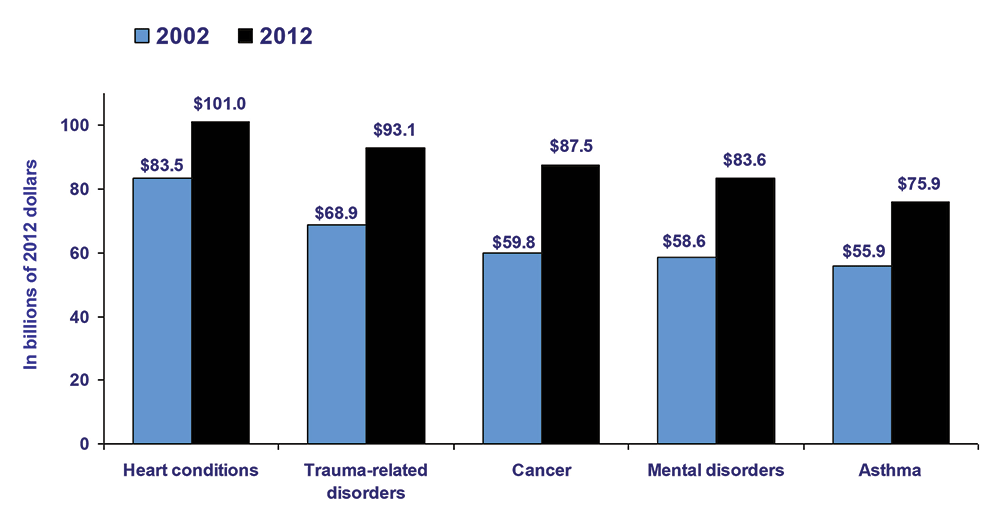
Do ‘Psychiatric Hospitalists’ Exist?

In fact, Duke University Health System has a group of dual-boarded medicine-psychiatry hospitalists as well as psychiatrists who are hospitalists.
“There has been more of a move toward this trend,” says Sarah Rivelli, MD, medical director of psychiatry clinical services at Duke University Hospital and Duke University Medical Center in Durham, N.C. “At Duke, this has been a successful model, both from a faculty perspective and health system perspective. We’ve expanded our psychiatry hospitalist program to our two community hospitals as well.”
Figure 2. Expenditures for the Five Most Costly Conditions, 2002 and 2012
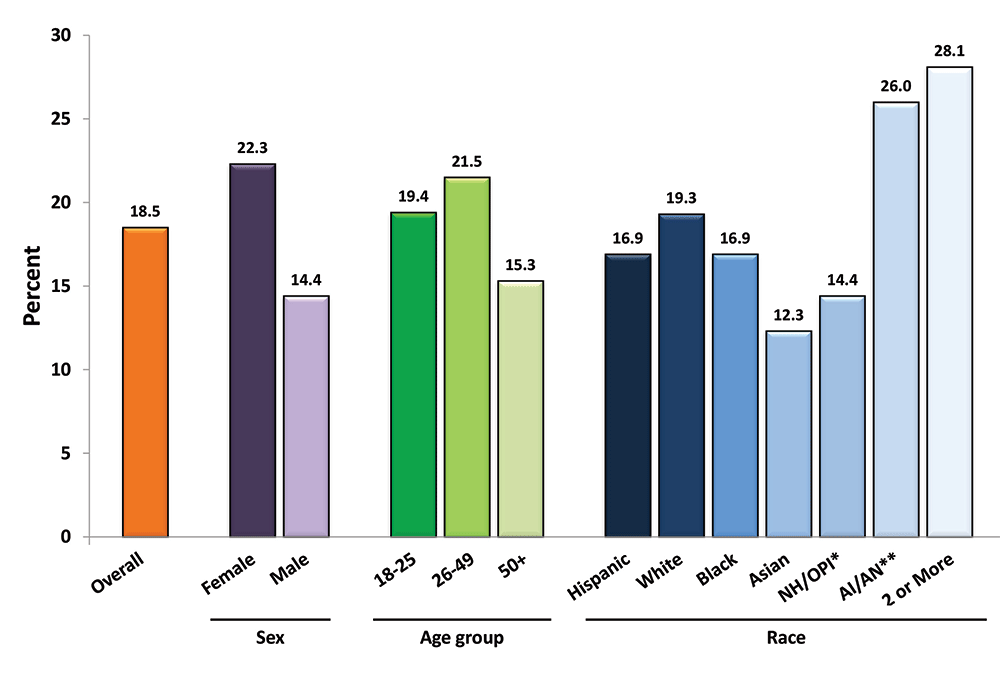
In 1955, there was one psychiatric bed for every 300 Americans. By 2005, following the widespread shuttering or downsizing of psychiatric hospitals in the 1990s, that number had shrunk to one bed for every 3,000 Americans.1
In 2008, an estimated 39.8 million Americans age 18 or older had mental illness, which represents 17.7% of U.S. adults.2 In 2013, this number rose to an estimated 43.8 million, or 18.5% of U.S. adults (see Figure 1).3
“It’s like we have returned to the early 19th century, when mentally ill persons were held in prisons or temporarily kept in hospital settings,” says Ricardo Bianco, PsyD, program director of the Master of Arts in counseling and health psychology at William James College in Newton, Mass. “The problem is that the healthcare system did not catch up to absorb the mentally ill population.
“As a result, hospital staffs are inadequately trained, there is insufficient funding for these patients, and there are not enough human resource personnel to manage them. Consequently, hospitalists are overwhelmed with cases that should be primarily treated by psychologists, psychiatrists, and social workers.”
According to David M. Grace, MD, SFHM, hospitalist and senior medical officer at the Schumacher Group in Lafayette, La., two groups of psychiatric patients present to the acute-care hospital environment: those who are there for a primary psychiatric problem and those who have a medical problem and a psychiatric comorbidity. The first group of patients presents distinct challenges. U.S. hospitals lack two-thirds of the minimum number of beds needed to care for this population. The second group is problematic because psychiatric issues often cloud the medical issues of a patient, increasing both diagnostic uncertainty and resource utilization.
Challenges Abound
Psychiatric patients present a number of problems for hospitalists. First, it is difficult to decipher what comprises a psychiatric issue and what does not because “many psychiatric conditions manifest as physical symptoms and they often require significant resource consumption to diagnose,” Dr. Grace says. Secondly, some patients present with a severe primary psychiatric problem in which they are homicidal, suicidal, or gravely disabled.
In addition, psychiatric patients tend to have a greater incidence of noncompliance with imaging, laboratory work, medication, and general medical care, says Daniel Sussman, MD, a hospitalist at IPC Healthcare, Inc., based in North Hollywood, Calif. He also serves as interim chairman in the department of psychiatry at St. John’s Episcopal Hospital in Far Rockaway, N.Y.
Clinically, potential interactions between psychiatric medications and medically related prescription drugs are always a concern, notes Dr. Sussman, who says more than 70% of patients admitted to St. John’s Episcopal Hospital have a major psychiatric illness in addition to their medical problem. Psychiatric medications, which patients may have tolerated well when they were stable, may be too sedating when patients are ill. Side effects and adverse reactions of psychotropic medications must also be considered when diagnosing and treating medical illnesses. Metabolic syndrome is more commonly seen and is a factor in the development and subsequent treatment of other illnesses.
Another challenge stems from the fact that patients with substantial psychiatric comorbidities can have significant and rapid mood and behavioral changes as well as sudden, volatile, and aggressive outbursts—both verbal and physical.
“Staff members who interact with the patient are at risk if an outburst occurs,” says Emily Fingado, MD, FAAP, a pediatric hospitalist and clinical assistant professor of pediatrics at Nemours/Alfred I. duPont Hospital for Children (Nemours/AIDHC) of the Sidney Kimmel Medical College at Thomas Jefferson University in Wilmington, Del.
Such situations can become scary, particularly if someone with psychiatric expertise is not available to intervene. This can be very frustrating for hospitalists who want to provide high-level care but may lack the training needed to be successful with such patients. This can ultimately lead to burnout, says Sarah Rivelli, MD, medical director of psychiatry clinical services at Duke University Hospital and Duke University Medical Center in Durham, N.C.
Another challenge is that although there are protocols in place designed to follow specific steps for patients with physical illnesses or disorders, that’s not the case for psychiatric illness. “Many hospital facilities are not designed, or have yet to implement, protocols to attend to mentally ill individuals,” Dr. Bianco says.
Because of the unpredictability of patients and lack of practice protocols, mental illness can introduce a wild card into the standard treatment process. A more individualized approach with these patients is needed, but with increasing focus on length of stay and operational efficiency, medical and nursing staffs are pressured to do things quickly and to do more with less. It can be very time-consuming for a nurse to have to explain to paranoid patients why they should take their medication or for a phlebotomist to try to calm patients in order to obtain blood. When patients refuse needed tests, or only provide a limited history, the hospitalist ends up working with incomplete information, which makes choosing and monitoring the treatment approach problematic.
A Look at Best Practices
In light of challenges, some best practices have been identified for handling psychiatric patients. As previously mentioned, most hospital staffs have limited formal training in interacting with psychiatric patients. In fact, the American Board of Internal Medicine only devotes 4% of the certification exam to psychiatry.4
Ideally, staff members who care for psychiatric patients will have specialized or additional training in managing patients with psychiatric conditions or comorbidities. Nemours/AIDHC has a committee assigned to evaluate psychiatric patients’ care and help manage them when a behavioral emergency occurs, Dr. Fingado says. This team, which has been trained on de-escalation, restraint techniques and policies, as well as medications to use in these situations, intervenes when patients have an aggressive event that places patients, visitors, or staff at risk. The team includes nursing staff, the hospitalist on-call, and security personnel and involves the social work, psychology, and psychiatry departments.
Training focused on treating patients with psychiatric conditions should include how to recognize substance abuse and treat substance withdrawal because mental illness and substance abuse often track together, Dr. Sussman notes. At St. John’s Episcopal Hospital, patients with chronic mental illness are not the ones who typically become aggressive or violent. Rather, this is more often the case among patients with substance abuse either in states of acute intoxication or withdrawal.
Recently, Dr. Sussman has seen a significant increase in patients who abuse K2, or spice, a synthetic form of cannabis. Side effects of using K2 include rapid heart rate, anxiety, hallucinations, and paranoia to the point of delusional thinking. These side effects can frequently wax and wane for days after the drug is used, and they can be associated with significant psychomotor agitation and assaultive behavior.
When patients abuse flake, another synthetic drug that has been reported in the Southeast, they tend to become very paranoid and violent. “These patients can be extremely unpredictable and aggressive,” he says. “Patients with dementia can be impulsive and aggressive during care, and caution is needed, but it’s not a directed violence like that seen in patients who are agitated secondary to substance abuse.”
Dr. Bianco advises having a predetermined triage system or a scale that can assess and measure patients’ level of psychological distress, which can ensure timely and appropriate evaluation and treatment of psychiatric patients, as well as toxicology screens and mental health protocols, which can aid in diagnosis.
“Technology is an important tool in facilitating integration, including identifying and screening patients, tracking patient progress, encouraging adherence to clinical protocols, facilitating communication between providers, and evaluating the impact of integrated programs,” Dr. Bianco says. Academic hospitals struggle less with this problem, he adds, because they tend to be more adequately funded in all areas of operations, including the field of mental health.
IPC Healthcare hospitalist James N. Horst, DO, a psychiatrist who manages mental health patients in a long-term care and nursing home facility, says he has found standardized general screening tools to be useful. The Hamilton Depression Scale, Beck Anxiety Inventory, and CAGE exam for chemical dependency can be easily administered and scored in any facility setting, he says. These tests include self-administered questions to which the patient answers yes or no. Laboratory work is a secondary tool in psychiatry since few mental illness disorders are based on medical comorbidities.
Dr. Sussman looks to the past, when psychiatrists were part of medical teams rounding in hospitals, for a solution. “An integrated model provides an approach where patient care is less compartmentalized,” he says. “In this model, clinicians are responsible for making sure their patient is treated, not simply focusing on their individual area of expertise. This involves working more closely with an integrated care management team.”
Ideally, this will occur at every level of care: outpatient, inpatient, and emergency department (ED). New York State is attempting to redesign the Medicaid system in this fashion, with the goal of improving overall care and reducing reliance on inpatient treatment to provide that care. This is an enormous initiative, costing more than $8 billion. If successful, it will result in a more patient-centered care system that treats the whole individual, not just the illness, and will positively impact patients’ overall health.
For now, St. John’s Episcopal Hospital has an active psychiatric consultation liaison service that is staffed by both in-house residents and attending physicians who are there 24-7 to help with psychiatric patients.
A ‘Utopia Management’ Perspective
In a dream world, patients with significant psychiatric problems or comorbidities would have coordinated, multidisciplinary care from admission to discharge, Dr. Fingado adds. Ideally, hospitals would have dedicated rooms or areas in the ED that are safe for patients and staff. Psychiatric patients who require observation or admission to a non-psychiatric hospital would be placed in rooms or units dedicated for psychiatric patients, again providing safety for patients and staff, Dr. Fingado surmises.
In addition, all staff members would have training in behavioral health management, including instruction on de-escalation, restraint techniques, and medication use for patients. Ideally, units would be staffed by specially trained aides, nurses, and healthcare providers (i.e., physician assistants, nurse practitioners, physicians), as well as psychologists and psychiatrists, Dr. Fingado says. This type of management would require buy-in from a multitude of groups, including healthcare administrators, nursing and provider staff, as well as health insurance companies. A reallocation or increase in funds would be needed to help build and staff these types of management models and locations, she adds.
In a perfect world, all hospitalized patients would be adequately screened for mental health issues and have their issues appropriately addressed by well-qualified professionals in real time, Dr. Grace says. Telemedicine services have great potential in helping to meet that goal, he says, and more relaxed regulatory guidelines around telemedicine could help make such physician-patient interactions less difficult. Many, if not most, hospitals currently have limited or no access to qualified mental health professionals, a conundrum based on supply, reimbursement, and need.
“Telemedicine, which is already having great success in neurology and intensive care unit medicine, is a great fit for this space,” Dr. Grace says. “Widespread access to a tele-psychiatrist would bring significant tangible benefits to patients, hospitals, hospital staff, and the population at large, who ultimately pay for healthcare in the nation.”
Dr. Horst says he believes everyone who treats psychiatric patients should have education in psychiatric medicine education. One way to achieve this would be to mandate continuing medical education coursework in mental health disorders.
The Reality of a Utopia
Traditionally, our healthcare system has been designed to react to illness, meaning that physicians treat illnesses when individuals become sick.
“But as science and technology now better understand the etiology of most illnesses, we are more equipped to design more preventative interventions rather than wait for individuals to become sick,” Dr. Bianco says. “Prevention interventions require an initial investment that the healthcare system is not necessarily willing to invest in at this time and a shift in the way it charges for services. If the healthcare system is unwilling to go that route, and we know we can prevent many illnesses by shifting the focus of treatment, consequently, human suffering is augmented and quality of life jeopardized.”
More recently, the general population and providers have acknowledged that healing takes place more effectively when it is applied in more integrated approaches (i.e., the utilization of the bio-psycho-social-spiritual model), Dr. Bianco adds. This greater appreciation is demonstrated by different research studies applied to different populations (both the general public and different providers). Despite this, the system (i.e., training) does not support a full integration of interventions.
“The system continues to operate under the traditional medical model that is fragmented and hyper-specialized,” Dr. Bianco says. “Science has demonstrated that the mind and the body work in more complex ways, requiring a more holistic approach to treatment. Although all segments among providers now understand and accept that, the system they dwell in does not support the daily challenges of treatment.
“Treatment continues to be fragmented as it is the medical model. At this point, at a minimum, a hospital should have a psychiatric department composed of individuals who are adequately trained (e.g., health psychology, behavioral medicine) to absorb a portion of individuals who primarily present with mental health issues.” TH
Karen Appold is a freelance medical writer in Pennsylvania.
References
- Torrey EF, Kennard AD, Eslinger D, Lamb R, Pavle J. More mentally ill persons are in jails and prisons than hospitals: a survey of the states. Treatment Advocacy Center website. Available at: http://www.treatmentadvocacycenter.org/storage/documents/final_jails_v_hospitals_study.pdf. May 2010. Accessed August 18, 2015.
- Results from the 2013 national survey on drug use and health: mental health detailed tables. Center for Behavioral Health Statistics and Quality, Substance Abuse and Mental Health Services Administration, U.S. Department of Health & Human Services website. Available at: http://www.samhsa.gov/data/sites/default/files/2013MHDetTabs/NSDUH-MHDetTabs2013.pdf. Accessed August 19, 2015.
- Any mental illness among adults. National Institute of Mental Health website. Available at: http://www.nimh.nih.gov/health/statistics/prevalence/any-mental-illness-ami-among-adults.shtml. Accessed August 19, 2015.
- Internal medicine certification examination blueprint. American Board of Internal Medicine website. Available at: https://www.abim.org/pdf/blueprint/im_cert.pdf. January 2015. Accessed August 19, 2015.
Table 1. The Key Principles and Characteristics of an Effective Hospital Medicine Group (HMG)1
Do ‘Psychiatric Hospitalists’ Exist?
In fact, Duke University Health System has a group of dual-boarded medicine-psychiatry hospitalists as well as psychiatrists who are hospitalists.
“There has been more of a move toward this trend,” says Sarah Rivelli, MD, medical director of psychiatry clinical services at Duke University Hospital and Duke University Medical Center in Durham, N.C. “At Duke, this has been a successful model, both from a faculty perspective and health system perspective. We’ve expanded our psychiatry hospitalist program to our two community hospitals as well.”
Figure 2. Expenditures for the Five Most Costly Conditions, 2002 and 2012
In 1955, there was one psychiatric bed for every 300 Americans. By 2005, following the widespread shuttering or downsizing of psychiatric hospitals in the 1990s, that number had shrunk to one bed for every 3,000 Americans.1
In 2008, an estimated 39.8 million Americans age 18 or older had mental illness, which represents 17.7% of U.S. adults.2 In 2013, this number rose to an estimated 43.8 million, or 18.5% of U.S. adults (see Figure 1).3
“It’s like we have returned to the early 19th century, when mentally ill persons were held in prisons or temporarily kept in hospital settings,” says Ricardo Bianco, PsyD, program director of the Master of Arts in counseling and health psychology at William James College in Newton, Mass. “The problem is that the healthcare system did not catch up to absorb the mentally ill population.
“As a result, hospital staffs are inadequately trained, there is insufficient funding for these patients, and there are not enough human resource personnel to manage them. Consequently, hospitalists are overwhelmed with cases that should be primarily treated by psychologists, psychiatrists, and social workers.”
According to David M. Grace, MD, SFHM, hospitalist and senior medical officer at the Schumacher Group in Lafayette, La., two groups of psychiatric patients present to the acute-care hospital environment: those who are there for a primary psychiatric problem and those who have a medical problem and a psychiatric comorbidity. The first group of patients presents distinct challenges. U.S. hospitals lack two-thirds of the minimum number of beds needed to care for this population. The second group is problematic because psychiatric issues often cloud the medical issues of a patient, increasing both diagnostic uncertainty and resource utilization.
Challenges Abound
Psychiatric patients present a number of problems for hospitalists. First, it is difficult to decipher what comprises a psychiatric issue and what does not because “many psychiatric conditions manifest as physical symptoms and they often require significant resource consumption to diagnose,” Dr. Grace says. Secondly, some patients present with a severe primary psychiatric problem in which they are homicidal, suicidal, or gravely disabled.
In addition, psychiatric patients tend to have a greater incidence of noncompliance with imaging, laboratory work, medication, and general medical care, says Daniel Sussman, MD, a hospitalist at IPC Healthcare, Inc., based in North Hollywood, Calif. He also serves as interim chairman in the department of psychiatry at St. John’s Episcopal Hospital in Far Rockaway, N.Y.
Clinically, potential interactions between psychiatric medications and medically related prescription drugs are always a concern, notes Dr. Sussman, who says more than 70% of patients admitted to St. John’s Episcopal Hospital have a major psychiatric illness in addition to their medical problem. Psychiatric medications, which patients may have tolerated well when they were stable, may be too sedating when patients are ill. Side effects and adverse reactions of psychotropic medications must also be considered when diagnosing and treating medical illnesses. Metabolic syndrome is more commonly seen and is a factor in the development and subsequent treatment of other illnesses.
Another challenge stems from the fact that patients with substantial psychiatric comorbidities can have significant and rapid mood and behavioral changes as well as sudden, volatile, and aggressive outbursts—both verbal and physical.
“Staff members who interact with the patient are at risk if an outburst occurs,” says Emily Fingado, MD, FAAP, a pediatric hospitalist and clinical assistant professor of pediatrics at Nemours/Alfred I. duPont Hospital for Children (Nemours/AIDHC) of the Sidney Kimmel Medical College at Thomas Jefferson University in Wilmington, Del.
Such situations can become scary, particularly if someone with psychiatric expertise is not available to intervene. This can be very frustrating for hospitalists who want to provide high-level care but may lack the training needed to be successful with such patients. This can ultimately lead to burnout, says Sarah Rivelli, MD, medical director of psychiatry clinical services at Duke University Hospital and Duke University Medical Center in Durham, N.C.
Another challenge is that although there are protocols in place designed to follow specific steps for patients with physical illnesses or disorders, that’s not the case for psychiatric illness. “Many hospital facilities are not designed, or have yet to implement, protocols to attend to mentally ill individuals,” Dr. Bianco says.
Because of the unpredictability of patients and lack of practice protocols, mental illness can introduce a wild card into the standard treatment process. A more individualized approach with these patients is needed, but with increasing focus on length of stay and operational efficiency, medical and nursing staffs are pressured to do things quickly and to do more with less. It can be very time-consuming for a nurse to have to explain to paranoid patients why they should take their medication or for a phlebotomist to try to calm patients in order to obtain blood. When patients refuse needed tests, or only provide a limited history, the hospitalist ends up working with incomplete information, which makes choosing and monitoring the treatment approach problematic.
A Look at Best Practices
In light of challenges, some best practices have been identified for handling psychiatric patients. As previously mentioned, most hospital staffs have limited formal training in interacting with psychiatric patients. In fact, the American Board of Internal Medicine only devotes 4% of the certification exam to psychiatry.4
Ideally, staff members who care for psychiatric patients will have specialized or additional training in managing patients with psychiatric conditions or comorbidities. Nemours/AIDHC has a committee assigned to evaluate psychiatric patients’ care and help manage them when a behavioral emergency occurs, Dr. Fingado says. This team, which has been trained on de-escalation, restraint techniques and policies, as well as medications to use in these situations, intervenes when patients have an aggressive event that places patients, visitors, or staff at risk. The team includes nursing staff, the hospitalist on-call, and security personnel and involves the social work, psychology, and psychiatry departments.
Training focused on treating patients with psychiatric conditions should include how to recognize substance abuse and treat substance withdrawal because mental illness and substance abuse often track together, Dr. Sussman notes. At St. John’s Episcopal Hospital, patients with chronic mental illness are not the ones who typically become aggressive or violent. Rather, this is more often the case among patients with substance abuse either in states of acute intoxication or withdrawal.
Recently, Dr. Sussman has seen a significant increase in patients who abuse K2, or spice, a synthetic form of cannabis. Side effects of using K2 include rapid heart rate, anxiety, hallucinations, and paranoia to the point of delusional thinking. These side effects can frequently wax and wane for days after the drug is used, and they can be associated with significant psychomotor agitation and assaultive behavior.
When patients abuse flake, another synthetic drug that has been reported in the Southeast, they tend to become very paranoid and violent. “These patients can be extremely unpredictable and aggressive,” he says. “Patients with dementia can be impulsive and aggressive during care, and caution is needed, but it’s not a directed violence like that seen in patients who are agitated secondary to substance abuse.”
Dr. Bianco advises having a predetermined triage system or a scale that can assess and measure patients’ level of psychological distress, which can ensure timely and appropriate evaluation and treatment of psychiatric patients, as well as toxicology screens and mental health protocols, which can aid in diagnosis.
“Technology is an important tool in facilitating integration, including identifying and screening patients, tracking patient progress, encouraging adherence to clinical protocols, facilitating communication between providers, and evaluating the impact of integrated programs,” Dr. Bianco says. Academic hospitals struggle less with this problem, he adds, because they tend to be more adequately funded in all areas of operations, including the field of mental health.
IPC Healthcare hospitalist James N. Horst, DO, a psychiatrist who manages mental health patients in a long-term care and nursing home facility, says he has found standardized general screening tools to be useful. The Hamilton Depression Scale, Beck Anxiety Inventory, and CAGE exam for chemical dependency can be easily administered and scored in any facility setting, he says. These tests include self-administered questions to which the patient answers yes or no. Laboratory work is a secondary tool in psychiatry since few mental illness disorders are based on medical comorbidities.
Dr. Sussman looks to the past, when psychiatrists were part of medical teams rounding in hospitals, for a solution. “An integrated model provides an approach where patient care is less compartmentalized,” he says. “In this model, clinicians are responsible for making sure their patient is treated, not simply focusing on their individual area of expertise. This involves working more closely with an integrated care management team.”
Ideally, this will occur at every level of care: outpatient, inpatient, and emergency department (ED). New York State is attempting to redesign the Medicaid system in this fashion, with the goal of improving overall care and reducing reliance on inpatient treatment to provide that care. This is an enormous initiative, costing more than $8 billion. If successful, it will result in a more patient-centered care system that treats the whole individual, not just the illness, and will positively impact patients’ overall health.
For now, St. John’s Episcopal Hospital has an active psychiatric consultation liaison service that is staffed by both in-house residents and attending physicians who are there 24-7 to help with psychiatric patients.
A ‘Utopia Management’ Perspective
In a dream world, patients with significant psychiatric problems or comorbidities would have coordinated, multidisciplinary care from admission to discharge, Dr. Fingado adds. Ideally, hospitals would have dedicated rooms or areas in the ED that are safe for patients and staff. Psychiatric patients who require observation or admission to a non-psychiatric hospital would be placed in rooms or units dedicated for psychiatric patients, again providing safety for patients and staff, Dr. Fingado surmises.
In addition, all staff members would have training in behavioral health management, including instruction on de-escalation, restraint techniques, and medication use for patients. Ideally, units would be staffed by specially trained aides, nurses, and healthcare providers (i.e., physician assistants, nurse practitioners, physicians), as well as psychologists and psychiatrists, Dr. Fingado says. This type of management would require buy-in from a multitude of groups, including healthcare administrators, nursing and provider staff, as well as health insurance companies. A reallocation or increase in funds would be needed to help build and staff these types of management models and locations, she adds.
In a perfect world, all hospitalized patients would be adequately screened for mental health issues and have their issues appropriately addressed by well-qualified professionals in real time, Dr. Grace says. Telemedicine services have great potential in helping to meet that goal, he says, and more relaxed regulatory guidelines around telemedicine could help make such physician-patient interactions less difficult. Many, if not most, hospitals currently have limited or no access to qualified mental health professionals, a conundrum based on supply, reimbursement, and need.
“Telemedicine, which is already having great success in neurology and intensive care unit medicine, is a great fit for this space,” Dr. Grace says. “Widespread access to a tele-psychiatrist would bring significant tangible benefits to patients, hospitals, hospital staff, and the population at large, who ultimately pay for healthcare in the nation.”
Dr. Horst says he believes everyone who treats psychiatric patients should have education in psychiatric medicine education. One way to achieve this would be to mandate continuing medical education coursework in mental health disorders.
The Reality of a Utopia
Traditionally, our healthcare system has been designed to react to illness, meaning that physicians treat illnesses when individuals become sick.
“But as science and technology now better understand the etiology of most illnesses, we are more equipped to design more preventative interventions rather than wait for individuals to become sick,” Dr. Bianco says. “Prevention interventions require an initial investment that the healthcare system is not necessarily willing to invest in at this time and a shift in the way it charges for services. If the healthcare system is unwilling to go that route, and we know we can prevent many illnesses by shifting the focus of treatment, consequently, human suffering is augmented and quality of life jeopardized.”
More recently, the general population and providers have acknowledged that healing takes place more effectively when it is applied in more integrated approaches (i.e., the utilization of the bio-psycho-social-spiritual model), Dr. Bianco adds. This greater appreciation is demonstrated by different research studies applied to different populations (both the general public and different providers). Despite this, the system (i.e., training) does not support a full integration of interventions.
“The system continues to operate under the traditional medical model that is fragmented and hyper-specialized,” Dr. Bianco says. “Science has demonstrated that the mind and the body work in more complex ways, requiring a more holistic approach to treatment. Although all segments among providers now understand and accept that, the system they dwell in does not support the daily challenges of treatment.
“Treatment continues to be fragmented as it is the medical model. At this point, at a minimum, a hospital should have a psychiatric department composed of individuals who are adequately trained (e.g., health psychology, behavioral medicine) to absorb a portion of individuals who primarily present with mental health issues.” TH
Karen Appold is a freelance medical writer in Pennsylvania.
References
- Torrey EF, Kennard AD, Eslinger D, Lamb R, Pavle J. More mentally ill persons are in jails and prisons than hospitals: a survey of the states. Treatment Advocacy Center website. Available at: http://www.treatmentadvocacycenter.org/storage/documents/final_jails_v_hospitals_study.pdf. May 2010. Accessed August 18, 2015.
- Results from the 2013 national survey on drug use and health: mental health detailed tables. Center for Behavioral Health Statistics and Quality, Substance Abuse and Mental Health Services Administration, U.S. Department of Health & Human Services website. Available at: http://www.samhsa.gov/data/sites/default/files/2013MHDetTabs/NSDUH-MHDetTabs2013.pdf. Accessed August 19, 2015.
- Any mental illness among adults. National Institute of Mental Health website. Available at: http://www.nimh.nih.gov/health/statistics/prevalence/any-mental-illness-ami-among-adults.shtml. Accessed August 19, 2015.
- Internal medicine certification examination blueprint. American Board of Internal Medicine website. Available at: https://www.abim.org/pdf/blueprint/im_cert.pdf. January 2015. Accessed August 19, 2015.
Table 1. The Key Principles and Characteristics of an Effective Hospital Medicine Group (HMG)1
Do ‘Psychiatric Hospitalists’ Exist?
In fact, Duke University Health System has a group of dual-boarded medicine-psychiatry hospitalists as well as psychiatrists who are hospitalists.
“There has been more of a move toward this trend,” says Sarah Rivelli, MD, medical director of psychiatry clinical services at Duke University Hospital and Duke University Medical Center in Durham, N.C. “At Duke, this has been a successful model, both from a faculty perspective and health system perspective. We’ve expanded our psychiatry hospitalist program to our two community hospitals as well.”
Figure 2. Expenditures for the Five Most Costly Conditions, 2002 and 2012

Should a Patient Who Requests Alcohol Detoxification Be Admitted or Treated as Outpatient?
Case
A 42-year-old man with a history of posttraumatic stress disorder (PTSD), hypertension, and alcohol use disorder (AUD) presents to the ED requesting alcohol detoxification. He has had six admissions in the last six months for alcohol detoxification. Two years ago, the patient had a documented alcohol withdrawal seizure. His last drink was eight hours ago, and he currently drinks a liter of vodka a day. On exam, his pulse rate is 126 bpm, and his blood pressure is 162/91 mm Hg. He appears anxious and has bilateral hand tremors. His serum ethanol level is 388.6 mg/dL.
Overview
DSM-5 integrated alcohol abuse and alcohol dependence that were previously classified in DSM-IV into AUDs with mild, moderate, and severe subclassifications. AUDs are the most serious substance abuse problem in the U.S. In the general population, the lifetime prevalence of alcohol abuse is 17.8% and of alcohol dependence is 12.5%.1–3 One study estimates that 24% of adult patients brought to the ED by ambulance suffer from alcoholism, and approximately 10% to 32% of hospitalized medical patients have an AUD.4–8 Patients who stop drinking will develop alcohol withdrawal as early as six hours after their last drink (see Figure 1). The majority of patients at risk of alcohol withdrawal syndrome (AWS) will develop only minor uncomplicated symptoms, but up to 20% will develop symptoms associated with complicated AWS, including withdrawal seizures and delirium tremens (DT).9 It is not entirely clear why some individuals suffer from more severe withdrawal symptoms than others, but genetic predisposition may play a role.10
DT is a syndrome characterized by agitation, disorientation, hallucinations, and autonomic instability (tachycardia, hypertension, hyperthermia, and diaphoresis) in the setting of acute reduction or abstinence from alcohol and is associated with a mortality rate as high as 20%.11 Complicated AWS is associated with increased in-hospital morbidity and mortality, longer lengths of stay, inflated costs of care, increased burden and frustration of nursing and medical staff, and worse cognitive functioning.9 In 80% of cases, the symptoms of uncomplicated alcohol withdrawal do not require aggressive medical intervention and usually disappear within two to seven days of the last drink.12 Physicians making triage decisions for patients who present to the ED in need of detoxification face a difficult dilemma concerning inpatient versus outpatient treatment.

Review of the Data
The literature on both inpatient and outpatient management and treatment of AWS is well-described. Currently, there are no guidelines or consensus on whether to admit patients with alcohol abuse syndromes to the hospital when the request for detoxification is made. Admission should be considered for all patients experiencing alcohol withdrawal who present to the ED.13 Patients with mild AWS may be discharged if they do not require admission for an additional medical condition, but patients experiencing moderate to severe withdrawal require admission for monitoring and treatment. Many physicians use a simple assessment of past history of DT and pulse rate, which may be easily evaluated in clinical settings, to readily identify patients who are at high risk of developing DT during an alcohol dependence period.14
Since 1978, the Clinical Institute Withdrawal Assessment for Alcohol (CIWA) has been consistently used for both monitoring patients with alcohol withdrawal and for making an initial assessment. CIWA-Ar was developed as a revised scale and is frequently used to monitor the severity of ongoing alcohol withdrawal and the response to treatment for the clinical care of patients in alcohol withdrawal (see Figure 2). CIWA-Ar was not developed to identify patients at risk for AWS but is frequently used to determine if patients require admission to the hospital for detoxification.15 Patients with CIWA-Ar scores > 15 require inpatient detoxification. Patients with scores between 8 and 15 should be admitted if they have a history of prior seizures or DT but could otherwise be considered for outpatient detoxification. Patients with scores < 8, which are considered mild alcohol withdrawal, can likely be safely treated as outpatients unless they have a history of DT or alcohol withdrawal seizures.16 Because symptoms of severe alcohol withdrawal are often not present for more than six hours after the patient’s last drink, or often longer, CIWA-Ar is limited and does not identify patients who are otherwise at high risk for complicated withdrawal. A protocol was developed incorporating the patient’s history of alcohol withdrawal seizure, DT, and the CIWA to evaluate the outcome of outpatient versus inpatient detoxification.16
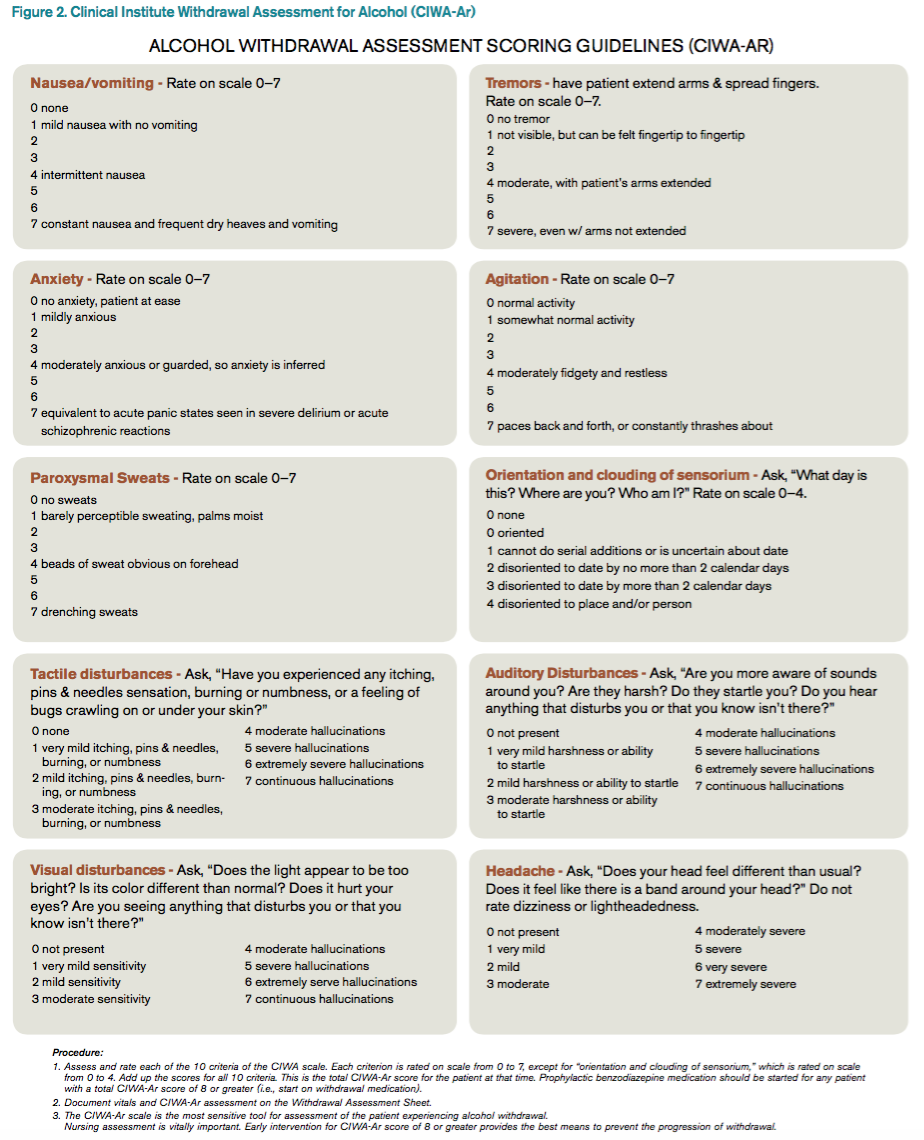
The most promising tool to screen patients for AWS was developed recently by researchers at Stanford University in Stanford, Calif., using an extensive systematic literature search to identify evidence-based clinical factors associated with the development of AWS.15 The Prediction of Alcohol Withdrawal Severity Scale (PAWSS) was subsequently constructed from 10 items correlating with complicated AWS (see Figure 3). When using a PAWSS score cutoff of ≥ 4, the predictive value of identifying a patient who is at risk for complicated withdrawal is significantly increased to 93.1%. This tool has only been used in medically ill patients but could be extrapolated for use in patients who present to an acute-care setting requesting inpatient detoxification.
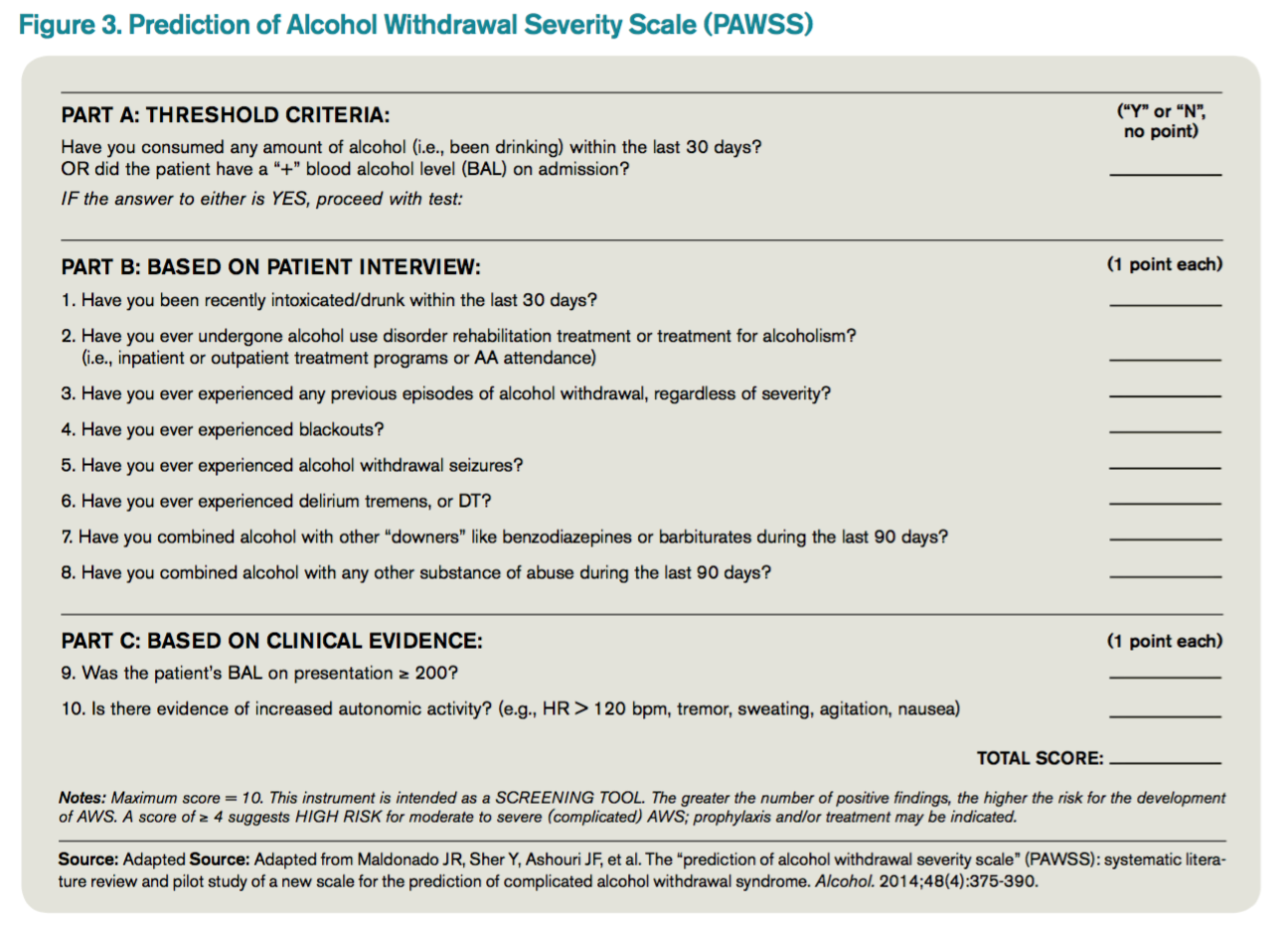
Patients presenting to the ED with alcohol withdrawal seizures have been shown to have an associated 35% risk of progression to DT when found to have a low platelet count, low blood pyridoxine, and a high blood level of homocysteine. In another retrospective cohort study in Hepatology, three clinical features were identified to be associated with an increased risk for DT: alcohol dependence, a prior history of DT, and a higher pulse rate at admission (> 100 bpm).14
Instructions for the assessment of the patient who requests detoxification are as follows:
- A patient whose last drink of alcohol was more than five days ago and who shows no signs of withdrawal is unlikely to develop significant withdrawal symptoms and does not require inpatient detoxification.
- Other medical and psychiatric conditions should be evaluated for admission including alcohol use disorder complications.
- Calculate CIWA-Ar score:
Scores < 8 may not need detoxification; consider calculating PAWSS score.
Scores of 8 to 15 without symptoms of DT or seizures can be treated as an outpatient detoxification if no contraindication.
Scores of ≥ 15 should be admitted to the hospital.
- Calculate PAWSS score:
Scores ≥ 4 suggest high risk for moderate to severe complicated AWS, and admission should be considered.
Scores < 4 suggest lower risk for complicated AWS, and outpatient treatment should be considered if patients do not have a medical or surgical diagnosis requiring admission.
Back to the Case
At the time of his presentation, the patient was beginning to show signs of early withdrawal symptoms, including tremor and tachycardia, despite having an elevated blood alcohol level. This patient had a PAWSS score of 6, placing him at increased risk of complicated AWS, and a CIWA-Ar score of 13. He was subsequently admitted to the hospital, and symptom-triggered therapy for treatment of his alcohol withdrawal was used. The patient’s CIWA-Ar score peaked at 21 some 24 hours after his last drink. The patient otherwise had an uncomplicated four-day hospital course due to persistent nausea.
Bottom Line
Hospitalists unsure of which patients should be admitted for alcohol detoxification can use the PAWSS tool and an initial CIWA-Ar score to help determine a patient’s risk for developing complicated AWS. TH
Dr. Velasquez and Dr. Kornsawad are assistant professors and hospitalists at the University of Texas Health Science Center at San Antonio. Dr. Velasquez also serves as assistant professor and hospitalist at the South Texas Veterans Health Care System serving the San Antonio area.
References
- Grant BF, Stinson FS, Dawson DA, et al. Prevalence and co-occurrence of substance use disorder and independent mood and anxiety disorders: results from the National Epidemiologic Survey on Alcohol and Related Conditions. Arch Gen Psychiatry. 2004;61(8):807-816.
- Lieber CS. Medical disorders of alcoholism. N Engl J Med. 1995;333(16):1058-1065.
- Hasin SD, Stinson SF, Ogburn E, Grant BF. Prevalence, correlates, disability, and comorbidity of DSM-IV alcohol abuse and dependence in the United States: results from the National Epidemiologic Survey on Alcohol and Related Conditions. Arch Gen Psychiatry. 2007;64(7):830-842.
- Whiteman PJ, Hoffman RS, Goldfrank LR. Alcoholism in the emergency department: an epidemiologic study. Acad Emerg Med. 2000;7(1):14-20.
- Nielson SD, Storgarrd H, Moesgarrd F, Gluud C. Prevalence of alcohol problems among adult somatic in-patients of a Copenhagen hospital. Alcohol Alcohol. 1994;29(5):583-590.
- Smothers BA, Yahr HT, Ruhl CE. Detection of alcohol use disorders in general hospital admissions in the United States. Arch Intern Med. 2004;164(7):749-756.
- Dolman JM, Hawkes ND. Combining the audit questionnaire and biochemical markers to assess alcohol use and risk of alcohol withdrawal in medical inpatients. Alcohol Alcohol. 2005;40(6):515-519.
- Doering-Silveira J, Fidalgo TM, Nascimento CL, et al. Assessing alcohol dependence in hospitalized patients. Int J Environ Res Public Health. 2014;11(6):5783-5791.
- Maldonado JR, Sher Y, Das S, et al. Prospective validation study of the prediction of alcohol withdrawal severity scale (PAWSS) in medically ill inpatients: a new scale for the prediction of complicated alcohol withdrawal syndrome. Alcohol Alcohol. 2015;50(5):509-518.
- Saitz R, O’Malley SS. Pharmacotherapies for alcohol abuse. Withdrawal and treatment. Med Clin North Am. 1997;81(4):881-907.
- Turner RC, Lichstein PR, Pedan Jr JG, Busher JT, Waivers LE. Alcohol withdrawal syndromes: a review of pathophysiology, clinical presentation, and treatment. J Gen Intern Med. 1989;4(5):432-444.
- Schuckit MA. Alcohol-use disorders. Lancet. 2009;373(9662):492-501.
- Stehman CR, Mycyk MB. A rational approach to the treatment of alcohol withdrawal in the ED. Am J Emerg Med. 2013;31(4):734-742.
- Lee JH, Jang MK, Lee JY, et al. Clinical predictors for delirium tremens in alcohol dependence. J Gastroenterol Hepatol. 2005;20(12):1833-1837.
- Maldonado JR, Sher Y, Ashouri JF, et al. The “prediction of alcohol withdrawal severity scale” (PAWSS): systematic literature review and pilot study of a new scale for the prediction of complicated alcohol withdrawal syndrome. Alcohol. 2014;48(4):375-390.
- Stephens JR, Liles AE, Dancel R, Gilchrist M, Kirsch J, DeWalt DA. Who needs inpatient detox? Development and implementation of a hospitalist protocol for the evaluation of patients for alcohol detoxification. J Gen Intern Med. 2014;29(4):587-593.
Case
A 42-year-old man with a history of posttraumatic stress disorder (PTSD), hypertension, and alcohol use disorder (AUD) presents to the ED requesting alcohol detoxification. He has had six admissions in the last six months for alcohol detoxification. Two years ago, the patient had a documented alcohol withdrawal seizure. His last drink was eight hours ago, and he currently drinks a liter of vodka a day. On exam, his pulse rate is 126 bpm, and his blood pressure is 162/91 mm Hg. He appears anxious and has bilateral hand tremors. His serum ethanol level is 388.6 mg/dL.
Overview
DSM-5 integrated alcohol abuse and alcohol dependence that were previously classified in DSM-IV into AUDs with mild, moderate, and severe subclassifications. AUDs are the most serious substance abuse problem in the U.S. In the general population, the lifetime prevalence of alcohol abuse is 17.8% and of alcohol dependence is 12.5%.1–3 One study estimates that 24% of adult patients brought to the ED by ambulance suffer from alcoholism, and approximately 10% to 32% of hospitalized medical patients have an AUD.4–8 Patients who stop drinking will develop alcohol withdrawal as early as six hours after their last drink (see Figure 1). The majority of patients at risk of alcohol withdrawal syndrome (AWS) will develop only minor uncomplicated symptoms, but up to 20% will develop symptoms associated with complicated AWS, including withdrawal seizures and delirium tremens (DT).9 It is not entirely clear why some individuals suffer from more severe withdrawal symptoms than others, but genetic predisposition may play a role.10
DT is a syndrome characterized by agitation, disorientation, hallucinations, and autonomic instability (tachycardia, hypertension, hyperthermia, and diaphoresis) in the setting of acute reduction or abstinence from alcohol and is associated with a mortality rate as high as 20%.11 Complicated AWS is associated with increased in-hospital morbidity and mortality, longer lengths of stay, inflated costs of care, increased burden and frustration of nursing and medical staff, and worse cognitive functioning.9 In 80% of cases, the symptoms of uncomplicated alcohol withdrawal do not require aggressive medical intervention and usually disappear within two to seven days of the last drink.12 Physicians making triage decisions for patients who present to the ED in need of detoxification face a difficult dilemma concerning inpatient versus outpatient treatment.
Review of the Data
The literature on both inpatient and outpatient management and treatment of AWS is well-described. Currently, there are no guidelines or consensus on whether to admit patients with alcohol abuse syndromes to the hospital when the request for detoxification is made. Admission should be considered for all patients experiencing alcohol withdrawal who present to the ED.13 Patients with mild AWS may be discharged if they do not require admission for an additional medical condition, but patients experiencing moderate to severe withdrawal require admission for monitoring and treatment. Many physicians use a simple assessment of past history of DT and pulse rate, which may be easily evaluated in clinical settings, to readily identify patients who are at high risk of developing DT during an alcohol dependence period.14
Since 1978, the Clinical Institute Withdrawal Assessment for Alcohol (CIWA) has been consistently used for both monitoring patients with alcohol withdrawal and for making an initial assessment. CIWA-Ar was developed as a revised scale and is frequently used to monitor the severity of ongoing alcohol withdrawal and the response to treatment for the clinical care of patients in alcohol withdrawal (see Figure 2). CIWA-Ar was not developed to identify patients at risk for AWS but is frequently used to determine if patients require admission to the hospital for detoxification.15 Patients with CIWA-Ar scores > 15 require inpatient detoxification. Patients with scores between 8 and 15 should be admitted if they have a history of prior seizures or DT but could otherwise be considered for outpatient detoxification. Patients with scores < 8, which are considered mild alcohol withdrawal, can likely be safely treated as outpatients unless they have a history of DT or alcohol withdrawal seizures.16 Because symptoms of severe alcohol withdrawal are often not present for more than six hours after the patient’s last drink, or often longer, CIWA-Ar is limited and does not identify patients who are otherwise at high risk for complicated withdrawal. A protocol was developed incorporating the patient’s history of alcohol withdrawal seizure, DT, and the CIWA to evaluate the outcome of outpatient versus inpatient detoxification.16
The most promising tool to screen patients for AWS was developed recently by researchers at Stanford University in Stanford, Calif., using an extensive systematic literature search to identify evidence-based clinical factors associated with the development of AWS.15 The Prediction of Alcohol Withdrawal Severity Scale (PAWSS) was subsequently constructed from 10 items correlating with complicated AWS (see Figure 3). When using a PAWSS score cutoff of ≥ 4, the predictive value of identifying a patient who is at risk for complicated withdrawal is significantly increased to 93.1%. This tool has only been used in medically ill patients but could be extrapolated for use in patients who present to an acute-care setting requesting inpatient detoxification.
Patients presenting to the ED with alcohol withdrawal seizures have been shown to have an associated 35% risk of progression to DT when found to have a low platelet count, low blood pyridoxine, and a high blood level of homocysteine. In another retrospective cohort study in Hepatology, three clinical features were identified to be associated with an increased risk for DT: alcohol dependence, a prior history of DT, and a higher pulse rate at admission (> 100 bpm).14
Instructions for the assessment of the patient who requests detoxification are as follows:
- A patient whose last drink of alcohol was more than five days ago and who shows no signs of withdrawal is unlikely to develop significant withdrawal symptoms and does not require inpatient detoxification.
- Other medical and psychiatric conditions should be evaluated for admission including alcohol use disorder complications.
- Calculate CIWA-Ar score:
Scores < 8 may not need detoxification; consider calculating PAWSS score.
Scores of 8 to 15 without symptoms of DT or seizures can be treated as an outpatient detoxification if no contraindication.
Scores of ≥ 15 should be admitted to the hospital.
- Calculate PAWSS score:
Scores ≥ 4 suggest high risk for moderate to severe complicated AWS, and admission should be considered.
Scores < 4 suggest lower risk for complicated AWS, and outpatient treatment should be considered if patients do not have a medical or surgical diagnosis requiring admission.
Back to the Case
At the time of his presentation, the patient was beginning to show signs of early withdrawal symptoms, including tremor and tachycardia, despite having an elevated blood alcohol level. This patient had a PAWSS score of 6, placing him at increased risk of complicated AWS, and a CIWA-Ar score of 13. He was subsequently admitted to the hospital, and symptom-triggered therapy for treatment of his alcohol withdrawal was used. The patient’s CIWA-Ar score peaked at 21 some 24 hours after his last drink. The patient otherwise had an uncomplicated four-day hospital course due to persistent nausea.
Bottom Line
Hospitalists unsure of which patients should be admitted for alcohol detoxification can use the PAWSS tool and an initial CIWA-Ar score to help determine a patient’s risk for developing complicated AWS. TH
Dr. Velasquez and Dr. Kornsawad are assistant professors and hospitalists at the University of Texas Health Science Center at San Antonio. Dr. Velasquez also serves as assistant professor and hospitalist at the South Texas Veterans Health Care System serving the San Antonio area.
References
- Grant BF, Stinson FS, Dawson DA, et al. Prevalence and co-occurrence of substance use disorder and independent mood and anxiety disorders: results from the National Epidemiologic Survey on Alcohol and Related Conditions. Arch Gen Psychiatry. 2004;61(8):807-816.
- Lieber CS. Medical disorders of alcoholism. N Engl J Med. 1995;333(16):1058-1065.
- Hasin SD, Stinson SF, Ogburn E, Grant BF. Prevalence, correlates, disability, and comorbidity of DSM-IV alcohol abuse and dependence in the United States: results from the National Epidemiologic Survey on Alcohol and Related Conditions. Arch Gen Psychiatry. 2007;64(7):830-842.
- Whiteman PJ, Hoffman RS, Goldfrank LR. Alcoholism in the emergency department: an epidemiologic study. Acad Emerg Med. 2000;7(1):14-20.
- Nielson SD, Storgarrd H, Moesgarrd F, Gluud C. Prevalence of alcohol problems among adult somatic in-patients of a Copenhagen hospital. Alcohol Alcohol. 1994;29(5):583-590.
- Smothers BA, Yahr HT, Ruhl CE. Detection of alcohol use disorders in general hospital admissions in the United States. Arch Intern Med. 2004;164(7):749-756.
- Dolman JM, Hawkes ND. Combining the audit questionnaire and biochemical markers to assess alcohol use and risk of alcohol withdrawal in medical inpatients. Alcohol Alcohol. 2005;40(6):515-519.
- Doering-Silveira J, Fidalgo TM, Nascimento CL, et al. Assessing alcohol dependence in hospitalized patients. Int J Environ Res Public Health. 2014;11(6):5783-5791.
- Maldonado JR, Sher Y, Das S, et al. Prospective validation study of the prediction of alcohol withdrawal severity scale (PAWSS) in medically ill inpatients: a new scale for the prediction of complicated alcohol withdrawal syndrome. Alcohol Alcohol. 2015;50(5):509-518.
- Saitz R, O’Malley SS. Pharmacotherapies for alcohol abuse. Withdrawal and treatment. Med Clin North Am. 1997;81(4):881-907.
- Turner RC, Lichstein PR, Pedan Jr JG, Busher JT, Waivers LE. Alcohol withdrawal syndromes: a review of pathophysiology, clinical presentation, and treatment. J Gen Intern Med. 1989;4(5):432-444.
- Schuckit MA. Alcohol-use disorders. Lancet. 2009;373(9662):492-501.
- Stehman CR, Mycyk MB. A rational approach to the treatment of alcohol withdrawal in the ED. Am J Emerg Med. 2013;31(4):734-742.
- Lee JH, Jang MK, Lee JY, et al. Clinical predictors for delirium tremens in alcohol dependence. J Gastroenterol Hepatol. 2005;20(12):1833-1837.
- Maldonado JR, Sher Y, Ashouri JF, et al. The “prediction of alcohol withdrawal severity scale” (PAWSS): systematic literature review and pilot study of a new scale for the prediction of complicated alcohol withdrawal syndrome. Alcohol. 2014;48(4):375-390.
- Stephens JR, Liles AE, Dancel R, Gilchrist M, Kirsch J, DeWalt DA. Who needs inpatient detox? Development and implementation of a hospitalist protocol for the evaluation of patients for alcohol detoxification. J Gen Intern Med. 2014;29(4):587-593.
Case
A 42-year-old man with a history of posttraumatic stress disorder (PTSD), hypertension, and alcohol use disorder (AUD) presents to the ED requesting alcohol detoxification. He has had six admissions in the last six months for alcohol detoxification. Two years ago, the patient had a documented alcohol withdrawal seizure. His last drink was eight hours ago, and he currently drinks a liter of vodka a day. On exam, his pulse rate is 126 bpm, and his blood pressure is 162/91 mm Hg. He appears anxious and has bilateral hand tremors. His serum ethanol level is 388.6 mg/dL.
Overview
DSM-5 integrated alcohol abuse and alcohol dependence that were previously classified in DSM-IV into AUDs with mild, moderate, and severe subclassifications. AUDs are the most serious substance abuse problem in the U.S. In the general population, the lifetime prevalence of alcohol abuse is 17.8% and of alcohol dependence is 12.5%.1–3 One study estimates that 24% of adult patients brought to the ED by ambulance suffer from alcoholism, and approximately 10% to 32% of hospitalized medical patients have an AUD.4–8 Patients who stop drinking will develop alcohol withdrawal as early as six hours after their last drink (see Figure 1). The majority of patients at risk of alcohol withdrawal syndrome (AWS) will develop only minor uncomplicated symptoms, but up to 20% will develop symptoms associated with complicated AWS, including withdrawal seizures and delirium tremens (DT).9 It is not entirely clear why some individuals suffer from more severe withdrawal symptoms than others, but genetic predisposition may play a role.10
DT is a syndrome characterized by agitation, disorientation, hallucinations, and autonomic instability (tachycardia, hypertension, hyperthermia, and diaphoresis) in the setting of acute reduction or abstinence from alcohol and is associated with a mortality rate as high as 20%.11 Complicated AWS is associated with increased in-hospital morbidity and mortality, longer lengths of stay, inflated costs of care, increased burden and frustration of nursing and medical staff, and worse cognitive functioning.9 In 80% of cases, the symptoms of uncomplicated alcohol withdrawal do not require aggressive medical intervention and usually disappear within two to seven days of the last drink.12 Physicians making triage decisions for patients who present to the ED in need of detoxification face a difficult dilemma concerning inpatient versus outpatient treatment.
Review of the Data
The literature on both inpatient and outpatient management and treatment of AWS is well-described. Currently, there are no guidelines or consensus on whether to admit patients with alcohol abuse syndromes to the hospital when the request for detoxification is made. Admission should be considered for all patients experiencing alcohol withdrawal who present to the ED.13 Patients with mild AWS may be discharged if they do not require admission for an additional medical condition, but patients experiencing moderate to severe withdrawal require admission for monitoring and treatment. Many physicians use a simple assessment of past history of DT and pulse rate, which may be easily evaluated in clinical settings, to readily identify patients who are at high risk of developing DT during an alcohol dependence period.14
Since 1978, the Clinical Institute Withdrawal Assessment for Alcohol (CIWA) has been consistently used for both monitoring patients with alcohol withdrawal and for making an initial assessment. CIWA-Ar was developed as a revised scale and is frequently used to monitor the severity of ongoing alcohol withdrawal and the response to treatment for the clinical care of patients in alcohol withdrawal (see Figure 2). CIWA-Ar was not developed to identify patients at risk for AWS but is frequently used to determine if patients require admission to the hospital for detoxification.15 Patients with CIWA-Ar scores > 15 require inpatient detoxification. Patients with scores between 8 and 15 should be admitted if they have a history of prior seizures or DT but could otherwise be considered for outpatient detoxification. Patients with scores < 8, which are considered mild alcohol withdrawal, can likely be safely treated as outpatients unless they have a history of DT or alcohol withdrawal seizures.16 Because symptoms of severe alcohol withdrawal are often not present for more than six hours after the patient’s last drink, or often longer, CIWA-Ar is limited and does not identify patients who are otherwise at high risk for complicated withdrawal. A protocol was developed incorporating the patient’s history of alcohol withdrawal seizure, DT, and the CIWA to evaluate the outcome of outpatient versus inpatient detoxification.16
The most promising tool to screen patients for AWS was developed recently by researchers at Stanford University in Stanford, Calif., using an extensive systematic literature search to identify evidence-based clinical factors associated with the development of AWS.15 The Prediction of Alcohol Withdrawal Severity Scale (PAWSS) was subsequently constructed from 10 items correlating with complicated AWS (see Figure 3). When using a PAWSS score cutoff of ≥ 4, the predictive value of identifying a patient who is at risk for complicated withdrawal is significantly increased to 93.1%. This tool has only been used in medically ill patients but could be extrapolated for use in patients who present to an acute-care setting requesting inpatient detoxification.
Patients presenting to the ED with alcohol withdrawal seizures have been shown to have an associated 35% risk of progression to DT when found to have a low platelet count, low blood pyridoxine, and a high blood level of homocysteine. In another retrospective cohort study in Hepatology, three clinical features were identified to be associated with an increased risk for DT: alcohol dependence, a prior history of DT, and a higher pulse rate at admission (> 100 bpm).14
Instructions for the assessment of the patient who requests detoxification are as follows:
- A patient whose last drink of alcohol was more than five days ago and who shows no signs of withdrawal is unlikely to develop significant withdrawal symptoms and does not require inpatient detoxification.
- Other medical and psychiatric conditions should be evaluated for admission including alcohol use disorder complications.
- Calculate CIWA-Ar score:
Scores < 8 may not need detoxification; consider calculating PAWSS score.
Scores of 8 to 15 without symptoms of DT or seizures can be treated as an outpatient detoxification if no contraindication.
Scores of ≥ 15 should be admitted to the hospital.
- Calculate PAWSS score:
Scores ≥ 4 suggest high risk for moderate to severe complicated AWS, and admission should be considered.
Scores < 4 suggest lower risk for complicated AWS, and outpatient treatment should be considered if patients do not have a medical or surgical diagnosis requiring admission.
Back to the Case
At the time of his presentation, the patient was beginning to show signs of early withdrawal symptoms, including tremor and tachycardia, despite having an elevated blood alcohol level. This patient had a PAWSS score of 6, placing him at increased risk of complicated AWS, and a CIWA-Ar score of 13. He was subsequently admitted to the hospital, and symptom-triggered therapy for treatment of his alcohol withdrawal was used. The patient’s CIWA-Ar score peaked at 21 some 24 hours after his last drink. The patient otherwise had an uncomplicated four-day hospital course due to persistent nausea.
Bottom Line
Hospitalists unsure of which patients should be admitted for alcohol detoxification can use the PAWSS tool and an initial CIWA-Ar score to help determine a patient’s risk for developing complicated AWS. TH
Dr. Velasquez and Dr. Kornsawad are assistant professors and hospitalists at the University of Texas Health Science Center at San Antonio. Dr. Velasquez also serves as assistant professor and hospitalist at the South Texas Veterans Health Care System serving the San Antonio area.
References
- Grant BF, Stinson FS, Dawson DA, et al. Prevalence and co-occurrence of substance use disorder and independent mood and anxiety disorders: results from the National Epidemiologic Survey on Alcohol and Related Conditions. Arch Gen Psychiatry. 2004;61(8):807-816.
- Lieber CS. Medical disorders of alcoholism. N Engl J Med. 1995;333(16):1058-1065.
- Hasin SD, Stinson SF, Ogburn E, Grant BF. Prevalence, correlates, disability, and comorbidity of DSM-IV alcohol abuse and dependence in the United States: results from the National Epidemiologic Survey on Alcohol and Related Conditions. Arch Gen Psychiatry. 2007;64(7):830-842.
- Whiteman PJ, Hoffman RS, Goldfrank LR. Alcoholism in the emergency department: an epidemiologic study. Acad Emerg Med. 2000;7(1):14-20.
- Nielson SD, Storgarrd H, Moesgarrd F, Gluud C. Prevalence of alcohol problems among adult somatic in-patients of a Copenhagen hospital. Alcohol Alcohol. 1994;29(5):583-590.
- Smothers BA, Yahr HT, Ruhl CE. Detection of alcohol use disorders in general hospital admissions in the United States. Arch Intern Med. 2004;164(7):749-756.
- Dolman JM, Hawkes ND. Combining the audit questionnaire and biochemical markers to assess alcohol use and risk of alcohol withdrawal in medical inpatients. Alcohol Alcohol. 2005;40(6):515-519.
- Doering-Silveira J, Fidalgo TM, Nascimento CL, et al. Assessing alcohol dependence in hospitalized patients. Int J Environ Res Public Health. 2014;11(6):5783-5791.
- Maldonado JR, Sher Y, Das S, et al. Prospective validation study of the prediction of alcohol withdrawal severity scale (PAWSS) in medically ill inpatients: a new scale for the prediction of complicated alcohol withdrawal syndrome. Alcohol Alcohol. 2015;50(5):509-518.
- Saitz R, O’Malley SS. Pharmacotherapies for alcohol abuse. Withdrawal and treatment. Med Clin North Am. 1997;81(4):881-907.
- Turner RC, Lichstein PR, Pedan Jr JG, Busher JT, Waivers LE. Alcohol withdrawal syndromes: a review of pathophysiology, clinical presentation, and treatment. J Gen Intern Med. 1989;4(5):432-444.
- Schuckit MA. Alcohol-use disorders. Lancet. 2009;373(9662):492-501.
- Stehman CR, Mycyk MB. A rational approach to the treatment of alcohol withdrawal in the ED. Am J Emerg Med. 2013;31(4):734-742.
- Lee JH, Jang MK, Lee JY, et al. Clinical predictors for delirium tremens in alcohol dependence. J Gastroenterol Hepatol. 2005;20(12):1833-1837.
- Maldonado JR, Sher Y, Ashouri JF, et al. The “prediction of alcohol withdrawal severity scale” (PAWSS): systematic literature review and pilot study of a new scale for the prediction of complicated alcohol withdrawal syndrome. Alcohol. 2014;48(4):375-390.
- Stephens JR, Liles AE, Dancel R, Gilchrist M, Kirsch J, DeWalt DA. Who needs inpatient detox? Development and implementation of a hospitalist protocol for the evaluation of patients for alcohol detoxification. J Gen Intern Med. 2014;29(4):587-593.