User login
Use procalcitonin-guided algorithms to guide antibiotic therapy for acute respiratory infections to improve patient outcomes
Clinical question: How does using procalcitonin levels for adults with acute respiratory infections (ARIs) affect patient outcomes?
Background: While the ARI diagnosis encompasses bacterial, viral, and inflammatory etiologies, as many as 75% of ARIs are treated with antibiotics. Procalcitonin is a biomarker released by tissues in response to bacterial infections. Its production is also inhibited by interferon-gamma, a cytokine released in response to viral infections, therefore, making procalcitonin a biomarker of particular interest to support the use of antibiotic therapy in the treatment of ARIs.
Study design: Cochrane Review.
Setting: Medical wards, intensive care units, primary care clinics, and emergency departments across 12 countries.
Synopsis: The review included 26 randomized control trials of 6,708 immunocompetent adults with ARIs who received antibiotics either based on procalcitonin-guided antibiotic therapy or routine care. Primary endpoints evaluated included all-cause mortality and treatment failure at 30 days. Secondary endpoints were antibiotic use, antibiotic-related side effects, and length of hospital stay. There were significantly fewer deaths in the procalcitonin-guided group than in the control group (286/8.6% vs. 336/10%; adjusted odds ratio, 0.83; 95% confidence interval, 0.70-0.99; P = .037). Treatment failure was not statistically different between the procalcitonin-guided participants and the controls. Of the secondary endpoints, antibiotic use and antibiotic-related side effects were lower in the procalcitonin-guided group (5.7 days vs. 8.1 days; P less than .001; and 16.3% vs. 22.1%; P less than .001). Each of the RCTs had varying algorithms for the use of procalcitonin-guided therapy, so no specific treatment guidelines can be gleaned from this review.
Bottom line: Procalcitonin-guided algorithms are associated with lower mortality, lower antibiotic exposure, and lower antibiotic-related side effects. However, more research is needed to determine best practice algorithms for using procalcitonin levels to guide treatment decisions.
Citation: Schuetz P et al. Procalcitonin to initiate or discontinue antibiotics in acute respiratory tract infections. Cochrane Database Syst Rev. 2017 Oct 12. doi: 10.1002/14651858.cd007498.pub3.
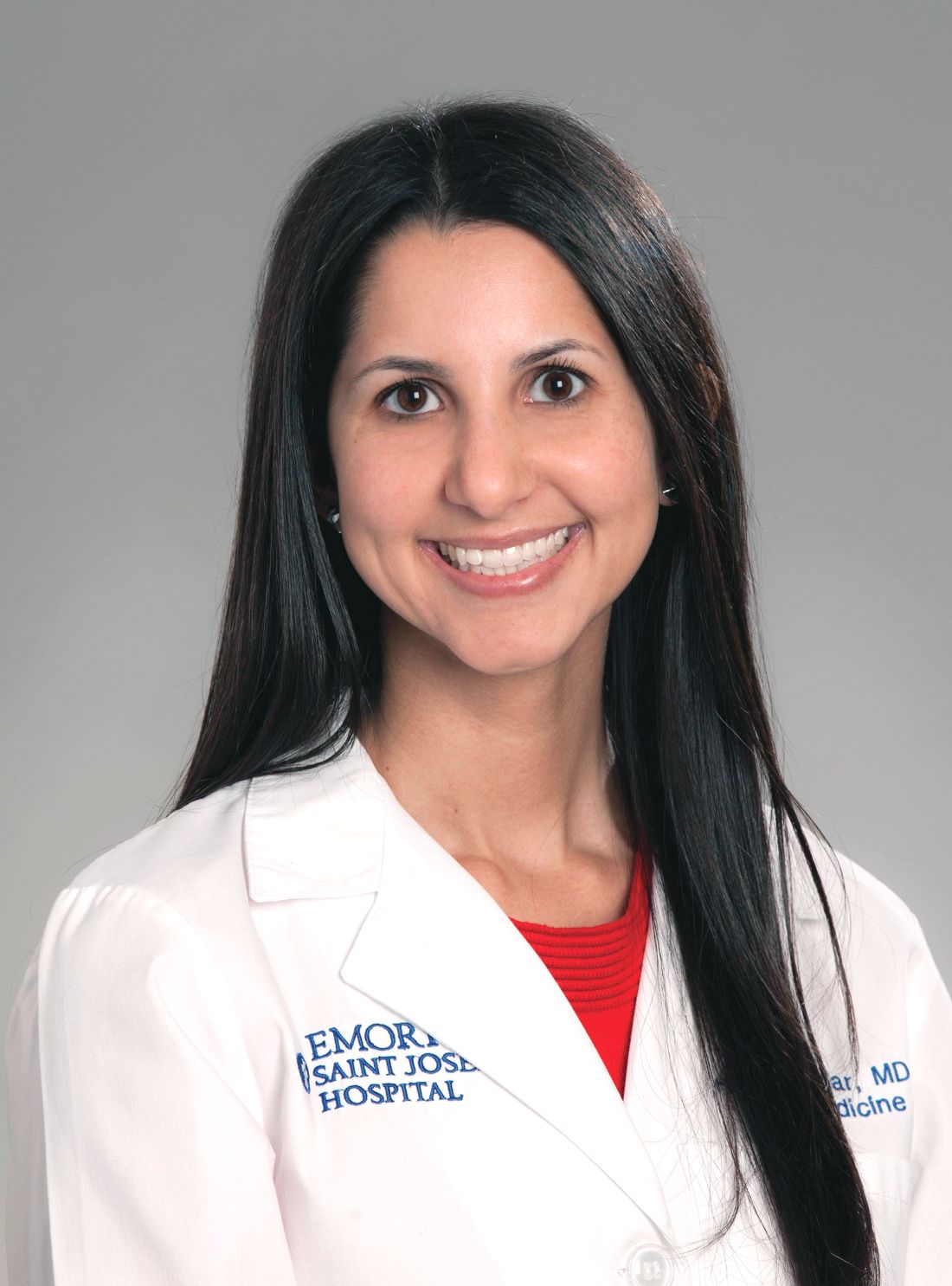
Dr. Sundar is assistant professor of medicine in the division of hospital medicine, Emory University, Atlanta.
Clinical question: How does using procalcitonin levels for adults with acute respiratory infections (ARIs) affect patient outcomes?
Background: While the ARI diagnosis encompasses bacterial, viral, and inflammatory etiologies, as many as 75% of ARIs are treated with antibiotics. Procalcitonin is a biomarker released by tissues in response to bacterial infections. Its production is also inhibited by interferon-gamma, a cytokine released in response to viral infections, therefore, making procalcitonin a biomarker of particular interest to support the use of antibiotic therapy in the treatment of ARIs.
Study design: Cochrane Review.
Setting: Medical wards, intensive care units, primary care clinics, and emergency departments across 12 countries.
Synopsis: The review included 26 randomized control trials of 6,708 immunocompetent adults with ARIs who received antibiotics either based on procalcitonin-guided antibiotic therapy or routine care. Primary endpoints evaluated included all-cause mortality and treatment failure at 30 days. Secondary endpoints were antibiotic use, antibiotic-related side effects, and length of hospital stay. There were significantly fewer deaths in the procalcitonin-guided group than in the control group (286/8.6% vs. 336/10%; adjusted odds ratio, 0.83; 95% confidence interval, 0.70-0.99; P = .037). Treatment failure was not statistically different between the procalcitonin-guided participants and the controls. Of the secondary endpoints, antibiotic use and antibiotic-related side effects were lower in the procalcitonin-guided group (5.7 days vs. 8.1 days; P less than .001; and 16.3% vs. 22.1%; P less than .001). Each of the RCTs had varying algorithms for the use of procalcitonin-guided therapy, so no specific treatment guidelines can be gleaned from this review.
Bottom line: Procalcitonin-guided algorithms are associated with lower mortality, lower antibiotic exposure, and lower antibiotic-related side effects. However, more research is needed to determine best practice algorithms for using procalcitonin levels to guide treatment decisions.
Citation: Schuetz P et al. Procalcitonin to initiate or discontinue antibiotics in acute respiratory tract infections. Cochrane Database Syst Rev. 2017 Oct 12. doi: 10.1002/14651858.cd007498.pub3.
Dr. Sundar is assistant professor of medicine in the division of hospital medicine, Emory University, Atlanta.
Clinical question: How does using procalcitonin levels for adults with acute respiratory infections (ARIs) affect patient outcomes?
Background: While the ARI diagnosis encompasses bacterial, viral, and inflammatory etiologies, as many as 75% of ARIs are treated with antibiotics. Procalcitonin is a biomarker released by tissues in response to bacterial infections. Its production is also inhibited by interferon-gamma, a cytokine released in response to viral infections, therefore, making procalcitonin a biomarker of particular interest to support the use of antibiotic therapy in the treatment of ARIs.
Study design: Cochrane Review.
Setting: Medical wards, intensive care units, primary care clinics, and emergency departments across 12 countries.
Synopsis: The review included 26 randomized control trials of 6,708 immunocompetent adults with ARIs who received antibiotics either based on procalcitonin-guided antibiotic therapy or routine care. Primary endpoints evaluated included all-cause mortality and treatment failure at 30 days. Secondary endpoints were antibiotic use, antibiotic-related side effects, and length of hospital stay. There were significantly fewer deaths in the procalcitonin-guided group than in the control group (286/8.6% vs. 336/10%; adjusted odds ratio, 0.83; 95% confidence interval, 0.70-0.99; P = .037). Treatment failure was not statistically different between the procalcitonin-guided participants and the controls. Of the secondary endpoints, antibiotic use and antibiotic-related side effects were lower in the procalcitonin-guided group (5.7 days vs. 8.1 days; P less than .001; and 16.3% vs. 22.1%; P less than .001). Each of the RCTs had varying algorithms for the use of procalcitonin-guided therapy, so no specific treatment guidelines can be gleaned from this review.
Bottom line: Procalcitonin-guided algorithms are associated with lower mortality, lower antibiotic exposure, and lower antibiotic-related side effects. However, more research is needed to determine best practice algorithms for using procalcitonin levels to guide treatment decisions.
Citation: Schuetz P et al. Procalcitonin to initiate or discontinue antibiotics in acute respiratory tract infections. Cochrane Database Syst Rev. 2017 Oct 12. doi: 10.1002/14651858.cd007498.pub3.
Dr. Sundar is assistant professor of medicine in the division of hospital medicine, Emory University, Atlanta.
Launching into the future
Hospital Medicine: 10 years ago
My first Society of Hospital Medicine Annual Conference was HM08, and it changed the course of my professional career.
I was a first-year hospitalist from an academic program of fewer than 10 physicians. My knowledge about my field did not extend much beyond the clinical practice of hospital medicine. I remember sitting at the airport on my way to HM08 and excitedly looking over the schedule for the meeting. I diligently circled the sessions that I was looking forward to attending, the majority of which focused on the clinical tracks. But by the end of the meeting, in additional to valuable medical knowledge, I walked away with novel insights that launched me into my future.
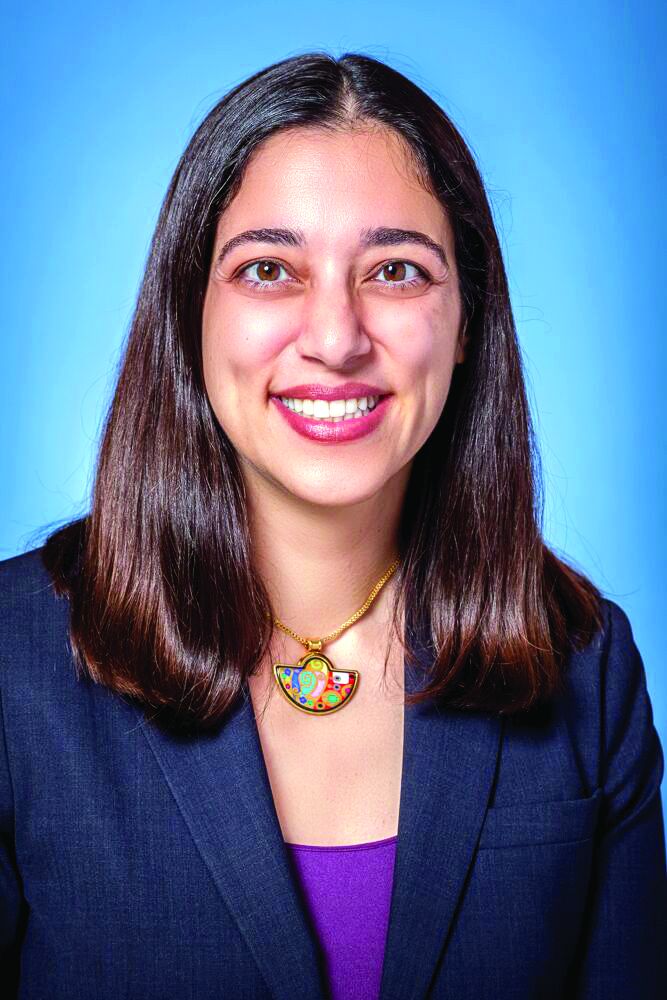
New ideas in HM: In 2008, comanagement was still a new concept. As I attended sessions and spoke with hospitalists from across the country, it became clear that this was a collaboration that would be core to our specialty. Within a couple of months of returning home from the annual conference, I was approached by the chair of neurosurgery at my institution with a proposal to develop a quality program for his group. While at that time I was considering other competing interests, my experience at HM08 helped me recognize that this was a unique opportunity to build bridges across specialties and to collaborate. I subsequently became the executive director of quality for neurosurgery and over the years was able to create a strong relationship between our departments that led to building a nationally recognized program with exceptional performance in hospital-based quality.
Side note: If you’re interested in resources on comanagement, please check out SHM’s Resources for Effective Co-Management of Hospitalized Patients at https://www.hospitalmedicine.org/comanagement .
Emerging themes and trends in health care: While the quality movement had launched about a decade before HM08, many institutions still did not have robust programs. As I attended sessions during the annual meeting and spoke with thought leaders, one message became clear: Hospitalists would have to lead the quality movement at their institutions. When I returned home, I began learning about quality improvement and started to lead various initiatives. These efforts led to my appointment as associate chief medical officer for the health system. This position enabled me to leverage my knowledge of hospital-based care and collaborate across various specialties to reduce our mortality and readmission rates in the organization.
Side note: If you’re interested in learning more about quality improvement educational and mentorship opportunities, please visit https://www.hospitalmedicine.org/qi and look at the resources for each specific topic.
And, most importantly, friendships: By far the most important thing I took away from HM08 was the friendships that started at that meeting and have developed over the years since. A decade later, I continue to rely on, grow from, and be challenged by the same people I met at that meeting. They are the colleagues I call when I find myself in a tough spot at work and need advice, the collaborators I work with on grants and projects, and the friends I text when I travel to a new town and want to grab a bite to eat.
Side note: If you’re interested in connecting with colleagues who share similar interests, please visit https://www.hospitalmedicine.org/sigs and review SHM’s Special Interest Groups to find ones that are right for you. To connect on a more local level, find an SHM Chapter near you at https://www.hospitalmedicine.org/chapters.
I’ve shared these stories with you because for me my journey with our society has been a deeply personal one. And I feel indebted to SHM and the incredible people who drawn to it for helping me develop and enjoy a rich and rewarding career thus far. So, as I look forward to the next decade, I wanted to share my thoughts on HM and emerging themes in health care with you.
Hospital medicine: The next decade
New ideas in HM: Population health management
Building on our strong culture of collaboration as we move forward into this next decade, we have to define how we deliver value in the context of population health management. As hospitalists, we have to push the boundaries of the hospital and provide high-value care beyond our four walls.
How can we do that? I think technology will play a critical role in extending our reach beyond the hospital. As we move toward delivering greater value to our patients, lower acuity patients will receive care in their homes. Telehealth will enable us to monitor and manage these patients remotely while transferring our bedside management to patients’ bedrooms in their own homes. Virtual hospitals will further enable us to evaluate, triage, monitor, and manage patients remotely. Our active engagement in these efforts is critical to ensure the continued growth and value we bring to our patients, our organizations, and our society.
Emerging themes and trends in health care: Transitioning from quality to value
In the next decade, value will prevail. This is not a novel concept – much like how quality was not a new idea in 2008.
Value has been around for a while: There are some robust programs nationally, there is research around the topic, and there are policies with implications for reimbursements. However, the full potential of value has not yet been realized by health care – it exists in individual programs, not in everything we do. The unprecedented number of mergers and acquisitions in health care in 2018 support the fact that the future will belong to those institutions that can deliver the highest quality of care at the most appropriate cost throughout the entire continuum of care.
What are some of the tools that will help us get there? Artificial intelligence and machine learning will improve the predictive value for the care we deliver to individual patients; some preliminary work in this area has already revealed that factors that we previously associated with higher risk of readmissions are not truly predictive. Another emerging technology is blockchain: By creating a single source of truth for our patients’ medical information, it enables us to have dynamic, high-integrity records regardless of which health systems and EHRs have cared for those patients.
I wish you an energizing journey as you launch your future into the next dynamic decade of health care, and I look forward to connecting with you as we continue to build a society that prepares us for the challenges and opportunities ahead.
Dr. Afsar is the president of the Society of Hospital Medicine and the chief ambulatory officer and chief medical officer for the accountable care organizations at UC Irvine Health.
Hospital Medicine: 10 years ago
My first Society of Hospital Medicine Annual Conference was HM08, and it changed the course of my professional career.
I was a first-year hospitalist from an academic program of fewer than 10 physicians. My knowledge about my field did not extend much beyond the clinical practice of hospital medicine. I remember sitting at the airport on my way to HM08 and excitedly looking over the schedule for the meeting. I diligently circled the sessions that I was looking forward to attending, the majority of which focused on the clinical tracks. But by the end of the meeting, in additional to valuable medical knowledge, I walked away with novel insights that launched me into my future.
New ideas in HM: In 2008, comanagement was still a new concept. As I attended sessions and spoke with hospitalists from across the country, it became clear that this was a collaboration that would be core to our specialty. Within a couple of months of returning home from the annual conference, I was approached by the chair of neurosurgery at my institution with a proposal to develop a quality program for his group. While at that time I was considering other competing interests, my experience at HM08 helped me recognize that this was a unique opportunity to build bridges across specialties and to collaborate. I subsequently became the executive director of quality for neurosurgery and over the years was able to create a strong relationship between our departments that led to building a nationally recognized program with exceptional performance in hospital-based quality.
Side note: If you’re interested in resources on comanagement, please check out SHM’s Resources for Effective Co-Management of Hospitalized Patients at https://www.hospitalmedicine.org/comanagement .
Emerging themes and trends in health care: While the quality movement had launched about a decade before HM08, many institutions still did not have robust programs. As I attended sessions during the annual meeting and spoke with thought leaders, one message became clear: Hospitalists would have to lead the quality movement at their institutions. When I returned home, I began learning about quality improvement and started to lead various initiatives. These efforts led to my appointment as associate chief medical officer for the health system. This position enabled me to leverage my knowledge of hospital-based care and collaborate across various specialties to reduce our mortality and readmission rates in the organization.
Side note: If you’re interested in learning more about quality improvement educational and mentorship opportunities, please visit https://www.hospitalmedicine.org/qi and look at the resources for each specific topic.
And, most importantly, friendships: By far the most important thing I took away from HM08 was the friendships that started at that meeting and have developed over the years since. A decade later, I continue to rely on, grow from, and be challenged by the same people I met at that meeting. They are the colleagues I call when I find myself in a tough spot at work and need advice, the collaborators I work with on grants and projects, and the friends I text when I travel to a new town and want to grab a bite to eat.
Side note: If you’re interested in connecting with colleagues who share similar interests, please visit https://www.hospitalmedicine.org/sigs and review SHM’s Special Interest Groups to find ones that are right for you. To connect on a more local level, find an SHM Chapter near you at https://www.hospitalmedicine.org/chapters.
I’ve shared these stories with you because for me my journey with our society has been a deeply personal one. And I feel indebted to SHM and the incredible people who drawn to it for helping me develop and enjoy a rich and rewarding career thus far. So, as I look forward to the next decade, I wanted to share my thoughts on HM and emerging themes in health care with you.
Hospital medicine: The next decade
New ideas in HM: Population health management
Building on our strong culture of collaboration as we move forward into this next decade, we have to define how we deliver value in the context of population health management. As hospitalists, we have to push the boundaries of the hospital and provide high-value care beyond our four walls.
How can we do that? I think technology will play a critical role in extending our reach beyond the hospital. As we move toward delivering greater value to our patients, lower acuity patients will receive care in their homes. Telehealth will enable us to monitor and manage these patients remotely while transferring our bedside management to patients’ bedrooms in their own homes. Virtual hospitals will further enable us to evaluate, triage, monitor, and manage patients remotely. Our active engagement in these efforts is critical to ensure the continued growth and value we bring to our patients, our organizations, and our society.
Emerging themes and trends in health care: Transitioning from quality to value
In the next decade, value will prevail. This is not a novel concept – much like how quality was not a new idea in 2008.
Value has been around for a while: There are some robust programs nationally, there is research around the topic, and there are policies with implications for reimbursements. However, the full potential of value has not yet been realized by health care – it exists in individual programs, not in everything we do. The unprecedented number of mergers and acquisitions in health care in 2018 support the fact that the future will belong to those institutions that can deliver the highest quality of care at the most appropriate cost throughout the entire continuum of care.
What are some of the tools that will help us get there? Artificial intelligence and machine learning will improve the predictive value for the care we deliver to individual patients; some preliminary work in this area has already revealed that factors that we previously associated with higher risk of readmissions are not truly predictive. Another emerging technology is blockchain: By creating a single source of truth for our patients’ medical information, it enables us to have dynamic, high-integrity records regardless of which health systems and EHRs have cared for those patients.
I wish you an energizing journey as you launch your future into the next dynamic decade of health care, and I look forward to connecting with you as we continue to build a society that prepares us for the challenges and opportunities ahead.
Dr. Afsar is the president of the Society of Hospital Medicine and the chief ambulatory officer and chief medical officer for the accountable care organizations at UC Irvine Health.
Hospital Medicine: 10 years ago
My first Society of Hospital Medicine Annual Conference was HM08, and it changed the course of my professional career.
I was a first-year hospitalist from an academic program of fewer than 10 physicians. My knowledge about my field did not extend much beyond the clinical practice of hospital medicine. I remember sitting at the airport on my way to HM08 and excitedly looking over the schedule for the meeting. I diligently circled the sessions that I was looking forward to attending, the majority of which focused on the clinical tracks. But by the end of the meeting, in additional to valuable medical knowledge, I walked away with novel insights that launched me into my future.
New ideas in HM: In 2008, comanagement was still a new concept. As I attended sessions and spoke with hospitalists from across the country, it became clear that this was a collaboration that would be core to our specialty. Within a couple of months of returning home from the annual conference, I was approached by the chair of neurosurgery at my institution with a proposal to develop a quality program for his group. While at that time I was considering other competing interests, my experience at HM08 helped me recognize that this was a unique opportunity to build bridges across specialties and to collaborate. I subsequently became the executive director of quality for neurosurgery and over the years was able to create a strong relationship between our departments that led to building a nationally recognized program with exceptional performance in hospital-based quality.
Side note: If you’re interested in resources on comanagement, please check out SHM’s Resources for Effective Co-Management of Hospitalized Patients at https://www.hospitalmedicine.org/comanagement .
Emerging themes and trends in health care: While the quality movement had launched about a decade before HM08, many institutions still did not have robust programs. As I attended sessions during the annual meeting and spoke with thought leaders, one message became clear: Hospitalists would have to lead the quality movement at their institutions. When I returned home, I began learning about quality improvement and started to lead various initiatives. These efforts led to my appointment as associate chief medical officer for the health system. This position enabled me to leverage my knowledge of hospital-based care and collaborate across various specialties to reduce our mortality and readmission rates in the organization.
Side note: If you’re interested in learning more about quality improvement educational and mentorship opportunities, please visit https://www.hospitalmedicine.org/qi and look at the resources for each specific topic.
And, most importantly, friendships: By far the most important thing I took away from HM08 was the friendships that started at that meeting and have developed over the years since. A decade later, I continue to rely on, grow from, and be challenged by the same people I met at that meeting. They are the colleagues I call when I find myself in a tough spot at work and need advice, the collaborators I work with on grants and projects, and the friends I text when I travel to a new town and want to grab a bite to eat.
Side note: If you’re interested in connecting with colleagues who share similar interests, please visit https://www.hospitalmedicine.org/sigs and review SHM’s Special Interest Groups to find ones that are right for you. To connect on a more local level, find an SHM Chapter near you at https://www.hospitalmedicine.org/chapters.
I’ve shared these stories with you because for me my journey with our society has been a deeply personal one. And I feel indebted to SHM and the incredible people who drawn to it for helping me develop and enjoy a rich and rewarding career thus far. So, as I look forward to the next decade, I wanted to share my thoughts on HM and emerging themes in health care with you.
Hospital medicine: The next decade
New ideas in HM: Population health management
Building on our strong culture of collaboration as we move forward into this next decade, we have to define how we deliver value in the context of population health management. As hospitalists, we have to push the boundaries of the hospital and provide high-value care beyond our four walls.
How can we do that? I think technology will play a critical role in extending our reach beyond the hospital. As we move toward delivering greater value to our patients, lower acuity patients will receive care in their homes. Telehealth will enable us to monitor and manage these patients remotely while transferring our bedside management to patients’ bedrooms in their own homes. Virtual hospitals will further enable us to evaluate, triage, monitor, and manage patients remotely. Our active engagement in these efforts is critical to ensure the continued growth and value we bring to our patients, our organizations, and our society.
Emerging themes and trends in health care: Transitioning from quality to value
In the next decade, value will prevail. This is not a novel concept – much like how quality was not a new idea in 2008.
Value has been around for a while: There are some robust programs nationally, there is research around the topic, and there are policies with implications for reimbursements. However, the full potential of value has not yet been realized by health care – it exists in individual programs, not in everything we do. The unprecedented number of mergers and acquisitions in health care in 2018 support the fact that the future will belong to those institutions that can deliver the highest quality of care at the most appropriate cost throughout the entire continuum of care.
What are some of the tools that will help us get there? Artificial intelligence and machine learning will improve the predictive value for the care we deliver to individual patients; some preliminary work in this area has already revealed that factors that we previously associated with higher risk of readmissions are not truly predictive. Another emerging technology is blockchain: By creating a single source of truth for our patients’ medical information, it enables us to have dynamic, high-integrity records regardless of which health systems and EHRs have cared for those patients.
I wish you an energizing journey as you launch your future into the next dynamic decade of health care, and I look forward to connecting with you as we continue to build a society that prepares us for the challenges and opportunities ahead.
Dr. Afsar is the president of the Society of Hospital Medicine and the chief ambulatory officer and chief medical officer for the accountable care organizations at UC Irvine Health.
Closing the gender gap
It wasn’t something she planned to have happen but about 2 years ago, Vineet Arora, MD, MAPP, MHM, became what she calls an “accidental advocate” for gender parity in medicine.
“I was asked to review a paper around gender pay,” the University of Chicago Medical Center hospitalist said. “It was stunning to me just how different salaries were – between male and female physicians – even when the authors were attempting to control for various factors.”
That paper was published in the Journal of the American Medical Association (JAMA) in September 2016 by researchers at Harvard Medical School and Massachusetts General Hospital (MGH). It found that even after adjustment for age, experience, specialty, faculty rank, research productivity, and clinical revenue, female physicians at 24 public medical schools in 12 states earned nearly $20,000 less per year than their male colleagues.1
Dr. Arora wrote an editorial to accompany that 2016 paper in JAMA, and in September 2017, she and her colleague at the University of Chicago, Jeanne Farnan, MD, MHPE, coauthored another piece in Annals of Internal Medicine titled, “Inpatient Notes: Gender Equality in Hospital Medicine – Are We There Yet?”2
In the 2017 paper, Dr. Arora and Dr. Farnan assessed recent studies documenting inequity in regard to compensation, discrimination around child-rearing, and gender disparities in medical leadership. They also discussed strategies that might improve the future outlook for female physicians.
“As I approach mid-career, I see these issues affecting my career and my colleagues’ careers and I decided we need to be doing more work in this space,” said Dr. Arora.
Fueling the conversation
When asked whether he thinks his research inspired the current conversation around gender inequity in medicine, Anupam Bapu Jena, MD, PhD – lead author of the September 2016 gender pay paper – said that while he did not initiate it, his work “has fueled the conversation.”
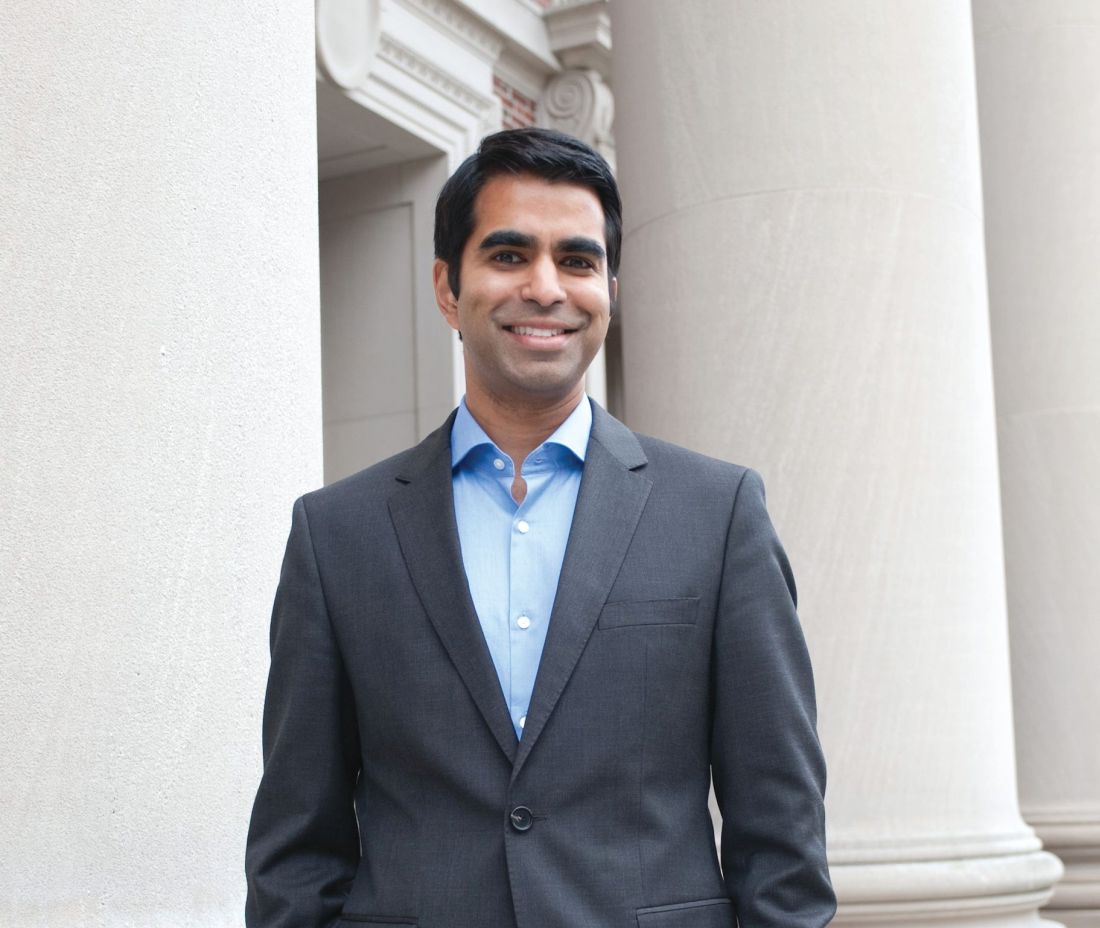
“This is an issue that has been going on in the scientific literature for at least 25-30 years,” said Dr. Jena, the Ruth L. Newhouse Associate Professor of Health Care Policy at Harvard Medical School and a physician in the department of medicine at MGH. “I am sure women in medicine have been feeling this since women entered medicine.”
Many female hospitalists hoped that, as a relatively new field, hospital medicine would avoid some of the time-worn challenges women in other specialties faced.
“The birth of hospital medicine held the promise that, as a new field, it would be immune to the ‘old boys’ club mentality that plagues established specialties,” Dr. Farnan and Dr. Arora wrote in their September 2017 Annals article. And yet, they continued, “gender disparities developed in the areas of leadership and academic productivity.”
A 2015 study in the Journal of Hospital Medicine found that just 16% of university hospital medicine divisions were led by women, and women made up just 28% of those physicians leading general internal medicine divisions. Meanwhile, female hospitalists gave just 26% of presentations at national meetings, were first authors on only 33% of publications, and were senior authors on only 21% of manuscripts.3
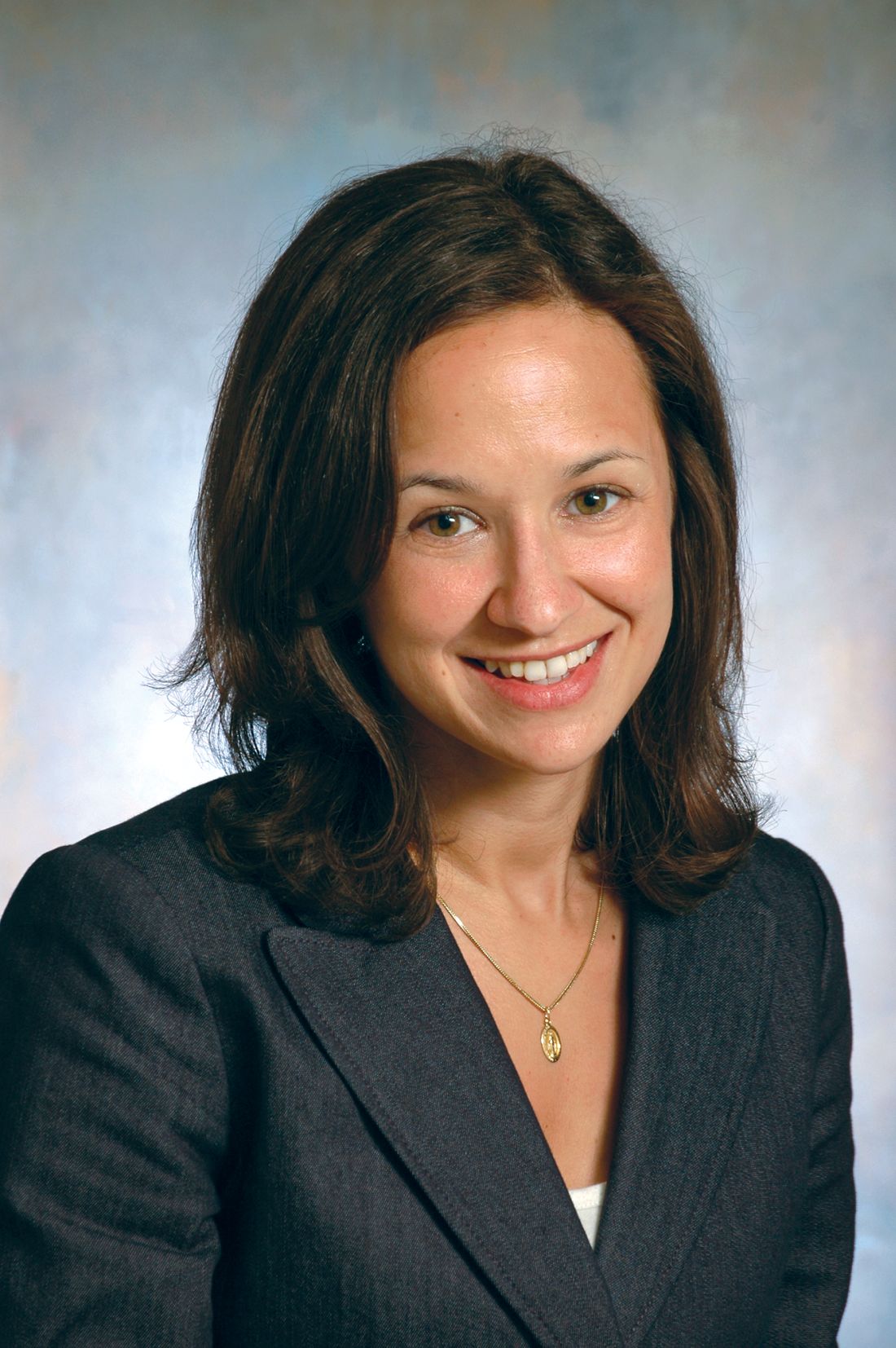
In addition, Dr. Farnan and Dr. Arora wrote in their review, another recent survey of female physicians – primarily internists – found that 36% reported discrimination based on pregnancy, maternity leave, or breastfeeding. This was – at least in part, Dr. Farnan said – because “physician-mothers were not present at the table when discussions were held about scheduling.”
And while hospitalists have relatively flexible schedules, they can be unforgiving when it comes to traditional child care arrangements, Dr. Arora said.
But, there is hope, particularly within the Society of Hospital Medicine, Dr. Arora and Dr. Farnan wrote. The organization has seen an increase in female leadership – including its president-elect Nasim Afsar, MD, MBA, SFHM – and a board of directors that is split evenly between men and women. Mentorship of junior women is also on the rise, which allows opportunities for senior female physicians to teach younger women how to better negotiate and advocate for themselves.
“I think it has to come from both sides. Leadership does need to recognize that women may be less aggressive in their negotiating skills,” said Dr. Farnan. “But I think there also needs to be some recognition by women that it is okay to ask for more money.”
But it isn’t all about money, she said. “It can be negotiating for anything important in career development, career opportunities, research opportunities.” This also extends to schedule flexibility, training and more.
Leadership in hospitalist groups can help, Dr. Arora and Dr. Farnan wrote in their Annals article, by providing schedule flexibility, support for training, and structured on-boarding for new faculty. Citing efforts in other specialties such as cardiology and general surgery, female hospitalists may benefit from negotiation skills training, structured mentorship, and education around personal and professional development.
However, both physicians recognize the challenges of implicit bias and stereotype threat that may confront many women. For example, women who exert more stereotypically “male” traits such as assertiveness and confidence may face a “harsh likability penalty because they are going against gender norms,” said Dr. Arora.
Being taken seriously
Expectations around gender norms may also affect relationships female doctors have with their patients. In a June 2017 Washington Post editorial, Faye Reiff-Pasarew, MD, describes being objectified as “cute” and “adorable” and not being taken seriously by her patients.4
“I’d had a number of interactions with patients that upset me,” said Dr. Reiff-Pasarew, assistant professor of hospital medicine, director of the humanism in medicine program, and unit medical director at Icahn School of Medicine at Mount Sinai in New York City. “Later, I reflected upon them and realized that bias was a systemic problem. There needs to be a conversation amongst the broader medical community about the effect that these biases have on our patients and our practice.”
In her editorial, Dr. Reiff-Pasarew explained that when a female physician is written off as too young or is not recognized as a physician, it can delay necessary care. She also touches on the challenge of earning the trust of hospitalized patients.
“There’s a lot of evidence that the success of medical therapy is influenced by the context in which it is given, beyond mere adherence to a regimen or medication,” Dr. Reiff-Pasarew said, noting that it is a result of “the very powerful placebo effect.
“If patients don’t trust the care they are given, it can impact outcomes,” she added. “There is a lot to being a hospitalist that is diagnostic, such as finding the correct diagnosis and implementing the appropriate treatment. However, beyond that, a huge part of this role is to be a knowledgeable caregiver, someone who guides a patient through the experience of being ill in a complex medical system. This requires immense trust.”
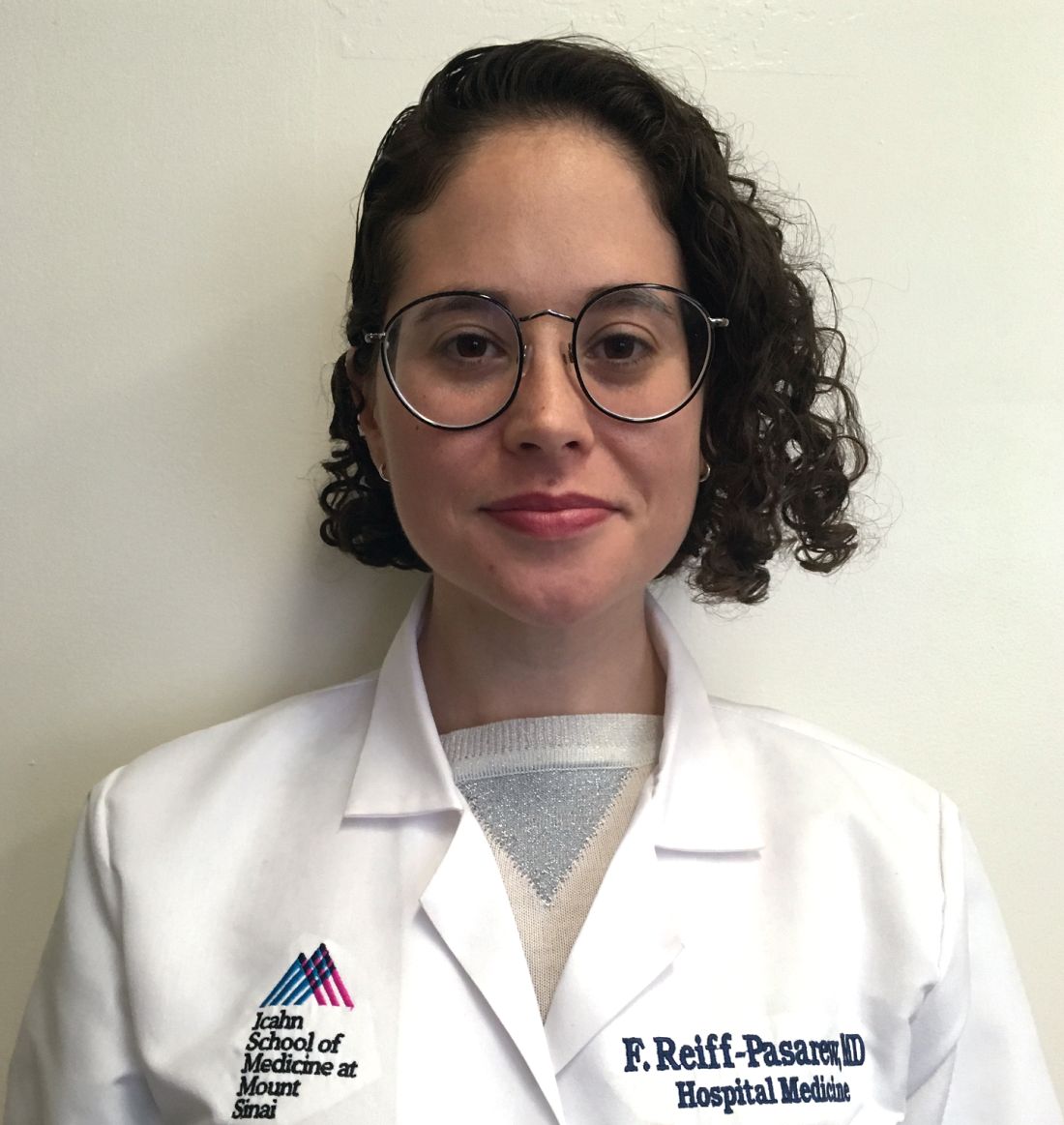
Dr. Reiff-Pasarew also believes better mentoring and feedback opportunities would benefit female physicians and trainees. “I often see that equally knowledgeable female trainees and medical students are much more self-deprecating when presenting research,” she said. “They give disclaimers that they don’t know enough, while their male peers are more confident.”
She is quick, however, not to blame women, largely because the same social pressures that Dr. Arora and Dr. Farnan acknowledged may have molded their behaviors. “I meet with residents to talk explicitly about situations where they are treated inappropriately by patients or other staff,” Dr. Reiff-Pasarew said. “We discuss how they might react in those situations in the future and how they can process these challenges.”
Modern American culture equips men and women with “different essential skill sets,” Dr. Reiff-Pasarew noted, but she suggested men and women can learn from one another. “We should be teaching men to be more empathetic listeners, a skill that is generally taught to girls. Similarly, we need to teach women confidence, a skill predominantly taught to boys.”
Just as important, male clinicians should believe in and trust the experiences that women report having, Dr. Reiff-Pasarew said. “It’s very difficult to understand the subtleties of how people are treated differently in patient interactions if you’ve never been in that situation.”
Equal compensation for equal work
Ultimately, it is in the best interest of all physicians, their employers, and their patients to ensure female physicians are satisfied and fulfilled in their professions, said Dr. Jena, and that includes recognizing and rewarding their value.
“What I am trying to argue in my work is for equal pay – equal compensation for equal work,” Dr. Jena said. “Man or woman, it’s a good idea.”
Dr. Jena, who is also a faculty research fellow at the National Bureau of Economic Research, said that when the contributions of a group of people are systematically undervalued, “you run the risk of having those individuals invest less in their career.” In health care, he said, “if fewer women want to go into academic medicine because they know they are underpaid, what impact does it have on new ideas when you eliminate highly successful, intelligent people from a field?”
Dr. Jena and his colleagues authored a February 2017 study in JAMA Internal Medicine that showed hospitalized Medicare patients treated by female internists have lower 30-day mortality and readmissions rates compared with those treated by male internists, including hospitalists. This included millions of hospitalizations and accounted for myriad confounders.5
“Here is evidence that women may be doing a modestly better job than men in terms of outcomes,” Dr. Jena said. “If we are in the business of underpaying and underrewarding females, we are disincentivizing female physicians from entering the field, and in certain specialties female physicians see better patient outcomes.”
Dr. Arora and Dr. Farnan are optimistic that as more studies like those by Dr. Jena and colleagues are published – utilizing large data sets never before available, which account for many of the factors that have been used to justify pay and leadership disparities in the past – times will change for the better.
“There comes a time when everyone realizes a group has been wronged and it’s time to right it. I think now is the time for women. It’s tragic it’s come so late but I’m glad it’s here,” Dr. Arora said. “A lot of work is being done on the ground and in institutions to promote women leaders, to include women in search committees, and improve pay. These are always difficult discussions but now we can have transparency in salaries and we can we discuss them.”
However, Dr. Arora is also concerned about blowback, particularly as issues of sexual harassment of women in the workplace finally emerge from the shadows. “The blowback may be that more people tiptoe around women and are more cautious around them,” she said. “This could end up hurting women in the workplace. Something so deeply cemented like this doesn’t die easily and I think it requires culture change. I do think we’re on that journey and starting to see things change.”
But the real measure of that, said Dr. Farnan, is when these conversations are no longer taking place.
“We will know we’ve achieved what we want to achieve when we don’t have to discuss this anymore,” she said. “We will know we’ve achieved parity when we stop talking about it.”
References
1. Jena AB, Olenski AR, Blumenthal DM. Sex differences in physician salary in US public medical schools. JAMA Intern Med. 2016;176(9):1294-1304. doi: 10.1001/jamainternmed.2016.3284.
2. Farnan JM and Arora VM. Gender equality in hospital medicine – are we there yet? Ann Intern Med. 2017;167(6):HO2-HO3. doi: 10.7326/M17-2119.
3. Burden M, Frank MG, Keniston A, et al. Gender disparities in leadership and scholarly productivity of academic hospitalists. J Hosp Med 2015;8;481-5. doi: 10.1002/jhm.2340.
4. Reiff-Pasarew F. I’m a young, female doctor. Calling me ‘sweetie’ won’t help me save your life. Washington Post. Published June 29, 2017. Accessed Dec. 4, 2017.
5. Tsugawa Y, Jena AB, Figueroa JF, et al. Comparison of hospital mortality and readmission rates for Medicare patients treated by male vs female physicians. JAMA Intern Med. 2017;177(2):206-13. doi: 10.1001/jamainternmed.2016.7875.
It wasn’t something she planned to have happen but about 2 years ago, Vineet Arora, MD, MAPP, MHM, became what she calls an “accidental advocate” for gender parity in medicine.
“I was asked to review a paper around gender pay,” the University of Chicago Medical Center hospitalist said. “It was stunning to me just how different salaries were – between male and female physicians – even when the authors were attempting to control for various factors.”
That paper was published in the Journal of the American Medical Association (JAMA) in September 2016 by researchers at Harvard Medical School and Massachusetts General Hospital (MGH). It found that even after adjustment for age, experience, specialty, faculty rank, research productivity, and clinical revenue, female physicians at 24 public medical schools in 12 states earned nearly $20,000 less per year than their male colleagues.1
Dr. Arora wrote an editorial to accompany that 2016 paper in JAMA, and in September 2017, she and her colleague at the University of Chicago, Jeanne Farnan, MD, MHPE, coauthored another piece in Annals of Internal Medicine titled, “Inpatient Notes: Gender Equality in Hospital Medicine – Are We There Yet?”2
In the 2017 paper, Dr. Arora and Dr. Farnan assessed recent studies documenting inequity in regard to compensation, discrimination around child-rearing, and gender disparities in medical leadership. They also discussed strategies that might improve the future outlook for female physicians.
“As I approach mid-career, I see these issues affecting my career and my colleagues’ careers and I decided we need to be doing more work in this space,” said Dr. Arora.
Fueling the conversation
When asked whether he thinks his research inspired the current conversation around gender inequity in medicine, Anupam Bapu Jena, MD, PhD – lead author of the September 2016 gender pay paper – said that while he did not initiate it, his work “has fueled the conversation.”
“This is an issue that has been going on in the scientific literature for at least 25-30 years,” said Dr. Jena, the Ruth L. Newhouse Associate Professor of Health Care Policy at Harvard Medical School and a physician in the department of medicine at MGH. “I am sure women in medicine have been feeling this since women entered medicine.”
Many female hospitalists hoped that, as a relatively new field, hospital medicine would avoid some of the time-worn challenges women in other specialties faced.
“The birth of hospital medicine held the promise that, as a new field, it would be immune to the ‘old boys’ club mentality that plagues established specialties,” Dr. Farnan and Dr. Arora wrote in their September 2017 Annals article. And yet, they continued, “gender disparities developed in the areas of leadership and academic productivity.”
A 2015 study in the Journal of Hospital Medicine found that just 16% of university hospital medicine divisions were led by women, and women made up just 28% of those physicians leading general internal medicine divisions. Meanwhile, female hospitalists gave just 26% of presentations at national meetings, were first authors on only 33% of publications, and were senior authors on only 21% of manuscripts.3
In addition, Dr. Farnan and Dr. Arora wrote in their review, another recent survey of female physicians – primarily internists – found that 36% reported discrimination based on pregnancy, maternity leave, or breastfeeding. This was – at least in part, Dr. Farnan said – because “physician-mothers were not present at the table when discussions were held about scheduling.”
And while hospitalists have relatively flexible schedules, they can be unforgiving when it comes to traditional child care arrangements, Dr. Arora said.
But, there is hope, particularly within the Society of Hospital Medicine, Dr. Arora and Dr. Farnan wrote. The organization has seen an increase in female leadership – including its president-elect Nasim Afsar, MD, MBA, SFHM – and a board of directors that is split evenly between men and women. Mentorship of junior women is also on the rise, which allows opportunities for senior female physicians to teach younger women how to better negotiate and advocate for themselves.
“I think it has to come from both sides. Leadership does need to recognize that women may be less aggressive in their negotiating skills,” said Dr. Farnan. “But I think there also needs to be some recognition by women that it is okay to ask for more money.”
But it isn’t all about money, she said. “It can be negotiating for anything important in career development, career opportunities, research opportunities.” This also extends to schedule flexibility, training and more.
Leadership in hospitalist groups can help, Dr. Arora and Dr. Farnan wrote in their Annals article, by providing schedule flexibility, support for training, and structured on-boarding for new faculty. Citing efforts in other specialties such as cardiology and general surgery, female hospitalists may benefit from negotiation skills training, structured mentorship, and education around personal and professional development.
However, both physicians recognize the challenges of implicit bias and stereotype threat that may confront many women. For example, women who exert more stereotypically “male” traits such as assertiveness and confidence may face a “harsh likability penalty because they are going against gender norms,” said Dr. Arora.
Being taken seriously
Expectations around gender norms may also affect relationships female doctors have with their patients. In a June 2017 Washington Post editorial, Faye Reiff-Pasarew, MD, describes being objectified as “cute” and “adorable” and not being taken seriously by her patients.4
“I’d had a number of interactions with patients that upset me,” said Dr. Reiff-Pasarew, assistant professor of hospital medicine, director of the humanism in medicine program, and unit medical director at Icahn School of Medicine at Mount Sinai in New York City. “Later, I reflected upon them and realized that bias was a systemic problem. There needs to be a conversation amongst the broader medical community about the effect that these biases have on our patients and our practice.”
In her editorial, Dr. Reiff-Pasarew explained that when a female physician is written off as too young or is not recognized as a physician, it can delay necessary care. She also touches on the challenge of earning the trust of hospitalized patients.
“There’s a lot of evidence that the success of medical therapy is influenced by the context in which it is given, beyond mere adherence to a regimen or medication,” Dr. Reiff-Pasarew said, noting that it is a result of “the very powerful placebo effect.
“If patients don’t trust the care they are given, it can impact outcomes,” she added. “There is a lot to being a hospitalist that is diagnostic, such as finding the correct diagnosis and implementing the appropriate treatment. However, beyond that, a huge part of this role is to be a knowledgeable caregiver, someone who guides a patient through the experience of being ill in a complex medical system. This requires immense trust.”
Dr. Reiff-Pasarew also believes better mentoring and feedback opportunities would benefit female physicians and trainees. “I often see that equally knowledgeable female trainees and medical students are much more self-deprecating when presenting research,” she said. “They give disclaimers that they don’t know enough, while their male peers are more confident.”
She is quick, however, not to blame women, largely because the same social pressures that Dr. Arora and Dr. Farnan acknowledged may have molded their behaviors. “I meet with residents to talk explicitly about situations where they are treated inappropriately by patients or other staff,” Dr. Reiff-Pasarew said. “We discuss how they might react in those situations in the future and how they can process these challenges.”
Modern American culture equips men and women with “different essential skill sets,” Dr. Reiff-Pasarew noted, but she suggested men and women can learn from one another. “We should be teaching men to be more empathetic listeners, a skill that is generally taught to girls. Similarly, we need to teach women confidence, a skill predominantly taught to boys.”
Just as important, male clinicians should believe in and trust the experiences that women report having, Dr. Reiff-Pasarew said. “It’s very difficult to understand the subtleties of how people are treated differently in patient interactions if you’ve never been in that situation.”
Equal compensation for equal work
Ultimately, it is in the best interest of all physicians, their employers, and their patients to ensure female physicians are satisfied and fulfilled in their professions, said Dr. Jena, and that includes recognizing and rewarding their value.
“What I am trying to argue in my work is for equal pay – equal compensation for equal work,” Dr. Jena said. “Man or woman, it’s a good idea.”
Dr. Jena, who is also a faculty research fellow at the National Bureau of Economic Research, said that when the contributions of a group of people are systematically undervalued, “you run the risk of having those individuals invest less in their career.” In health care, he said, “if fewer women want to go into academic medicine because they know they are underpaid, what impact does it have on new ideas when you eliminate highly successful, intelligent people from a field?”
Dr. Jena and his colleagues authored a February 2017 study in JAMA Internal Medicine that showed hospitalized Medicare patients treated by female internists have lower 30-day mortality and readmissions rates compared with those treated by male internists, including hospitalists. This included millions of hospitalizations and accounted for myriad confounders.5
“Here is evidence that women may be doing a modestly better job than men in terms of outcomes,” Dr. Jena said. “If we are in the business of underpaying and underrewarding females, we are disincentivizing female physicians from entering the field, and in certain specialties female physicians see better patient outcomes.”
Dr. Arora and Dr. Farnan are optimistic that as more studies like those by Dr. Jena and colleagues are published – utilizing large data sets never before available, which account for many of the factors that have been used to justify pay and leadership disparities in the past – times will change for the better.
“There comes a time when everyone realizes a group has been wronged and it’s time to right it. I think now is the time for women. It’s tragic it’s come so late but I’m glad it’s here,” Dr. Arora said. “A lot of work is being done on the ground and in institutions to promote women leaders, to include women in search committees, and improve pay. These are always difficult discussions but now we can have transparency in salaries and we can we discuss them.”
However, Dr. Arora is also concerned about blowback, particularly as issues of sexual harassment of women in the workplace finally emerge from the shadows. “The blowback may be that more people tiptoe around women and are more cautious around them,” she said. “This could end up hurting women in the workplace. Something so deeply cemented like this doesn’t die easily and I think it requires culture change. I do think we’re on that journey and starting to see things change.”
But the real measure of that, said Dr. Farnan, is when these conversations are no longer taking place.
“We will know we’ve achieved what we want to achieve when we don’t have to discuss this anymore,” she said. “We will know we’ve achieved parity when we stop talking about it.”
References
1. Jena AB, Olenski AR, Blumenthal DM. Sex differences in physician salary in US public medical schools. JAMA Intern Med. 2016;176(9):1294-1304. doi: 10.1001/jamainternmed.2016.3284.
2. Farnan JM and Arora VM. Gender equality in hospital medicine – are we there yet? Ann Intern Med. 2017;167(6):HO2-HO3. doi: 10.7326/M17-2119.
3. Burden M, Frank MG, Keniston A, et al. Gender disparities in leadership and scholarly productivity of academic hospitalists. J Hosp Med 2015;8;481-5. doi: 10.1002/jhm.2340.
4. Reiff-Pasarew F. I’m a young, female doctor. Calling me ‘sweetie’ won’t help me save your life. Washington Post. Published June 29, 2017. Accessed Dec. 4, 2017.
5. Tsugawa Y, Jena AB, Figueroa JF, et al. Comparison of hospital mortality and readmission rates for Medicare patients treated by male vs female physicians. JAMA Intern Med. 2017;177(2):206-13. doi: 10.1001/jamainternmed.2016.7875.
It wasn’t something she planned to have happen but about 2 years ago, Vineet Arora, MD, MAPP, MHM, became what she calls an “accidental advocate” for gender parity in medicine.
“I was asked to review a paper around gender pay,” the University of Chicago Medical Center hospitalist said. “It was stunning to me just how different salaries were – between male and female physicians – even when the authors were attempting to control for various factors.”
That paper was published in the Journal of the American Medical Association (JAMA) in September 2016 by researchers at Harvard Medical School and Massachusetts General Hospital (MGH). It found that even after adjustment for age, experience, specialty, faculty rank, research productivity, and clinical revenue, female physicians at 24 public medical schools in 12 states earned nearly $20,000 less per year than their male colleagues.1
Dr. Arora wrote an editorial to accompany that 2016 paper in JAMA, and in September 2017, she and her colleague at the University of Chicago, Jeanne Farnan, MD, MHPE, coauthored another piece in Annals of Internal Medicine titled, “Inpatient Notes: Gender Equality in Hospital Medicine – Are We There Yet?”2
In the 2017 paper, Dr. Arora and Dr. Farnan assessed recent studies documenting inequity in regard to compensation, discrimination around child-rearing, and gender disparities in medical leadership. They also discussed strategies that might improve the future outlook for female physicians.
“As I approach mid-career, I see these issues affecting my career and my colleagues’ careers and I decided we need to be doing more work in this space,” said Dr. Arora.
Fueling the conversation
When asked whether he thinks his research inspired the current conversation around gender inequity in medicine, Anupam Bapu Jena, MD, PhD – lead author of the September 2016 gender pay paper – said that while he did not initiate it, his work “has fueled the conversation.”
“This is an issue that has been going on in the scientific literature for at least 25-30 years,” said Dr. Jena, the Ruth L. Newhouse Associate Professor of Health Care Policy at Harvard Medical School and a physician in the department of medicine at MGH. “I am sure women in medicine have been feeling this since women entered medicine.”
Many female hospitalists hoped that, as a relatively new field, hospital medicine would avoid some of the time-worn challenges women in other specialties faced.
“The birth of hospital medicine held the promise that, as a new field, it would be immune to the ‘old boys’ club mentality that plagues established specialties,” Dr. Farnan and Dr. Arora wrote in their September 2017 Annals article. And yet, they continued, “gender disparities developed in the areas of leadership and academic productivity.”
A 2015 study in the Journal of Hospital Medicine found that just 16% of university hospital medicine divisions were led by women, and women made up just 28% of those physicians leading general internal medicine divisions. Meanwhile, female hospitalists gave just 26% of presentations at national meetings, were first authors on only 33% of publications, and were senior authors on only 21% of manuscripts.3
In addition, Dr. Farnan and Dr. Arora wrote in their review, another recent survey of female physicians – primarily internists – found that 36% reported discrimination based on pregnancy, maternity leave, or breastfeeding. This was – at least in part, Dr. Farnan said – because “physician-mothers were not present at the table when discussions were held about scheduling.”
And while hospitalists have relatively flexible schedules, they can be unforgiving when it comes to traditional child care arrangements, Dr. Arora said.
But, there is hope, particularly within the Society of Hospital Medicine, Dr. Arora and Dr. Farnan wrote. The organization has seen an increase in female leadership – including its president-elect Nasim Afsar, MD, MBA, SFHM – and a board of directors that is split evenly between men and women. Mentorship of junior women is also on the rise, which allows opportunities for senior female physicians to teach younger women how to better negotiate and advocate for themselves.
“I think it has to come from both sides. Leadership does need to recognize that women may be less aggressive in their negotiating skills,” said Dr. Farnan. “But I think there also needs to be some recognition by women that it is okay to ask for more money.”
But it isn’t all about money, she said. “It can be negotiating for anything important in career development, career opportunities, research opportunities.” This also extends to schedule flexibility, training and more.
Leadership in hospitalist groups can help, Dr. Arora and Dr. Farnan wrote in their Annals article, by providing schedule flexibility, support for training, and structured on-boarding for new faculty. Citing efforts in other specialties such as cardiology and general surgery, female hospitalists may benefit from negotiation skills training, structured mentorship, and education around personal and professional development.
However, both physicians recognize the challenges of implicit bias and stereotype threat that may confront many women. For example, women who exert more stereotypically “male” traits such as assertiveness and confidence may face a “harsh likability penalty because they are going against gender norms,” said Dr. Arora.
Being taken seriously
Expectations around gender norms may also affect relationships female doctors have with their patients. In a June 2017 Washington Post editorial, Faye Reiff-Pasarew, MD, describes being objectified as “cute” and “adorable” and not being taken seriously by her patients.4
“I’d had a number of interactions with patients that upset me,” said Dr. Reiff-Pasarew, assistant professor of hospital medicine, director of the humanism in medicine program, and unit medical director at Icahn School of Medicine at Mount Sinai in New York City. “Later, I reflected upon them and realized that bias was a systemic problem. There needs to be a conversation amongst the broader medical community about the effect that these biases have on our patients and our practice.”
In her editorial, Dr. Reiff-Pasarew explained that when a female physician is written off as too young or is not recognized as a physician, it can delay necessary care. She also touches on the challenge of earning the trust of hospitalized patients.
“There’s a lot of evidence that the success of medical therapy is influenced by the context in which it is given, beyond mere adherence to a regimen or medication,” Dr. Reiff-Pasarew said, noting that it is a result of “the very powerful placebo effect.
“If patients don’t trust the care they are given, it can impact outcomes,” she added. “There is a lot to being a hospitalist that is diagnostic, such as finding the correct diagnosis and implementing the appropriate treatment. However, beyond that, a huge part of this role is to be a knowledgeable caregiver, someone who guides a patient through the experience of being ill in a complex medical system. This requires immense trust.”
Dr. Reiff-Pasarew also believes better mentoring and feedback opportunities would benefit female physicians and trainees. “I often see that equally knowledgeable female trainees and medical students are much more self-deprecating when presenting research,” she said. “They give disclaimers that they don’t know enough, while their male peers are more confident.”
She is quick, however, not to blame women, largely because the same social pressures that Dr. Arora and Dr. Farnan acknowledged may have molded their behaviors. “I meet with residents to talk explicitly about situations where they are treated inappropriately by patients or other staff,” Dr. Reiff-Pasarew said. “We discuss how they might react in those situations in the future and how they can process these challenges.”
Modern American culture equips men and women with “different essential skill sets,” Dr. Reiff-Pasarew noted, but she suggested men and women can learn from one another. “We should be teaching men to be more empathetic listeners, a skill that is generally taught to girls. Similarly, we need to teach women confidence, a skill predominantly taught to boys.”
Just as important, male clinicians should believe in and trust the experiences that women report having, Dr. Reiff-Pasarew said. “It’s very difficult to understand the subtleties of how people are treated differently in patient interactions if you’ve never been in that situation.”
Equal compensation for equal work
Ultimately, it is in the best interest of all physicians, their employers, and their patients to ensure female physicians are satisfied and fulfilled in their professions, said Dr. Jena, and that includes recognizing and rewarding their value.
“What I am trying to argue in my work is for equal pay – equal compensation for equal work,” Dr. Jena said. “Man or woman, it’s a good idea.”
Dr. Jena, who is also a faculty research fellow at the National Bureau of Economic Research, said that when the contributions of a group of people are systematically undervalued, “you run the risk of having those individuals invest less in their career.” In health care, he said, “if fewer women want to go into academic medicine because they know they are underpaid, what impact does it have on new ideas when you eliminate highly successful, intelligent people from a field?”
Dr. Jena and his colleagues authored a February 2017 study in JAMA Internal Medicine that showed hospitalized Medicare patients treated by female internists have lower 30-day mortality and readmissions rates compared with those treated by male internists, including hospitalists. This included millions of hospitalizations and accounted for myriad confounders.5
“Here is evidence that women may be doing a modestly better job than men in terms of outcomes,” Dr. Jena said. “If we are in the business of underpaying and underrewarding females, we are disincentivizing female physicians from entering the field, and in certain specialties female physicians see better patient outcomes.”
Dr. Arora and Dr. Farnan are optimistic that as more studies like those by Dr. Jena and colleagues are published – utilizing large data sets never before available, which account for many of the factors that have been used to justify pay and leadership disparities in the past – times will change for the better.
“There comes a time when everyone realizes a group has been wronged and it’s time to right it. I think now is the time for women. It’s tragic it’s come so late but I’m glad it’s here,” Dr. Arora said. “A lot of work is being done on the ground and in institutions to promote women leaders, to include women in search committees, and improve pay. These are always difficult discussions but now we can have transparency in salaries and we can we discuss them.”
However, Dr. Arora is also concerned about blowback, particularly as issues of sexual harassment of women in the workplace finally emerge from the shadows. “The blowback may be that more people tiptoe around women and are more cautious around them,” she said. “This could end up hurting women in the workplace. Something so deeply cemented like this doesn’t die easily and I think it requires culture change. I do think we’re on that journey and starting to see things change.”
But the real measure of that, said Dr. Farnan, is when these conversations are no longer taking place.
“We will know we’ve achieved what we want to achieve when we don’t have to discuss this anymore,” she said. “We will know we’ve achieved parity when we stop talking about it.”
References
1. Jena AB, Olenski AR, Blumenthal DM. Sex differences in physician salary in US public medical schools. JAMA Intern Med. 2016;176(9):1294-1304. doi: 10.1001/jamainternmed.2016.3284.
2. Farnan JM and Arora VM. Gender equality in hospital medicine – are we there yet? Ann Intern Med. 2017;167(6):HO2-HO3. doi: 10.7326/M17-2119.
3. Burden M, Frank MG, Keniston A, et al. Gender disparities in leadership and scholarly productivity of academic hospitalists. J Hosp Med 2015;8;481-5. doi: 10.1002/jhm.2340.
4. Reiff-Pasarew F. I’m a young, female doctor. Calling me ‘sweetie’ won’t help me save your life. Washington Post. Published June 29, 2017. Accessed Dec. 4, 2017.
5. Tsugawa Y, Jena AB, Figueroa JF, et al. Comparison of hospital mortality and readmission rates for Medicare patients treated by male vs female physicians. JAMA Intern Med. 2017;177(2):206-13. doi: 10.1001/jamainternmed.2016.7875.
The ‘holy grail’ of thrombosis prevention
SAN DIEGO – The “holy grail” of thrombosis prevention is the ability to determine the risk of recurrence with or without continuation of anticoagulant treatment, according to Philip S. Wells, MD.
“Very little data exists for the comparison of active treatment to placebo in the acute and long-term phases of treatment,” he said at the biennial summit of the Thrombosis & Hemostasis Societies of North America. “With low molecular weight heparin, vitamin K antagonists, and direct-acting oral anticoagulants, the relative risk reduction is about 90% in the acute phase and 80%-85% in the extended phase. After discontinuing anticoagulants, the absolute risk of recurrence varies depending on VTE category.”
Dr. Wells, chair and chief of the department of medicine at The Ottawa Hospital and the University of Ottawa, said that after 3 months of anticoagulation the chance of recurrence in postsurgical VTE patients is less than 1% per year. After 3 months of anticoagulant use in nonsurgical patients with provoked risk factors, it is around 4%. This includes medical patients, trauma victims, pregnant women, and patients wearing a plaster cast.
In patients who survive an unprovoked VTE, after 3-6 months of anticoagulant therapy their overall recurrence risk is 10% in the first year and 30% after 5 years. The risk of recurrence is 50% higher if a patient experiences a second unprovoked VTE, and the risk of fatality is 50% higher if the initial event was a pulmonary embolism (PE), he said.
According to the ongoing prospective Austrian Study on Recurrent Venous Thromboembolism, the risk of recurrent VTE is 20% in men and 6% in women (N Engl J Med. 2004 Jun 17;350[25]:2558-63). A multicenter prospective study in Canada yielded similar results. It found that the risk of recurrent VTE is 19% in men versus 9% in women (CMAJ 2008;179[5]:417-26).
That Canadian prospective study, led by Marc Rodger, MD, described the development of the HERDOO2 clinical decision rule for determining a patient’s risk for a recurrent VTE. This includes hyperpigmentation, edema, or redness in either leg (signs of postthrombotic syndrome), D-dimer level of 250 mcg/L or greater while on warfarin, body mass index of 30 kg/m2 or greater, and age of 65 years or older.
If patients have zero or one risk factor, the annual risk of VTE after 6 months of treatment is 1.6%, while two or more risk factors bumps the annual risk of VTE to 14.1%, according to the researchers.
In a subsequent study to validate the HERDOO2, researchers found that the risk of recurrent major VTE was 3.0% in low-risk women who discontinued oral anticoagulants (OACs), 8.1% in high-risk women and men who discontinued OACs, 1.6% in high-risk women and men who continued OACs, and 7.4% in high-risk women who discontinued OACs (BMJ 2017;356:j1065).
“I think the HERDOO2 rule is working pretty well to determine a low-risk group of women, and it’s not an unreasonable tool to be using,” Dr. Wells said.
Other variables that might help clinicians predict a patient’s VTE recurrence include the presence of recurrent venous obstruction (adjusted HR 1.32), and older age (HR 1.01 for every 1 year increase).
D-dimer levels can also be helpful. “If the serial D-dimers are positive, stay on anticoagulants,” Dr. Wells advised. “If they’re negative, discontinue anticoagulants and have the D-dimer levels repeated monthly for 3 months. If positive or positive conversions, return to OAC therapy.”

In one study, the annual risk of a VTE was 3% in the negative D-dimer patients, compared with 6.1% in those who had a history of an unprovoked VTE (Blood 2014;124:196-203).
In a separate study of 319 patients with two negative D-dimer results who did not restart anticoagulation therapy, the rate of recurrent VTE was 6.7% per patient-year (Ann Intern Med 2015;162:27-34). It was 9.7% per patient-year in men, compared with 5.4% per patient-year in women.
Dr. Wells emphasized the importance of shared decision-making with the patient when devising a strategy for long-term anticoagulation following a VTE. “We don’t have a lot of good tools, but [trying to elicit] patient preference is the right thing to try and do,” he said. “Physicians should present an unbiased perspective to patients regarding their treatment, including the benefits and harms, effect on quality of life, and cost.”
Dr. Wells also shared his current clinical approach. In women with an unprovoked VTE, he applies the HERDOO2 rule. If there’s a low recurrence risk, he discontinues the anticoagulant. If there’s a non-low recurrence risk he continues with the anticoagulant unless there’s a high risk for bleeding. Men with an unprovoked VTE receive indefinite anticoagulant therapy, but if the index event is a deep vein thrombosis (DVT), Dr. Wells applies a bleeding risk tool to help him determine management going forward. If the patient has a high risk of bleeding, he does not use an anticoagulant.
“If there is a high risk of bleeding it’s best of stay off anticoagulant therapy,” he said. “If there is an intermediate risk of bleeding and the index event was a DVT, the patient could stay off anticoagulants. I think we have a long way to go to developing tools that actually enable us to reach these points with each patient in discussions we have with them about continuing anticoagulants.”
Dr. Wells reported having received research support from BMS/Pfizer and honoraria from Bayer AG, Janssen, Pfizer, and Daiichi Sankyo. He is a member of the scientific advisory board for Bayer AG and Pfizer.
SAN DIEGO – The “holy grail” of thrombosis prevention is the ability to determine the risk of recurrence with or without continuation of anticoagulant treatment, according to Philip S. Wells, MD.
“Very little data exists for the comparison of active treatment to placebo in the acute and long-term phases of treatment,” he said at the biennial summit of the Thrombosis & Hemostasis Societies of North America. “With low molecular weight heparin, vitamin K antagonists, and direct-acting oral anticoagulants, the relative risk reduction is about 90% in the acute phase and 80%-85% in the extended phase. After discontinuing anticoagulants, the absolute risk of recurrence varies depending on VTE category.”
Dr. Wells, chair and chief of the department of medicine at The Ottawa Hospital and the University of Ottawa, said that after 3 months of anticoagulation the chance of recurrence in postsurgical VTE patients is less than 1% per year. After 3 months of anticoagulant use in nonsurgical patients with provoked risk factors, it is around 4%. This includes medical patients, trauma victims, pregnant women, and patients wearing a plaster cast.
In patients who survive an unprovoked VTE, after 3-6 months of anticoagulant therapy their overall recurrence risk is 10% in the first year and 30% after 5 years. The risk of recurrence is 50% higher if a patient experiences a second unprovoked VTE, and the risk of fatality is 50% higher if the initial event was a pulmonary embolism (PE), he said.
According to the ongoing prospective Austrian Study on Recurrent Venous Thromboembolism, the risk of recurrent VTE is 20% in men and 6% in women (N Engl J Med. 2004 Jun 17;350[25]:2558-63). A multicenter prospective study in Canada yielded similar results. It found that the risk of recurrent VTE is 19% in men versus 9% in women (CMAJ 2008;179[5]:417-26).
That Canadian prospective study, led by Marc Rodger, MD, described the development of the HERDOO2 clinical decision rule for determining a patient’s risk for a recurrent VTE. This includes hyperpigmentation, edema, or redness in either leg (signs of postthrombotic syndrome), D-dimer level of 250 mcg/L or greater while on warfarin, body mass index of 30 kg/m2 or greater, and age of 65 years or older.
If patients have zero or one risk factor, the annual risk of VTE after 6 months of treatment is 1.6%, while two or more risk factors bumps the annual risk of VTE to 14.1%, according to the researchers.
In a subsequent study to validate the HERDOO2, researchers found that the risk of recurrent major VTE was 3.0% in low-risk women who discontinued oral anticoagulants (OACs), 8.1% in high-risk women and men who discontinued OACs, 1.6% in high-risk women and men who continued OACs, and 7.4% in high-risk women who discontinued OACs (BMJ 2017;356:j1065).
“I think the HERDOO2 rule is working pretty well to determine a low-risk group of women, and it’s not an unreasonable tool to be using,” Dr. Wells said.
Other variables that might help clinicians predict a patient’s VTE recurrence include the presence of recurrent venous obstruction (adjusted HR 1.32), and older age (HR 1.01 for every 1 year increase).
D-dimer levels can also be helpful. “If the serial D-dimers are positive, stay on anticoagulants,” Dr. Wells advised. “If they’re negative, discontinue anticoagulants and have the D-dimer levels repeated monthly for 3 months. If positive or positive conversions, return to OAC therapy.”
In one study, the annual risk of a VTE was 3% in the negative D-dimer patients, compared with 6.1% in those who had a history of an unprovoked VTE (Blood 2014;124:196-203).
In a separate study of 319 patients with two negative D-dimer results who did not restart anticoagulation therapy, the rate of recurrent VTE was 6.7% per patient-year (Ann Intern Med 2015;162:27-34). It was 9.7% per patient-year in men, compared with 5.4% per patient-year in women.
Dr. Wells emphasized the importance of shared decision-making with the patient when devising a strategy for long-term anticoagulation following a VTE. “We don’t have a lot of good tools, but [trying to elicit] patient preference is the right thing to try and do,” he said. “Physicians should present an unbiased perspective to patients regarding their treatment, including the benefits and harms, effect on quality of life, and cost.”
Dr. Wells also shared his current clinical approach. In women with an unprovoked VTE, he applies the HERDOO2 rule. If there’s a low recurrence risk, he discontinues the anticoagulant. If there’s a non-low recurrence risk he continues with the anticoagulant unless there’s a high risk for bleeding. Men with an unprovoked VTE receive indefinite anticoagulant therapy, but if the index event is a deep vein thrombosis (DVT), Dr. Wells applies a bleeding risk tool to help him determine management going forward. If the patient has a high risk of bleeding, he does not use an anticoagulant.
“If there is a high risk of bleeding it’s best of stay off anticoagulant therapy,” he said. “If there is an intermediate risk of bleeding and the index event was a DVT, the patient could stay off anticoagulants. I think we have a long way to go to developing tools that actually enable us to reach these points with each patient in discussions we have with them about continuing anticoagulants.”
Dr. Wells reported having received research support from BMS/Pfizer and honoraria from Bayer AG, Janssen, Pfizer, and Daiichi Sankyo. He is a member of the scientific advisory board for Bayer AG and Pfizer.
SAN DIEGO – The “holy grail” of thrombosis prevention is the ability to determine the risk of recurrence with or without continuation of anticoagulant treatment, according to Philip S. Wells, MD.
“Very little data exists for the comparison of active treatment to placebo in the acute and long-term phases of treatment,” he said at the biennial summit of the Thrombosis & Hemostasis Societies of North America. “With low molecular weight heparin, vitamin K antagonists, and direct-acting oral anticoagulants, the relative risk reduction is about 90% in the acute phase and 80%-85% in the extended phase. After discontinuing anticoagulants, the absolute risk of recurrence varies depending on VTE category.”
Dr. Wells, chair and chief of the department of medicine at The Ottawa Hospital and the University of Ottawa, said that after 3 months of anticoagulation the chance of recurrence in postsurgical VTE patients is less than 1% per year. After 3 months of anticoagulant use in nonsurgical patients with provoked risk factors, it is around 4%. This includes medical patients, trauma victims, pregnant women, and patients wearing a plaster cast.
In patients who survive an unprovoked VTE, after 3-6 months of anticoagulant therapy their overall recurrence risk is 10% in the first year and 30% after 5 years. The risk of recurrence is 50% higher if a patient experiences a second unprovoked VTE, and the risk of fatality is 50% higher if the initial event was a pulmonary embolism (PE), he said.
According to the ongoing prospective Austrian Study on Recurrent Venous Thromboembolism, the risk of recurrent VTE is 20% in men and 6% in women (N Engl J Med. 2004 Jun 17;350[25]:2558-63). A multicenter prospective study in Canada yielded similar results. It found that the risk of recurrent VTE is 19% in men versus 9% in women (CMAJ 2008;179[5]:417-26).
That Canadian prospective study, led by Marc Rodger, MD, described the development of the HERDOO2 clinical decision rule for determining a patient’s risk for a recurrent VTE. This includes hyperpigmentation, edema, or redness in either leg (signs of postthrombotic syndrome), D-dimer level of 250 mcg/L or greater while on warfarin, body mass index of 30 kg/m2 or greater, and age of 65 years or older.
If patients have zero or one risk factor, the annual risk of VTE after 6 months of treatment is 1.6%, while two or more risk factors bumps the annual risk of VTE to 14.1%, according to the researchers.
In a subsequent study to validate the HERDOO2, researchers found that the risk of recurrent major VTE was 3.0% in low-risk women who discontinued oral anticoagulants (OACs), 8.1% in high-risk women and men who discontinued OACs, 1.6% in high-risk women and men who continued OACs, and 7.4% in high-risk women who discontinued OACs (BMJ 2017;356:j1065).
“I think the HERDOO2 rule is working pretty well to determine a low-risk group of women, and it’s not an unreasonable tool to be using,” Dr. Wells said.
Other variables that might help clinicians predict a patient’s VTE recurrence include the presence of recurrent venous obstruction (adjusted HR 1.32), and older age (HR 1.01 for every 1 year increase).
D-dimer levels can also be helpful. “If the serial D-dimers are positive, stay on anticoagulants,” Dr. Wells advised. “If they’re negative, discontinue anticoagulants and have the D-dimer levels repeated monthly for 3 months. If positive or positive conversions, return to OAC therapy.”
In one study, the annual risk of a VTE was 3% in the negative D-dimer patients, compared with 6.1% in those who had a history of an unprovoked VTE (Blood 2014;124:196-203).
In a separate study of 319 patients with two negative D-dimer results who did not restart anticoagulation therapy, the rate of recurrent VTE was 6.7% per patient-year (Ann Intern Med 2015;162:27-34). It was 9.7% per patient-year in men, compared with 5.4% per patient-year in women.
Dr. Wells emphasized the importance of shared decision-making with the patient when devising a strategy for long-term anticoagulation following a VTE. “We don’t have a lot of good tools, but [trying to elicit] patient preference is the right thing to try and do,” he said. “Physicians should present an unbiased perspective to patients regarding their treatment, including the benefits and harms, effect on quality of life, and cost.”
Dr. Wells also shared his current clinical approach. In women with an unprovoked VTE, he applies the HERDOO2 rule. If there’s a low recurrence risk, he discontinues the anticoagulant. If there’s a non-low recurrence risk he continues with the anticoagulant unless there’s a high risk for bleeding. Men with an unprovoked VTE receive indefinite anticoagulant therapy, but if the index event is a deep vein thrombosis (DVT), Dr. Wells applies a bleeding risk tool to help him determine management going forward. If the patient has a high risk of bleeding, he does not use an anticoagulant.
“If there is a high risk of bleeding it’s best of stay off anticoagulant therapy,” he said. “If there is an intermediate risk of bleeding and the index event was a DVT, the patient could stay off anticoagulants. I think we have a long way to go to developing tools that actually enable us to reach these points with each patient in discussions we have with them about continuing anticoagulants.”
Dr. Wells reported having received research support from BMS/Pfizer and honoraria from Bayer AG, Janssen, Pfizer, and Daiichi Sankyo. He is a member of the scientific advisory board for Bayer AG and Pfizer.
EXPERT ANALYSIS FROM THSNA 2018
Risk of ED visit/hospitalization increases when brand-name angiotensin receptor blockers (ARB) are switched to generic versions
Clinical question: Does switching from a brand name ARB to its generic lead to more ED visits and hospitalizations?
Background: Once a brand name drug’s patent expires, its generic form is commercialized and patients may be switched to the generic version. The drug equivalence of the generic vs. the brand name product may be substantial enough to affect clinically what is happening to the patient. Very few studies exist on the impact of the differences between brand-name and generic ARBs; those that do exist show conflicting results on clinical outcomes for the patient.
Study design: Observational retrospective interrupted time–series analysis.

Setting: Quebec Integrated Chronic Disease Surveillance System in Quebec.
Synopsis: The study analyzed 136,177 patients older than 66 years old with multiple comorbidities during the transition from brand-name to generic versions of losartan, valsartan, and candesartan. The authors compared ER visits or hospitalization of the brand-name users for 24 months before and 12 months after being transitioned from a brand-name ARB to a generic. All three groups were found to have higher rates of adverse events after switching to generics (8% for losartan, 11.7% for valsartan, and 16.6% for candesartan). The study was limited as the authors did not have access to the reason for the ER visits/admissions or the ability to determine which generic version was used (e.g., losartan has eight generic versions). The study highlights the need for further evaluation by risk and survival analysis to control confounders when switching to a generic formulation.
Bottom line: Switching patients from a brand-name to a generic ARB may lead to more ED consultations and hospital admissions.
Citation: Leclerc J et al. Impact of the commercialization of three generic angiotensin II receptor blockers on adverse events in Quebec Canada. Circ Cardiovasc Qual Outcomes. 2017 Oct 3. pii 10e003891. doi: 10.1161/circoutcomes.117.003891.
Dr. Smith is assistant professor of medicine in the Division of Hospital Medicine, Emory University, Atlanta.
Clinical question: Does switching from a brand name ARB to its generic lead to more ED visits and hospitalizations?
Background: Once a brand name drug’s patent expires, its generic form is commercialized and patients may be switched to the generic version. The drug equivalence of the generic vs. the brand name product may be substantial enough to affect clinically what is happening to the patient. Very few studies exist on the impact of the differences between brand-name and generic ARBs; those that do exist show conflicting results on clinical outcomes for the patient.
Study design: Observational retrospective interrupted time–series analysis.
Setting: Quebec Integrated Chronic Disease Surveillance System in Quebec.
Synopsis: The study analyzed 136,177 patients older than 66 years old with multiple comorbidities during the transition from brand-name to generic versions of losartan, valsartan, and candesartan. The authors compared ER visits or hospitalization of the brand-name users for 24 months before and 12 months after being transitioned from a brand-name ARB to a generic. All three groups were found to have higher rates of adverse events after switching to generics (8% for losartan, 11.7% for valsartan, and 16.6% for candesartan). The study was limited as the authors did not have access to the reason for the ER visits/admissions or the ability to determine which generic version was used (e.g., losartan has eight generic versions). The study highlights the need for further evaluation by risk and survival analysis to control confounders when switching to a generic formulation.
Bottom line: Switching patients from a brand-name to a generic ARB may lead to more ED consultations and hospital admissions.
Citation: Leclerc J et al. Impact of the commercialization of three generic angiotensin II receptor blockers on adverse events in Quebec Canada. Circ Cardiovasc Qual Outcomes. 2017 Oct 3. pii 10e003891. doi: 10.1161/circoutcomes.117.003891.
Dr. Smith is assistant professor of medicine in the Division of Hospital Medicine, Emory University, Atlanta.
Clinical question: Does switching from a brand name ARB to its generic lead to more ED visits and hospitalizations?
Background: Once a brand name drug’s patent expires, its generic form is commercialized and patients may be switched to the generic version. The drug equivalence of the generic vs. the brand name product may be substantial enough to affect clinically what is happening to the patient. Very few studies exist on the impact of the differences between brand-name and generic ARBs; those that do exist show conflicting results on clinical outcomes for the patient.
Study design: Observational retrospective interrupted time–series analysis.
Setting: Quebec Integrated Chronic Disease Surveillance System in Quebec.
Synopsis: The study analyzed 136,177 patients older than 66 years old with multiple comorbidities during the transition from brand-name to generic versions of losartan, valsartan, and candesartan. The authors compared ER visits or hospitalization of the brand-name users for 24 months before and 12 months after being transitioned from a brand-name ARB to a generic. All three groups were found to have higher rates of adverse events after switching to generics (8% for losartan, 11.7% for valsartan, and 16.6% for candesartan). The study was limited as the authors did not have access to the reason for the ER visits/admissions or the ability to determine which generic version was used (e.g., losartan has eight generic versions). The study highlights the need for further evaluation by risk and survival analysis to control confounders when switching to a generic formulation.
Bottom line: Switching patients from a brand-name to a generic ARB may lead to more ED consultations and hospital admissions.
Citation: Leclerc J et al. Impact of the commercialization of three generic angiotensin II receptor blockers on adverse events in Quebec Canada. Circ Cardiovasc Qual Outcomes. 2017 Oct 3. pii 10e003891. doi: 10.1161/circoutcomes.117.003891.
Dr. Smith is assistant professor of medicine in the Division of Hospital Medicine, Emory University, Atlanta.
Patients presenting with saddle pulmonary emboli (PE) versus nonsaddle PE have no mortality difference but have an increased risk for decompensation
Background: Patients with saddle PEs can differ in terms of their clinical presentation and may present as hemodynamically stable or unstable. There have been few studies to quantify the presentation, management, and outcome of patients who present with saddle PEs.
Study design: Retrospective cohort study.
Setting: Quaternary care hospital in Minnesota.
Synopsis: Using a localized database, 187 consecutive patients with saddle PEs were matched with 187 nonsaddle PEs using age and the simplified Pulmonary Embolism Severity Index (sPESI). Saddle PE patients had no significant in-hospital mortality differences versus nonsaddle PEs. However, they were more likely to present with massive and submassive hemodynamics (80% vs. 52%; P less than .05), RV dilatation (84% vs. 67%; P less than .001), and troponin elevation (71% vs. 40%; P less than .001). Patients with saddle PEs were more likely to receive thrombolytics, inferior vena cava filter placement, and require mechanical ventilation. They also had increased risk of decompensation after 6 hours (12 patients vs. 6 patients). Limitations of this study include some selection bias and use of a single-center study. Regardless, hospitalists should consider close monitoring for patients with saddle PEs upon admission, independent of hemodynamics given risk of decompensation regardless of presenting vitals.
Bottom line: Saddle PEs have an increased risk of late decompensation, clot burden, and presentation with massive and submassive hemodynamics but not an increased risk of mortality when compared with nonsaddle PEs.
Citation: Alkinj B et al. Saddle vs. nonsaddle pulmonary embolism: Clinical presentation, hemodynamics, management, and outcomes. Mayo Clin Proc. 2017 Oct;92(10):1511-8.
Dr. O’Donnell is assistant professor of medicine in the division of hospital medicine, Emory University, Atlanta.
Background: Patients with saddle PEs can differ in terms of their clinical presentation and may present as hemodynamically stable or unstable. There have been few studies to quantify the presentation, management, and outcome of patients who present with saddle PEs.
Study design: Retrospective cohort study.
Setting: Quaternary care hospital in Minnesota.
Synopsis: Using a localized database, 187 consecutive patients with saddle PEs were matched with 187 nonsaddle PEs using age and the simplified Pulmonary Embolism Severity Index (sPESI). Saddle PE patients had no significant in-hospital mortality differences versus nonsaddle PEs. However, they were more likely to present with massive and submassive hemodynamics (80% vs. 52%; P less than .05), RV dilatation (84% vs. 67%; P less than .001), and troponin elevation (71% vs. 40%; P less than .001). Patients with saddle PEs were more likely to receive thrombolytics, inferior vena cava filter placement, and require mechanical ventilation. They also had increased risk of decompensation after 6 hours (12 patients vs. 6 patients). Limitations of this study include some selection bias and use of a single-center study. Regardless, hospitalists should consider close monitoring for patients with saddle PEs upon admission, independent of hemodynamics given risk of decompensation regardless of presenting vitals.
Bottom line: Saddle PEs have an increased risk of late decompensation, clot burden, and presentation with massive and submassive hemodynamics but not an increased risk of mortality when compared with nonsaddle PEs.
Citation: Alkinj B et al. Saddle vs. nonsaddle pulmonary embolism: Clinical presentation, hemodynamics, management, and outcomes. Mayo Clin Proc. 2017 Oct;92(10):1511-8.
Dr. O’Donnell is assistant professor of medicine in the division of hospital medicine, Emory University, Atlanta.
Background: Patients with saddle PEs can differ in terms of their clinical presentation and may present as hemodynamically stable or unstable. There have been few studies to quantify the presentation, management, and outcome of patients who present with saddle PEs.
Study design: Retrospective cohort study.
Setting: Quaternary care hospital in Minnesota.
Synopsis: Using a localized database, 187 consecutive patients with saddle PEs were matched with 187 nonsaddle PEs using age and the simplified Pulmonary Embolism Severity Index (sPESI). Saddle PE patients had no significant in-hospital mortality differences versus nonsaddle PEs. However, they were more likely to present with massive and submassive hemodynamics (80% vs. 52%; P less than .05), RV dilatation (84% vs. 67%; P less than .001), and troponin elevation (71% vs. 40%; P less than .001). Patients with saddle PEs were more likely to receive thrombolytics, inferior vena cava filter placement, and require mechanical ventilation. They also had increased risk of decompensation after 6 hours (12 patients vs. 6 patients). Limitations of this study include some selection bias and use of a single-center study. Regardless, hospitalists should consider close monitoring for patients with saddle PEs upon admission, independent of hemodynamics given risk of decompensation regardless of presenting vitals.
Bottom line: Saddle PEs have an increased risk of late decompensation, clot burden, and presentation with massive and submassive hemodynamics but not an increased risk of mortality when compared with nonsaddle PEs.
Citation: Alkinj B et al. Saddle vs. nonsaddle pulmonary embolism: Clinical presentation, hemodynamics, management, and outcomes. Mayo Clin Proc. 2017 Oct;92(10):1511-8.
Dr. O’Donnell is assistant professor of medicine in the division of hospital medicine, Emory University, Atlanta.
Presenting the 2018 SHM Awards of Excellence winners
SHM’s Award of Excellence in Outstanding Service in Hospital Medicine
Dr. Flora Kisuule, MD, SFHM, is an assistant professor at Johns Hopkins School of Medicine and the vice chair for clinical operations for the department of medicine at Johns Hopkins Bayview Medical Center. While at Johns Hopkins University, both in Baltimore, she codeveloped a hospitalist fellowship program that she now directs, as well as a fellowship program specifically for nurse practitioners and physician assistants. Under her leadership as the associate director of the division of hospital medicine, she helped to bring Johns Hopkins Bayview hospitalists’ quality and mortality indicators into the top 5% nationwide and reduced hospital-acquired conditions at Hopkins Bayview to the best of the four regional Hopkins Health System hospitals.
Nationally, she has served on several SHM committees, facilitated at multiple SHM leadership courses, served as vice president of SHM’s Baltimore Chapter, and consulted on hospitalist programs around the country. Internationally, Dr. Kisuule has developed and mentored hospitalist programs in Saudi Arabia, the United Arab Emirates, and Central America. She is currently developing a training program in hospital medicine in Panama and is a Senior Fellow in Hospital Medicine.
SHM’s Award of Excellence in Teamwork in Quality Improvement
Since 2011, the Johns Hopkins Health System hospitals have conducted quality improvement projects to increase the value of care for their patients. Their amazing work catalyzed a grass-roots initiative involving faculty and residents at both Johns Hopkins Hospital and Johns Hopkins Bayview Medical Center.
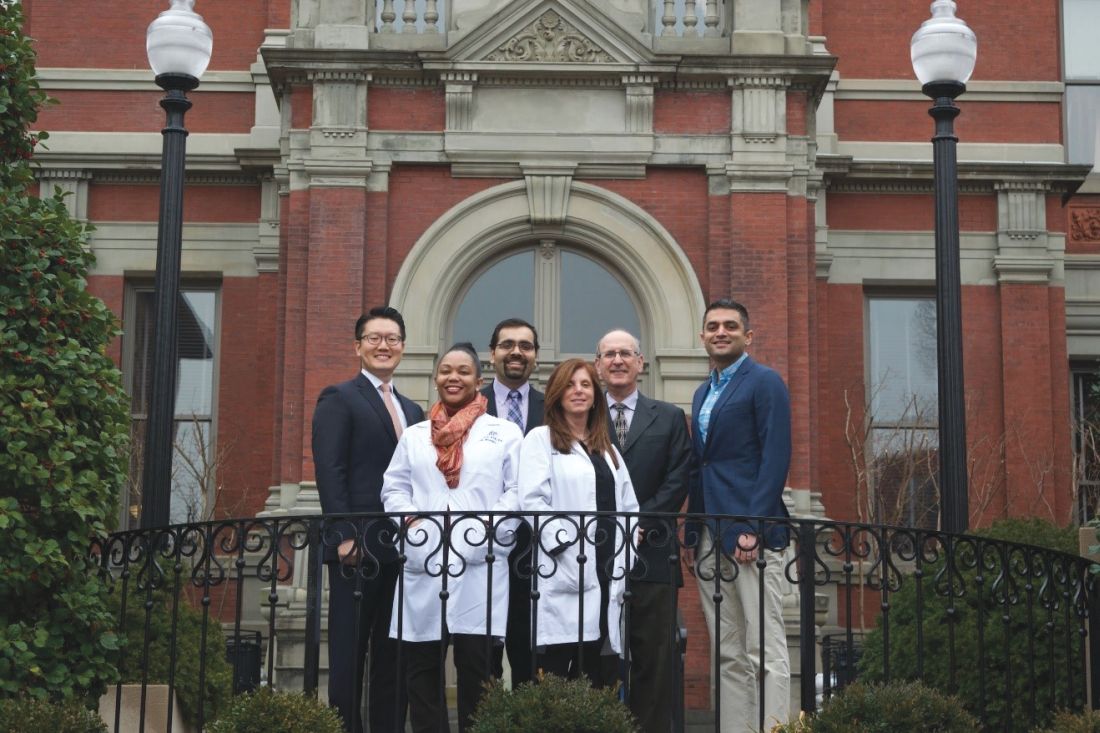
With a unification of the EHR across the health system, RedondaMiller, MD, MBA, president of Johns Hopkins Hospital, and Renee Demski, MSW, MBA, vice president of quality for Johns Hopkins Health System, created the Johns Hopkins Health System High-Value Care Committee to operationalize initiatives across all six hospitals and Johns Hopkins community physicians. The committee is under the leadership of Trushar Dungarani, DO, FHM, from Howard County General Hospital and Lenny Feldman, MD, SFHM, Amit Pahwa, MD, and Pamela Johnson, MD, from Johns Hopkins Hospital, and comprises provider representatives from each institution and other important contributors from various specialties, including Mike Borowitz, MD, PhD; Dr. Ken Lee, DrPH; Emily Pherson, PharmD; Amy Knight, MD; Tim Niessen, MD, MPH; Keisha Perrin, and Clare Rock.
Initiatives directed by the committee have included reducing inappropriate testing for Clostridium difficile, folate testing for anemia, and duplicative imaging exams, among others. In the 18 months since inception, the committee reduced charges to patients and payers by nearly $4 million and hospital costs by more than $200,000.
Members of this committee joined forces with like-minded institutions to create the High Value Practice Academic Alliance in 2016. Faculty leaders from more than 80 academic centers are now collaborating to increase health care value on a national scale through quality improvement projects, education, and dissemination.
SHM’s Award of Excellence in Teaching
Jennifer O’Toole, MD, MEd, is a med-peds hospitalist at the Cincinnati Children’s Hospital Medical Center and University of Cincinnati Medical Center. She serves as the director of the combined internal medicine and pediatrics residency program and is the director of education for the Children’s Hospital division of hospital medicine. In these roles, Dr. O’Toole has established an acute care track for her med-peds residents interested in careers in hospital medicine and a career development boot camp for early-career faculty members and fellows in the division of hospital medicine.
Perhaps Dr. O’Toole’s most instrumental role as an educator has been her involvement in influential educational programs nationally, including the I-PASS Handoff program. Implementation of I-PASS decreased medical errors by 23% and preventable adverse events by 30% in more than 10,000 patient admissions across nine North American hospitals. She has authored more than 30 peer-reviewed publications related to medical education and has presented more than 50 workshops at national meetings. After serving as a member of the planning committee for the Pediatric Hospital Medicine meeting, she is cochair for the 2018 meeting.
SHM’s Award of Clinical Excellence for Physicians
Rick Hilger, MD, SFHM, has been a hospitalist with HealthPartners Regions Hospital in St. Paul, Minnesota for 16 years. He is a national expert in the areas of readmission prevention and care delivery for high-utilizer patients. His work in this area was named Best Clinical Innovation at Hospital Medicine 2012. His collaborative approach to solving complex problems is demonstrated by the amount of time he has volunteered to help other organizations improve their care of high utilizers. Over 90 organizations and hospitals have reached out for assistance in starting their own committees, and Dr. Hilger has shared his time and care plan templates with each one. He was one of the first hospitalists asked to participate on a National Quality Forum committee and has improved hospital reimbursement by over 4 million dollars by developing an internal physician advisor program.
Dr. Hilger also has served on the SHM Annual Conference Committee and the Public Policy Committee, where he has worked with other committee members to advocate for policy changes related to observation status and readmission penalties.
SHM’s Award for Excellence in Humanitarian Services
Michelle Morse, MD, MPH, is a hospitalist and the assistant program director for the internal medicine residency at Brigham and Women’s Hospital in Boston. She is also the founding codirector of EqualHealth, an organization that aims to inspire and support the development of Haiti’s next generation of health care leaders. In 2015, Dr. Morse helped to found the Social Medicine Consortium, a global coalition of more than 450 people representing over 50 universities and organizations in 12 countries, which seeks to address the miseducation of health professionals.
In the aftermath of the 2010 earthquake in Haiti, Dr. Morse was compelled to collaborate with colleagues and friends to help build capacity of health care providers committed to social medicine, medical and nursing education, and social justice. She helped to open and operate a new 300-bed teaching hospital in rural Haiti and founded the first three residency training programs at the hospital. Since that time, the hospital has expanded to serve an area of 3 million people with an annual budget of $12 million.
SHM’s Award of Excellence in Research
Teryl Nuckols, MD, FHM, is a hospitalist and the director of general internal medicine at Cedars-Sinai Medical Center in Los Angeles. She also serves as associate professor of medicine at the University of California, Los Angeles, and a health services researcher at the RAND Corporation in Santa Monica.
Currently, she is principal investigator and coprincipal investigator on two projects funded by the Agency for Healthcare Research and Quality that are evaluating effects of the Medicare Hospital Readmissions Reduction Program. Dr. Nuckols was previously the principal investigator on two R01 research grants from the Agency for Healthcare Research and Quality and the recipient of a K08 Career Development Award. She has evaluated clinical practice guidelines on behalf of SHM as well as policy makers in California and Australia, and her work has led to more than 30 peer-reviewed publications in NEJM, Journal of Hospital Medicine, and JAMA Internal Medicine among others.
SHM’s Award of Clinical Excellence for NPs/PAs
Meredith K. Wold, PA-C, is the supervisor of advanced practice clinicians at HealthPartners Medical Group, which includes 20 nurse practitioners and physician assistants, at Regions Hospital in St. Paul, Minn. She is also the cofounder and co-curriculum director for the HealthPartners Hospital Medicine Physician Assistant Fellowship Program. Under her leadership, the fellowship program offers a clear curriculum that exposes key clinical scenarios and specialties crucial to hospital medicine, preparing new PAs to contribute immediately to team-based care upon completion of the fellowship.
To prevent burnout in a 7-on/7-off schedule, Ms. Wold thought creatively and developed a pooling and “draft” system to give some flexibility and breaks in the block schedule – almost like a fantasy football draft but with patient care shifts for noncontinuity services.
Excellence in Management in Hospital Medicine
Maria Lourdes Novelero, MA, MPA, is the associate chair for administration of the department of medicine at the University of California, San Francisco, and has also served as the administrator of the UCSF division of hospital medicine and its associated medical service from 2005 to 2016. In this role, she managed the department’s expansion from a 20-physician division to an 80-physician division. She also led the department’s pioneering efforts in quality, safety, and value.

Ms. Novelero created a structure to build and manage 10 different hospitalist-run services, including cancer, cardiology, neurosurgery, and liver transplant comanagement services; a procedure service; a palliative care service; and a large non–housestaff medicine service. She co-led a multidisciplinary effort to transform the discharge process, and established and cochaired the department of hospital medicine’s high value care committee, which catalyzed value improvement activities throughout UCSF. This committee’s work led to tangible value improvements, such as a 14% reduction in direct costs and a first-ever positive net margin for the medical service.
Ms. Novelero has more than 25 years of experience in management positions in the United States and Japan.
Certificate of Leadership in Hospital Medicine
Benji K. Mathews, MD, SFHM, CLHM, graduated from the Institute of Technology at the University of Minnesota and the University of Minnesota Medical School. He completed his internal medicine residency and chief residency through the University of Minnesota, Minneapolis. He joined HealthPartners as an academic hospitalist and holds the titles of section head of hospital medicine at Regions Hospital and director of point of care ultrasound (POCUS) for Hospital Medicine at HealthPartners. He is the president for the Minnesota Chapter of the Society of Hospital Medicine (SHM).
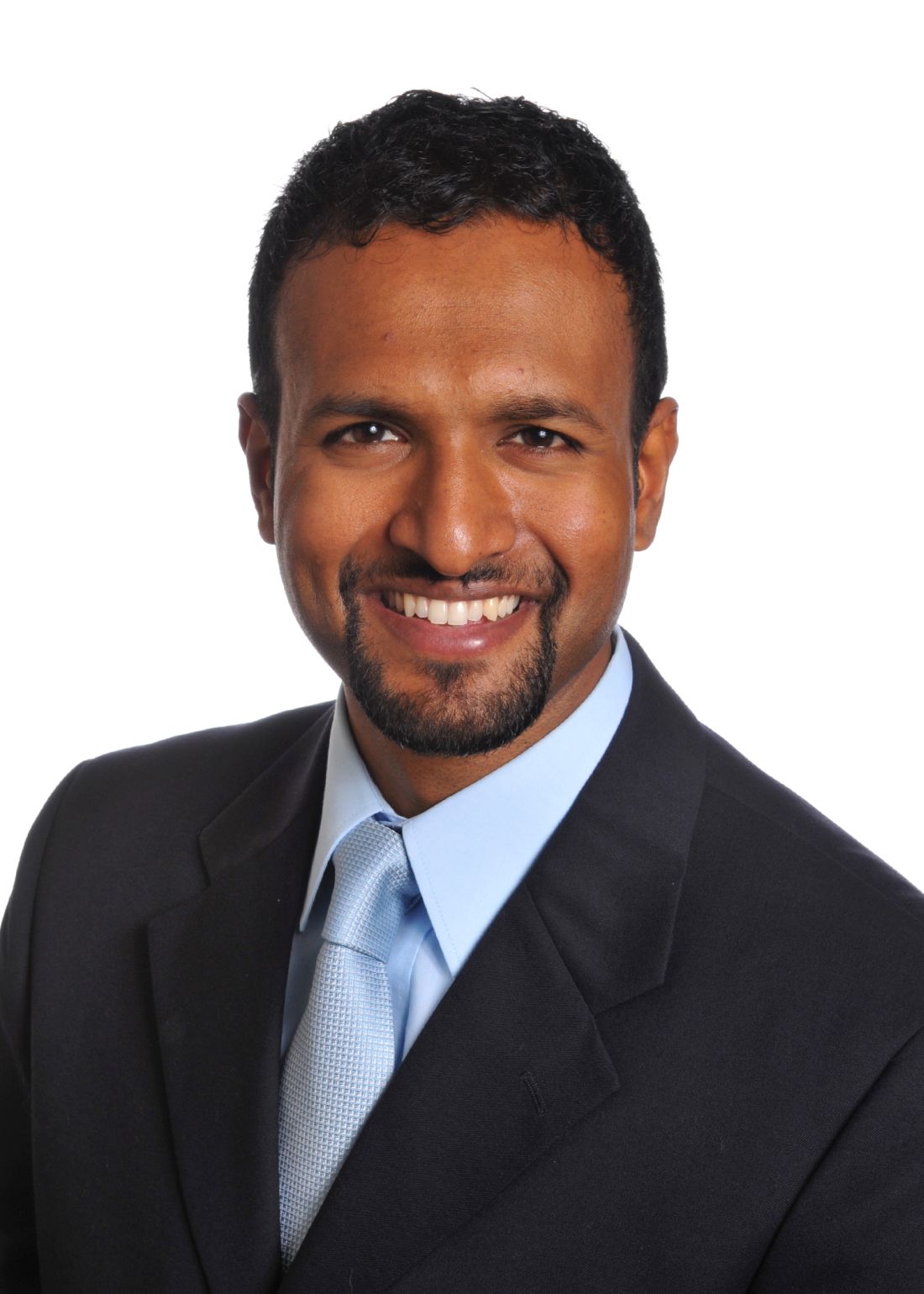
Dr. Mathews has a passion for medical education, care delivery, and quality. He is an assistant professor of medicine at the University of Minnesota. As such, he is core faculty for the internal medicine residency program and chair of the Clinical Competency Committee. Dr. Mathews is an active member of SHM as a member of SHM's annual meeting planning committee, organizing and setting the agenda for SHM's record breaking meetings for the last 4 years. Dr. Mathews also serves on SHM's Quality Improvement and Patient Safety Committee and is the chair of the Diagnostic Error Subcommittee. He has completed the Certificate of Leadership in Hospital Medicine (CLHM) with his area of focus on ultrasound in hospital medicine. His work in diagnostic error and POCUS has been well recognized with multiple workshops and presentations given locally and nationally. He is a Fellow in Diagnostic Safety through the Society to Improve Diagnosis in Medicine.
Dr. Mathews also has a passion for global health, rooted in his commitment to reducing health care disparities both locally and globally. He has worked with medical missions, NGOs, and orphanages in Nepal, India, Bolivia, Honduras, and Costa Rica. This led him to complete the global health course at the University of Minnesota.
SHM’s Junior Investigator Award
Christine D. Jones, MD, MS, is an assistant professor of medicine at the University of Colorado's Anschutz medical campus, Aurora, where she is the director of care transitions and director of scholarship for the division of hospital medicine.
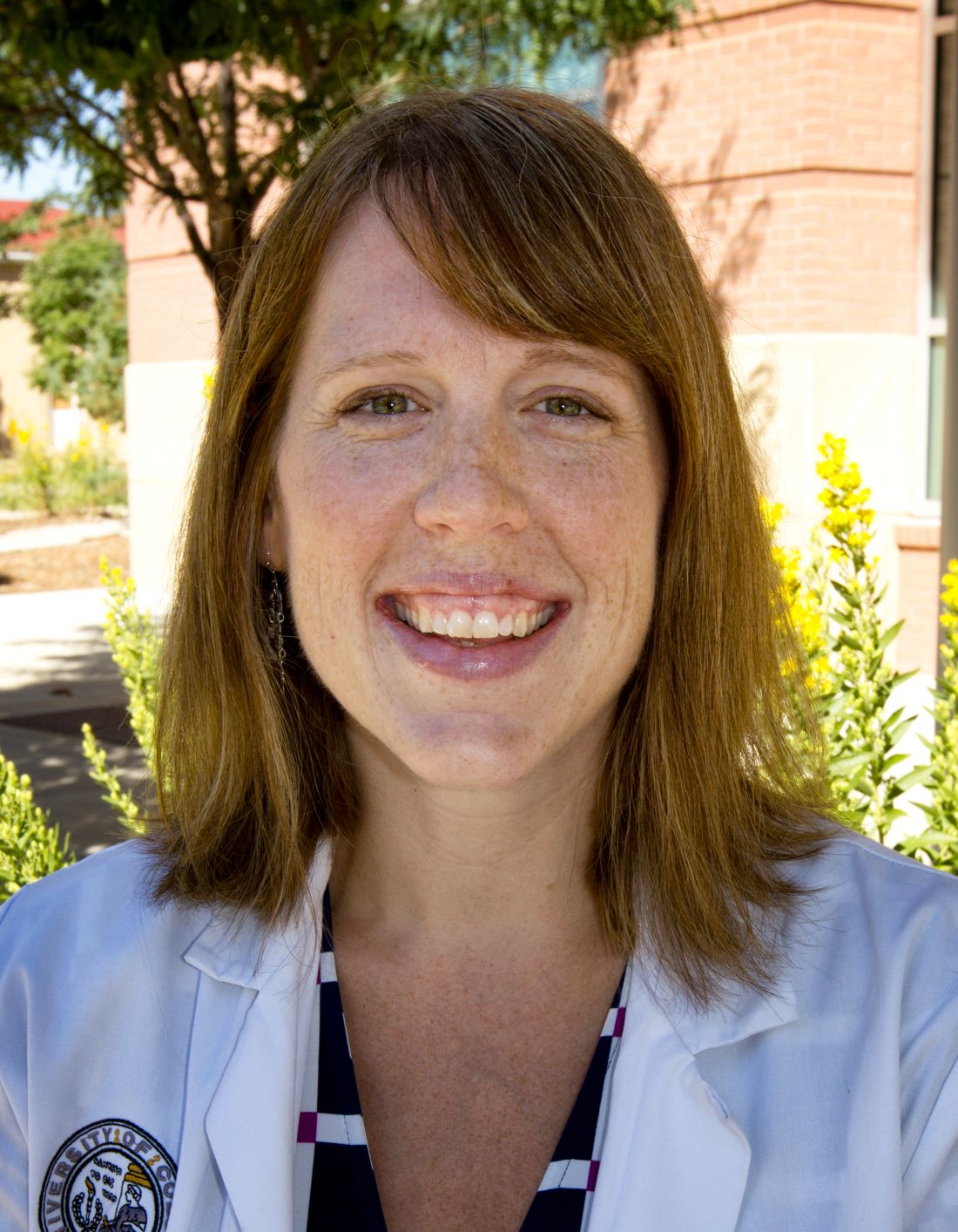
Dr. Jones’ research is focused on improving care coordination between clinicians in different settings to improve outcomes for patients discharged with home health care. Her research is supported by a K08 career development award from the Agency for Healthcare Research and Quality. Her overall goal is to improve the quality of care transitions for hospitalized patients discharged to post-acute care settings, including home health care. Dr. Jones has presented at every SHM annual conference since she joined in 2013.
Chapter Excellence Awards
The Society of Hospital Medicine is proud to recognize outstanding SHM chapters at HM18 for the fifth annual Chapter Excellence Awards. Each year, chapters strive to demonstrate growth, sustenance, and innovation within their chapter activities, which are then applauded for their successes at SHM’s annual conference.
Platinum Chapters: Gulf States, Iowa, Maryland, Michigan, Minnesota, New Mexico, North Carolina Triangle, St. Louis.
Gold Chapters: Hampton Roads, Kentucky, North Jersey, Pacific Northwest.
Silver Chapters: Boston/Eastern Massachusetts, Houston, Los Angeles, Maine, NYC/Westchester, Rocky Mountain, San Francisco Bay Area, South Central PA, Southwest Florida, Wiregrass.
Outstanding Chapter of the Year
New Mexico. SHM’s New Mexico Chapter has been nominated to receive the Outstanding Chapter of the Year Award for 2017. Consistently, leadership and members go above and beyond the basic requirements to maintain status by creating and cultivating multiple innovative and dynamic opportunities for attendees to educate and network. The chapter participated in SHM’s pilot program to offer CME for chapters, bringing a CME-accredited educational presentation on the care of diverse patients. Their annual meeting this year featured a poster competition for residents, students, and early-career hospitalists; a didactic on antimicrobial stewardship; and a business meeting with elections, member benefits, and highlights of the chapter’s year, and chapter awards. The chapter initiated breakfast meetings with didactics on DACA and on burnout and wellness, and collaborated with the University of New Mexico, Albuquerque on a grand rounds series on physician wellness that was available via telecast to numerous hospitals and providers off site. The chapter hosted a book club, a networking session at HM17, and an informational meeting on SHM membership and the Fellows Program. They have supported the future of hospital medicine by having a table at the UNM School of Medicine’s student activities fair, a Resident of the Year Award, and a position on our council for a resident representative. They have collaborated with the sole internal medicine residency program in New Mexico so that residents in the hospitalist training track have membership in SHM, and they have expanded our juried poster competition to include students. The chapter’s level of originality is not only a benefit to the chapter, but SHM’s chapter program as a whole.
Rising Star Chapter
Kentucky. SHM’s Kentucky Chapter has been nominated to receive the Rising Star Chapter Award for 2017 for their innovation and growth. The chapter’s leadership was involved with the establishment of the Heartland Hospital Medicine Conference and hosted a hospital medicine career panel and bustling Research, Innovations, and Clinical Vignettes abstract and poster competition. Nearly 50 abstracts were submitted, and the top 40 were invited to present posters at the competition. These posters included a mix of attendings, advanced practice providers, residents, and students interested in participating in the local hospital medicine community. The chapter sponsored the first prize winner’s travel to attend Hospital Medicine 2018 and gave awards to best resident and best student posters. The Kentucky Chapter directly recruited 27 hospitalists to join SHM membership in 2017. The Kentucky Chapter is an active, enthusiastic chapter that is rapidly growing and thriving.
Student Hospitalist Scholarship Recipients
The Society of Hospital Medicine’s Physician in Training Committee launched a Student Hospitalist Scholar Grant program in 2015 for medical students to conduct mentored scholarly projects related to quality improvement and patient safety.
The program was expanded in 2017 and now includes both a summer and longitudinal program for students.
The committee is happy to announce the 4th year of scholar grant recipients to six students based on their ability and interest in hospital medicine, general qualifications, prior educational training, and promise for scholarly activity.
Summer Program
Ilana Scandariato
Cornell University, New York
Project: Understanding the experience of the long-term hospitalized patient with provider fragmentation: A qualitative study
Mentor: Ernie Esquivel, MD, FHM
Maximilian Hemmrich
University of Chicago
Project: Derivation and validation of a COPD readmission risk prediction tool
Mentor: Valerie Press, MD, MPH, SFHM
Sandeep Bala
University of Central Florida, Orlando
Project: The impact of plain language open medical notes on patient activation
Mentor: Marisha Burden, MD, SFHM
Longitudinal Program
Erin Rainosek
University of Texas, San Antonio
Project Title: Design thinking to improve patient experience
Mentor: Luci Leykum, MD, SFHM
Matthew Fallon
Creighton University, Omaha, Neb.
Project: Reducing the hospital readmission rate of congestive heart failure (CHF)
Mentor: Venkata Andukuri, MD, MPH, FHM
Philip Huang
University of Iowa, Iowa City
Project: Expanded patient regionalization to improve care efficiency
Mentor: Ethan Kuperman, MD, FHM
Resident Travel Grant Recipients
The Society of Hospital Medicine’s Physician in Training Committee launched a Resident Travel Grant Program in 2017 for residents to receive funding to attend SHM’s Annual Conference and be recognized for their scholarly work.
The Committee is pleased to announce the first year of Resident Travel Grant Recipients to 10 Residents based on their ability and interest in hospital medicine, research originality, and teaching value, and general qualifications.
Ashley M. Jenkins, MD
Cincinnati Children’s Hospital Medical Center
Poster 41 - Aren’t adults just big kids?: Standardizing care of adults in pediatric hospitals
Brian A. MacDonald Jr., MD, PhD
State University of New York at Buffalo
Poster 135 – Phosphatidylethanol level as a predictor of acute alcohol withdrawal
Christopher S. Bartlett, MD, MPH
University of New Mexico Health Sciences Center, Albuquerque
Poster 47 - Lessons learned from a resident-created experiential quality improvement and patient safety curriculum for medical and nursing students at the University of New Mexico
Christopher T. Su, MD, MPH
Montefiore Medical Center/Albert Einstein College of Medicine, New York
Poster 173 - Concurrent NSAID and warfarin use is associated with increased blood transfusions in hospitalized patients
Madeleine Ivrit Matthiesen, MD
Harvard Medical School/Massachusetts General Hospital Medicine–Pediatrics, Boston
Poster 69 - Resident perceptions of feedback and teaching
Neil Keshvani, MD
University of Texas Southwestern Medical Center, Dallas
Poster 237 - Improving respiratory rate measurement accuracy in the hospital: A quality improvement initiative
Peter N. Barish, MD
University of California, San Francisco
Poster 344 - Costs Related to potential overuse of respiratory viral panel PCRs in general medicine patients
Rachna Rawal, MD
Saint Louis University
Poster 259 - Empowering medicine residents to think before ordering daily labs: A quality improvement study
Yihan Chen, MD
University of California, Los Angeles, Medical Center
Poster 12 - Hospitalist-directed transfers improve emergency room length of stay
Zachary G. Jacobs, MD
University of California, San Francisco
Poster 233 - The prevalence of treating asymptomatic elevated blood pressure with intravenous antihypertensives on the general medicine wards: A potential target for a quality improvement inter-vention
Poster 96 - Factors Impacting time to antibiotic administration in patients with sepsis: A single-center study of electronic health record data
SHM’s Award of Excellence in Outstanding Service in Hospital Medicine
Dr. Flora Kisuule, MD, SFHM, is an assistant professor at Johns Hopkins School of Medicine and the vice chair for clinical operations for the department of medicine at Johns Hopkins Bayview Medical Center. While at Johns Hopkins University, both in Baltimore, she codeveloped a hospitalist fellowship program that she now directs, as well as a fellowship program specifically for nurse practitioners and physician assistants. Under her leadership as the associate director of the division of hospital medicine, she helped to bring Johns Hopkins Bayview hospitalists’ quality and mortality indicators into the top 5% nationwide and reduced hospital-acquired conditions at Hopkins Bayview to the best of the four regional Hopkins Health System hospitals.
Nationally, she has served on several SHM committees, facilitated at multiple SHM leadership courses, served as vice president of SHM’s Baltimore Chapter, and consulted on hospitalist programs around the country. Internationally, Dr. Kisuule has developed and mentored hospitalist programs in Saudi Arabia, the United Arab Emirates, and Central America. She is currently developing a training program in hospital medicine in Panama and is a Senior Fellow in Hospital Medicine.
SHM’s Award of Excellence in Teamwork in Quality Improvement
Since 2011, the Johns Hopkins Health System hospitals have conducted quality improvement projects to increase the value of care for their patients. Their amazing work catalyzed a grass-roots initiative involving faculty and residents at both Johns Hopkins Hospital and Johns Hopkins Bayview Medical Center.
With a unification of the EHR across the health system, RedondaMiller, MD, MBA, president of Johns Hopkins Hospital, and Renee Demski, MSW, MBA, vice president of quality for Johns Hopkins Health System, created the Johns Hopkins Health System High-Value Care Committee to operationalize initiatives across all six hospitals and Johns Hopkins community physicians. The committee is under the leadership of Trushar Dungarani, DO, FHM, from Howard County General Hospital and Lenny Feldman, MD, SFHM, Amit Pahwa, MD, and Pamela Johnson, MD, from Johns Hopkins Hospital, and comprises provider representatives from each institution and other important contributors from various specialties, including Mike Borowitz, MD, PhD; Dr. Ken Lee, DrPH; Emily Pherson, PharmD; Amy Knight, MD; Tim Niessen, MD, MPH; Keisha Perrin, and Clare Rock.
Initiatives directed by the committee have included reducing inappropriate testing for Clostridium difficile, folate testing for anemia, and duplicative imaging exams, among others. In the 18 months since inception, the committee reduced charges to patients and payers by nearly $4 million and hospital costs by more than $200,000.
Members of this committee joined forces with like-minded institutions to create the High Value Practice Academic Alliance in 2016. Faculty leaders from more than 80 academic centers are now collaborating to increase health care value on a national scale through quality improvement projects, education, and dissemination.
SHM’s Award of Excellence in Teaching
Jennifer O’Toole, MD, MEd, is a med-peds hospitalist at the Cincinnati Children’s Hospital Medical Center and University of Cincinnati Medical Center. She serves as the director of the combined internal medicine and pediatrics residency program and is the director of education for the Children’s Hospital division of hospital medicine. In these roles, Dr. O’Toole has established an acute care track for her med-peds residents interested in careers in hospital medicine and a career development boot camp for early-career faculty members and fellows in the division of hospital medicine.
Perhaps Dr. O’Toole’s most instrumental role as an educator has been her involvement in influential educational programs nationally, including the I-PASS Handoff program. Implementation of I-PASS decreased medical errors by 23% and preventable adverse events by 30% in more than 10,000 patient admissions across nine North American hospitals. She has authored more than 30 peer-reviewed publications related to medical education and has presented more than 50 workshops at national meetings. After serving as a member of the planning committee for the Pediatric Hospital Medicine meeting, she is cochair for the 2018 meeting.
SHM’s Award of Clinical Excellence for Physicians
Rick Hilger, MD, SFHM, has been a hospitalist with HealthPartners Regions Hospital in St. Paul, Minnesota for 16 years. He is a national expert in the areas of readmission prevention and care delivery for high-utilizer patients. His work in this area was named Best Clinical Innovation at Hospital Medicine 2012. His collaborative approach to solving complex problems is demonstrated by the amount of time he has volunteered to help other organizations improve their care of high utilizers. Over 90 organizations and hospitals have reached out for assistance in starting their own committees, and Dr. Hilger has shared his time and care plan templates with each one. He was one of the first hospitalists asked to participate on a National Quality Forum committee and has improved hospital reimbursement by over 4 million dollars by developing an internal physician advisor program.
Dr. Hilger also has served on the SHM Annual Conference Committee and the Public Policy Committee, where he has worked with other committee members to advocate for policy changes related to observation status and readmission penalties.
SHM’s Award for Excellence in Humanitarian Services
Michelle Morse, MD, MPH, is a hospitalist and the assistant program director for the internal medicine residency at Brigham and Women’s Hospital in Boston. She is also the founding codirector of EqualHealth, an organization that aims to inspire and support the development of Haiti’s next generation of health care leaders. In 2015, Dr. Morse helped to found the Social Medicine Consortium, a global coalition of more than 450 people representing over 50 universities and organizations in 12 countries, which seeks to address the miseducation of health professionals.
In the aftermath of the 2010 earthquake in Haiti, Dr. Morse was compelled to collaborate with colleagues and friends to help build capacity of health care providers committed to social medicine, medical and nursing education, and social justice. She helped to open and operate a new 300-bed teaching hospital in rural Haiti and founded the first three residency training programs at the hospital. Since that time, the hospital has expanded to serve an area of 3 million people with an annual budget of $12 million.
SHM’s Award of Excellence in Research
Teryl Nuckols, MD, FHM, is a hospitalist and the director of general internal medicine at Cedars-Sinai Medical Center in Los Angeles. She also serves as associate professor of medicine at the University of California, Los Angeles, and a health services researcher at the RAND Corporation in Santa Monica.
Currently, she is principal investigator and coprincipal investigator on two projects funded by the Agency for Healthcare Research and Quality that are evaluating effects of the Medicare Hospital Readmissions Reduction Program. Dr. Nuckols was previously the principal investigator on two R01 research grants from the Agency for Healthcare Research and Quality and the recipient of a K08 Career Development Award. She has evaluated clinical practice guidelines on behalf of SHM as well as policy makers in California and Australia, and her work has led to more than 30 peer-reviewed publications in NEJM, Journal of Hospital Medicine, and JAMA Internal Medicine among others.
SHM’s Award of Clinical Excellence for NPs/PAs
Meredith K. Wold, PA-C, is the supervisor of advanced practice clinicians at HealthPartners Medical Group, which includes 20 nurse practitioners and physician assistants, at Regions Hospital in St. Paul, Minn. She is also the cofounder and co-curriculum director for the HealthPartners Hospital Medicine Physician Assistant Fellowship Program. Under her leadership, the fellowship program offers a clear curriculum that exposes key clinical scenarios and specialties crucial to hospital medicine, preparing new PAs to contribute immediately to team-based care upon completion of the fellowship.
To prevent burnout in a 7-on/7-off schedule, Ms. Wold thought creatively and developed a pooling and “draft” system to give some flexibility and breaks in the block schedule – almost like a fantasy football draft but with patient care shifts for noncontinuity services.
Excellence in Management in Hospital Medicine
Maria Lourdes Novelero, MA, MPA, is the associate chair for administration of the department of medicine at the University of California, San Francisco, and has also served as the administrator of the UCSF division of hospital medicine and its associated medical service from 2005 to 2016. In this role, she managed the department’s expansion from a 20-physician division to an 80-physician division. She also led the department’s pioneering efforts in quality, safety, and value.
Ms. Novelero created a structure to build and manage 10 different hospitalist-run services, including cancer, cardiology, neurosurgery, and liver transplant comanagement services; a procedure service; a palliative care service; and a large non–housestaff medicine service. She co-led a multidisciplinary effort to transform the discharge process, and established and cochaired the department of hospital medicine’s high value care committee, which catalyzed value improvement activities throughout UCSF. This committee’s work led to tangible value improvements, such as a 14% reduction in direct costs and a first-ever positive net margin for the medical service.
Ms. Novelero has more than 25 years of experience in management positions in the United States and Japan.
Certificate of Leadership in Hospital Medicine
Benji K. Mathews, MD, SFHM, CLHM, graduated from the Institute of Technology at the University of Minnesota and the University of Minnesota Medical School. He completed his internal medicine residency and chief residency through the University of Minnesota, Minneapolis. He joined HealthPartners as an academic hospitalist and holds the titles of section head of hospital medicine at Regions Hospital and director of point of care ultrasound (POCUS) for Hospital Medicine at HealthPartners. He is the president for the Minnesota Chapter of the Society of Hospital Medicine (SHM).
Dr. Mathews has a passion for medical education, care delivery, and quality. He is an assistant professor of medicine at the University of Minnesota. As such, he is core faculty for the internal medicine residency program and chair of the Clinical Competency Committee. Dr. Mathews is an active member of SHM as a member of SHM's annual meeting planning committee, organizing and setting the agenda for SHM's record breaking meetings for the last 4 years. Dr. Mathews also serves on SHM's Quality Improvement and Patient Safety Committee and is the chair of the Diagnostic Error Subcommittee. He has completed the Certificate of Leadership in Hospital Medicine (CLHM) with his area of focus on ultrasound in hospital medicine. His work in diagnostic error and POCUS has been well recognized with multiple workshops and presentations given locally and nationally. He is a Fellow in Diagnostic Safety through the Society to Improve Diagnosis in Medicine.
Dr. Mathews also has a passion for global health, rooted in his commitment to reducing health care disparities both locally and globally. He has worked with medical missions, NGOs, and orphanages in Nepal, India, Bolivia, Honduras, and Costa Rica. This led him to complete the global health course at the University of Minnesota.
SHM’s Junior Investigator Award
Christine D. Jones, MD, MS, is an assistant professor of medicine at the University of Colorado's Anschutz medical campus, Aurora, where she is the director of care transitions and director of scholarship for the division of hospital medicine.
Dr. Jones’ research is focused on improving care coordination between clinicians in different settings to improve outcomes for patients discharged with home health care. Her research is supported by a K08 career development award from the Agency for Healthcare Research and Quality. Her overall goal is to improve the quality of care transitions for hospitalized patients discharged to post-acute care settings, including home health care. Dr. Jones has presented at every SHM annual conference since she joined in 2013.
Chapter Excellence Awards
The Society of Hospital Medicine is proud to recognize outstanding SHM chapters at HM18 for the fifth annual Chapter Excellence Awards. Each year, chapters strive to demonstrate growth, sustenance, and innovation within their chapter activities, which are then applauded for their successes at SHM’s annual conference.
Platinum Chapters: Gulf States, Iowa, Maryland, Michigan, Minnesota, New Mexico, North Carolina Triangle, St. Louis.
Gold Chapters: Hampton Roads, Kentucky, North Jersey, Pacific Northwest.
Silver Chapters: Boston/Eastern Massachusetts, Houston, Los Angeles, Maine, NYC/Westchester, Rocky Mountain, San Francisco Bay Area, South Central PA, Southwest Florida, Wiregrass.
Outstanding Chapter of the Year
New Mexico. SHM’s New Mexico Chapter has been nominated to receive the Outstanding Chapter of the Year Award for 2017. Consistently, leadership and members go above and beyond the basic requirements to maintain status by creating and cultivating multiple innovative and dynamic opportunities for attendees to educate and network. The chapter participated in SHM’s pilot program to offer CME for chapters, bringing a CME-accredited educational presentation on the care of diverse patients. Their annual meeting this year featured a poster competition for residents, students, and early-career hospitalists; a didactic on antimicrobial stewardship; and a business meeting with elections, member benefits, and highlights of the chapter’s year, and chapter awards. The chapter initiated breakfast meetings with didactics on DACA and on burnout and wellness, and collaborated with the University of New Mexico, Albuquerque on a grand rounds series on physician wellness that was available via telecast to numerous hospitals and providers off site. The chapter hosted a book club, a networking session at HM17, and an informational meeting on SHM membership and the Fellows Program. They have supported the future of hospital medicine by having a table at the UNM School of Medicine’s student activities fair, a Resident of the Year Award, and a position on our council for a resident representative. They have collaborated with the sole internal medicine residency program in New Mexico so that residents in the hospitalist training track have membership in SHM, and they have expanded our juried poster competition to include students. The chapter’s level of originality is not only a benefit to the chapter, but SHM’s chapter program as a whole.
Rising Star Chapter
Kentucky. SHM’s Kentucky Chapter has been nominated to receive the Rising Star Chapter Award for 2017 for their innovation and growth. The chapter’s leadership was involved with the establishment of the Heartland Hospital Medicine Conference and hosted a hospital medicine career panel and bustling Research, Innovations, and Clinical Vignettes abstract and poster competition. Nearly 50 abstracts were submitted, and the top 40 were invited to present posters at the competition. These posters included a mix of attendings, advanced practice providers, residents, and students interested in participating in the local hospital medicine community. The chapter sponsored the first prize winner’s travel to attend Hospital Medicine 2018 and gave awards to best resident and best student posters. The Kentucky Chapter directly recruited 27 hospitalists to join SHM membership in 2017. The Kentucky Chapter is an active, enthusiastic chapter that is rapidly growing and thriving.
Student Hospitalist Scholarship Recipients
The Society of Hospital Medicine’s Physician in Training Committee launched a Student Hospitalist Scholar Grant program in 2015 for medical students to conduct mentored scholarly projects related to quality improvement and patient safety.
The program was expanded in 2017 and now includes both a summer and longitudinal program for students.
The committee is happy to announce the 4th year of scholar grant recipients to six students based on their ability and interest in hospital medicine, general qualifications, prior educational training, and promise for scholarly activity.
Summer Program
Ilana Scandariato
Cornell University, New York
Project: Understanding the experience of the long-term hospitalized patient with provider fragmentation: A qualitative study
Mentor: Ernie Esquivel, MD, FHM
Maximilian Hemmrich
University of Chicago
Project: Derivation and validation of a COPD readmission risk prediction tool
Mentor: Valerie Press, MD, MPH, SFHM
Sandeep Bala
University of Central Florida, Orlando
Project: The impact of plain language open medical notes on patient activation
Mentor: Marisha Burden, MD, SFHM
Longitudinal Program
Erin Rainosek
University of Texas, San Antonio
Project Title: Design thinking to improve patient experience
Mentor: Luci Leykum, MD, SFHM
Matthew Fallon
Creighton University, Omaha, Neb.
Project: Reducing the hospital readmission rate of congestive heart failure (CHF)
Mentor: Venkata Andukuri, MD, MPH, FHM
Philip Huang
University of Iowa, Iowa City
Project: Expanded patient regionalization to improve care efficiency
Mentor: Ethan Kuperman, MD, FHM
Resident Travel Grant Recipients
The Society of Hospital Medicine’s Physician in Training Committee launched a Resident Travel Grant Program in 2017 for residents to receive funding to attend SHM’s Annual Conference and be recognized for their scholarly work.
The Committee is pleased to announce the first year of Resident Travel Grant Recipients to 10 Residents based on their ability and interest in hospital medicine, research originality, and teaching value, and general qualifications.
Ashley M. Jenkins, MD
Cincinnati Children’s Hospital Medical Center
Poster 41 - Aren’t adults just big kids?: Standardizing care of adults in pediatric hospitals
Brian A. MacDonald Jr., MD, PhD
State University of New York at Buffalo
Poster 135 – Phosphatidylethanol level as a predictor of acute alcohol withdrawal
Christopher S. Bartlett, MD, MPH
University of New Mexico Health Sciences Center, Albuquerque
Poster 47 - Lessons learned from a resident-created experiential quality improvement and patient safety curriculum for medical and nursing students at the University of New Mexico
Christopher T. Su, MD, MPH
Montefiore Medical Center/Albert Einstein College of Medicine, New York
Poster 173 - Concurrent NSAID and warfarin use is associated with increased blood transfusions in hospitalized patients
Madeleine Ivrit Matthiesen, MD
Harvard Medical School/Massachusetts General Hospital Medicine–Pediatrics, Boston
Poster 69 - Resident perceptions of feedback and teaching
Neil Keshvani, MD
University of Texas Southwestern Medical Center, Dallas
Poster 237 - Improving respiratory rate measurement accuracy in the hospital: A quality improvement initiative
Peter N. Barish, MD
University of California, San Francisco
Poster 344 - Costs Related to potential overuse of respiratory viral panel PCRs in general medicine patients
Rachna Rawal, MD
Saint Louis University
Poster 259 - Empowering medicine residents to think before ordering daily labs: A quality improvement study
Yihan Chen, MD
University of California, Los Angeles, Medical Center
Poster 12 - Hospitalist-directed transfers improve emergency room length of stay
Zachary G. Jacobs, MD
University of California, San Francisco
Poster 233 - The prevalence of treating asymptomatic elevated blood pressure with intravenous antihypertensives on the general medicine wards: A potential target for a quality improvement inter-vention
Poster 96 - Factors Impacting time to antibiotic administration in patients with sepsis: A single-center study of electronic health record data
SHM’s Award of Excellence in Outstanding Service in Hospital Medicine
Dr. Flora Kisuule, MD, SFHM, is an assistant professor at Johns Hopkins School of Medicine and the vice chair for clinical operations for the department of medicine at Johns Hopkins Bayview Medical Center. While at Johns Hopkins University, both in Baltimore, she codeveloped a hospitalist fellowship program that she now directs, as well as a fellowship program specifically for nurse practitioners and physician assistants. Under her leadership as the associate director of the division of hospital medicine, she helped to bring Johns Hopkins Bayview hospitalists’ quality and mortality indicators into the top 5% nationwide and reduced hospital-acquired conditions at Hopkins Bayview to the best of the four regional Hopkins Health System hospitals.
Nationally, she has served on several SHM committees, facilitated at multiple SHM leadership courses, served as vice president of SHM’s Baltimore Chapter, and consulted on hospitalist programs around the country. Internationally, Dr. Kisuule has developed and mentored hospitalist programs in Saudi Arabia, the United Arab Emirates, and Central America. She is currently developing a training program in hospital medicine in Panama and is a Senior Fellow in Hospital Medicine.
SHM’s Award of Excellence in Teamwork in Quality Improvement
Since 2011, the Johns Hopkins Health System hospitals have conducted quality improvement projects to increase the value of care for their patients. Their amazing work catalyzed a grass-roots initiative involving faculty and residents at both Johns Hopkins Hospital and Johns Hopkins Bayview Medical Center.
With a unification of the EHR across the health system, RedondaMiller, MD, MBA, president of Johns Hopkins Hospital, and Renee Demski, MSW, MBA, vice president of quality for Johns Hopkins Health System, created the Johns Hopkins Health System High-Value Care Committee to operationalize initiatives across all six hospitals and Johns Hopkins community physicians. The committee is under the leadership of Trushar Dungarani, DO, FHM, from Howard County General Hospital and Lenny Feldman, MD, SFHM, Amit Pahwa, MD, and Pamela Johnson, MD, from Johns Hopkins Hospital, and comprises provider representatives from each institution and other important contributors from various specialties, including Mike Borowitz, MD, PhD; Dr. Ken Lee, DrPH; Emily Pherson, PharmD; Amy Knight, MD; Tim Niessen, MD, MPH; Keisha Perrin, and Clare Rock.
Initiatives directed by the committee have included reducing inappropriate testing for Clostridium difficile, folate testing for anemia, and duplicative imaging exams, among others. In the 18 months since inception, the committee reduced charges to patients and payers by nearly $4 million and hospital costs by more than $200,000.
Members of this committee joined forces with like-minded institutions to create the High Value Practice Academic Alliance in 2016. Faculty leaders from more than 80 academic centers are now collaborating to increase health care value on a national scale through quality improvement projects, education, and dissemination.
SHM’s Award of Excellence in Teaching
Jennifer O’Toole, MD, MEd, is a med-peds hospitalist at the Cincinnati Children’s Hospital Medical Center and University of Cincinnati Medical Center. She serves as the director of the combined internal medicine and pediatrics residency program and is the director of education for the Children’s Hospital division of hospital medicine. In these roles, Dr. O’Toole has established an acute care track for her med-peds residents interested in careers in hospital medicine and a career development boot camp for early-career faculty members and fellows in the division of hospital medicine.
Perhaps Dr. O’Toole’s most instrumental role as an educator has been her involvement in influential educational programs nationally, including the I-PASS Handoff program. Implementation of I-PASS decreased medical errors by 23% and preventable adverse events by 30% in more than 10,000 patient admissions across nine North American hospitals. She has authored more than 30 peer-reviewed publications related to medical education and has presented more than 50 workshops at national meetings. After serving as a member of the planning committee for the Pediatric Hospital Medicine meeting, she is cochair for the 2018 meeting.
SHM’s Award of Clinical Excellence for Physicians
Rick Hilger, MD, SFHM, has been a hospitalist with HealthPartners Regions Hospital in St. Paul, Minnesota for 16 years. He is a national expert in the areas of readmission prevention and care delivery for high-utilizer patients. His work in this area was named Best Clinical Innovation at Hospital Medicine 2012. His collaborative approach to solving complex problems is demonstrated by the amount of time he has volunteered to help other organizations improve their care of high utilizers. Over 90 organizations and hospitals have reached out for assistance in starting their own committees, and Dr. Hilger has shared his time and care plan templates with each one. He was one of the first hospitalists asked to participate on a National Quality Forum committee and has improved hospital reimbursement by over 4 million dollars by developing an internal physician advisor program.
Dr. Hilger also has served on the SHM Annual Conference Committee and the Public Policy Committee, where he has worked with other committee members to advocate for policy changes related to observation status and readmission penalties.
SHM’s Award for Excellence in Humanitarian Services
Michelle Morse, MD, MPH, is a hospitalist and the assistant program director for the internal medicine residency at Brigham and Women’s Hospital in Boston. She is also the founding codirector of EqualHealth, an organization that aims to inspire and support the development of Haiti’s next generation of health care leaders. In 2015, Dr. Morse helped to found the Social Medicine Consortium, a global coalition of more than 450 people representing over 50 universities and organizations in 12 countries, which seeks to address the miseducation of health professionals.
In the aftermath of the 2010 earthquake in Haiti, Dr. Morse was compelled to collaborate with colleagues and friends to help build capacity of health care providers committed to social medicine, medical and nursing education, and social justice. She helped to open and operate a new 300-bed teaching hospital in rural Haiti and founded the first three residency training programs at the hospital. Since that time, the hospital has expanded to serve an area of 3 million people with an annual budget of $12 million.
SHM’s Award of Excellence in Research
Teryl Nuckols, MD, FHM, is a hospitalist and the director of general internal medicine at Cedars-Sinai Medical Center in Los Angeles. She also serves as associate professor of medicine at the University of California, Los Angeles, and a health services researcher at the RAND Corporation in Santa Monica.
Currently, she is principal investigator and coprincipal investigator on two projects funded by the Agency for Healthcare Research and Quality that are evaluating effects of the Medicare Hospital Readmissions Reduction Program. Dr. Nuckols was previously the principal investigator on two R01 research grants from the Agency for Healthcare Research and Quality and the recipient of a K08 Career Development Award. She has evaluated clinical practice guidelines on behalf of SHM as well as policy makers in California and Australia, and her work has led to more than 30 peer-reviewed publications in NEJM, Journal of Hospital Medicine, and JAMA Internal Medicine among others.
SHM’s Award of Clinical Excellence for NPs/PAs
Meredith K. Wold, PA-C, is the supervisor of advanced practice clinicians at HealthPartners Medical Group, which includes 20 nurse practitioners and physician assistants, at Regions Hospital in St. Paul, Minn. She is also the cofounder and co-curriculum director for the HealthPartners Hospital Medicine Physician Assistant Fellowship Program. Under her leadership, the fellowship program offers a clear curriculum that exposes key clinical scenarios and specialties crucial to hospital medicine, preparing new PAs to contribute immediately to team-based care upon completion of the fellowship.
To prevent burnout in a 7-on/7-off schedule, Ms. Wold thought creatively and developed a pooling and “draft” system to give some flexibility and breaks in the block schedule – almost like a fantasy football draft but with patient care shifts for noncontinuity services.
Excellence in Management in Hospital Medicine
Maria Lourdes Novelero, MA, MPA, is the associate chair for administration of the department of medicine at the University of California, San Francisco, and has also served as the administrator of the UCSF division of hospital medicine and its associated medical service from 2005 to 2016. In this role, she managed the department’s expansion from a 20-physician division to an 80-physician division. She also led the department’s pioneering efforts in quality, safety, and value.
Ms. Novelero created a structure to build and manage 10 different hospitalist-run services, including cancer, cardiology, neurosurgery, and liver transplant comanagement services; a procedure service; a palliative care service; and a large non–housestaff medicine service. She co-led a multidisciplinary effort to transform the discharge process, and established and cochaired the department of hospital medicine’s high value care committee, which catalyzed value improvement activities throughout UCSF. This committee’s work led to tangible value improvements, such as a 14% reduction in direct costs and a first-ever positive net margin for the medical service.
Ms. Novelero has more than 25 years of experience in management positions in the United States and Japan.
Certificate of Leadership in Hospital Medicine
Benji K. Mathews, MD, SFHM, CLHM, graduated from the Institute of Technology at the University of Minnesota and the University of Minnesota Medical School. He completed his internal medicine residency and chief residency through the University of Minnesota, Minneapolis. He joined HealthPartners as an academic hospitalist and holds the titles of section head of hospital medicine at Regions Hospital and director of point of care ultrasound (POCUS) for Hospital Medicine at HealthPartners. He is the president for the Minnesota Chapter of the Society of Hospital Medicine (SHM).
Dr. Mathews has a passion for medical education, care delivery, and quality. He is an assistant professor of medicine at the University of Minnesota. As such, he is core faculty for the internal medicine residency program and chair of the Clinical Competency Committee. Dr. Mathews is an active member of SHM as a member of SHM's annual meeting planning committee, organizing and setting the agenda for SHM's record breaking meetings for the last 4 years. Dr. Mathews also serves on SHM's Quality Improvement and Patient Safety Committee and is the chair of the Diagnostic Error Subcommittee. He has completed the Certificate of Leadership in Hospital Medicine (CLHM) with his area of focus on ultrasound in hospital medicine. His work in diagnostic error and POCUS has been well recognized with multiple workshops and presentations given locally and nationally. He is a Fellow in Diagnostic Safety through the Society to Improve Diagnosis in Medicine.
Dr. Mathews also has a passion for global health, rooted in his commitment to reducing health care disparities both locally and globally. He has worked with medical missions, NGOs, and orphanages in Nepal, India, Bolivia, Honduras, and Costa Rica. This led him to complete the global health course at the University of Minnesota.
SHM’s Junior Investigator Award
Christine D. Jones, MD, MS, is an assistant professor of medicine at the University of Colorado's Anschutz medical campus, Aurora, where she is the director of care transitions and director of scholarship for the division of hospital medicine.
Dr. Jones’ research is focused on improving care coordination between clinicians in different settings to improve outcomes for patients discharged with home health care. Her research is supported by a K08 career development award from the Agency for Healthcare Research and Quality. Her overall goal is to improve the quality of care transitions for hospitalized patients discharged to post-acute care settings, including home health care. Dr. Jones has presented at every SHM annual conference since she joined in 2013.
Chapter Excellence Awards
The Society of Hospital Medicine is proud to recognize outstanding SHM chapters at HM18 for the fifth annual Chapter Excellence Awards. Each year, chapters strive to demonstrate growth, sustenance, and innovation within their chapter activities, which are then applauded for their successes at SHM’s annual conference.
Platinum Chapters: Gulf States, Iowa, Maryland, Michigan, Minnesota, New Mexico, North Carolina Triangle, St. Louis.
Gold Chapters: Hampton Roads, Kentucky, North Jersey, Pacific Northwest.
Silver Chapters: Boston/Eastern Massachusetts, Houston, Los Angeles, Maine, NYC/Westchester, Rocky Mountain, San Francisco Bay Area, South Central PA, Southwest Florida, Wiregrass.
Outstanding Chapter of the Year
New Mexico. SHM’s New Mexico Chapter has been nominated to receive the Outstanding Chapter of the Year Award for 2017. Consistently, leadership and members go above and beyond the basic requirements to maintain status by creating and cultivating multiple innovative and dynamic opportunities for attendees to educate and network. The chapter participated in SHM’s pilot program to offer CME for chapters, bringing a CME-accredited educational presentation on the care of diverse patients. Their annual meeting this year featured a poster competition for residents, students, and early-career hospitalists; a didactic on antimicrobial stewardship; and a business meeting with elections, member benefits, and highlights of the chapter’s year, and chapter awards. The chapter initiated breakfast meetings with didactics on DACA and on burnout and wellness, and collaborated with the University of New Mexico, Albuquerque on a grand rounds series on physician wellness that was available via telecast to numerous hospitals and providers off site. The chapter hosted a book club, a networking session at HM17, and an informational meeting on SHM membership and the Fellows Program. They have supported the future of hospital medicine by having a table at the UNM School of Medicine’s student activities fair, a Resident of the Year Award, and a position on our council for a resident representative. They have collaborated with the sole internal medicine residency program in New Mexico so that residents in the hospitalist training track have membership in SHM, and they have expanded our juried poster competition to include students. The chapter’s level of originality is not only a benefit to the chapter, but SHM’s chapter program as a whole.
Rising Star Chapter
Kentucky. SHM’s Kentucky Chapter has been nominated to receive the Rising Star Chapter Award for 2017 for their innovation and growth. The chapter’s leadership was involved with the establishment of the Heartland Hospital Medicine Conference and hosted a hospital medicine career panel and bustling Research, Innovations, and Clinical Vignettes abstract and poster competition. Nearly 50 abstracts were submitted, and the top 40 were invited to present posters at the competition. These posters included a mix of attendings, advanced practice providers, residents, and students interested in participating in the local hospital medicine community. The chapter sponsored the first prize winner’s travel to attend Hospital Medicine 2018 and gave awards to best resident and best student posters. The Kentucky Chapter directly recruited 27 hospitalists to join SHM membership in 2017. The Kentucky Chapter is an active, enthusiastic chapter that is rapidly growing and thriving.
Student Hospitalist Scholarship Recipients
The Society of Hospital Medicine’s Physician in Training Committee launched a Student Hospitalist Scholar Grant program in 2015 for medical students to conduct mentored scholarly projects related to quality improvement and patient safety.
The program was expanded in 2017 and now includes both a summer and longitudinal program for students.
The committee is happy to announce the 4th year of scholar grant recipients to six students based on their ability and interest in hospital medicine, general qualifications, prior educational training, and promise for scholarly activity.
Summer Program
Ilana Scandariato
Cornell University, New York
Project: Understanding the experience of the long-term hospitalized patient with provider fragmentation: A qualitative study
Mentor: Ernie Esquivel, MD, FHM
Maximilian Hemmrich
University of Chicago
Project: Derivation and validation of a COPD readmission risk prediction tool
Mentor: Valerie Press, MD, MPH, SFHM
Sandeep Bala
University of Central Florida, Orlando
Project: The impact of plain language open medical notes on patient activation
Mentor: Marisha Burden, MD, SFHM
Longitudinal Program
Erin Rainosek
University of Texas, San Antonio
Project Title: Design thinking to improve patient experience
Mentor: Luci Leykum, MD, SFHM
Matthew Fallon
Creighton University, Omaha, Neb.
Project: Reducing the hospital readmission rate of congestive heart failure (CHF)
Mentor: Venkata Andukuri, MD, MPH, FHM
Philip Huang
University of Iowa, Iowa City
Project: Expanded patient regionalization to improve care efficiency
Mentor: Ethan Kuperman, MD, FHM
Resident Travel Grant Recipients
The Society of Hospital Medicine’s Physician in Training Committee launched a Resident Travel Grant Program in 2017 for residents to receive funding to attend SHM’s Annual Conference and be recognized for their scholarly work.
The Committee is pleased to announce the first year of Resident Travel Grant Recipients to 10 Residents based on their ability and interest in hospital medicine, research originality, and teaching value, and general qualifications.
Ashley M. Jenkins, MD
Cincinnati Children’s Hospital Medical Center
Poster 41 - Aren’t adults just big kids?: Standardizing care of adults in pediatric hospitals
Brian A. MacDonald Jr., MD, PhD
State University of New York at Buffalo
Poster 135 – Phosphatidylethanol level as a predictor of acute alcohol withdrawal
Christopher S. Bartlett, MD, MPH
University of New Mexico Health Sciences Center, Albuquerque
Poster 47 - Lessons learned from a resident-created experiential quality improvement and patient safety curriculum for medical and nursing students at the University of New Mexico
Christopher T. Su, MD, MPH
Montefiore Medical Center/Albert Einstein College of Medicine, New York
Poster 173 - Concurrent NSAID and warfarin use is associated with increased blood transfusions in hospitalized patients
Madeleine Ivrit Matthiesen, MD
Harvard Medical School/Massachusetts General Hospital Medicine–Pediatrics, Boston
Poster 69 - Resident perceptions of feedback and teaching
Neil Keshvani, MD
University of Texas Southwestern Medical Center, Dallas
Poster 237 - Improving respiratory rate measurement accuracy in the hospital: A quality improvement initiative
Peter N. Barish, MD
University of California, San Francisco
Poster 344 - Costs Related to potential overuse of respiratory viral panel PCRs in general medicine patients
Rachna Rawal, MD
Saint Louis University
Poster 259 - Empowering medicine residents to think before ordering daily labs: A quality improvement study
Yihan Chen, MD
University of California, Los Angeles, Medical Center
Poster 12 - Hospitalist-directed transfers improve emergency room length of stay
Zachary G. Jacobs, MD
University of California, San Francisco
Poster 233 - The prevalence of treating asymptomatic elevated blood pressure with intravenous antihypertensives on the general medicine wards: A potential target for a quality improvement inter-vention
Poster 96 - Factors Impacting time to antibiotic administration in patients with sepsis: A single-center study of electronic health record data
New for HM19: Call for content expanded to include speaker, topic proposals
The Call for Content for HM19 – open to both Society of Hospital Medicine members and nonmembers – is being expanded from solely workshop submissions to include speaker and topic proposals.
“The open call for workshops has been in place for a number of years,” said Dustin T. Smith, MD, FHM, an associate professor of medicine at Emory University in Atlanta. Dr. Smith is an HM18 assistant course director and will be the primary course director for HM19. “In the past, we used a targeted survey method to get speaker/topic suggestions for the didactic sessions. The change was made, in part, based on member and annual meeting feedback along with strong SHM leadership support and guidance.”
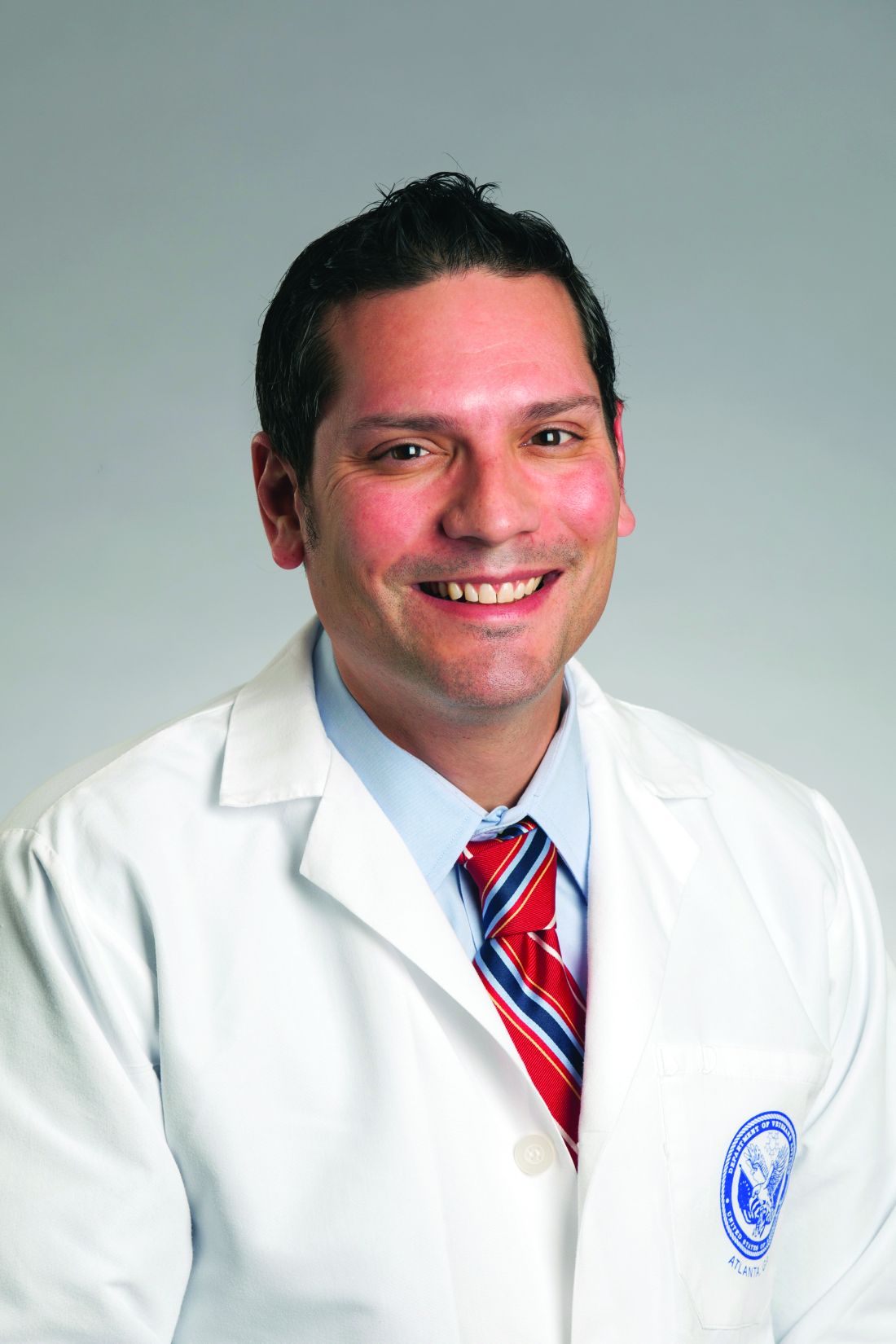
This change, for both workshops and sessions, will allow for more speaker diversity, as well as open the door for new presenters. “We really feel this ability to propose content and speakers will resonate with our members and nonmembers alike, giving them a voice in annual conference planning,” he continued. “Our overall goal is to create new and exciting meeting formats each year that spark interest and promote overall attendee learning.”
Dr. Smith hosted an informational presentation on the process as part of the MEDTalks session on Monday.
When asked about themes for next year’s conference, Dr. Smith stated, “I anticipate that some of the areas of focus will center around health policy, advocacy for patients, and the latest in hospital medicine.” The SHM Annual Meeting Committee is responsible for HM19’s didactic content, the foundation of which will be rooted in hot topics and subject areas in the field. Planning also will take into account momentum and feedback from HM18.
“We have a few innovative and exciting educational tracks at HM18, including The Great Debate and Seasoning Your Career. If they are successful, we hope to offer similar ones next year,” Dr. Smith explained. “Some already popular tracks such as Rapid Fire clinical topics and Clinical Updates will likely remain meeting staples, although their content will certainly change.
“I am a working member of a talented group of incredibly knowledgeable hospitalists who form the Annual Conference Committee for both HM18 and HM19. With amazing SHM leadership and staff liaison guidance and support, we will be planning content for the bulk of the educational portion of next year’s conference,” he noted.
Dr. Smith, an Atlanta native, is an academic hospitalist and assistant chief of medicine for education in the Medical Specialty Care Services Line at the Atlanta Veterans Affairs (VA) Medical Center. He graduated from Emory University in Atlanta and completed his residency at the University of California, San Francisco, with distinction.
“I was immersed in large hospital medicine programs full of terrific practicing hospitalists at both institutions,” Dr. Smith recalled. “It became apparent that, when I completed my training, I wanted to pursue an academic hospital medicine career in a large, urban setting. Being from Atlanta, I wanted to reconnect with Emory, so I accepted a position at the Atlanta VA Medical Center as a hospitalist.” (The Atlanta VA is an Emory academic affiliate.)
The recipient of numerous teaching awards, Dr. Smith is an associate program director for the J. Willis Hurst Internal Medicine Residency Program at Emory, is the chair of the Emory division of hospital medicine Education Council, and has been codirector of the annual Southern Hospital Medicine Conference since 2012. The Emory department of medicine has named him “Distinguished Physician” for his significant clinical contributions.
“I am lucky enough to have been surrounded by great mentors in hospital medicine, both during training and as early- and now mid-career faculty. Mentoring and professional development are really key elements to building a successful and sustainable career in hospital medicine,” he said. “Additionally, I am incredibly humbled and thankful to have the opportunity to care for veterans in my various clinical roles at the Atlanta VA.”
When asked about the field, Dr. Smith said, “In my opinion, hospital medicine is and has been vital for the successful operation of health care and the management of hospitalized patients for more than a decade now. Hospitalists not only provide top-notch care for inpatients but also play so many other important roles in medicine in areas such as quality improvement, practice management, comanagement, research, and education.”
The Call for Content for HM19 – open to both Society of Hospital Medicine members and nonmembers – is being expanded from solely workshop submissions to include speaker and topic proposals.
“The open call for workshops has been in place for a number of years,” said Dustin T. Smith, MD, FHM, an associate professor of medicine at Emory University in Atlanta. Dr. Smith is an HM18 assistant course director and will be the primary course director for HM19. “In the past, we used a targeted survey method to get speaker/topic suggestions for the didactic sessions. The change was made, in part, based on member and annual meeting feedback along with strong SHM leadership support and guidance.”
This change, for both workshops and sessions, will allow for more speaker diversity, as well as open the door for new presenters. “We really feel this ability to propose content and speakers will resonate with our members and nonmembers alike, giving them a voice in annual conference planning,” he continued. “Our overall goal is to create new and exciting meeting formats each year that spark interest and promote overall attendee learning.”
Dr. Smith hosted an informational presentation on the process as part of the MEDTalks session on Monday.
When asked about themes for next year’s conference, Dr. Smith stated, “I anticipate that some of the areas of focus will center around health policy, advocacy for patients, and the latest in hospital medicine.” The SHM Annual Meeting Committee is responsible for HM19’s didactic content, the foundation of which will be rooted in hot topics and subject areas in the field. Planning also will take into account momentum and feedback from HM18.
“We have a few innovative and exciting educational tracks at HM18, including The Great Debate and Seasoning Your Career. If they are successful, we hope to offer similar ones next year,” Dr. Smith explained. “Some already popular tracks such as Rapid Fire clinical topics and Clinical Updates will likely remain meeting staples, although their content will certainly change.
“I am a working member of a talented group of incredibly knowledgeable hospitalists who form the Annual Conference Committee for both HM18 and HM19. With amazing SHM leadership and staff liaison guidance and support, we will be planning content for the bulk of the educational portion of next year’s conference,” he noted.
Dr. Smith, an Atlanta native, is an academic hospitalist and assistant chief of medicine for education in the Medical Specialty Care Services Line at the Atlanta Veterans Affairs (VA) Medical Center. He graduated from Emory University in Atlanta and completed his residency at the University of California, San Francisco, with distinction.
“I was immersed in large hospital medicine programs full of terrific practicing hospitalists at both institutions,” Dr. Smith recalled. “It became apparent that, when I completed my training, I wanted to pursue an academic hospital medicine career in a large, urban setting. Being from Atlanta, I wanted to reconnect with Emory, so I accepted a position at the Atlanta VA Medical Center as a hospitalist.” (The Atlanta VA is an Emory academic affiliate.)
The recipient of numerous teaching awards, Dr. Smith is an associate program director for the J. Willis Hurst Internal Medicine Residency Program at Emory, is the chair of the Emory division of hospital medicine Education Council, and has been codirector of the annual Southern Hospital Medicine Conference since 2012. The Emory department of medicine has named him “Distinguished Physician” for his significant clinical contributions.
“I am lucky enough to have been surrounded by great mentors in hospital medicine, both during training and as early- and now mid-career faculty. Mentoring and professional development are really key elements to building a successful and sustainable career in hospital medicine,” he said. “Additionally, I am incredibly humbled and thankful to have the opportunity to care for veterans in my various clinical roles at the Atlanta VA.”
When asked about the field, Dr. Smith said, “In my opinion, hospital medicine is and has been vital for the successful operation of health care and the management of hospitalized patients for more than a decade now. Hospitalists not only provide top-notch care for inpatients but also play so many other important roles in medicine in areas such as quality improvement, practice management, comanagement, research, and education.”
The Call for Content for HM19 – open to both Society of Hospital Medicine members and nonmembers – is being expanded from solely workshop submissions to include speaker and topic proposals.
“The open call for workshops has been in place for a number of years,” said Dustin T. Smith, MD, FHM, an associate professor of medicine at Emory University in Atlanta. Dr. Smith is an HM18 assistant course director and will be the primary course director for HM19. “In the past, we used a targeted survey method to get speaker/topic suggestions for the didactic sessions. The change was made, in part, based on member and annual meeting feedback along with strong SHM leadership support and guidance.”
This change, for both workshops and sessions, will allow for more speaker diversity, as well as open the door for new presenters. “We really feel this ability to propose content and speakers will resonate with our members and nonmembers alike, giving them a voice in annual conference planning,” he continued. “Our overall goal is to create new and exciting meeting formats each year that spark interest and promote overall attendee learning.”
Dr. Smith hosted an informational presentation on the process as part of the MEDTalks session on Monday.
When asked about themes for next year’s conference, Dr. Smith stated, “I anticipate that some of the areas of focus will center around health policy, advocacy for patients, and the latest in hospital medicine.” The SHM Annual Meeting Committee is responsible for HM19’s didactic content, the foundation of which will be rooted in hot topics and subject areas in the field. Planning also will take into account momentum and feedback from HM18.
“We have a few innovative and exciting educational tracks at HM18, including The Great Debate and Seasoning Your Career. If they are successful, we hope to offer similar ones next year,” Dr. Smith explained. “Some already popular tracks such as Rapid Fire clinical topics and Clinical Updates will likely remain meeting staples, although their content will certainly change.
“I am a working member of a talented group of incredibly knowledgeable hospitalists who form the Annual Conference Committee for both HM18 and HM19. With amazing SHM leadership and staff liaison guidance and support, we will be planning content for the bulk of the educational portion of next year’s conference,” he noted.
Dr. Smith, an Atlanta native, is an academic hospitalist and assistant chief of medicine for education in the Medical Specialty Care Services Line at the Atlanta Veterans Affairs (VA) Medical Center. He graduated from Emory University in Atlanta and completed his residency at the University of California, San Francisco, with distinction.
“I was immersed in large hospital medicine programs full of terrific practicing hospitalists at both institutions,” Dr. Smith recalled. “It became apparent that, when I completed my training, I wanted to pursue an academic hospital medicine career in a large, urban setting. Being from Atlanta, I wanted to reconnect with Emory, so I accepted a position at the Atlanta VA Medical Center as a hospitalist.” (The Atlanta VA is an Emory academic affiliate.)
The recipient of numerous teaching awards, Dr. Smith is an associate program director for the J. Willis Hurst Internal Medicine Residency Program at Emory, is the chair of the Emory division of hospital medicine Education Council, and has been codirector of the annual Southern Hospital Medicine Conference since 2012. The Emory department of medicine has named him “Distinguished Physician” for his significant clinical contributions.
“I am lucky enough to have been surrounded by great mentors in hospital medicine, both during training and as early- and now mid-career faculty. Mentoring and professional development are really key elements to building a successful and sustainable career in hospital medicine,” he said. “Additionally, I am incredibly humbled and thankful to have the opportunity to care for veterans in my various clinical roles at the Atlanta VA.”
When asked about the field, Dr. Smith said, “In my opinion, hospital medicine is and has been vital for the successful operation of health care and the management of hospitalized patients for more than a decade now. Hospitalists not only provide top-notch care for inpatients but also play so many other important roles in medicine in areas such as quality improvement, practice management, comanagement, research, and education.”
Understanding palliative care: An important part of practicing hospital medicine
according to Brett Hendel-Paterson, MD, FHM, a hospitalist at Region’s Hospital in St. Paul, Minn. and a presenter for this session.
Dr. Hendel-Paterson, Jeffrey L. Greenwald, MD, SFHM, of Massachusetts General Hospital, Boston, and Jeffrey Frank, MD, MBA, of Vituity, will each present on the topic of administering palliative care as a hospitalist and why it is important for hospitalists to better understand this area of medicine.
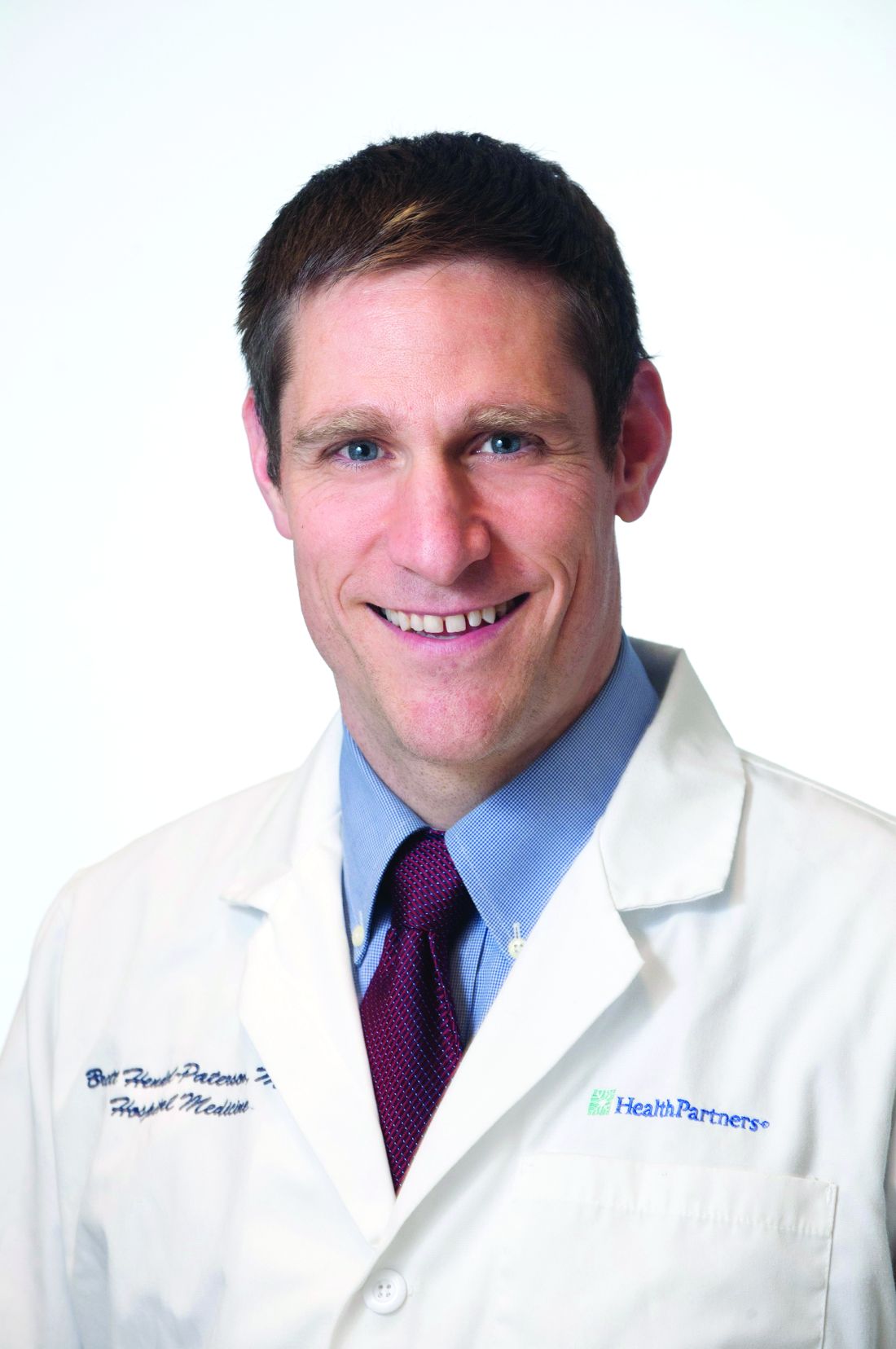
A common misunderstanding about palliative care is that it is end-of-life care only, a misconception within both the medical and patient community. Most people believe that palliative care is associated with the “angel of death,” as Dr. Greenwald stated. Palliative care does encompass end-of-life care but is also associated with life-limiting illness. Both areas of palliative can be improved with better patient communication and symptom management.
As frontline providers at times of critical illness, and throughout illness, hospitalists are ideally positioned to provide palliative care services, Dr. Greenwald stated during an interview.
With hospitalists in such a prominent role in providing palliative care, Dr. Hendel-Paterson offered a detailed explanation about why the information from this session is important for hospitalists.
“The majority of Americans who die in this country die in hospitals. We see and we know that patients sometimes get more aggressive care leading to greater suffering in their final days,” he said. “As hospitalists, we are expected to be the primary physicians in the hospital caring for patients with a variety of health conditions. We are expected to have a basic expertise and be able to independently manage health conditions. For example, we are expected to be able to diagnose and treat pneumonia without consulting infectious disease or pulmonology specialists for basic care. In the same way, we must be able to communicate well with our patients and families and help lead them through discussions of prognosis and advance care planning. Primary palliative care refers to the skill set that includes communications about serious illness and basic symptom management.”
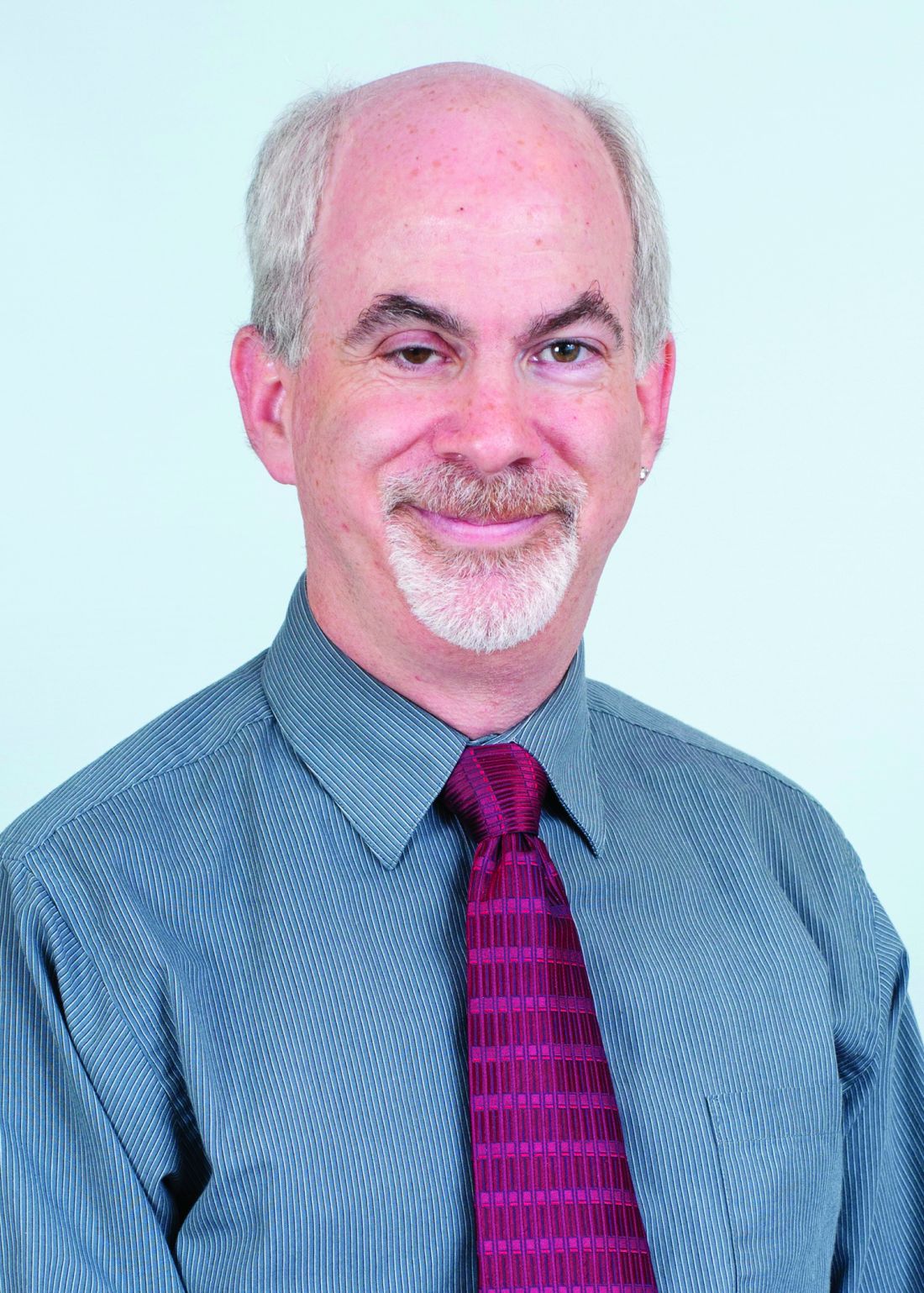
Dr. Greenwald expanded on Dr. Hendel-Paterson’s point concerning the growing need for hospitalists who are competent in palliative care.
“As the population ages, this issue is going to become more and more important for our field, because there isn’t a sufficient pipeline, current state – or predicted future state – of palliative care providers in hospitals to meet the need. So there’s a gap in the need, and that need is increasing.”
According to Dr. Hendel-Paterson, he and his copresenters “hope that, after this session, participants will better understand primary palliative care, take ownership of end-of-life care of their patients, and will be motivated to increase skills in areas where they are lacking.”
Building on this idea of increasing one’s skills as a hospitalist, he emphasized the importance of understanding palliative care.
“The ability to practice high-quality primary palliative care is essential to being a competent hospitalist.”
Primary Palliative Care – What Every Hospitalist Should Know
Wednesday, 10:00-10:40 a.m.
Crystal Ballroom J1
according to Brett Hendel-Paterson, MD, FHM, a hospitalist at Region’s Hospital in St. Paul, Minn. and a presenter for this session.
Dr. Hendel-Paterson, Jeffrey L. Greenwald, MD, SFHM, of Massachusetts General Hospital, Boston, and Jeffrey Frank, MD, MBA, of Vituity, will each present on the topic of administering palliative care as a hospitalist and why it is important for hospitalists to better understand this area of medicine.
A common misunderstanding about palliative care is that it is end-of-life care only, a misconception within both the medical and patient community. Most people believe that palliative care is associated with the “angel of death,” as Dr. Greenwald stated. Palliative care does encompass end-of-life care but is also associated with life-limiting illness. Both areas of palliative can be improved with better patient communication and symptom management.
As frontline providers at times of critical illness, and throughout illness, hospitalists are ideally positioned to provide palliative care services, Dr. Greenwald stated during an interview.
With hospitalists in such a prominent role in providing palliative care, Dr. Hendel-Paterson offered a detailed explanation about why the information from this session is important for hospitalists.
“The majority of Americans who die in this country die in hospitals. We see and we know that patients sometimes get more aggressive care leading to greater suffering in their final days,” he said. “As hospitalists, we are expected to be the primary physicians in the hospital caring for patients with a variety of health conditions. We are expected to have a basic expertise and be able to independently manage health conditions. For example, we are expected to be able to diagnose and treat pneumonia without consulting infectious disease or pulmonology specialists for basic care. In the same way, we must be able to communicate well with our patients and families and help lead them through discussions of prognosis and advance care planning. Primary palliative care refers to the skill set that includes communications about serious illness and basic symptom management.”
Dr. Greenwald expanded on Dr. Hendel-Paterson’s point concerning the growing need for hospitalists who are competent in palliative care.
“As the population ages, this issue is going to become more and more important for our field, because there isn’t a sufficient pipeline, current state – or predicted future state – of palliative care providers in hospitals to meet the need. So there’s a gap in the need, and that need is increasing.”
According to Dr. Hendel-Paterson, he and his copresenters “hope that, after this session, participants will better understand primary palliative care, take ownership of end-of-life care of their patients, and will be motivated to increase skills in areas where they are lacking.”
Building on this idea of increasing one’s skills as a hospitalist, he emphasized the importance of understanding palliative care.
“The ability to practice high-quality primary palliative care is essential to being a competent hospitalist.”
Primary Palliative Care – What Every Hospitalist Should Know
Wednesday, 10:00-10:40 a.m.
Crystal Ballroom J1
according to Brett Hendel-Paterson, MD, FHM, a hospitalist at Region’s Hospital in St. Paul, Minn. and a presenter for this session.
Dr. Hendel-Paterson, Jeffrey L. Greenwald, MD, SFHM, of Massachusetts General Hospital, Boston, and Jeffrey Frank, MD, MBA, of Vituity, will each present on the topic of administering palliative care as a hospitalist and why it is important for hospitalists to better understand this area of medicine.
A common misunderstanding about palliative care is that it is end-of-life care only, a misconception within both the medical and patient community. Most people believe that palliative care is associated with the “angel of death,” as Dr. Greenwald stated. Palliative care does encompass end-of-life care but is also associated with life-limiting illness. Both areas of palliative can be improved with better patient communication and symptom management.
As frontline providers at times of critical illness, and throughout illness, hospitalists are ideally positioned to provide palliative care services, Dr. Greenwald stated during an interview.
With hospitalists in such a prominent role in providing palliative care, Dr. Hendel-Paterson offered a detailed explanation about why the information from this session is important for hospitalists.
“The majority of Americans who die in this country die in hospitals. We see and we know that patients sometimes get more aggressive care leading to greater suffering in their final days,” he said. “As hospitalists, we are expected to be the primary physicians in the hospital caring for patients with a variety of health conditions. We are expected to have a basic expertise and be able to independently manage health conditions. For example, we are expected to be able to diagnose and treat pneumonia without consulting infectious disease or pulmonology specialists for basic care. In the same way, we must be able to communicate well with our patients and families and help lead them through discussions of prognosis and advance care planning. Primary palliative care refers to the skill set that includes communications about serious illness and basic symptom management.”
Dr. Greenwald expanded on Dr. Hendel-Paterson’s point concerning the growing need for hospitalists who are competent in palliative care.
“As the population ages, this issue is going to become more and more important for our field, because there isn’t a sufficient pipeline, current state – or predicted future state – of palliative care providers in hospitals to meet the need. So there’s a gap in the need, and that need is increasing.”
According to Dr. Hendel-Paterson, he and his copresenters “hope that, after this session, participants will better understand primary palliative care, take ownership of end-of-life care of their patients, and will be motivated to increase skills in areas where they are lacking.”
Building on this idea of increasing one’s skills as a hospitalist, he emphasized the importance of understanding palliative care.
“The ability to practice high-quality primary palliative care is essential to being a competent hospitalist.”
Primary Palliative Care – What Every Hospitalist Should Know
Wednesday, 10:00-10:40 a.m.
Crystal Ballroom J1
Using data to drive quality improvement projects
Measuring and analyzing data is essential for any quality improvement project. Data can validate whether an anecdotal assumption indicates the need for a quality improvement initiative and can help showcase the success of any intervention.
At today’s session, “Using Data to Inform Quality Improvement,” attendees will learn how to develop balanced metrics for quality improvement projects, understand distinctions between quality improvement and traditional research projects, and identify how different measures of the same data can tell vastly different stories.
The session will be divided into three 20-minute sections. Ethan Kuperman, MD, MSc, FHM, clinical assistant professor, University of Iowa Health Care, Iowa City, will begin by discussing how to develop balanced metrics by exploring a venous thromboembolism prophylaxis quality improvement project.
Next, Aparna Kamath, MD, MS, SFHM, assistant professor and academic hospitalist, Duke University Health System, Durham, N.C., will demonstrate the distinction between quality improvement and research by exploring medication reconciliation. “I will also emphasize the need for feasibility and rigor in data gathering and analysis in addition to accuracy when doing a quality improvement project,” she said. “Our workshop will make these tasks less daunting for hospitalists doing quality improvement projects.”
Finally, Justin Glasgow, MD, PhD, inpatient medicine faculty and Value Institute senior clinical scholar, Christiana Care Health System, Newark, Del., will explore how improper data definitions led to differing interpretations while developing and deploying an early warning system. “Attendees will learn how to design a quality improvement project to ensure that they measure interventions in a manner that ensures they have had true success, while not creating any unintended consequences,” Dr. Glasgow said.
“The session is important as it will help attendees develop successful projects that their colleagues will respect and that their bosses will admire,” added Dr. Glasgow. “They will gain confidence to turn their experience into distributable scholarship.”
“Hospitalists at all stages of their careers can benefit from this presentation,” Dr. Kuperman said. “Whether you’re preparing for your first quality improvement project or getting ready for a systemwide redesign, collecting the wrong data or misusing collected data can ruin your results or lead you to the wrong conclusions.”
Each of the three presenters are well versed on the topic and have successfully analyzed data for numerous quality improvement projects and presented these data both in publications and in presentations, including for the Society of Hospital Medicine.
“My best qualification for this talk is the number of times I’ve messed up,” Dr. Kuperman said. “Early in my career, I had several projects in which I spent valuable resources creating an initiative, rolling out the implementation, and then wasn’t able to capture reliable outcomes – ruining the chances for scholarship or renewal.”
Through this presentation, Dr. Kuperman hopes that he can reach other hospitalists and soon-to-be hospitalists and teach them some hard-earned lessons so that they can be more successful from the start.
None of the three presenters have any financial disclosures.
Using Data to Inform Quality Improvement
Wednesday, 8:40-9:40 a.m.
Crystal Ballroom G1/A&B
Measuring and analyzing data is essential for any quality improvement project. Data can validate whether an anecdotal assumption indicates the need for a quality improvement initiative and can help showcase the success of any intervention.
At today’s session, “Using Data to Inform Quality Improvement,” attendees will learn how to develop balanced metrics for quality improvement projects, understand distinctions between quality improvement and traditional research projects, and identify how different measures of the same data can tell vastly different stories.
The session will be divided into three 20-minute sections. Ethan Kuperman, MD, MSc, FHM, clinical assistant professor, University of Iowa Health Care, Iowa City, will begin by discussing how to develop balanced metrics by exploring a venous thromboembolism prophylaxis quality improvement project.
Next, Aparna Kamath, MD, MS, SFHM, assistant professor and academic hospitalist, Duke University Health System, Durham, N.C., will demonstrate the distinction between quality improvement and research by exploring medication reconciliation. “I will also emphasize the need for feasibility and rigor in data gathering and analysis in addition to accuracy when doing a quality improvement project,” she said. “Our workshop will make these tasks less daunting for hospitalists doing quality improvement projects.”
Finally, Justin Glasgow, MD, PhD, inpatient medicine faculty and Value Institute senior clinical scholar, Christiana Care Health System, Newark, Del., will explore how improper data definitions led to differing interpretations while developing and deploying an early warning system. “Attendees will learn how to design a quality improvement project to ensure that they measure interventions in a manner that ensures they have had true success, while not creating any unintended consequences,” Dr. Glasgow said.
“The session is important as it will help attendees develop successful projects that their colleagues will respect and that their bosses will admire,” added Dr. Glasgow. “They will gain confidence to turn their experience into distributable scholarship.”
“Hospitalists at all stages of their careers can benefit from this presentation,” Dr. Kuperman said. “Whether you’re preparing for your first quality improvement project or getting ready for a systemwide redesign, collecting the wrong data or misusing collected data can ruin your results or lead you to the wrong conclusions.”
Each of the three presenters are well versed on the topic and have successfully analyzed data for numerous quality improvement projects and presented these data both in publications and in presentations, including for the Society of Hospital Medicine.
“My best qualification for this talk is the number of times I’ve messed up,” Dr. Kuperman said. “Early in my career, I had several projects in which I spent valuable resources creating an initiative, rolling out the implementation, and then wasn’t able to capture reliable outcomes – ruining the chances for scholarship or renewal.”
Through this presentation, Dr. Kuperman hopes that he can reach other hospitalists and soon-to-be hospitalists and teach them some hard-earned lessons so that they can be more successful from the start.
None of the three presenters have any financial disclosures.
Using Data to Inform Quality Improvement
Wednesday, 8:40-9:40 a.m.
Crystal Ballroom G1/A&B
Measuring and analyzing data is essential for any quality improvement project. Data can validate whether an anecdotal assumption indicates the need for a quality improvement initiative and can help showcase the success of any intervention.
At today’s session, “Using Data to Inform Quality Improvement,” attendees will learn how to develop balanced metrics for quality improvement projects, understand distinctions between quality improvement and traditional research projects, and identify how different measures of the same data can tell vastly different stories.
The session will be divided into three 20-minute sections. Ethan Kuperman, MD, MSc, FHM, clinical assistant professor, University of Iowa Health Care, Iowa City, will begin by discussing how to develop balanced metrics by exploring a venous thromboembolism prophylaxis quality improvement project.
Next, Aparna Kamath, MD, MS, SFHM, assistant professor and academic hospitalist, Duke University Health System, Durham, N.C., will demonstrate the distinction between quality improvement and research by exploring medication reconciliation. “I will also emphasize the need for feasibility and rigor in data gathering and analysis in addition to accuracy when doing a quality improvement project,” she said. “Our workshop will make these tasks less daunting for hospitalists doing quality improvement projects.”
Finally, Justin Glasgow, MD, PhD, inpatient medicine faculty and Value Institute senior clinical scholar, Christiana Care Health System, Newark, Del., will explore how improper data definitions led to differing interpretations while developing and deploying an early warning system. “Attendees will learn how to design a quality improvement project to ensure that they measure interventions in a manner that ensures they have had true success, while not creating any unintended consequences,” Dr. Glasgow said.
“The session is important as it will help attendees develop successful projects that their colleagues will respect and that their bosses will admire,” added Dr. Glasgow. “They will gain confidence to turn their experience into distributable scholarship.”
“Hospitalists at all stages of their careers can benefit from this presentation,” Dr. Kuperman said. “Whether you’re preparing for your first quality improvement project or getting ready for a systemwide redesign, collecting the wrong data or misusing collected data can ruin your results or lead you to the wrong conclusions.”
Each of the three presenters are well versed on the topic and have successfully analyzed data for numerous quality improvement projects and presented these data both in publications and in presentations, including for the Society of Hospital Medicine.
“My best qualification for this talk is the number of times I’ve messed up,” Dr. Kuperman said. “Early in my career, I had several projects in which I spent valuable resources creating an initiative, rolling out the implementation, and then wasn’t able to capture reliable outcomes – ruining the chances for scholarship or renewal.”
Through this presentation, Dr. Kuperman hopes that he can reach other hospitalists and soon-to-be hospitalists and teach them some hard-earned lessons so that they can be more successful from the start.
None of the three presenters have any financial disclosures.
Using Data to Inform Quality Improvement
Wednesday, 8:40-9:40 a.m.
Crystal Ballroom G1/A&B