User login
ALTITUDE Study: Inappropriate ICD Shocks Don't Increase Mortality
SAN FRANCISCO – Inappropriate implantable cardioverter defibrillator shocks for atrial fibrillation/flutter lead to increased risk of death during the next several years, while inappropriate shocks for sinus tachycardia, supraventricular tachycardia, artifact, noise, or device oversensing are associated with the same survival as in patients who did not receive a shock.
This was the key finding in the ALTITUDE study, the first study large enough to permit subgroup analysis in patients who receive inappropriate shocks for different heart rhythms.

The ALTITUDE results go a long way toward solving a mystery that has puzzled electrophysiologists in recent years: Why do the landmark clinical trials of implantable cardioverter defibrillator (ICD) therapy and cardiac resynchronization therapy plus defibrillation (CRT-D) consistently show that inappropriate shocks are associated with decreased survival, compared with no shocks? Could it be that inappropriate shocks, besides being painful and anxiety-provoking, are actually killing patients?
"In this study, the adverse prognosis following an ICD shock may likely be related to the underlying arrhythmia and its associated disease process rather than to an adverse effect from the shock itself," Dr. Brian Powell explained in presenting the ALTITUDE data at the annual meeting of the Heart Rhythm Society.
ALTITUDE involved 3,814 patients with an ICD or CRT-D enrolled in Boston Scientific’s proprietary Latitude remote monitoring system. The patients were followed for an average of 25 months after they experienced their first shock. A panel of seven electrophysiologists adjudicated the first shock episode rhythms. Within each rhythm category, the 3,814 patients with a shock were then matched one to one – based on device type, age at implant, and sex – to patients without a shock.
The most common inappropriately shocked rhythm was monomorphic ventricular tachycardia, accounting for 36% of all cases. This was followed by atrial fibrillation (AF)/flutter at 18%, sinus tachycardia or supraventricular tachycardia (SVT) at 17%, ventricular fibrillation (VF) or polymorphic ventricular tachycardia (VT) at 16%, polymorphic and monomorphic ventricular tachycardia at 7%, noise/artifact/oversensing in 5%, and nonsustained arrhythmia in 1%.
Three-year overall survival was best in patients shocked inappropriately for sinus tachycardia or SVT at 83.9%, followed by 81.3% for noise/artifact/oversensing, then a significantly worse rate of 76.4% in those shocked for AF/flutter, and 68% in patients shocked for VF/VT.
Within the group who received inappropriate shocks, patients shocked for sinus tachycardia or SVT had a 29% lower risk of death than did those shocked for AF/flutter. Patients shocked because of noise/artifact/oversensing had a 42% lower risk of death than did those shocked for atrial arrhythmias, reported Dr. Powell of the Mayo Clinic, Rochester, Minn.
Compared with patients who received no shocks in the separate matched-pair analysis, those who received a shock for AF/flutter were at 1.6-fold greater risk for mortality, similar to the 1.65-fold increase in patients shocked for monomorphic VT. Patients shocked for nonsustained VT had a 2.17-fold increased mortality risk, those shocked for monomorphic and polymorphic VT had a 2.77-fold elevated risk, and patients who received a shock for VF/polymorphic VT were at 2.1-fold increased risk of mortality. In contrast, patients shocked for sinus tachycardia/SVT or for noise/artifact/oversensing had a mortality rate similar to patients with the same arrhythmia who weren’t shocked, he continued.
Why should inappropriate shocks in the setting of AF/flutter be associated with an increased risk of death? One possibility is that some of the shocks that convert these arrhythmias to normal sinus rhythm may have occurred in patients who were not being anticoagulated at the time, thus exposing them to increased risk of stroke.
Another possibility is that delivery of a shock in a patient with AF/flutter may be a marker for inadequately dosed beta-blocker therapy. Beta-blockers are known to improve survival in this population. When the drug is underdosed, AF episodes can be accompanied by rapid ventricular rates that cause the device detection criteria to call for a shock, according to Dr. Powell.
He stressed that while the ALTITUDE findings are reassuring, it’s still very important to program ICDs and CRT-Ds using all available methods to avoid unnecessary shocks, since they cause patients considerable anxiety and discomfort.
Discussant Dr. Michael R. Gold said ALTITUDE nicely demonstrates the power of these very large telemonitoring databases to generate important research results when the studies are carefully conducted, like this one, with its rigorous adjudication of events. And he fully agreed with Dr. Powell’s interpretation of the findings.
"ALTITUDE provides further evidence that it’s likely the arrhythmia substrate and not the shocks themselves that are killing people," added Dr. Gold, professor of medicine, chief of cardiology, and medical director of the heart and vascular center at the Medical University of South Carolina, Charleston.
Dr. Powell disclosed that he serves as a consultant to Boston Scientific, which sponsored ALTITUDE.
SAN FRANCISCO – Inappropriate implantable cardioverter defibrillator shocks for atrial fibrillation/flutter lead to increased risk of death during the next several years, while inappropriate shocks for sinus tachycardia, supraventricular tachycardia, artifact, noise, or device oversensing are associated with the same survival as in patients who did not receive a shock.
This was the key finding in the ALTITUDE study, the first study large enough to permit subgroup analysis in patients who receive inappropriate shocks for different heart rhythms.
The ALTITUDE results go a long way toward solving a mystery that has puzzled electrophysiologists in recent years: Why do the landmark clinical trials of implantable cardioverter defibrillator (ICD) therapy and cardiac resynchronization therapy plus defibrillation (CRT-D) consistently show that inappropriate shocks are associated with decreased survival, compared with no shocks? Could it be that inappropriate shocks, besides being painful and anxiety-provoking, are actually killing patients?
"In this study, the adverse prognosis following an ICD shock may likely be related to the underlying arrhythmia and its associated disease process rather than to an adverse effect from the shock itself," Dr. Brian Powell explained in presenting the ALTITUDE data at the annual meeting of the Heart Rhythm Society.
ALTITUDE involved 3,814 patients with an ICD or CRT-D enrolled in Boston Scientific’s proprietary Latitude remote monitoring system. The patients were followed for an average of 25 months after they experienced their first shock. A panel of seven electrophysiologists adjudicated the first shock episode rhythms. Within each rhythm category, the 3,814 patients with a shock were then matched one to one – based on device type, age at implant, and sex – to patients without a shock.
The most common inappropriately shocked rhythm was monomorphic ventricular tachycardia, accounting for 36% of all cases. This was followed by atrial fibrillation (AF)/flutter at 18%, sinus tachycardia or supraventricular tachycardia (SVT) at 17%, ventricular fibrillation (VF) or polymorphic ventricular tachycardia (VT) at 16%, polymorphic and monomorphic ventricular tachycardia at 7%, noise/artifact/oversensing in 5%, and nonsustained arrhythmia in 1%.
Three-year overall survival was best in patients shocked inappropriately for sinus tachycardia or SVT at 83.9%, followed by 81.3% for noise/artifact/oversensing, then a significantly worse rate of 76.4% in those shocked for AF/flutter, and 68% in patients shocked for VF/VT.
Within the group who received inappropriate shocks, patients shocked for sinus tachycardia or SVT had a 29% lower risk of death than did those shocked for AF/flutter. Patients shocked because of noise/artifact/oversensing had a 42% lower risk of death than did those shocked for atrial arrhythmias, reported Dr. Powell of the Mayo Clinic, Rochester, Minn.
Compared with patients who received no shocks in the separate matched-pair analysis, those who received a shock for AF/flutter were at 1.6-fold greater risk for mortality, similar to the 1.65-fold increase in patients shocked for monomorphic VT. Patients shocked for nonsustained VT had a 2.17-fold increased mortality risk, those shocked for monomorphic and polymorphic VT had a 2.77-fold elevated risk, and patients who received a shock for VF/polymorphic VT were at 2.1-fold increased risk of mortality. In contrast, patients shocked for sinus tachycardia/SVT or for noise/artifact/oversensing had a mortality rate similar to patients with the same arrhythmia who weren’t shocked, he continued.
Why should inappropriate shocks in the setting of AF/flutter be associated with an increased risk of death? One possibility is that some of the shocks that convert these arrhythmias to normal sinus rhythm may have occurred in patients who were not being anticoagulated at the time, thus exposing them to increased risk of stroke.
Another possibility is that delivery of a shock in a patient with AF/flutter may be a marker for inadequately dosed beta-blocker therapy. Beta-blockers are known to improve survival in this population. When the drug is underdosed, AF episodes can be accompanied by rapid ventricular rates that cause the device detection criteria to call for a shock, according to Dr. Powell.
He stressed that while the ALTITUDE findings are reassuring, it’s still very important to program ICDs and CRT-Ds using all available methods to avoid unnecessary shocks, since they cause patients considerable anxiety and discomfort.
Discussant Dr. Michael R. Gold said ALTITUDE nicely demonstrates the power of these very large telemonitoring databases to generate important research results when the studies are carefully conducted, like this one, with its rigorous adjudication of events. And he fully agreed with Dr. Powell’s interpretation of the findings.
"ALTITUDE provides further evidence that it’s likely the arrhythmia substrate and not the shocks themselves that are killing people," added Dr. Gold, professor of medicine, chief of cardiology, and medical director of the heart and vascular center at the Medical University of South Carolina, Charleston.
Dr. Powell disclosed that he serves as a consultant to Boston Scientific, which sponsored ALTITUDE.
SAN FRANCISCO – Inappropriate implantable cardioverter defibrillator shocks for atrial fibrillation/flutter lead to increased risk of death during the next several years, while inappropriate shocks for sinus tachycardia, supraventricular tachycardia, artifact, noise, or device oversensing are associated with the same survival as in patients who did not receive a shock.
This was the key finding in the ALTITUDE study, the first study large enough to permit subgroup analysis in patients who receive inappropriate shocks for different heart rhythms.
The ALTITUDE results go a long way toward solving a mystery that has puzzled electrophysiologists in recent years: Why do the landmark clinical trials of implantable cardioverter defibrillator (ICD) therapy and cardiac resynchronization therapy plus defibrillation (CRT-D) consistently show that inappropriate shocks are associated with decreased survival, compared with no shocks? Could it be that inappropriate shocks, besides being painful and anxiety-provoking, are actually killing patients?
"In this study, the adverse prognosis following an ICD shock may likely be related to the underlying arrhythmia and its associated disease process rather than to an adverse effect from the shock itself," Dr. Brian Powell explained in presenting the ALTITUDE data at the annual meeting of the Heart Rhythm Society.
ALTITUDE involved 3,814 patients with an ICD or CRT-D enrolled in Boston Scientific’s proprietary Latitude remote monitoring system. The patients were followed for an average of 25 months after they experienced their first shock. A panel of seven electrophysiologists adjudicated the first shock episode rhythms. Within each rhythm category, the 3,814 patients with a shock were then matched one to one – based on device type, age at implant, and sex – to patients without a shock.
The most common inappropriately shocked rhythm was monomorphic ventricular tachycardia, accounting for 36% of all cases. This was followed by atrial fibrillation (AF)/flutter at 18%, sinus tachycardia or supraventricular tachycardia (SVT) at 17%, ventricular fibrillation (VF) or polymorphic ventricular tachycardia (VT) at 16%, polymorphic and monomorphic ventricular tachycardia at 7%, noise/artifact/oversensing in 5%, and nonsustained arrhythmia in 1%.
Three-year overall survival was best in patients shocked inappropriately for sinus tachycardia or SVT at 83.9%, followed by 81.3% for noise/artifact/oversensing, then a significantly worse rate of 76.4% in those shocked for AF/flutter, and 68% in patients shocked for VF/VT.
Within the group who received inappropriate shocks, patients shocked for sinus tachycardia or SVT had a 29% lower risk of death than did those shocked for AF/flutter. Patients shocked because of noise/artifact/oversensing had a 42% lower risk of death than did those shocked for atrial arrhythmias, reported Dr. Powell of the Mayo Clinic, Rochester, Minn.
Compared with patients who received no shocks in the separate matched-pair analysis, those who received a shock for AF/flutter were at 1.6-fold greater risk for mortality, similar to the 1.65-fold increase in patients shocked for monomorphic VT. Patients shocked for nonsustained VT had a 2.17-fold increased mortality risk, those shocked for monomorphic and polymorphic VT had a 2.77-fold elevated risk, and patients who received a shock for VF/polymorphic VT were at 2.1-fold increased risk of mortality. In contrast, patients shocked for sinus tachycardia/SVT or for noise/artifact/oversensing had a mortality rate similar to patients with the same arrhythmia who weren’t shocked, he continued.
Why should inappropriate shocks in the setting of AF/flutter be associated with an increased risk of death? One possibility is that some of the shocks that convert these arrhythmias to normal sinus rhythm may have occurred in patients who were not being anticoagulated at the time, thus exposing them to increased risk of stroke.
Another possibility is that delivery of a shock in a patient with AF/flutter may be a marker for inadequately dosed beta-blocker therapy. Beta-blockers are known to improve survival in this population. When the drug is underdosed, AF episodes can be accompanied by rapid ventricular rates that cause the device detection criteria to call for a shock, according to Dr. Powell.
He stressed that while the ALTITUDE findings are reassuring, it’s still very important to program ICDs and CRT-Ds using all available methods to avoid unnecessary shocks, since they cause patients considerable anxiety and discomfort.
Discussant Dr. Michael R. Gold said ALTITUDE nicely demonstrates the power of these very large telemonitoring databases to generate important research results when the studies are carefully conducted, like this one, with its rigorous adjudication of events. And he fully agreed with Dr. Powell’s interpretation of the findings.
"ALTITUDE provides further evidence that it’s likely the arrhythmia substrate and not the shocks themselves that are killing people," added Dr. Gold, professor of medicine, chief of cardiology, and medical director of the heart and vascular center at the Medical University of South Carolina, Charleston.
Dr. Powell disclosed that he serves as a consultant to Boston Scientific, which sponsored ALTITUDE.
FROM THE ANNUAL MEETING OF THE HEART RHYTHM SOCIETY
Major Finding: Of patients who received inappropriate shocks, those shocked for sinus tachycardia or SVT had a 29% lower risk of death than did those shocked for AF/flutter. Patients shocked because of noise/artifact/oversensing had a 42% lower risk of death than did those shocked for atrial arrhythmias.
Data Source: 3,814 telemonitored patients who received a first ICD or CRT-D shock and were then followed for 25 months.
Disclosures: Dr. Powell serves as a consultant to Boston Scientific, which funded the ALTITUDE study.
ALTITUDE Study: Inappropriate ICD Shocks Don't Increase Mortality
SAN FRANCISCO – Inappropriate implantable cardioverter defibrillator shocks for atrial fibrillation/flutter lead to increased risk of death during the next several years, while inappropriate shocks for sinus tachycardia, supraventricular tachycardia, artifact, noise, or device oversensing are associated with the same survival as in patients who did not receive a shock.
This was the key finding in the ALTITUDE study, the first study large enough to permit subgroup analysis in patients who receive inappropriate shocks for different heart rhythms.
The ALTITUDE results go a long way toward solving a mystery that has puzzled electrophysiologists in recent years: Why do the landmark clinical trials of implantable cardioverter defibrillator (ICD) therapy and cardiac resynchronization therapy plus defibrillation (CRT-D) consistently show that inappropriate shocks are associated with decreased survival, compared with no shocks? Could it be that inappropriate shocks, besides being painful and anxiety-provoking, are actually killing patients?
"In this study, the adverse prognosis following an ICD shock may likely be related to the underlying arrhythmia and its associated disease process rather than to an adverse effect from the shock itself," Dr. Brian Powell explained in presenting the ALTITUDE data at the annual meeting of the Heart Rhythm Society.
ALTITUDE involved 3,814 patients with an ICD or CRT-D enrolled in Boston Scientific’s proprietary Latitude remote monitoring system. The patients were followed for an average of 25 months after they experienced their first shock. A panel of seven electrophysiologists adjudicated the first shock episode rhythms. Within each rhythm category, the 3,814 patients with a shock were then matched one to one – based on device type, age at implant, and sex – to patients without a shock.
The most common inappropriately shocked rhythm was monomorphic ventricular tachycardia, accounting for 36% of all cases. This was followed by atrial fibrillation (AF)/flutter at 18%, sinus tachycardia or supraventricular tachycardia (SVT) at 17%, ventricular fibrillation (VF) or polymorphic ventricular tachycardia (VT) at 16%, polymorphic and monomorphic ventricular tachycardia at 7%, noise/artifact/oversensing in 5%, and nonsustained arrhythmia in 1%.
Three-year overall survival was best in patients shocked inappropriately for sinus tachycardia or SVT at 83.9%, followed by 81.3% for noise/artifact/oversensing, then a significantly worse rate of 76.4% in those shocked for AF/flutter, and 68% in patients shocked for VF/VT.
Within the group who received inappropriate shocks, patients shocked for sinus tachycardia or SVT had a 29% lower risk of death than did those shocked for AF/flutter. Patients shocked because of noise/artifact/oversensing had a 42% lower risk of death than did those shocked for atrial arrhythmias, reported Dr. Powell of the Mayo Clinic, Rochester, Minn.
Compared with patients who received no shocks in the separate matched-pair analysis, those who received a shock for AF/flutter were at 1.6-fold greater risk for mortality, similar to the 1.65-fold increase in patients shocked for monomorphic VT. Patients shocked for nonsustained VT had a 2.17-fold increased mortality risk, those shocked for monomorphic and polymorphic VT had a 2.77-fold elevated risk, and patients who received a shock for VF/polymorphic VT were at 2.1-fold increased risk of mortality. In contrast, patients shocked for sinus tachycardia/SVT or for noise/artifact/oversensing had a mortality rate similar to patients with the same arrhythmia who weren’t shocked, he continued.
Why should inappropriate shocks in the setting of AF/flutter be associated with an increased risk of death? One possibility is that some of the shocks that convert these arrhythmias to normal sinus rhythm may have occurred in patients who were not being anticoagulated at the time, thus exposing them to increased risk of stroke.
Another possibility is that delivery of a shock in a patient with AF/flutter may be a marker for inadequately dosed beta-blocker therapy. Beta-blockers are known to improve survival in this population. When the drug is underdosed, AF episodes can be accompanied by rapid ventricular rates that cause the device detection criteria to call for a shock, according to Dr. Powell.
He stressed that while the ALTITUDE findings are reassuring, it’s still very important to program ICDs and CRT-Ds using all available methods to avoid unnecessary shocks, since they cause patients considerable anxiety and discomfort.
Discussant Dr. Michael R. Gold said ALTITUDE nicely demonstrates the power of these very large telemonitoring databases to generate important research results when the studies are carefully conducted, like this one, with its rigorous adjudication of events. And he fully agreed with Dr. Powell’s interpretation of the findings.
"ALTITUDE provides further evidence that it’s likely the arrhythmia substrate and not the shocks themselves that are killing people," added Dr. Gold, professor of medicine, chief of cardiology, and medical director of the heart and vascular center at the Medical University of South Carolina, Charleston.
Dr. Powell disclosed that he serves as a consultant to Boston Scientific, which sponsored ALTITUDE.
SAN FRANCISCO – Inappropriate implantable cardioverter defibrillator shocks for atrial fibrillation/flutter lead to increased risk of death during the next several years, while inappropriate shocks for sinus tachycardia, supraventricular tachycardia, artifact, noise, or device oversensing are associated with the same survival as in patients who did not receive a shock.
This was the key finding in the ALTITUDE study, the first study large enough to permit subgroup analysis in patients who receive inappropriate shocks for different heart rhythms.
The ALTITUDE results go a long way toward solving a mystery that has puzzled electrophysiologists in recent years: Why do the landmark clinical trials of implantable cardioverter defibrillator (ICD) therapy and cardiac resynchronization therapy plus defibrillation (CRT-D) consistently show that inappropriate shocks are associated with decreased survival, compared with no shocks? Could it be that inappropriate shocks, besides being painful and anxiety-provoking, are actually killing patients?
"In this study, the adverse prognosis following an ICD shock may likely be related to the underlying arrhythmia and its associated disease process rather than to an adverse effect from the shock itself," Dr. Brian Powell explained in presenting the ALTITUDE data at the annual meeting of the Heart Rhythm Society.
ALTITUDE involved 3,814 patients with an ICD or CRT-D enrolled in Boston Scientific’s proprietary Latitude remote monitoring system. The patients were followed for an average of 25 months after they experienced their first shock. A panel of seven electrophysiologists adjudicated the first shock episode rhythms. Within each rhythm category, the 3,814 patients with a shock were then matched one to one – based on device type, age at implant, and sex – to patients without a shock.
The most common inappropriately shocked rhythm was monomorphic ventricular tachycardia, accounting for 36% of all cases. This was followed by atrial fibrillation (AF)/flutter at 18%, sinus tachycardia or supraventricular tachycardia (SVT) at 17%, ventricular fibrillation (VF) or polymorphic ventricular tachycardia (VT) at 16%, polymorphic and monomorphic ventricular tachycardia at 7%, noise/artifact/oversensing in 5%, and nonsustained arrhythmia in 1%.
Three-year overall survival was best in patients shocked inappropriately for sinus tachycardia or SVT at 83.9%, followed by 81.3% for noise/artifact/oversensing, then a significantly worse rate of 76.4% in those shocked for AF/flutter, and 68% in patients shocked for VF/VT.
Within the group who received inappropriate shocks, patients shocked for sinus tachycardia or SVT had a 29% lower risk of death than did those shocked for AF/flutter. Patients shocked because of noise/artifact/oversensing had a 42% lower risk of death than did those shocked for atrial arrhythmias, reported Dr. Powell of the Mayo Clinic, Rochester, Minn.
Compared with patients who received no shocks in the separate matched-pair analysis, those who received a shock for AF/flutter were at 1.6-fold greater risk for mortality, similar to the 1.65-fold increase in patients shocked for monomorphic VT. Patients shocked for nonsustained VT had a 2.17-fold increased mortality risk, those shocked for monomorphic and polymorphic VT had a 2.77-fold elevated risk, and patients who received a shock for VF/polymorphic VT were at 2.1-fold increased risk of mortality. In contrast, patients shocked for sinus tachycardia/SVT or for noise/artifact/oversensing had a mortality rate similar to patients with the same arrhythmia who weren’t shocked, he continued.
Why should inappropriate shocks in the setting of AF/flutter be associated with an increased risk of death? One possibility is that some of the shocks that convert these arrhythmias to normal sinus rhythm may have occurred in patients who were not being anticoagulated at the time, thus exposing them to increased risk of stroke.
Another possibility is that delivery of a shock in a patient with AF/flutter may be a marker for inadequately dosed beta-blocker therapy. Beta-blockers are known to improve survival in this population. When the drug is underdosed, AF episodes can be accompanied by rapid ventricular rates that cause the device detection criteria to call for a shock, according to Dr. Powell.
He stressed that while the ALTITUDE findings are reassuring, it’s still very important to program ICDs and CRT-Ds using all available methods to avoid unnecessary shocks, since they cause patients considerable anxiety and discomfort.
Discussant Dr. Michael R. Gold said ALTITUDE nicely demonstrates the power of these very large telemonitoring databases to generate important research results when the studies are carefully conducted, like this one, with its rigorous adjudication of events. And he fully agreed with Dr. Powell’s interpretation of the findings.
"ALTITUDE provides further evidence that it’s likely the arrhythmia substrate and not the shocks themselves that are killing people," added Dr. Gold, professor of medicine, chief of cardiology, and medical director of the heart and vascular center at the Medical University of South Carolina, Charleston.
Dr. Powell disclosed that he serves as a consultant to Boston Scientific, which sponsored ALTITUDE.
SAN FRANCISCO – Inappropriate implantable cardioverter defibrillator shocks for atrial fibrillation/flutter lead to increased risk of death during the next several years, while inappropriate shocks for sinus tachycardia, supraventricular tachycardia, artifact, noise, or device oversensing are associated with the same survival as in patients who did not receive a shock.
This was the key finding in the ALTITUDE study, the first study large enough to permit subgroup analysis in patients who receive inappropriate shocks for different heart rhythms.
The ALTITUDE results go a long way toward solving a mystery that has puzzled electrophysiologists in recent years: Why do the landmark clinical trials of implantable cardioverter defibrillator (ICD) therapy and cardiac resynchronization therapy plus defibrillation (CRT-D) consistently show that inappropriate shocks are associated with decreased survival, compared with no shocks? Could it be that inappropriate shocks, besides being painful and anxiety-provoking, are actually killing patients?
"In this study, the adverse prognosis following an ICD shock may likely be related to the underlying arrhythmia and its associated disease process rather than to an adverse effect from the shock itself," Dr. Brian Powell explained in presenting the ALTITUDE data at the annual meeting of the Heart Rhythm Society.
ALTITUDE involved 3,814 patients with an ICD or CRT-D enrolled in Boston Scientific’s proprietary Latitude remote monitoring system. The patients were followed for an average of 25 months after they experienced their first shock. A panel of seven electrophysiologists adjudicated the first shock episode rhythms. Within each rhythm category, the 3,814 patients with a shock were then matched one to one – based on device type, age at implant, and sex – to patients without a shock.
The most common inappropriately shocked rhythm was monomorphic ventricular tachycardia, accounting for 36% of all cases. This was followed by atrial fibrillation (AF)/flutter at 18%, sinus tachycardia or supraventricular tachycardia (SVT) at 17%, ventricular fibrillation (VF) or polymorphic ventricular tachycardia (VT) at 16%, polymorphic and monomorphic ventricular tachycardia at 7%, noise/artifact/oversensing in 5%, and nonsustained arrhythmia in 1%.
Three-year overall survival was best in patients shocked inappropriately for sinus tachycardia or SVT at 83.9%, followed by 81.3% for noise/artifact/oversensing, then a significantly worse rate of 76.4% in those shocked for AF/flutter, and 68% in patients shocked for VF/VT.
Within the group who received inappropriate shocks, patients shocked for sinus tachycardia or SVT had a 29% lower risk of death than did those shocked for AF/flutter. Patients shocked because of noise/artifact/oversensing had a 42% lower risk of death than did those shocked for atrial arrhythmias, reported Dr. Powell of the Mayo Clinic, Rochester, Minn.
Compared with patients who received no shocks in the separate matched-pair analysis, those who received a shock for AF/flutter were at 1.6-fold greater risk for mortality, similar to the 1.65-fold increase in patients shocked for monomorphic VT. Patients shocked for nonsustained VT had a 2.17-fold increased mortality risk, those shocked for monomorphic and polymorphic VT had a 2.77-fold elevated risk, and patients who received a shock for VF/polymorphic VT were at 2.1-fold increased risk of mortality. In contrast, patients shocked for sinus tachycardia/SVT or for noise/artifact/oversensing had a mortality rate similar to patients with the same arrhythmia who weren’t shocked, he continued.
Why should inappropriate shocks in the setting of AF/flutter be associated with an increased risk of death? One possibility is that some of the shocks that convert these arrhythmias to normal sinus rhythm may have occurred in patients who were not being anticoagulated at the time, thus exposing them to increased risk of stroke.
Another possibility is that delivery of a shock in a patient with AF/flutter may be a marker for inadequately dosed beta-blocker therapy. Beta-blockers are known to improve survival in this population. When the drug is underdosed, AF episodes can be accompanied by rapid ventricular rates that cause the device detection criteria to call for a shock, according to Dr. Powell.
He stressed that while the ALTITUDE findings are reassuring, it’s still very important to program ICDs and CRT-Ds using all available methods to avoid unnecessary shocks, since they cause patients considerable anxiety and discomfort.
Discussant Dr. Michael R. Gold said ALTITUDE nicely demonstrates the power of these very large telemonitoring databases to generate important research results when the studies are carefully conducted, like this one, with its rigorous adjudication of events. And he fully agreed with Dr. Powell’s interpretation of the findings.
"ALTITUDE provides further evidence that it’s likely the arrhythmia substrate and not the shocks themselves that are killing people," added Dr. Gold, professor of medicine, chief of cardiology, and medical director of the heart and vascular center at the Medical University of South Carolina, Charleston.
Dr. Powell disclosed that he serves as a consultant to Boston Scientific, which sponsored ALTITUDE.
FROM THE ANNUAL MEETING OF THE HEART RHYTHM SOCIETY
Major Finding: Of patients who received inappropriate shocks, those shocked for sinus tachycardia or SVT had a 29% lower risk of death than did those shocked for AF/flutter. Patients shocked because of noise/artifact/oversensing had a 42% lower risk of death than did those shocked for atrial arrhythmias.
Data Source: 3,814 telemonitored patients who received a first ICD or CRT-D shock and were then followed for 25 months.
Disclosures: Dr. Powell serves as a consultant to Boston Scientific, which funded the ALTITUDE study.
New Guidelines on Genetic Testing for Heritable Arrhythmias
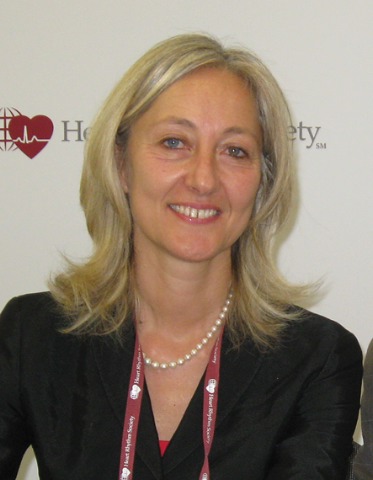
SAN FRANCISCO – Genetic testing for the cardiomyopathies and channelopathies has entered the realm of daily clinical practice with the release of comprehensive joint guidelines by the Heart Rhythm Society and the European Heart Rhythm Association.
"These are not research or investigational tests any longer," Dr. Michael J. Ackerman declared in presenting the new guidelines at the annual scientific sessions of the Heart Rhythm Society.

Genetic tests are commercially available for the 13 distinct entities detailed in the guidelines. The new guidelines recommend provision of genetic counseling, including consideration of genetic testing, for all patients and relatives having these familial heart diseases, said Dr. Ackerman, professor of medicine, pediatrics, and pharmacology at the Mayo Clinic in Rochester, Minn.
Because the genetics of familial heart disease is a fast-moving field and at present relatively few cardiologists are up to speed, the guidelines recommend that pretest counseling, genetic testing, and interpretation of test results be conducted at centers of excellence that are experienced in the genetics and family-based management of heritable arrhythmia syndromes and cardiomyopathies, noted Dr. Silvia G. Priori, who together with Dr. Ackerman cochaired the international, 21-member, expert panel responsible for the guidelines.
"Genetic disease experts are not present in every state or medical school, but a major educational effort is being made in that direction. Many university cardiology departments are sending young people to train at centers of excellence," explained Dr. Priori of the University of Pavia (Italy).
The guidelines contain in-depth information on the diagnostic, prognostic, and therapeutic impact of genetic testing for five cardiomyopathies and six channelopathies. The guidelines also address the role of genetic testing in survivors of out-of-hospital cardiac arrest, as well as postmortem testing in the setting of sudden death.
The cardiomyopathies covered in the guidelines are hypertrophic cardiomyopathy, arrhythmogenic cardiomyopathy/arrhythmogenic right ventricular cardiomyopathy, dilated cardiomyopathy, restrictive cardiomyopathy, and left ventricular noncompaction cardiomyopathy.
The channelopathies included in the guidelines are long QT syndrome, short QT syndrome, Brugada syndrome, progressive cardiac conduction disease, catecholaminergic polymorphic ventricular tachycardia, and atrial fibrillation.
The benefits of genetic testing differ for the various conditions covered in the guidelines, Dr. Priori emphasized. Testing is not a one-size-fits-all solution. Take, for example, long QT syndrome: a genetic disease with an estimated incidence of at least 1 in 2,500 people and one of the most important causes of sudden death in young people, with a mean age of death of just 12 years. The comprehensive triple-testing for the KCNQ1, KCNH2, and SCN5A genes routinely recommended for long QT syndrome has a diagnostic yield of 80% and a signal-to-noise ratio of 19:1.
In marked contrast, the yield of genetic testing for atrial fibrillation remains unknown at present, as does the test signal-to-noise ratio. So the guidelines state that genetic testing is not indicated for atrial fibrillation at this time.
The full 76-page guidelines will be published in the August issues of HeartRhythm and Europace.
Dr. Ackerman and Dr. Priori disclosed that they both serve as consultants to multiple medical device and genetic test companies.
SAN FRANCISCO – Genetic testing for the cardiomyopathies and channelopathies has entered the realm of daily clinical practice with the release of comprehensive joint guidelines by the Heart Rhythm Society and the European Heart Rhythm Association.
"These are not research or investigational tests any longer," Dr. Michael J. Ackerman declared in presenting the new guidelines at the annual scientific sessions of the Heart Rhythm Society.
Genetic tests are commercially available for the 13 distinct entities detailed in the guidelines. The new guidelines recommend provision of genetic counseling, including consideration of genetic testing, for all patients and relatives having these familial heart diseases, said Dr. Ackerman, professor of medicine, pediatrics, and pharmacology at the Mayo Clinic in Rochester, Minn.
Because the genetics of familial heart disease is a fast-moving field and at present relatively few cardiologists are up to speed, the guidelines recommend that pretest counseling, genetic testing, and interpretation of test results be conducted at centers of excellence that are experienced in the genetics and family-based management of heritable arrhythmia syndromes and cardiomyopathies, noted Dr. Silvia G. Priori, who together with Dr. Ackerman cochaired the international, 21-member, expert panel responsible for the guidelines.
"Genetic disease experts are not present in every state or medical school, but a major educational effort is being made in that direction. Many university cardiology departments are sending young people to train at centers of excellence," explained Dr. Priori of the University of Pavia (Italy).
The guidelines contain in-depth information on the diagnostic, prognostic, and therapeutic impact of genetic testing for five cardiomyopathies and six channelopathies. The guidelines also address the role of genetic testing in survivors of out-of-hospital cardiac arrest, as well as postmortem testing in the setting of sudden death.
The cardiomyopathies covered in the guidelines are hypertrophic cardiomyopathy, arrhythmogenic cardiomyopathy/arrhythmogenic right ventricular cardiomyopathy, dilated cardiomyopathy, restrictive cardiomyopathy, and left ventricular noncompaction cardiomyopathy.
The channelopathies included in the guidelines are long QT syndrome, short QT syndrome, Brugada syndrome, progressive cardiac conduction disease, catecholaminergic polymorphic ventricular tachycardia, and atrial fibrillation.
The benefits of genetic testing differ for the various conditions covered in the guidelines, Dr. Priori emphasized. Testing is not a one-size-fits-all solution. Take, for example, long QT syndrome: a genetic disease with an estimated incidence of at least 1 in 2,500 people and one of the most important causes of sudden death in young people, with a mean age of death of just 12 years. The comprehensive triple-testing for the KCNQ1, KCNH2, and SCN5A genes routinely recommended for long QT syndrome has a diagnostic yield of 80% and a signal-to-noise ratio of 19:1.
In marked contrast, the yield of genetic testing for atrial fibrillation remains unknown at present, as does the test signal-to-noise ratio. So the guidelines state that genetic testing is not indicated for atrial fibrillation at this time.
The full 76-page guidelines will be published in the August issues of HeartRhythm and Europace.
Dr. Ackerman and Dr. Priori disclosed that they both serve as consultants to multiple medical device and genetic test companies.
SAN FRANCISCO – Genetic testing for the cardiomyopathies and channelopathies has entered the realm of daily clinical practice with the release of comprehensive joint guidelines by the Heart Rhythm Society and the European Heart Rhythm Association.
"These are not research or investigational tests any longer," Dr. Michael J. Ackerman declared in presenting the new guidelines at the annual scientific sessions of the Heart Rhythm Society.
Genetic tests are commercially available for the 13 distinct entities detailed in the guidelines. The new guidelines recommend provision of genetic counseling, including consideration of genetic testing, for all patients and relatives having these familial heart diseases, said Dr. Ackerman, professor of medicine, pediatrics, and pharmacology at the Mayo Clinic in Rochester, Minn.
Because the genetics of familial heart disease is a fast-moving field and at present relatively few cardiologists are up to speed, the guidelines recommend that pretest counseling, genetic testing, and interpretation of test results be conducted at centers of excellence that are experienced in the genetics and family-based management of heritable arrhythmia syndromes and cardiomyopathies, noted Dr. Silvia G. Priori, who together with Dr. Ackerman cochaired the international, 21-member, expert panel responsible for the guidelines.
"Genetic disease experts are not present in every state or medical school, but a major educational effort is being made in that direction. Many university cardiology departments are sending young people to train at centers of excellence," explained Dr. Priori of the University of Pavia (Italy).
The guidelines contain in-depth information on the diagnostic, prognostic, and therapeutic impact of genetic testing for five cardiomyopathies and six channelopathies. The guidelines also address the role of genetic testing in survivors of out-of-hospital cardiac arrest, as well as postmortem testing in the setting of sudden death.
The cardiomyopathies covered in the guidelines are hypertrophic cardiomyopathy, arrhythmogenic cardiomyopathy/arrhythmogenic right ventricular cardiomyopathy, dilated cardiomyopathy, restrictive cardiomyopathy, and left ventricular noncompaction cardiomyopathy.
The channelopathies included in the guidelines are long QT syndrome, short QT syndrome, Brugada syndrome, progressive cardiac conduction disease, catecholaminergic polymorphic ventricular tachycardia, and atrial fibrillation.
The benefits of genetic testing differ for the various conditions covered in the guidelines, Dr. Priori emphasized. Testing is not a one-size-fits-all solution. Take, for example, long QT syndrome: a genetic disease with an estimated incidence of at least 1 in 2,500 people and one of the most important causes of sudden death in young people, with a mean age of death of just 12 years. The comprehensive triple-testing for the KCNQ1, KCNH2, and SCN5A genes routinely recommended for long QT syndrome has a diagnostic yield of 80% and a signal-to-noise ratio of 19:1.
In marked contrast, the yield of genetic testing for atrial fibrillation remains unknown at present, as does the test signal-to-noise ratio. So the guidelines state that genetic testing is not indicated for atrial fibrillation at this time.
The full 76-page guidelines will be published in the August issues of HeartRhythm and Europace.
Dr. Ackerman and Dr. Priori disclosed that they both serve as consultants to multiple medical device and genetic test companies.
EXPERT ANALYSIS FROM THE ANNUAL MEETING OF THE HEART RHYTHM SOCIETY
New Guidelines on Genetic Testing for Heritable Arrhythmias
SAN FRANCISCO – Genetic testing for the cardiomyopathies and channelopathies has entered the realm of daily clinical practice with the release of comprehensive joint guidelines by the Heart Rhythm Society and the European Heart Rhythm Association.
"These are not research or investigational tests any longer," Dr. Michael J. Ackerman declared in presenting the new guidelines at the annual scientific sessions of the Heart Rhythm Society.
Genetic tests are commercially available for the 13 distinct entities detailed in the guidelines. The new guidelines recommend provision of genetic counseling, including consideration of genetic testing, for all patients and relatives having these familial heart diseases, said Dr. Ackerman, professor of medicine, pediatrics, and pharmacology at the Mayo Clinic in Rochester, Minn.
Because the genetics of familial heart disease is a fast-moving field and at present relatively few cardiologists are up to speed, the guidelines recommend that pretest counseling, genetic testing, and interpretation of test results be conducted at centers of excellence that are experienced in the genetics and family-based management of heritable arrhythmia syndromes and cardiomyopathies, noted Dr. Silvia G. Priori, who together with Dr. Ackerman cochaired the international, 21-member, expert panel responsible for the guidelines.
"Genetic disease experts are not present in every state or medical school, but a major educational effort is being made in that direction. Many university cardiology departments are sending young people to train at centers of excellence," explained Dr. Priori of the University of Pavia (Italy).
The guidelines contain in-depth information on the diagnostic, prognostic, and therapeutic impact of genetic testing for five cardiomyopathies and six channelopathies. The guidelines also address the role of genetic testing in survivors of out-of-hospital cardiac arrest, as well as postmortem testing in the setting of sudden death.
The cardiomyopathies covered in the guidelines are hypertrophic cardiomyopathy, arrhythmogenic cardiomyopathy/arrhythmogenic right ventricular cardiomyopathy, dilated cardiomyopathy, restrictive cardiomyopathy, and left ventricular noncompaction cardiomyopathy.
The channelopathies included in the guidelines are long QT syndrome, short QT syndrome, Brugada syndrome, progressive cardiac conduction disease, catecholaminergic polymorphic ventricular tachycardia, and atrial fibrillation.
The benefits of genetic testing differ for the various conditions covered in the guidelines, Dr. Priori emphasized. Testing is not a one-size-fits-all solution. Take, for example, long QT syndrome: a genetic disease with an estimated incidence of at least 1 in 2,500 people and one of the most important causes of sudden death in young people, with a mean age of death of just 12 years. The comprehensive triple-testing for the KCNQ1, KCNH2, and SCN5A genes routinely recommended for long QT syndrome has a diagnostic yield of 80% and a signal-to-noise ratio of 19:1.
In marked contrast, the yield of genetic testing for atrial fibrillation remains unknown at present, as does the test signal-to-noise ratio. So the guidelines state that genetic testing is not indicated for atrial fibrillation at this time.
The full 76-page guidelines will be published in the August issues of HeartRhythm and Europace.
Dr. Ackerman and Dr. Priori disclosed that they both serve as consultants to multiple medical device and genetic test companies.
SAN FRANCISCO – Genetic testing for the cardiomyopathies and channelopathies has entered the realm of daily clinical practice with the release of comprehensive joint guidelines by the Heart Rhythm Society and the European Heart Rhythm Association.
"These are not research or investigational tests any longer," Dr. Michael J. Ackerman declared in presenting the new guidelines at the annual scientific sessions of the Heart Rhythm Society.
Genetic tests are commercially available for the 13 distinct entities detailed in the guidelines. The new guidelines recommend provision of genetic counseling, including consideration of genetic testing, for all patients and relatives having these familial heart diseases, said Dr. Ackerman, professor of medicine, pediatrics, and pharmacology at the Mayo Clinic in Rochester, Minn.
Because the genetics of familial heart disease is a fast-moving field and at present relatively few cardiologists are up to speed, the guidelines recommend that pretest counseling, genetic testing, and interpretation of test results be conducted at centers of excellence that are experienced in the genetics and family-based management of heritable arrhythmia syndromes and cardiomyopathies, noted Dr. Silvia G. Priori, who together with Dr. Ackerman cochaired the international, 21-member, expert panel responsible for the guidelines.
"Genetic disease experts are not present in every state or medical school, but a major educational effort is being made in that direction. Many university cardiology departments are sending young people to train at centers of excellence," explained Dr. Priori of the University of Pavia (Italy).
The guidelines contain in-depth information on the diagnostic, prognostic, and therapeutic impact of genetic testing for five cardiomyopathies and six channelopathies. The guidelines also address the role of genetic testing in survivors of out-of-hospital cardiac arrest, as well as postmortem testing in the setting of sudden death.
The cardiomyopathies covered in the guidelines are hypertrophic cardiomyopathy, arrhythmogenic cardiomyopathy/arrhythmogenic right ventricular cardiomyopathy, dilated cardiomyopathy, restrictive cardiomyopathy, and left ventricular noncompaction cardiomyopathy.
The channelopathies included in the guidelines are long QT syndrome, short QT syndrome, Brugada syndrome, progressive cardiac conduction disease, catecholaminergic polymorphic ventricular tachycardia, and atrial fibrillation.
The benefits of genetic testing differ for the various conditions covered in the guidelines, Dr. Priori emphasized. Testing is not a one-size-fits-all solution. Take, for example, long QT syndrome: a genetic disease with an estimated incidence of at least 1 in 2,500 people and one of the most important causes of sudden death in young people, with a mean age of death of just 12 years. The comprehensive triple-testing for the KCNQ1, KCNH2, and SCN5A genes routinely recommended for long QT syndrome has a diagnostic yield of 80% and a signal-to-noise ratio of 19:1.
In marked contrast, the yield of genetic testing for atrial fibrillation remains unknown at present, as does the test signal-to-noise ratio. So the guidelines state that genetic testing is not indicated for atrial fibrillation at this time.
The full 76-page guidelines will be published in the August issues of HeartRhythm and Europace.
Dr. Ackerman and Dr. Priori disclosed that they both serve as consultants to multiple medical device and genetic test companies.
SAN FRANCISCO – Genetic testing for the cardiomyopathies and channelopathies has entered the realm of daily clinical practice with the release of comprehensive joint guidelines by the Heart Rhythm Society and the European Heart Rhythm Association.
"These are not research or investigational tests any longer," Dr. Michael J. Ackerman declared in presenting the new guidelines at the annual scientific sessions of the Heart Rhythm Society.
Genetic tests are commercially available for the 13 distinct entities detailed in the guidelines. The new guidelines recommend provision of genetic counseling, including consideration of genetic testing, for all patients and relatives having these familial heart diseases, said Dr. Ackerman, professor of medicine, pediatrics, and pharmacology at the Mayo Clinic in Rochester, Minn.
Because the genetics of familial heart disease is a fast-moving field and at present relatively few cardiologists are up to speed, the guidelines recommend that pretest counseling, genetic testing, and interpretation of test results be conducted at centers of excellence that are experienced in the genetics and family-based management of heritable arrhythmia syndromes and cardiomyopathies, noted Dr. Silvia G. Priori, who together with Dr. Ackerman cochaired the international, 21-member, expert panel responsible for the guidelines.
"Genetic disease experts are not present in every state or medical school, but a major educational effort is being made in that direction. Many university cardiology departments are sending young people to train at centers of excellence," explained Dr. Priori of the University of Pavia (Italy).
The guidelines contain in-depth information on the diagnostic, prognostic, and therapeutic impact of genetic testing for five cardiomyopathies and six channelopathies. The guidelines also address the role of genetic testing in survivors of out-of-hospital cardiac arrest, as well as postmortem testing in the setting of sudden death.
The cardiomyopathies covered in the guidelines are hypertrophic cardiomyopathy, arrhythmogenic cardiomyopathy/arrhythmogenic right ventricular cardiomyopathy, dilated cardiomyopathy, restrictive cardiomyopathy, and left ventricular noncompaction cardiomyopathy.
The channelopathies included in the guidelines are long QT syndrome, short QT syndrome, Brugada syndrome, progressive cardiac conduction disease, catecholaminergic polymorphic ventricular tachycardia, and atrial fibrillation.
The benefits of genetic testing differ for the various conditions covered in the guidelines, Dr. Priori emphasized. Testing is not a one-size-fits-all solution. Take, for example, long QT syndrome: a genetic disease with an estimated incidence of at least 1 in 2,500 people and one of the most important causes of sudden death in young people, with a mean age of death of just 12 years. The comprehensive triple-testing for the KCNQ1, KCNH2, and SCN5A genes routinely recommended for long QT syndrome has a diagnostic yield of 80% and a signal-to-noise ratio of 19:1.
In marked contrast, the yield of genetic testing for atrial fibrillation remains unknown at present, as does the test signal-to-noise ratio. So the guidelines state that genetic testing is not indicated for atrial fibrillation at this time.
The full 76-page guidelines will be published in the August issues of HeartRhythm and Europace.
Dr. Ackerman and Dr. Priori disclosed that they both serve as consultants to multiple medical device and genetic test companies.
EXPERT ANALYSIS FROM THE ANNUAL MEETING OF THE HEART RHYTHM SOCIETY
New Guidelines on Genetic Testing for Heritable Arrhythmias
SAN FRANCISCO – Genetic testing for the cardiomyopathies and channelopathies has entered the realm of daily clinical practice with the release of comprehensive joint guidelines by the Heart Rhythm Society and the European Heart Rhythm Association.
"These are not research or investigational tests any longer," Dr. Michael J. Ackerman declared in presenting the new guidelines at the annual scientific sessions of the Heart Rhythm Society.
Genetic tests are commercially available for the 13 distinct entities detailed in the guidelines. The new guidelines recommend provision of genetic counseling, including consideration of genetic testing, for all patients and relatives having these familial heart diseases, said Dr. Ackerman, professor of medicine, pediatrics, and pharmacology at the Mayo Clinic in Rochester, Minn.
Because the genetics of familial heart disease is a fast-moving field and at present relatively few cardiologists are up to speed, the guidelines recommend that pretest counseling, genetic testing, and interpretation of test results be conducted at centers of excellence that are experienced in the genetics and family-based management of heritable arrhythmia syndromes and cardiomyopathies, noted Dr. Silvia G. Priori, who together with Dr. Ackerman cochaired the international, 21-member, expert panel responsible for the guidelines.
"Genetic disease experts are not present in every state or medical school, but a major educational effort is being made in that direction. Many university cardiology departments are sending young people to train at centers of excellence," explained Dr. Priori of the University of Pavia (Italy).
The guidelines contain in-depth information on the diagnostic, prognostic, and therapeutic impact of genetic testing for five cardiomyopathies and six channelopathies. The guidelines also address the role of genetic testing in survivors of out-of-hospital cardiac arrest, as well as postmortem testing in the setting of sudden death.
The cardiomyopathies covered in the guidelines are hypertrophic cardiomyopathy, arrhythmogenic cardiomyopathy/arrhythmogenic right ventricular cardiomyopathy, dilated cardiomyopathy, restrictive cardiomyopathy, and left ventricular noncompaction cardiomyopathy.
The channelopathies included in the guidelines are long QT syndrome, short QT syndrome, Brugada syndrome, progressive cardiac conduction disease, catecholaminergic polymorphic ventricular tachycardia, and atrial fibrillation.
The benefits of genetic testing differ for the various conditions covered in the guidelines, Dr. Priori emphasized. Testing is not a one-size-fits-all solution. Take, for example, long QT syndrome: a genetic disease with an estimated incidence of at least 1 in 2,500 people and one of the most important causes of sudden death in young people, with a mean age of death of just 12 years. The comprehensive triple-testing for the KCNQ1, KCNH2, and SCN5A genes routinely recommended for long QT syndrome has a diagnostic yield of 80% and a signal-to-noise ratio of 19:1.
In marked contrast, the yield of genetic testing for atrial fibrillation remains unknown at present, as does the test signal-to-noise ratio. So the guidelines state that genetic testing is not indicated for atrial fibrillation at this time.
The full 76-page guidelines will be published in the August issues of HeartRhythm and Europace.
Dr. Ackerman and Dr. Priori disclosed that they both serve as consultants to multiple medical device and genetic test companies.
SAN FRANCISCO – Genetic testing for the cardiomyopathies and channelopathies has entered the realm of daily clinical practice with the release of comprehensive joint guidelines by the Heart Rhythm Society and the European Heart Rhythm Association.
"These are not research or investigational tests any longer," Dr. Michael J. Ackerman declared in presenting the new guidelines at the annual scientific sessions of the Heart Rhythm Society.
Genetic tests are commercially available for the 13 distinct entities detailed in the guidelines. The new guidelines recommend provision of genetic counseling, including consideration of genetic testing, for all patients and relatives having these familial heart diseases, said Dr. Ackerman, professor of medicine, pediatrics, and pharmacology at the Mayo Clinic in Rochester, Minn.
Because the genetics of familial heart disease is a fast-moving field and at present relatively few cardiologists are up to speed, the guidelines recommend that pretest counseling, genetic testing, and interpretation of test results be conducted at centers of excellence that are experienced in the genetics and family-based management of heritable arrhythmia syndromes and cardiomyopathies, noted Dr. Silvia G. Priori, who together with Dr. Ackerman cochaired the international, 21-member, expert panel responsible for the guidelines.
"Genetic disease experts are not present in every state or medical school, but a major educational effort is being made in that direction. Many university cardiology departments are sending young people to train at centers of excellence," explained Dr. Priori of the University of Pavia (Italy).
The guidelines contain in-depth information on the diagnostic, prognostic, and therapeutic impact of genetic testing for five cardiomyopathies and six channelopathies. The guidelines also address the role of genetic testing in survivors of out-of-hospital cardiac arrest, as well as postmortem testing in the setting of sudden death.
The cardiomyopathies covered in the guidelines are hypertrophic cardiomyopathy, arrhythmogenic cardiomyopathy/arrhythmogenic right ventricular cardiomyopathy, dilated cardiomyopathy, restrictive cardiomyopathy, and left ventricular noncompaction cardiomyopathy.
The channelopathies included in the guidelines are long QT syndrome, short QT syndrome, Brugada syndrome, progressive cardiac conduction disease, catecholaminergic polymorphic ventricular tachycardia, and atrial fibrillation.
The benefits of genetic testing differ for the various conditions covered in the guidelines, Dr. Priori emphasized. Testing is not a one-size-fits-all solution. Take, for example, long QT syndrome: a genetic disease with an estimated incidence of at least 1 in 2,500 people and one of the most important causes of sudden death in young people, with a mean age of death of just 12 years. The comprehensive triple-testing for the KCNQ1, KCNH2, and SCN5A genes routinely recommended for long QT syndrome has a diagnostic yield of 80% and a signal-to-noise ratio of 19:1.
In marked contrast, the yield of genetic testing for atrial fibrillation remains unknown at present, as does the test signal-to-noise ratio. So the guidelines state that genetic testing is not indicated for atrial fibrillation at this time.
The full 76-page guidelines will be published in the August issues of HeartRhythm and Europace.
Dr. Ackerman and Dr. Priori disclosed that they both serve as consultants to multiple medical device and genetic test companies.
SAN FRANCISCO – Genetic testing for the cardiomyopathies and channelopathies has entered the realm of daily clinical practice with the release of comprehensive joint guidelines by the Heart Rhythm Society and the European Heart Rhythm Association.
"These are not research or investigational tests any longer," Dr. Michael J. Ackerman declared in presenting the new guidelines at the annual scientific sessions of the Heart Rhythm Society.
Genetic tests are commercially available for the 13 distinct entities detailed in the guidelines. The new guidelines recommend provision of genetic counseling, including consideration of genetic testing, for all patients and relatives having these familial heart diseases, said Dr. Ackerman, professor of medicine, pediatrics, and pharmacology at the Mayo Clinic in Rochester, Minn.
Because the genetics of familial heart disease is a fast-moving field and at present relatively few cardiologists are up to speed, the guidelines recommend that pretest counseling, genetic testing, and interpretation of test results be conducted at centers of excellence that are experienced in the genetics and family-based management of heritable arrhythmia syndromes and cardiomyopathies, noted Dr. Silvia G. Priori, who together with Dr. Ackerman cochaired the international, 21-member, expert panel responsible for the guidelines.
"Genetic disease experts are not present in every state or medical school, but a major educational effort is being made in that direction. Many university cardiology departments are sending young people to train at centers of excellence," explained Dr. Priori of the University of Pavia (Italy).
The guidelines contain in-depth information on the diagnostic, prognostic, and therapeutic impact of genetic testing for five cardiomyopathies and six channelopathies. The guidelines also address the role of genetic testing in survivors of out-of-hospital cardiac arrest, as well as postmortem testing in the setting of sudden death.
The cardiomyopathies covered in the guidelines are hypertrophic cardiomyopathy, arrhythmogenic cardiomyopathy/arrhythmogenic right ventricular cardiomyopathy, dilated cardiomyopathy, restrictive cardiomyopathy, and left ventricular noncompaction cardiomyopathy.
The channelopathies included in the guidelines are long QT syndrome, short QT syndrome, Brugada syndrome, progressive cardiac conduction disease, catecholaminergic polymorphic ventricular tachycardia, and atrial fibrillation.
The benefits of genetic testing differ for the various conditions covered in the guidelines, Dr. Priori emphasized. Testing is not a one-size-fits-all solution. Take, for example, long QT syndrome: a genetic disease with an estimated incidence of at least 1 in 2,500 people and one of the most important causes of sudden death in young people, with a mean age of death of just 12 years. The comprehensive triple-testing for the KCNQ1, KCNH2, and SCN5A genes routinely recommended for long QT syndrome has a diagnostic yield of 80% and a signal-to-noise ratio of 19:1.
In marked contrast, the yield of genetic testing for atrial fibrillation remains unknown at present, as does the test signal-to-noise ratio. So the guidelines state that genetic testing is not indicated for atrial fibrillation at this time.
The full 76-page guidelines will be published in the August issues of HeartRhythm and Europace.
Dr. Ackerman and Dr. Priori disclosed that they both serve as consultants to multiple medical device and genetic test companies.
EXPERT ANALYSIS FROM THE ANNUAL MEETING OF THE HEART RHYTHM SOCIETY
Subcutaneous ICD Deemed "Viable Alternative"
SAN FRANCISCO – An entirely subcutaneous implantable cardioverter defibrillator accurately detected and successfully converted all episodes of ventricular fibrillation in a multicenter Dutch study that constitutes the largest experience to date using the novel technology.
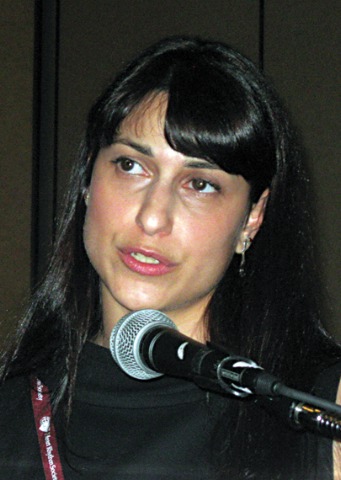
"For us, so far, it has been a viable alternative to conventional ICD systems in selected patients," Lara Dabiri Abkenari said in presenting the study results at the annual meeting of the Heart Rhythm Society.
Session cochair Dr. Luc Jordaens, who was Ms. Abkenari’s senior coinvestigator in the study, went further: He said that "viable alternative" is too conservative an assessment now that a software upgrade has improved the detection algorithm and greatly reduced inappropriate shocks.
"We are now at the stage where we often see the subcutaneous ICD as the first choice," declared Dr. Jordaens, professor of cardiology at Erasmus University, Rotterdam, the Netherlands.
The subcutaneous ICD has generated considerable interest among cardiologists and patients because – unlike conventional transvenous ICDs – it is easily implanted without fluoroscopy, it requires no vascular access, and the lead is simple to remove if necessary. A smaller experience with the subcutaneous system that was reported last year attracted a great deal of attention (N. Engl. J. Med. 2010;363:36-44). The system, by Cameron Health Inc., is approved for the European market and is under review at the Food and Drug Administration.
The system comprises a pulse generator, a subcutaneous lead that has two sensing electrodes, and about 8 cm of shock coil. It has no pacing or resynchronization capabilities.
"This is for patients who need defibrillation. It’s restricted to patients who would not benefit from antitachycardia pacing. ... In a nutshell, it’s a shock box," explained Ms. Abkenari, an electrophysiology fellow and Ph.D. candidate at Erasmus.
She reported on 98 patients (mean age, 56 years) who received the subcutaneous ICD and have been followed for a median of 9 months, during which the system identified 14 nonsustained ventricular arrhythmia episodes in 5 patients and treated 28 sustained episodes in 4 patients. The mean time to treatment with an 80-J shock was 13.9 seconds.
The system also delivered 22 inappropriate shocks to eight patients because of oversensing. Since the software upgrade, however, there have been no further inappropriate shocks.
In addition to inappropriate shocks, other major complications included infections requiring explantation in five patients, hematomas not requiring device removal in three patients, and lead migration or dislodgement in three patients.
The pulse generator box is placed in a left lateral thoracic subcutaneous pocket. The lead is tunneled from the pocket to the xiphoid process, where the tip of the electrode is sutured to a sleeve attached to the xiphoid fascia. The xiphoid sleeve is an innovation that has eliminated the lead migration problems that were seen early in the study.
The generator box is substantially larger than those used in conventional transvenous ICDs. On a thin patient, the box is very obvious under the skin. The lateral position results in arm contact with movement, albeit with no pain.
Because the subcutaneous ICD preserves the vasculature, Ms. Abkenari sees the device as particularly attractive for relatively young, active patients who may need surgery later, such as individuals with hypertrophic cardiomyopathy who may one day need myomectomy or a heart transplant. The subcutaneous device has been placed in several children in the Dutch study with favorable results.
Discussant Dr. Bruce L. Wilkoff expressed reservations about the current iteration of the subcutaneous ICD.
"What naturally happens as you roll out a new technology is you start to understand it better and you see some of the warts," observed Dr. Wilkoff, director of cardiac pacing and tachyarrhythmia devices at the Cleveland Clinic and professor of medicine at Case Western Reserve University, Cleveland.
He called the 5% infection rate that resulted in device removal in the Dutch study "most disturbing."
"The hope was that infection would be more easily managed with this system," noted Dr. Wilkoff.
He also zeroed in on the four patients who required shocks for 28 sustained ventricular arrhythmic episodes.
"It’s hard to imagine that those patients wouldn’t have benefited a little bit from ATP [antitachycardia pacing]. It seems to me that ATP may be an important component of what’s needed in a device," Dr. Wilkoff continued.
That being said, he cautioned that important new medical technologies rarely spring up full grown. Refinements made along the way can make all the difference between success and failure.
"It’s not really fair to take the initial experiences or the updated experiences or the next experiences to make your total evaluation of a therapy. We all have to be careful to reserve some judgment here in seeing where the value is," he commented.
Ms. Abkenari and Dr. Wilkoff declared having no relevant financial interests. Dr. Jordaens is a consultant to Cameron Health, which makes the subcutaneous ICD.
SAN FRANCISCO – An entirely subcutaneous implantable cardioverter defibrillator accurately detected and successfully converted all episodes of ventricular fibrillation in a multicenter Dutch study that constitutes the largest experience to date using the novel technology.
"For us, so far, it has been a viable alternative to conventional ICD systems in selected patients," Lara Dabiri Abkenari said in presenting the study results at the annual meeting of the Heart Rhythm Society.
Session cochair Dr. Luc Jordaens, who was Ms. Abkenari’s senior coinvestigator in the study, went further: He said that "viable alternative" is too conservative an assessment now that a software upgrade has improved the detection algorithm and greatly reduced inappropriate shocks.
"We are now at the stage where we often see the subcutaneous ICD as the first choice," declared Dr. Jordaens, professor of cardiology at Erasmus University, Rotterdam, the Netherlands.
The subcutaneous ICD has generated considerable interest among cardiologists and patients because – unlike conventional transvenous ICDs – it is easily implanted without fluoroscopy, it requires no vascular access, and the lead is simple to remove if necessary. A smaller experience with the subcutaneous system that was reported last year attracted a great deal of attention (N. Engl. J. Med. 2010;363:36-44). The system, by Cameron Health Inc., is approved for the European market and is under review at the Food and Drug Administration.
The system comprises a pulse generator, a subcutaneous lead that has two sensing electrodes, and about 8 cm of shock coil. It has no pacing or resynchronization capabilities.
"This is for patients who need defibrillation. It’s restricted to patients who would not benefit from antitachycardia pacing. ... In a nutshell, it’s a shock box," explained Ms. Abkenari, an electrophysiology fellow and Ph.D. candidate at Erasmus.
She reported on 98 patients (mean age, 56 years) who received the subcutaneous ICD and have been followed for a median of 9 months, during which the system identified 14 nonsustained ventricular arrhythmia episodes in 5 patients and treated 28 sustained episodes in 4 patients. The mean time to treatment with an 80-J shock was 13.9 seconds.
The system also delivered 22 inappropriate shocks to eight patients because of oversensing. Since the software upgrade, however, there have been no further inappropriate shocks.
In addition to inappropriate shocks, other major complications included infections requiring explantation in five patients, hematomas not requiring device removal in three patients, and lead migration or dislodgement in three patients.
The pulse generator box is placed in a left lateral thoracic subcutaneous pocket. The lead is tunneled from the pocket to the xiphoid process, where the tip of the electrode is sutured to a sleeve attached to the xiphoid fascia. The xiphoid sleeve is an innovation that has eliminated the lead migration problems that were seen early in the study.
The generator box is substantially larger than those used in conventional transvenous ICDs. On a thin patient, the box is very obvious under the skin. The lateral position results in arm contact with movement, albeit with no pain.
Because the subcutaneous ICD preserves the vasculature, Ms. Abkenari sees the device as particularly attractive for relatively young, active patients who may need surgery later, such as individuals with hypertrophic cardiomyopathy who may one day need myomectomy or a heart transplant. The subcutaneous device has been placed in several children in the Dutch study with favorable results.
Discussant Dr. Bruce L. Wilkoff expressed reservations about the current iteration of the subcutaneous ICD.
"What naturally happens as you roll out a new technology is you start to understand it better and you see some of the warts," observed Dr. Wilkoff, director of cardiac pacing and tachyarrhythmia devices at the Cleveland Clinic and professor of medicine at Case Western Reserve University, Cleveland.
He called the 5% infection rate that resulted in device removal in the Dutch study "most disturbing."
"The hope was that infection would be more easily managed with this system," noted Dr. Wilkoff.
He also zeroed in on the four patients who required shocks for 28 sustained ventricular arrhythmic episodes.
"It’s hard to imagine that those patients wouldn’t have benefited a little bit from ATP [antitachycardia pacing]. It seems to me that ATP may be an important component of what’s needed in a device," Dr. Wilkoff continued.
That being said, he cautioned that important new medical technologies rarely spring up full grown. Refinements made along the way can make all the difference between success and failure.
"It’s not really fair to take the initial experiences or the updated experiences or the next experiences to make your total evaluation of a therapy. We all have to be careful to reserve some judgment here in seeing where the value is," he commented.
Ms. Abkenari and Dr. Wilkoff declared having no relevant financial interests. Dr. Jordaens is a consultant to Cameron Health, which makes the subcutaneous ICD.
SAN FRANCISCO – An entirely subcutaneous implantable cardioverter defibrillator accurately detected and successfully converted all episodes of ventricular fibrillation in a multicenter Dutch study that constitutes the largest experience to date using the novel technology.
"For us, so far, it has been a viable alternative to conventional ICD systems in selected patients," Lara Dabiri Abkenari said in presenting the study results at the annual meeting of the Heart Rhythm Society.
Session cochair Dr. Luc Jordaens, who was Ms. Abkenari’s senior coinvestigator in the study, went further: He said that "viable alternative" is too conservative an assessment now that a software upgrade has improved the detection algorithm and greatly reduced inappropriate shocks.
"We are now at the stage where we often see the subcutaneous ICD as the first choice," declared Dr. Jordaens, professor of cardiology at Erasmus University, Rotterdam, the Netherlands.
The subcutaneous ICD has generated considerable interest among cardiologists and patients because – unlike conventional transvenous ICDs – it is easily implanted without fluoroscopy, it requires no vascular access, and the lead is simple to remove if necessary. A smaller experience with the subcutaneous system that was reported last year attracted a great deal of attention (N. Engl. J. Med. 2010;363:36-44). The system, by Cameron Health Inc., is approved for the European market and is under review at the Food and Drug Administration.
The system comprises a pulse generator, a subcutaneous lead that has two sensing electrodes, and about 8 cm of shock coil. It has no pacing or resynchronization capabilities.
"This is for patients who need defibrillation. It’s restricted to patients who would not benefit from antitachycardia pacing. ... In a nutshell, it’s a shock box," explained Ms. Abkenari, an electrophysiology fellow and Ph.D. candidate at Erasmus.
She reported on 98 patients (mean age, 56 years) who received the subcutaneous ICD and have been followed for a median of 9 months, during which the system identified 14 nonsustained ventricular arrhythmia episodes in 5 patients and treated 28 sustained episodes in 4 patients. The mean time to treatment with an 80-J shock was 13.9 seconds.
The system also delivered 22 inappropriate shocks to eight patients because of oversensing. Since the software upgrade, however, there have been no further inappropriate shocks.
In addition to inappropriate shocks, other major complications included infections requiring explantation in five patients, hematomas not requiring device removal in three patients, and lead migration or dislodgement in three patients.
The pulse generator box is placed in a left lateral thoracic subcutaneous pocket. The lead is tunneled from the pocket to the xiphoid process, where the tip of the electrode is sutured to a sleeve attached to the xiphoid fascia. The xiphoid sleeve is an innovation that has eliminated the lead migration problems that were seen early in the study.
The generator box is substantially larger than those used in conventional transvenous ICDs. On a thin patient, the box is very obvious under the skin. The lateral position results in arm contact with movement, albeit with no pain.
Because the subcutaneous ICD preserves the vasculature, Ms. Abkenari sees the device as particularly attractive for relatively young, active patients who may need surgery later, such as individuals with hypertrophic cardiomyopathy who may one day need myomectomy or a heart transplant. The subcutaneous device has been placed in several children in the Dutch study with favorable results.
Discussant Dr. Bruce L. Wilkoff expressed reservations about the current iteration of the subcutaneous ICD.
"What naturally happens as you roll out a new technology is you start to understand it better and you see some of the warts," observed Dr. Wilkoff, director of cardiac pacing and tachyarrhythmia devices at the Cleveland Clinic and professor of medicine at Case Western Reserve University, Cleveland.
He called the 5% infection rate that resulted in device removal in the Dutch study "most disturbing."
"The hope was that infection would be more easily managed with this system," noted Dr. Wilkoff.
He also zeroed in on the four patients who required shocks for 28 sustained ventricular arrhythmic episodes.
"It’s hard to imagine that those patients wouldn’t have benefited a little bit from ATP [antitachycardia pacing]. It seems to me that ATP may be an important component of what’s needed in a device," Dr. Wilkoff continued.
That being said, he cautioned that important new medical technologies rarely spring up full grown. Refinements made along the way can make all the difference between success and failure.
"It’s not really fair to take the initial experiences or the updated experiences or the next experiences to make your total evaluation of a therapy. We all have to be careful to reserve some judgment here in seeing where the value is," he commented.
Ms. Abkenari and Dr. Wilkoff declared having no relevant financial interests. Dr. Jordaens is a consultant to Cameron Health, which makes the subcutaneous ICD.
FROM THE ANNUAL MEETING OF THE HEART RHYTHM SOCIETY
Major Finding: Over 9 months of follow-up in 98 patients, a subcutaneous ICD identified 14 nonsustained ventricular arrhythmia episodes in 5 patients and treated 28 sustained episodes in 4 patients. The system also delivered 22 inappropriate shocks to eight patients because of oversensing.
Data Source: An observational study of 98 ICD candidates who were treated with an entirely subcutaneous ICD.
Disclosures: Ms. Abkenari declared having no relevant financial interests. Dr. Jordaens is a consultant to Cameron Health, which makes the subcutaneous ICD.
"New Paradigm" in AF Therapy Is Promising
SAN FRANCISCO – Catheter ablation of a novel atrial fibrillation source that is identifiable via a new type of diagnostic mapping system resulted in greatly improved long-term atrial fibrillation–free survival rates, compared with conventional ablation, in the CONFIRM study.
This unique computational mapping system visualizes a stable source of AF known as a localized electrical rotor, which can be located anywhere in the atrium.

Animal studies have shown that AF is driven by these rotors. Now the novel diagnostic mapping system makes it possible for the first time to identify these same rotors in human AF so that they can be targeted for localized ablation, Dr. Sanjiv Narayan explained at the annual meeting of the Heart Rhythm Society.
As a consequence, at 2 years of follow-up in the 103-patient CONFIRM (Conventional Ablation With or Without Focal Impulse and Rotor Modulation) study, the rate of freedom from AF – as documented in most cases by continuous ECG monitoring via an implanted device – was 84% with rotor ablation plus a standard WACA (wide area circumferential ablation) for pulmonary vein isolation, which was significantly higher than the 51% rate in control patients who received WACA alone.
"The promising results of the CONFIRM trial provide a new paradigm" for the treatment of AF, said Dr. Narayan of the University of California, San Diego.
CONFIRM participants had relatively advanced and thus difficult-to-treat sustained AF. Two-thirds had persistent AF; the rest had paroxysmal AF. Their mean left atrial diameter was significantly enlarged (47 mm), and they averaged 1.9 failed antiarrhythmic drugs. Computational mapping identified localized rotors in all but two patients. The average number of rotors found was two.

Acute termination or substantial slowing of AF was achieved during the ablation procedure in 88% of the 32 patients who underwent the FIRM (focal impulse and rotor modulation) form of ablation, compared with 14% of 71 control subjects who had conventional pulmonary vein isolation via WACA. Time to AF termination (typically to sinus rhythm) averaged 7 minutes in the FIRM group, compared with 4 minutes in WACA-only controls.
The diagnostic mapping takes a bit more than 10 minutes on average, and FIRM ablation takes another 10 minutes, adding a total of about 20 minutes to the typical 60- to 90-minute ablation time for a conventional WACA ablation. However, the incorporation of linear lesions and other sophisticated ablation techniques in complex cases can boost the ablation time to 5-7 hours, and the high 2-year success rate that was seen in CONFIRM suggests that ablating rotors may render these far longer, more elaborate ablation procedures superfluous, according to Dr. Narayan.
He also plans to study whether stand-alone FIRM ablation can replace FIRM plus WACA.
Heart Rhythm Society President Douglas L. Packer commented that because AF ablation procedures take a substantial amount of time, a technical advance that shortens that time "would be of enormous significance" to operators, patients, and payers.
"The thing that I’m most interested in, though, is that this would represent one of those rare occasions where we’re actually going back to a physiologically based treatment rather than simply an anatomically based ablation," observed Dr. Packer, professor of medicine and director of the translational electrophysiology research laboratory at the Mayo Clinic, Rochester, Minn.
CONFIRM was funded by grants from the National Institutes of Health and the Doris Duke Charitable Foundation. Dr. Narayan disclosed that he has an equity interest in Topera Inc., which has licensed the computational diagnostic mapping technology used to target electronic rotors for ablation.
SAN FRANCISCO – Catheter ablation of a novel atrial fibrillation source that is identifiable via a new type of diagnostic mapping system resulted in greatly improved long-term atrial fibrillation–free survival rates, compared with conventional ablation, in the CONFIRM study.
This unique computational mapping system visualizes a stable source of AF known as a localized electrical rotor, which can be located anywhere in the atrium.
Animal studies have shown that AF is driven by these rotors. Now the novel diagnostic mapping system makes it possible for the first time to identify these same rotors in human AF so that they can be targeted for localized ablation, Dr. Sanjiv Narayan explained at the annual meeting of the Heart Rhythm Society.
As a consequence, at 2 years of follow-up in the 103-patient CONFIRM (Conventional Ablation With or Without Focal Impulse and Rotor Modulation) study, the rate of freedom from AF – as documented in most cases by continuous ECG monitoring via an implanted device – was 84% with rotor ablation plus a standard WACA (wide area circumferential ablation) for pulmonary vein isolation, which was significantly higher than the 51% rate in control patients who received WACA alone.
"The promising results of the CONFIRM trial provide a new paradigm" for the treatment of AF, said Dr. Narayan of the University of California, San Diego.
CONFIRM participants had relatively advanced and thus difficult-to-treat sustained AF. Two-thirds had persistent AF; the rest had paroxysmal AF. Their mean left atrial diameter was significantly enlarged (47 mm), and they averaged 1.9 failed antiarrhythmic drugs. Computational mapping identified localized rotors in all but two patients. The average number of rotors found was two.
Acute termination or substantial slowing of AF was achieved during the ablation procedure in 88% of the 32 patients who underwent the FIRM (focal impulse and rotor modulation) form of ablation, compared with 14% of 71 control subjects who had conventional pulmonary vein isolation via WACA. Time to AF termination (typically to sinus rhythm) averaged 7 minutes in the FIRM group, compared with 4 minutes in WACA-only controls.
The diagnostic mapping takes a bit more than 10 minutes on average, and FIRM ablation takes another 10 minutes, adding a total of about 20 minutes to the typical 60- to 90-minute ablation time for a conventional WACA ablation. However, the incorporation of linear lesions and other sophisticated ablation techniques in complex cases can boost the ablation time to 5-7 hours, and the high 2-year success rate that was seen in CONFIRM suggests that ablating rotors may render these far longer, more elaborate ablation procedures superfluous, according to Dr. Narayan.
He also plans to study whether stand-alone FIRM ablation can replace FIRM plus WACA.
Heart Rhythm Society President Douglas L. Packer commented that because AF ablation procedures take a substantial amount of time, a technical advance that shortens that time "would be of enormous significance" to operators, patients, and payers.
"The thing that I’m most interested in, though, is that this would represent one of those rare occasions where we’re actually going back to a physiologically based treatment rather than simply an anatomically based ablation," observed Dr. Packer, professor of medicine and director of the translational electrophysiology research laboratory at the Mayo Clinic, Rochester, Minn.
CONFIRM was funded by grants from the National Institutes of Health and the Doris Duke Charitable Foundation. Dr. Narayan disclosed that he has an equity interest in Topera Inc., which has licensed the computational diagnostic mapping technology used to target electronic rotors for ablation.
SAN FRANCISCO – Catheter ablation of a novel atrial fibrillation source that is identifiable via a new type of diagnostic mapping system resulted in greatly improved long-term atrial fibrillation–free survival rates, compared with conventional ablation, in the CONFIRM study.
This unique computational mapping system visualizes a stable source of AF known as a localized electrical rotor, which can be located anywhere in the atrium.
Animal studies have shown that AF is driven by these rotors. Now the novel diagnostic mapping system makes it possible for the first time to identify these same rotors in human AF so that they can be targeted for localized ablation, Dr. Sanjiv Narayan explained at the annual meeting of the Heart Rhythm Society.
As a consequence, at 2 years of follow-up in the 103-patient CONFIRM (Conventional Ablation With or Without Focal Impulse and Rotor Modulation) study, the rate of freedom from AF – as documented in most cases by continuous ECG monitoring via an implanted device – was 84% with rotor ablation plus a standard WACA (wide area circumferential ablation) for pulmonary vein isolation, which was significantly higher than the 51% rate in control patients who received WACA alone.
"The promising results of the CONFIRM trial provide a new paradigm" for the treatment of AF, said Dr. Narayan of the University of California, San Diego.
CONFIRM participants had relatively advanced and thus difficult-to-treat sustained AF. Two-thirds had persistent AF; the rest had paroxysmal AF. Their mean left atrial diameter was significantly enlarged (47 mm), and they averaged 1.9 failed antiarrhythmic drugs. Computational mapping identified localized rotors in all but two patients. The average number of rotors found was two.
Acute termination or substantial slowing of AF was achieved during the ablation procedure in 88% of the 32 patients who underwent the FIRM (focal impulse and rotor modulation) form of ablation, compared with 14% of 71 control subjects who had conventional pulmonary vein isolation via WACA. Time to AF termination (typically to sinus rhythm) averaged 7 minutes in the FIRM group, compared with 4 minutes in WACA-only controls.
The diagnostic mapping takes a bit more than 10 minutes on average, and FIRM ablation takes another 10 minutes, adding a total of about 20 minutes to the typical 60- to 90-minute ablation time for a conventional WACA ablation. However, the incorporation of linear lesions and other sophisticated ablation techniques in complex cases can boost the ablation time to 5-7 hours, and the high 2-year success rate that was seen in CONFIRM suggests that ablating rotors may render these far longer, more elaborate ablation procedures superfluous, according to Dr. Narayan.
He also plans to study whether stand-alone FIRM ablation can replace FIRM plus WACA.
Heart Rhythm Society President Douglas L. Packer commented that because AF ablation procedures take a substantial amount of time, a technical advance that shortens that time "would be of enormous significance" to operators, patients, and payers.
"The thing that I’m most interested in, though, is that this would represent one of those rare occasions where we’re actually going back to a physiologically based treatment rather than simply an anatomically based ablation," observed Dr. Packer, professor of medicine and director of the translational electrophysiology research laboratory at the Mayo Clinic, Rochester, Minn.
CONFIRM was funded by grants from the National Institutes of Health and the Doris Duke Charitable Foundation. Dr. Narayan disclosed that he has an equity interest in Topera Inc., which has licensed the computational diagnostic mapping technology used to target electronic rotors for ablation.
FROM THE ANNUAL MEETING OF THE HEART RHYTHM SOCIETY
Major Finding: Acute termination or substantial slowing of AF was achieved during the ablation procedure in 88% of the 32 patients who underwent the focal impulse and rotor modulation form of ablation, compared with 14% of 71 control subjects who had conventional pulmonary vein isolation via WACA.
Data Source: The CONFIRM study in 103 patients with AF who underwent catheter ablation.
Disclosures: CONFIRM was funded by grants from the National Institutes of Health and the Doris Duke Charitable Foundation. Dr. Narayan disclosed that he has an equity interest in Topera Inc., which has licensed the computational diagnostic mapping technology used to target electronic rotors for ablation.
Atrial Fib Linked to Rheumatoid Arthritis, SLE, and Inflammatory Bowel Disease
SAN FRANCISCO – What do individuals with rheumatoid arthritis, systemic lupus erythematosus, and inflammatory bowel disease have in common?
They all have debilitating chronic diseases that throw off high levels of systemic inflammation. And what’s more, they share a newly recognized predisposition to atrial fibrillation compared with the general population, according to two studies presented at the annual meeting of the Heart Rhythm Society.
Dr. Prabhat Hebbar and his coworkers used the Nationwide Inpatient Sample database for 2008, which contains discharge diagnoses for roughly 1,000 U.S. hospitals in 40 states, to identify 86,497 patients with the diagnosis of atrial fibrillation (AF) and 100,000 randomly selected controls from the rest of the database.
The frequency of rheumatoid arthritis among patients with AF was 0.28%, compared with 0.13% in controls not having AF. The frequency of SLE in the AF population was 0.05%, compared with 0.12% in controls.
However, after adjusting for demographic factors – for example, patients with SLE were skewed considerably younger than were those with AF, and the AF group had significantly higher rates of comorbidities including hypertension, diabetes, and chronic obstructive pulmonary disease – the adjusted odds ratio for rheumatoid arthritis in patients with AF was 1.65. An identical odds ratio of 1.65 was found for SLE in AF patients, according to Dr. Hebbar of the University of Arkansas for Health Sciences, Little Rock.
The explanation for this association lies in the likely pathogenic role inflammation plays in AF. This inflammation can result from the physical handling of the heart during cardiac surgery, with the consequence of postoperative new-onset AF. Or the trigger can be the systemic inflammation that’s a key part of a chronic rheumatologic or gut disease.
This point was underscored by Dr. Deepak J. Pattanshetty in a separate retrospective cohort study. He and his coworkers reviewed the records of 142 patients with inflammatory bowel disease (IBD) at Metro Health Medical Center in Cleveland, and compared them with a large general population described in the Anticoagulation and Risk Factors in Atrial Fibrillation (ATRIA) study of 1.89 million enrollees in Kaiser Permanente Northern California (JAMA 2001;285:2370-5).
The prevalence of AF in the IBD patients was 11%, compared with 0.95% in the Kaiser Permanente controls without IBD. This disparity is all the more striking given that the IBD patients were significantly younger, with a mean age of 57 years, compared with 71 years for controls.
Atrial fibrillation is the most common sustained arrhythmia. Its prevalence in the general population is strongly age-dependent, with a rate of less than 1.7% in individuals under age 65, rising to 4%-9% in 65- to 80-year-olds, and to 10% or more after age 80, noted Dr. Pattanshetty.
There were no significant differences between the IBD cohort and the controls in terms of hypertension, diabetes, and other conventional risk factors for AF. The explanation for the 11-fold increased prevalence of AF seen in patients with IBD probably is that recurrent flares of the gut disease are known to lead to increased systemic levels of C-reactive protein and inflammatory cytokines including interleukin-6. These could predispose to the atrial arrhythmia, said Dr. Pattanshetty.
The associations between AF and rheumatologic and gastrointestinal diseases not only provide insight into the pathogenesis of the arrhythmia, but also have a practical implication for patient care. Patients with these systemic diseases need to understand that they are at elevated risk for the arrhythmia, and that if they feel symptoms such as a rapid or irregular heart beat they should seek medical attention so that if they do have AF their stroke risk can be managed appropriately.
Dr. Hebbar and Dr. Pattanshetty declared having no financial conflicts of interest.
SAN FRANCISCO – What do individuals with rheumatoid arthritis, systemic lupus erythematosus, and inflammatory bowel disease have in common?
They all have debilitating chronic diseases that throw off high levels of systemic inflammation. And what’s more, they share a newly recognized predisposition to atrial fibrillation compared with the general population, according to two studies presented at the annual meeting of the Heart Rhythm Society.
Dr. Prabhat Hebbar and his coworkers used the Nationwide Inpatient Sample database for 2008, which contains discharge diagnoses for roughly 1,000 U.S. hospitals in 40 states, to identify 86,497 patients with the diagnosis of atrial fibrillation (AF) and 100,000 randomly selected controls from the rest of the database.
The frequency of rheumatoid arthritis among patients with AF was 0.28%, compared with 0.13% in controls not having AF. The frequency of SLE in the AF population was 0.05%, compared with 0.12% in controls.
However, after adjusting for demographic factors – for example, patients with SLE were skewed considerably younger than were those with AF, and the AF group had significantly higher rates of comorbidities including hypertension, diabetes, and chronic obstructive pulmonary disease – the adjusted odds ratio for rheumatoid arthritis in patients with AF was 1.65. An identical odds ratio of 1.65 was found for SLE in AF patients, according to Dr. Hebbar of the University of Arkansas for Health Sciences, Little Rock.
The explanation for this association lies in the likely pathogenic role inflammation plays in AF. This inflammation can result from the physical handling of the heart during cardiac surgery, with the consequence of postoperative new-onset AF. Or the trigger can be the systemic inflammation that’s a key part of a chronic rheumatologic or gut disease.
This point was underscored by Dr. Deepak J. Pattanshetty in a separate retrospective cohort study. He and his coworkers reviewed the records of 142 patients with inflammatory bowel disease (IBD) at Metro Health Medical Center in Cleveland, and compared them with a large general population described in the Anticoagulation and Risk Factors in Atrial Fibrillation (ATRIA) study of 1.89 million enrollees in Kaiser Permanente Northern California (JAMA 2001;285:2370-5).
The prevalence of AF in the IBD patients was 11%, compared with 0.95% in the Kaiser Permanente controls without IBD. This disparity is all the more striking given that the IBD patients were significantly younger, with a mean age of 57 years, compared with 71 years for controls.
Atrial fibrillation is the most common sustained arrhythmia. Its prevalence in the general population is strongly age-dependent, with a rate of less than 1.7% in individuals under age 65, rising to 4%-9% in 65- to 80-year-olds, and to 10% or more after age 80, noted Dr. Pattanshetty.
There were no significant differences between the IBD cohort and the controls in terms of hypertension, diabetes, and other conventional risk factors for AF. The explanation for the 11-fold increased prevalence of AF seen in patients with IBD probably is that recurrent flares of the gut disease are known to lead to increased systemic levels of C-reactive protein and inflammatory cytokines including interleukin-6. These could predispose to the atrial arrhythmia, said Dr. Pattanshetty.
The associations between AF and rheumatologic and gastrointestinal diseases not only provide insight into the pathogenesis of the arrhythmia, but also have a practical implication for patient care. Patients with these systemic diseases need to understand that they are at elevated risk for the arrhythmia, and that if they feel symptoms such as a rapid or irregular heart beat they should seek medical attention so that if they do have AF their stroke risk can be managed appropriately.
Dr. Hebbar and Dr. Pattanshetty declared having no financial conflicts of interest.
SAN FRANCISCO – What do individuals with rheumatoid arthritis, systemic lupus erythematosus, and inflammatory bowel disease have in common?
They all have debilitating chronic diseases that throw off high levels of systemic inflammation. And what’s more, they share a newly recognized predisposition to atrial fibrillation compared with the general population, according to two studies presented at the annual meeting of the Heart Rhythm Society.
Dr. Prabhat Hebbar and his coworkers used the Nationwide Inpatient Sample database for 2008, which contains discharge diagnoses for roughly 1,000 U.S. hospitals in 40 states, to identify 86,497 patients with the diagnosis of atrial fibrillation (AF) and 100,000 randomly selected controls from the rest of the database.
The frequency of rheumatoid arthritis among patients with AF was 0.28%, compared with 0.13% in controls not having AF. The frequency of SLE in the AF population was 0.05%, compared with 0.12% in controls.
However, after adjusting for demographic factors – for example, patients with SLE were skewed considerably younger than were those with AF, and the AF group had significantly higher rates of comorbidities including hypertension, diabetes, and chronic obstructive pulmonary disease – the adjusted odds ratio for rheumatoid arthritis in patients with AF was 1.65. An identical odds ratio of 1.65 was found for SLE in AF patients, according to Dr. Hebbar of the University of Arkansas for Health Sciences, Little Rock.
The explanation for this association lies in the likely pathogenic role inflammation plays in AF. This inflammation can result from the physical handling of the heart during cardiac surgery, with the consequence of postoperative new-onset AF. Or the trigger can be the systemic inflammation that’s a key part of a chronic rheumatologic or gut disease.
This point was underscored by Dr. Deepak J. Pattanshetty in a separate retrospective cohort study. He and his coworkers reviewed the records of 142 patients with inflammatory bowel disease (IBD) at Metro Health Medical Center in Cleveland, and compared them with a large general population described in the Anticoagulation and Risk Factors in Atrial Fibrillation (ATRIA) study of 1.89 million enrollees in Kaiser Permanente Northern California (JAMA 2001;285:2370-5).
The prevalence of AF in the IBD patients was 11%, compared with 0.95% in the Kaiser Permanente controls without IBD. This disparity is all the more striking given that the IBD patients were significantly younger, with a mean age of 57 years, compared with 71 years for controls.
Atrial fibrillation is the most common sustained arrhythmia. Its prevalence in the general population is strongly age-dependent, with a rate of less than 1.7% in individuals under age 65, rising to 4%-9% in 65- to 80-year-olds, and to 10% or more after age 80, noted Dr. Pattanshetty.
There were no significant differences between the IBD cohort and the controls in terms of hypertension, diabetes, and other conventional risk factors for AF. The explanation for the 11-fold increased prevalence of AF seen in patients with IBD probably is that recurrent flares of the gut disease are known to lead to increased systemic levels of C-reactive protein and inflammatory cytokines including interleukin-6. These could predispose to the atrial arrhythmia, said Dr. Pattanshetty.
The associations between AF and rheumatologic and gastrointestinal diseases not only provide insight into the pathogenesis of the arrhythmia, but also have a practical implication for patient care. Patients with these systemic diseases need to understand that they are at elevated risk for the arrhythmia, and that if they feel symptoms such as a rapid or irregular heart beat they should seek medical attention so that if they do have AF their stroke risk can be managed appropriately.
Dr. Hebbar and Dr. Pattanshetty declared having no financial conflicts of interest.
FROM THE ANNUAL MEETING OF THE HEART RHYTHM SOCIETY
Major Finding: First study: Patients with atrial fibrillation were 65% more likely to have rheumatoid arthritis or SLE than were controls without AF. Second study: Patients with IBD had an 11-fold increased prevalence of AF compared with controls without IBD.
Data Source: 86,497 patients with the diagnosis of AF and 100,000 randomly selected control patients from the Nationwide Inpatient Sample database; 142 patients with IBD from a medical center in Cleveland and controls without IBD from a Kaiser Permanente database.
Disclosures: Dr. Hebbar and Dr. Pattanshetty declared having no financial conflicts of interest.
Atrial Fib Linked to Rheumatoid Arthritis, SLE, and Inflammatory Bowel Disease
SAN FRANCISCO – What do individuals with rheumatoid arthritis, systemic lupus erythematosus, and inflammatory bowel disease have in common?
They all have debilitating chronic diseases that throw off high levels of systemic inflammation. And what’s more, they share a newly recognized predisposition to atrial fibrillation compared with the general population, according to two studies presented at the annual meeting of the Heart Rhythm Society.
Dr. Prabhat Hebbar and his coworkers used the Nationwide Inpatient Sample database for 2008, which contains discharge diagnoses for roughly 1,000 U.S. hospitals in 40 states, to identify 86,497 patients with the diagnosis of atrial fibrillation (AF) and 100,000 randomly selected controls from the rest of the database.
The frequency of rheumatoid arthritis among patients with AF was 0.28%, compared with 0.13% in controls not having AF. The frequency of SLE in the AF population was 0.05%, compared with 0.12% in controls.
However, after adjusting for demographic factors – for example, patients with SLE were skewed considerably younger than were those with AF, and the AF group had significantly higher rates of comorbidities including hypertension, diabetes, and chronic obstructive pulmonary disease – the adjusted odds ratio for rheumatoid arthritis in patients with AF was 1.65. An identical odds ratio of 1.65 was found for SLE in AF patients, according to Dr. Hebbar of the University of Arkansas for Health Sciences, Little Rock.
The explanation for this association lies in the likely pathogenic role inflammation plays in AF. This inflammation can result from the physical handling of the heart during cardiac surgery, with the consequence of postoperative new-onset AF. Or the trigger can be the systemic inflammation that’s a key part of a chronic rheumatologic or gut disease.
This point was underscored by Dr. Deepak J. Pattanshetty in a separate retrospective cohort study. He and his coworkers reviewed the records of 142 patients with inflammatory bowel disease (IBD) at Metro Health Medical Center in Cleveland, and compared them with a large general population described in the Anticoagulation and Risk Factors in Atrial Fibrillation (ATRIA) study of 1.89 million enrollees in Kaiser Permanente Northern California (JAMA 2001;285:2370-5).
The prevalence of AF in the IBD patients was 11%, compared with 0.95% in the Kaiser Permanente controls without IBD. This disparity is all the more striking given that the IBD patients were significantly younger, with a mean age of 57 years, compared with 71 years for controls.
Atrial fibrillation is the most common sustained arrhythmia. Its prevalence in the general population is strongly age-dependent, with a rate of less than 1.7% in individuals under age 65, rising to 4%-9% in 65- to 80-year-olds, and to 10% or more after age 80, noted Dr. Pattanshetty.
There were no significant differences between the IBD cohort and the controls in terms of hypertension, diabetes, and other conventional risk factors for AF. The explanation for the 11-fold increased prevalence of AF seen in patients with IBD probably is that recurrent flares of the gut disease are known to lead to increased systemic levels of C-reactive protein and inflammatory cytokines including interleukin-6. These could predispose to the atrial arrhythmia, said Dr. Pattanshetty.
The associations between AF and rheumatologic and gastrointestinal diseases not only provide insight into the pathogenesis of the arrhythmia, but also have a practical implication for patient care. Patients with these systemic diseases need to understand that they are at elevated risk for the arrhythmia, and that if they feel symptoms such as a rapid or irregular heart beat they should seek medical attention so that if they do have AF their stroke risk can be managed appropriately.
Dr. Hebbar and Dr. Pattanshetty declared having no financial conflicts of interest.
SAN FRANCISCO – What do individuals with rheumatoid arthritis, systemic lupus erythematosus, and inflammatory bowel disease have in common?
They all have debilitating chronic diseases that throw off high levels of systemic inflammation. And what’s more, they share a newly recognized predisposition to atrial fibrillation compared with the general population, according to two studies presented at the annual meeting of the Heart Rhythm Society.
Dr. Prabhat Hebbar and his coworkers used the Nationwide Inpatient Sample database for 2008, which contains discharge diagnoses for roughly 1,000 U.S. hospitals in 40 states, to identify 86,497 patients with the diagnosis of atrial fibrillation (AF) and 100,000 randomly selected controls from the rest of the database.
The frequency of rheumatoid arthritis among patients with AF was 0.28%, compared with 0.13% in controls not having AF. The frequency of SLE in the AF population was 0.05%, compared with 0.12% in controls.
However, after adjusting for demographic factors – for example, patients with SLE were skewed considerably younger than were those with AF, and the AF group had significantly higher rates of comorbidities including hypertension, diabetes, and chronic obstructive pulmonary disease – the adjusted odds ratio for rheumatoid arthritis in patients with AF was 1.65. An identical odds ratio of 1.65 was found for SLE in AF patients, according to Dr. Hebbar of the University of Arkansas for Health Sciences, Little Rock.
The explanation for this association lies in the likely pathogenic role inflammation plays in AF. This inflammation can result from the physical handling of the heart during cardiac surgery, with the consequence of postoperative new-onset AF. Or the trigger can be the systemic inflammation that’s a key part of a chronic rheumatologic or gut disease.
This point was underscored by Dr. Deepak J. Pattanshetty in a separate retrospective cohort study. He and his coworkers reviewed the records of 142 patients with inflammatory bowel disease (IBD) at Metro Health Medical Center in Cleveland, and compared them with a large general population described in the Anticoagulation and Risk Factors in Atrial Fibrillation (ATRIA) study of 1.89 million enrollees in Kaiser Permanente Northern California (JAMA 2001;285:2370-5).
The prevalence of AF in the IBD patients was 11%, compared with 0.95% in the Kaiser Permanente controls without IBD. This disparity is all the more striking given that the IBD patients were significantly younger, with a mean age of 57 years, compared with 71 years for controls.
Atrial fibrillation is the most common sustained arrhythmia. Its prevalence in the general population is strongly age-dependent, with a rate of less than 1.7% in individuals under age 65, rising to 4%-9% in 65- to 80-year-olds, and to 10% or more after age 80, noted Dr. Pattanshetty.
There were no significant differences between the IBD cohort and the controls in terms of hypertension, diabetes, and other conventional risk factors for AF. The explanation for the 11-fold increased prevalence of AF seen in patients with IBD probably is that recurrent flares of the gut disease are known to lead to increased systemic levels of C-reactive protein and inflammatory cytokines including interleukin-6. These could predispose to the atrial arrhythmia, said Dr. Pattanshetty.
The associations between AF and rheumatologic and gastrointestinal diseases not only provide insight into the pathogenesis of the arrhythmia, but also have a practical implication for patient care. Patients with these systemic diseases need to understand that they are at elevated risk for the arrhythmia, and that if they feel symptoms such as a rapid or irregular heart beat they should seek medical attention so that if they do have AF their stroke risk can be managed appropriately.
Dr. Hebbar and Dr. Pattanshetty declared having no financial conflicts of interest.
SAN FRANCISCO – What do individuals with rheumatoid arthritis, systemic lupus erythematosus, and inflammatory bowel disease have in common?
They all have debilitating chronic diseases that throw off high levels of systemic inflammation. And what’s more, they share a newly recognized predisposition to atrial fibrillation compared with the general population, according to two studies presented at the annual meeting of the Heart Rhythm Society.
Dr. Prabhat Hebbar and his coworkers used the Nationwide Inpatient Sample database for 2008, which contains discharge diagnoses for roughly 1,000 U.S. hospitals in 40 states, to identify 86,497 patients with the diagnosis of atrial fibrillation (AF) and 100,000 randomly selected controls from the rest of the database.
The frequency of rheumatoid arthritis among patients with AF was 0.28%, compared with 0.13% in controls not having AF. The frequency of SLE in the AF population was 0.05%, compared with 0.12% in controls.
However, after adjusting for demographic factors – for example, patients with SLE were skewed considerably younger than were those with AF, and the AF group had significantly higher rates of comorbidities including hypertension, diabetes, and chronic obstructive pulmonary disease – the adjusted odds ratio for rheumatoid arthritis in patients with AF was 1.65. An identical odds ratio of 1.65 was found for SLE in AF patients, according to Dr. Hebbar of the University of Arkansas for Health Sciences, Little Rock.
The explanation for this association lies in the likely pathogenic role inflammation plays in AF. This inflammation can result from the physical handling of the heart during cardiac surgery, with the consequence of postoperative new-onset AF. Or the trigger can be the systemic inflammation that’s a key part of a chronic rheumatologic or gut disease.
This point was underscored by Dr. Deepak J. Pattanshetty in a separate retrospective cohort study. He and his coworkers reviewed the records of 142 patients with inflammatory bowel disease (IBD) at Metro Health Medical Center in Cleveland, and compared them with a large general population described in the Anticoagulation and Risk Factors in Atrial Fibrillation (ATRIA) study of 1.89 million enrollees in Kaiser Permanente Northern California (JAMA 2001;285:2370-5).
The prevalence of AF in the IBD patients was 11%, compared with 0.95% in the Kaiser Permanente controls without IBD. This disparity is all the more striking given that the IBD patients were significantly younger, with a mean age of 57 years, compared with 71 years for controls.
Atrial fibrillation is the most common sustained arrhythmia. Its prevalence in the general population is strongly age-dependent, with a rate of less than 1.7% in individuals under age 65, rising to 4%-9% in 65- to 80-year-olds, and to 10% or more after age 80, noted Dr. Pattanshetty.
There were no significant differences between the IBD cohort and the controls in terms of hypertension, diabetes, and other conventional risk factors for AF. The explanation for the 11-fold increased prevalence of AF seen in patients with IBD probably is that recurrent flares of the gut disease are known to lead to increased systemic levels of C-reactive protein and inflammatory cytokines including interleukin-6. These could predispose to the atrial arrhythmia, said Dr. Pattanshetty.
The associations between AF and rheumatologic and gastrointestinal diseases not only provide insight into the pathogenesis of the arrhythmia, but also have a practical implication for patient care. Patients with these systemic diseases need to understand that they are at elevated risk for the arrhythmia, and that if they feel symptoms such as a rapid or irregular heart beat they should seek medical attention so that if they do have AF their stroke risk can be managed appropriately.
Dr. Hebbar and Dr. Pattanshetty declared having no financial conflicts of interest.
FROM THE ANNUAL MEETING OF THE HEART RHYTHM SOCIETY
Atrial Fib Linked to Rheumatoid Arthritis, SLE, and Inflammatory Bowel Disease
SAN FRANCISCO – What do individuals with rheumatoid arthritis, systemic lupus erythematosus, and inflammatory bowel disease have in common?
They all have debilitating chronic diseases that throw off high levels of systemic inflammation. And what’s more, they share a newly recognized predisposition to atrial fibrillation compared with the general population, according to two studies presented at the annual meeting of the Heart Rhythm Society.
Dr. Prabhat Hebbar and his coworkers used the Nationwide Inpatient Sample database for 2008, which contains discharge diagnoses for roughly 1,000 U.S. hospitals in 40 states, to identify 86,497 patients with the diagnosis of atrial fibrillation (AF) and 100,000 randomly selected controls from the rest of the database.
The frequency of rheumatoid arthritis among patients with AF was 0.28%, compared with 0.13% in controls not having AF. The frequency of SLE in the AF population was 0.05%, compared with 0.12% in controls.
However, after adjusting for demographic factors – for example, patients with SLE were skewed considerably younger than were those with AF, and the AF group had significantly higher rates of comorbidities including hypertension, diabetes, and chronic obstructive pulmonary disease – the adjusted odds ratio for rheumatoid arthritis in patients with AF was 1.65. An identical odds ratio of 1.65 was found for SLE in AF patients, according to Dr. Hebbar of the University of Arkansas for Health Sciences, Little Rock.
The explanation for this association lies in the likely pathogenic role inflammation plays in AF. This inflammation can result from the physical handling of the heart during cardiac surgery, with the consequence of postoperative new-onset AF. Or the trigger can be the systemic inflammation that’s a key part of a chronic rheumatologic or gut disease.
This point was underscored by Dr. Deepak J. Pattanshetty in a separate retrospective cohort study. He and his coworkers reviewed the records of 142 patients with inflammatory bowel disease (IBD) at Metro Health Medical Center in Cleveland, and compared them with a large general population described in the Anticoagulation and Risk Factors in Atrial Fibrillation (ATRIA) study of 1.89 million enrollees in Kaiser Permanente Northern California (JAMA 2001;285:2370-5).
The prevalence of AF in the IBD patients was 11%, compared with 0.95% in the Kaiser Permanente controls without IBD. This disparity is all the more striking given that the IBD patients were significantly younger, with a mean age of 57 years, compared with 71 years for controls.
Atrial fibrillation is the most common sustained arrhythmia. Its prevalence in the general population is strongly age-dependent, with a rate of less than 1.7% in individuals under age 65, rising to 4%-9% in 65- to 80-year-olds, and to 10% or more after age 80, noted Dr. Pattanshetty.
There were no significant differences between the IBD cohort and the controls in terms of hypertension, diabetes, and other conventional risk factors for AF. The explanation for the 11-fold increased prevalence of AF seen in patients with IBD probably is that recurrent flares of the gut disease are known to lead to increased systemic levels of C-reactive protein and inflammatory cytokines including interleukin-6. These could predispose to the atrial arrhythmia, said Dr. Pattanshetty.
The associations between AF and rheumatologic and gastrointestinal diseases not only provide insight into the pathogenesis of the arrhythmia, but also have a practical implication for patient care. Patients with these systemic diseases need to understand that they are at elevated risk for the arrhythmia, and that if they feel symptoms such as a rapid or irregular heart beat they should seek medical attention so that if they do have AF their stroke risk can be managed appropriately.
Dr. Hebbar and Dr. Pattanshetty declared having no financial conflicts of interest.
SAN FRANCISCO – What do individuals with rheumatoid arthritis, systemic lupus erythematosus, and inflammatory bowel disease have in common?
They all have debilitating chronic diseases that throw off high levels of systemic inflammation. And what’s more, they share a newly recognized predisposition to atrial fibrillation compared with the general population, according to two studies presented at the annual meeting of the Heart Rhythm Society.
Dr. Prabhat Hebbar and his coworkers used the Nationwide Inpatient Sample database for 2008, which contains discharge diagnoses for roughly 1,000 U.S. hospitals in 40 states, to identify 86,497 patients with the diagnosis of atrial fibrillation (AF) and 100,000 randomly selected controls from the rest of the database.
The frequency of rheumatoid arthritis among patients with AF was 0.28%, compared with 0.13% in controls not having AF. The frequency of SLE in the AF population was 0.05%, compared with 0.12% in controls.
However, after adjusting for demographic factors – for example, patients with SLE were skewed considerably younger than were those with AF, and the AF group had significantly higher rates of comorbidities including hypertension, diabetes, and chronic obstructive pulmonary disease – the adjusted odds ratio for rheumatoid arthritis in patients with AF was 1.65. An identical odds ratio of 1.65 was found for SLE in AF patients, according to Dr. Hebbar of the University of Arkansas for Health Sciences, Little Rock.
The explanation for this association lies in the likely pathogenic role inflammation plays in AF. This inflammation can result from the physical handling of the heart during cardiac surgery, with the consequence of postoperative new-onset AF. Or the trigger can be the systemic inflammation that’s a key part of a chronic rheumatologic or gut disease.
This point was underscored by Dr. Deepak J. Pattanshetty in a separate retrospective cohort study. He and his coworkers reviewed the records of 142 patients with inflammatory bowel disease (IBD) at Metro Health Medical Center in Cleveland, and compared them with a large general population described in the Anticoagulation and Risk Factors in Atrial Fibrillation (ATRIA) study of 1.89 million enrollees in Kaiser Permanente Northern California (JAMA 2001;285:2370-5).
The prevalence of AF in the IBD patients was 11%, compared with 0.95% in the Kaiser Permanente controls without IBD. This disparity is all the more striking given that the IBD patients were significantly younger, with a mean age of 57 years, compared with 71 years for controls.
Atrial fibrillation is the most common sustained arrhythmia. Its prevalence in the general population is strongly age-dependent, with a rate of less than 1.7% in individuals under age 65, rising to 4%-9% in 65- to 80-year-olds, and to 10% or more after age 80, noted Dr. Pattanshetty.
There were no significant differences between the IBD cohort and the controls in terms of hypertension, diabetes, and other conventional risk factors for AF. The explanation for the 11-fold increased prevalence of AF seen in patients with IBD probably is that recurrent flares of the gut disease are known to lead to increased systemic levels of C-reactive protein and inflammatory cytokines including interleukin-6. These could predispose to the atrial arrhythmia, said Dr. Pattanshetty.
The associations between AF and rheumatologic and gastrointestinal diseases not only provide insight into the pathogenesis of the arrhythmia, but also have a practical implication for patient care. Patients with these systemic diseases need to understand that they are at elevated risk for the arrhythmia, and that if they feel symptoms such as a rapid or irregular heart beat they should seek medical attention so that if they do have AF their stroke risk can be managed appropriately.
Dr. Hebbar and Dr. Pattanshetty declared having no financial conflicts of interest.
SAN FRANCISCO – What do individuals with rheumatoid arthritis, systemic lupus erythematosus, and inflammatory bowel disease have in common?
They all have debilitating chronic diseases that throw off high levels of systemic inflammation. And what’s more, they share a newly recognized predisposition to atrial fibrillation compared with the general population, according to two studies presented at the annual meeting of the Heart Rhythm Society.
Dr. Prabhat Hebbar and his coworkers used the Nationwide Inpatient Sample database for 2008, which contains discharge diagnoses for roughly 1,000 U.S. hospitals in 40 states, to identify 86,497 patients with the diagnosis of atrial fibrillation (AF) and 100,000 randomly selected controls from the rest of the database.
The frequency of rheumatoid arthritis among patients with AF was 0.28%, compared with 0.13% in controls not having AF. The frequency of SLE in the AF population was 0.05%, compared with 0.12% in controls.
However, after adjusting for demographic factors – for example, patients with SLE were skewed considerably younger than were those with AF, and the AF group had significantly higher rates of comorbidities including hypertension, diabetes, and chronic obstructive pulmonary disease – the adjusted odds ratio for rheumatoid arthritis in patients with AF was 1.65. An identical odds ratio of 1.65 was found for SLE in AF patients, according to Dr. Hebbar of the University of Arkansas for Health Sciences, Little Rock.
The explanation for this association lies in the likely pathogenic role inflammation plays in AF. This inflammation can result from the physical handling of the heart during cardiac surgery, with the consequence of postoperative new-onset AF. Or the trigger can be the systemic inflammation that’s a key part of a chronic rheumatologic or gut disease.
This point was underscored by Dr. Deepak J. Pattanshetty in a separate retrospective cohort study. He and his coworkers reviewed the records of 142 patients with inflammatory bowel disease (IBD) at Metro Health Medical Center in Cleveland, and compared them with a large general population described in the Anticoagulation and Risk Factors in Atrial Fibrillation (ATRIA) study of 1.89 million enrollees in Kaiser Permanente Northern California (JAMA 2001;285:2370-5).
The prevalence of AF in the IBD patients was 11%, compared with 0.95% in the Kaiser Permanente controls without IBD. This disparity is all the more striking given that the IBD patients were significantly younger, with a mean age of 57 years, compared with 71 years for controls.
Atrial fibrillation is the most common sustained arrhythmia. Its prevalence in the general population is strongly age-dependent, with a rate of less than 1.7% in individuals under age 65, rising to 4%-9% in 65- to 80-year-olds, and to 10% or more after age 80, noted Dr. Pattanshetty.
There were no significant differences between the IBD cohort and the controls in terms of hypertension, diabetes, and other conventional risk factors for AF. The explanation for the 11-fold increased prevalence of AF seen in patients with IBD probably is that recurrent flares of the gut disease are known to lead to increased systemic levels of C-reactive protein and inflammatory cytokines including interleukin-6. These could predispose to the atrial arrhythmia, said Dr. Pattanshetty.
The associations between AF and rheumatologic and gastrointestinal diseases not only provide insight into the pathogenesis of the arrhythmia, but also have a practical implication for patient care. Patients with these systemic diseases need to understand that they are at elevated risk for the arrhythmia, and that if they feel symptoms such as a rapid or irregular heart beat they should seek medical attention so that if they do have AF their stroke risk can be managed appropriately.
Dr. Hebbar and Dr. Pattanshetty declared having no financial conflicts of interest.
FROM THE ANNUAL MEETING OF THE HEART RHYTHM SOCIETY
Major Finding: First study: Patients with atrial fibrillation were 65% more likely to have rheumatoid arthritis or SLE than were controls without AF. Second study: Patients with IBD had an 11-fold increased prevalence of AF compared with controls without IBD.
Data Source: 86,497 patients with the diagnosis of AF and 100,000 randomly selected control patients from the Nationwide Inpatient Sample database; 142 patients with IBD from a medical center in Cleveland and controls without IBD from a Kaiser Permanente database.
Disclosures: Dr. Hebbar and Dr. Pattanshetty declared having no financial conflicts of interest.