User login
Click for Credit: Biomarkers for VTE risk; Exercise & concussion recovery; more
Here are 5 articles from the June issue of Clinician Reviews (individual articles are valid for one year from date of publication—expiration dates below):
1. Expert: There’s no single treatment for fibromyalgia
To take the posttest, go to: https://bit.ly/2EAI5v1
Expires February 3, 2020
2. Mood and behavior are different targets for irritability in children
To take the posttest, go to: https://bit.ly/2wpLS9X
Expires February 6, 2020
3. Biomarkers predict VTE risk with menopausal oral hormone therapy
To take the posttest, go to: https://bit.ly/2JKEQFC
Expires February 6, 2020
4. Mild aerobic exercise speeds sports concussion recovery
To take the posttest, go to: https://bit.ly/30RuYiE
Expires February 4, 2020
5. For CABG, multiple and single arterial grafts show no survival difference
To take the posttest, go to: https://bit.ly/2wtiCiF
Expires January 31, 2020
Here are 5 articles from the June issue of Clinician Reviews (individual articles are valid for one year from date of publication—expiration dates below):
1. Expert: There’s no single treatment for fibromyalgia
To take the posttest, go to: https://bit.ly/2EAI5v1
Expires February 3, 2020
2. Mood and behavior are different targets for irritability in children
To take the posttest, go to: https://bit.ly/2wpLS9X
Expires February 6, 2020
3. Biomarkers predict VTE risk with menopausal oral hormone therapy
To take the posttest, go to: https://bit.ly/2JKEQFC
Expires February 6, 2020
4. Mild aerobic exercise speeds sports concussion recovery
To take the posttest, go to: https://bit.ly/30RuYiE
Expires February 4, 2020
5. For CABG, multiple and single arterial grafts show no survival difference
To take the posttest, go to: https://bit.ly/2wtiCiF
Expires January 31, 2020
Here are 5 articles from the June issue of Clinician Reviews (individual articles are valid for one year from date of publication—expiration dates below):
1. Expert: There’s no single treatment for fibromyalgia
To take the posttest, go to: https://bit.ly/2EAI5v1
Expires February 3, 2020
2. Mood and behavior are different targets for irritability in children
To take the posttest, go to: https://bit.ly/2wpLS9X
Expires February 6, 2020
3. Biomarkers predict VTE risk with menopausal oral hormone therapy
To take the posttest, go to: https://bit.ly/2JKEQFC
Expires February 6, 2020
4. Mild aerobic exercise speeds sports concussion recovery
To take the posttest, go to: https://bit.ly/30RuYiE
Expires February 4, 2020
5. For CABG, multiple and single arterial grafts show no survival difference
To take the posttest, go to: https://bit.ly/2wtiCiF
Expires January 31, 2020

Psychiatry and neurology, more
Dr. Nasrallah’s “Psychiatry and neurology: Sister neuroscience specialties with different approaches to the brain” (From the Editor,
In mathematics, chaos theory deals with the impossible complexity of simplicity. From primitive initial states, self-interacting systems give rise to short-term predictability, but an unpredictable long-term. Classically, this is illustrated as a hurricane born from the flapping of a butterfly’s wings. Neurology has found great clinical utility in understanding butterfly wings. However, psychiatry forsakes simplicity for complexity: it dives into the emergent systems that arise from self-interacting neurons, asking us to stand within the eye of the hurricane and understand it in its entirety. Psychiatry asks us to transcend the traditional medical focus of discrete physiological mechanisms, and ask—from the standpoint of biologic, social, and spiritual well-being—how can we calm the hurricane?
Psychiatry once had a widely-encompassing understanding of its remit: to appreciate the multifaceted experience of the human life and grant succor to the fractured or anguished soul. In such times, psychiatry was a popular destination for seniors graduating in the United States. Annually, 7% to 10% of US graduates chose psychiatry as a career, and continued to do so until the late 1970s.1 In the 1970s, the reductive understanding of the mind increased in prominence, and the role of psychiatry transitioned to one similar to that of other medical specialties: putting patients in boxes, and chronically titrating their medications. The interest of graduating seniors waned alongside the scope of our interest: in 1977, only 4.4% of US graduates pursued psychiatry.2 In 2019, 4.06% of graduating senior applications were to the field of psychiatry.3 (This is not meant to undervalue the quality of international medical graduates, but to focus on local trends in cultural values.)
Psychiatry offers diagnostic and therapeutic avenues that are traditionally undervalued in other fields of medicine. Nephrosis may not care if a patient feels that his or her life is spiritually satisfying and their actions meaningful. However, a patient’s anguish at his reduced functional status does not care for whether his albumin level is normalized—he requires that his suffering be recognized, and that we make an earnest effort to cloak “the shameful nakedness of pain.”4
Psychiatry also makes unique demands of, and offers benefits to, the practitioner. Neurologists complete their residencies feeling that their clinical acumen has increased: “I can formulate a thorough differential now.” Psychiatry asks us not only to cultivate technical proficiency, but also wisdom. The prolonged reflection on the quality and nature of human experience, and the need to guide such patients in a manner far wider and more meaningful in scope than their serotonin pathways, offers the opportunity to emerge from residency a more mindful and grateful human being.
Ultimately, the loss of this sense of scope has not been a failure of medical education. It has been a surrender of the current generation of psychiatry attendings. We have ceded responsibility for the social and spiritual care of our patients to other fields, or to no one at all. If we give up on understanding the hurricane, how can we be surprised that students prefer to chase butterflies?
James Steinberg, MPH, OMS-IV
New York Institute of Technology
College of Osteopathic Medicine
Old Westbury, New York
Robert Barris, MD
Director
Inpatient Psychiatric Services
Nassau University Medical Center
East Meadow, New York
References
1. Sierles FS, Taylor MA. Decline of U.S. medical student career choice of psychiatry and what to do about it. Am J Psychiatry. 1995;152(10):1416-1426.
2. Results and data: main residency match. NRMP data. The National Resident Matching Program. https://mk0nrmpcikgb8jxyd19h.kinstacdn.com/wp-content/uploads/2013/08/resultsanddata1984.pdf. Published May 1984. Accessed May 8, 2019.
3. Advanced Data Tables. The Match 2019. The National Resident Matching Program. https://mk0nrmpcikgb8jxyd19h.kinstacdn.com/wp-content/uploads/2019/03/Advance-Data-Tables-2019_WWW.pdf. Published March 2019. Accessed May 8, 2019.
4. Kipling R. Doctors. In: Kipling: poems (Everyman’s Library Pocket Poets Series). New York, NY: Random House. 2007:234.
Dr. Nasrallah responds
Thank you, Mr. Steinberg and Dr. Barris, for your comments about my editorial. I genuinely enjoyed the eloquence of your letter. In computers, which we all own and use, hardware is indispensable because it enables us to exploit the software, but the richness of the software is far more interesting than the hardware for the creative productivity of humans. So what you say is correct: T
Henry A. Nasrallah, MD
Editor-in-Chief
The Sydney W. Souers Endowed Chair
Professor and Chairman
Department of Psychiatry and Behavioral Neuroscience
Saint Louis University School of Medicine
St. Louis, Missouri
Continue to: Perspectives on motherhood and psychiatry
Perspectives on motherhood and psychiatry
I very much enjoyed Drs. Helen M. Farrell’s and Katherine A. Kosman’s recent article “Motherhood and the working psychiatrist” (Psychiatry 2.0,
Christina Ford, MD
Private psychiatric practice
Los Angeles, California
I doubt that anyone—male or female—would argue against the points made by Drs. Farrell and Kosman’s “Motherhood and the working psychiatrist,” which emphasized the need for breaking down the barriers that continue to exist for female physicians who choose to balance their careers with motherhood. As a female psychiatrist who has known since high school that I would choose to remain child-free, I would like to add a different perspective to this discussion and possibly help represent the 20% of women, age 40 to 44, with an MD or PhD who are also child-free.1
While Drs. Farrell and Kosman referenced many assumptions made about working physician mothers, I have not been able to move through medical school, residency, and my career without battling certain assumptions as well. Although every mother is a woman, logic dictates that the converse—every woman is a mother—is certainly not true. However, when interviewing for residency, I was paired specifically with a female attending who had children, and I was told that I could ask her questions about how to balance work-life and raising a family, despite the fact that I did not say or indicate that I had any interest in having such a conversation. There is also the assumption (sometimes more explicit than others) that those of us without children are missing out on something—that we are not included in the “having it all” category. However, in my mind, “having it all” means having the choice to remain child-free, to focus more intensely on my career, to travel when I want, and to own a white couch—without feeling the social obligation to fulfill a role in which I really have no interest.
Cherishing that ability to focus more on my career, however, does not imply that I am boundlessly able and willing to take extra calls, work holidays, or cover for all my colleagues with children (which is also a common assumption). And while I may not be a caregiver to children, that should not detract from the devotion and time I want to spend helping my parents, relatives, and friends.
The article also made the case that facilities, medical schools, and residency programs need to implement policies and procedures that guide the development of accommodations, such as flexible scheduling and lactation rooms, to meet the needs of trainees and physicians without having to jump through hoops or rely on colleagues for coverage and other assistance. Having been in situations where such policies and procedures were not in place, I can affirm that the absence of such guidelines leads not only parents but also child-free physicians to feeling unnecessarily stressed. There was no clear coverage in place when fellow classmates in my residency program went on maternity leave. Essentially, everyone else was expected to step up and take on the additional caseloads, leading the pregnant classmates to try to time things around rotations where there were lighter demands or more residents assigned—not a simple task by any means.
Post-residency, there have been continued challenges. At one point, I was working in a clinic with 2 other female psychiatrists, one of whom was making plans to take maternity leave. During a meeting with our supervisors, the other physician and I were told that we were taking on the third doctor’s patients (without any extension of our own hours or reimbursement) while she was on leave. In addition to disgruntlement over the extra work being sprung on us, I pointed out that this would, in effect, make the third physician’s role obsolete. If 2 of us were able to do the work of 3, what would be the point in keeping her position when she returned? I was assured that this wouldn’t be the case. We dealt with the weeks of covering additional patients, and when she returned from leave, she was asked to shift some of her hours to a different (and, in my opinion, less desirable) clinic.
So, yes, it is incumbent upon facilities and training programs to take responsibility and to remove the barriers that make the jobs of female physicians with children even more challenging than they need to be. This can benefit not only those physicians and their children, but also their colleagues and, ultimately, the patients, who often bear the brunt of stressed, burnt-out physicians and disorganized programs. While I am not going to take a stance on whether it truly takes a village to raise a child, I certainly do not think that it should take a village to organize maternity leave and lactation rooms.
Jessica L. Langenhan, MD, MBA, CHCQM
Medical DirectorBeacon Health Options
Cypress, California
Reference
1. Livingston G. Childlessness. Pew Research Center. https://www.pewsocialtrends.org/2015/05/07/childlessness/. Published May 7, 2015. Accessed May 9, 2019.
Dr. Nasrallah’s “Psychiatry and neurology: Sister neuroscience specialties with different approaches to the brain” (From the Editor,
In mathematics, chaos theory deals with the impossible complexity of simplicity. From primitive initial states, self-interacting systems give rise to short-term predictability, but an unpredictable long-term. Classically, this is illustrated as a hurricane born from the flapping of a butterfly’s wings. Neurology has found great clinical utility in understanding butterfly wings. However, psychiatry forsakes simplicity for complexity: it dives into the emergent systems that arise from self-interacting neurons, asking us to stand within the eye of the hurricane and understand it in its entirety. Psychiatry asks us to transcend the traditional medical focus of discrete physiological mechanisms, and ask—from the standpoint of biologic, social, and spiritual well-being—how can we calm the hurricane?
Psychiatry once had a widely-encompassing understanding of its remit: to appreciate the multifaceted experience of the human life and grant succor to the fractured or anguished soul. In such times, psychiatry was a popular destination for seniors graduating in the United States. Annually, 7% to 10% of US graduates chose psychiatry as a career, and continued to do so until the late 1970s.1 In the 1970s, the reductive understanding of the mind increased in prominence, and the role of psychiatry transitioned to one similar to that of other medical specialties: putting patients in boxes, and chronically titrating their medications. The interest of graduating seniors waned alongside the scope of our interest: in 1977, only 4.4% of US graduates pursued psychiatry.2 In 2019, 4.06% of graduating senior applications were to the field of psychiatry.3 (This is not meant to undervalue the quality of international medical graduates, but to focus on local trends in cultural values.)
Psychiatry offers diagnostic and therapeutic avenues that are traditionally undervalued in other fields of medicine. Nephrosis may not care if a patient feels that his or her life is spiritually satisfying and their actions meaningful. However, a patient’s anguish at his reduced functional status does not care for whether his albumin level is normalized—he requires that his suffering be recognized, and that we make an earnest effort to cloak “the shameful nakedness of pain.”4
Psychiatry also makes unique demands of, and offers benefits to, the practitioner. Neurologists complete their residencies feeling that their clinical acumen has increased: “I can formulate a thorough differential now.” Psychiatry asks us not only to cultivate technical proficiency, but also wisdom. The prolonged reflection on the quality and nature of human experience, and the need to guide such patients in a manner far wider and more meaningful in scope than their serotonin pathways, offers the opportunity to emerge from residency a more mindful and grateful human being.
Ultimately, the loss of this sense of scope has not been a failure of medical education. It has been a surrender of the current generation of psychiatry attendings. We have ceded responsibility for the social and spiritual care of our patients to other fields, or to no one at all. If we give up on understanding the hurricane, how can we be surprised that students prefer to chase butterflies?
James Steinberg, MPH, OMS-IV
New York Institute of Technology
College of Osteopathic Medicine
Old Westbury, New York
Robert Barris, MD
Director
Inpatient Psychiatric Services
Nassau University Medical Center
East Meadow, New York
References
1. Sierles FS, Taylor MA. Decline of U.S. medical student career choice of psychiatry and what to do about it. Am J Psychiatry. 1995;152(10):1416-1426.
2. Results and data: main residency match. NRMP data. The National Resident Matching Program. https://mk0nrmpcikgb8jxyd19h.kinstacdn.com/wp-content/uploads/2013/08/resultsanddata1984.pdf. Published May 1984. Accessed May 8, 2019.
3. Advanced Data Tables. The Match 2019. The National Resident Matching Program. https://mk0nrmpcikgb8jxyd19h.kinstacdn.com/wp-content/uploads/2019/03/Advance-Data-Tables-2019_WWW.pdf. Published March 2019. Accessed May 8, 2019.
4. Kipling R. Doctors. In: Kipling: poems (Everyman’s Library Pocket Poets Series). New York, NY: Random House. 2007:234.
Dr. Nasrallah responds
Thank you, Mr. Steinberg and Dr. Barris, for your comments about my editorial. I genuinely enjoyed the eloquence of your letter. In computers, which we all own and use, hardware is indispensable because it enables us to exploit the software, but the richness of the software is far more interesting than the hardware for the creative productivity of humans. So what you say is correct: T
Henry A. Nasrallah, MD
Editor-in-Chief
The Sydney W. Souers Endowed Chair
Professor and Chairman
Department of Psychiatry and Behavioral Neuroscience
Saint Louis University School of Medicine
St. Louis, Missouri
Continue to: Perspectives on motherhood and psychiatry
Perspectives on motherhood and psychiatry
I very much enjoyed Drs. Helen M. Farrell’s and Katherine A. Kosman’s recent article “Motherhood and the working psychiatrist” (Psychiatry 2.0,
Christina Ford, MD
Private psychiatric practice
Los Angeles, California
I doubt that anyone—male or female—would argue against the points made by Drs. Farrell and Kosman’s “Motherhood and the working psychiatrist,” which emphasized the need for breaking down the barriers that continue to exist for female physicians who choose to balance their careers with motherhood. As a female psychiatrist who has known since high school that I would choose to remain child-free, I would like to add a different perspective to this discussion and possibly help represent the 20% of women, age 40 to 44, with an MD or PhD who are also child-free.1
While Drs. Farrell and Kosman referenced many assumptions made about working physician mothers, I have not been able to move through medical school, residency, and my career without battling certain assumptions as well. Although every mother is a woman, logic dictates that the converse—every woman is a mother—is certainly not true. However, when interviewing for residency, I was paired specifically with a female attending who had children, and I was told that I could ask her questions about how to balance work-life and raising a family, despite the fact that I did not say or indicate that I had any interest in having such a conversation. There is also the assumption (sometimes more explicit than others) that those of us without children are missing out on something—that we are not included in the “having it all” category. However, in my mind, “having it all” means having the choice to remain child-free, to focus more intensely on my career, to travel when I want, and to own a white couch—without feeling the social obligation to fulfill a role in which I really have no interest.
Cherishing that ability to focus more on my career, however, does not imply that I am boundlessly able and willing to take extra calls, work holidays, or cover for all my colleagues with children (which is also a common assumption). And while I may not be a caregiver to children, that should not detract from the devotion and time I want to spend helping my parents, relatives, and friends.
The article also made the case that facilities, medical schools, and residency programs need to implement policies and procedures that guide the development of accommodations, such as flexible scheduling and lactation rooms, to meet the needs of trainees and physicians without having to jump through hoops or rely on colleagues for coverage and other assistance. Having been in situations where such policies and procedures were not in place, I can affirm that the absence of such guidelines leads not only parents but also child-free physicians to feeling unnecessarily stressed. There was no clear coverage in place when fellow classmates in my residency program went on maternity leave. Essentially, everyone else was expected to step up and take on the additional caseloads, leading the pregnant classmates to try to time things around rotations where there were lighter demands or more residents assigned—not a simple task by any means.
Post-residency, there have been continued challenges. At one point, I was working in a clinic with 2 other female psychiatrists, one of whom was making plans to take maternity leave. During a meeting with our supervisors, the other physician and I were told that we were taking on the third doctor’s patients (without any extension of our own hours or reimbursement) while she was on leave. In addition to disgruntlement over the extra work being sprung on us, I pointed out that this would, in effect, make the third physician’s role obsolete. If 2 of us were able to do the work of 3, what would be the point in keeping her position when she returned? I was assured that this wouldn’t be the case. We dealt with the weeks of covering additional patients, and when she returned from leave, she was asked to shift some of her hours to a different (and, in my opinion, less desirable) clinic.
So, yes, it is incumbent upon facilities and training programs to take responsibility and to remove the barriers that make the jobs of female physicians with children even more challenging than they need to be. This can benefit not only those physicians and their children, but also their colleagues and, ultimately, the patients, who often bear the brunt of stressed, burnt-out physicians and disorganized programs. While I am not going to take a stance on whether it truly takes a village to raise a child, I certainly do not think that it should take a village to organize maternity leave and lactation rooms.
Jessica L. Langenhan, MD, MBA, CHCQM
Medical DirectorBeacon Health Options
Cypress, California
Reference
1. Livingston G. Childlessness. Pew Research Center. https://www.pewsocialtrends.org/2015/05/07/childlessness/. Published May 7, 2015. Accessed May 9, 2019.
Dr. Nasrallah’s “Psychiatry and neurology: Sister neuroscience specialties with different approaches to the brain” (From the Editor,
In mathematics, chaos theory deals with the impossible complexity of simplicity. From primitive initial states, self-interacting systems give rise to short-term predictability, but an unpredictable long-term. Classically, this is illustrated as a hurricane born from the flapping of a butterfly’s wings. Neurology has found great clinical utility in understanding butterfly wings. However, psychiatry forsakes simplicity for complexity: it dives into the emergent systems that arise from self-interacting neurons, asking us to stand within the eye of the hurricane and understand it in its entirety. Psychiatry asks us to transcend the traditional medical focus of discrete physiological mechanisms, and ask—from the standpoint of biologic, social, and spiritual well-being—how can we calm the hurricane?
Psychiatry once had a widely-encompassing understanding of its remit: to appreciate the multifaceted experience of the human life and grant succor to the fractured or anguished soul. In such times, psychiatry was a popular destination for seniors graduating in the United States. Annually, 7% to 10% of US graduates chose psychiatry as a career, and continued to do so until the late 1970s.1 In the 1970s, the reductive understanding of the mind increased in prominence, and the role of psychiatry transitioned to one similar to that of other medical specialties: putting patients in boxes, and chronically titrating their medications. The interest of graduating seniors waned alongside the scope of our interest: in 1977, only 4.4% of US graduates pursued psychiatry.2 In 2019, 4.06% of graduating senior applications were to the field of psychiatry.3 (This is not meant to undervalue the quality of international medical graduates, but to focus on local trends in cultural values.)
Psychiatry offers diagnostic and therapeutic avenues that are traditionally undervalued in other fields of medicine. Nephrosis may not care if a patient feels that his or her life is spiritually satisfying and their actions meaningful. However, a patient’s anguish at his reduced functional status does not care for whether his albumin level is normalized—he requires that his suffering be recognized, and that we make an earnest effort to cloak “the shameful nakedness of pain.”4
Psychiatry also makes unique demands of, and offers benefits to, the practitioner. Neurologists complete their residencies feeling that their clinical acumen has increased: “I can formulate a thorough differential now.” Psychiatry asks us not only to cultivate technical proficiency, but also wisdom. The prolonged reflection on the quality and nature of human experience, and the need to guide such patients in a manner far wider and more meaningful in scope than their serotonin pathways, offers the opportunity to emerge from residency a more mindful and grateful human being.
Ultimately, the loss of this sense of scope has not been a failure of medical education. It has been a surrender of the current generation of psychiatry attendings. We have ceded responsibility for the social and spiritual care of our patients to other fields, or to no one at all. If we give up on understanding the hurricane, how can we be surprised that students prefer to chase butterflies?
James Steinberg, MPH, OMS-IV
New York Institute of Technology
College of Osteopathic Medicine
Old Westbury, New York
Robert Barris, MD
Director
Inpatient Psychiatric Services
Nassau University Medical Center
East Meadow, New York
References
1. Sierles FS, Taylor MA. Decline of U.S. medical student career choice of psychiatry and what to do about it. Am J Psychiatry. 1995;152(10):1416-1426.
2. Results and data: main residency match. NRMP data. The National Resident Matching Program. https://mk0nrmpcikgb8jxyd19h.kinstacdn.com/wp-content/uploads/2013/08/resultsanddata1984.pdf. Published May 1984. Accessed May 8, 2019.
3. Advanced Data Tables. The Match 2019. The National Resident Matching Program. https://mk0nrmpcikgb8jxyd19h.kinstacdn.com/wp-content/uploads/2019/03/Advance-Data-Tables-2019_WWW.pdf. Published March 2019. Accessed May 8, 2019.
4. Kipling R. Doctors. In: Kipling: poems (Everyman’s Library Pocket Poets Series). New York, NY: Random House. 2007:234.
Dr. Nasrallah responds
Thank you, Mr. Steinberg and Dr. Barris, for your comments about my editorial. I genuinely enjoyed the eloquence of your letter. In computers, which we all own and use, hardware is indispensable because it enables us to exploit the software, but the richness of the software is far more interesting than the hardware for the creative productivity of humans. So what you say is correct: T
Henry A. Nasrallah, MD
Editor-in-Chief
The Sydney W. Souers Endowed Chair
Professor and Chairman
Department of Psychiatry and Behavioral Neuroscience
Saint Louis University School of Medicine
St. Louis, Missouri
Continue to: Perspectives on motherhood and psychiatry
Perspectives on motherhood and psychiatry
I very much enjoyed Drs. Helen M. Farrell’s and Katherine A. Kosman’s recent article “Motherhood and the working psychiatrist” (Psychiatry 2.0,
Christina Ford, MD
Private psychiatric practice
Los Angeles, California
I doubt that anyone—male or female—would argue against the points made by Drs. Farrell and Kosman’s “Motherhood and the working psychiatrist,” which emphasized the need for breaking down the barriers that continue to exist for female physicians who choose to balance their careers with motherhood. As a female psychiatrist who has known since high school that I would choose to remain child-free, I would like to add a different perspective to this discussion and possibly help represent the 20% of women, age 40 to 44, with an MD or PhD who are also child-free.1
While Drs. Farrell and Kosman referenced many assumptions made about working physician mothers, I have not been able to move through medical school, residency, and my career without battling certain assumptions as well. Although every mother is a woman, logic dictates that the converse—every woman is a mother—is certainly not true. However, when interviewing for residency, I was paired specifically with a female attending who had children, and I was told that I could ask her questions about how to balance work-life and raising a family, despite the fact that I did not say or indicate that I had any interest in having such a conversation. There is also the assumption (sometimes more explicit than others) that those of us without children are missing out on something—that we are not included in the “having it all” category. However, in my mind, “having it all” means having the choice to remain child-free, to focus more intensely on my career, to travel when I want, and to own a white couch—without feeling the social obligation to fulfill a role in which I really have no interest.
Cherishing that ability to focus more on my career, however, does not imply that I am boundlessly able and willing to take extra calls, work holidays, or cover for all my colleagues with children (which is also a common assumption). And while I may not be a caregiver to children, that should not detract from the devotion and time I want to spend helping my parents, relatives, and friends.
The article also made the case that facilities, medical schools, and residency programs need to implement policies and procedures that guide the development of accommodations, such as flexible scheduling and lactation rooms, to meet the needs of trainees and physicians without having to jump through hoops or rely on colleagues for coverage and other assistance. Having been in situations where such policies and procedures were not in place, I can affirm that the absence of such guidelines leads not only parents but also child-free physicians to feeling unnecessarily stressed. There was no clear coverage in place when fellow classmates in my residency program went on maternity leave. Essentially, everyone else was expected to step up and take on the additional caseloads, leading the pregnant classmates to try to time things around rotations where there were lighter demands or more residents assigned—not a simple task by any means.
Post-residency, there have been continued challenges. At one point, I was working in a clinic with 2 other female psychiatrists, one of whom was making plans to take maternity leave. During a meeting with our supervisors, the other physician and I were told that we were taking on the third doctor’s patients (without any extension of our own hours or reimbursement) while she was on leave. In addition to disgruntlement over the extra work being sprung on us, I pointed out that this would, in effect, make the third physician’s role obsolete. If 2 of us were able to do the work of 3, what would be the point in keeping her position when she returned? I was assured that this wouldn’t be the case. We dealt with the weeks of covering additional patients, and when she returned from leave, she was asked to shift some of her hours to a different (and, in my opinion, less desirable) clinic.
So, yes, it is incumbent upon facilities and training programs to take responsibility and to remove the barriers that make the jobs of female physicians with children even more challenging than they need to be. This can benefit not only those physicians and their children, but also their colleagues and, ultimately, the patients, who often bear the brunt of stressed, burnt-out physicians and disorganized programs. While I am not going to take a stance on whether it truly takes a village to raise a child, I certainly do not think that it should take a village to organize maternity leave and lactation rooms.
Jessica L. Langenhan, MD, MBA, CHCQM
Medical DirectorBeacon Health Options
Cypress, California
Reference
1. Livingston G. Childlessness. Pew Research Center. https://www.pewsocialtrends.org/2015/05/07/childlessness/. Published May 7, 2015. Accessed May 9, 2019.

MS patients pay big price for breaks from DMT
SEATTLE – Patients with multiple sclerosis (MS) who stopped taking their disease-modifying therapy (DMT) for more than 60 days had significantly higher rates of relapse, hospitalization, emergency department visits and outpatient visits, a new study finds. Their nonmedication health care costs were higher, too.

“This information will help to inform patients about downstream economic risks of being off therapy. This may also help to inform payers of the importance of making DMTs easily and quickly available to patients with MS to prevent greater costs of health care resource utilization down the road,” study lead author Jacqueline A. Nicholas, MD, MPH, a clinical neuroimmunologist at OhioHealth Multiple Sclerosis Center, said in an interview. She spoke prior to the presentation of the findings at the annual meeting of the Consortium of Multiple Sclerosis Centers.
Dr. Nicholas and her colleagues launched their study to better understand the economic and medical impacts of lapses in oral DMT.
The researchers used a claims database to track 8,779 patients with MS during 2011-2015 who had at least one claim for an oral DMT drug. The subjects were aged 18-63; 15% had a drug lapse of more than 60 days. After propensity matching, the subjects in both groups – 60-day lapse or not – had a mean age of 44 years.
An analysis found that “lapses in oral DMT use led to increased relapses, increased health care utilization, and higher costs incurred by individuals with MS,” Dr. Nicholas said.
Over an 18-month follow-up period, those with drug lapses of more than 60 days had 28% more relapses than did the other subjects (mean 1.2 vs. 0.8; P less than .0001).
Those with lapses greater than 60 days also had 40% more hospitalizations (0.2 vs. 0.1; P = .0003), 25% more emergency department visits (0.6 vs. 0.5; P = .0098), and 22% more outpatient visits (6.2 vs. 4.8; P less than .0001).
Nonmedication costs were 25% higher among patients with a greater than 60-day lapse ($16,012 vs. $12,092; P = .0006).
Moving forward, the researchers wrote, “more research is needed to better understand the reasons for lapses in therapy and the impact of lapse timing and lapse duration on outcomes in patients with MS receiving once- or twice-daily oral [disease-modifying drugs].”
The researchers noted that they don’t have information about the reasons why patients lapsed. They added that the information comes mainly from commercial insurers.
EMD Serono, a division of Merck KGaA, provided funding for the study. Dr. Nicholas disclosed grant support from EMD Serono, and two other study authors are employees of the company. Another two authors worked for a consulting firm that received funding from EMD Serono to conduct the study.
SEATTLE – Patients with multiple sclerosis (MS) who stopped taking their disease-modifying therapy (DMT) for more than 60 days had significantly higher rates of relapse, hospitalization, emergency department visits and outpatient visits, a new study finds. Their nonmedication health care costs were higher, too.
“This information will help to inform patients about downstream economic risks of being off therapy. This may also help to inform payers of the importance of making DMTs easily and quickly available to patients with MS to prevent greater costs of health care resource utilization down the road,” study lead author Jacqueline A. Nicholas, MD, MPH, a clinical neuroimmunologist at OhioHealth Multiple Sclerosis Center, said in an interview. She spoke prior to the presentation of the findings at the annual meeting of the Consortium of Multiple Sclerosis Centers.
Dr. Nicholas and her colleagues launched their study to better understand the economic and medical impacts of lapses in oral DMT.
The researchers used a claims database to track 8,779 patients with MS during 2011-2015 who had at least one claim for an oral DMT drug. The subjects were aged 18-63; 15% had a drug lapse of more than 60 days. After propensity matching, the subjects in both groups – 60-day lapse or not – had a mean age of 44 years.
An analysis found that “lapses in oral DMT use led to increased relapses, increased health care utilization, and higher costs incurred by individuals with MS,” Dr. Nicholas said.
Over an 18-month follow-up period, those with drug lapses of more than 60 days had 28% more relapses than did the other subjects (mean 1.2 vs. 0.8; P less than .0001).
Those with lapses greater than 60 days also had 40% more hospitalizations (0.2 vs. 0.1; P = .0003), 25% more emergency department visits (0.6 vs. 0.5; P = .0098), and 22% more outpatient visits (6.2 vs. 4.8; P less than .0001).
Nonmedication costs were 25% higher among patients with a greater than 60-day lapse ($16,012 vs. $12,092; P = .0006).
Moving forward, the researchers wrote, “more research is needed to better understand the reasons for lapses in therapy and the impact of lapse timing and lapse duration on outcomes in patients with MS receiving once- or twice-daily oral [disease-modifying drugs].”
The researchers noted that they don’t have information about the reasons why patients lapsed. They added that the information comes mainly from commercial insurers.
EMD Serono, a division of Merck KGaA, provided funding for the study. Dr. Nicholas disclosed grant support from EMD Serono, and two other study authors are employees of the company. Another two authors worked for a consulting firm that received funding from EMD Serono to conduct the study.
SEATTLE – Patients with multiple sclerosis (MS) who stopped taking their disease-modifying therapy (DMT) for more than 60 days had significantly higher rates of relapse, hospitalization, emergency department visits and outpatient visits, a new study finds. Their nonmedication health care costs were higher, too.
“This information will help to inform patients about downstream economic risks of being off therapy. This may also help to inform payers of the importance of making DMTs easily and quickly available to patients with MS to prevent greater costs of health care resource utilization down the road,” study lead author Jacqueline A. Nicholas, MD, MPH, a clinical neuroimmunologist at OhioHealth Multiple Sclerosis Center, said in an interview. She spoke prior to the presentation of the findings at the annual meeting of the Consortium of Multiple Sclerosis Centers.
Dr. Nicholas and her colleagues launched their study to better understand the economic and medical impacts of lapses in oral DMT.
The researchers used a claims database to track 8,779 patients with MS during 2011-2015 who had at least one claim for an oral DMT drug. The subjects were aged 18-63; 15% had a drug lapse of more than 60 days. After propensity matching, the subjects in both groups – 60-day lapse or not – had a mean age of 44 years.
An analysis found that “lapses in oral DMT use led to increased relapses, increased health care utilization, and higher costs incurred by individuals with MS,” Dr. Nicholas said.
Over an 18-month follow-up period, those with drug lapses of more than 60 days had 28% more relapses than did the other subjects (mean 1.2 vs. 0.8; P less than .0001).
Those with lapses greater than 60 days also had 40% more hospitalizations (0.2 vs. 0.1; P = .0003), 25% more emergency department visits (0.6 vs. 0.5; P = .0098), and 22% more outpatient visits (6.2 vs. 4.8; P less than .0001).
Nonmedication costs were 25% higher among patients with a greater than 60-day lapse ($16,012 vs. $12,092; P = .0006).
Moving forward, the researchers wrote, “more research is needed to better understand the reasons for lapses in therapy and the impact of lapse timing and lapse duration on outcomes in patients with MS receiving once- or twice-daily oral [disease-modifying drugs].”
The researchers noted that they don’t have information about the reasons why patients lapsed. They added that the information comes mainly from commercial insurers.
EMD Serono, a division of Merck KGaA, provided funding for the study. Dr. Nicholas disclosed grant support from EMD Serono, and two other study authors are employees of the company. Another two authors worked for a consulting firm that received funding from EMD Serono to conduct the study.
REPORTING FROM CMSC 2019
Mental illness in MS: ‘Follow the why’
SEATTLE – , a neuropsychiatrist cautioned colleagues who treat MS.
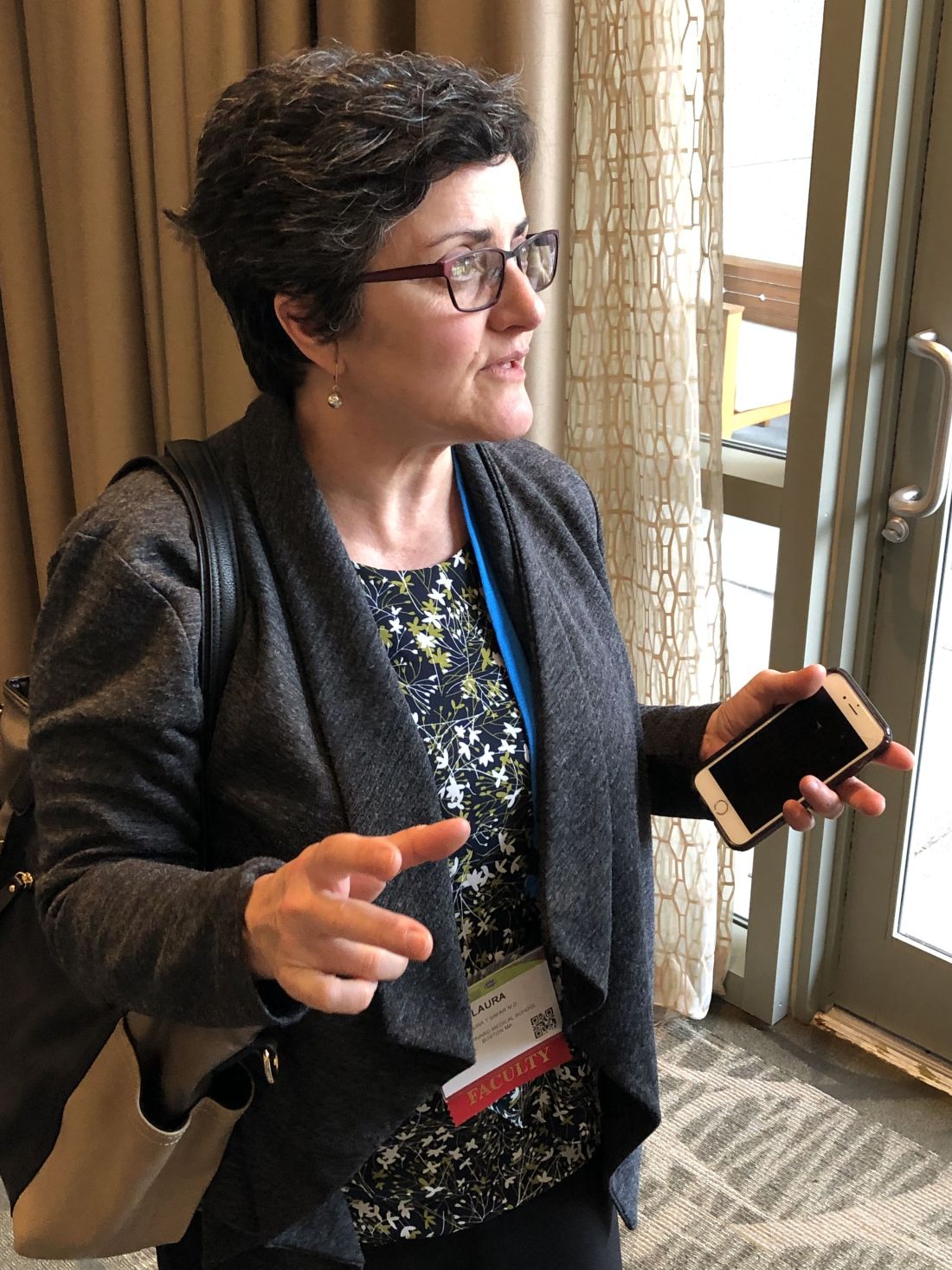
For example, depression may strike a patient as a primary condition, just as it could in anyone. But it may also be a manifestation of MS itself, or a side effect of an MS medication, or spurred by the fatigue and pain caused by MS, said Laura T. Safar, MD, a psychiatrist affiliated with Brigham and Women's Hospital, Boston*. As a result, popular psychiatric treatments such as SSRIs might not necessarily be the best approach, said Dr. Safar, who spoke in an interview and during a presentation at the annual meeting of the Consortium of Multiple Sclerosis Centers.
“You need to follow the why,” she said in the interview, adding that it is crucial to view neurologic and mental health as one and the same in MS. “More integration,” she said, “continues to be the way to go.”
Here are some pearls and tips from Dr. Safar’s presentation on treating psychiatric conditions in patients with MS:
Mental illness incidence
Depression is estimated to affect 25%-45% of people with MS over their lifetimes, while bipolar disorder is thought to affect 6% of patients and a quarter are estimated to have anxiety.
Researchers also believe as many as 10% of patients are affected by pathological laughing and crying during their lives.
Psychiatric side effects
Interferon drugs are notoriously linked to depression and psychosis. Glatiramer acetate (Copaxone) and natalizumab (Tysabri) are also thought to cause psychiatric side effects in some cases – anxiety and depression, respectively. But drug-modifying therapies can also provide relief on the psychiatric front, Dr. Safar said.
Meanwhile, dozens of other drugs used to treat aspects of MS such as spasticity, pain, and fatigue have possible psychiatric side effects.
Alternatives to SSRIs
SSRIs are often a first option in psychiatric patients, but those with MS may need another option because so many – an estimated 80% – also have fatigue, Dr. Safar said.
Alternatives for patients with MS include serotonin and norepinephrine reuptake inhibitors (SNRIs), which may have an advantage over SSRIs, she said. Specifically, SNRIs and bupropion (Wellbutrin) may be better for patients with fatigue and cognitive problems, she said, while vortioxetine (Trintellix) may benefit cognition.
Treating anxiety
There are no data regarding the best drug treatment for anxiety in patients with MS, she said, and SSRIs are typically the starting point. Consider SNRIs and duloxetine, respectively, when patients also have significant fatigue and cognitive symptoms. Use benzodiazepines only in occasional cases (such as anxiety regarding an MRI) and severe cases, she said.
MS-specific side effects
Beware of MS-specific side effects, Dr. Safar said. Some common psychiatric drugs, especially citalopram (Celexa) and escitalopram (Lexapro), may increase the QTc interval and shouldn’t be used in combination with the MS drug fingolimod (Gilenya).
And, she said, bupropion is “a very helpful agent” but poses a rare risk of seizures. Dr. Safar said she has seen this side effect a couple times over 10 years, but both were in patients with “other factors involved.” Still, “it’s something to keep in mind.”
Also understand that serotonergic agents can worsen restless legs syndrome, which is more common in patients with MS. Dr. Safar advises monitoring for the condition.
Pathological laughing, crying
Episodes of so-called pathological laughing, crying, or both tend to be brief, frequent, and intense. They may be sparked by nothing at all, and more often feature crying.
Certain SSRIs have proved helpful for the condition in MS, Dr. Safar said. Research also supports a combination of dextromethorphan (cough suppressant) and quinidine (a drug used to treat arrhythmias and malaria). The combination is sold together as Nuedexta.
Other agents such as venlafaxine (Effexor) and duloxetine (Cymbalta) have very limited data and shouldn’t be first-line treatment, she said.
Dr. Safar reports no relevant disclosures.
Correction, 5/31/19: An earlier version of this article misstated Dr. Safar's hospital affiliation.
SEATTLE – , a neuropsychiatrist cautioned colleagues who treat MS.
For example, depression may strike a patient as a primary condition, just as it could in anyone. But it may also be a manifestation of MS itself, or a side effect of an MS medication, or spurred by the fatigue and pain caused by MS, said Laura T. Safar, MD, a psychiatrist affiliated with Brigham and Women's Hospital, Boston*. As a result, popular psychiatric treatments such as SSRIs might not necessarily be the best approach, said Dr. Safar, who spoke in an interview and during a presentation at the annual meeting of the Consortium of Multiple Sclerosis Centers.
“You need to follow the why,” she said in the interview, adding that it is crucial to view neurologic and mental health as one and the same in MS. “More integration,” she said, “continues to be the way to go.”
Here are some pearls and tips from Dr. Safar’s presentation on treating psychiatric conditions in patients with MS:
Mental illness incidence
Depression is estimated to affect 25%-45% of people with MS over their lifetimes, while bipolar disorder is thought to affect 6% of patients and a quarter are estimated to have anxiety.
Researchers also believe as many as 10% of patients are affected by pathological laughing and crying during their lives.
Psychiatric side effects
Interferon drugs are notoriously linked to depression and psychosis. Glatiramer acetate (Copaxone) and natalizumab (Tysabri) are also thought to cause psychiatric side effects in some cases – anxiety and depression, respectively. But drug-modifying therapies can also provide relief on the psychiatric front, Dr. Safar said.
Meanwhile, dozens of other drugs used to treat aspects of MS such as spasticity, pain, and fatigue have possible psychiatric side effects.
Alternatives to SSRIs
SSRIs are often a first option in psychiatric patients, but those with MS may need another option because so many – an estimated 80% – also have fatigue, Dr. Safar said.
Alternatives for patients with MS include serotonin and norepinephrine reuptake inhibitors (SNRIs), which may have an advantage over SSRIs, she said. Specifically, SNRIs and bupropion (Wellbutrin) may be better for patients with fatigue and cognitive problems, she said, while vortioxetine (Trintellix) may benefit cognition.
Treating anxiety
There are no data regarding the best drug treatment for anxiety in patients with MS, she said, and SSRIs are typically the starting point. Consider SNRIs and duloxetine, respectively, when patients also have significant fatigue and cognitive symptoms. Use benzodiazepines only in occasional cases (such as anxiety regarding an MRI) and severe cases, she said.
MS-specific side effects
Beware of MS-specific side effects, Dr. Safar said. Some common psychiatric drugs, especially citalopram (Celexa) and escitalopram (Lexapro), may increase the QTc interval and shouldn’t be used in combination with the MS drug fingolimod (Gilenya).
And, she said, bupropion is “a very helpful agent” but poses a rare risk of seizures. Dr. Safar said she has seen this side effect a couple times over 10 years, but both were in patients with “other factors involved.” Still, “it’s something to keep in mind.”
Also understand that serotonergic agents can worsen restless legs syndrome, which is more common in patients with MS. Dr. Safar advises monitoring for the condition.
Pathological laughing, crying
Episodes of so-called pathological laughing, crying, or both tend to be brief, frequent, and intense. They may be sparked by nothing at all, and more often feature crying.
Certain SSRIs have proved helpful for the condition in MS, Dr. Safar said. Research also supports a combination of dextromethorphan (cough suppressant) and quinidine (a drug used to treat arrhythmias and malaria). The combination is sold together as Nuedexta.
Other agents such as venlafaxine (Effexor) and duloxetine (Cymbalta) have very limited data and shouldn’t be first-line treatment, she said.
Dr. Safar reports no relevant disclosures.
Correction, 5/31/19: An earlier version of this article misstated Dr. Safar's hospital affiliation.
SEATTLE – , a neuropsychiatrist cautioned colleagues who treat MS.
For example, depression may strike a patient as a primary condition, just as it could in anyone. But it may also be a manifestation of MS itself, or a side effect of an MS medication, or spurred by the fatigue and pain caused by MS, said Laura T. Safar, MD, a psychiatrist affiliated with Brigham and Women's Hospital, Boston*. As a result, popular psychiatric treatments such as SSRIs might not necessarily be the best approach, said Dr. Safar, who spoke in an interview and during a presentation at the annual meeting of the Consortium of Multiple Sclerosis Centers.
“You need to follow the why,” she said in the interview, adding that it is crucial to view neurologic and mental health as one and the same in MS. “More integration,” she said, “continues to be the way to go.”
Here are some pearls and tips from Dr. Safar’s presentation on treating psychiatric conditions in patients with MS:
Mental illness incidence
Depression is estimated to affect 25%-45% of people with MS over their lifetimes, while bipolar disorder is thought to affect 6% of patients and a quarter are estimated to have anxiety.
Researchers also believe as many as 10% of patients are affected by pathological laughing and crying during their lives.
Psychiatric side effects
Interferon drugs are notoriously linked to depression and psychosis. Glatiramer acetate (Copaxone) and natalizumab (Tysabri) are also thought to cause psychiatric side effects in some cases – anxiety and depression, respectively. But drug-modifying therapies can also provide relief on the psychiatric front, Dr. Safar said.
Meanwhile, dozens of other drugs used to treat aspects of MS such as spasticity, pain, and fatigue have possible psychiatric side effects.
Alternatives to SSRIs
SSRIs are often a first option in psychiatric patients, but those with MS may need another option because so many – an estimated 80% – also have fatigue, Dr. Safar said.
Alternatives for patients with MS include serotonin and norepinephrine reuptake inhibitors (SNRIs), which may have an advantage over SSRIs, she said. Specifically, SNRIs and bupropion (Wellbutrin) may be better for patients with fatigue and cognitive problems, she said, while vortioxetine (Trintellix) may benefit cognition.
Treating anxiety
There are no data regarding the best drug treatment for anxiety in patients with MS, she said, and SSRIs are typically the starting point. Consider SNRIs and duloxetine, respectively, when patients also have significant fatigue and cognitive symptoms. Use benzodiazepines only in occasional cases (such as anxiety regarding an MRI) and severe cases, she said.
MS-specific side effects
Beware of MS-specific side effects, Dr. Safar said. Some common psychiatric drugs, especially citalopram (Celexa) and escitalopram (Lexapro), may increase the QTc interval and shouldn’t be used in combination with the MS drug fingolimod (Gilenya).
And, she said, bupropion is “a very helpful agent” but poses a rare risk of seizures. Dr. Safar said she has seen this side effect a couple times over 10 years, but both were in patients with “other factors involved.” Still, “it’s something to keep in mind.”
Also understand that serotonergic agents can worsen restless legs syndrome, which is more common in patients with MS. Dr. Safar advises monitoring for the condition.
Pathological laughing, crying
Episodes of so-called pathological laughing, crying, or both tend to be brief, frequent, and intense. They may be sparked by nothing at all, and more often feature crying.
Certain SSRIs have proved helpful for the condition in MS, Dr. Safar said. Research also supports a combination of dextromethorphan (cough suppressant) and quinidine (a drug used to treat arrhythmias and malaria). The combination is sold together as Nuedexta.
Other agents such as venlafaxine (Effexor) and duloxetine (Cymbalta) have very limited data and shouldn’t be first-line treatment, she said.
Dr. Safar reports no relevant disclosures.
Correction, 5/31/19: An earlier version of this article misstated Dr. Safar's hospital affiliation.
EXPERT ANALYSIS FROM CMSC 2019
Low baseline heart rate may not increase cardiac risk when starting fingolimod
SEATTLE – , according to data presented at the annual meeting of the Consortium of Multiple Sclerosis Centers. In addition, the data “provide further evidence that first-dose cardiac events with fingolimod are rare,” regardless of whether the first dose is given in a clinic or a patient’s home, the study researchers said.
Transient heart rate decreases are an anticipated effect of starting fingolimod, and the U.S. prescribing information for the drug requires first-dose observation of heart rate and blood pressure for at least 6 hours. Heart rate and blood pressure may be monitored in a clinic or at home via the Gilenya@Home program.
To examine whether low baseline heart rate is associated with the likelihood of certain cardiac events during the first-dose observation period, John Osborne, MD, of State of the Heart Cardiology in Grapevine, Tex., and colleagues analyzed retrospective, first-dose observation data from Gilenya@Home between October 2014 and July 2017 and from Gilenya Assessment Network clinics between July 2010 and December 2016.
The investigators sought to determine whether baseline heart rate predicts the risk of documented bradycardia, new-onset second-degree atrioventricular block, or ED transfer for additional monitoring. In addition, they examined whether patients with heart rates above a certain threshold may be at risk of first-dose cardiac events.
Dr. Osborne and colleagues reviewed data from 5,572 in-home and 15,025 in-clinic first-dose observation procedures. They classified patients as having marked bradycardia (under 50 beats per minute), mild bradycardia (50-59 bpm), or a normal heart rate (at least 60 bpm) at baseline. During the 20,001 procedures with available data, 182 cardiac events occurred, including 28 instances of documented bradycardia, 13 instances of second-degree atrioventricular block, and 141 instances of ED transfer for extended monitoring; 40 events occurred during at-home monitoring, and 142 events occurred in clinic.
About 87.0% of the cardiac events occurred in patients with a normal baseline heart rate, 11.5% occurred in patients with mild bradycardia, and 1.1% occurred in patients with marked bradycardia. The two cardiac events in patients with marked bradycardia at baseline were ED transfers of patients whose first-dose observations occurred in clinics. “The threshold heart rate above which patients did not experience a cardiac event was 80 bpm, well within the normal range of 60-100 bpm,” the authors said.
“These data suggest that patients with a low baseline heart rate may be at no more risk of cardiac events than patients with a heart rate in the normal range, nor is there a baseline heart rate threshold below which a patient is at greater risk of cardiac events,” Dr. Osborne and colleagues concluded.
Dr. Osborne reporting receiving a consulting fee from Novartis, which markets Gilenya (fingolimod), and his coauthors are employees of Novartis.
SEATTLE – , according to data presented at the annual meeting of the Consortium of Multiple Sclerosis Centers. In addition, the data “provide further evidence that first-dose cardiac events with fingolimod are rare,” regardless of whether the first dose is given in a clinic or a patient’s home, the study researchers said.
Transient heart rate decreases are an anticipated effect of starting fingolimod, and the U.S. prescribing information for the drug requires first-dose observation of heart rate and blood pressure for at least 6 hours. Heart rate and blood pressure may be monitored in a clinic or at home via the Gilenya@Home program.
To examine whether low baseline heart rate is associated with the likelihood of certain cardiac events during the first-dose observation period, John Osborne, MD, of State of the Heart Cardiology in Grapevine, Tex., and colleagues analyzed retrospective, first-dose observation data from Gilenya@Home between October 2014 and July 2017 and from Gilenya Assessment Network clinics between July 2010 and December 2016.
The investigators sought to determine whether baseline heart rate predicts the risk of documented bradycardia, new-onset second-degree atrioventricular block, or ED transfer for additional monitoring. In addition, they examined whether patients with heart rates above a certain threshold may be at risk of first-dose cardiac events.
Dr. Osborne and colleagues reviewed data from 5,572 in-home and 15,025 in-clinic first-dose observation procedures. They classified patients as having marked bradycardia (under 50 beats per minute), mild bradycardia (50-59 bpm), or a normal heart rate (at least 60 bpm) at baseline. During the 20,001 procedures with available data, 182 cardiac events occurred, including 28 instances of documented bradycardia, 13 instances of second-degree atrioventricular block, and 141 instances of ED transfer for extended monitoring; 40 events occurred during at-home monitoring, and 142 events occurred in clinic.
About 87.0% of the cardiac events occurred in patients with a normal baseline heart rate, 11.5% occurred in patients with mild bradycardia, and 1.1% occurred in patients with marked bradycardia. The two cardiac events in patients with marked bradycardia at baseline were ED transfers of patients whose first-dose observations occurred in clinics. “The threshold heart rate above which patients did not experience a cardiac event was 80 bpm, well within the normal range of 60-100 bpm,” the authors said.
“These data suggest that patients with a low baseline heart rate may be at no more risk of cardiac events than patients with a heart rate in the normal range, nor is there a baseline heart rate threshold below which a patient is at greater risk of cardiac events,” Dr. Osborne and colleagues concluded.
Dr. Osborne reporting receiving a consulting fee from Novartis, which markets Gilenya (fingolimod), and his coauthors are employees of Novartis.
SEATTLE – , according to data presented at the annual meeting of the Consortium of Multiple Sclerosis Centers. In addition, the data “provide further evidence that first-dose cardiac events with fingolimod are rare,” regardless of whether the first dose is given in a clinic or a patient’s home, the study researchers said.
Transient heart rate decreases are an anticipated effect of starting fingolimod, and the U.S. prescribing information for the drug requires first-dose observation of heart rate and blood pressure for at least 6 hours. Heart rate and blood pressure may be monitored in a clinic or at home via the Gilenya@Home program.
To examine whether low baseline heart rate is associated with the likelihood of certain cardiac events during the first-dose observation period, John Osborne, MD, of State of the Heart Cardiology in Grapevine, Tex., and colleagues analyzed retrospective, first-dose observation data from Gilenya@Home between October 2014 and July 2017 and from Gilenya Assessment Network clinics between July 2010 and December 2016.
The investigators sought to determine whether baseline heart rate predicts the risk of documented bradycardia, new-onset second-degree atrioventricular block, or ED transfer for additional monitoring. In addition, they examined whether patients with heart rates above a certain threshold may be at risk of first-dose cardiac events.
Dr. Osborne and colleagues reviewed data from 5,572 in-home and 15,025 in-clinic first-dose observation procedures. They classified patients as having marked bradycardia (under 50 beats per minute), mild bradycardia (50-59 bpm), or a normal heart rate (at least 60 bpm) at baseline. During the 20,001 procedures with available data, 182 cardiac events occurred, including 28 instances of documented bradycardia, 13 instances of second-degree atrioventricular block, and 141 instances of ED transfer for extended monitoring; 40 events occurred during at-home monitoring, and 142 events occurred in clinic.
About 87.0% of the cardiac events occurred in patients with a normal baseline heart rate, 11.5% occurred in patients with mild bradycardia, and 1.1% occurred in patients with marked bradycardia. The two cardiac events in patients with marked bradycardia at baseline were ED transfers of patients whose first-dose observations occurred in clinics. “The threshold heart rate above which patients did not experience a cardiac event was 80 bpm, well within the normal range of 60-100 bpm,” the authors said.
“These data suggest that patients with a low baseline heart rate may be at no more risk of cardiac events than patients with a heart rate in the normal range, nor is there a baseline heart rate threshold below which a patient is at greater risk of cardiac events,” Dr. Osborne and colleagues concluded.
Dr. Osborne reporting receiving a consulting fee from Novartis, which markets Gilenya (fingolimod), and his coauthors are employees of Novartis.
REPORTING FROM CMSC 2019
Questions remain as marijuana enters clinic use
SAN FRANCISCO – Medical marijuana skipped the usual phased testing of pharmaceuticals, so questions abound about how to counsel patients as legalization rolls out across the country, speakers said at the American Psychiatric Association annual meeting.

Drug interactions are an issue but remain under the radar. Tetrahydrocannabinol (THC) and cannabidiol (CBD) are inhibitors of cytochrome P450, specifically the CYP2C enzyme and CYP3A liver enzymes, which means possible interactions with drug classes such as antidepressants and antipsychotics might come into play.
Concomitant use could affect, or be affected by, fluoxetine, clozapine, duloxetine, and olanzapine, among other medications. One case study suggested that warfarin doses should be reduced by 30% in a patient who had started with a liquid formulation of CBD for managing epilepsy (Basic Clin Pharmacol Toxicol. 2019 Jan;124[1]:28-31).
At this point, it’s “not clear what the clinic implications are,” but “it’s not unreasonable to consider that your patients’ response to their psychiatric medications might change based on the introduction of cannabinoids,” said Arthur Williams, MD, assistant professor of clinical psychiatry at Columbia University, New York, and one of many researchers playing catch-up as marijuana and its derivatives enter the clinic.
Another question is what, exactly, is a standard dose?
Dosing mostly has been a question of THC, the psychoactive component of marijuana. Washington state and Colorado opted for 10-mg THC when those jurisdictions legalized recreational use; Oregon chose 5 mg. Both are in line with Food and Drug Administration formulations already on the market, including dronabinol (Marinol), a synthetic THC approved in 2.5-mg, 5-mg, and 10-mg doses for AIDS wasting, and chemotherapy nausea and vomiting.
A typical .7-g joint of 8% THC delivers about 5 mg or so, but newer strains range up to 20% THC, and could deliver over 13 mg per joint; occasional users, meanwhile, feel high from just 2-3 mg.
The ratio of THC to CBD matters, as well. Generally, “whole plant marijuana on the black market is much higher in THC and much lower in CBD,” Dr. Williams said. CBD is thought to deliver most of the medical benefits of marijuana.
It’s best to ask people what they’re using, and to counsel new users – especially the elderly – to start low and go slow. But keep in mind that many medical users have years of recreational use and have built up tolerance, he said.
Vaping is not a bad idea for those interested. It heats the plant material to high enough temperatures to release cannabinoids but without combusting. It’s a much more efficient THC delivery system than smoking, and there’s no smoke in the lungs. Vape patients often feel they can titrate their dose exactly.
Edibles are another matter. It can take hours for them to hit. Although THC levels do not spike with edibles as they do when the substance is inhaled, the effects last longer. A lot depends on how much food is in the gut.
The risk with edibles is that people may keep popping gummy bears and brownies because they don’t feel anything but end up overdosing. Children might be tempted by the treats, too, and for those under 4 years old, overdose can lead to fatal encephalopathic comas, “something we never really saw until edibles came around,” Dr. Williams said.
With edibles, “you have no idea what’s actually in the product.” Labels can be “inaccurate by an order of magnitude. Patients should be cautioned about that,” he said.
Pregnant and breastfeeding women, especially, should be warned away from marijuana. Some of the literature suggests a link between exposure to marijuana and preterm birth – in addition to early psychosis in vulnerable children.
Dr. Williams had no relevant disclosures.
SAN FRANCISCO – Medical marijuana skipped the usual phased testing of pharmaceuticals, so questions abound about how to counsel patients as legalization rolls out across the country, speakers said at the American Psychiatric Association annual meeting.
Drug interactions are an issue but remain under the radar. Tetrahydrocannabinol (THC) and cannabidiol (CBD) are inhibitors of cytochrome P450, specifically the CYP2C enzyme and CYP3A liver enzymes, which means possible interactions with drug classes such as antidepressants and antipsychotics might come into play.
Concomitant use could affect, or be affected by, fluoxetine, clozapine, duloxetine, and olanzapine, among other medications. One case study suggested that warfarin doses should be reduced by 30% in a patient who had started with a liquid formulation of CBD for managing epilepsy (Basic Clin Pharmacol Toxicol. 2019 Jan;124[1]:28-31).
At this point, it’s “not clear what the clinic implications are,” but “it’s not unreasonable to consider that your patients’ response to their psychiatric medications might change based on the introduction of cannabinoids,” said Arthur Williams, MD, assistant professor of clinical psychiatry at Columbia University, New York, and one of many researchers playing catch-up as marijuana and its derivatives enter the clinic.
Another question is what, exactly, is a standard dose?
Dosing mostly has been a question of THC, the psychoactive component of marijuana. Washington state and Colorado opted for 10-mg THC when those jurisdictions legalized recreational use; Oregon chose 5 mg. Both are in line with Food and Drug Administration formulations already on the market, including dronabinol (Marinol), a synthetic THC approved in 2.5-mg, 5-mg, and 10-mg doses for AIDS wasting, and chemotherapy nausea and vomiting.
A typical .7-g joint of 8% THC delivers about 5 mg or so, but newer strains range up to 20% THC, and could deliver over 13 mg per joint; occasional users, meanwhile, feel high from just 2-3 mg.
The ratio of THC to CBD matters, as well. Generally, “whole plant marijuana on the black market is much higher in THC and much lower in CBD,” Dr. Williams said. CBD is thought to deliver most of the medical benefits of marijuana.
It’s best to ask people what they’re using, and to counsel new users – especially the elderly – to start low and go slow. But keep in mind that many medical users have years of recreational use and have built up tolerance, he said.
Vaping is not a bad idea for those interested. It heats the plant material to high enough temperatures to release cannabinoids but without combusting. It’s a much more efficient THC delivery system than smoking, and there’s no smoke in the lungs. Vape patients often feel they can titrate their dose exactly.
Edibles are another matter. It can take hours for them to hit. Although THC levels do not spike with edibles as they do when the substance is inhaled, the effects last longer. A lot depends on how much food is in the gut.
The risk with edibles is that people may keep popping gummy bears and brownies because they don’t feel anything but end up overdosing. Children might be tempted by the treats, too, and for those under 4 years old, overdose can lead to fatal encephalopathic comas, “something we never really saw until edibles came around,” Dr. Williams said.
With edibles, “you have no idea what’s actually in the product.” Labels can be “inaccurate by an order of magnitude. Patients should be cautioned about that,” he said.
Pregnant and breastfeeding women, especially, should be warned away from marijuana. Some of the literature suggests a link between exposure to marijuana and preterm birth – in addition to early psychosis in vulnerable children.
Dr. Williams had no relevant disclosures.
SAN FRANCISCO – Medical marijuana skipped the usual phased testing of pharmaceuticals, so questions abound about how to counsel patients as legalization rolls out across the country, speakers said at the American Psychiatric Association annual meeting.
Drug interactions are an issue but remain under the radar. Tetrahydrocannabinol (THC) and cannabidiol (CBD) are inhibitors of cytochrome P450, specifically the CYP2C enzyme and CYP3A liver enzymes, which means possible interactions with drug classes such as antidepressants and antipsychotics might come into play.
Concomitant use could affect, or be affected by, fluoxetine, clozapine, duloxetine, and olanzapine, among other medications. One case study suggested that warfarin doses should be reduced by 30% in a patient who had started with a liquid formulation of CBD for managing epilepsy (Basic Clin Pharmacol Toxicol. 2019 Jan;124[1]:28-31).
At this point, it’s “not clear what the clinic implications are,” but “it’s not unreasonable to consider that your patients’ response to their psychiatric medications might change based on the introduction of cannabinoids,” said Arthur Williams, MD, assistant professor of clinical psychiatry at Columbia University, New York, and one of many researchers playing catch-up as marijuana and its derivatives enter the clinic.
Another question is what, exactly, is a standard dose?
Dosing mostly has been a question of THC, the psychoactive component of marijuana. Washington state and Colorado opted for 10-mg THC when those jurisdictions legalized recreational use; Oregon chose 5 mg. Both are in line with Food and Drug Administration formulations already on the market, including dronabinol (Marinol), a synthetic THC approved in 2.5-mg, 5-mg, and 10-mg doses for AIDS wasting, and chemotherapy nausea and vomiting.
A typical .7-g joint of 8% THC delivers about 5 mg or so, but newer strains range up to 20% THC, and could deliver over 13 mg per joint; occasional users, meanwhile, feel high from just 2-3 mg.
The ratio of THC to CBD matters, as well. Generally, “whole plant marijuana on the black market is much higher in THC and much lower in CBD,” Dr. Williams said. CBD is thought to deliver most of the medical benefits of marijuana.
It’s best to ask people what they’re using, and to counsel new users – especially the elderly – to start low and go slow. But keep in mind that many medical users have years of recreational use and have built up tolerance, he said.
Vaping is not a bad idea for those interested. It heats the plant material to high enough temperatures to release cannabinoids but without combusting. It’s a much more efficient THC delivery system than smoking, and there’s no smoke in the lungs. Vape patients often feel they can titrate their dose exactly.
Edibles are another matter. It can take hours for them to hit. Although THC levels do not spike with edibles as they do when the substance is inhaled, the effects last longer. A lot depends on how much food is in the gut.
The risk with edibles is that people may keep popping gummy bears and brownies because they don’t feel anything but end up overdosing. Children might be tempted by the treats, too, and for those under 4 years old, overdose can lead to fatal encephalopathic comas, “something we never really saw until edibles came around,” Dr. Williams said.
With edibles, “you have no idea what’s actually in the product.” Labels can be “inaccurate by an order of magnitude. Patients should be cautioned about that,” he said.
Pregnant and breastfeeding women, especially, should be warned away from marijuana. Some of the literature suggests a link between exposure to marijuana and preterm birth – in addition to early psychosis in vulnerable children.
Dr. Williams had no relevant disclosures.
REPORTING FROM APA 2019
Hazardous cannabis use in MS linked to anxiety, depression
SEATTLE – A small new study suggests that although it is not clear whether there is a cause-and-effect relationship. “We highly recommend screening for hazardous cannabis use in clinical settings,” said study lead author and rehabilitation psychologist Abbey J. Hughes, PhD, an assistant professor at Johns Hopkins University, Baltimore, in an interview. She spoke prior to the presentation of the study findings at the annual meeting of the Consortium of Multiple Sclerosis Centers.
According to Dr. Hughes, research suggests that patients with MS are using cannabis more now than in the past, especially for medical reasons. It is not clear, however, how cannabis is affecting neurobehavior in patients with MS who use it, said Dr. Hughes, who works with patients with MS.
For the new study, researchers gave surveys to 100 patients with MS (76% female; mean age, 46 years) who sought outpatient care at an MS center. Of those, 31 said they had used cannabis within the past month.
The patients were screened via several tools: the Cannabis Use Disorders Identification Test–Revised (CUDIT-R) Fatigue Severity Scale; Patient Health Questionnaire–8; Generalized Anxiety Disorders Scale–7; and Brief International Cognitive Assessment for Multiple Sclerosis.
Subjects were considered to have a problem with “hazardous cannabis use” if they met or exceeded the CUDIT-R’s clinical cut-off of 8 points. The test asks about topics such as hazardous behavior while using cannabis, problems with memory or concentration after using it, and inability to stop using it. Twelve participants met this criteria, and they were more likely to have more symptoms of depression (beta = 0.32; P less than .01) and anxiety (beta = 0.24; P = .02), after researchers controlled for age, years of education, and MS subtype.
They also were slightly more likely to have more severe fatigue (beta = 0.20; P = .07) and poor sleep (beta = 0.20; P = .07).
The researchers found no link between cannabis use and scores on the cognitive test, although Dr. Hughes noted that other research has suggested such a link.
The study is cross-sectional and does not offer insight into cause and effect, Dr. Hughes said. She noted that it is possible that patients used cannabis because they had higher levels of anxiety and depression.
No study funding was reported and the authors report no relevant disclosures.
SEATTLE – A small new study suggests that although it is not clear whether there is a cause-and-effect relationship. “We highly recommend screening for hazardous cannabis use in clinical settings,” said study lead author and rehabilitation psychologist Abbey J. Hughes, PhD, an assistant professor at Johns Hopkins University, Baltimore, in an interview. She spoke prior to the presentation of the study findings at the annual meeting of the Consortium of Multiple Sclerosis Centers.
According to Dr. Hughes, research suggests that patients with MS are using cannabis more now than in the past, especially for medical reasons. It is not clear, however, how cannabis is affecting neurobehavior in patients with MS who use it, said Dr. Hughes, who works with patients with MS.
For the new study, researchers gave surveys to 100 patients with MS (76% female; mean age, 46 years) who sought outpatient care at an MS center. Of those, 31 said they had used cannabis within the past month.
The patients were screened via several tools: the Cannabis Use Disorders Identification Test–Revised (CUDIT-R) Fatigue Severity Scale; Patient Health Questionnaire–8; Generalized Anxiety Disorders Scale–7; and Brief International Cognitive Assessment for Multiple Sclerosis.
Subjects were considered to have a problem with “hazardous cannabis use” if they met or exceeded the CUDIT-R’s clinical cut-off of 8 points. The test asks about topics such as hazardous behavior while using cannabis, problems with memory or concentration after using it, and inability to stop using it. Twelve participants met this criteria, and they were more likely to have more symptoms of depression (beta = 0.32; P less than .01) and anxiety (beta = 0.24; P = .02), after researchers controlled for age, years of education, and MS subtype.
They also were slightly more likely to have more severe fatigue (beta = 0.20; P = .07) and poor sleep (beta = 0.20; P = .07).
The researchers found no link between cannabis use and scores on the cognitive test, although Dr. Hughes noted that other research has suggested such a link.
The study is cross-sectional and does not offer insight into cause and effect, Dr. Hughes said. She noted that it is possible that patients used cannabis because they had higher levels of anxiety and depression.
No study funding was reported and the authors report no relevant disclosures.
SEATTLE – A small new study suggests that although it is not clear whether there is a cause-and-effect relationship. “We highly recommend screening for hazardous cannabis use in clinical settings,” said study lead author and rehabilitation psychologist Abbey J. Hughes, PhD, an assistant professor at Johns Hopkins University, Baltimore, in an interview. She spoke prior to the presentation of the study findings at the annual meeting of the Consortium of Multiple Sclerosis Centers.
According to Dr. Hughes, research suggests that patients with MS are using cannabis more now than in the past, especially for medical reasons. It is not clear, however, how cannabis is affecting neurobehavior in patients with MS who use it, said Dr. Hughes, who works with patients with MS.
For the new study, researchers gave surveys to 100 patients with MS (76% female; mean age, 46 years) who sought outpatient care at an MS center. Of those, 31 said they had used cannabis within the past month.
The patients were screened via several tools: the Cannabis Use Disorders Identification Test–Revised (CUDIT-R) Fatigue Severity Scale; Patient Health Questionnaire–8; Generalized Anxiety Disorders Scale–7; and Brief International Cognitive Assessment for Multiple Sclerosis.
Subjects were considered to have a problem with “hazardous cannabis use” if they met or exceeded the CUDIT-R’s clinical cut-off of 8 points. The test asks about topics such as hazardous behavior while using cannabis, problems with memory or concentration after using it, and inability to stop using it. Twelve participants met this criteria, and they were more likely to have more symptoms of depression (beta = 0.32; P less than .01) and anxiety (beta = 0.24; P = .02), after researchers controlled for age, years of education, and MS subtype.
They also were slightly more likely to have more severe fatigue (beta = 0.20; P = .07) and poor sleep (beta = 0.20; P = .07).
The researchers found no link between cannabis use and scores on the cognitive test, although Dr. Hughes noted that other research has suggested such a link.
The study is cross-sectional and does not offer insight into cause and effect, Dr. Hughes said. She noted that it is possible that patients used cannabis because they had higher levels of anxiety and depression.
No study funding was reported and the authors report no relevant disclosures.
REPORTING FROM CMSC 2019
Modest evidence for benefit in studies of cannabis in MS
SEATTLE – Reviewers found modest evidence of benefit and plenty of room for more research.
“Cannabis-based medicine may be useful for refractory MS symptoms, especially spasticity and pain, and side effects are usually well tolerated,” study lead author Natasha Breward, a graduate student at the College of Pharmacy and Nutrition, University of Saskatchewan, Saskatoon, said in an interview. Ms. Breward spoke prior to the presentation of the study findings at the annual meeting of the Consortium of Multiple Sclerosis Centers.
For the review, Ms. Breward and colleagues focused on 60 studies - 26 randomized controlled trials and 34 trials with other designs. Forty of the studies used nabiximols (Sativex), an oromucosal spray that is derived from the cannabis sativa plant and approved for use in multiple countries but not yet in the United States.
According to Ms. Breward, some of the other treatments included dried cannabis that is smoked or eaten and cannabidiol that’s typically delivered with tetrahydrocannabinol (THC) either oromucosally or as an oral capsule.
MS symptoms treated in the studies included spasticity (n = 29), pain (n = 8) and cognition (n = 6).
The researchers considered 22 studies to be poor quality, 14 to be fair quality, and 24 to be good/excellent quality.
As for results, the researchers found that the cannabis-based medicine “significantly reduced spasticity and pain in several individual good-quality studies,” Ms. Breward said. The drugs seem to work by inhibiting neurotransmitter release via cannabinoids, she said.
“However,” she added, “the variability in study quality – and in the products and regimens studied – make it hard to draw any conclusions about specific products and doses that may have the most potential benefit.”
As for adverse effects, dried cannabis was linked to decreased long-term cognitive function, which is distinct from being temporarily high, Ms. Breward said.
“Further research should focus on the use of different products and formulations of cannabis-based medicine such as cannabis oil and cannabidiol-prominent products, as no studies have focused on this area,” she said. “Research should also look at the potential of cannabis-based medicine for the treatment of disease progression, as cannabinoids are anti-inflammatory and immunomodulatory. Finally, more research regarding the potentially synergistic effects of cannabis-based medicine administered with current MS medications would also be useful.”
No study funding is reported and the authors report no relevant disclosures.
SEATTLE – Reviewers found modest evidence of benefit and plenty of room for more research.
“Cannabis-based medicine may be useful for refractory MS symptoms, especially spasticity and pain, and side effects are usually well tolerated,” study lead author Natasha Breward, a graduate student at the College of Pharmacy and Nutrition, University of Saskatchewan, Saskatoon, said in an interview. Ms. Breward spoke prior to the presentation of the study findings at the annual meeting of the Consortium of Multiple Sclerosis Centers.
For the review, Ms. Breward and colleagues focused on 60 studies - 26 randomized controlled trials and 34 trials with other designs. Forty of the studies used nabiximols (Sativex), an oromucosal spray that is derived from the cannabis sativa plant and approved for use in multiple countries but not yet in the United States.
According to Ms. Breward, some of the other treatments included dried cannabis that is smoked or eaten and cannabidiol that’s typically delivered with tetrahydrocannabinol (THC) either oromucosally or as an oral capsule.
MS symptoms treated in the studies included spasticity (n = 29), pain (n = 8) and cognition (n = 6).
The researchers considered 22 studies to be poor quality, 14 to be fair quality, and 24 to be good/excellent quality.
As for results, the researchers found that the cannabis-based medicine “significantly reduced spasticity and pain in several individual good-quality studies,” Ms. Breward said. The drugs seem to work by inhibiting neurotransmitter release via cannabinoids, she said.
“However,” she added, “the variability in study quality – and in the products and regimens studied – make it hard to draw any conclusions about specific products and doses that may have the most potential benefit.”
As for adverse effects, dried cannabis was linked to decreased long-term cognitive function, which is distinct from being temporarily high, Ms. Breward said.
“Further research should focus on the use of different products and formulations of cannabis-based medicine such as cannabis oil and cannabidiol-prominent products, as no studies have focused on this area,” she said. “Research should also look at the potential of cannabis-based medicine for the treatment of disease progression, as cannabinoids are anti-inflammatory and immunomodulatory. Finally, more research regarding the potentially synergistic effects of cannabis-based medicine administered with current MS medications would also be useful.”
No study funding is reported and the authors report no relevant disclosures.
SEATTLE – Reviewers found modest evidence of benefit and plenty of room for more research.
“Cannabis-based medicine may be useful for refractory MS symptoms, especially spasticity and pain, and side effects are usually well tolerated,” study lead author Natasha Breward, a graduate student at the College of Pharmacy and Nutrition, University of Saskatchewan, Saskatoon, said in an interview. Ms. Breward spoke prior to the presentation of the study findings at the annual meeting of the Consortium of Multiple Sclerosis Centers.
For the review, Ms. Breward and colleagues focused on 60 studies - 26 randomized controlled trials and 34 trials with other designs. Forty of the studies used nabiximols (Sativex), an oromucosal spray that is derived from the cannabis sativa plant and approved for use in multiple countries but not yet in the United States.
According to Ms. Breward, some of the other treatments included dried cannabis that is smoked or eaten and cannabidiol that’s typically delivered with tetrahydrocannabinol (THC) either oromucosally or as an oral capsule.
MS symptoms treated in the studies included spasticity (n = 29), pain (n = 8) and cognition (n = 6).
The researchers considered 22 studies to be poor quality, 14 to be fair quality, and 24 to be good/excellent quality.
As for results, the researchers found that the cannabis-based medicine “significantly reduced spasticity and pain in several individual good-quality studies,” Ms. Breward said. The drugs seem to work by inhibiting neurotransmitter release via cannabinoids, she said.
“However,” she added, “the variability in study quality – and in the products and regimens studied – make it hard to draw any conclusions about specific products and doses that may have the most potential benefit.”
As for adverse effects, dried cannabis was linked to decreased long-term cognitive function, which is distinct from being temporarily high, Ms. Breward said.
“Further research should focus on the use of different products and formulations of cannabis-based medicine such as cannabis oil and cannabidiol-prominent products, as no studies have focused on this area,” she said. “Research should also look at the potential of cannabis-based medicine for the treatment of disease progression, as cannabinoids are anti-inflammatory and immunomodulatory. Finally, more research regarding the potentially synergistic effects of cannabis-based medicine administered with current MS medications would also be useful.”
No study funding is reported and the authors report no relevant disclosures.
REPORTING FROM CMSC 2019
Periodic limb movements during sleep are common in patients with MS and fatigue
Seattle – , according to a retrospective analysis described at the annual meeting of the Consortium of Multiple Sclerosis Centers.
“PLMS may contribute to daytime sleepiness and should be recognized and potentially treated. The etiology of fatigue related to sleep problems in people with MS is multifactorial and not just due to obstructive sleep apnea,” said lead author Jared Srinivasan, clinical research coordinator at South Shore Neurologic Associates in East Northport, New York, and colleagues.
Fatigue is common in patients with MS and can be disabling. For many patients with MS, sleep apnea is the underlying cause of fatigue. PLMS – leg movements that usually occur at 20- to 40-second intervals during sleep – are not commonly reported in MS. These movements cause sleep fragmentation, increase the energy cost of sleep, and contribute to daytime somnolence. Patients with PLMS often are unaware that they have them and do not report related symptoms unless they are specifically questioned about them. Polysomnography (PSG) is an effective, objective method of evaluating a patient for PLMS, but previous studies of PLMS in patients with MS have been small.
Mr. Srinivasan and colleagues performed a retrospective analysis to investigate the incidence and degree of PLMS in people with MS who had reported fatigue, had not previously been diagnosed as having sleep apnea or PLMS, and agreed to undergo overnight PSG.
The investigators included 292 participants in their study. The population’s average age was 47.3 years. Approximately 81% of patients were female. About 41% of the population had a PLMS index (PLMS per hour) greater than 0. Of participants with PSG-identified PLMS, 10% had a PLMS index of 5-10, 5% had a PLMS index of 11-21, and 12% had a PLMS index greater than 21. About 38% of the population experienced arousal because of PLMS. Of patients with arousal, 34% had a PLMS arousal index (number of arousals per hour) between 0 and 5, 31% had PLMS arousal index of 5-20, 14% had a PLMS arousal index of 20-50, and 21% had a PLMS arousal index greater than 50.
The investigators did not receive financial support for this study and did not report disclosures.
SOURCE: Srinivasan J et al. CMSC 2019. Abstract QOL29.
Seattle – , according to a retrospective analysis described at the annual meeting of the Consortium of Multiple Sclerosis Centers.
“PLMS may contribute to daytime sleepiness and should be recognized and potentially treated. The etiology of fatigue related to sleep problems in people with MS is multifactorial and not just due to obstructive sleep apnea,” said lead author Jared Srinivasan, clinical research coordinator at South Shore Neurologic Associates in East Northport, New York, and colleagues.
Fatigue is common in patients with MS and can be disabling. For many patients with MS, sleep apnea is the underlying cause of fatigue. PLMS – leg movements that usually occur at 20- to 40-second intervals during sleep – are not commonly reported in MS. These movements cause sleep fragmentation, increase the energy cost of sleep, and contribute to daytime somnolence. Patients with PLMS often are unaware that they have them and do not report related symptoms unless they are specifically questioned about them. Polysomnography (PSG) is an effective, objective method of evaluating a patient for PLMS, but previous studies of PLMS in patients with MS have been small.
Mr. Srinivasan and colleagues performed a retrospective analysis to investigate the incidence and degree of PLMS in people with MS who had reported fatigue, had not previously been diagnosed as having sleep apnea or PLMS, and agreed to undergo overnight PSG.
The investigators included 292 participants in their study. The population’s average age was 47.3 years. Approximately 81% of patients were female. About 41% of the population had a PLMS index (PLMS per hour) greater than 0. Of participants with PSG-identified PLMS, 10% had a PLMS index of 5-10, 5% had a PLMS index of 11-21, and 12% had a PLMS index greater than 21. About 38% of the population experienced arousal because of PLMS. Of patients with arousal, 34% had a PLMS arousal index (number of arousals per hour) between 0 and 5, 31% had PLMS arousal index of 5-20, 14% had a PLMS arousal index of 20-50, and 21% had a PLMS arousal index greater than 50.
The investigators did not receive financial support for this study and did not report disclosures.
SOURCE: Srinivasan J et al. CMSC 2019. Abstract QOL29.
Seattle – , according to a retrospective analysis described at the annual meeting of the Consortium of Multiple Sclerosis Centers.
“PLMS may contribute to daytime sleepiness and should be recognized and potentially treated. The etiology of fatigue related to sleep problems in people with MS is multifactorial and not just due to obstructive sleep apnea,” said lead author Jared Srinivasan, clinical research coordinator at South Shore Neurologic Associates in East Northport, New York, and colleagues.
Fatigue is common in patients with MS and can be disabling. For many patients with MS, sleep apnea is the underlying cause of fatigue. PLMS – leg movements that usually occur at 20- to 40-second intervals during sleep – are not commonly reported in MS. These movements cause sleep fragmentation, increase the energy cost of sleep, and contribute to daytime somnolence. Patients with PLMS often are unaware that they have them and do not report related symptoms unless they are specifically questioned about them. Polysomnography (PSG) is an effective, objective method of evaluating a patient for PLMS, but previous studies of PLMS in patients with MS have been small.
Mr. Srinivasan and colleagues performed a retrospective analysis to investigate the incidence and degree of PLMS in people with MS who had reported fatigue, had not previously been diagnosed as having sleep apnea or PLMS, and agreed to undergo overnight PSG.
The investigators included 292 participants in their study. The population’s average age was 47.3 years. Approximately 81% of patients were female. About 41% of the population had a PLMS index (PLMS per hour) greater than 0. Of participants with PSG-identified PLMS, 10% had a PLMS index of 5-10, 5% had a PLMS index of 11-21, and 12% had a PLMS index greater than 21. About 38% of the population experienced arousal because of PLMS. Of patients with arousal, 34% had a PLMS arousal index (number of arousals per hour) between 0 and 5, 31% had PLMS arousal index of 5-20, 14% had a PLMS arousal index of 20-50, and 21% had a PLMS arousal index greater than 50.
The investigators did not receive financial support for this study and did not report disclosures.
SOURCE: Srinivasan J et al. CMSC 2019. Abstract QOL29.
REPORTING FROM CMSC 2019
Key clinical point: Periodic limb movements during sleep are common in patients with multiple sclerosis who report fatigue.
Major finding: Approximately 41% of patients with multiple sclerosis and fatigue had periodic limb movements during sleep.
Study details: A retrospective study of 292 patients with MS and fatigue who underwent polysomnography.
Disclosures: The investigators did not receive financial support for this study and did not report disclosures.
Source: Srinivasan J et al. CMSC 2019. Abstract QOL29.
General neurologists lag on prescribing high-efficacy MS drugs
SEATTLE – It is not clear if the greater reluctance among general neurologists to prescribe the drugs is hurting the health of patients, and the study does not examine whether general neurologists are referring their toughest patients to their subspecialist colleagues.
Still, the findings raise questions because “starting highly effective drugs early can prevent long-term disability,” said study lead author and neurologist Casey V. Farin, MD, a clinical fellow in the department of neurology at Duke University, Durham, N.C., who spoke in an interview prior to the presentation of the study findings at the annual meeting of the Consortium of Multiple Sclerosis Centers. “A lot of our general neurologists are prescribing the traditional platform therapies that have fallen a bit out of favor in the MS community,” she said.
Dr. Farin and colleagues launched their study to better understand whether “therapeutic inertia” is affecting how general neurologists treat MS. The term refers to “staying with one drug just because it is easier not to rock the boat,” she said. For the purposes of their study, the term encompasses reluctance of neurologists to escalate therapy or prescribe high-efficacy drugs.
“There have been small studies comparing subspecialists and general neurologists using surveys of theoretical cases,” she said. “No studies have looked at how people are prescribing disease-modifying therapy.”
In the new age of high-efficacy treatment, guidelines about early MS treatment are lacking. As the study abstract notes, “in the absence of robust head-to-head clinical data, neurologists do not have an accepted algorithm for initiation and escalation of therapy, although recent research indicates a benefit in initiating highly effective therapies early in the disease course.”
For the study, researchers tracked 4,753 patients with MS who were treated at the Duke University Health System from 2016 to 2018.
General neurologists prescribed platform therapies – interferons, glatiramer acetate (Copaxone) and dimethyl fumarate (Tecfidera) more often than did MS subspecialists (16% vs. 5%, P less than .0001, 12% vs. 6%, P = .001 and 31% vs. 11%, P less than .0001, respectively).
In regard to high-efficacy MS drugs, there was no significant difference in prescription rates of fingolimod (Gilenya) and natalizumab (Tysabri). But general neurologists were less likely to prescribe three other types than were general neurologists: Alemtuzumab (Lemtrada), ocrelizumab (Ocrevus) and rituximab (Rituxan) (0 vs. 8%, P = .0001, 3% vs. 27%, P less than .0001, and 2% vs. 7%, P = .0001, respectively).
Why might general neurologists be more resistant to embrace high-efficacy MS drugs? “They are newer and seen as more aggressive, and riskier,” Dr. Farin said. If general neurologists are not seeing many patients with MS and not prescribing these newer drugs very often, they may be more familiar with the older platform drugs, she said. “They may start with the ones that seem safer and are easier to start with.”
It is possible, she cautioned, that the study results may be confounded by general neurologists who refer patients to MS subspecialists when initial disease-modifying therapies fail.
No study funding was reported. Dr. Farin and two of the other four authors disclosed consulting fees from Biogen. No other disclosures were reported.
SOURCE: Farin CV et al. CMSC 2019. Abstract DXT44.
SEATTLE – It is not clear if the greater reluctance among general neurologists to prescribe the drugs is hurting the health of patients, and the study does not examine whether general neurologists are referring their toughest patients to their subspecialist colleagues.
Still, the findings raise questions because “starting highly effective drugs early can prevent long-term disability,” said study lead author and neurologist Casey V. Farin, MD, a clinical fellow in the department of neurology at Duke University, Durham, N.C., who spoke in an interview prior to the presentation of the study findings at the annual meeting of the Consortium of Multiple Sclerosis Centers. “A lot of our general neurologists are prescribing the traditional platform therapies that have fallen a bit out of favor in the MS community,” she said.
Dr. Farin and colleagues launched their study to better understand whether “therapeutic inertia” is affecting how general neurologists treat MS. The term refers to “staying with one drug just because it is easier not to rock the boat,” she said. For the purposes of their study, the term encompasses reluctance of neurologists to escalate therapy or prescribe high-efficacy drugs.
“There have been small studies comparing subspecialists and general neurologists using surveys of theoretical cases,” she said. “No studies have looked at how people are prescribing disease-modifying therapy.”
In the new age of high-efficacy treatment, guidelines about early MS treatment are lacking. As the study abstract notes, “in the absence of robust head-to-head clinical data, neurologists do not have an accepted algorithm for initiation and escalation of therapy, although recent research indicates a benefit in initiating highly effective therapies early in the disease course.”
For the study, researchers tracked 4,753 patients with MS who were treated at the Duke University Health System from 2016 to 2018.
General neurologists prescribed platform therapies – interferons, glatiramer acetate (Copaxone) and dimethyl fumarate (Tecfidera) more often than did MS subspecialists (16% vs. 5%, P less than .0001, 12% vs. 6%, P = .001 and 31% vs. 11%, P less than .0001, respectively).
In regard to high-efficacy MS drugs, there was no significant difference in prescription rates of fingolimod (Gilenya) and natalizumab (Tysabri). But general neurologists were less likely to prescribe three other types than were general neurologists: Alemtuzumab (Lemtrada), ocrelizumab (Ocrevus) and rituximab (Rituxan) (0 vs. 8%, P = .0001, 3% vs. 27%, P less than .0001, and 2% vs. 7%, P = .0001, respectively).
Why might general neurologists be more resistant to embrace high-efficacy MS drugs? “They are newer and seen as more aggressive, and riskier,” Dr. Farin said. If general neurologists are not seeing many patients with MS and not prescribing these newer drugs very often, they may be more familiar with the older platform drugs, she said. “They may start with the ones that seem safer and are easier to start with.”
It is possible, she cautioned, that the study results may be confounded by general neurologists who refer patients to MS subspecialists when initial disease-modifying therapies fail.
No study funding was reported. Dr. Farin and two of the other four authors disclosed consulting fees from Biogen. No other disclosures were reported.
SOURCE: Farin CV et al. CMSC 2019. Abstract DXT44.
SEATTLE – It is not clear if the greater reluctance among general neurologists to prescribe the drugs is hurting the health of patients, and the study does not examine whether general neurologists are referring their toughest patients to their subspecialist colleagues.
Still, the findings raise questions because “starting highly effective drugs early can prevent long-term disability,” said study lead author and neurologist Casey V. Farin, MD, a clinical fellow in the department of neurology at Duke University, Durham, N.C., who spoke in an interview prior to the presentation of the study findings at the annual meeting of the Consortium of Multiple Sclerosis Centers. “A lot of our general neurologists are prescribing the traditional platform therapies that have fallen a bit out of favor in the MS community,” she said.
Dr. Farin and colleagues launched their study to better understand whether “therapeutic inertia” is affecting how general neurologists treat MS. The term refers to “staying with one drug just because it is easier not to rock the boat,” she said. For the purposes of their study, the term encompasses reluctance of neurologists to escalate therapy or prescribe high-efficacy drugs.
“There have been small studies comparing subspecialists and general neurologists using surveys of theoretical cases,” she said. “No studies have looked at how people are prescribing disease-modifying therapy.”
In the new age of high-efficacy treatment, guidelines about early MS treatment are lacking. As the study abstract notes, “in the absence of robust head-to-head clinical data, neurologists do not have an accepted algorithm for initiation and escalation of therapy, although recent research indicates a benefit in initiating highly effective therapies early in the disease course.”
For the study, researchers tracked 4,753 patients with MS who were treated at the Duke University Health System from 2016 to 2018.
General neurologists prescribed platform therapies – interferons, glatiramer acetate (Copaxone) and dimethyl fumarate (Tecfidera) more often than did MS subspecialists (16% vs. 5%, P less than .0001, 12% vs. 6%, P = .001 and 31% vs. 11%, P less than .0001, respectively).
In regard to high-efficacy MS drugs, there was no significant difference in prescription rates of fingolimod (Gilenya) and natalizumab (Tysabri). But general neurologists were less likely to prescribe three other types than were general neurologists: Alemtuzumab (Lemtrada), ocrelizumab (Ocrevus) and rituximab (Rituxan) (0 vs. 8%, P = .0001, 3% vs. 27%, P less than .0001, and 2% vs. 7%, P = .0001, respectively).
Why might general neurologists be more resistant to embrace high-efficacy MS drugs? “They are newer and seen as more aggressive, and riskier,” Dr. Farin said. If general neurologists are not seeing many patients with MS and not prescribing these newer drugs very often, they may be more familiar with the older platform drugs, she said. “They may start with the ones that seem safer and are easier to start with.”
It is possible, she cautioned, that the study results may be confounded by general neurologists who refer patients to MS subspecialists when initial disease-modifying therapies fail.
No study funding was reported. Dr. Farin and two of the other four authors disclosed consulting fees from Biogen. No other disclosures were reported.
SOURCE: Farin CV et al. CMSC 2019. Abstract DXT44.
REPORTING FROM CMSC 2019
Key clinical point: MS subspecialists are more likely than are general neurologists to prescribe newer, high-efficacy MS therapies.
Major finding: General neurologists prescribed platform therapies – interferons, glatiramer acetate (Copaxone), and dimethyl fumarate (Tecfidera), more often than did MS subspecialists (16% vs. 5%, P less than .0001, 12% vs. 6%, P = .001, and 31% vs. 11%, P less than .0001, respectively).
Study details: Retrospective chart review of 4,753 patients with MS seen at the Duke University Health System.
Disclosures: Dr. Farin and two of the other four coauthors reported consulting fees from Biogen.
Source: Farin CV et al. CMSC 2019. Abstract DXT44.